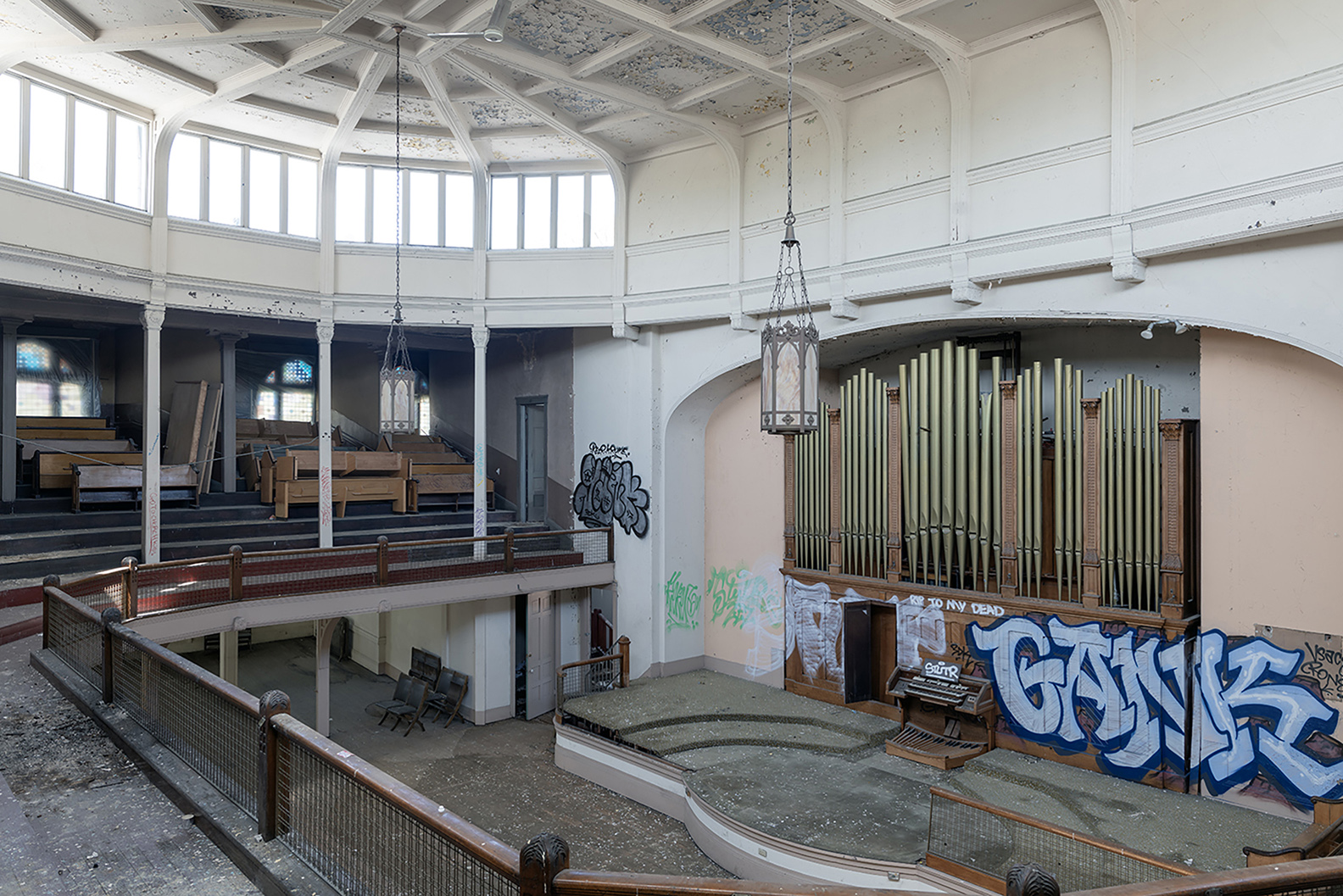
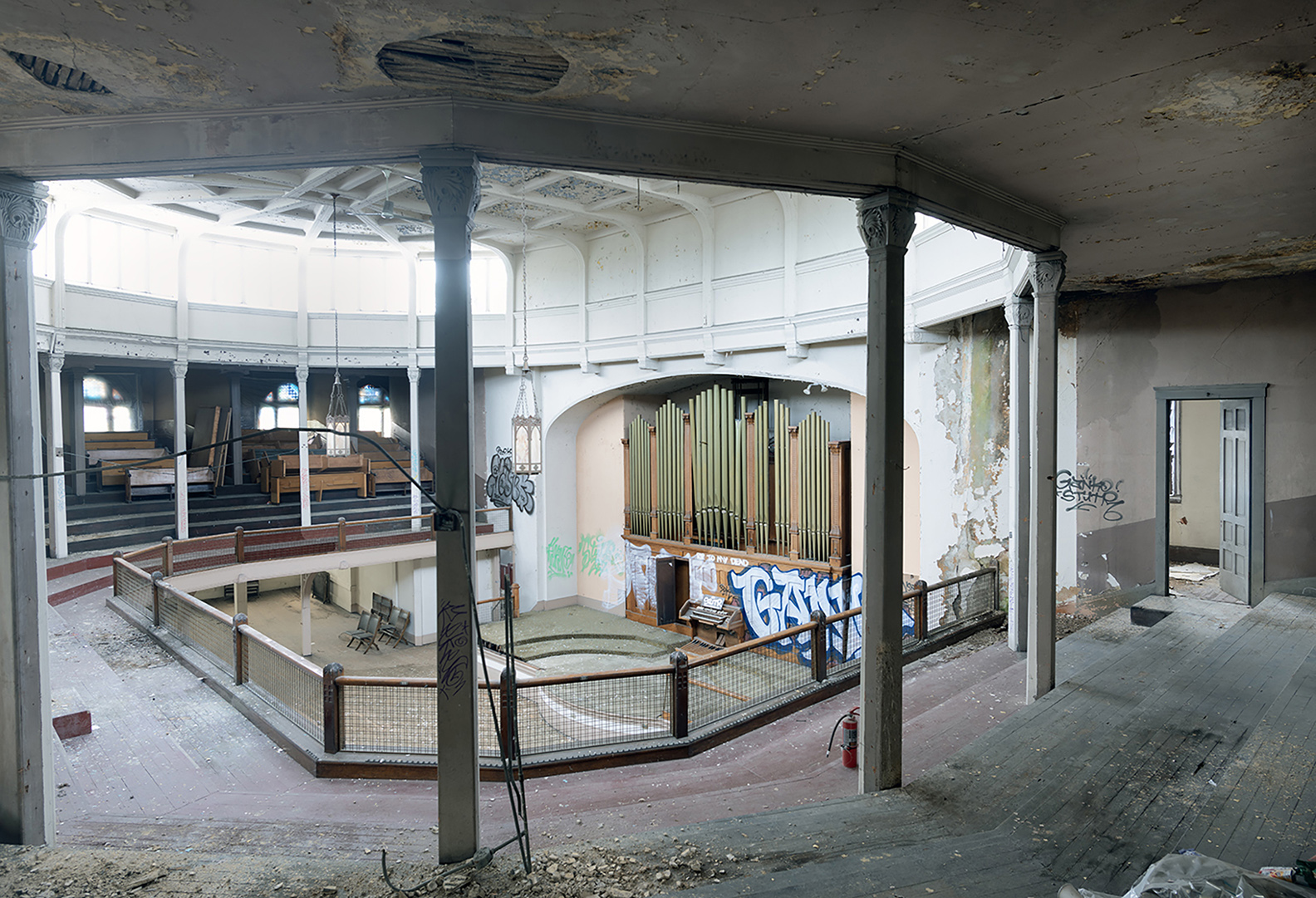
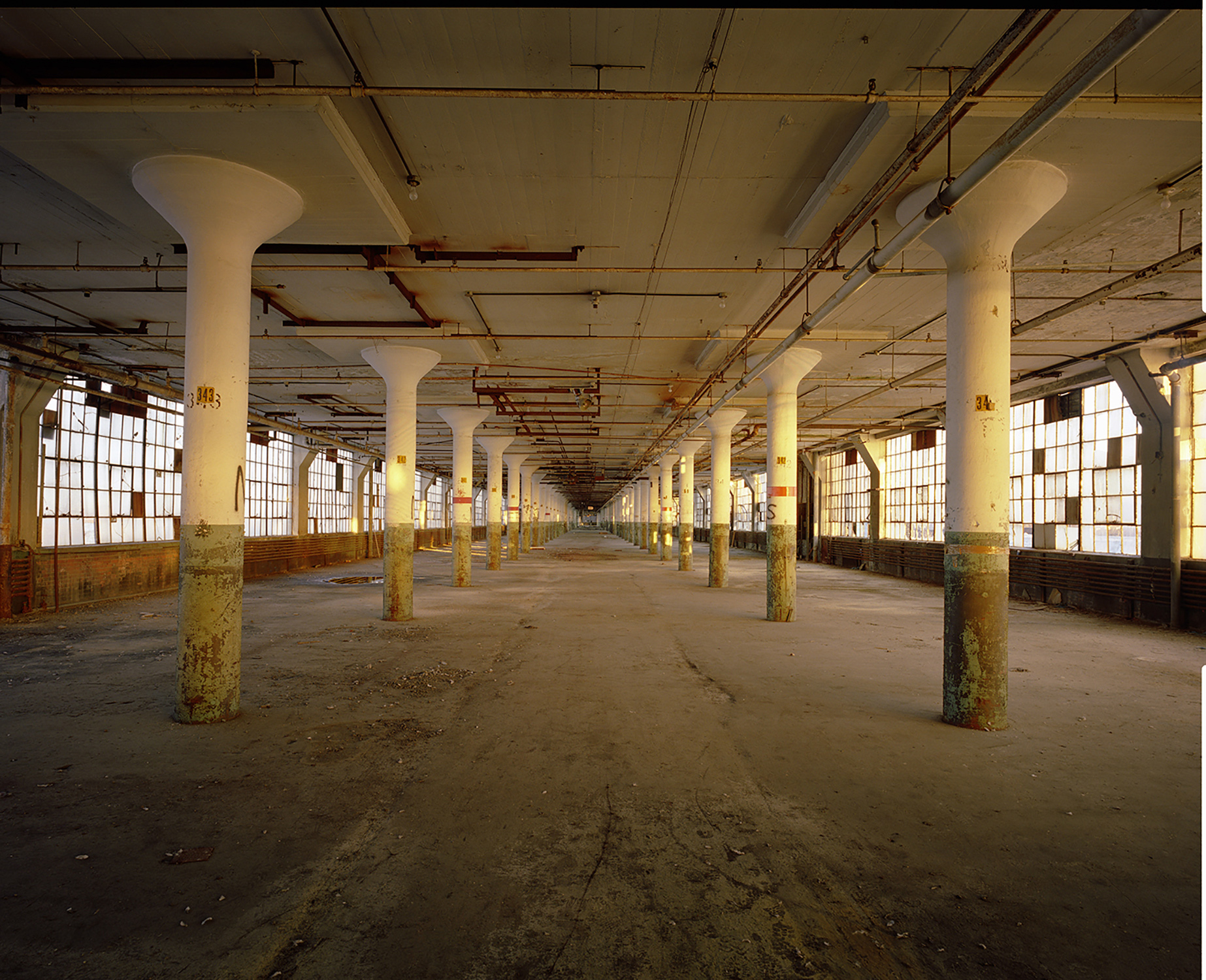
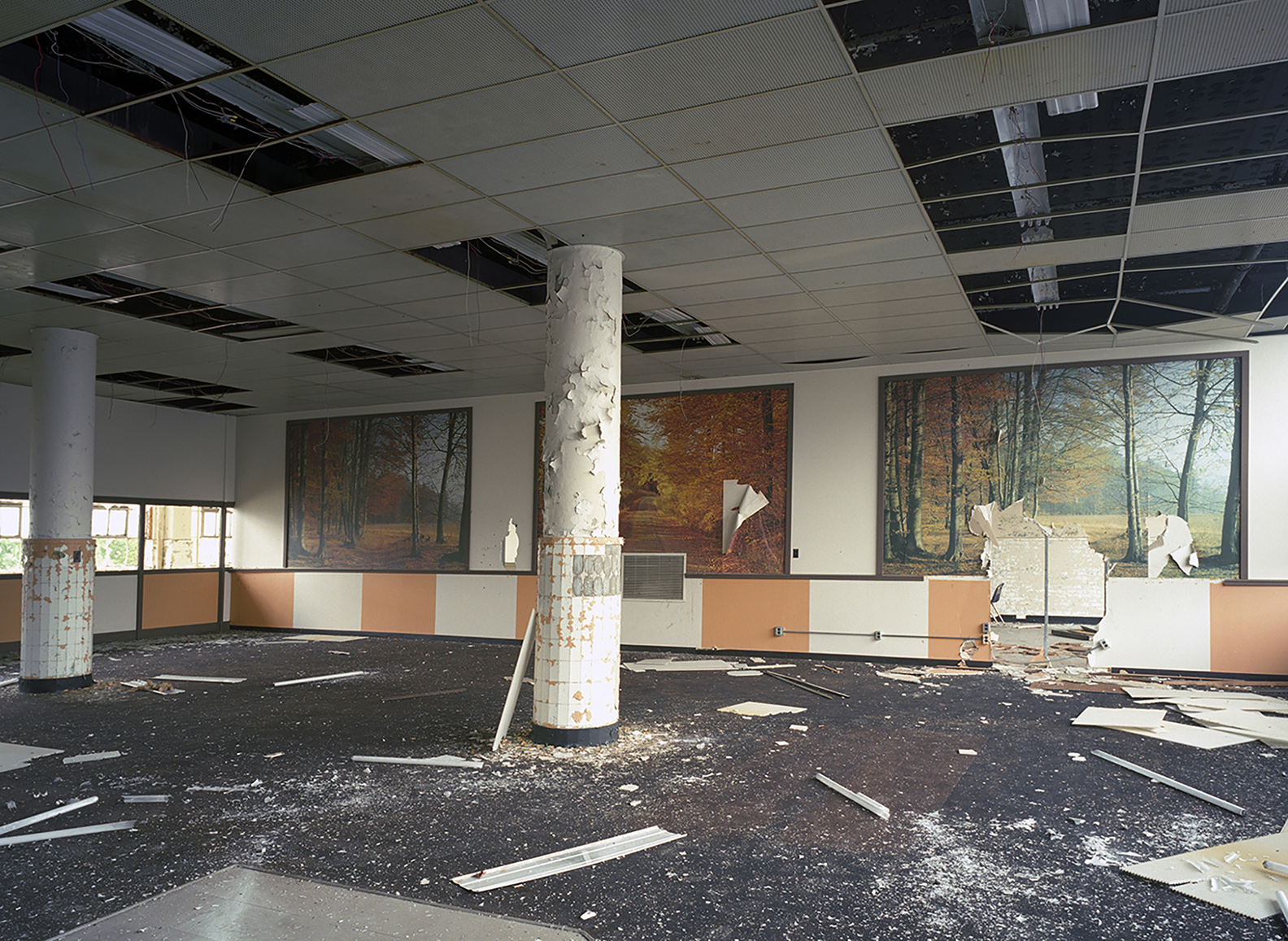
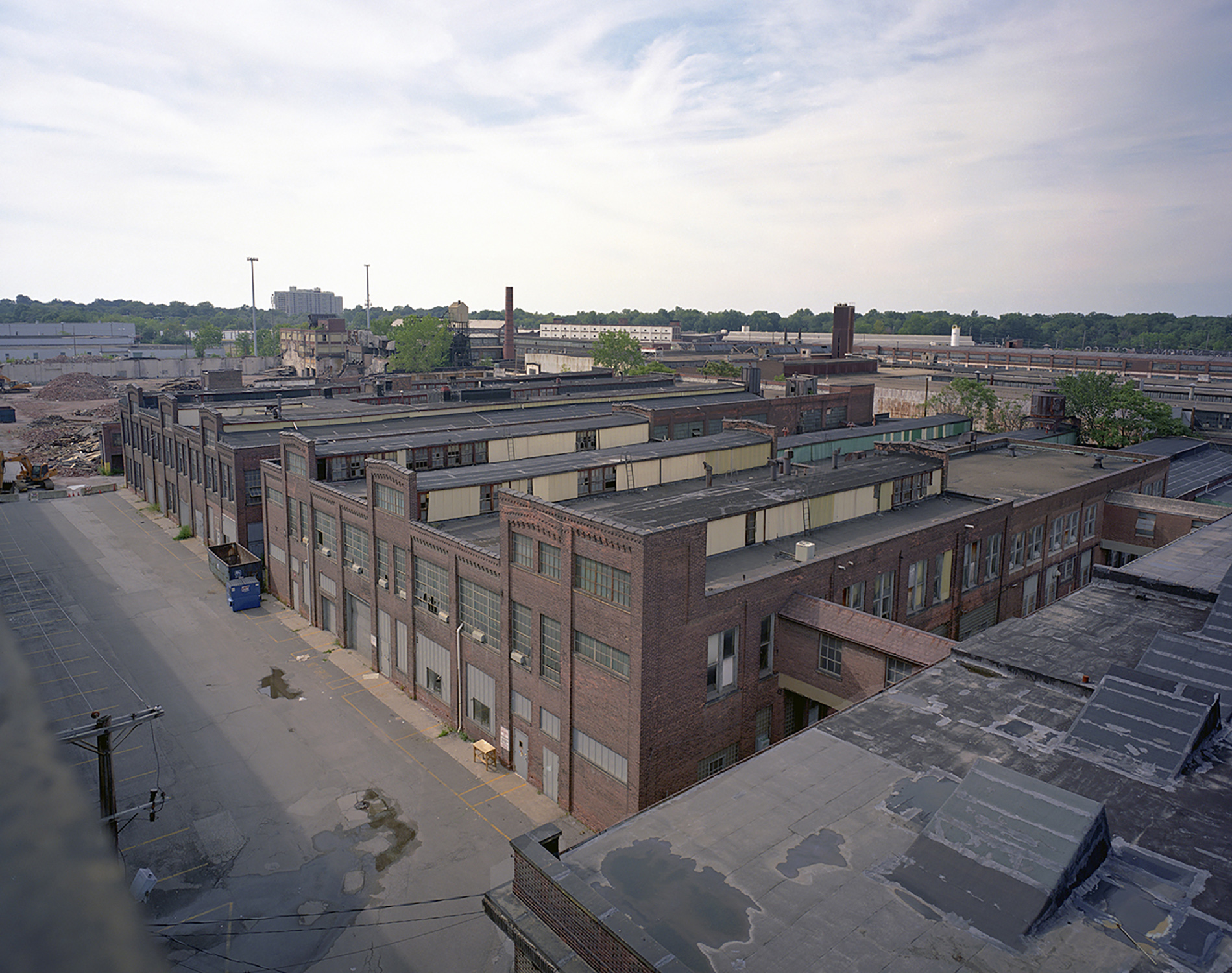
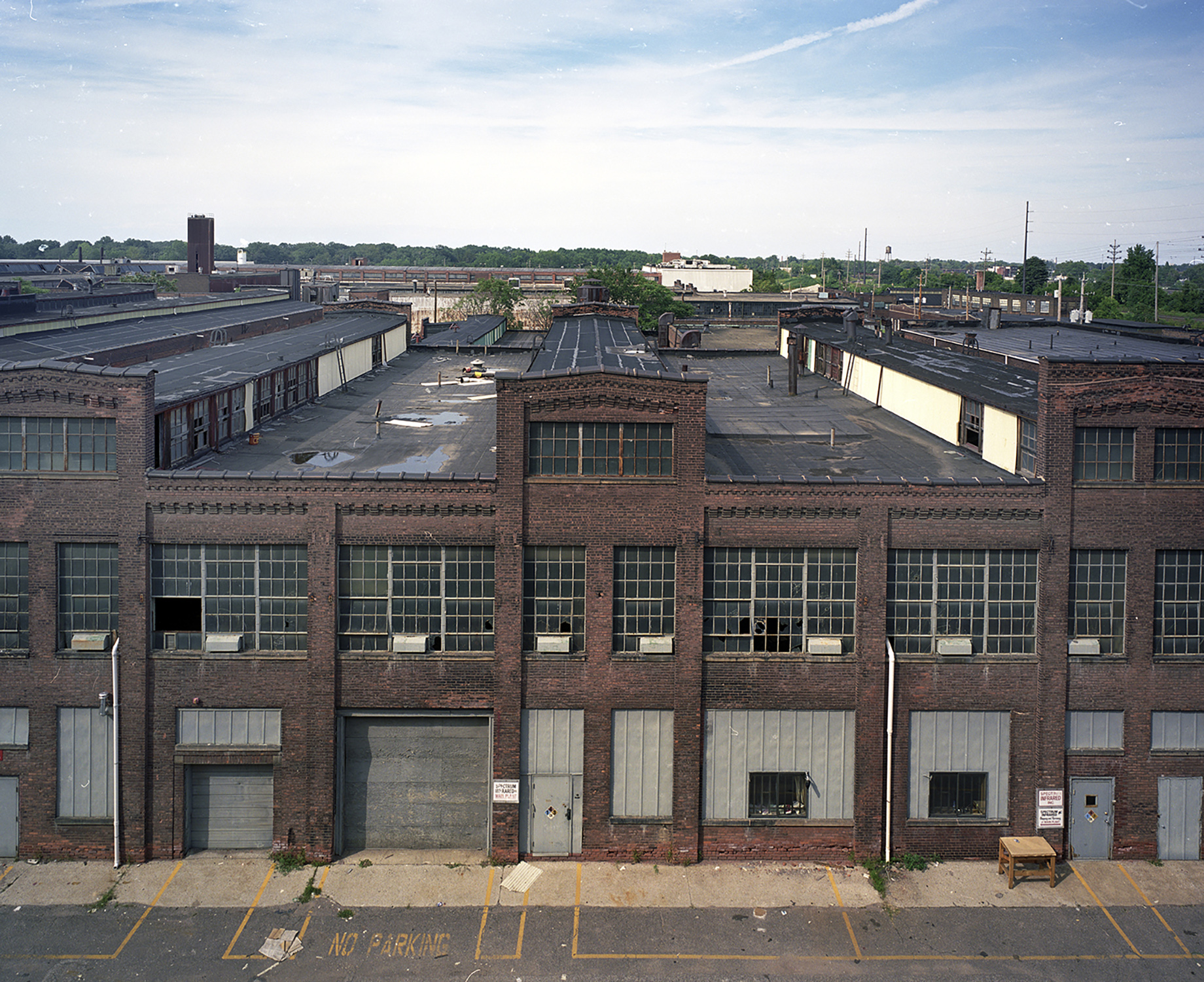
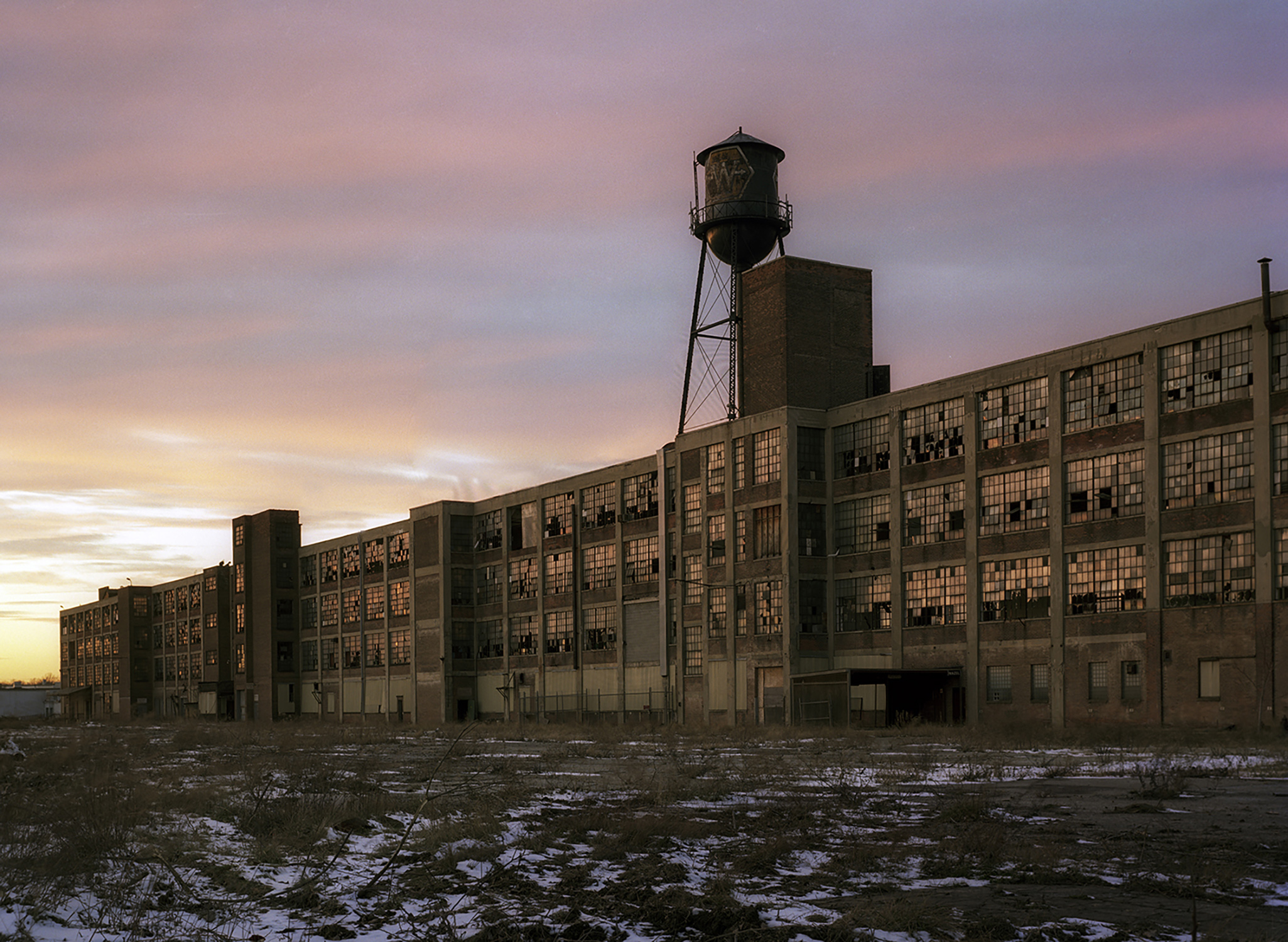
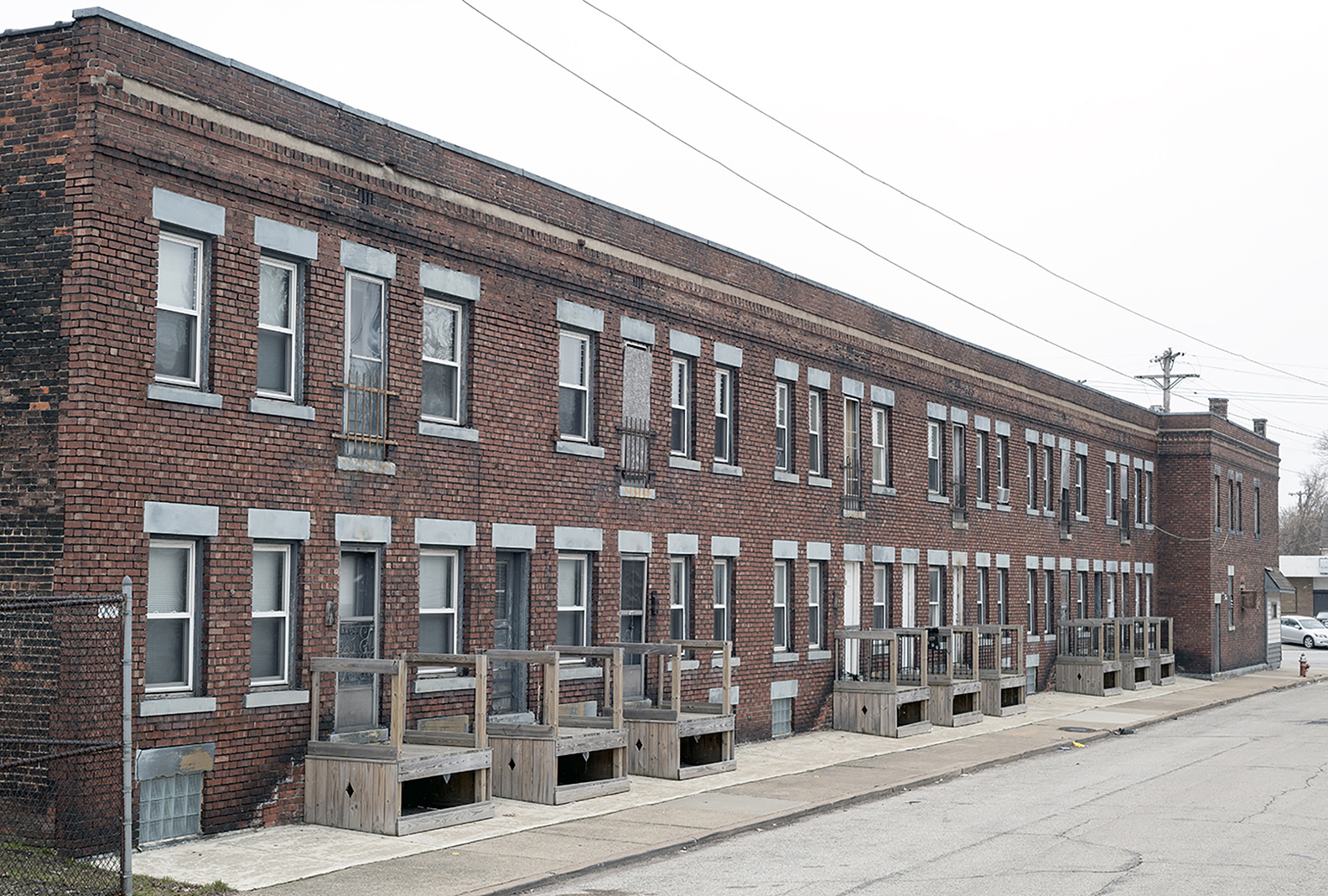
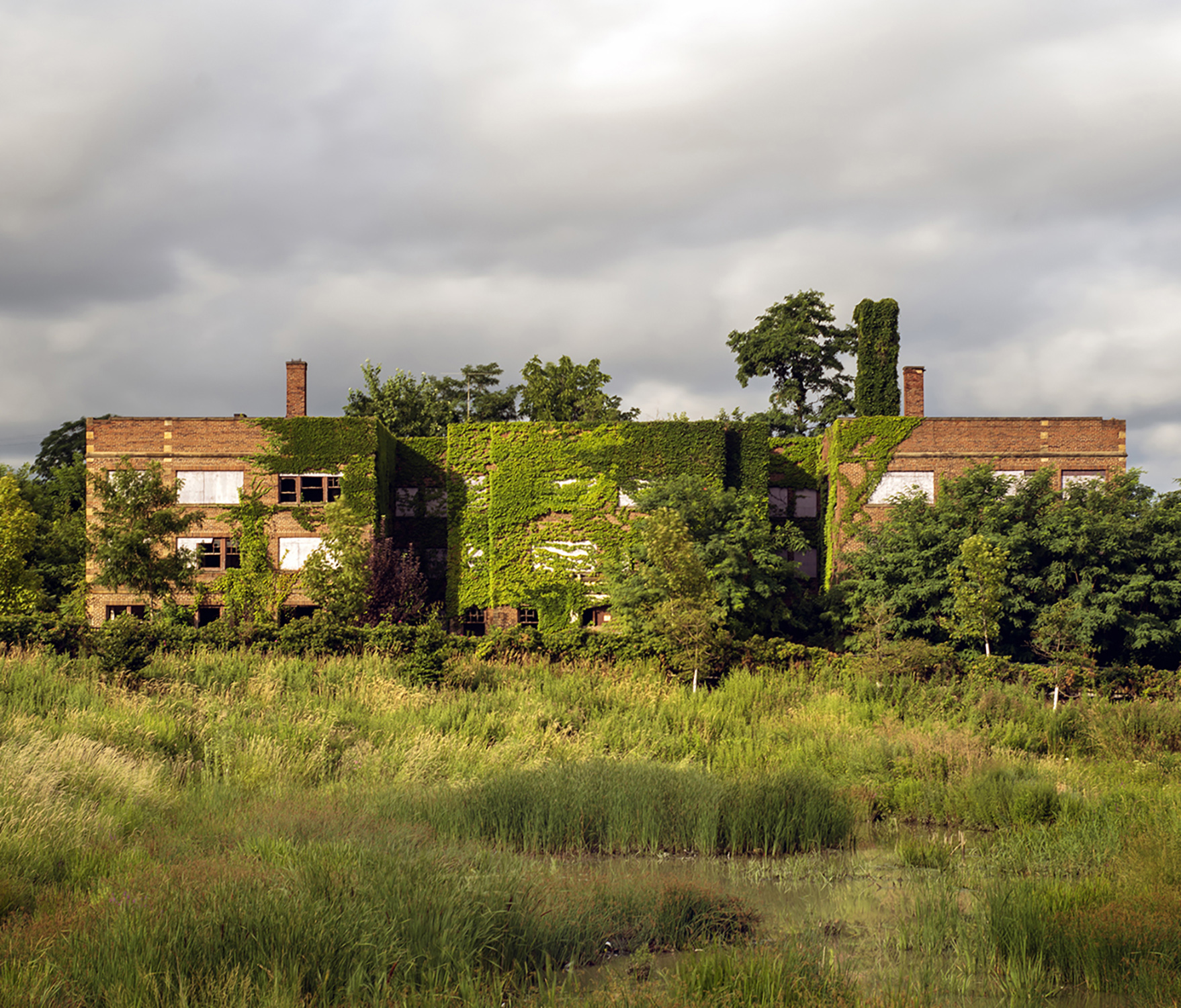
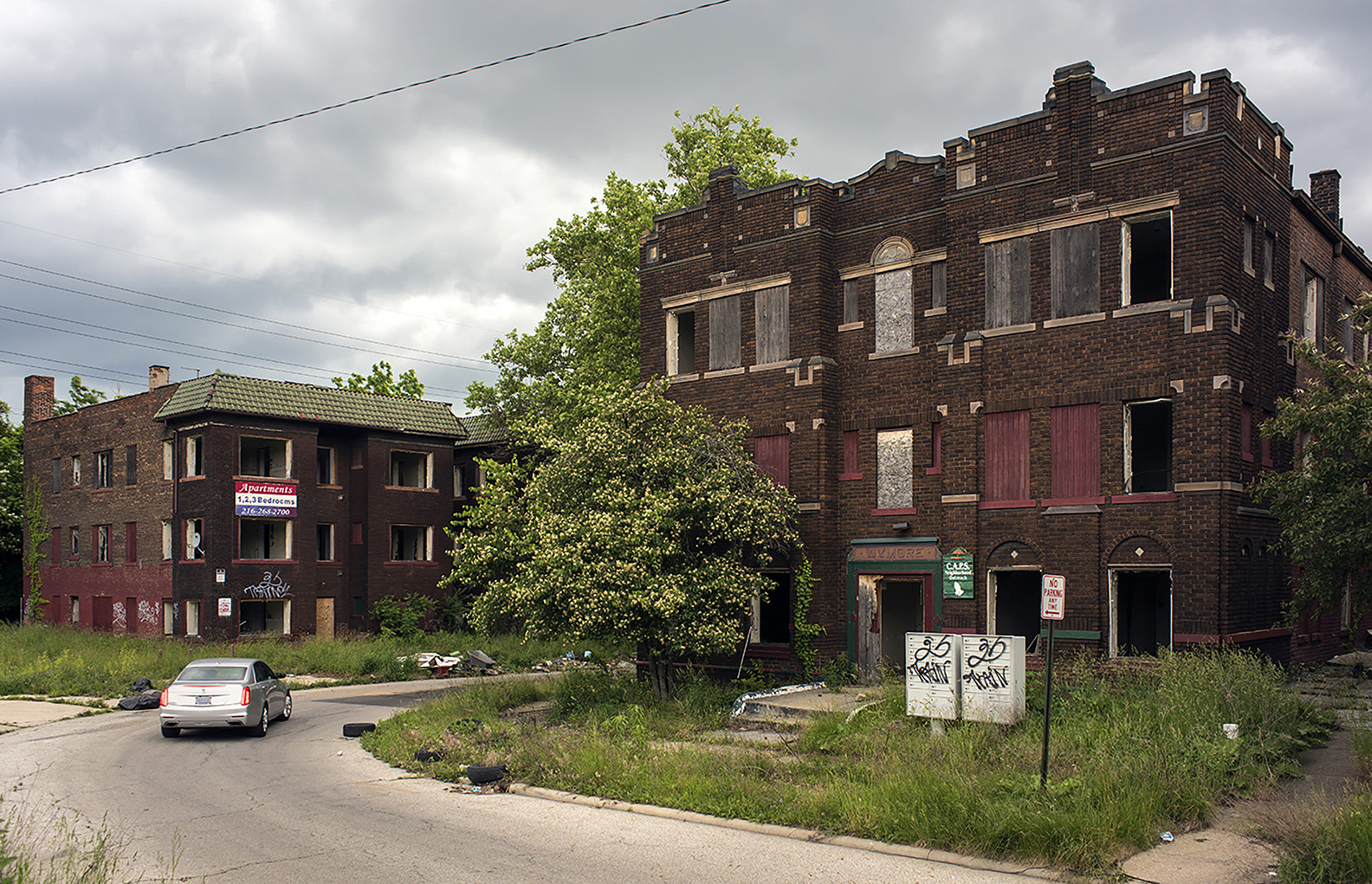
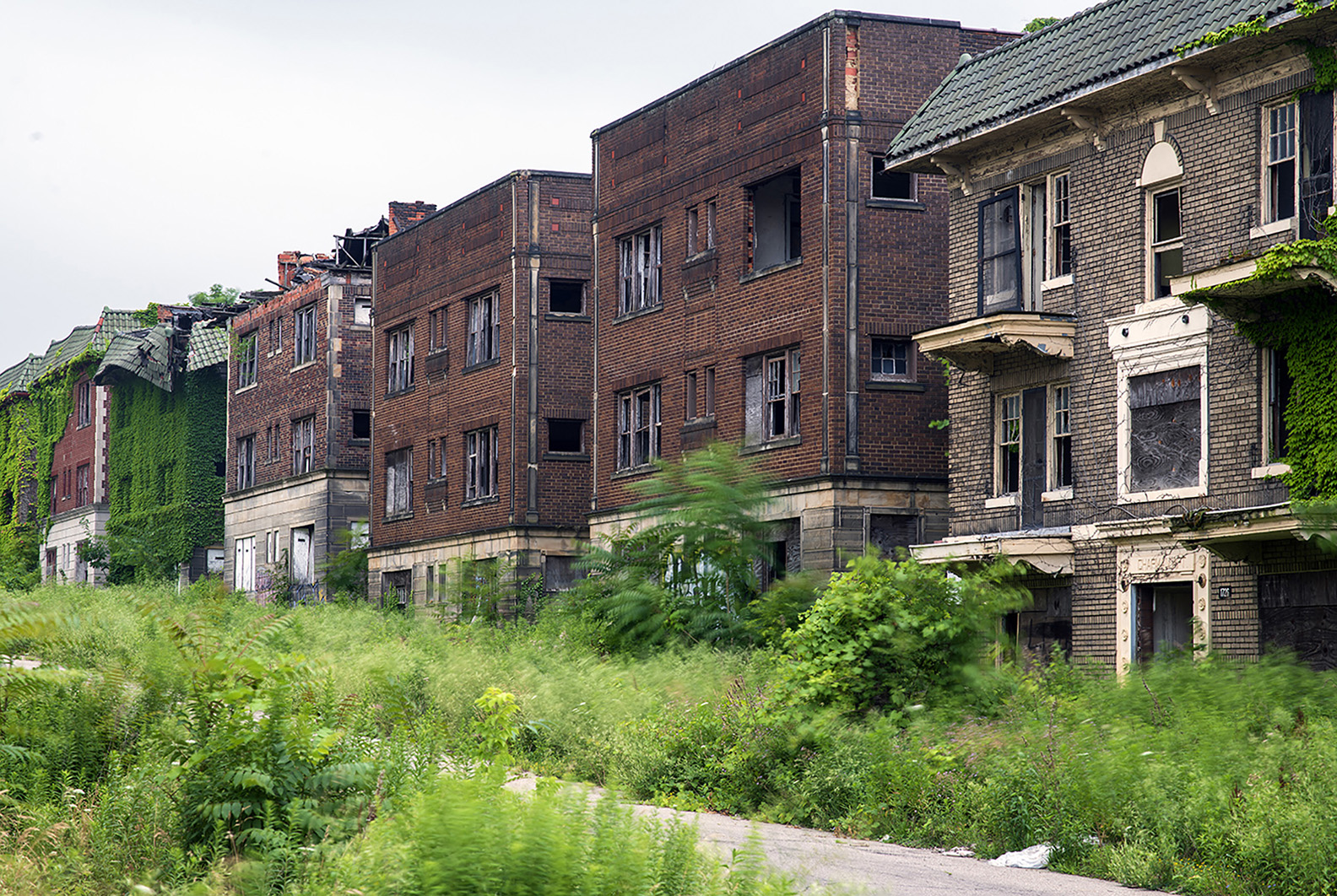
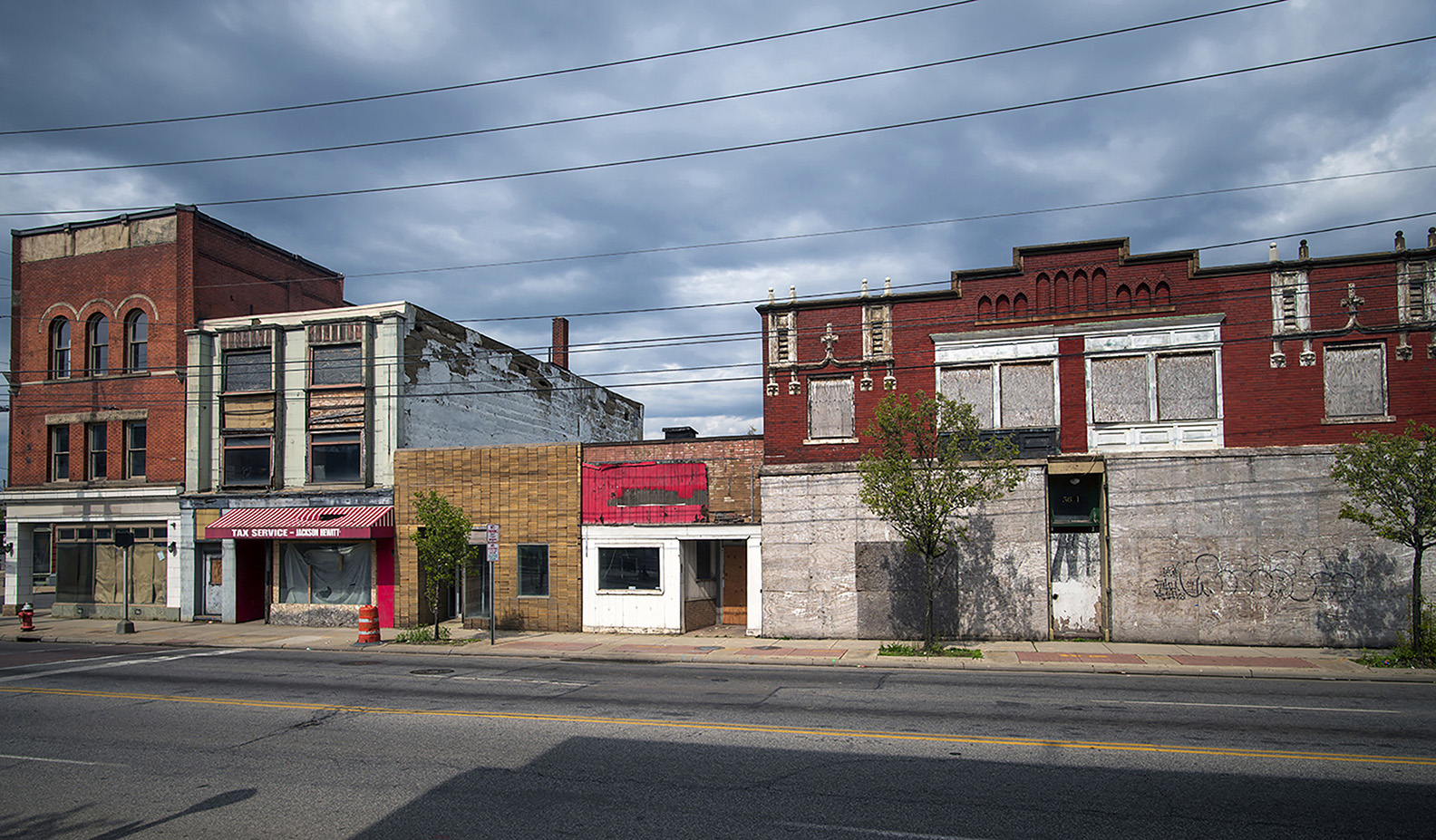
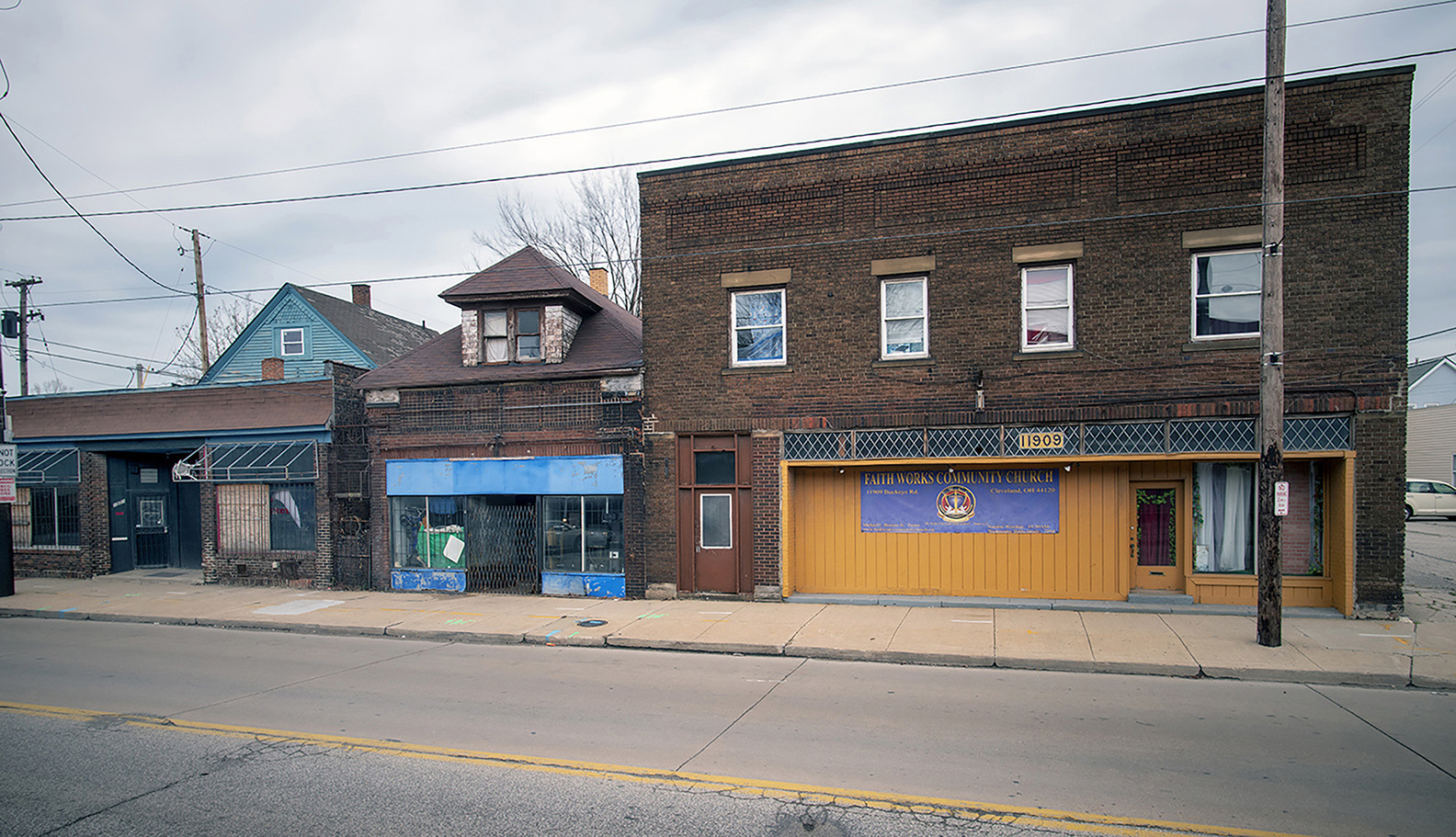
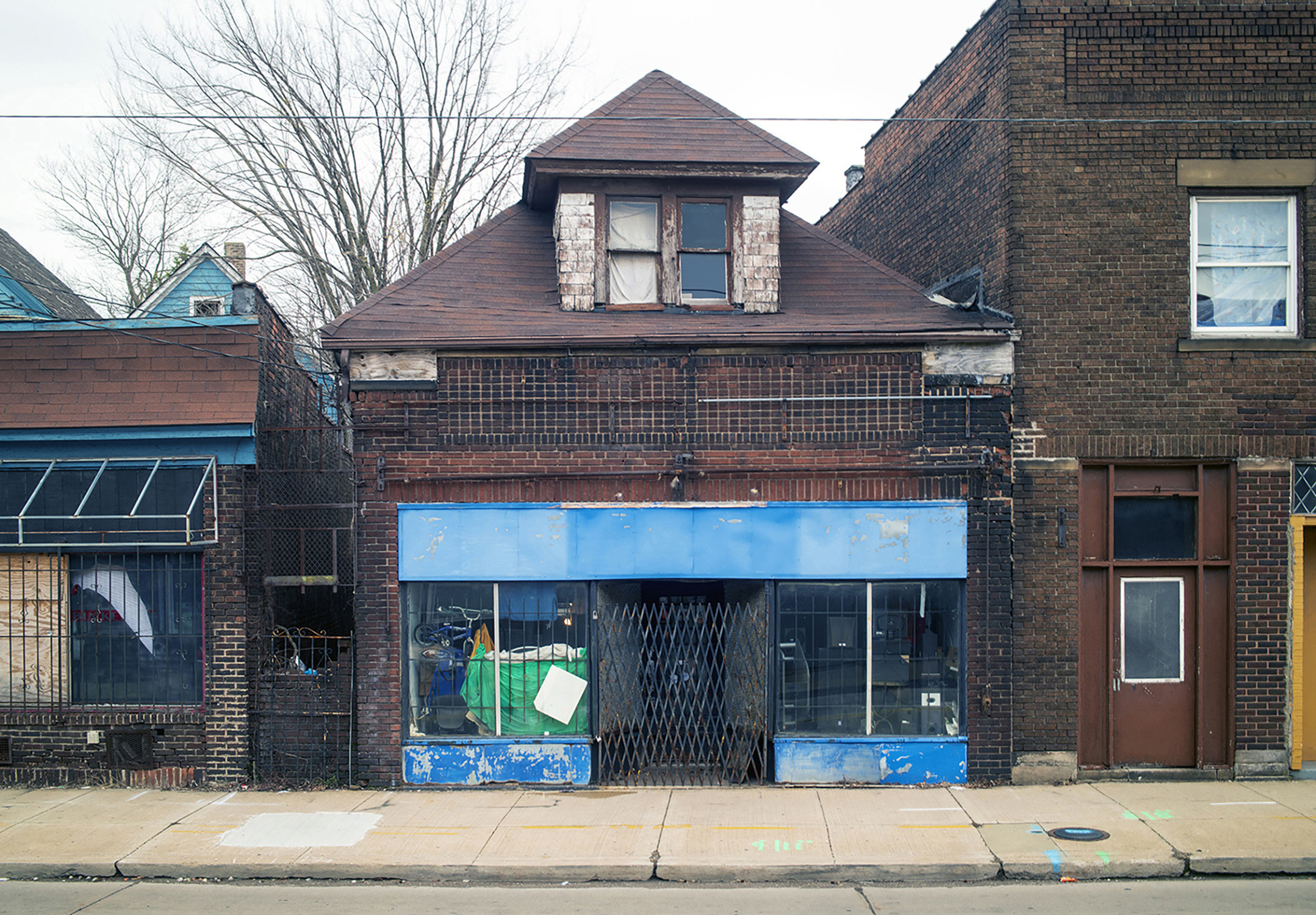
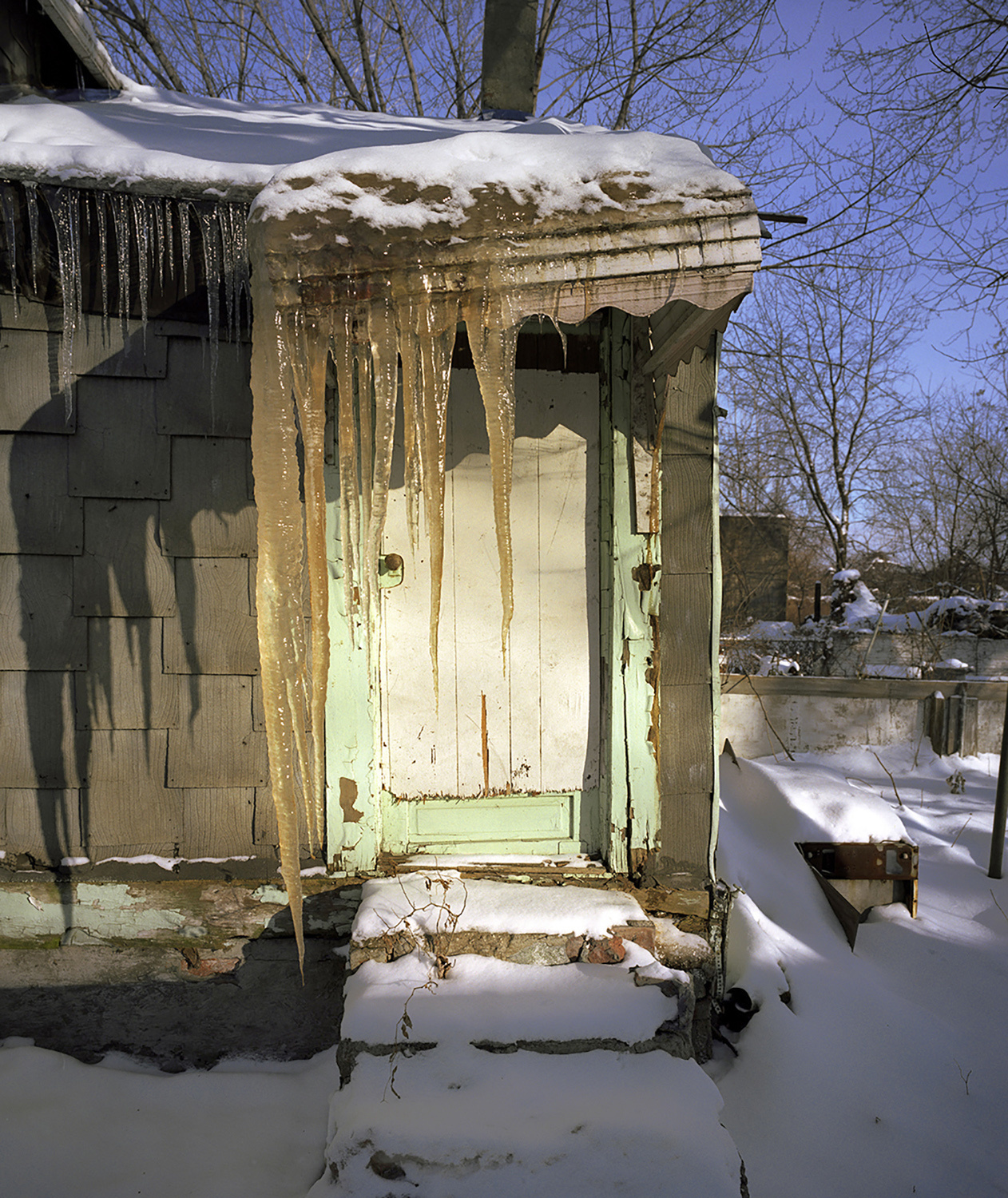
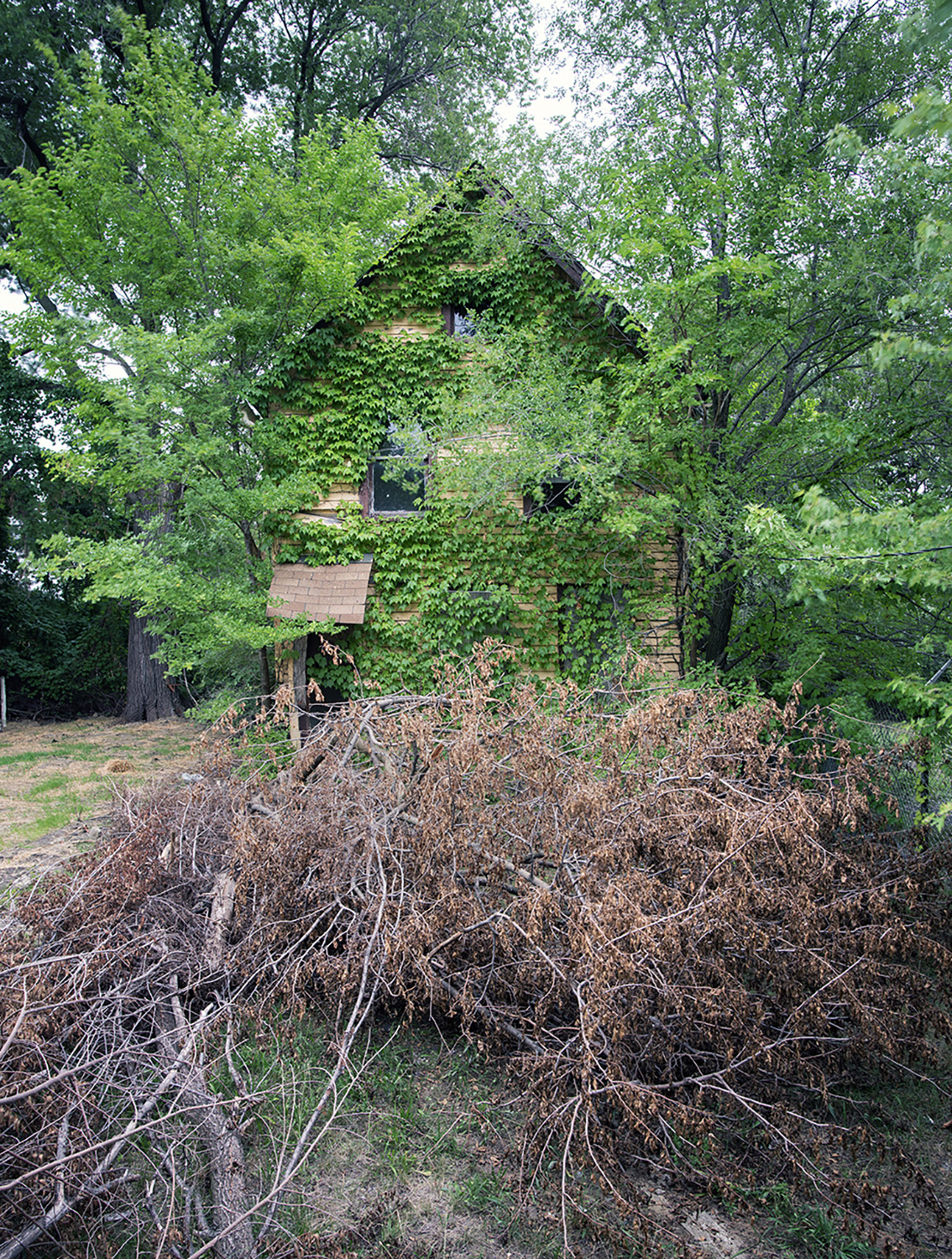
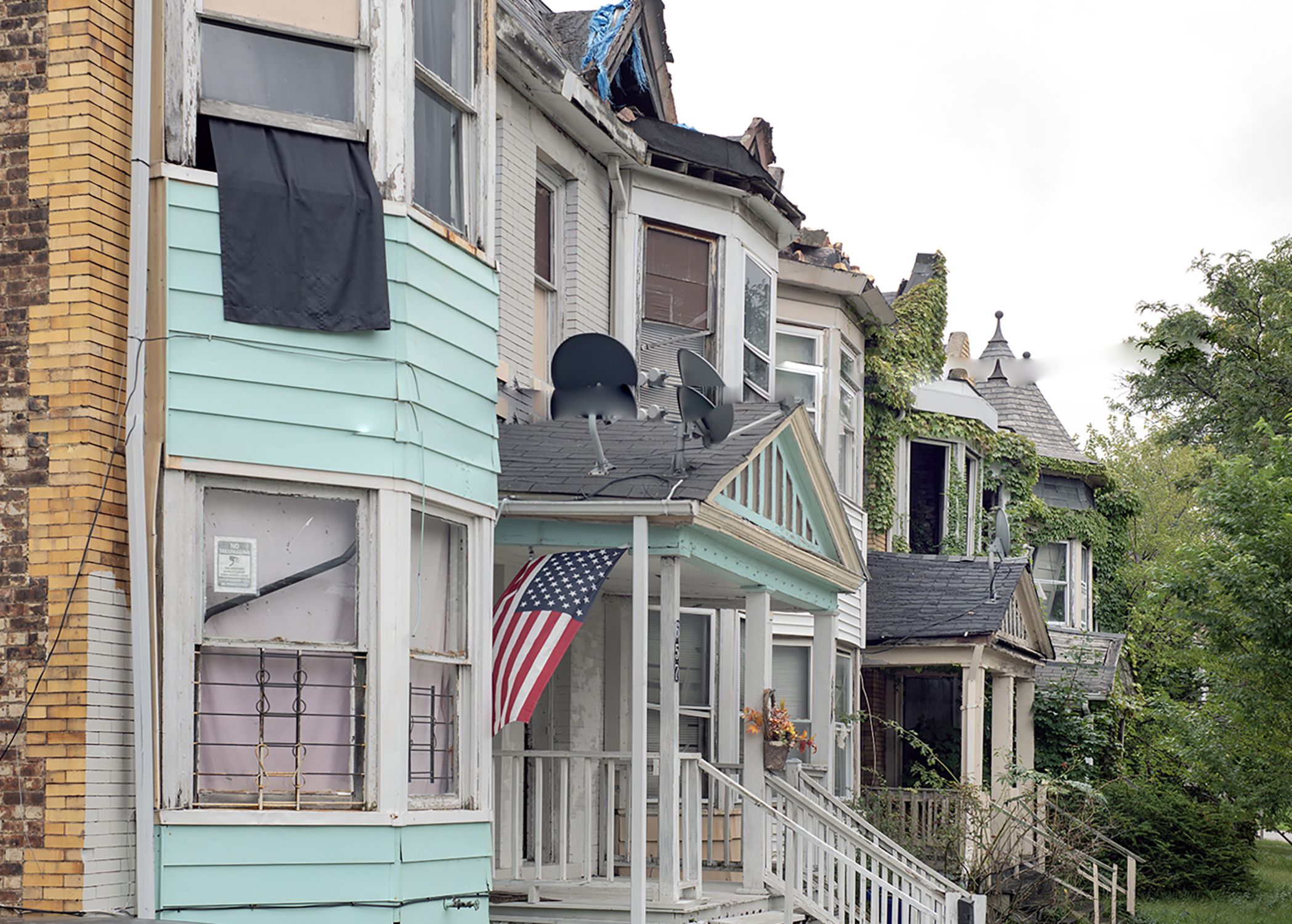
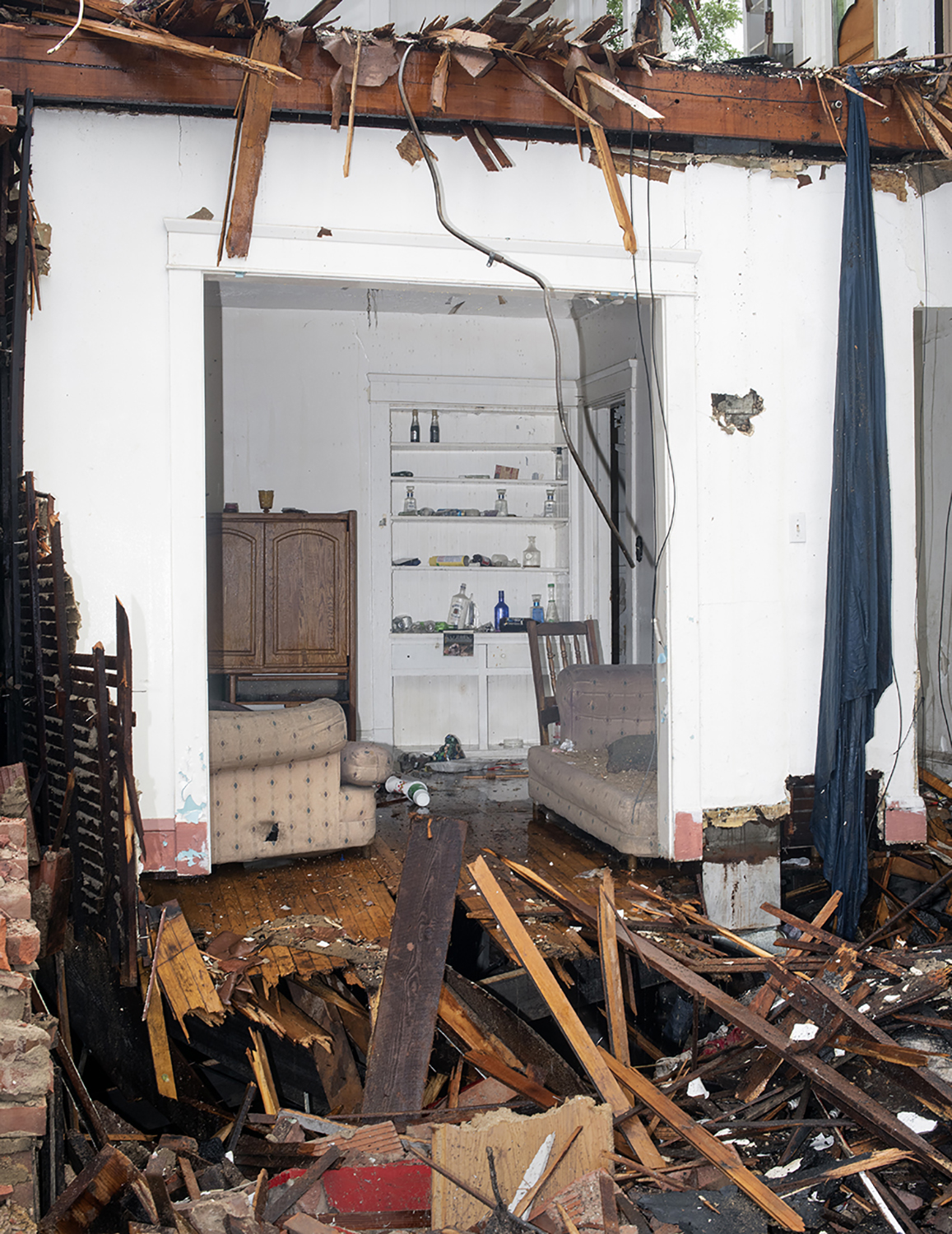
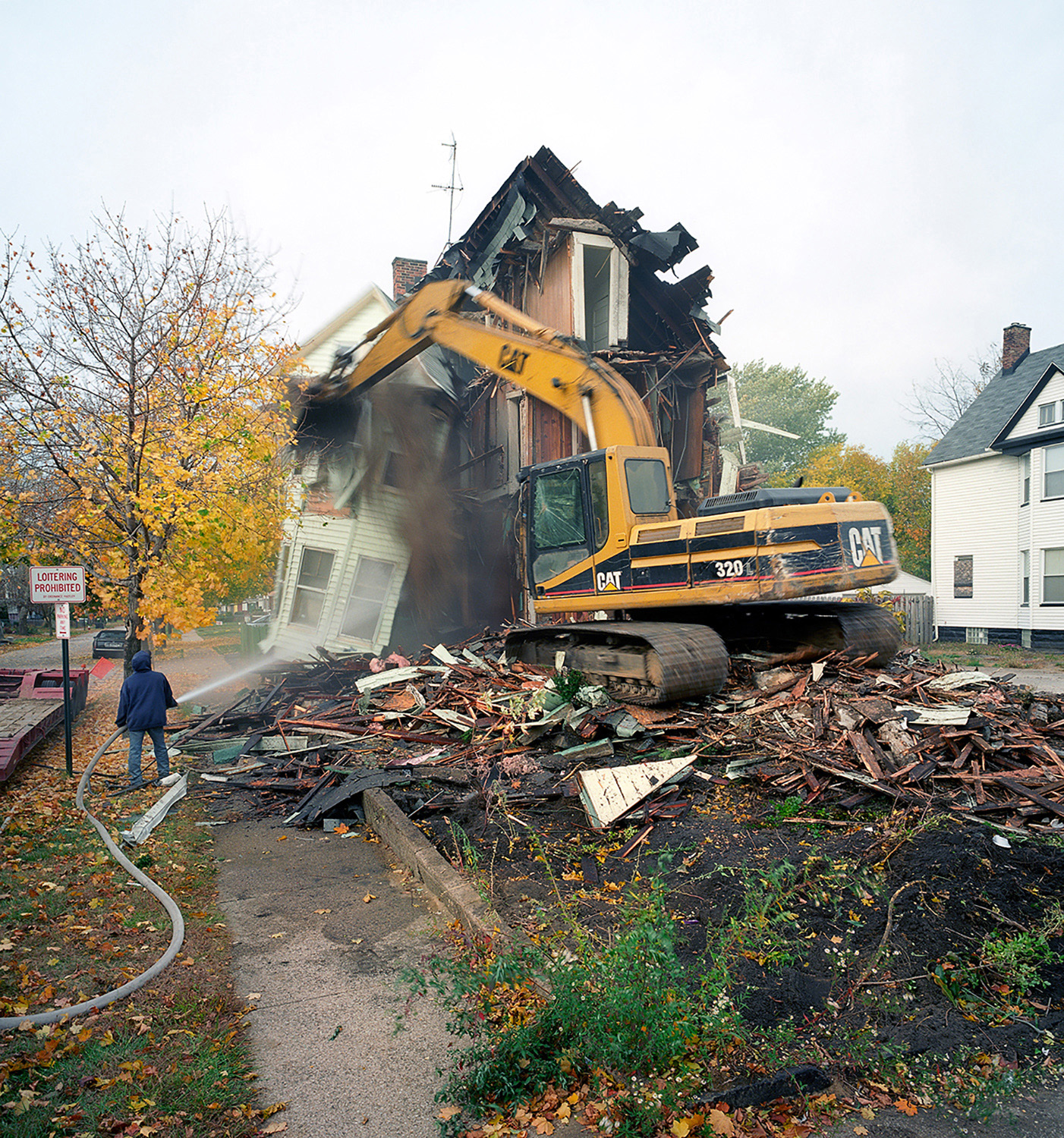
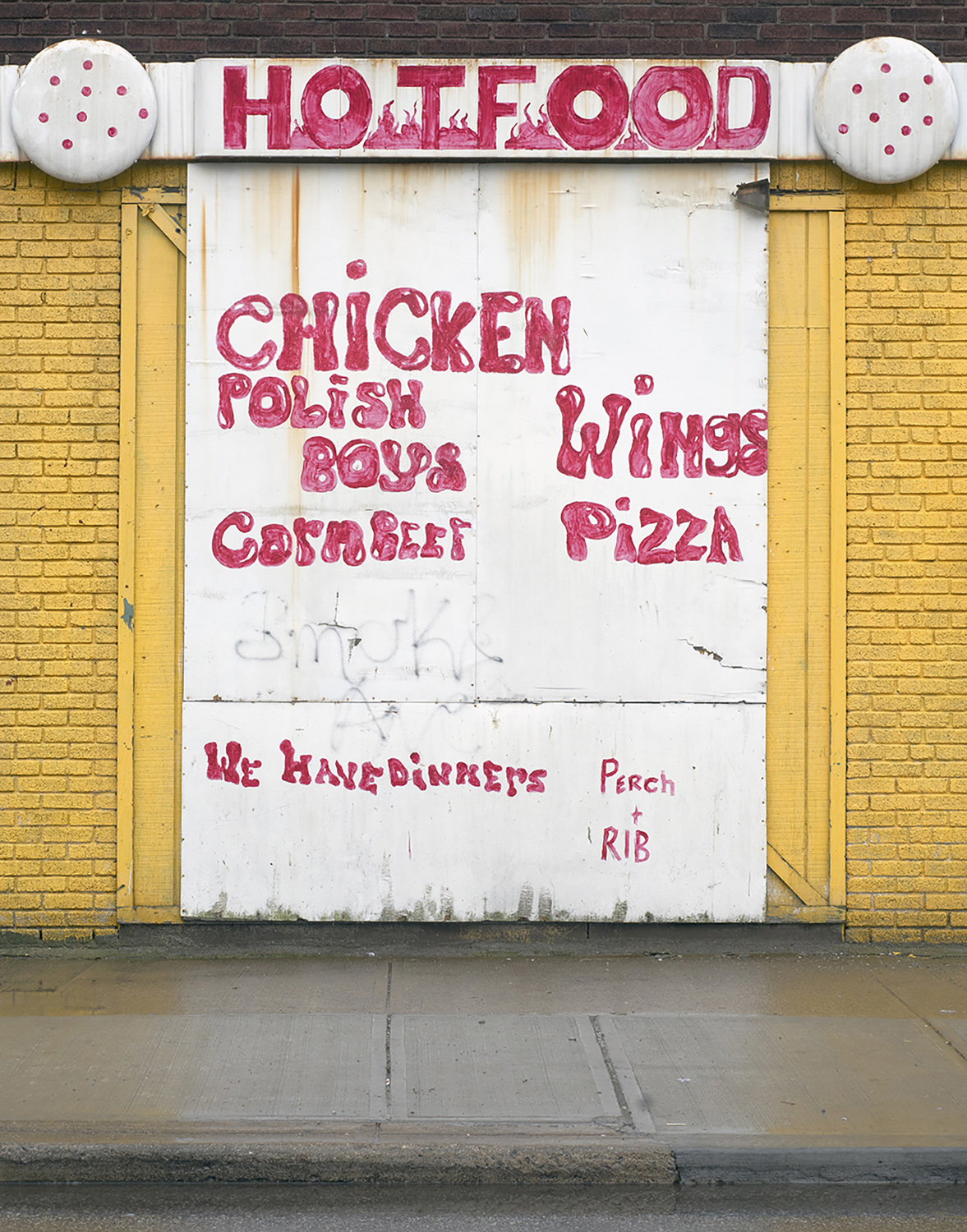
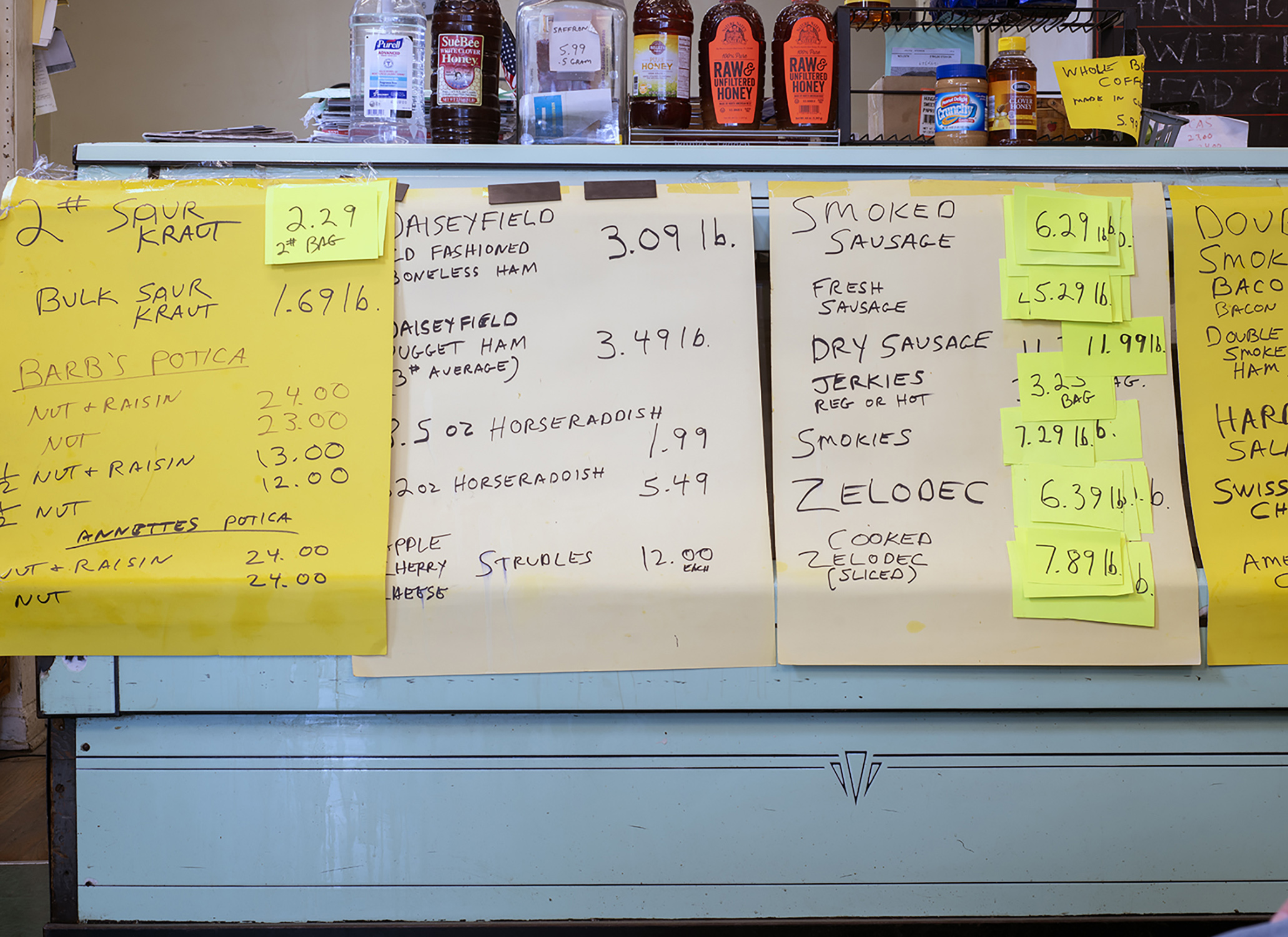
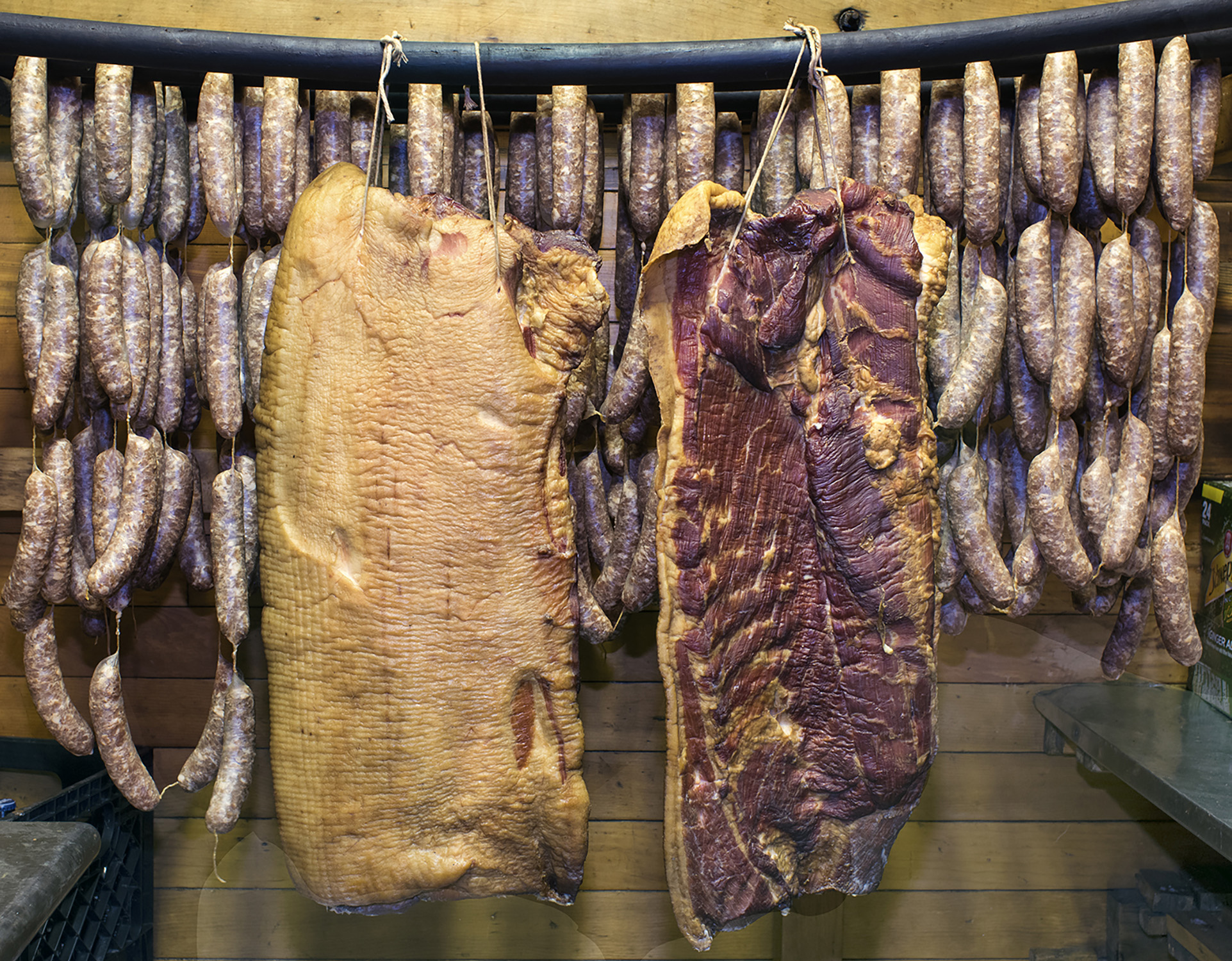
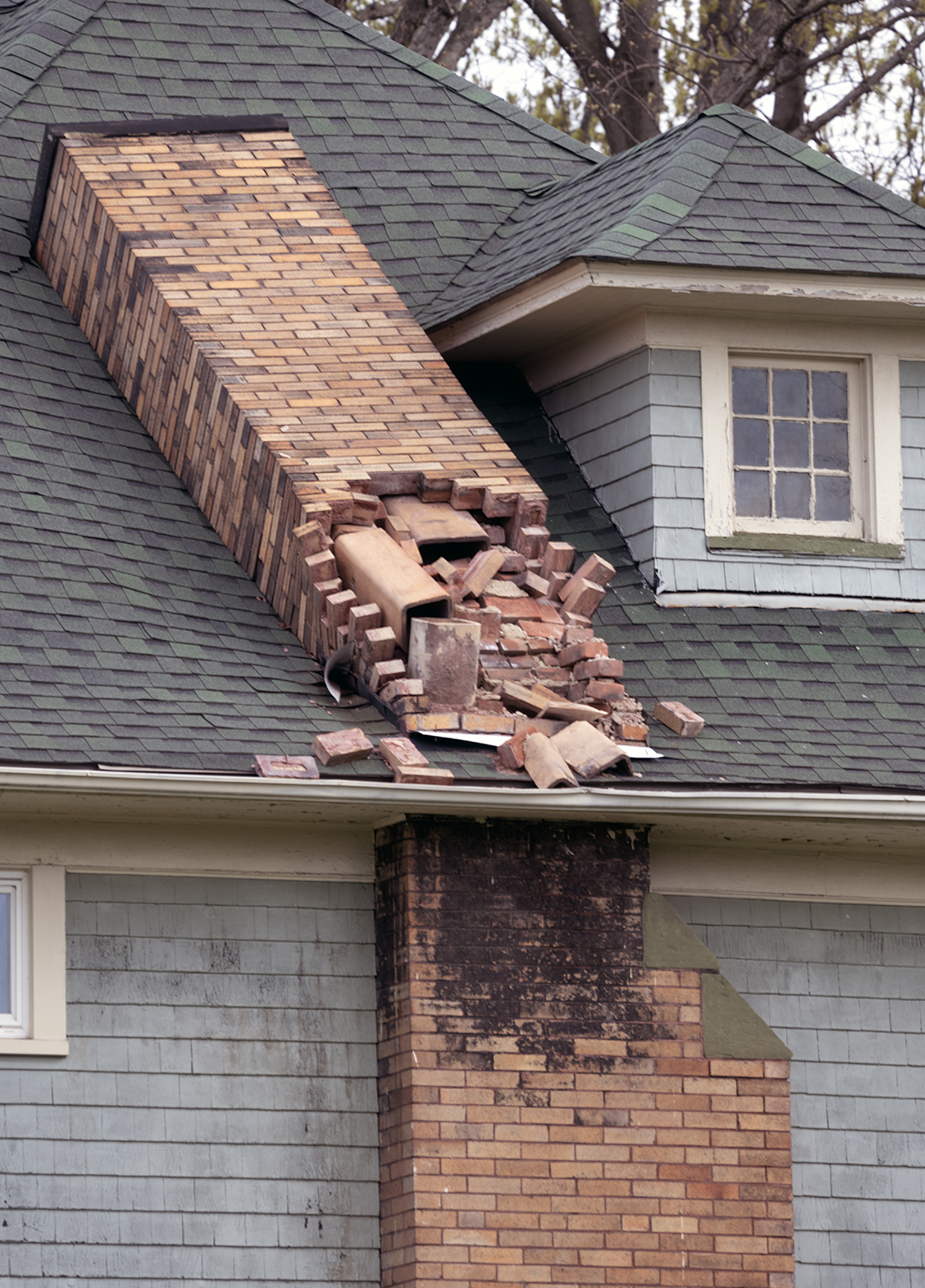
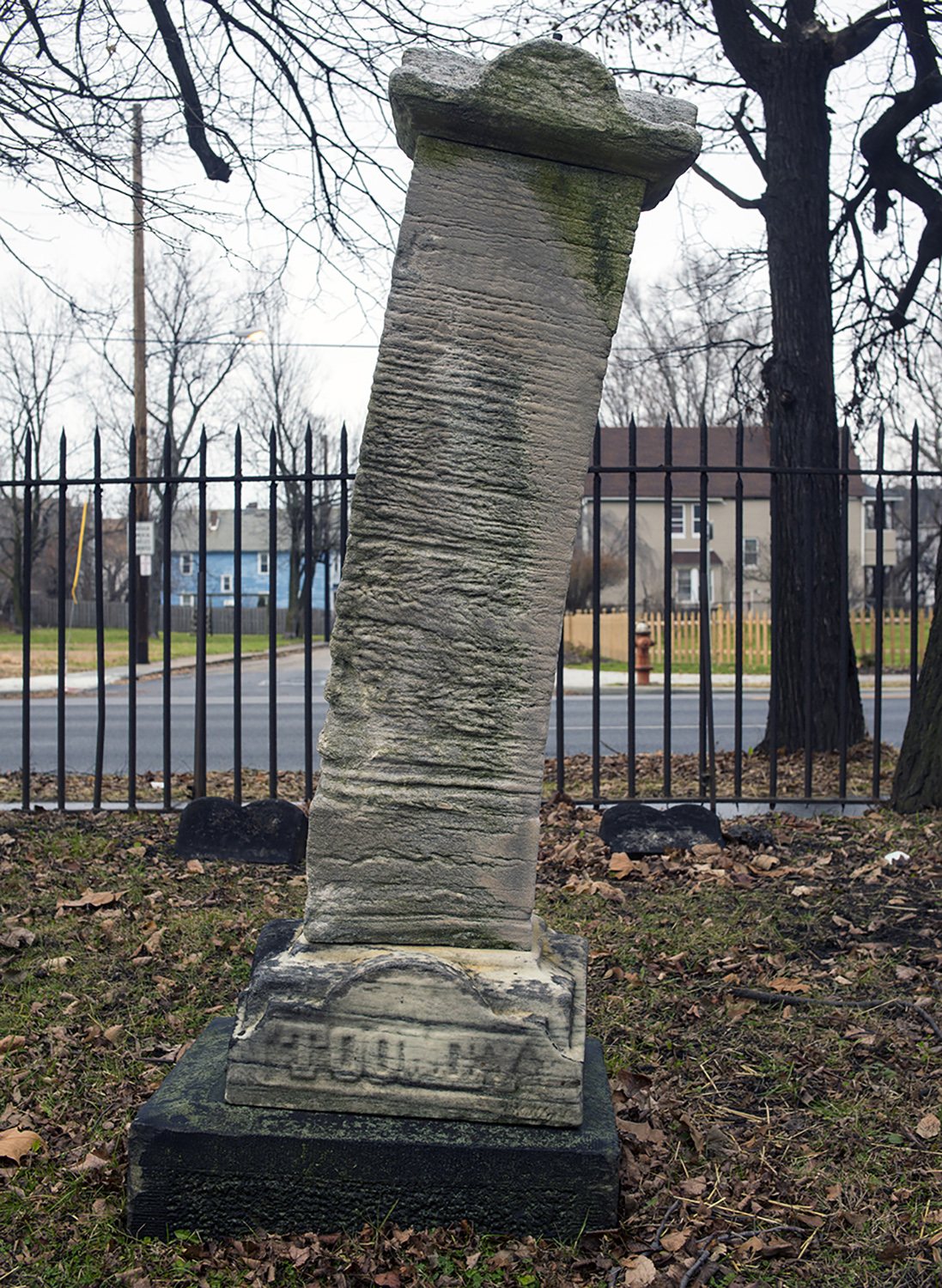
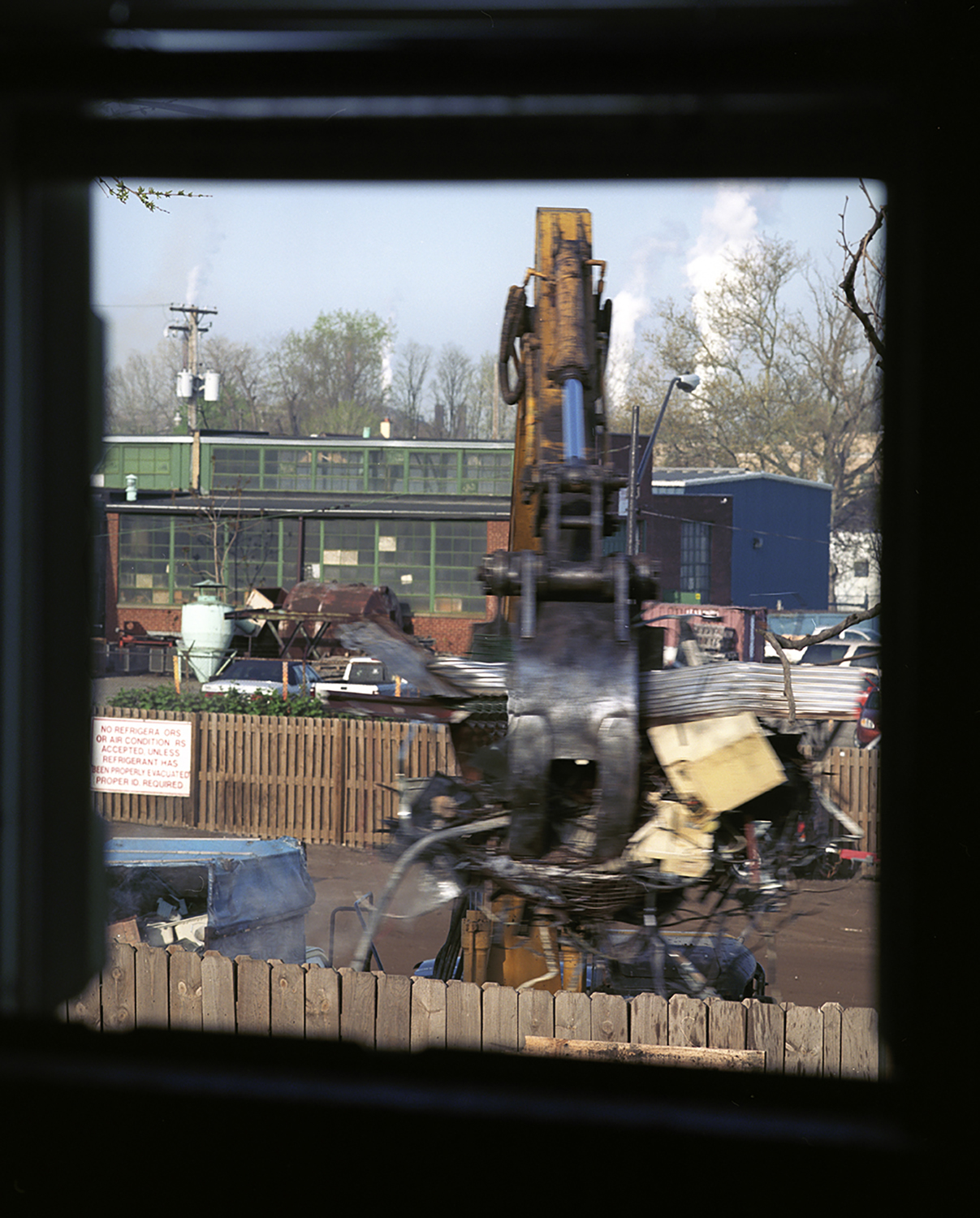
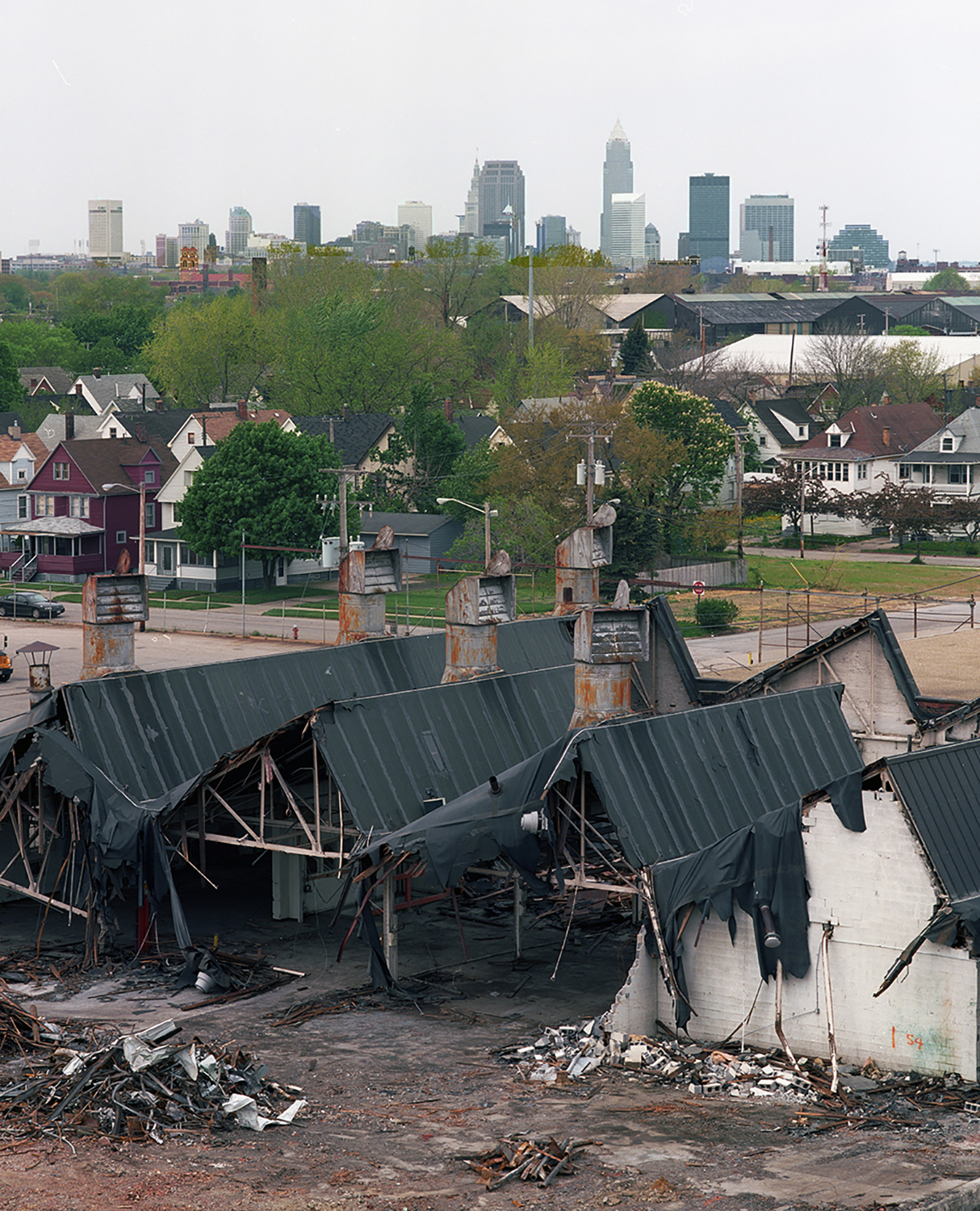
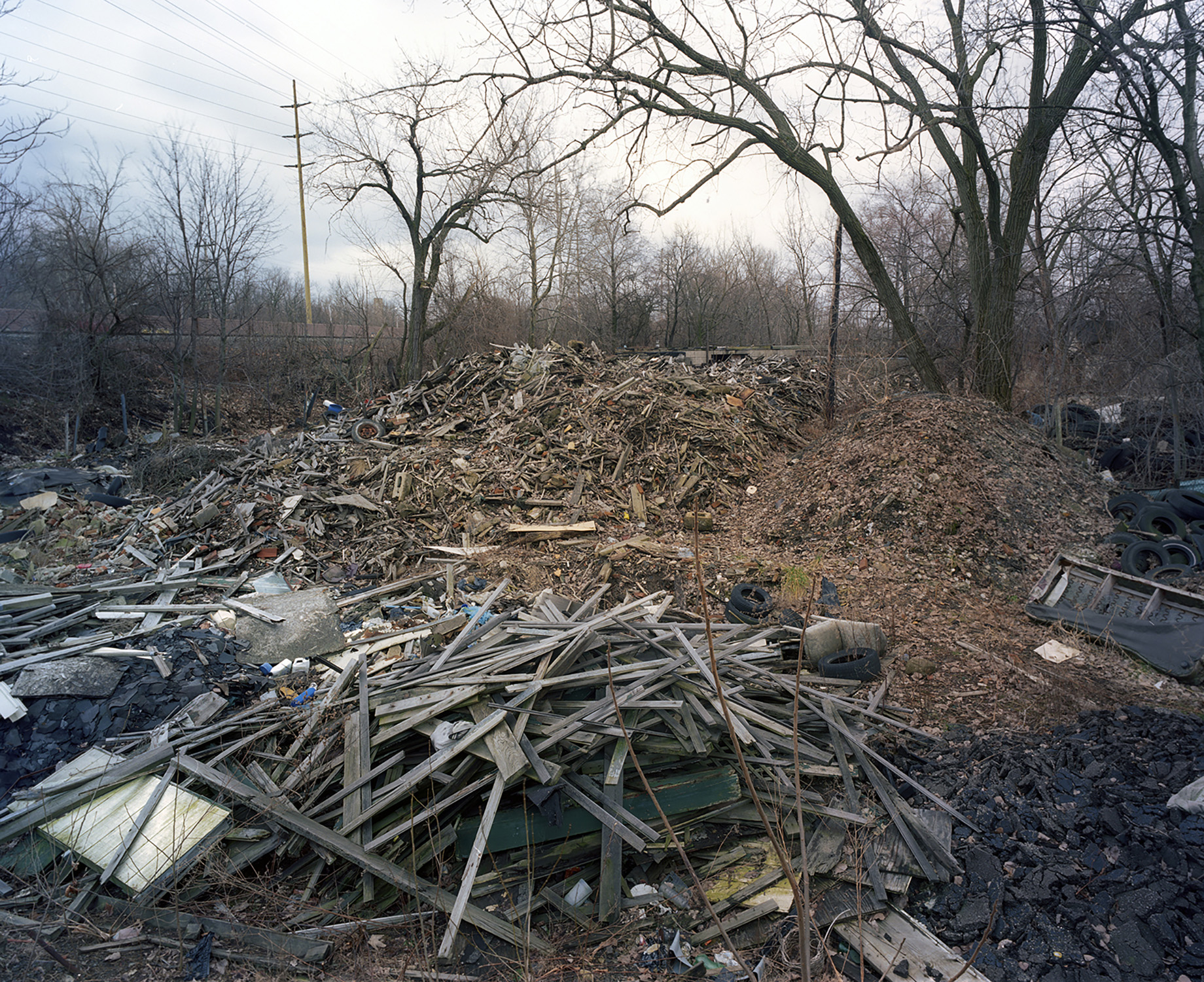
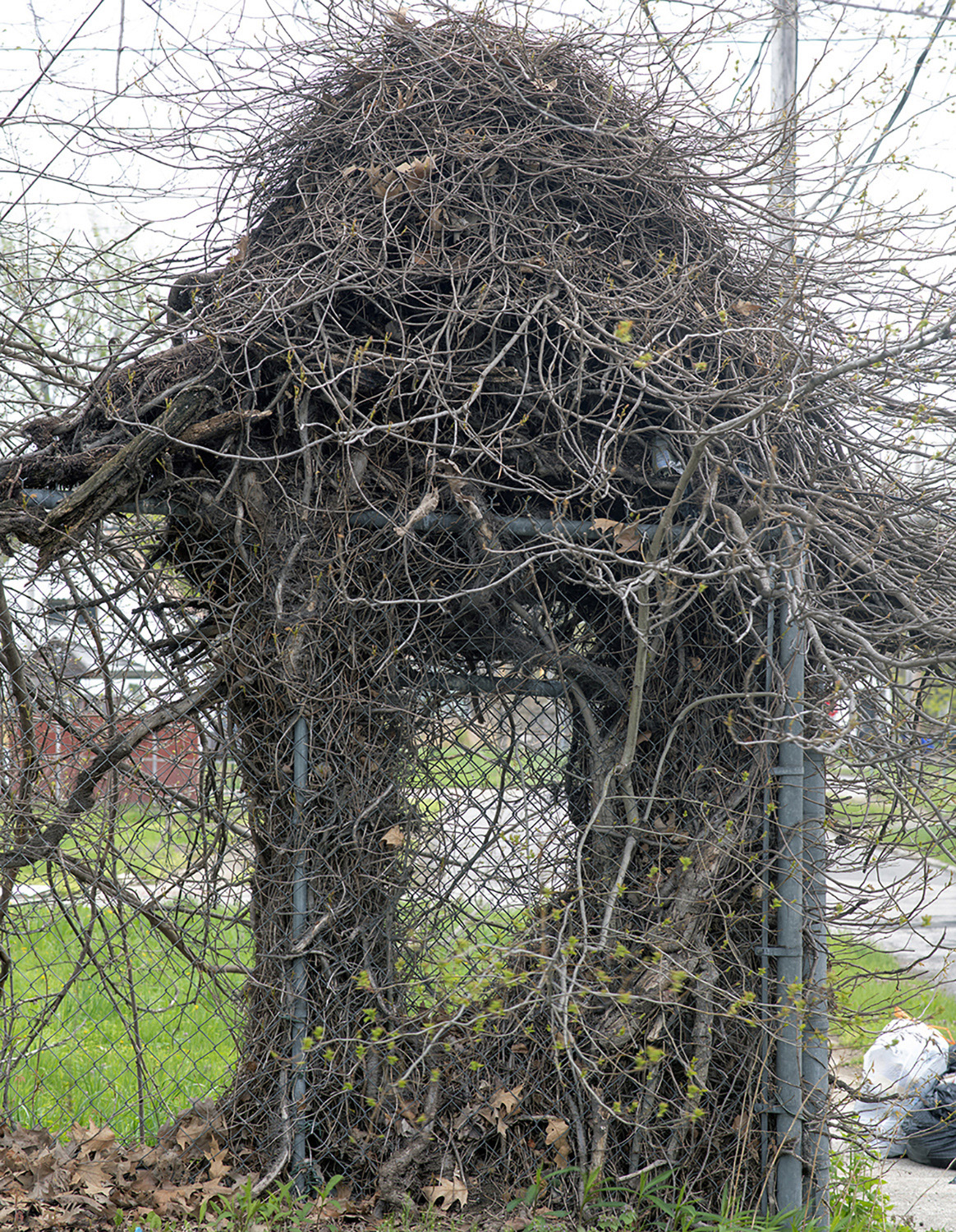
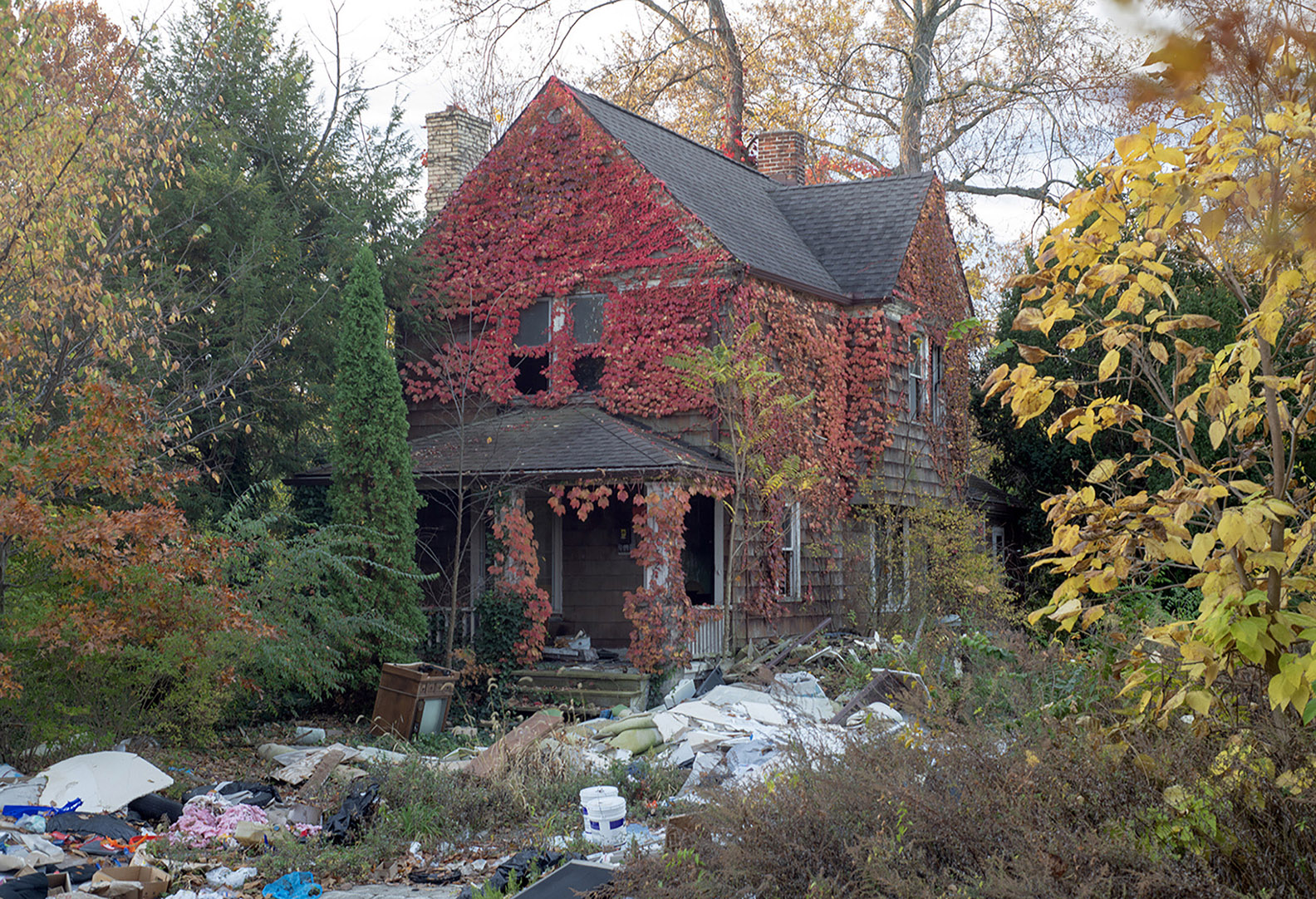
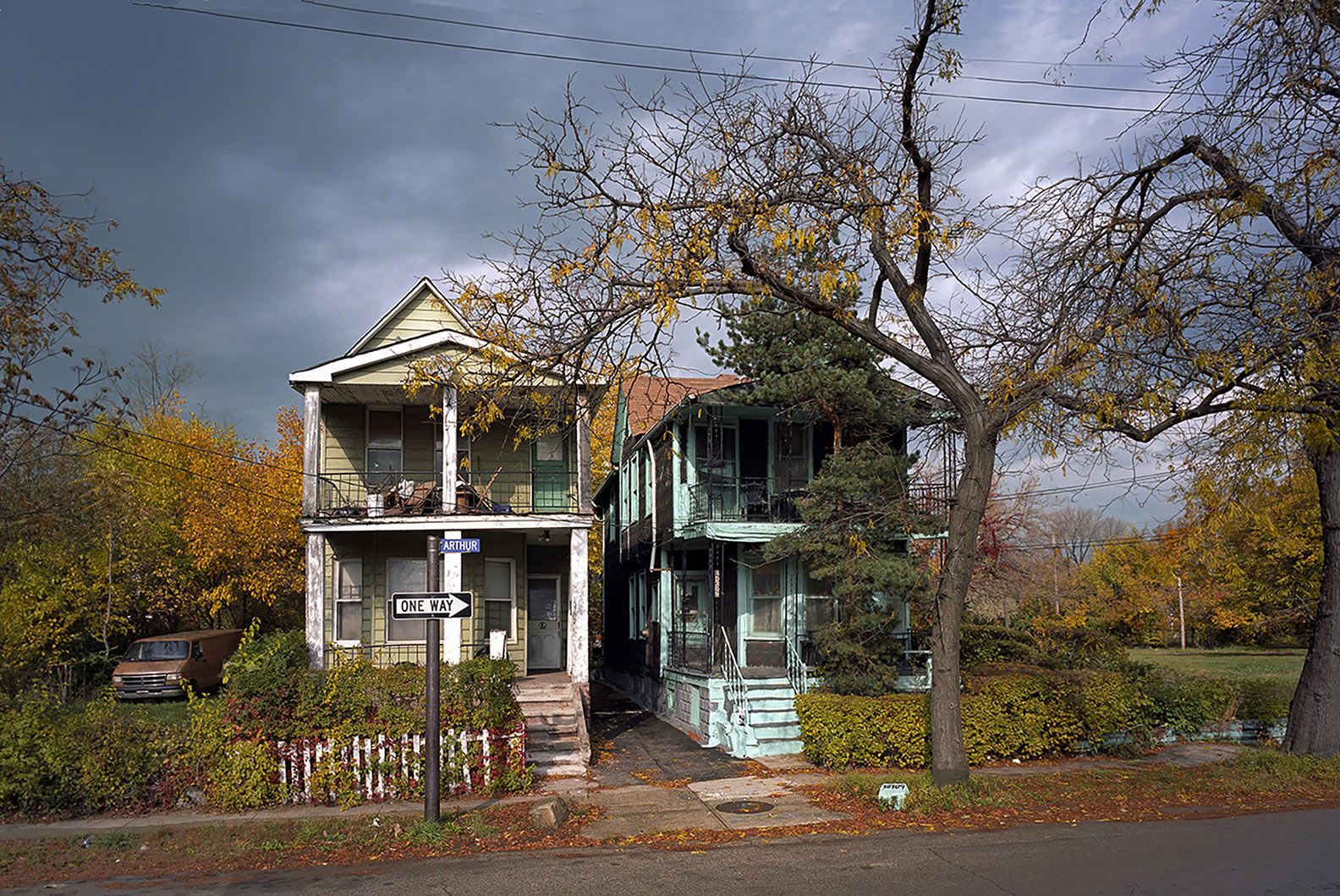
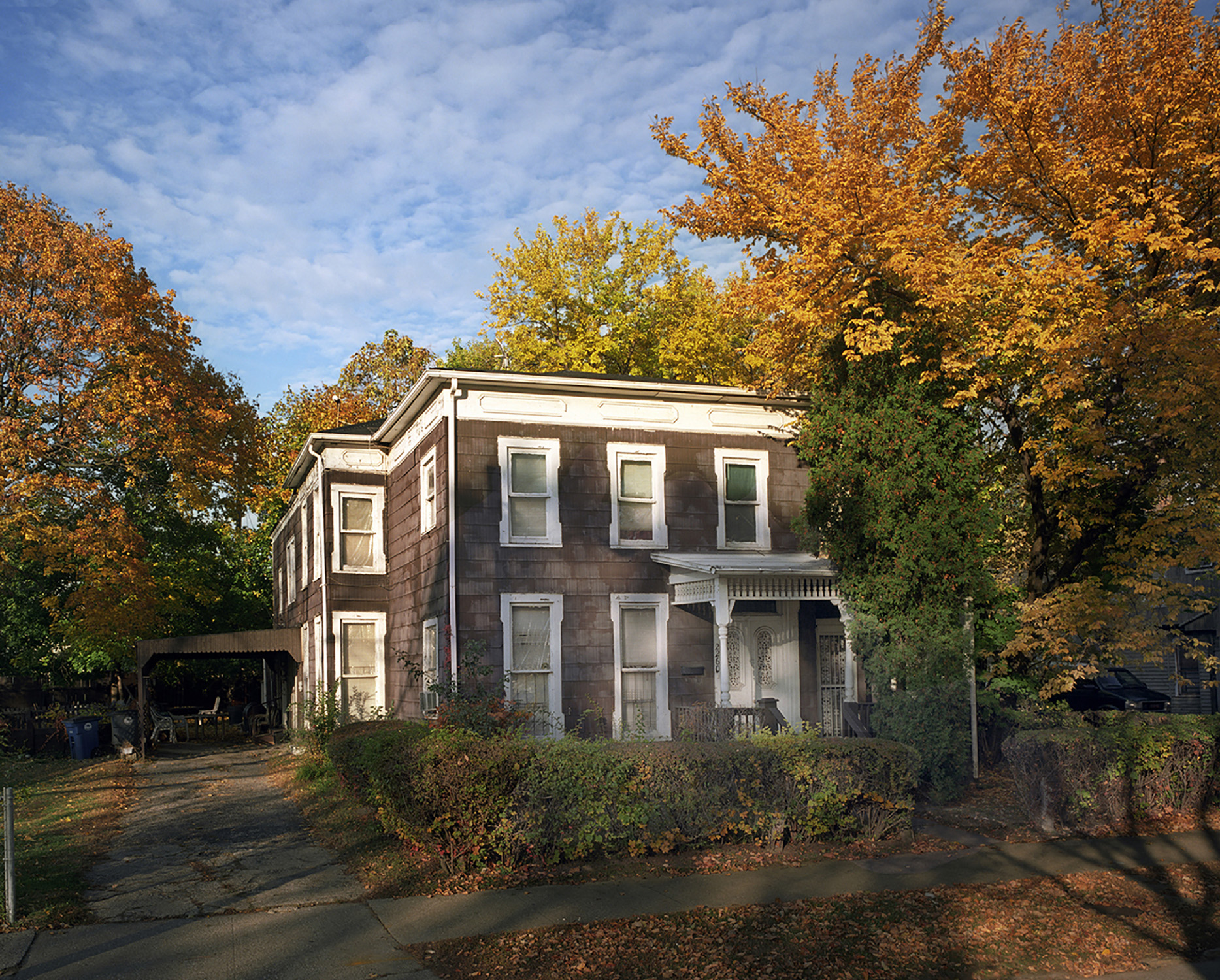
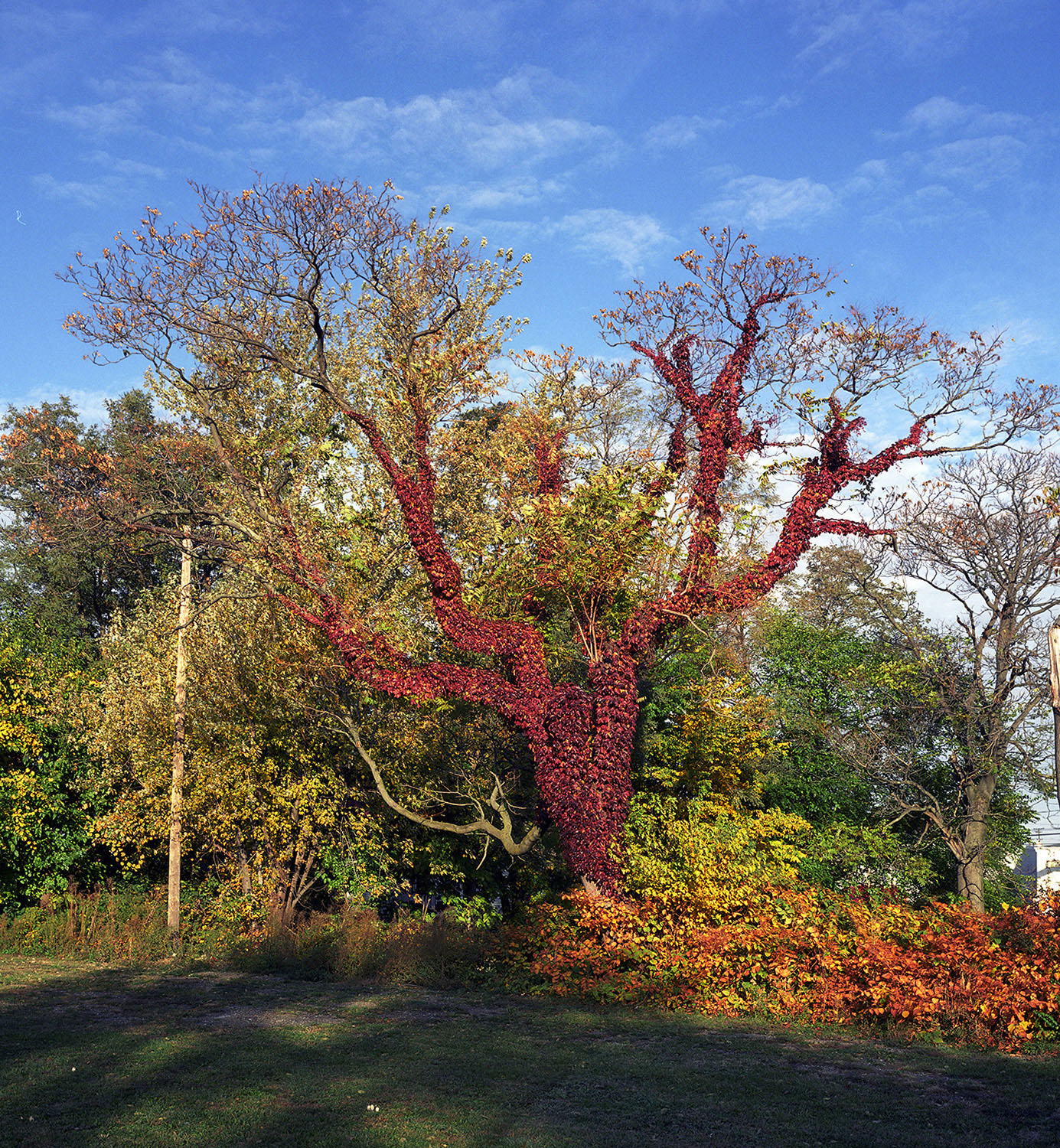
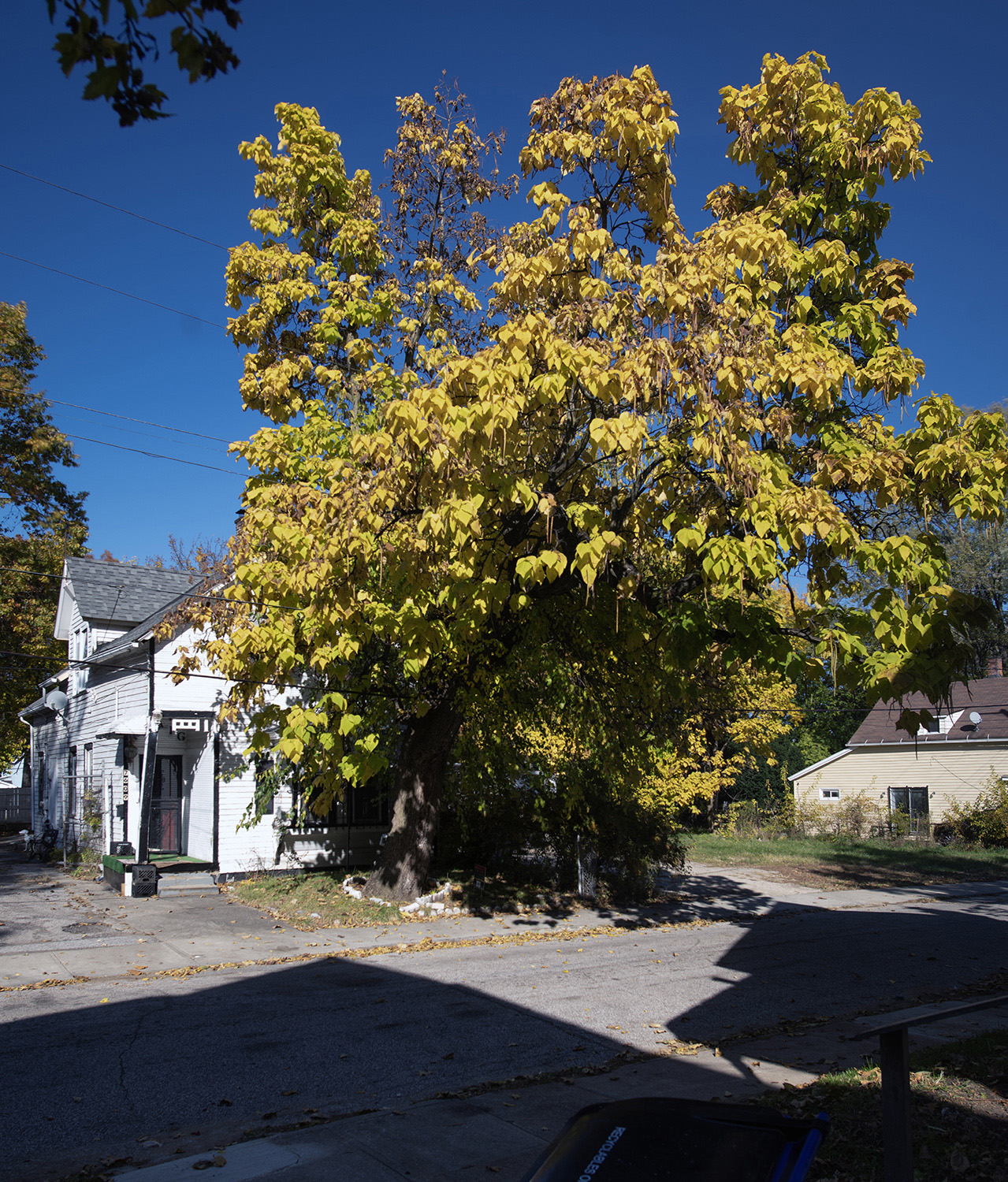
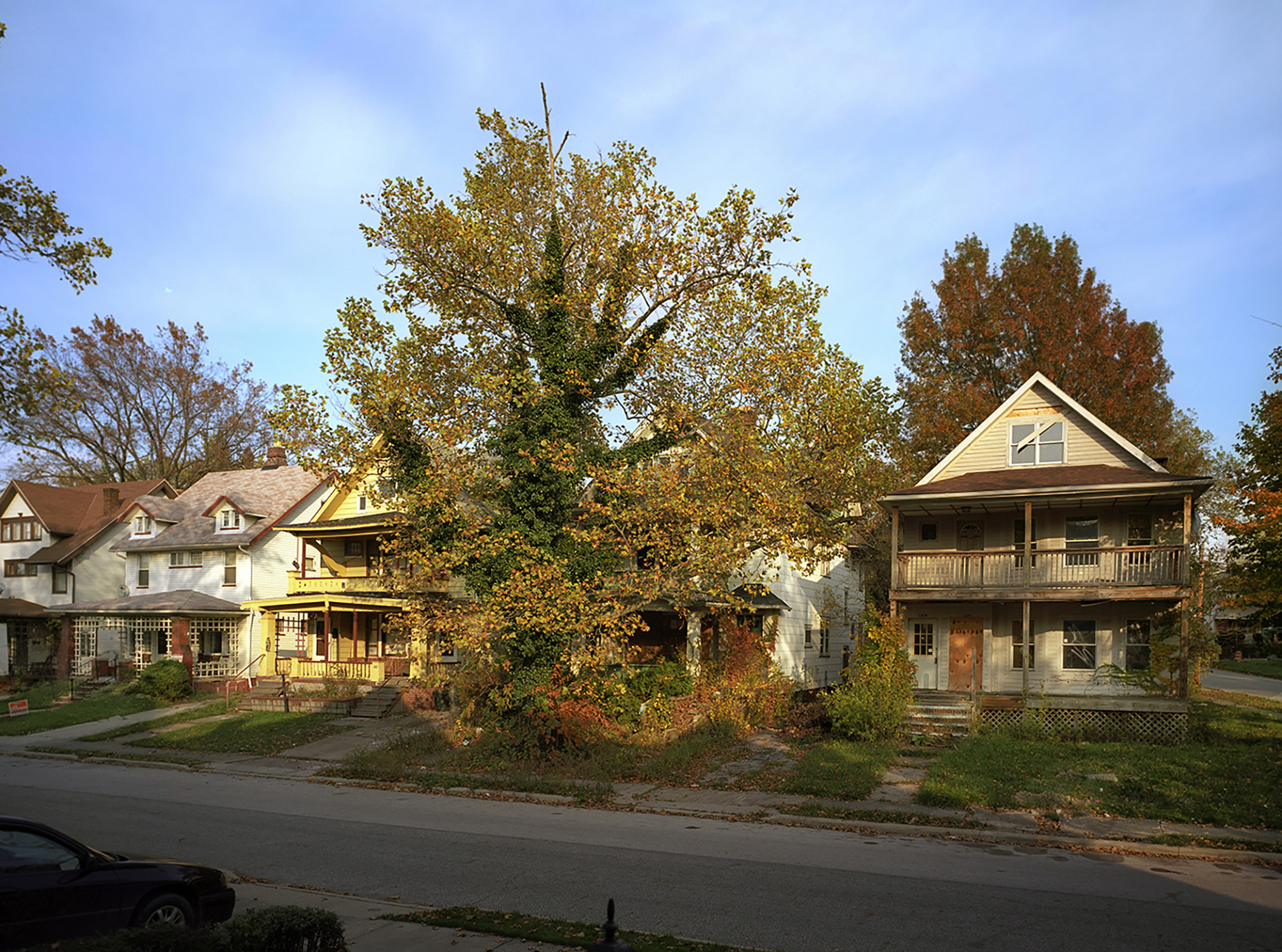
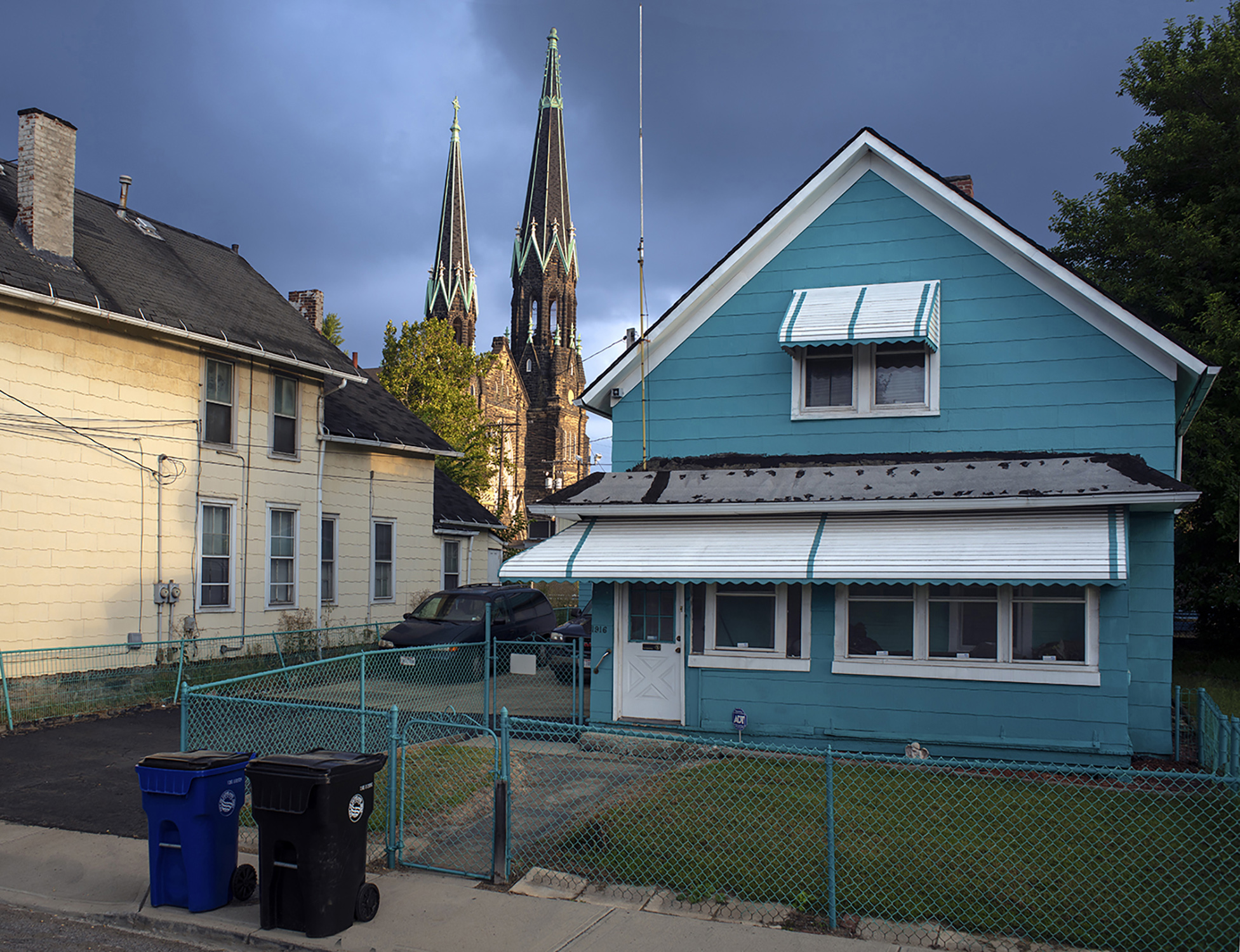
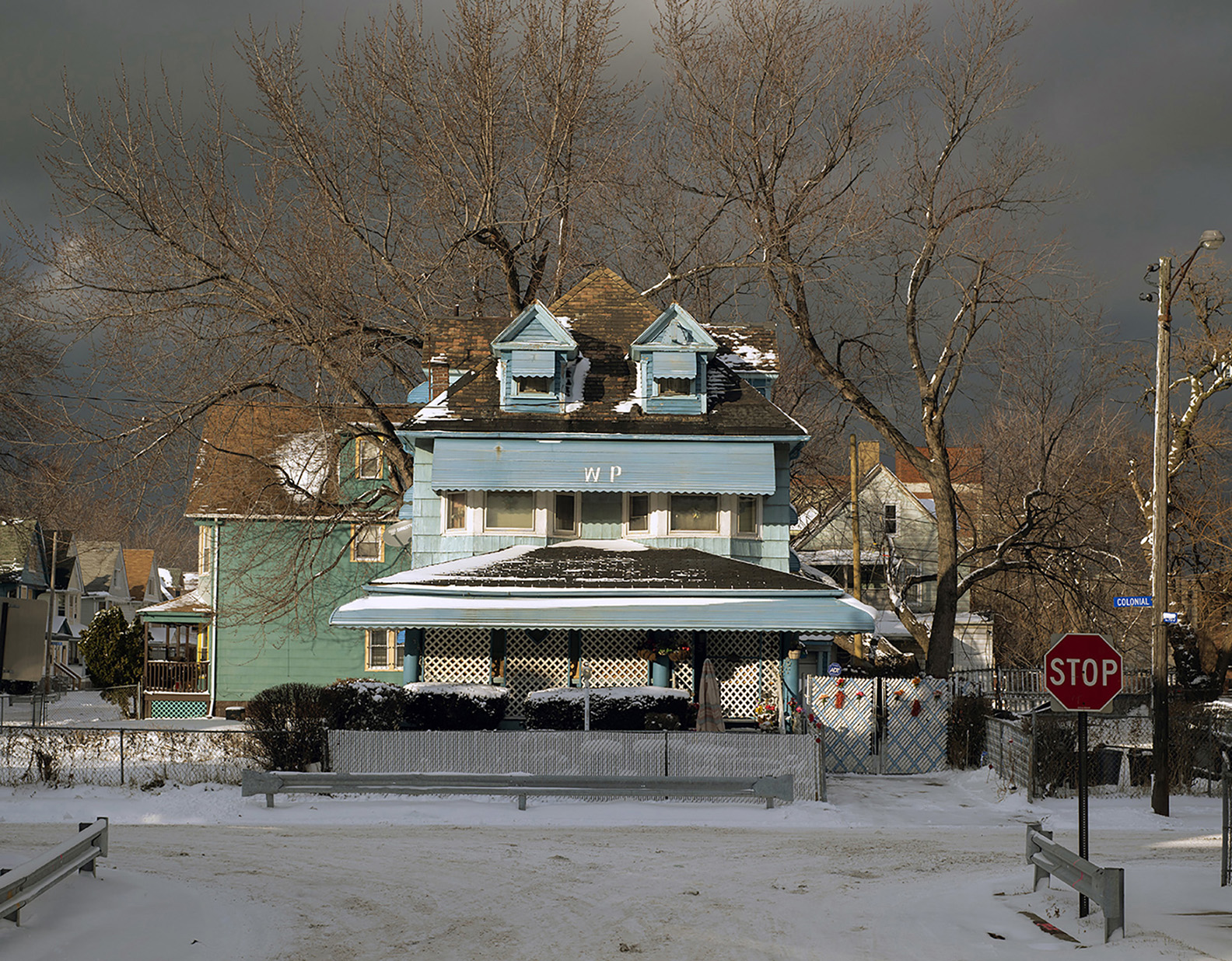
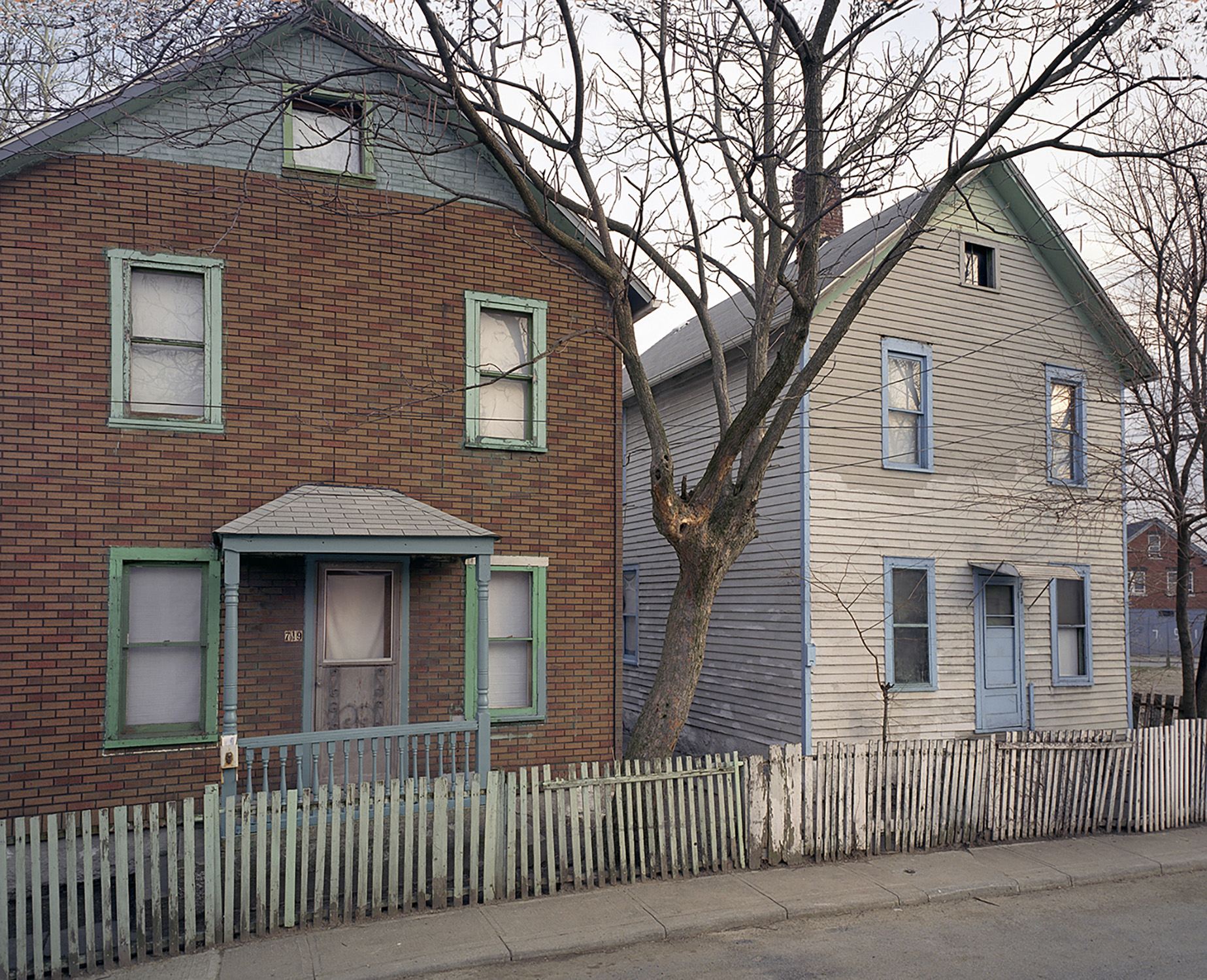
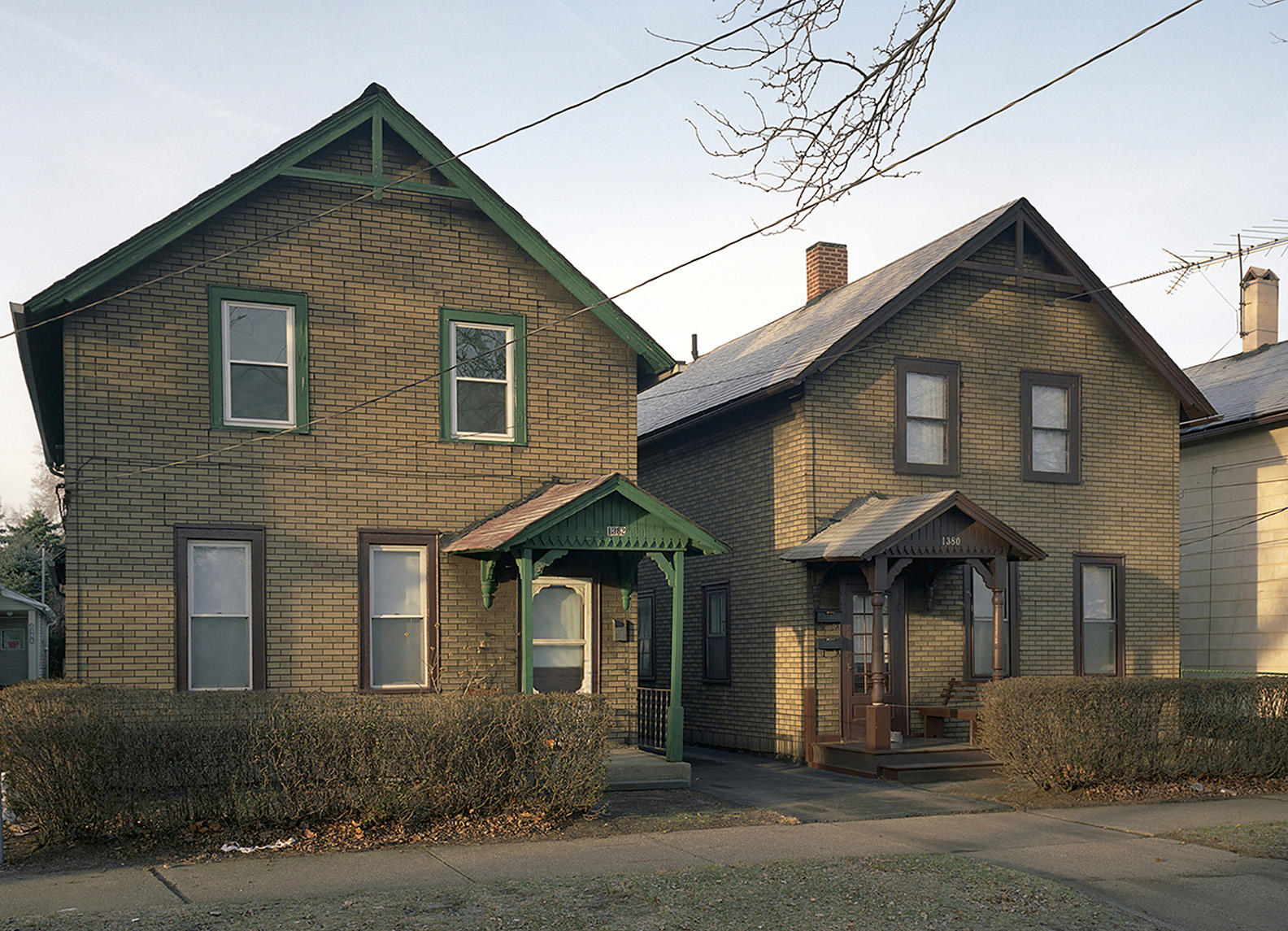
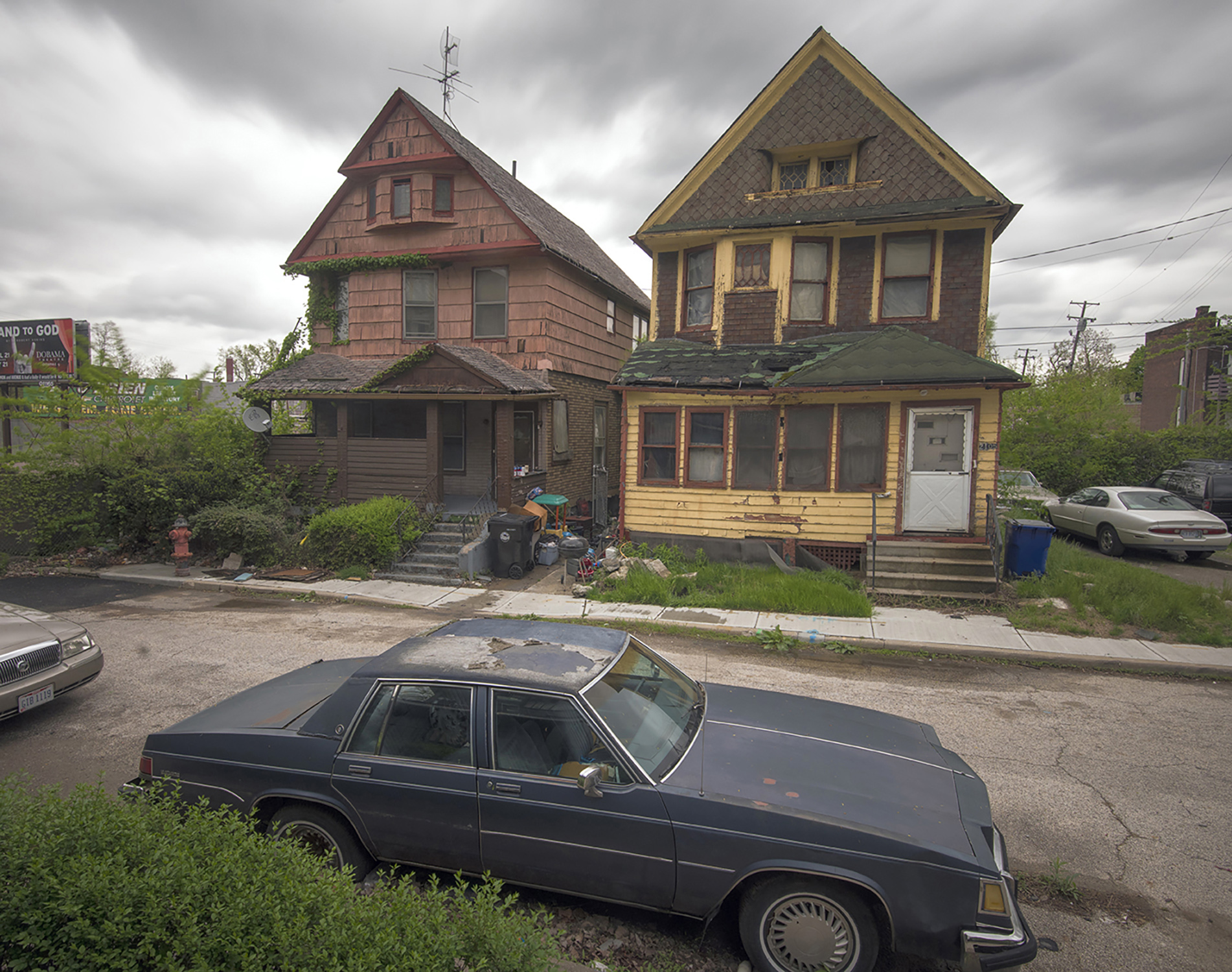
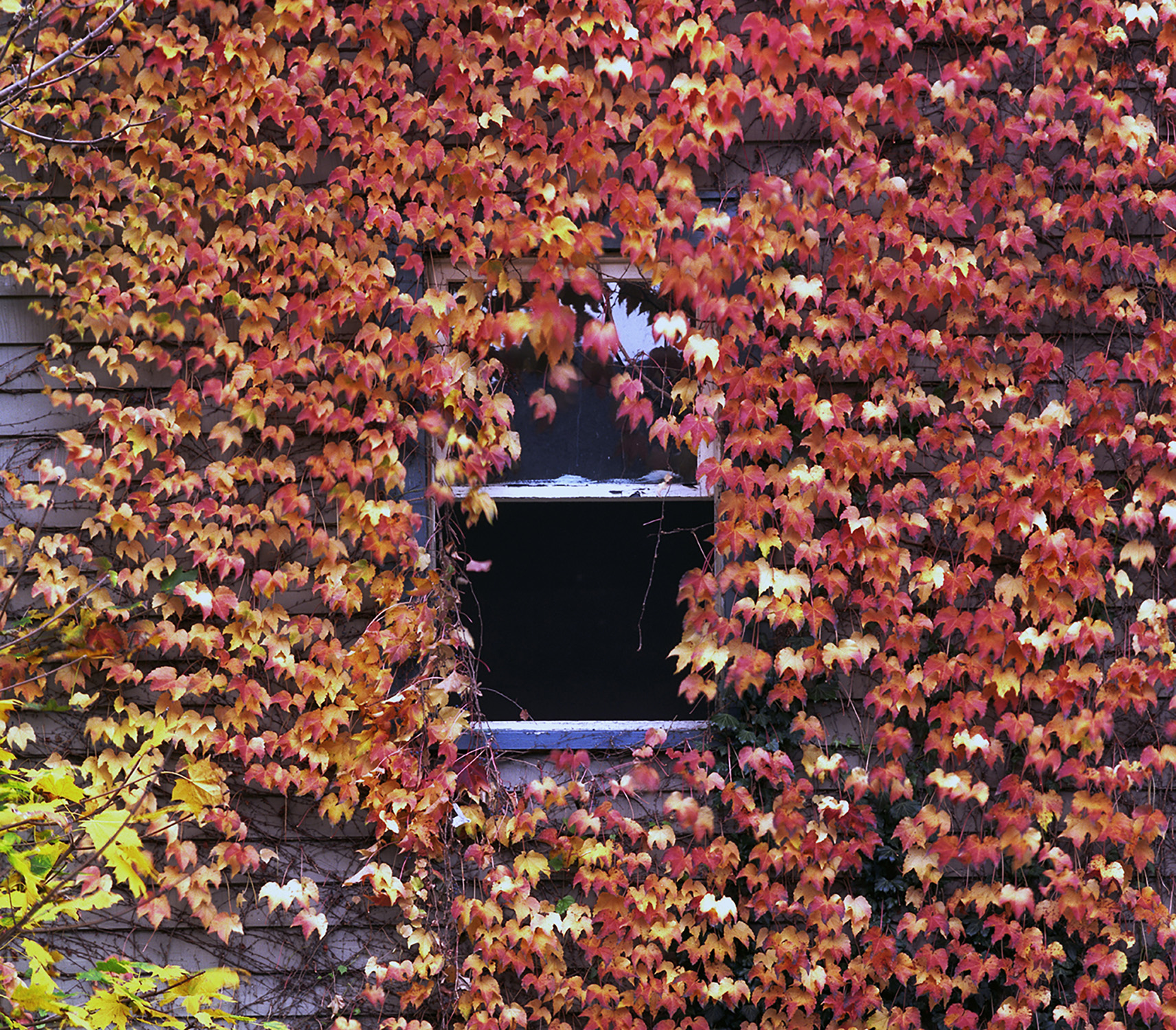
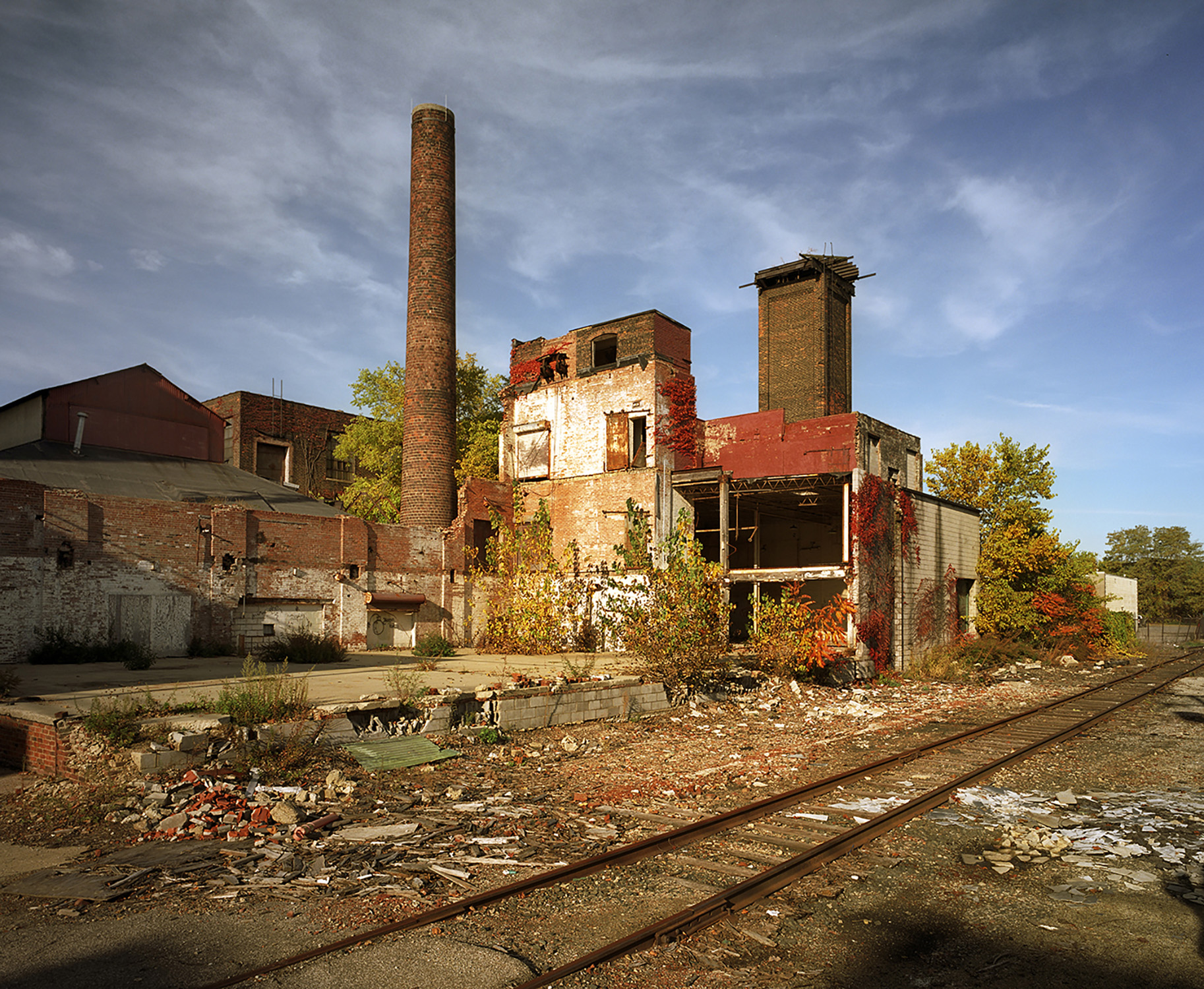
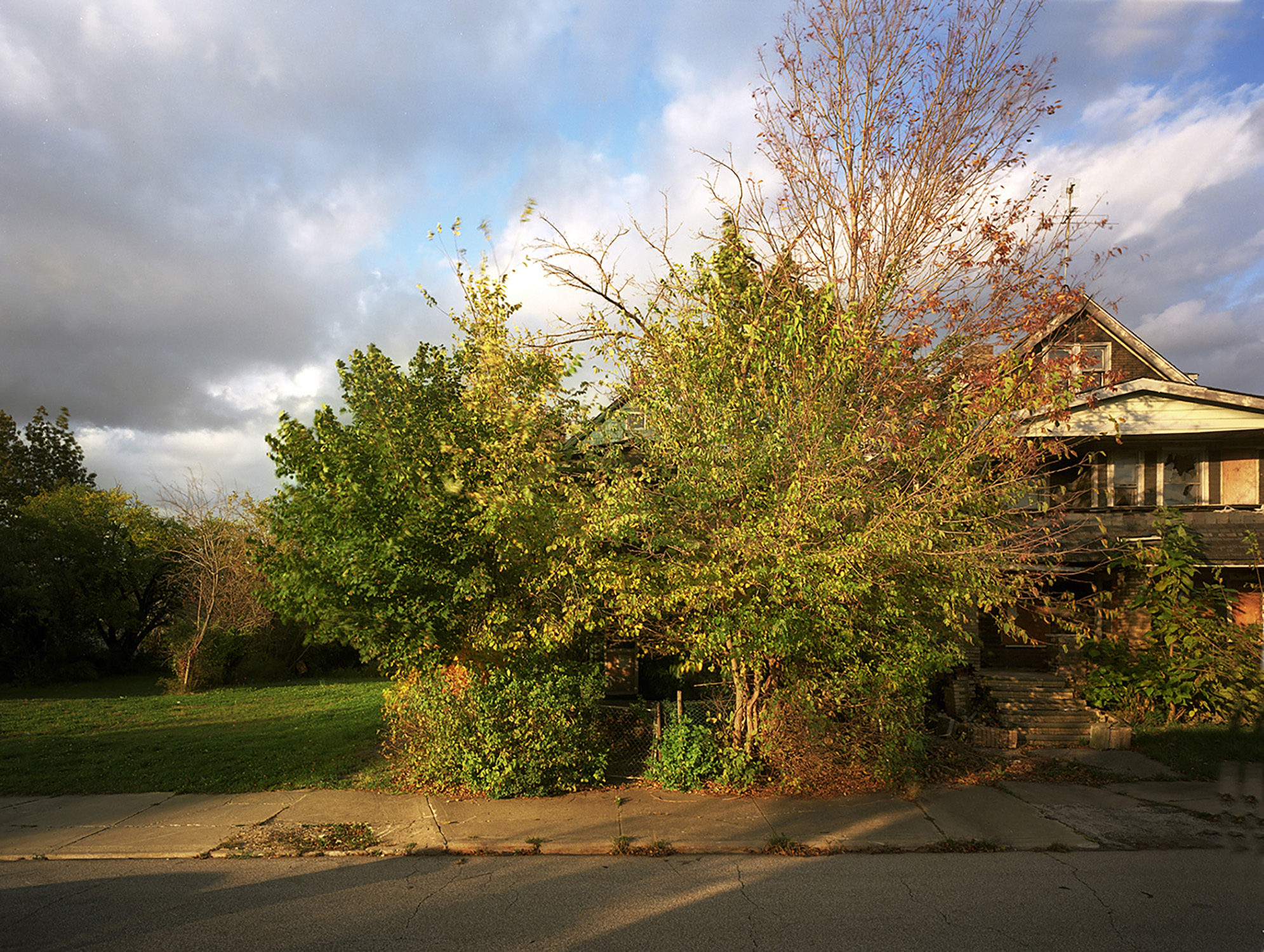
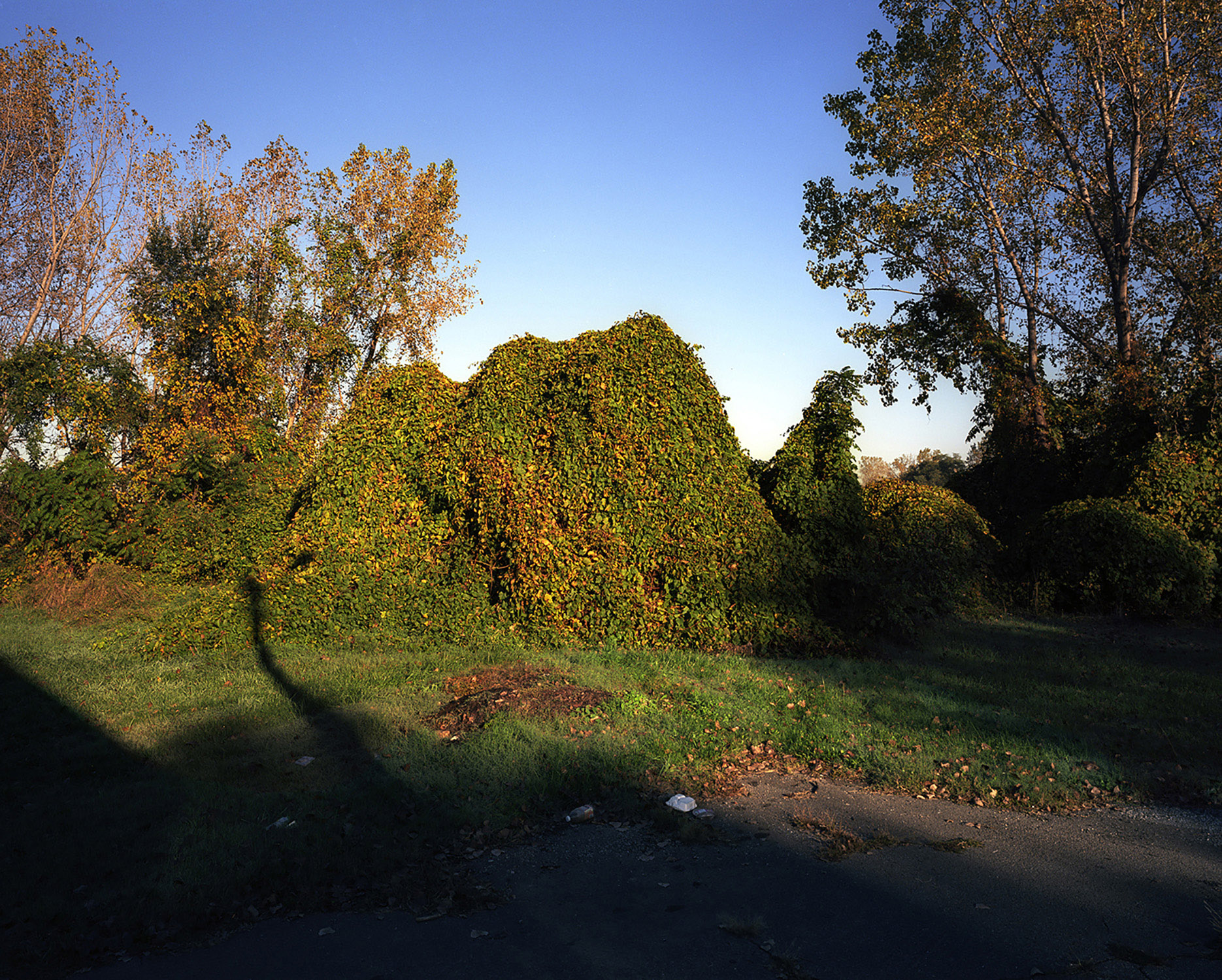
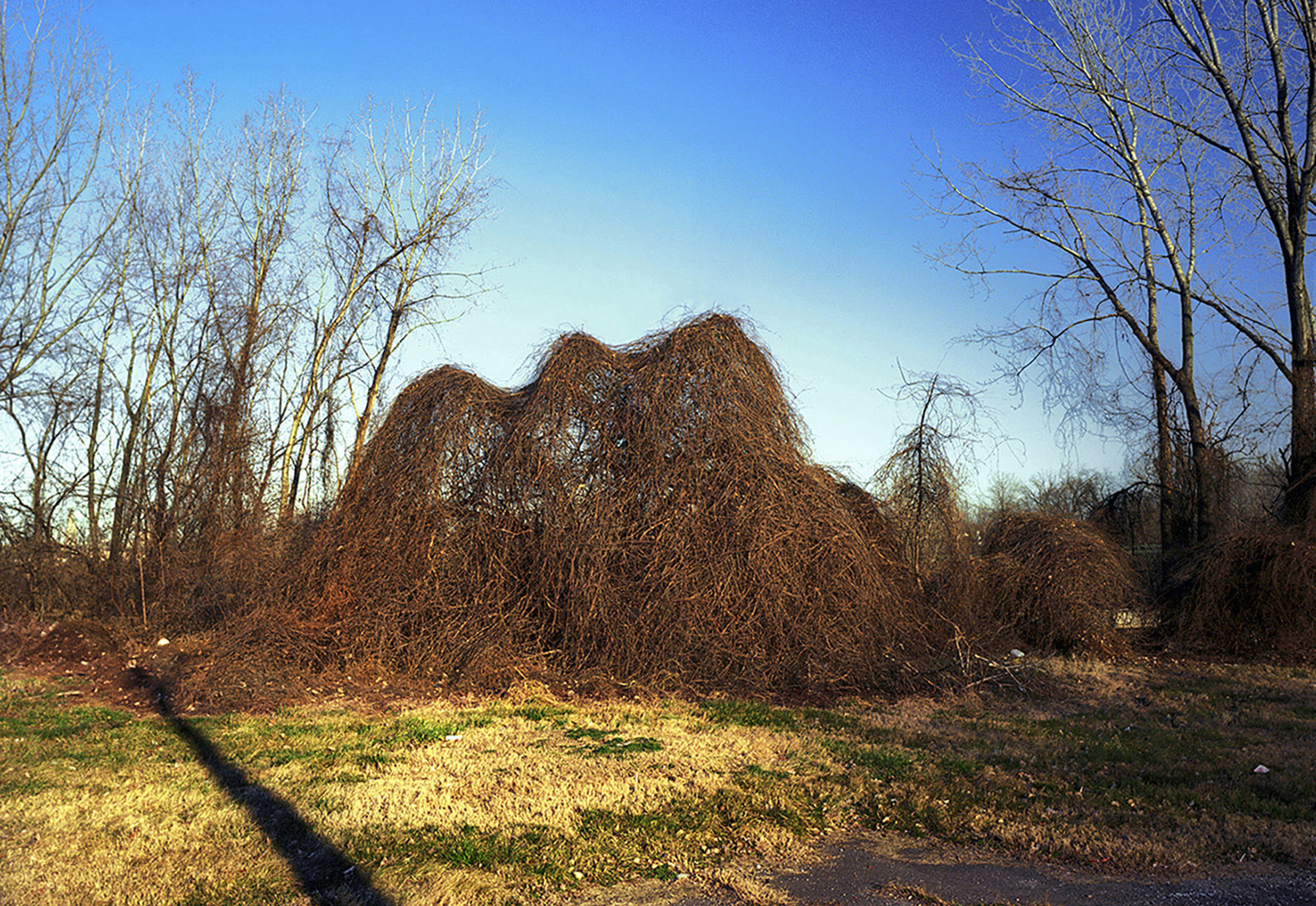
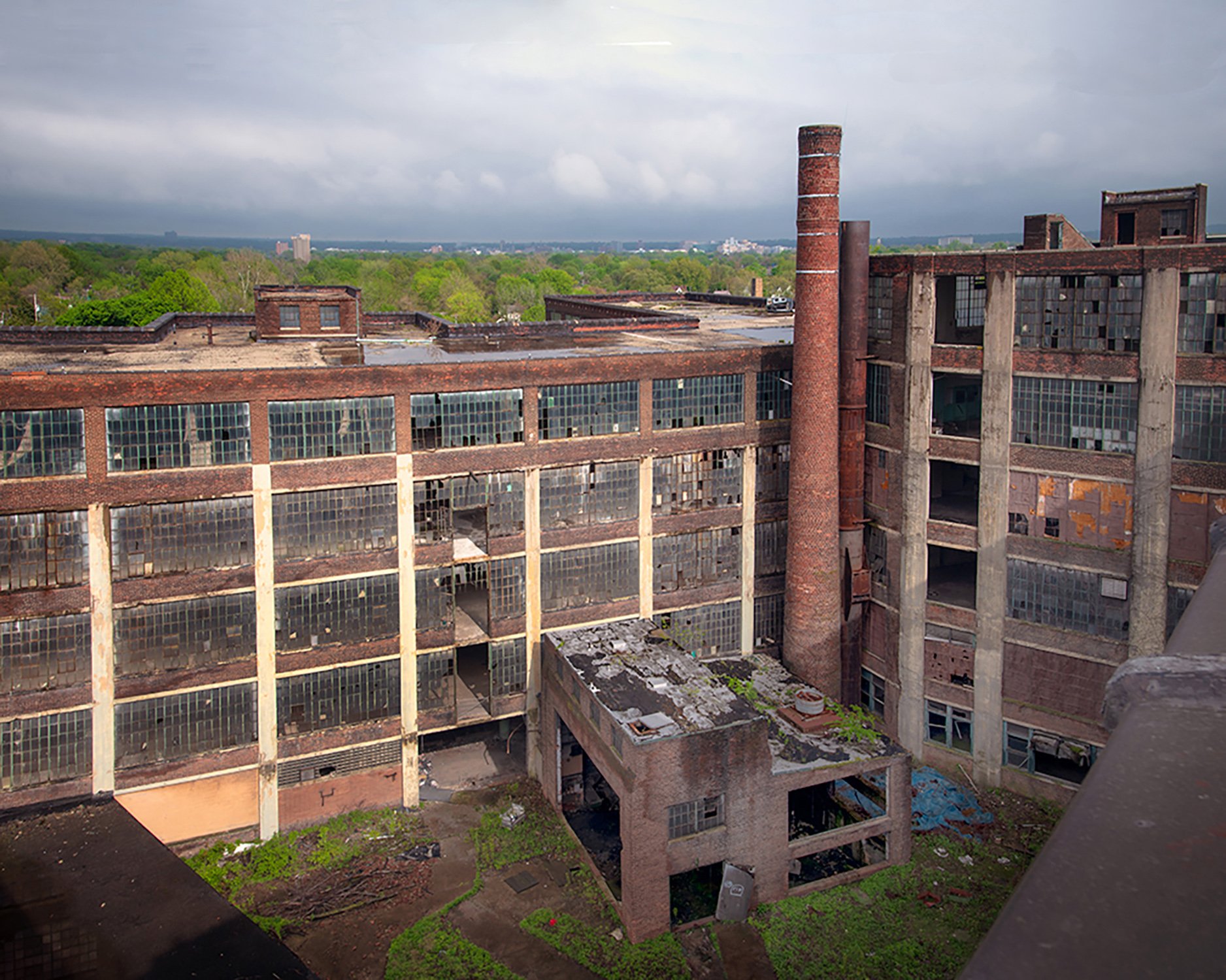
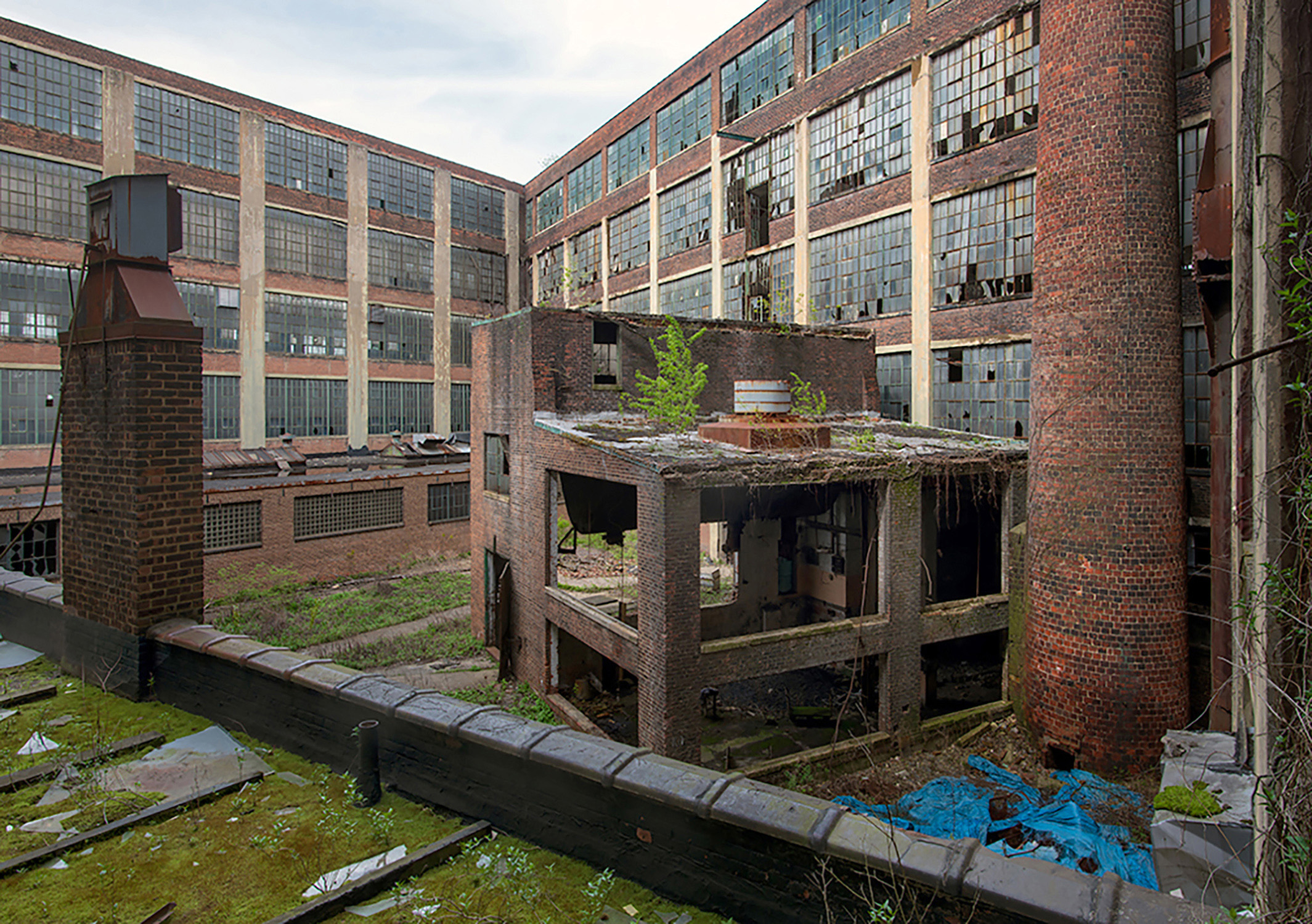
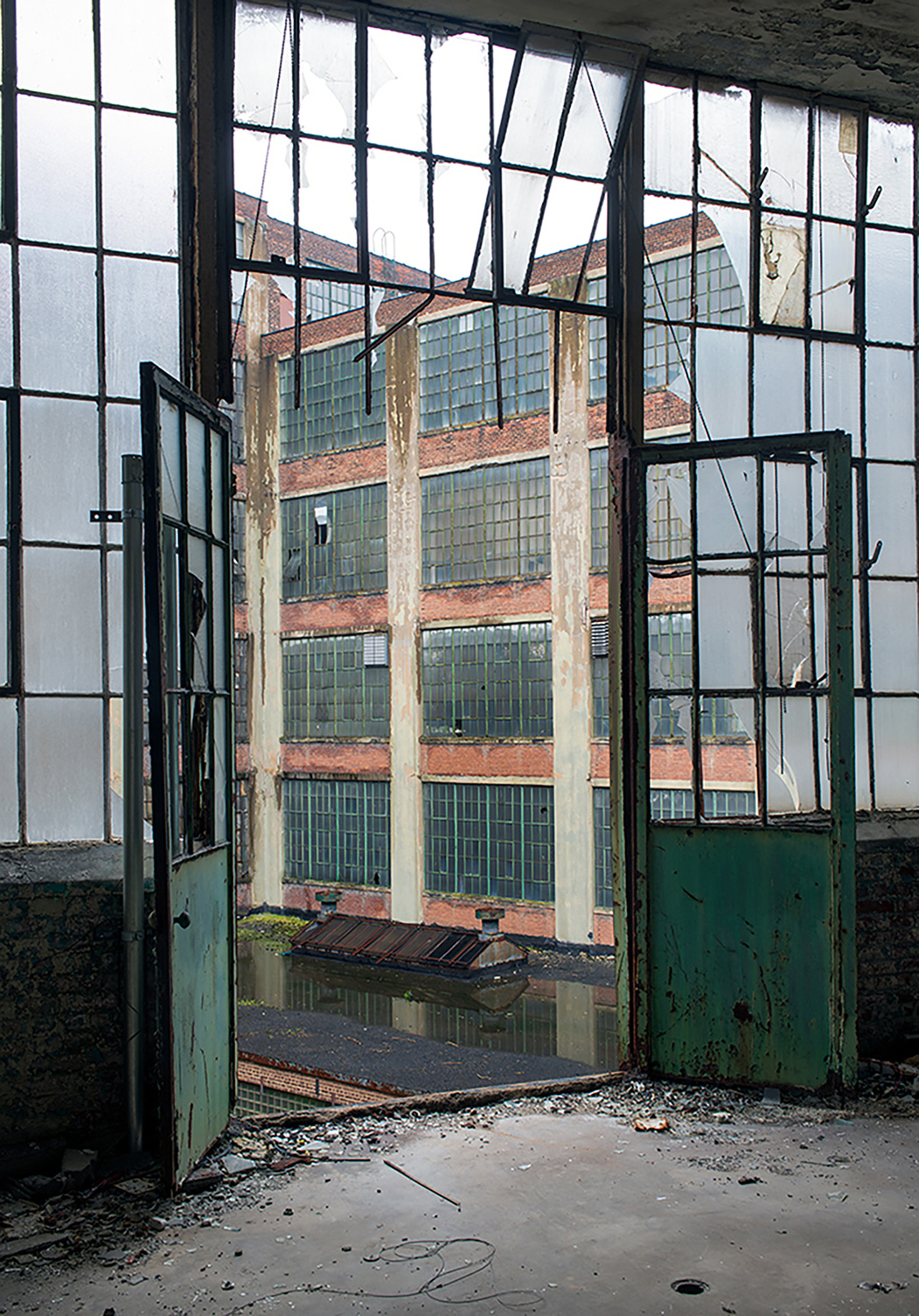
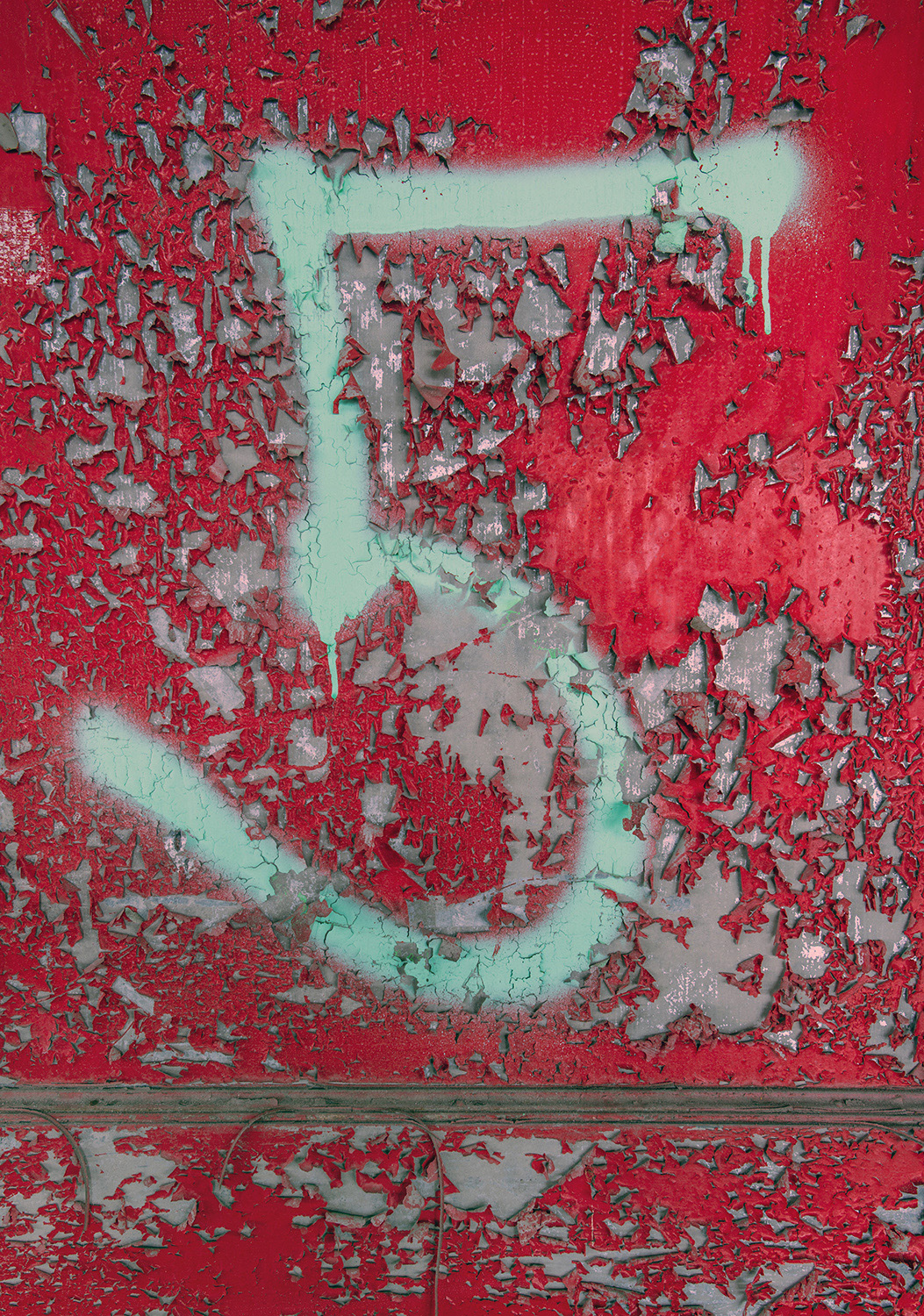
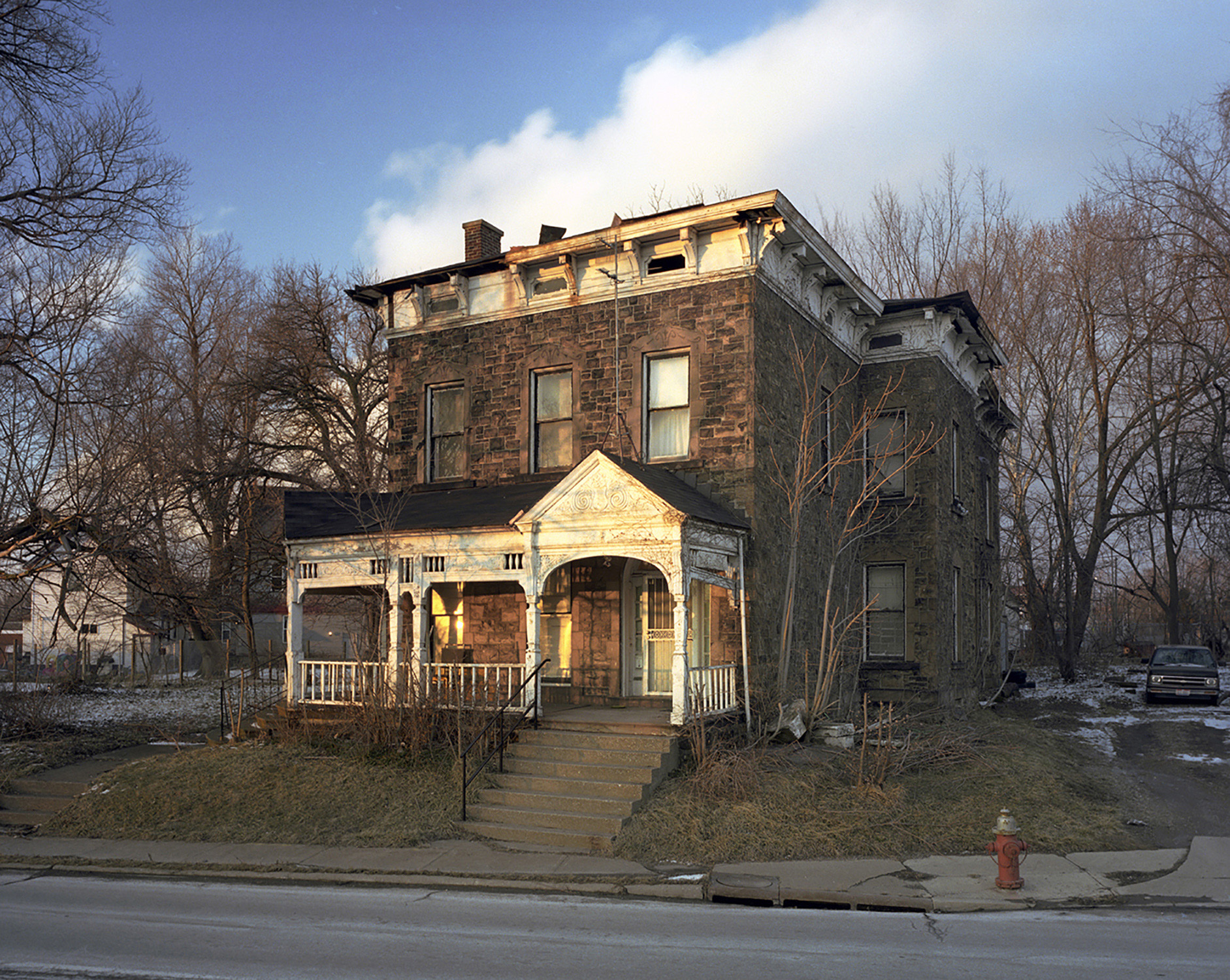
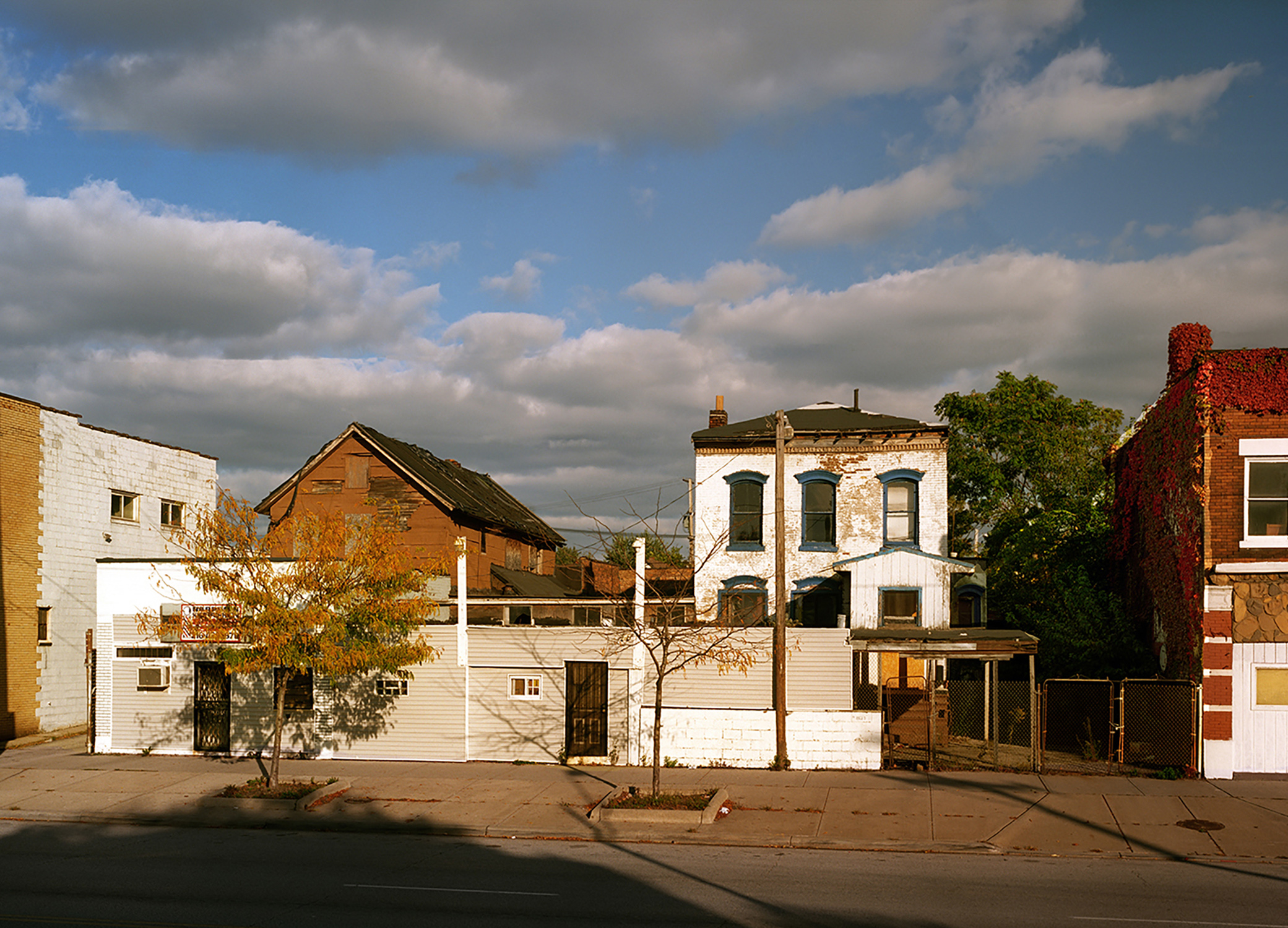
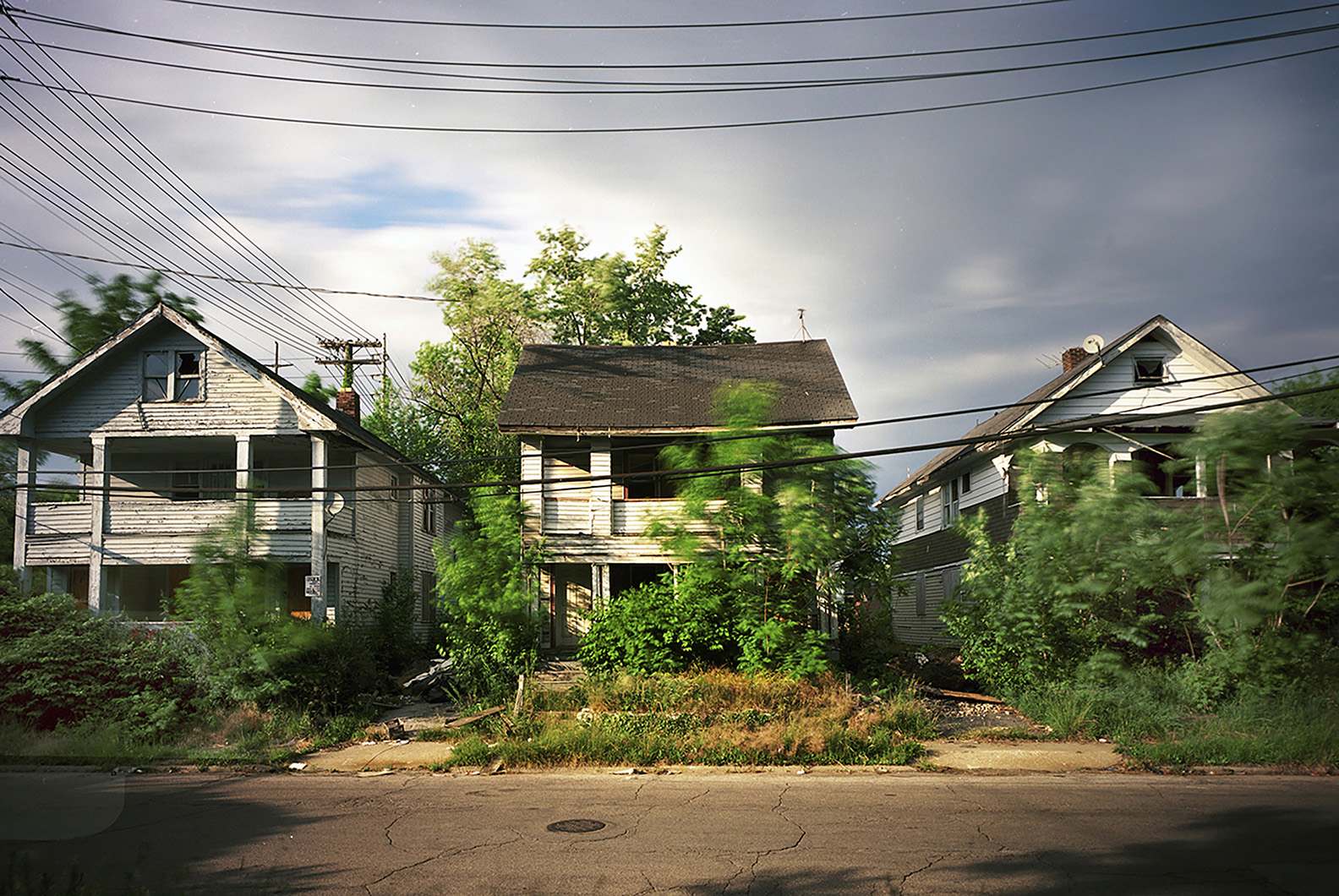
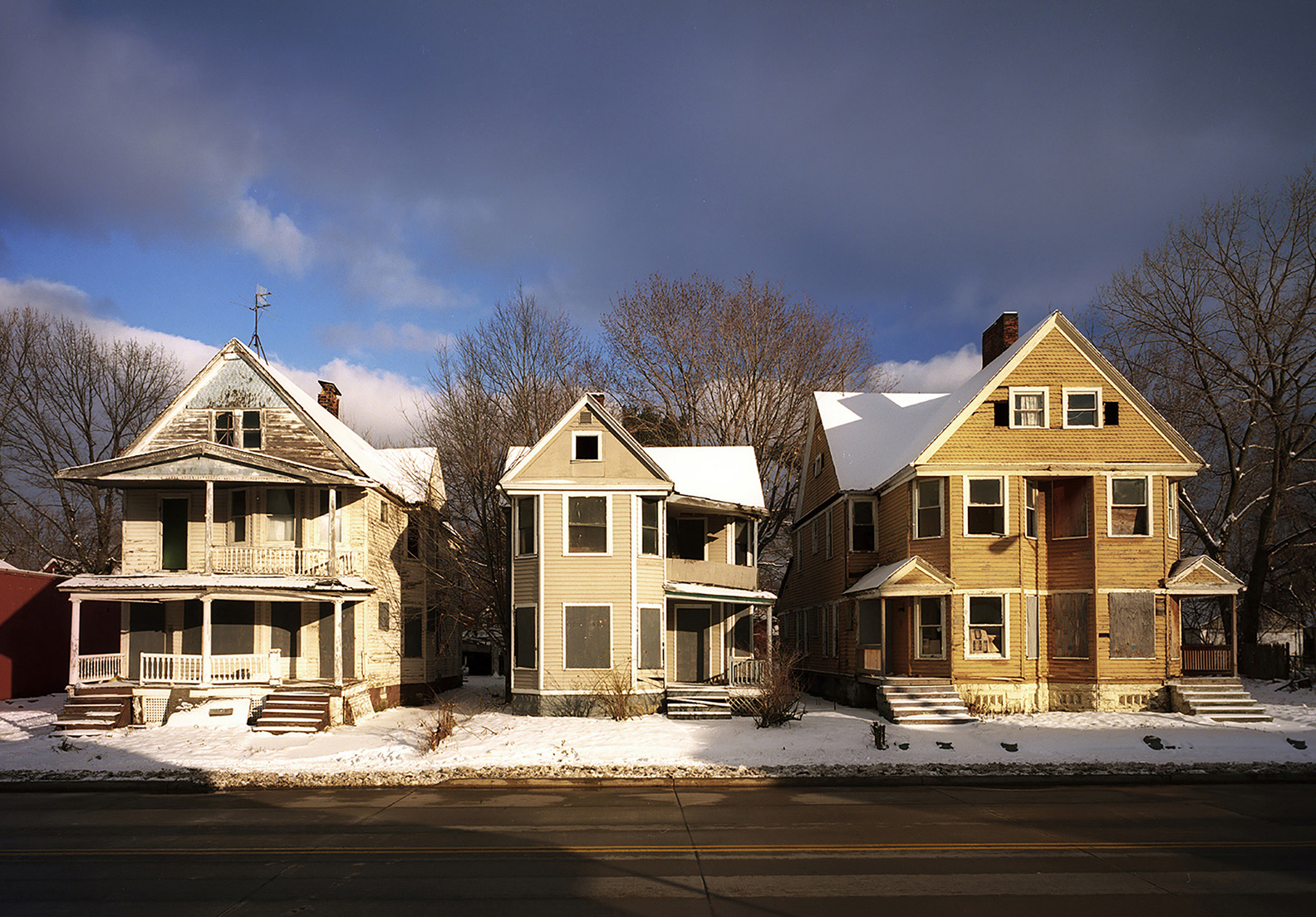
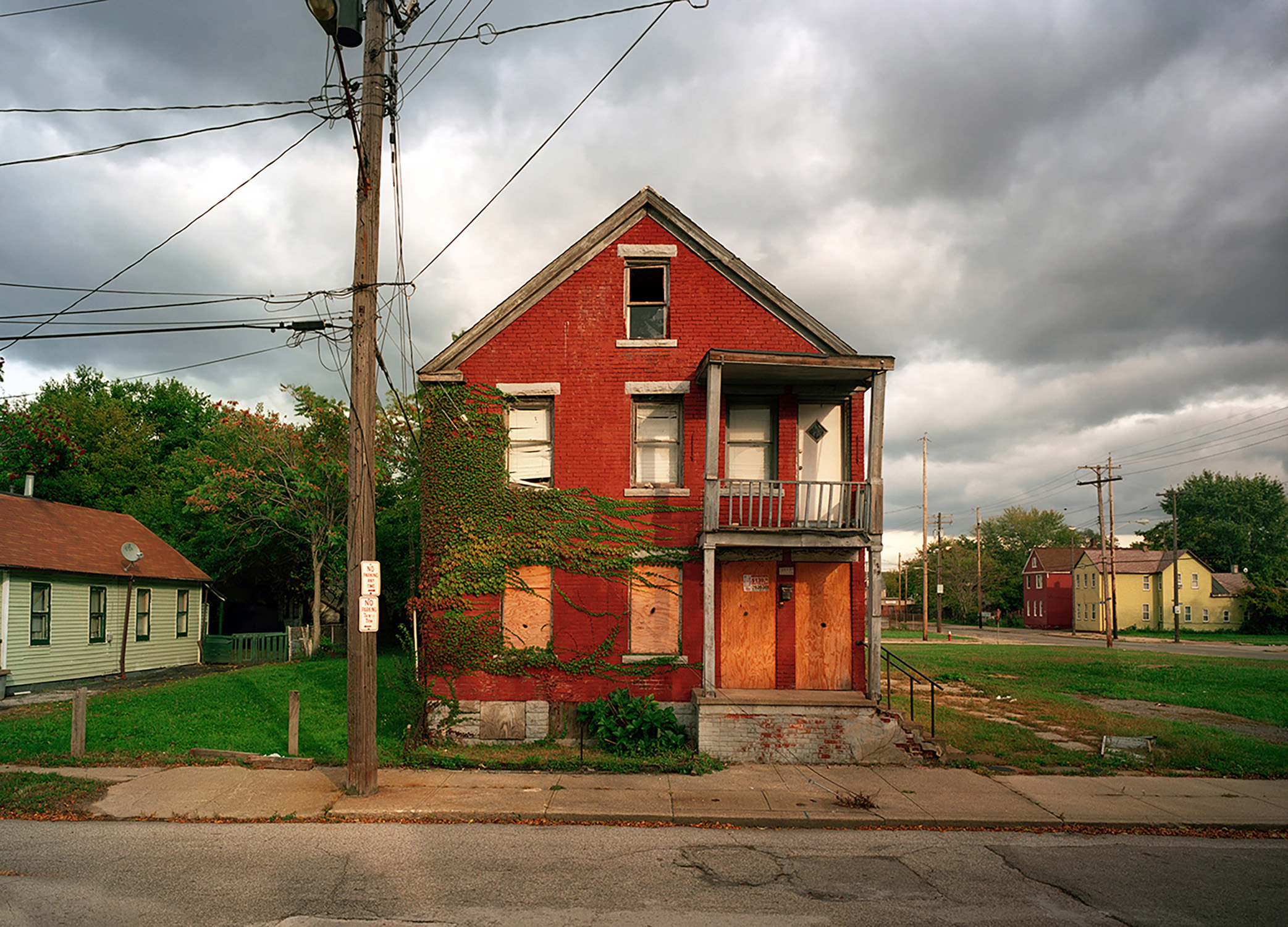
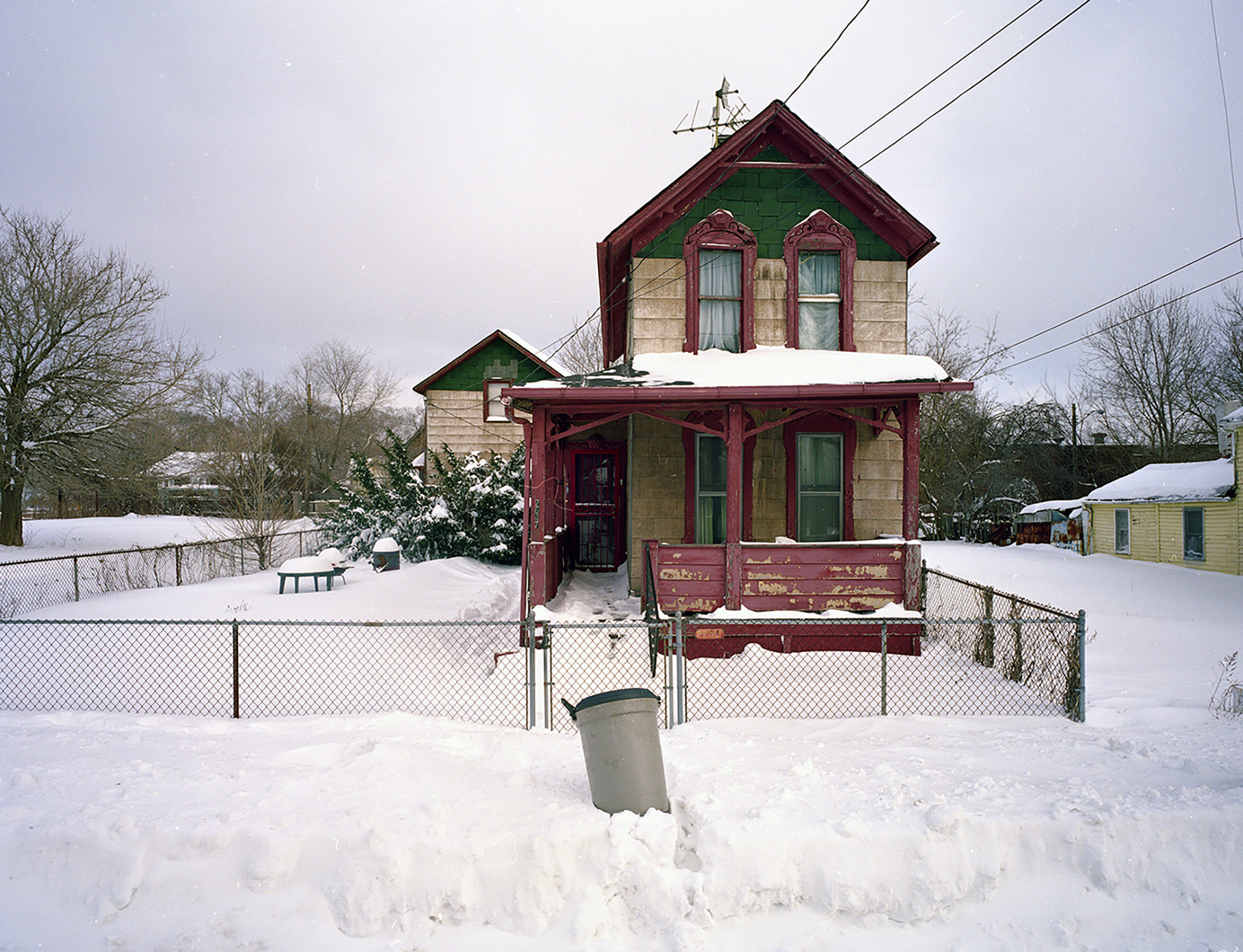
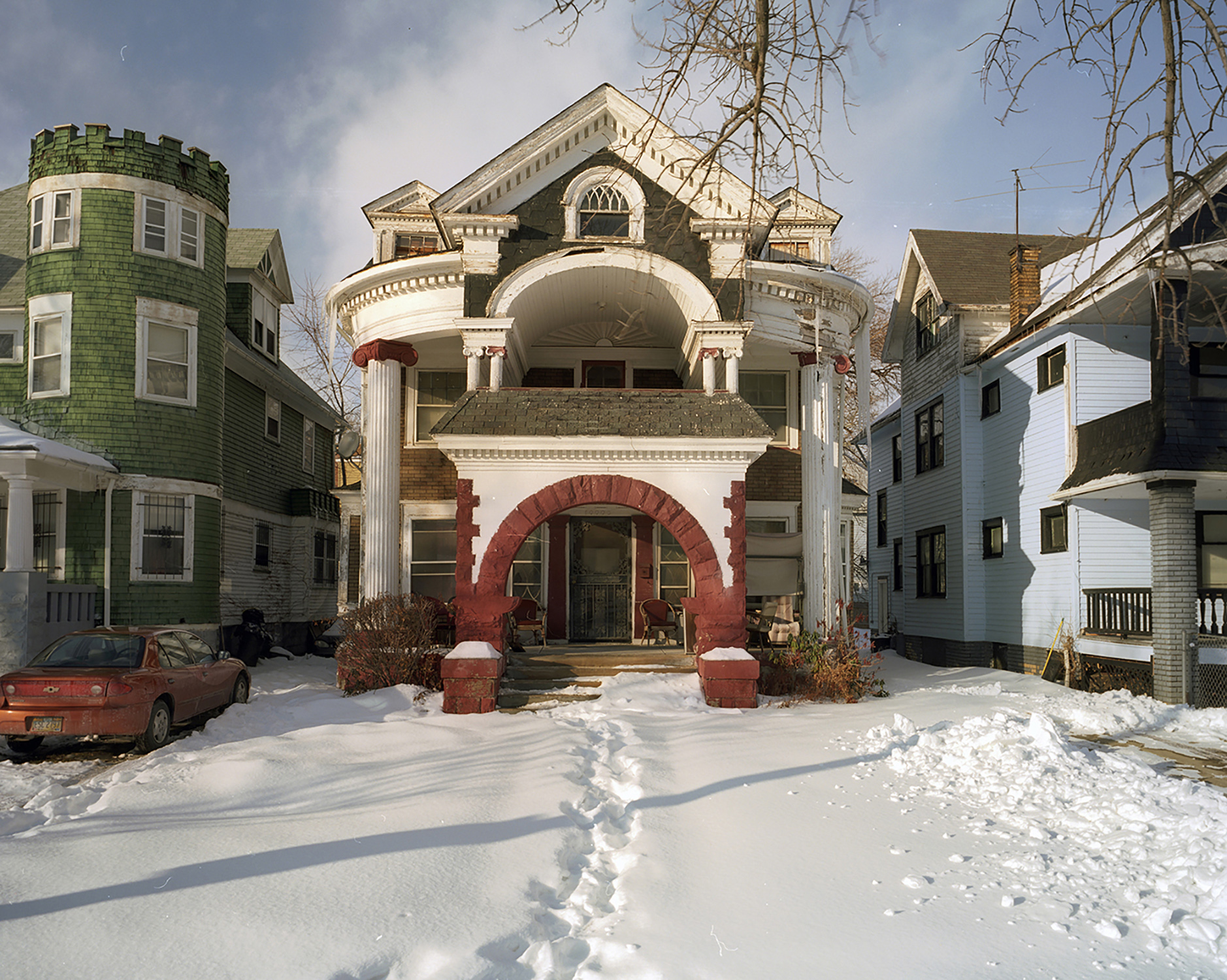
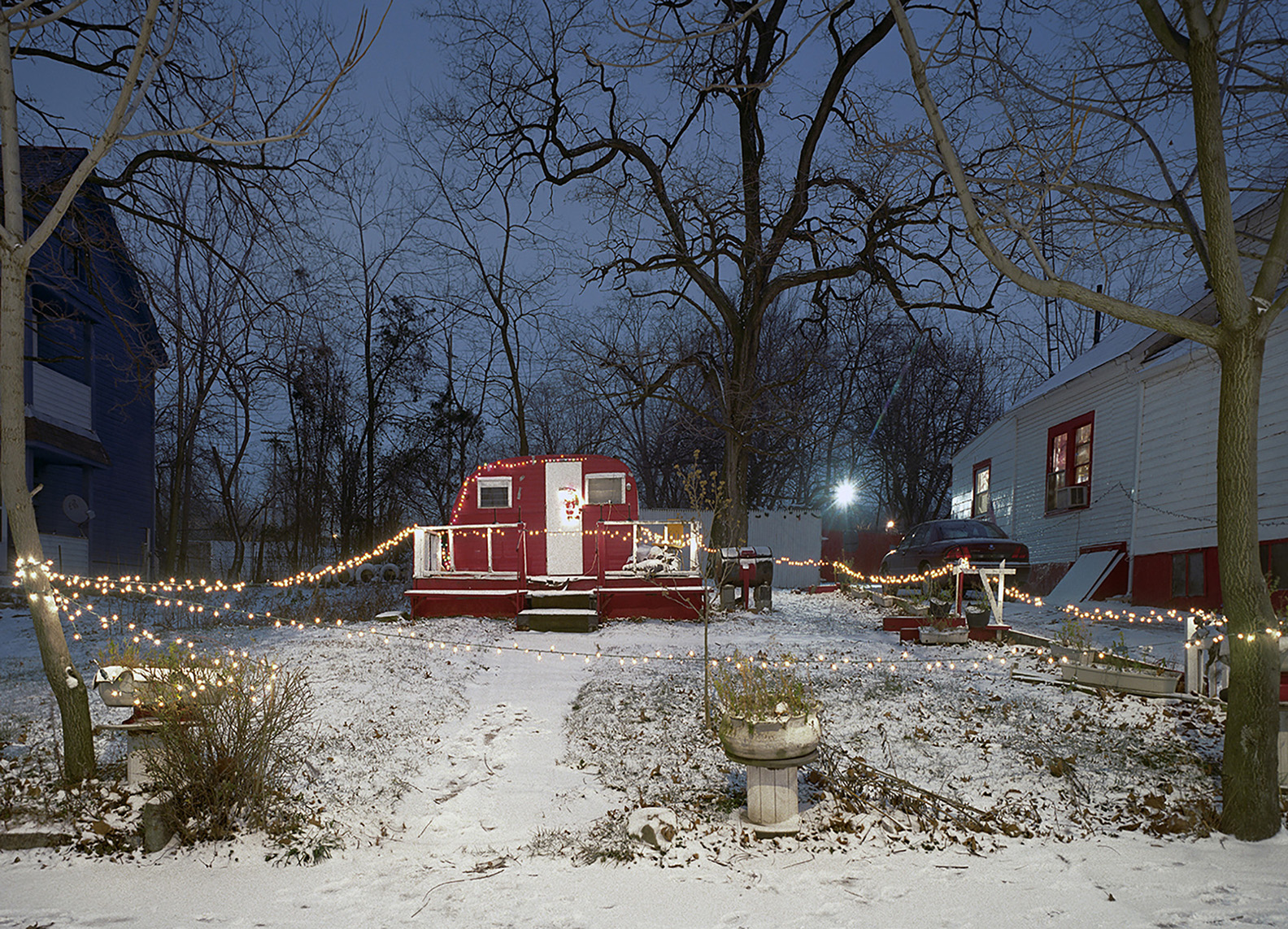
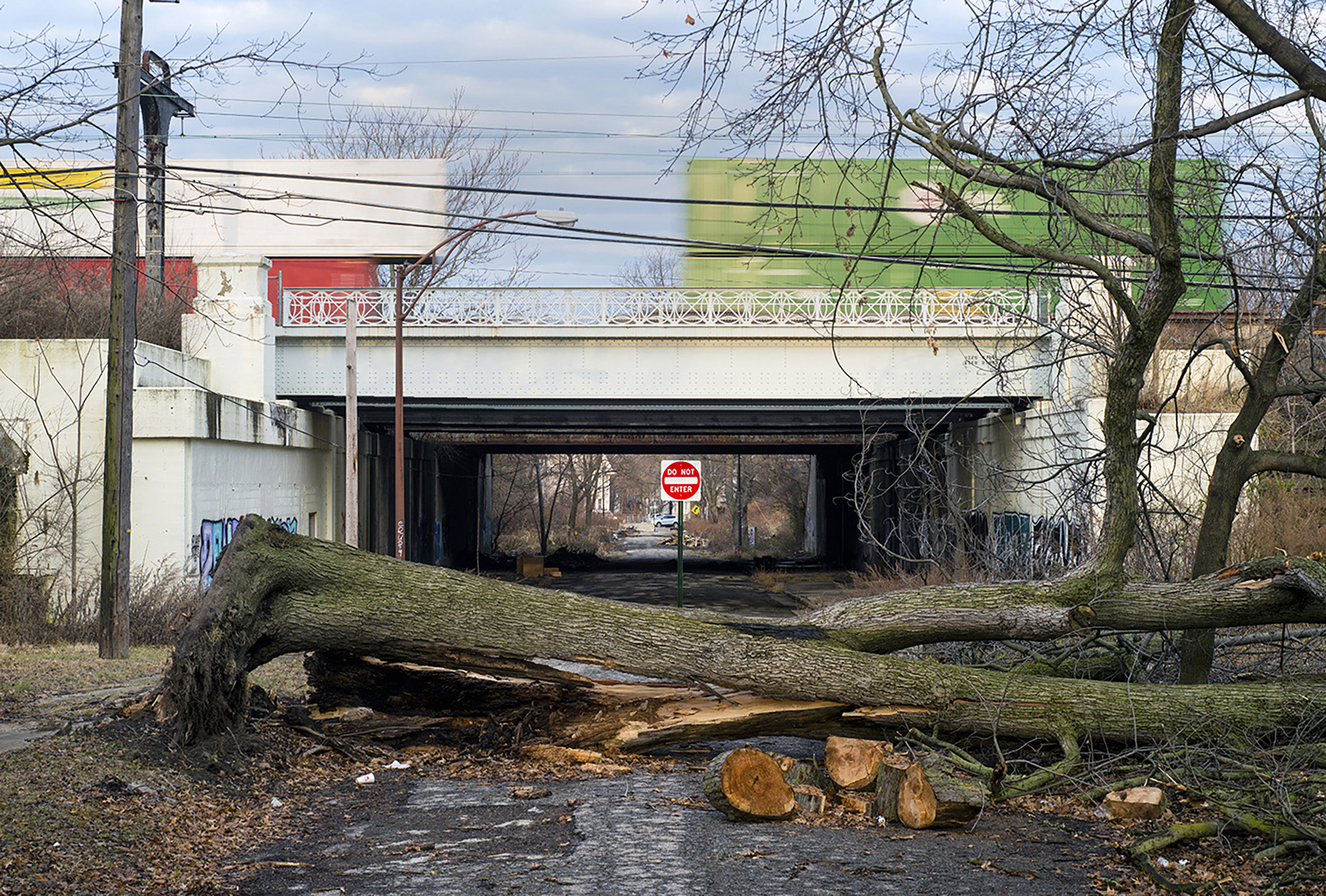
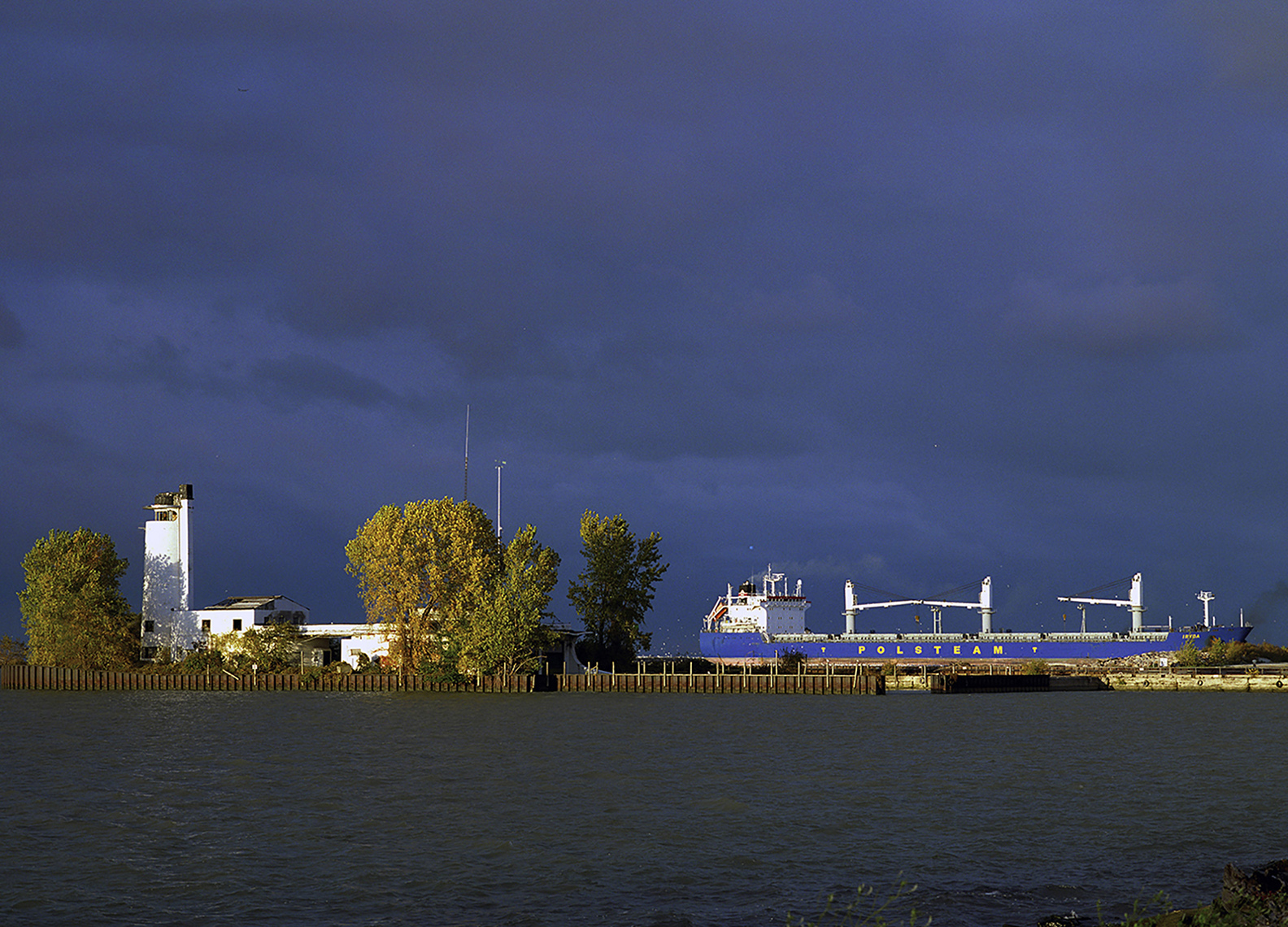
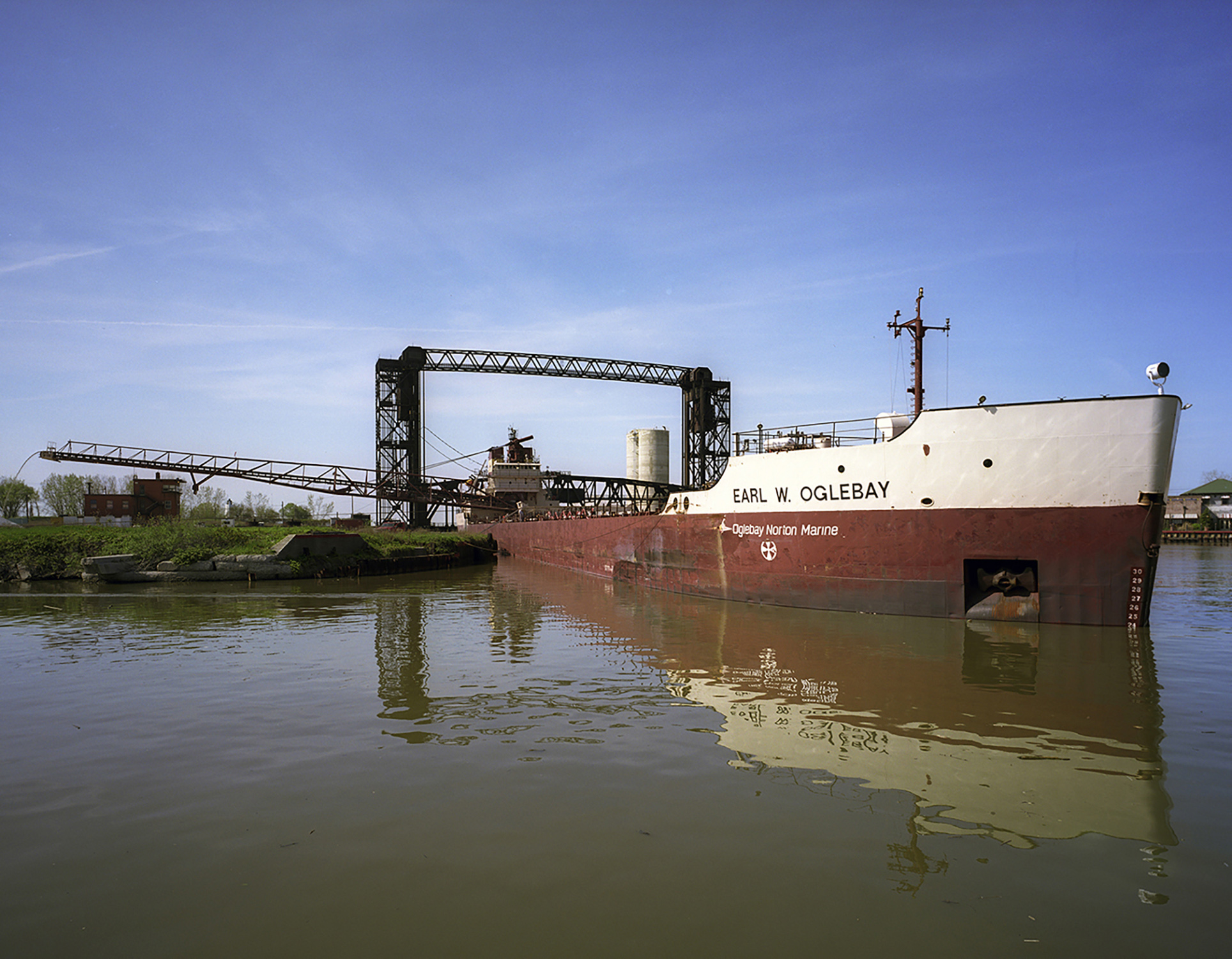
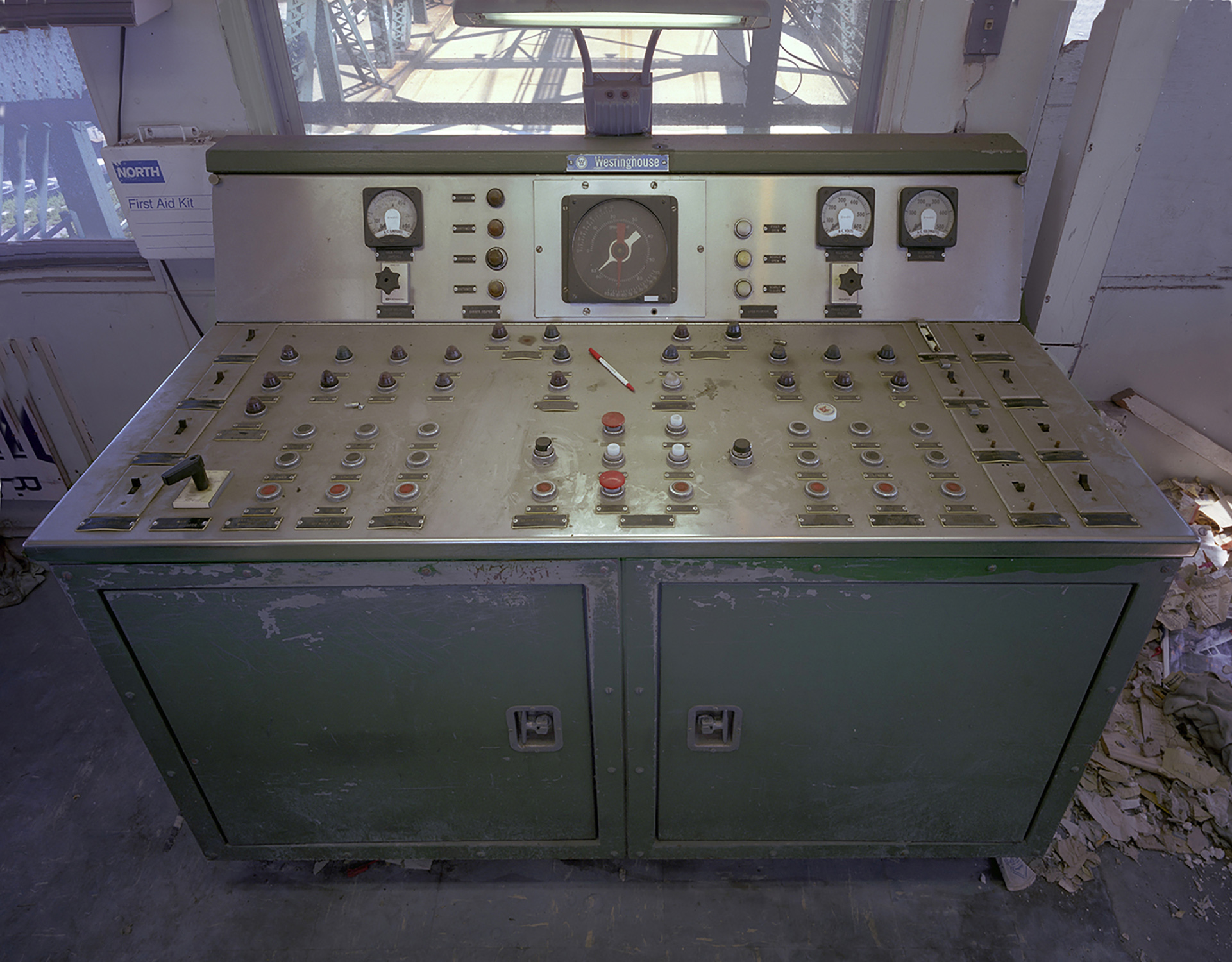
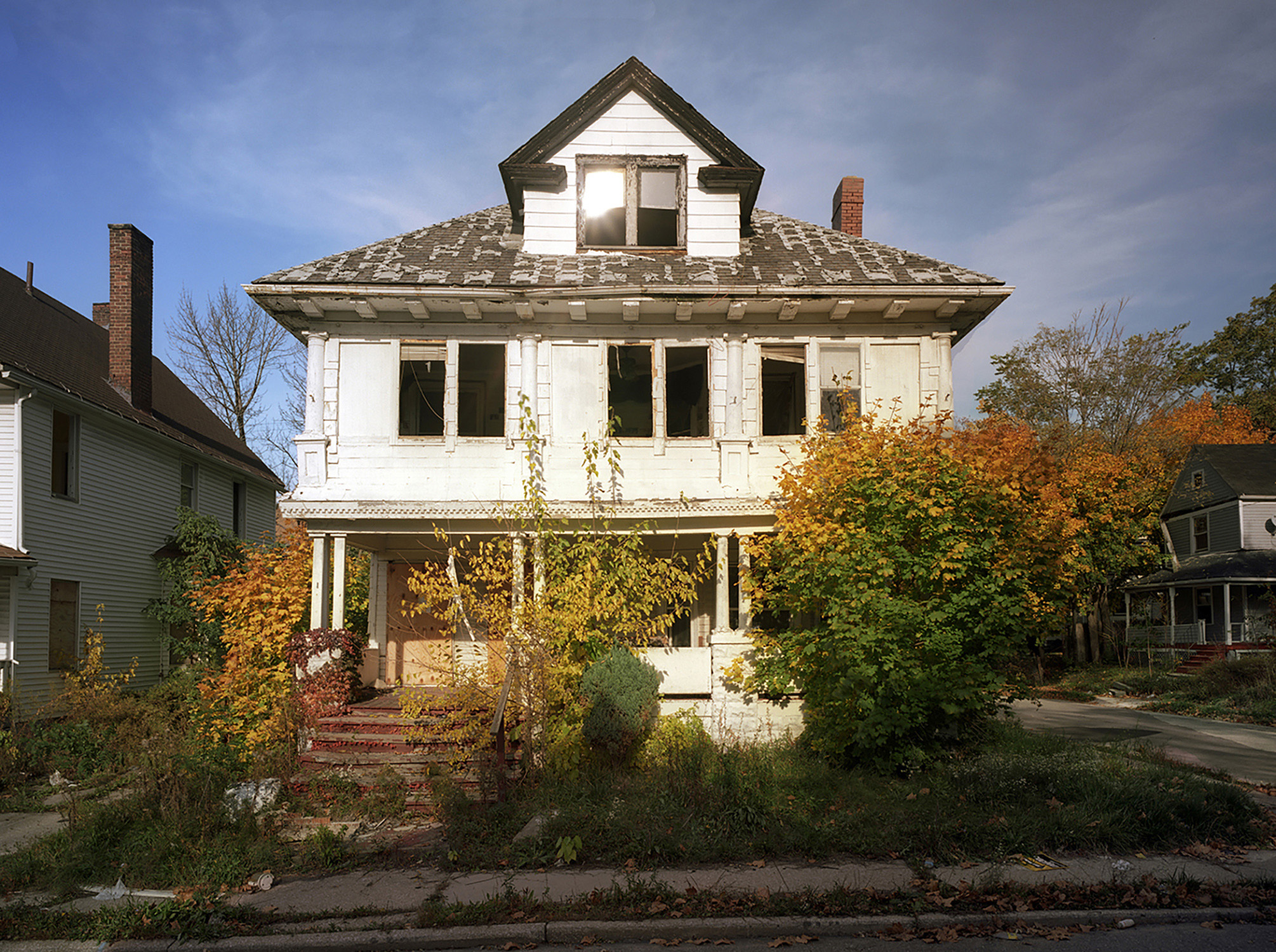
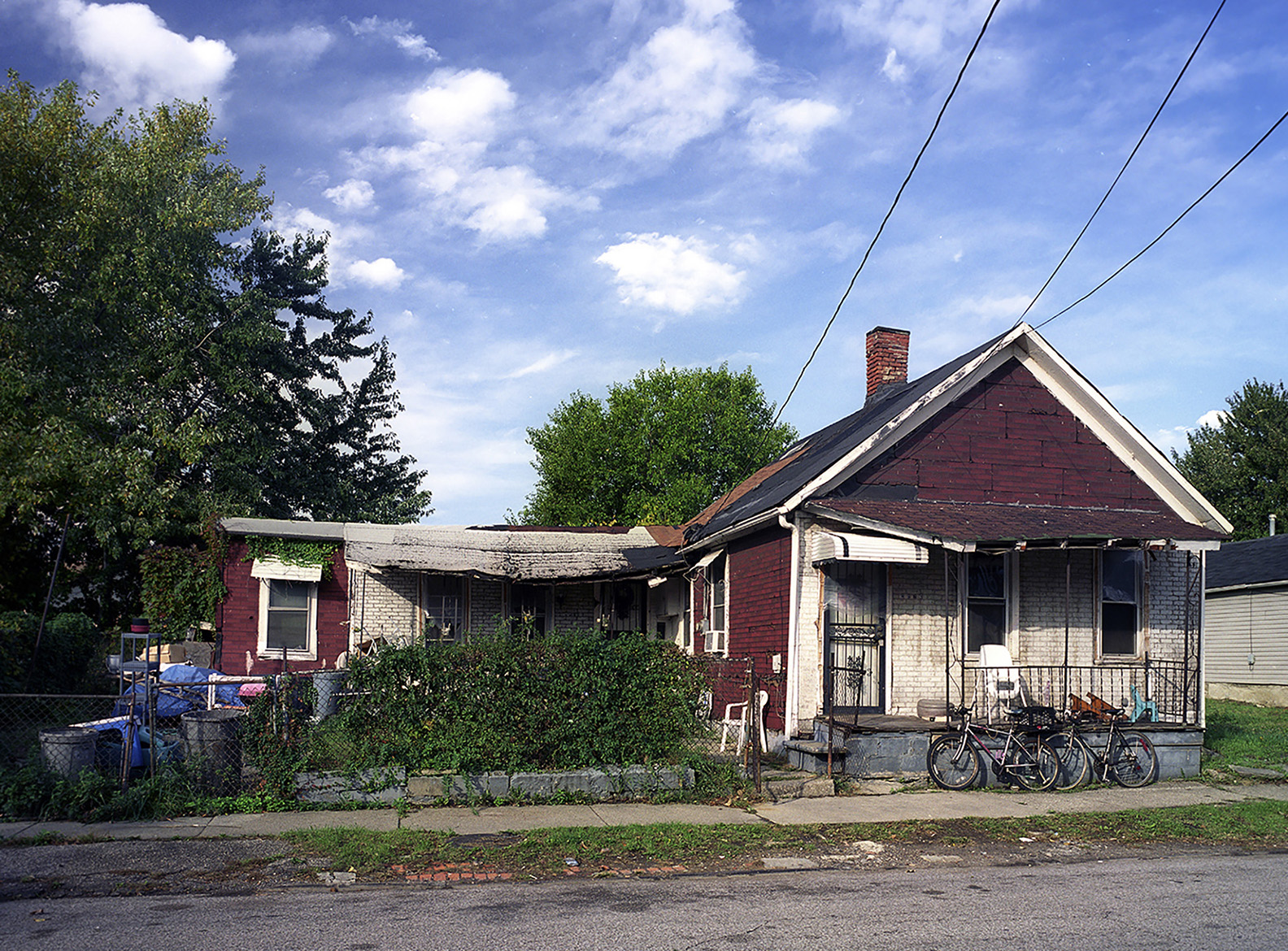
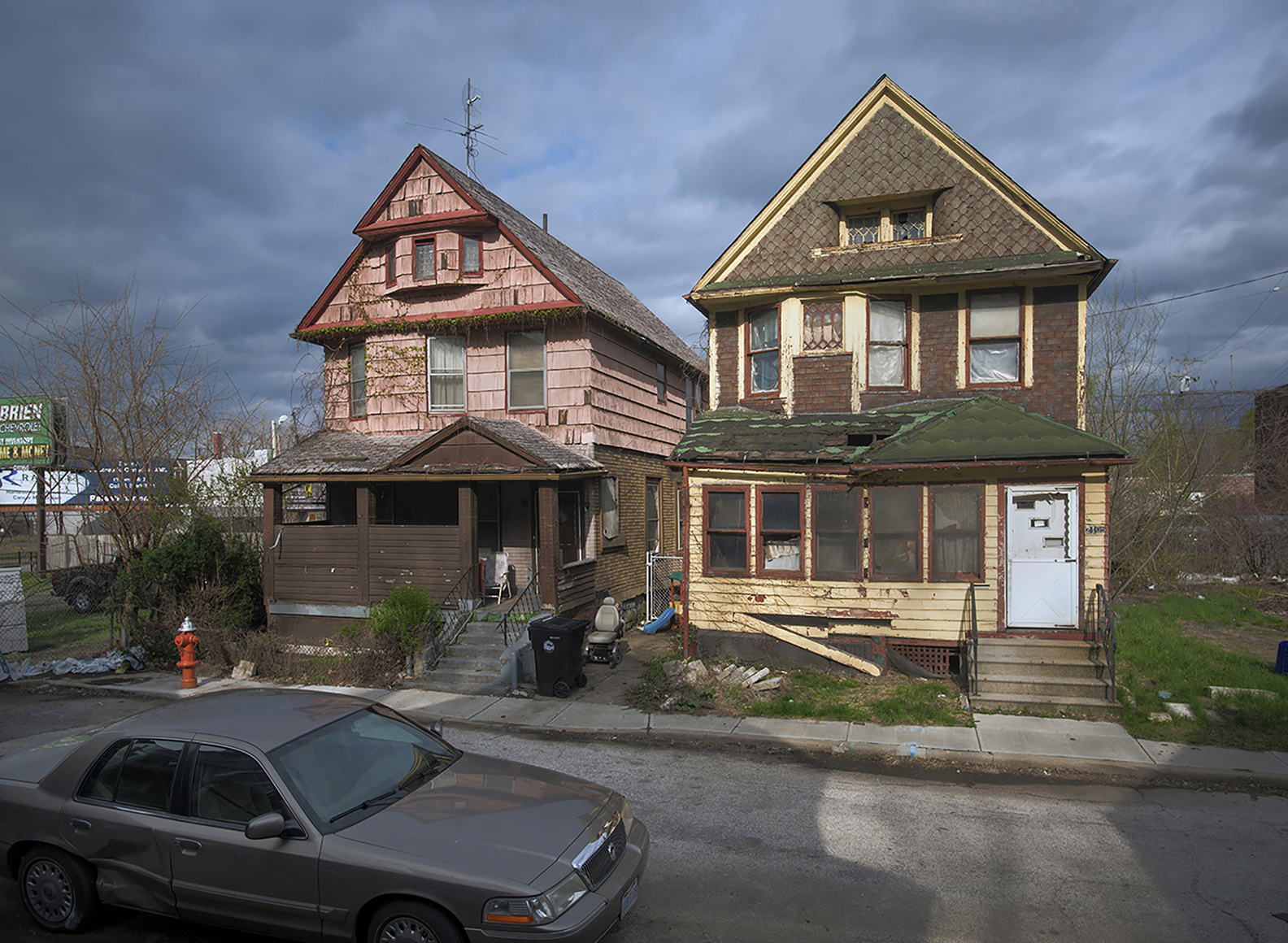
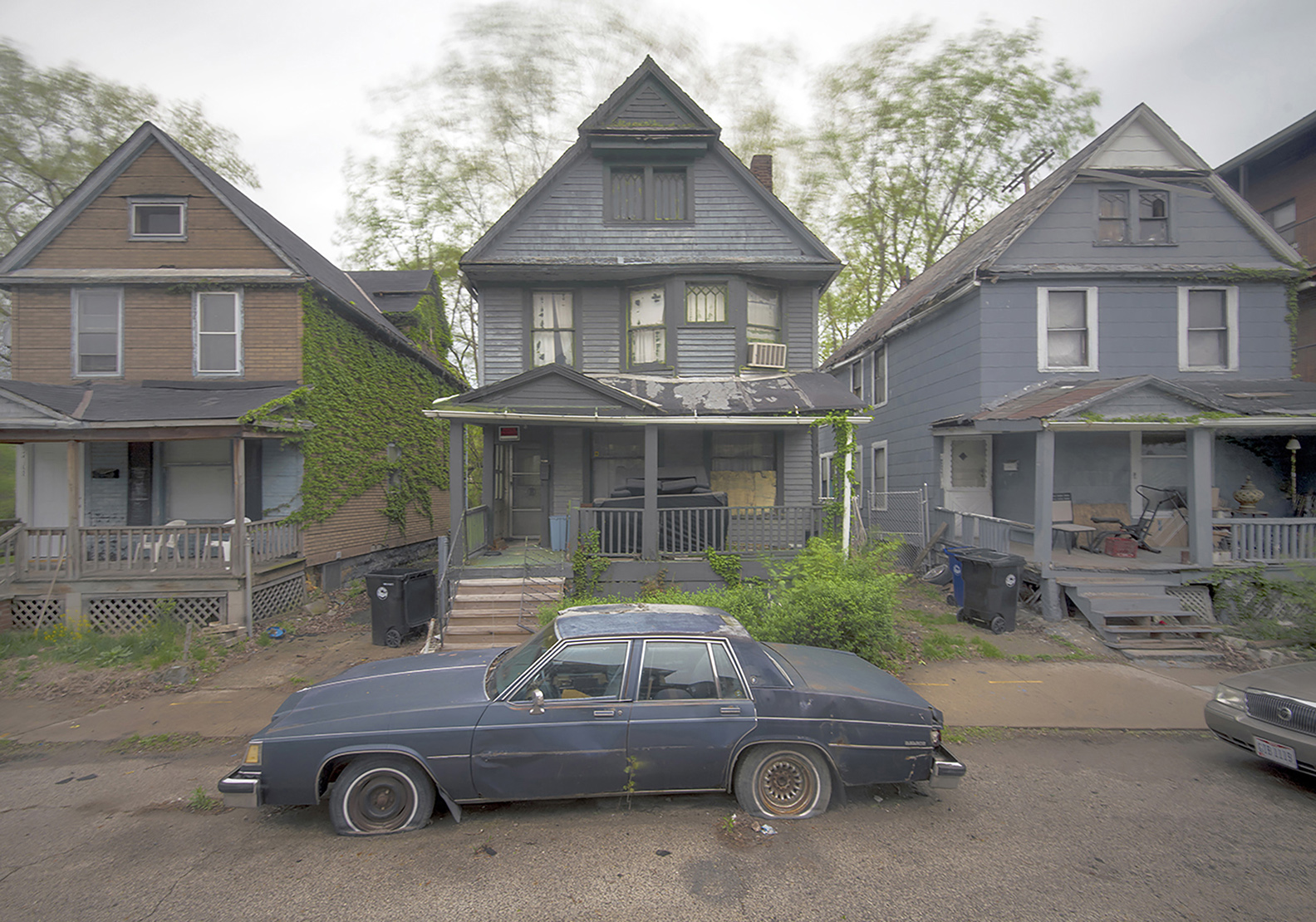
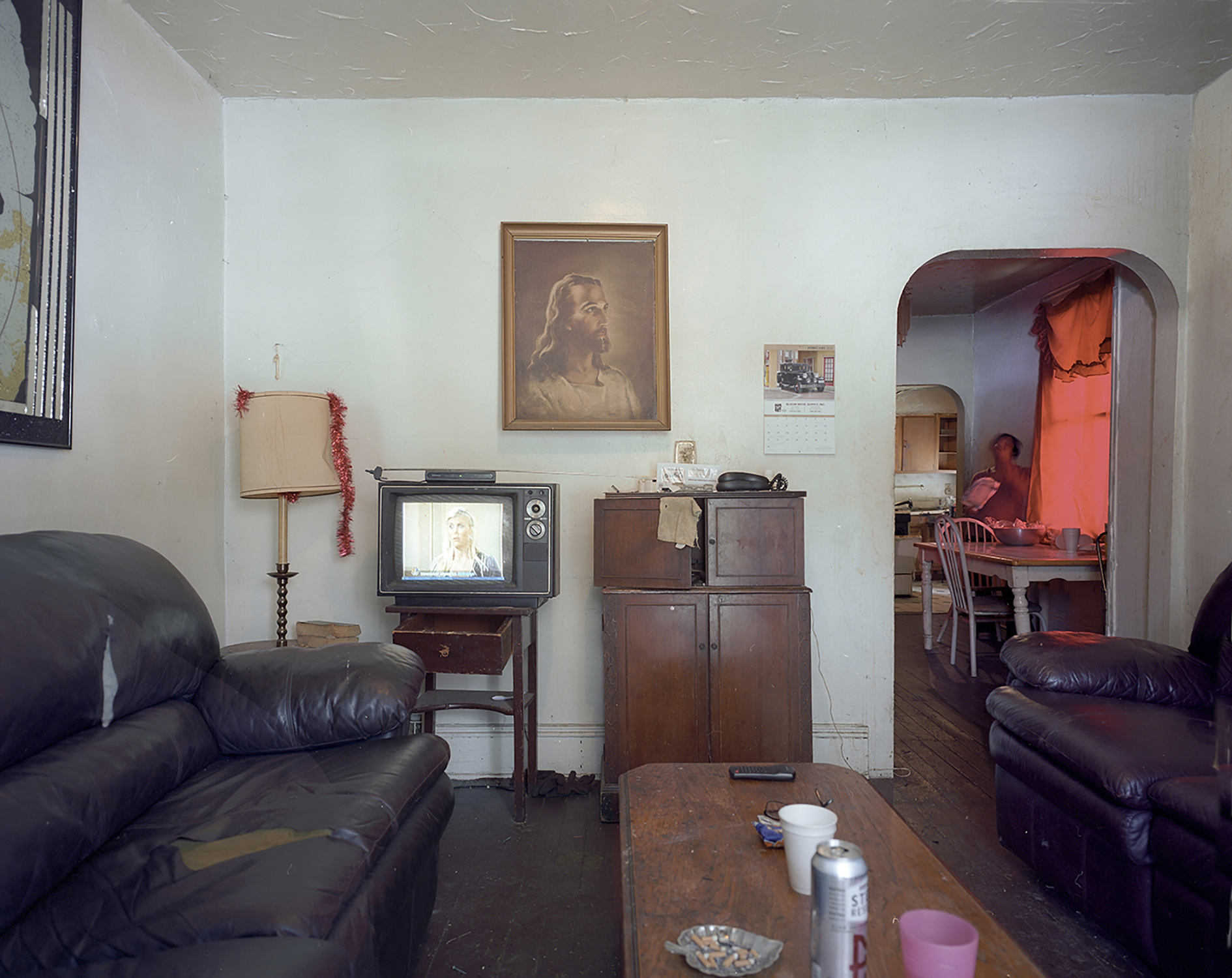
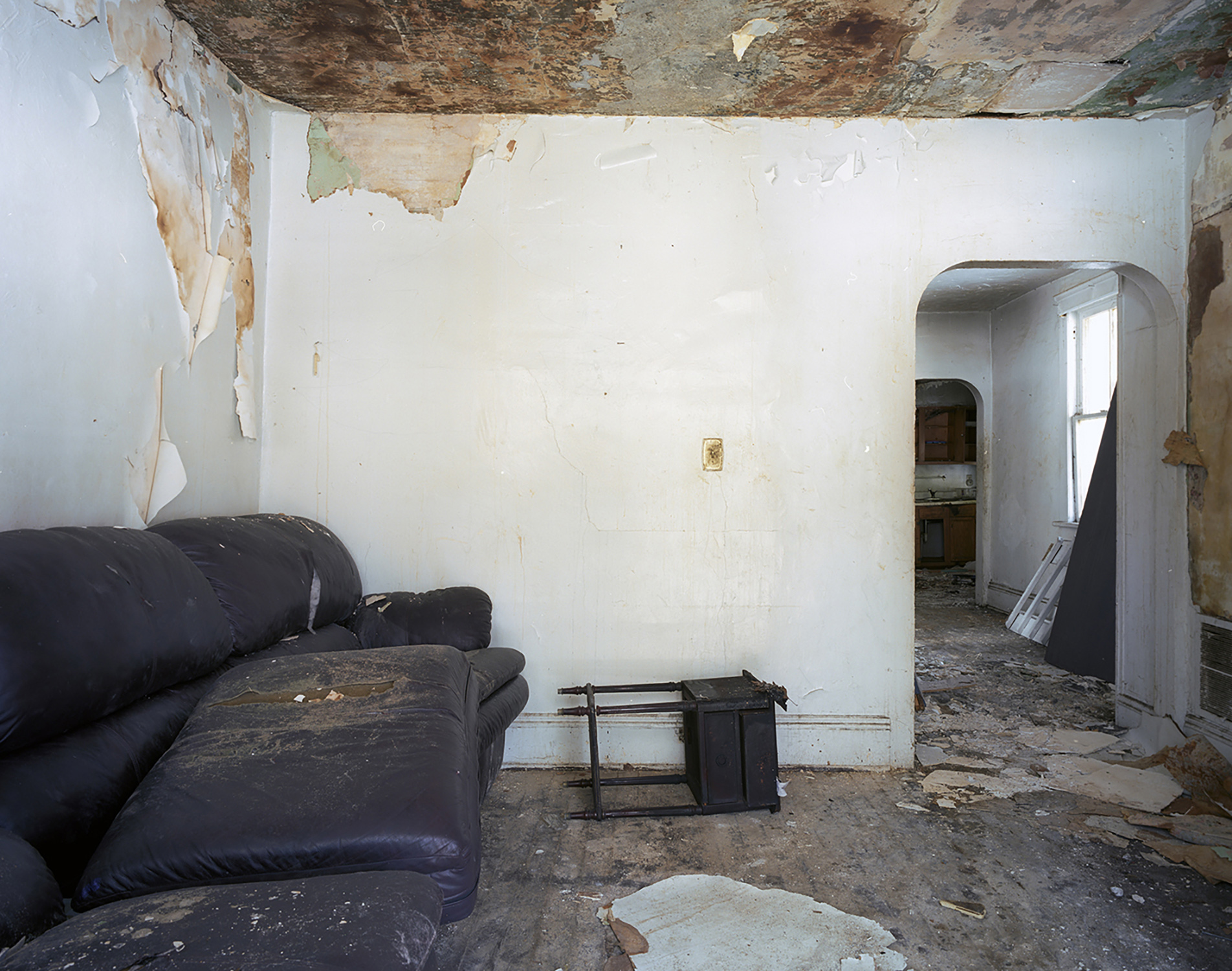
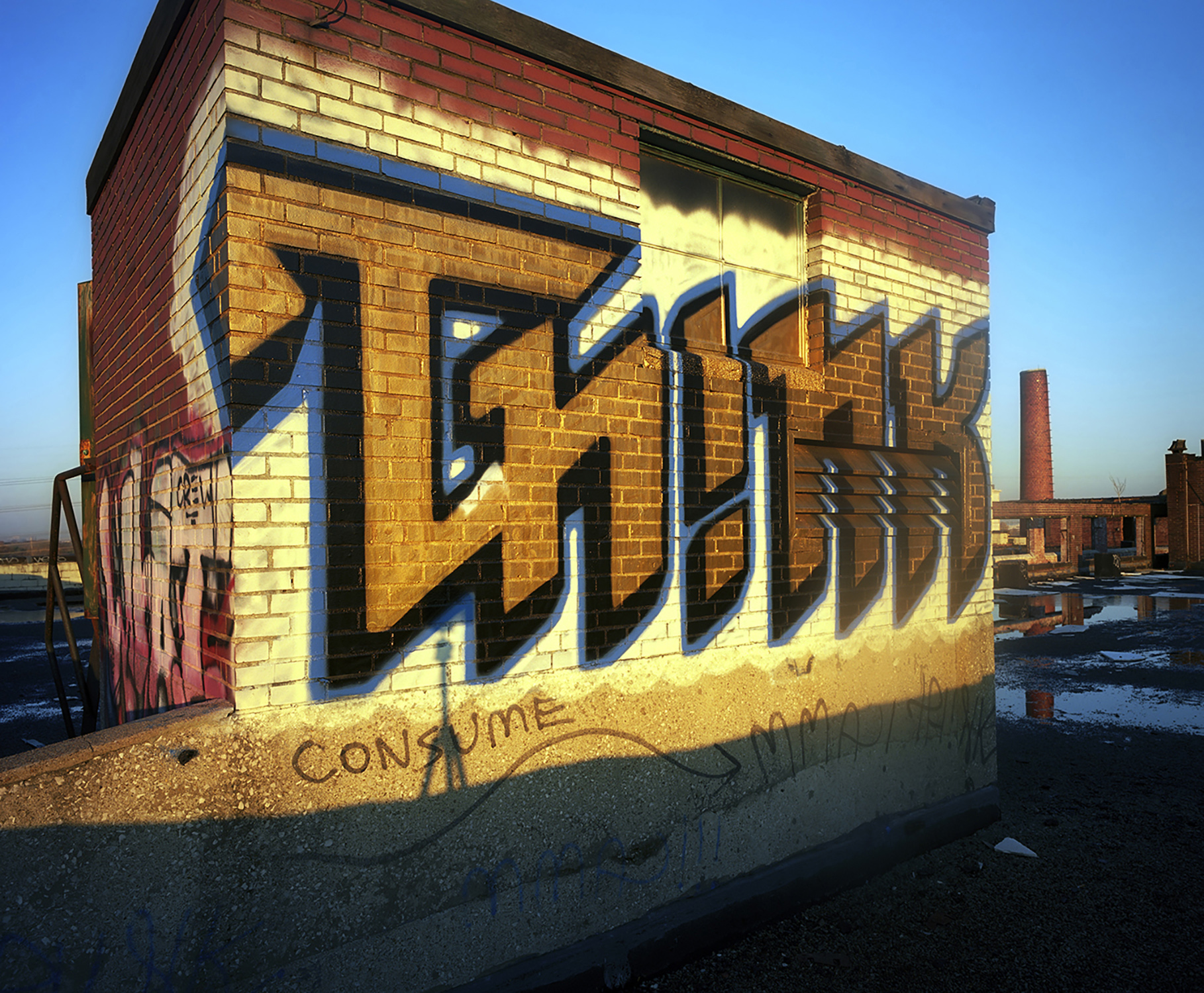
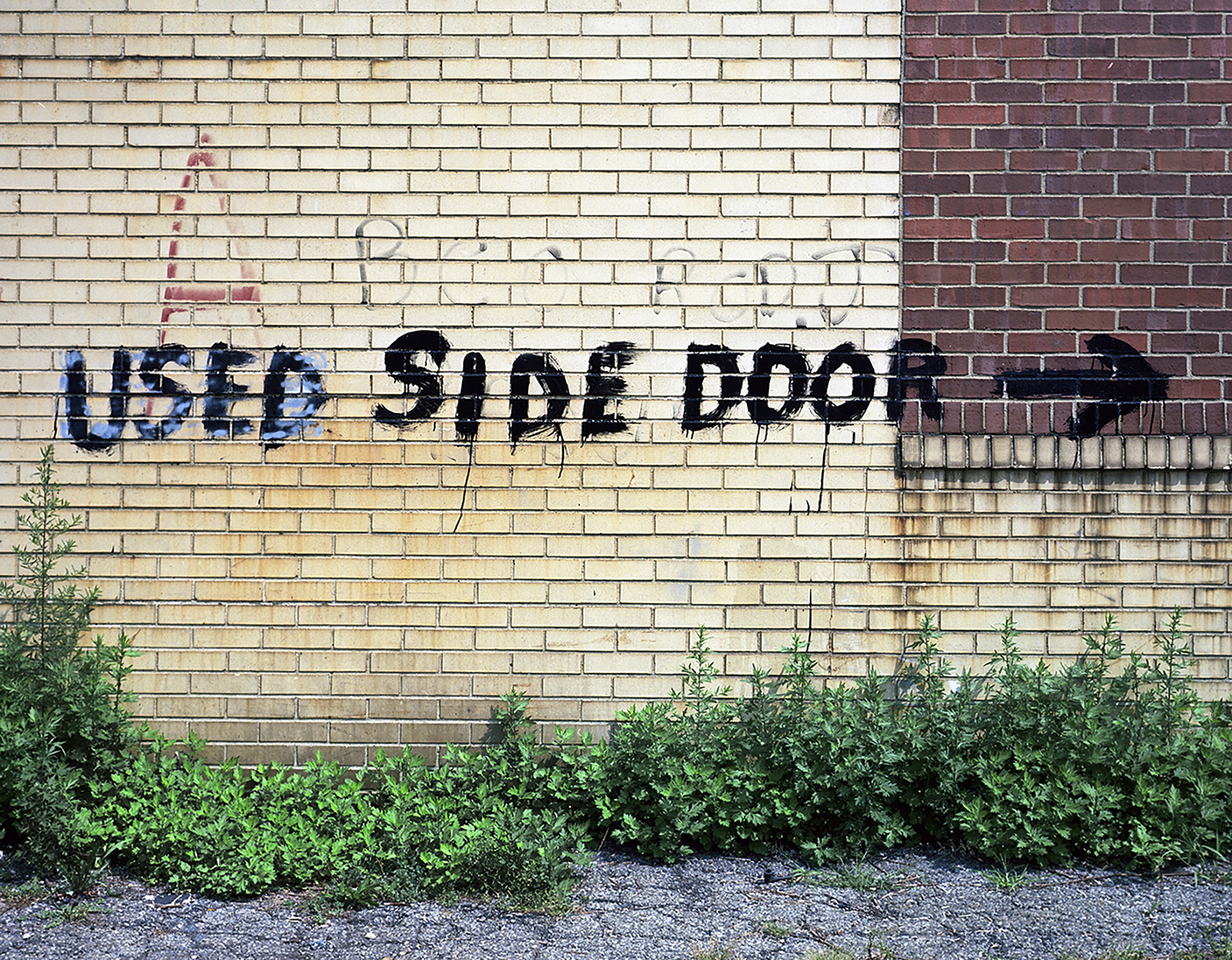
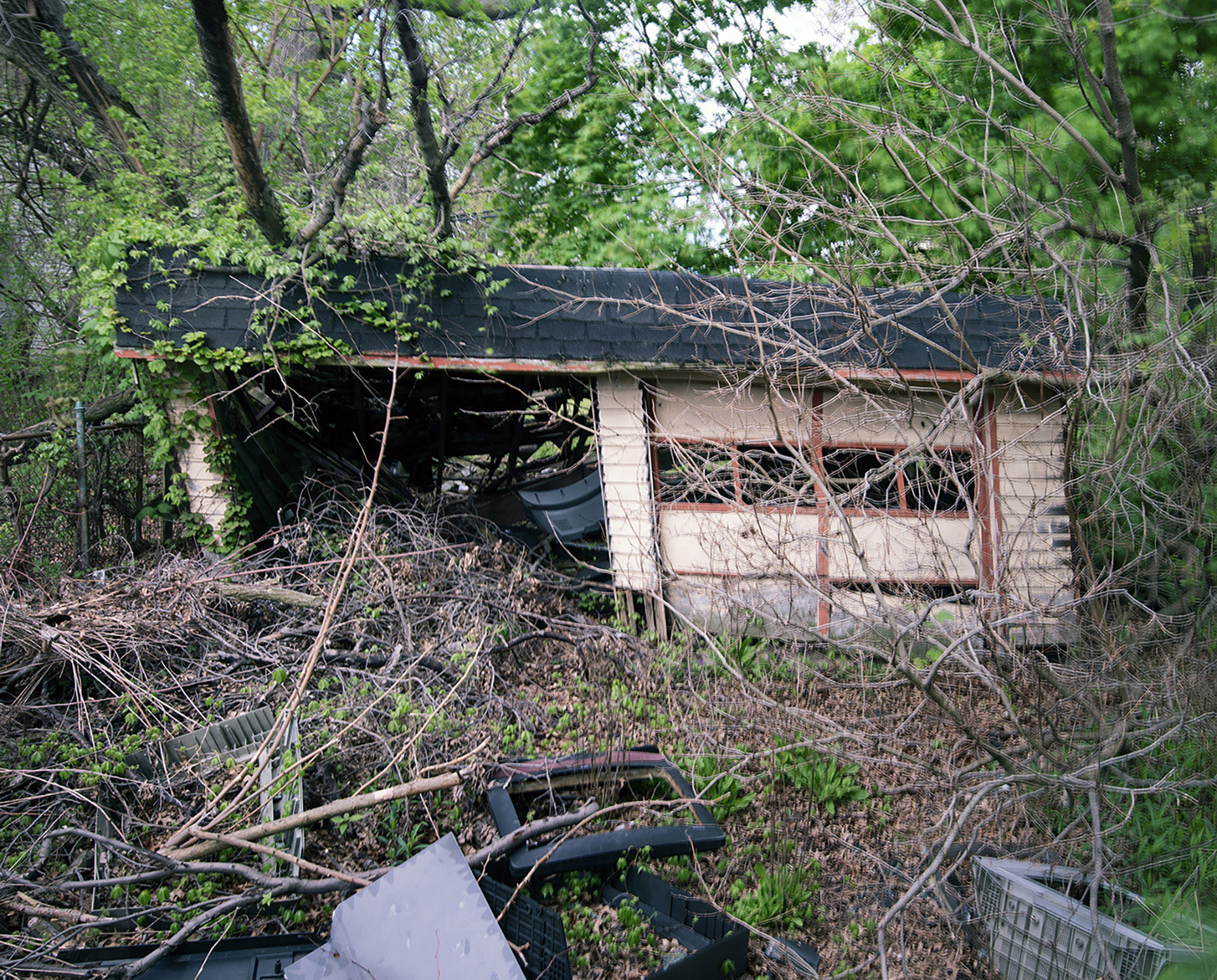
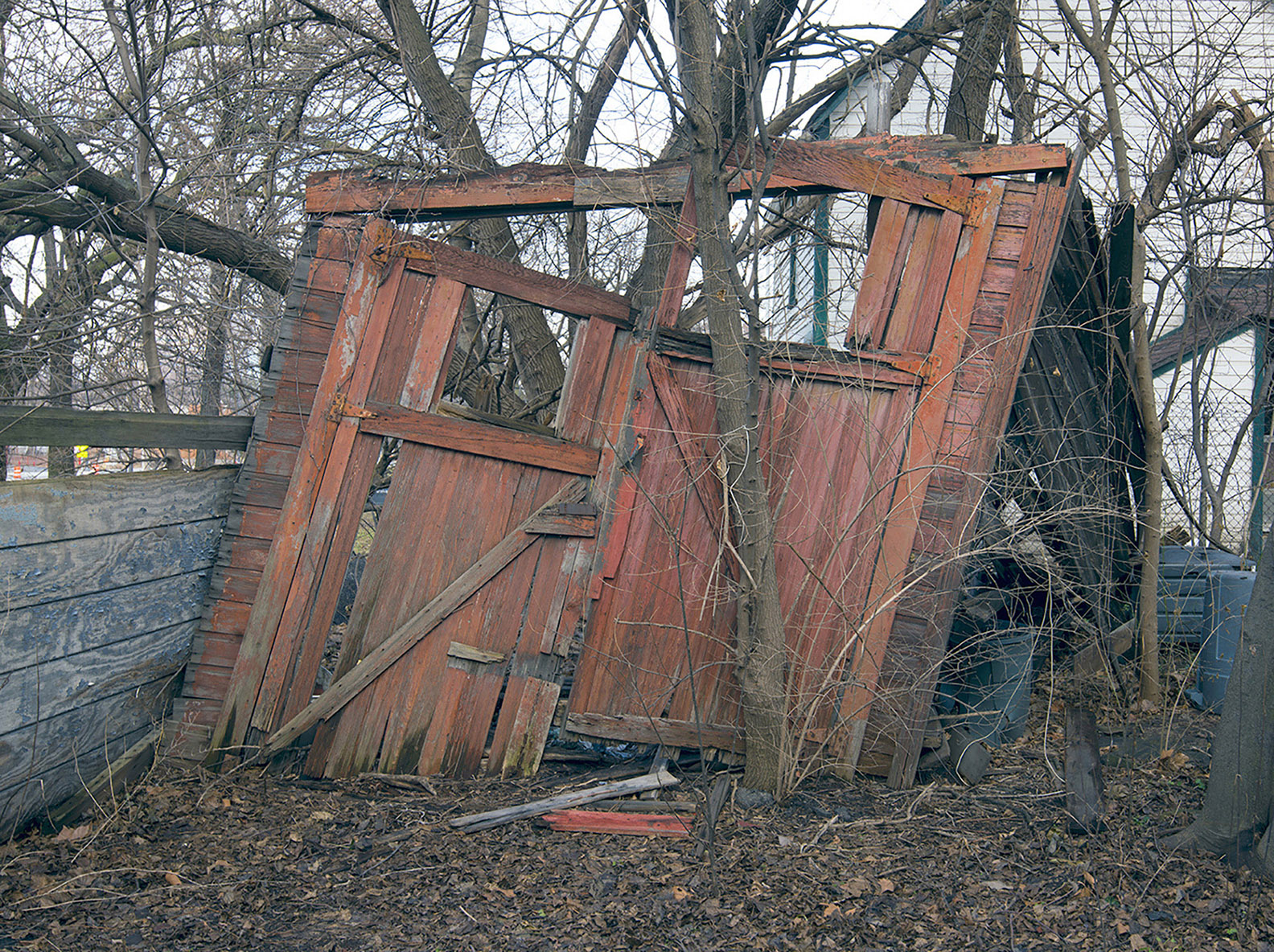
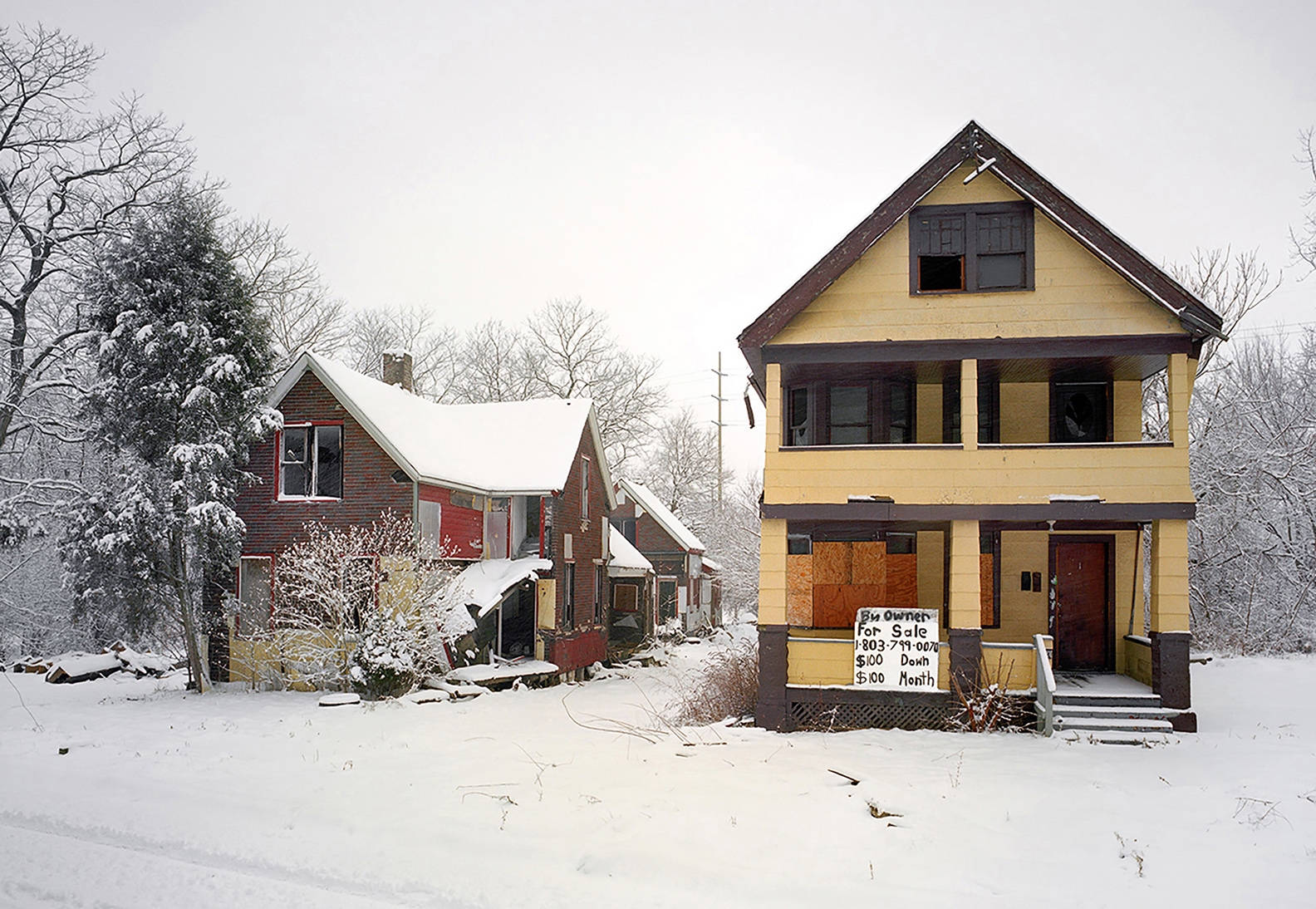
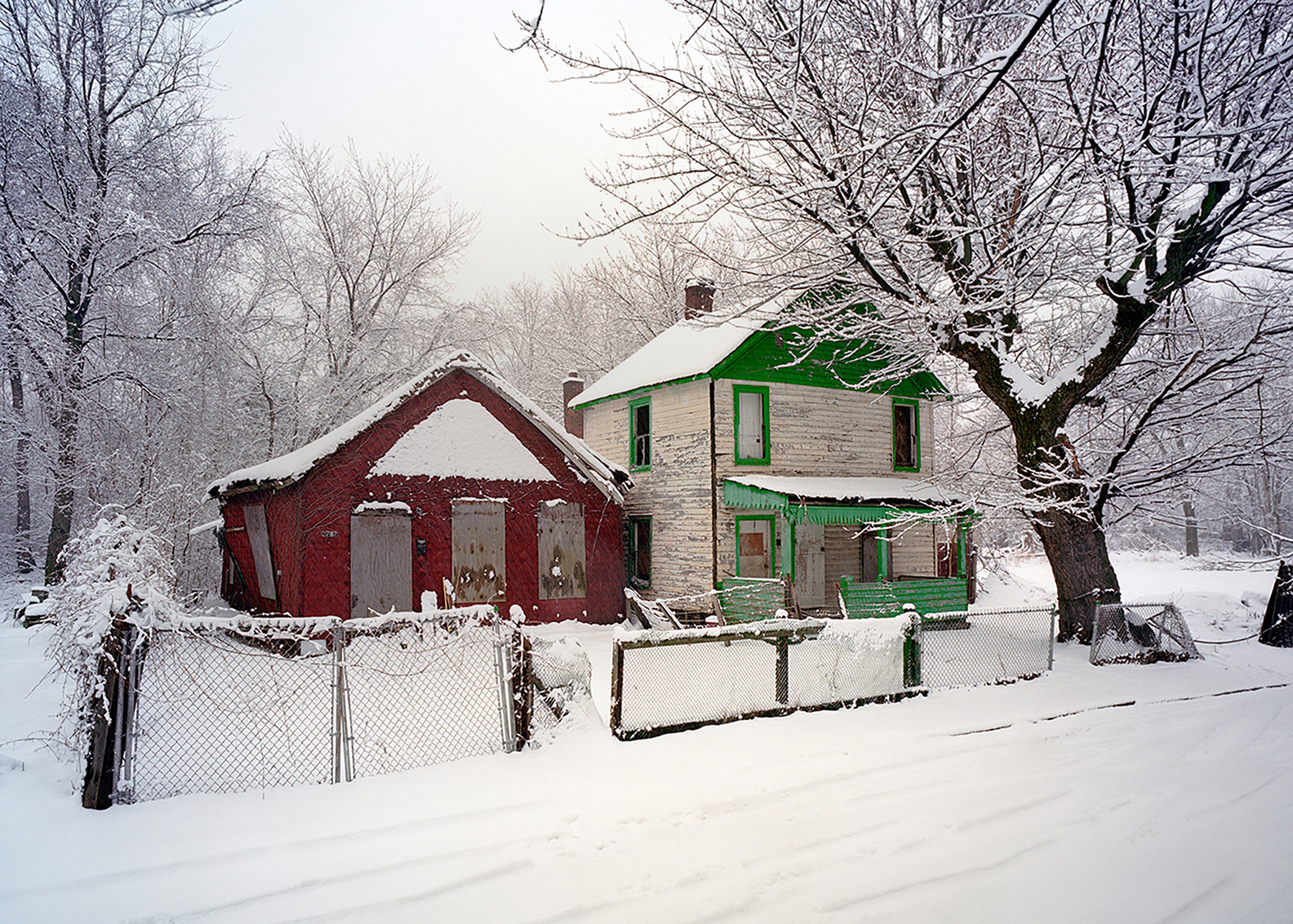
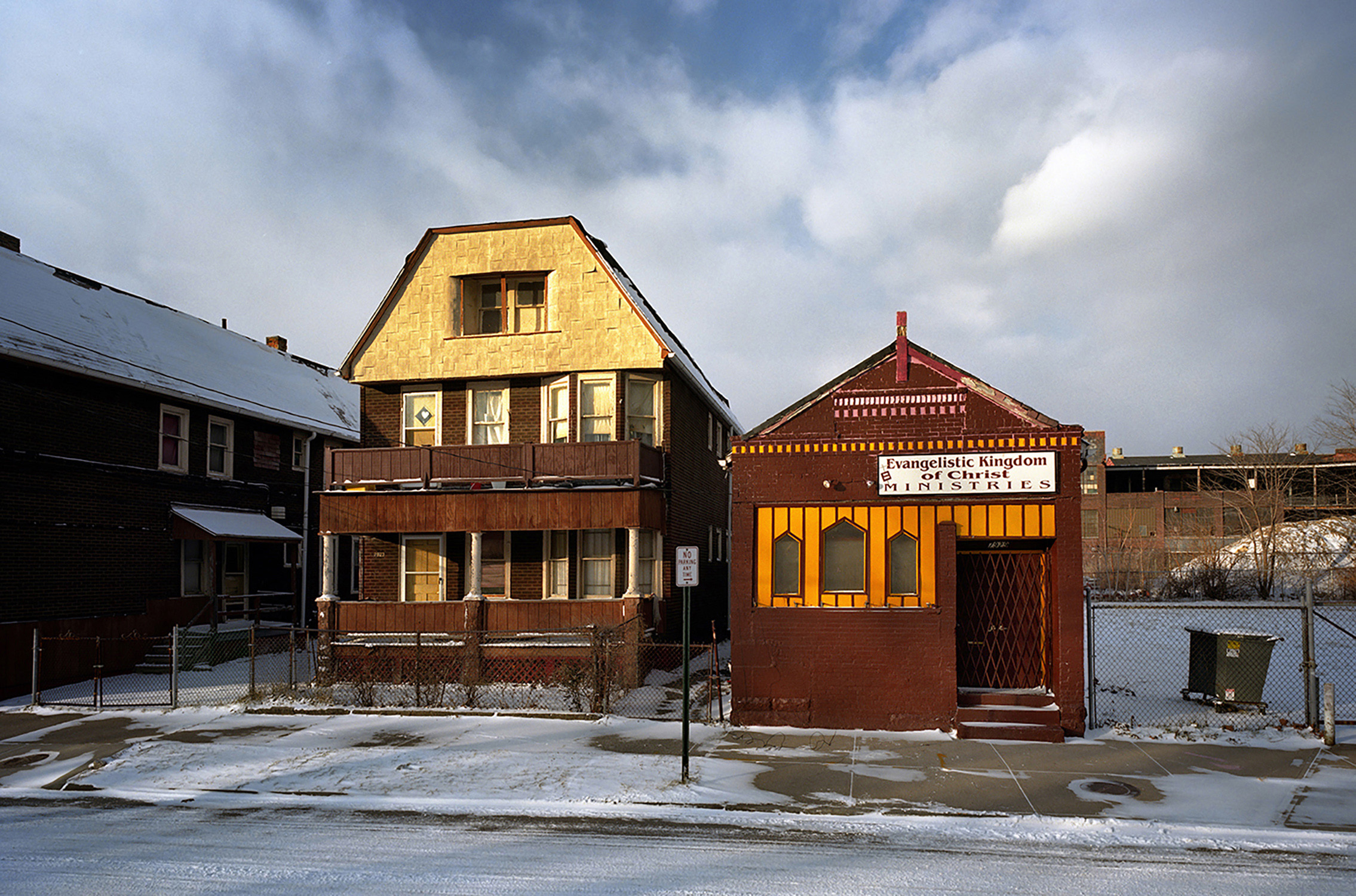
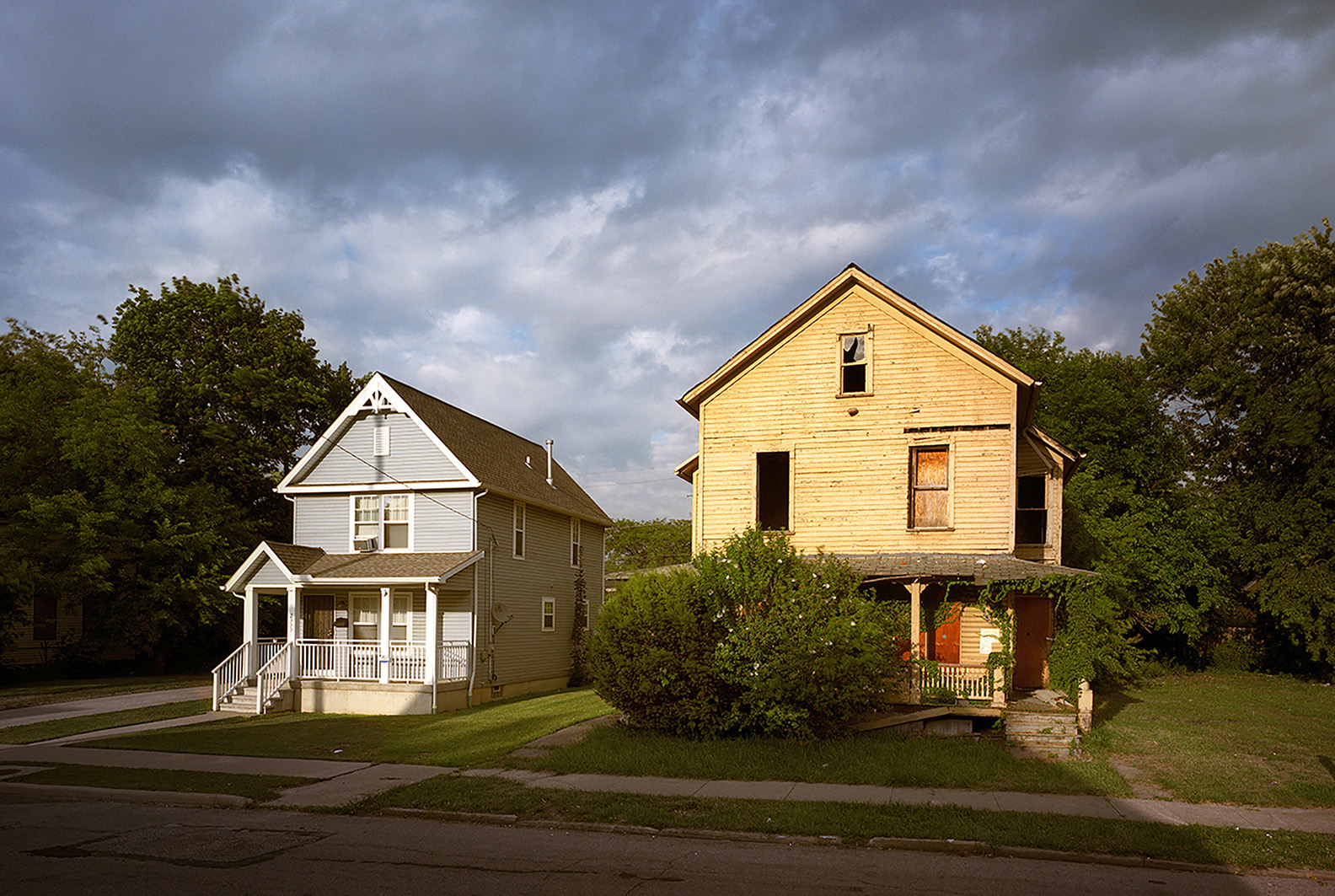
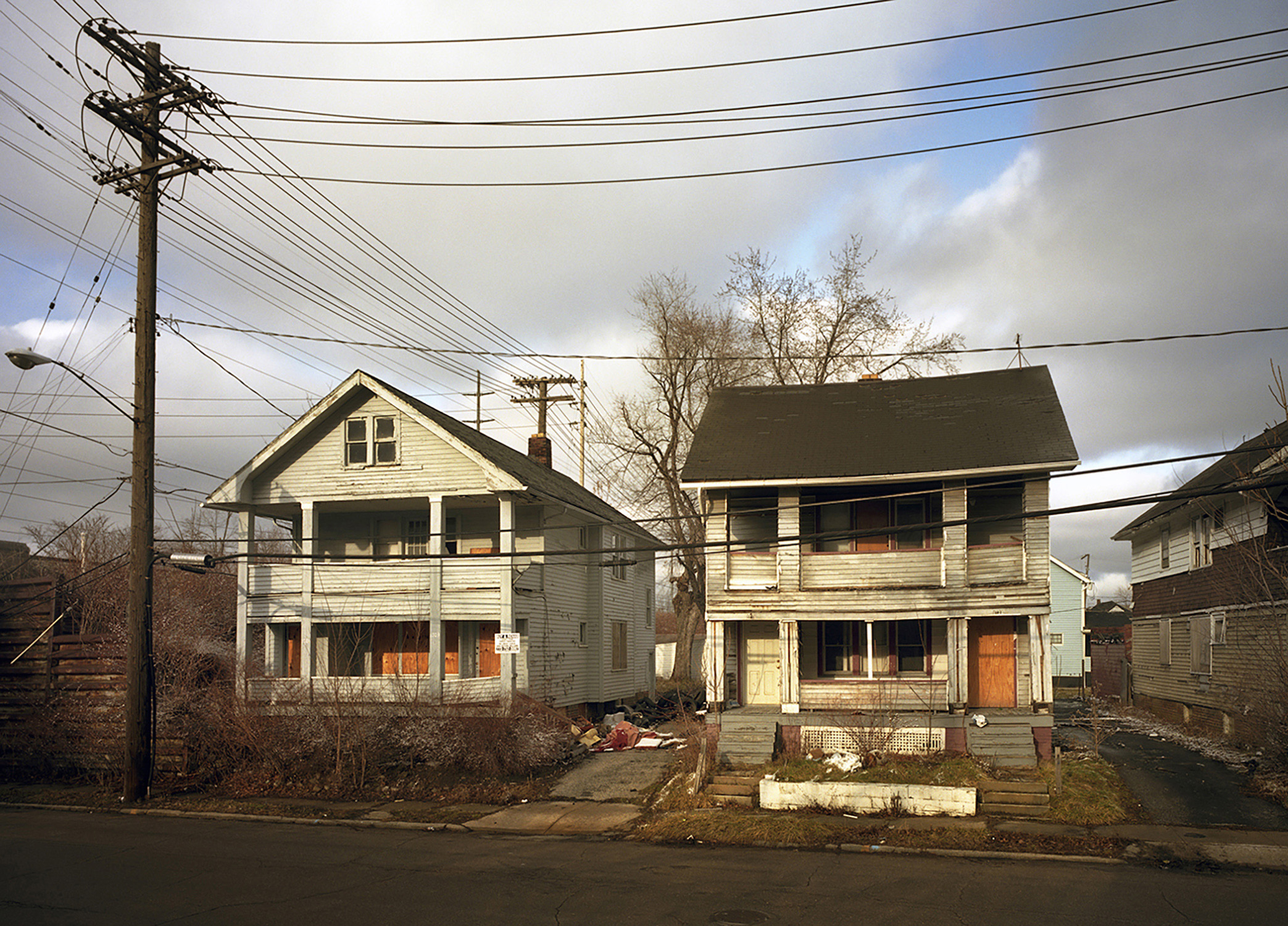
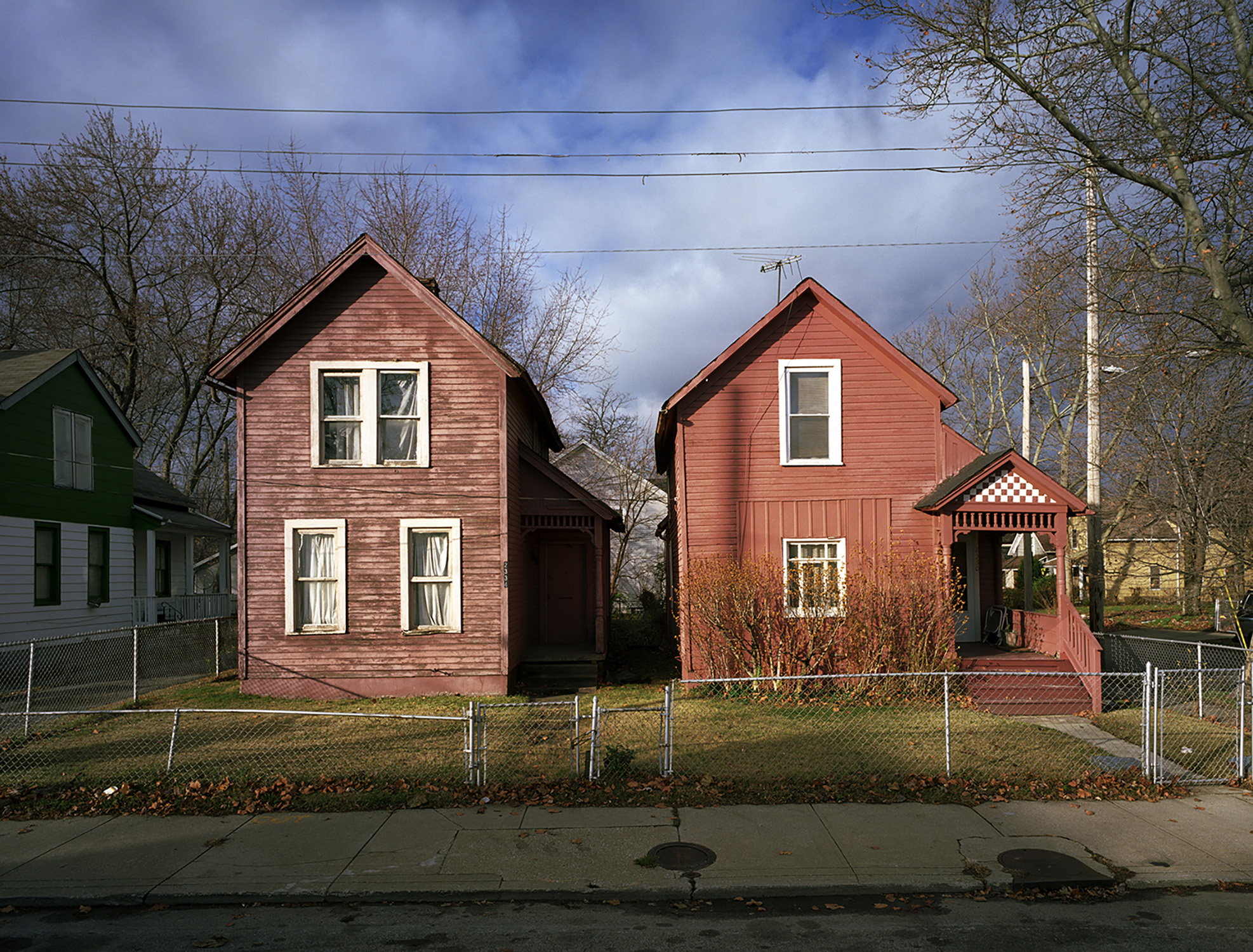
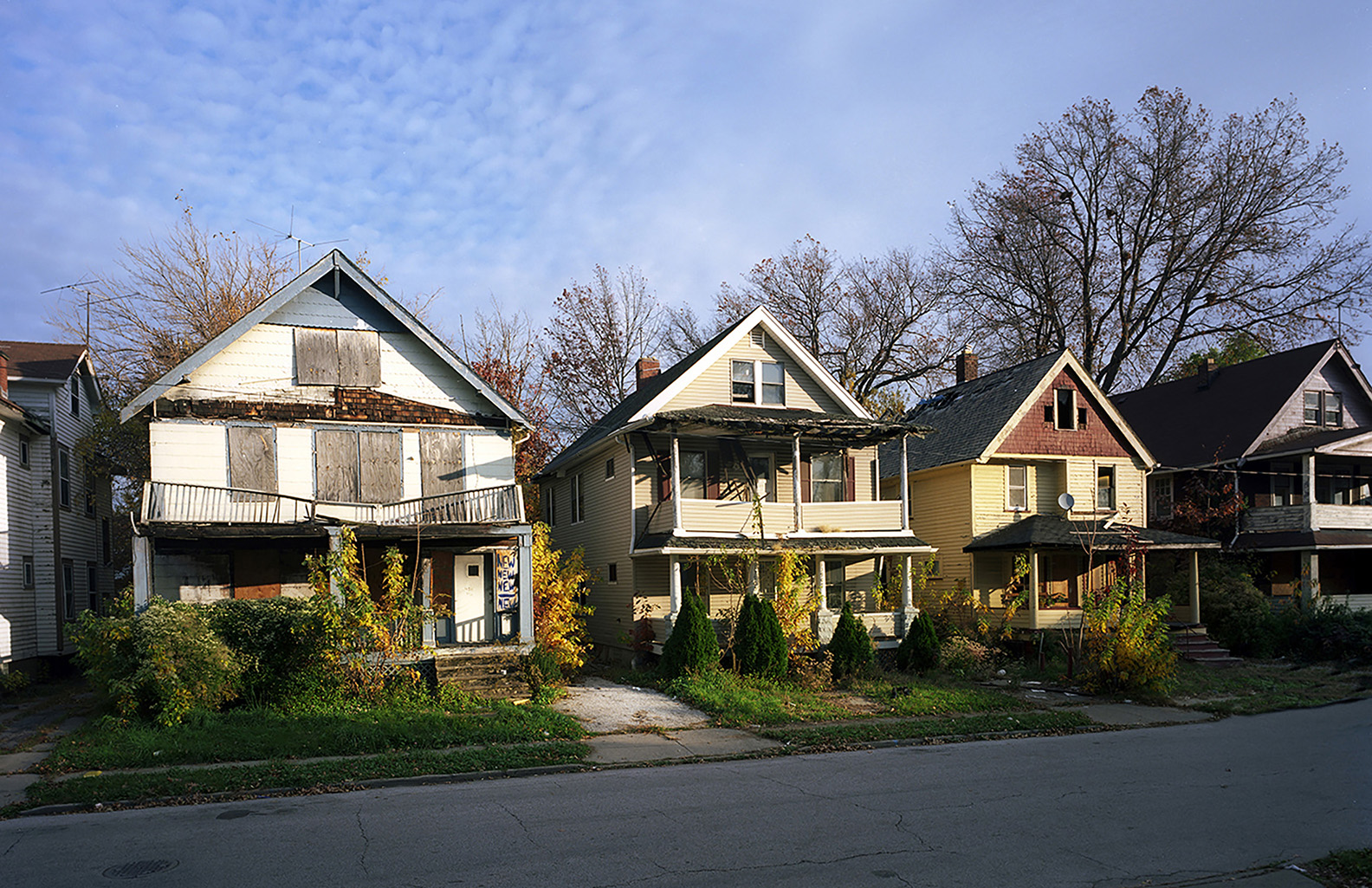
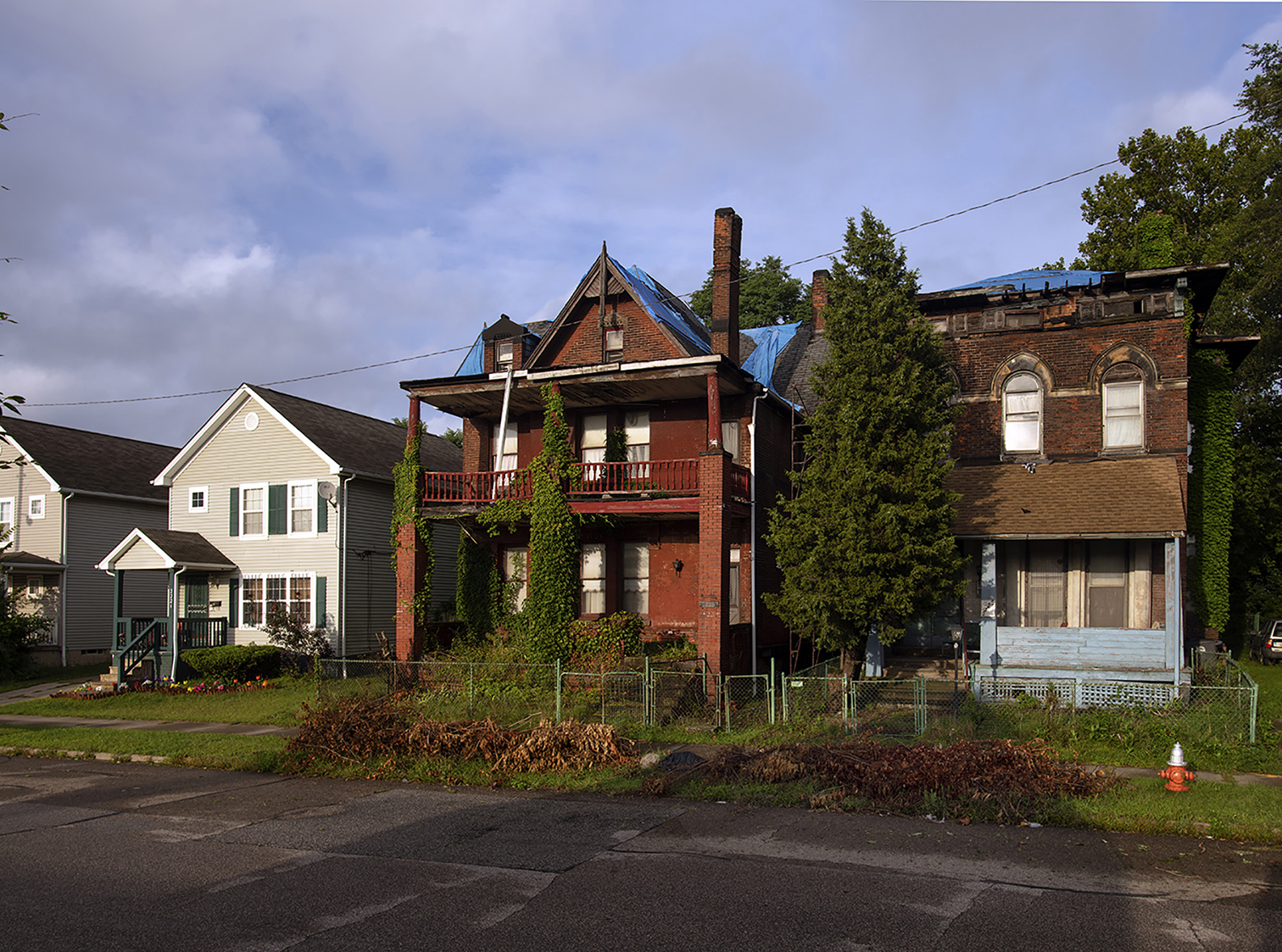
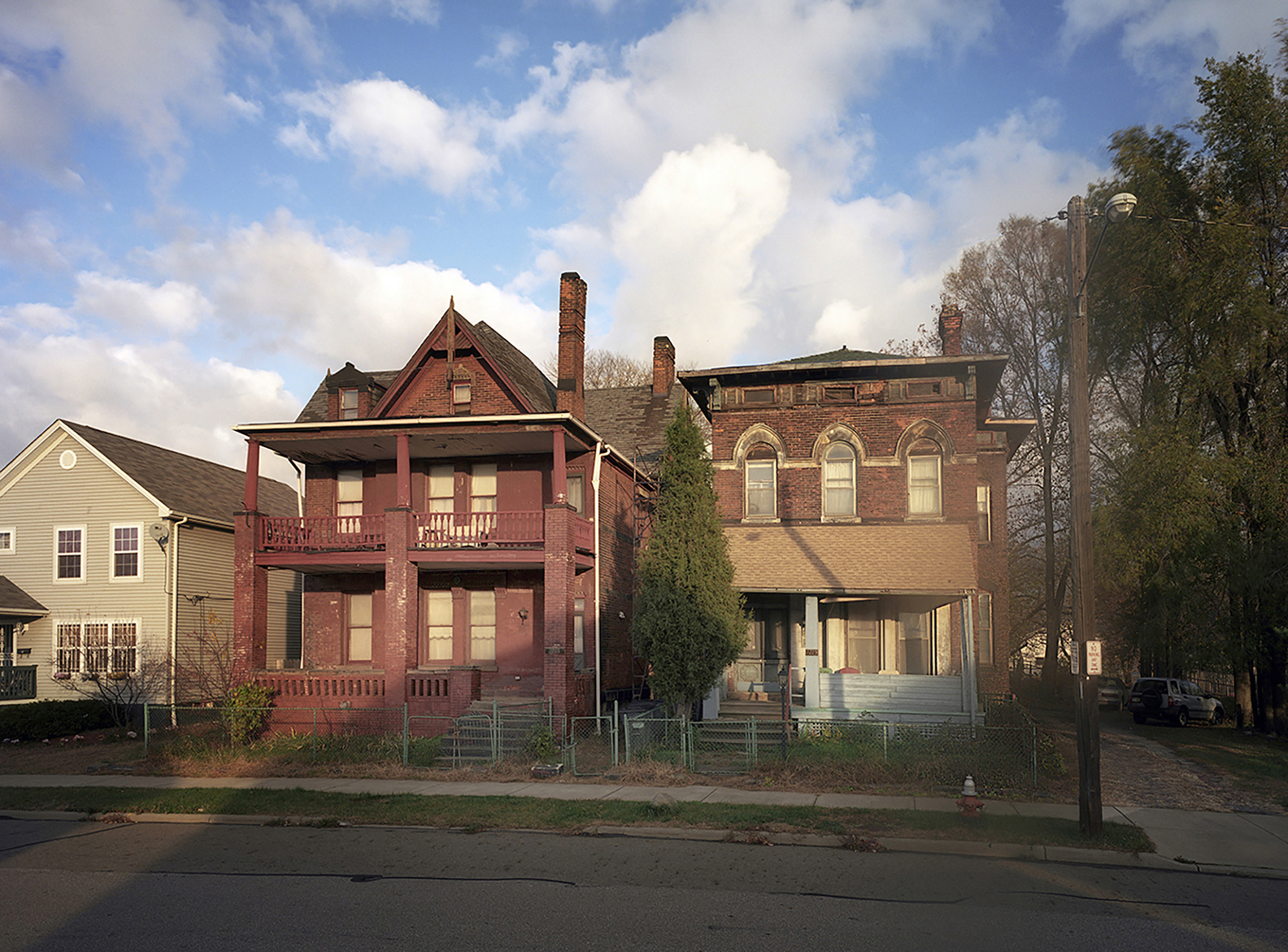
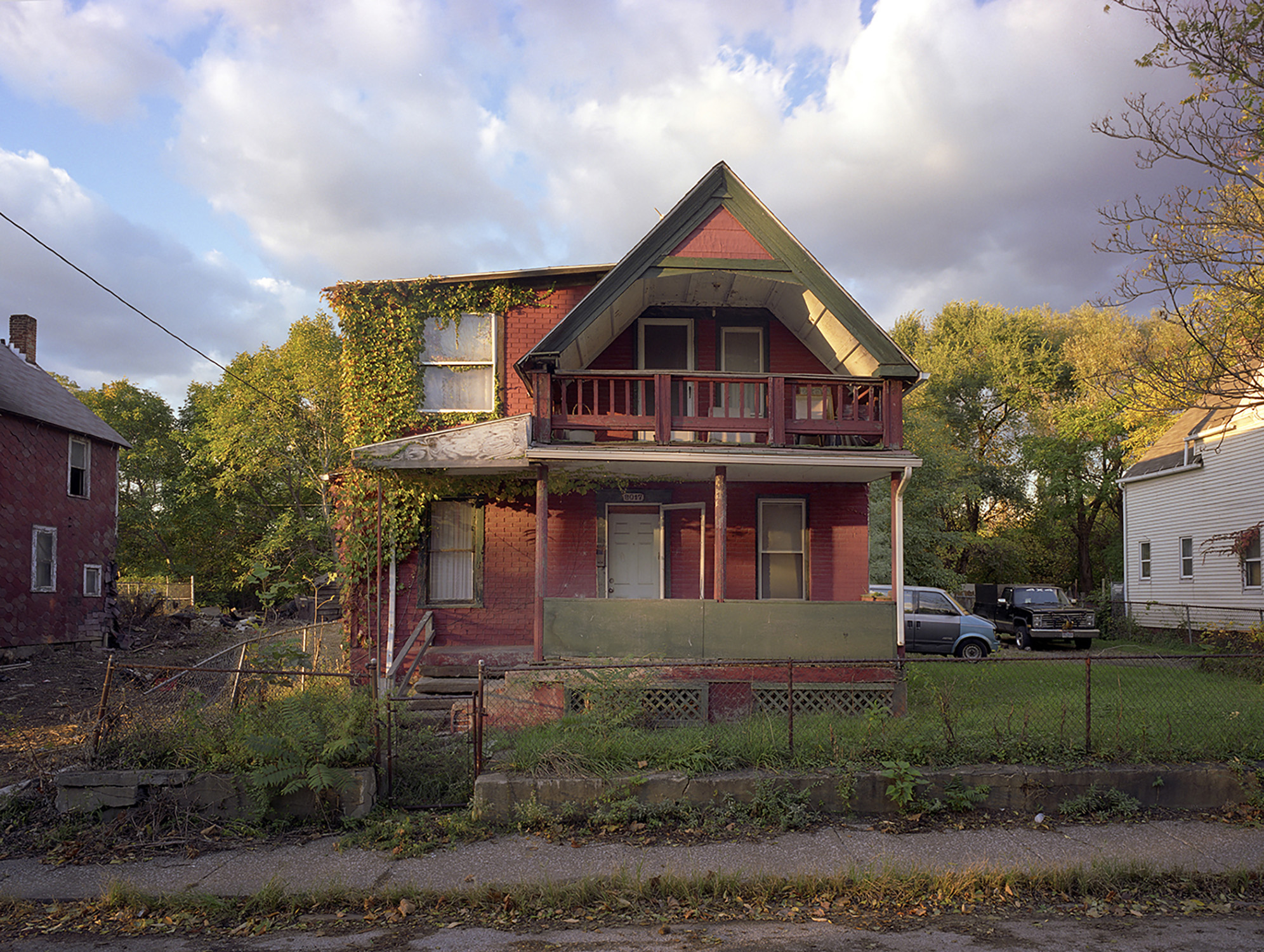
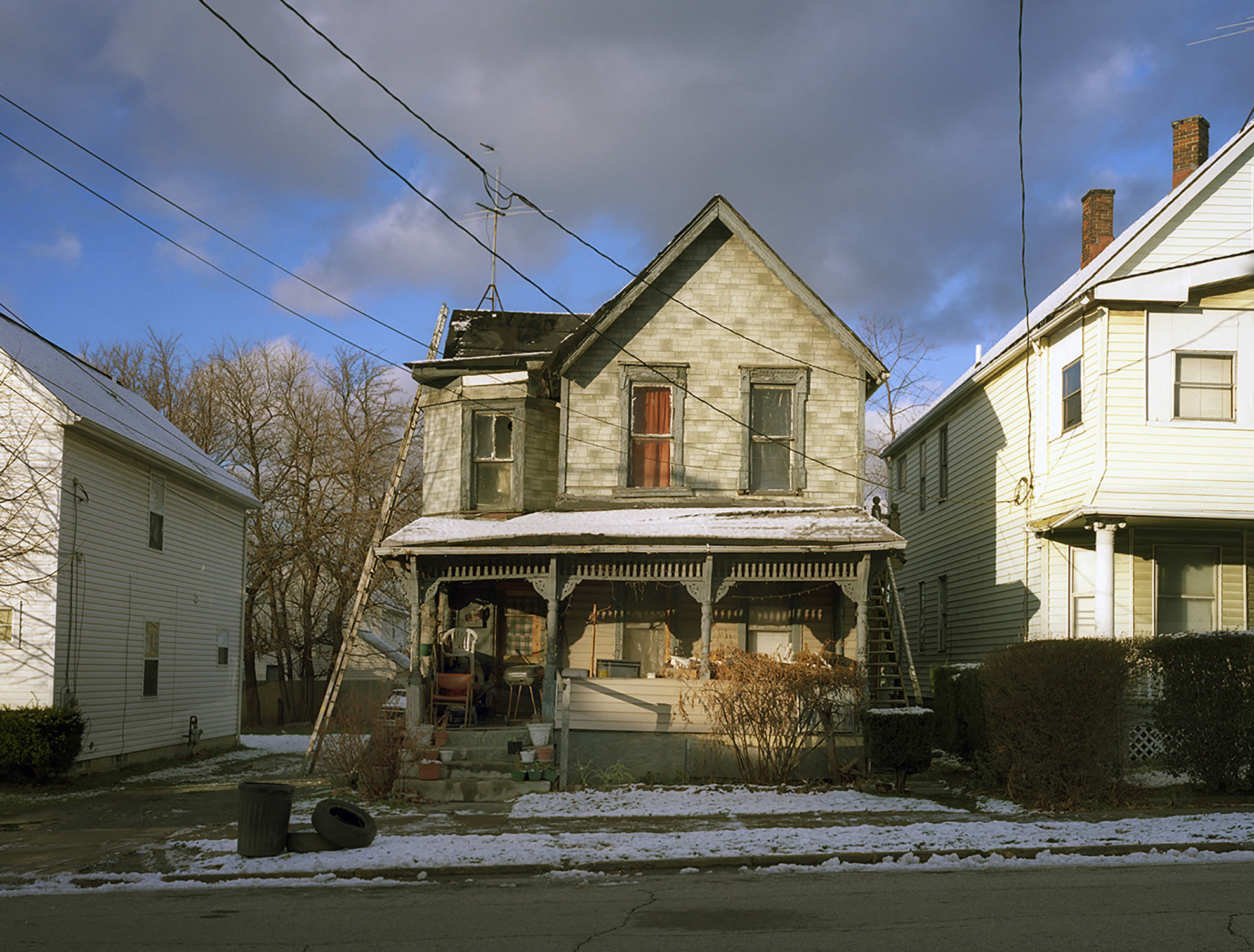
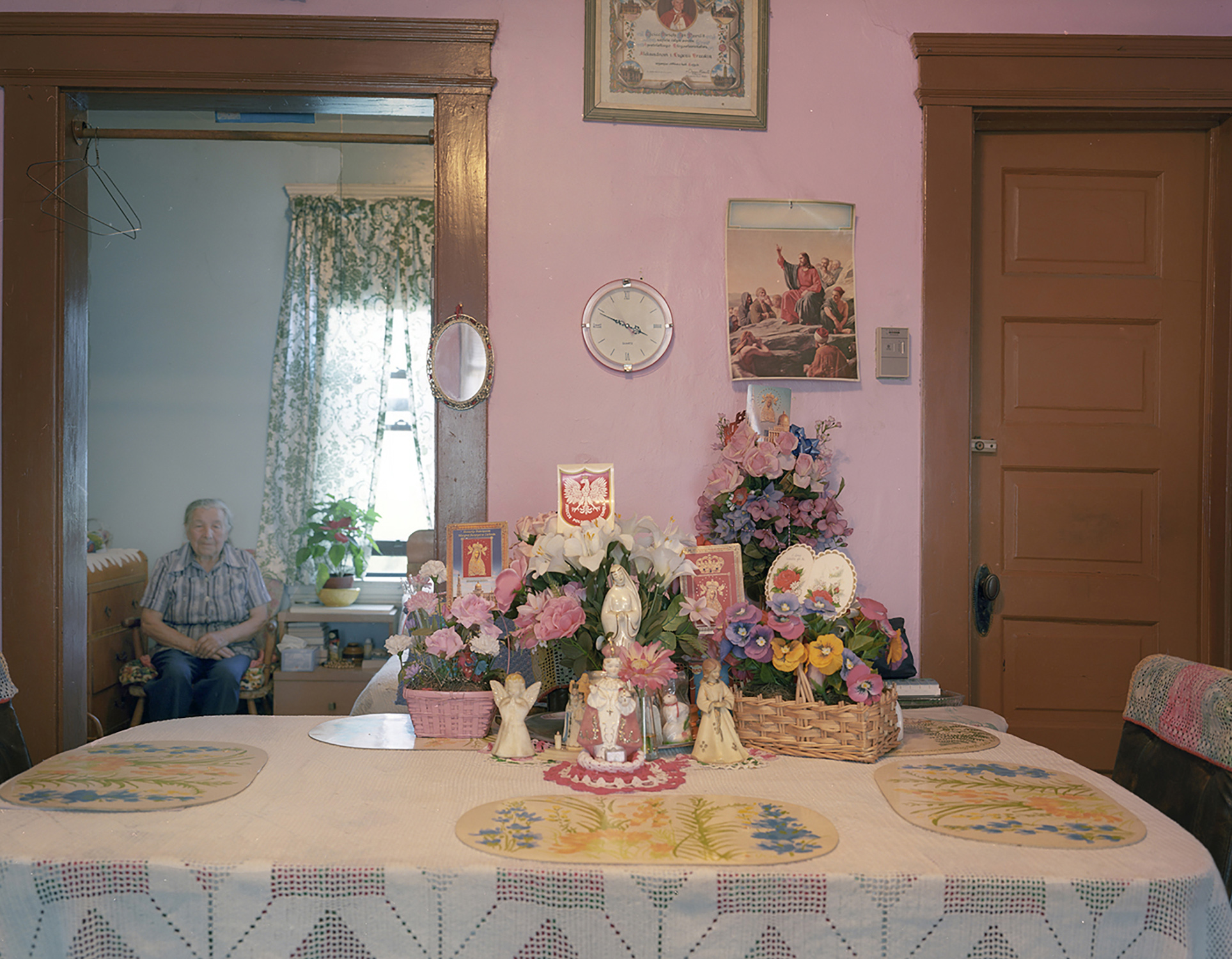
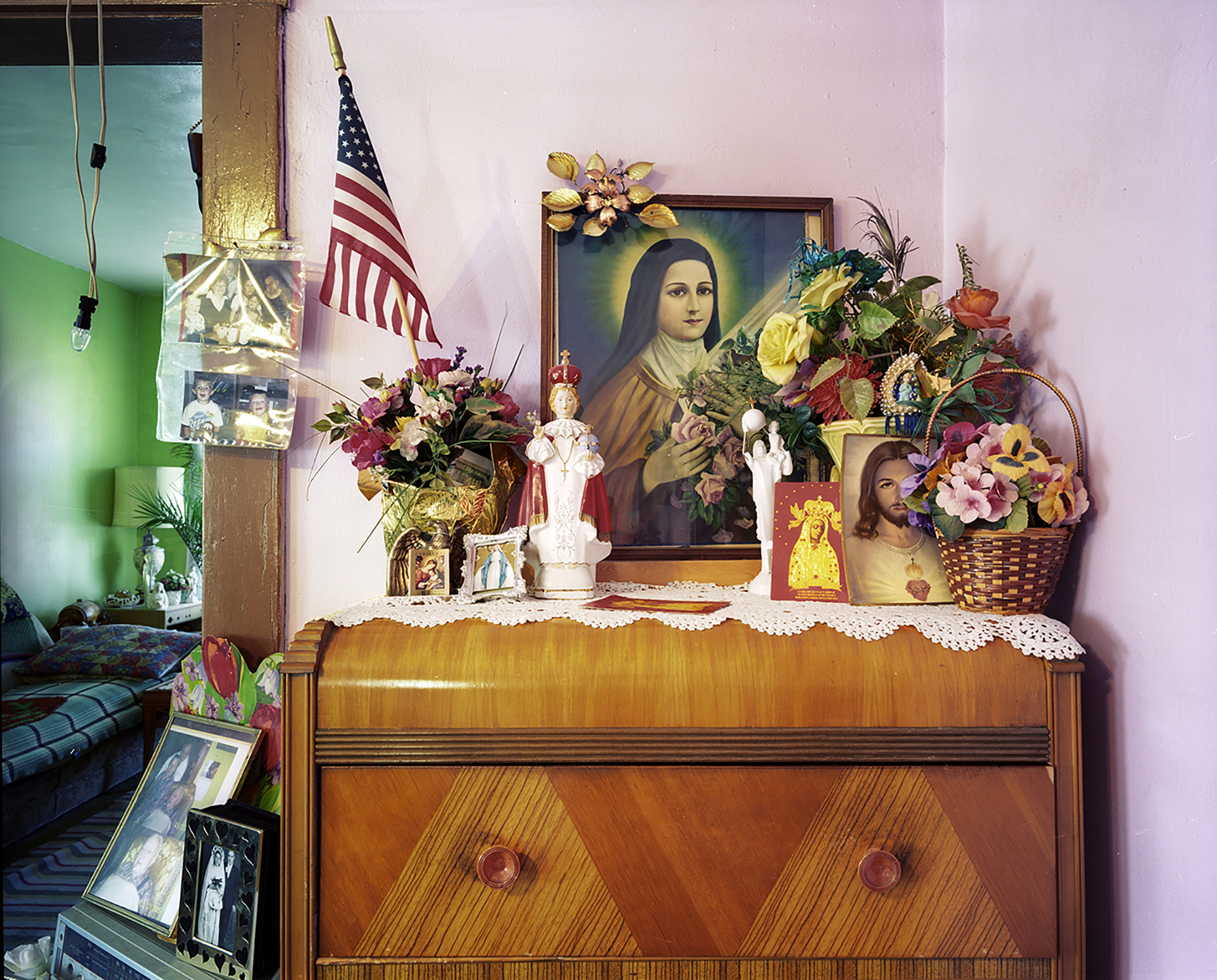
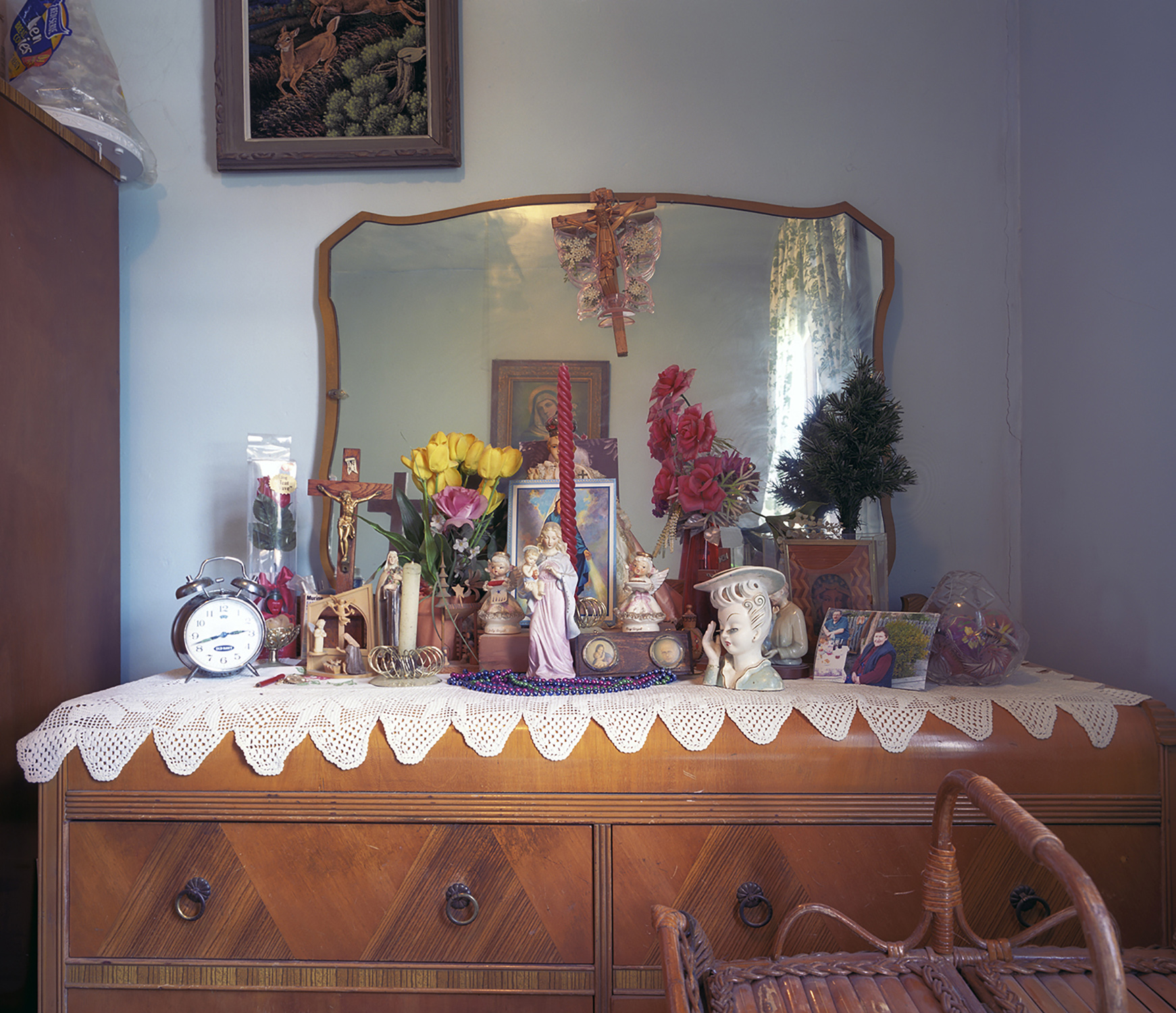
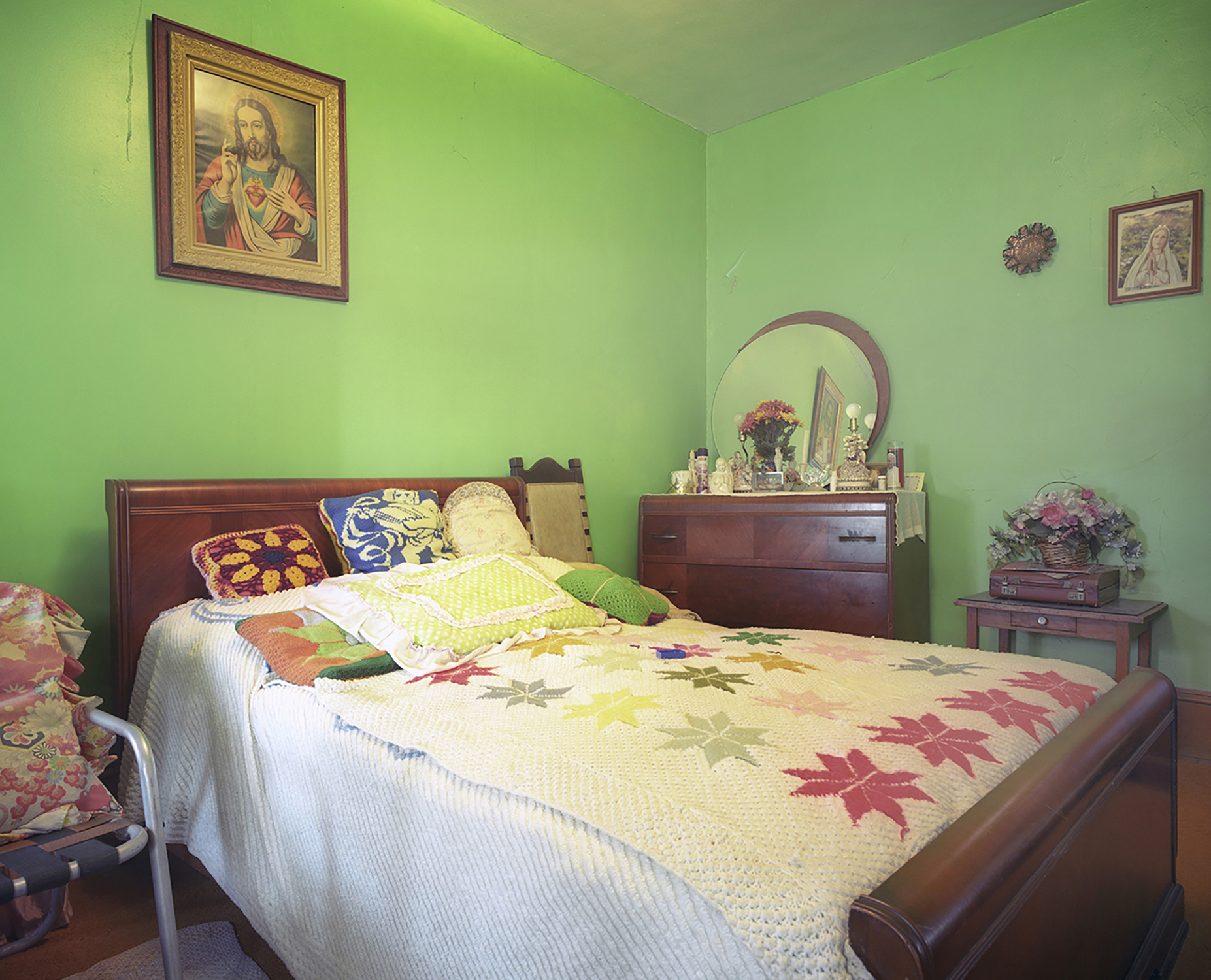
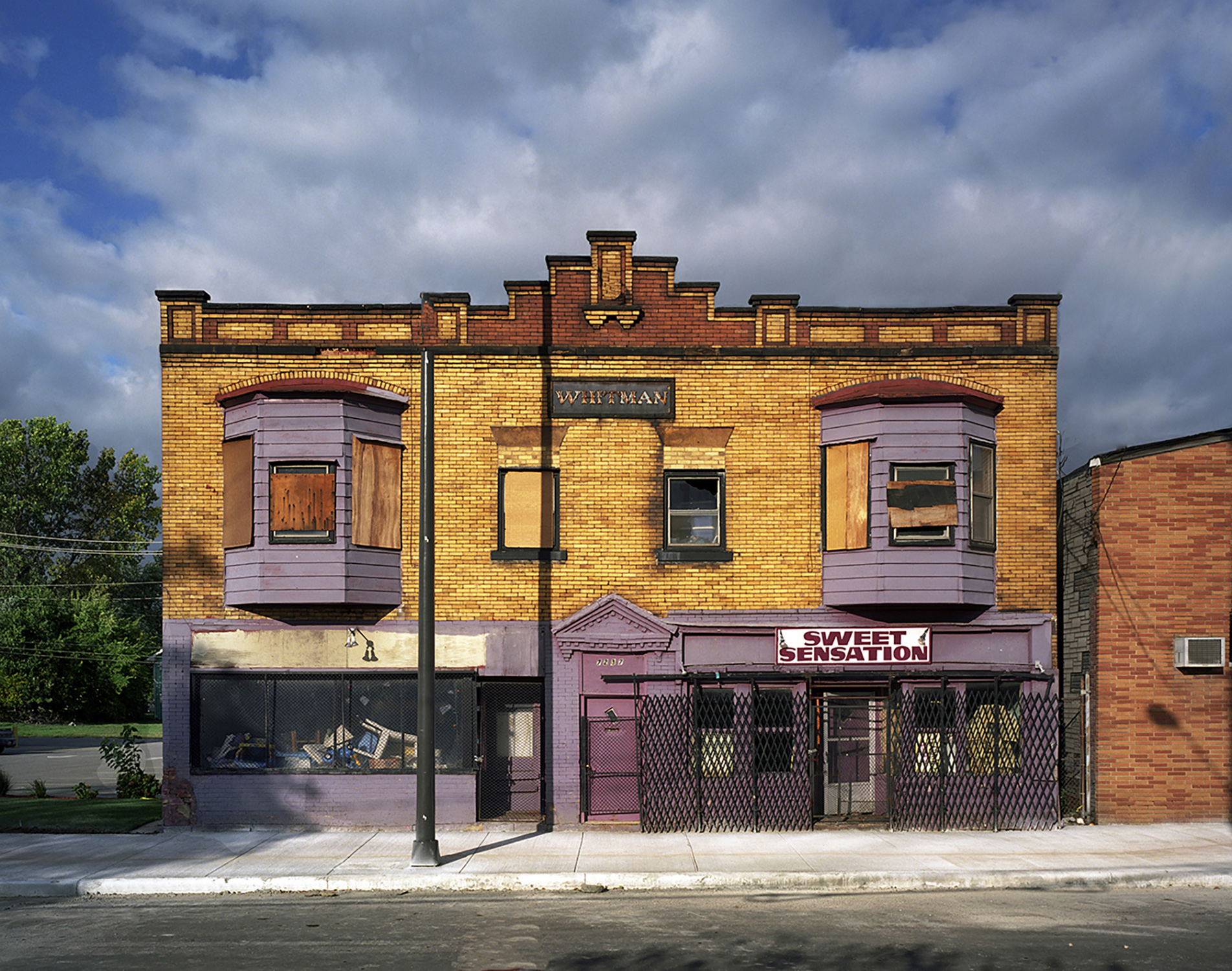
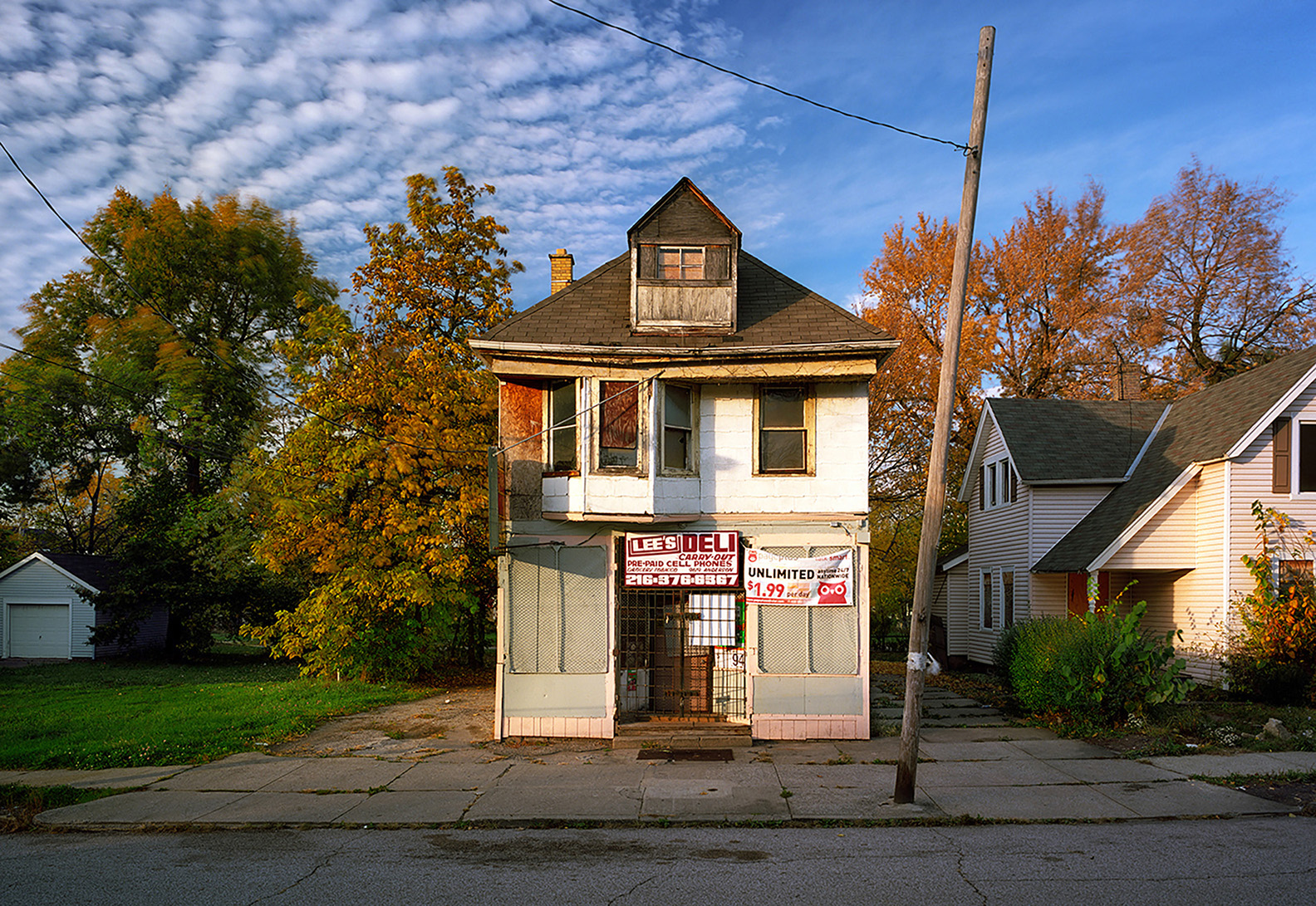
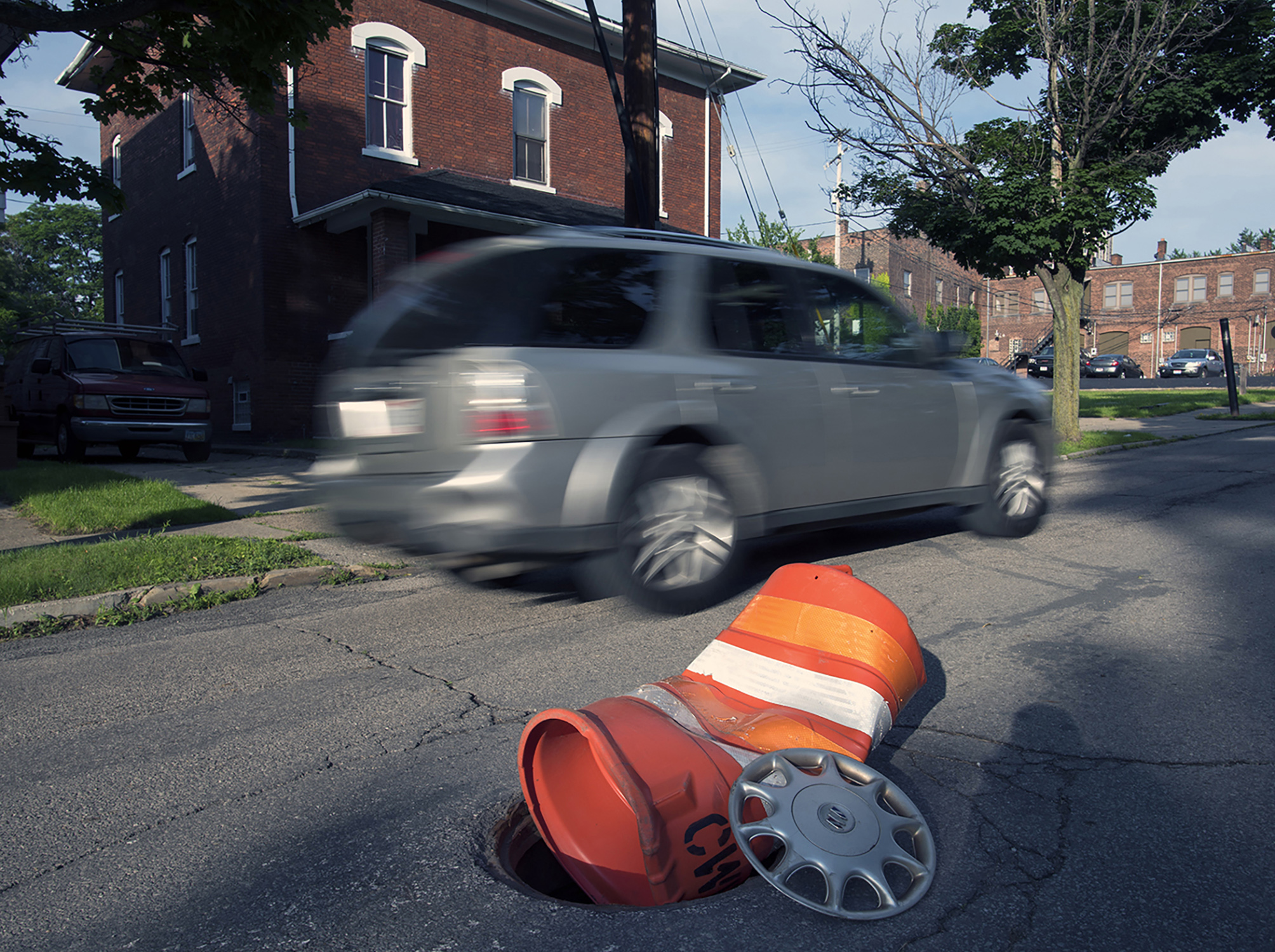
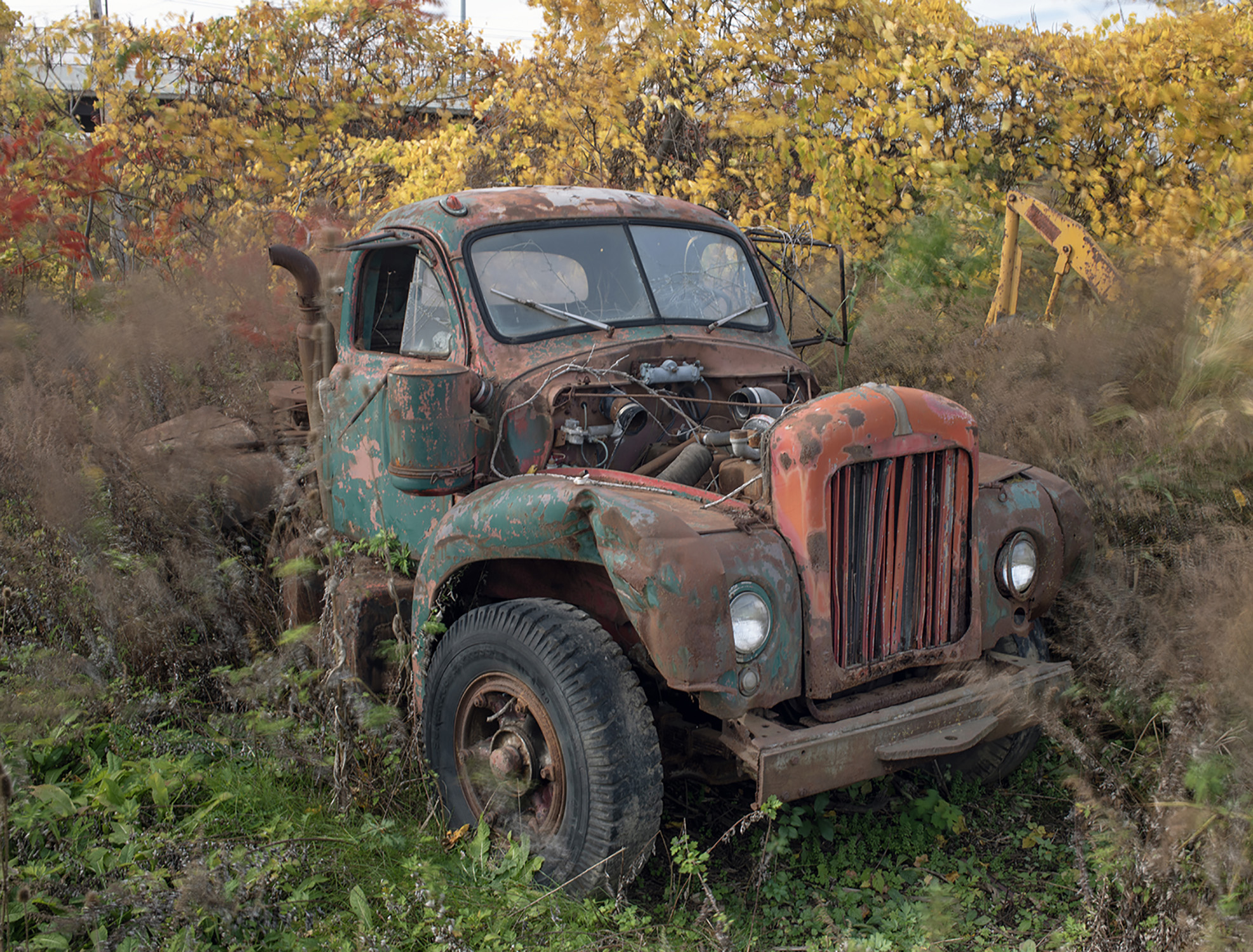
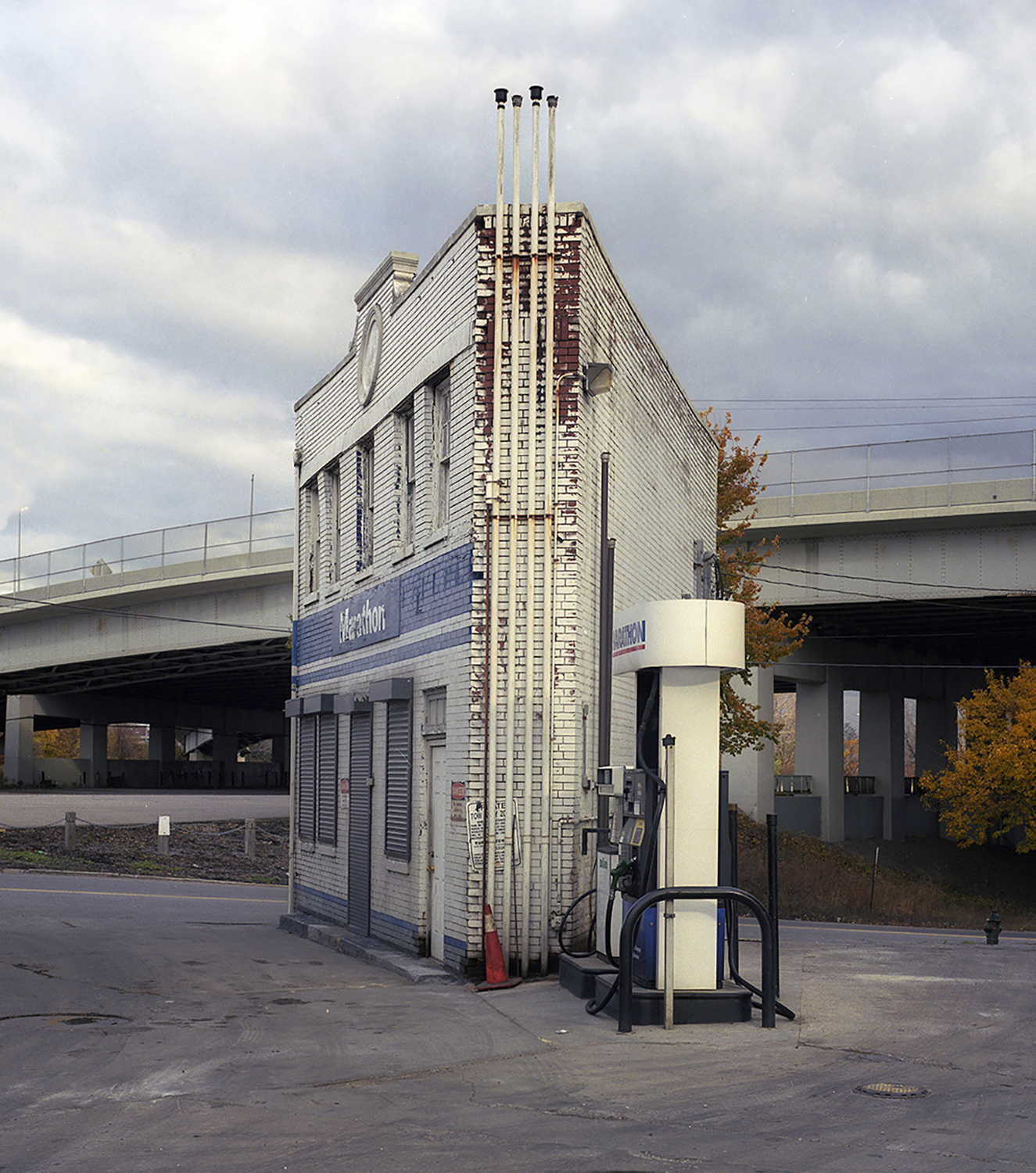
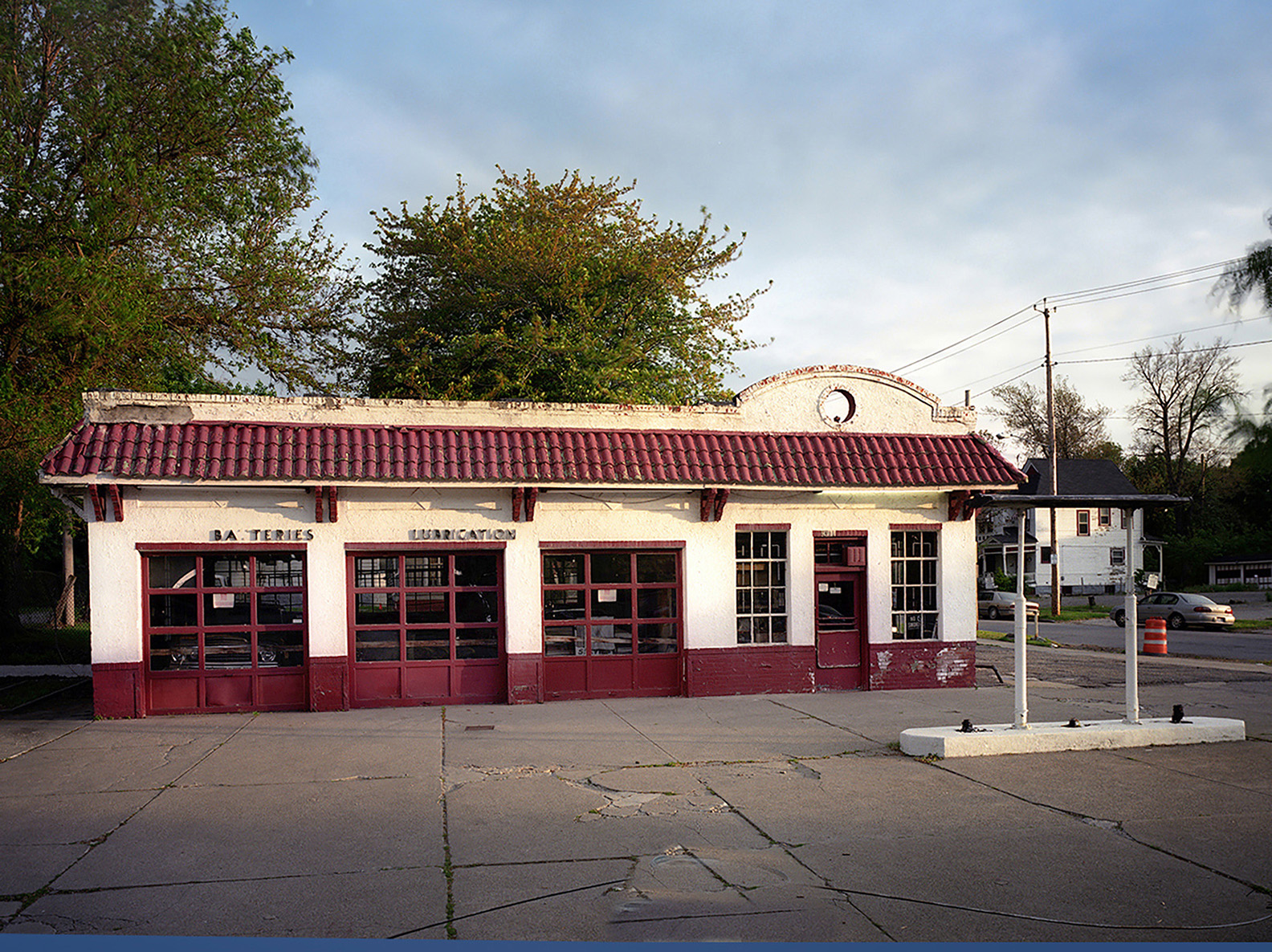
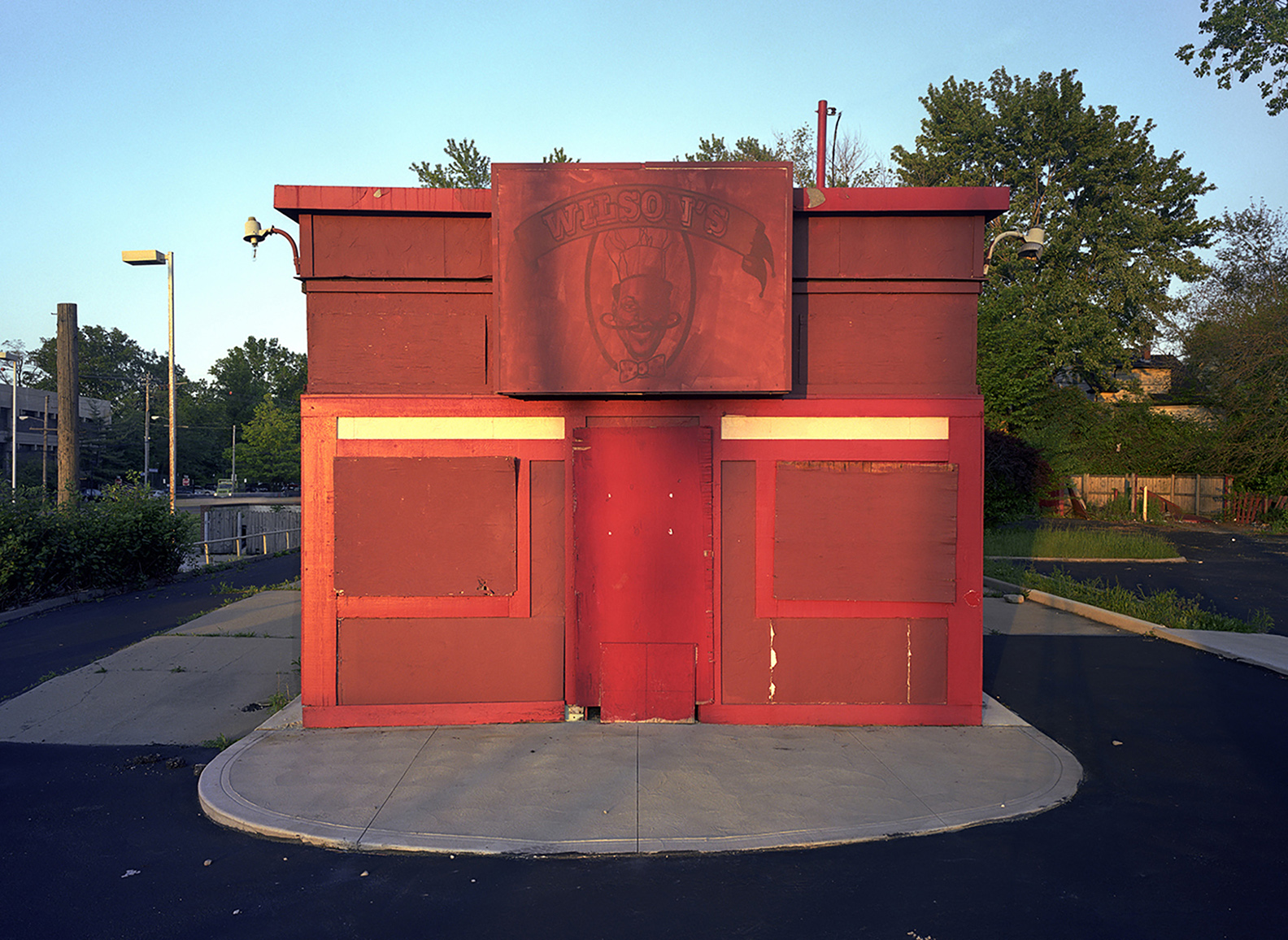
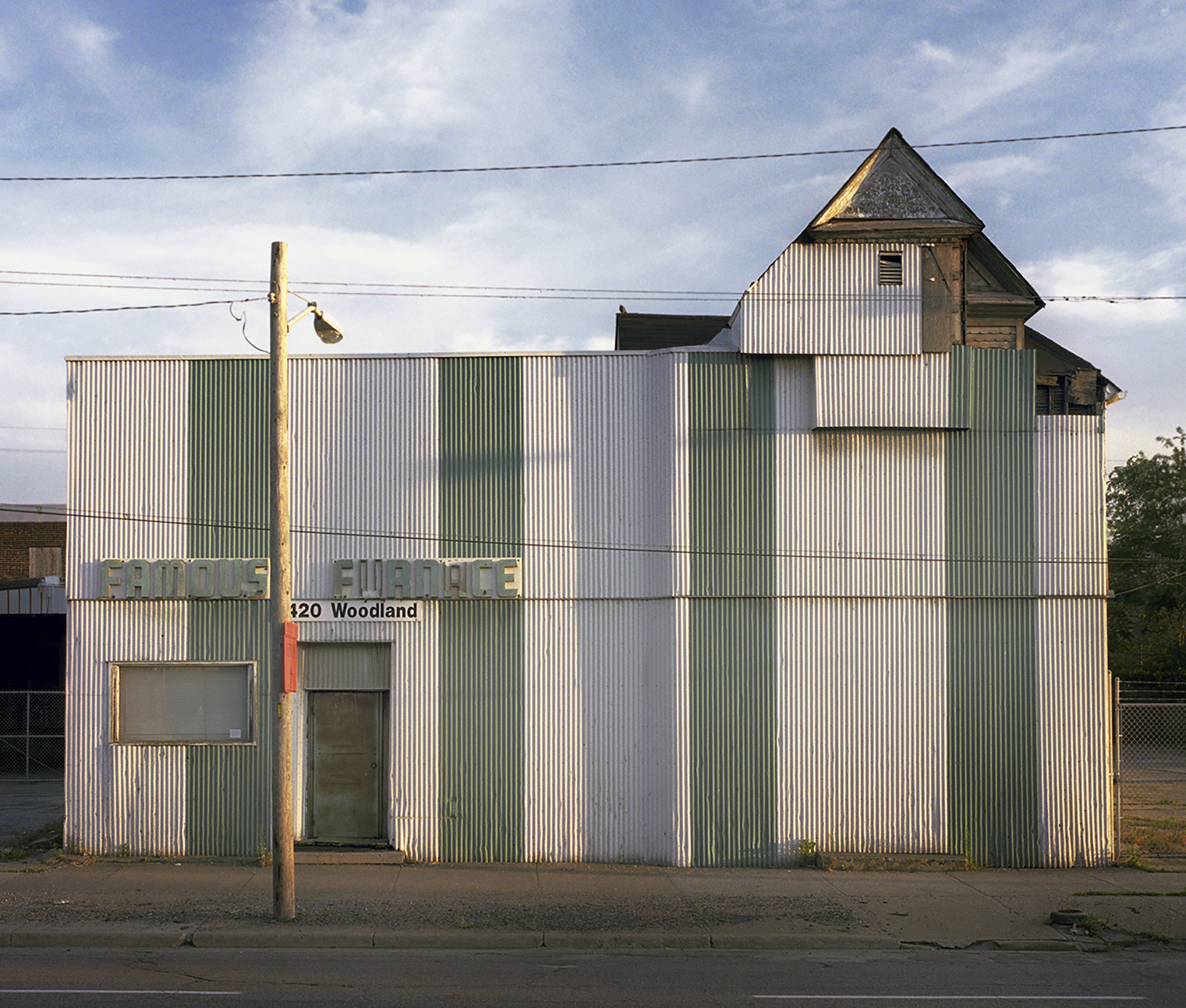
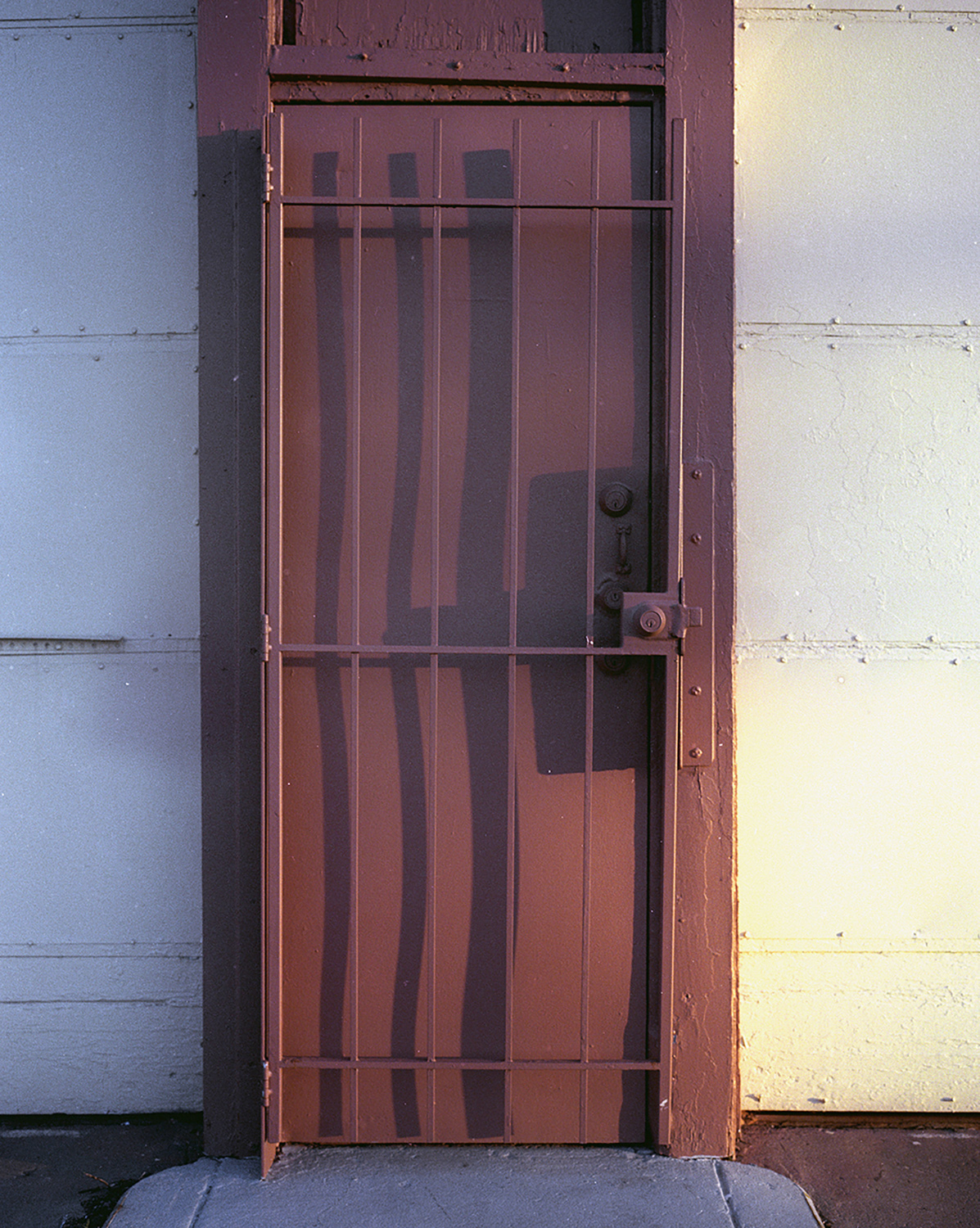
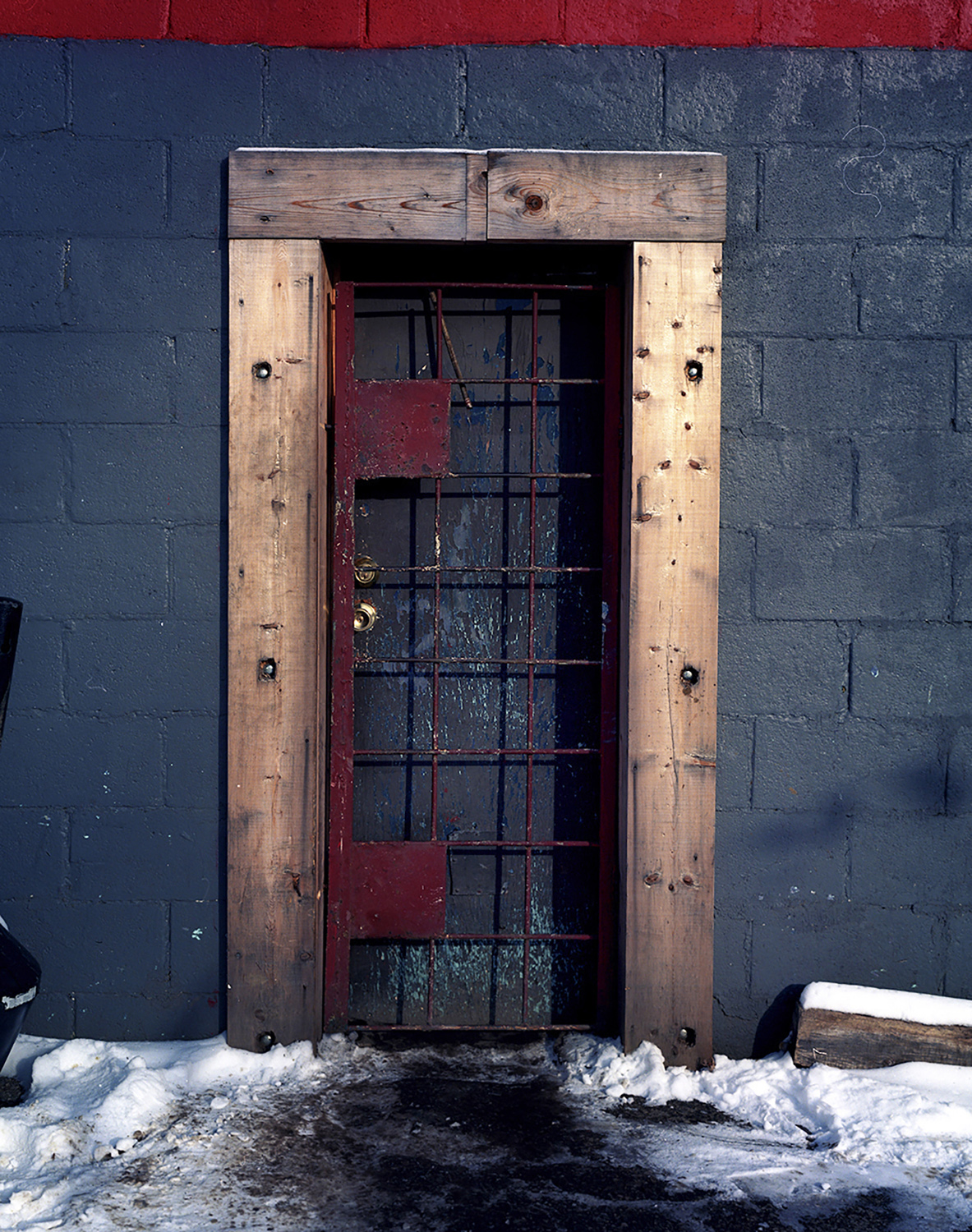
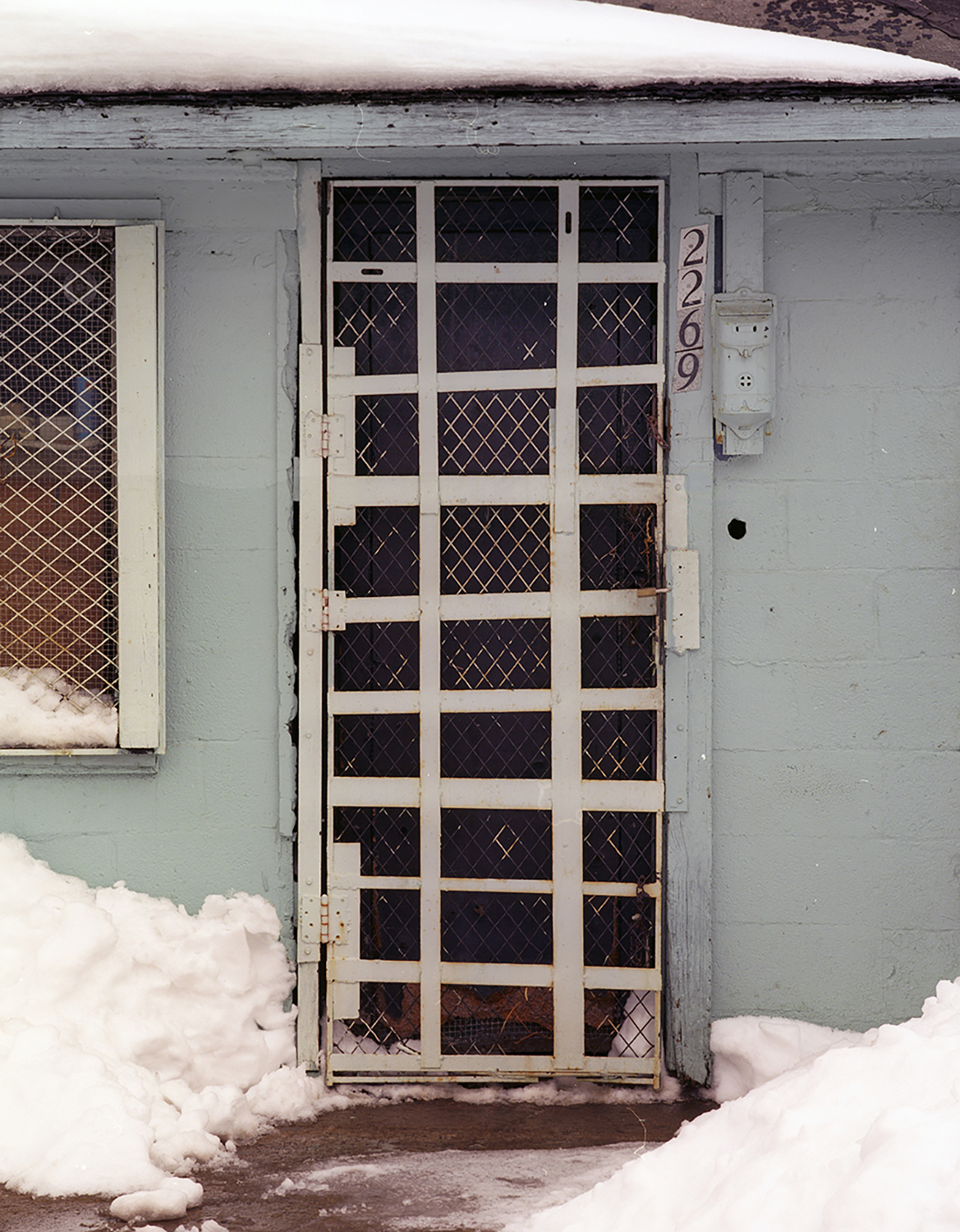
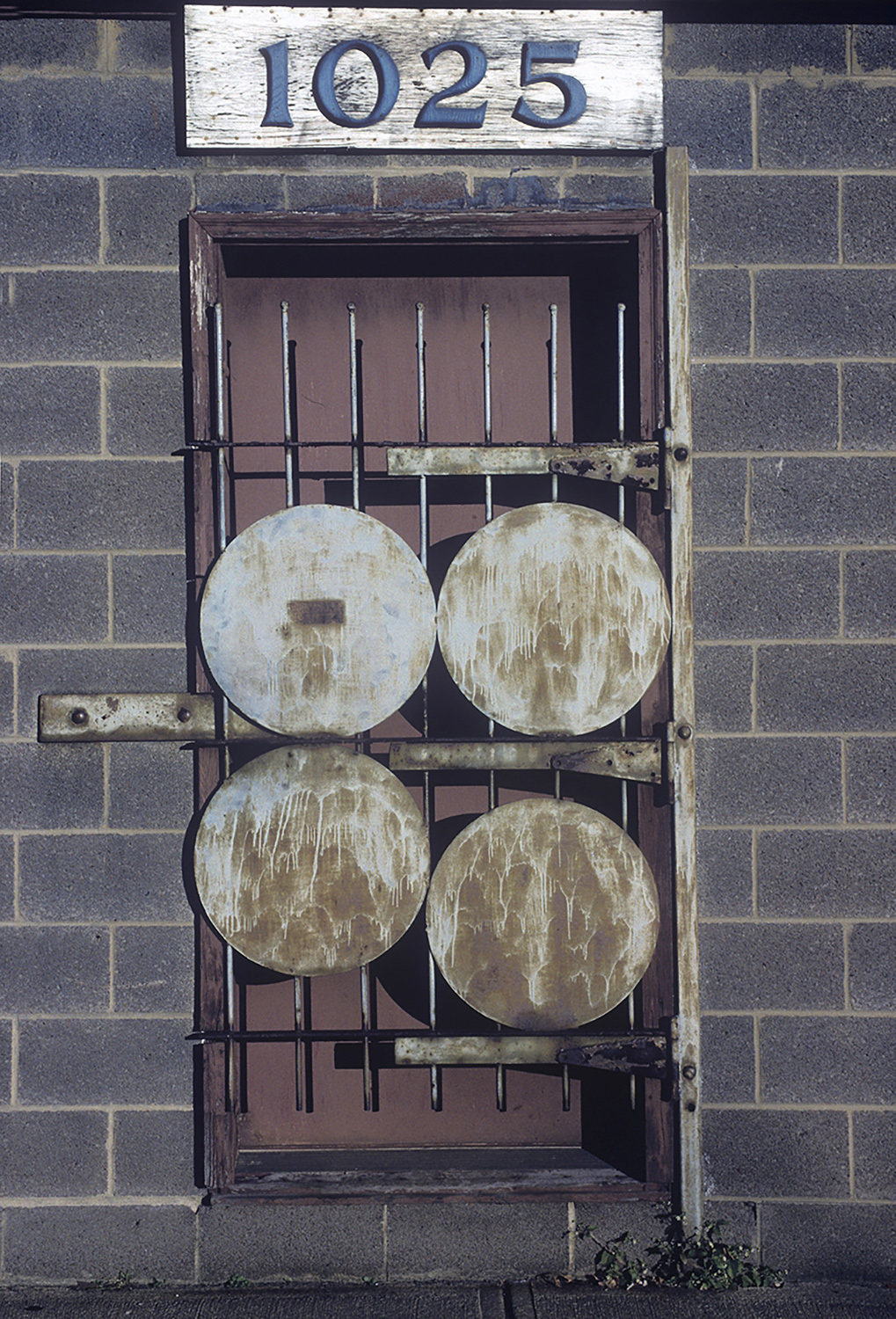
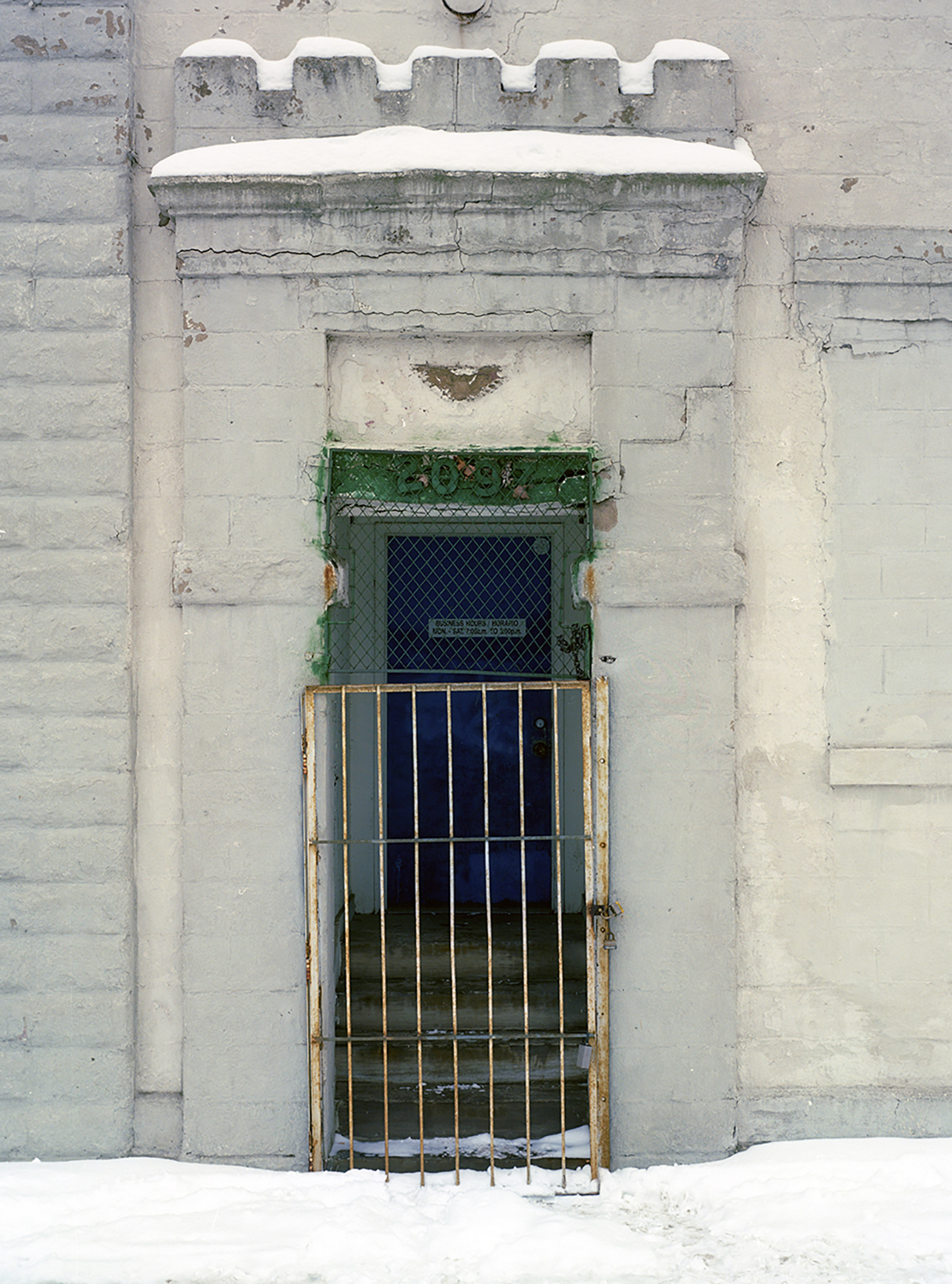
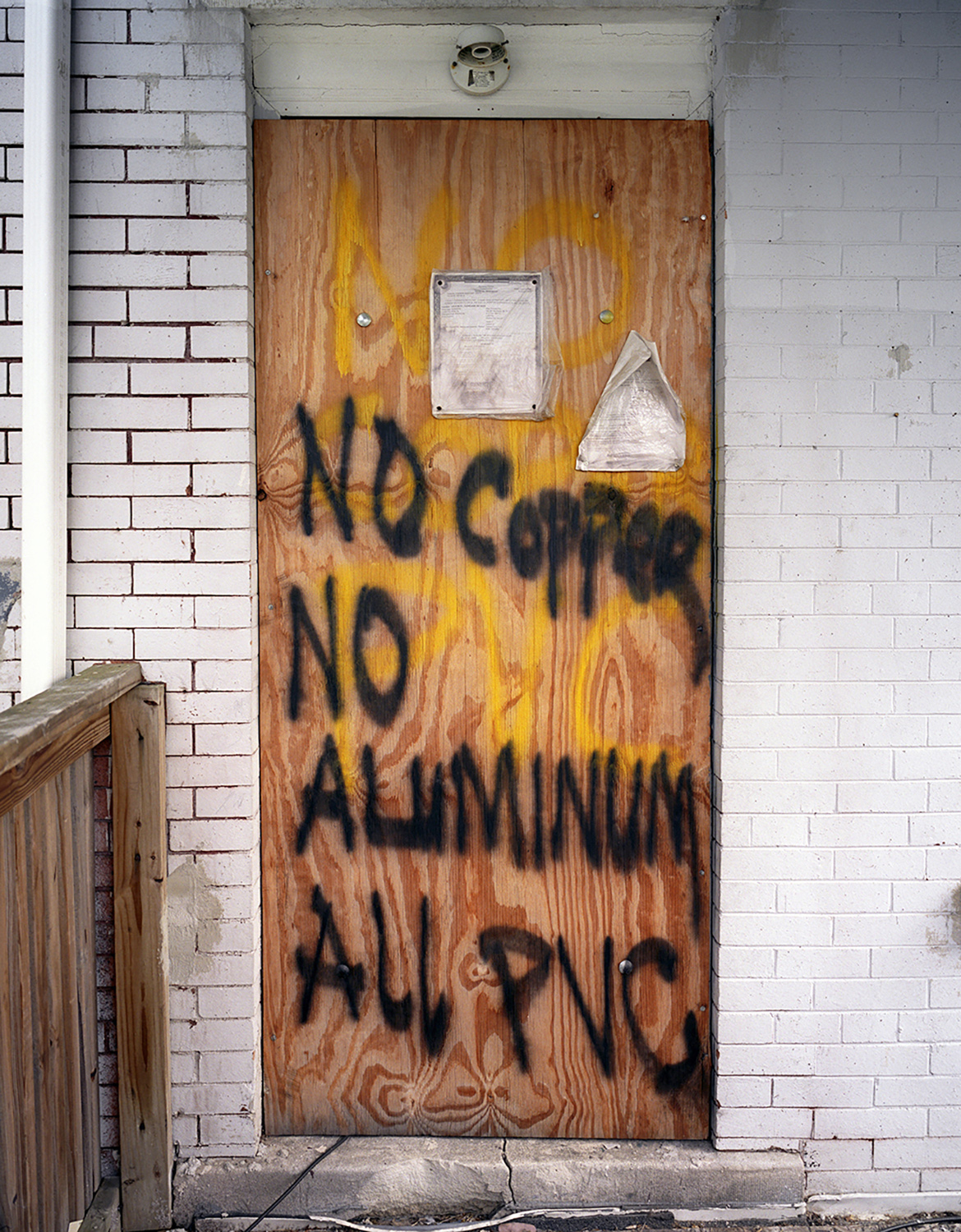
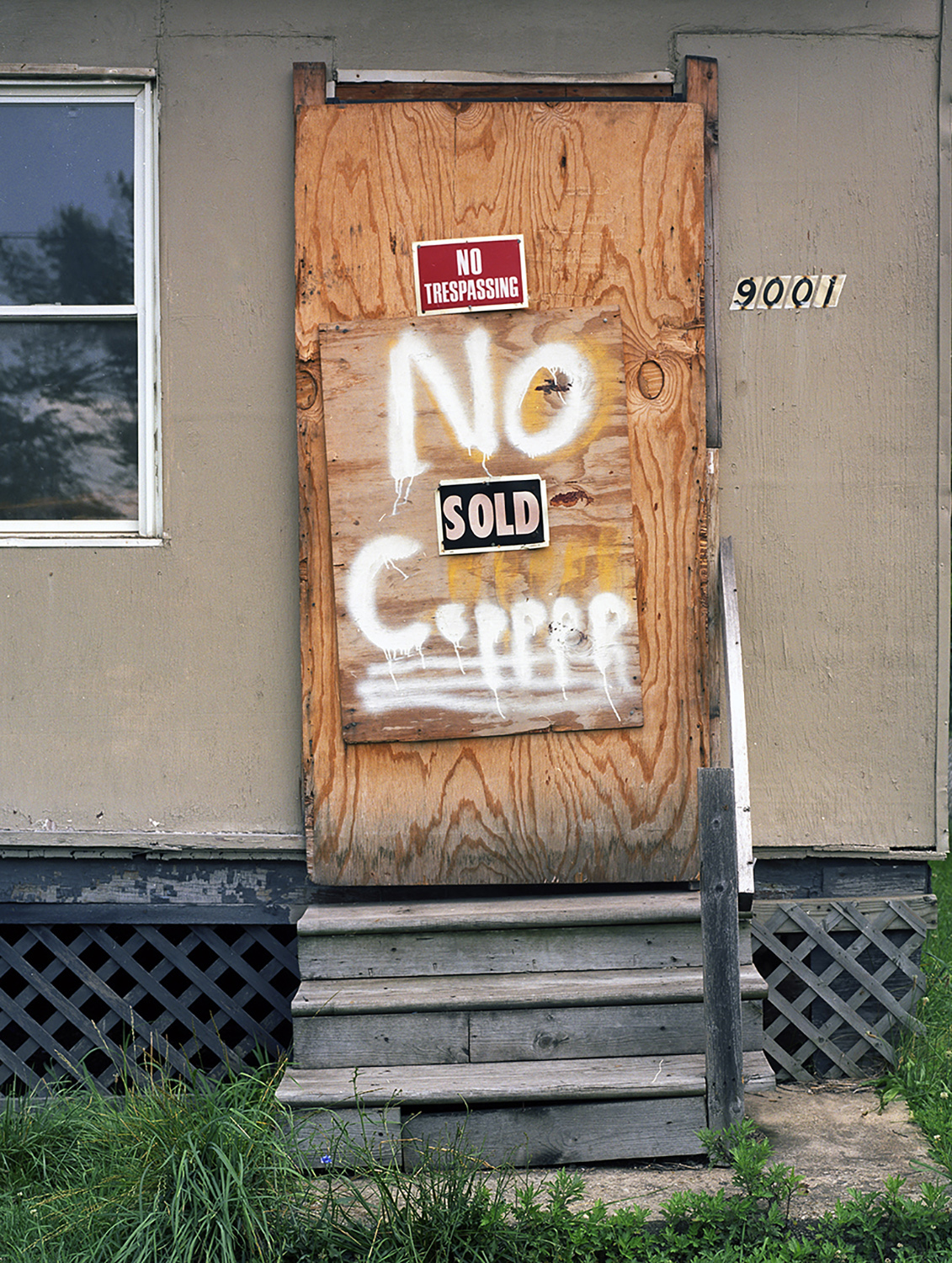
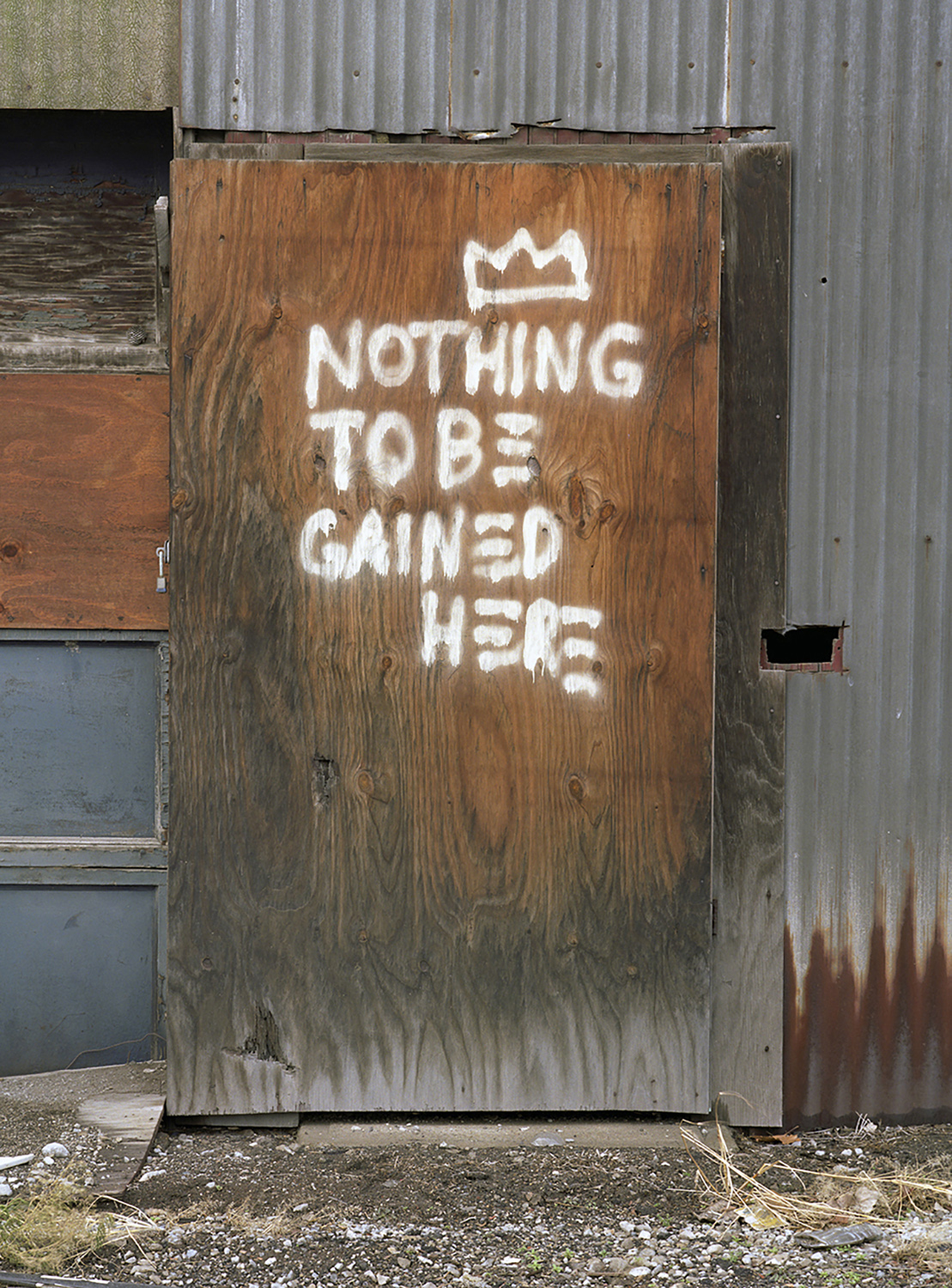
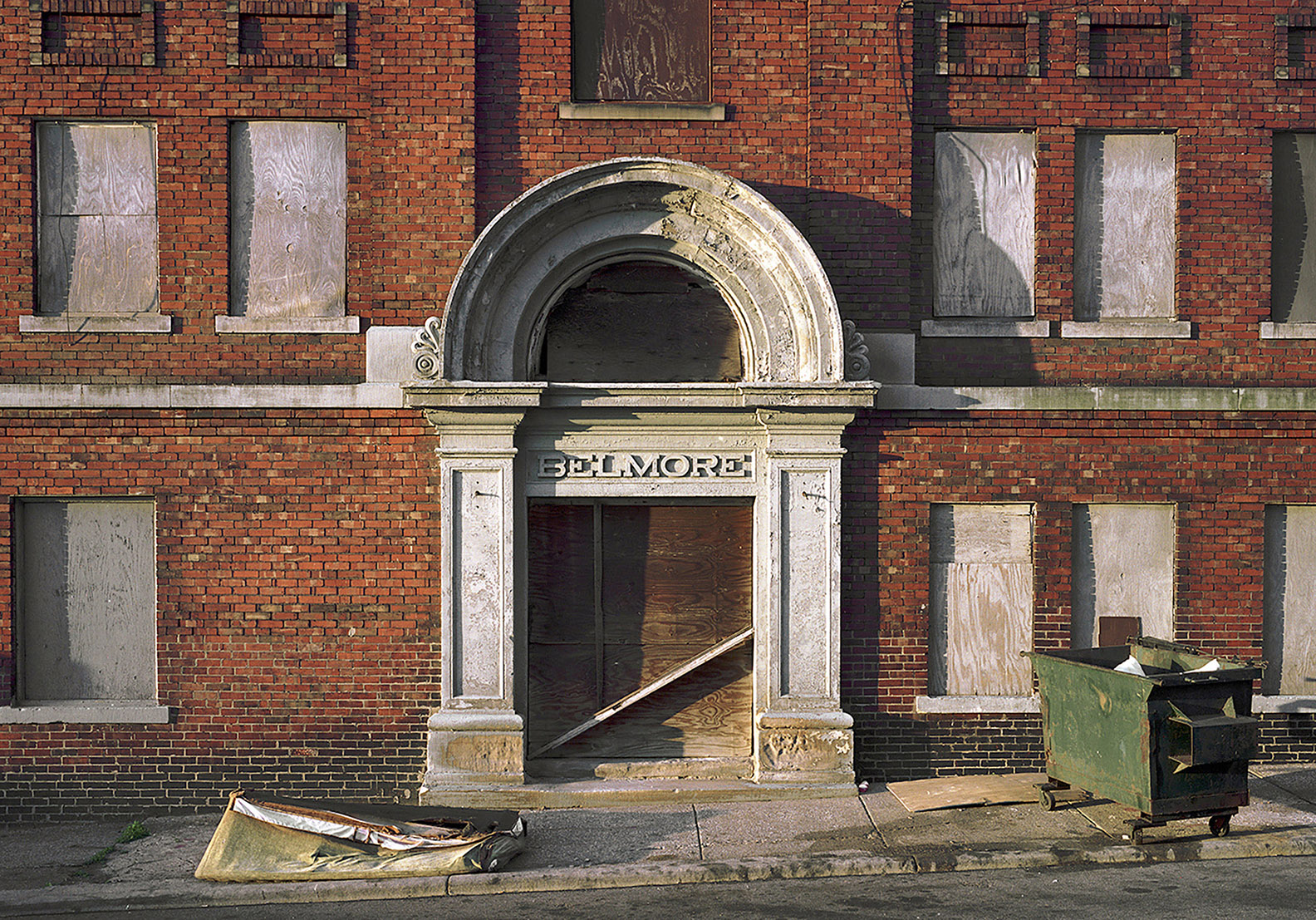
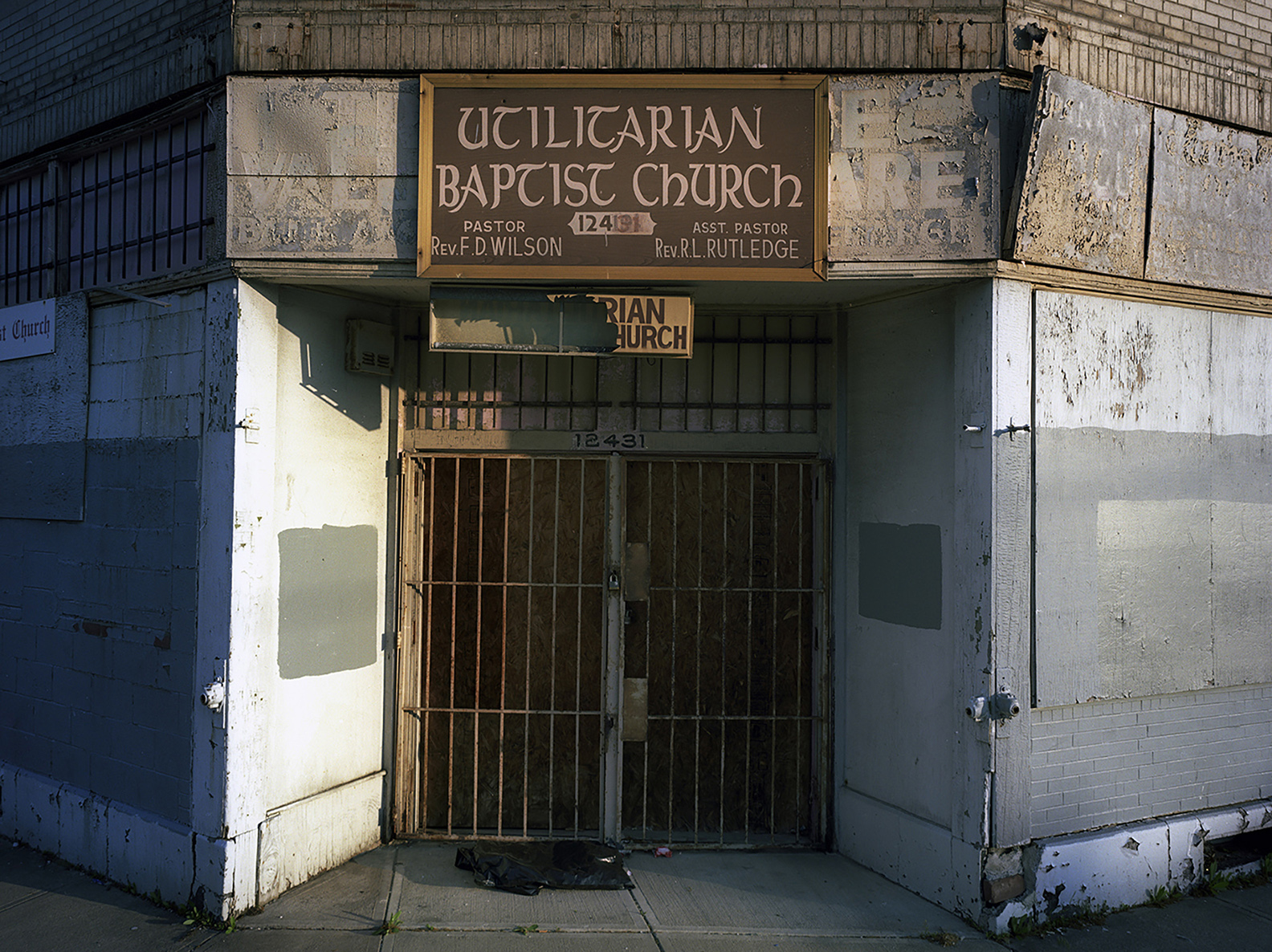
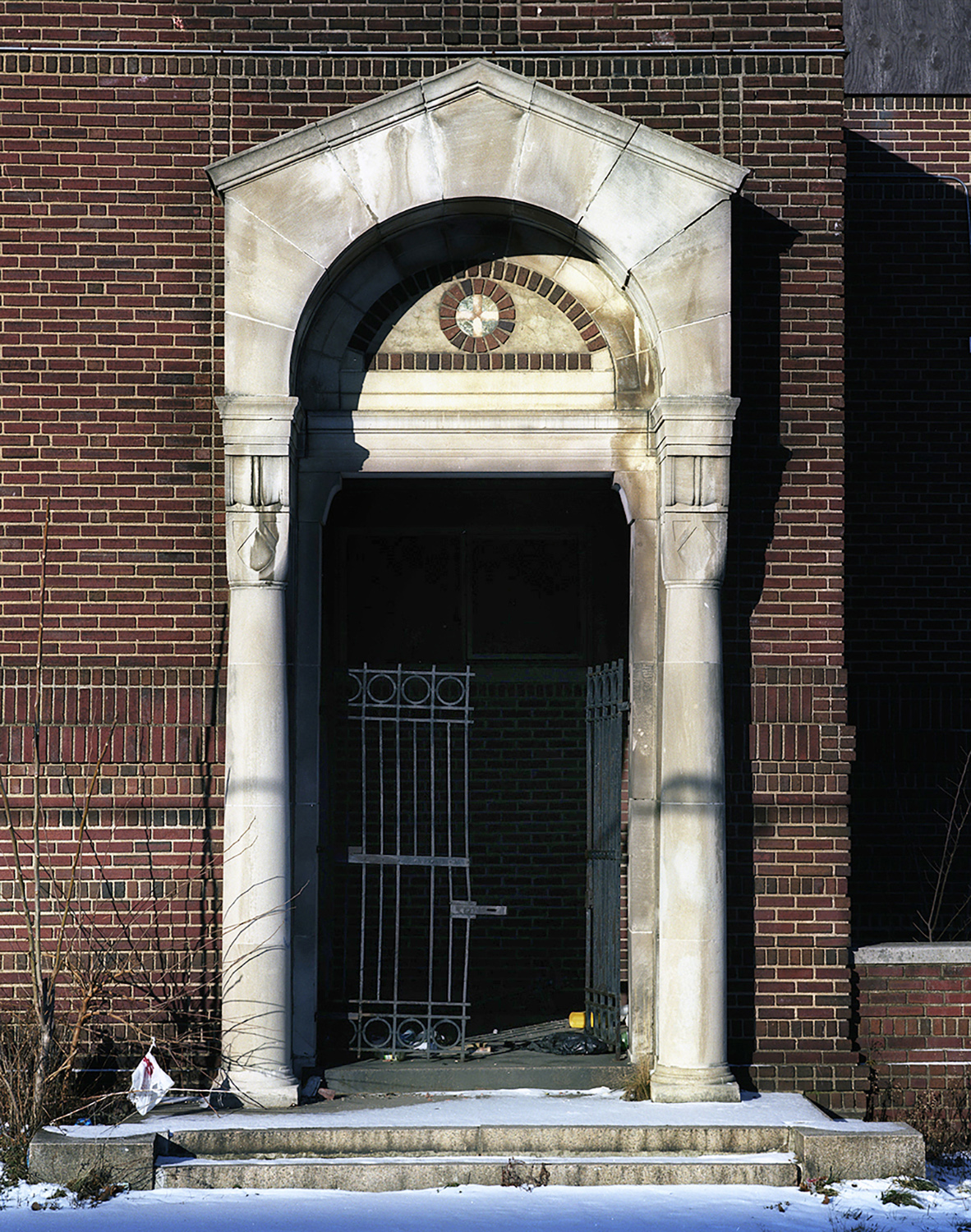
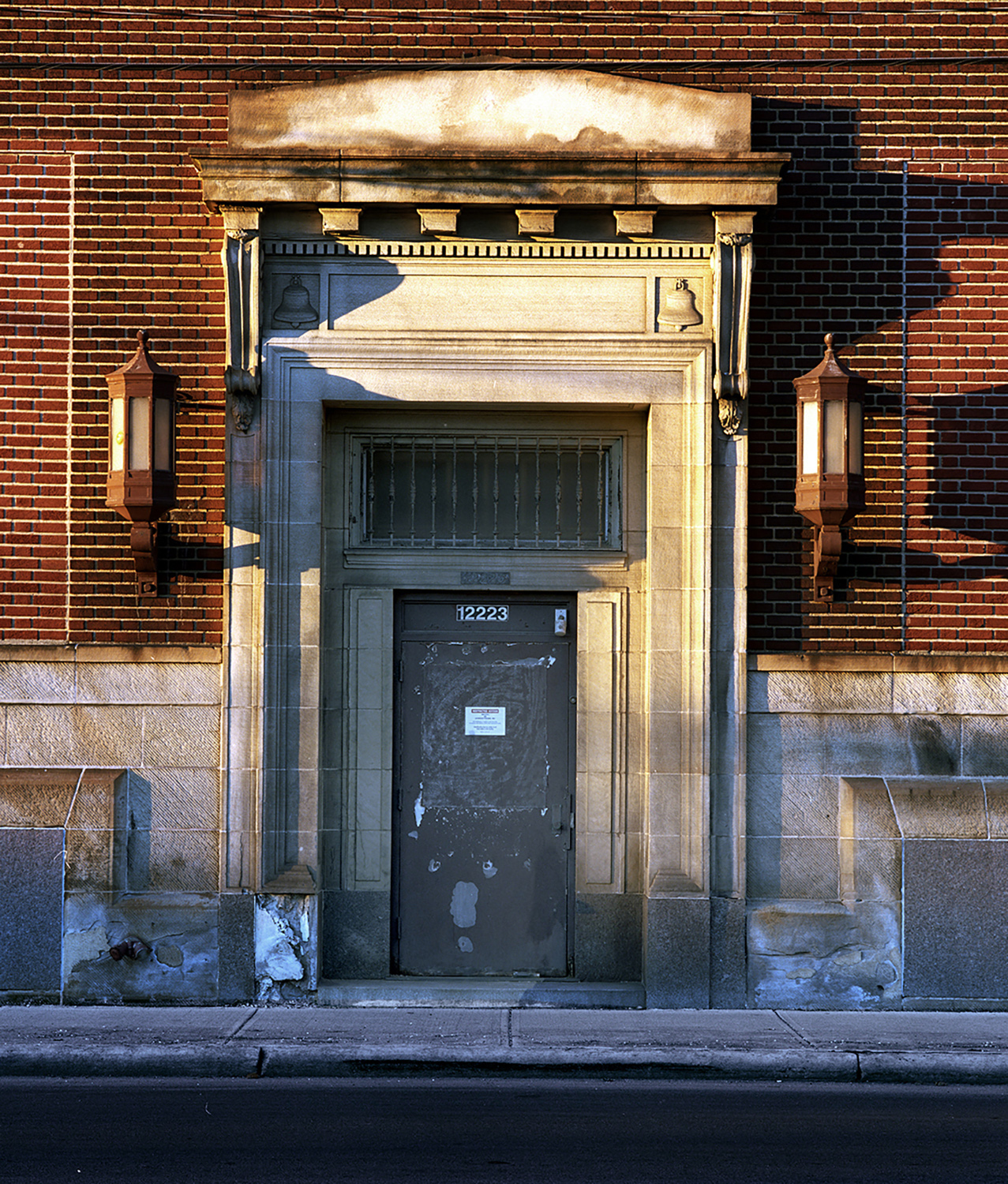
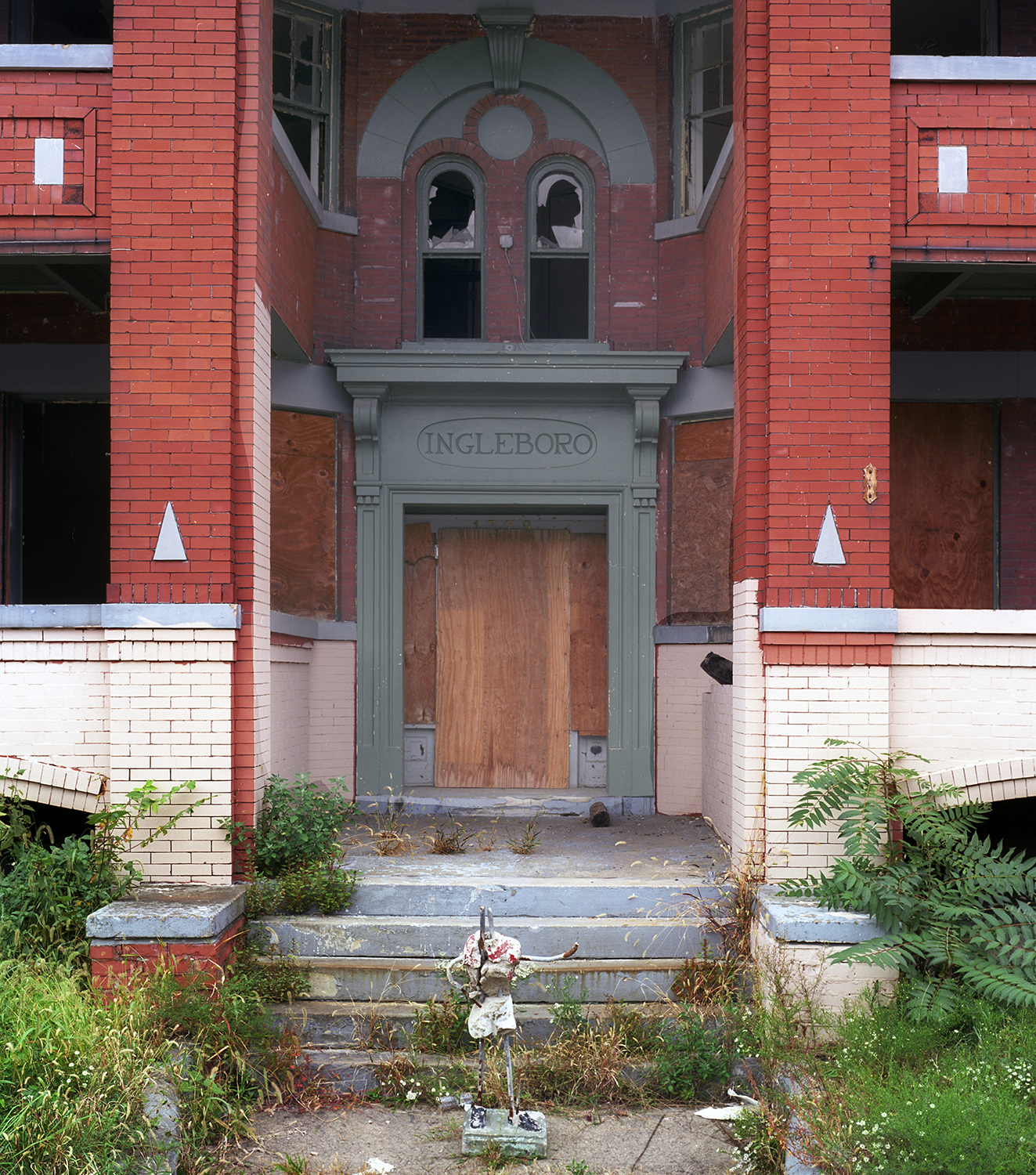
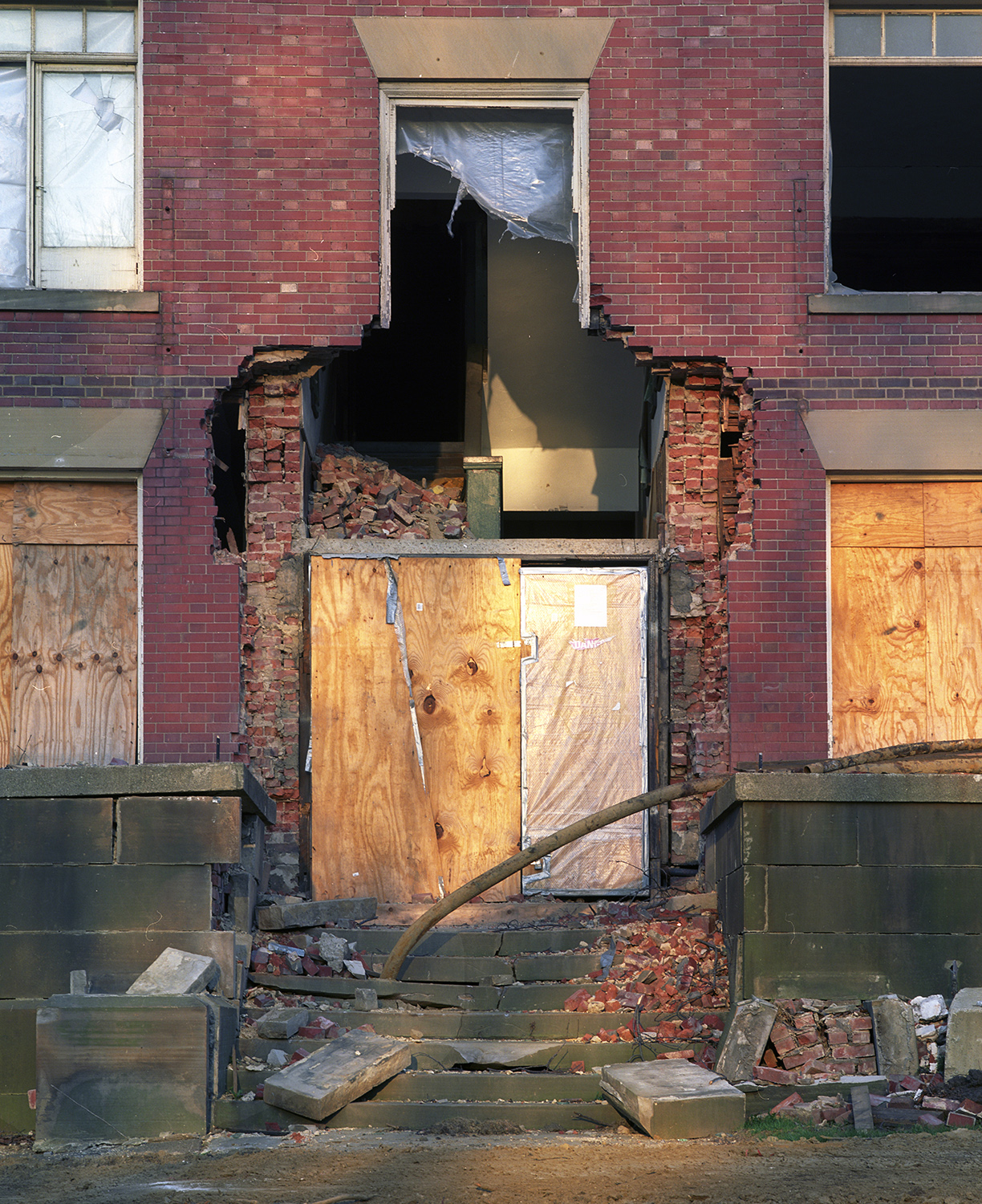
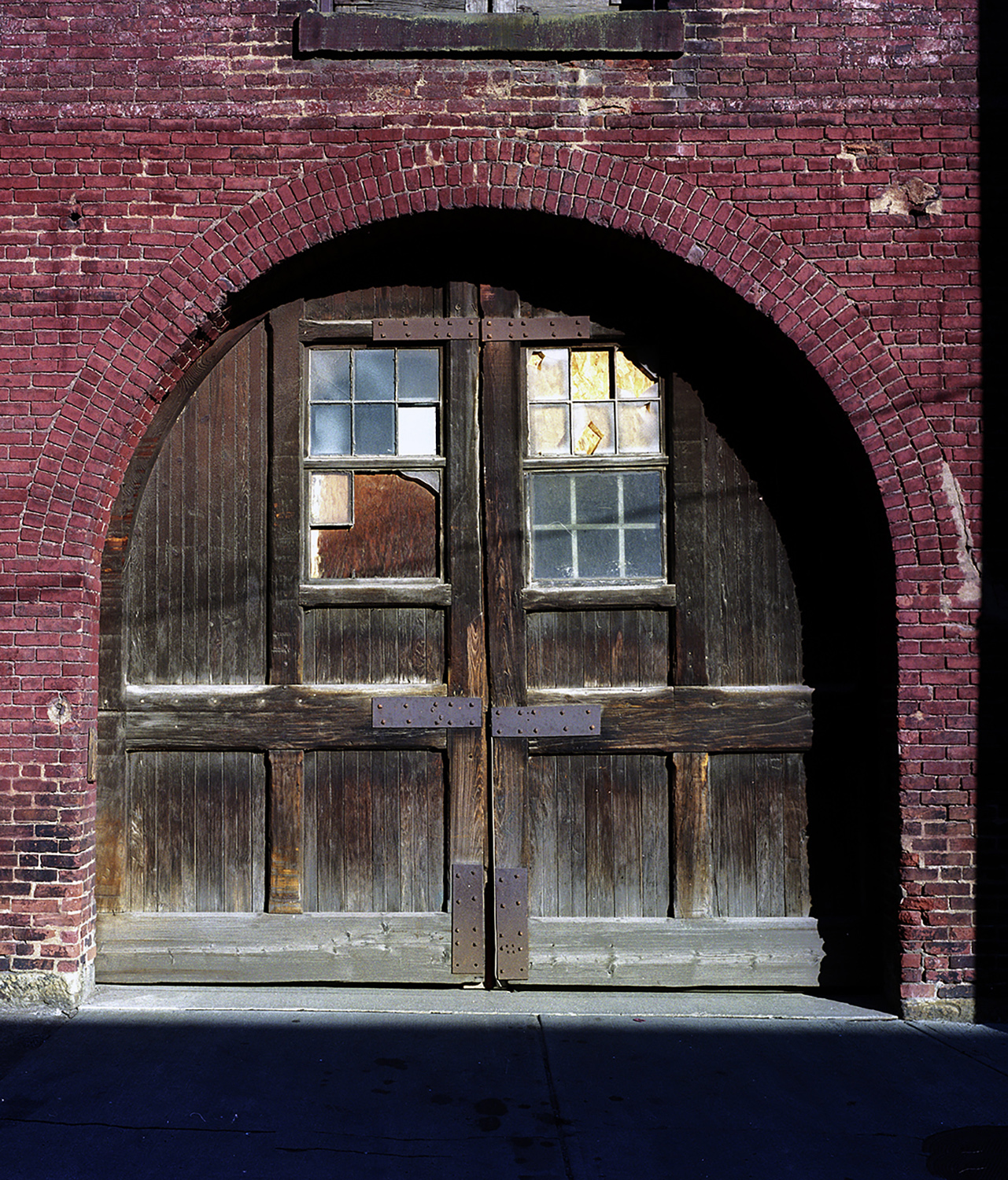
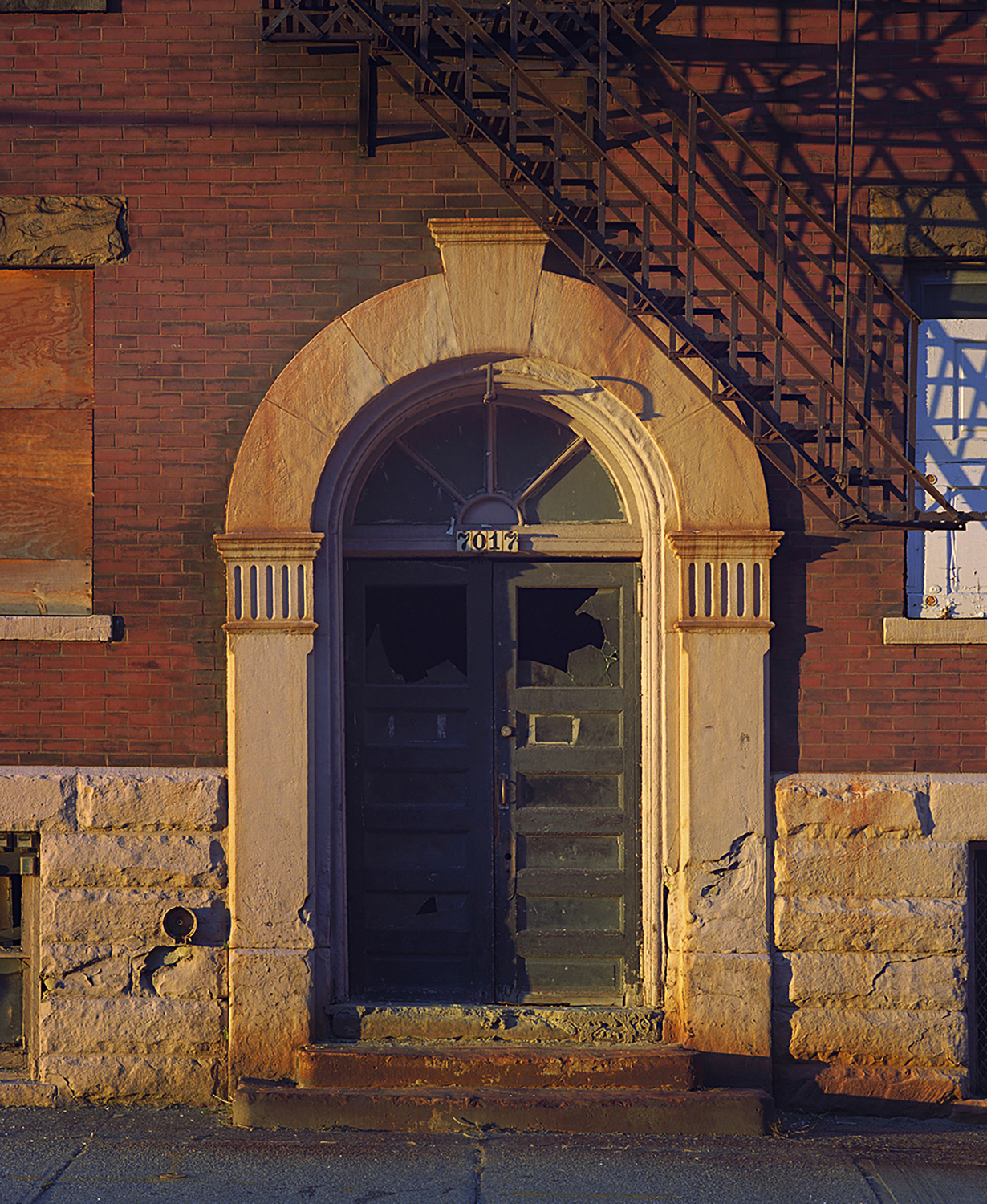
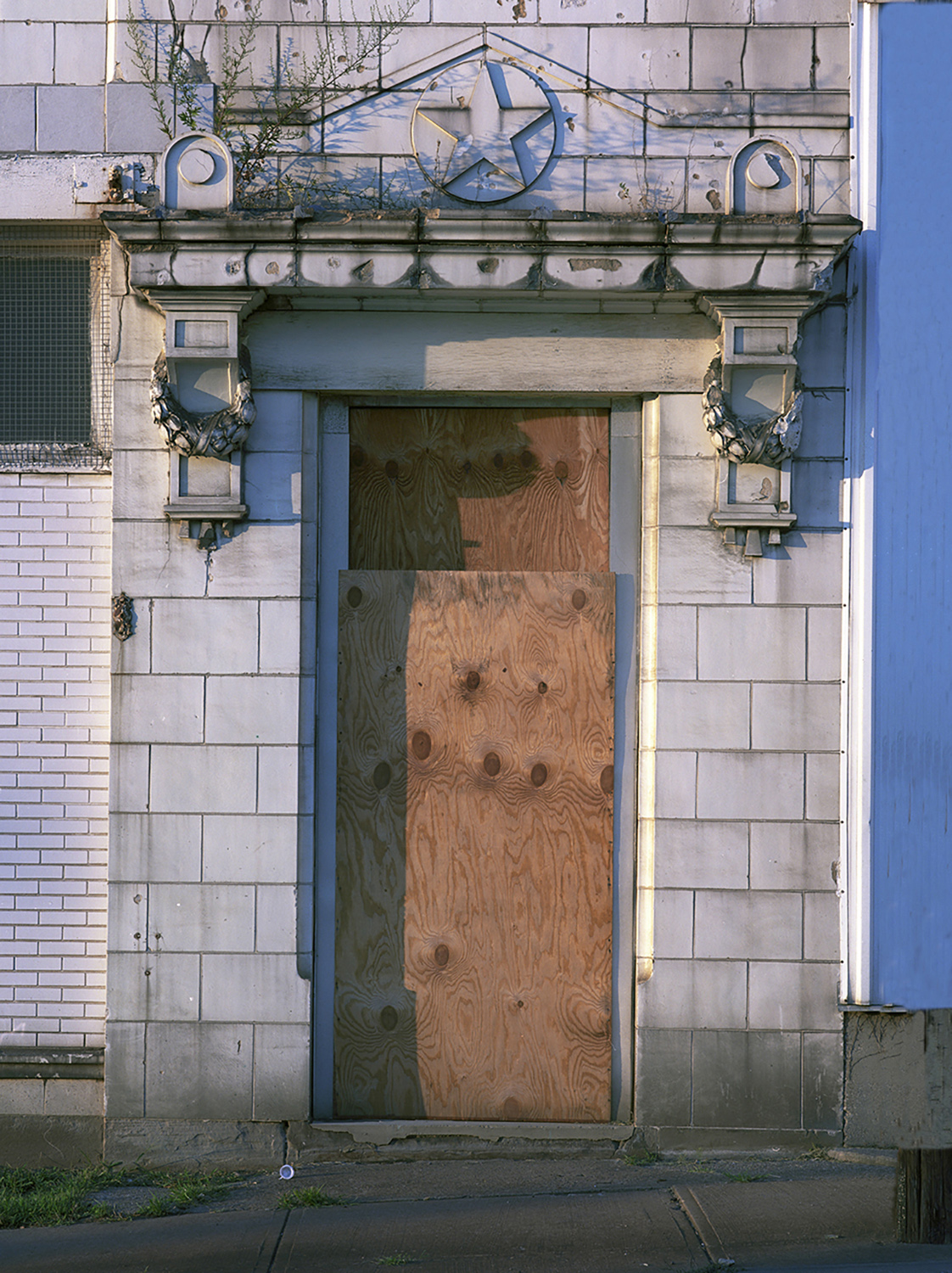
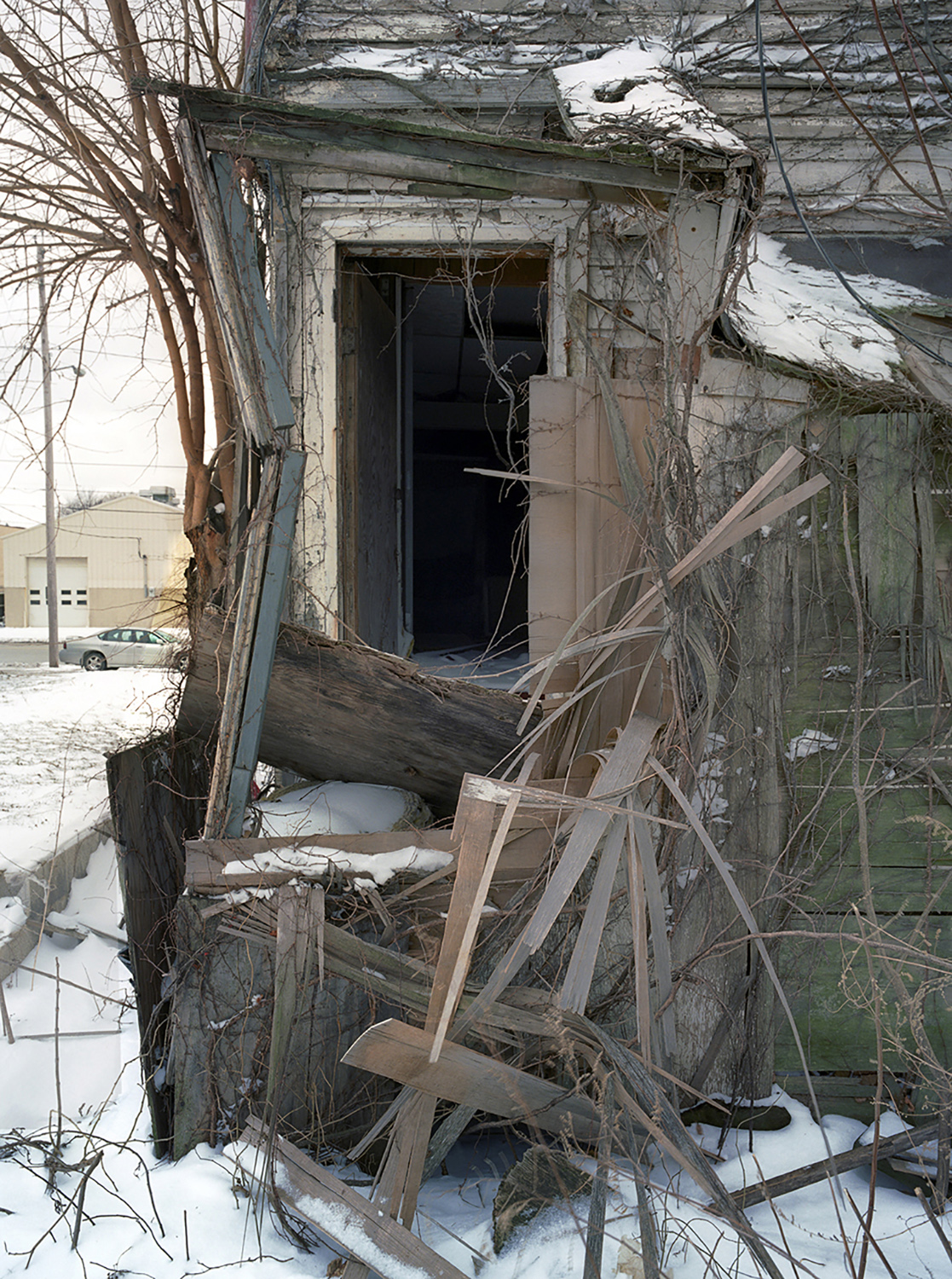
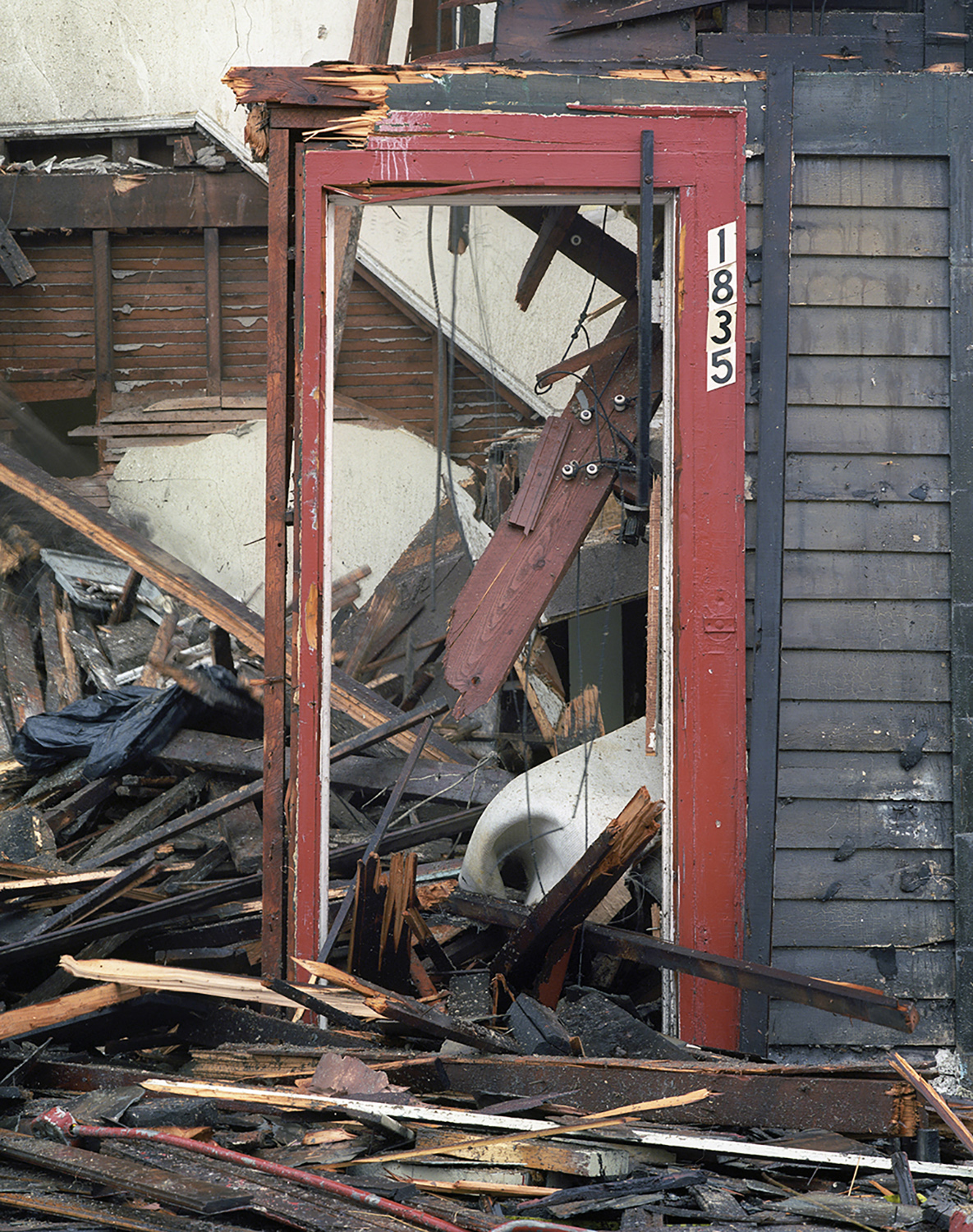
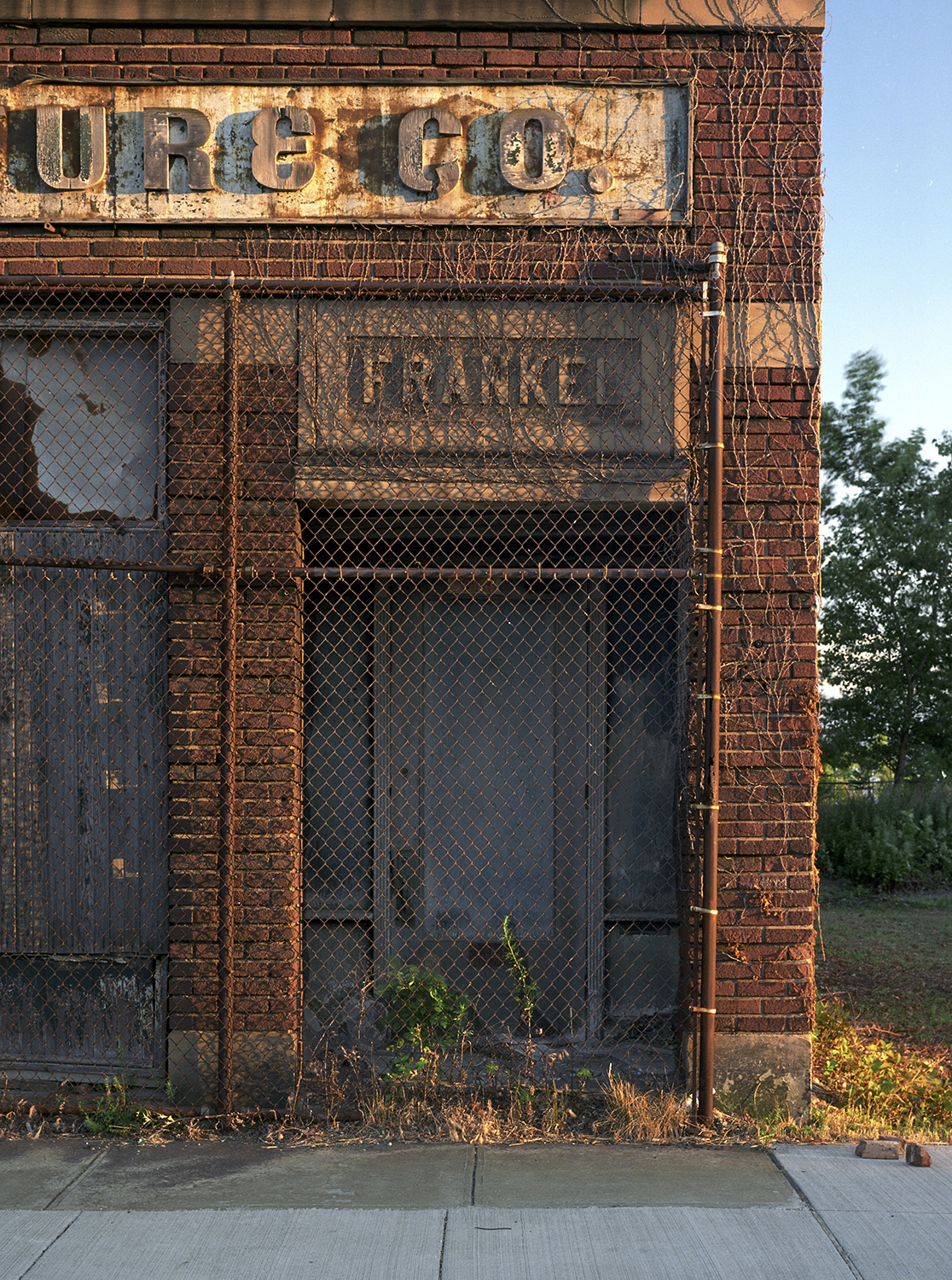
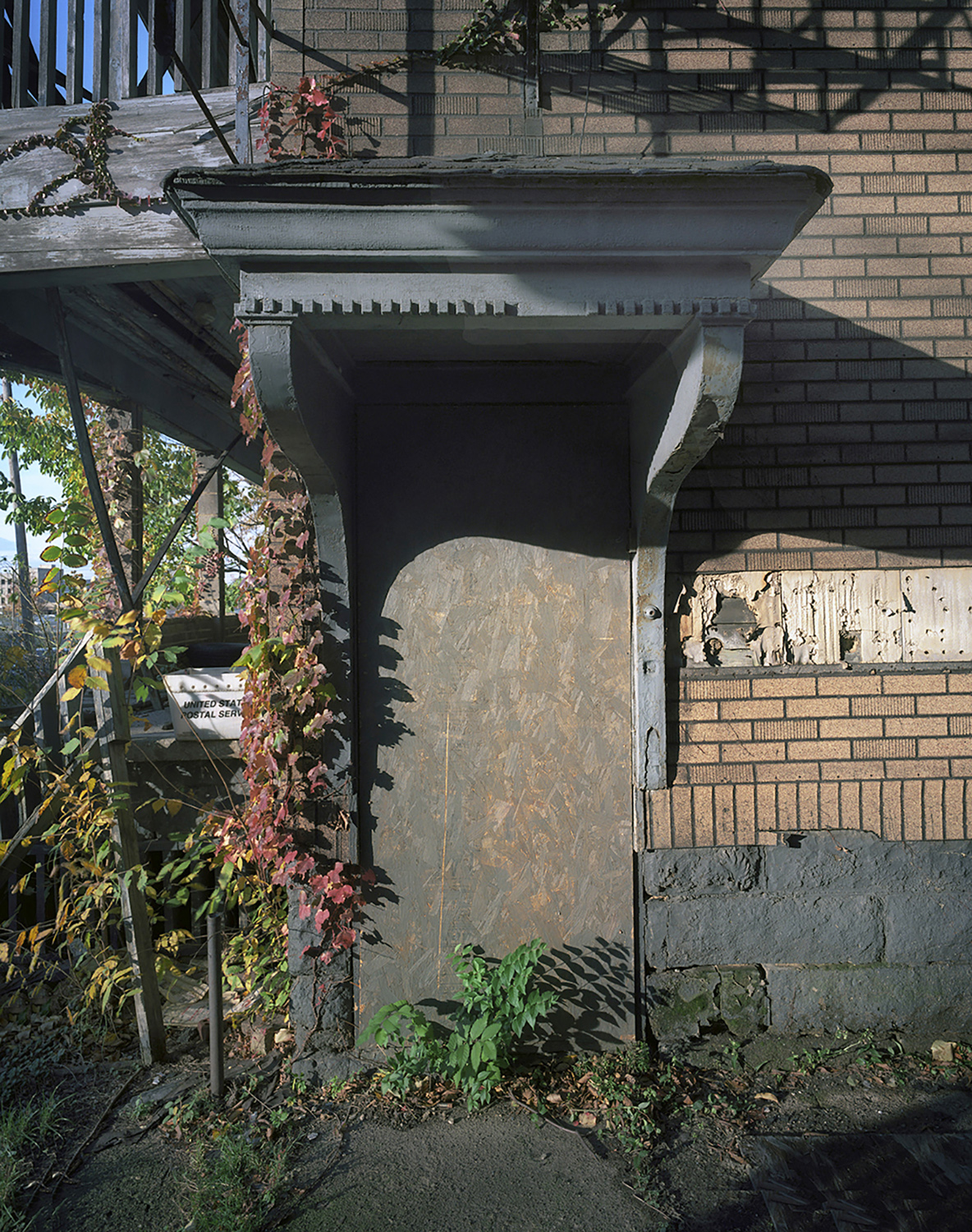
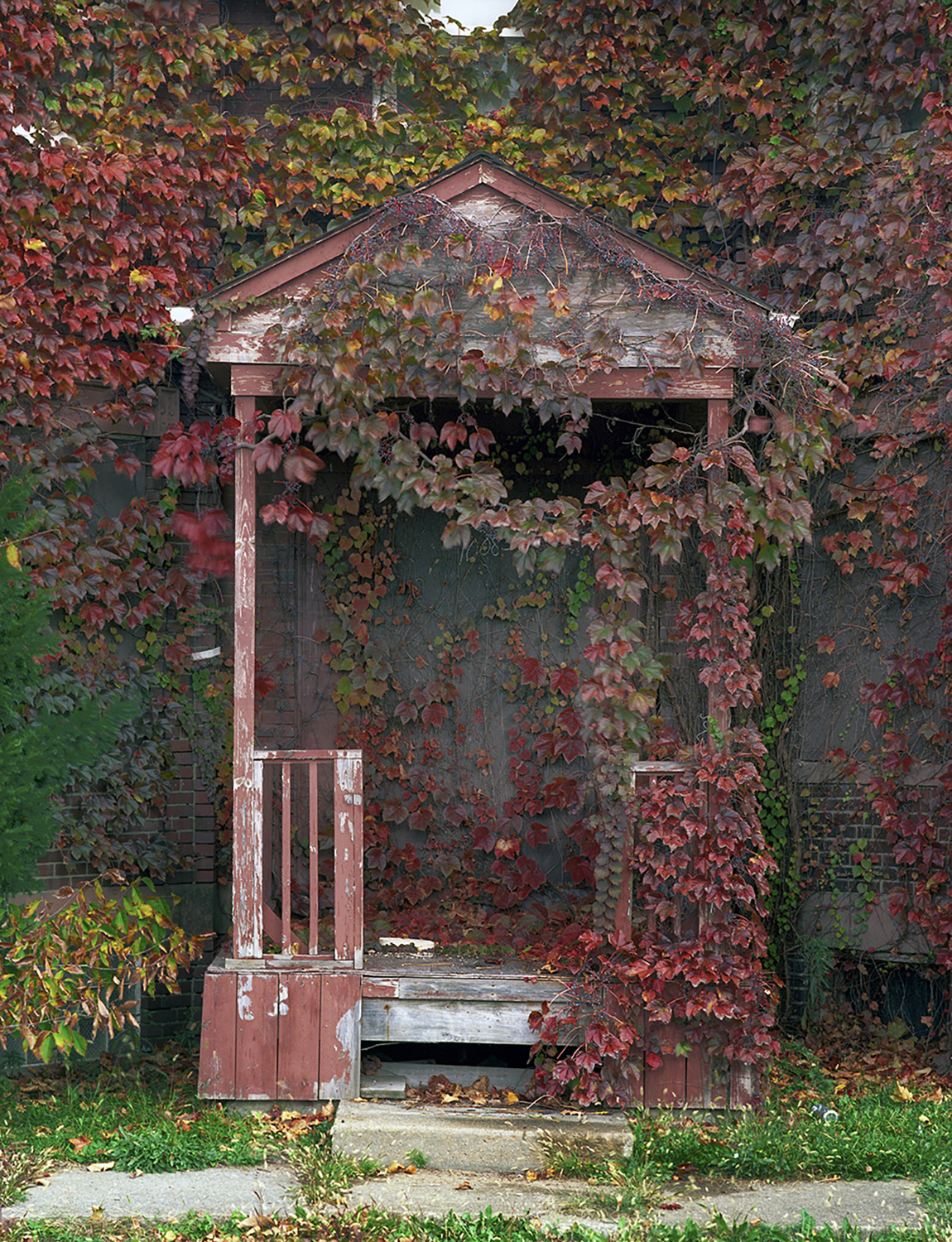
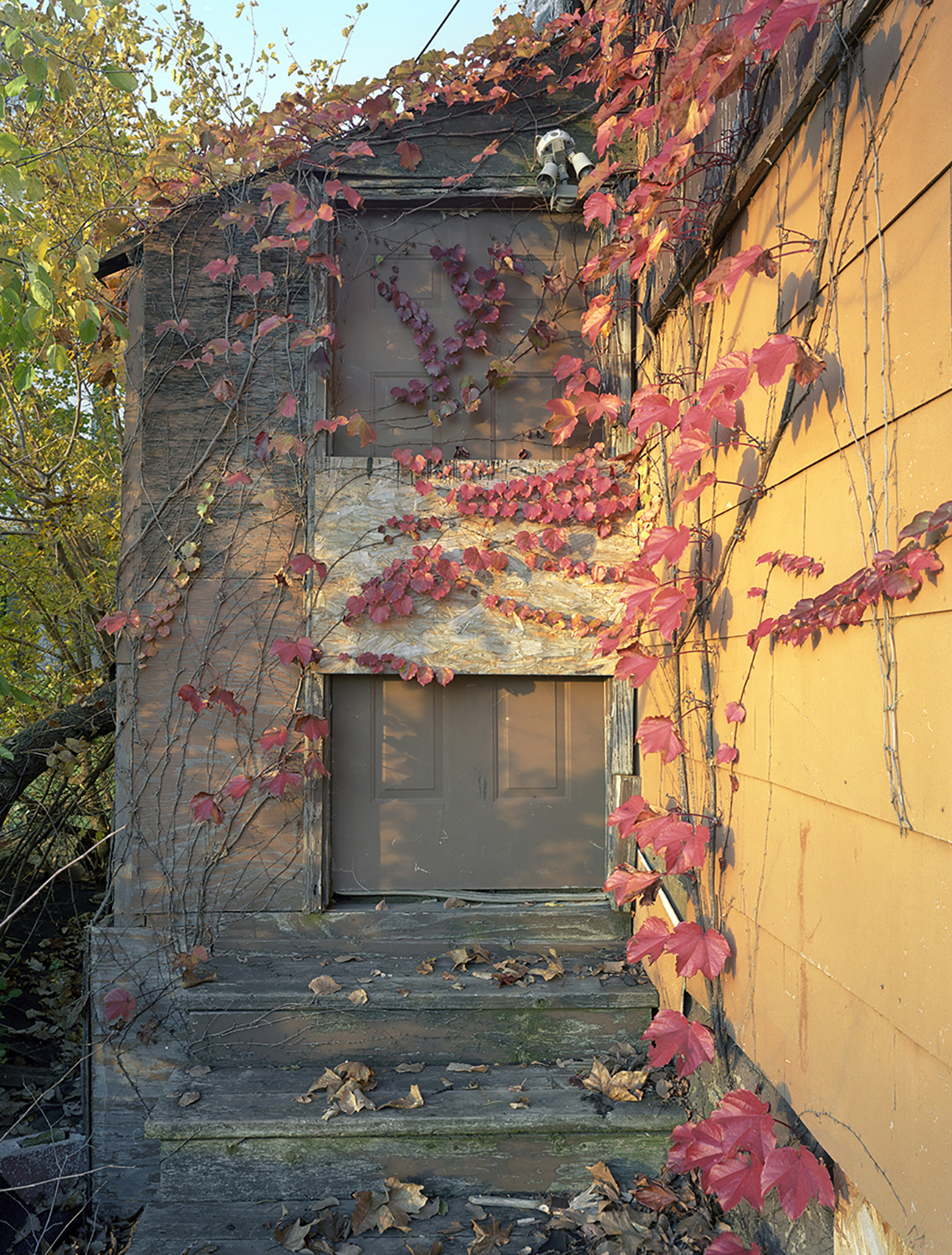
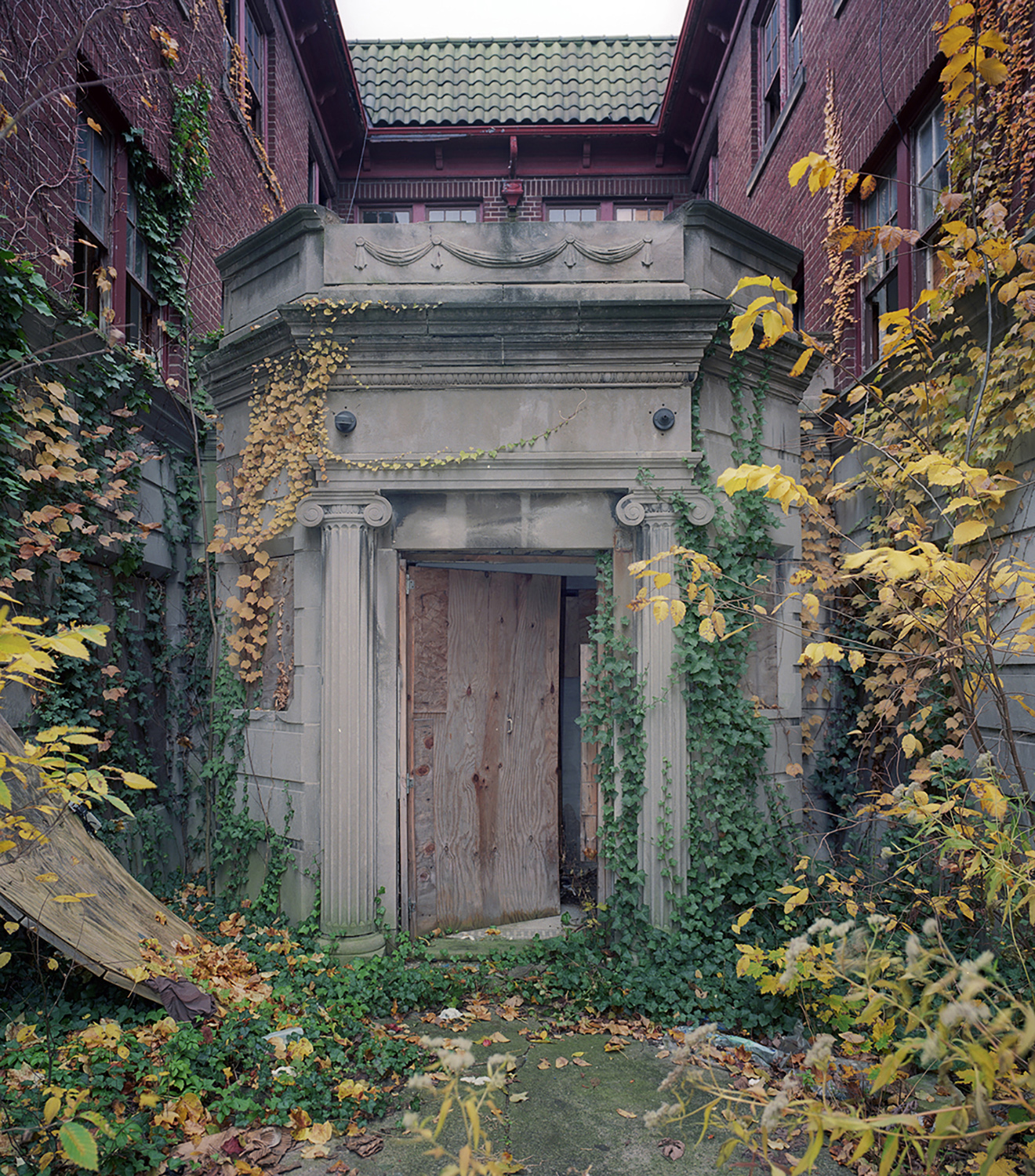
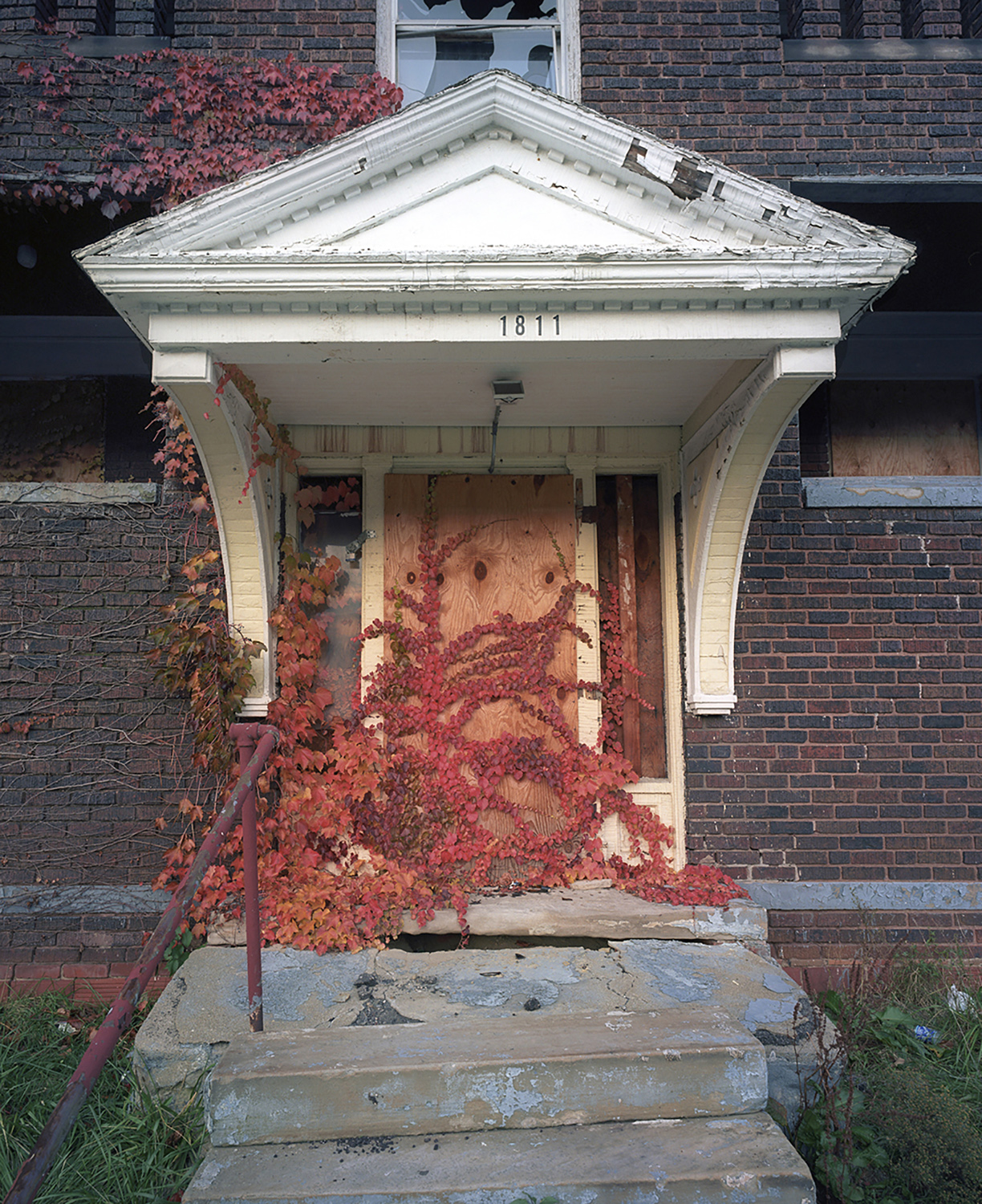
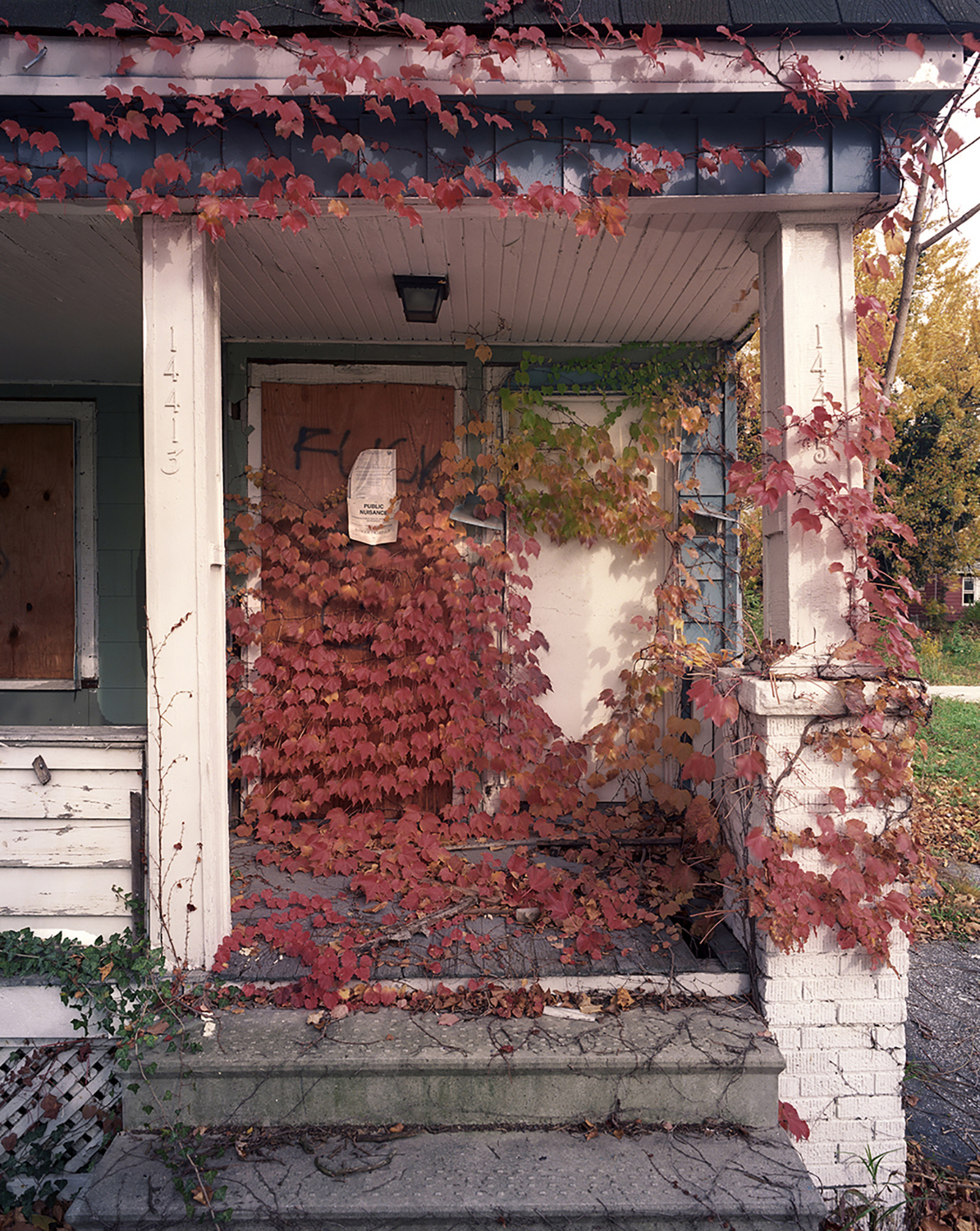
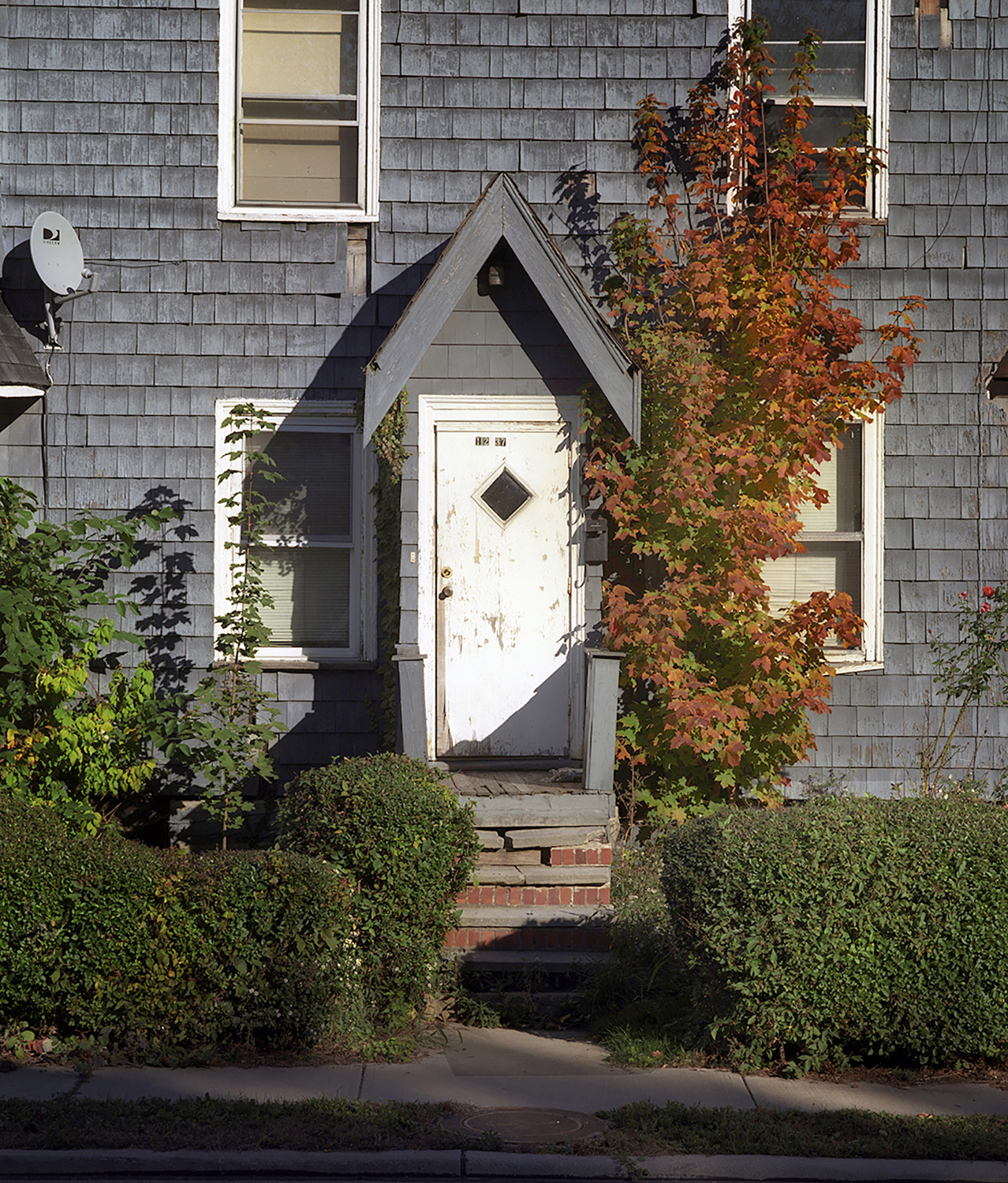
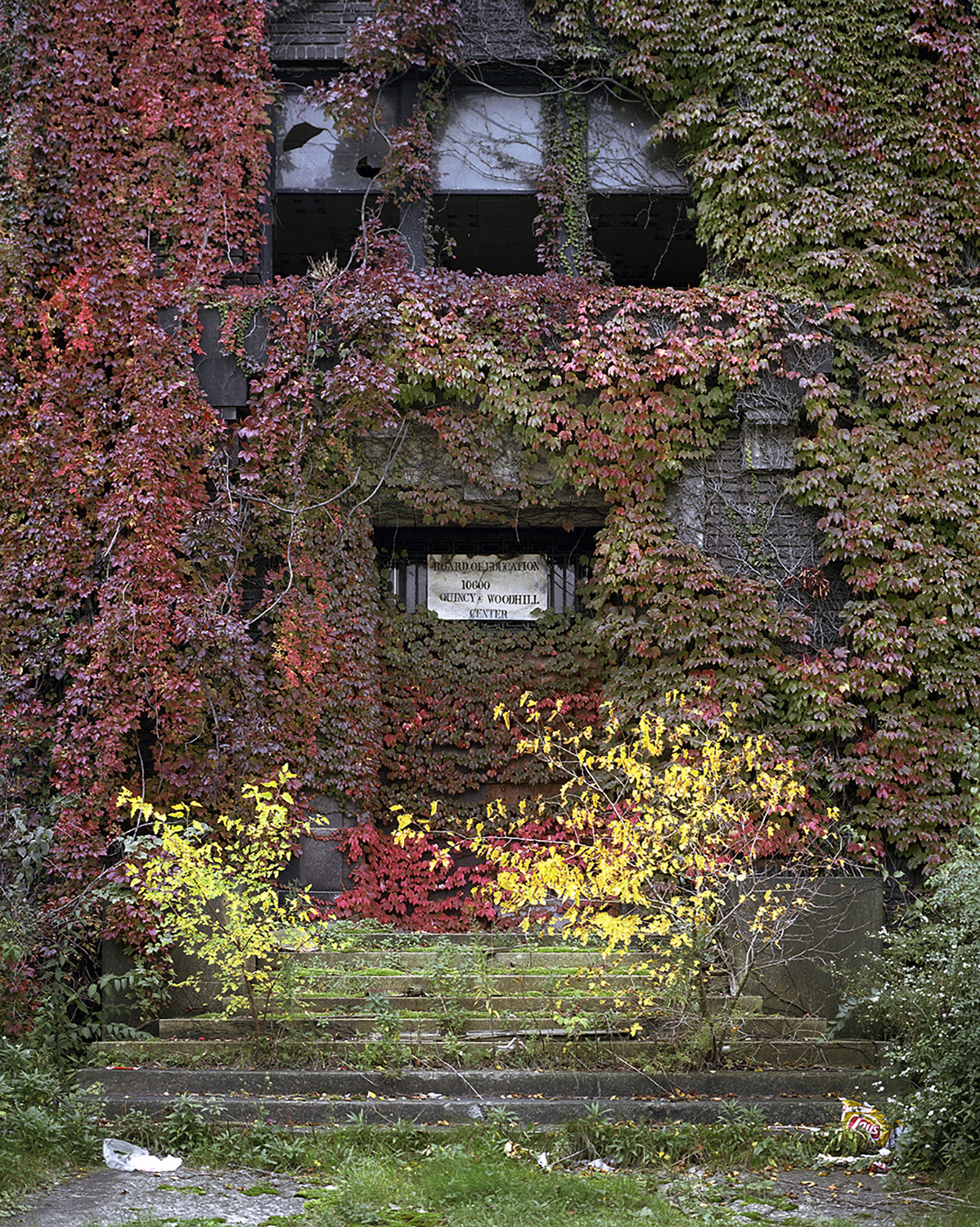
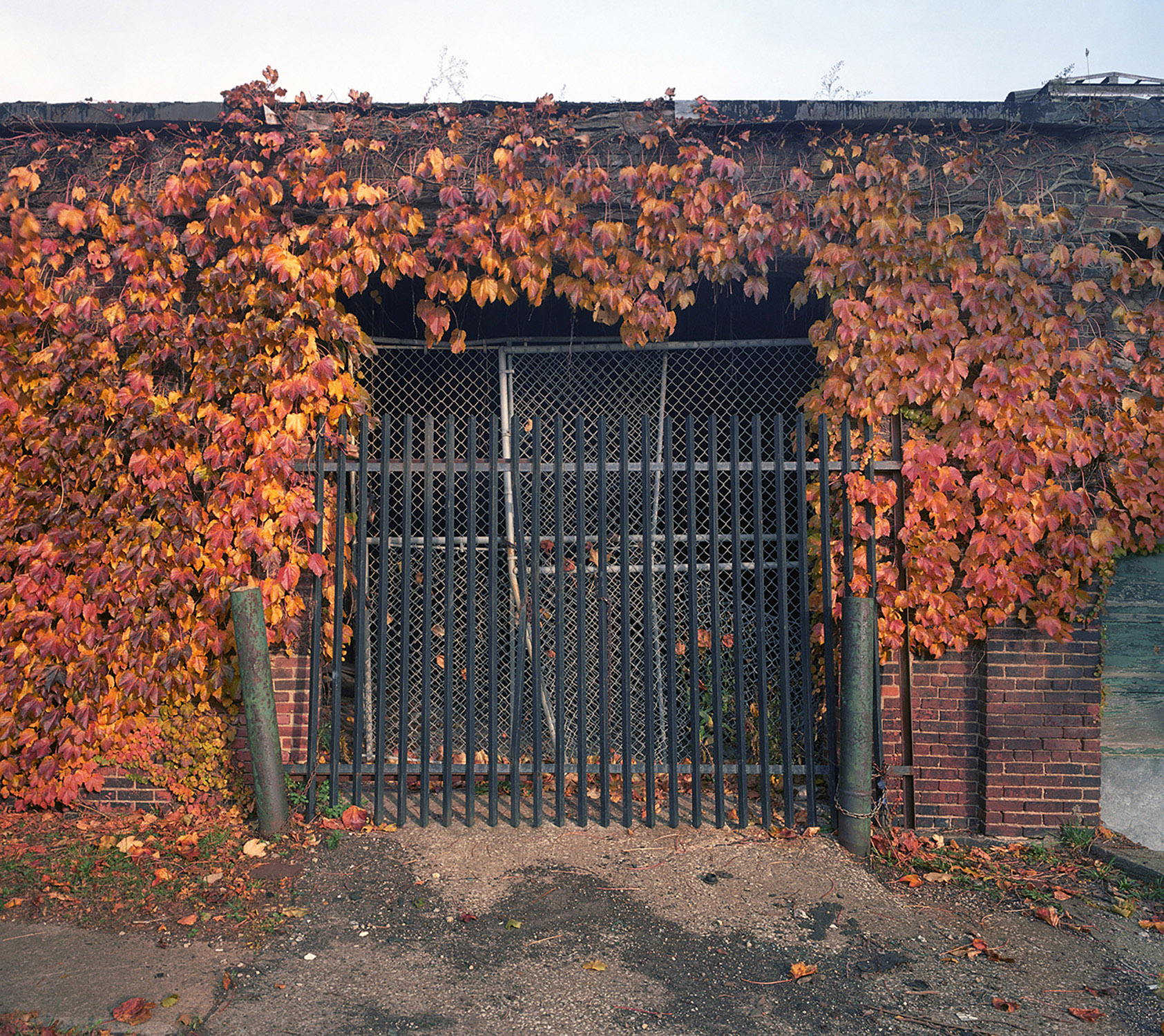
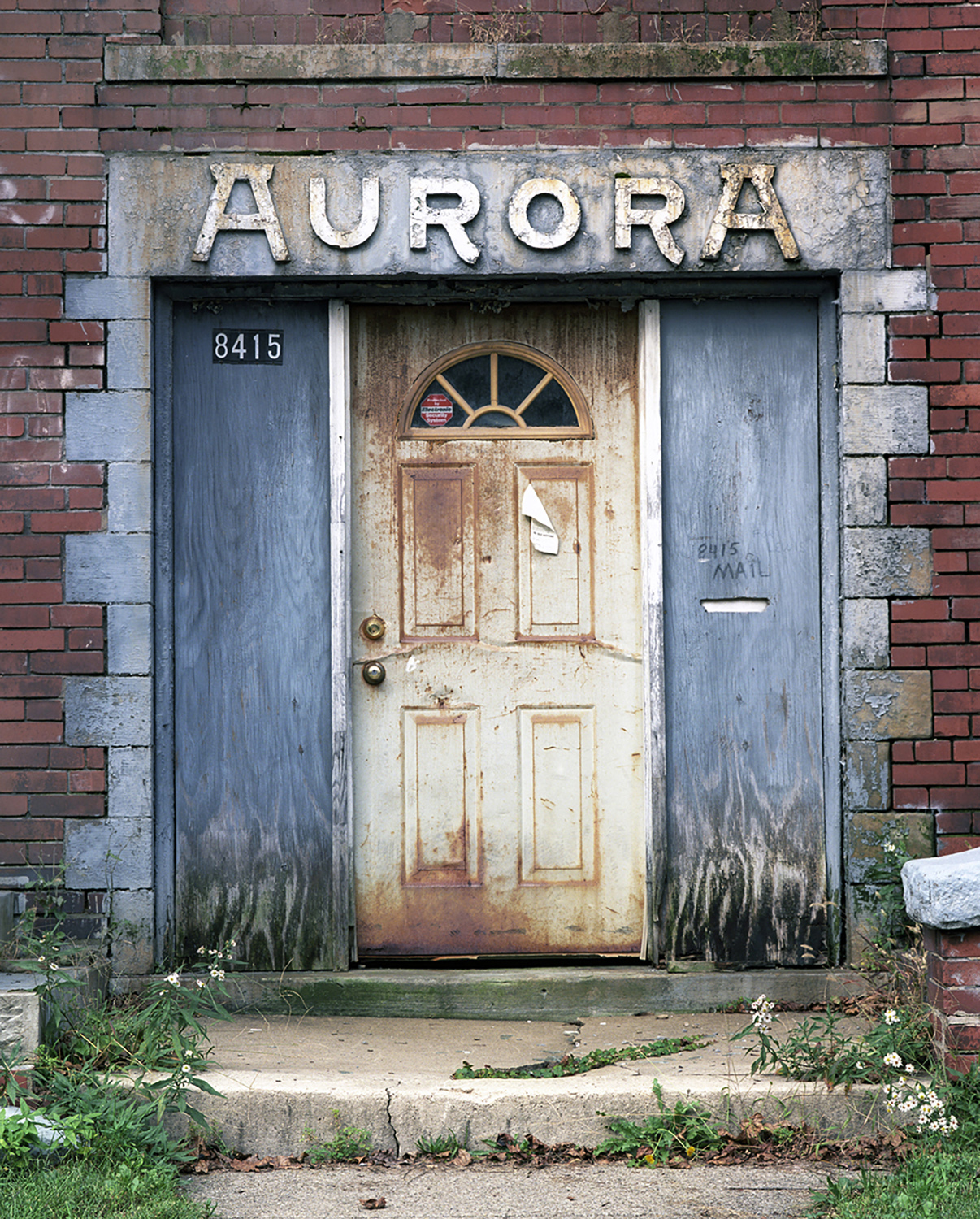
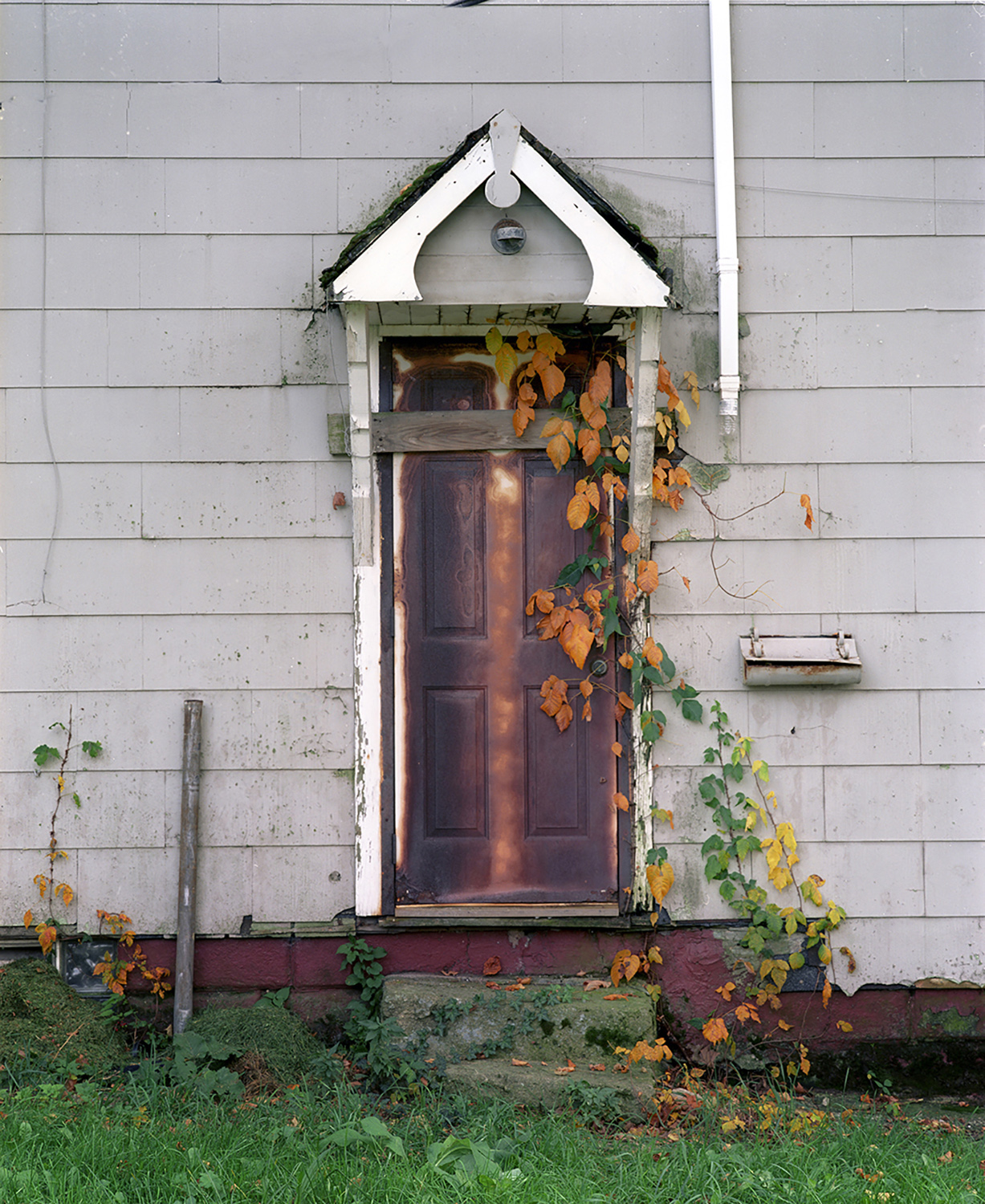
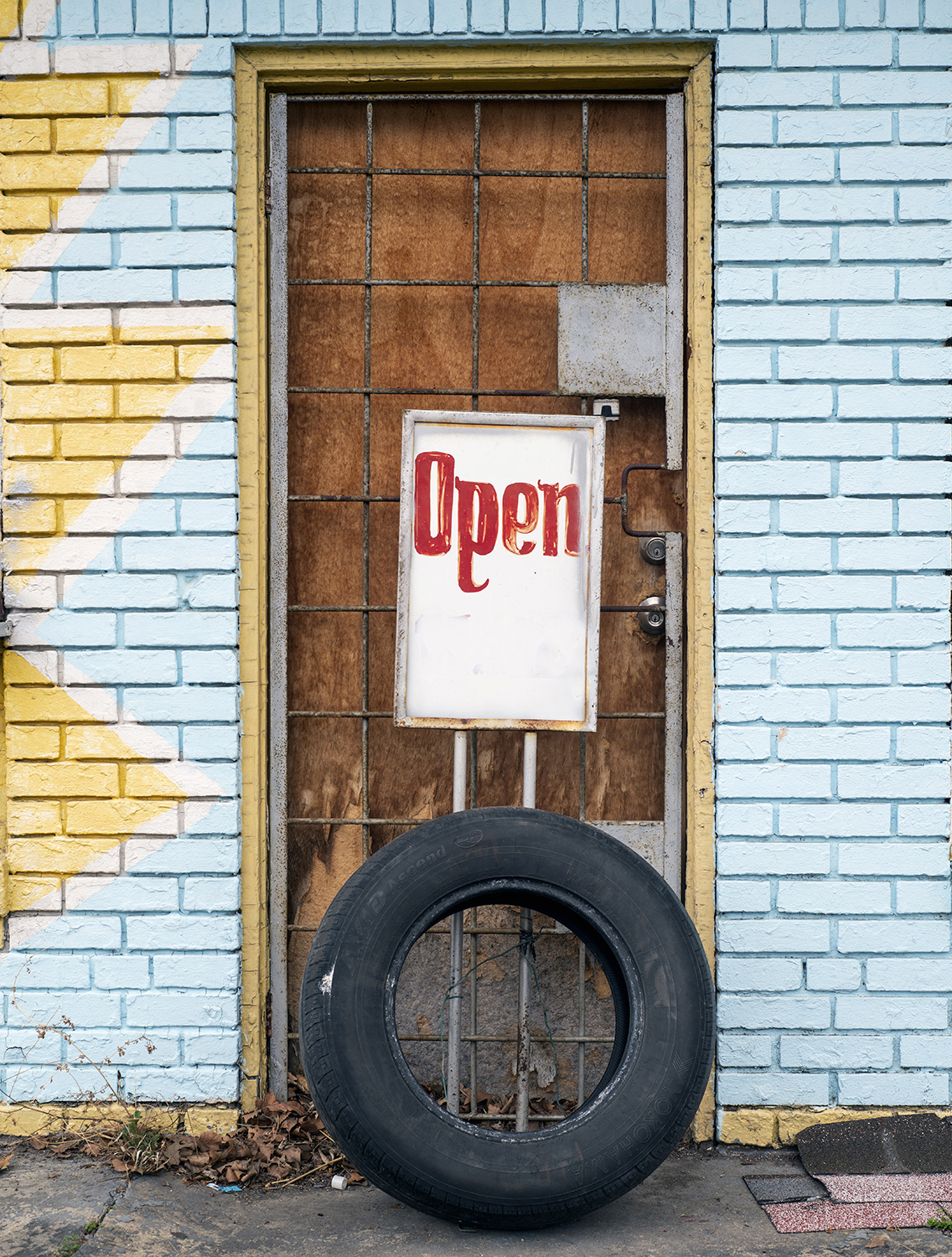
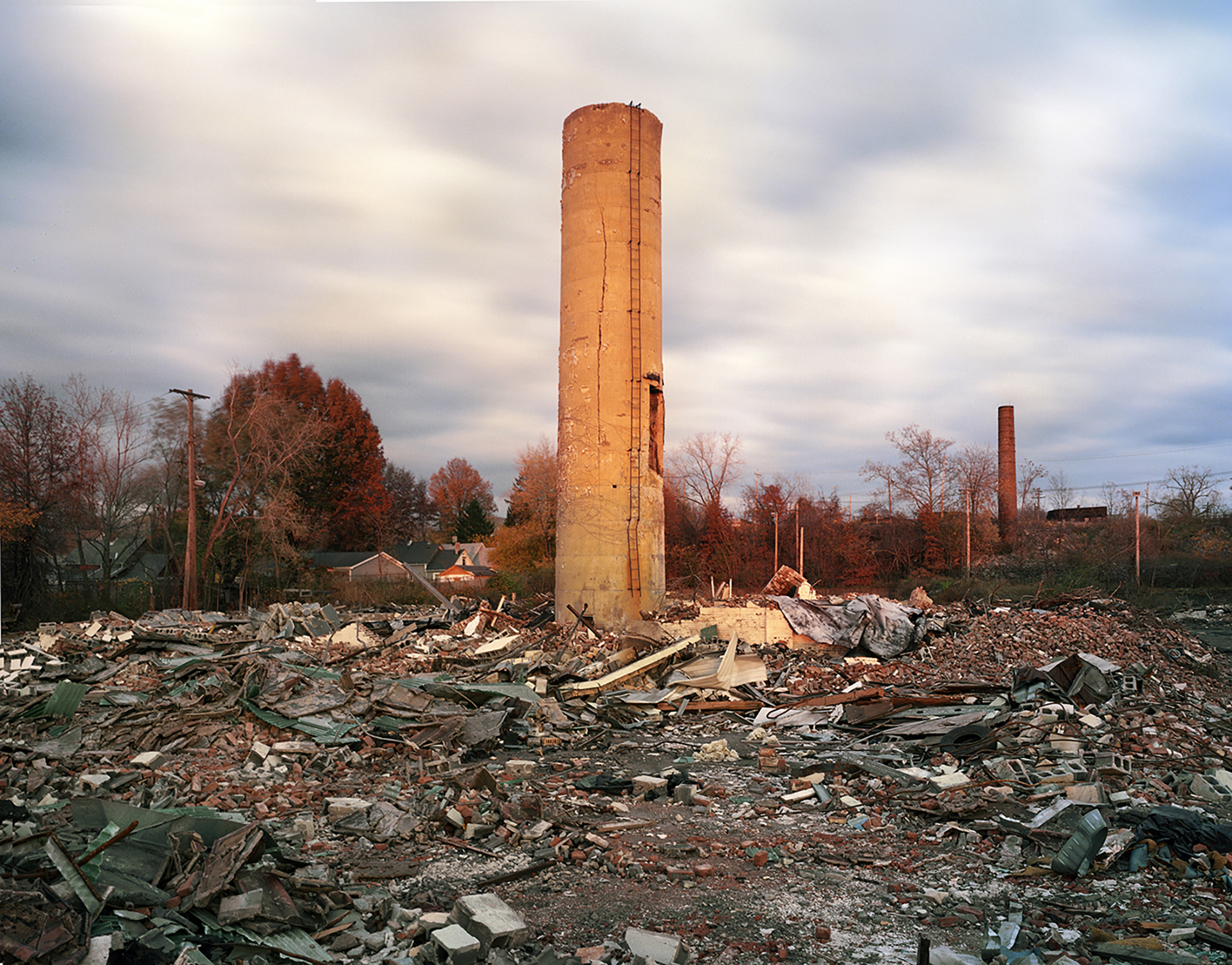
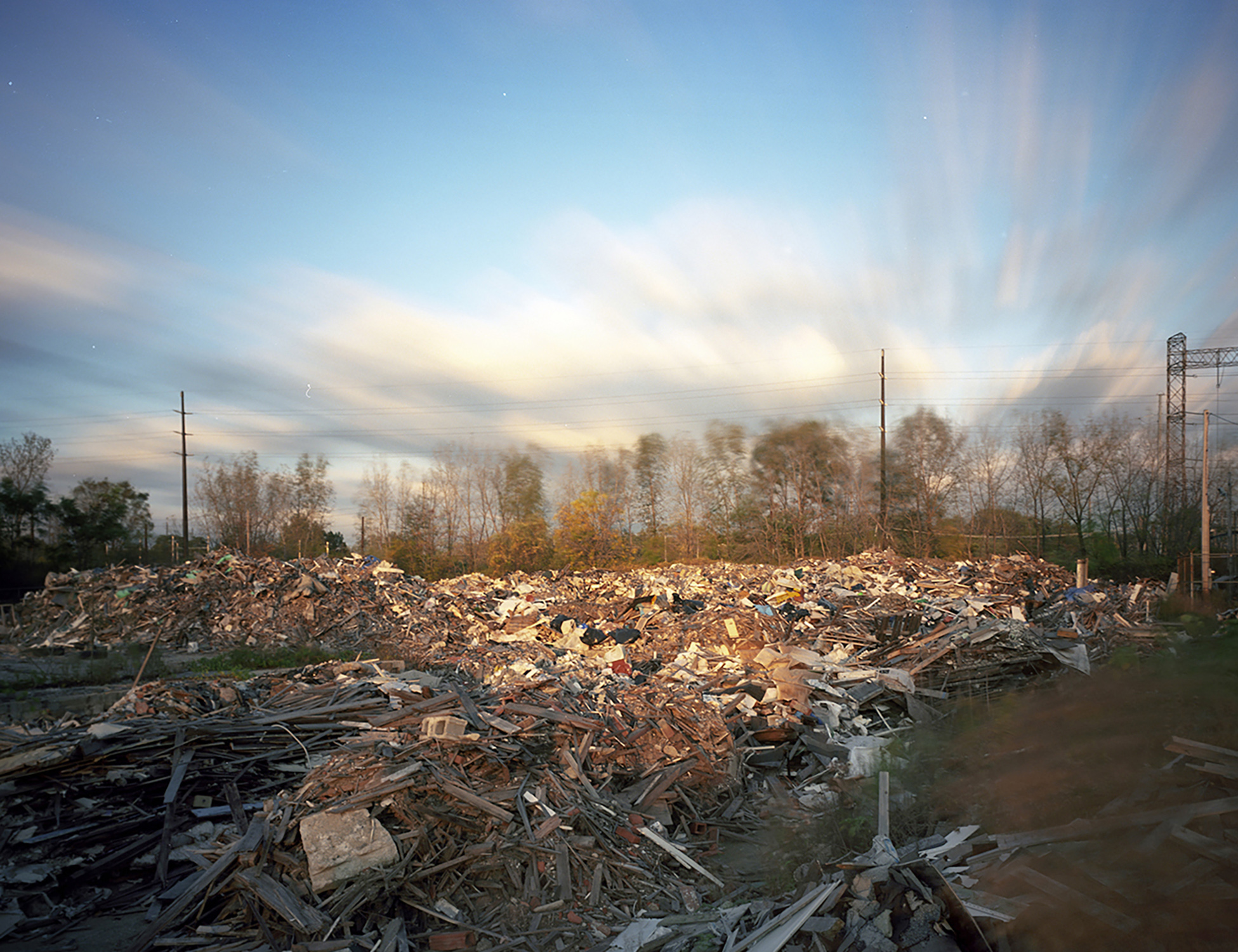
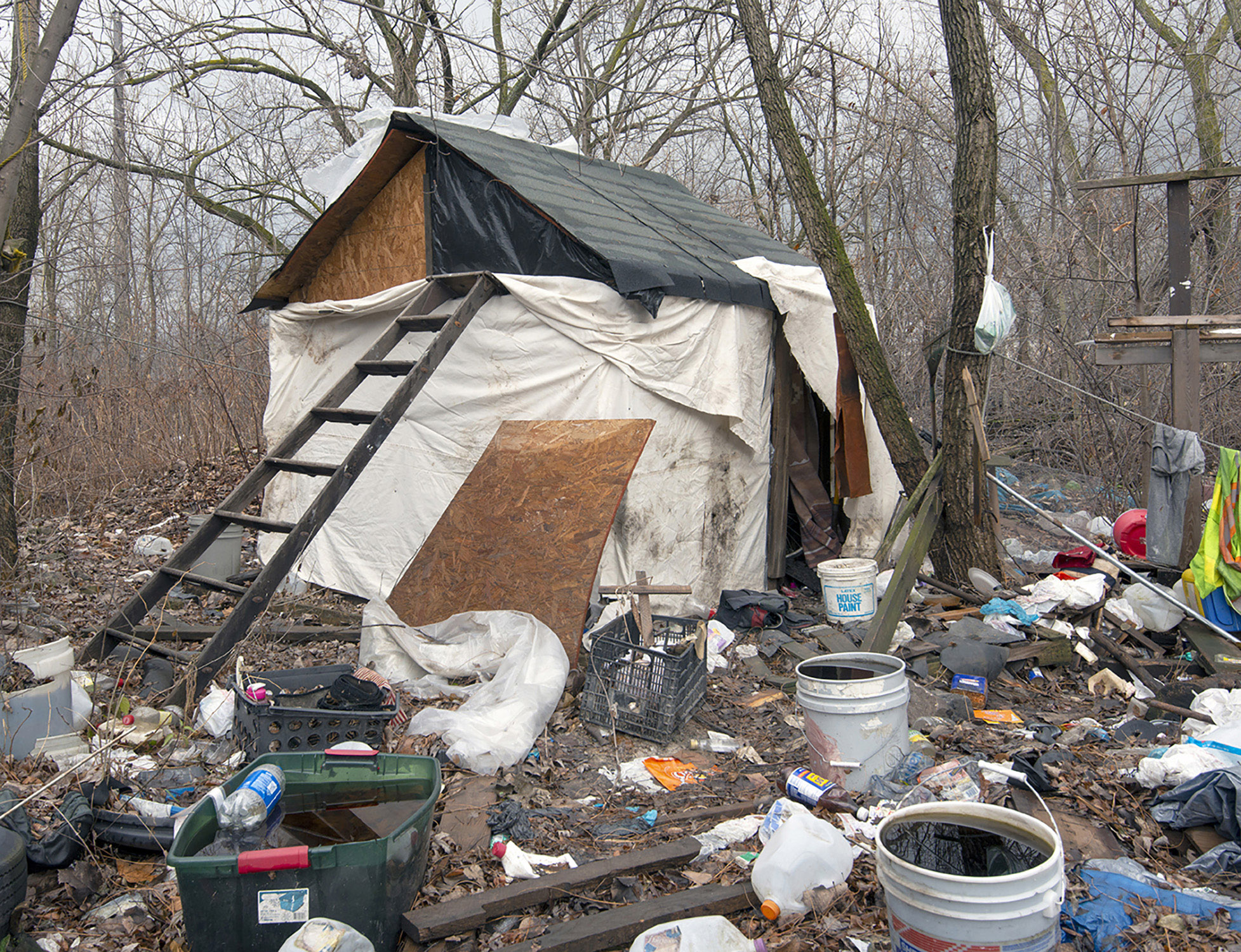
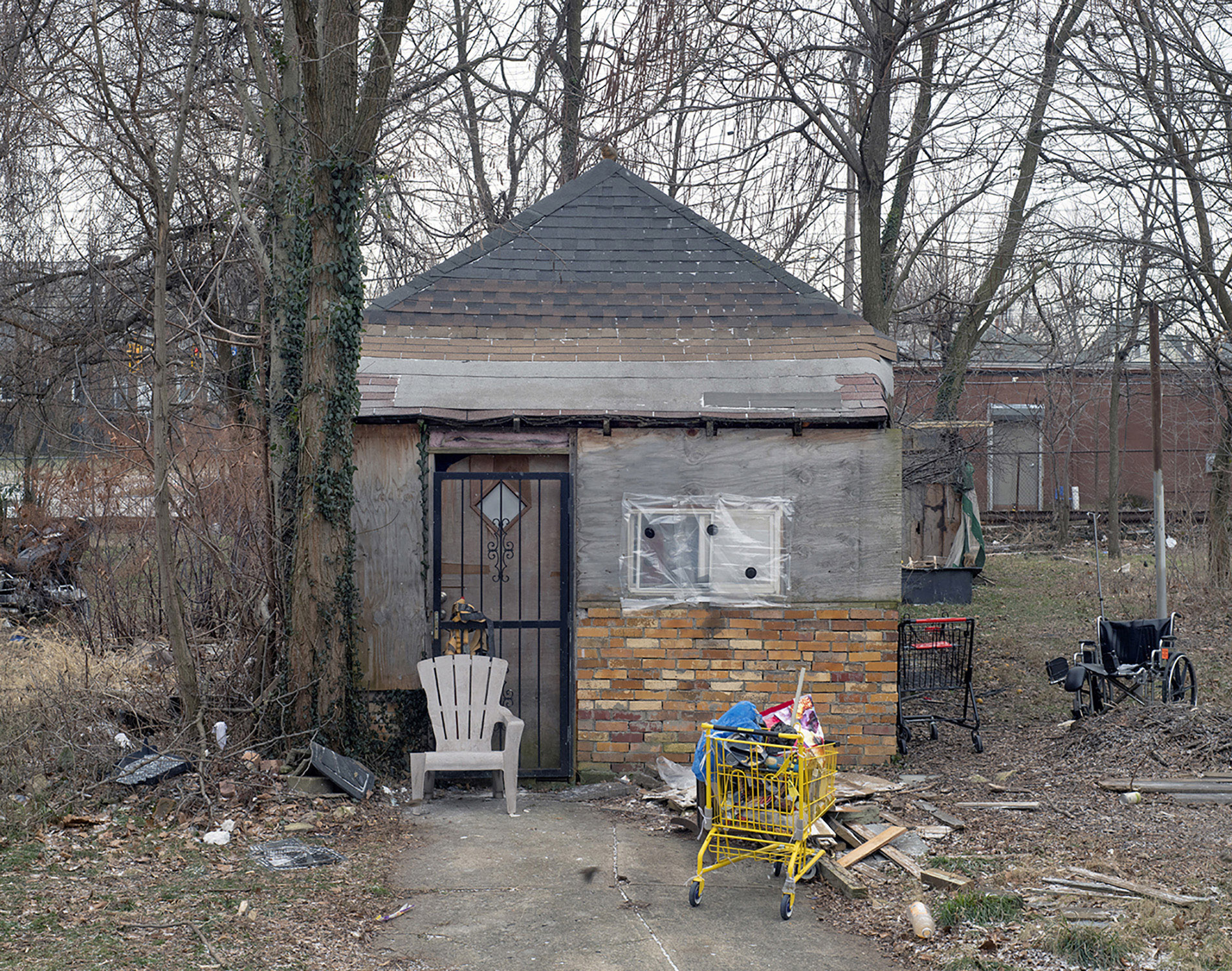
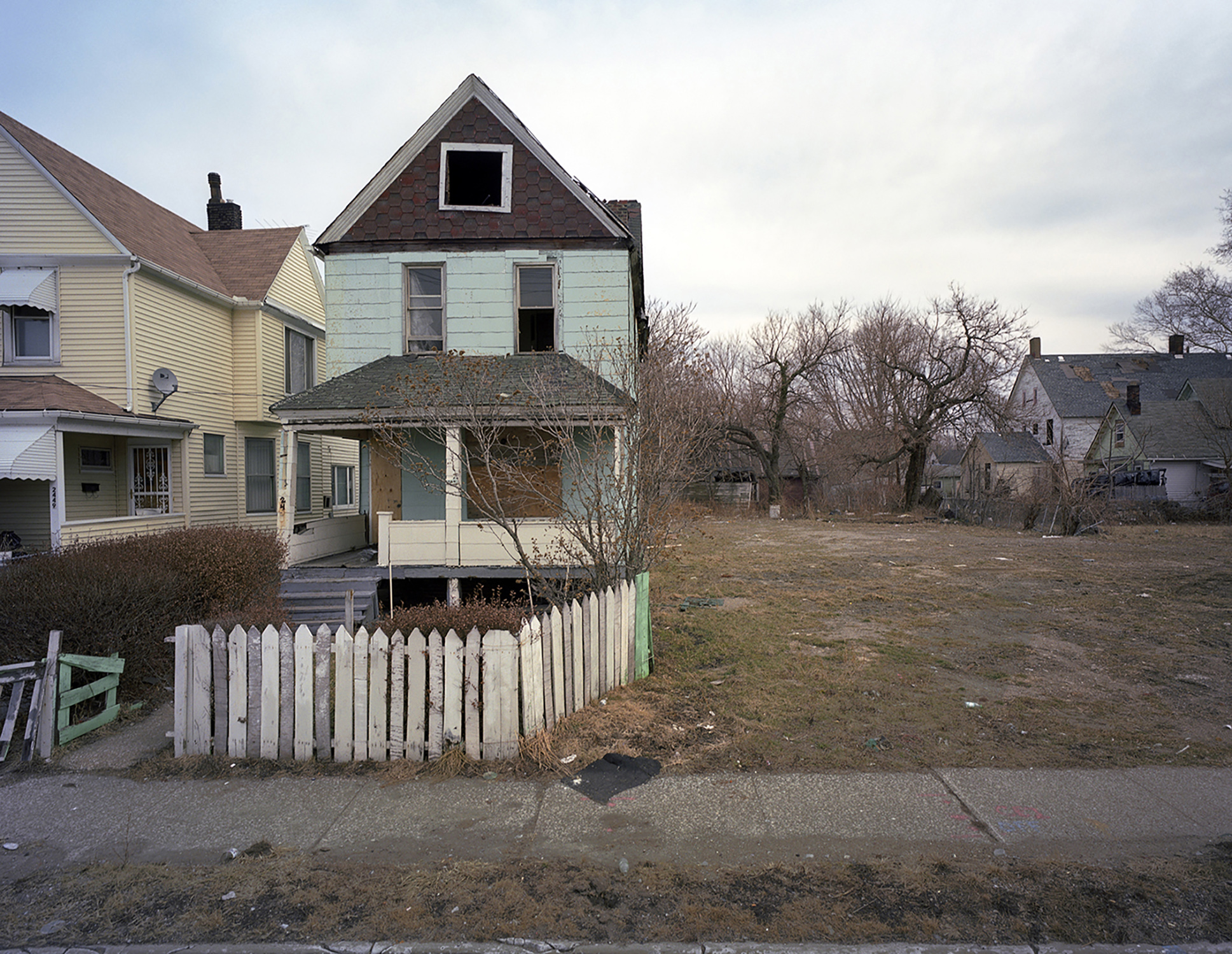
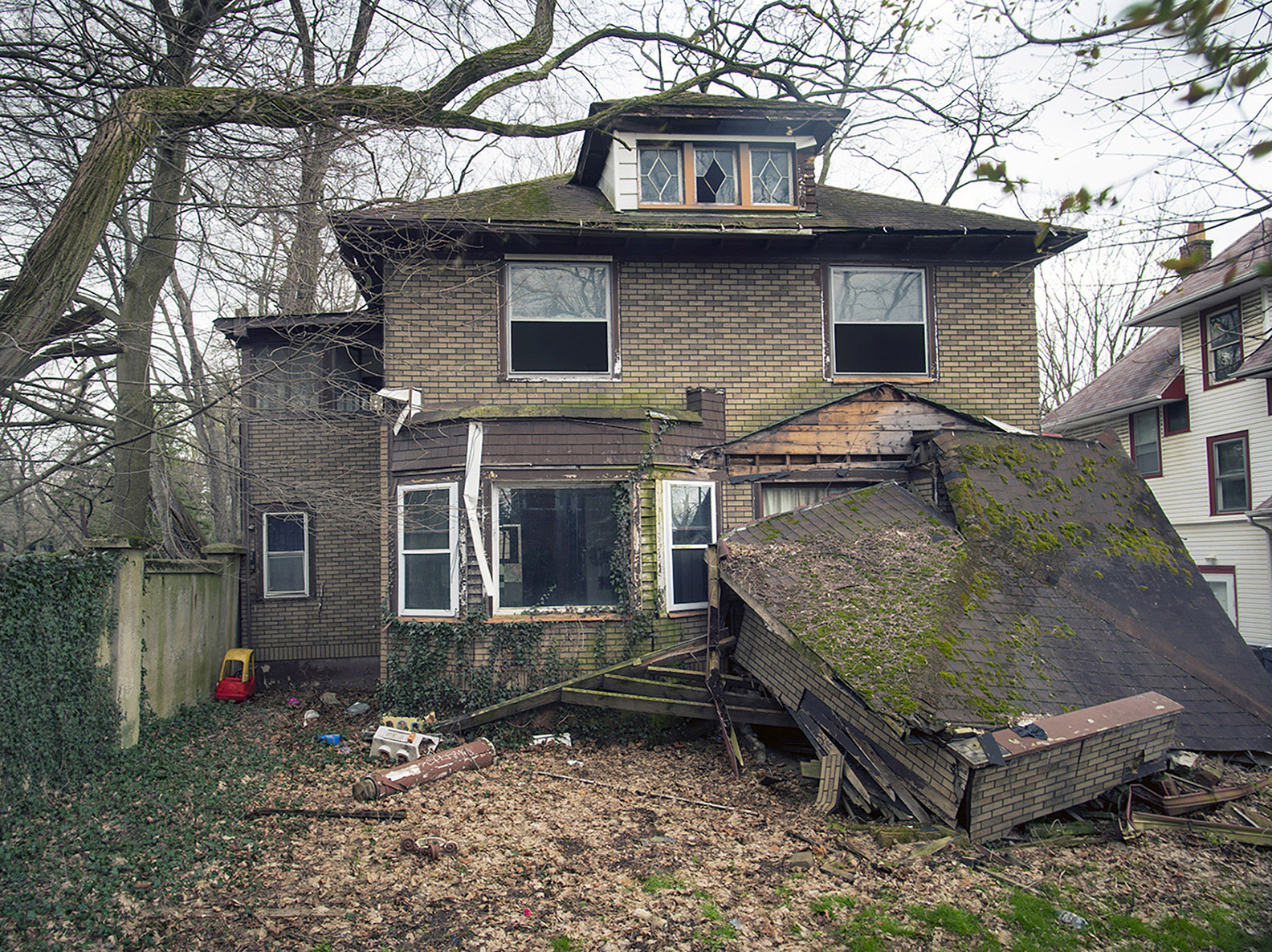
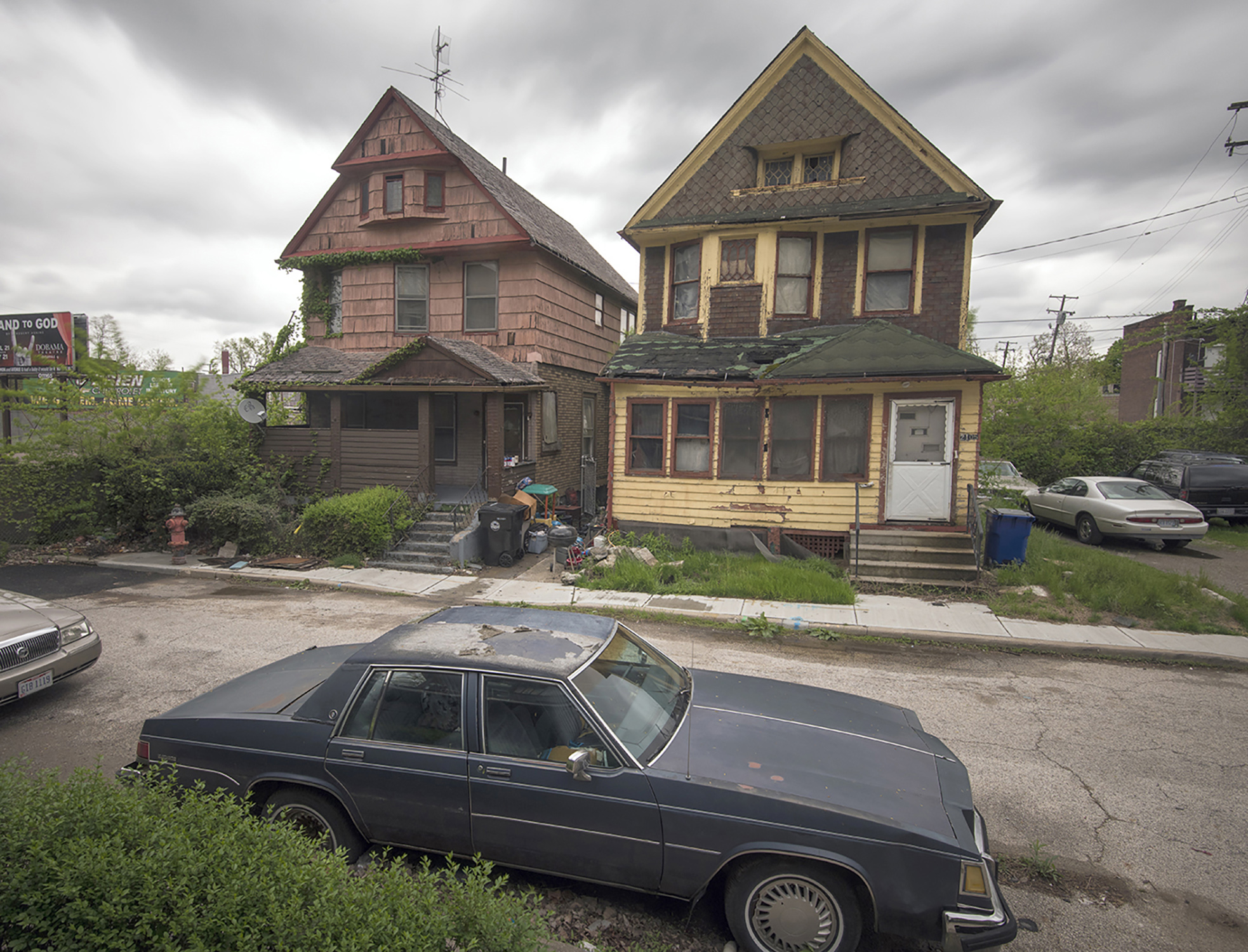
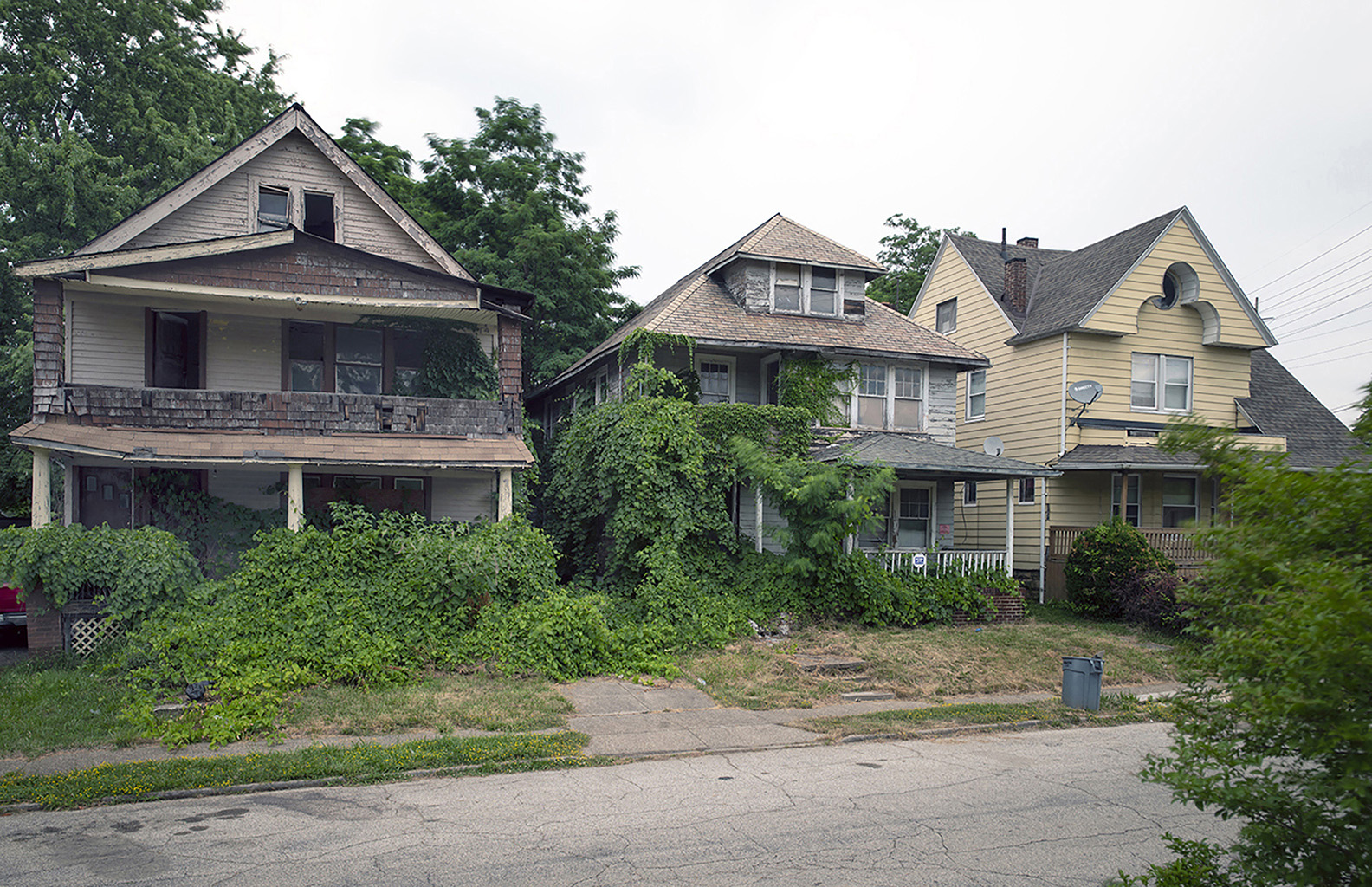
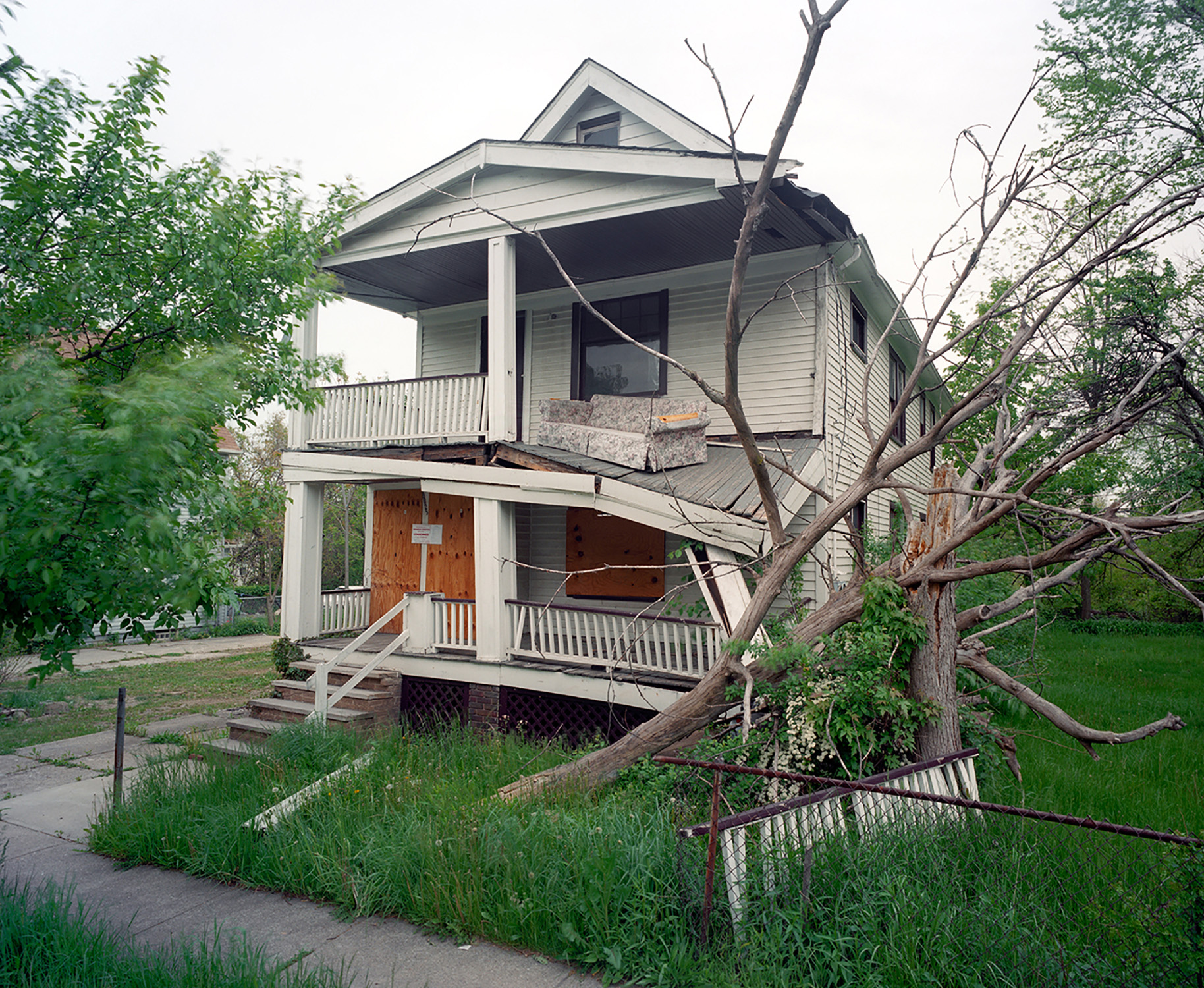
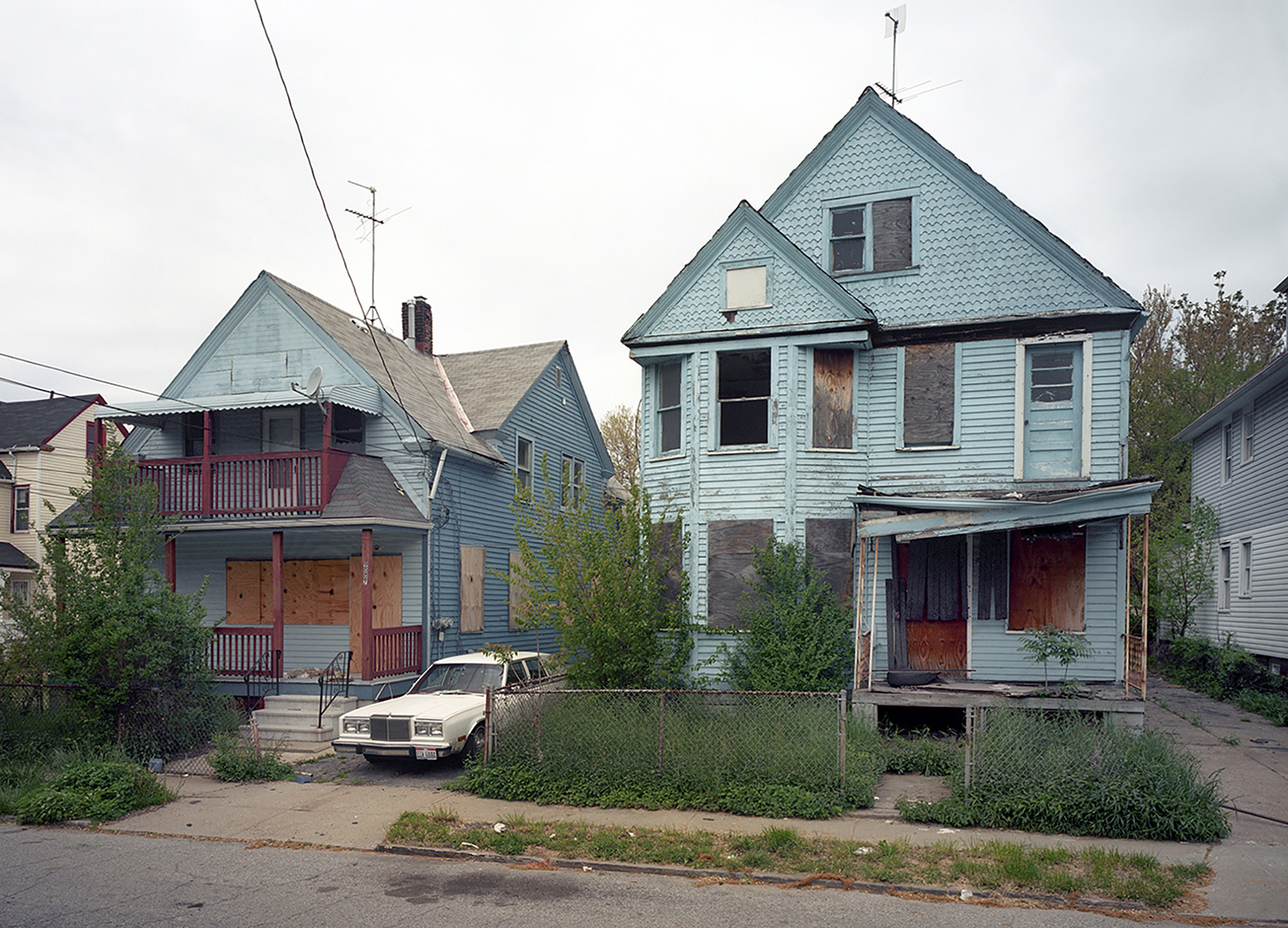
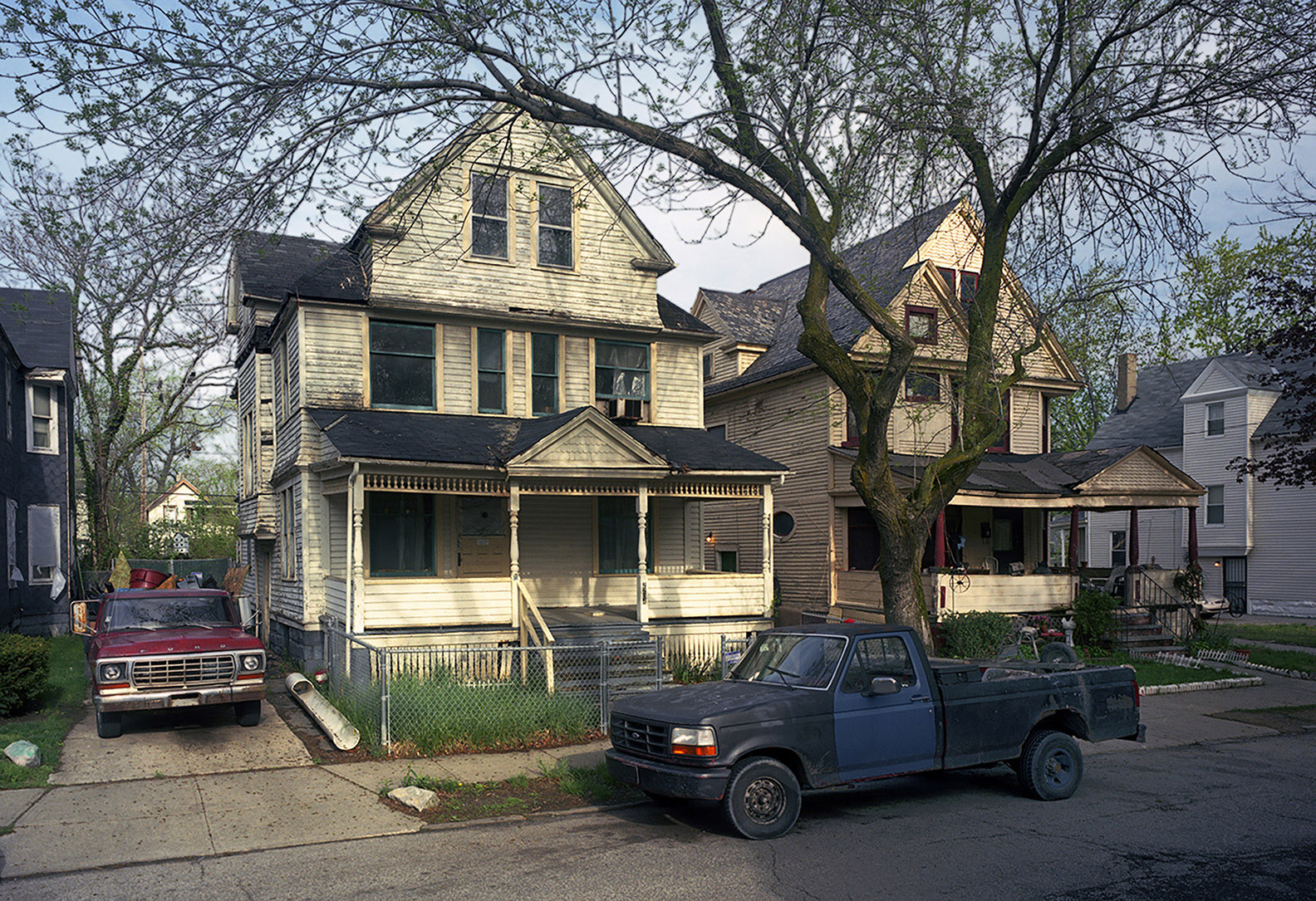
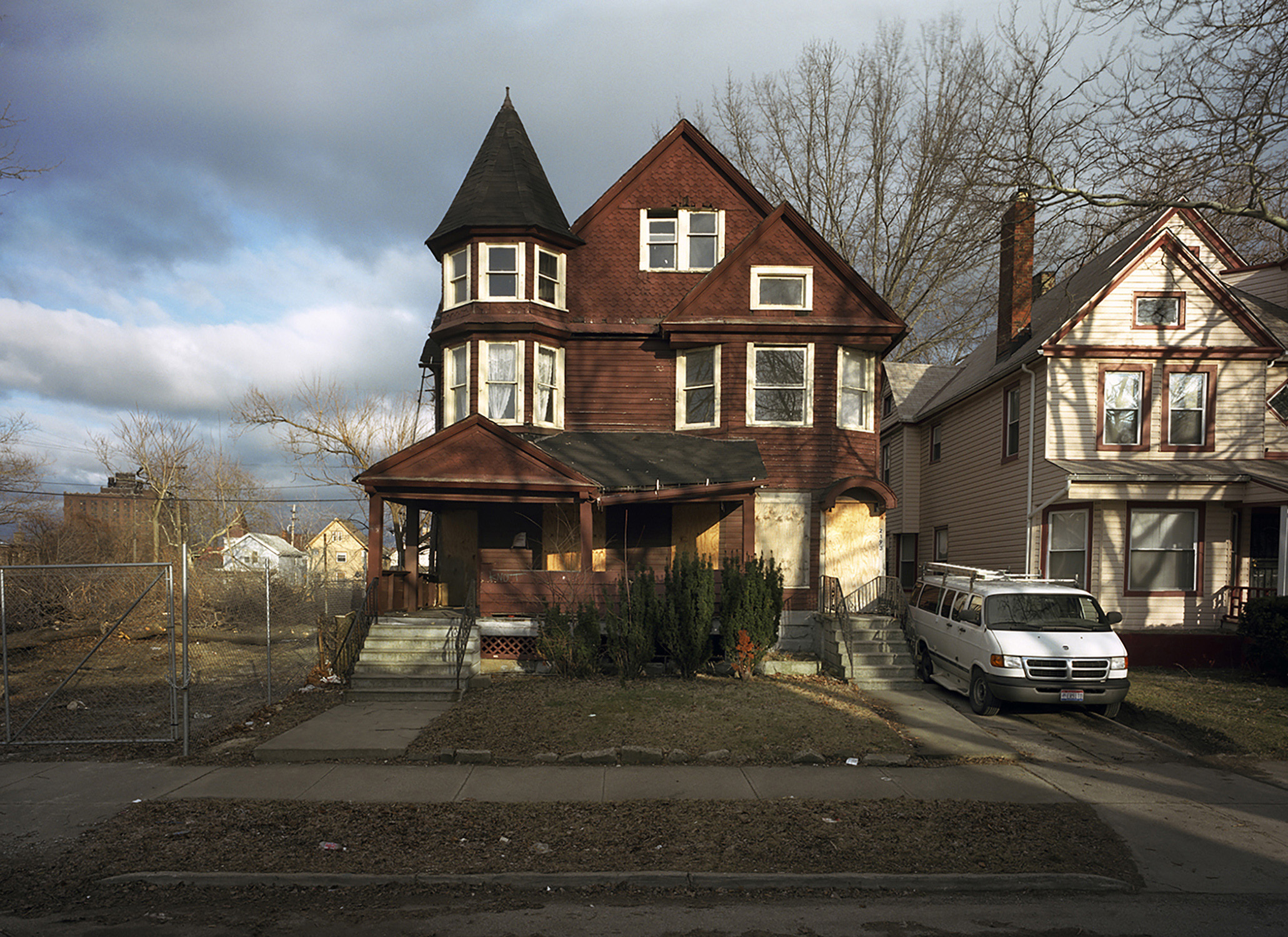
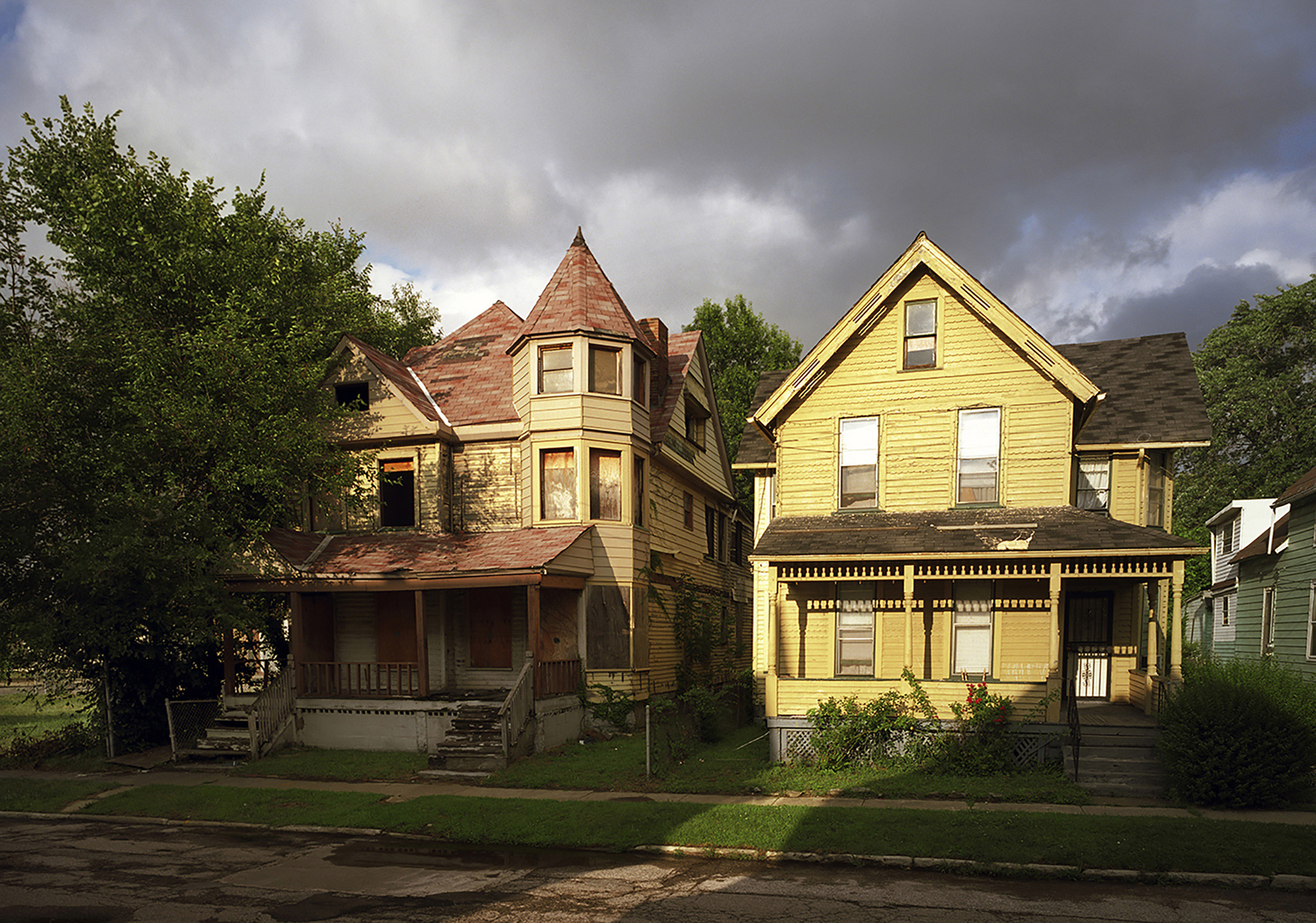
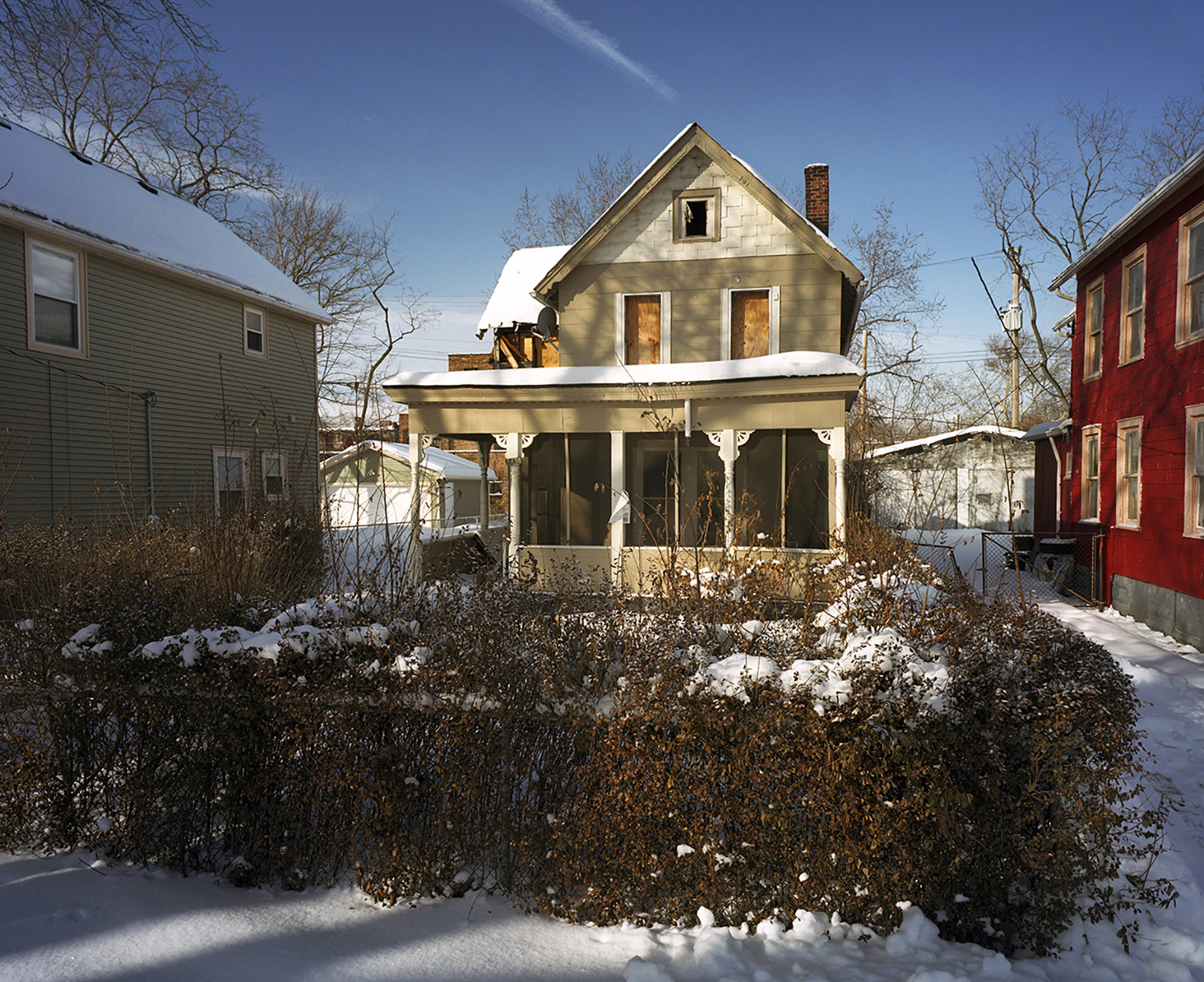
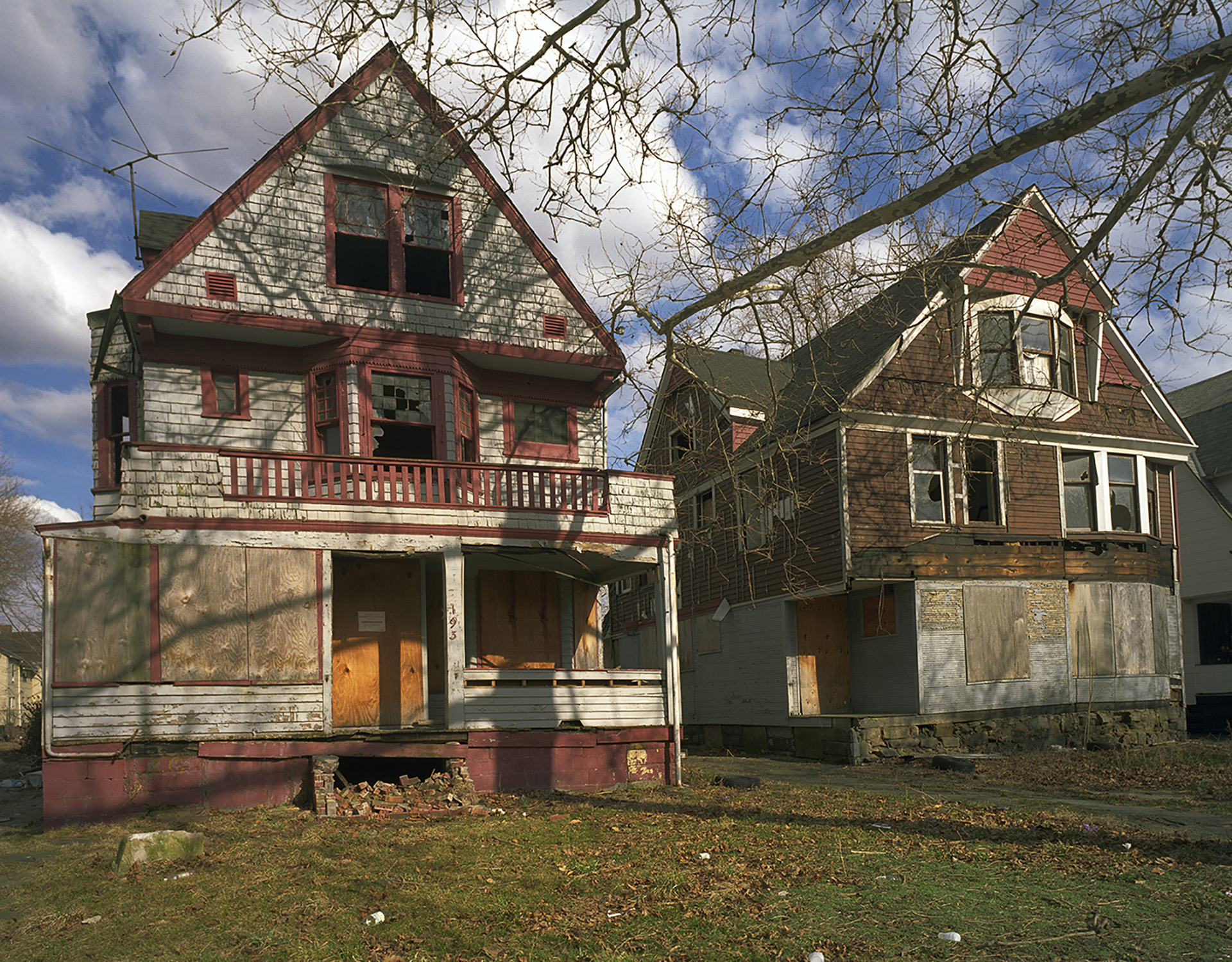
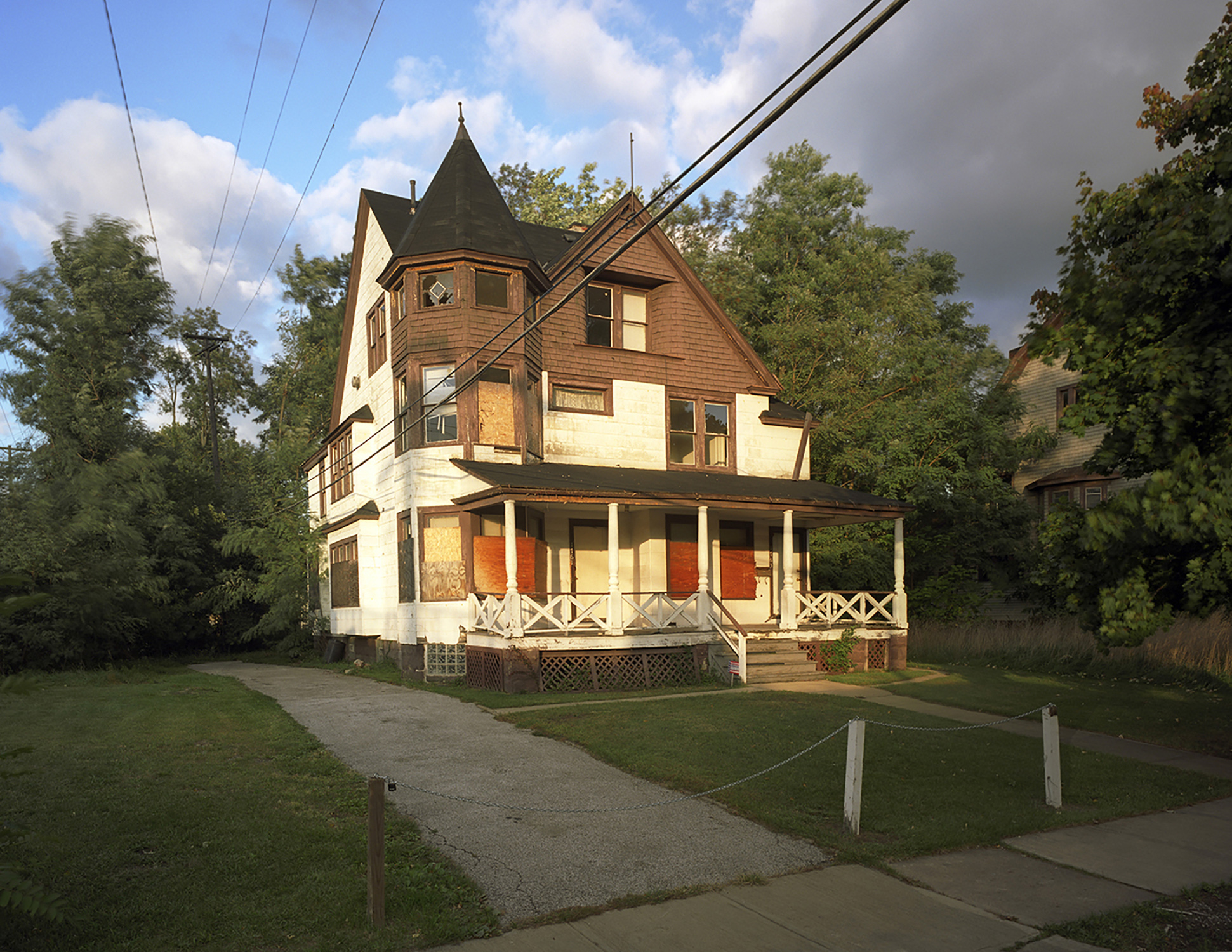
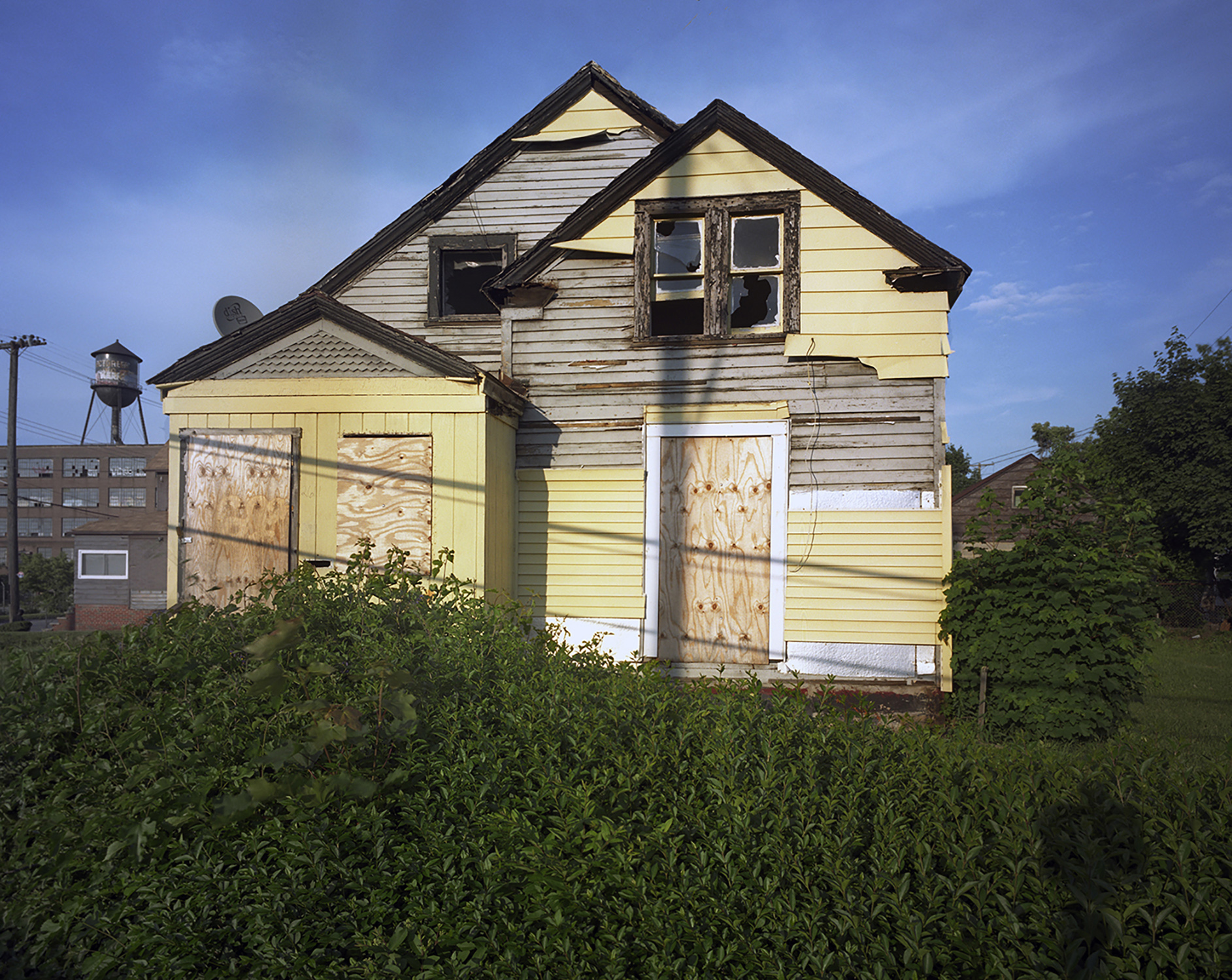
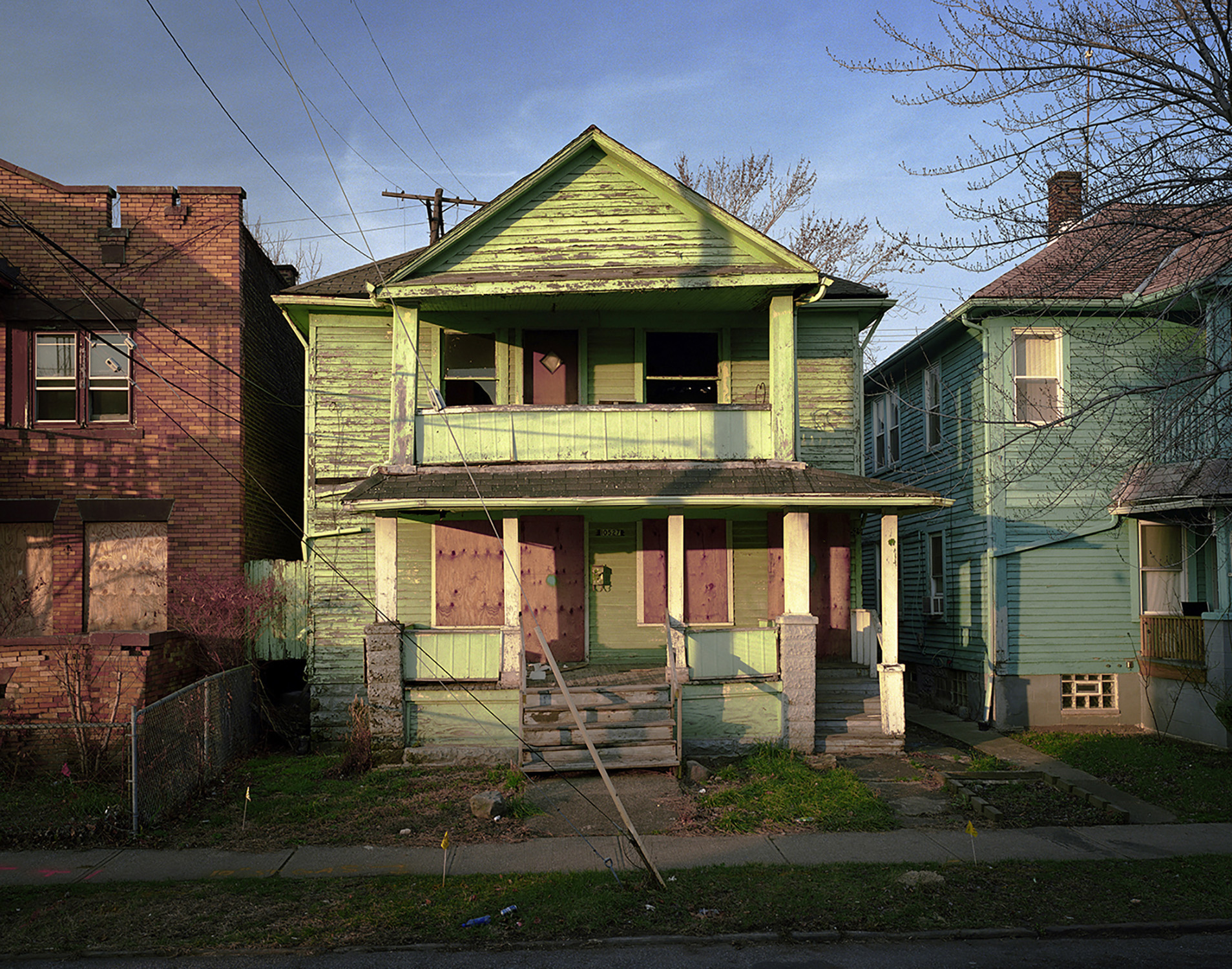
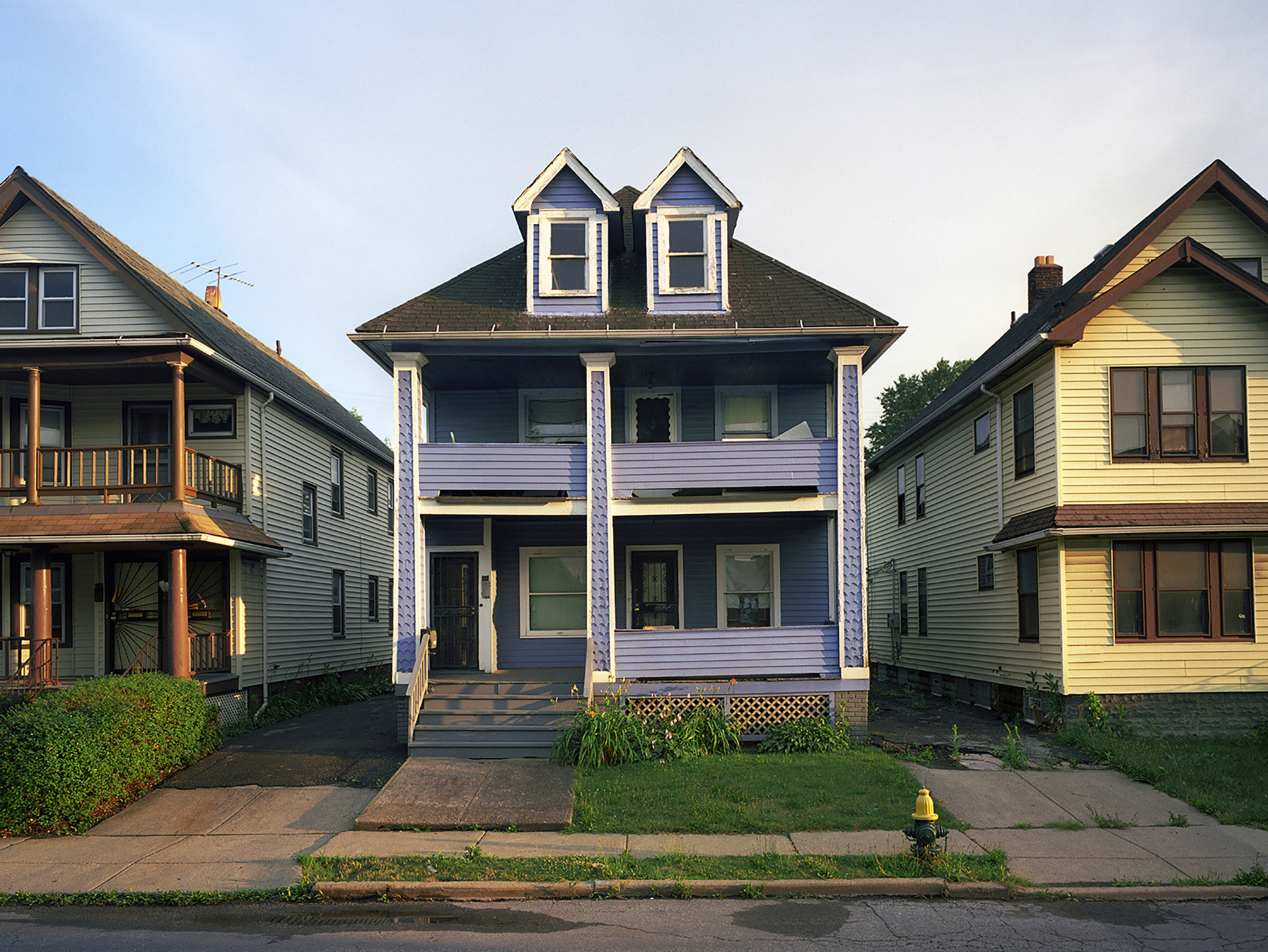
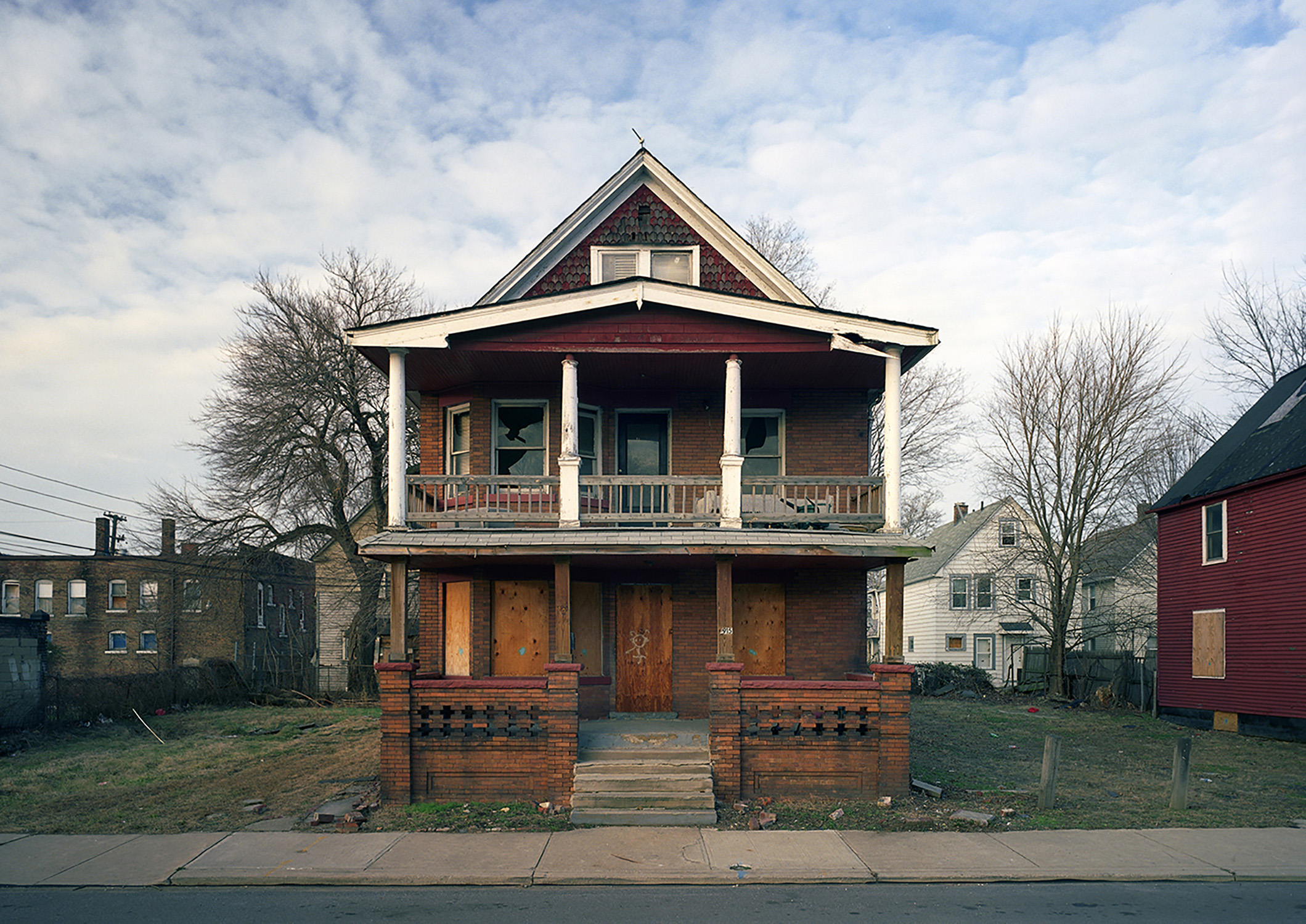
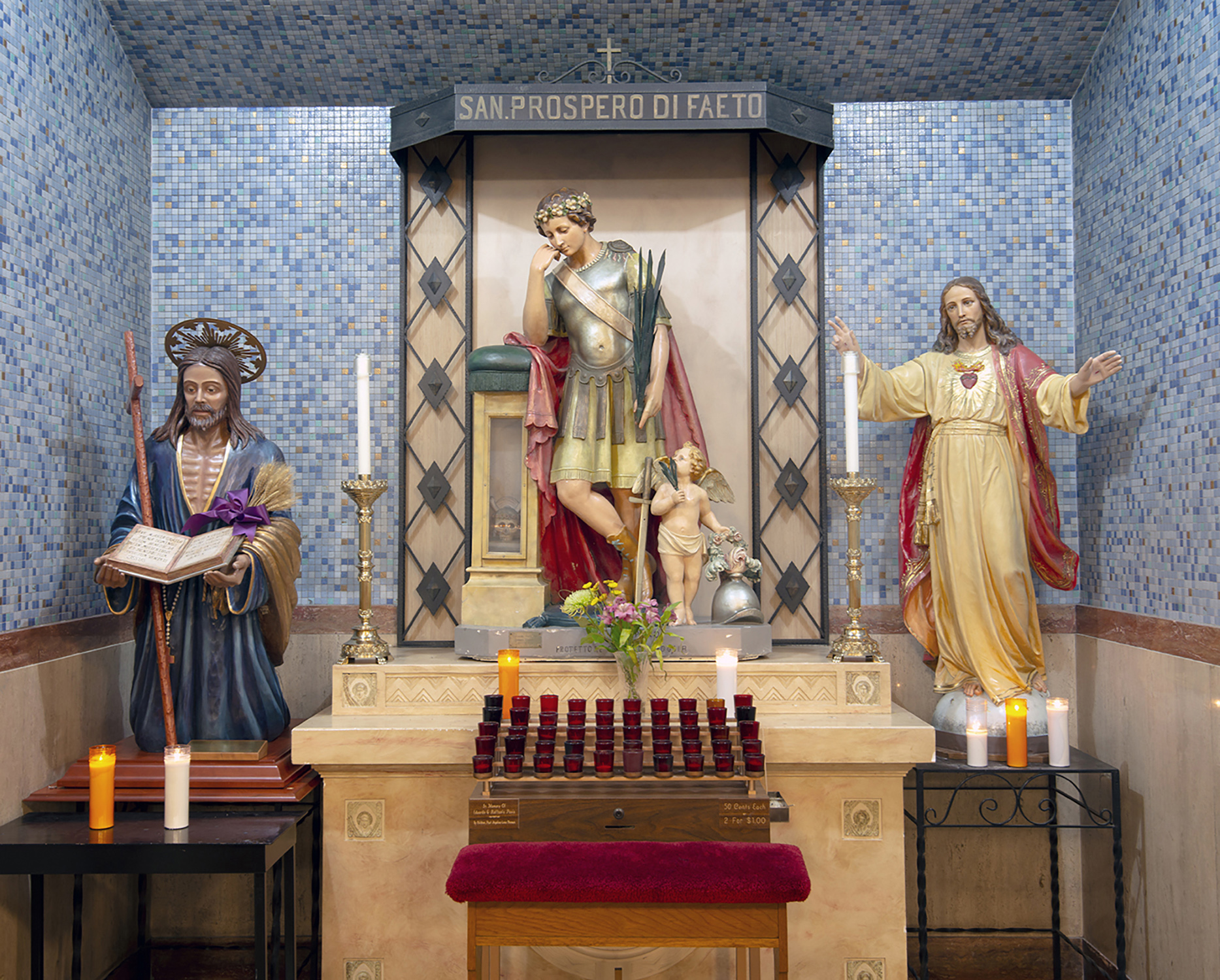
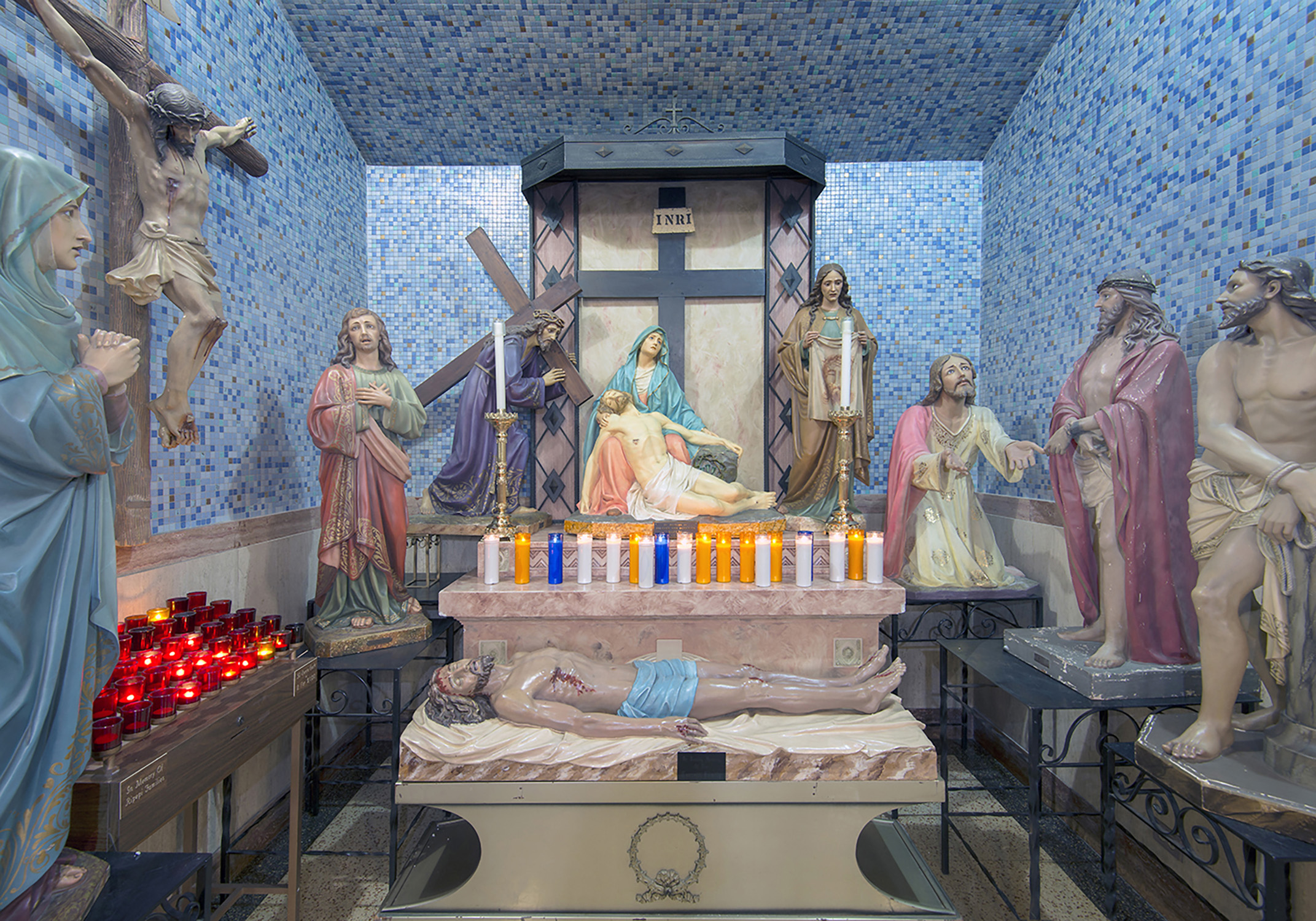
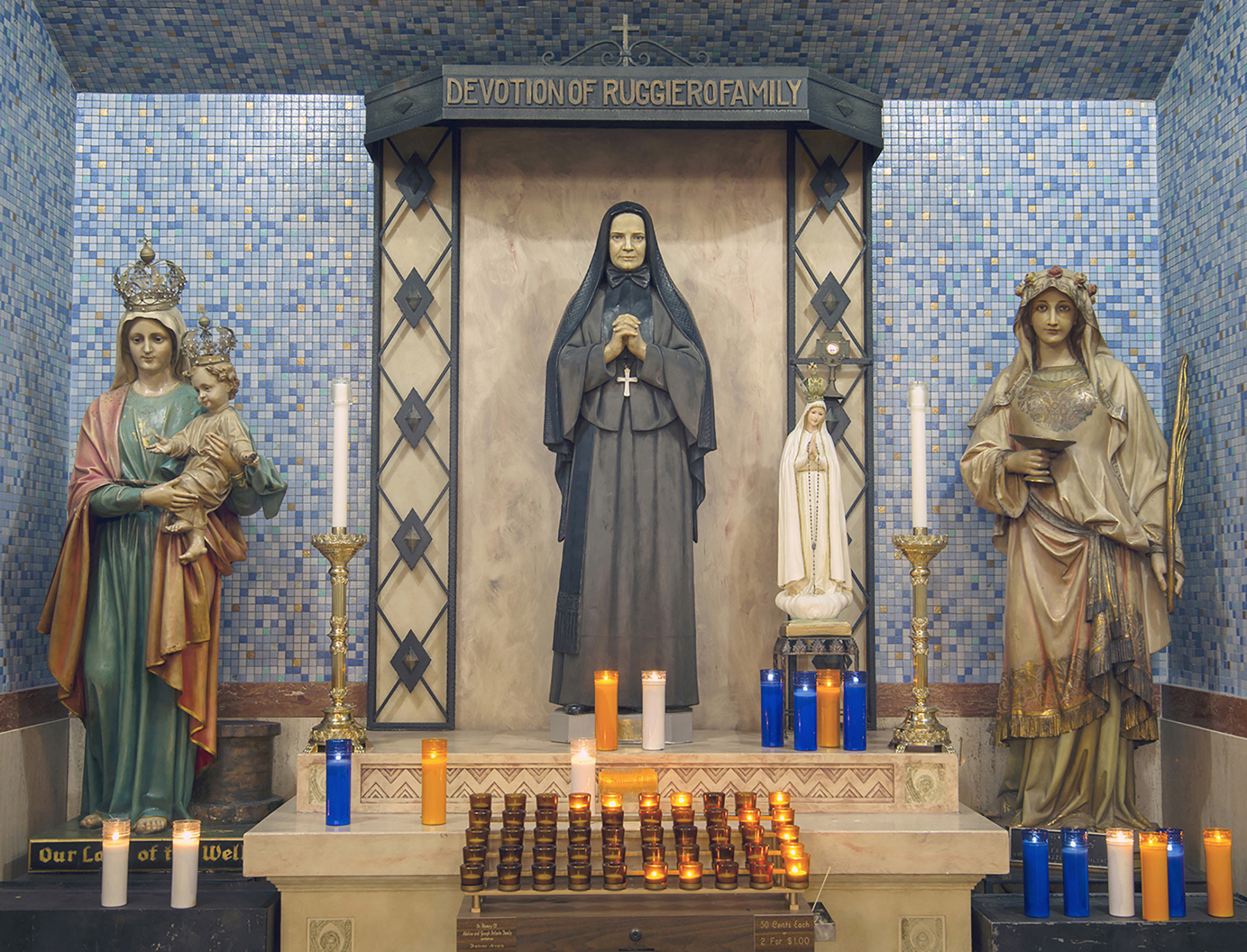
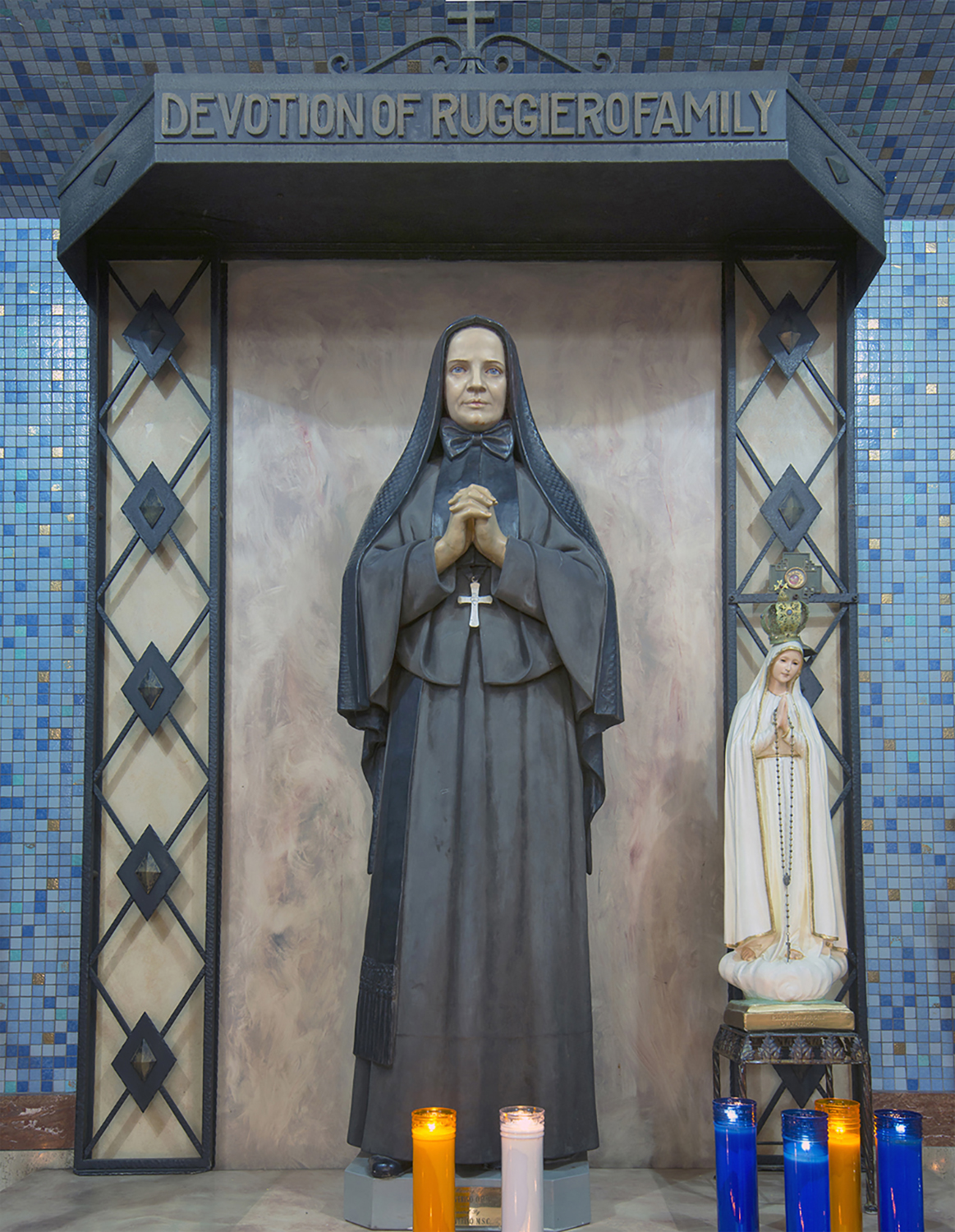
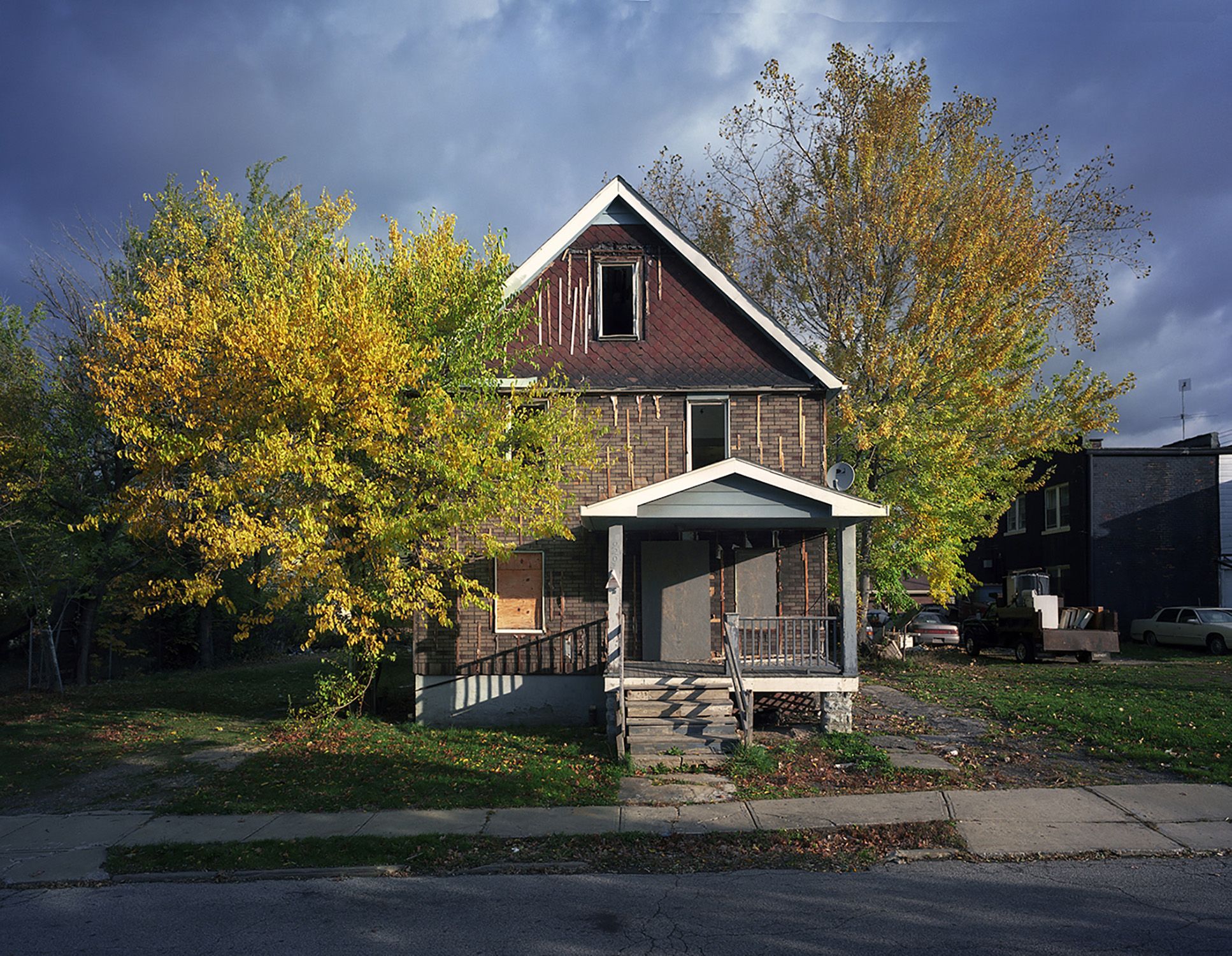
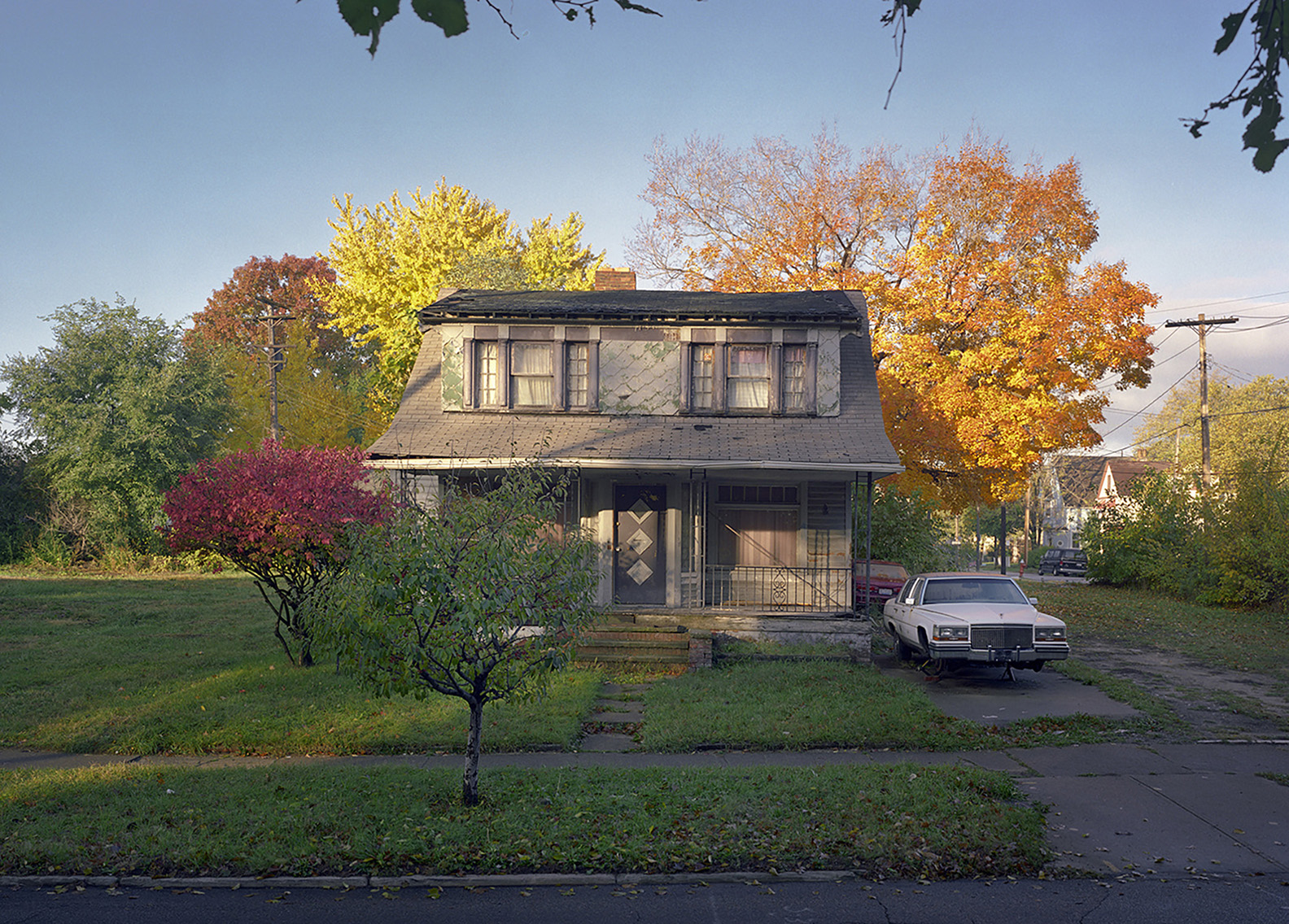
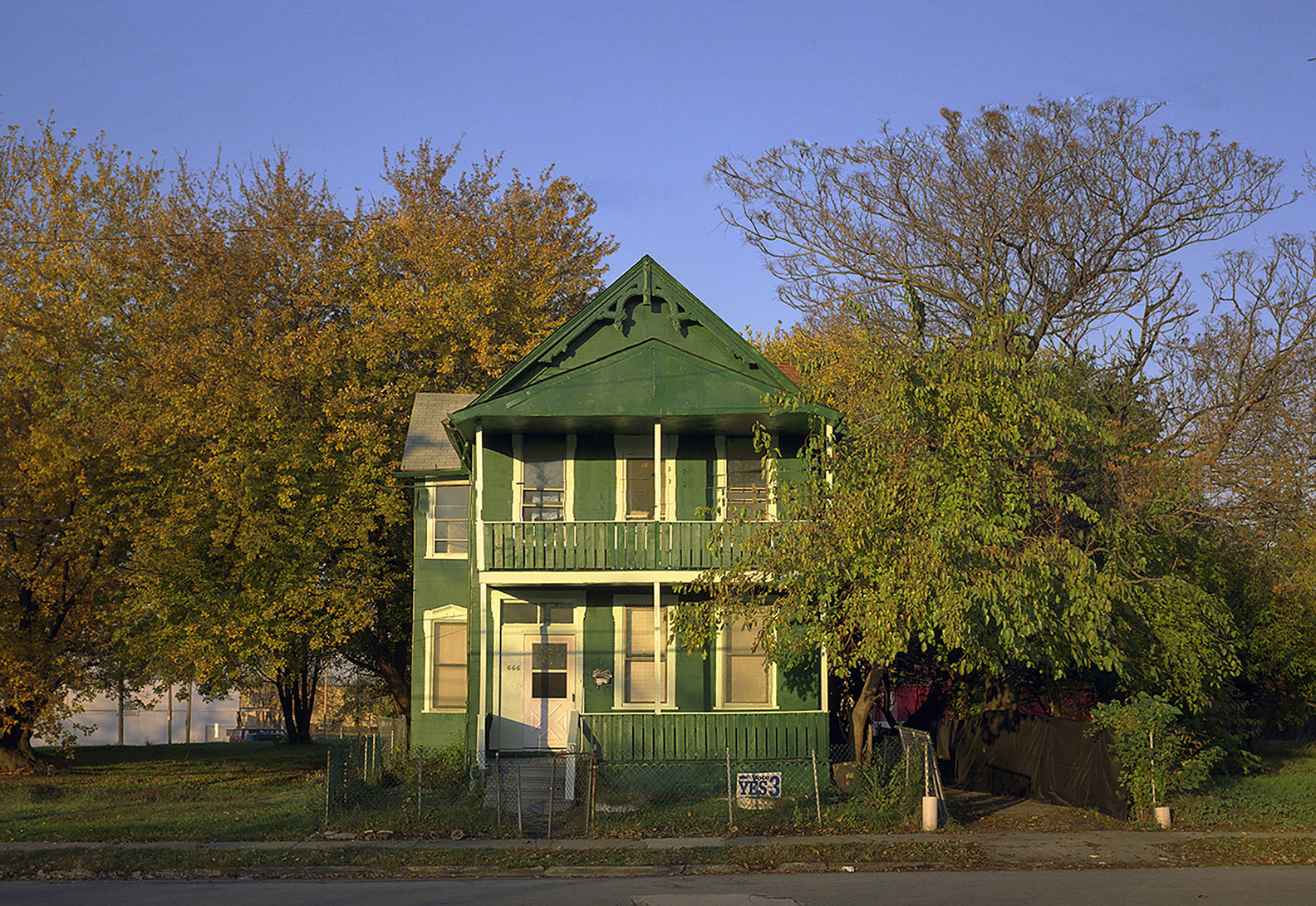
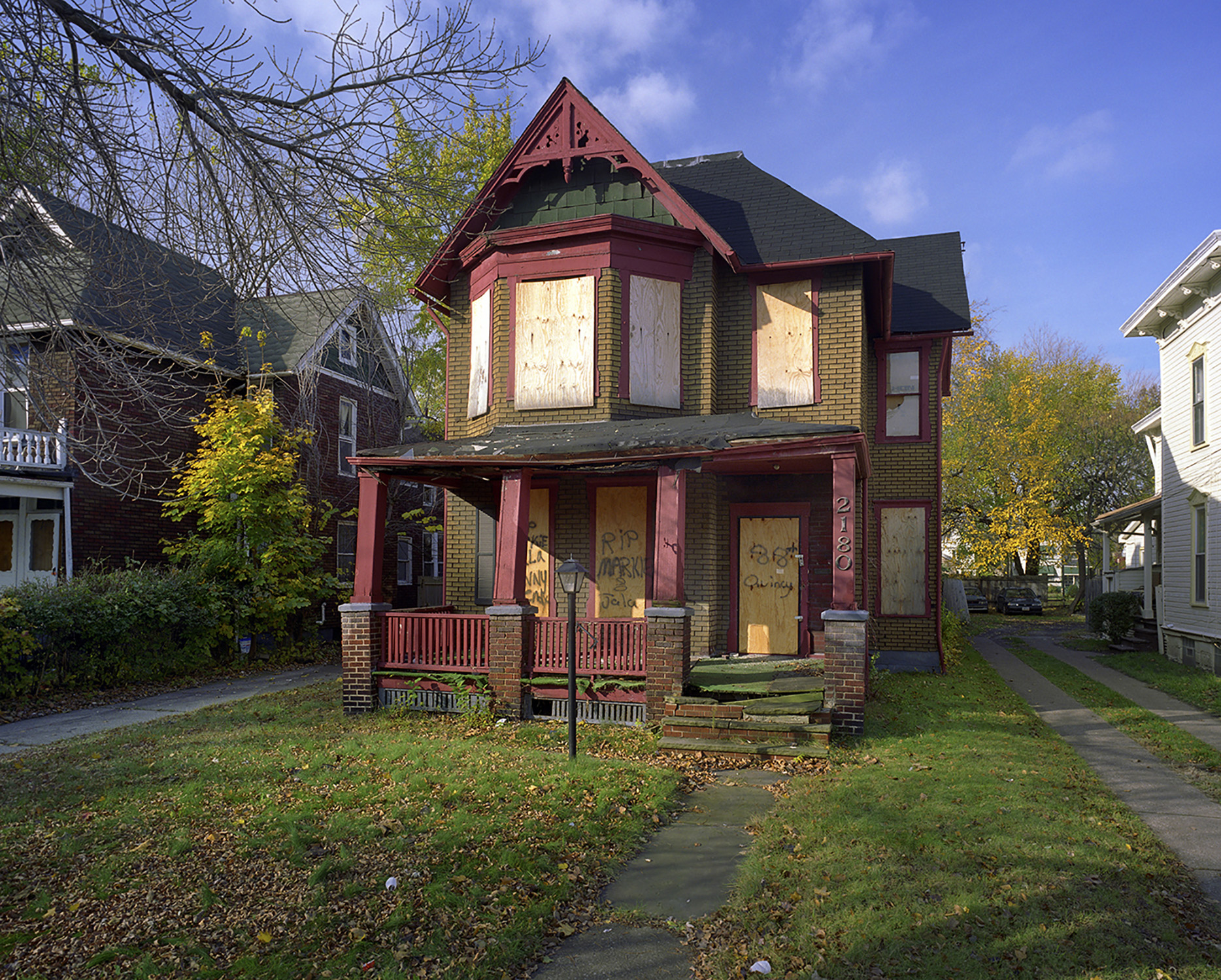
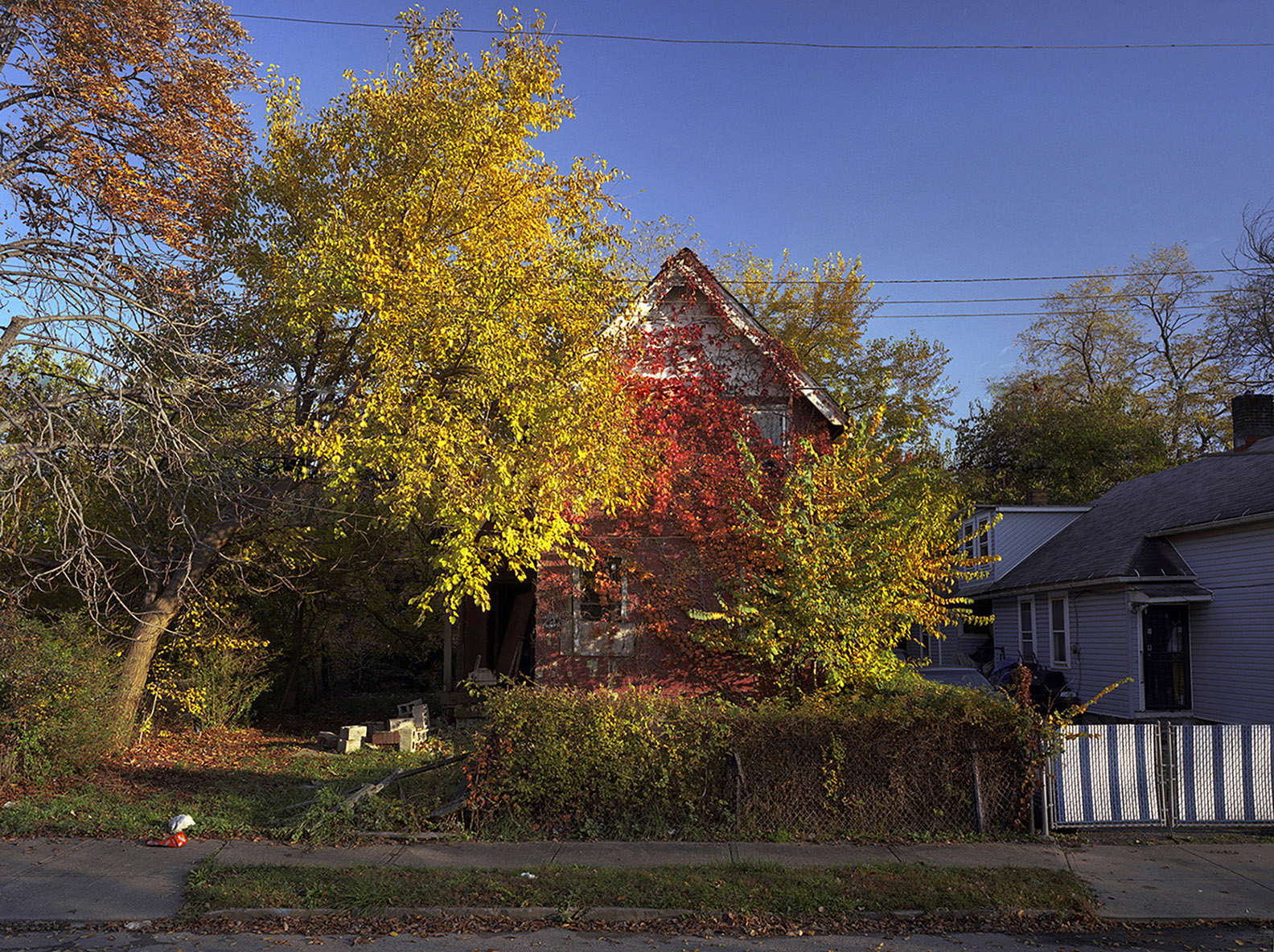
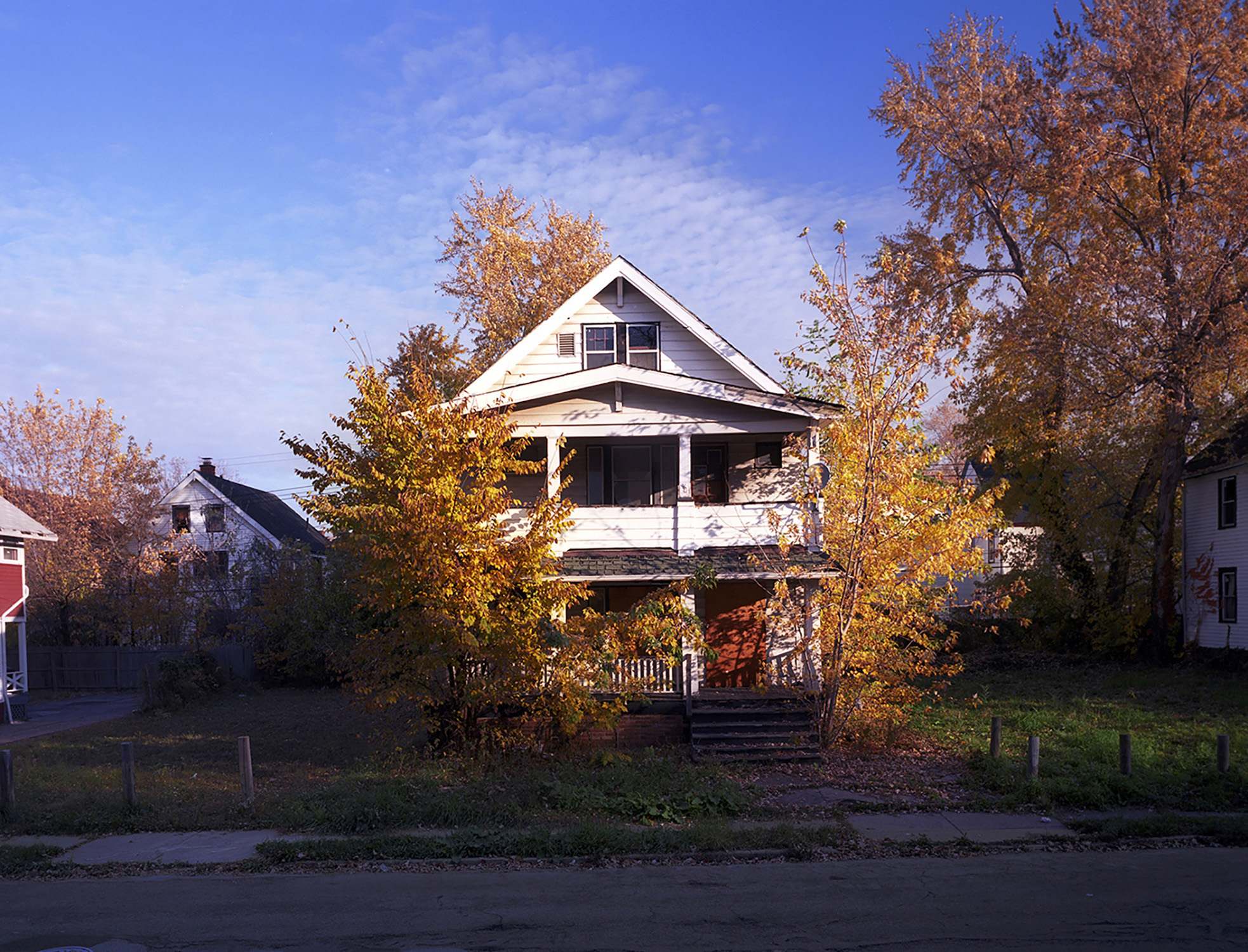
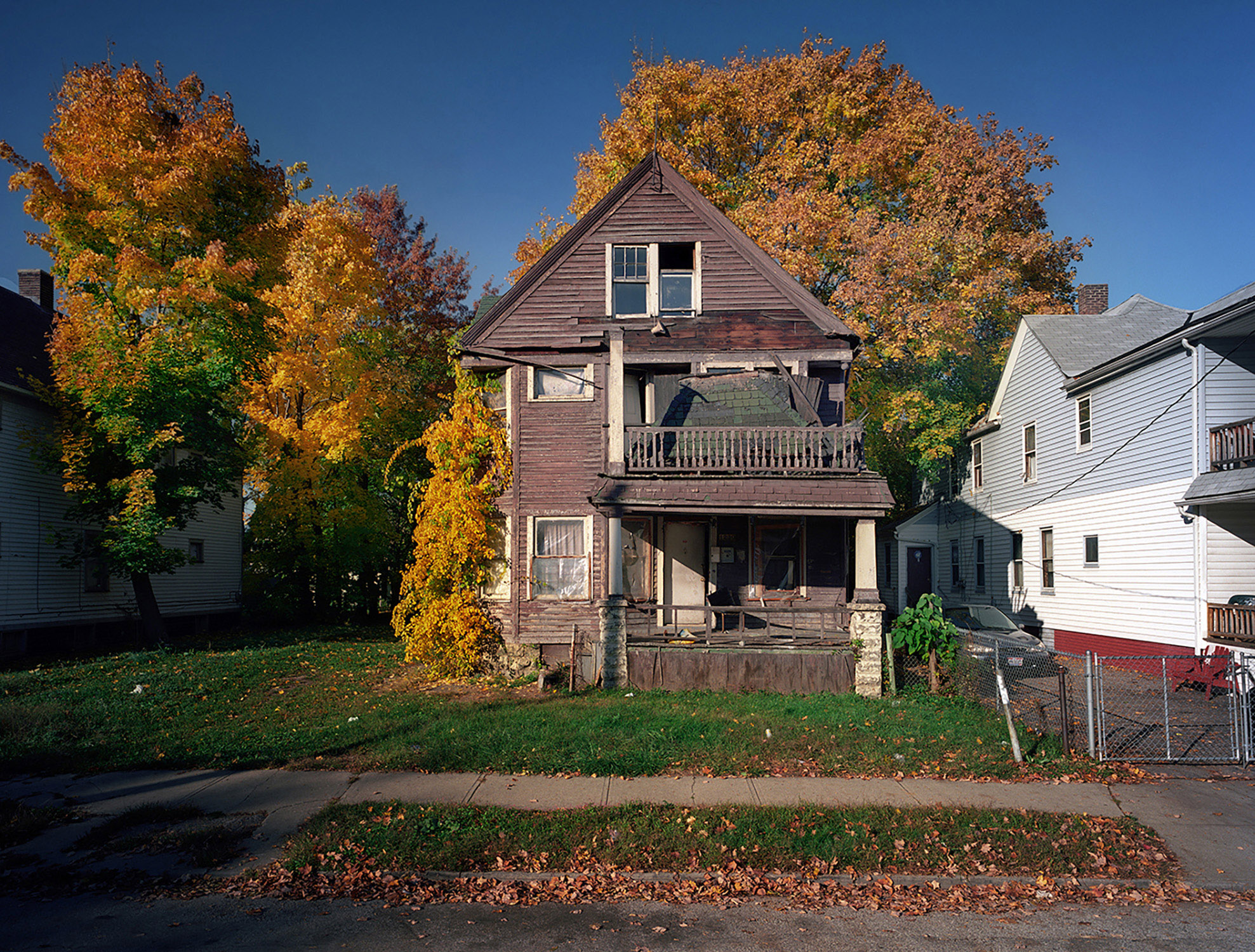
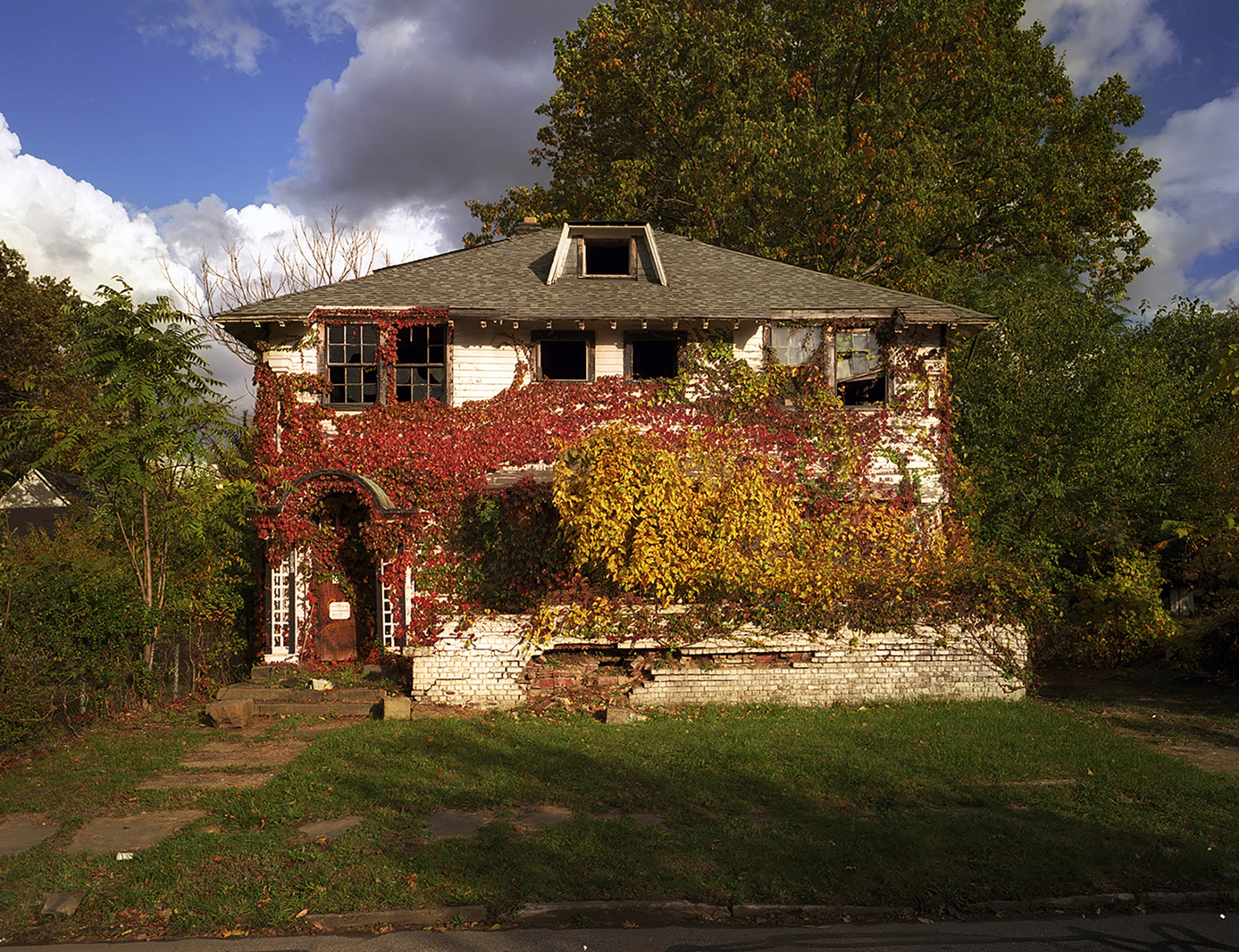
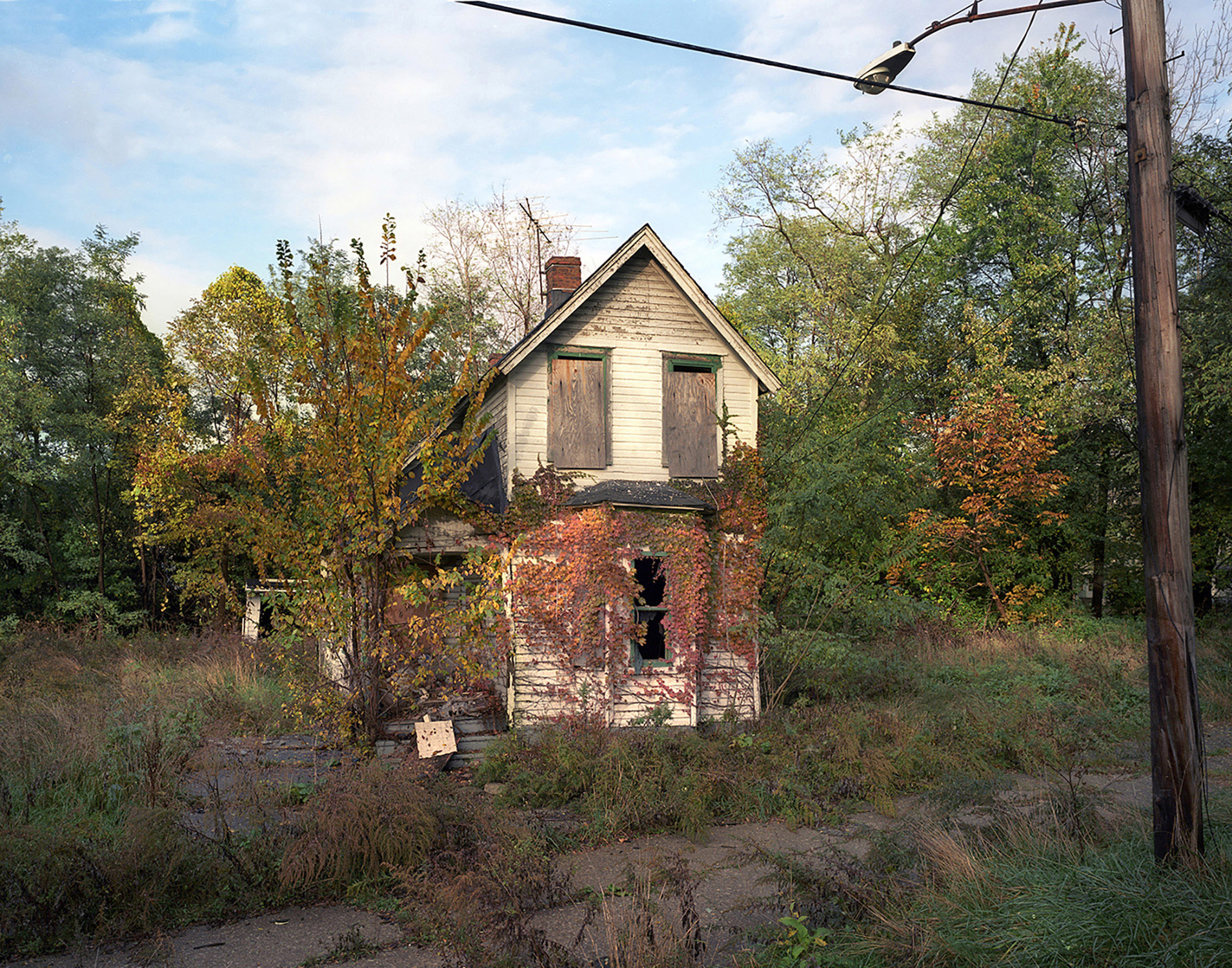
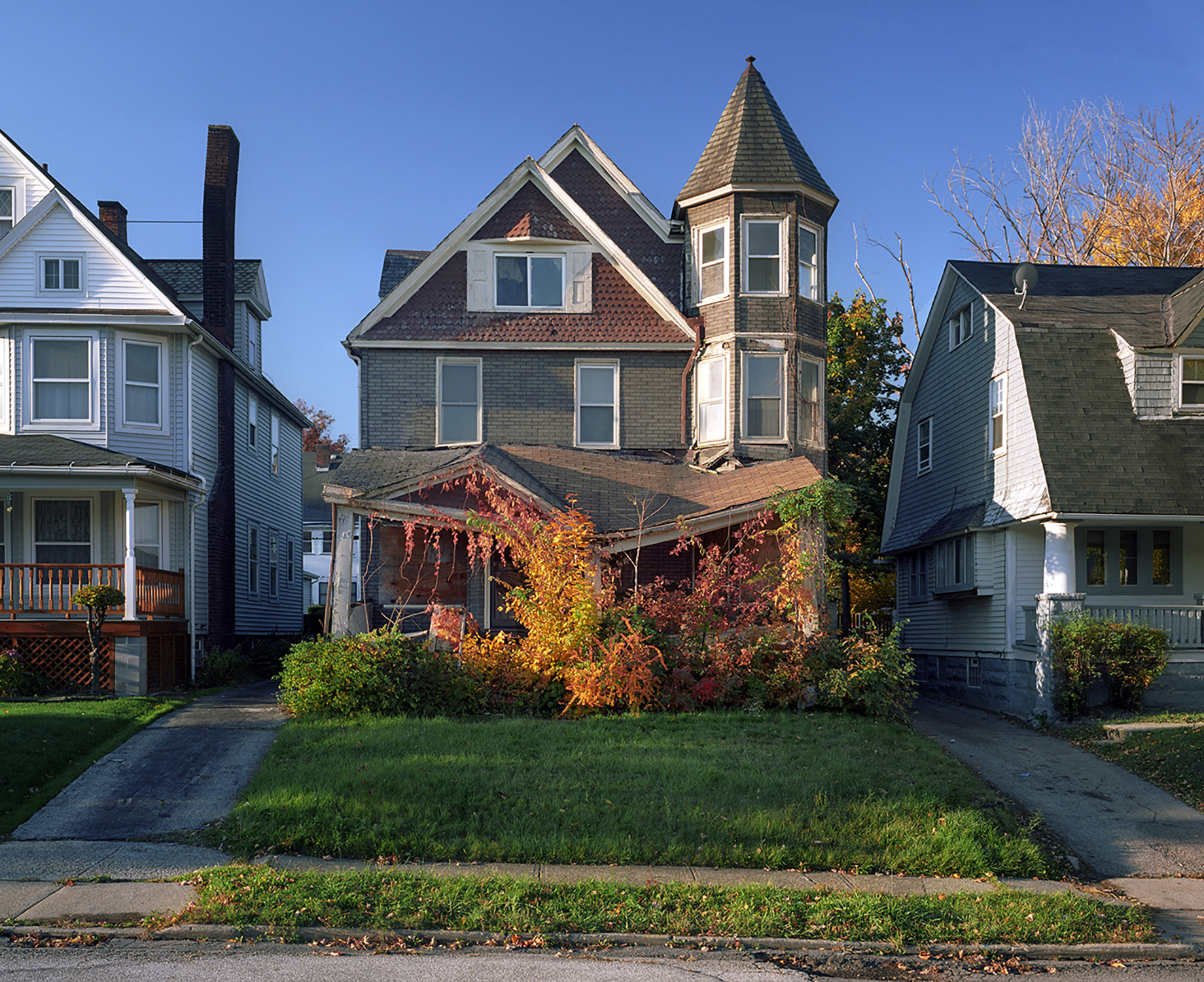
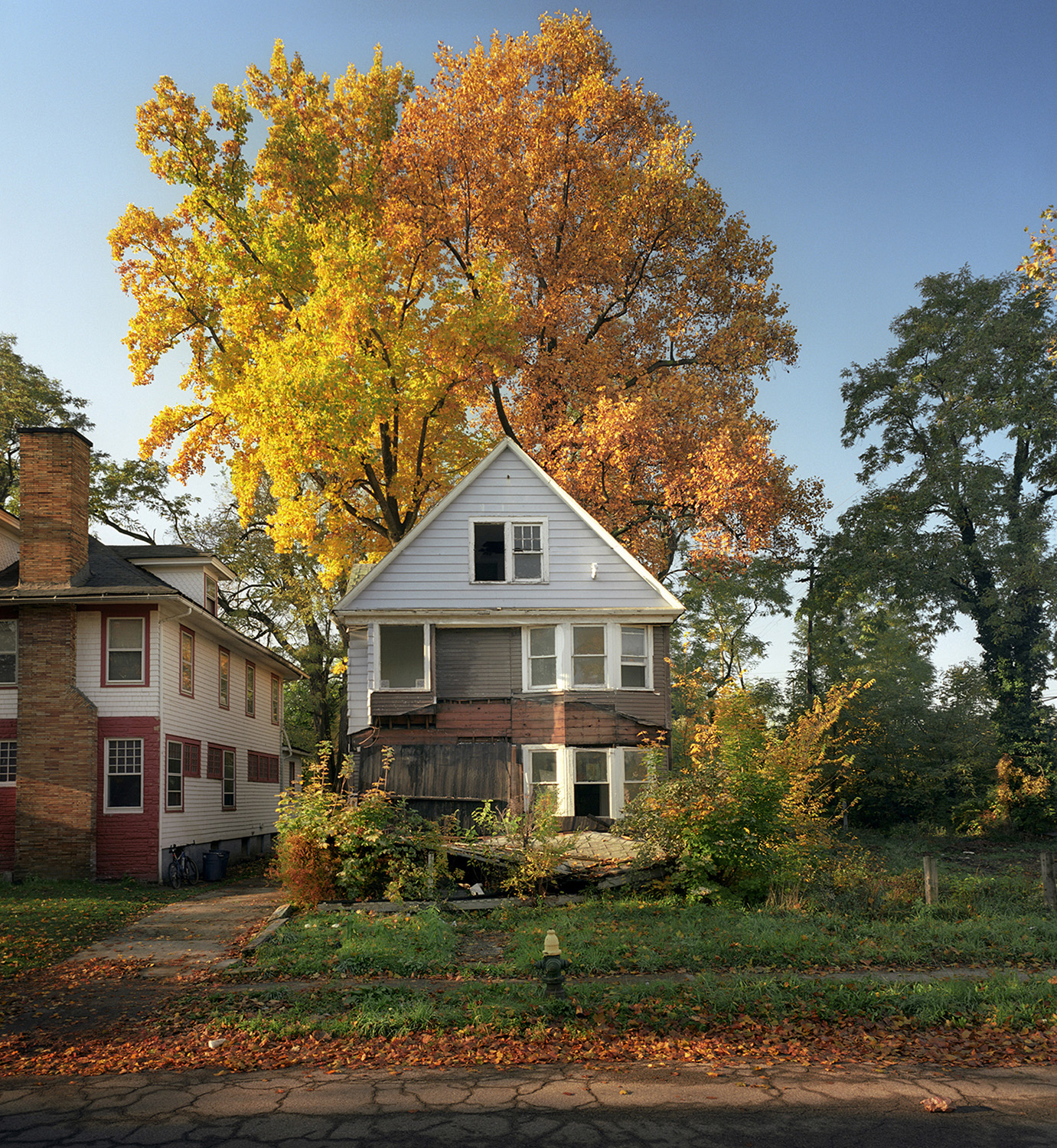
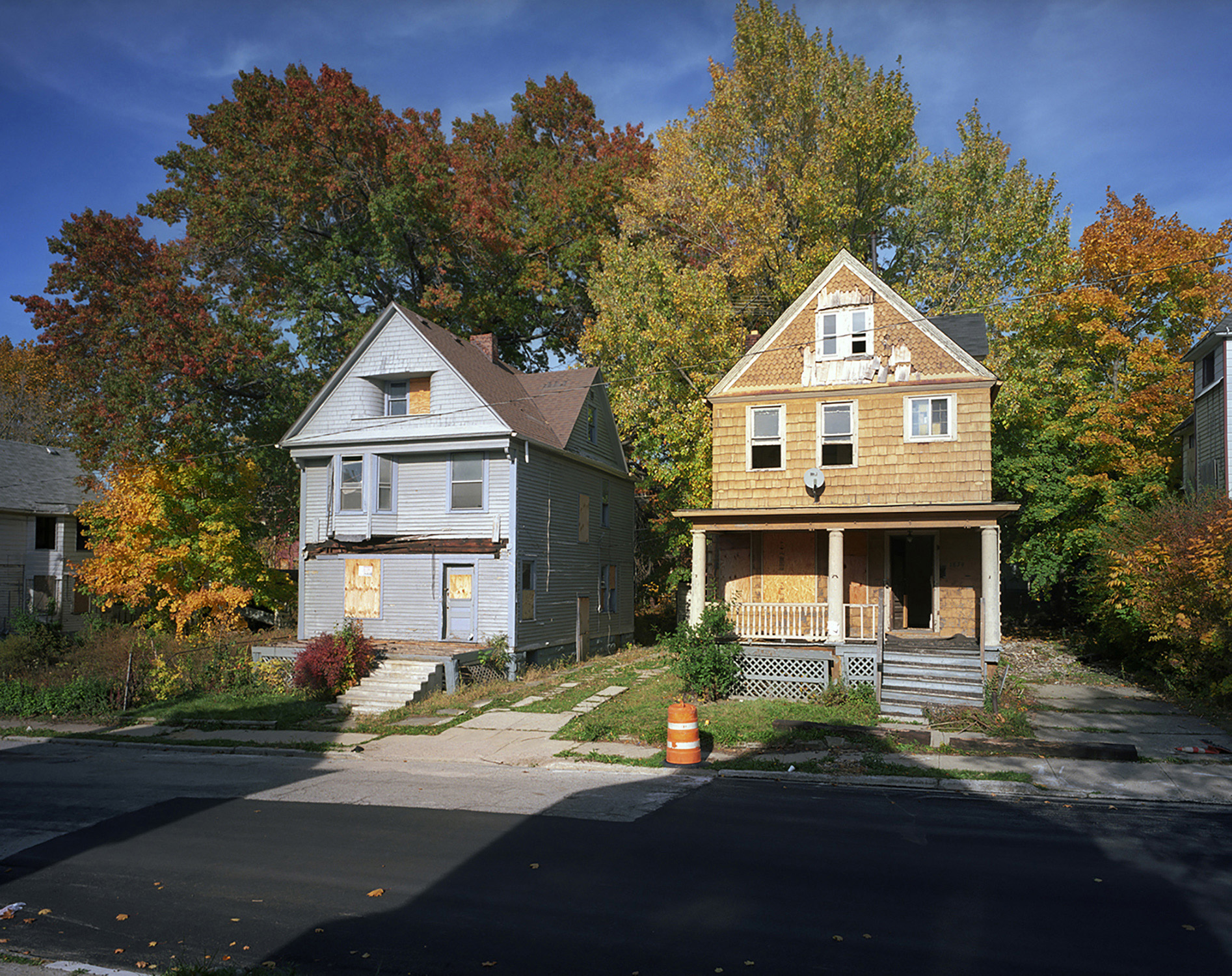
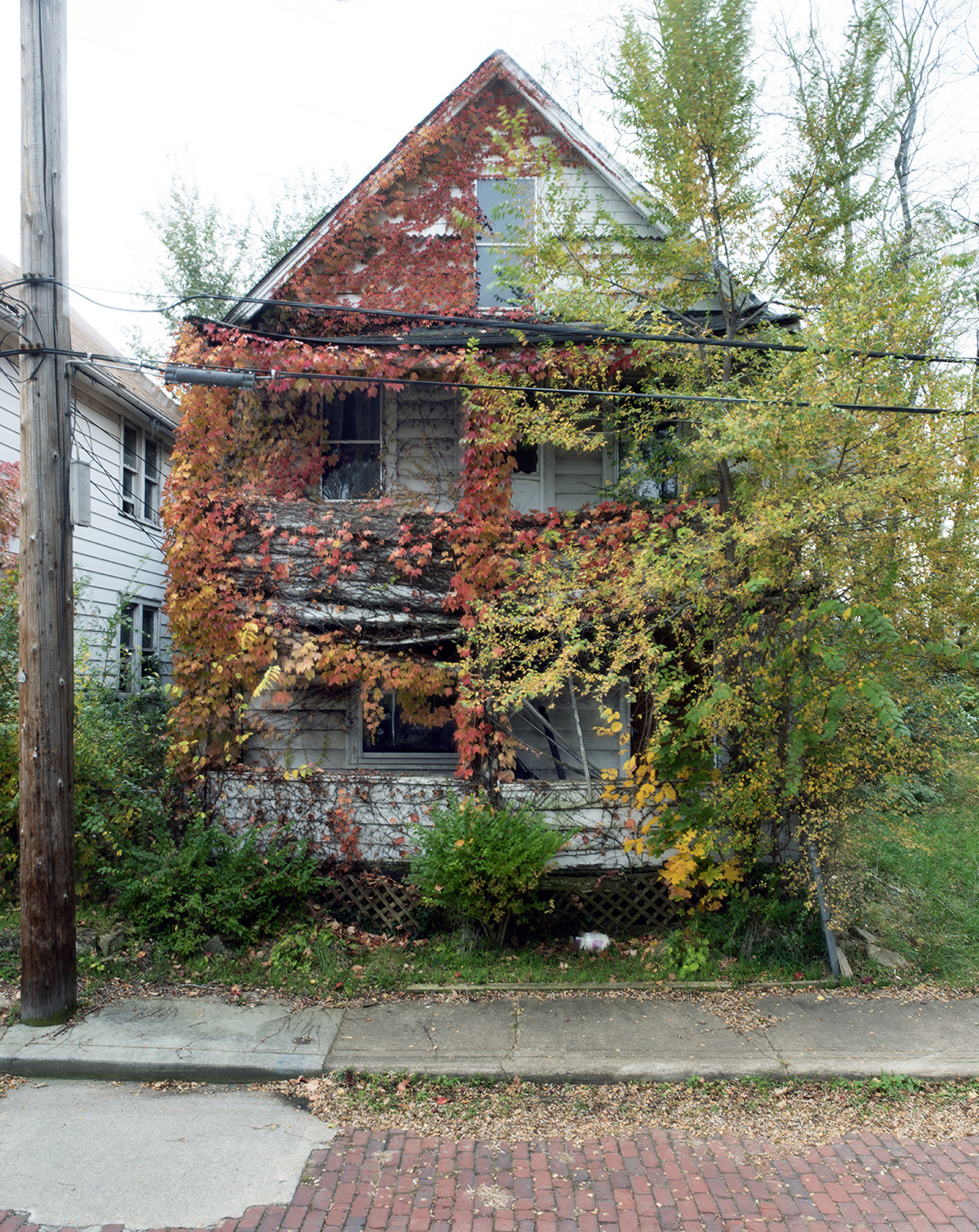
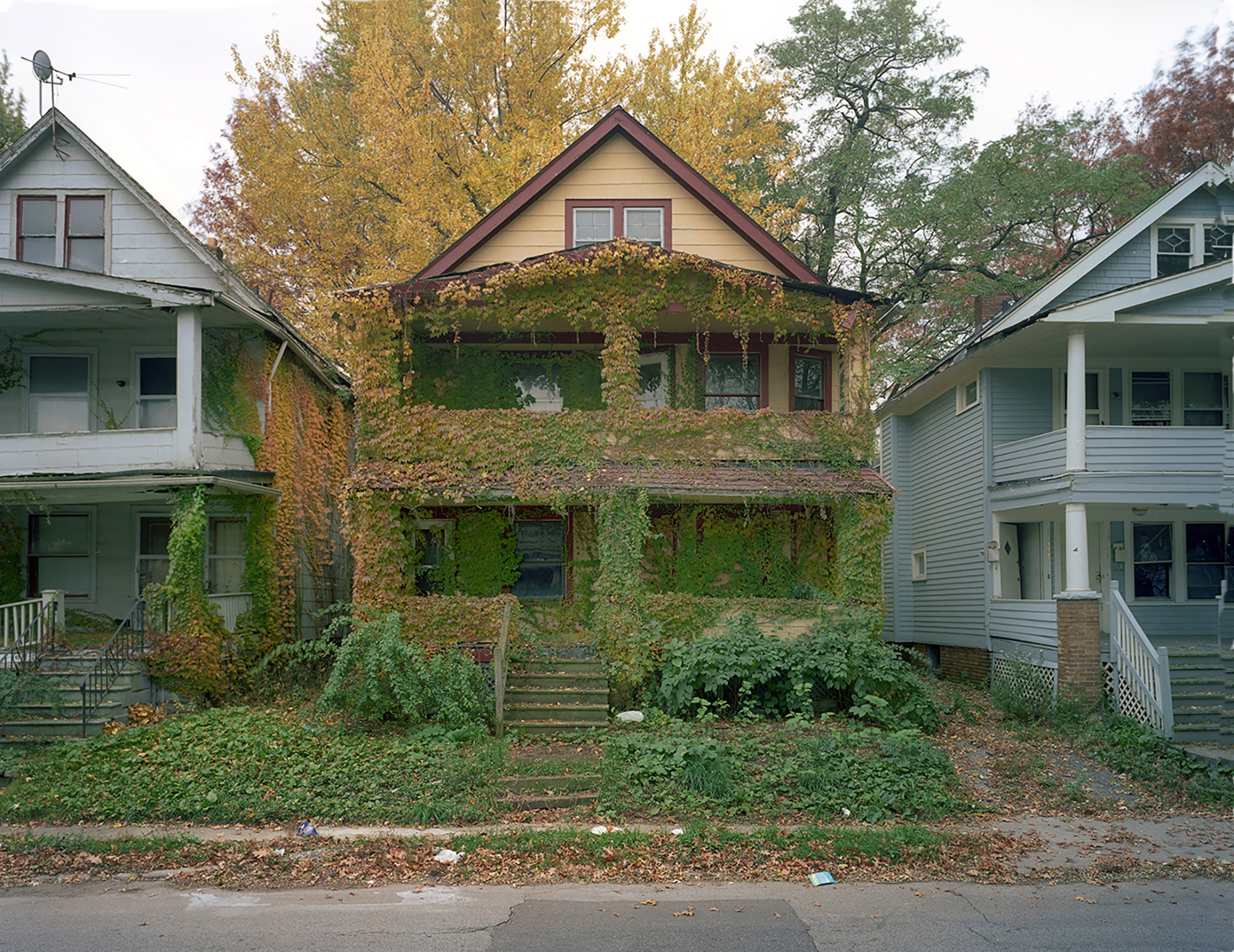
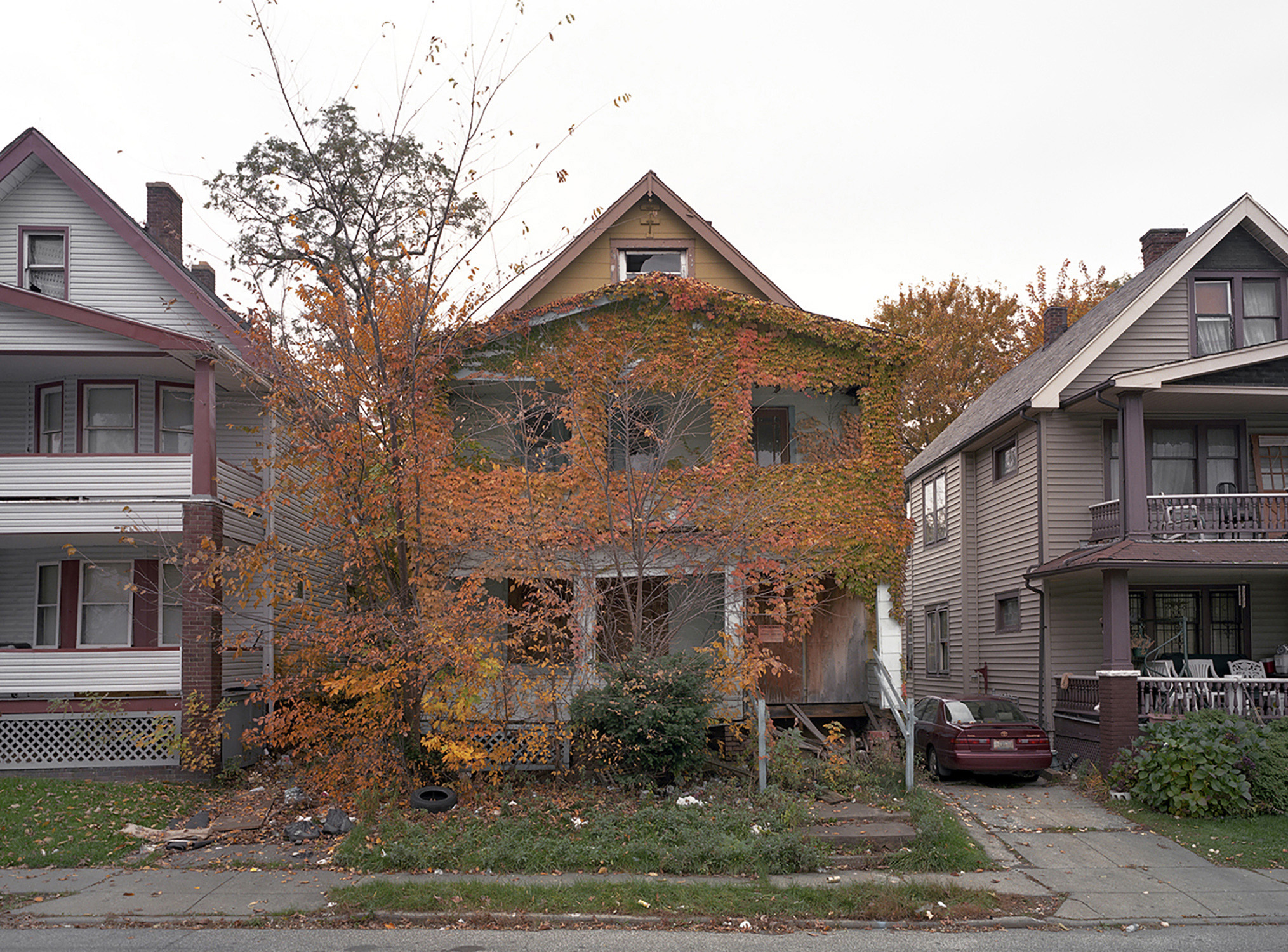
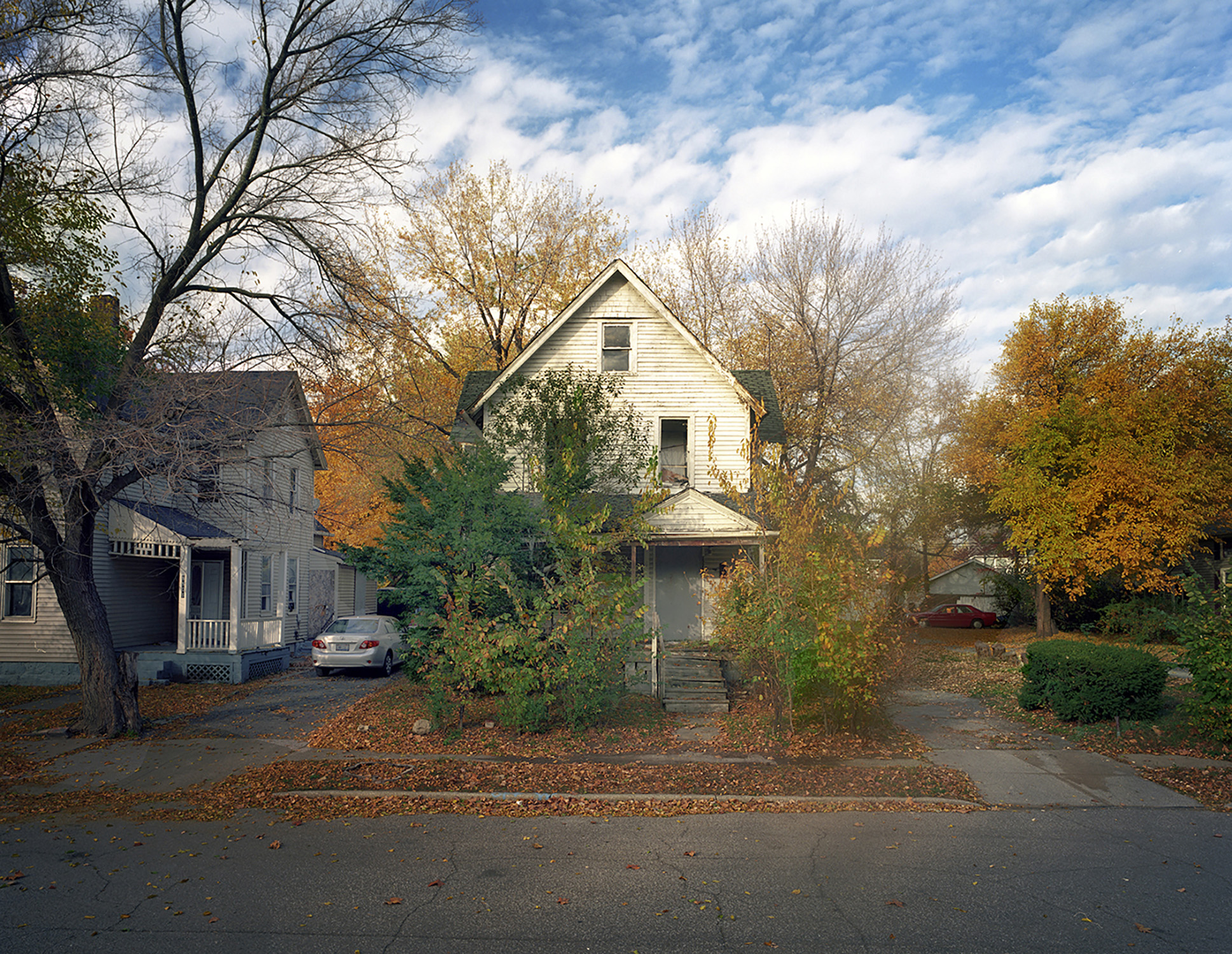
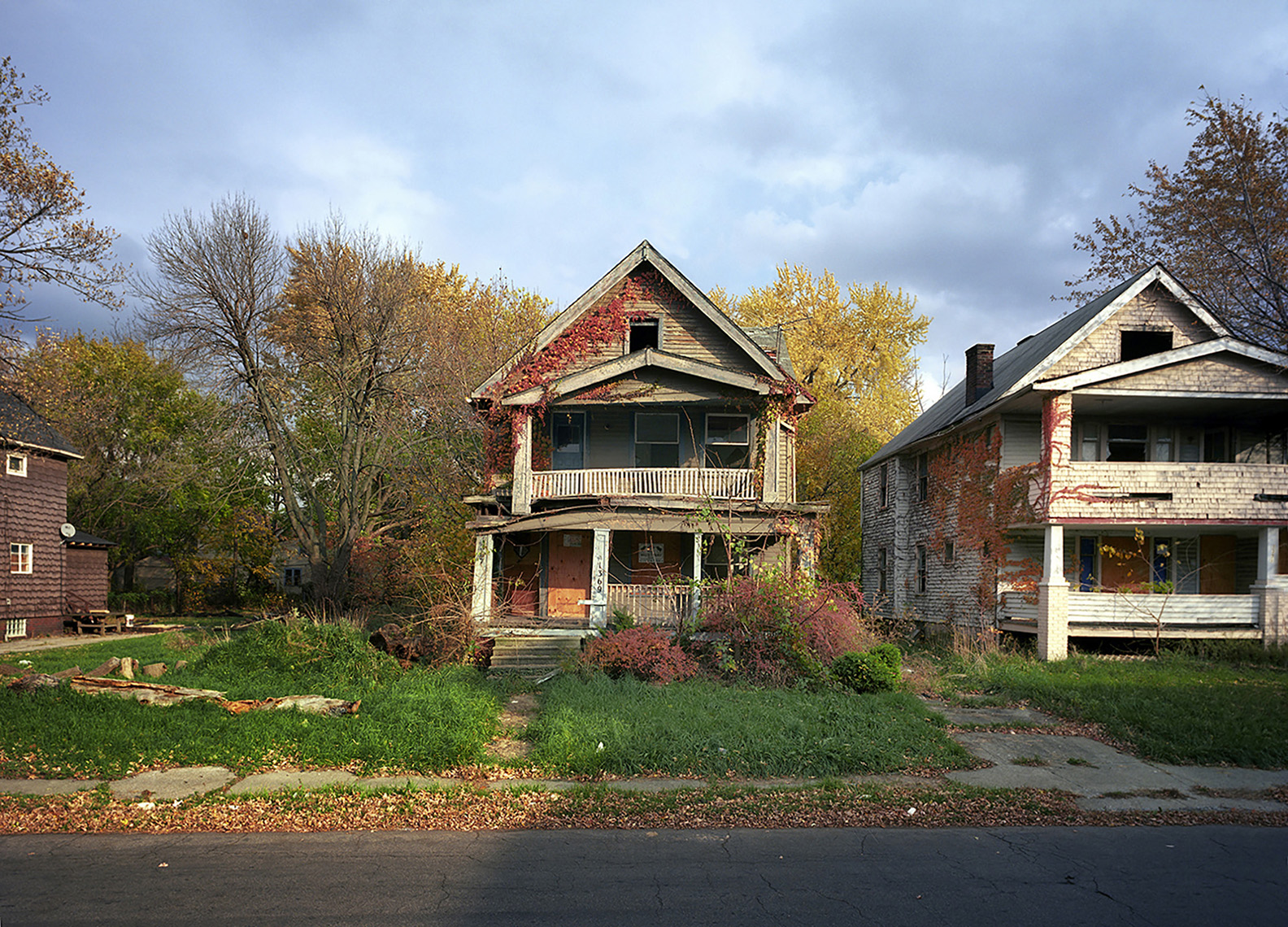
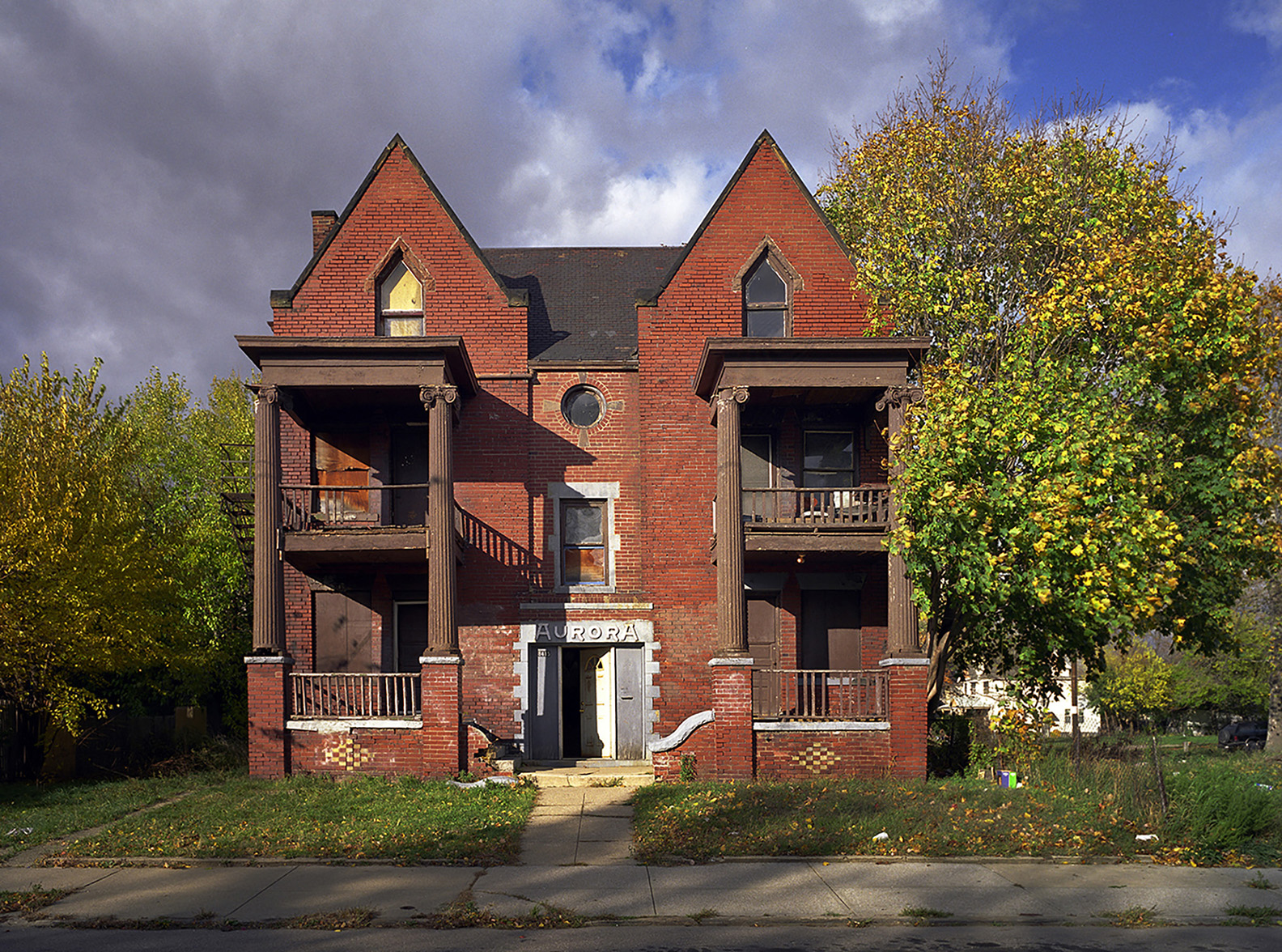
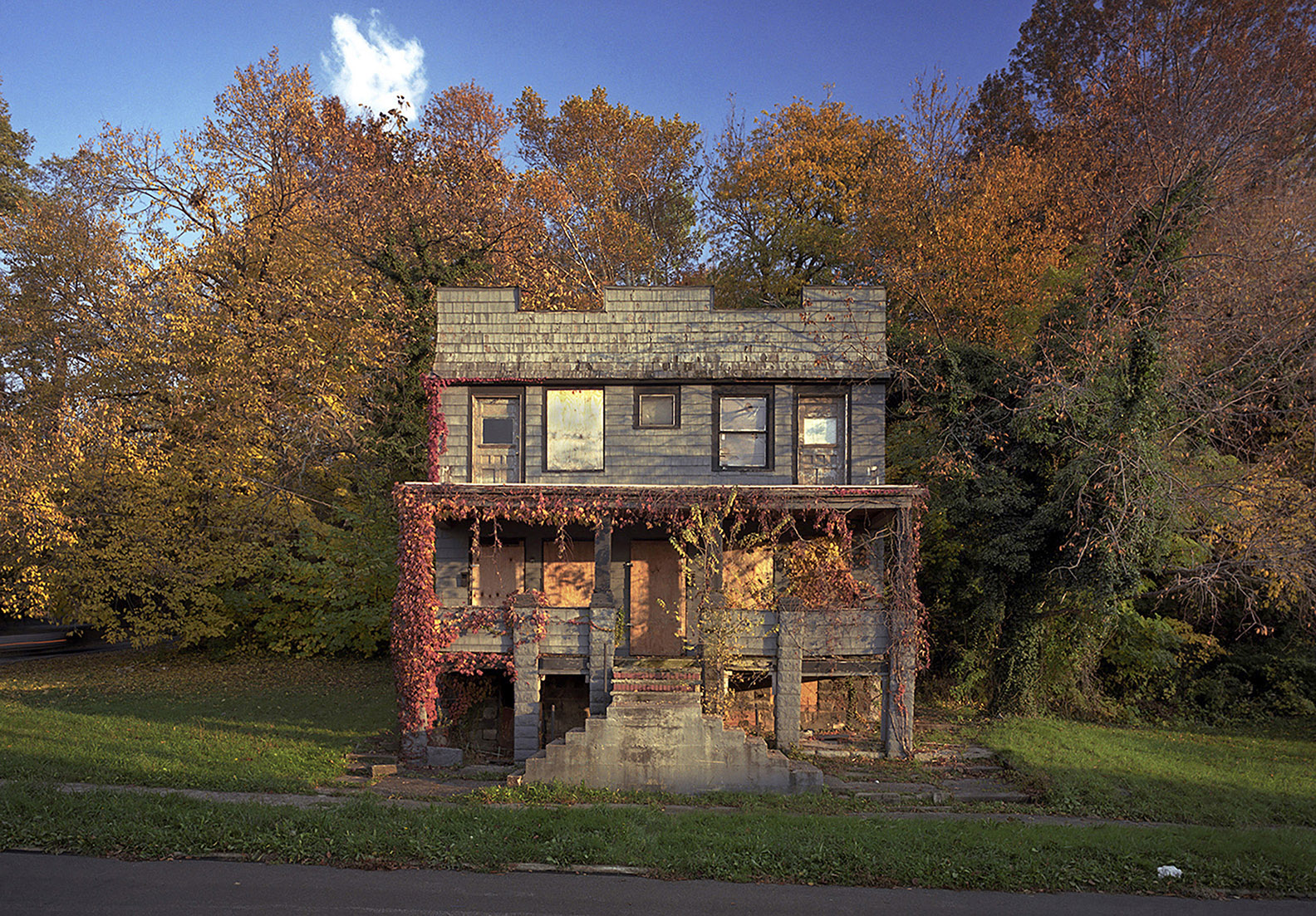
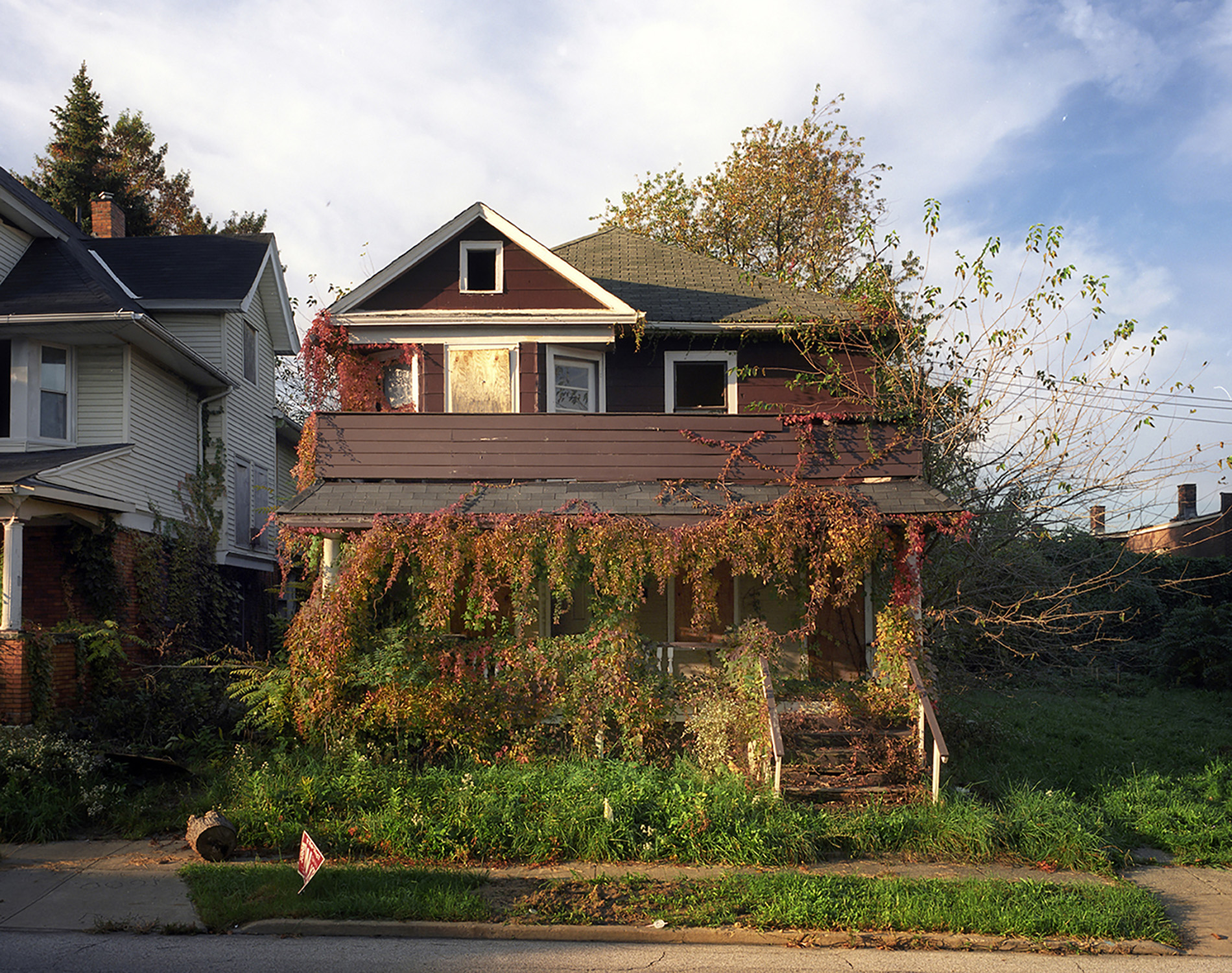
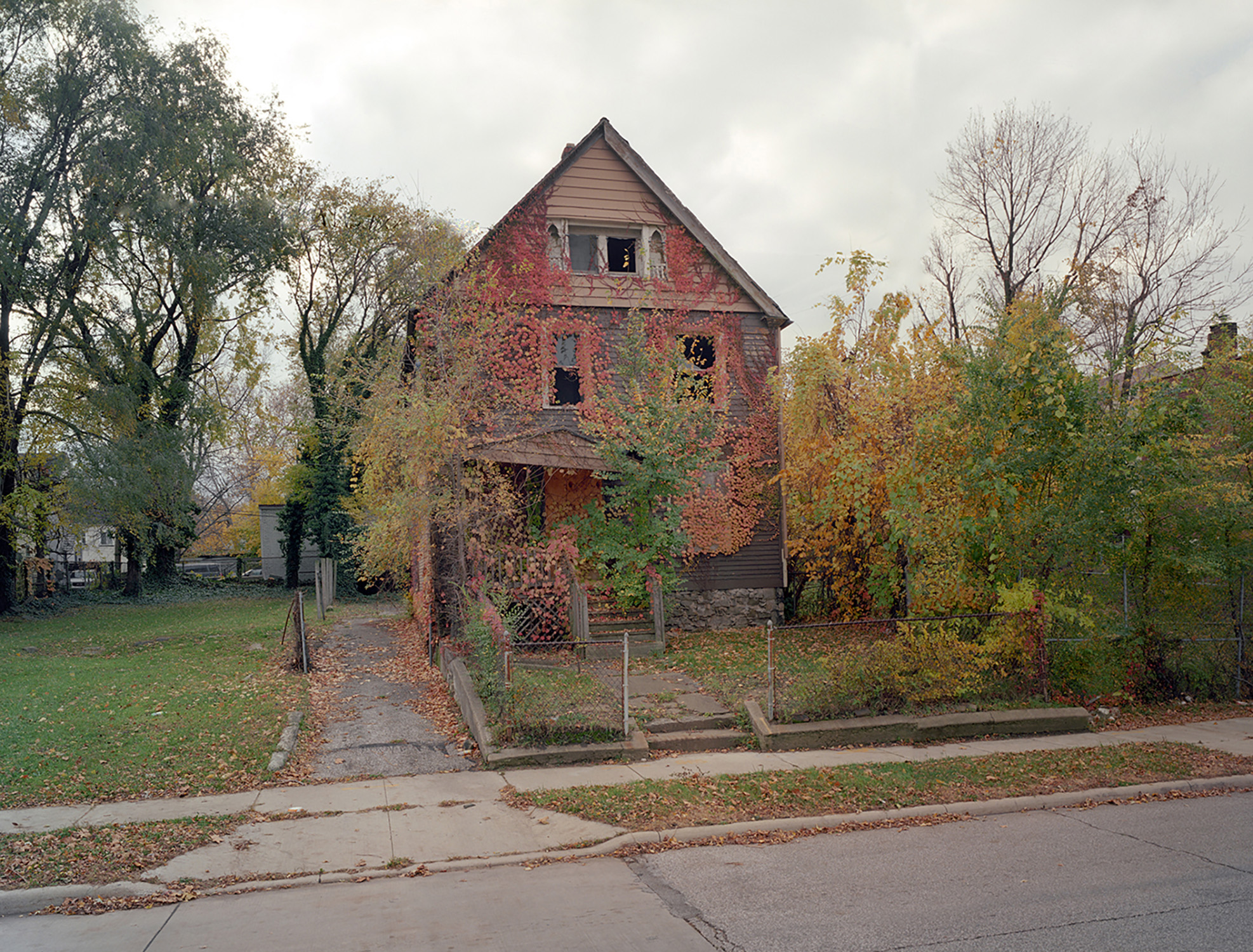
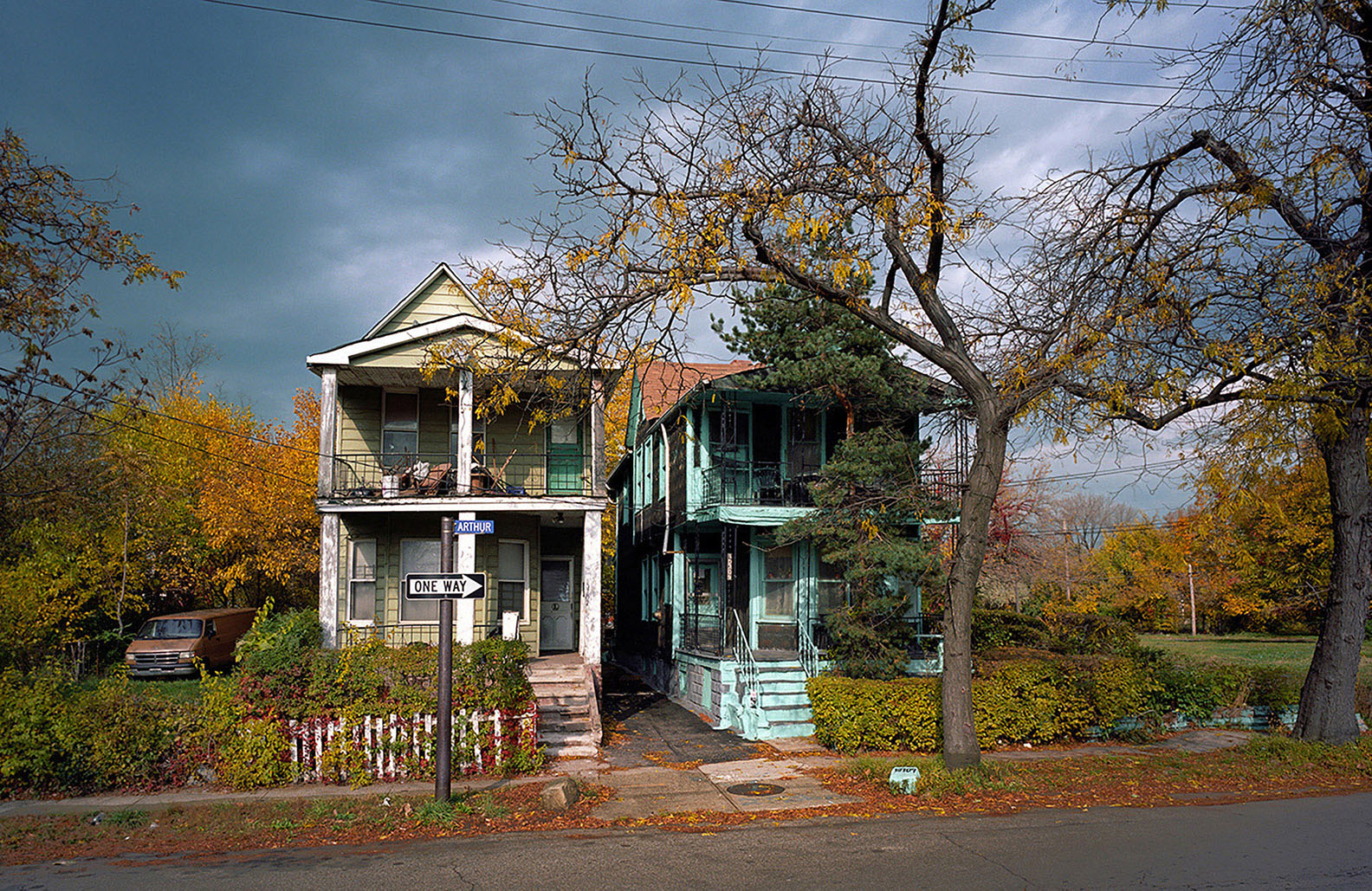
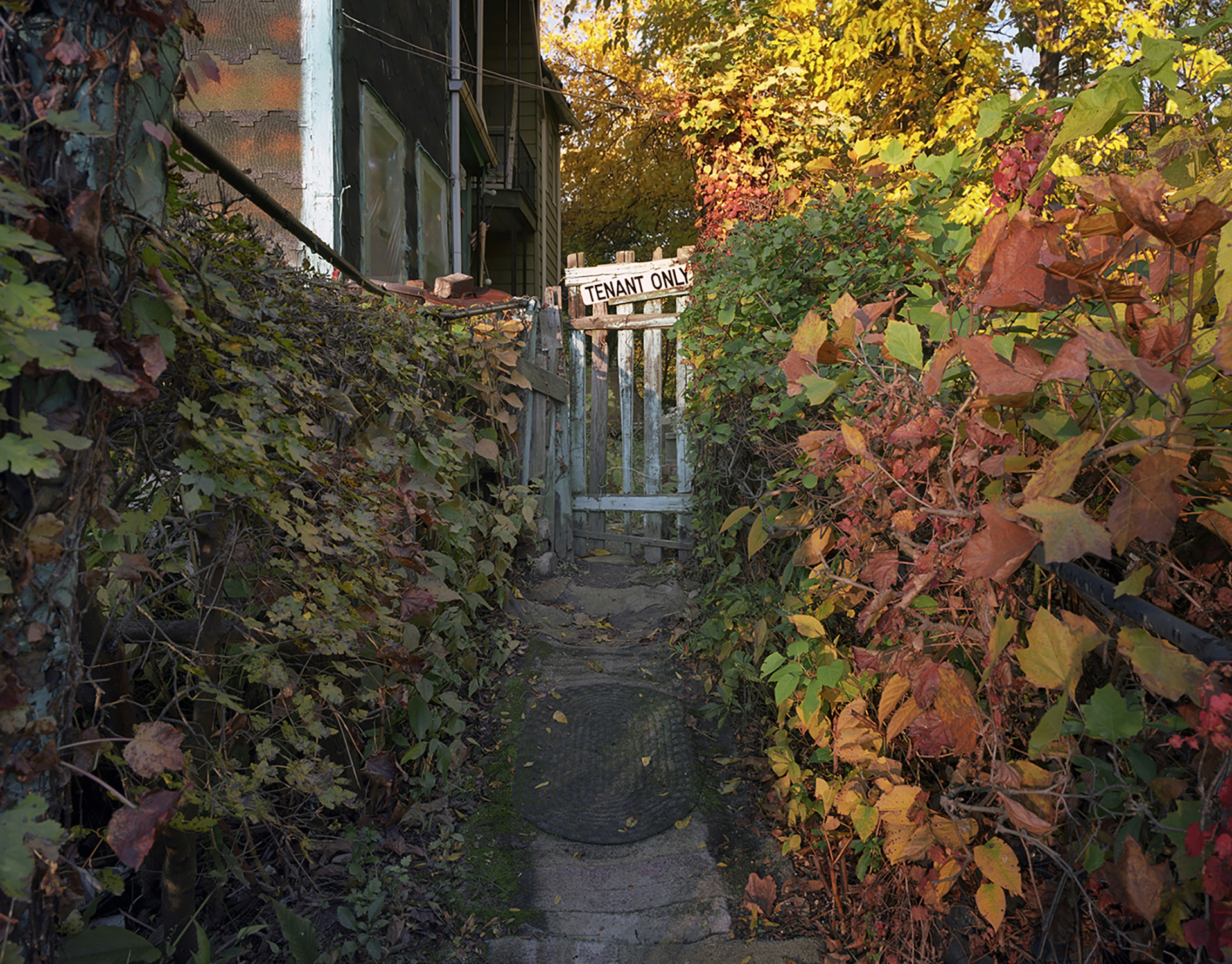
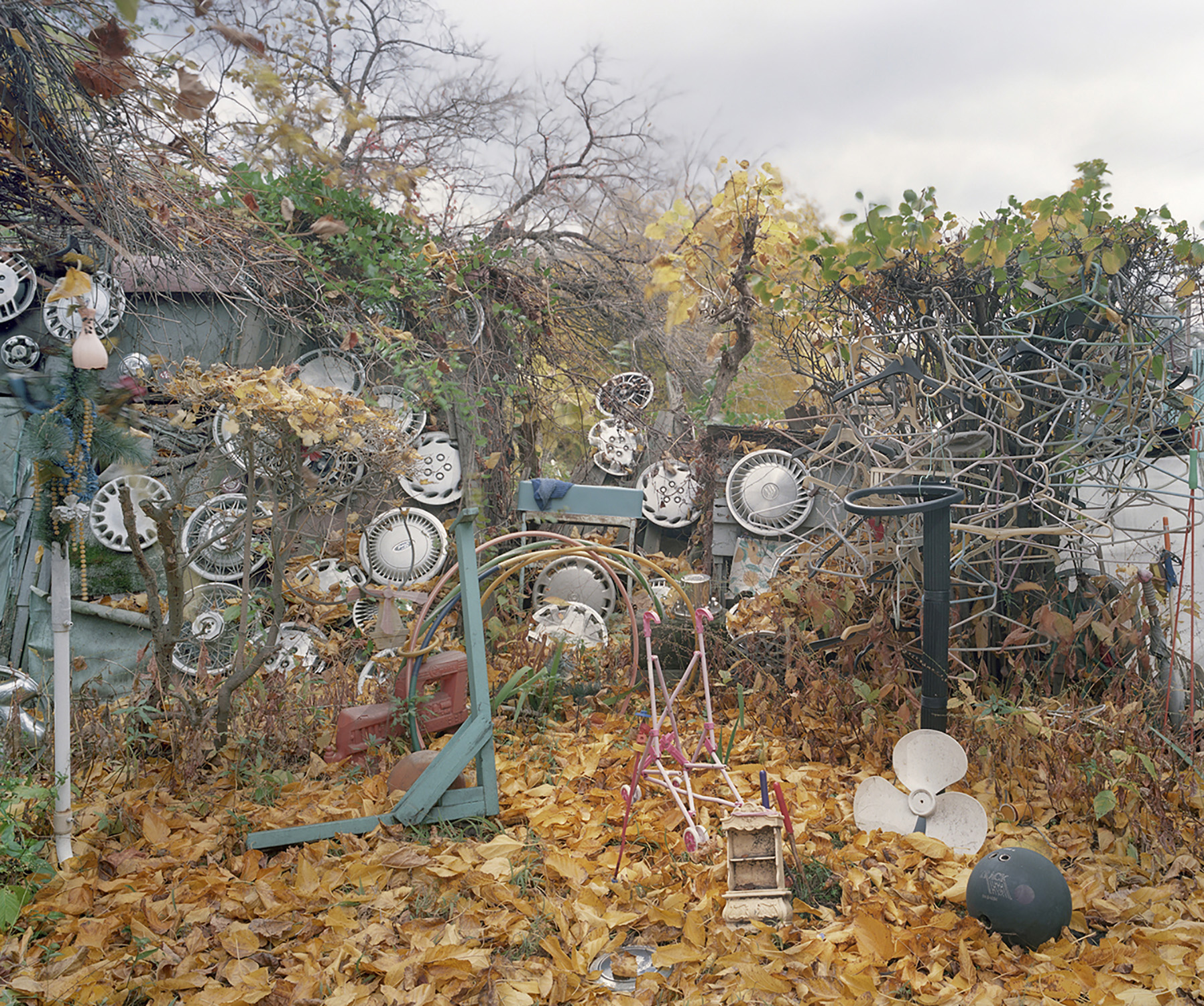
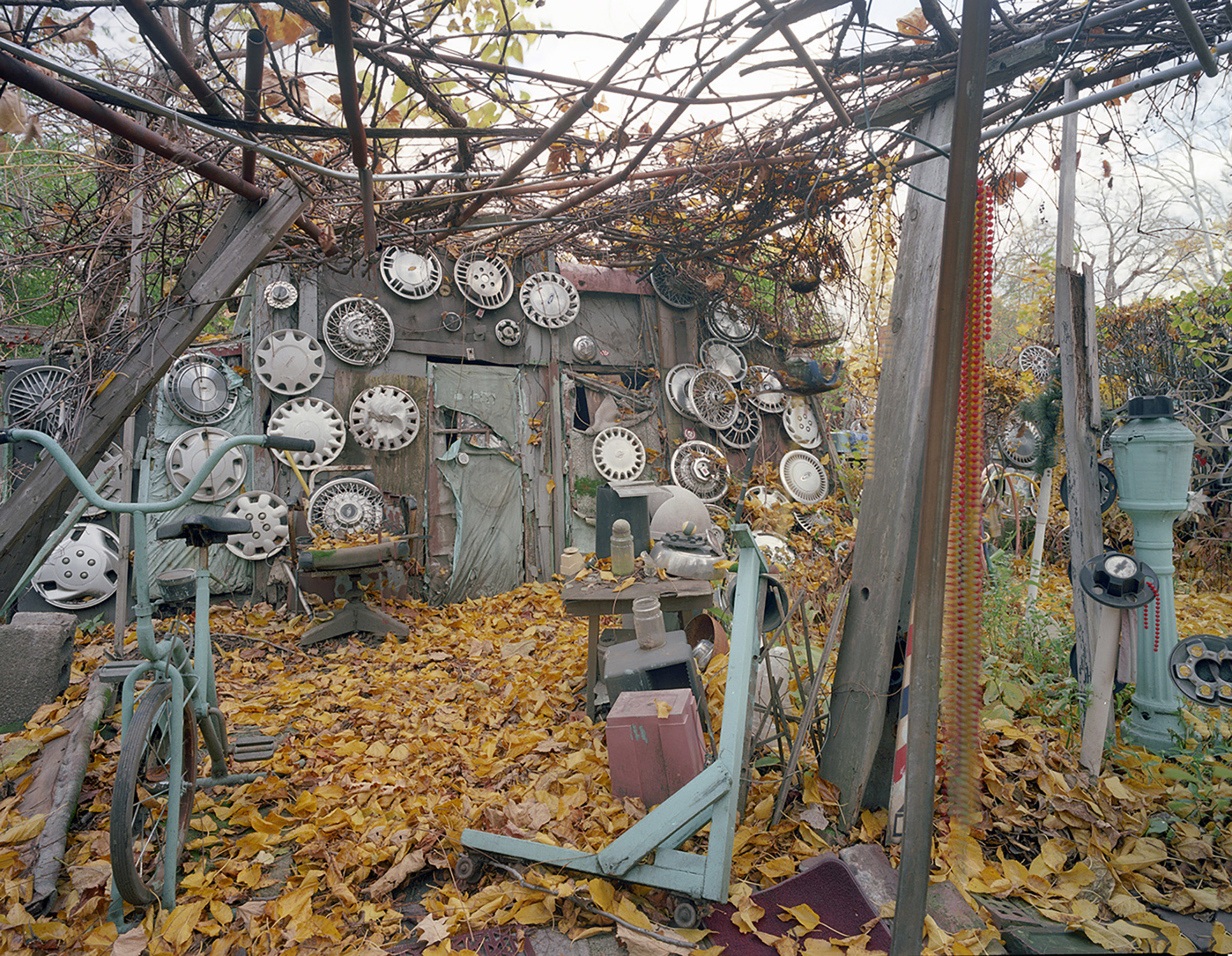
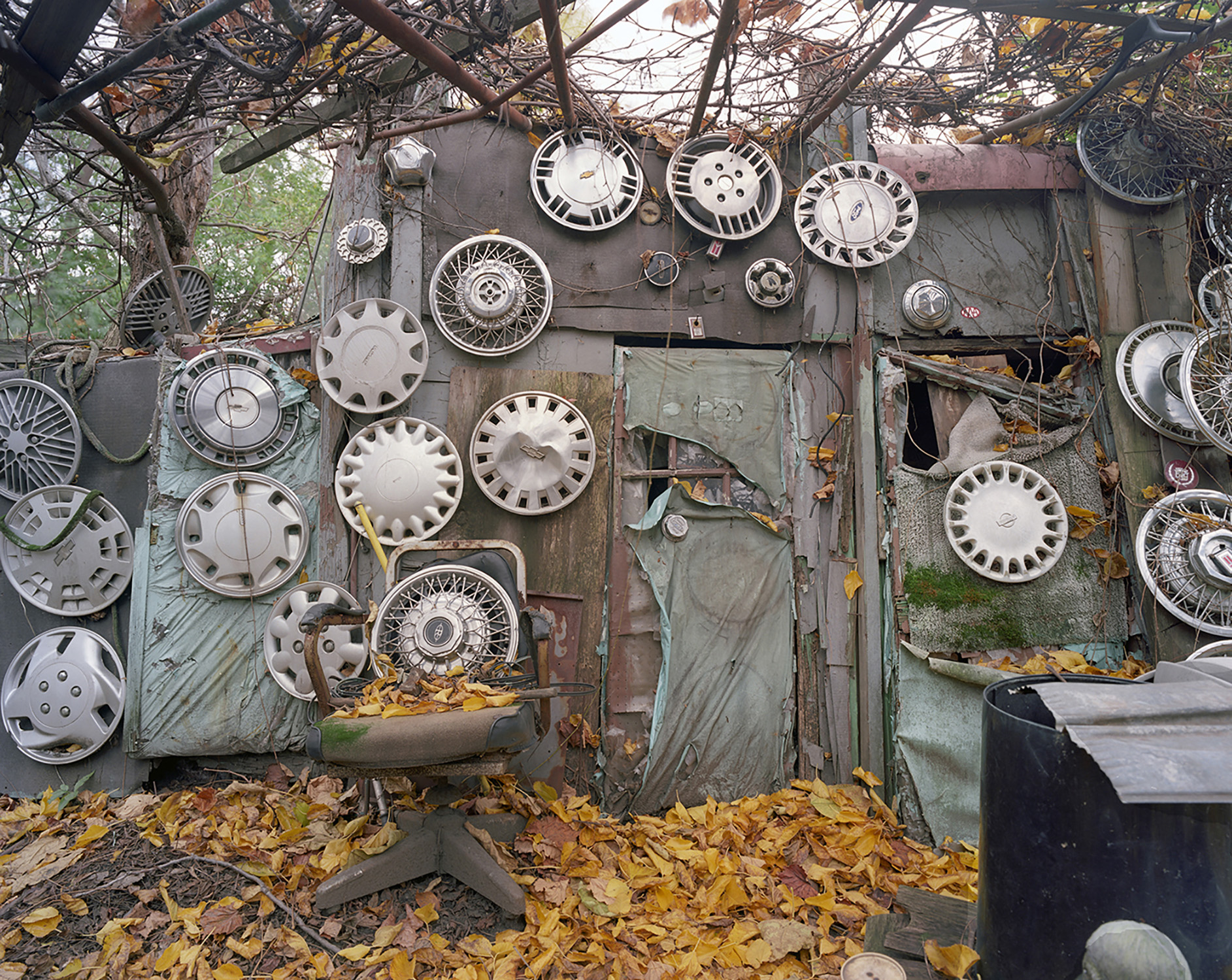
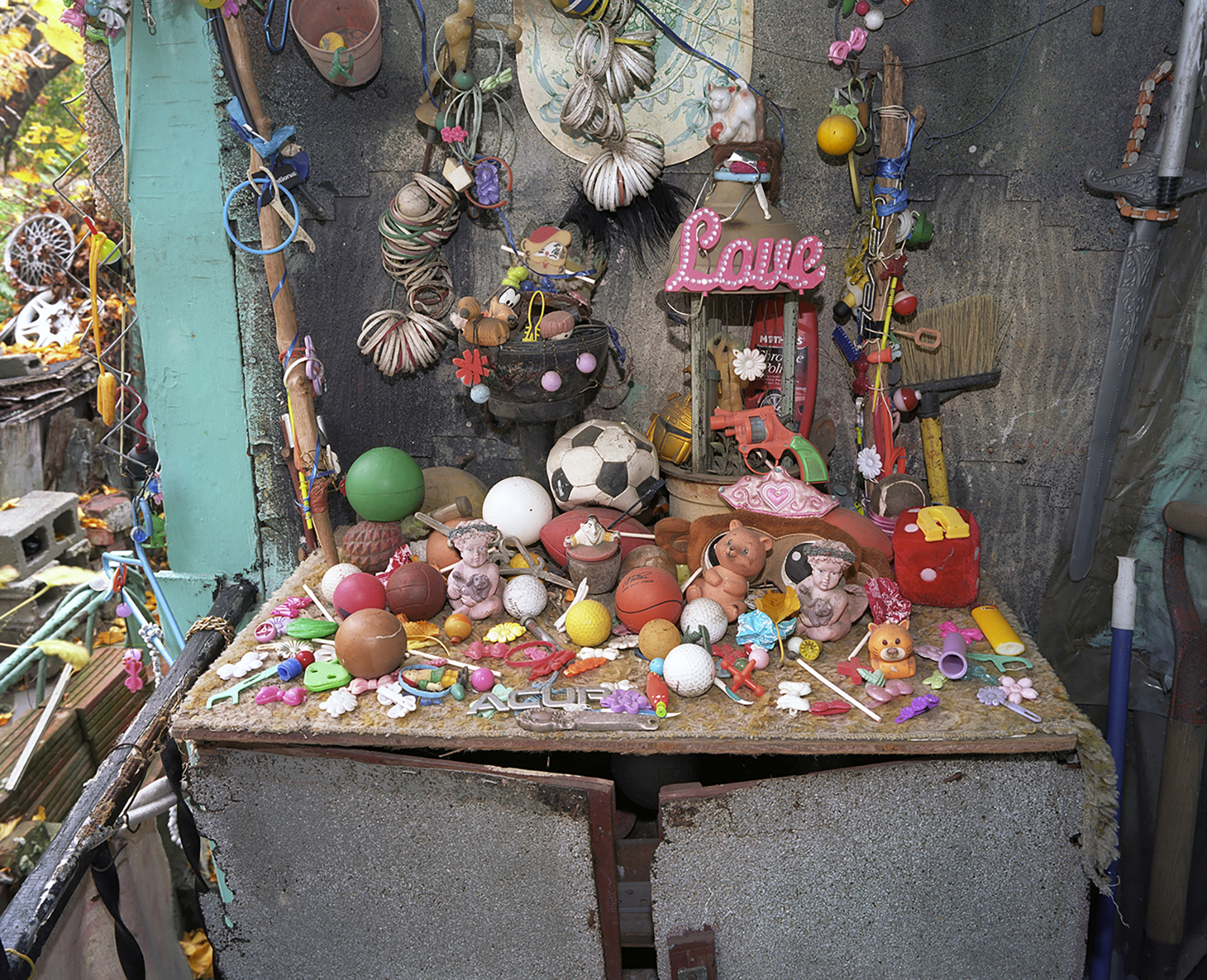
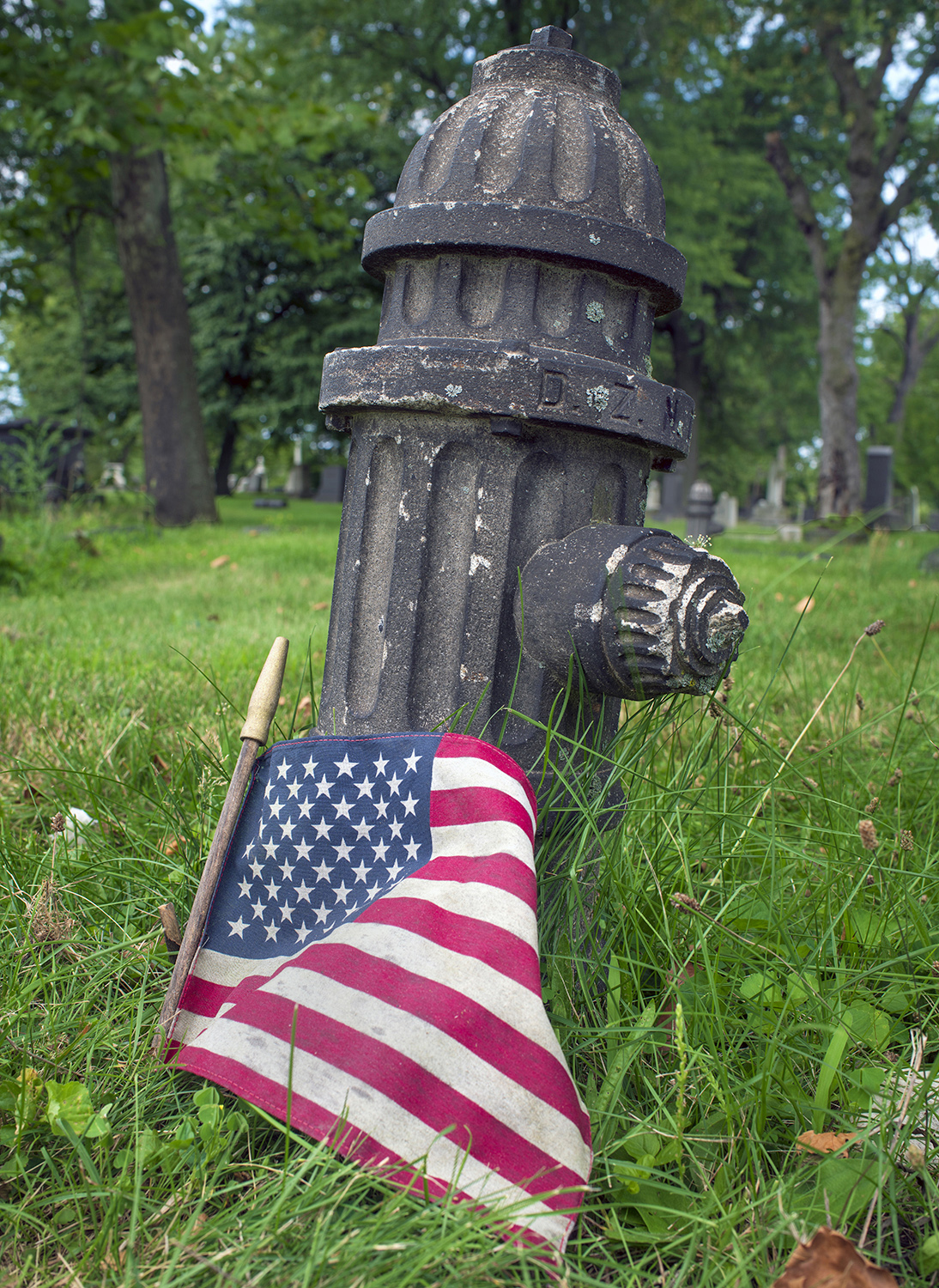
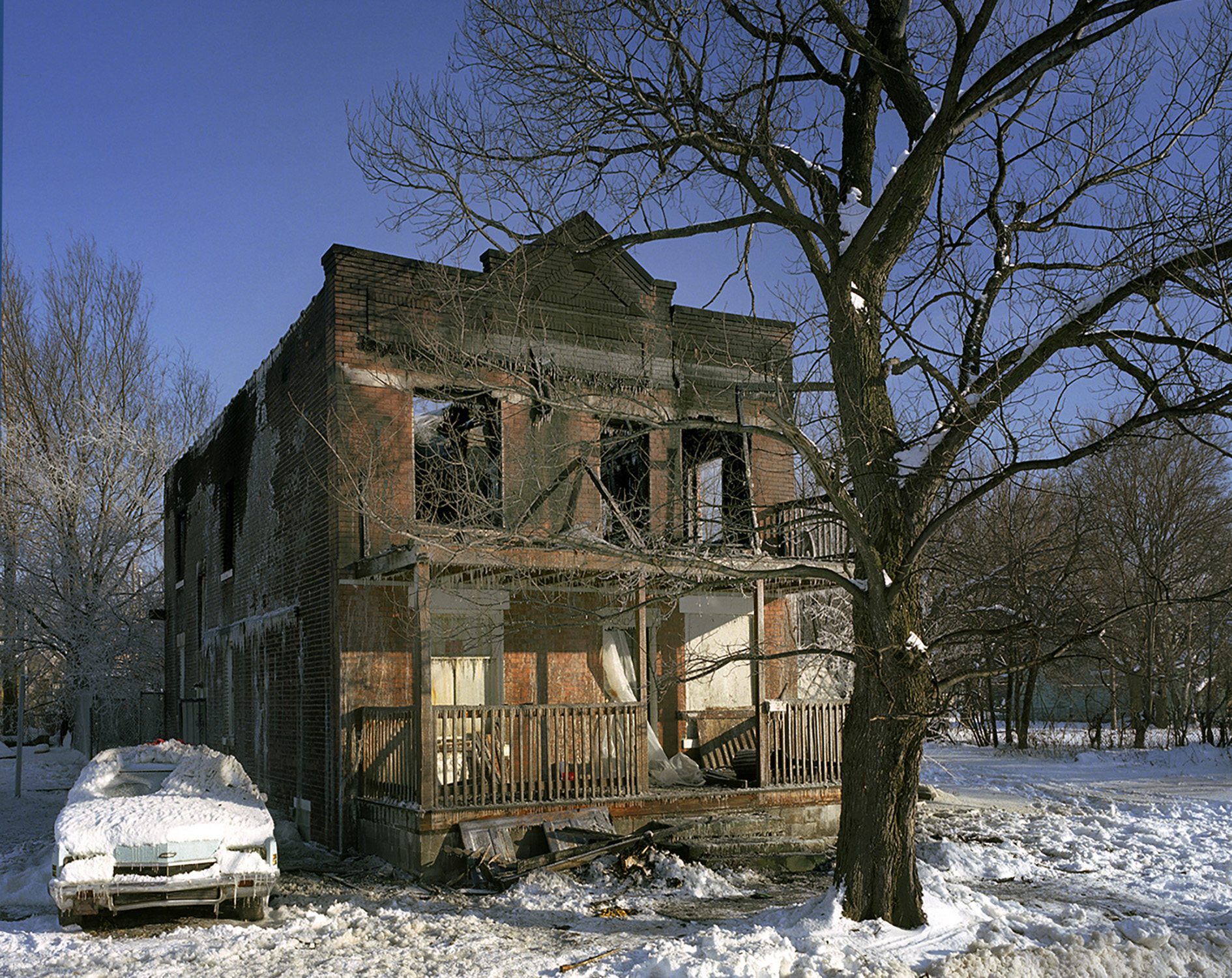
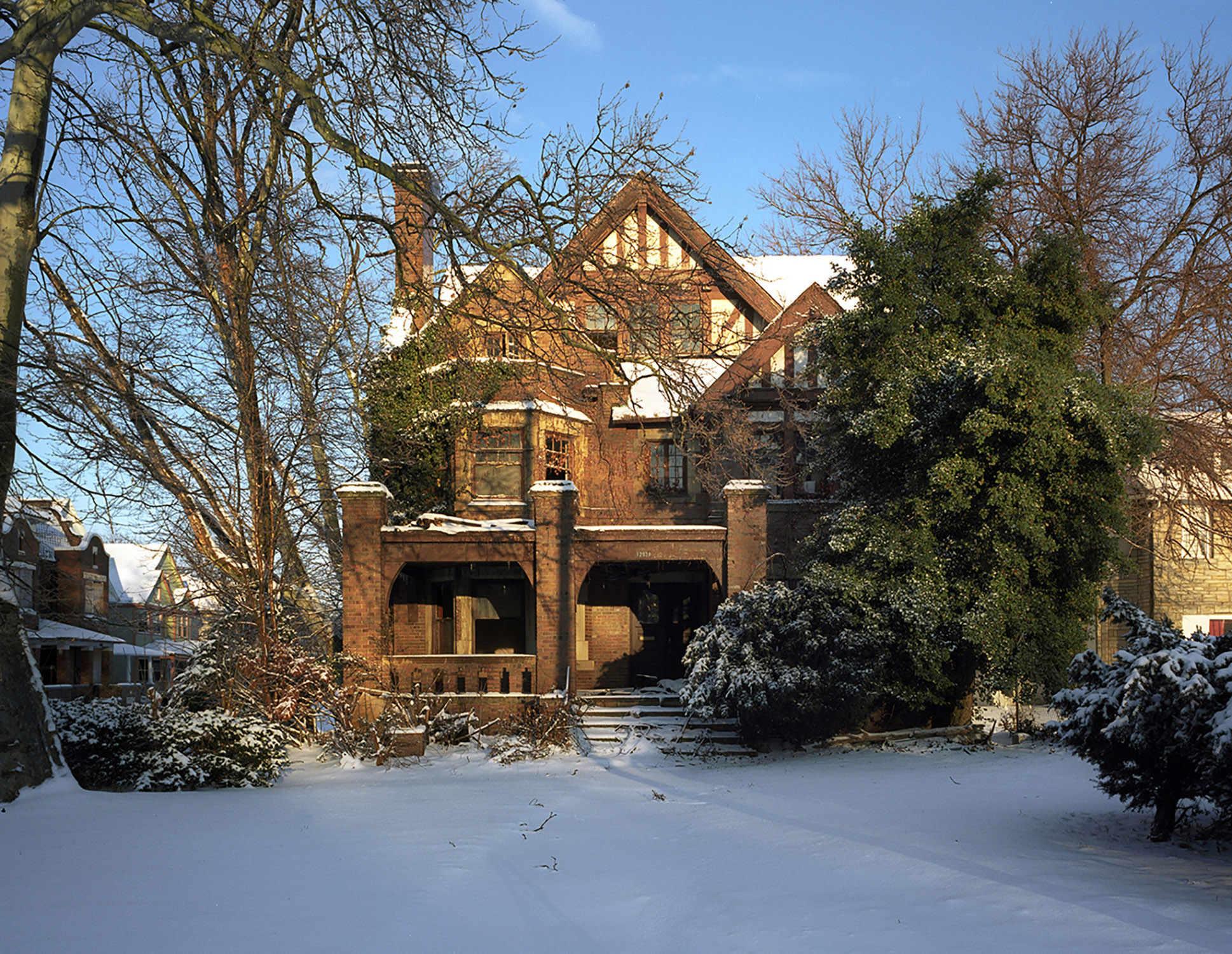
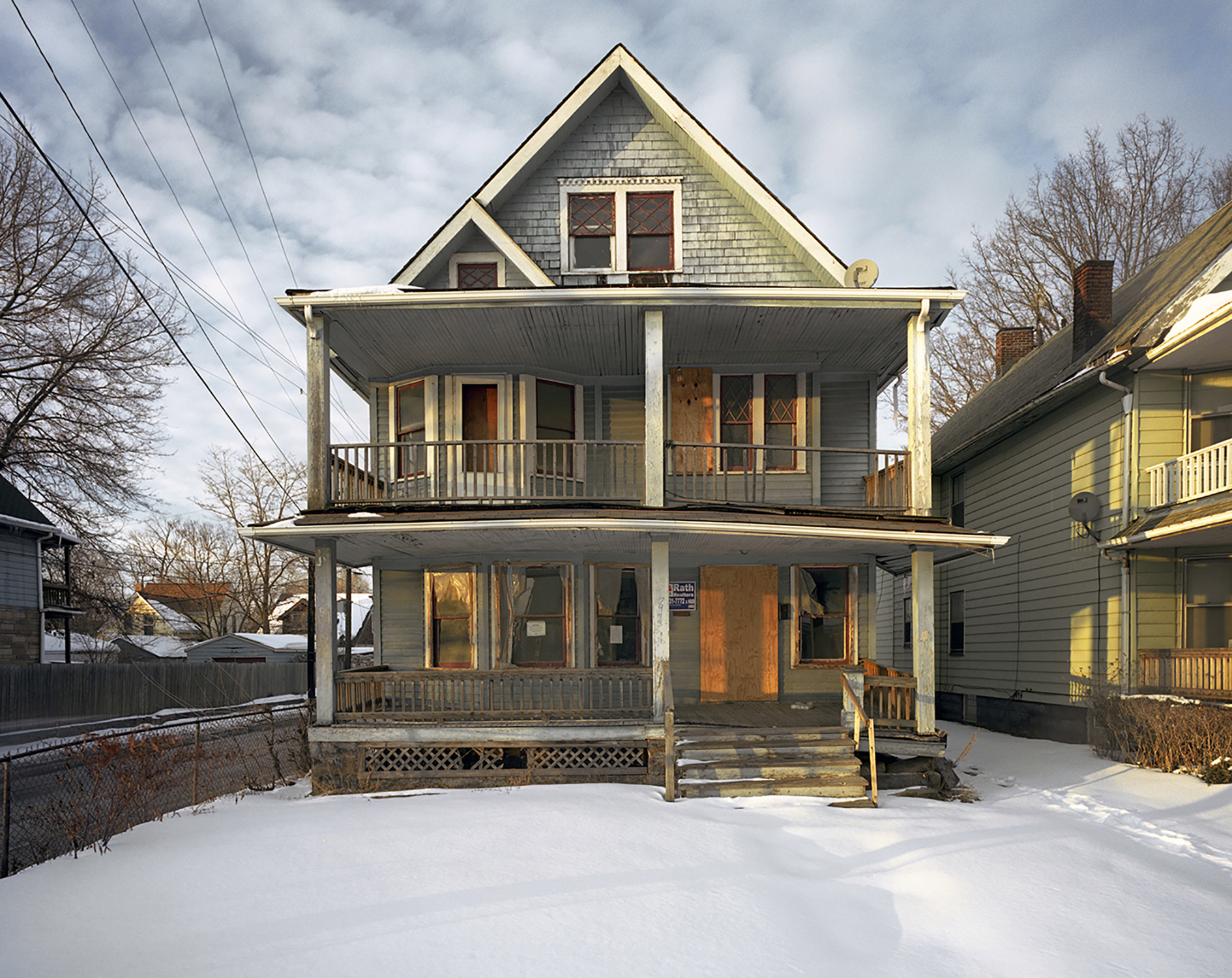
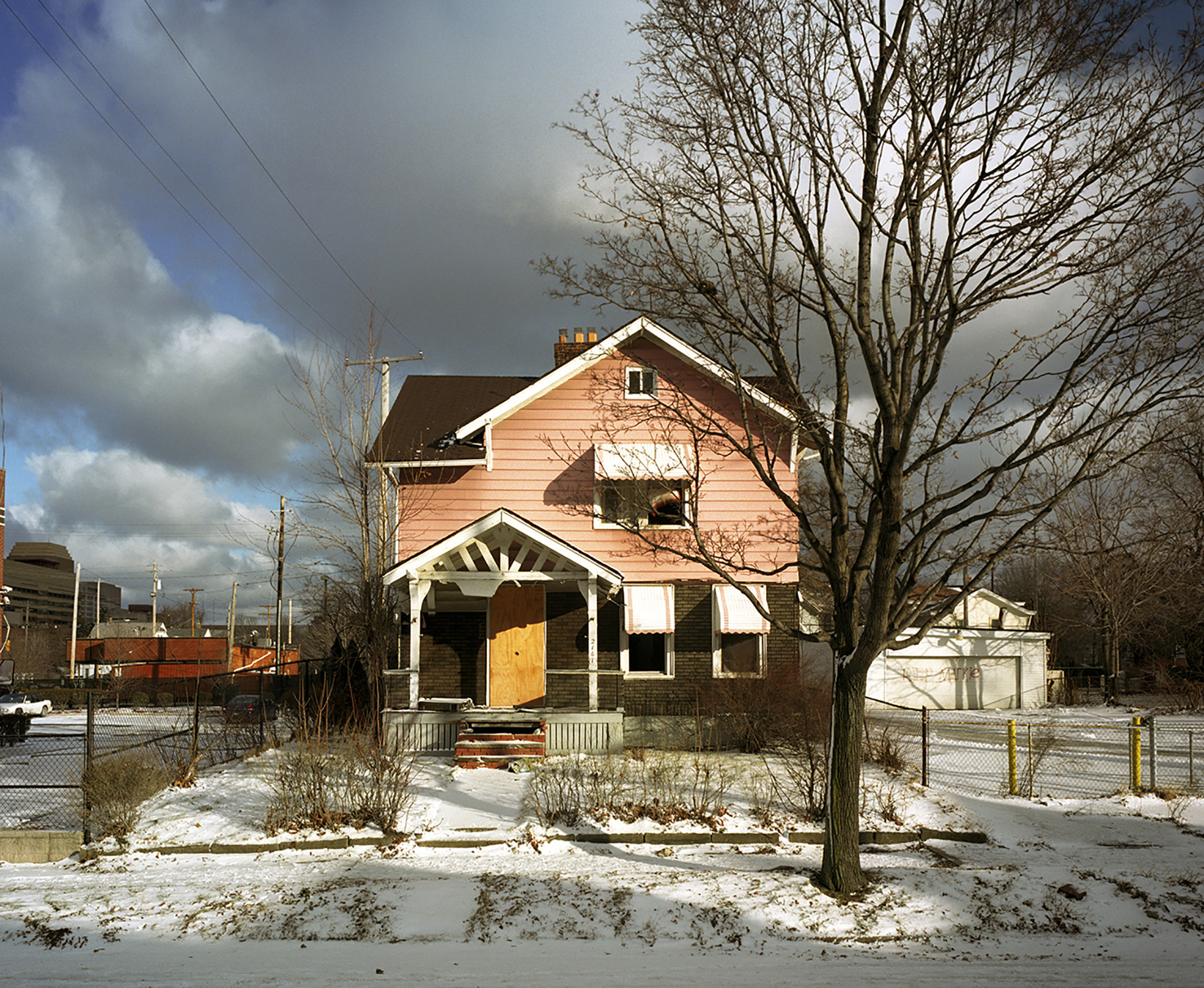
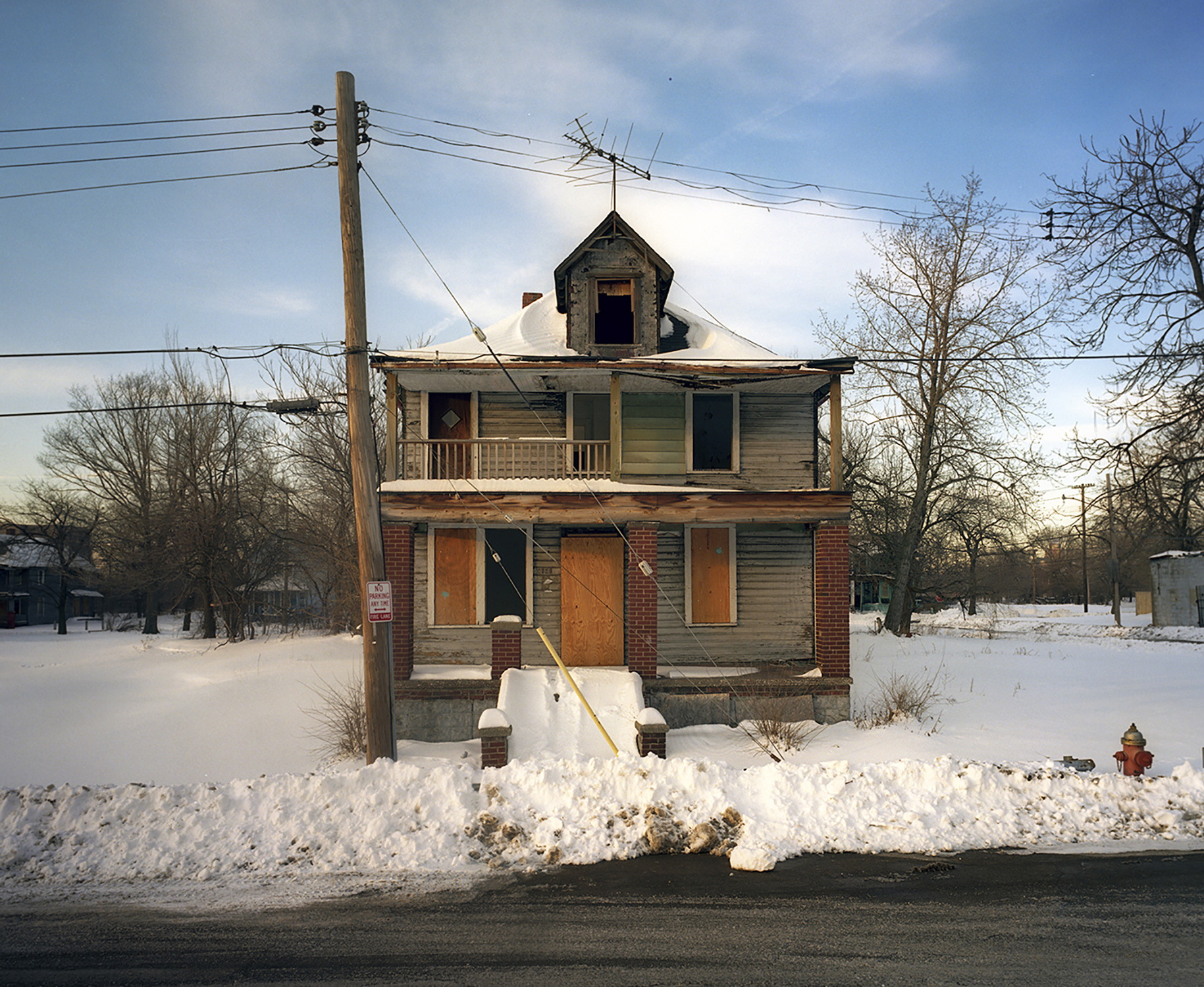
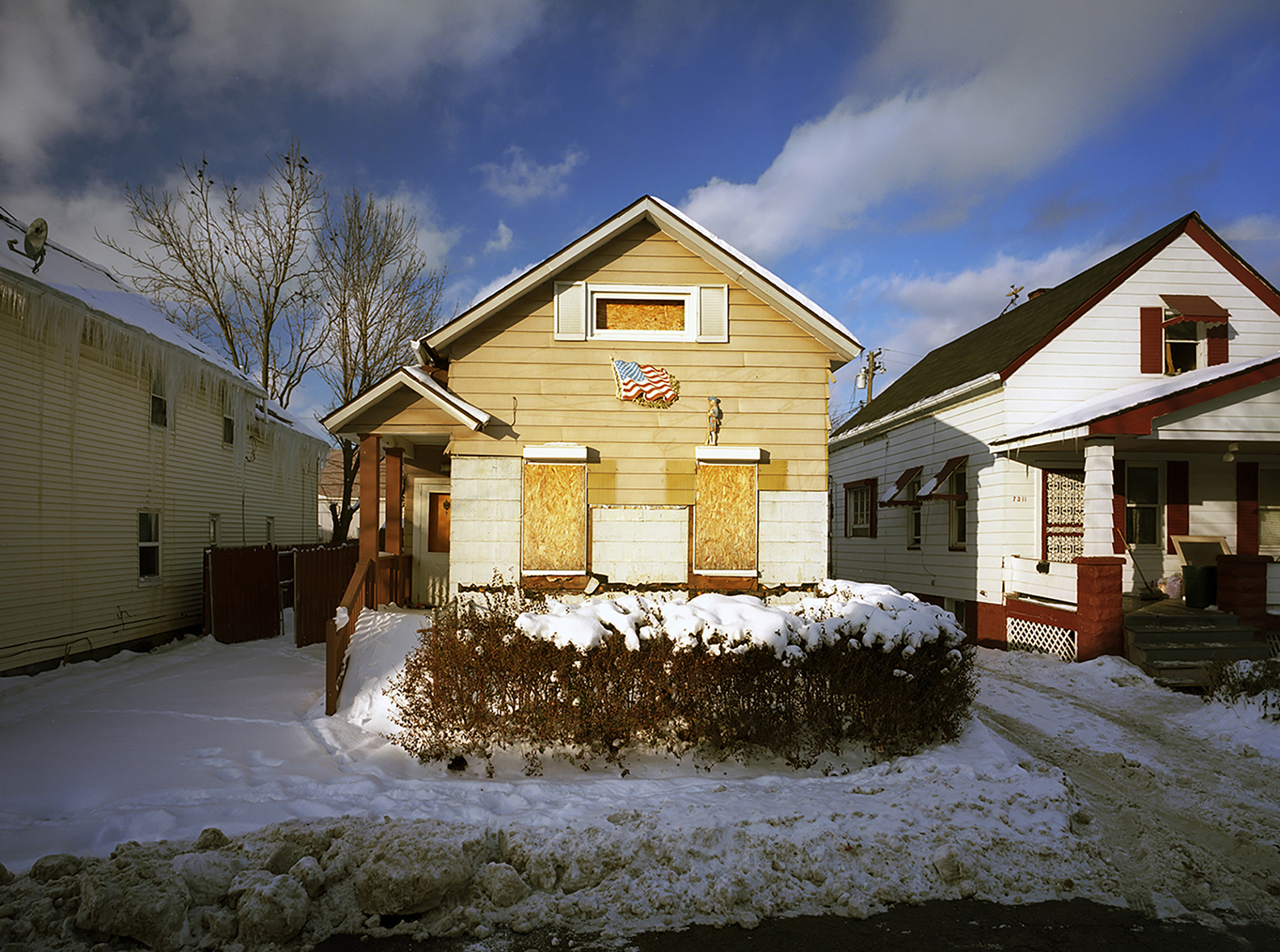
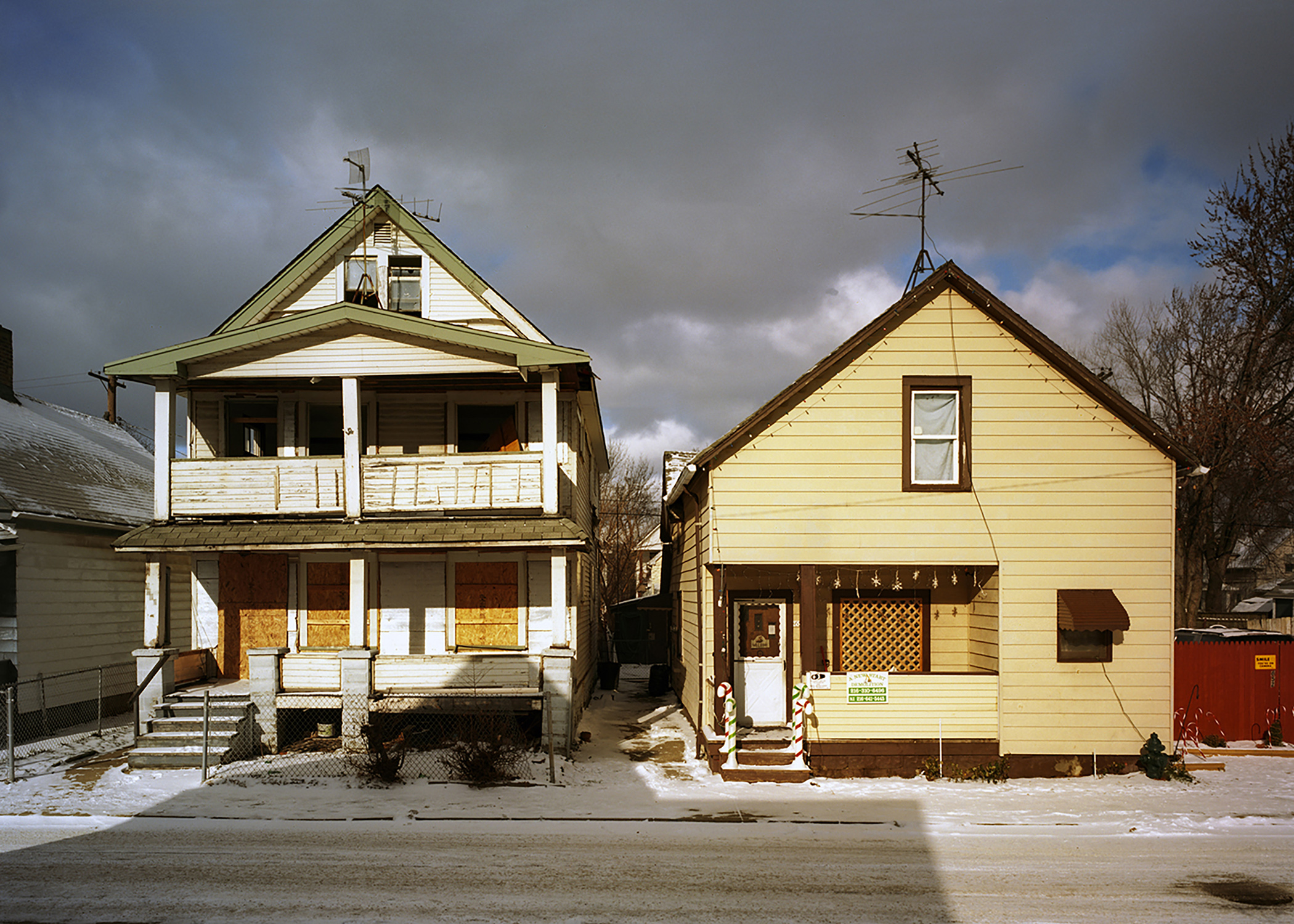
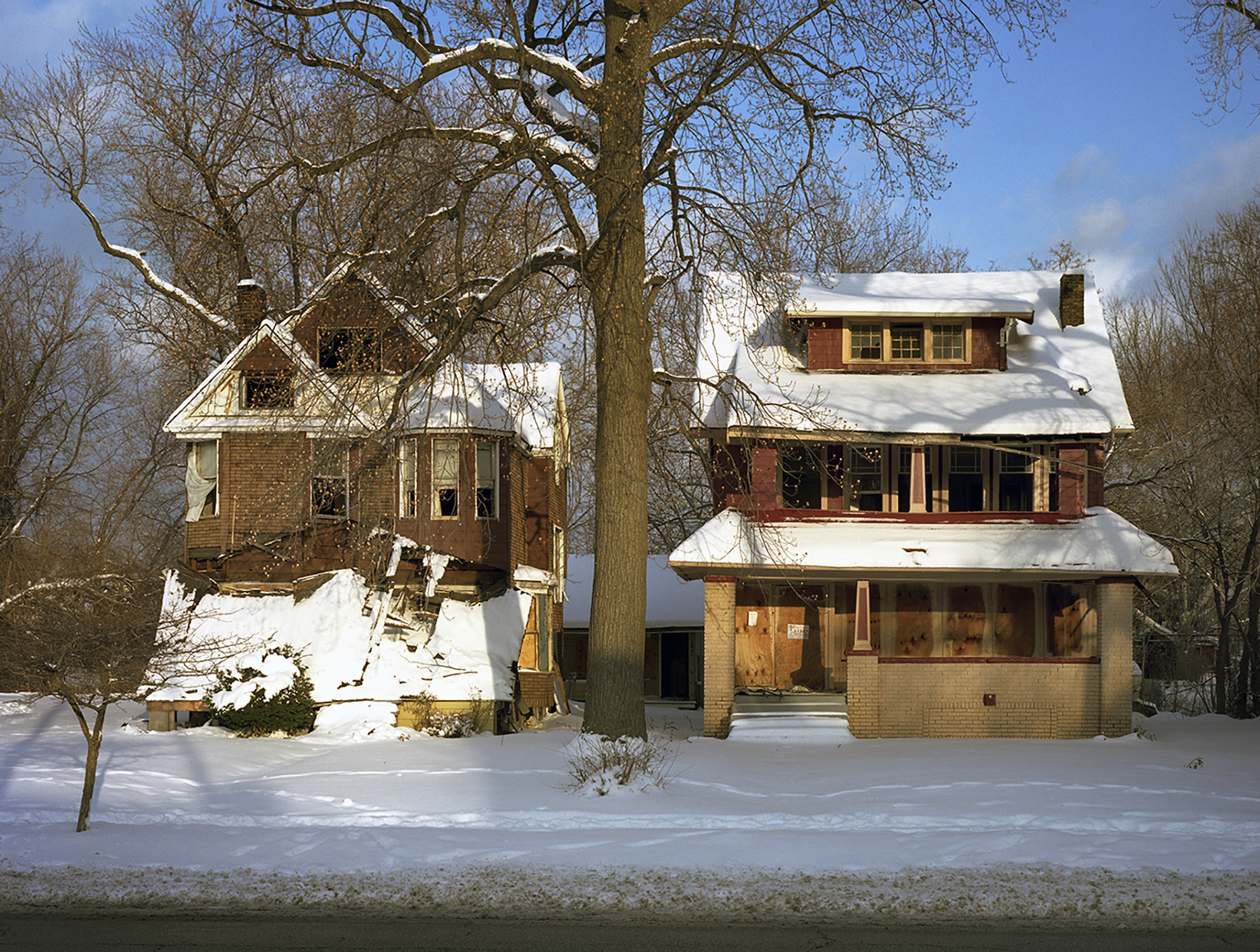
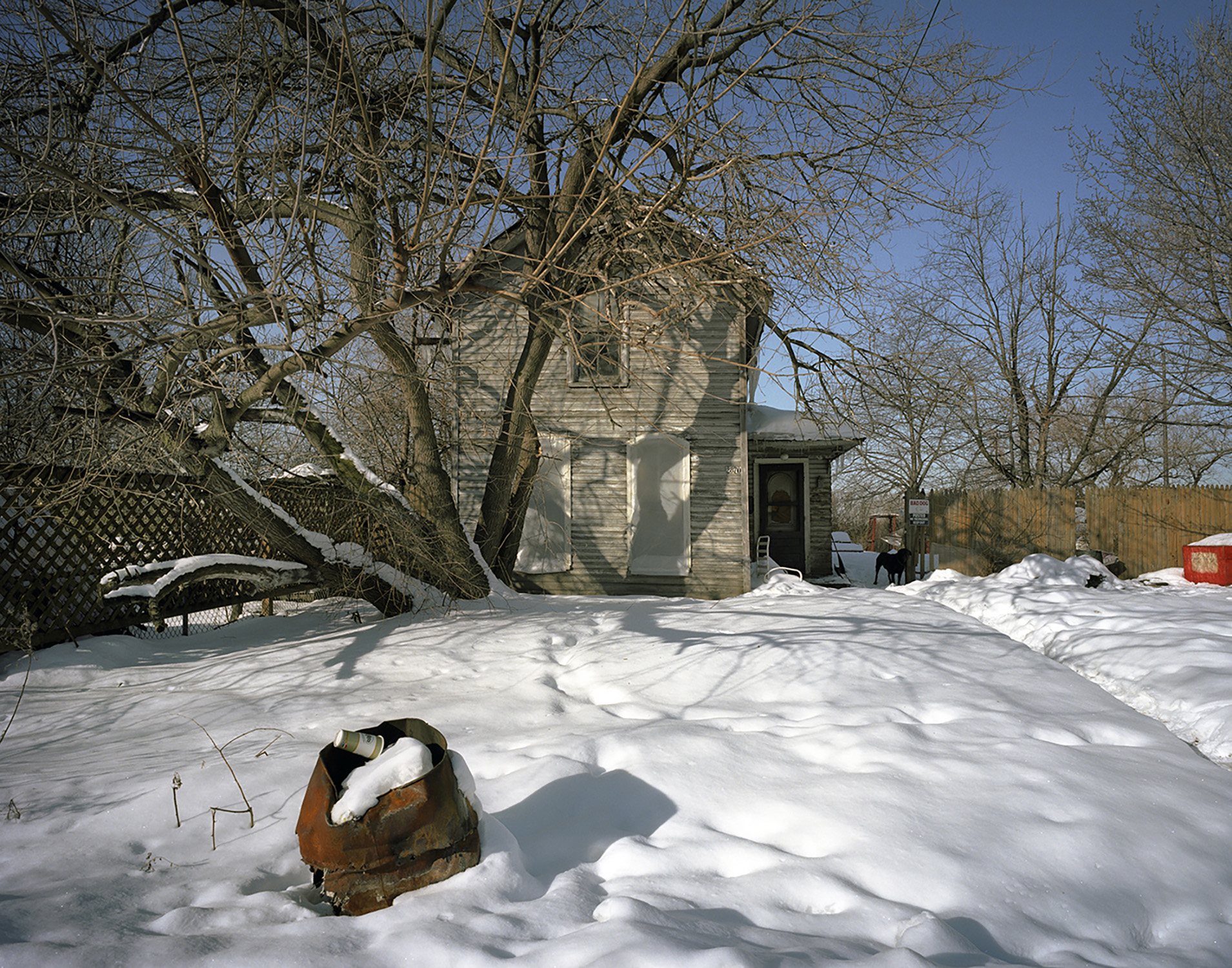
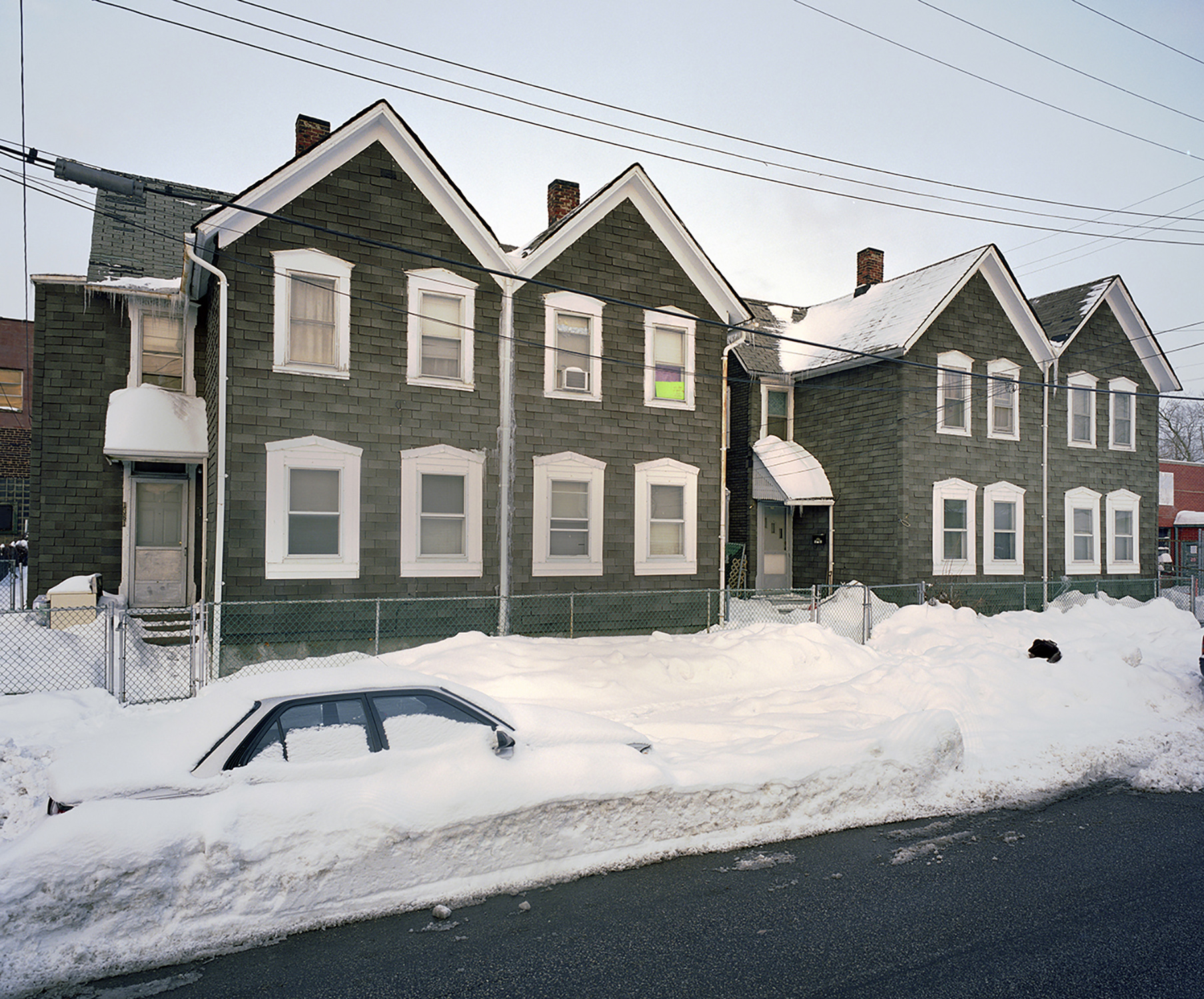
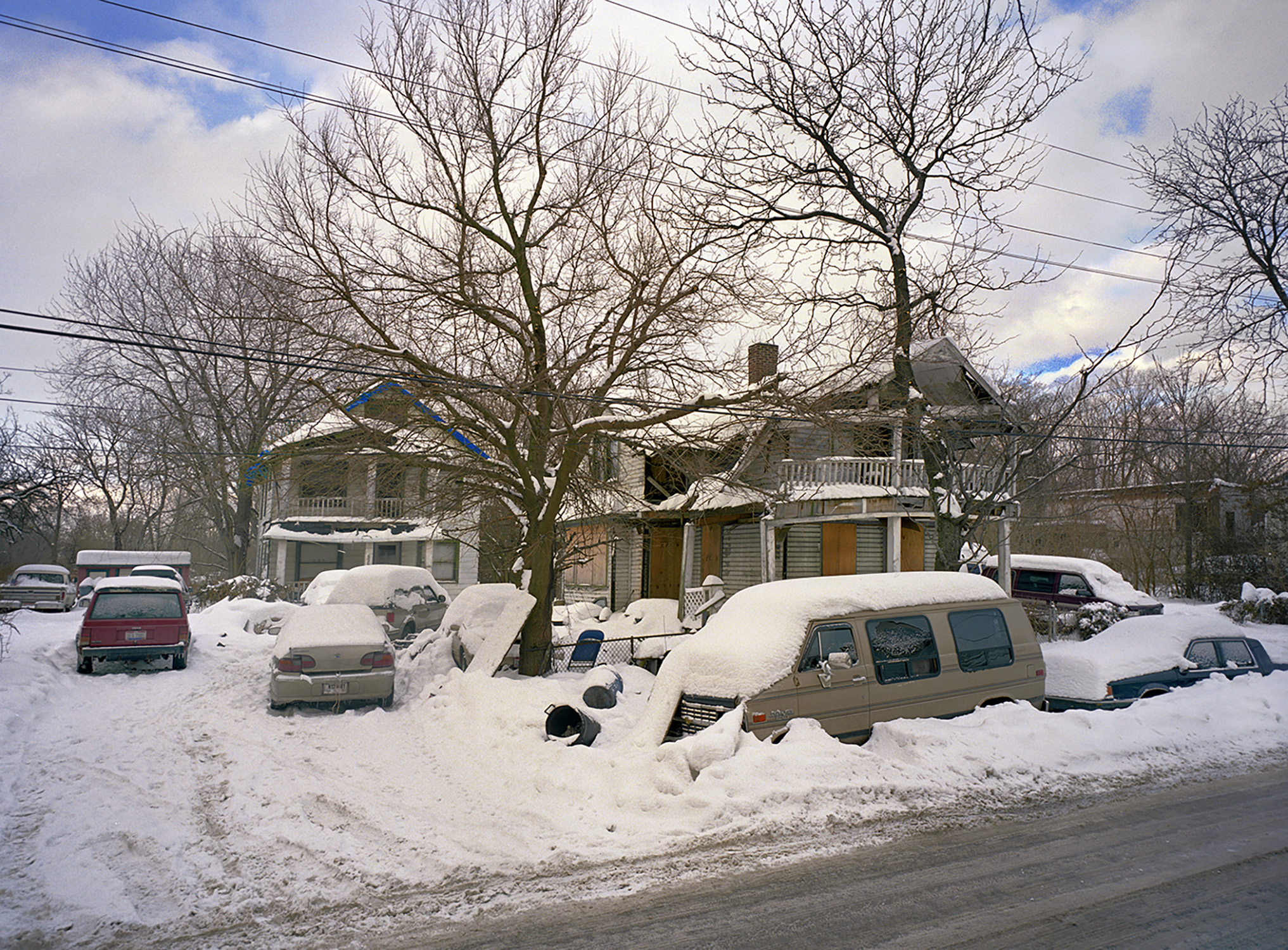
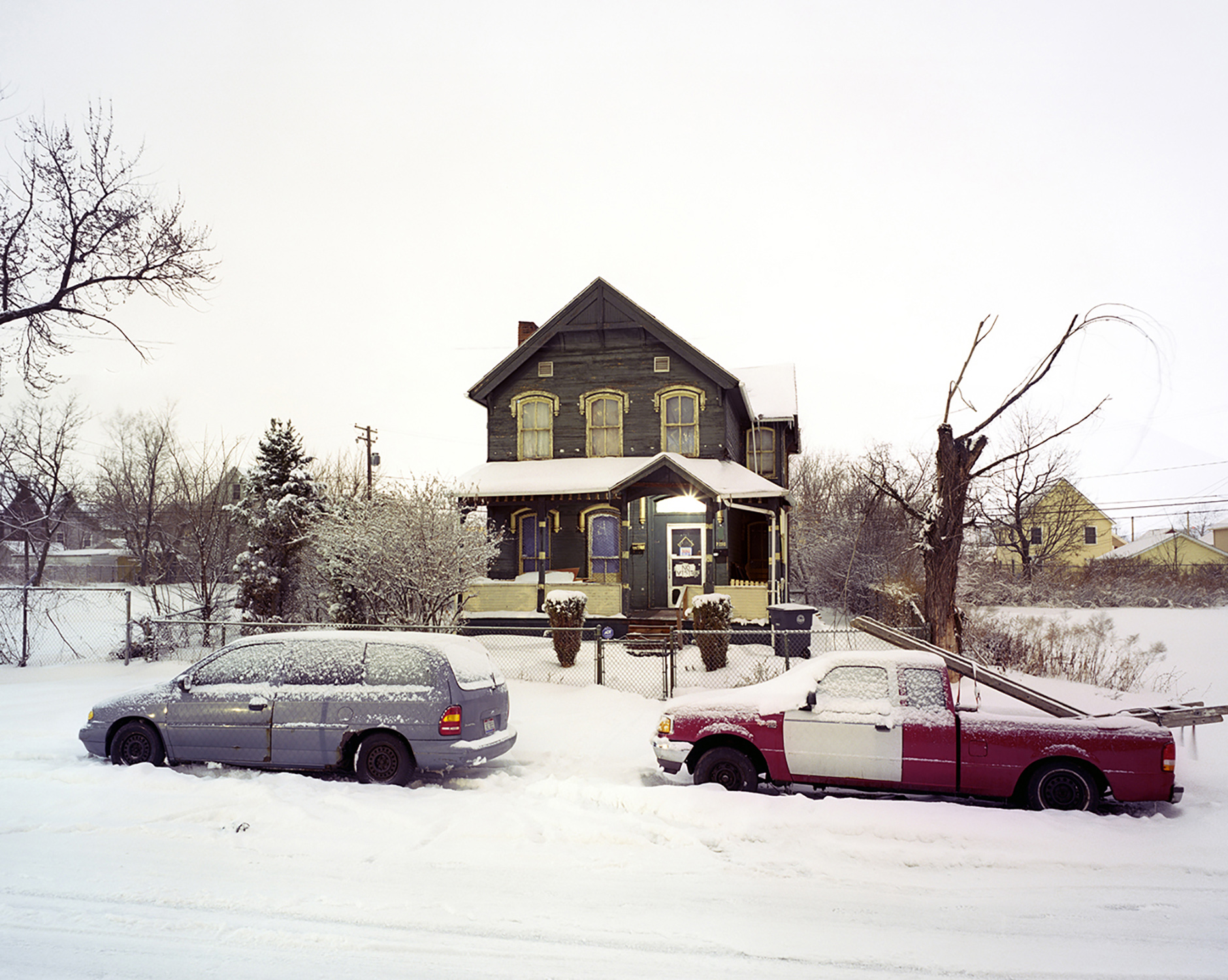
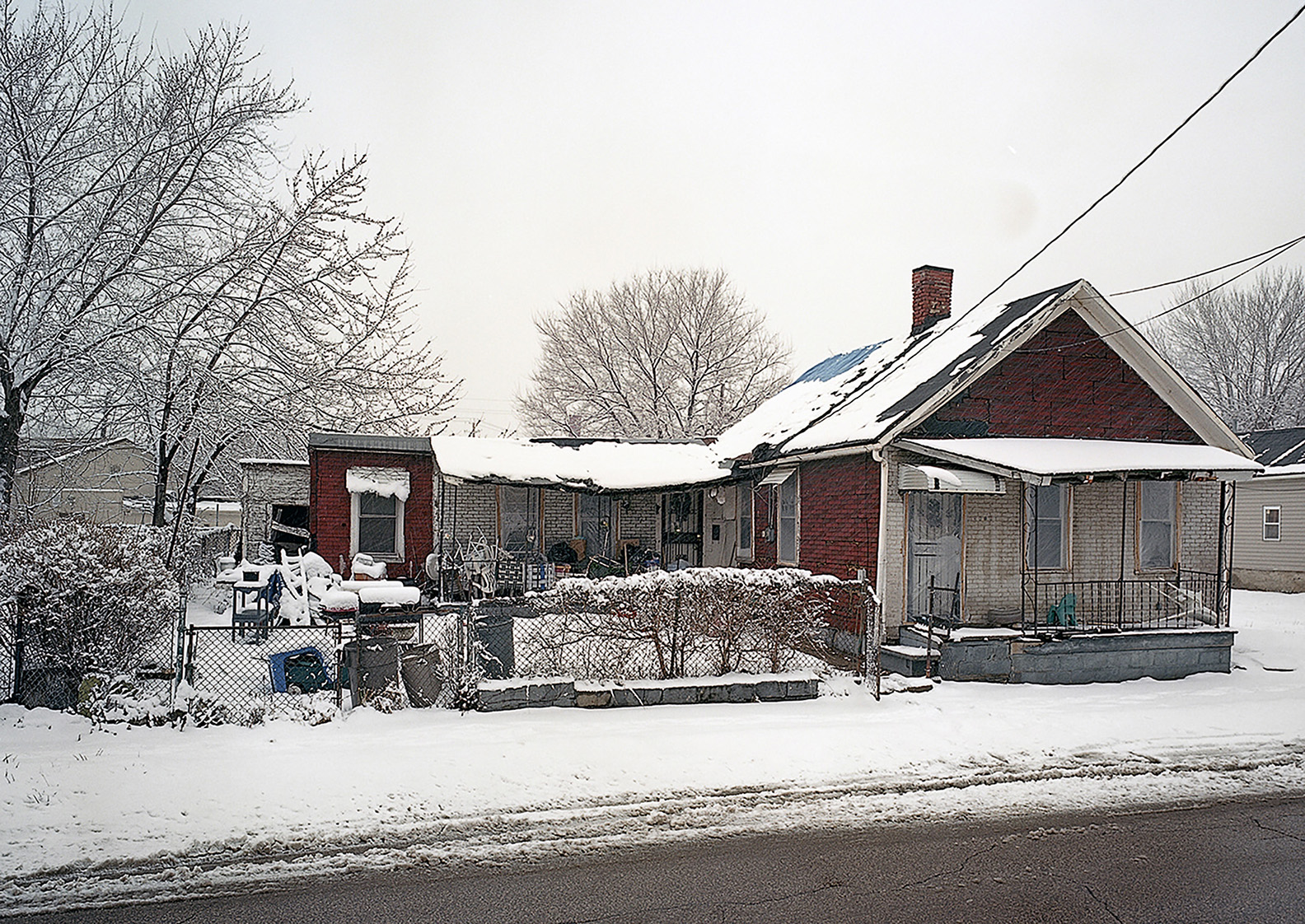
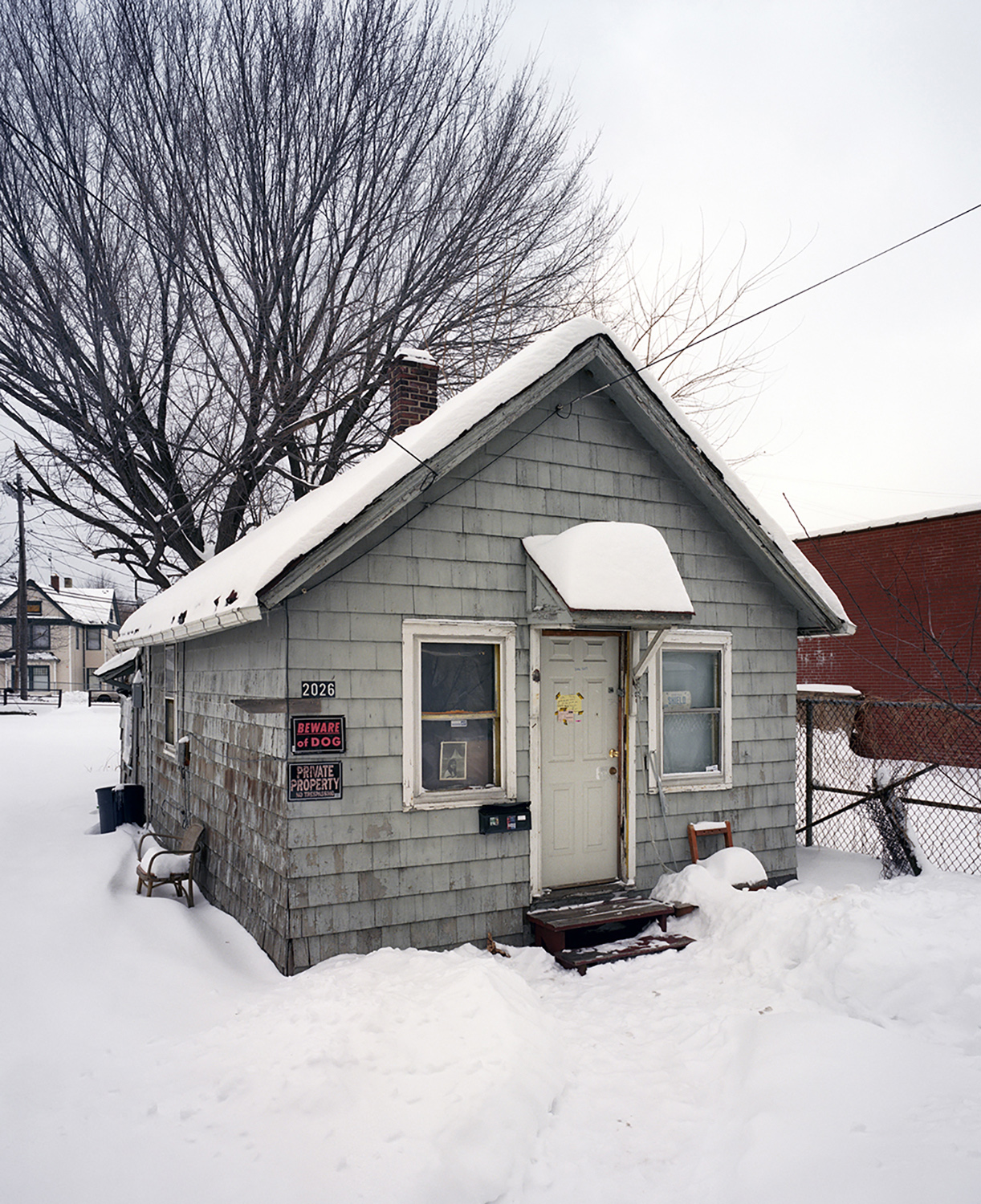
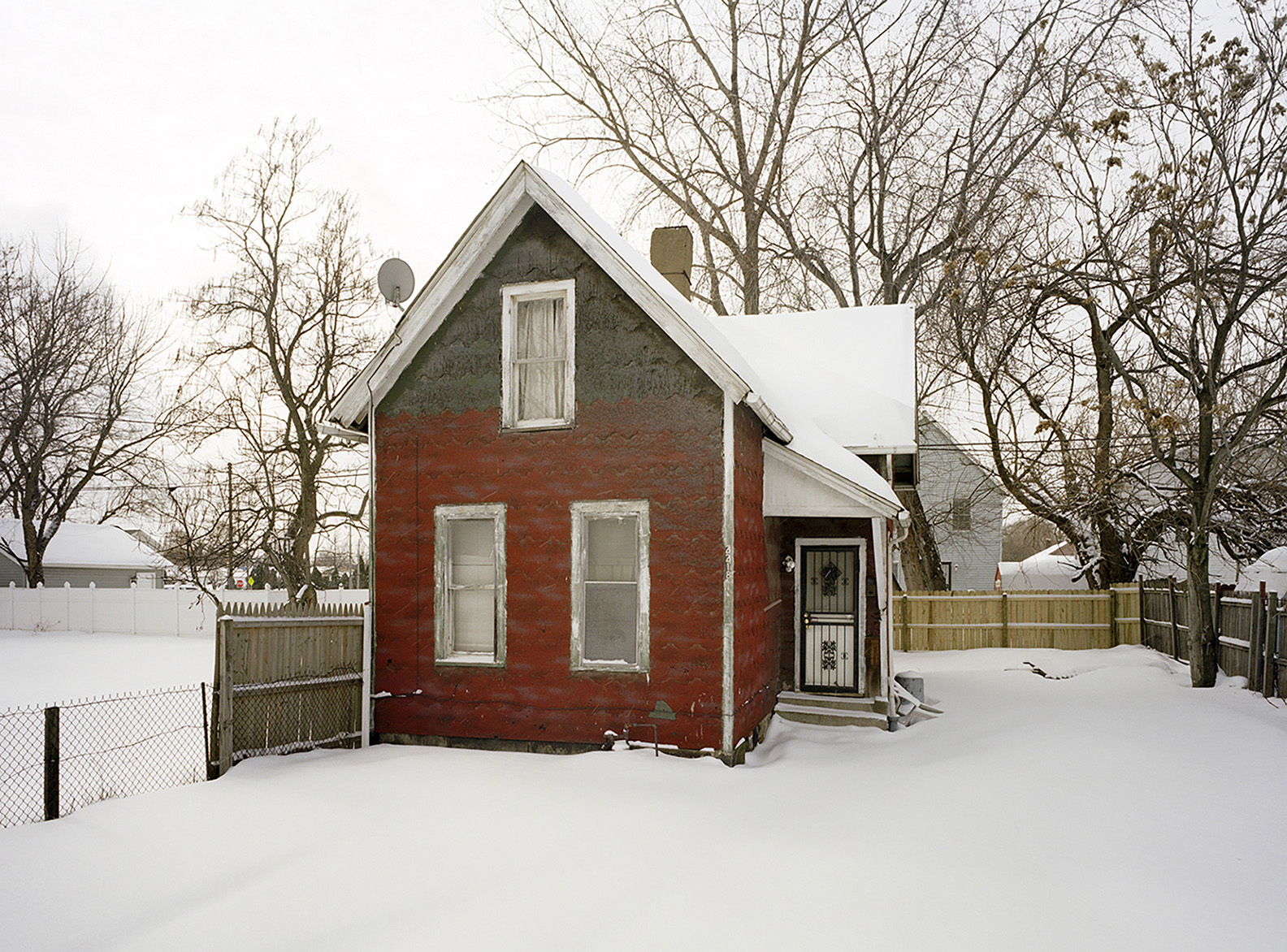
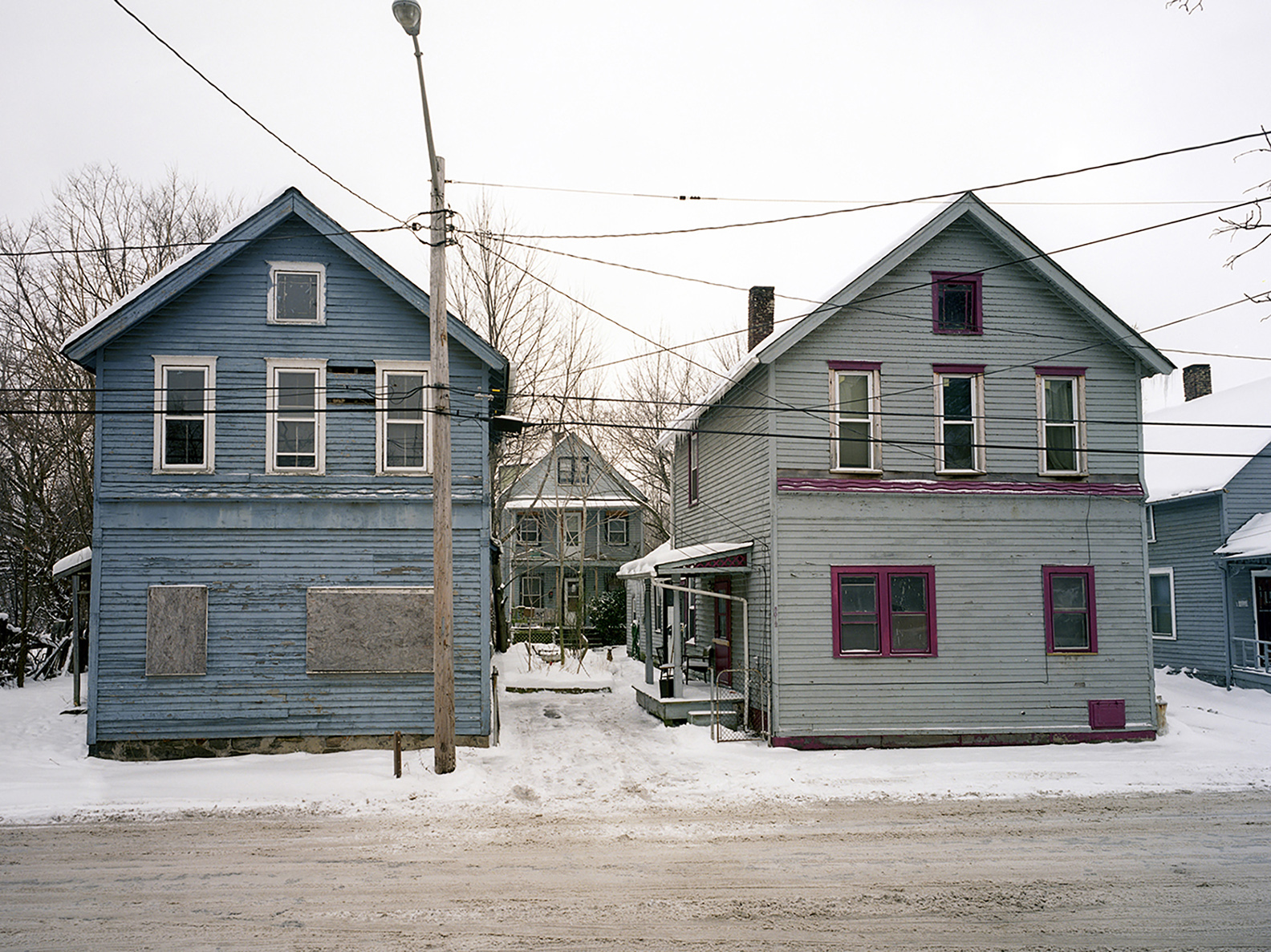
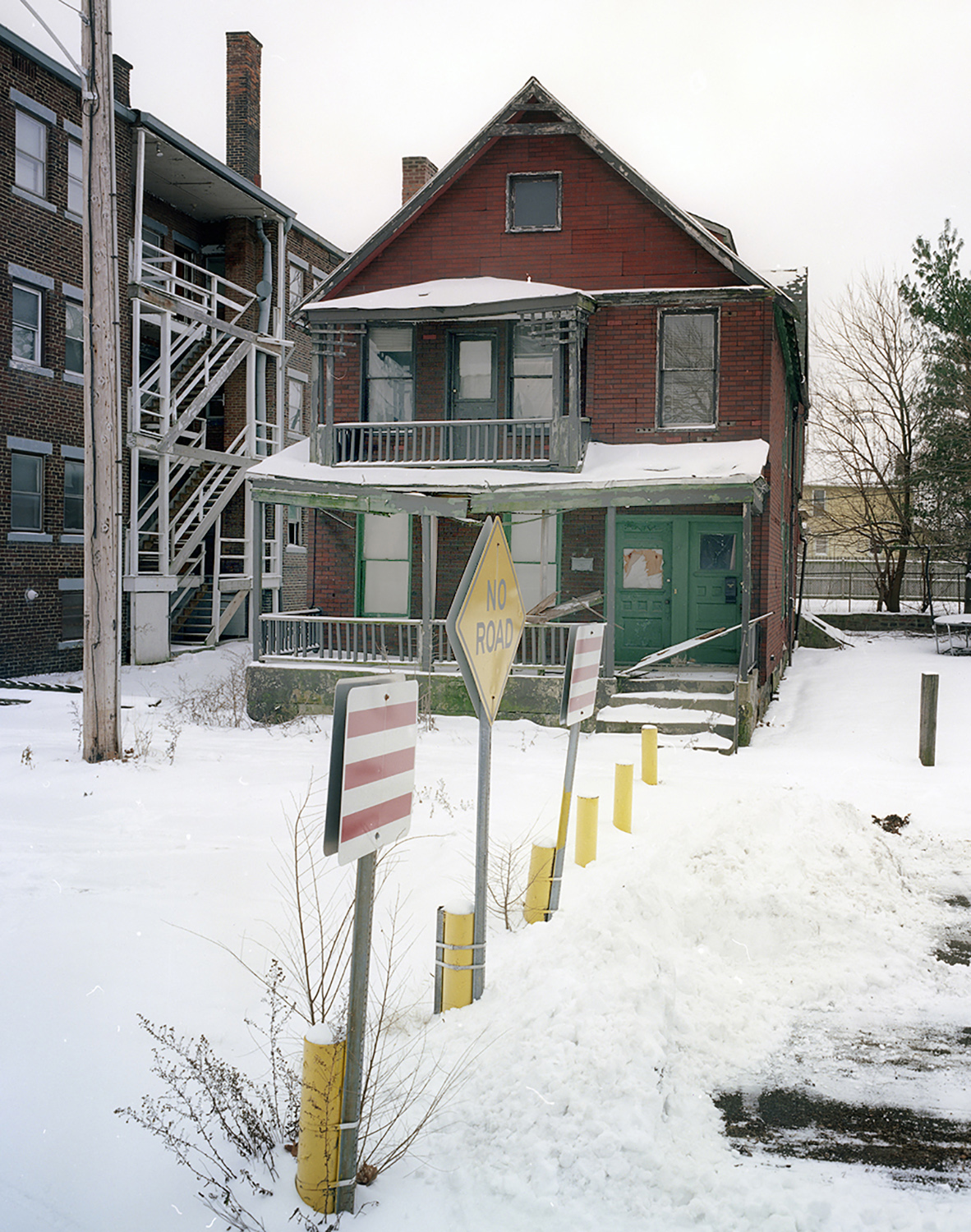
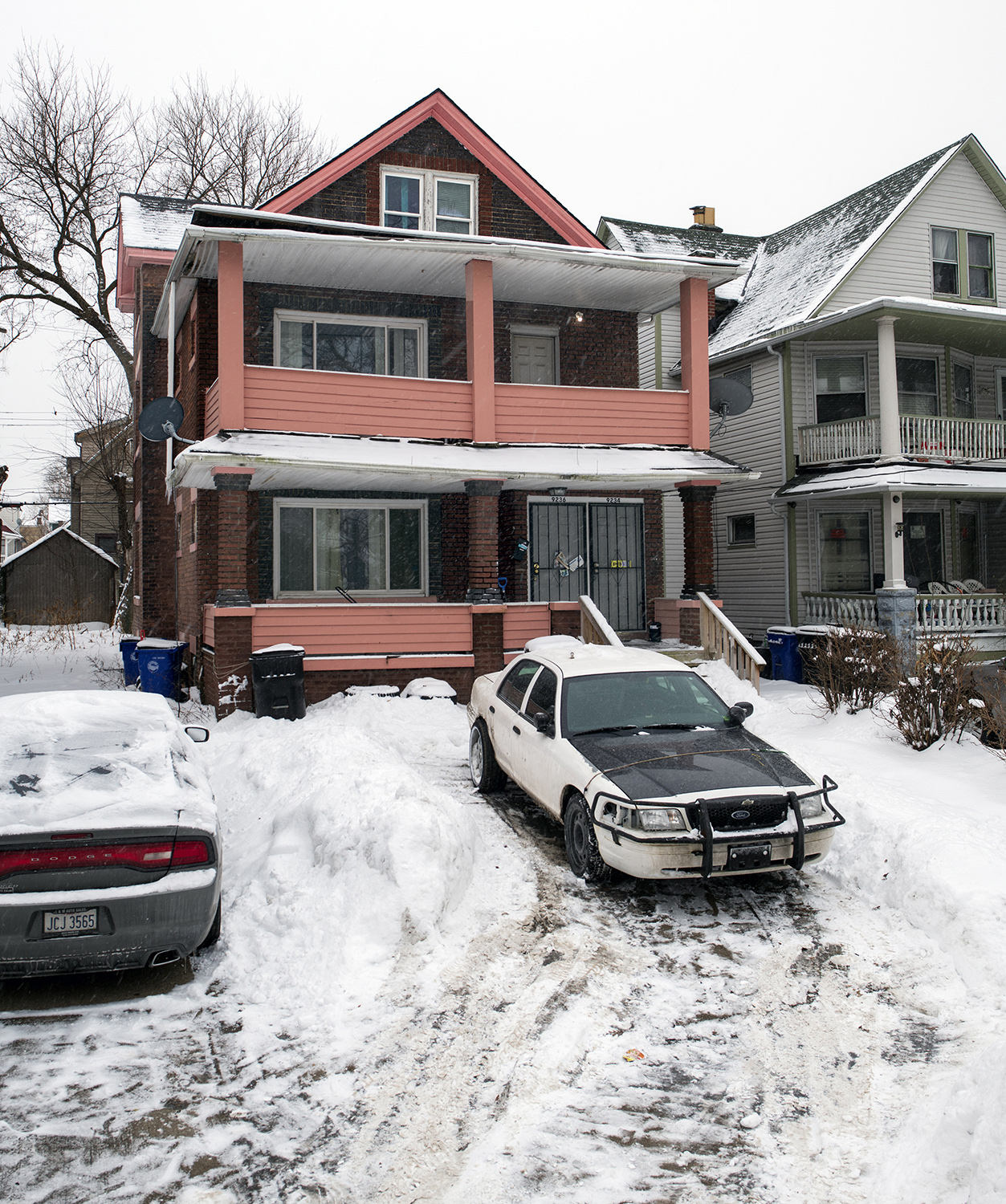
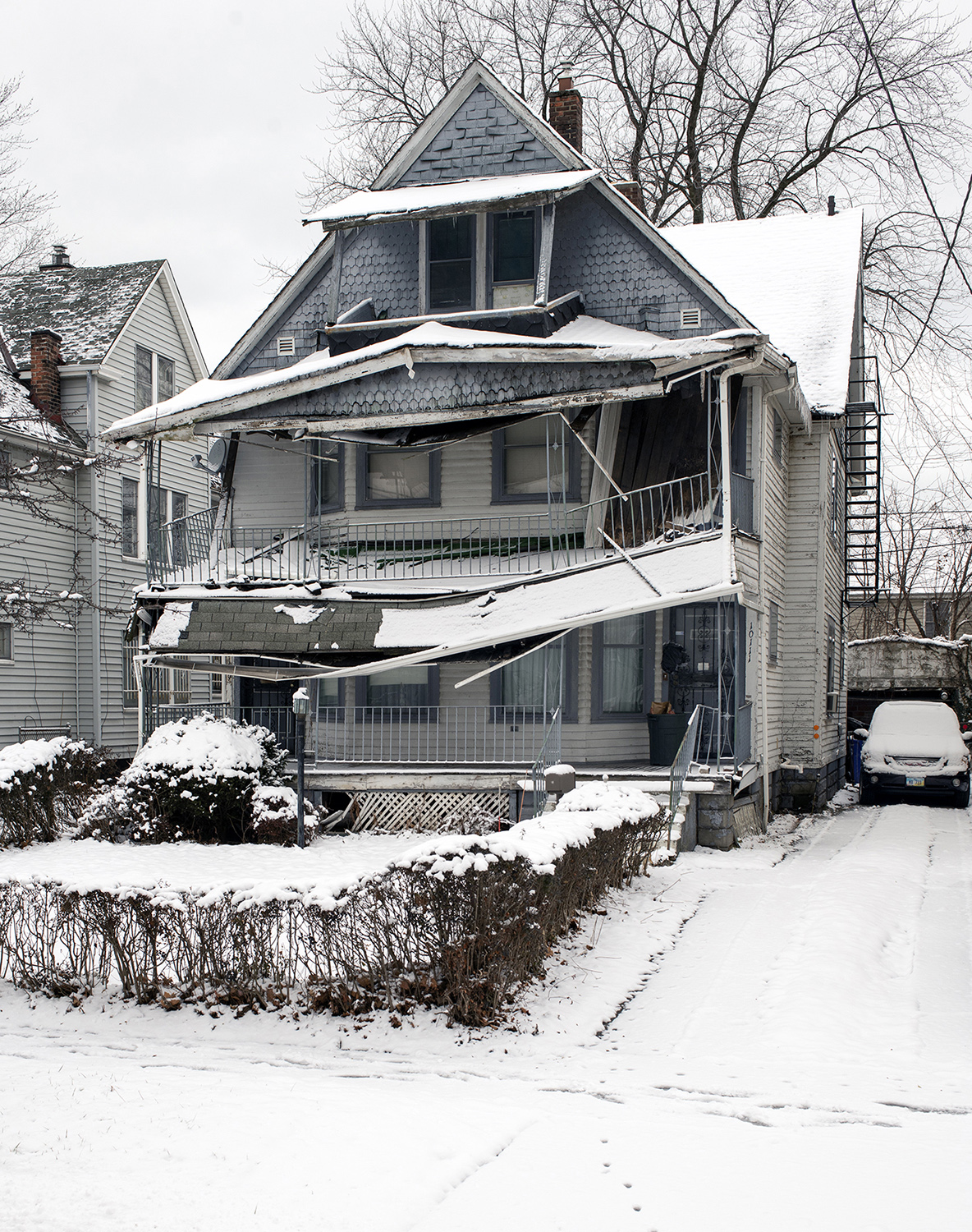
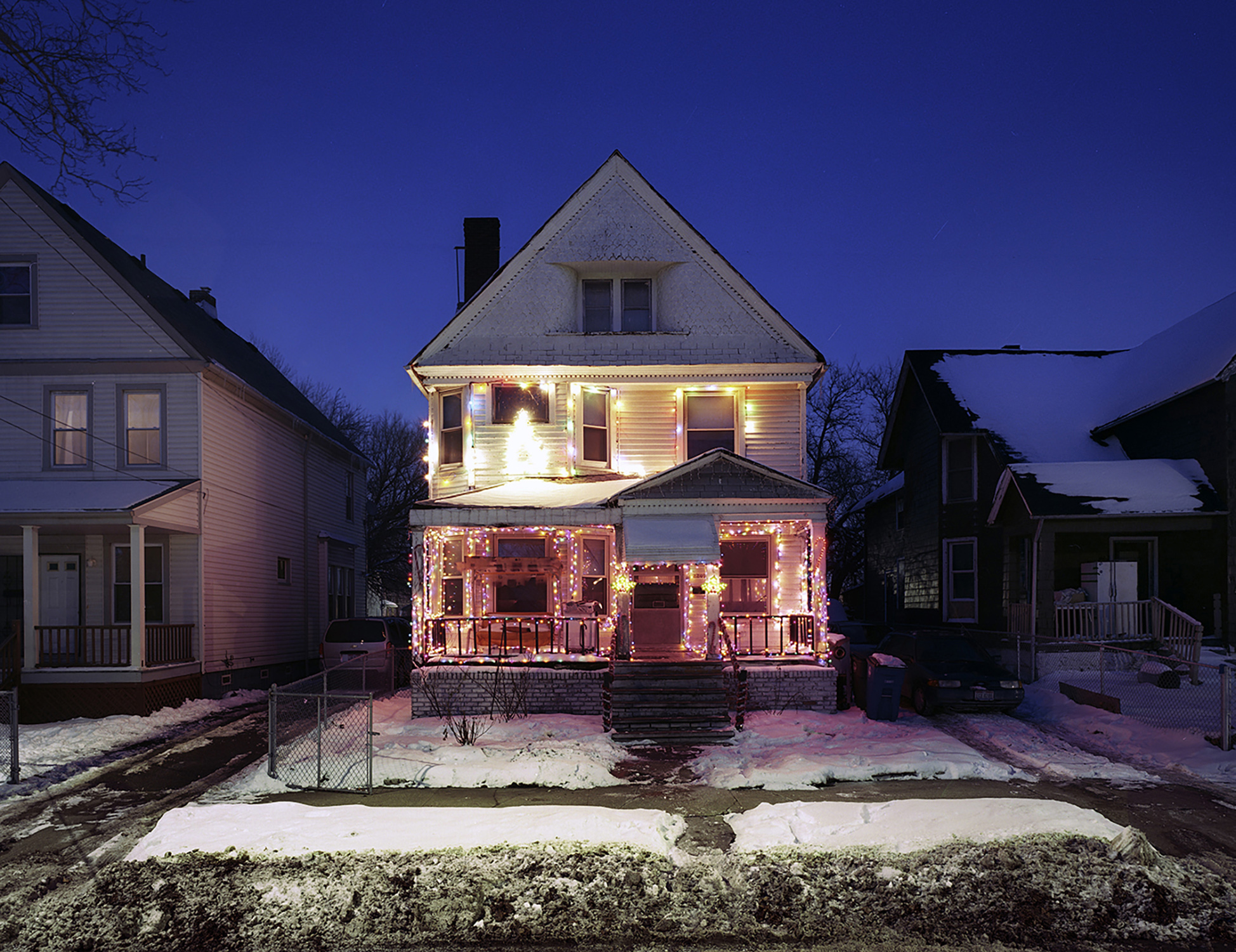
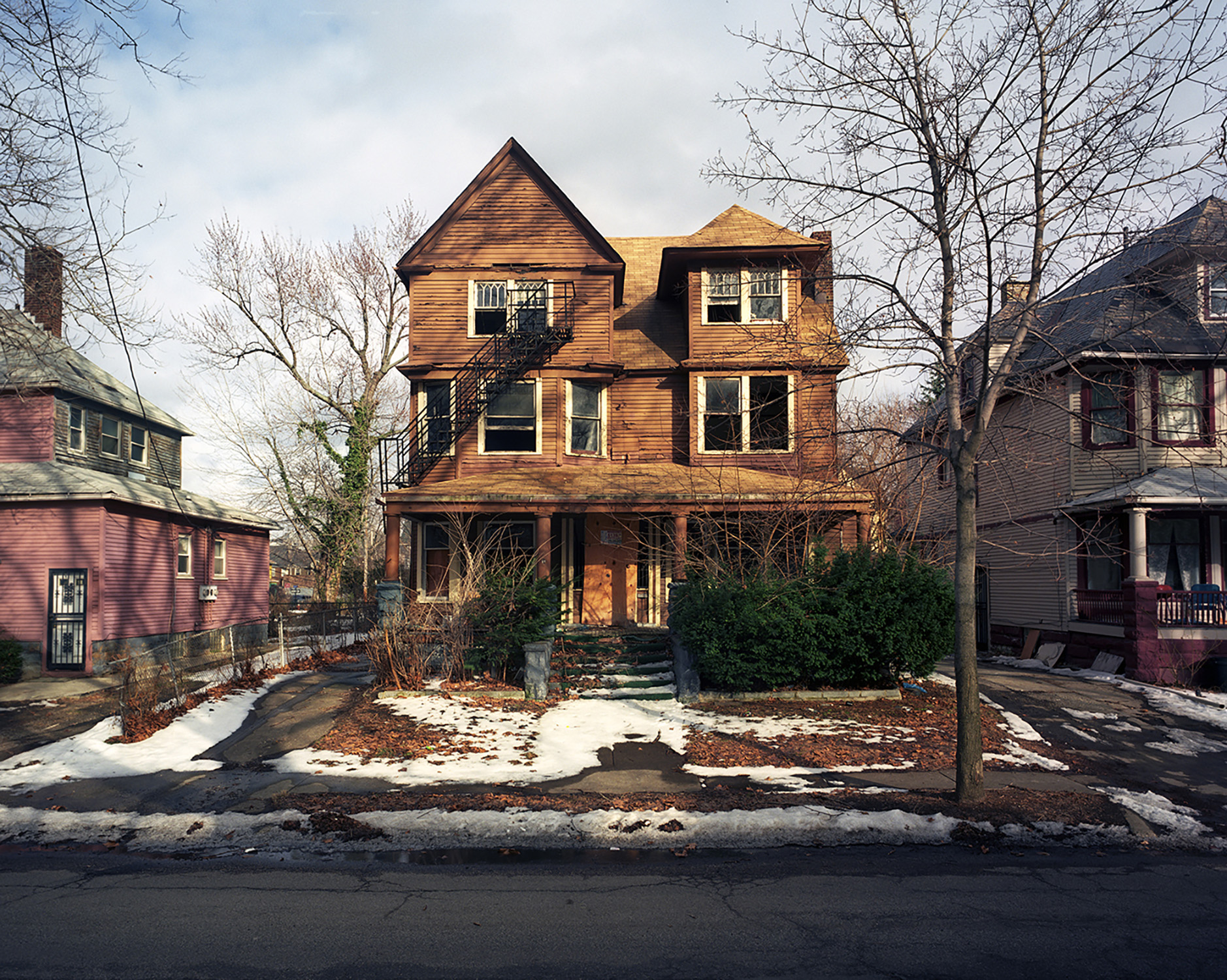
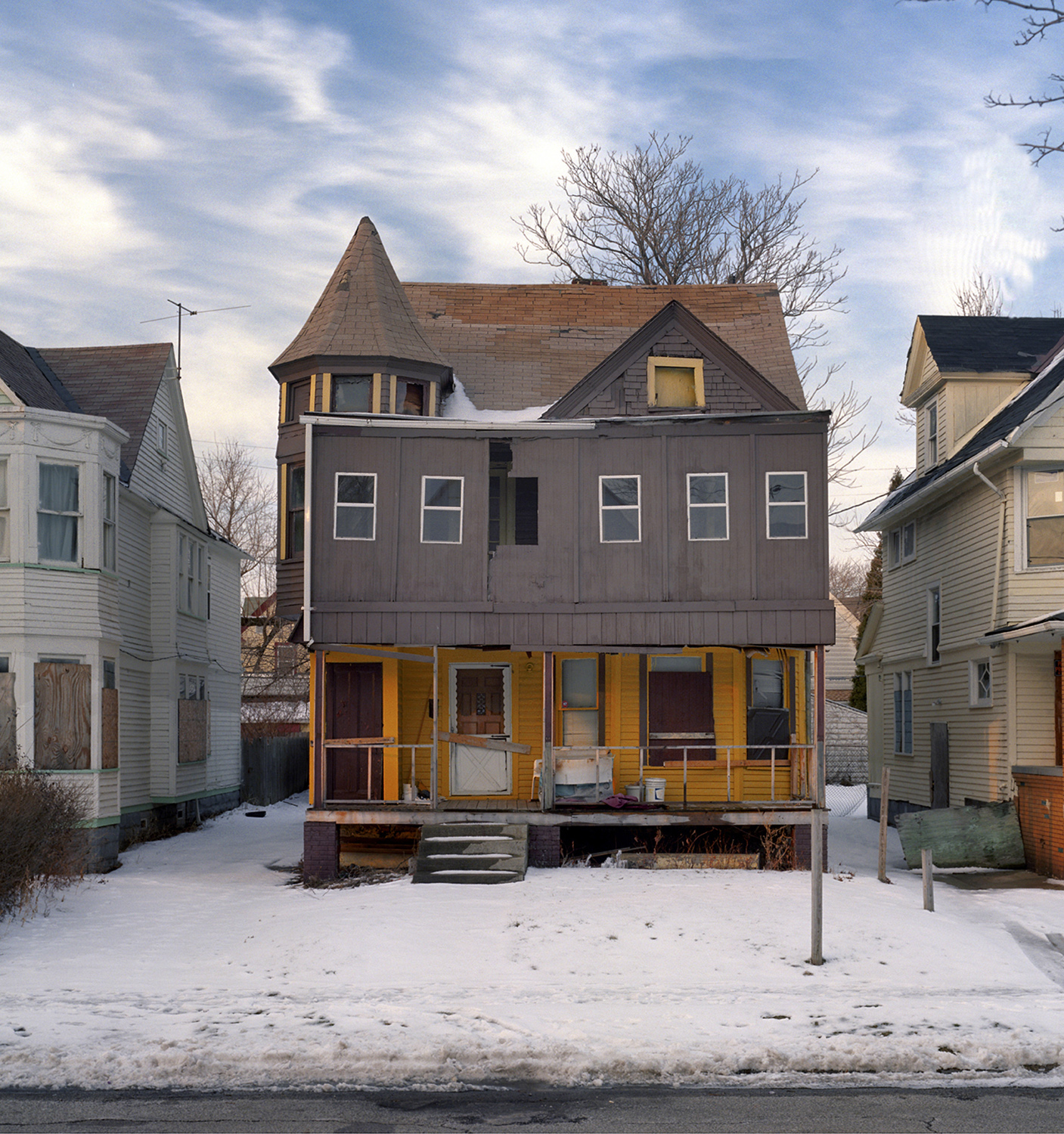
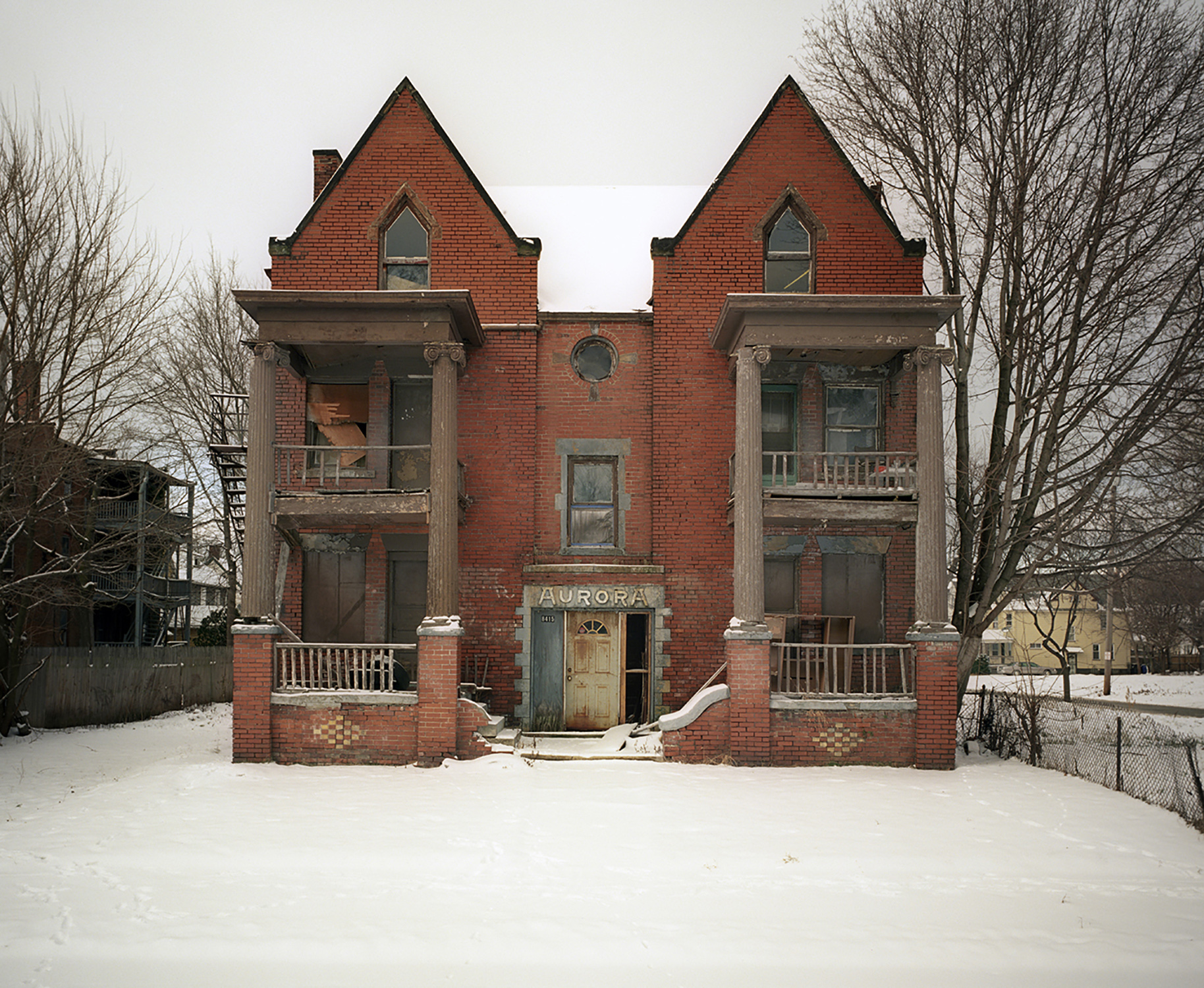
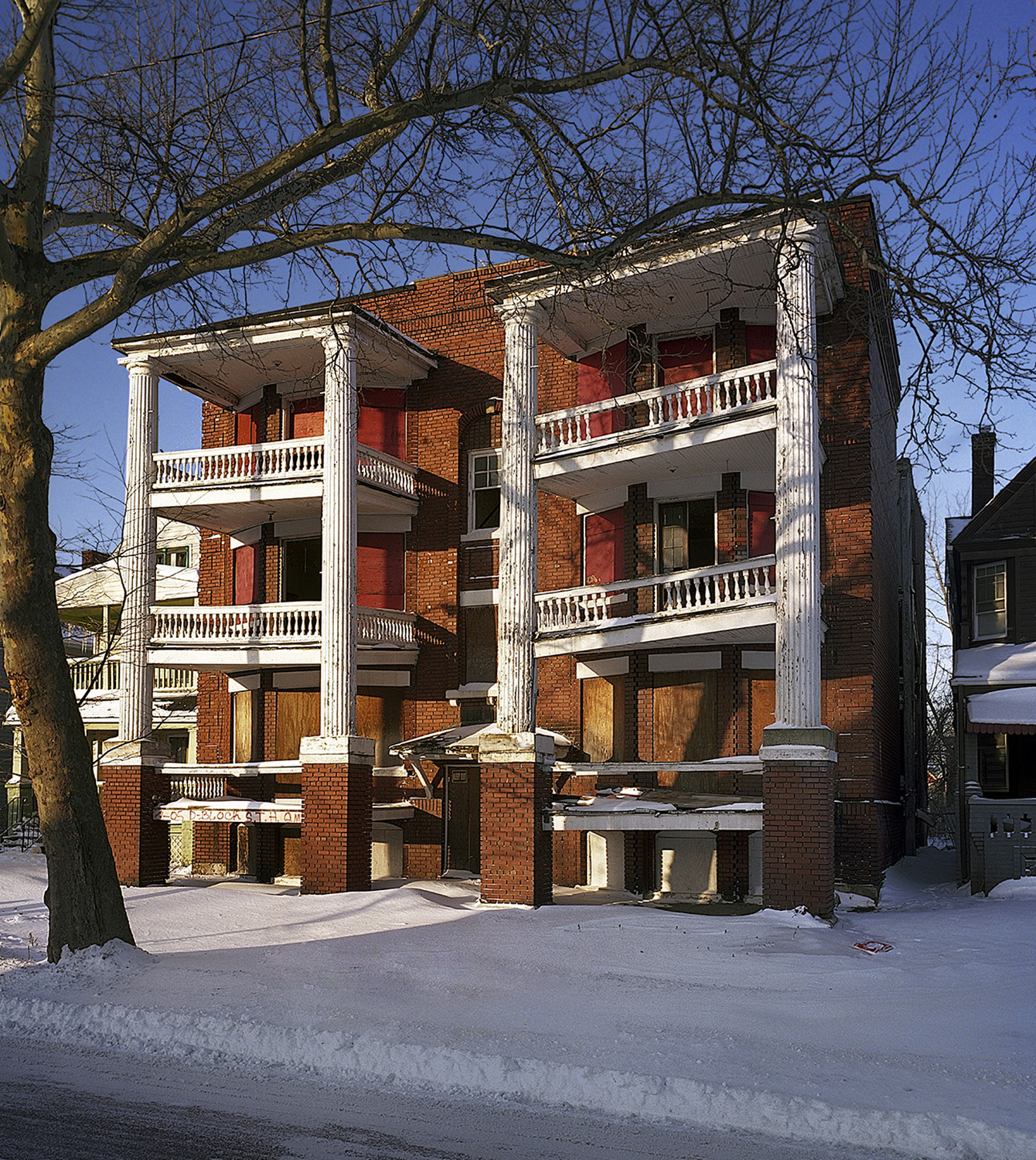
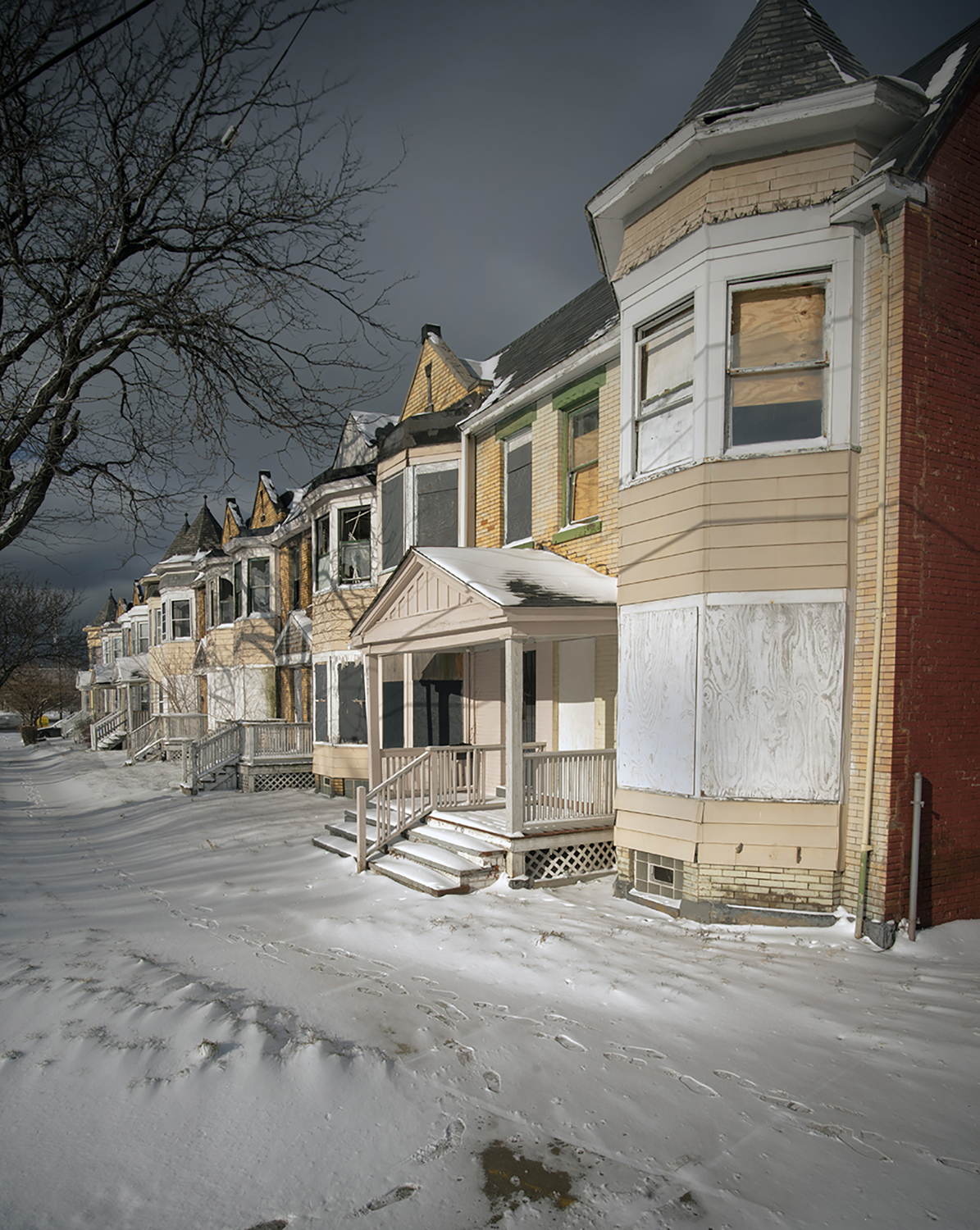
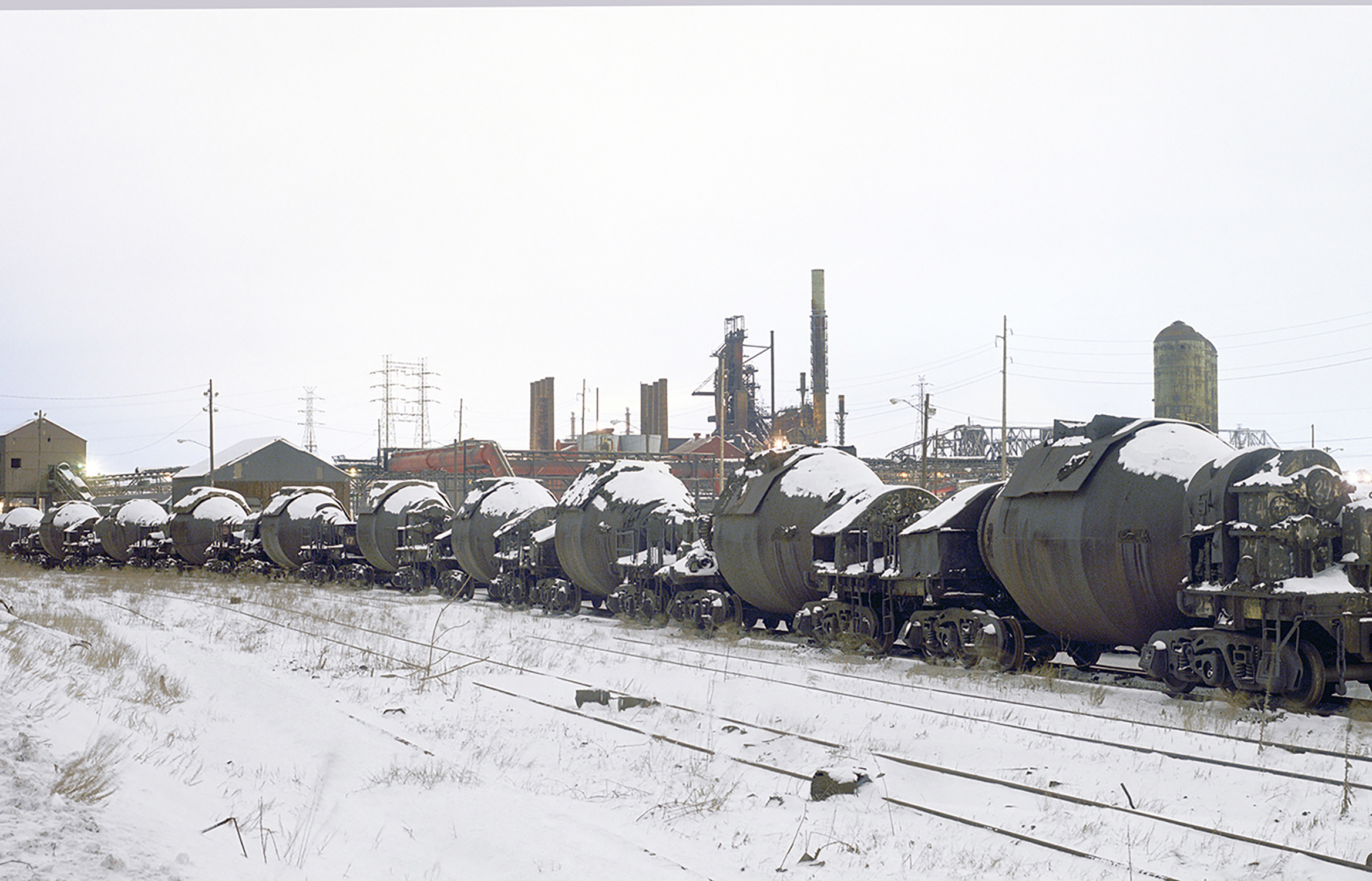
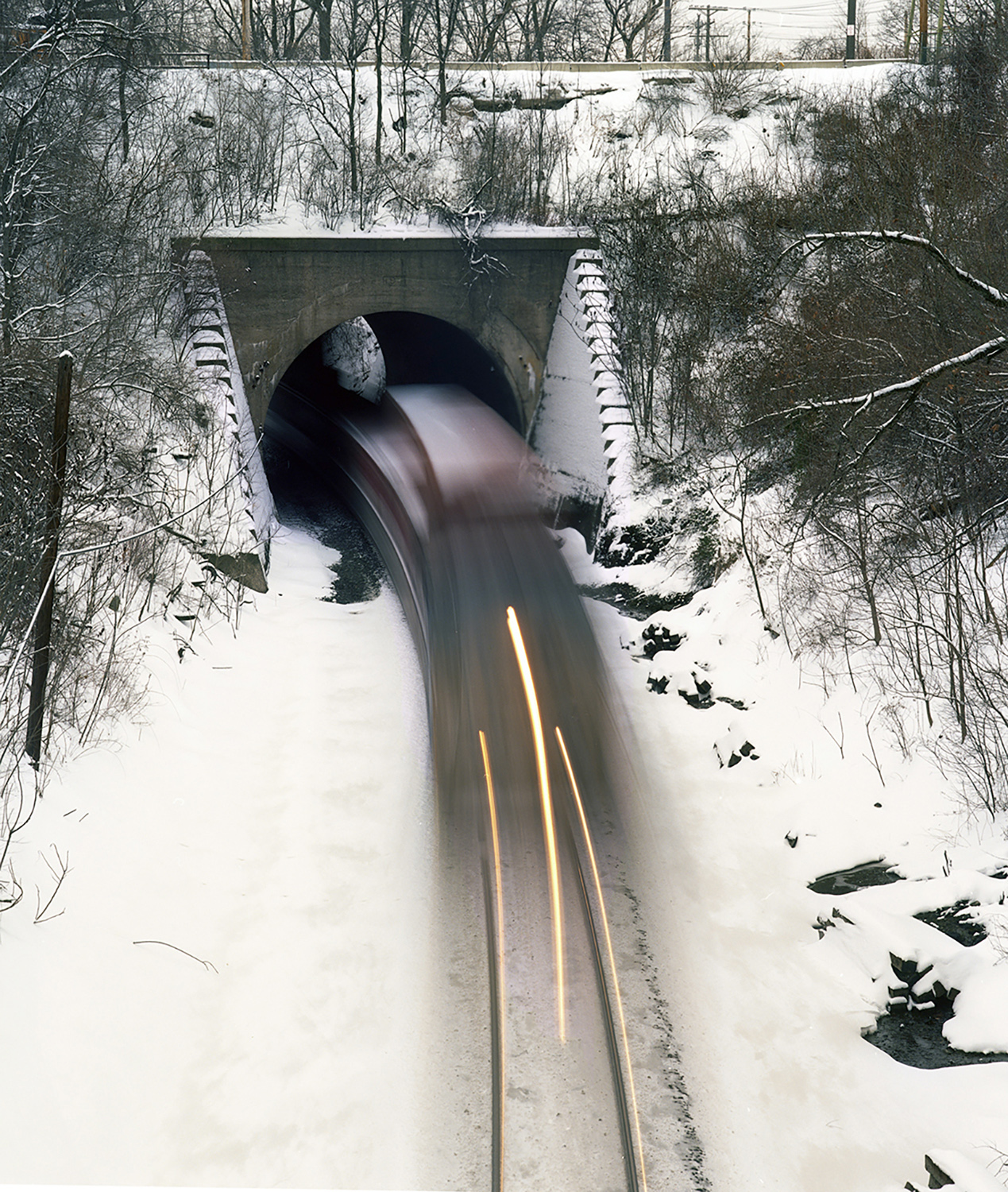
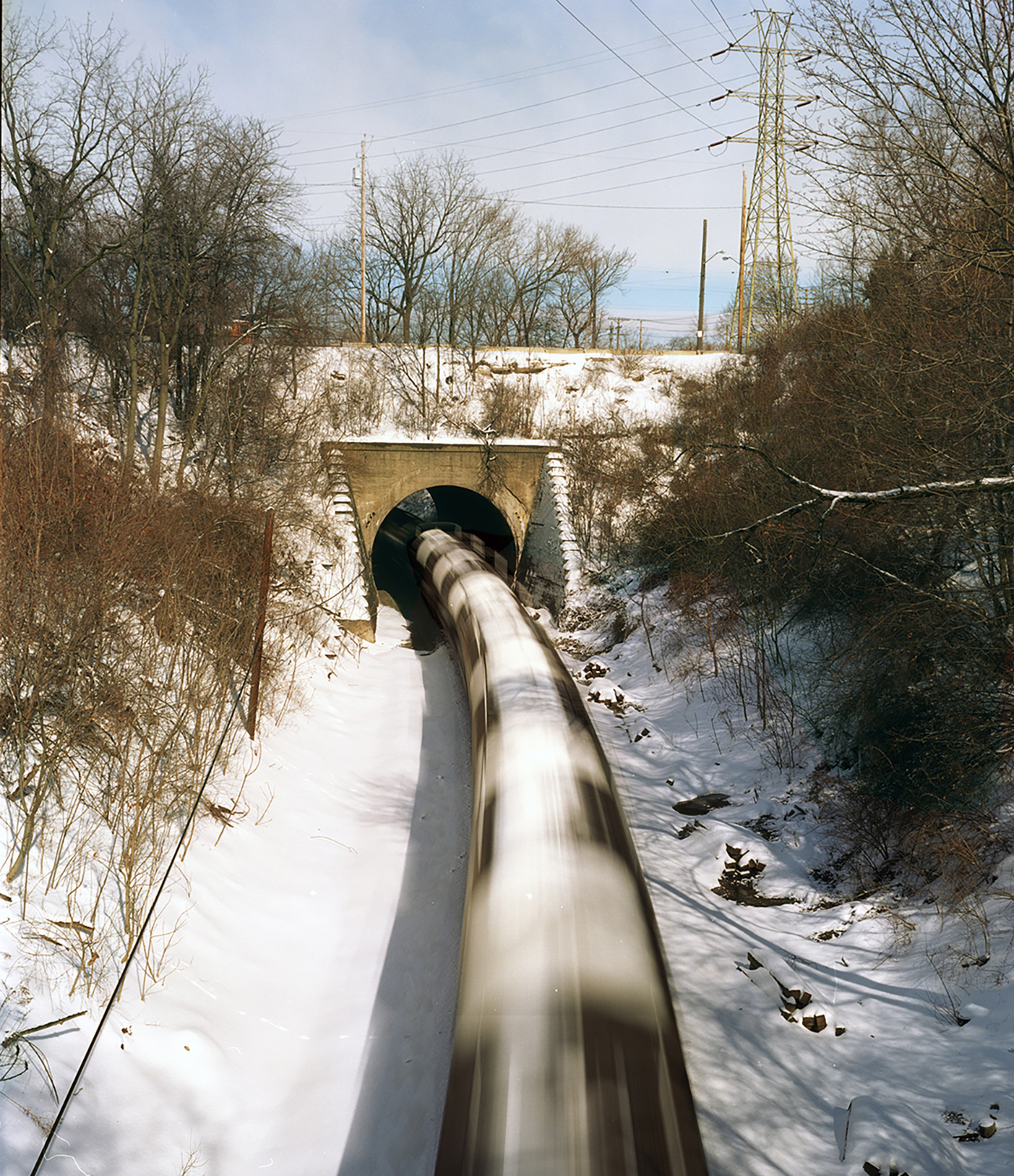
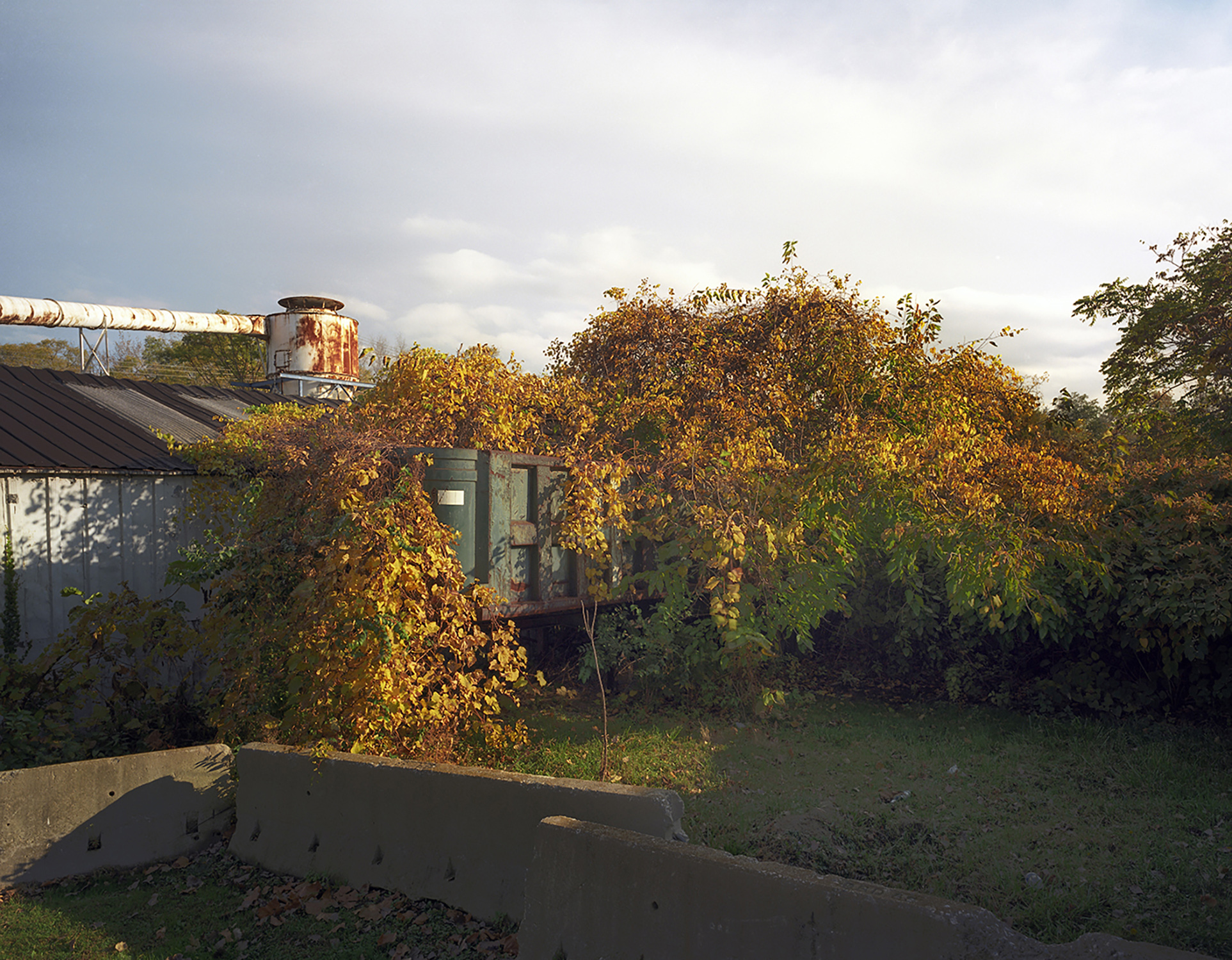
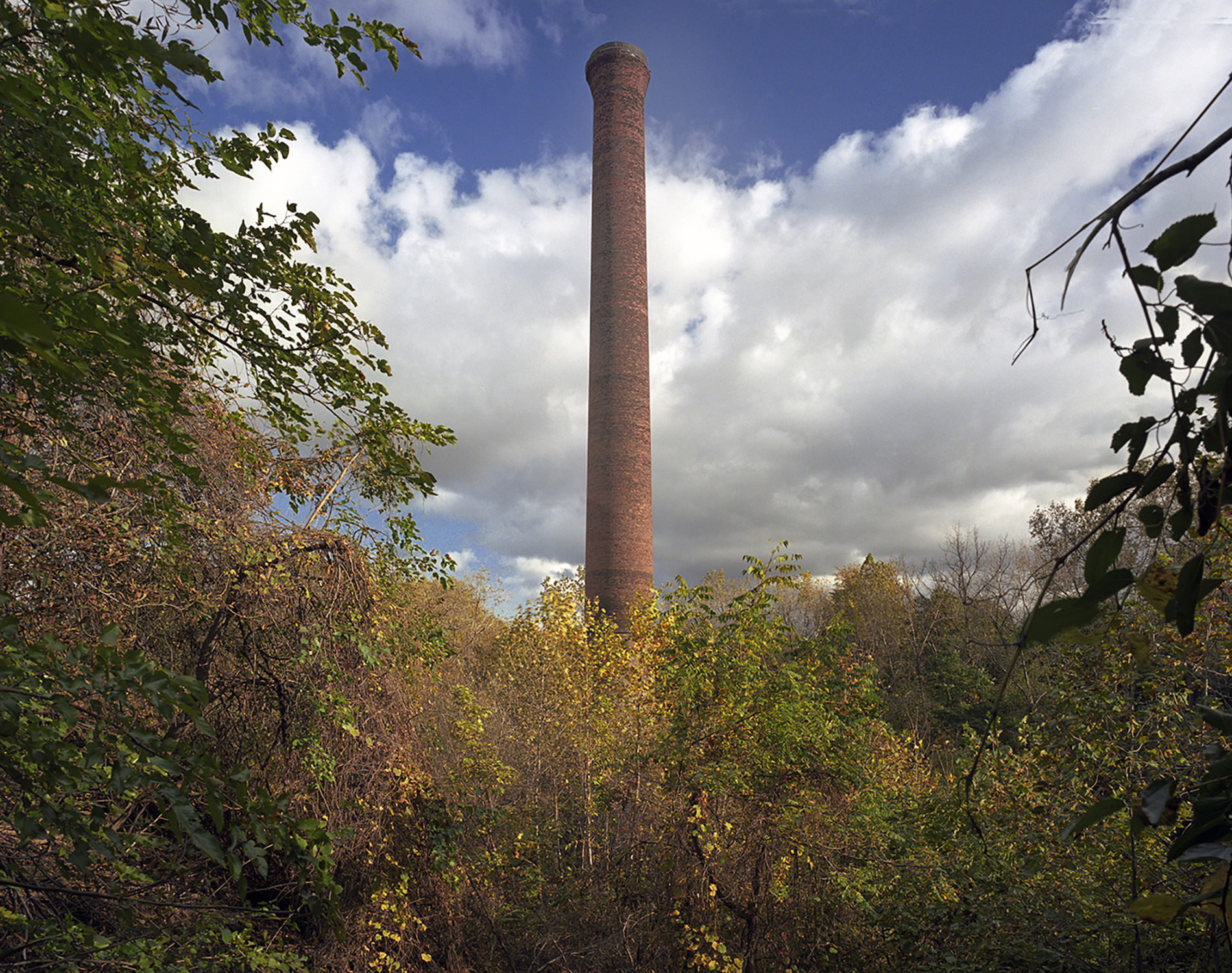
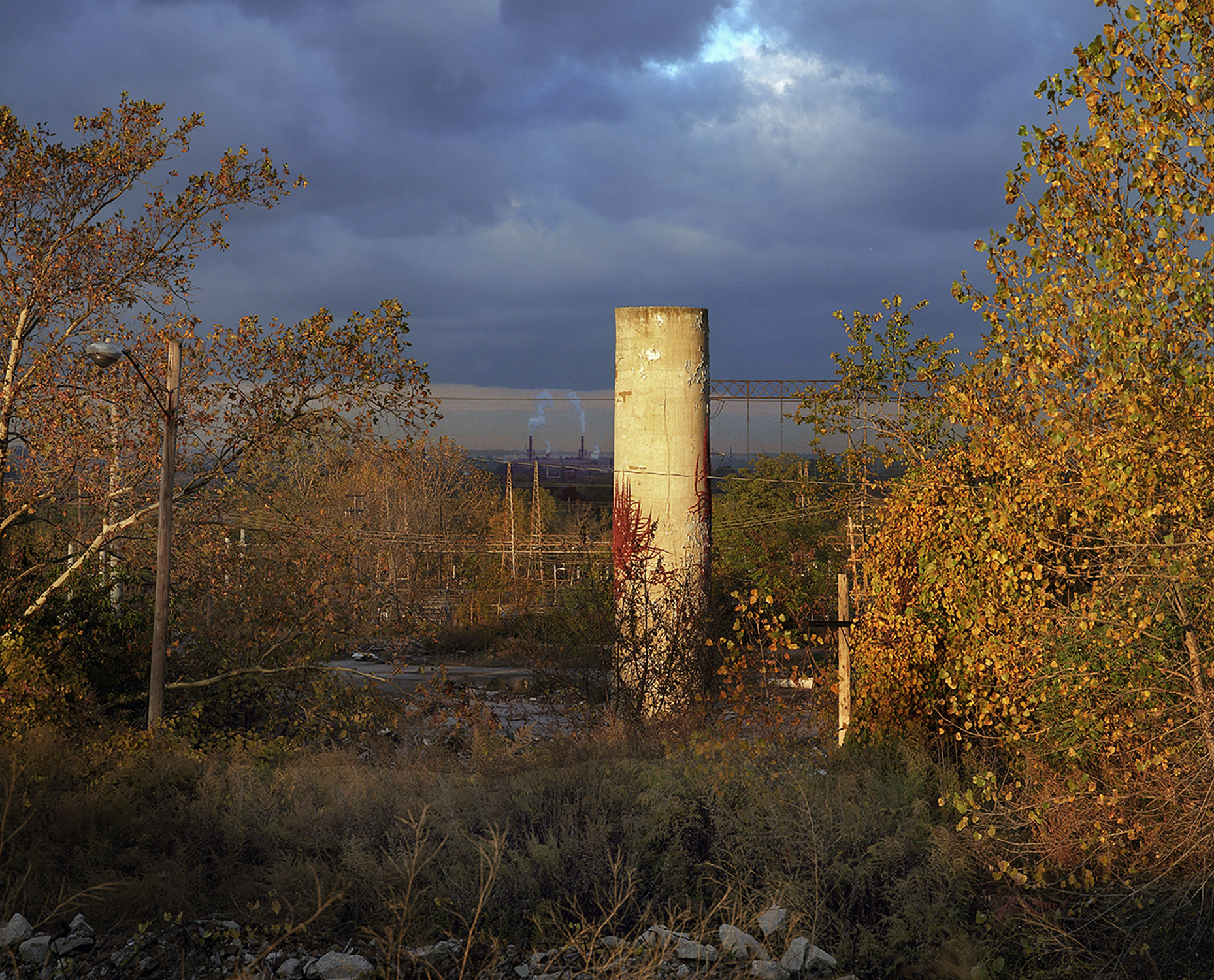
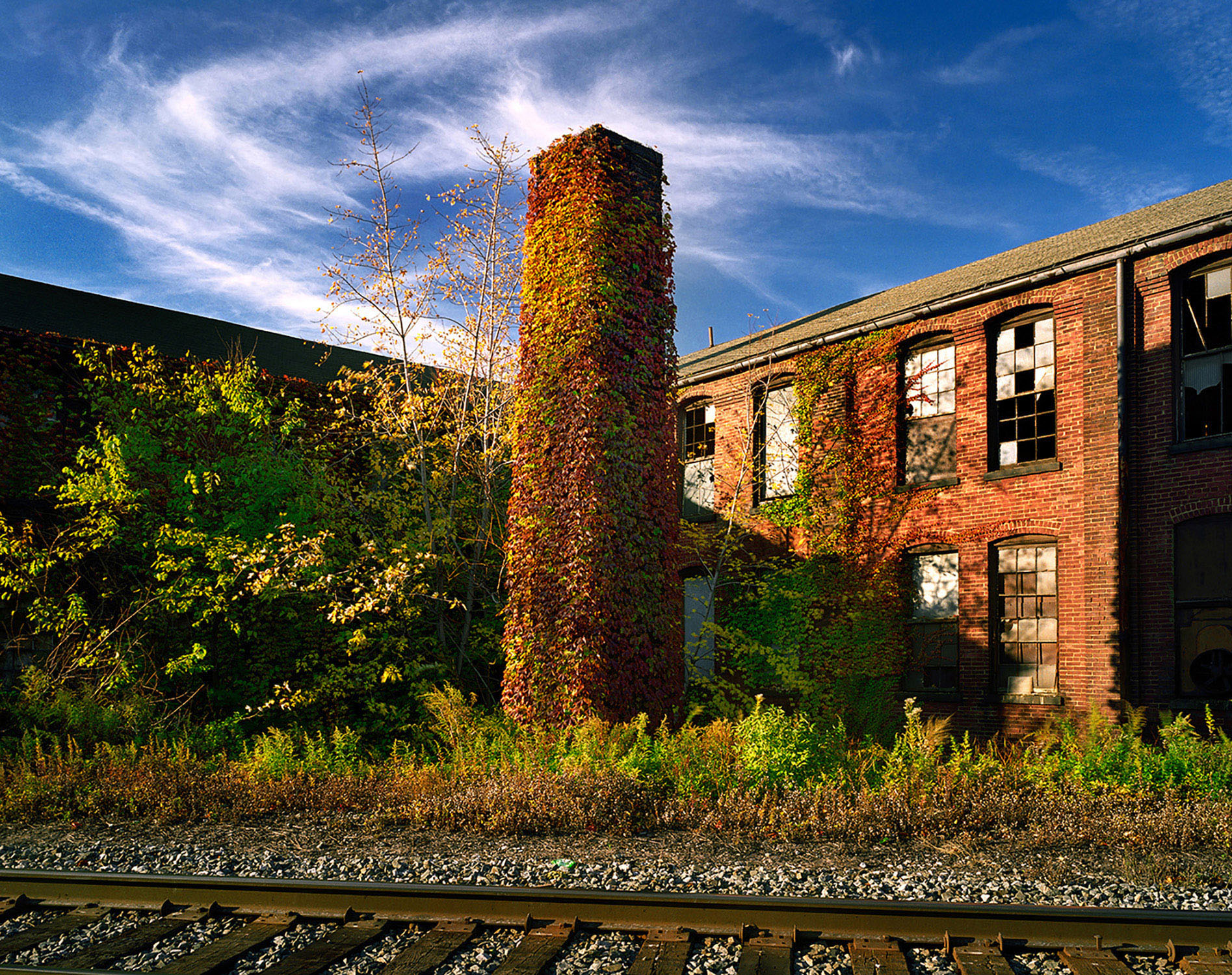
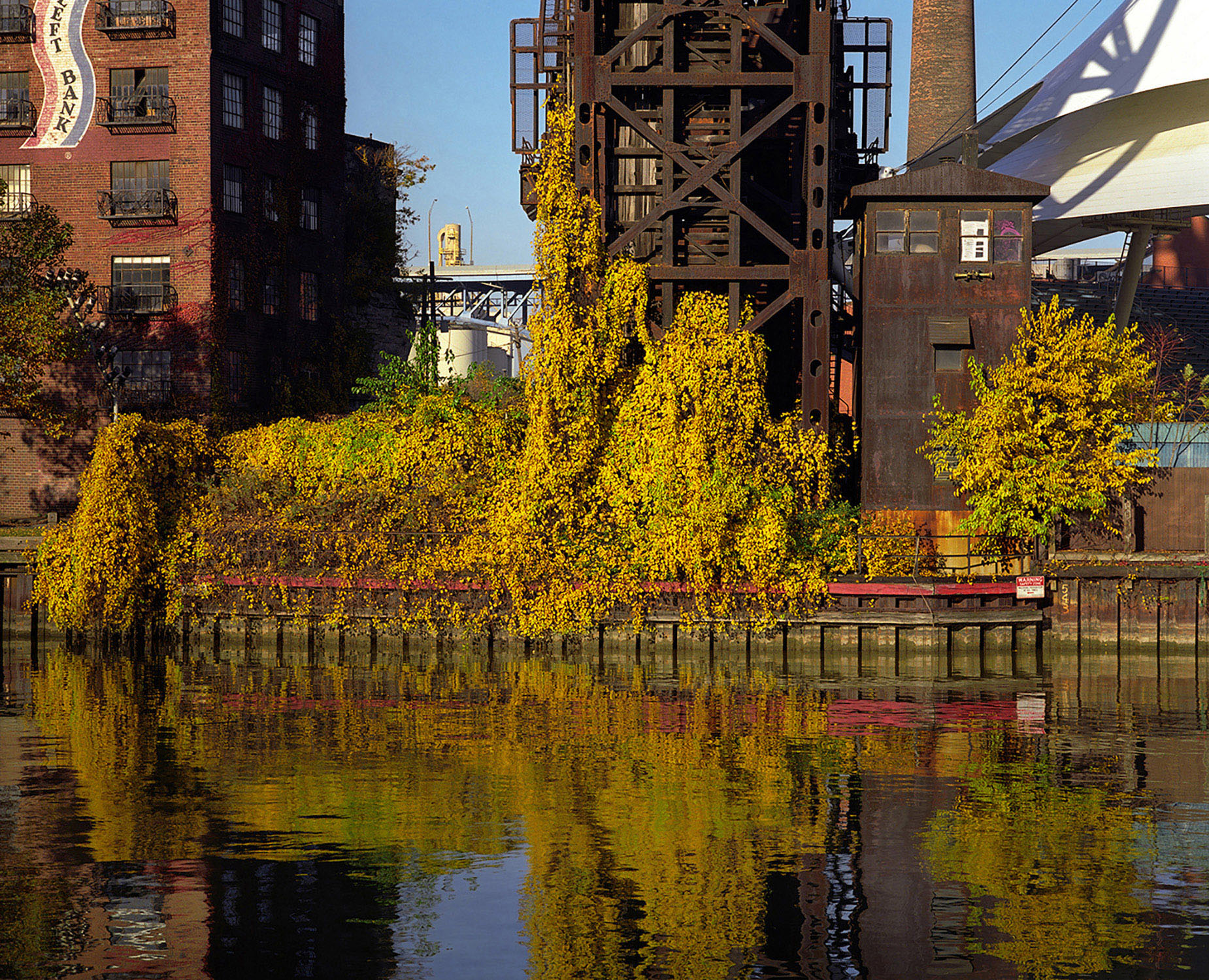
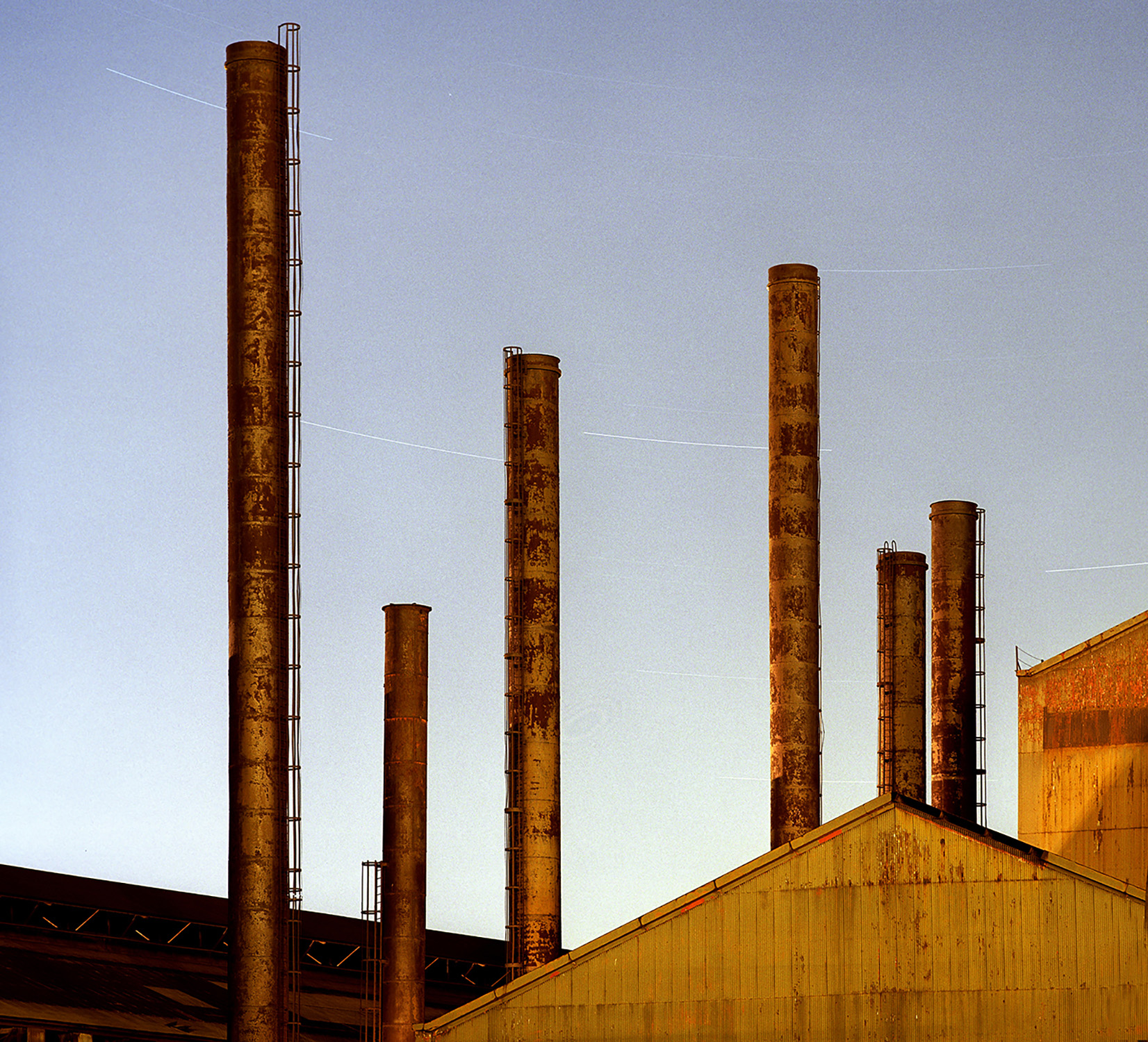
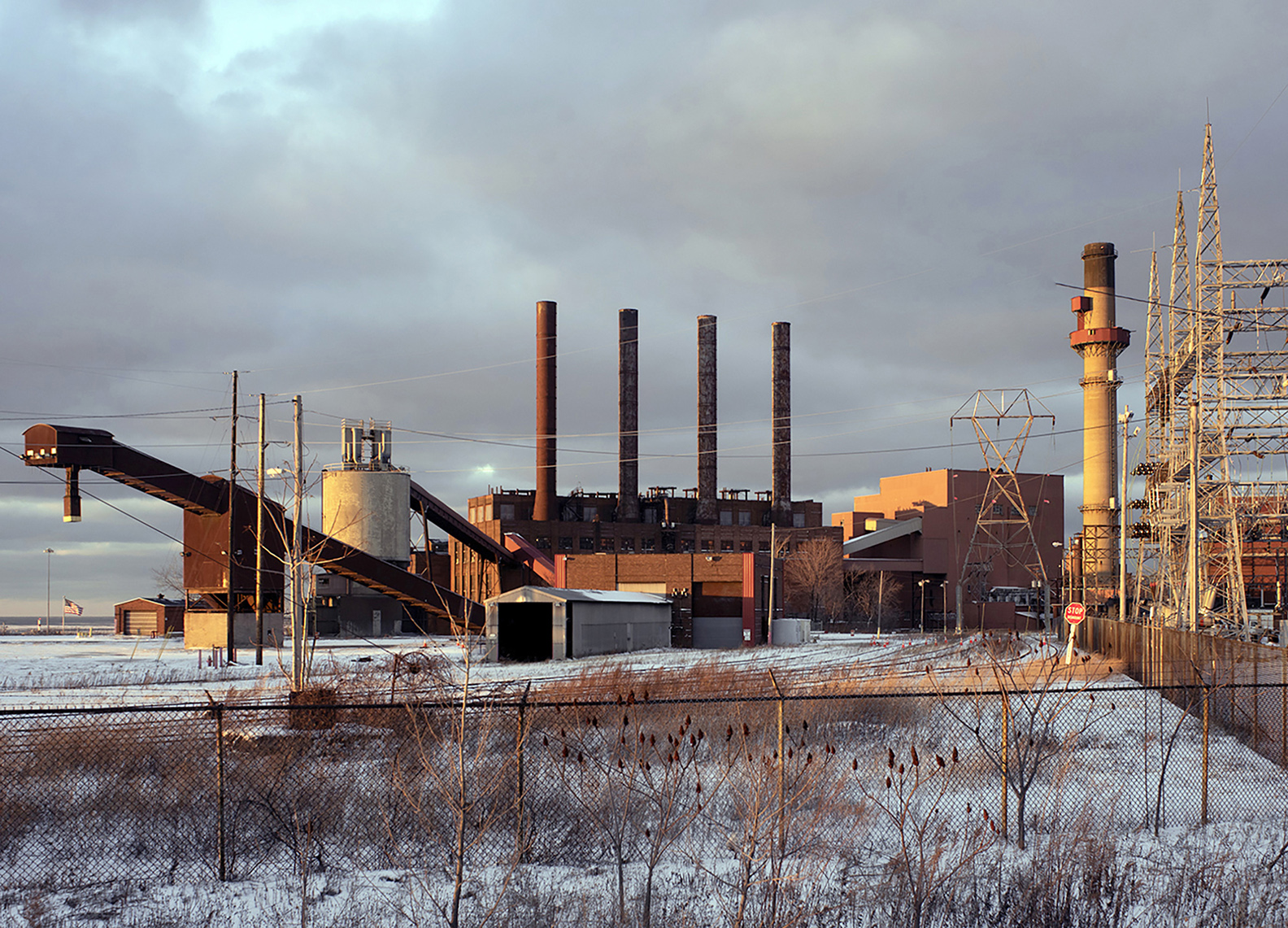
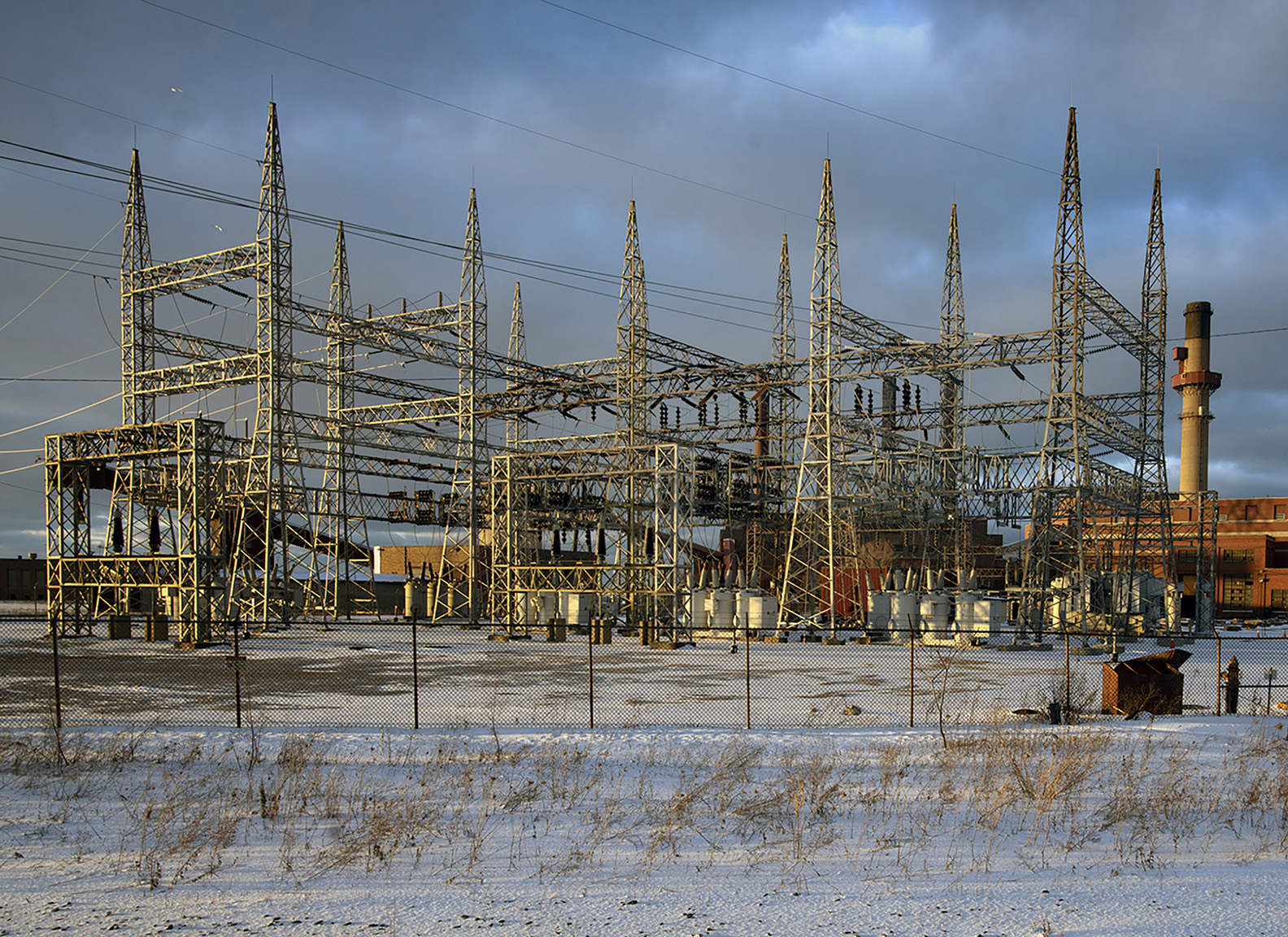
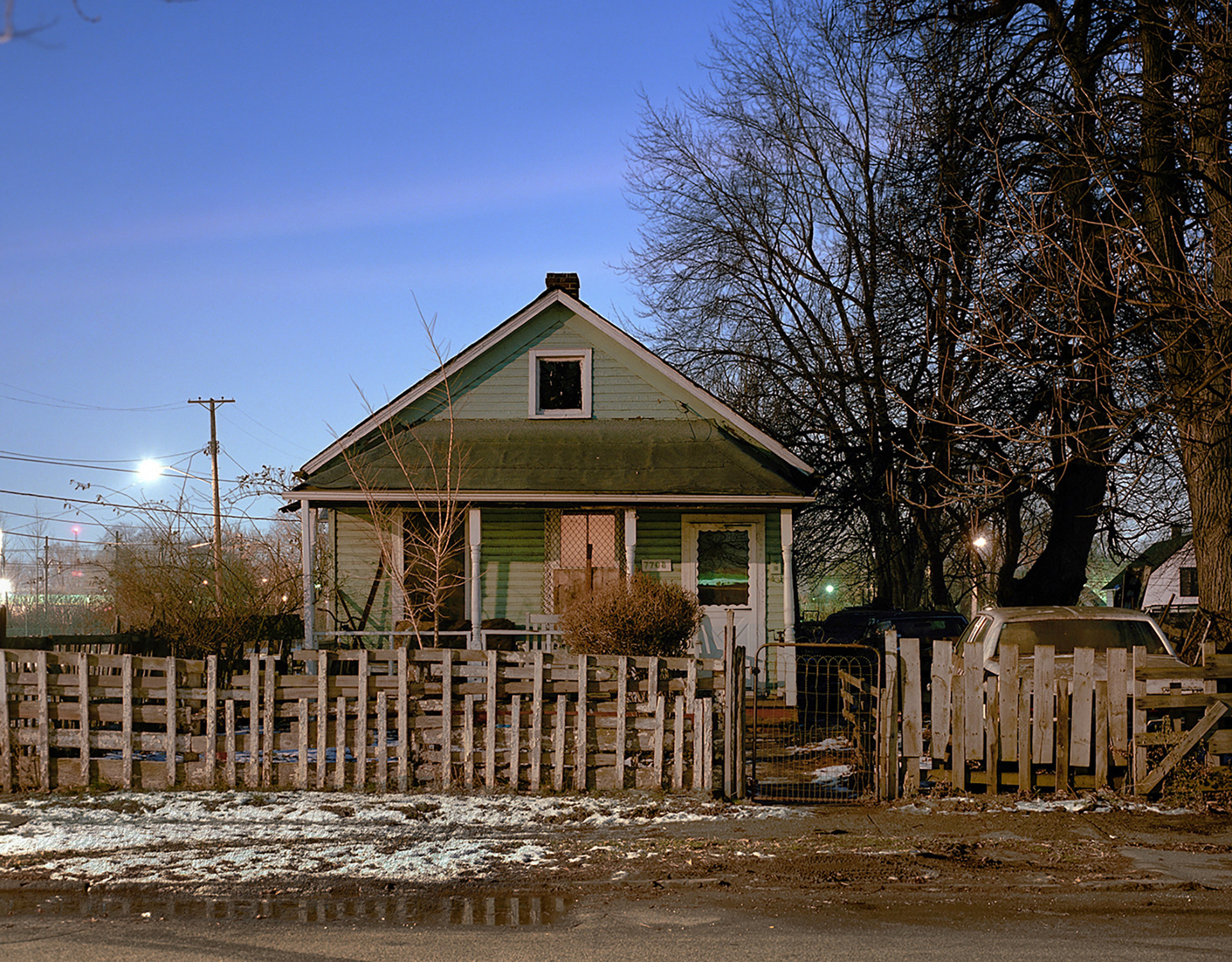
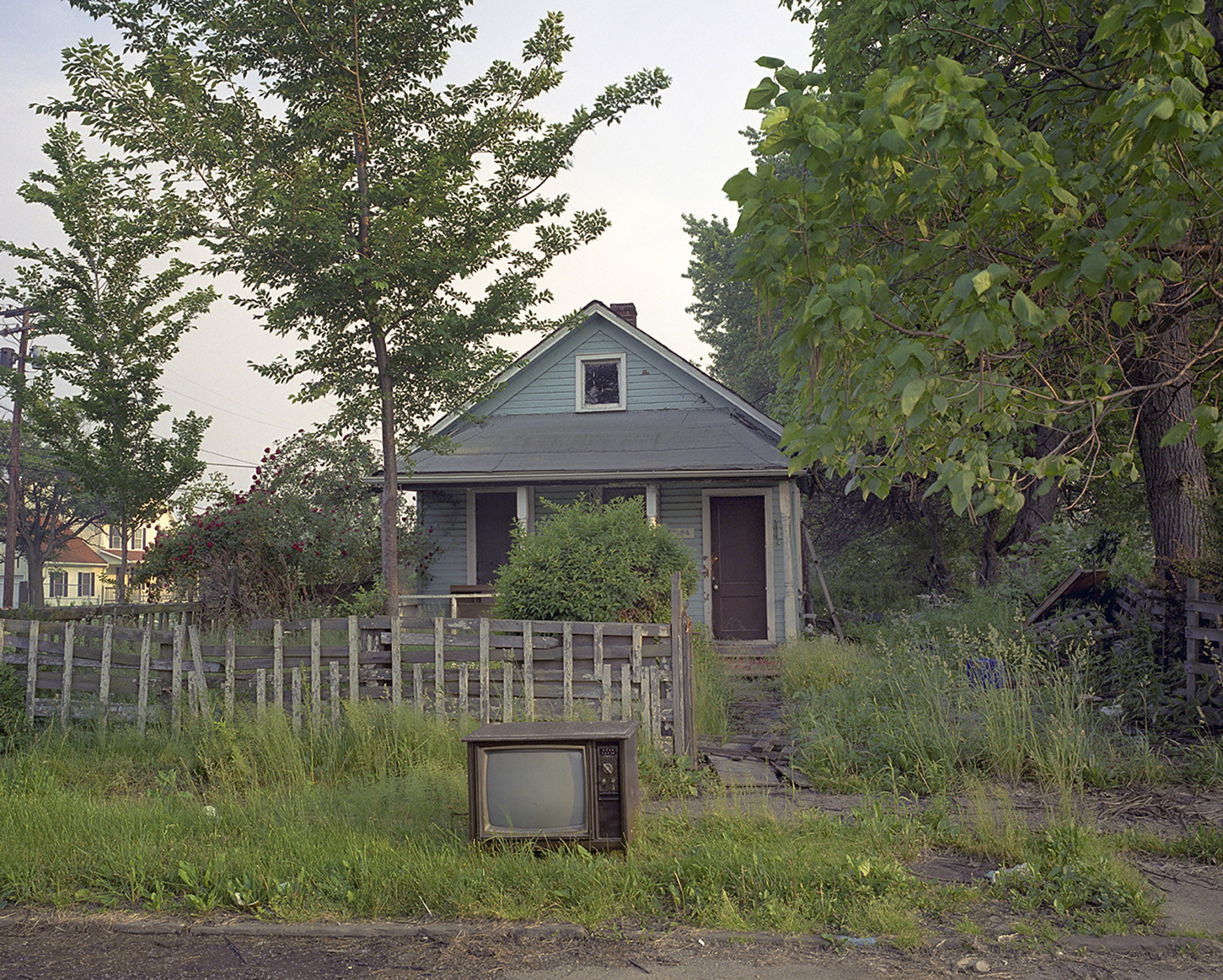
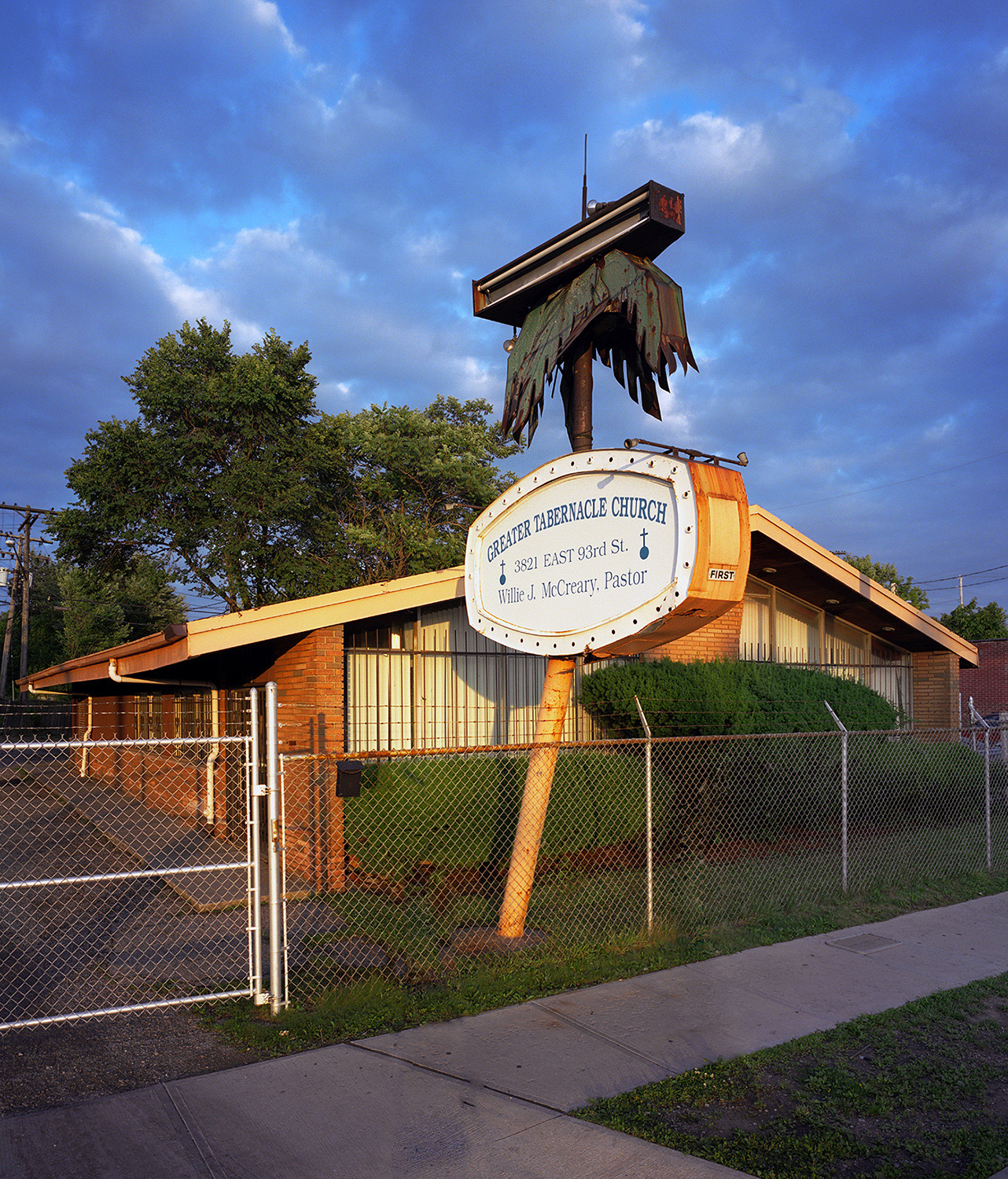
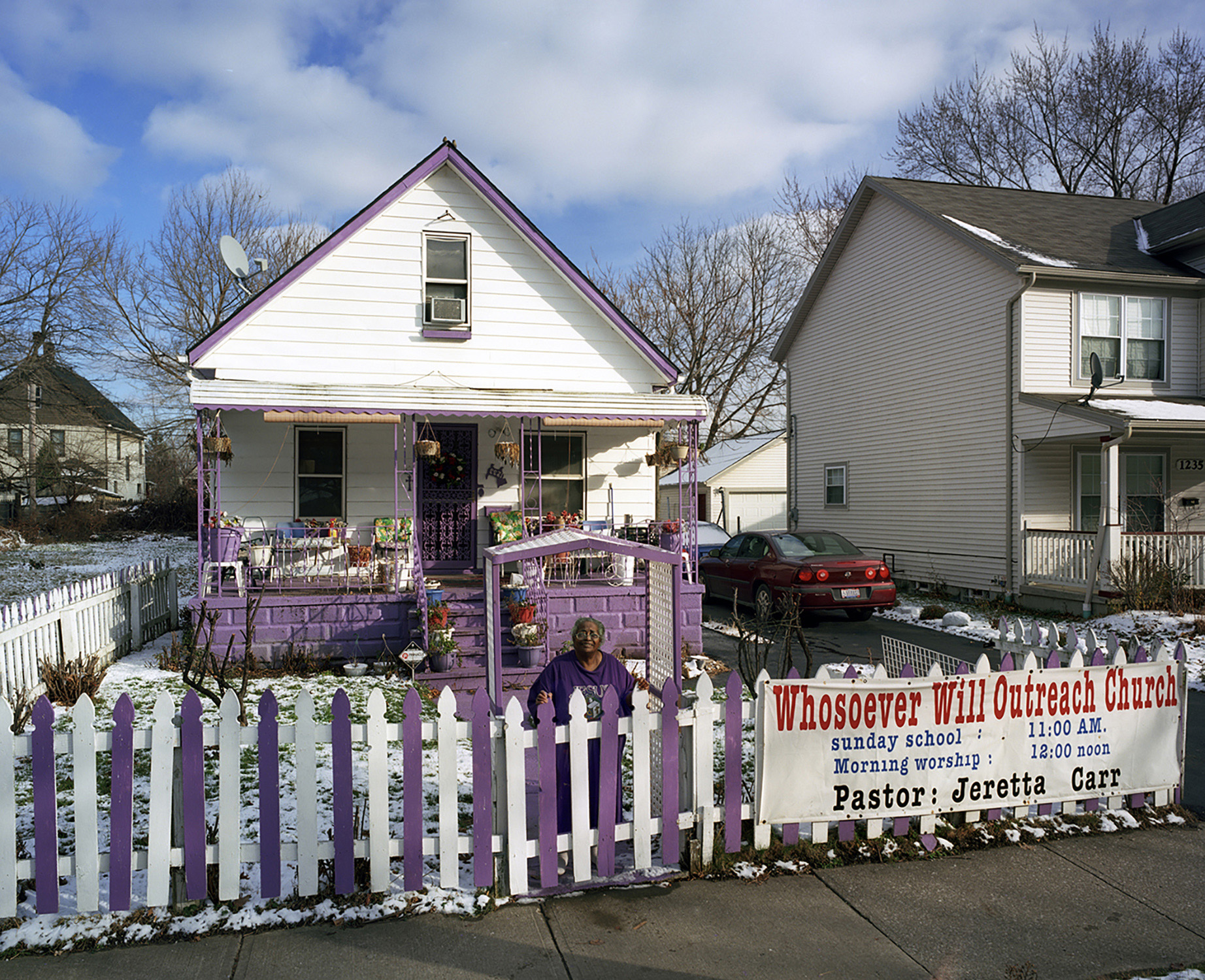
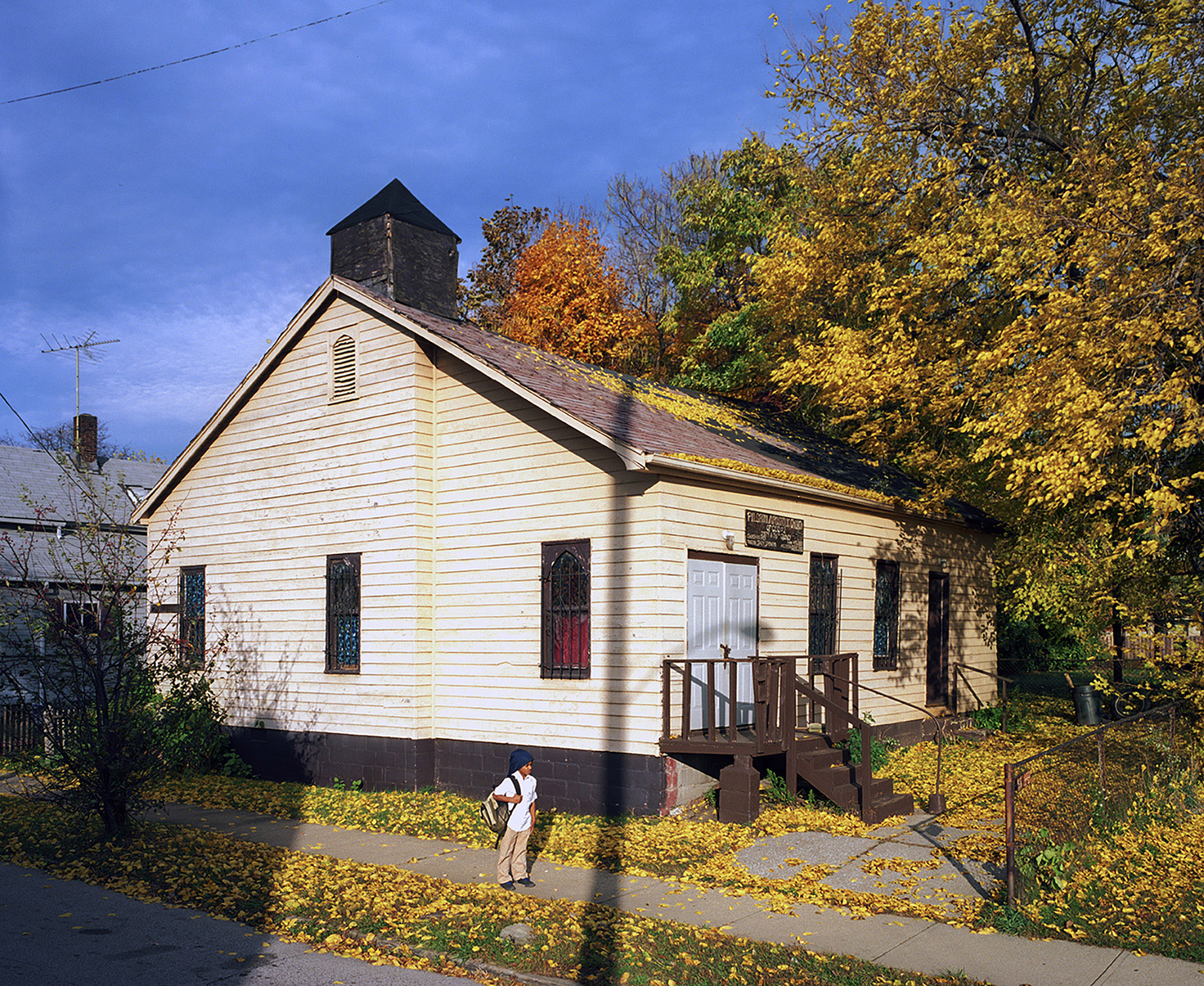
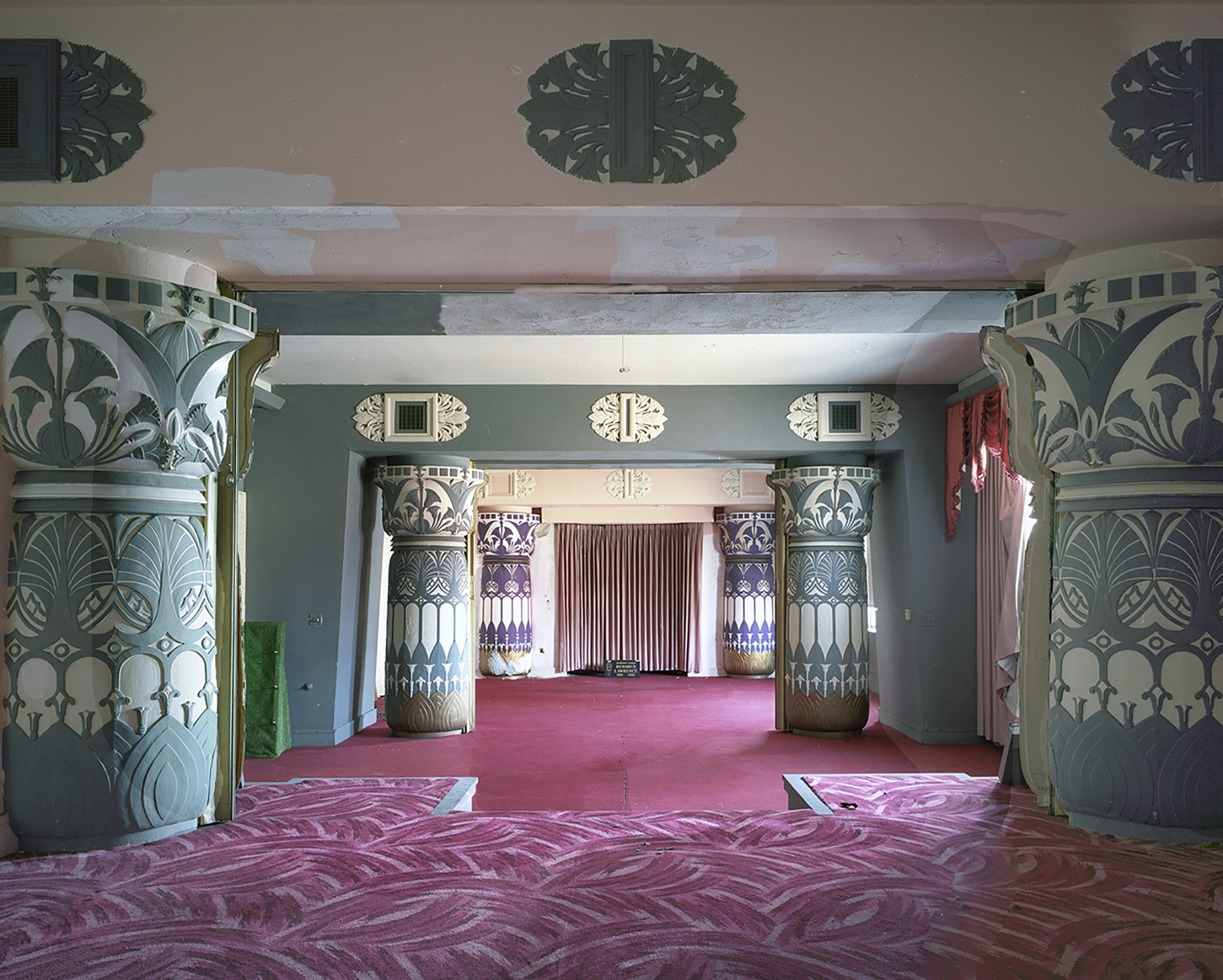
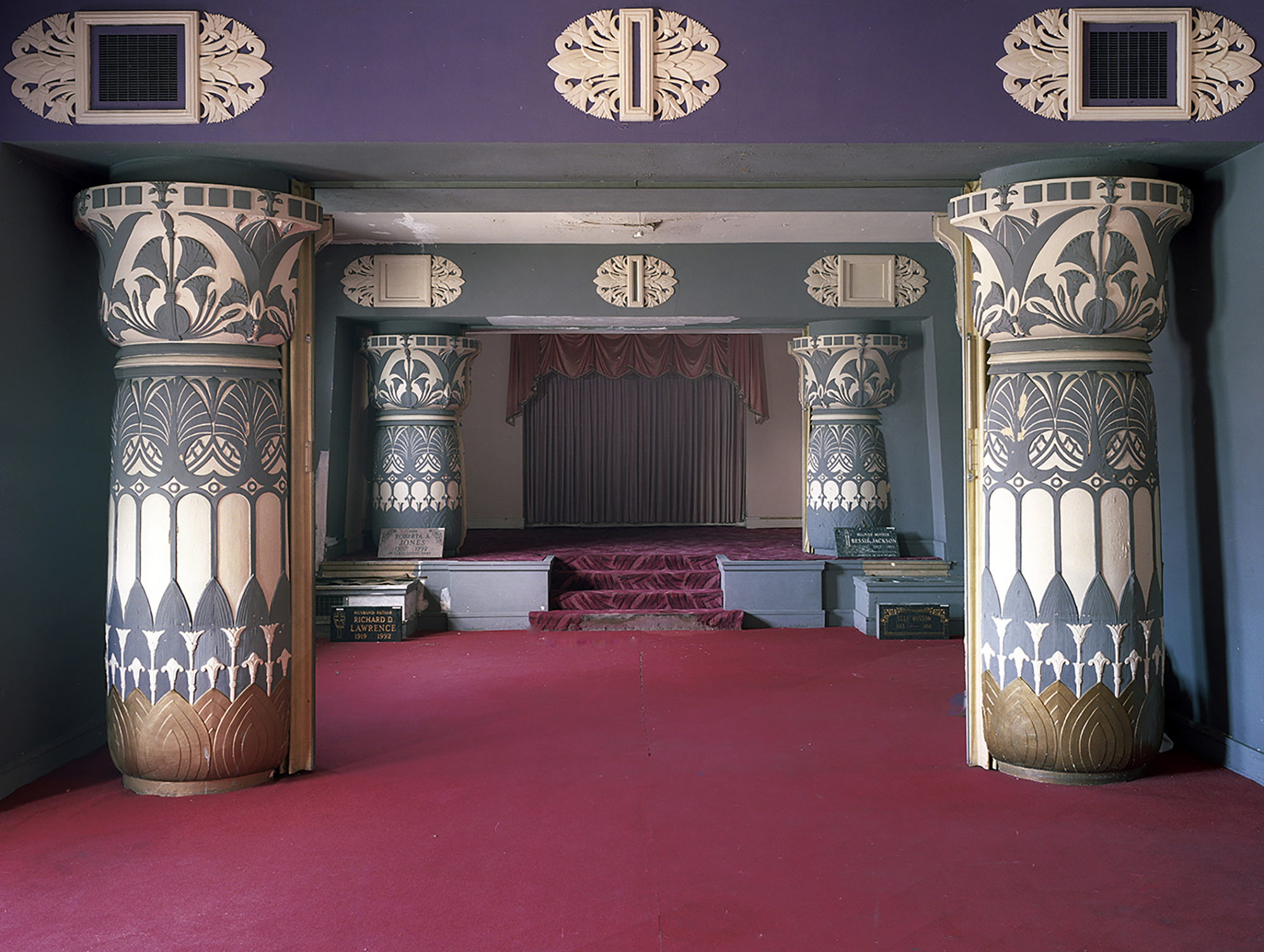
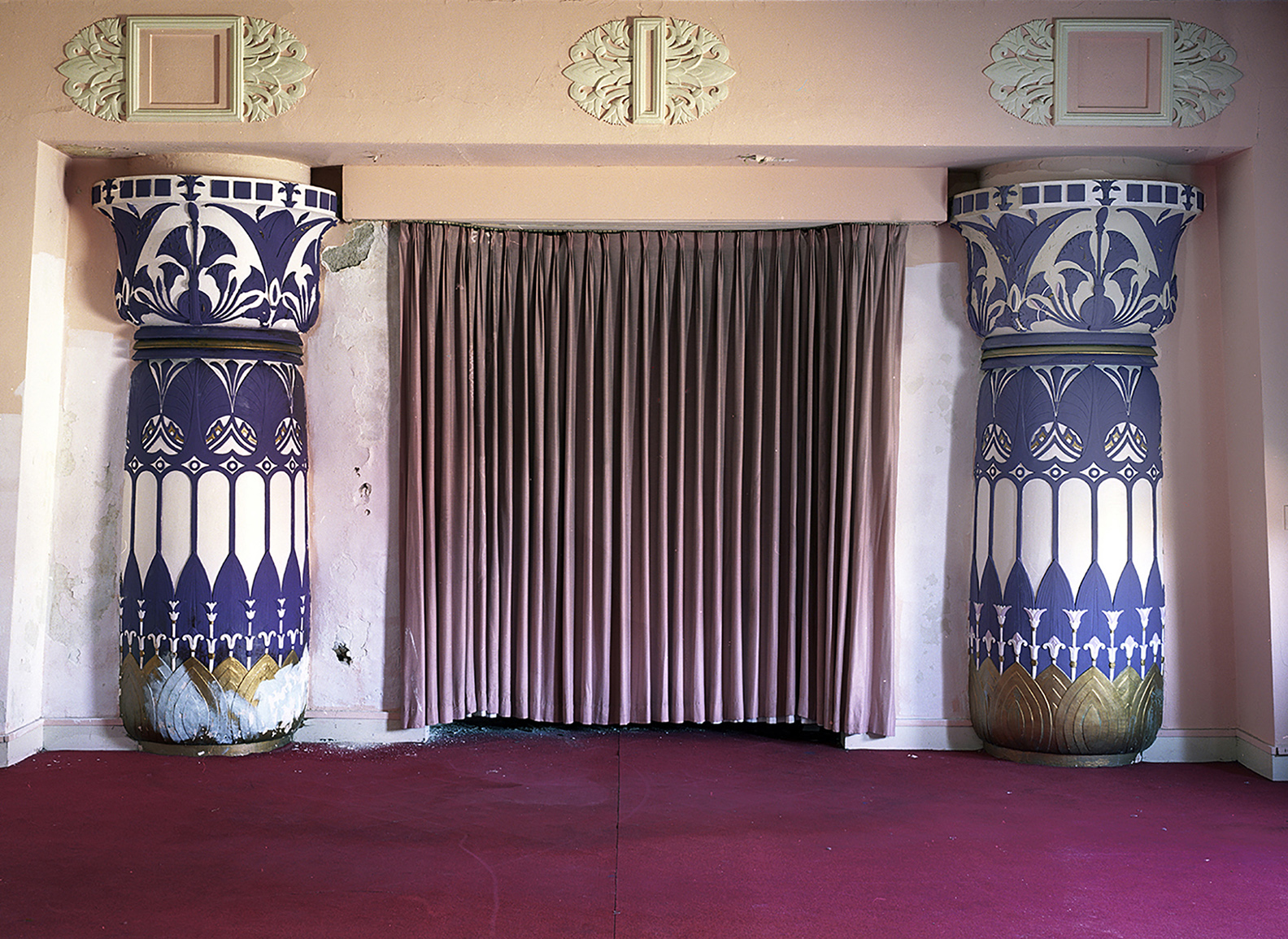
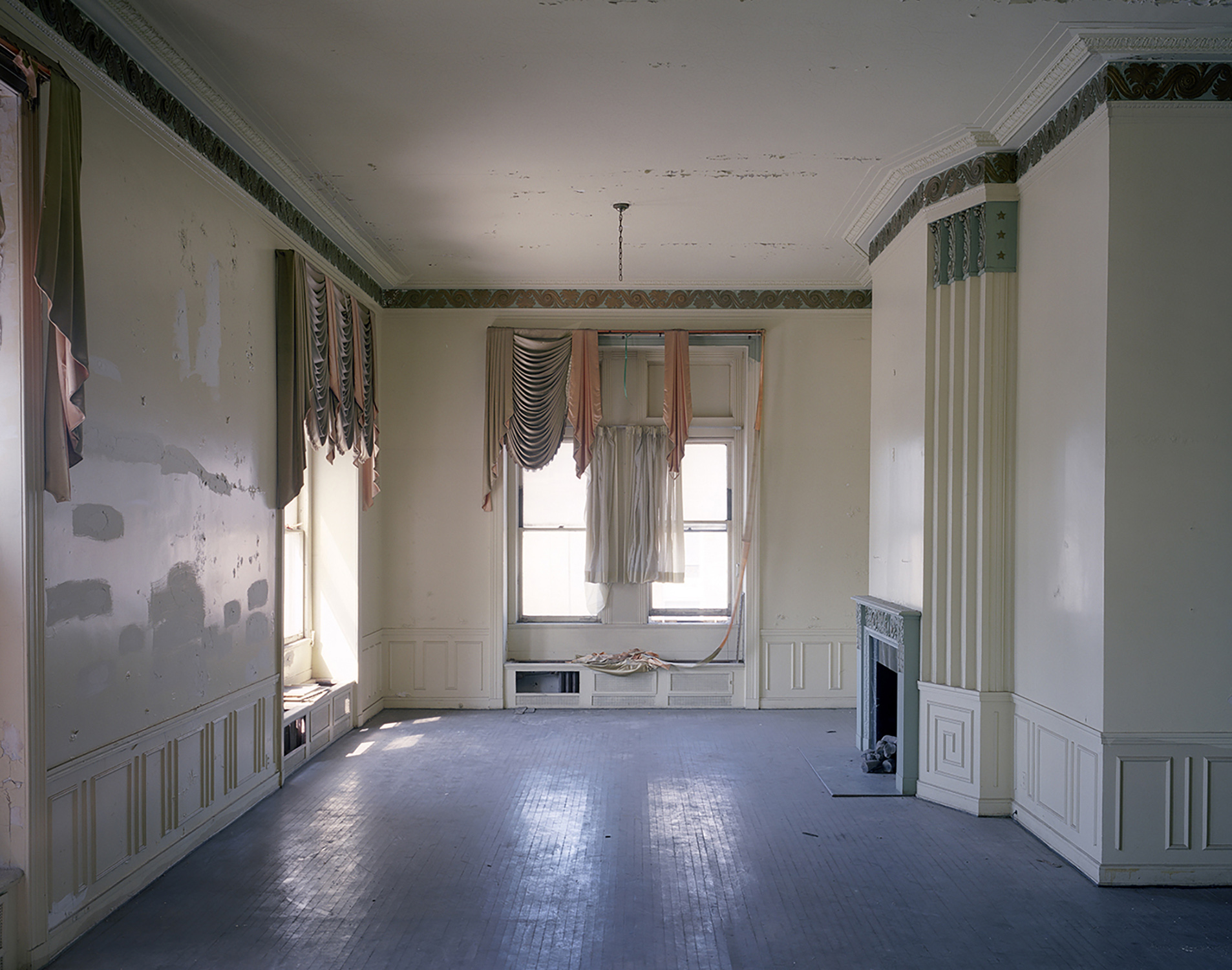
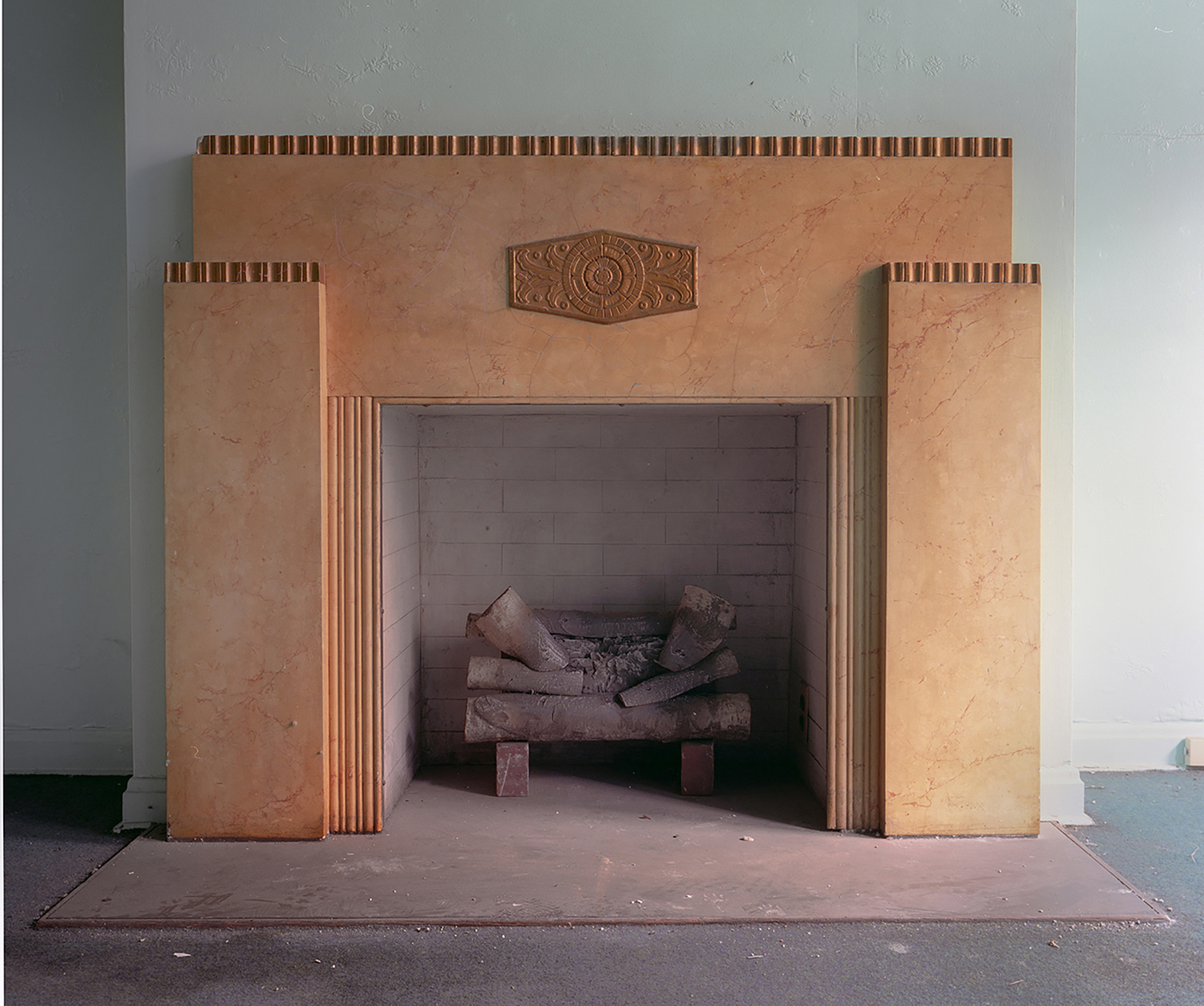
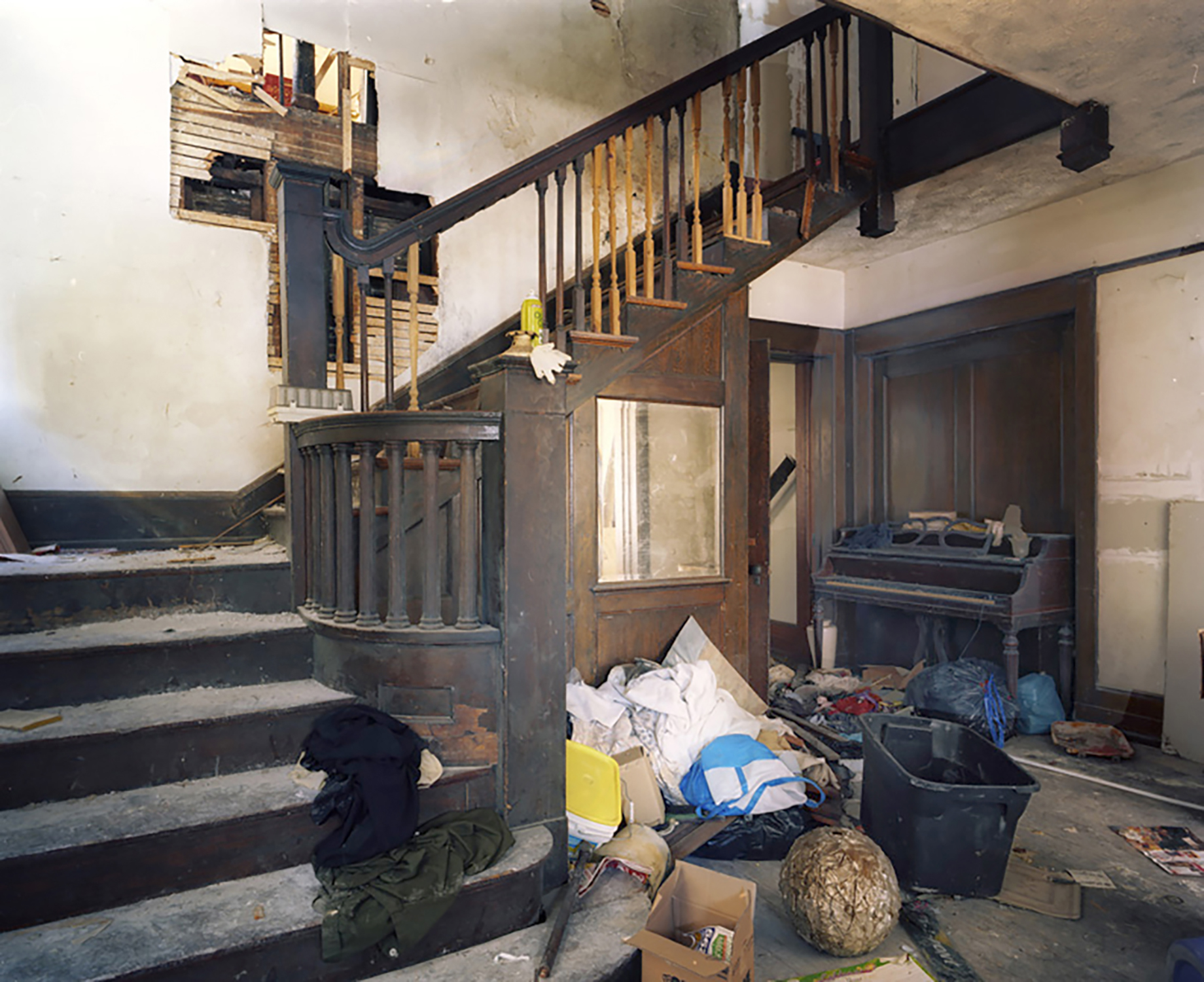
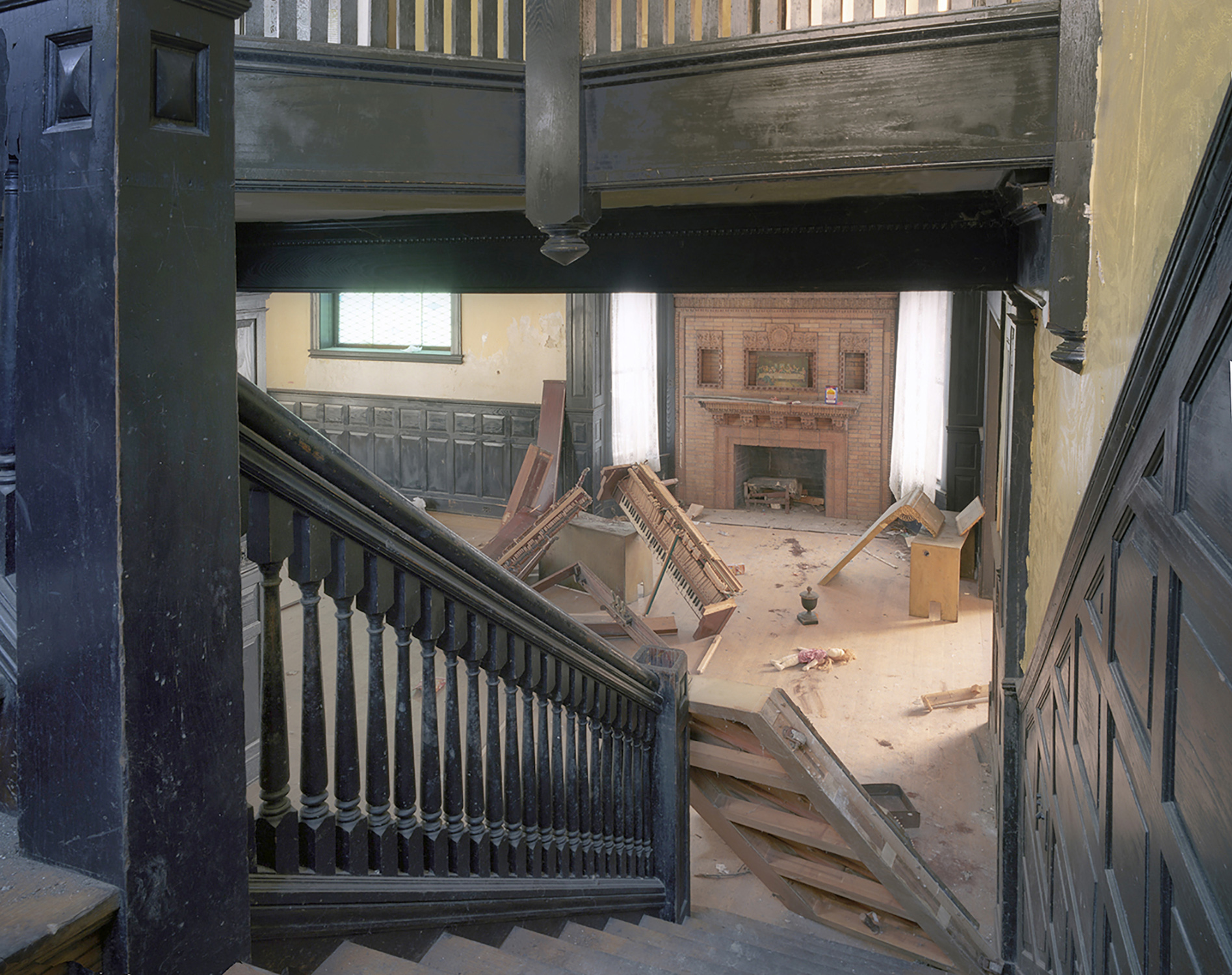
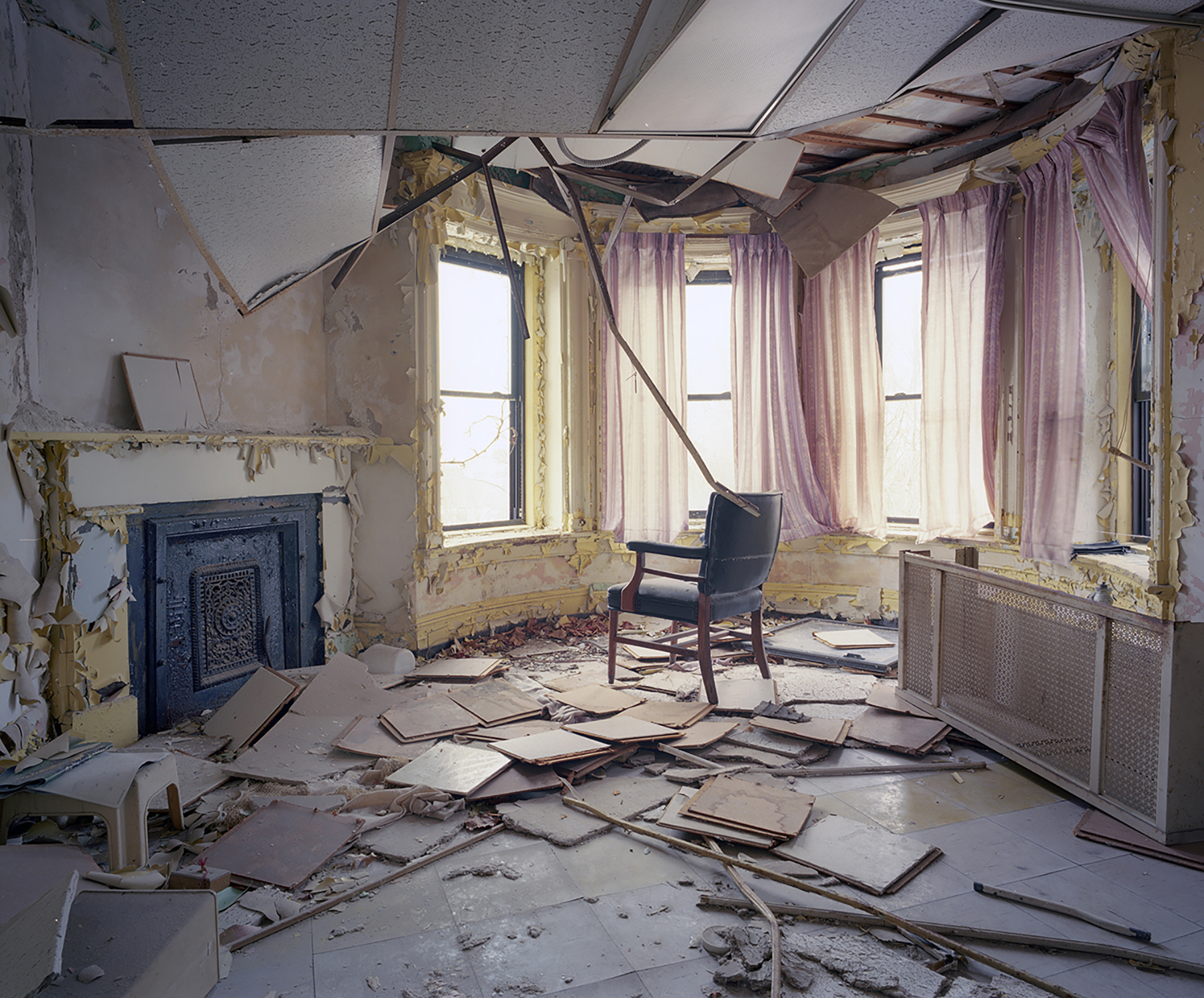
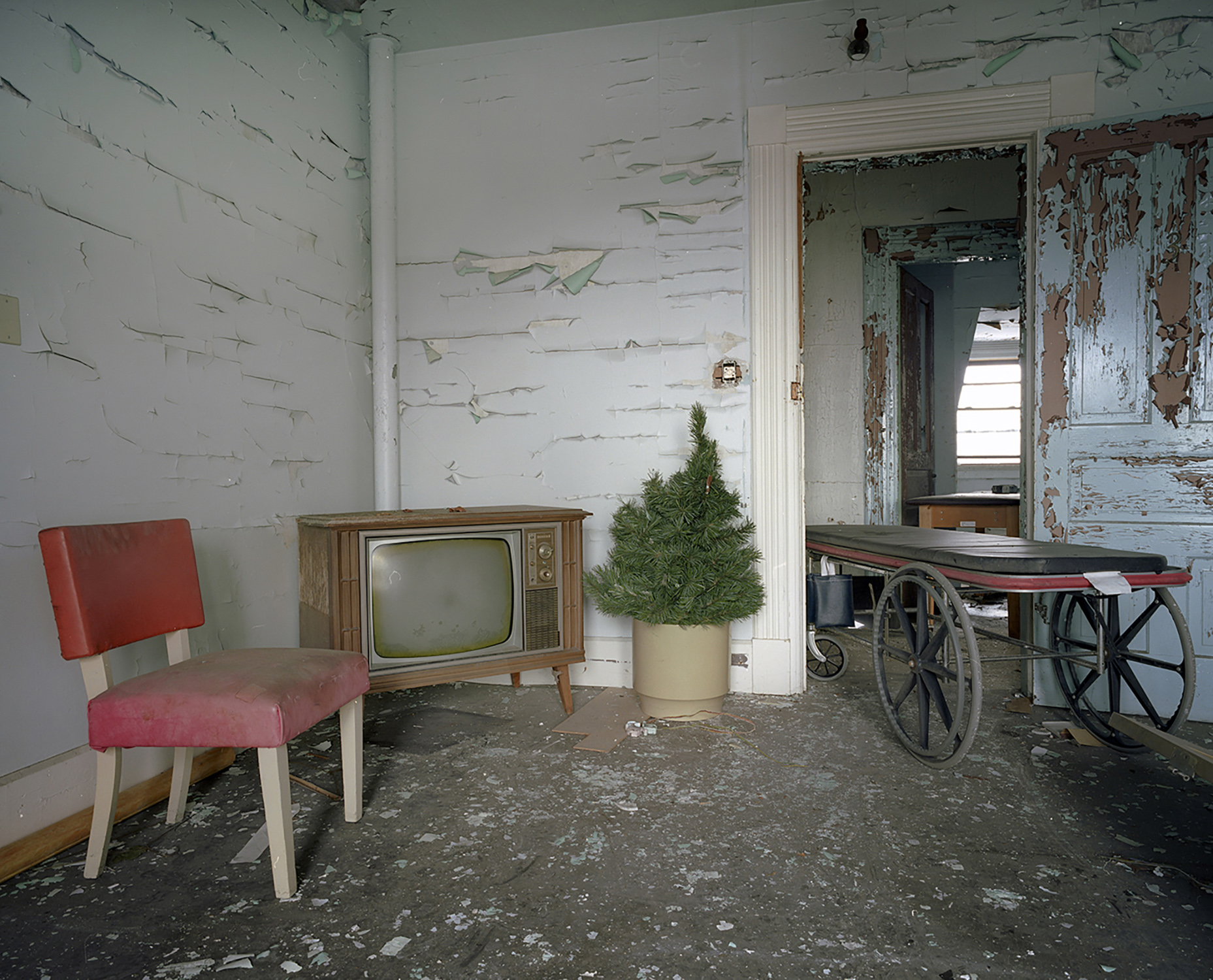
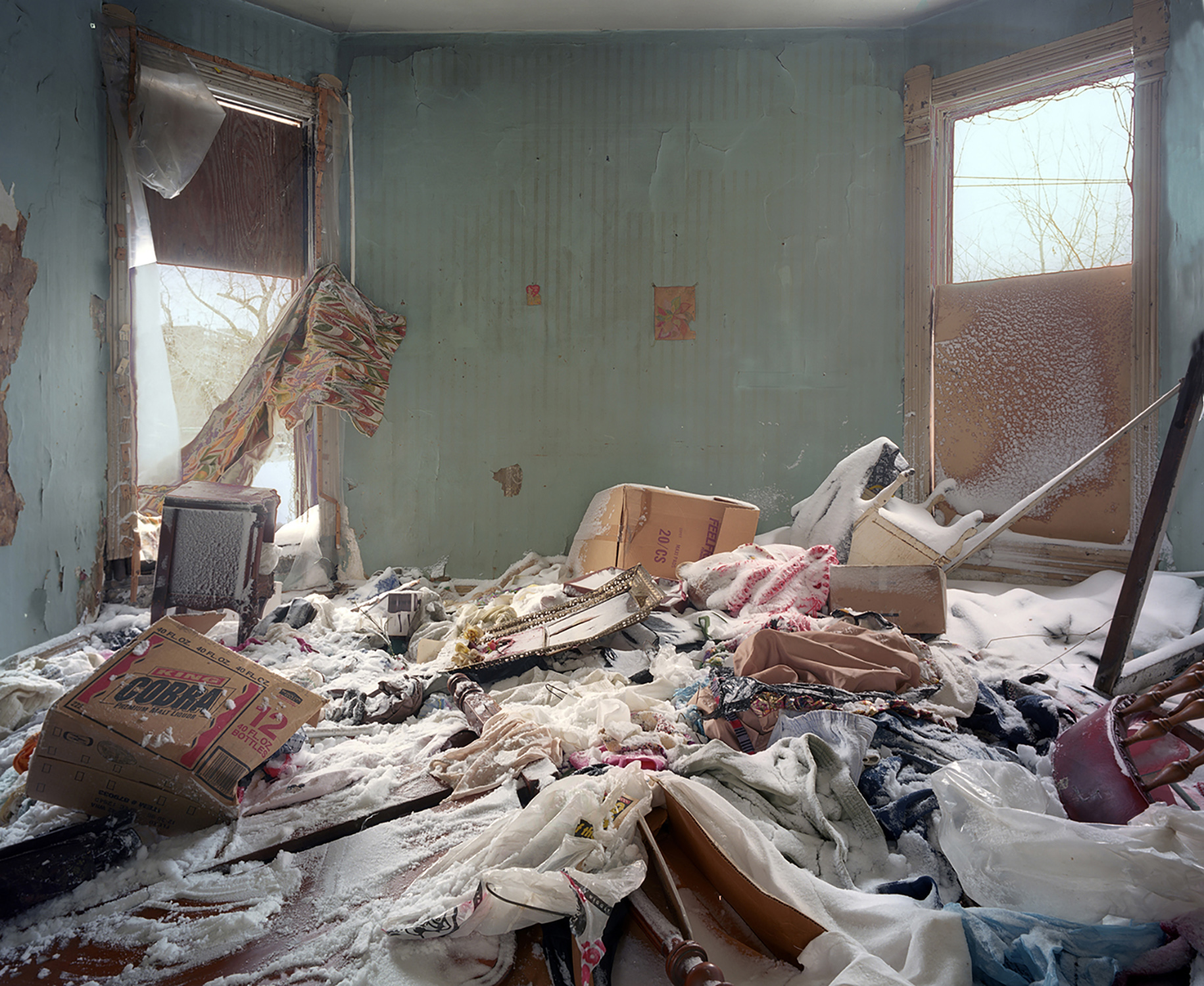
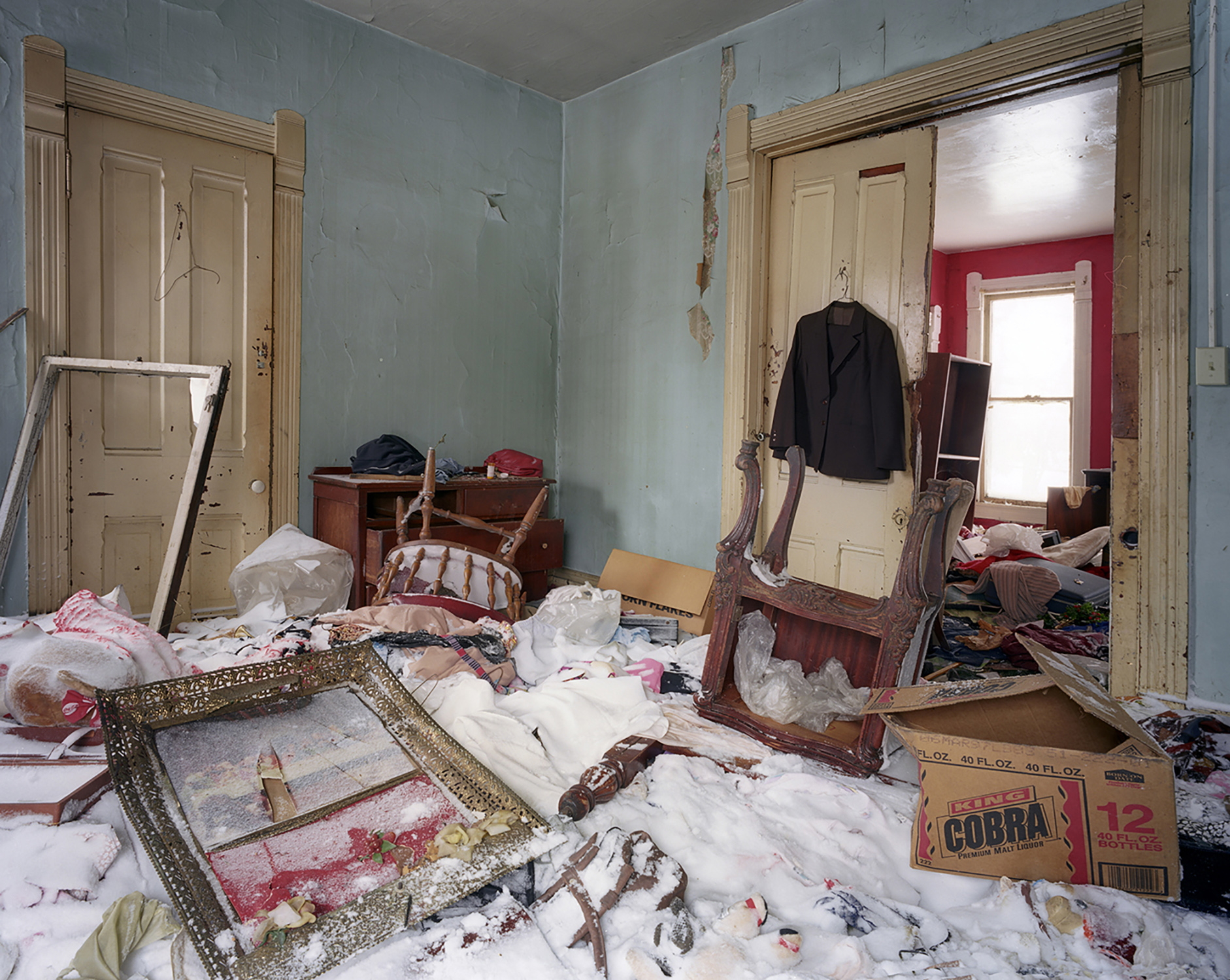
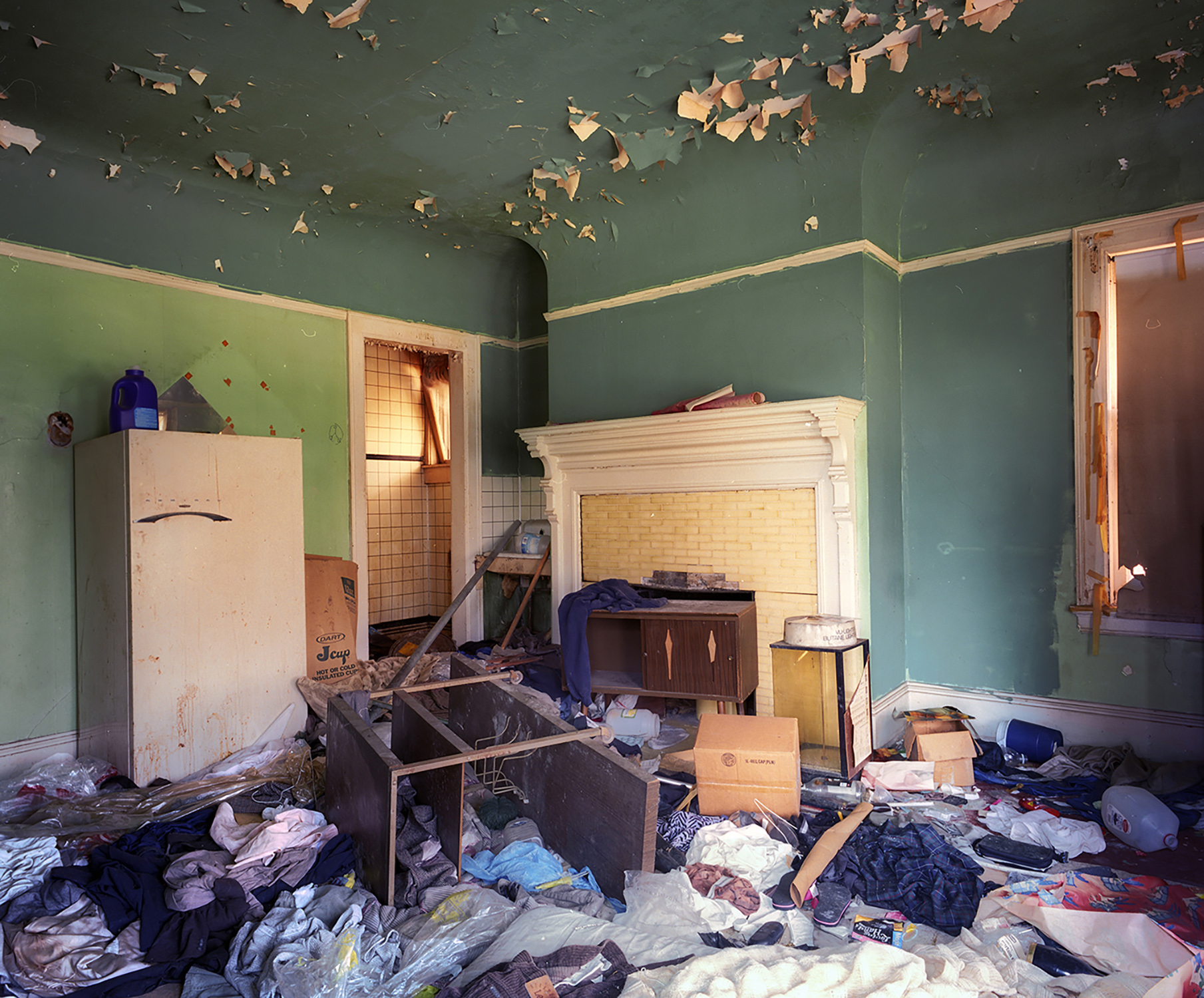
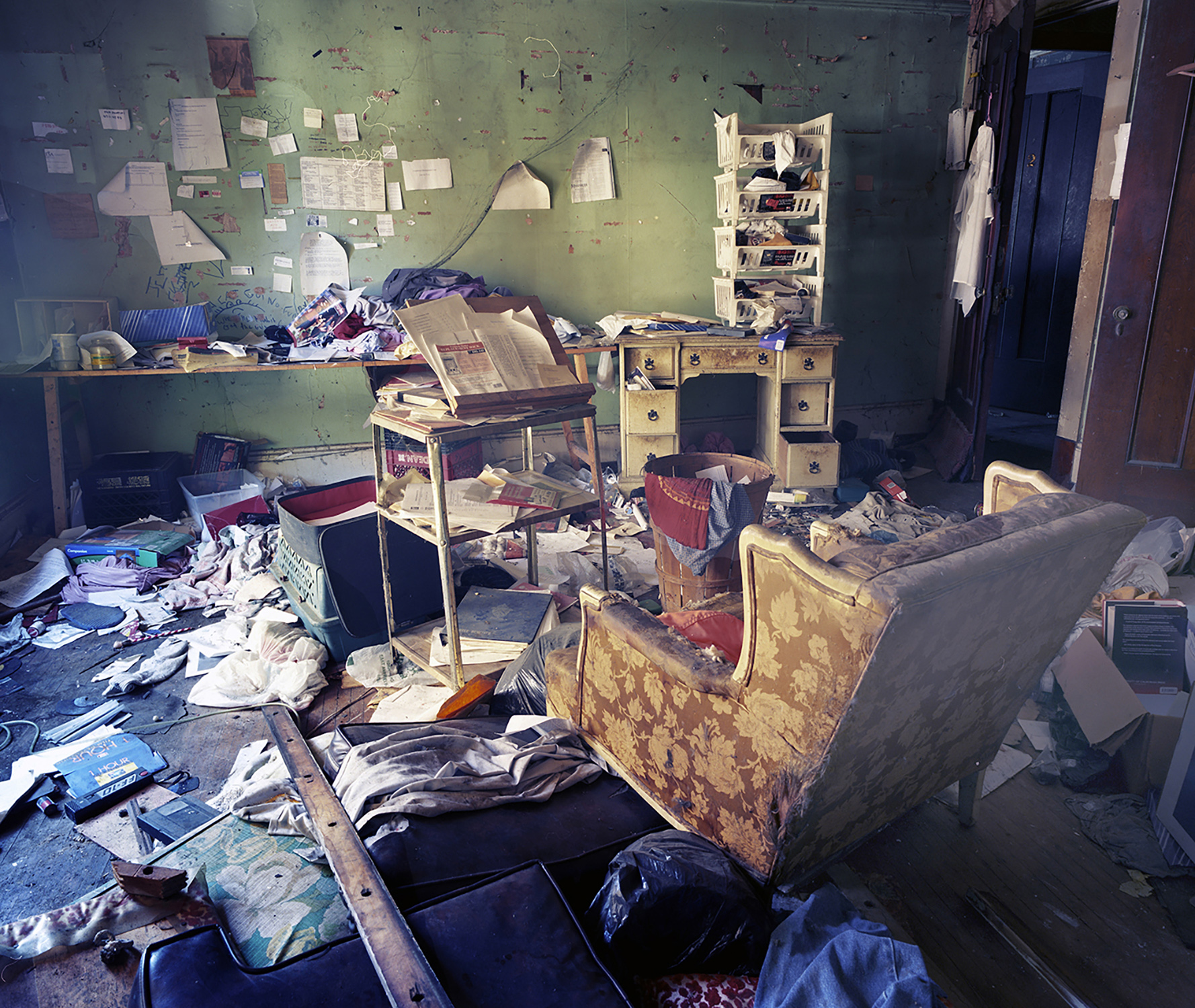
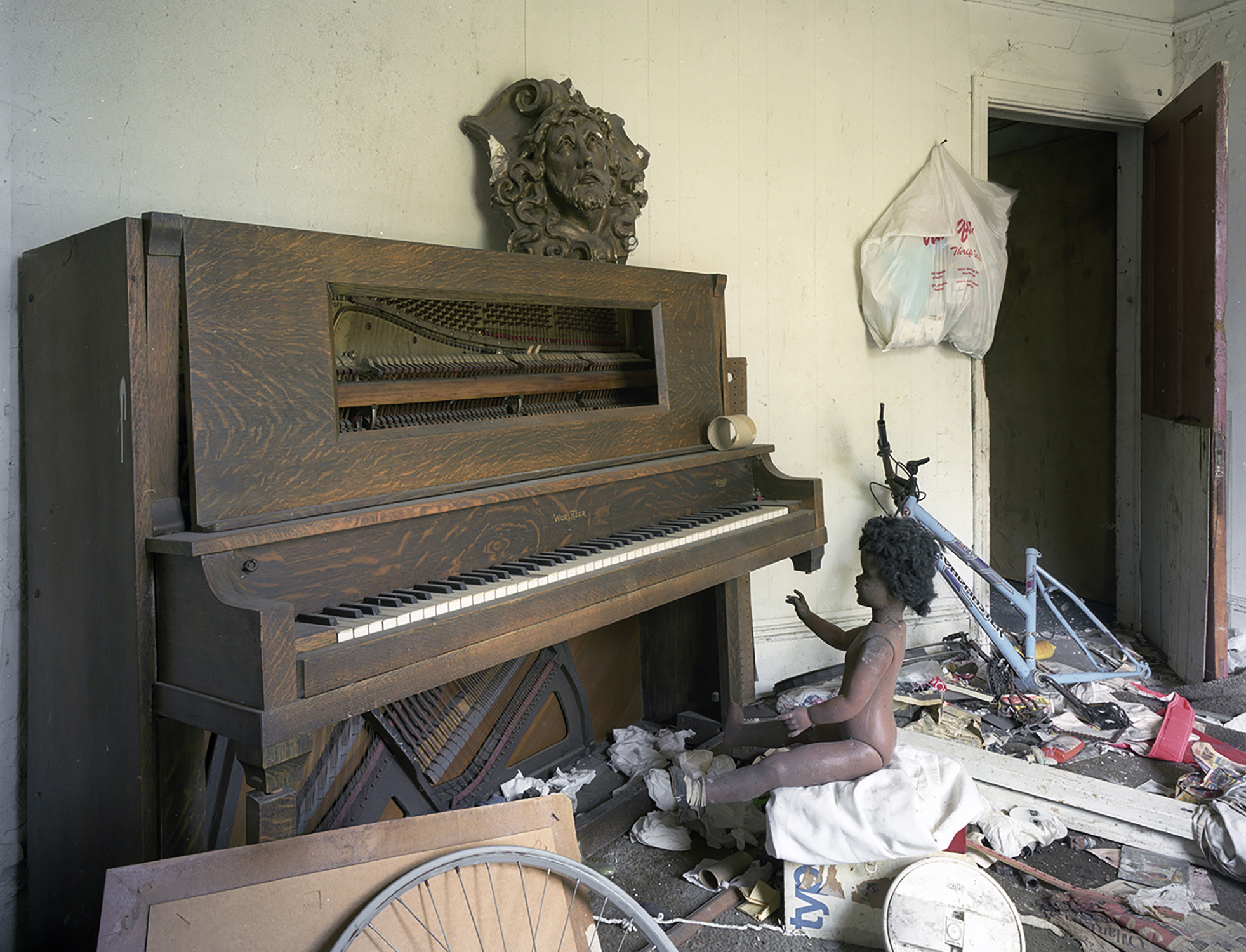
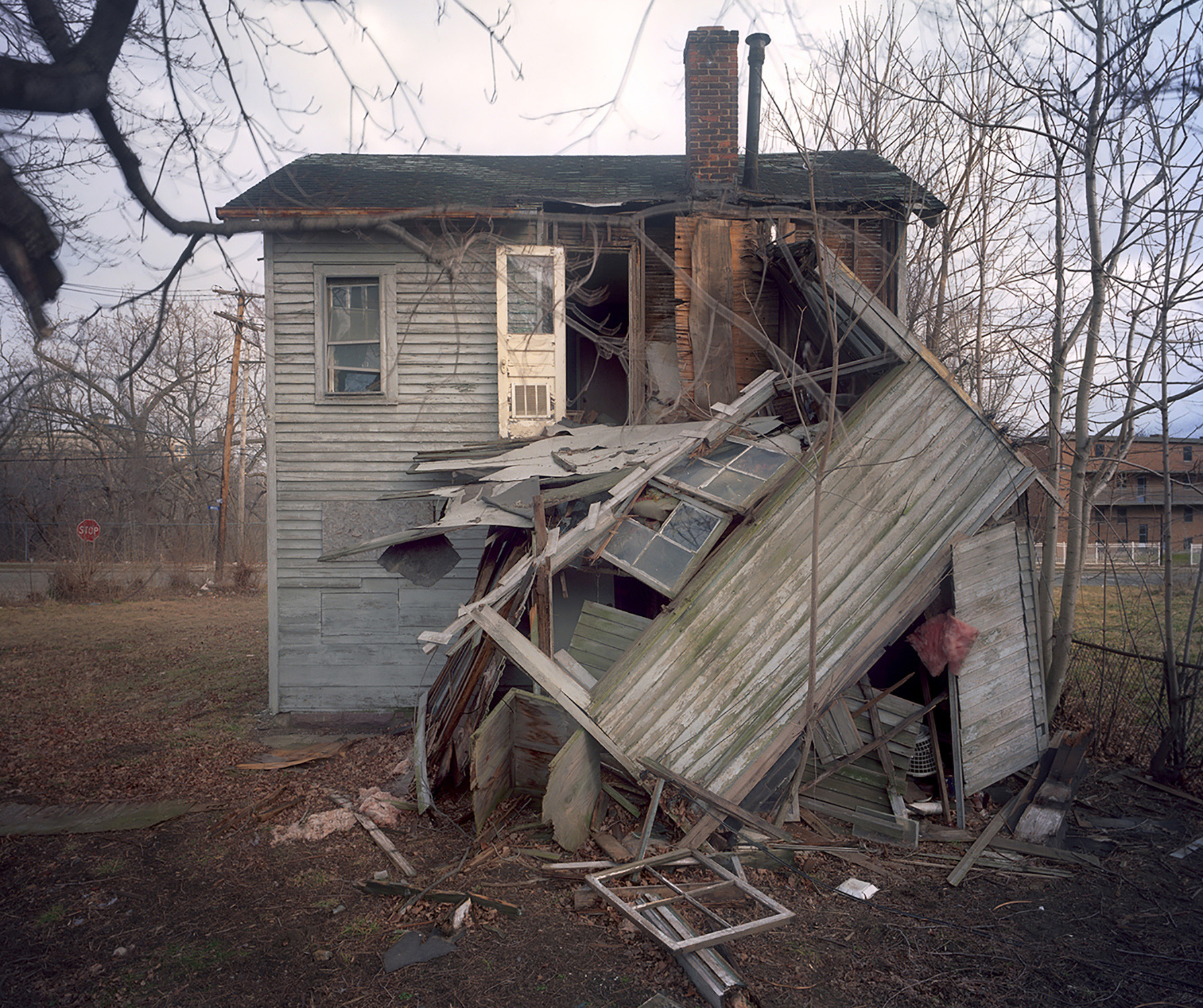
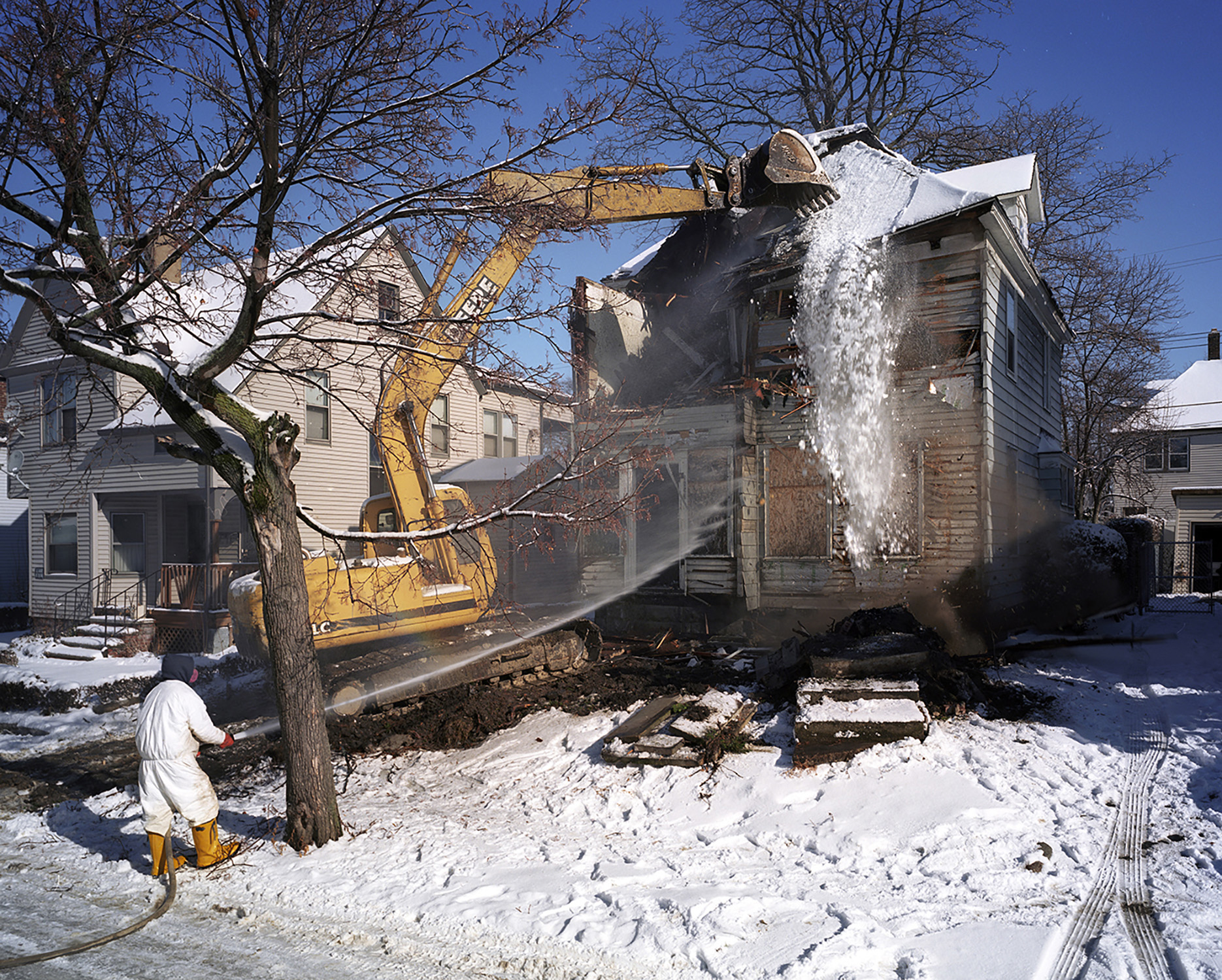
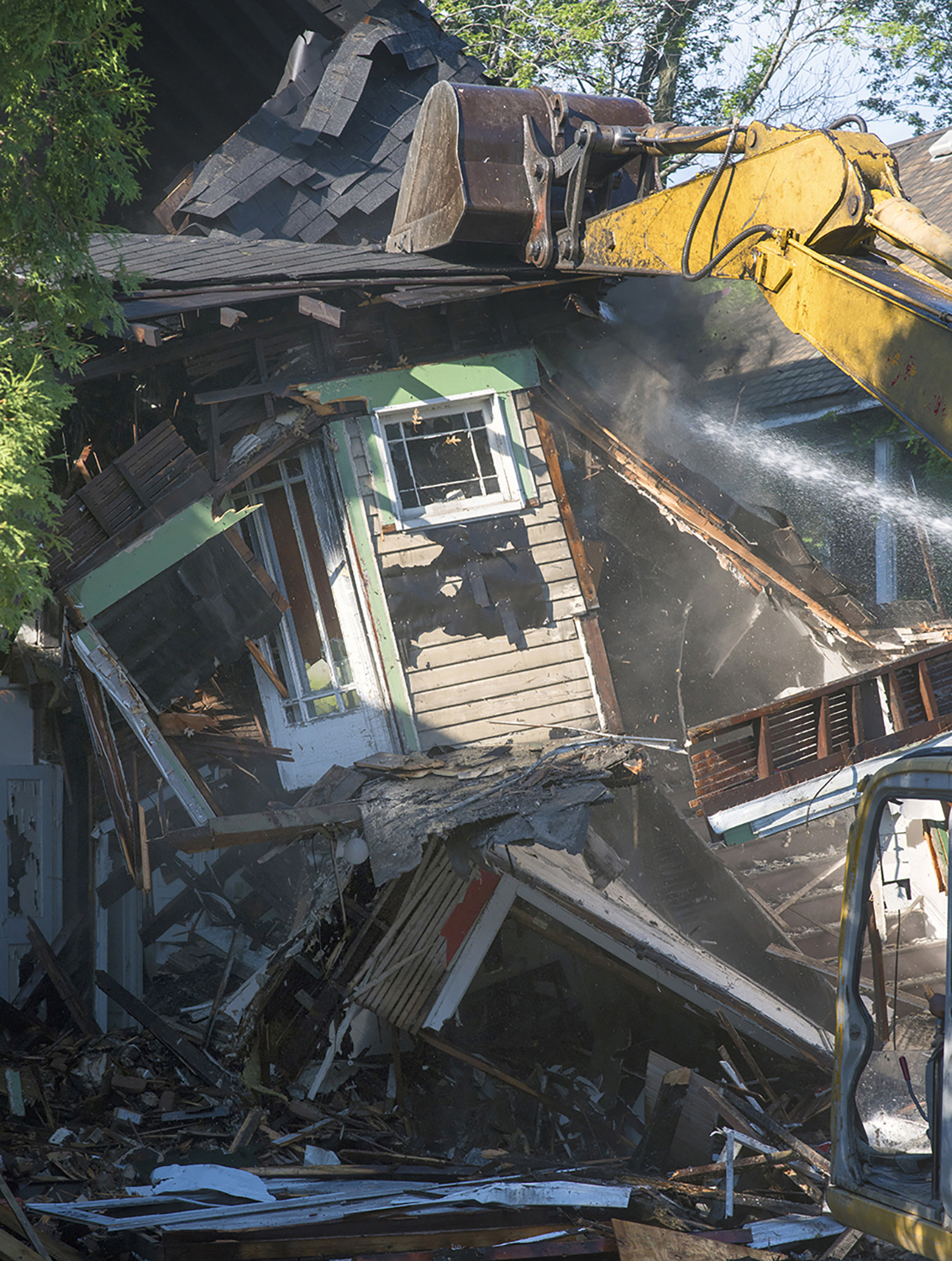
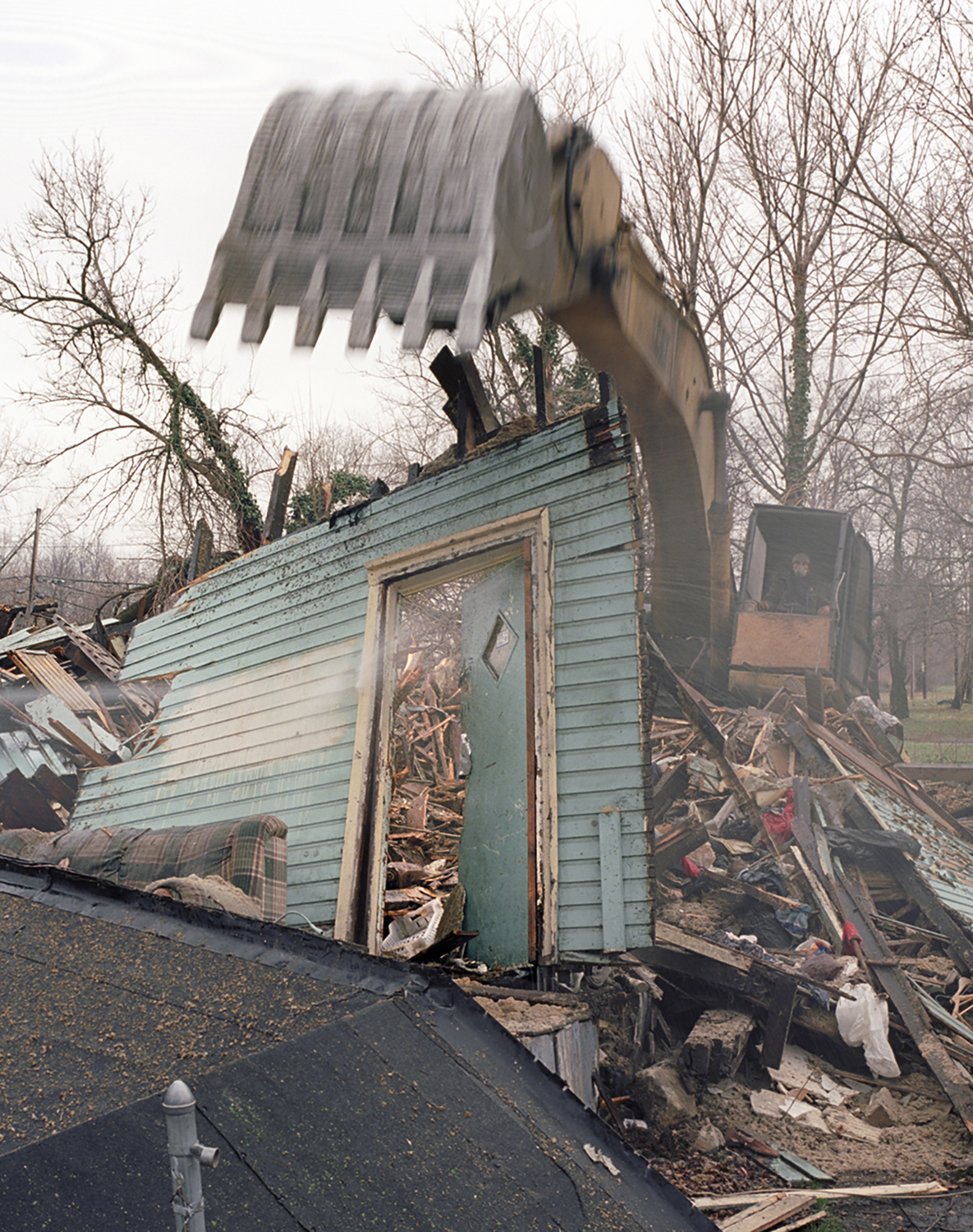
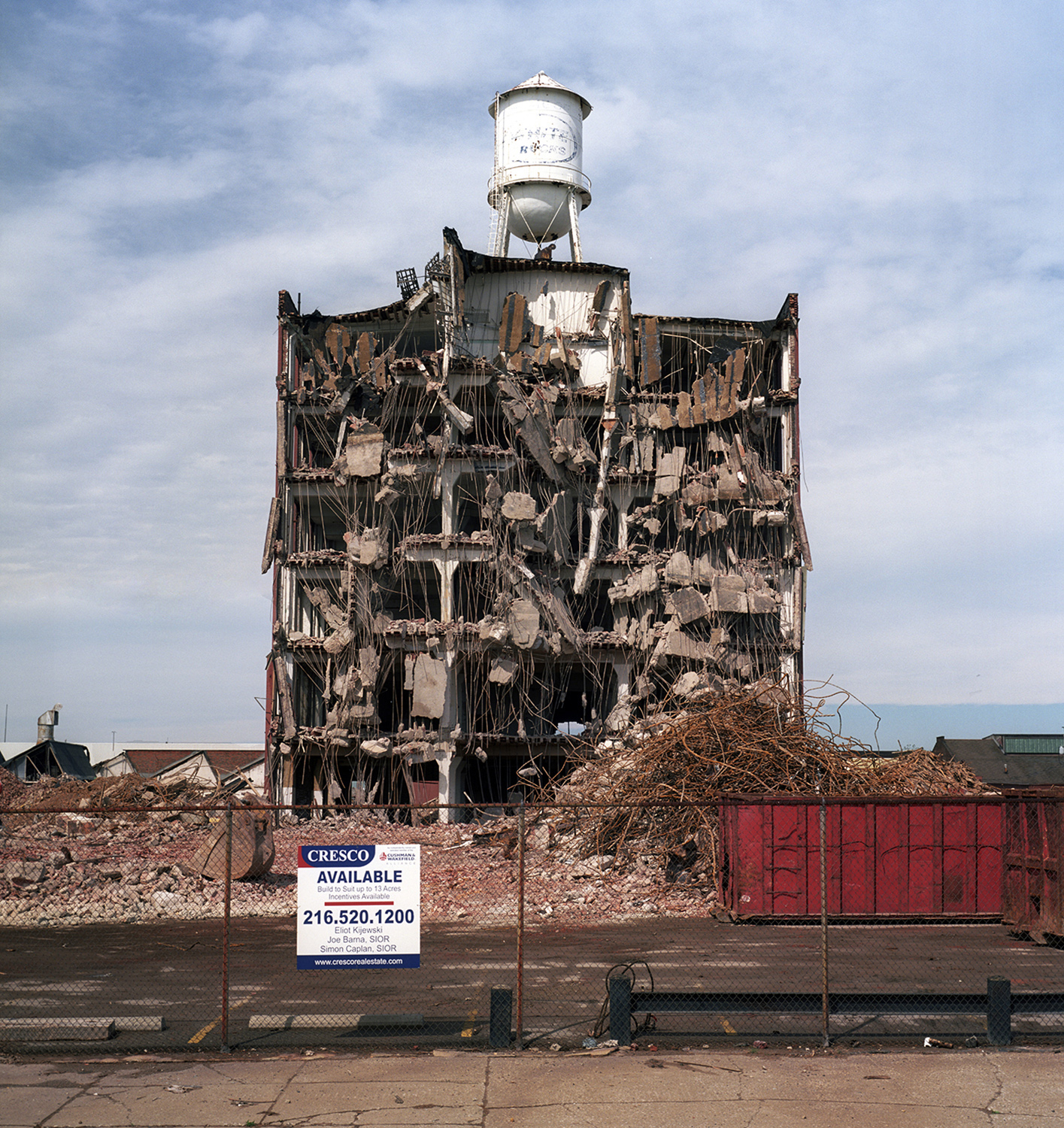
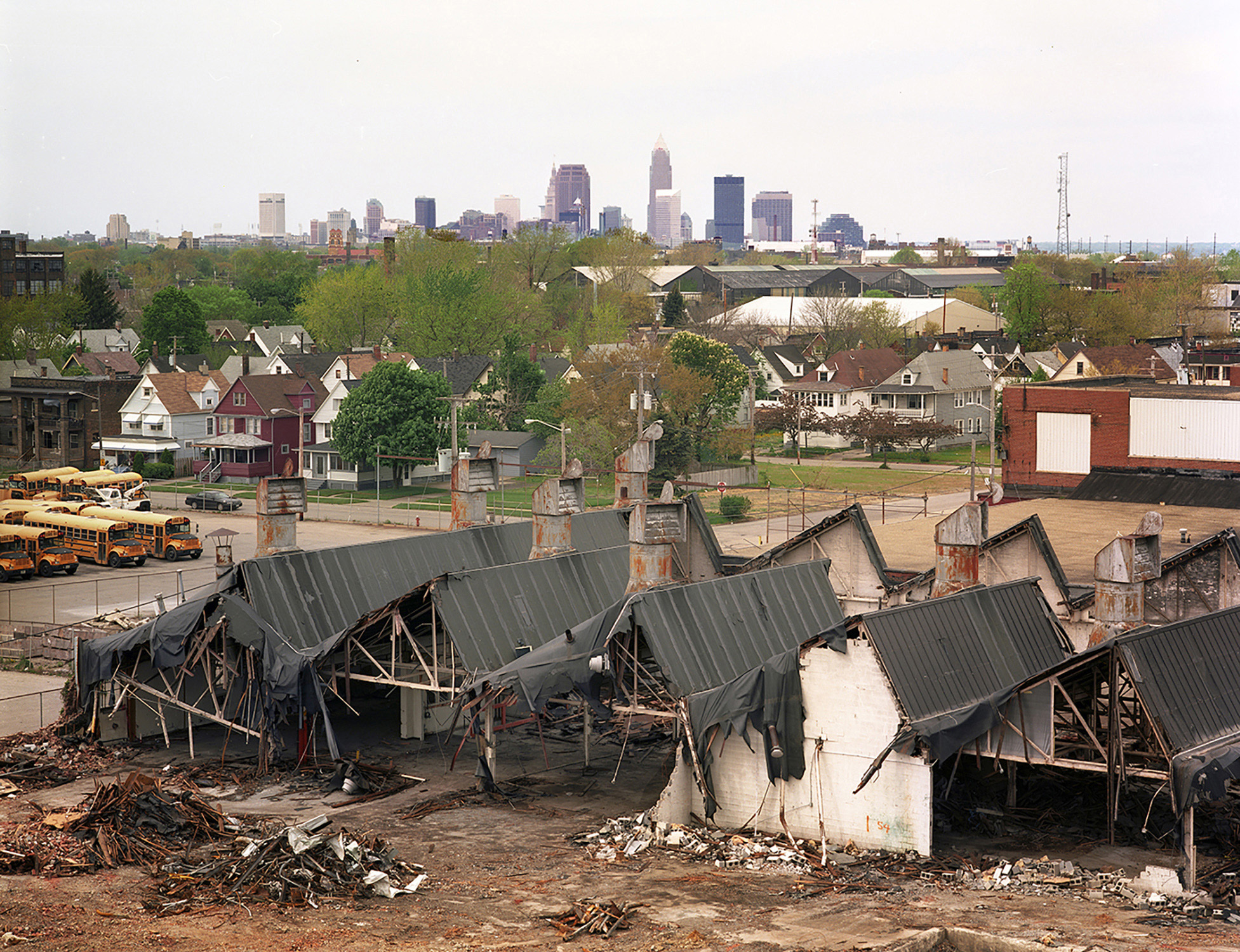
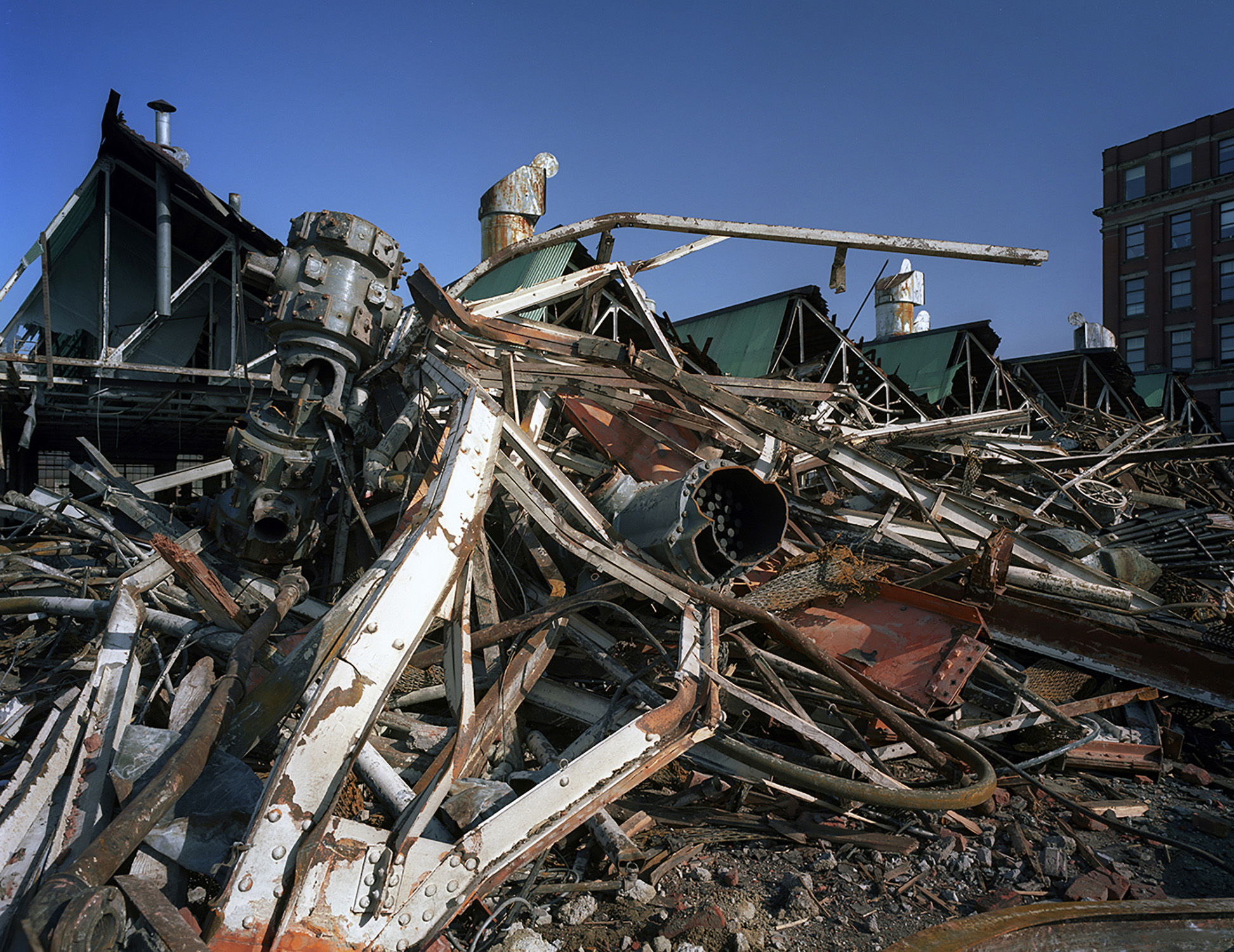
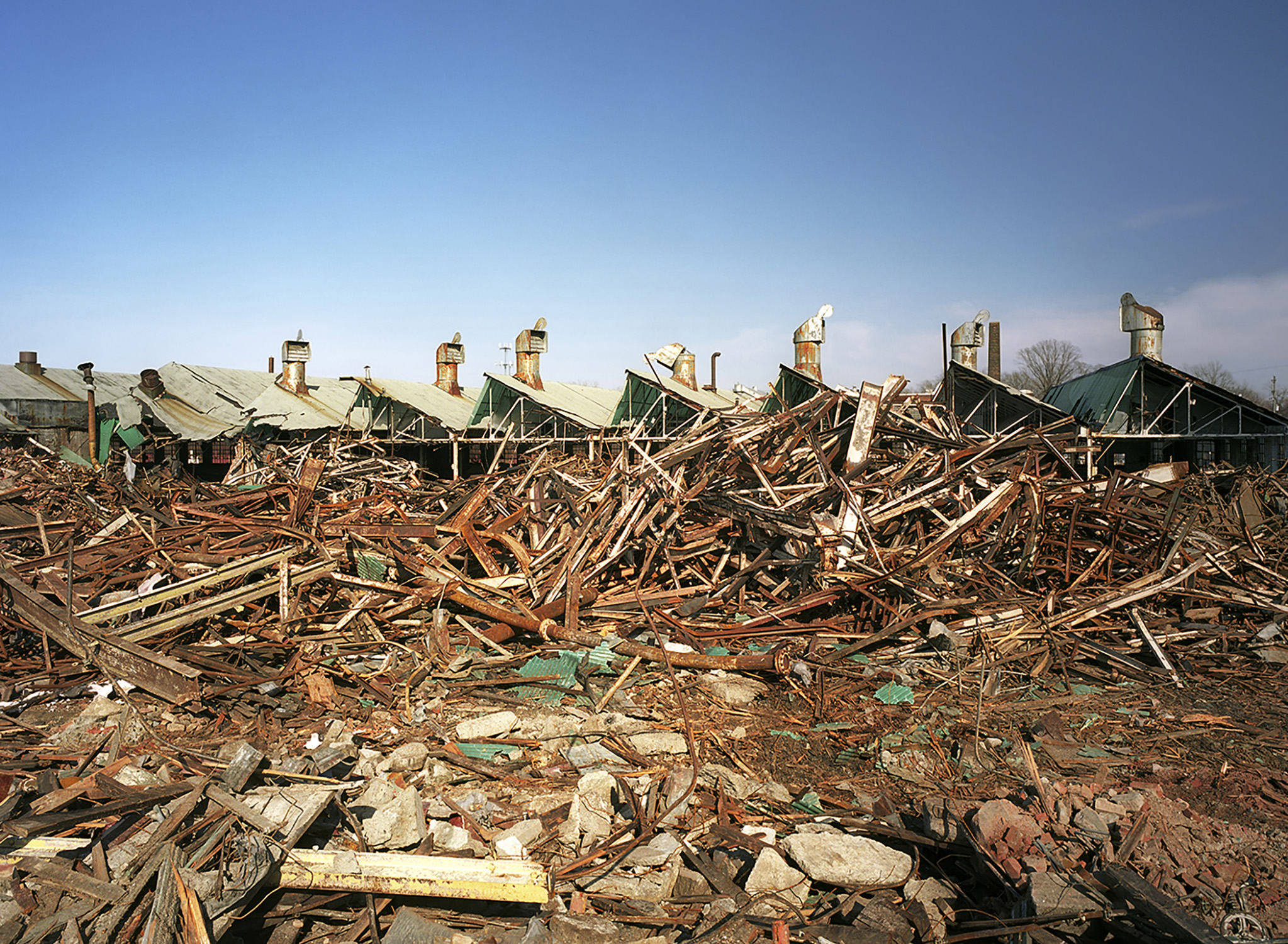
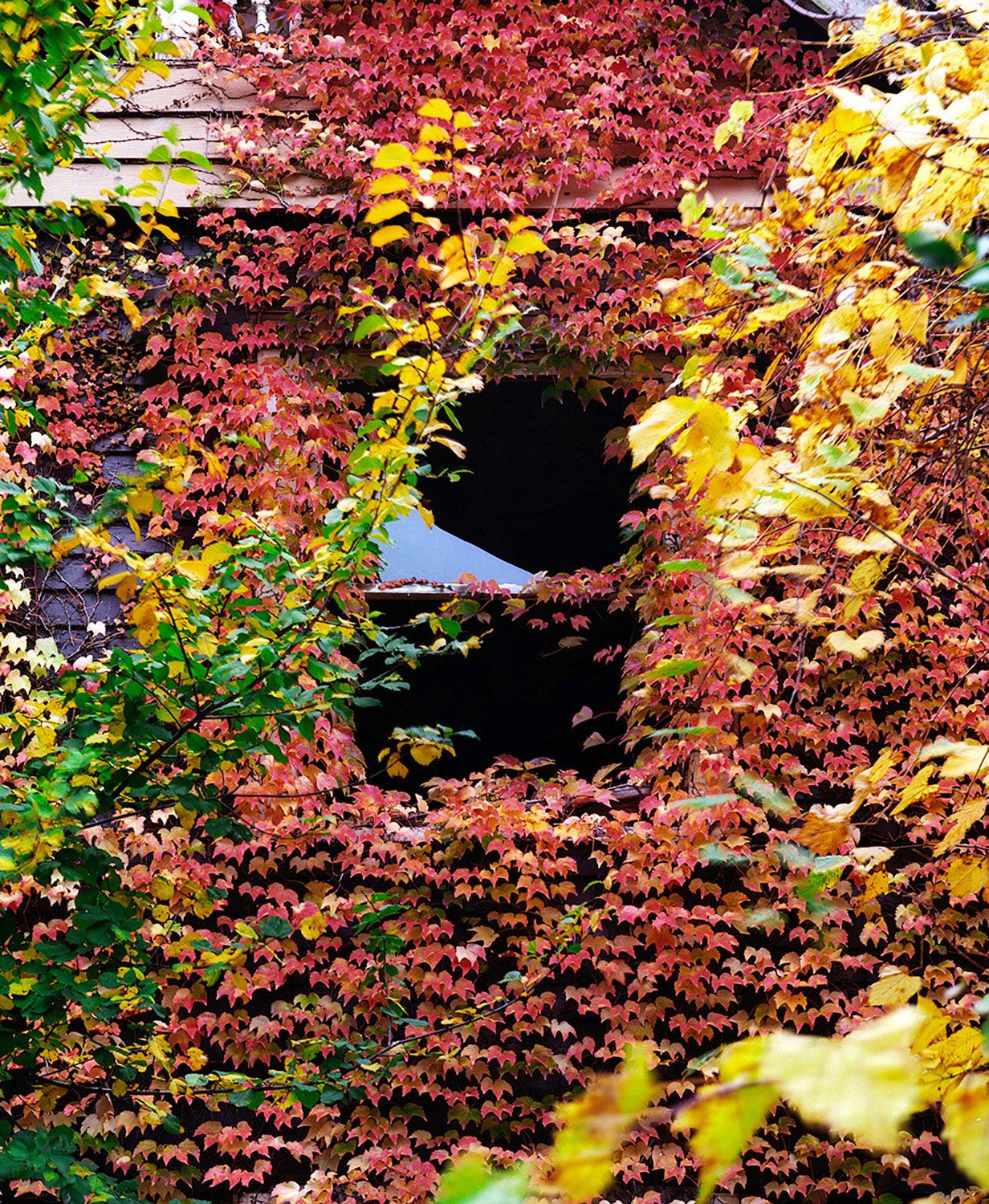
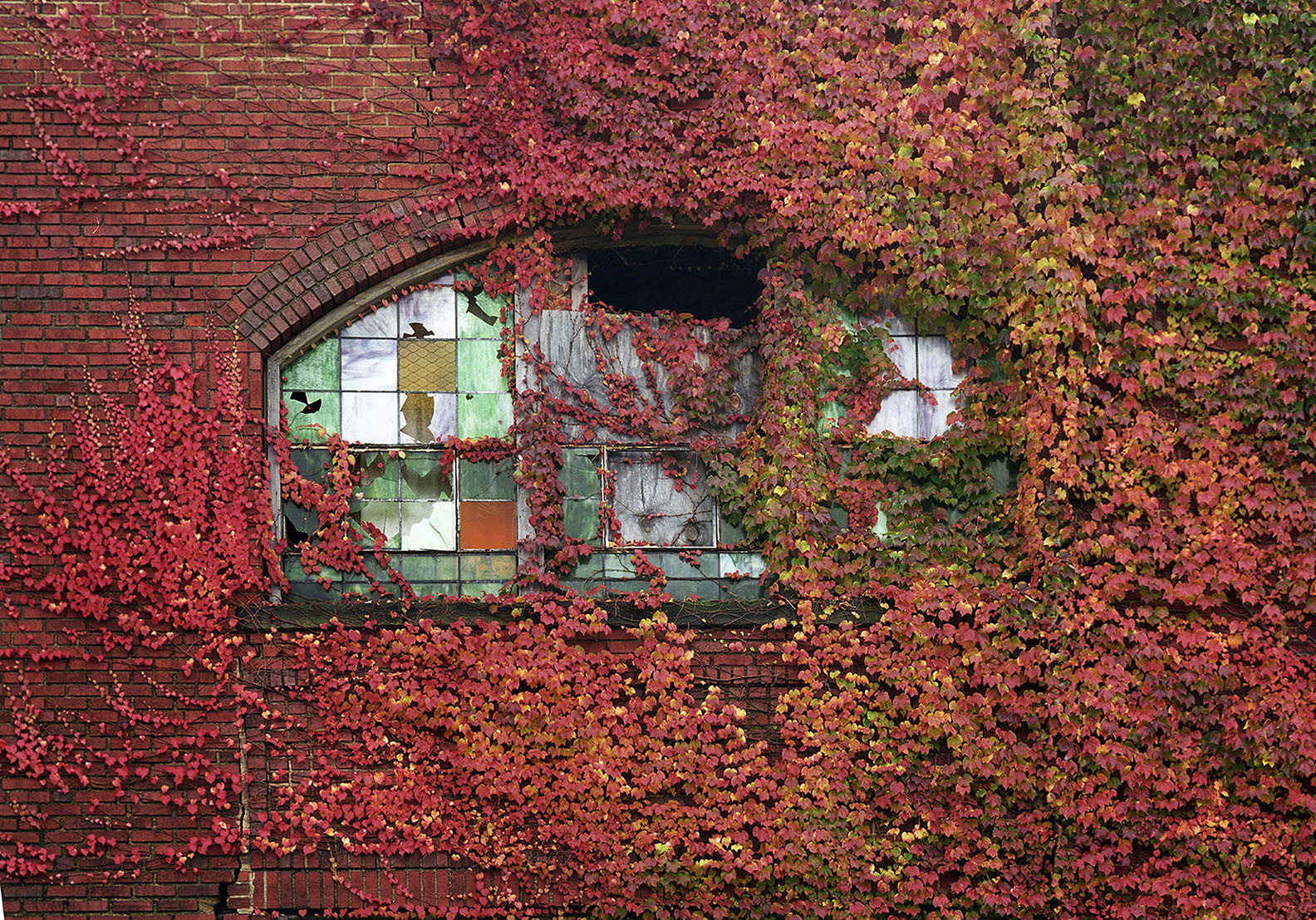
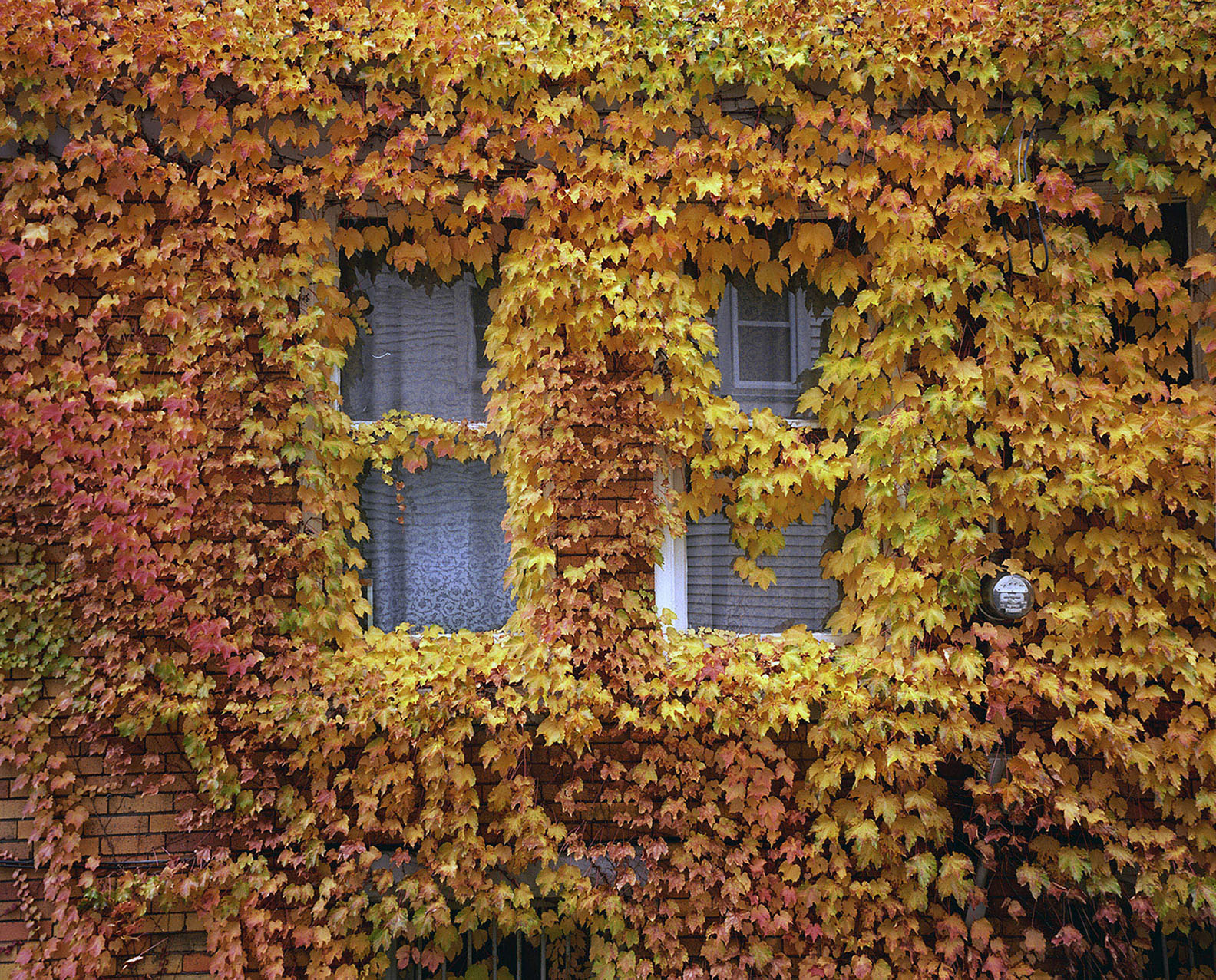
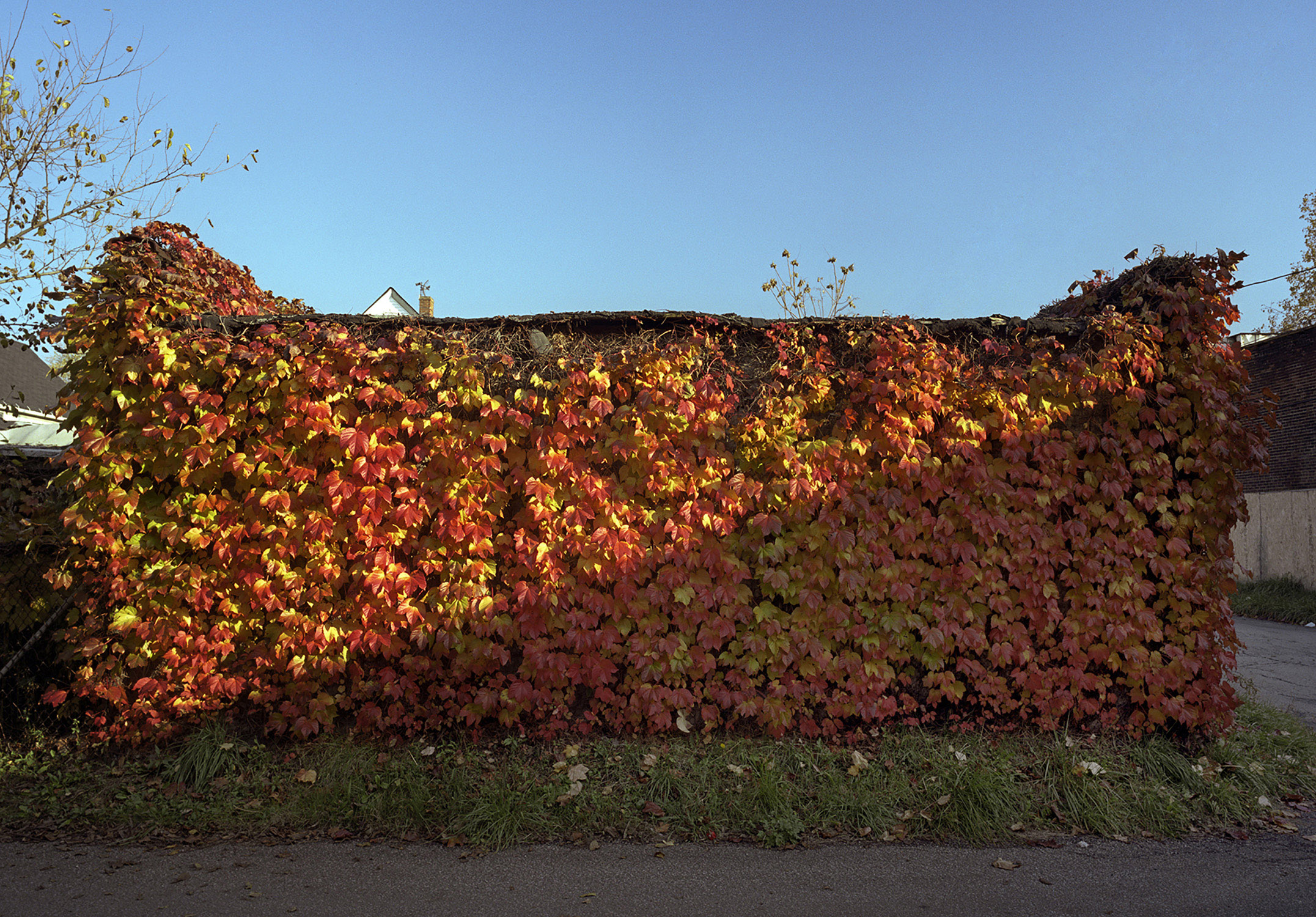
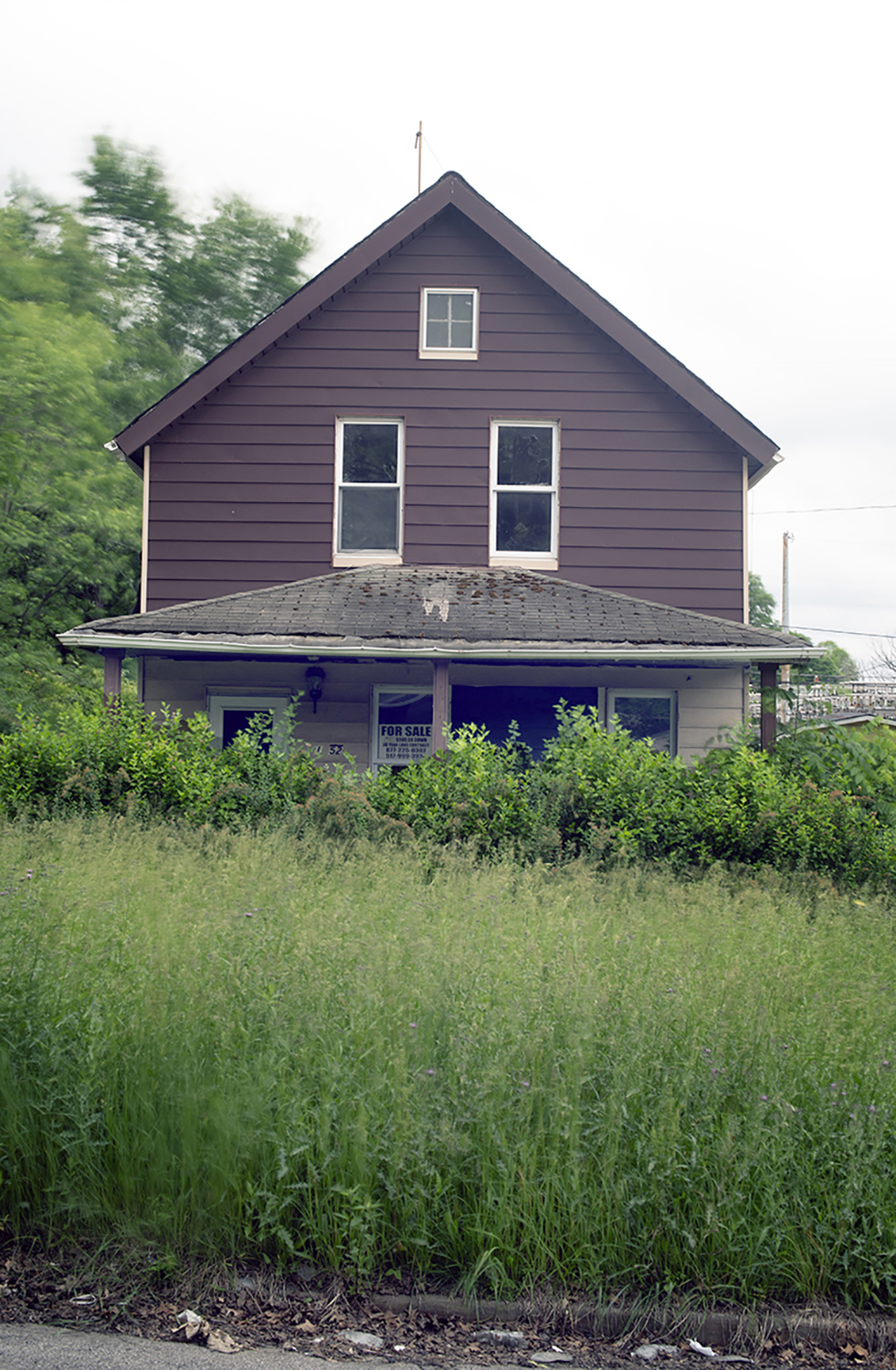
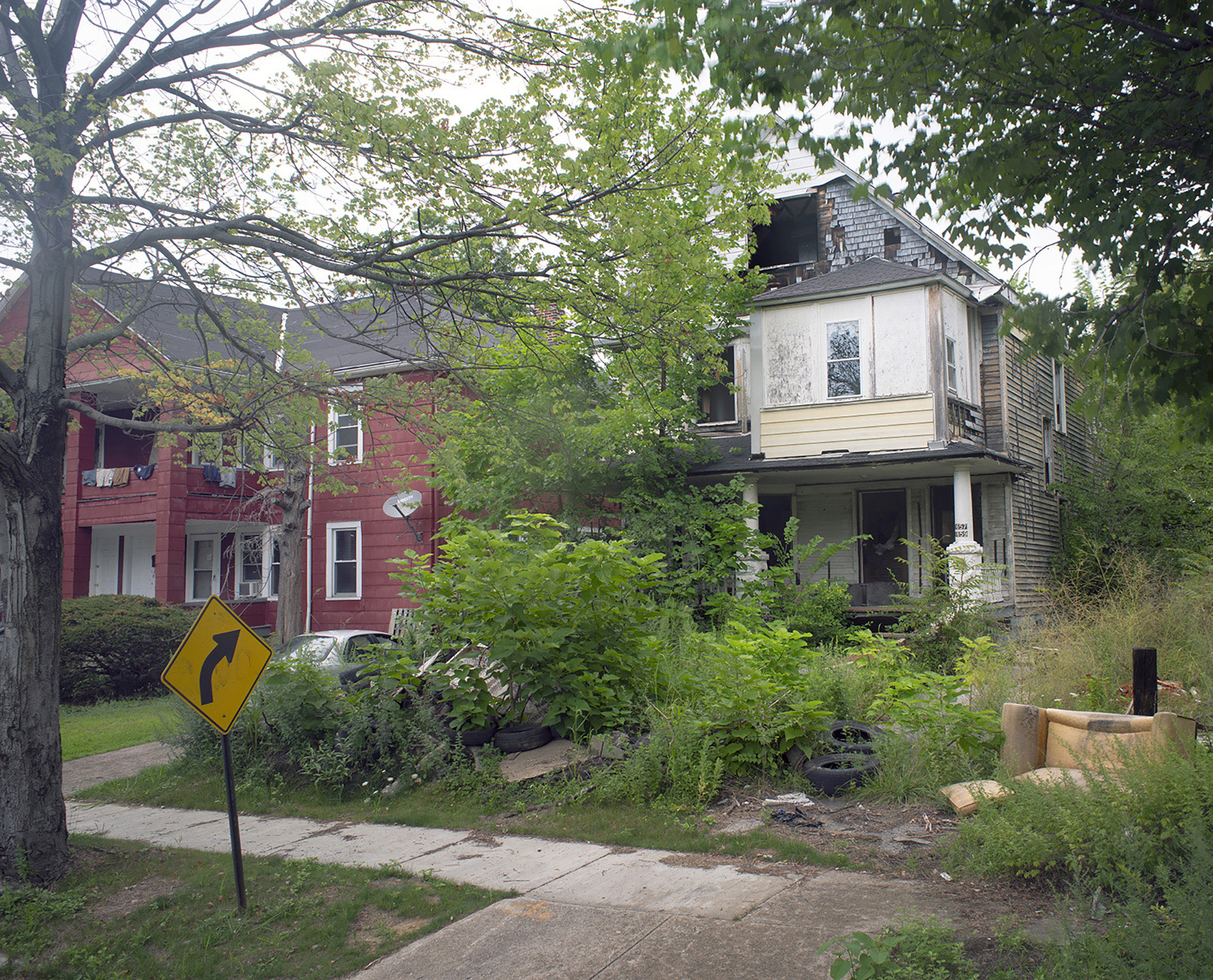
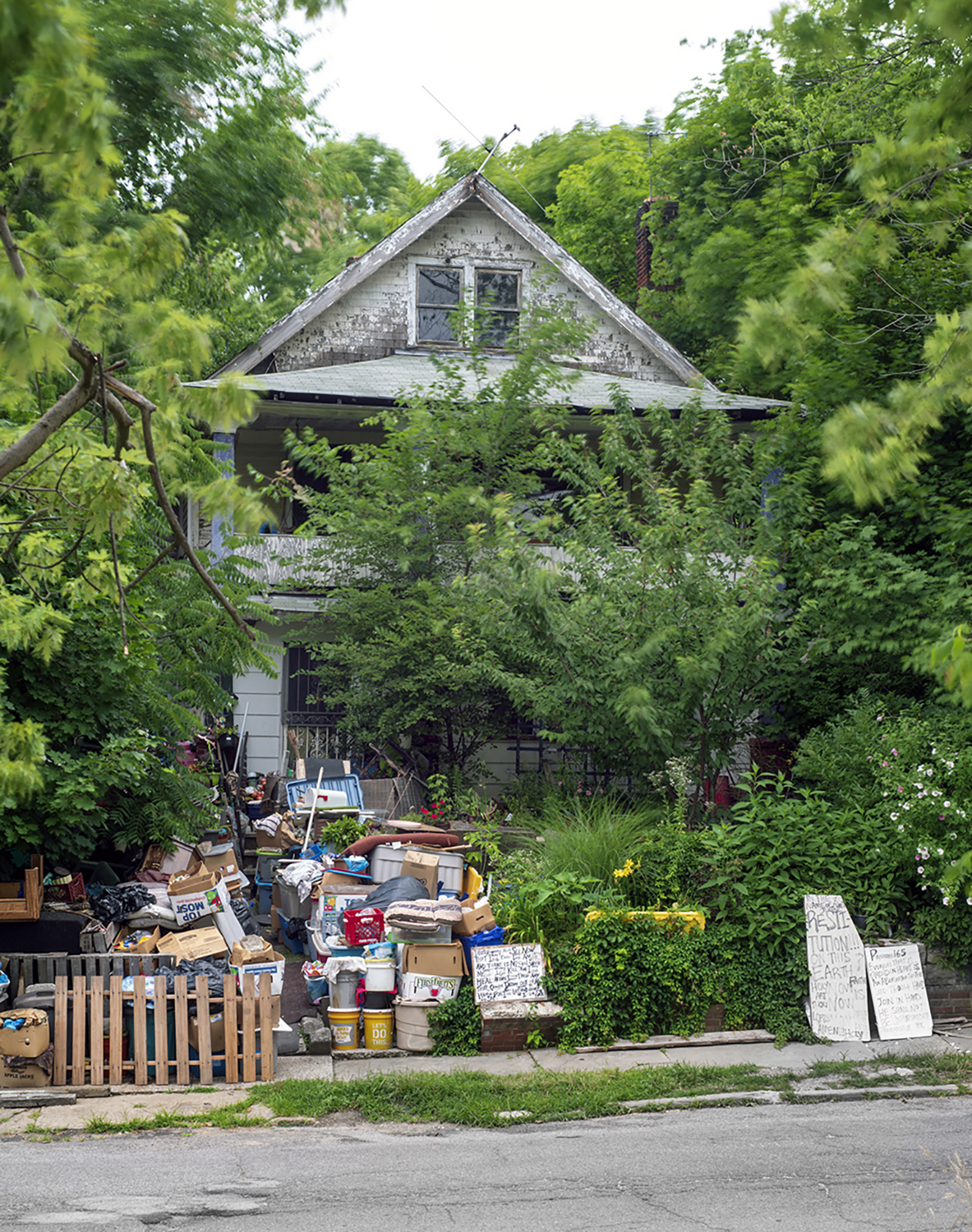
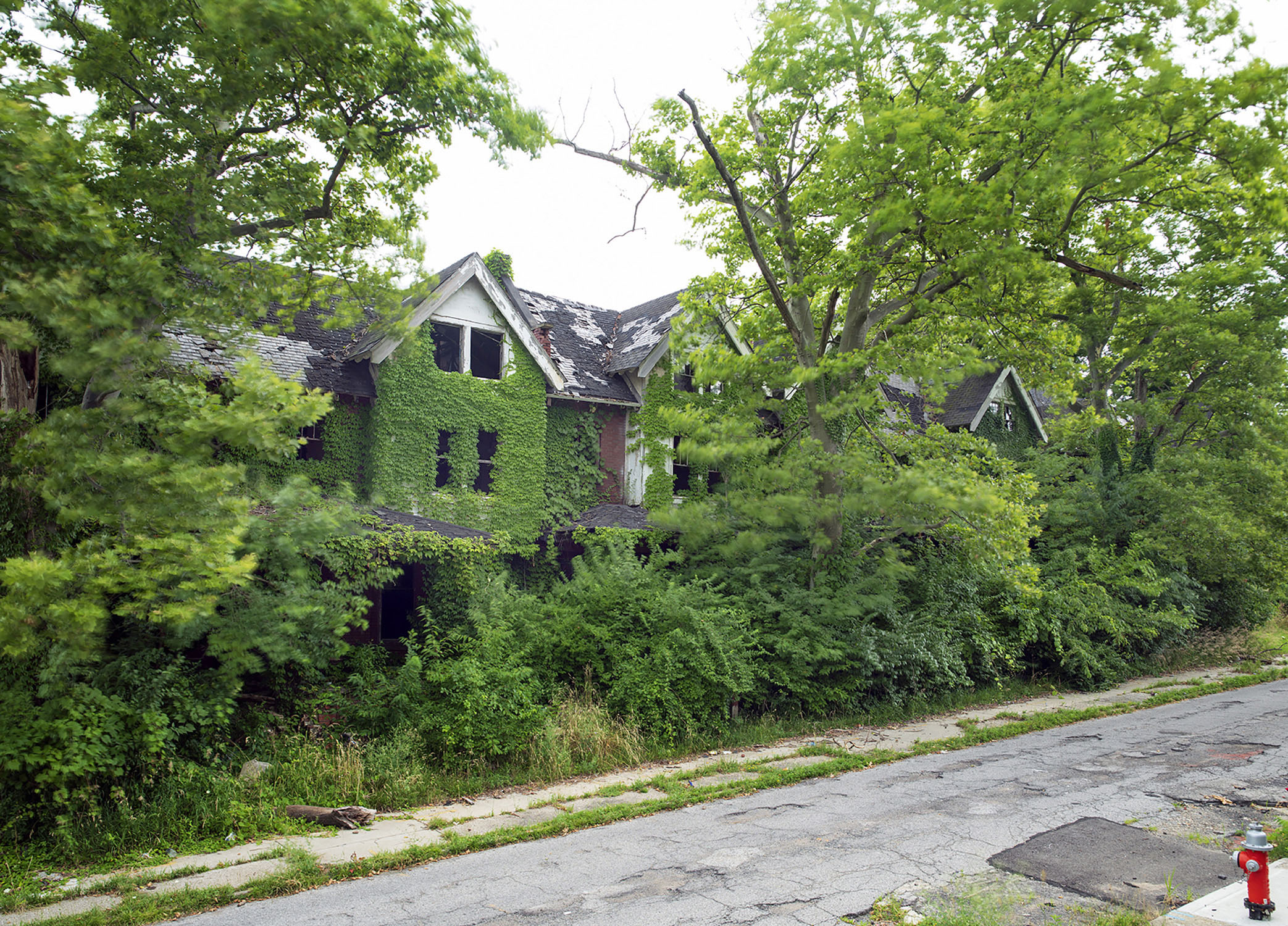
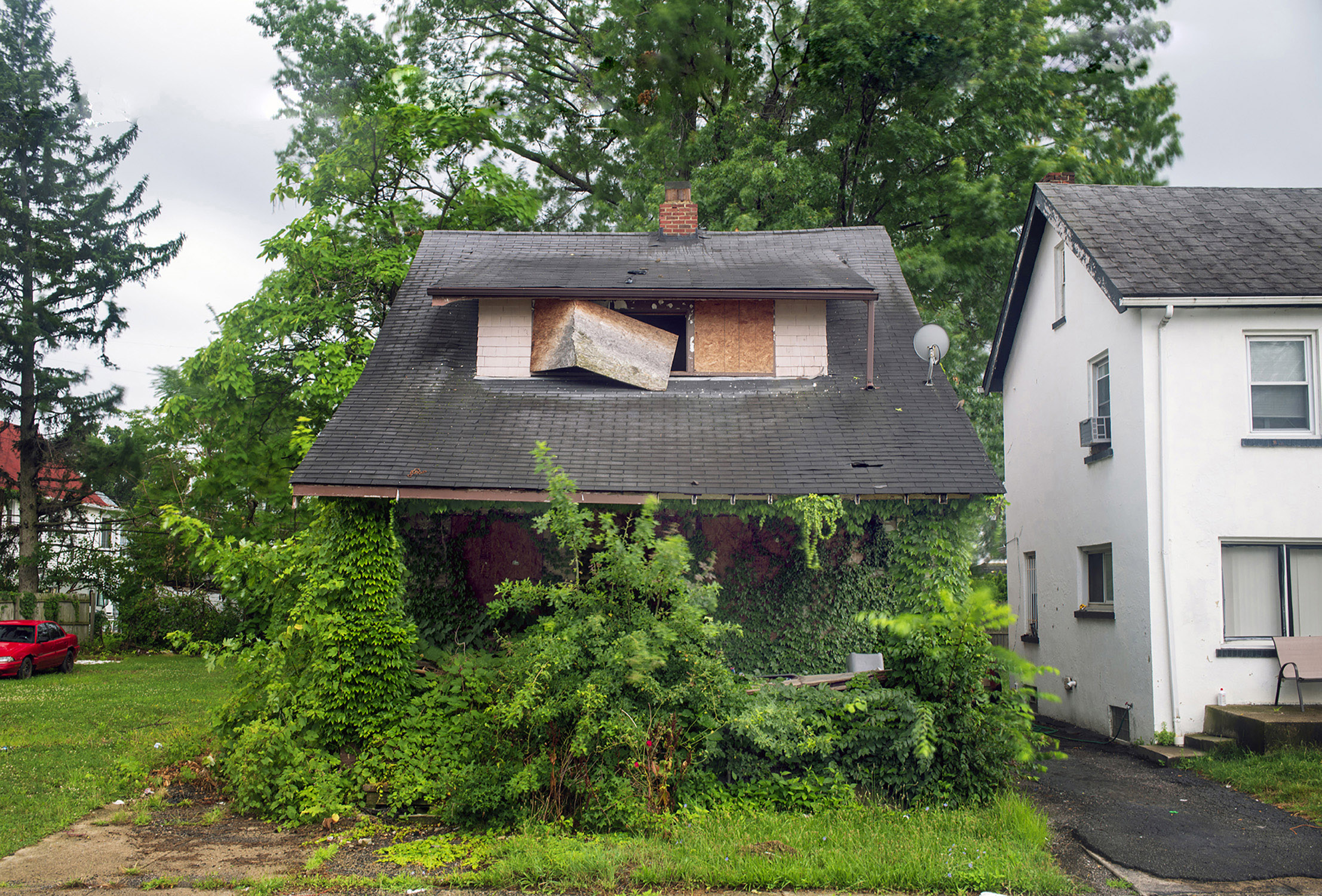
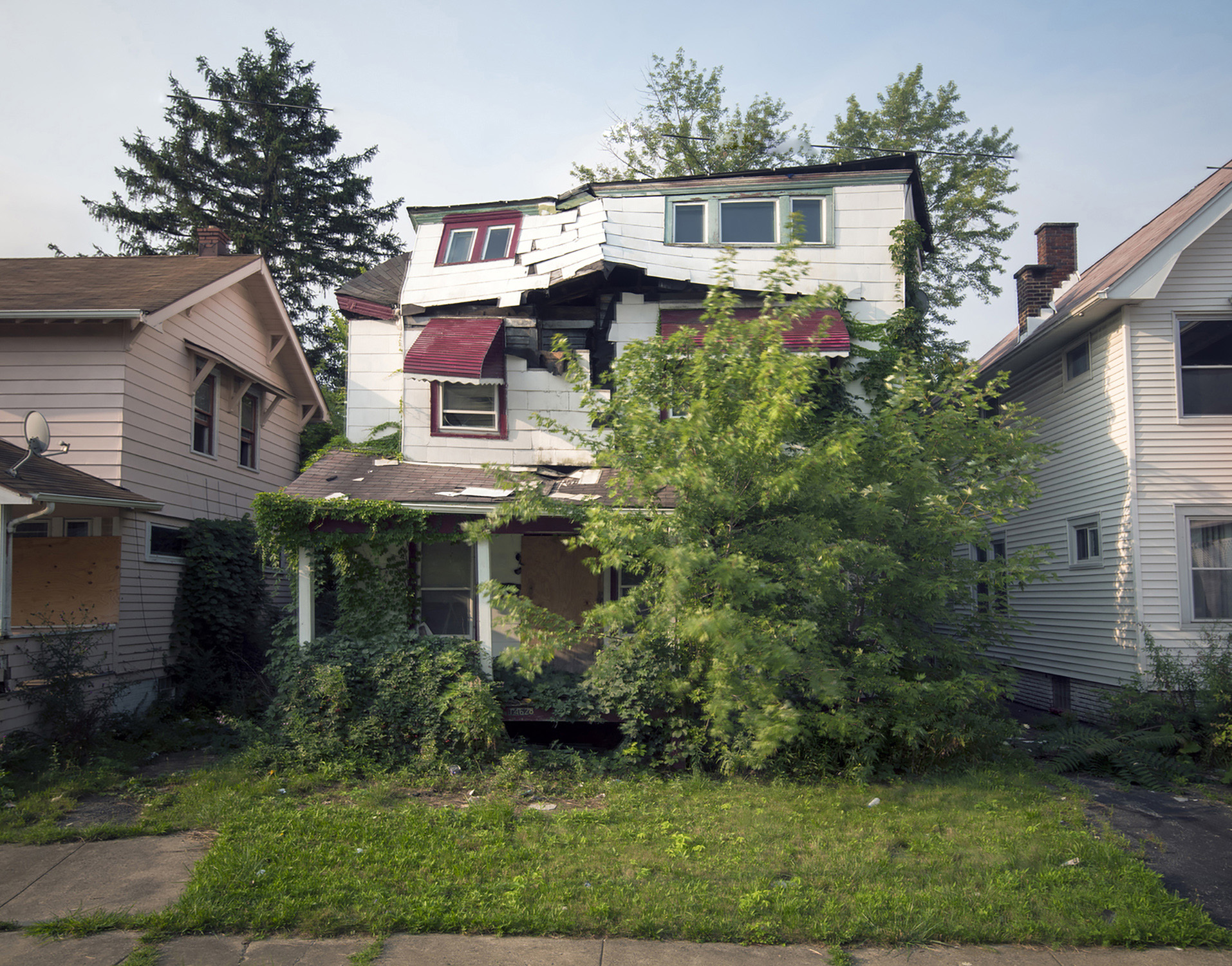
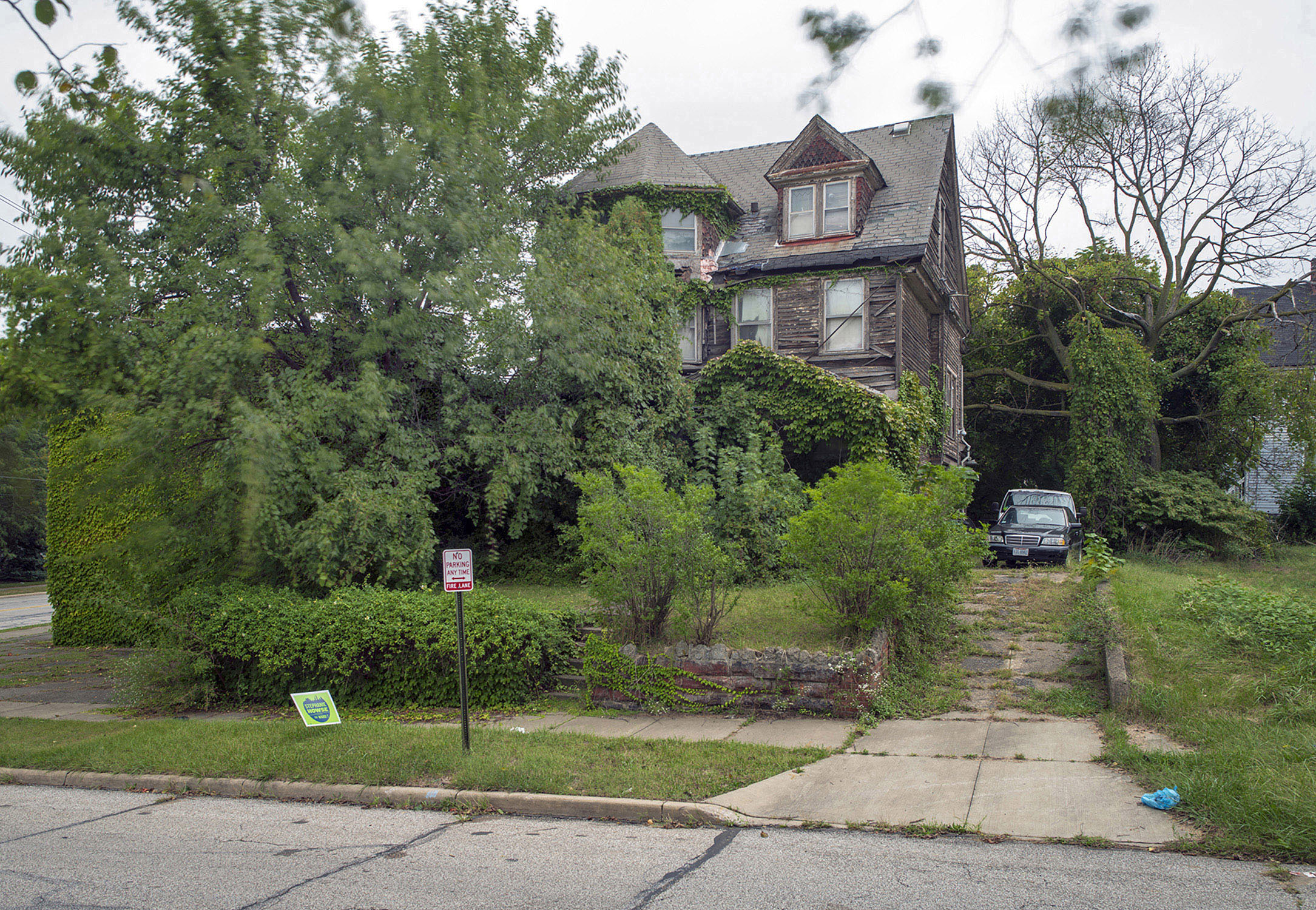
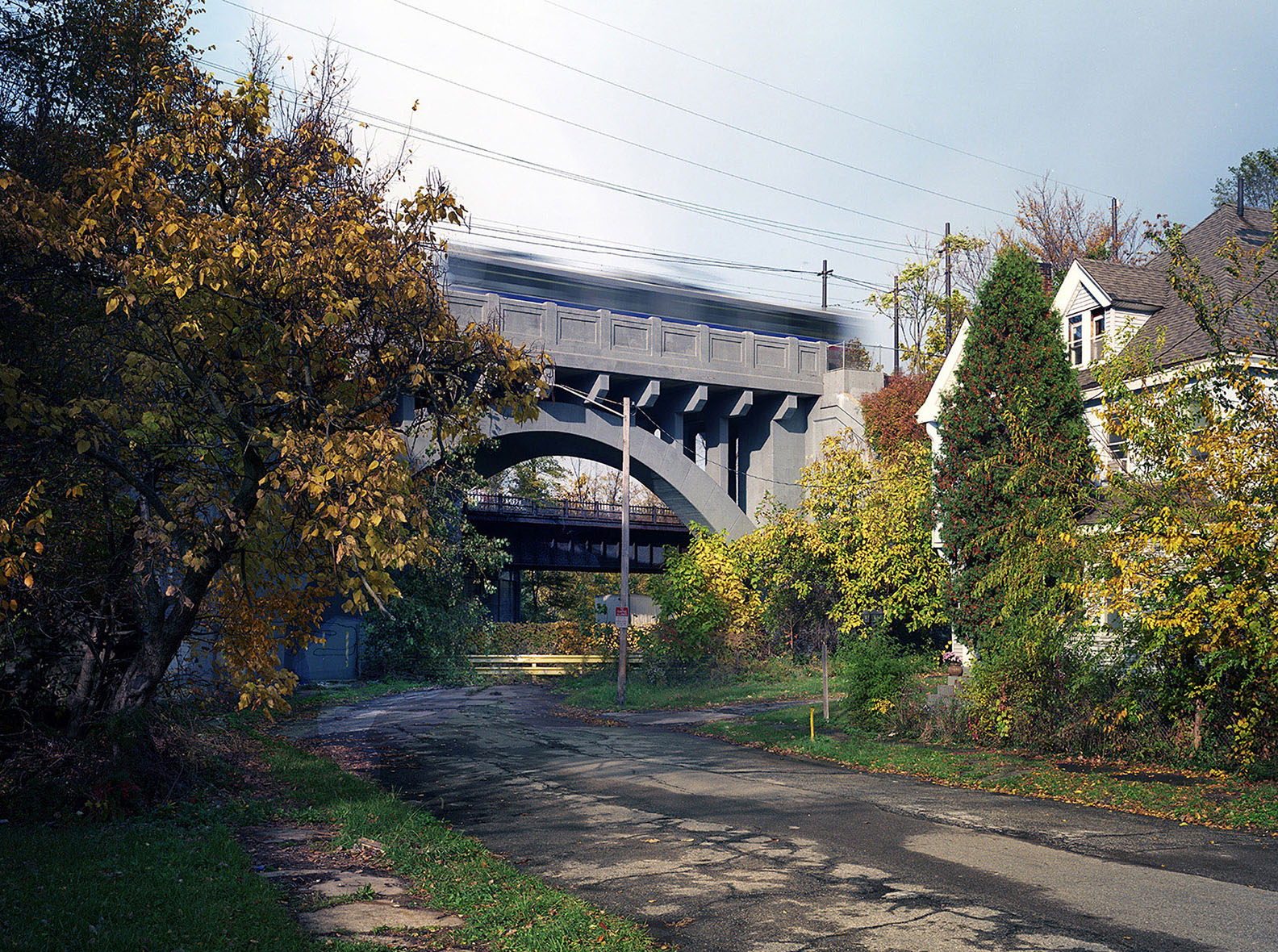
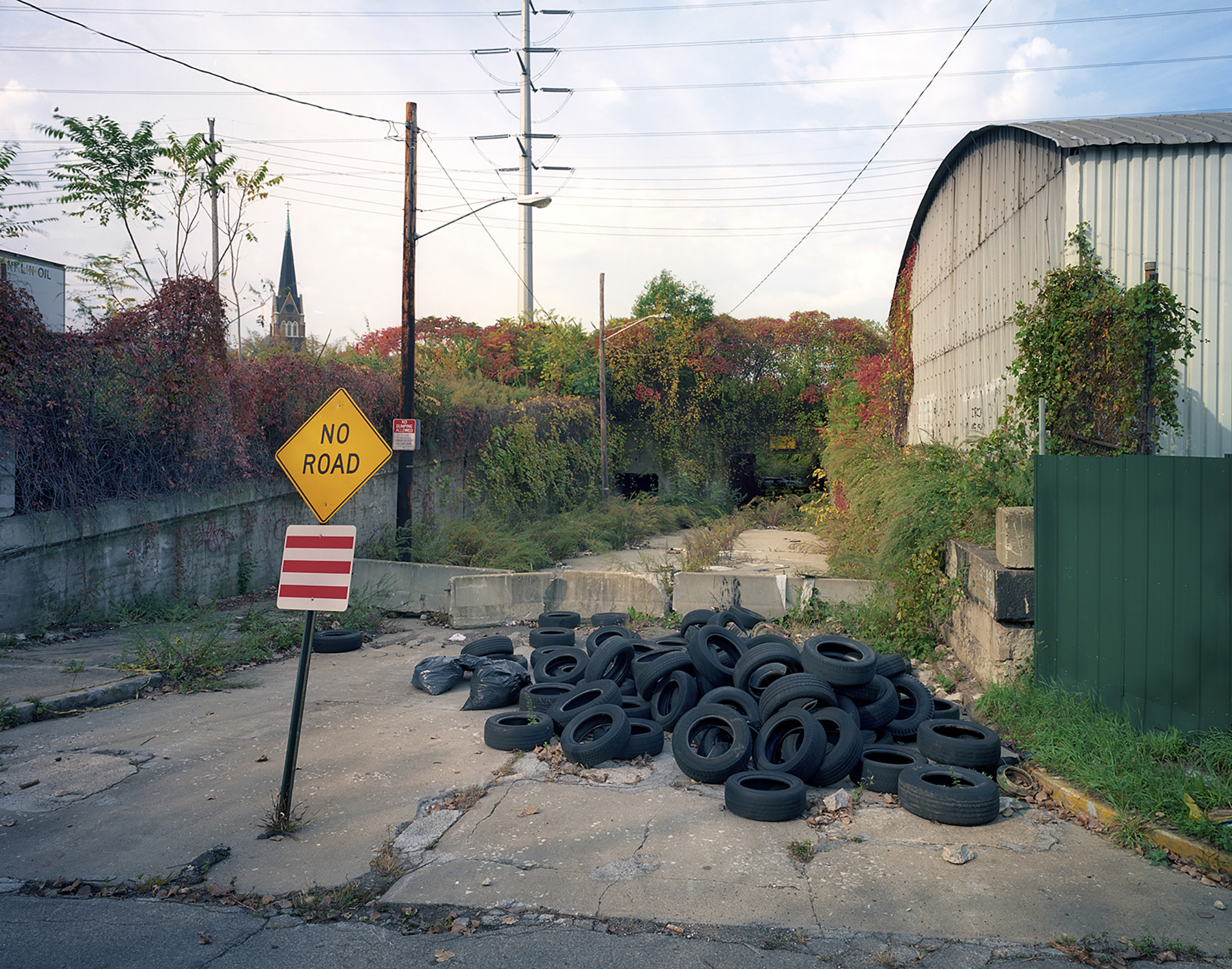
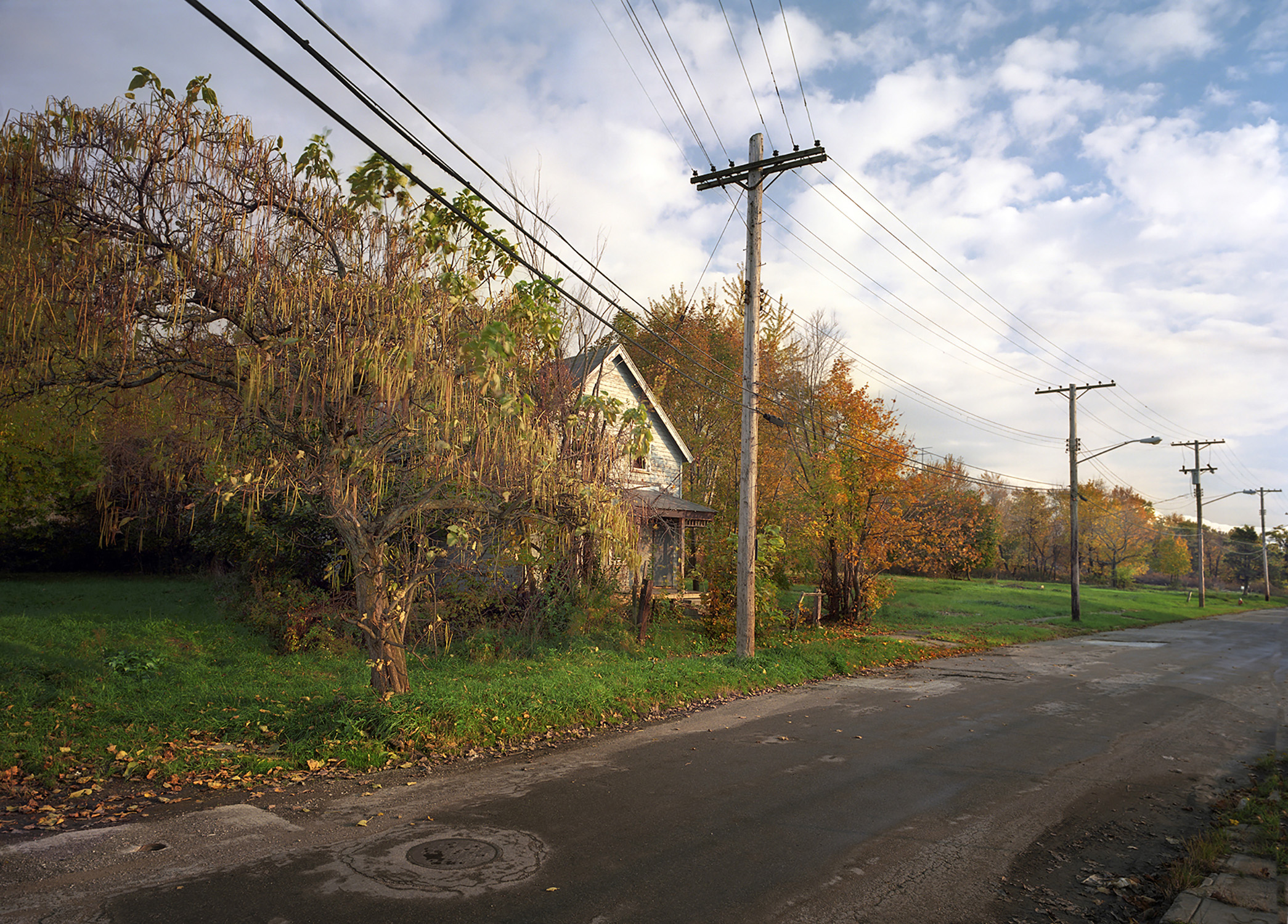
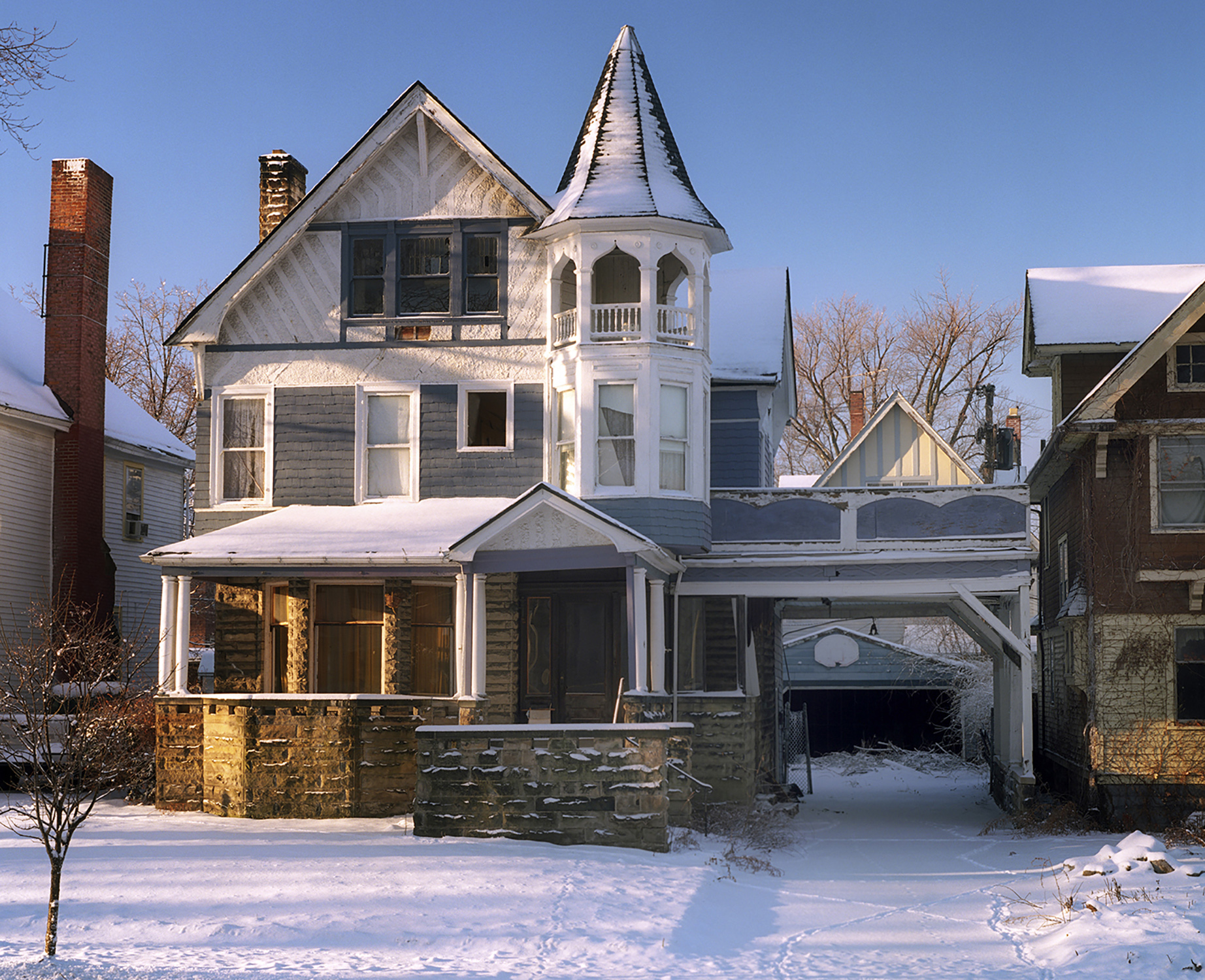
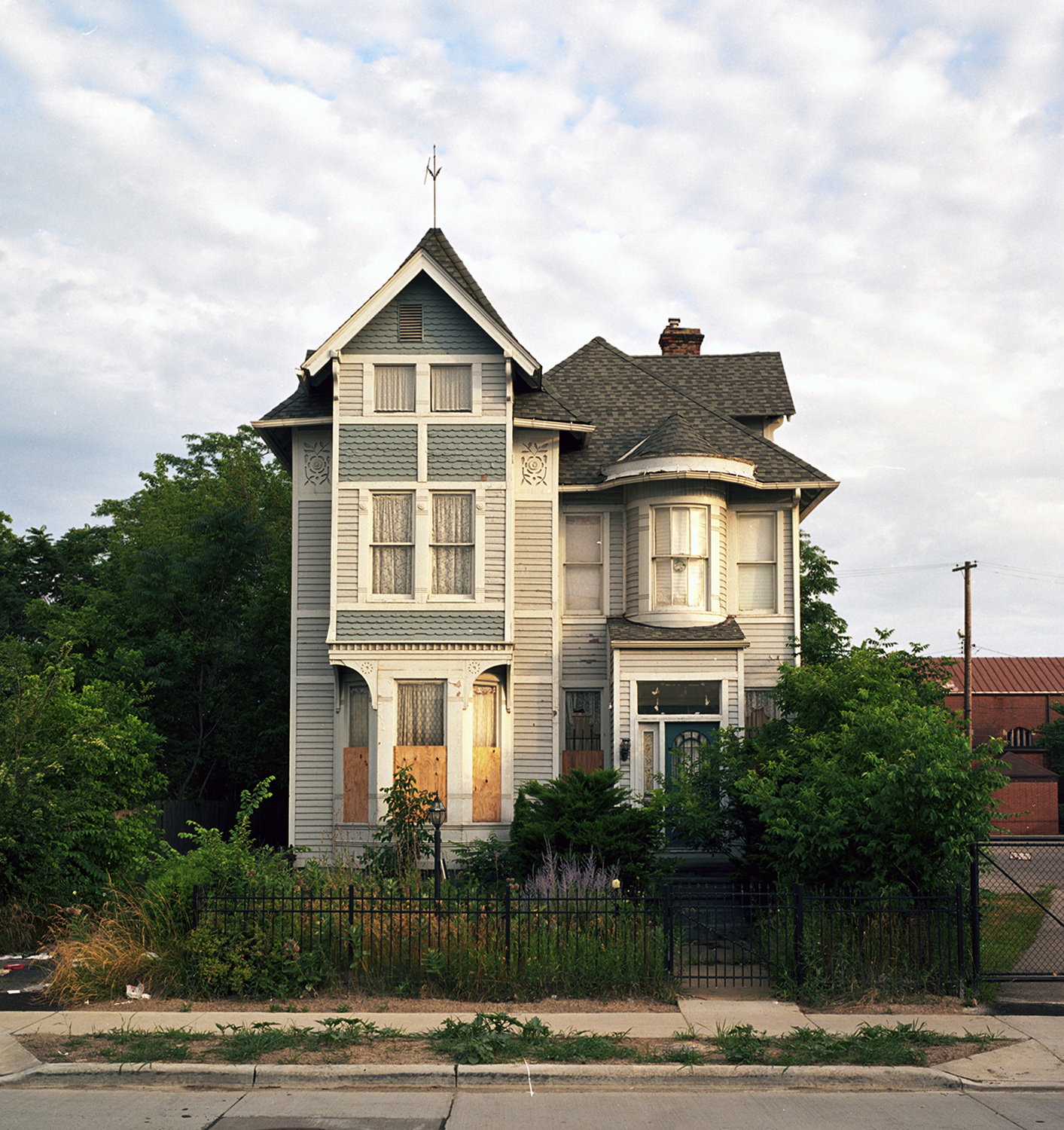
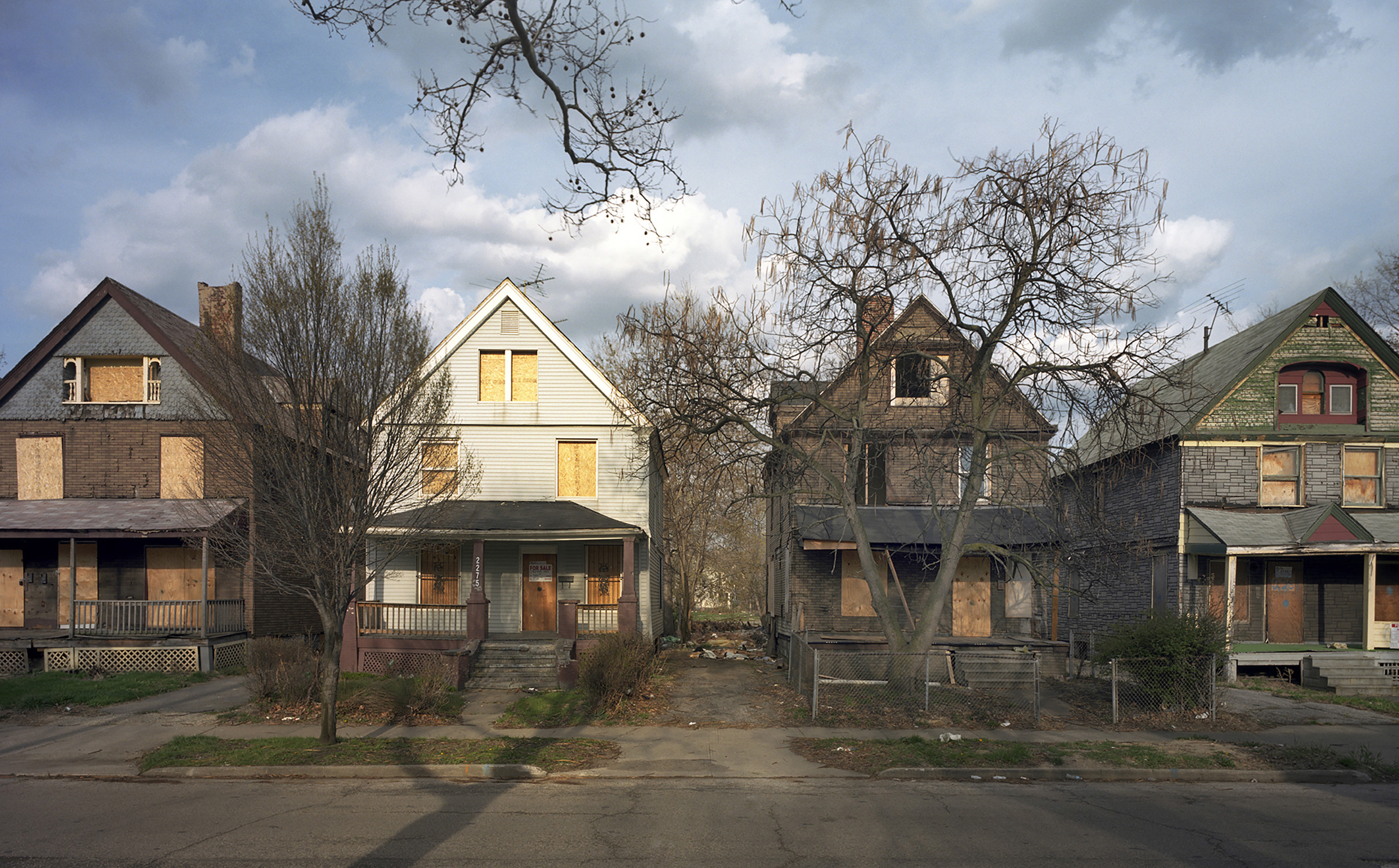
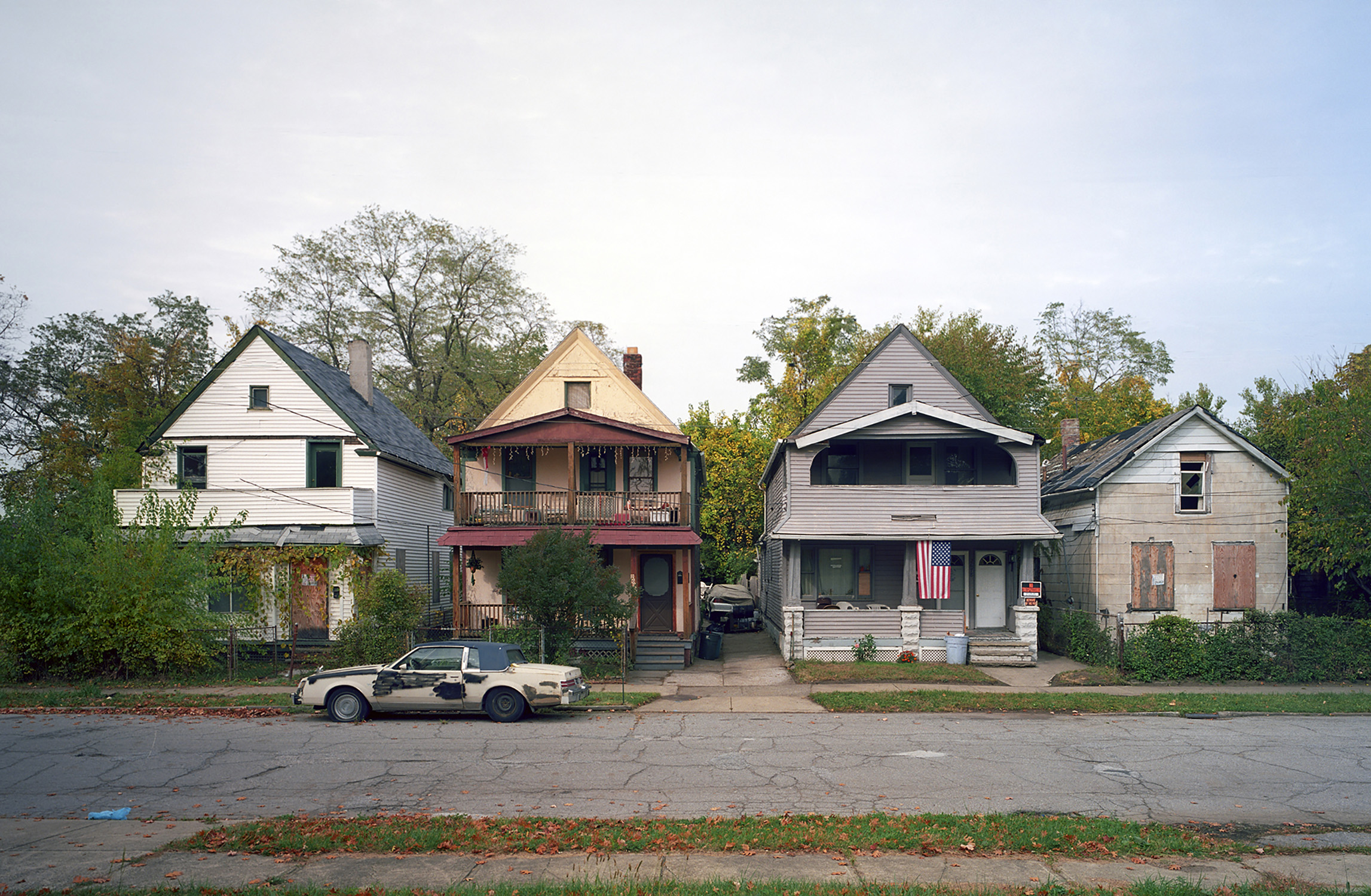
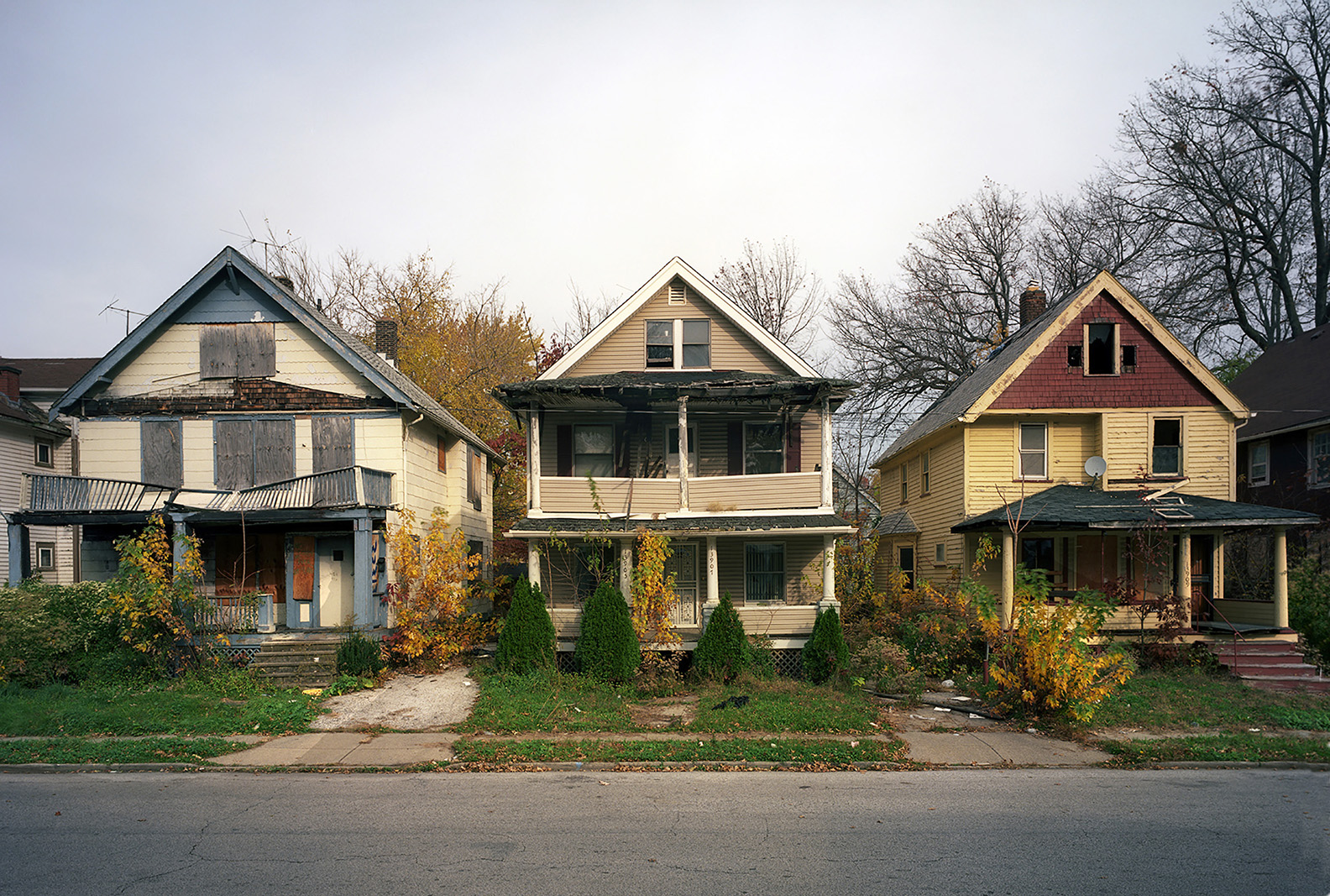
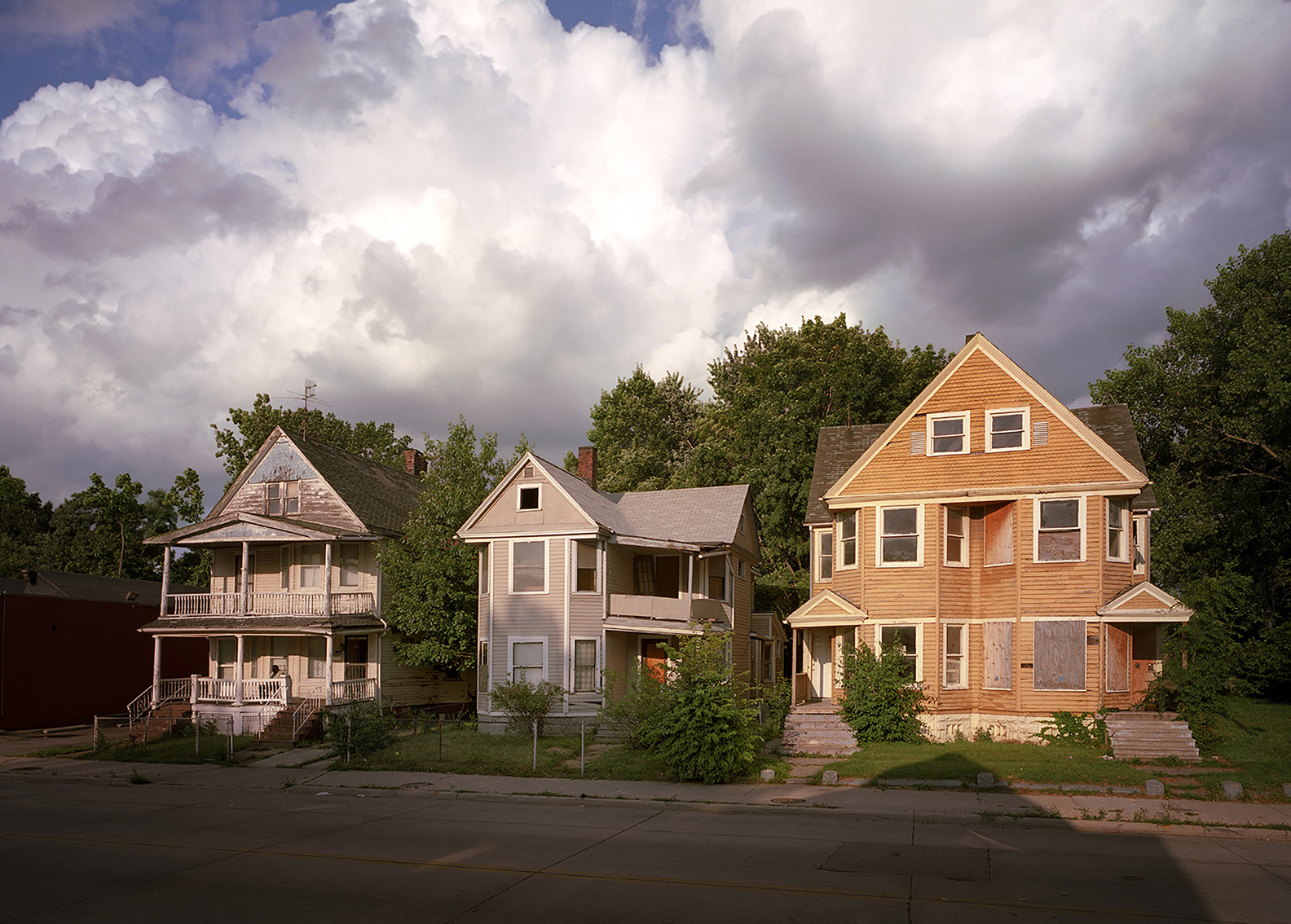
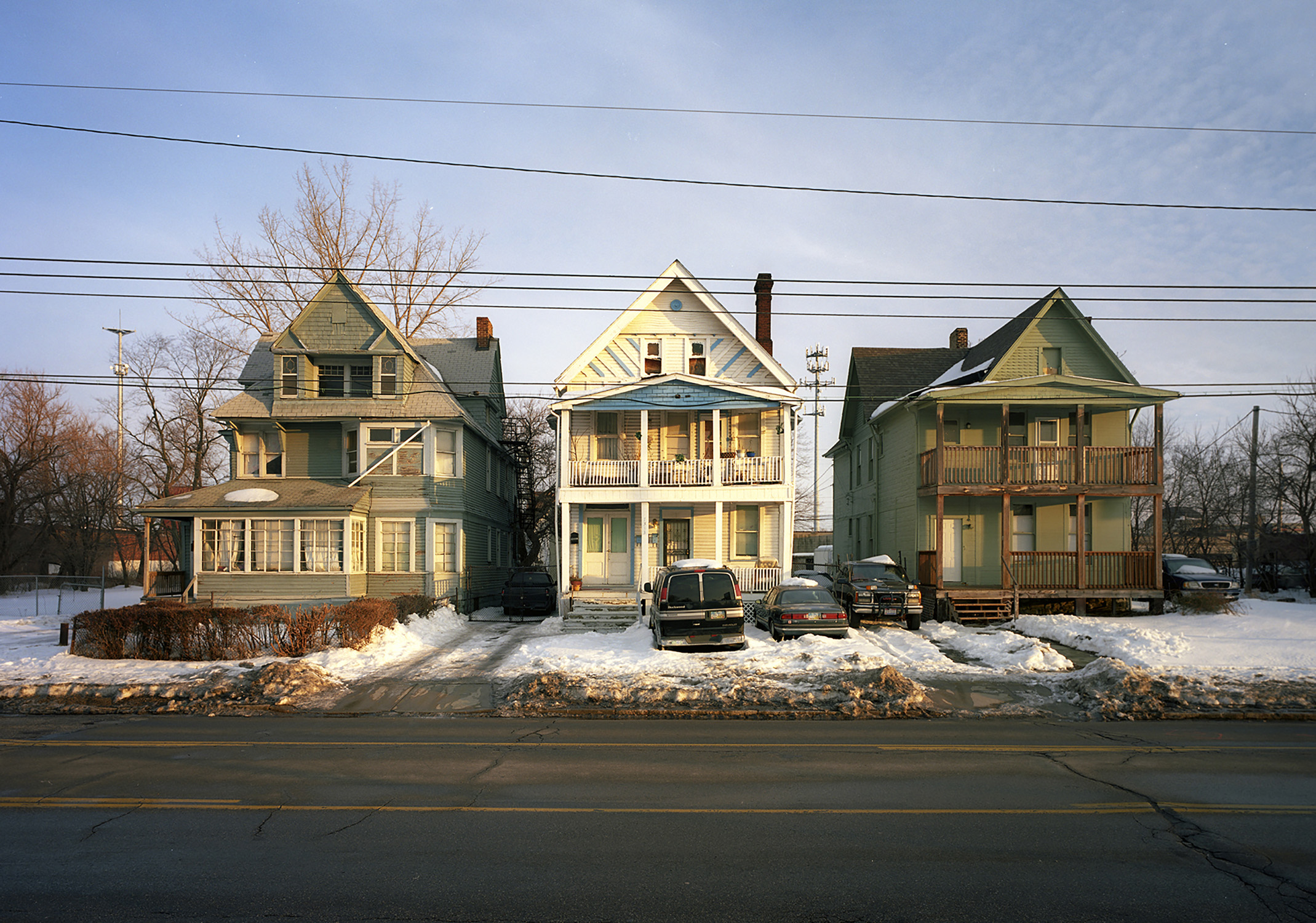
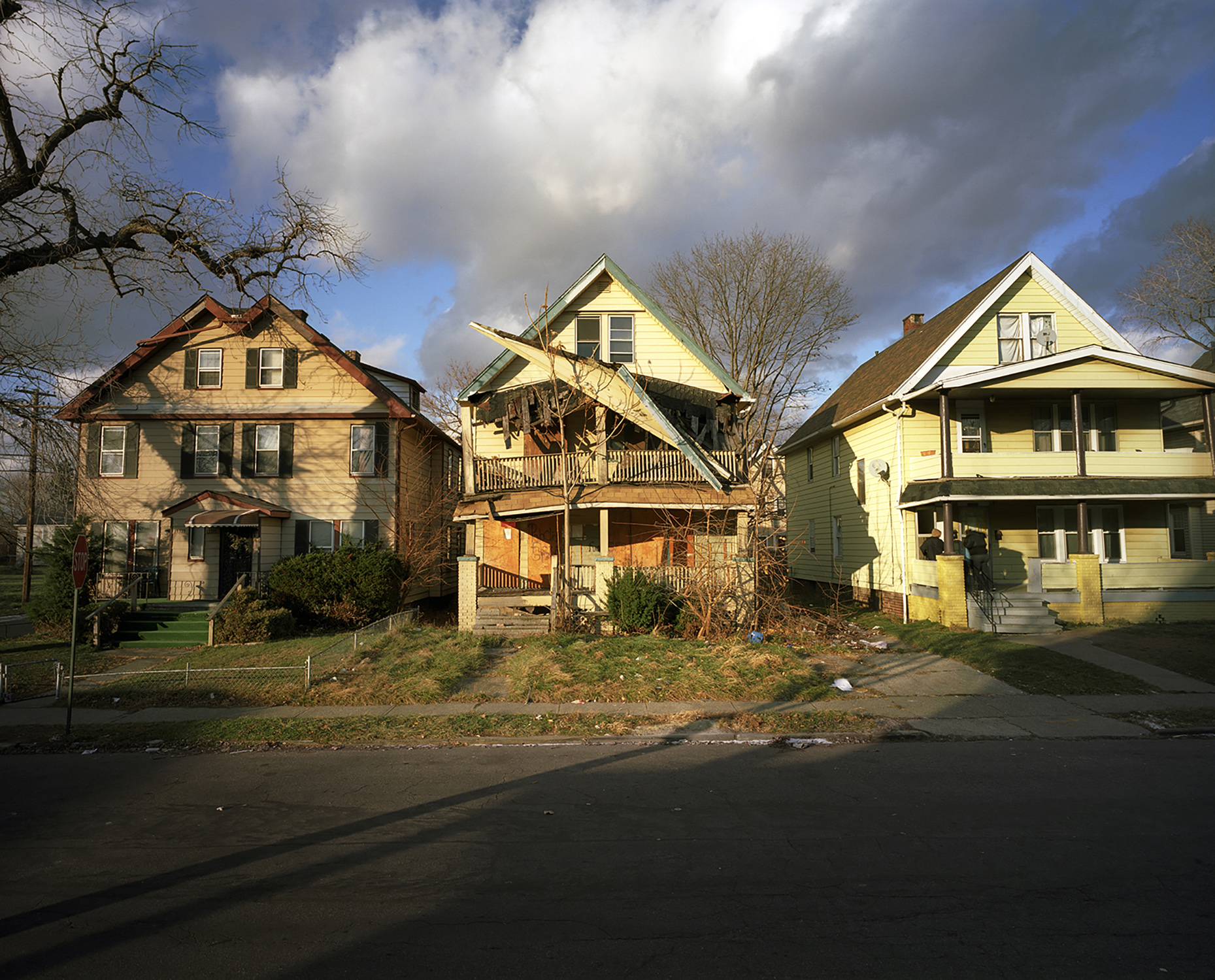
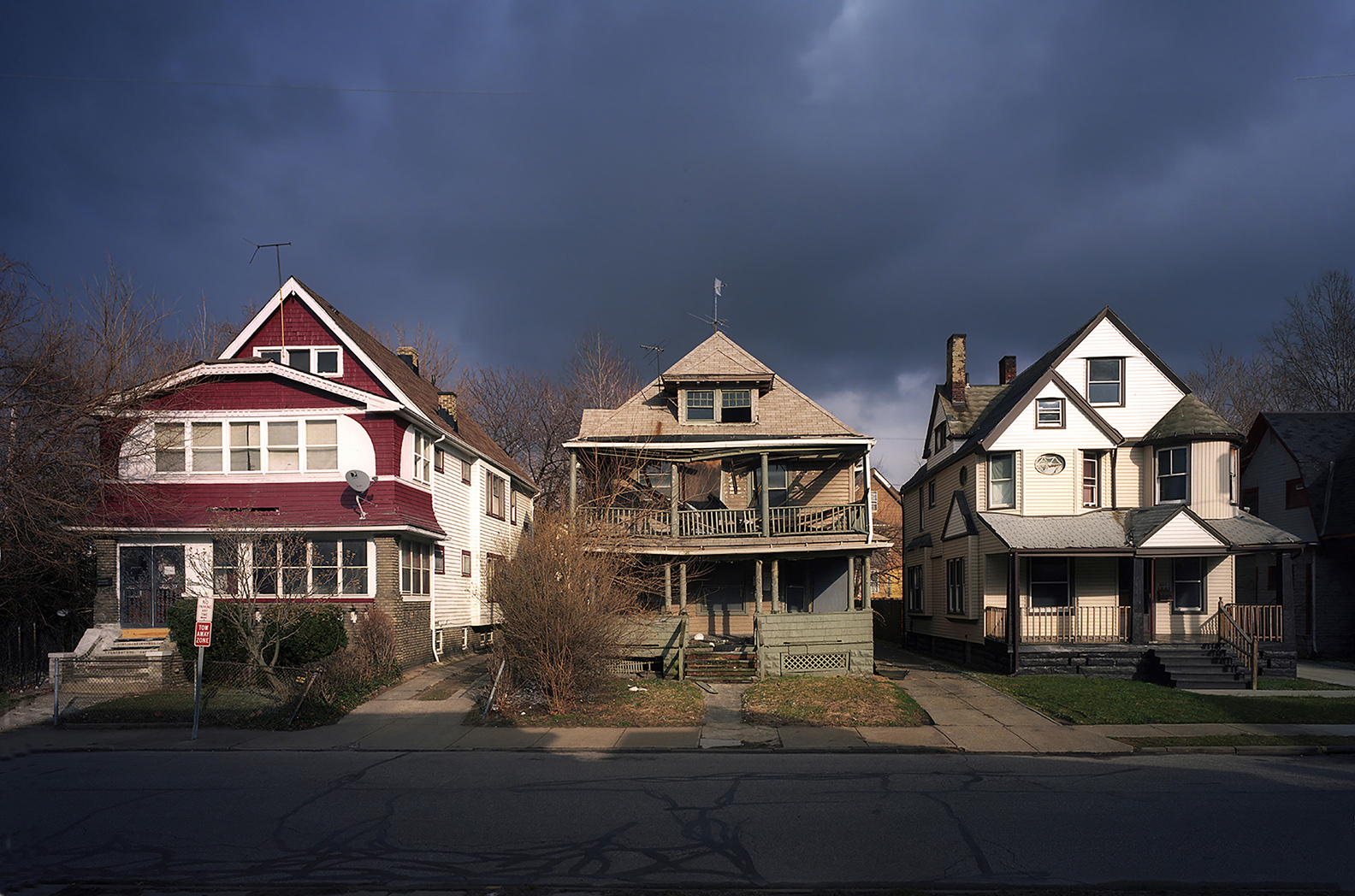
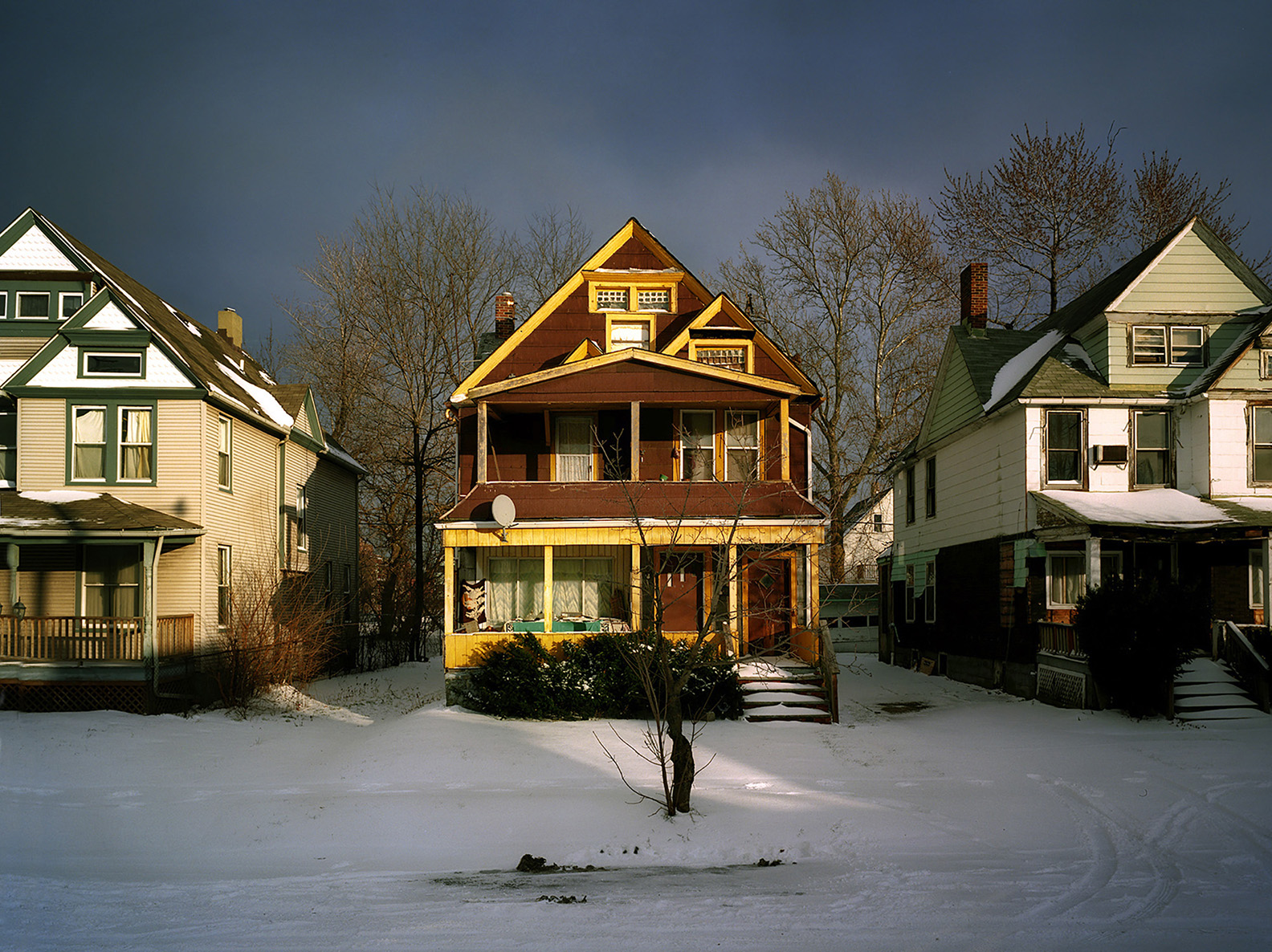
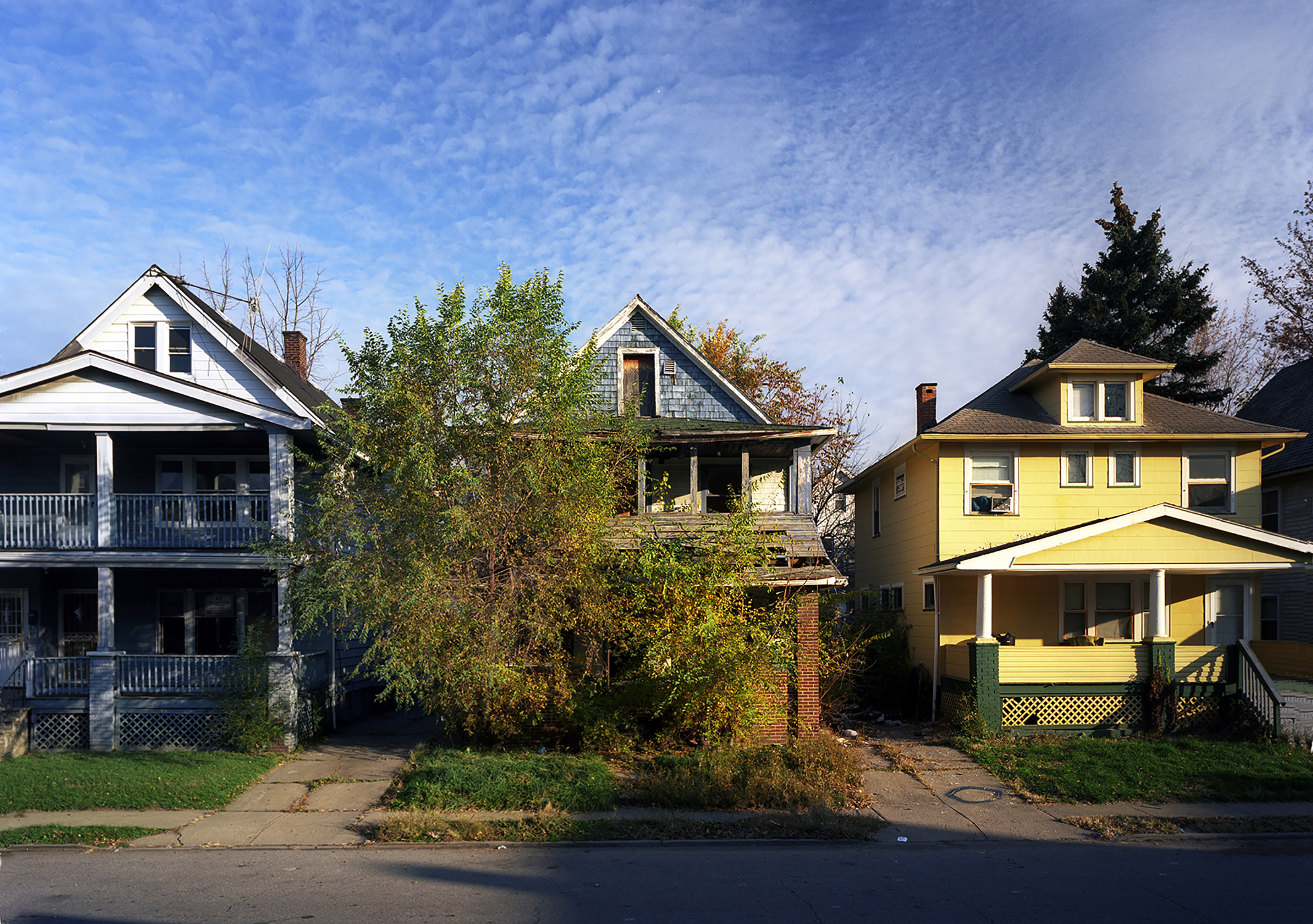
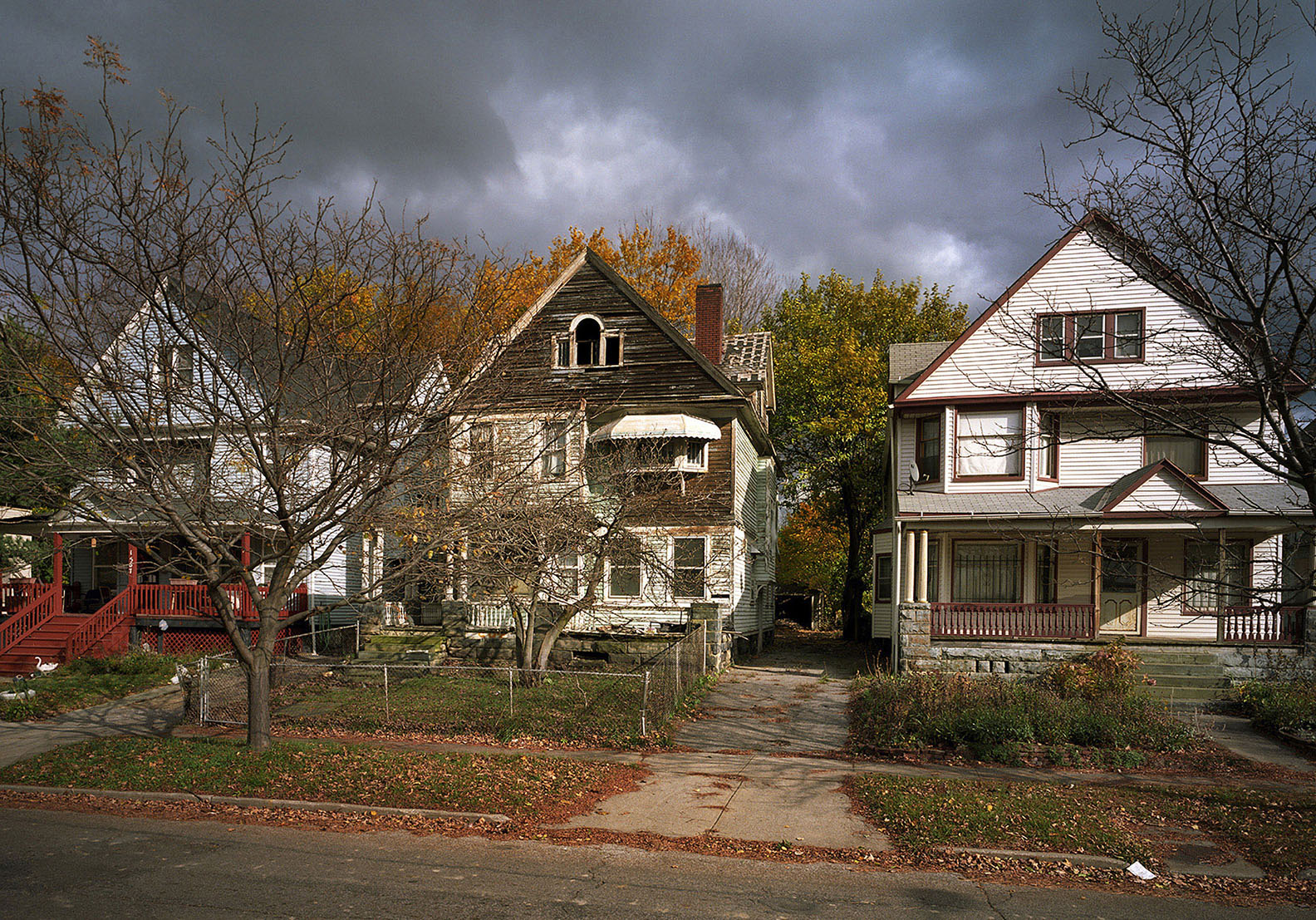
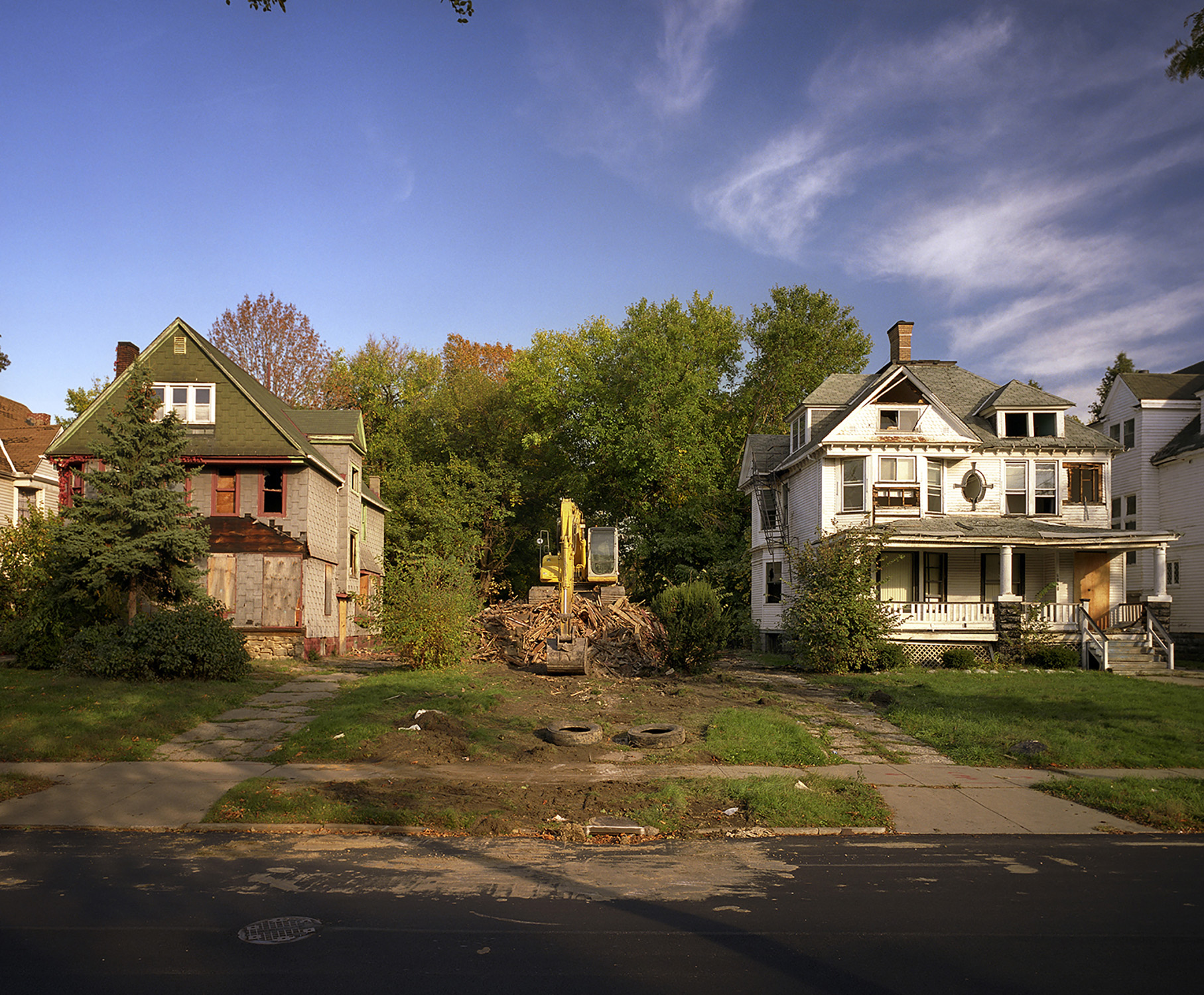
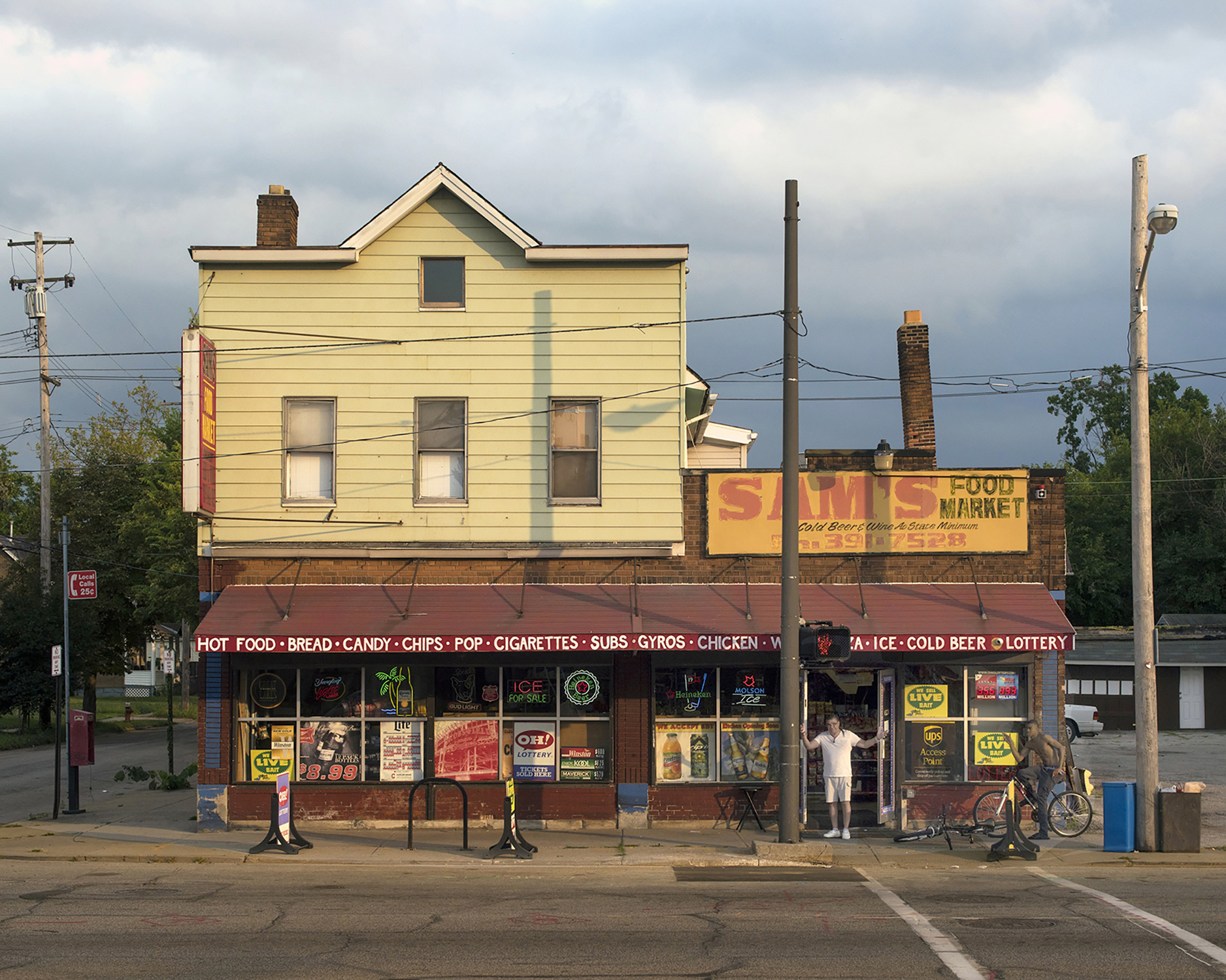
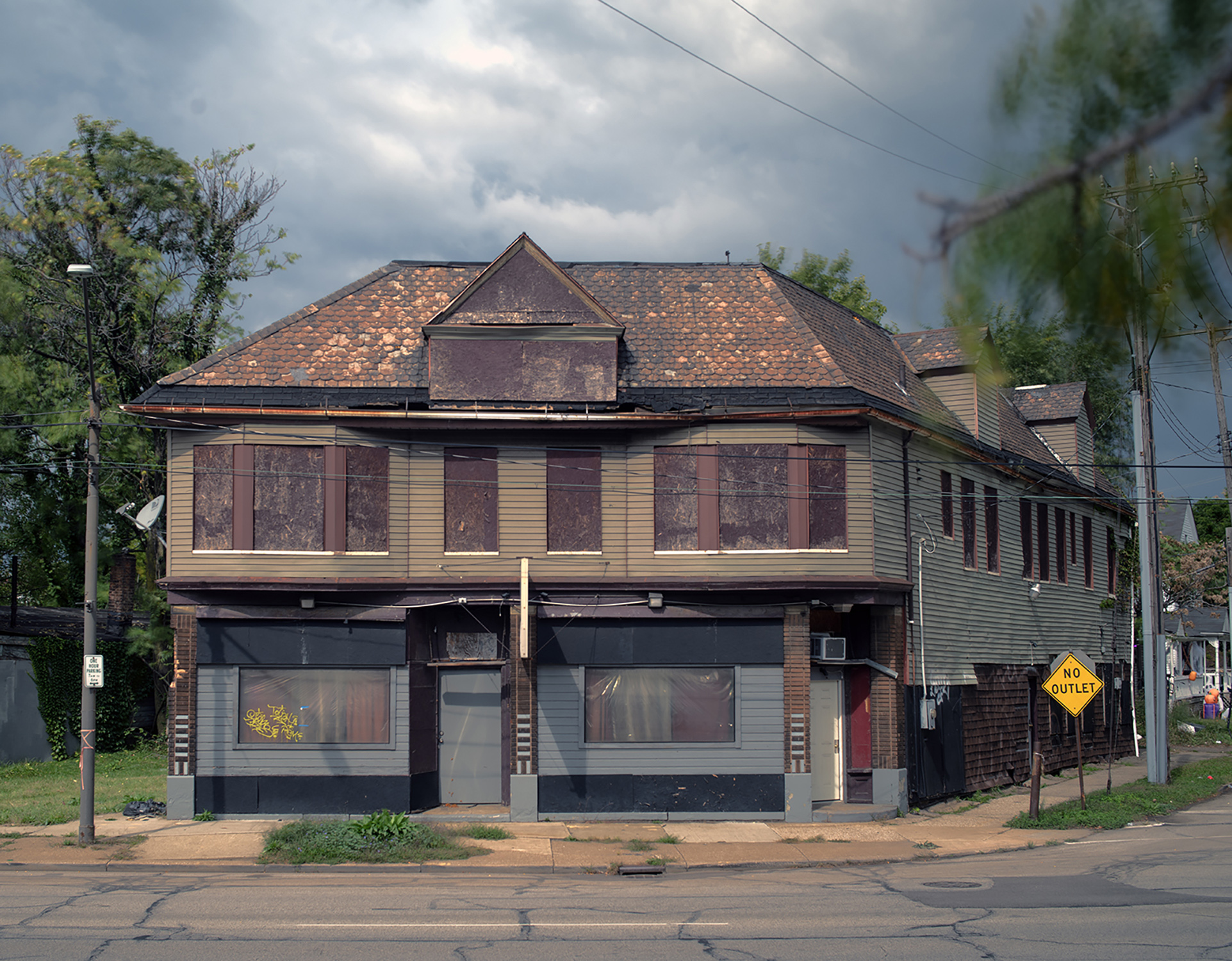
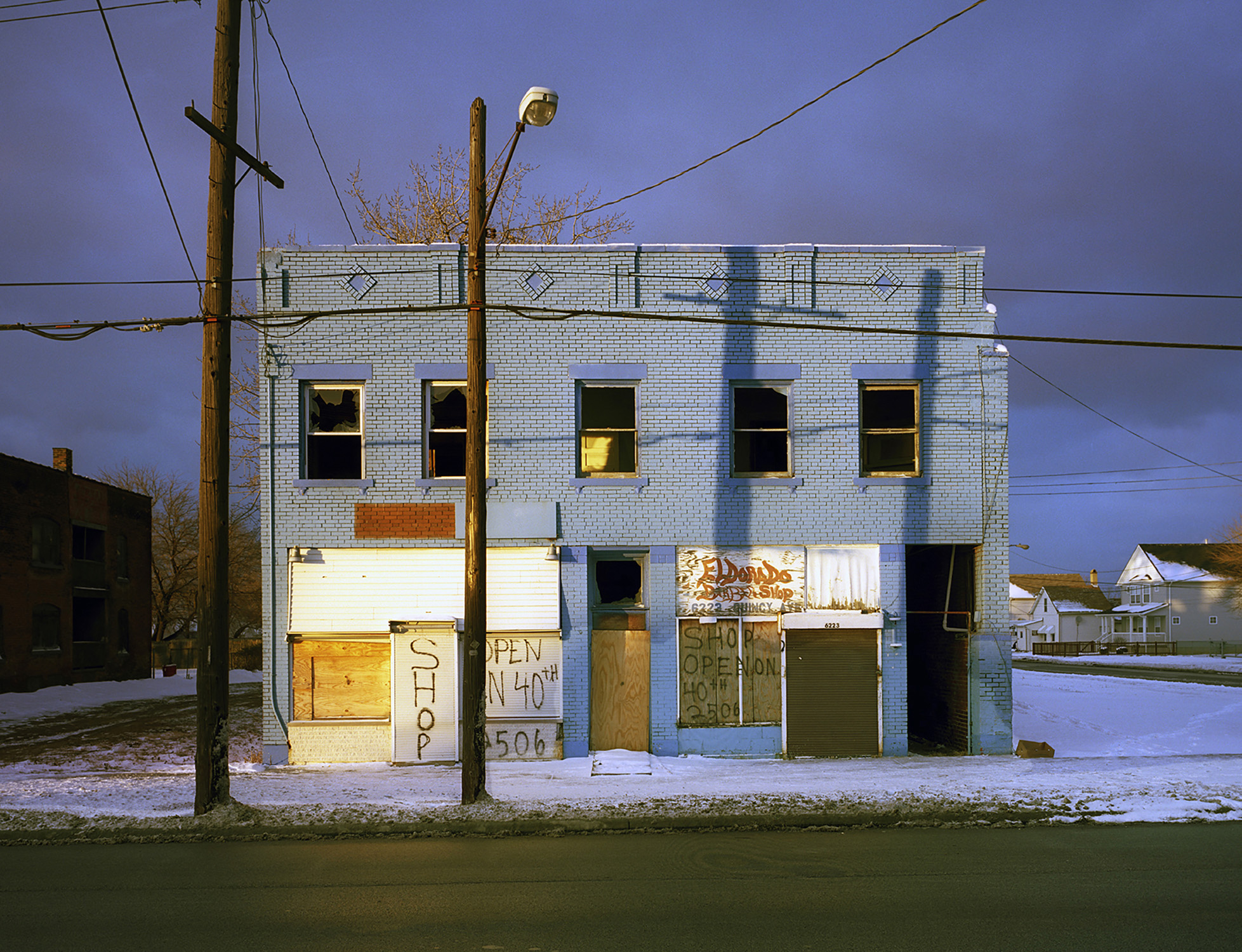
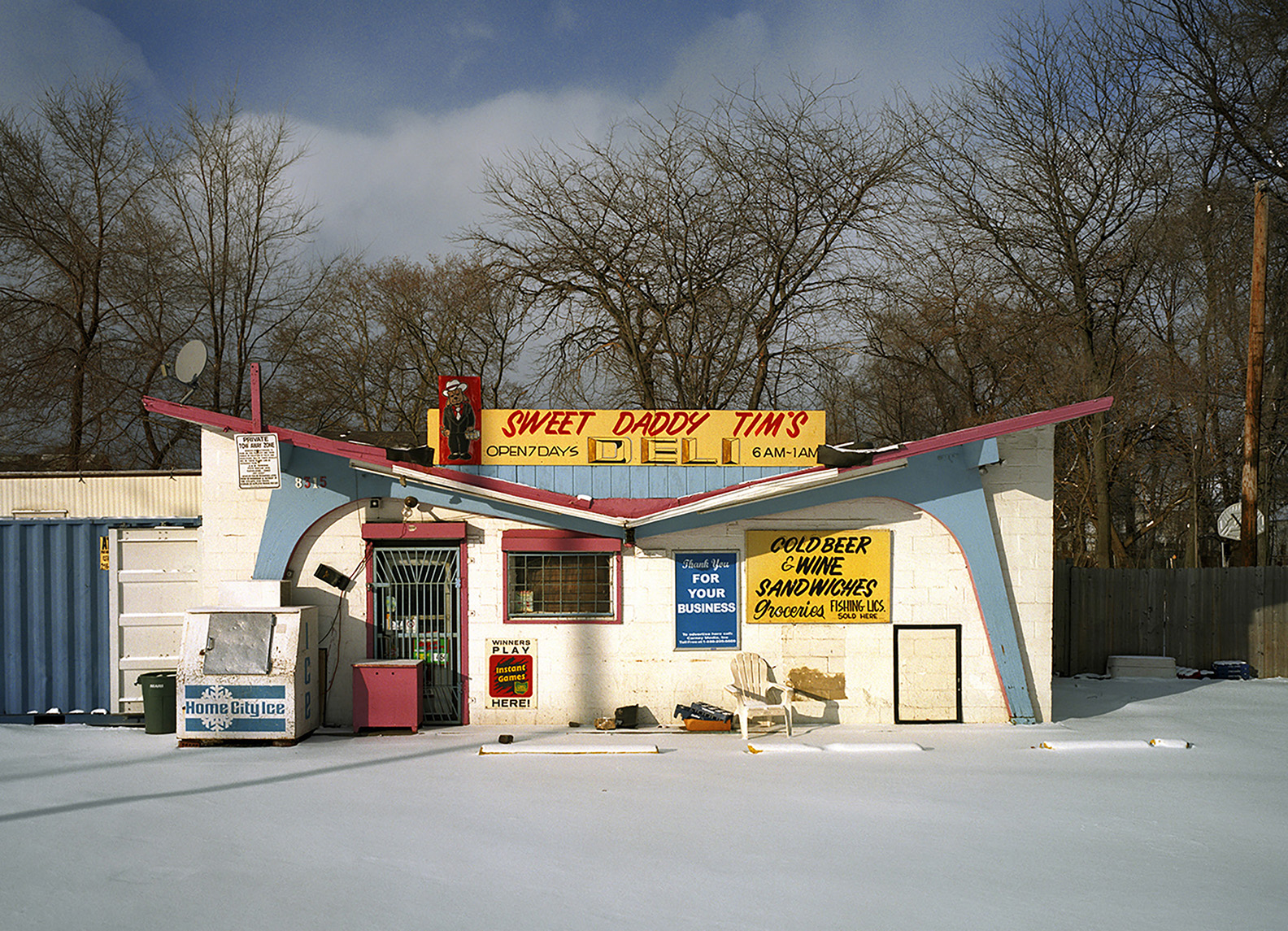
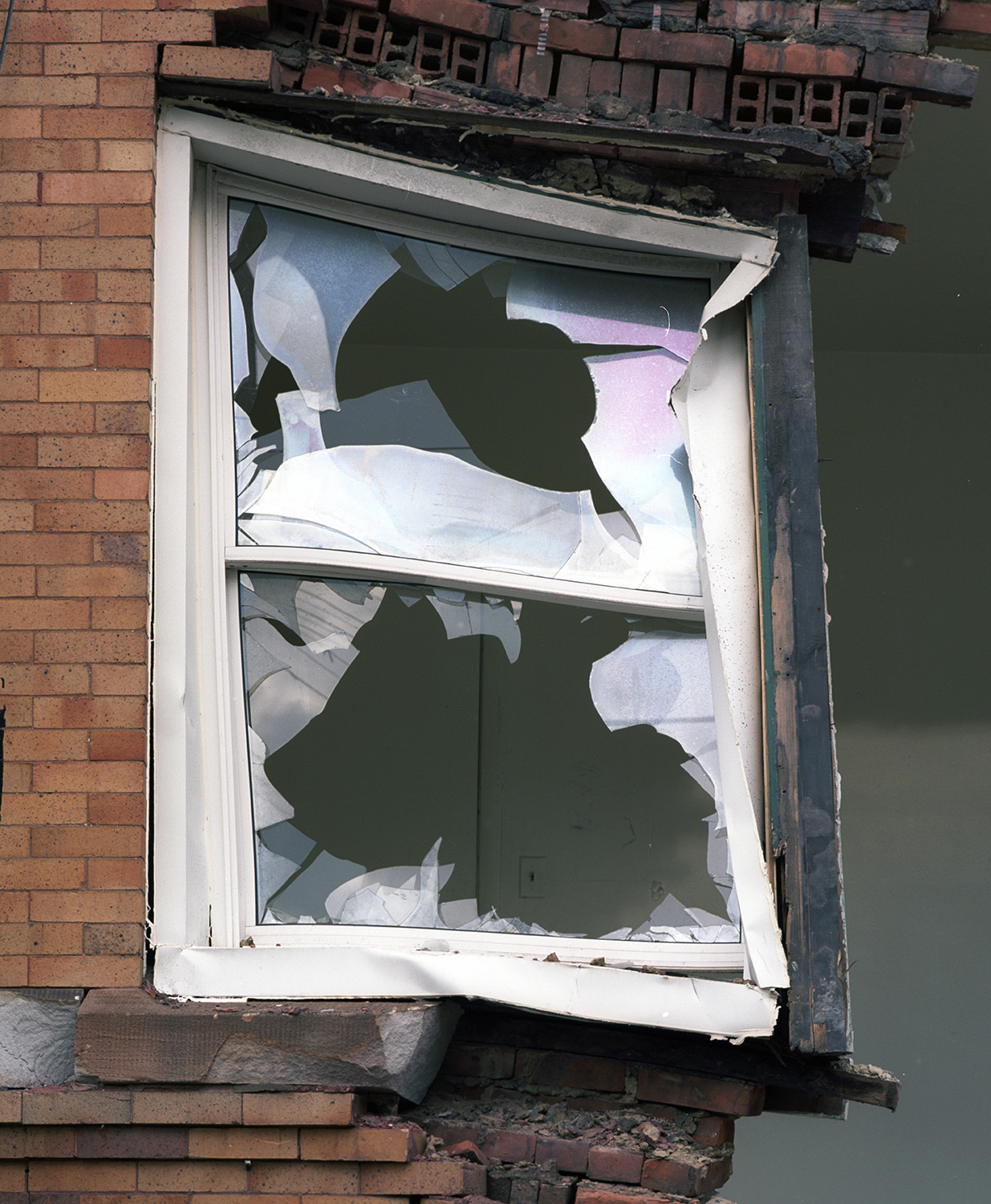
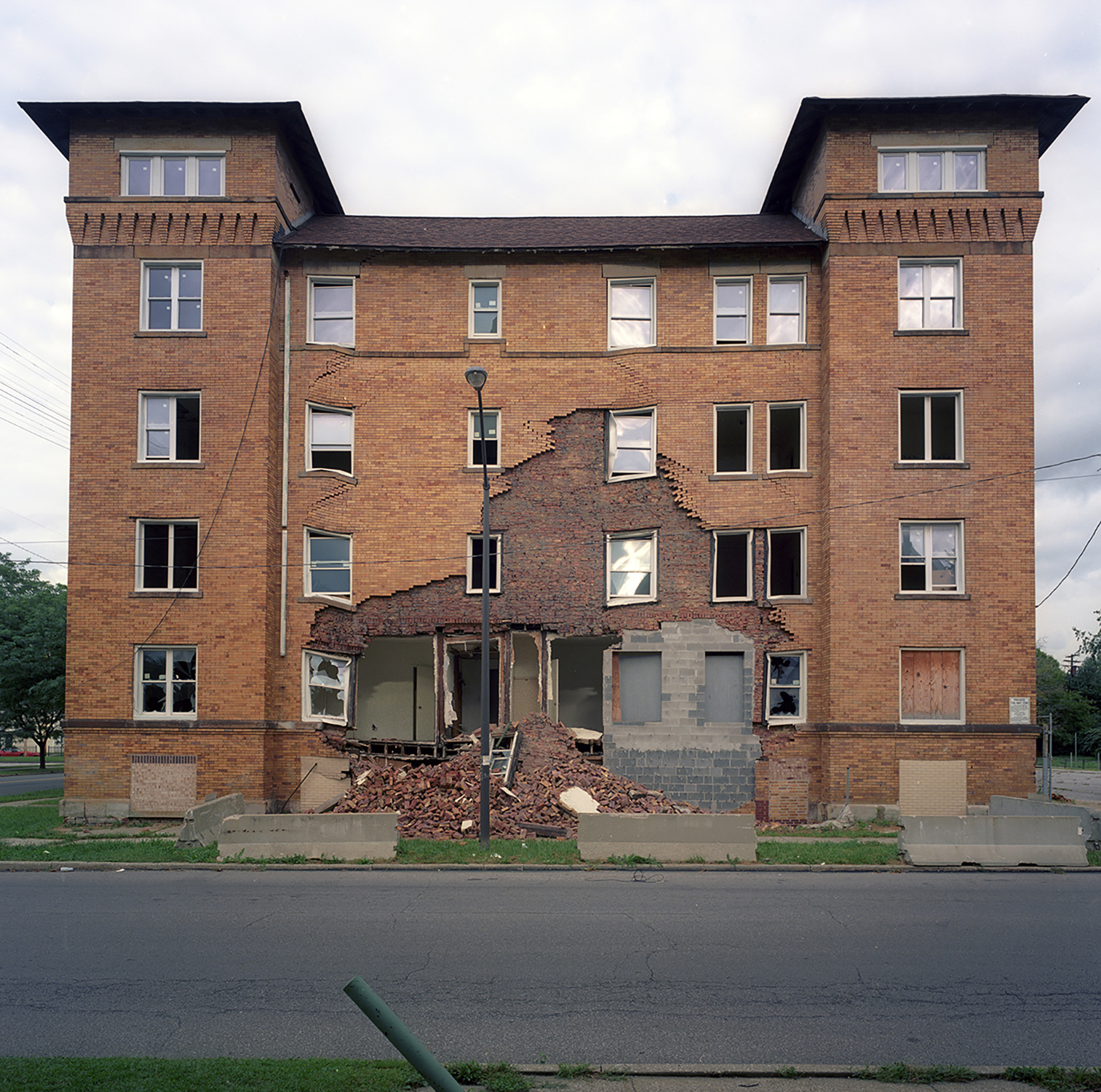
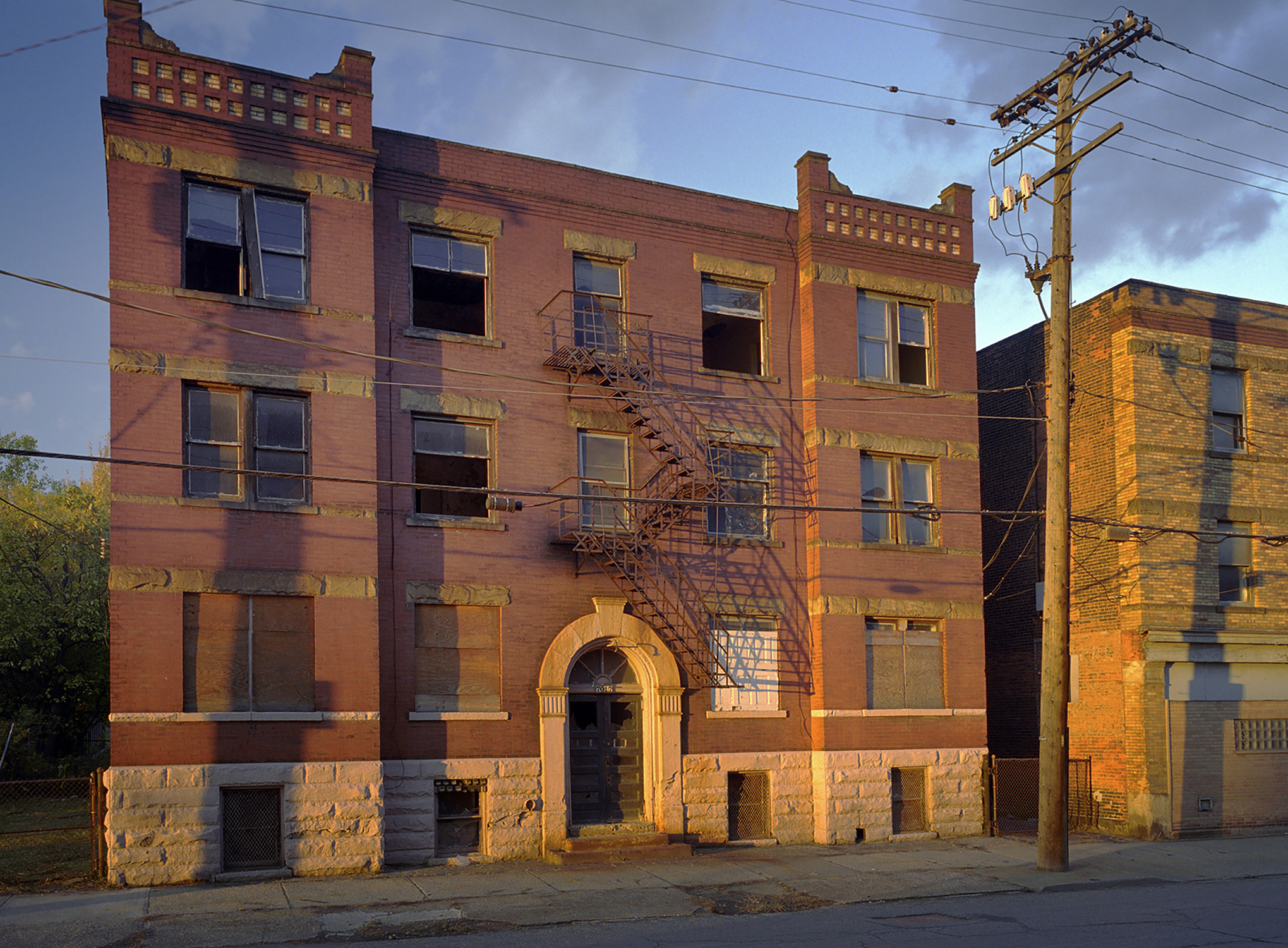
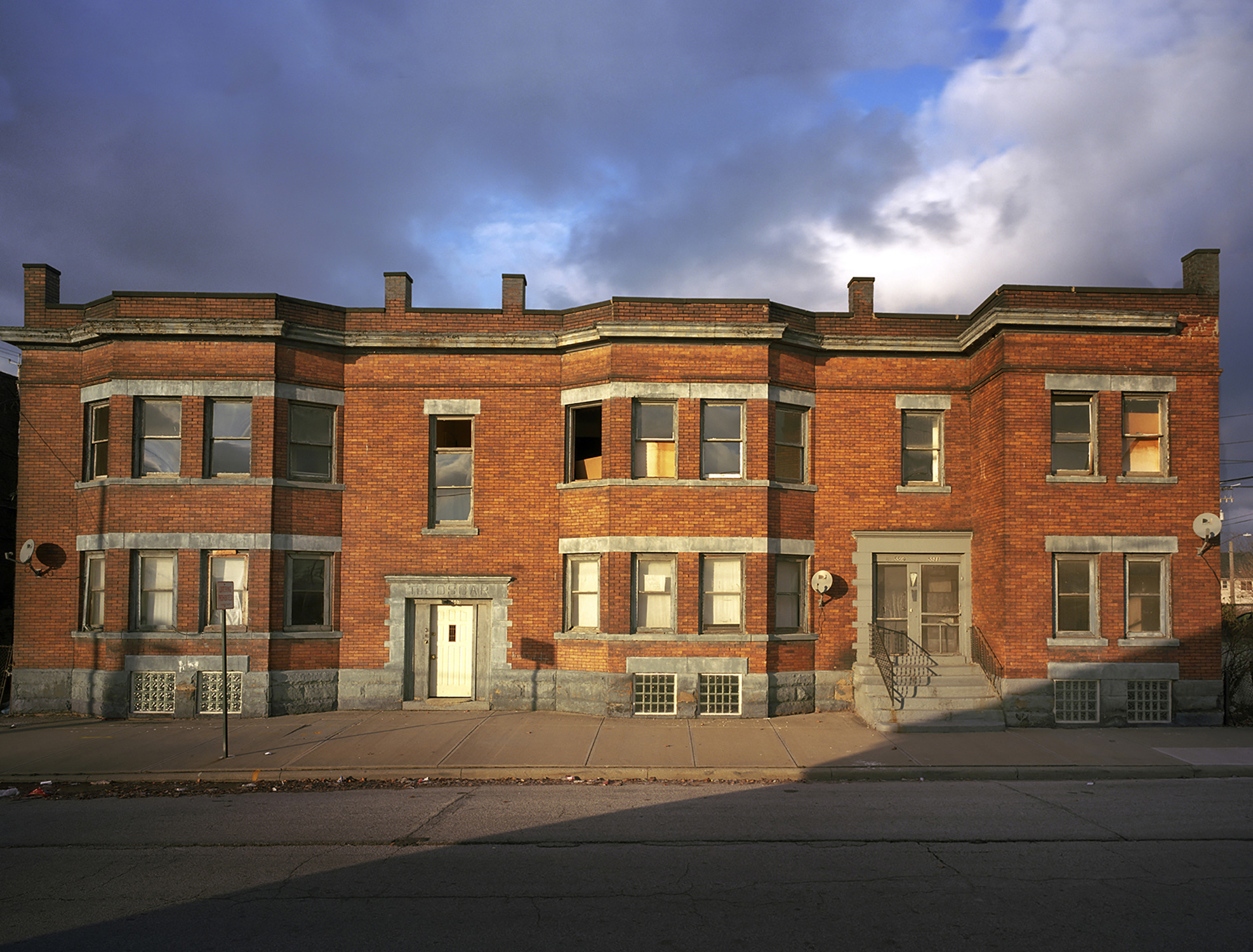
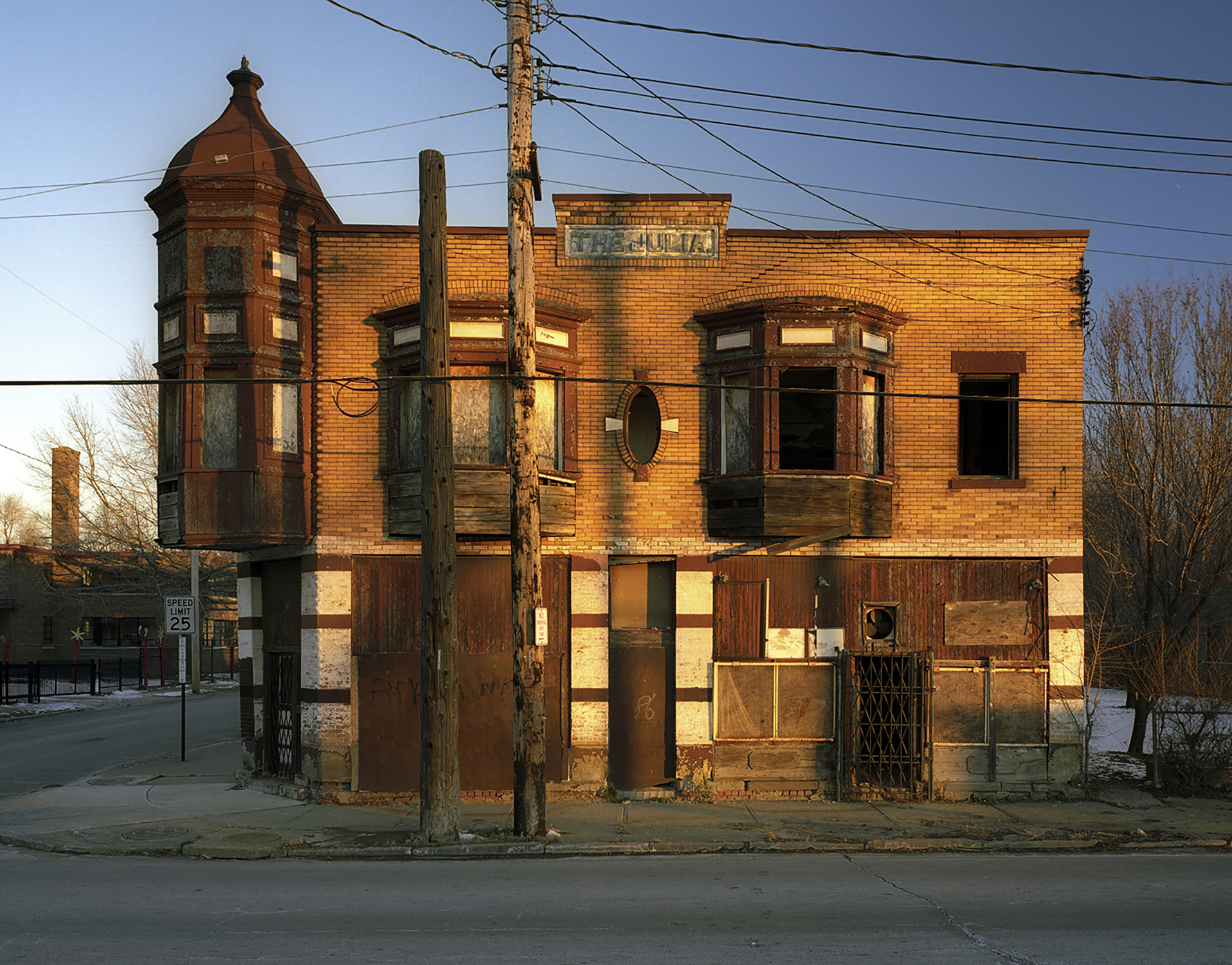
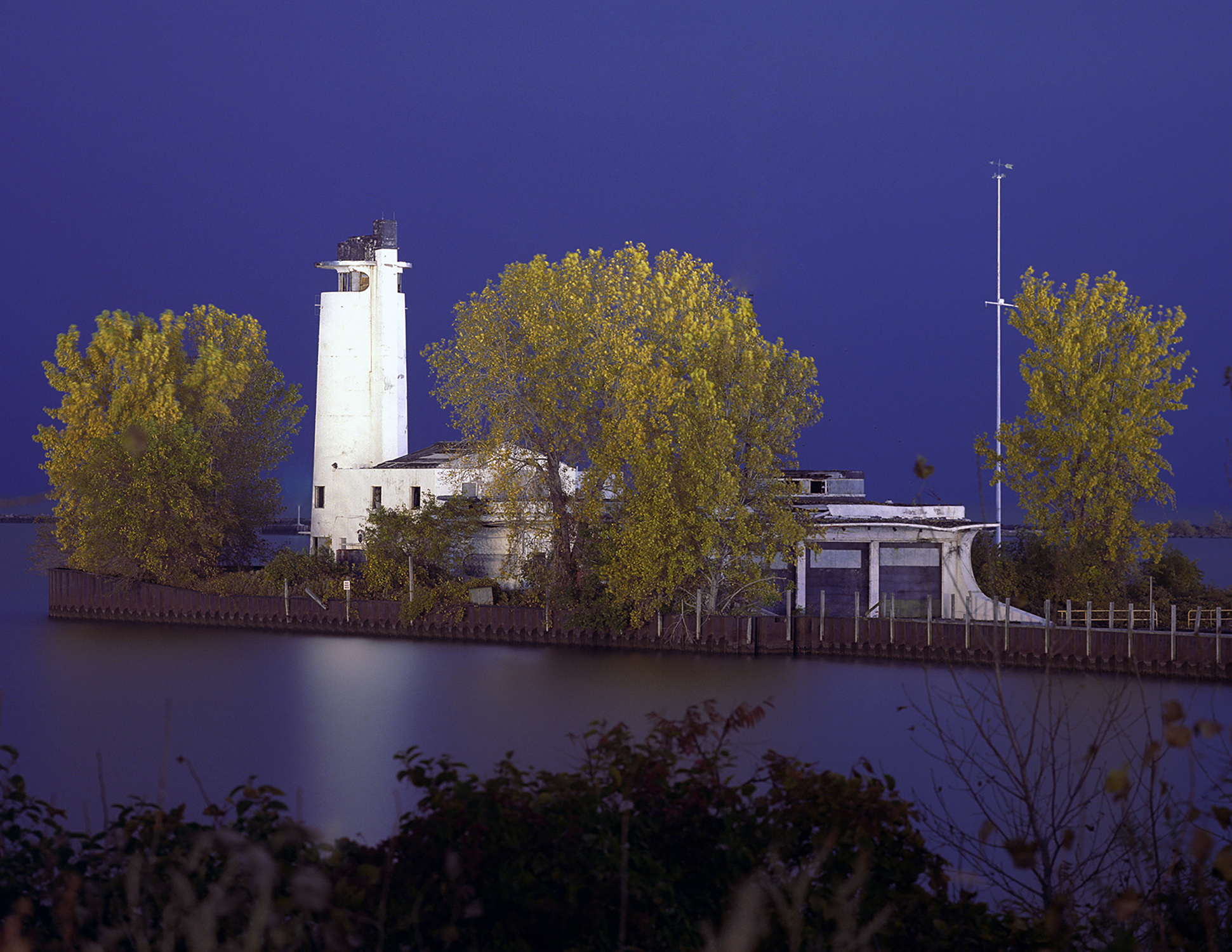
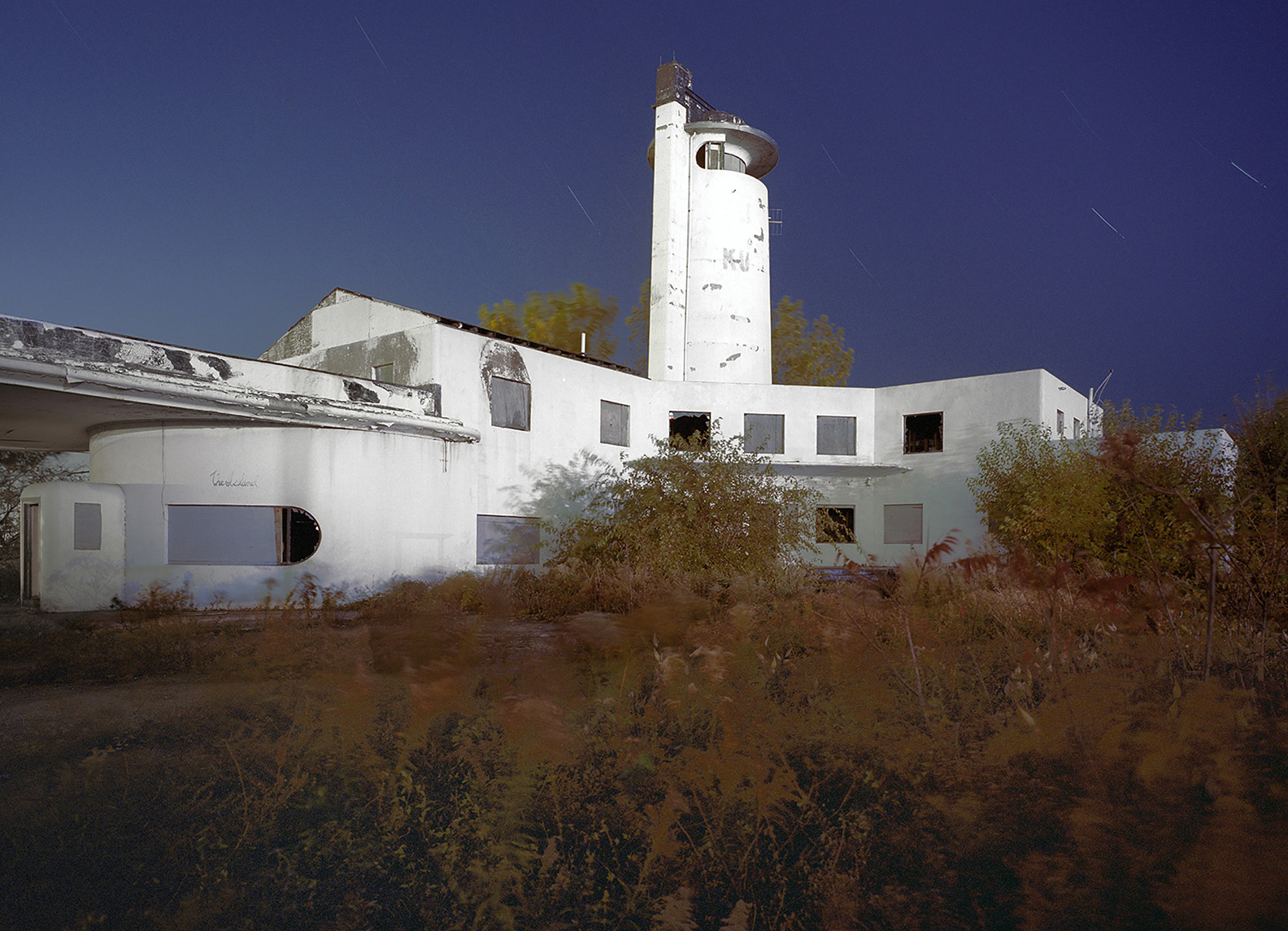
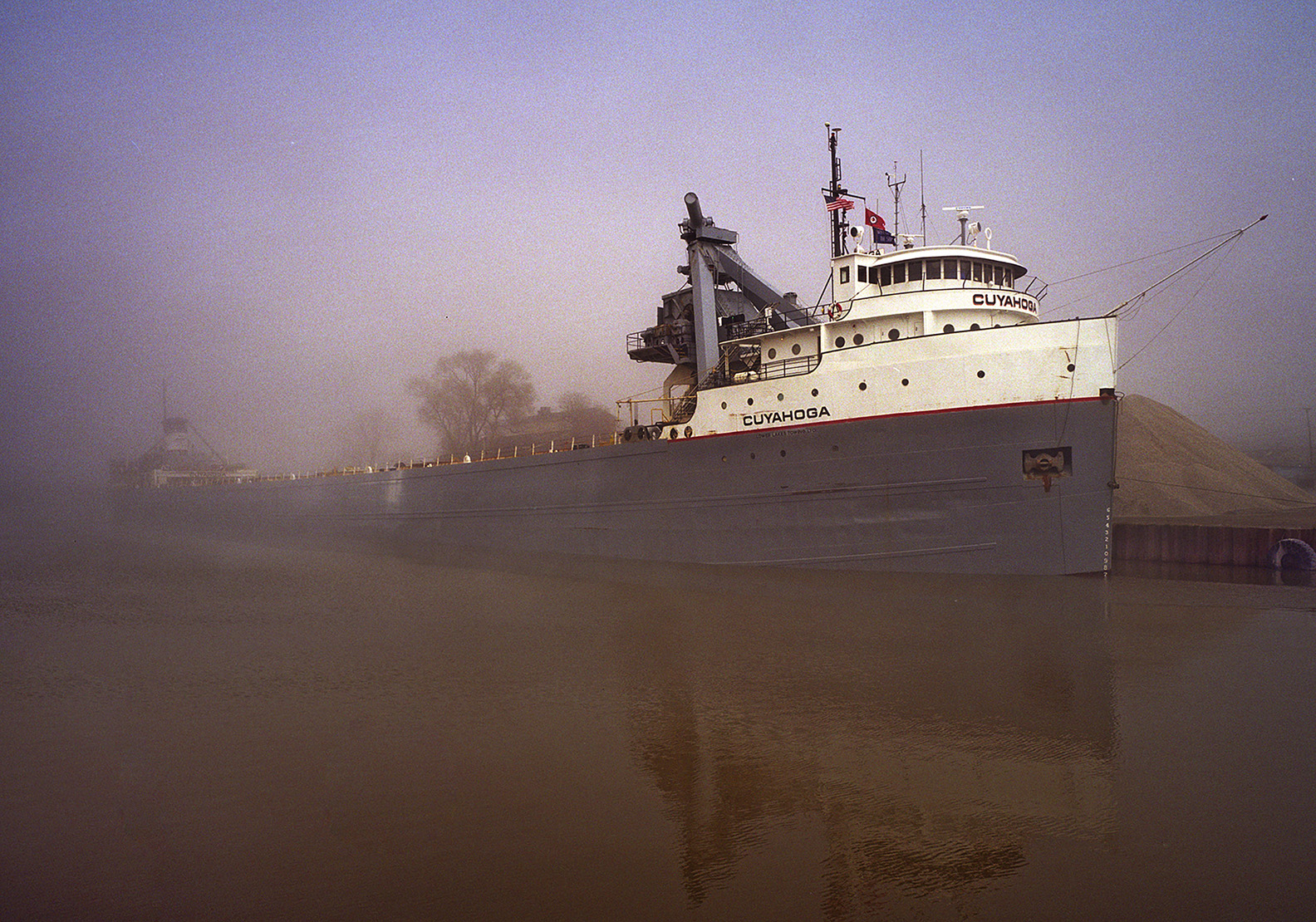
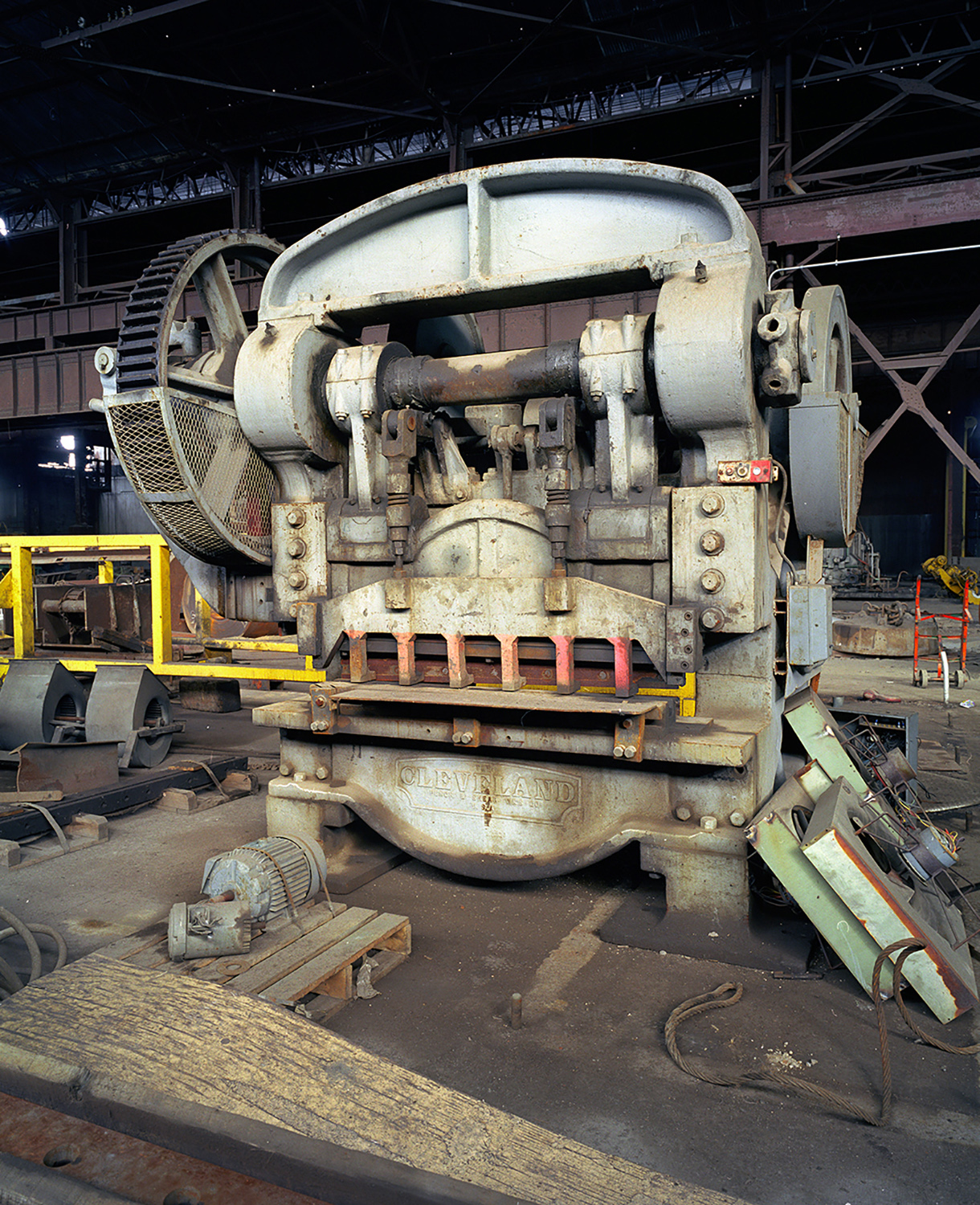
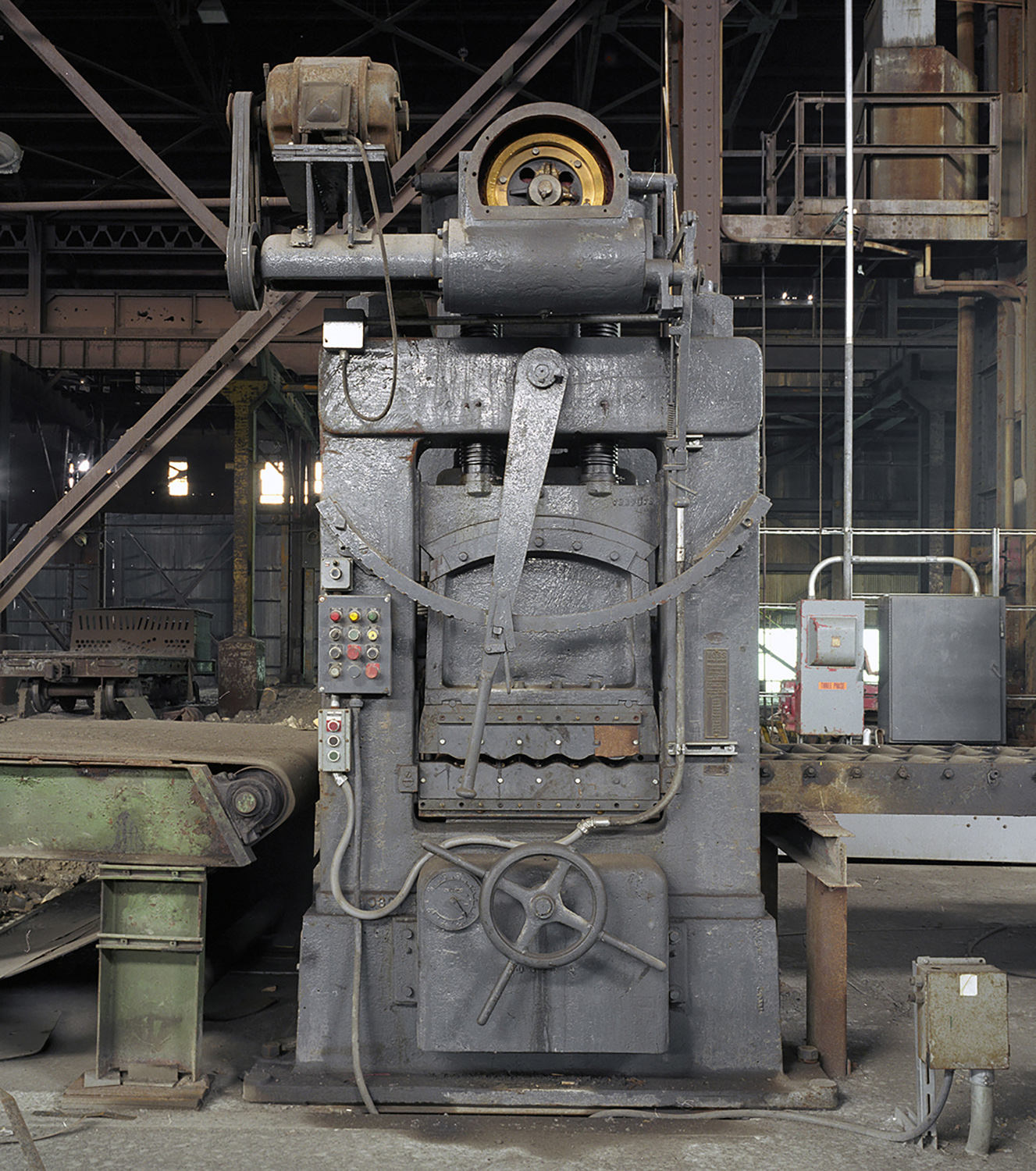
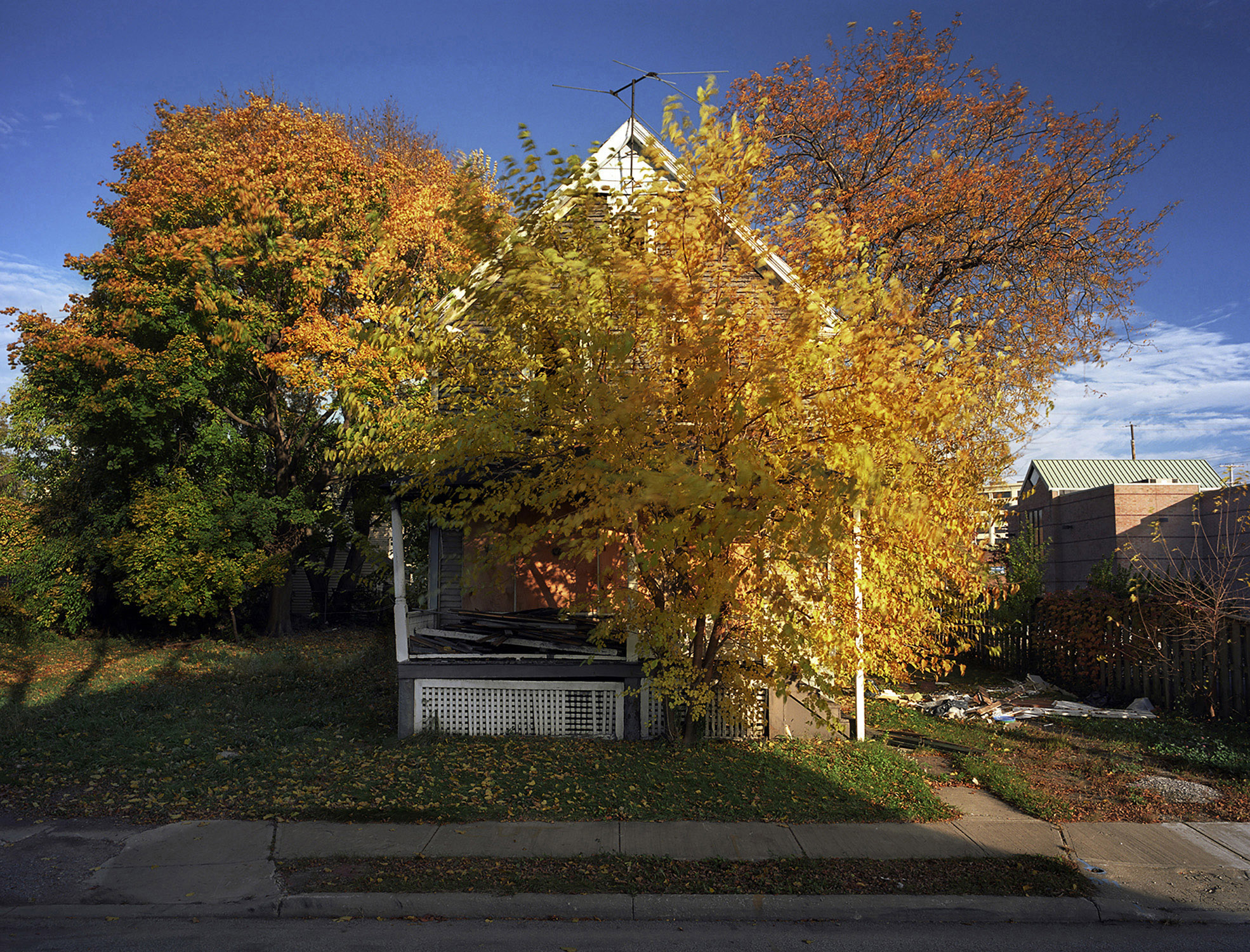
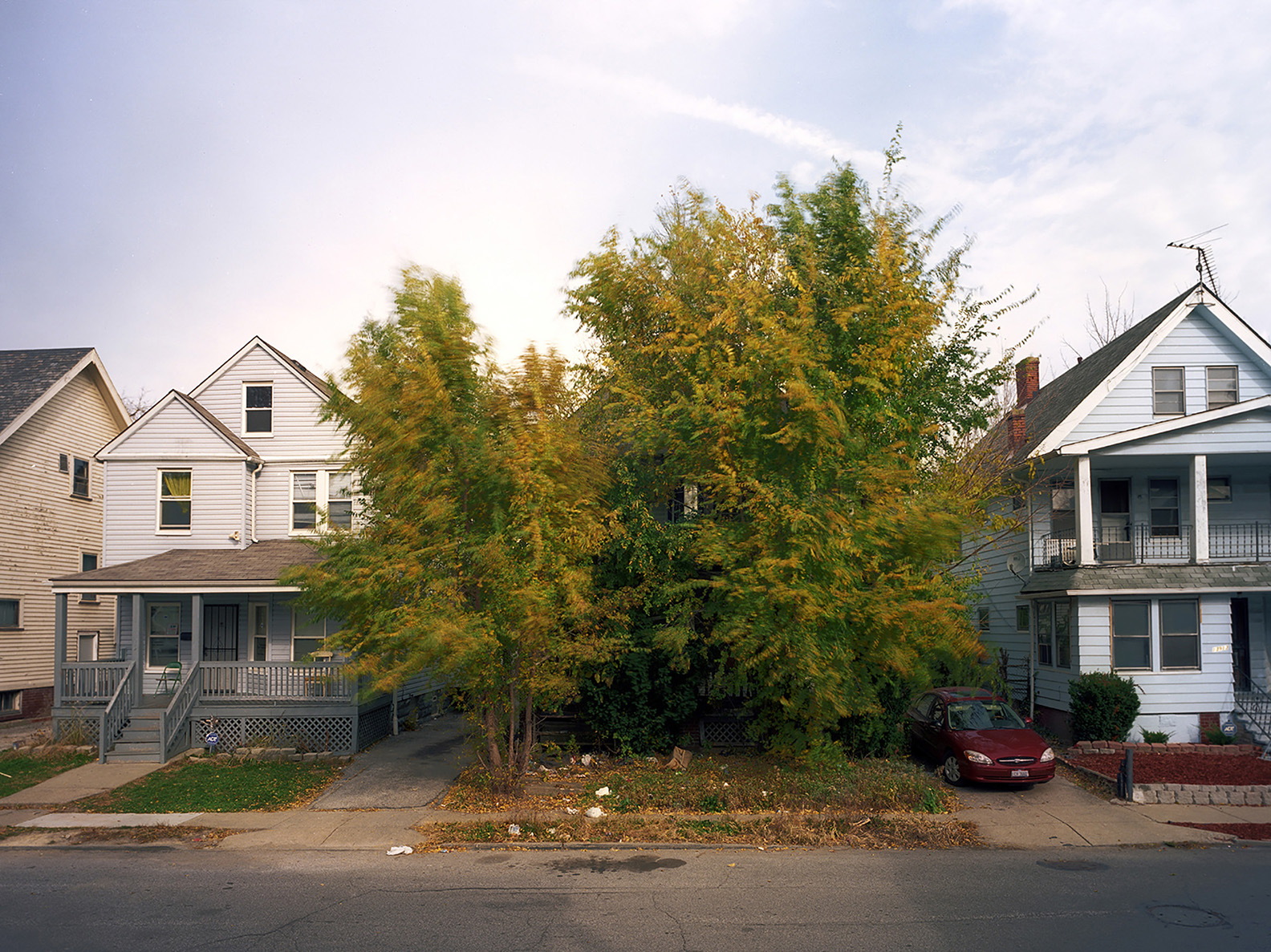
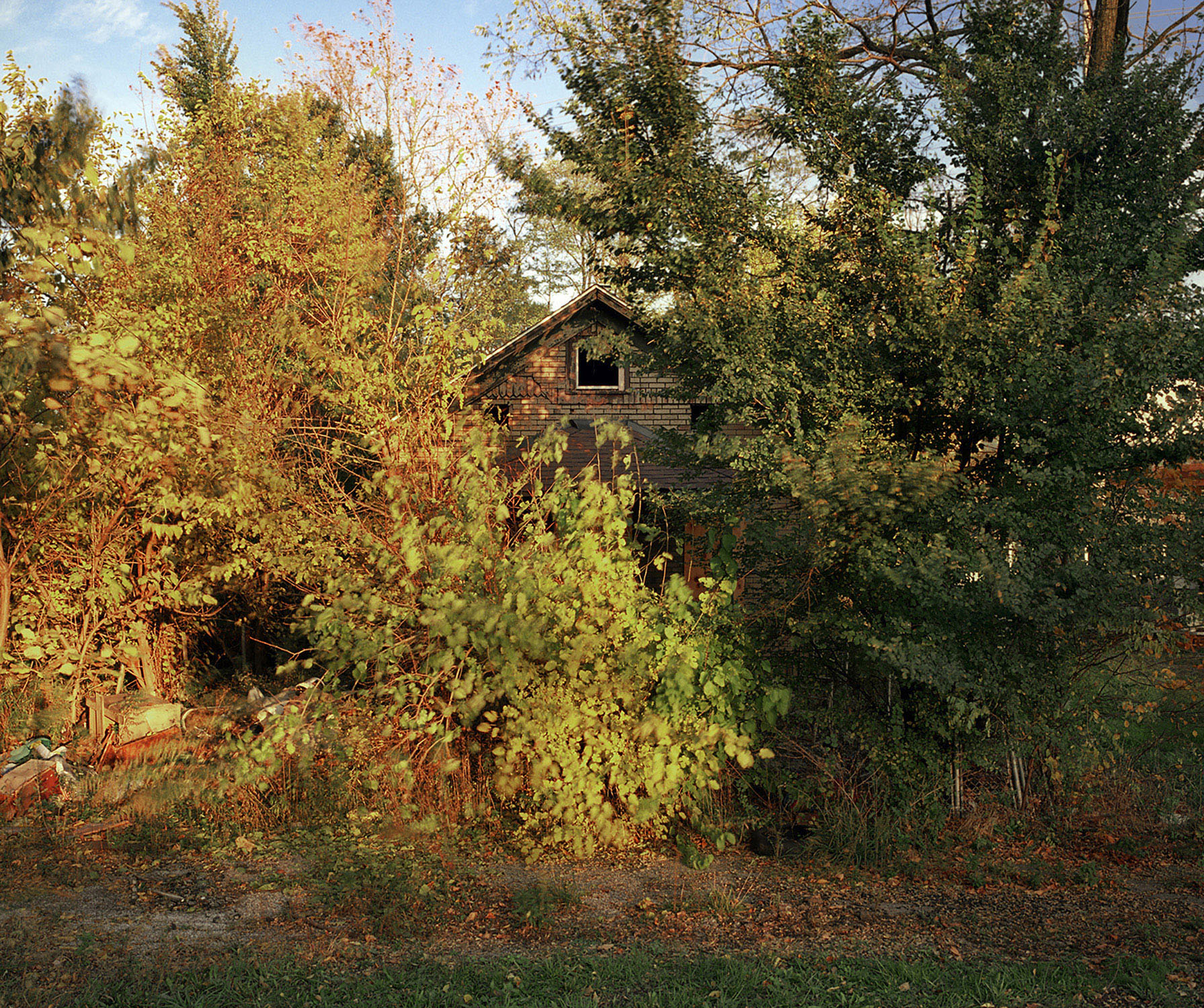
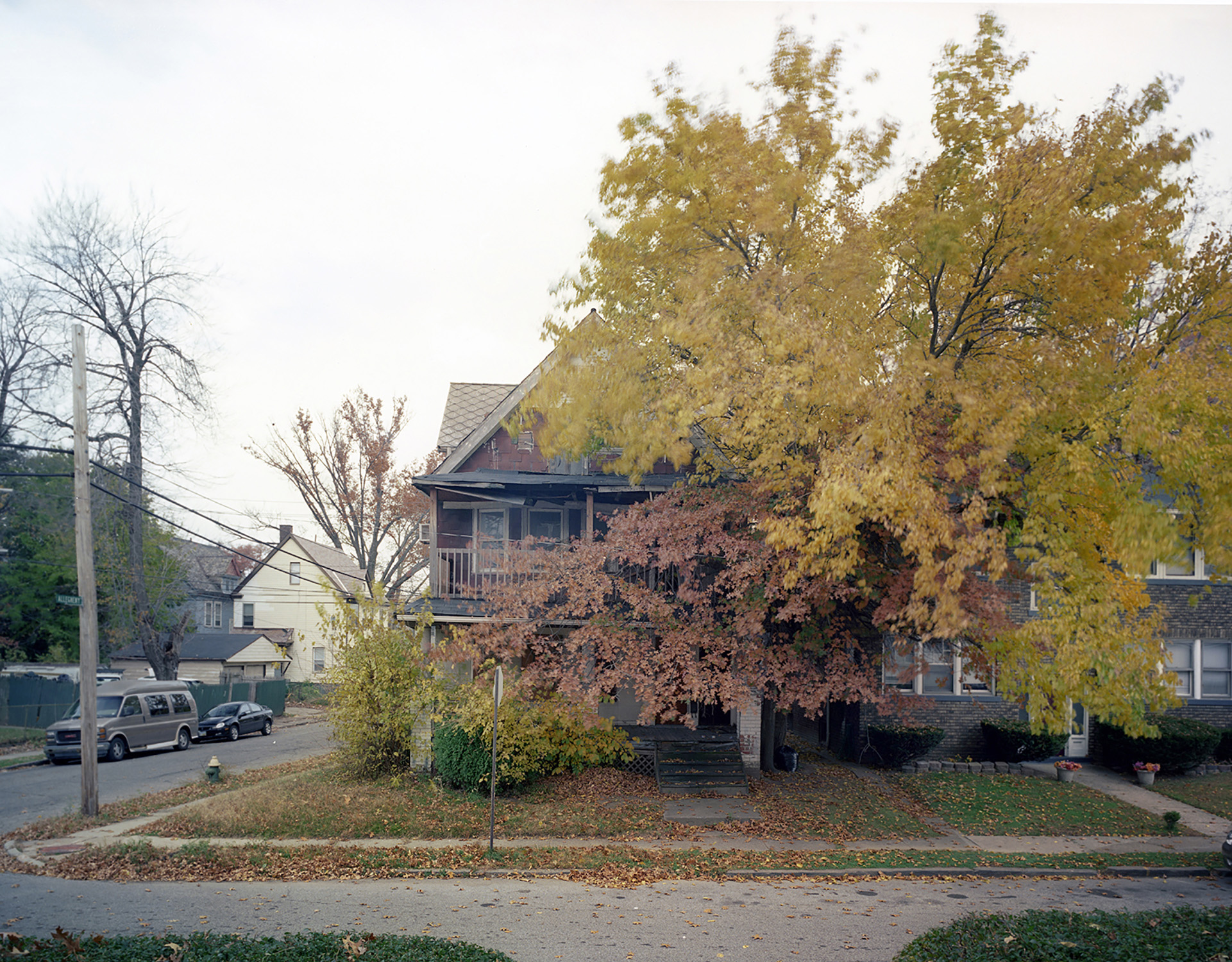
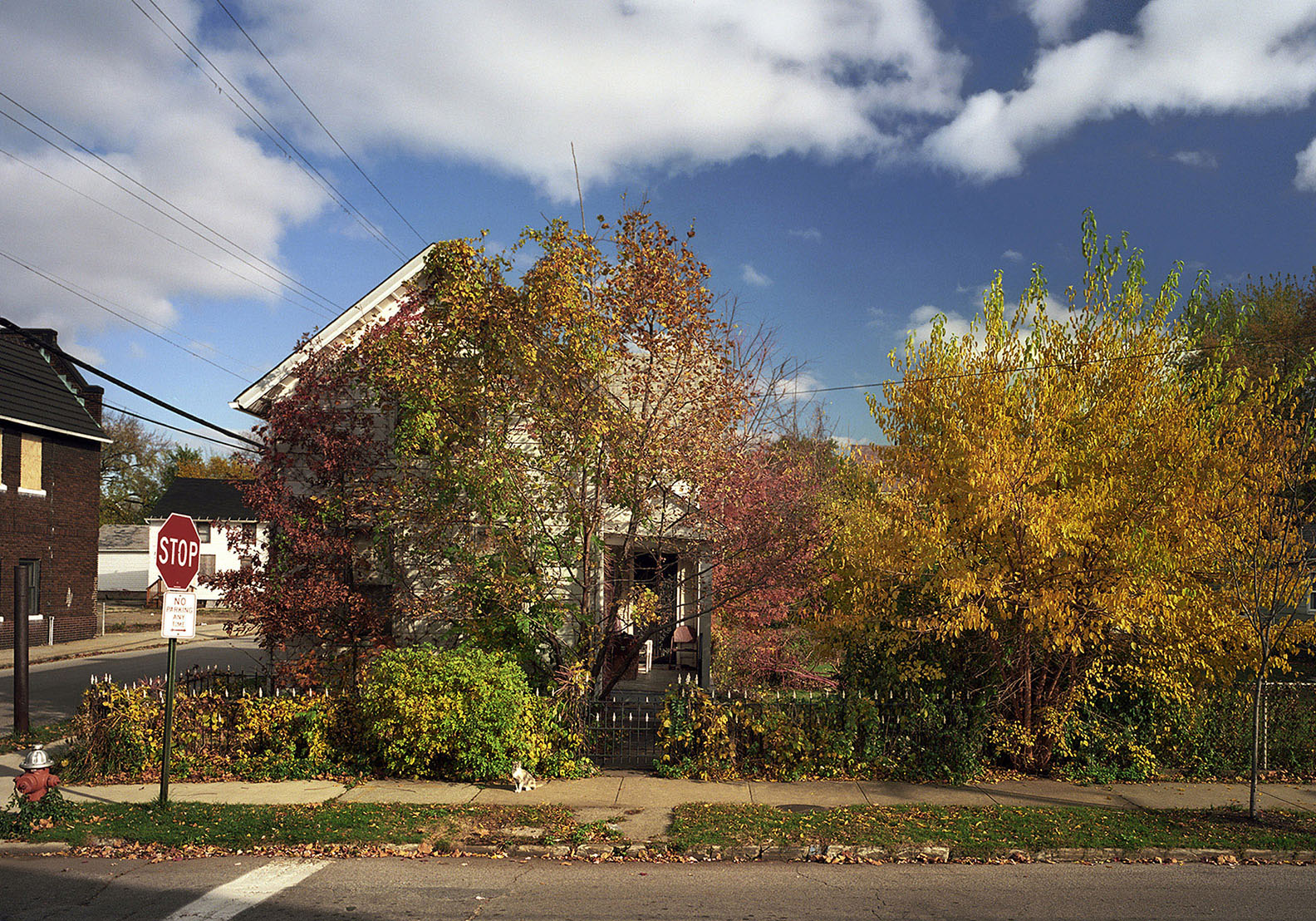
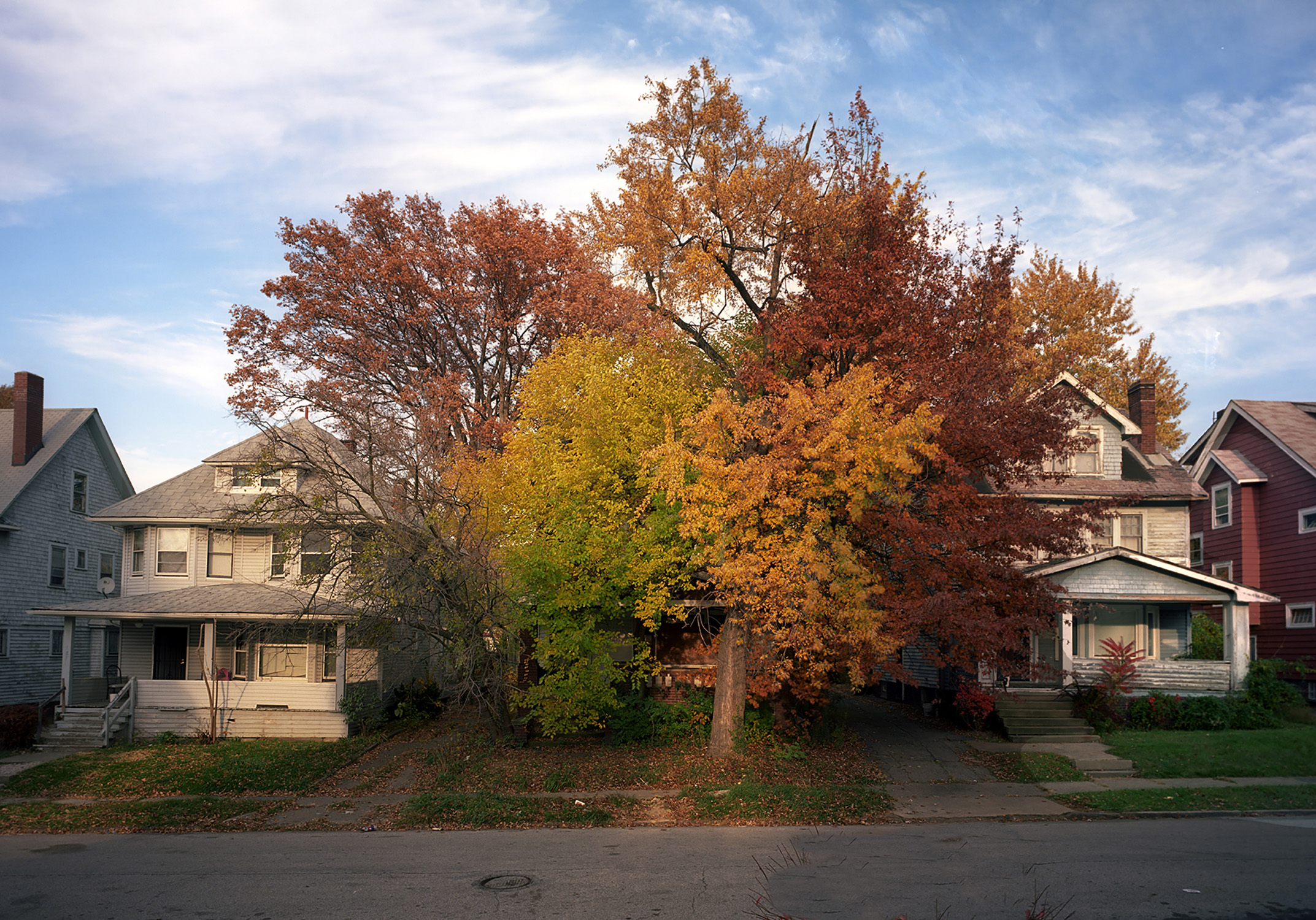
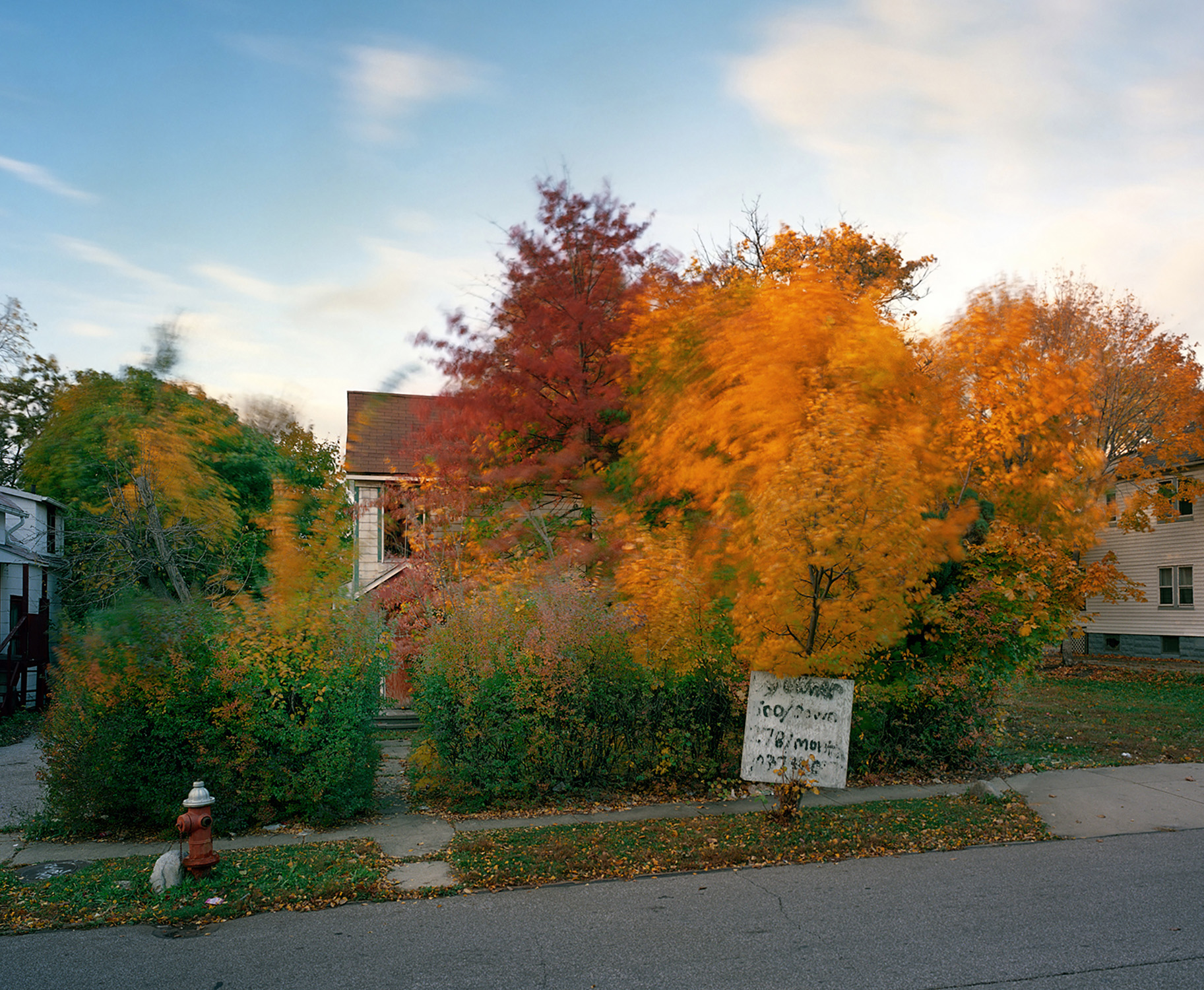
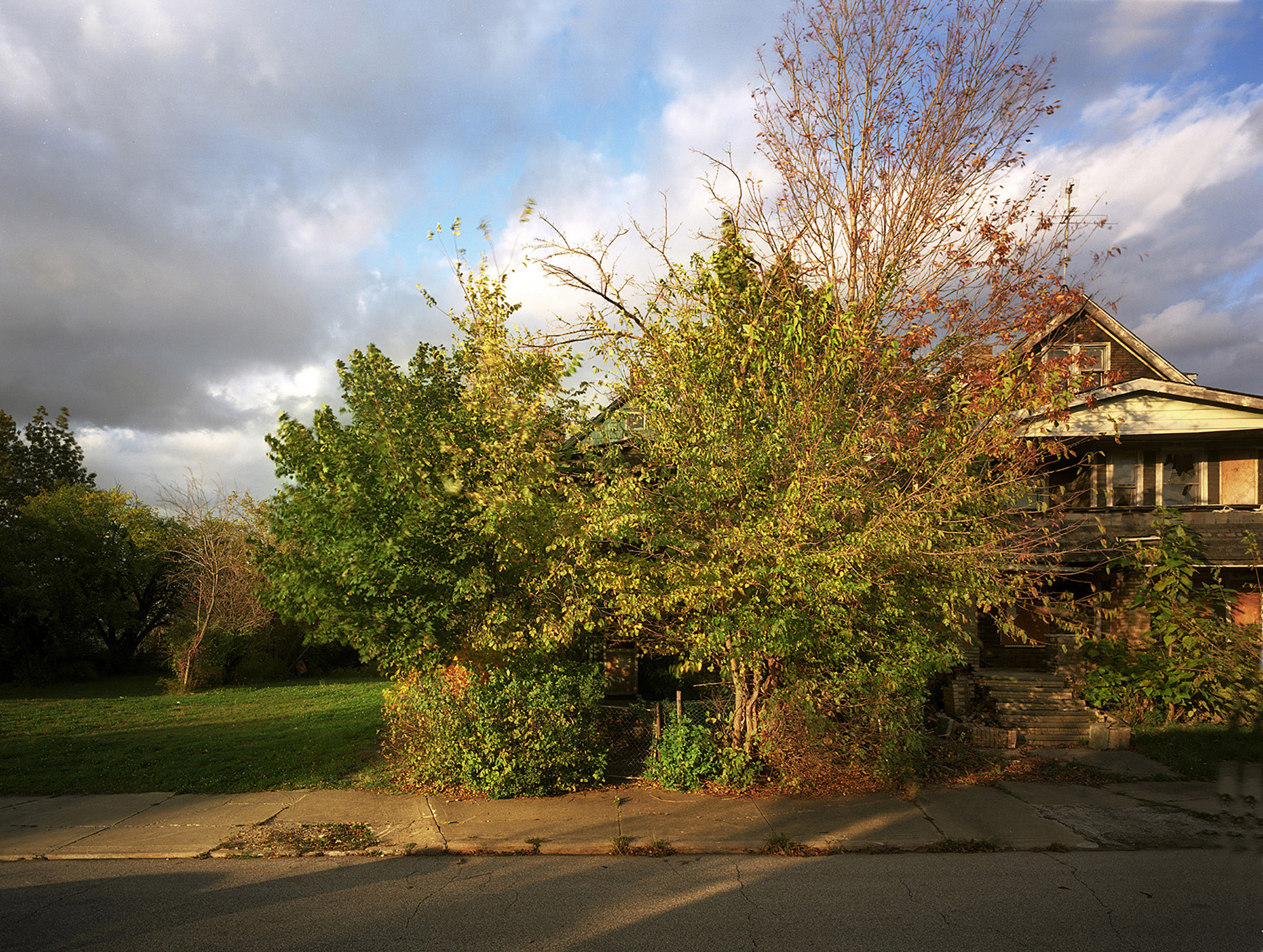
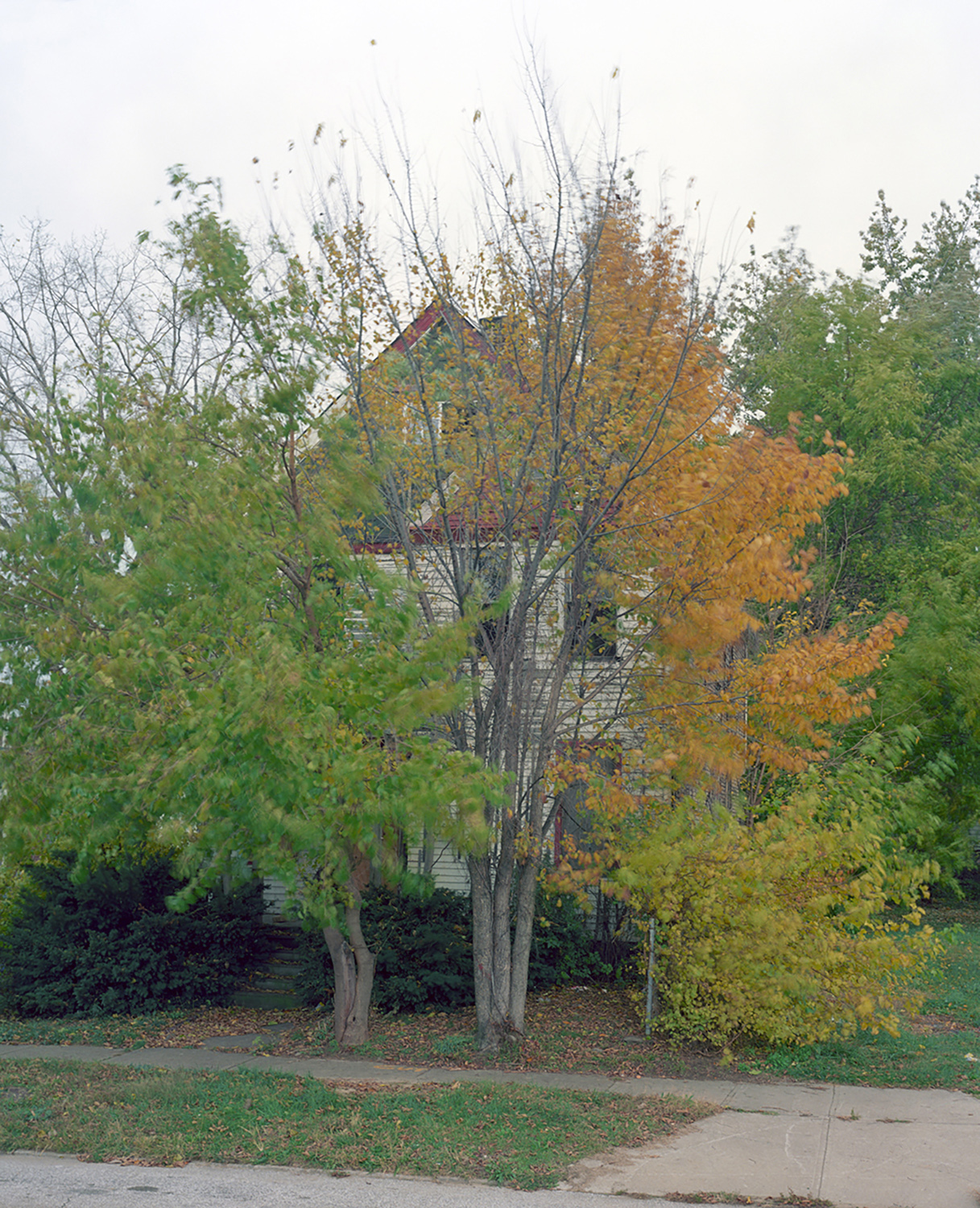
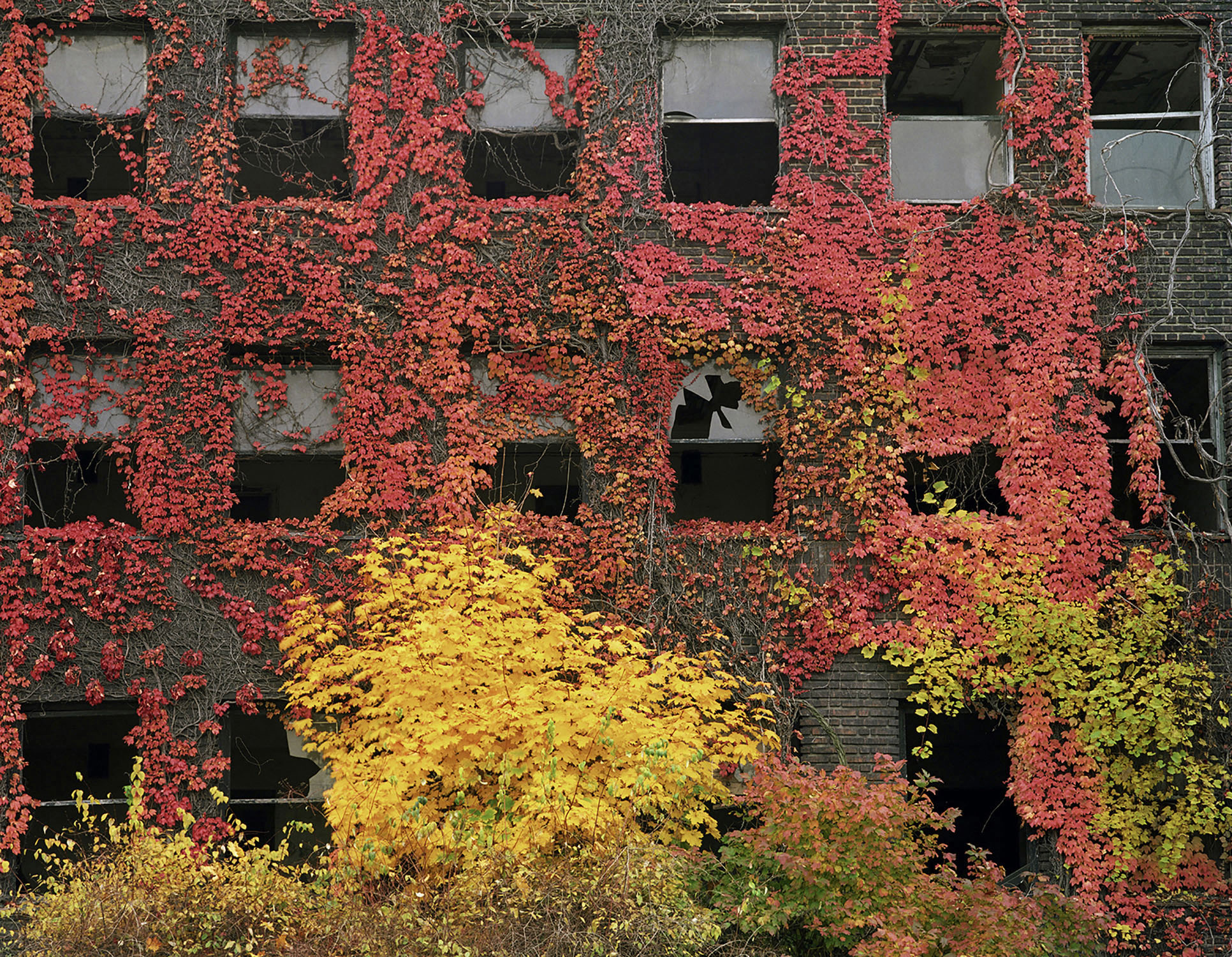
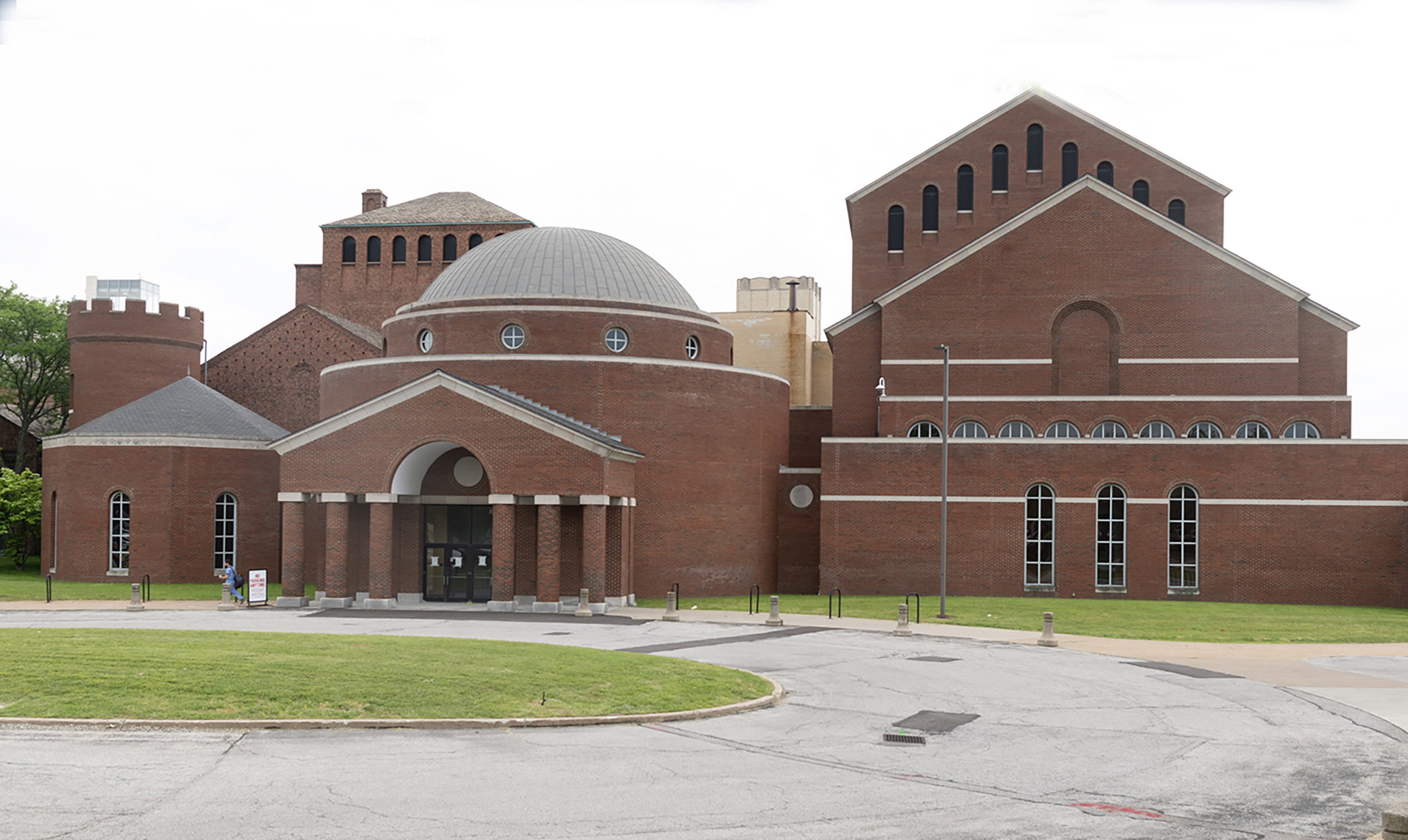
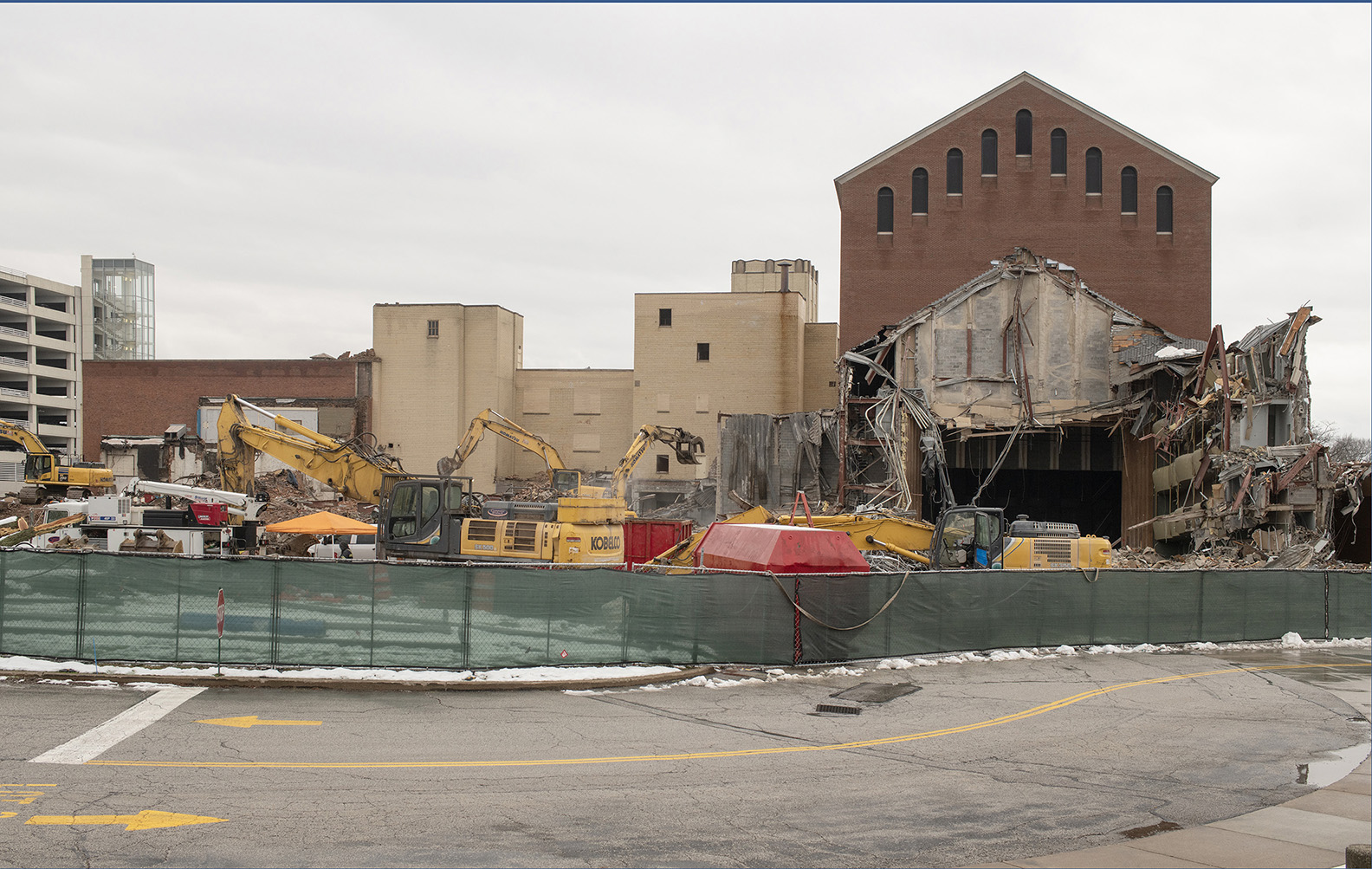
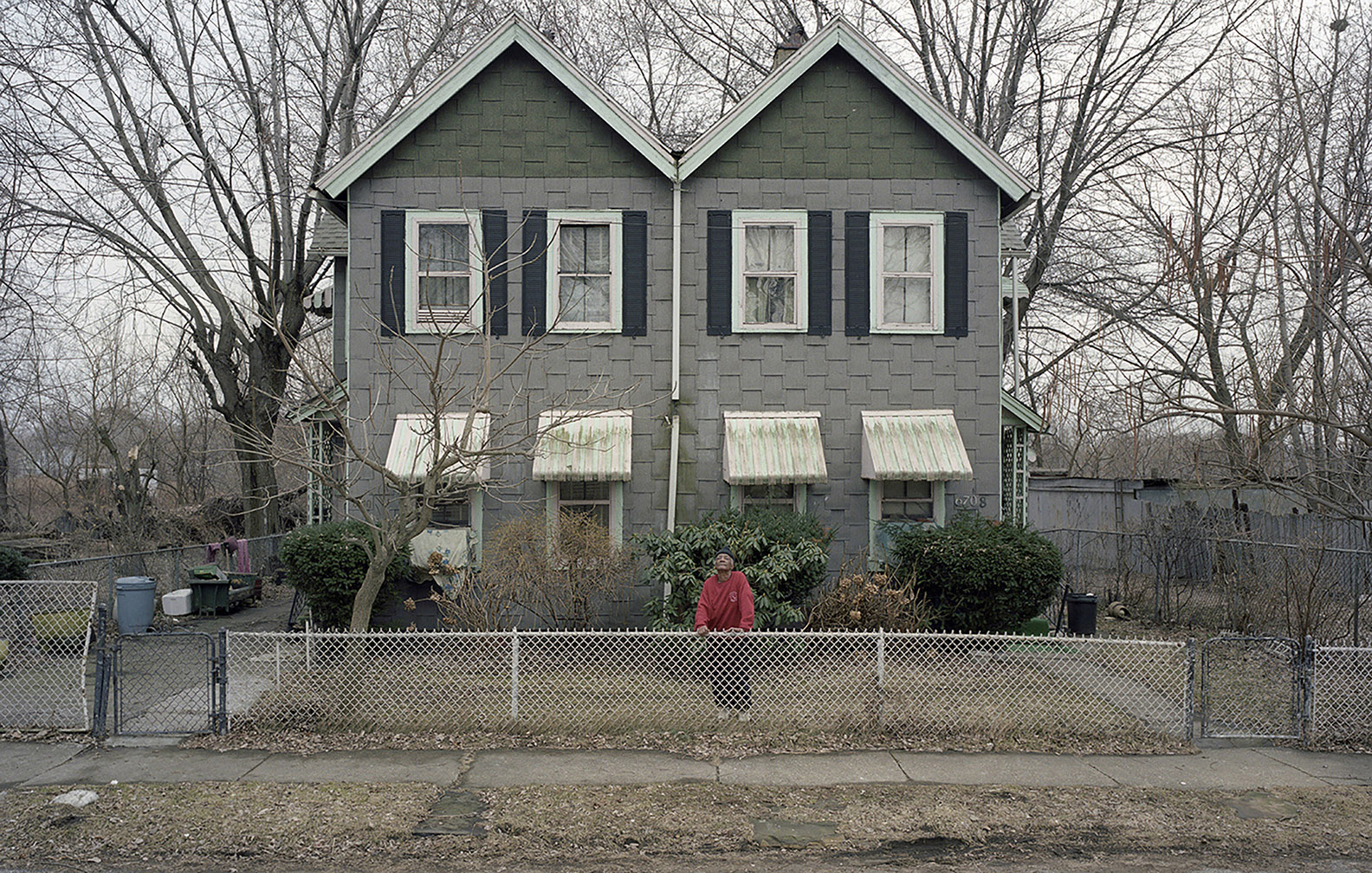
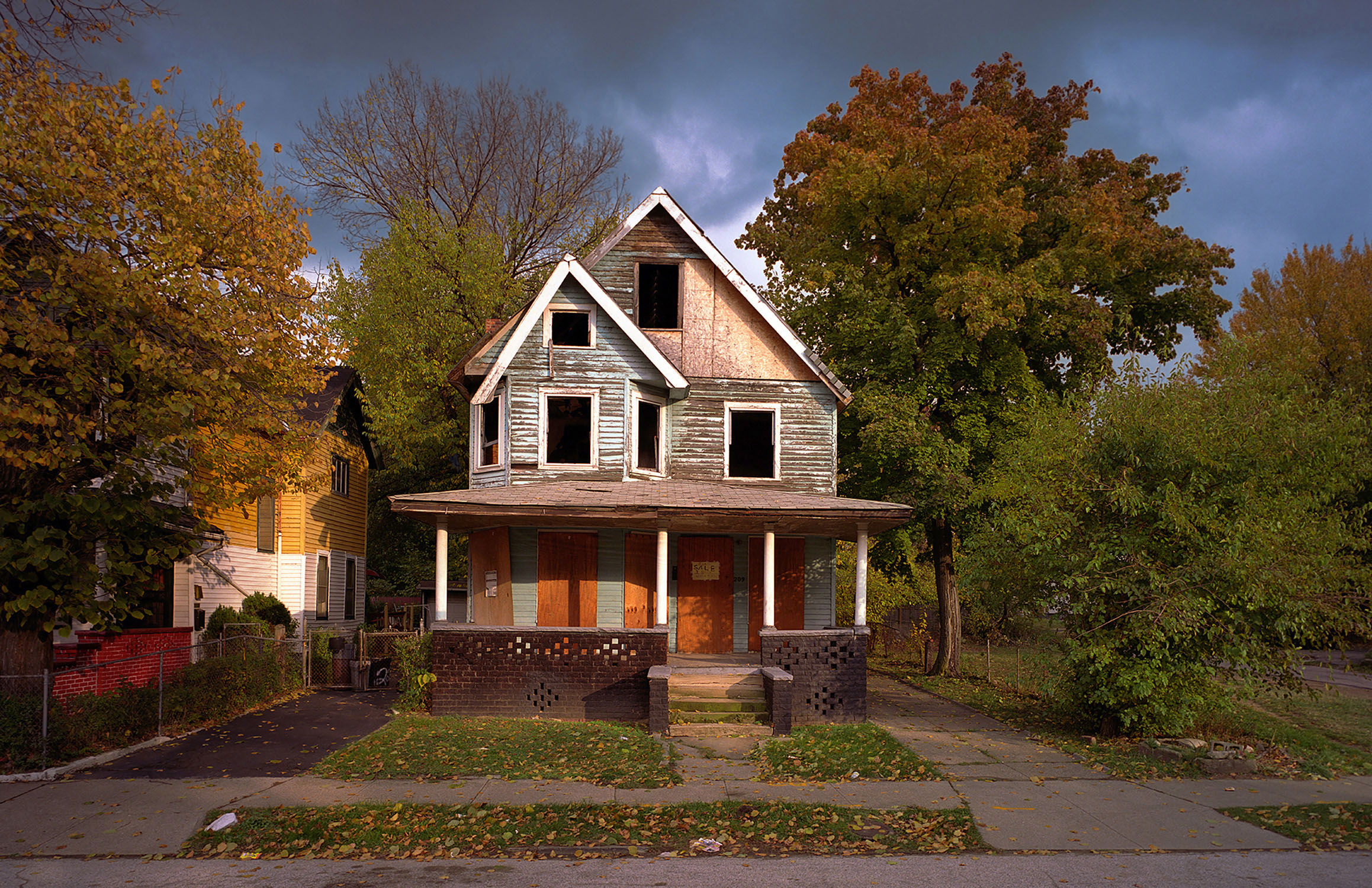
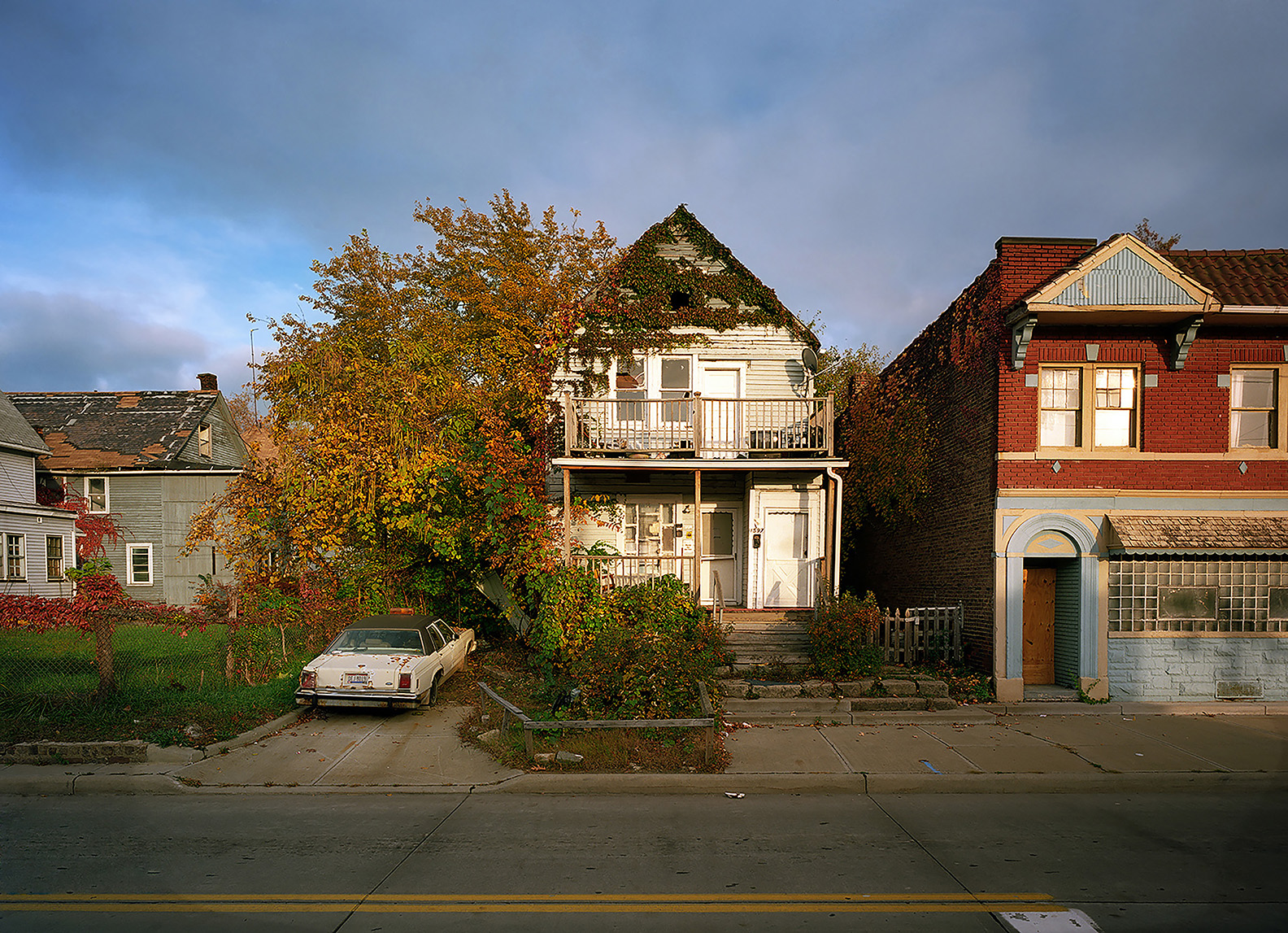
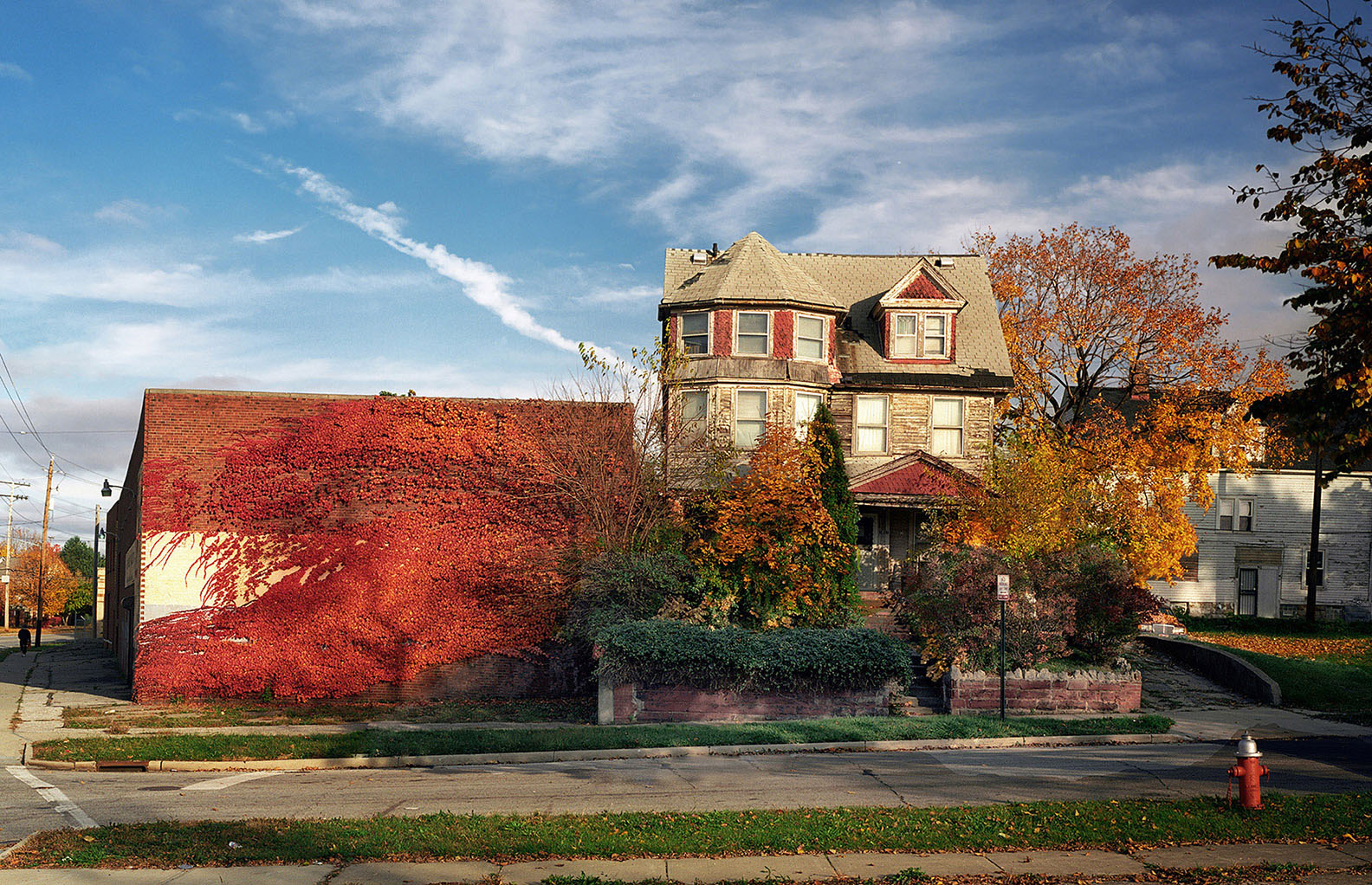
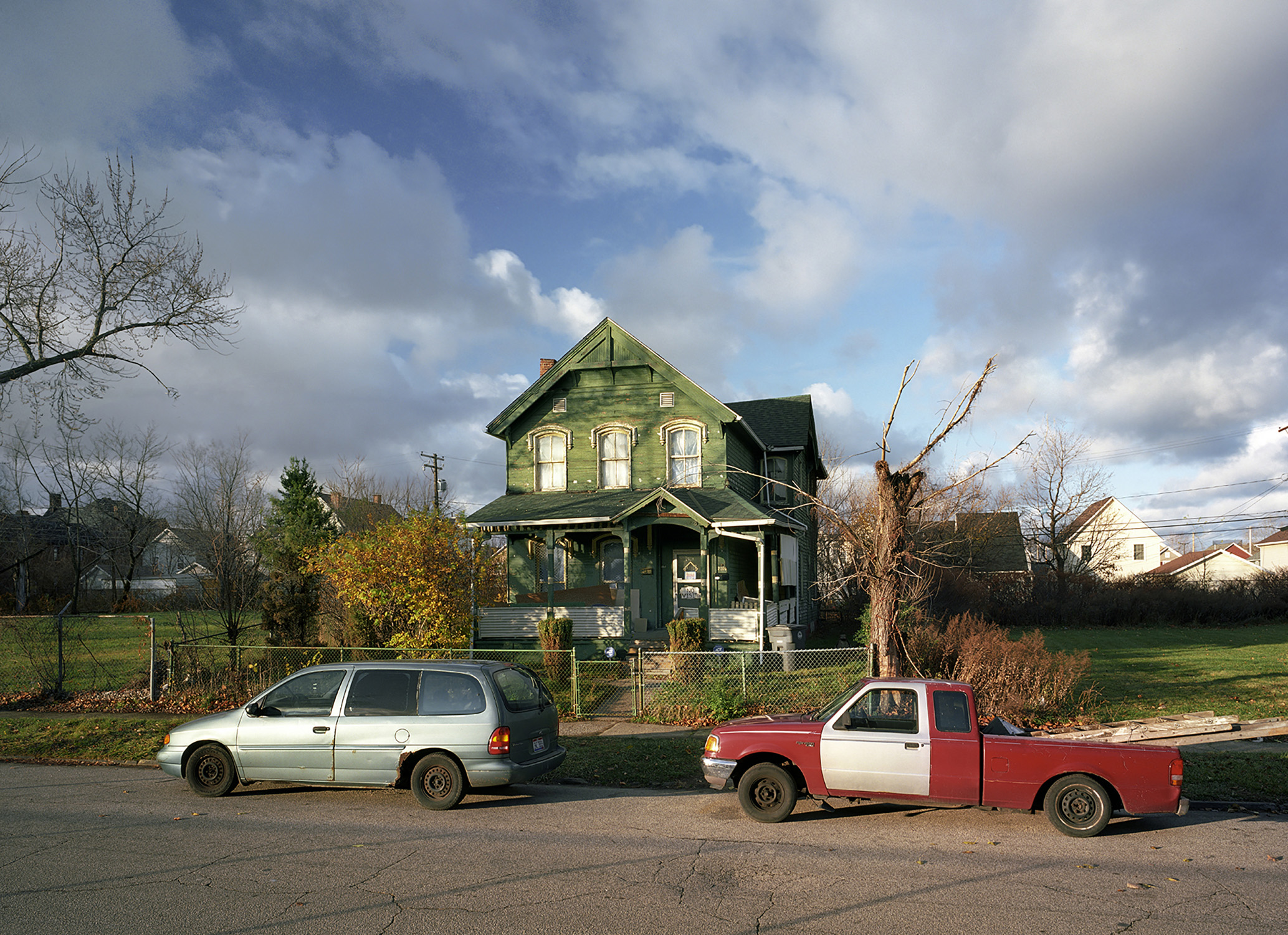
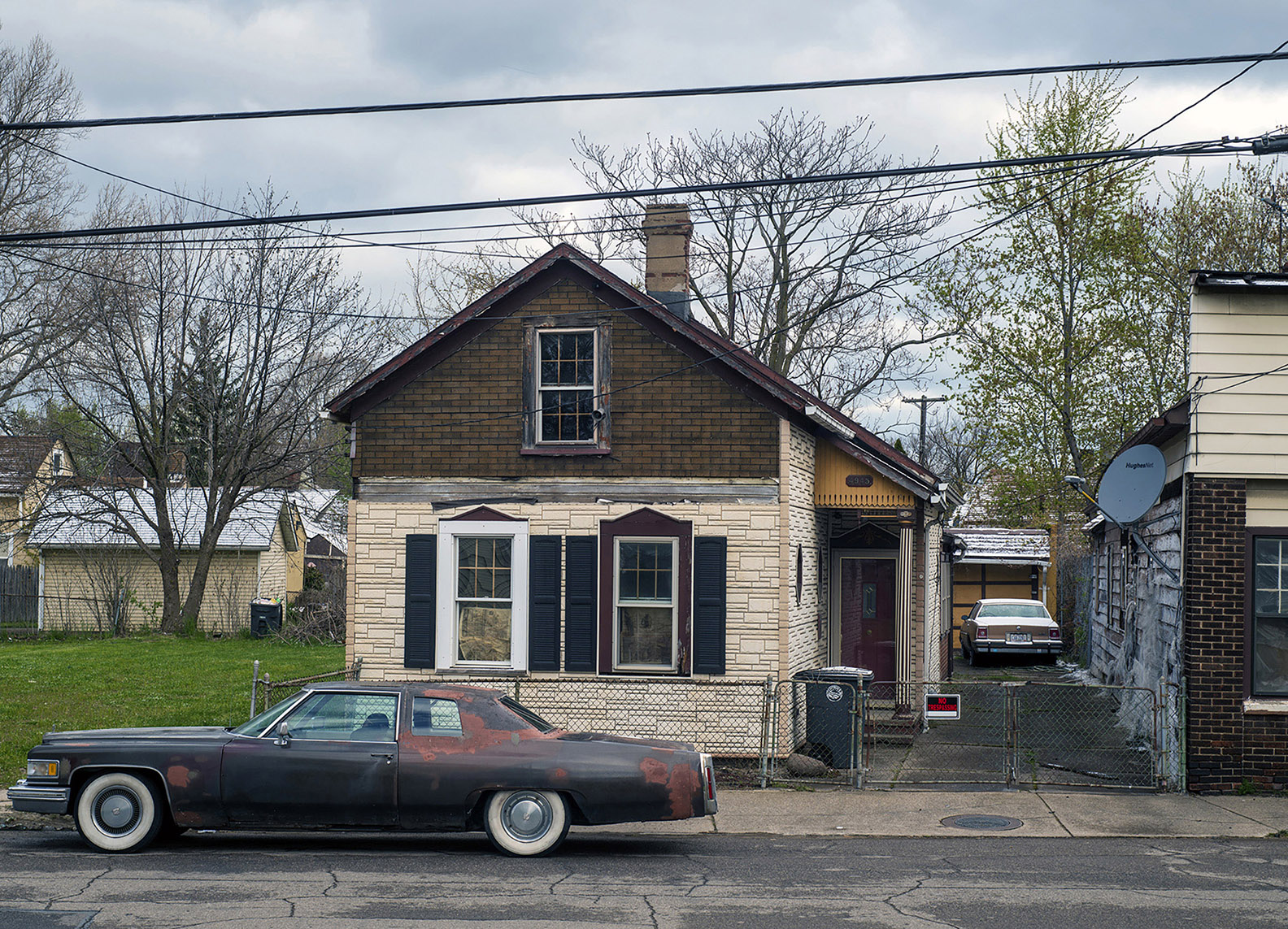
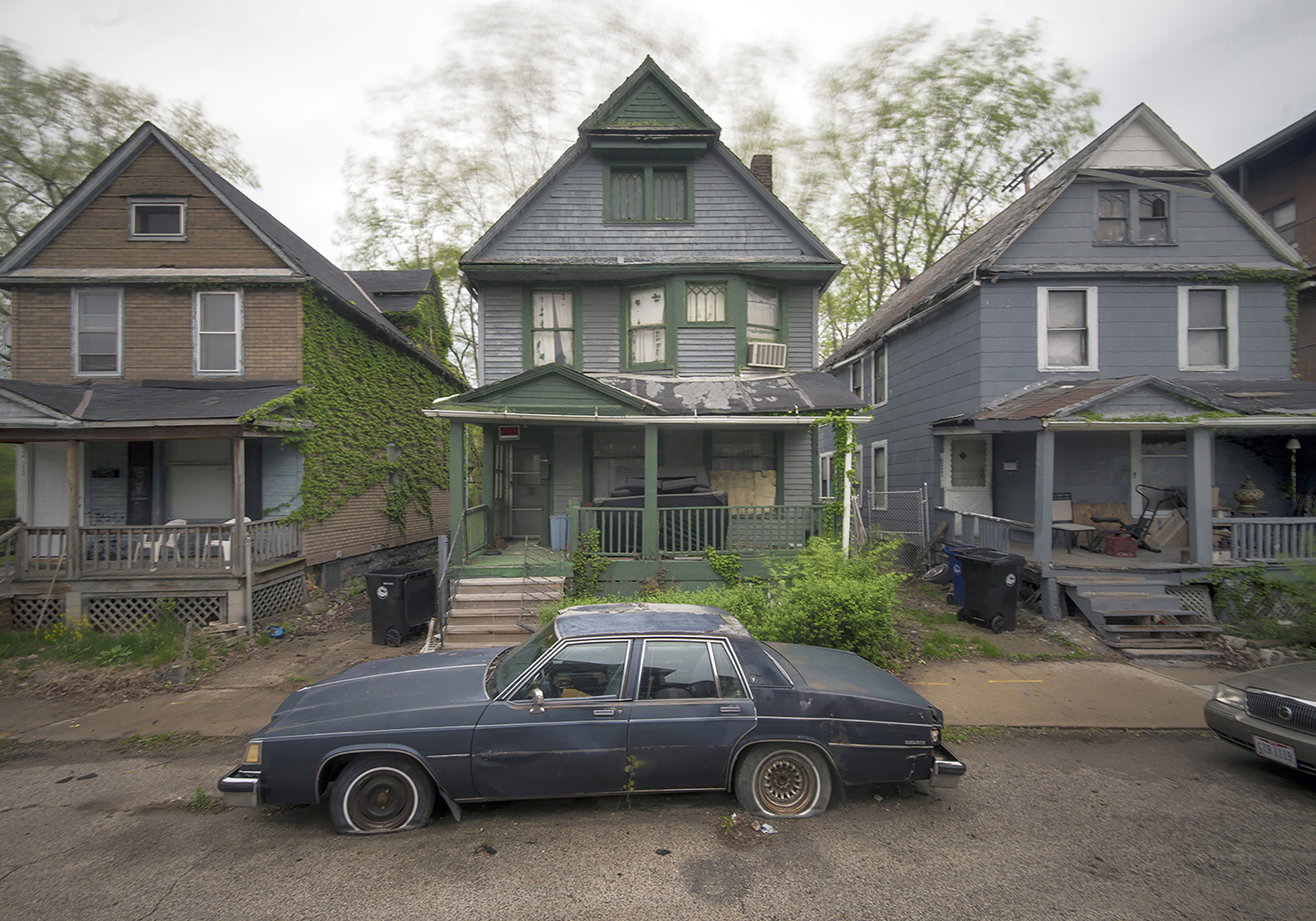
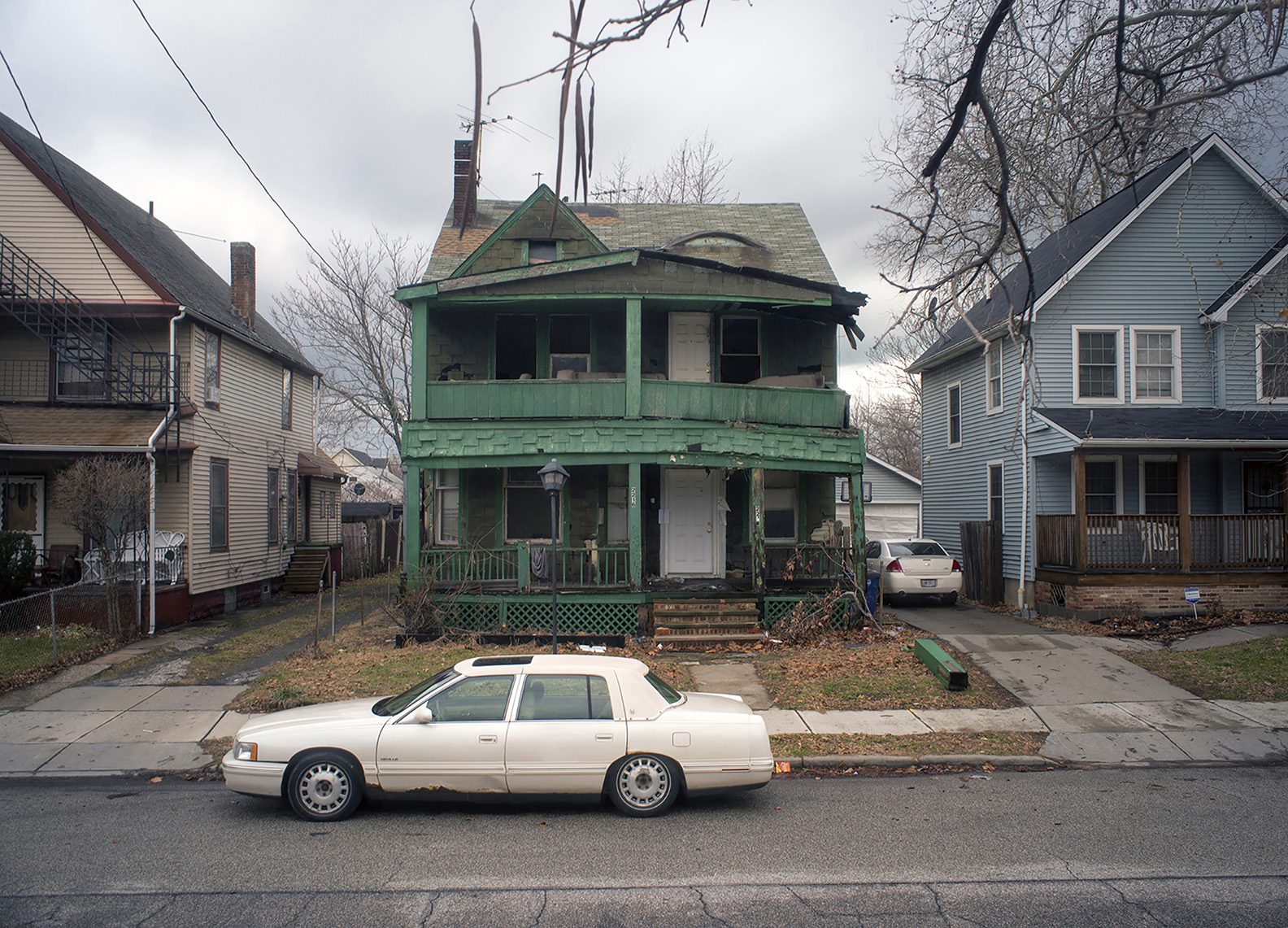
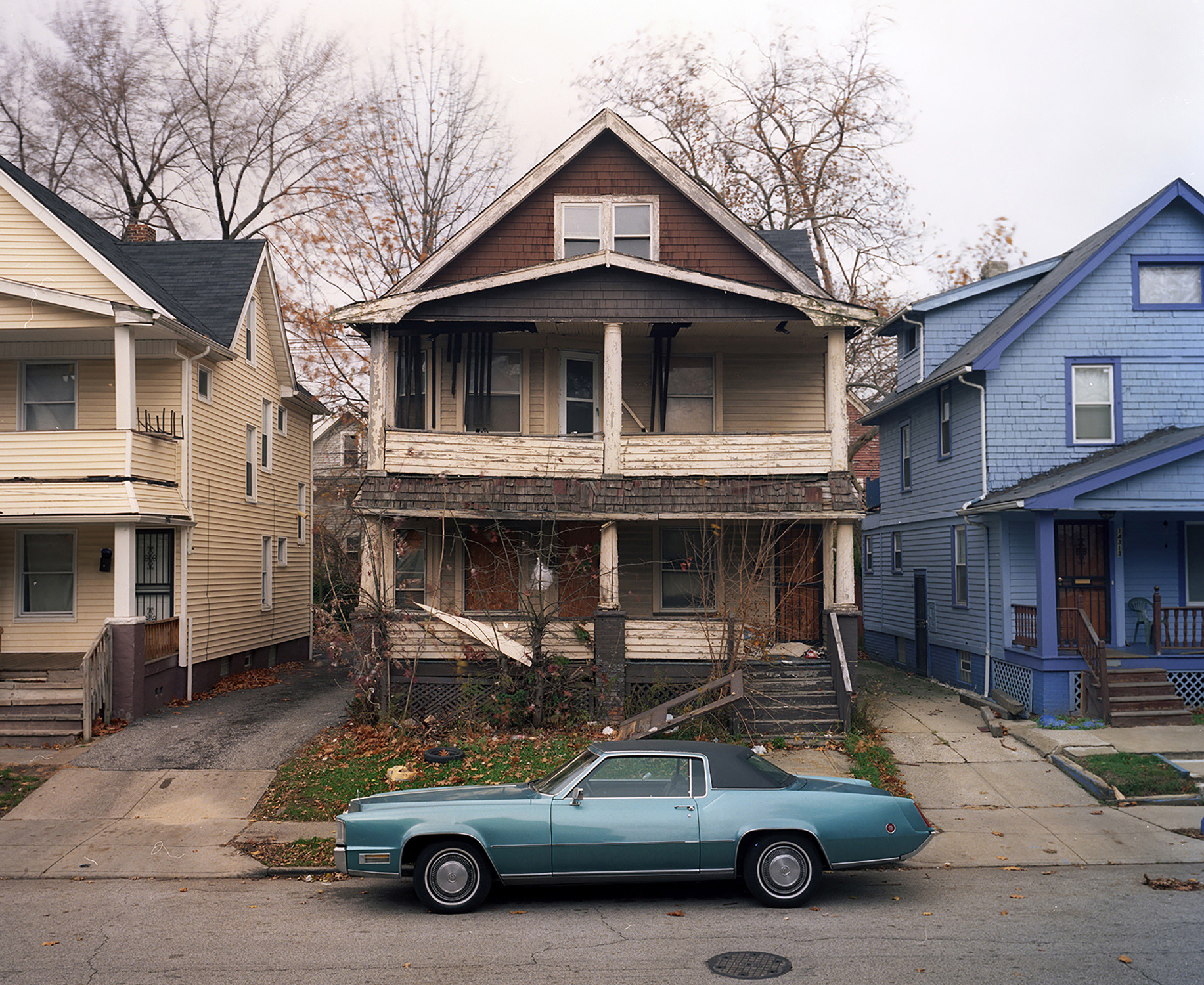
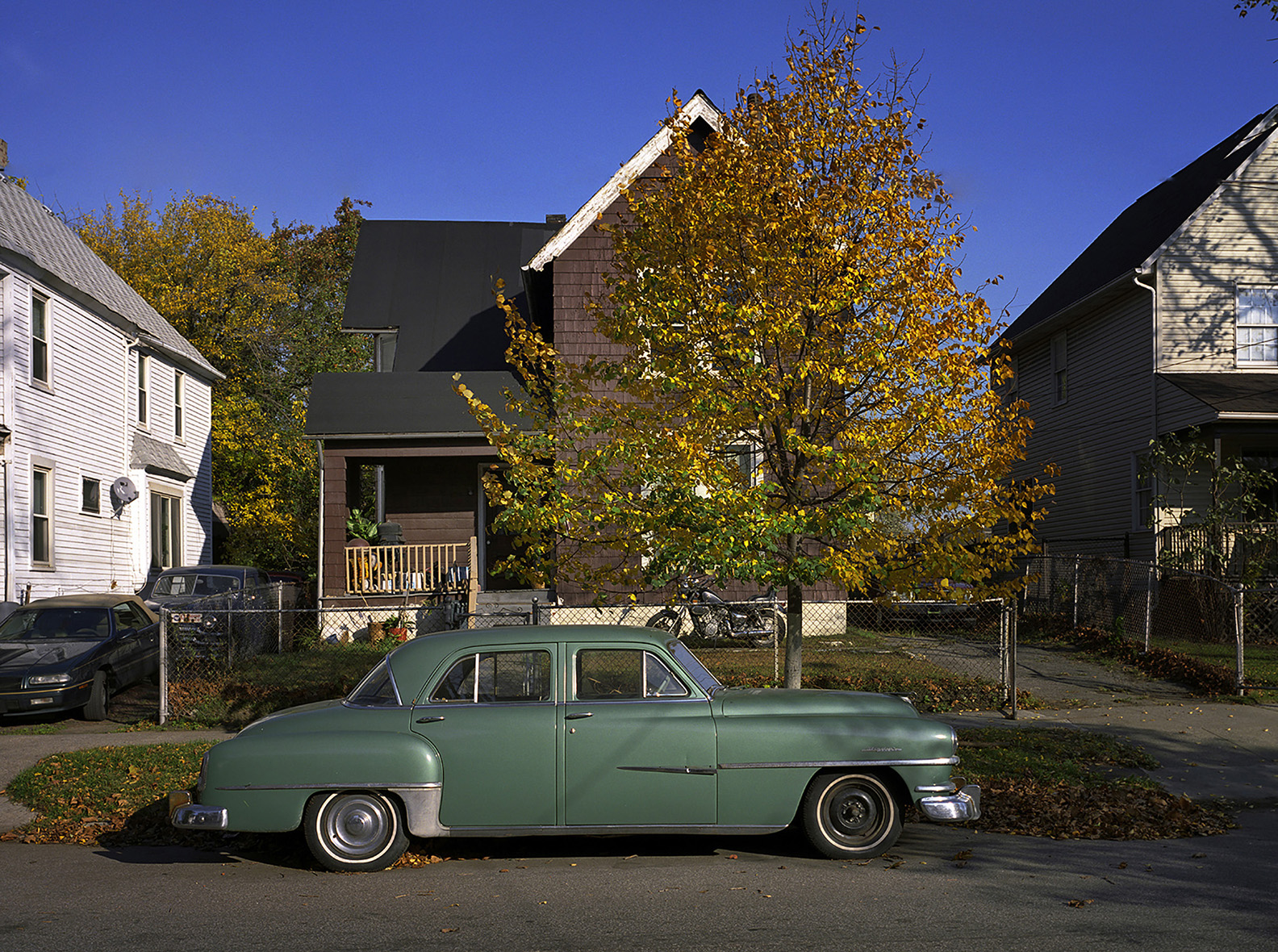
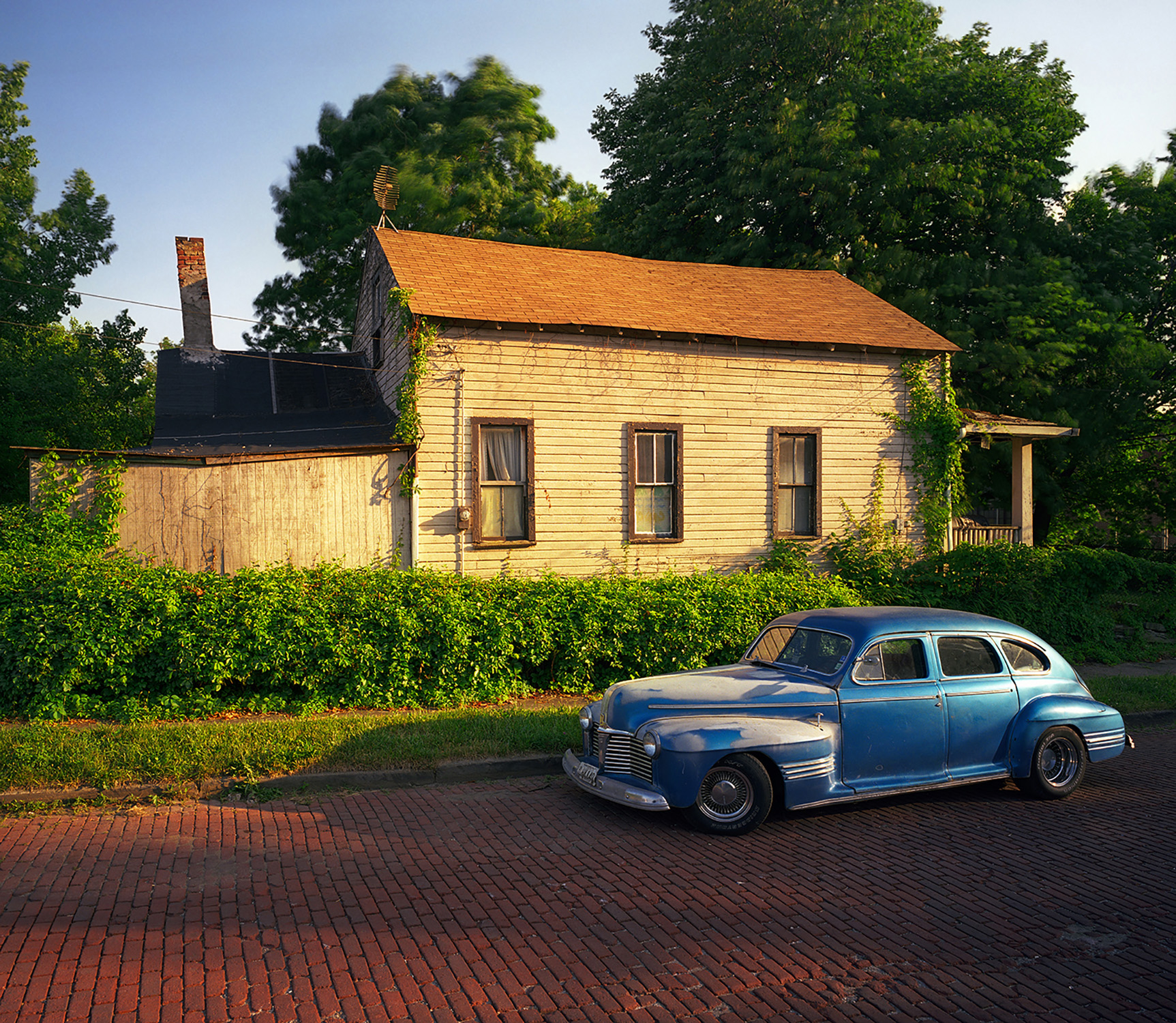
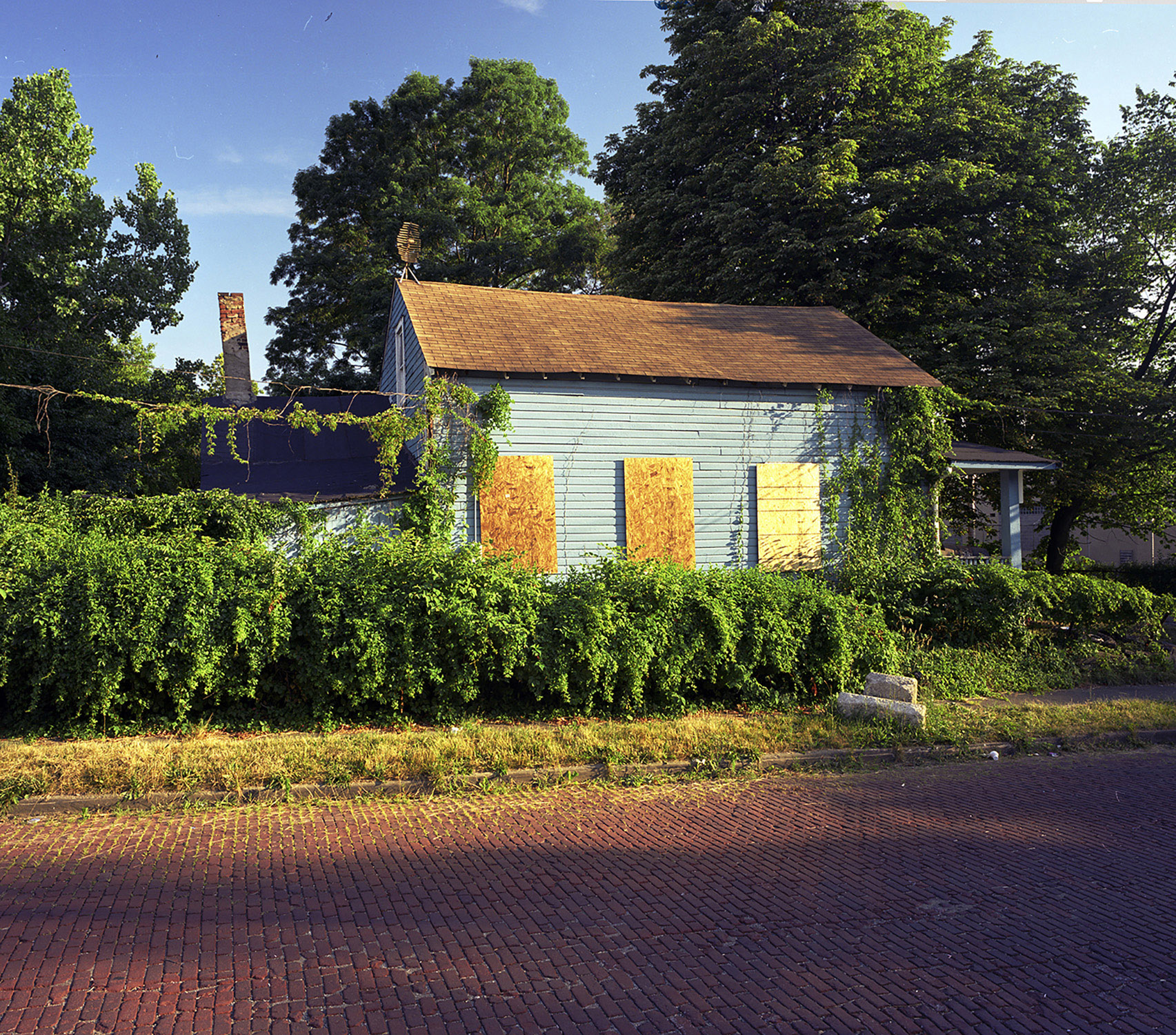
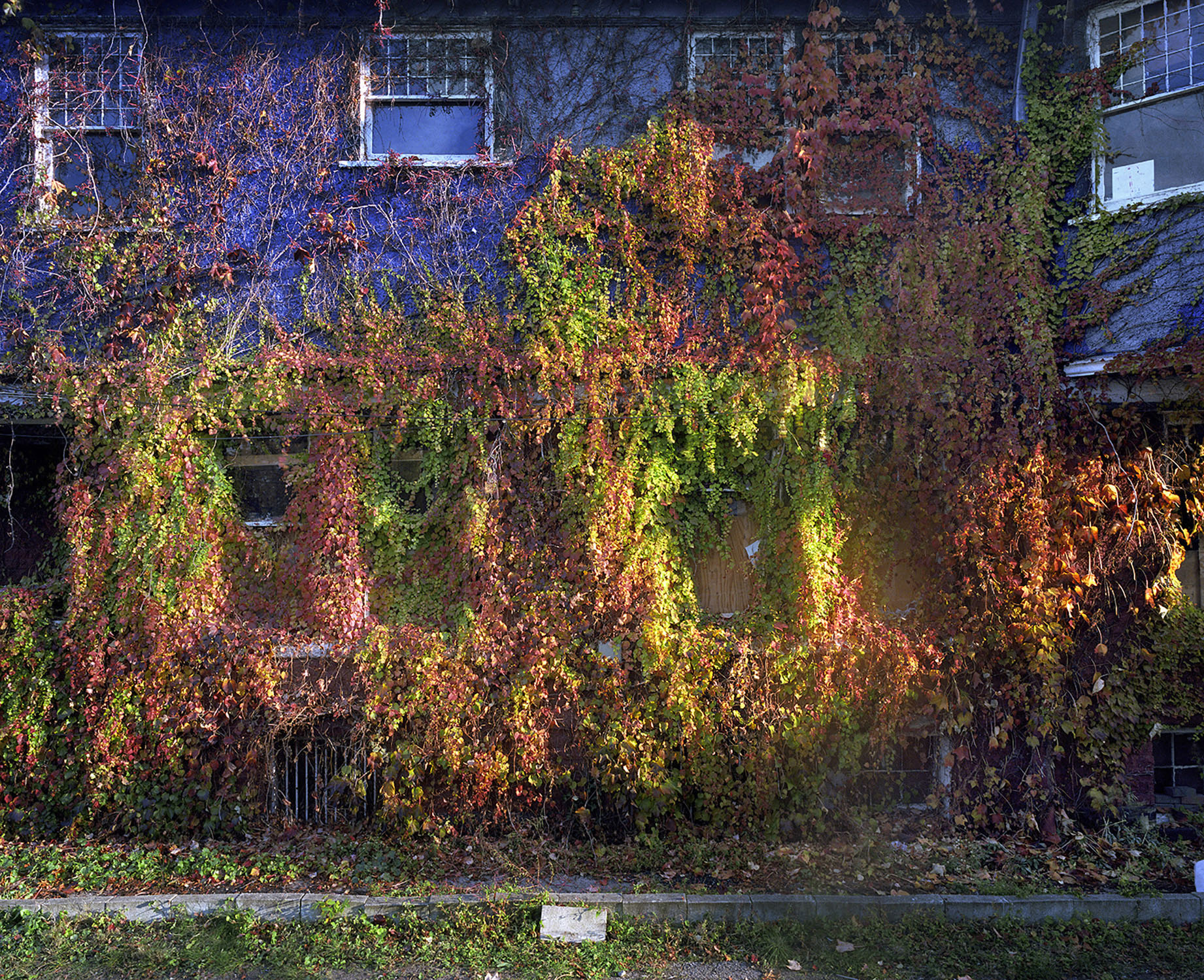
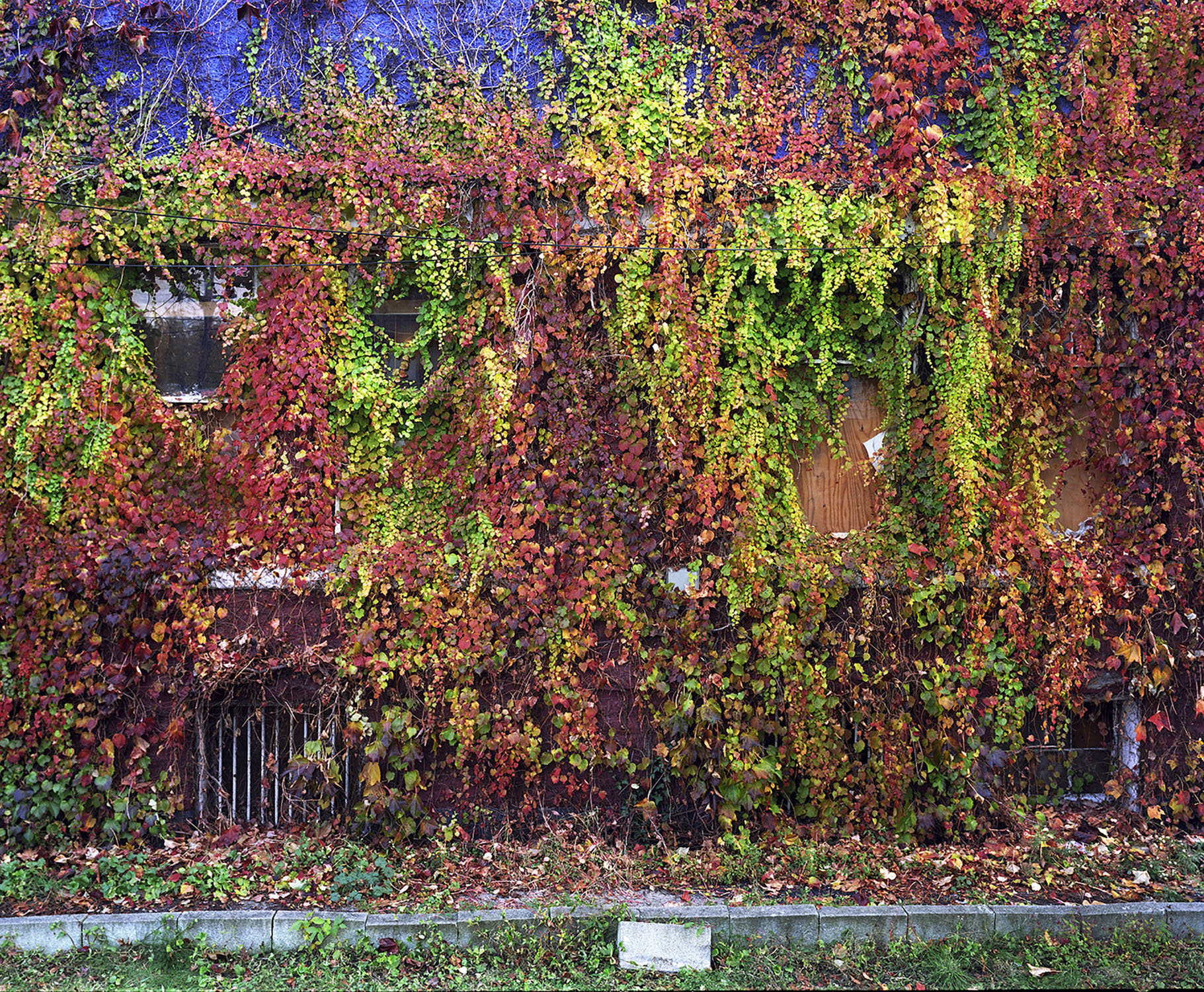
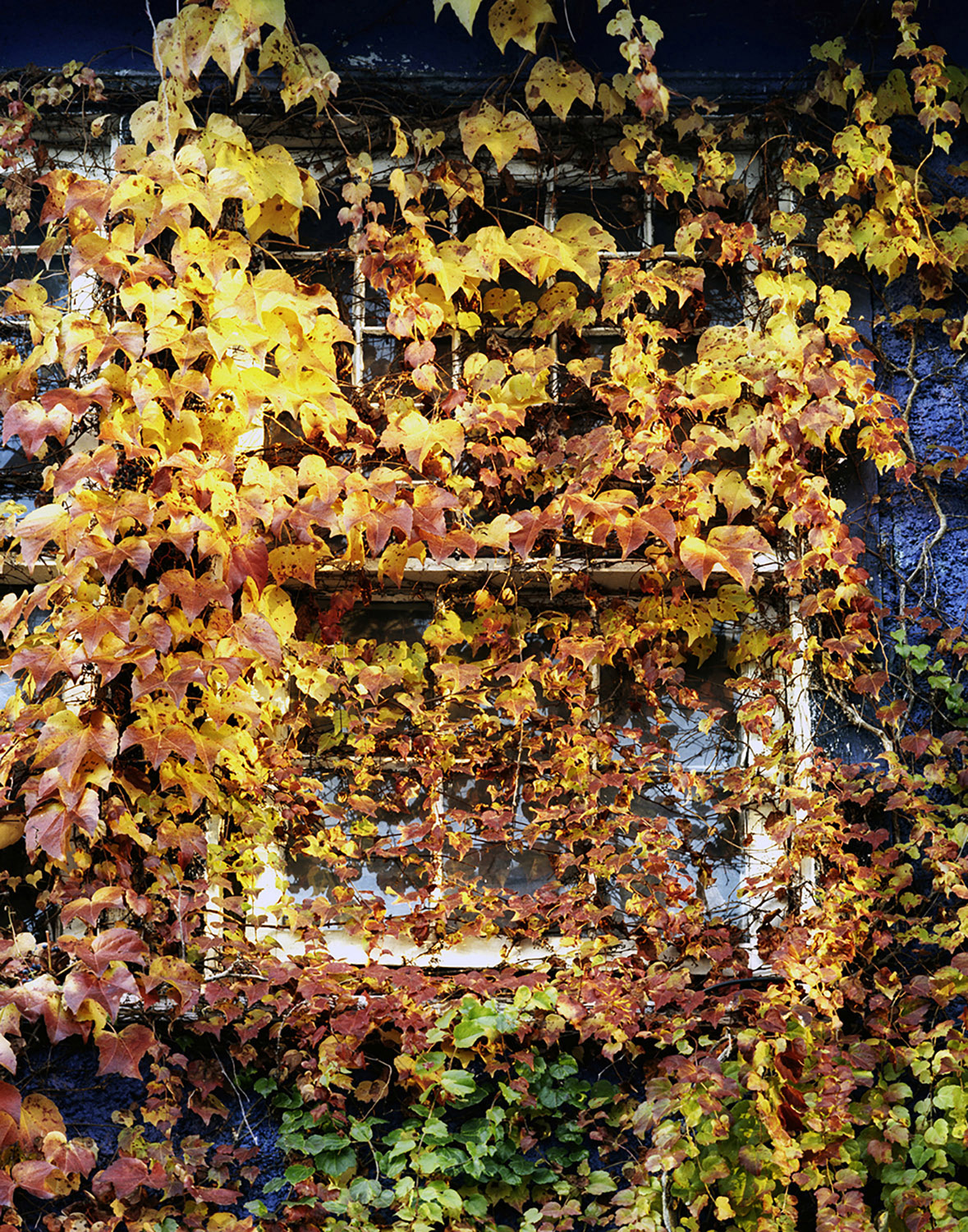
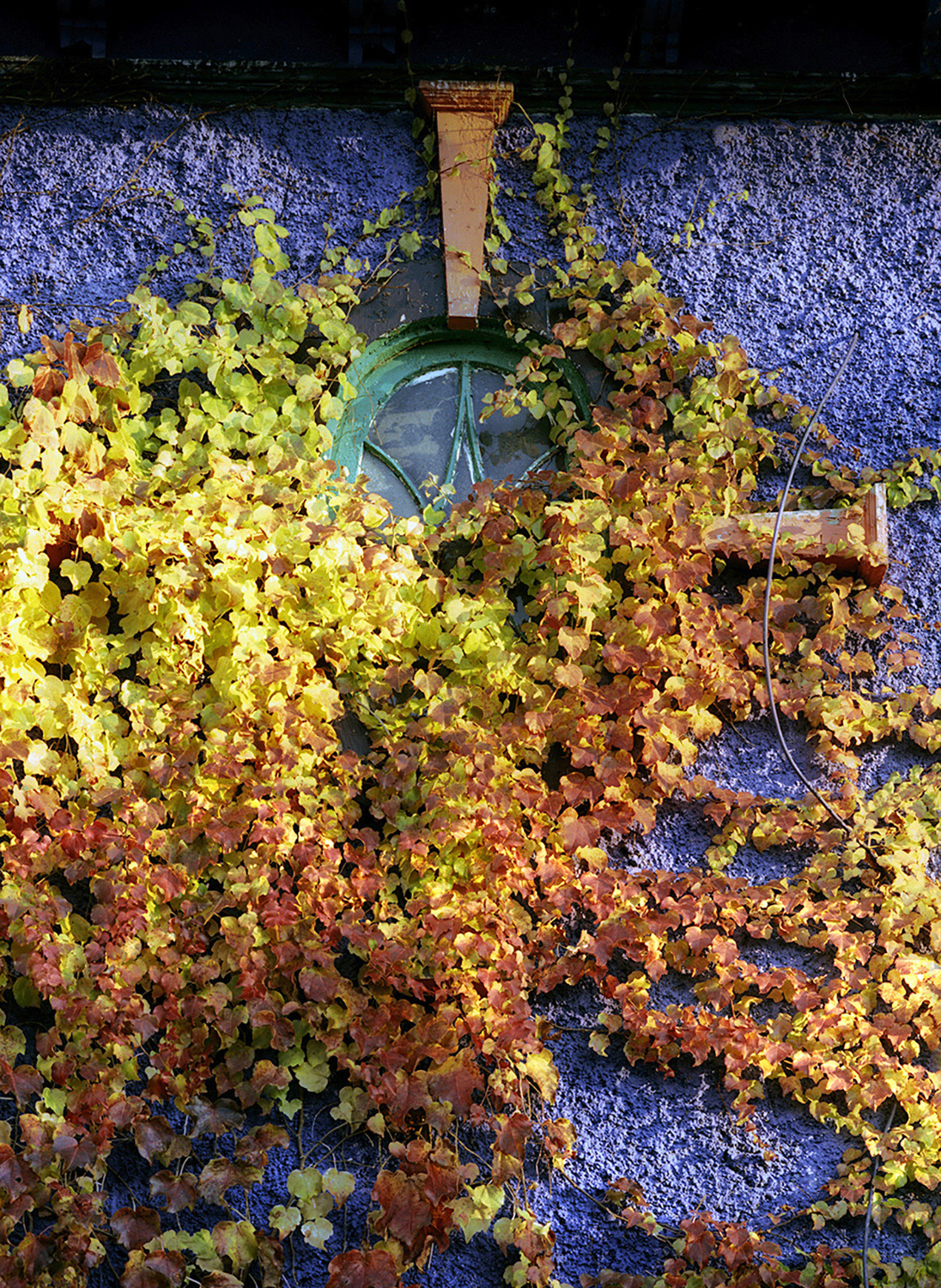
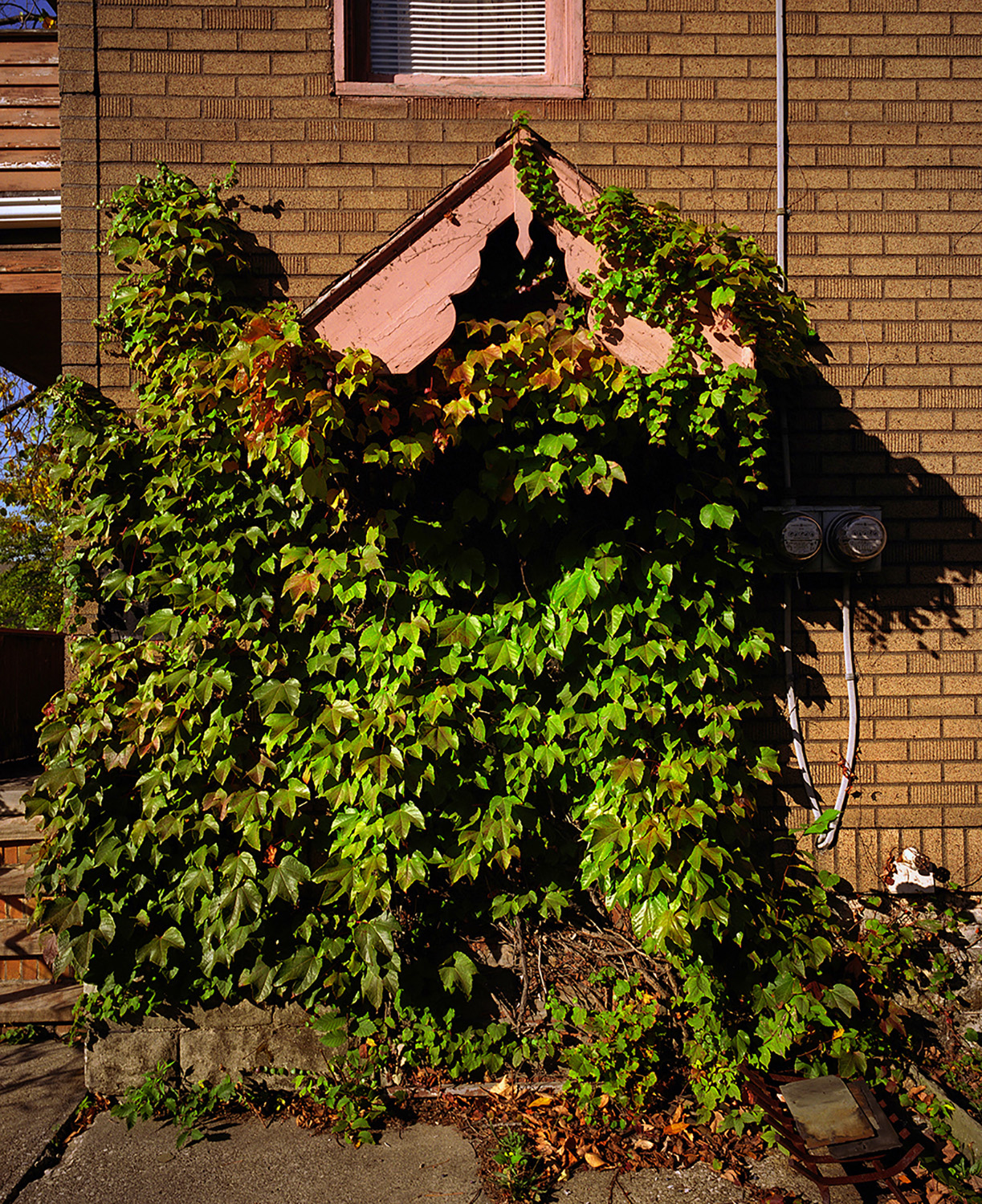
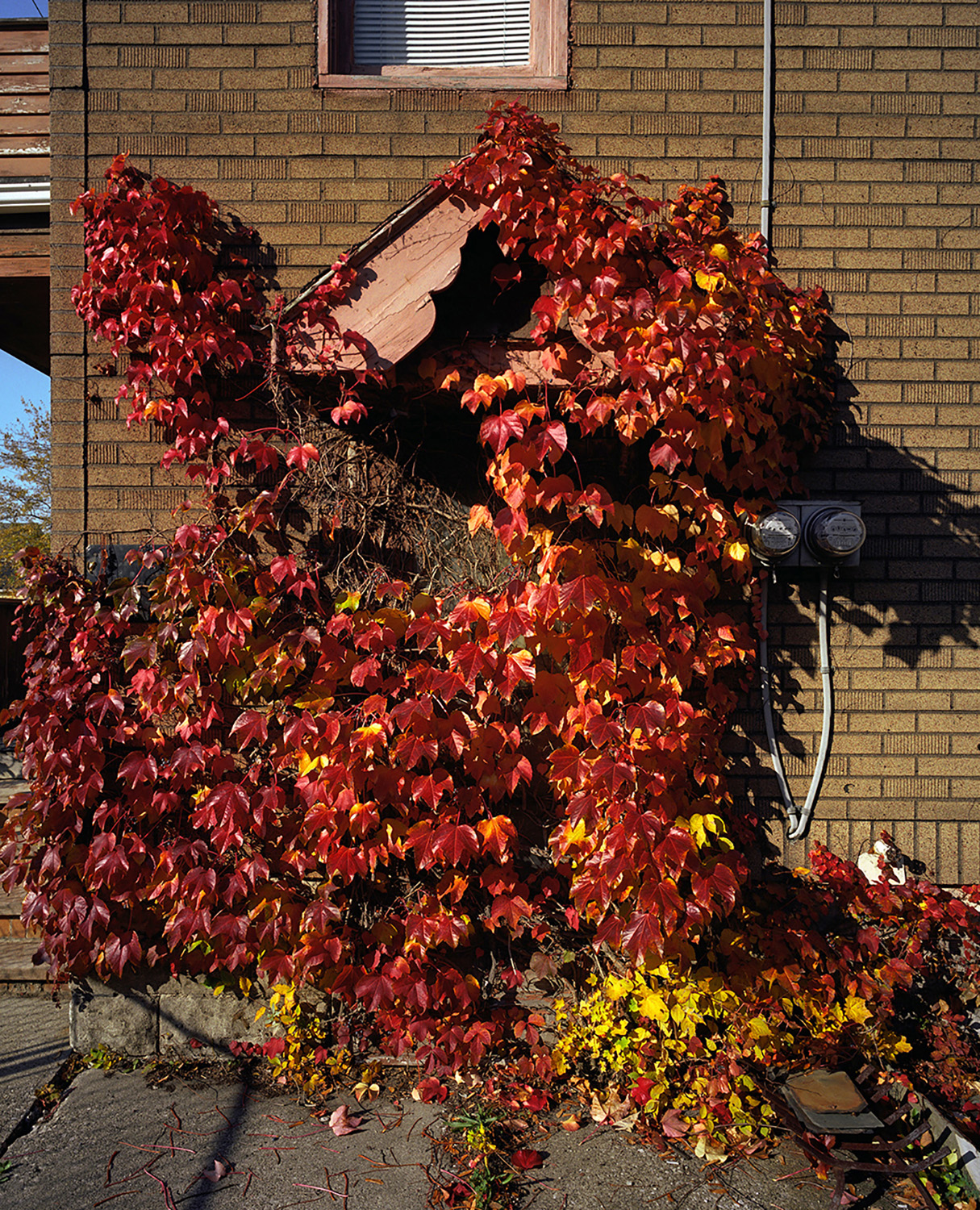
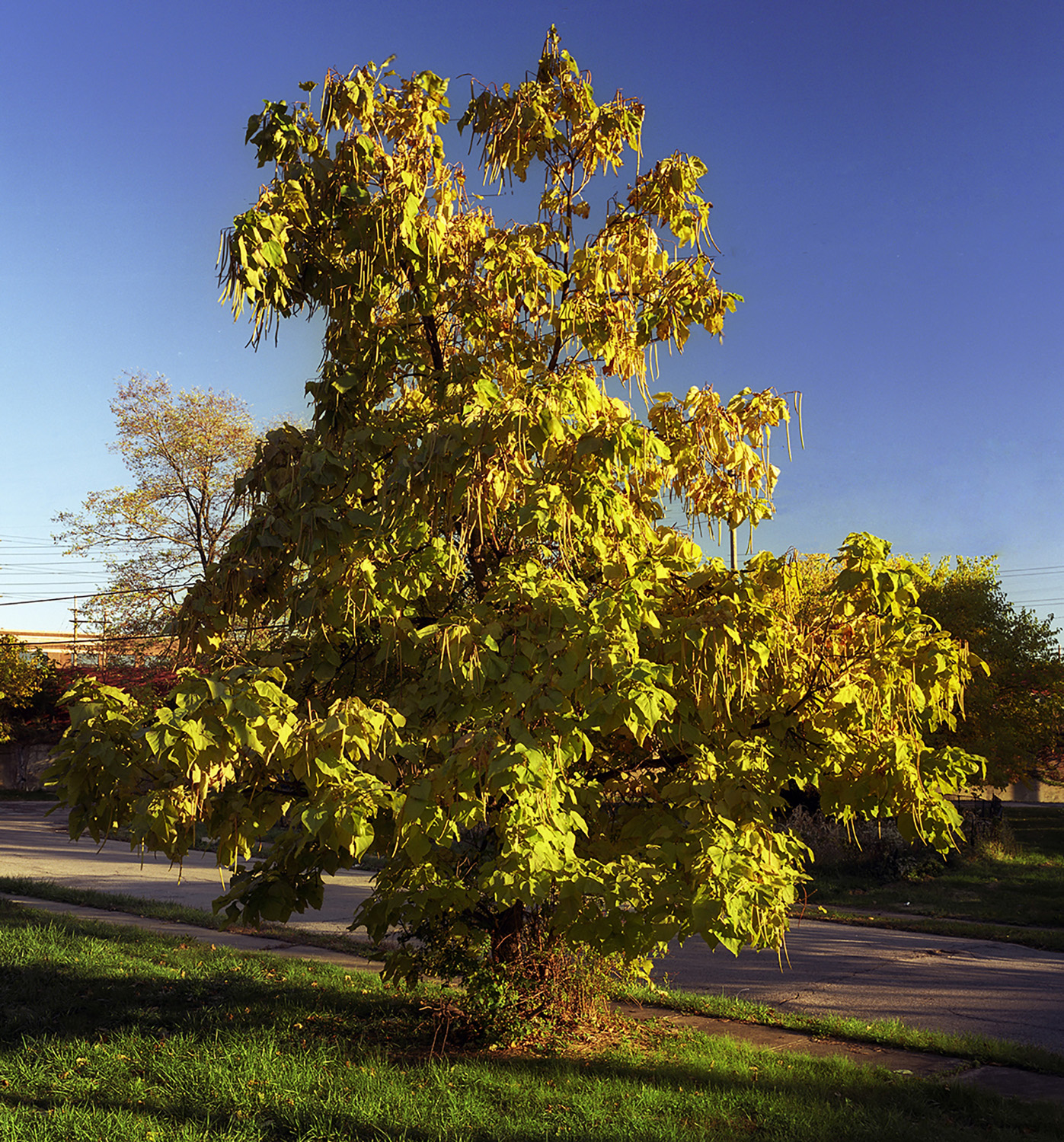
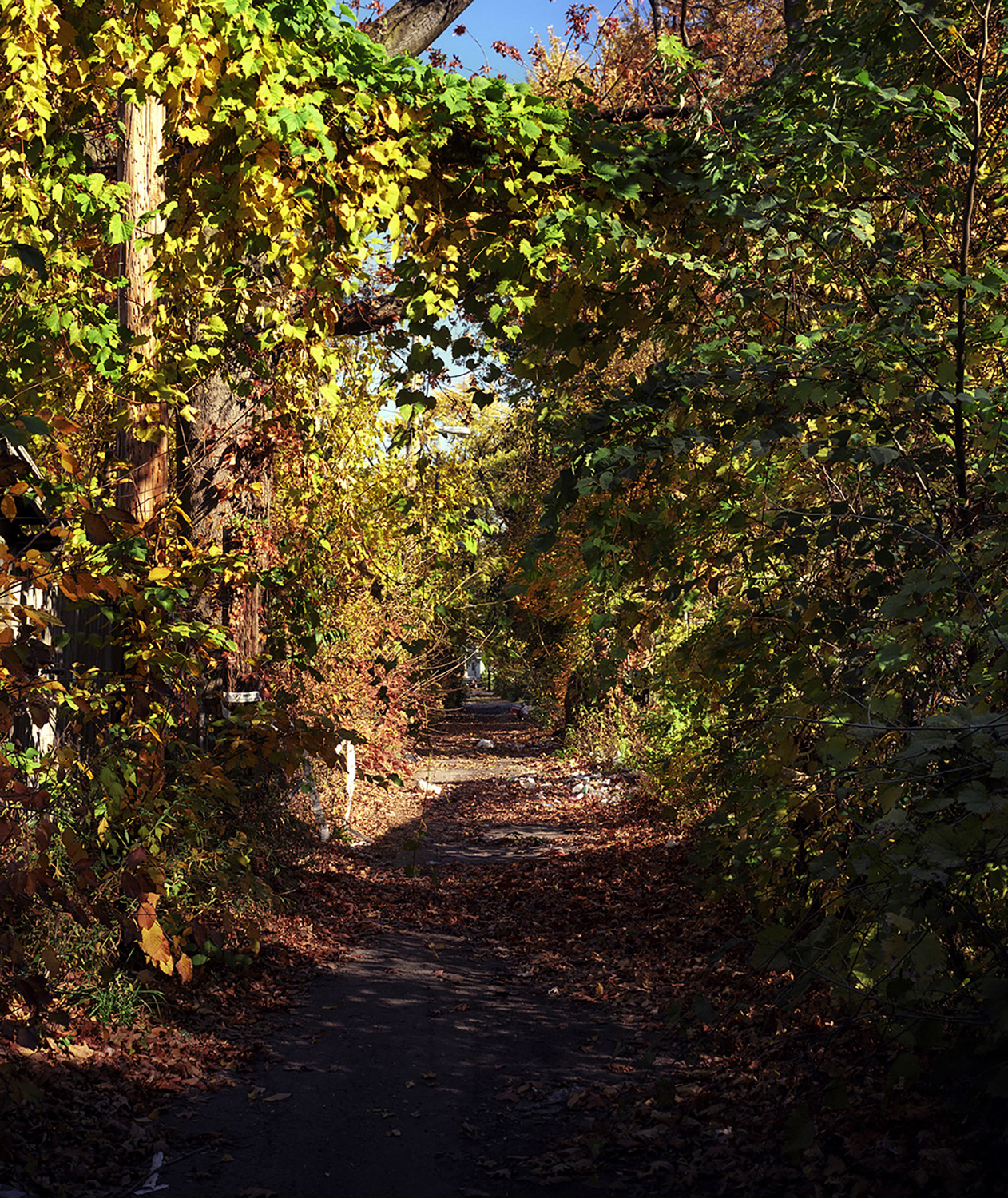
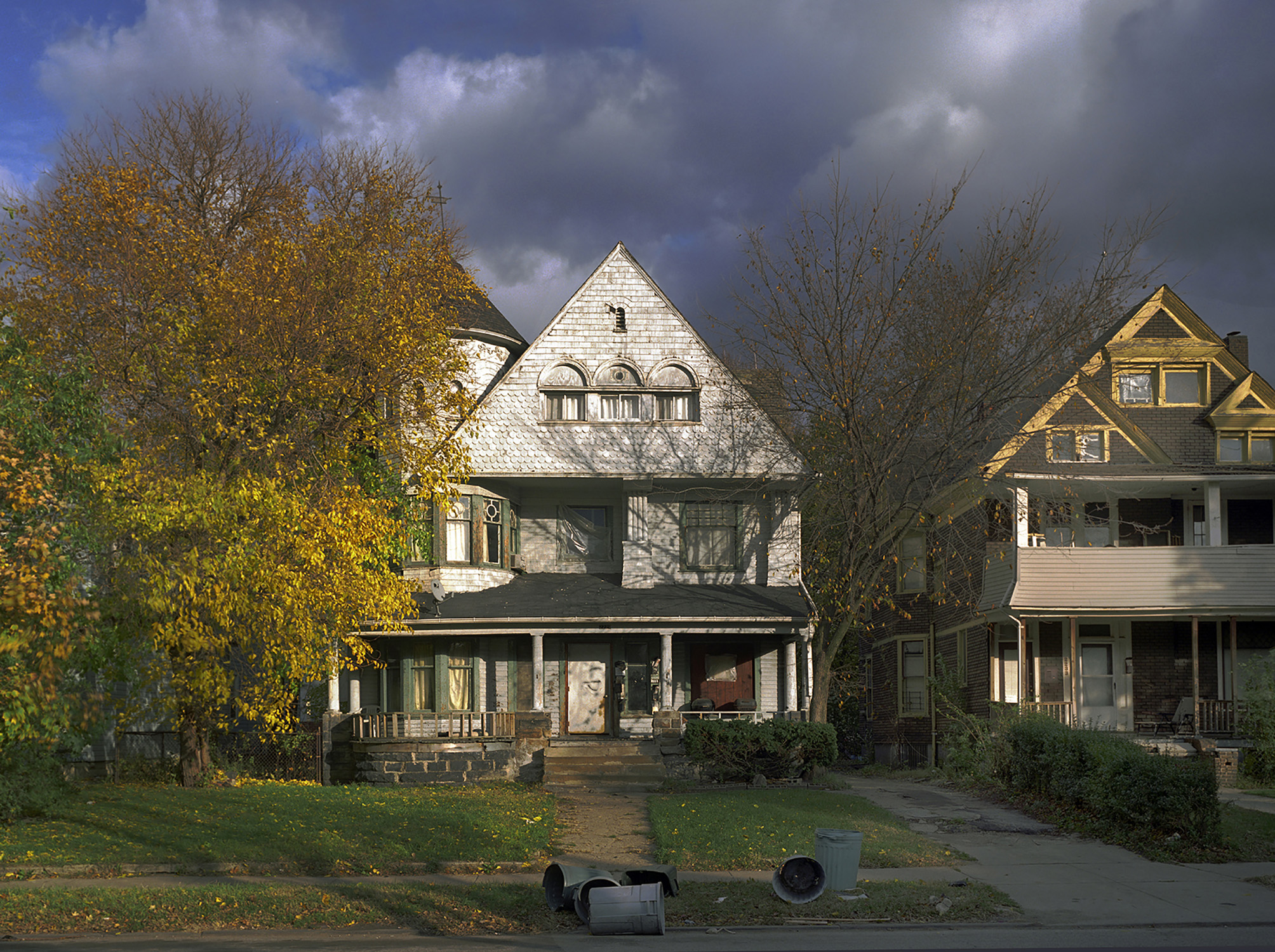
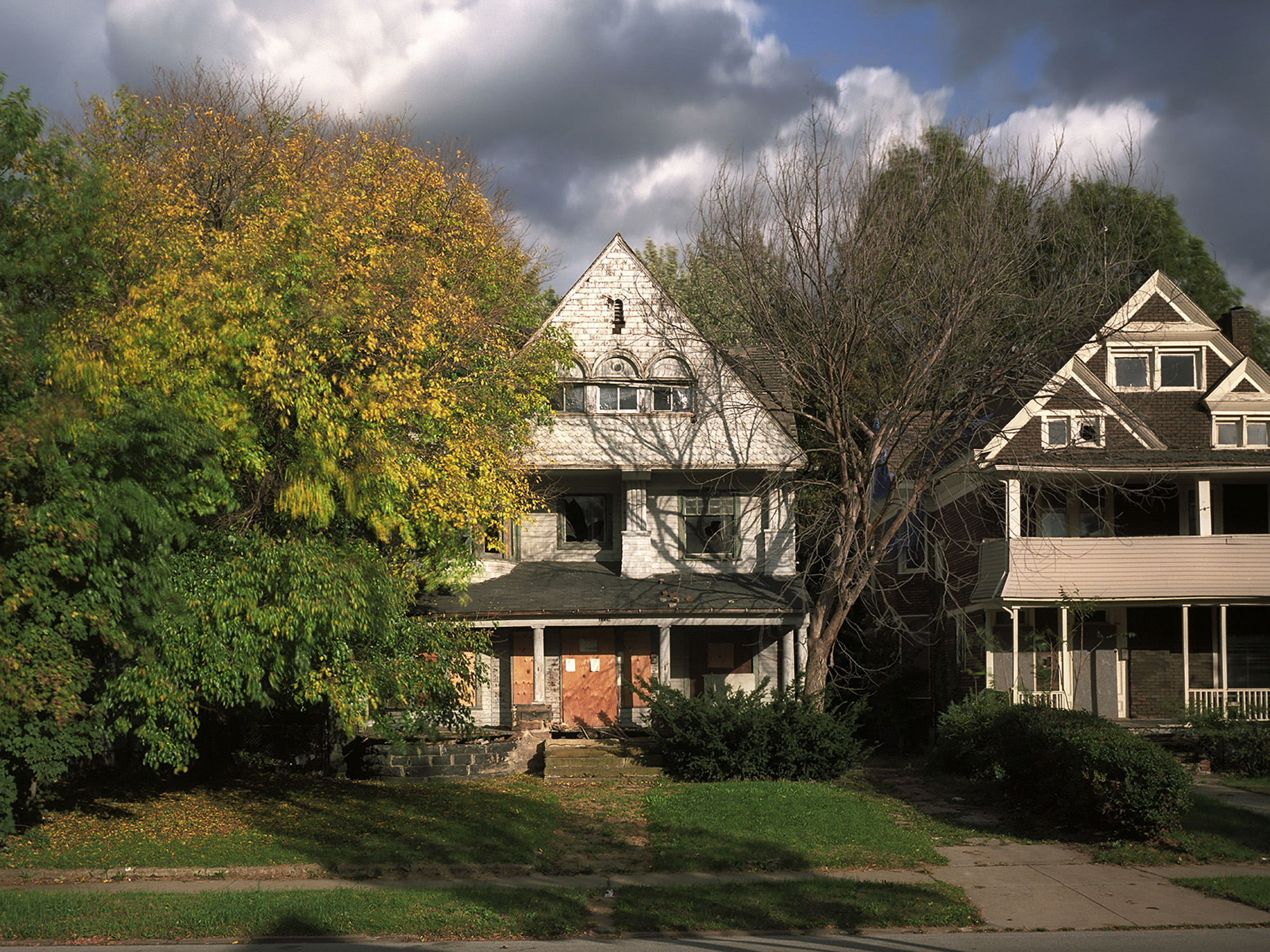
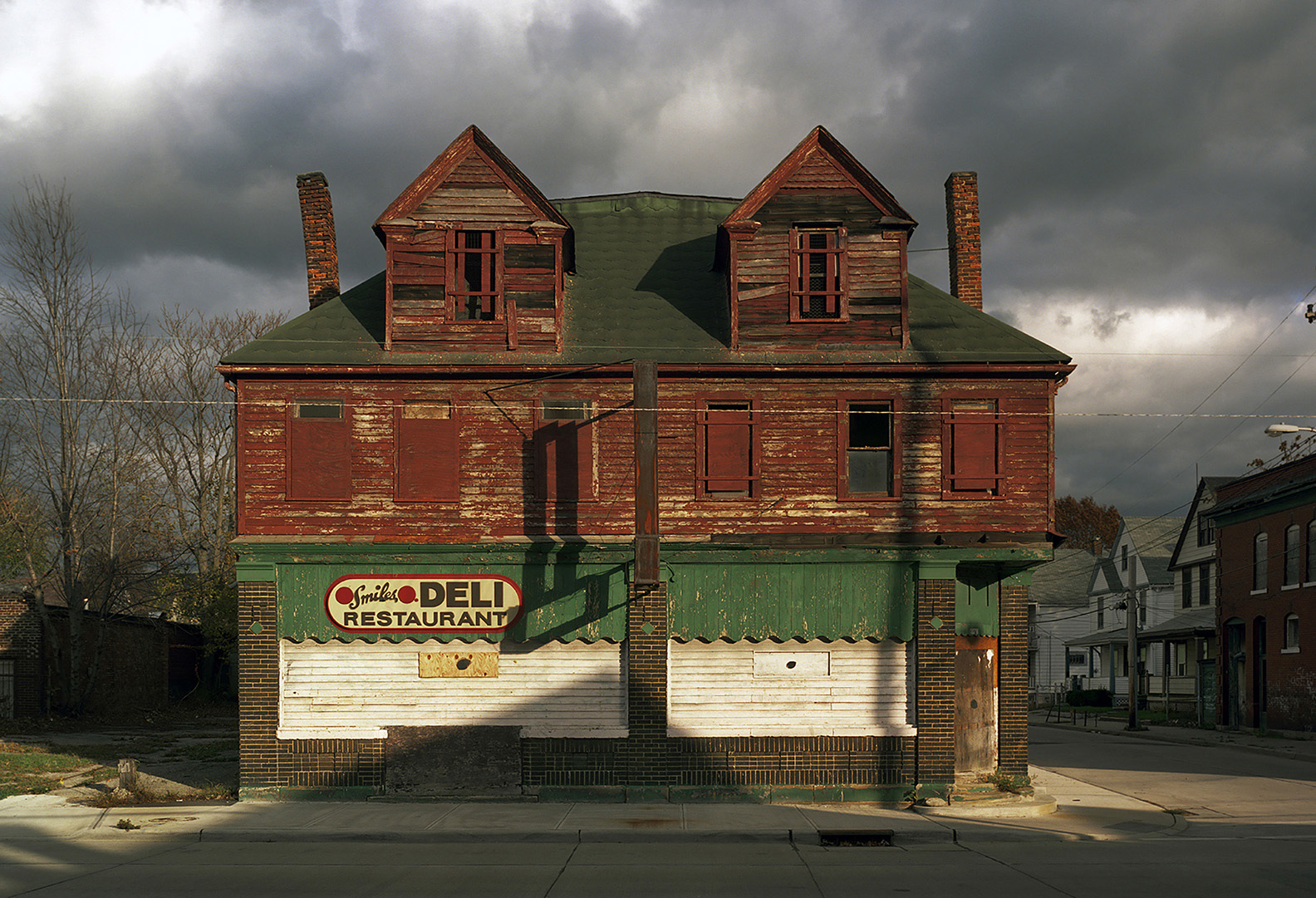
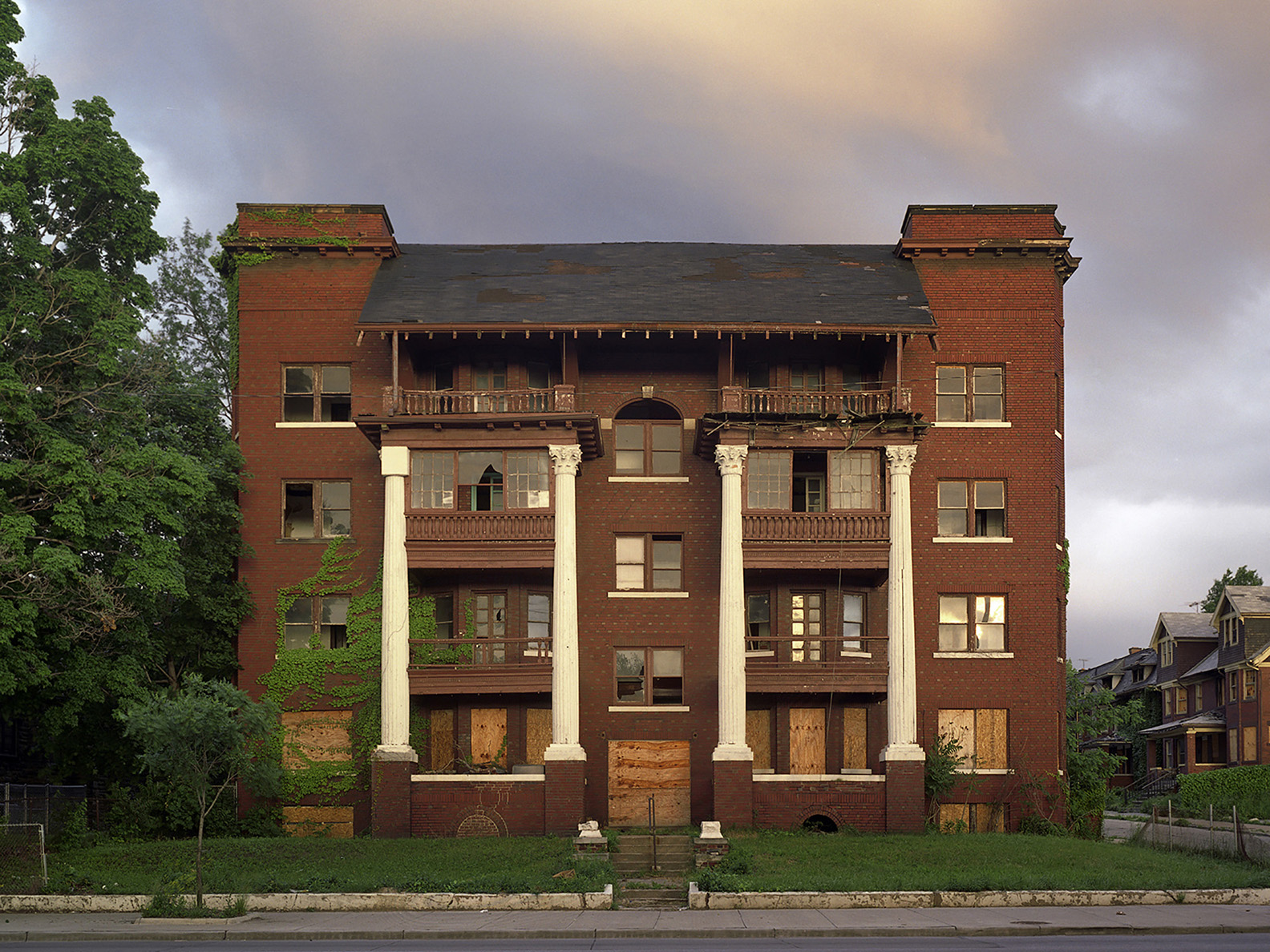
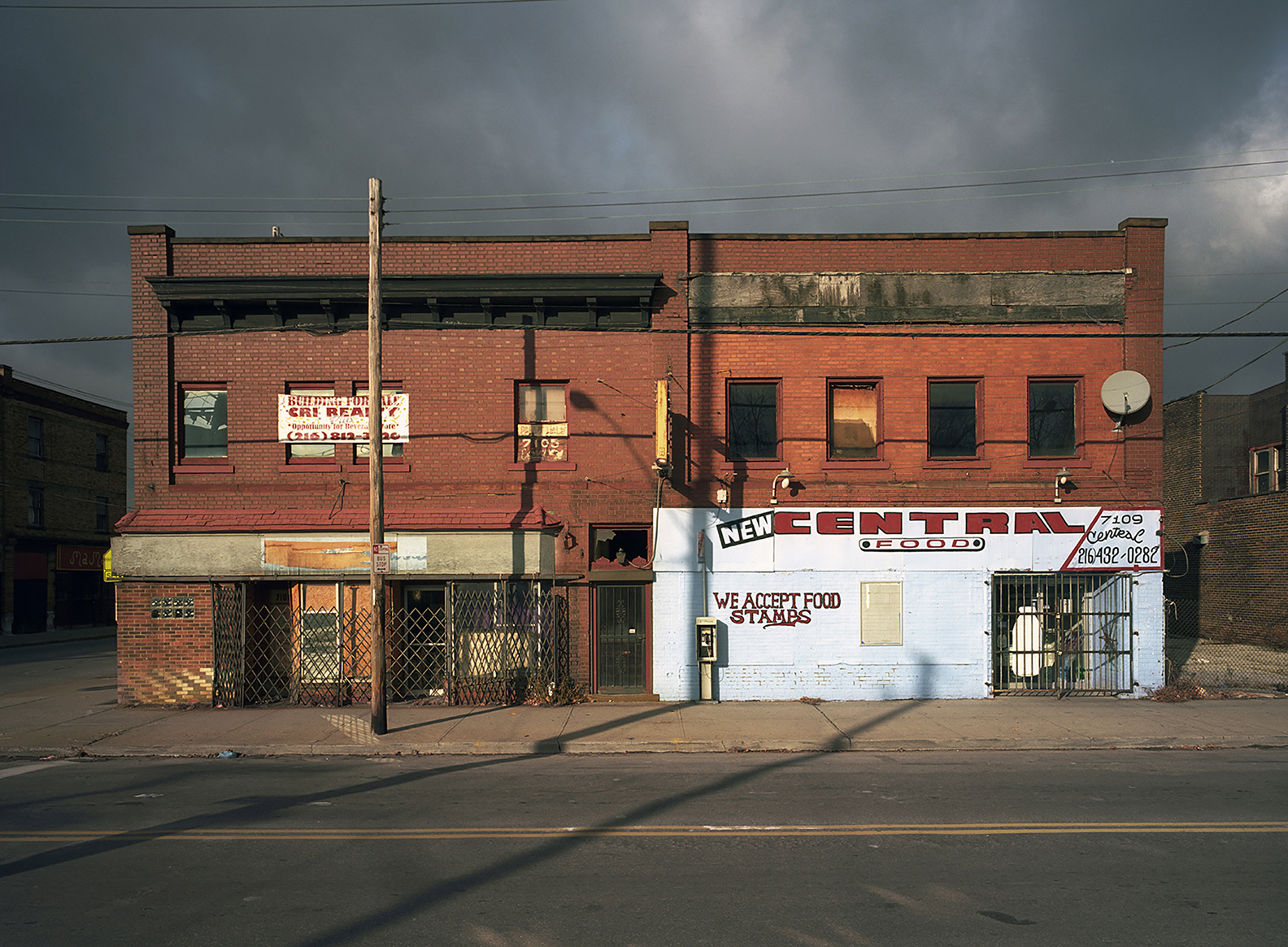
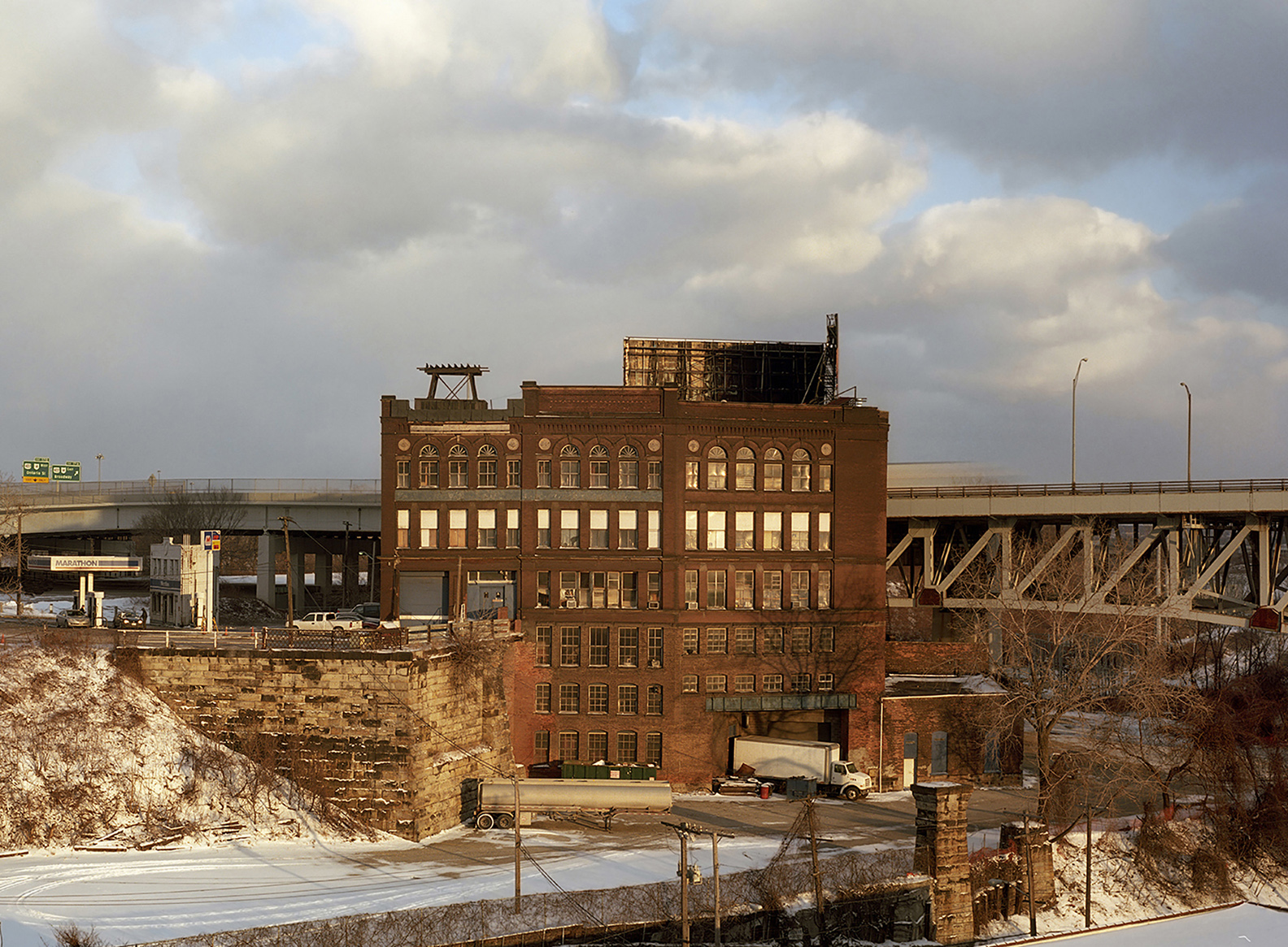
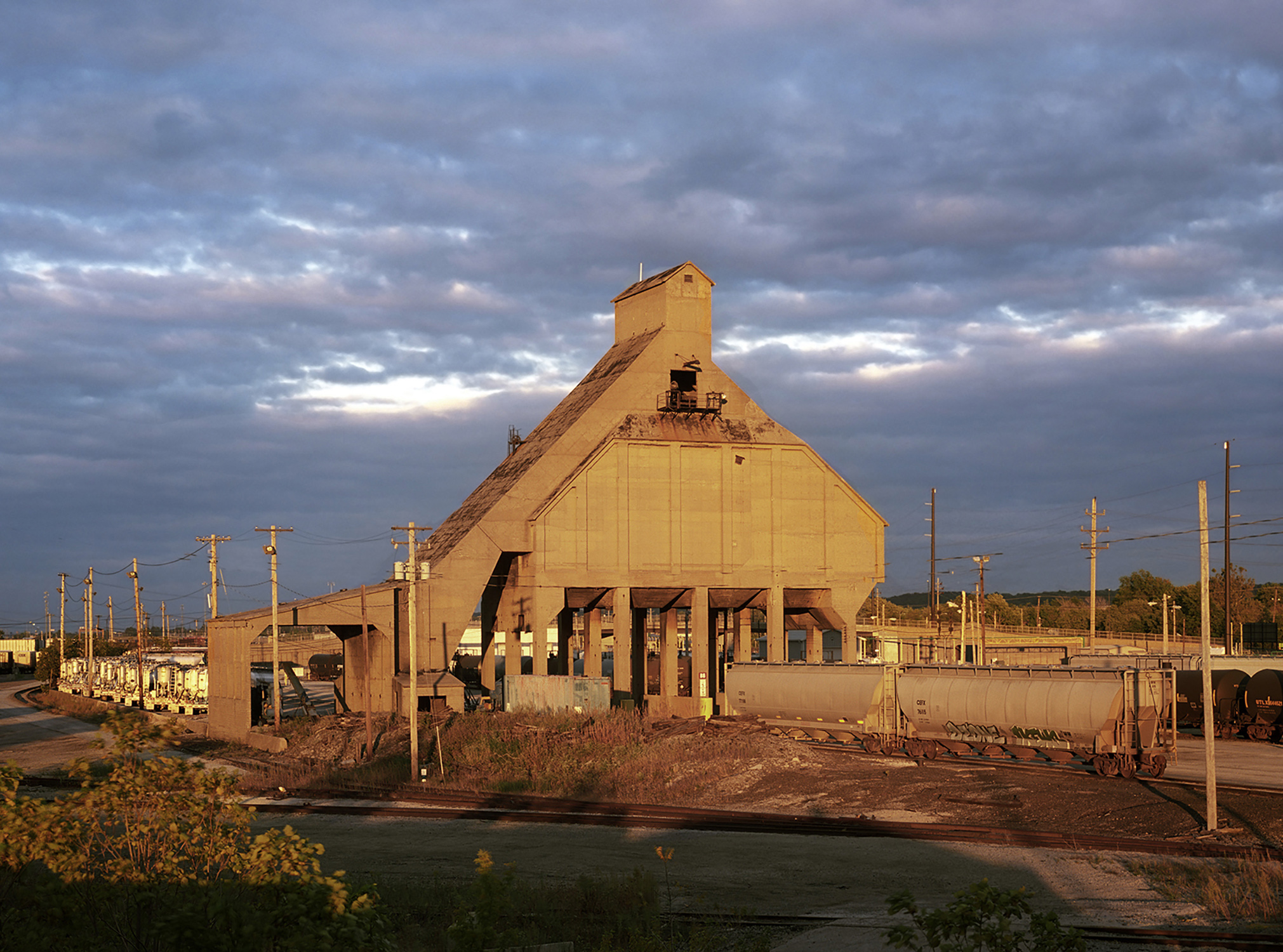
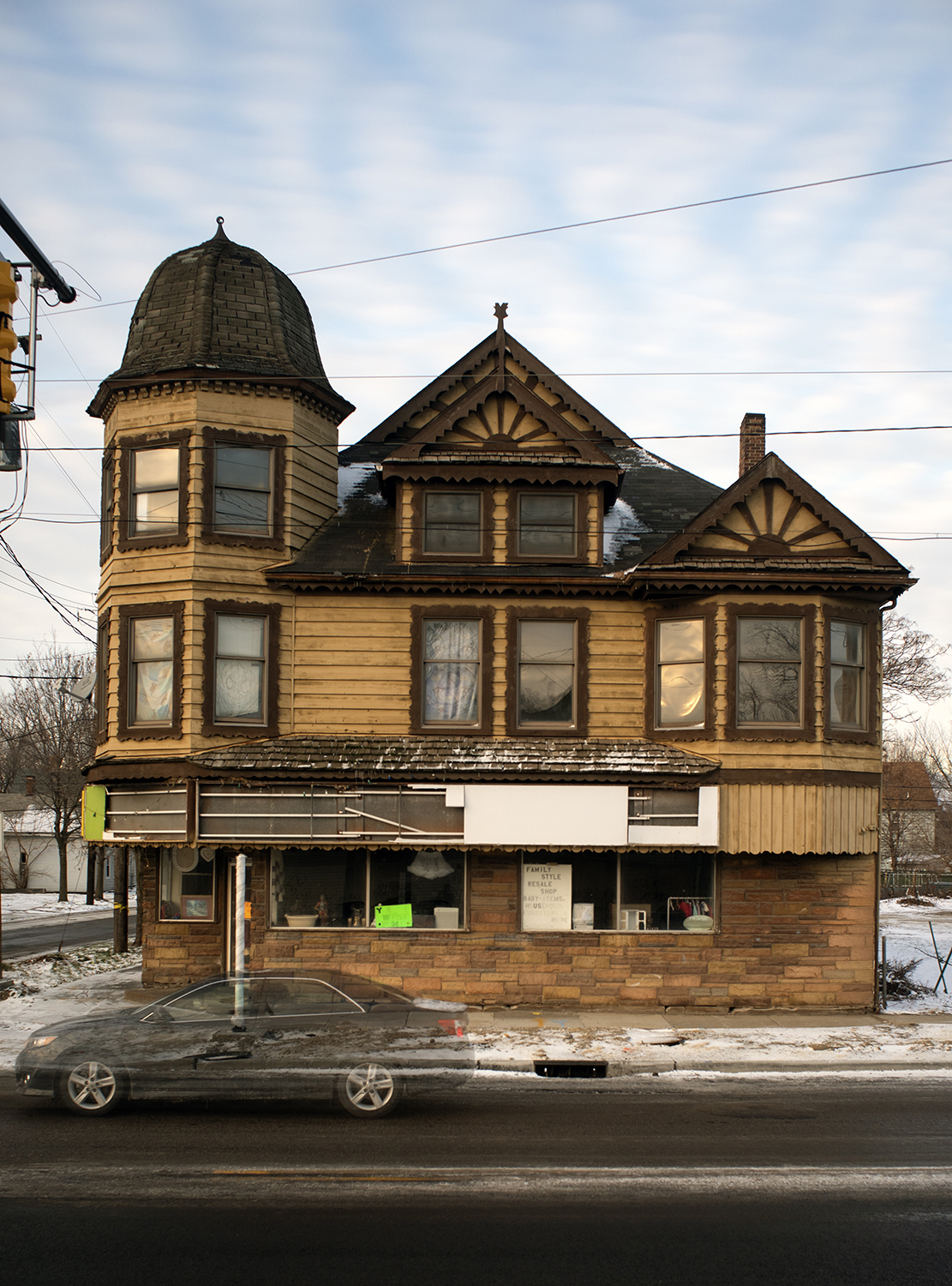
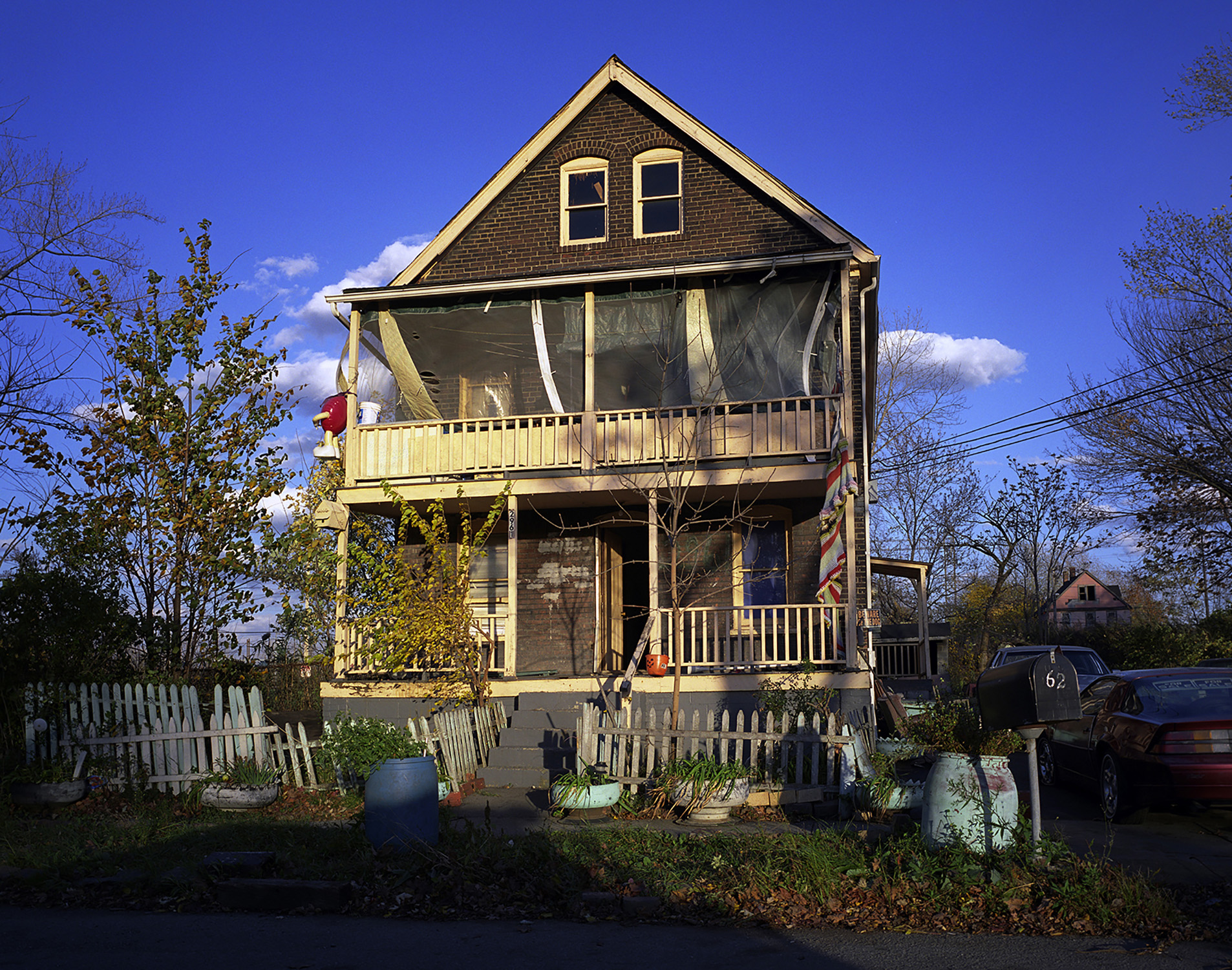
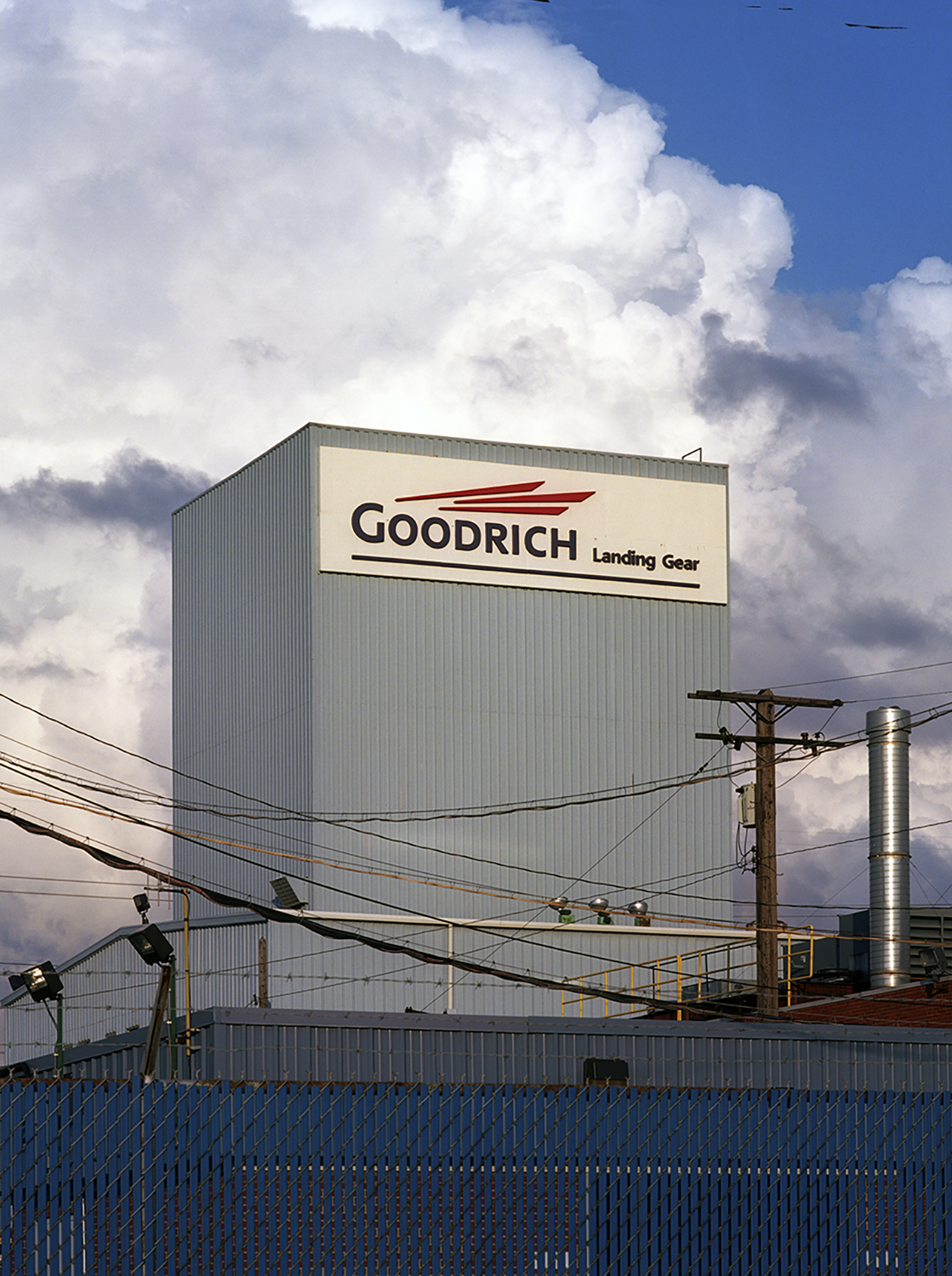
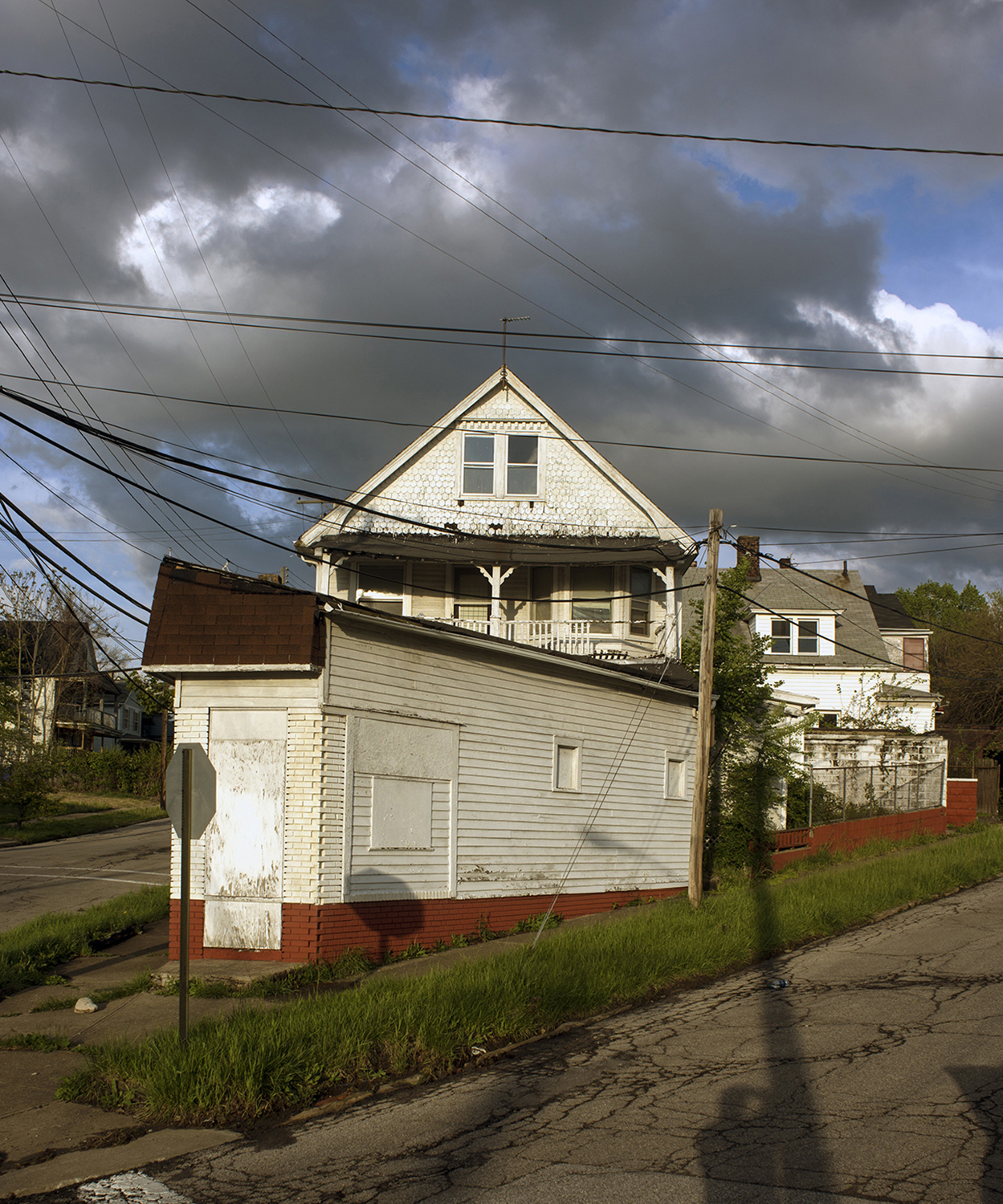
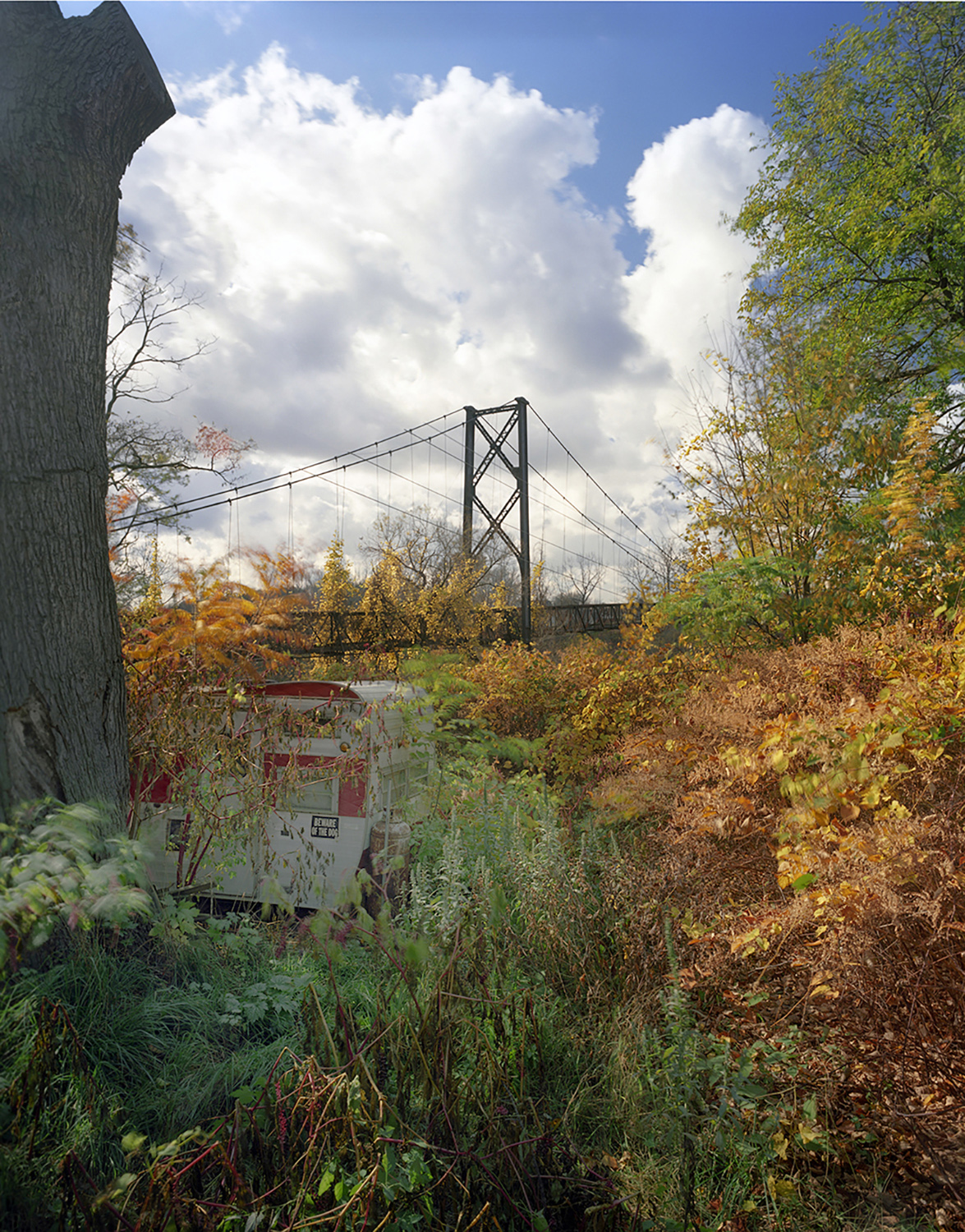
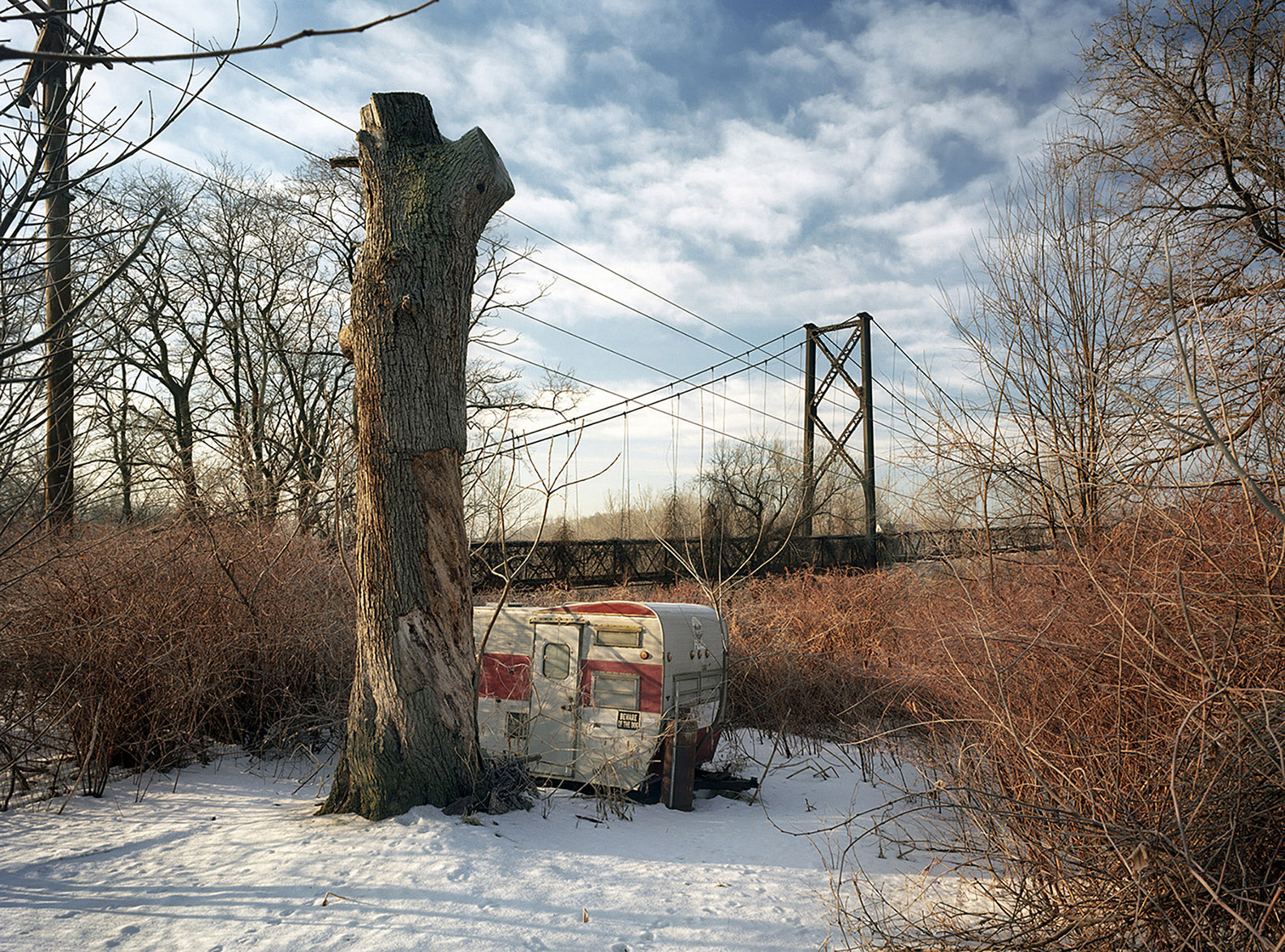
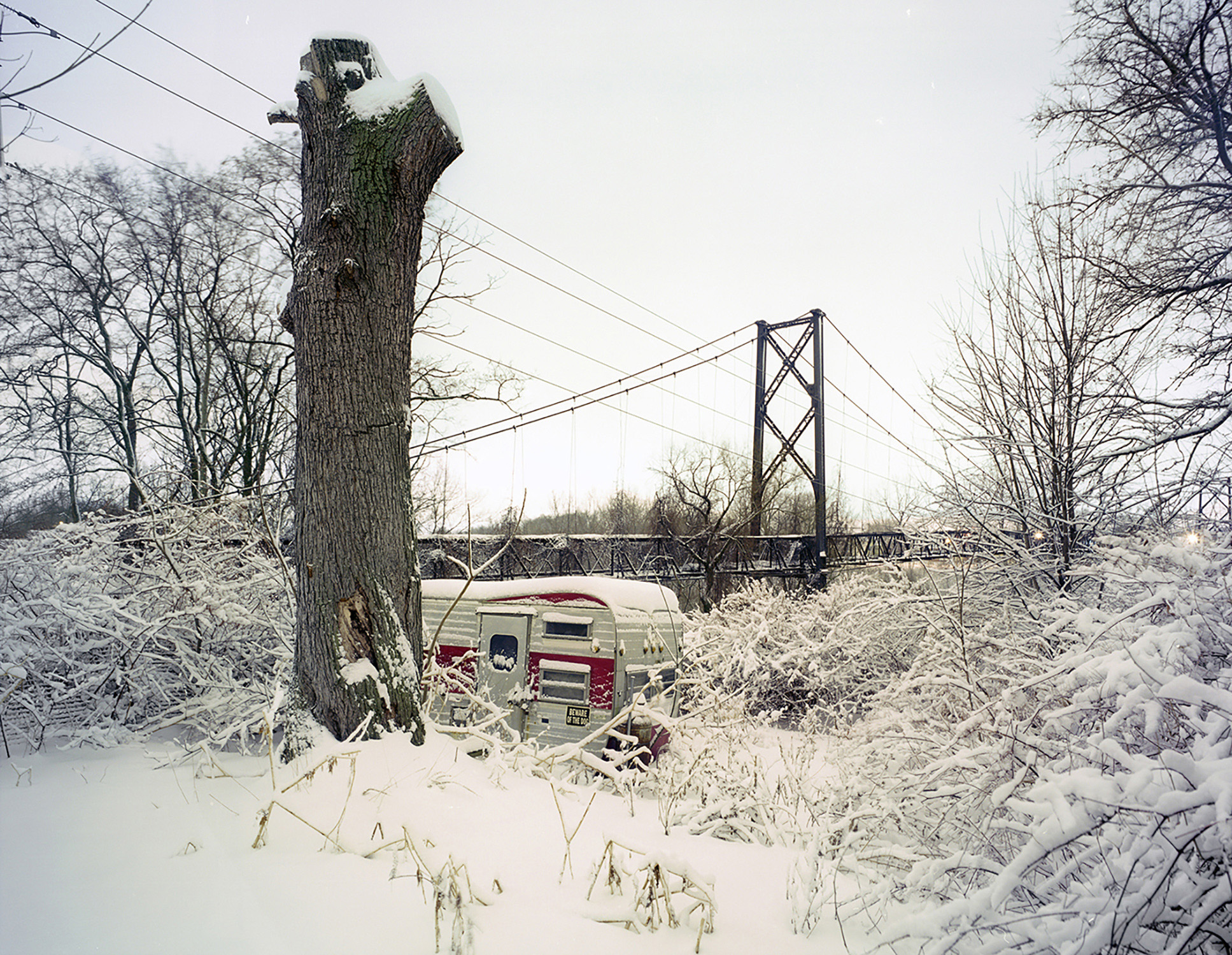
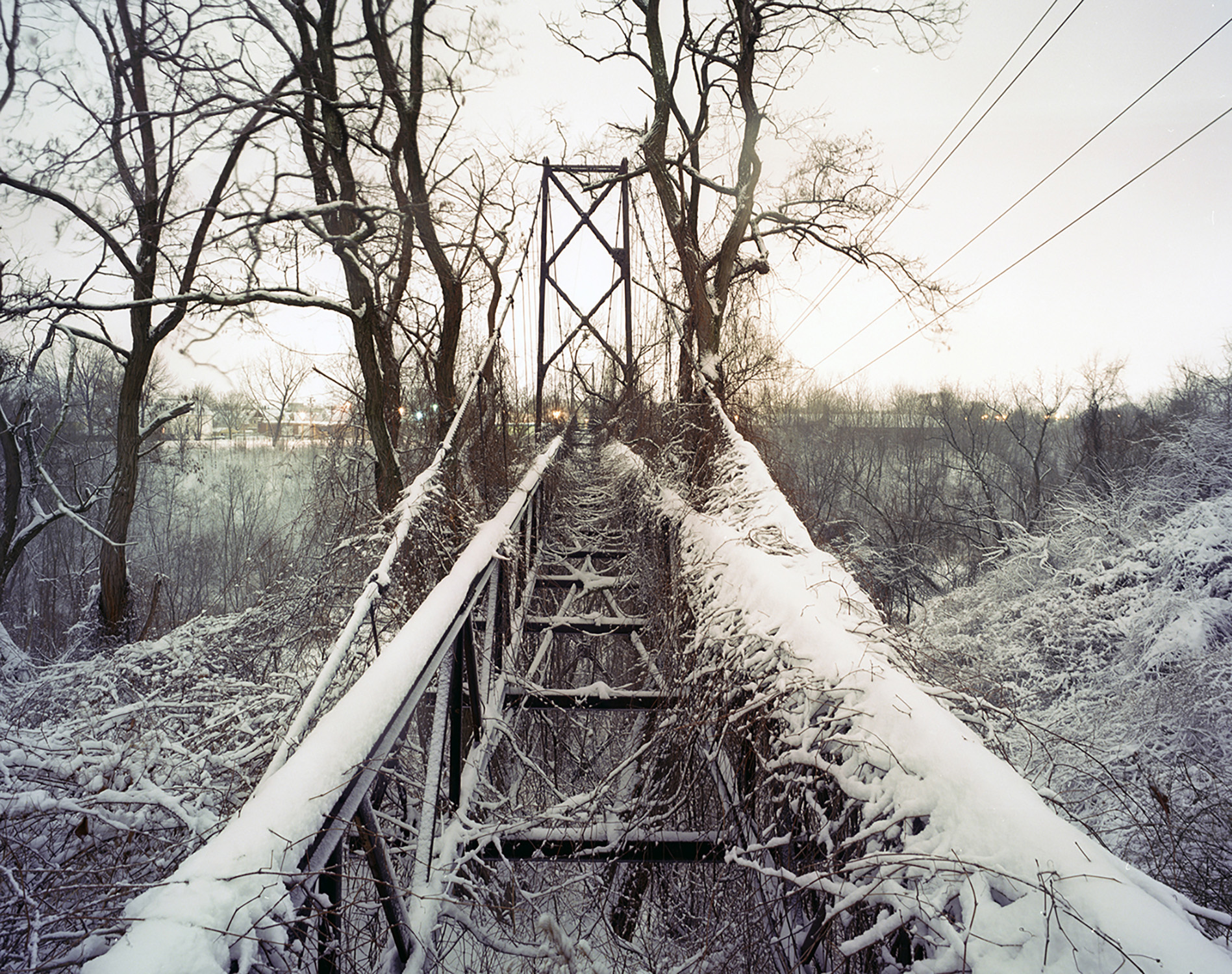
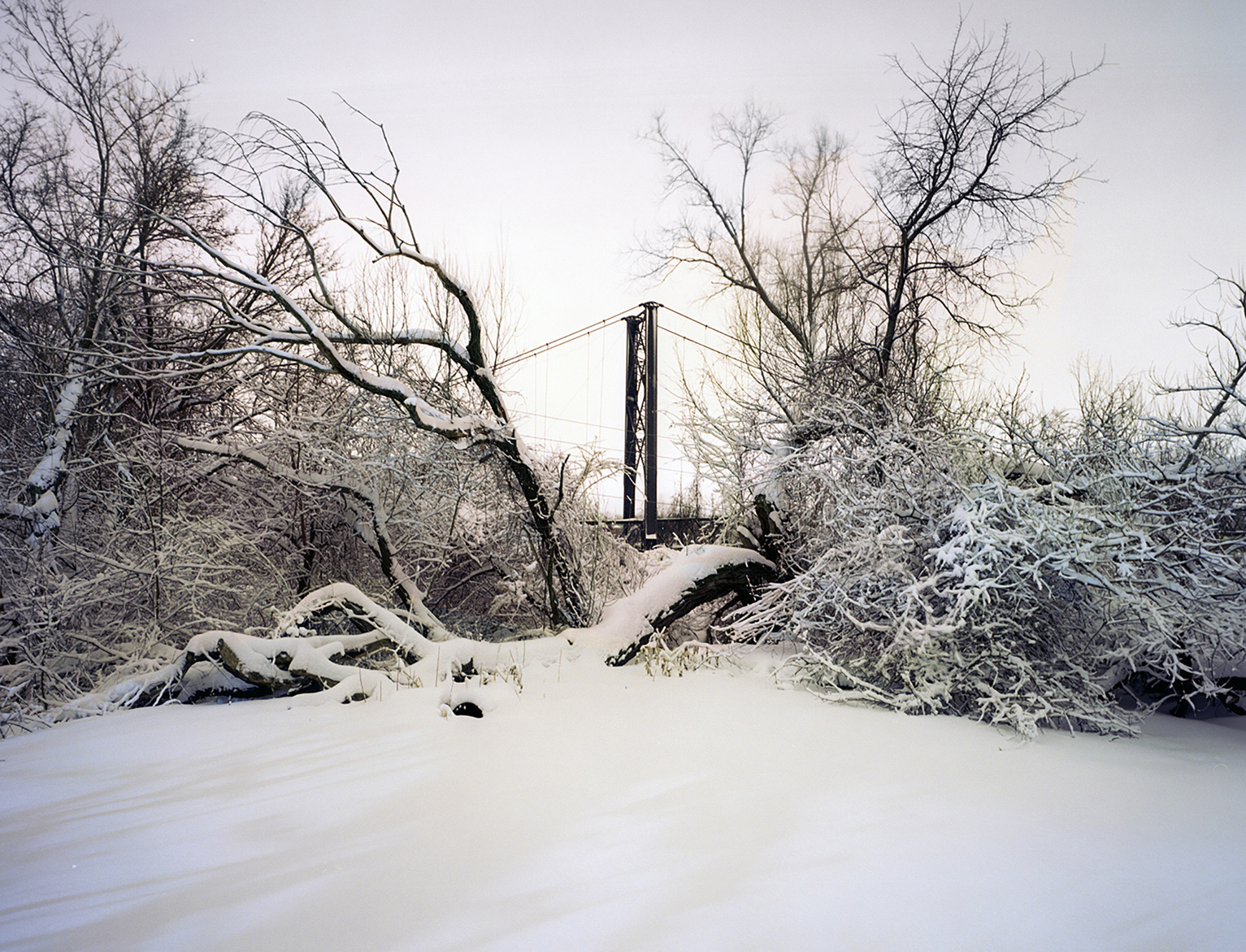
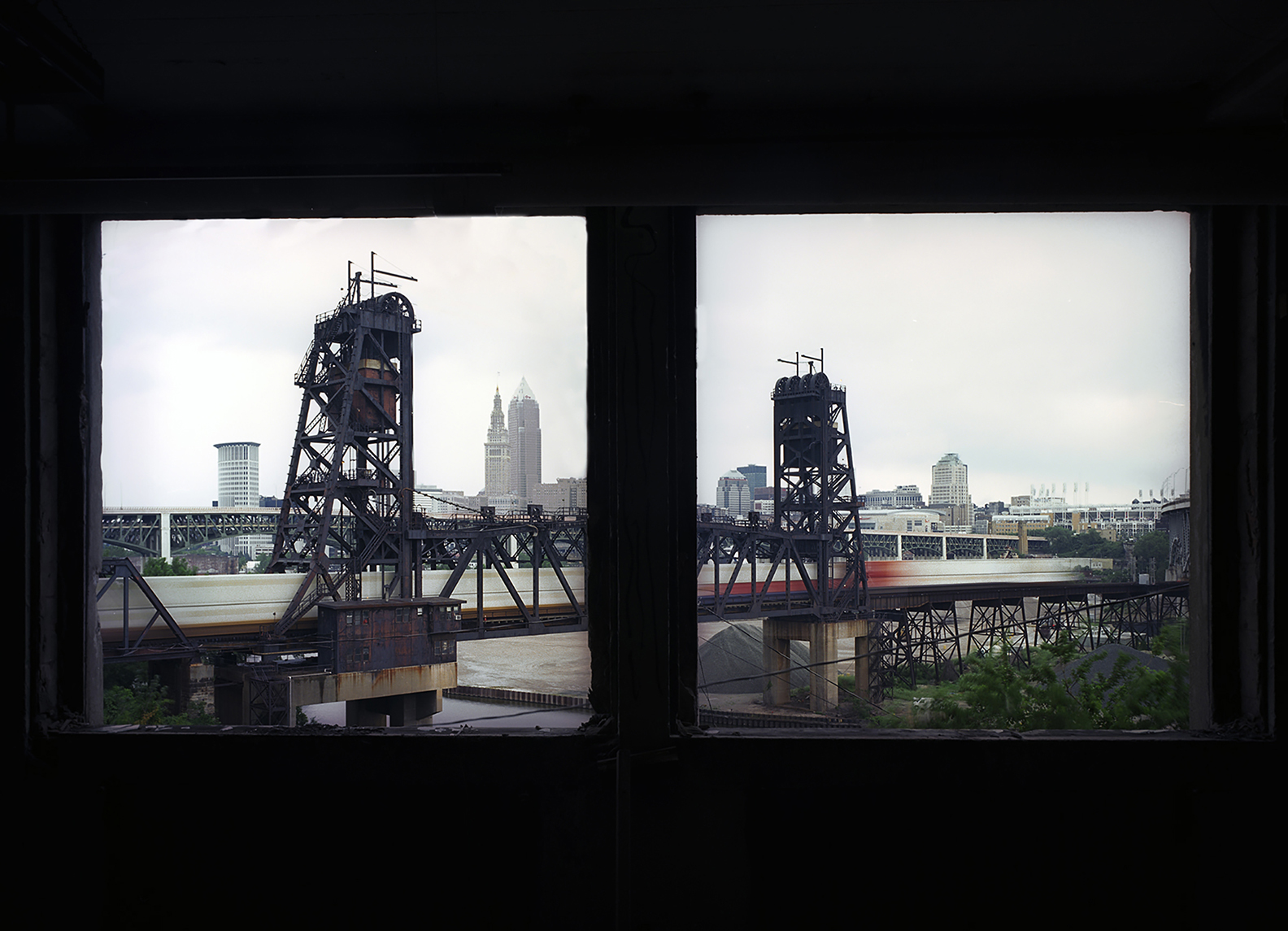
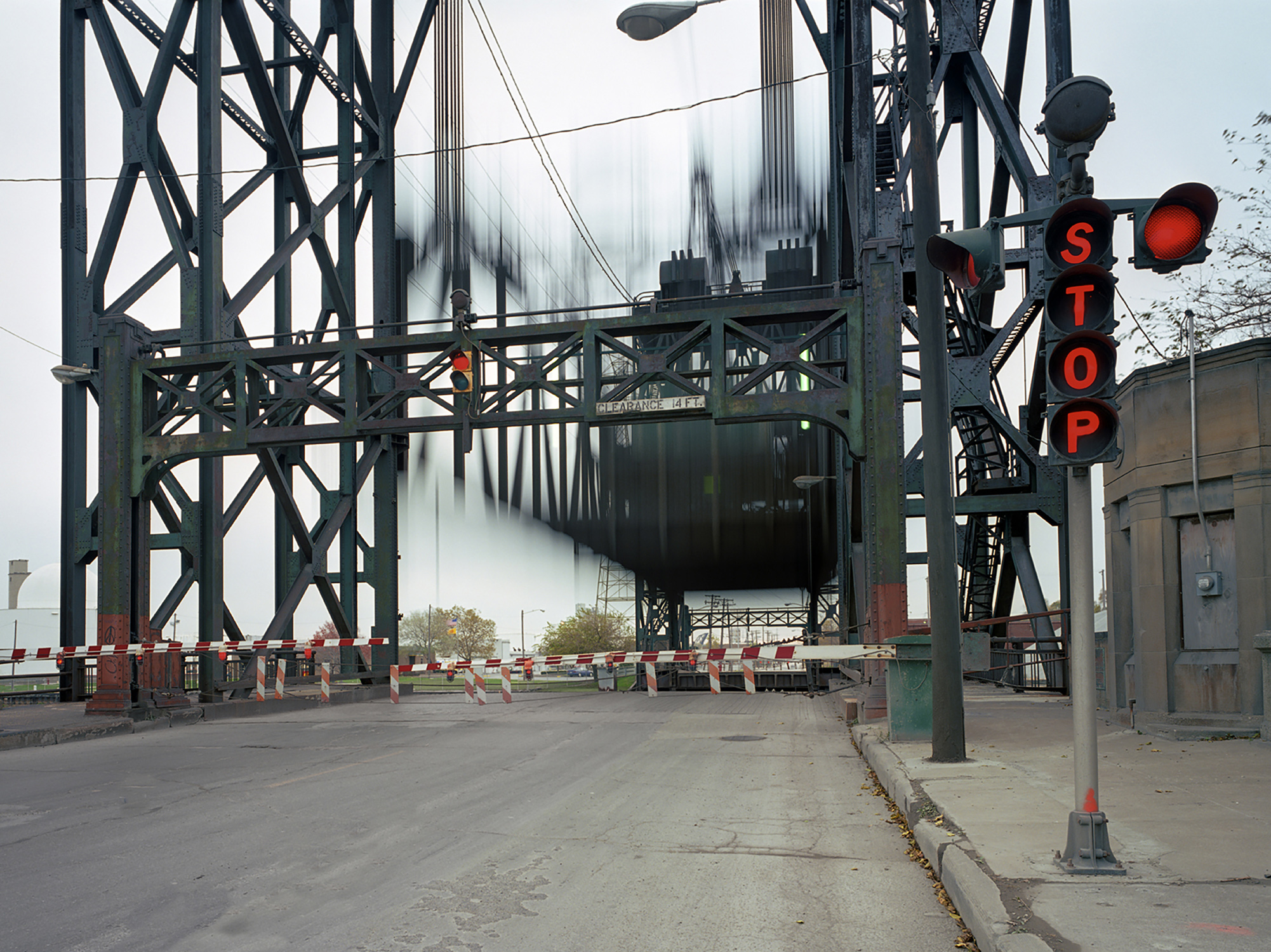
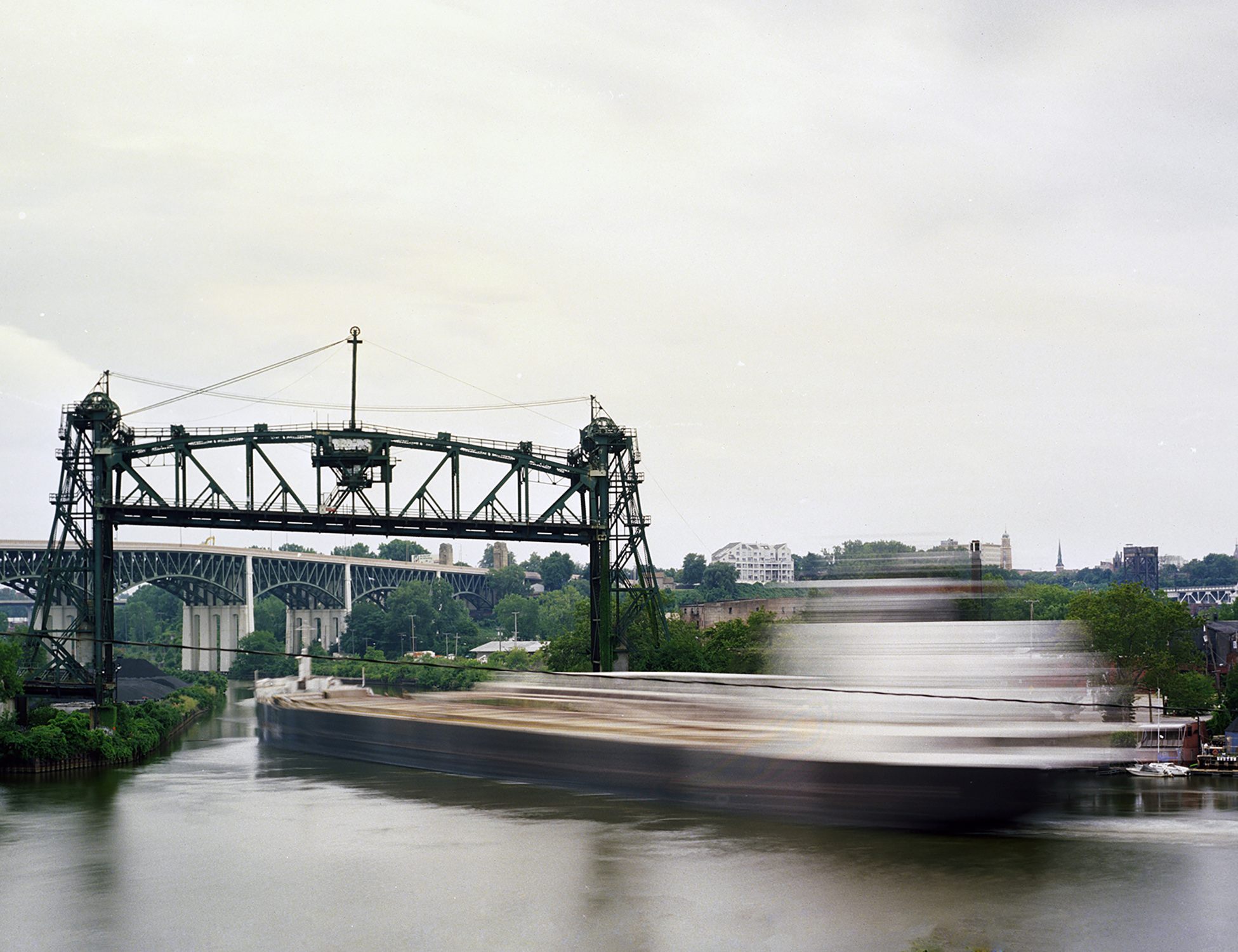
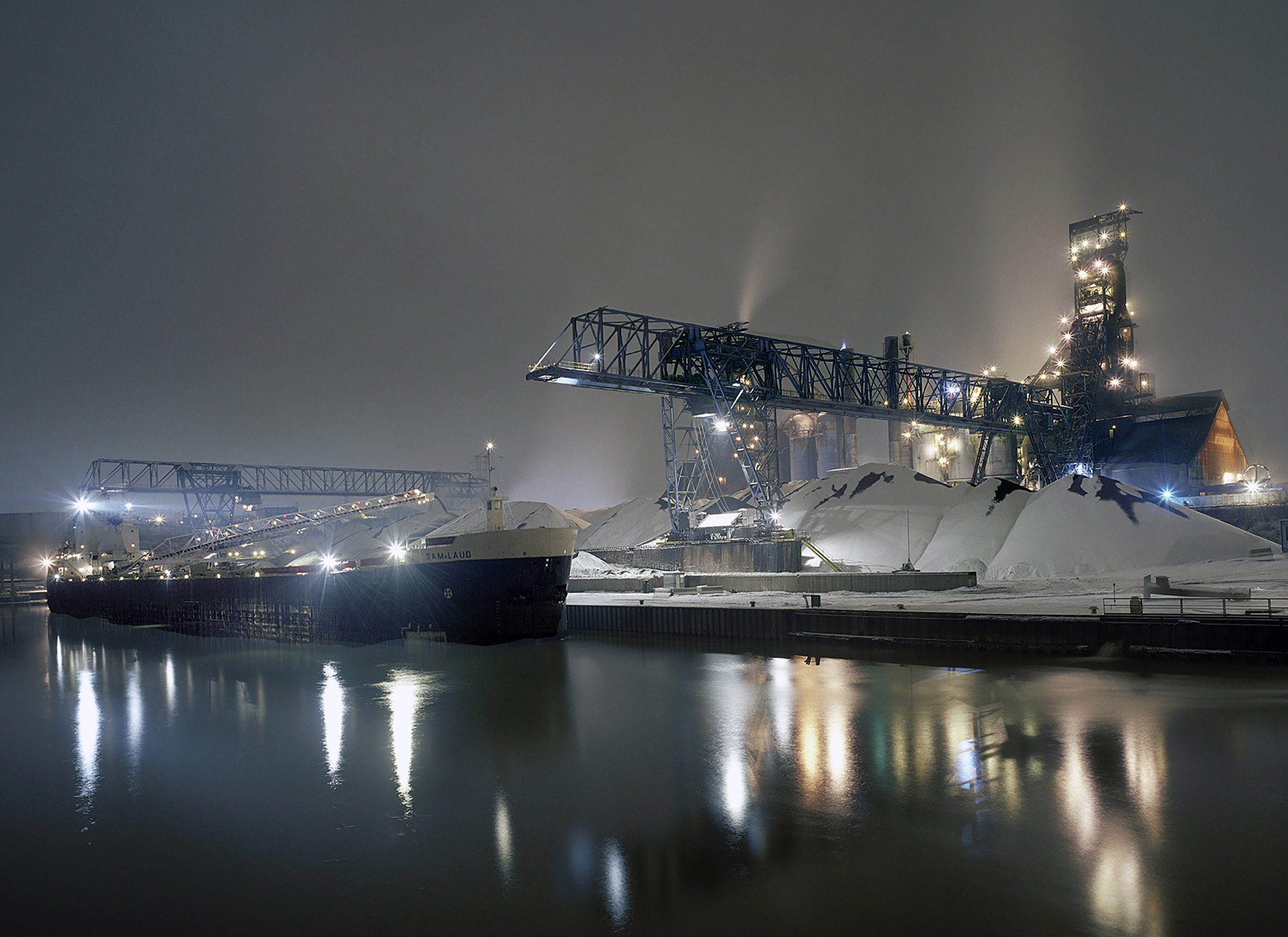
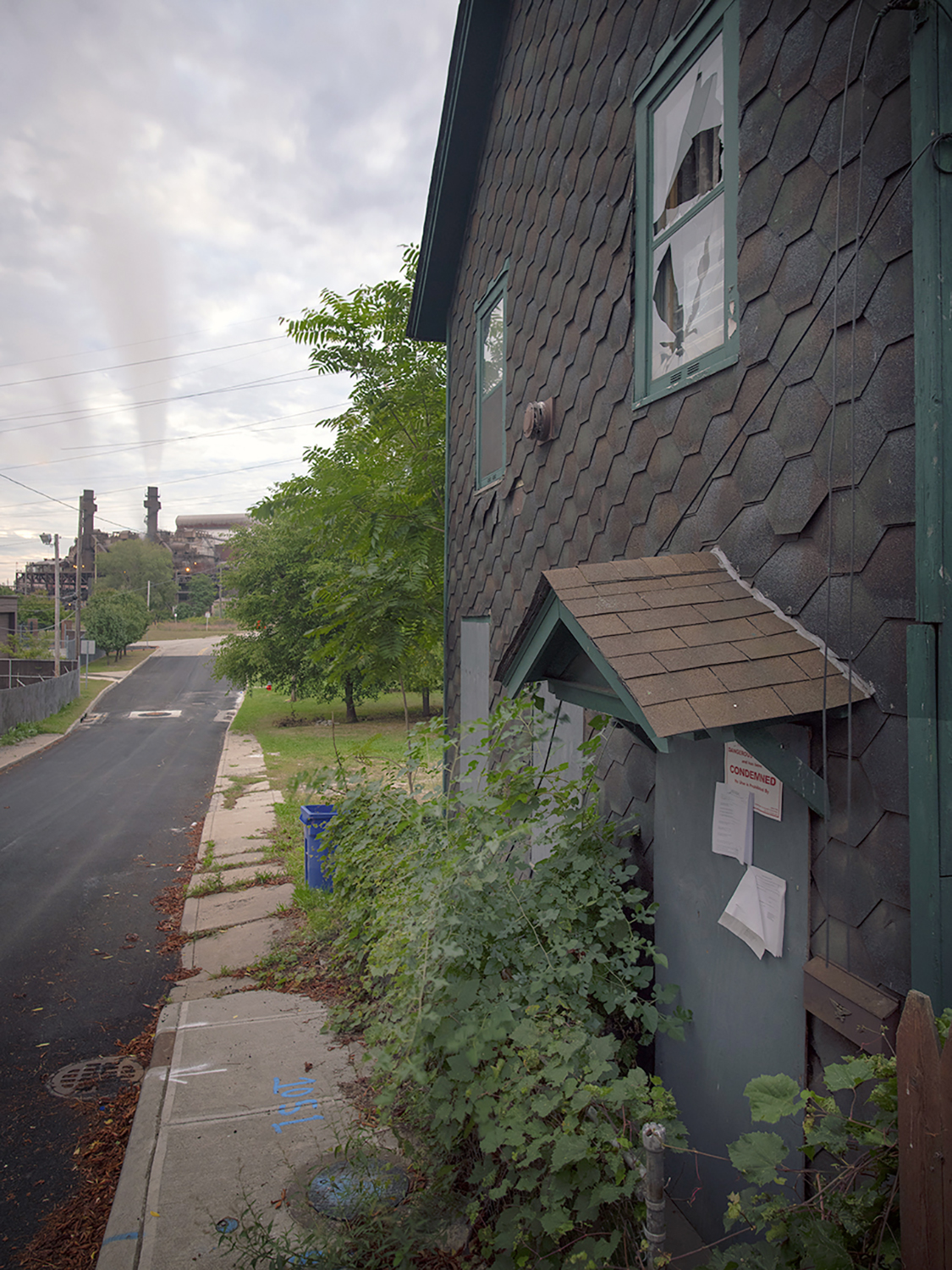
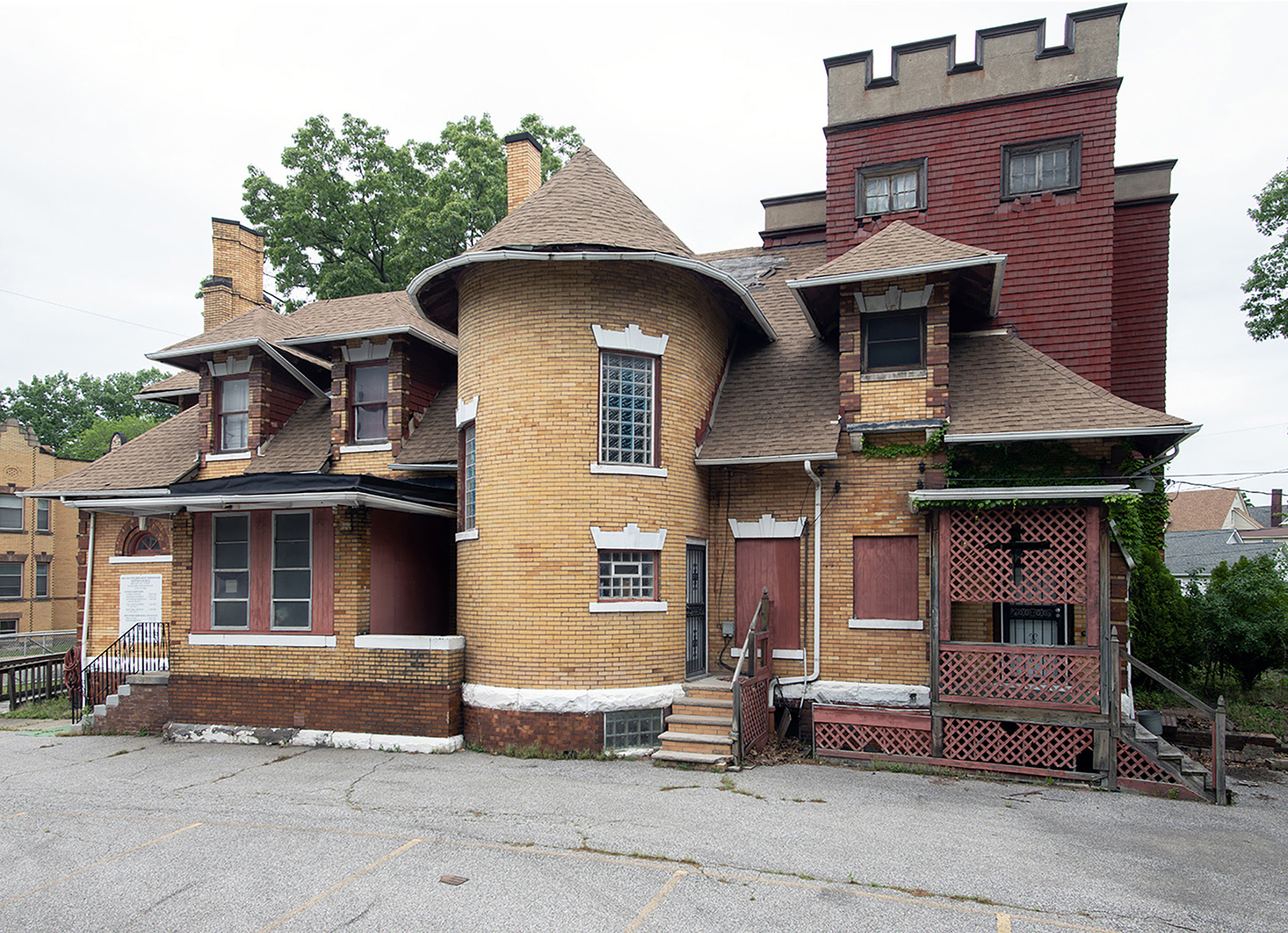
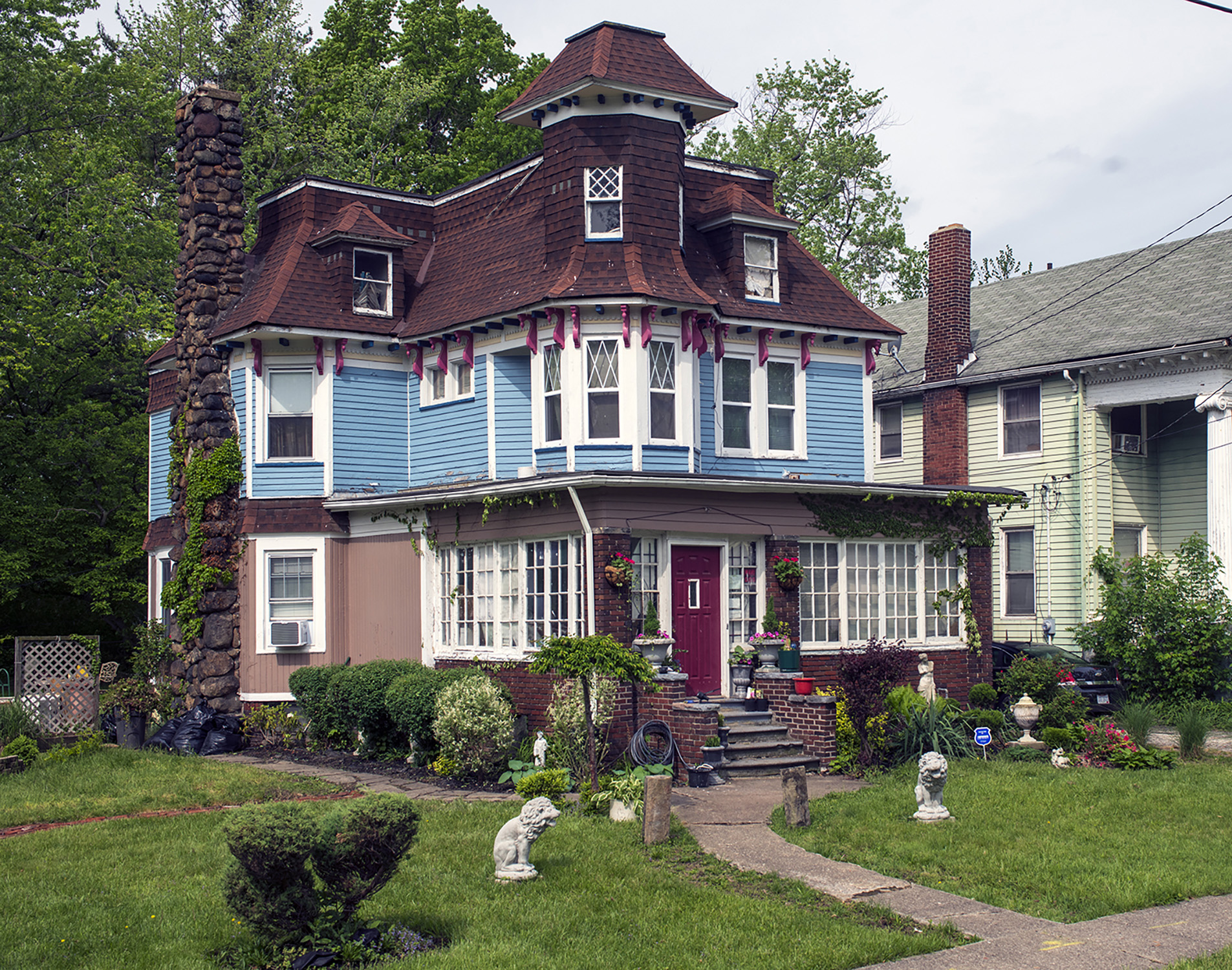
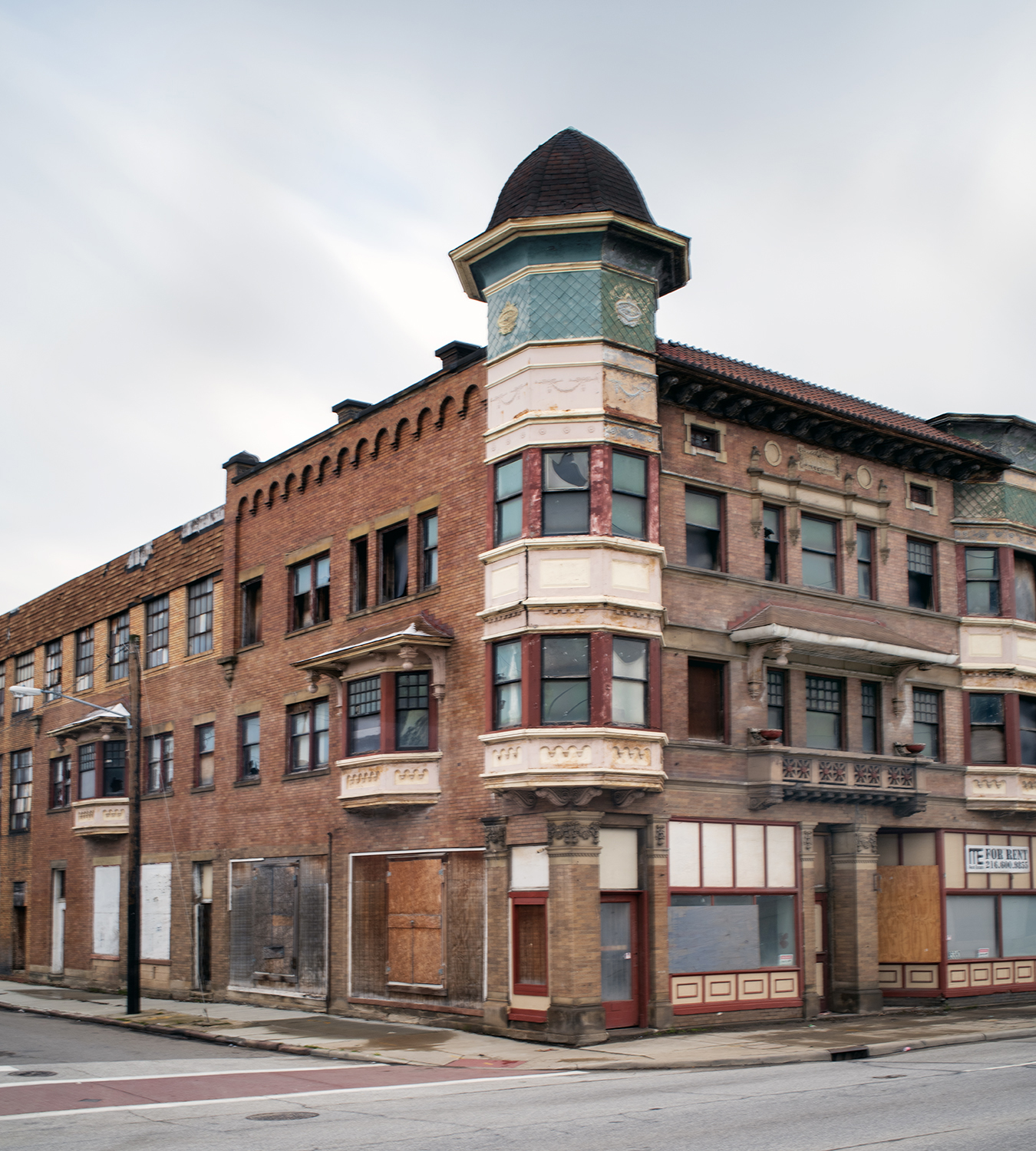
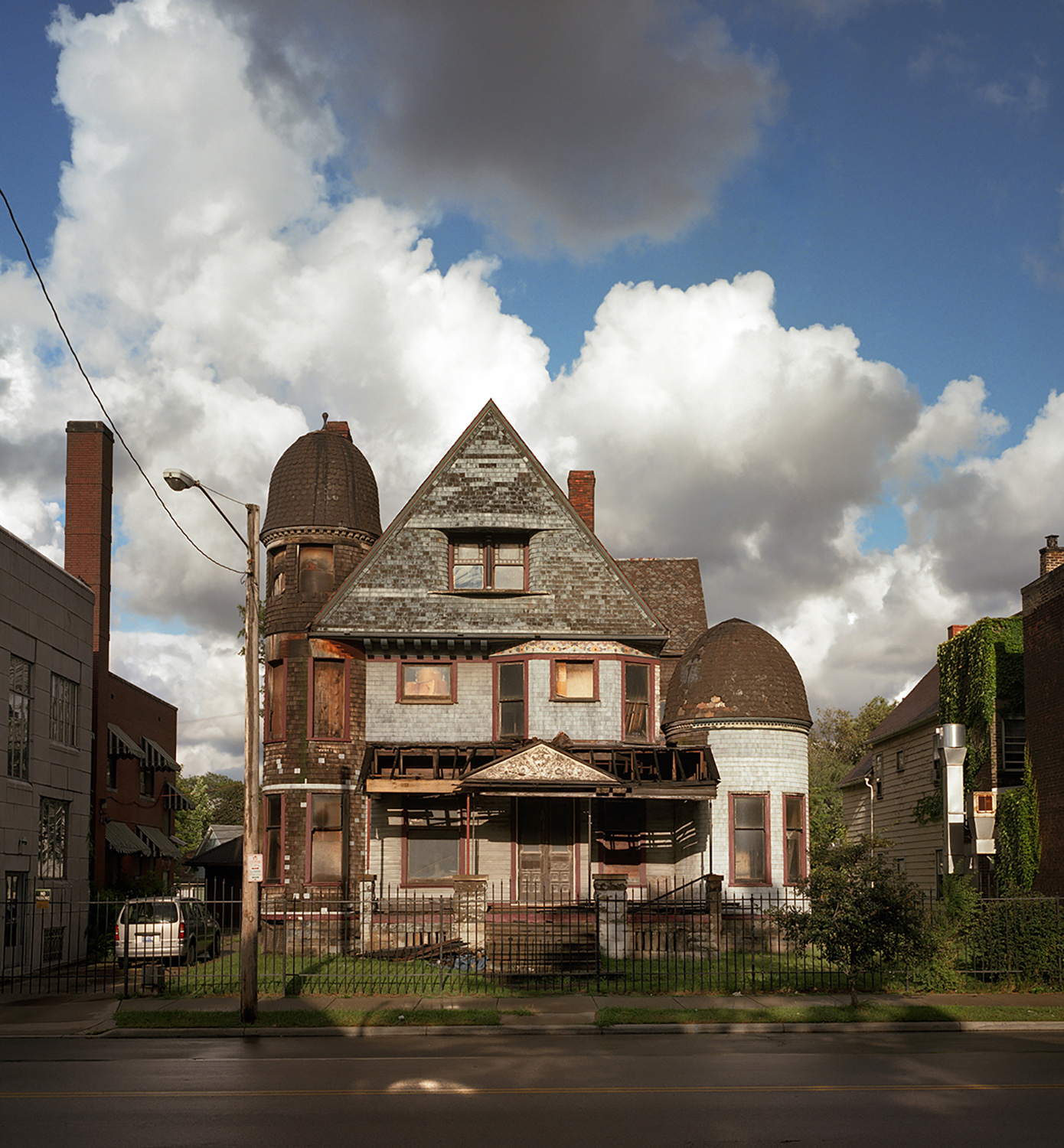
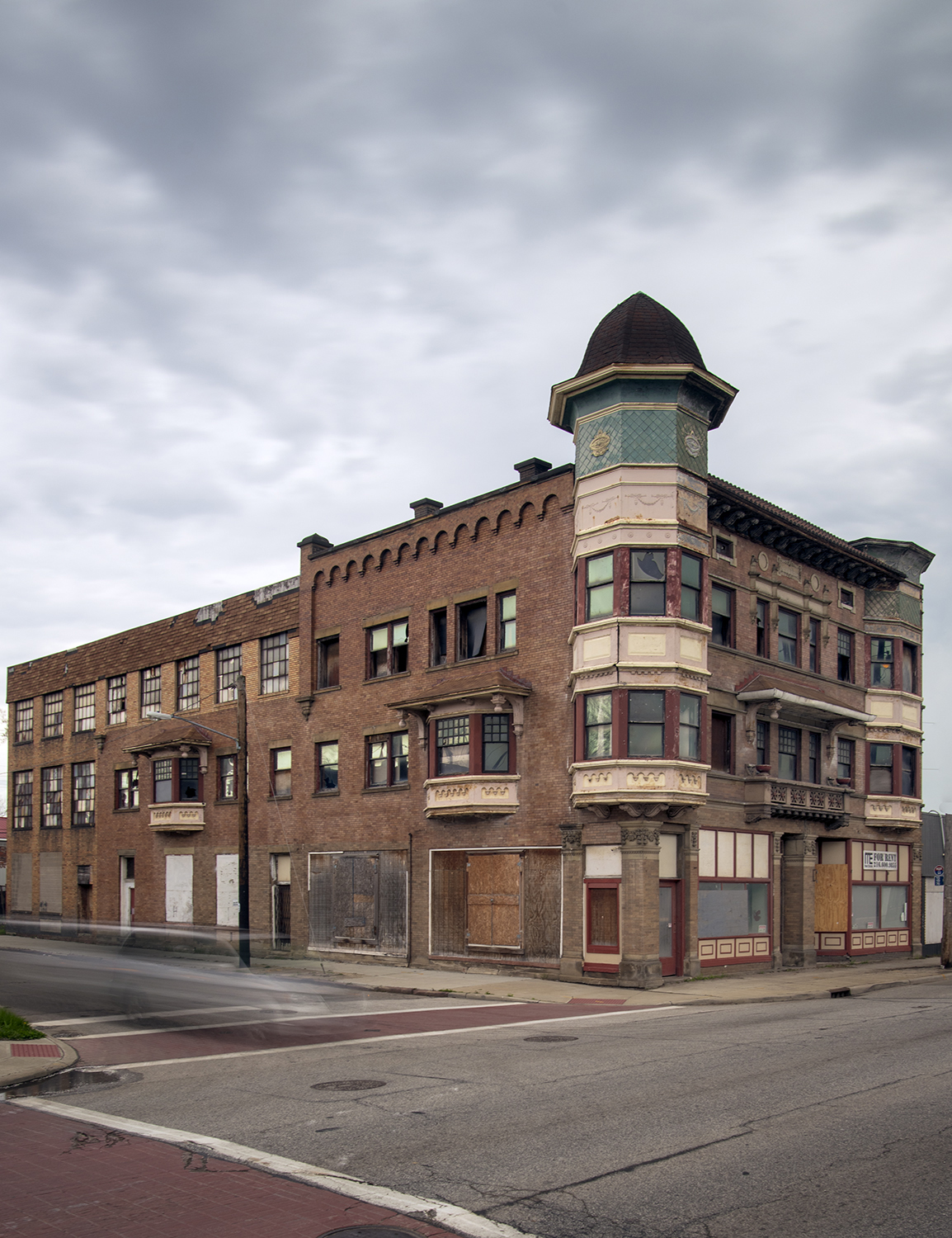
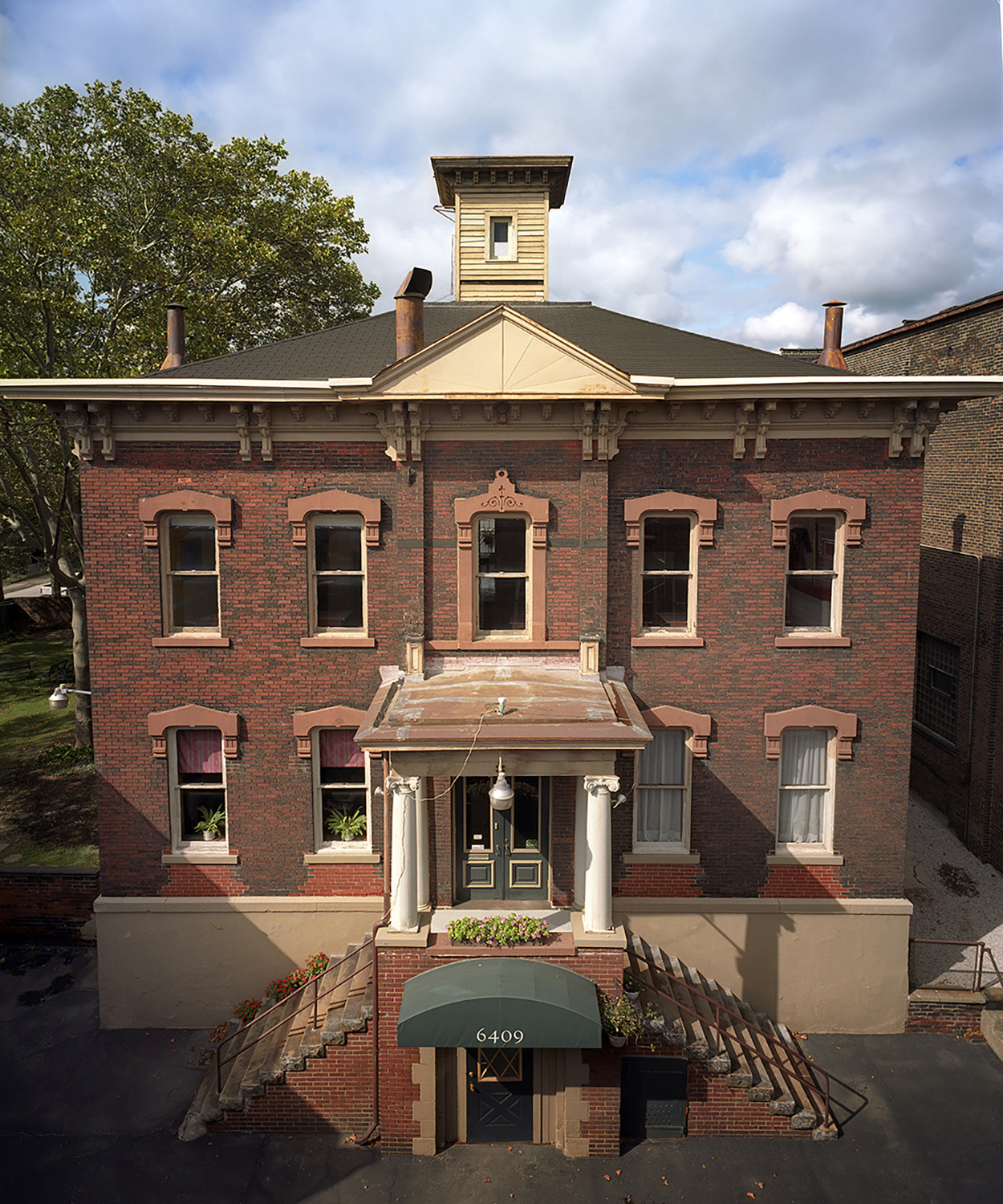
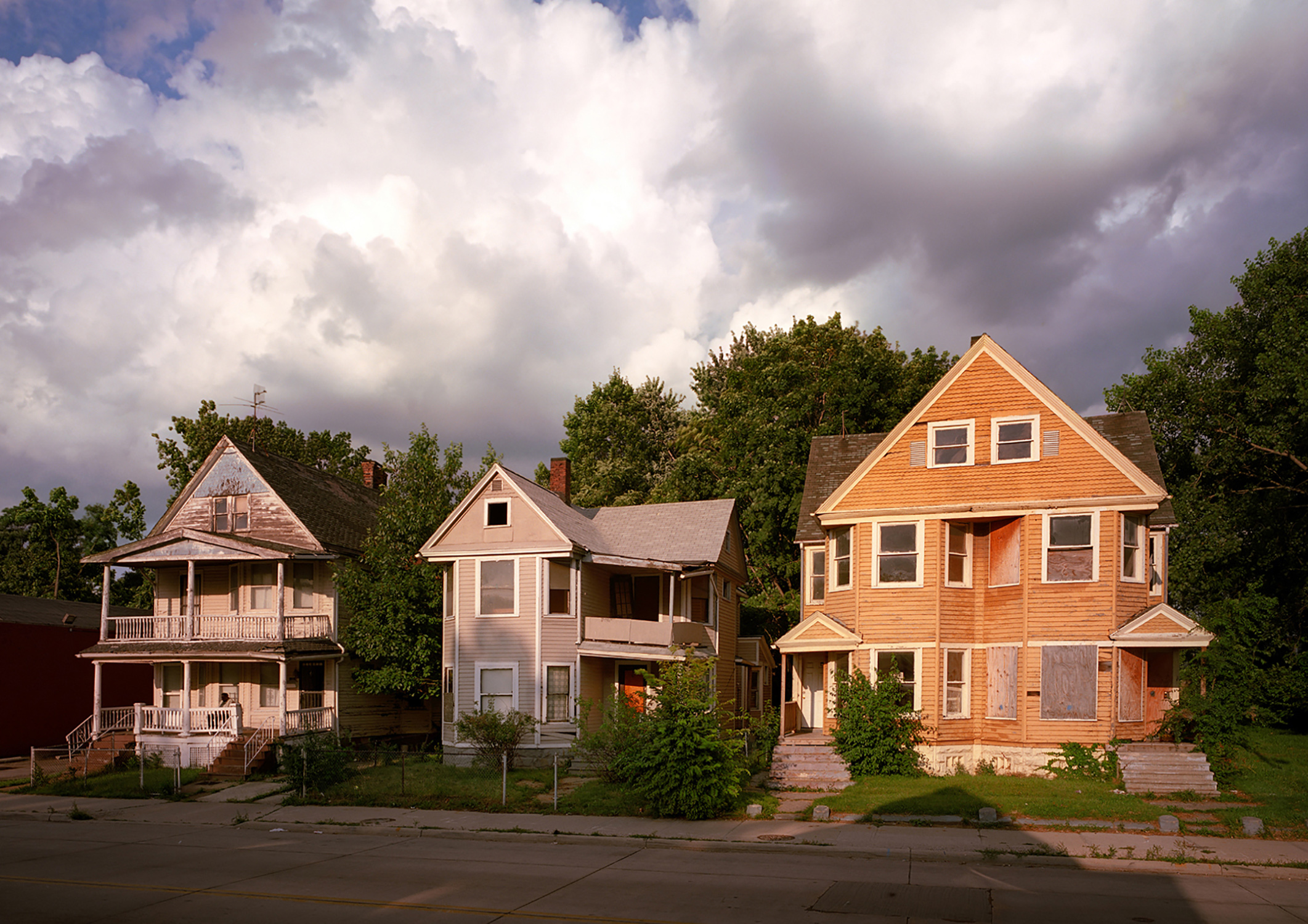
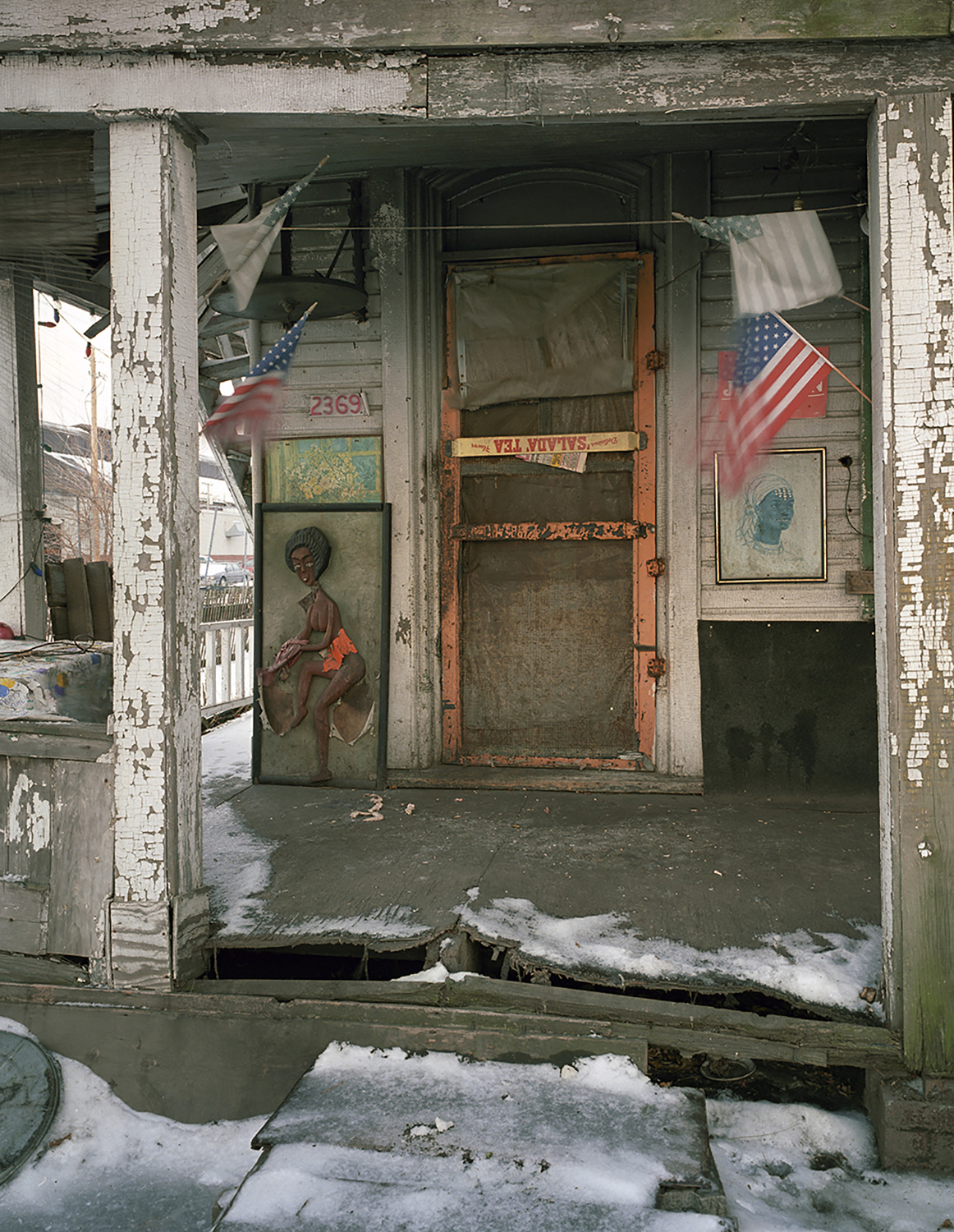
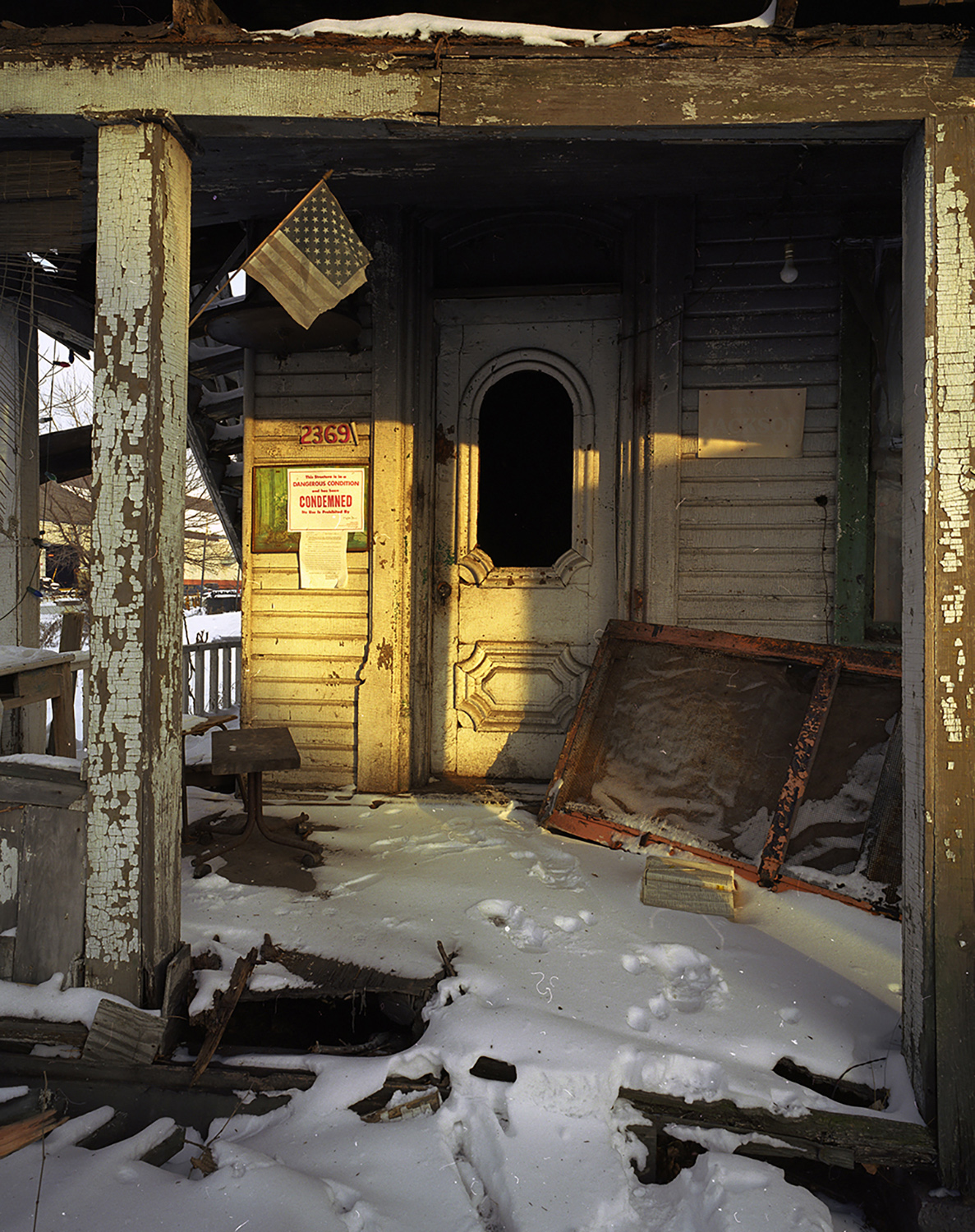
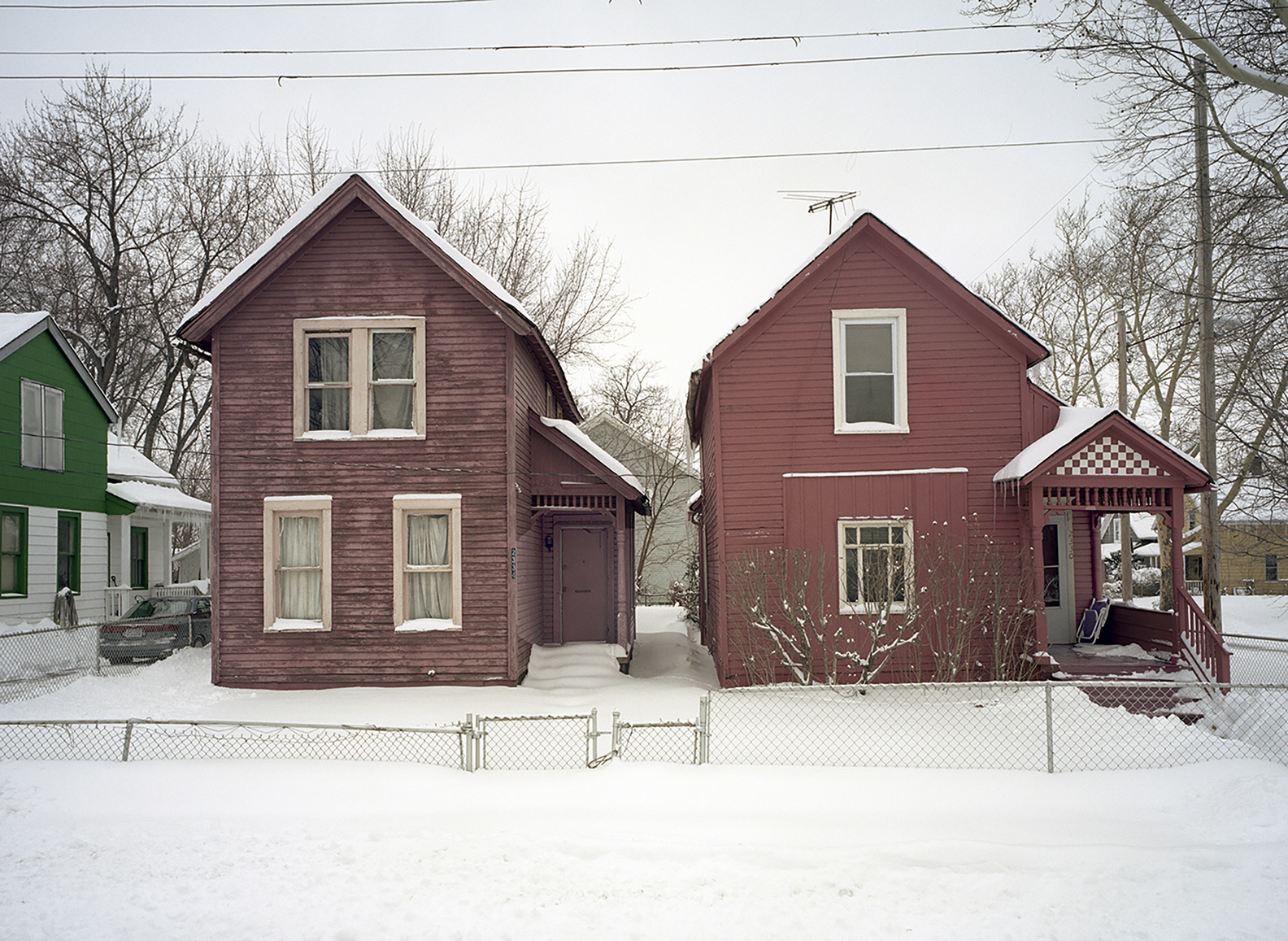
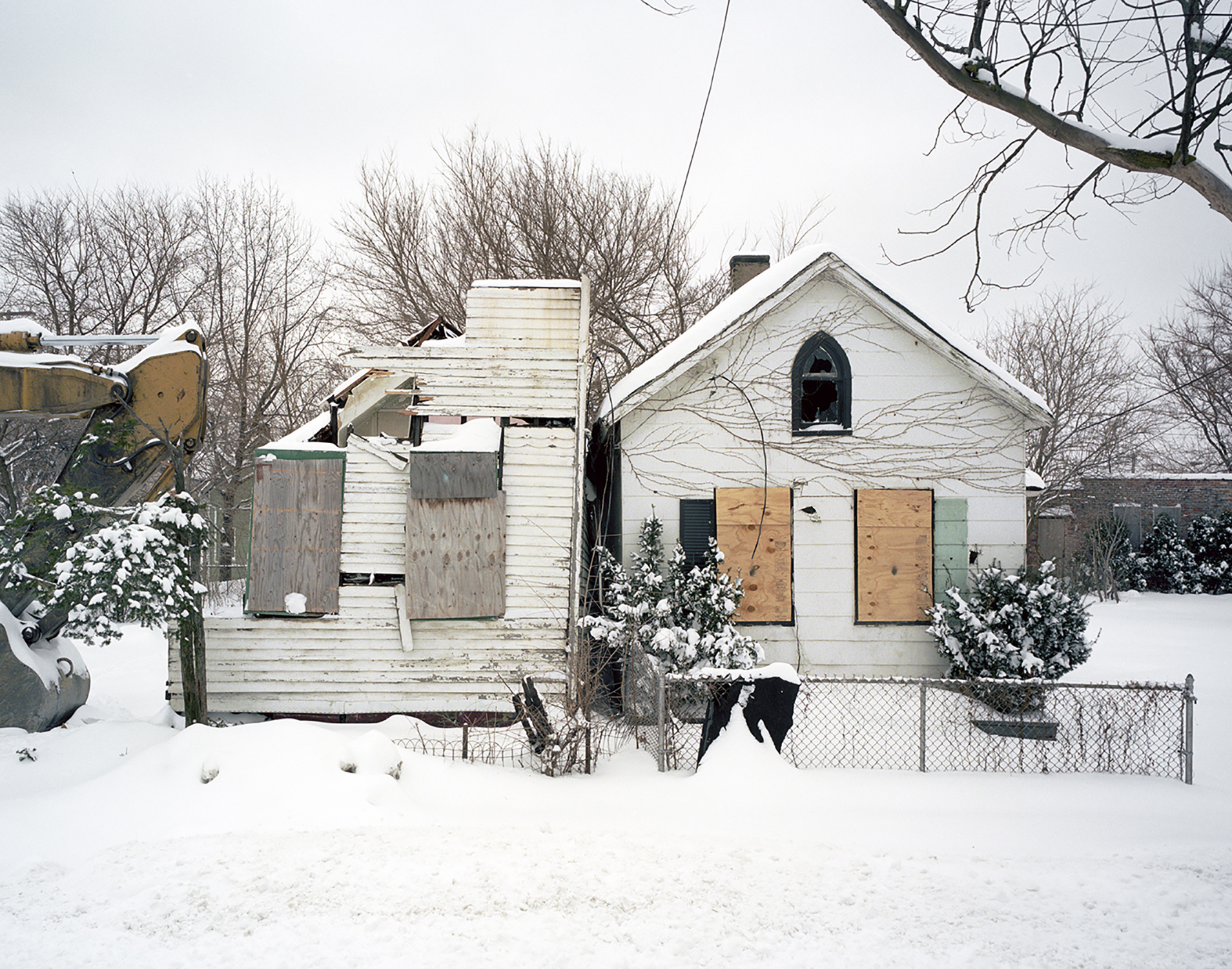
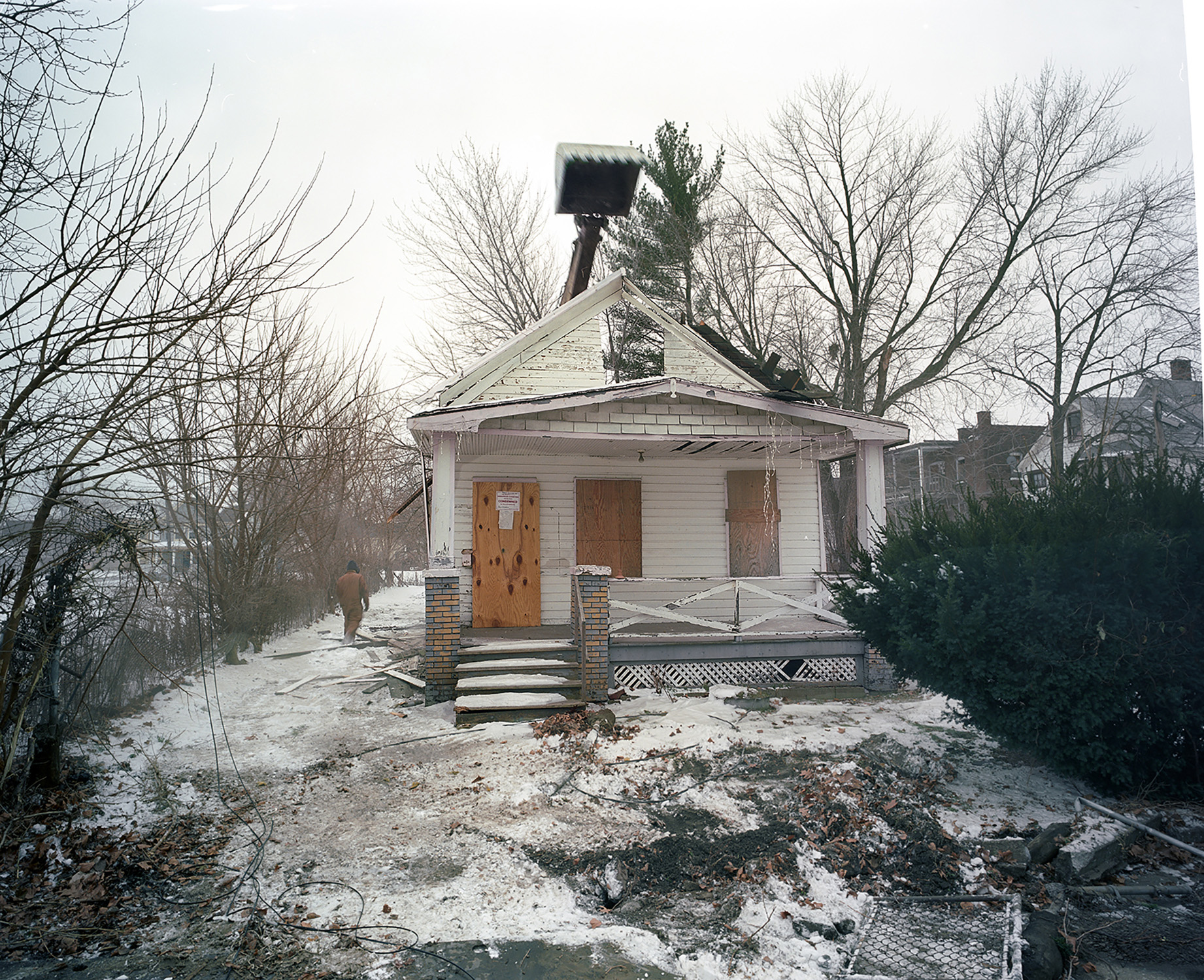
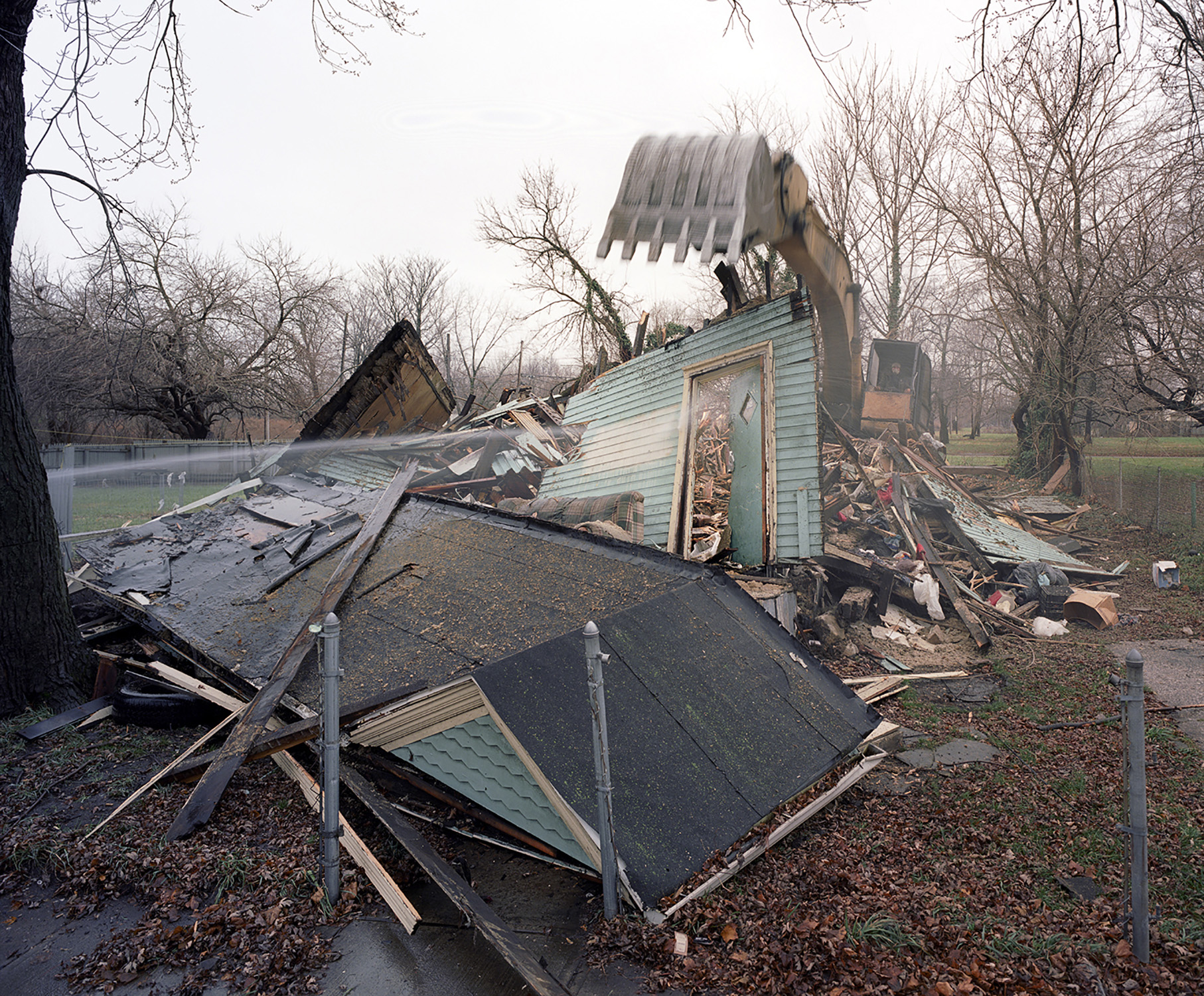
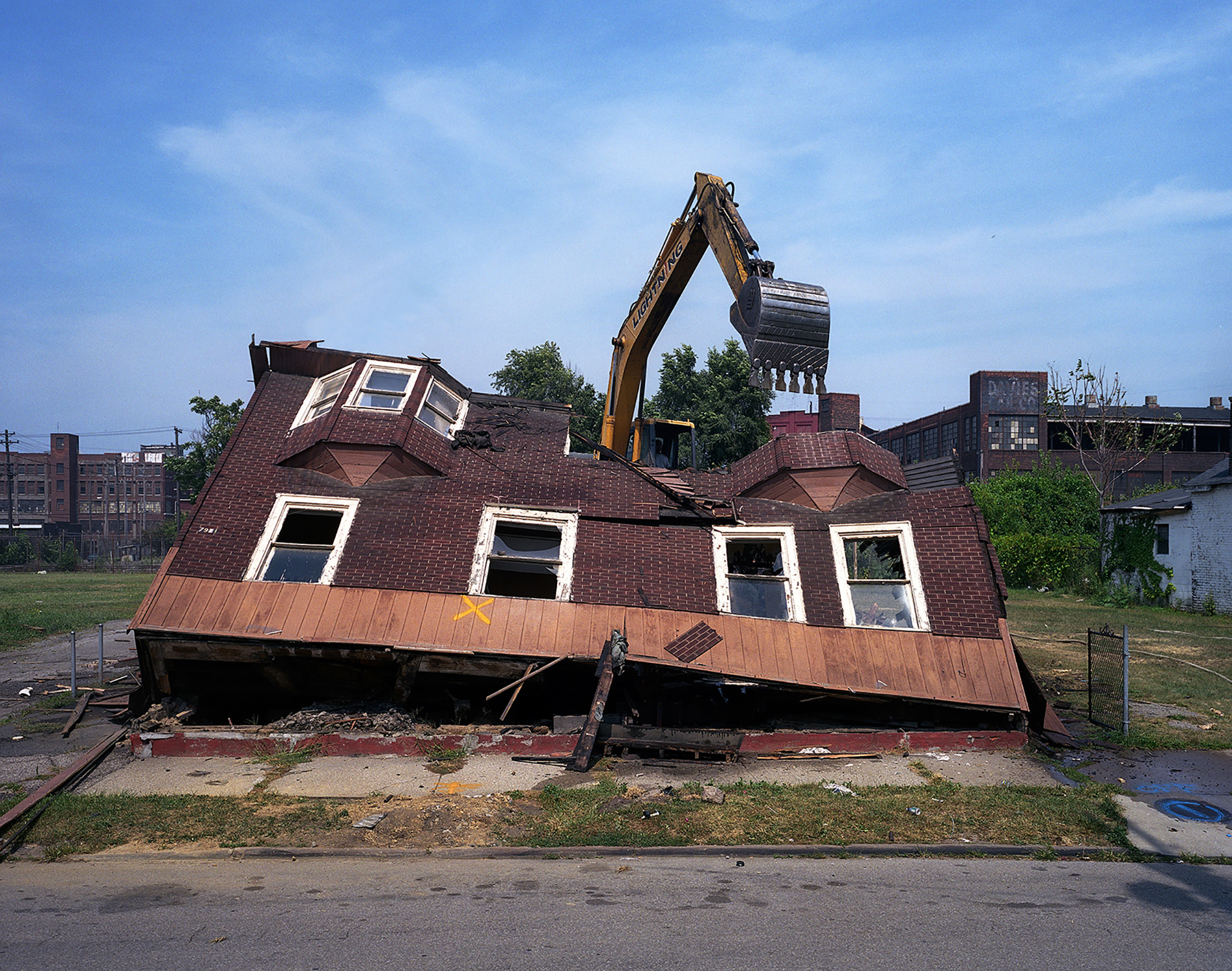
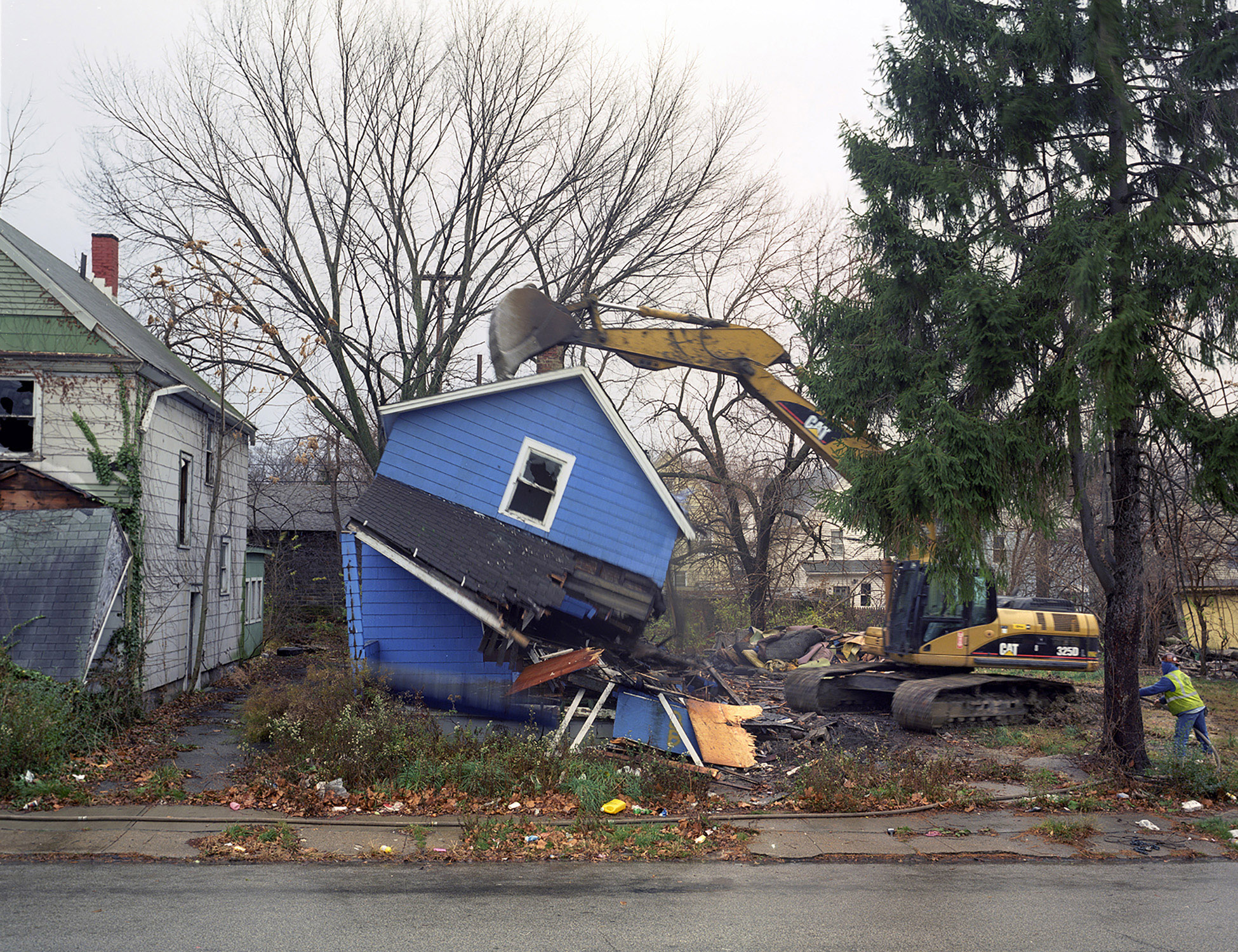
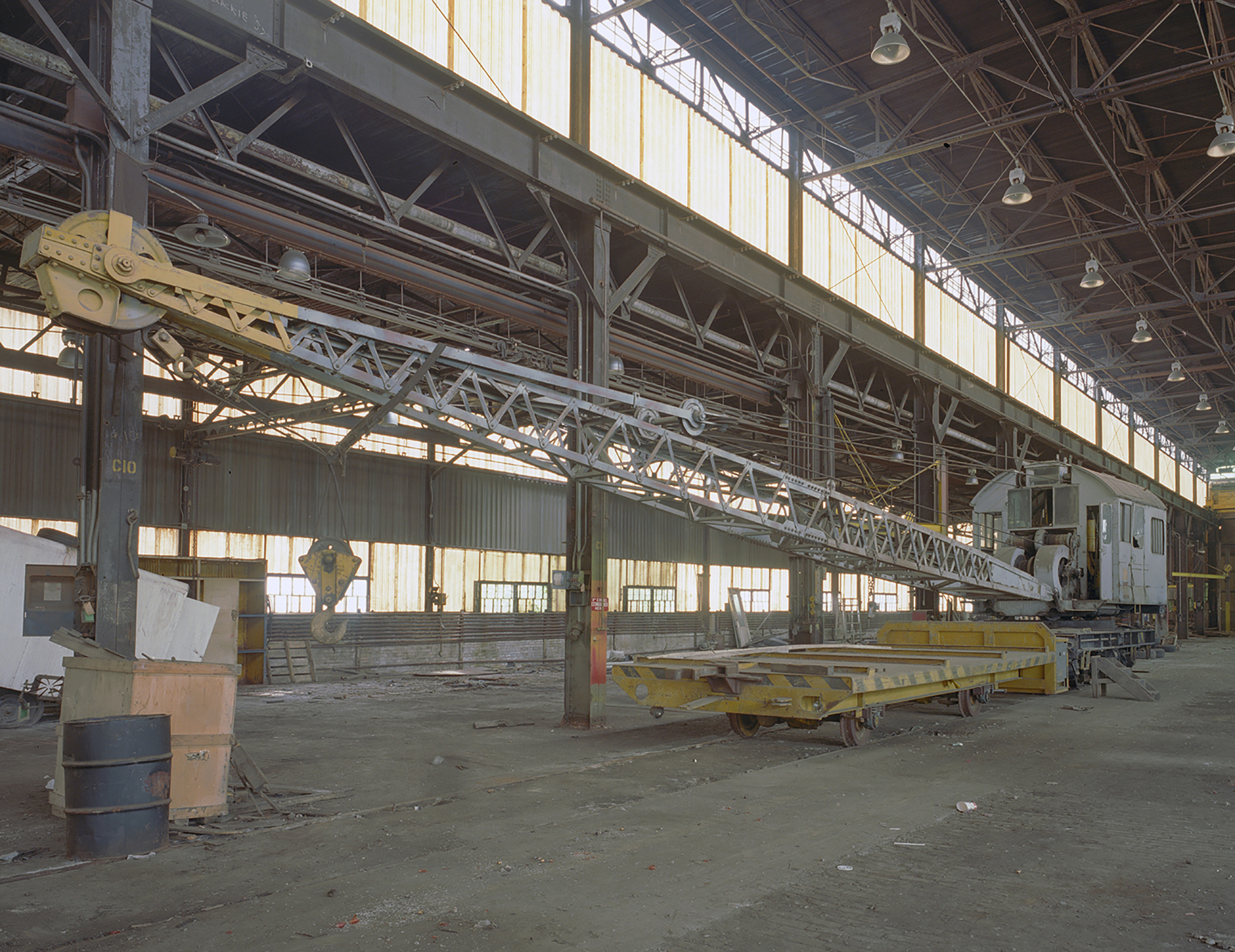
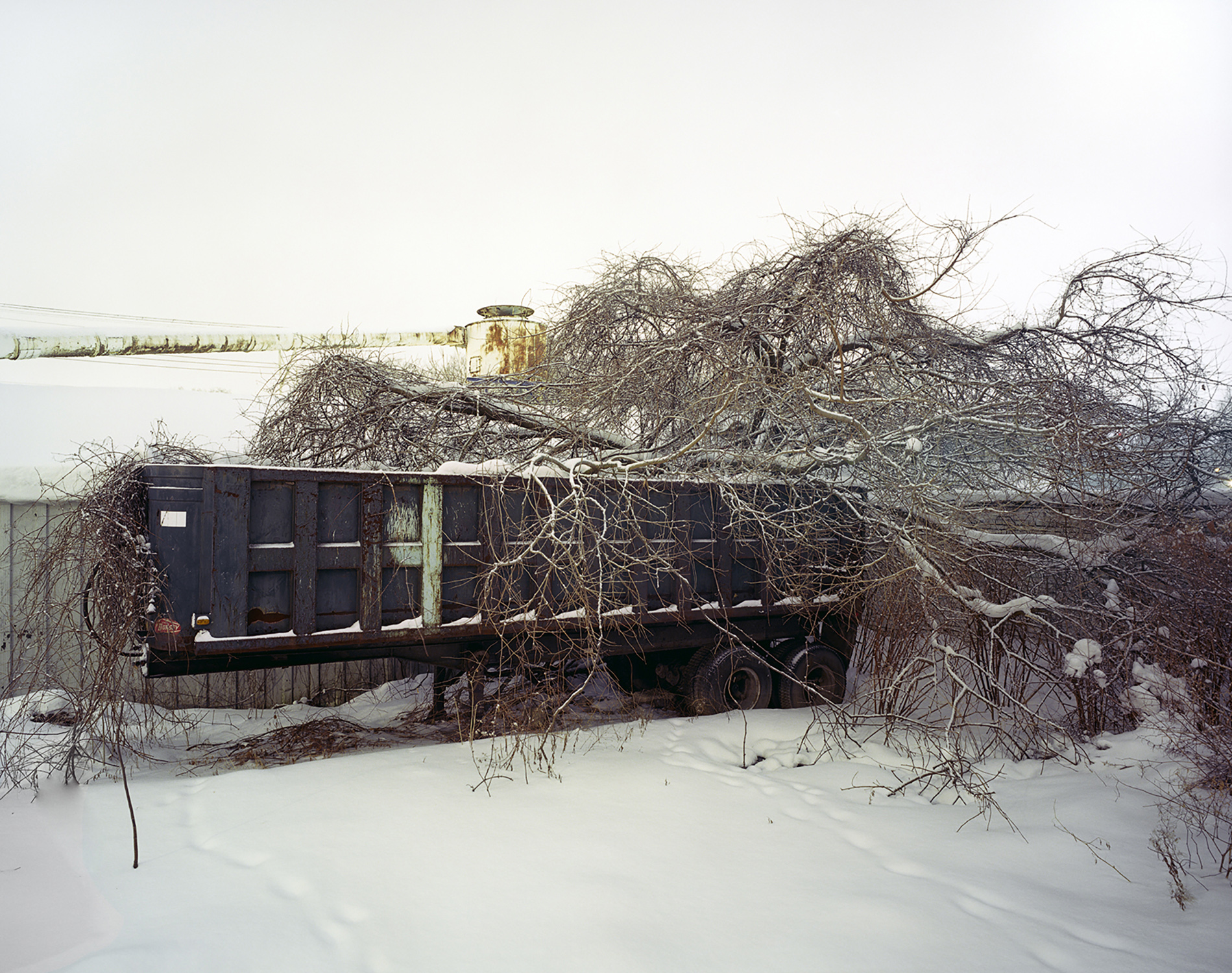
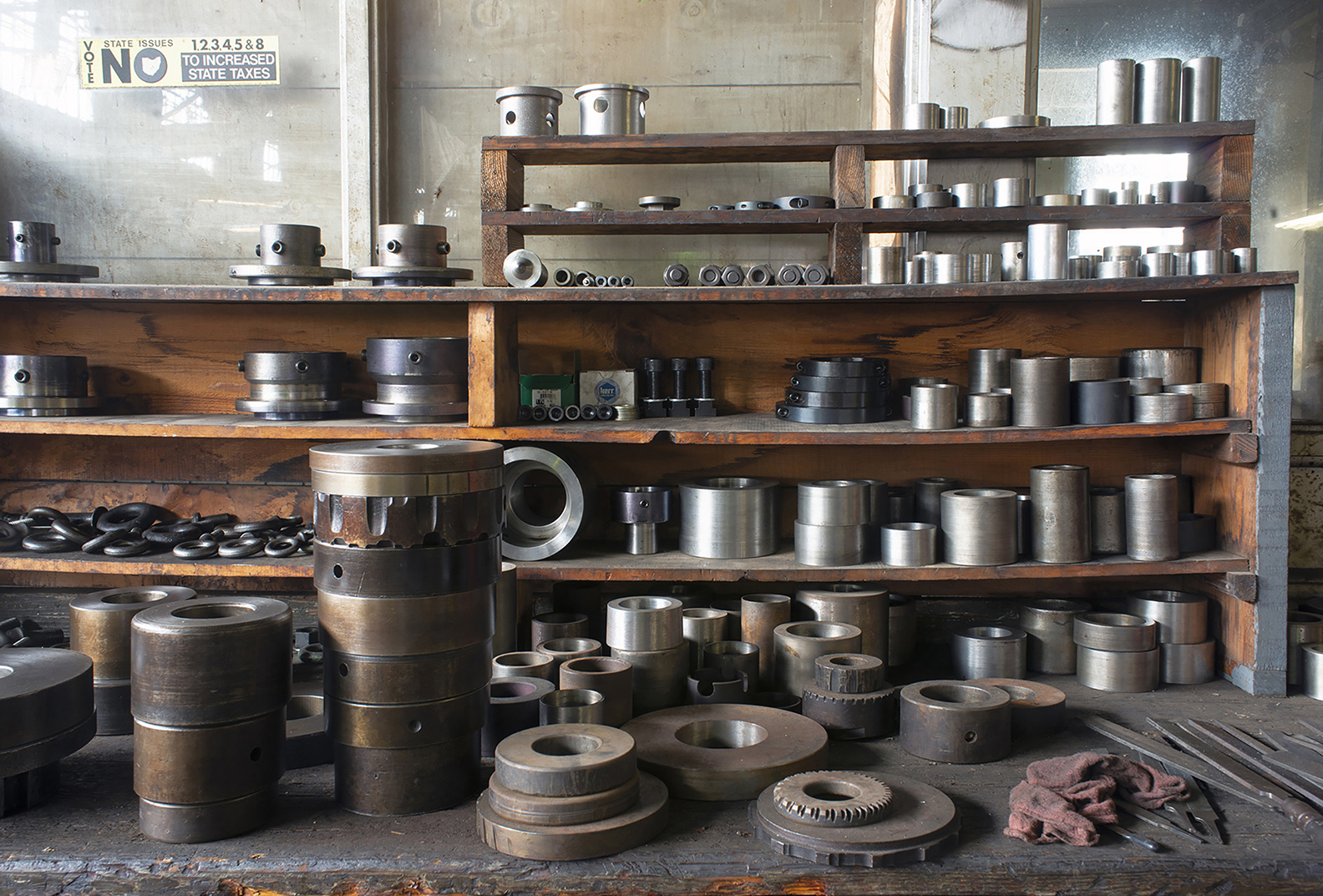
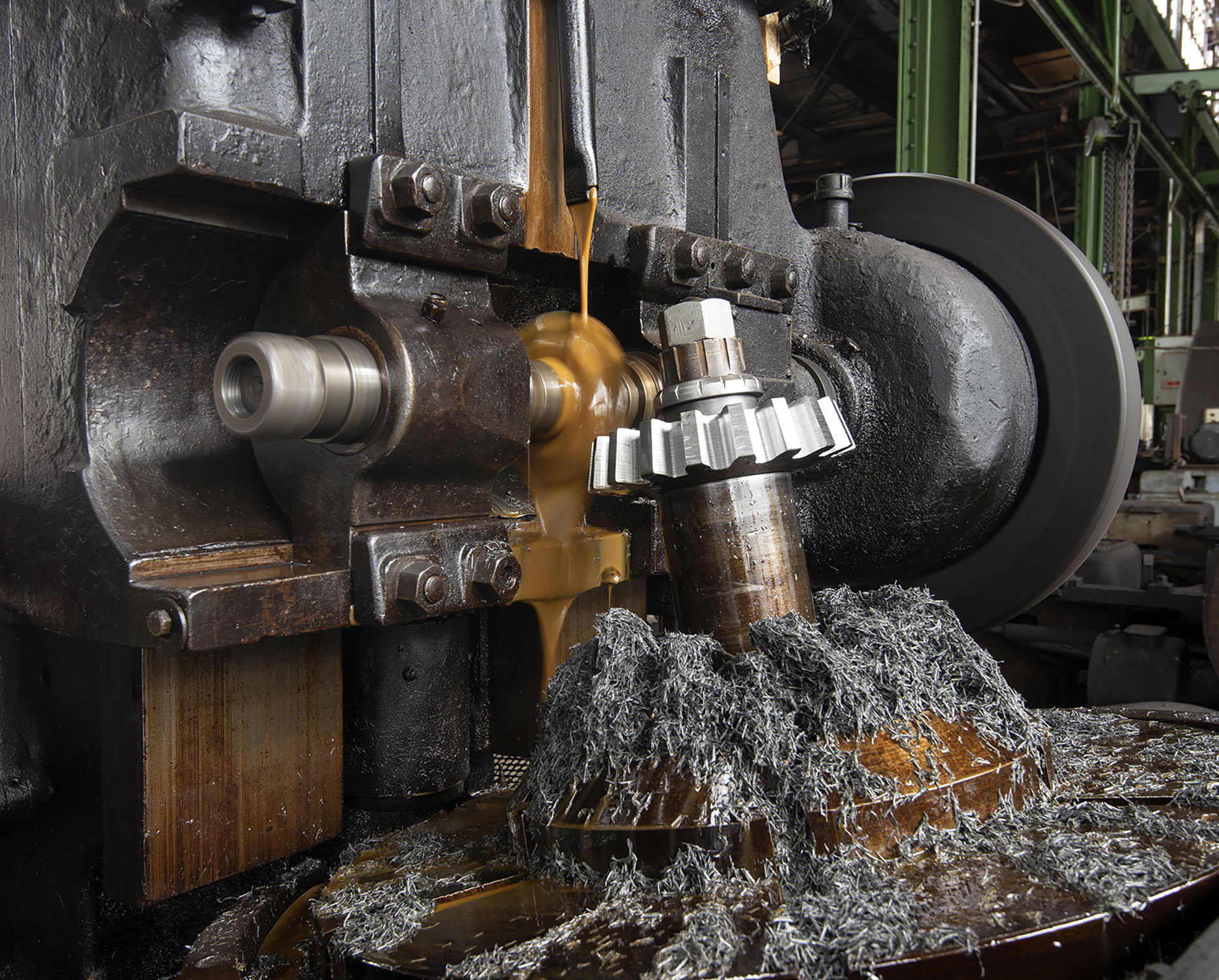
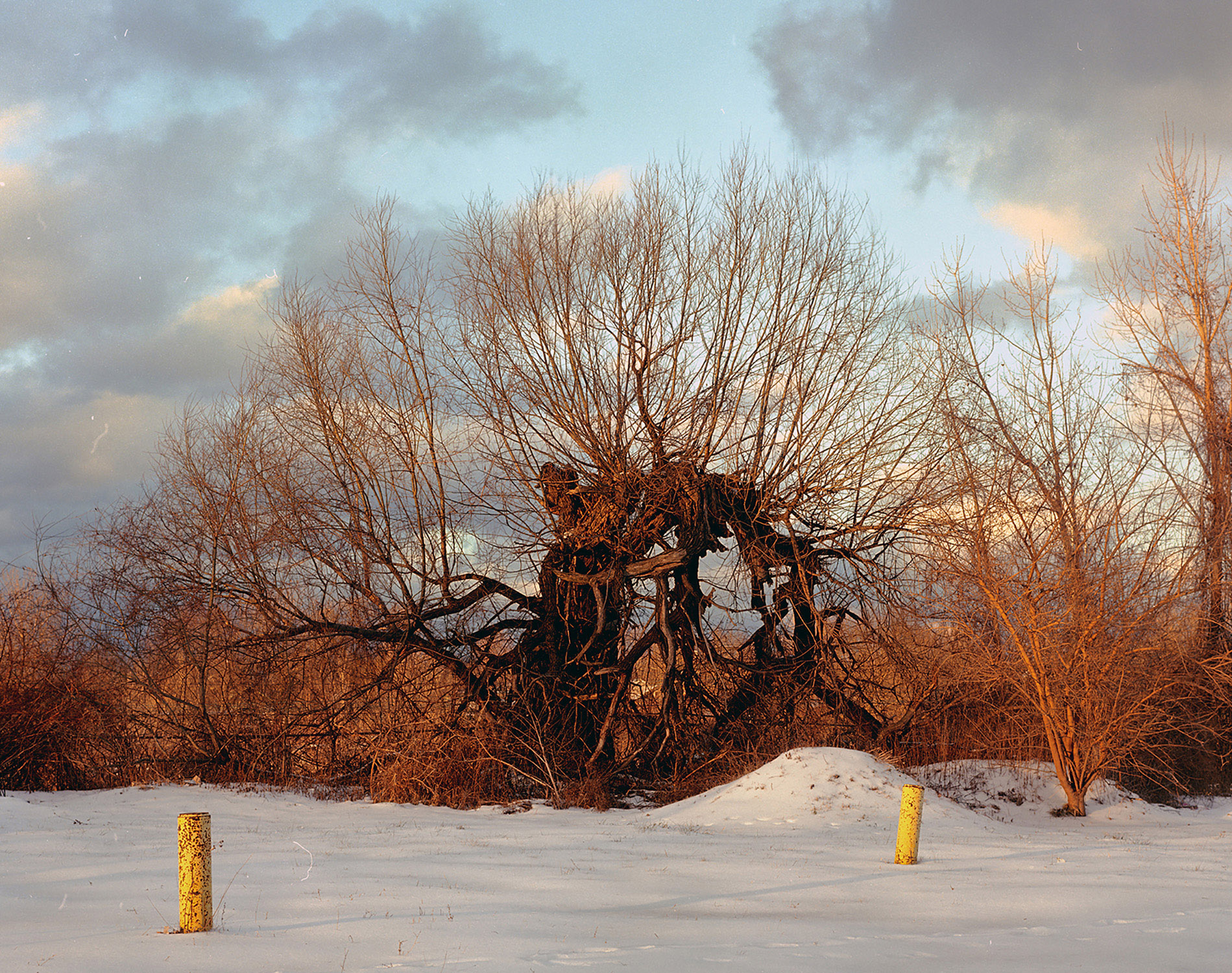
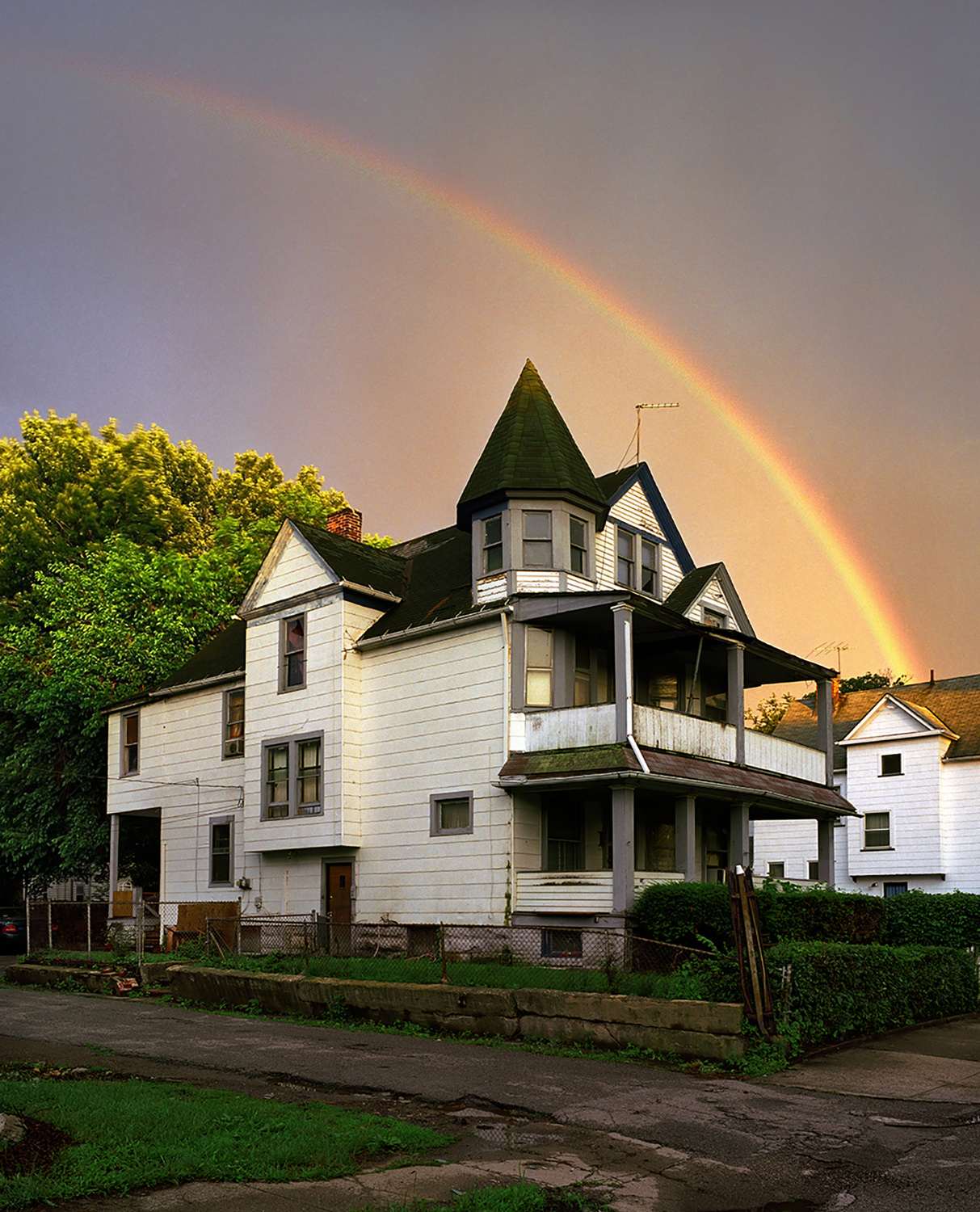
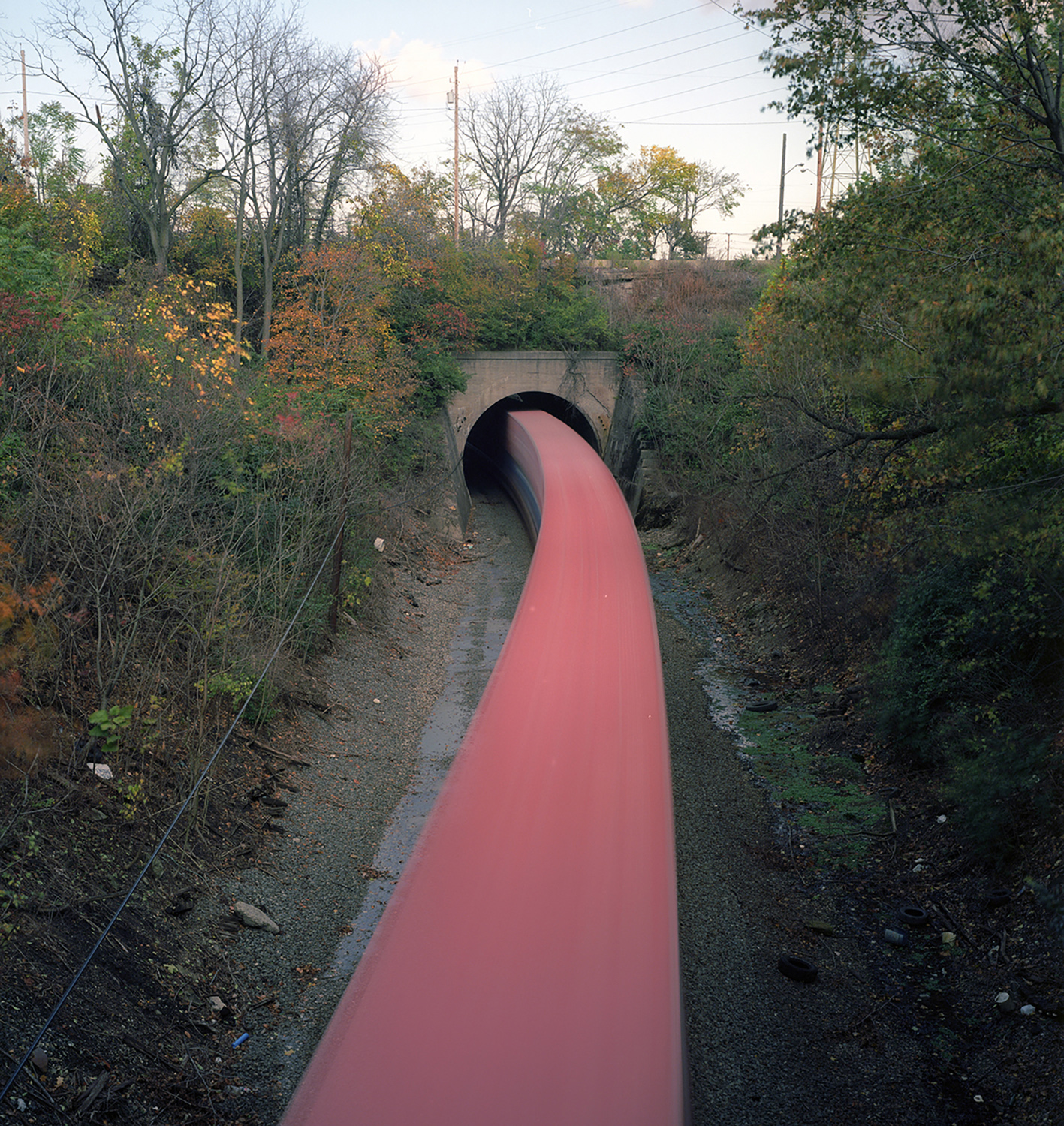
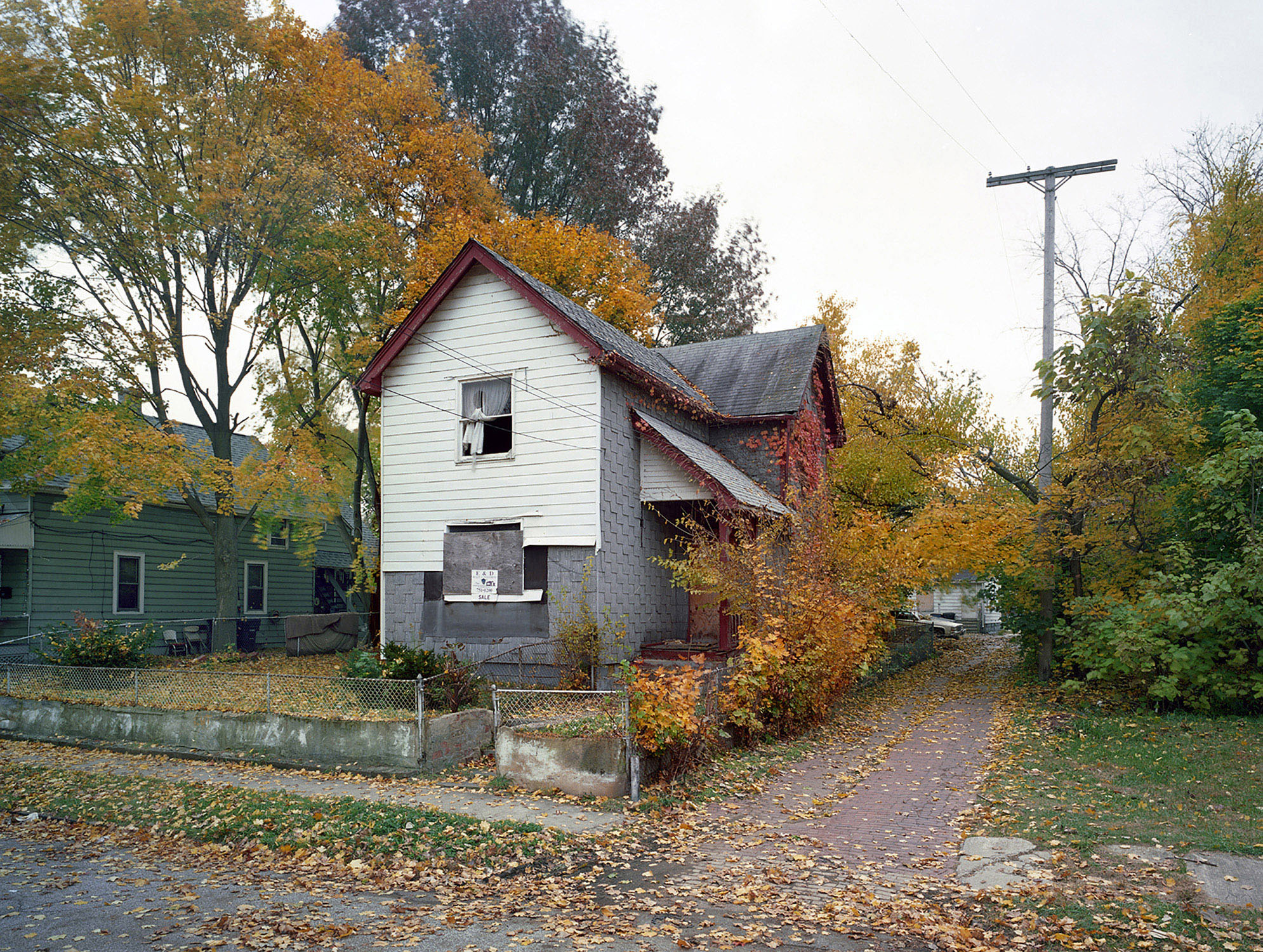
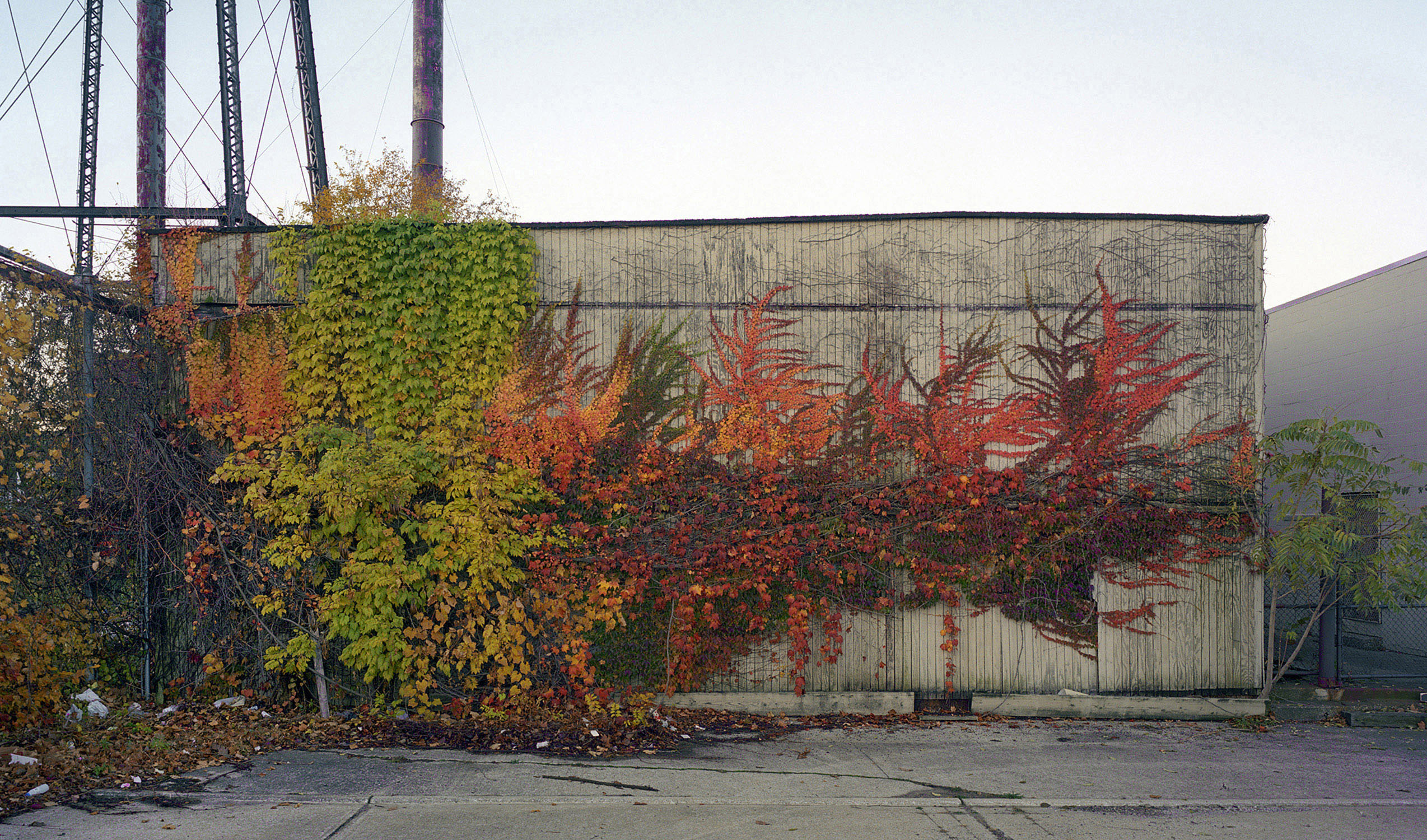
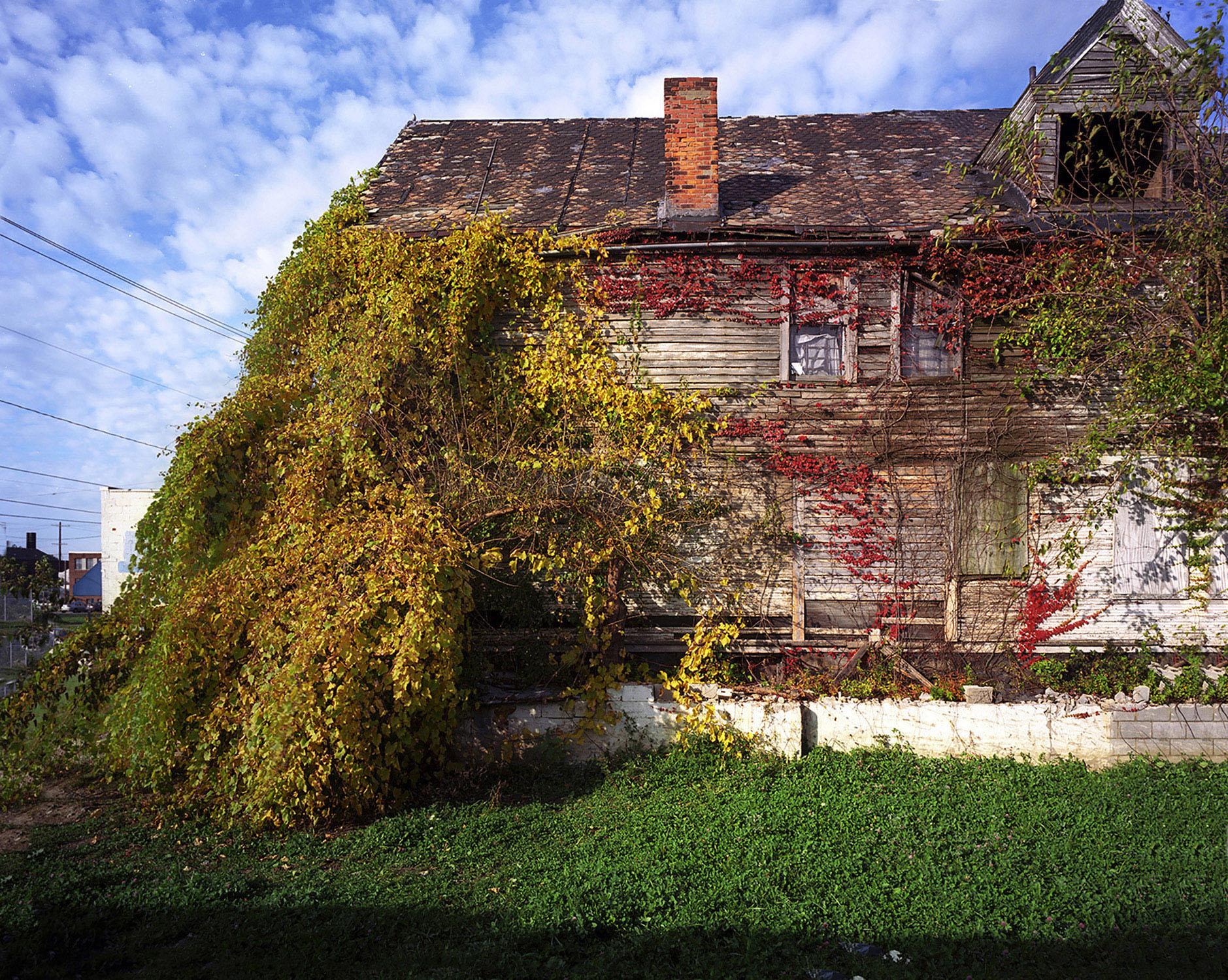
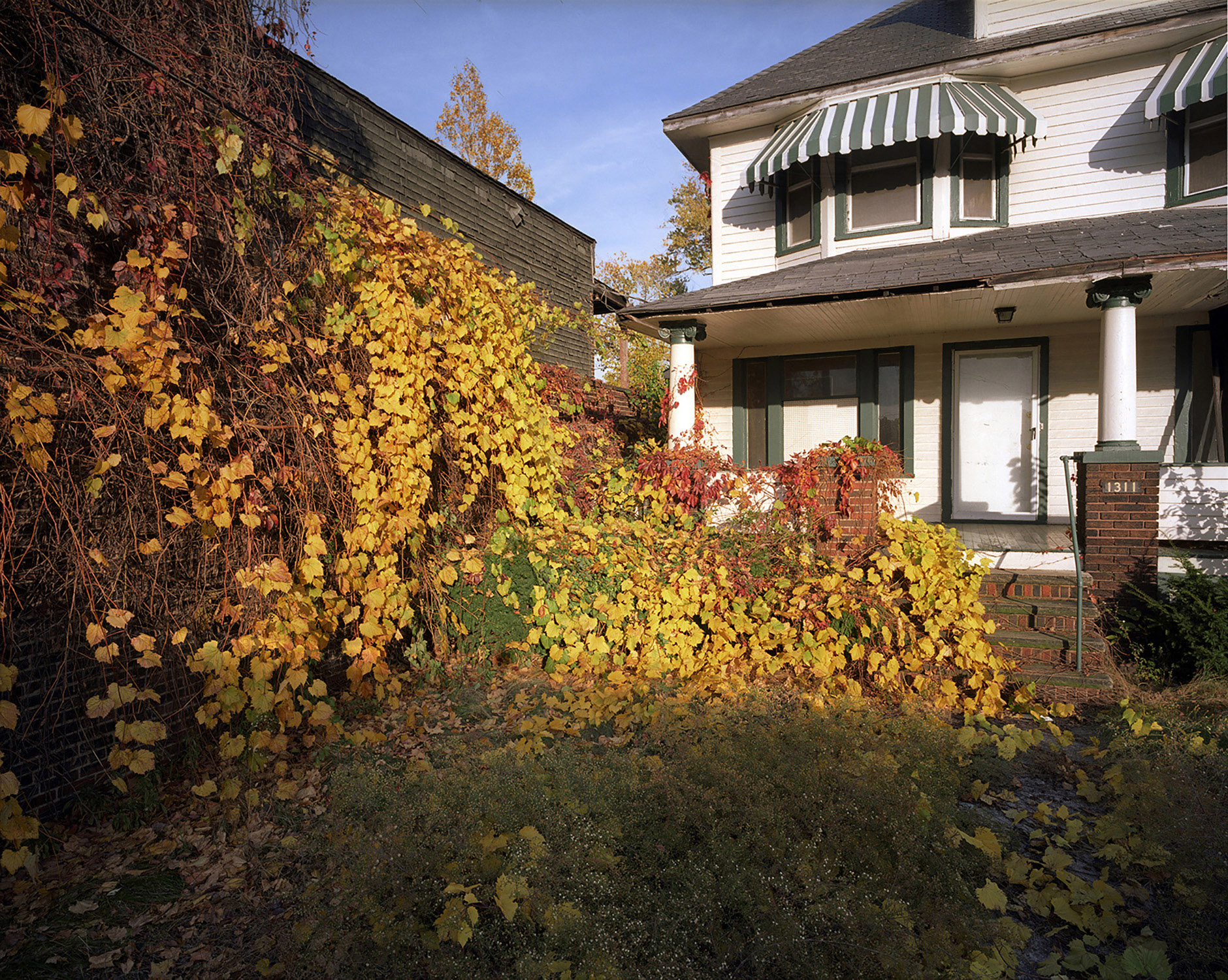
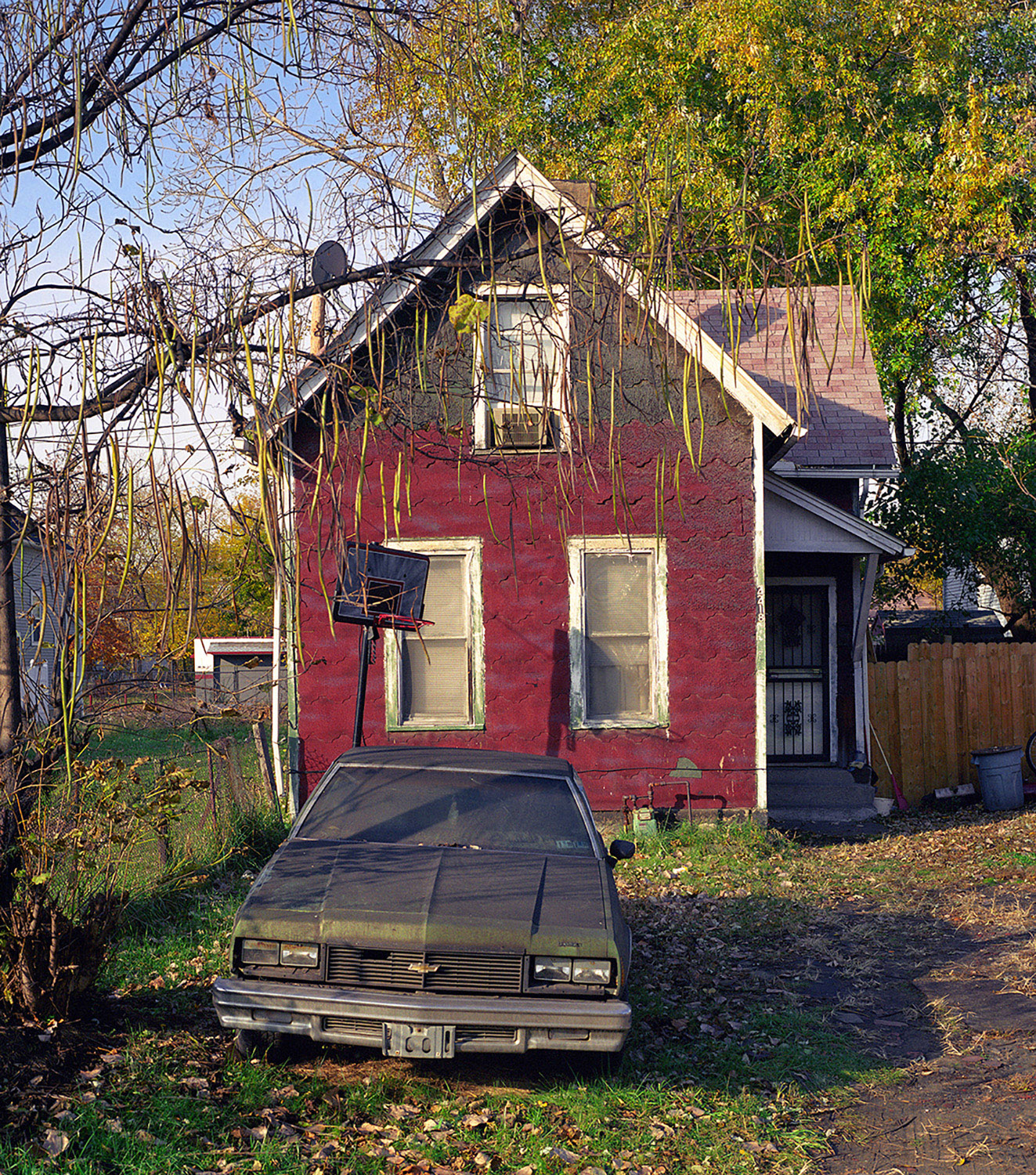
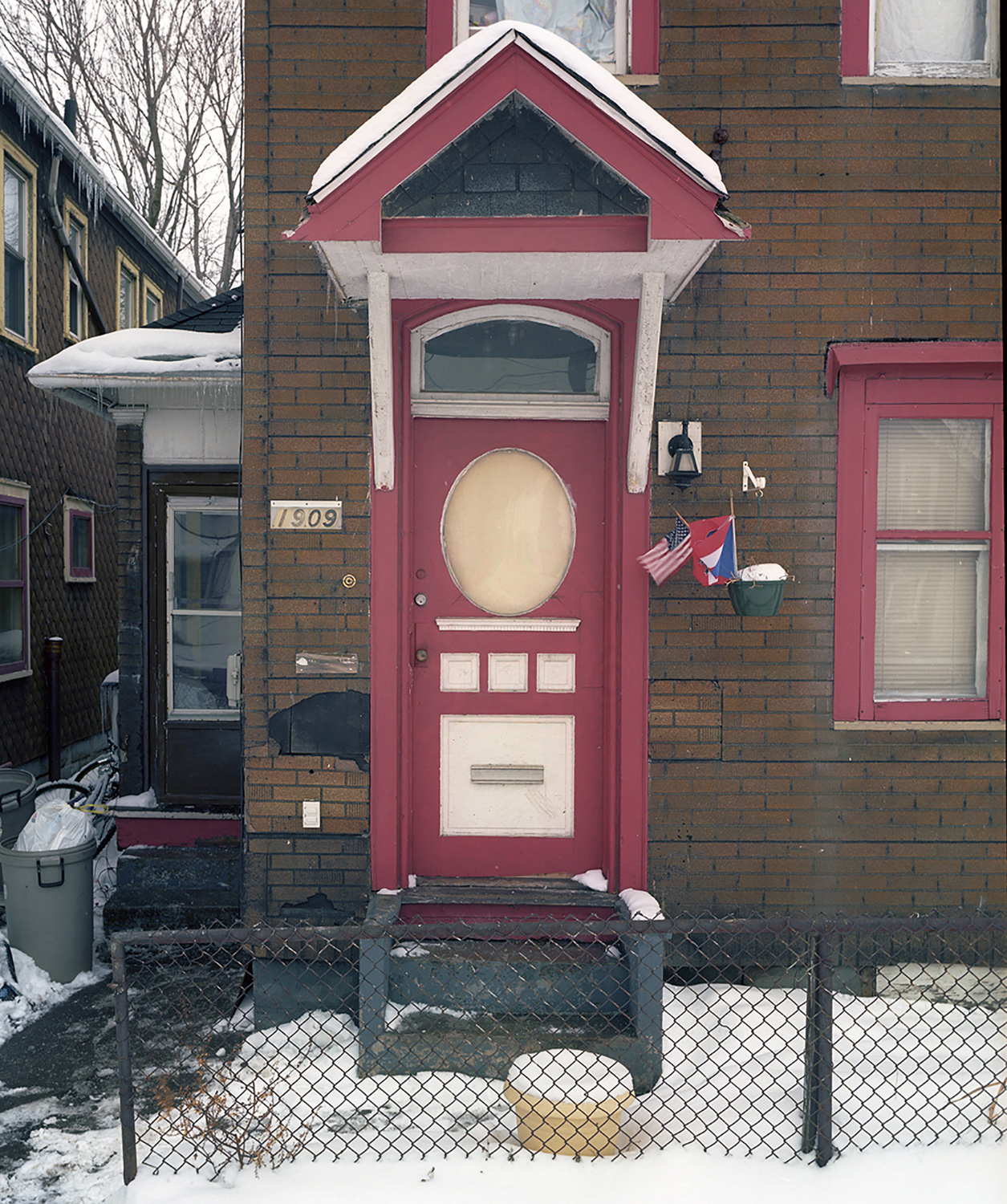
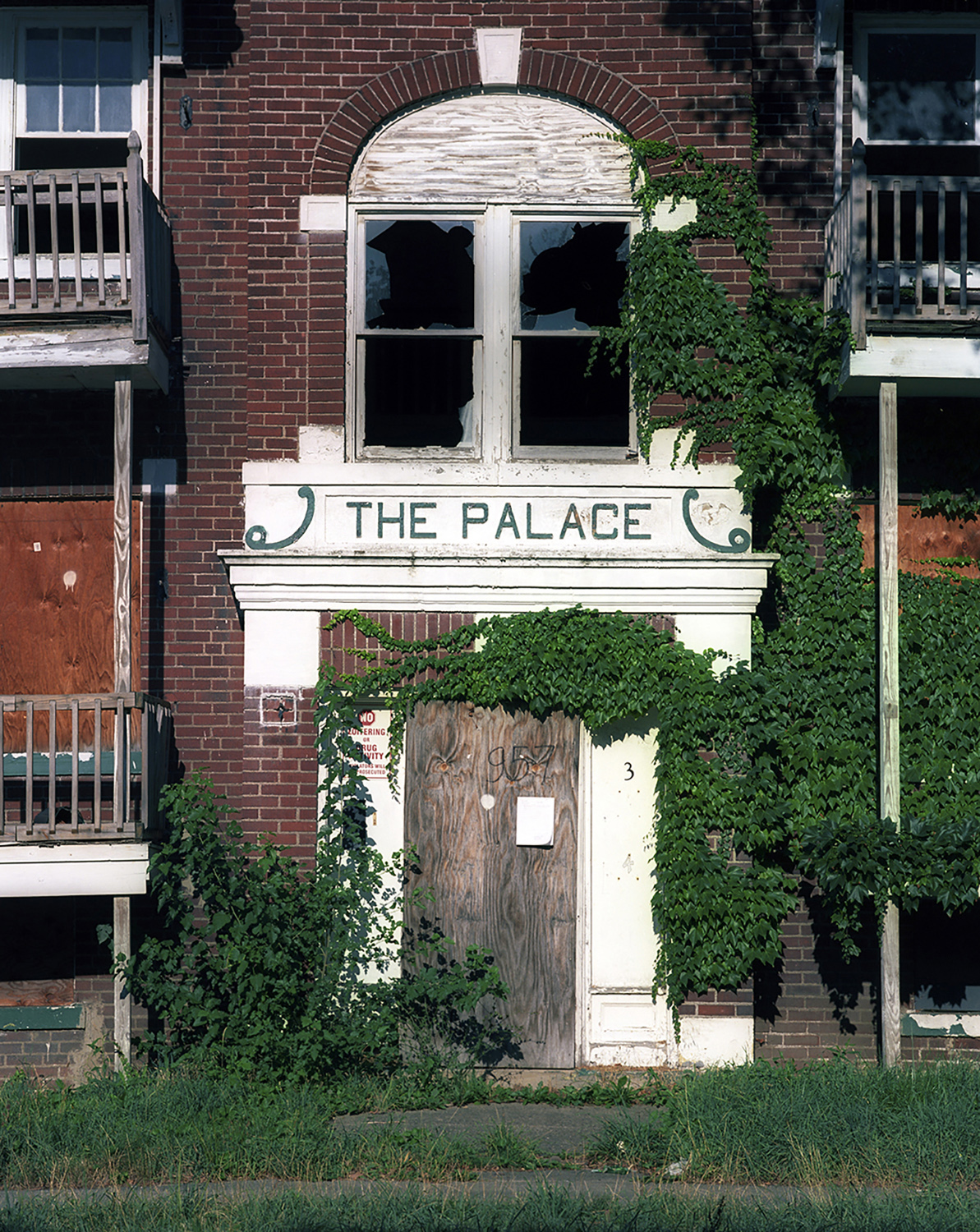
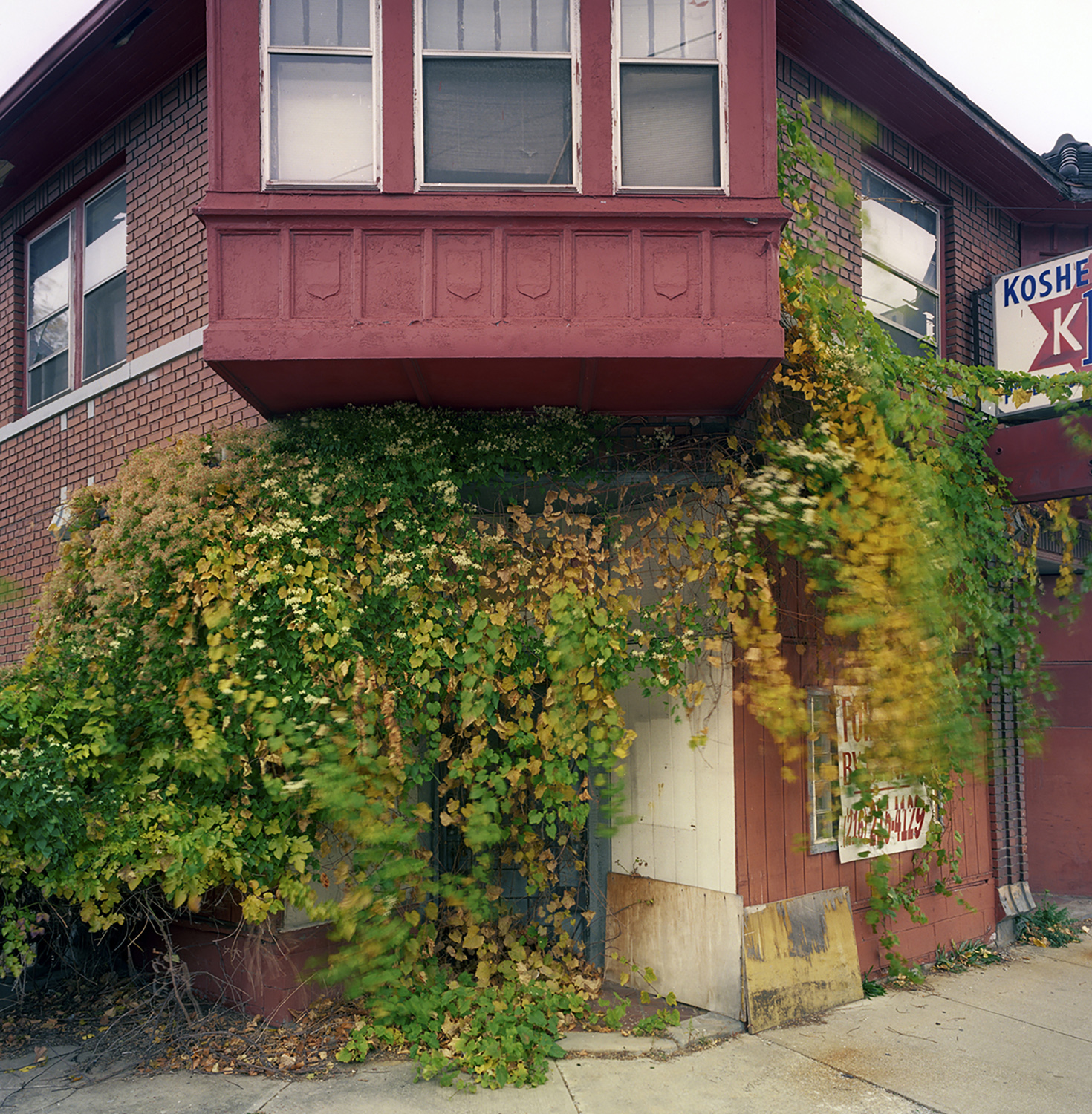
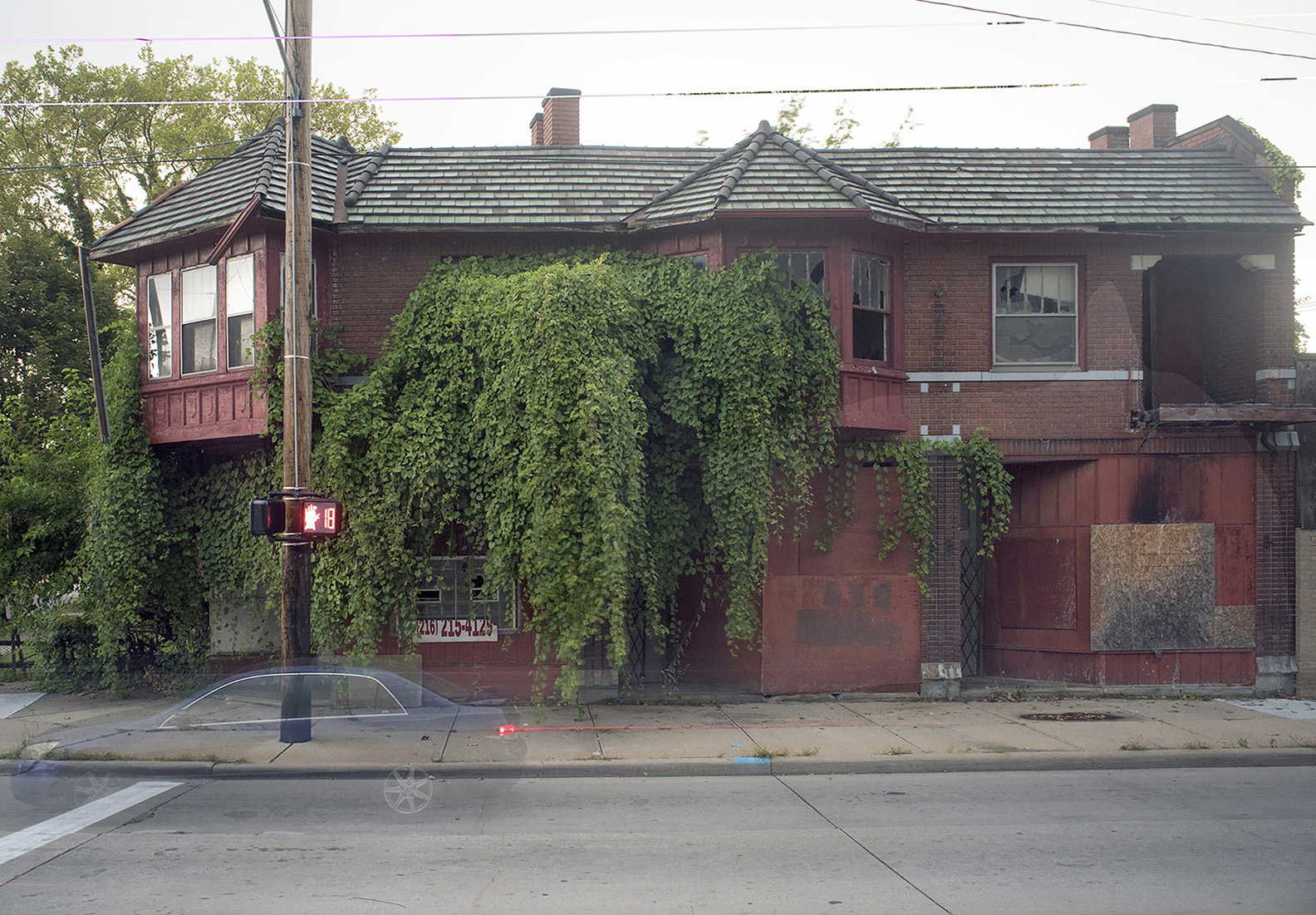
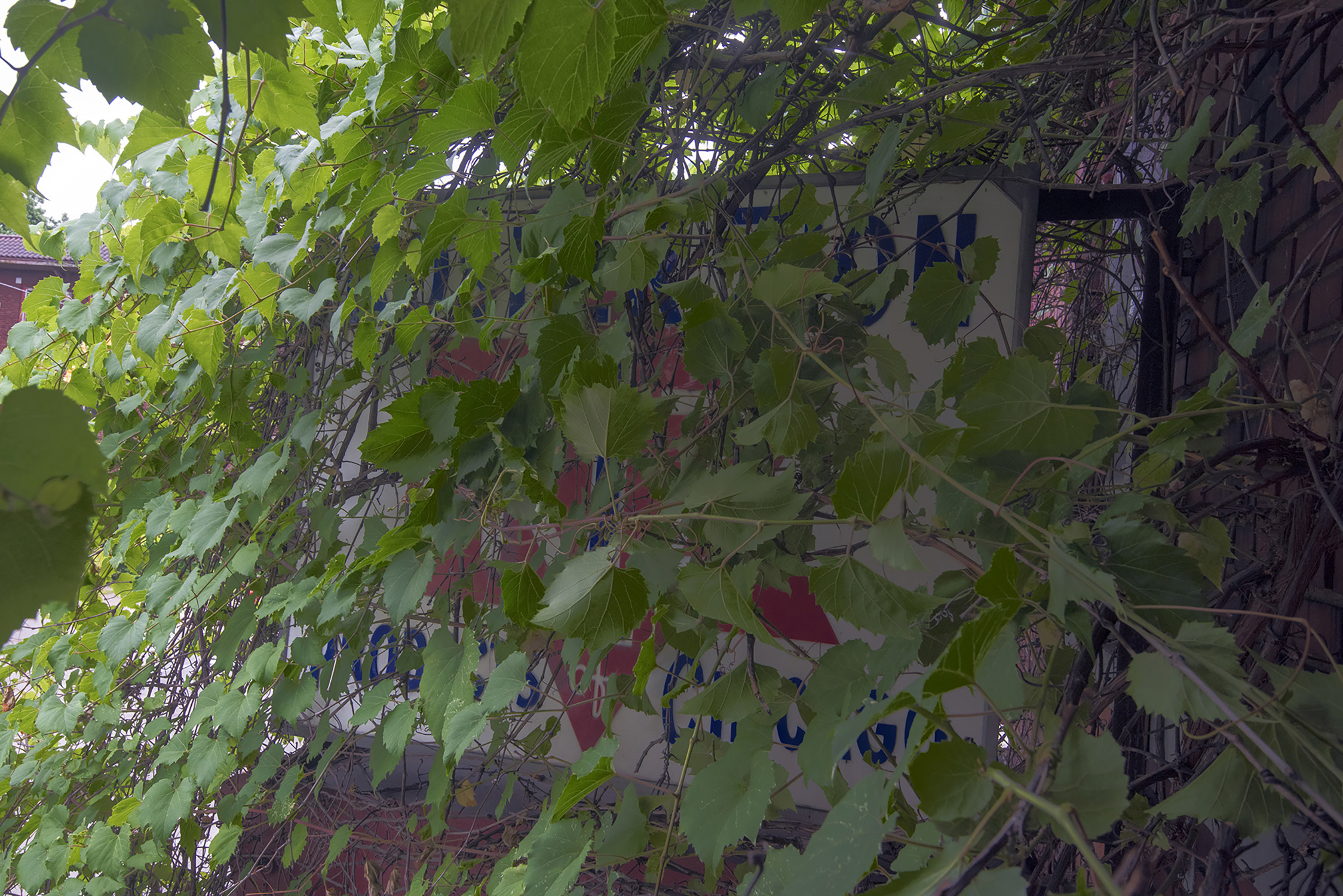
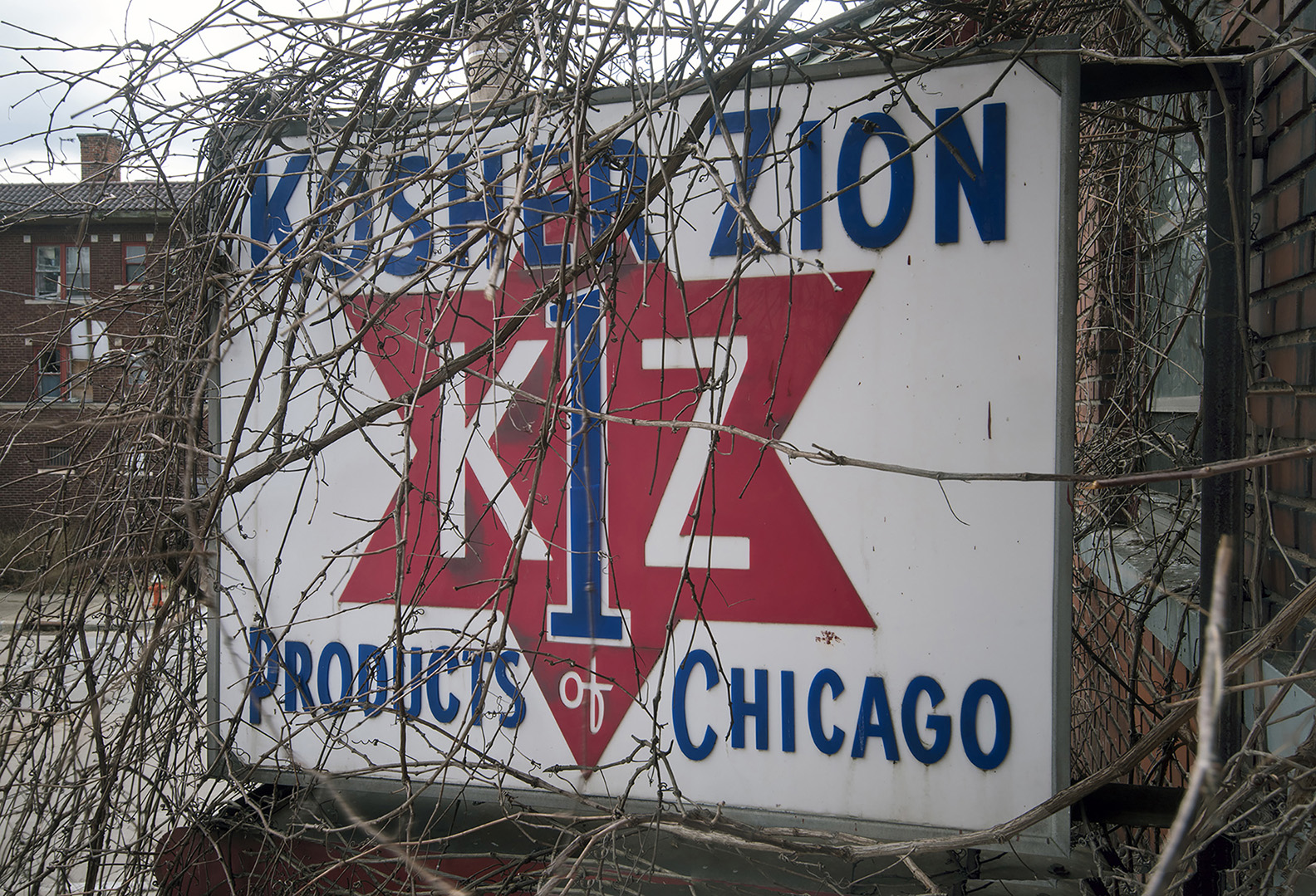
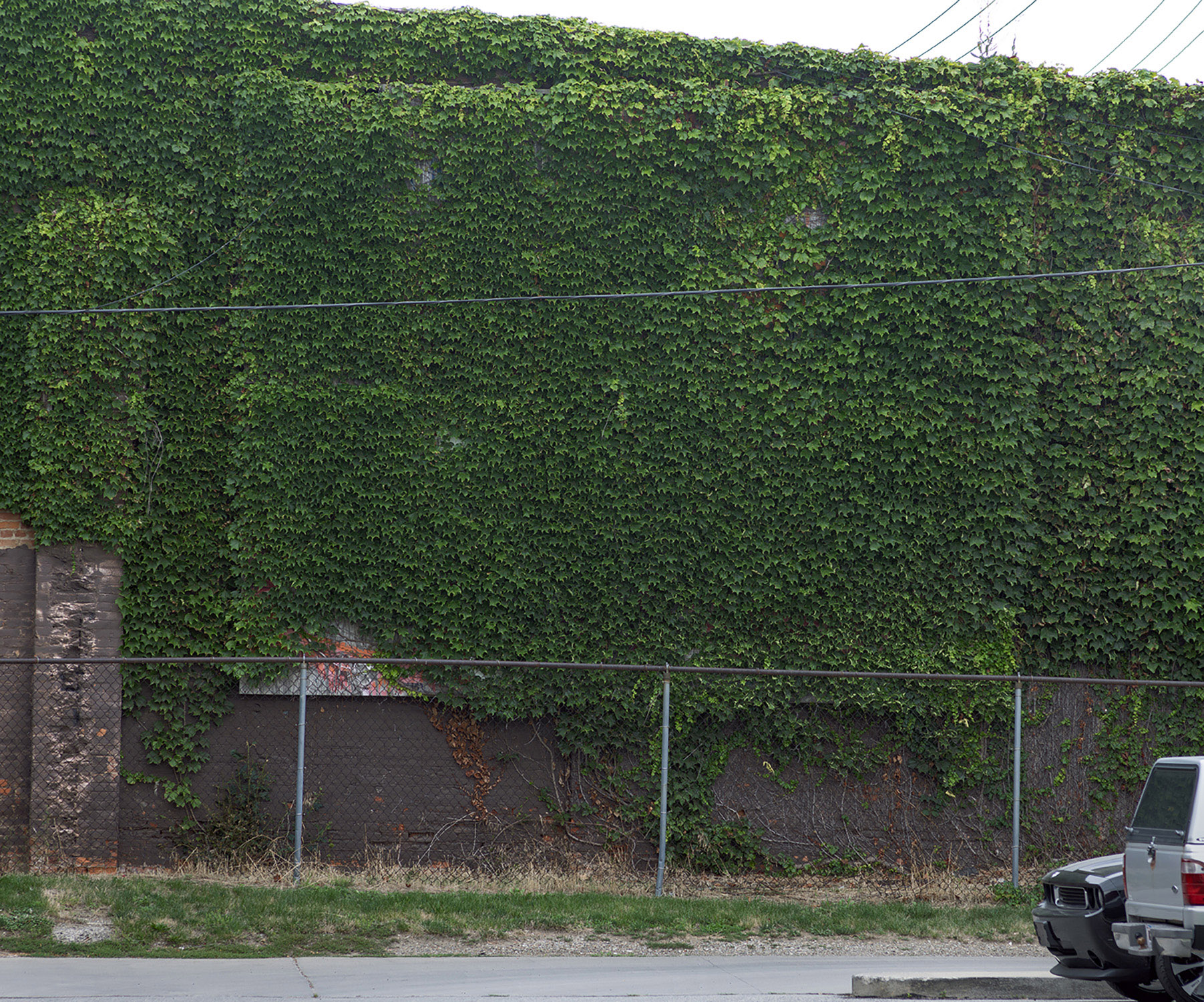
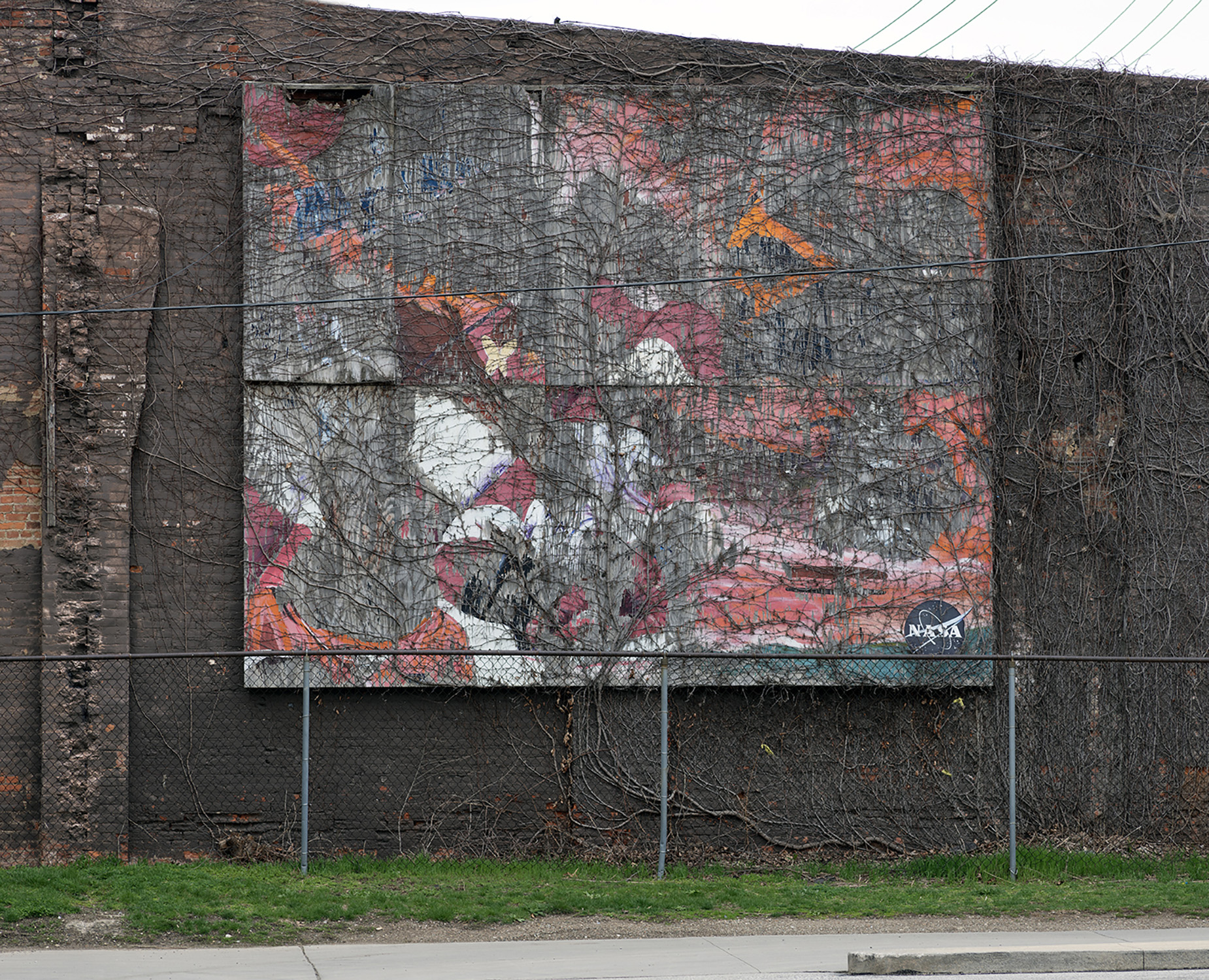
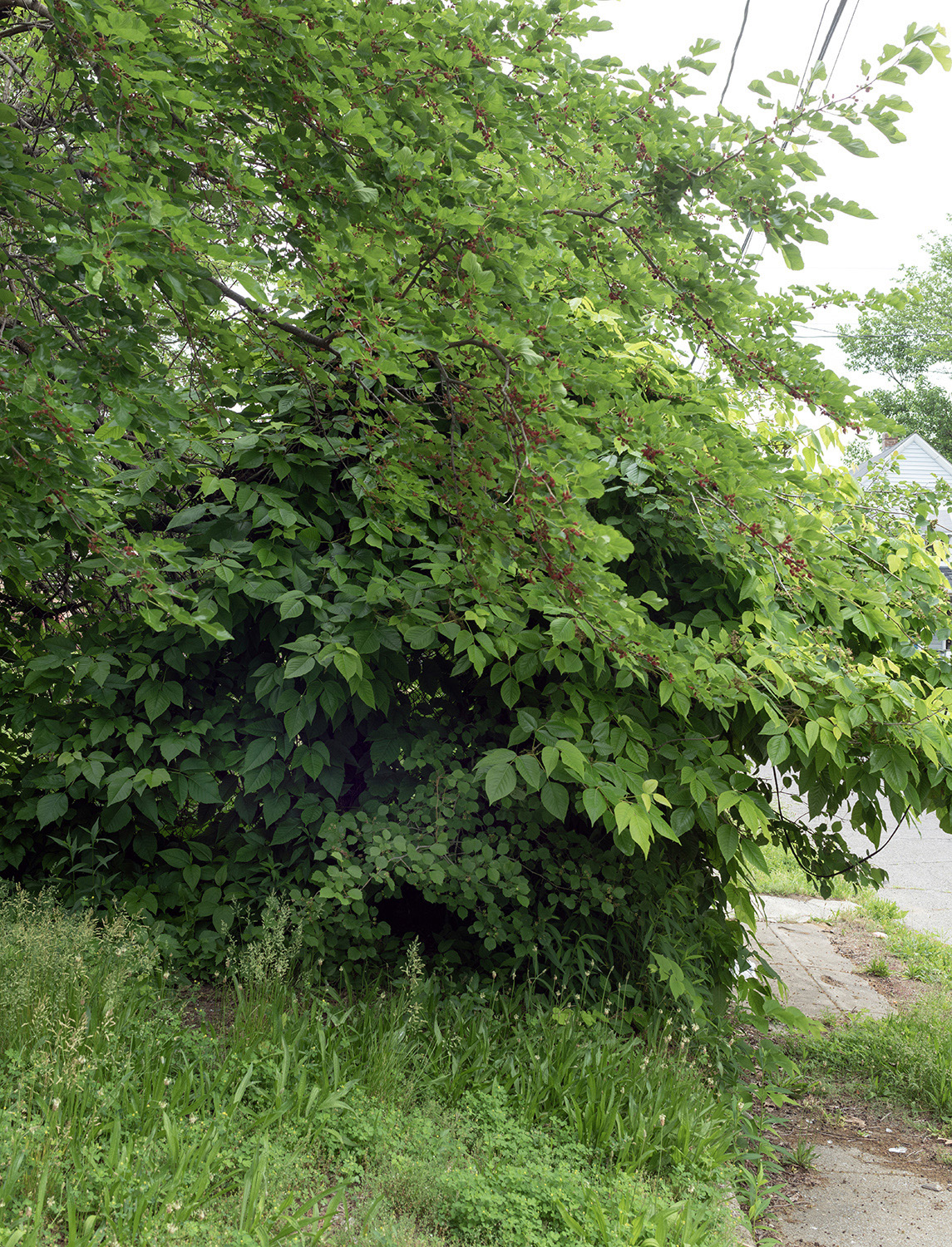
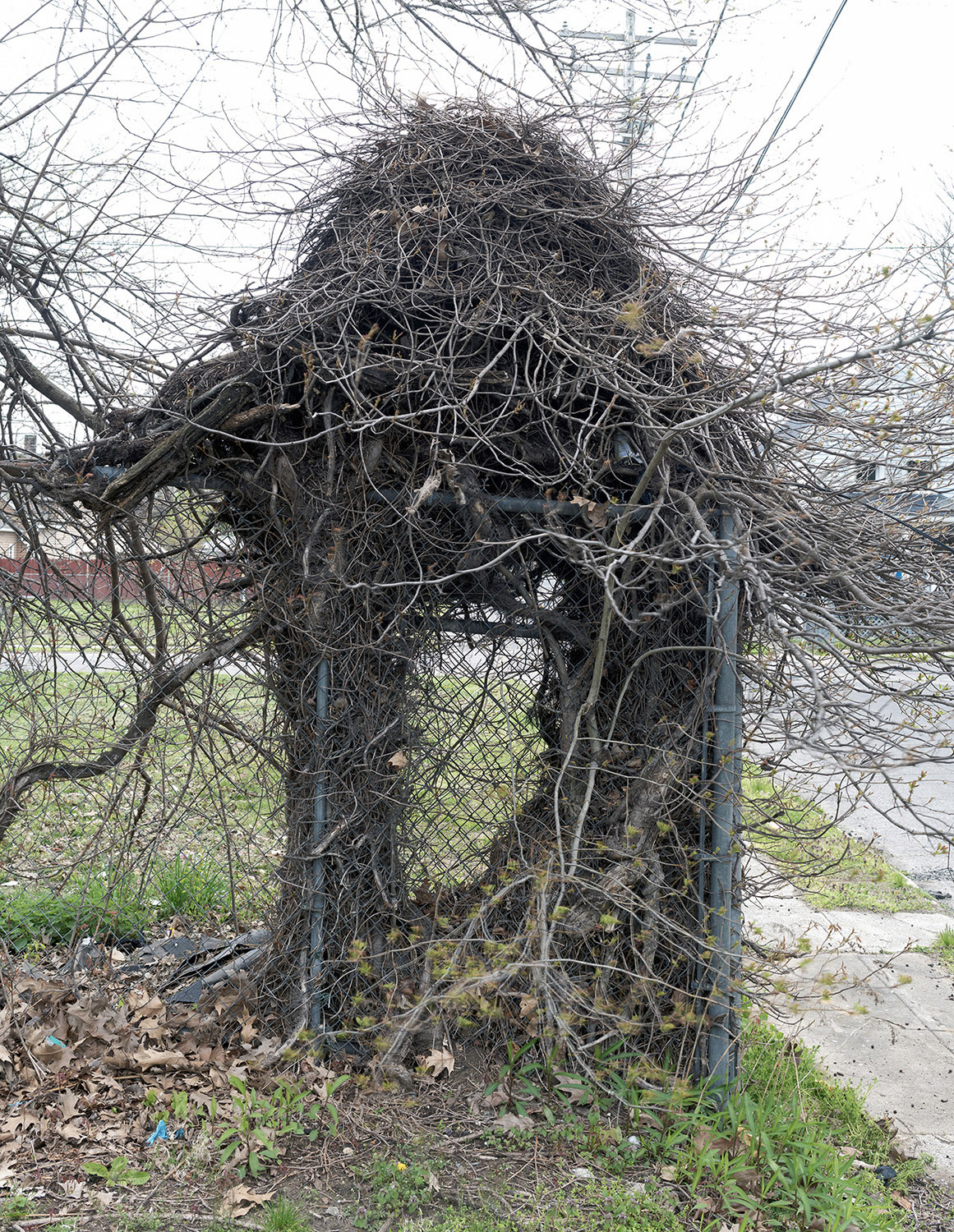
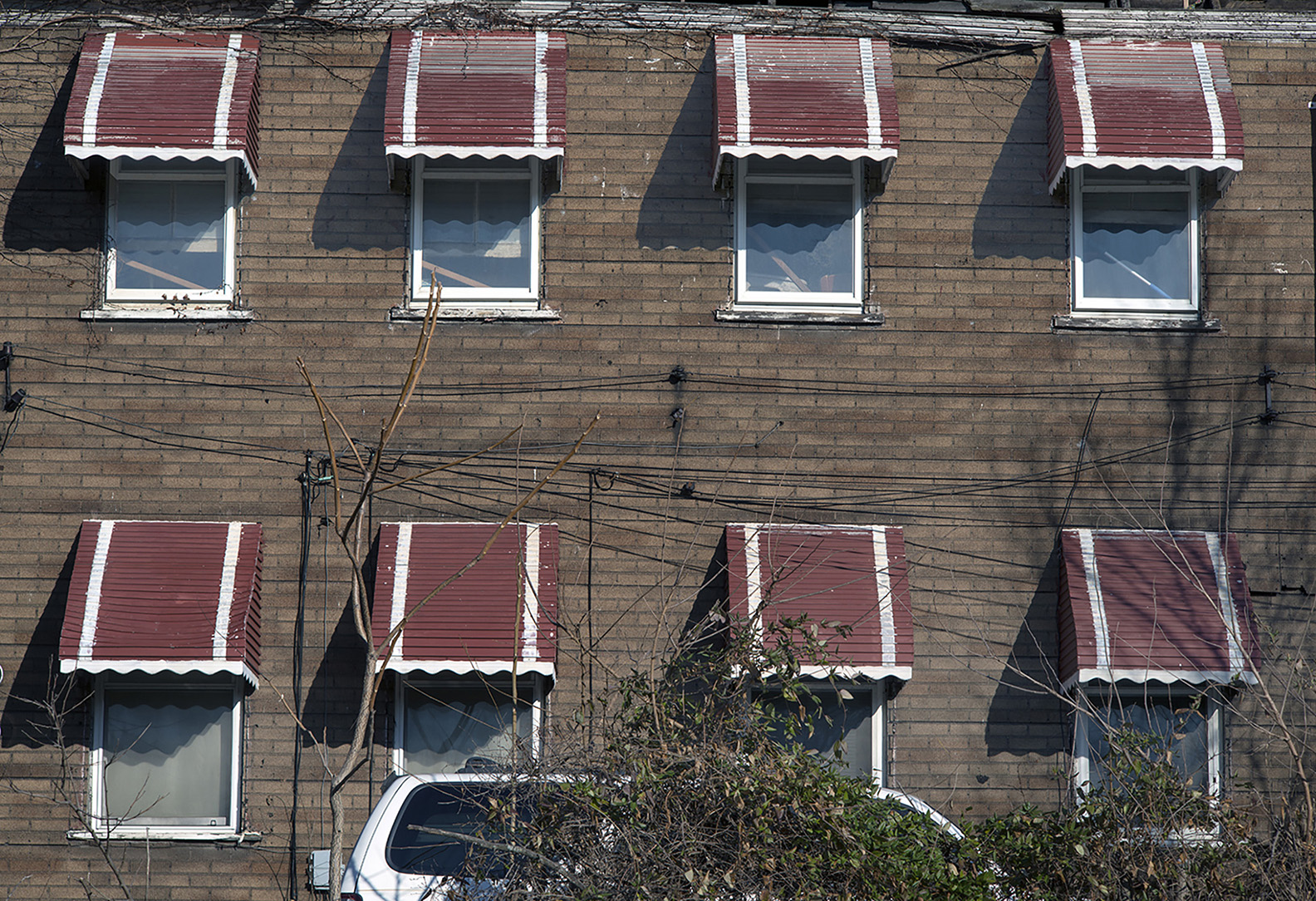
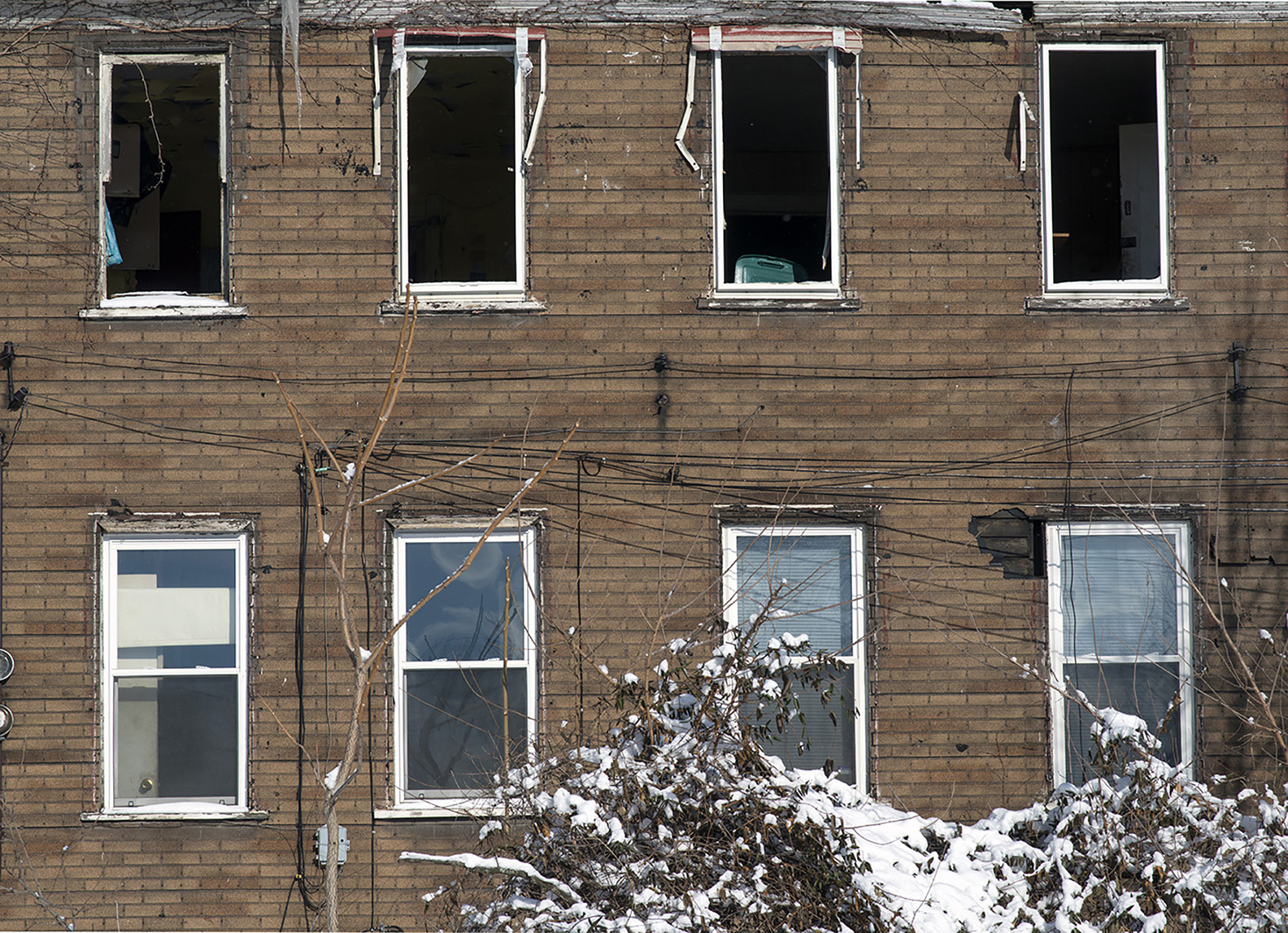
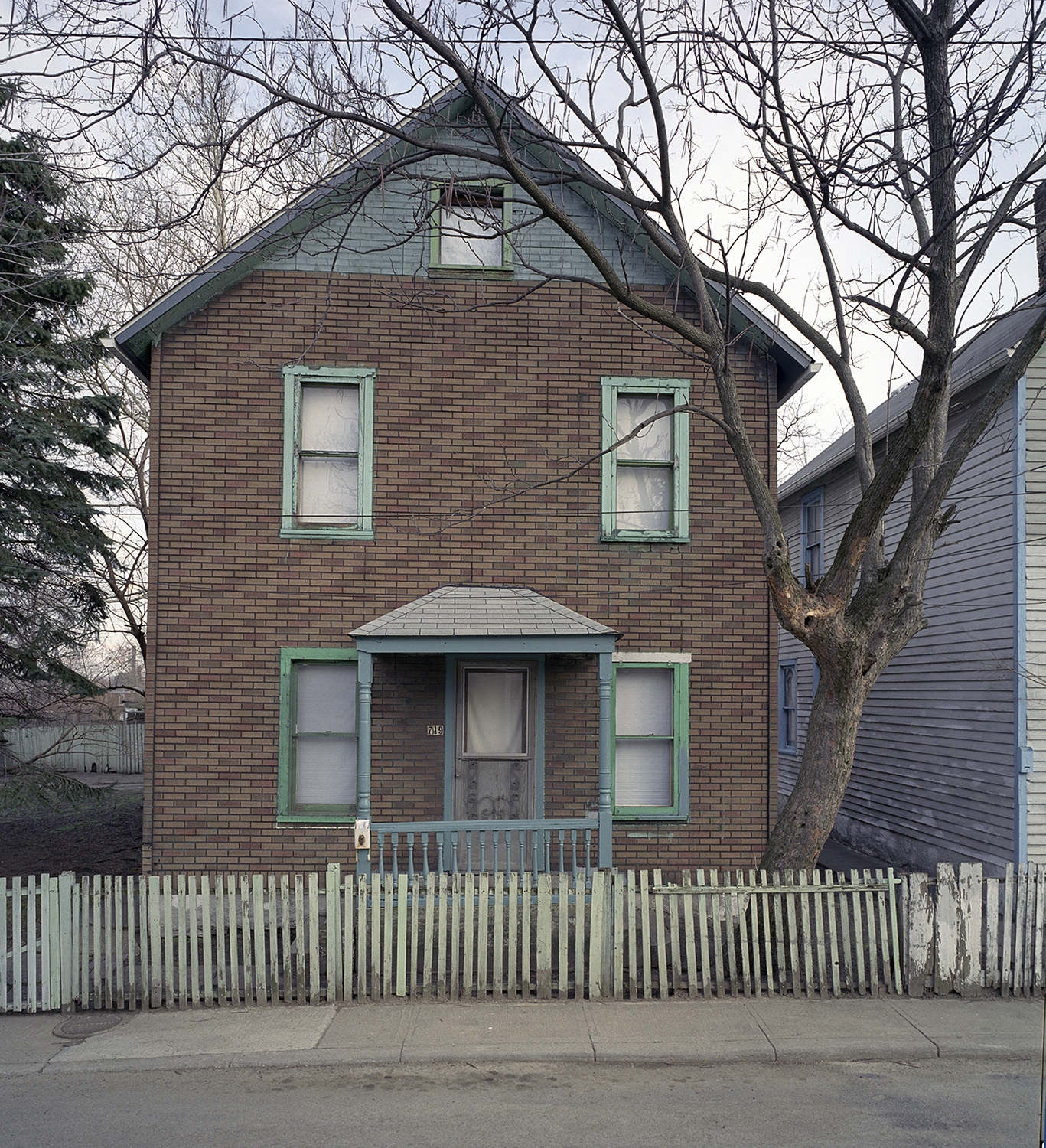
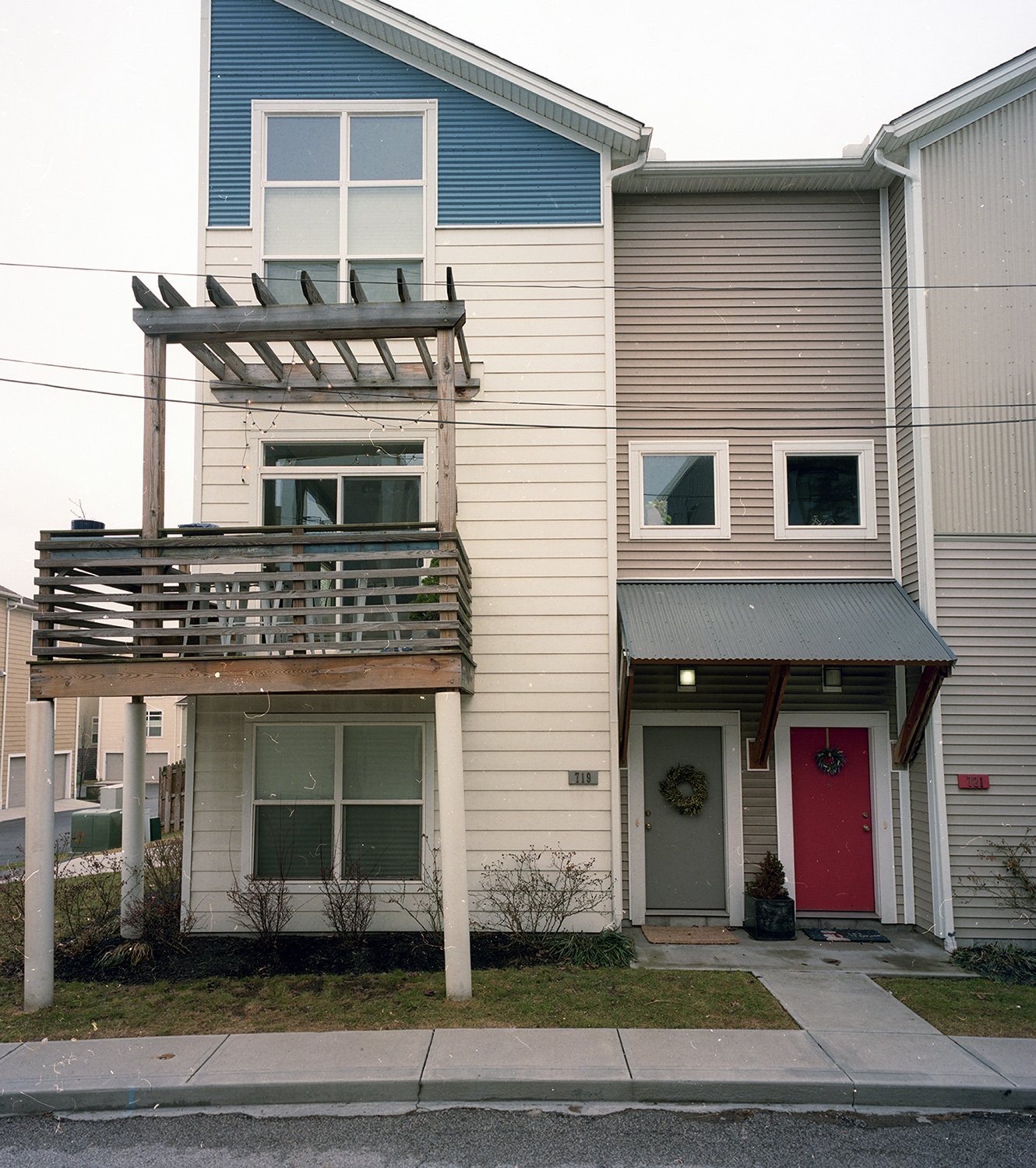
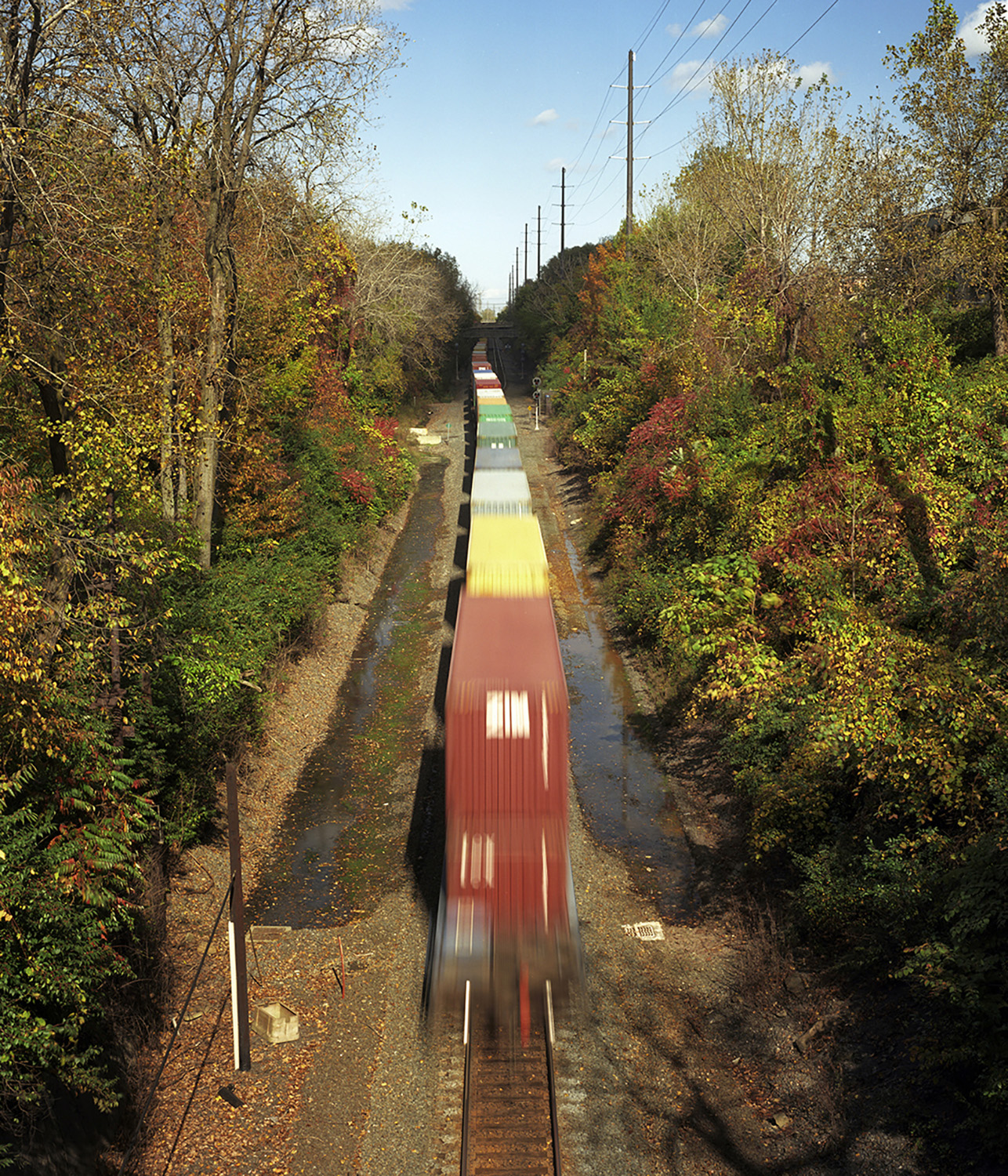
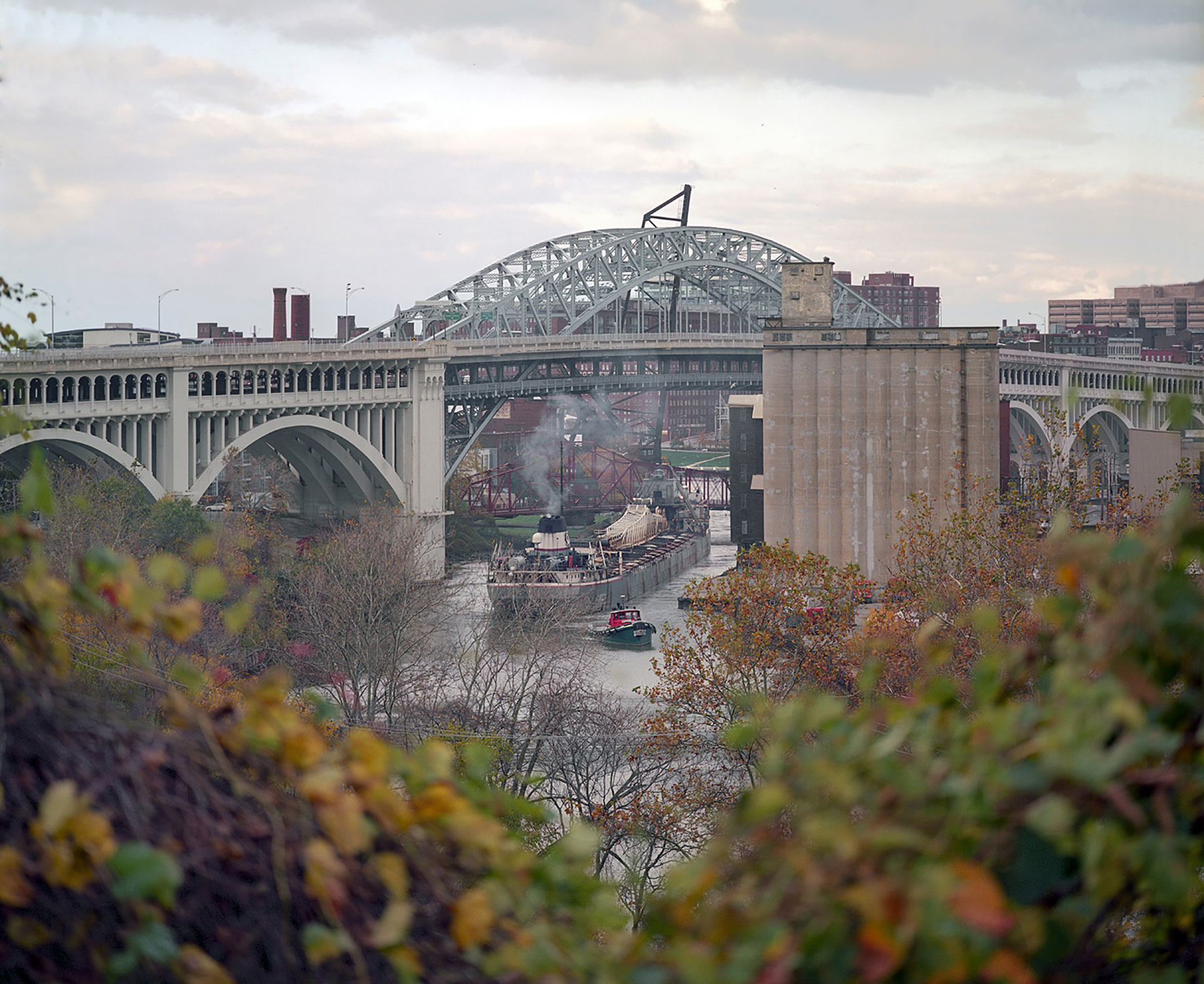
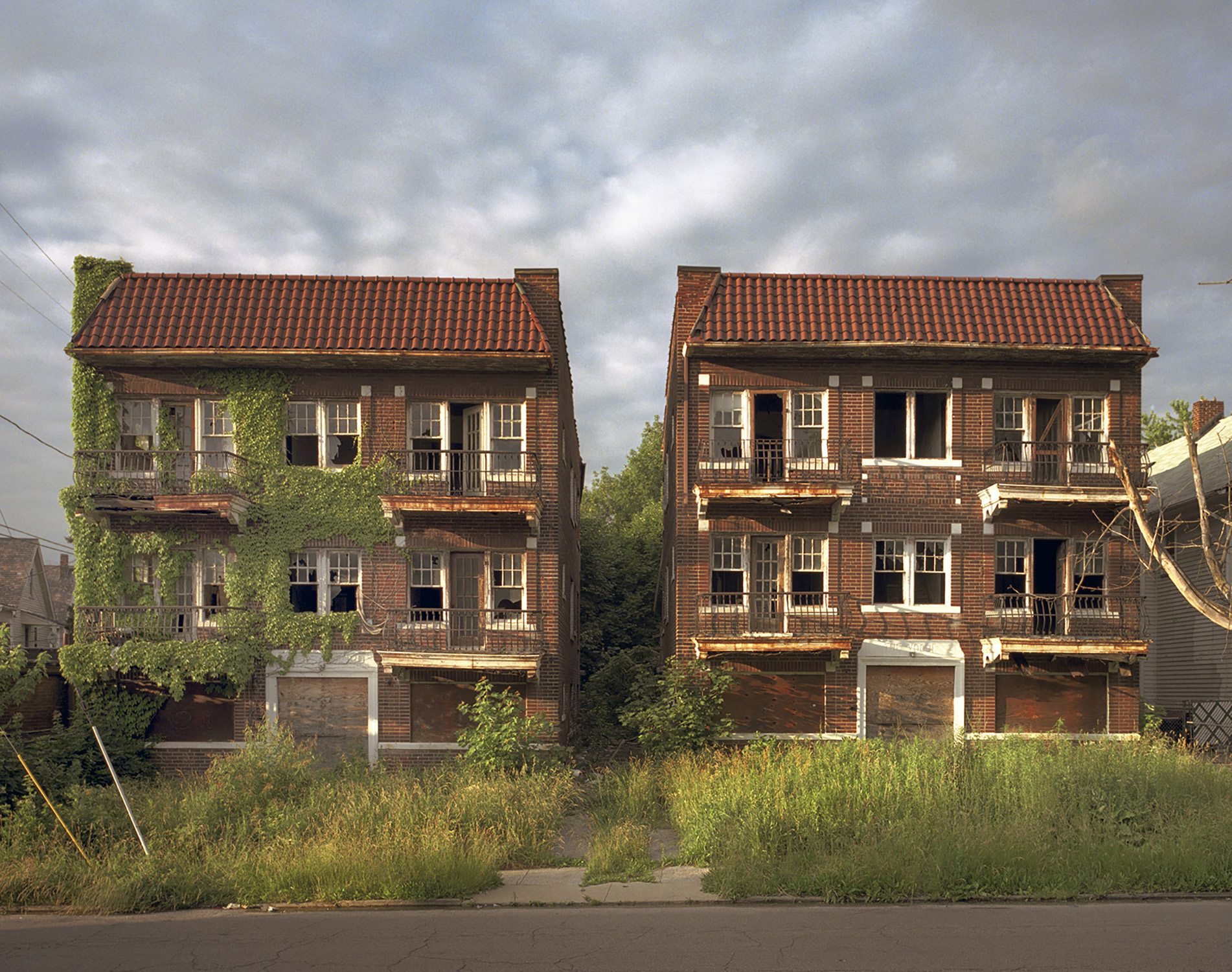
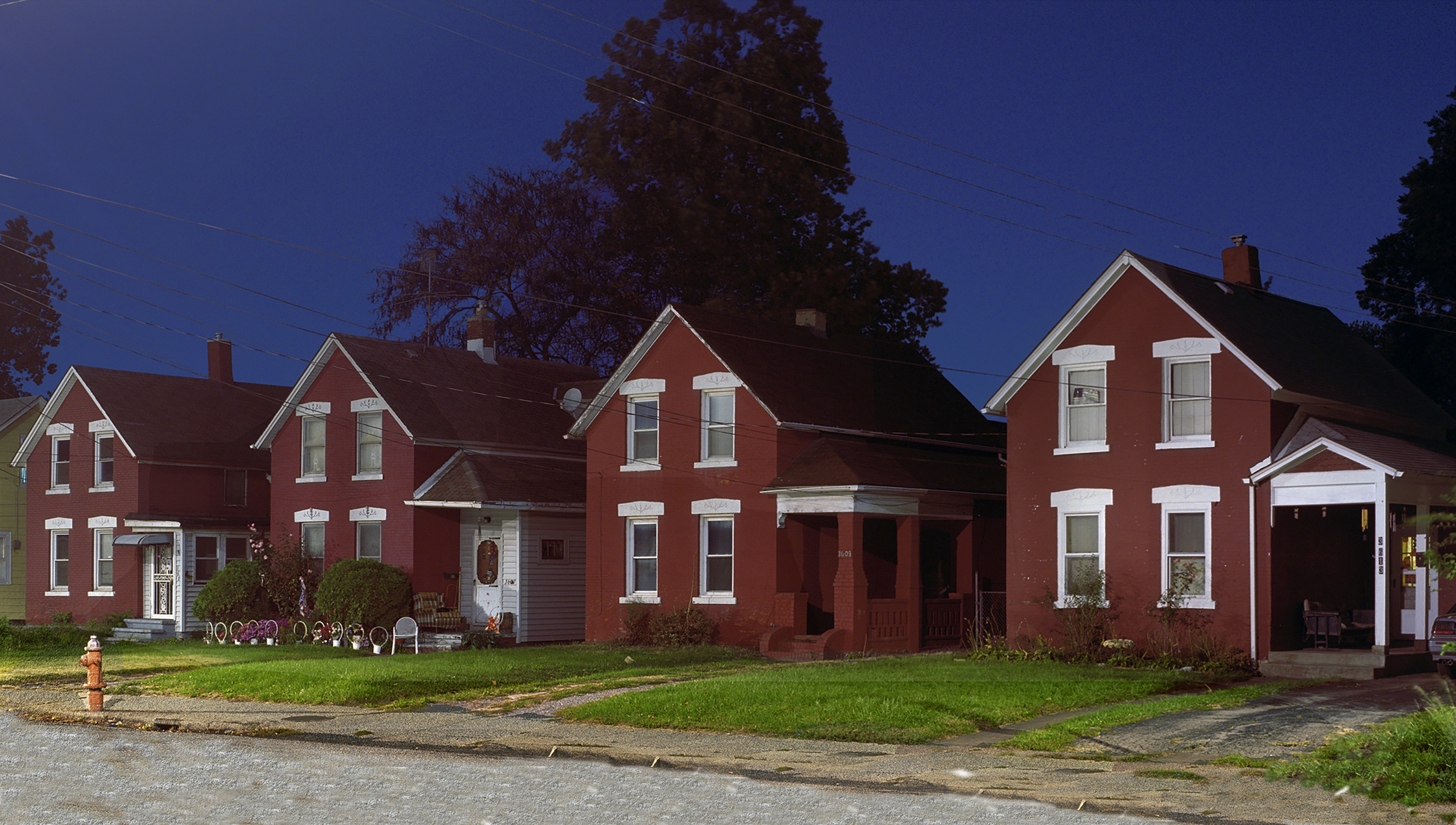
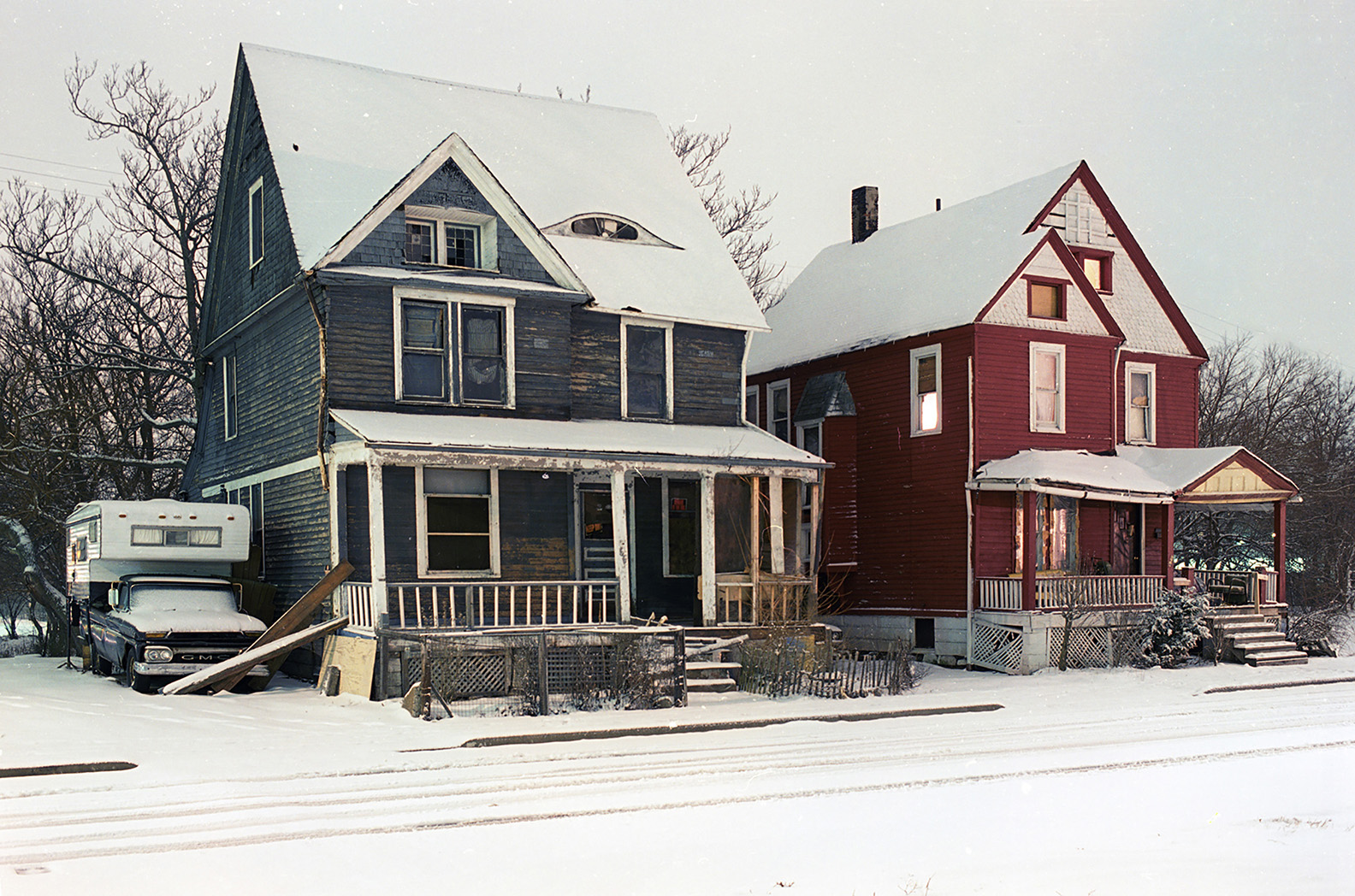
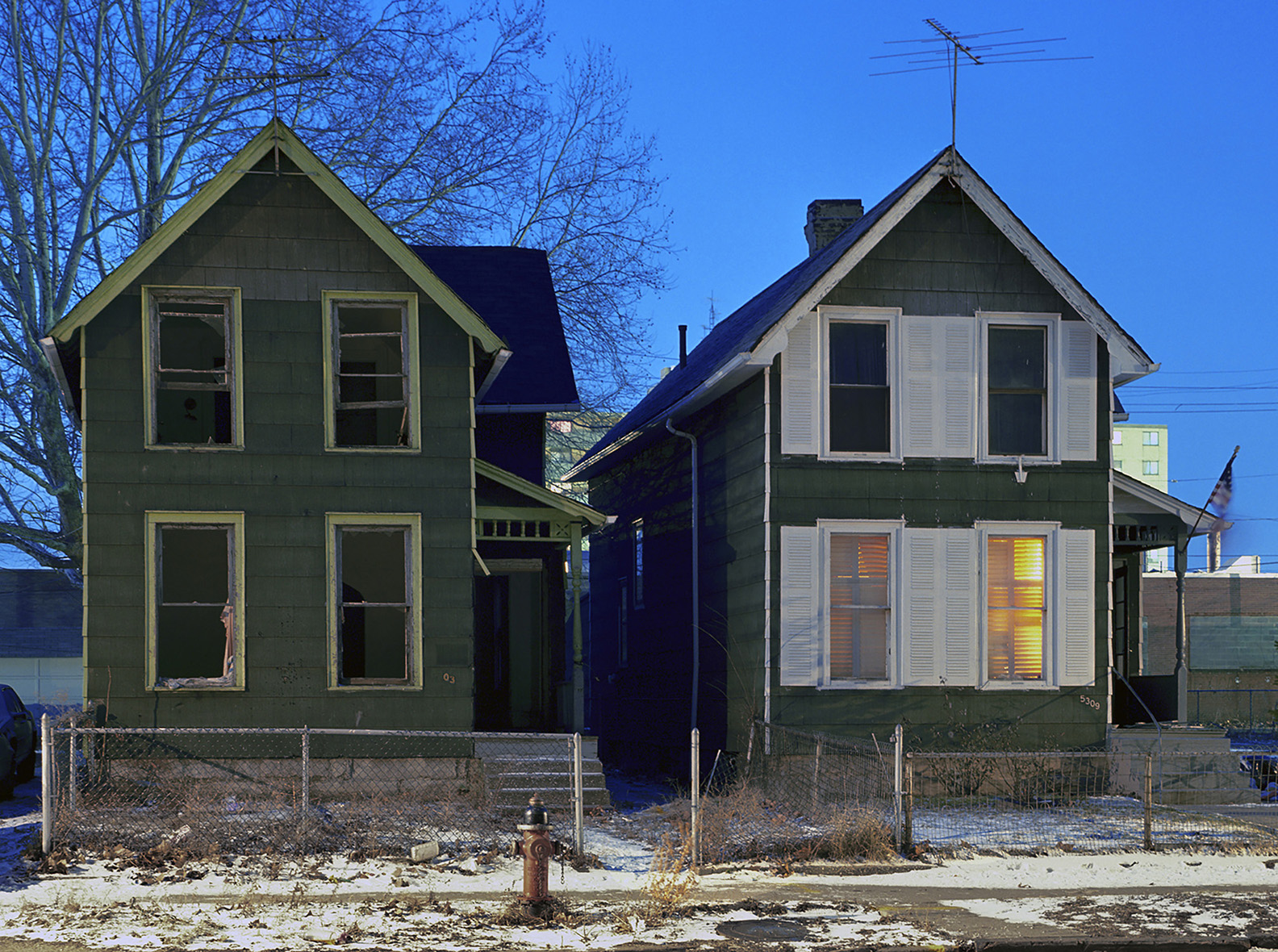
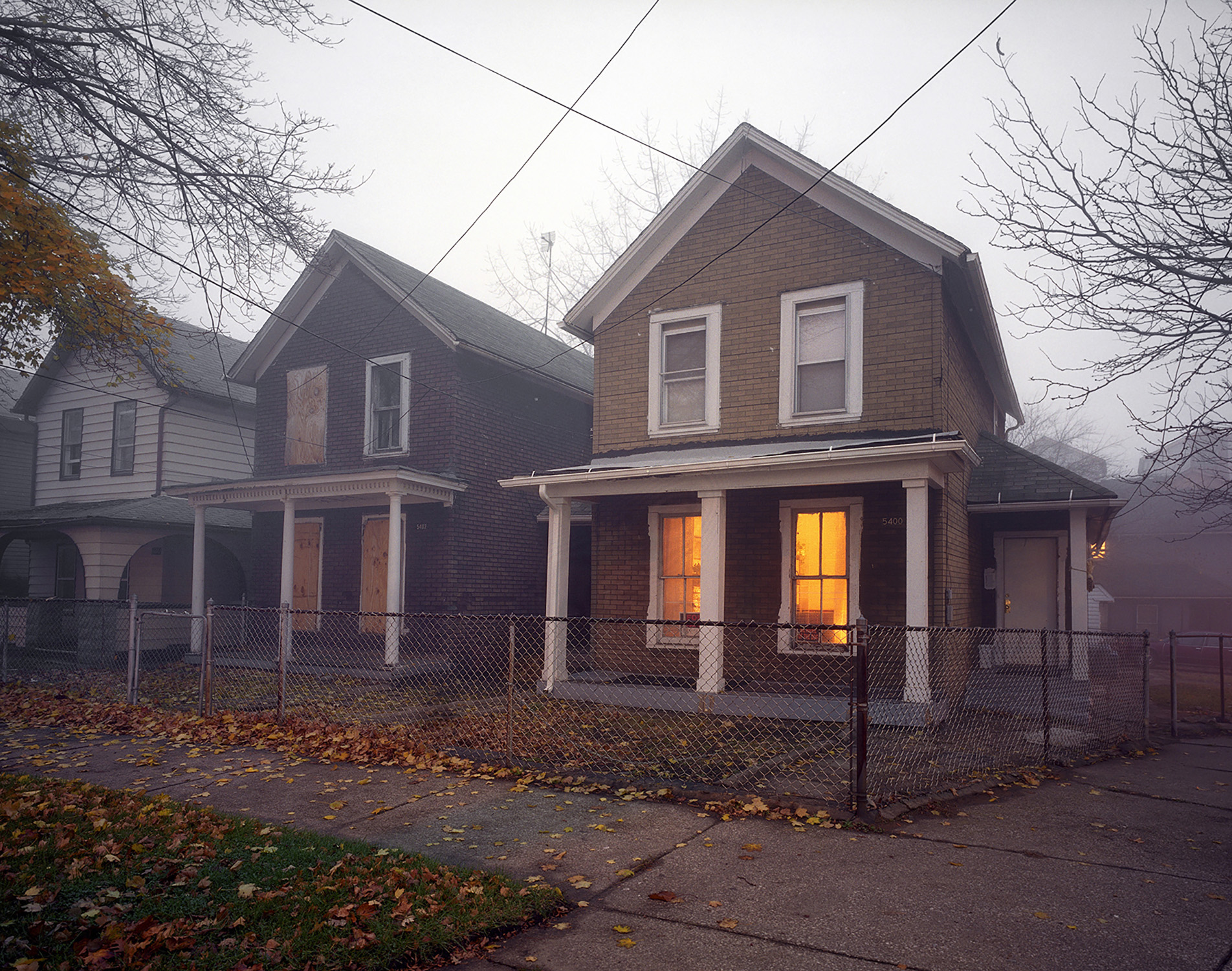
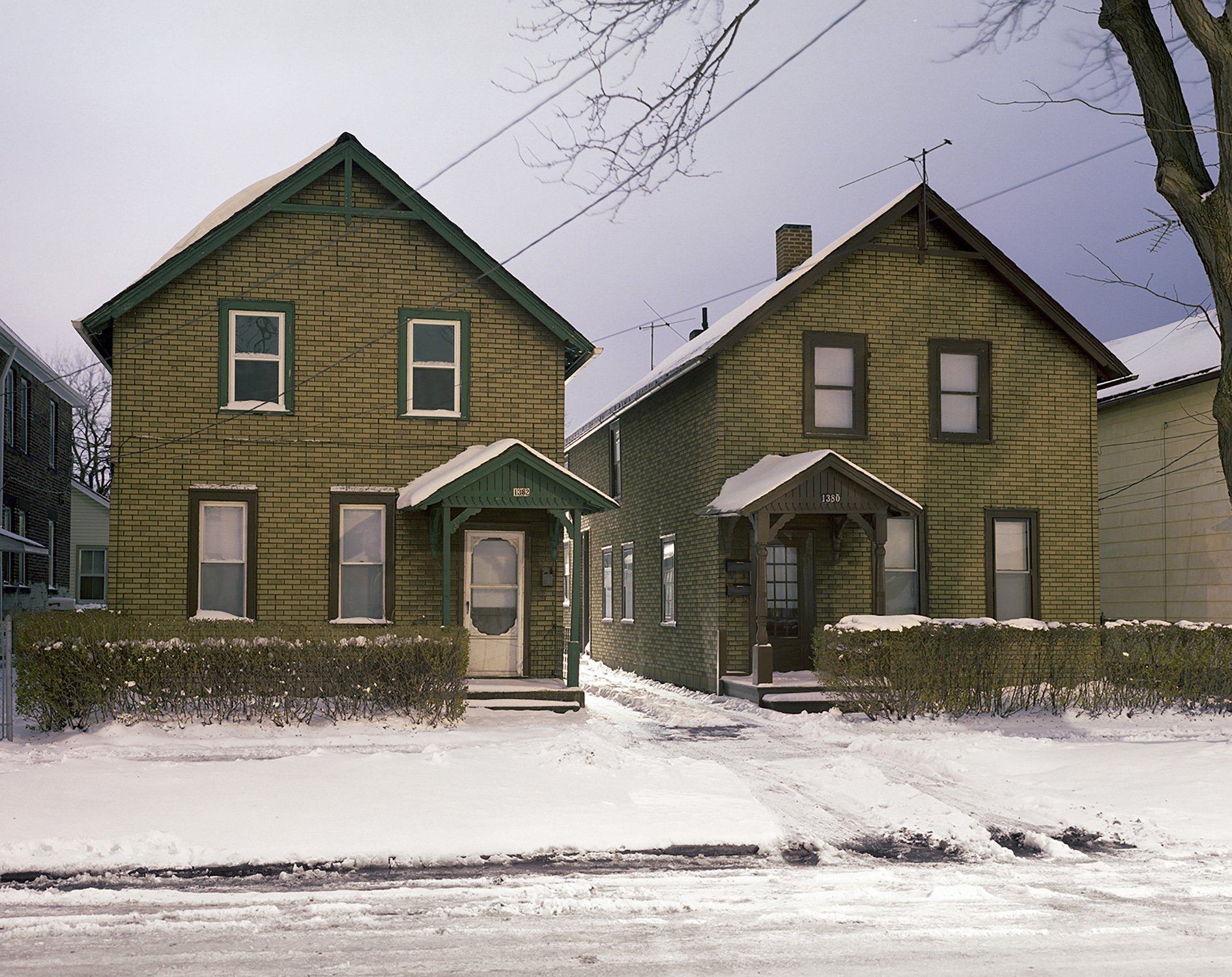
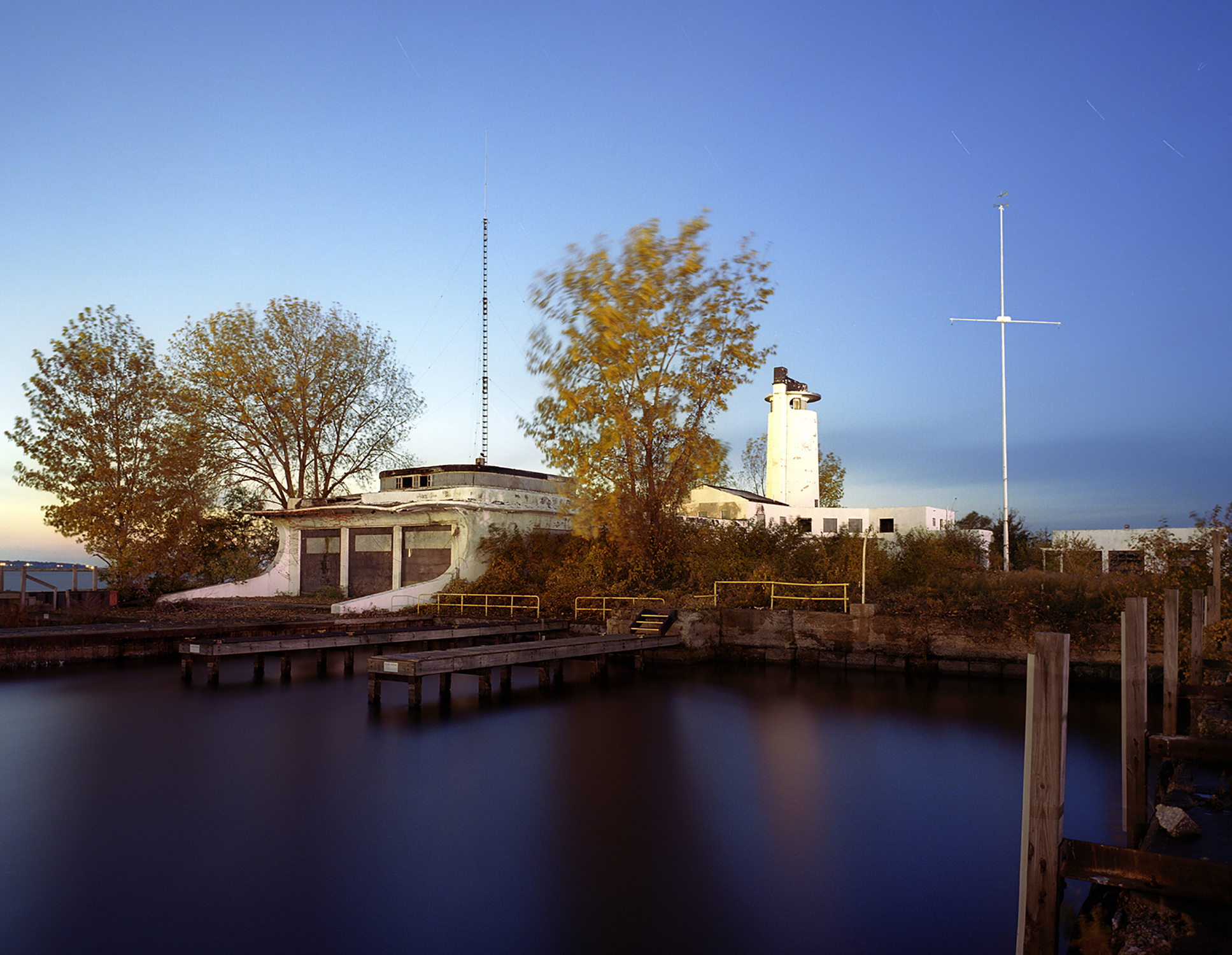
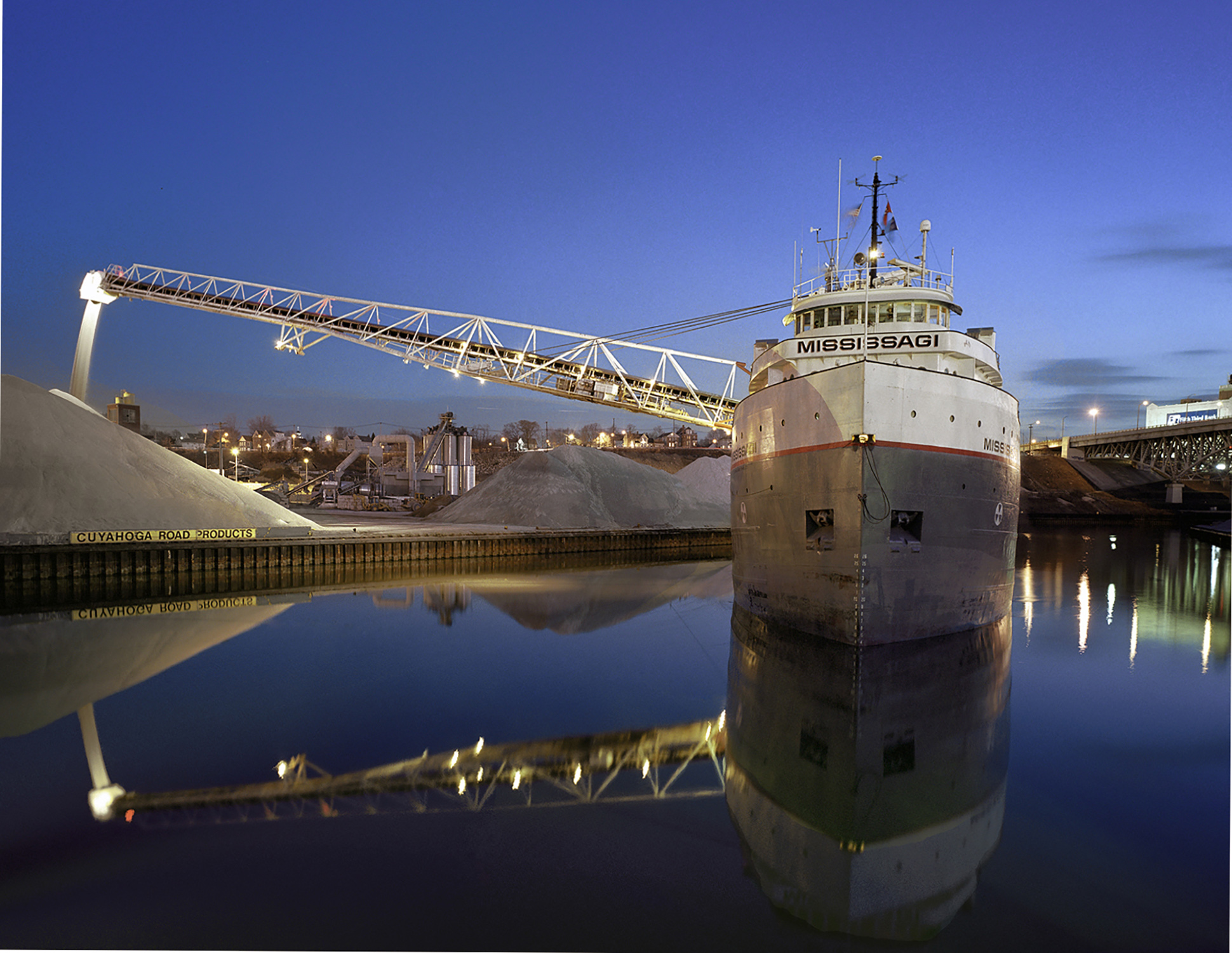
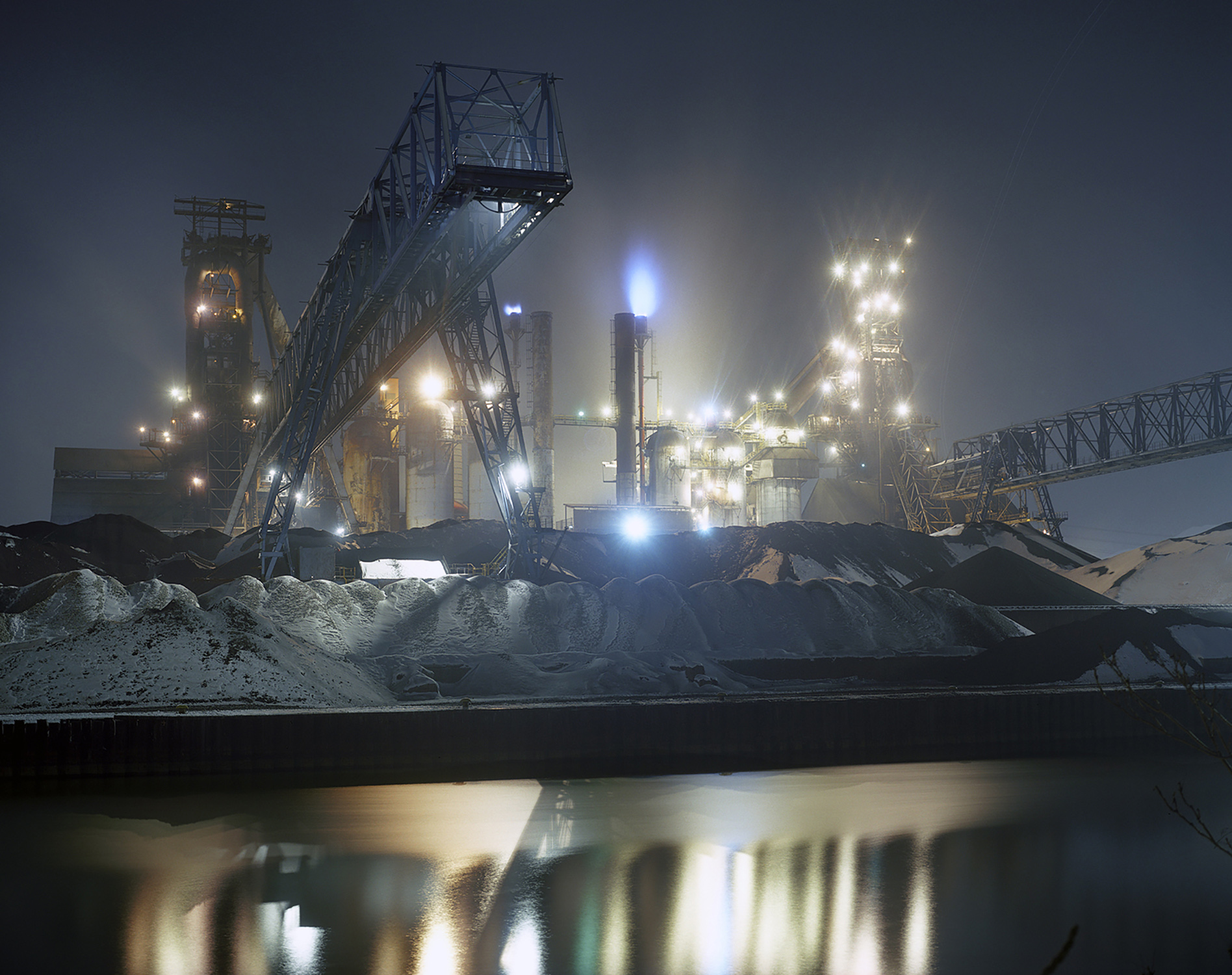
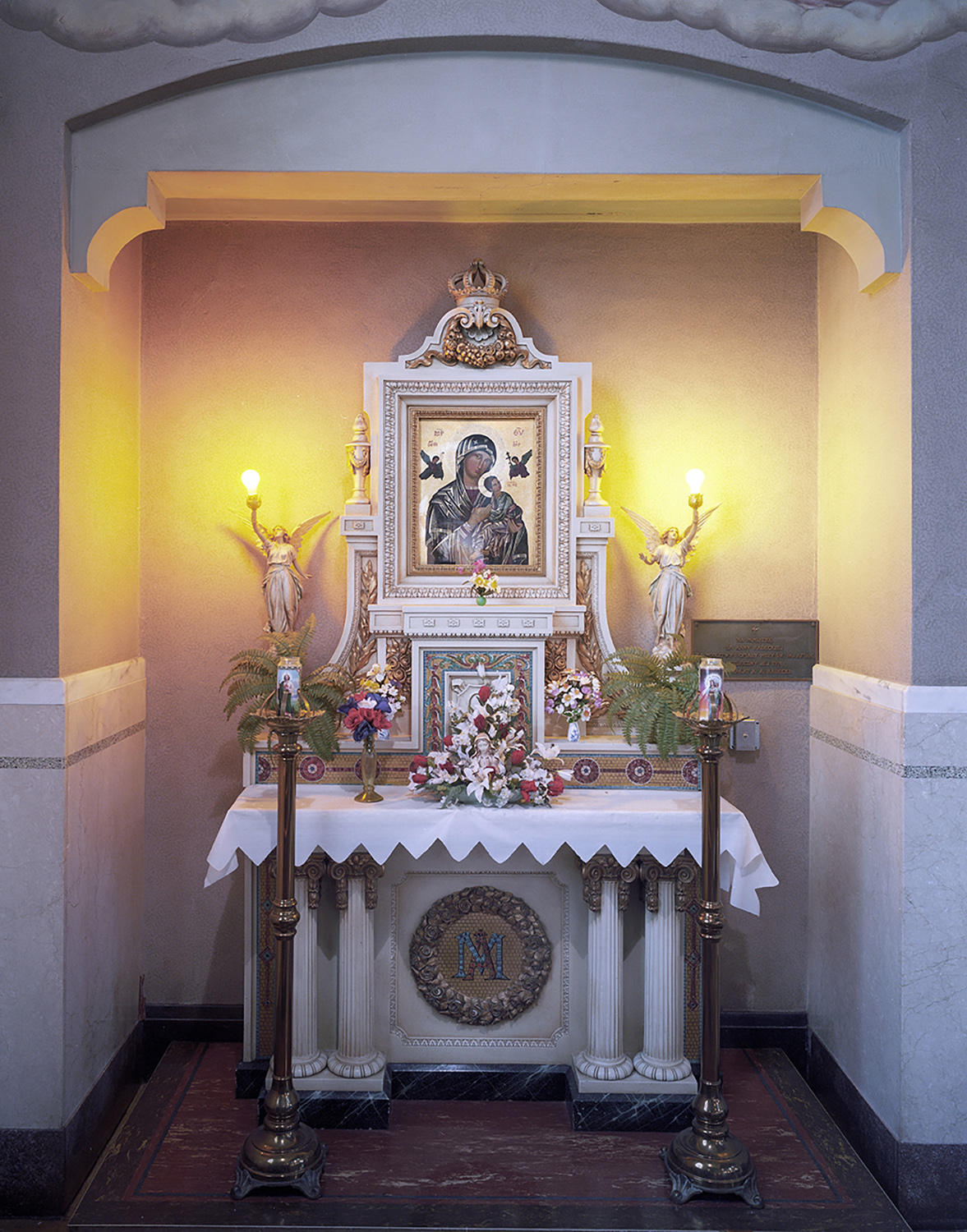
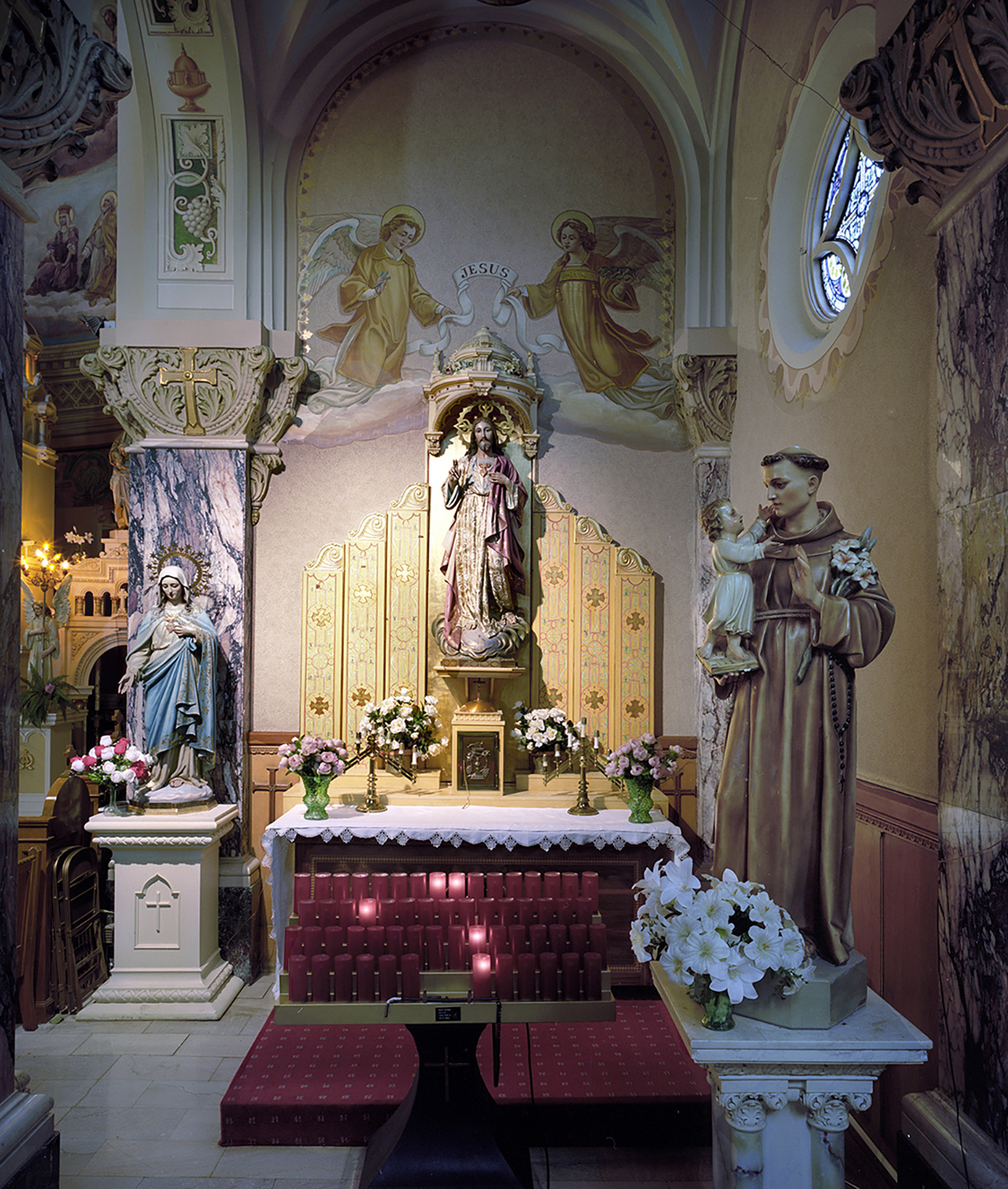
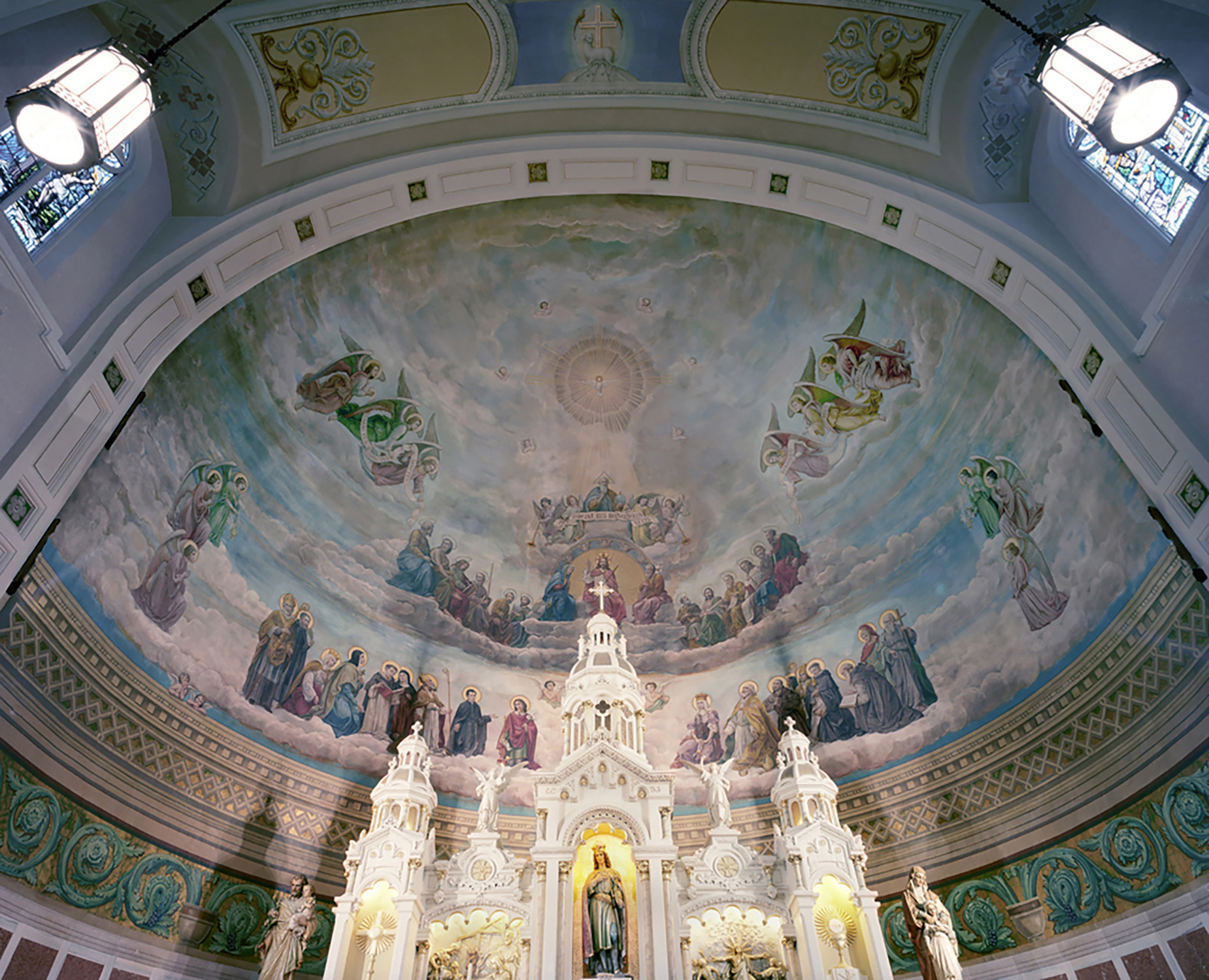
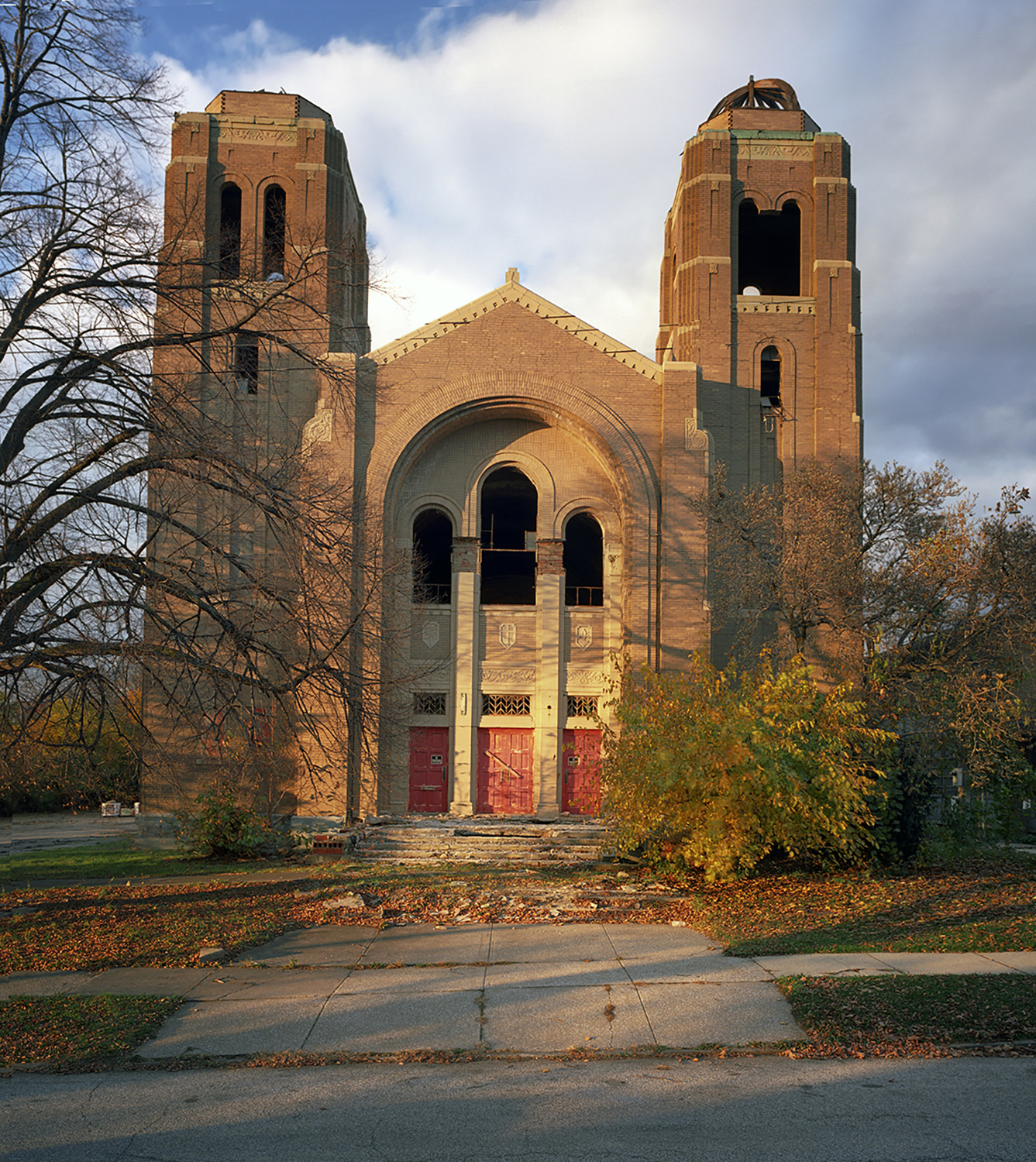
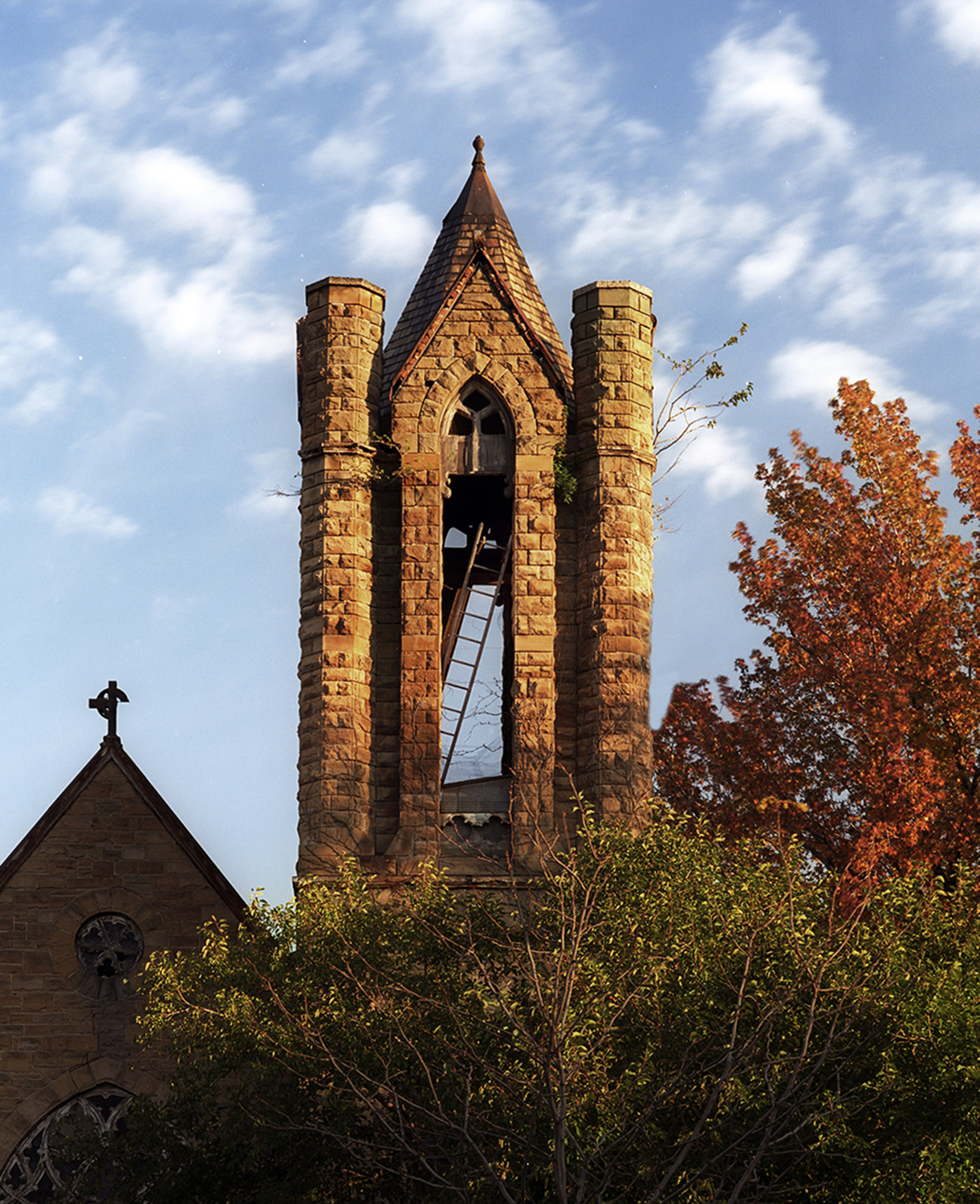
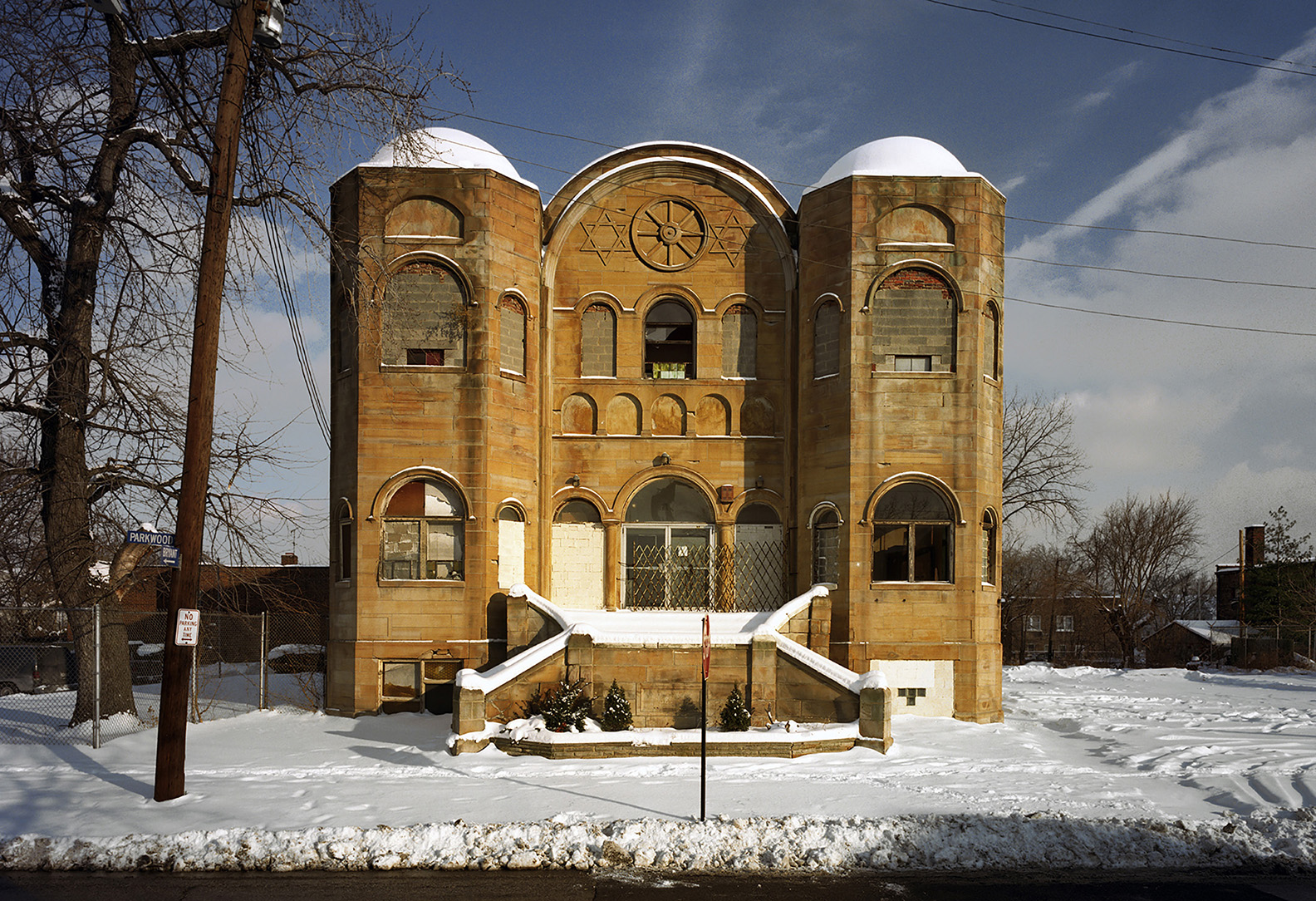
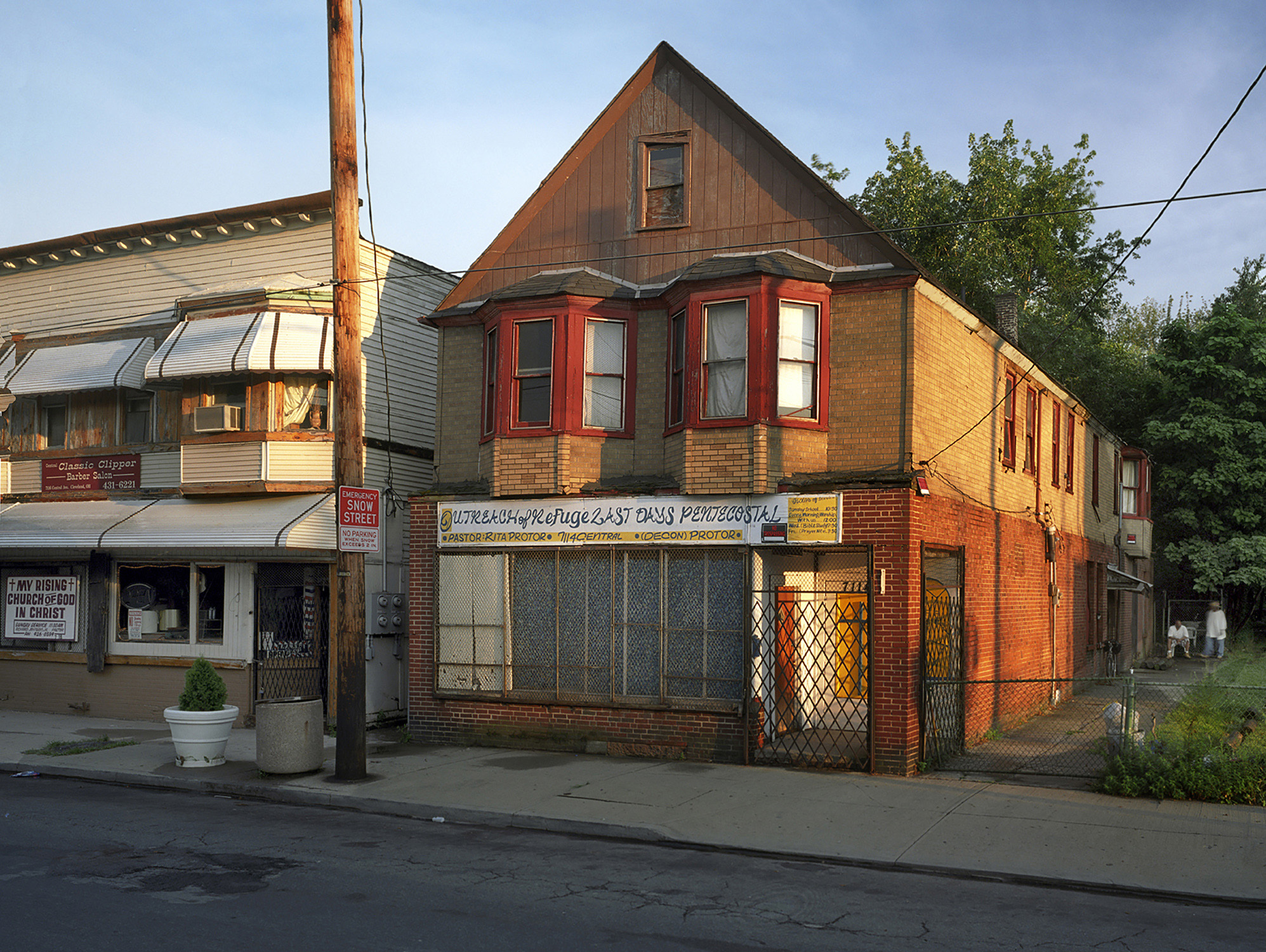
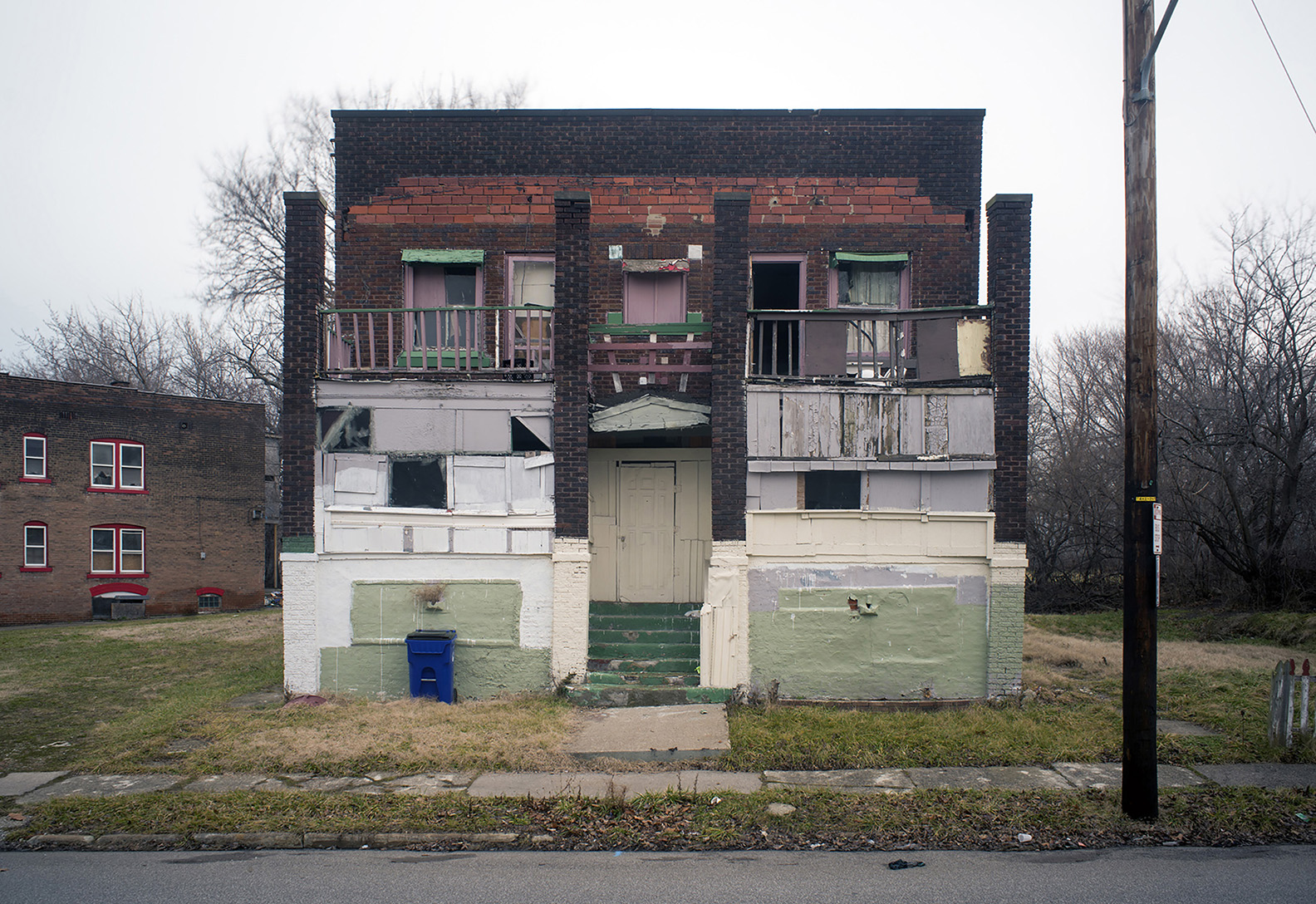
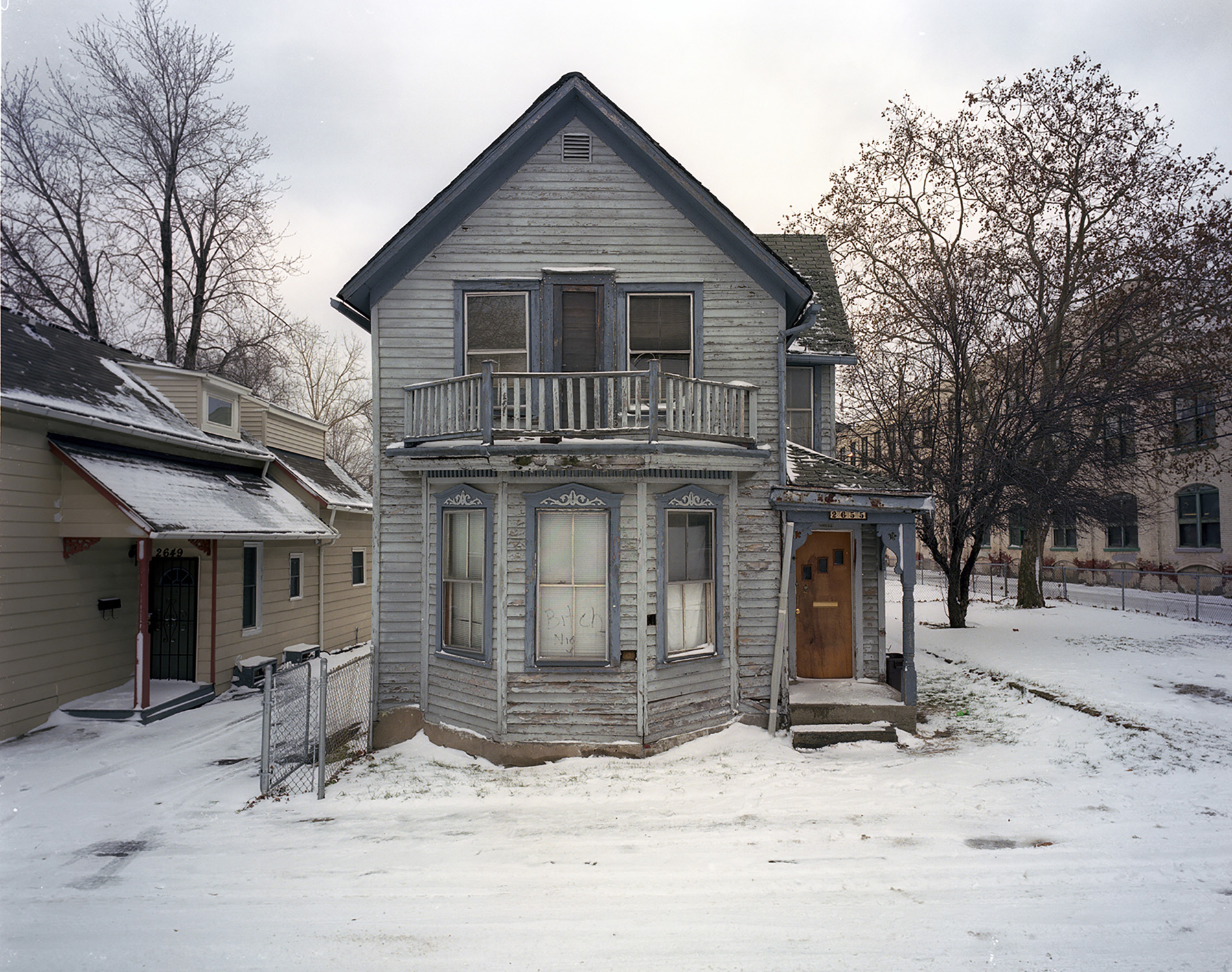
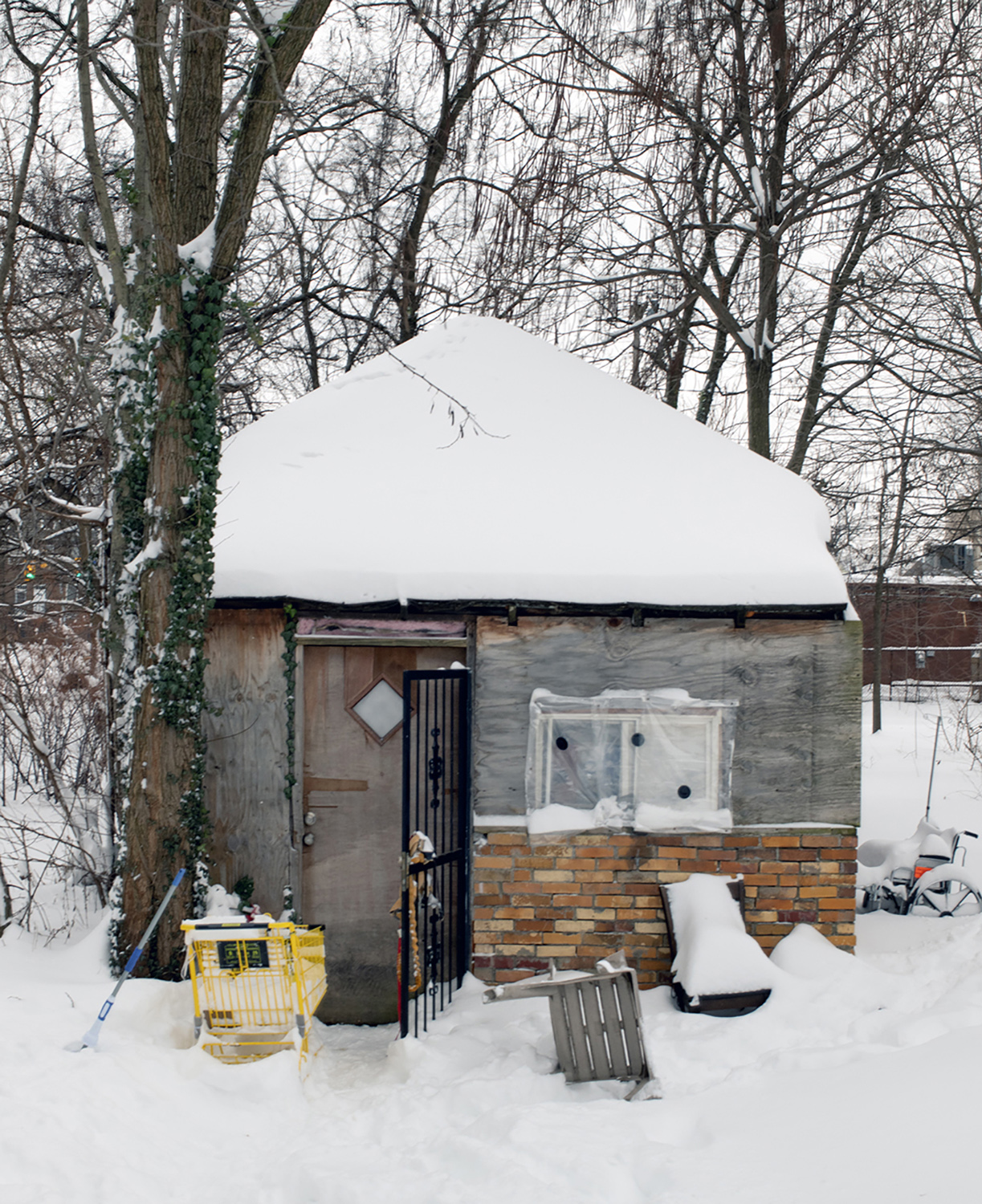
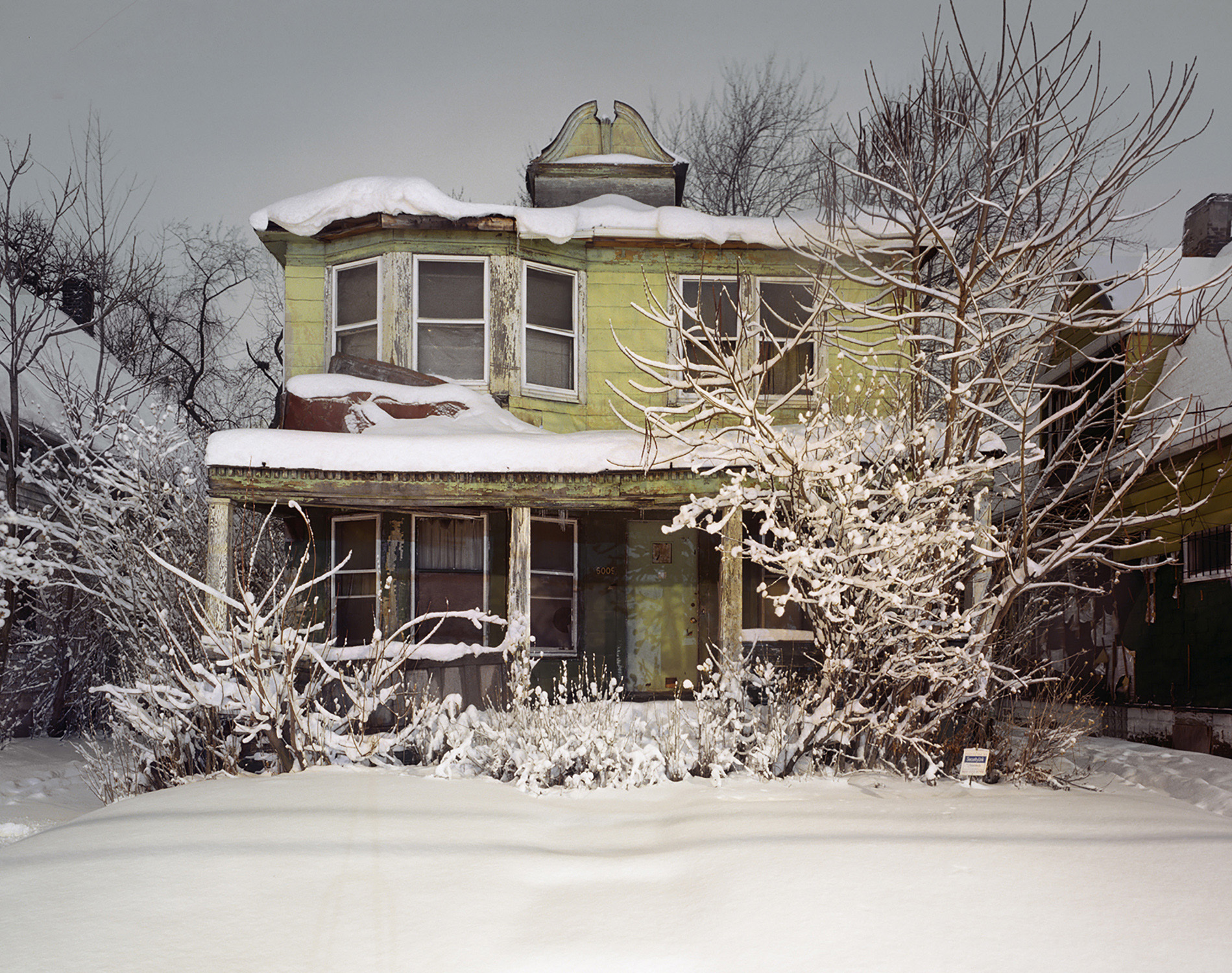
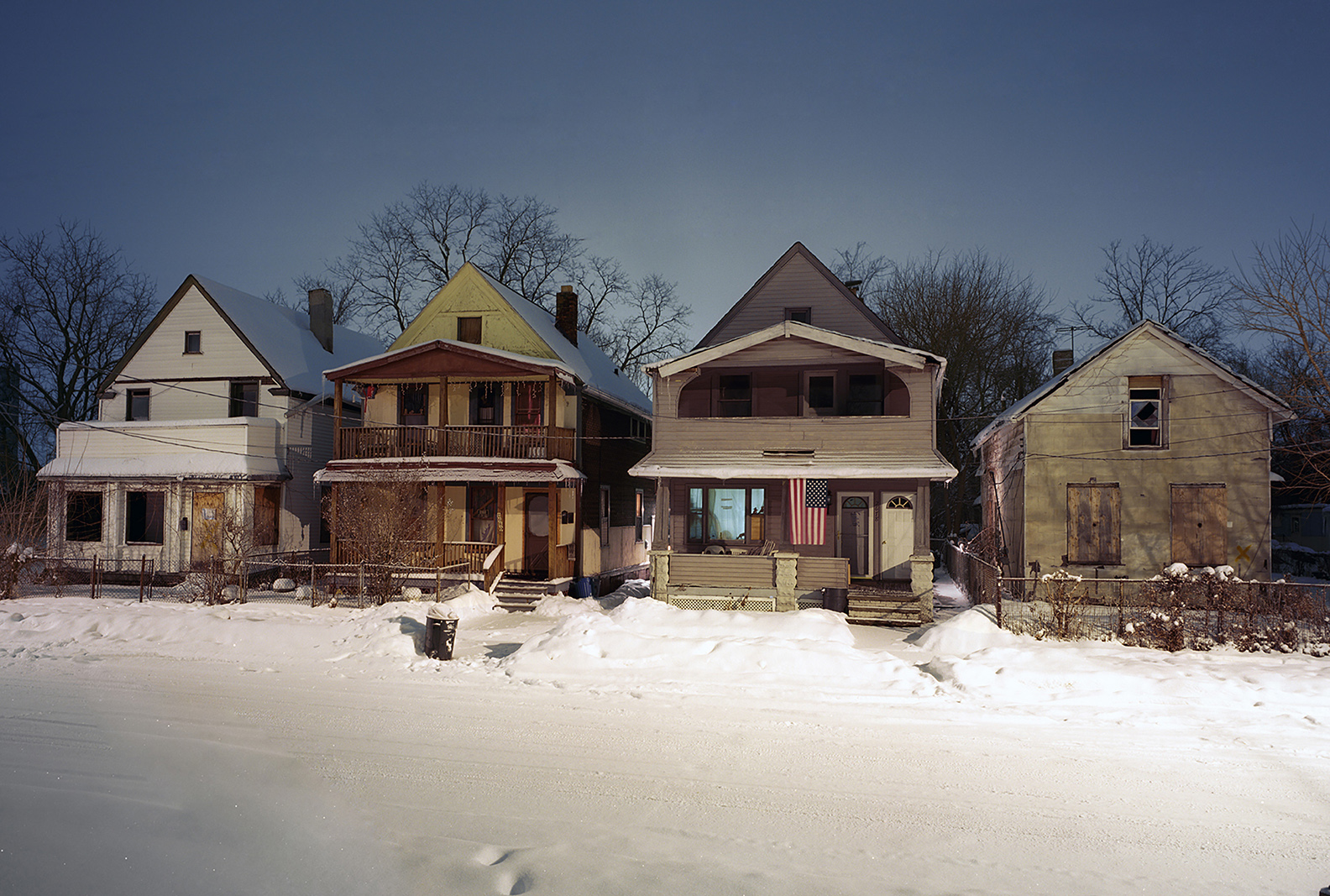
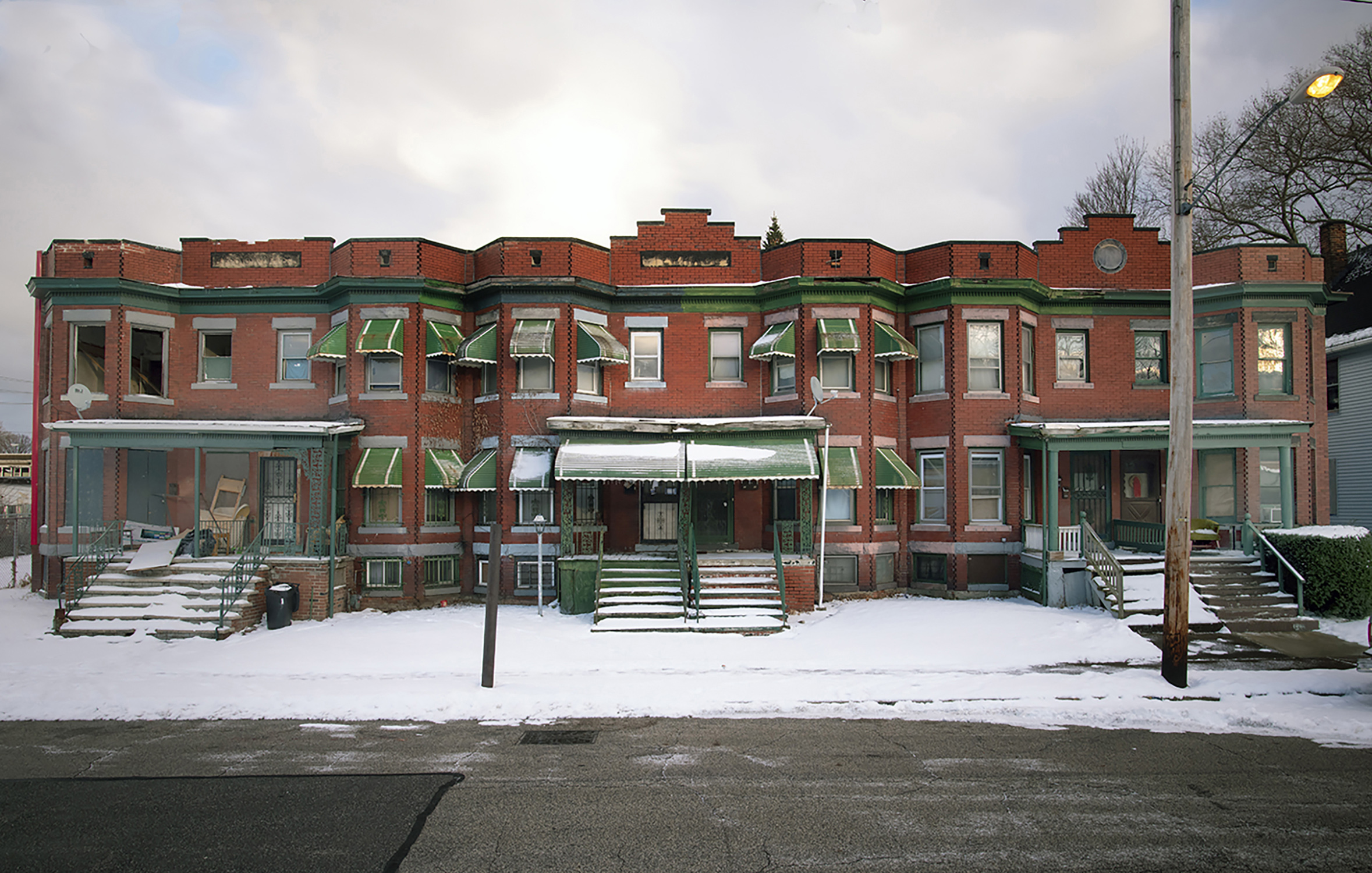
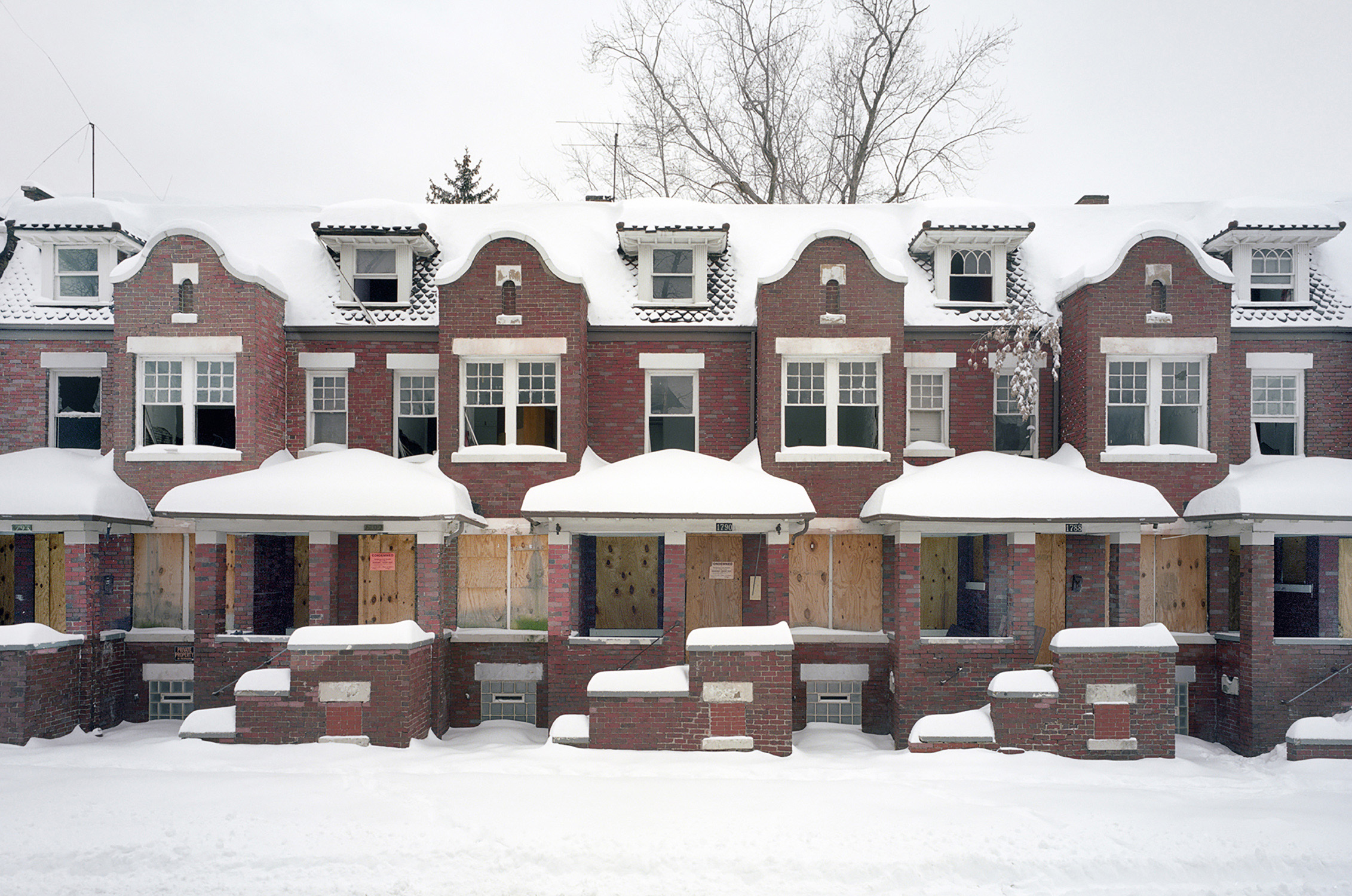
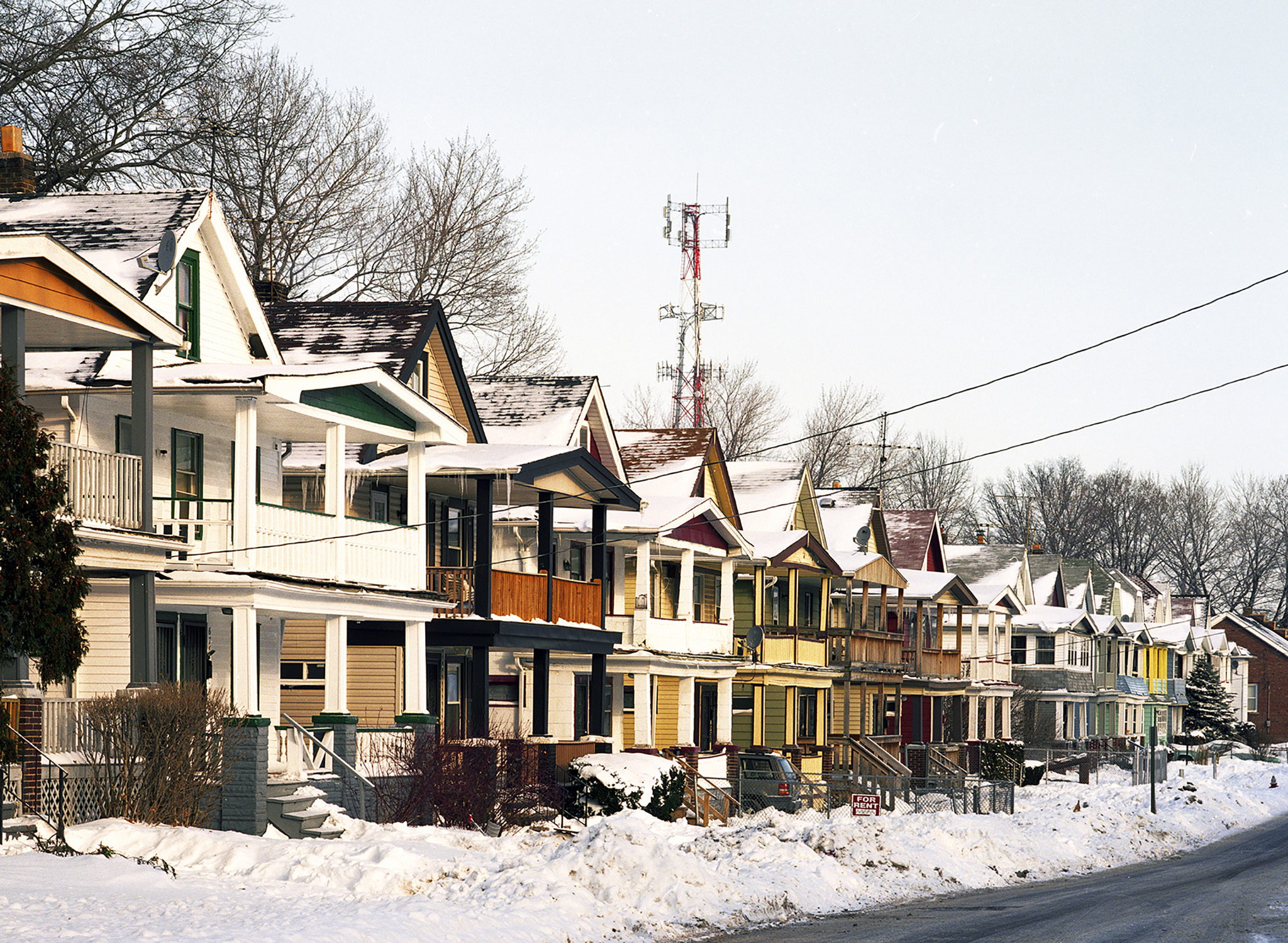
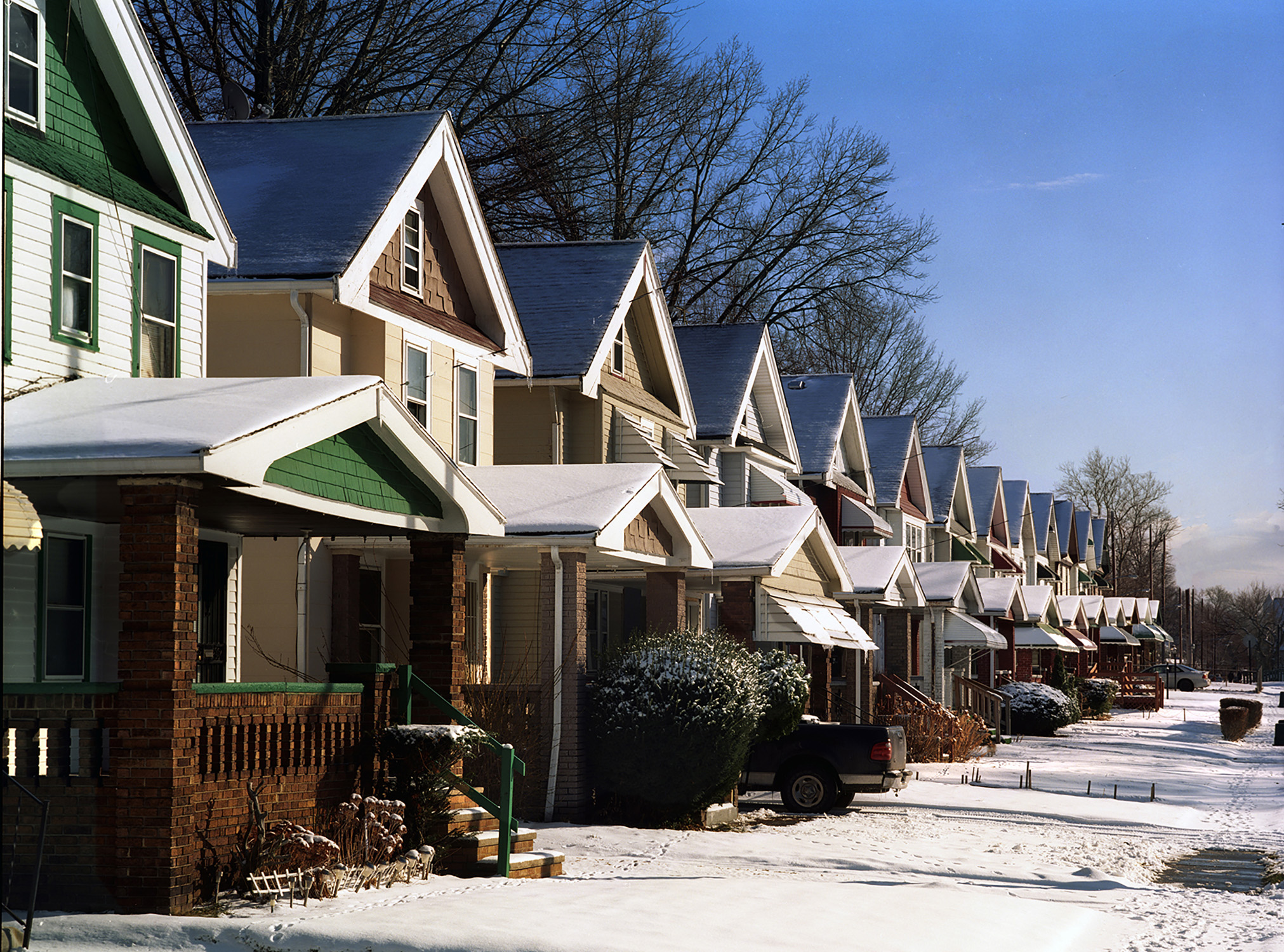
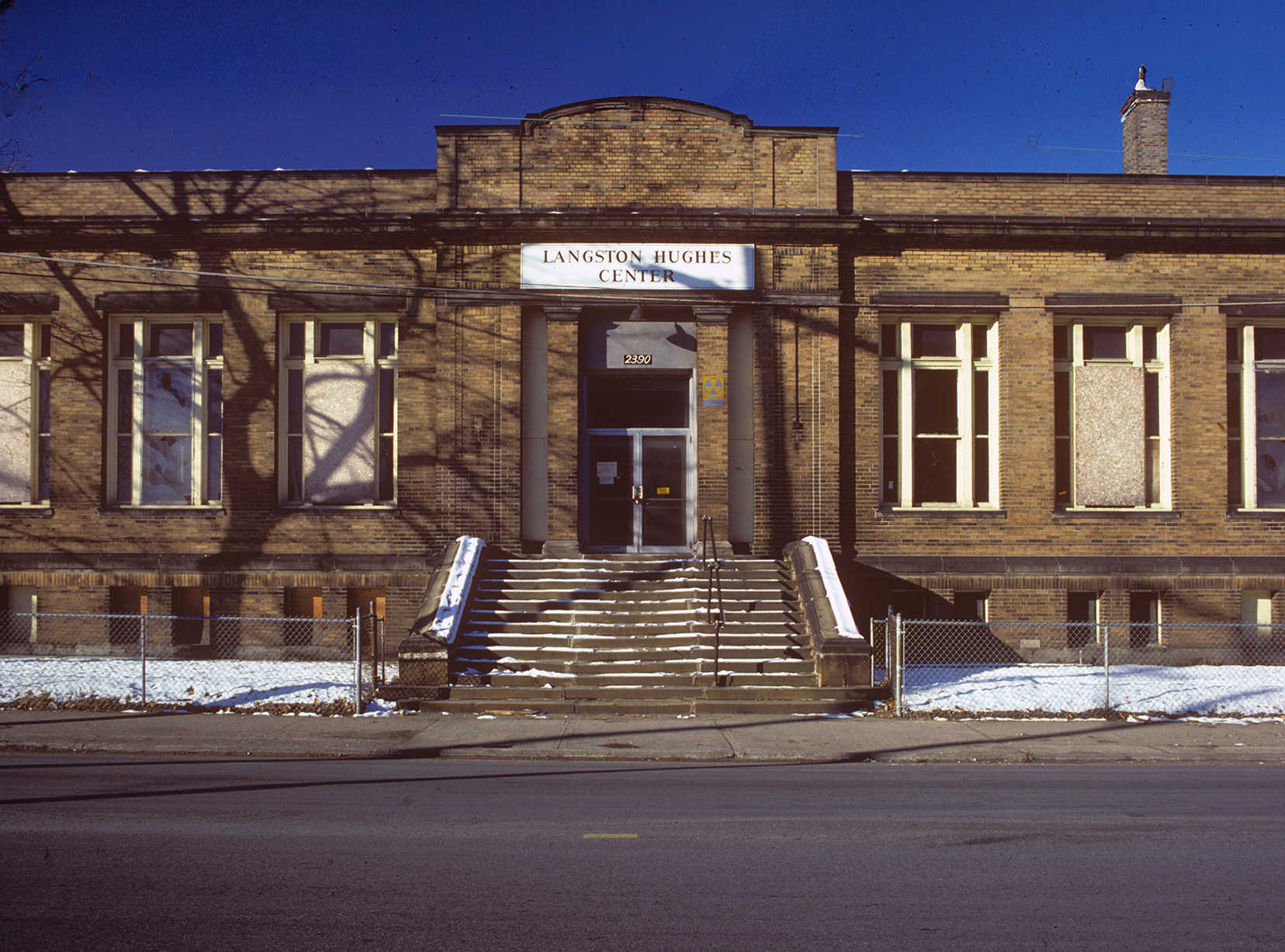
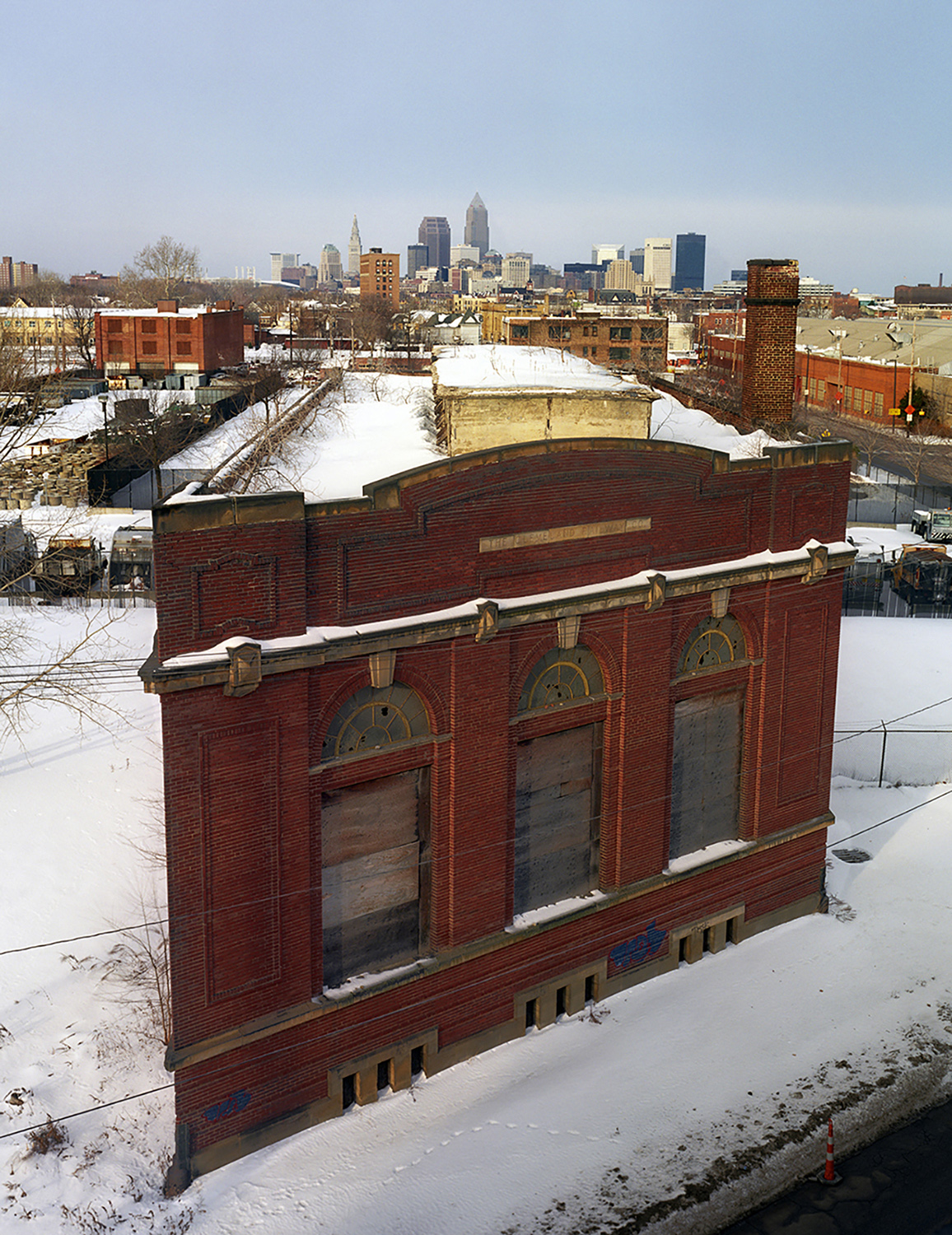
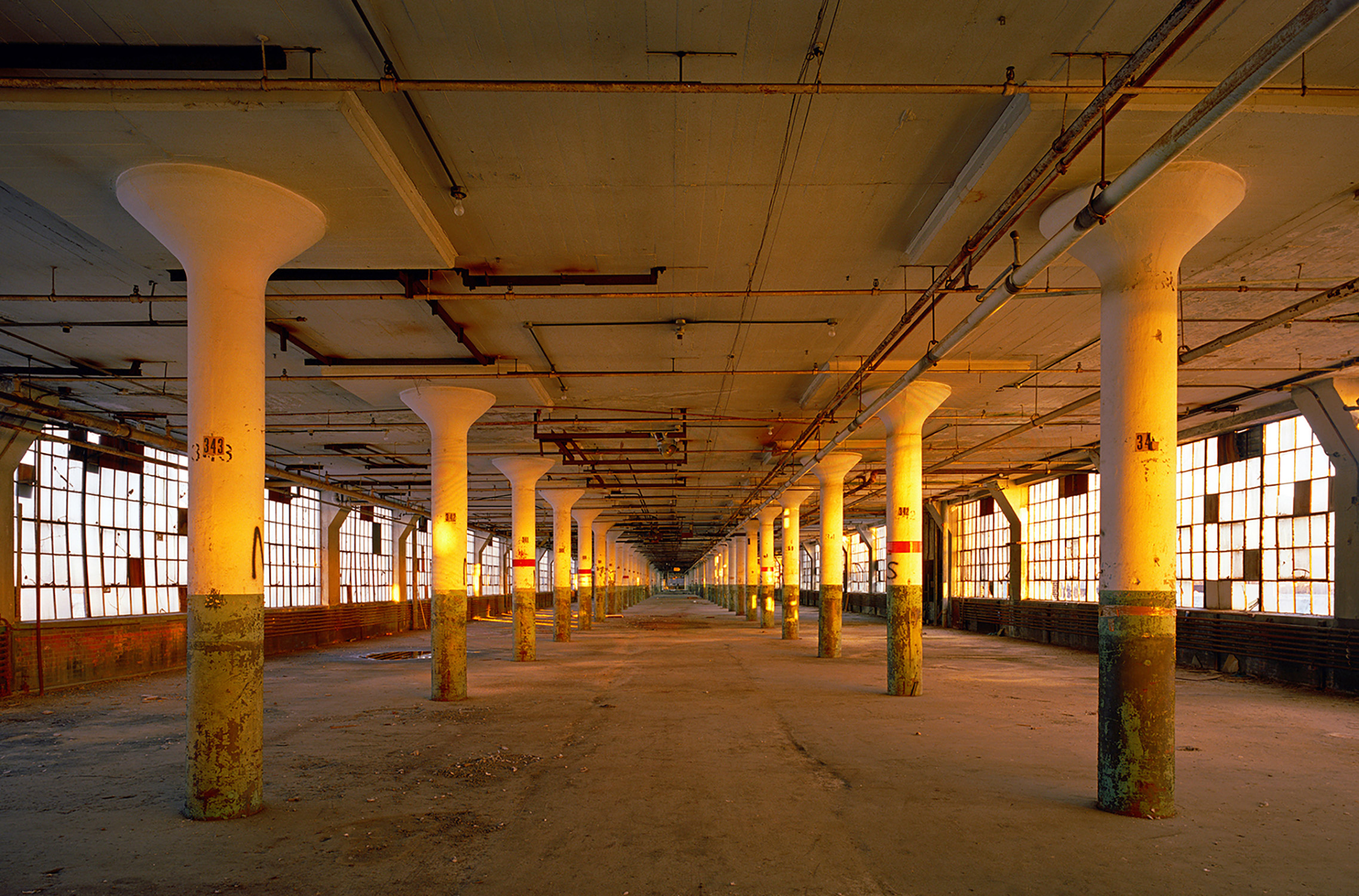
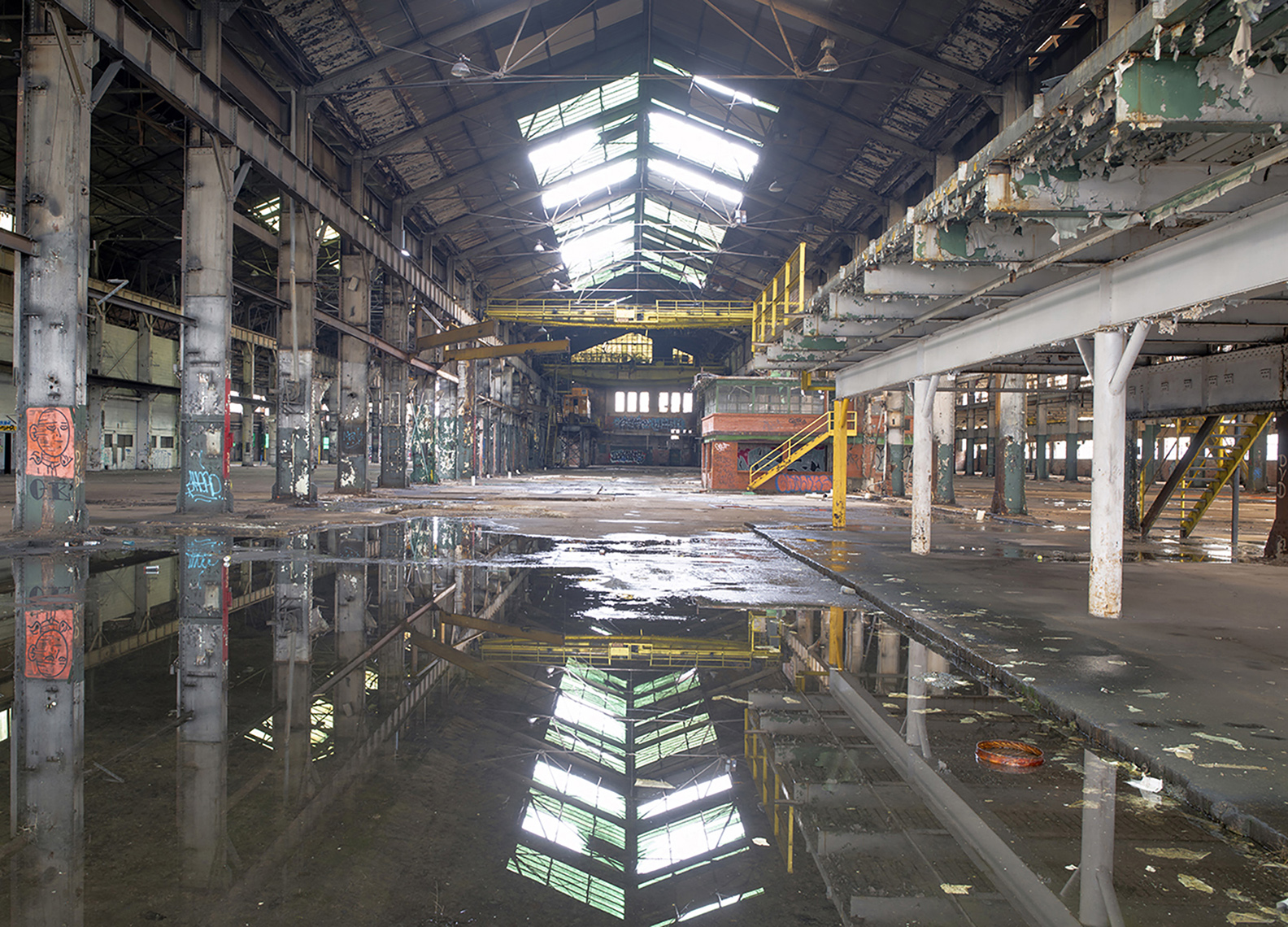
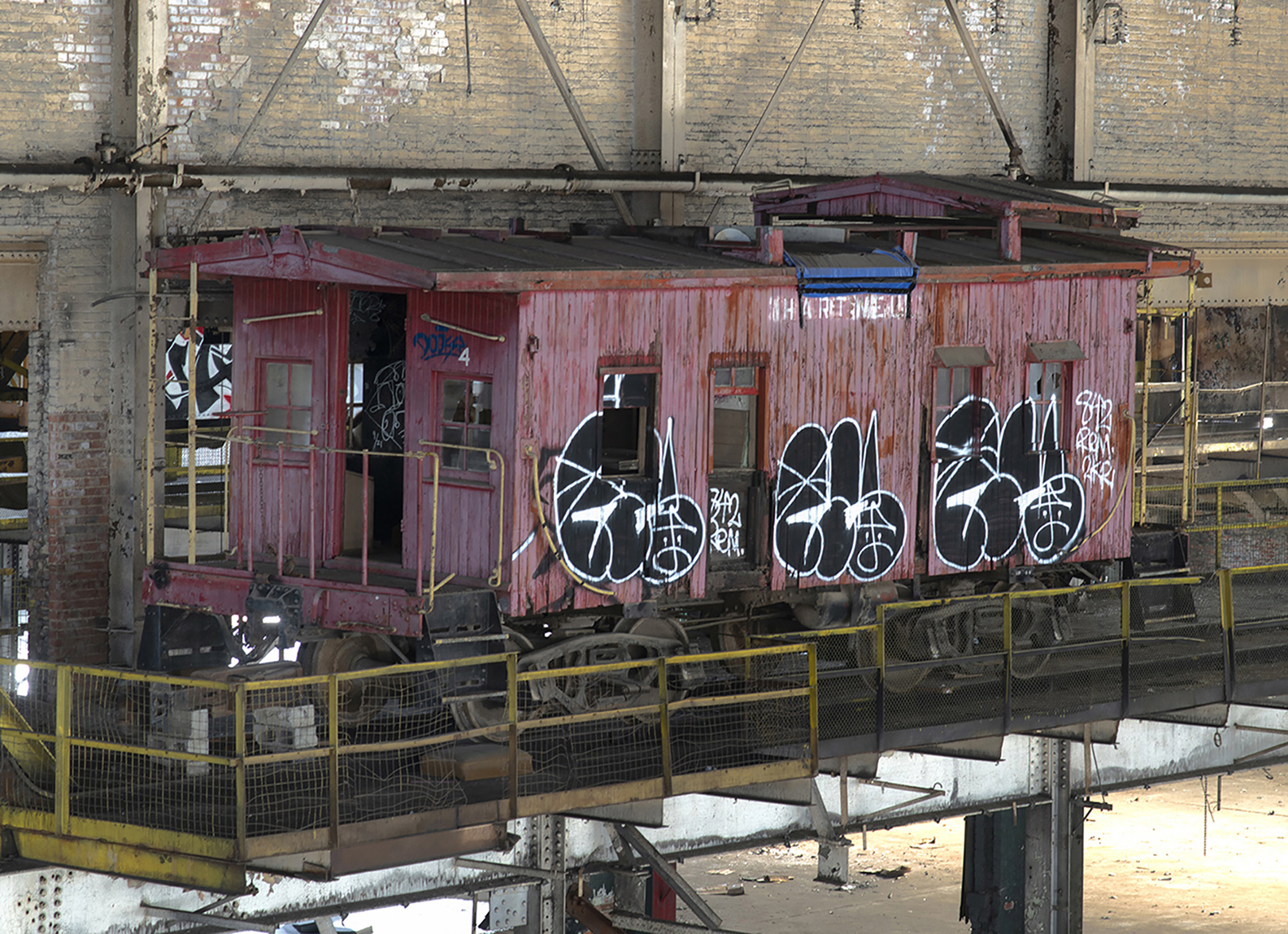
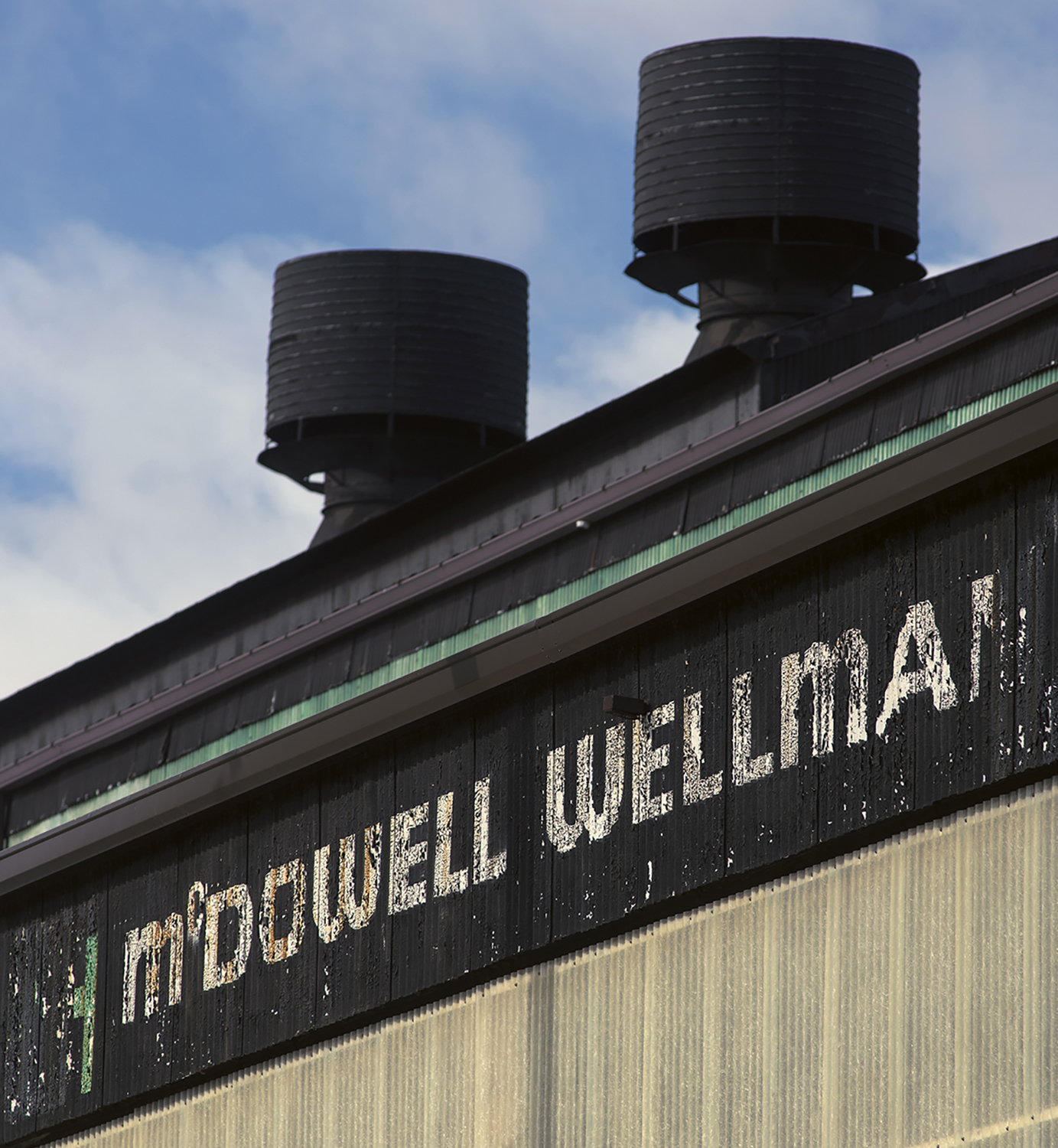
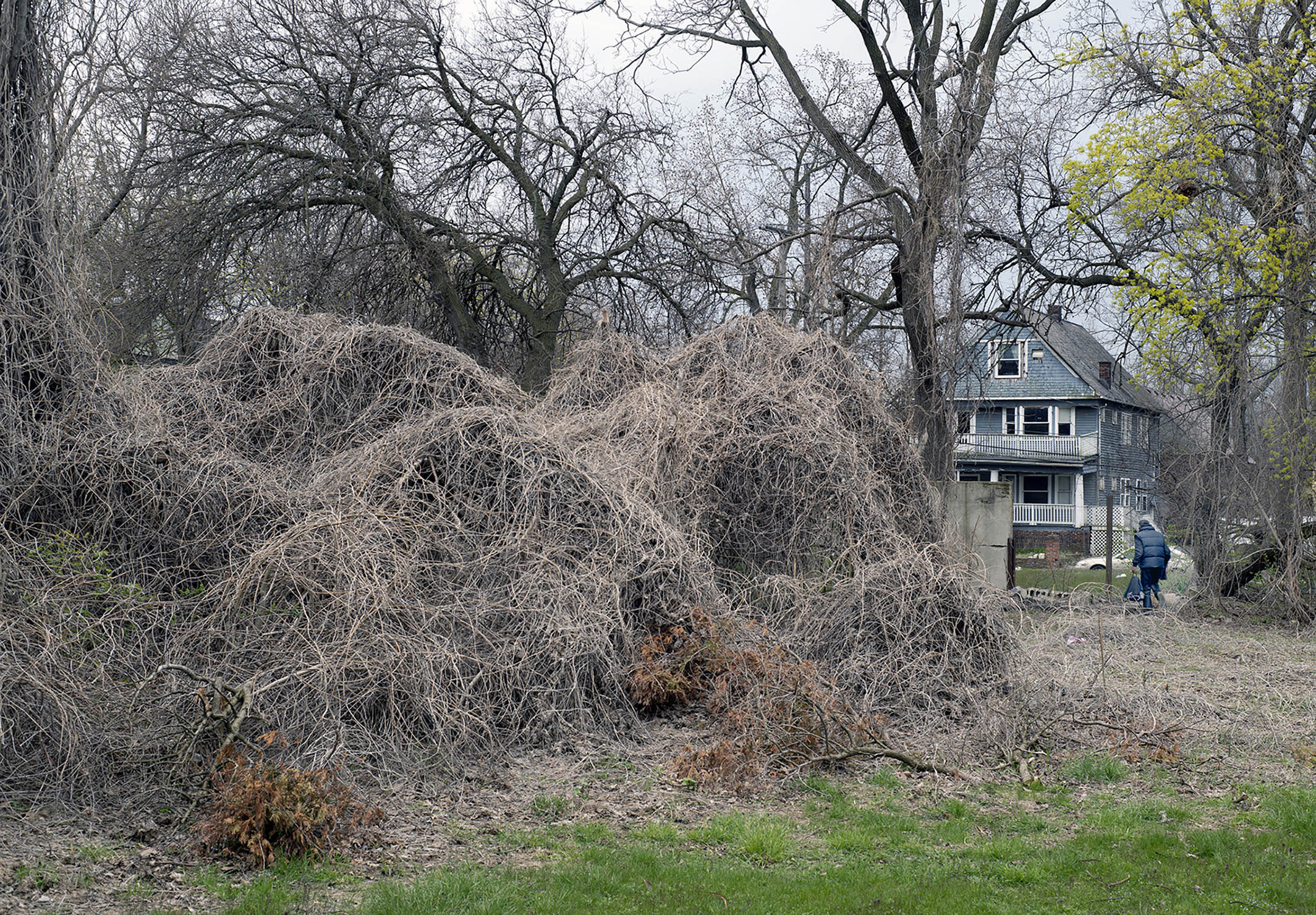
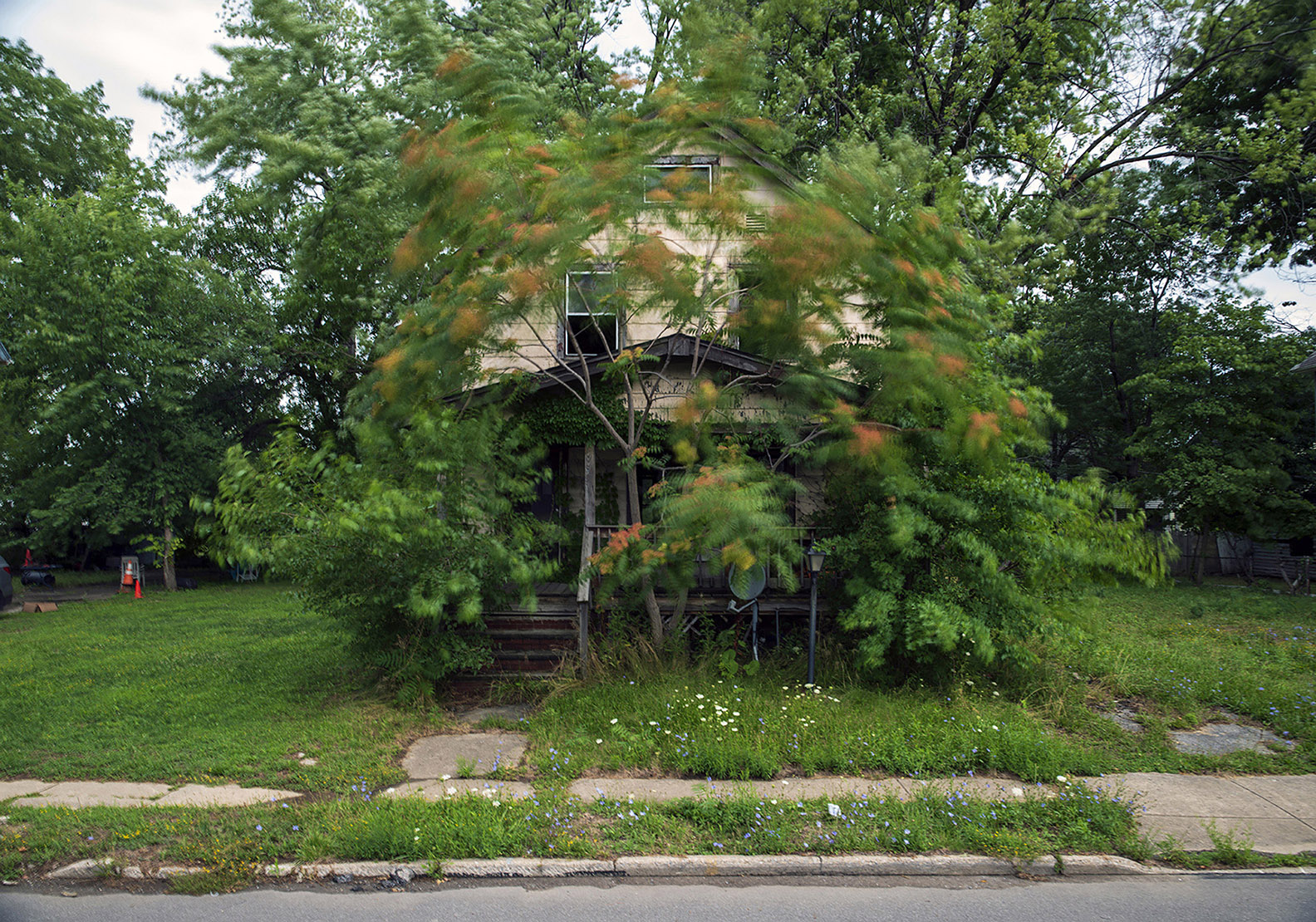
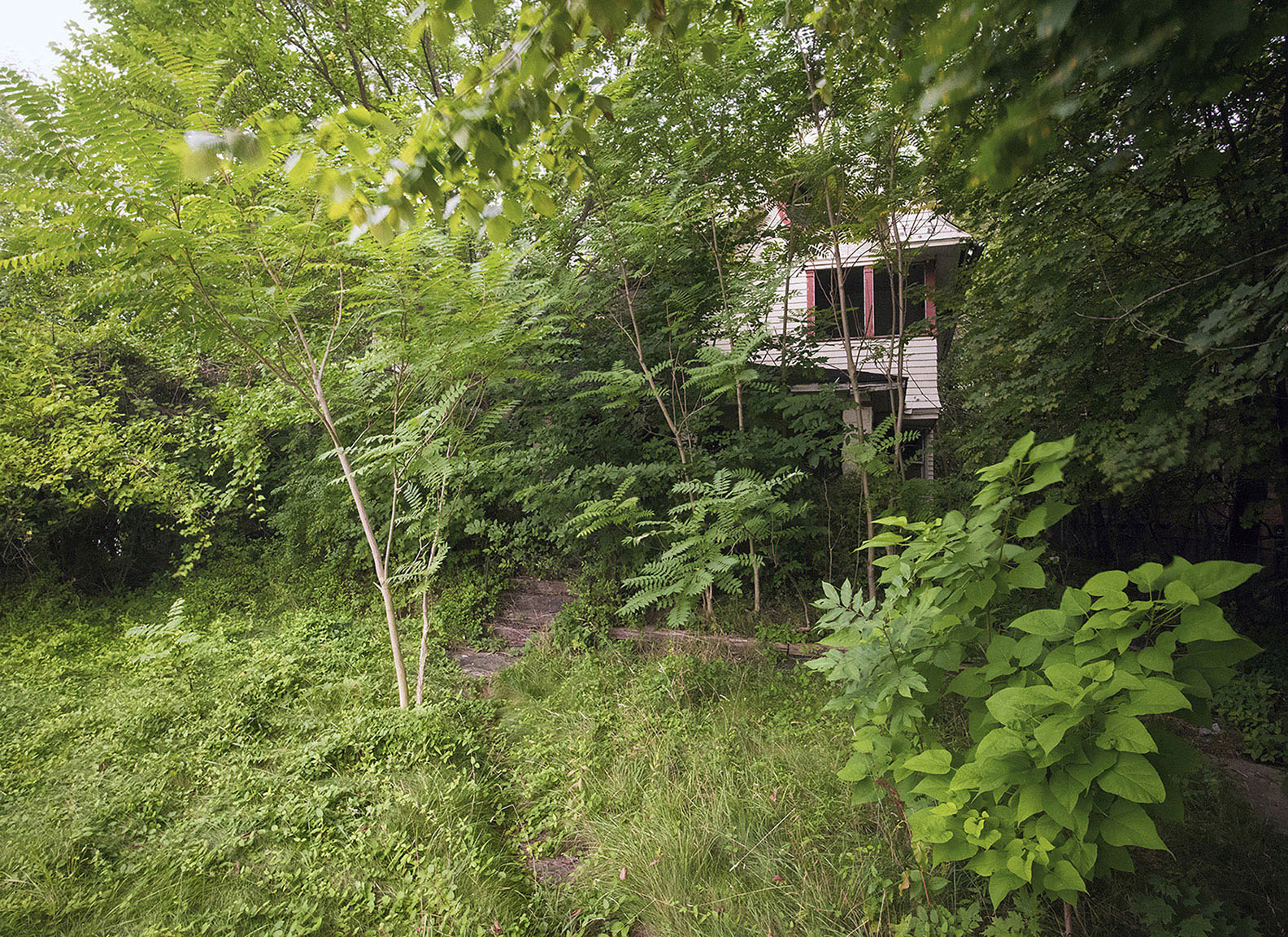
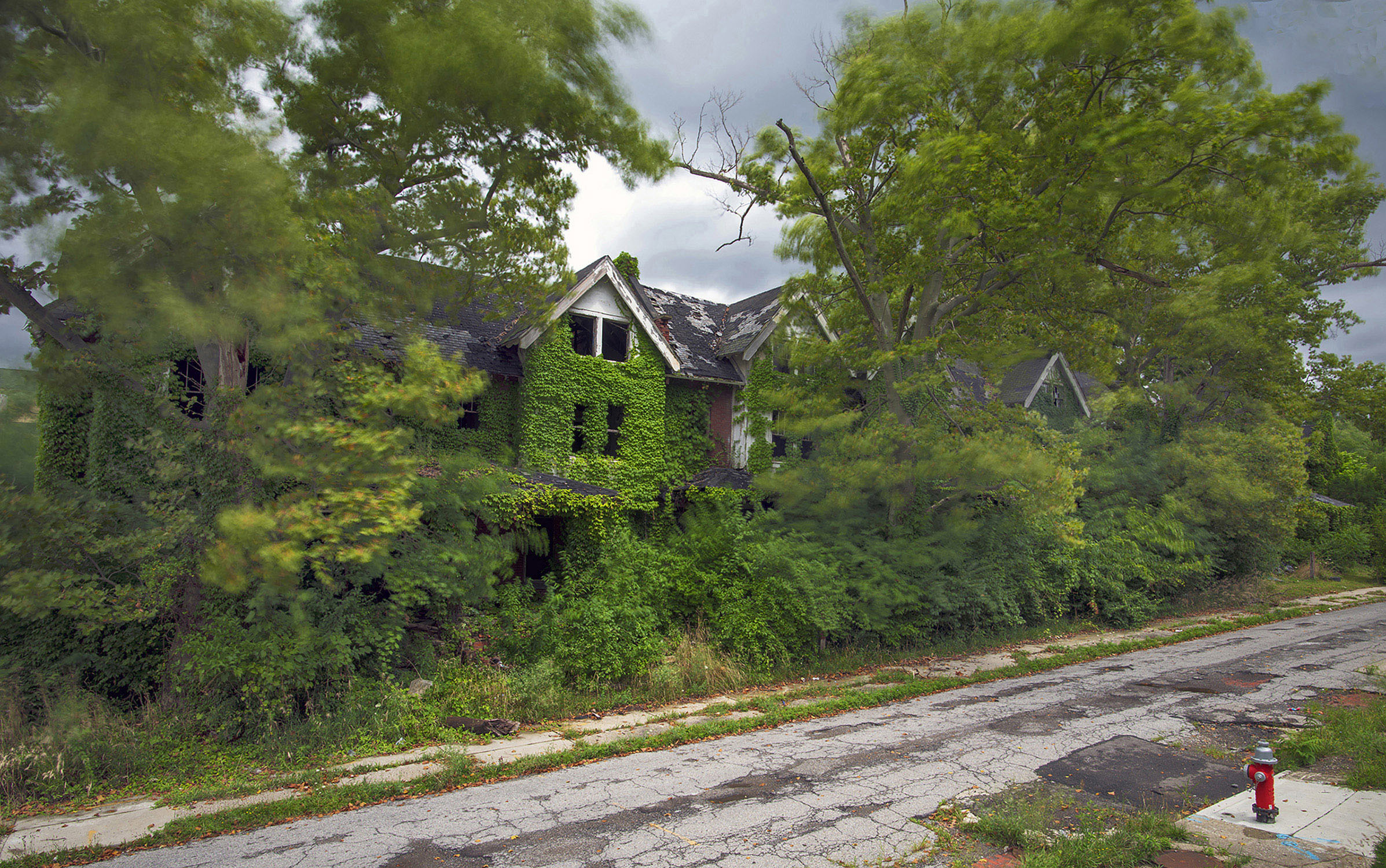
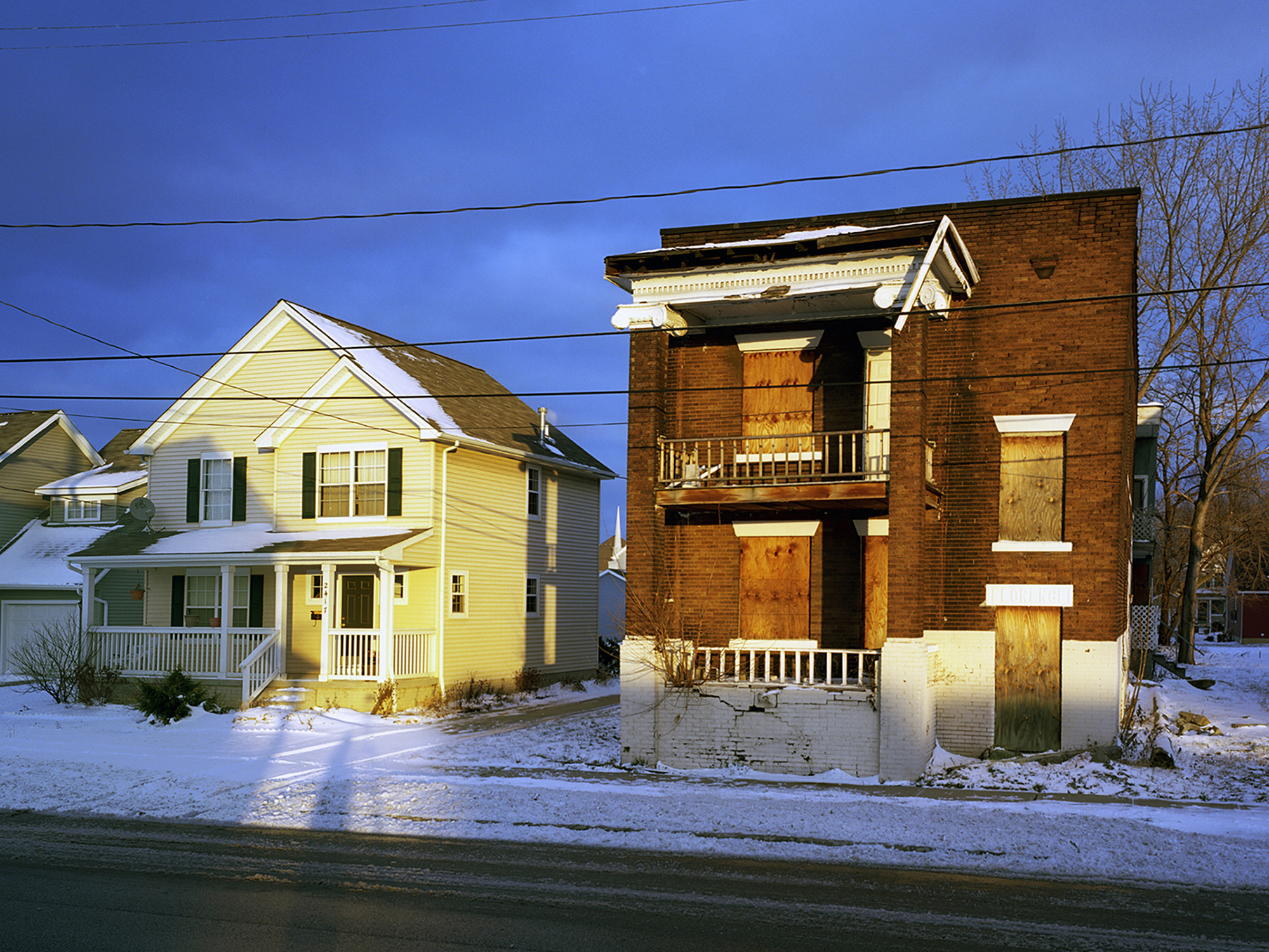
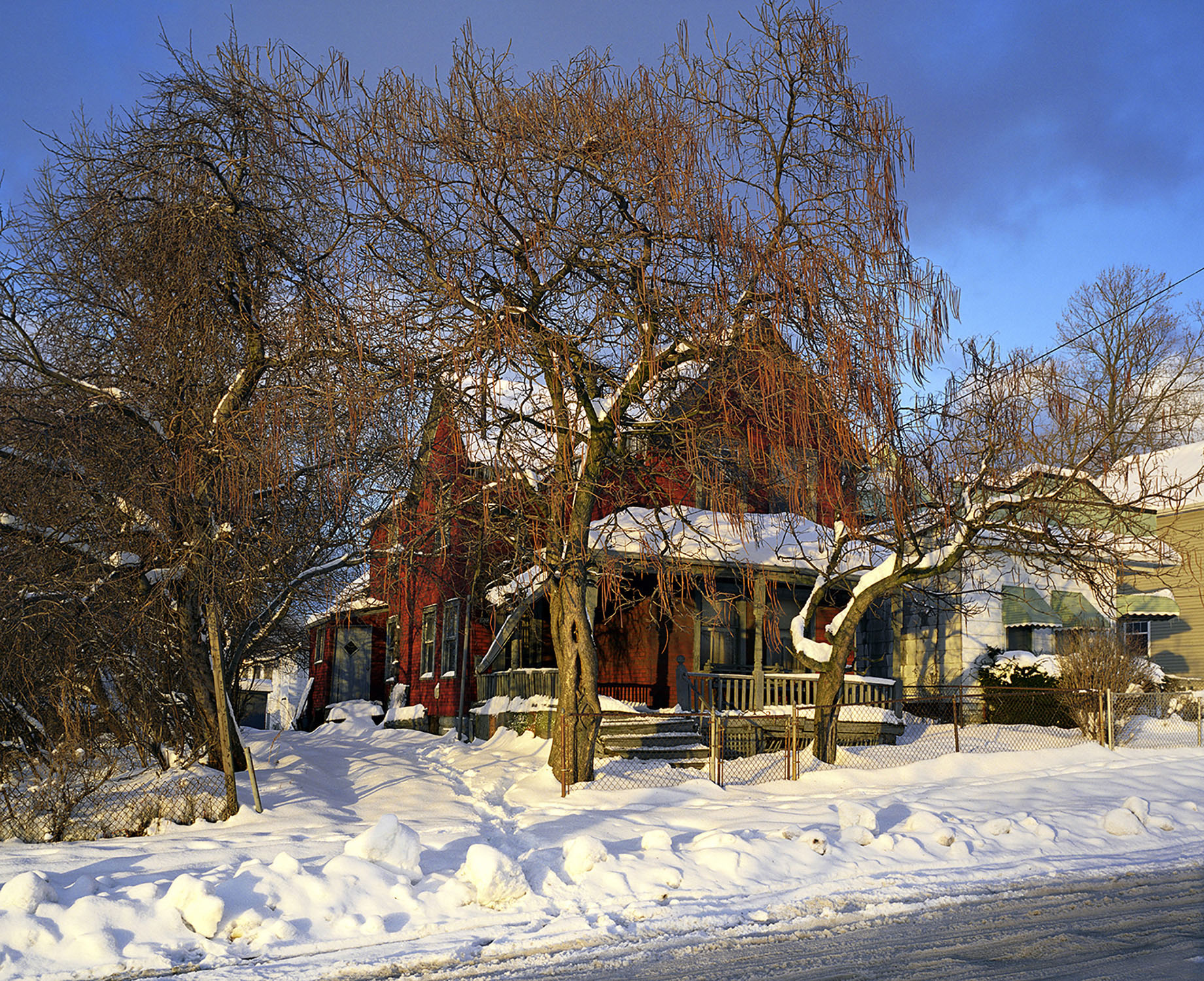
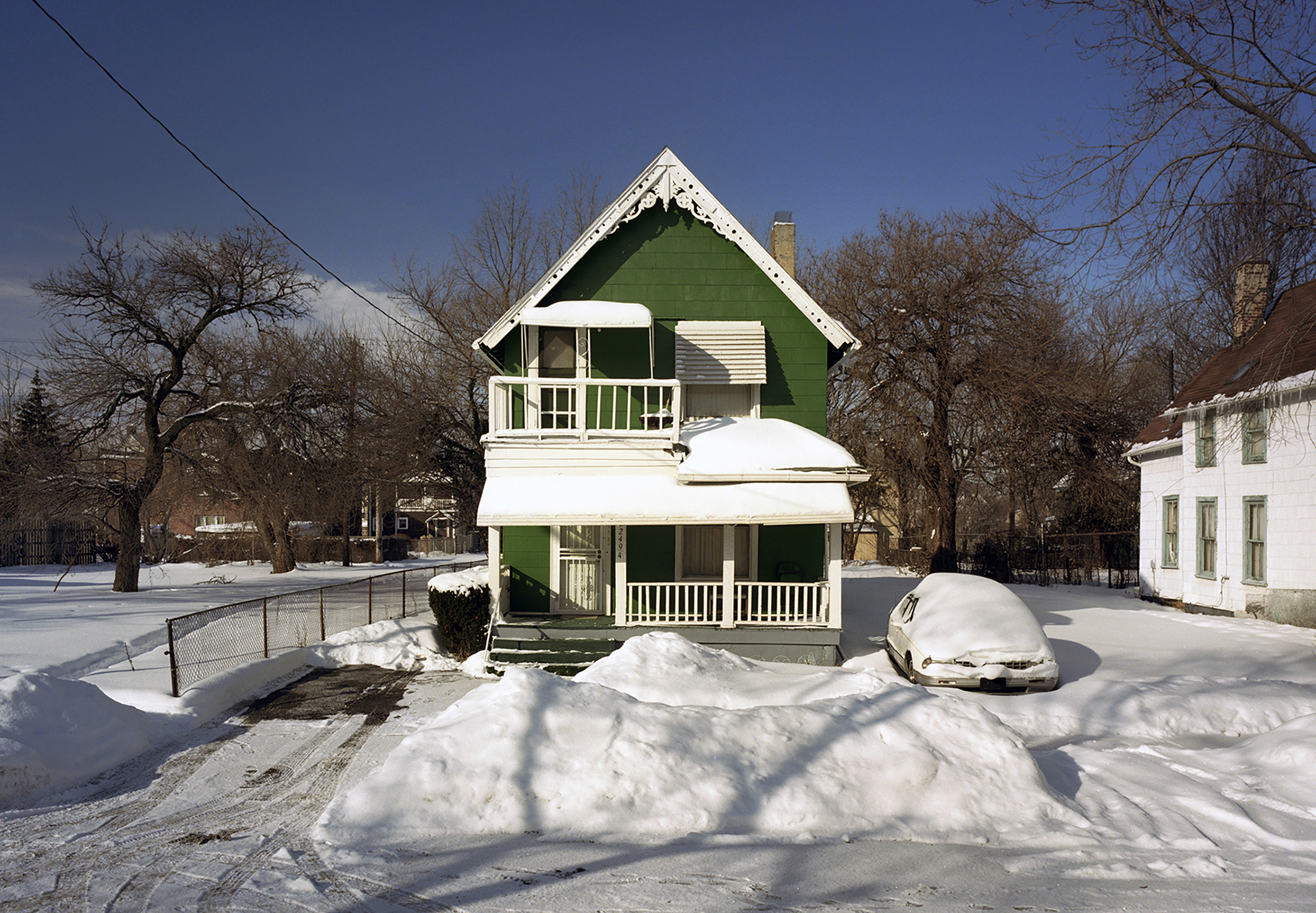
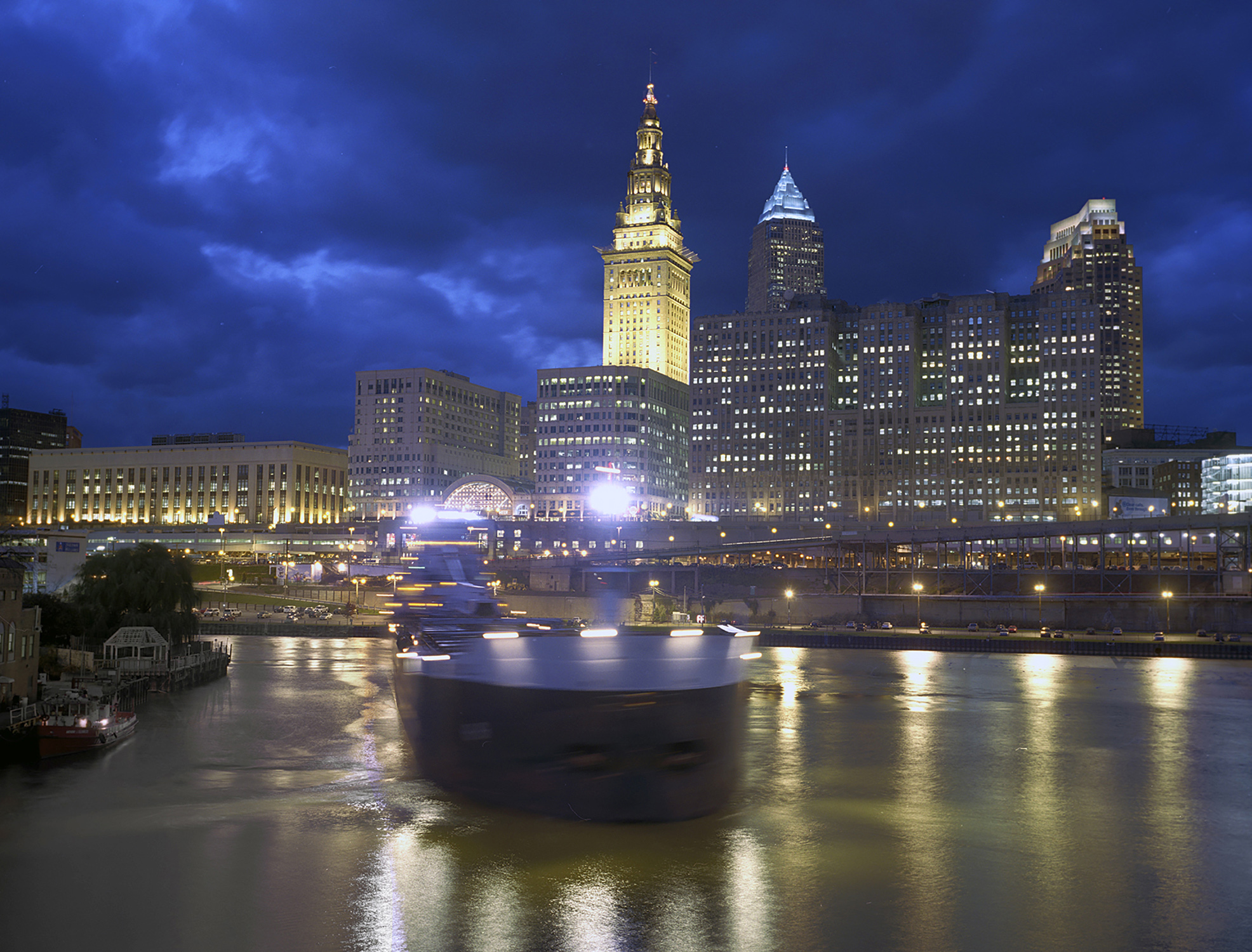
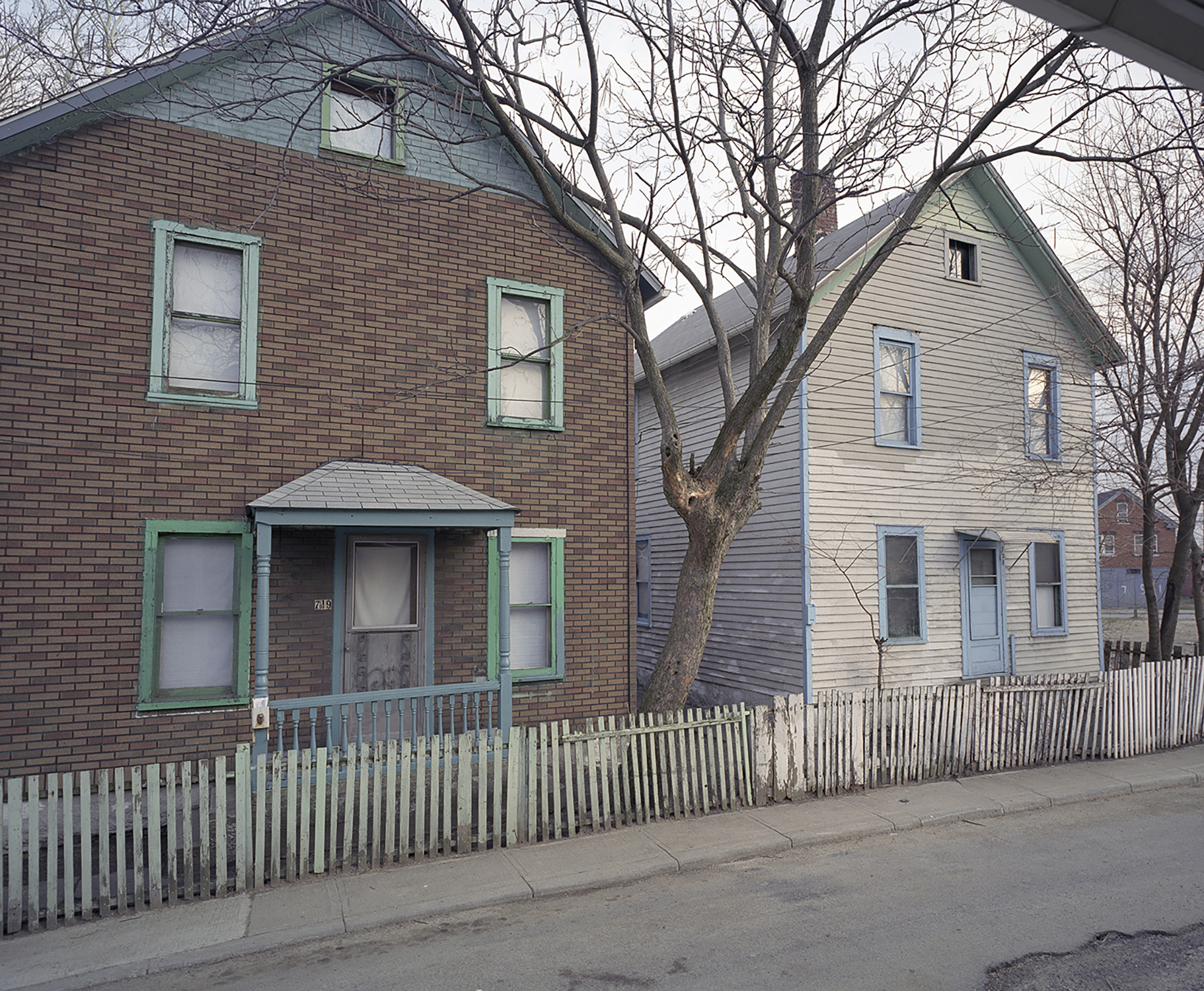
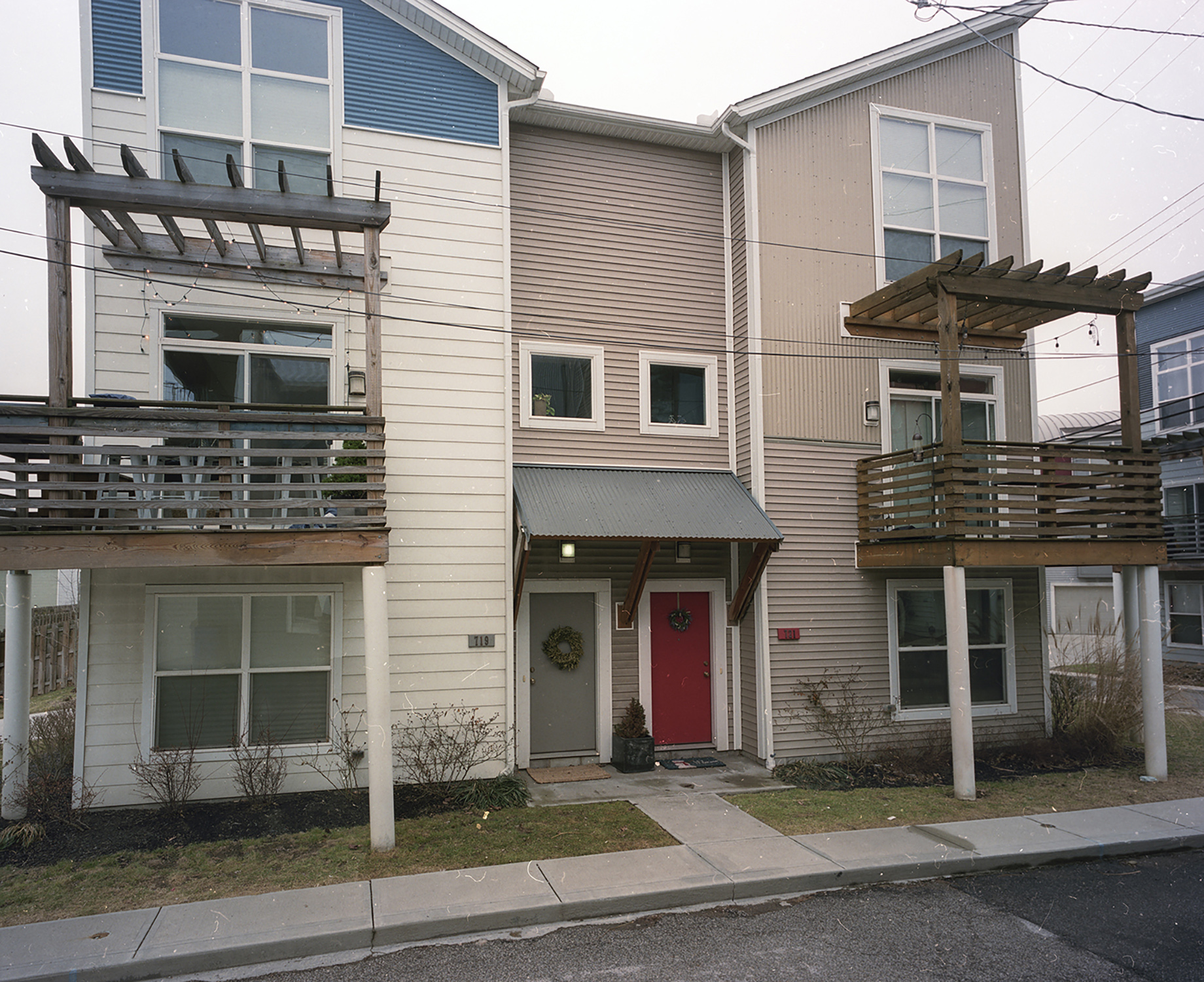
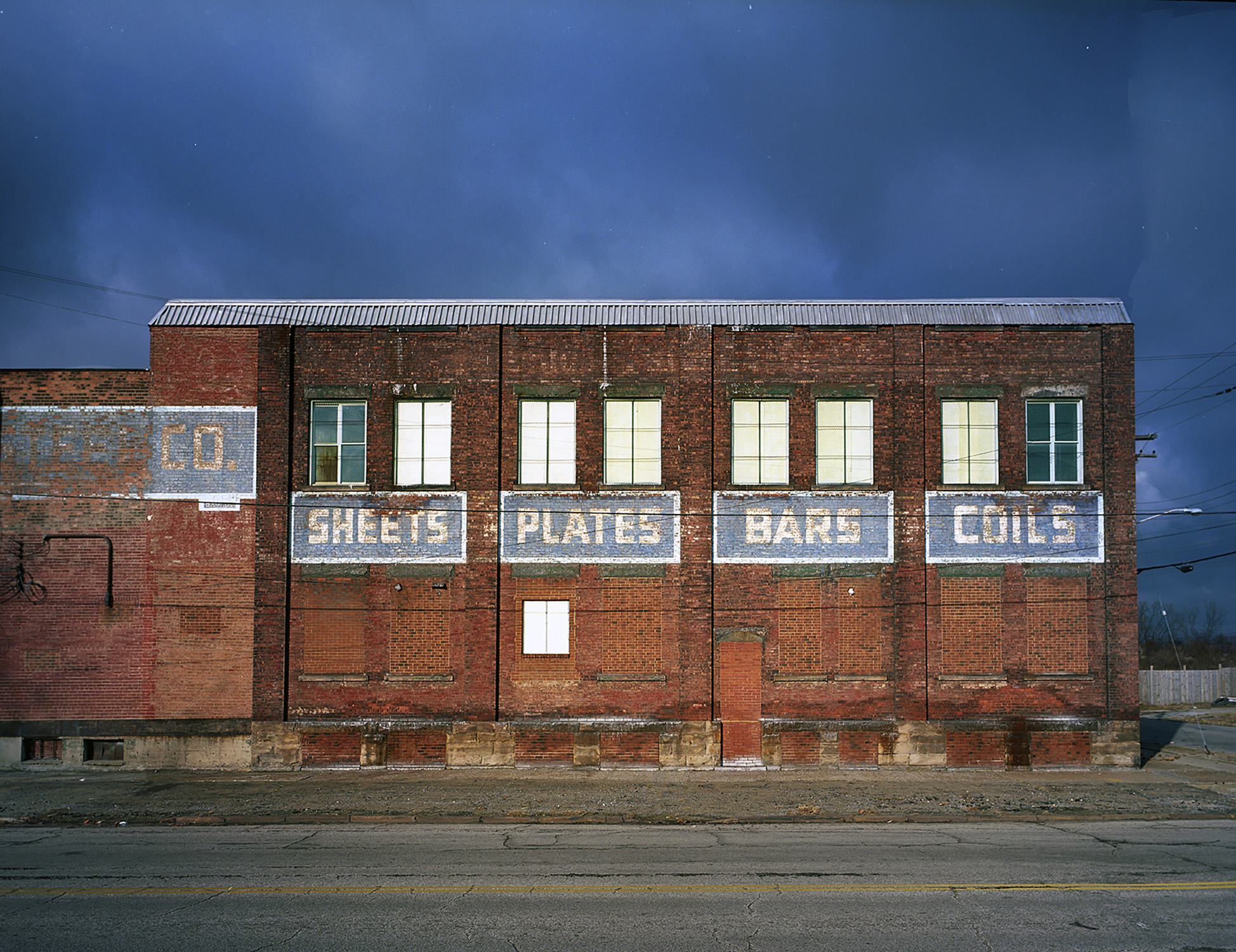
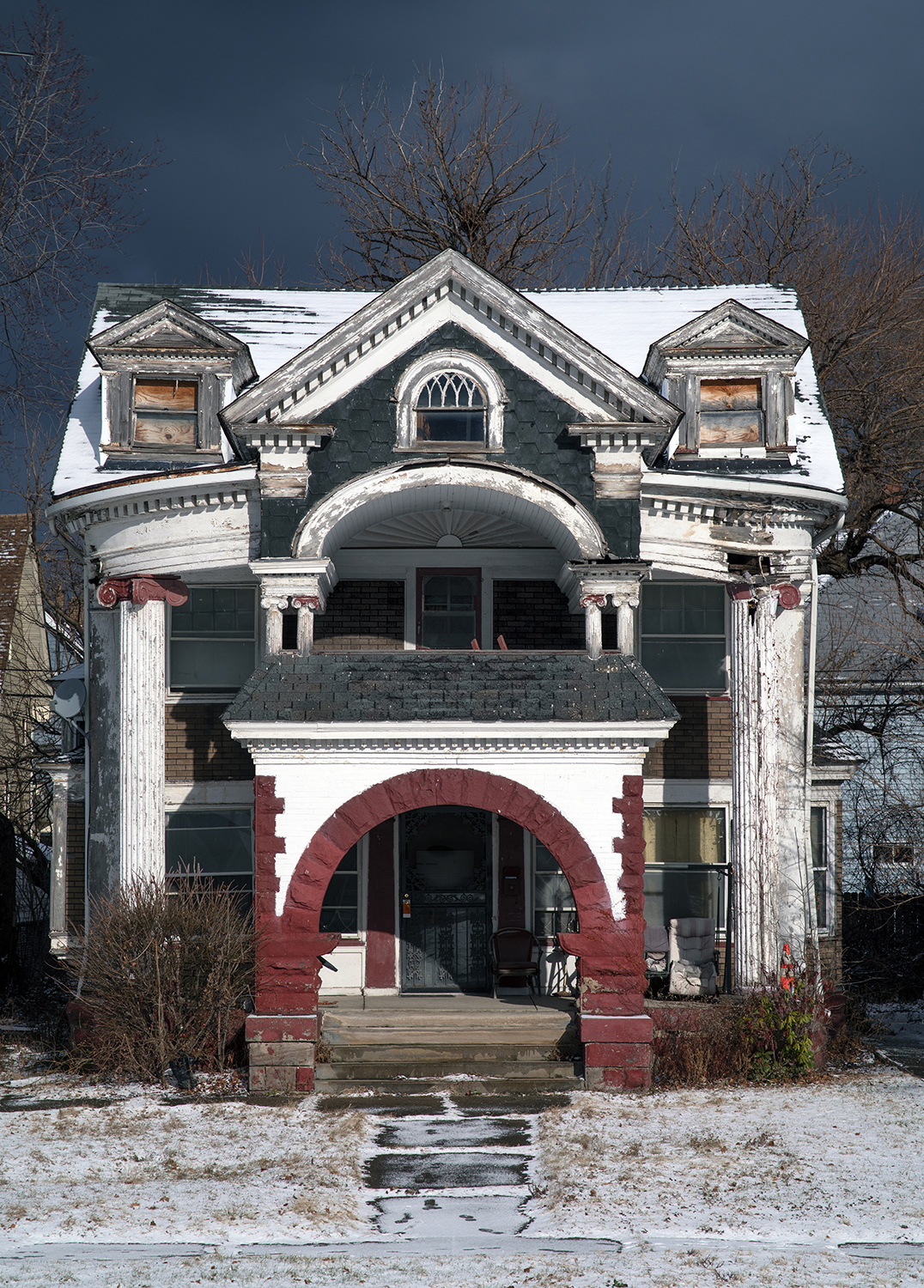
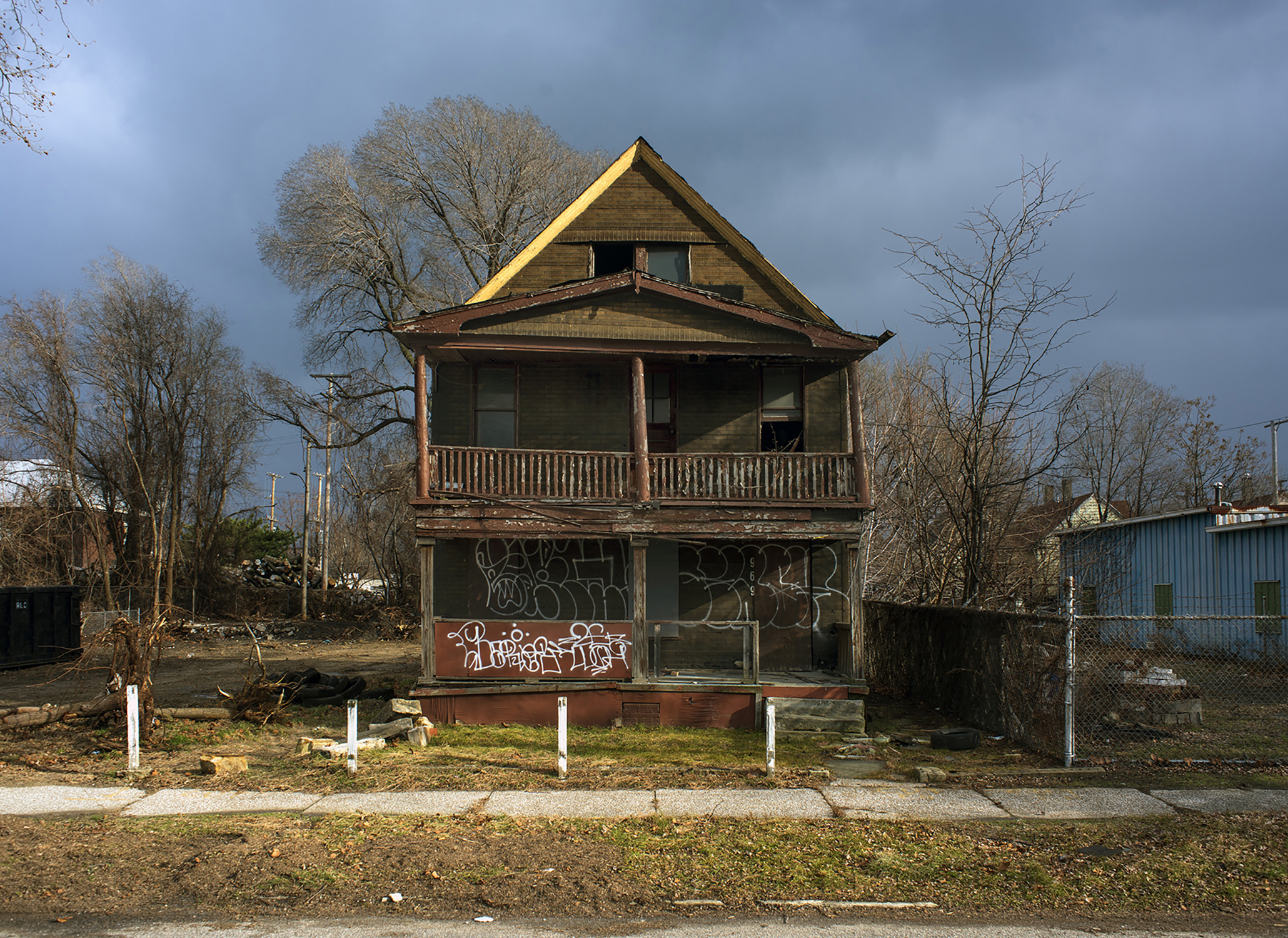
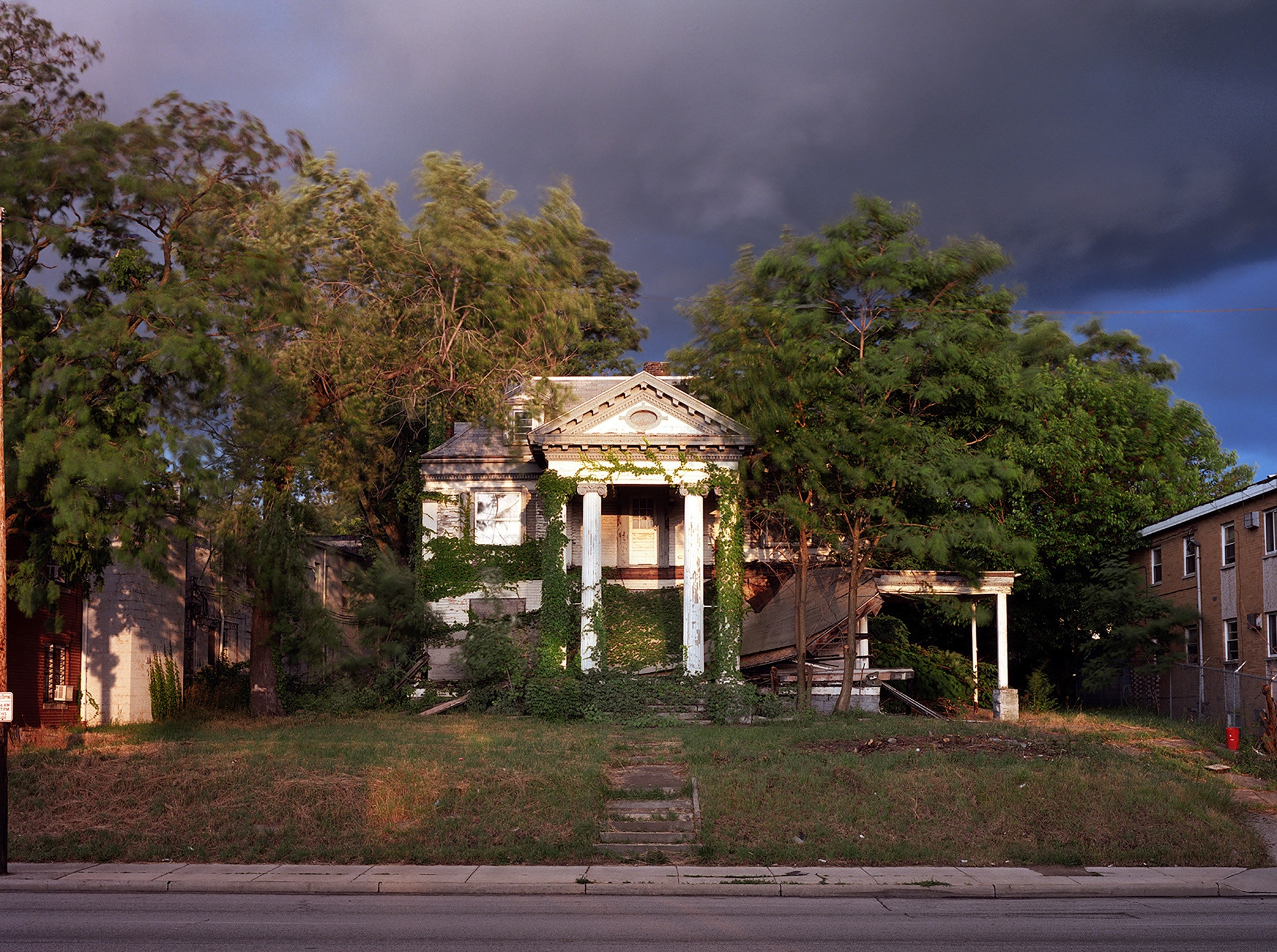
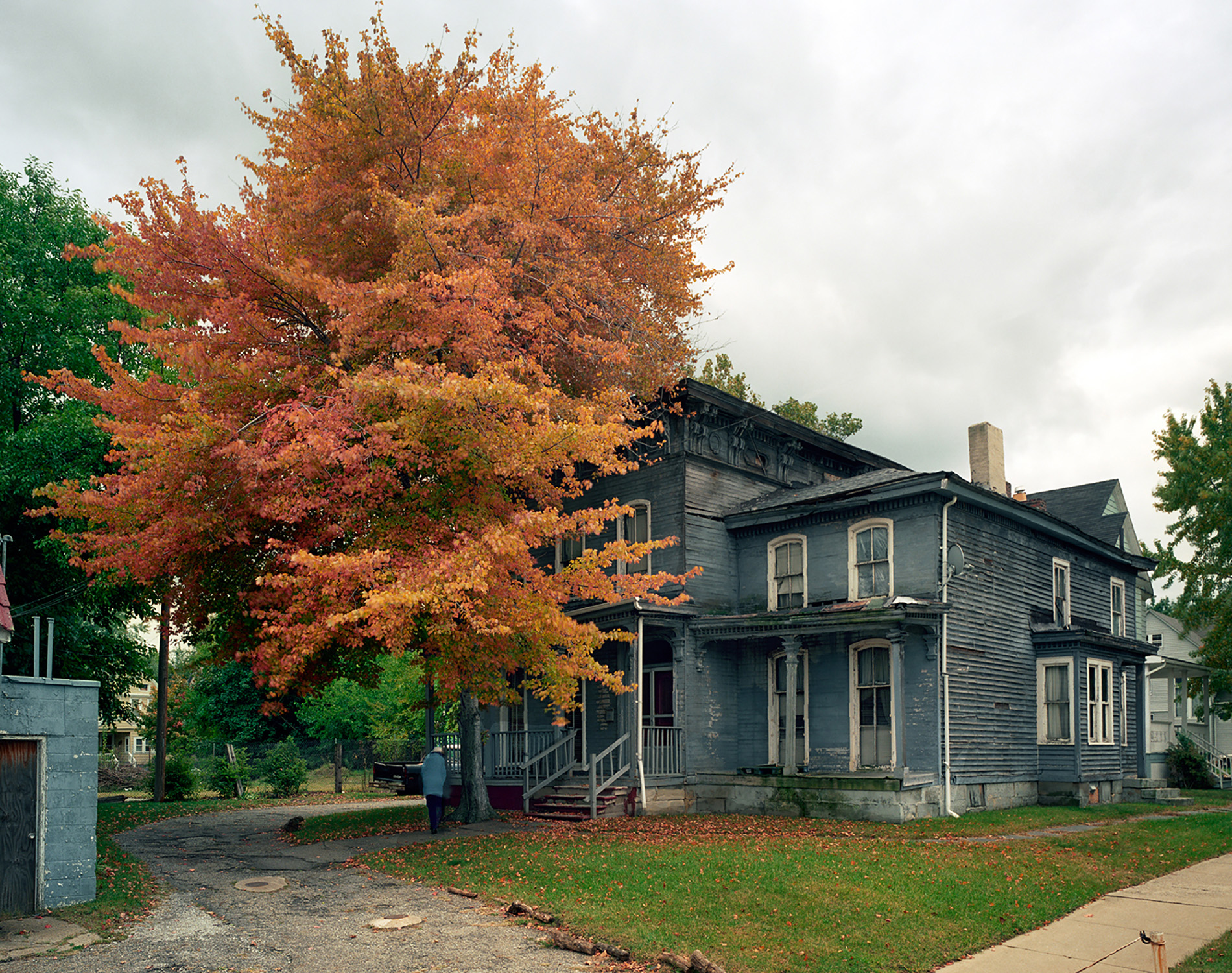
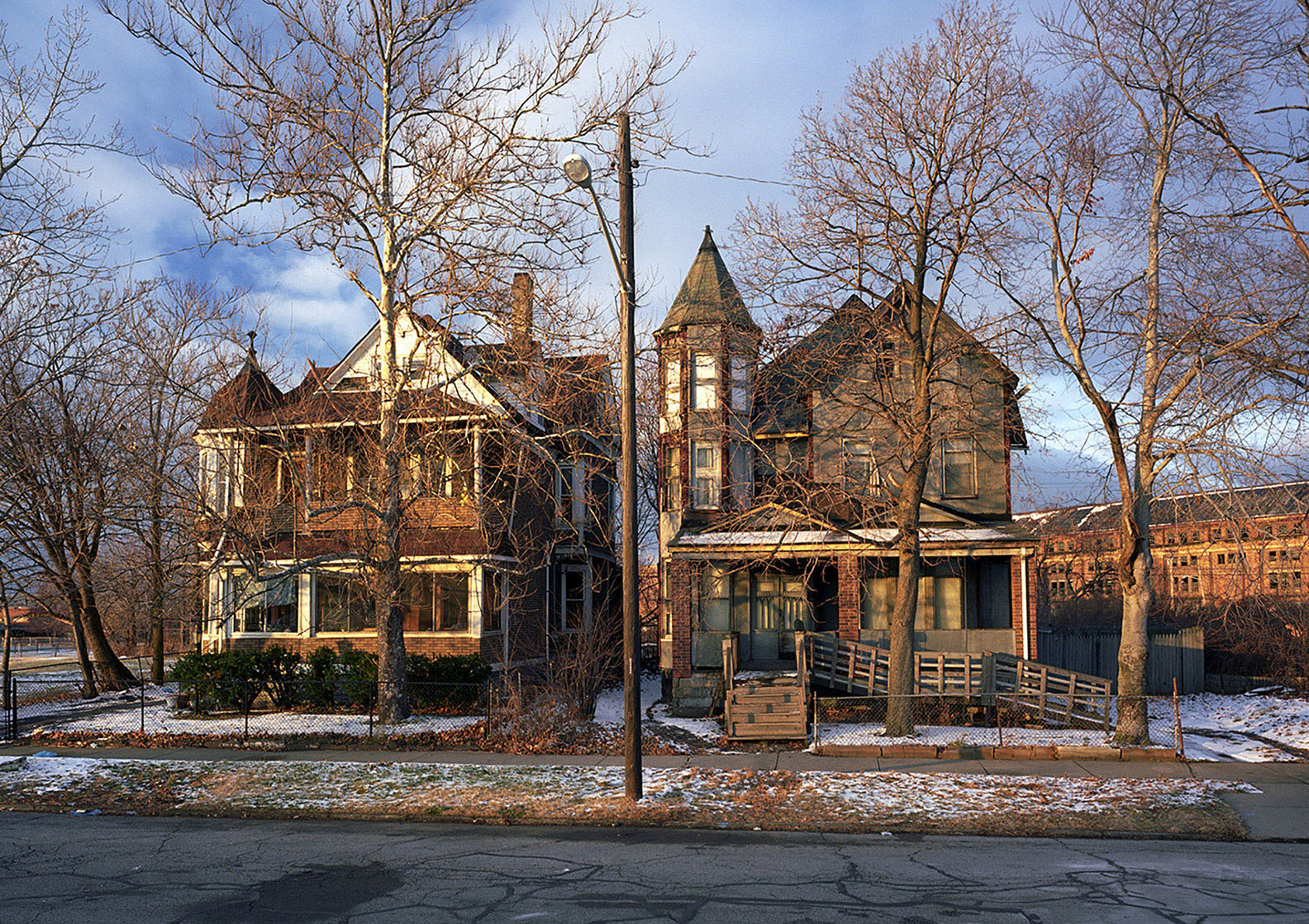
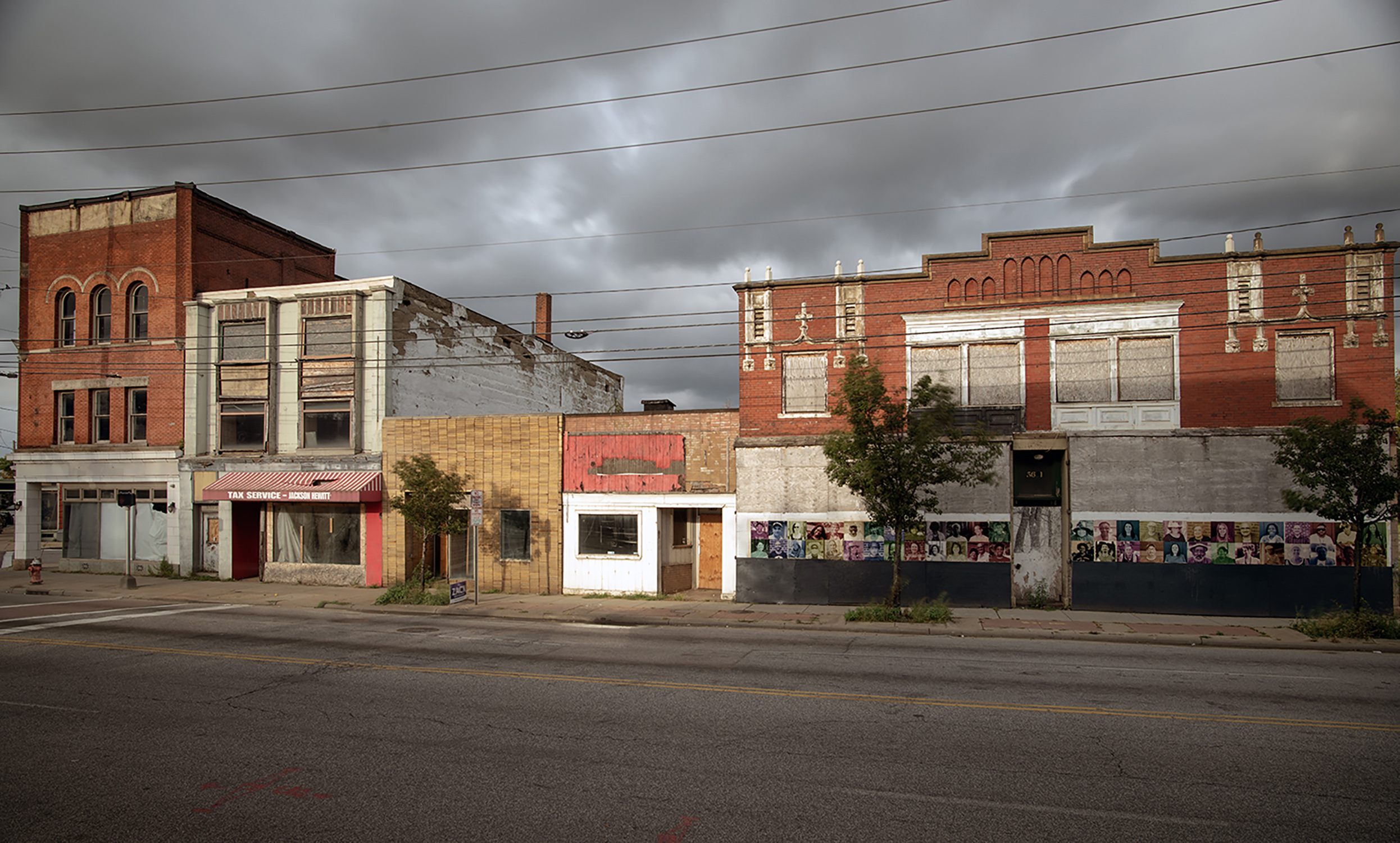
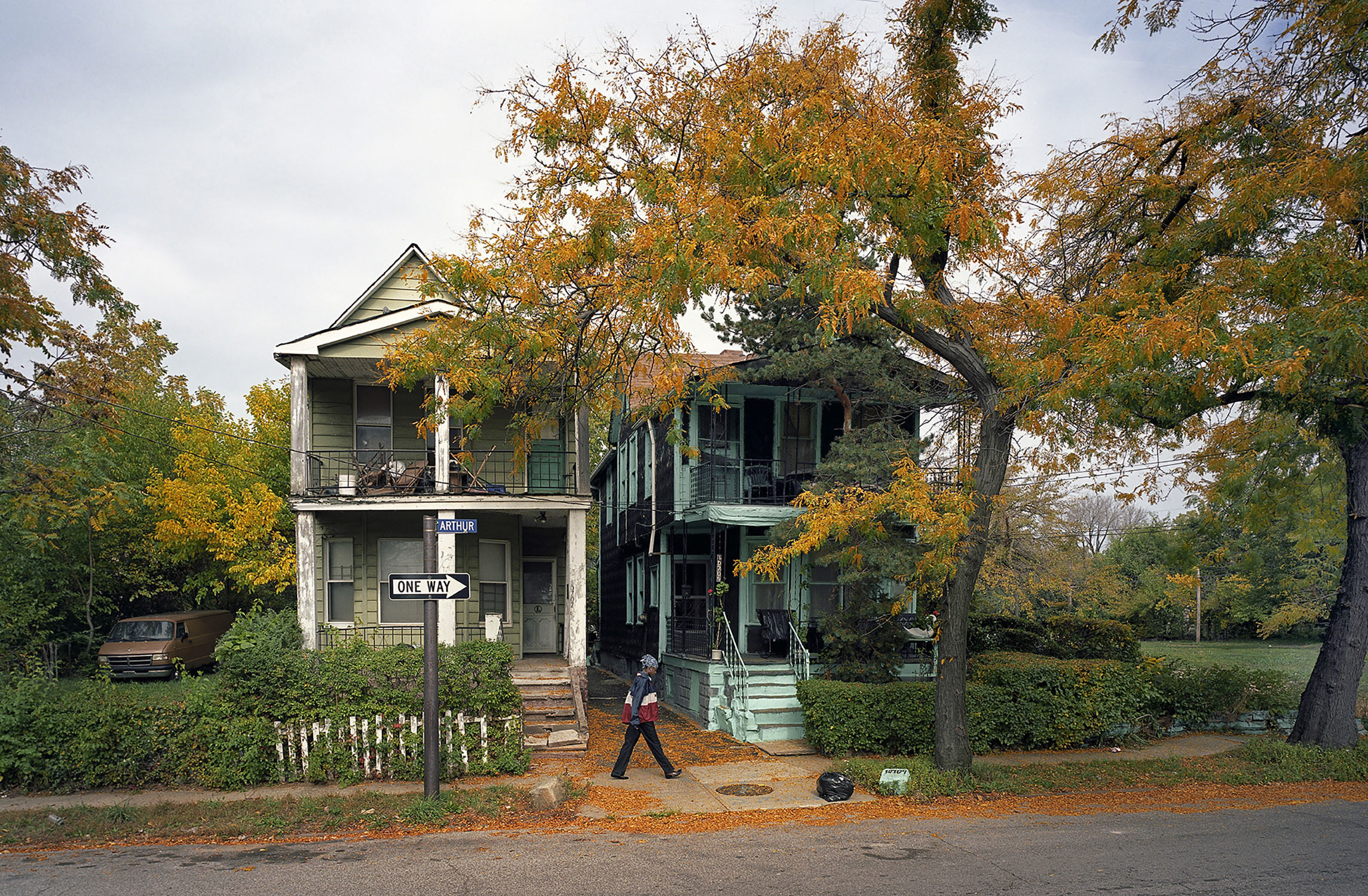
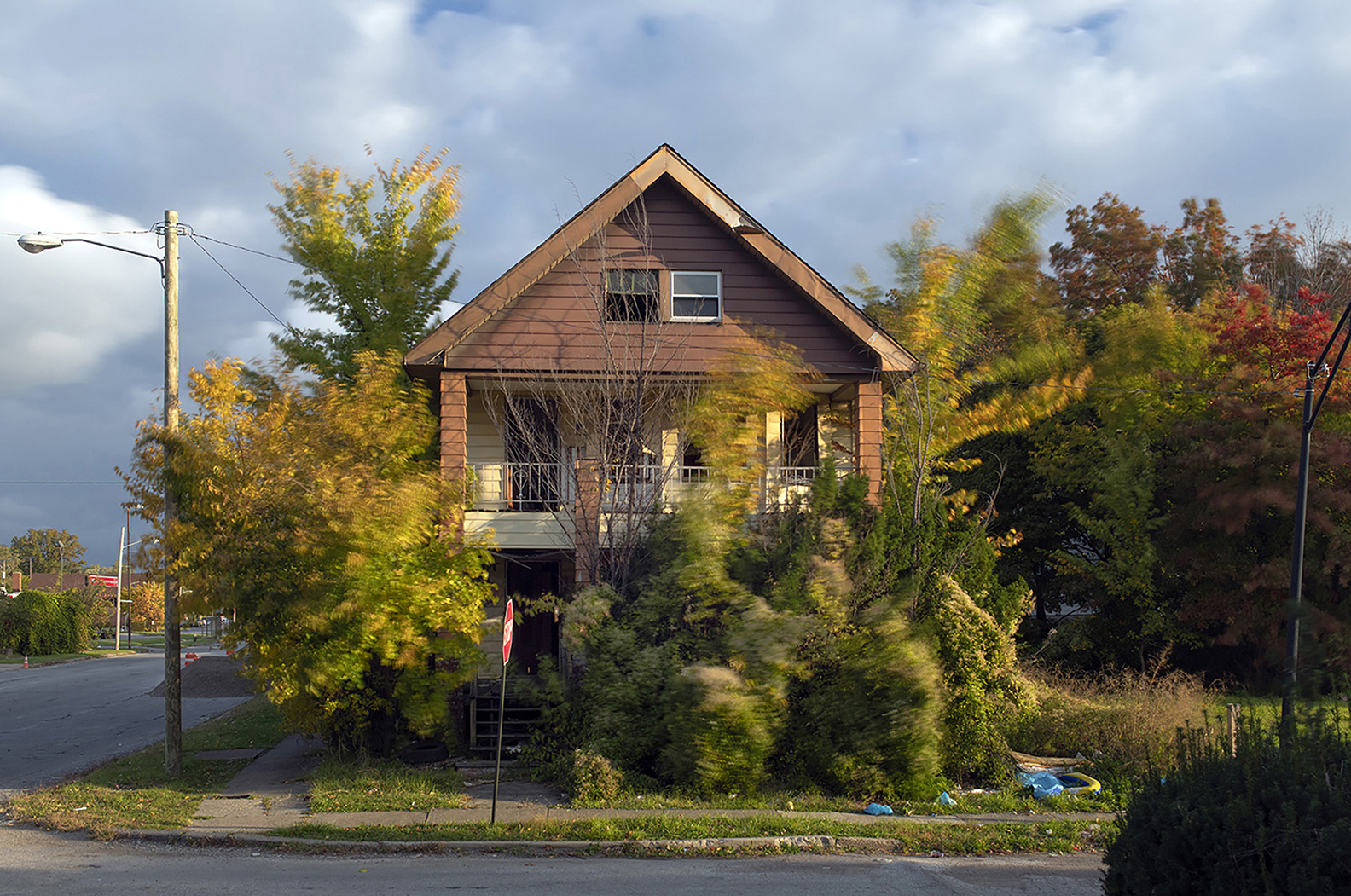
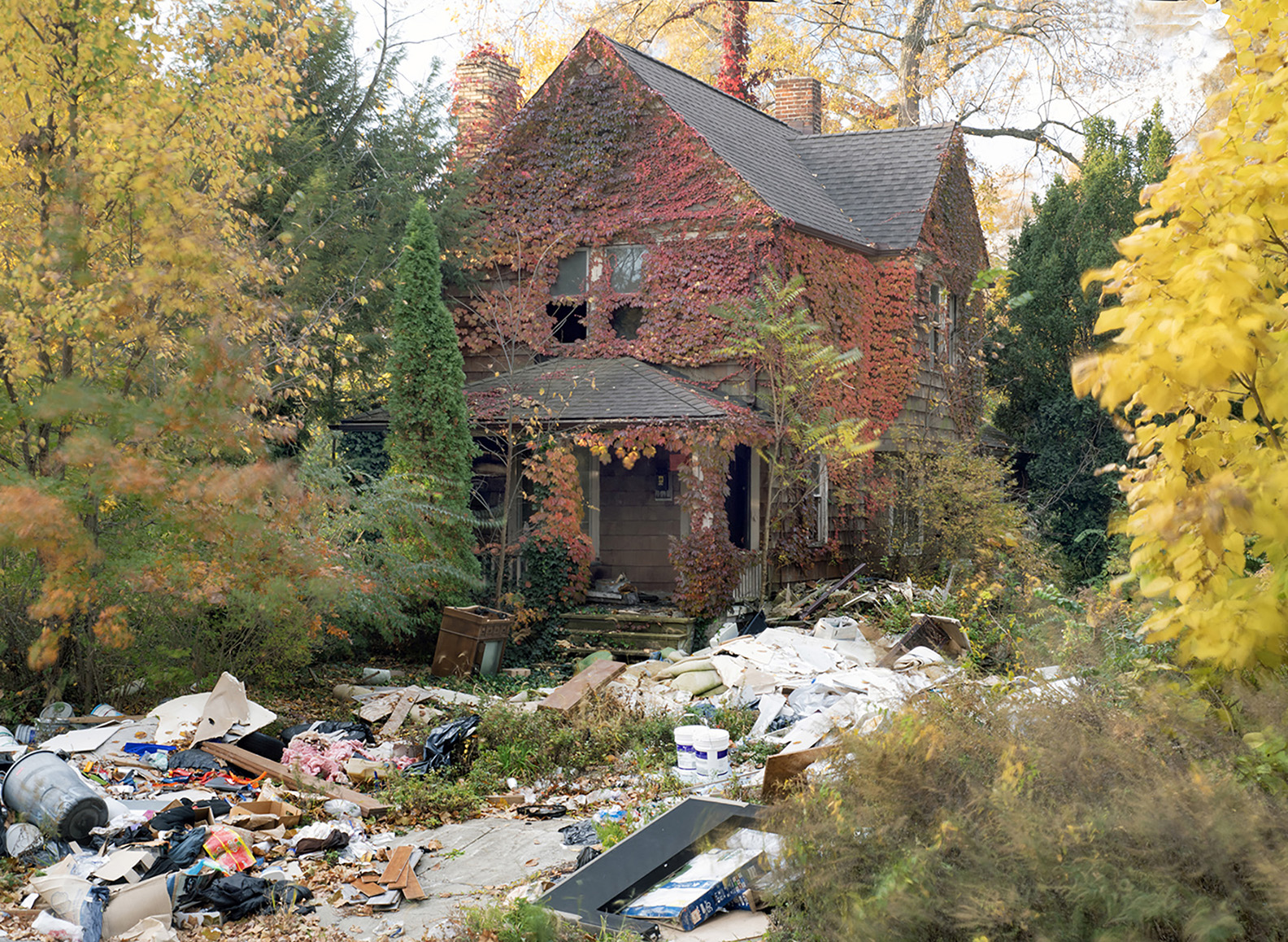
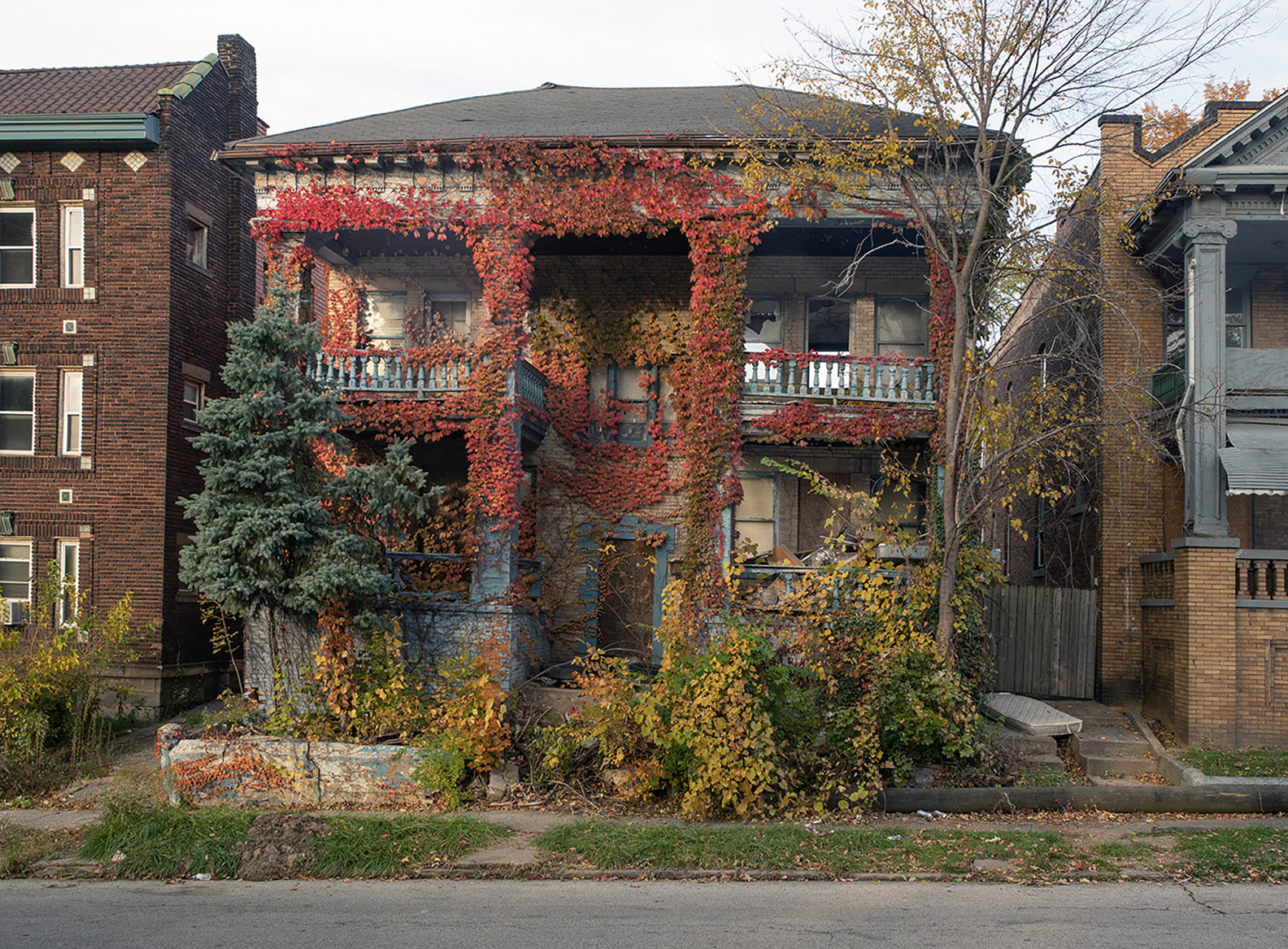
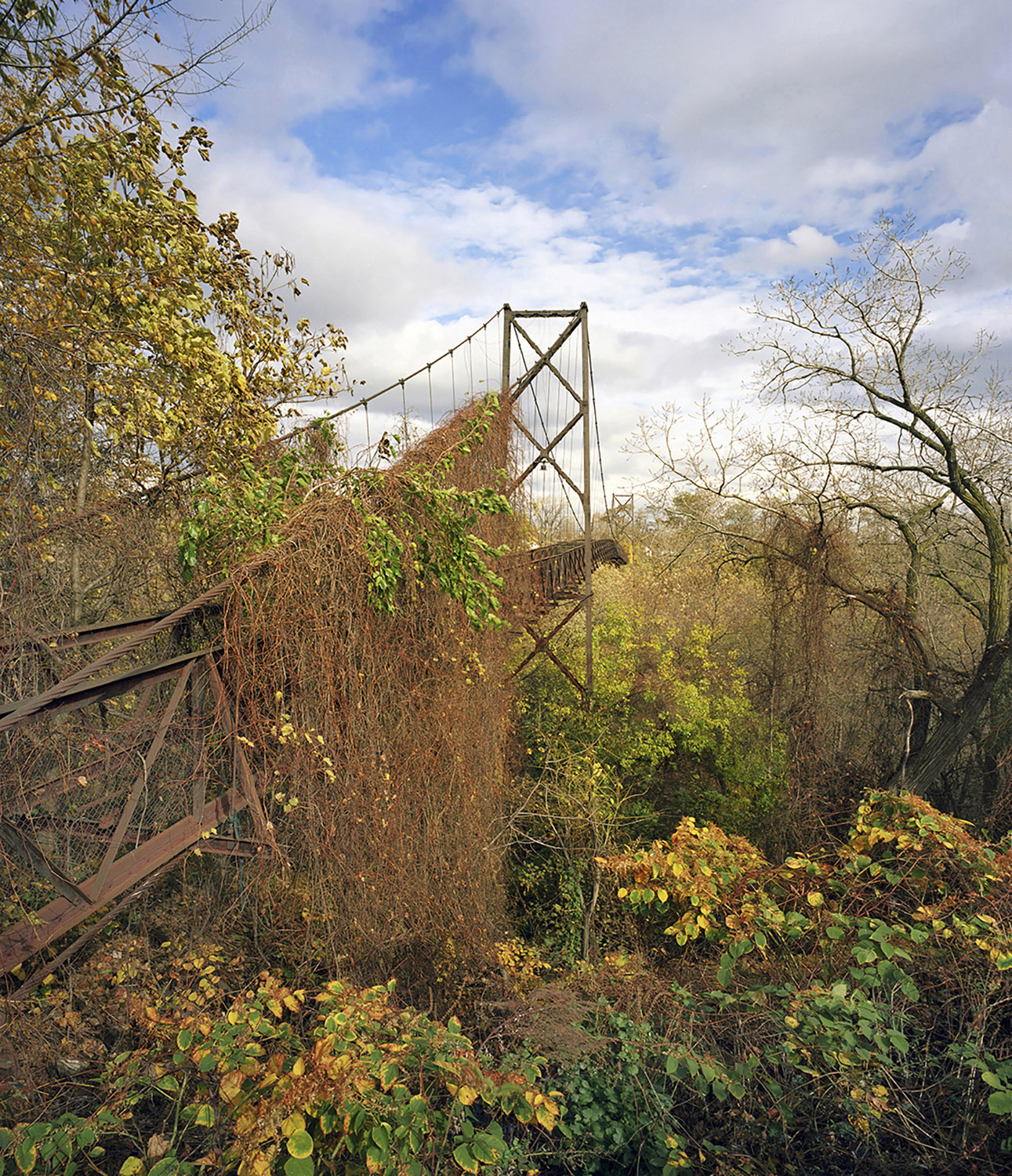
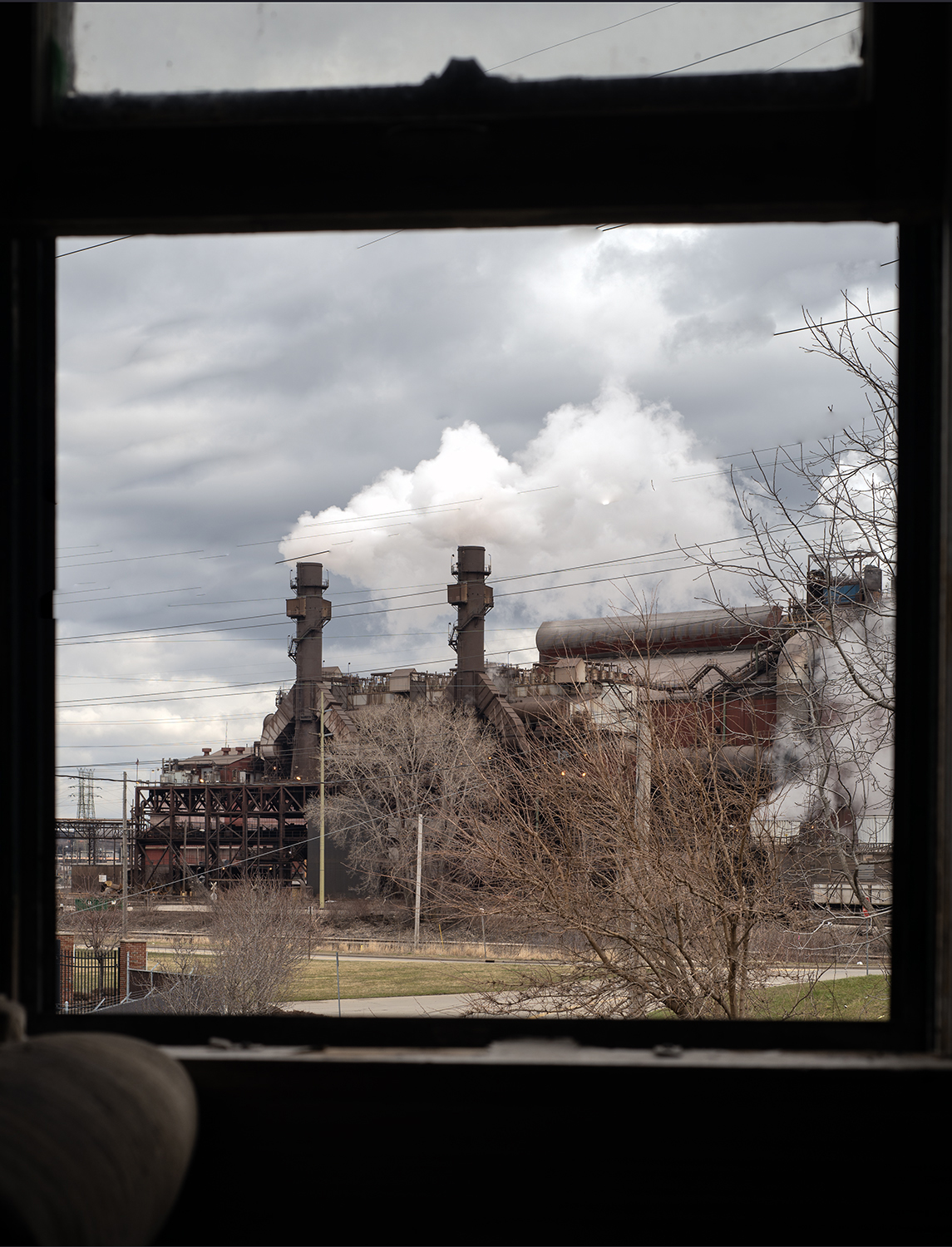
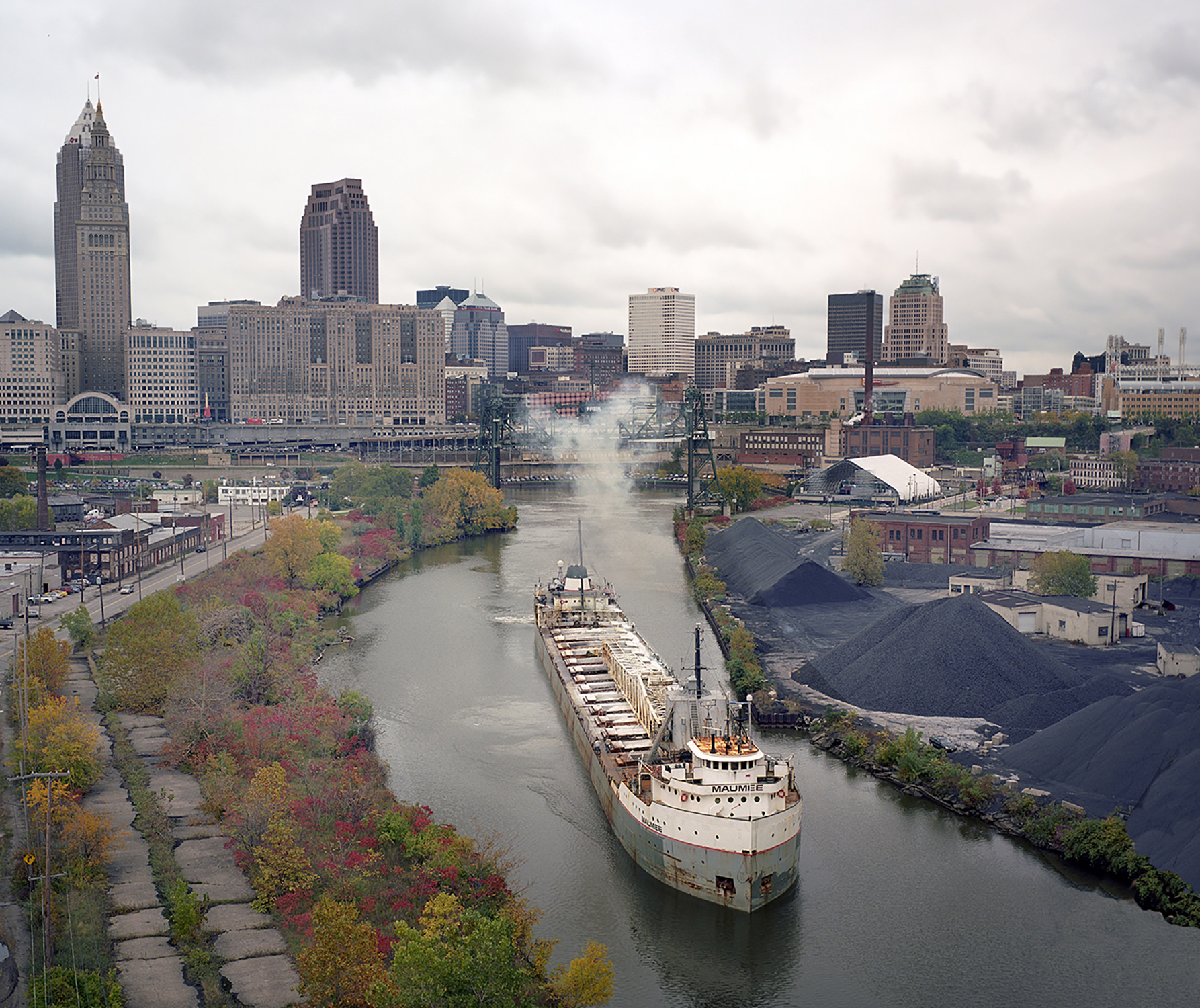
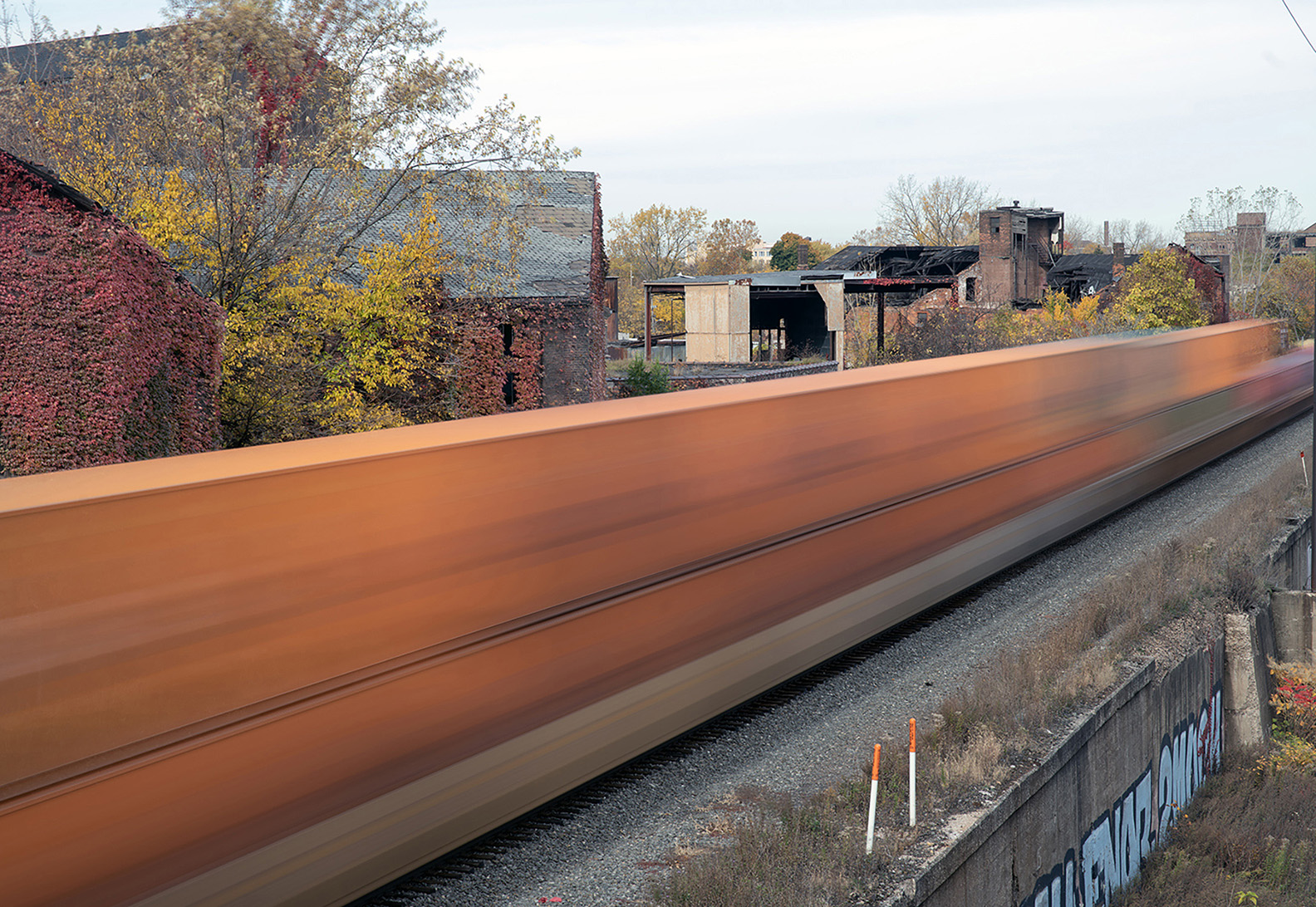
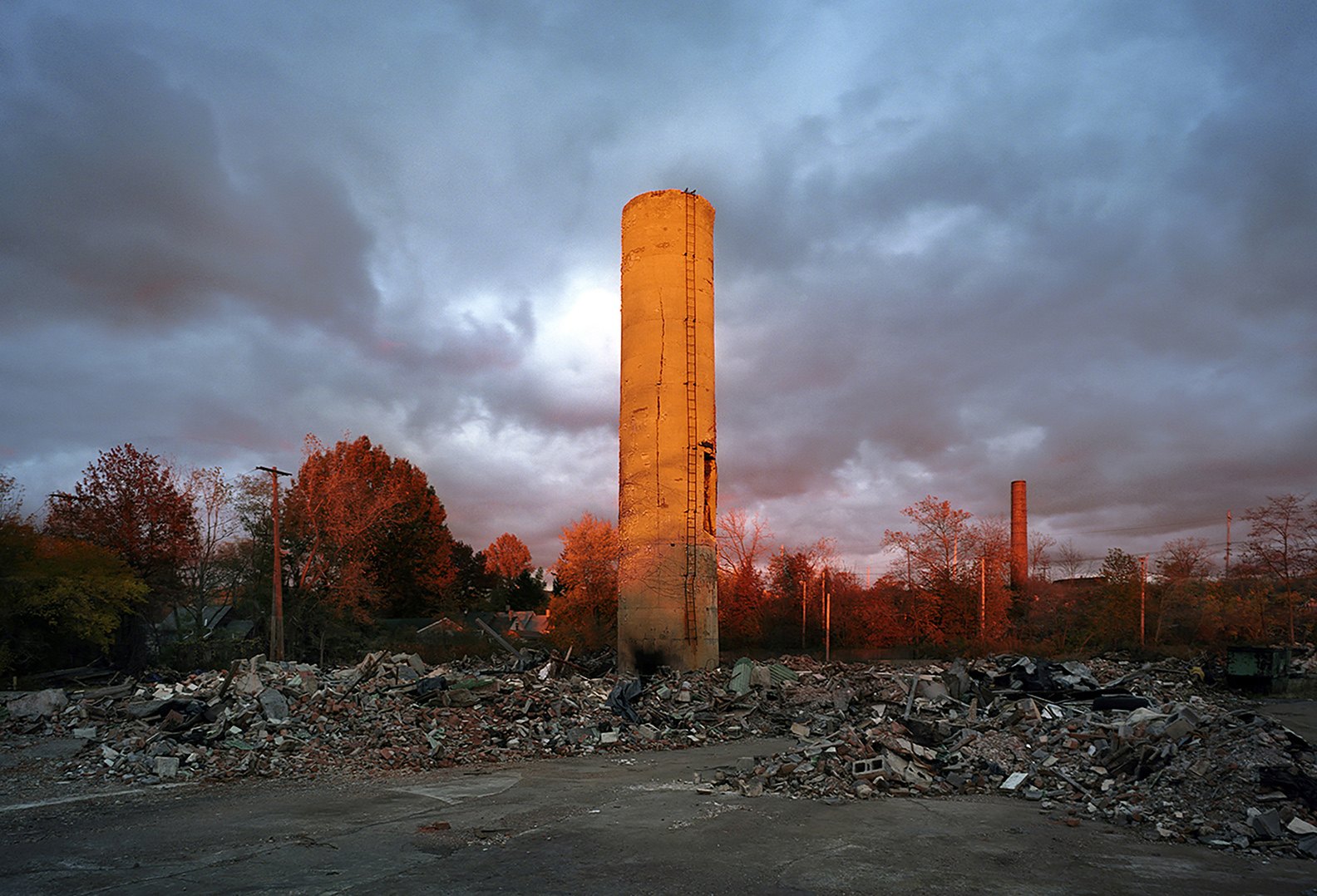
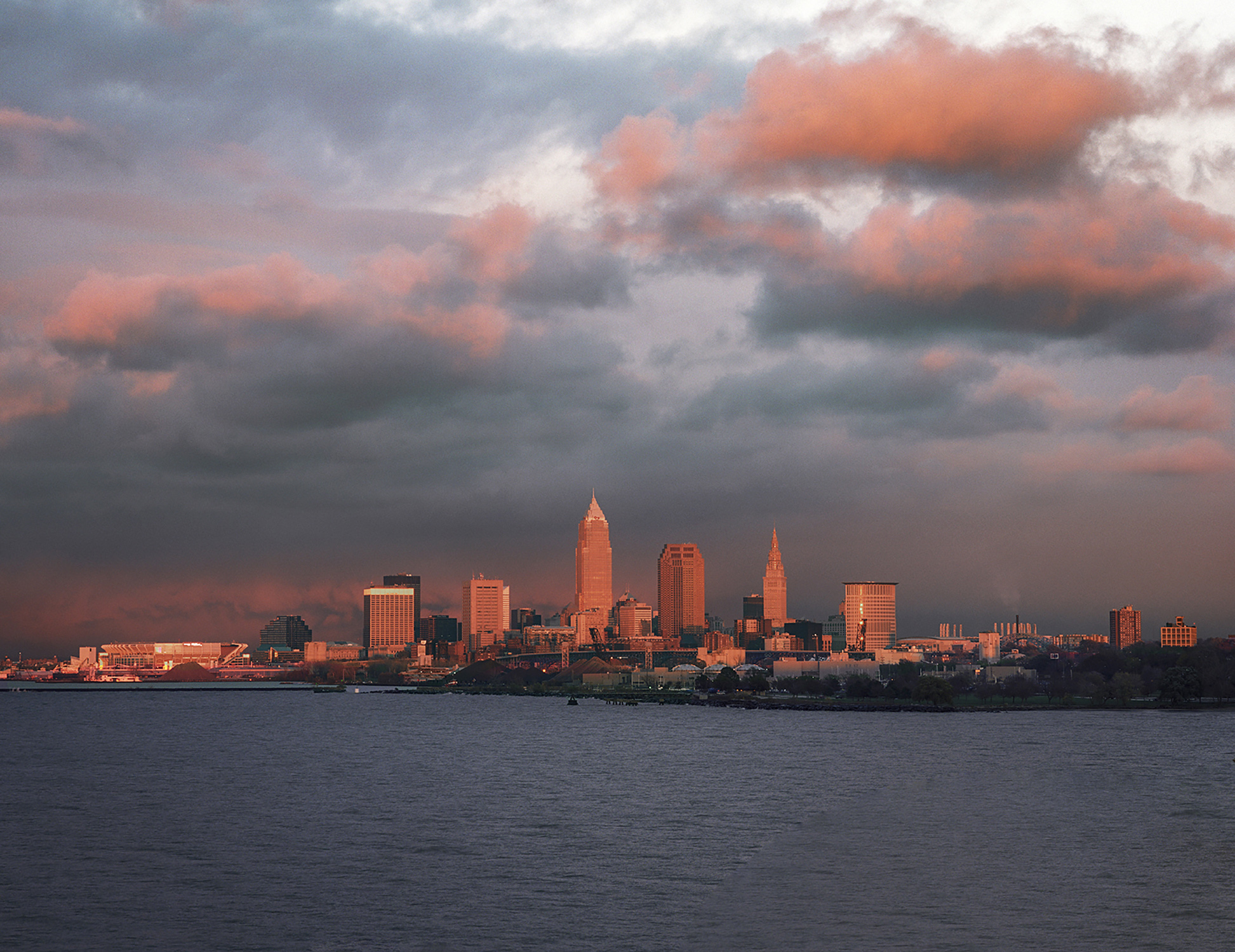
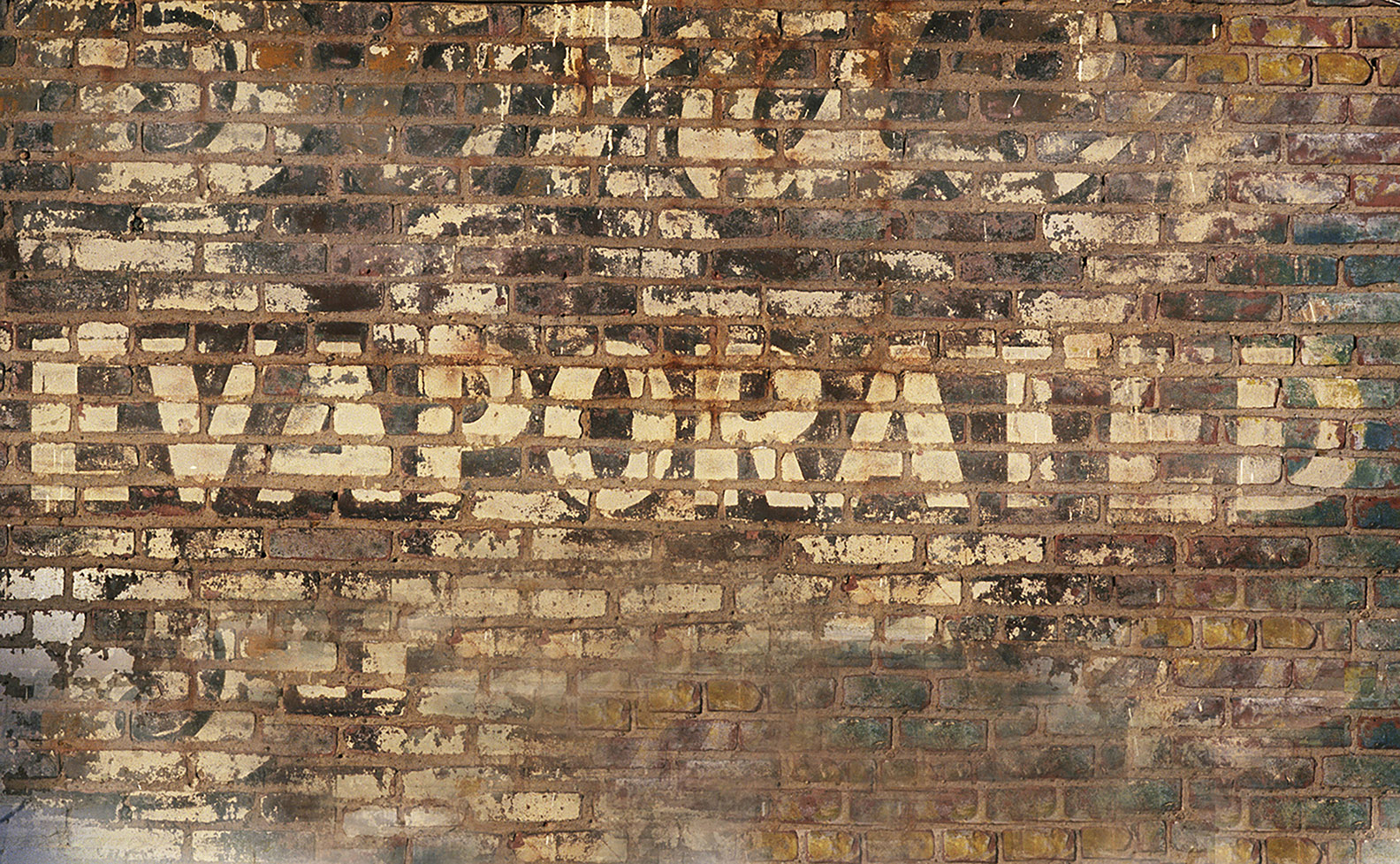
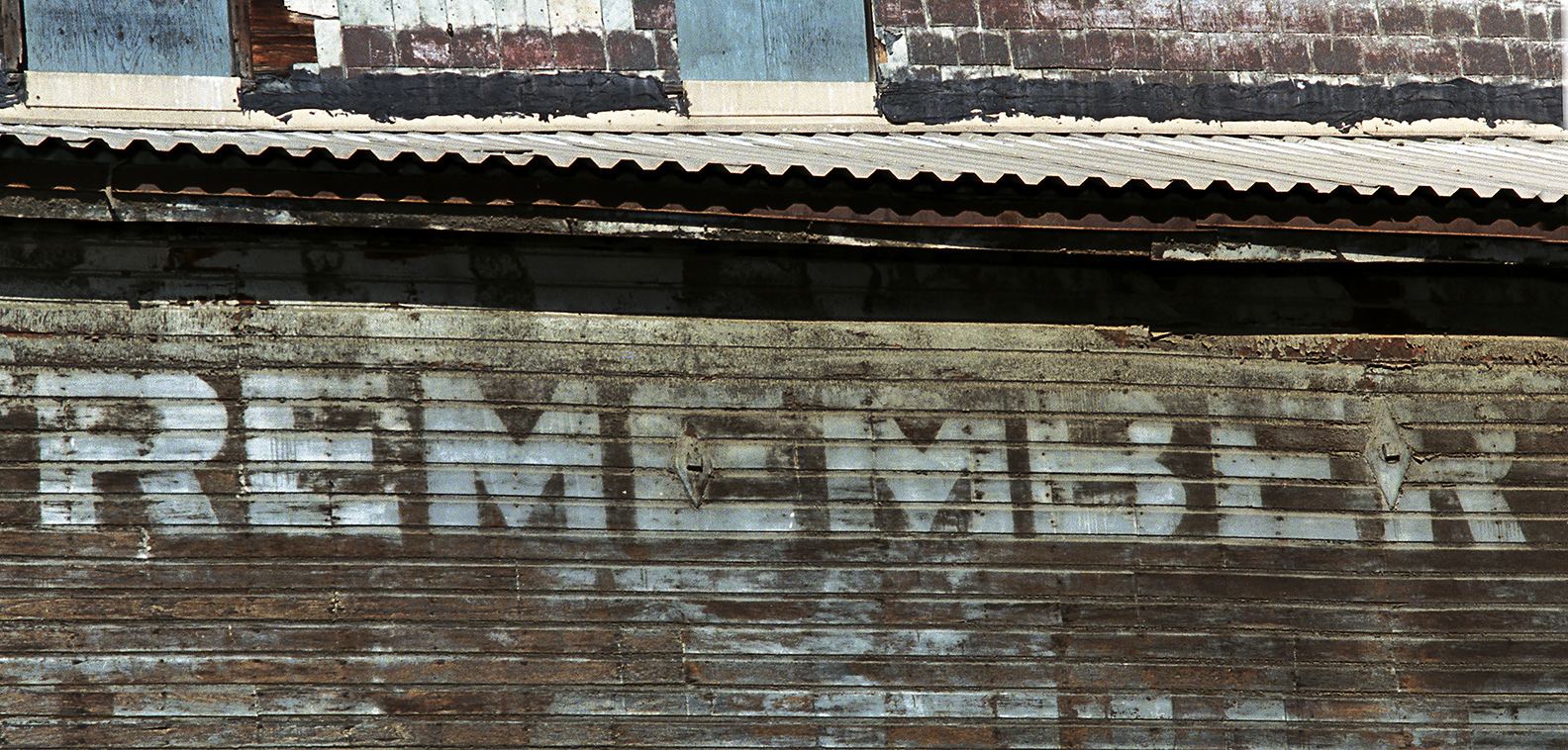
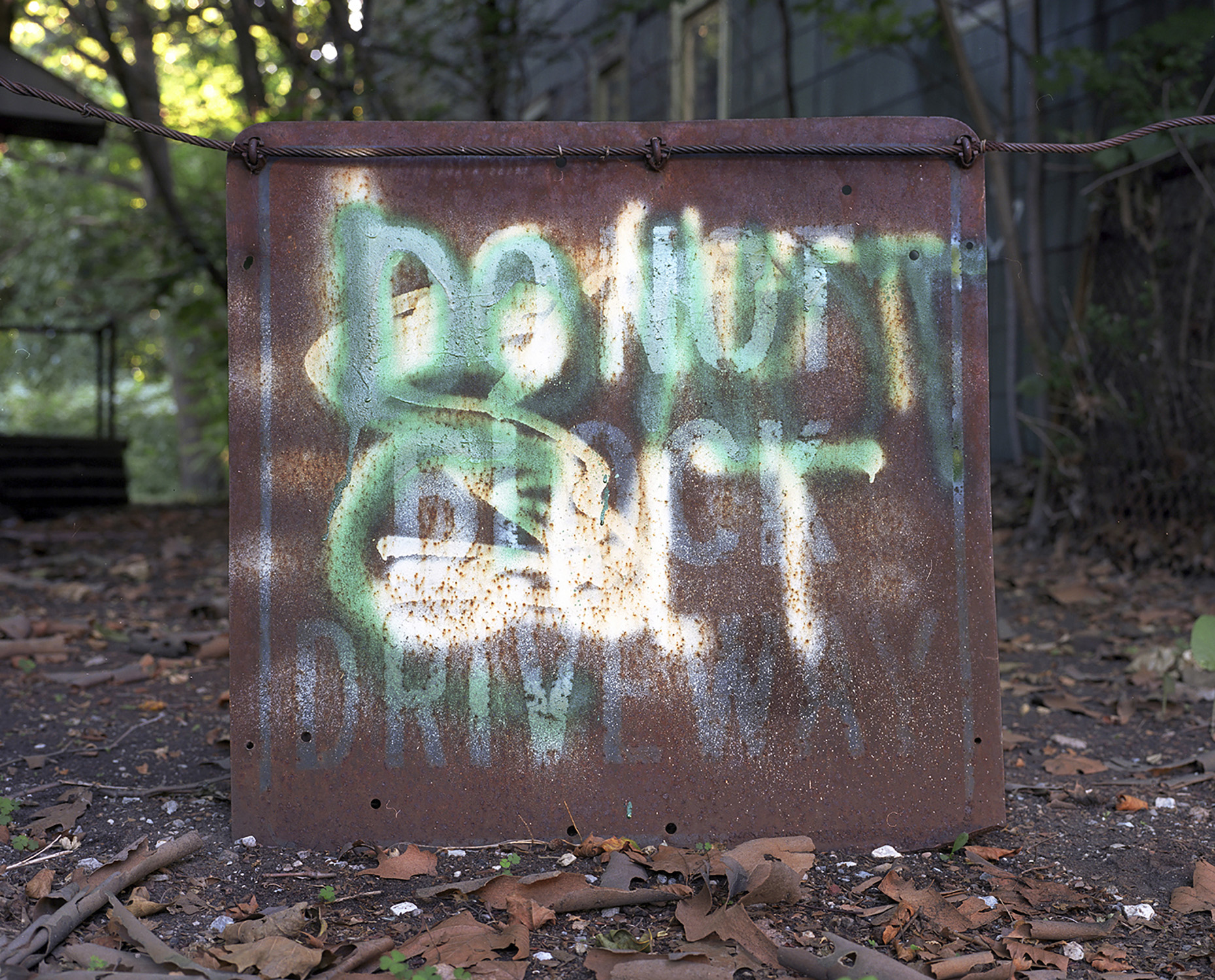
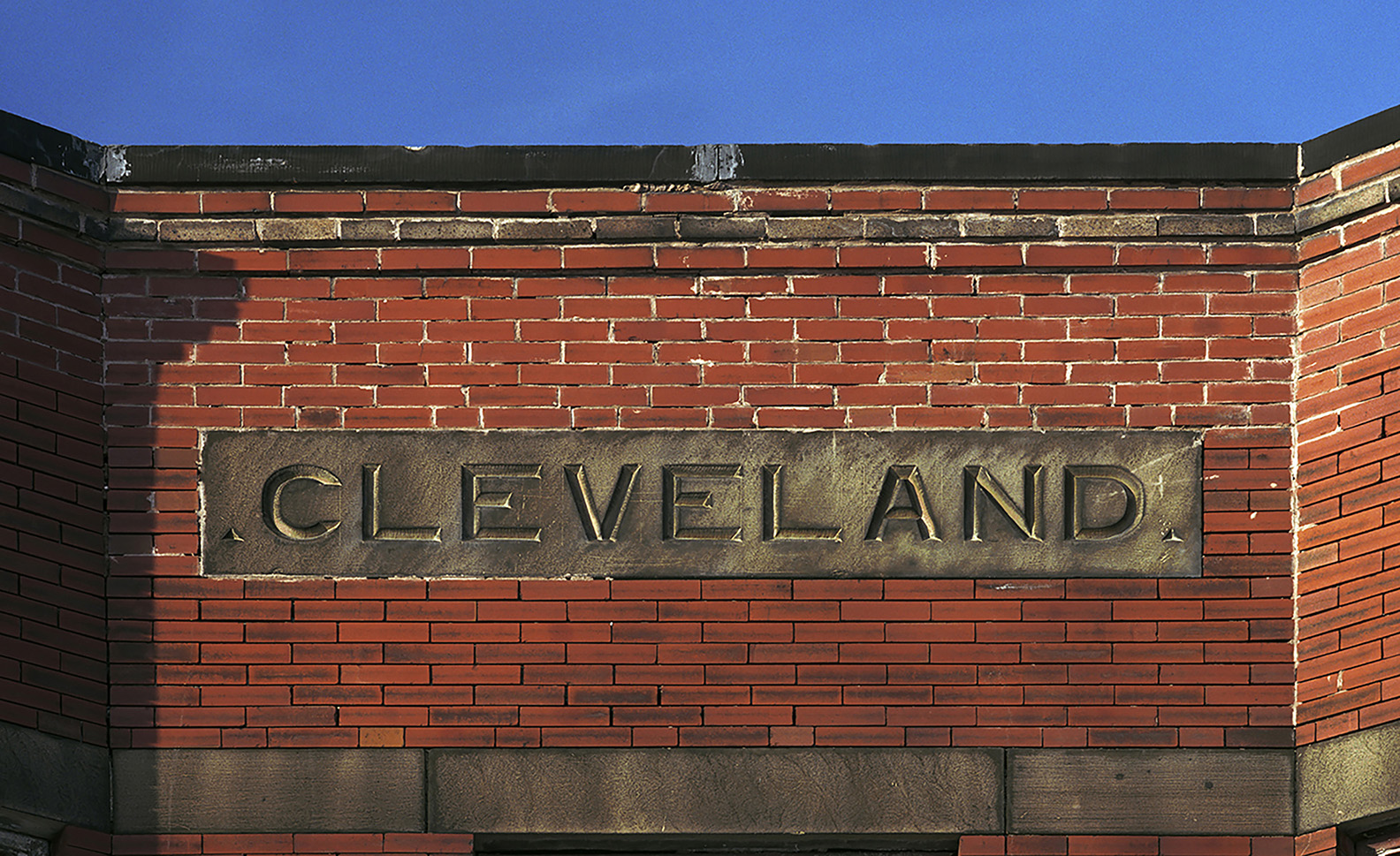
Fall Town is really an archive of a thousand pictures about one town, put together as a book. Fall Town is an archive, in book form. One day i will do a coffee table art book of less than 200 pictures.
There’s a nice edit of Twilight Town and Fall Town into an art-book-edit called, Twilight Town/Fall Town Mix, if you want the edited look, admittedly the archive full version can be numbing. On the other hand, writing captions for each image is far more numbing.
Fall Town is the third in a trilogy of books, going back to 1977. Check out the Introduction and text here.
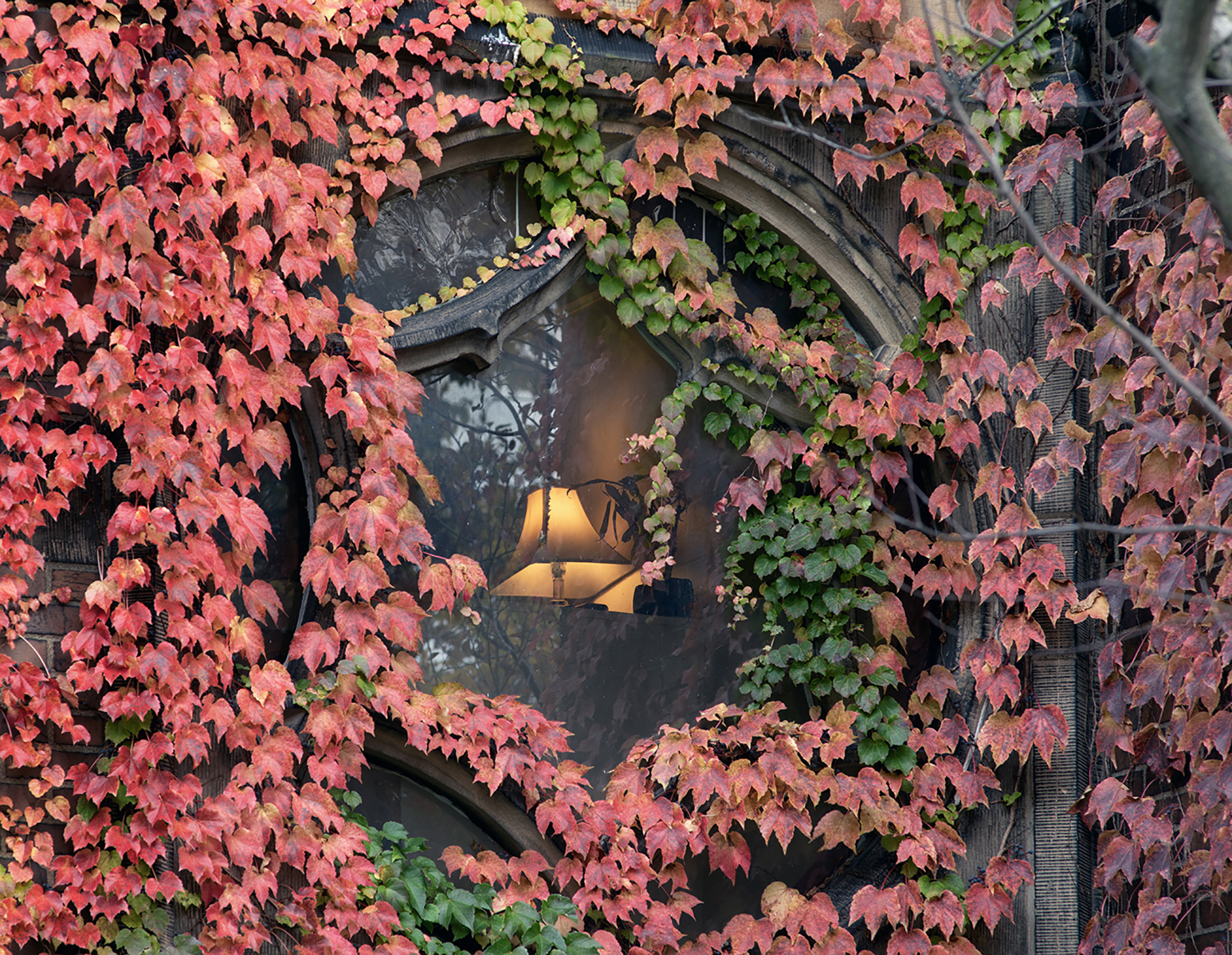
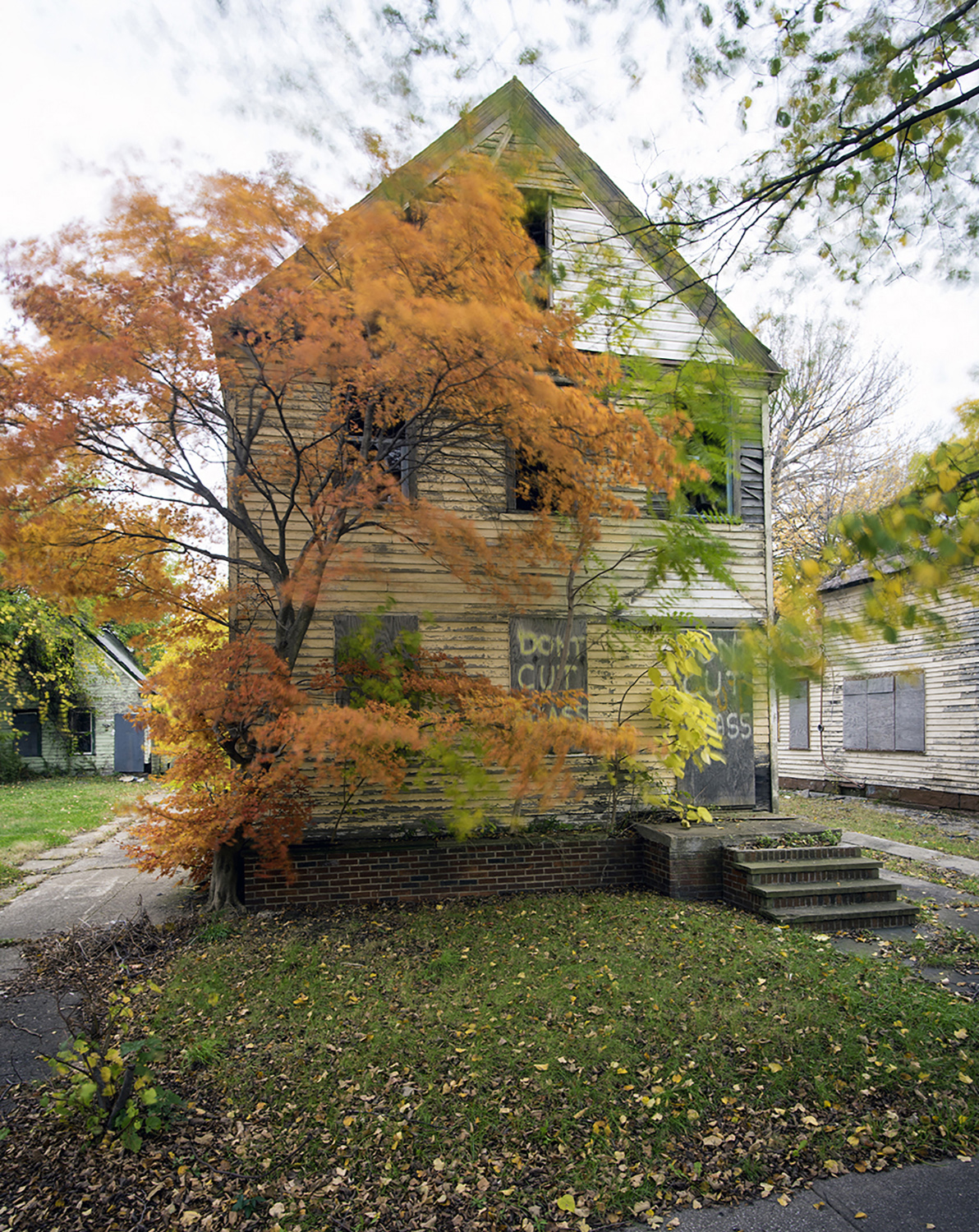
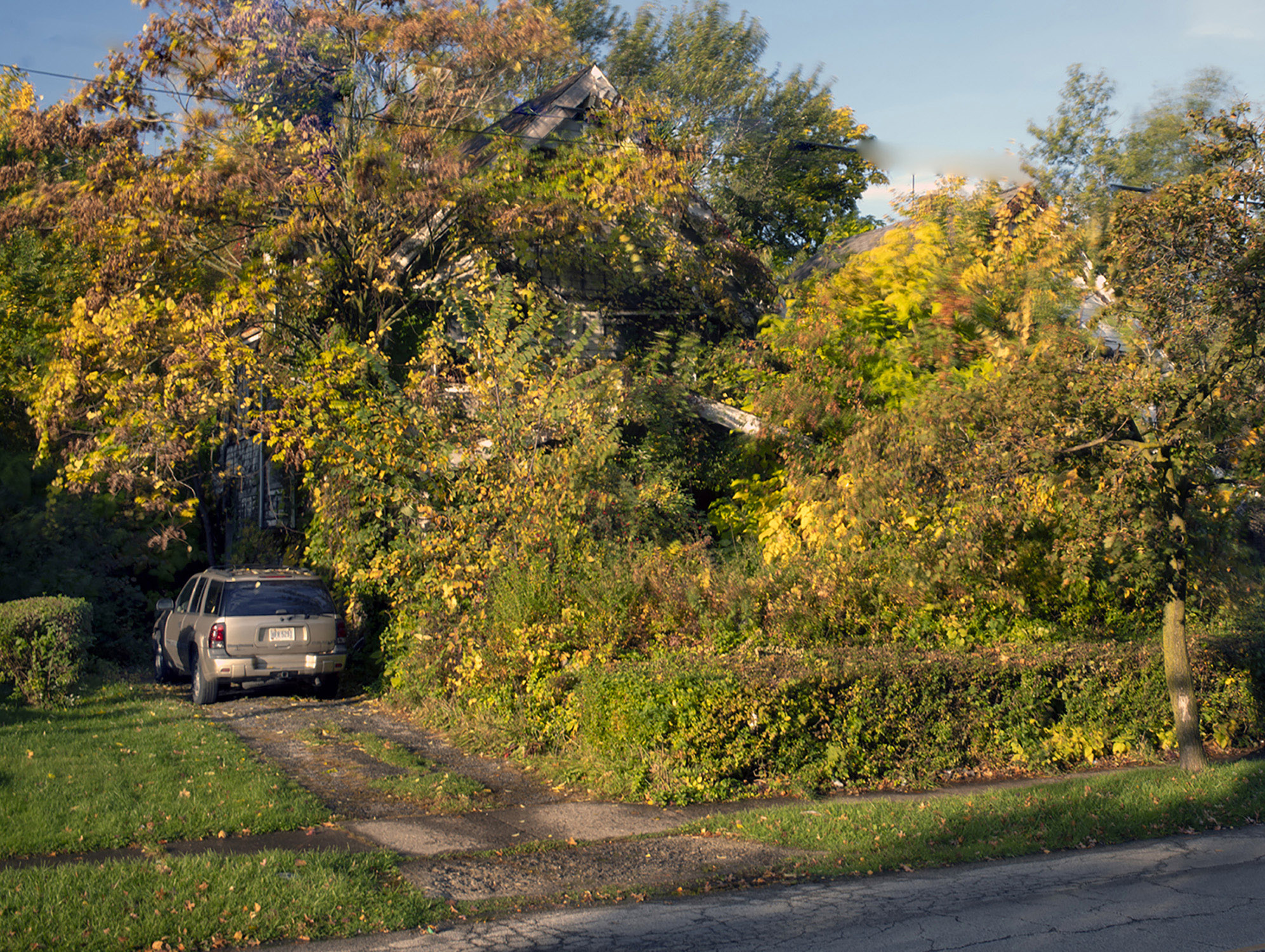
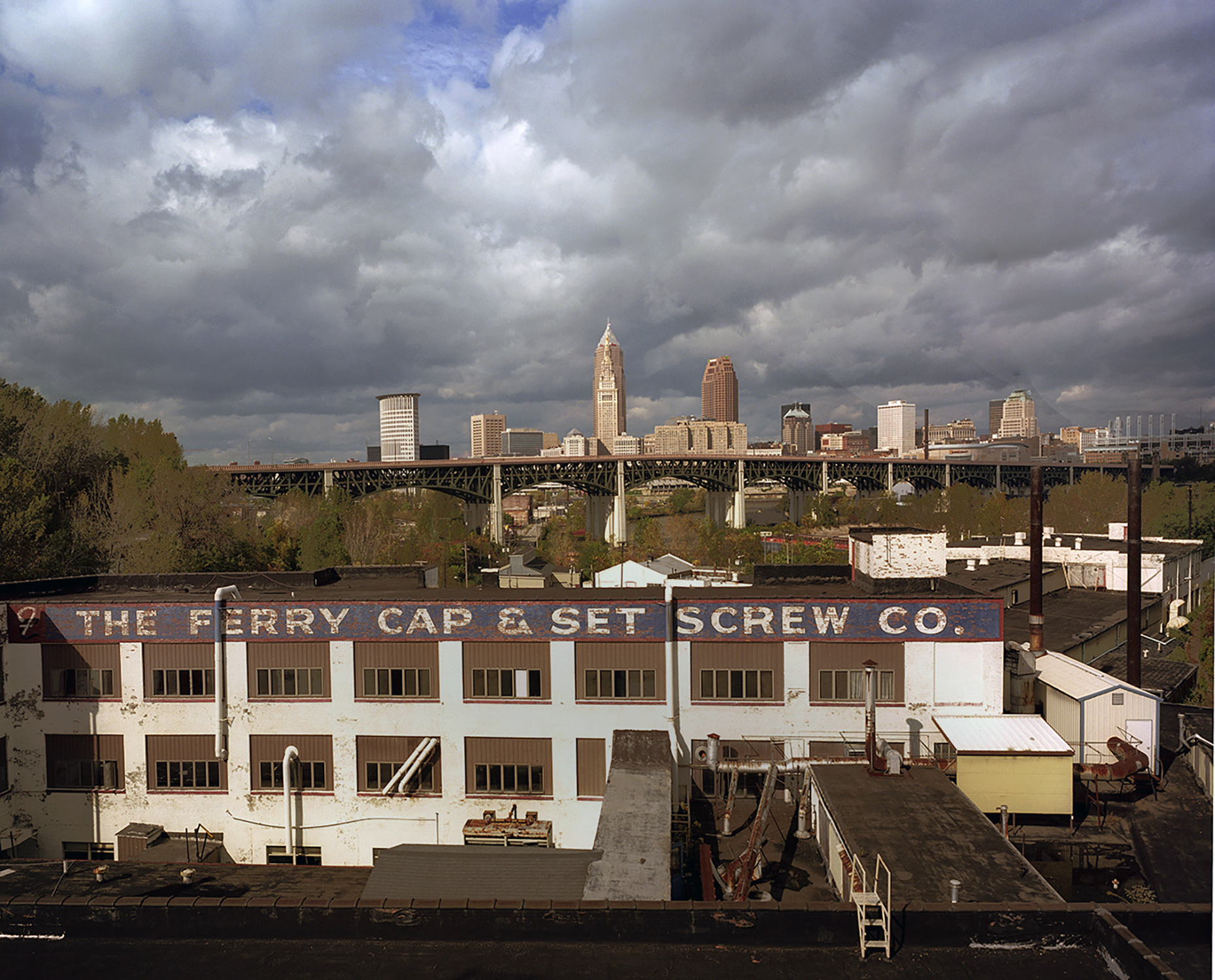
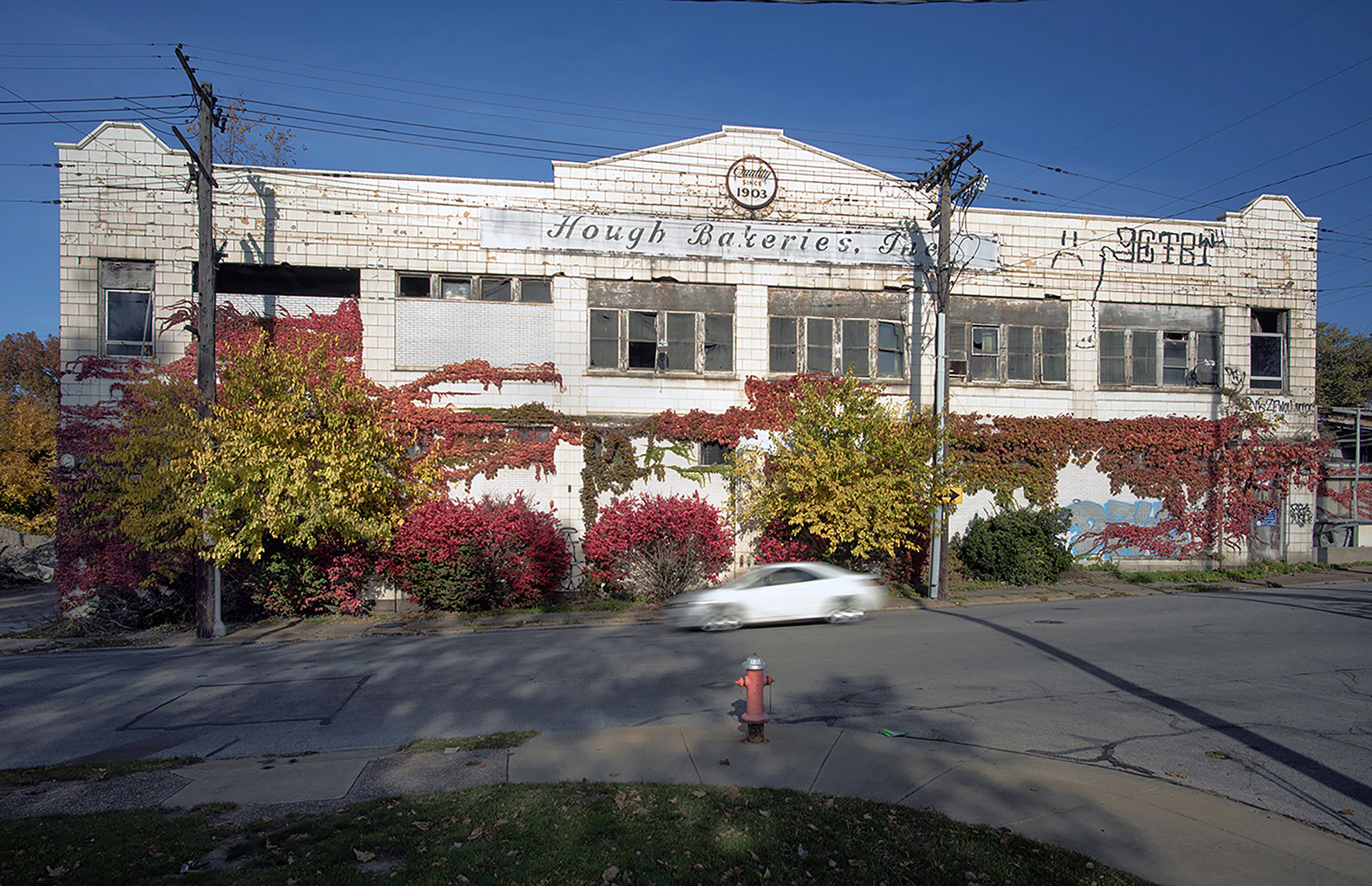
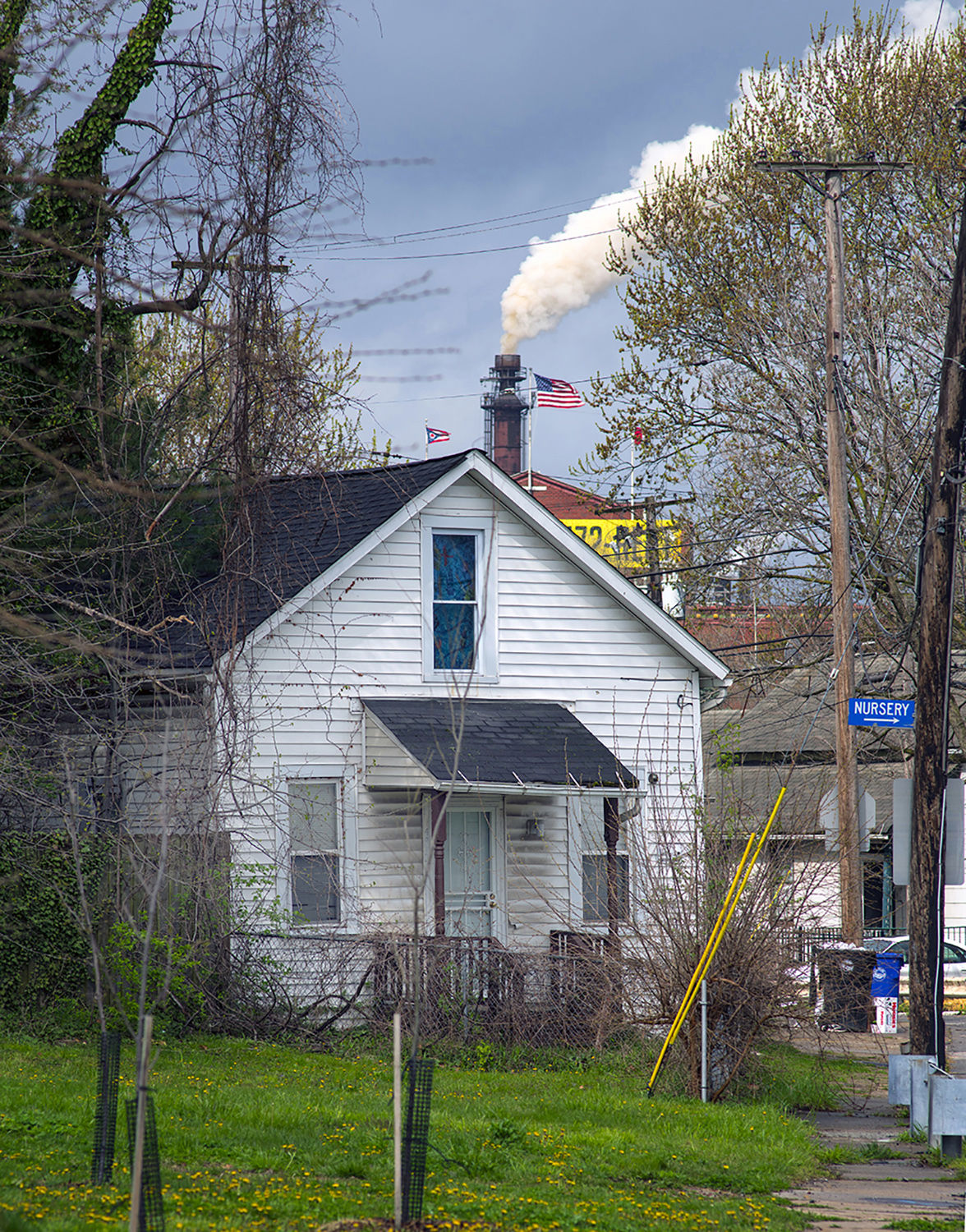
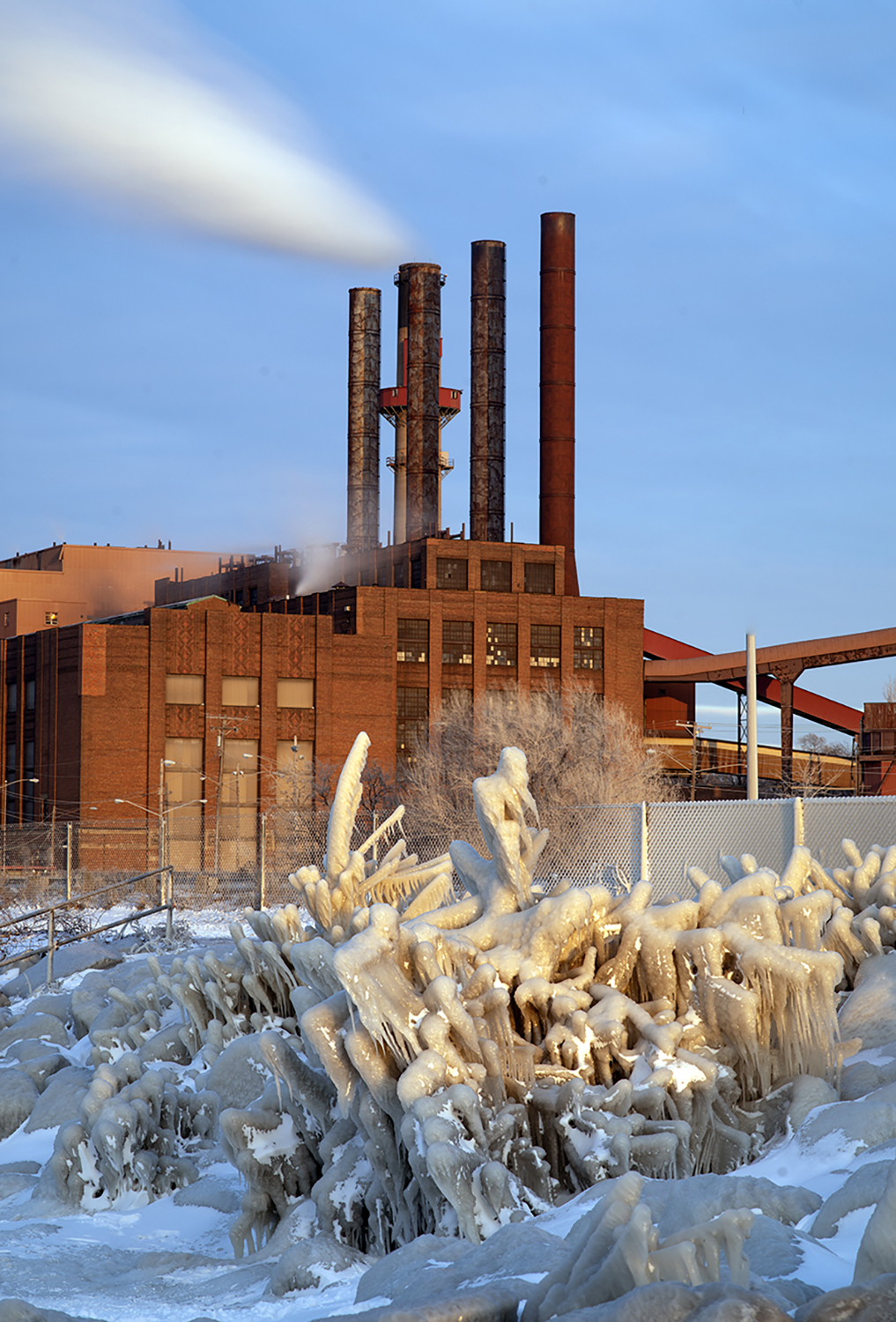
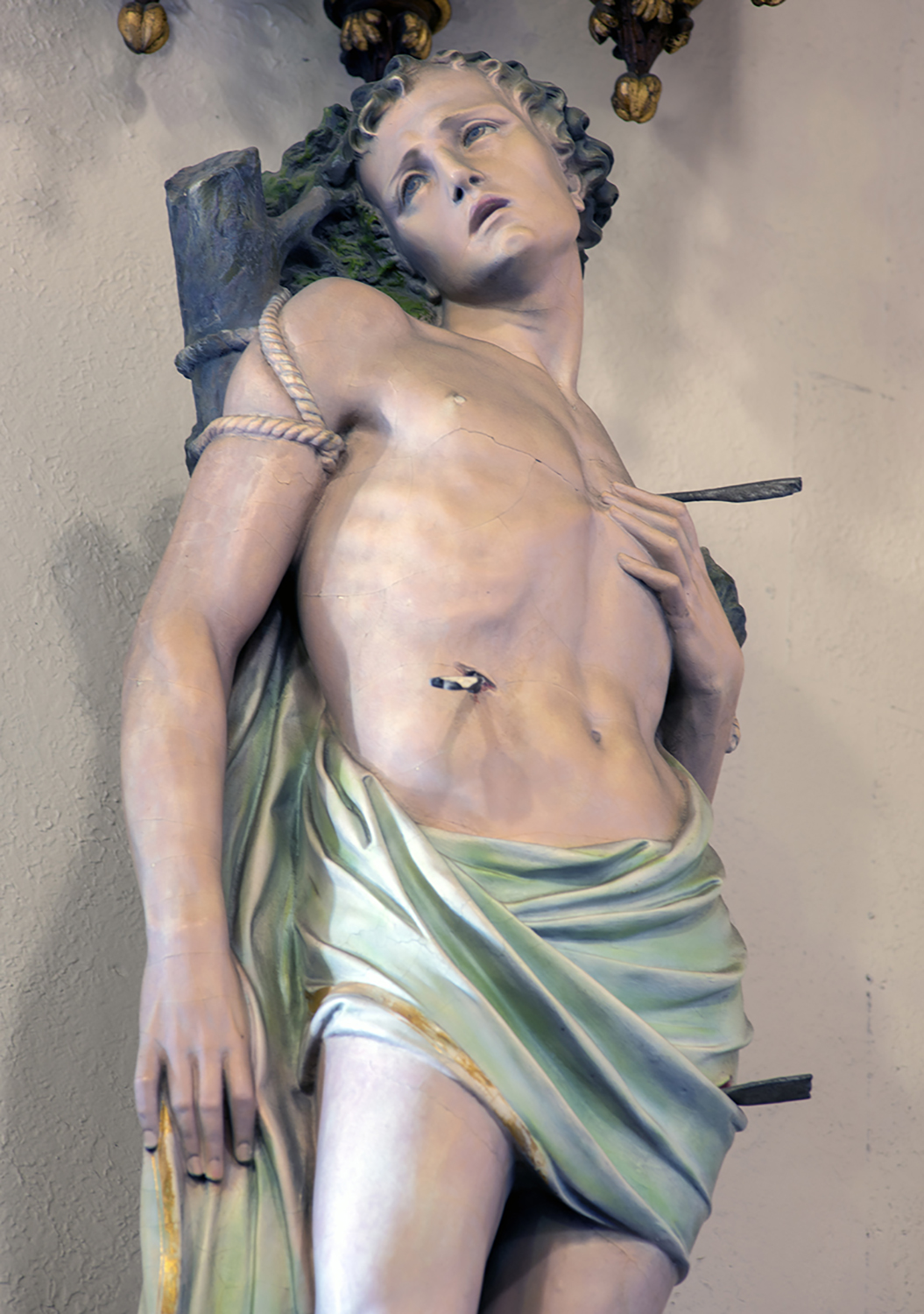
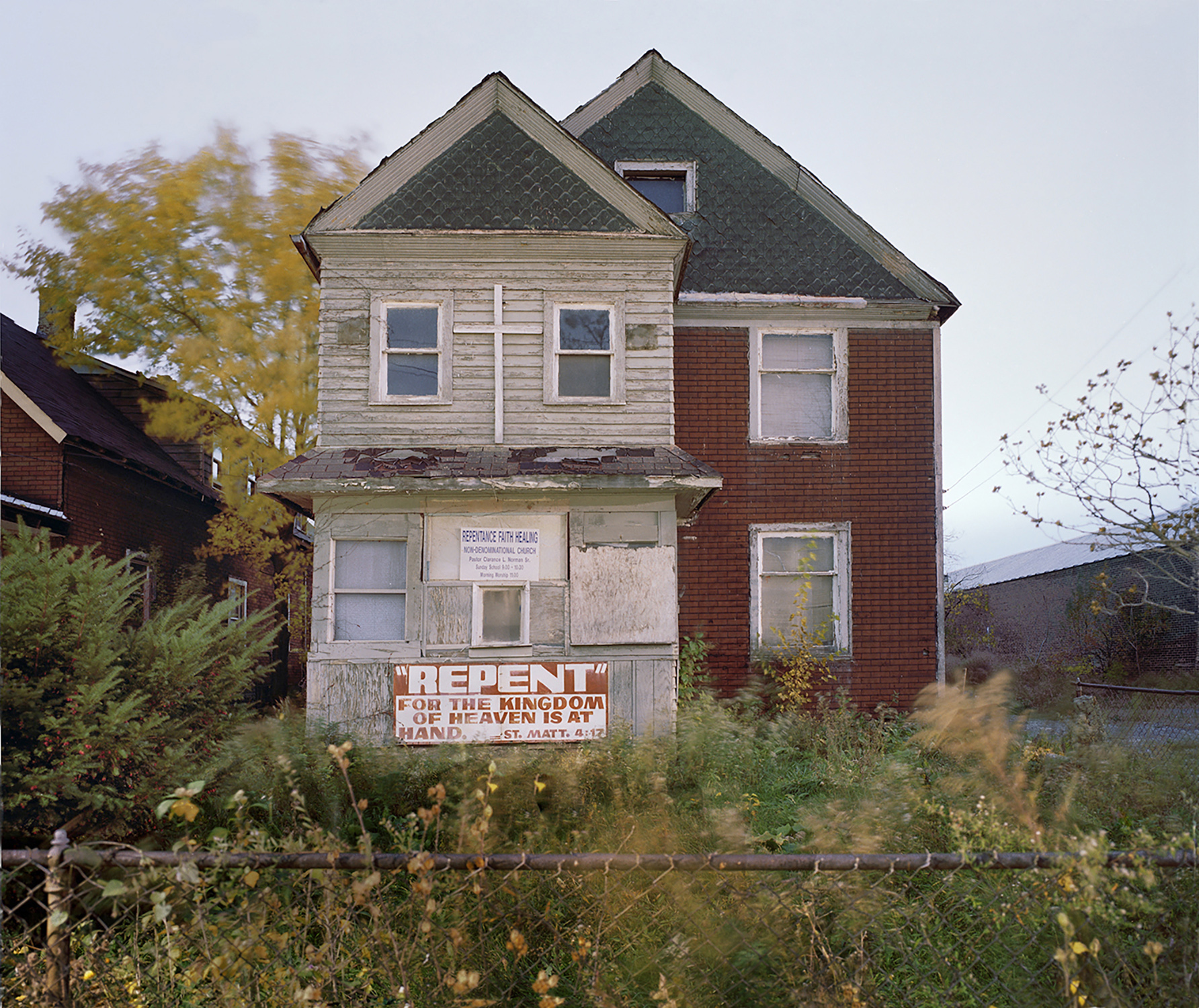
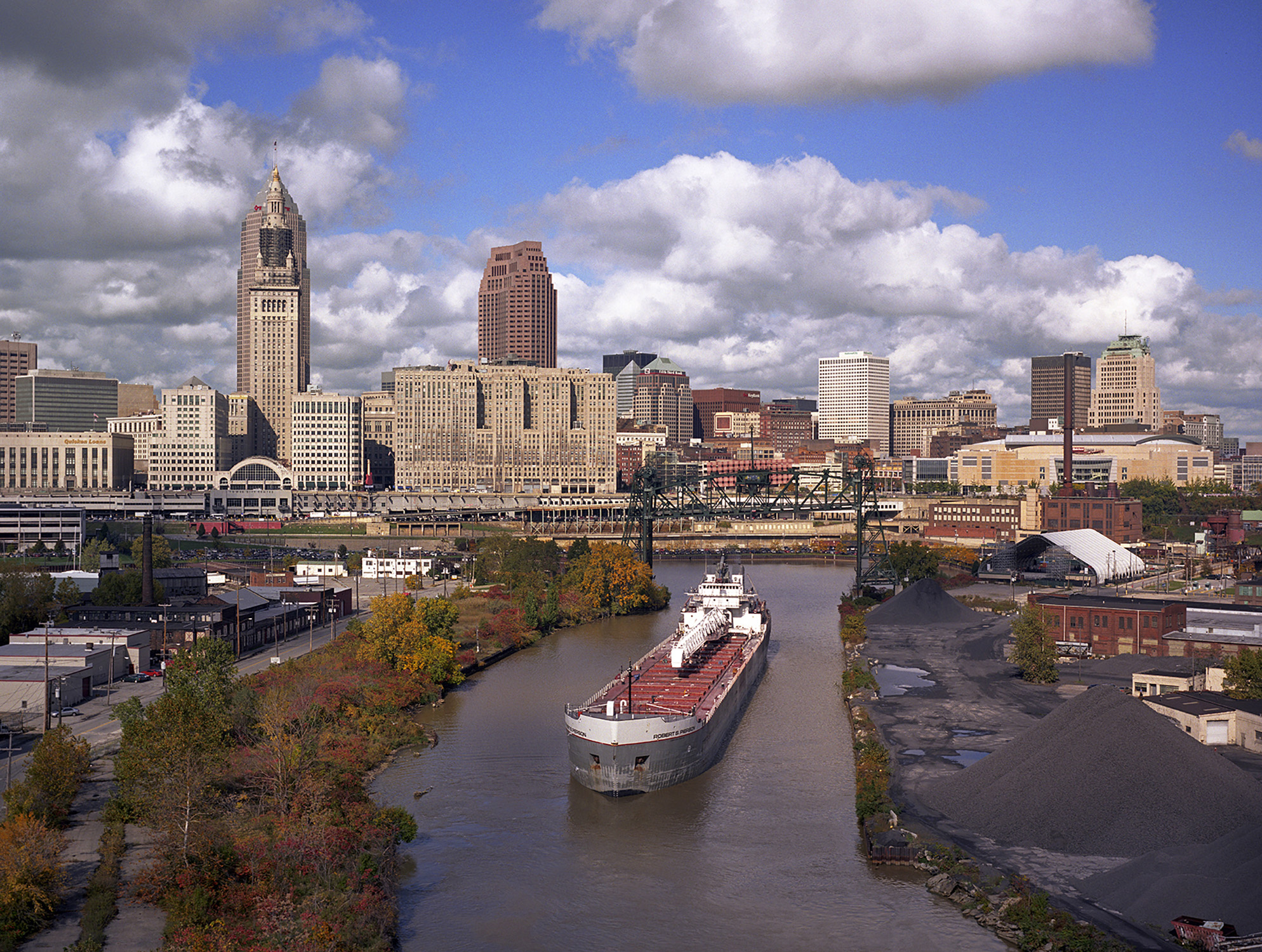
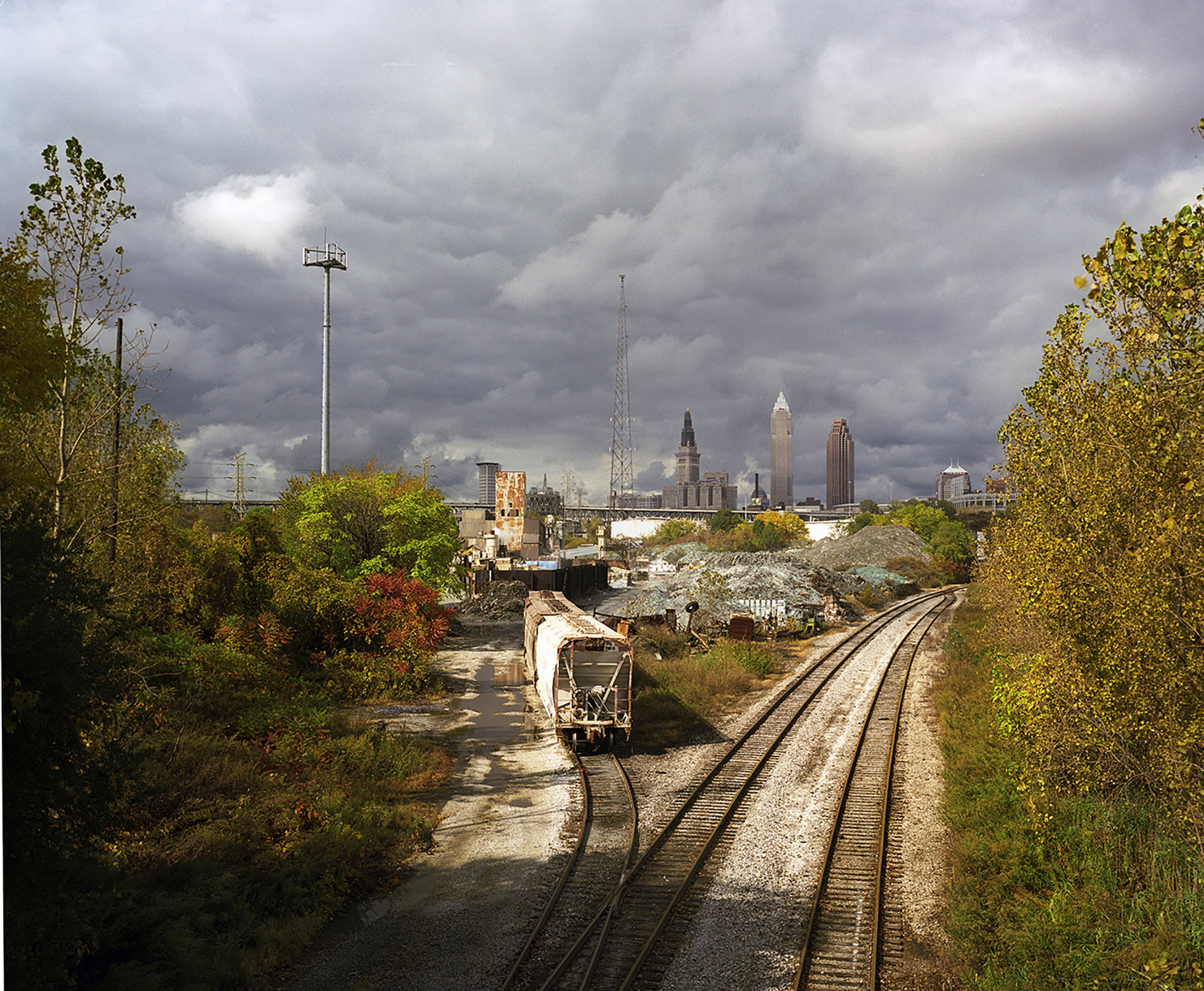
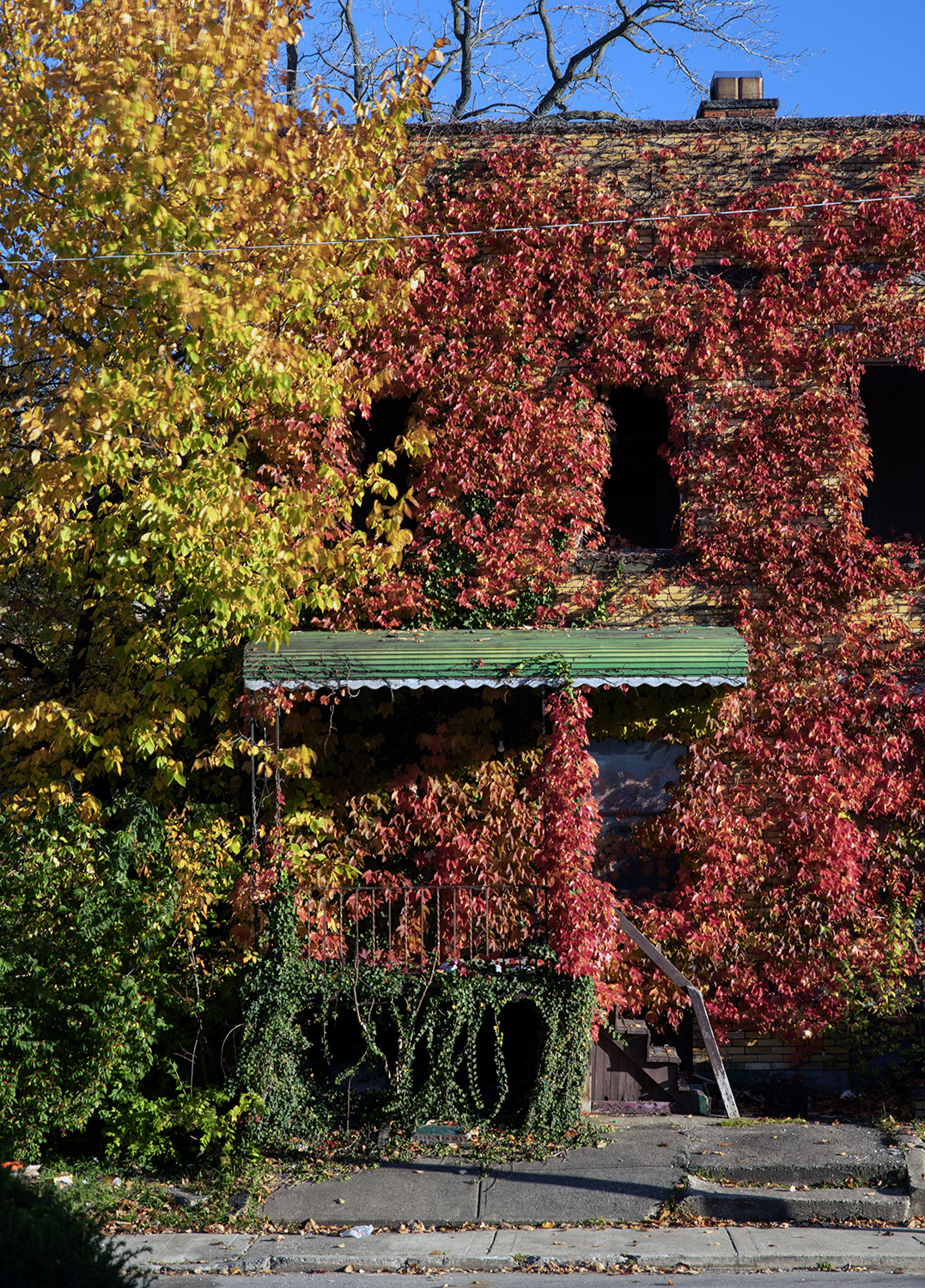
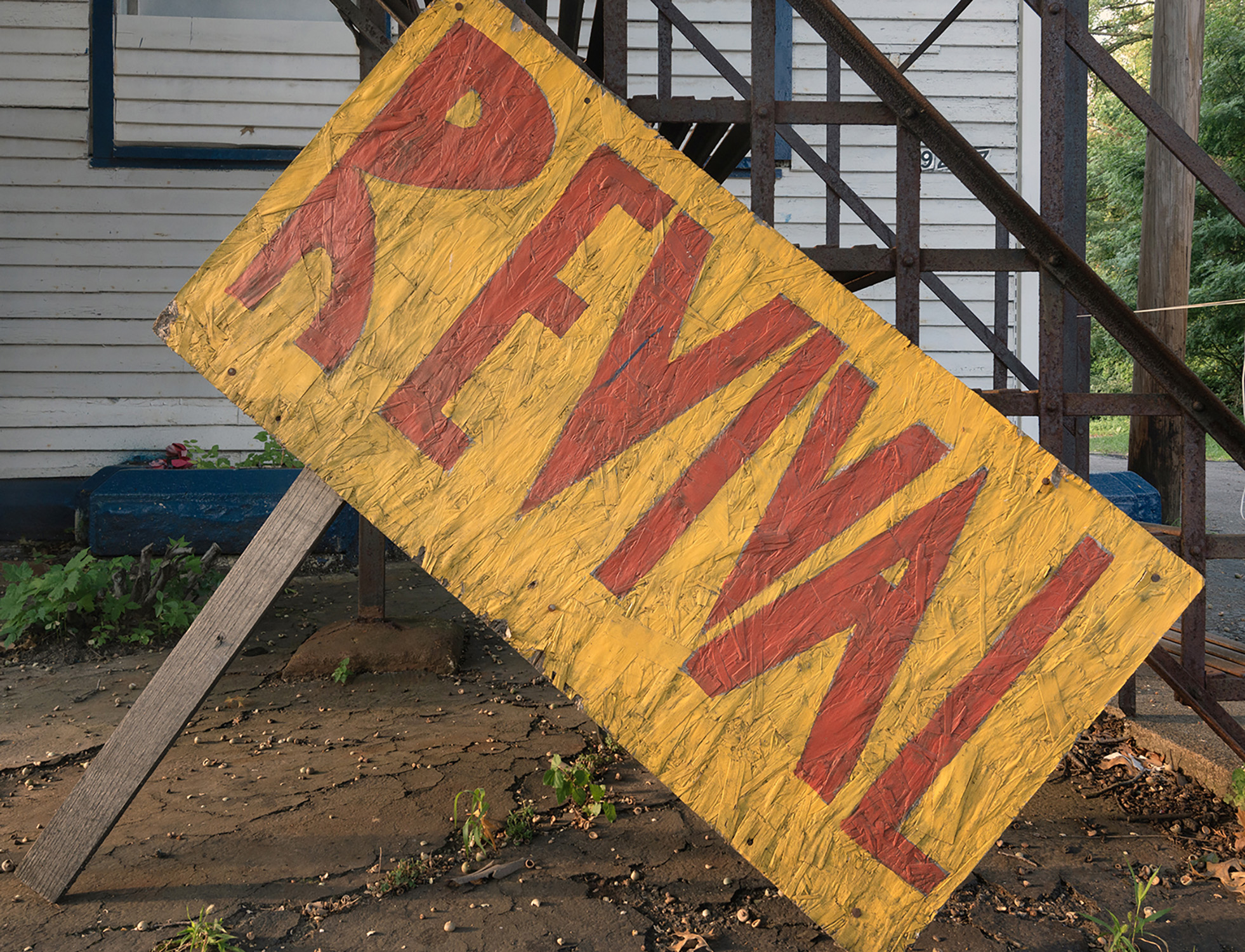
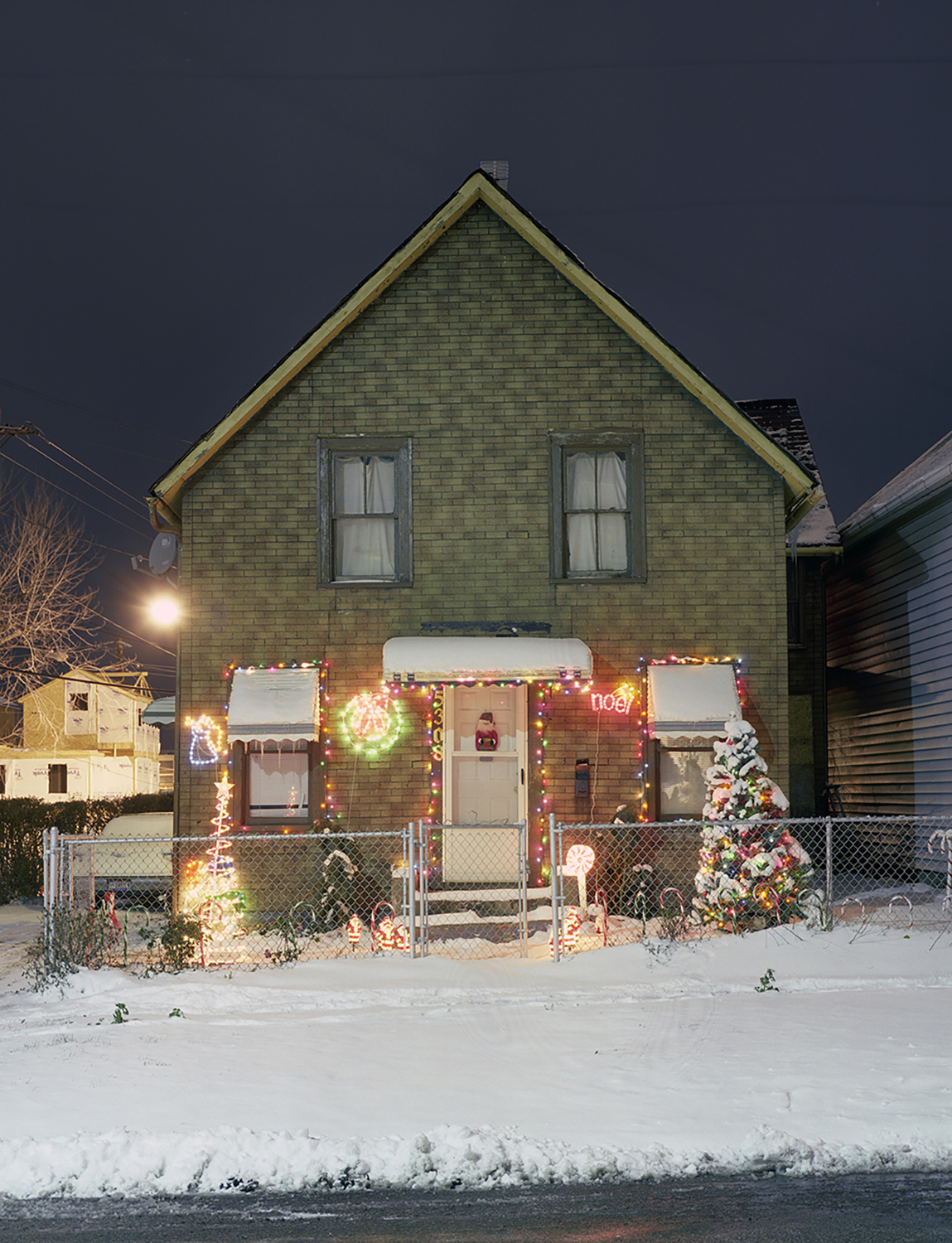
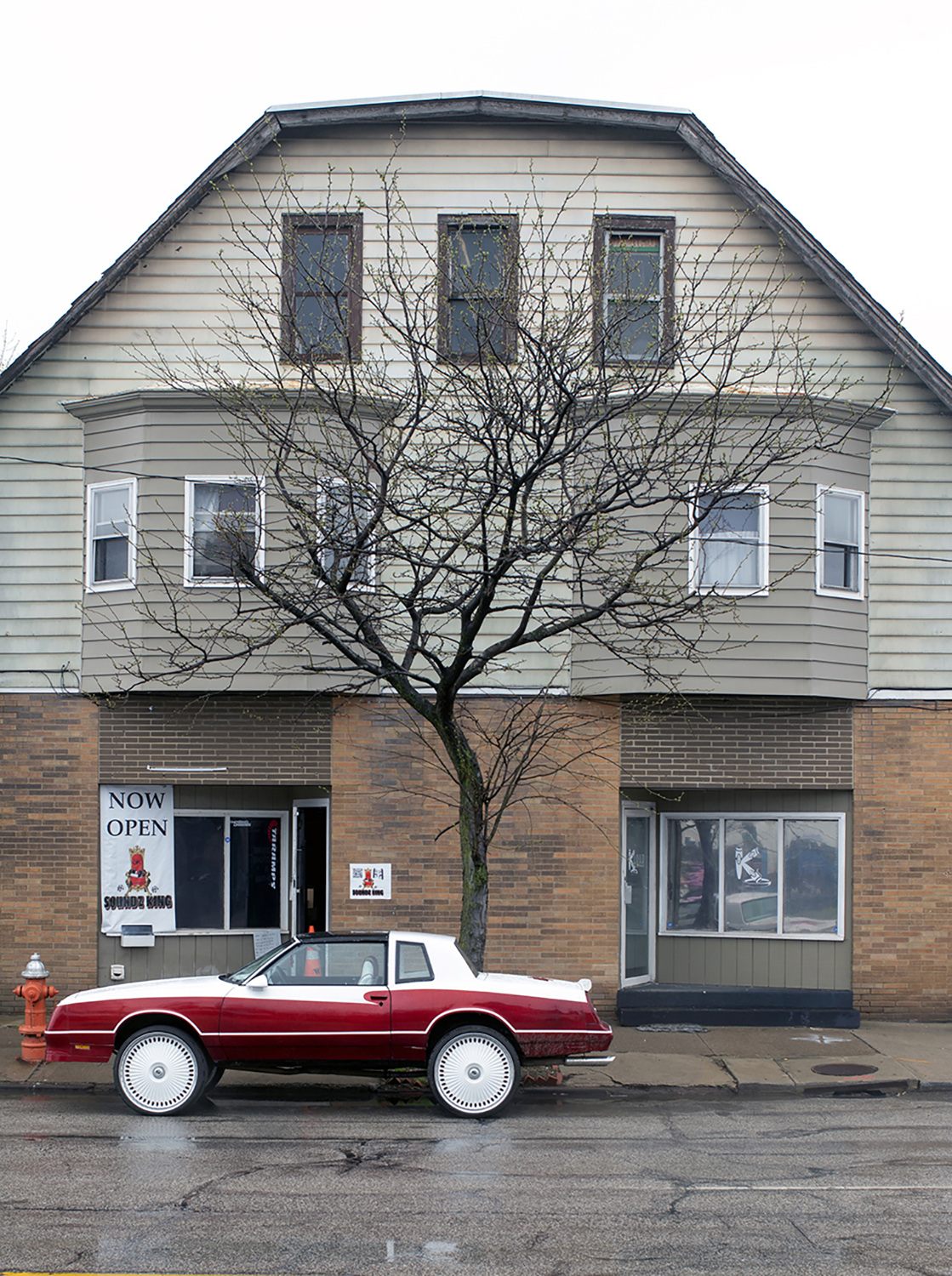
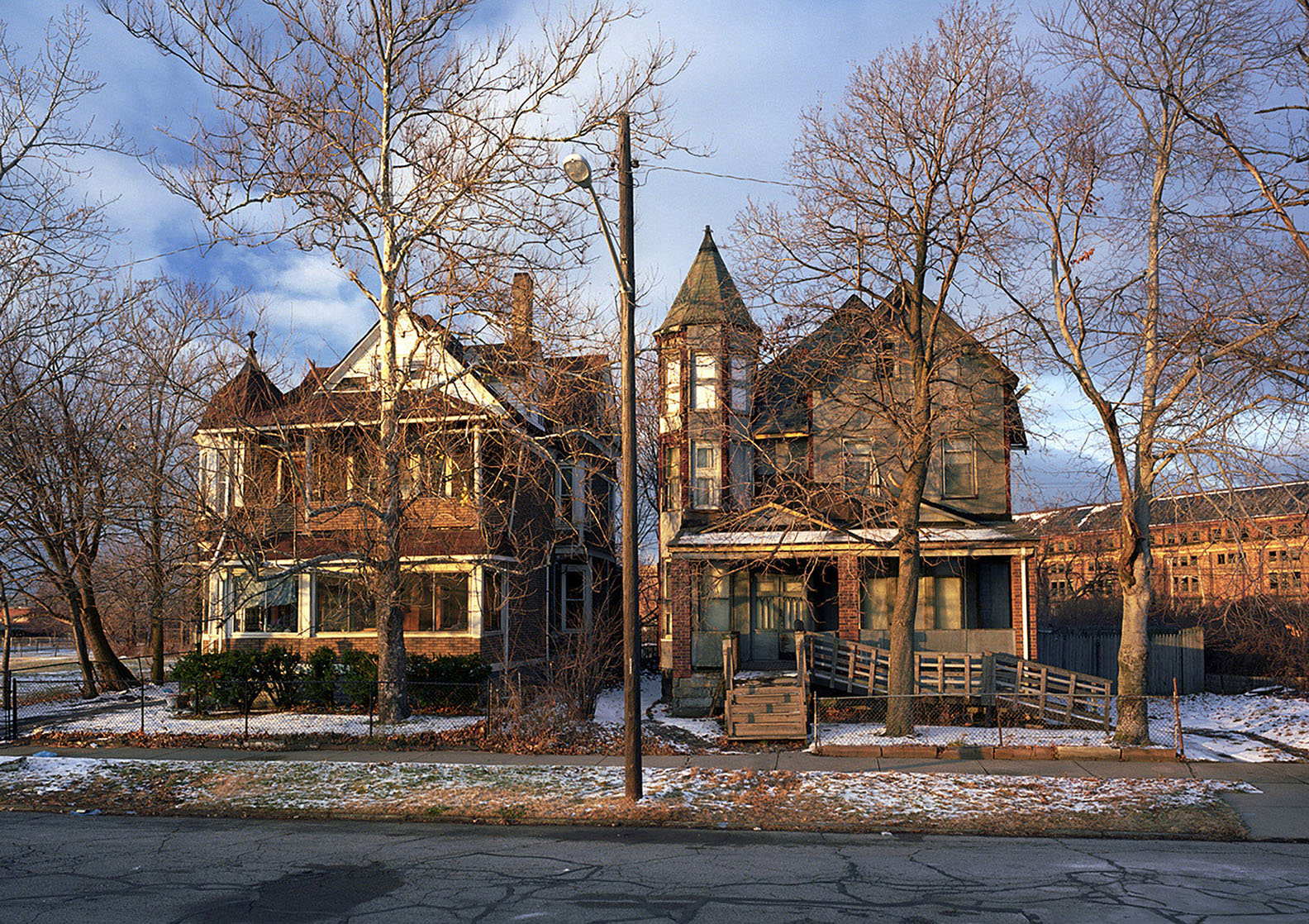
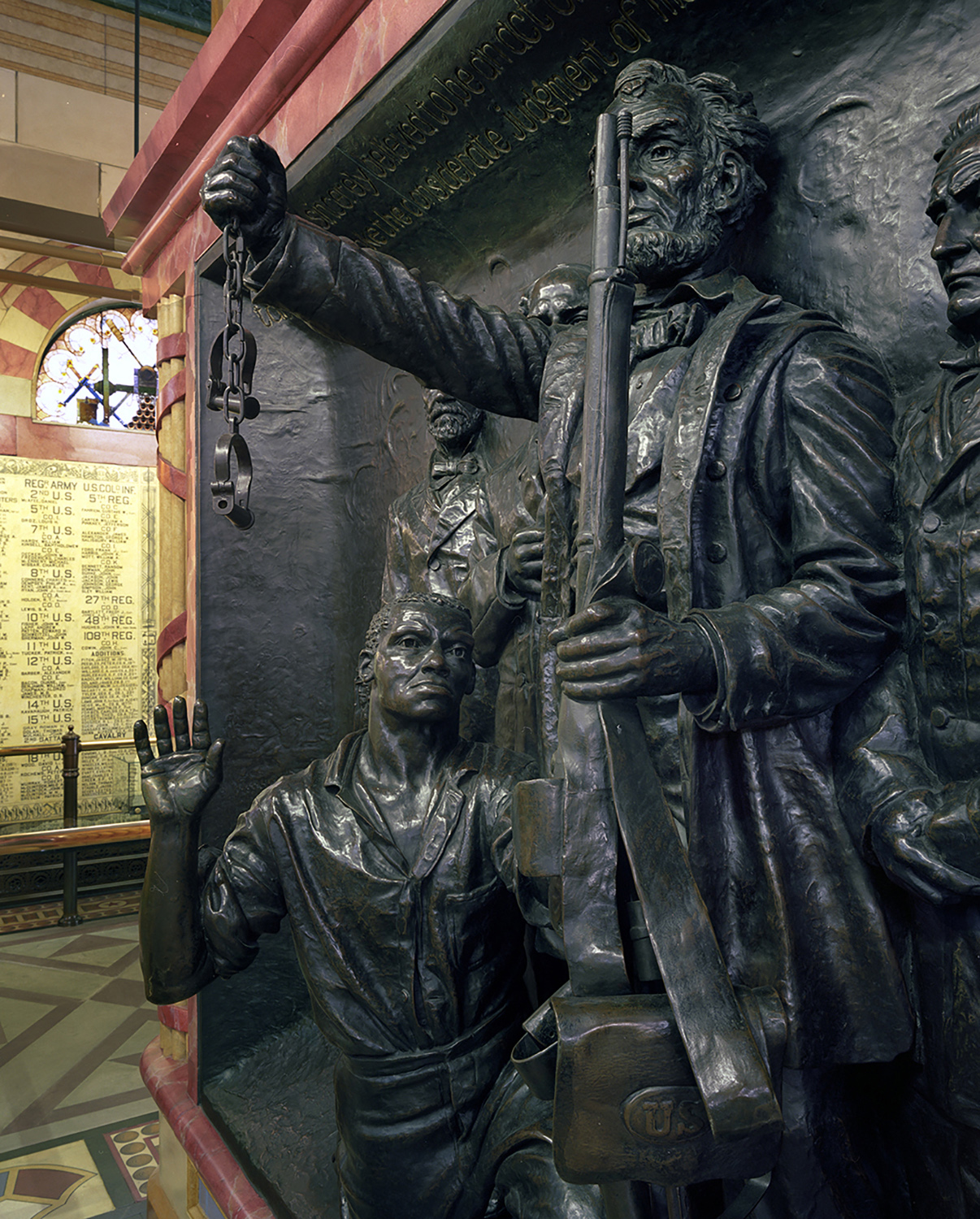
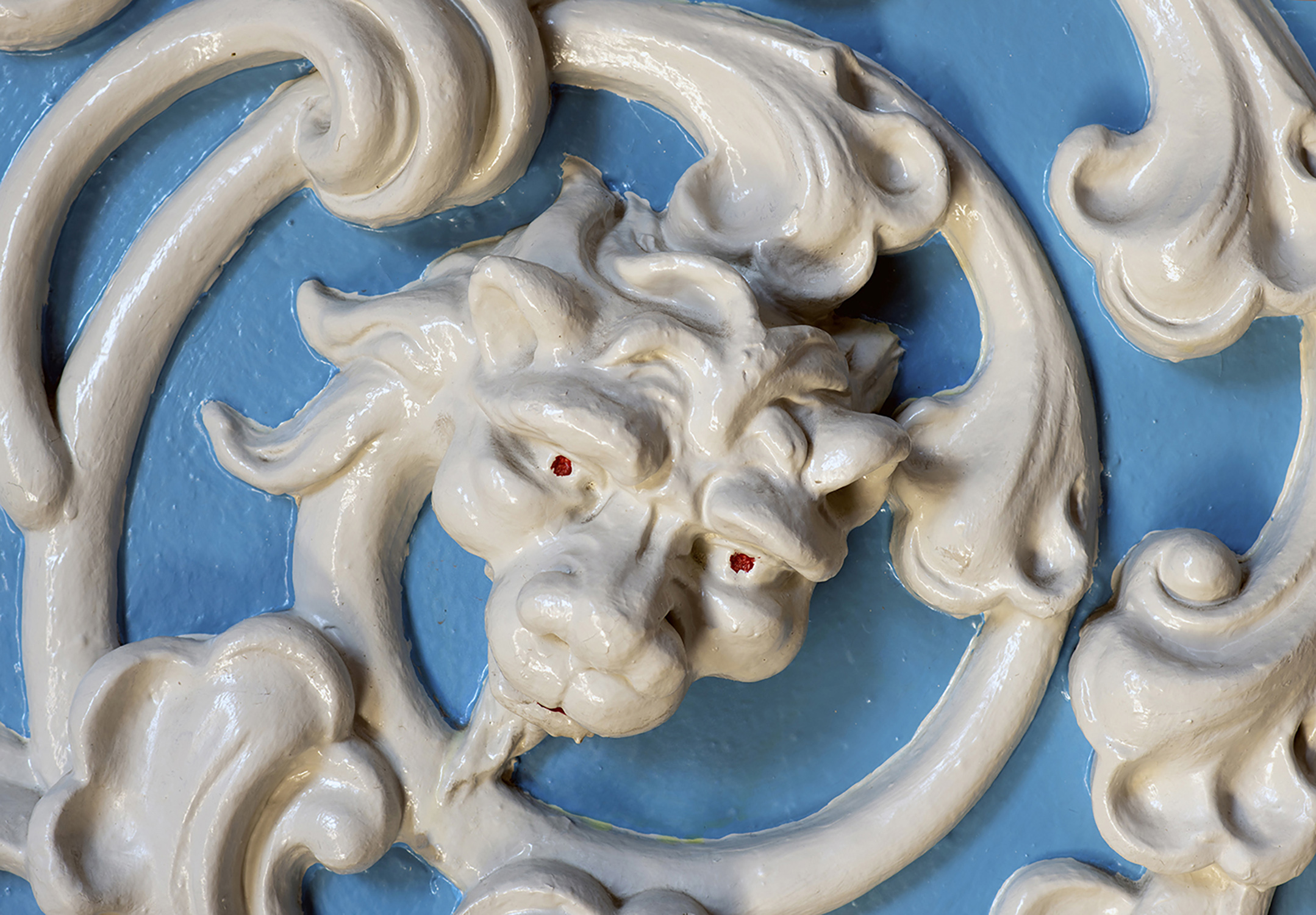
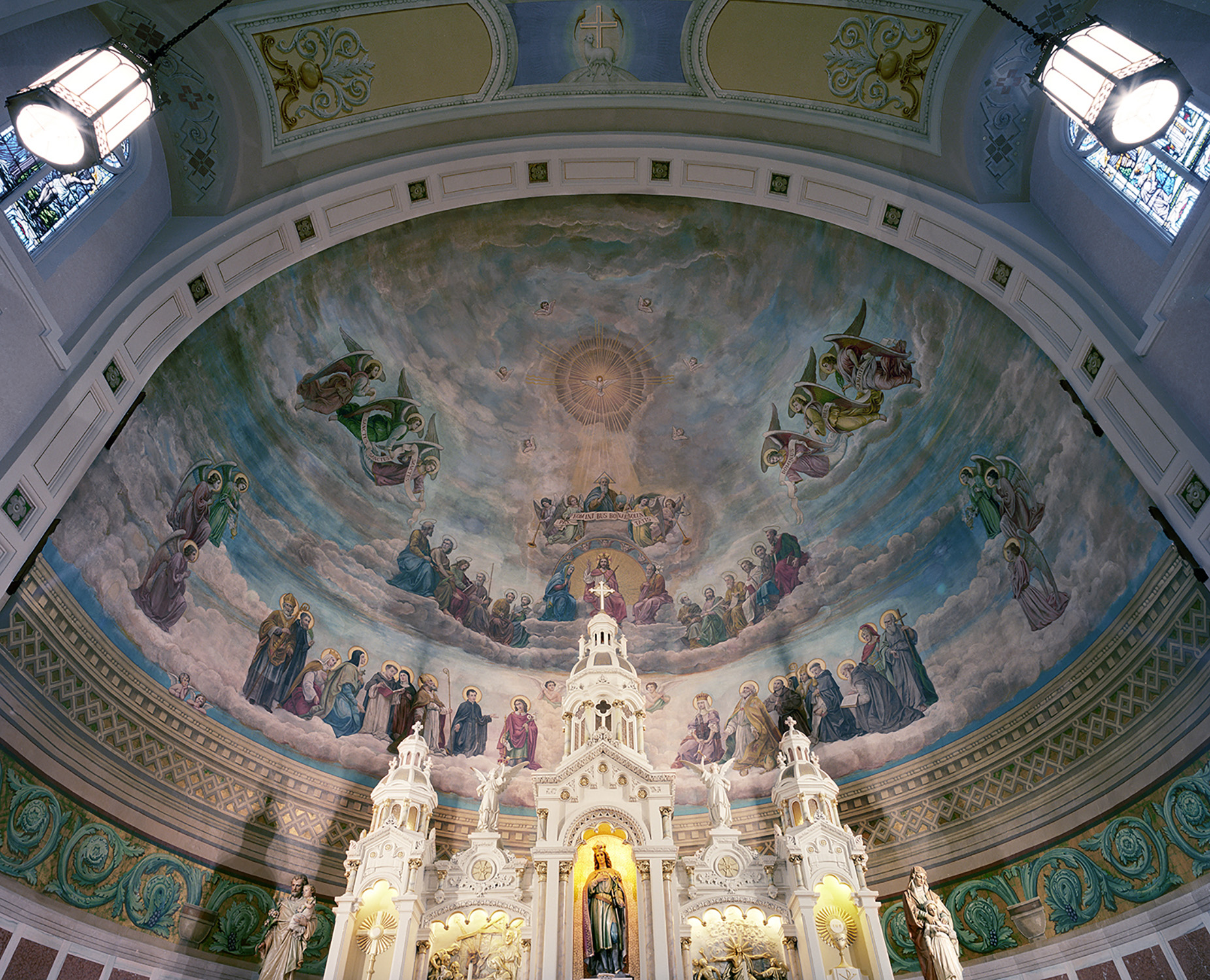
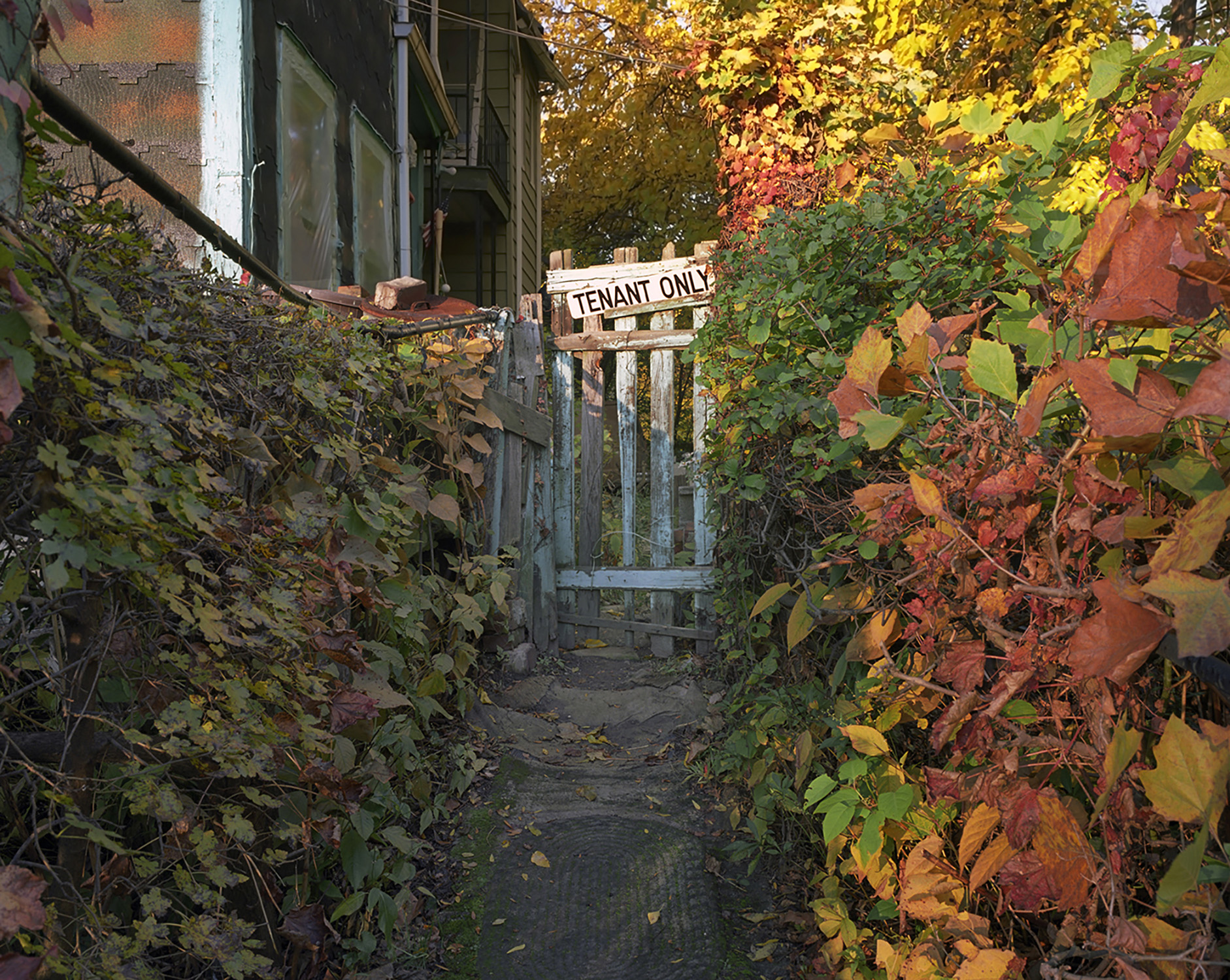
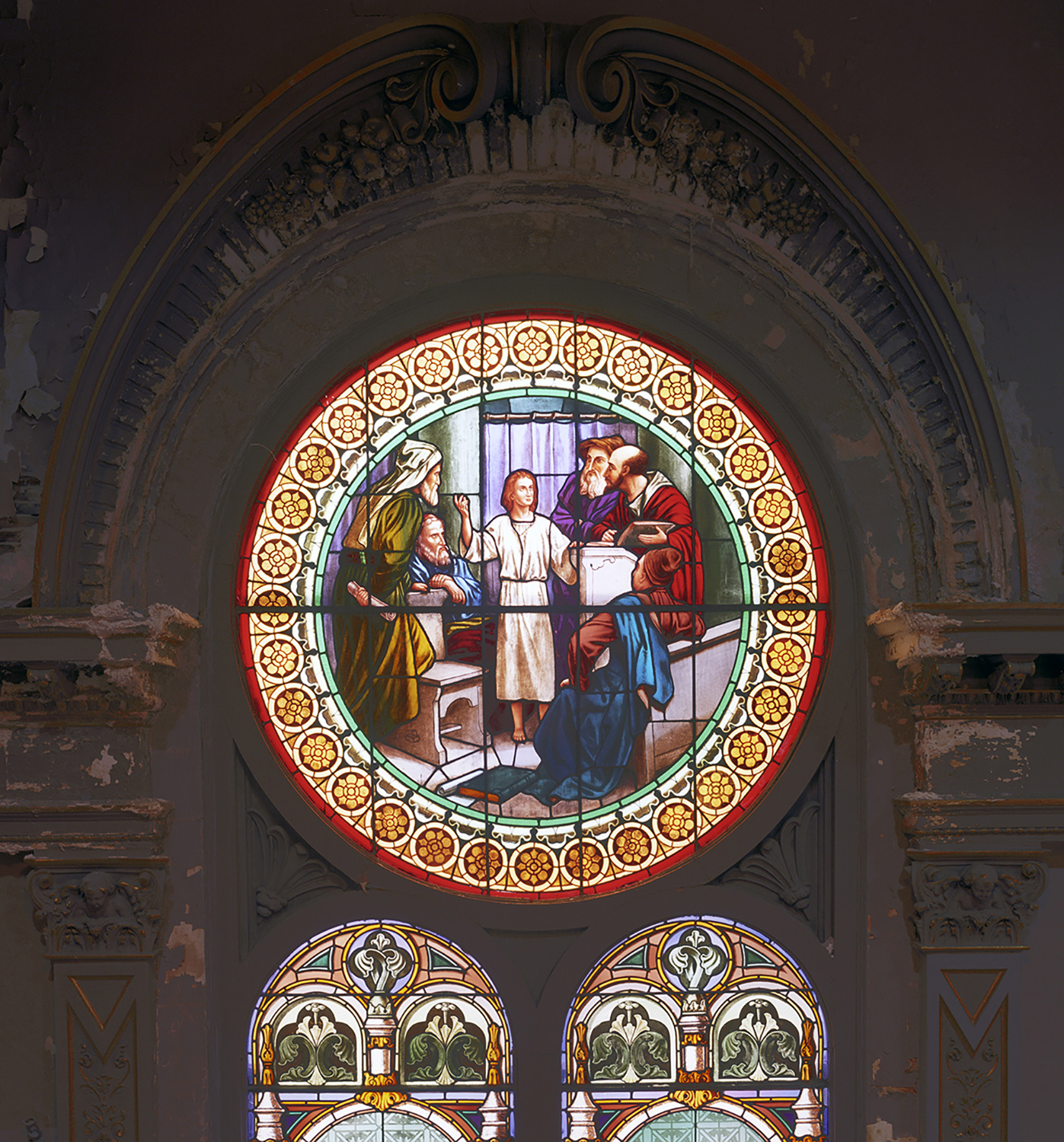
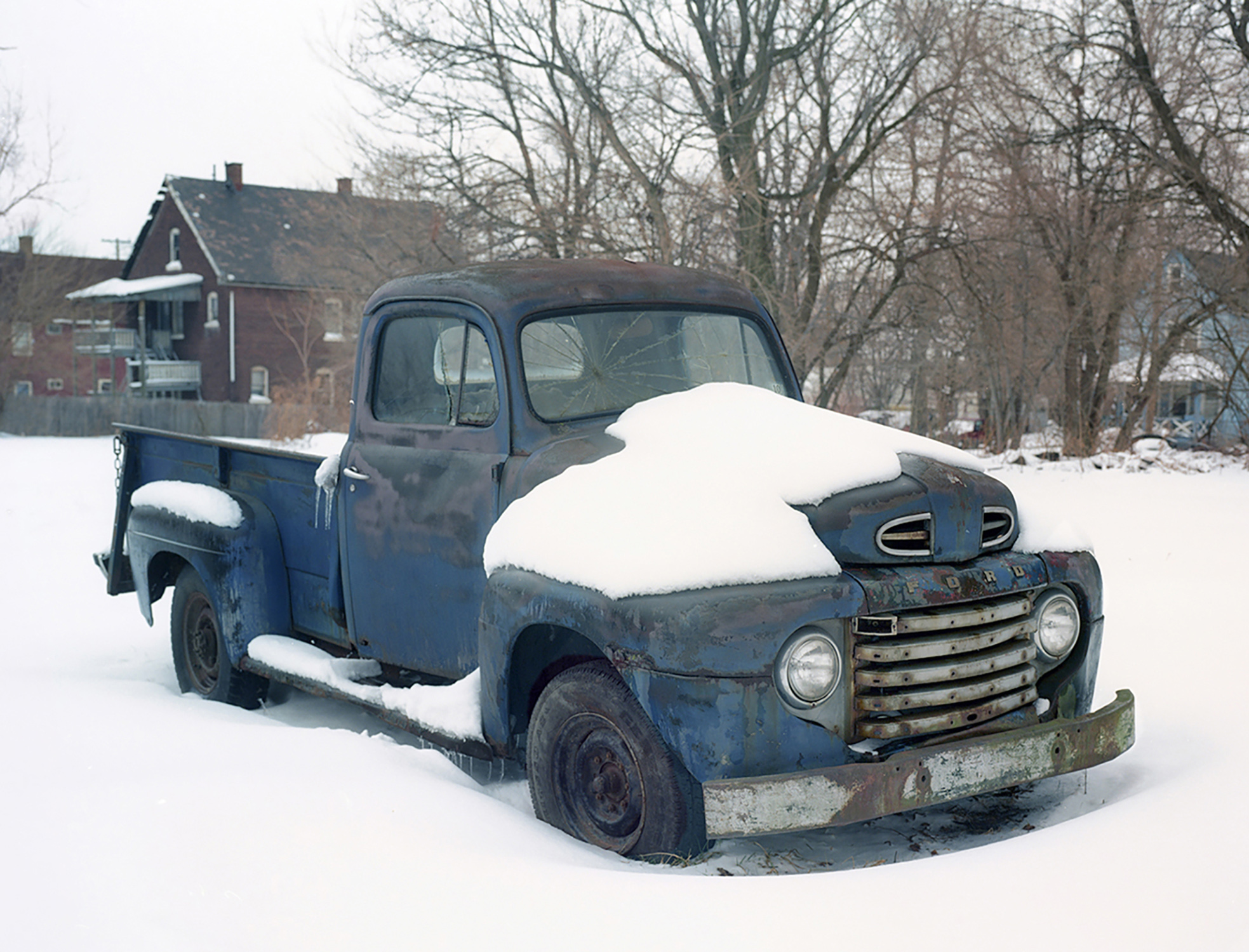
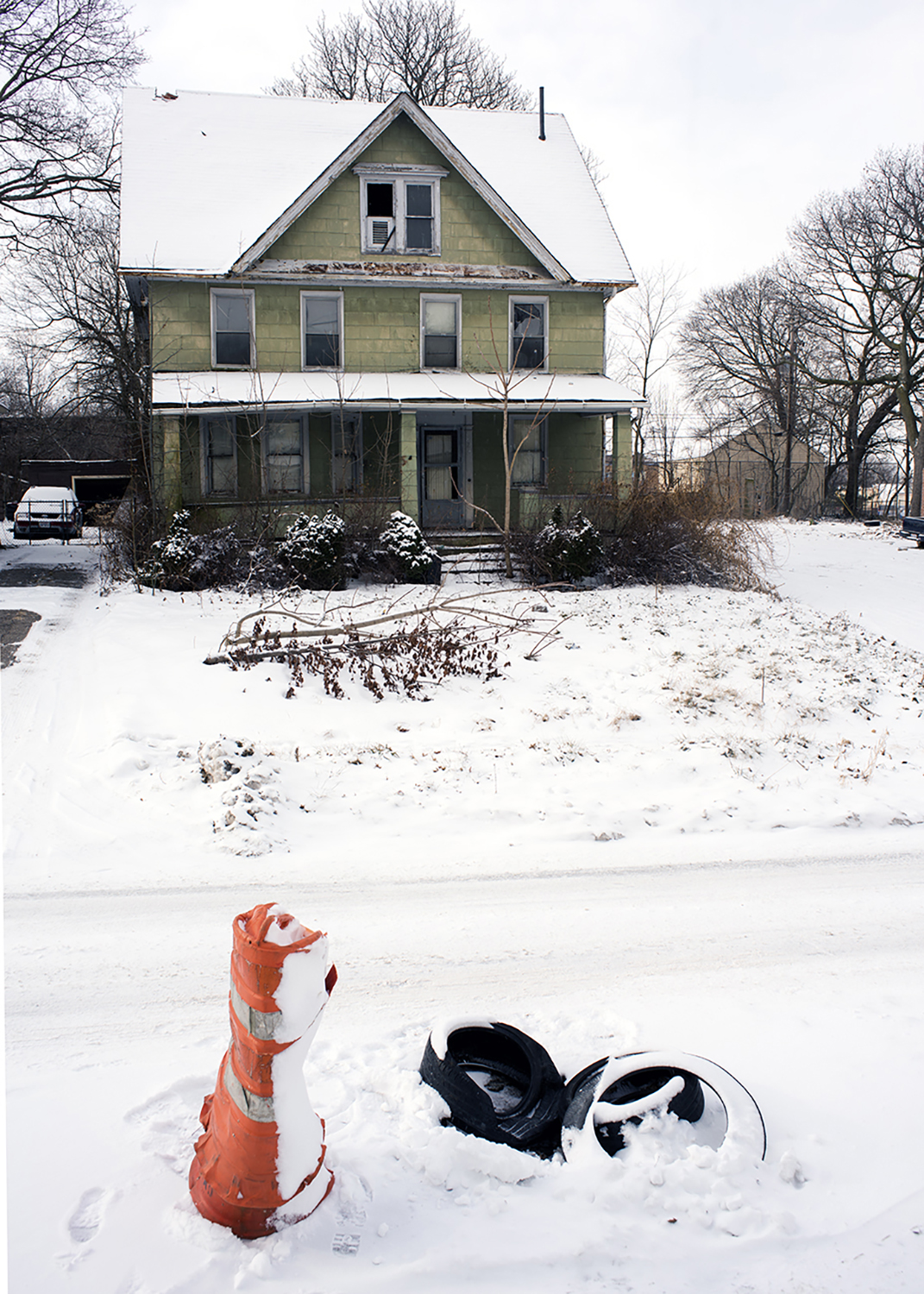
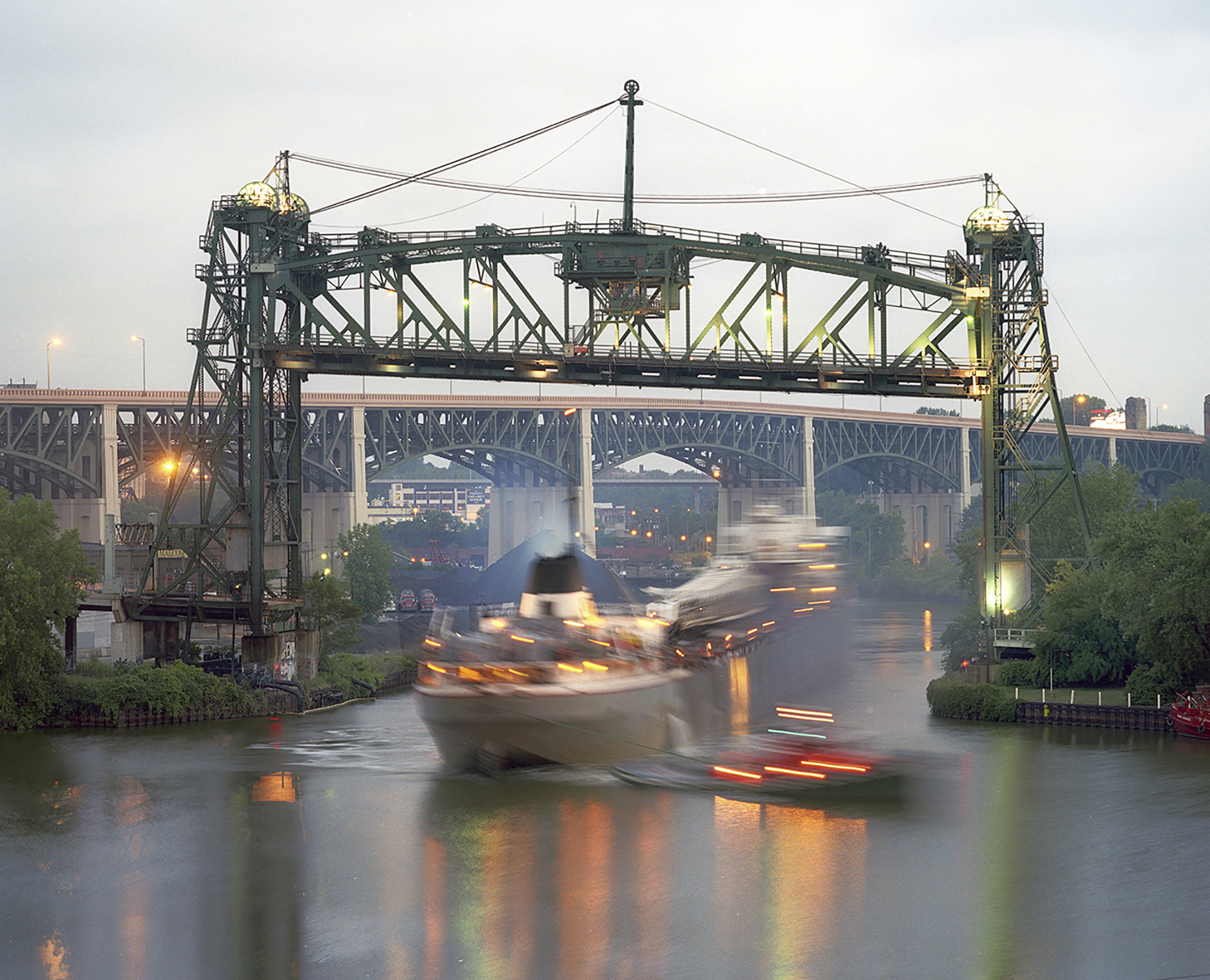
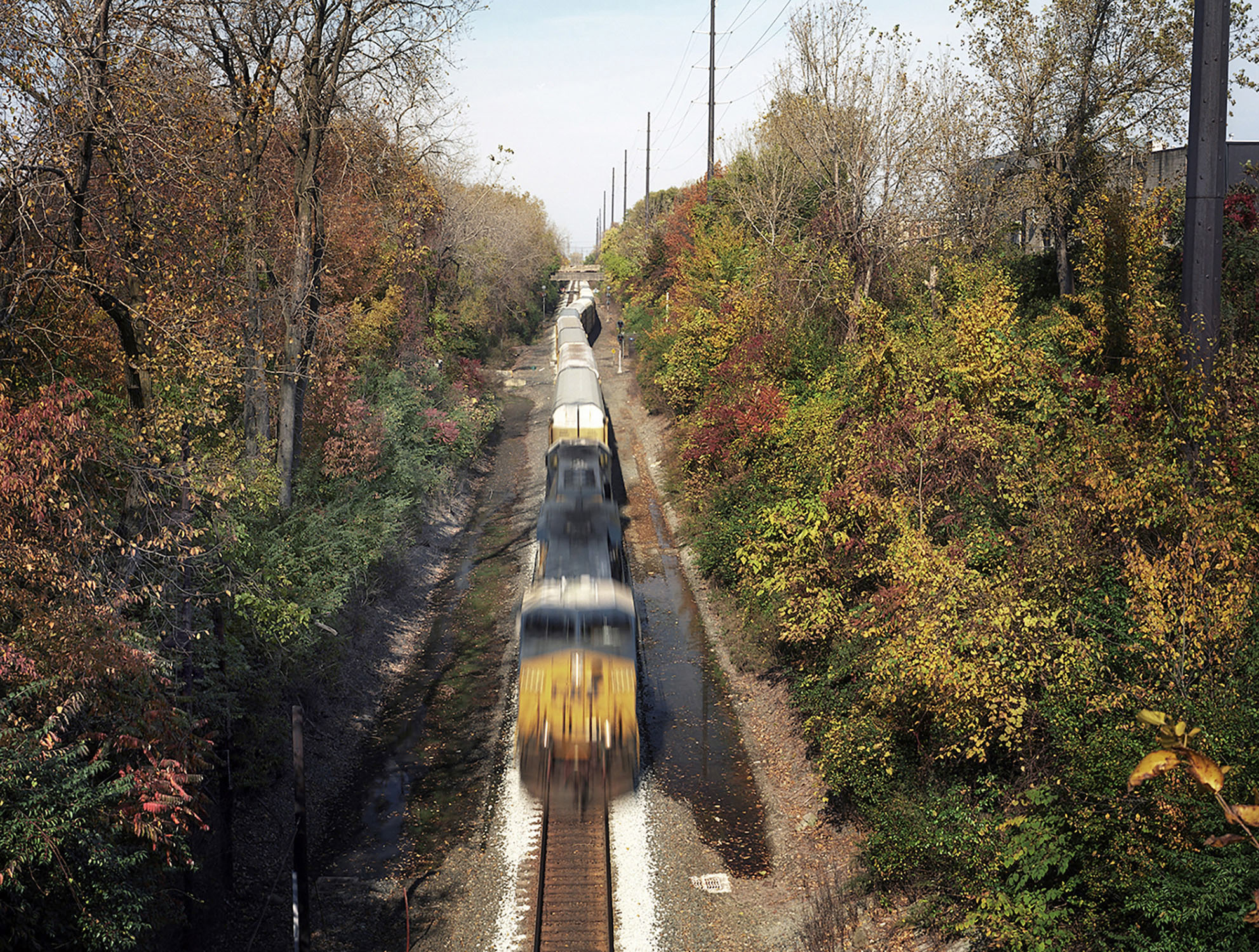
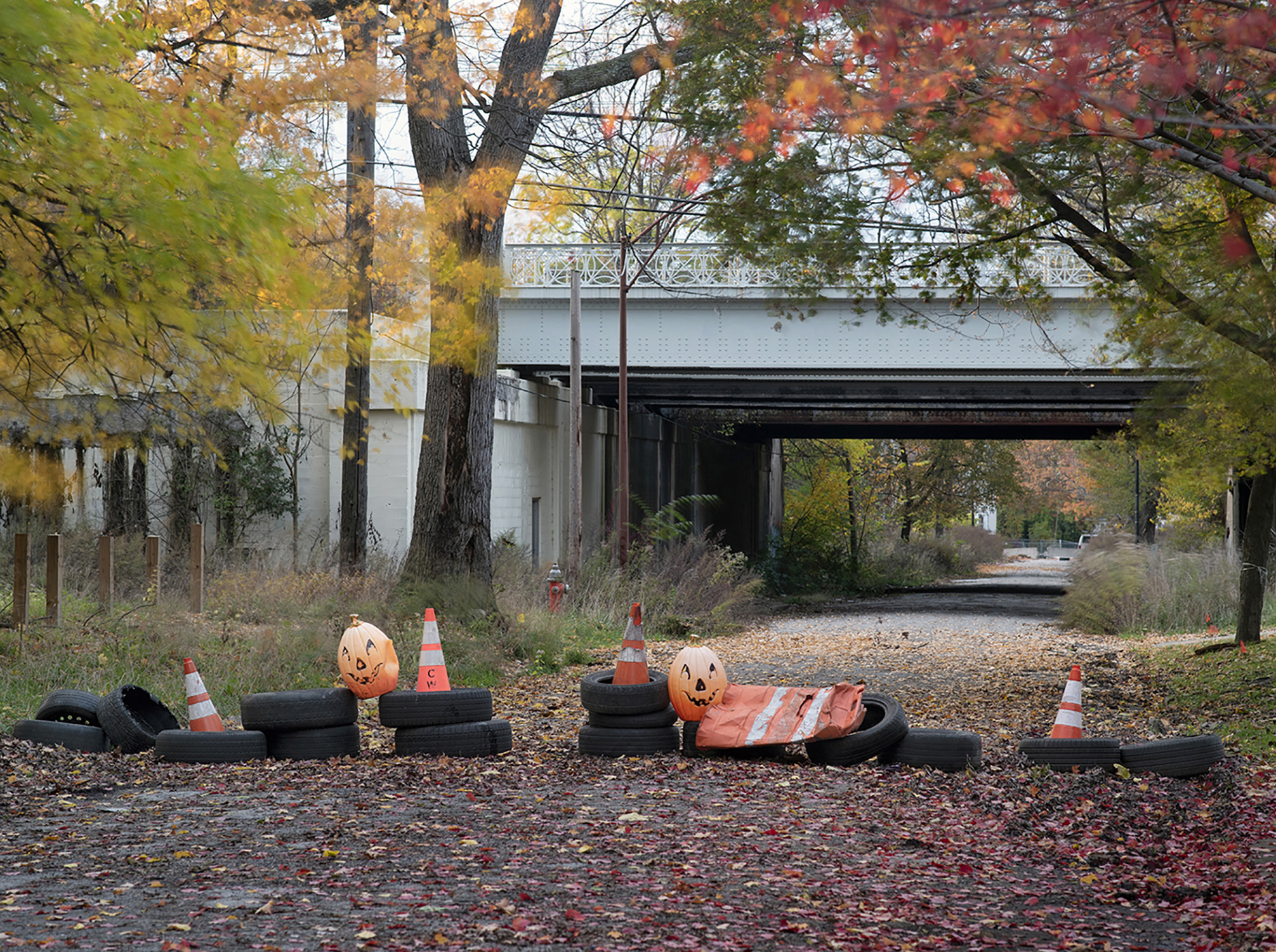
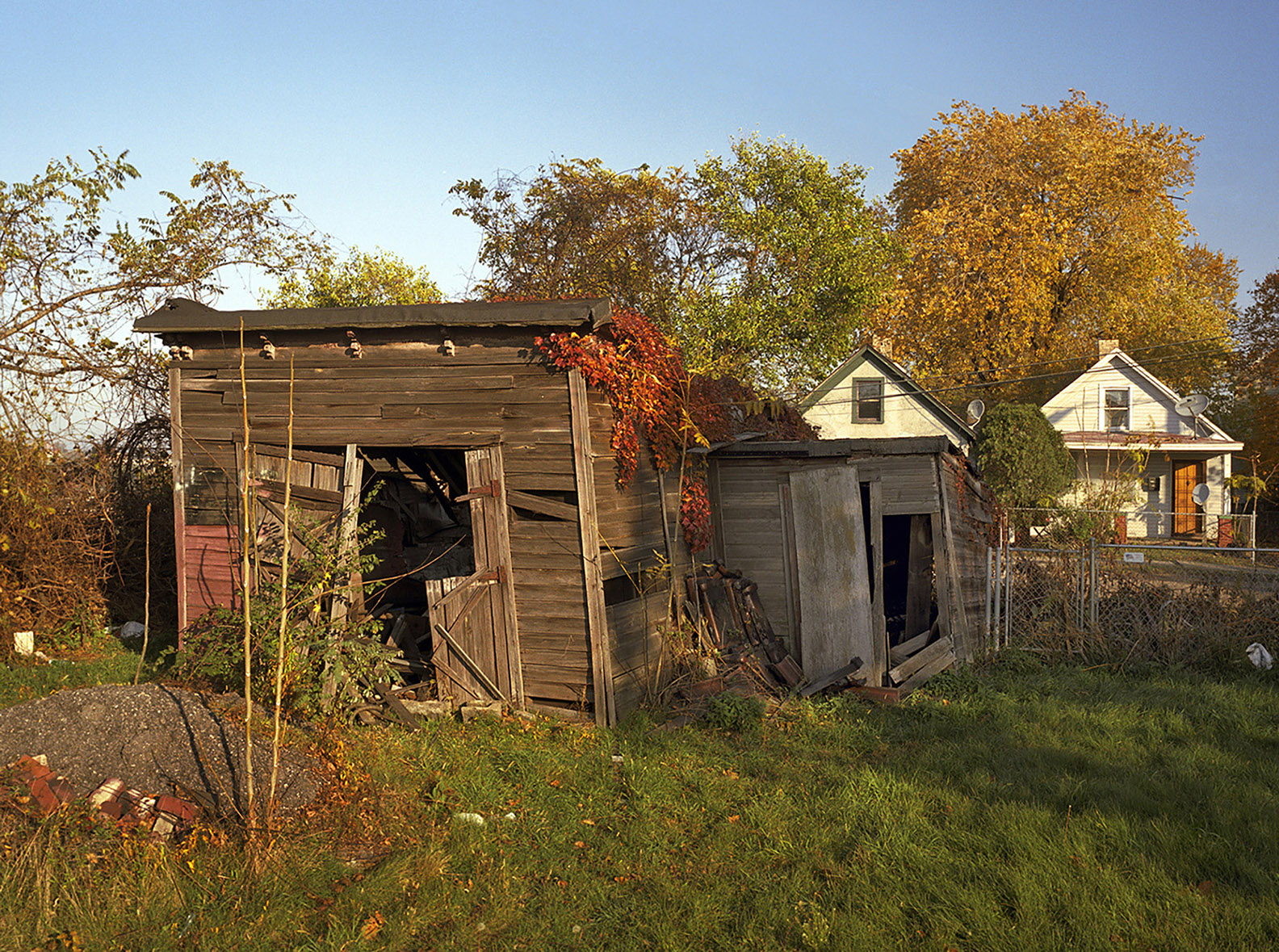
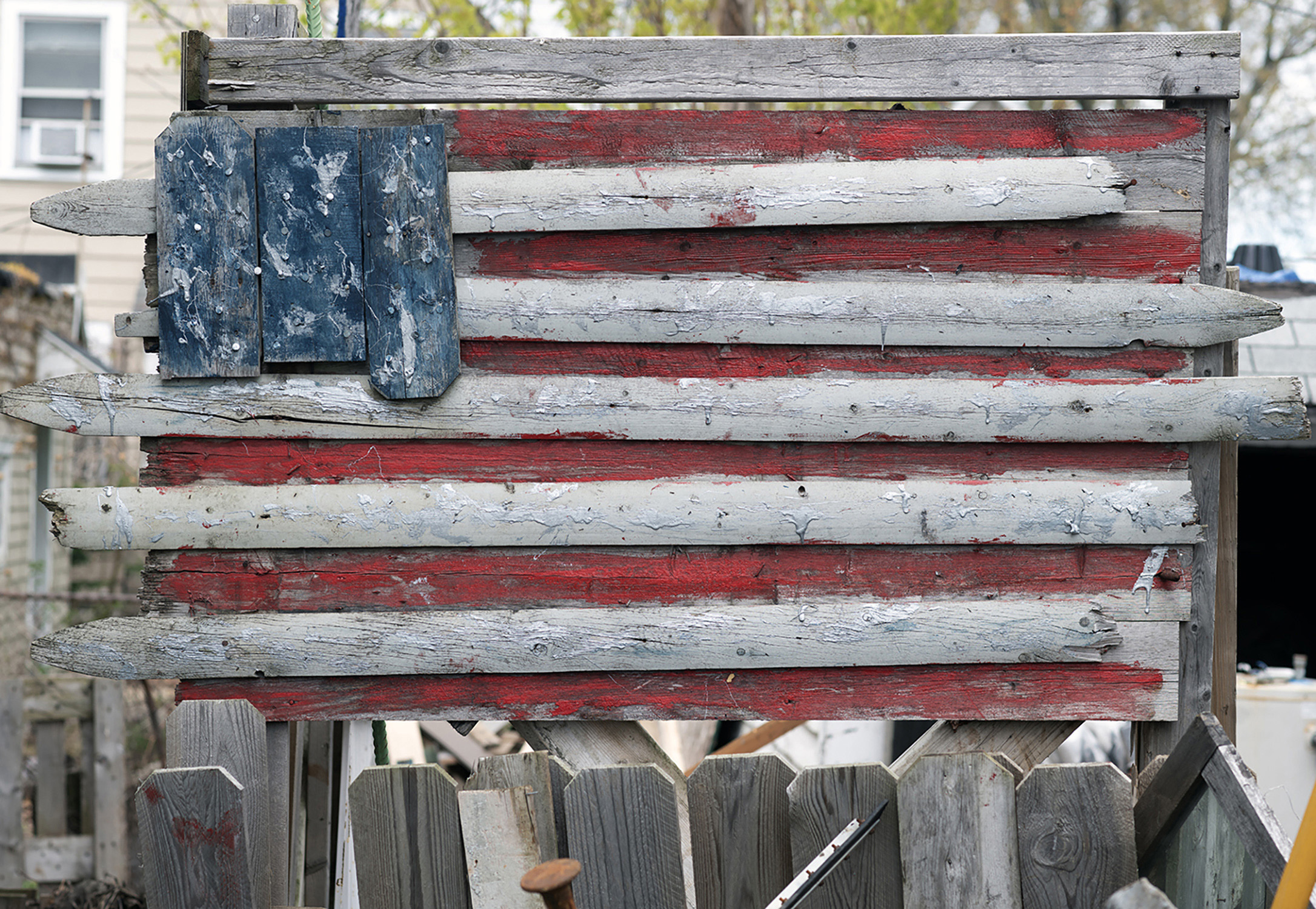
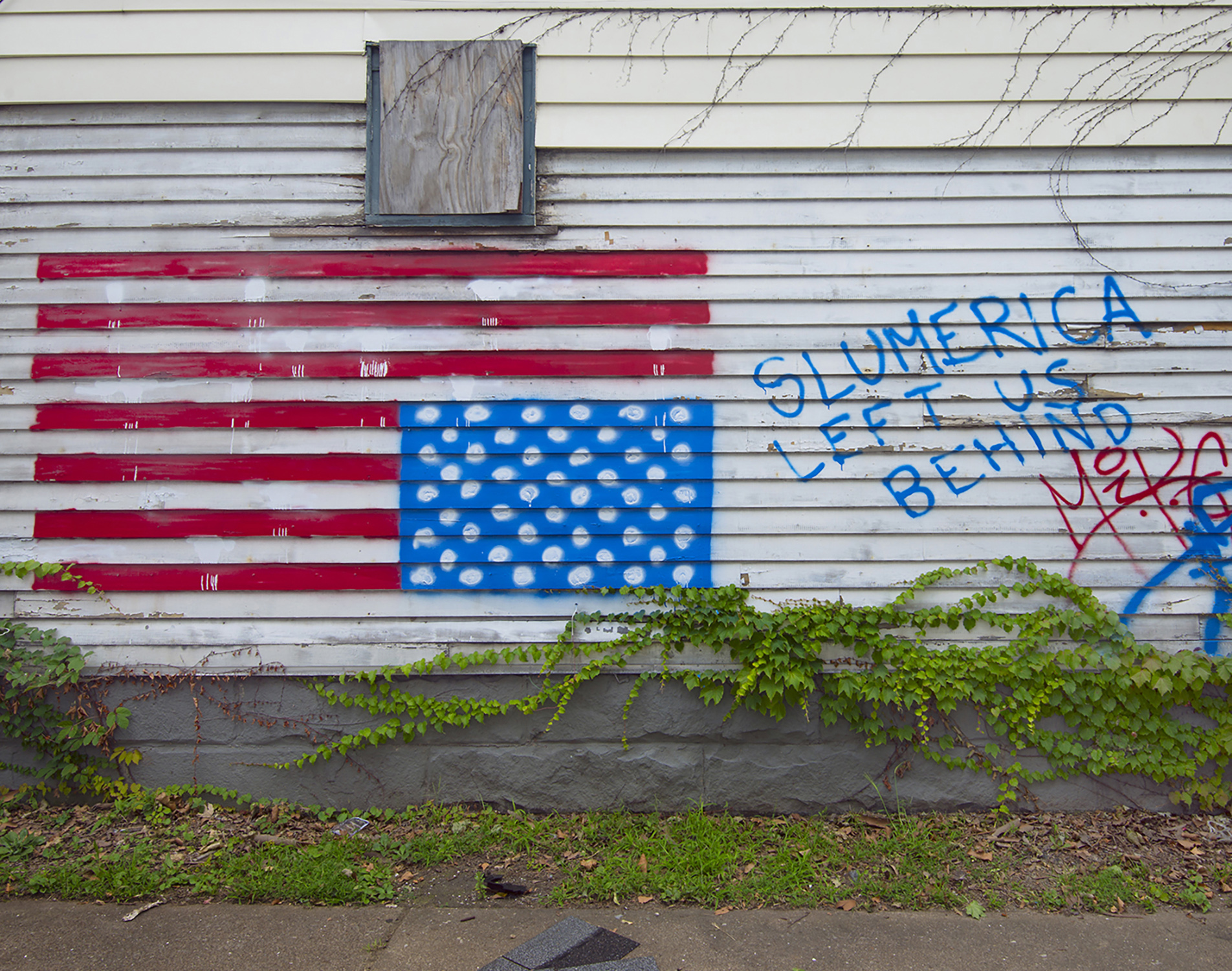
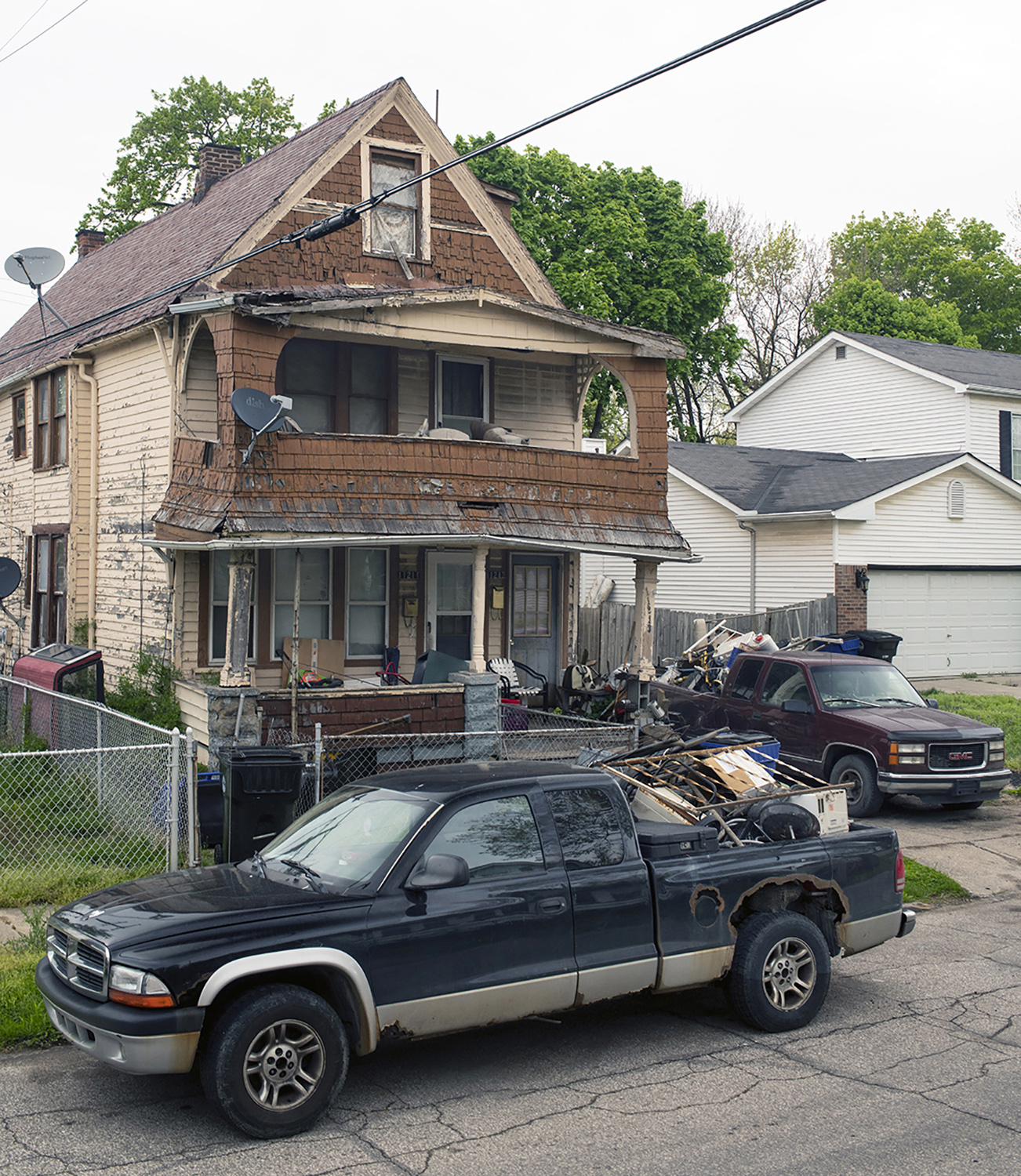
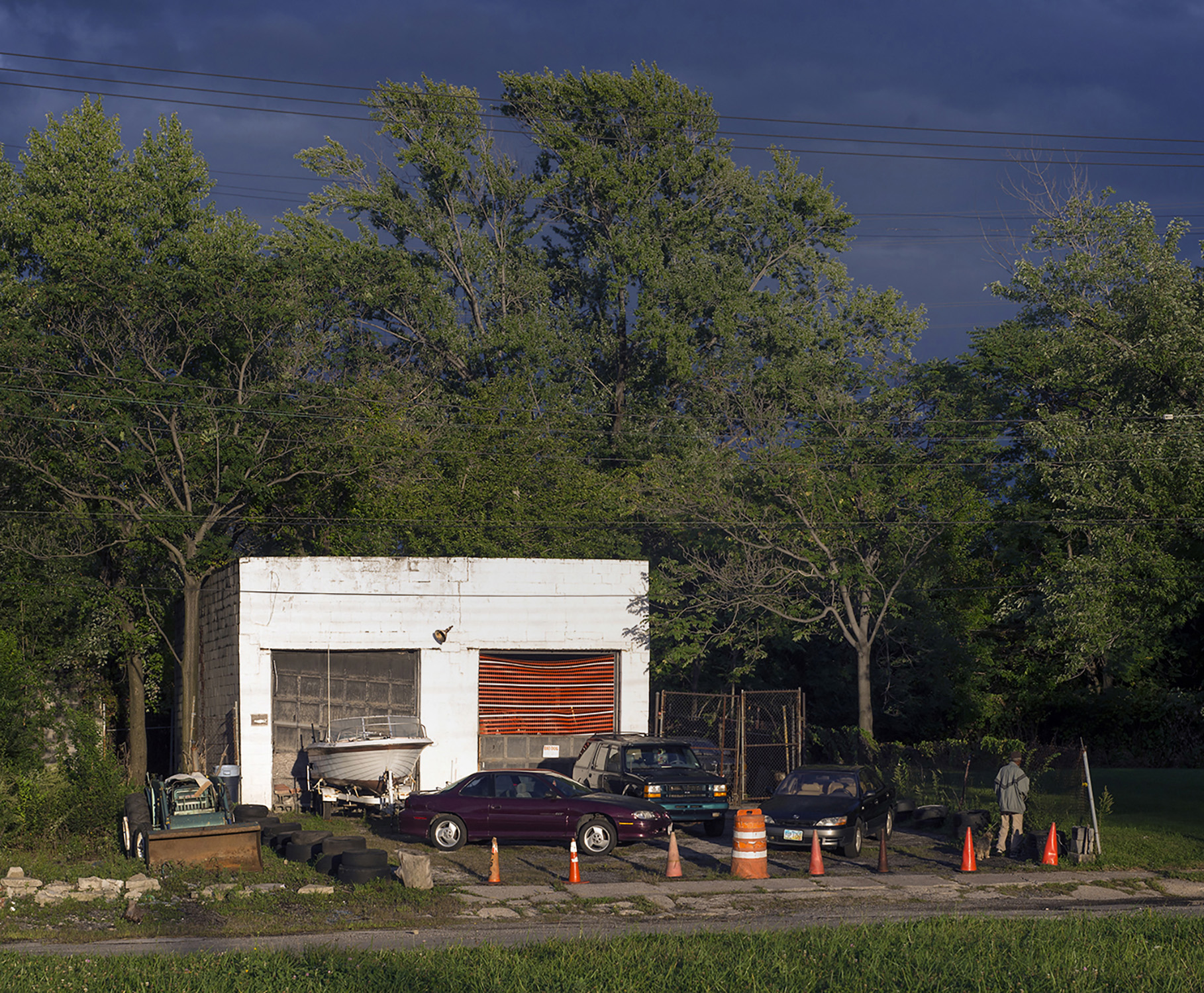
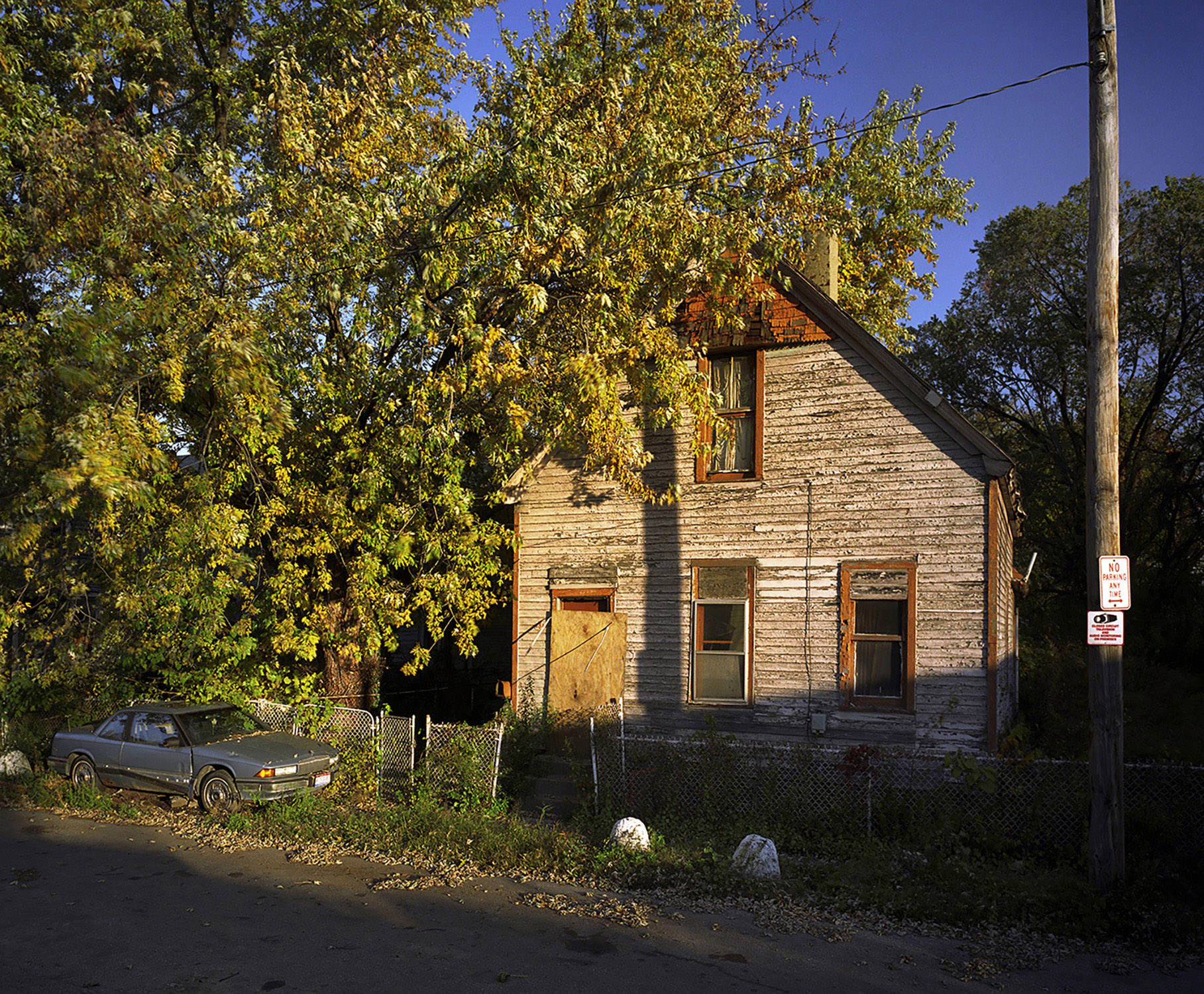
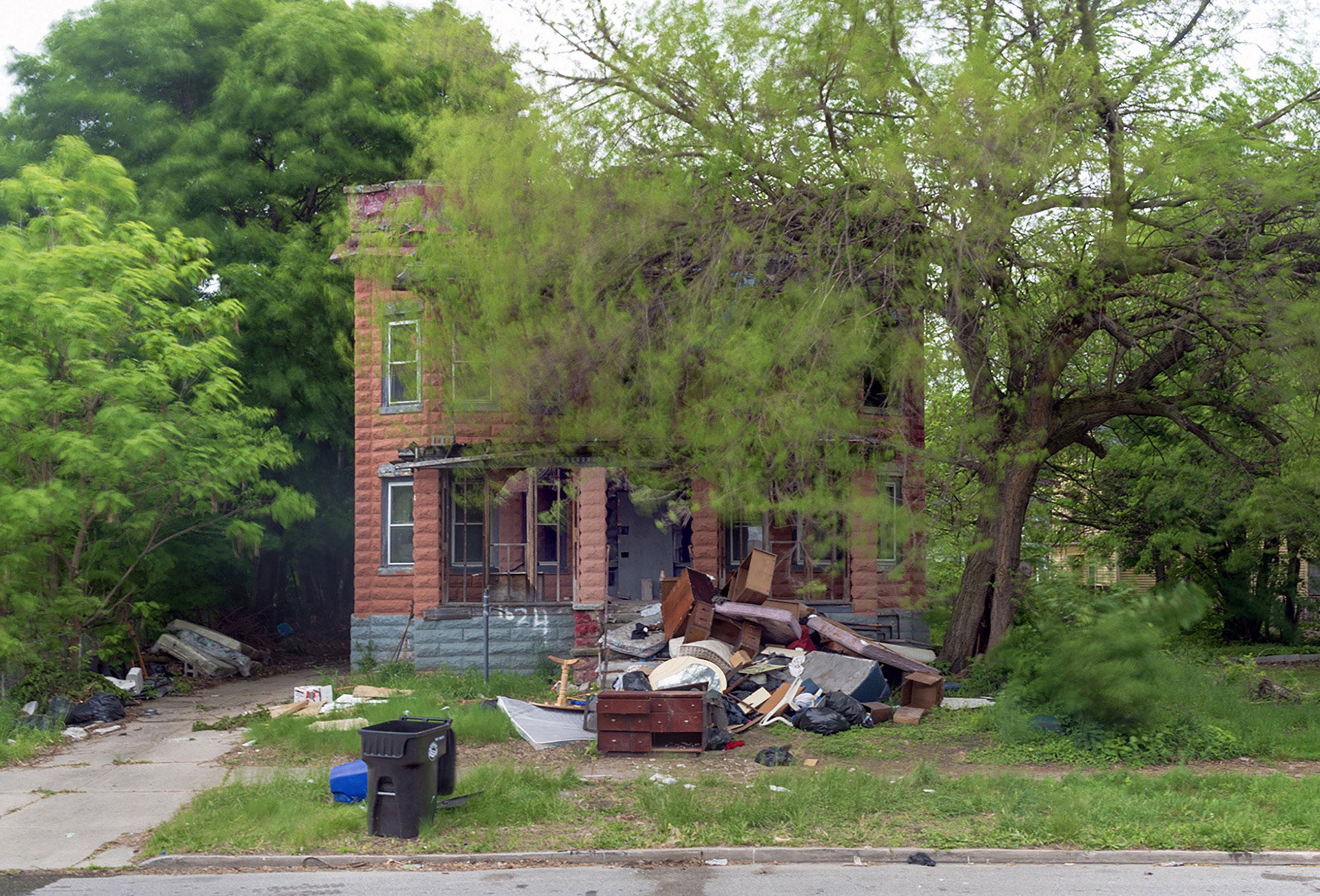
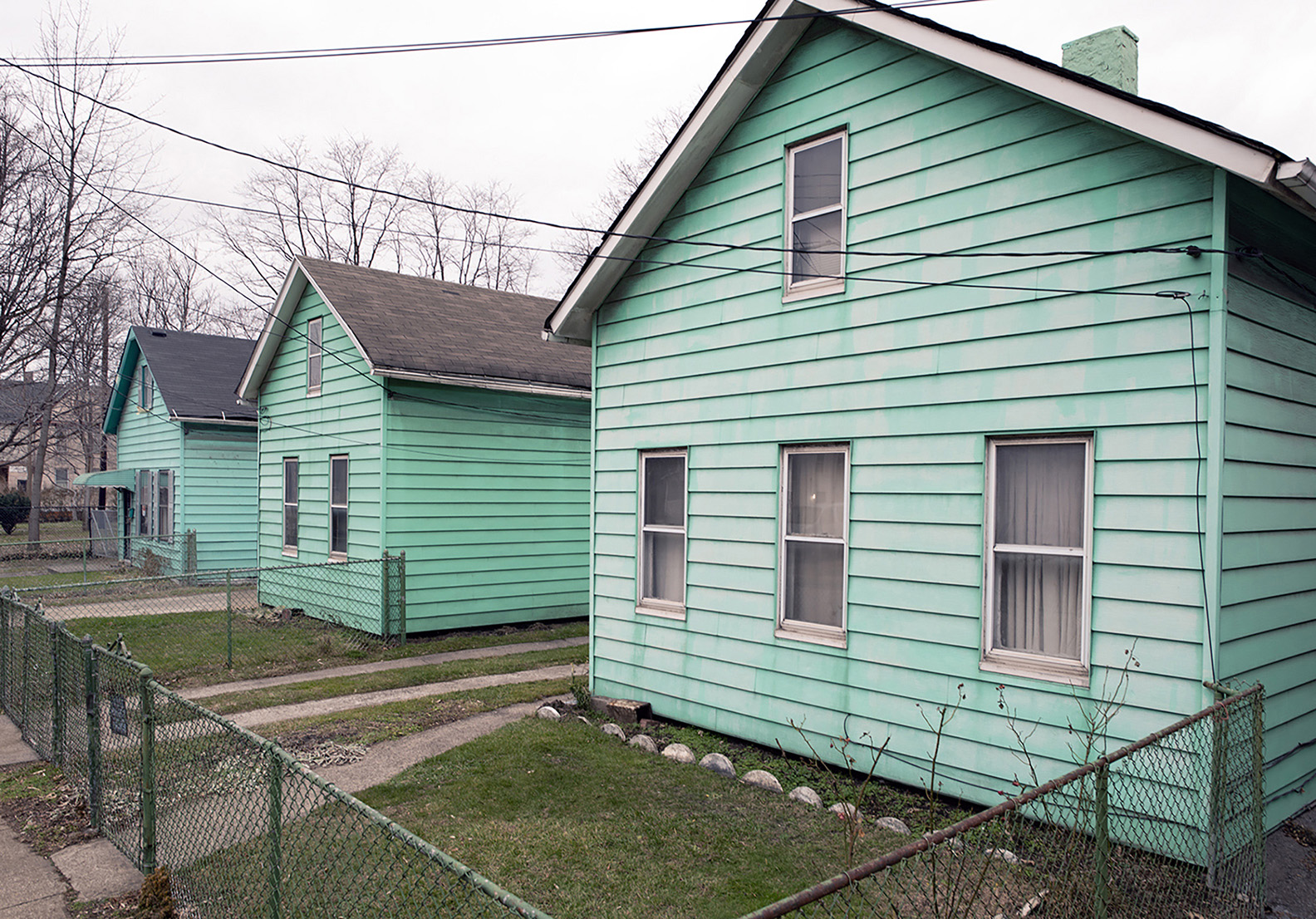
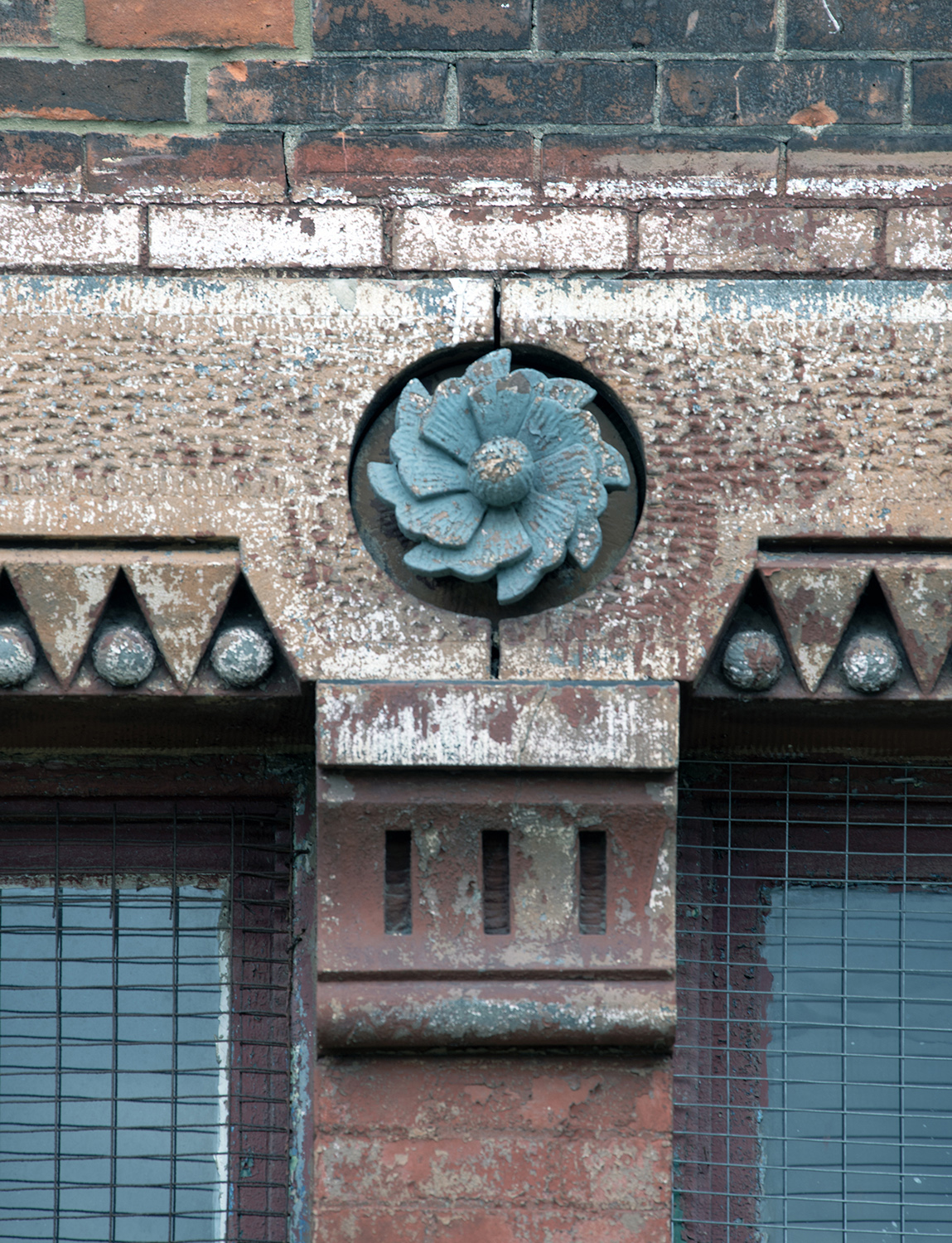
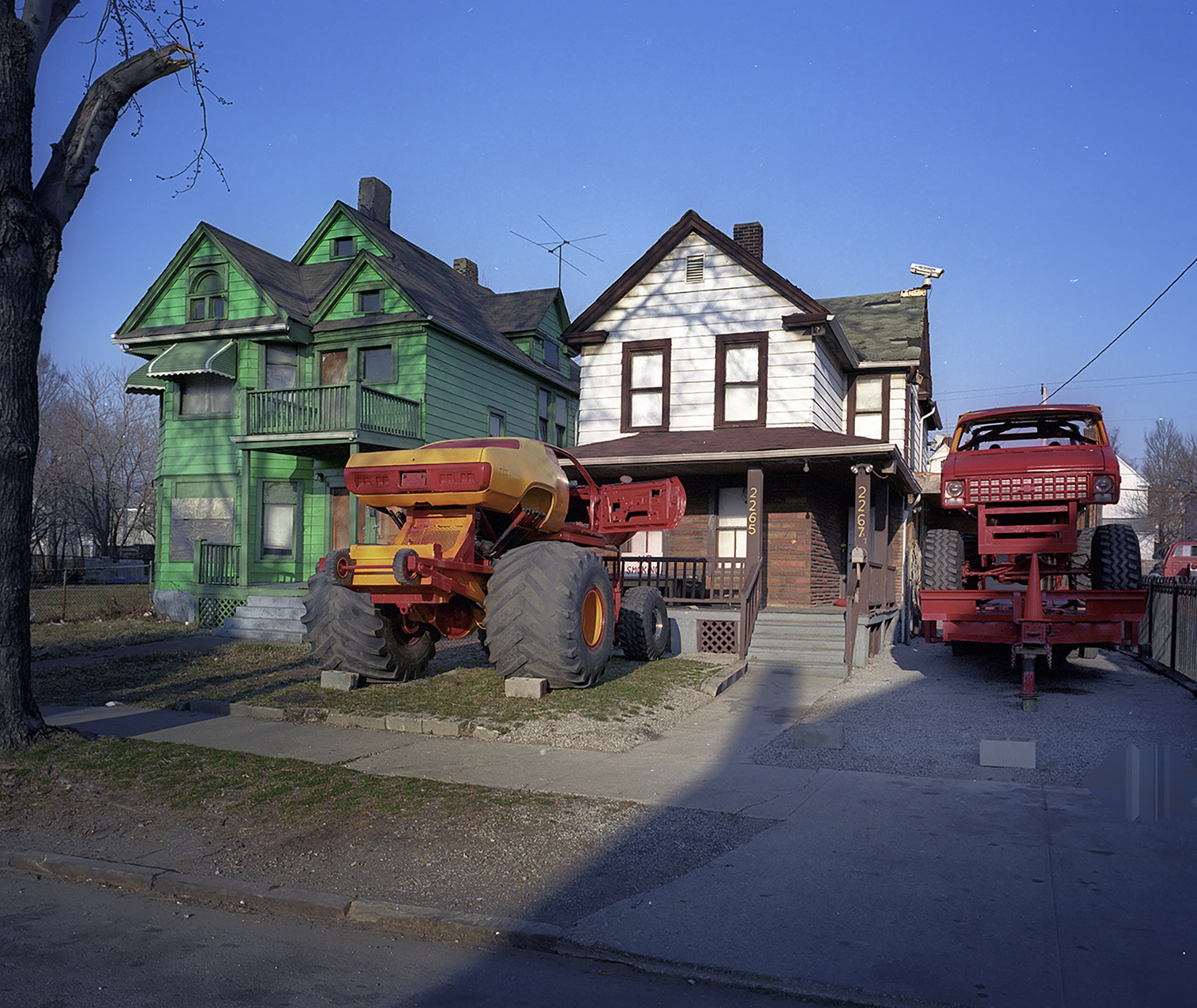
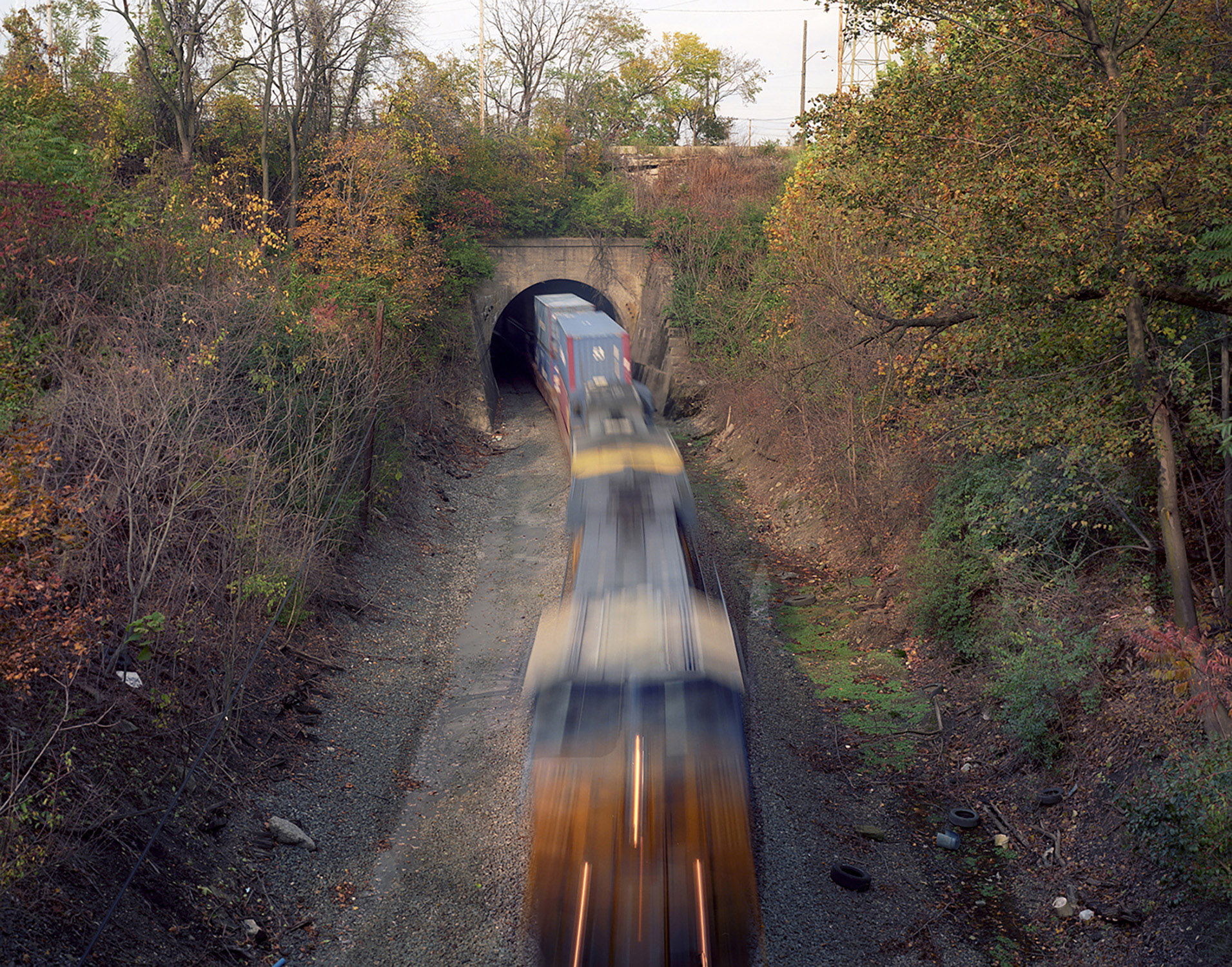
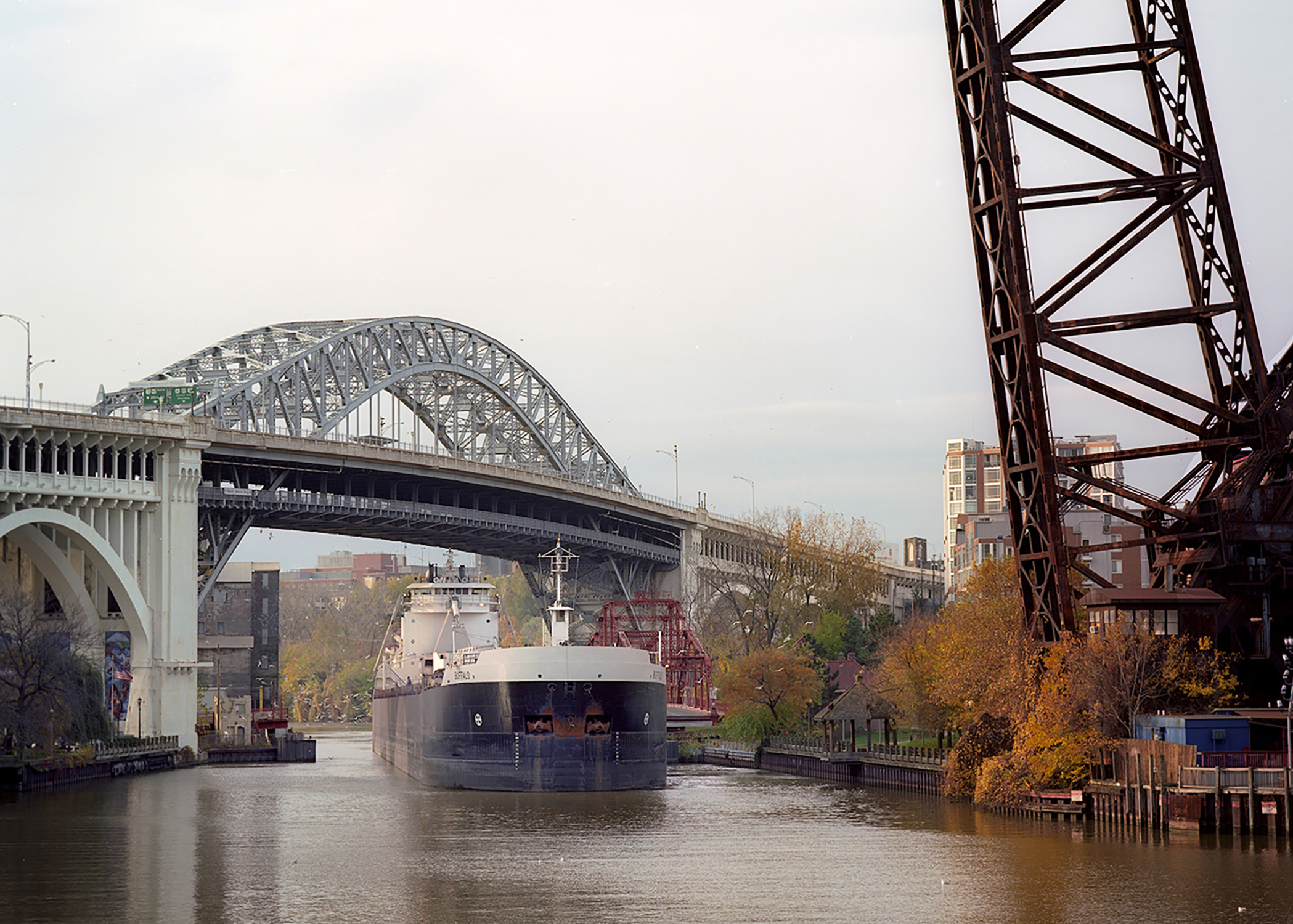
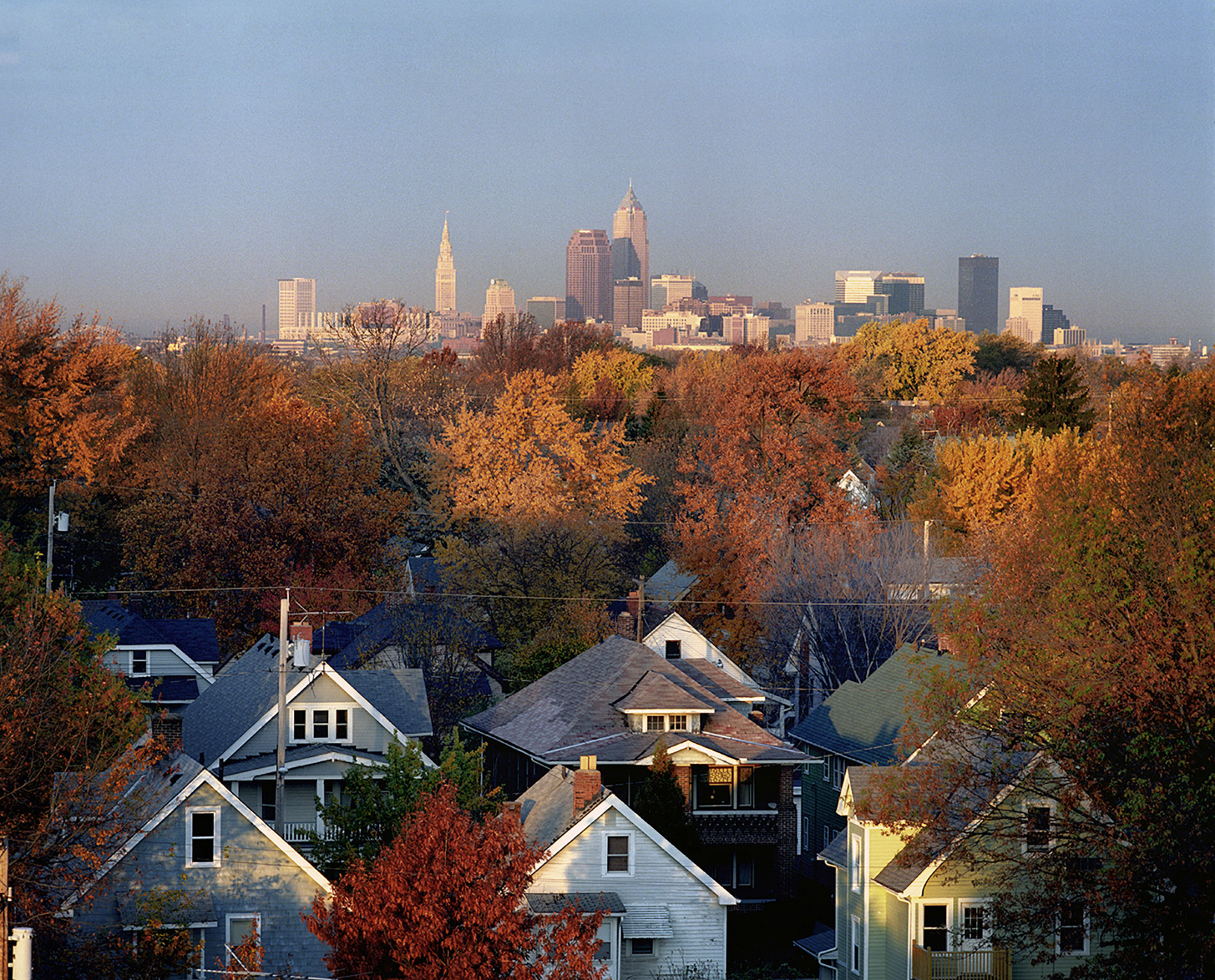
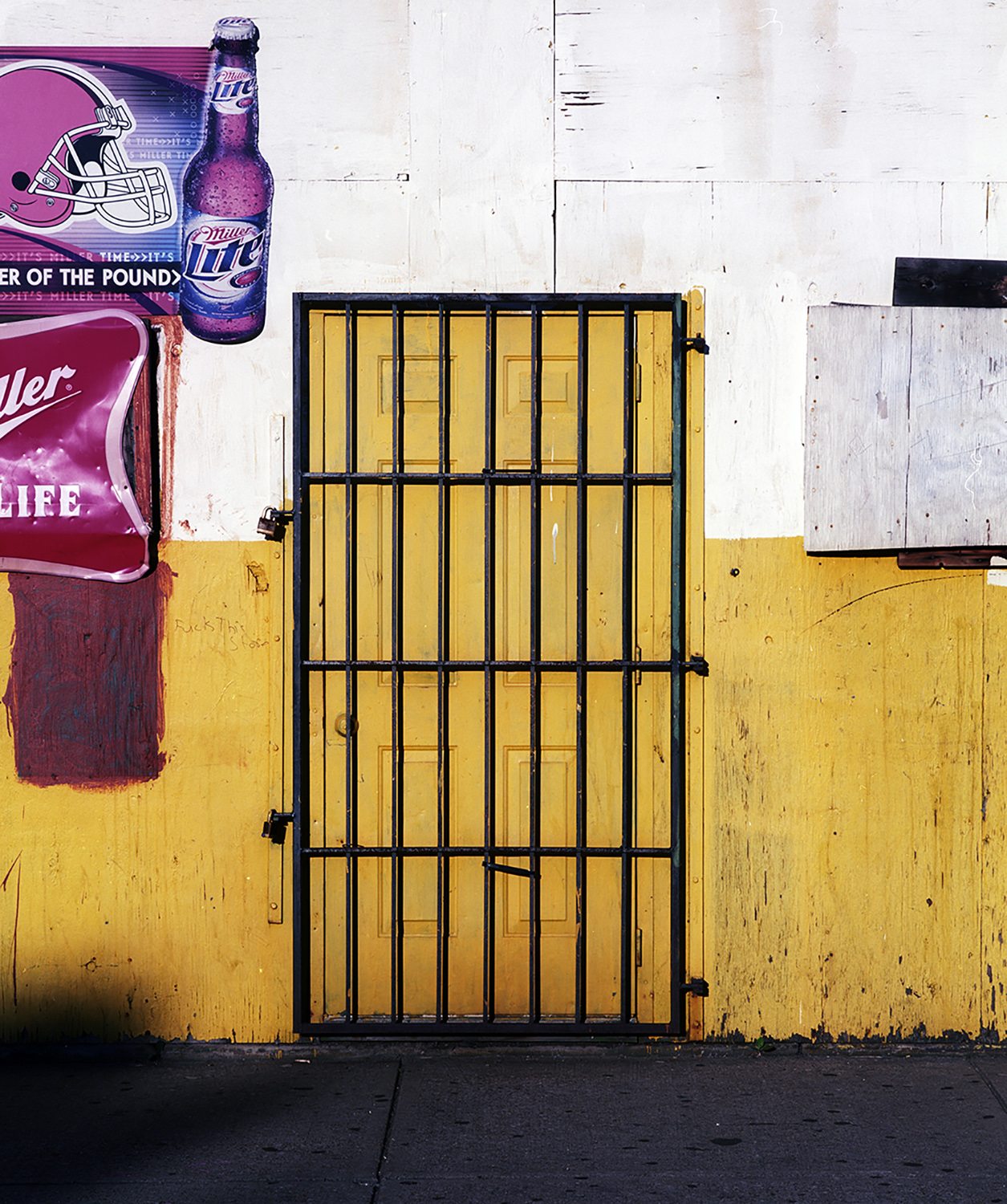
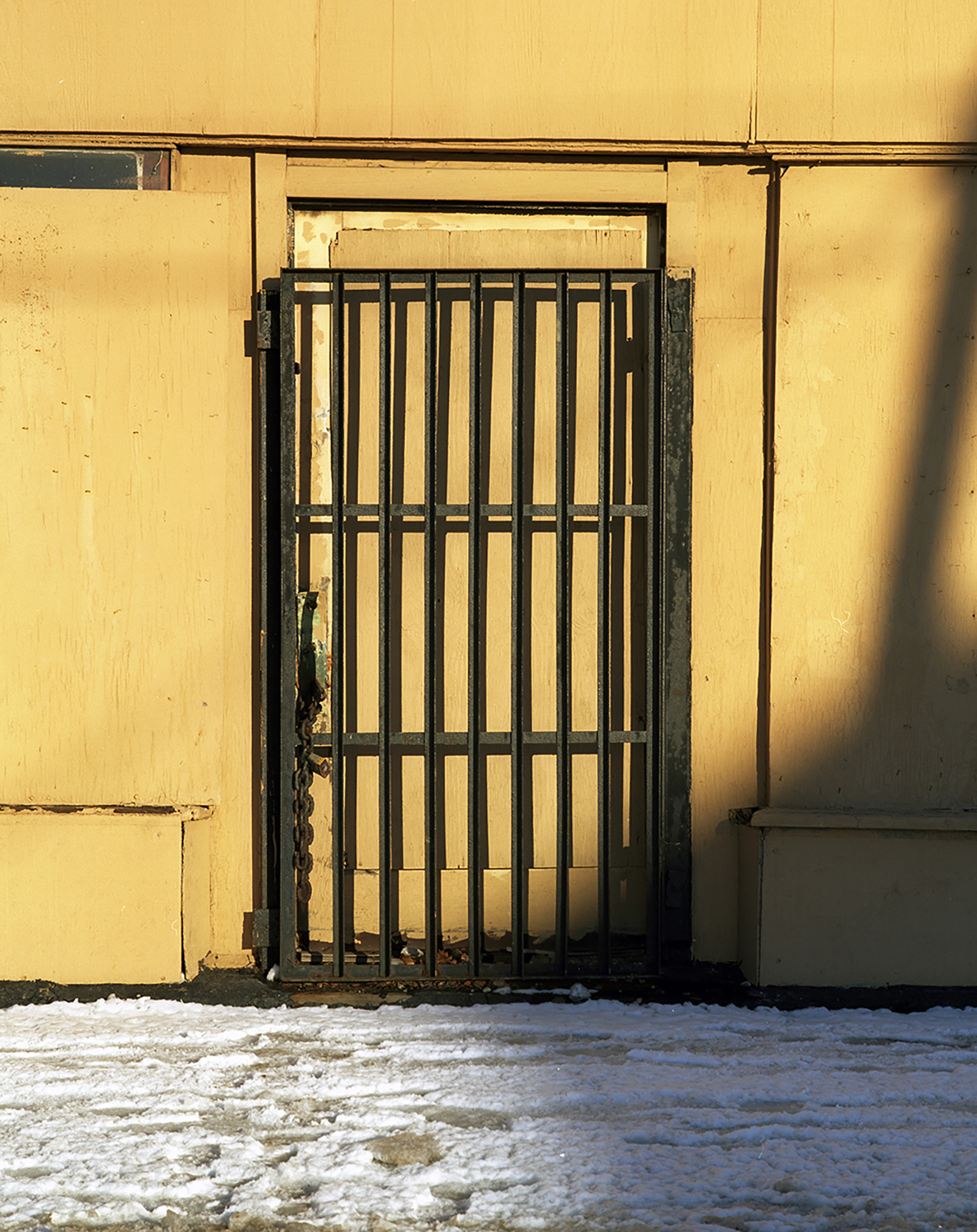
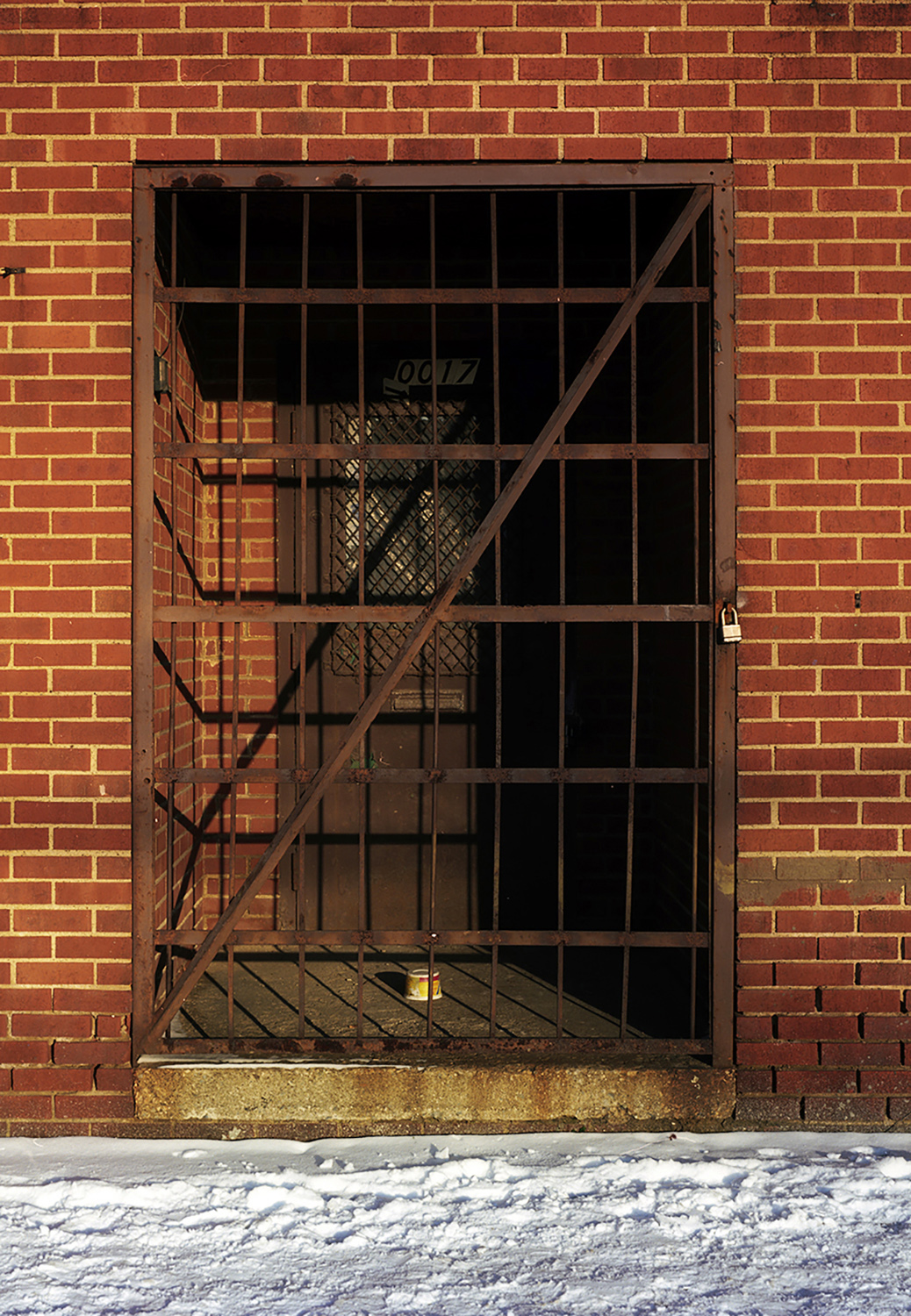
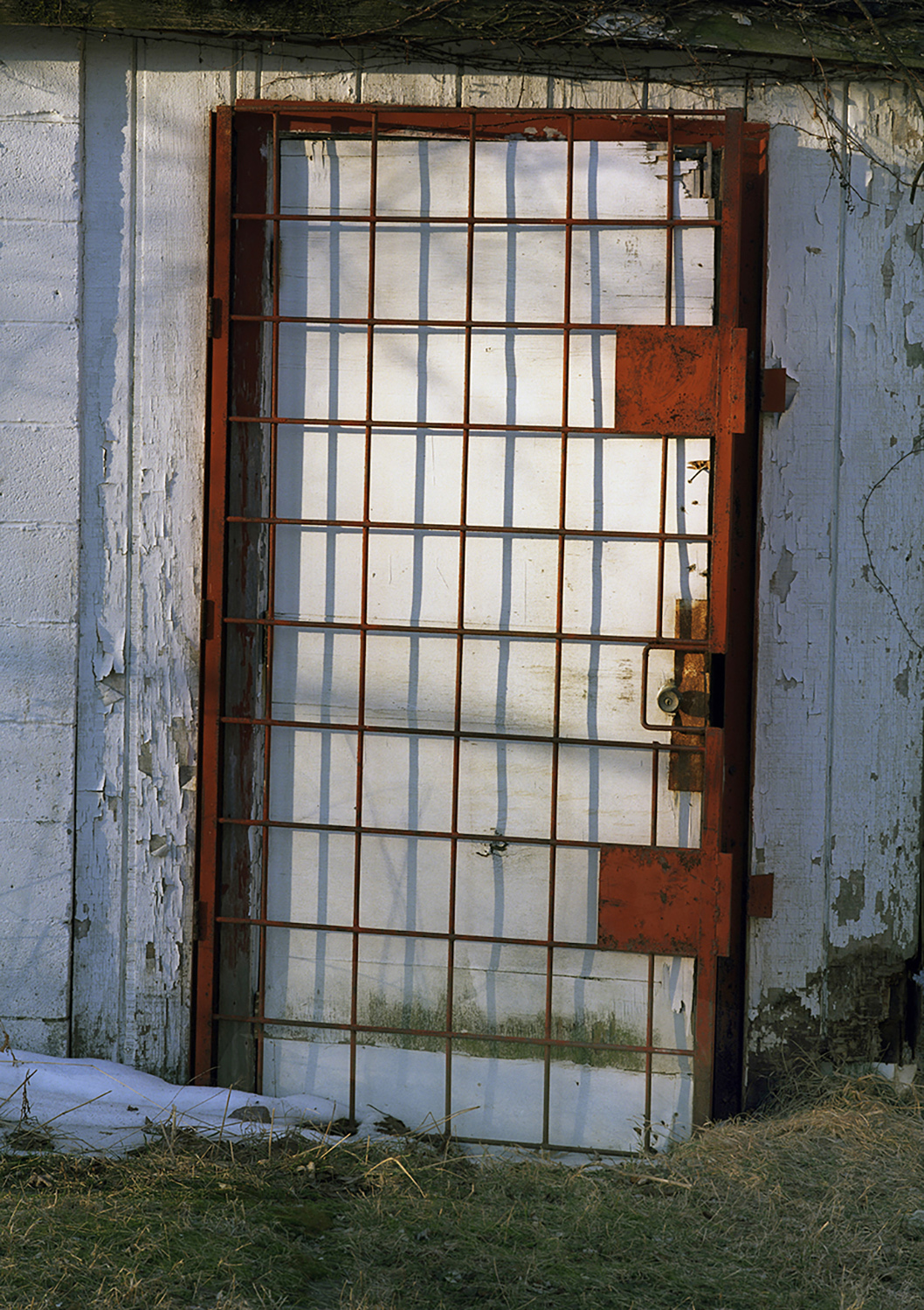
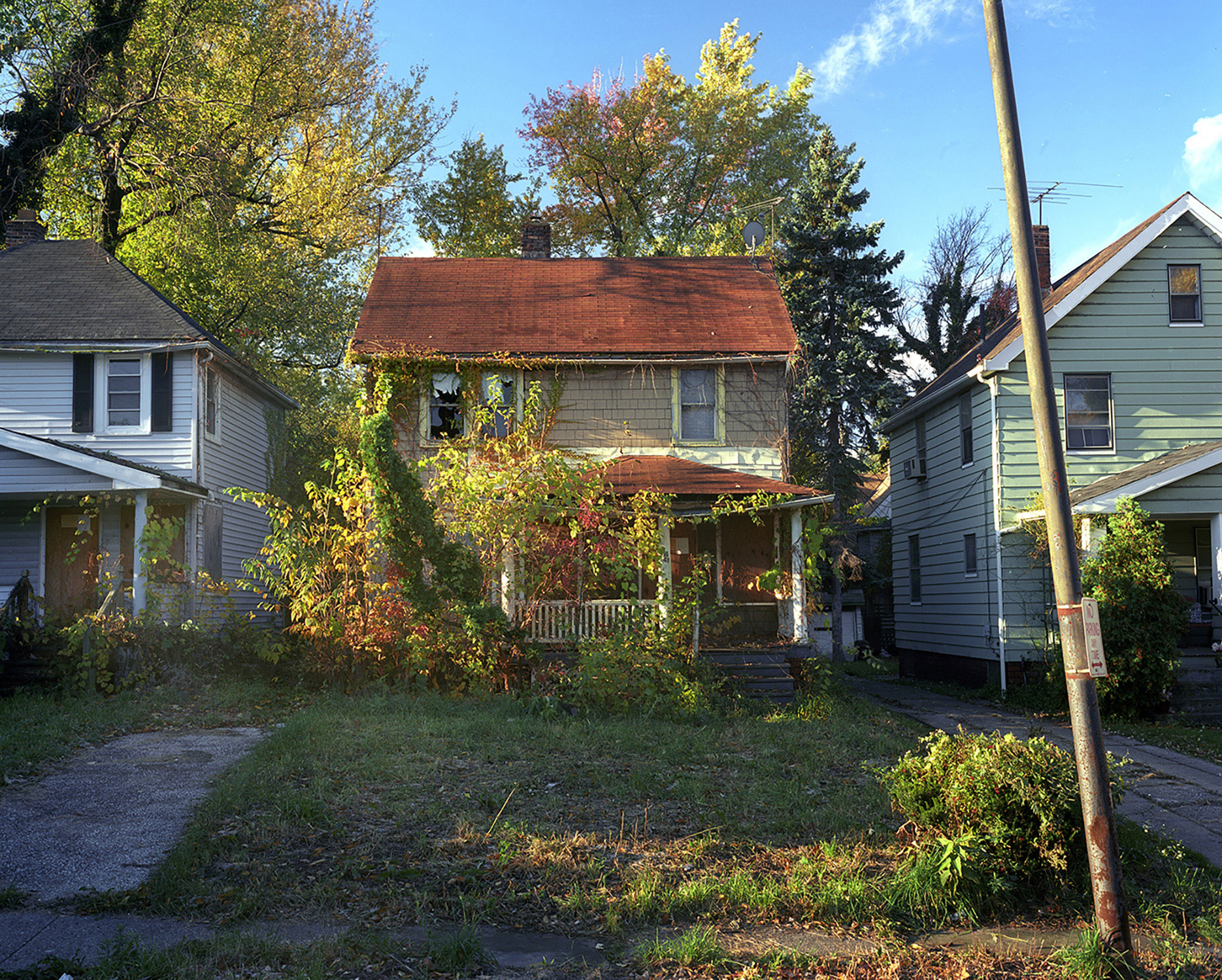
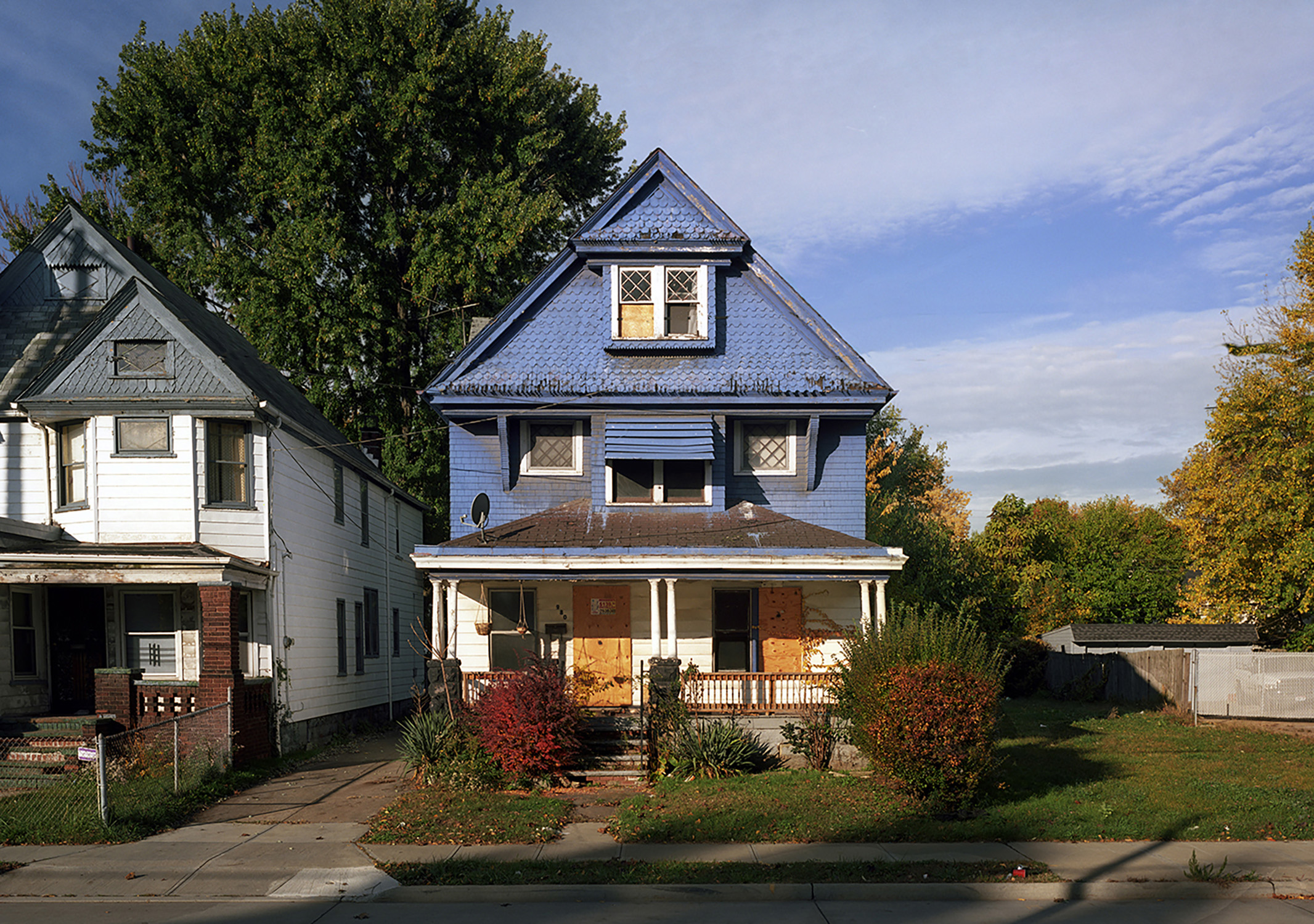
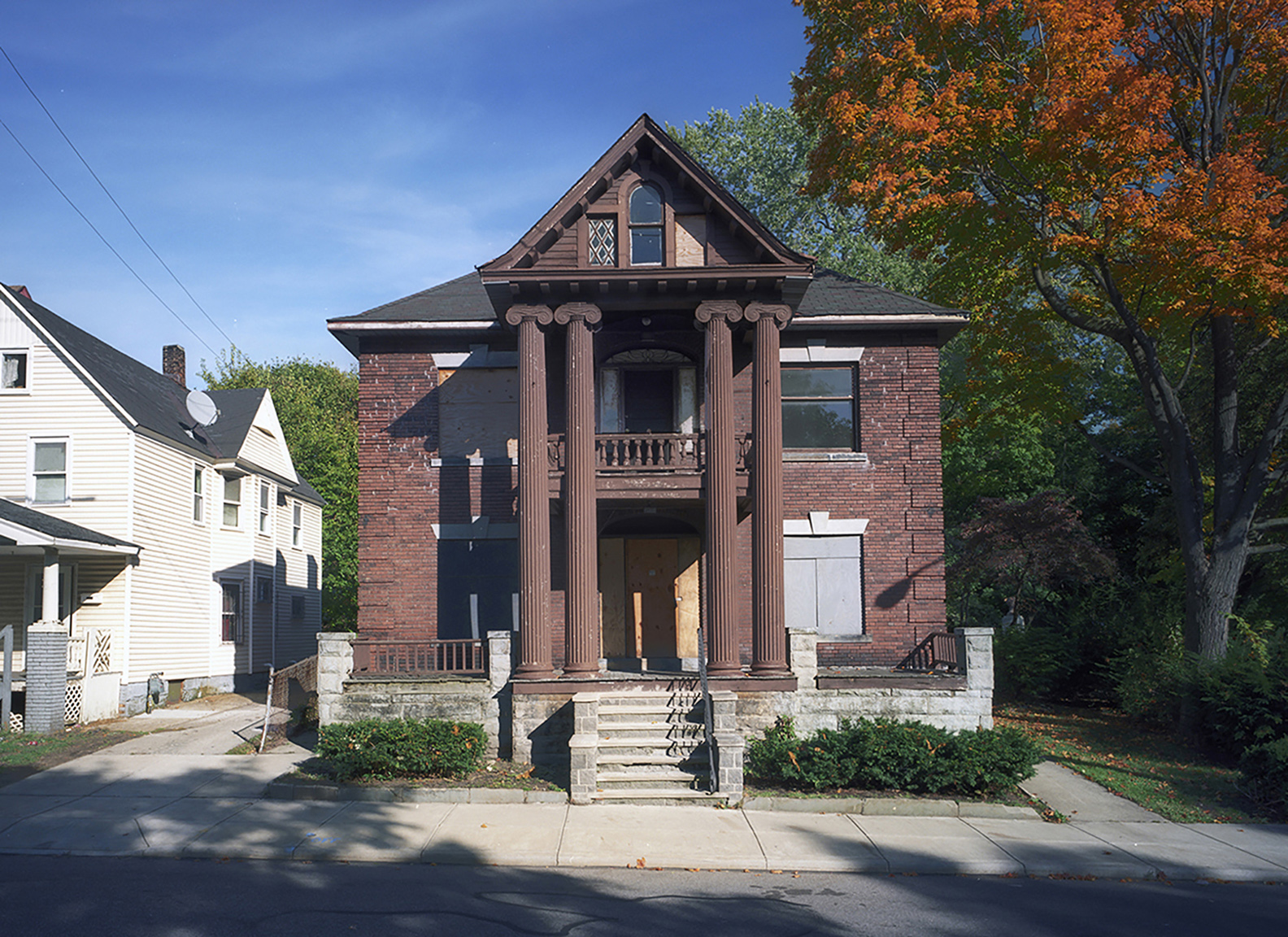
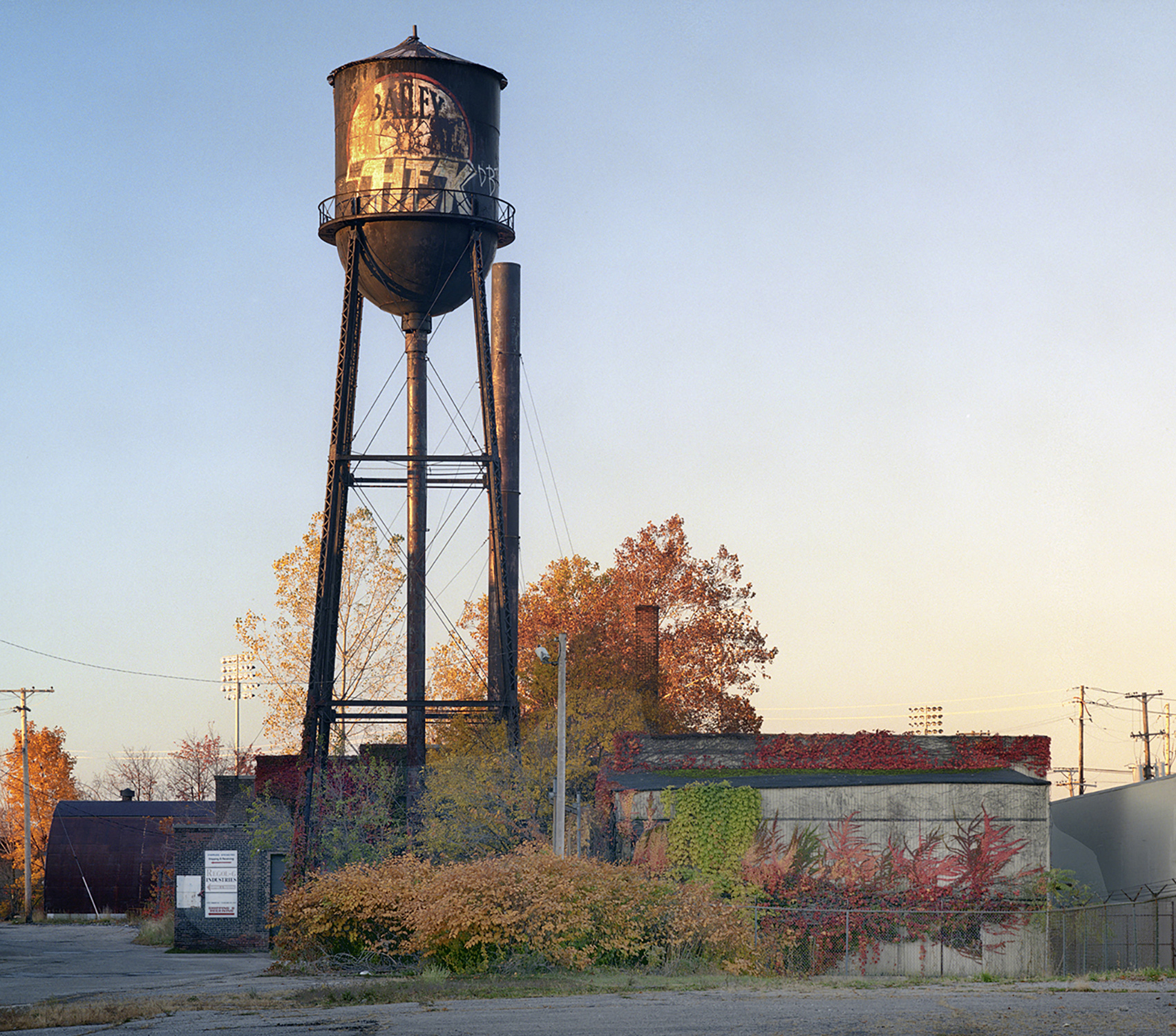
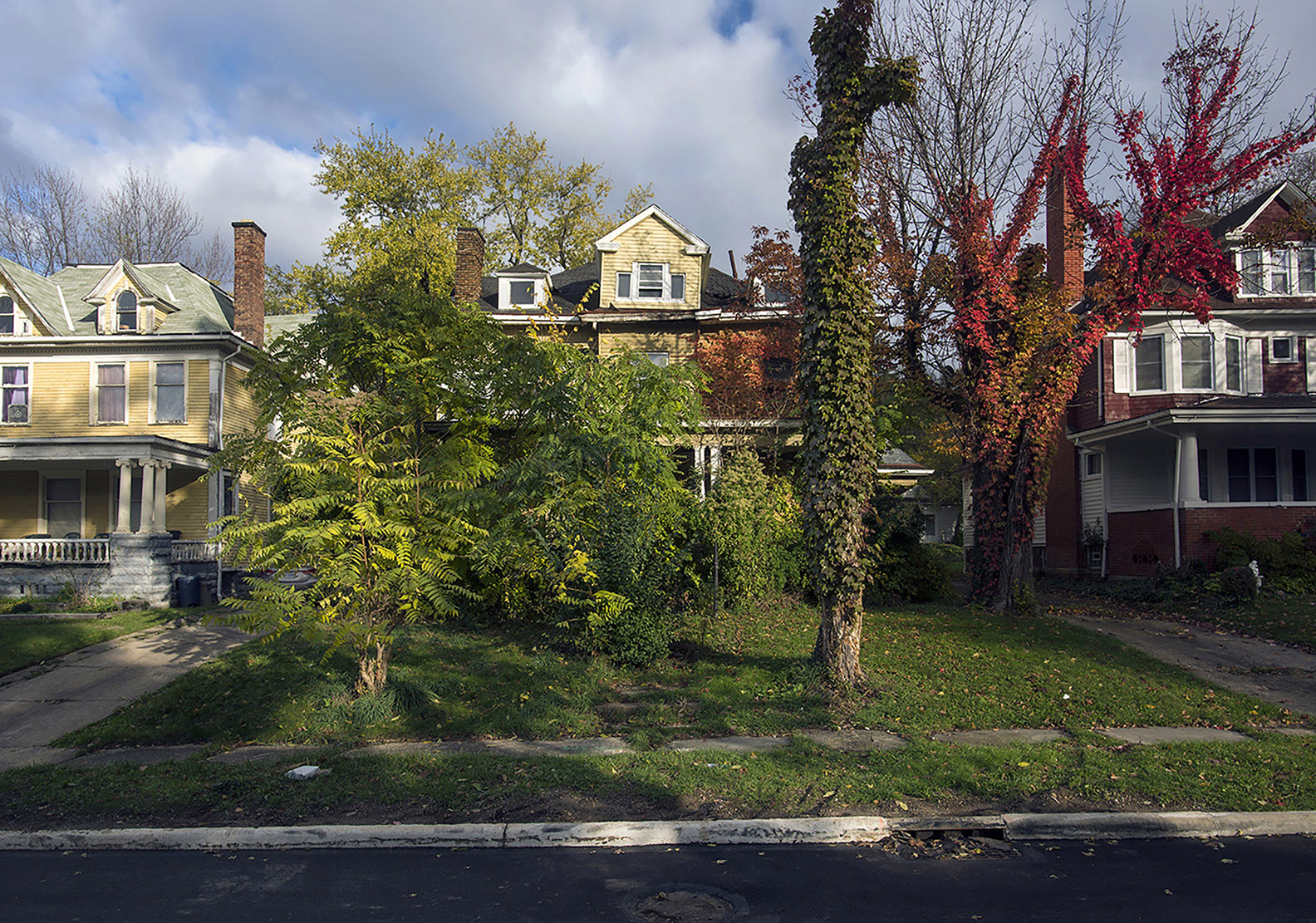
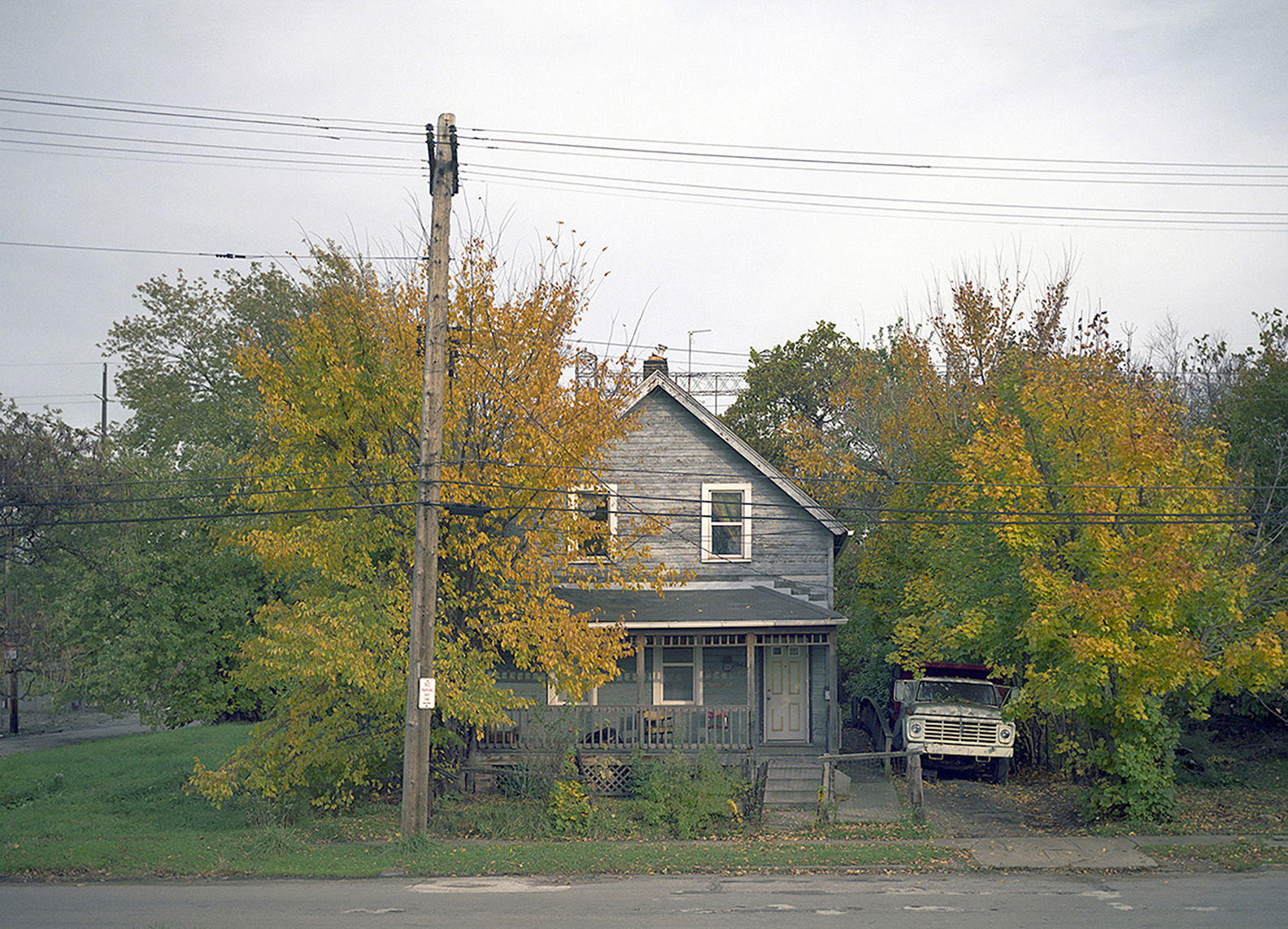
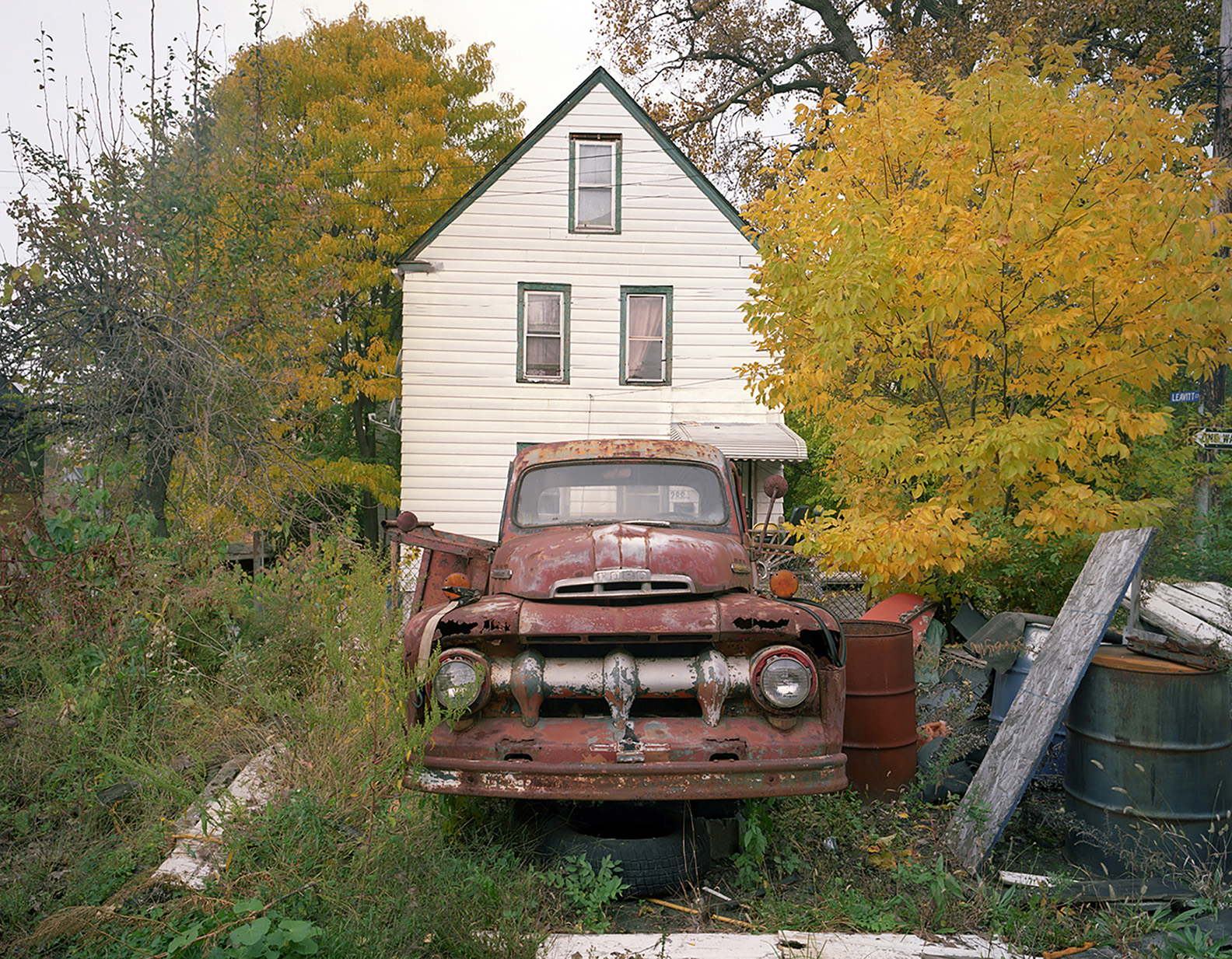
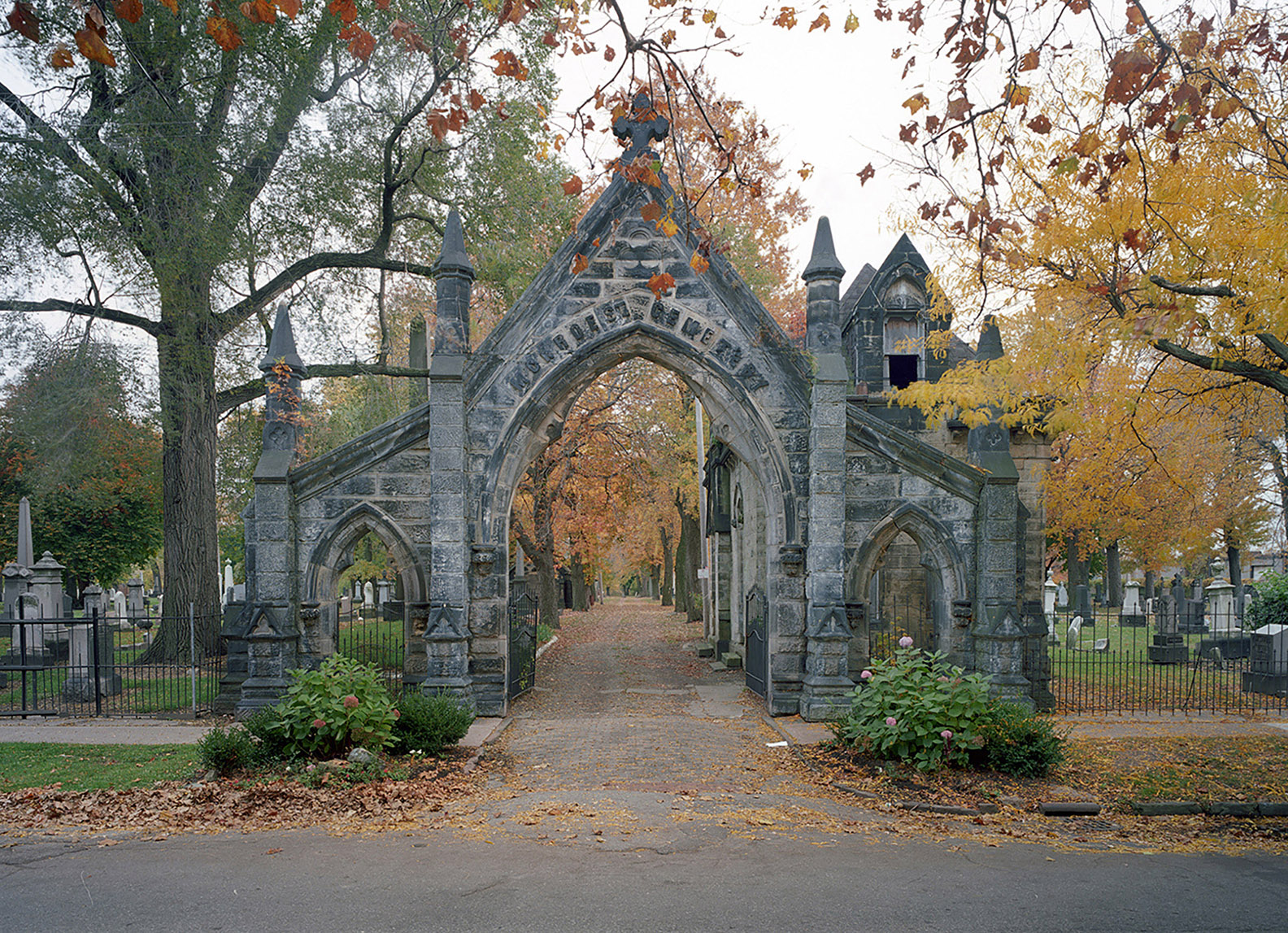
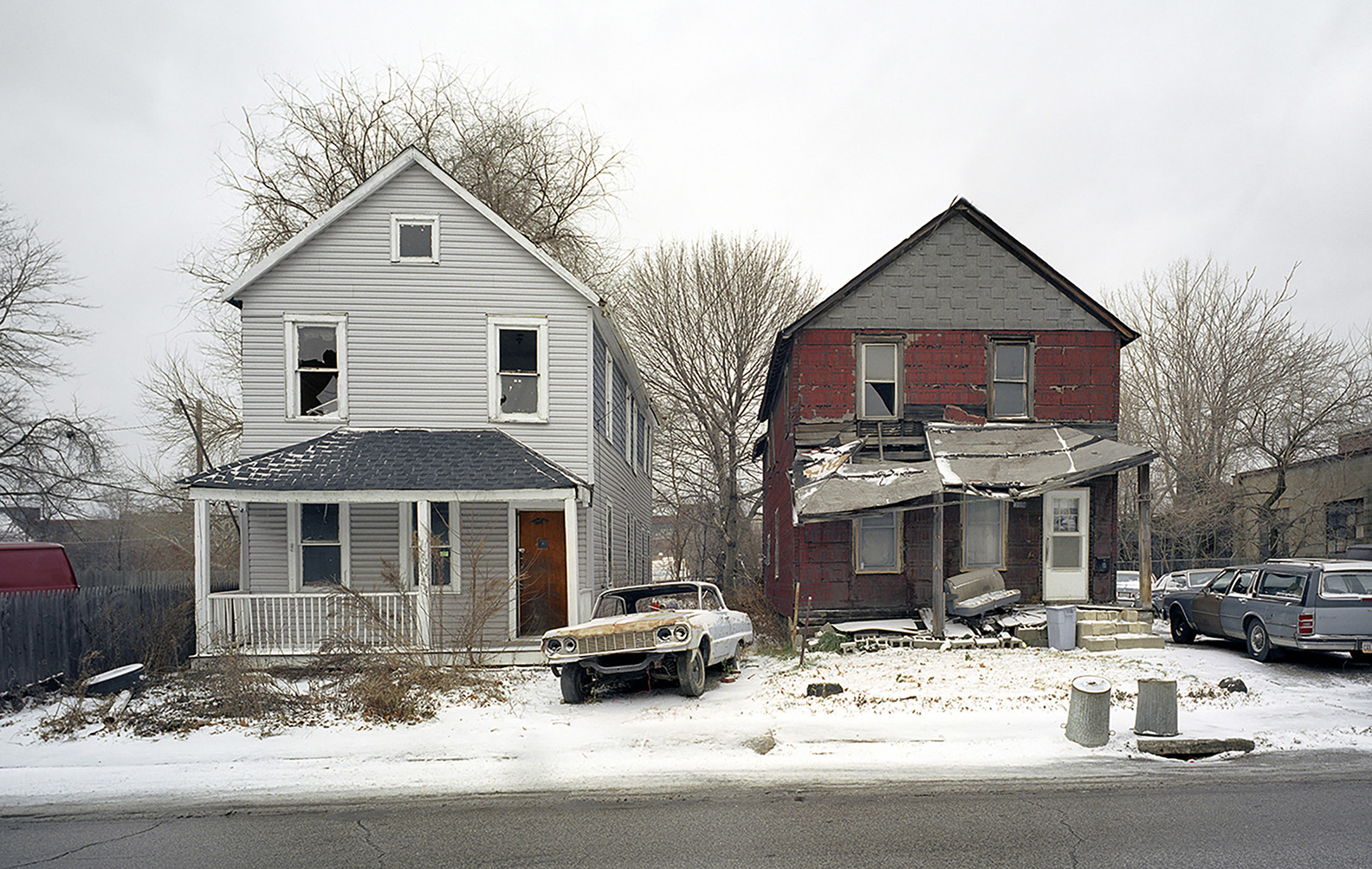
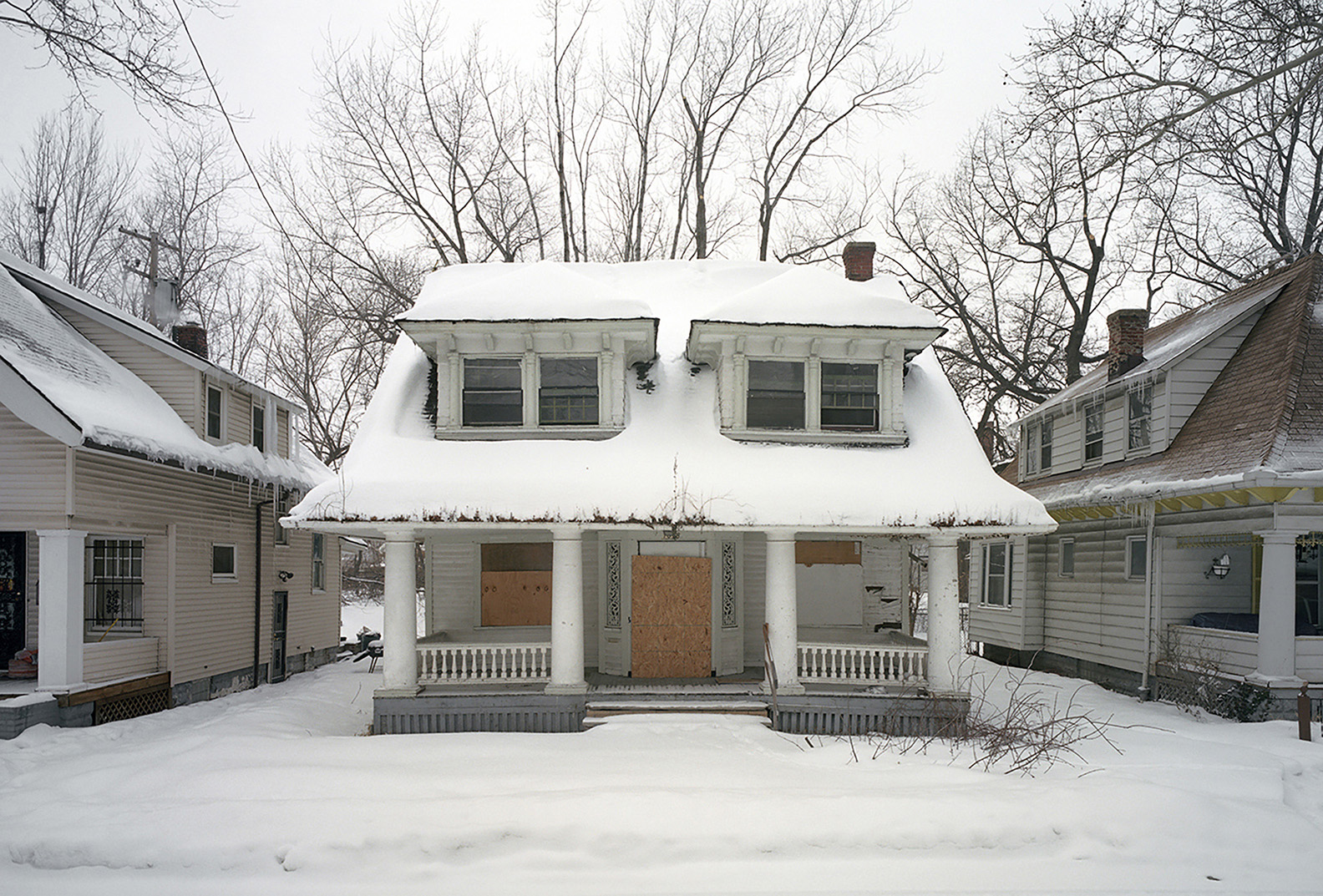
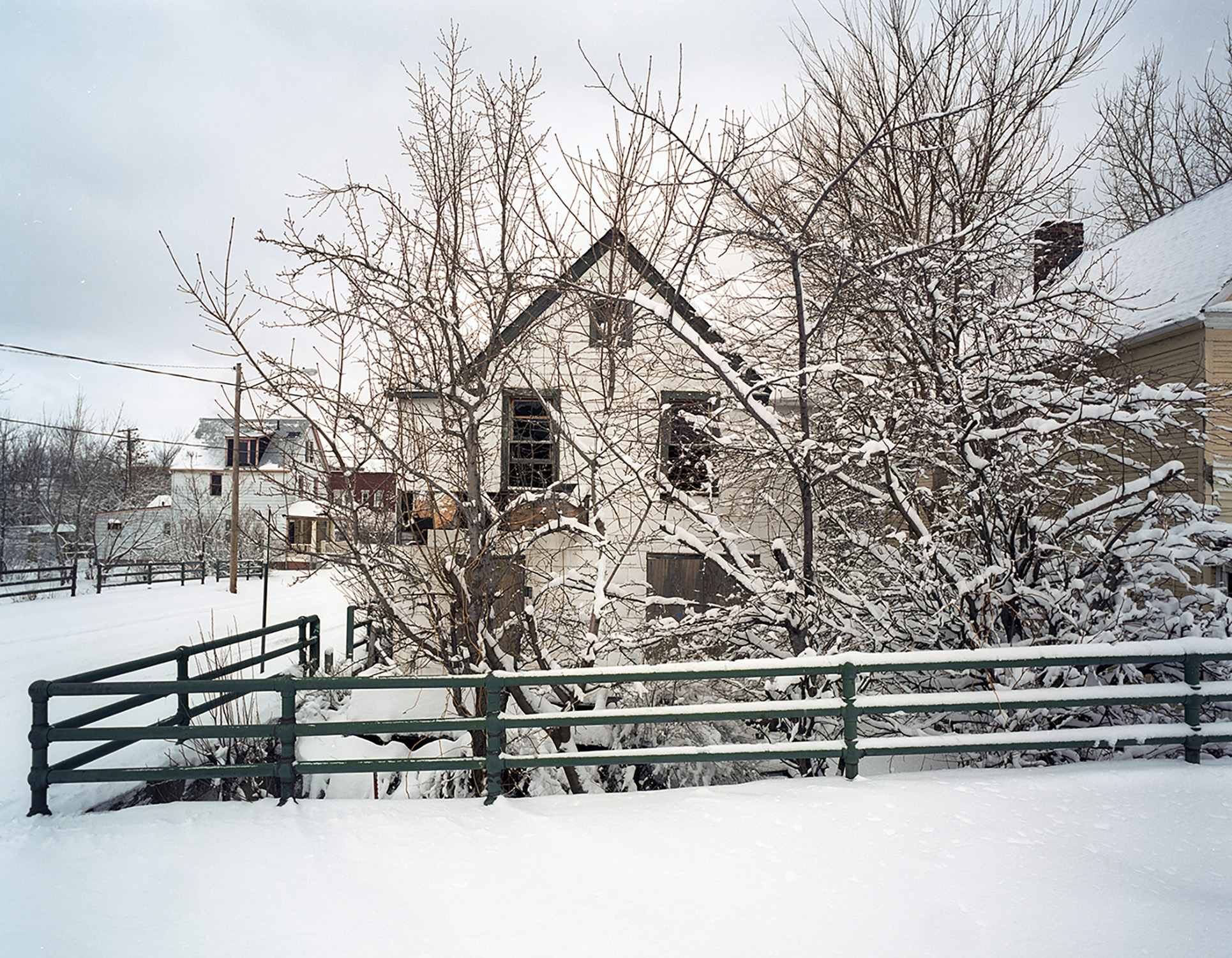
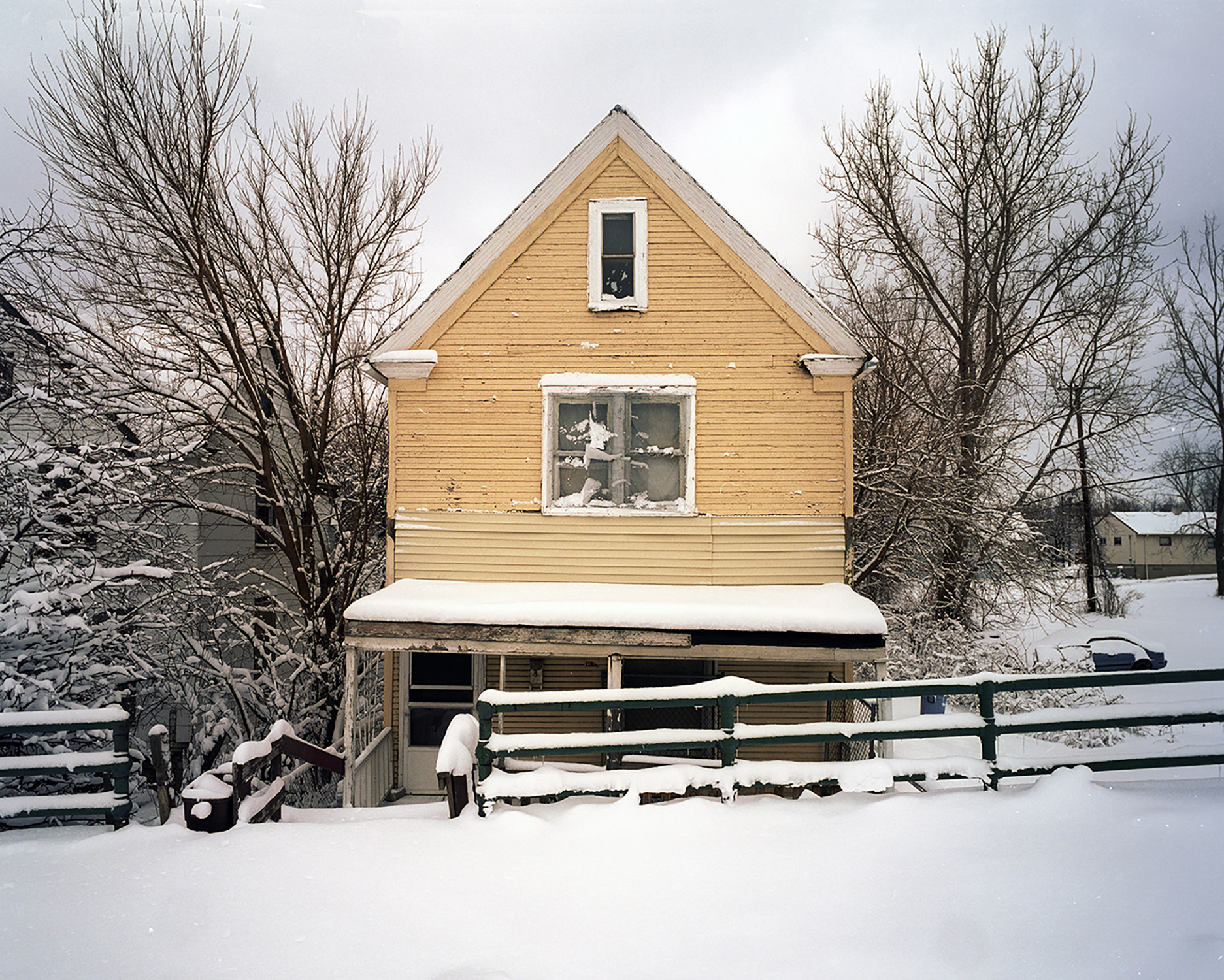
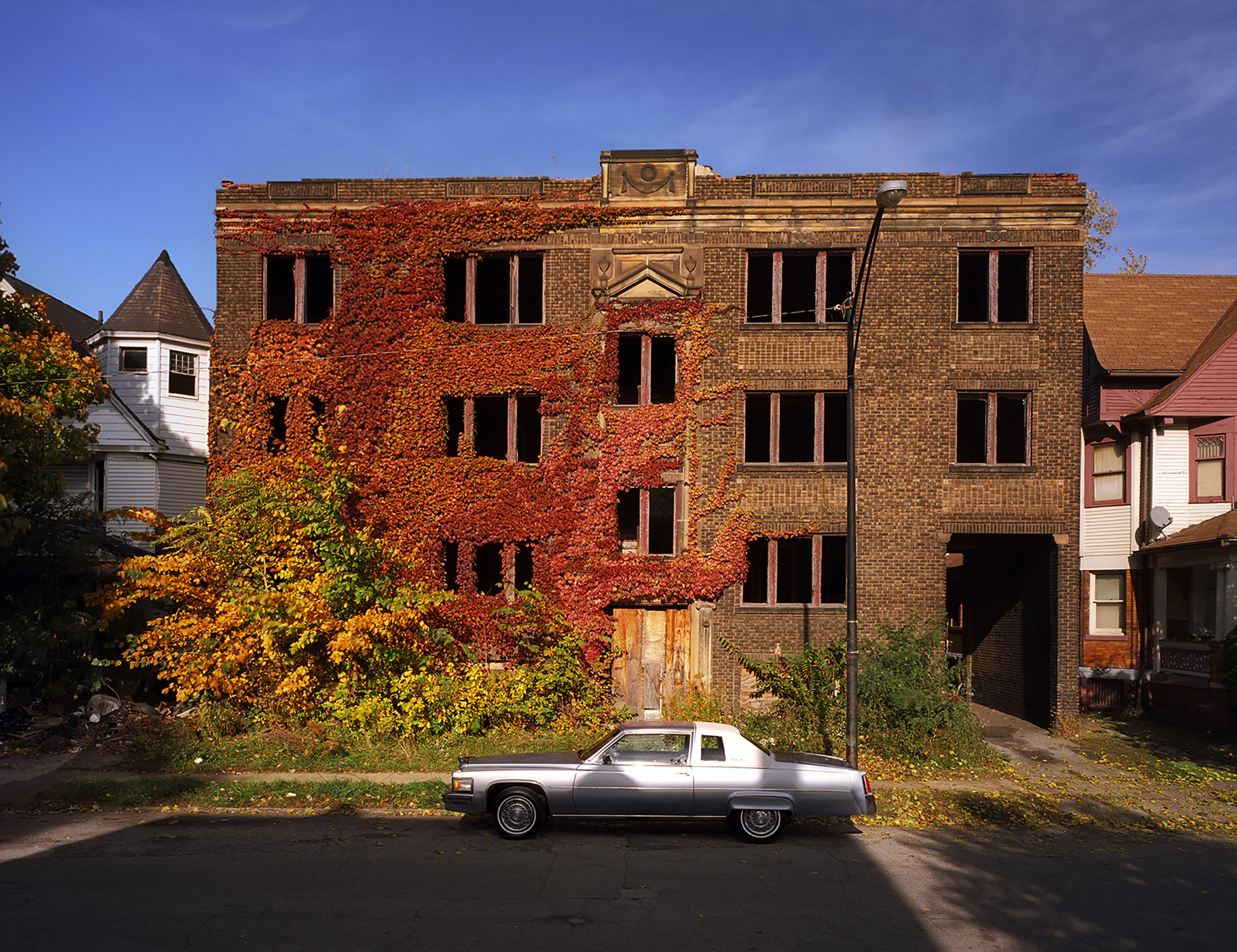
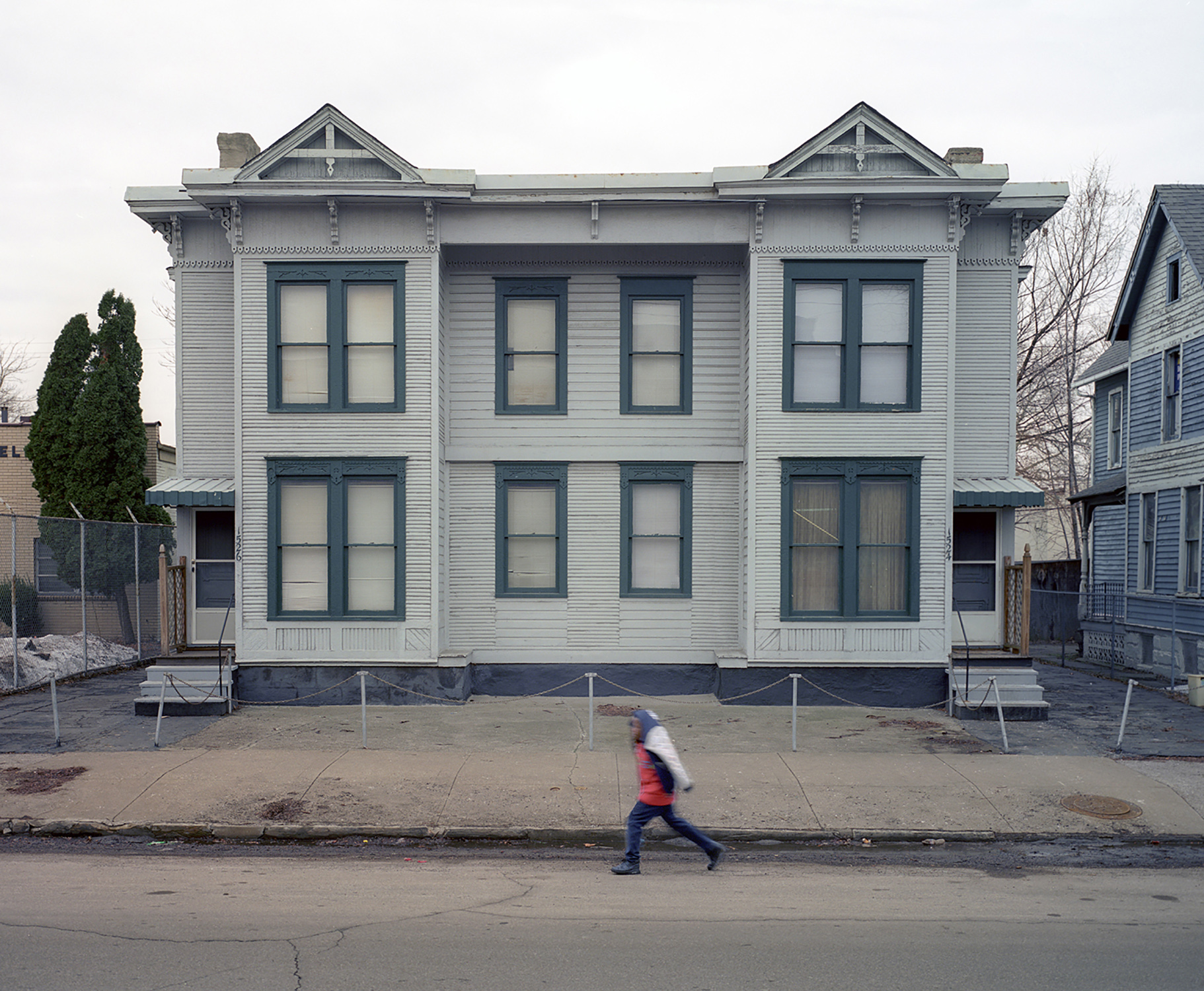
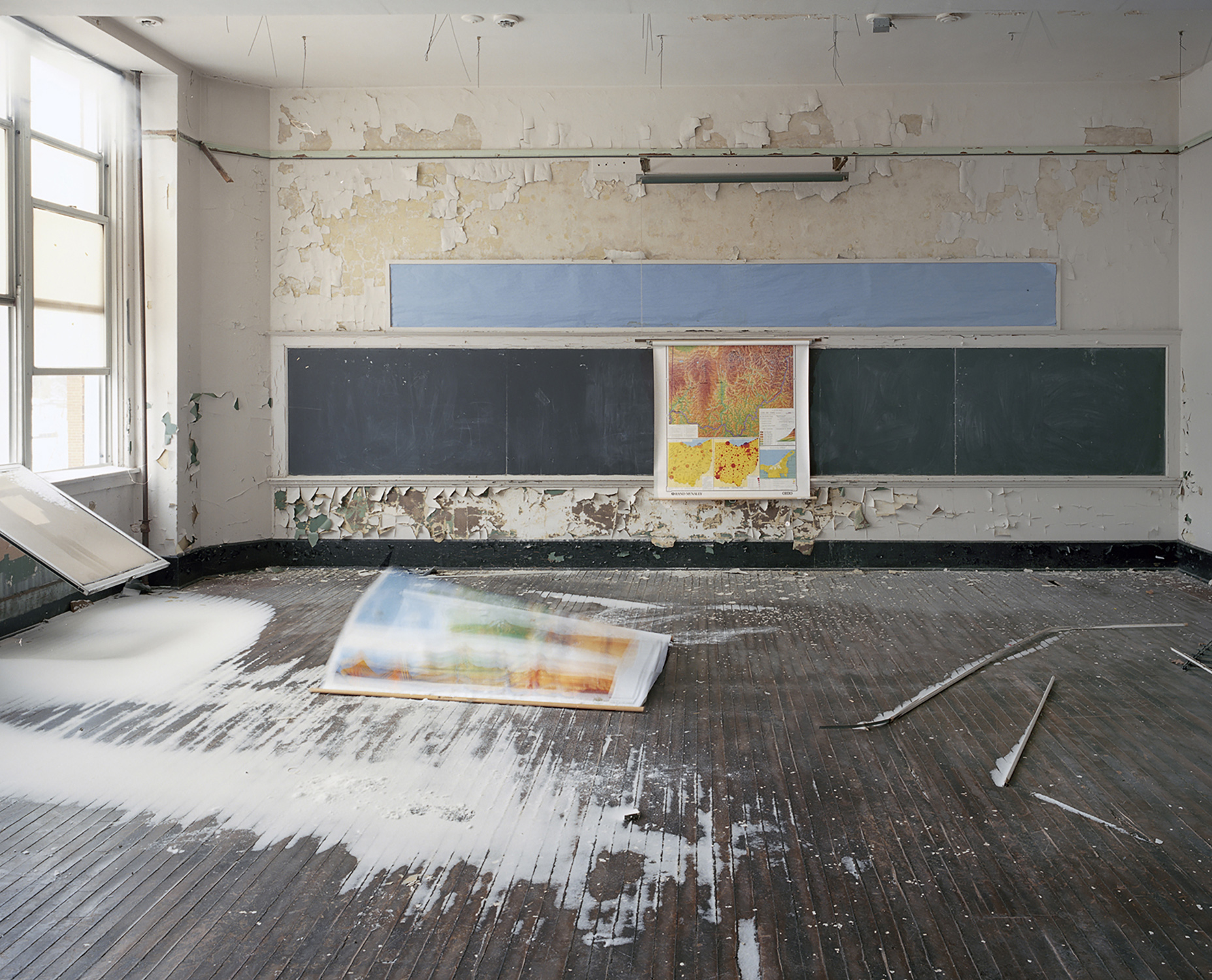
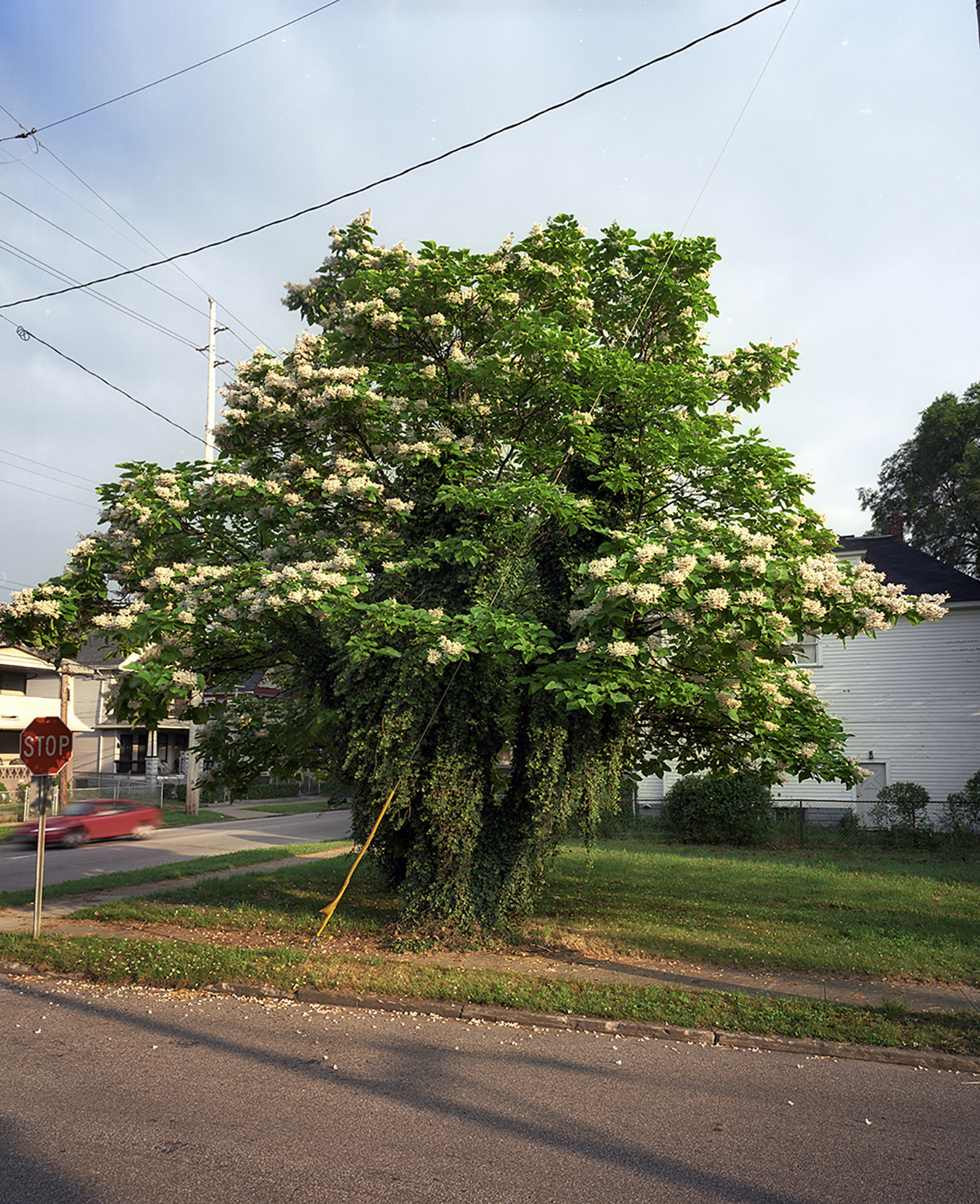
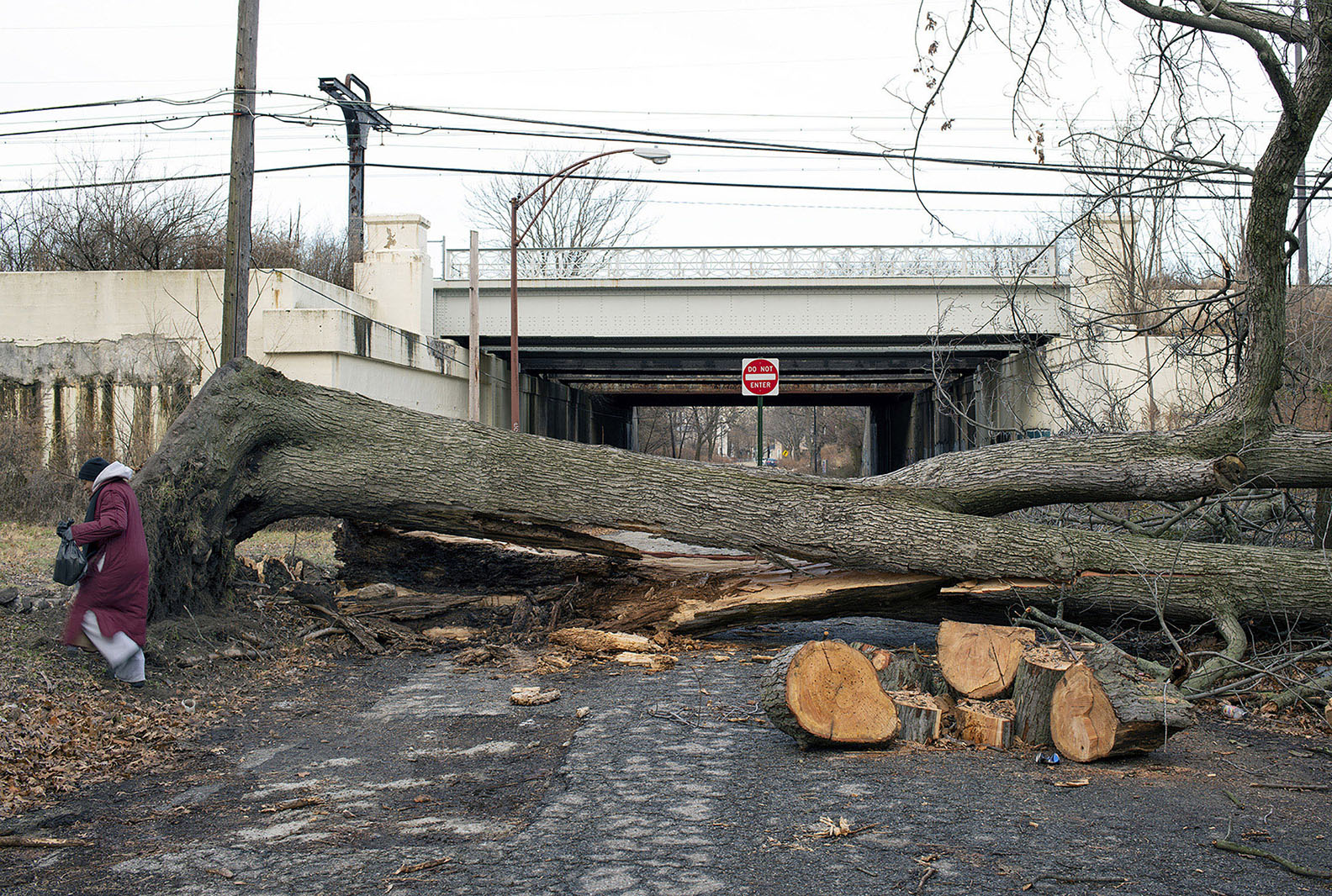
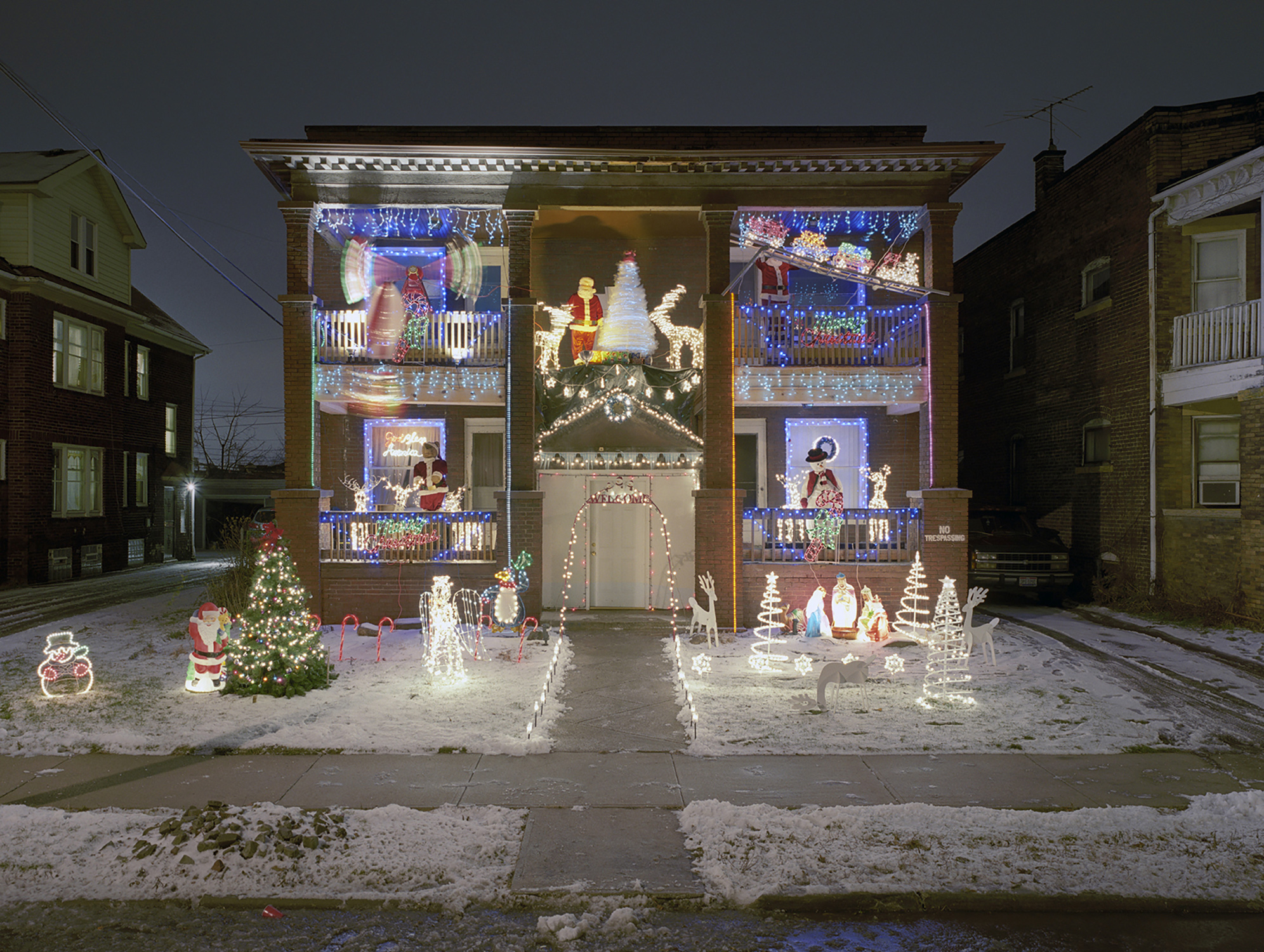
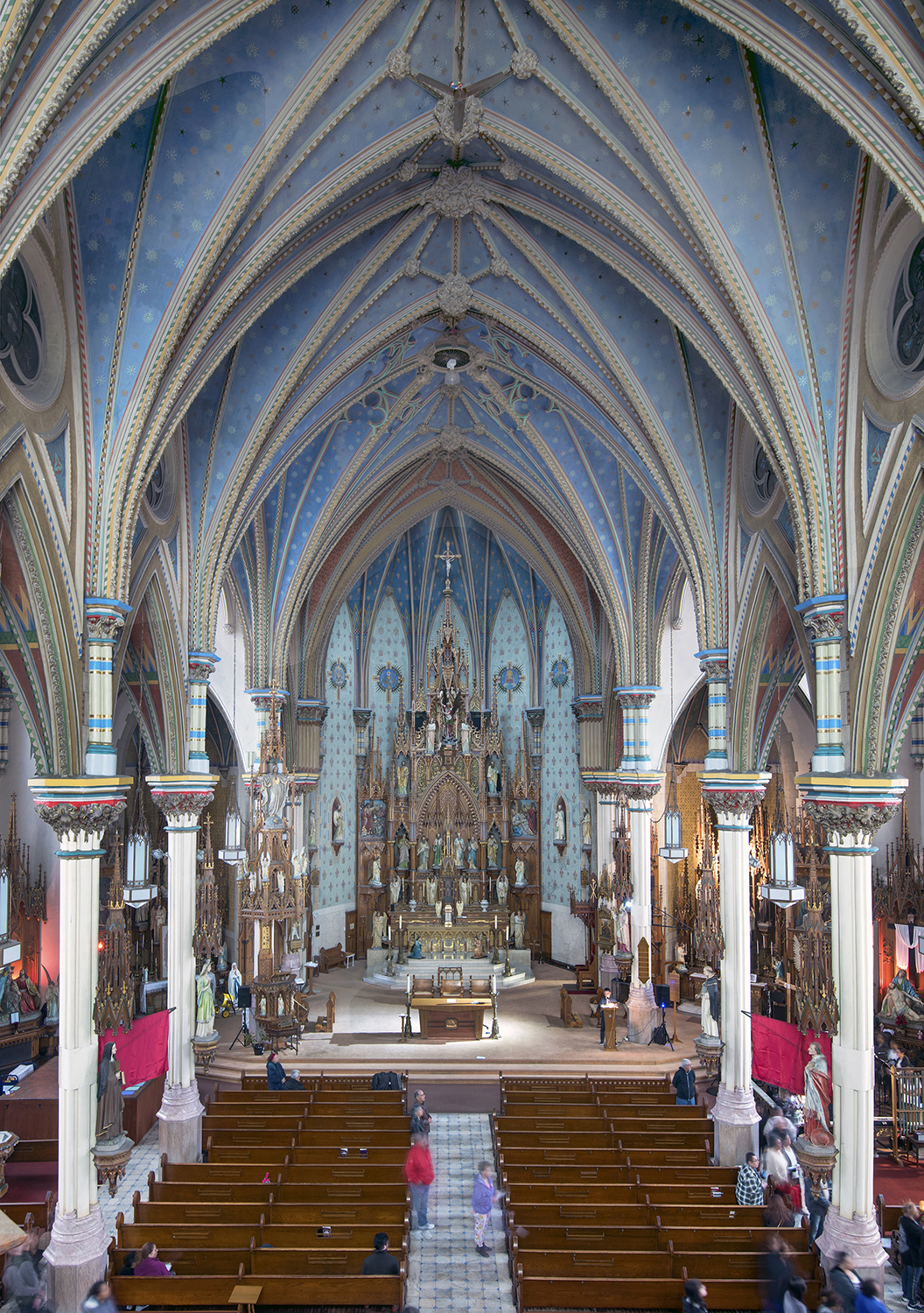
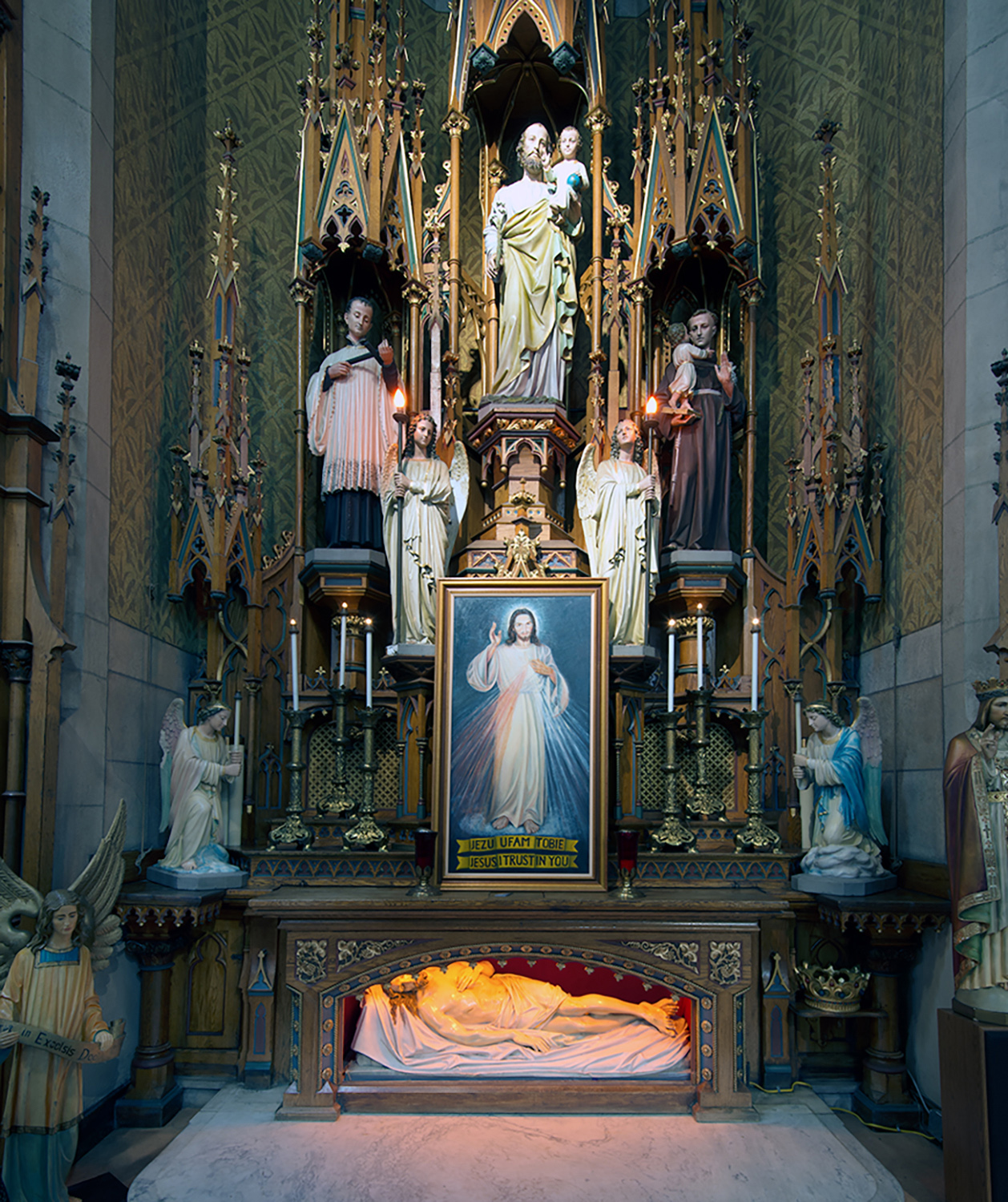
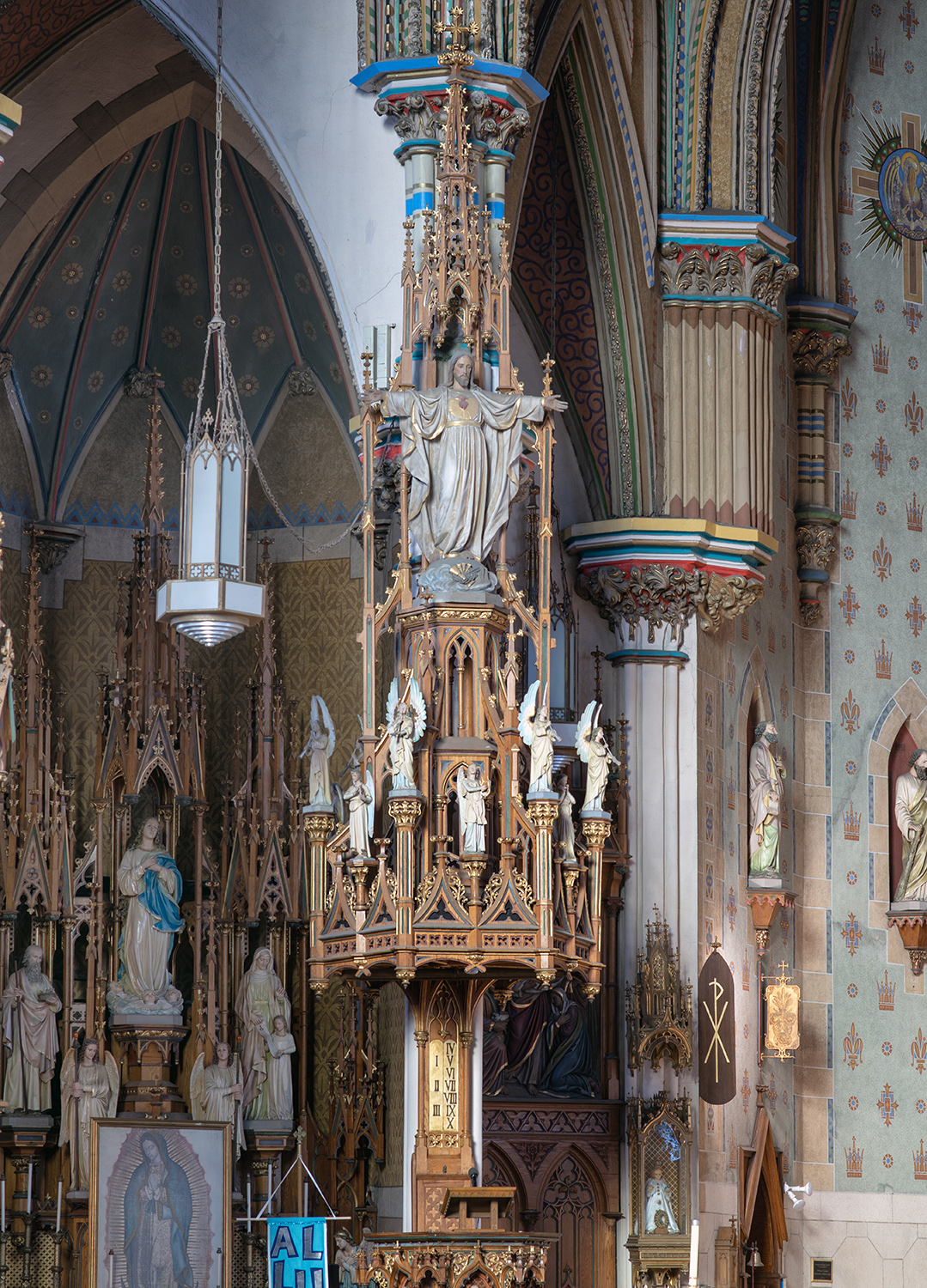
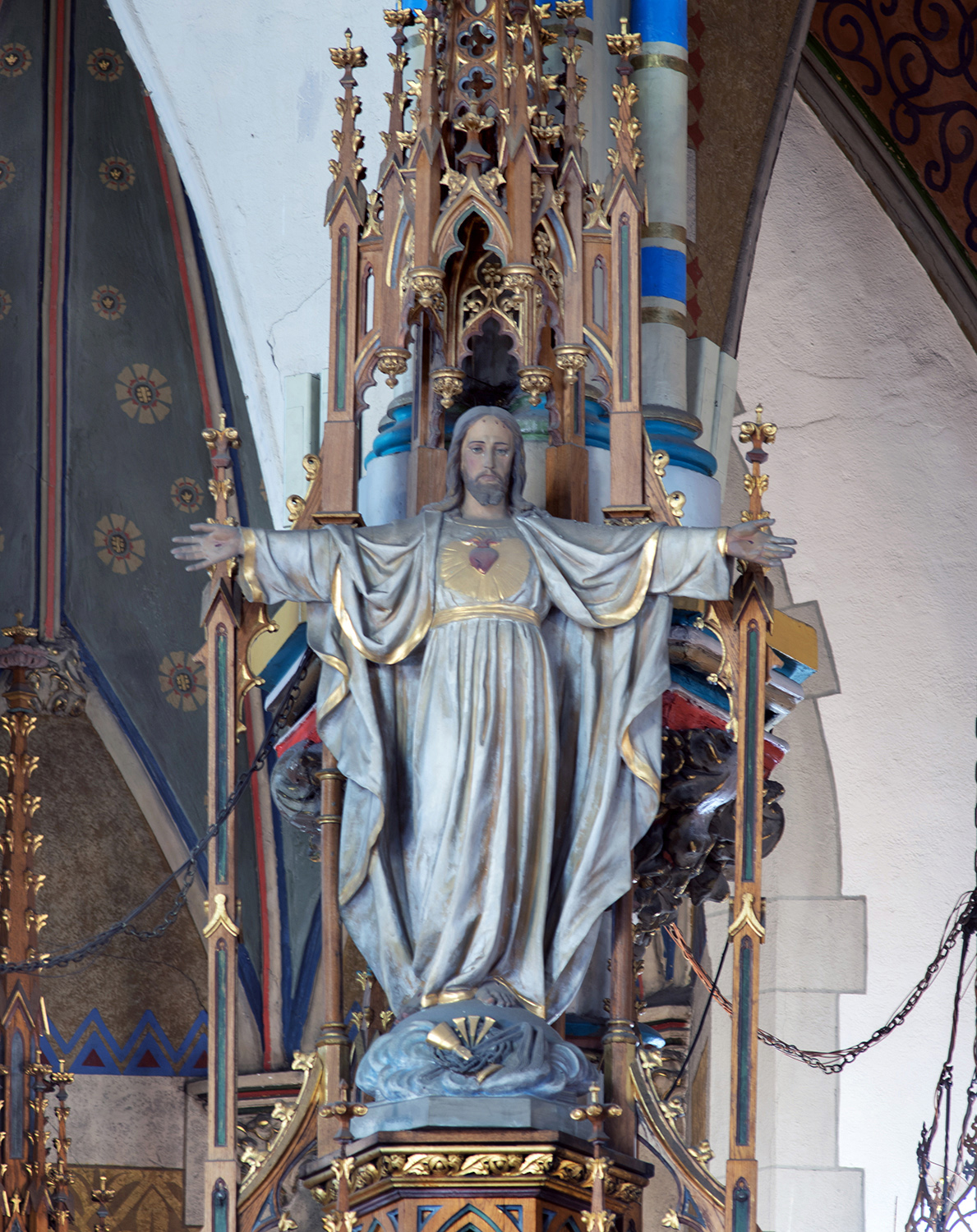
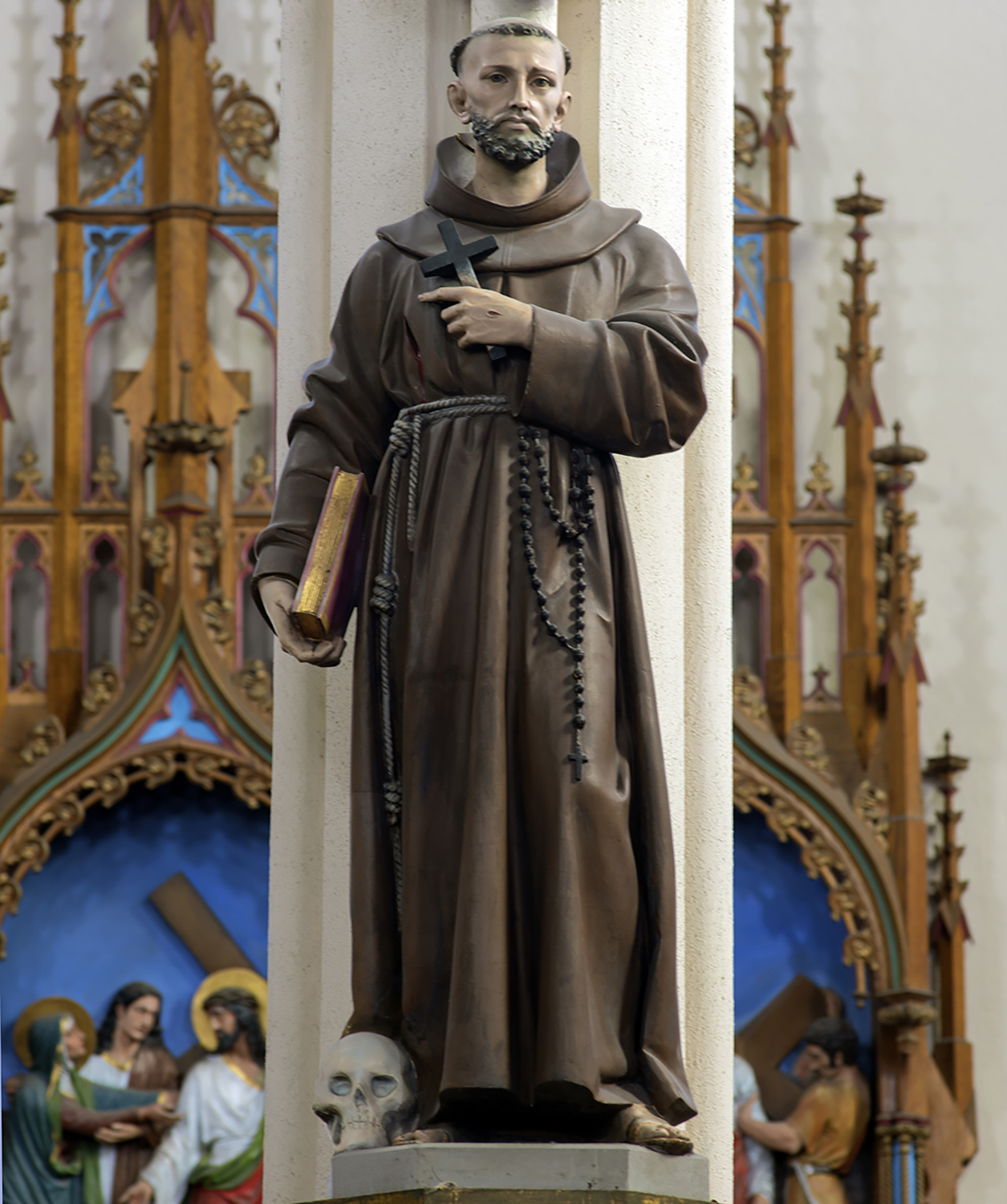
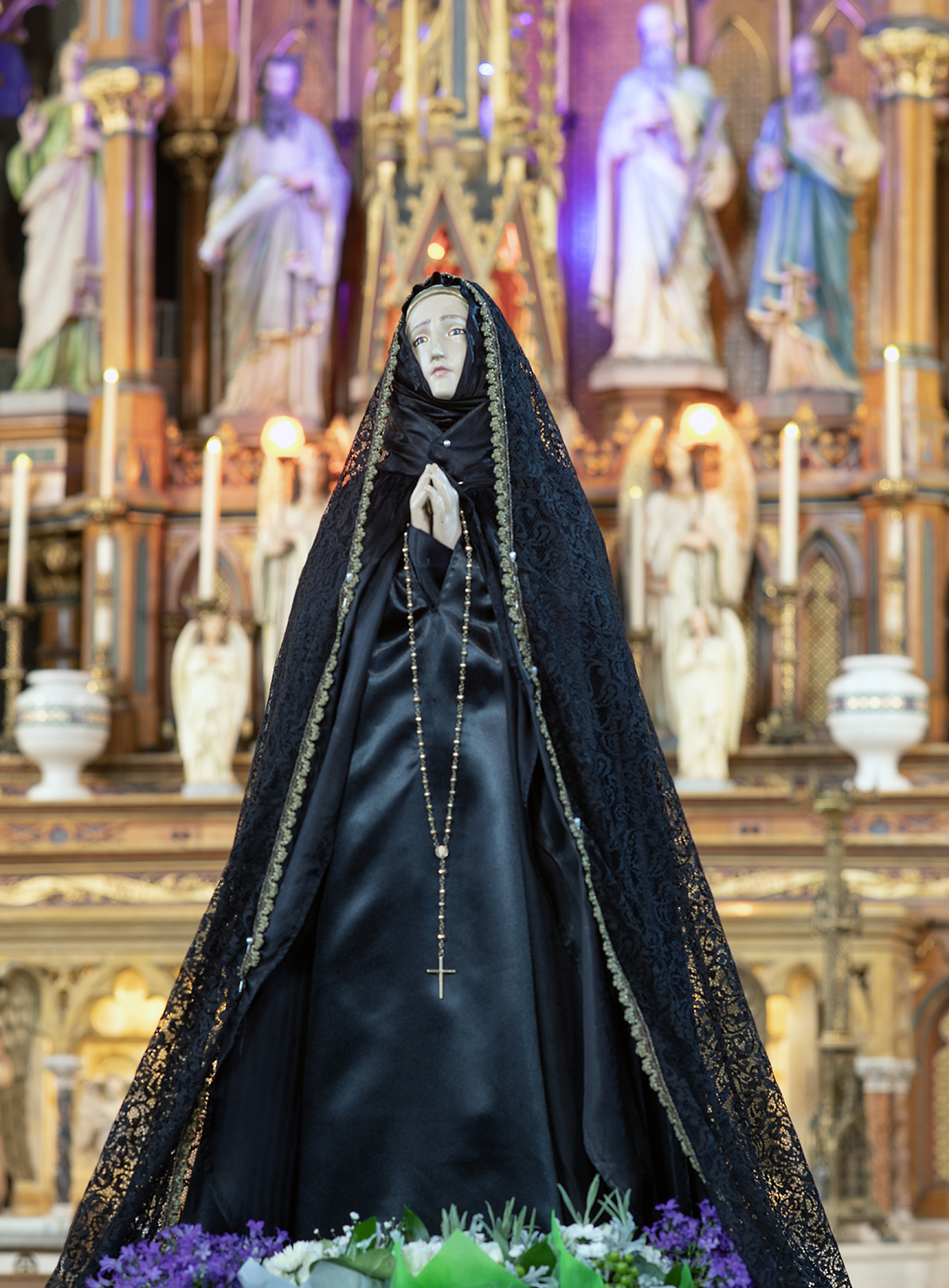
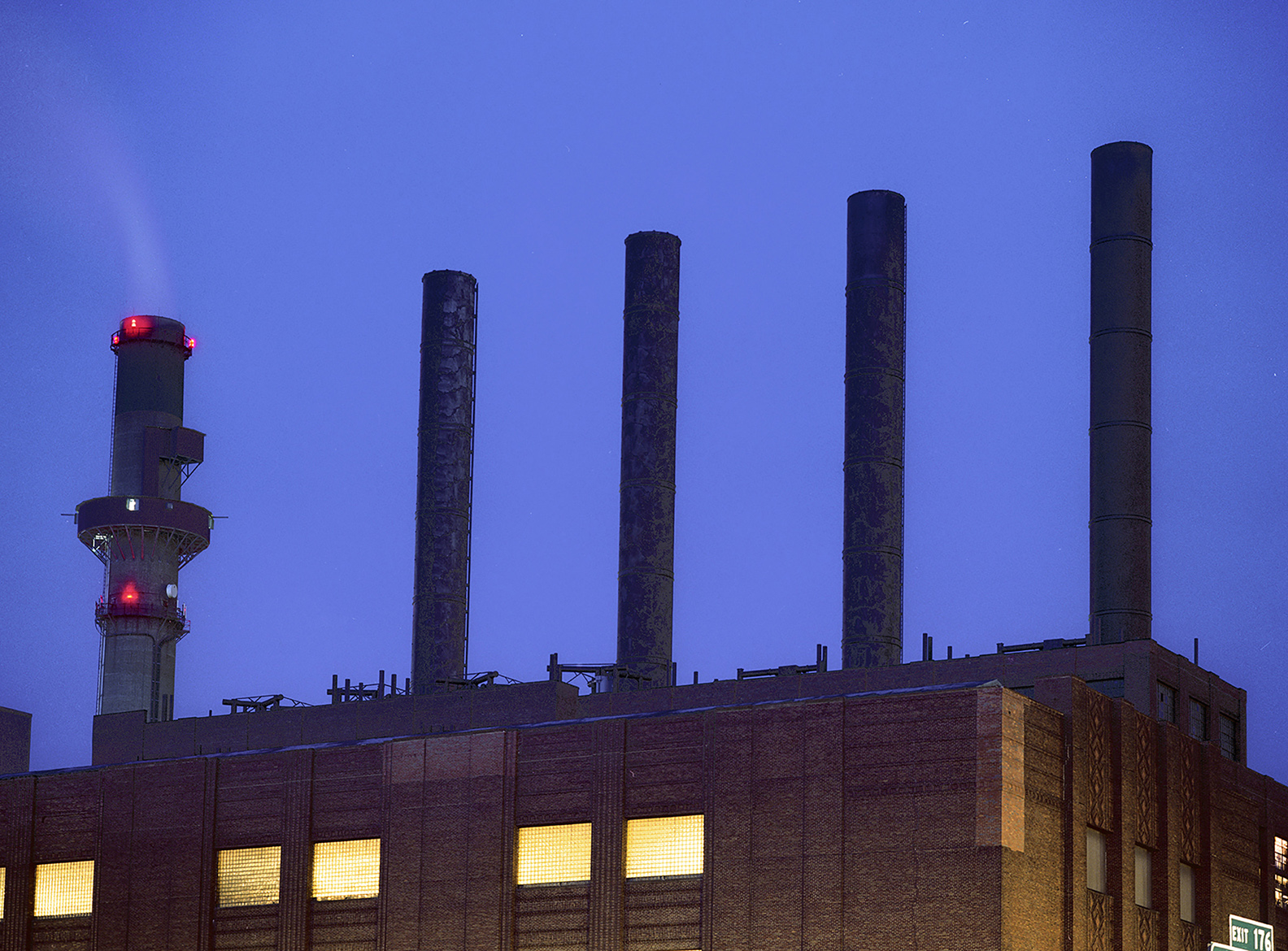
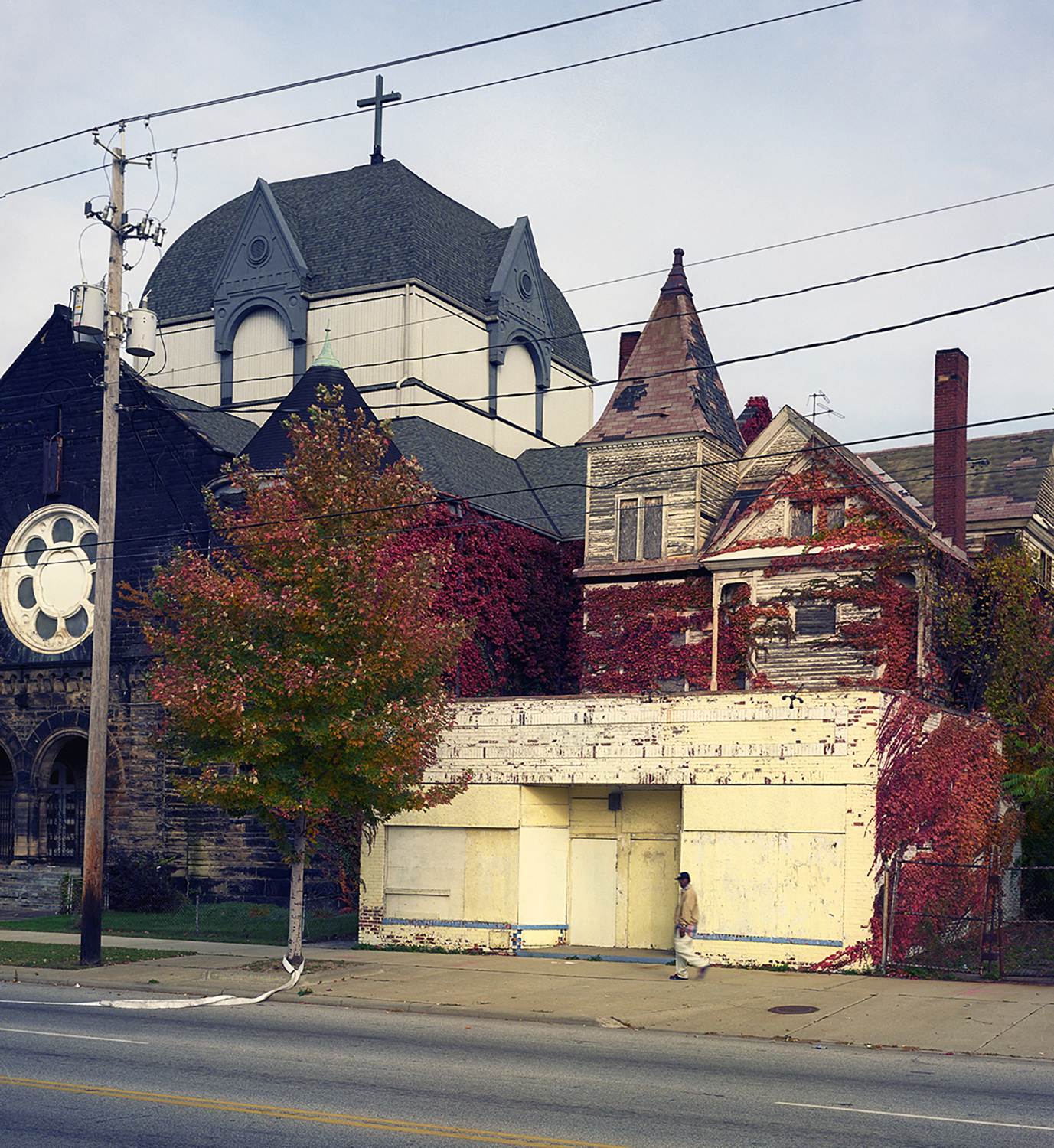
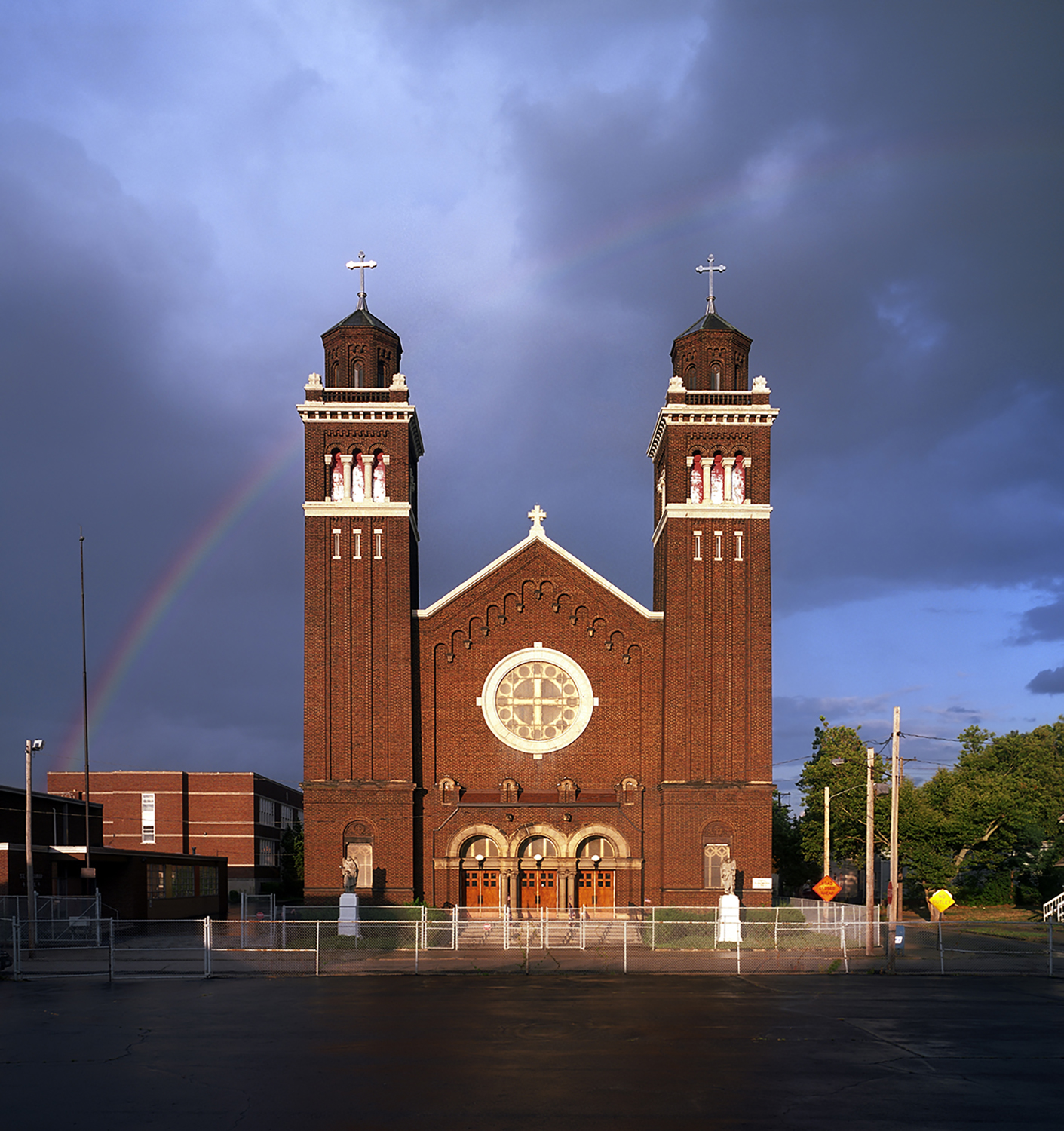
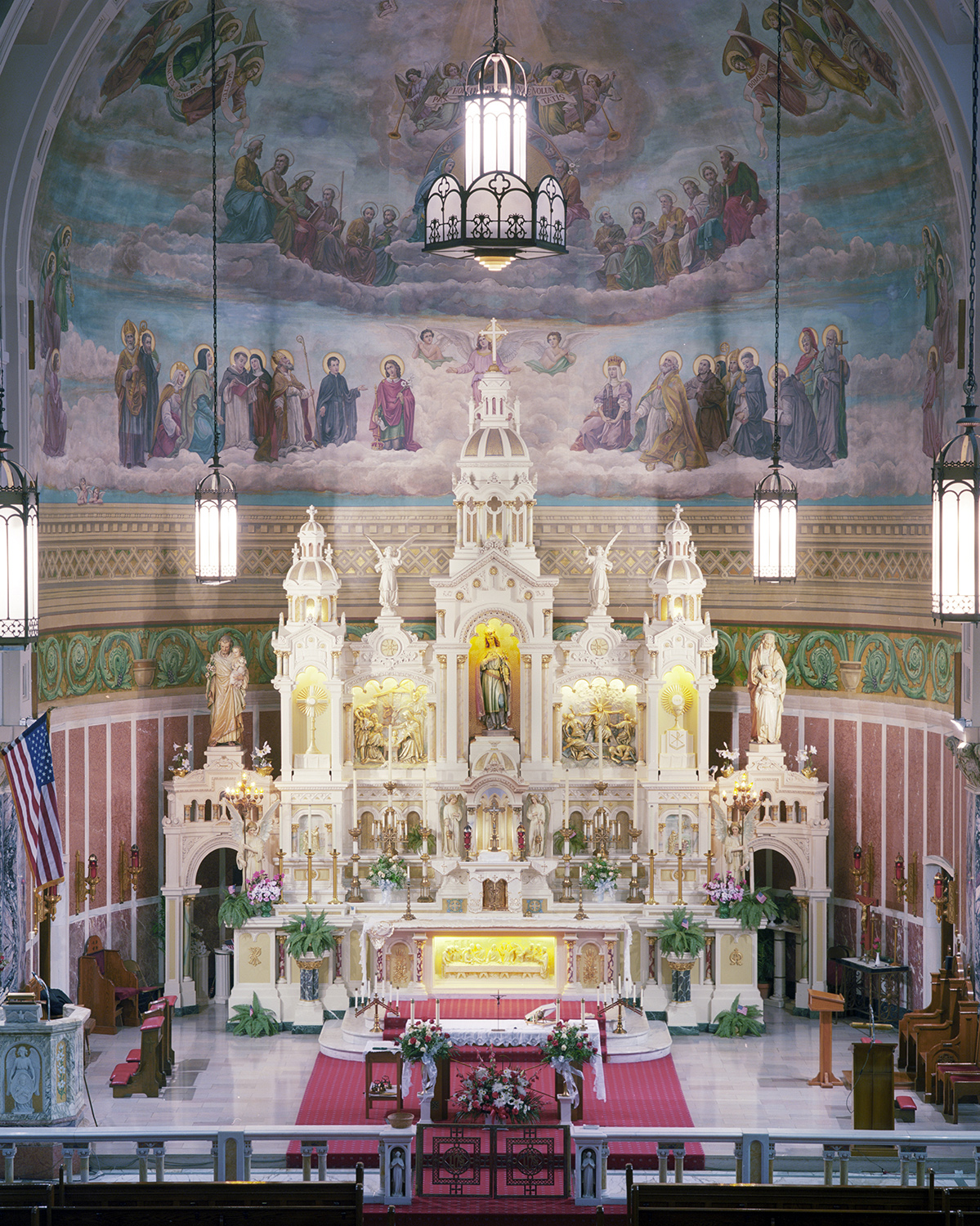
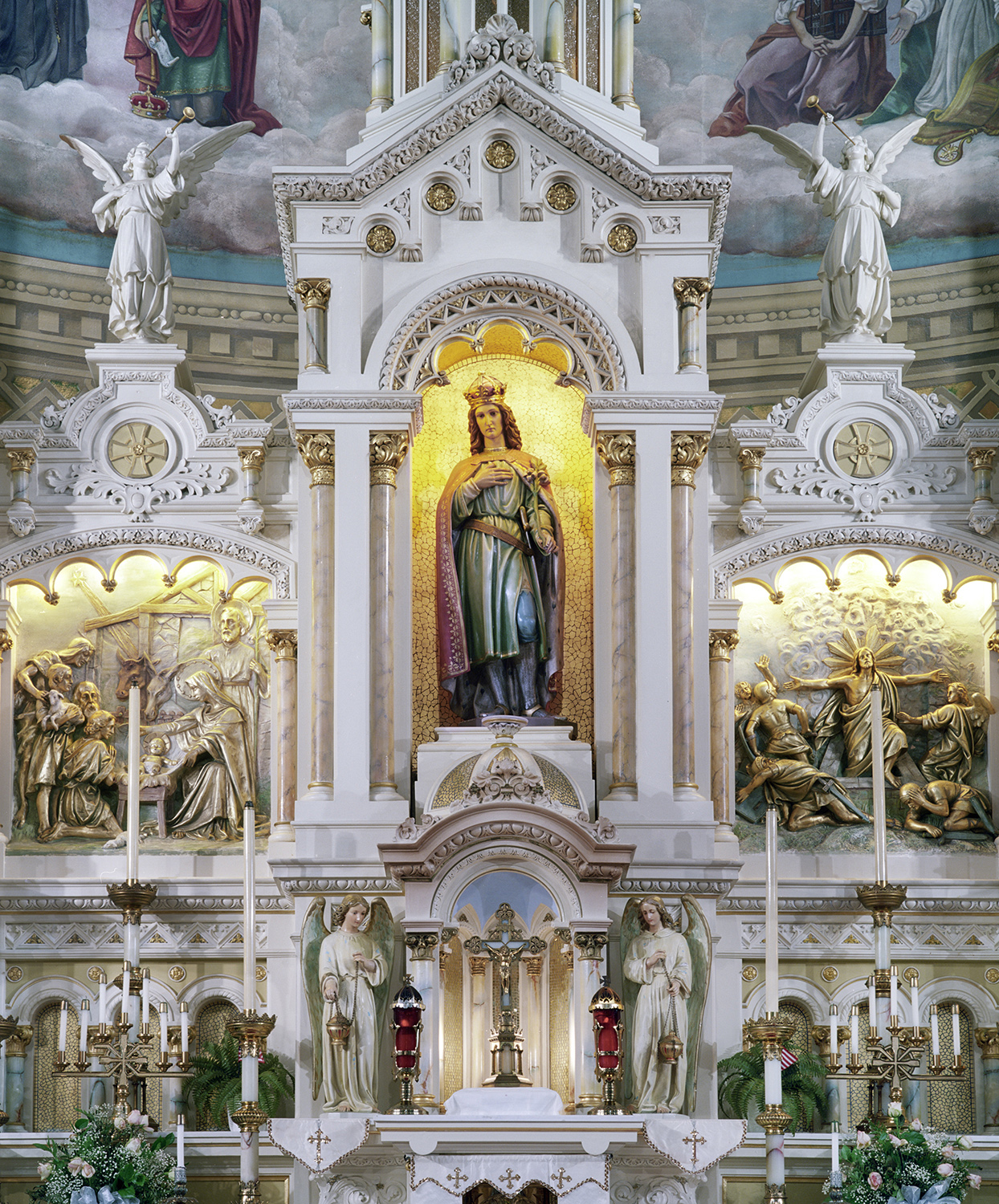
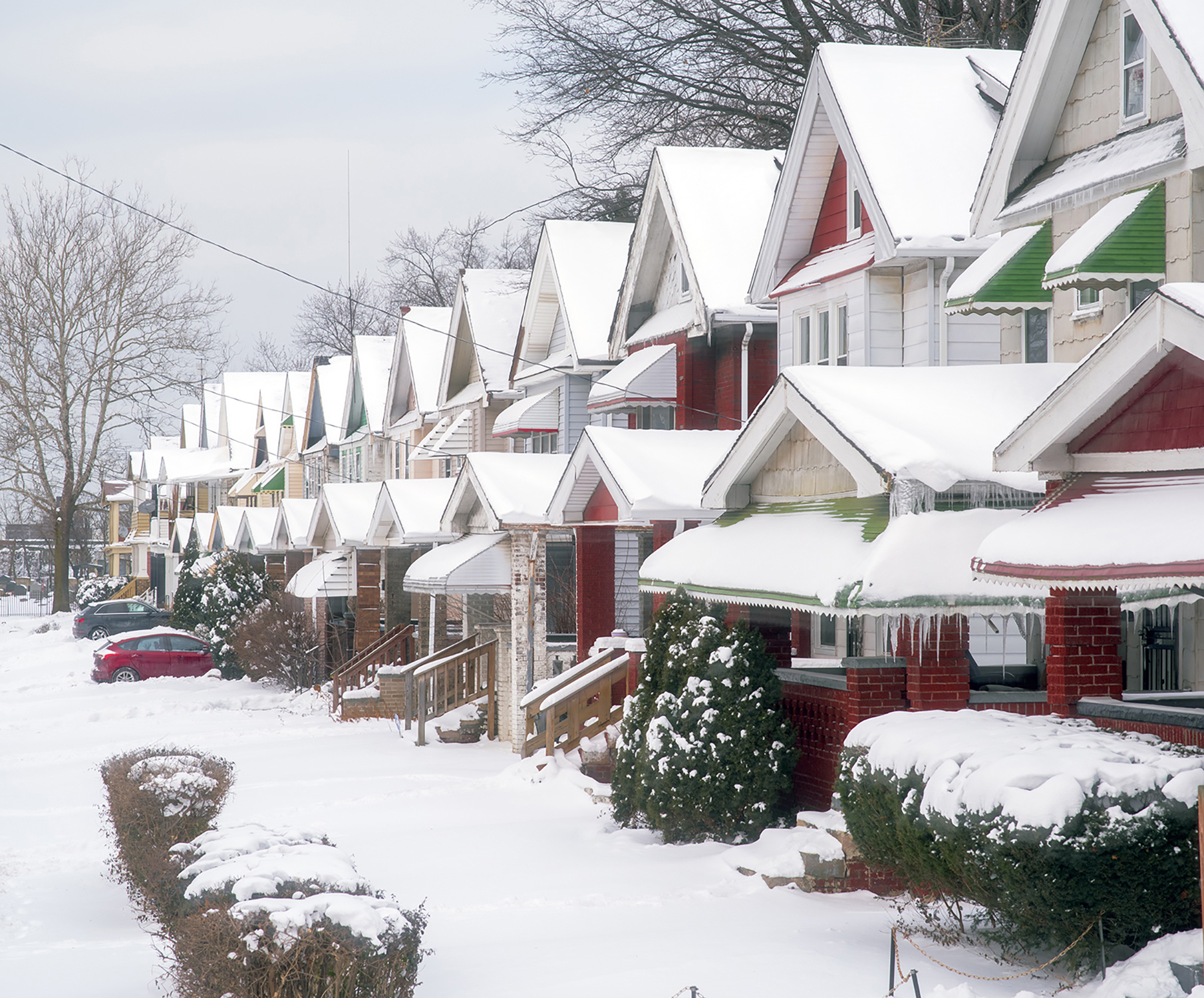
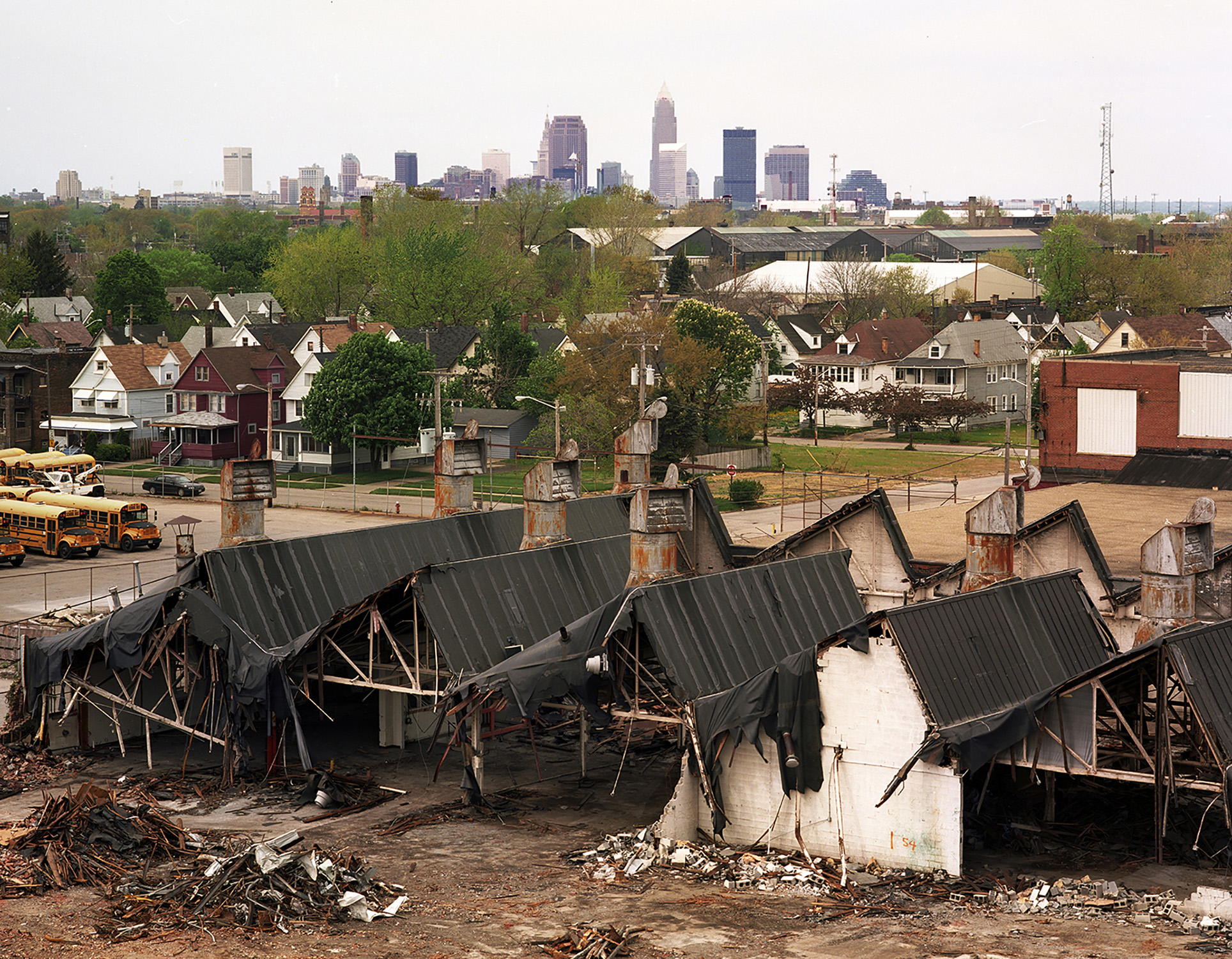
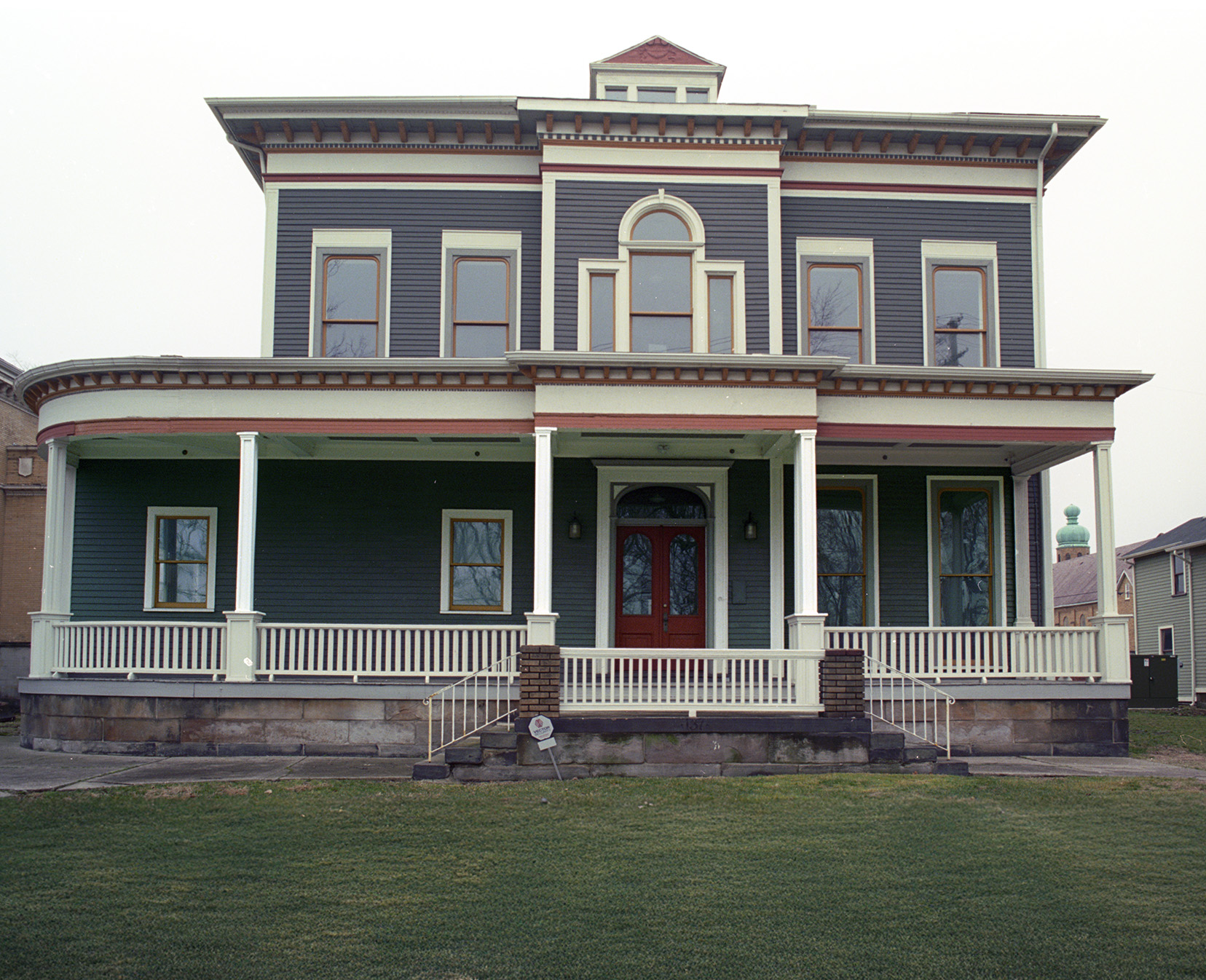
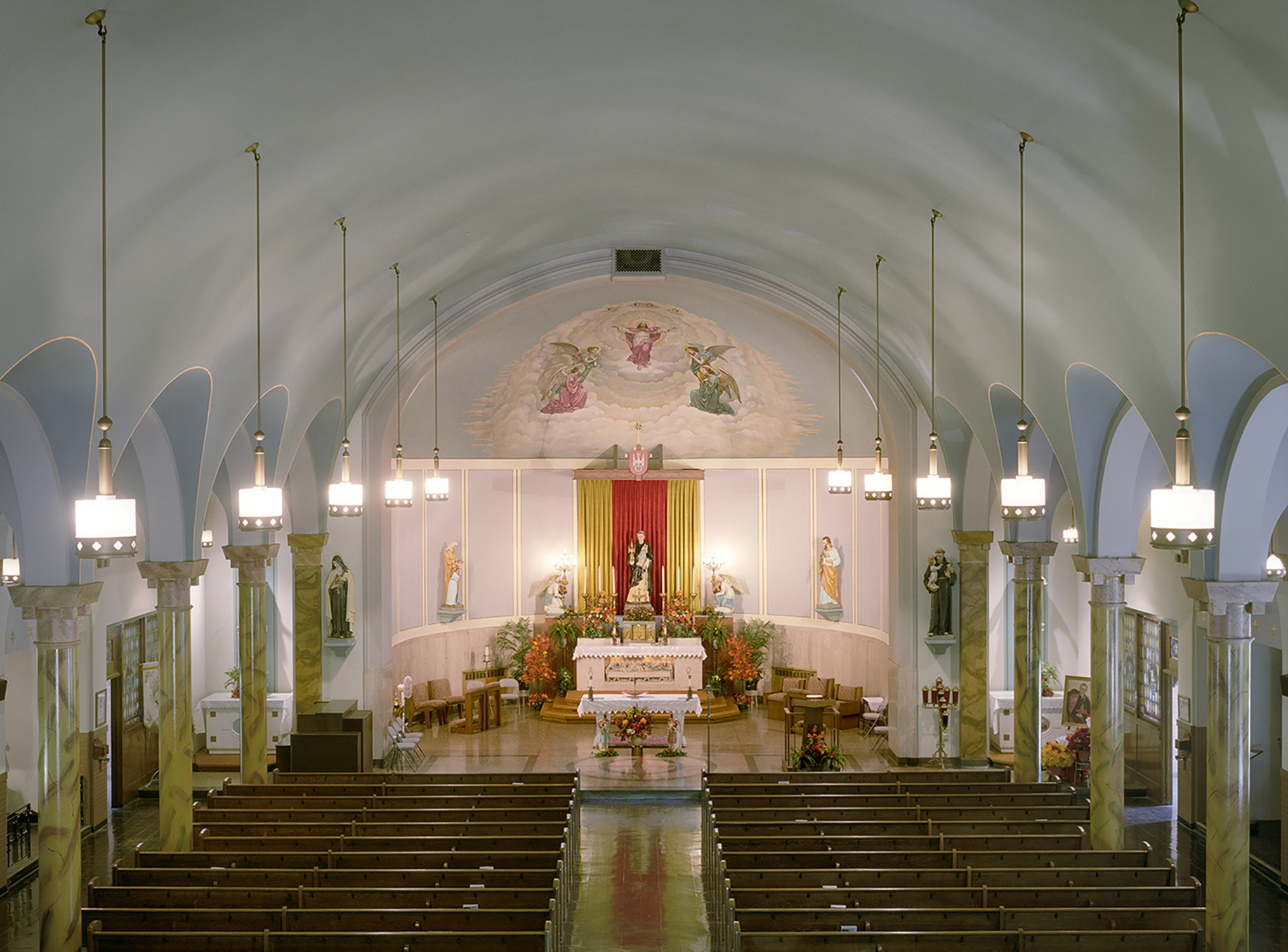
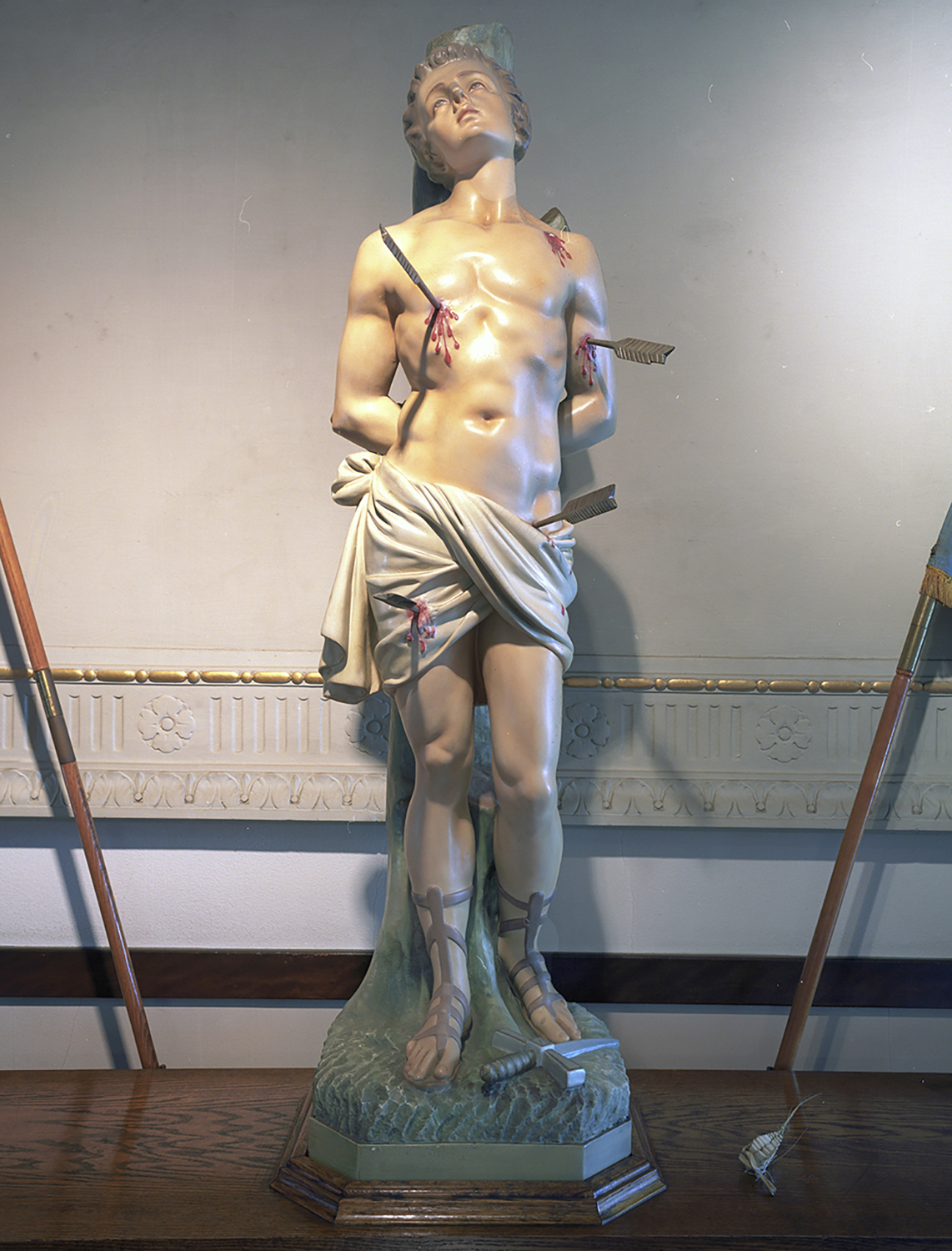
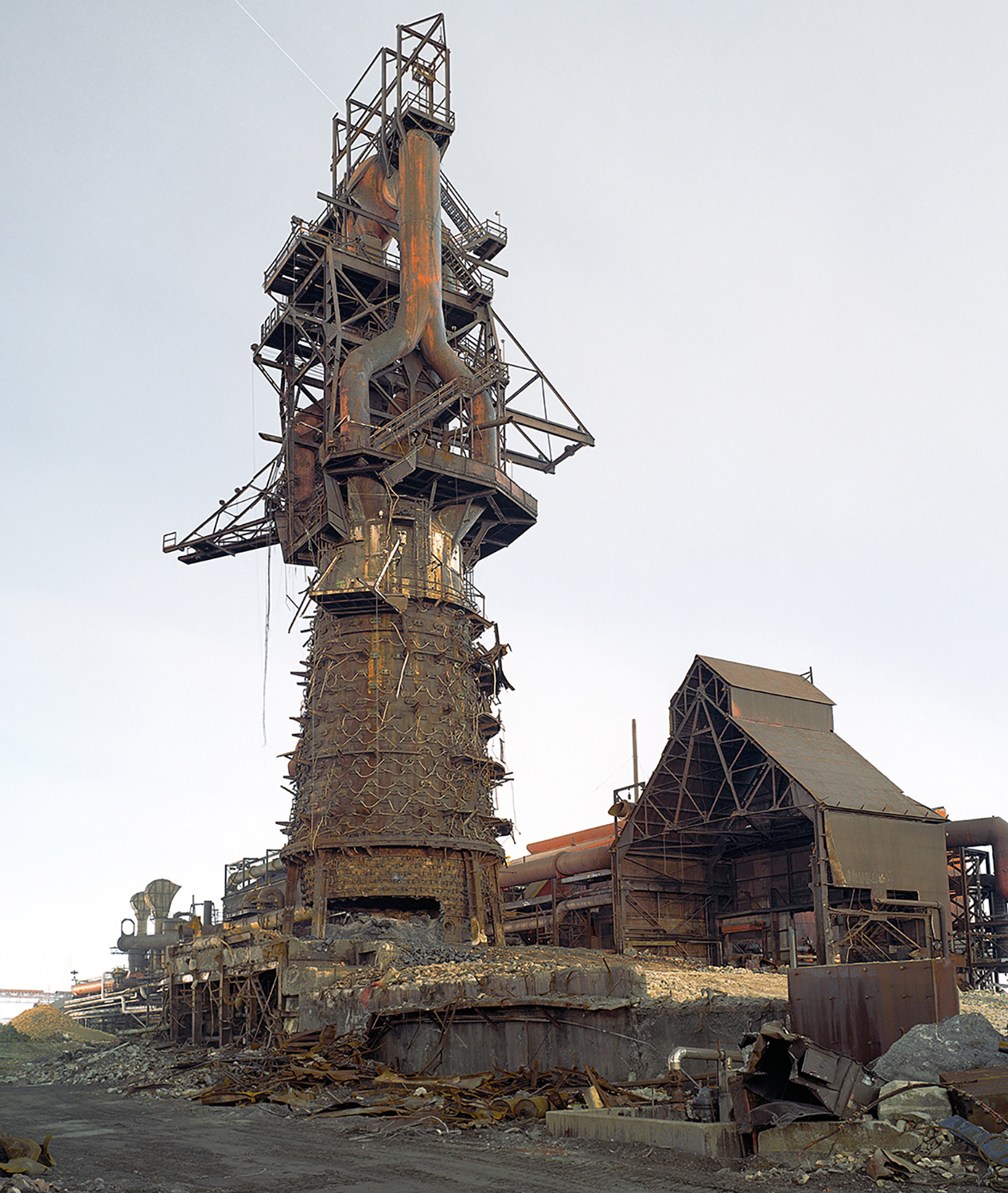
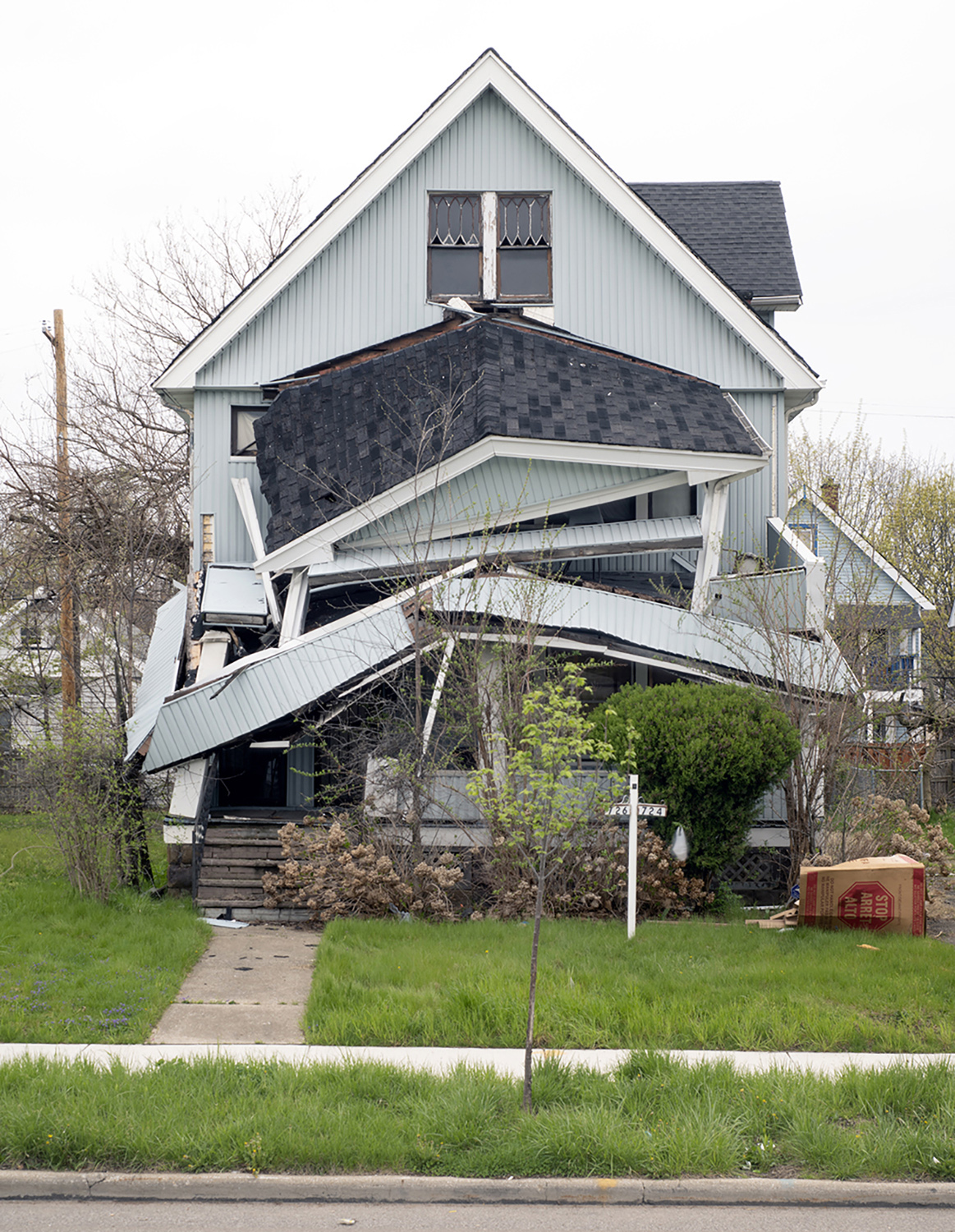
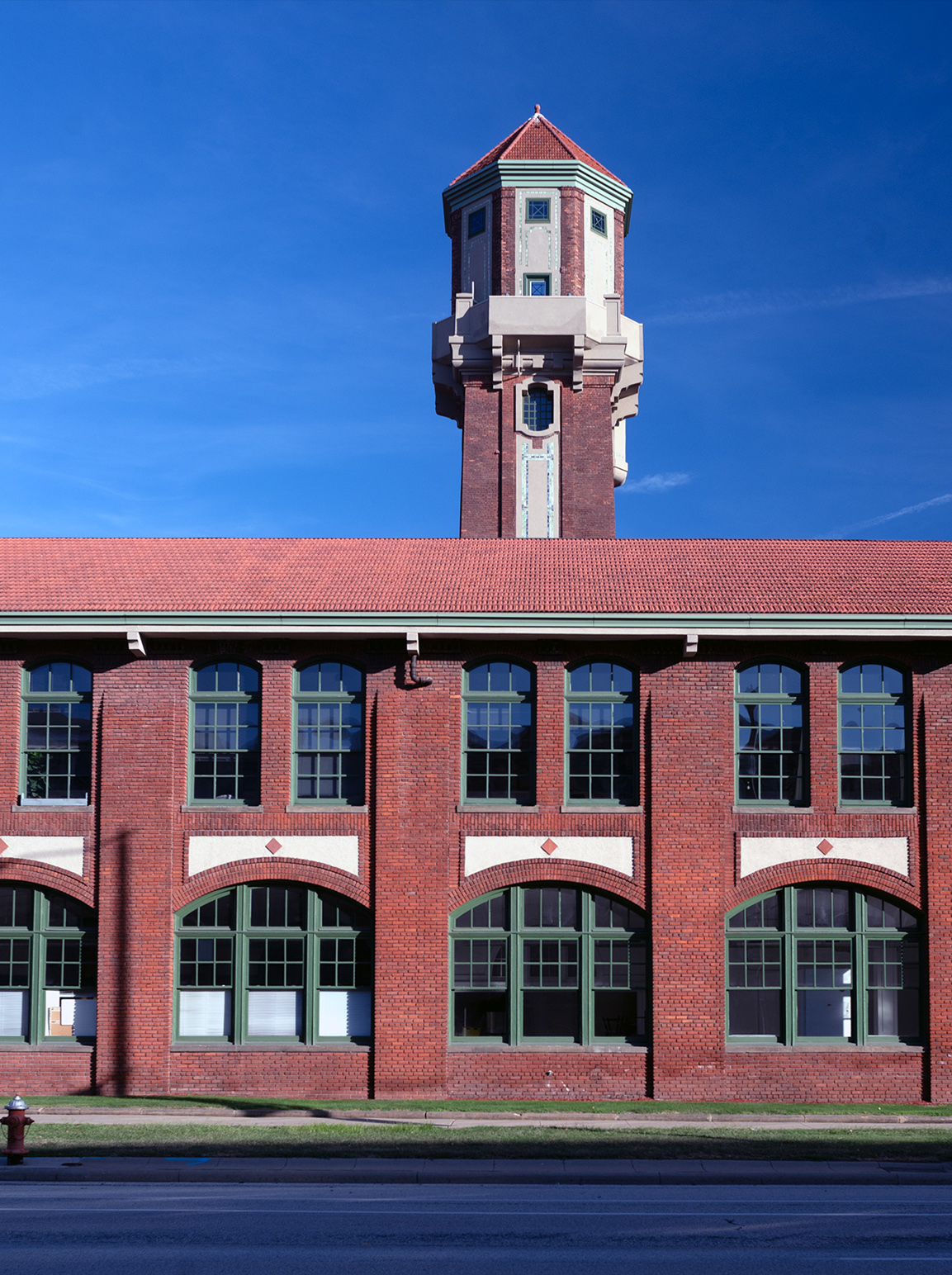
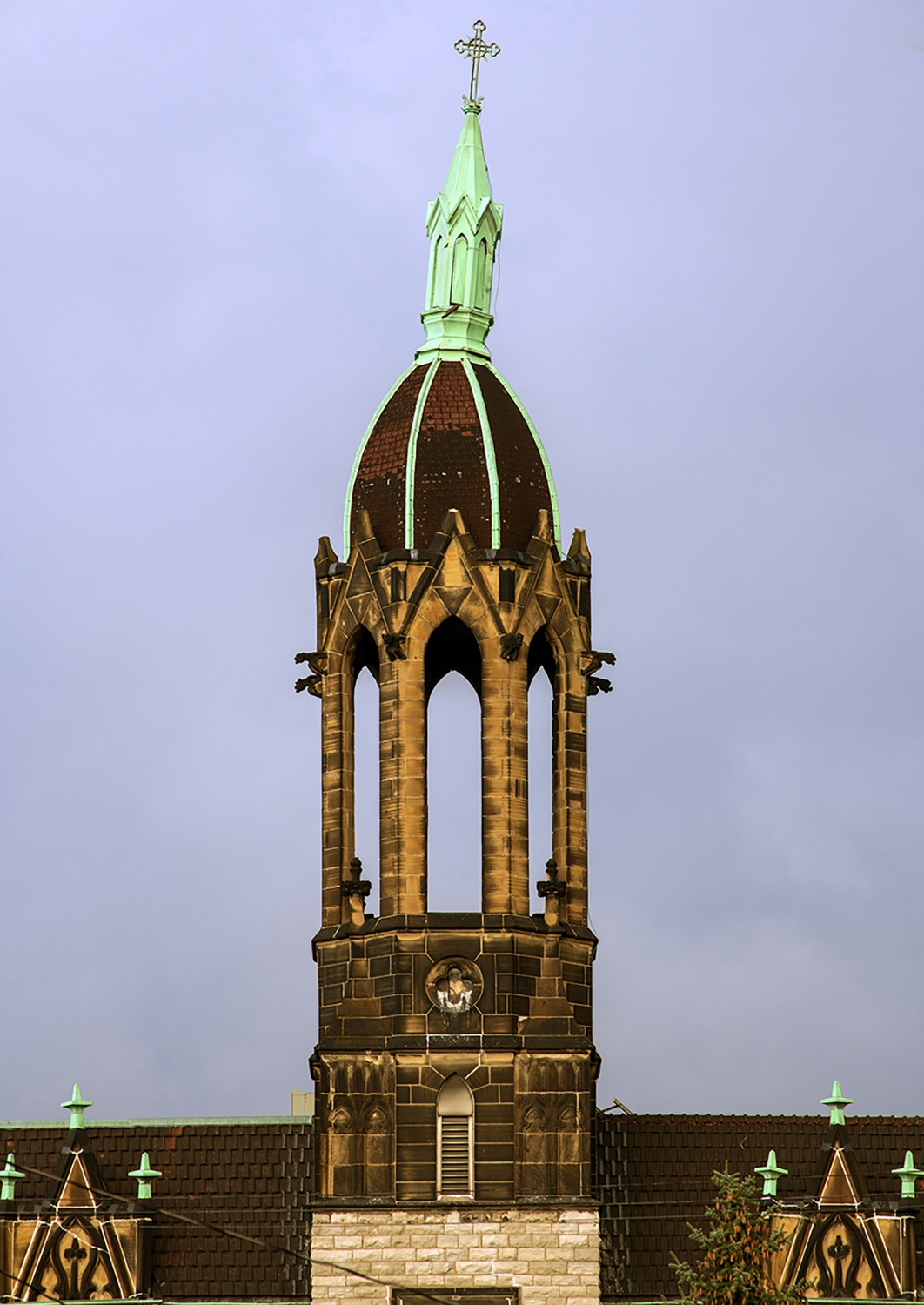
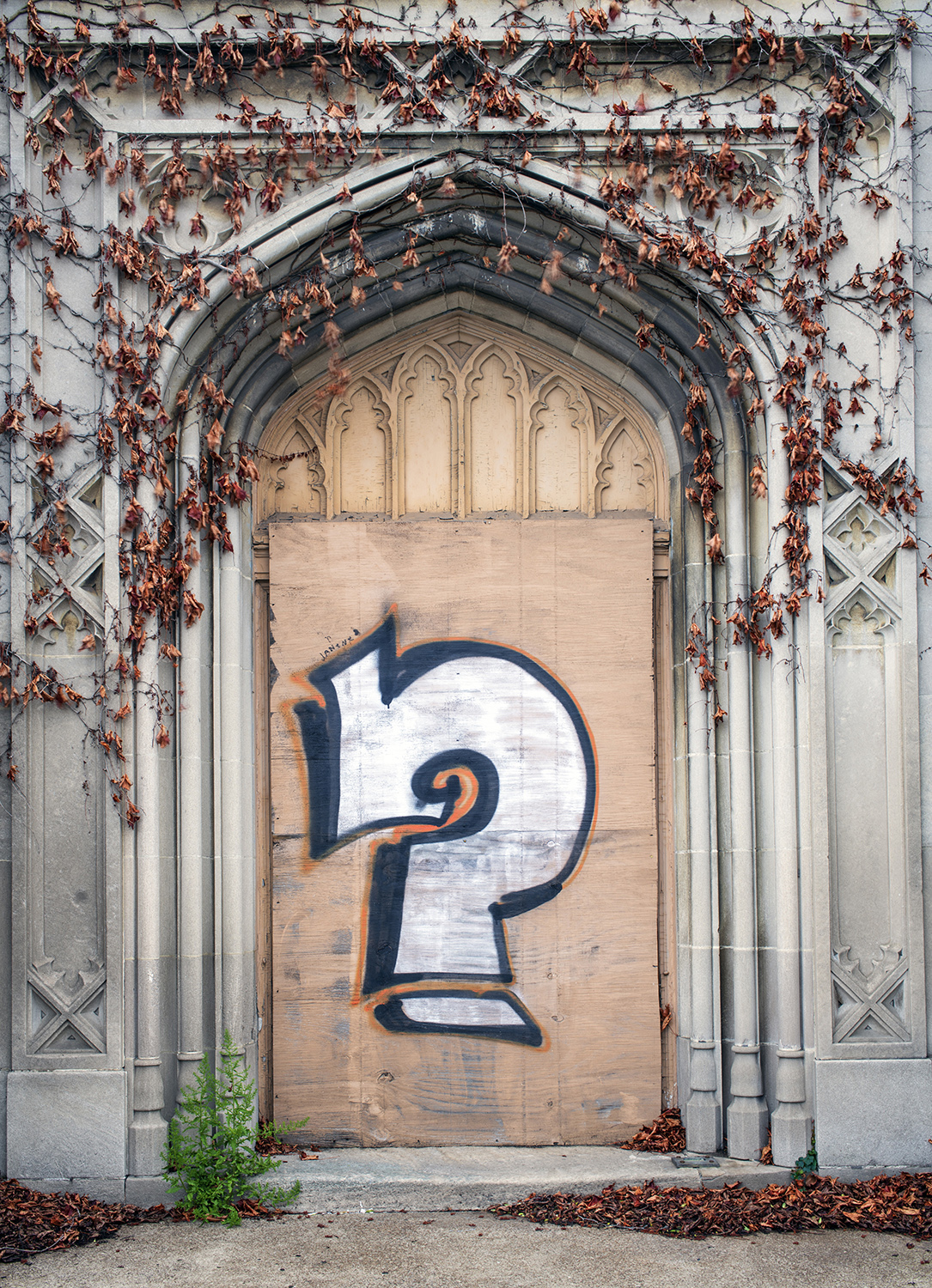
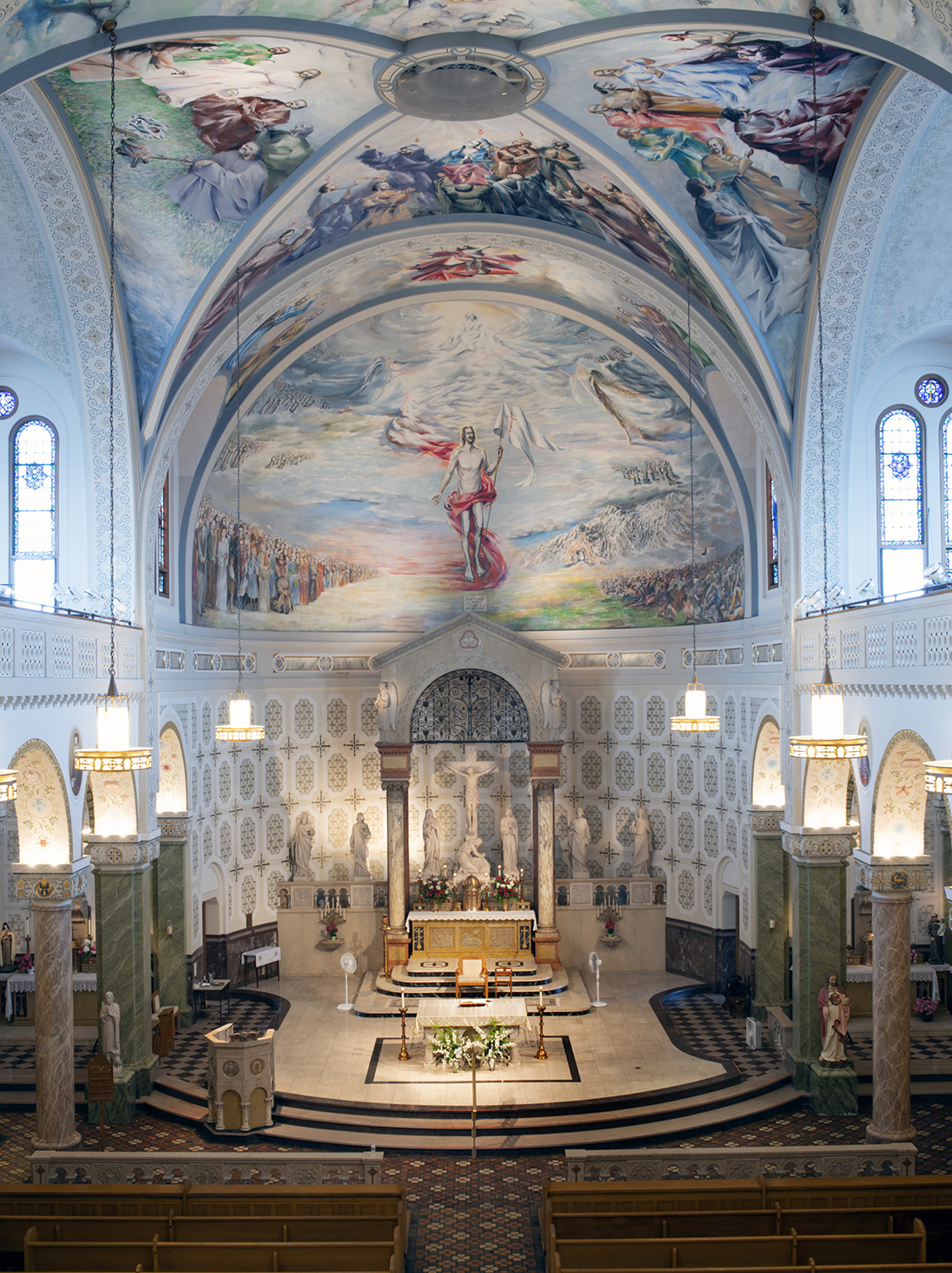
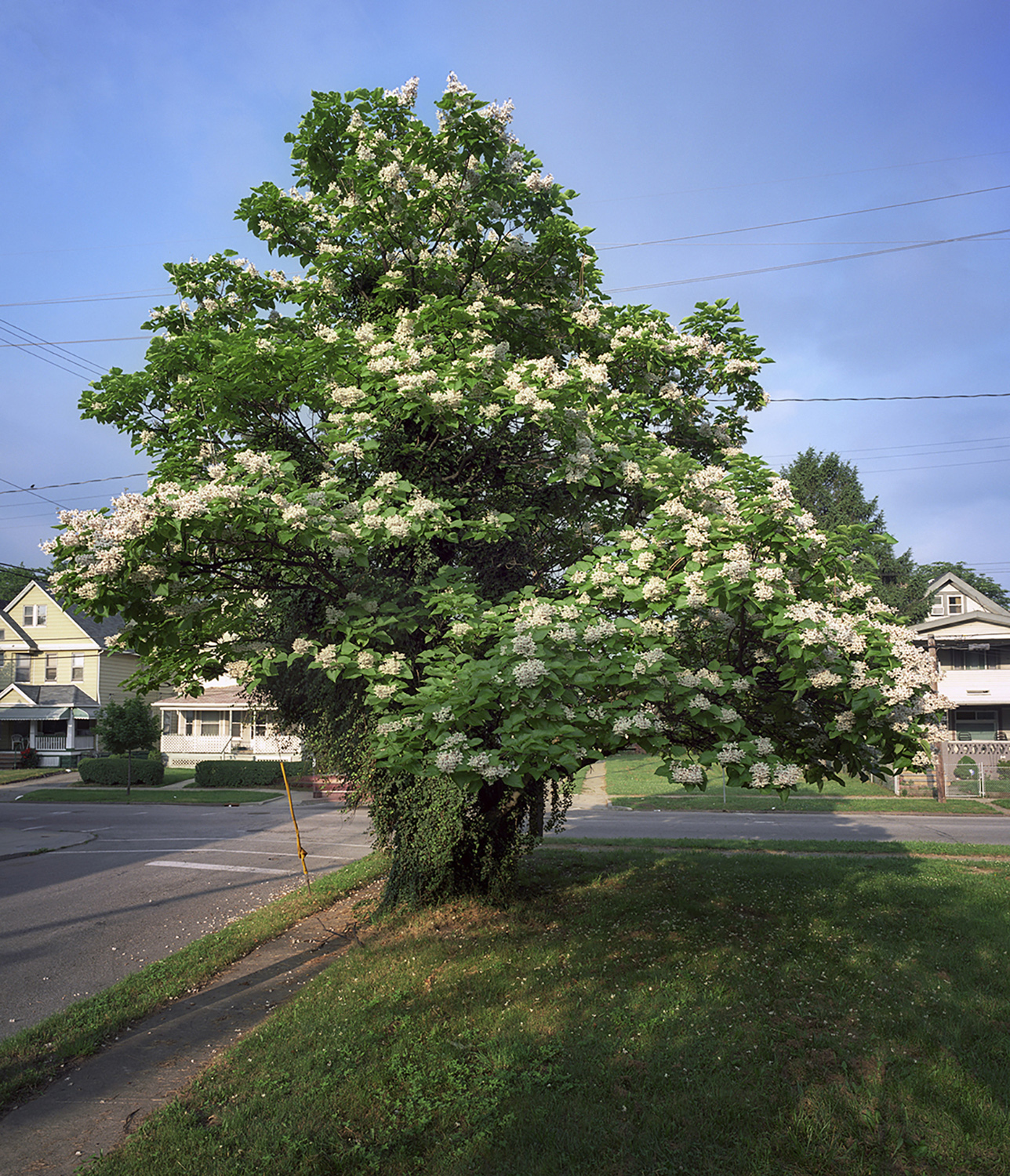
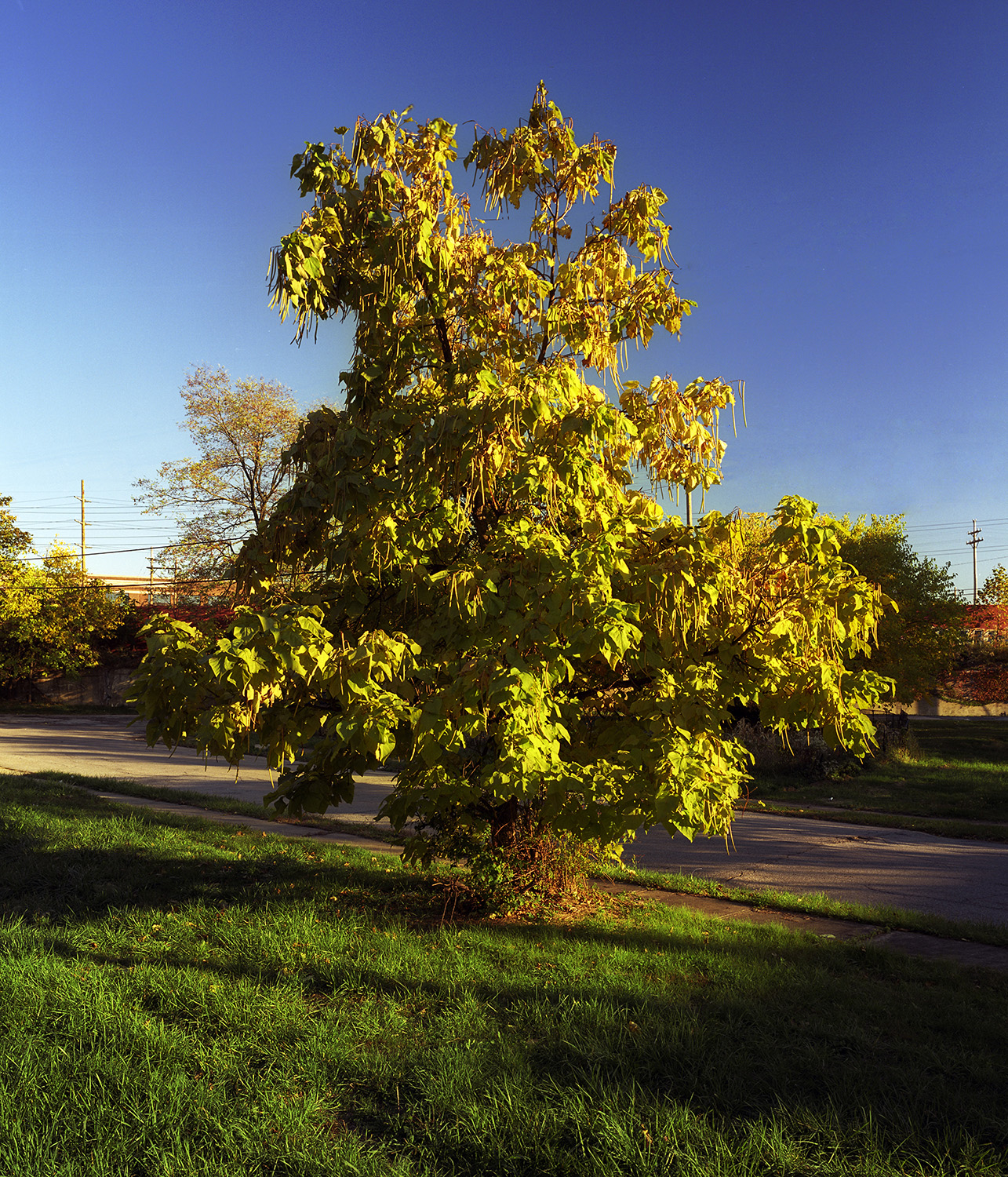
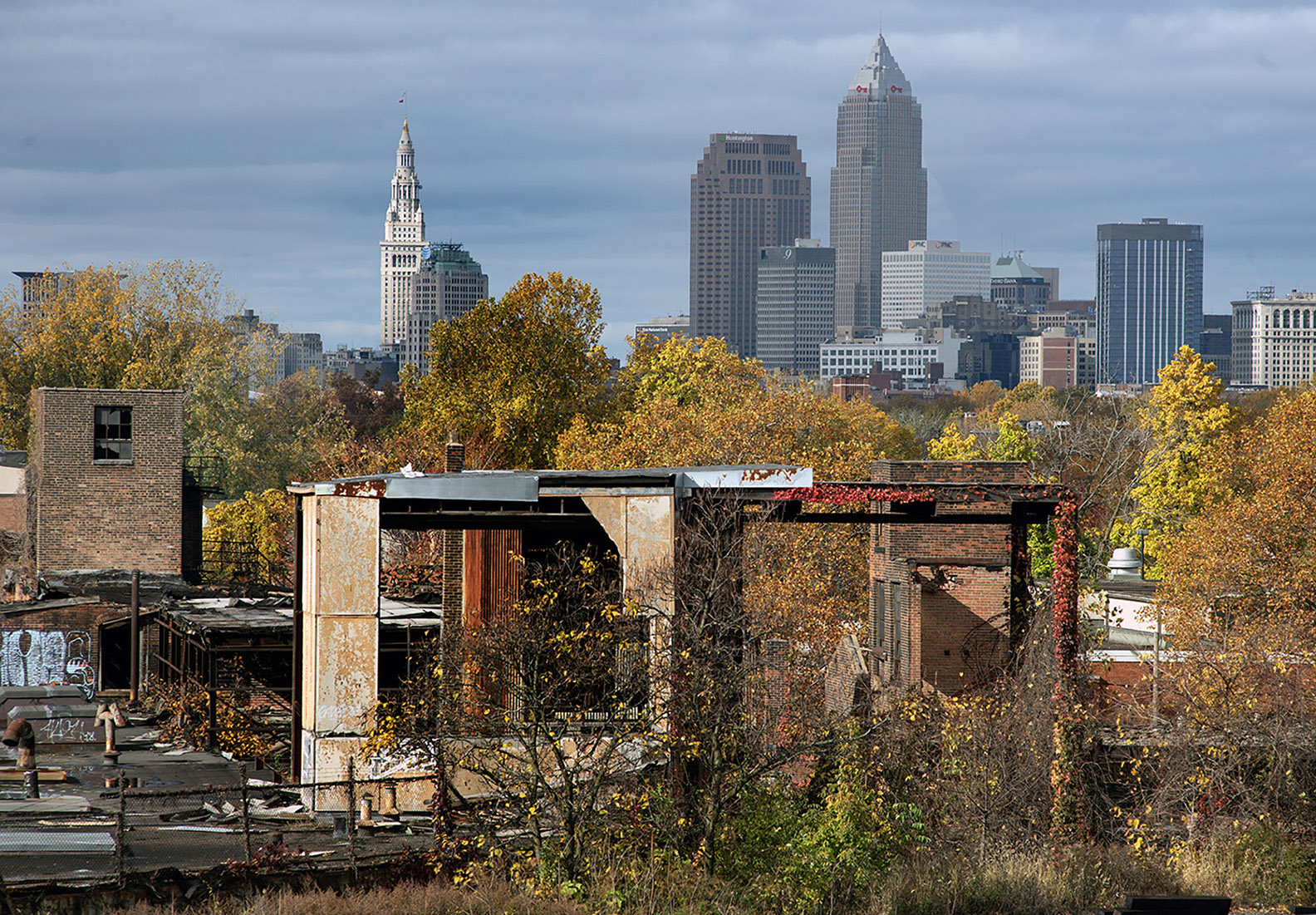
East Side & DowntownNicknamed the Forest City, the shot was taken from East 130th Street, the southeastern boder of the ciy. Underneath the trees are neighborhoods.Hodges School, Transom Window, East 74th StreetBuilt in 1904, by the1970s it was closed. People live there now, but don' think big beautiful lofts in an old school. It's run-down and wouldn't pass inspections. In Fall Town an occupied structure is a positive.House, Bayliss AvenueHome & Car, Coit RoadFall Town is called the Forest City, but with no maintenance that is true than ever.Ferry Cap & Screw, Scranton RoadBuilt in 1907, closed in 2015, demolished in 2024. The bluffs above the valley where the machine shop used to sit, is now the most expensive real estate in the city. This neighborhood was known as Duck Island not because of any relationship to any sort of animal, but, particularly during Prohibition, COVID-19 it's isolation was a great place to duck into.Hough BakeryStarted in 1903, it was the city's dominant bakery and closed in 1992. That's a long time in ruin.Home & Basic Oxygen Furnace Stack, Nursery Court, Willow NeighborhoodLakeshore Power Station - Built 1921, Closed 2015, Demolished 2018Another coal-fired plant bites the dust. This one blew directly over the old Slovenian neighborhood - Superior/St. Clair - for its entire life.Saint Sebastion, St. Micael ChurchBuilt by German immigrants in 1888, the church features, which ones was the tallest structure in the city, its steeple. The exterior is sandstone, and the interior is entirely wooden, carved into intricate detail, and saints are everywhere.
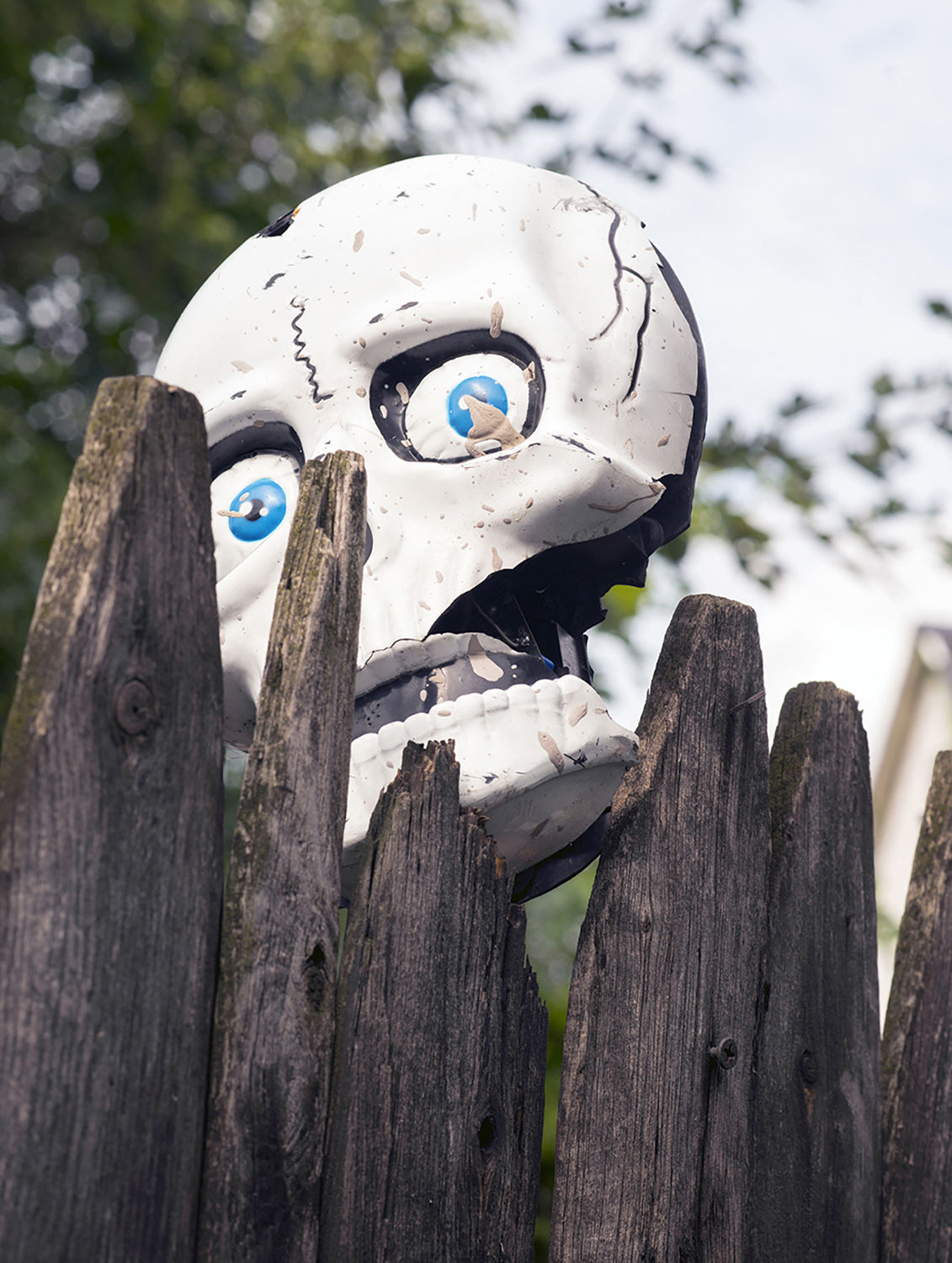
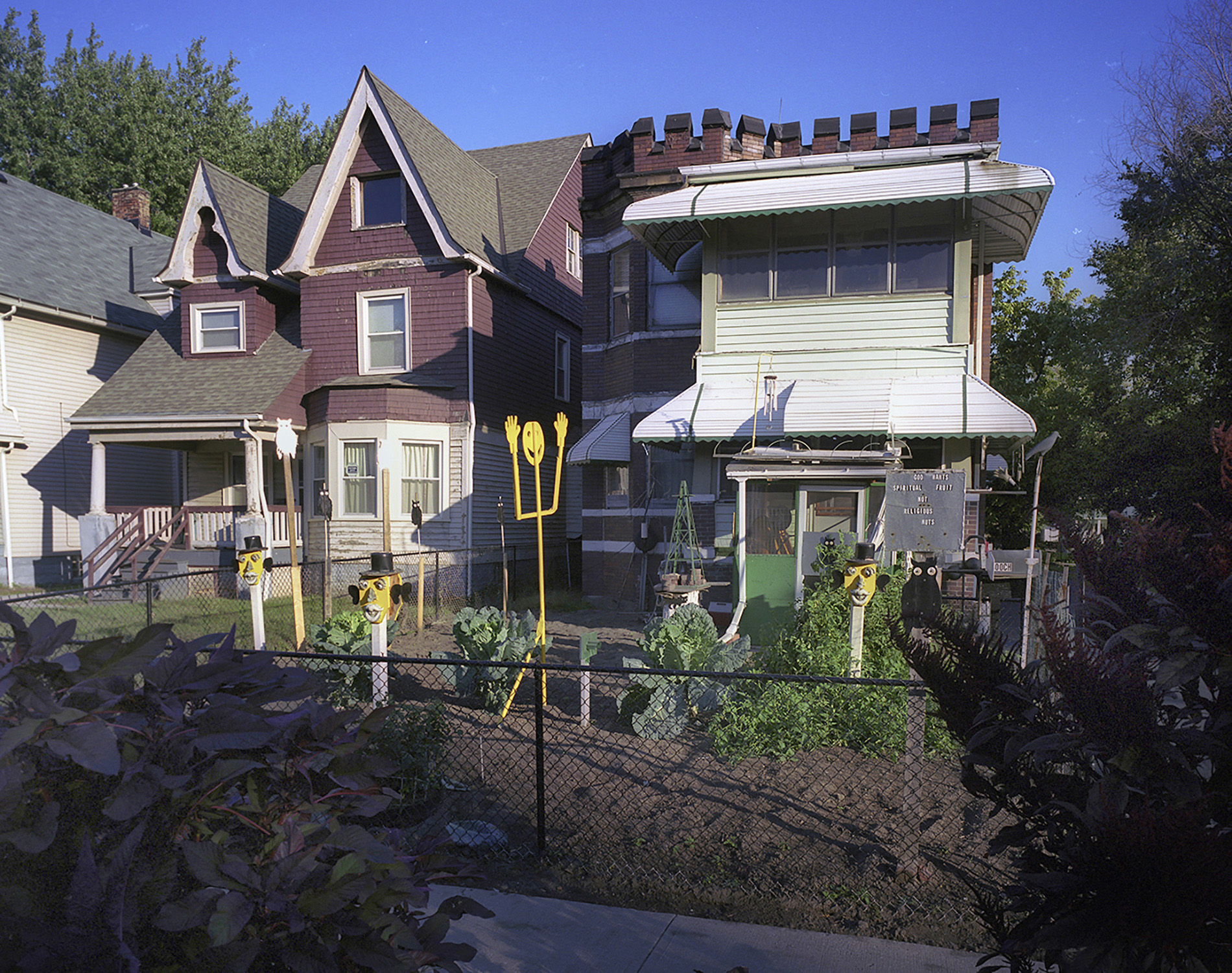
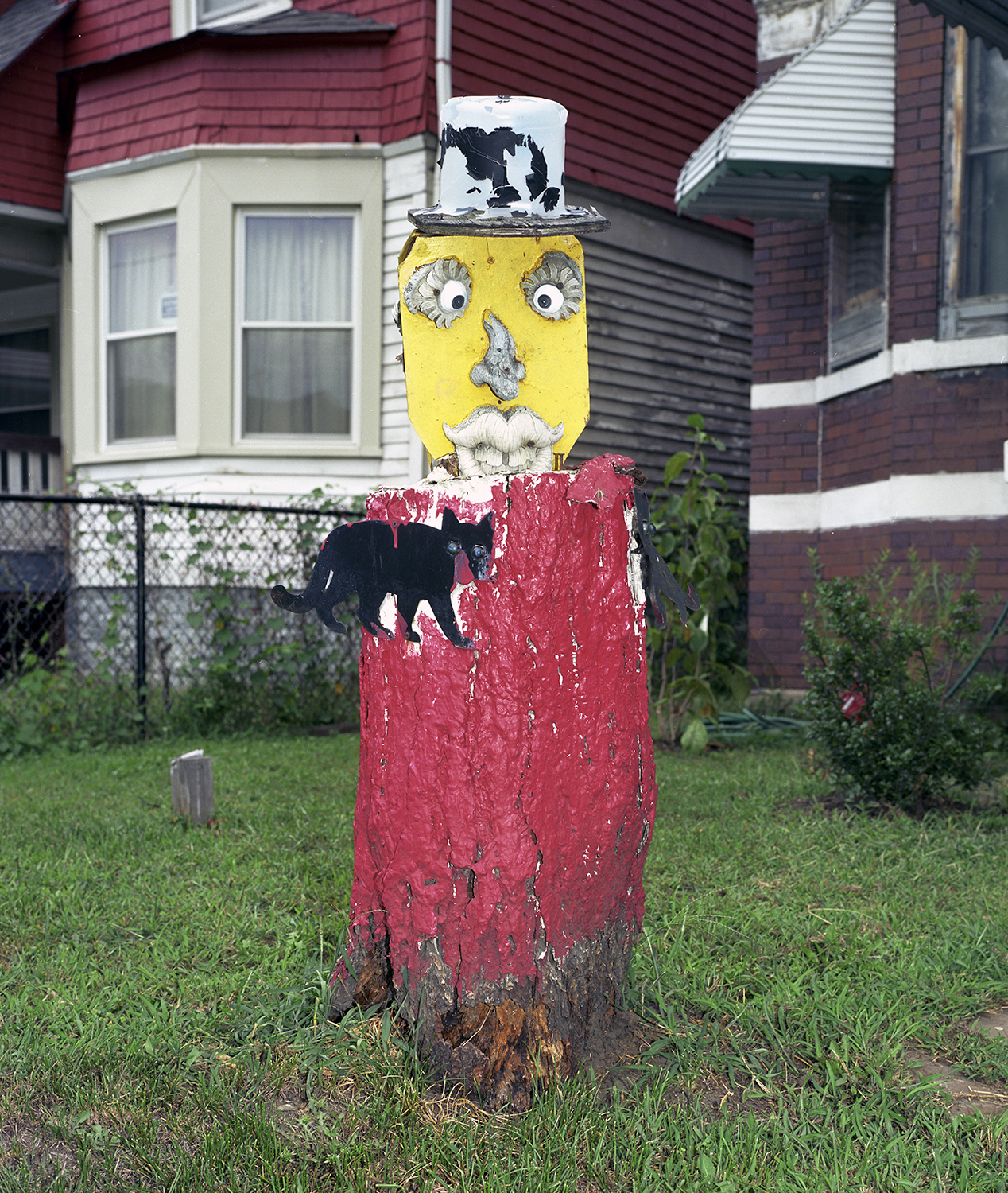
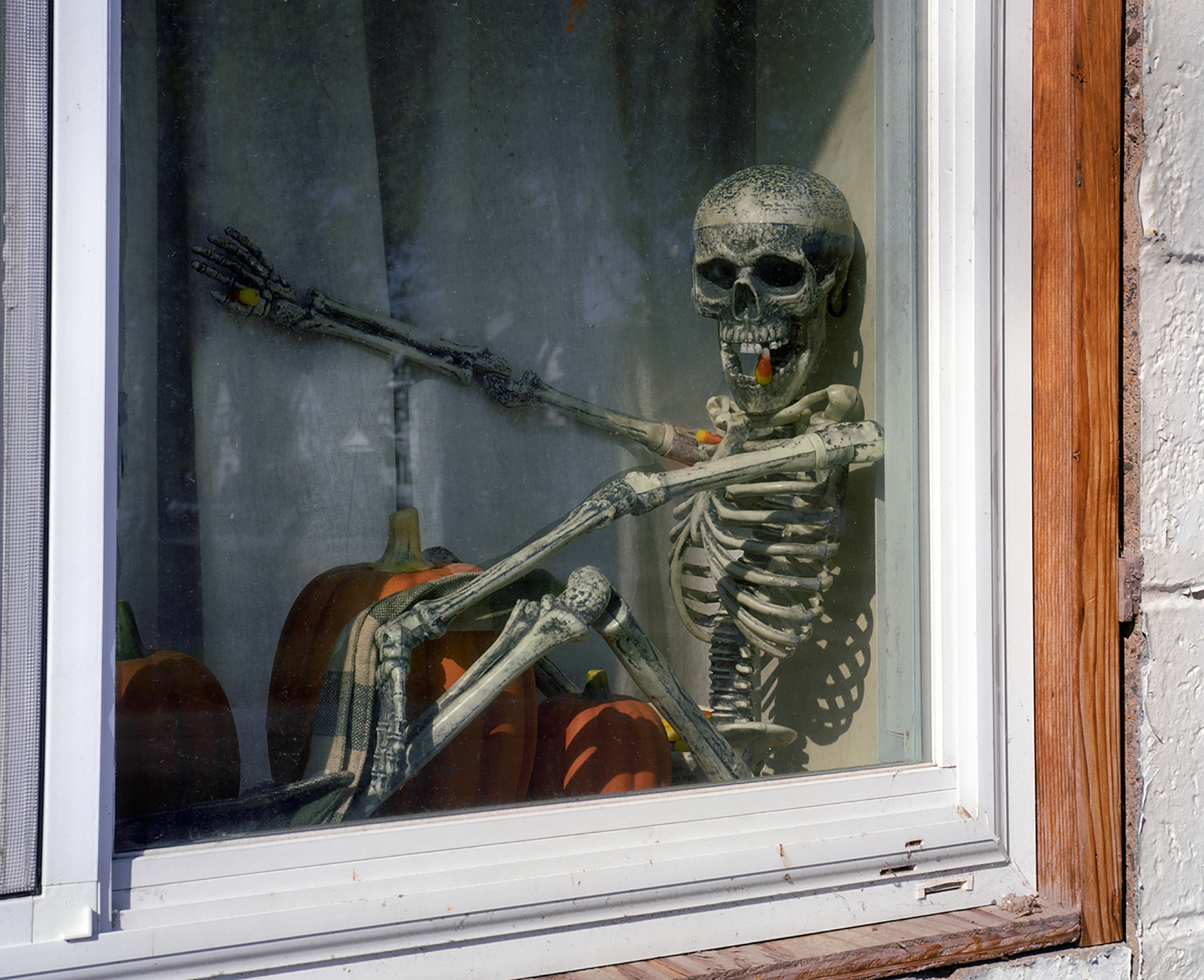
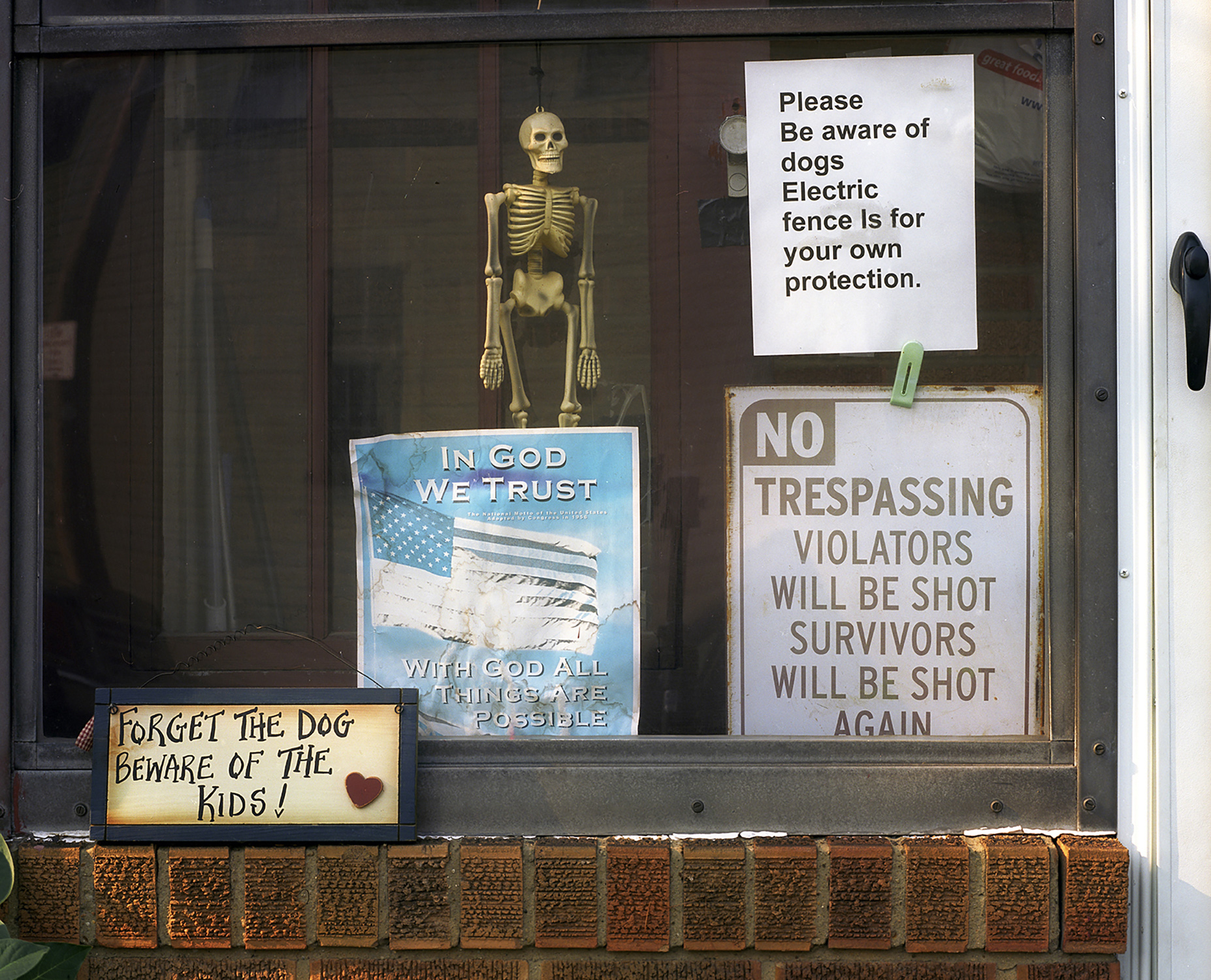
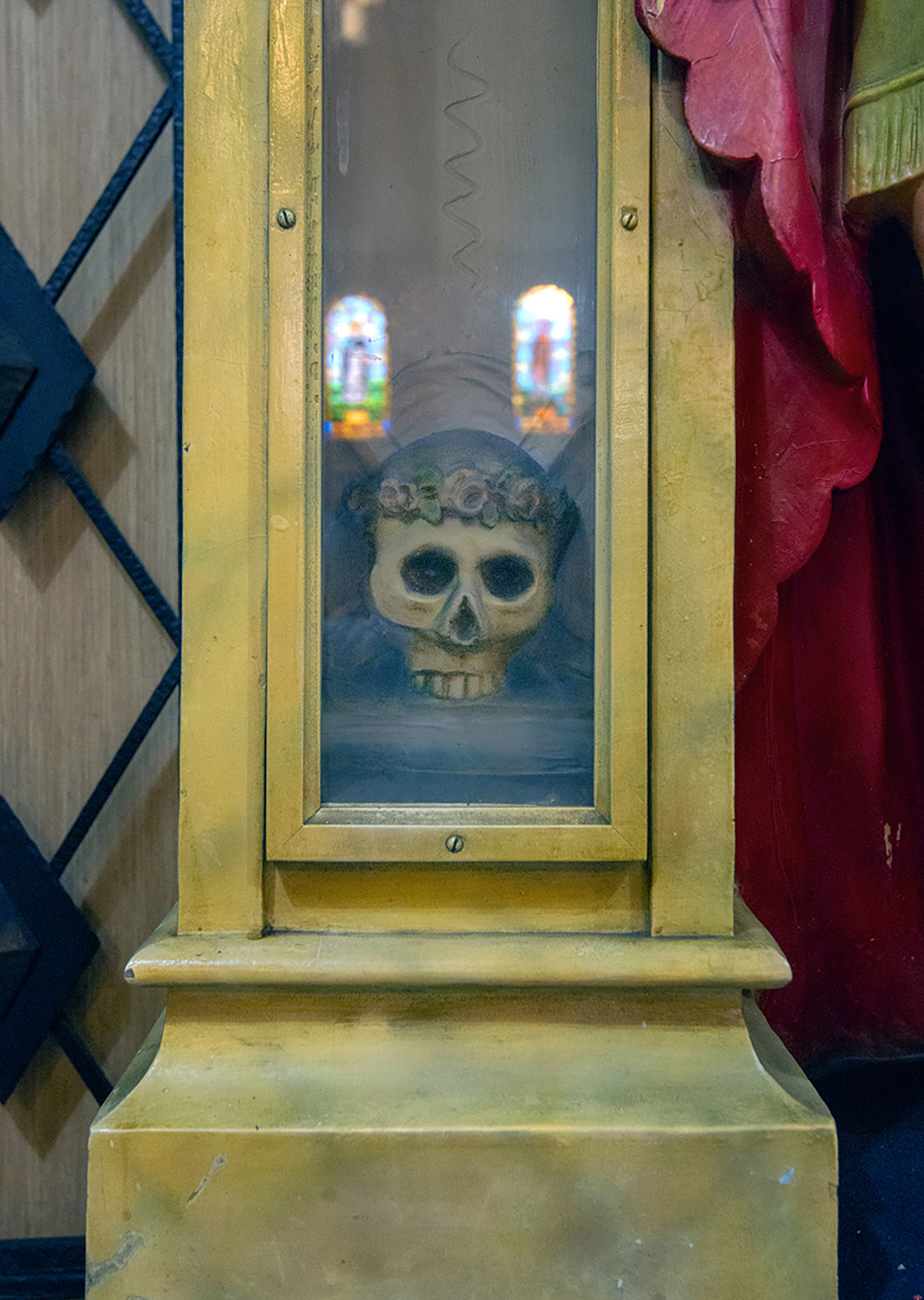
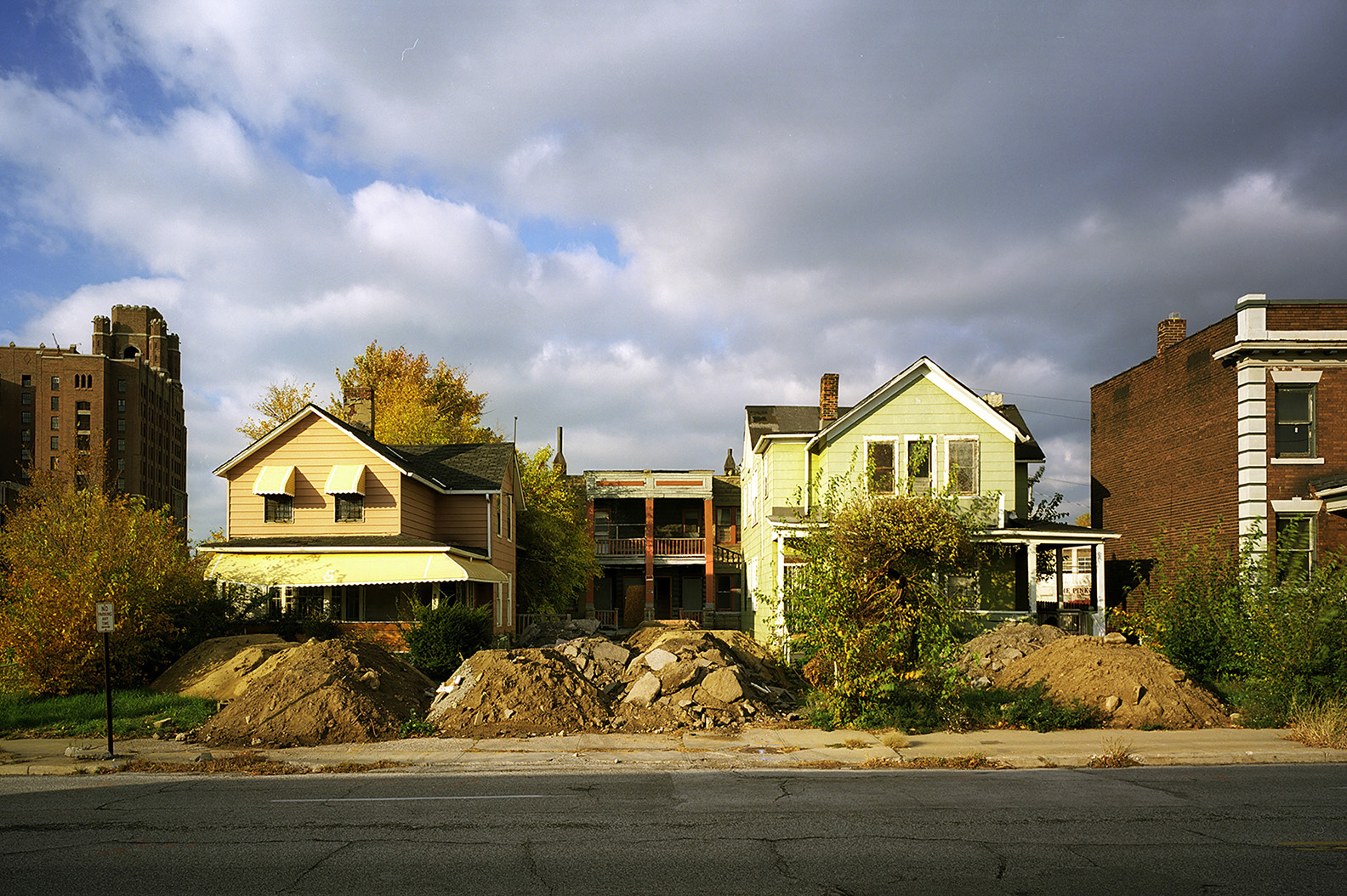
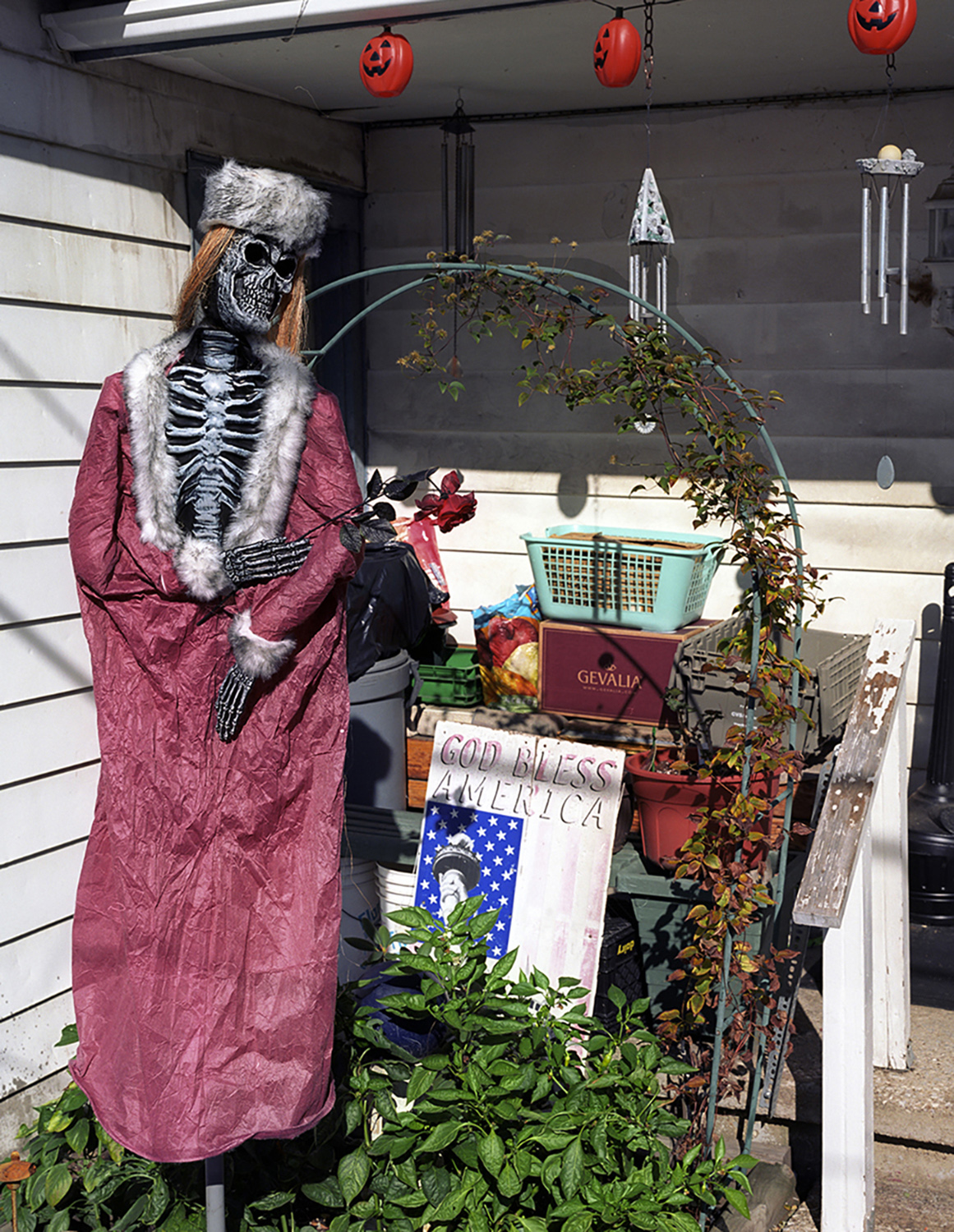
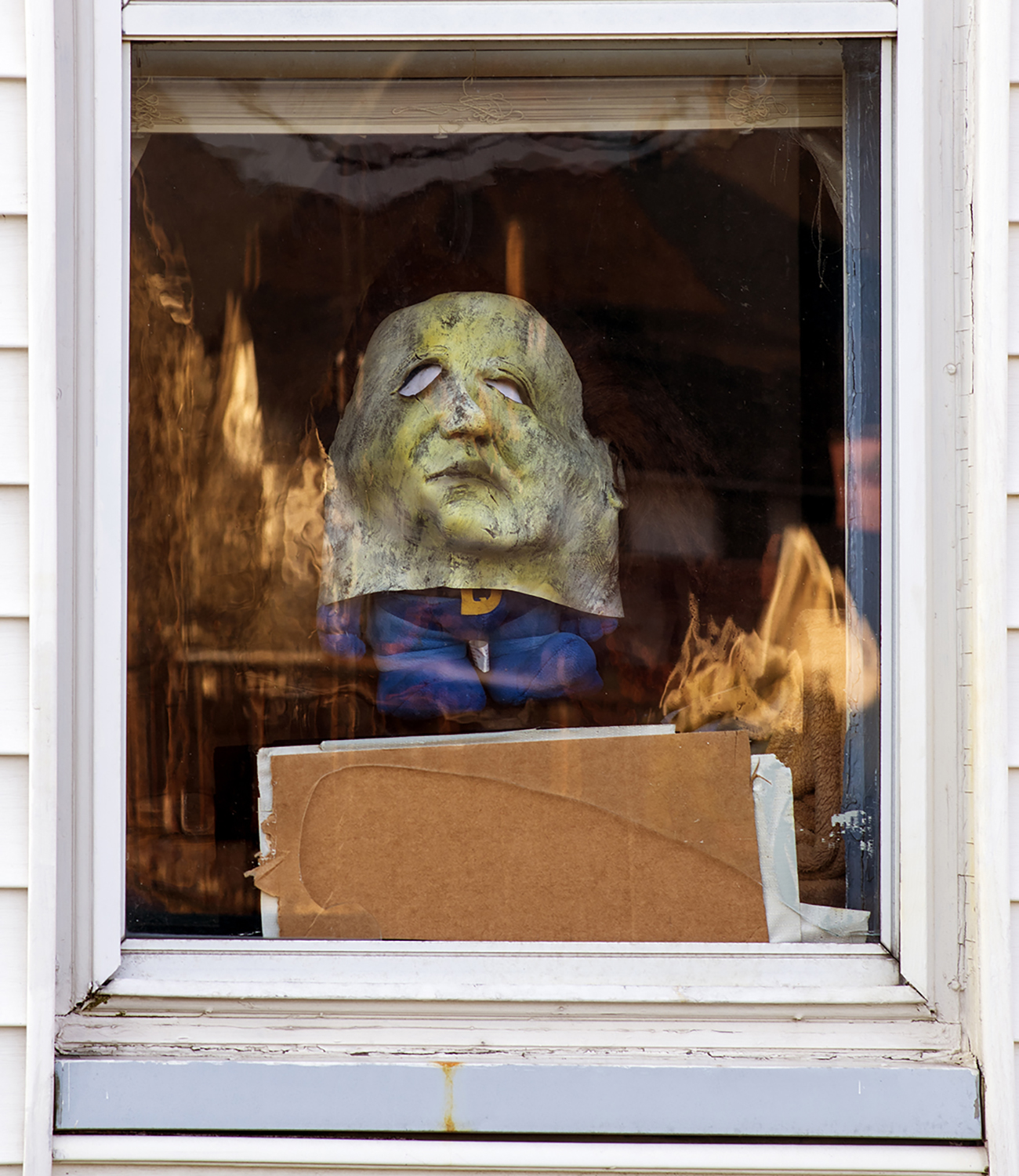
It's still largely an immigrant church, but, Spanish-speaking.Church, East 82nd Street, Forgotten TriangleClearly, it's a city of houses as well as industry. The many houses found many uses over the years, including bars, stores, and churches, and became a Mom & Pop industry where the owners really lived there.Skull Look Over Fence, East 77th Place, 2008The last Polish person in the neighborhood had set up a very eccentric backyard and front yard. 77th Pl. is the alley behind his house. When I took the shot, he surprised me when the garage door opened and he saw me. The surprise was he immediately went for his gun, then aimed it at me, not five feet way. Obviously, I talked him out of it. I wouldn't have liked to die for any shot no matter how appropriate to it's context.
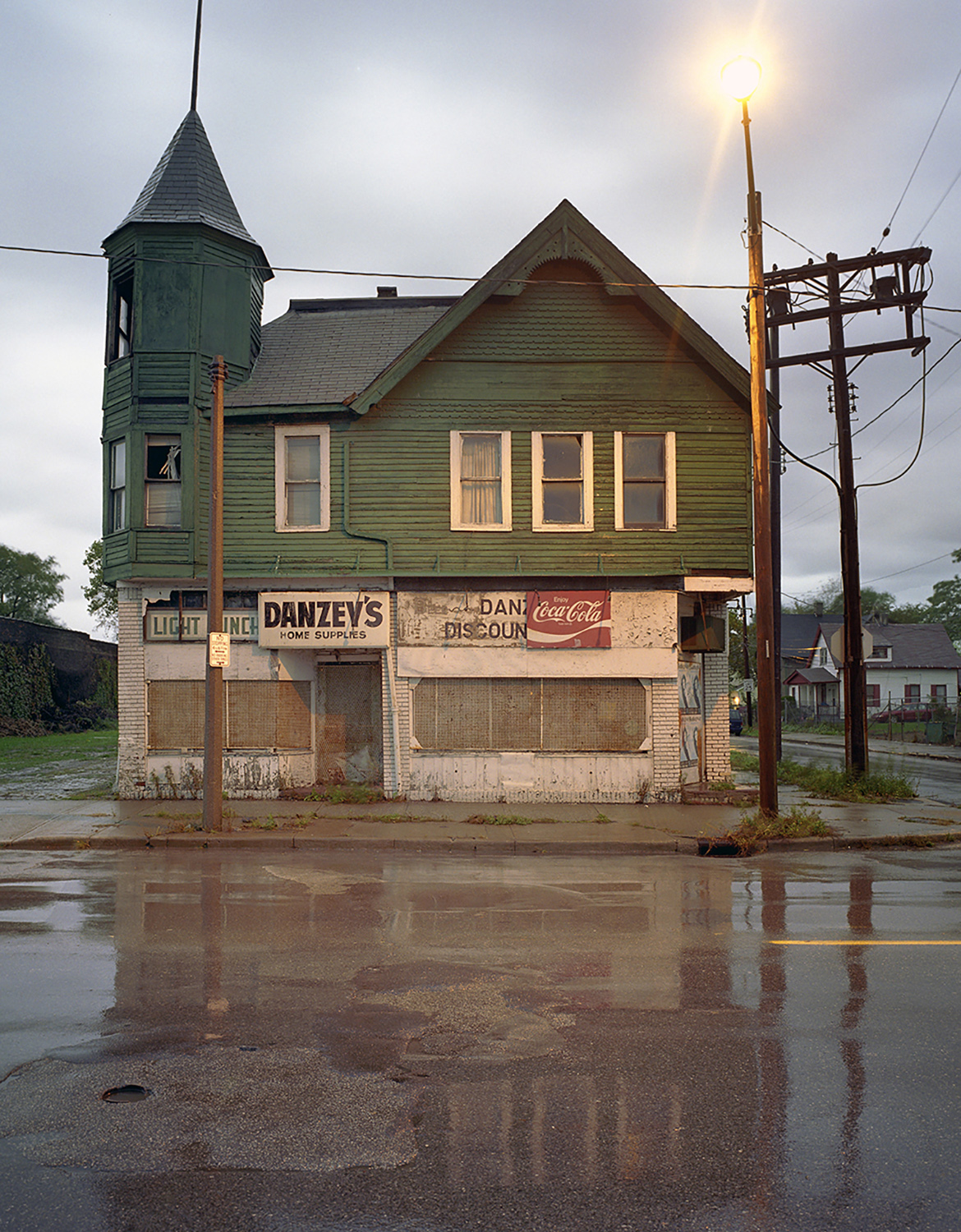
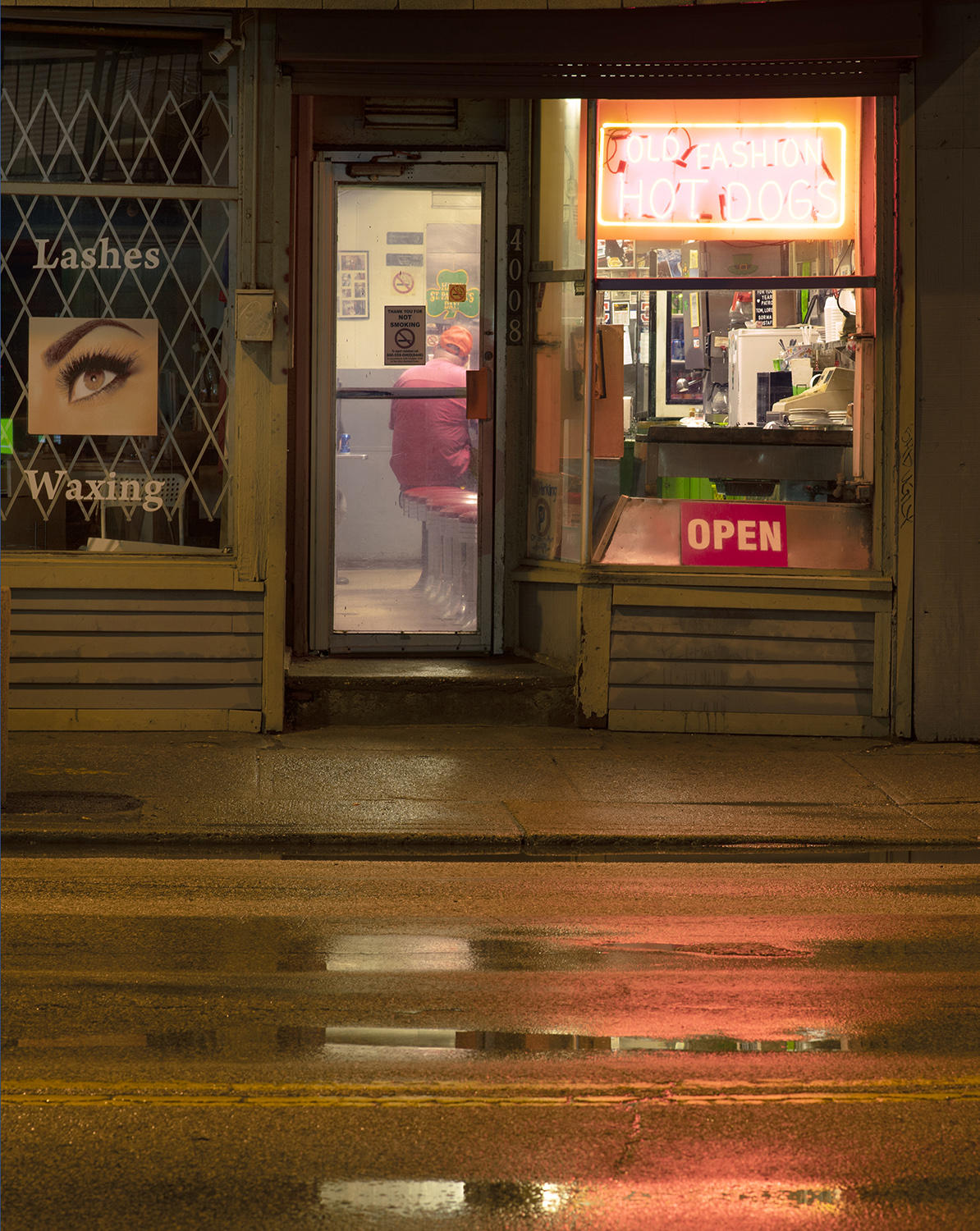
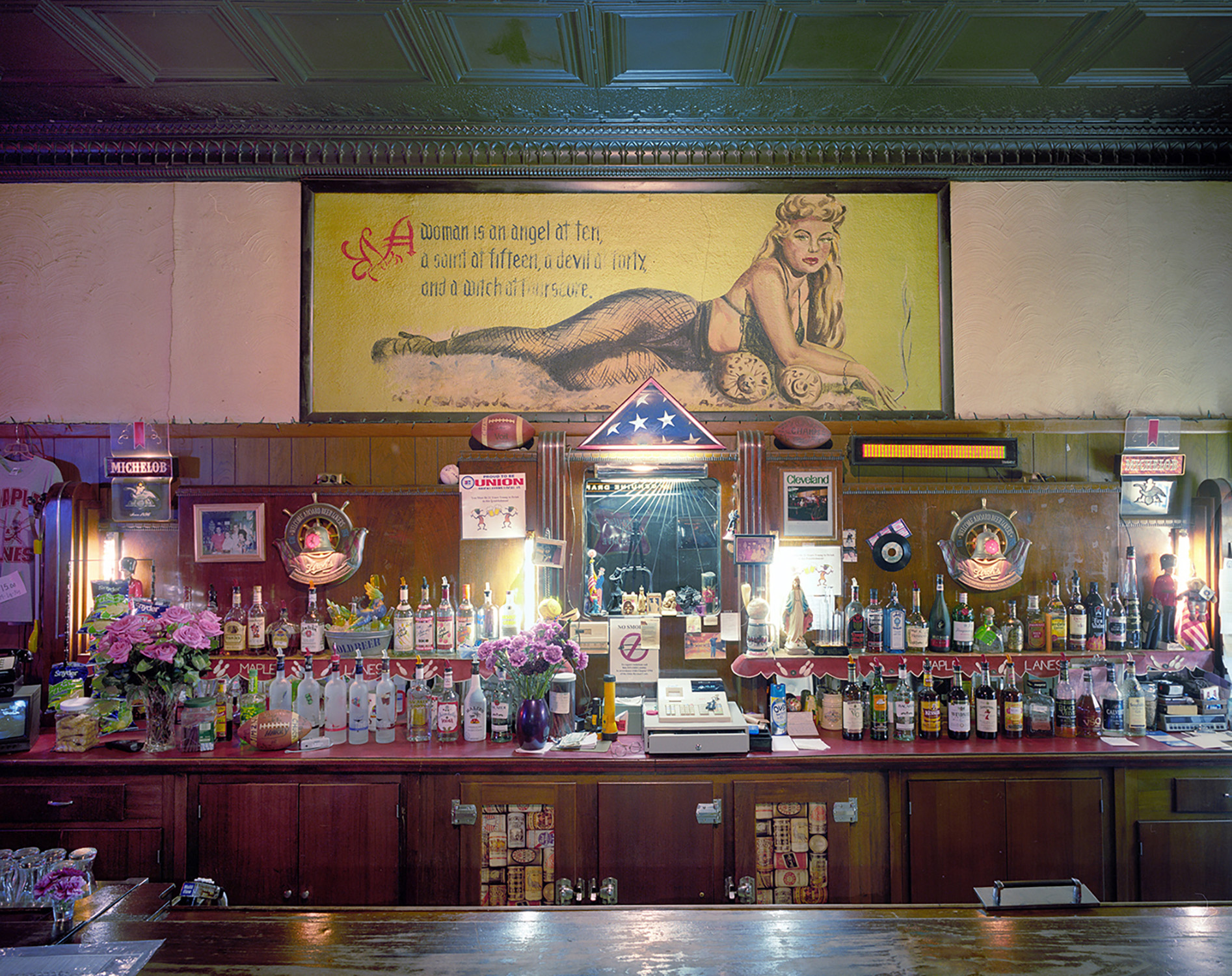
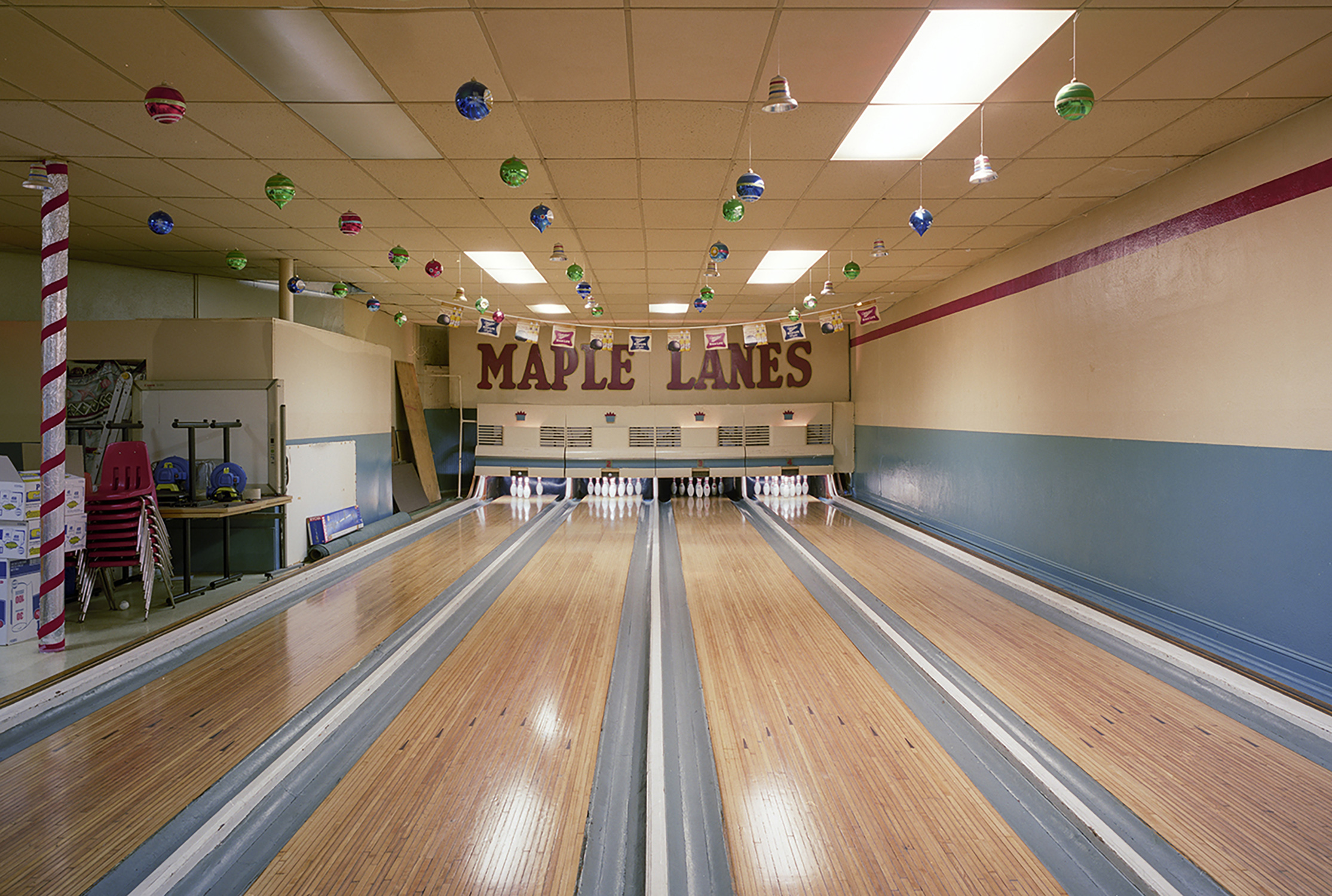
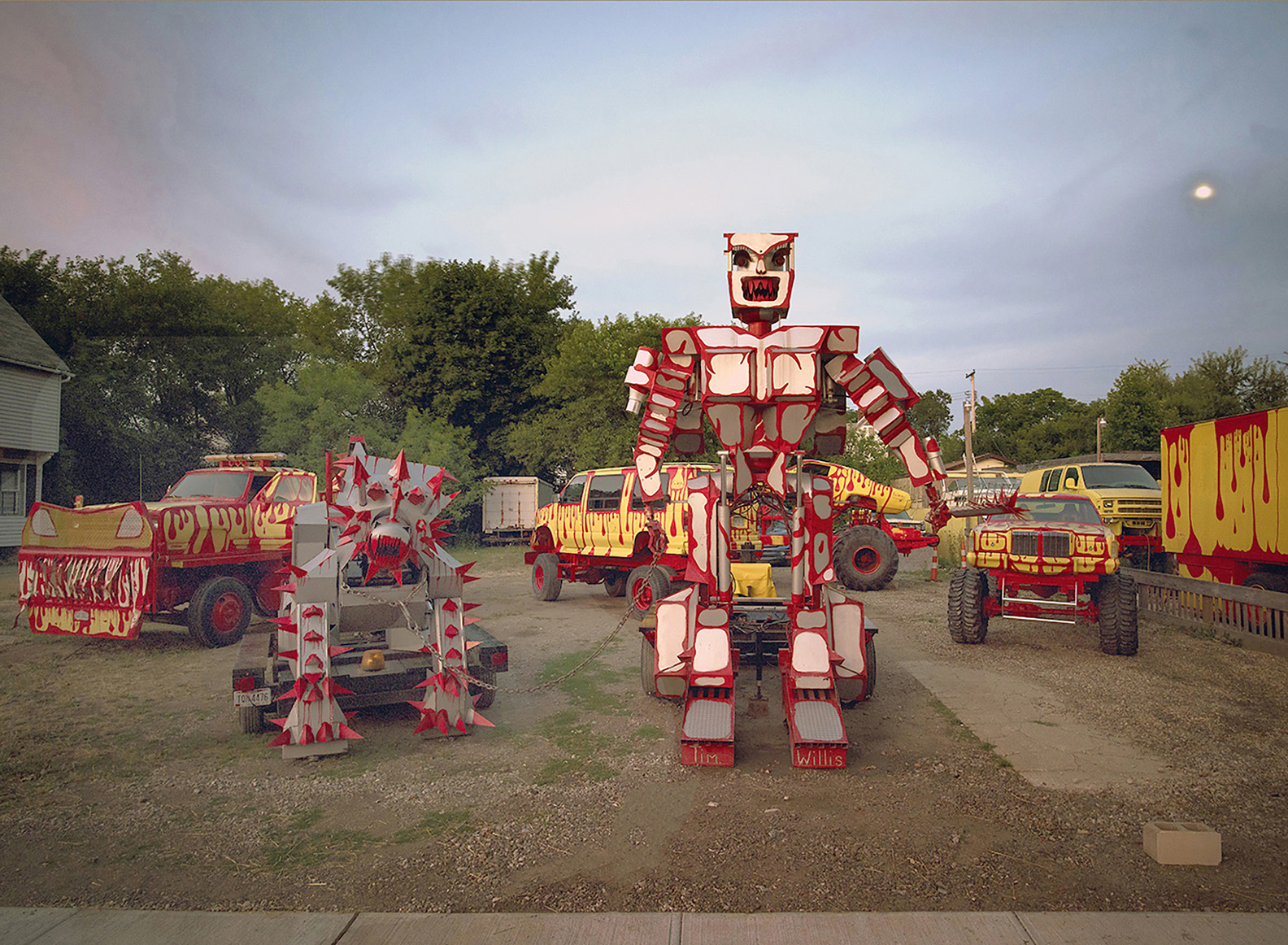
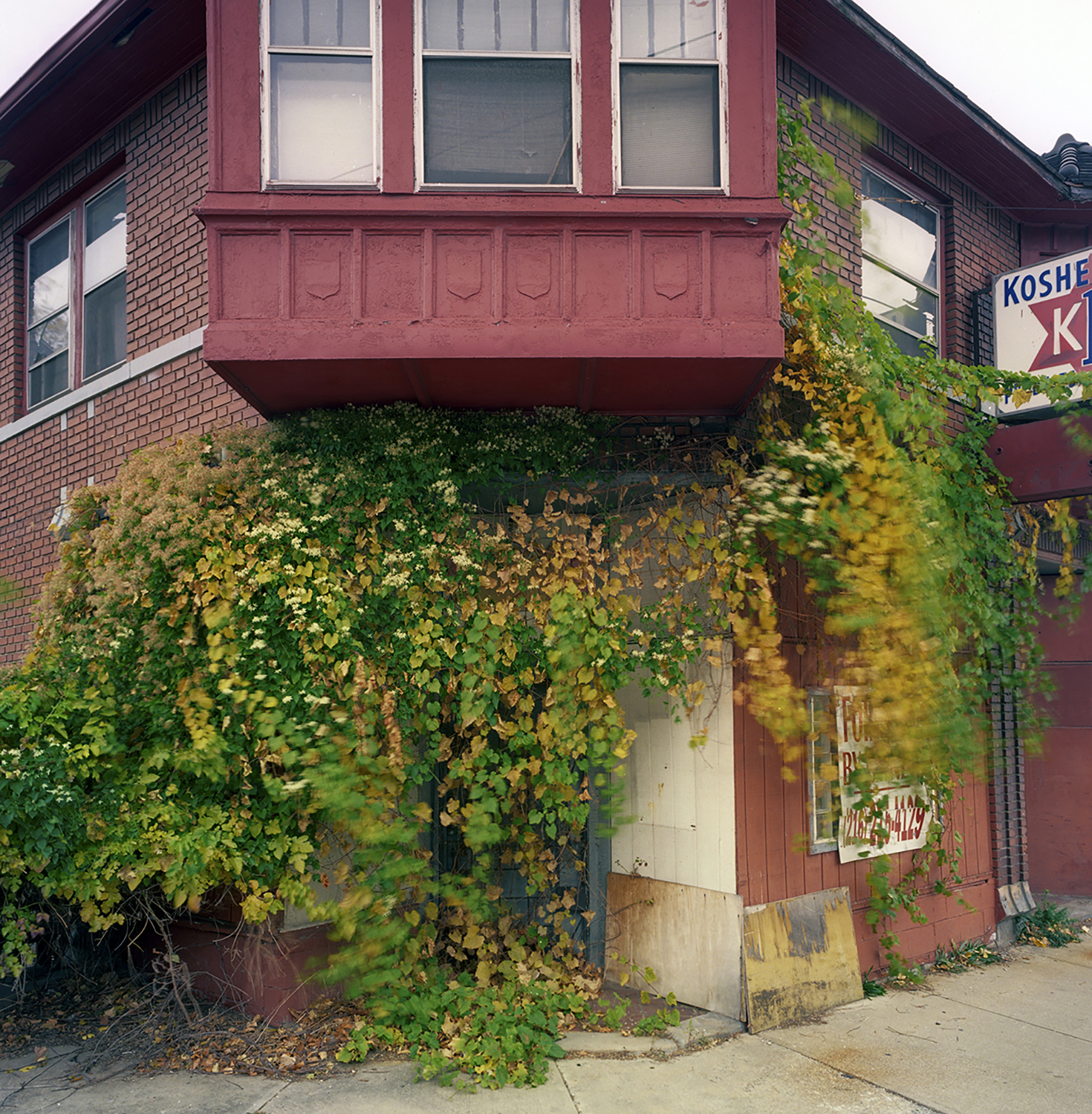
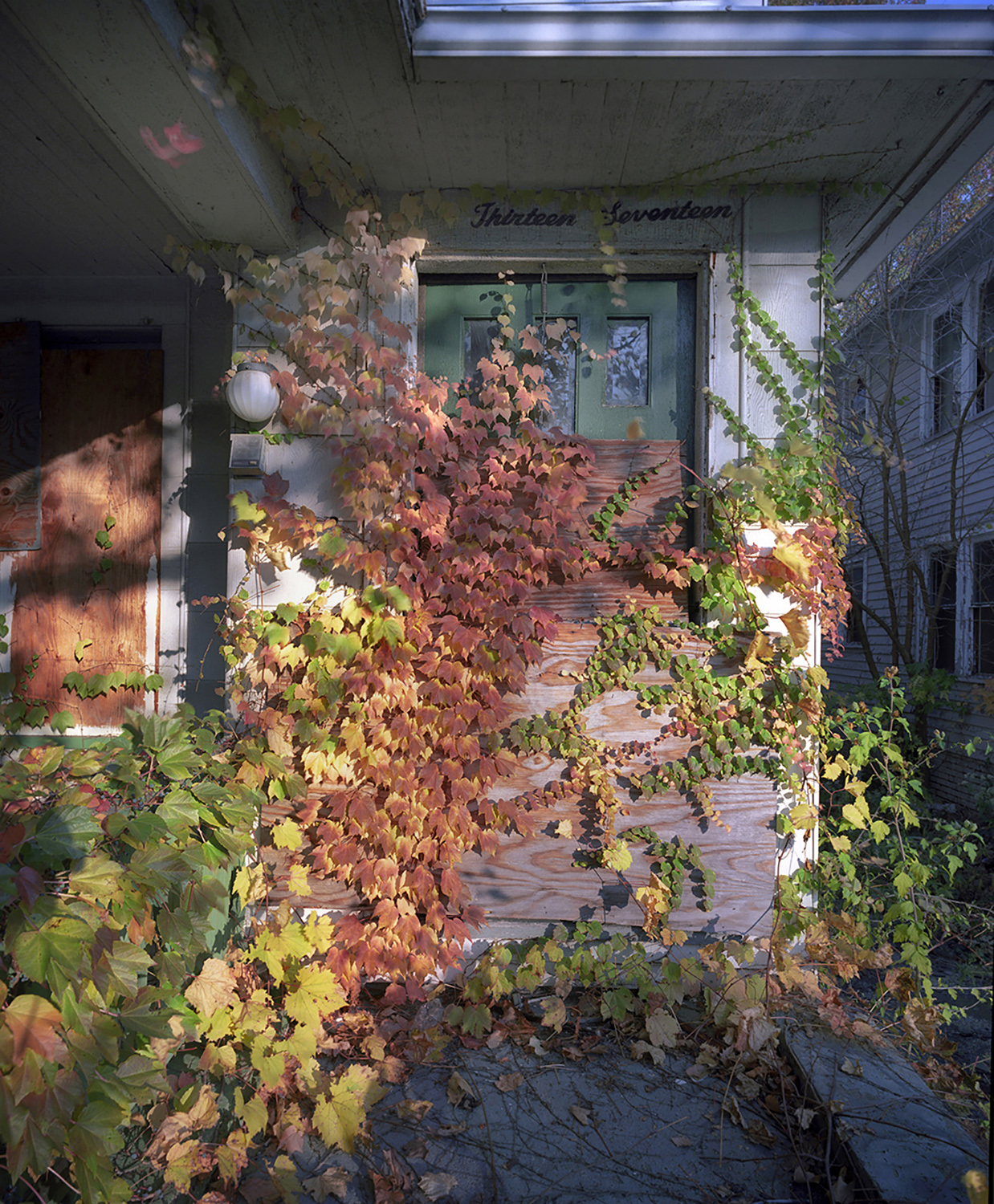
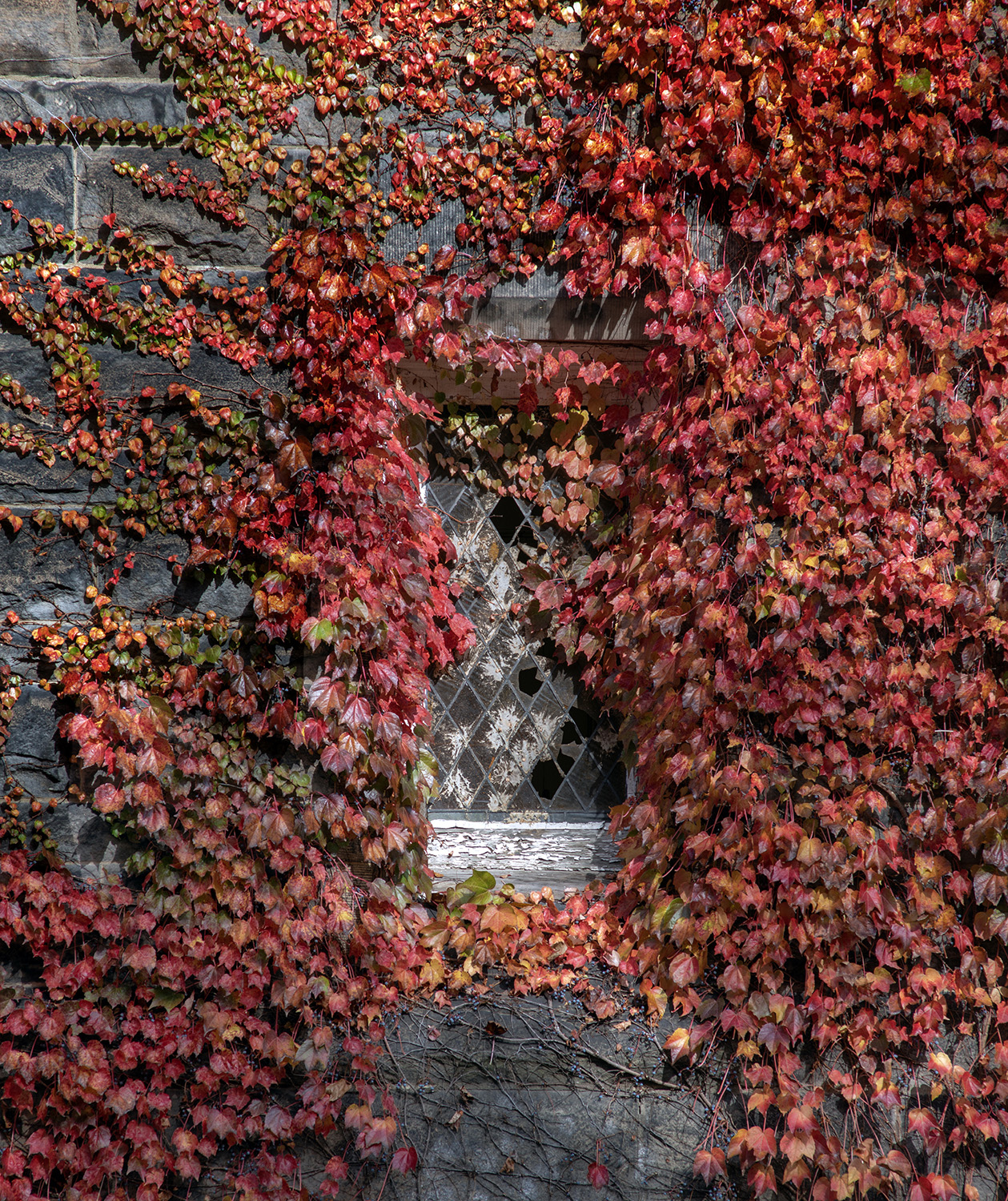
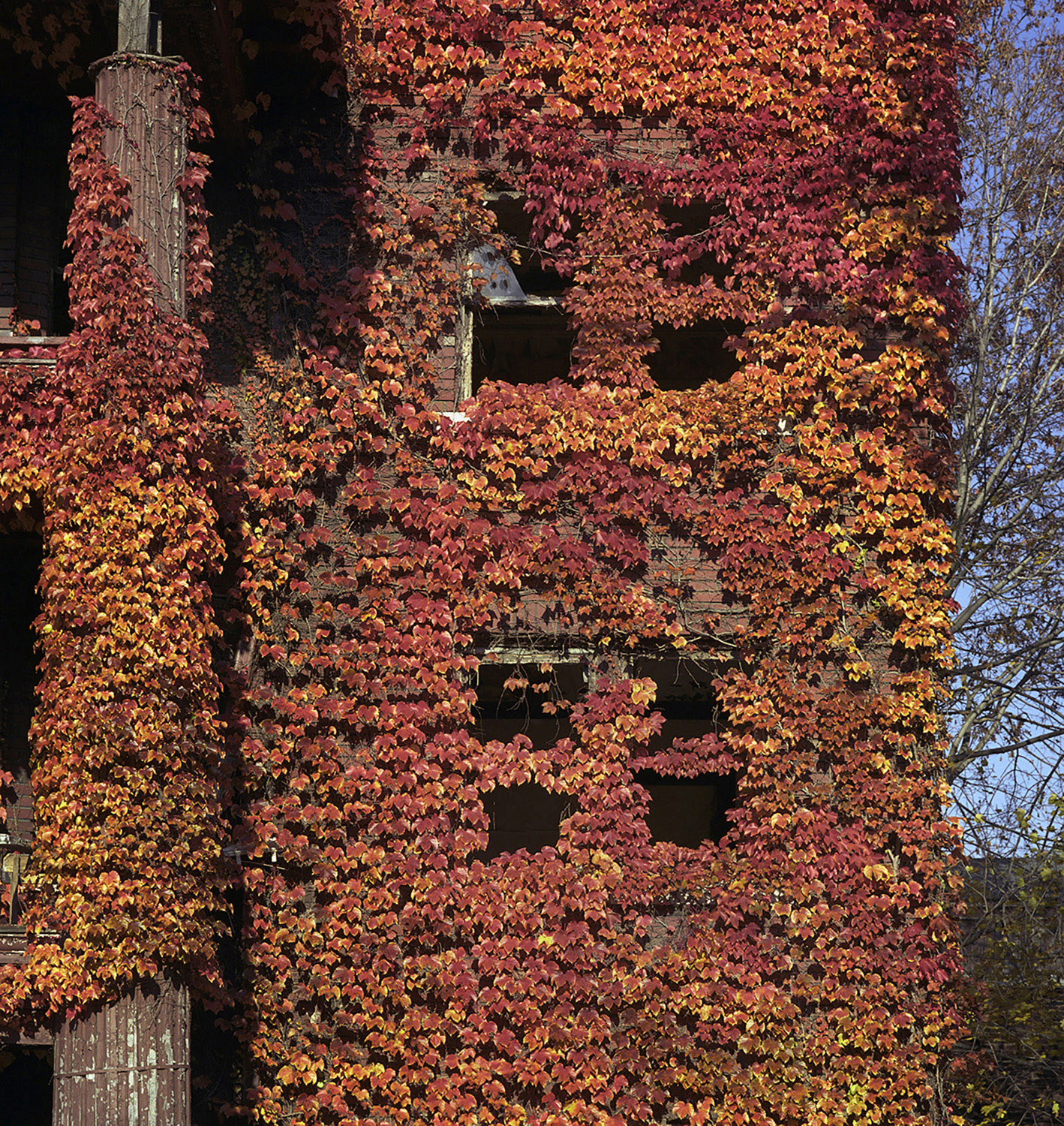
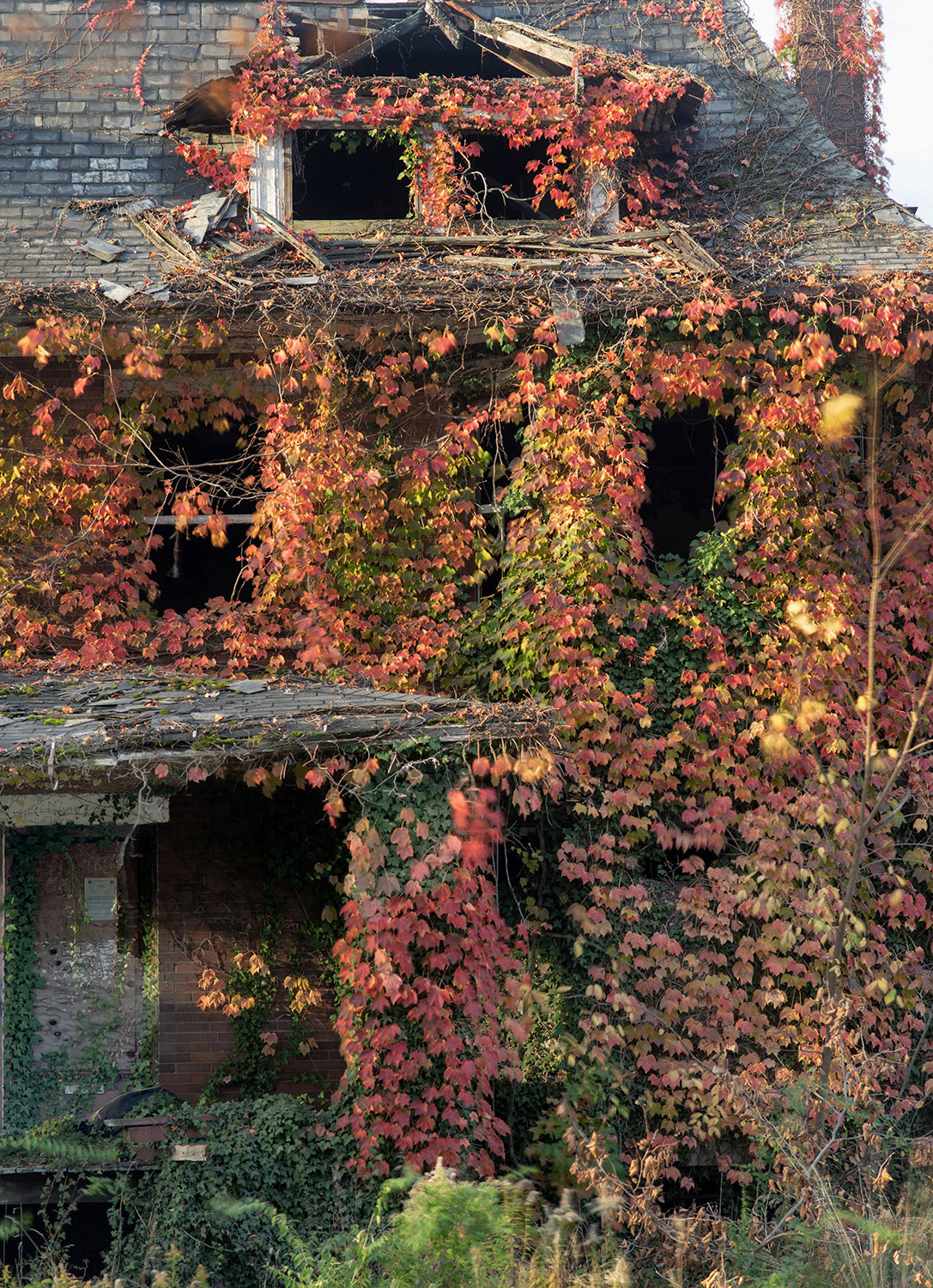
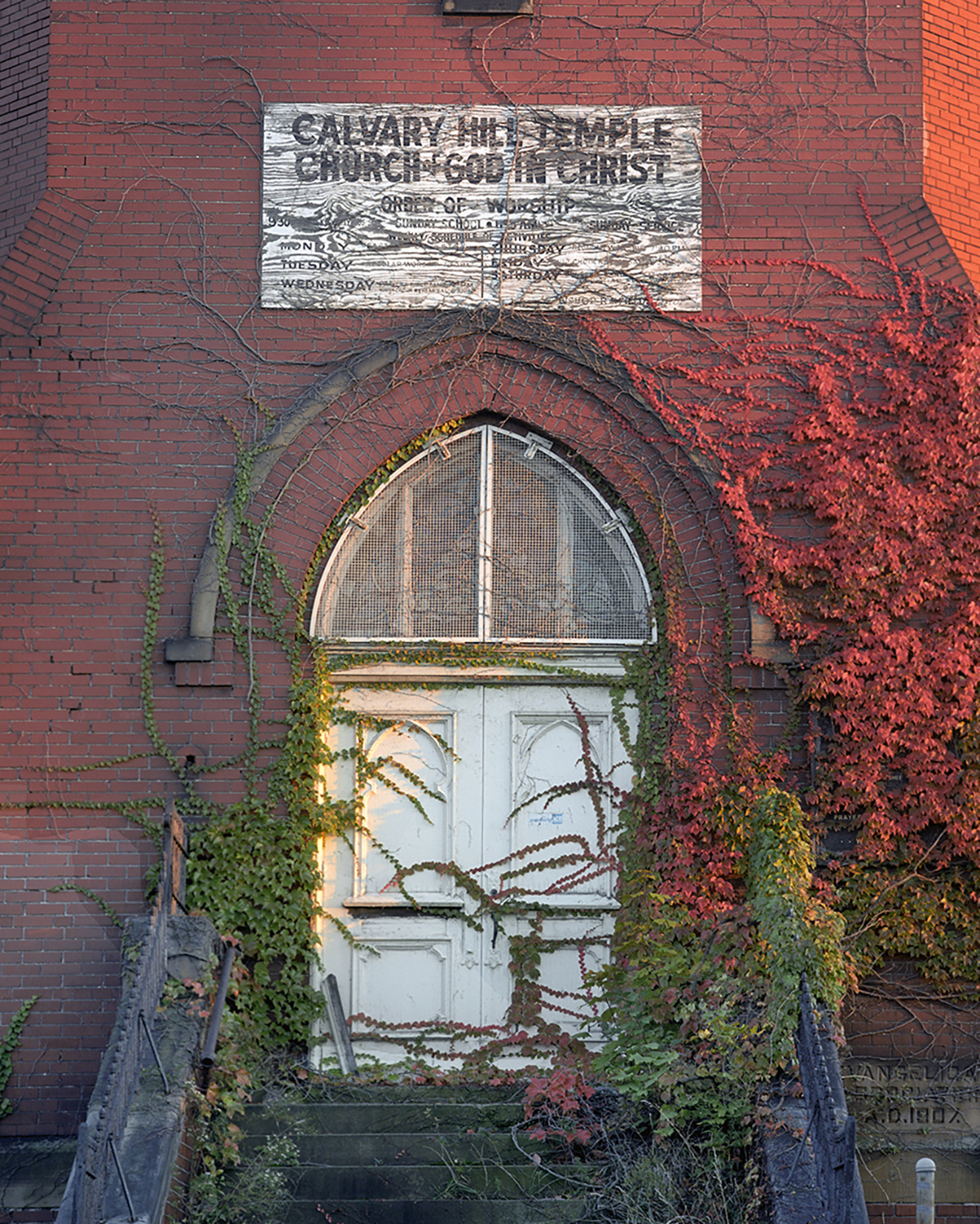
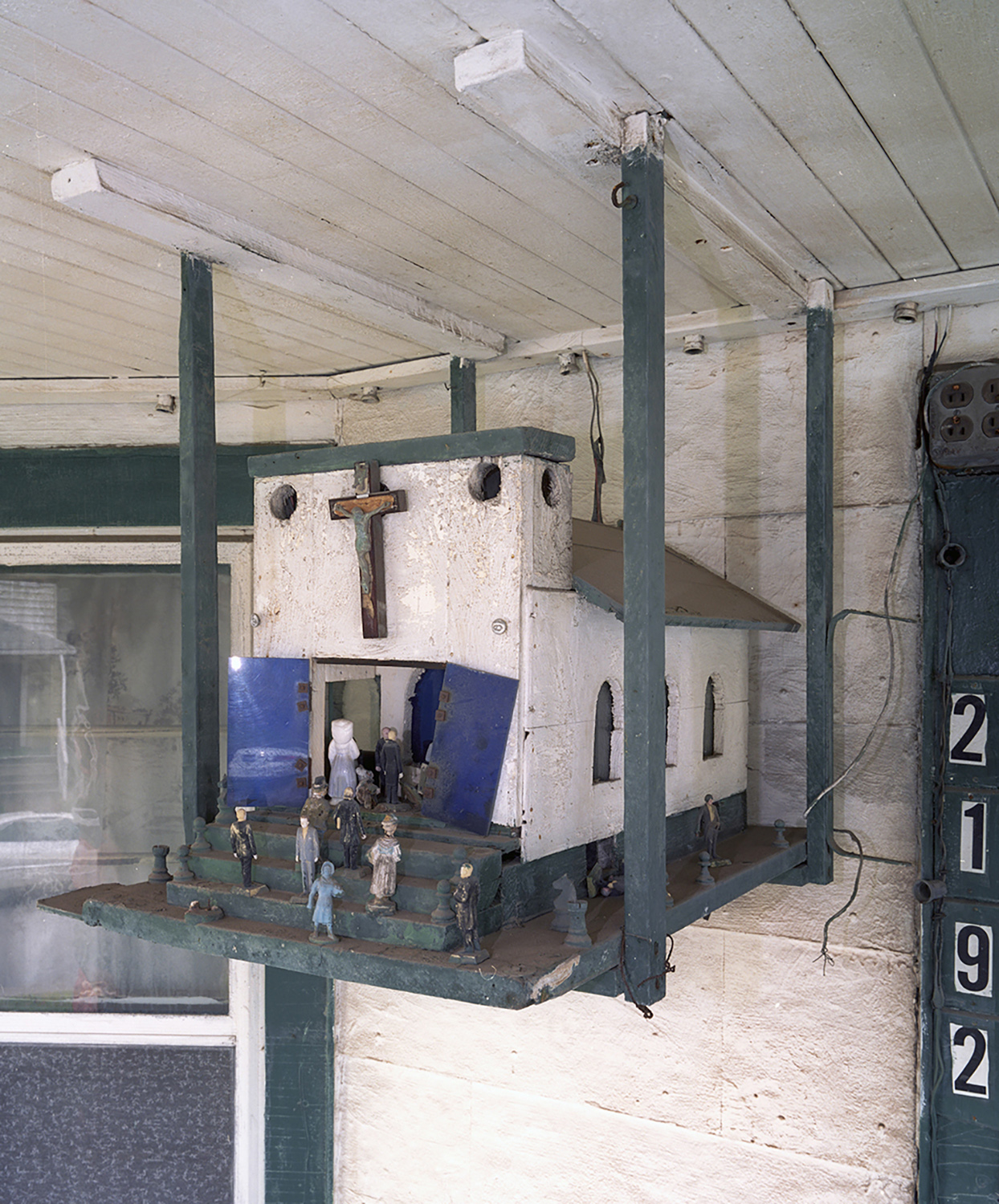
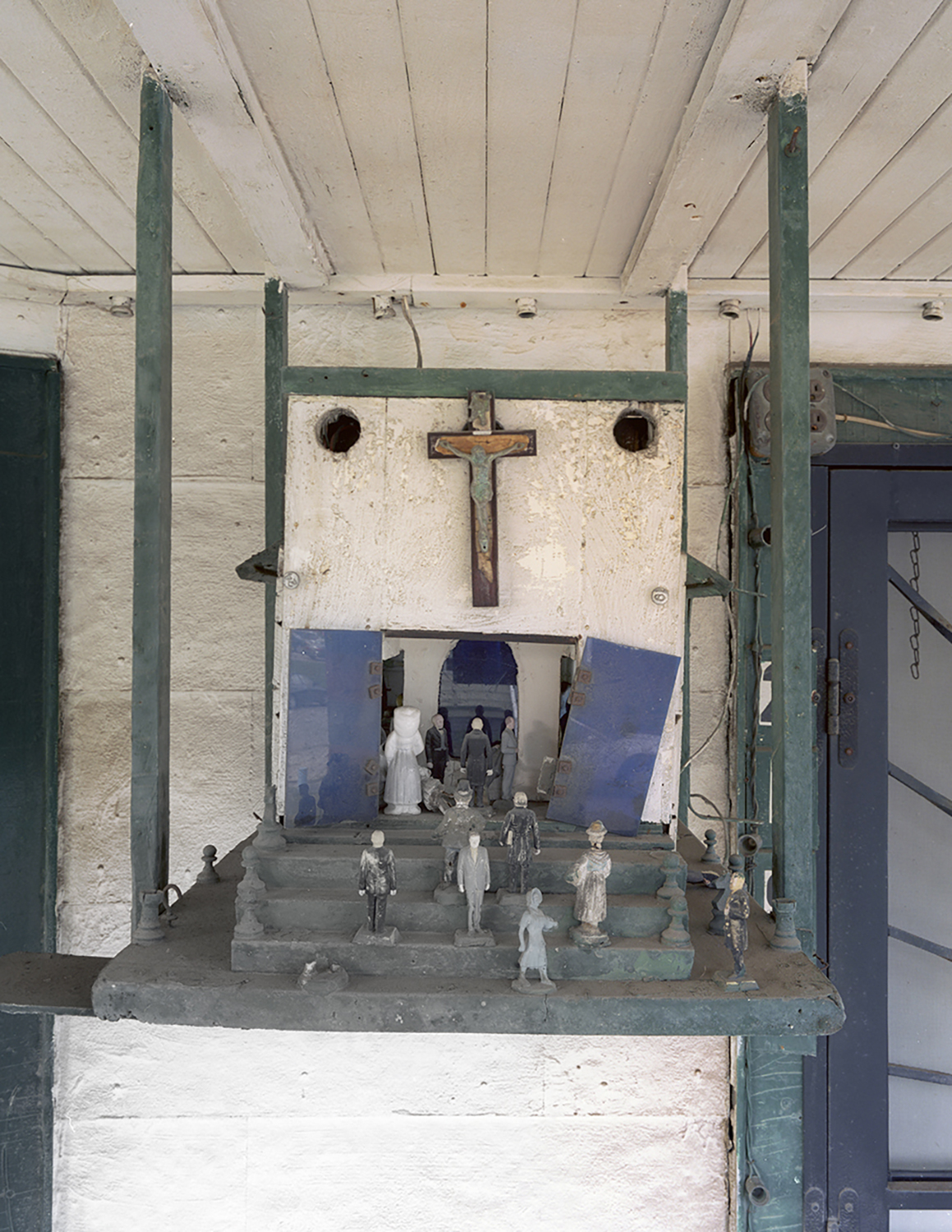
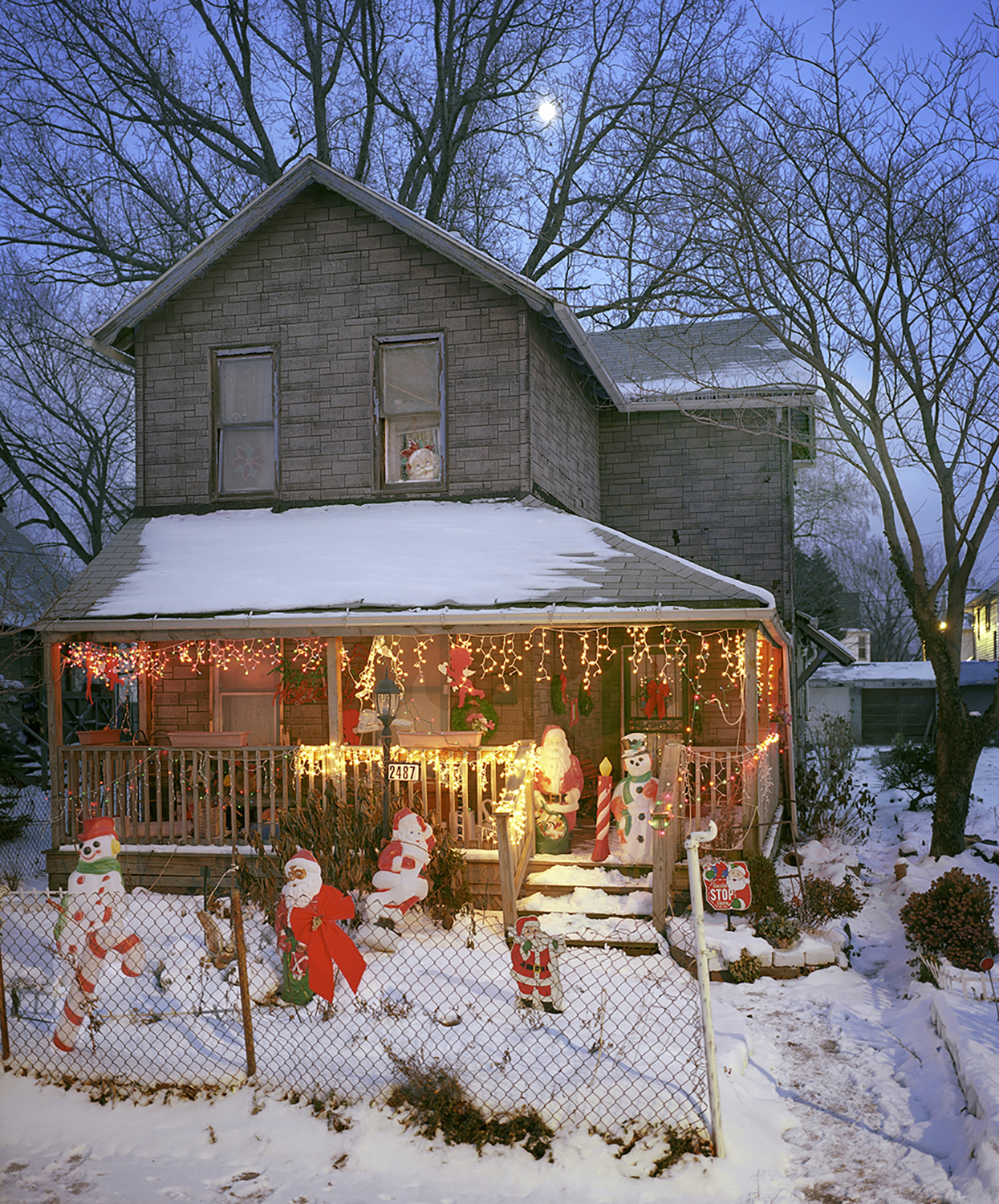
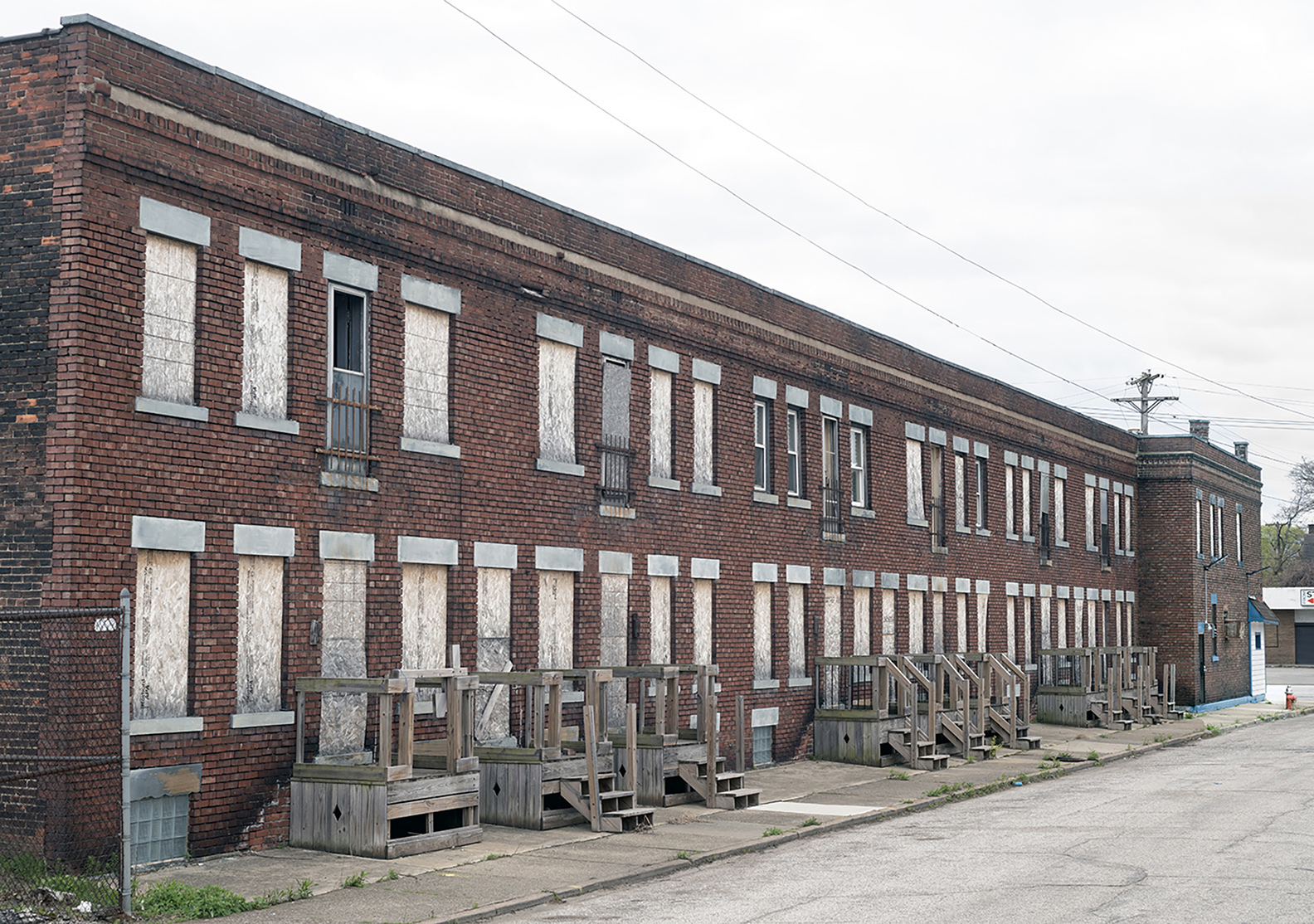
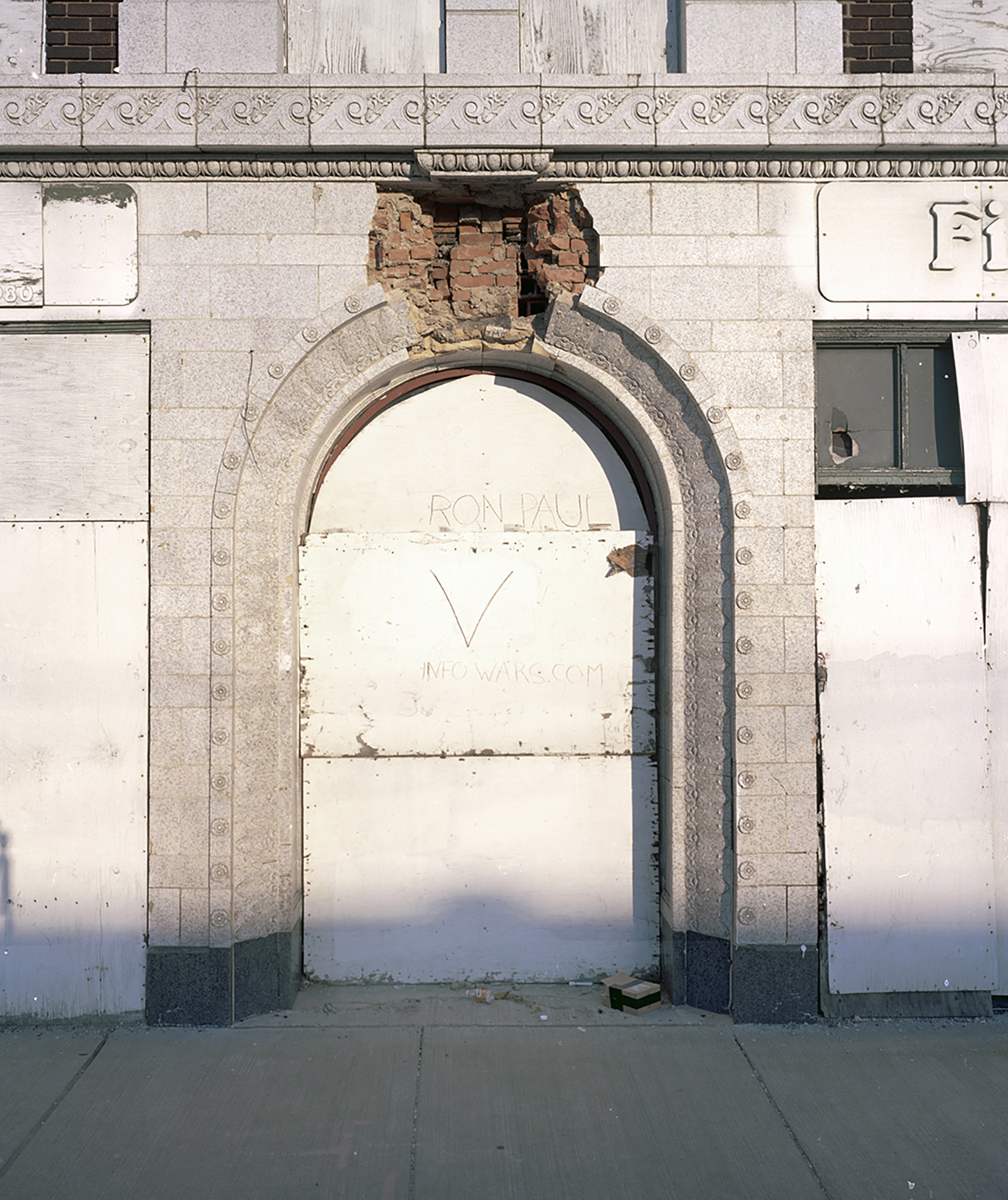
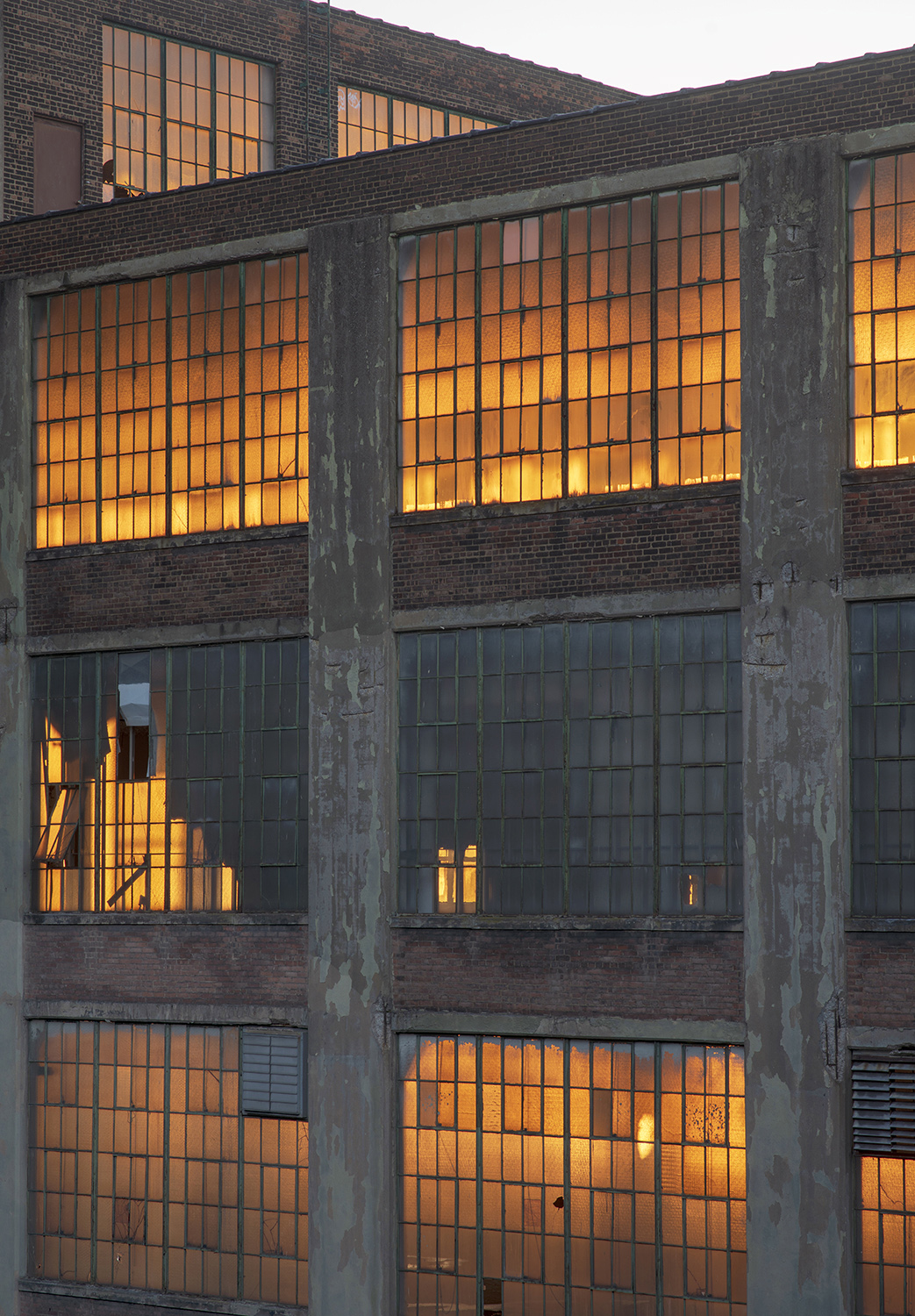
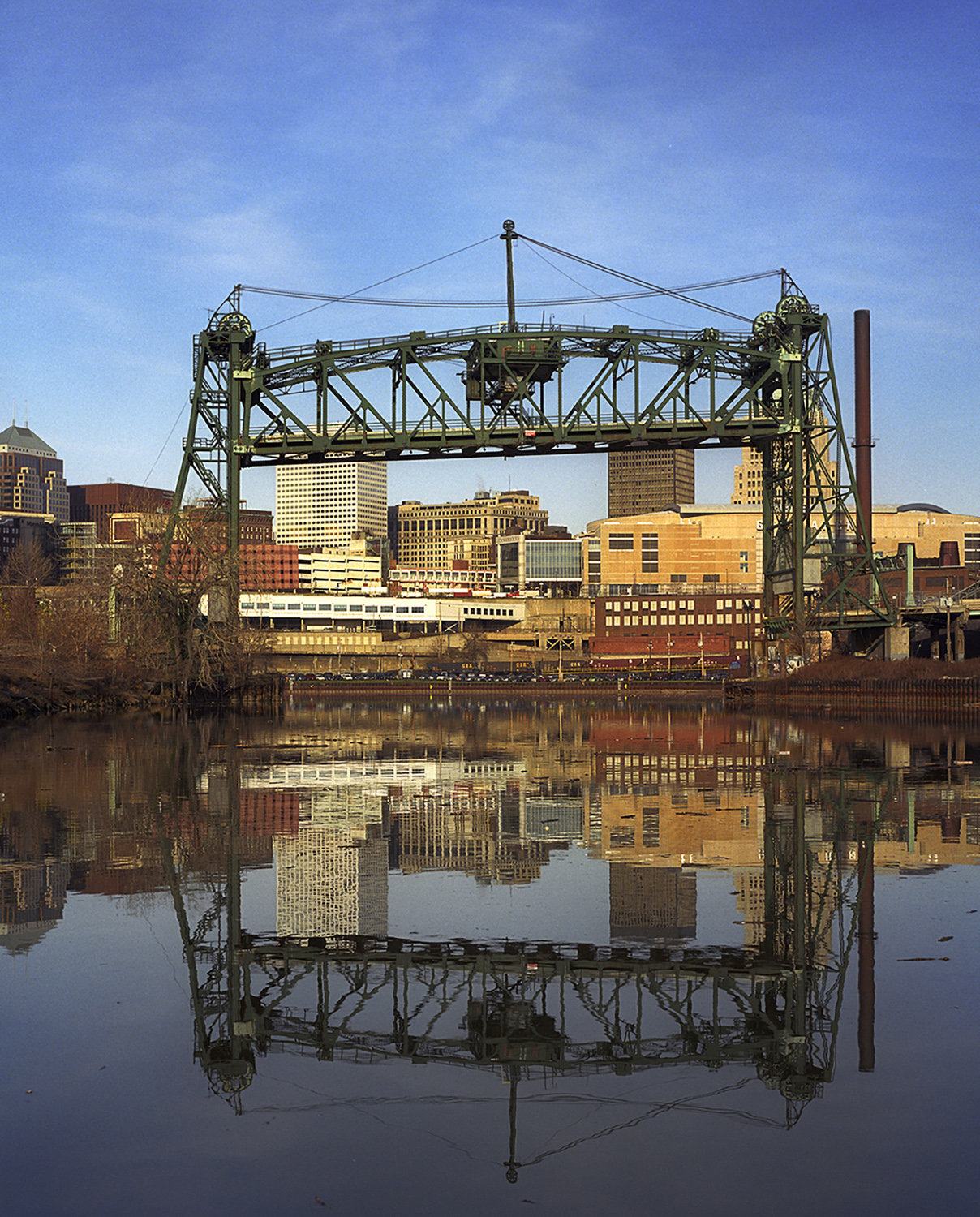
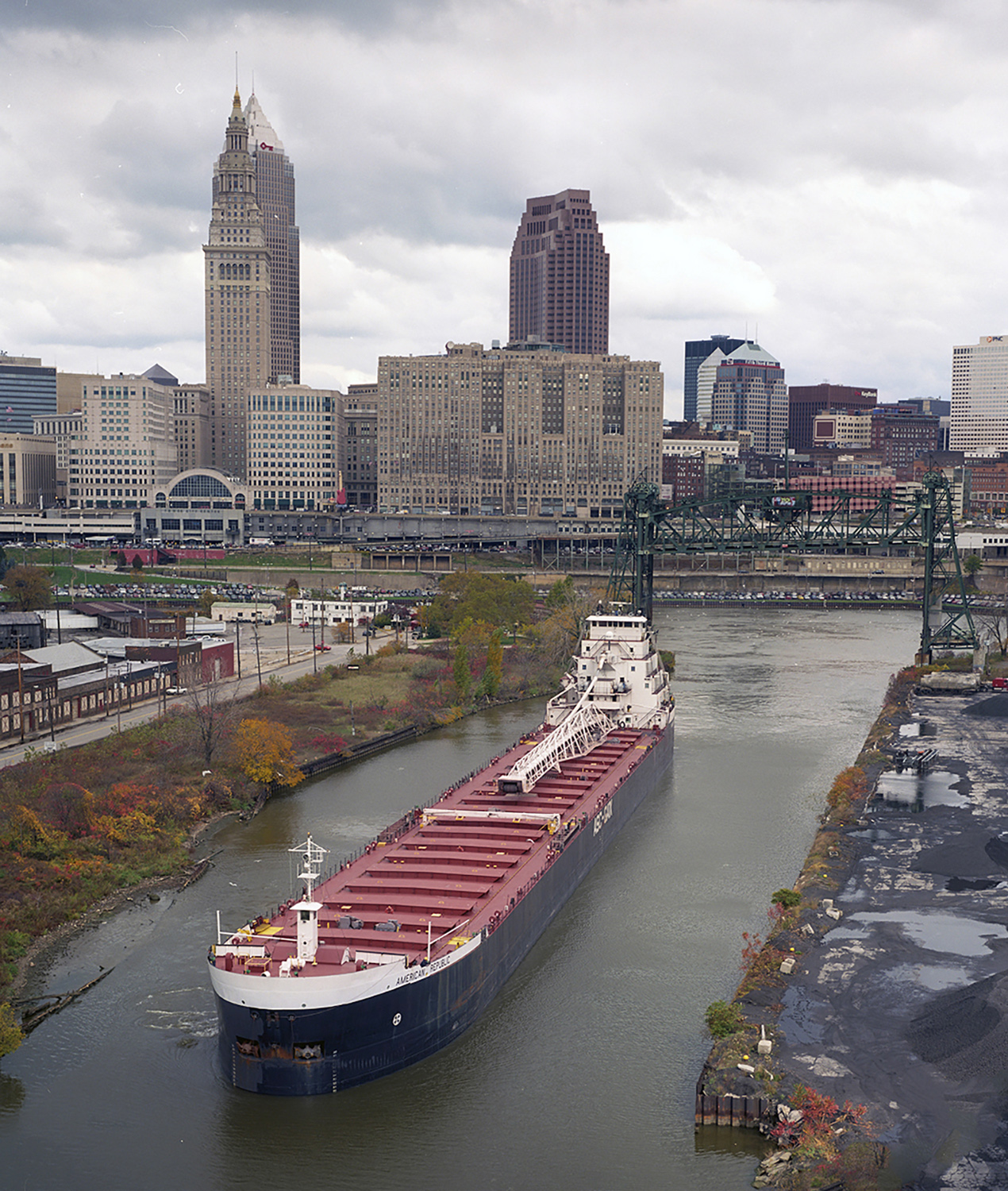
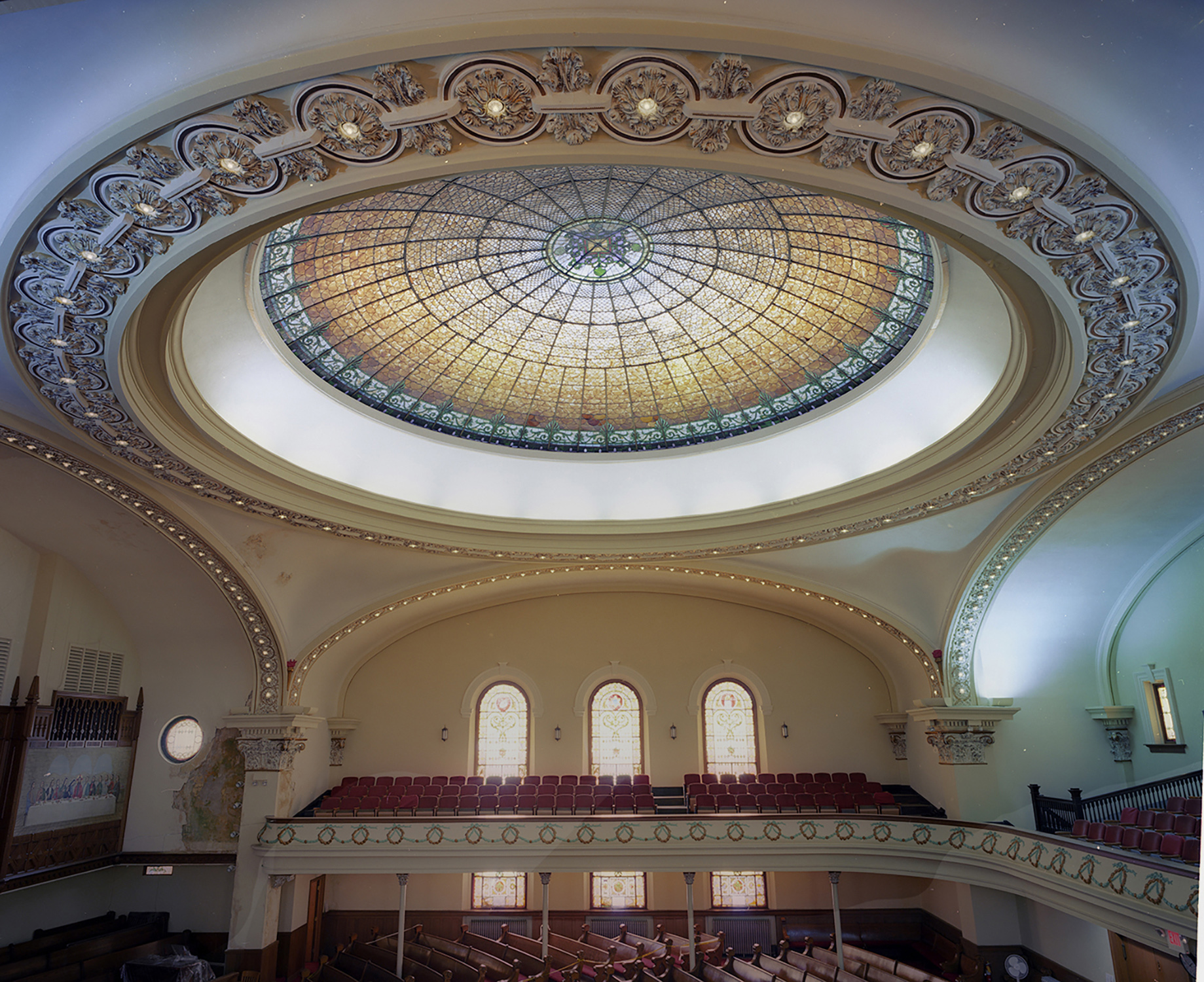
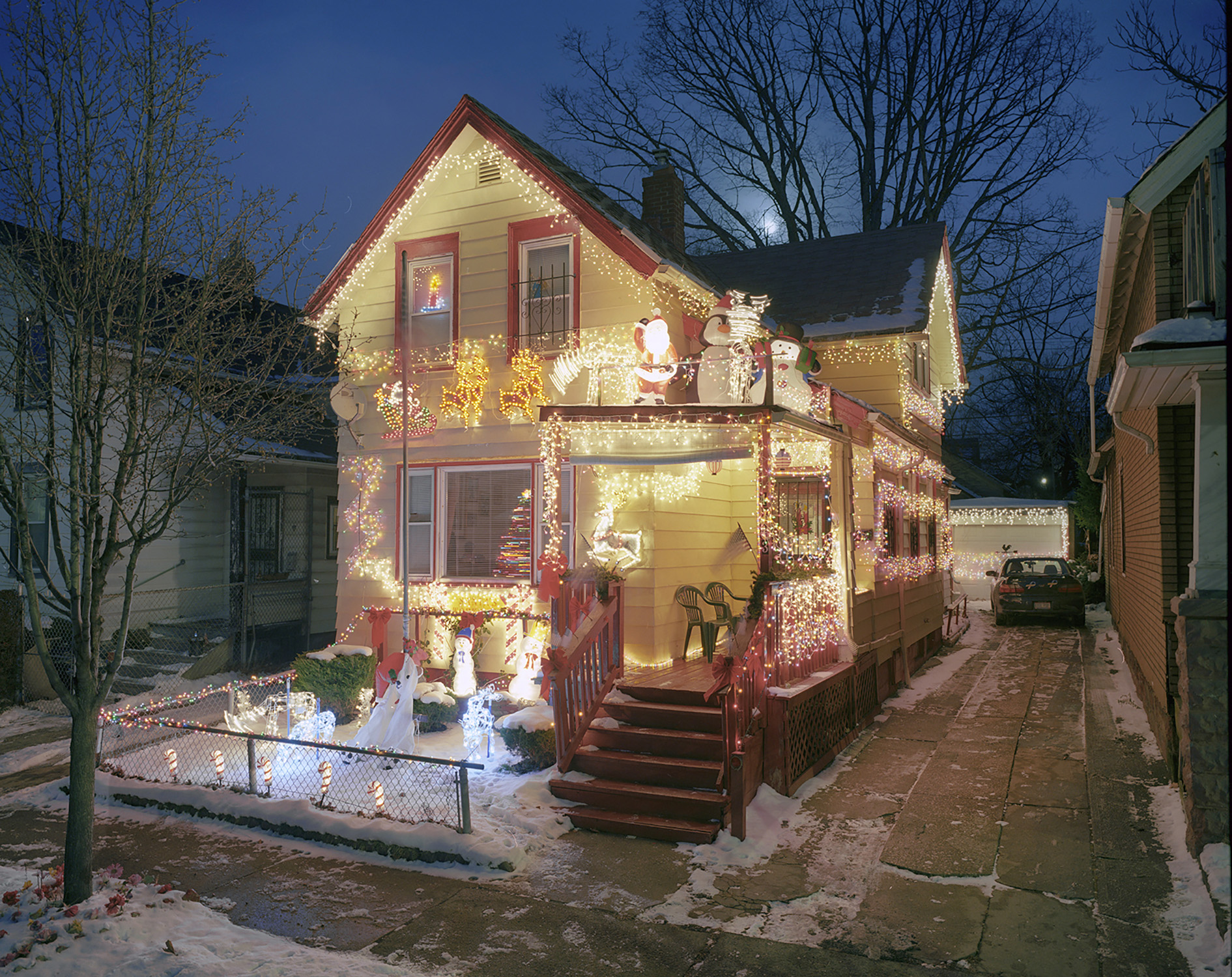
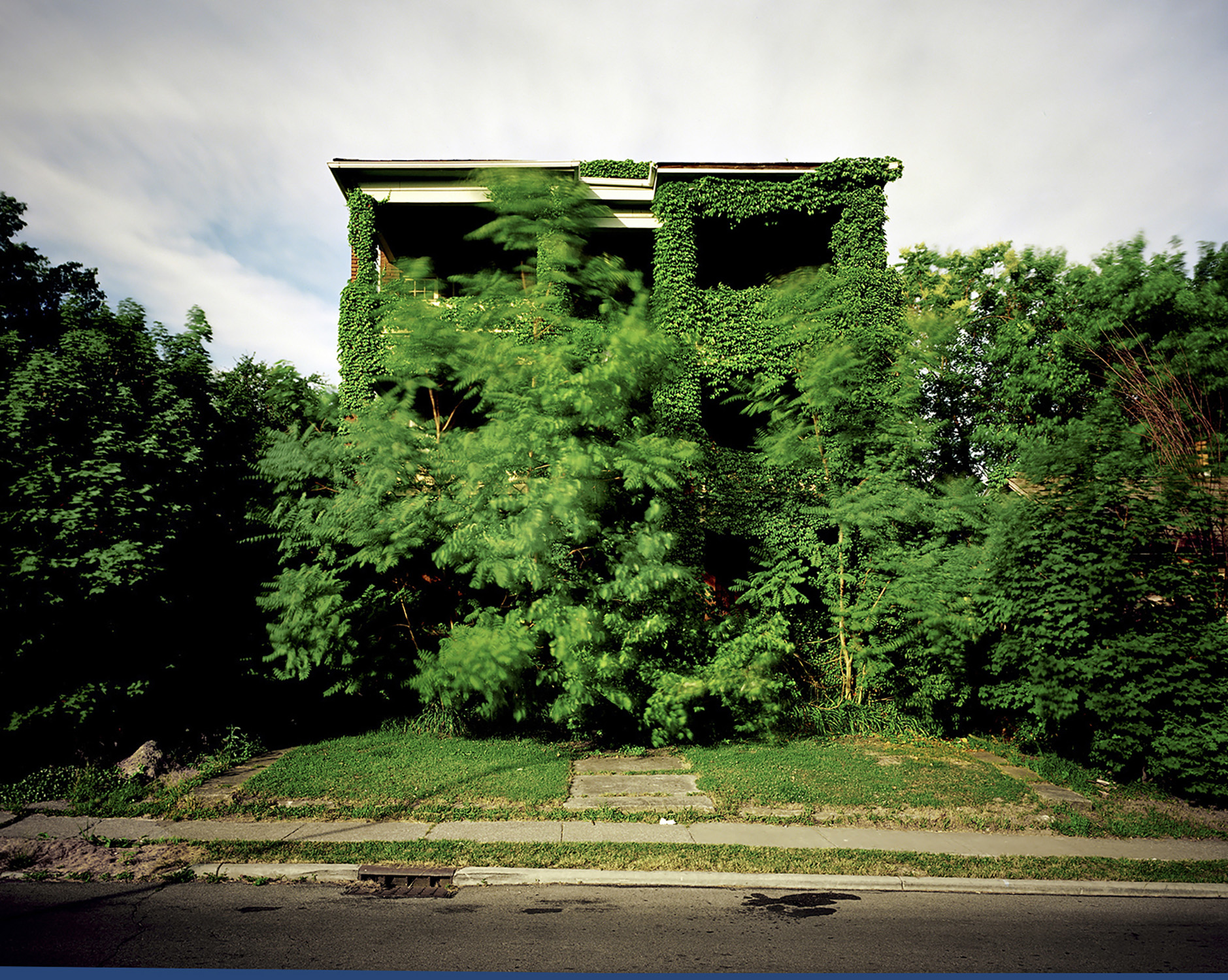
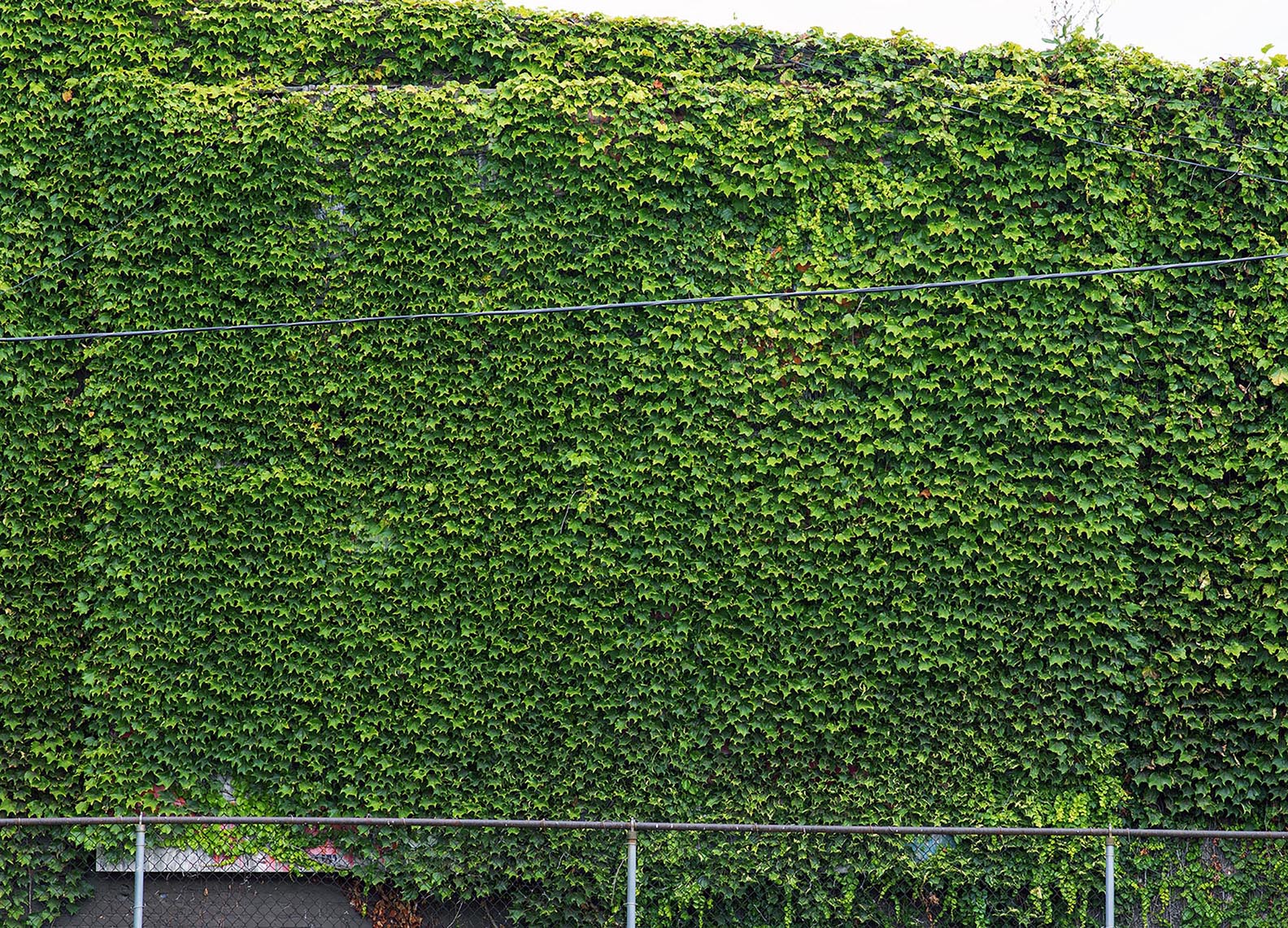
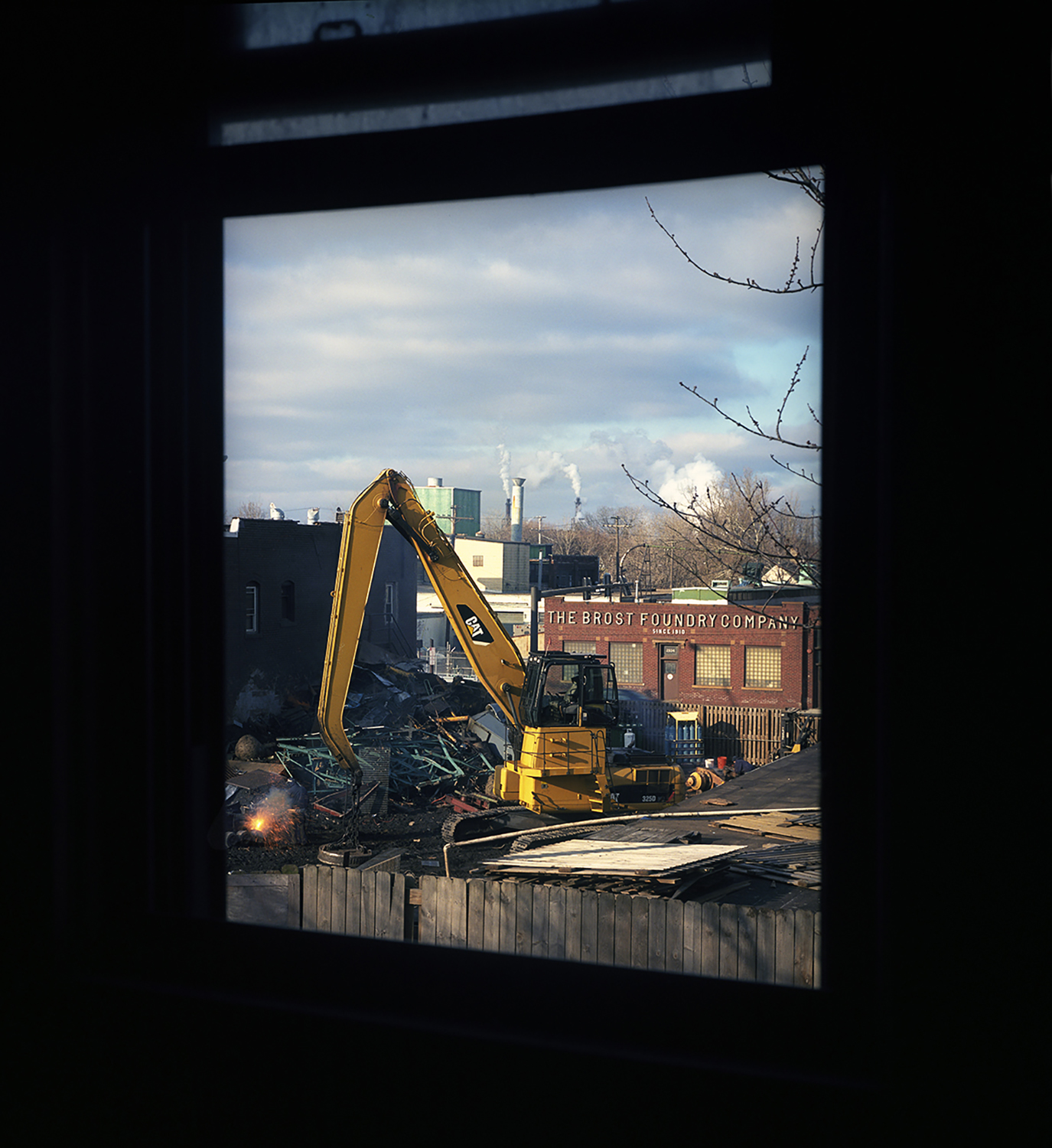
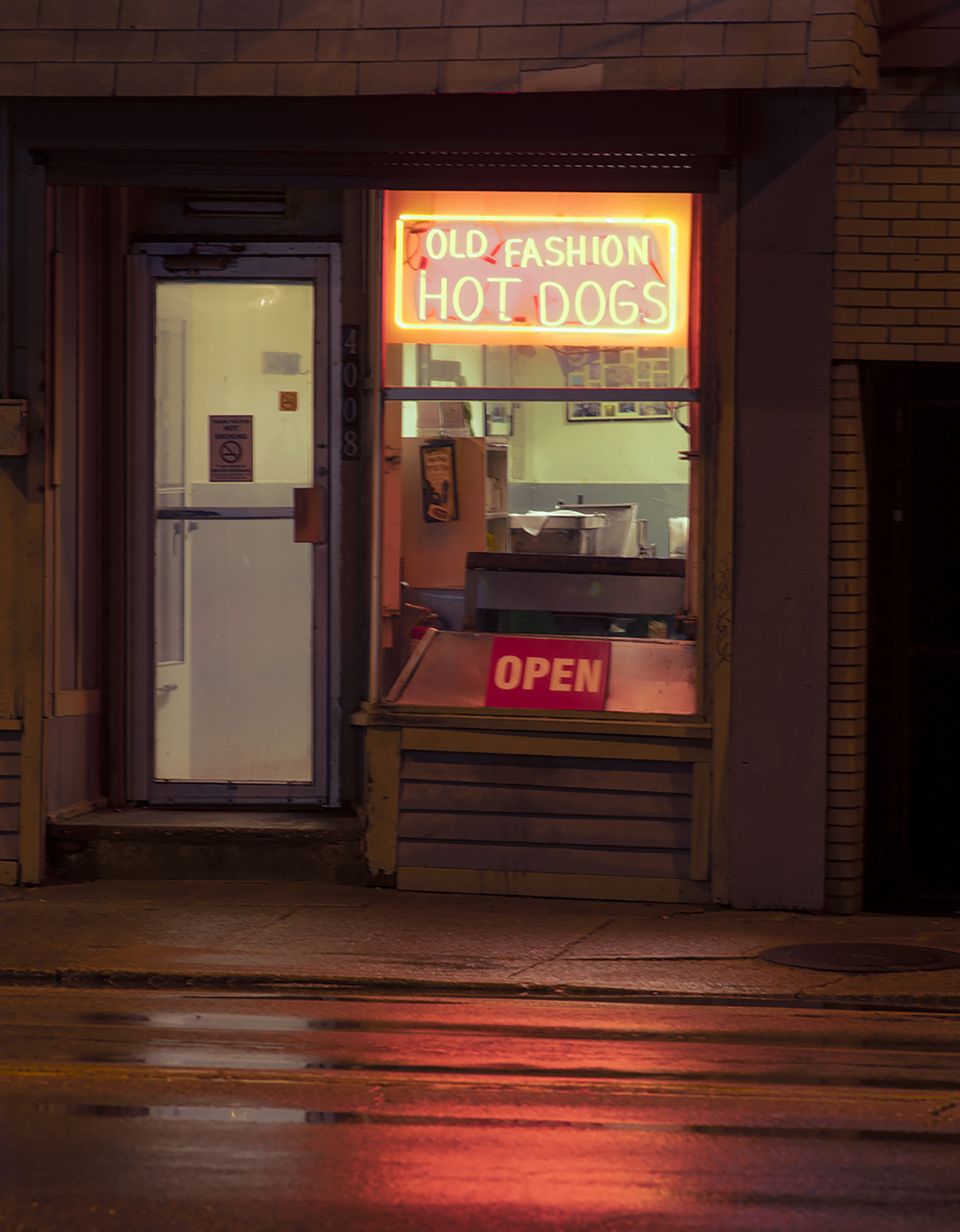
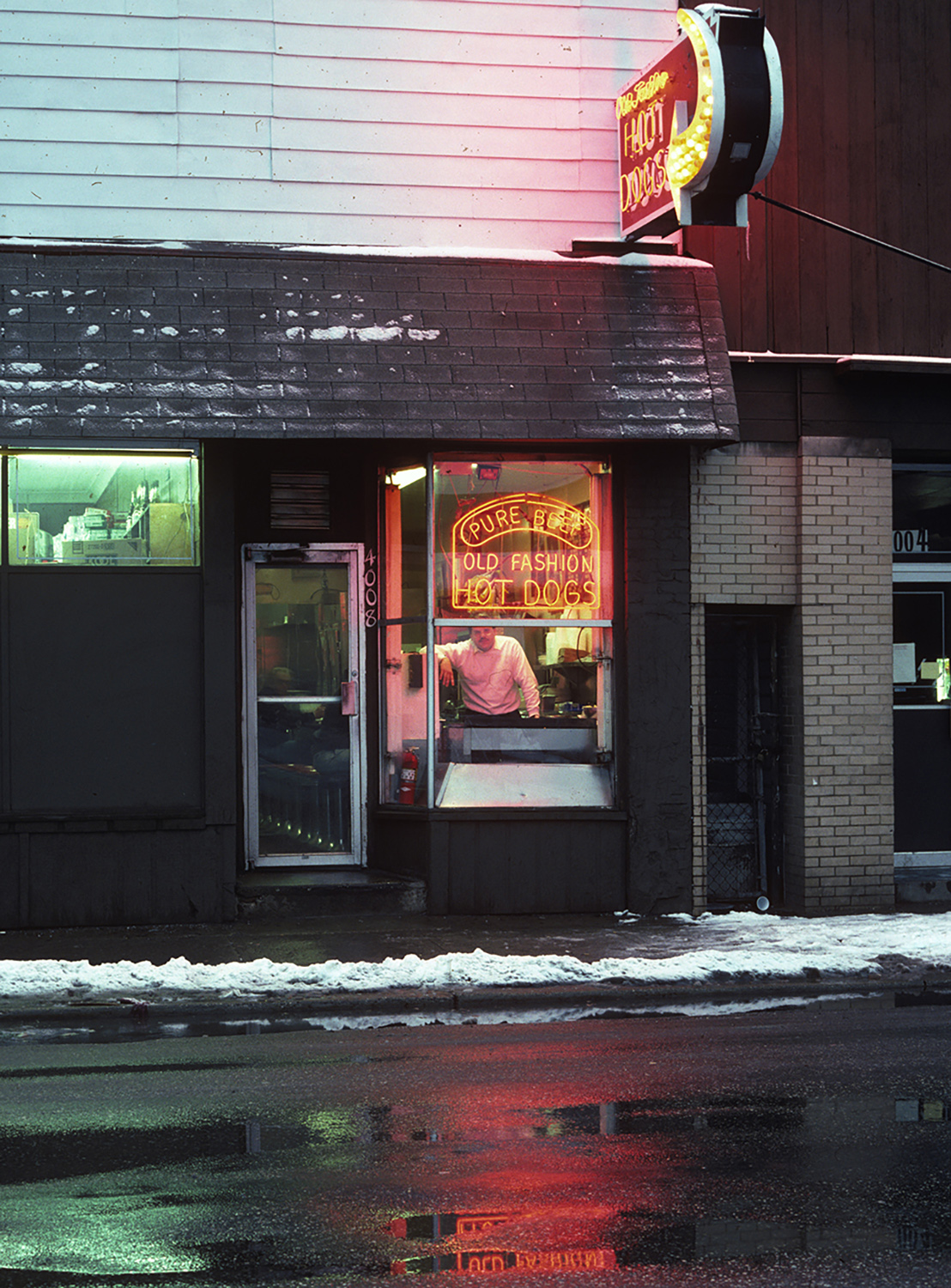
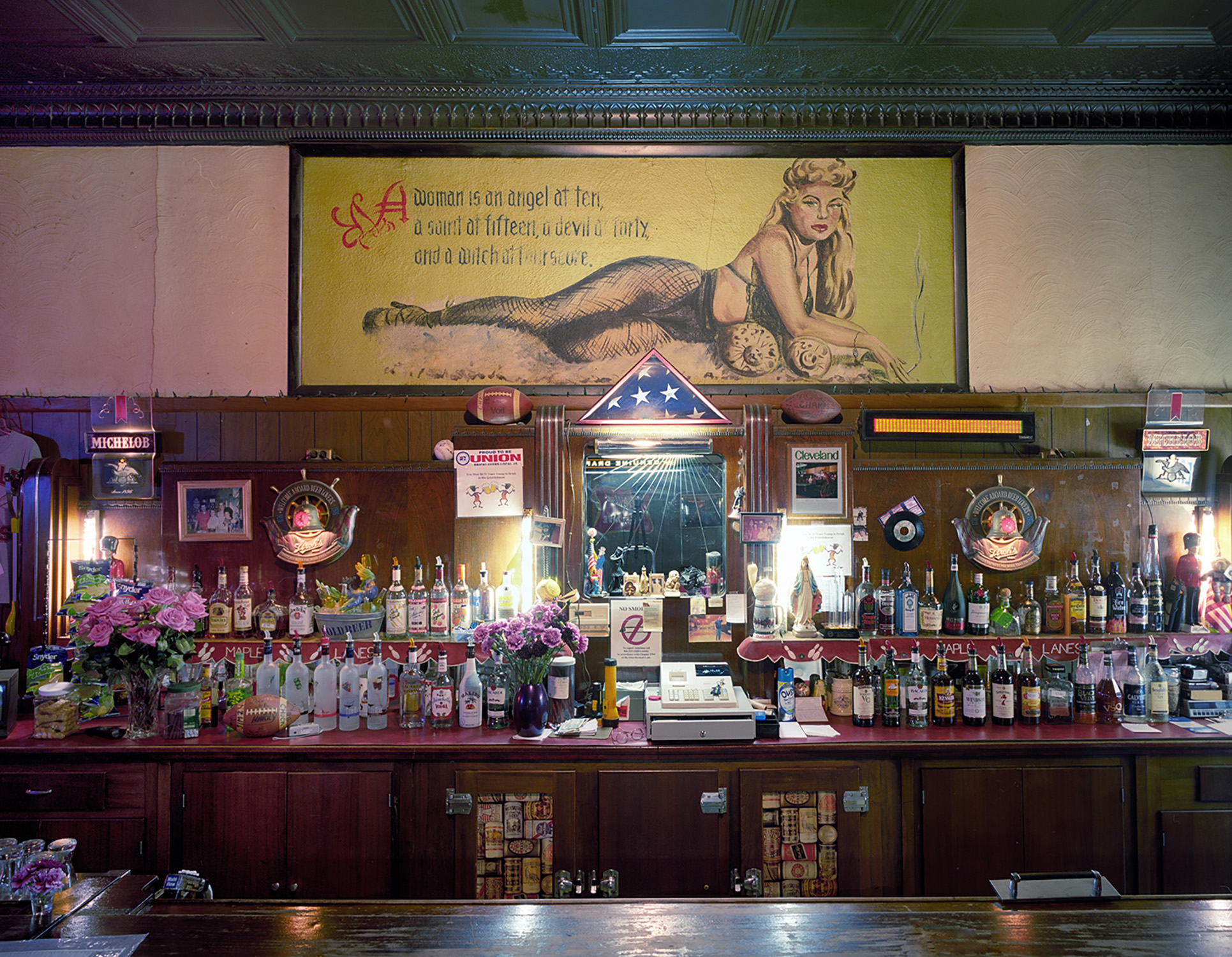
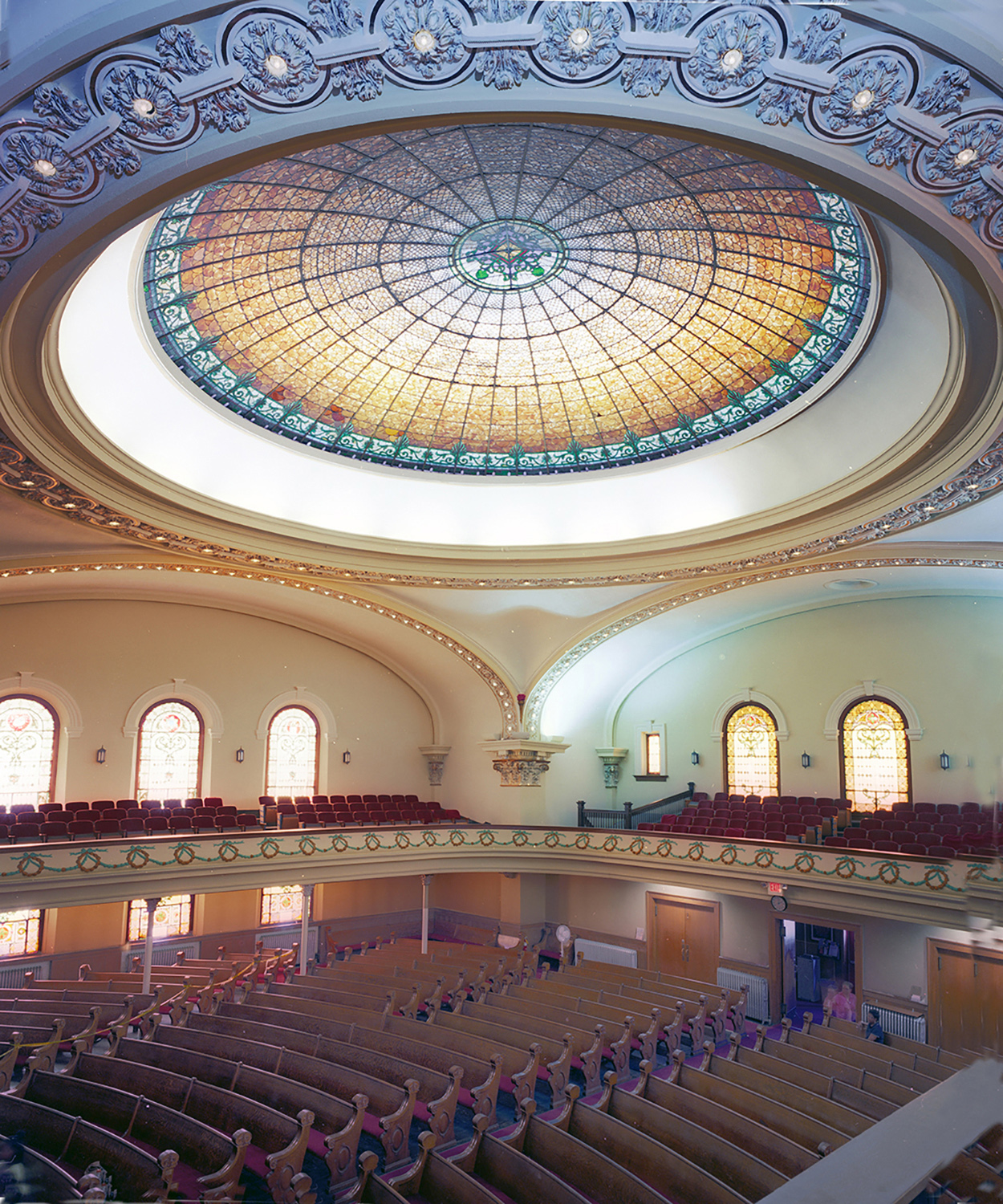
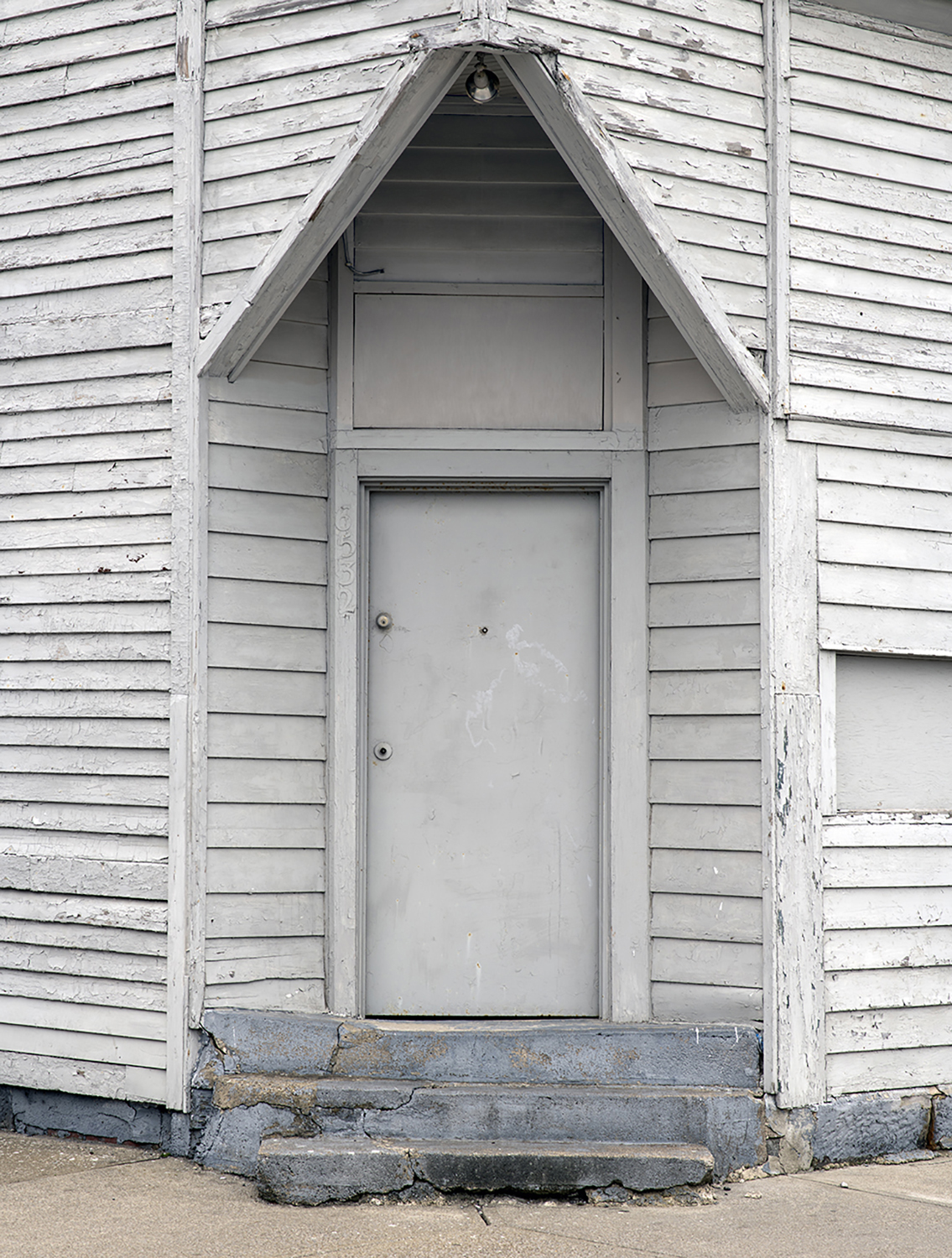
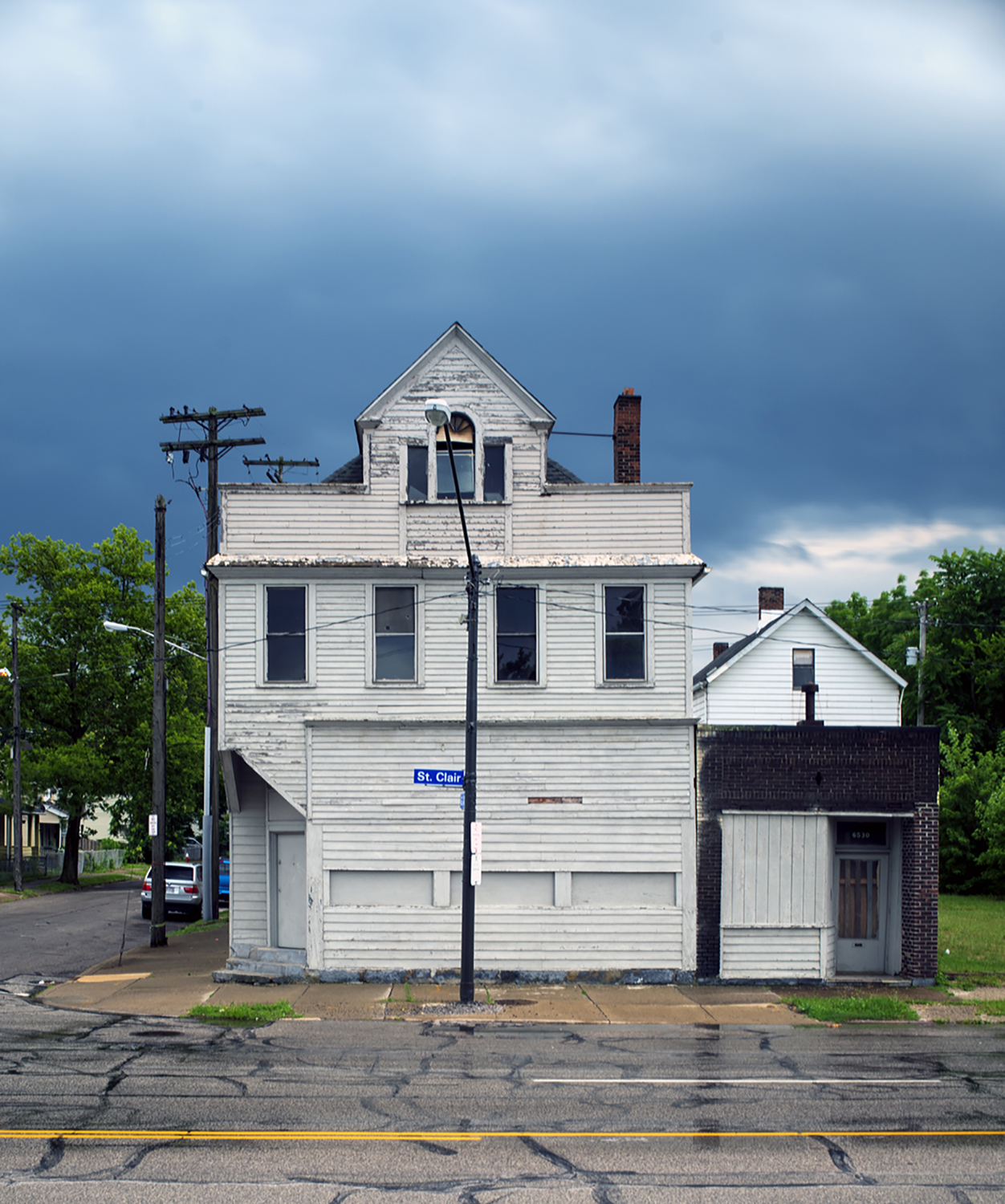
As one of the last of the Mohicans, you should be able to understand why.Danzey's, East 79th StreetThis was a commercial strip that had a lot of great buildings. By the time the shot was taken there were only a couple left. Danzey owned, worked and lived in the building. He stayed until the neighborhood was almost gone, but he definitely decided to move out when his daughter was murdered in a robbery. He ended up about three blocks away at a little strip mall, that, while isolated, was not as isolated as as original store which was part of an old style strip, none of which still exist anymore.Old Fashion Hot Dogs, Lorain Aveue Opened 1920, Closed 2020Bedroom Window, East 58th Street, JBI ScrapThe home is gone as well as the scrapyard because the highway called the Opportunity Corridor came through here and claimed eminent domain.Bar, Maple Lanes, St. Clair AvenueThe painting was done right on the wall by a regular at the bar during the 1950s. For a six-pack of bee.He recreated Jill Saint Cyr, a well-known burlesque queen and lingerie retailer. I'm sure she would have approved. These were her glory days, the 1950s. They were also the glorious days of the city which began to lose population in 1952 until over 2/3 of the population had left by 2026.Bowling Alley, Maple Lanes, St. Clair AvenueThere were more Slovenians in this town than anywhere outside of Europe and many of them live the long Saint Clair, which was a ha for neighborhood bars, all of which are gone. The Maple Lanes on today and is in great shape and always needs more patrons.Tim Willis Homestead, East 83rrd StreetTim built each one of these over a period of 30 years by himself and by hand. He would wear a white T-shirt and, I swear, never had a bit of grease or stain on it ever in an age of carbon fiber and lightweight, space-age materials, 10 used heavy duty still played. The robots, dragons, etc., were all motorized and could move including their limbs. I guess you could call Tim a self-taught mechanical genius and he certainly was. This is exactly where he was from. Pretty much smack dad in the middle of the hood called Fairfax and his creations are on display in an open field where two of his old Cleveland homes used to be.Pierson Upbound & DowntownStrategic Glass, Rail Line & DowntownThe plant is now gone.Jefferson Avenue Bridge SiteIn the 1950s the movable bridge was hit by a lake freighter and was never replaced.Door, Lakeview AvenueIt was a thriving Jewish neighborhood until the 1950s when they left to go to the Heights. In 2006 the Jewish Federation closed downtown offices, signifying the end of Jewish people in the citty.Ivy, Apartment House, Roxford Road, 2007Apartment House, Roxford RoadCalvary Hill Temple, Church of God in Christ, Woodhill RoadCompletely fixed and clean today.Mailbox,Revival SignHome-Made Church Display, East 106th StreetHome-Made Church Display, East 106th StreetHome, East 83rd SreetChristmas, 2007North Presbyterian, Church, Stained Glass, Superior AvenueNorth Presbyterian, Church, Stained Glass, Superior AvenueNorth Presbyterian, Church, Stained Glass, Superior AvenueNorth Presbyterian Church, Superior AvenueNorth Presbyterian Church, Superior AvenueBuilt in 1887 using the Akron Plan https://clevelandhistorical.org/items/show/877North Presbyterian Church, Superior AvenueChandler Motors, Assembley Hall, Taft AvenueChandler Motors, CafeteriaChandler Motors, Engine ShopChandler Motors, Engine PlantThe plant was broken up into small shops'rentals.Chandler Automobile Plant, Asembly Building.Rowhouses, East 74th Street, 2001The row was aligned with the old White Motors Pant, and almost appeared embedded in the factory.
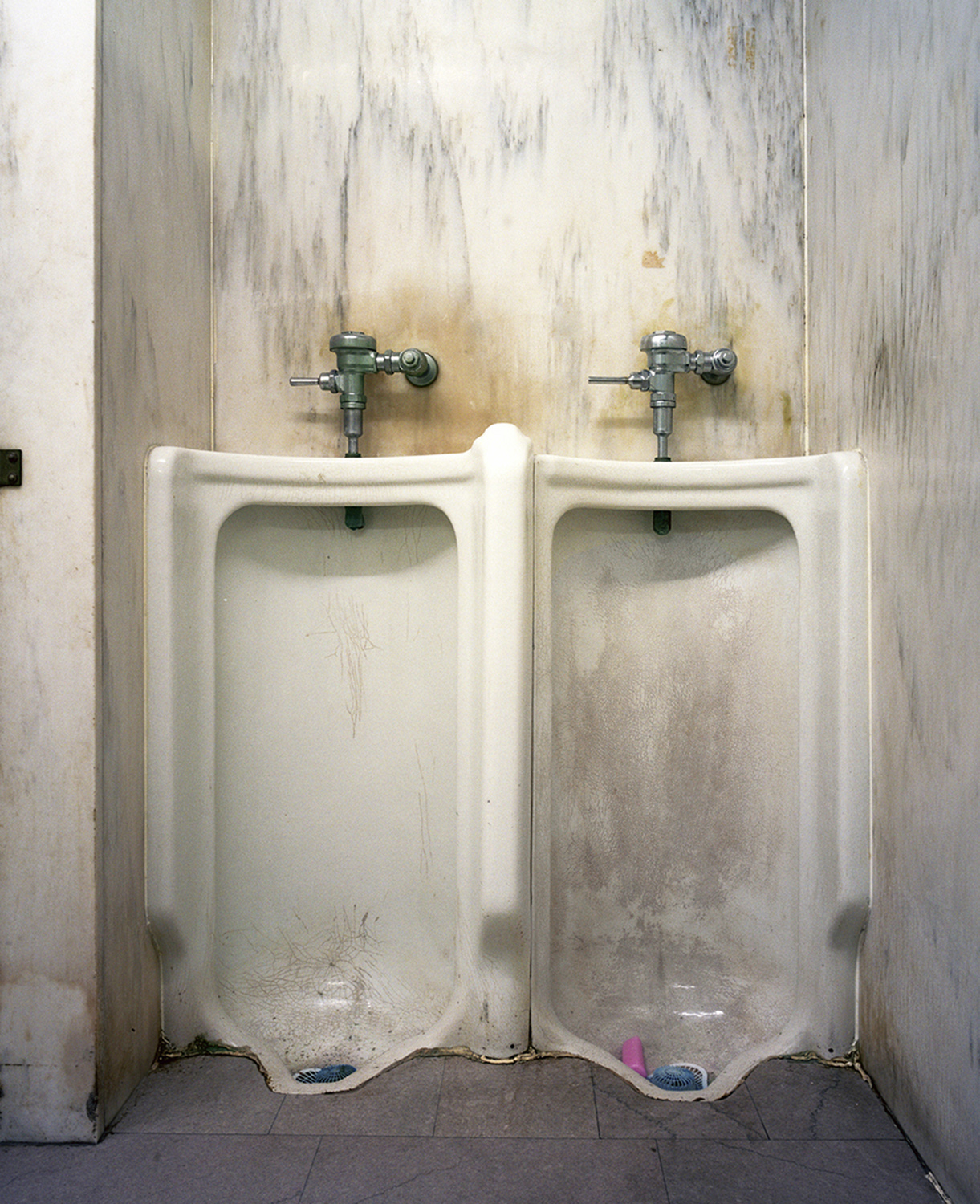
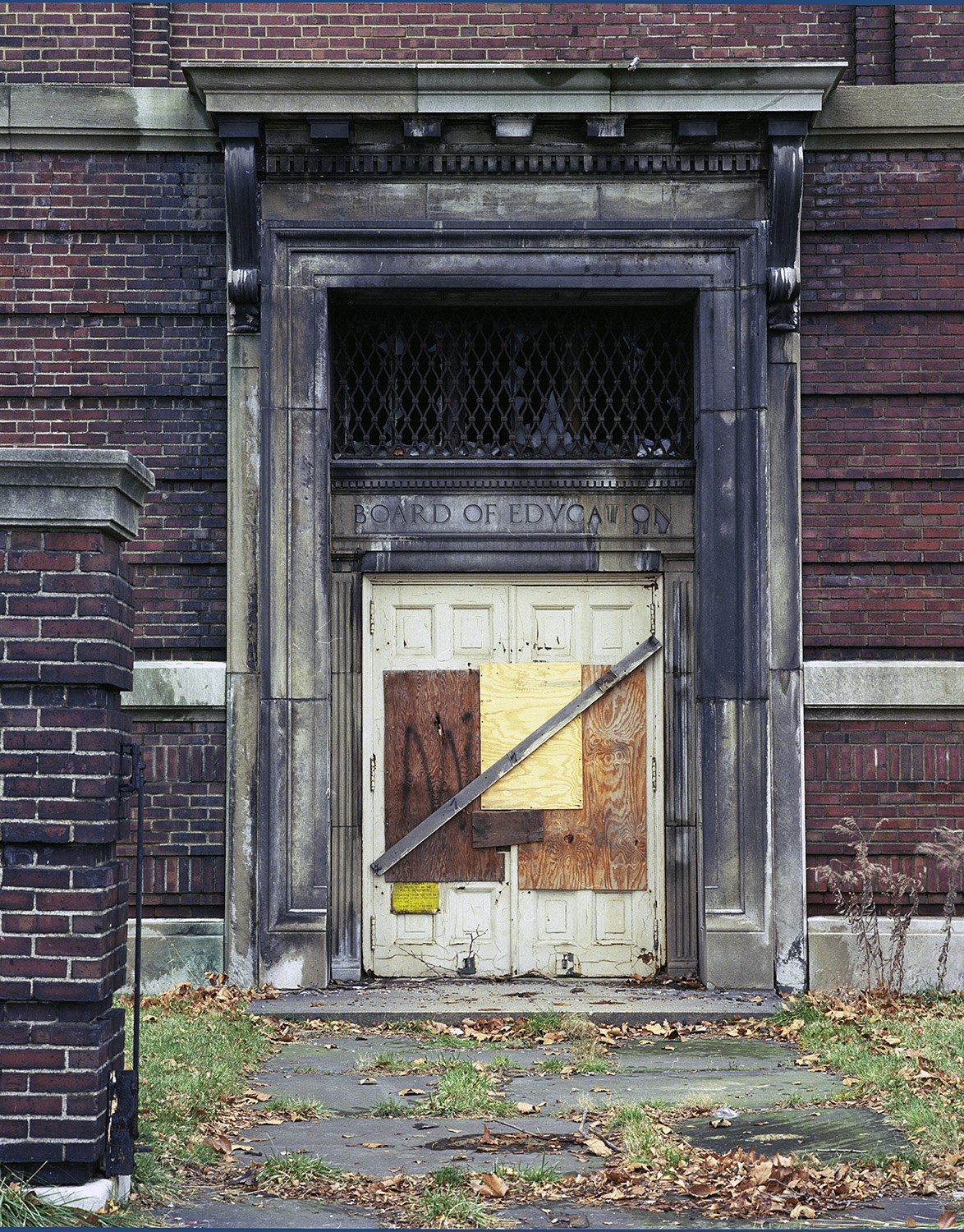
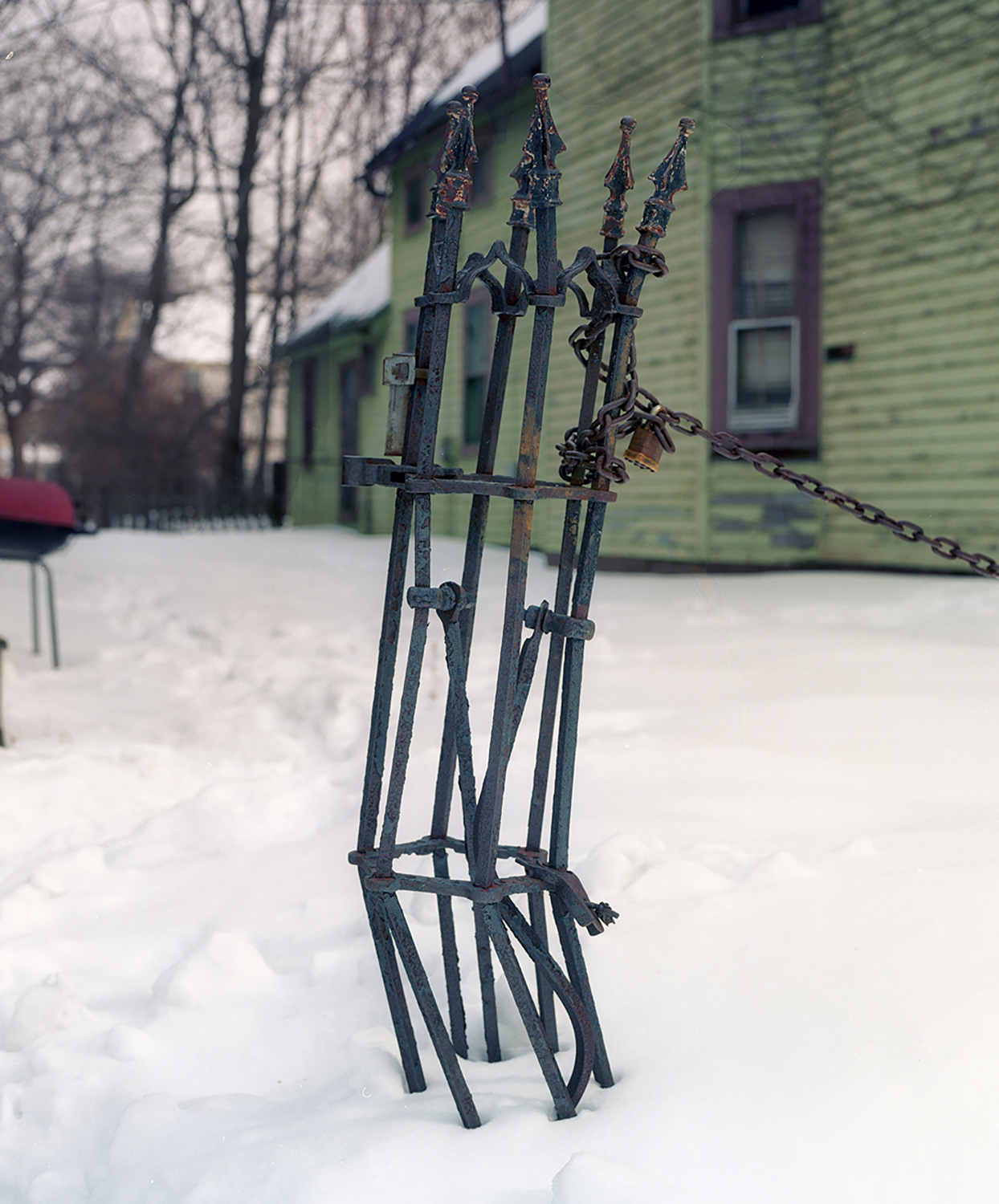
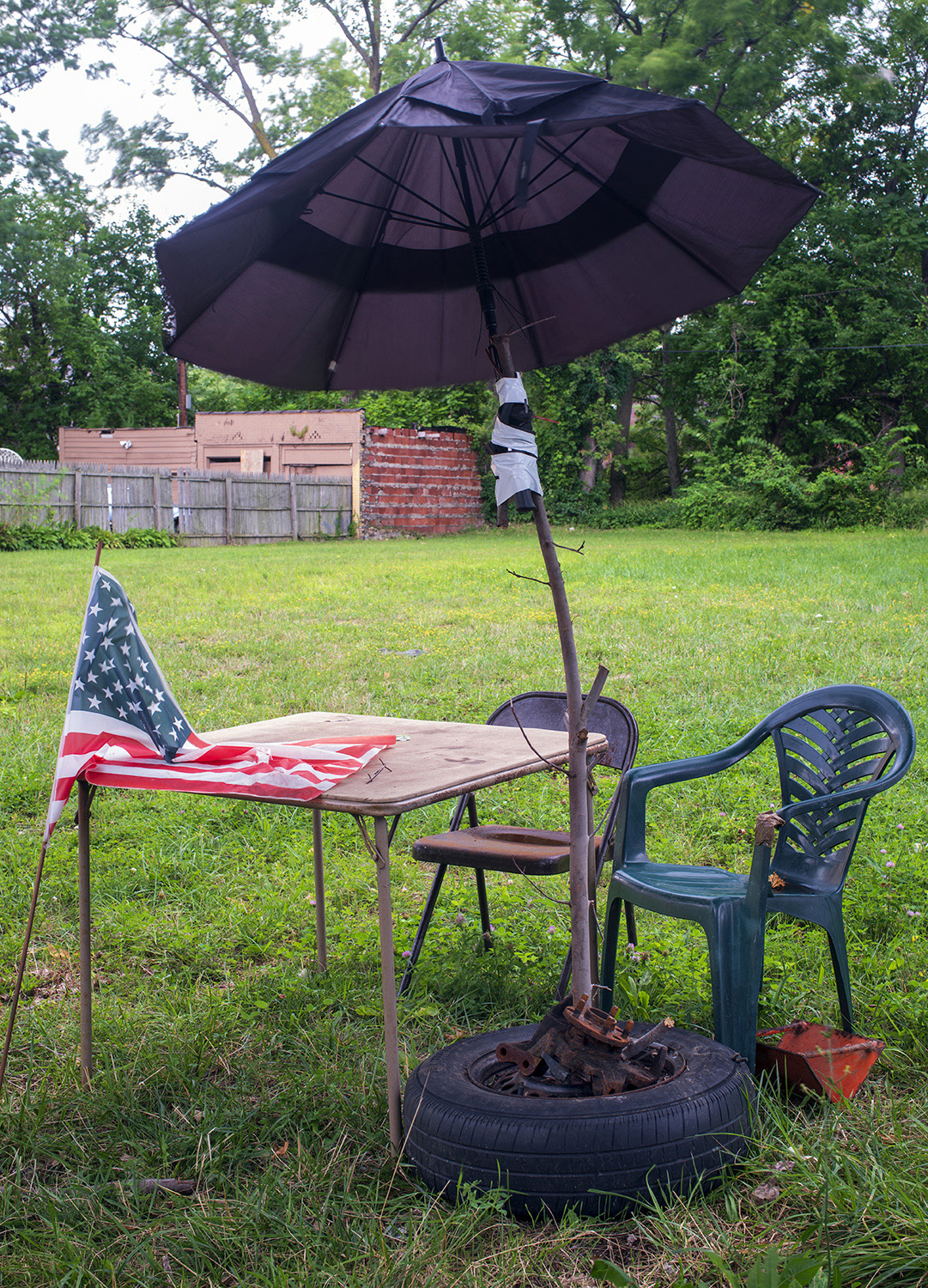
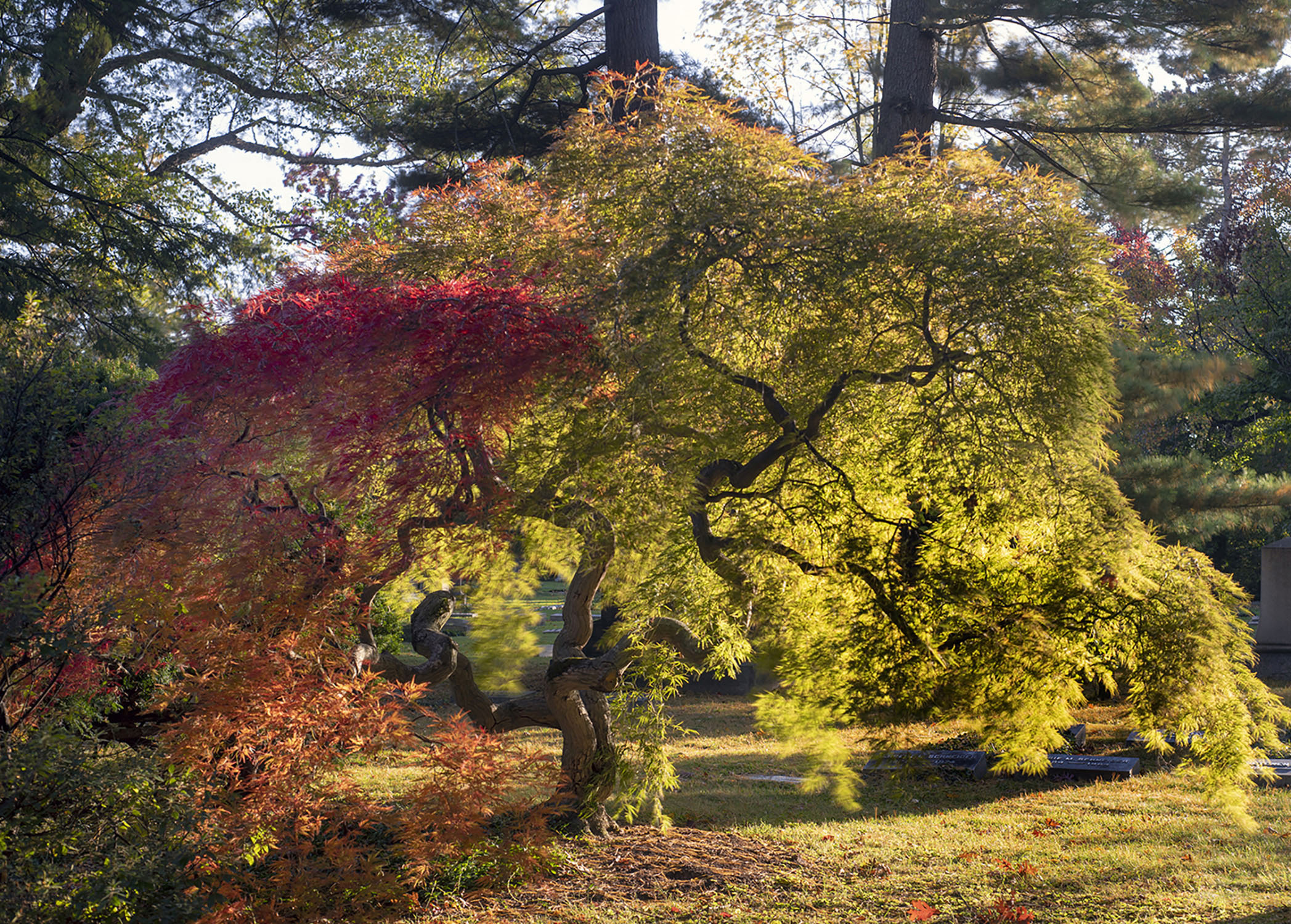
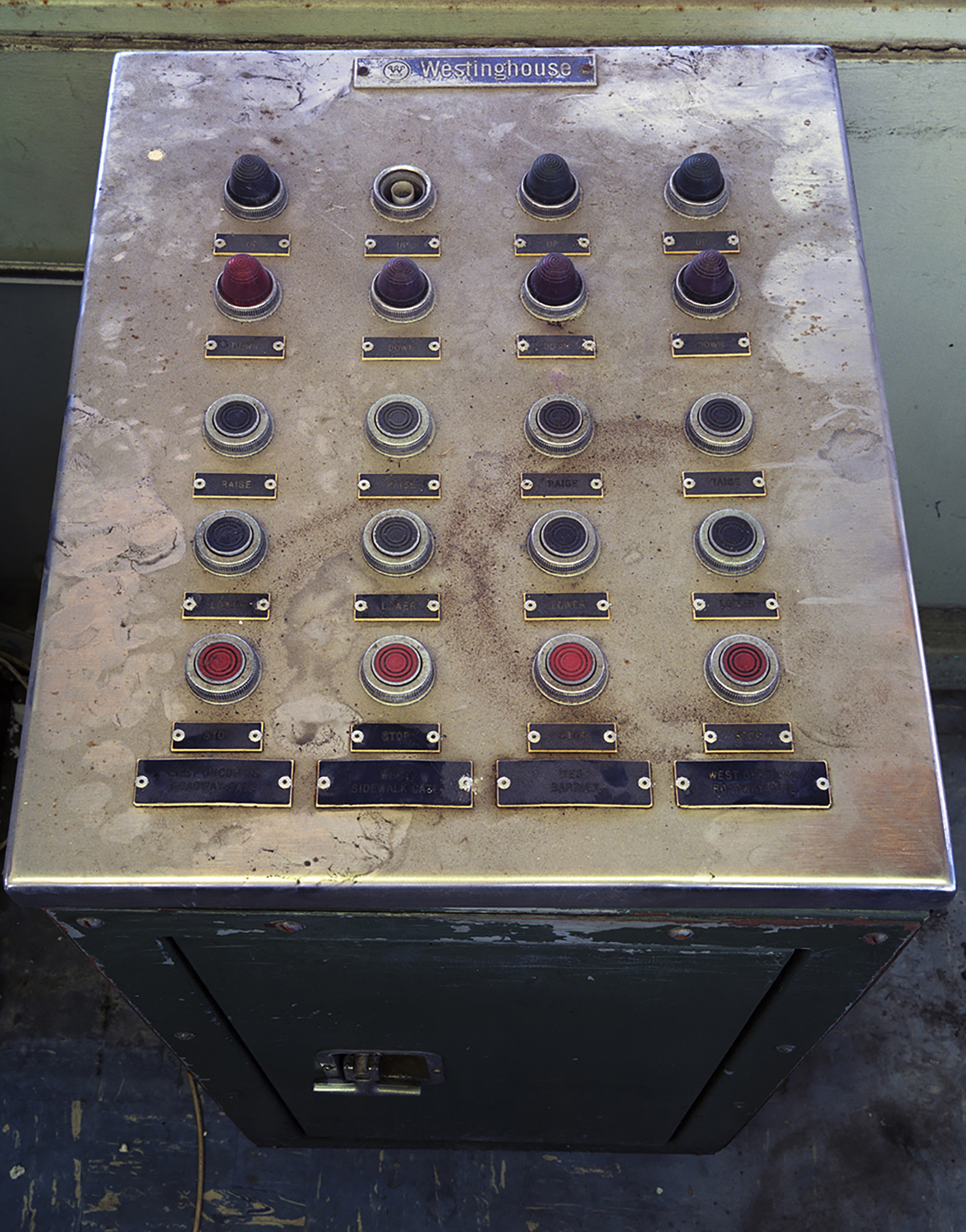
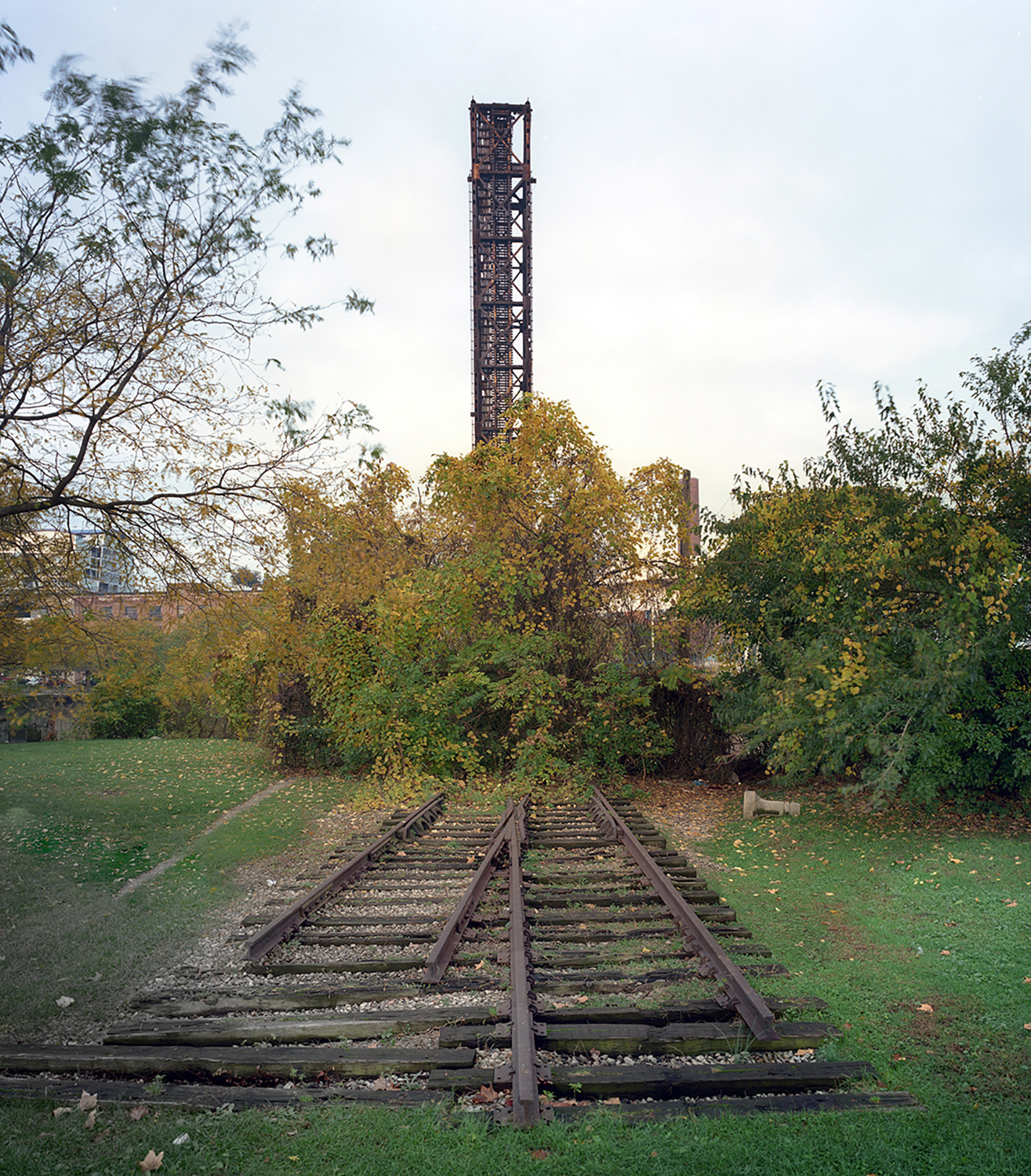
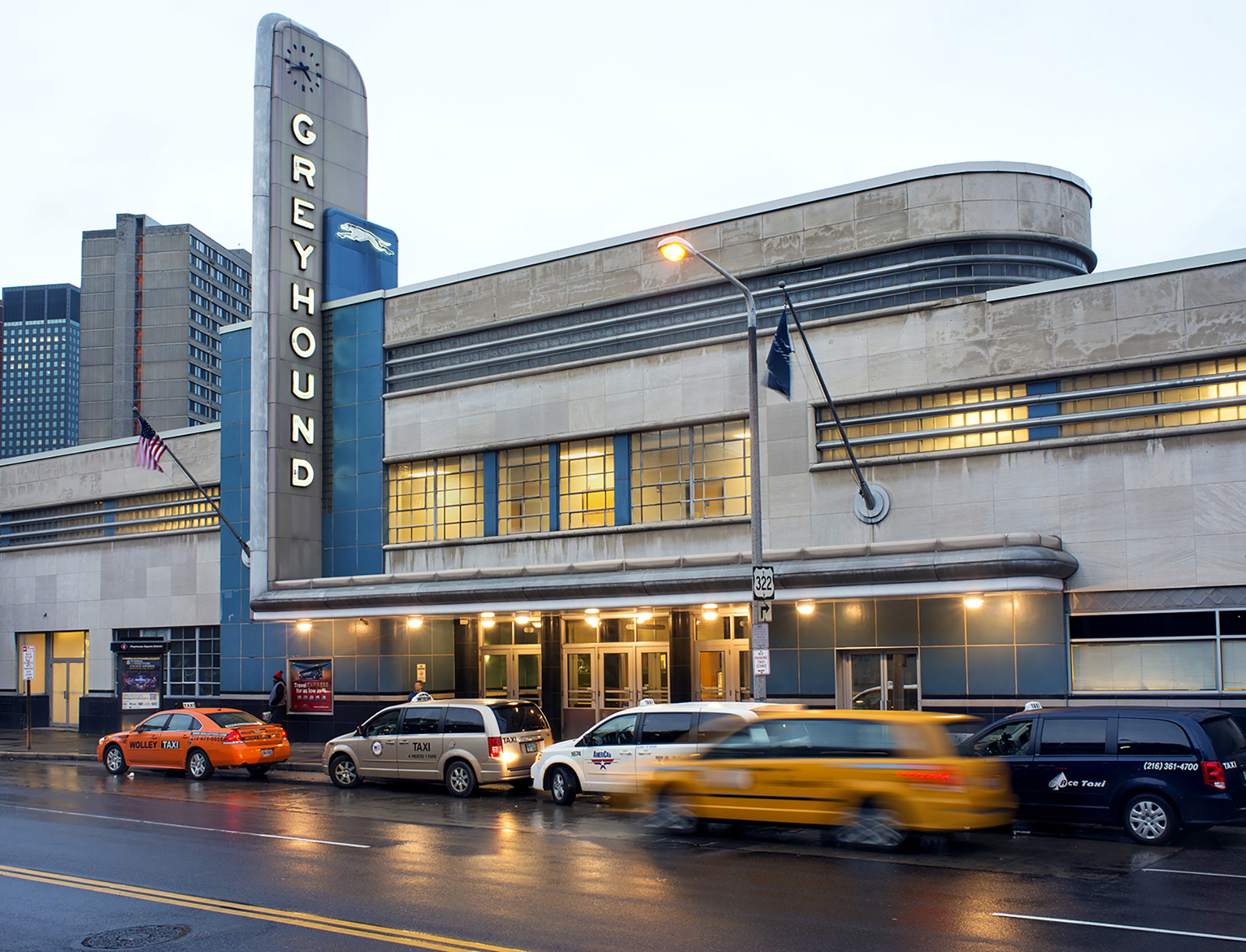
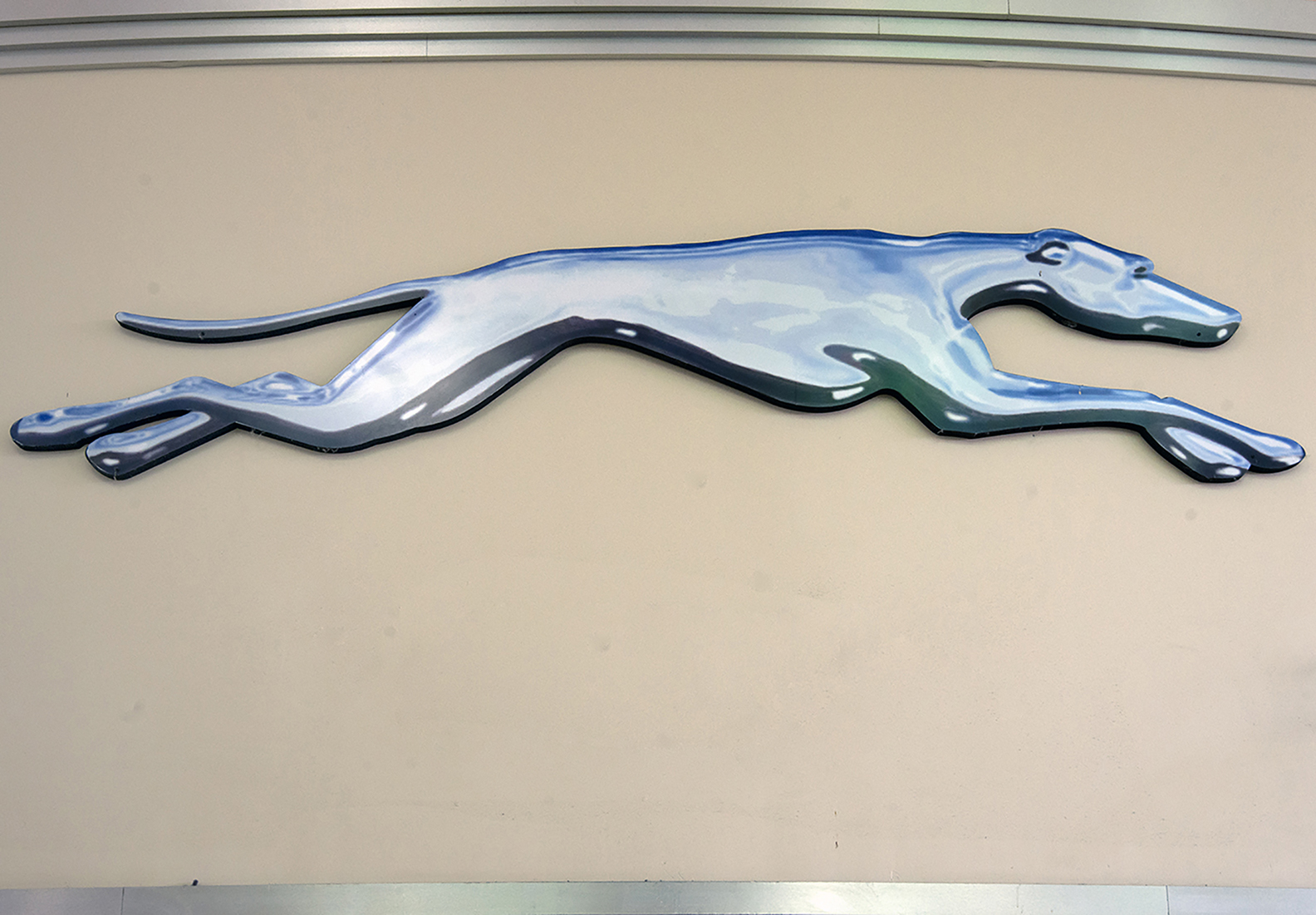
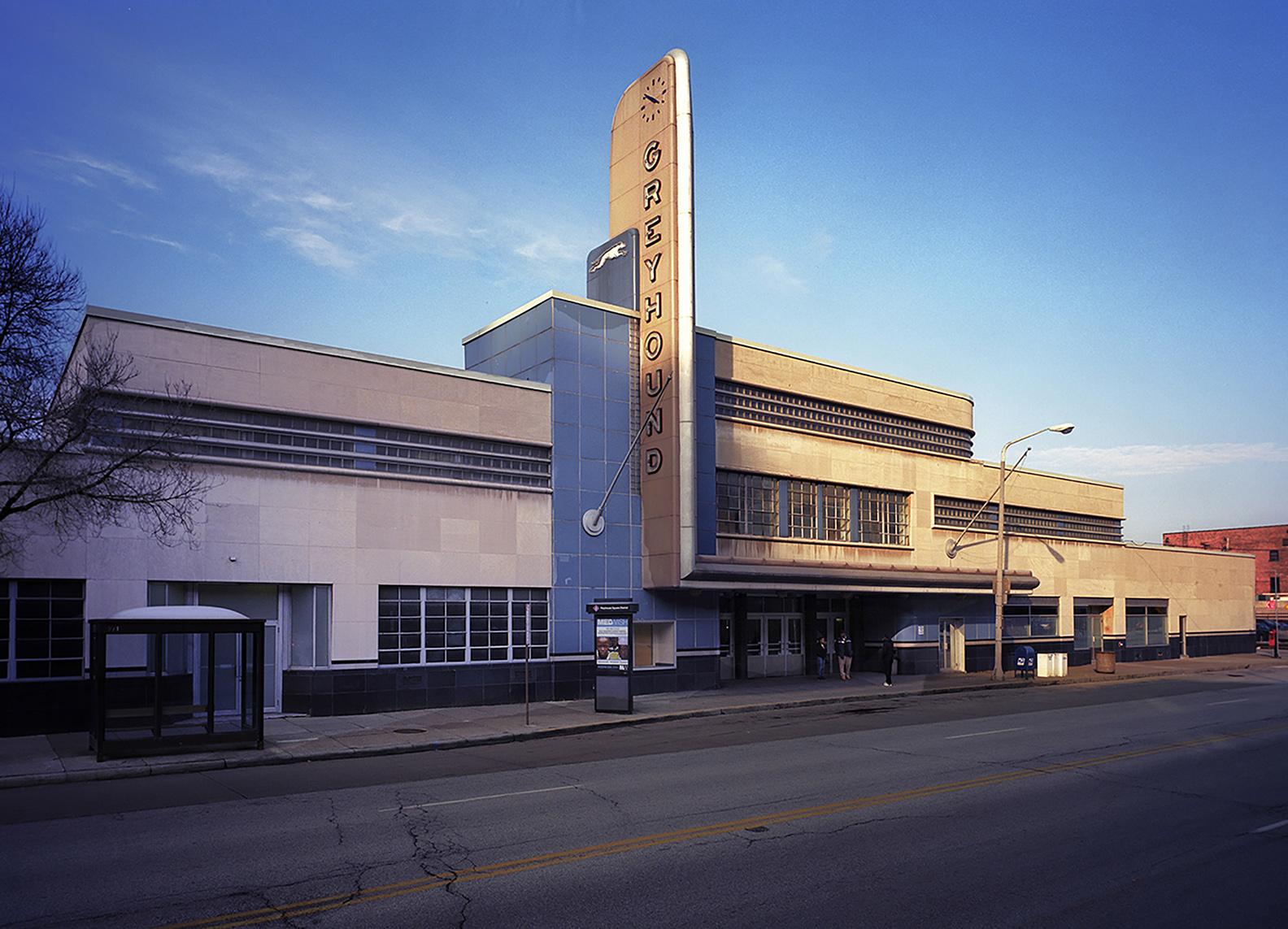
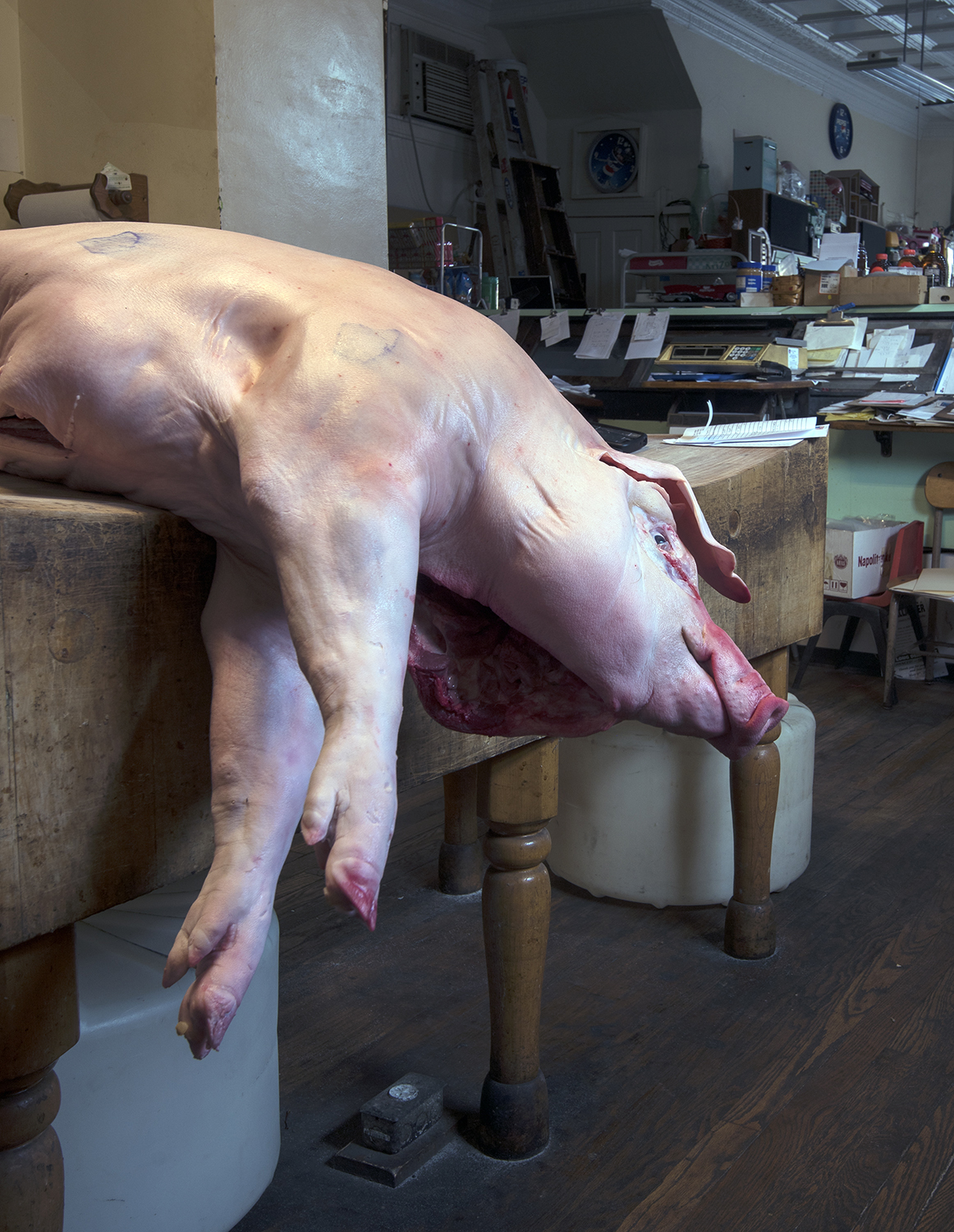
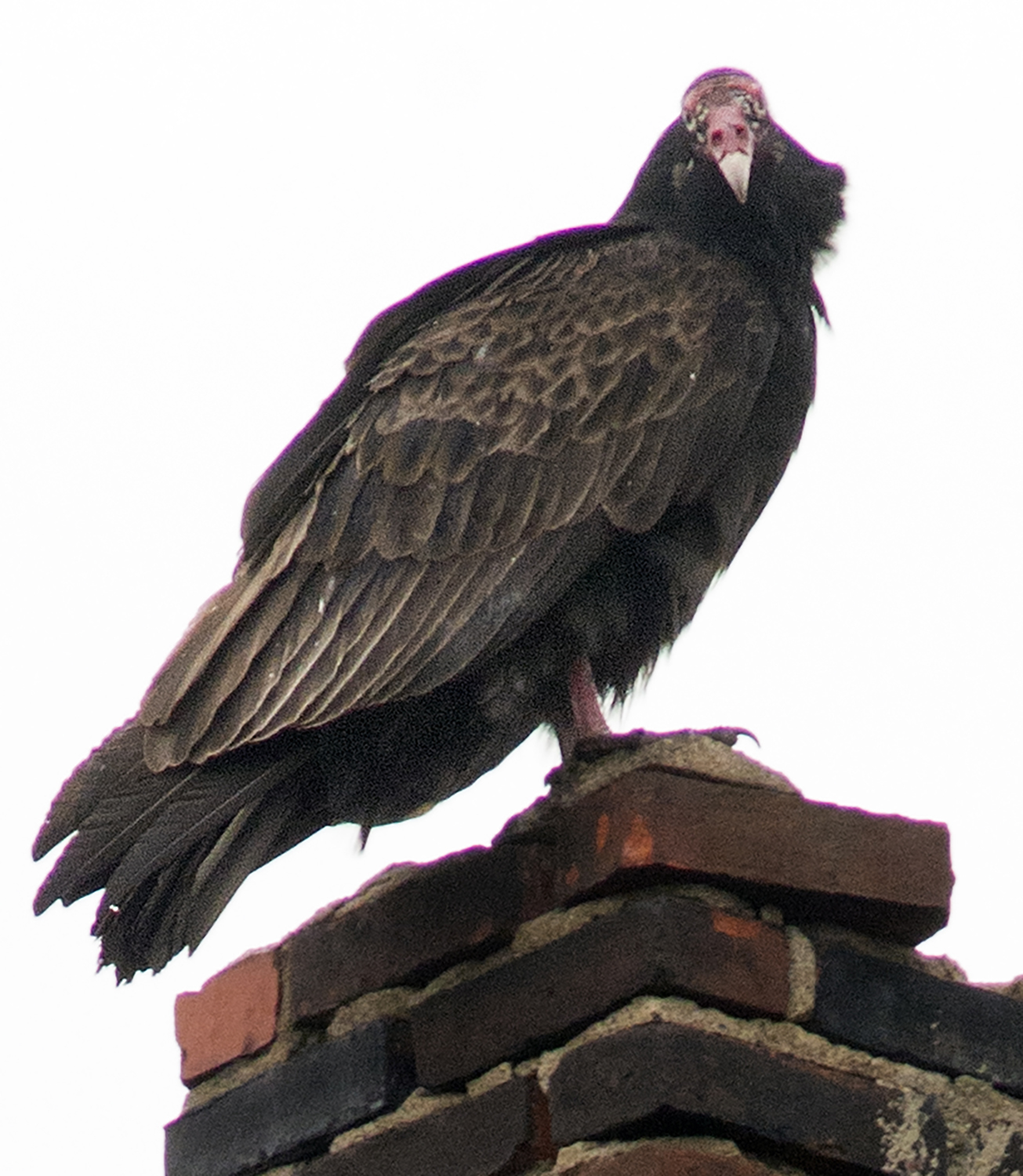
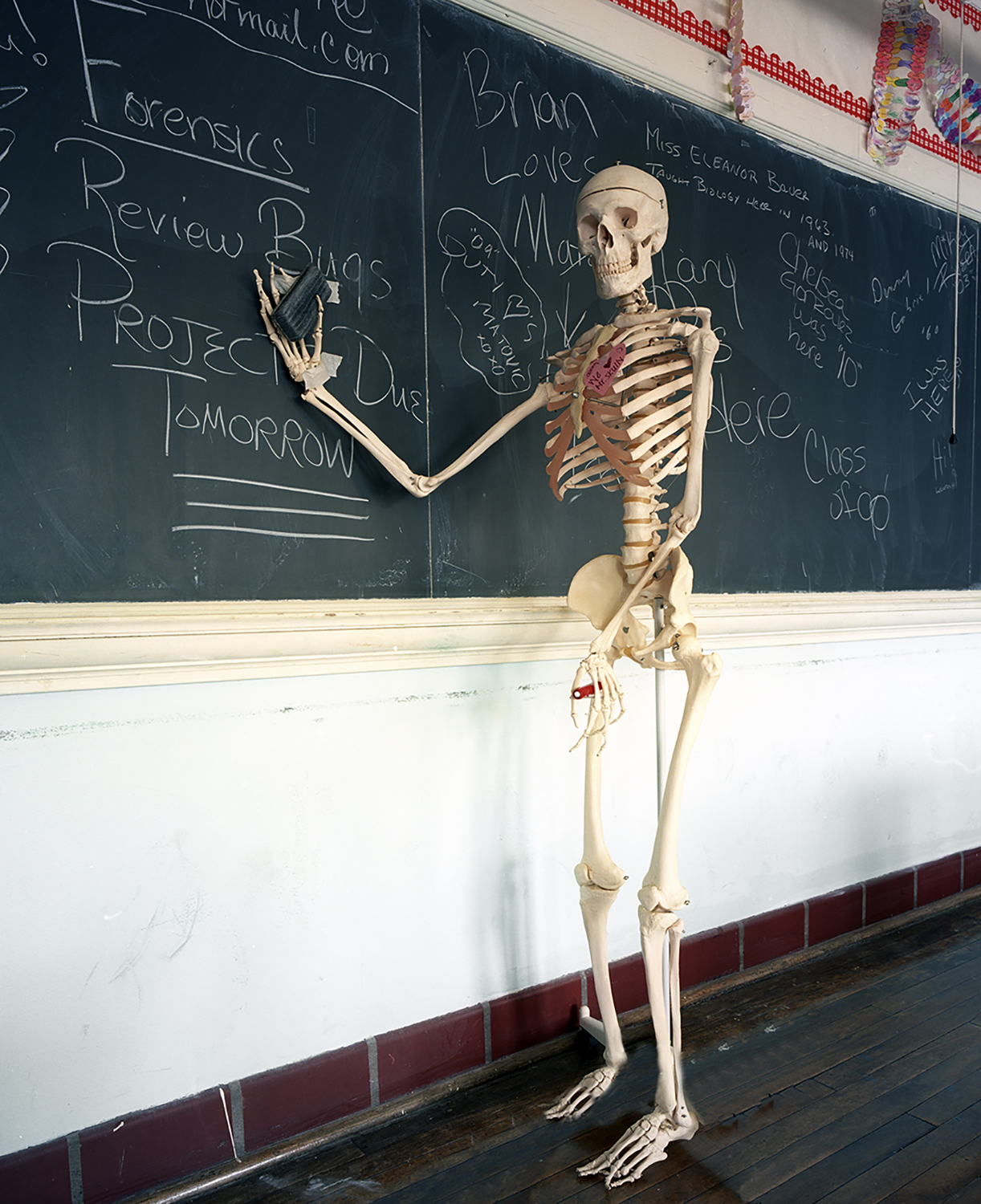
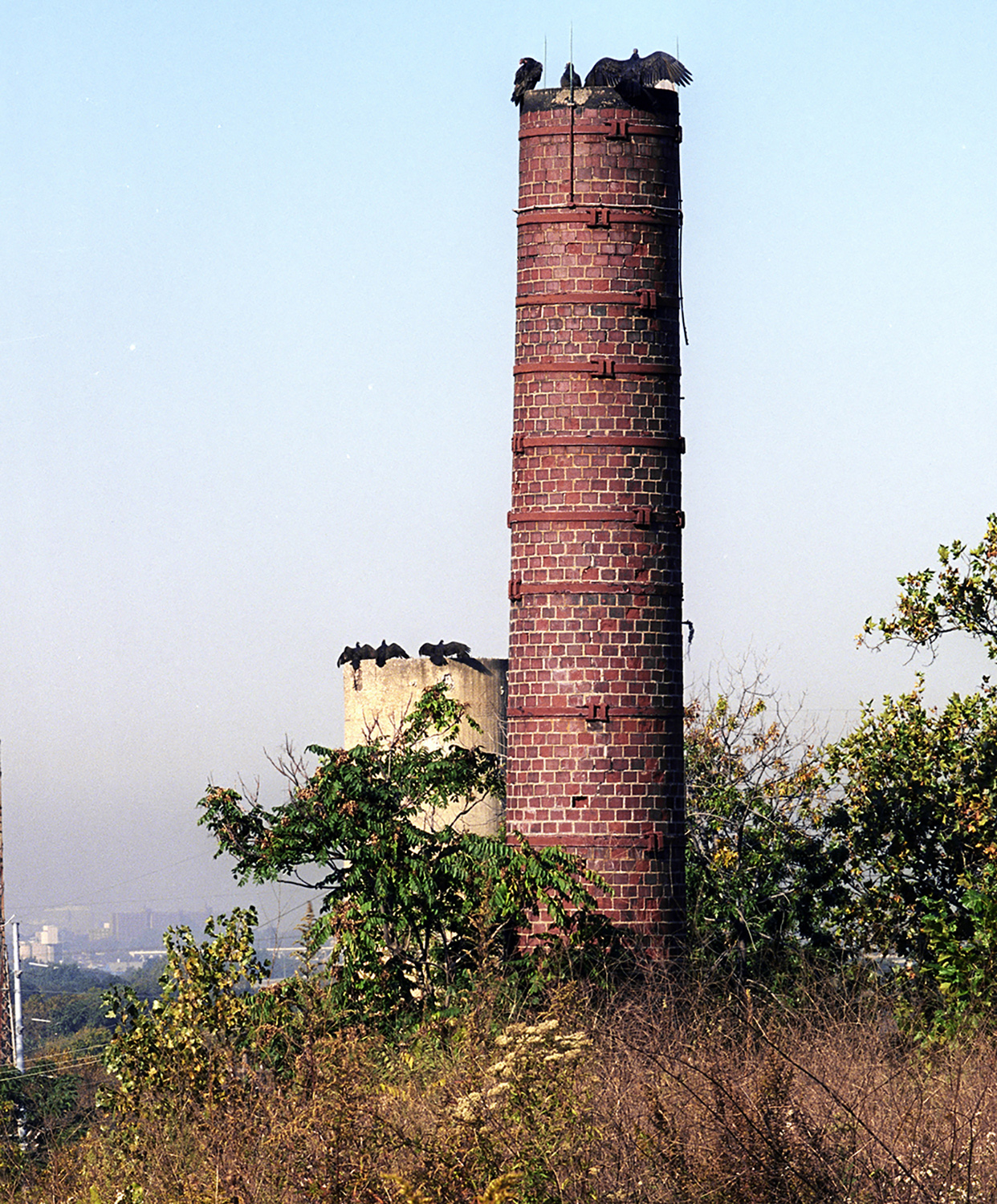
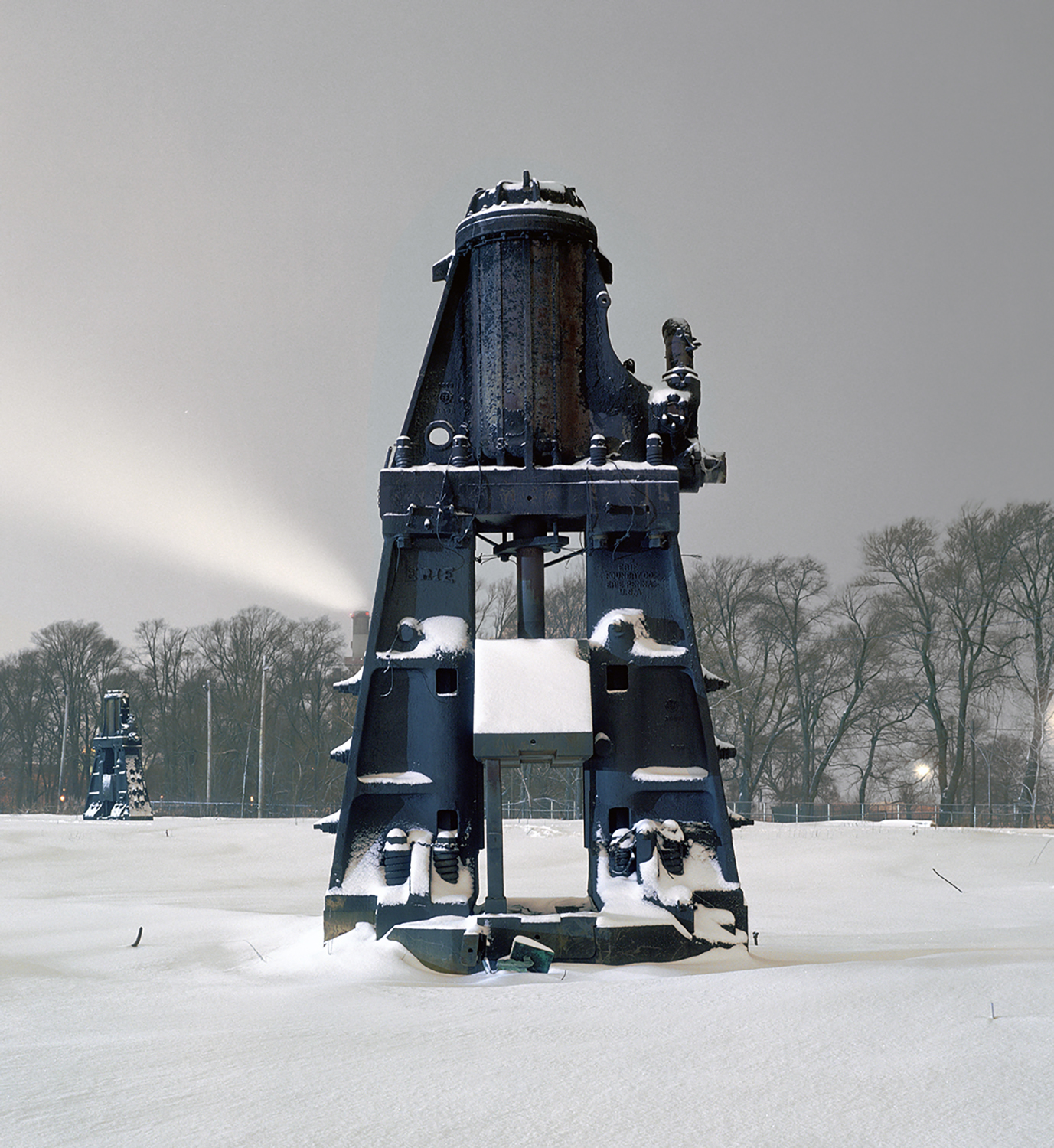
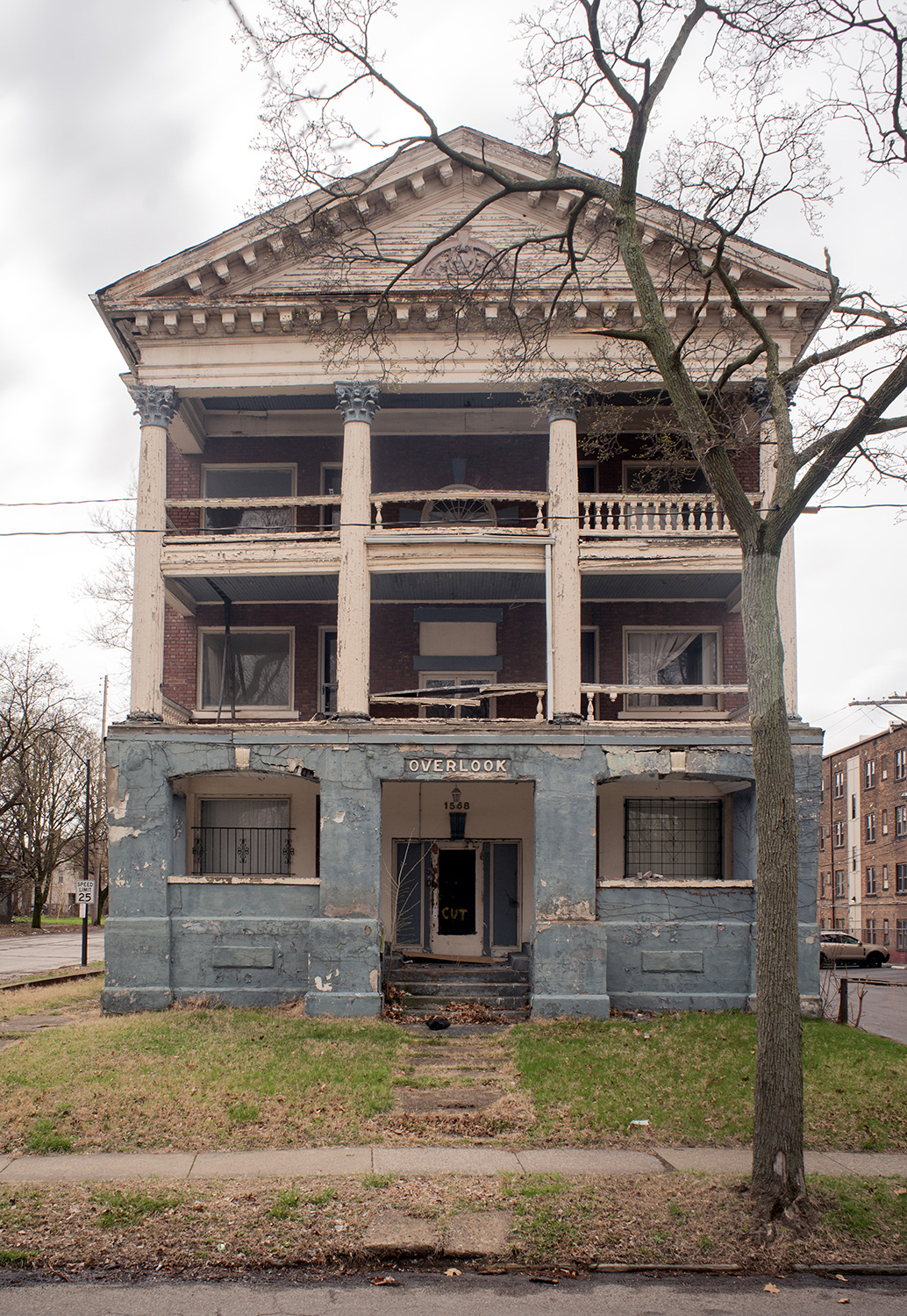
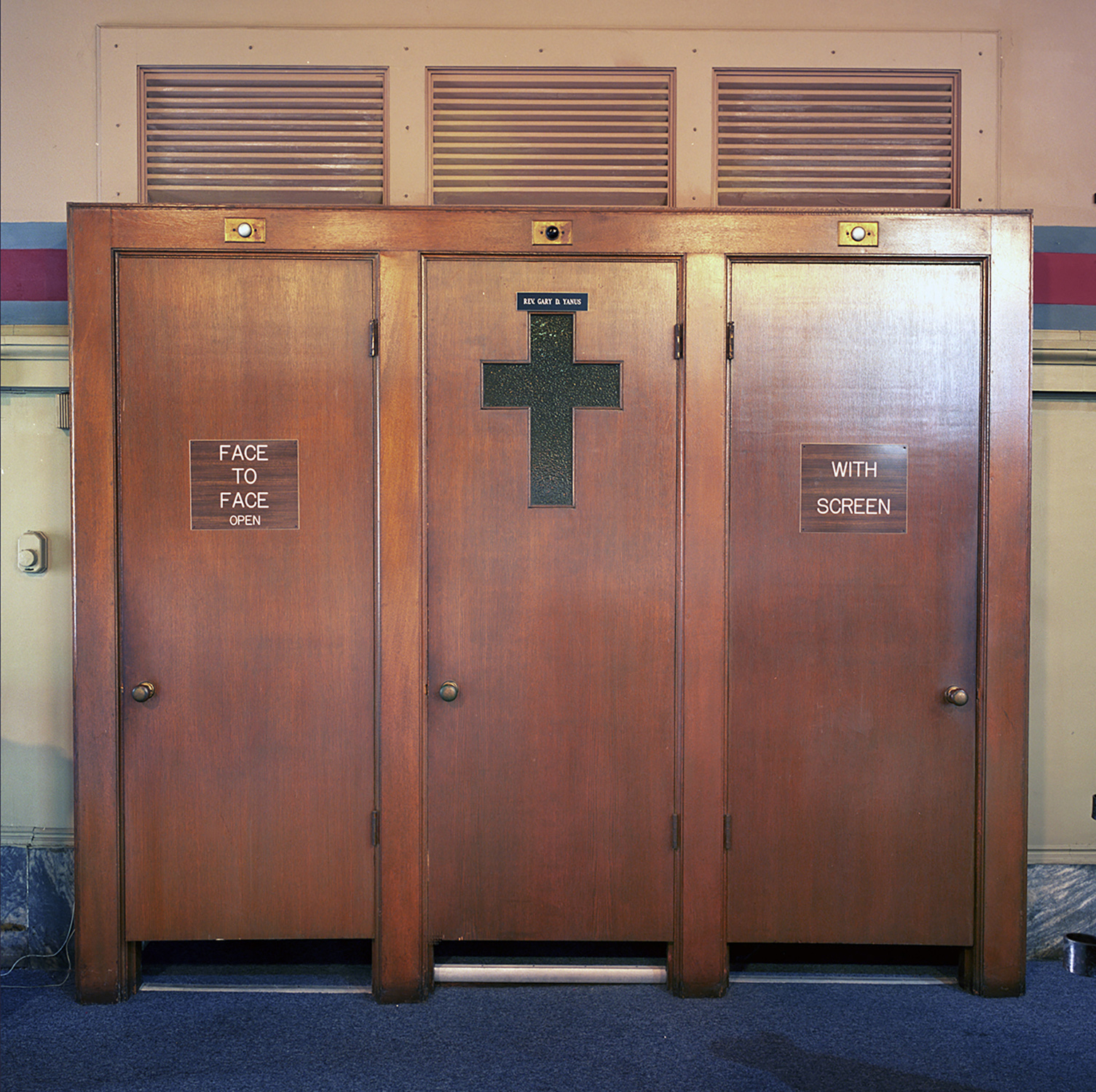
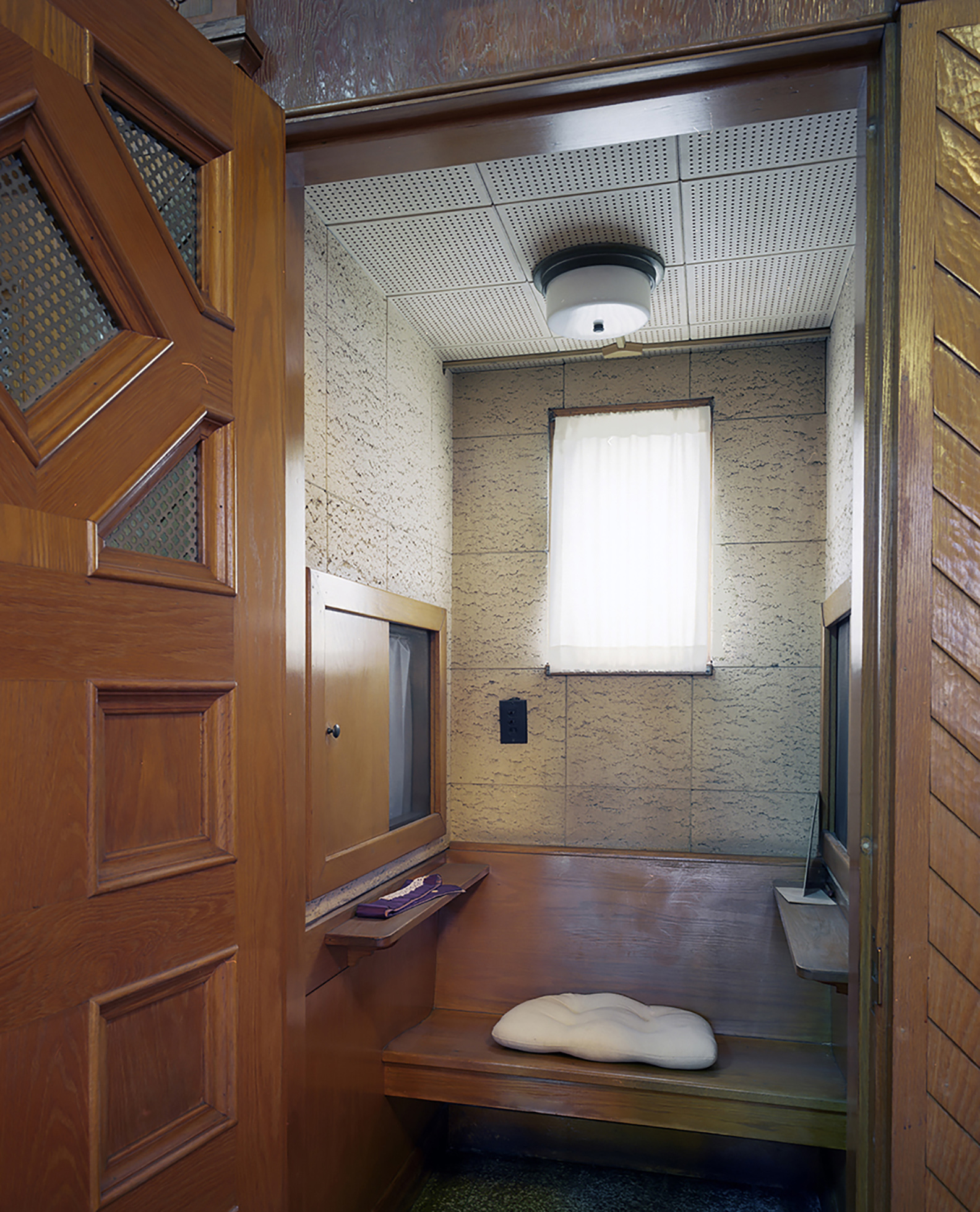
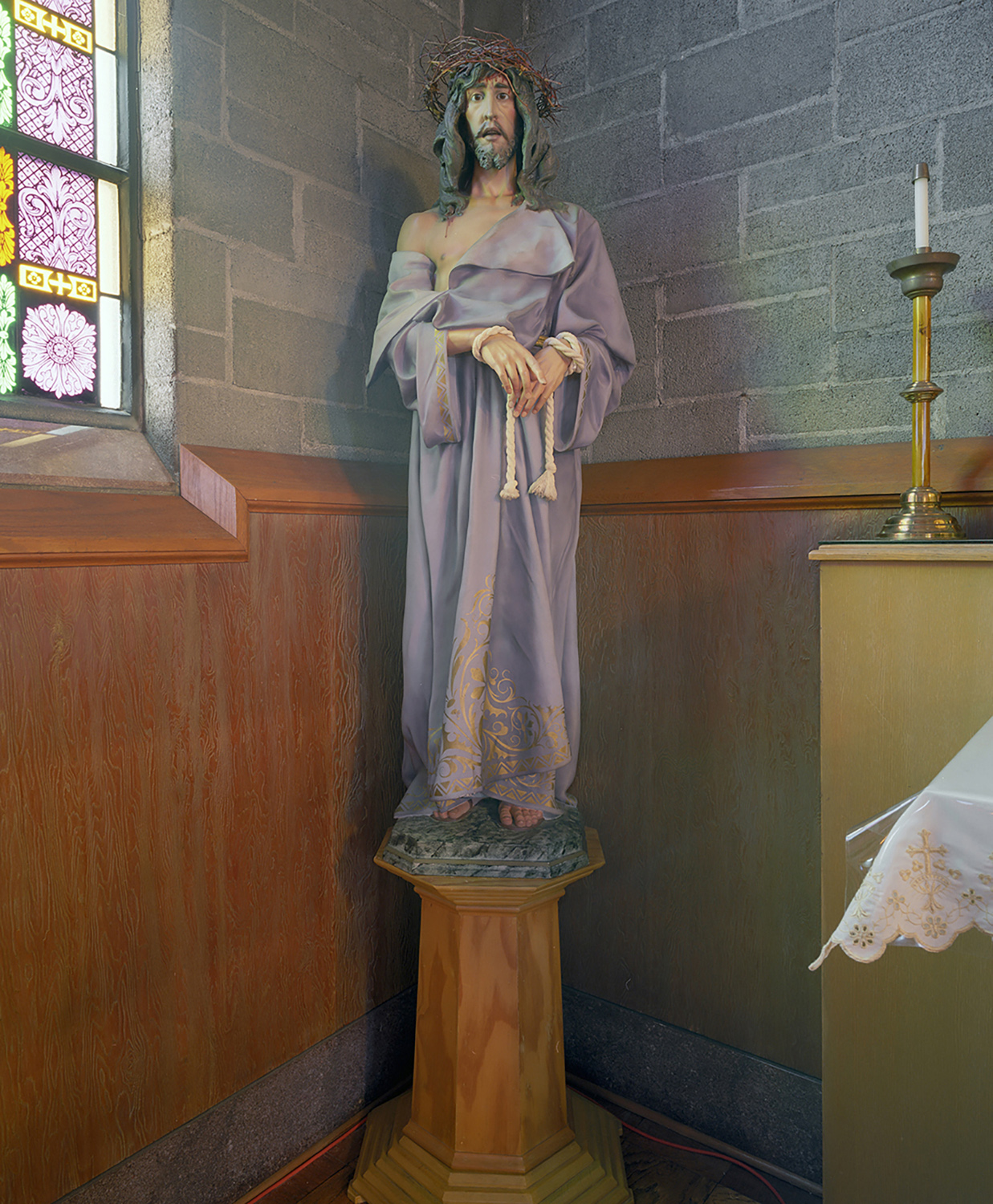
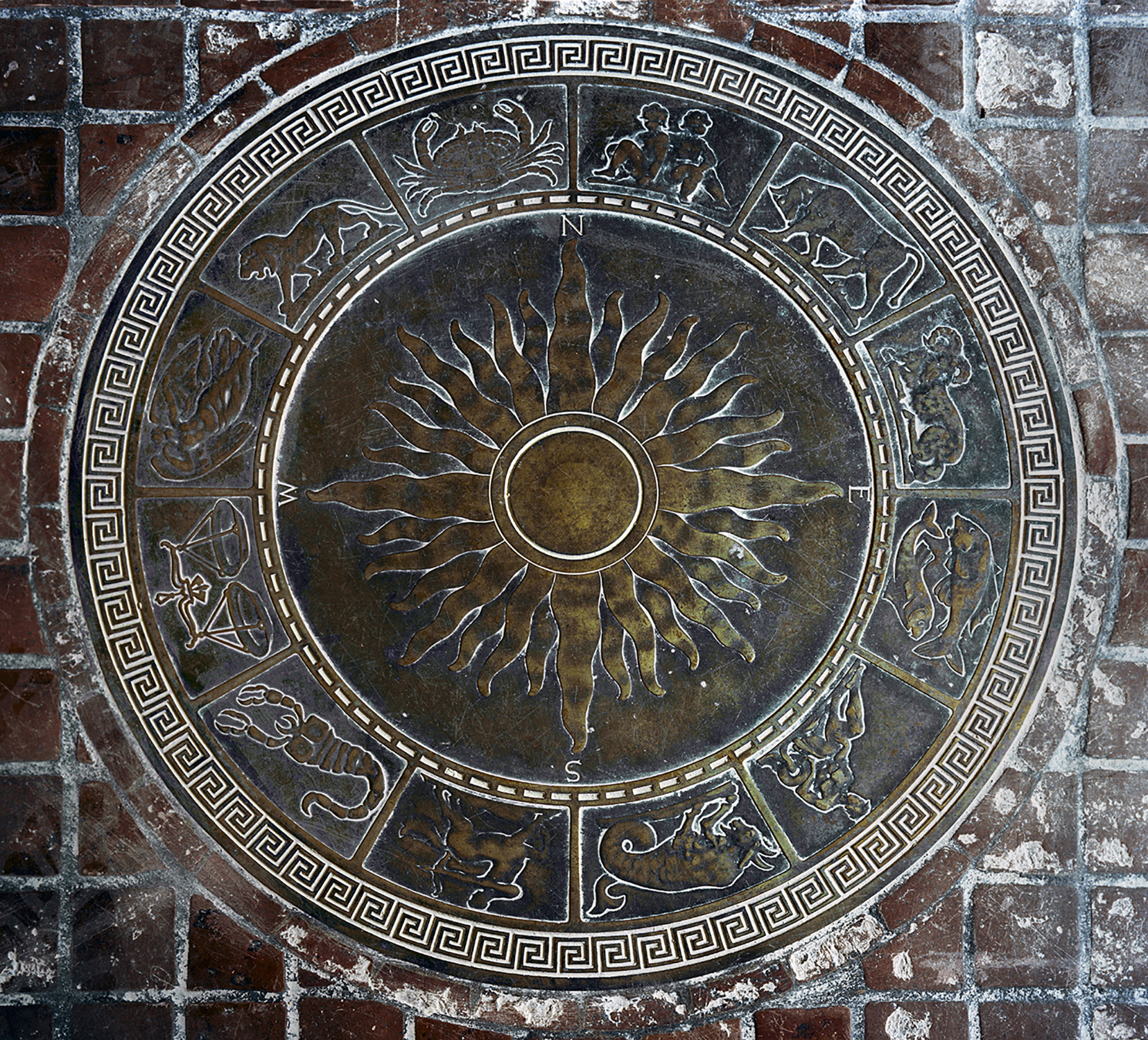
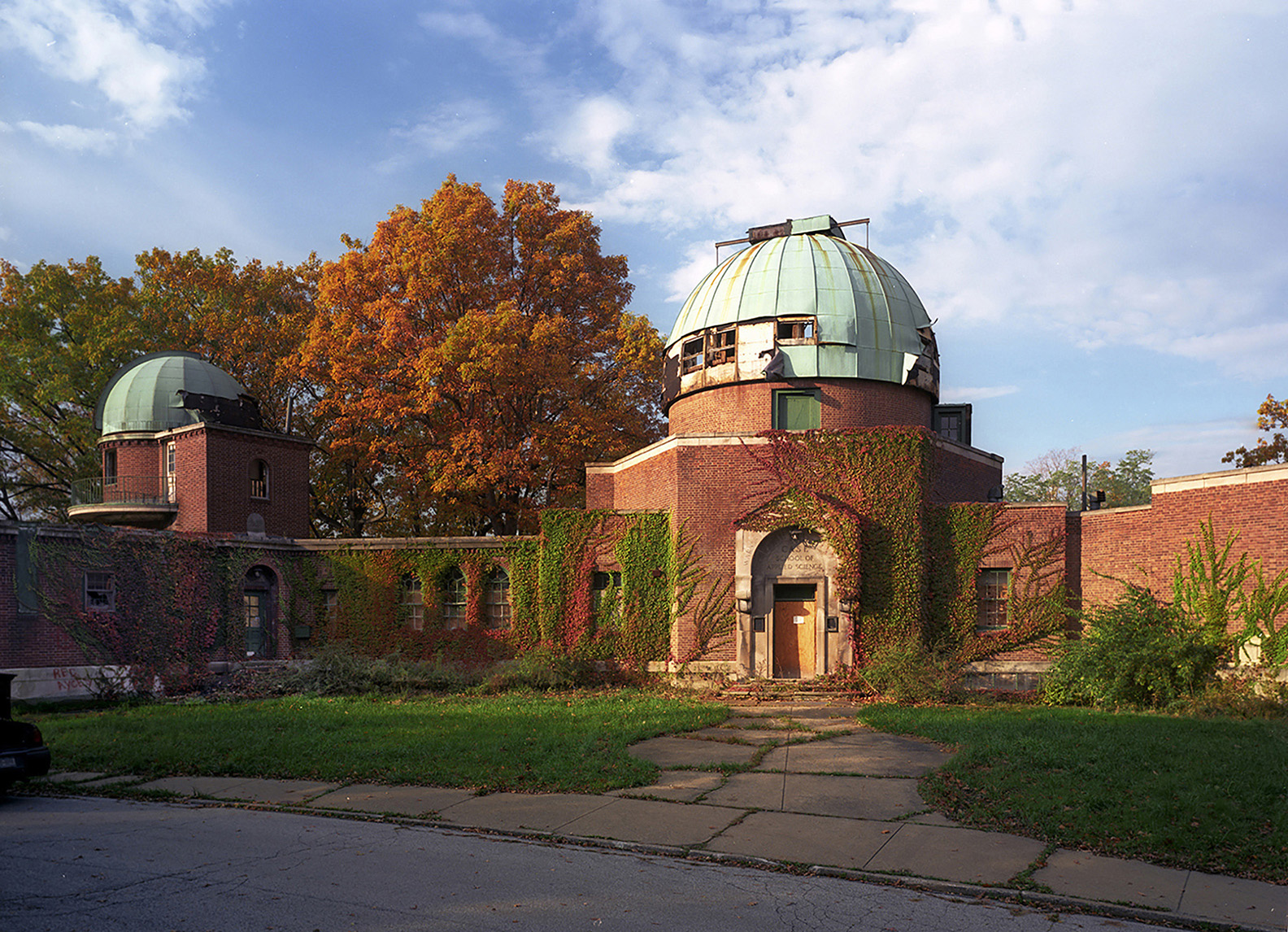
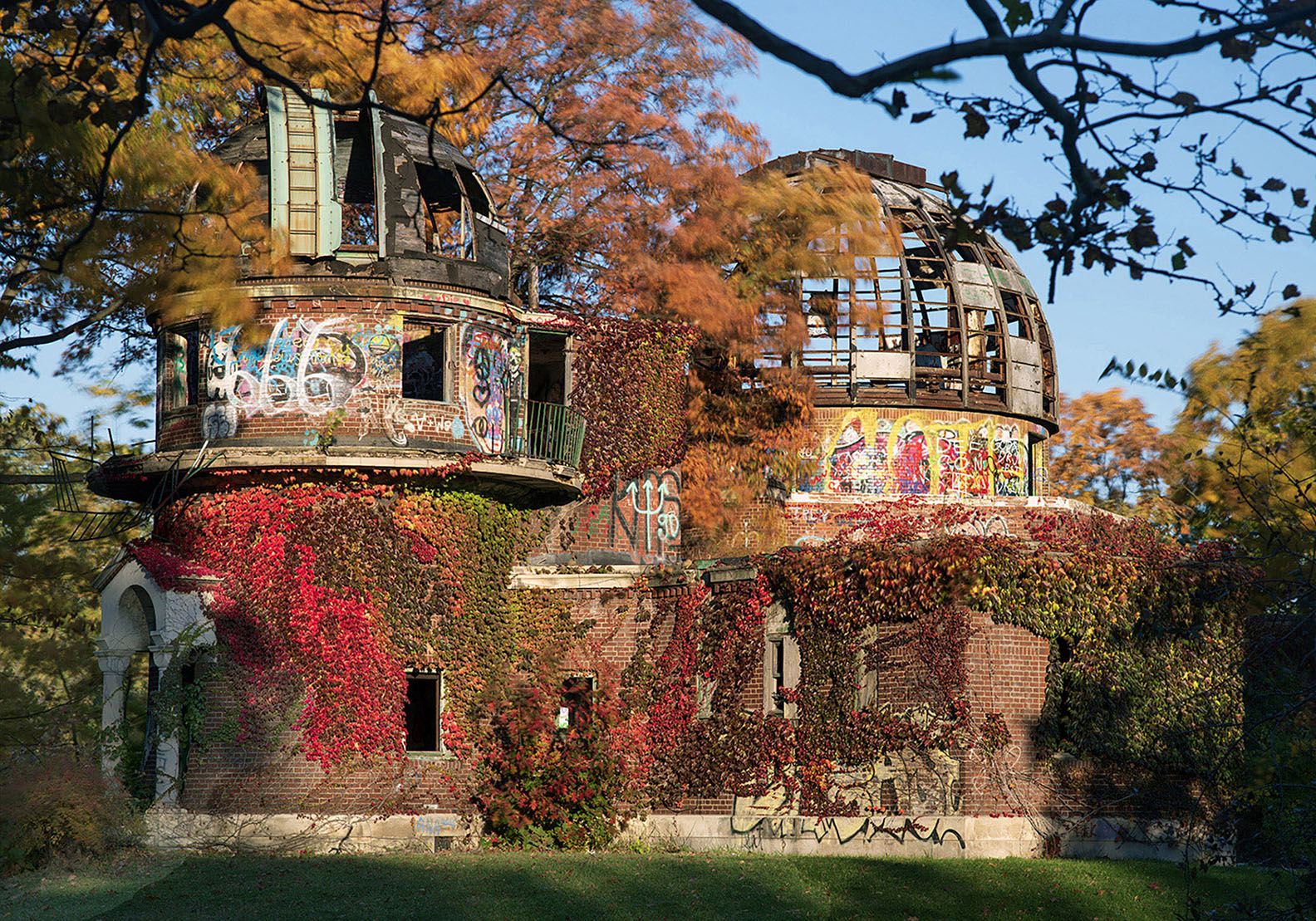
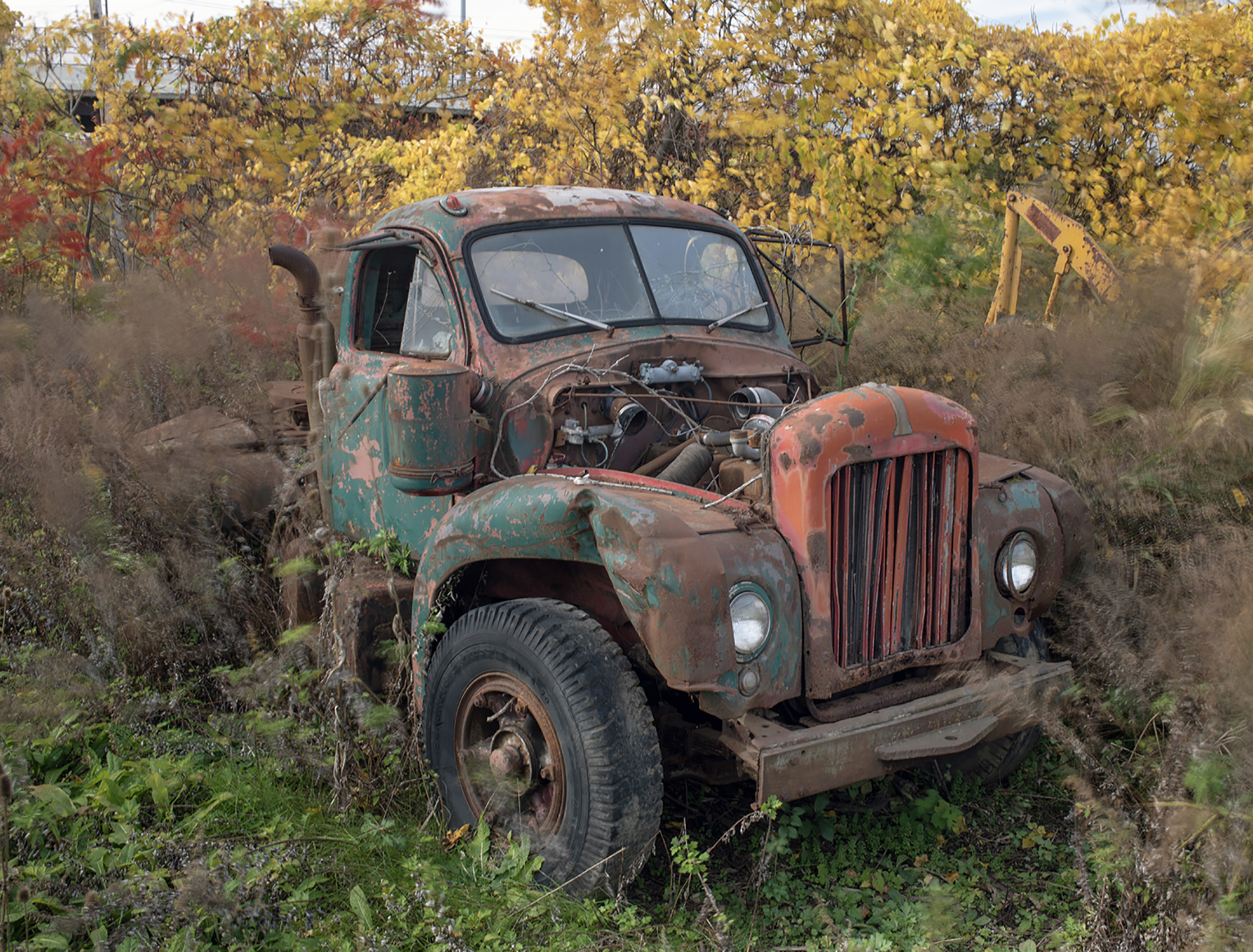
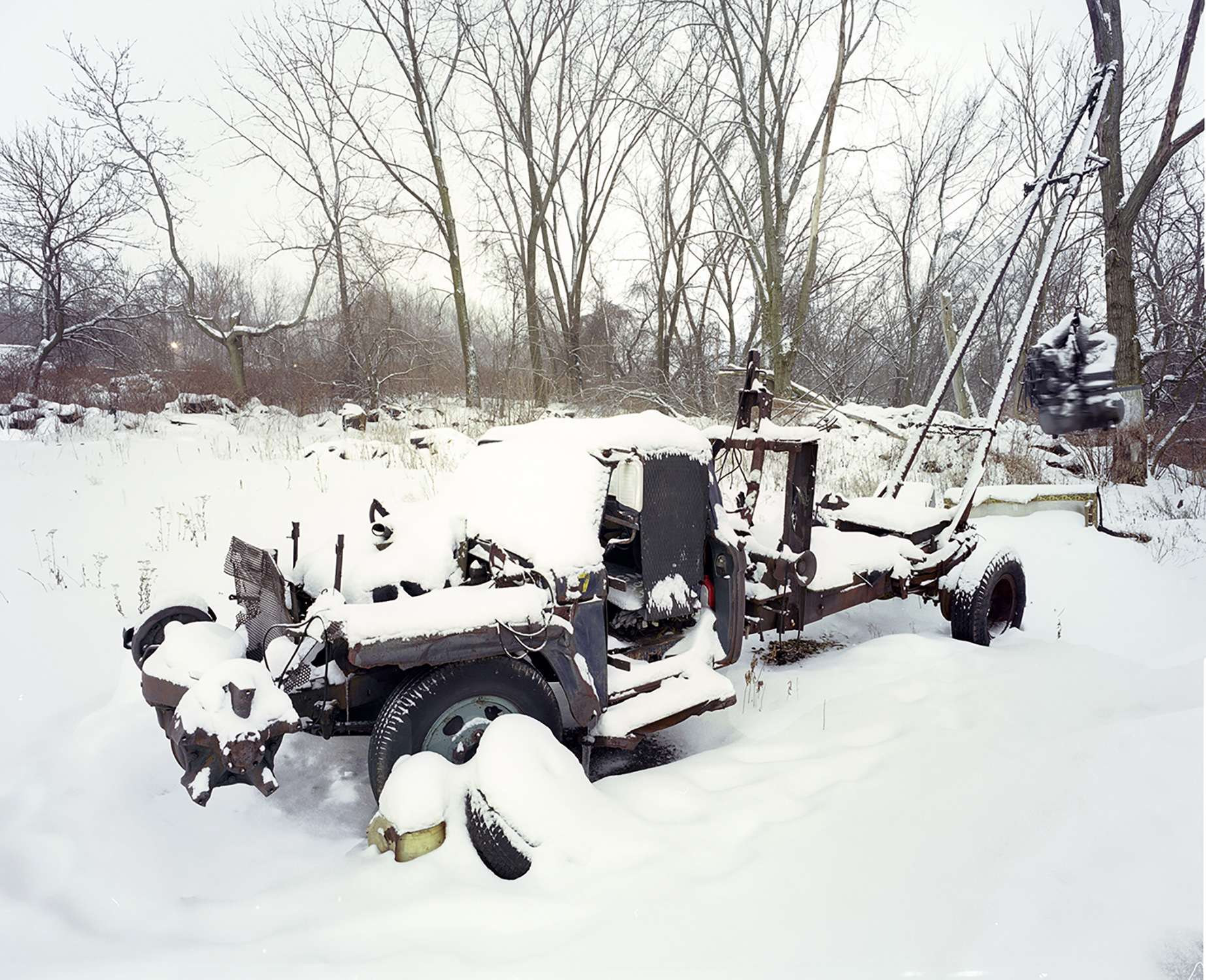
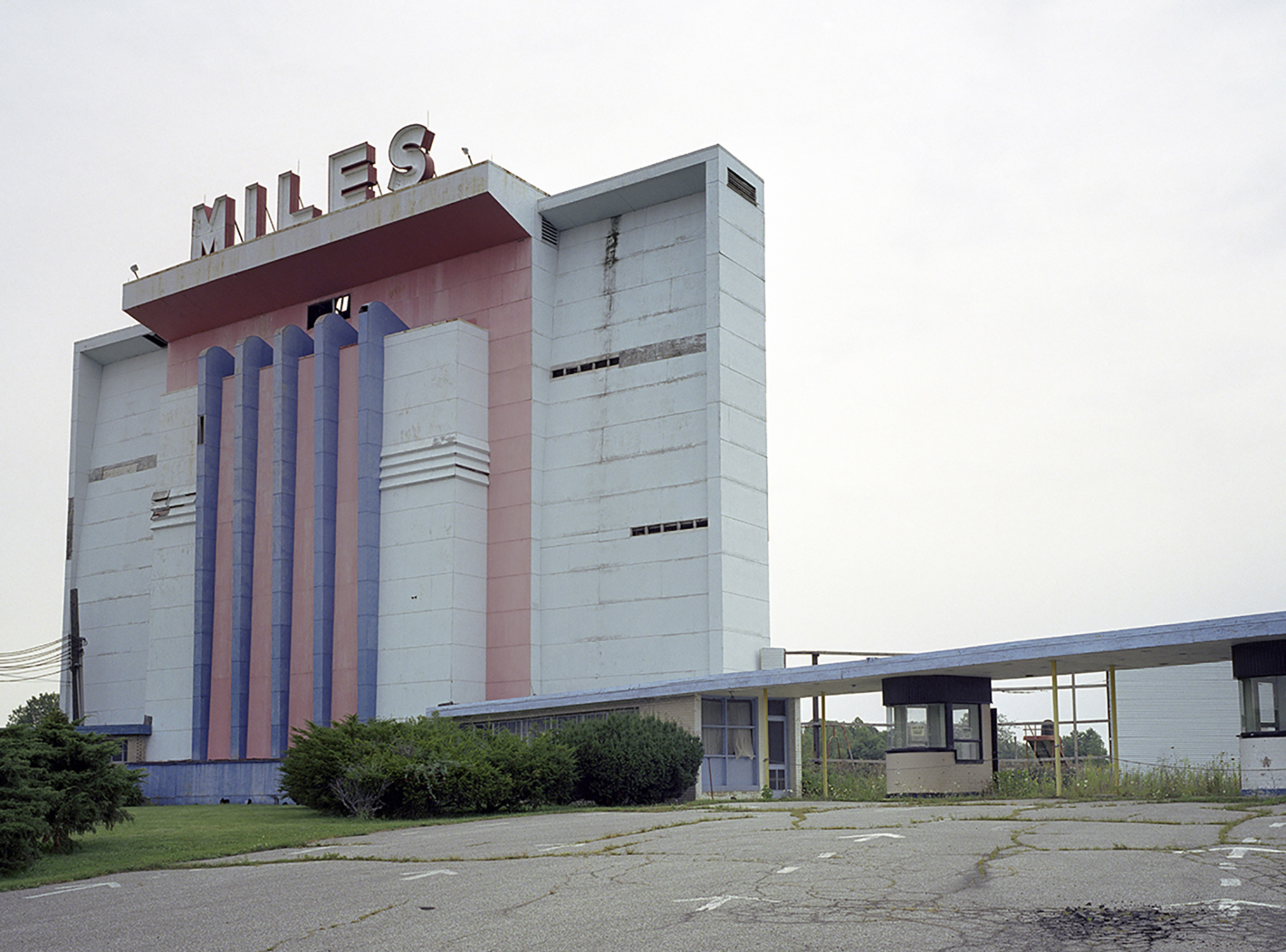
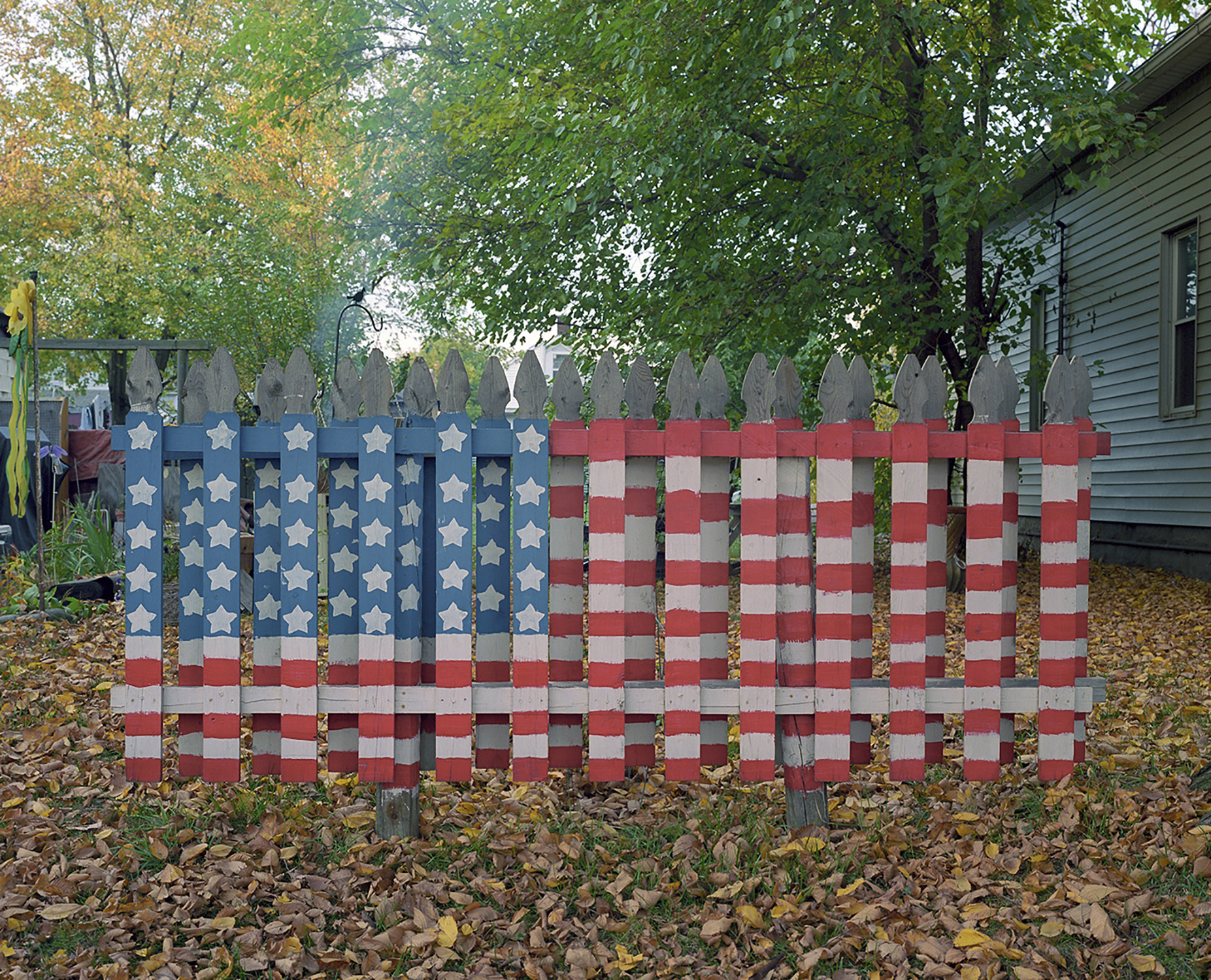
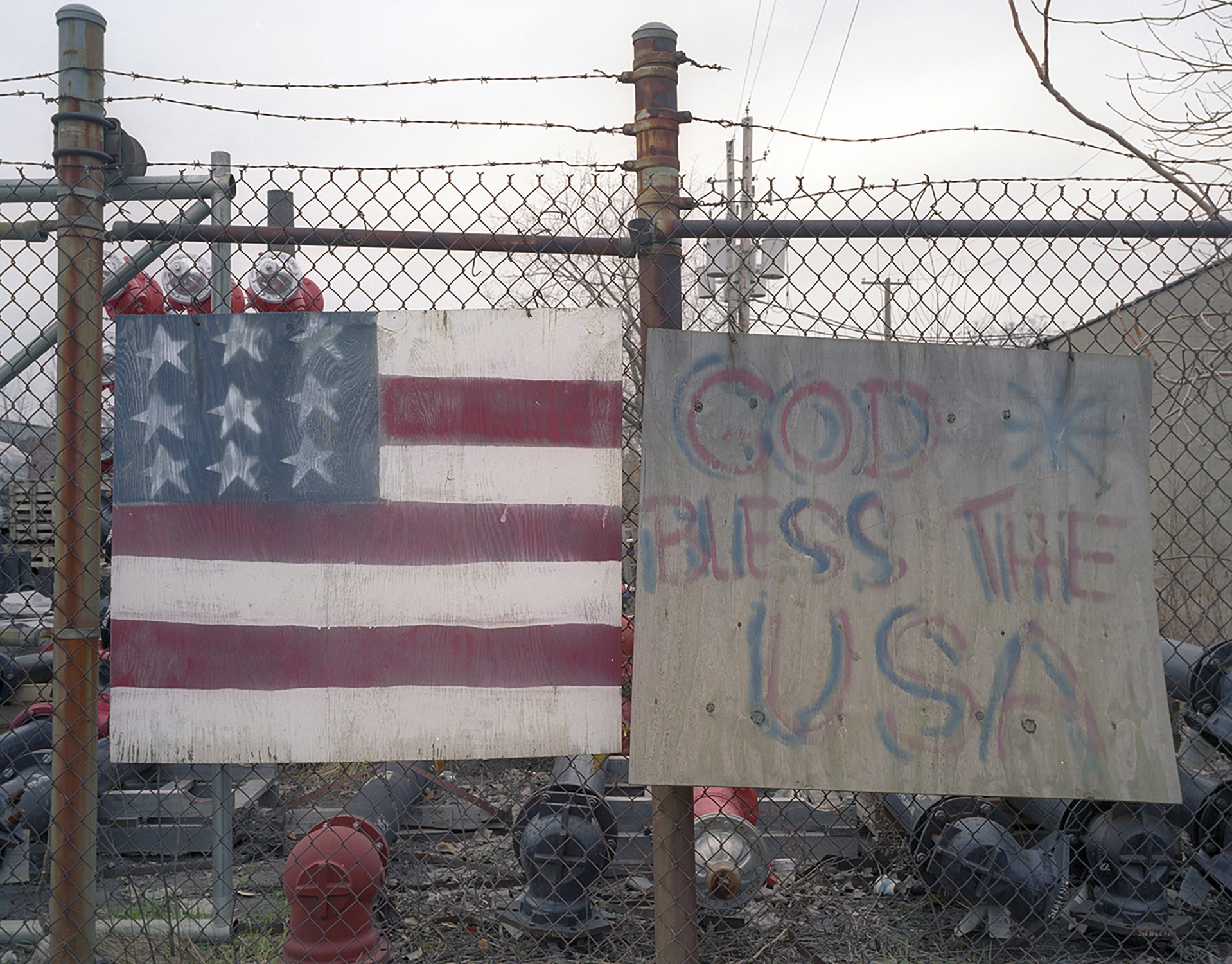
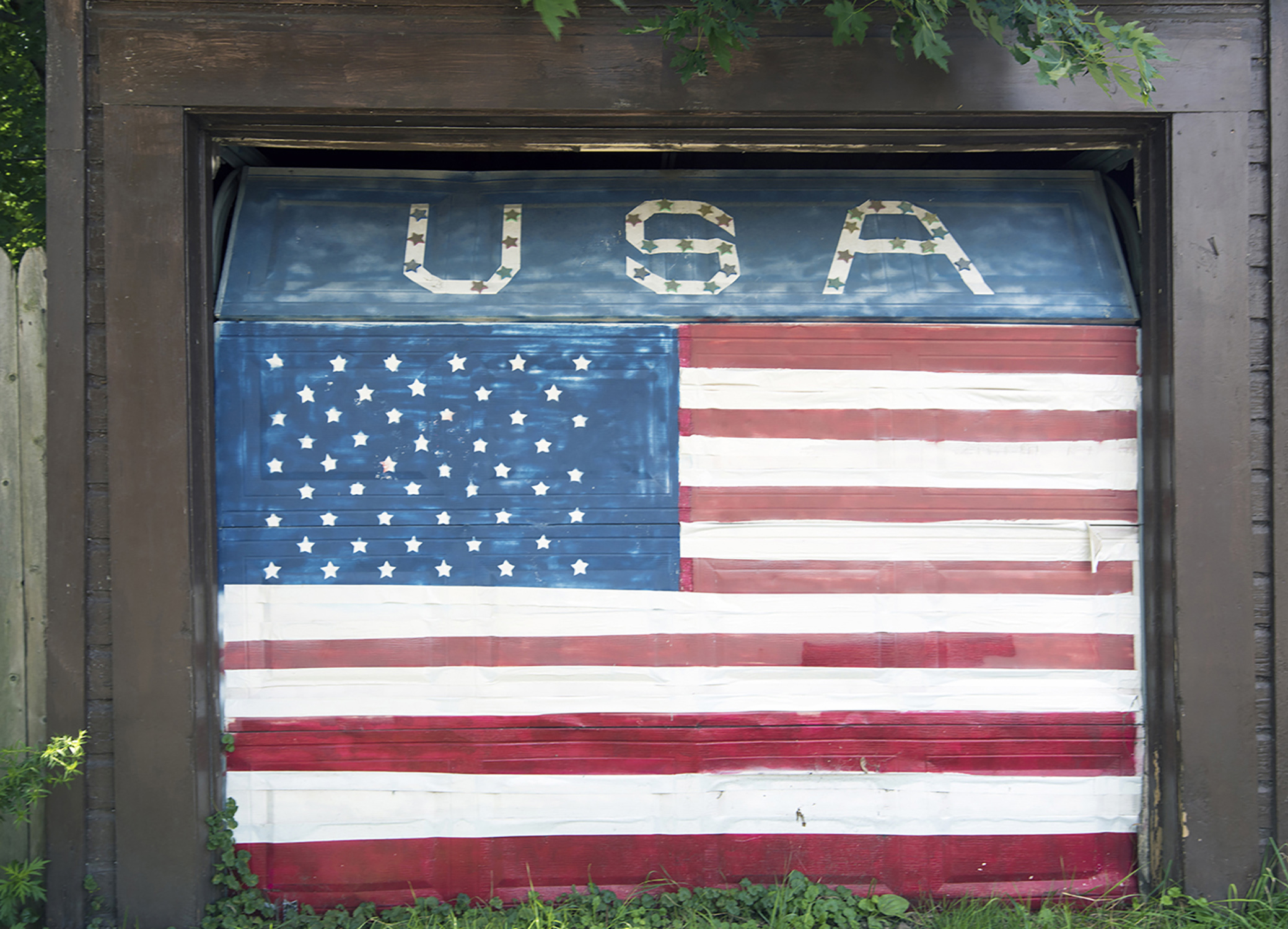
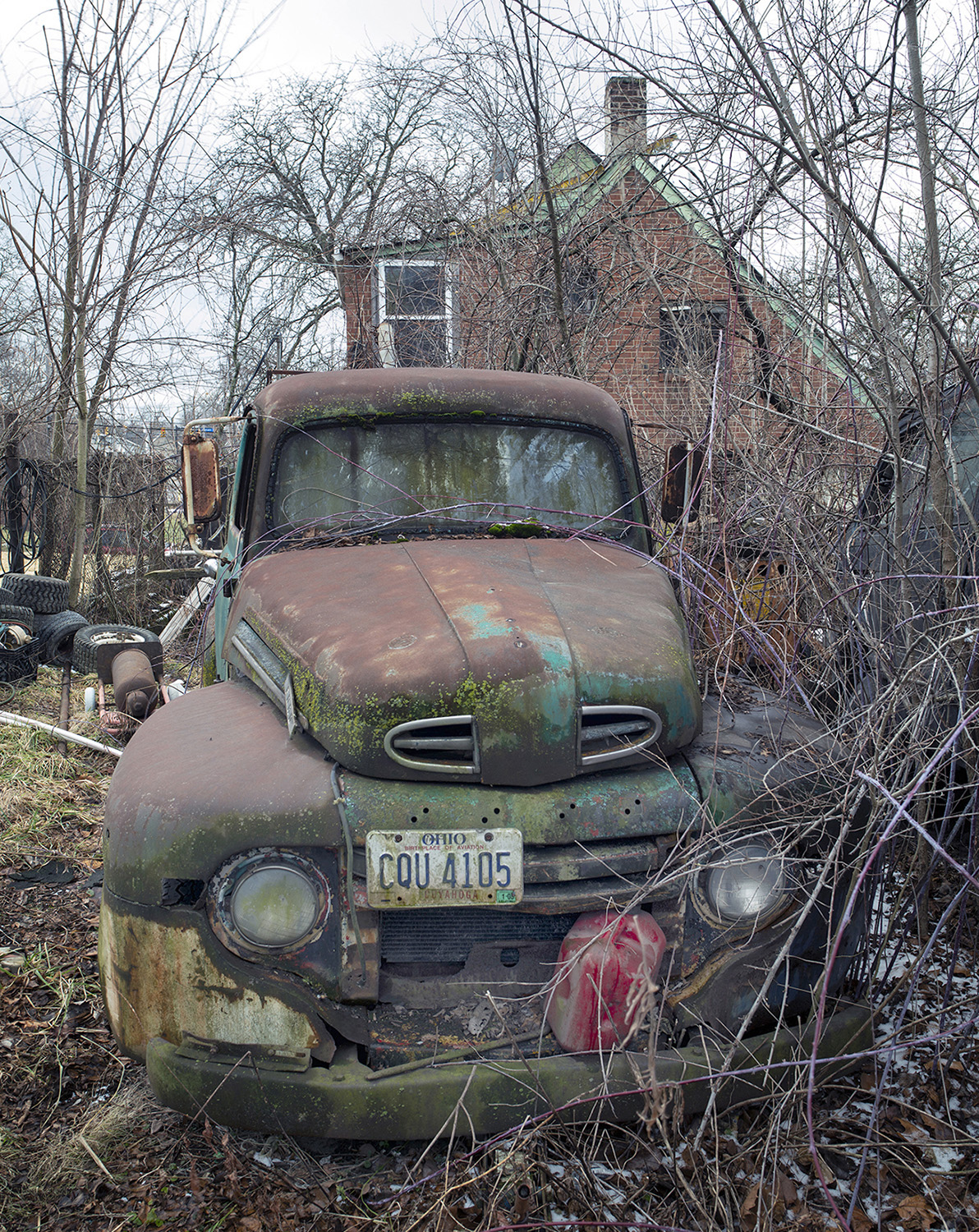
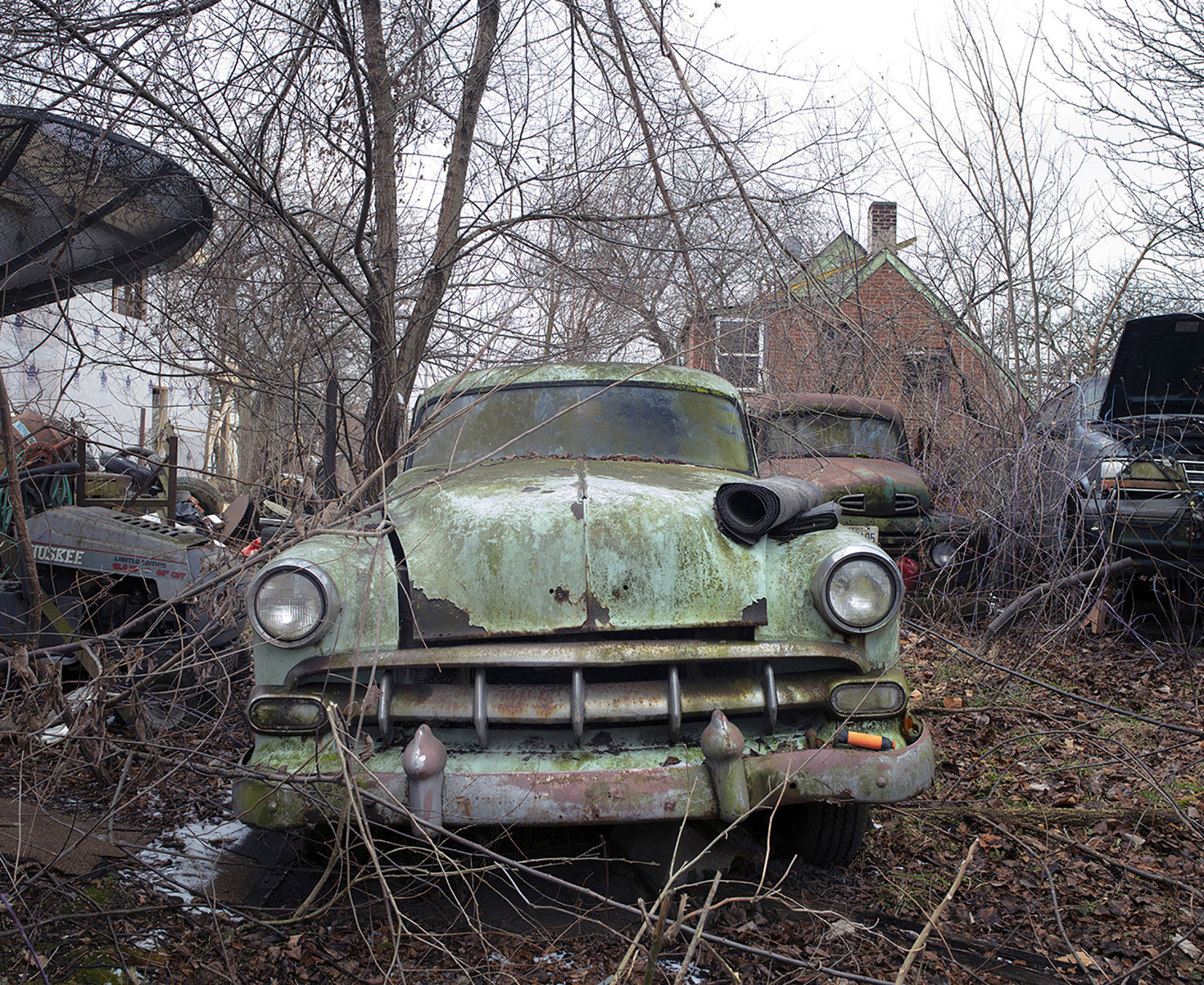
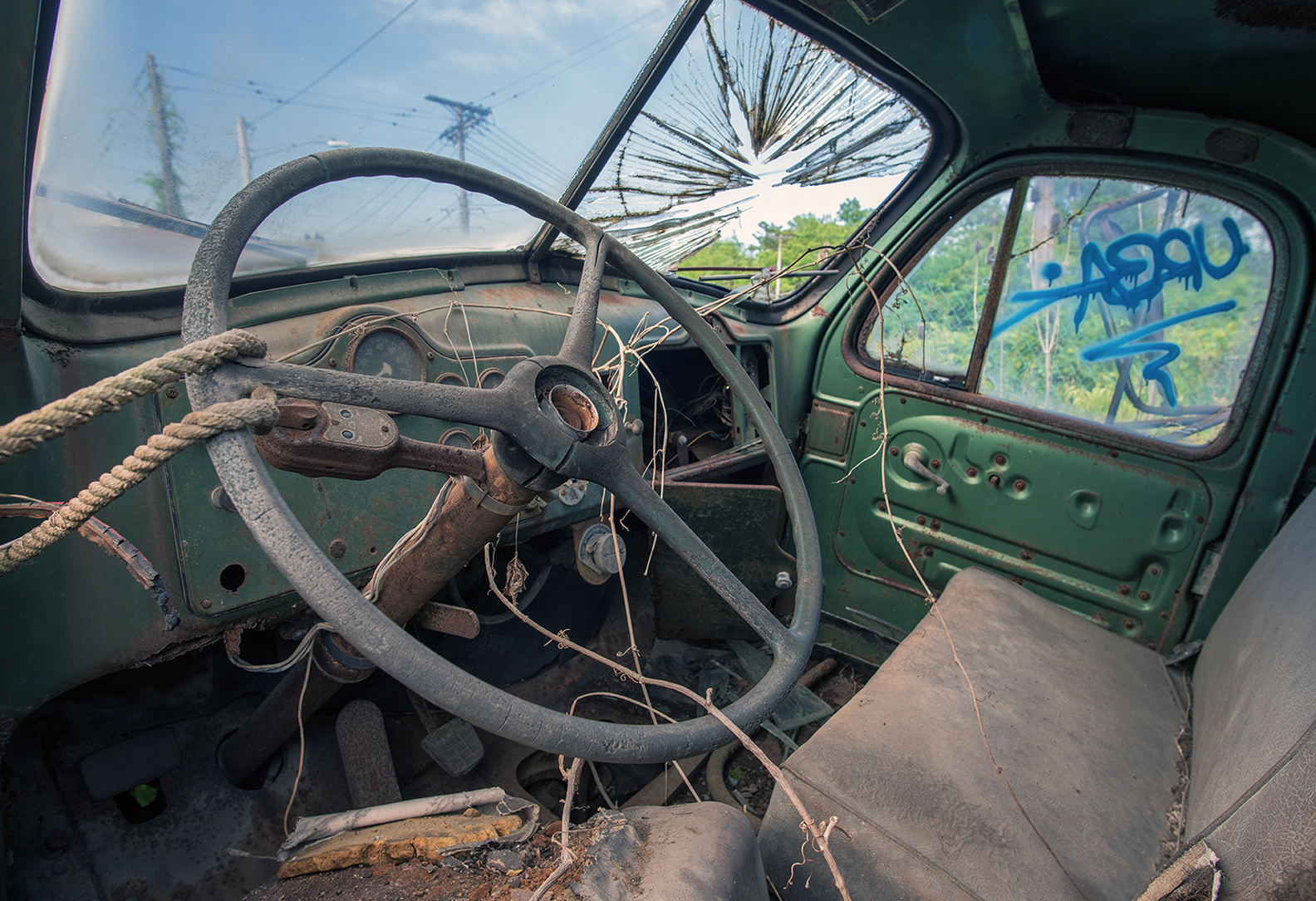
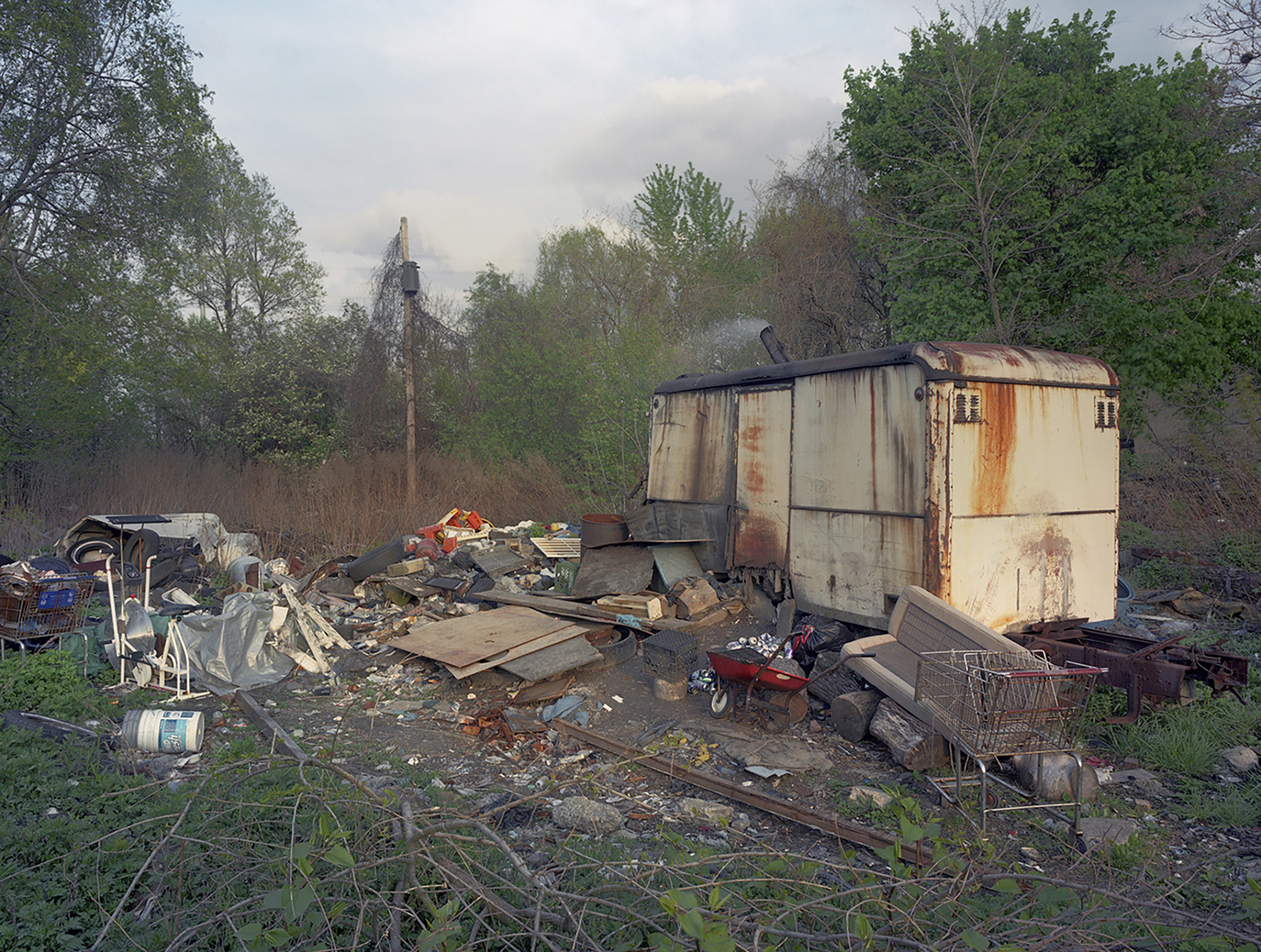
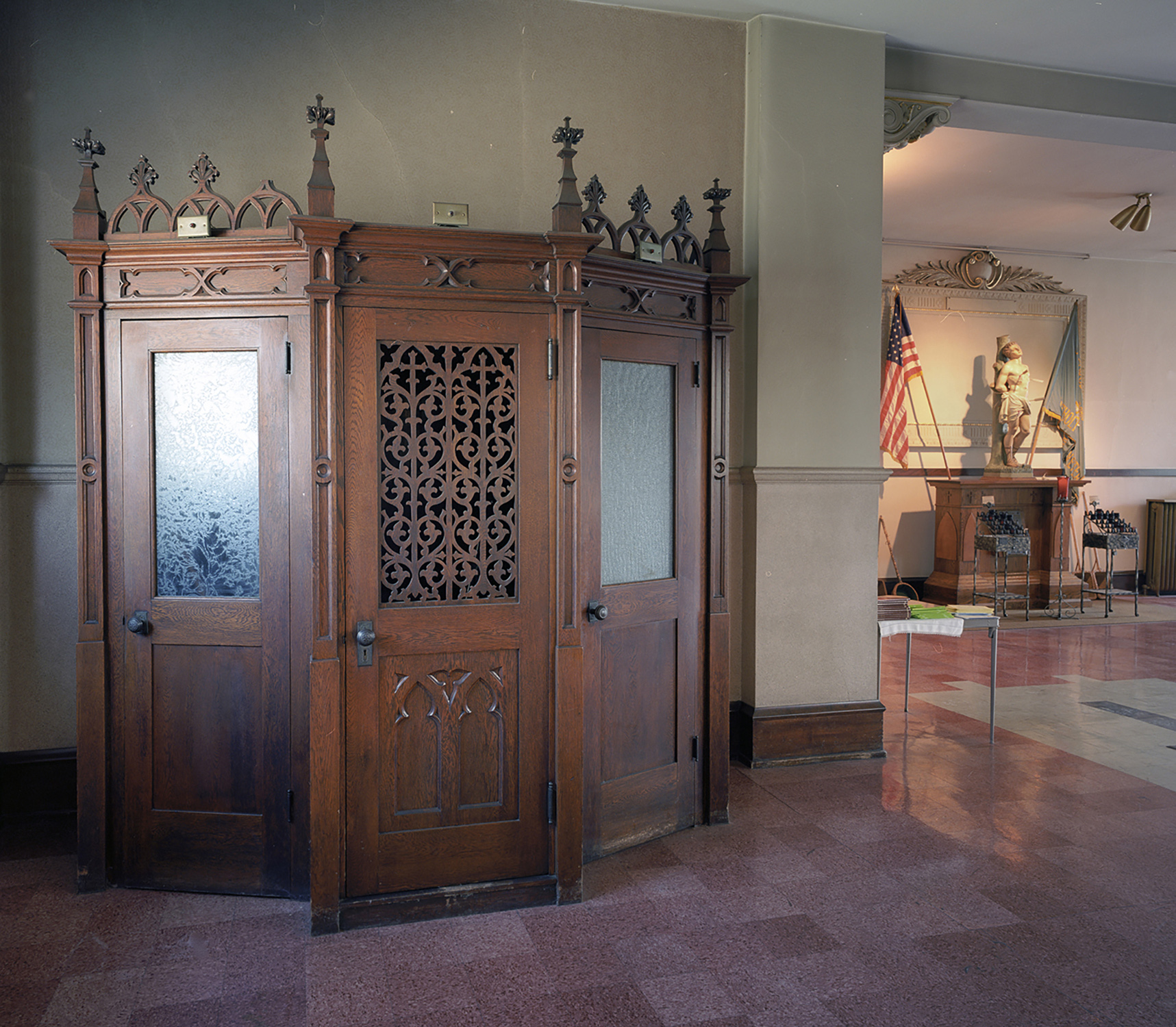
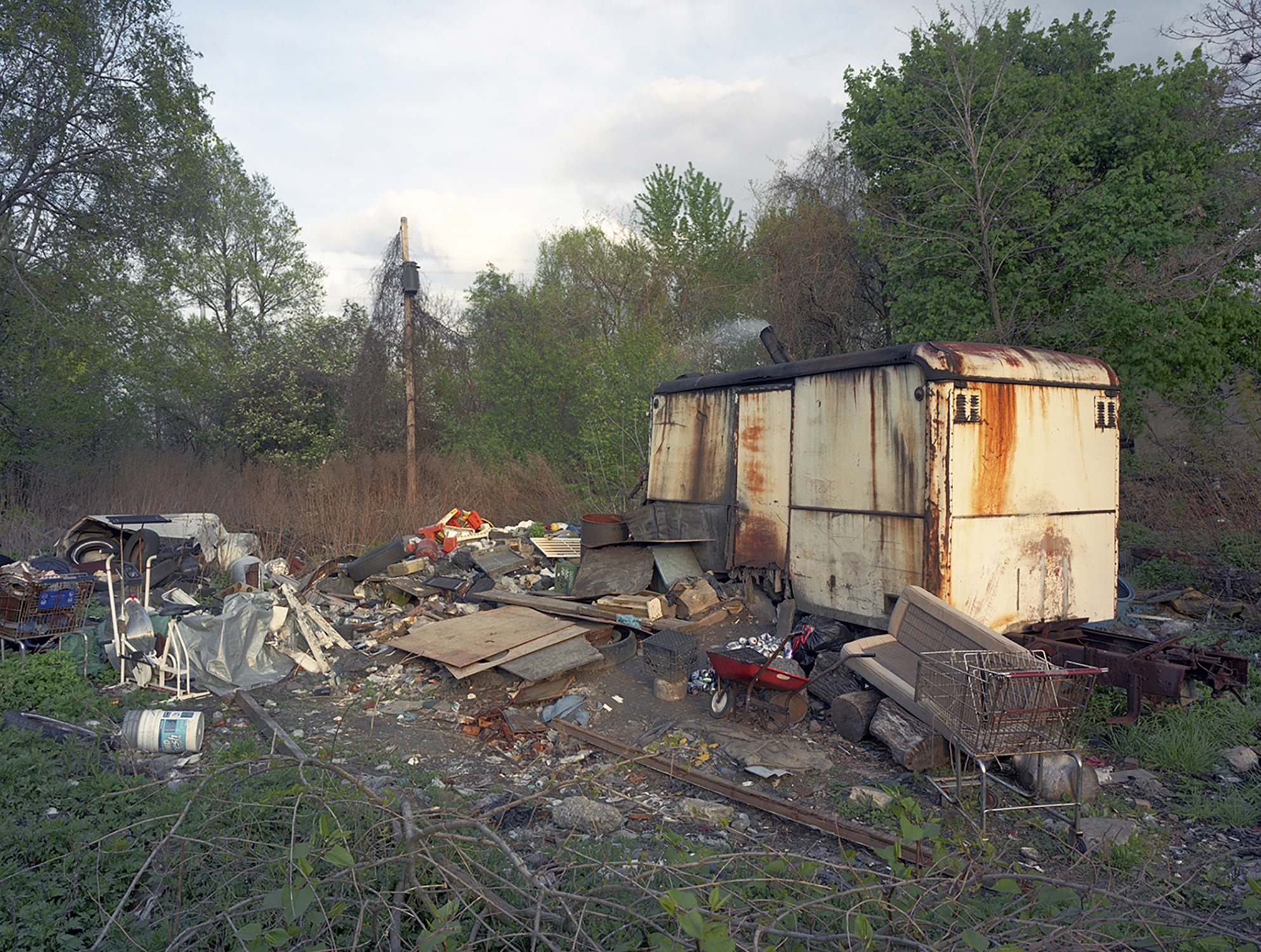
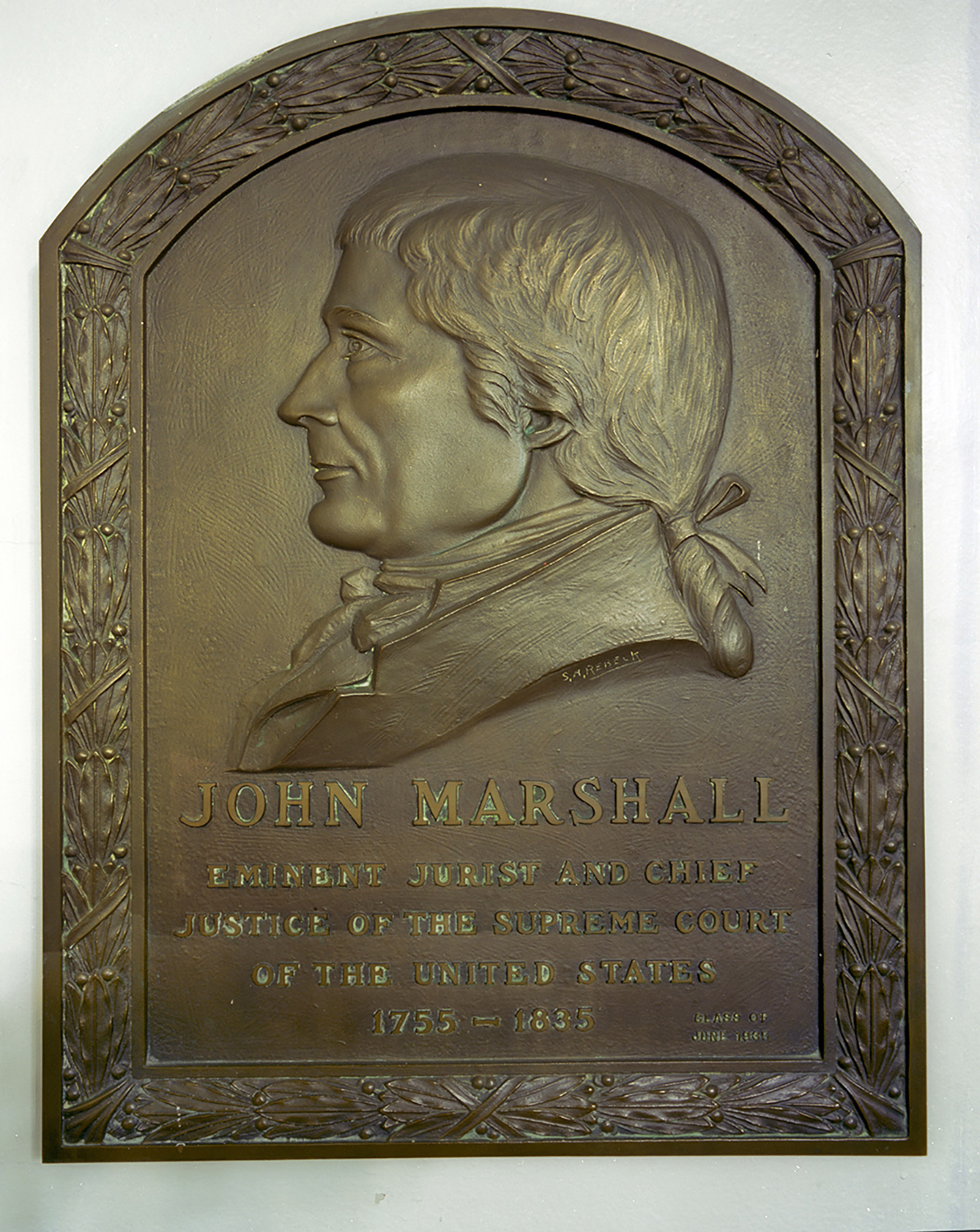
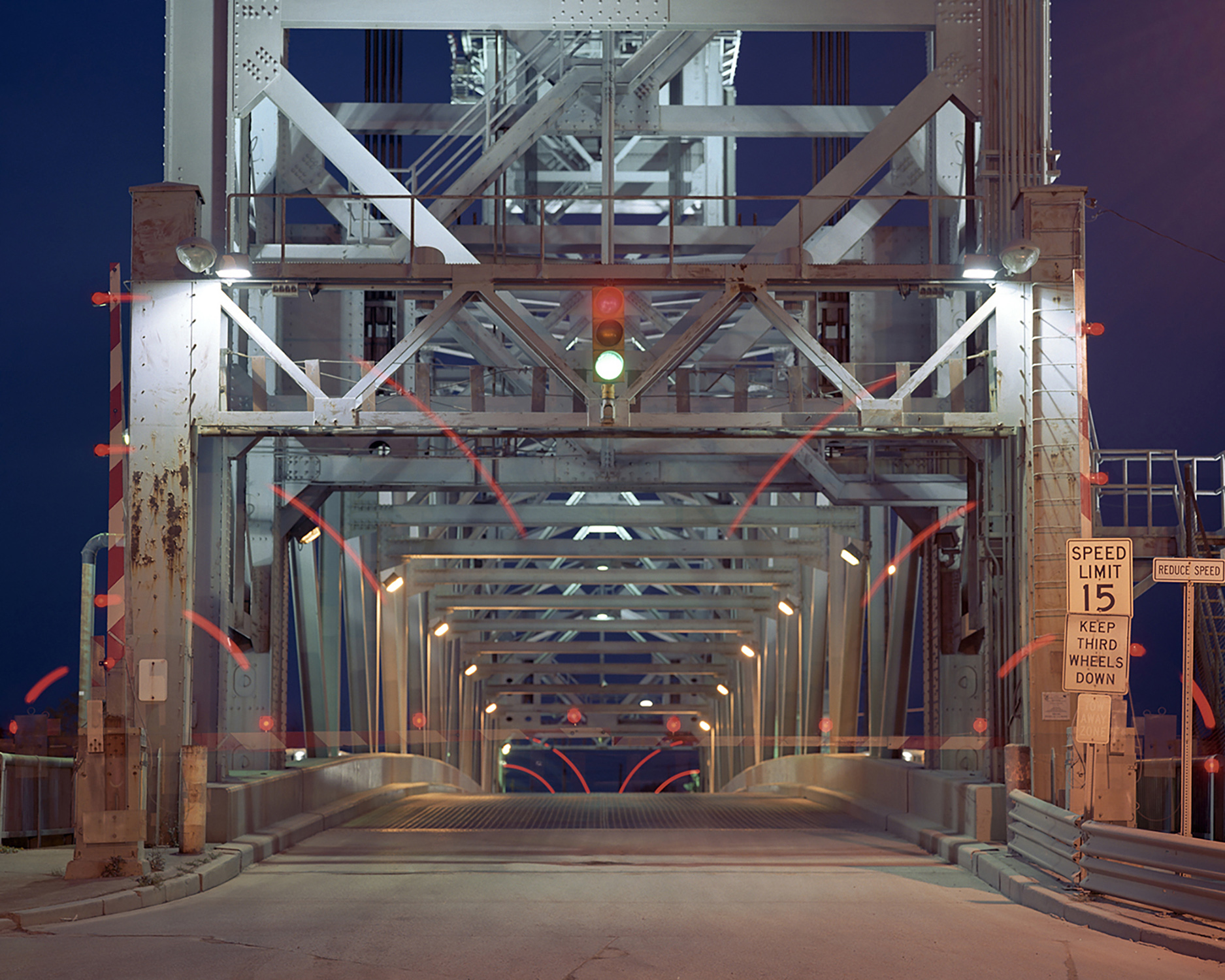
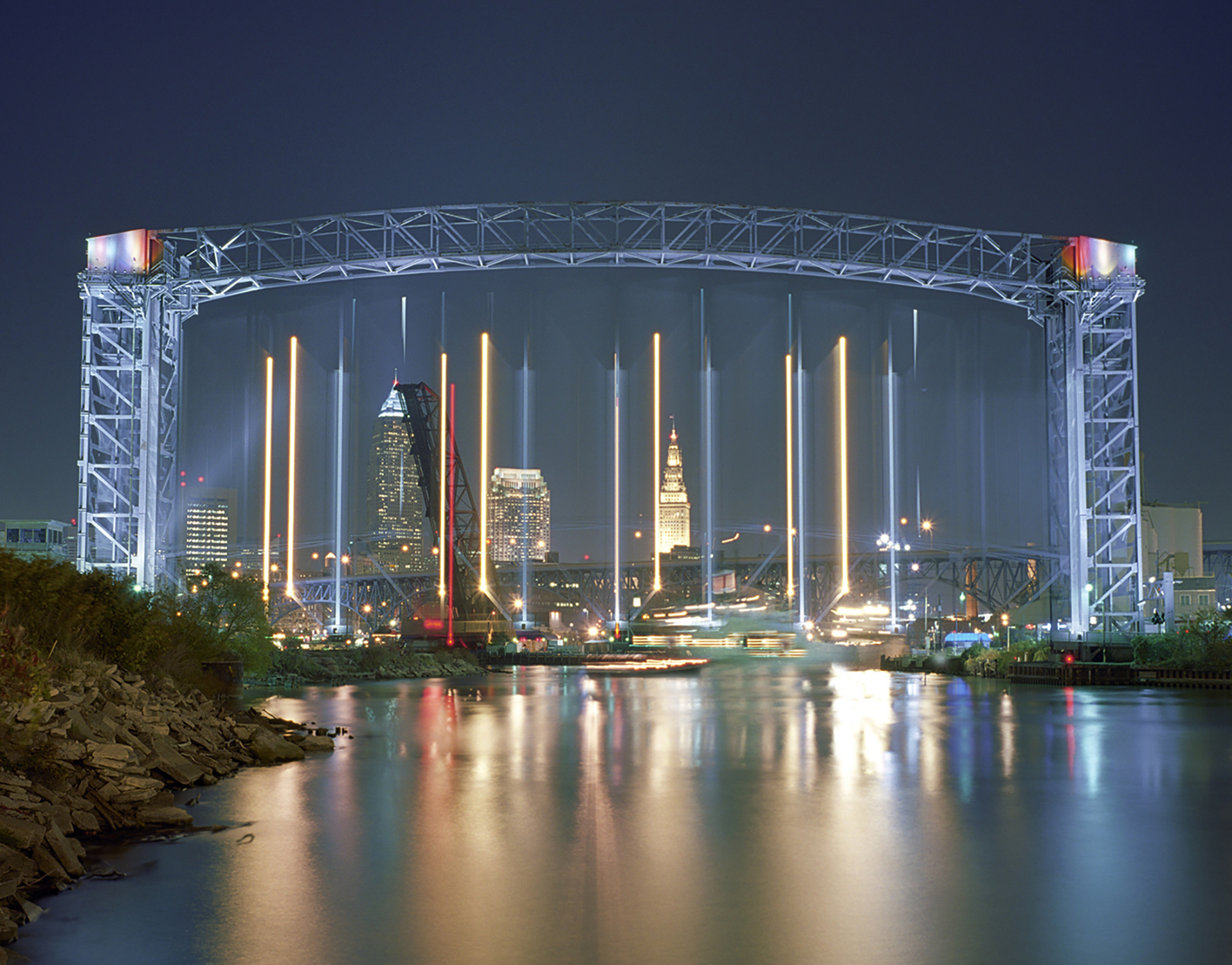
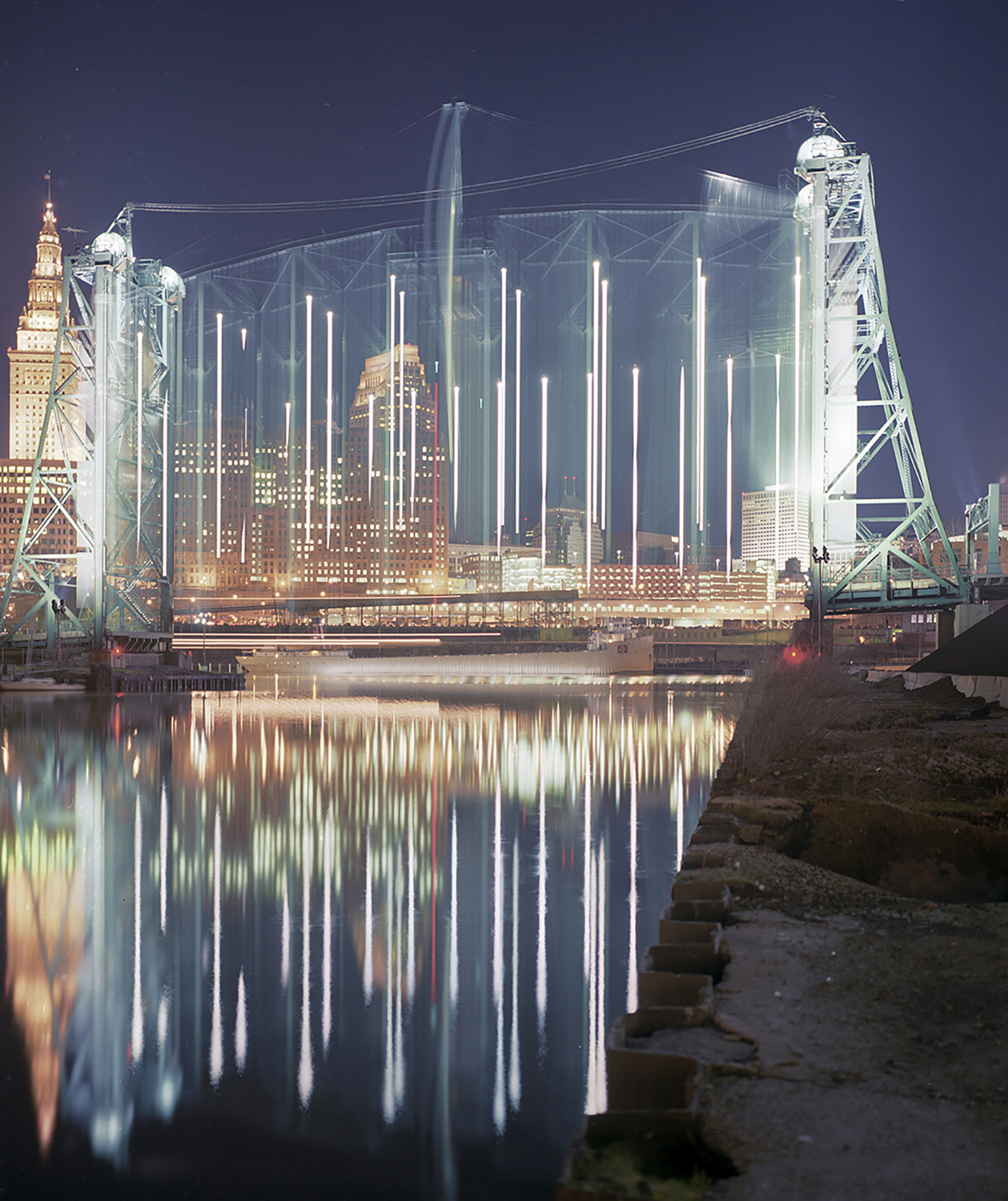
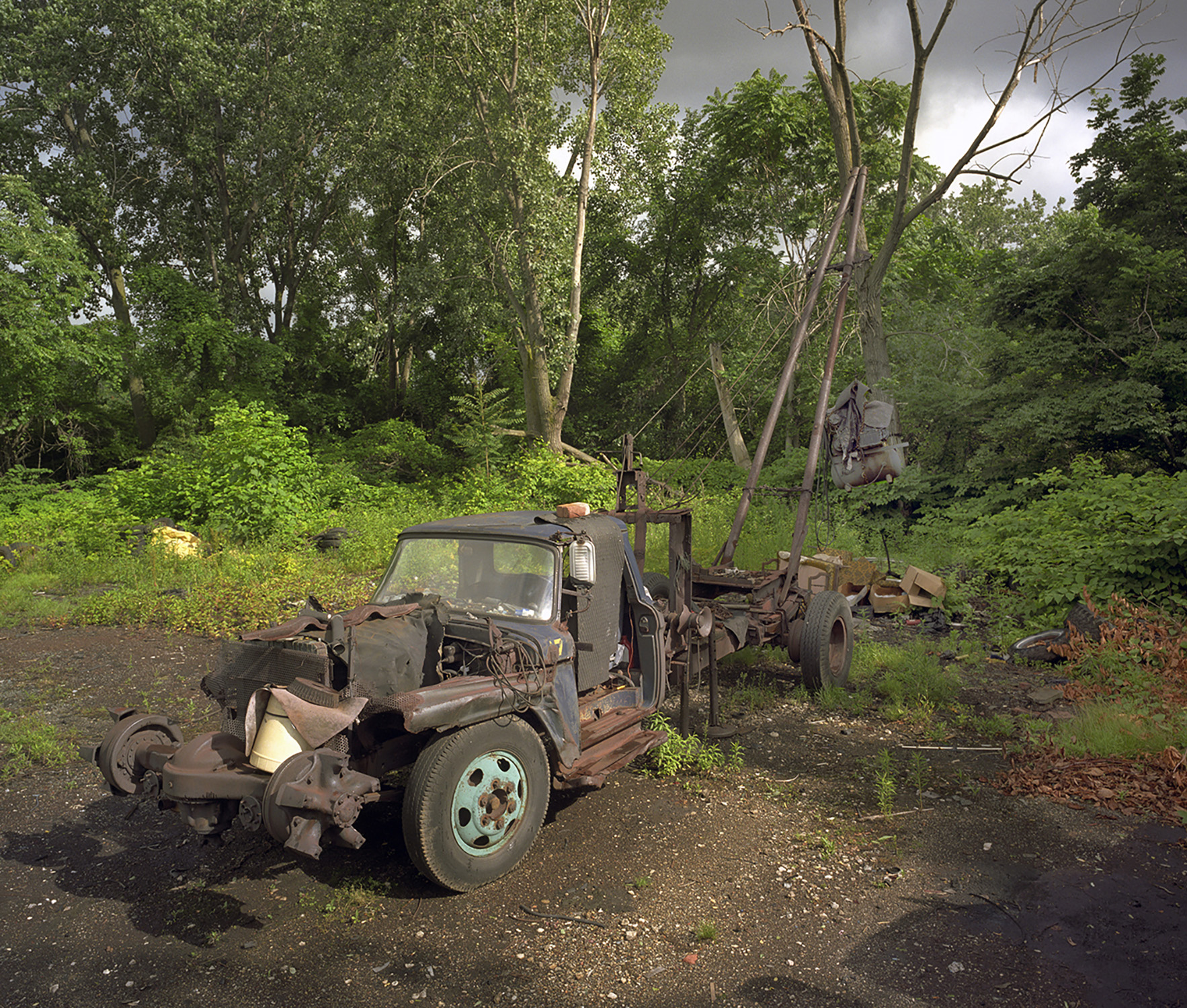
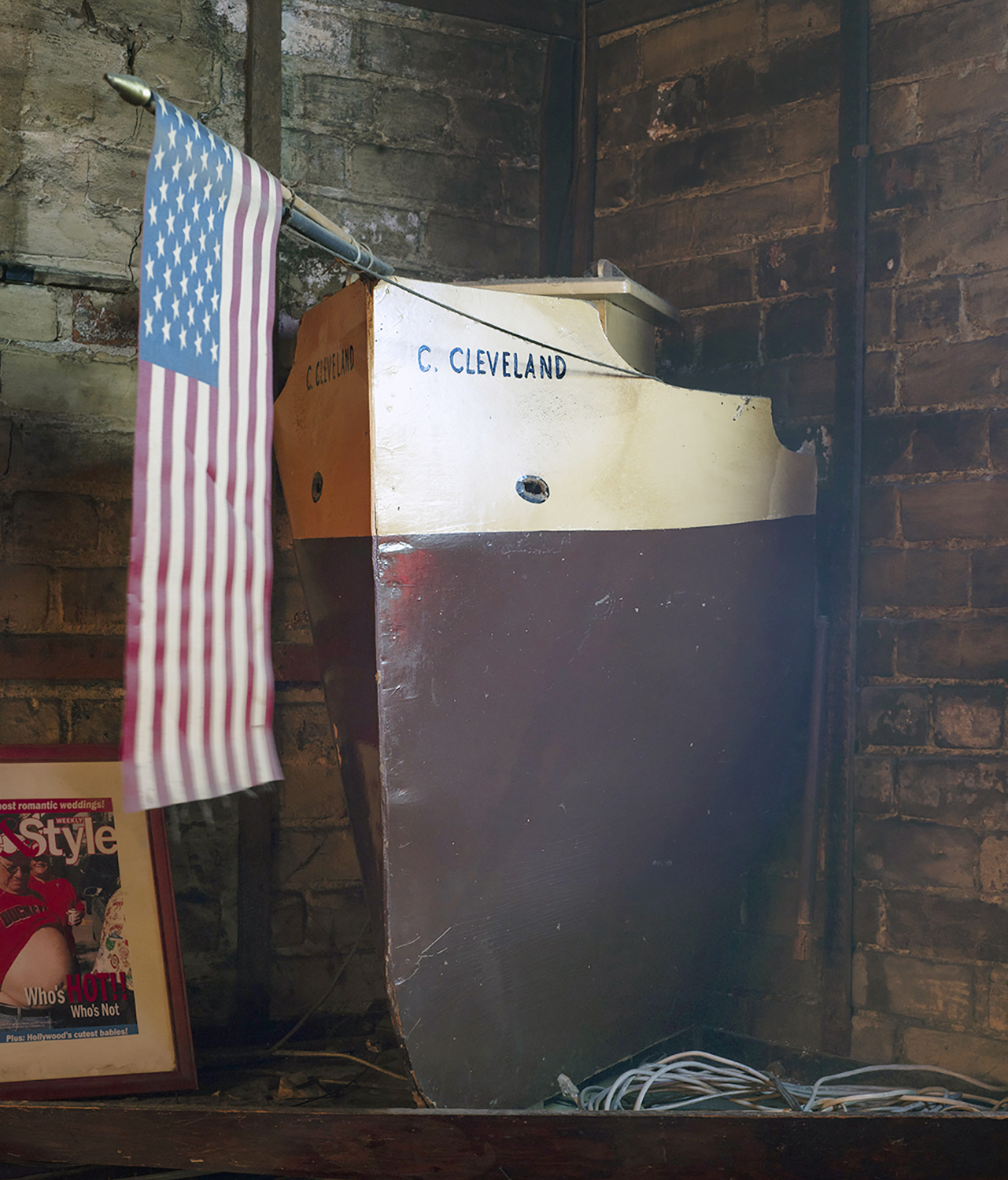
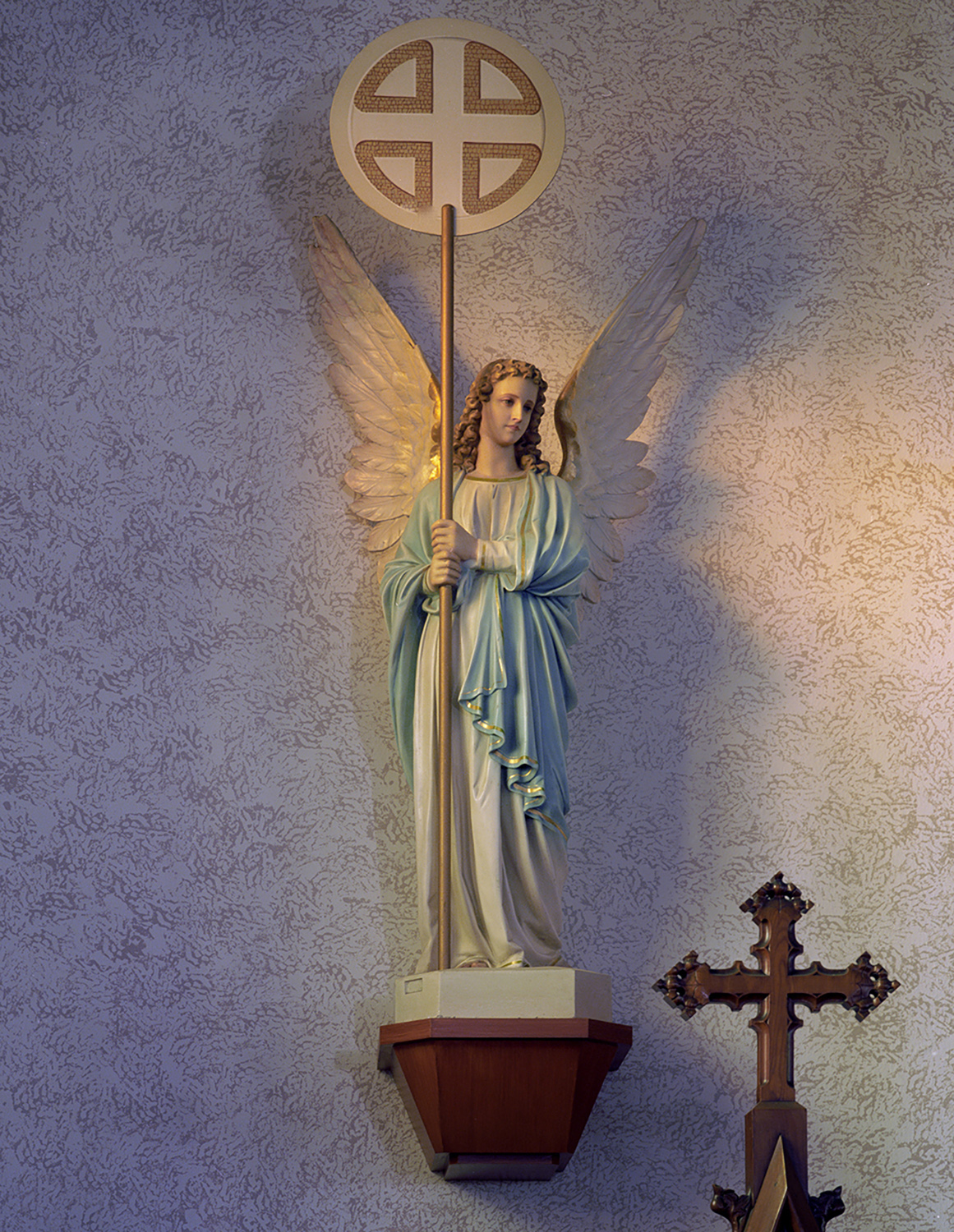
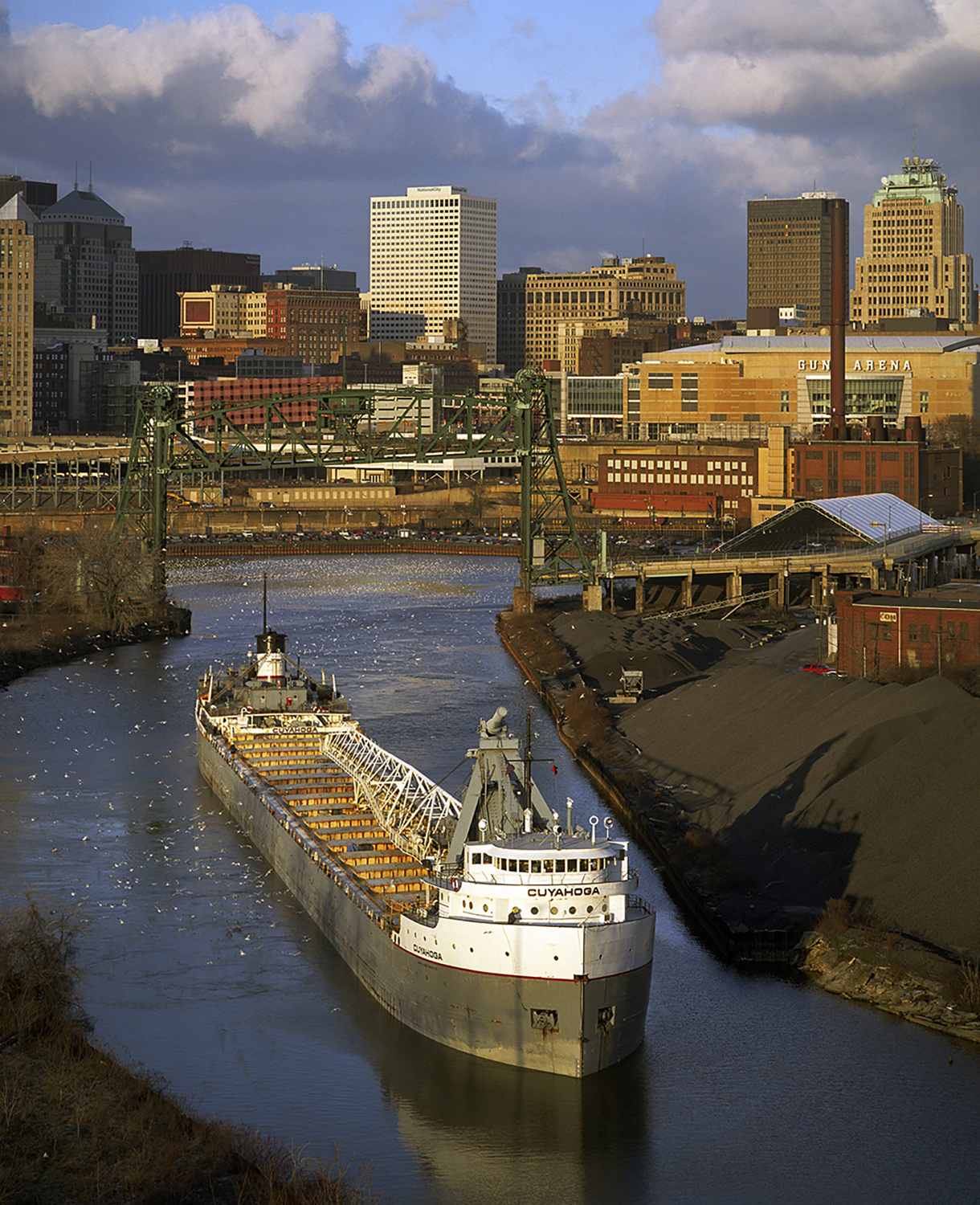
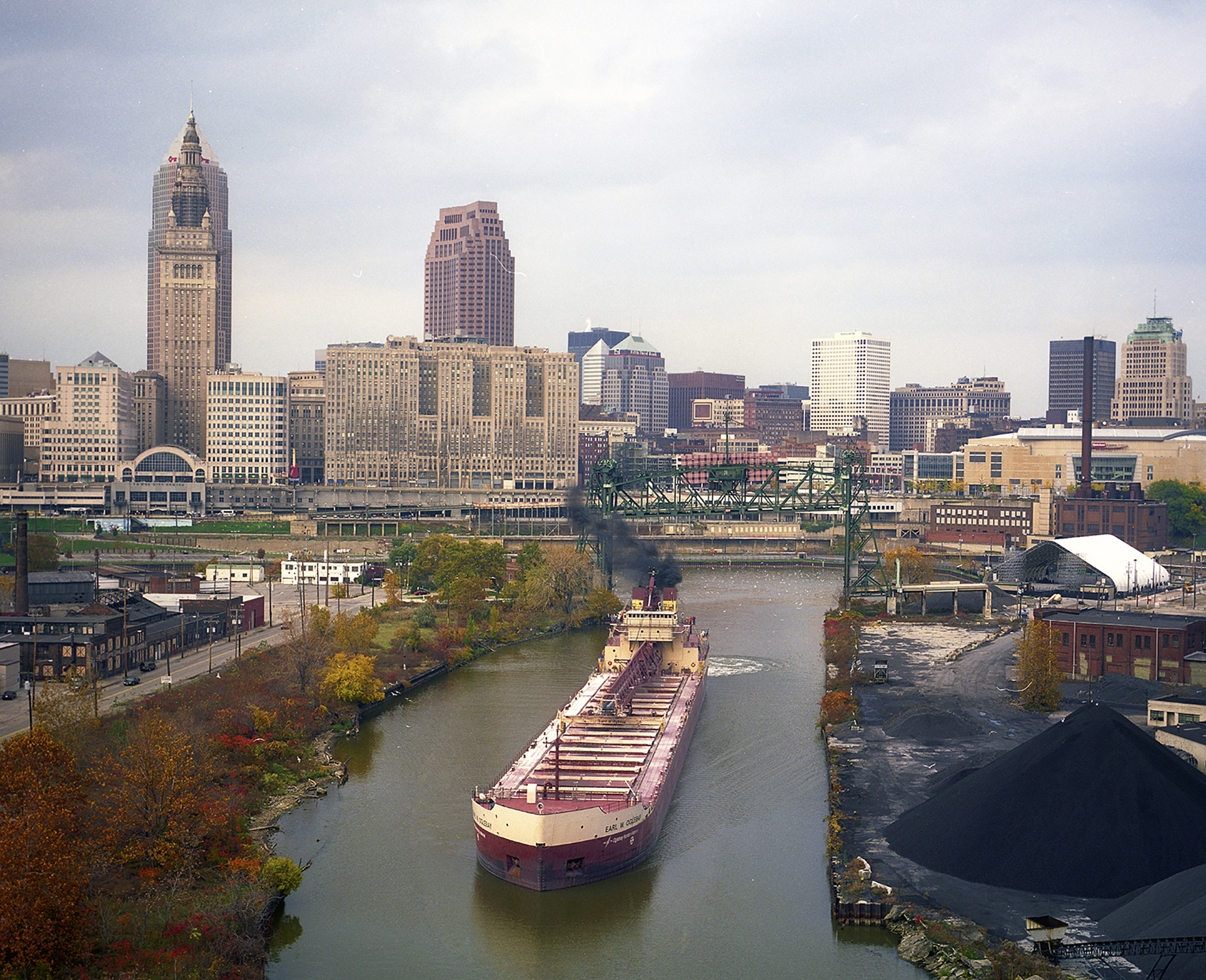
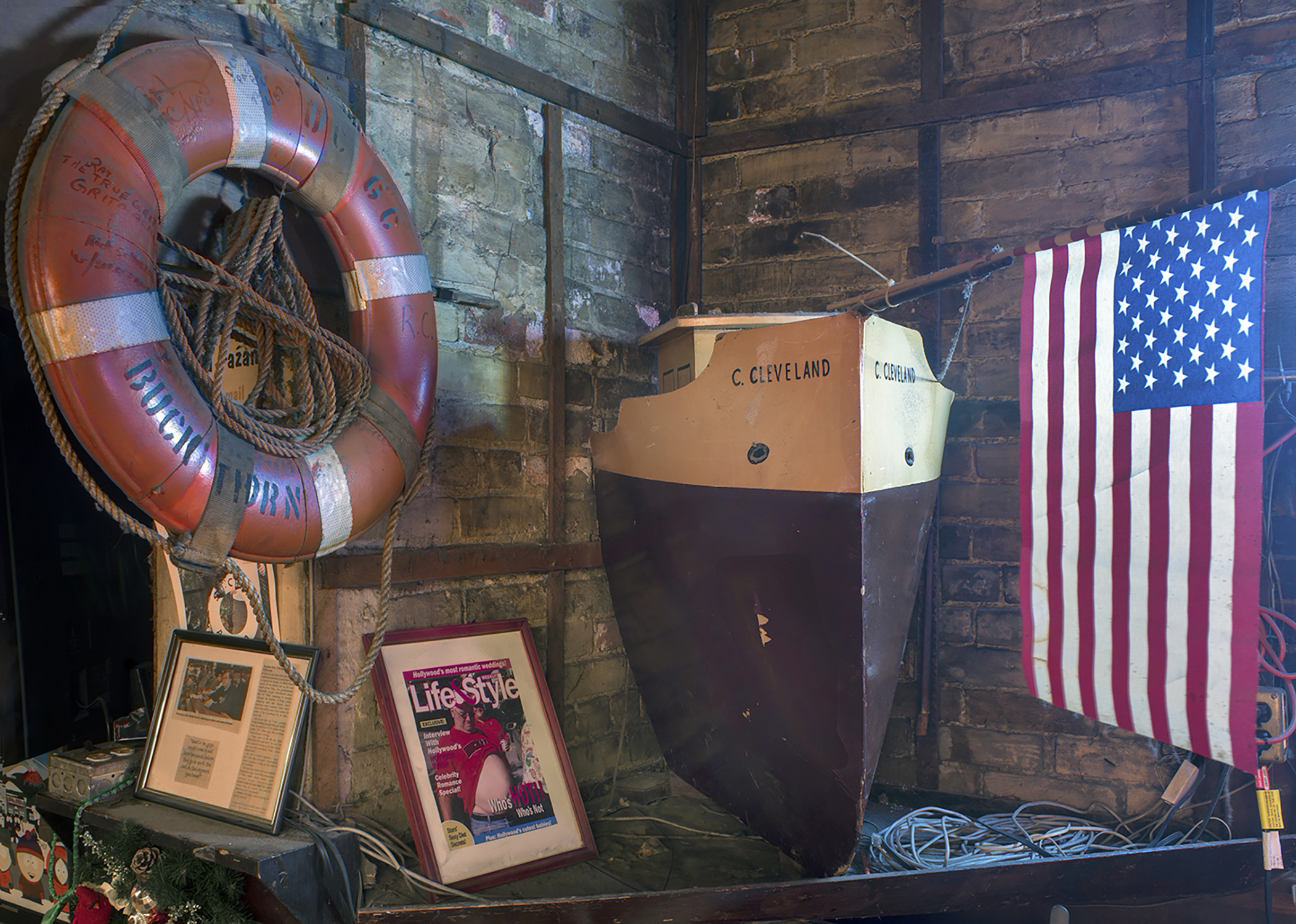
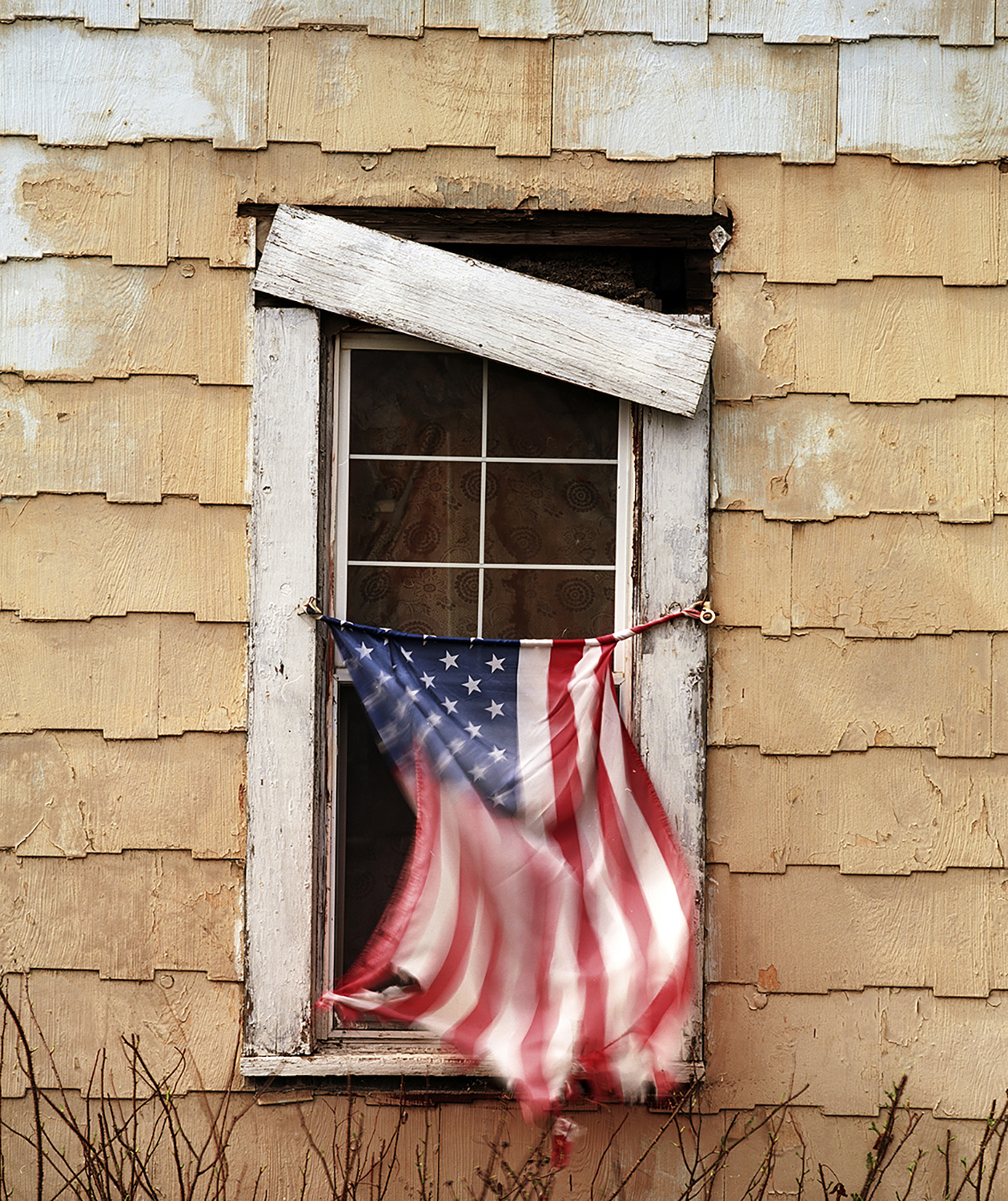
White was compleyely torn down by 2011.Rowhouses, East 74th Street, 2023Door, Apartment Building, Euclid Avenue, 2006Door, Apartment Building, Euclid Avenue, 2010Urinals, United Bank Building, West 25th Street & Lorain Avenue.Board of Education, Door, East 63rd Street, 1995Board of Education, Door, East 63rd nStreet, 2020The building was converted into artists lofts, and is still surrounded by an empty ghetto.Home, Hathaway Avenue, 2010Home, Hathaway Avenue, 2019House, East 71st Street, 2023Wrought Iron Fence, East 56th StreetThis type of small iron fences that were used extensively in the cities neighborhoods was readily available because Cleveland was a center of iron production, with Van Dorn iron Works on E. 79th St. which manufactured numerous iron products like gel, cells and fences. Of course, the plant is gone as it shut down in the late 1970s.Homemade Patio Furniture and Flag, East 103rd StreetJapanese Maple, Lakeview CemeteryApartment Buildings & BiowalesIn many Russel cities with lots of open lots in land, they will dig a depression in the Earth, containing local plants and grasses in order to contain and purify water runoff.Apartment Buildings, Page AvenueIn this section of East Cleveland, they rehab an entire slew of very large apartments rather than demolishing them. They opened and many of them rented out, but, being East Cleveland, every single one of them failed and now they are all gone.Apartment Buildings, Chapman AvenueEasily one of the top five worst streets in America. The buildings or abandoned in the early 1980s and remain there until they were torn down in 2024. Nothing remains of the street lined with apartments on both sides, including the street itself.Abandoned Buildings, Broadway AvenueShops & Apartments, Buckeye RoadStoe, Buckey Road, 2020Thelma's back Door, Bushnell Couty, 2008St. framcis Staute, St.Adalbert ChurchOriginally a Bahamian church that was built in 1883, it is now the cities last black ethnic Catholic ChurchWindow Display, East 74th StreetHome, West 65th StreetRichman Brothers Plant, Windows, East 55th StreetEagle Avenue Lift BridgeCanadian straight-deck lake freighter on the Cuyahoga River.Eagle Avenue Lift Bridge, Control PanelTracks & B & O Railroade Lift Bridge, 2006Greyhound Station, Buit 1948, Closed 2026Greyhound Station, Logo, 2020Greyhound Station, 2020Homes, East 71st StreetSign, Shop, East 93rd StreetMenu, Strip Mall, East 55thGhetto nConvenience Store + Dead Drive Through, East 93rd & Union AvenueFrank Azmzan's Meats, Dead PigFrank's specialty was authentic Slovenian sausage which was made over a five day period with three other peopleVulture on ChimneySkeleton at Blackbaord, John marshall High School. 2013John Marshall high school was housed in a beautiful deco building.Window Display, House of Wills, East 55th StreetDoor, St. Clair AvenueFaillen Chimney, Alvanson Road, 2025Chimney & Vultures, East 93rd StreetErie Drop Hammer, Park ForgePark Forge was demolished five years before the shot. Eventually, the drop hammers were removed. They were left on the concrete platform of the foundry.Bedroom Window, East 58th StreetThat's JBI scrap on 55th St. and it is gone. The house with the bedroom window is gone as well.Apartmen House, Shops & car, St. Clair AvenueApartment House, Ansel RoadThe Overlook Aparments stood abandoned for 20 years and was demloished 2022.Confessional, St. Barbara's ChurchInterior ConfessionalStatue, St. Barbara's ChurchHomes. Artur AvenueIvy, Rev. Albert Wagner's House, Ivy, Lakeview AvenueCatalpa Tree + Home, Aberdeen AvenurHomes & St.Michaels ChurchWhite Motors Demolition, Neighborhood & DowntownLincoln Panel, Soldiers and Sailors MonumnentLincoln Arms a Slave, Lincoln Panel, Soldiers and Sailors MonumnentOrnament, St.Michaels ChurchBronze Zodiac, Taylor Road Observatory - Warner & Swasey CorporationTaylor Road Observatory - Warner & Swasey CorporationCoast Guard Station, 2006Homes, University CourtTree Roadblock, Hower AvenueCoast Guard Station & Polestar Ship Lake ErieEarle Oglebay Freighter Unloading StoneEagle Avenue Lift Bridge, Control PanelBuilt 1928, Closed 2004, Demolished 2026Calumet & Tug Boat, Eagle Avenue Lift Bridge, 2009Railroad Cut & TrainBlocked StreetGarage,Home East 38thHome, East 82nd, Forgotten TriangleHomes, East 83rd CoutrCar & House, East 83rd StreetLiving room, EastLiving room, EastGraffiti, Victoreen Geiger Counter CompanyMispelled SignSign on Front Door, East 55th StreetGrafitti Painting, Ore YardSt. Thomas Aquinas Statue, Seminary, Ansel RoadAdvertisement, Broadway Avenue.Sign, E. 83rd StreetGraffiti, Cuyahoga County Jail.Crumb AvenueStore Sins, Yale AvenueBiggie's Gas Ststion Menu, East 55th StreetBiggie's Gas Statin & Caddie, Eas 55th StreetHot Sauce, Williams outdoor pitHomeMade OrnamentByron Kelly, Halloween, 2009Grafitti Painting, Lorain Carnegie Bridge PylonBillboard, Miles AvenueThe Miles Avenue Drive-InFlag Fence, 2004Flag, Heavy Plumbing Fixture Warehouse, Maurice AvenueFlag , Garage Door, Spafford PlaceFlag, Apartment Wall, St. ClairFlag Made of Junk, East 76th StreetDistressed Flag, Addison AvenueScrapper's Home, 2022The home was finally demolished in 2025.The Store Path, East 90th, Hough Avenue, 2019The house was demolished soon after the shot was made, in 2019.GarageGarage, Hudson Avenue1947 GMC Advance-Design Series, Colax Avenue, Forgotten Trianagle1952 Chevrolet Fleetline/Belair, Colfax AvenueIn the backyard on Colfax Avenue there were a number of trucks and cars from the 1950s and 1940s that had been there until they were finally removed around 2019.Interiot Mack Tow Trunk, Junkyard, East 87th StreetThe stretch of 87th St. was a mile long stretch that ended in a dead end. The dead end section was a series of medium-size factories that had been abandoned since the late 1970s. The rest of the stretch was this long storage yard and junkyard for every vehicle from tractor trailers to motorcycles. It's stretched between the railroad tracks and 87th St. continuous line of unusual vehicles.Homestead Trailer, East 83rd Street, Forgotten TriangleOne day I watched and the resident took off for a while. Curious, I opened up the door to the trailer and was surprised to see an extremely small space just enough to lay down. The trailer was completely packed with shit that was burned and covered it was soot.
It was truly the type of place you could call forgotten.Old Gas Station, East 83rd Street, Forgotten TriangleThe next property over fromt he trailer on E. 83rd St. Is this old gas station which has been used for scrapping and junking any kind of metal. This is basically the center of the Forgotten Triangle which began as a Hungarian neighborhood which was heavily industrial and with little zoning, so that houses were mixed in with the big industries.
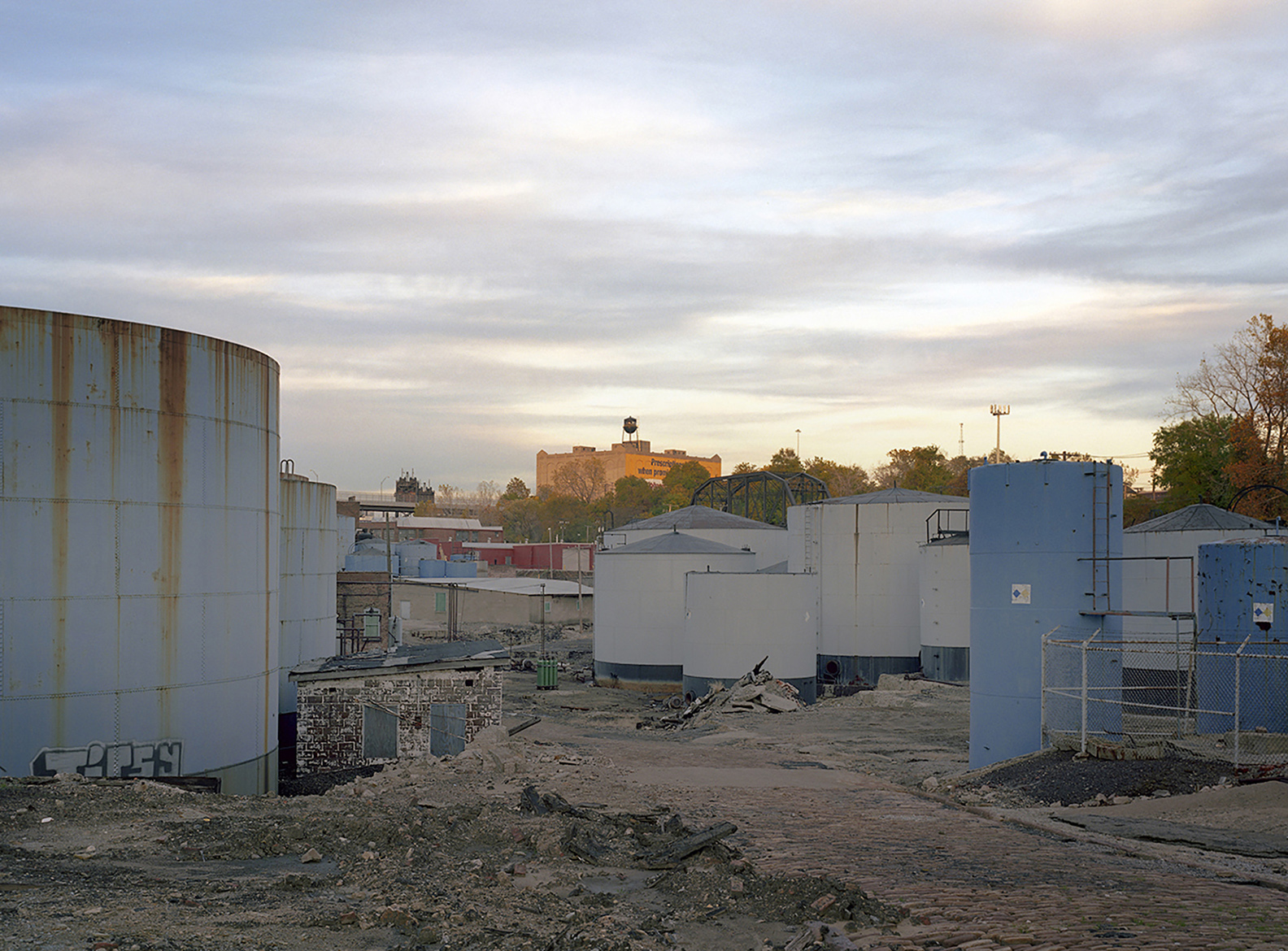
In 1975 on a very hot windy summer night, a fire storm took out about 30 homes, and that began the long exodus out of this industrial polluted and toxic zone that would become known as the Forgotten tTiangle.Ashland Tank Farm, Wiley Road at Train Avenue, Built 1926, Closed 2010Ashland oil began in 1947 with their purchase of Allied oil along Train Avenue.
Truly, an important remnant of a very historic industrial era in American history, when the geography of Walworth run was transformed into train Avenue and the earliest refineries in America built in the late 1850s. Excelsior was the largest refinery in the Run, and John Rockefellers oil refinery number one was only 2 miles away. He would buy all the refineries along Train Avenue and shut them down since they were so antiquated.
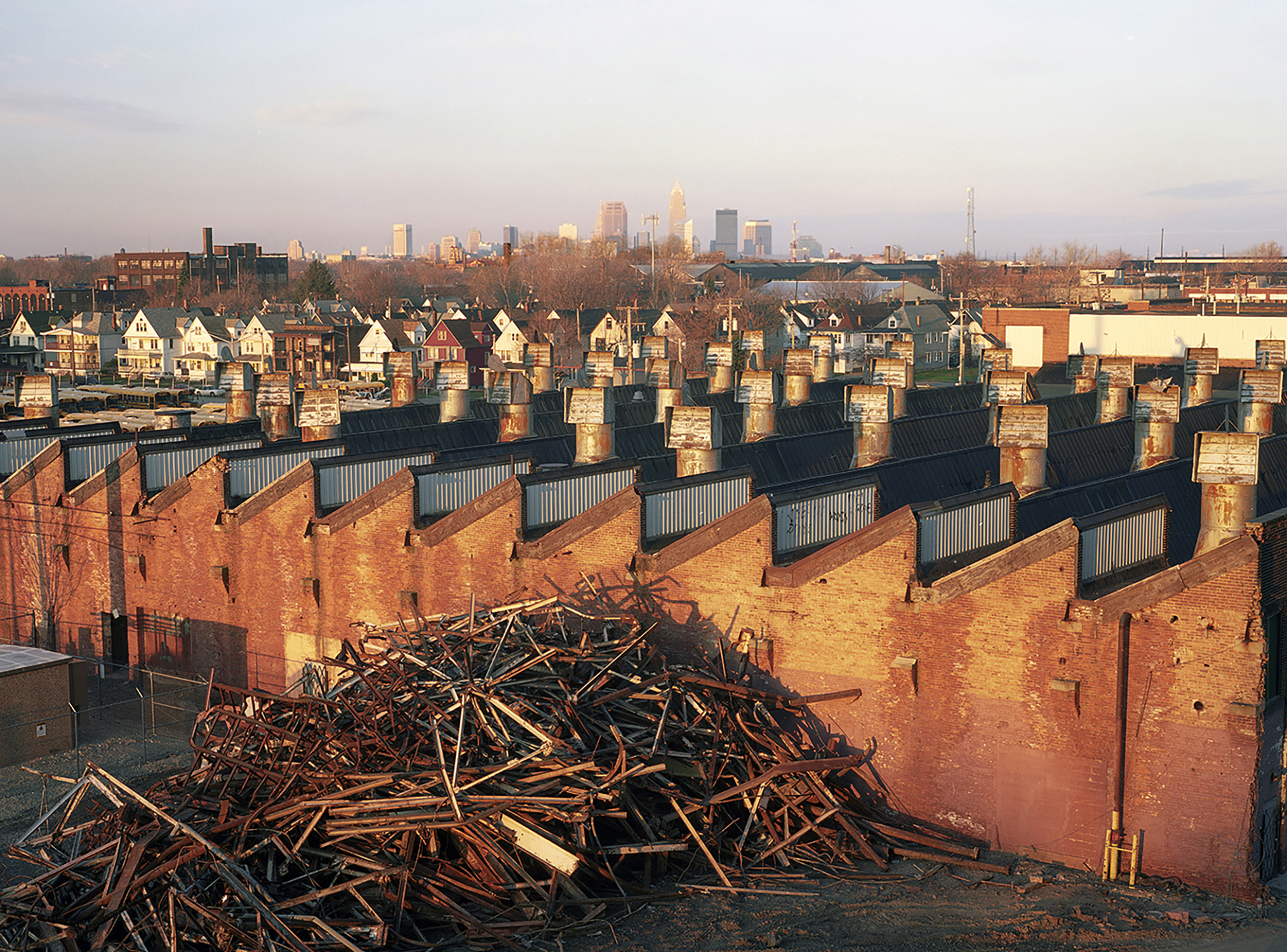
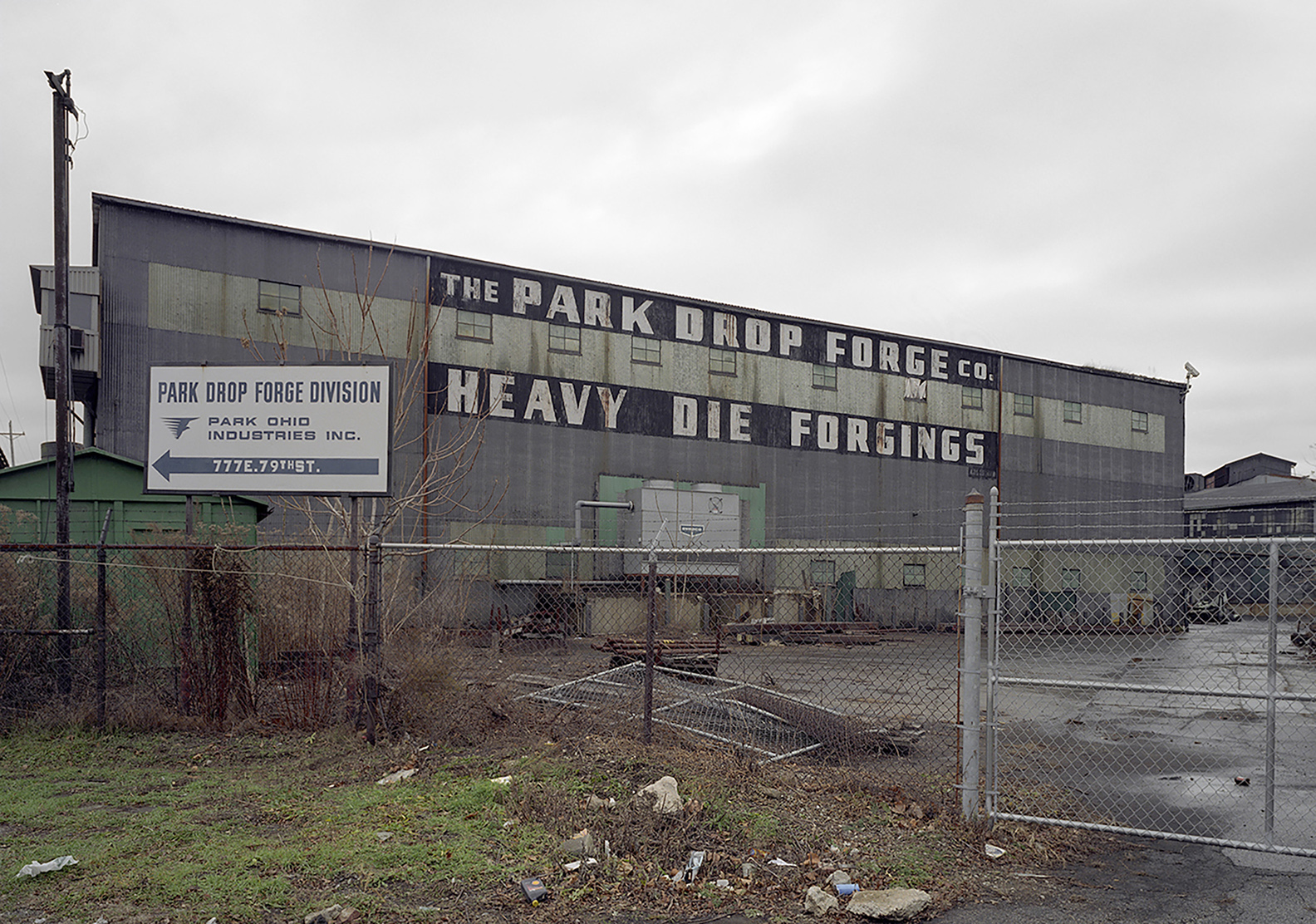
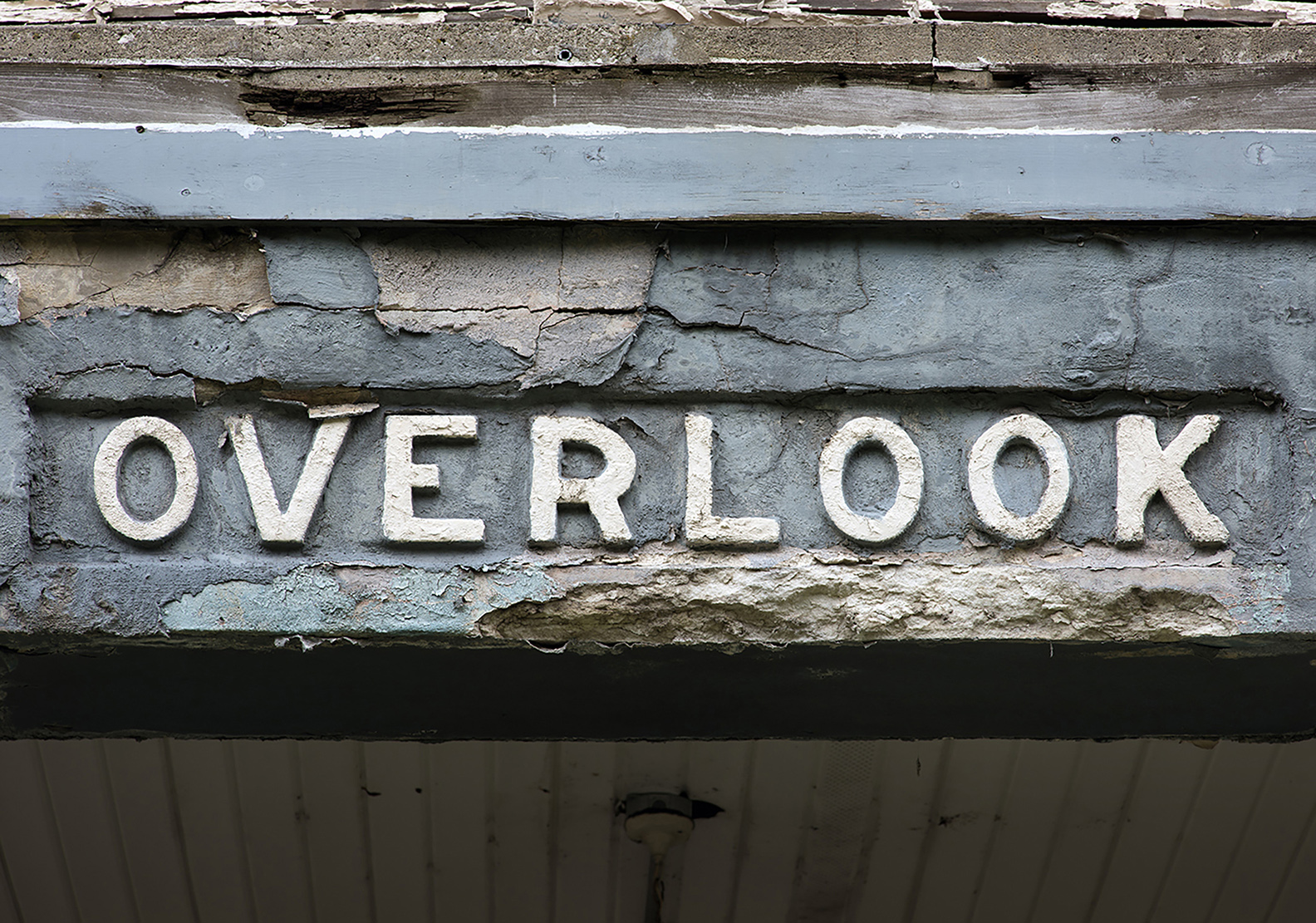
This facility, not almost entirely gone, is a remnant of that era. The Cold Storage Warehouse on top of the hill in the background has even disappeared from the landscape.Park Forge, East 80th Street, Built 1903, closed 1983, Demolished, 2005Park Forge became the masters of heavy forging for the trucking and auto industry. In fact, white motors and white trucks. Main facility was located next-door.
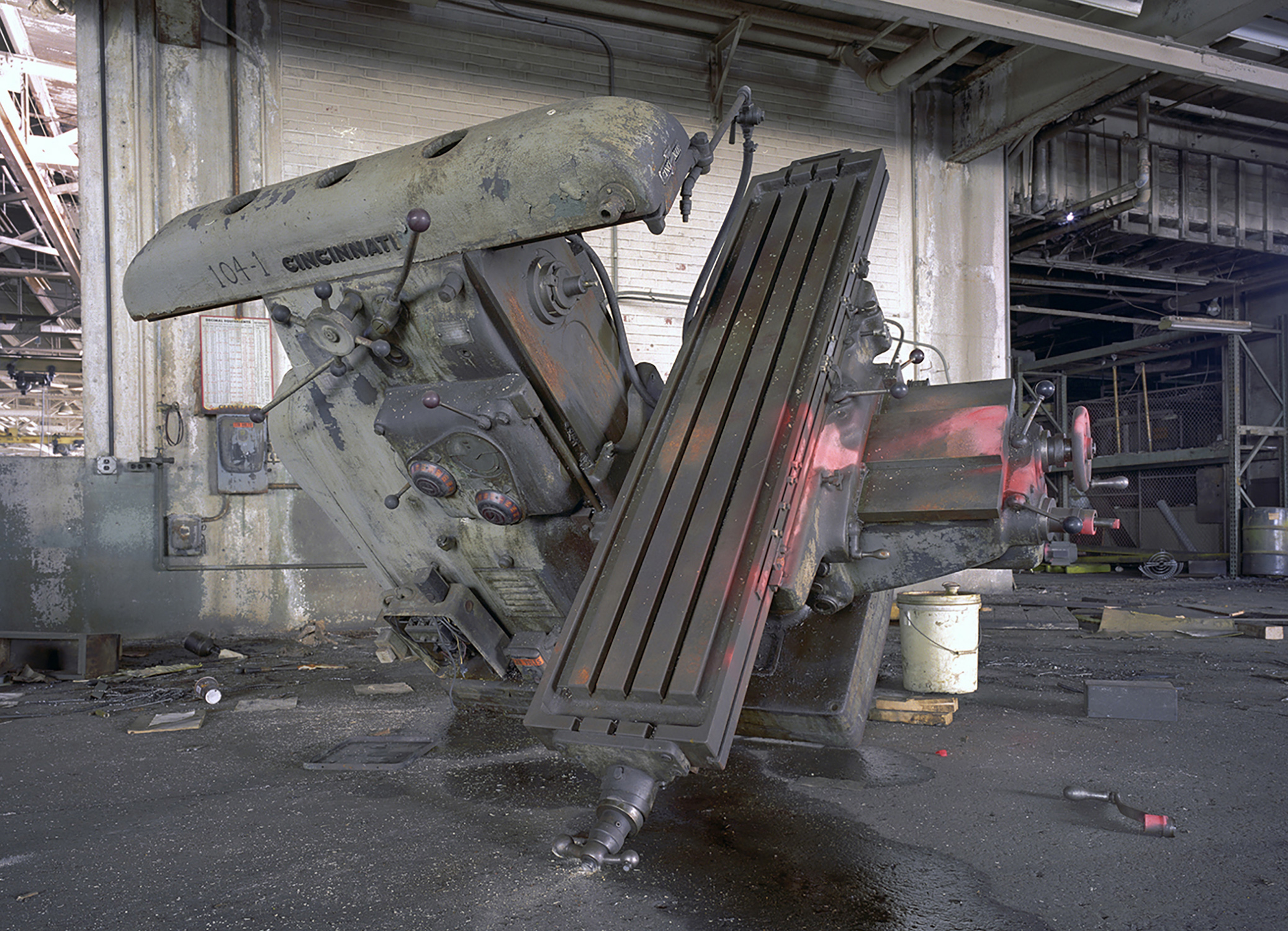
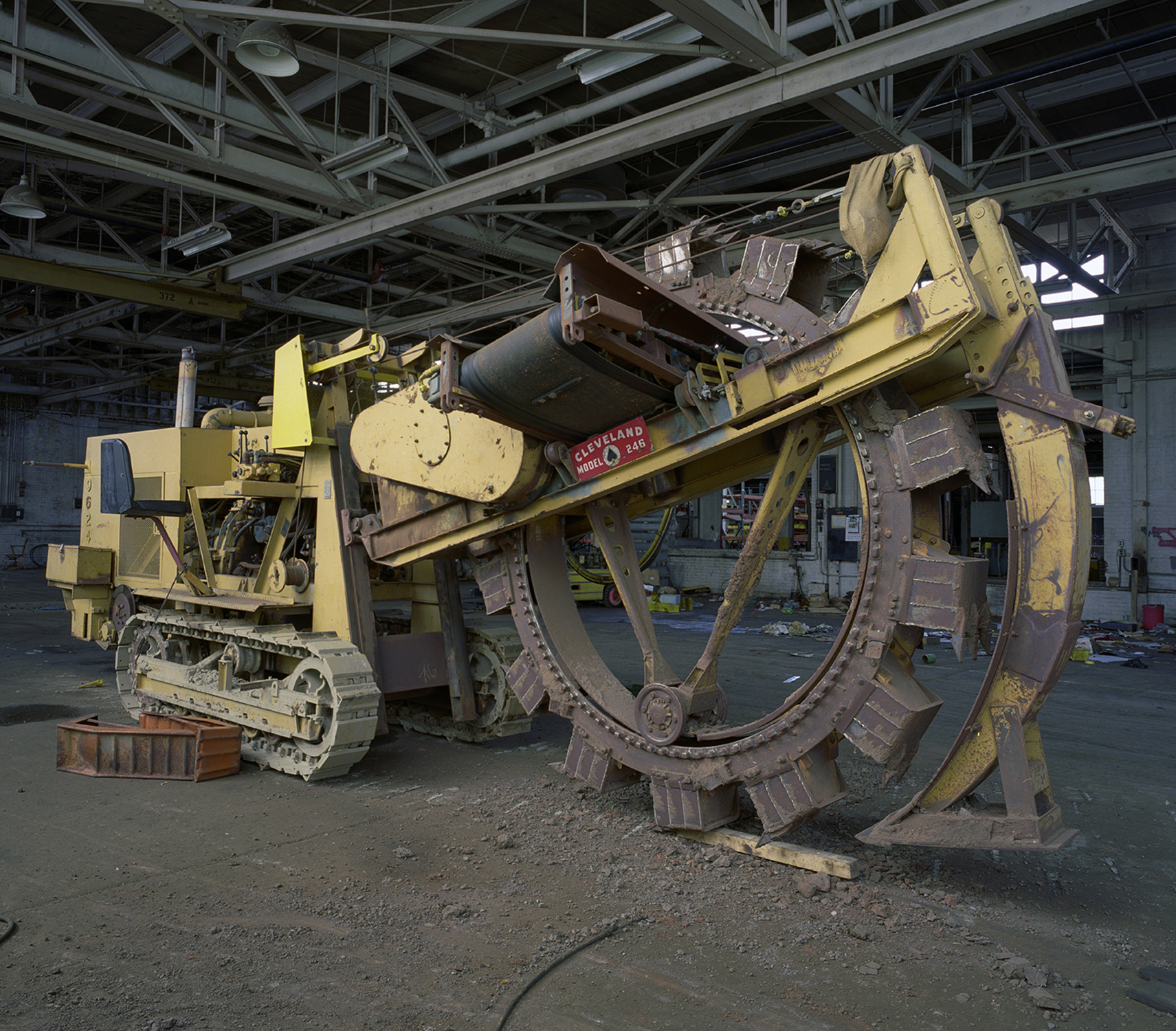
The plant was known for its heavy drop hammers that forged the best crankshafts in the world. Park Forge manufactured a custom Craig shaft for Lindbergh's Spirit of St. Louis.Cleveland trencher, Machine Tool, 2008Cleveland treasure began in 1920 and it closed in 2006. Soon after that, the factory was demolished.Cleveland Trencher Wheel Trencher, 2008In 1920 the company had great success with their baby digger, which was ideal for the new natural gas pipelines in urban areas.
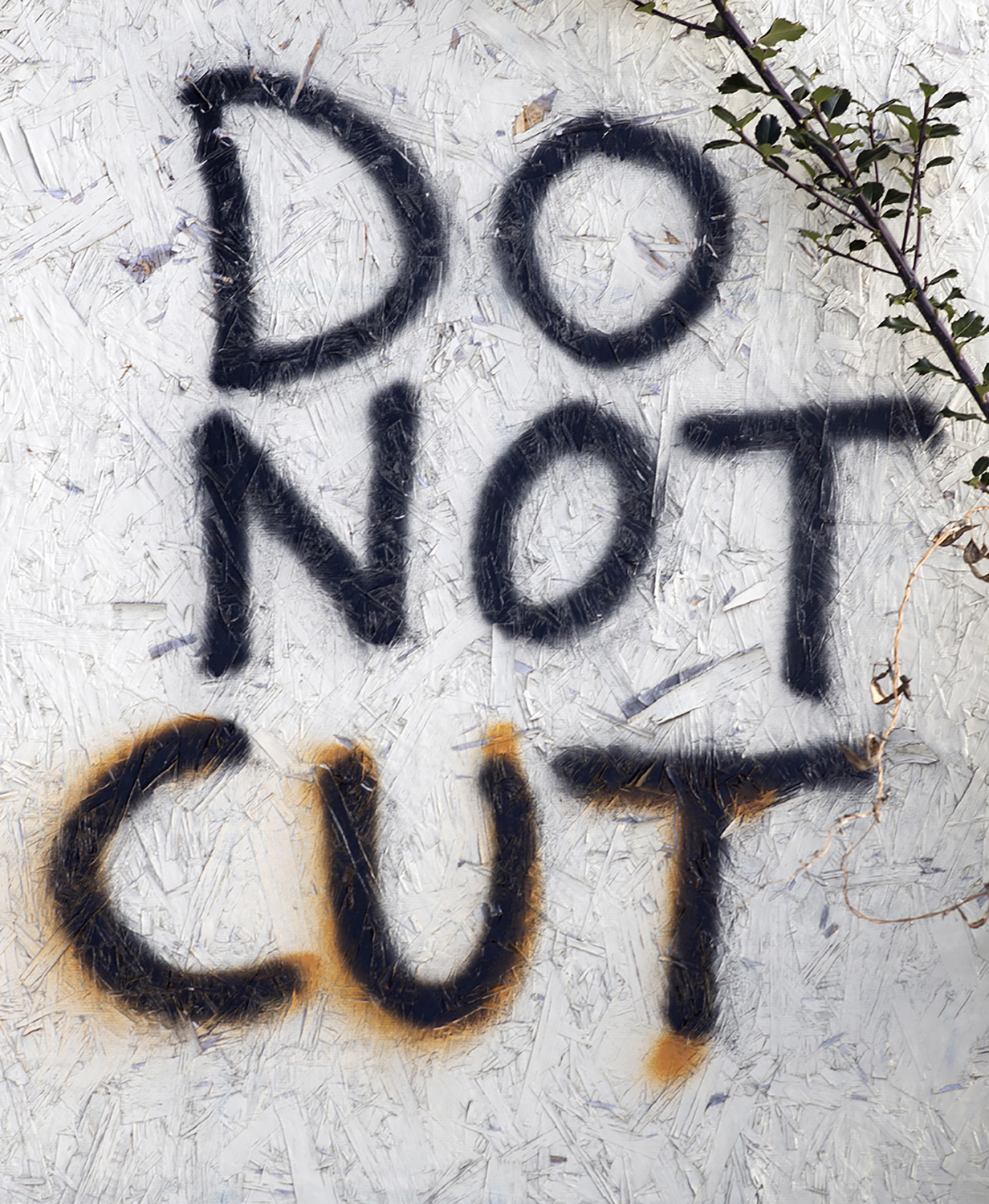
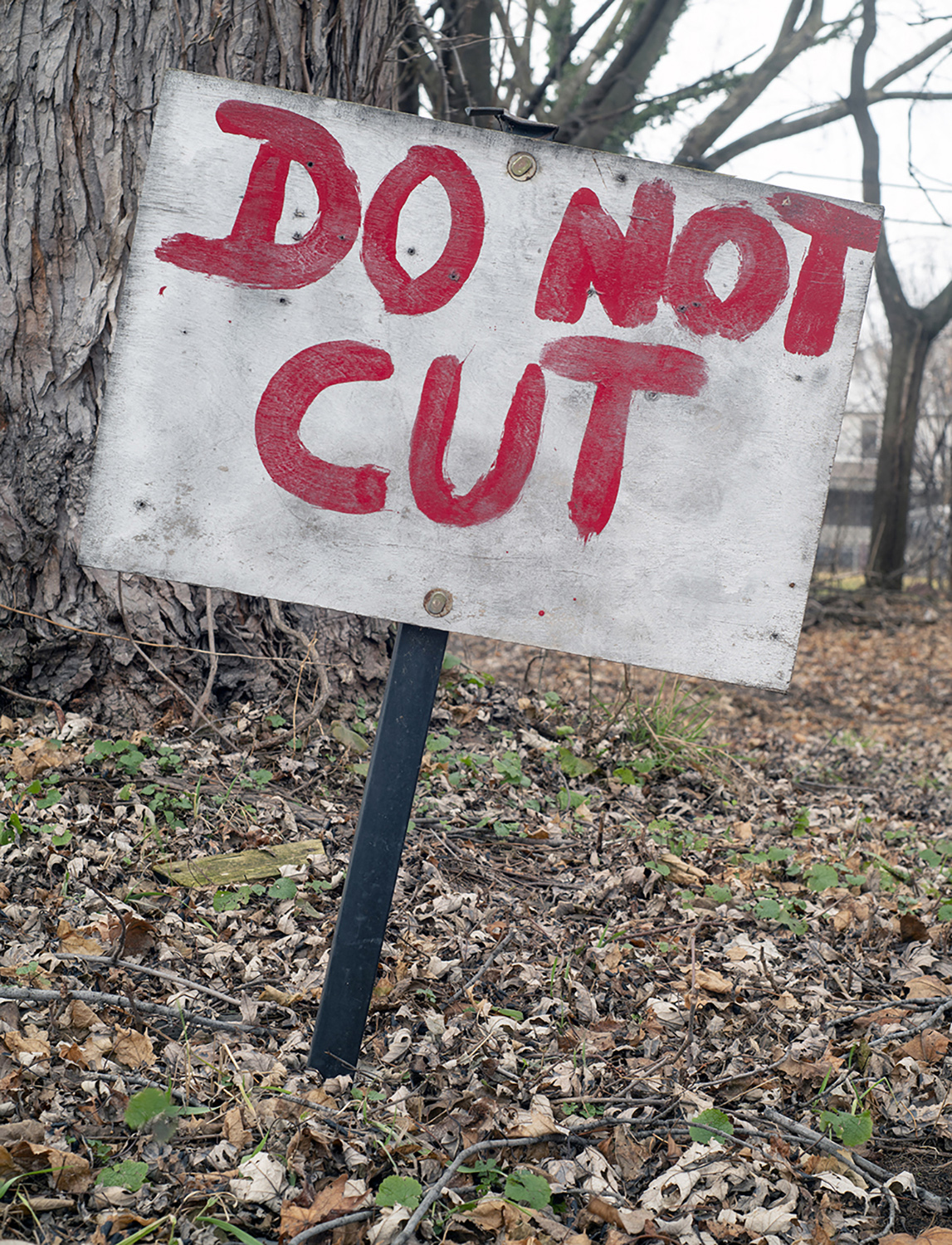
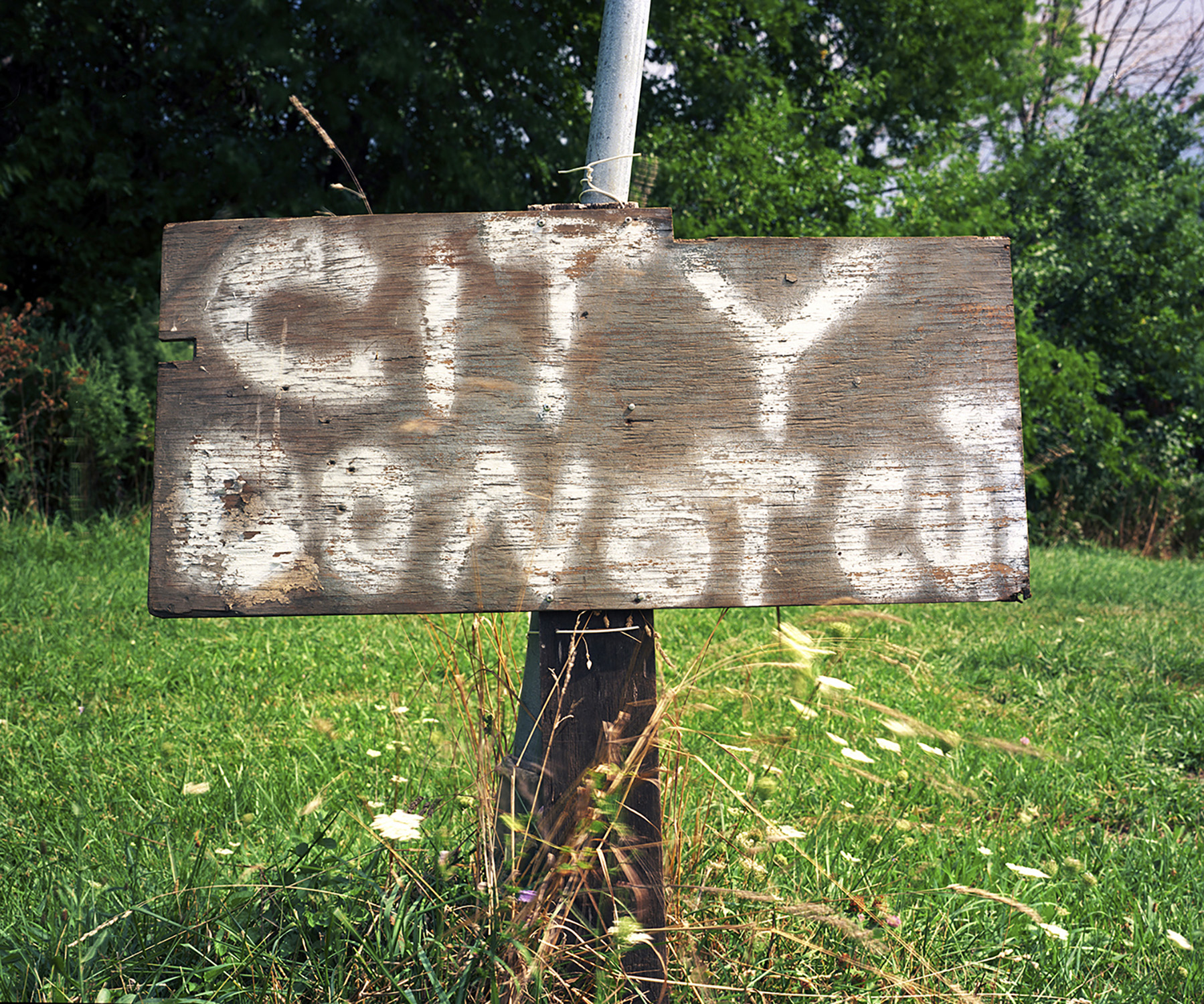
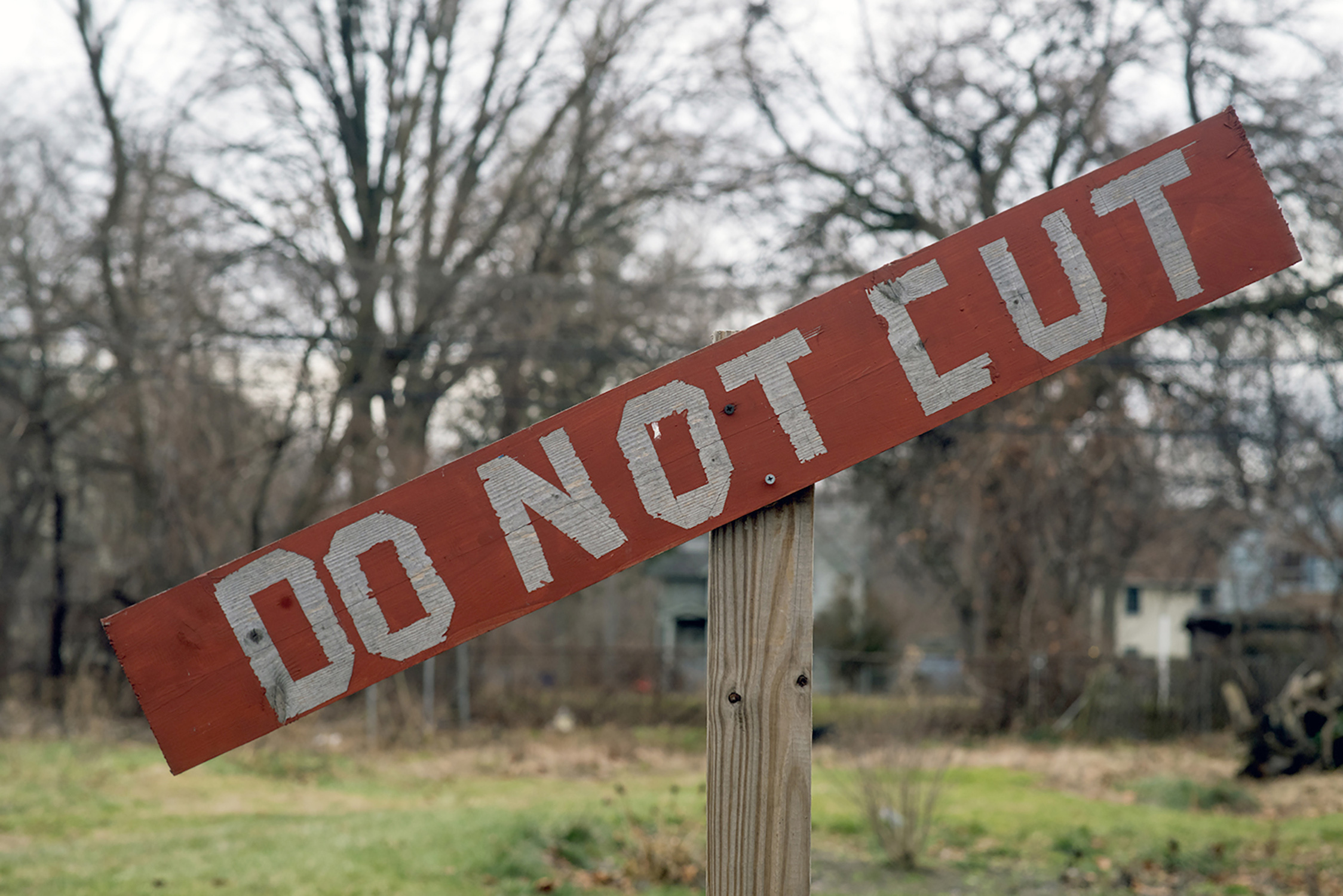
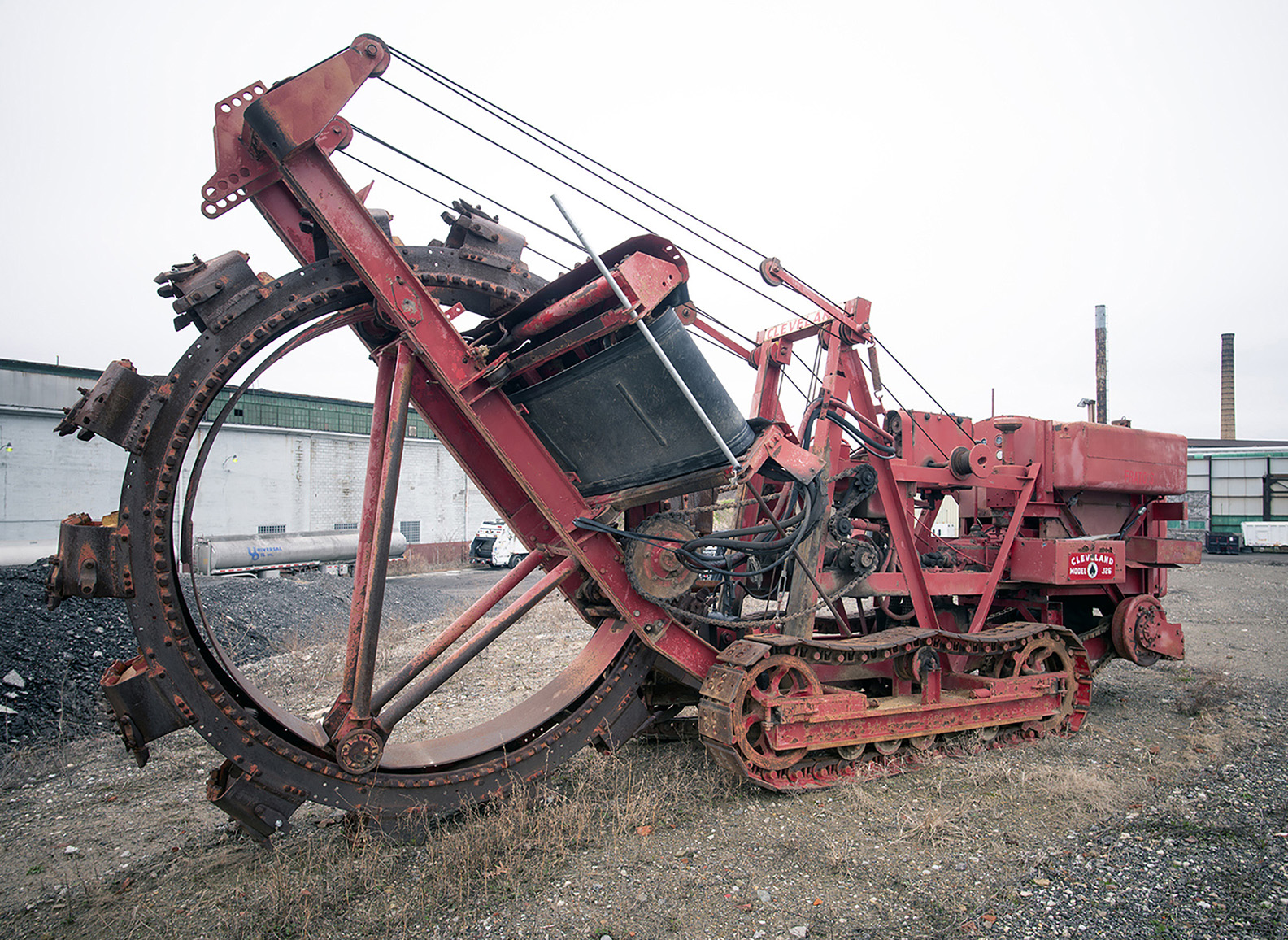
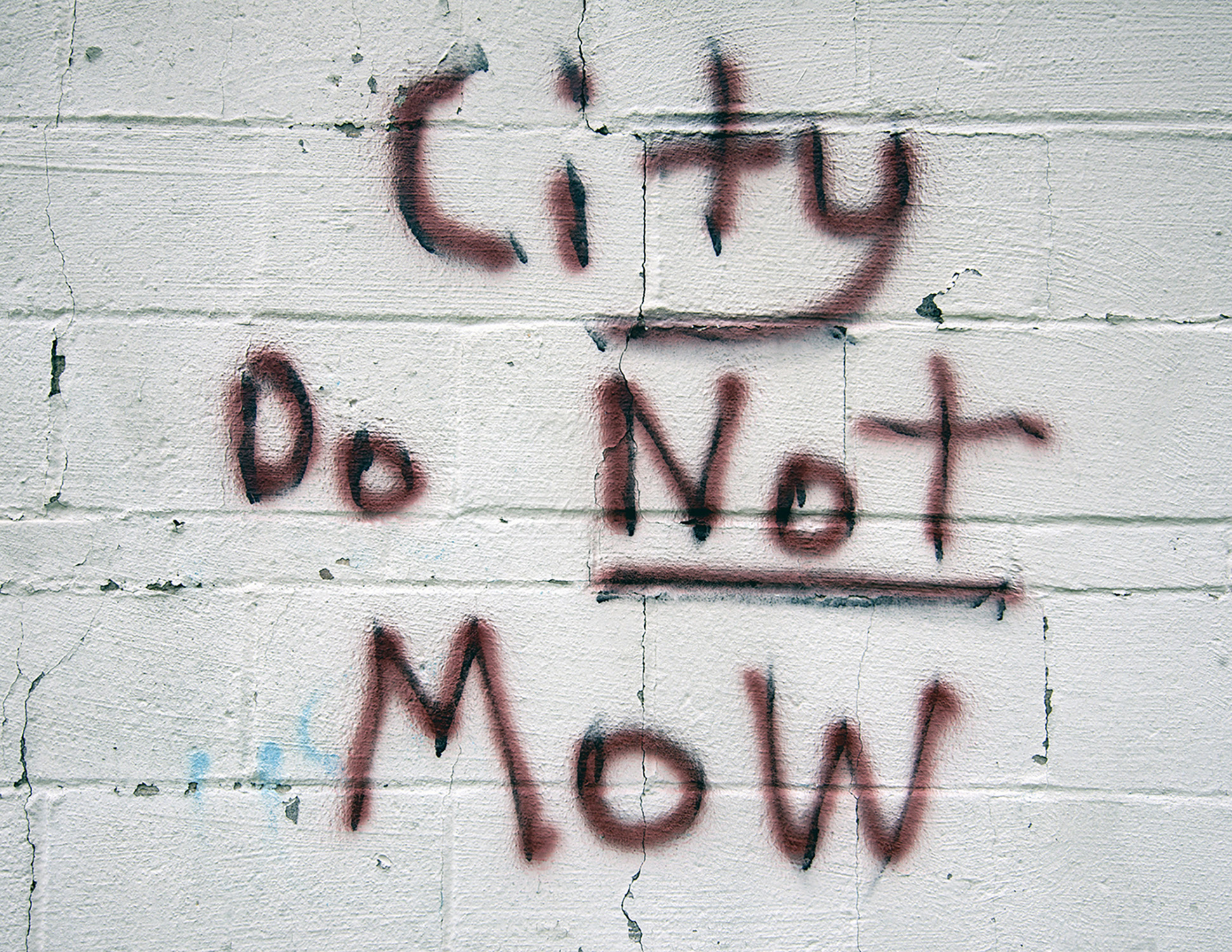
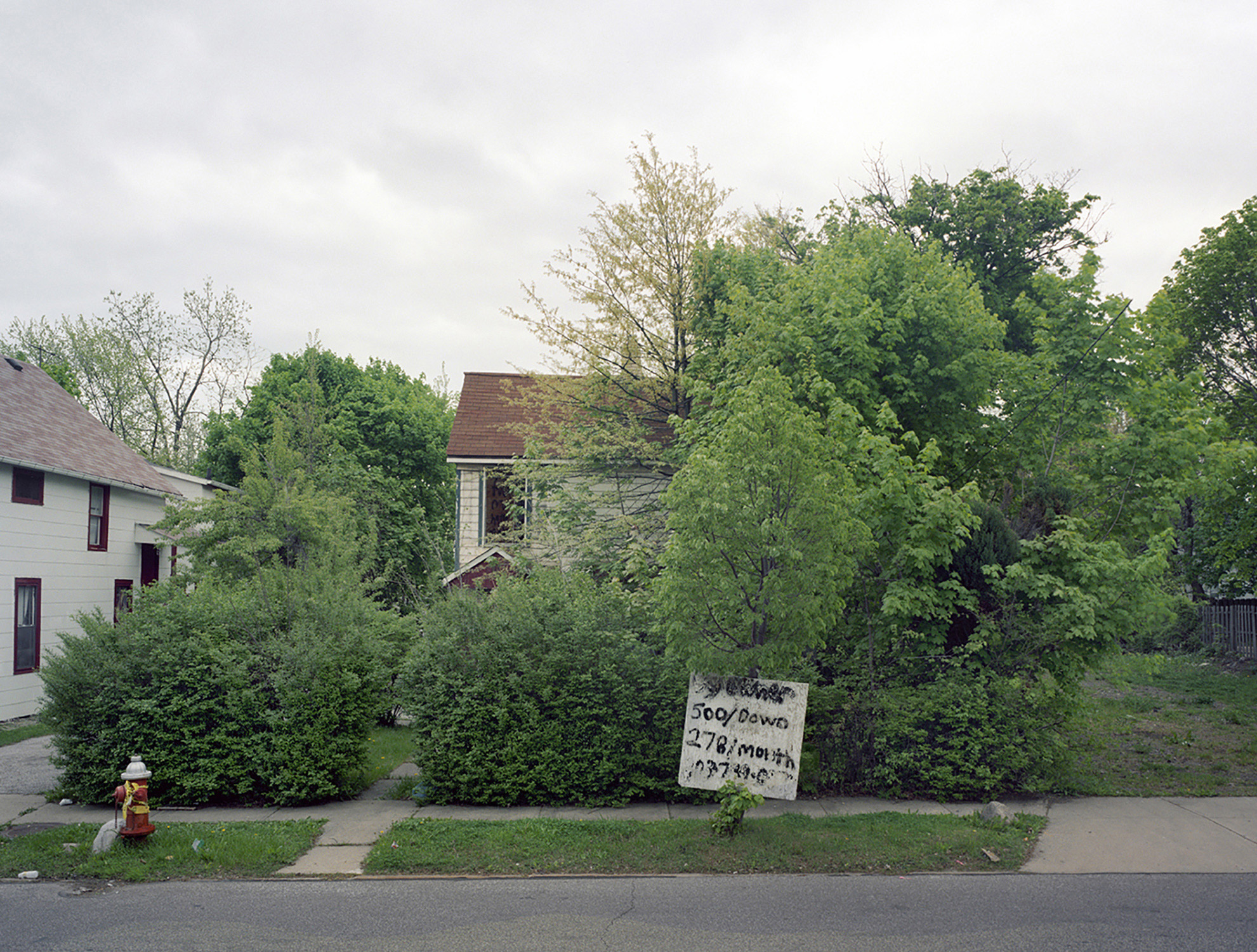
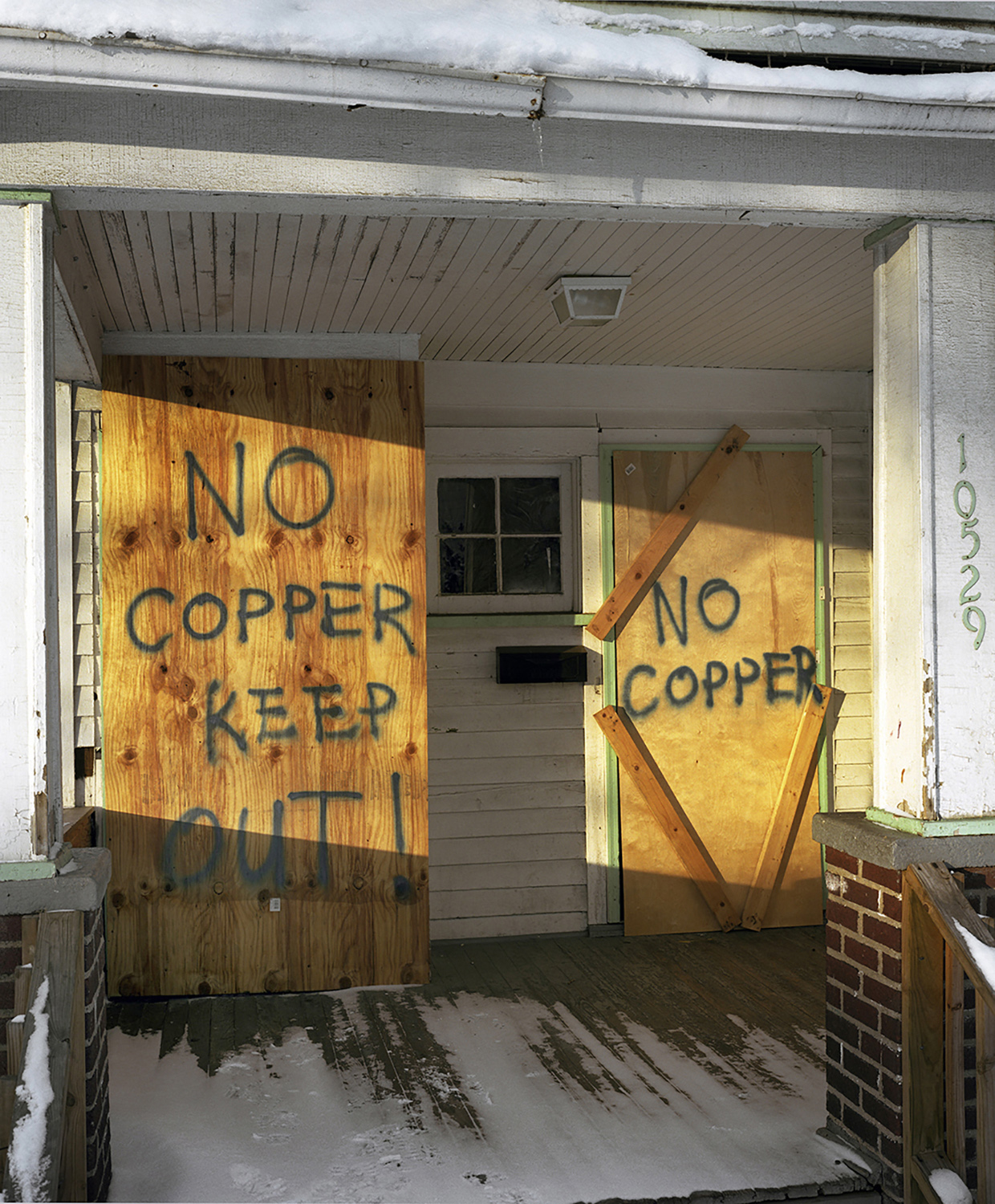
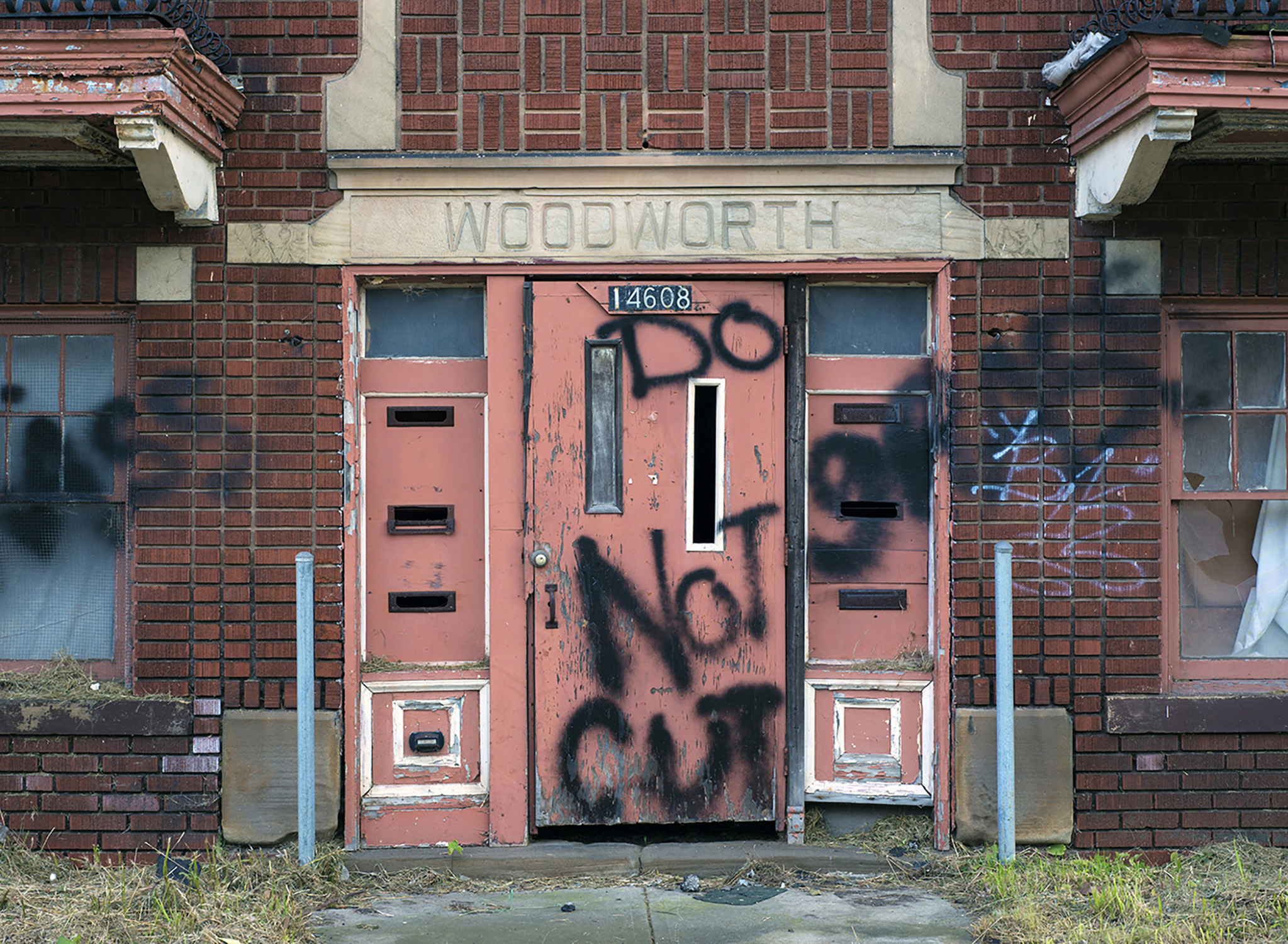
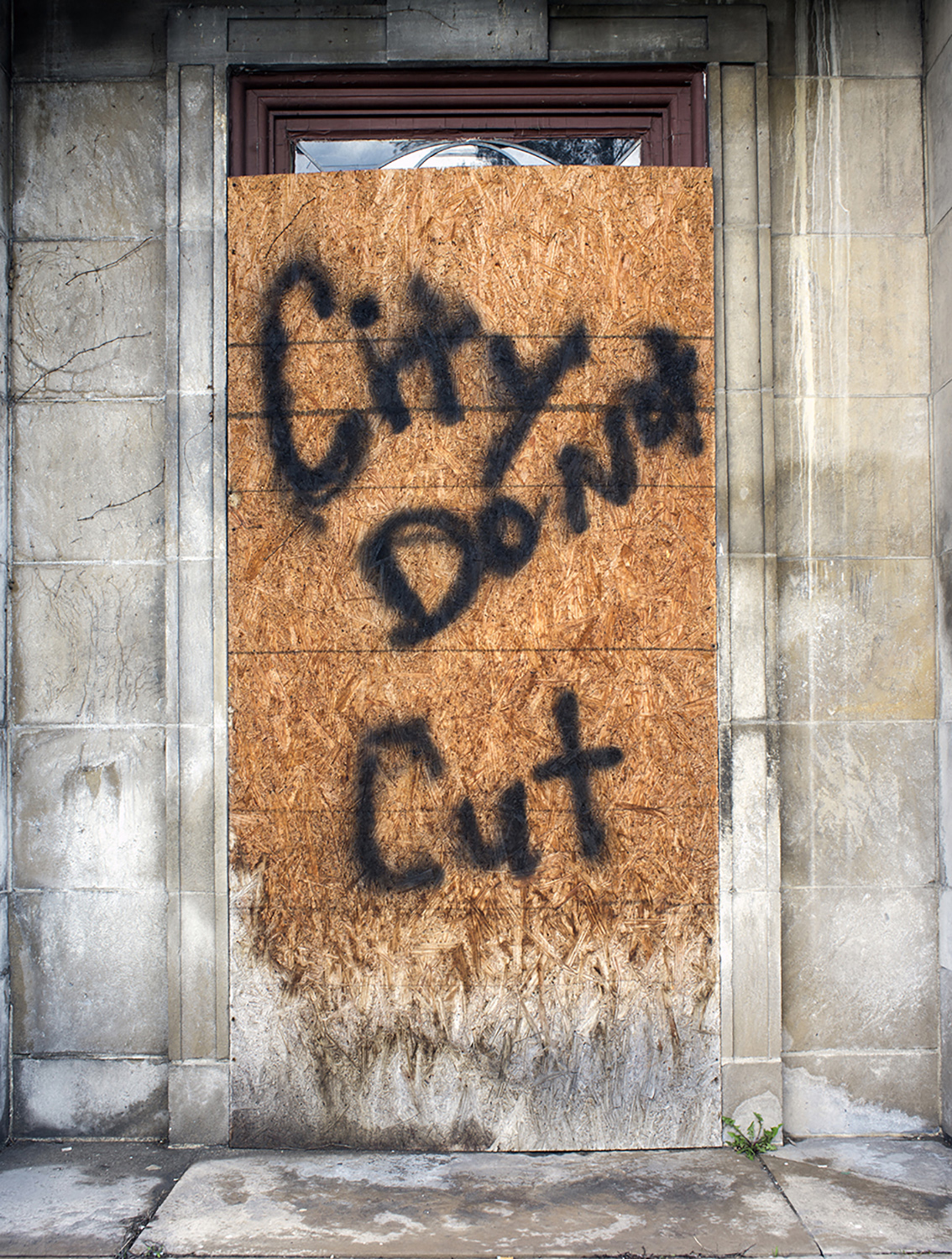
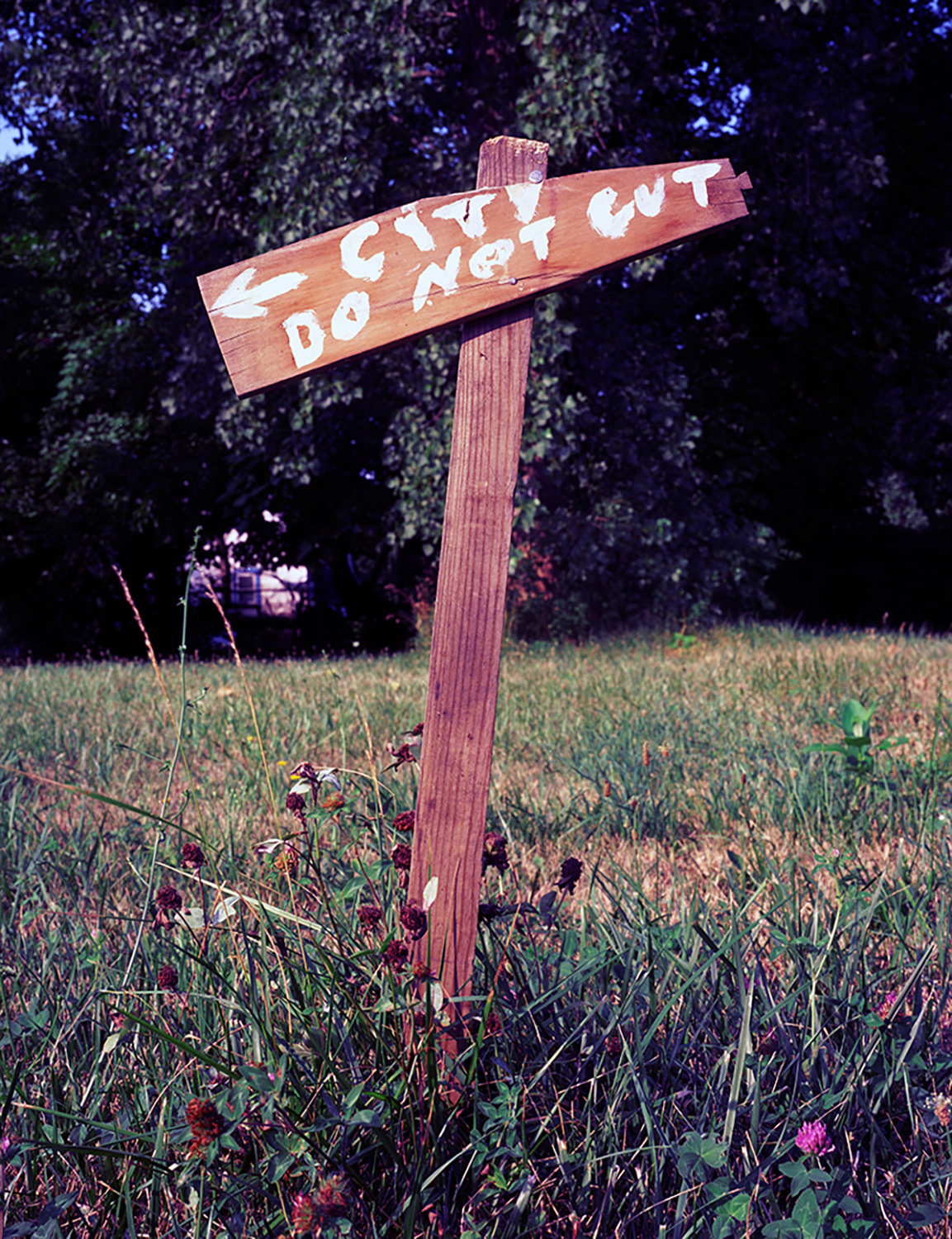
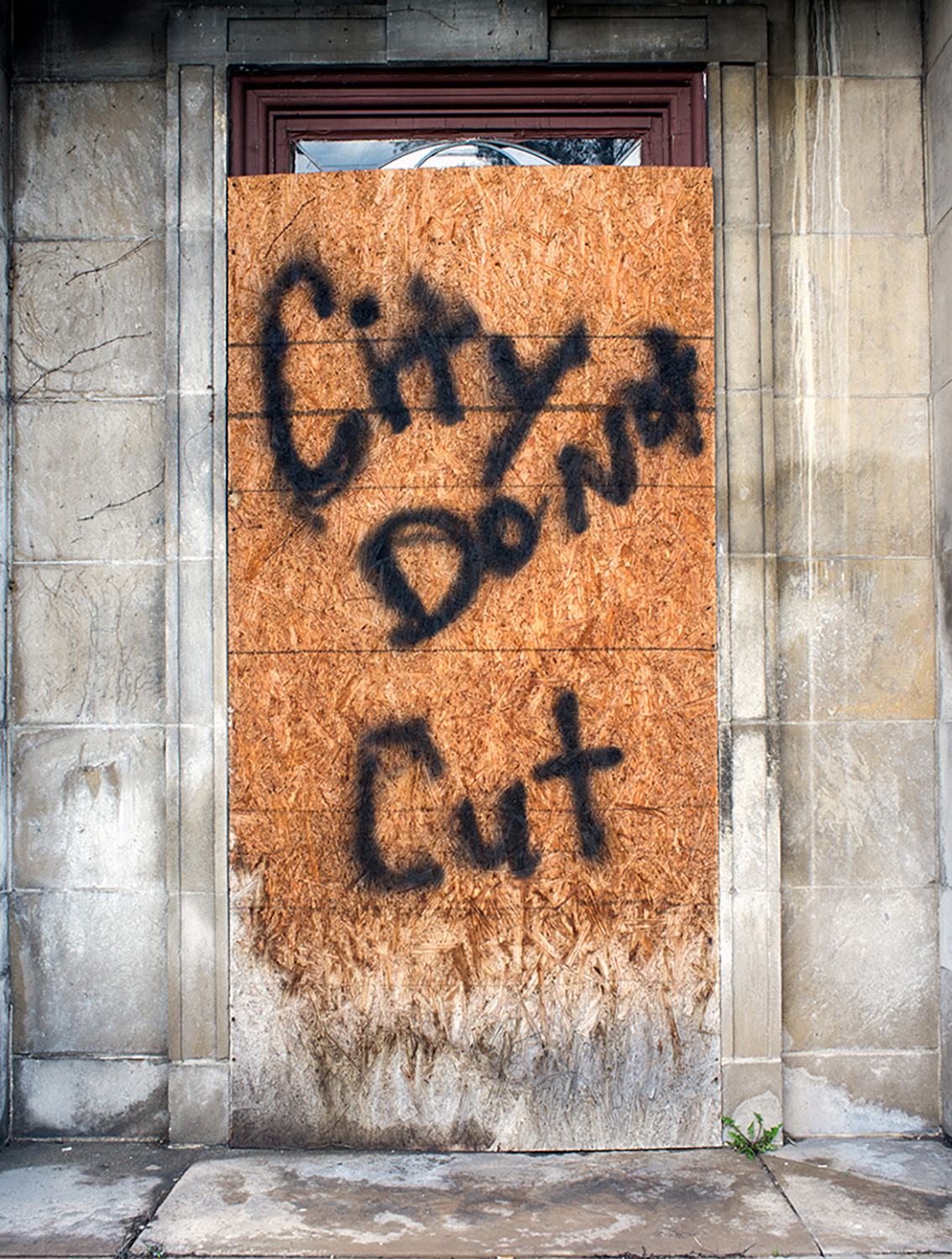
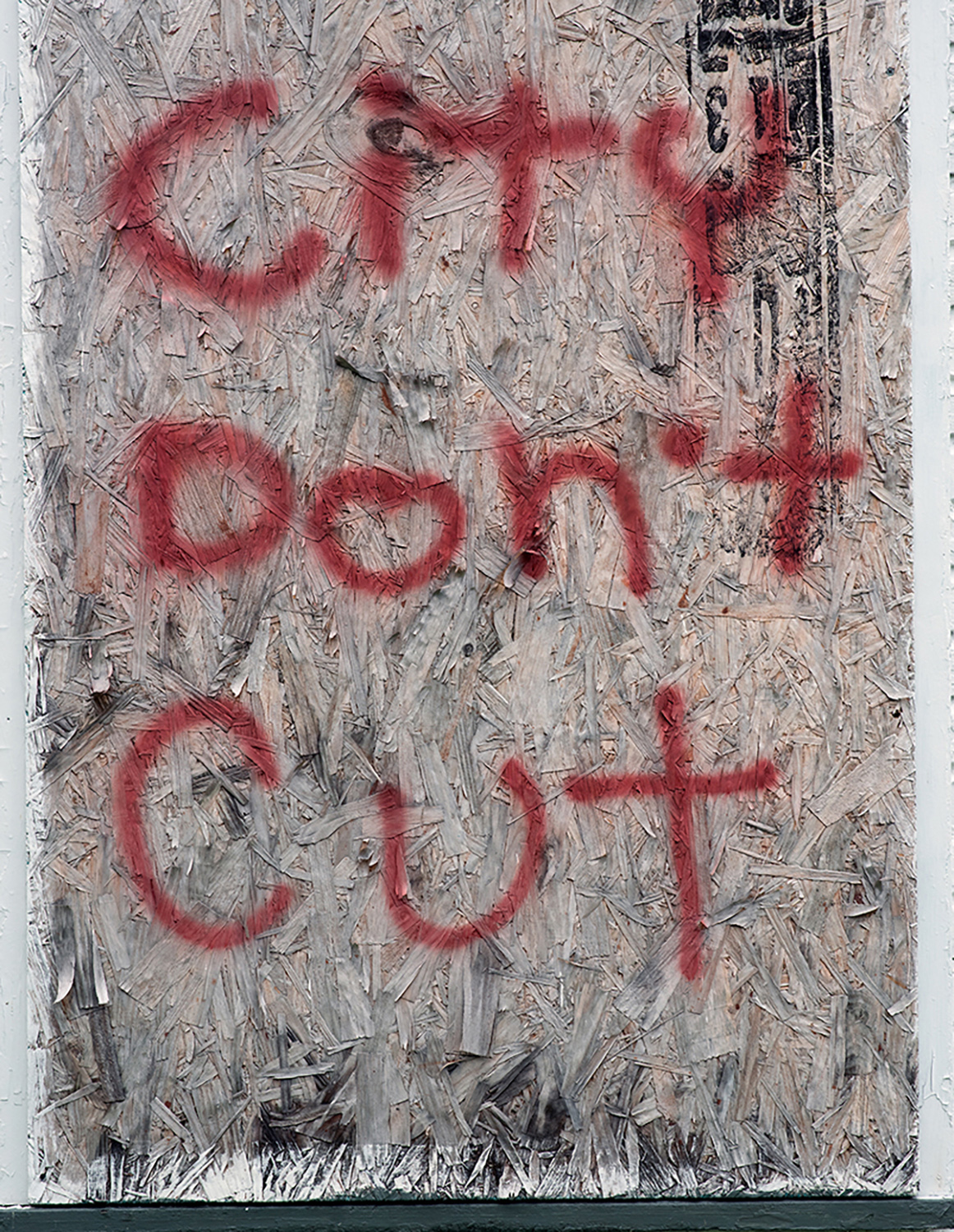
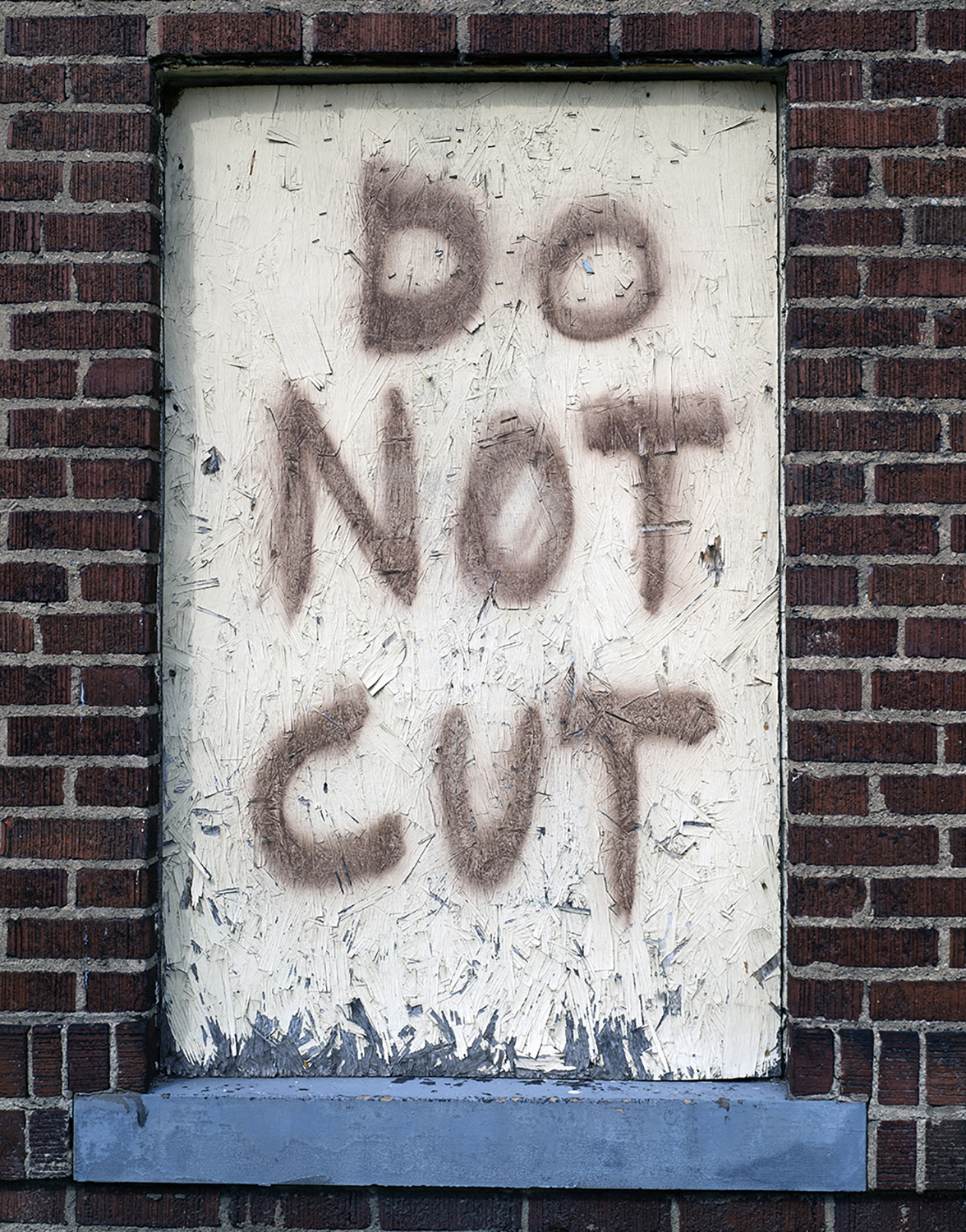
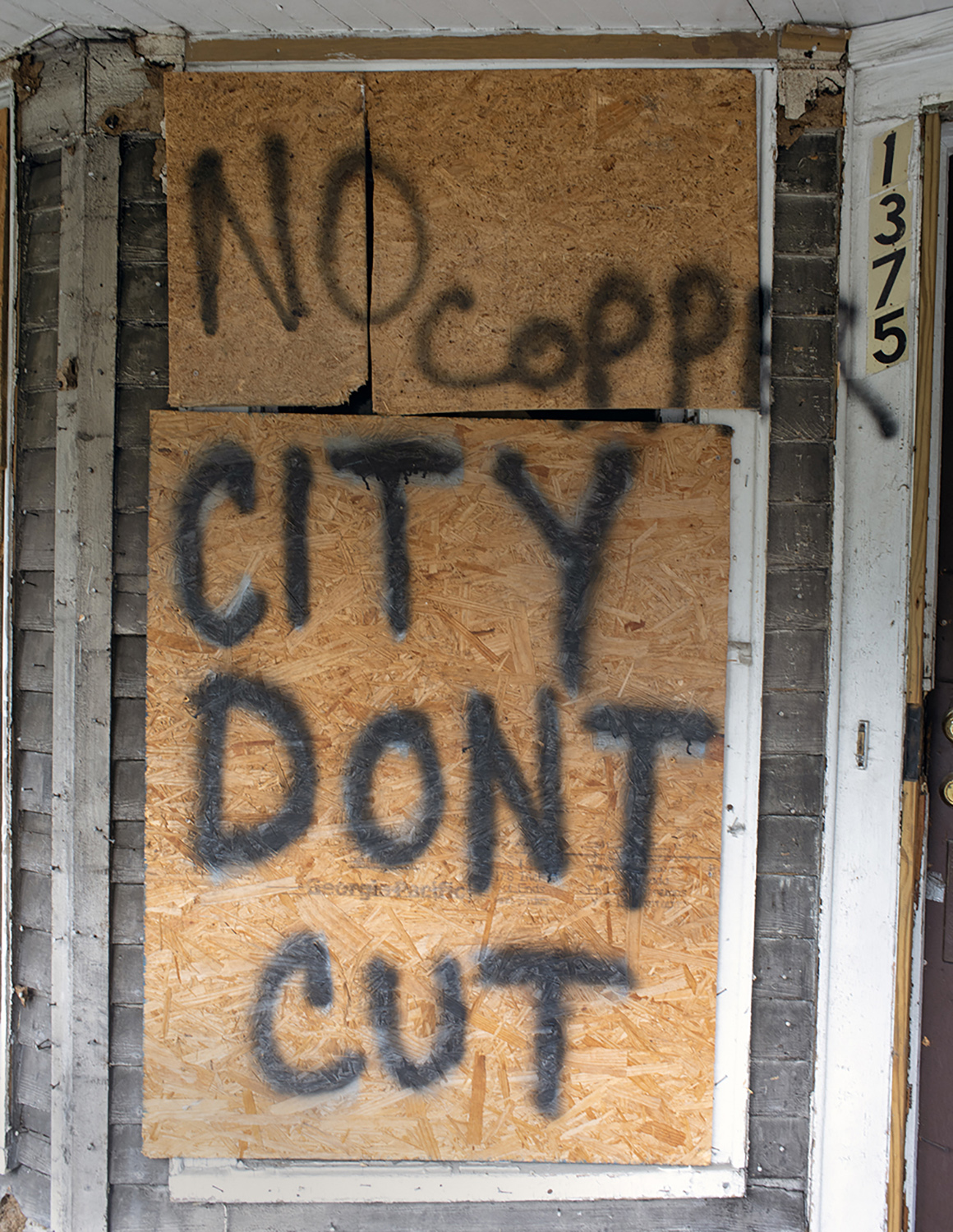
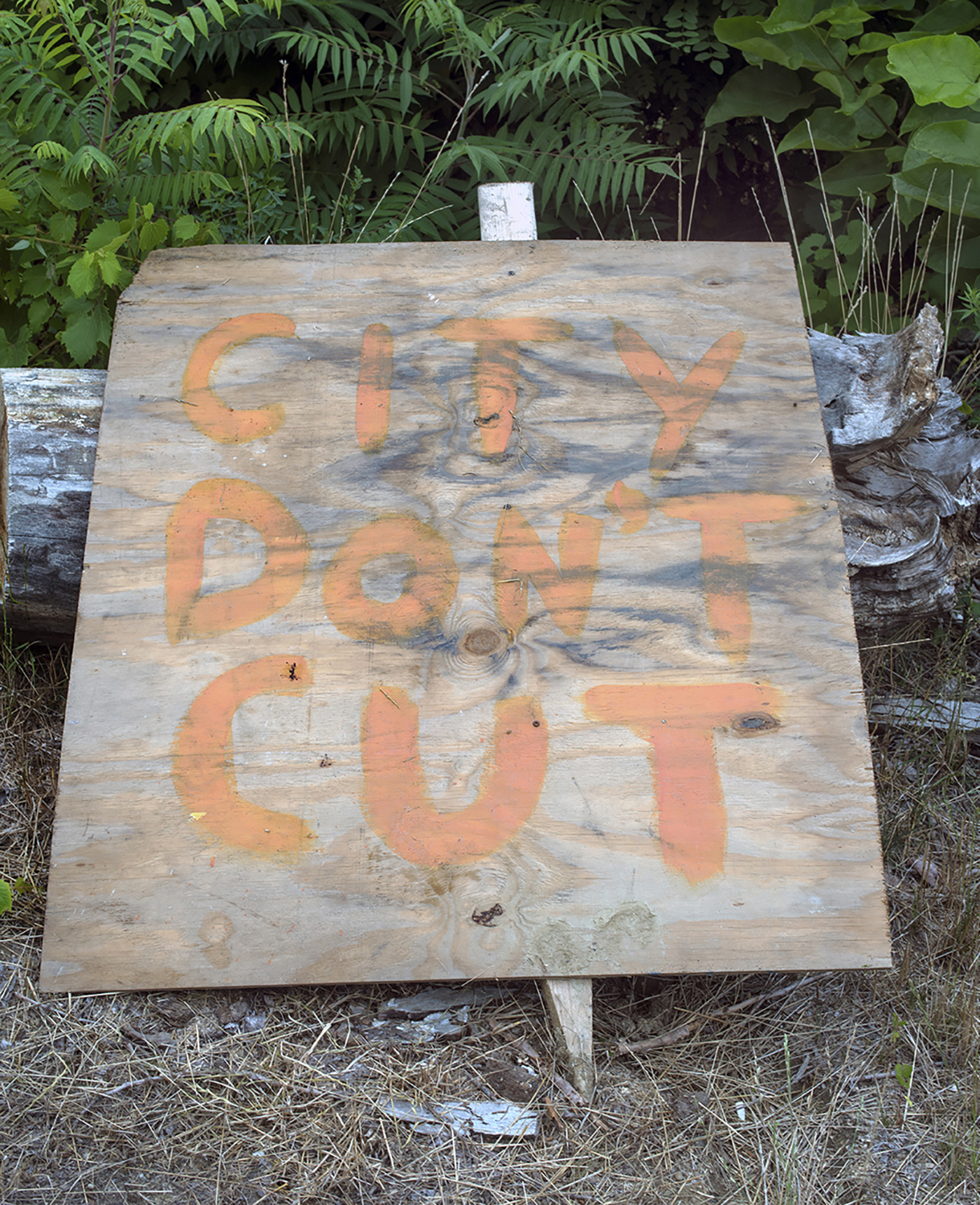
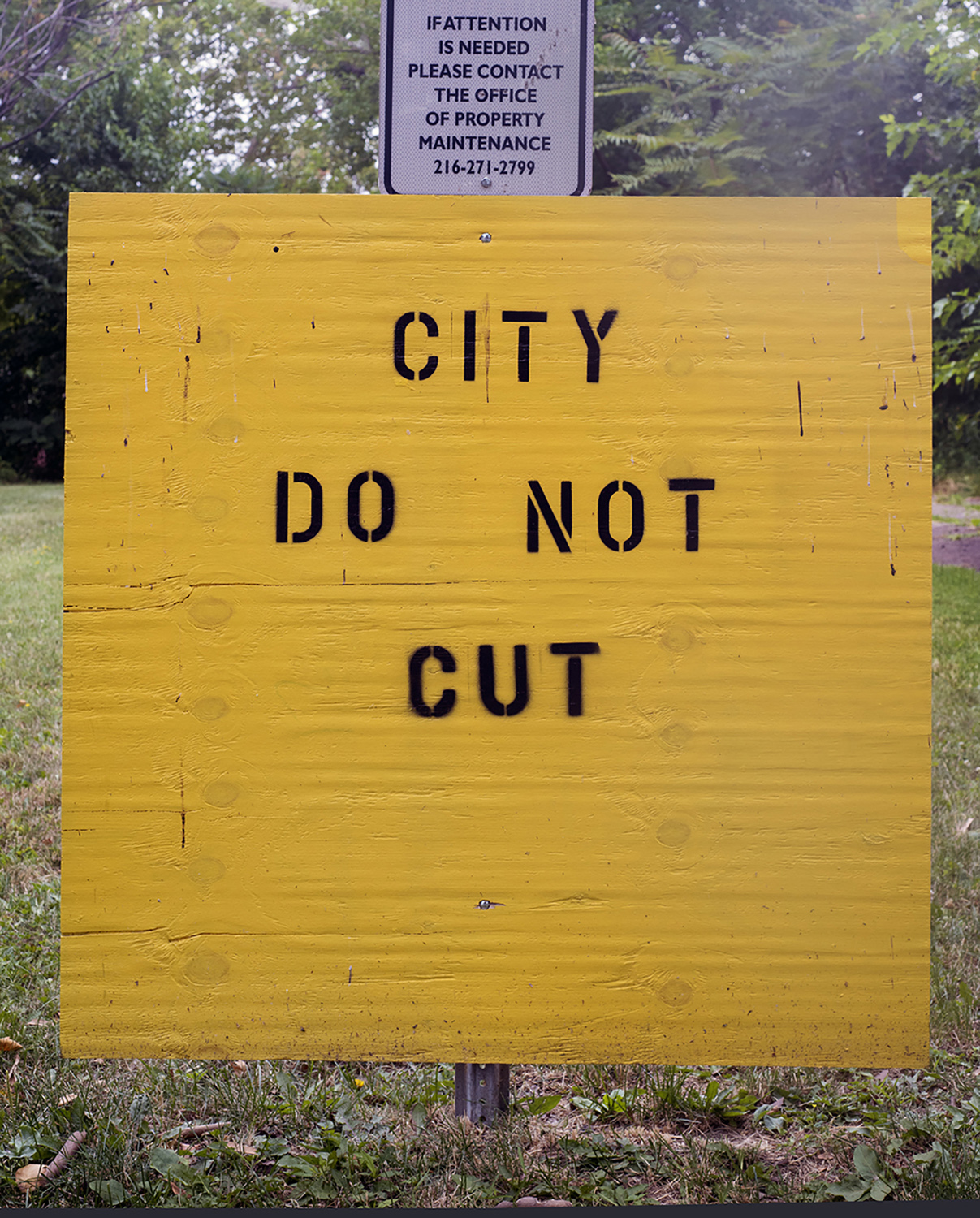
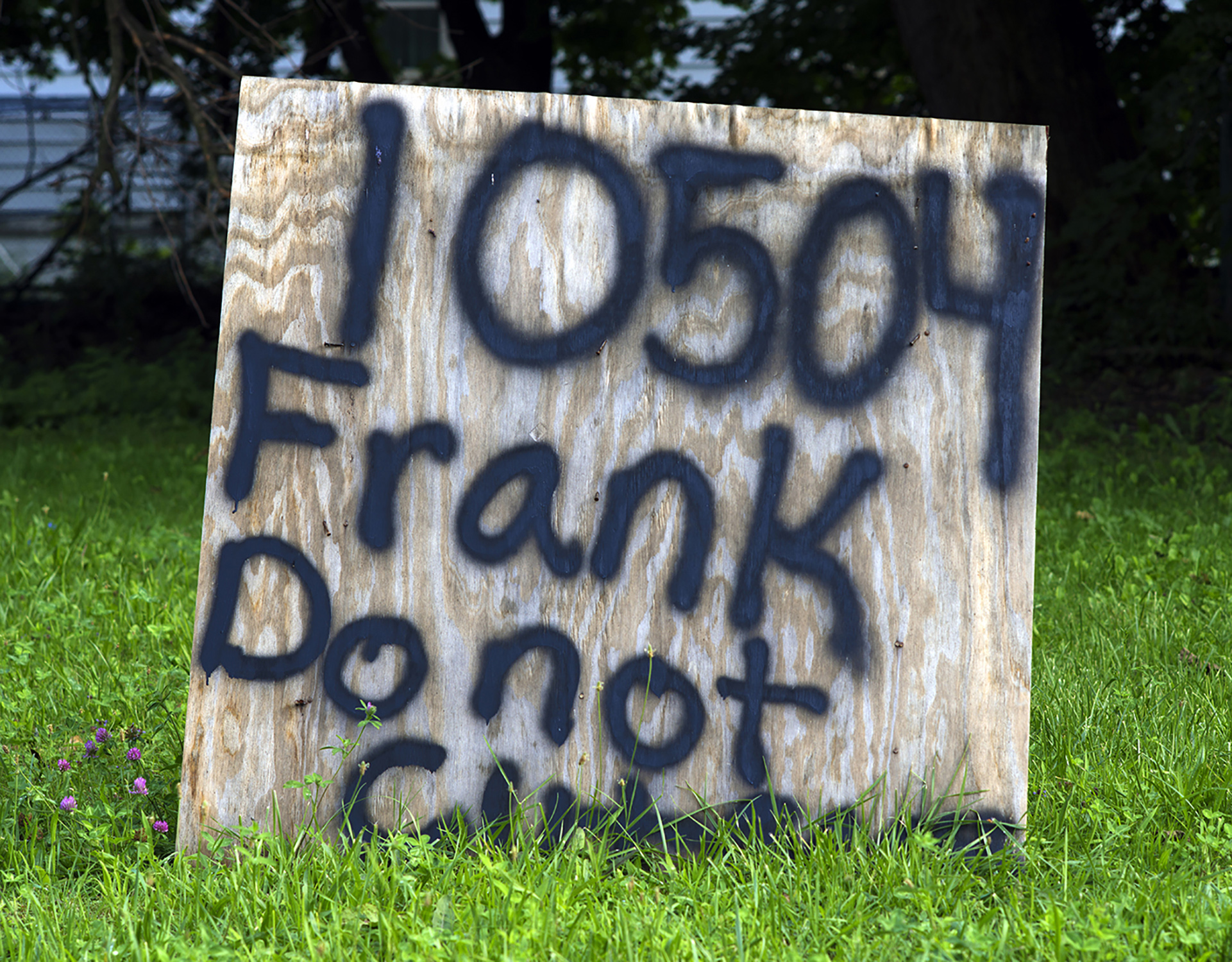
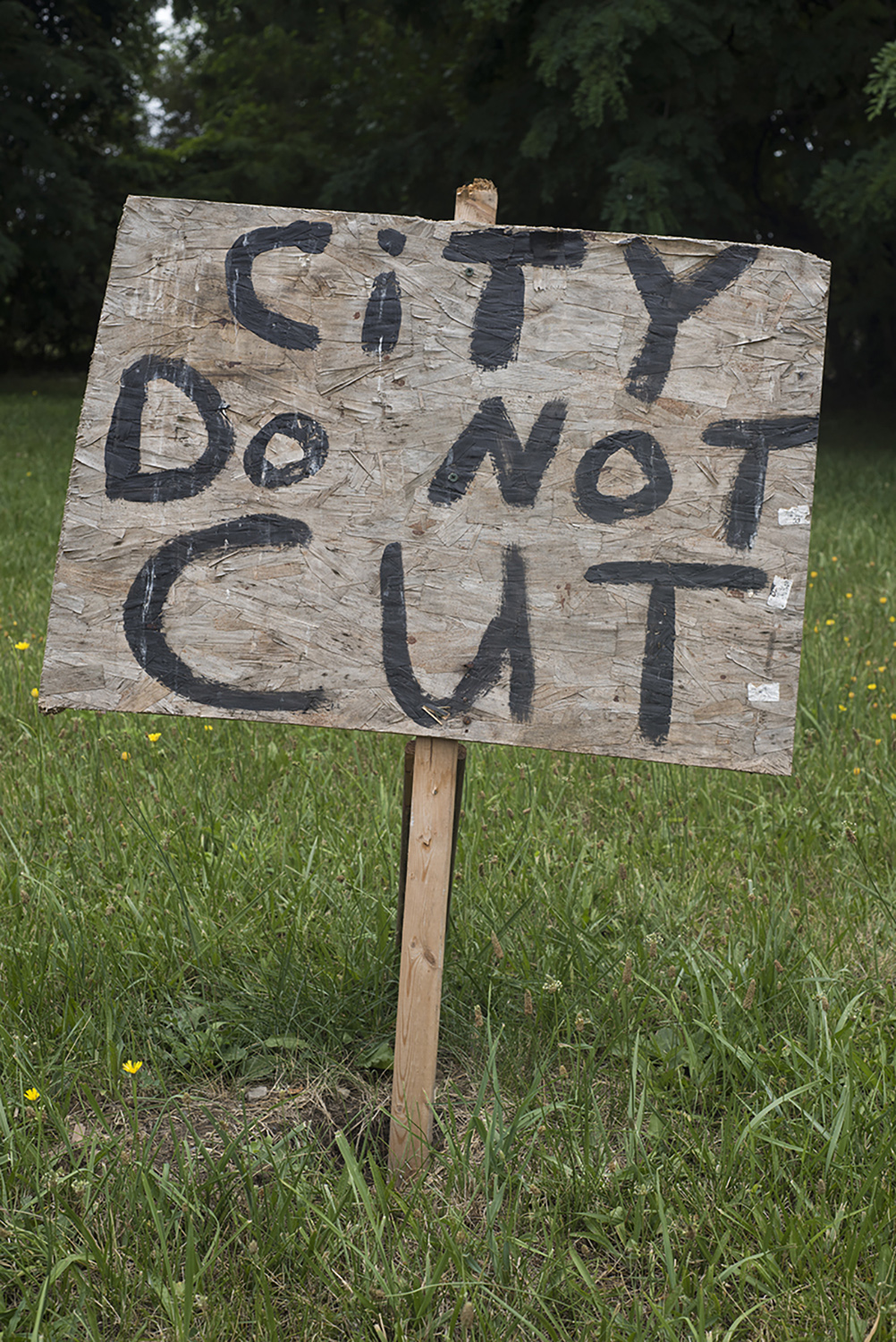
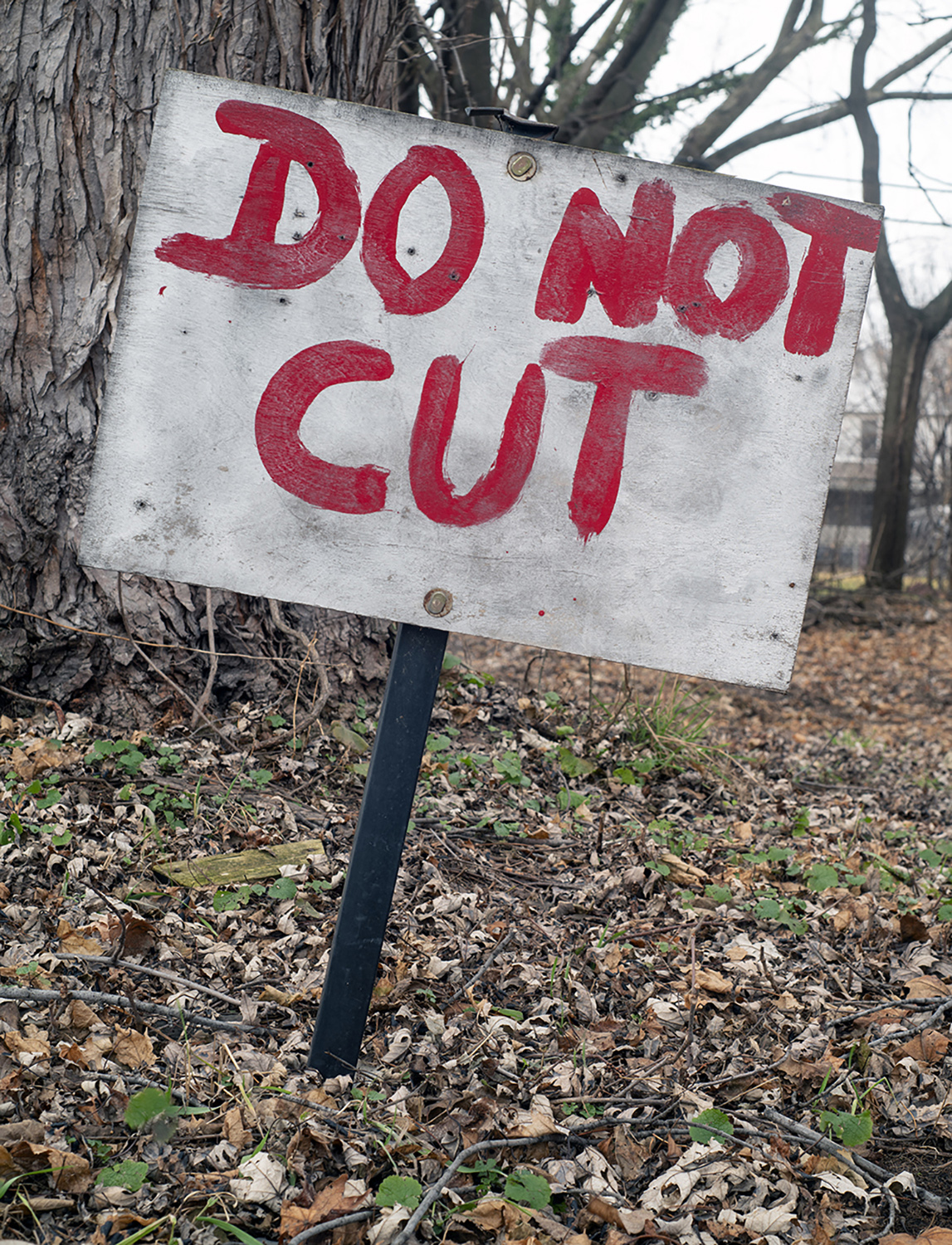
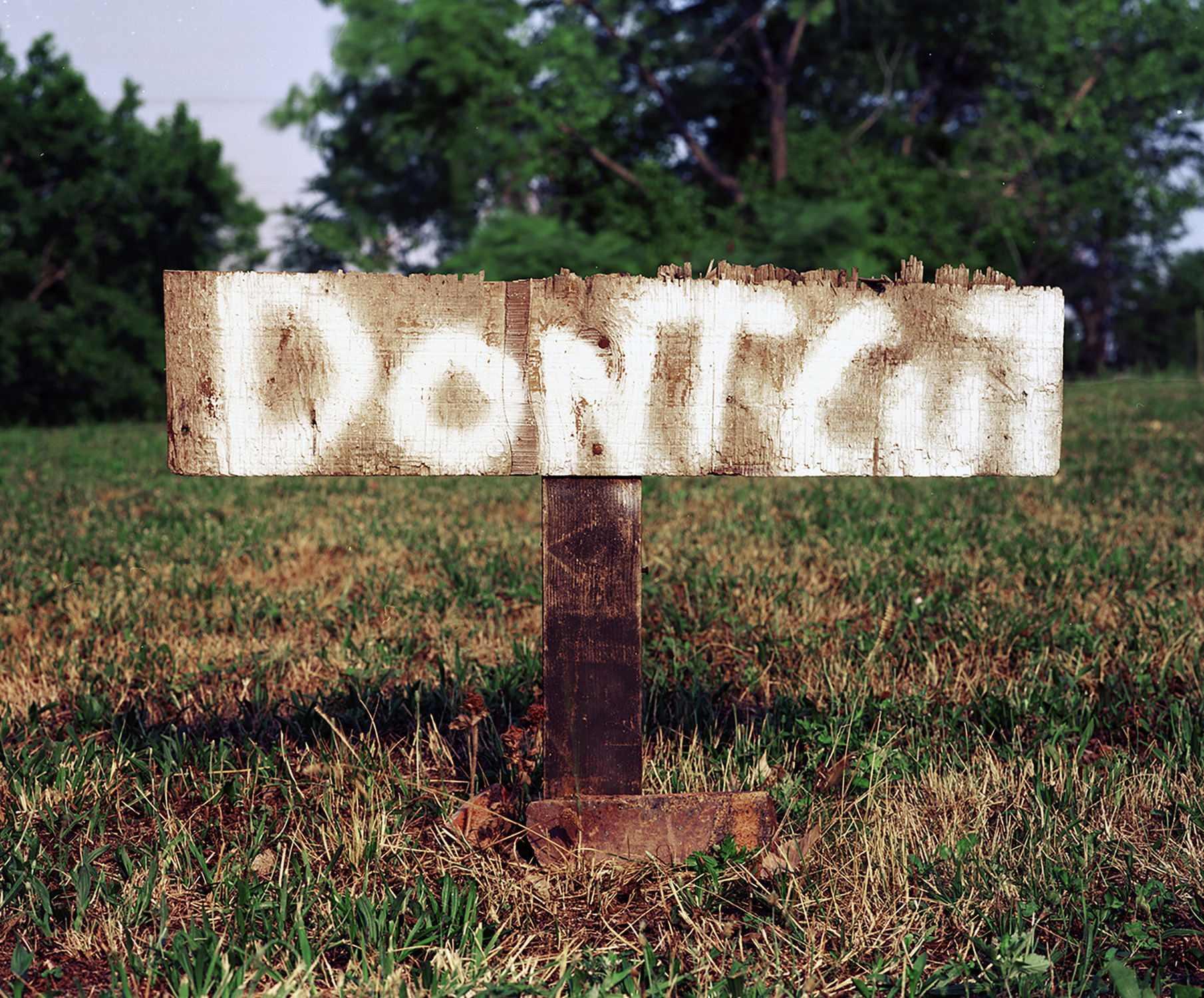
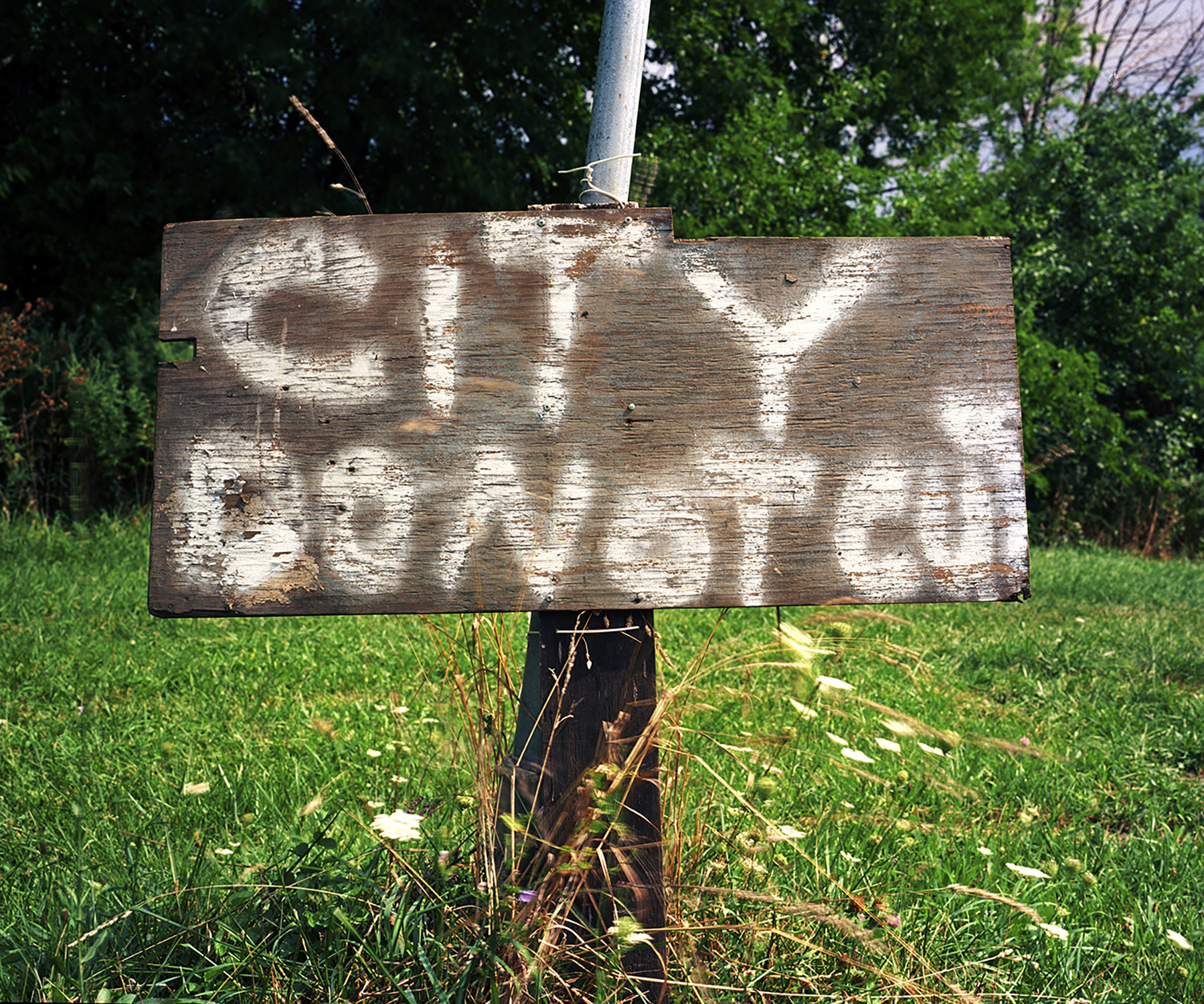
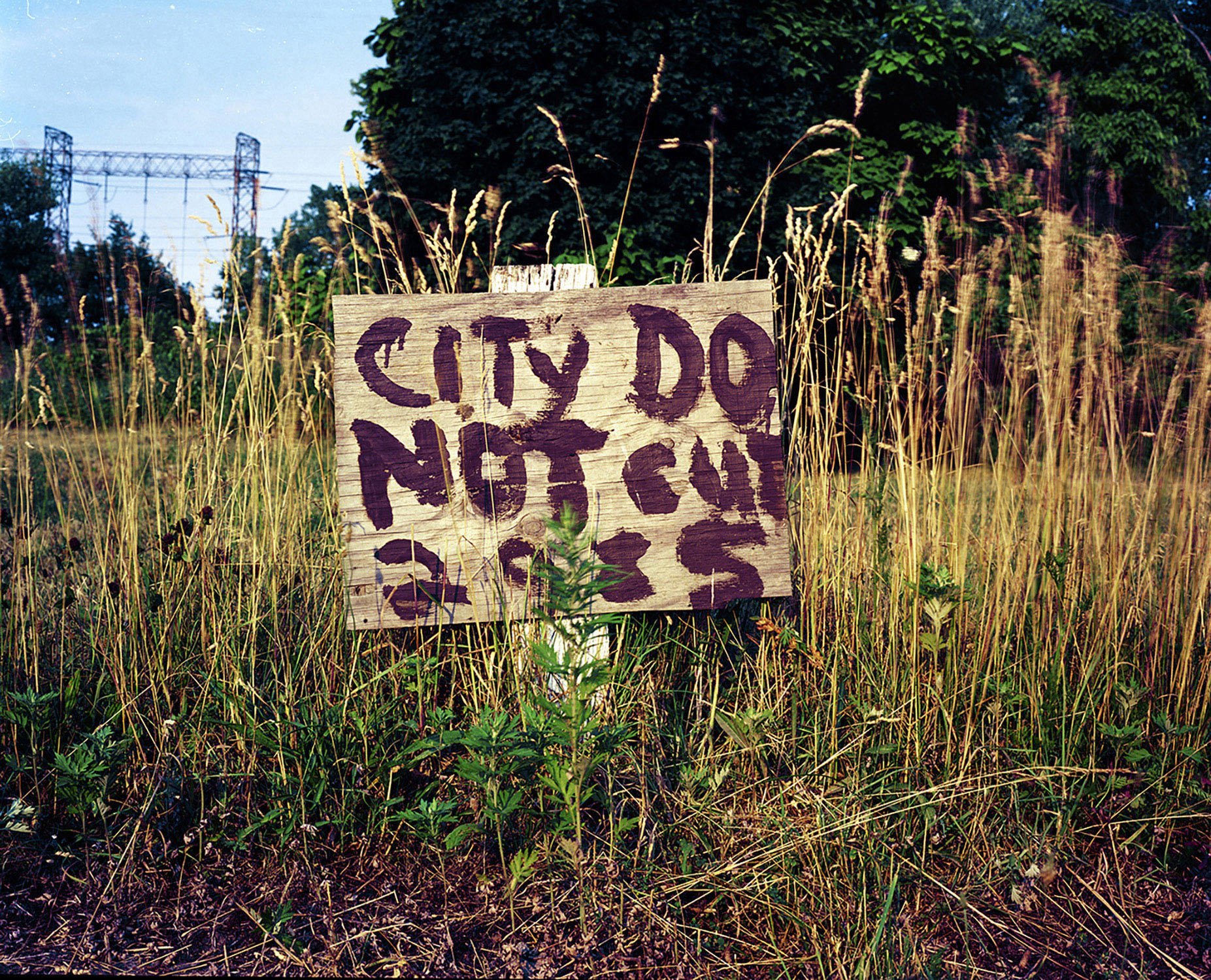
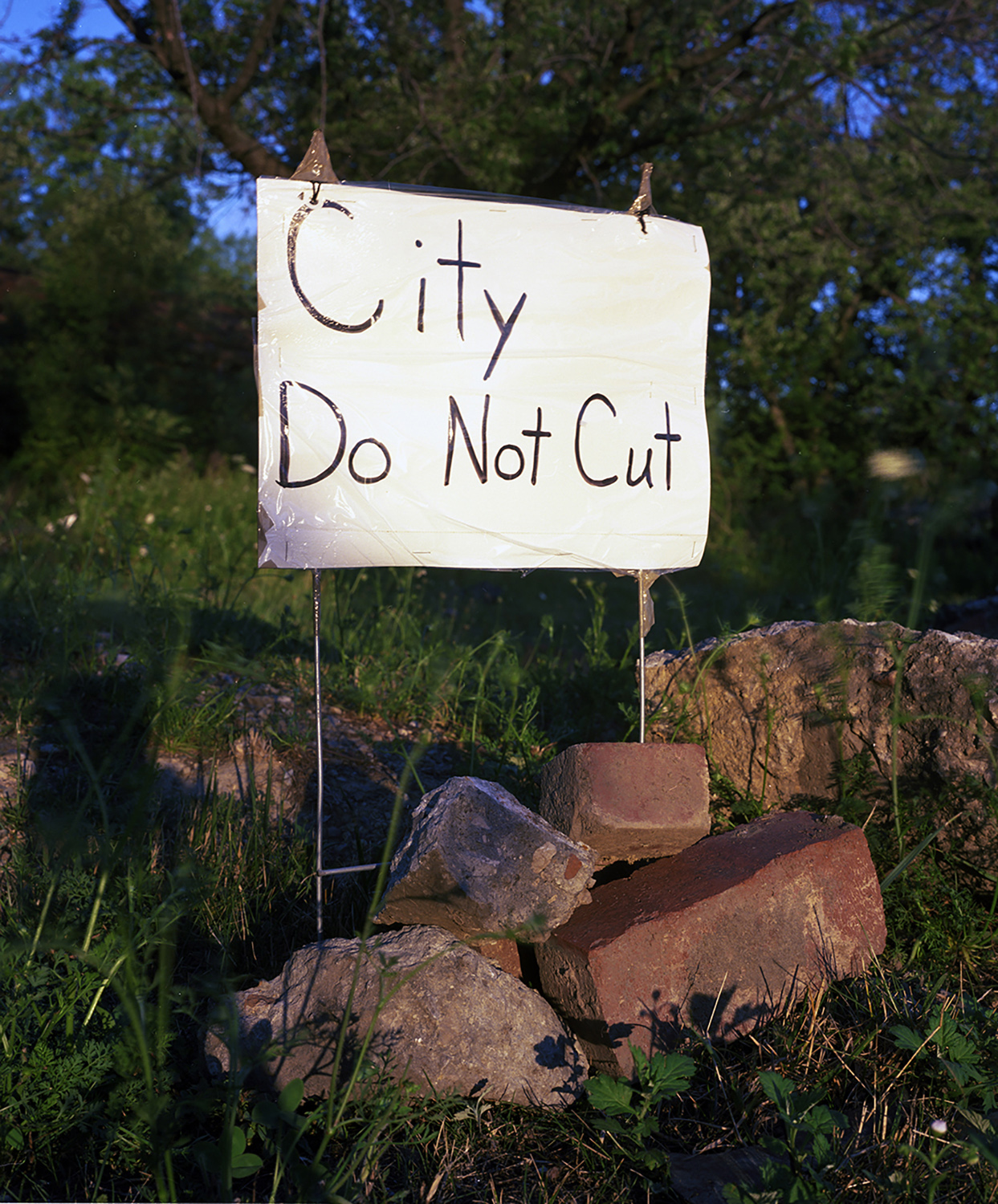
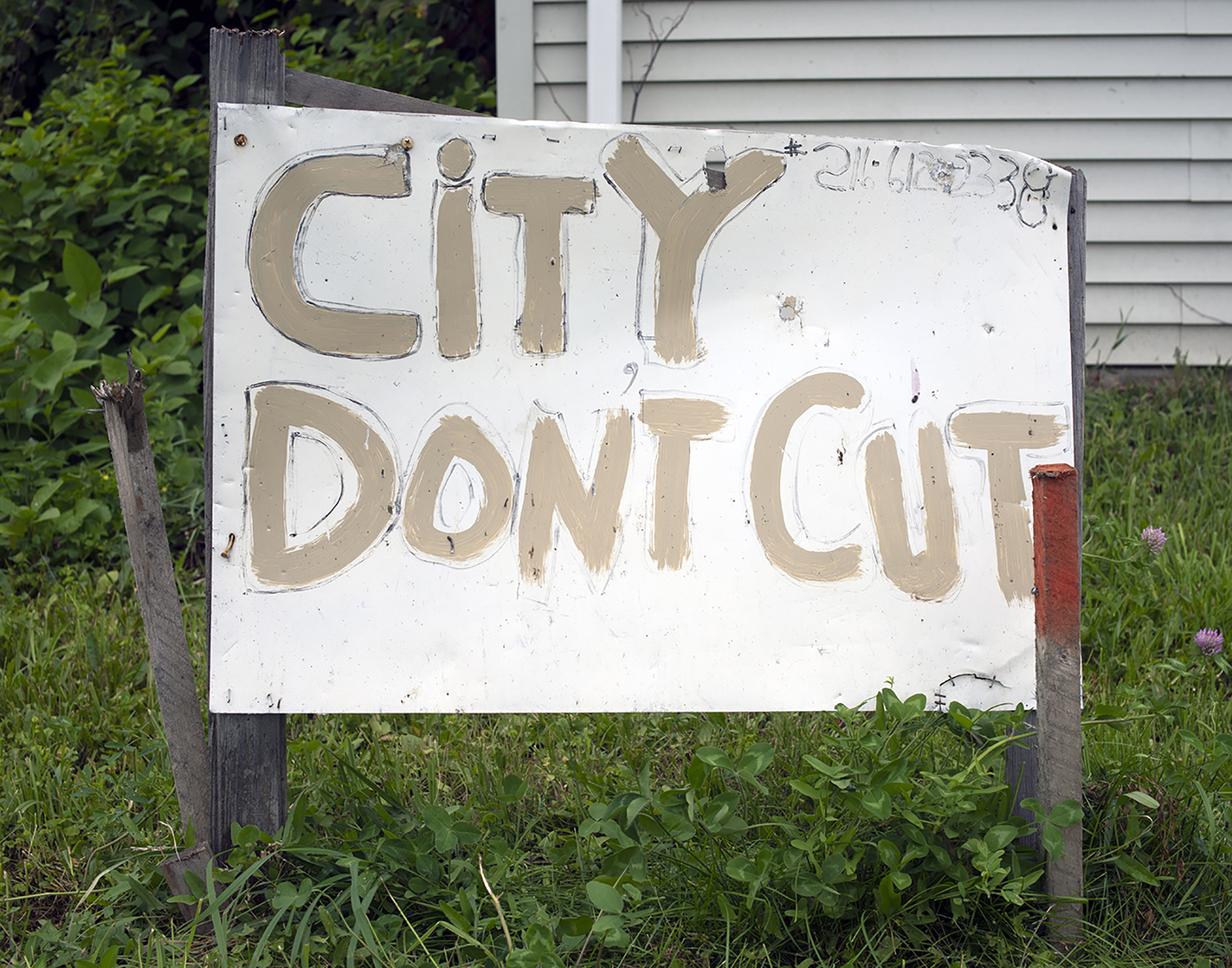
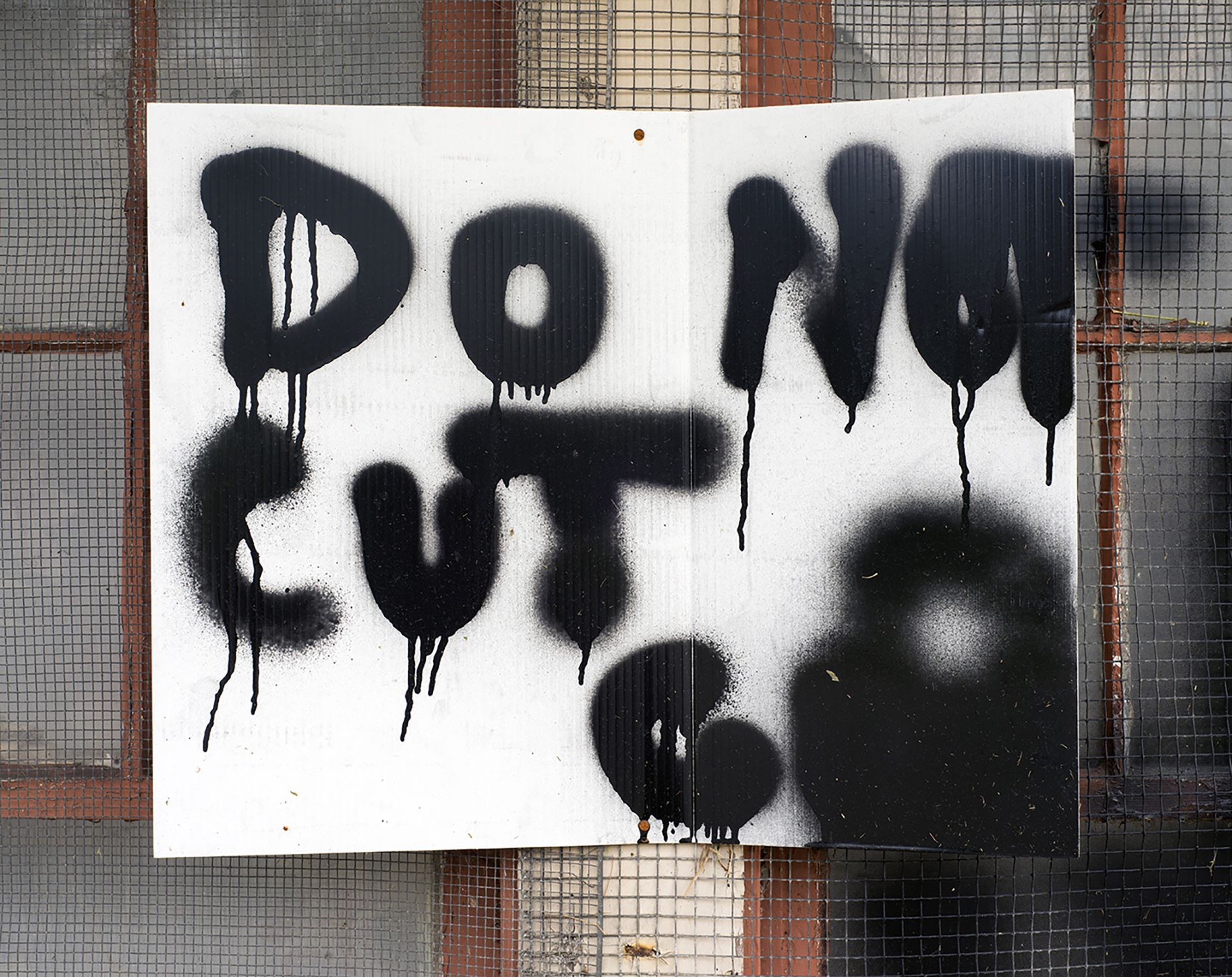
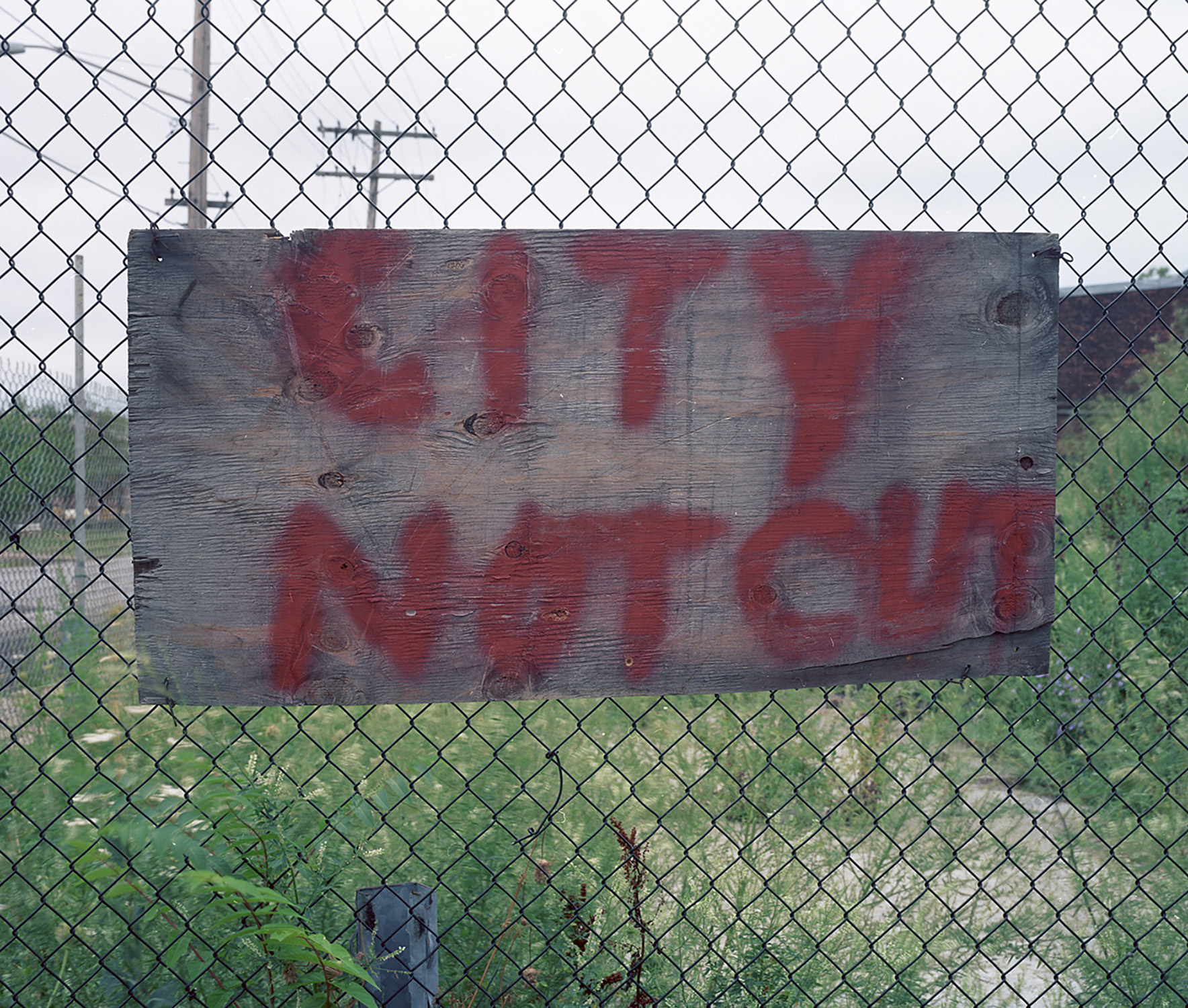
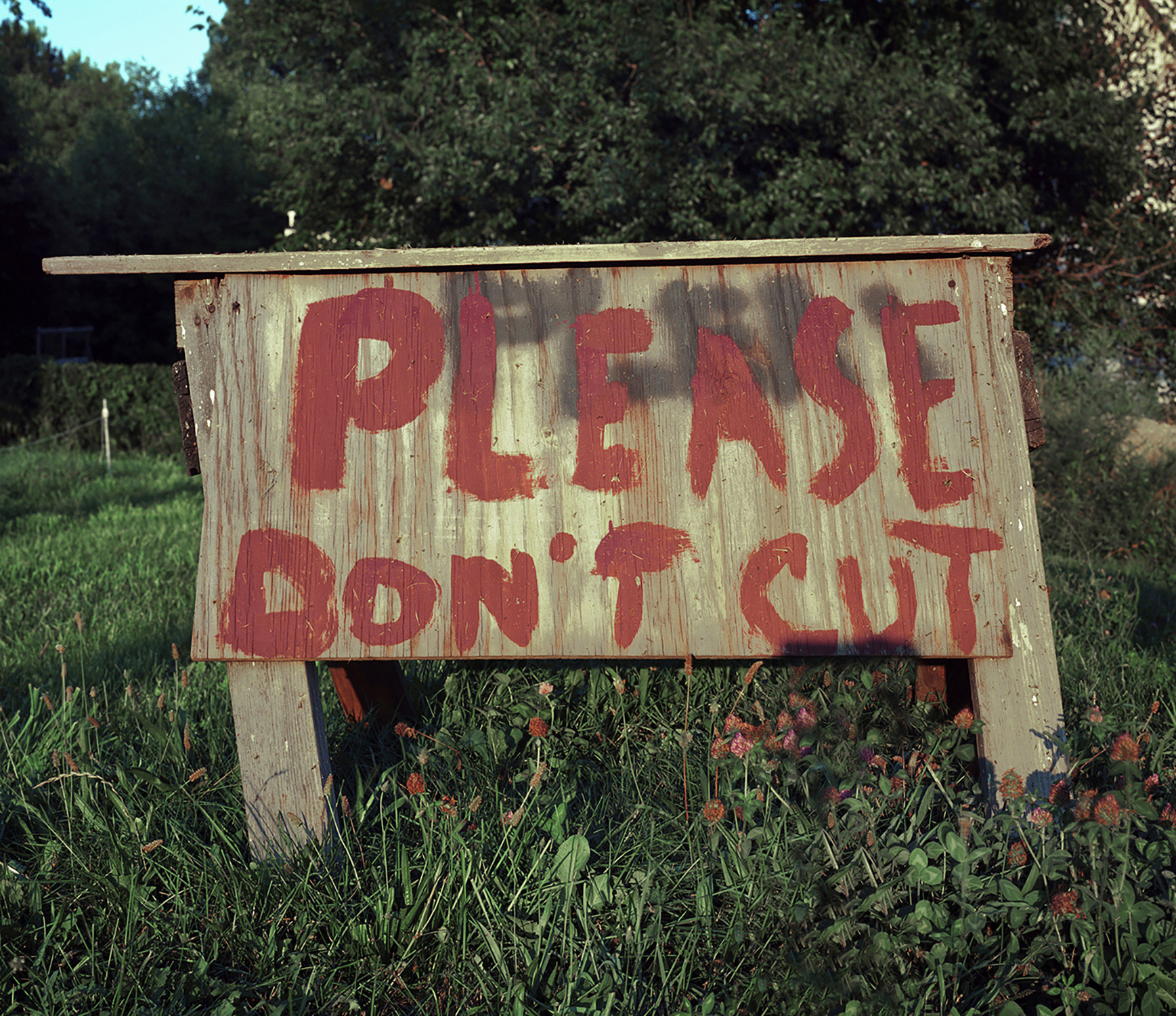
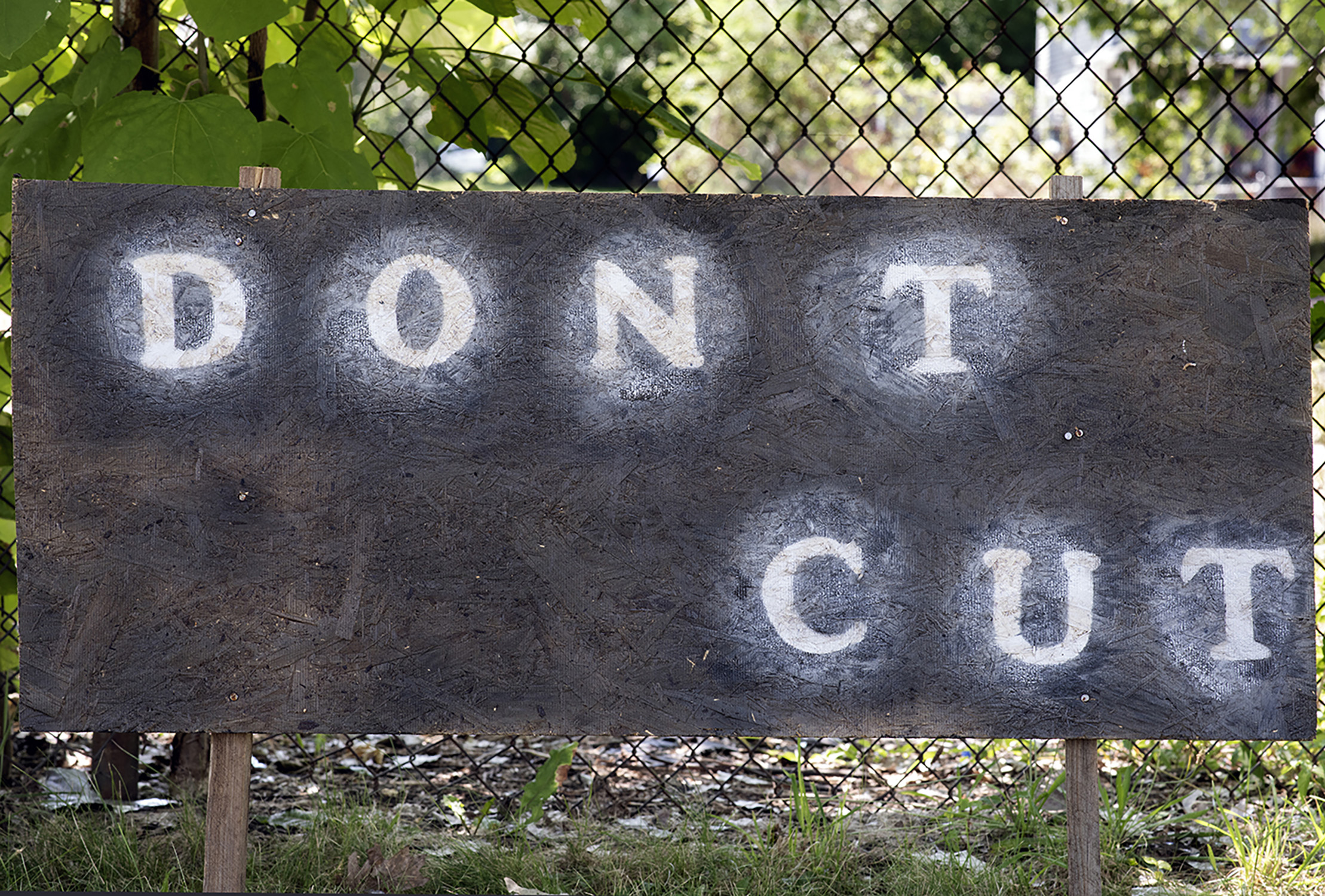
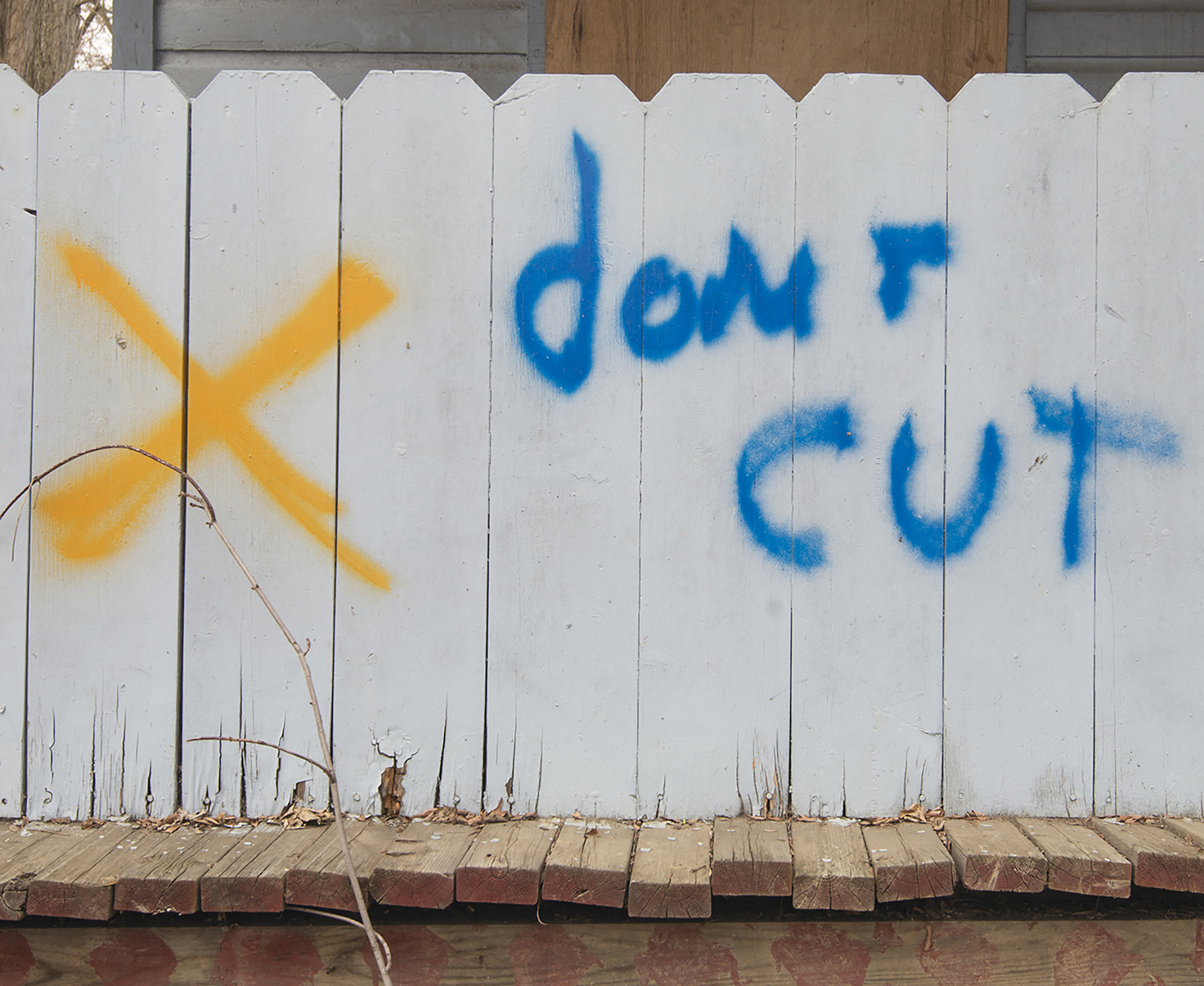
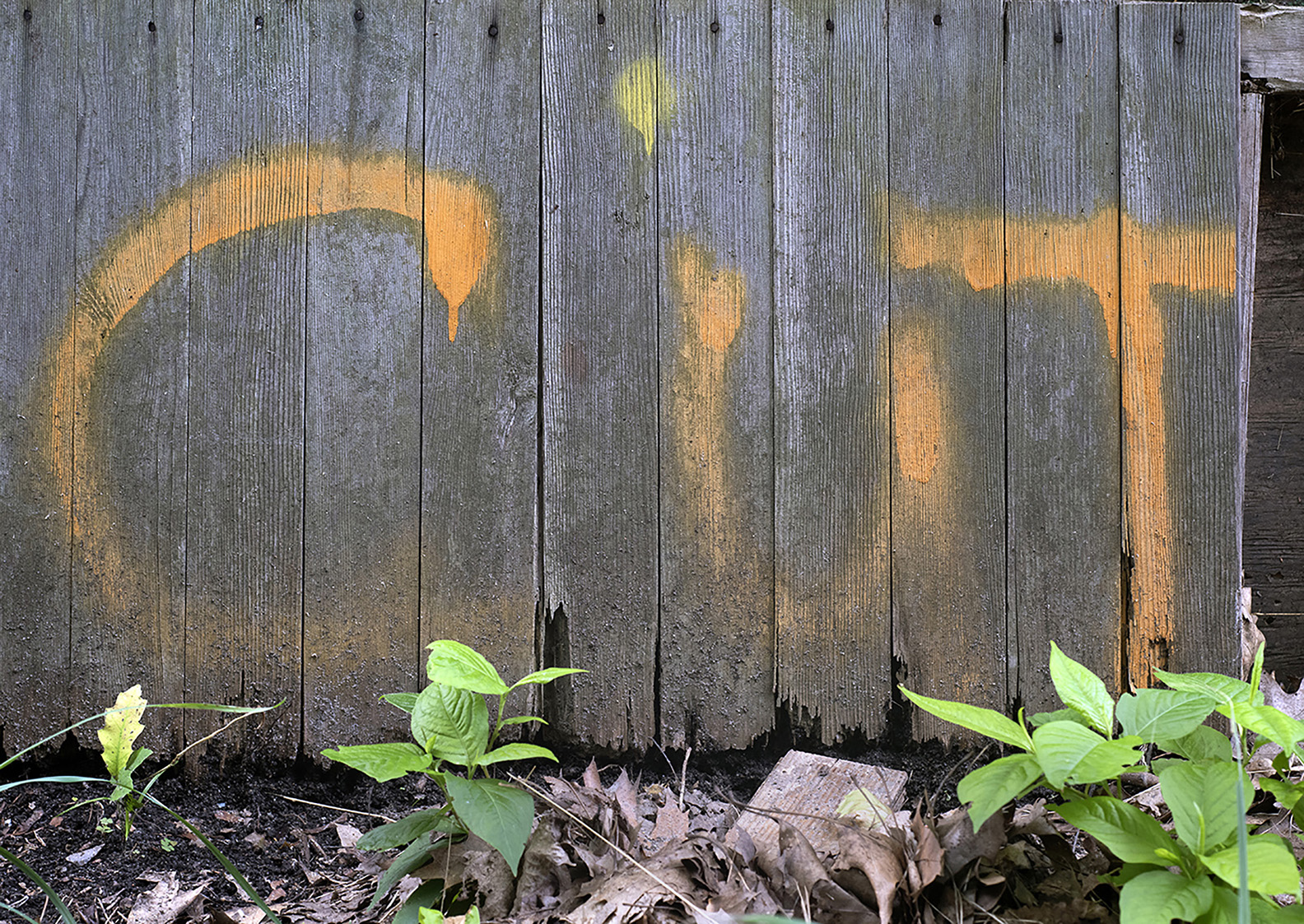
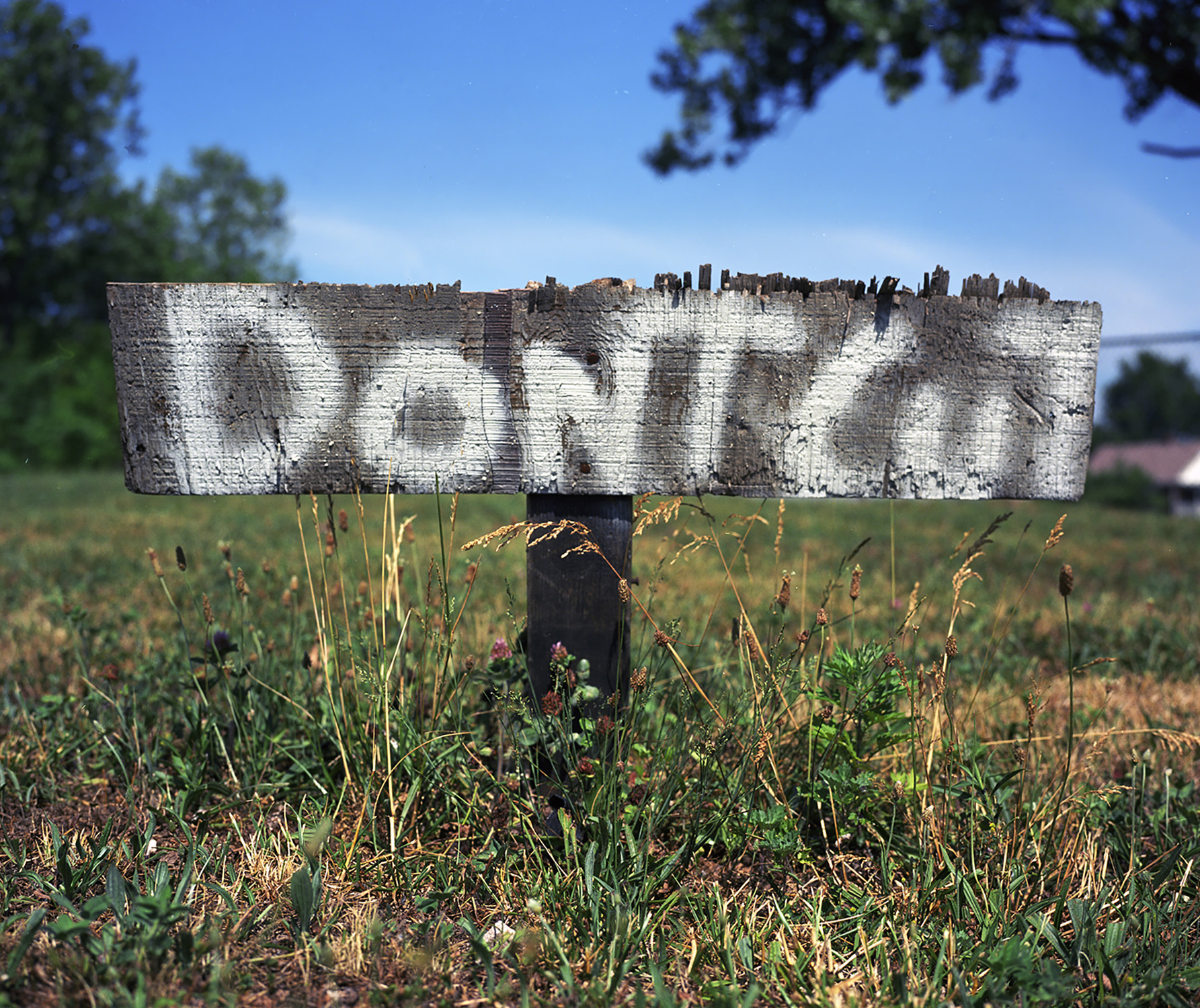
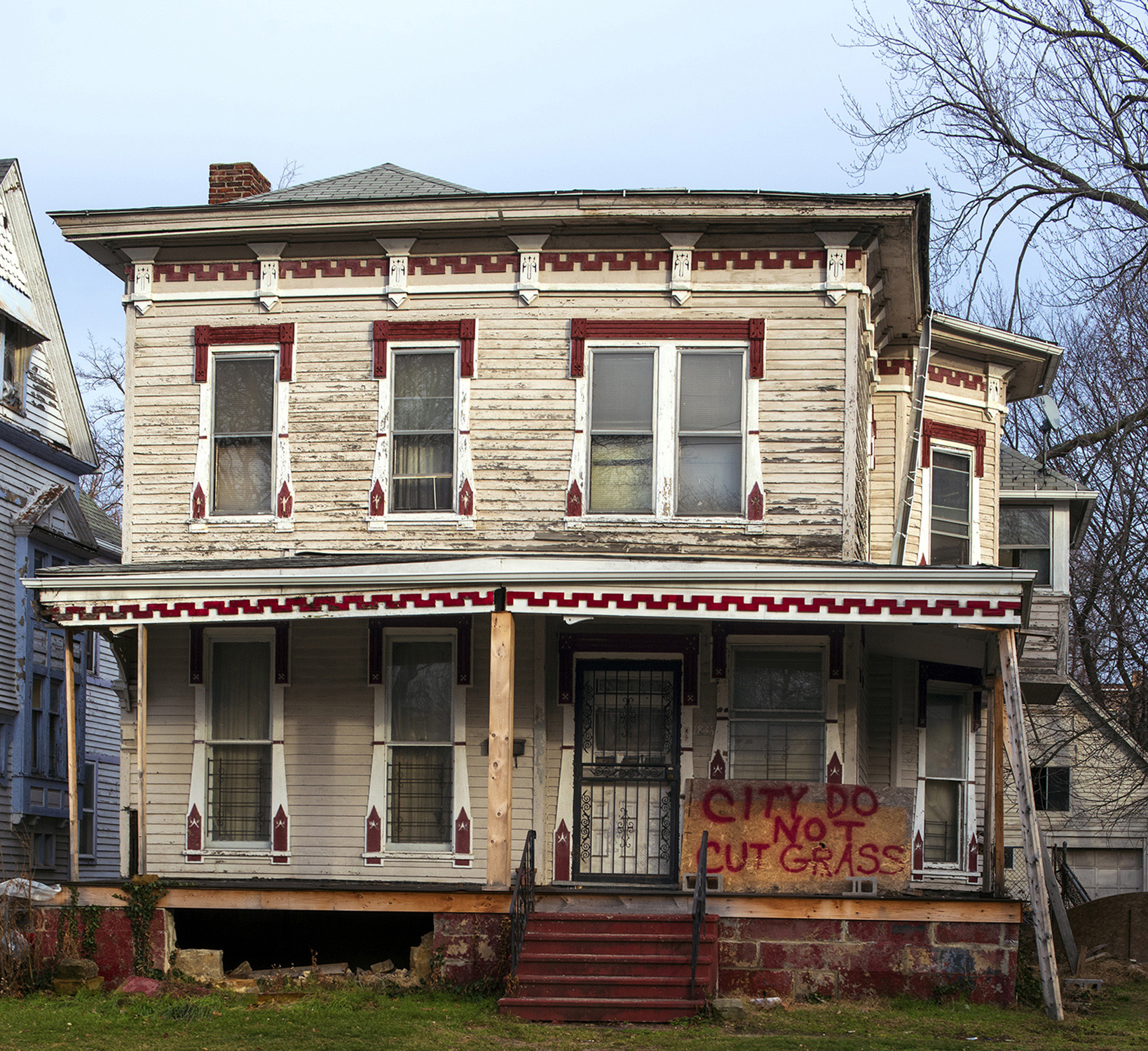
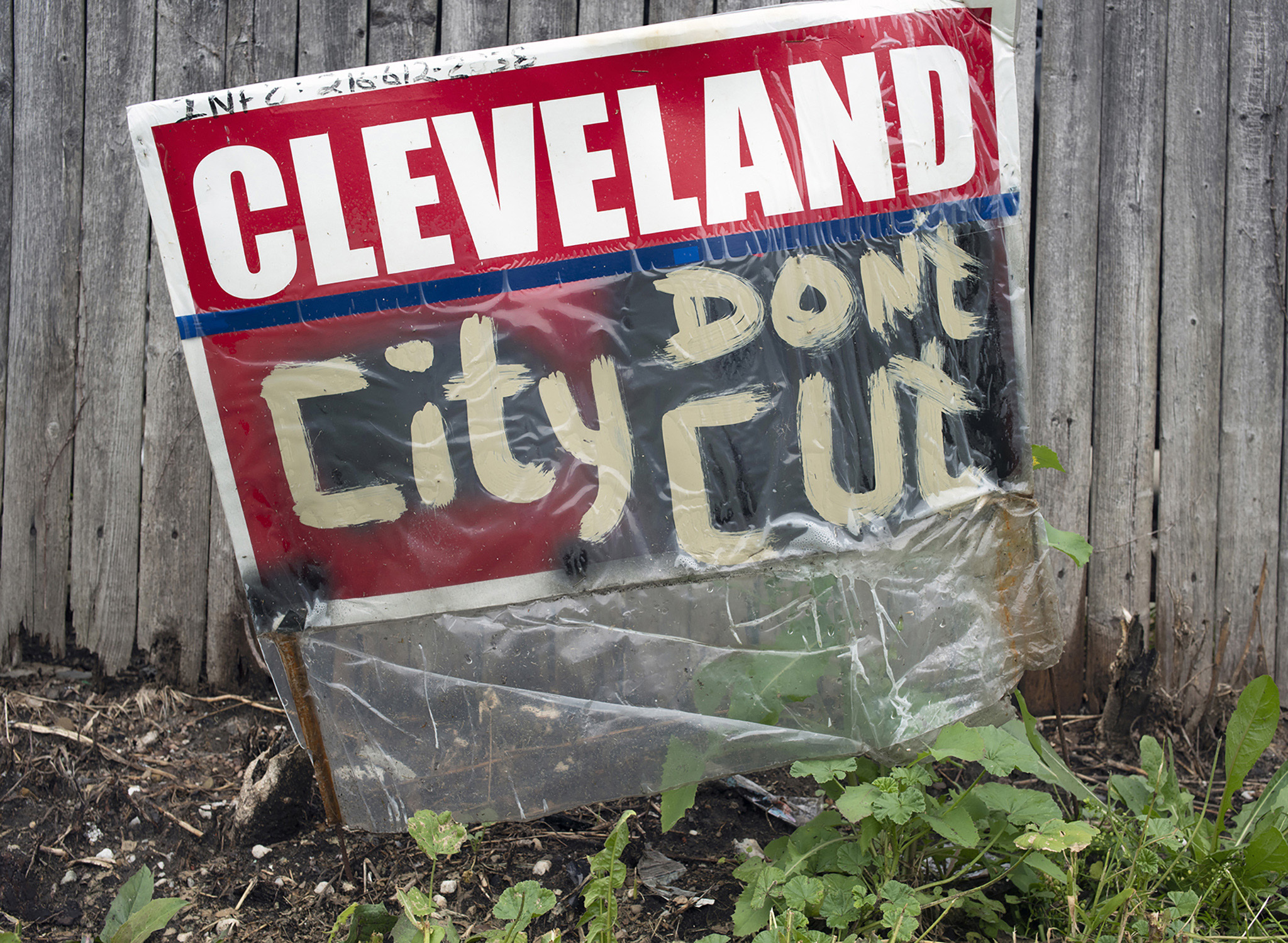
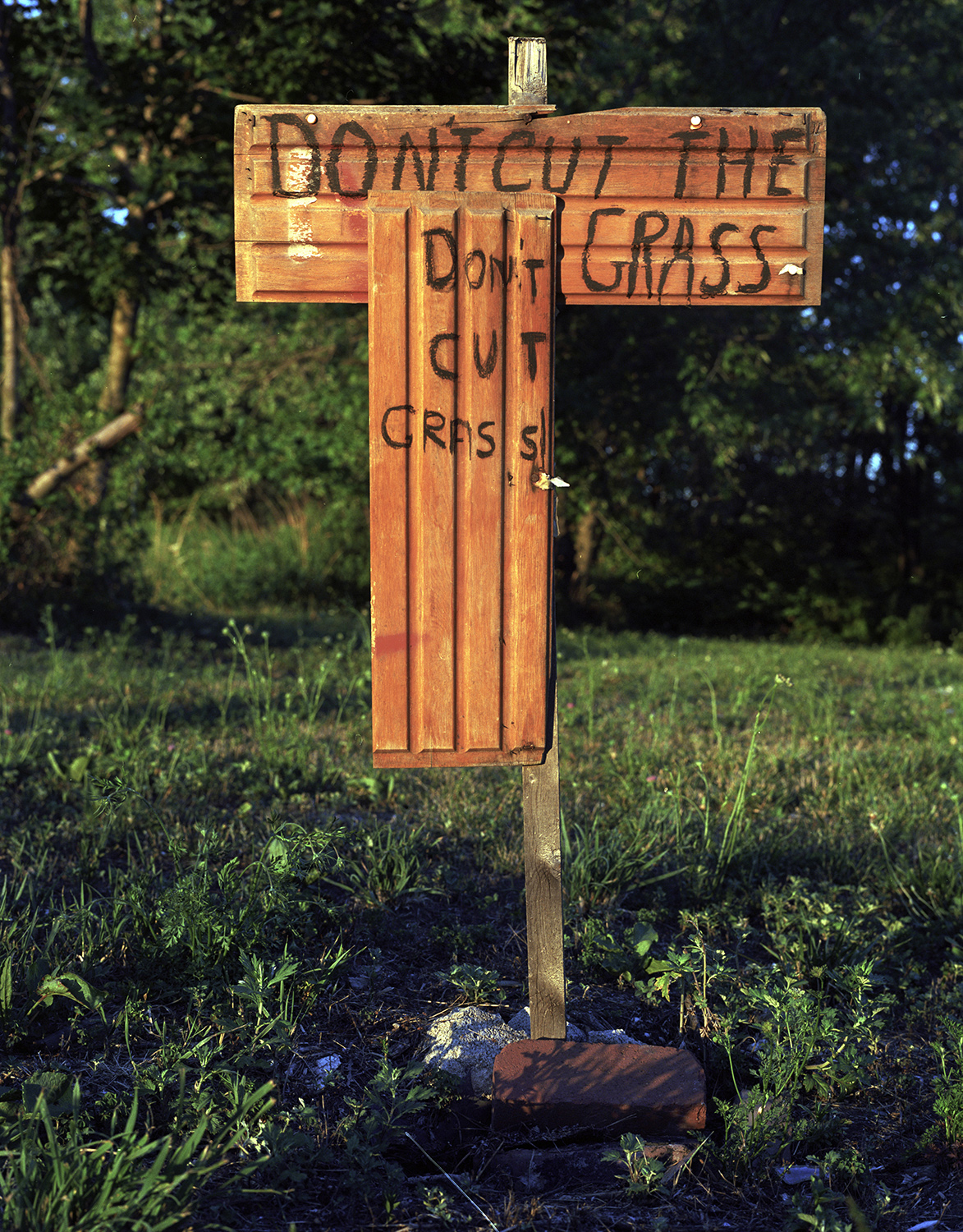
Later they would enlarge the equipment and became even more of a success.Cleveland Trencher Wheel Trencher, 2022This trencher was put on a mound of dirt as a memorial in front of an old steel processing facility that is now used as a construction firms headquarters, in Collinwood, two milkes from the original plant.City Do Not Mow SignWith the grass, trees and plants becoming out of hand and overgrown, the city began finding people $600 if they had to cut their lawns even on a vendor properties.
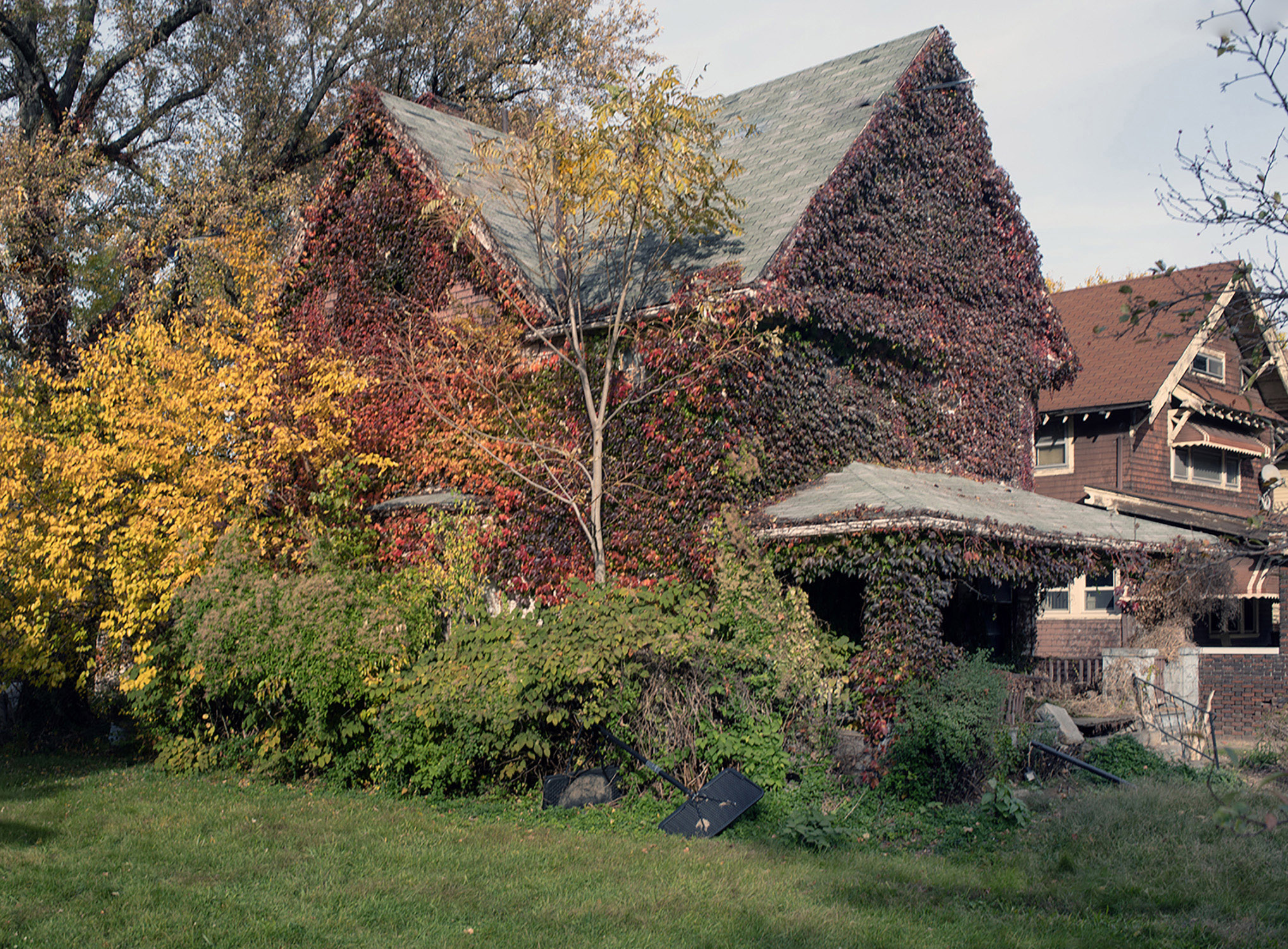
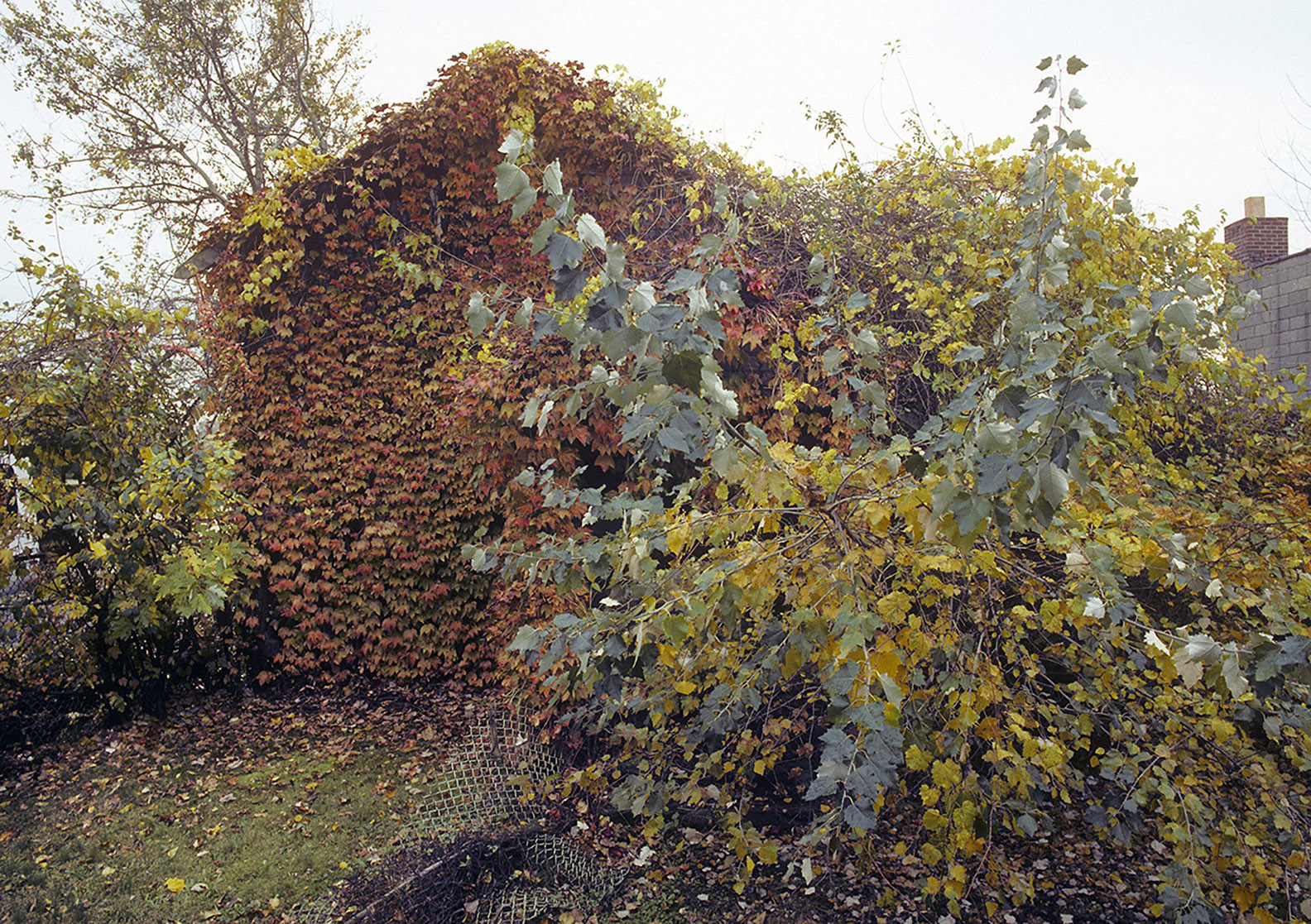
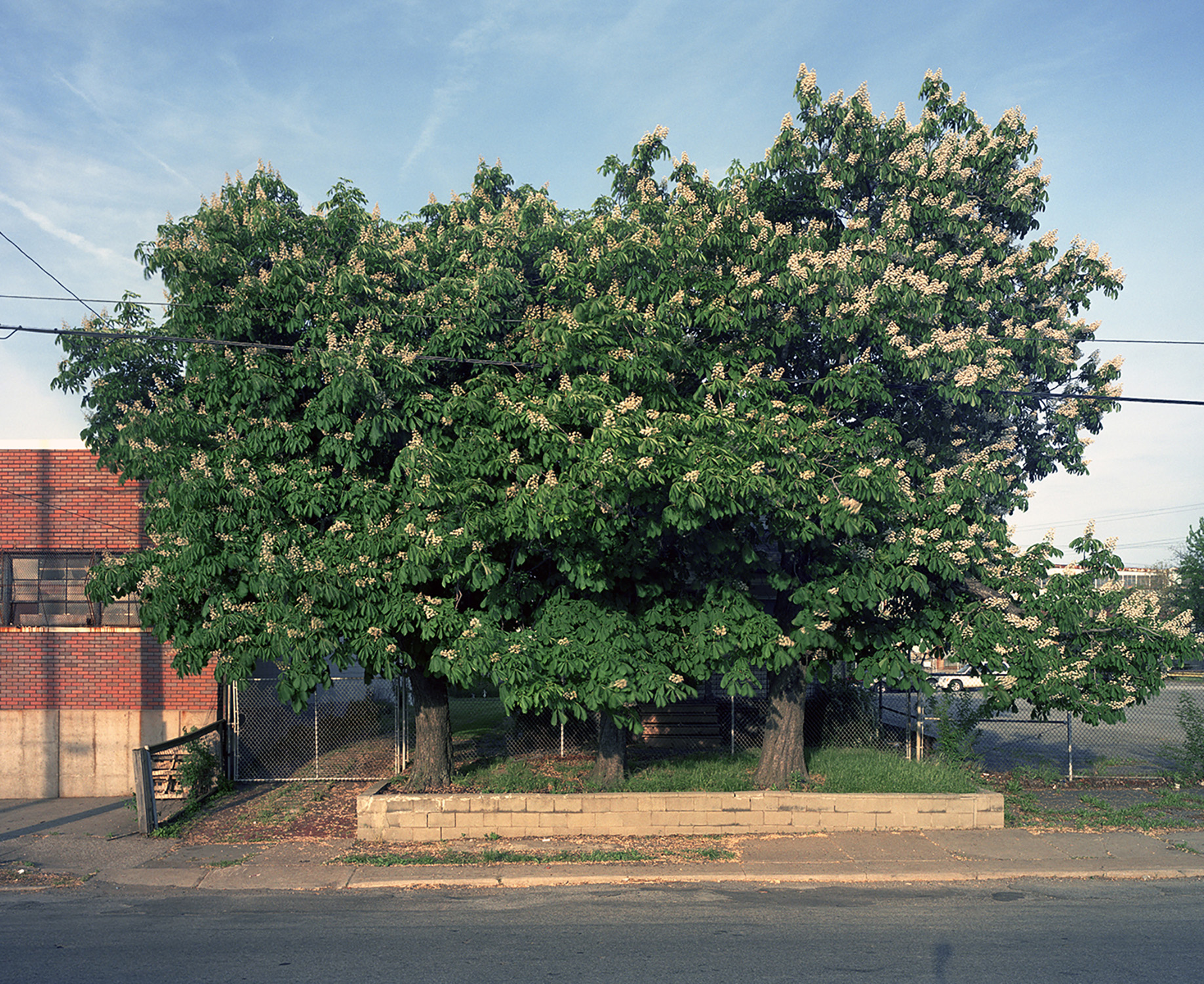
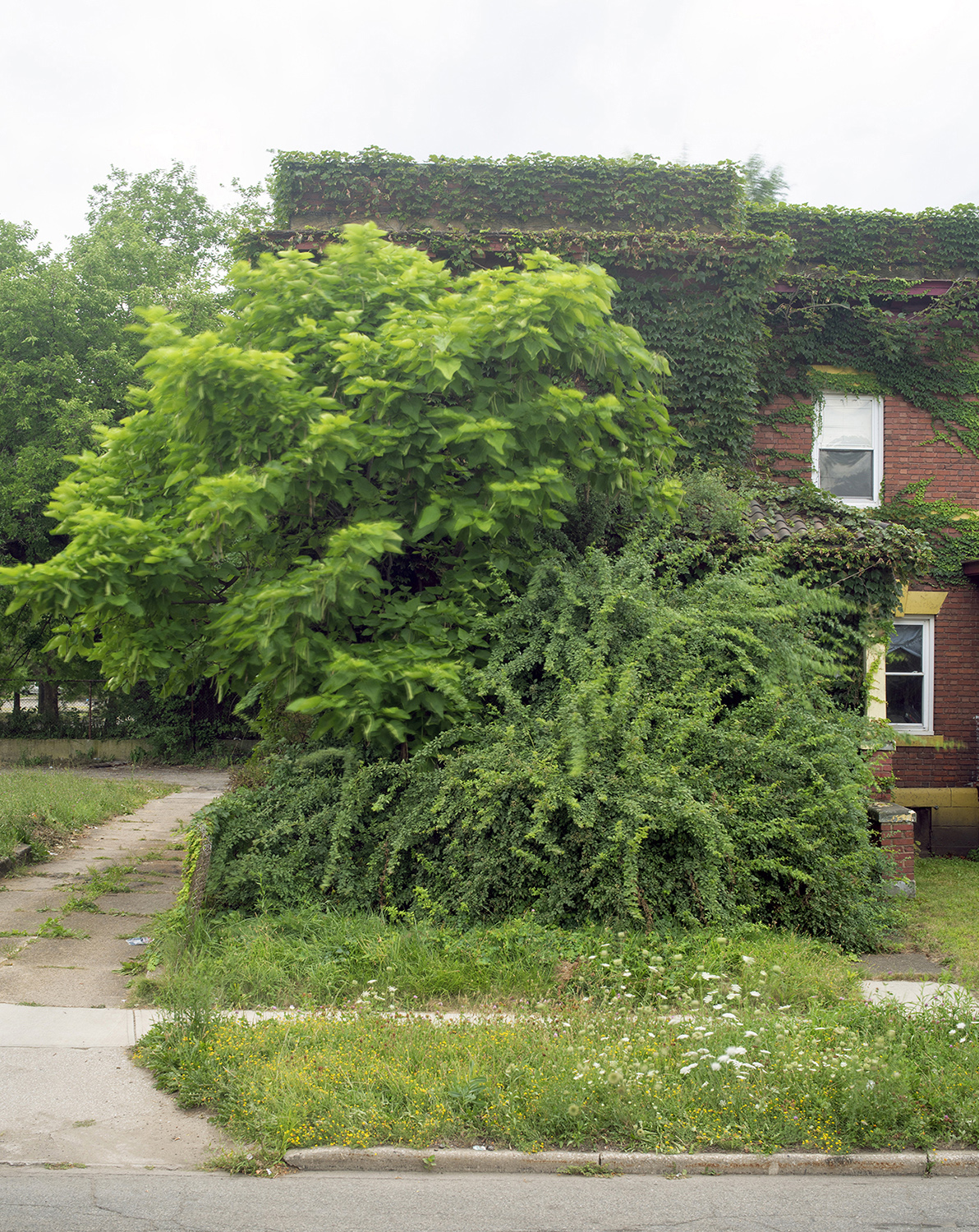
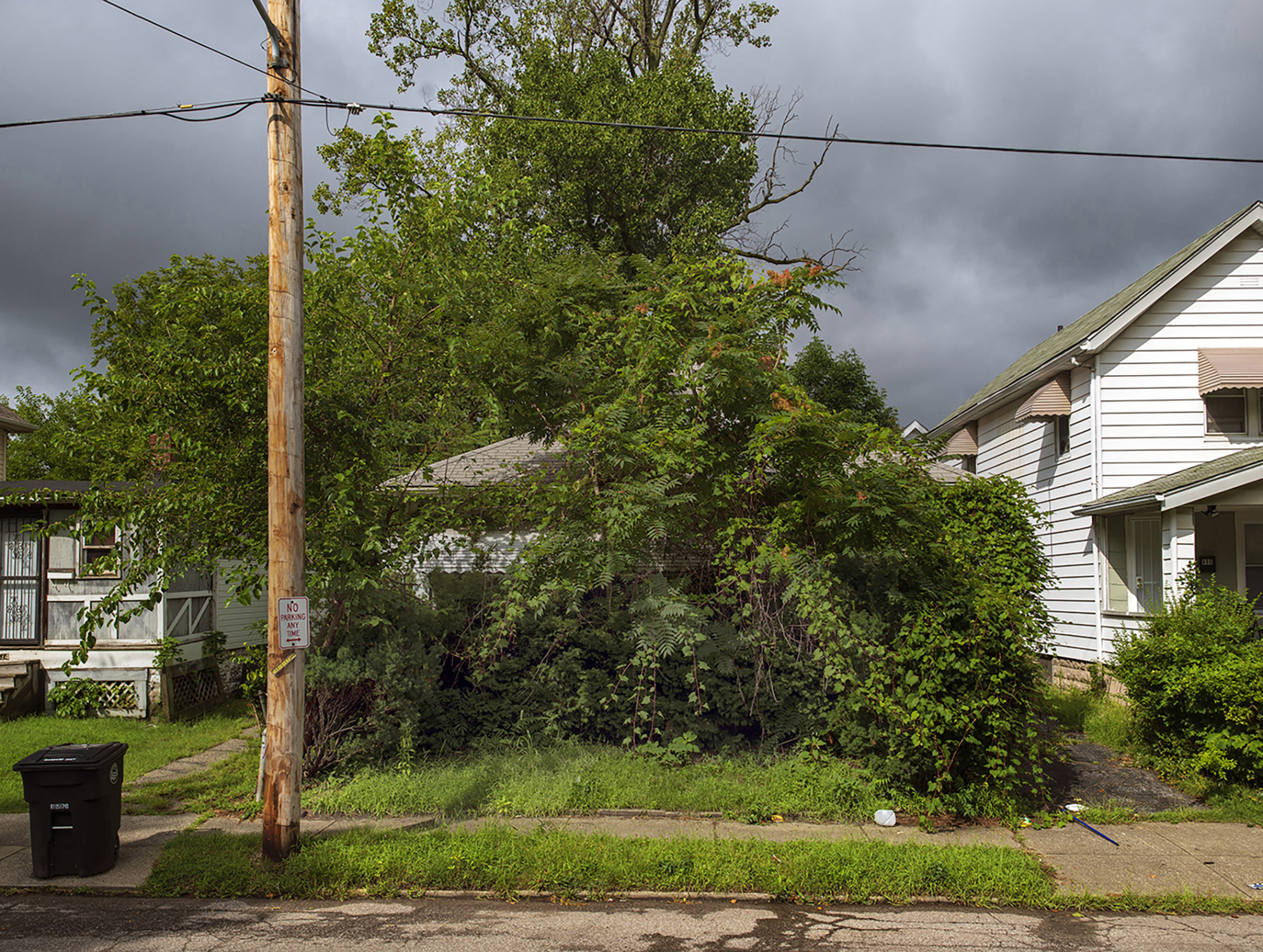
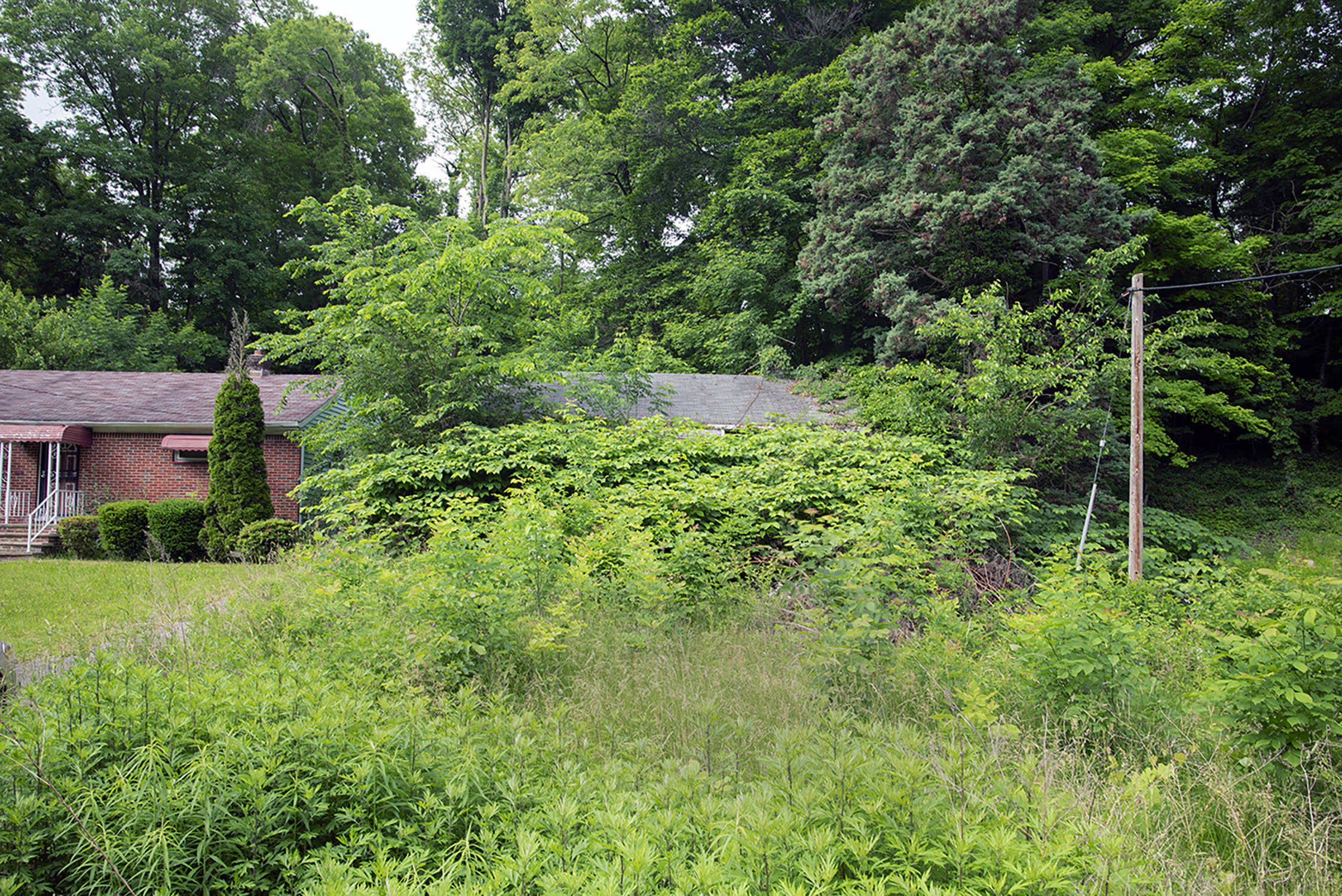
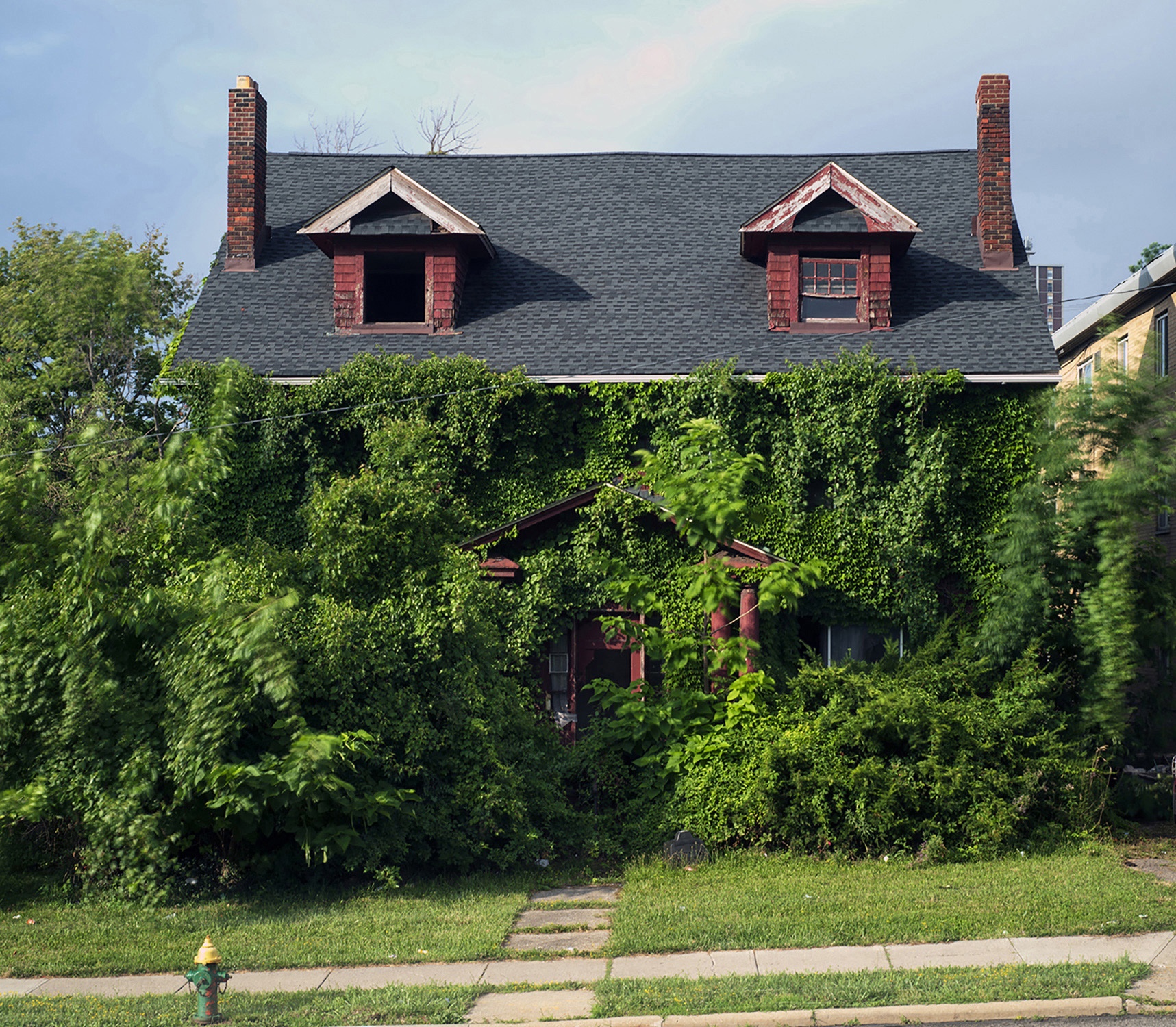
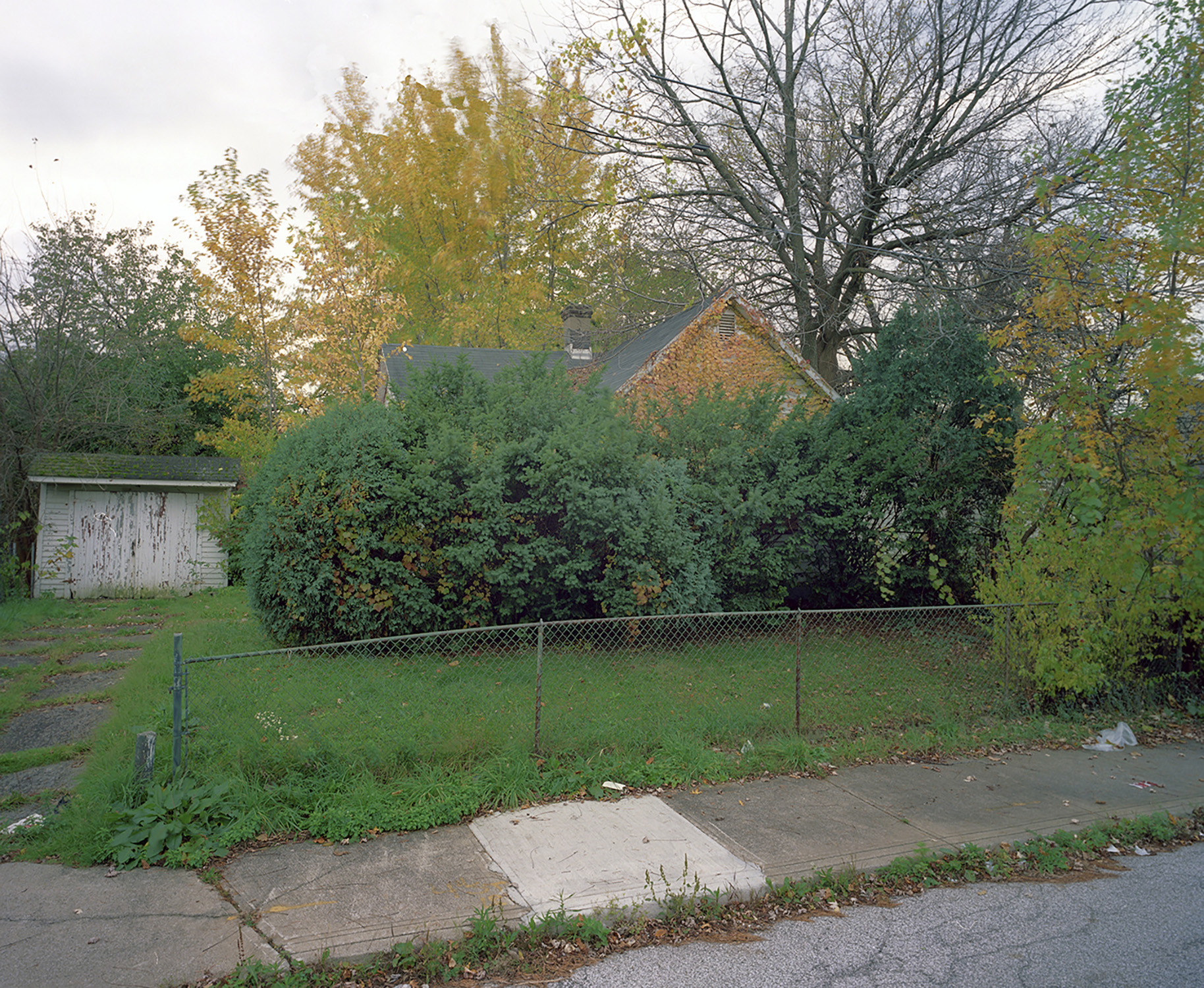
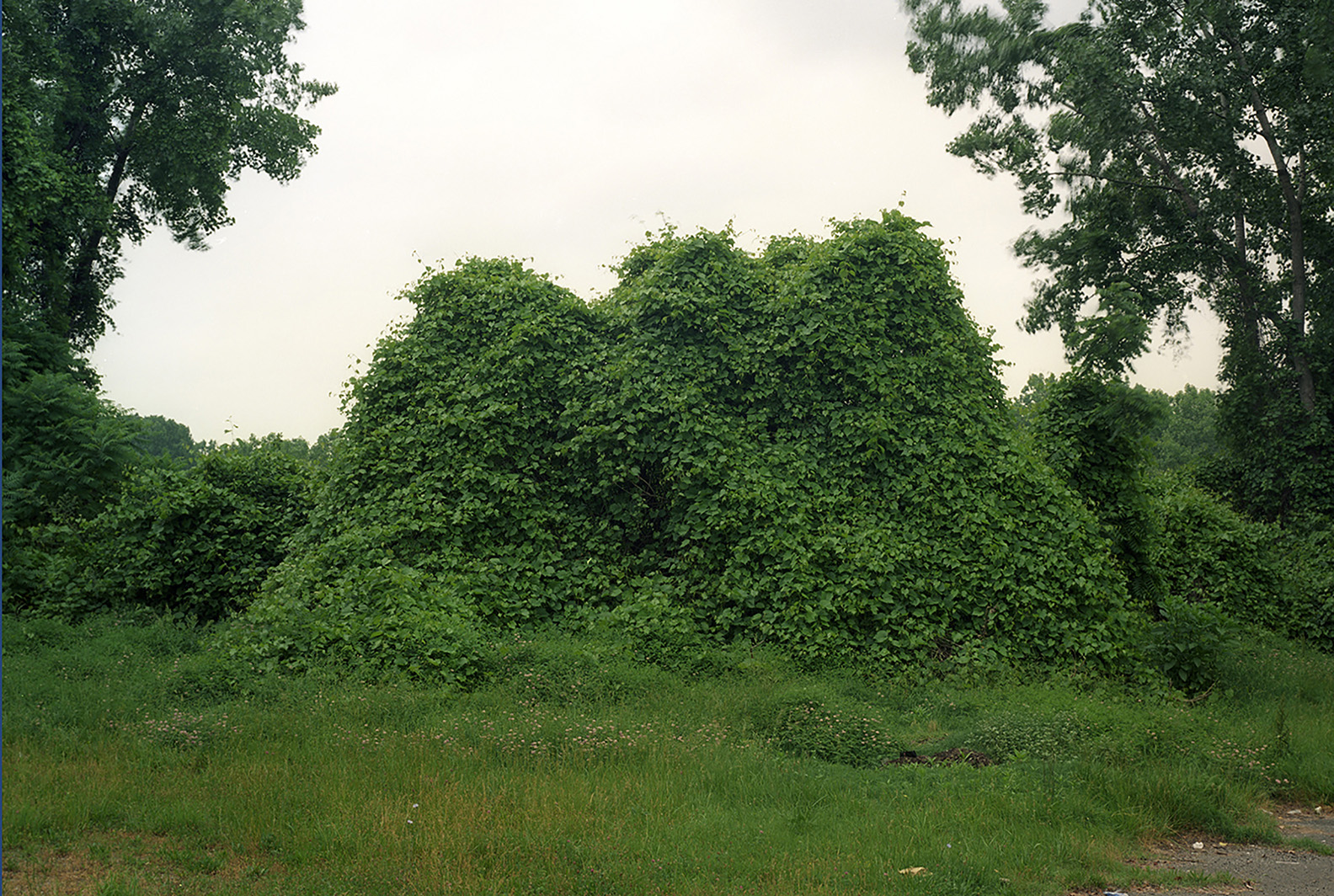
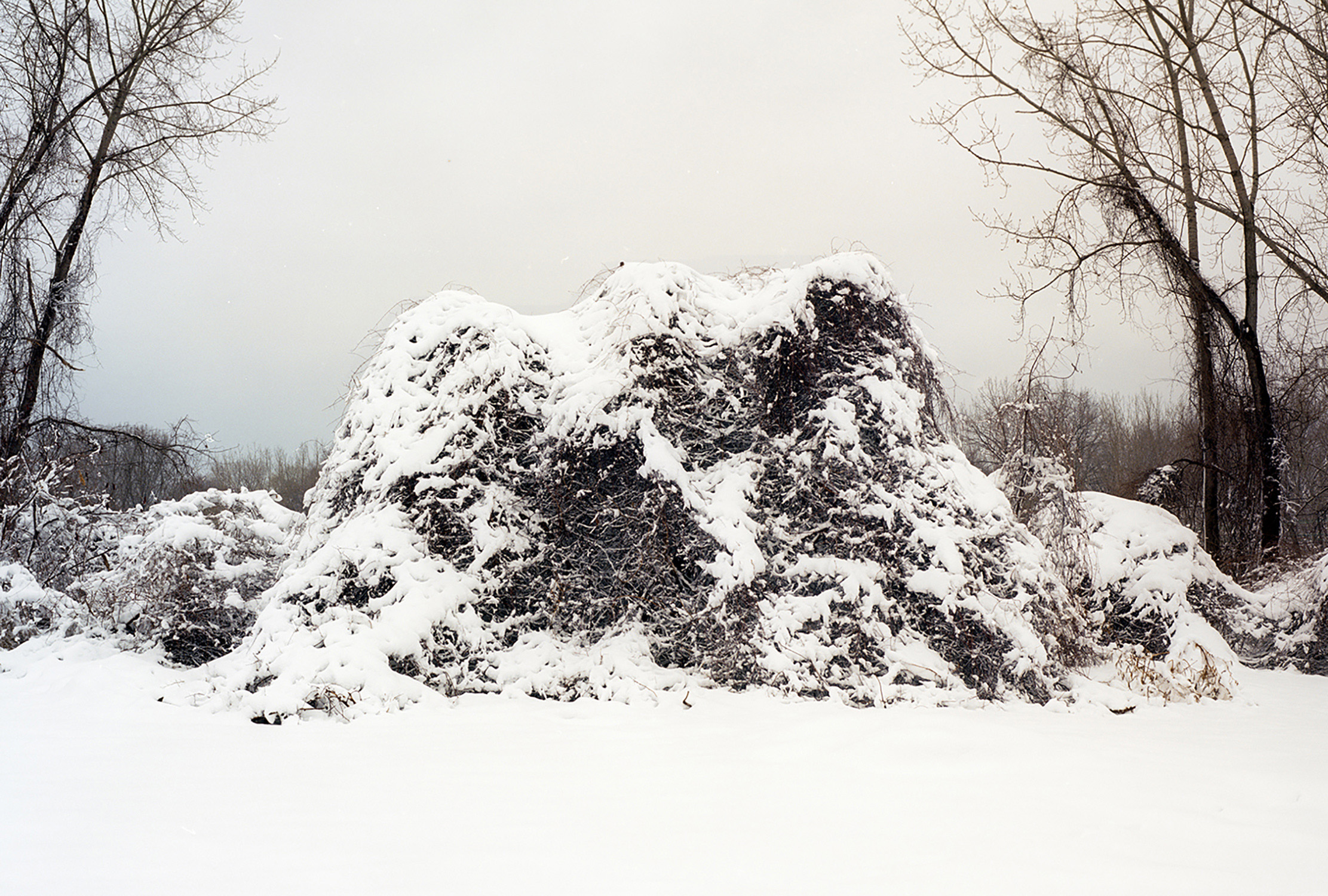
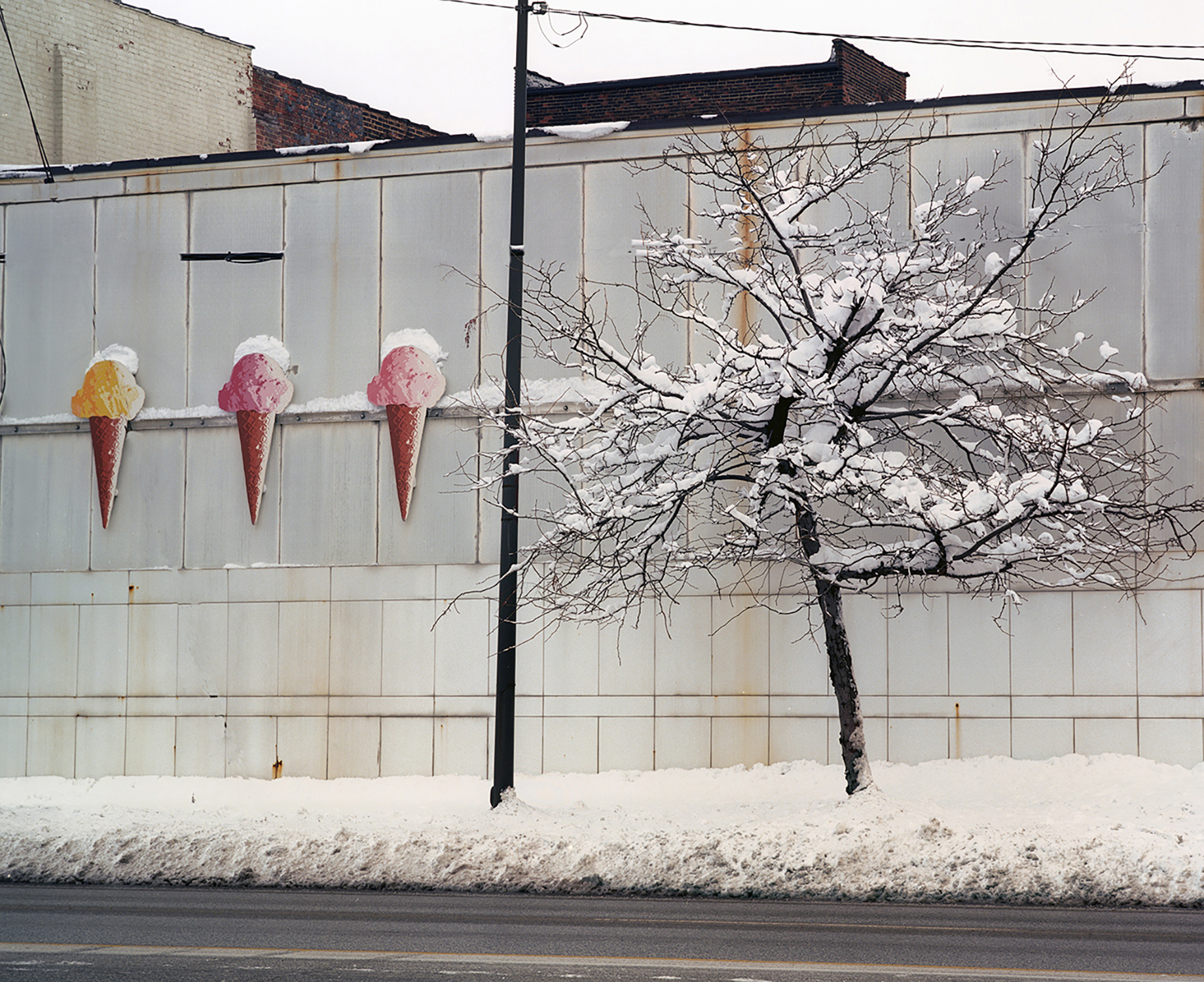
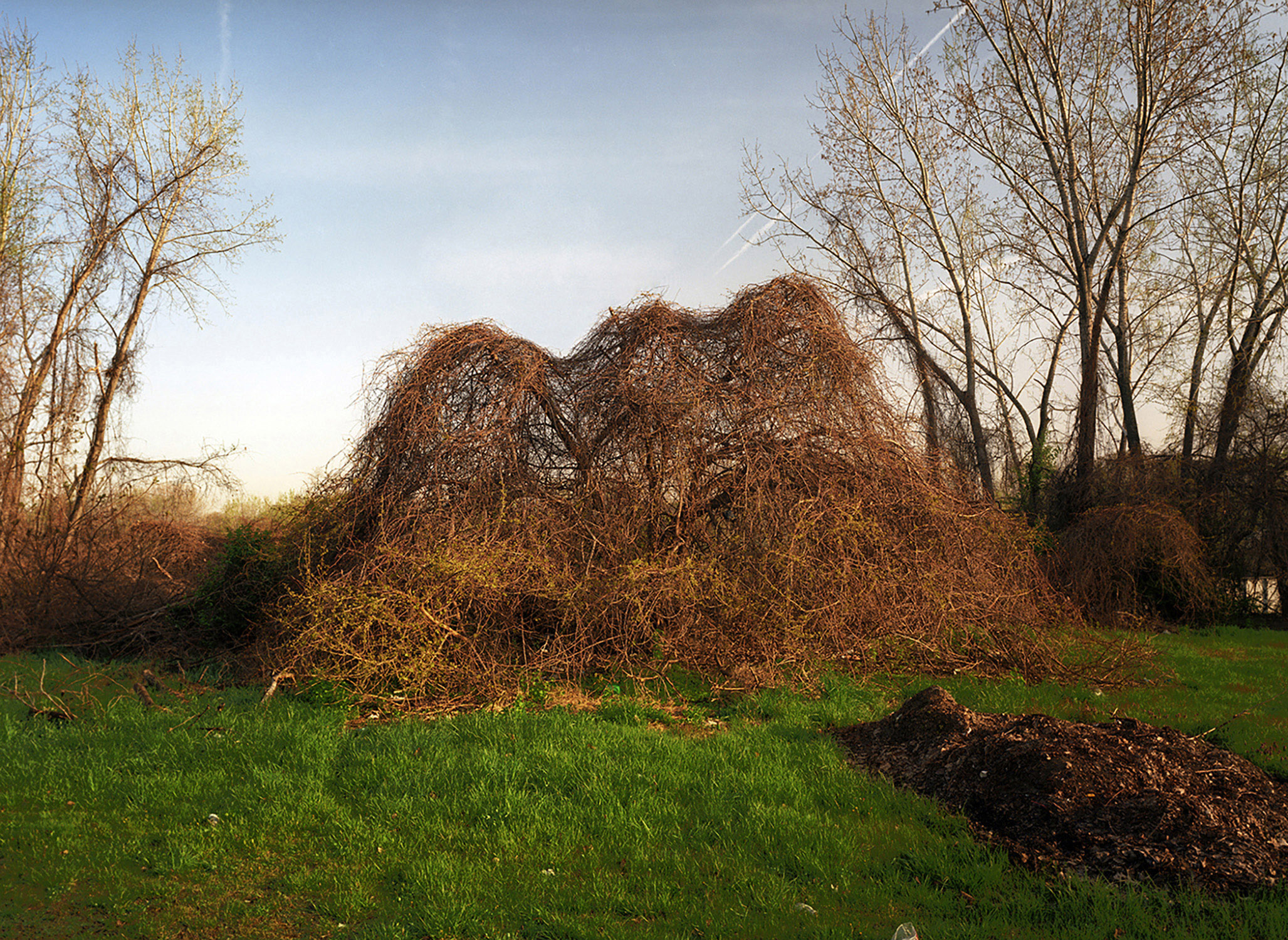
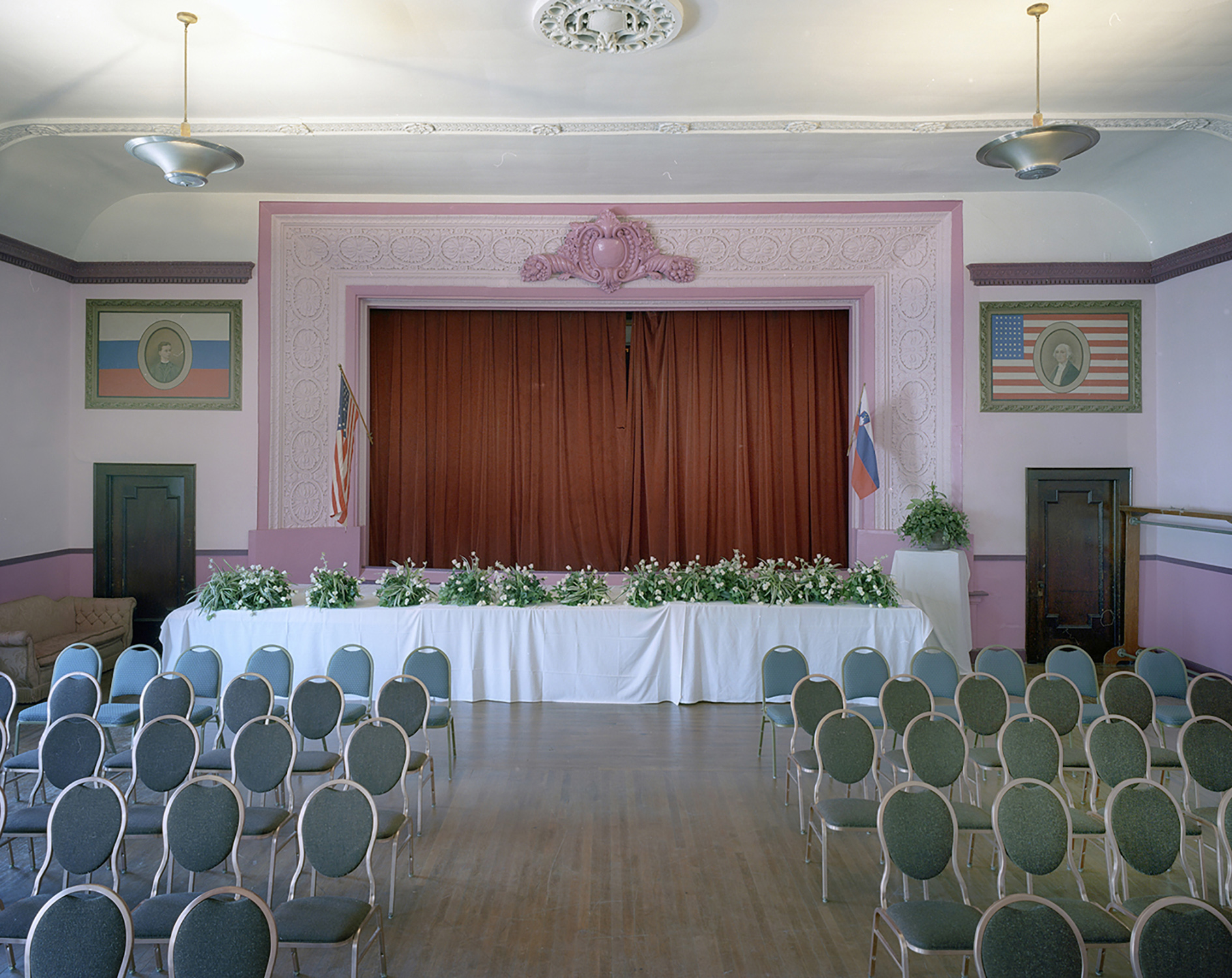
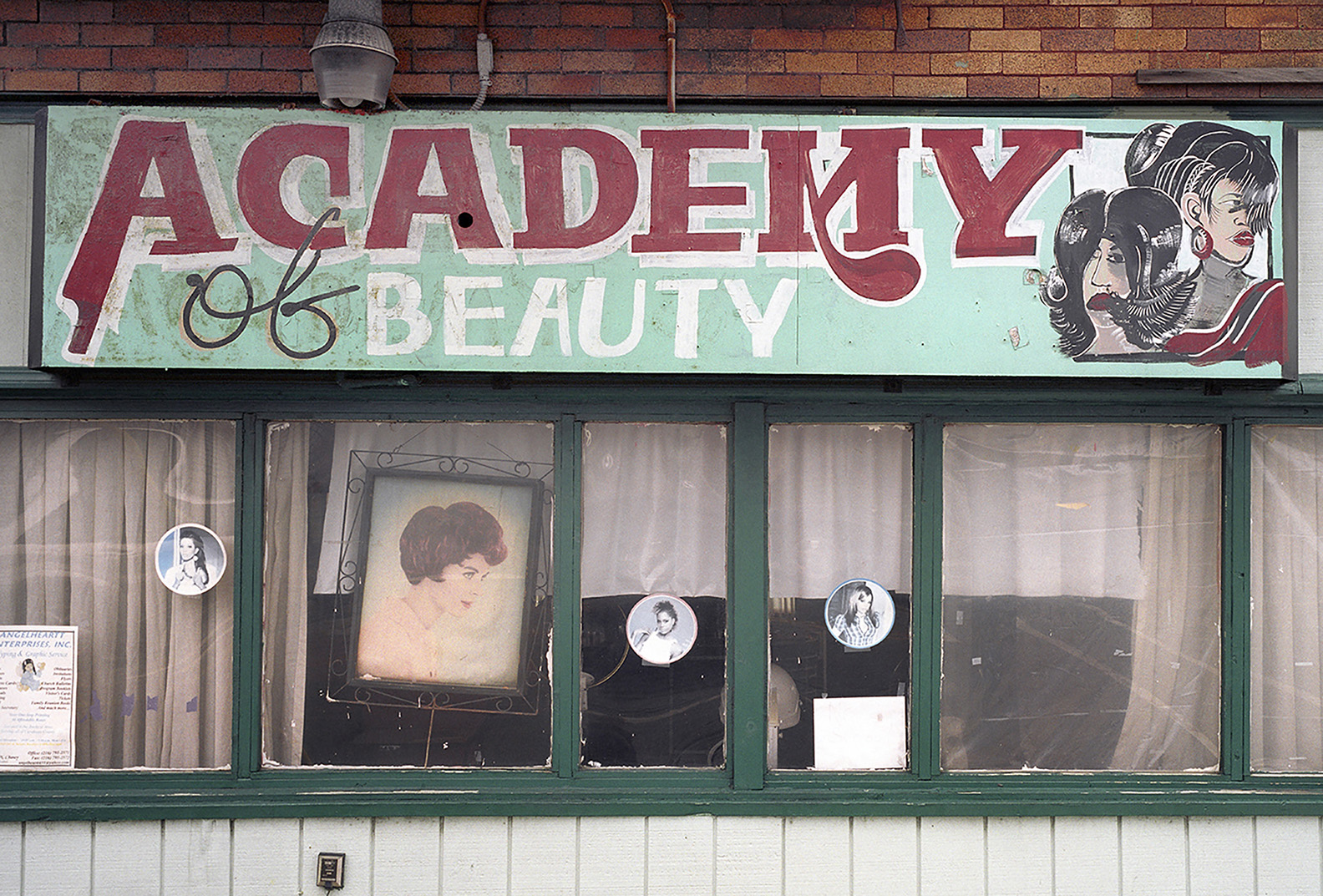
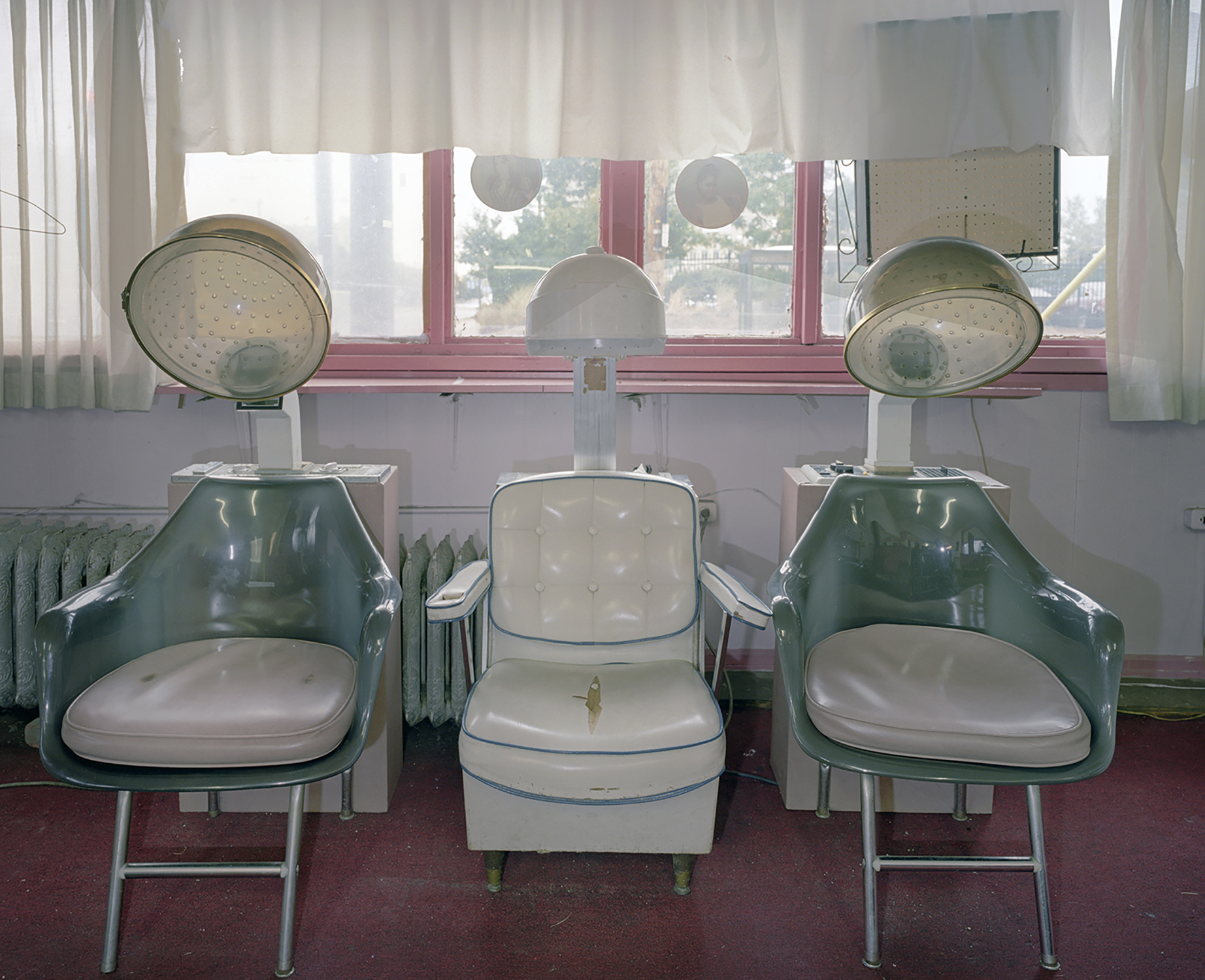
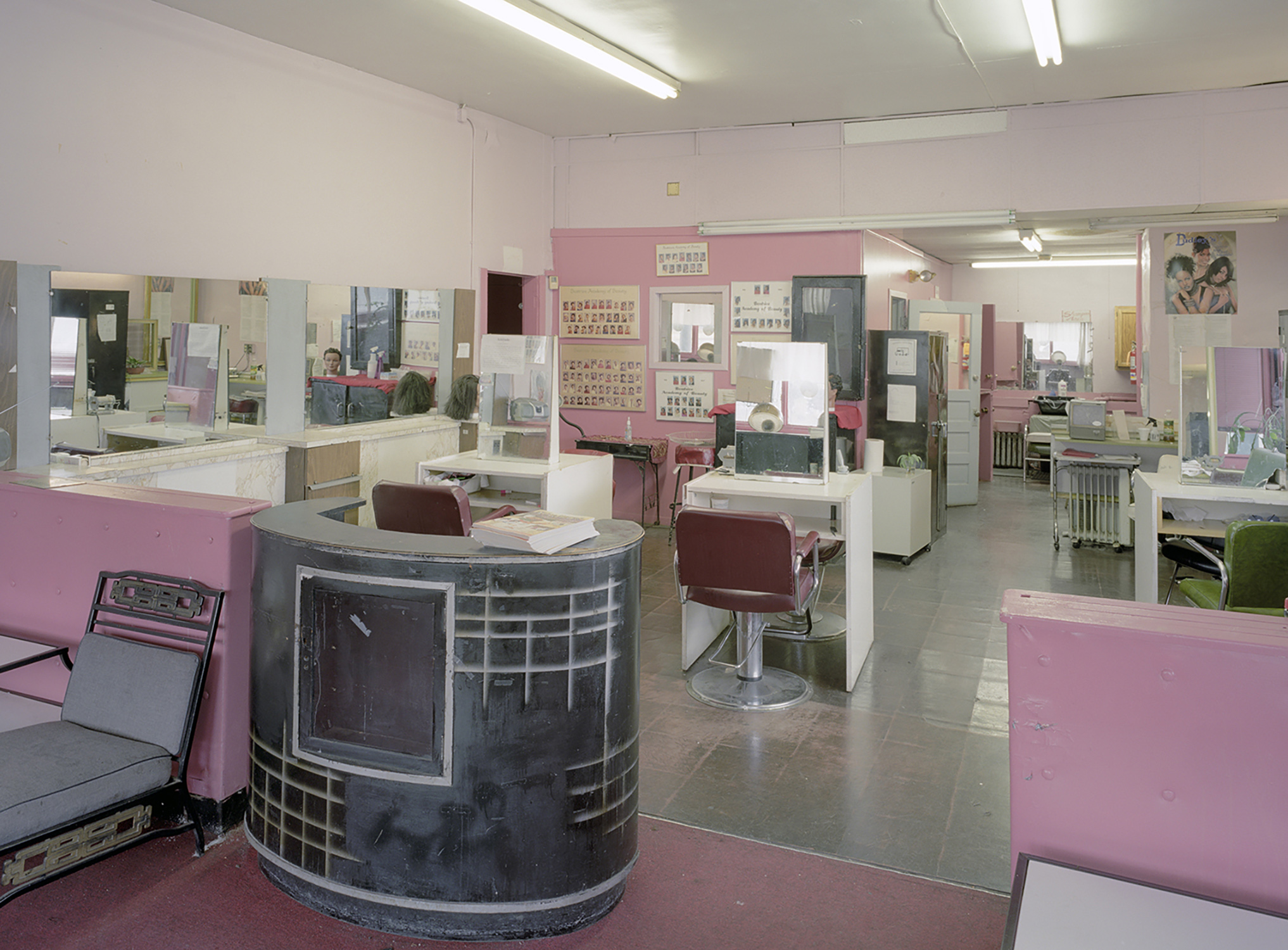
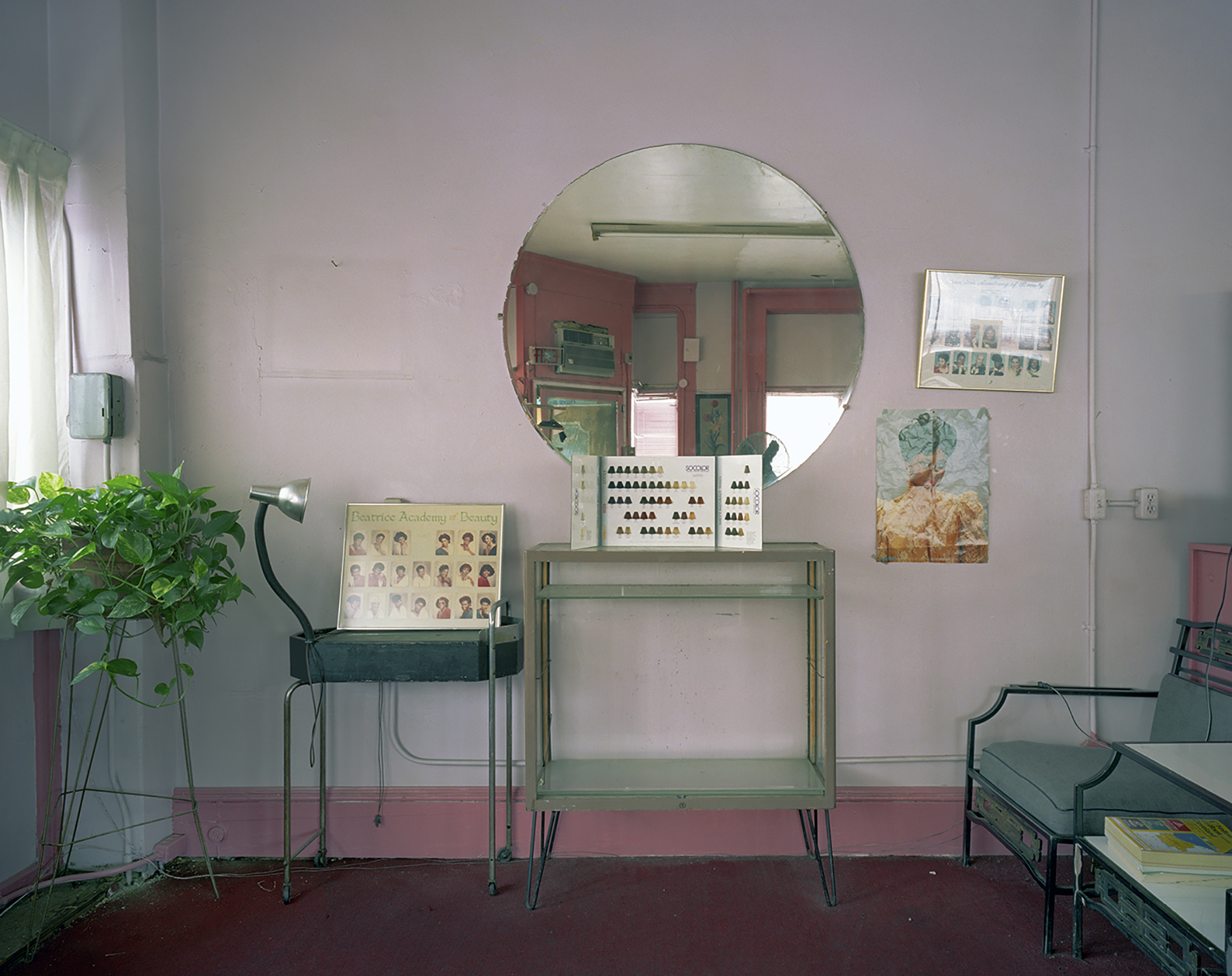
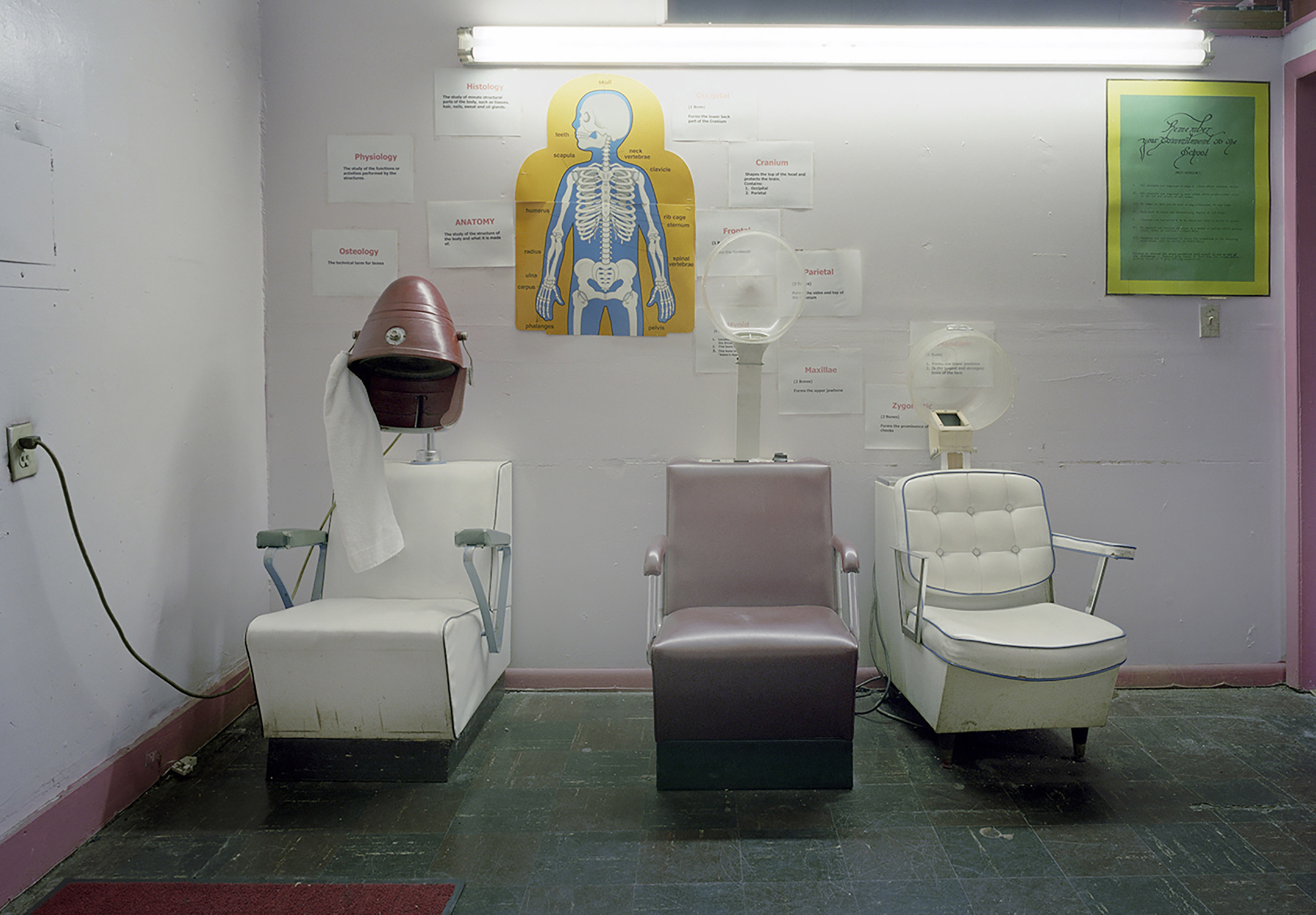
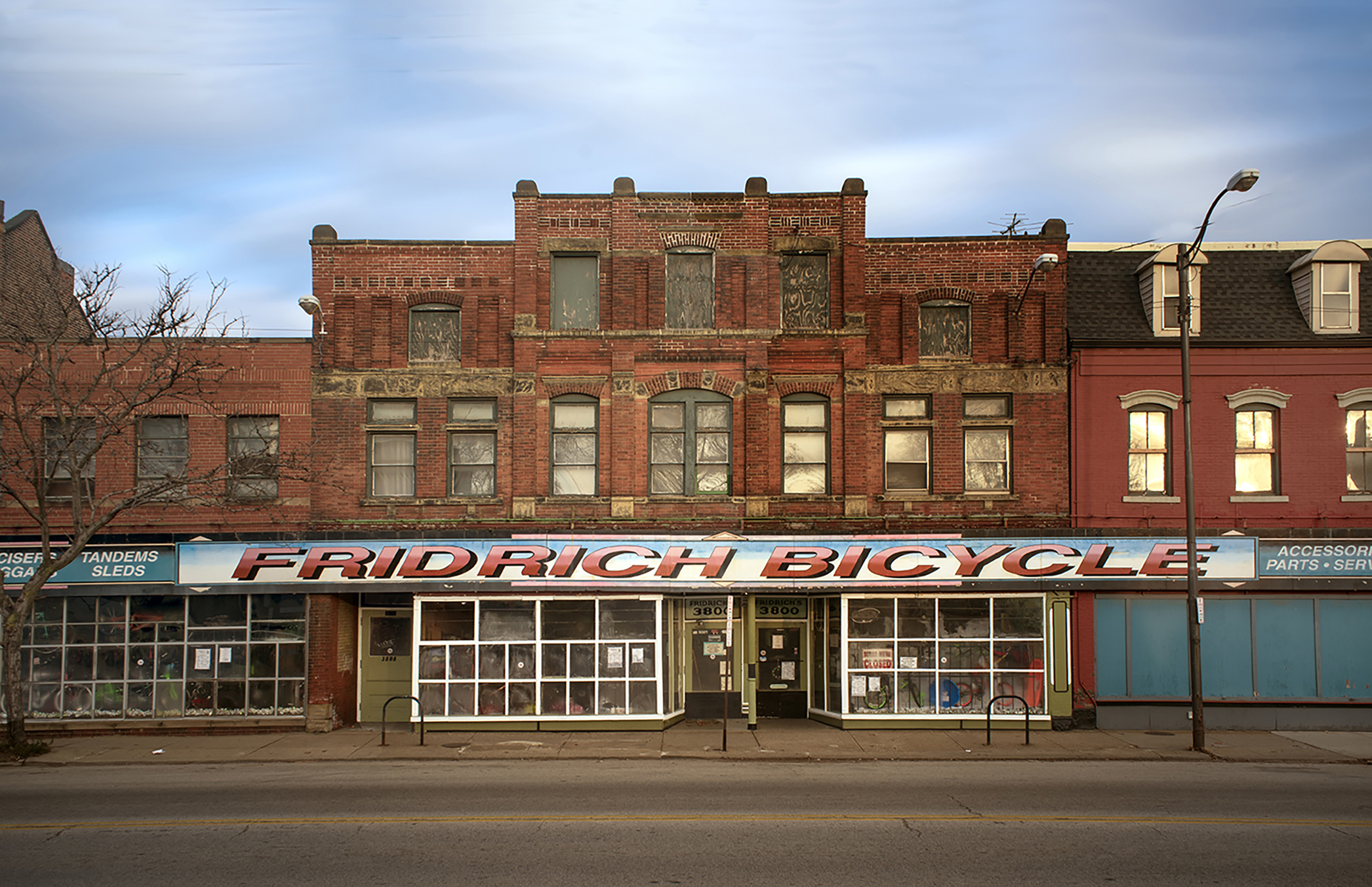
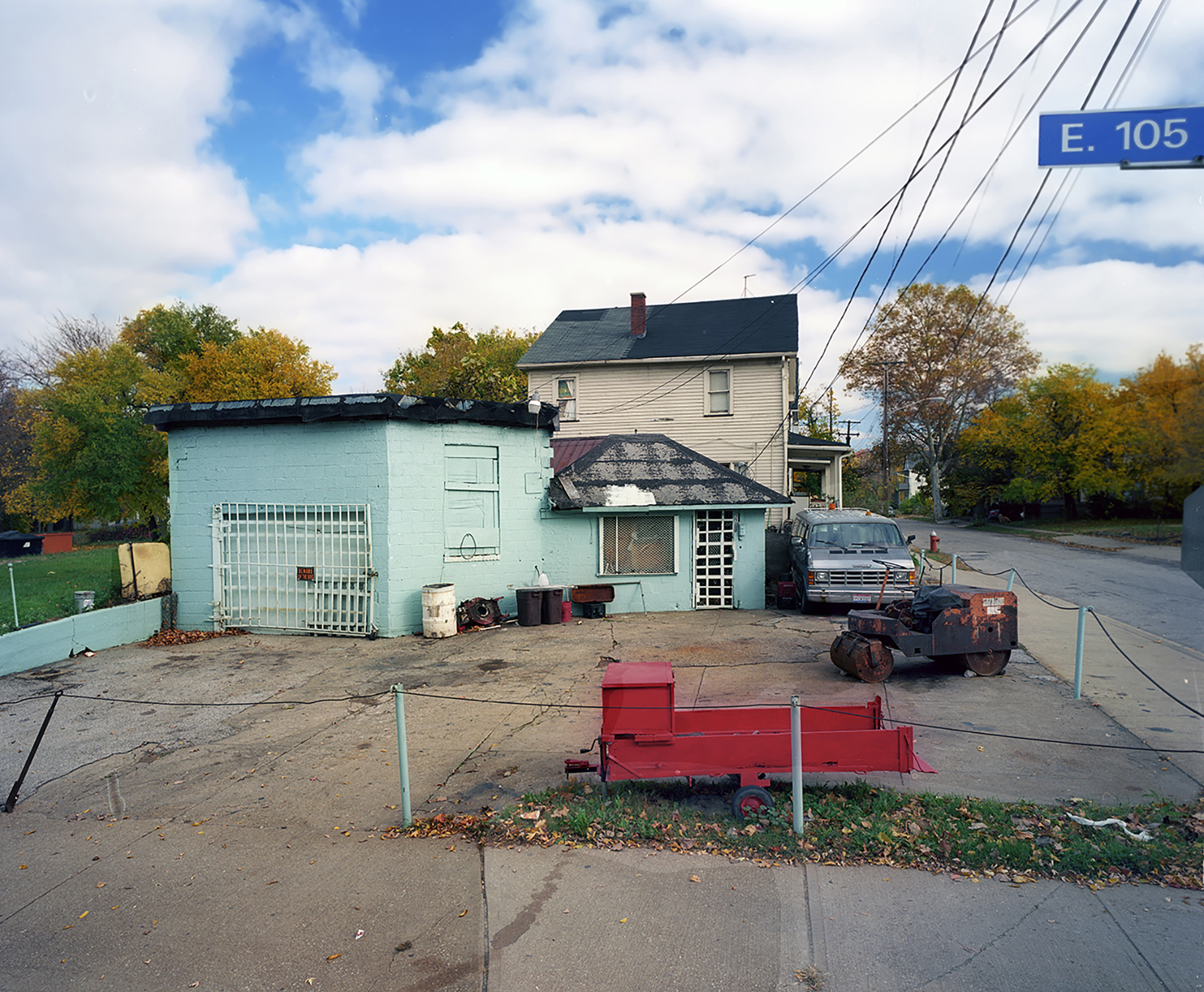
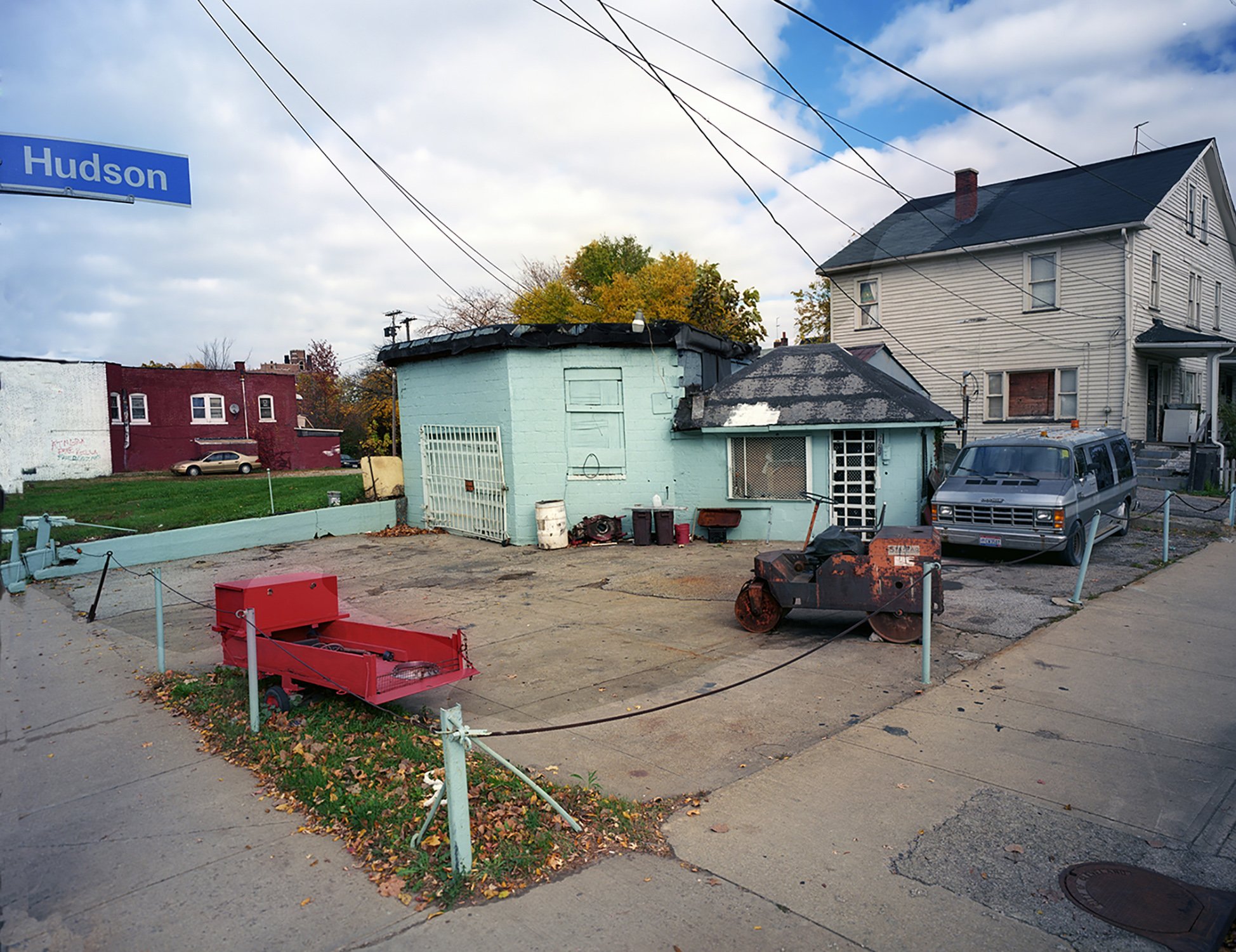
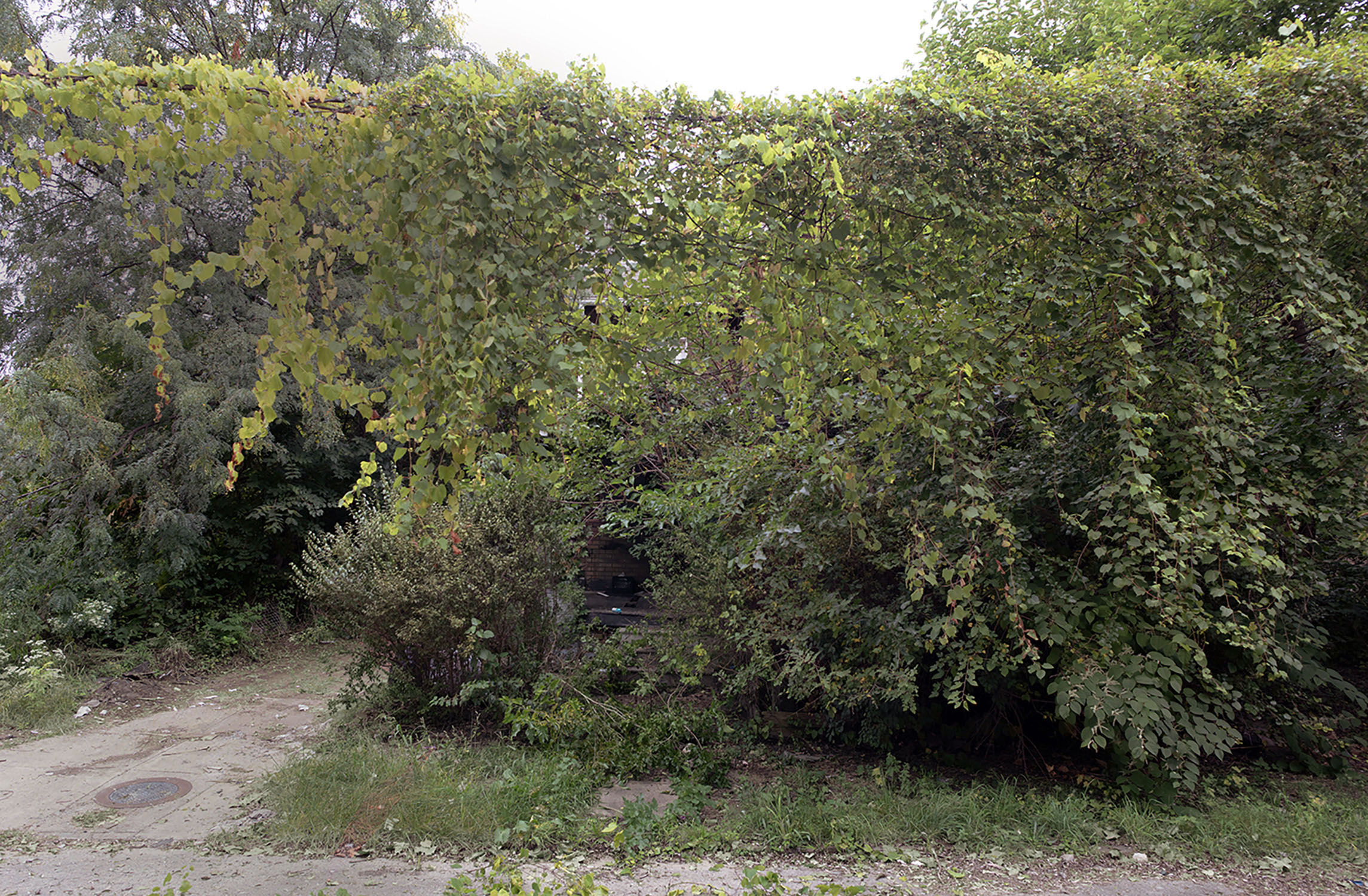
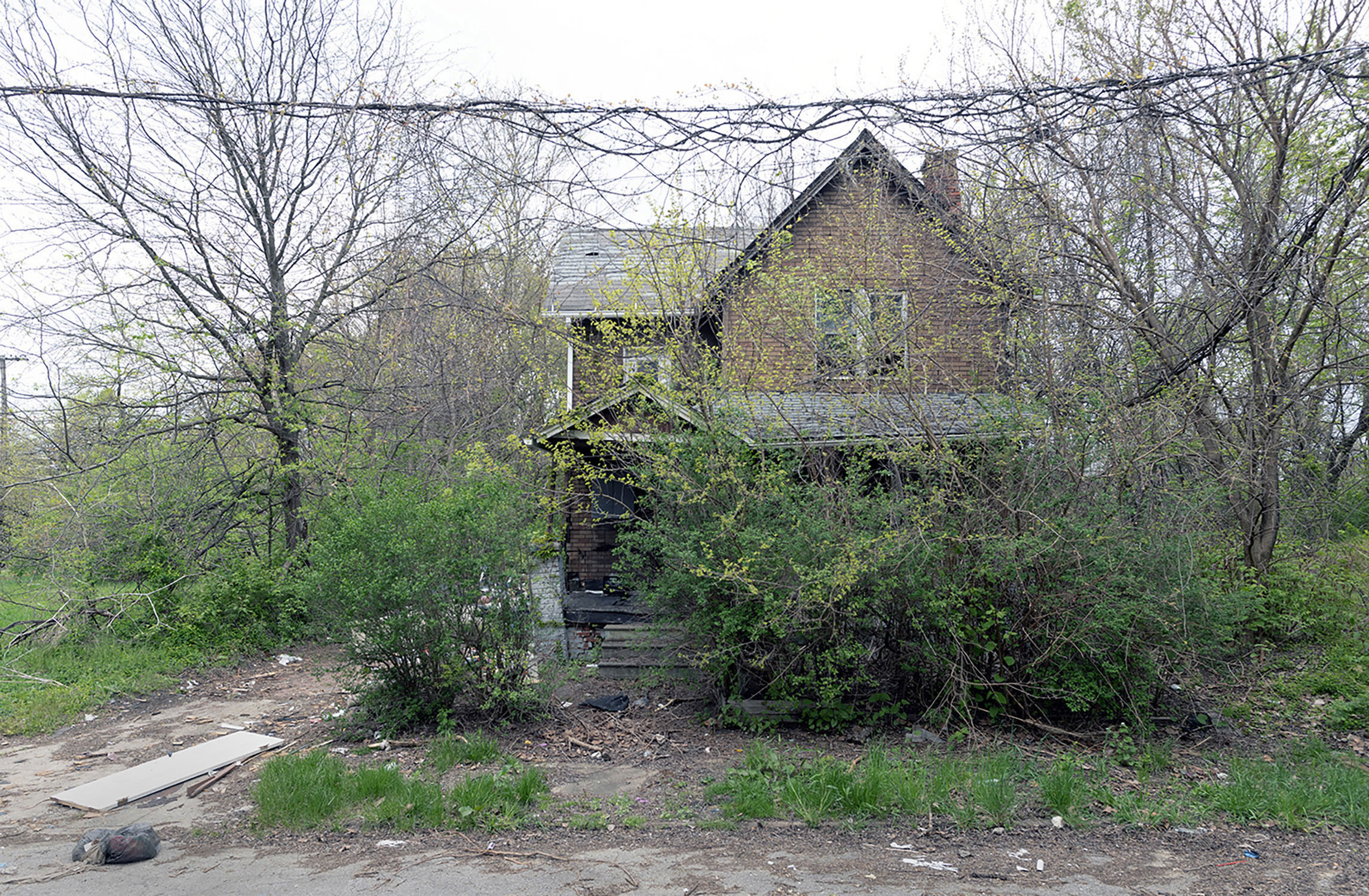
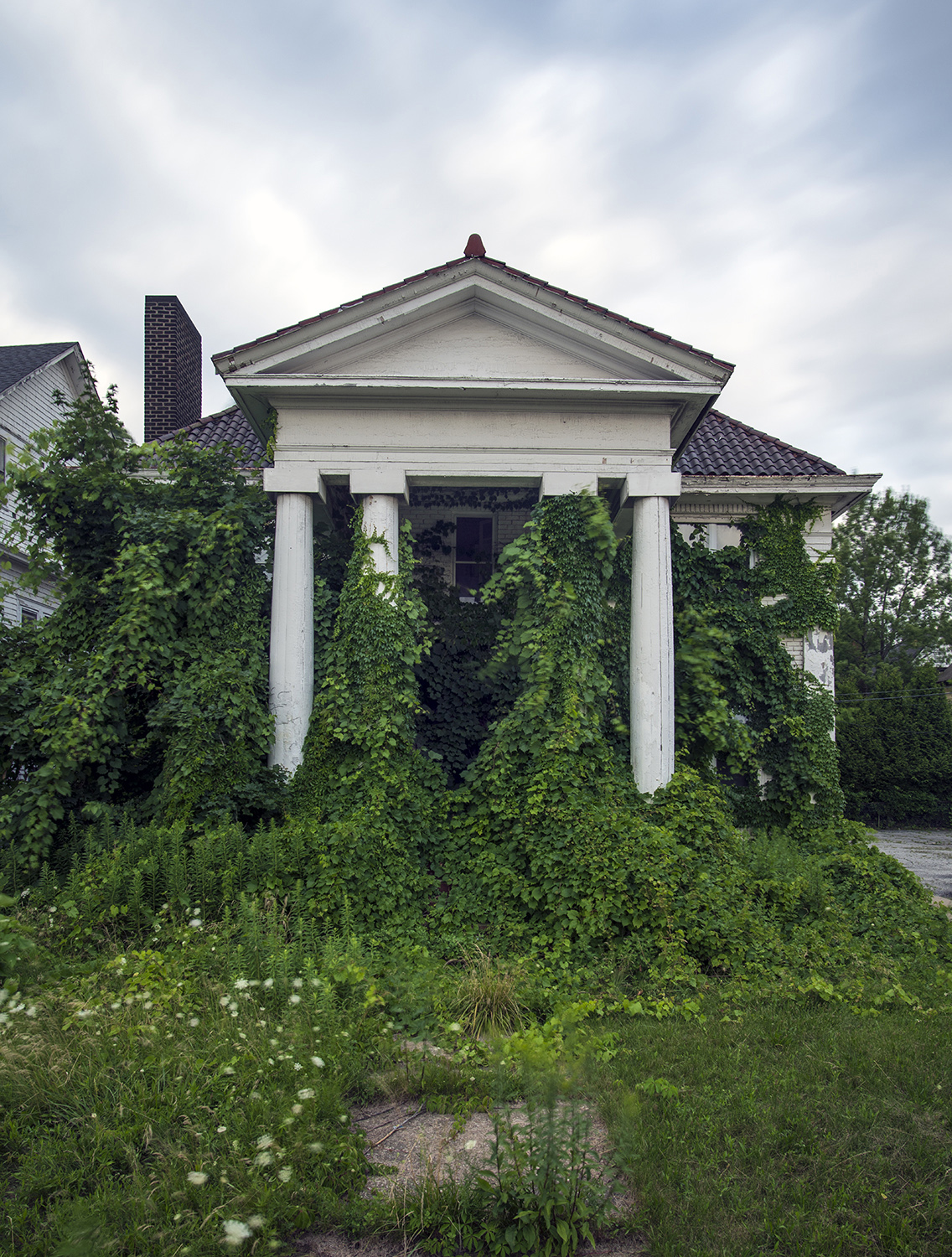
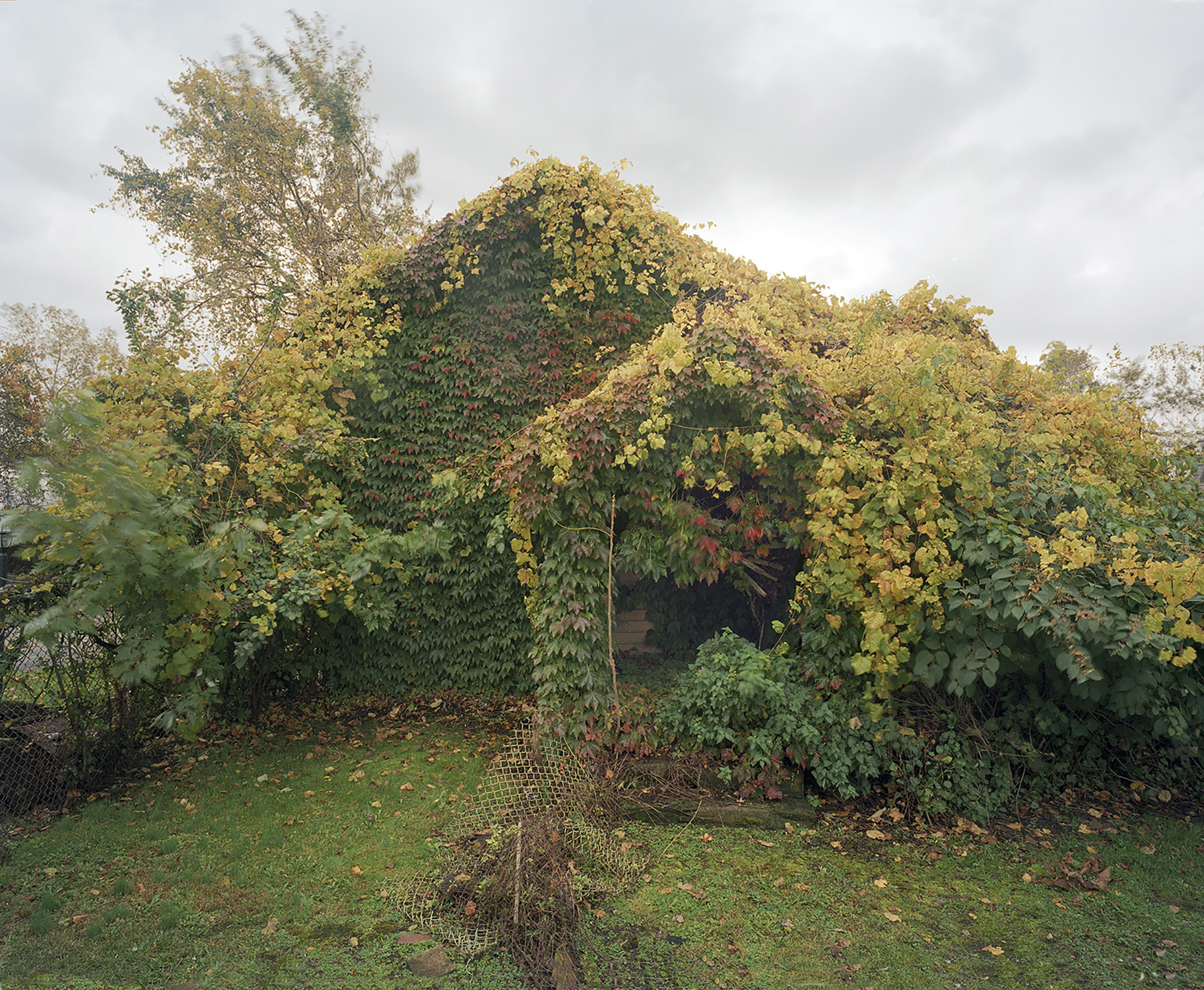
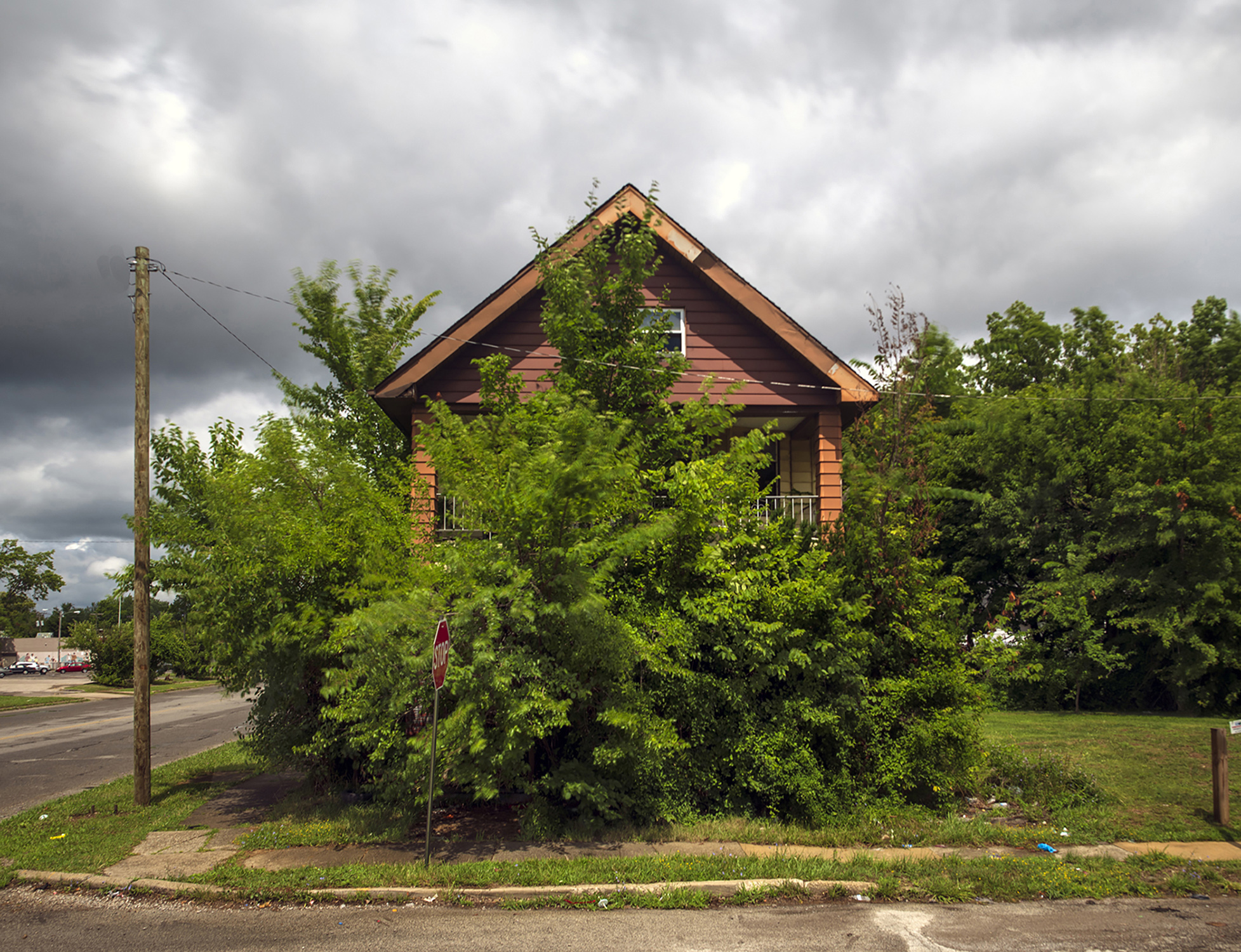
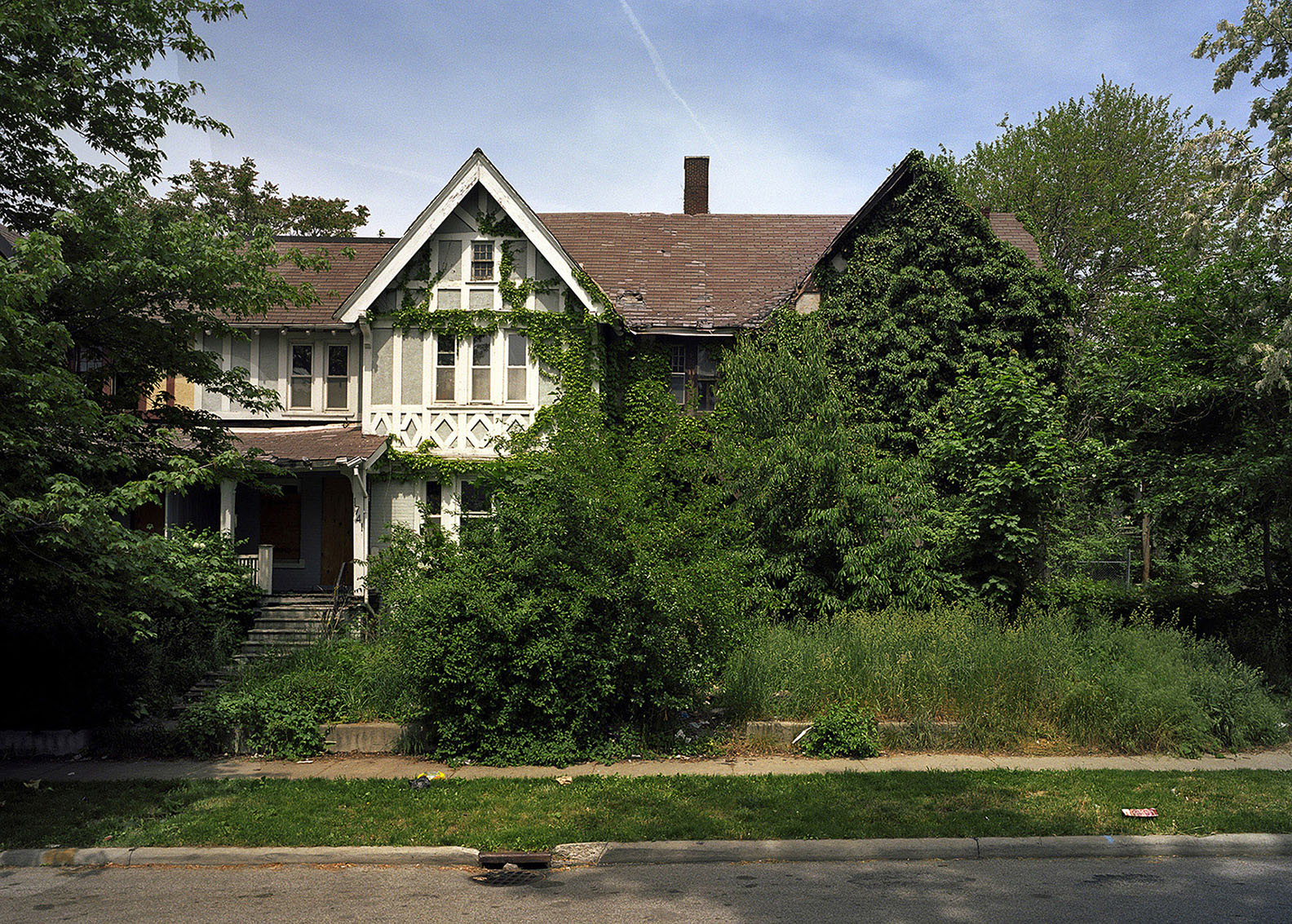
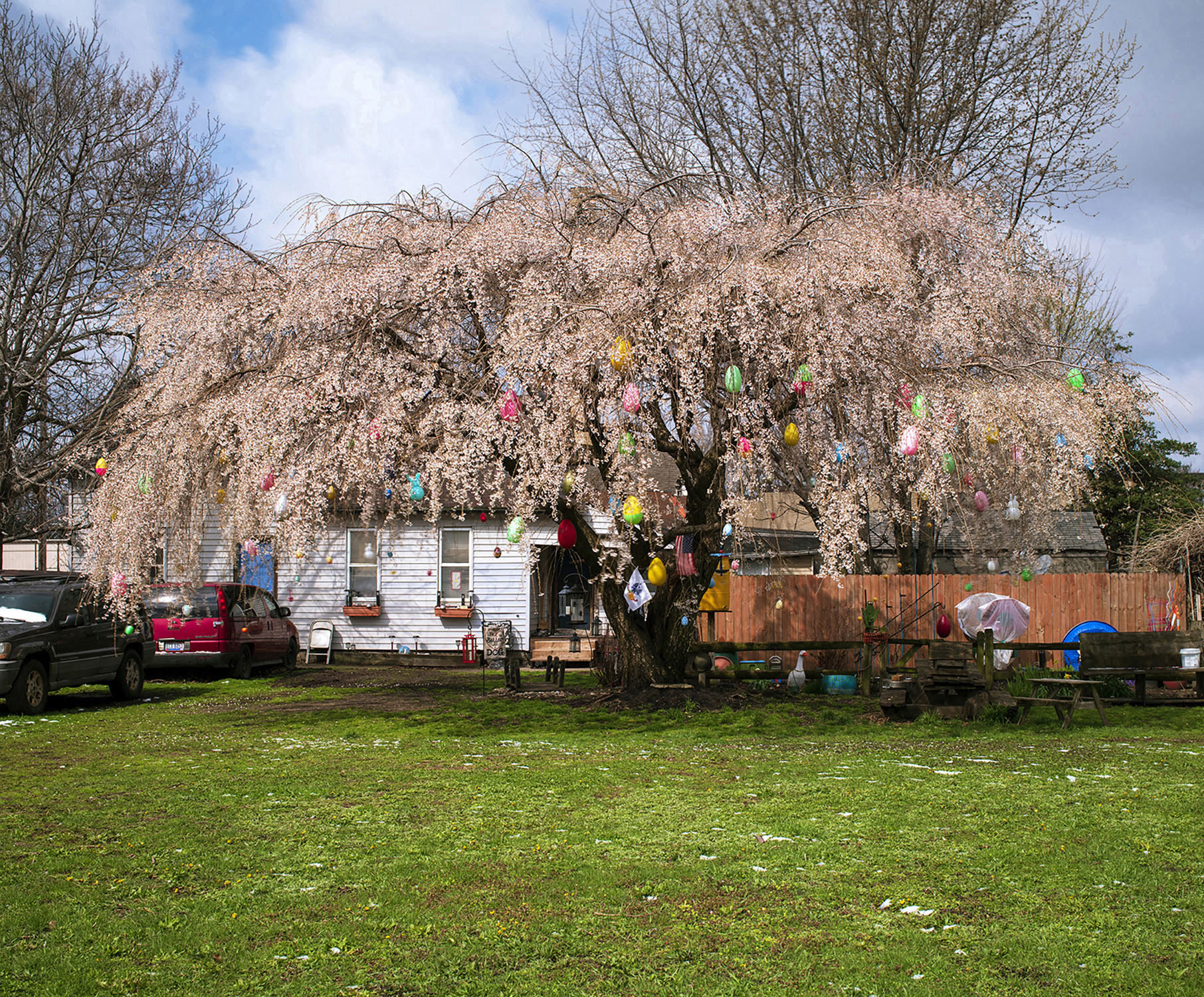
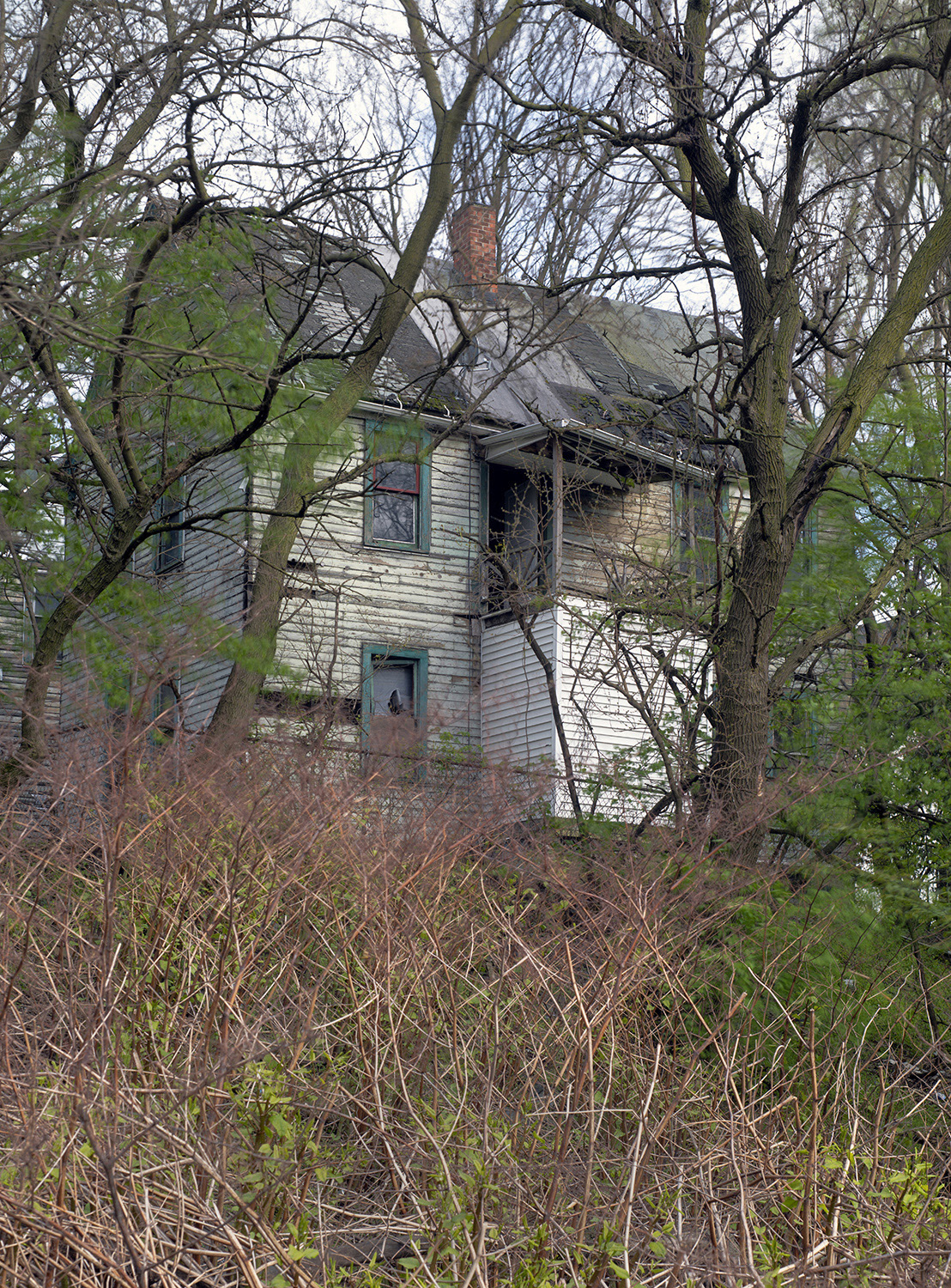
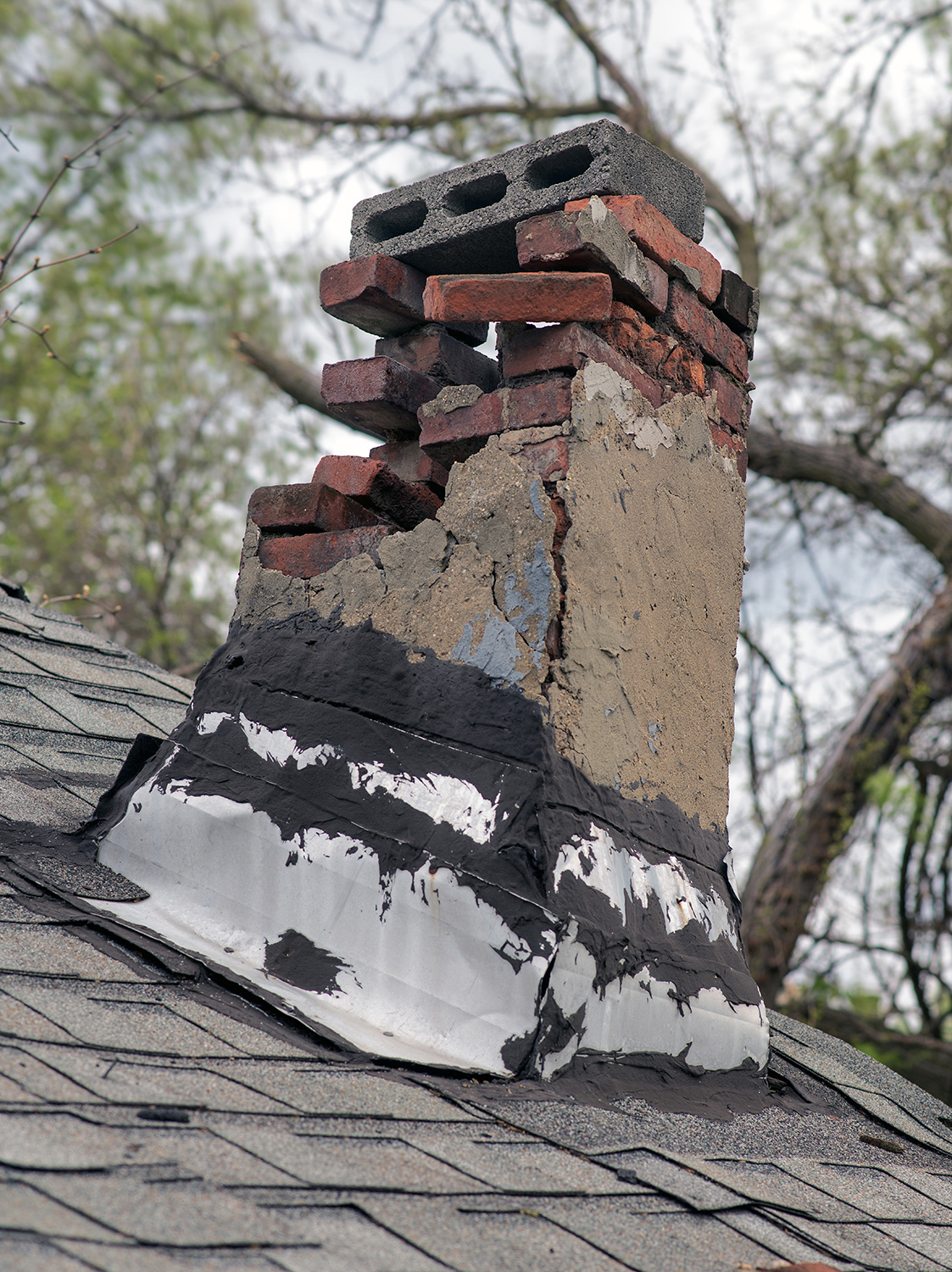
After that, it's still to this day you will see dozens of these homemade signs throughout the city.Trees Concealing a Home, East 79th StreetOvergrown trees in the forest city gradually over a long period of time, simply was just taken for granted and never seen as a problem until recently.Overgrowth on Rowhouse, Wade Park AvenueOvergrowth on House, East 133rd StreetOvergrowthOvergrowthPierre's Ice Cream, Carnegie AvenueIce Formation, Lake ErieMr. & Mrs. Mays' HomeHome, Holton AvenueEugenia's HomeEugenia's HomeEugenia's HomeEugenia's HomeEugenia's HomeAuditorium, Slovenian Home, East 82nd StreetSt. George Church,St. George Church,St. George Church,St. George Church,St. George Church,St. George Church,Beatrice Academy of Beauty, Cedar Avenue & 105th StreetBeatrice Beauty SalonBeatrice Beauty SalonBeatrice Beauty SalonBeatrice Beauty SalonMack TruckTim Willis' Home & Monster CarFreidrich Bicycle Shop. Lorain AvenueBegain in 1883 as a coal and feed store, it quickly became the city's bike emporium, as well as, manufacturing on site the Cadillac bicycle.Gene's Place, East 105 Street & HudsonGene's Place, East 105 Street & HudsonGas StationGas Station, Cedar AvenueFamous Furnace, Woodland AvenueHome & House East 79t Street, 2004House, East 79th Street, 2008Homes East 83rd PlaceHouss, East 89th StreetOf course - gone.House, Euclid AvenueThe stretch of Euclid Avenue in East Cleveland became known as Funeral Row. since it was a neighborhood of substantial homes and small mansions, the corridor was perfect.
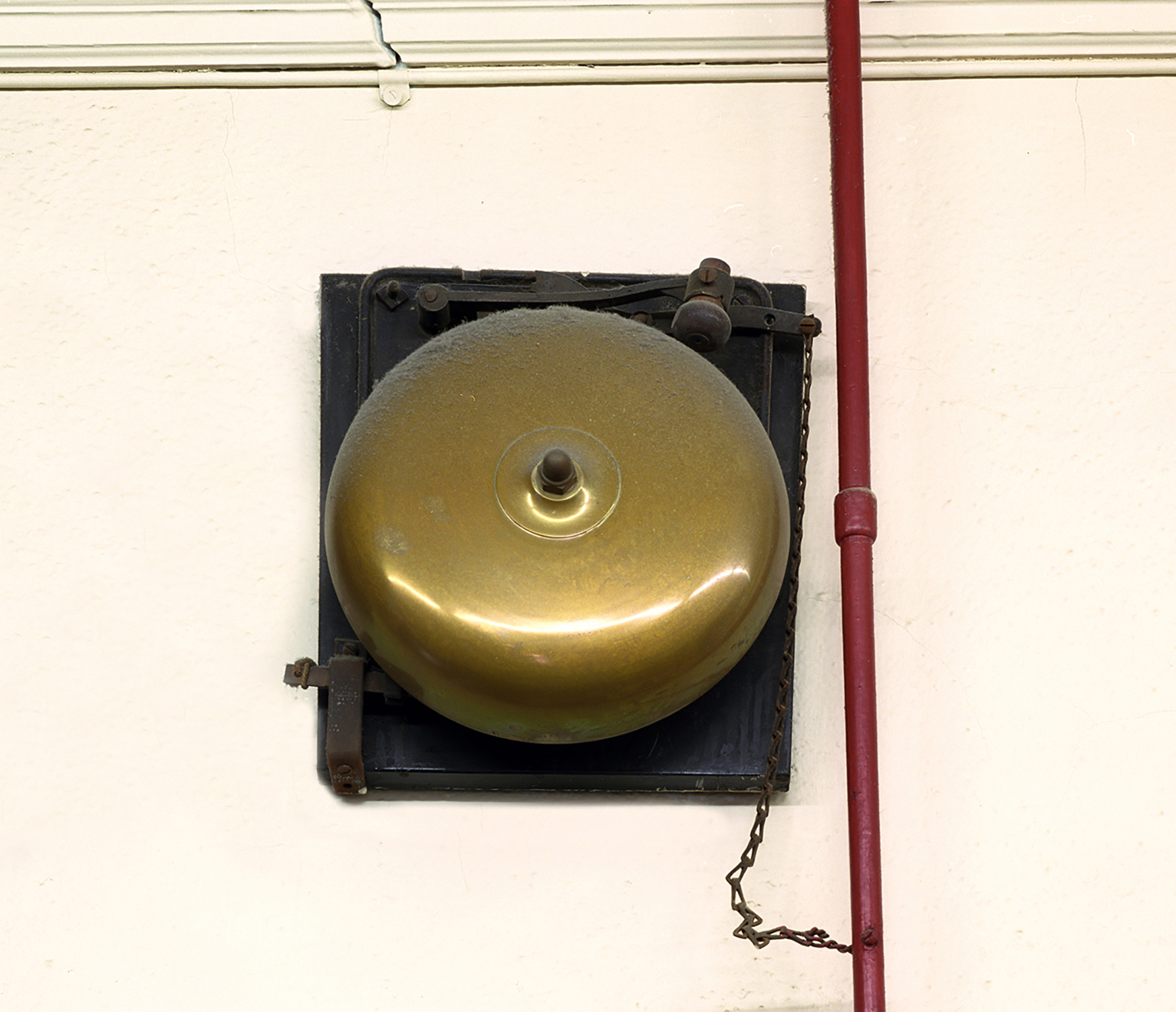
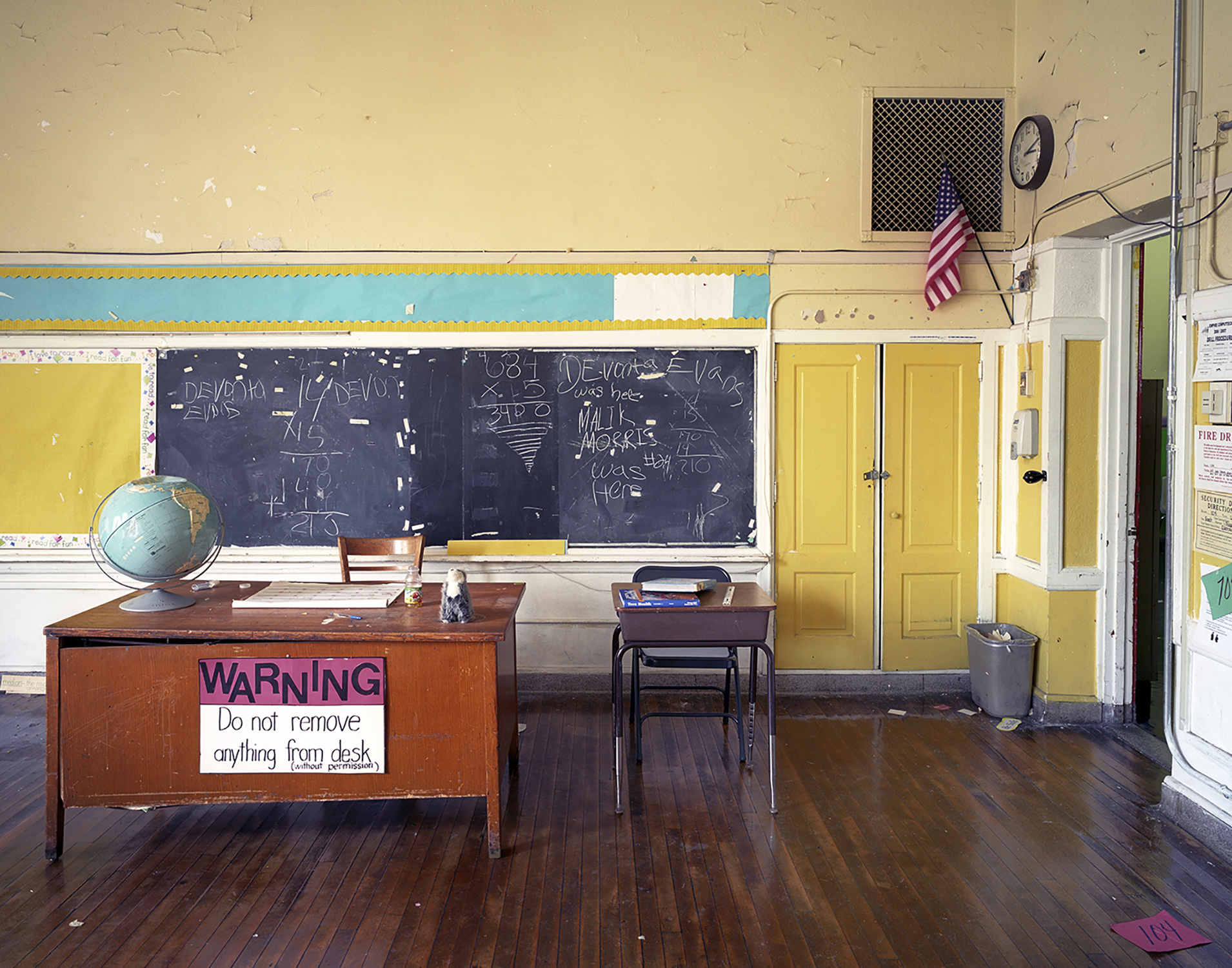
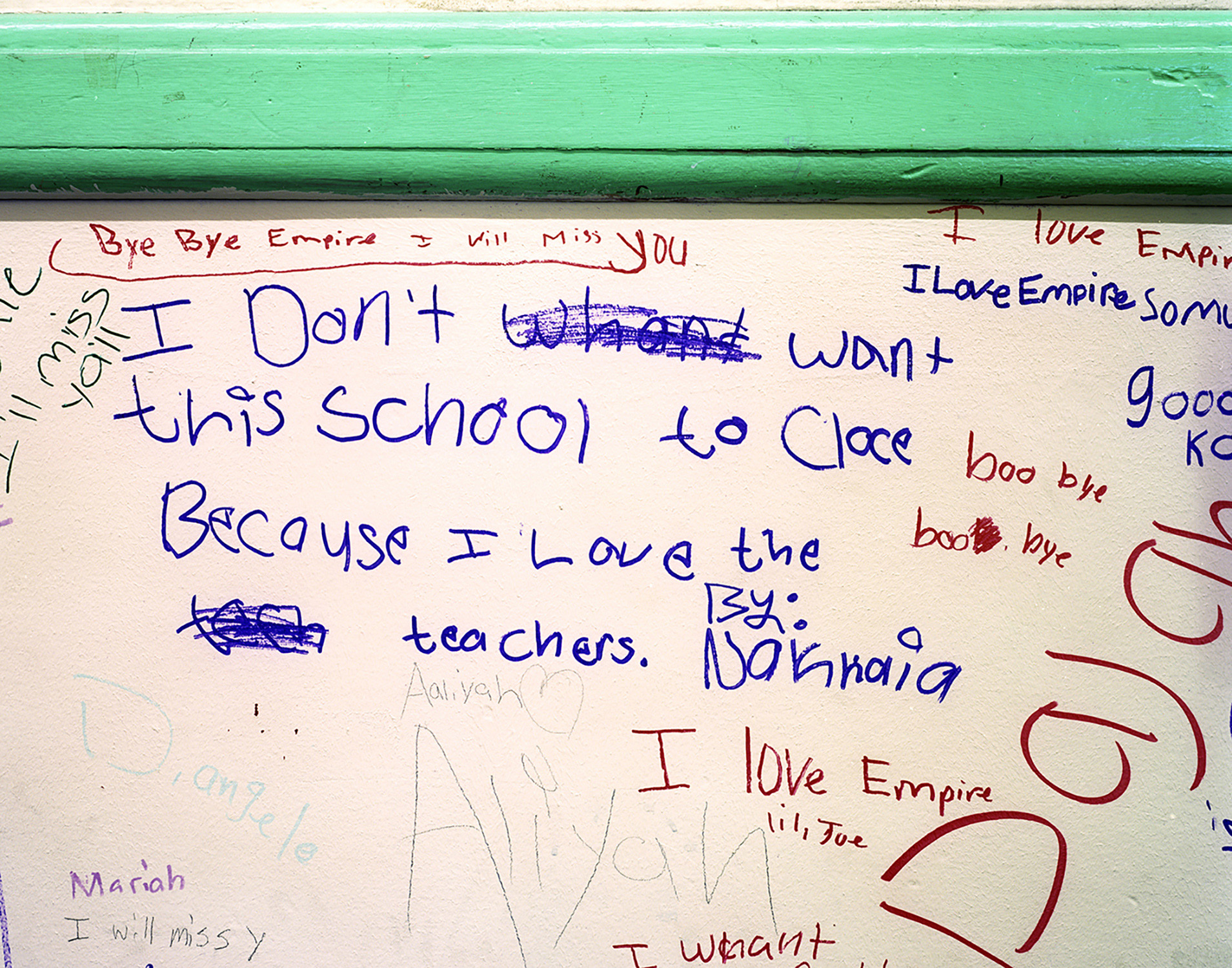
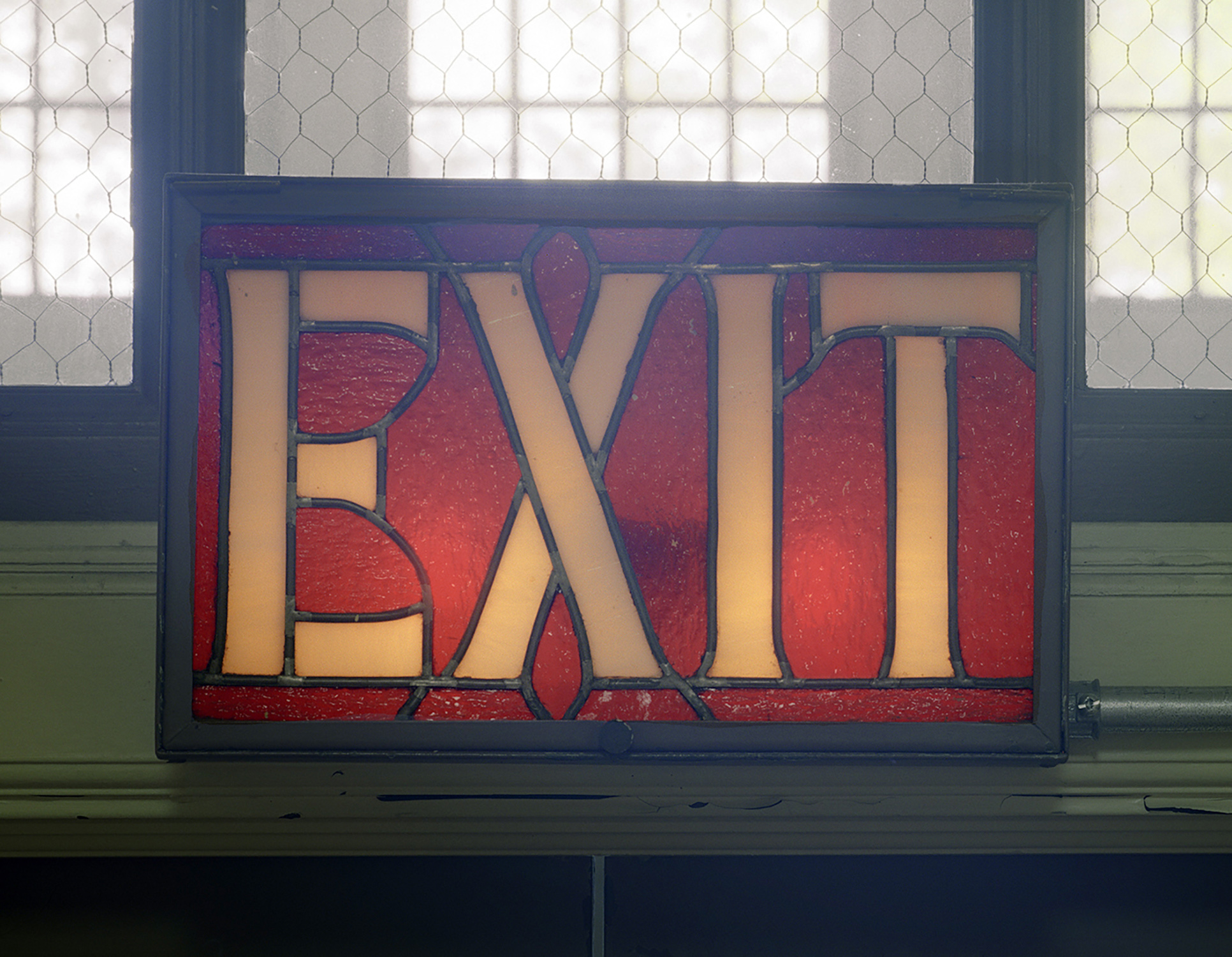
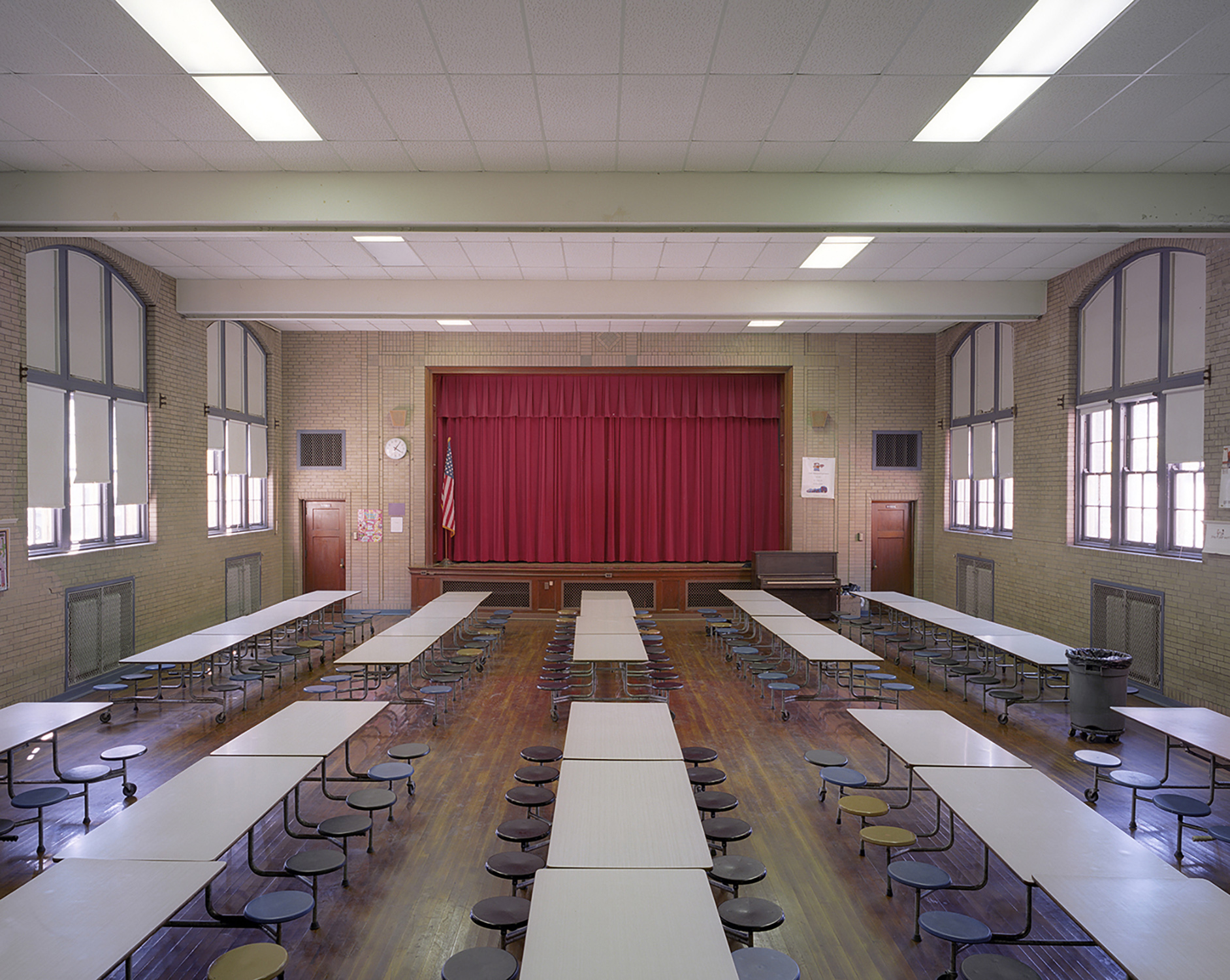
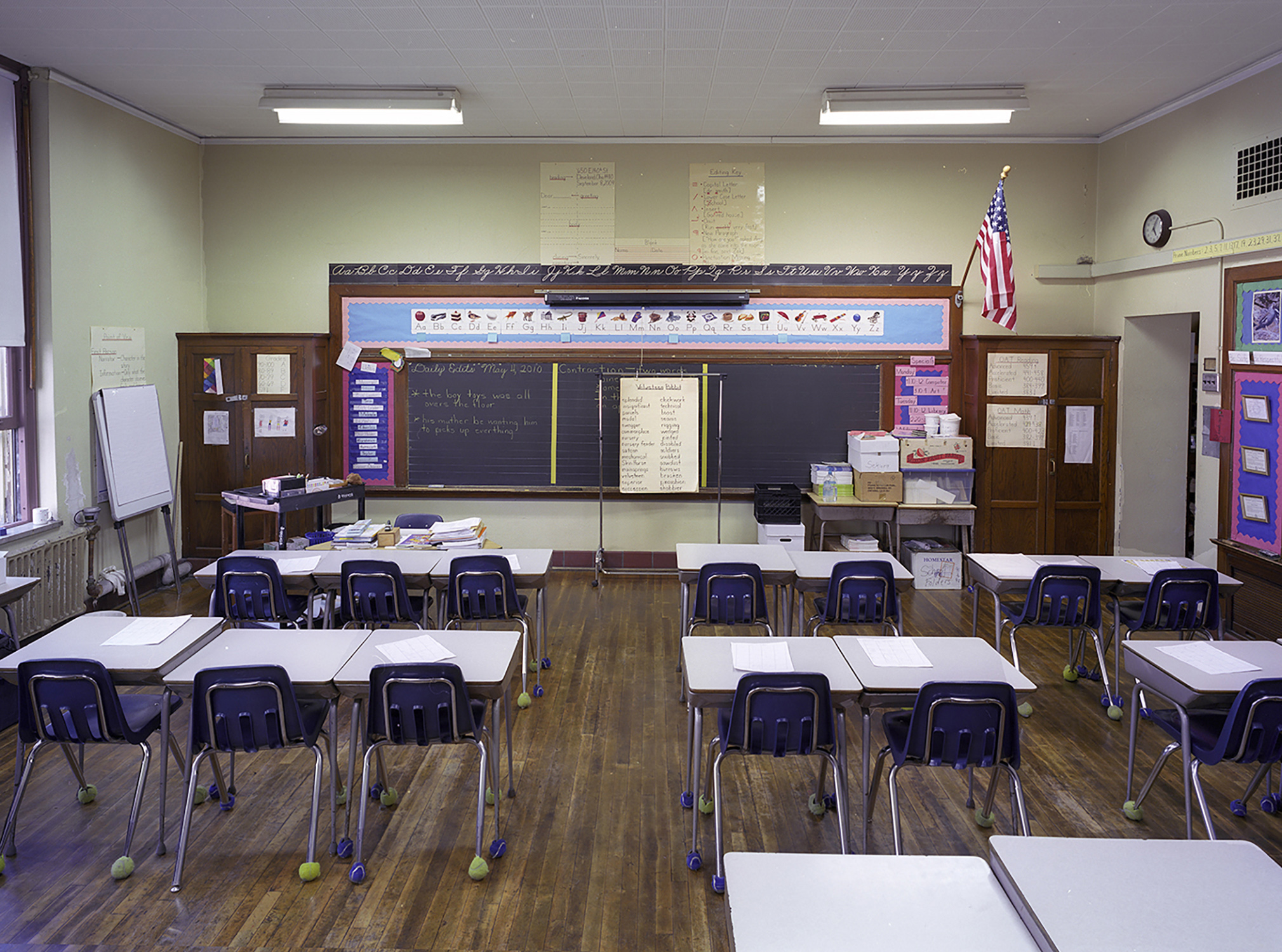
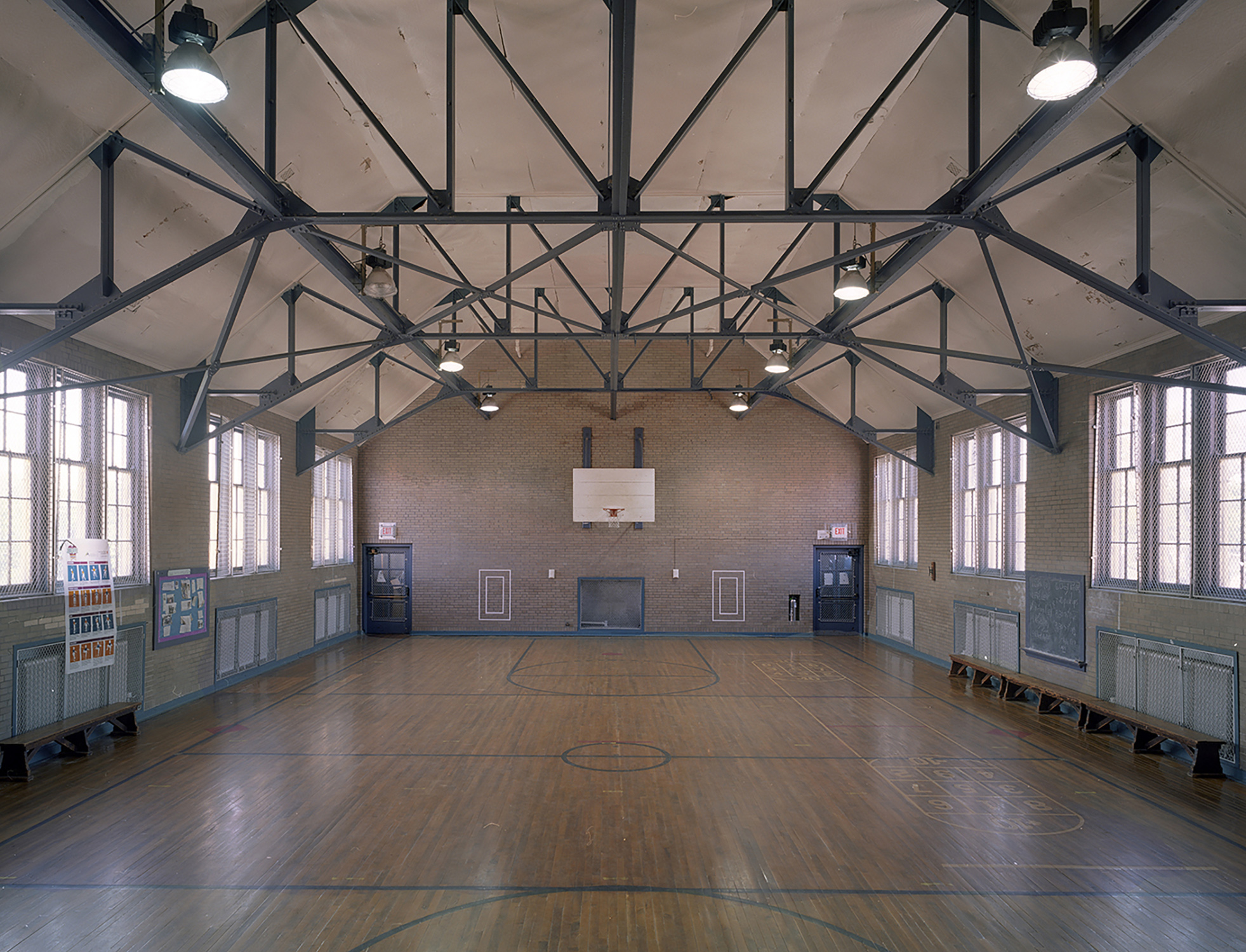
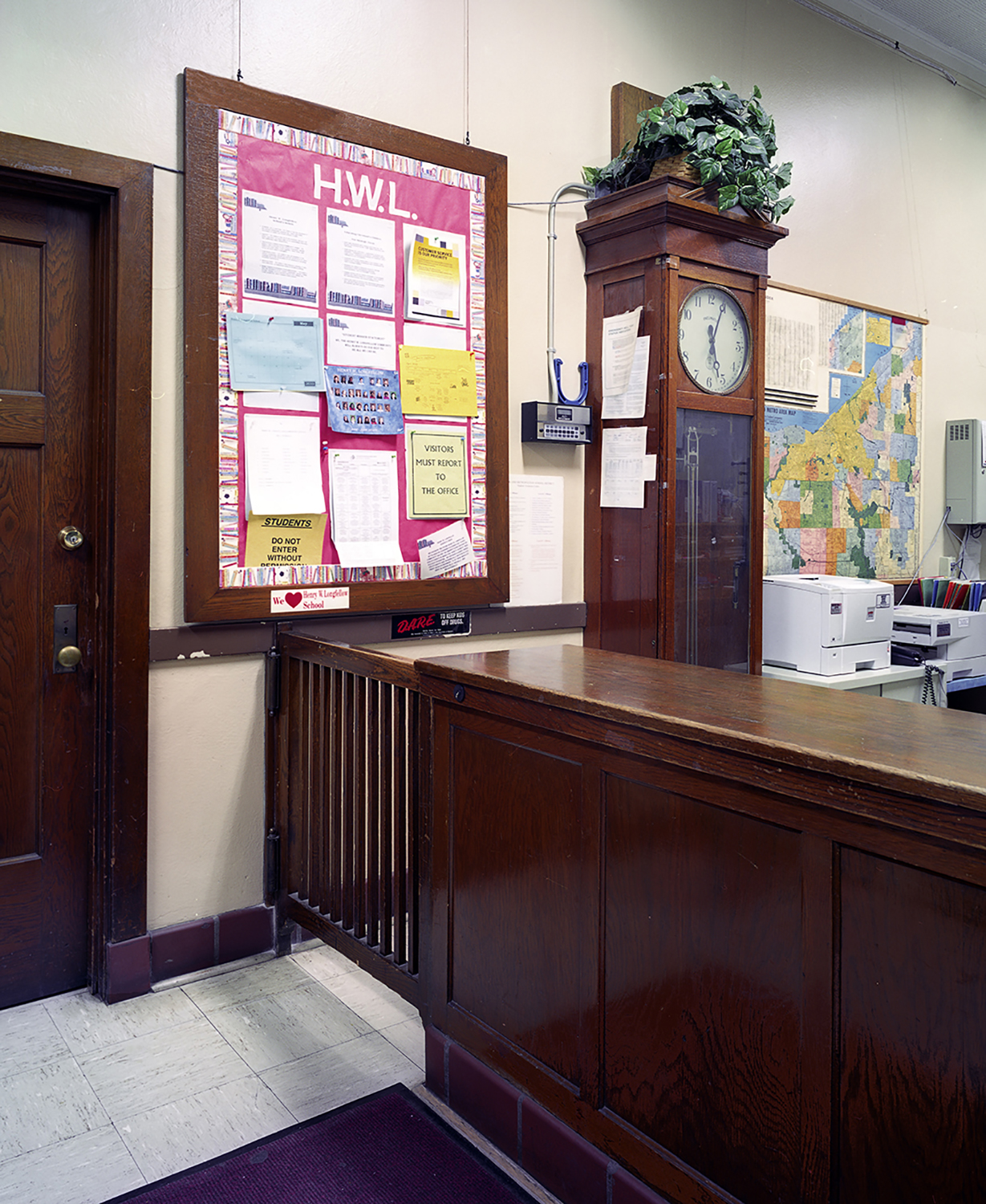
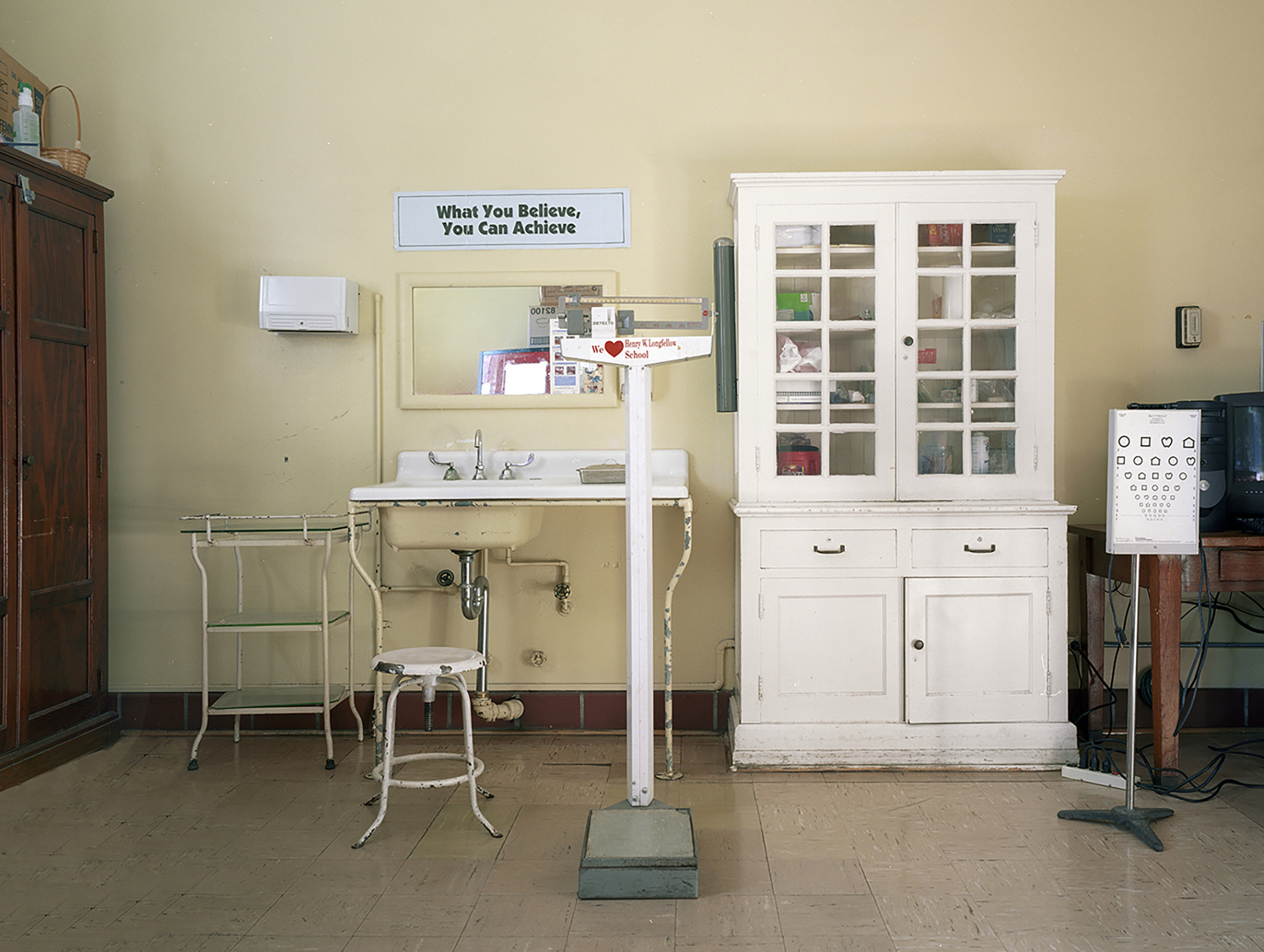
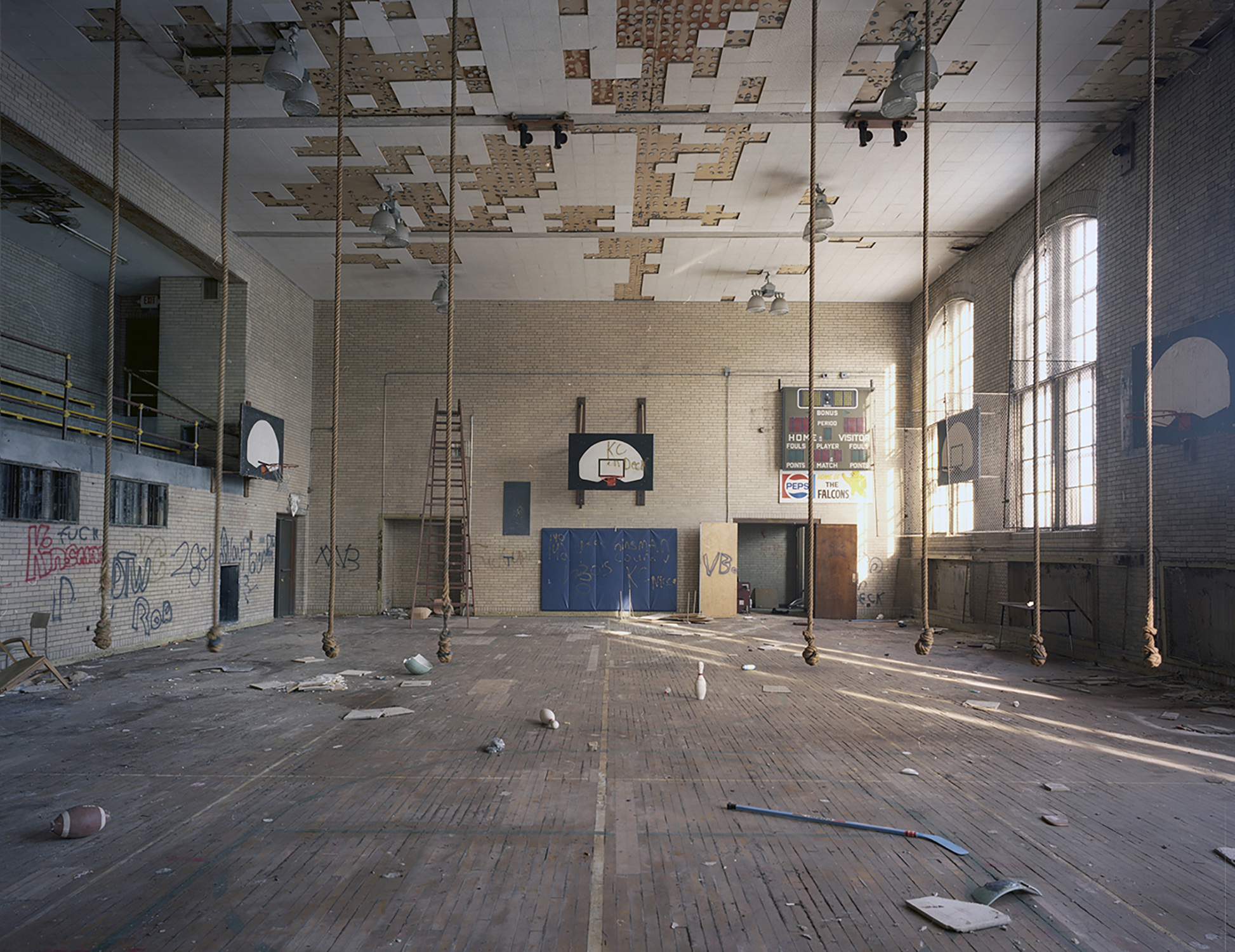
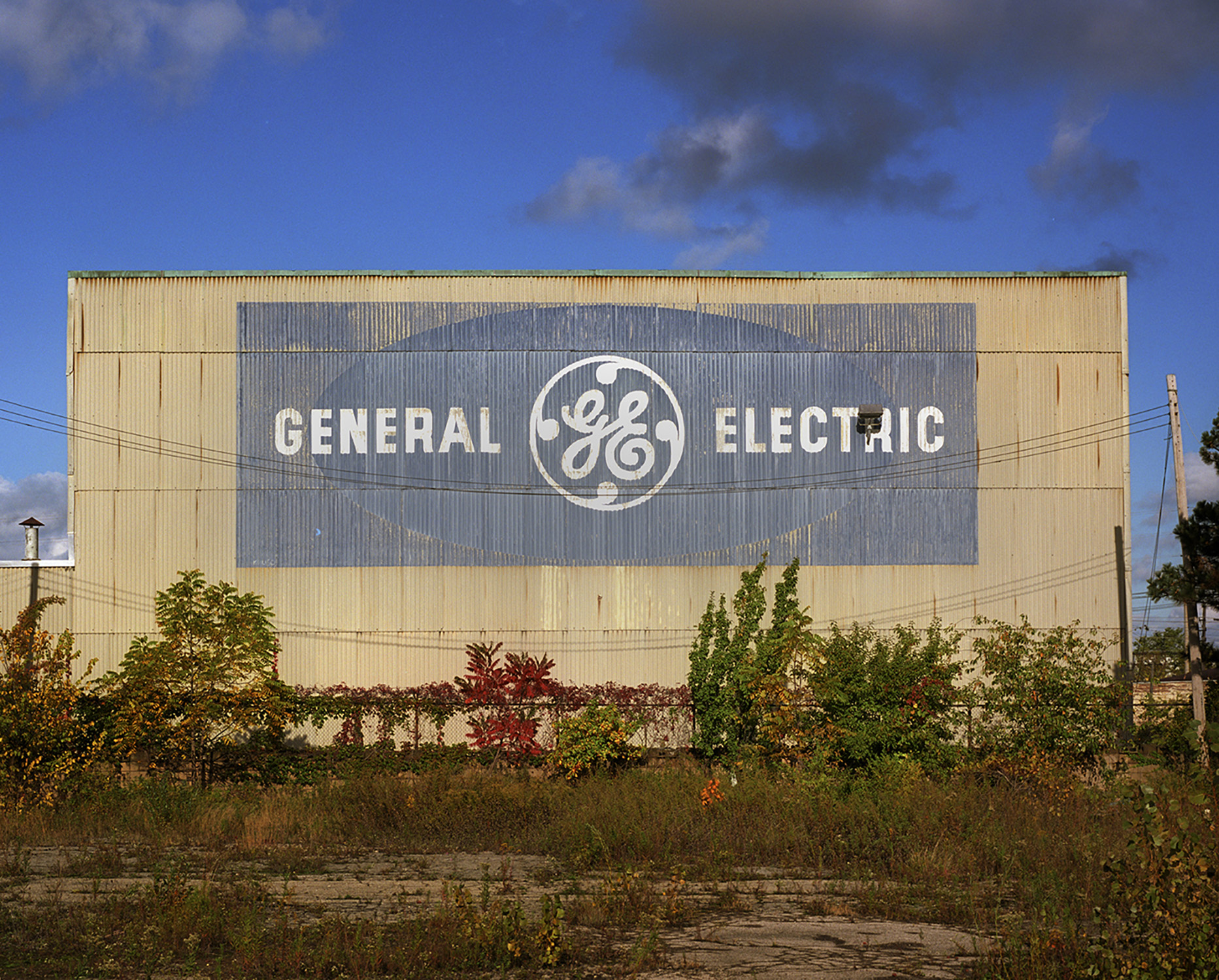
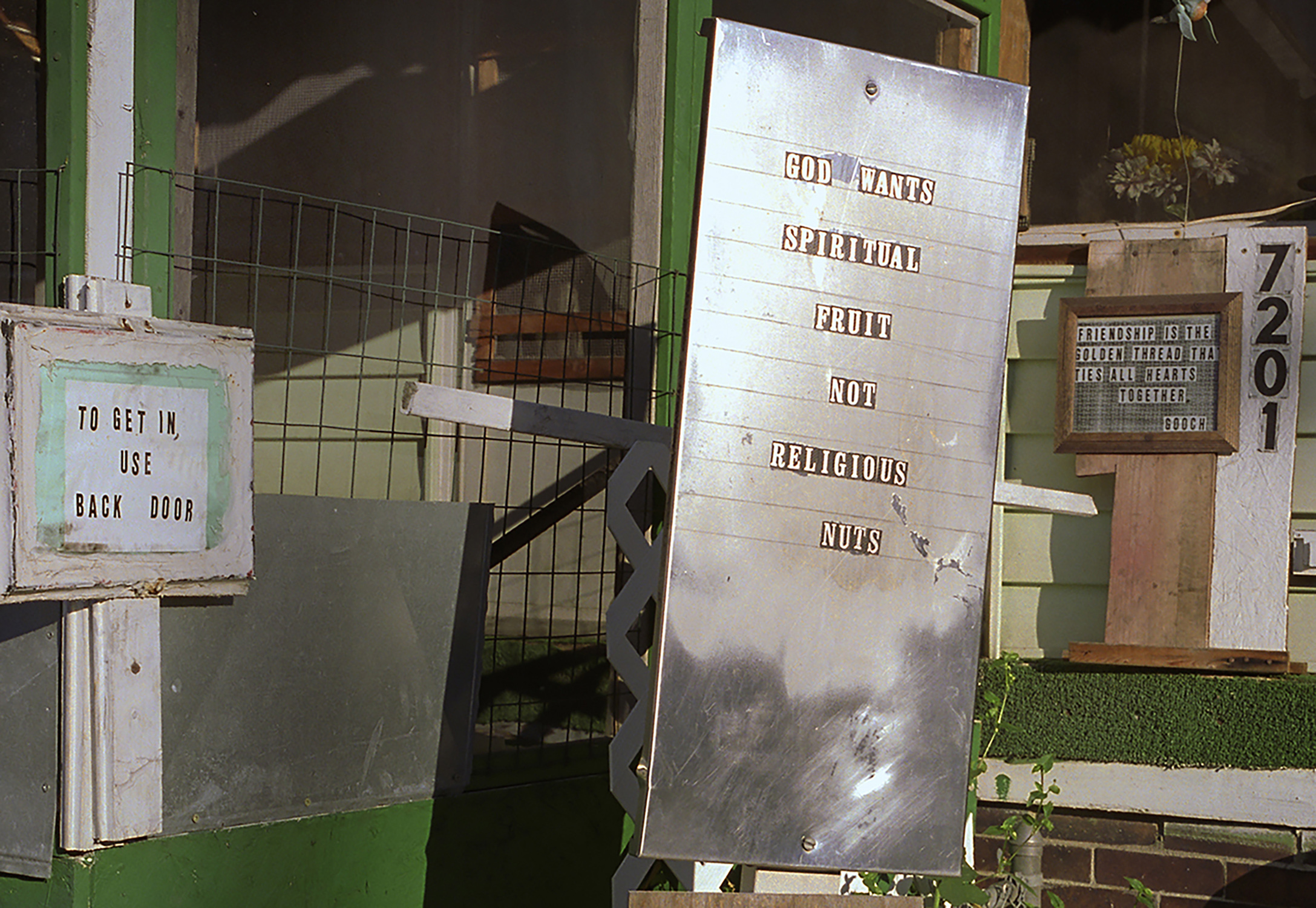
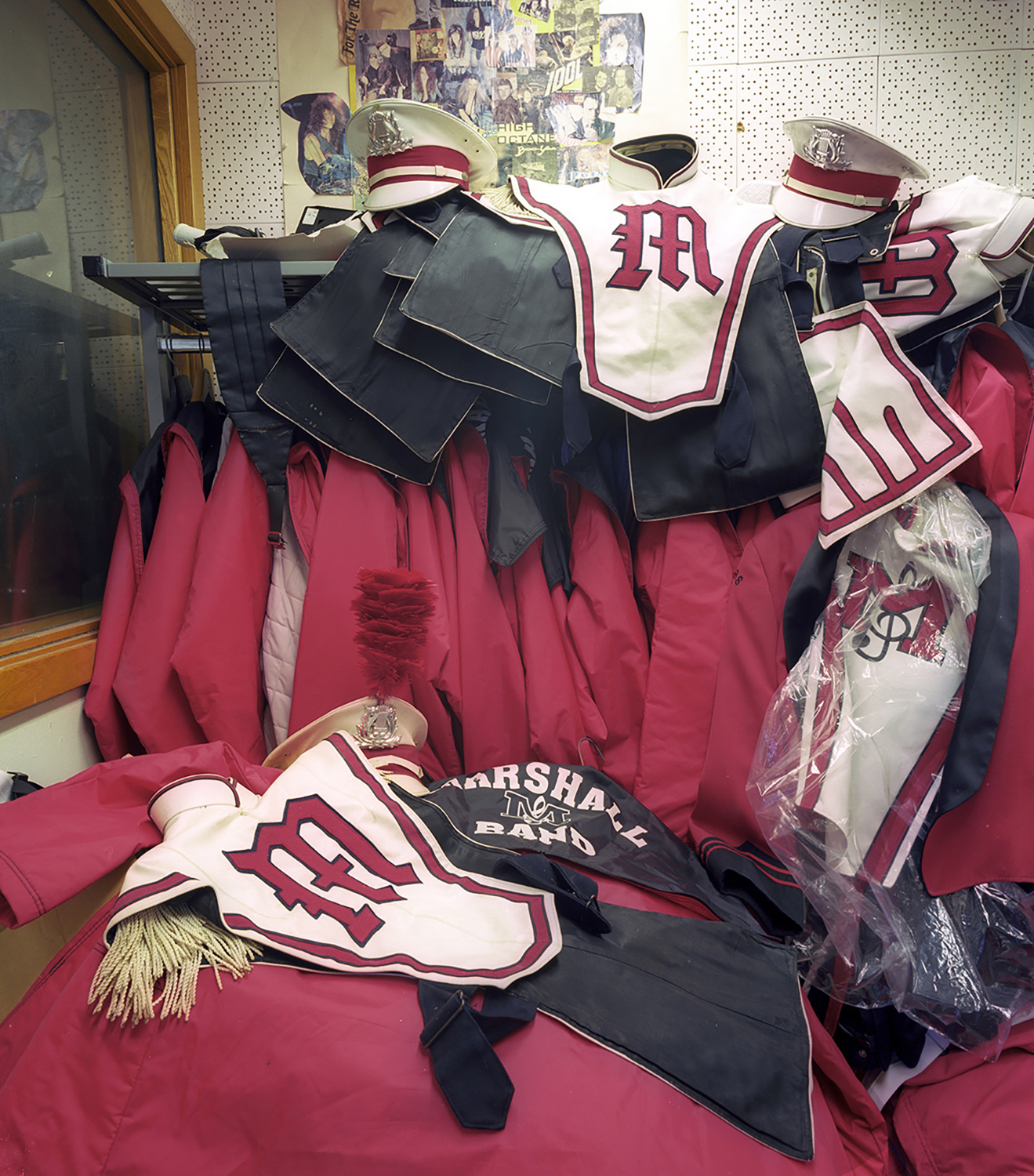
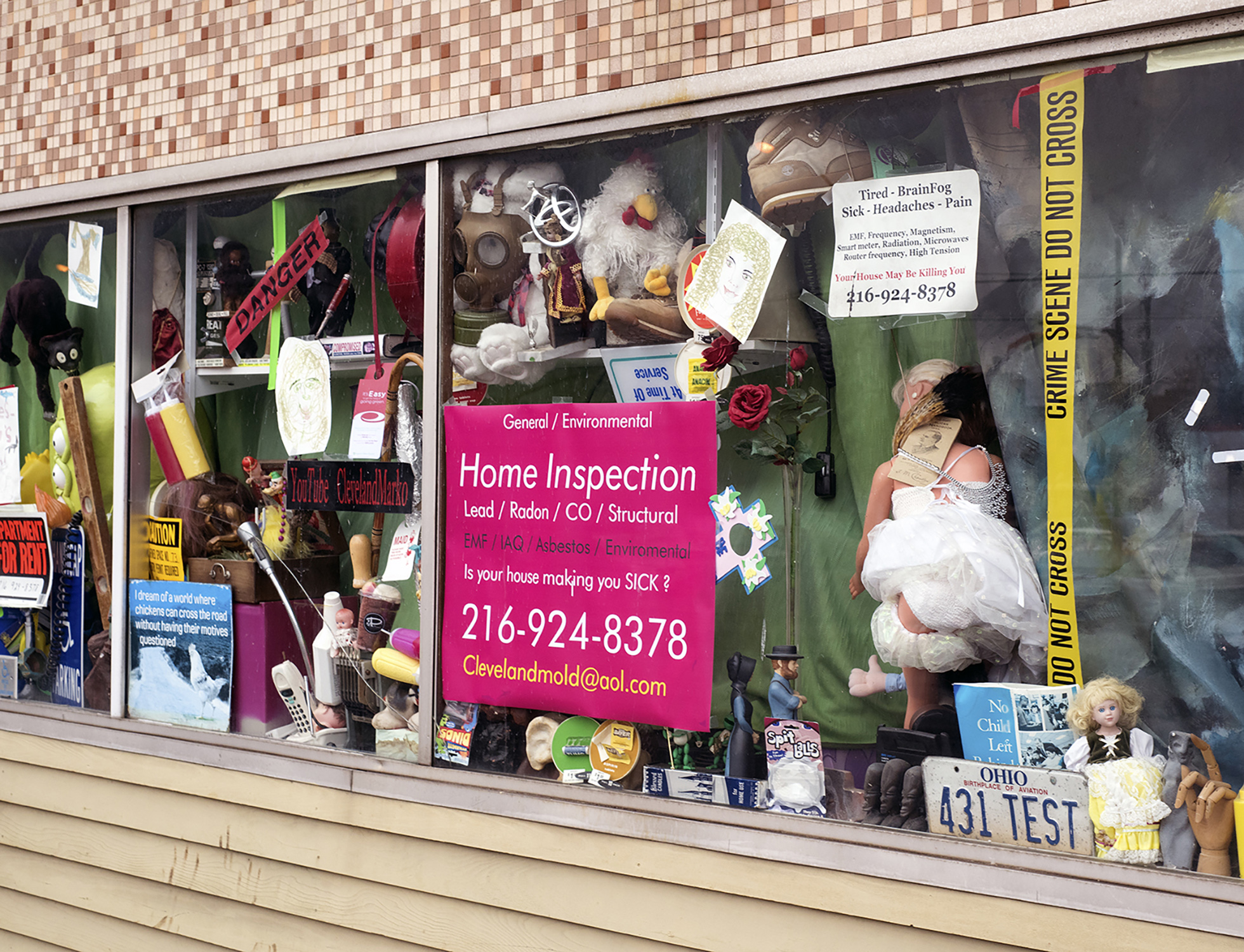
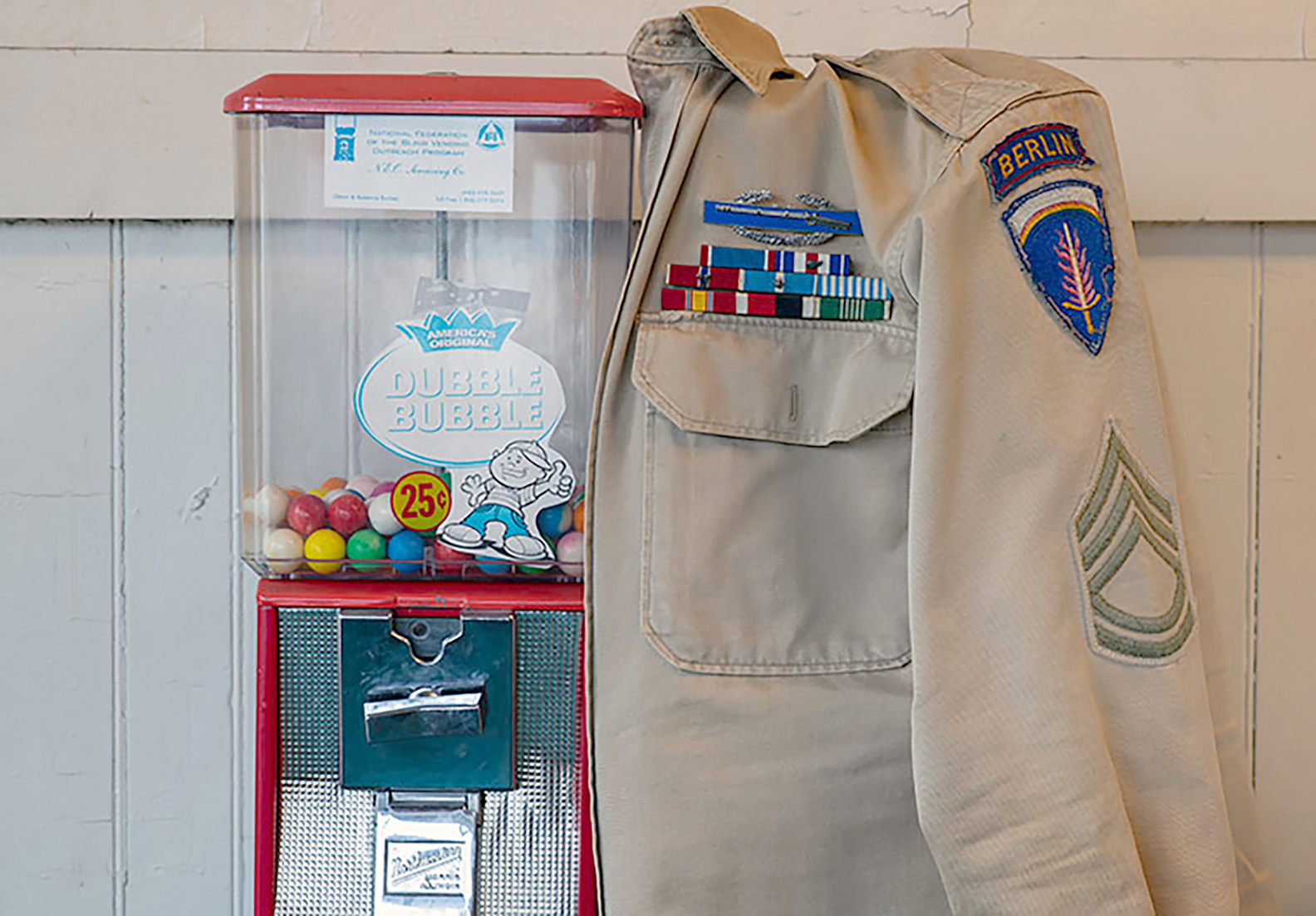
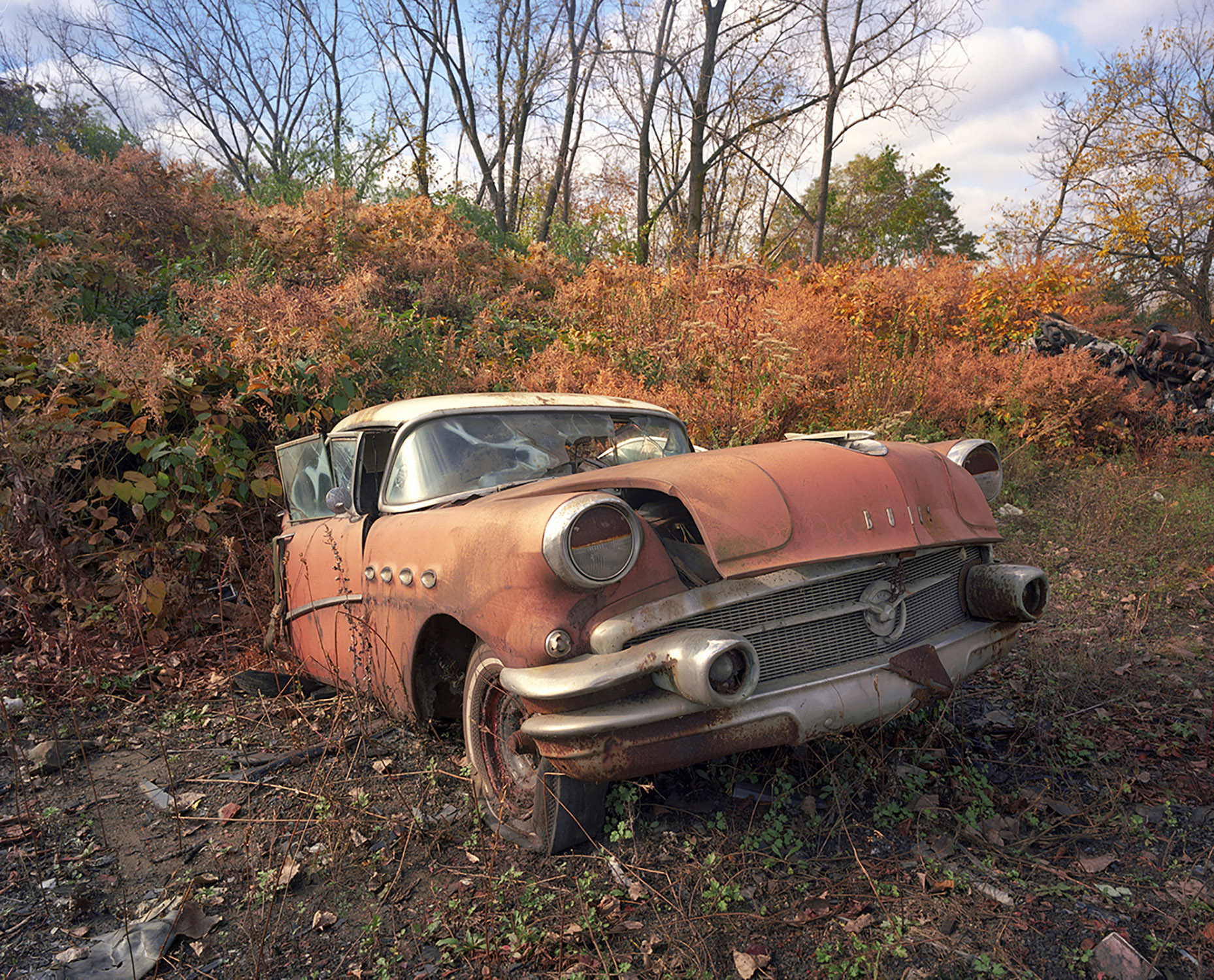
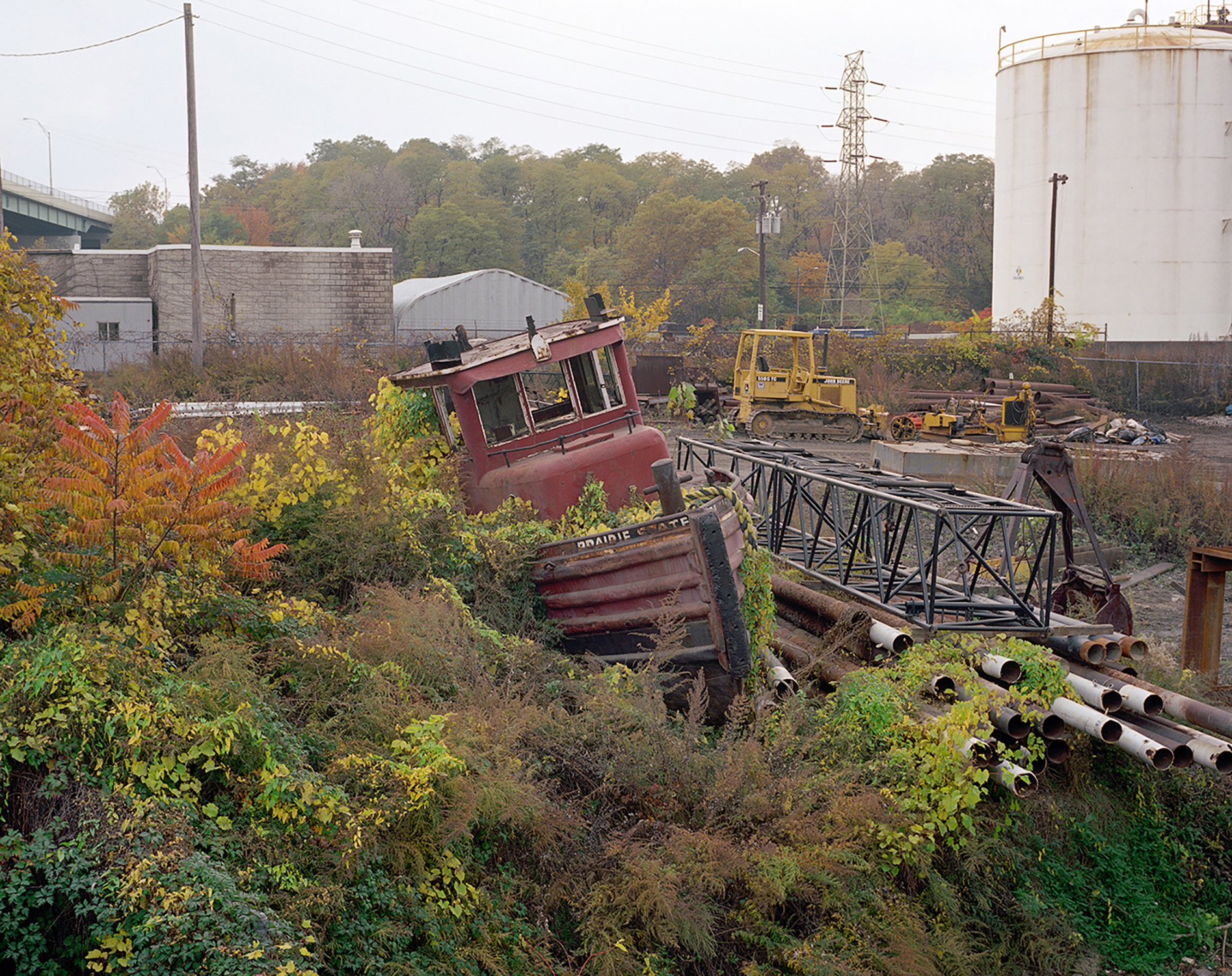
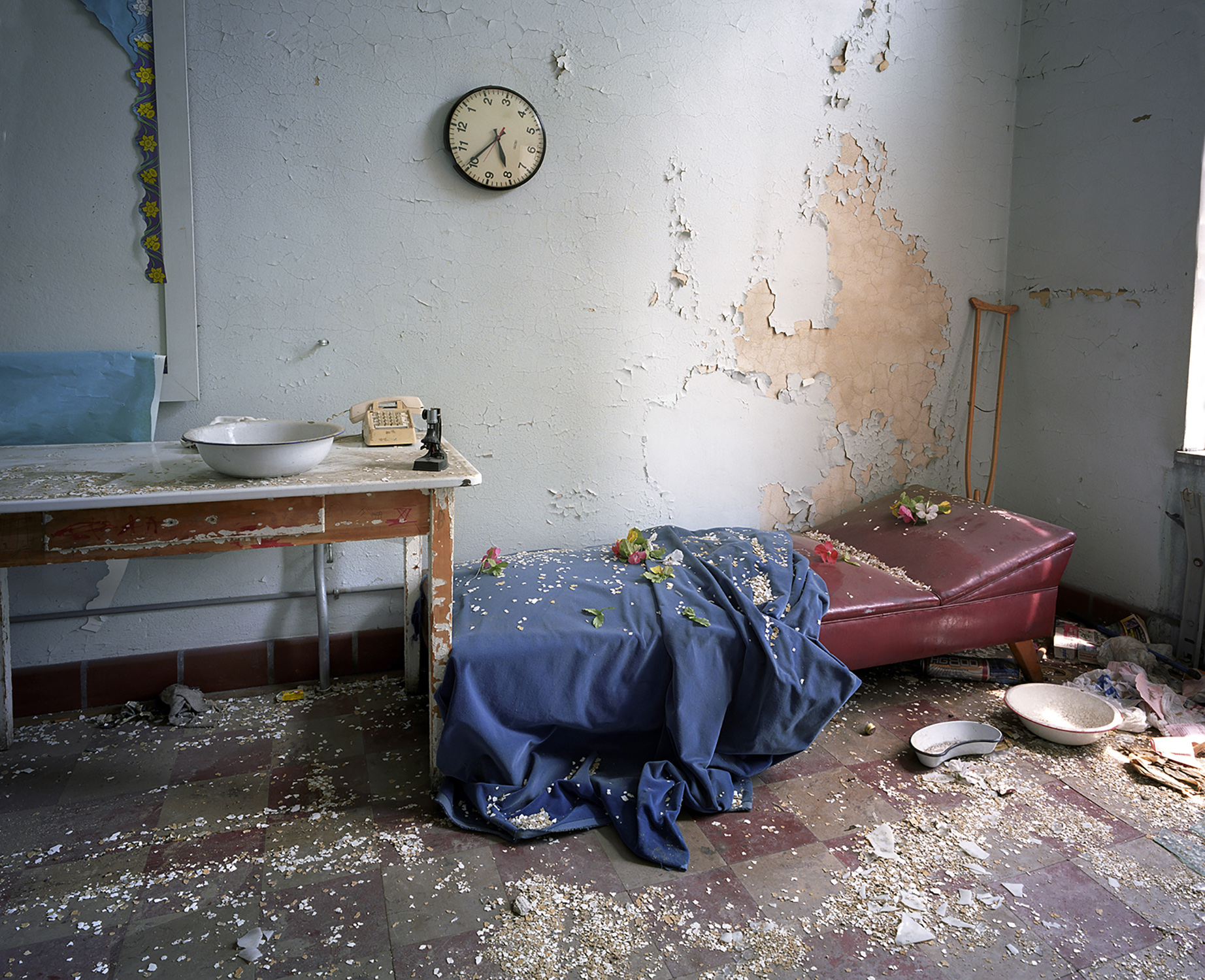
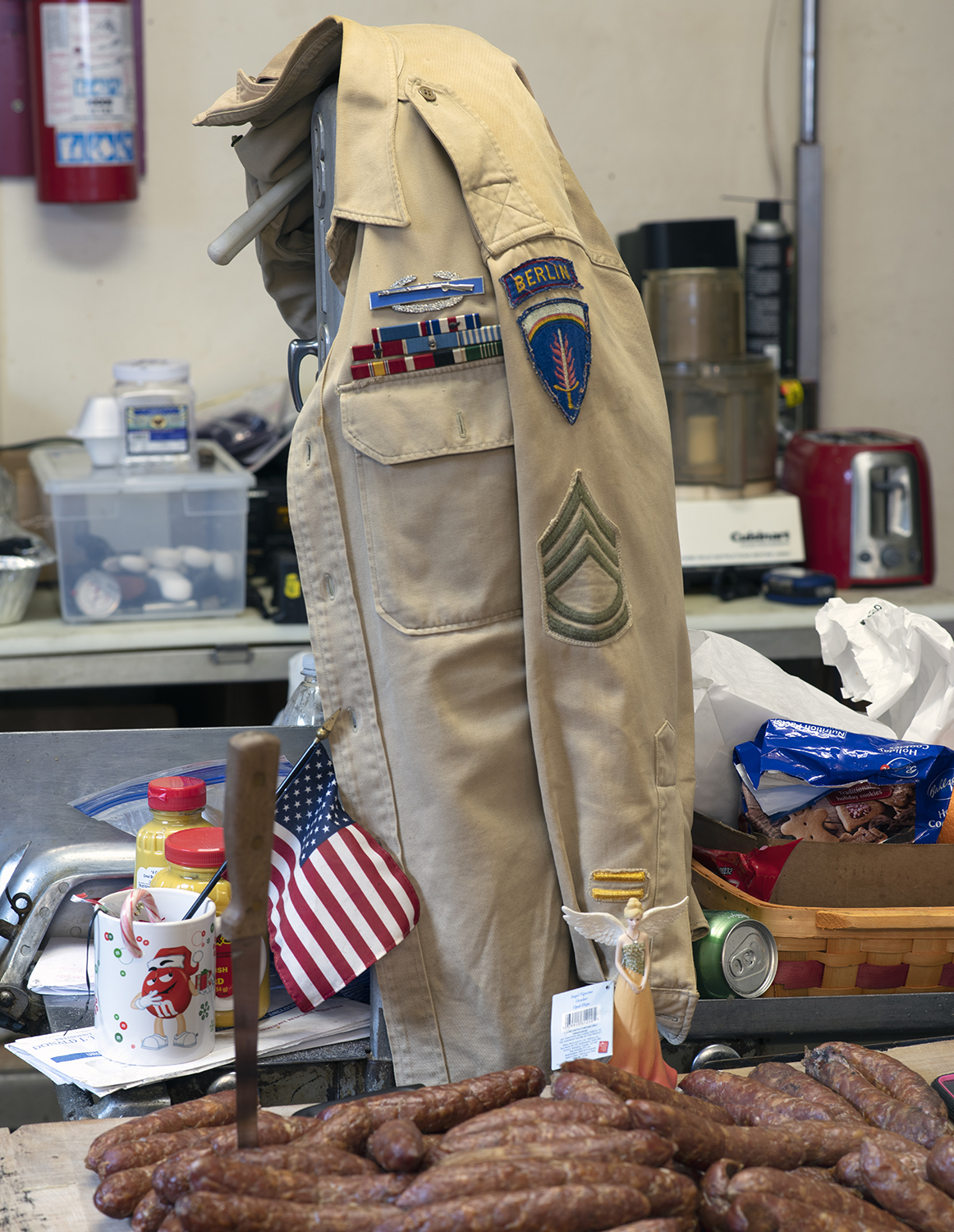
By the 1980s the large row of funeral homes were gone. Some eventually were lost and some were carved up into aprtments.St. Lawrence ChurchSt. Lawrence ChurchSt. Lawrence ChurchSt. Lawrence ChurchSt. Lawrence ChurchSt. Lawrence ChurchSt. RoccoSt. RoccoSt. RoccoLongfellow School, Exit SignLongfellow School,Longfellow School, ClassroomLongfellow School, GymnasiumLongfellow School,Longfellow School, InfirmaryGeneraln Electricn Plant, East 152nd StreetHome, Ansel AvenueHouse, East 89th StreetHome, East 79th StreetAvalon ApartmentsMonroe Street Cemetery, Monroe StreetHomes, Arthur AvenueMr. Daniels' Home,Mr. Daniels' Home,Mr. Daniels' Home,Mr. Daniels' Home,Mr. Daniels' Home,Mr. Daniels' Home,Gooch's HomesGooch's HomesGooch's HomesGooch's HomesGooch's HomesJohn Marshall High School, UniformsWindow Display, St. Clair Avenue. 2021Wndow Displays, East 71st Street, 2023Raymond's Korean War Army Shirt, Gumball Machine, Azman's Meats, St. ClairElderly Tribute1956 Buick Roadmaster Sedan, Forgotten Trinagle, 2009Prairie Tugboat, The Flats, 2006Gill Home, Euclid AvenueNo buy a department store executive at 1906.
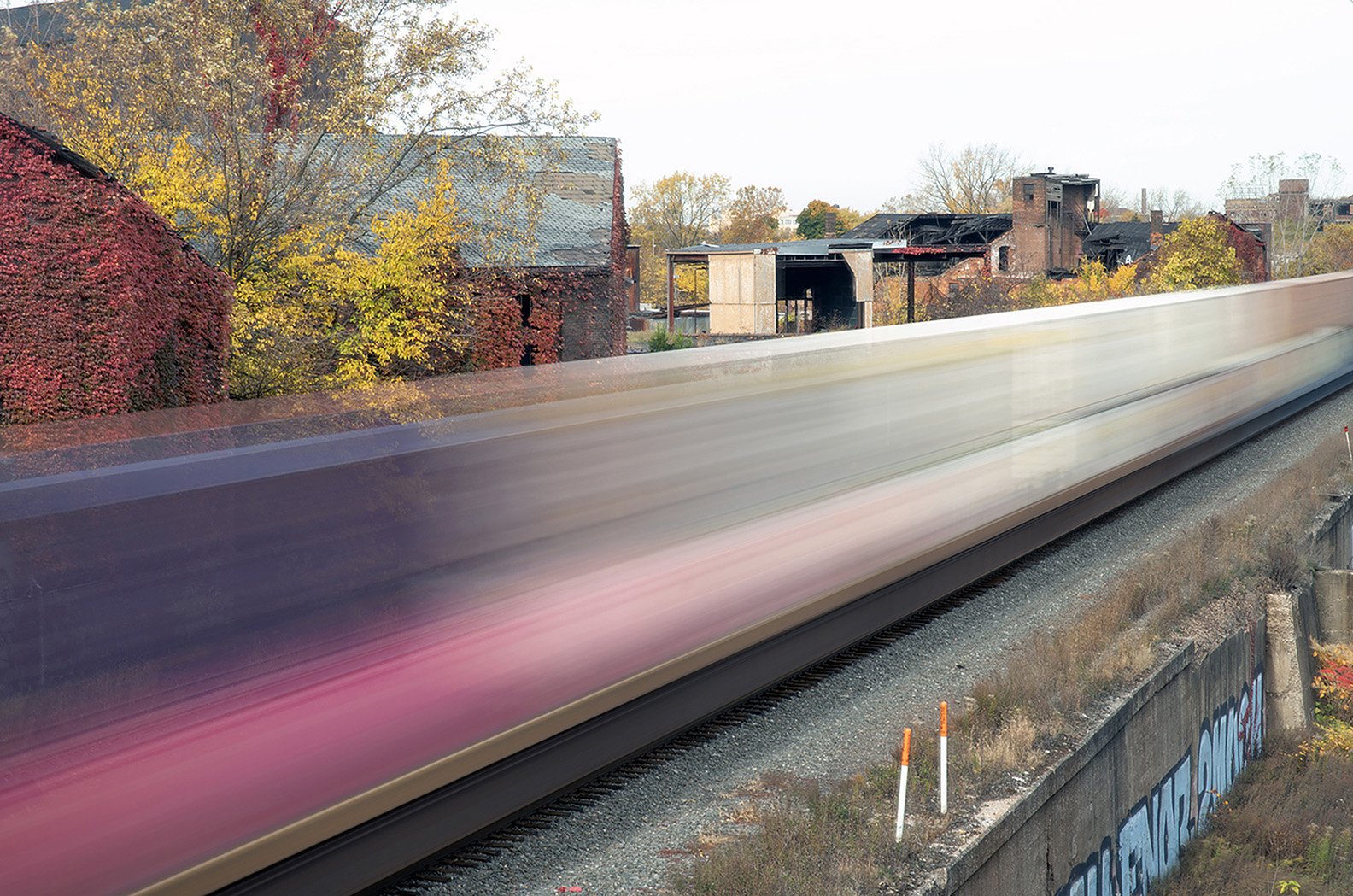
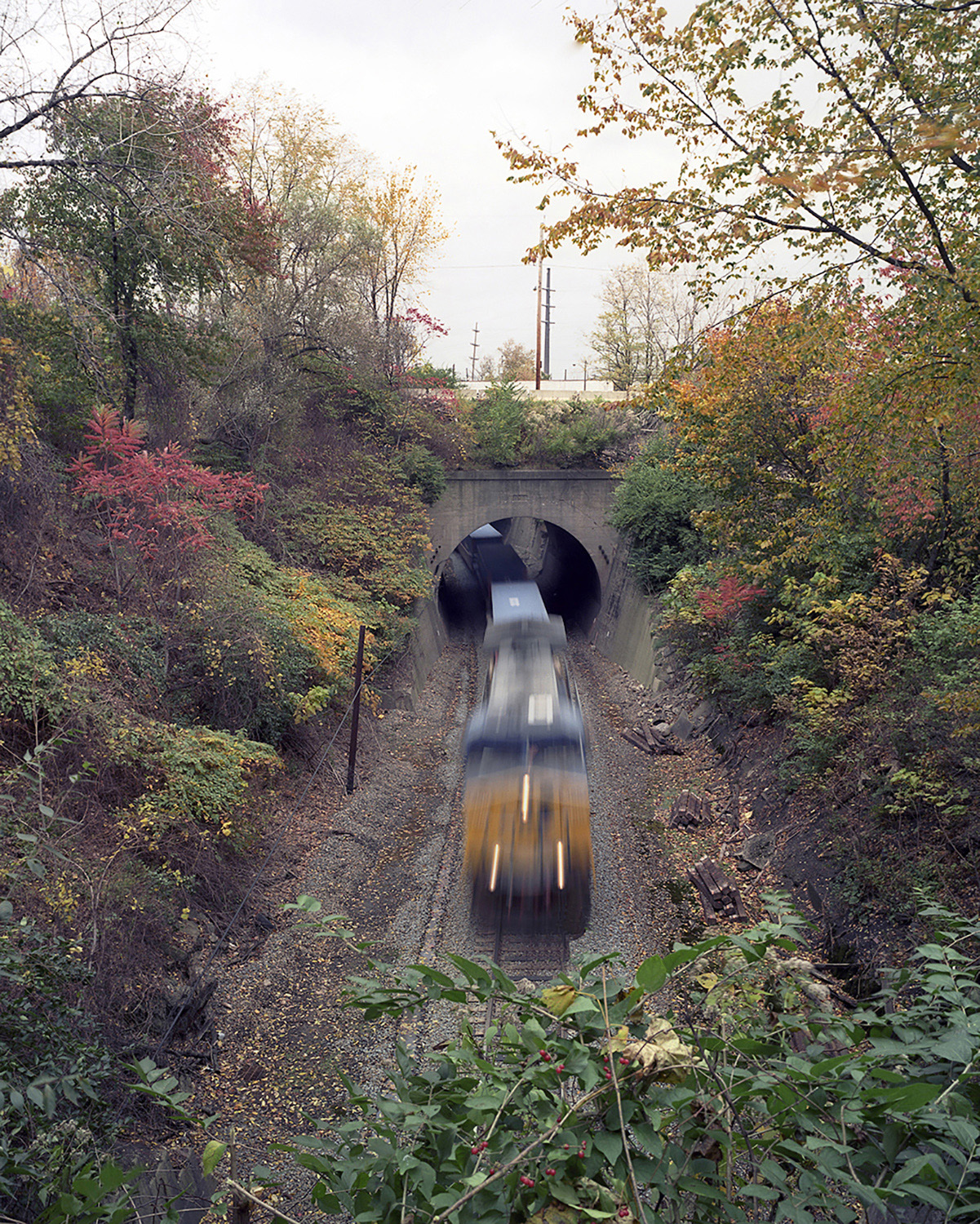
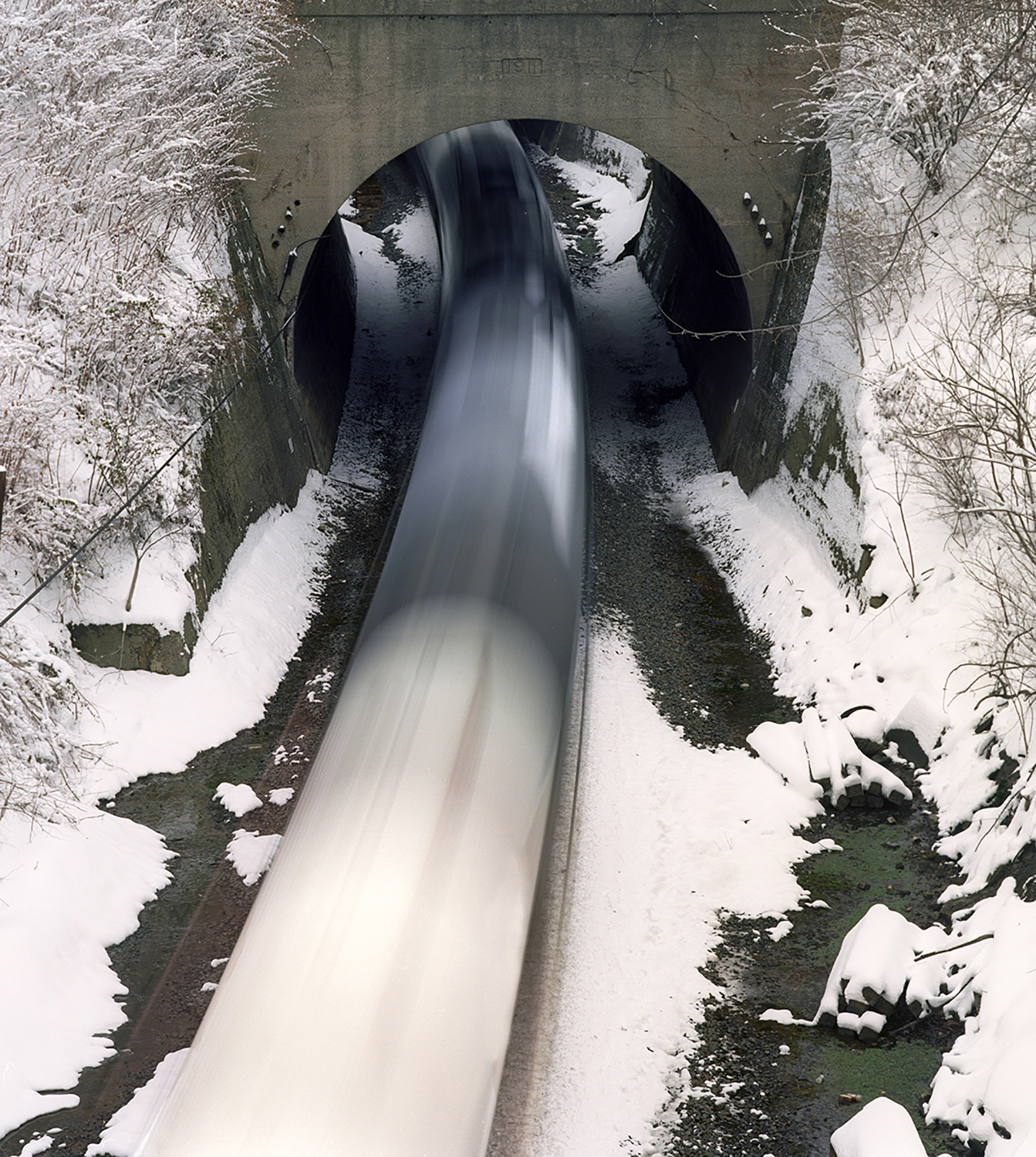
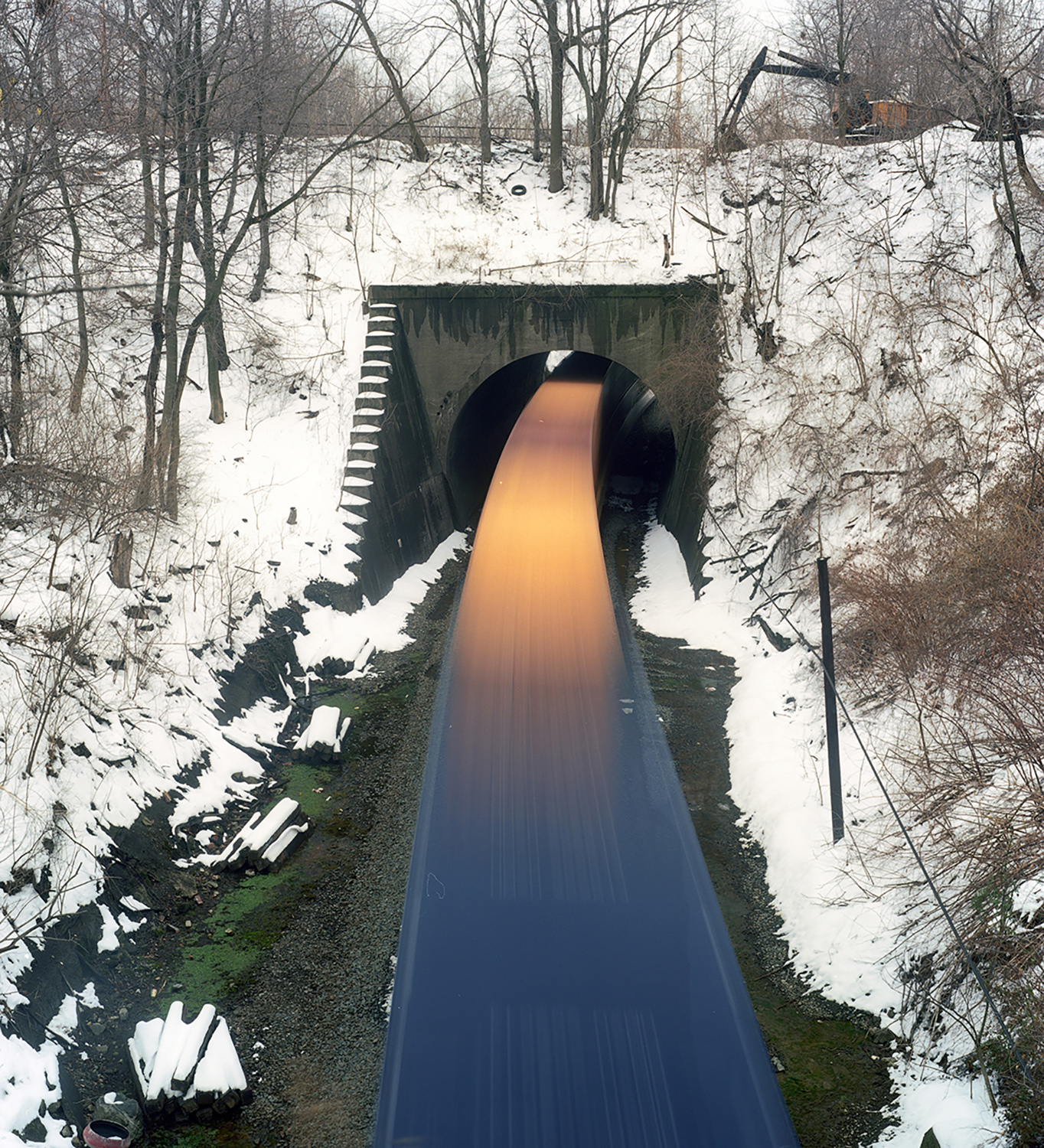
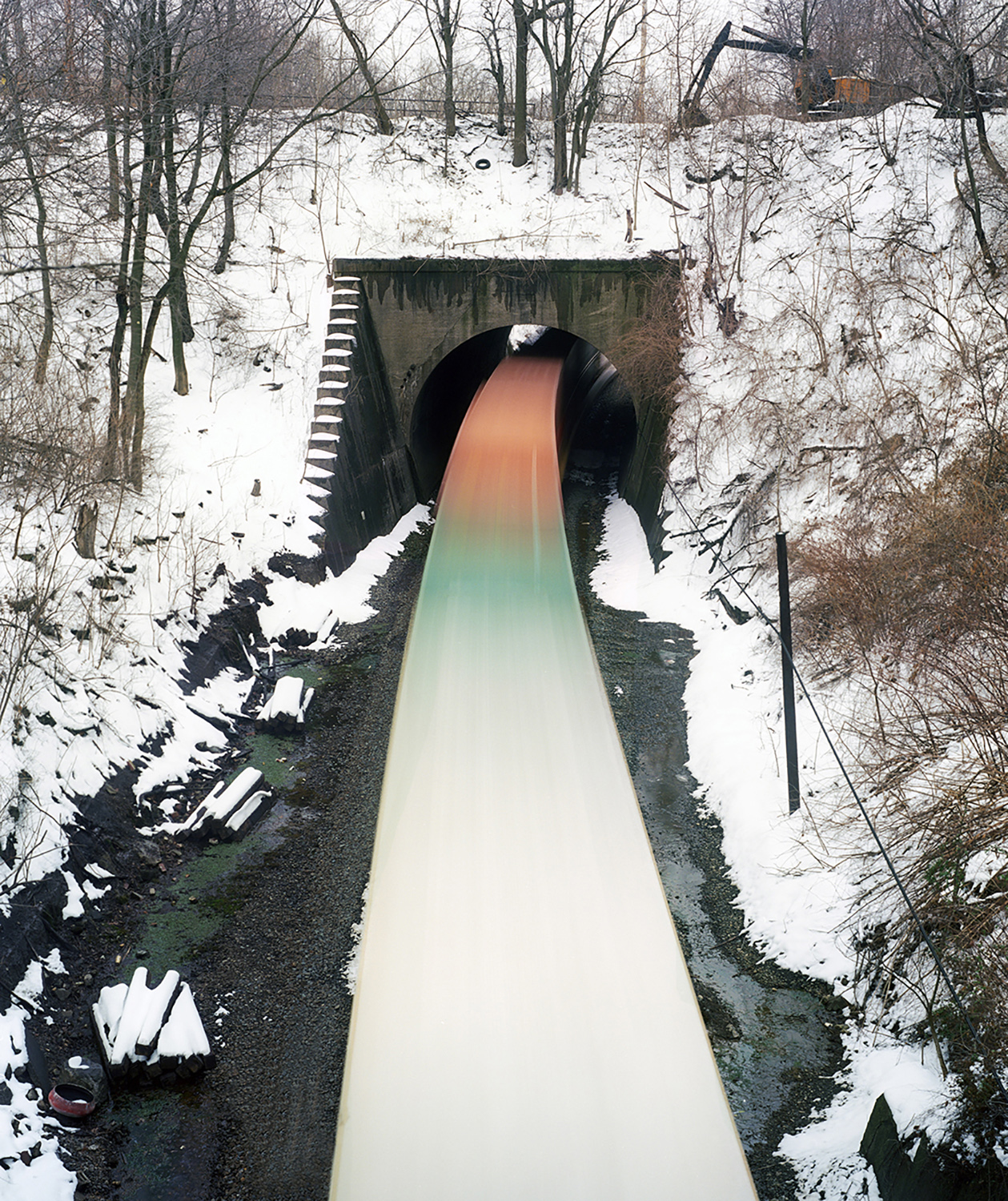
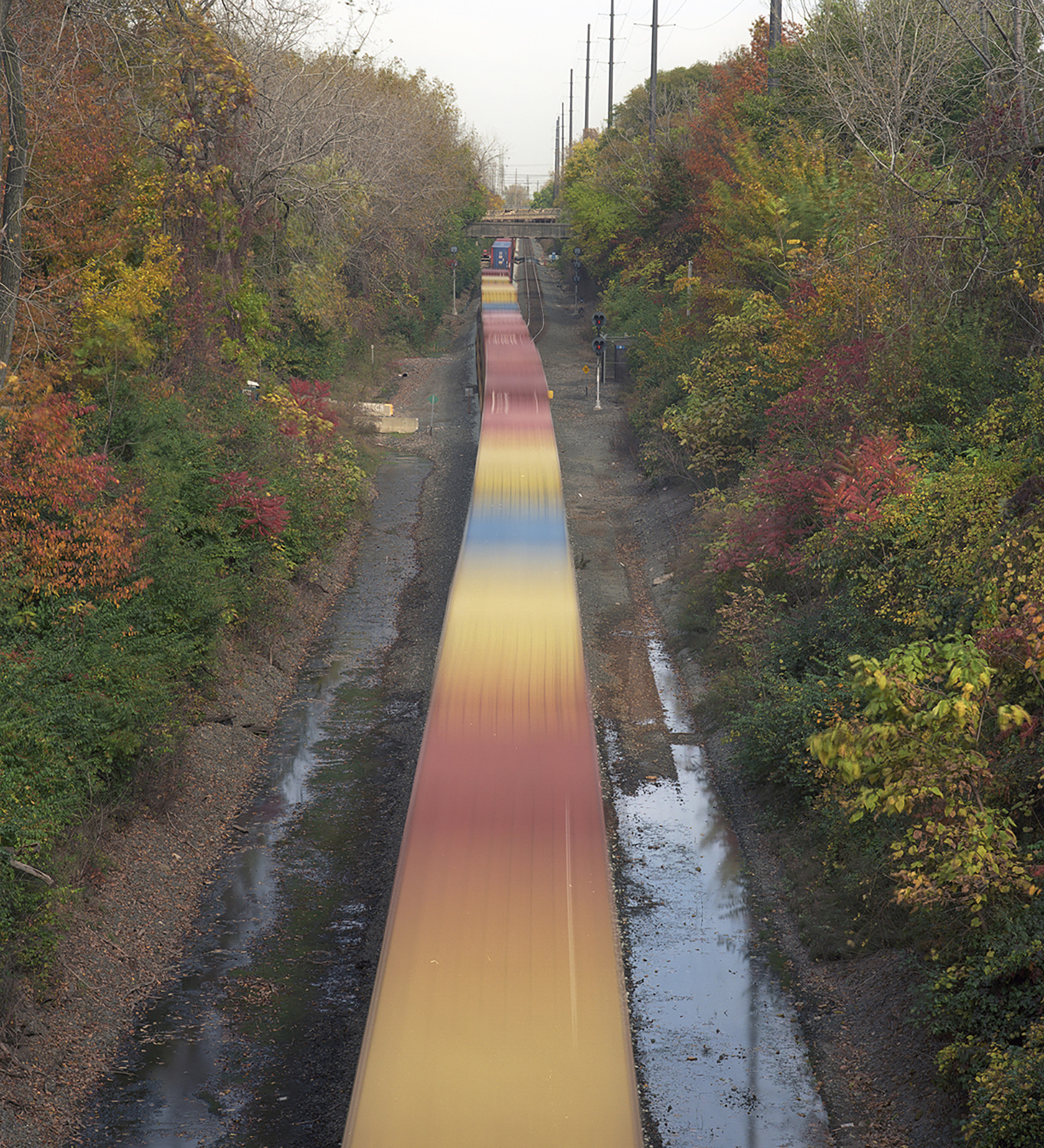
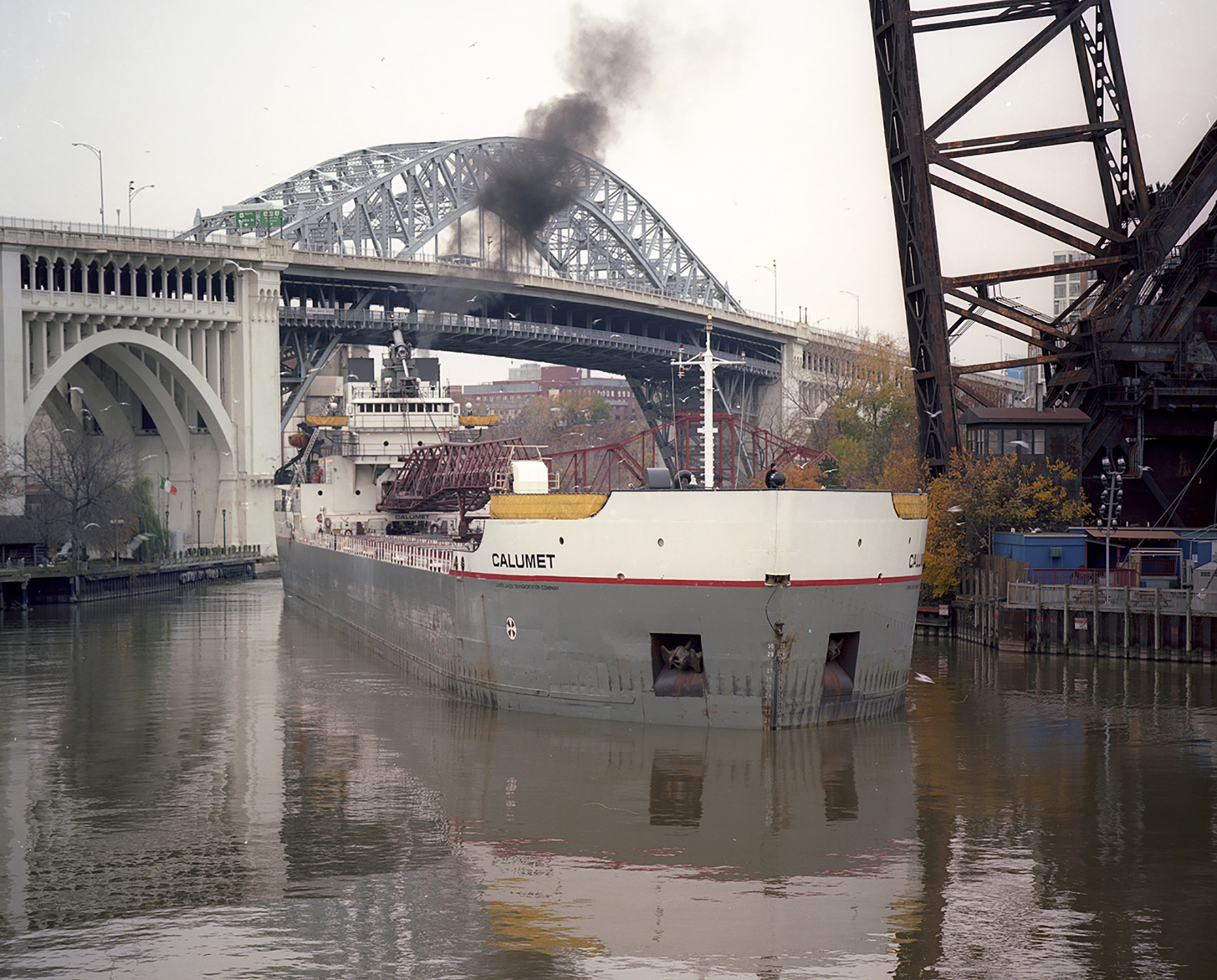
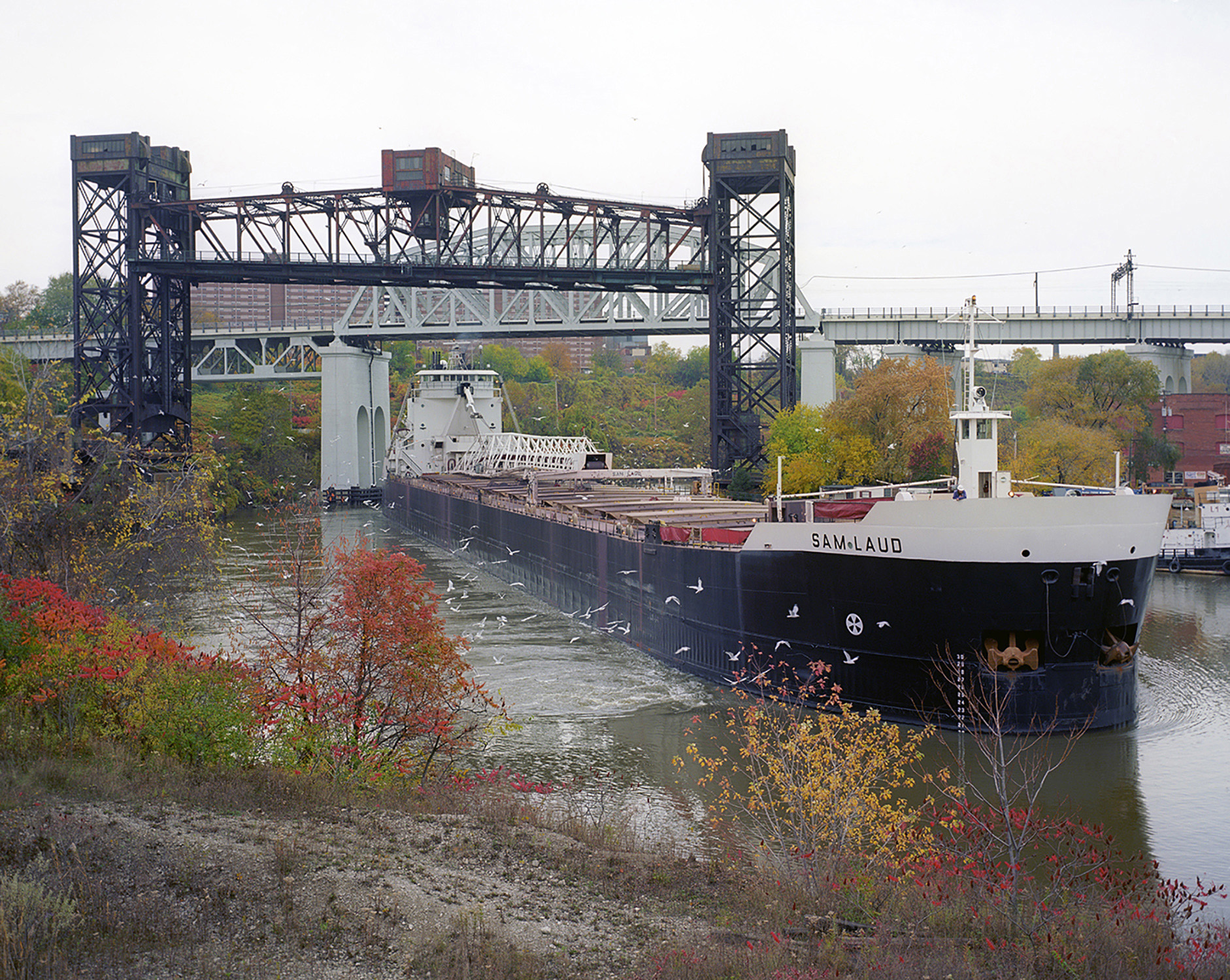
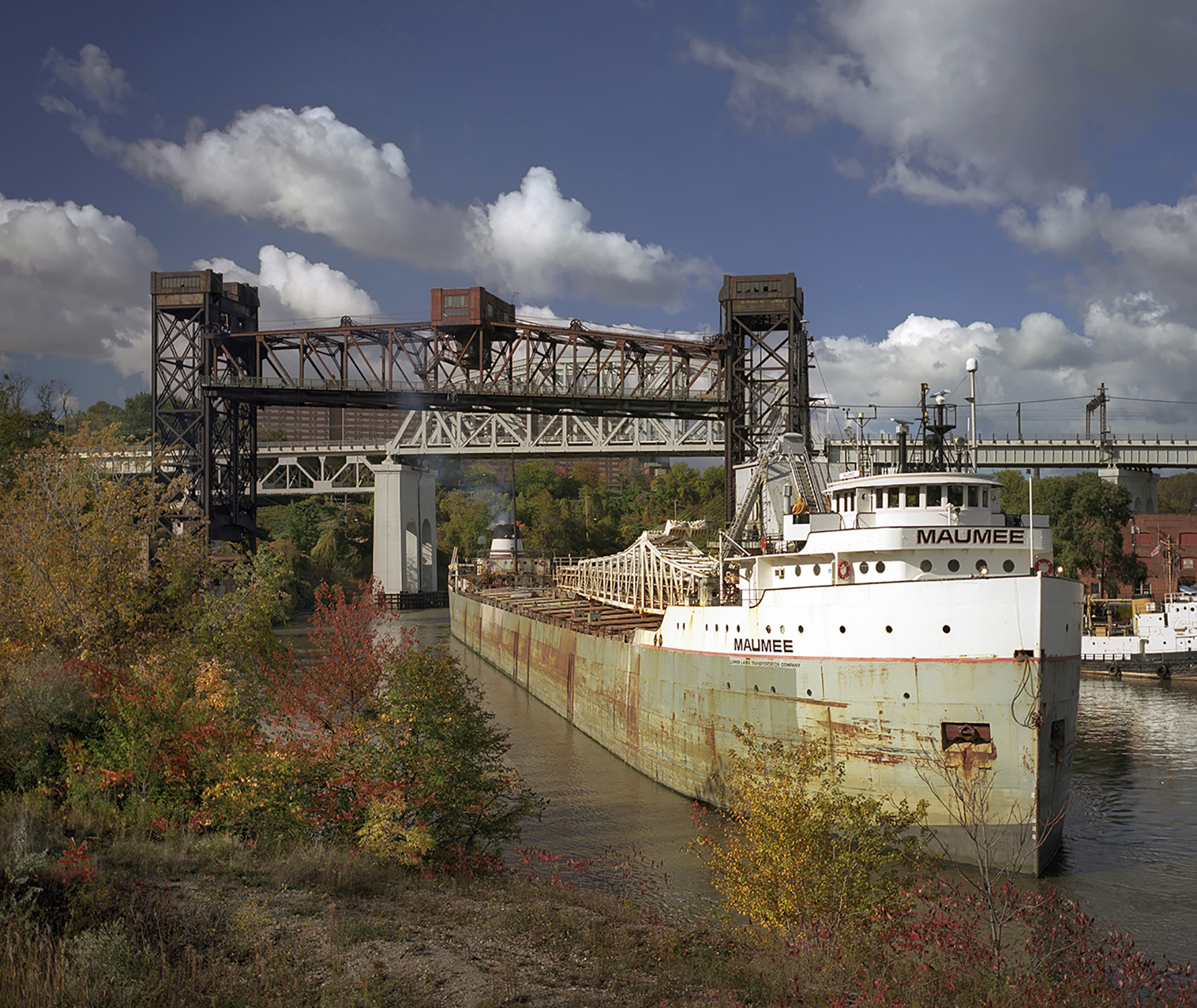
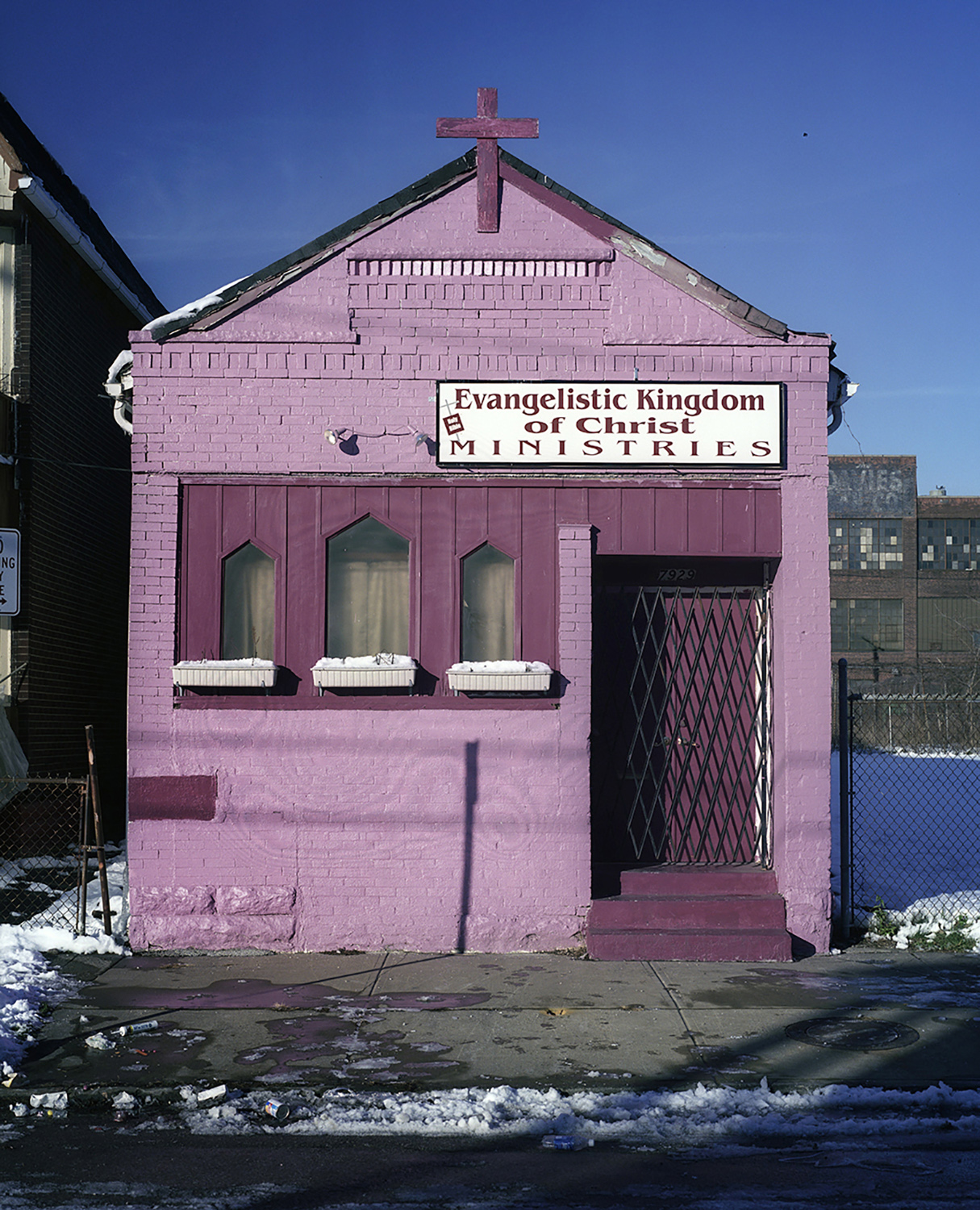
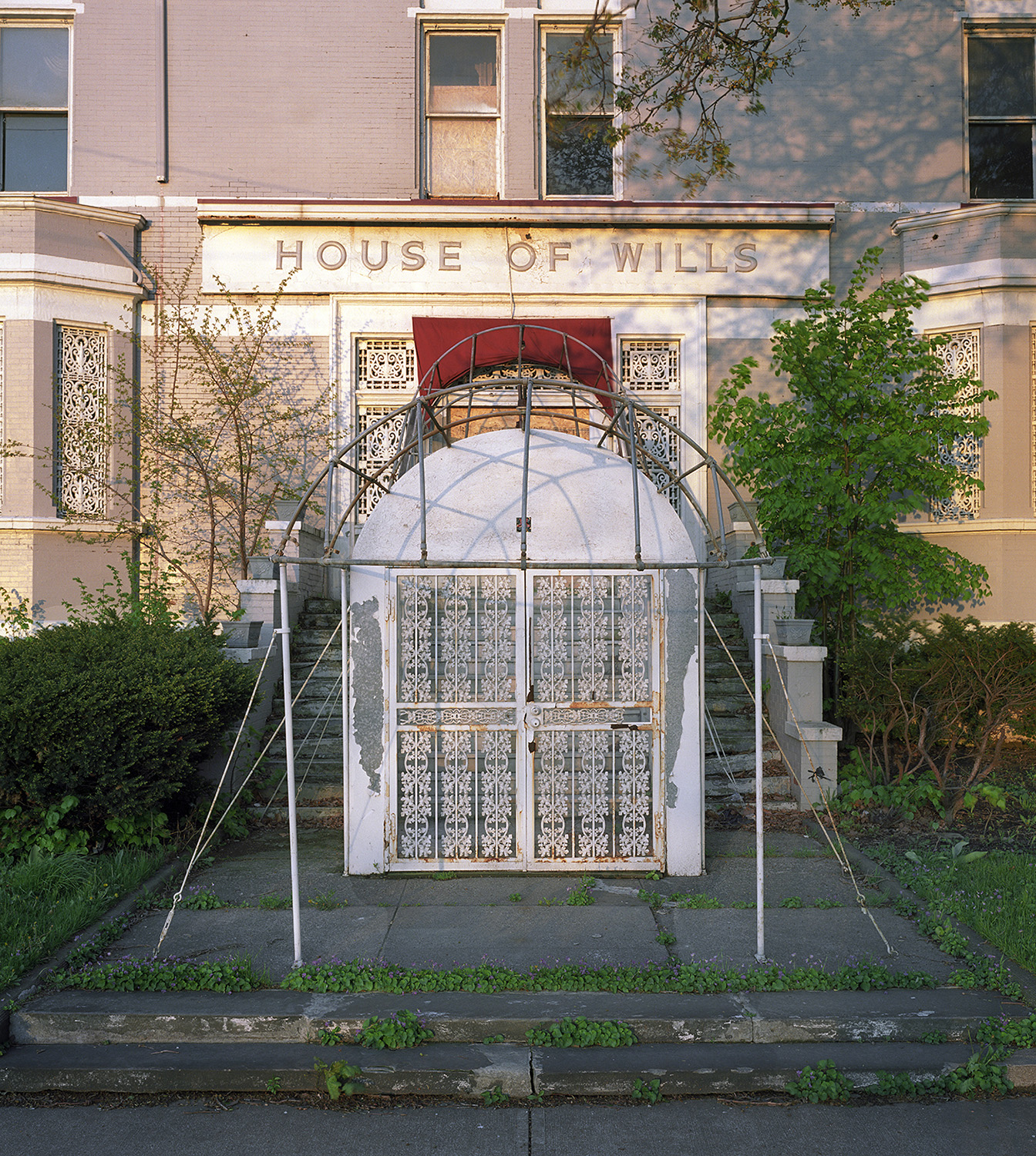
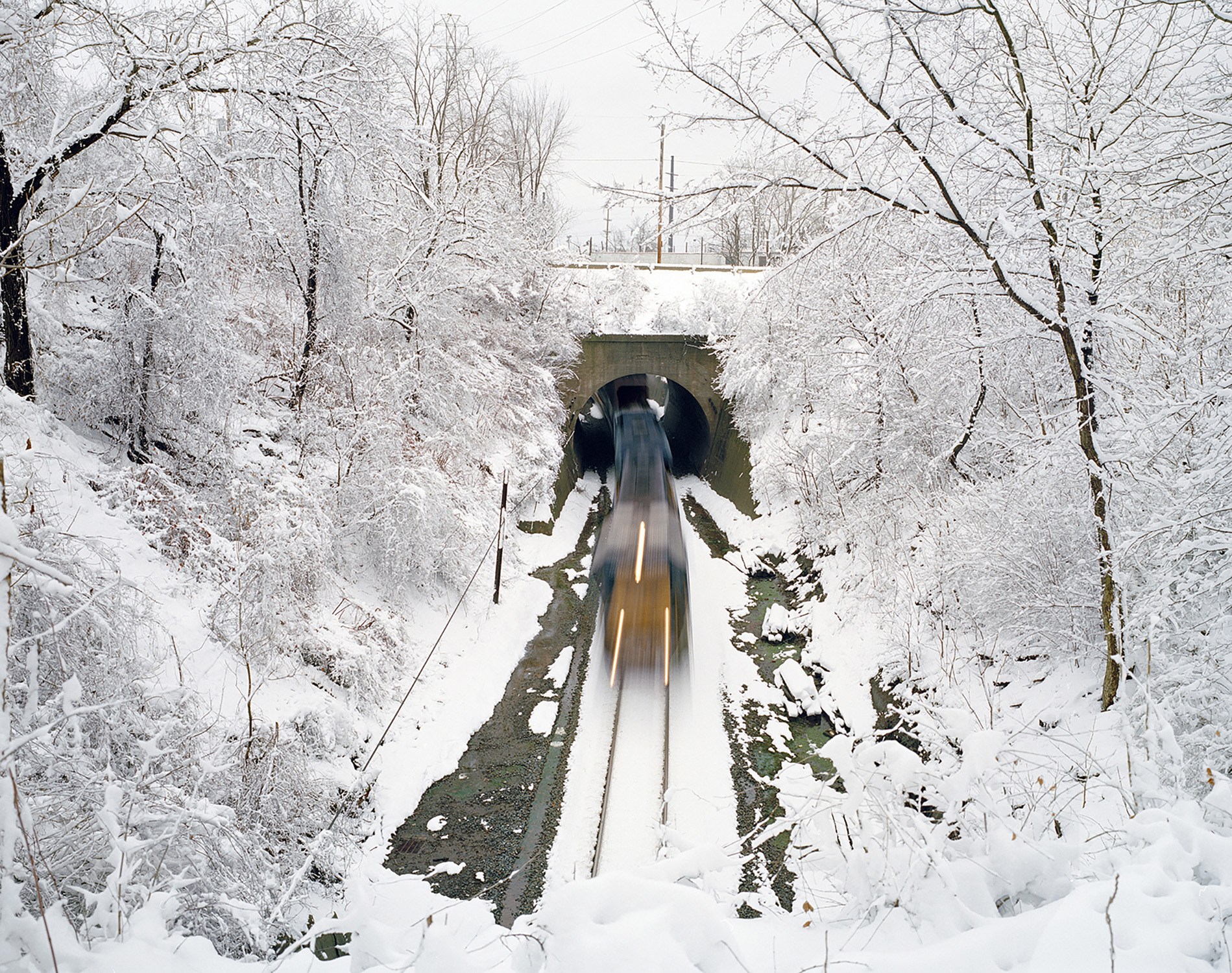
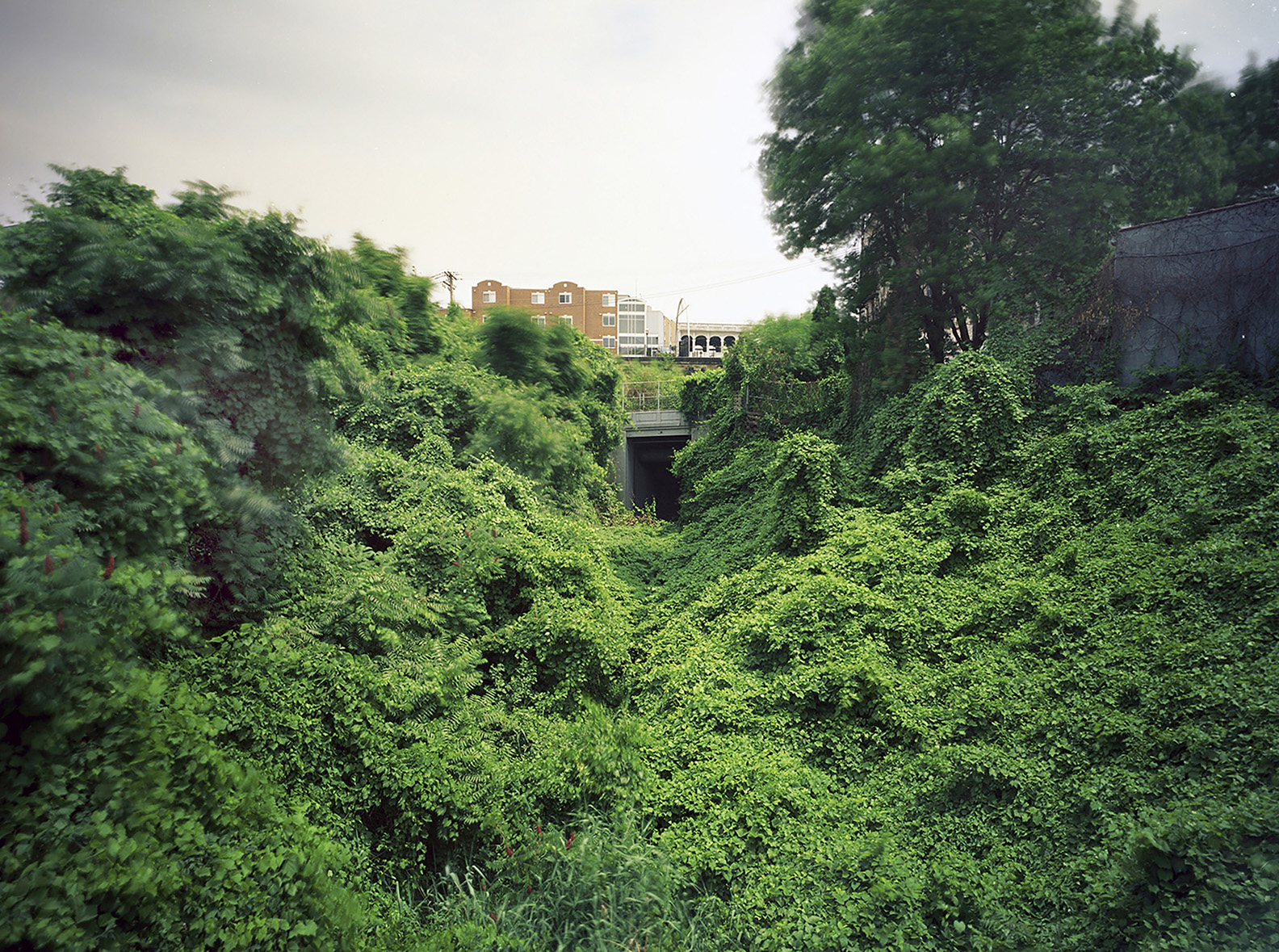
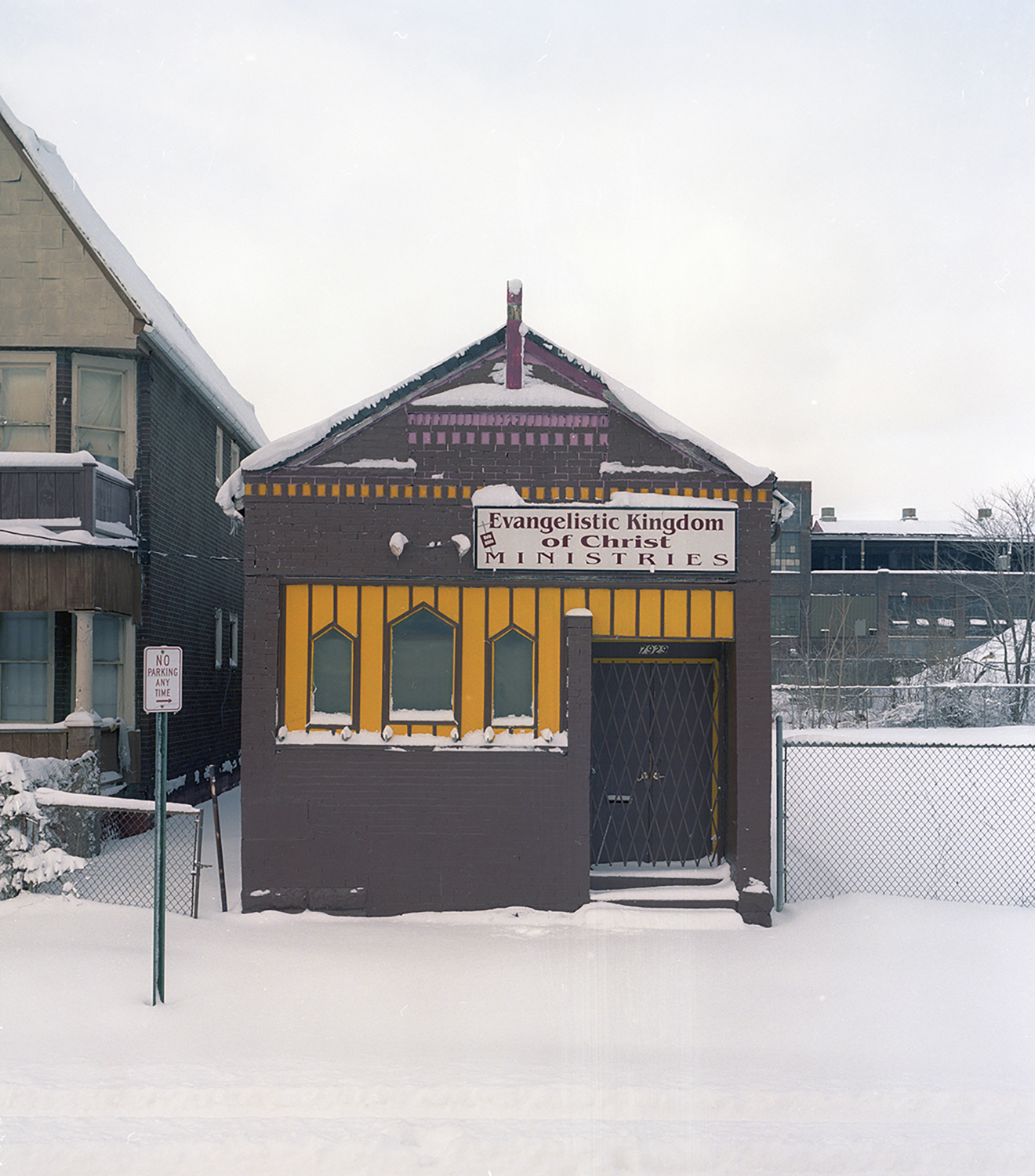
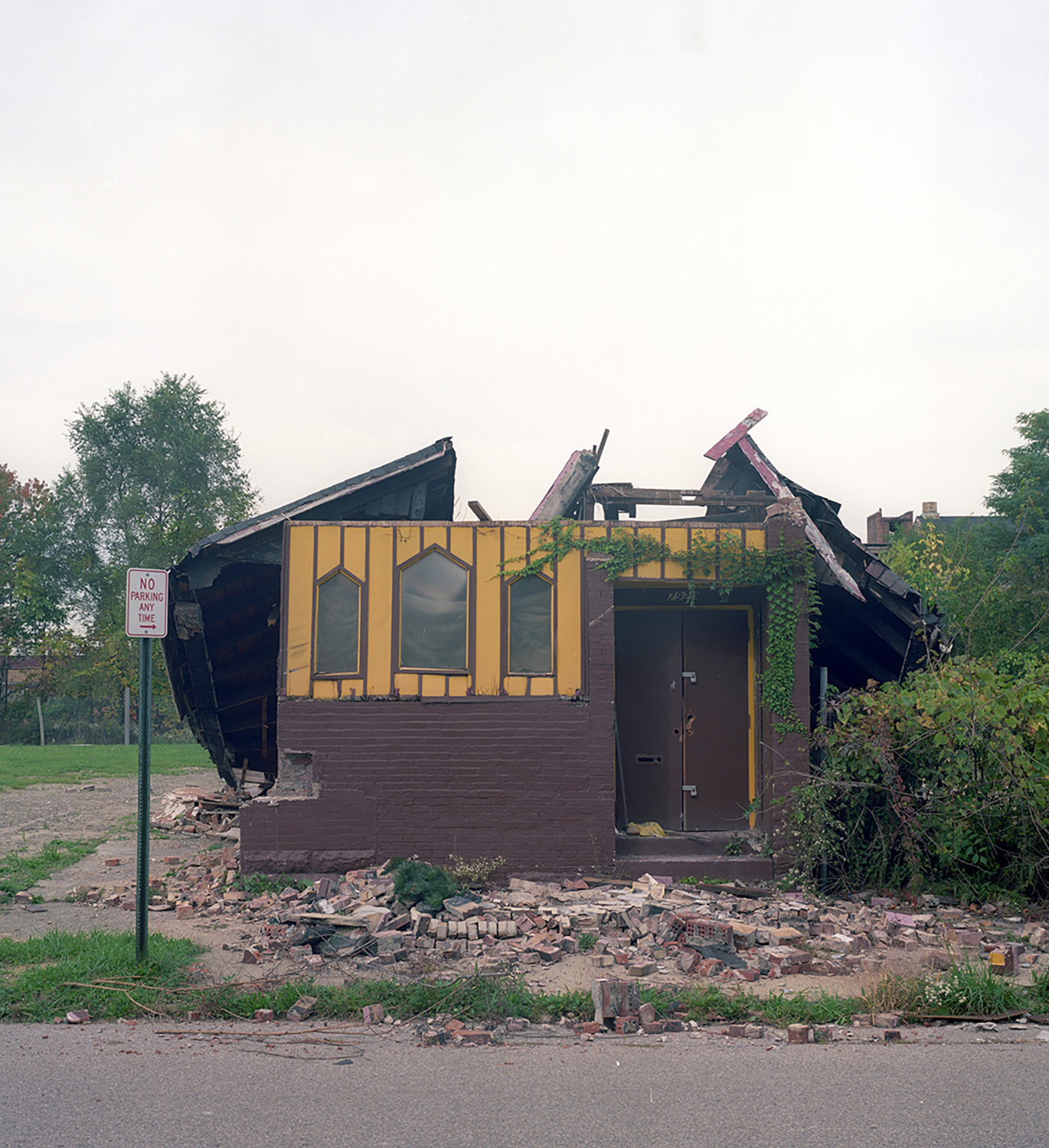
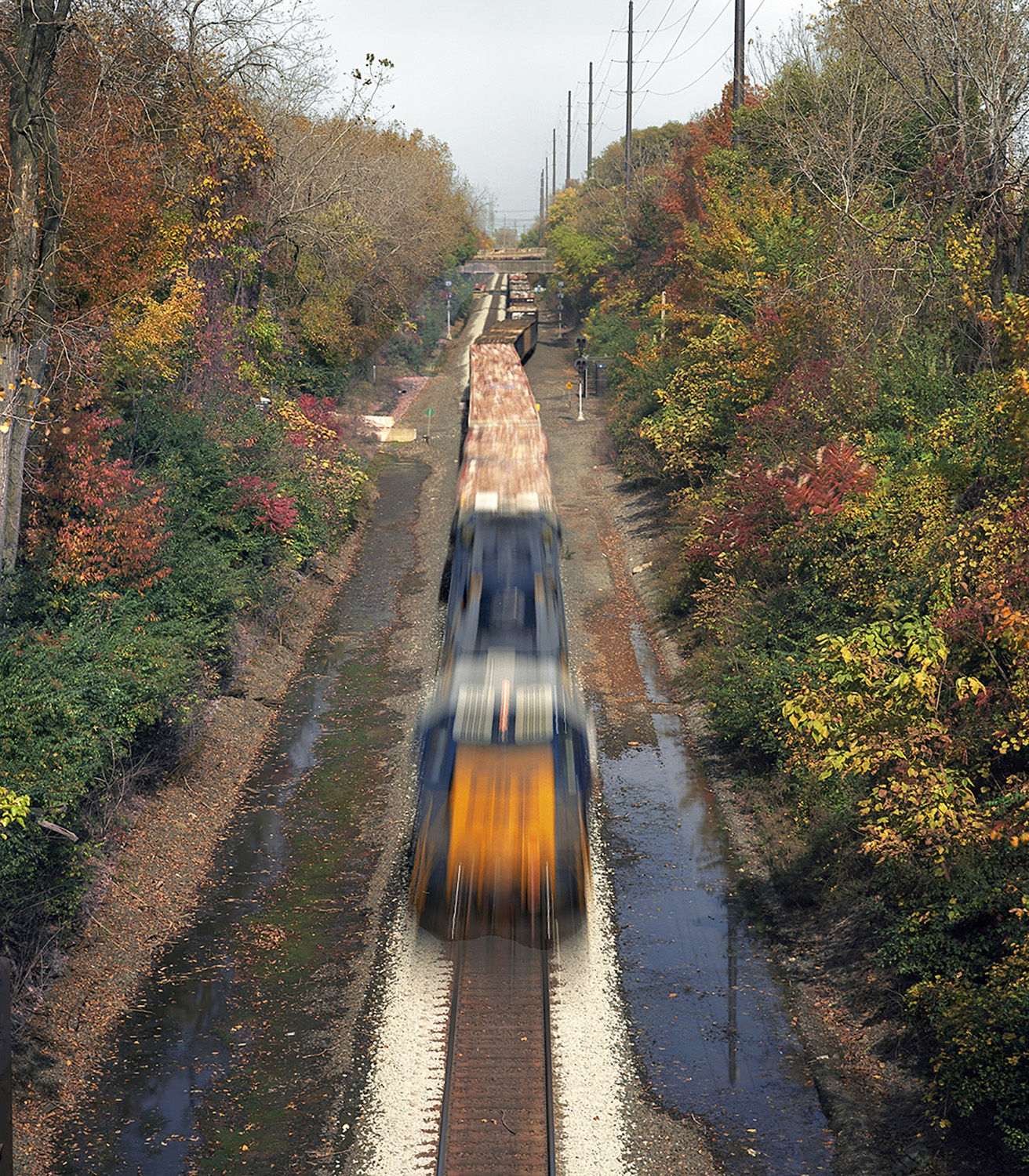
A long stretch of Euclid Avenue in East Cleveland became known as Funeral Row.Houses, Ansel Road, 2008Home, East 81st Street, Forgotten TrinagleHomes, East 46th StreetHomes, Colfax Avenue - GoneAt the time it was a home for scrapers.Home, East *3rd Street, Forgotten TringaleHouse, East 36th StreetHouses, Holton AvenueHouses & Cars, Holton AvenueHouse,House, Euclid AvenueApartment House,Apartment huse, East 83rd Street - GoneRowhous, East 108th StreetTorpedo Cars, LtV SteelNickel Plate Road Cleveland Cut and TunnelNickel Plate Road Cleveland Cut and TunnelNickel Plate Road Cleveland Cut and TunnelNickel Plate Road Cleveland Cut and TunnelNickel Plate Road Cleveland Cut and TunnelNickel Plate Road Cleveland Cut and TunnelNickel Plate Road Cleveland Cut and TunnelNickel Plate Road Cleveland Cut and Tunnel#4 Railroad Lift Bridge + Operator's Building, 2005Chains, $4 Railroad Lift Bridge, 2005Willow Avenue Bridge, Gates Moving, 2002Willow Avenue Bridge, Gates Moving, 2002Eagle Avenue Lift Bridge Moving, DowtownHome-Made Tow Truck, Forgotten TriangleOvergrownTrees & trailers, Forgotten TriangleCleveland Worsted Mills, Powerhouse SmokestackSmokestack, Forgotten TringleChimney, Cleveland Cooperative Stove CompanyB & O #463 Bridge, BuiltThe bridge is permanently closed in the open position.Calumet, Downbound, Detrioit Superior Bridge, 2005Sam Laud, Upbound, Columbus Road Bridge,Maumee Upbound, Columbus Bridge,Stacks, LTV Steel, West Side MillAlthough modernized with a basic oxygen furnace and slab caster, much remained from the old Jones at Laughlin steel Mill. This is an area of the mill that became obsolete.First Energy Coal power Plant, 2014First Energy Coal power Plant, 2014Home, Holton Avenue, 1998House Holton Avenue, 2005Store & Church, 2006hurch, Addison Road, 20006Evangelica Kingdom of Christ Ministries, Rawlins AvenueHouse of Wills, East 55th StreetHouse of Wills, East 55th StreetHouse of Wills, East 55th StreetHouse of Wills, East 55th StreetHouse of Wills, East 55th StreetHouse of Wills, East 55th StreetLevi Scofield House,Levi Scofield House,House Demolition, 2009Holmden Hill, 2002Holmden Hill, 2019The south side of Holmden Avenue was built with a uniform architecture with no front yards. Both homes were at the bottom of the hill and were occupied by Polish families with the widow still there, and chiden gone.
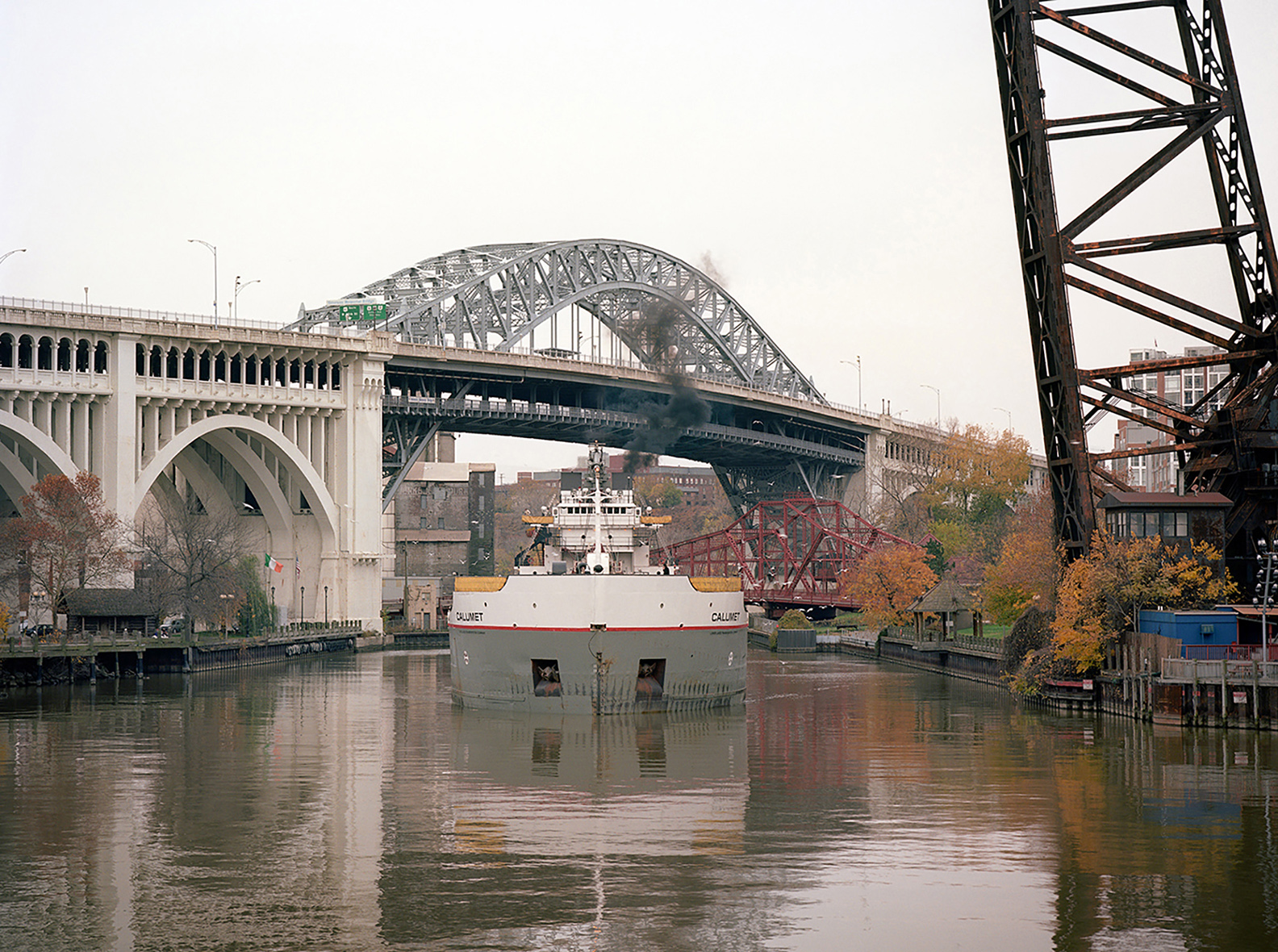
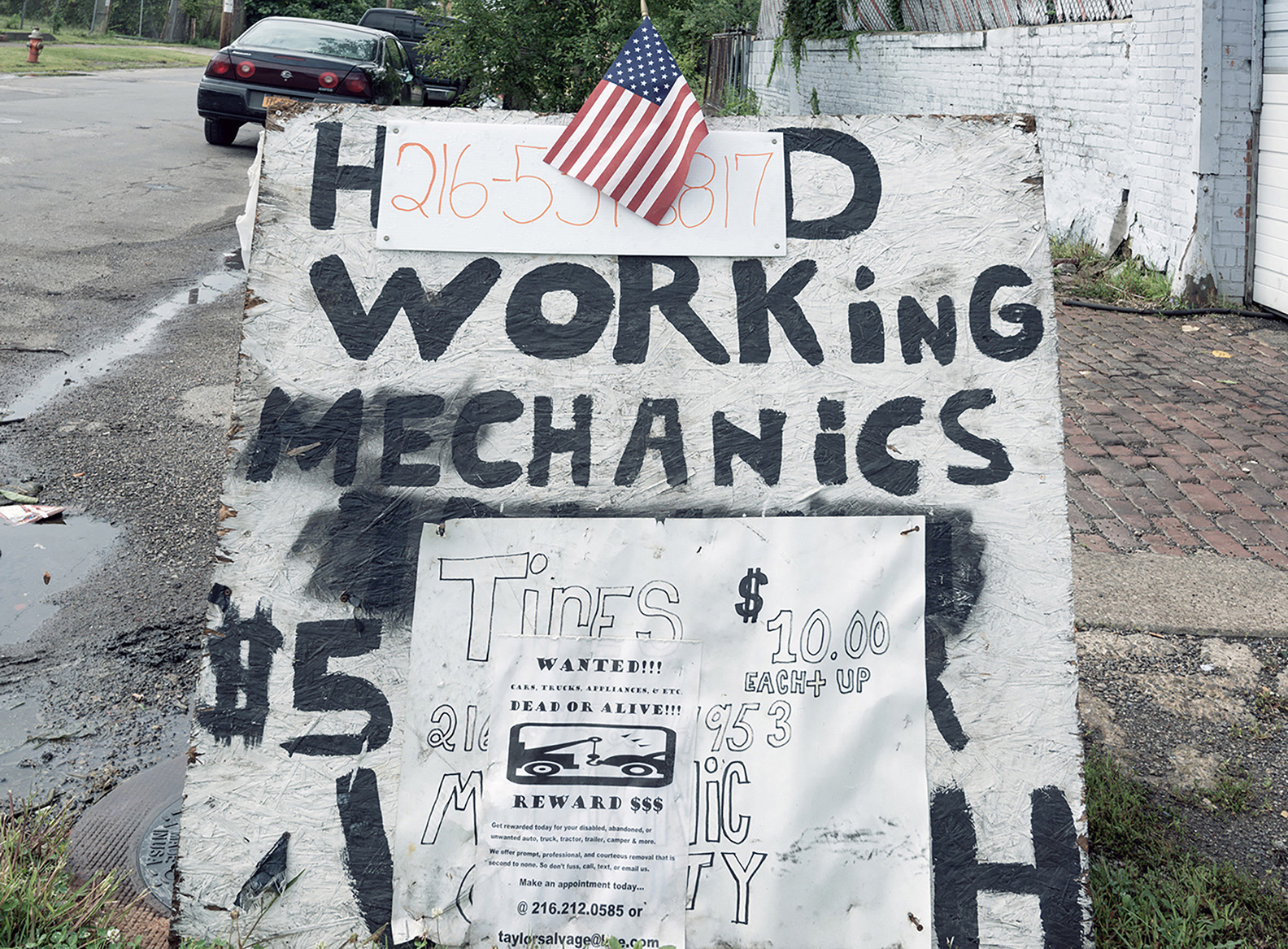
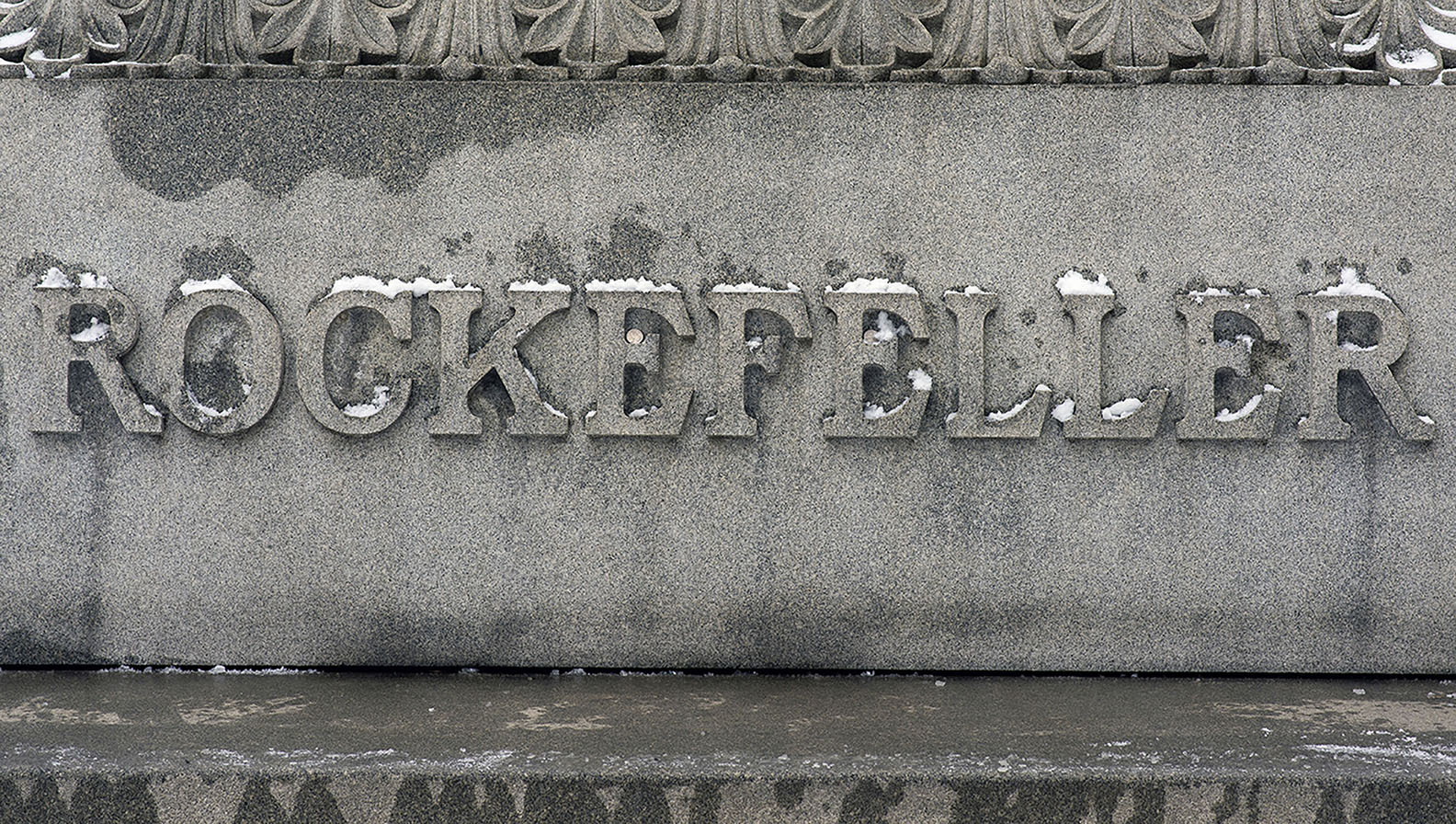
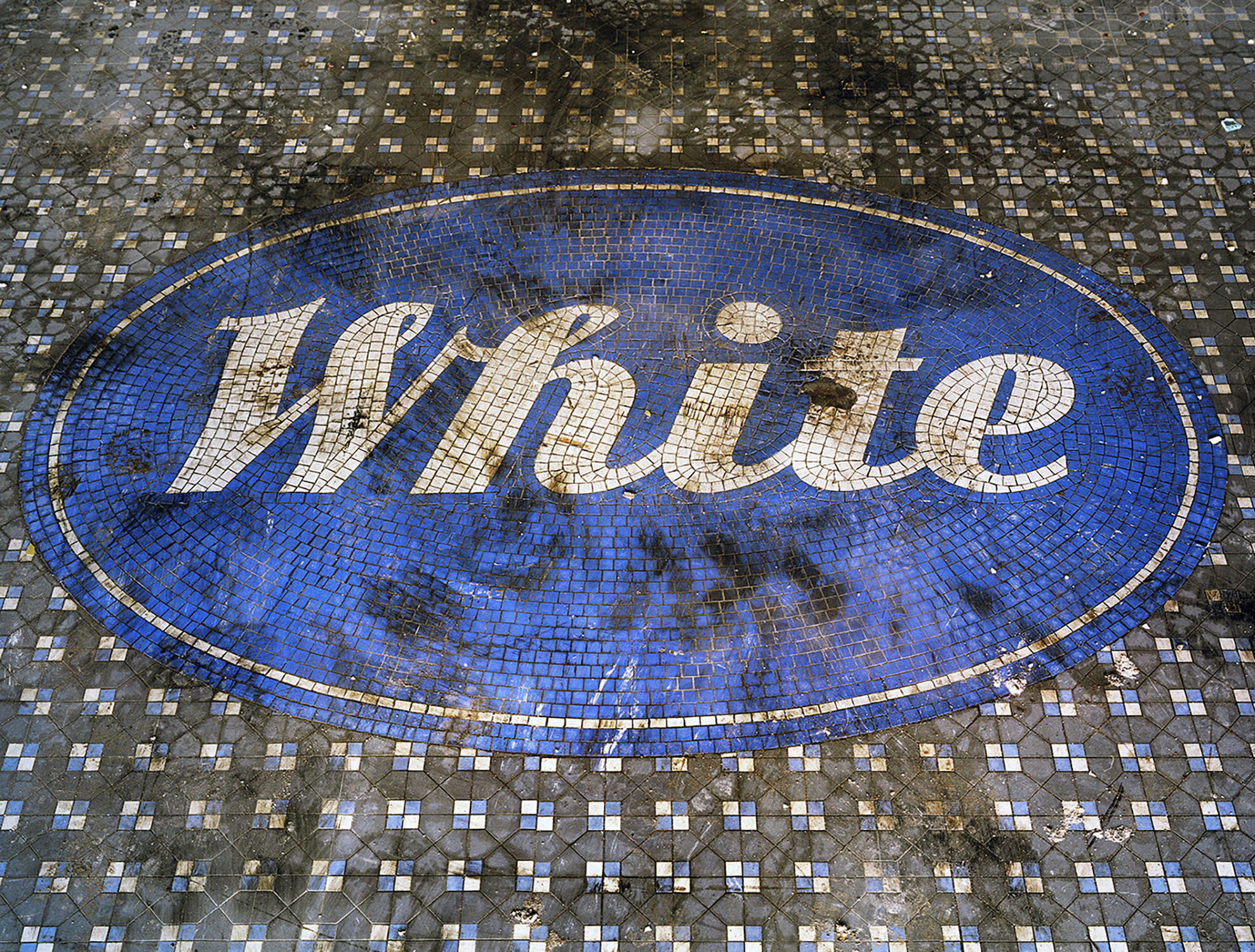
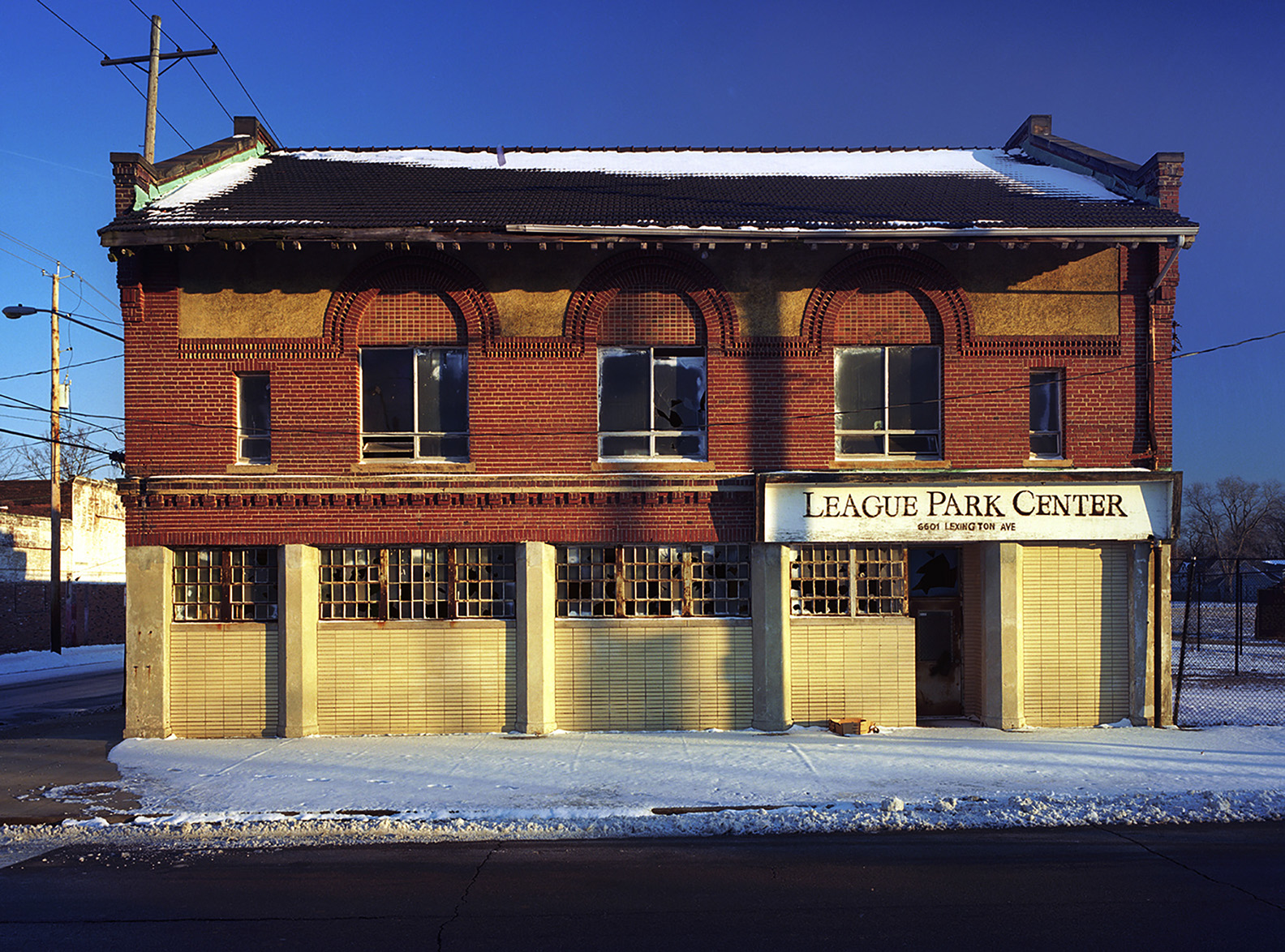
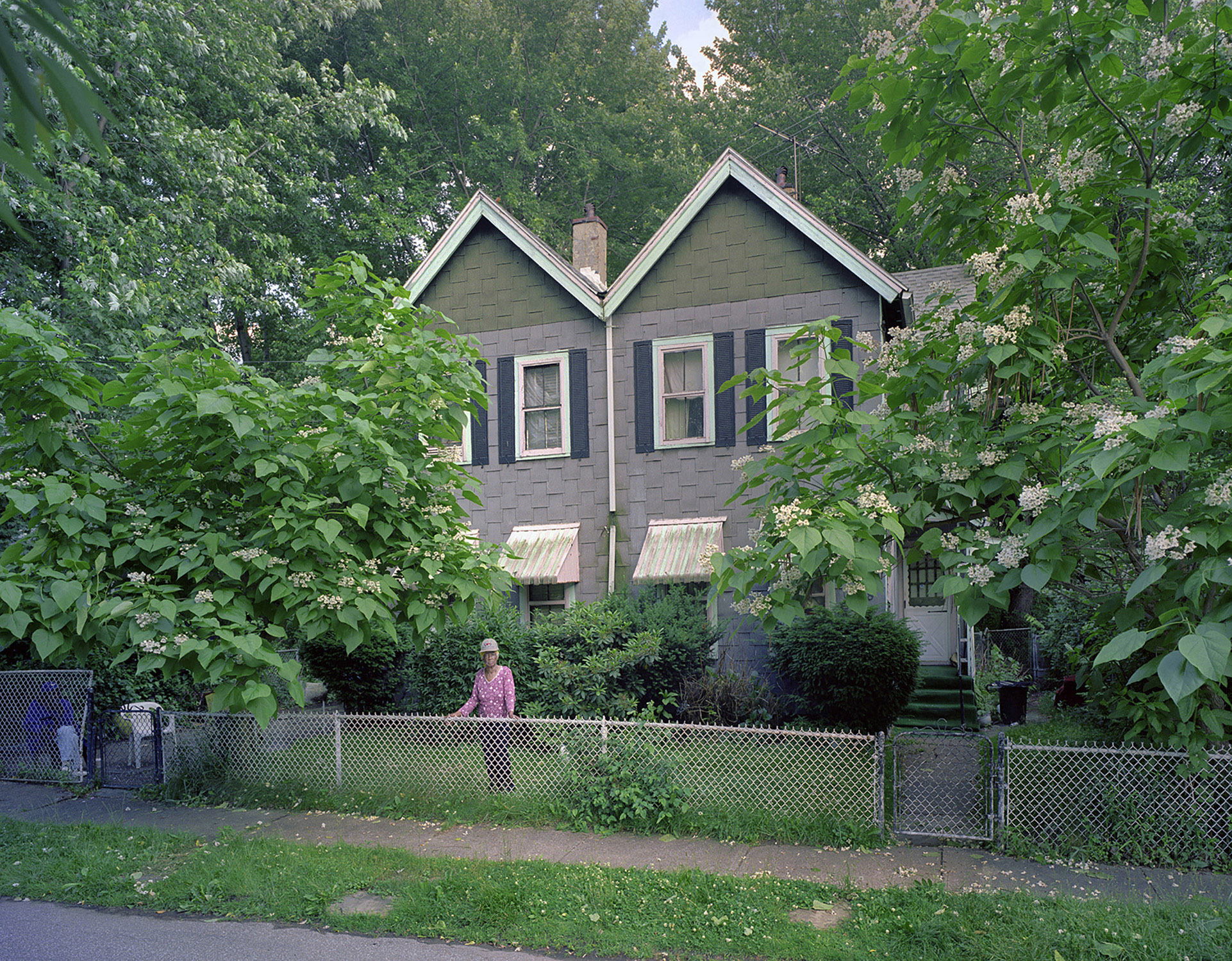
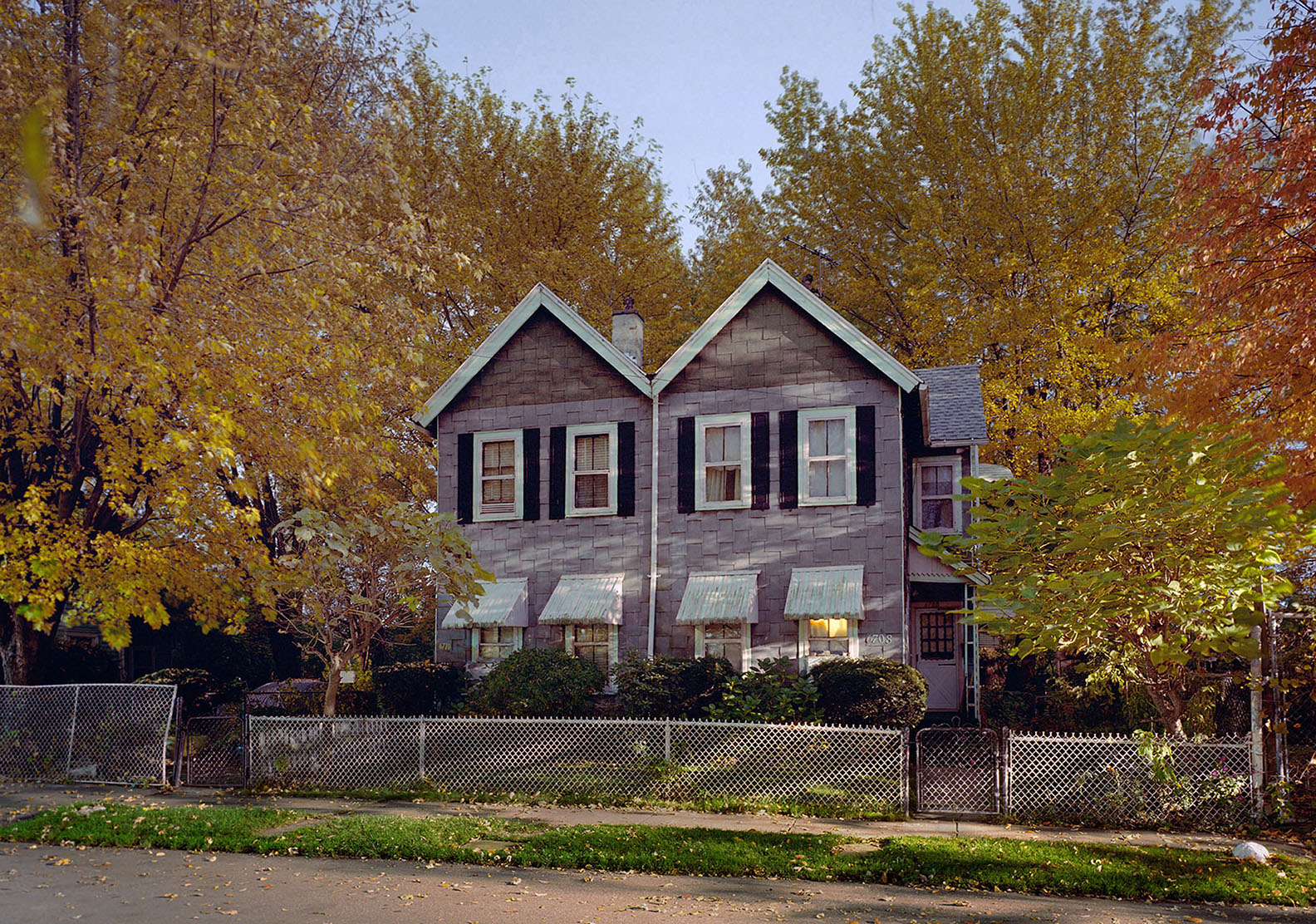
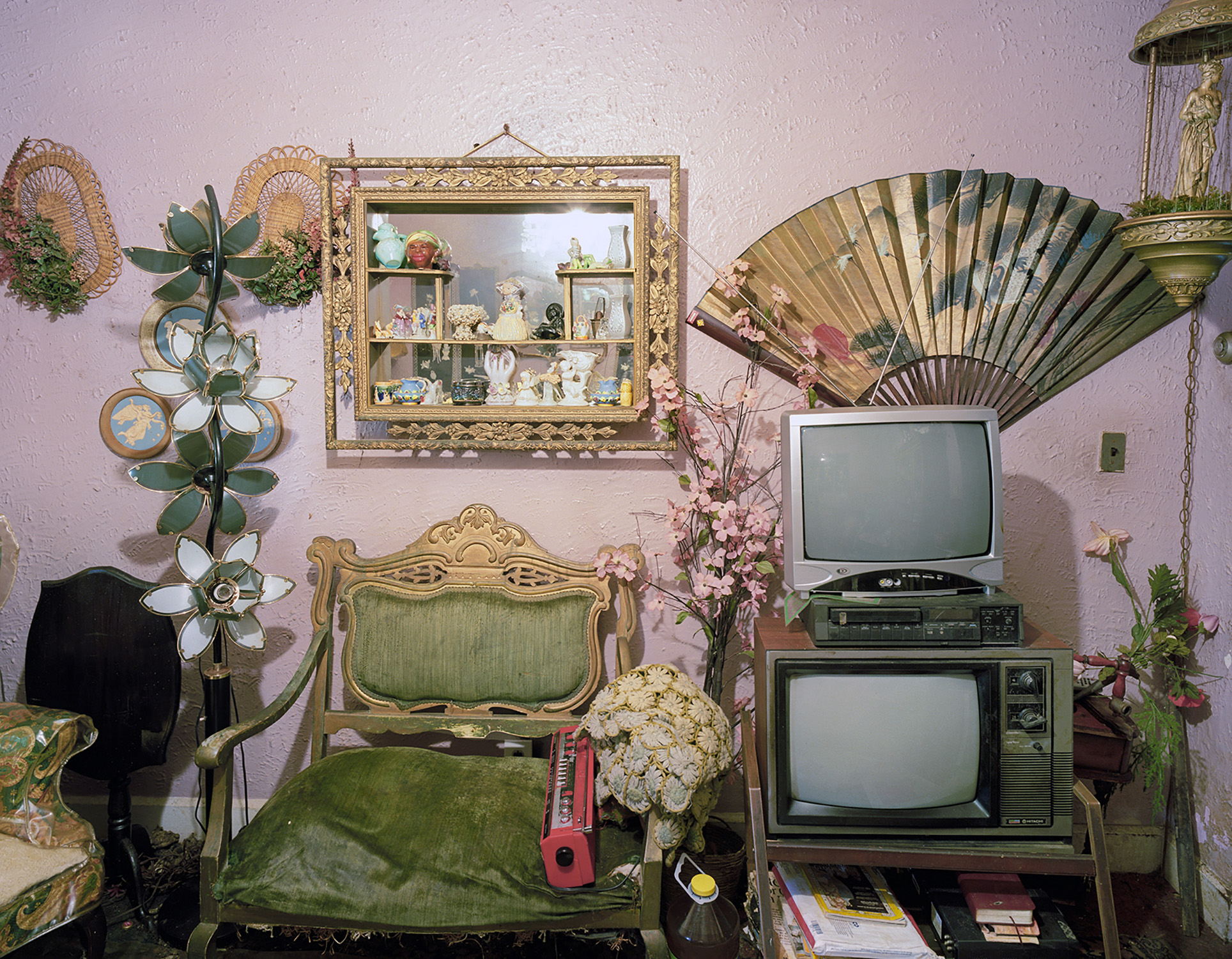
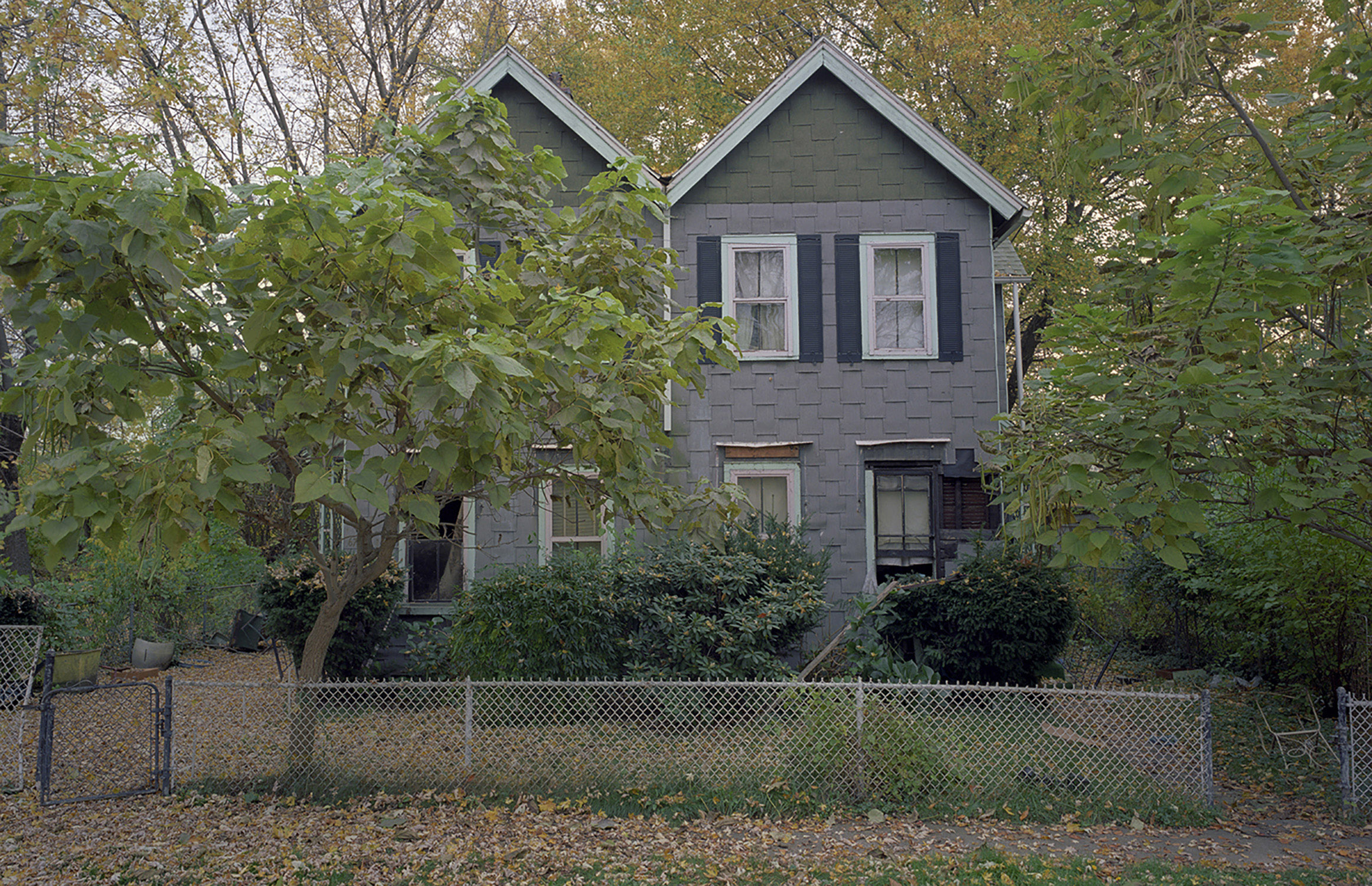
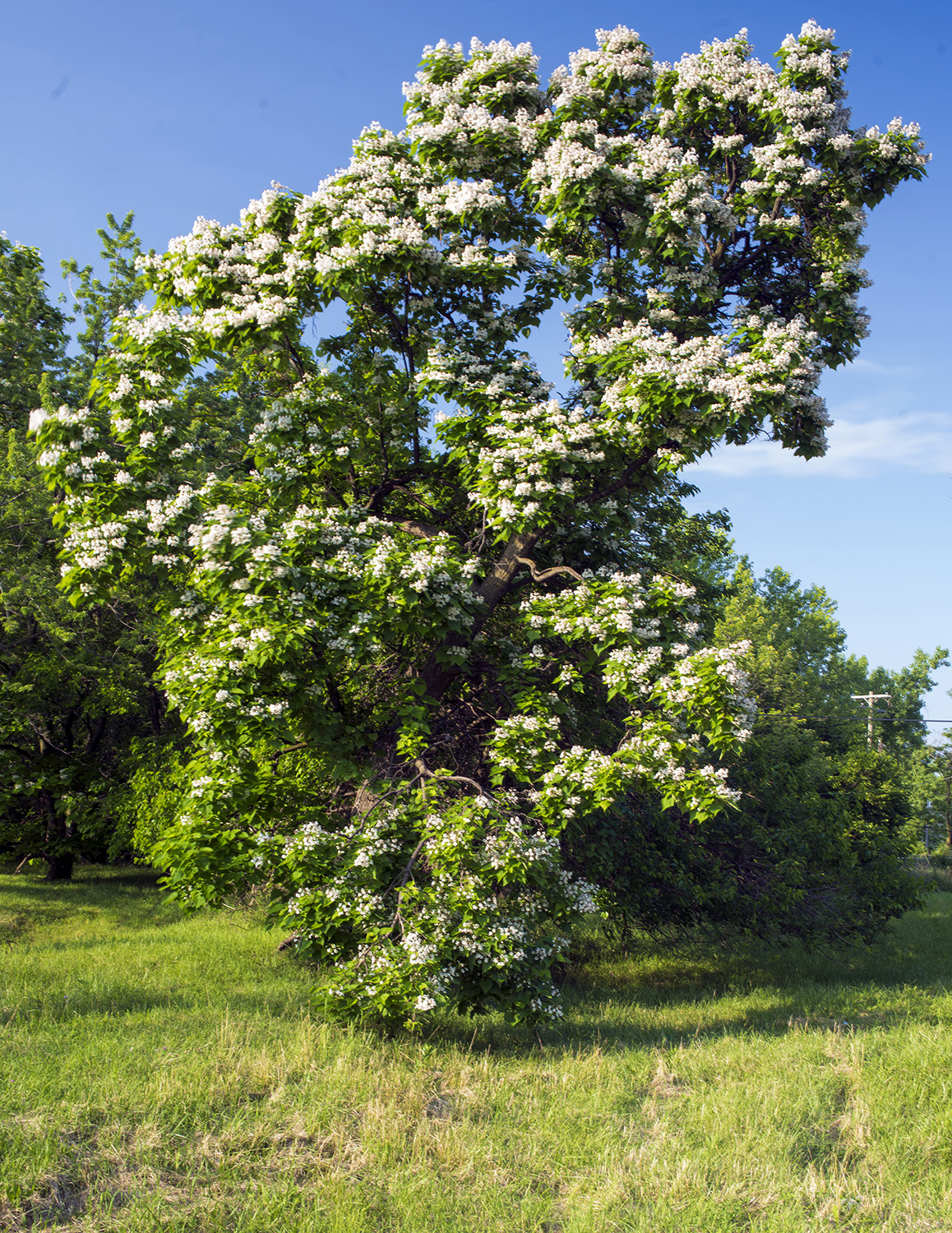
The street was extremely close to the mill and was the steepest in the city, but the shopping center they built from part of the old steel mill is actually closer.Mechanics' Sign, Morgan Avenue, 2022John D. Rockefeler's Grave, Lakeview CemeteryWhit Motors Company Logo, Main Entrance, Administration Building, 2006White Motors built trucks until it was closed in 1980. It sat abandoned until it was demolished in 2010.Whit Motors CompanyWhit Motors CompanyWhit Motors CompanyWhit Motors CompanyWhit Motors CompanyWhit Motors CompanyWhit Motors CompanyWhit Motors CompanyWhit Motors CompanyVictory White Metals, 2009Church & HouseFriendship Baptist Church,Friendship Baptist Church,Friendship Baptist Church,Friendship Baptist Church,Friendship Baptist Church,Friendship Baptist Church,Apaetment Building & Car,Apartment Building, Ivy & DishMansion & Statue, East 83rd StreetDish, Dog, Flag, Porch & HomeCatalpa Tree & Home. Aberdeen Avenue.Catalpa TreeCatalpa TreeCatalpa TreeCoast Guard StationCoast Guard StationRemson Steel, Shearing MachineRemson SteelRemson SteelHand-Made Ore Boat, Harbor Inn Bar, The FlatsLeague ParkLeague ParkMasonic TempleCleveland Playhouse, 2001Cleveland Playhouse, 2022Eagle Avenue Lift Bridge Moving, Cuyahoga River & Downtown.Columbus Road Bridge MovingThelma & Wilma's Home, Bushnell Court - GoneThelma and her cousin, Wilma lived in this duplex, all their lives. By this time emotional court had six homes left and Thelma owned five, four of which she rented, but, over the years each one became vacant. Thelma would only rent two older folks like yourself that she knew, otherwise, her properties would end up like everybody else's properties, gone. This particular neighborhood which was called Beaver Heights was completely devastated by drugs from the 1960s and by the time the crack you're a hit it just completely bottomed out. It couldn't go any further down.
Four years after this picture, Thelma and Wilma would be living in a nursing home. Soon after they loved, their house was grand by scrappers and squatters were living in Wilma's home eventually the place would catch on fire from careless use of candles.
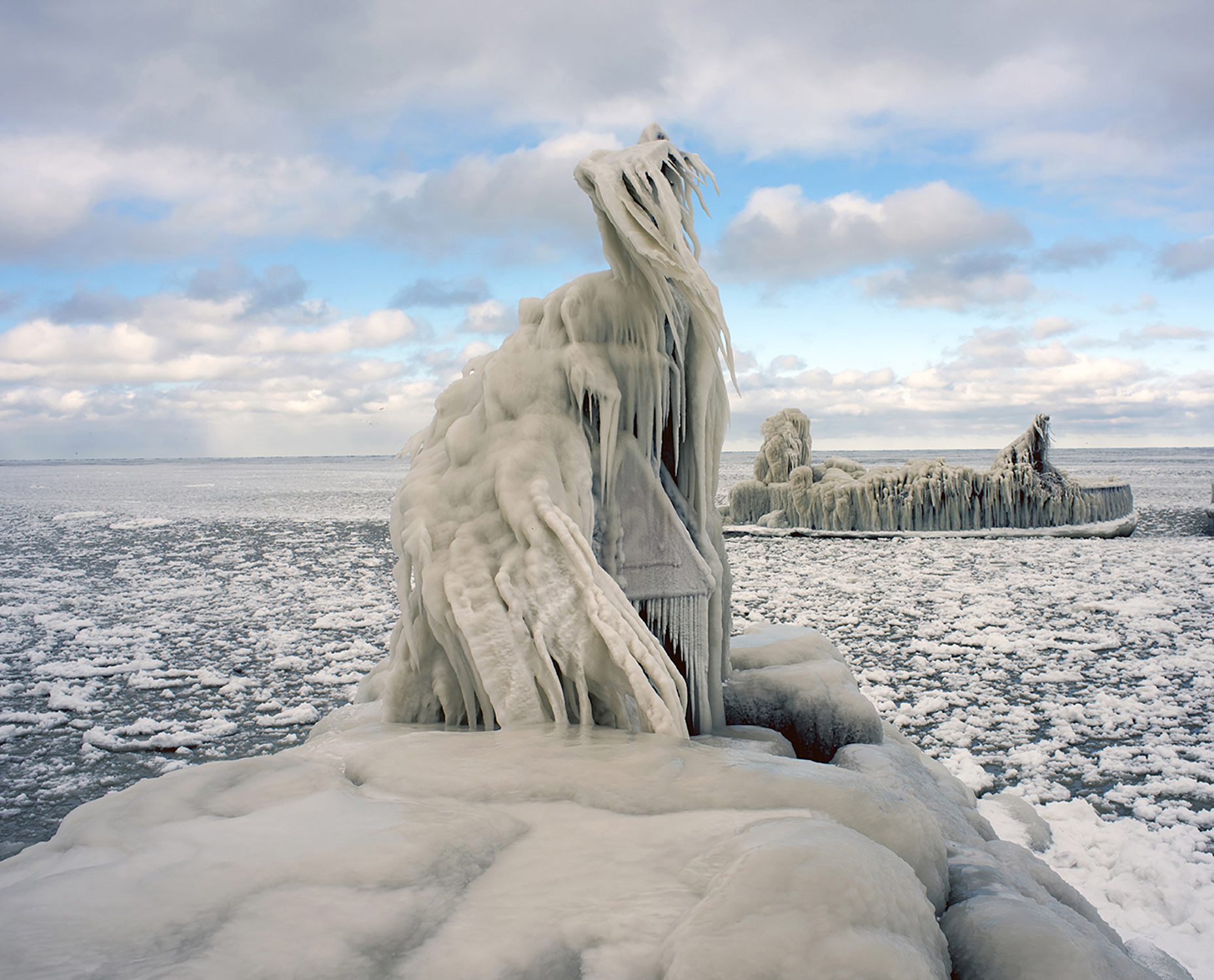
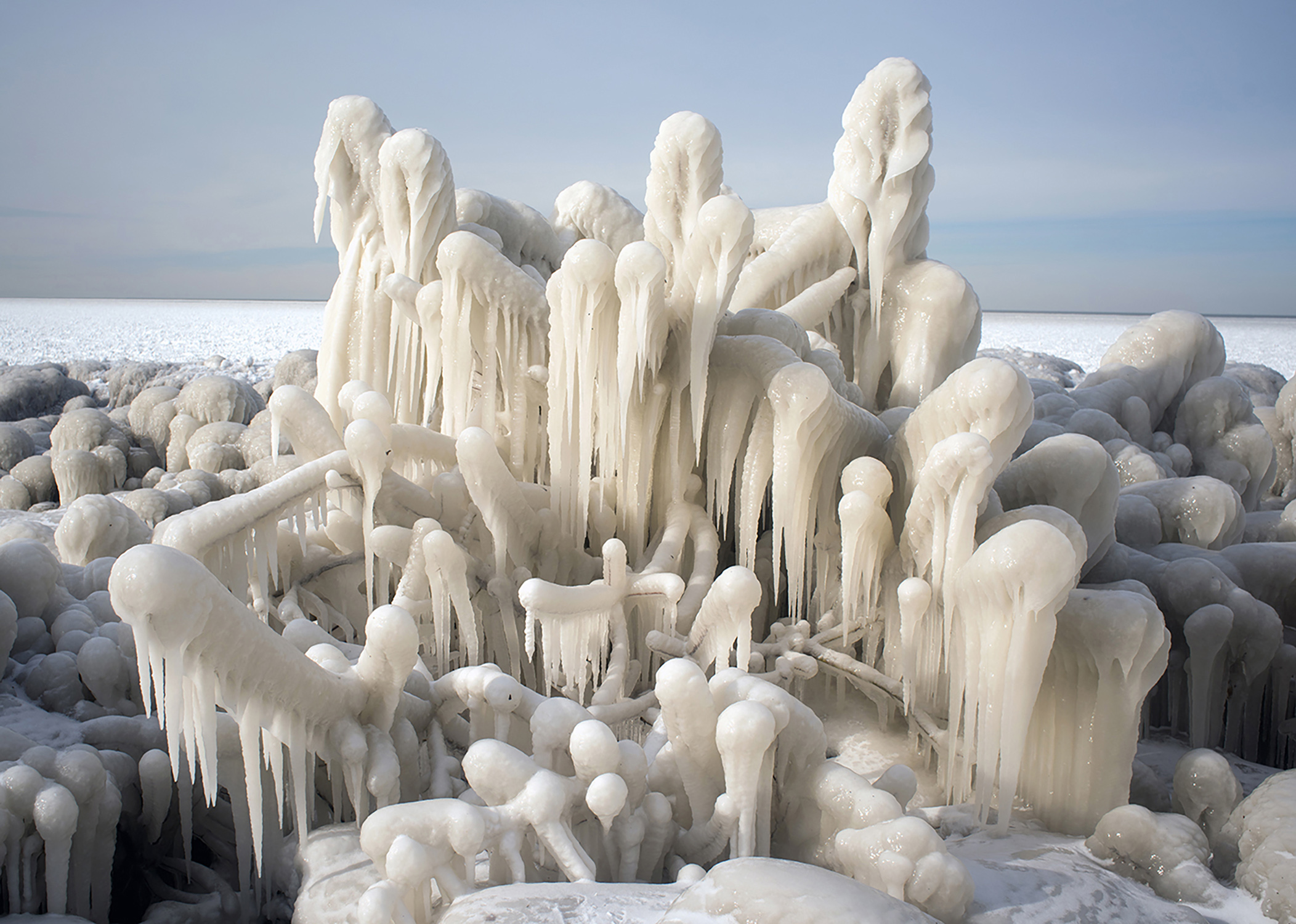
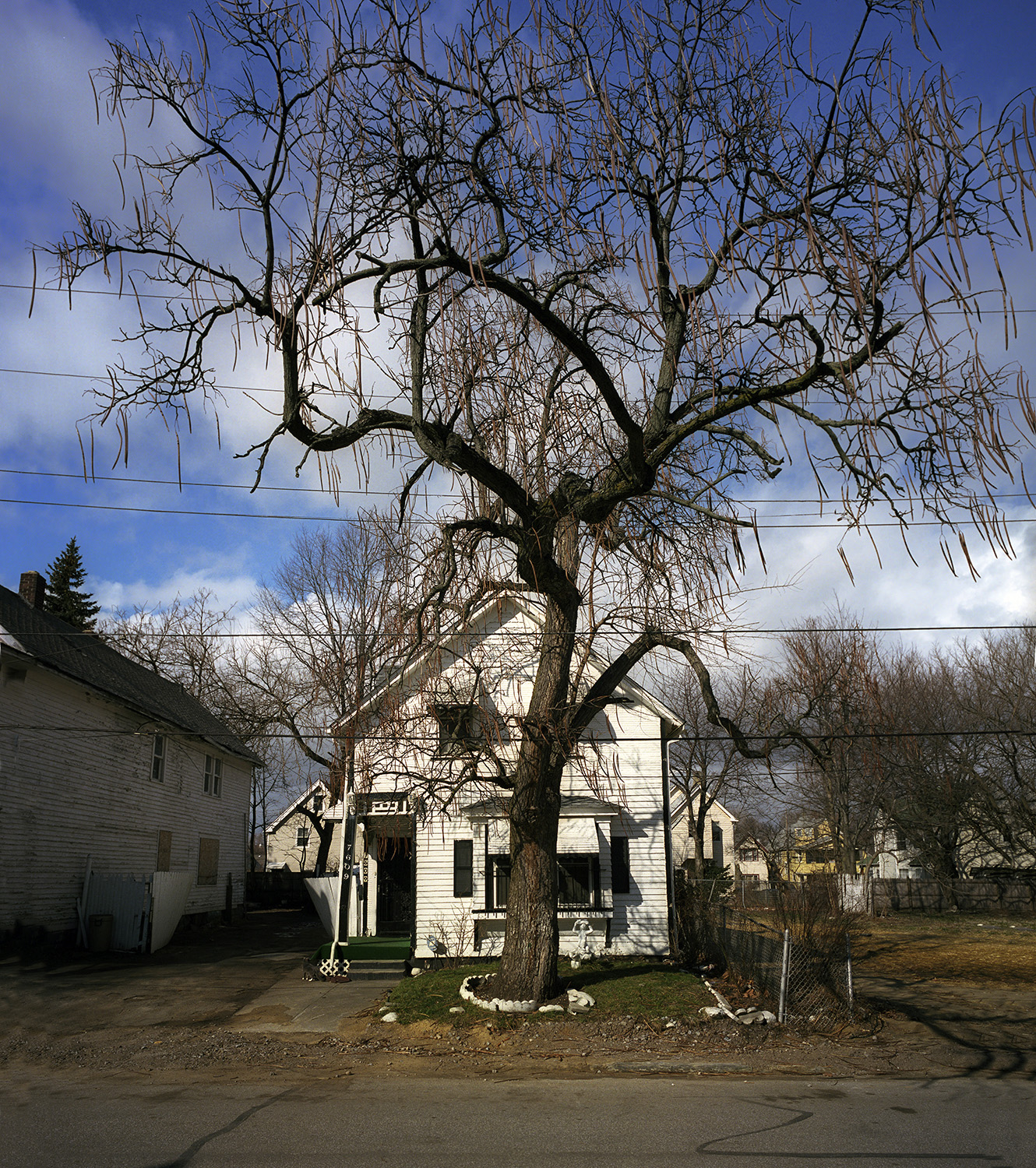
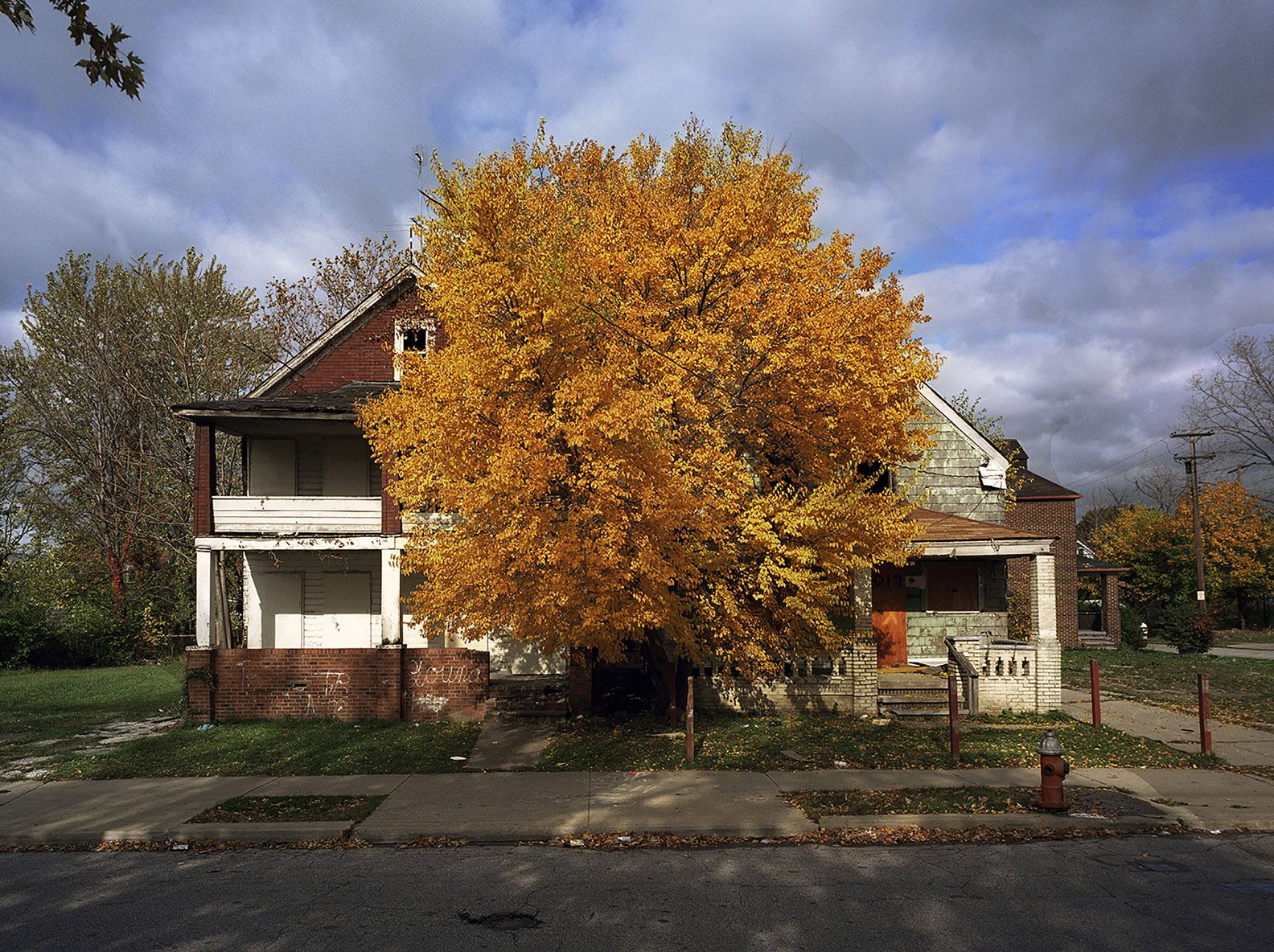
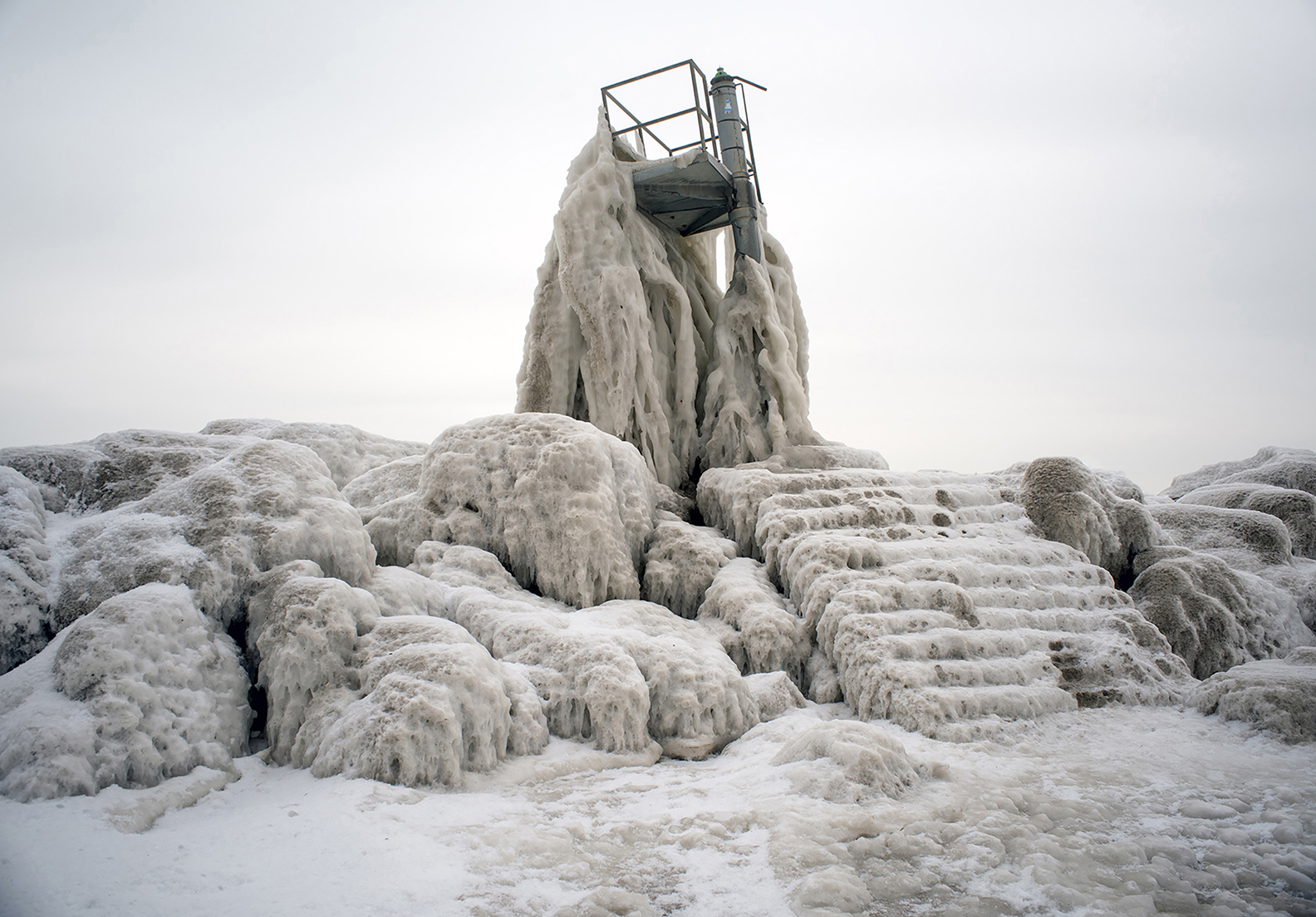
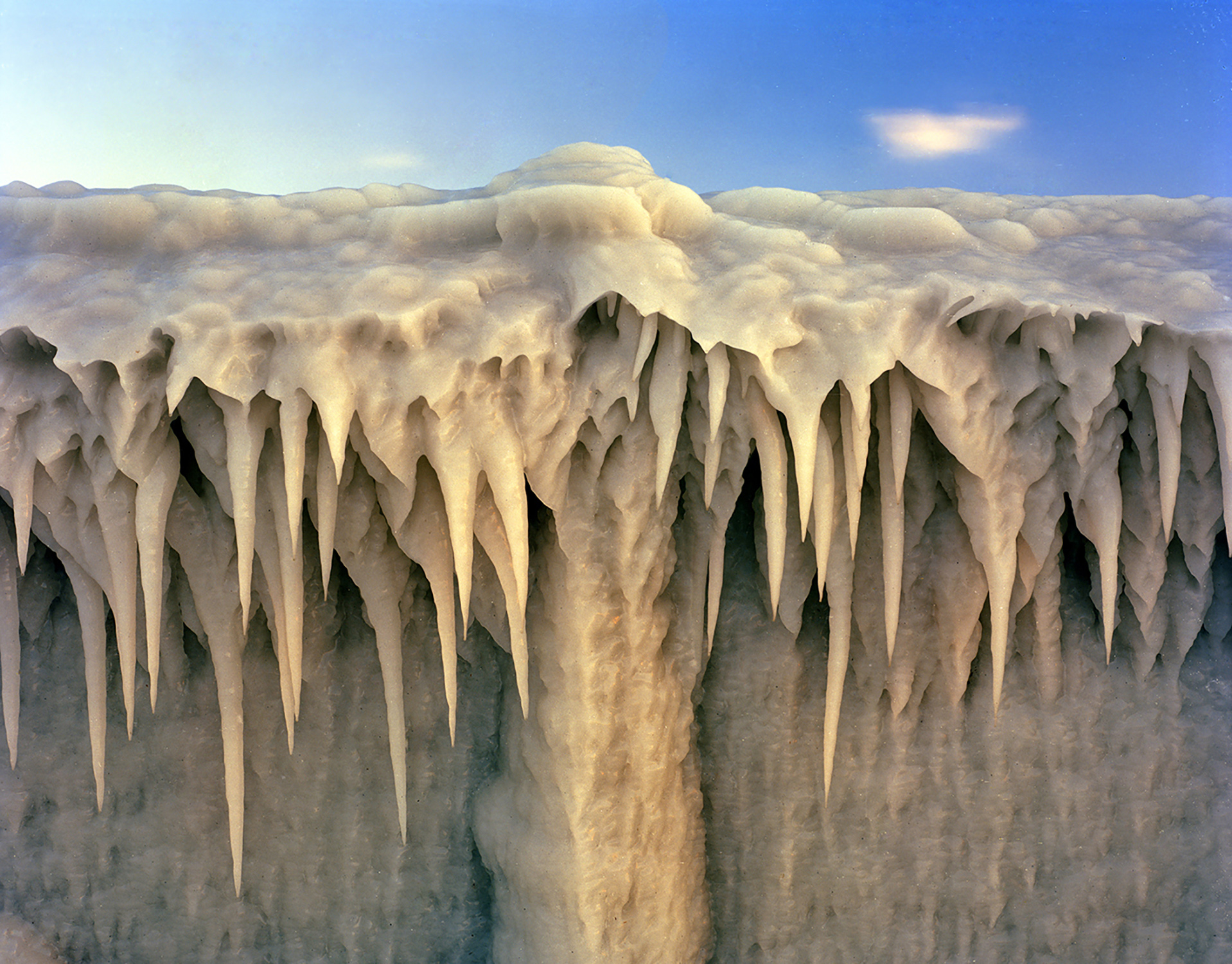
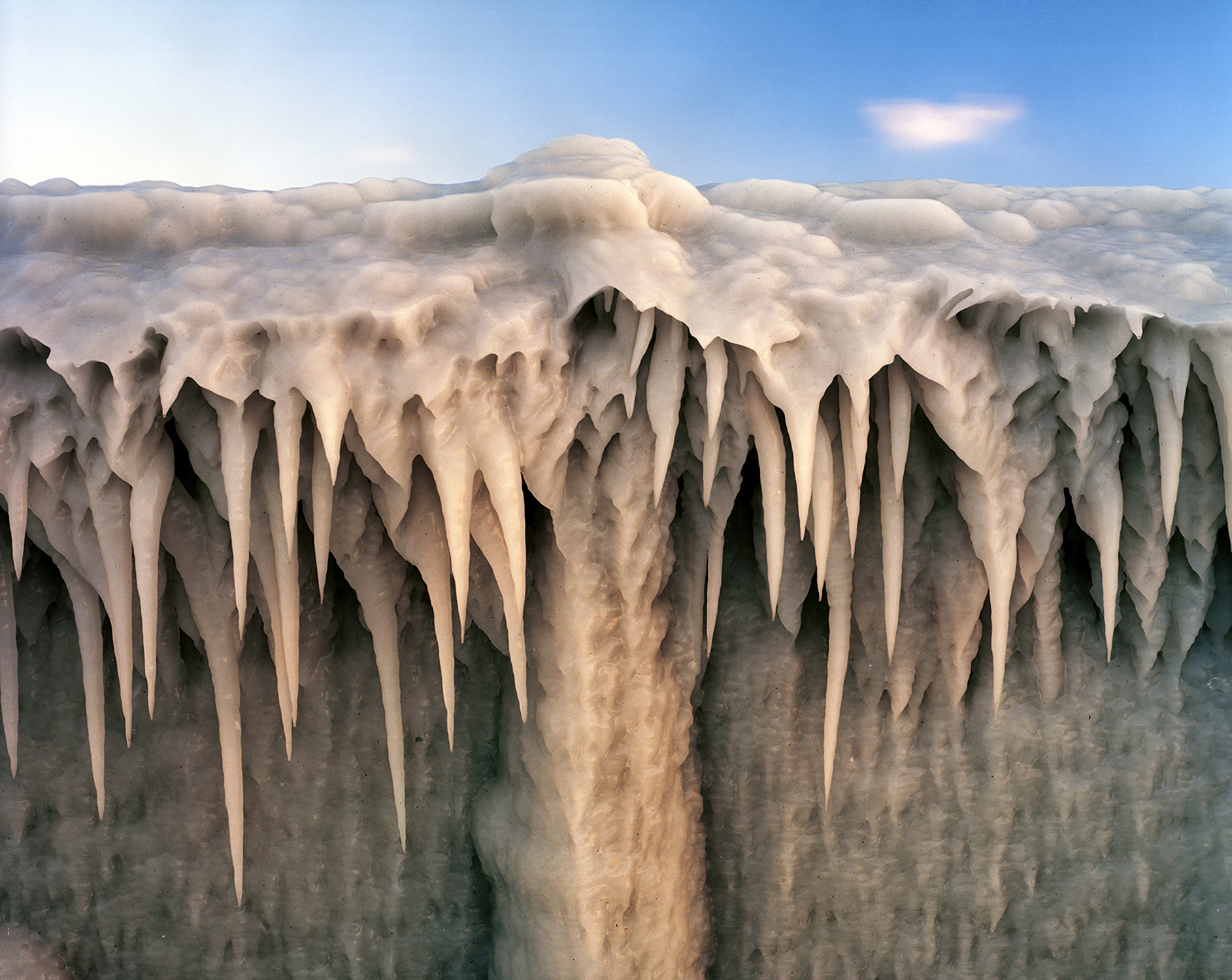
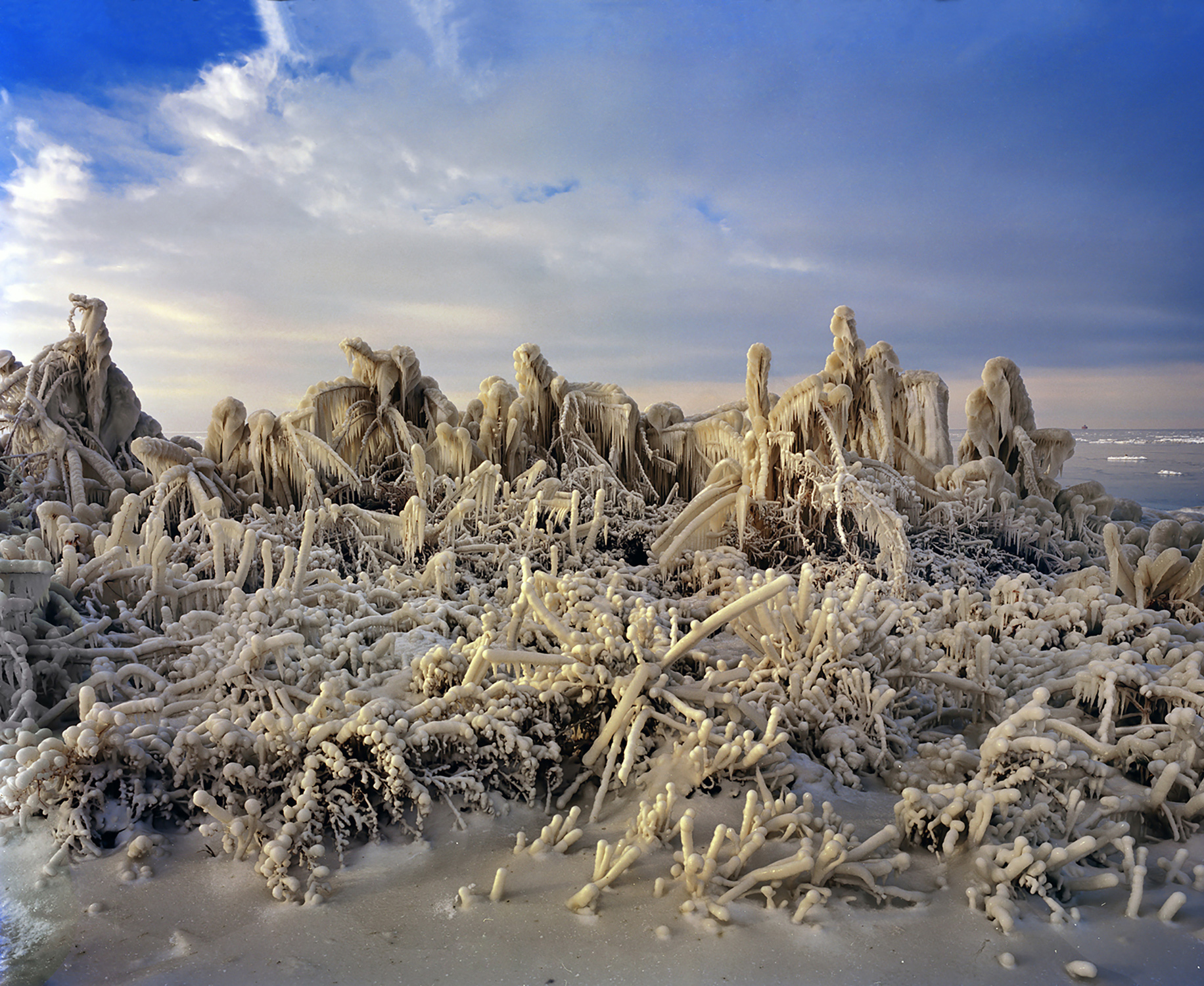
The exact scenario I have been shooting since 1977 would play out at Thelmas's place on Bushnell CourtThelma's Living RoomThelma's HomeThelma's HouseHouse, East 103rd Street - GoneHome & Abandoned Bar, East 79th StreetFactory Wall & Home,Home & Vehicles, East 45th StreetHouse & Car, East 83rd PlaceHome &Car, East 74th StreetHome & Car, Northampton AvenueHome & Car, East 37th StreetPeanut's Home & Earl's Car, Otter Street, 2008Cleveland Playhouse, 2001Chandler Automobile PlantCleveland Cold Storage, Window, Norfolk & Southern Train & bridgeWest. 3rd St., Bridge, Lffting.Buffalo Unloading Iron at ISG Steel, 2003ISG steel was a holding company that took over five massive American integrated steel mills and the great bankruptcies of 2001 later it would be sold to Cleveland clips which still operates it today.Holmden Hill, Homes, Holmden Avenue, 2003Theyre gone.Home,Coit RoadThe mixtures of styles and decoration are astounding.Building, St. Clair AvenueRose Building, Broadway AvenueSt. Michael's ChurchSt. Michael's ChurchSt. Michael's ChurchSt. Michael's ChurchSt. Michael's ChurchStacks, First Energy Coal Power Plant, Lake Erie, 2009The entire plant has been demolished which took place in 2022.Ice FormationConstructed by the weather phenomenon known as like affect the waterfront edge of the city, under the right circumstances, becomes a ice spectacle.
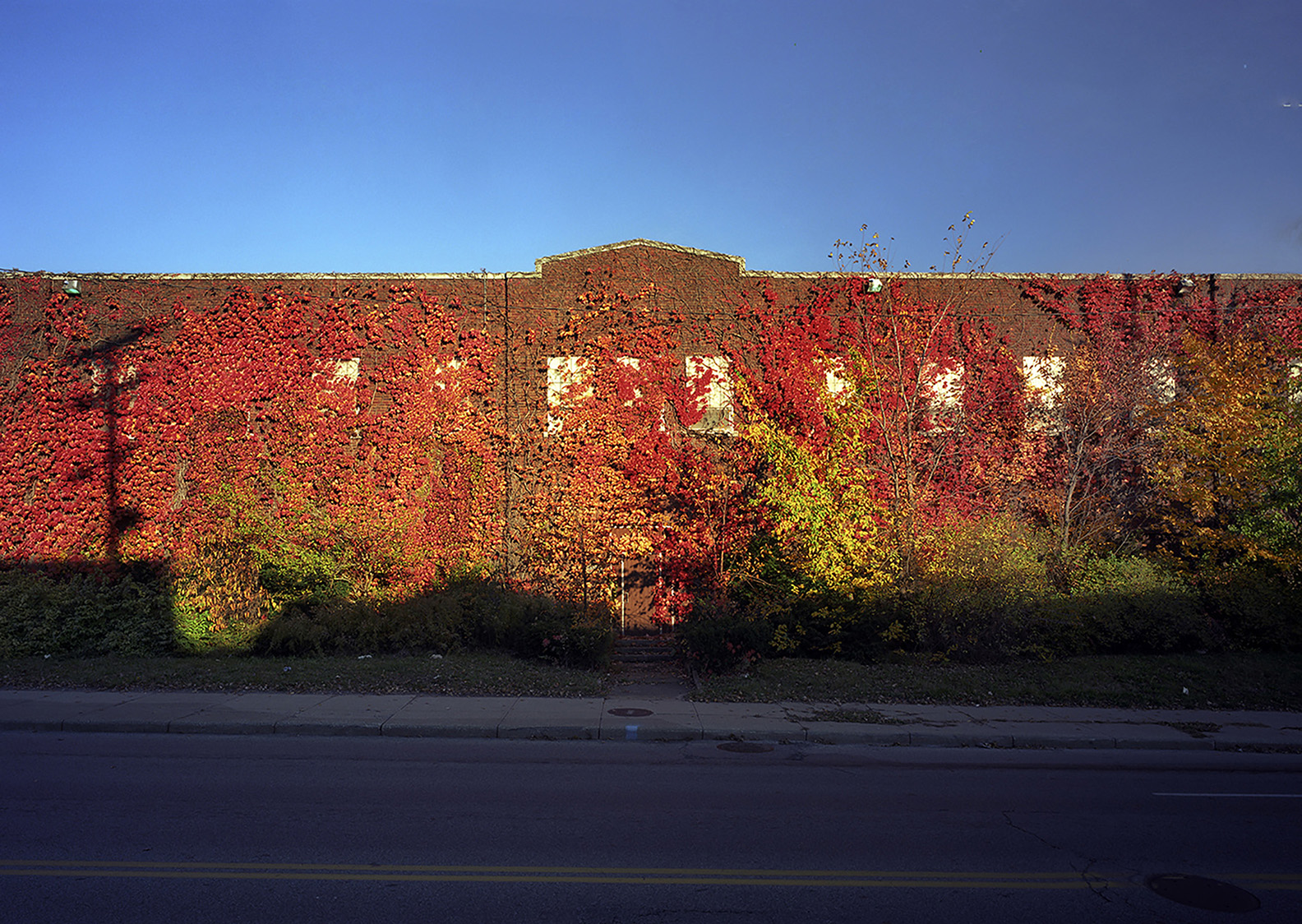
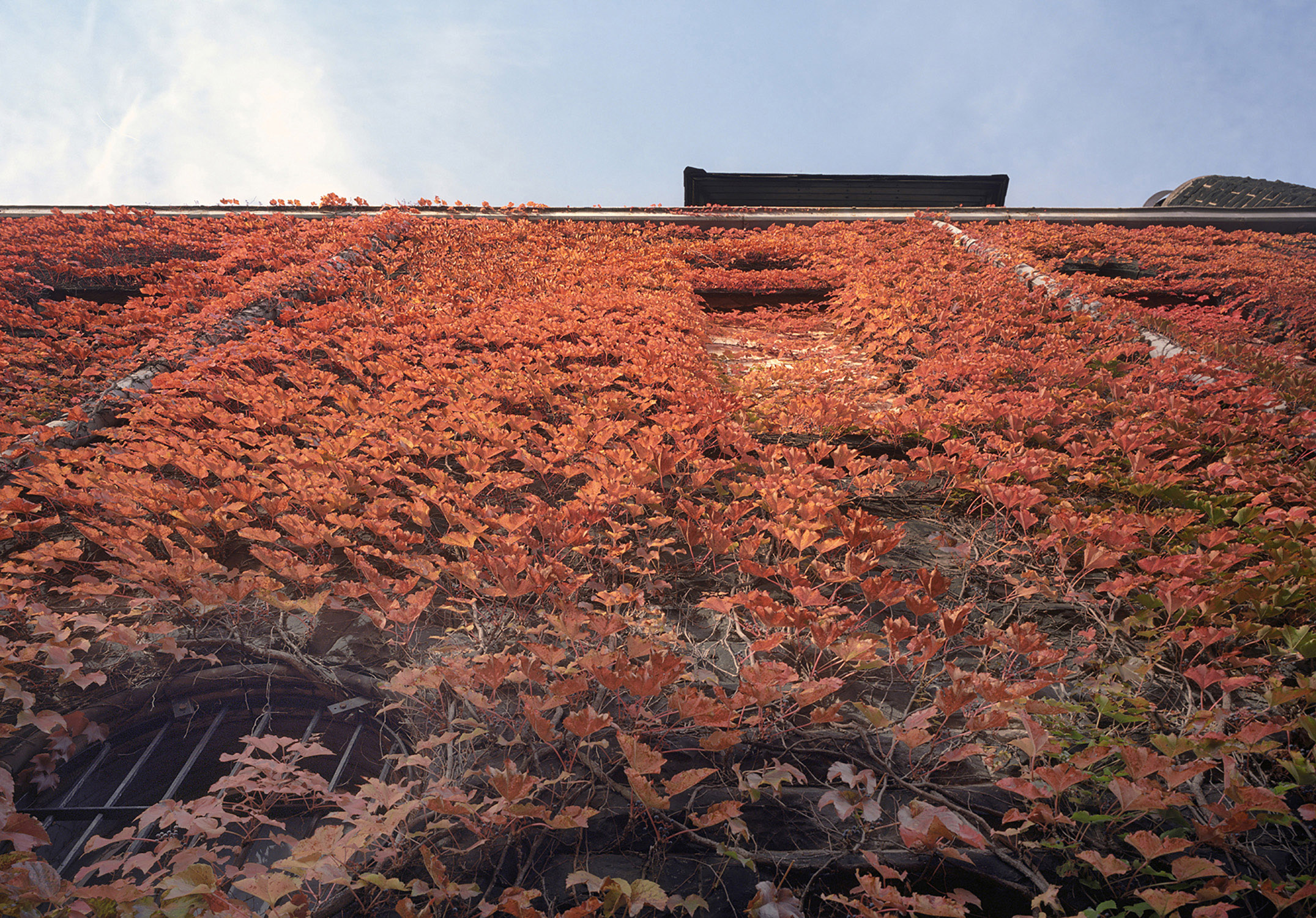
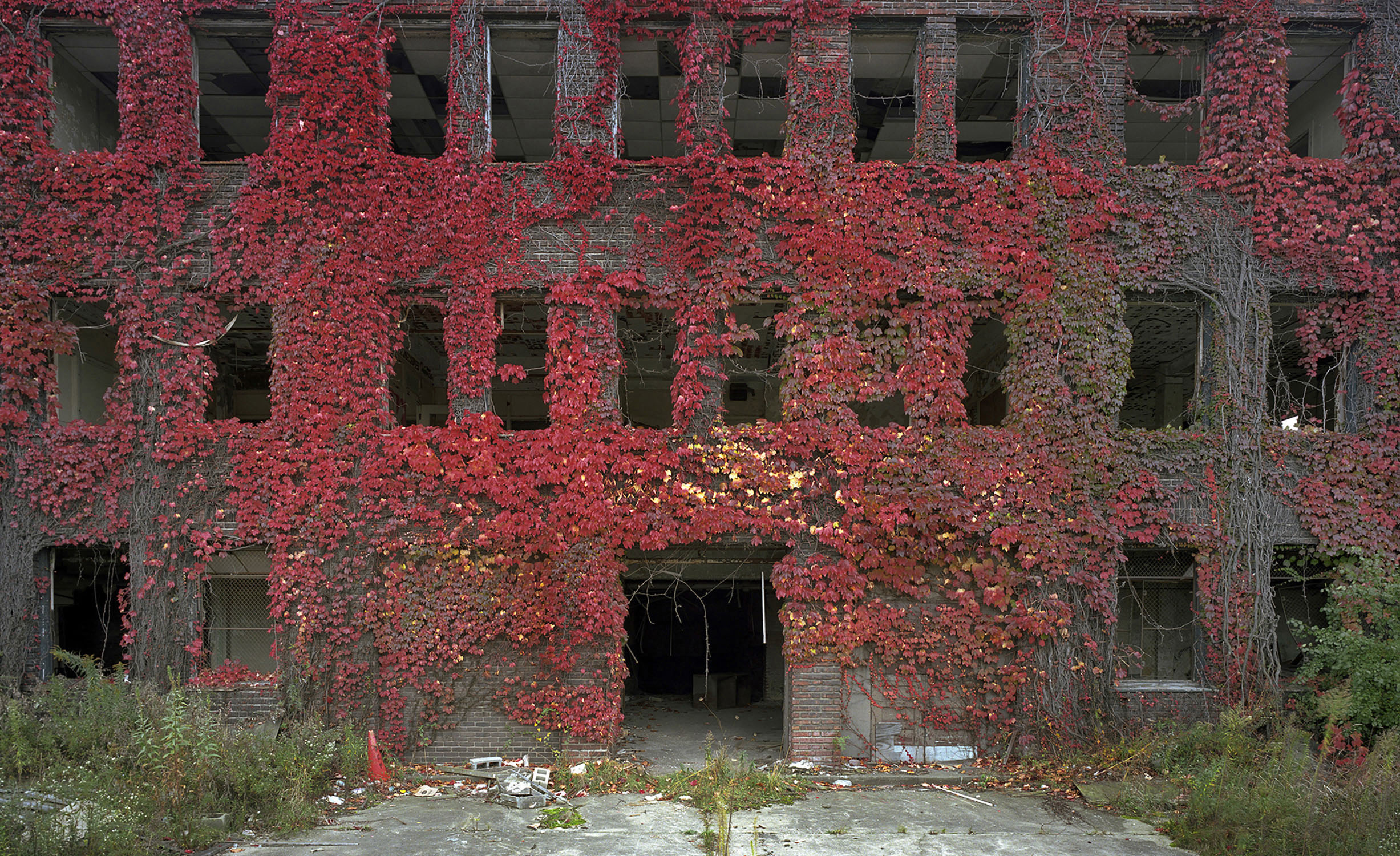
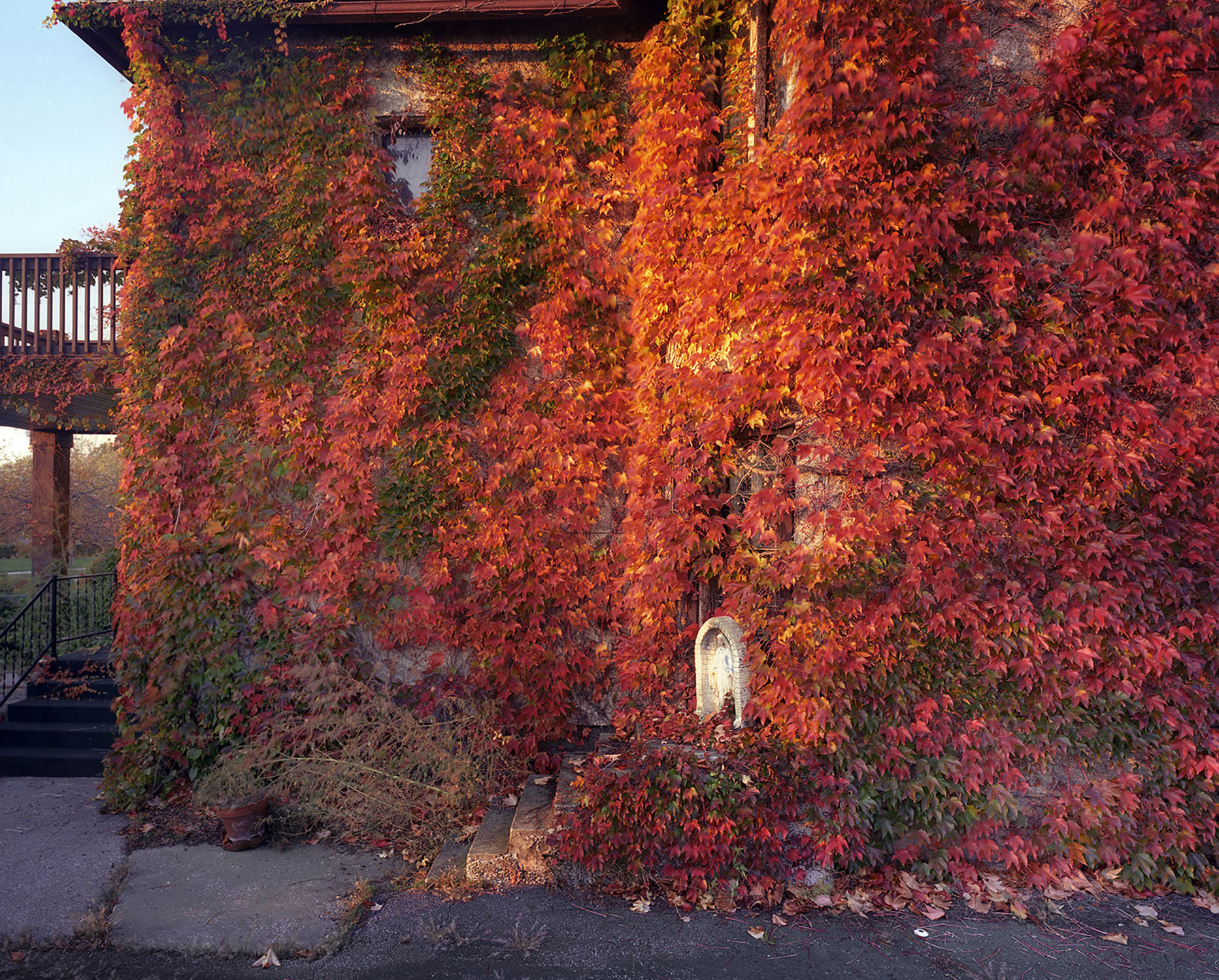
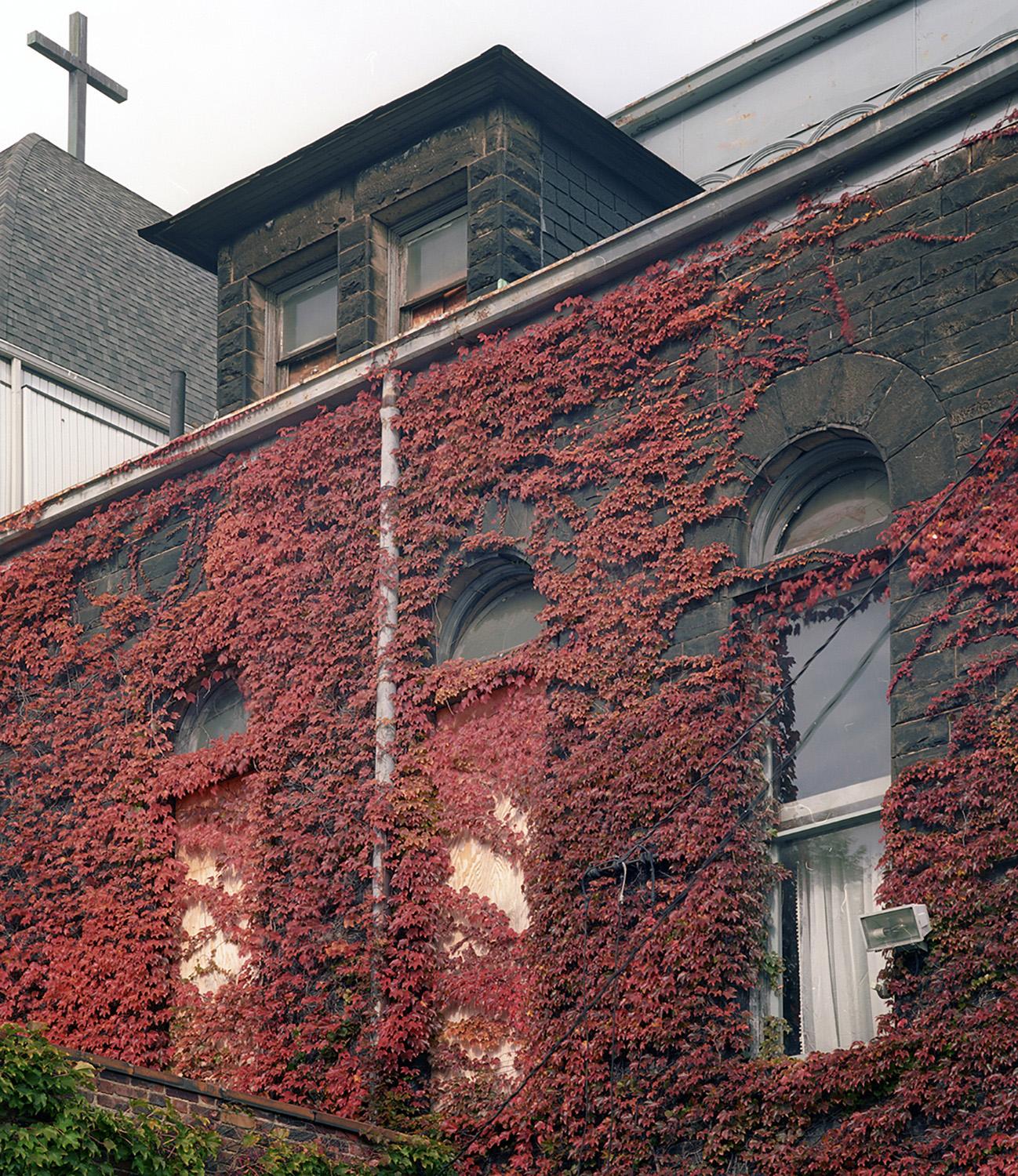
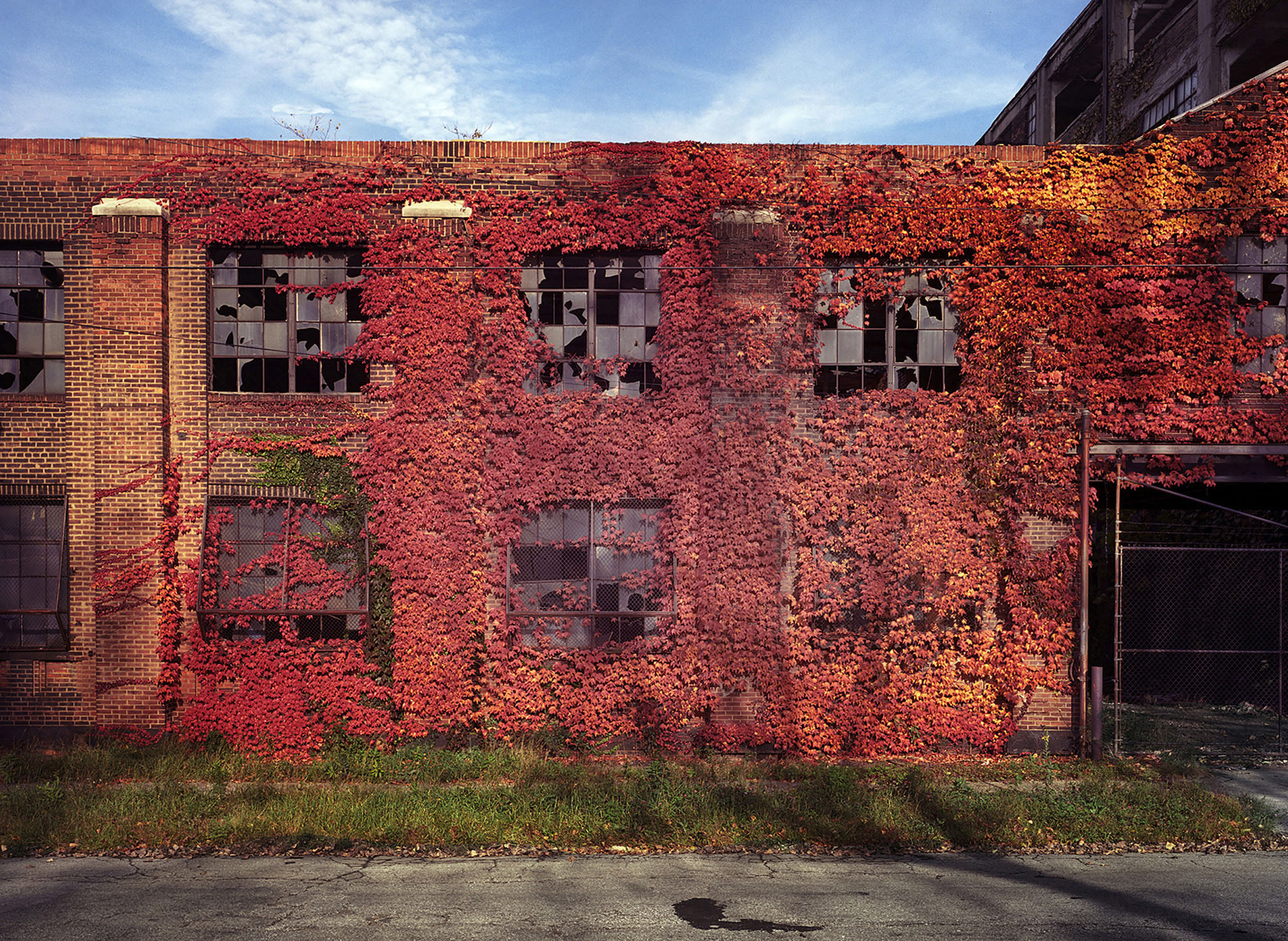
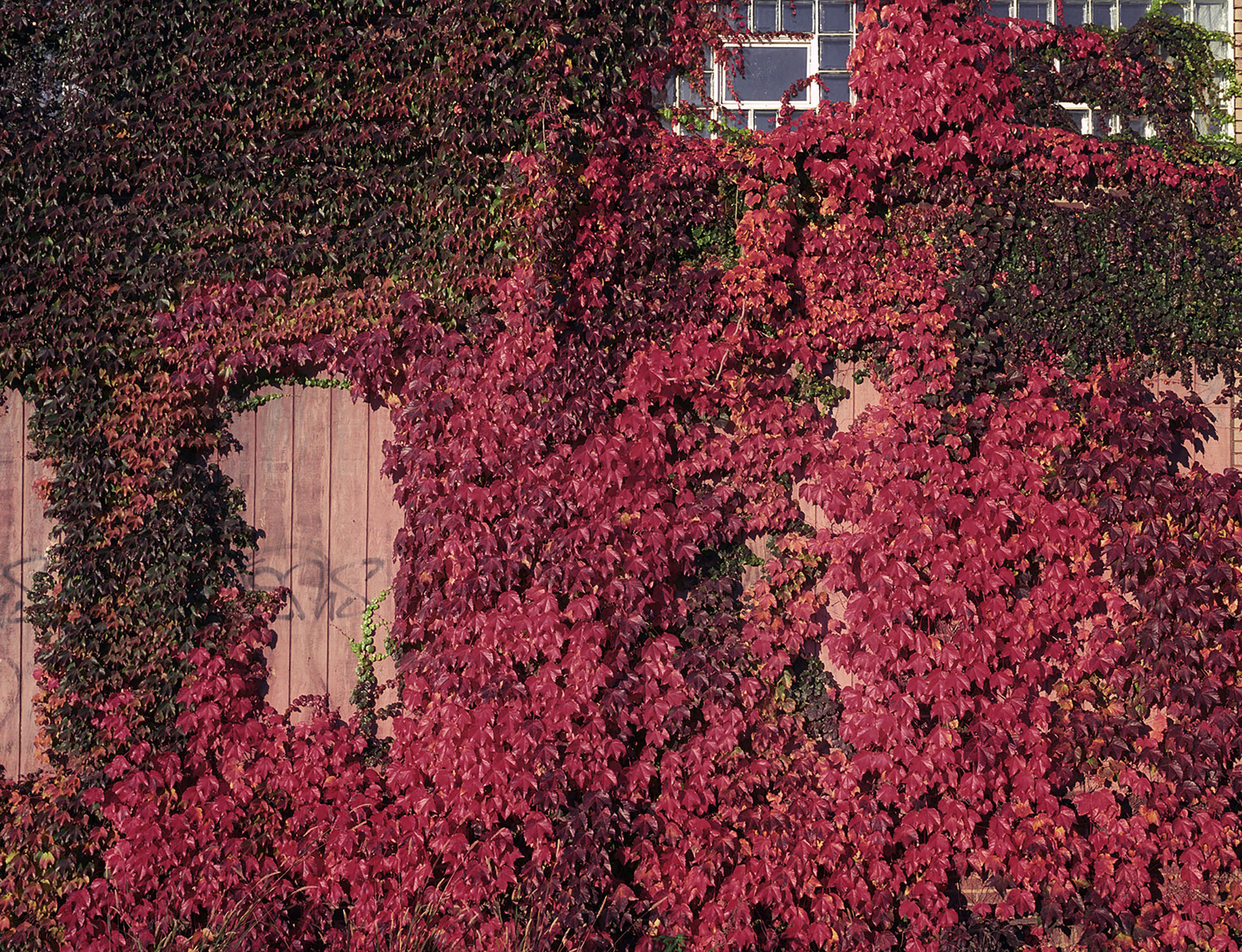
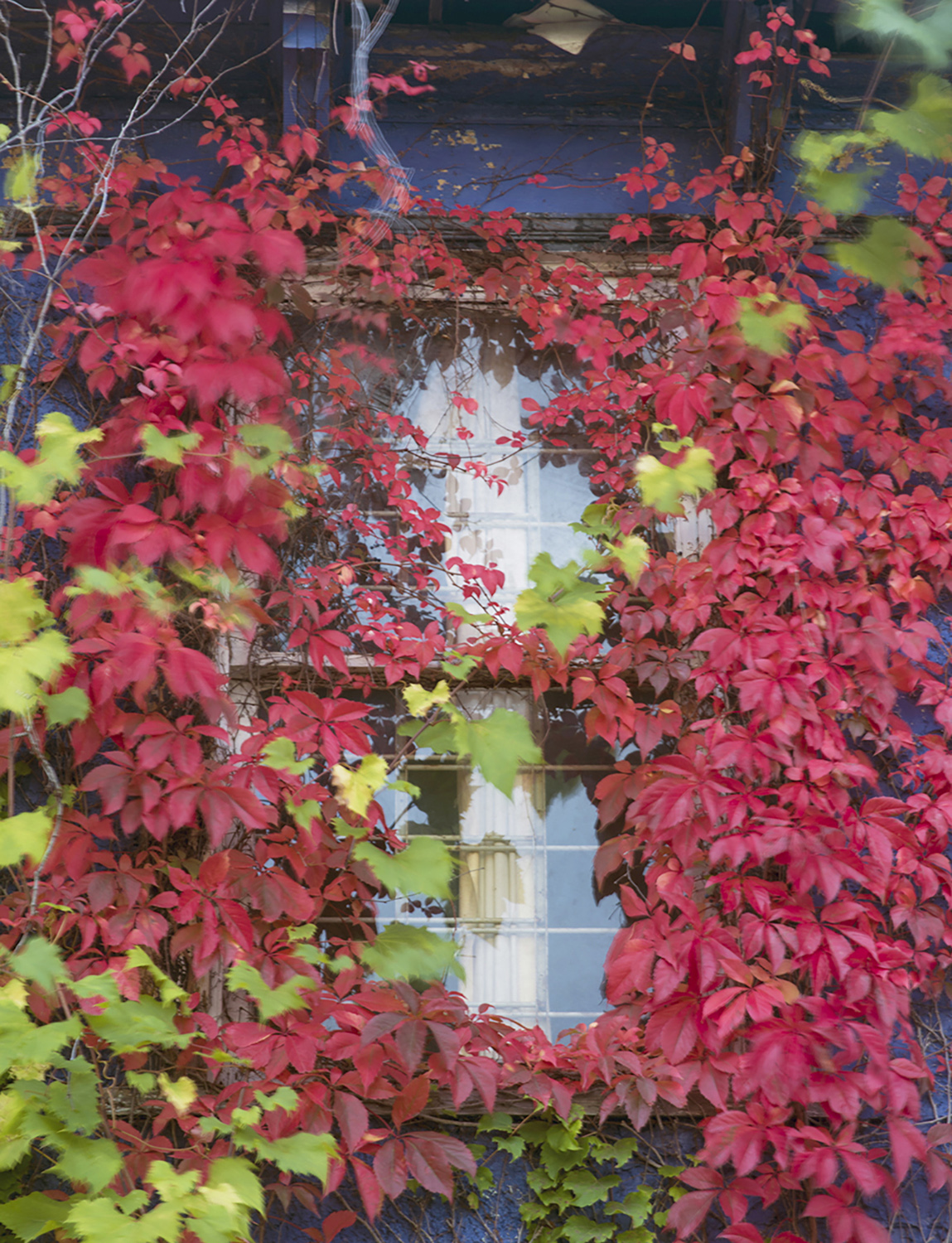
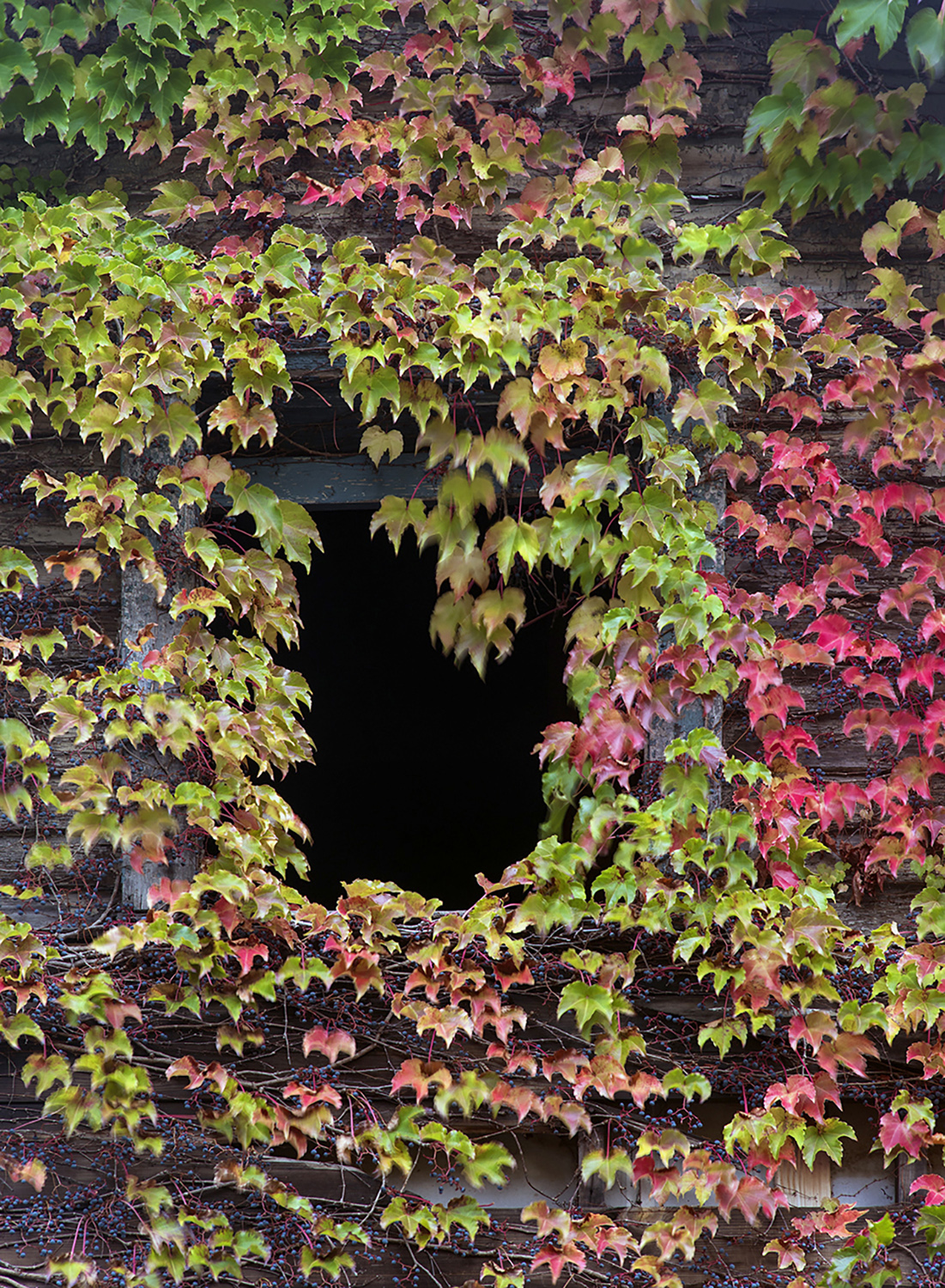
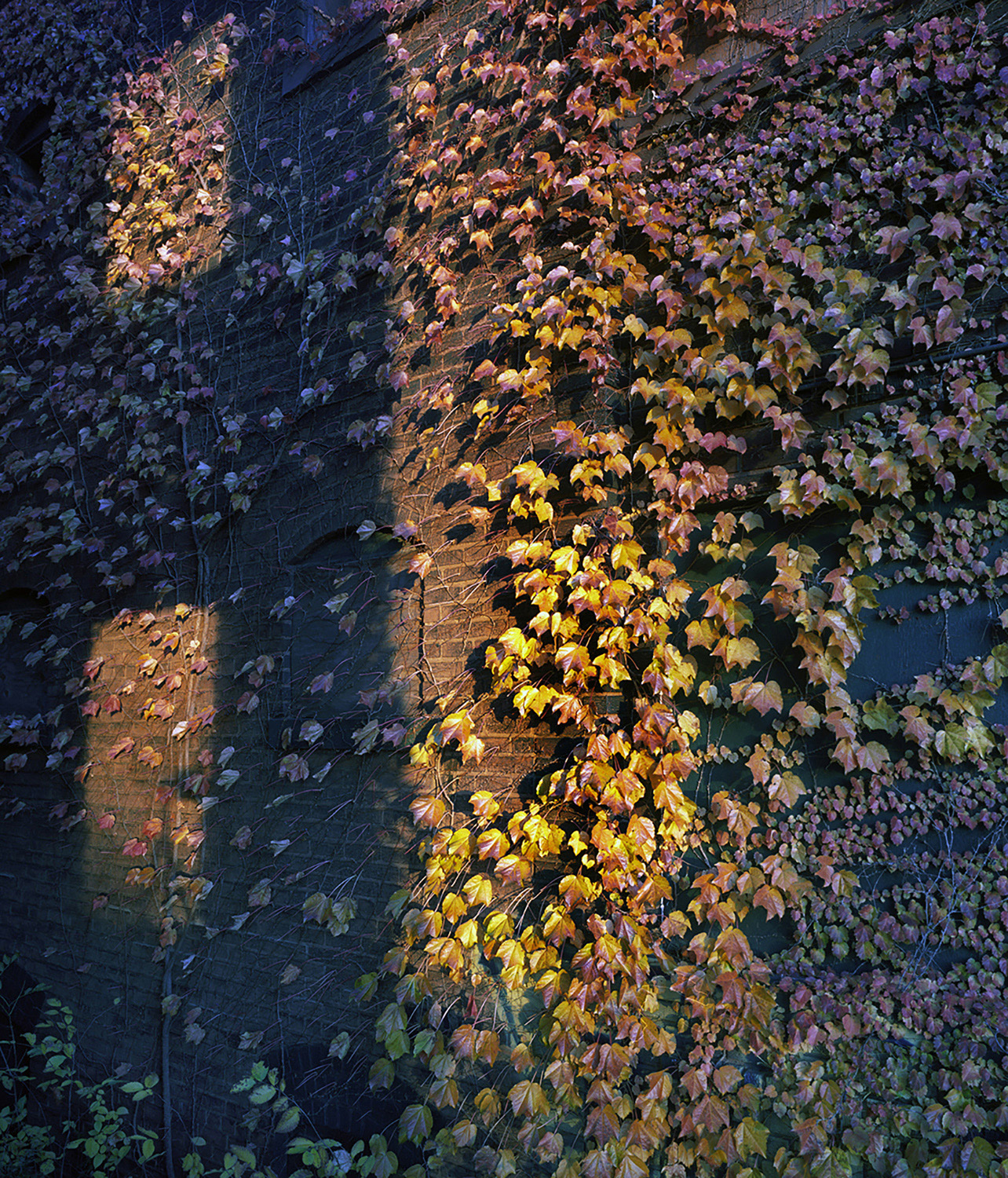
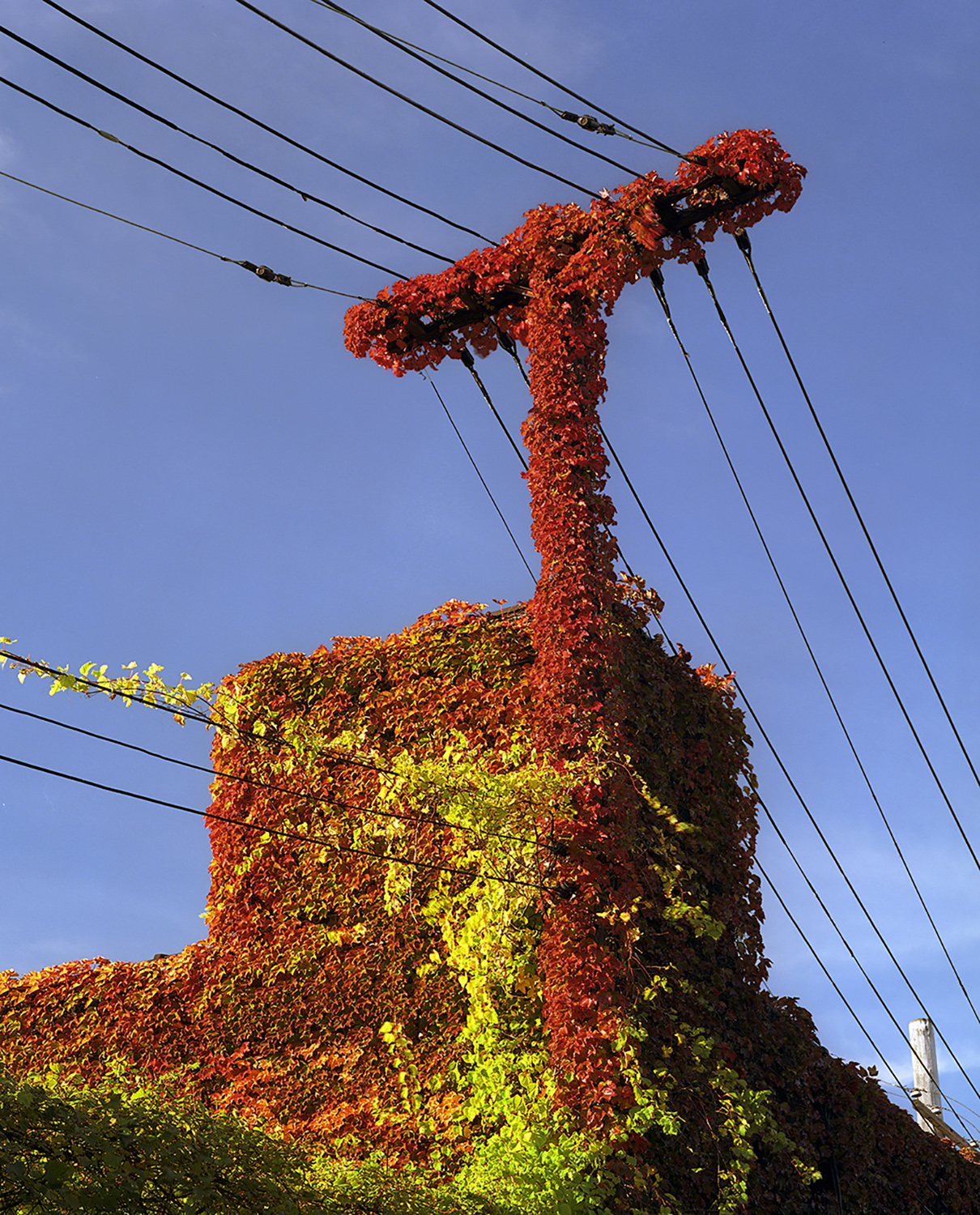
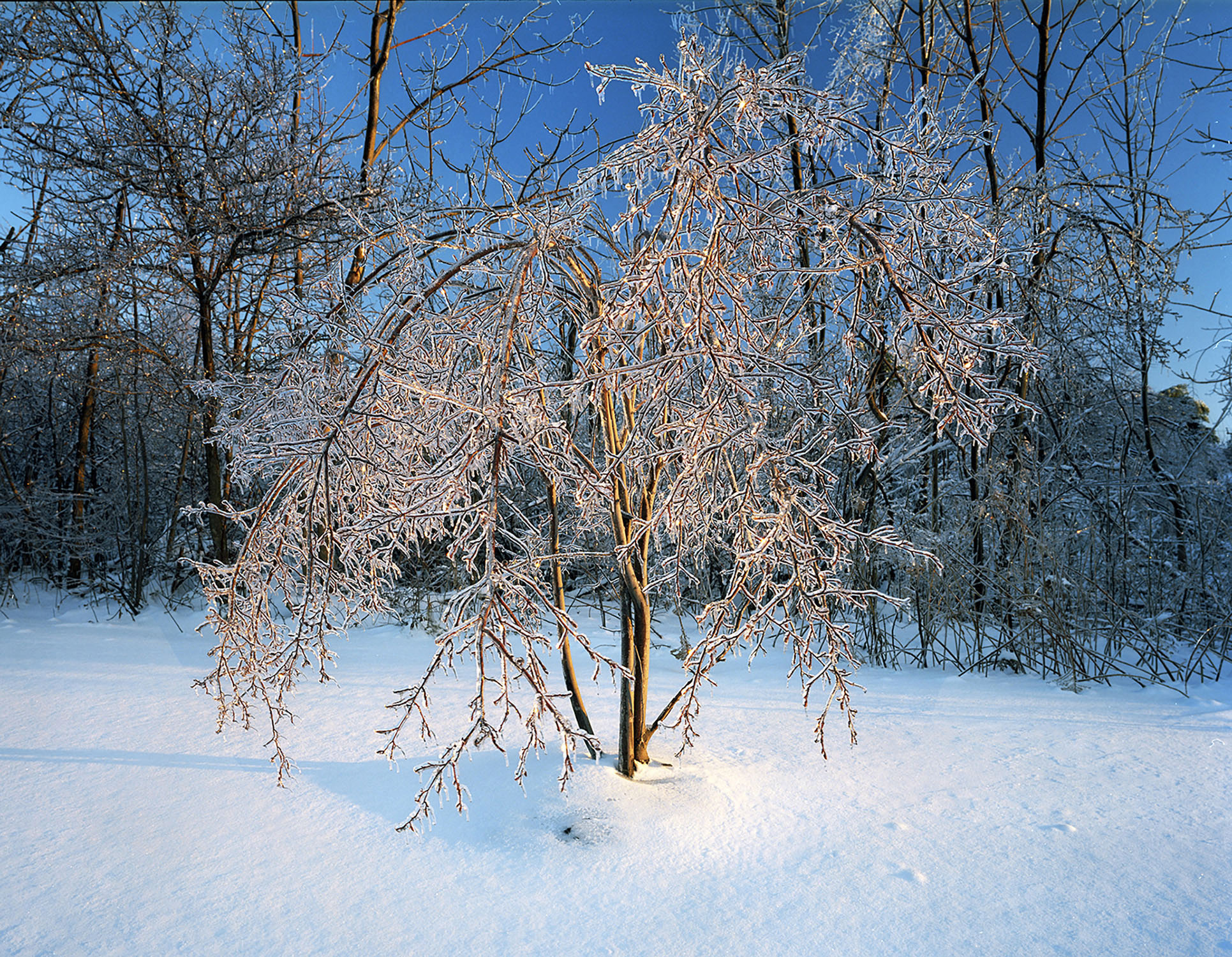
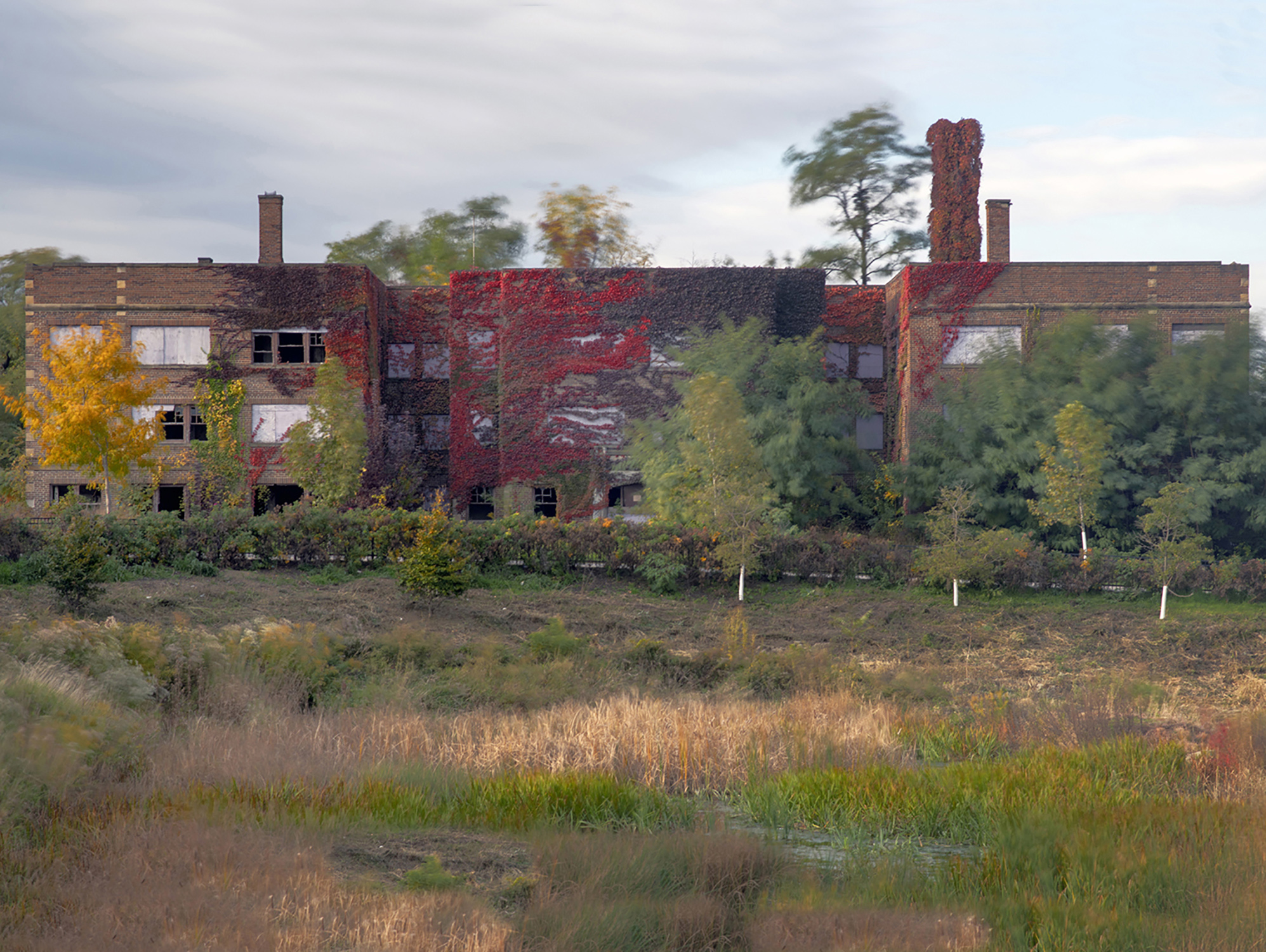
In this case, a wood storm with sustained 60 mph winds came across Lake Erie when the air was ice cold and the lake was still very warm and not frozen. The storm picked up the moisture and slammed it into the city as snow and ice after getting hammered in a 20 hour period by a violence storm. This is what the edge of the lakefront can look like.Ivy, Apartment House, Eddy RoadIvy, Apartment House, Eddy Road
CaptionIvy, Apartment House, Eddy Road
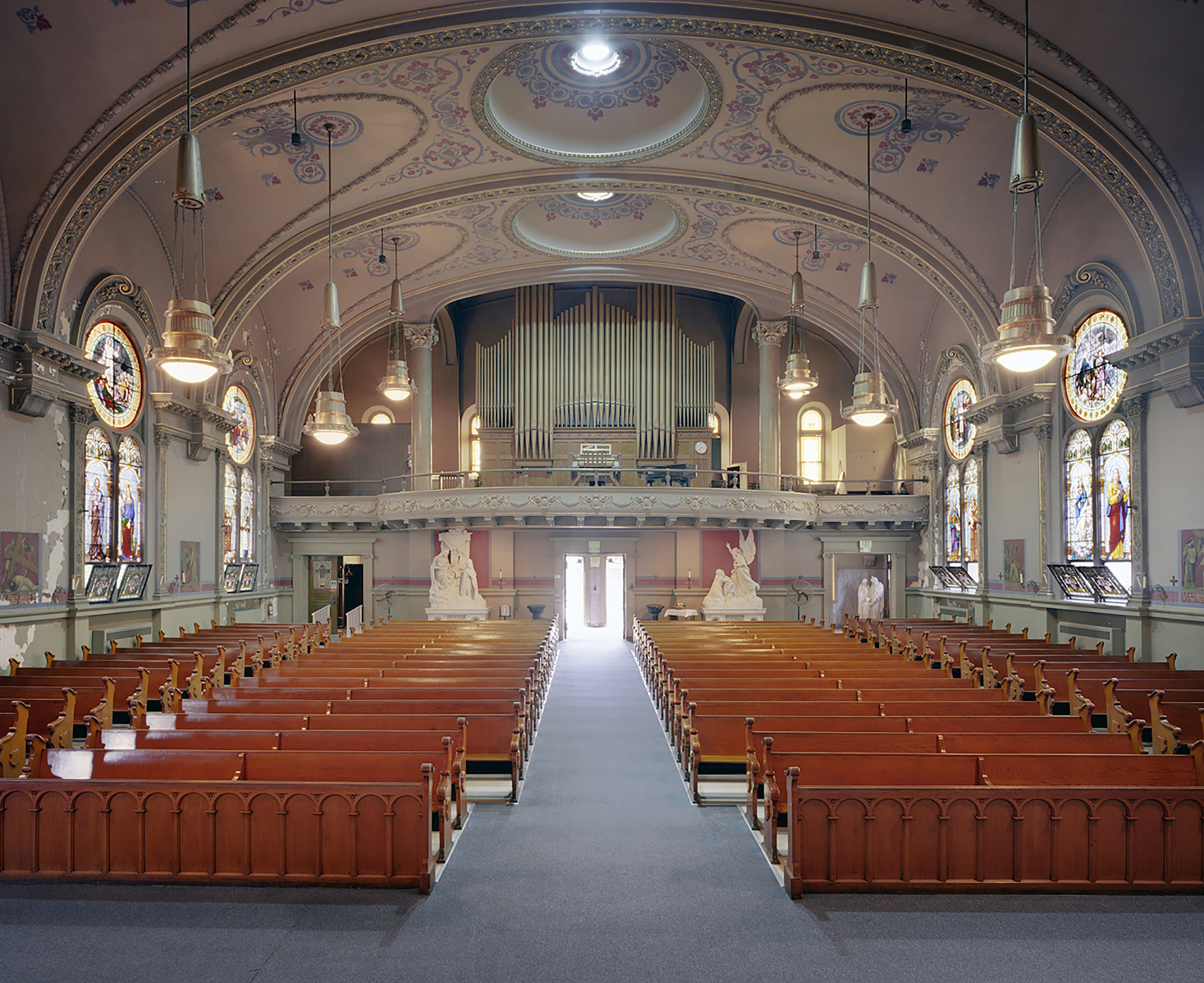
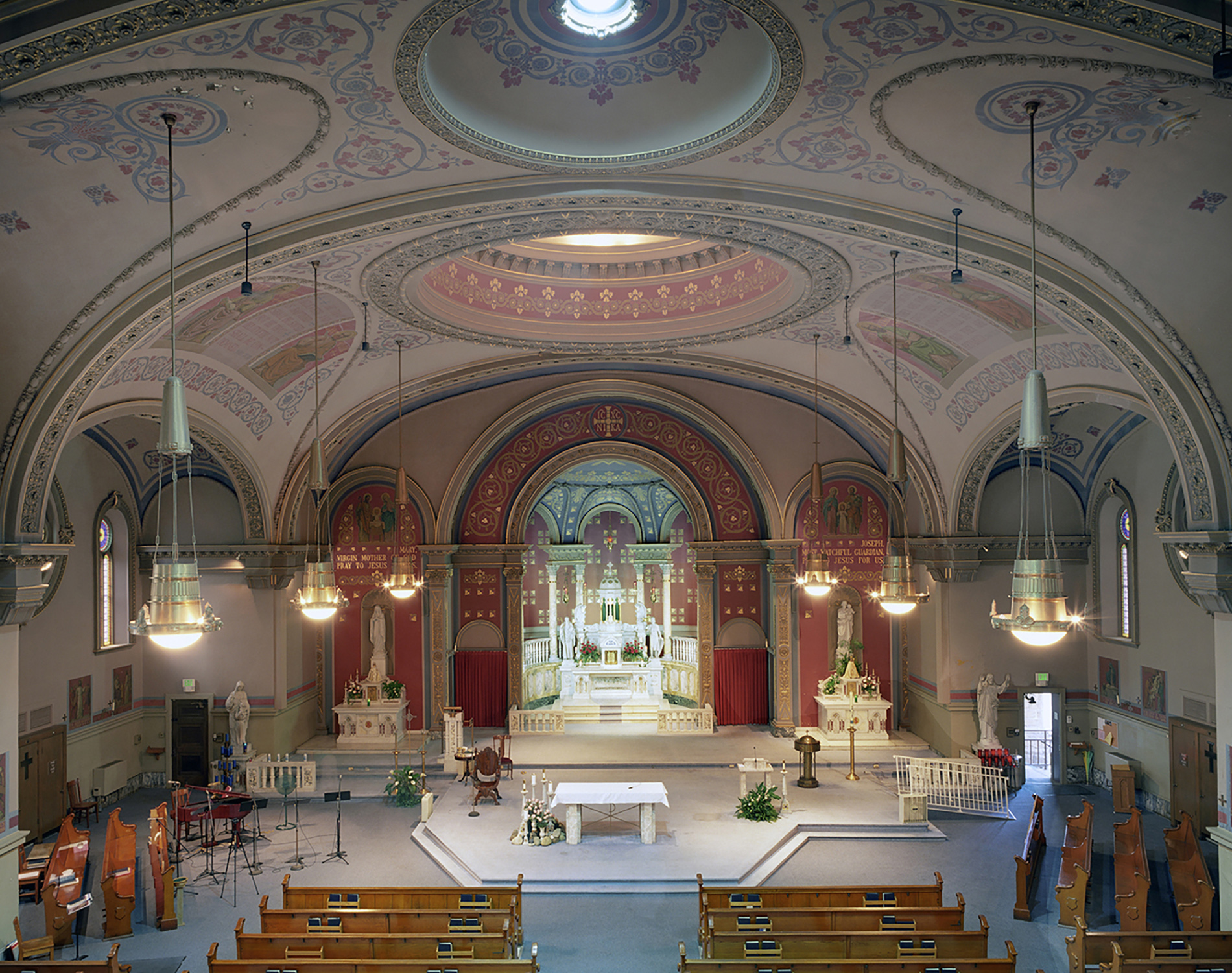
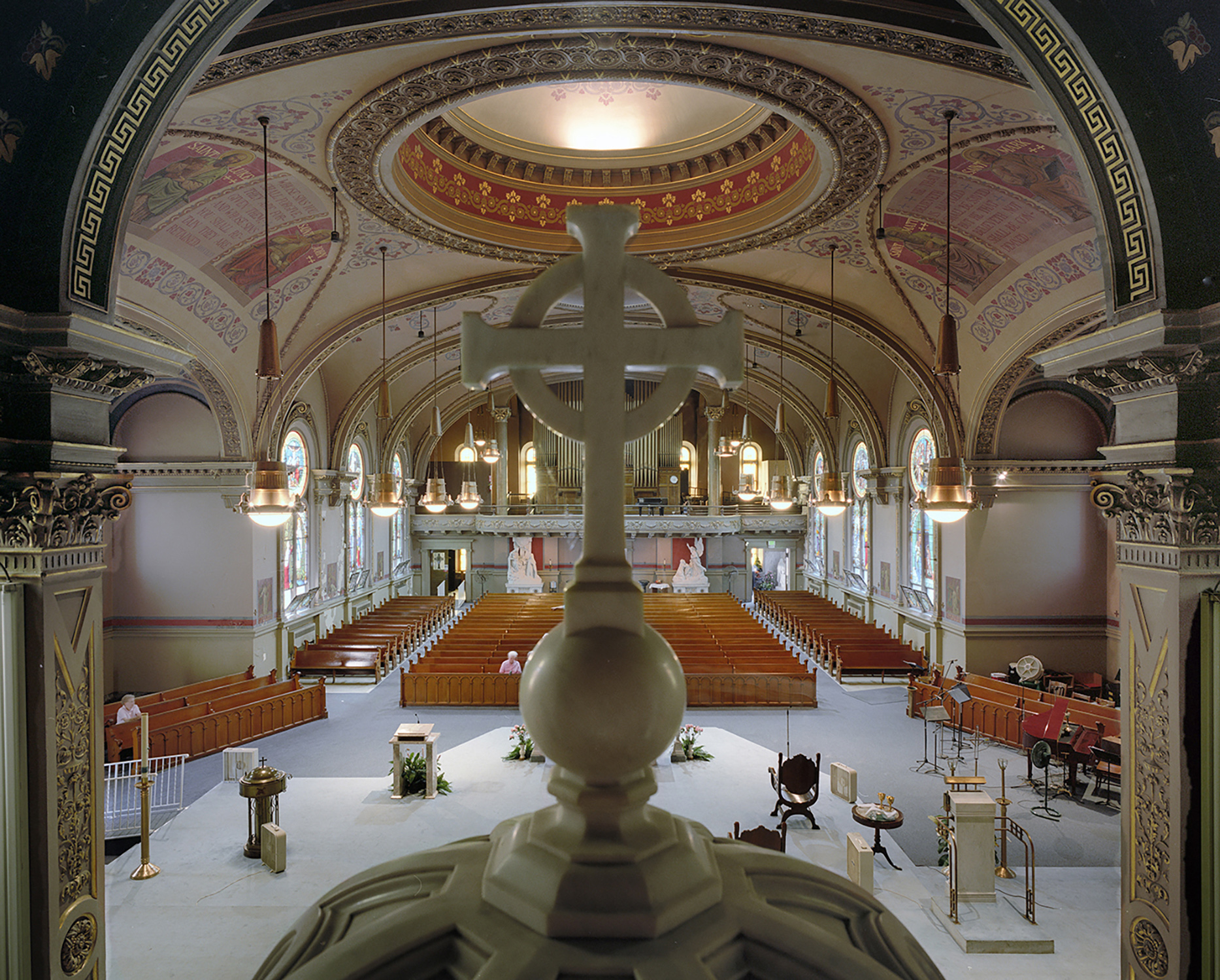
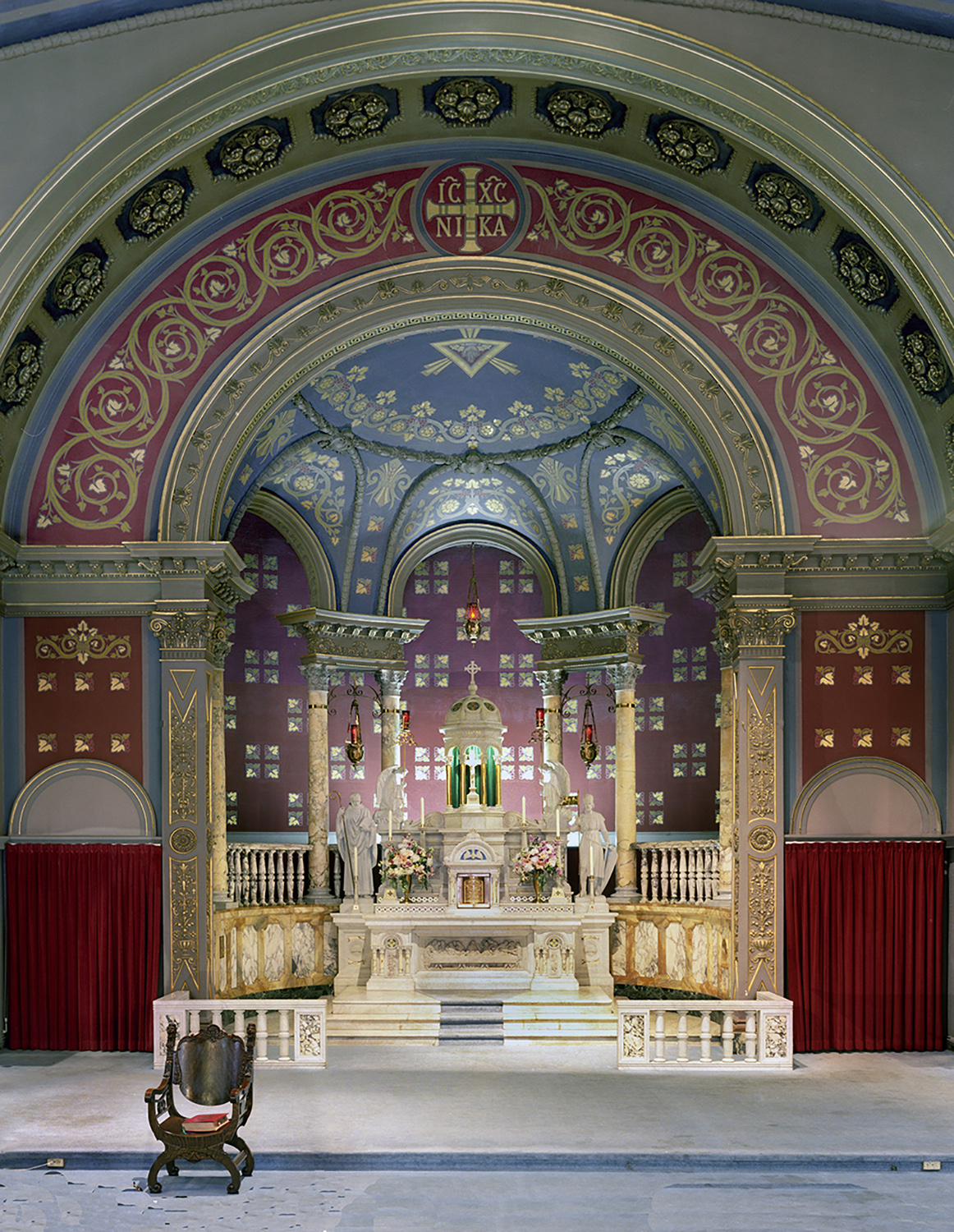
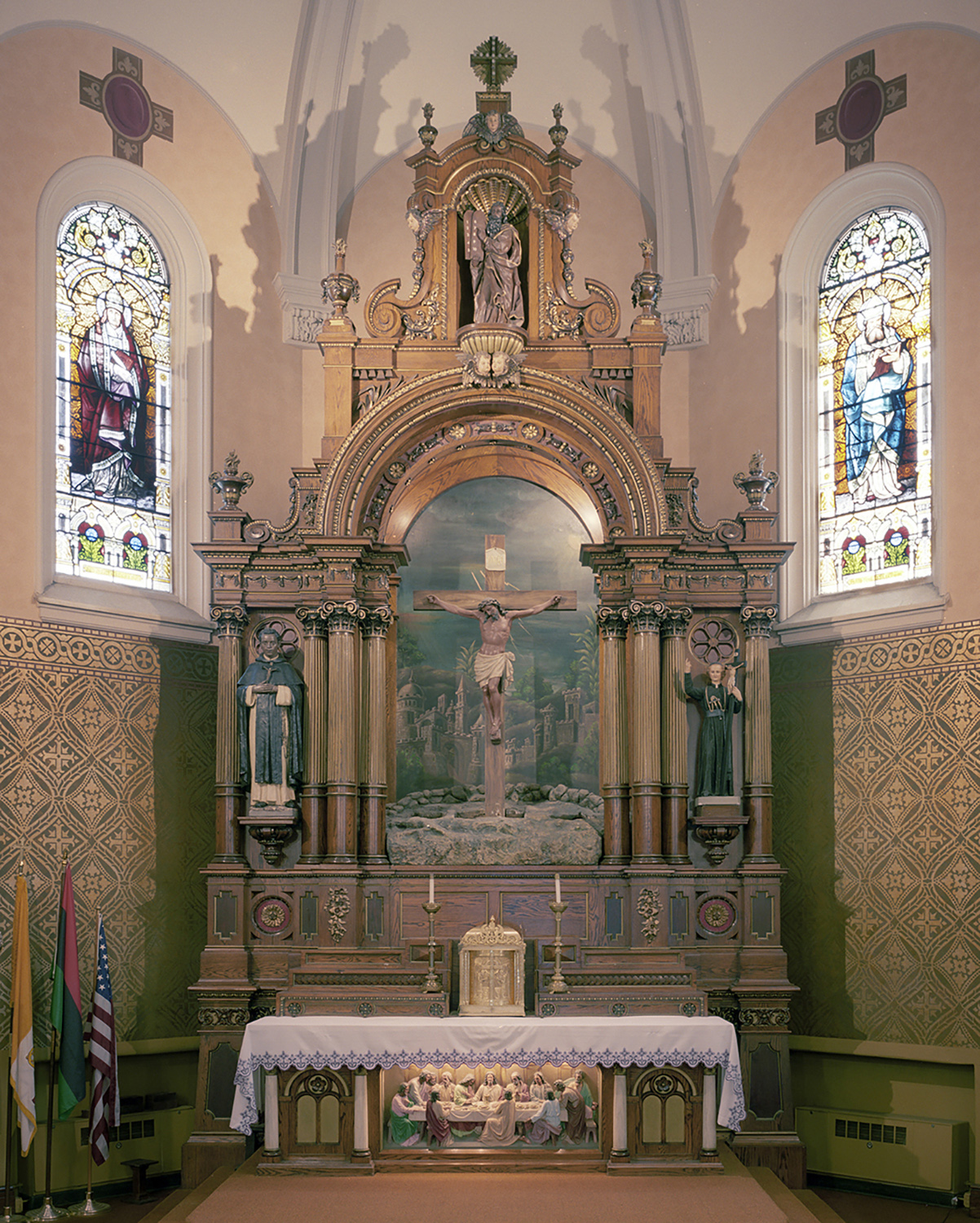
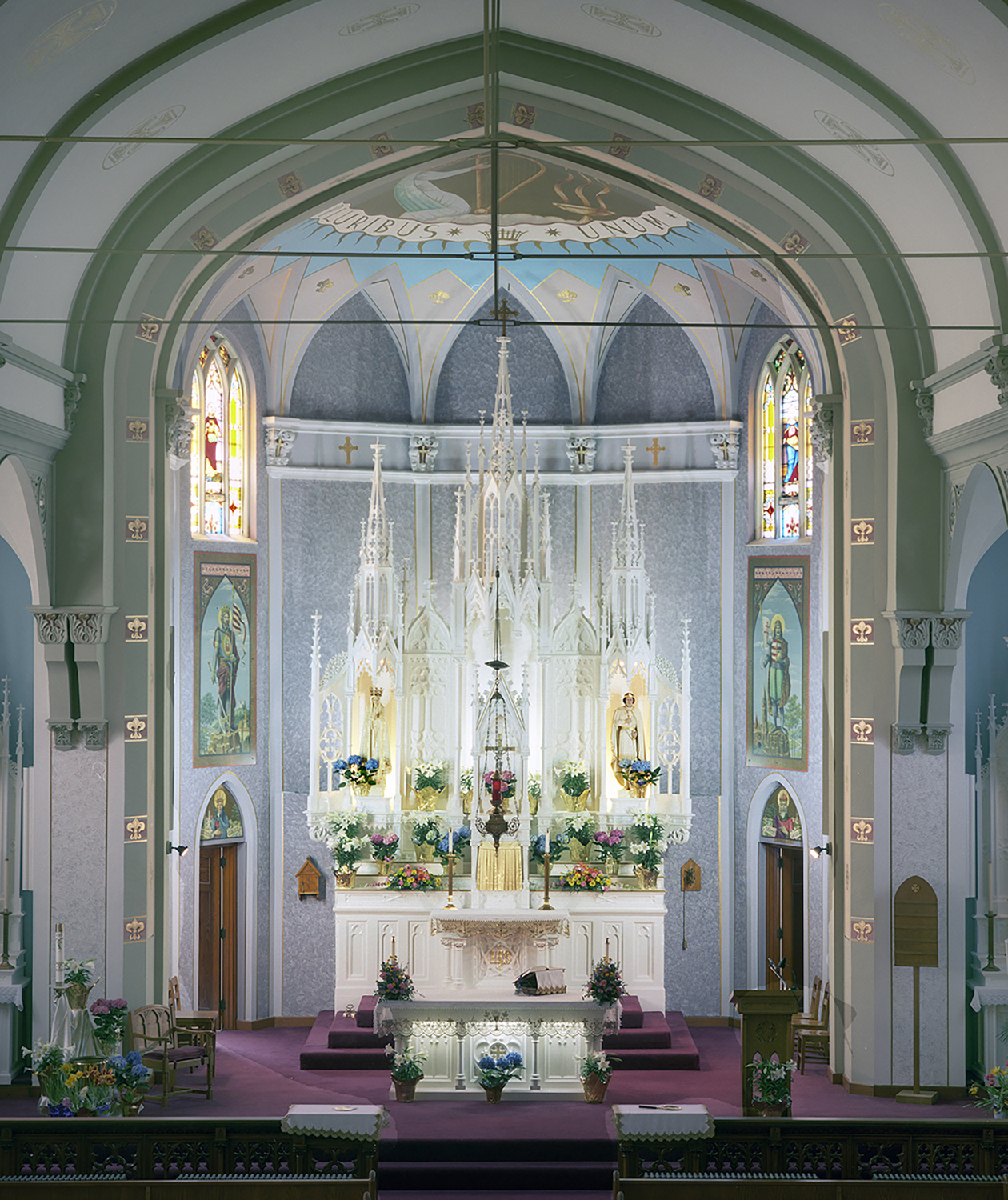
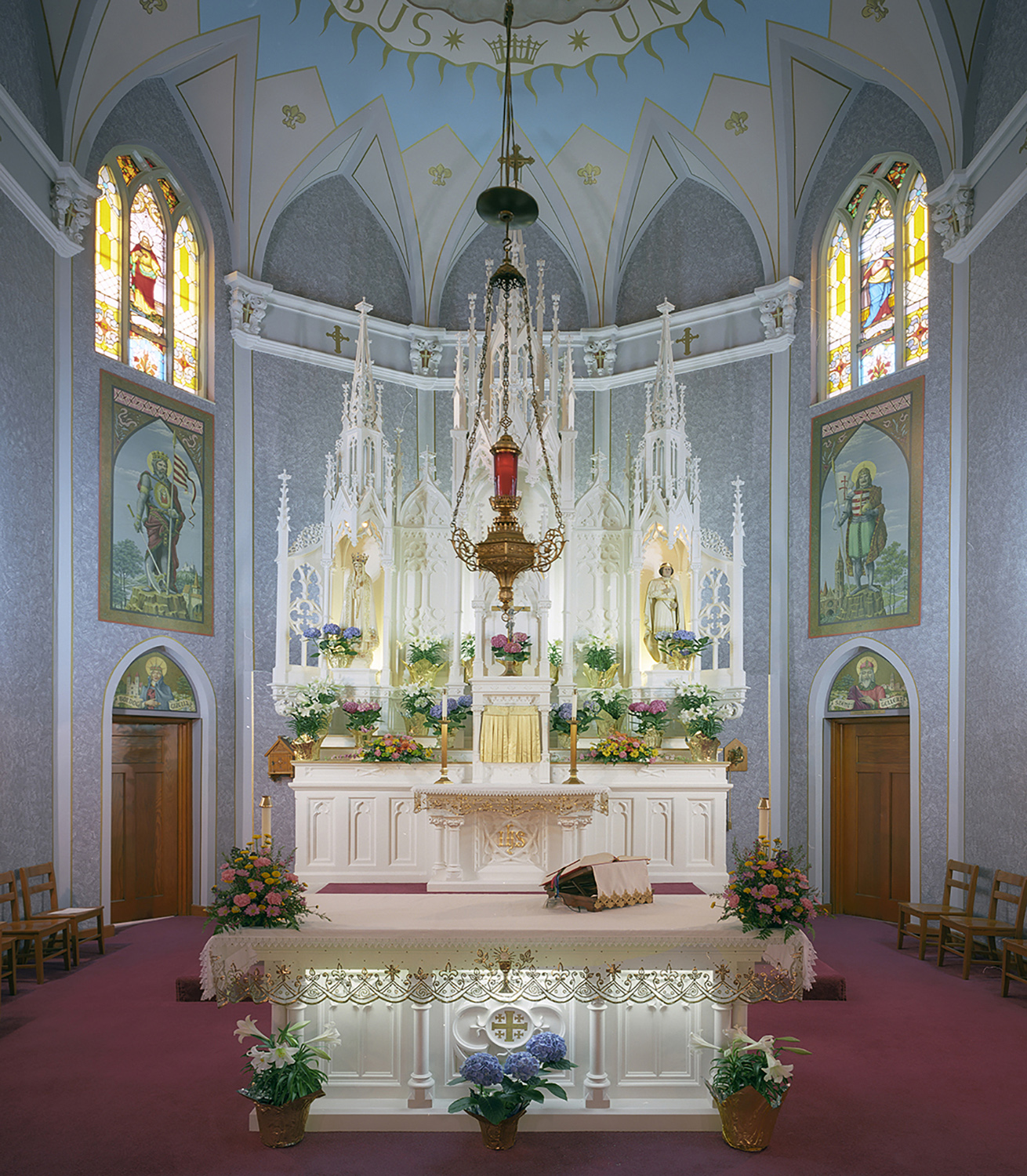
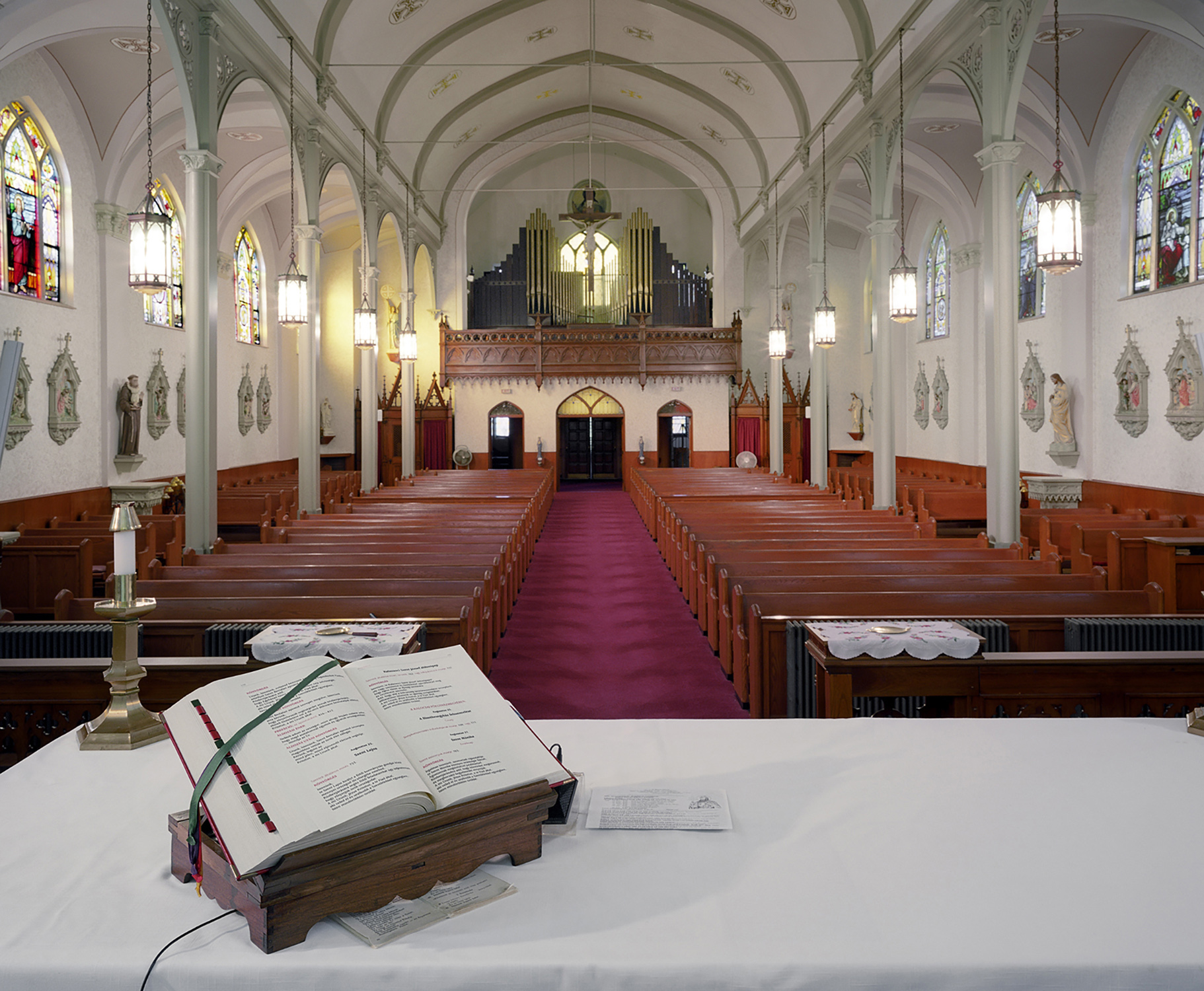
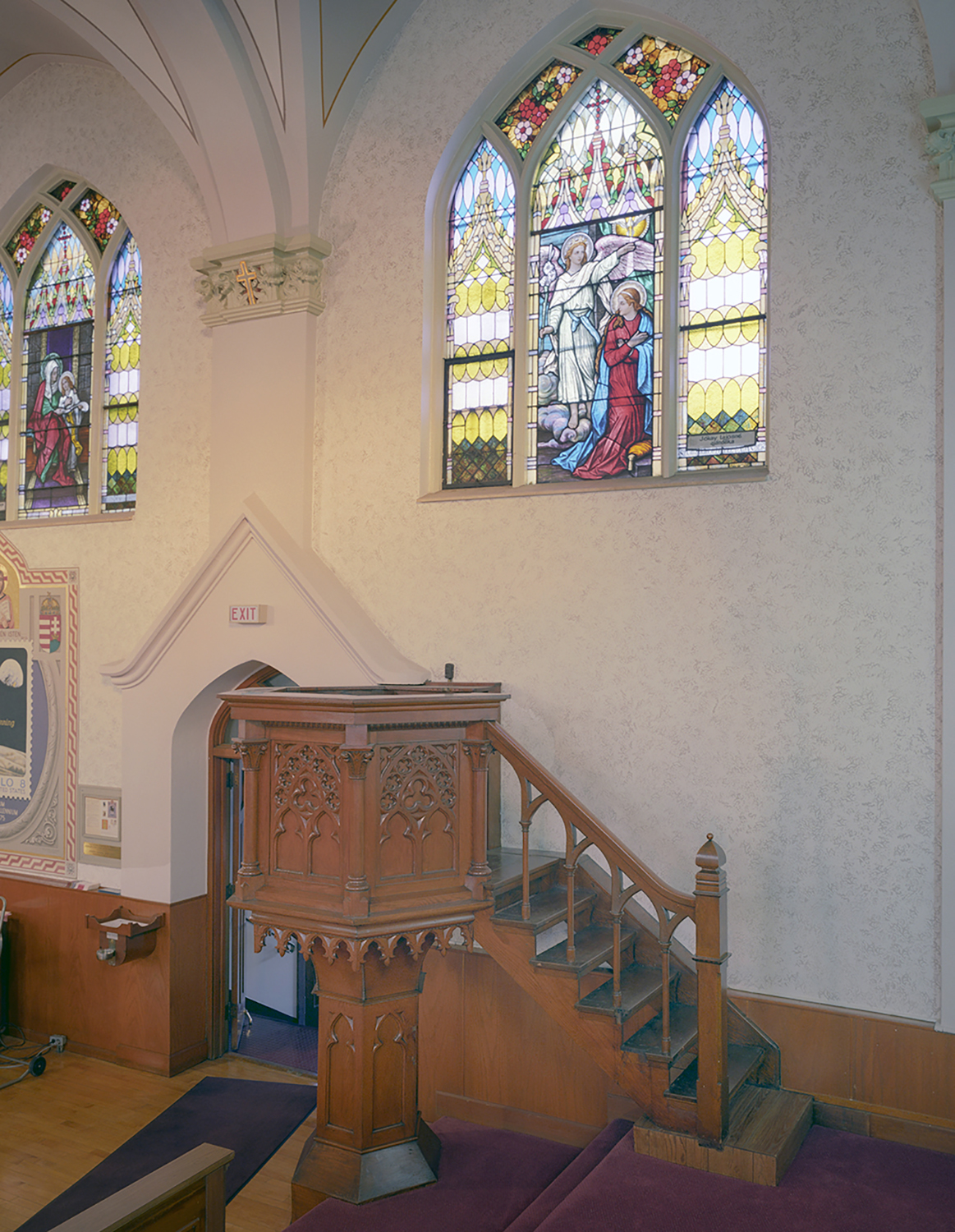
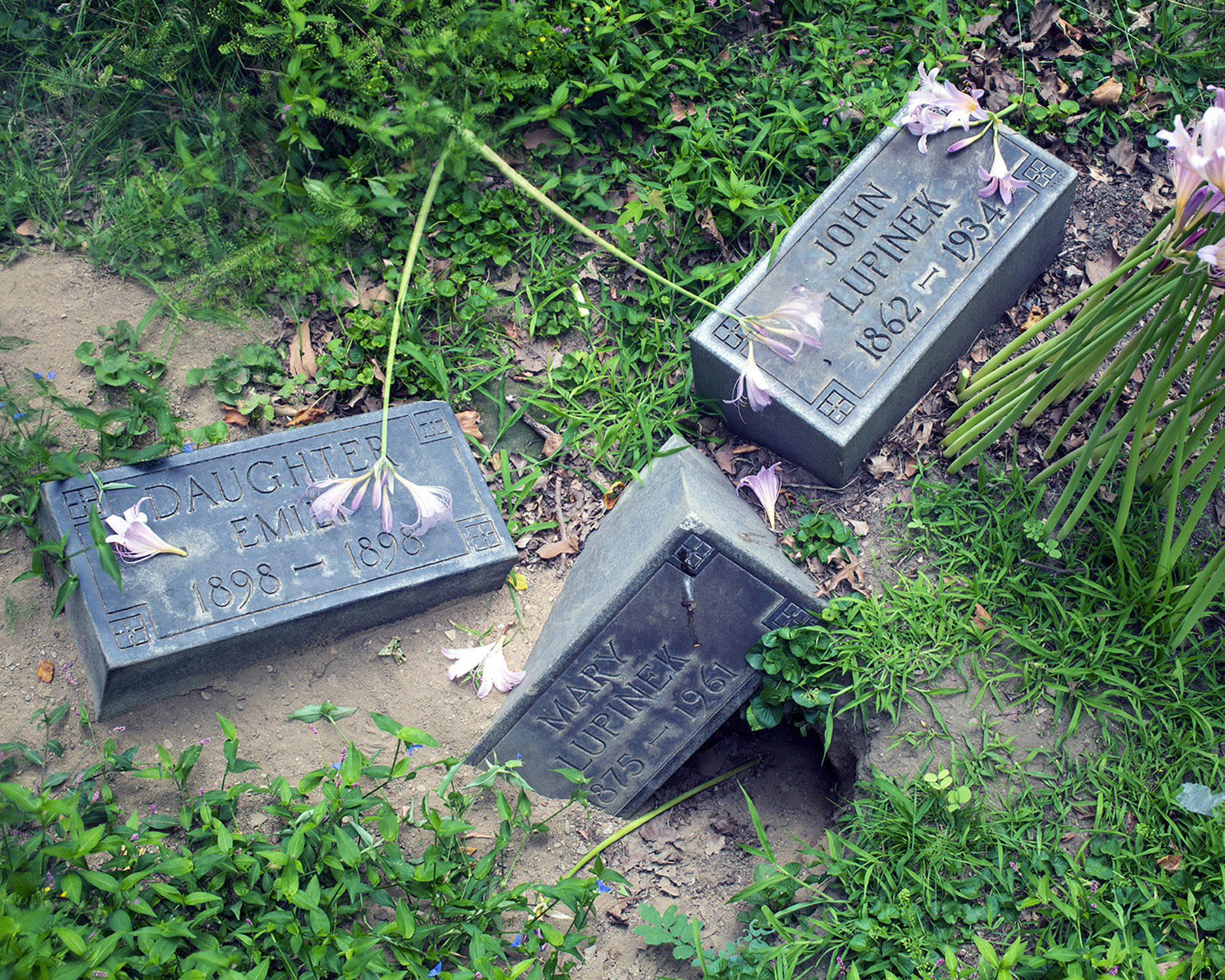
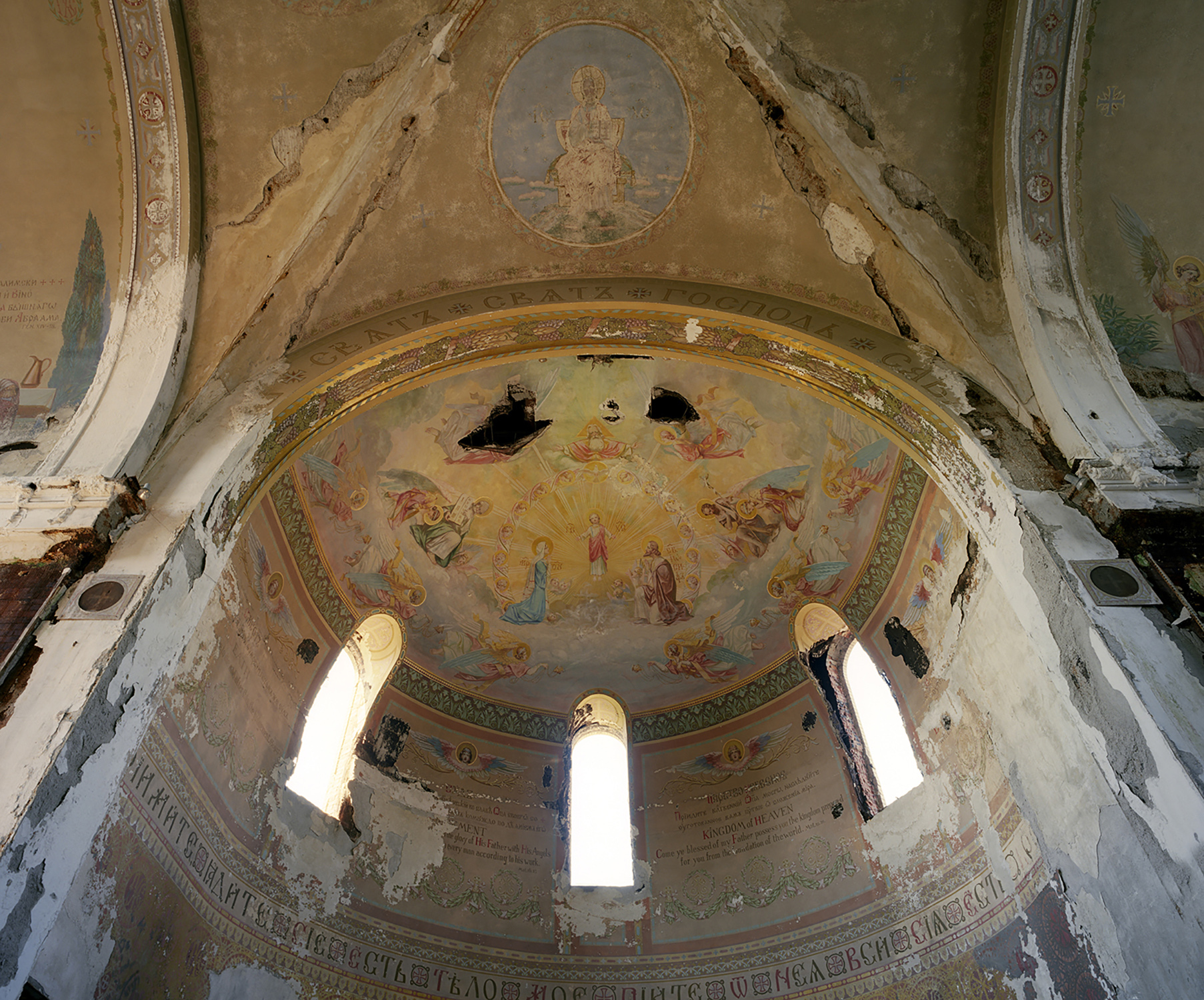
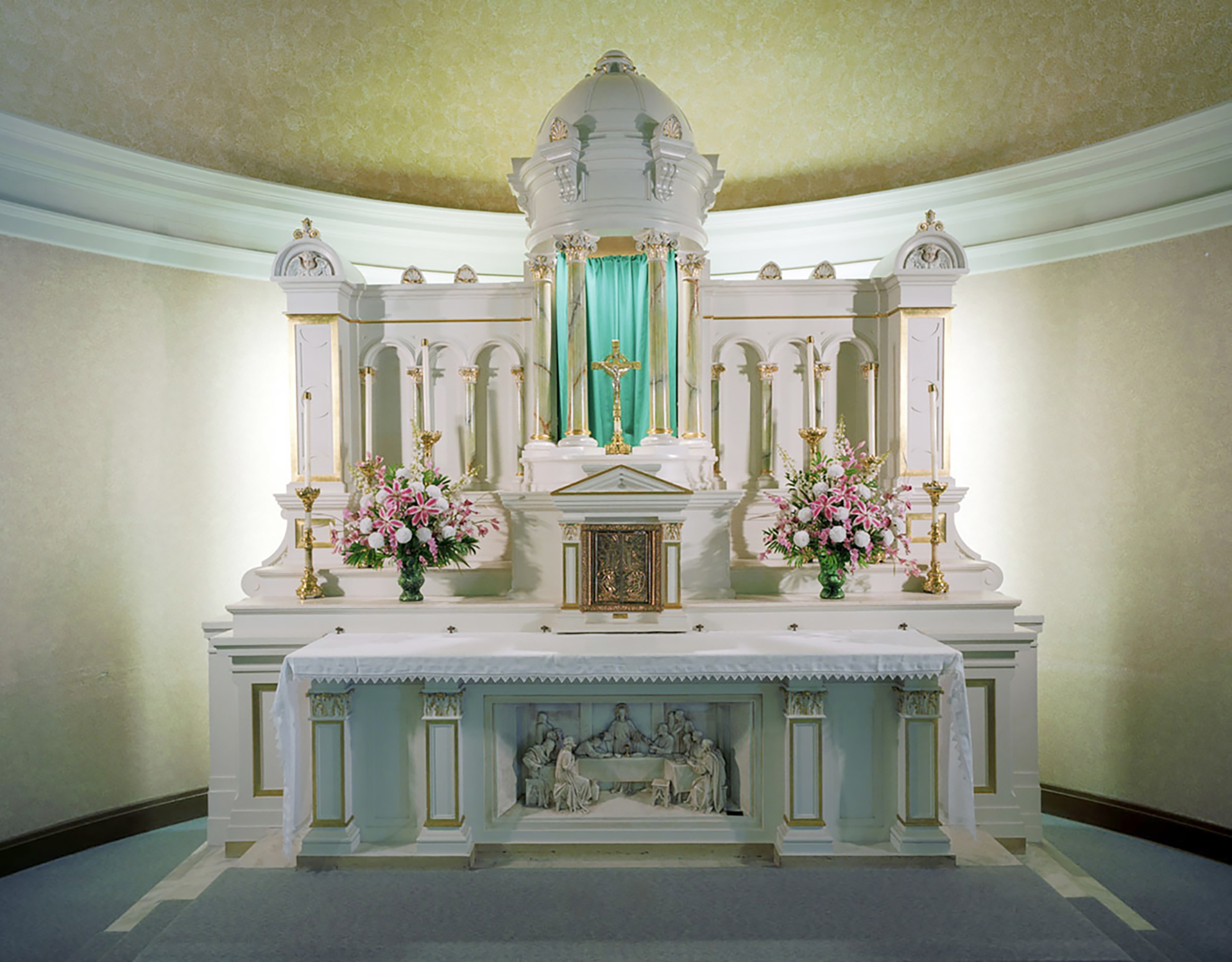
CaptionWoodland Cemetery, Damaged Tomb, Woodland AvenueAbandoned Church, Hough Avenue, 2004St. Emeric Church, Altar & Arch, West 22nd Street, 2009The church is named for Saint Emeric (Szent Imre), a Hungarian prince (1007-1031), reflecting its original mission to serve Hungarian Catholics and preserve their language and traditions in an American urban contextSt. Emeric Church, West 22nd Street, 2009The parish was established in 1904 to serve the growing community of Hungarian Catholic immigrants on Cleveland’s west side.
The first Mass was celebrated in late 1904, and the original church was dedicated in January 1905.
Early struggles and relocation
A fire gutted the original building in 1916, forcing the community to relocate temporarily.
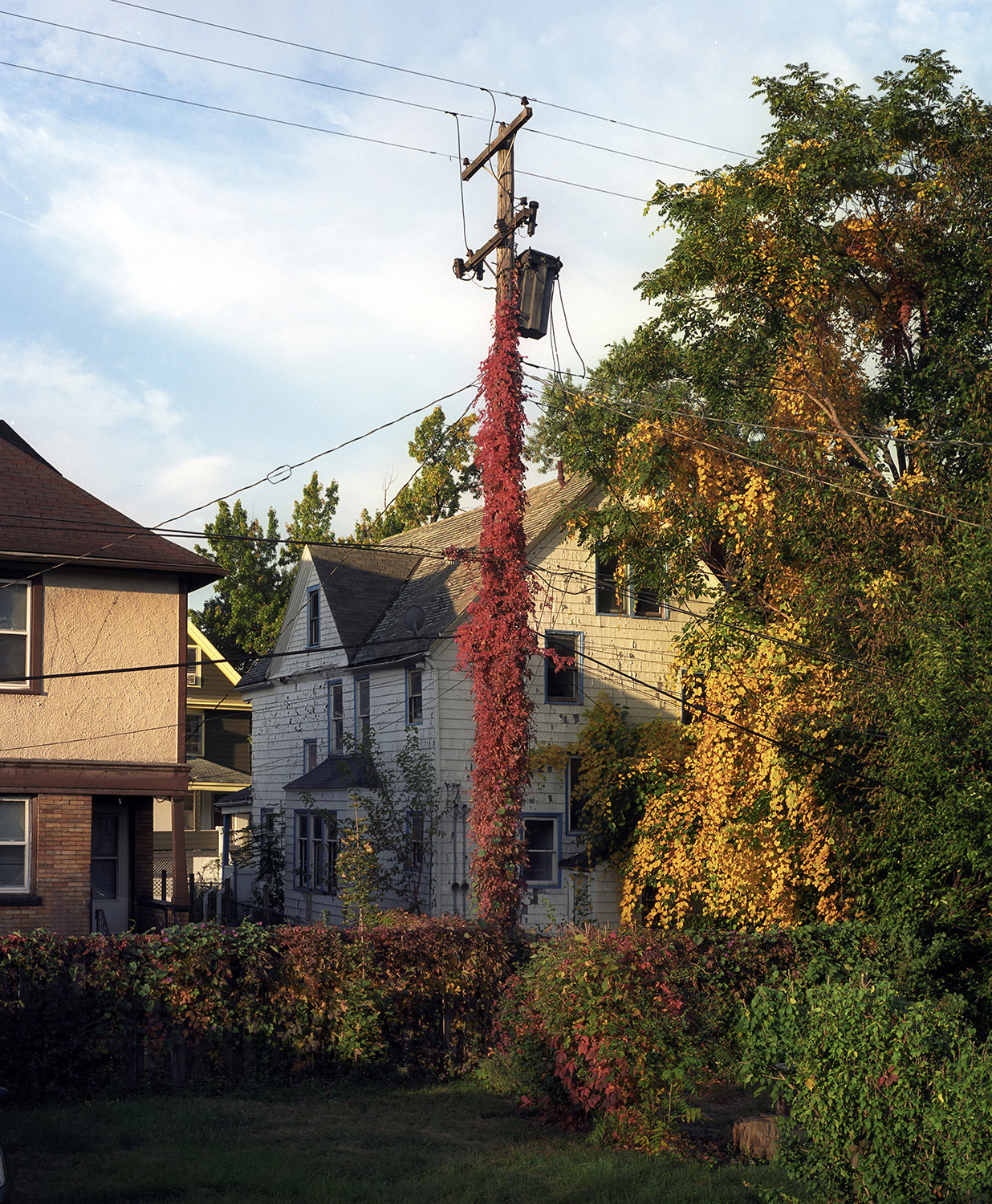
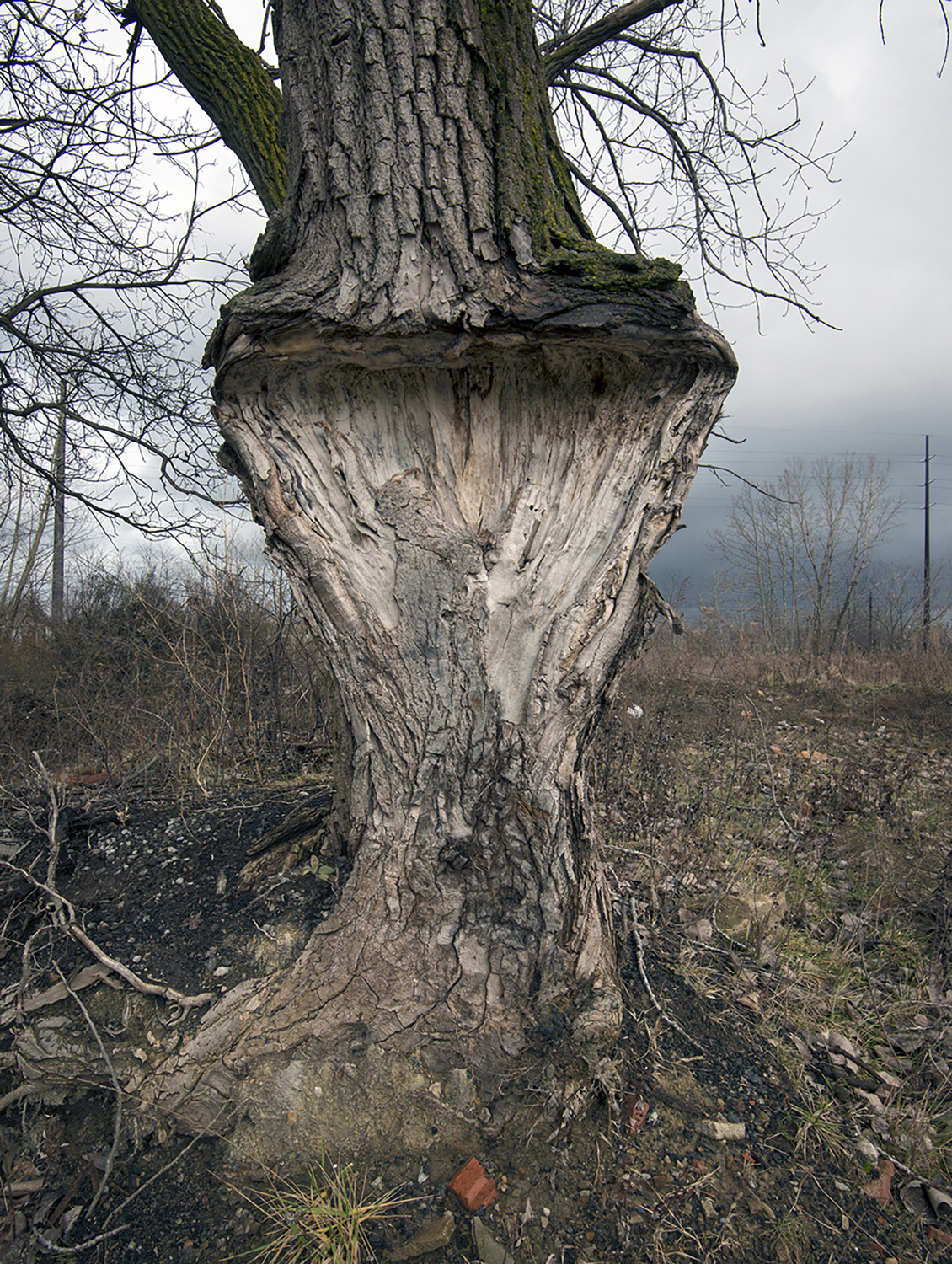
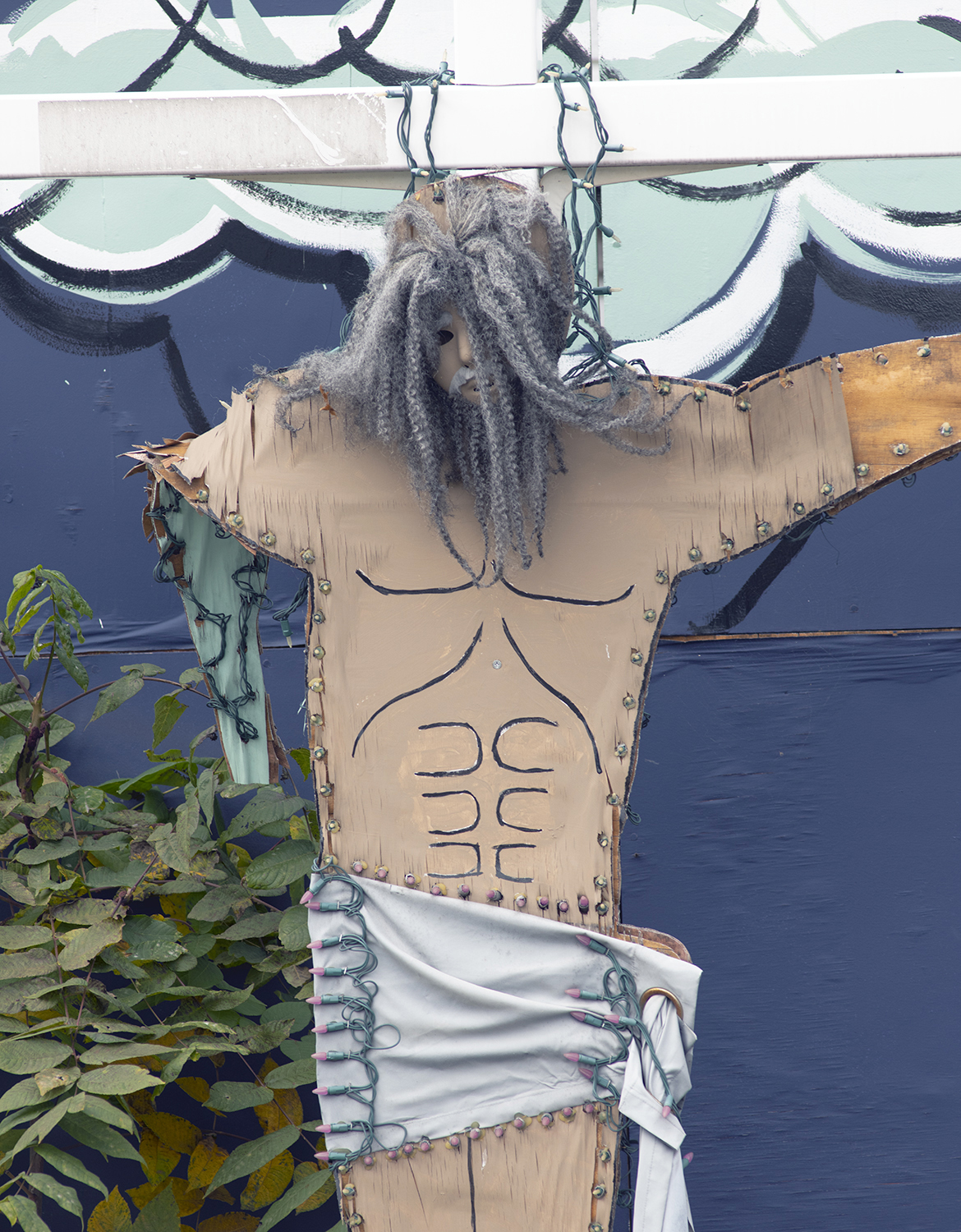
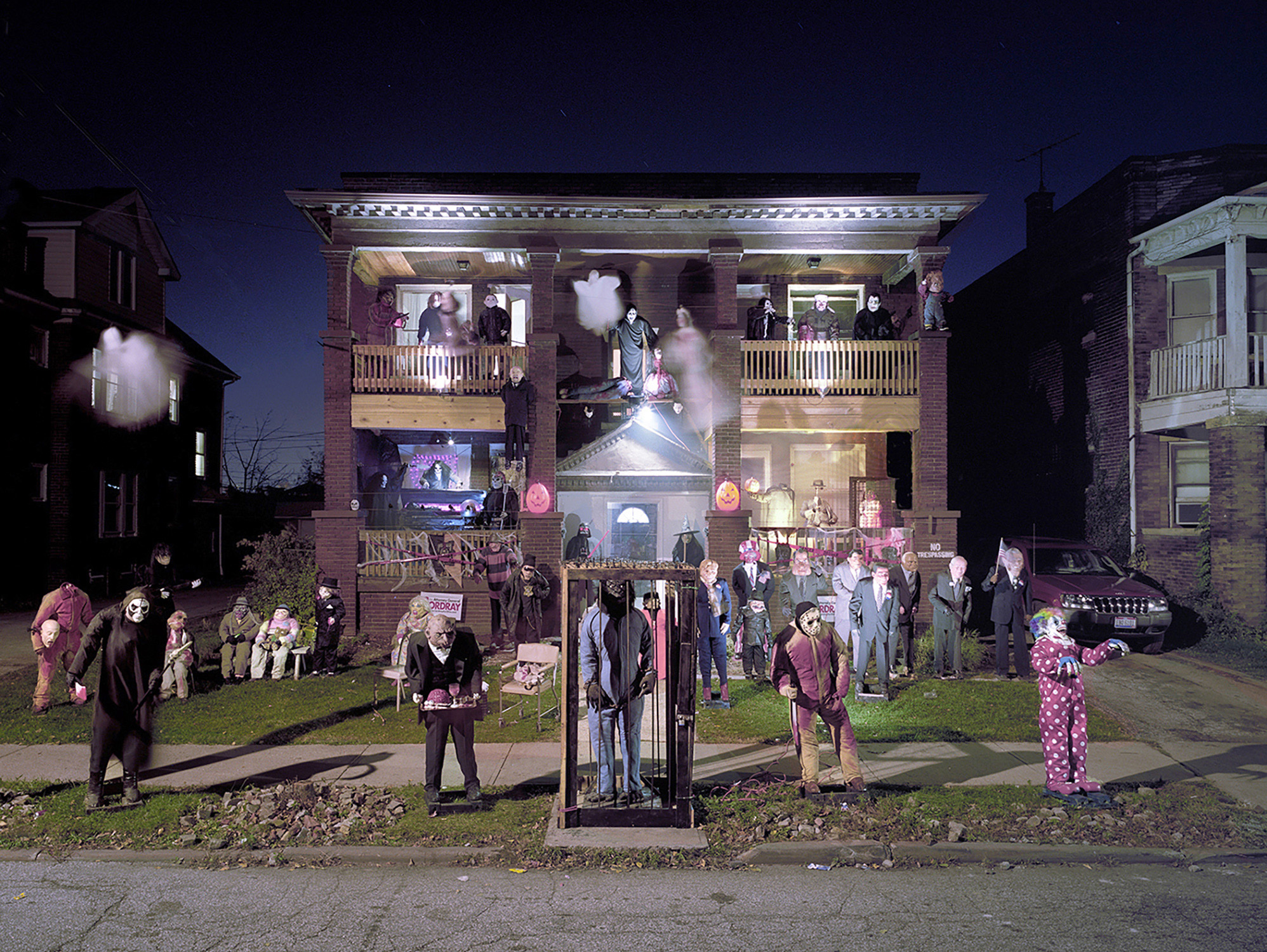
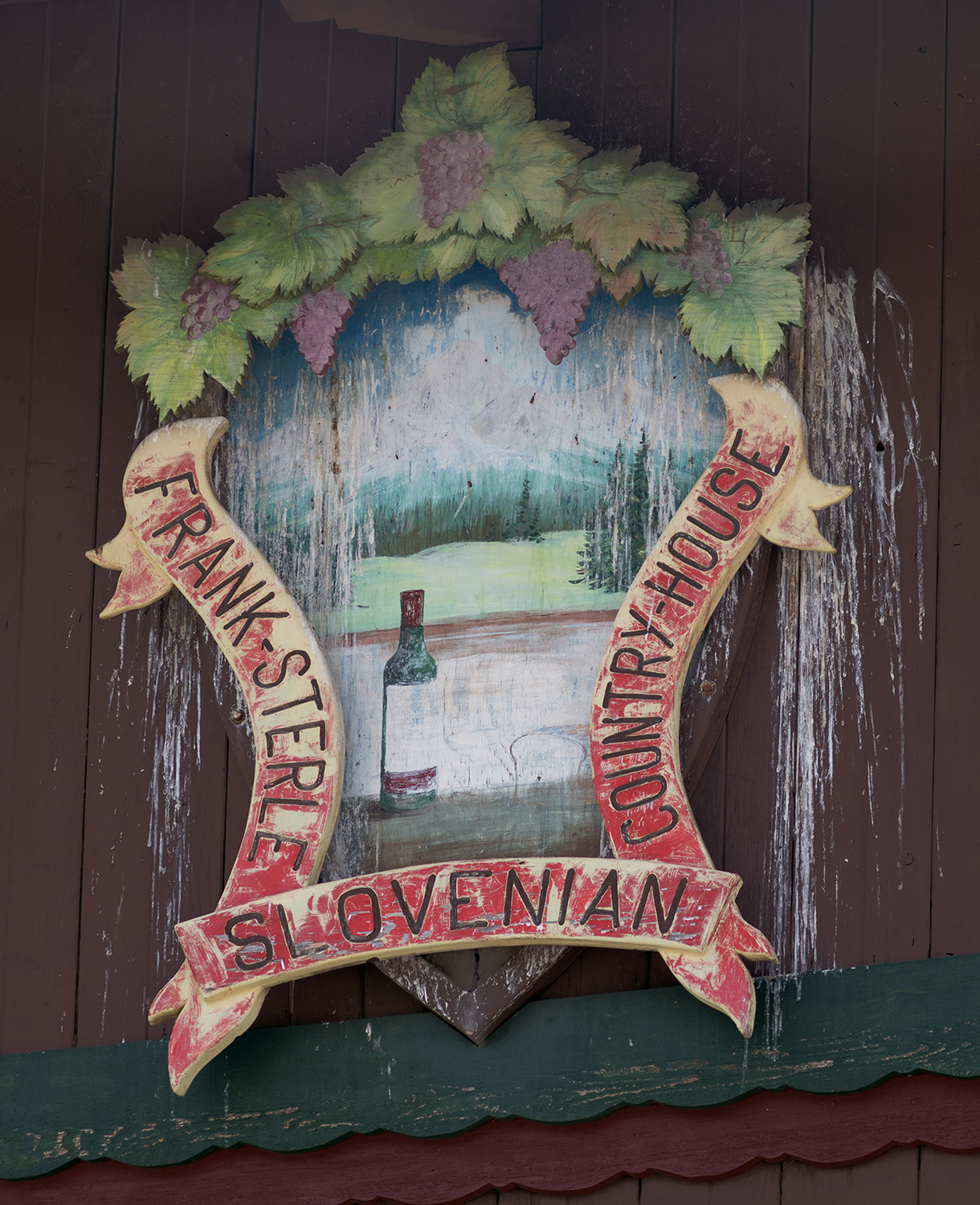
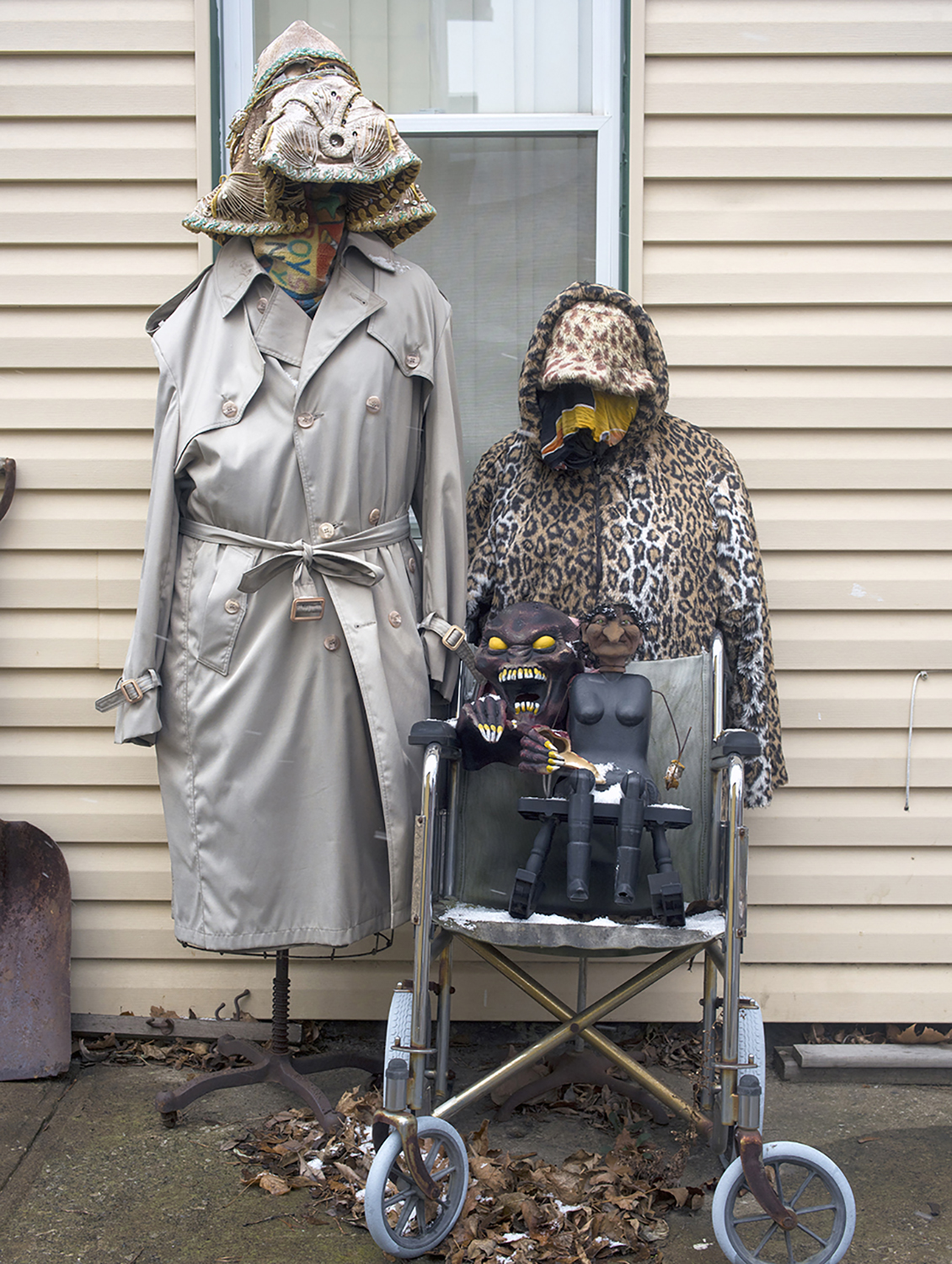
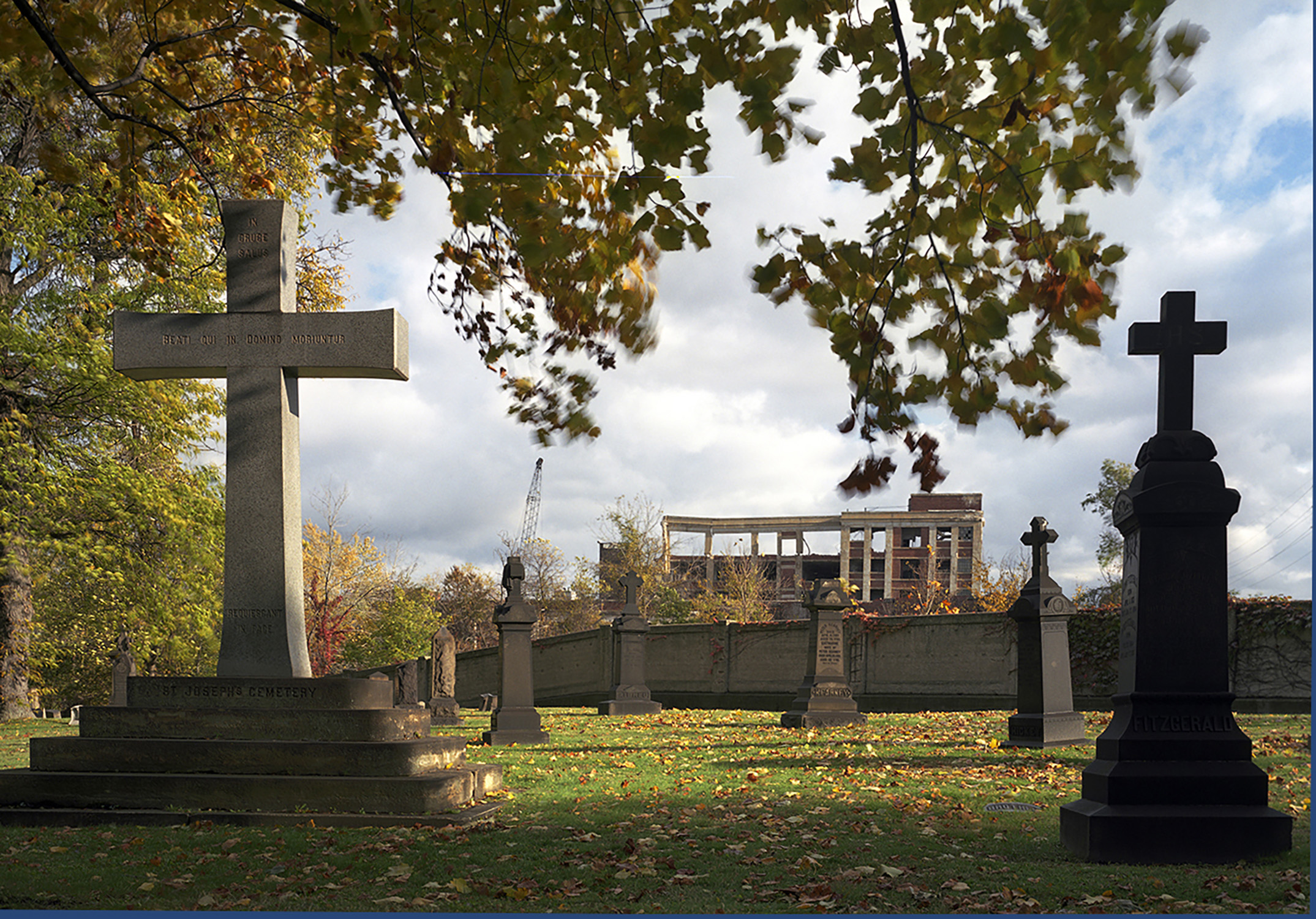
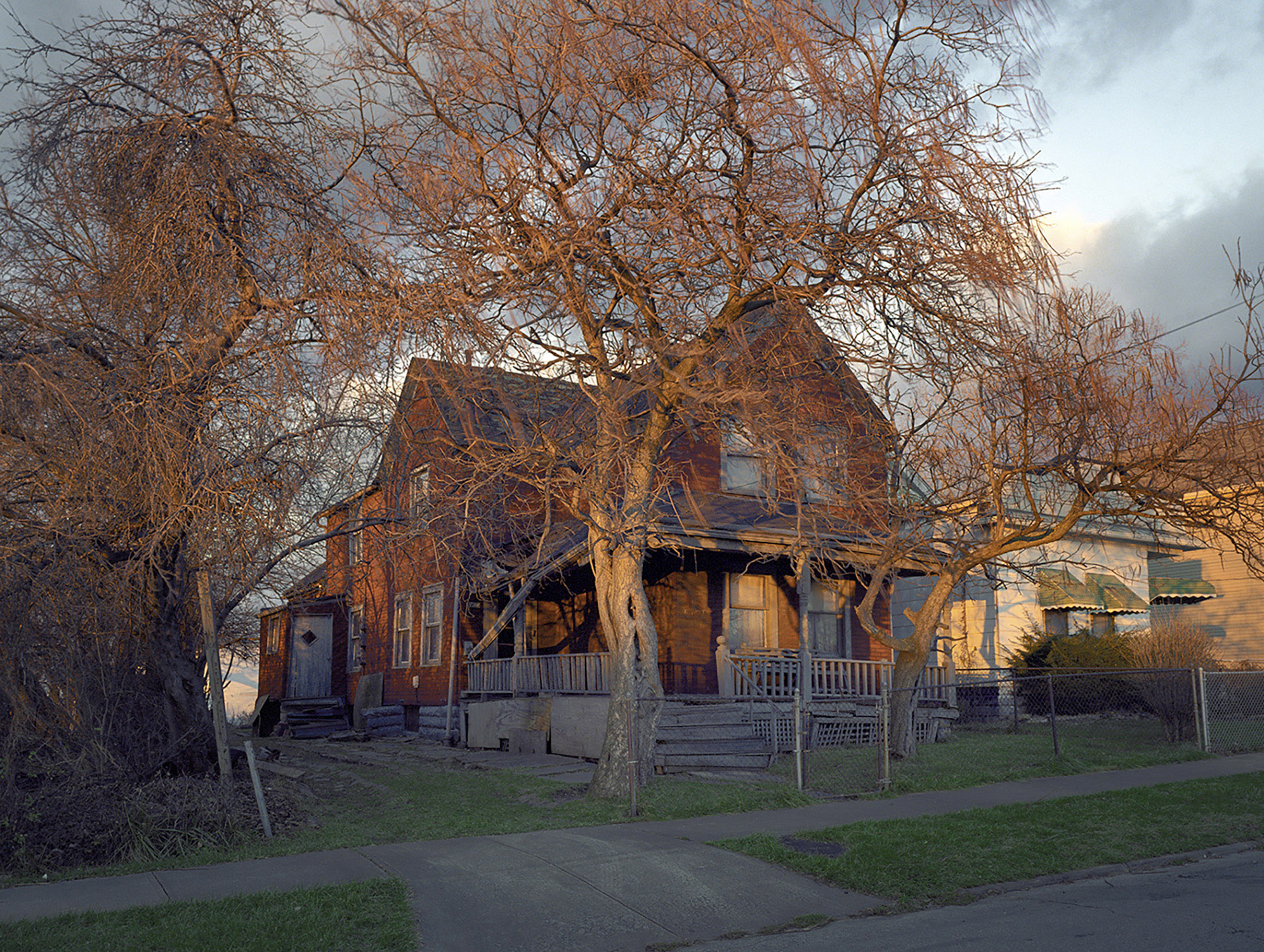
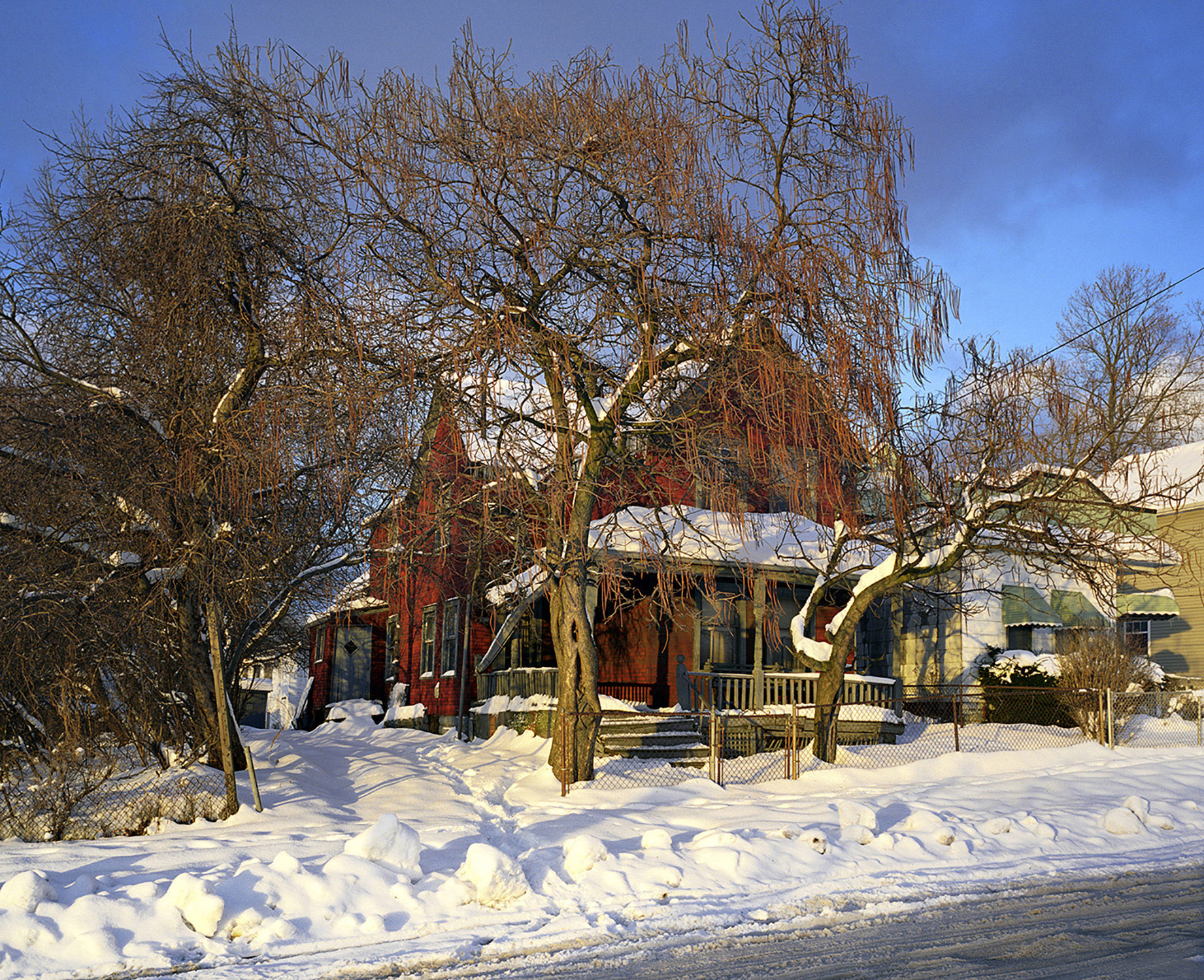
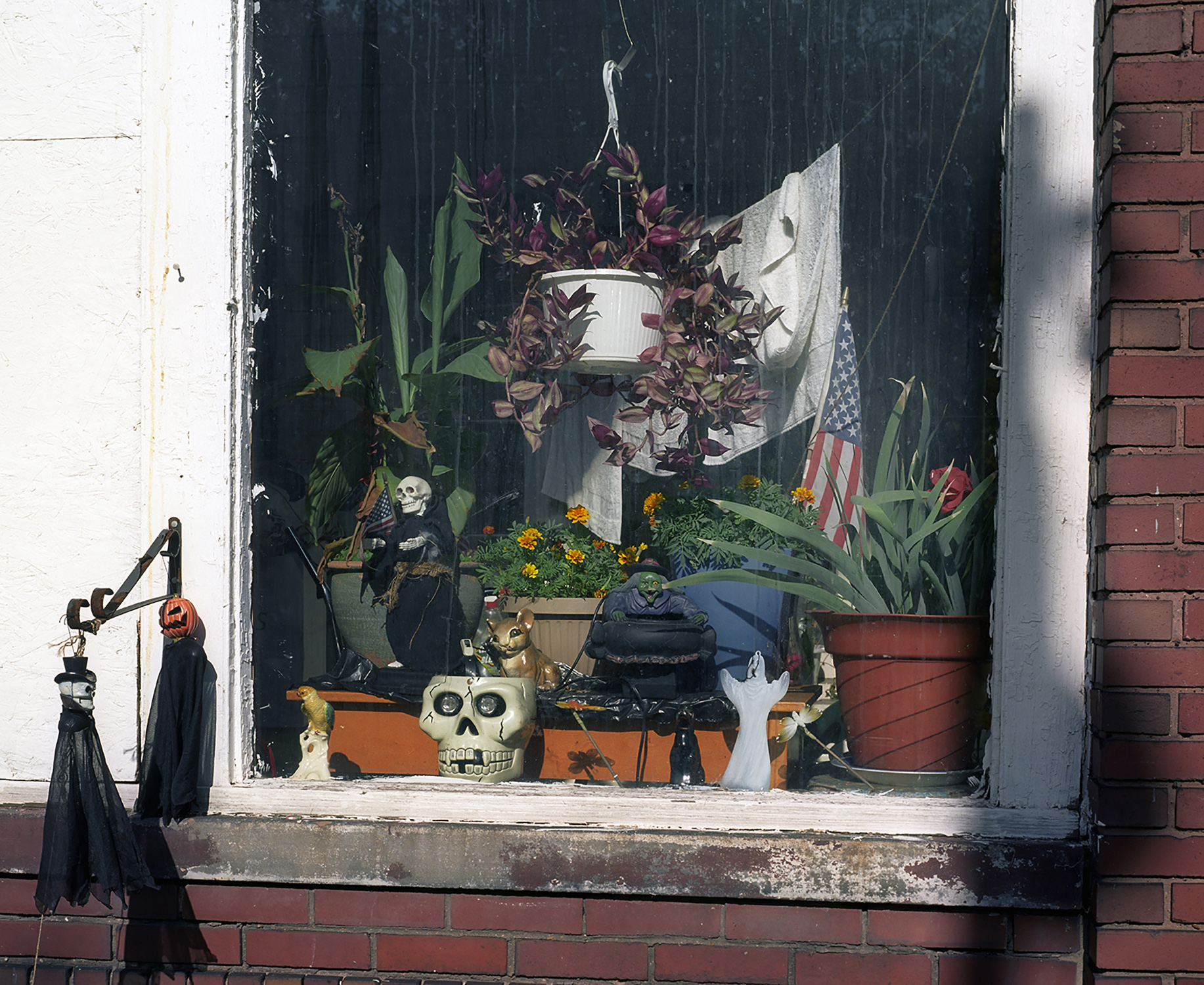
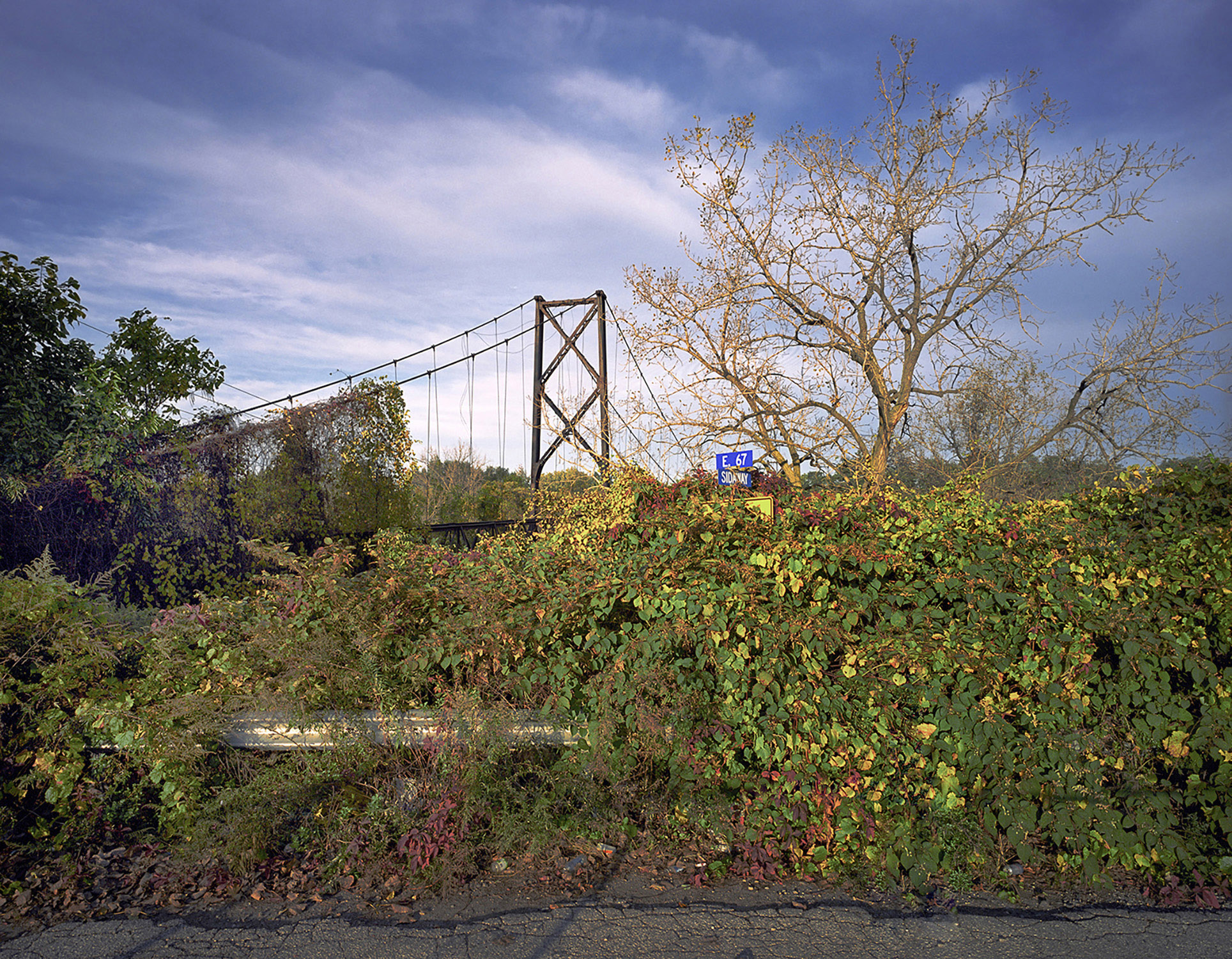
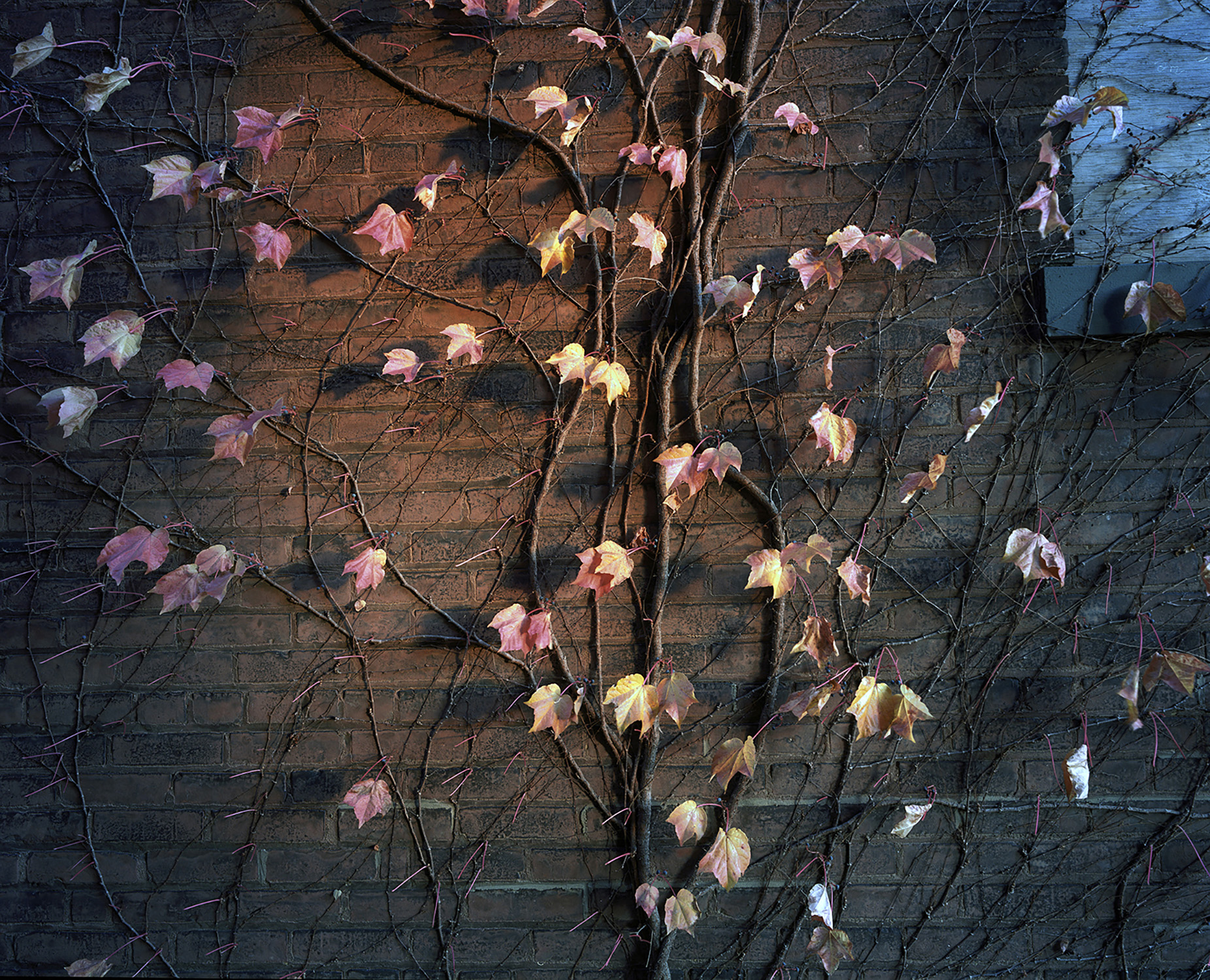
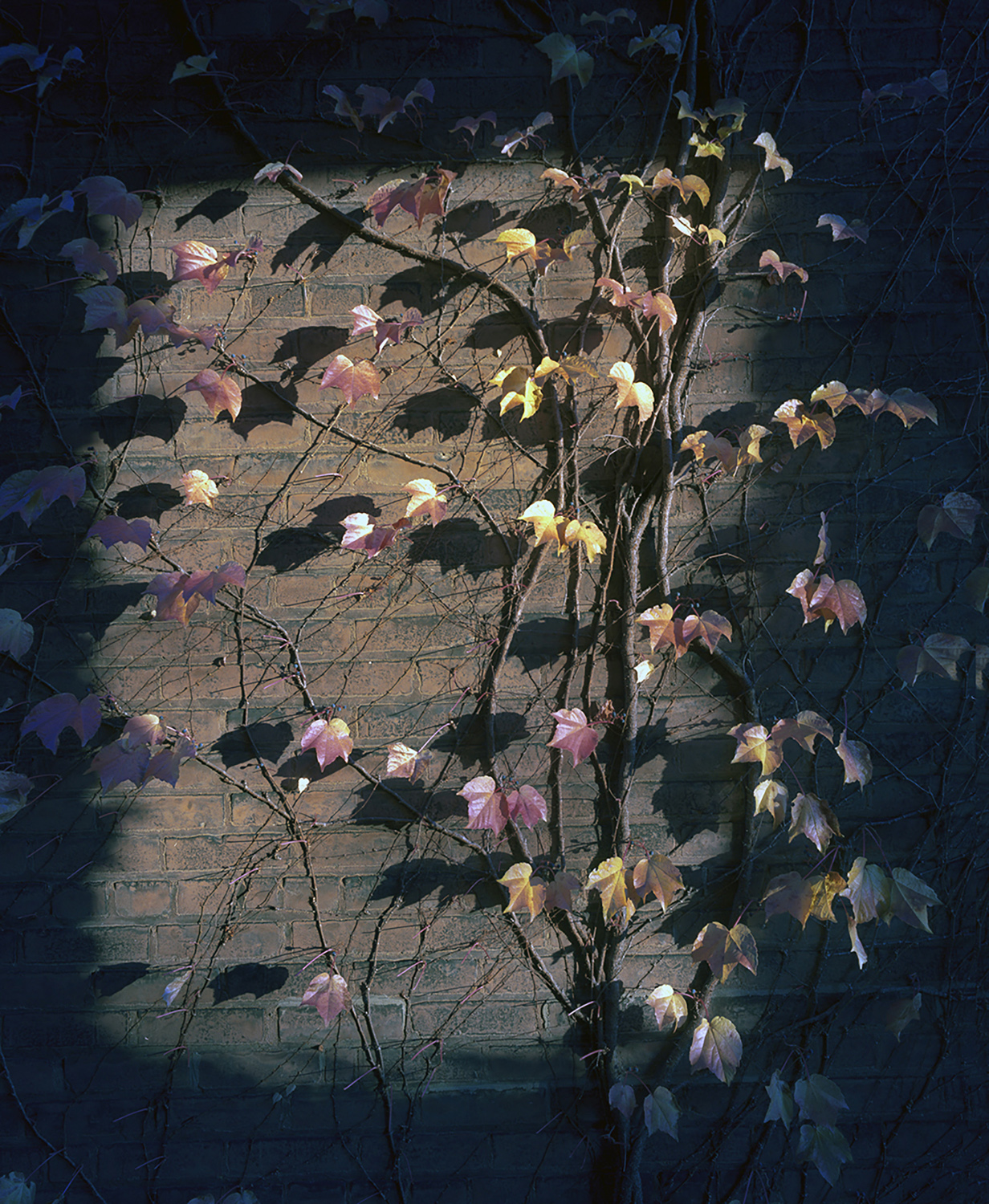
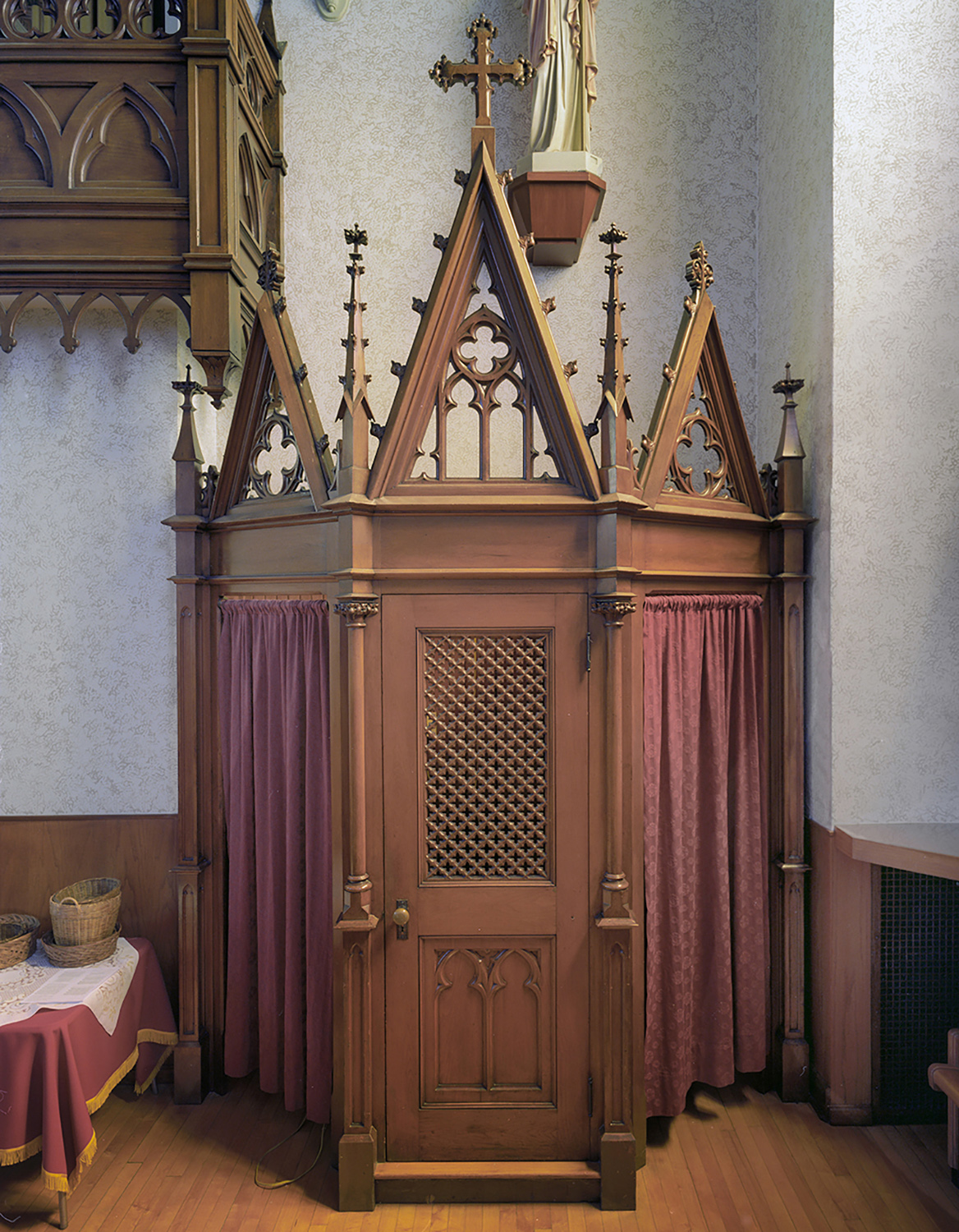
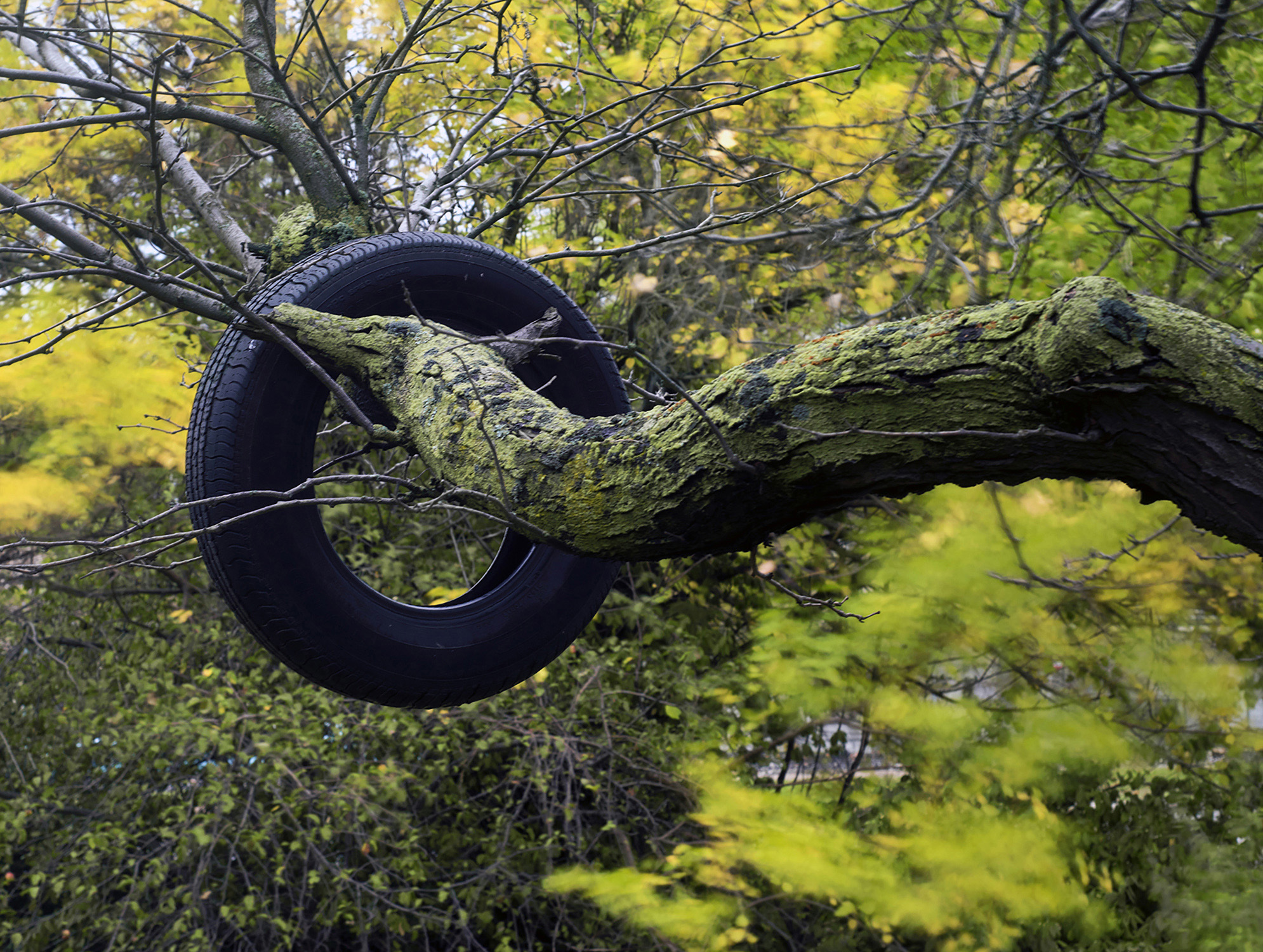
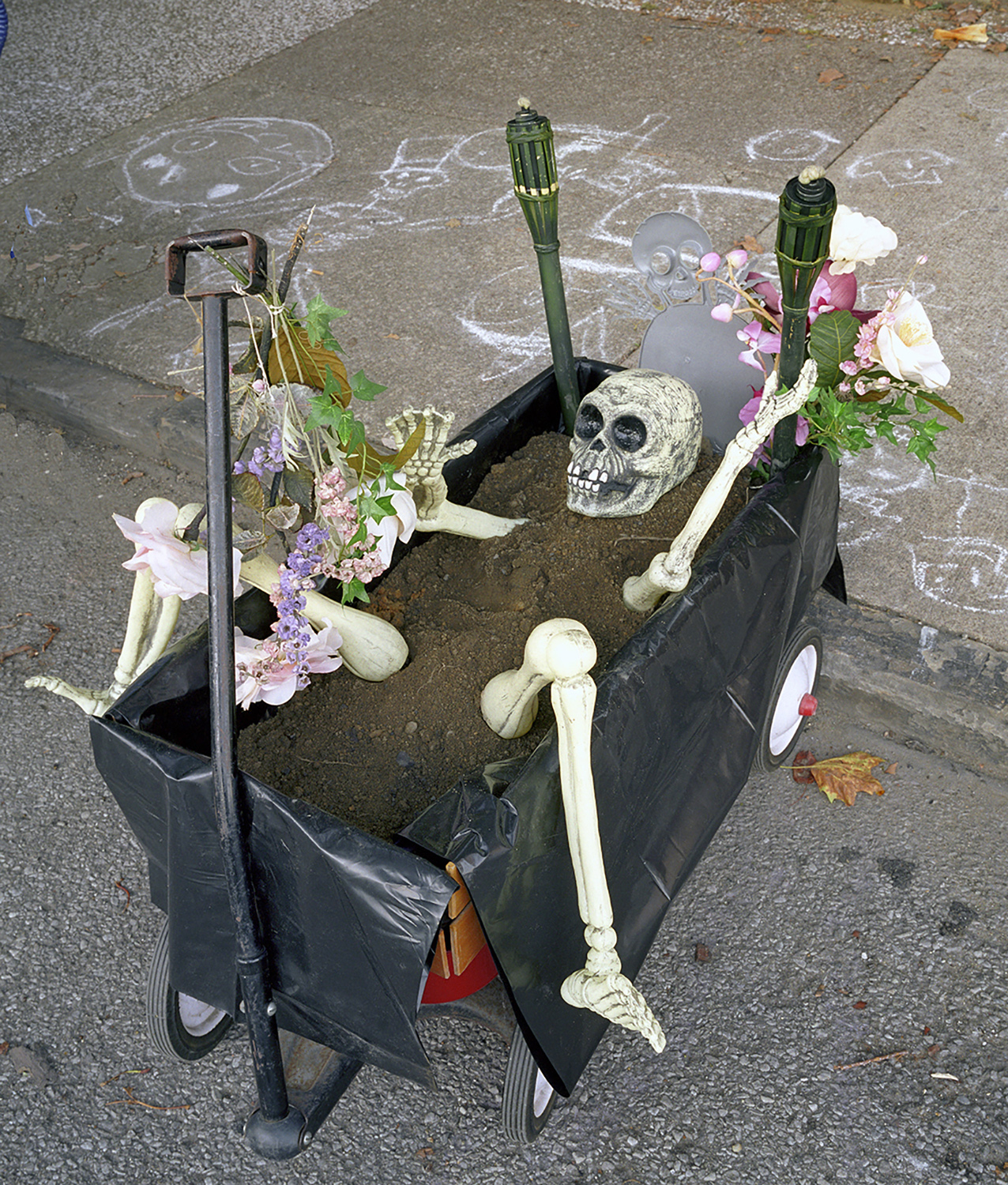
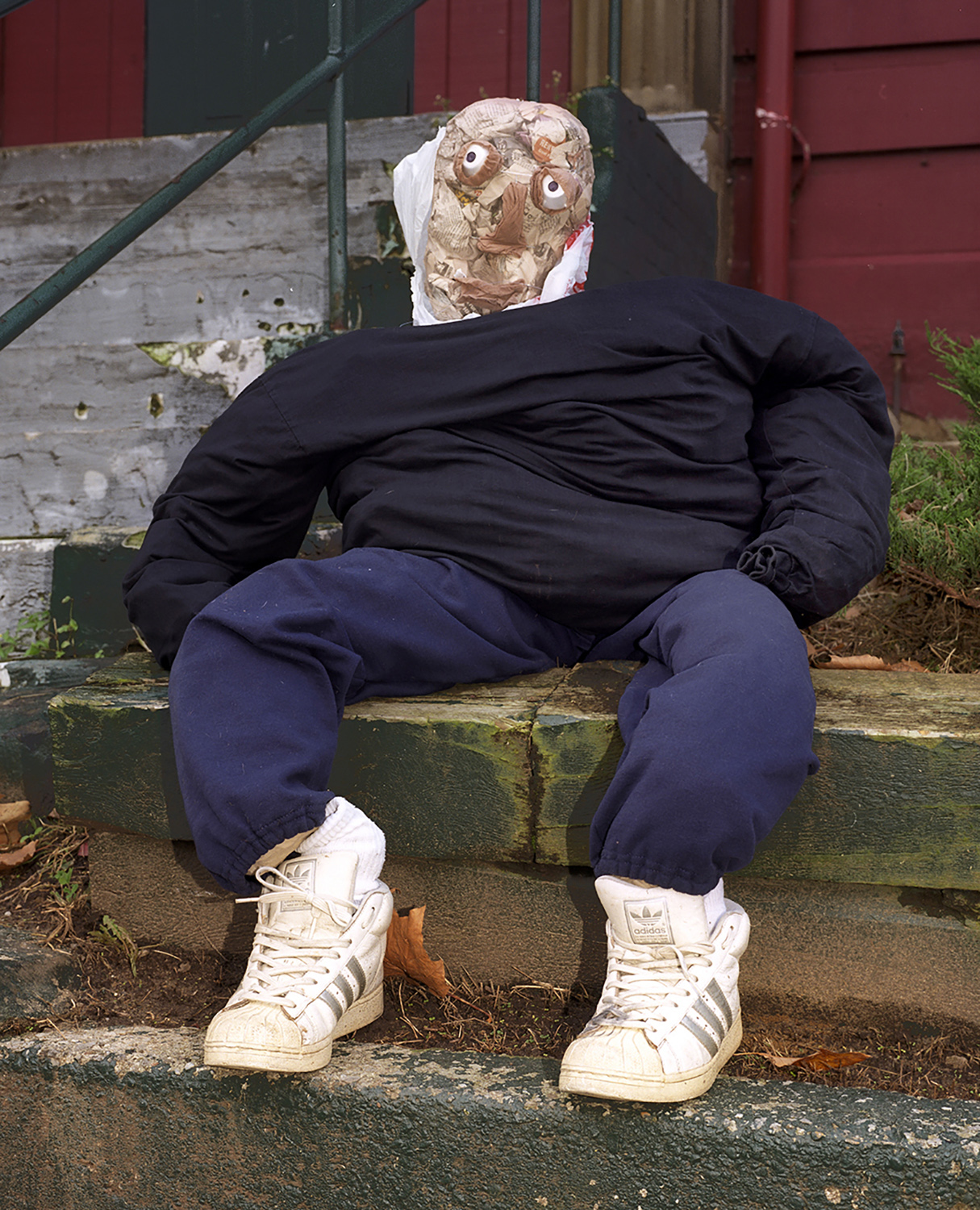
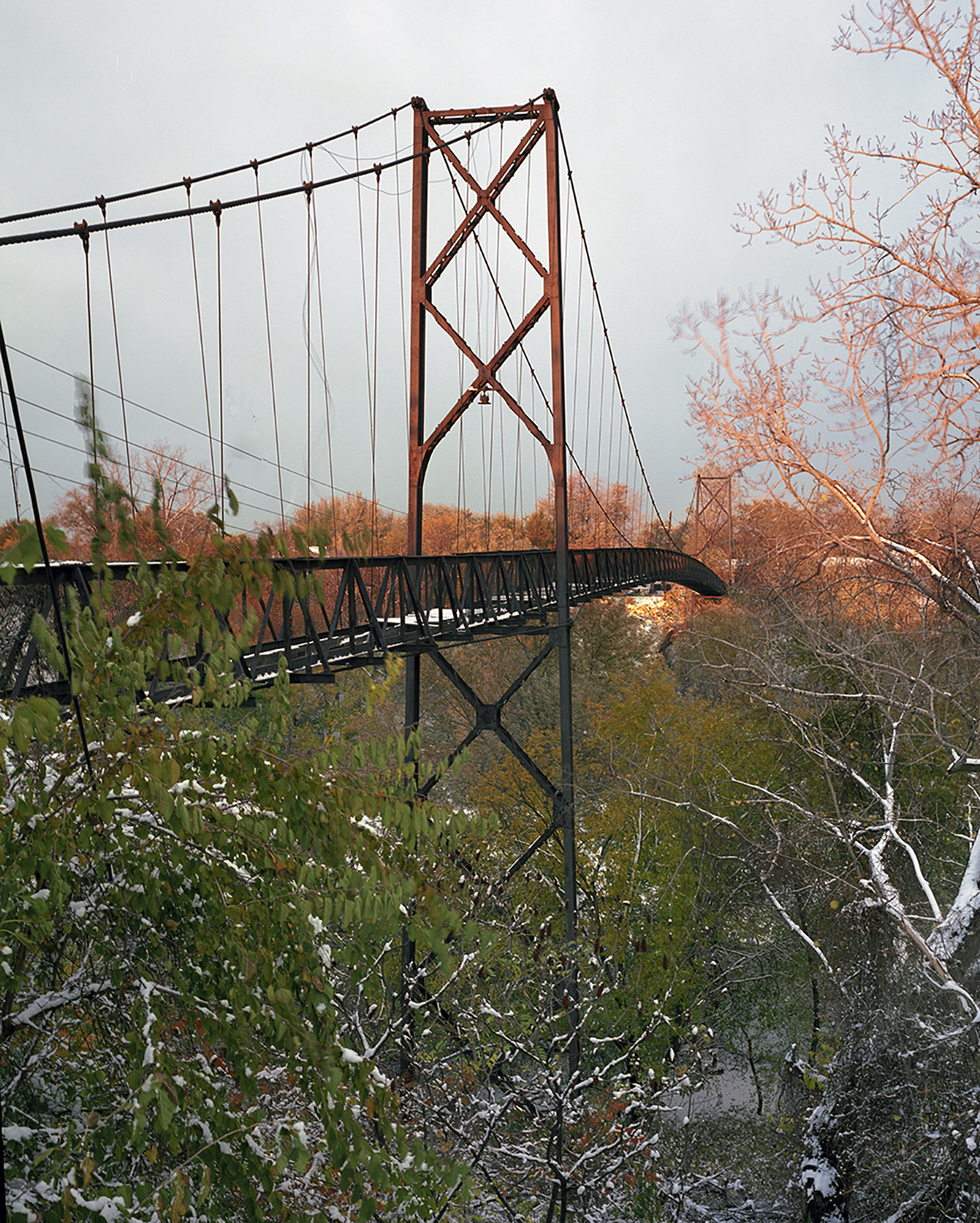
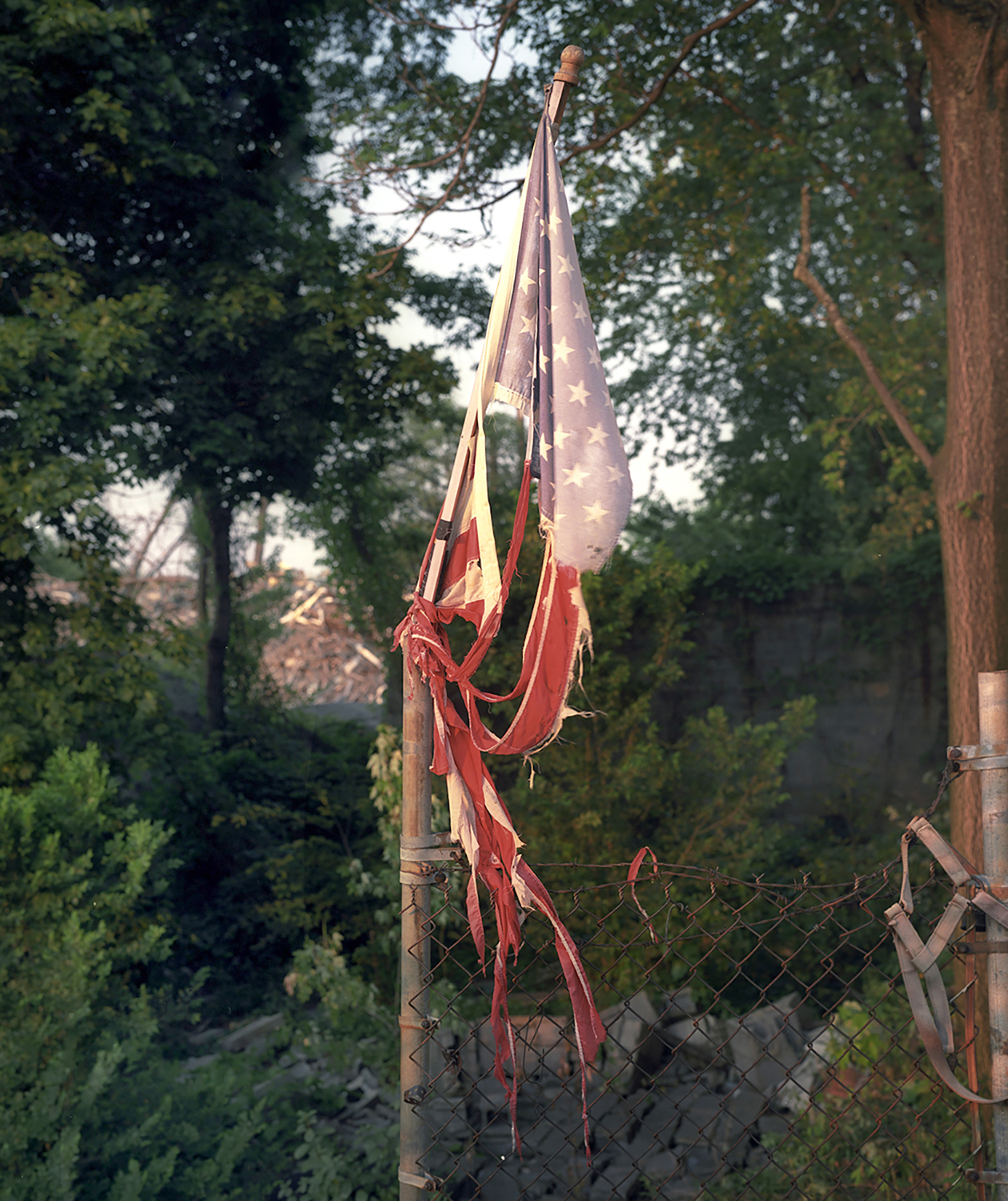
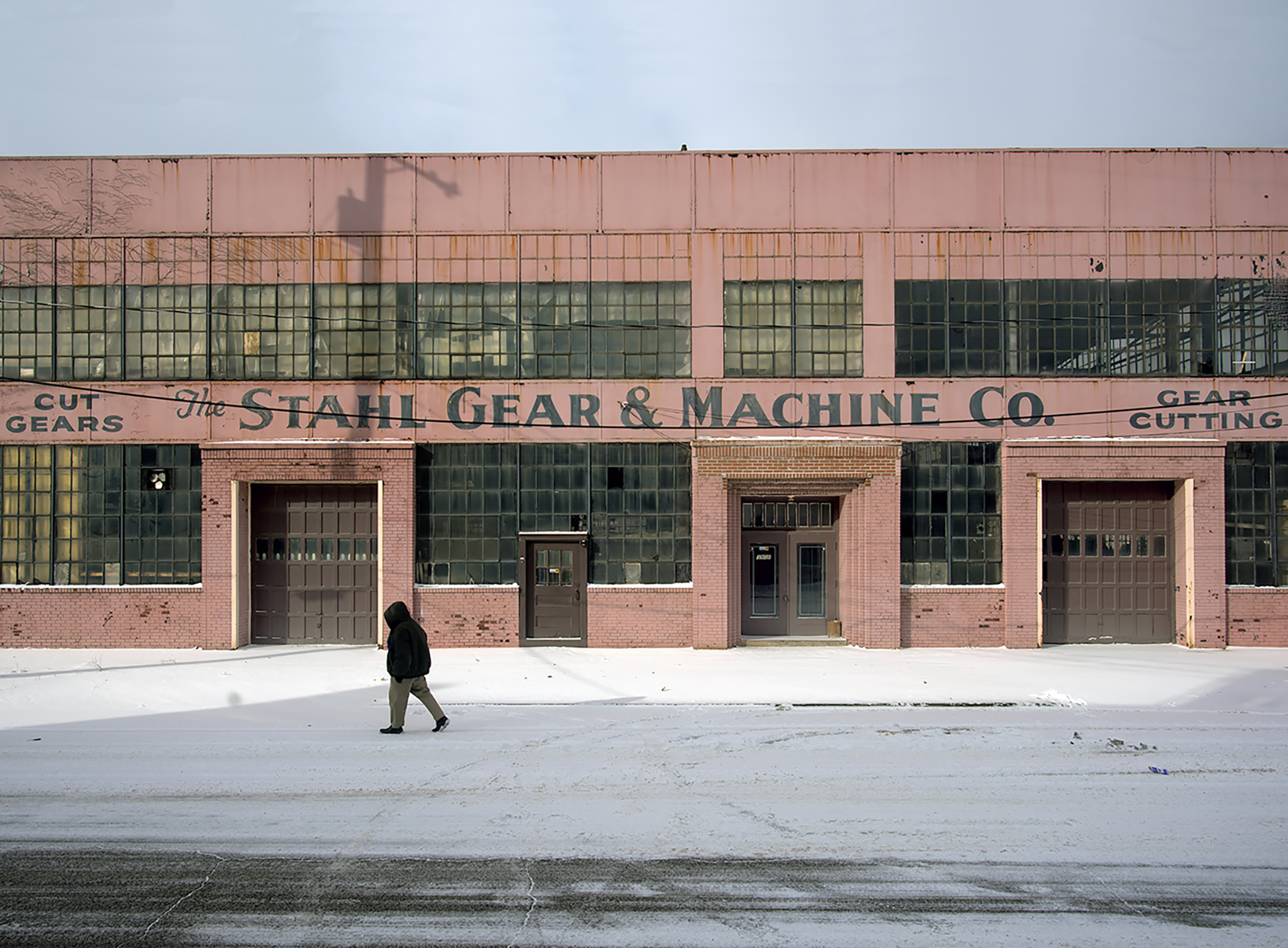
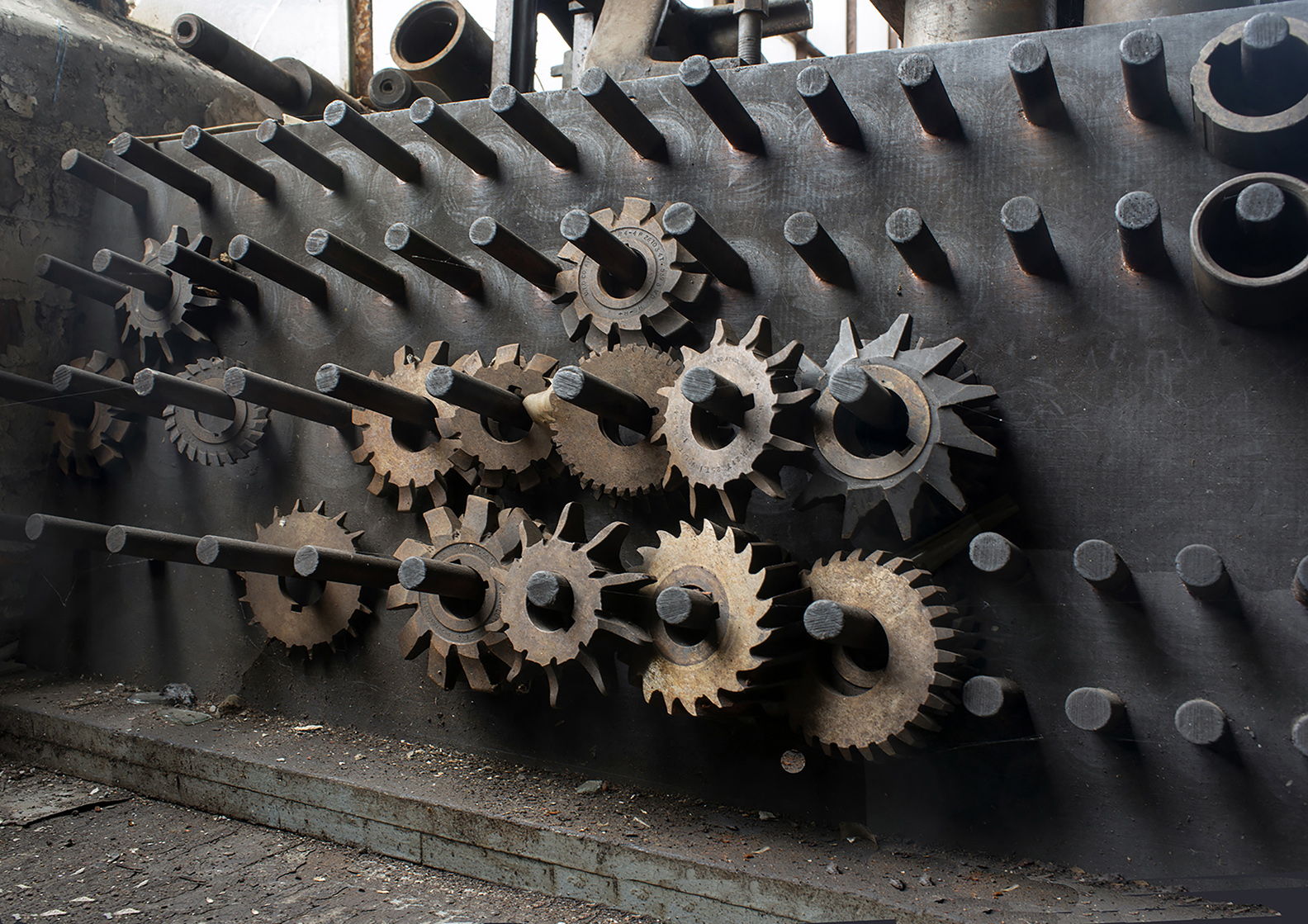
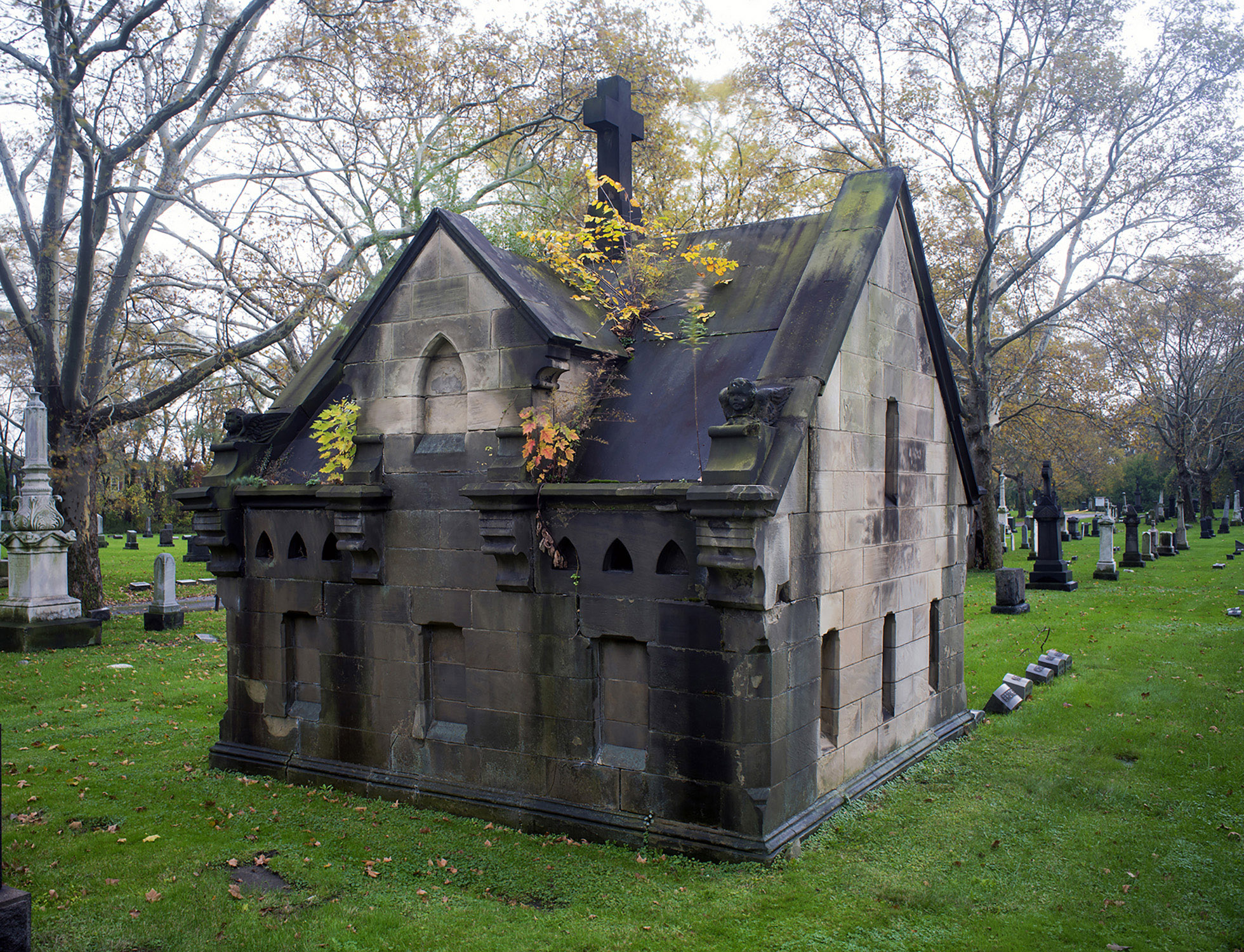
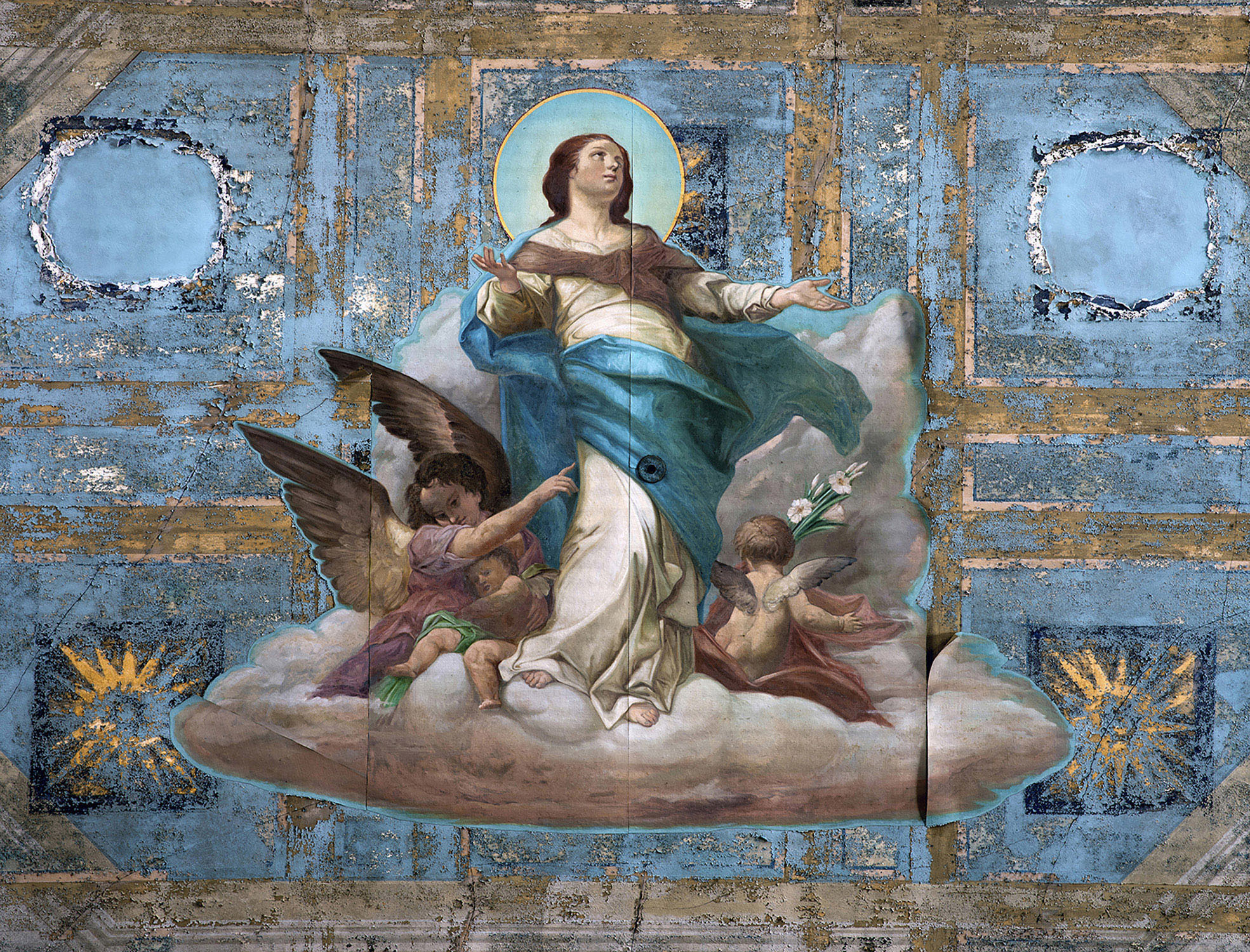
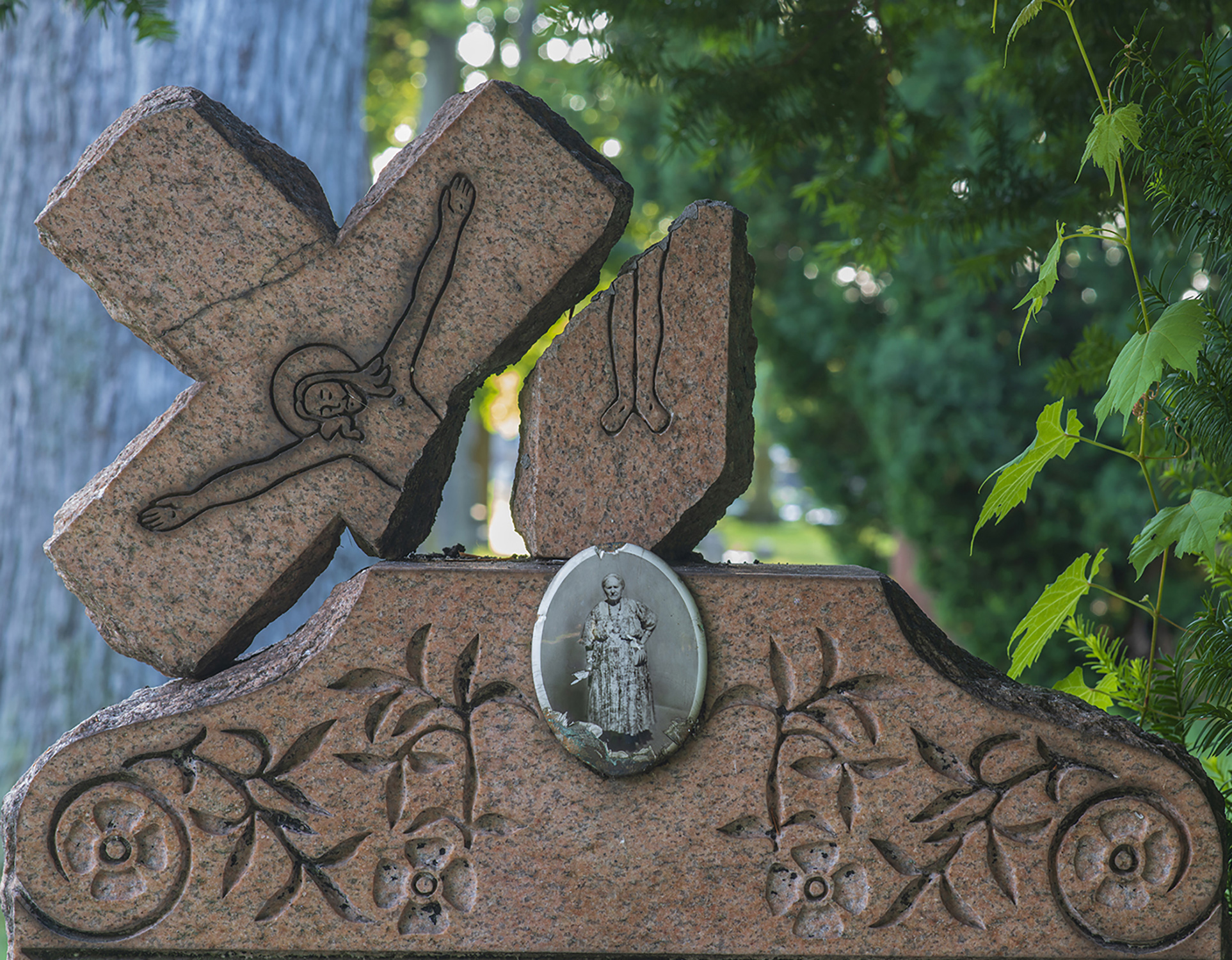
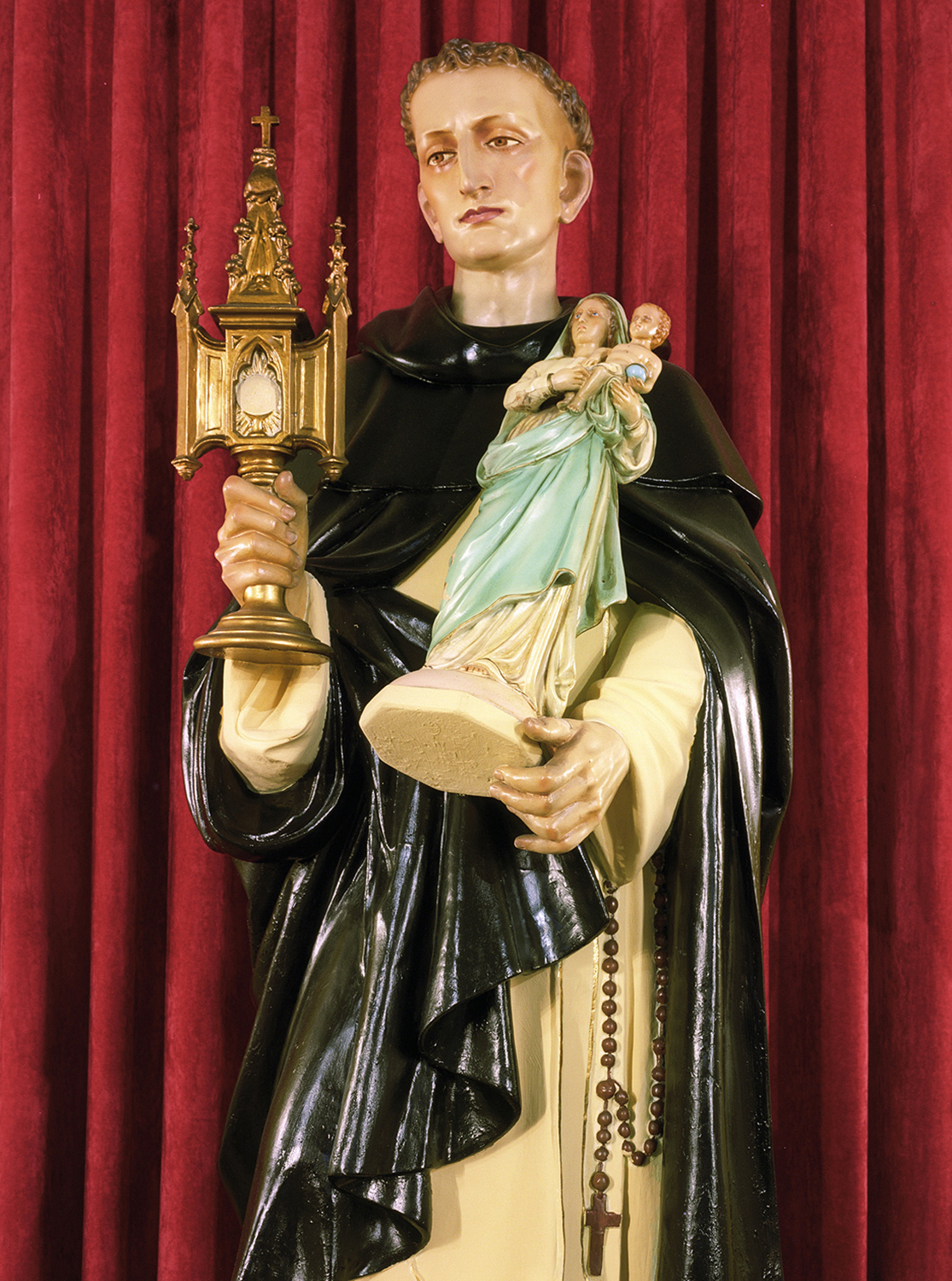
The parish bought St. Mary of the Annunciation Church after the fire and used parts of that church (including altars and church bell) to re-establish itself.St. Emeric Church, West 22nd Street, 2009St. Emeric Church, Pulpit, West 22nd Street, 2009St. Emeric Church, Confessional, 2009 West 22nd Street,St. Emeric Church, West 22nd Street,House, East 55th StreetStill there same shape.Deiter Mansion, Slovenian archives office, Sinclair AvenueThe mansion was built before the Slovenian immigration to the Neighbourhood began. The mansion was saved by the Slovenian home and became their offices. The front yard of the old mansion, then became Slovenian national home with retail shops and auditorium and kitchen facilities.Three Houses, East 79th Street - GoneHomes & Apartment House, Cedar Avenue - GoneBreaking the decades, long Cleveland tradition of abandoned homes, and once torn down, leaving the empty lot for years ended when they built new apartments here in 2024.Rail, World CutTrain Cut, Erie Railroad, 2012This train kite gave the Erie railroad access to whiskey Island and the lakefront. They are they built, Hewlett unloaders to unload iron or freighters and ship, by railroad, the or south, not to Cleveland Mills, but to other mills along the Ohio river and in Youngstown Ohio. That entire Erie railroad iron or transportation legacy is now completely gone.House, East 83rd Street, HoughHome, Elk StreetEntrance, Home, East 67th Street, 2006Entrance, House, East 67th Street, 2006House & Home, East 79th StreetHouse DemolitionHouse DemolitionHouse DemolitionHouse DemolitionTire in a Tree, Mechanics StreetProfiting, both road underpass, 2007Ivy on Wall, E. 105th Street, JuneIvy on Wall, E. 105th Street, FebuaryDummy, Halloween in East ClevelandDummy, Halloween o East 110th StreetHalloween Display,Vandalized Gravestones, Woodland Cemetery, 2012Damaged Crypt, Woodland Cemetery,Ivy on Pole,Sidaway BridgeShooting into twilight becoming darkness during peak fall with snow on the ground.Distressed fFag, Forgotten TriangleAcme Car, Ivanhoe Road, CollinwoodTrailers Swarmed by Trees, Forgotten TriangleStahl Gear, 2026Stahl Gear,Stahl Gear,Stahl Gear,Stahl Gear,Stahl Gear,Stahl Gear,Deformed Tree, Forgotten Triangle, Kinsman AvenueWithin the Forgotten Triangle, there were numerous trees that were obviously affected by something that warped their growth.
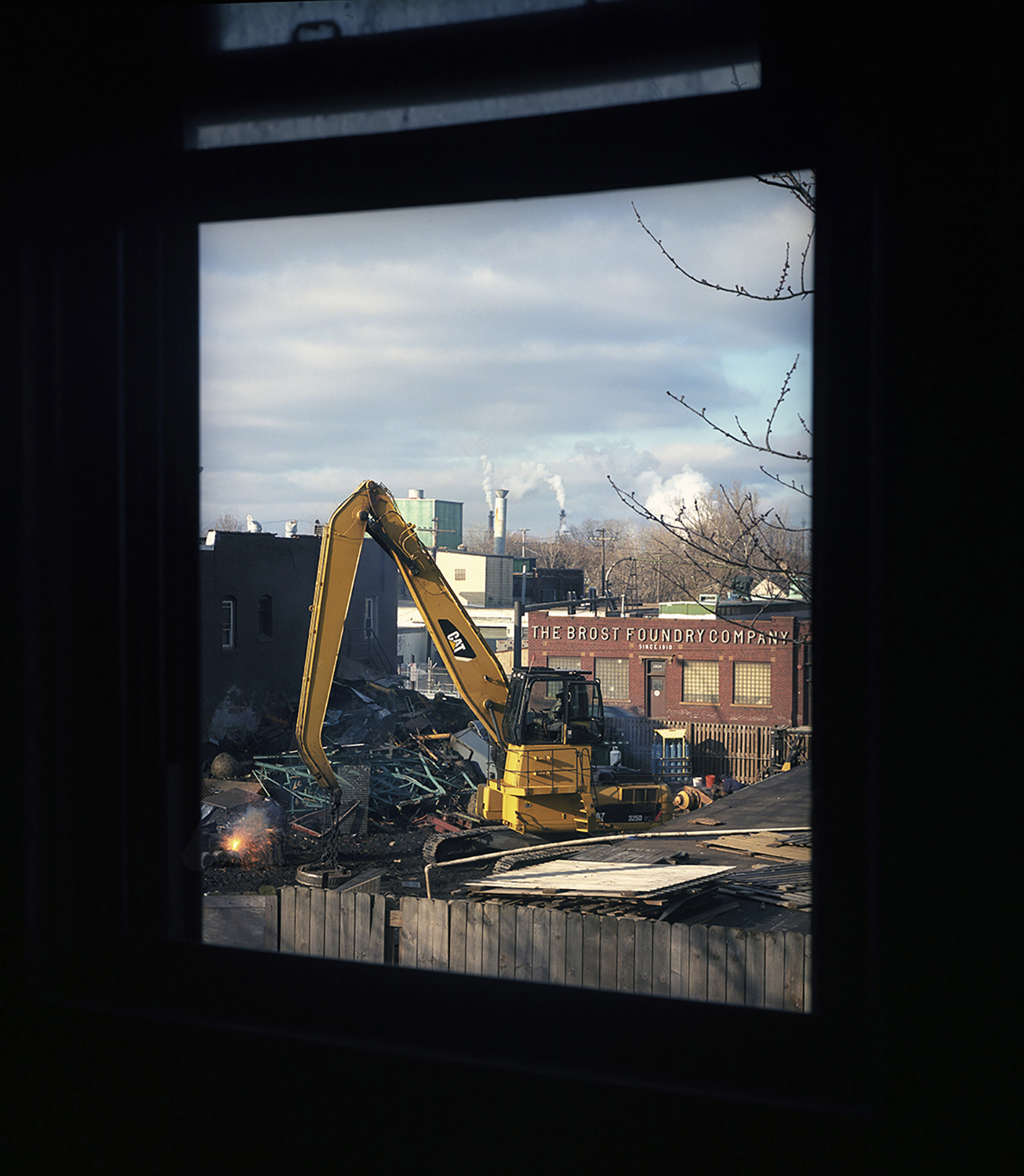
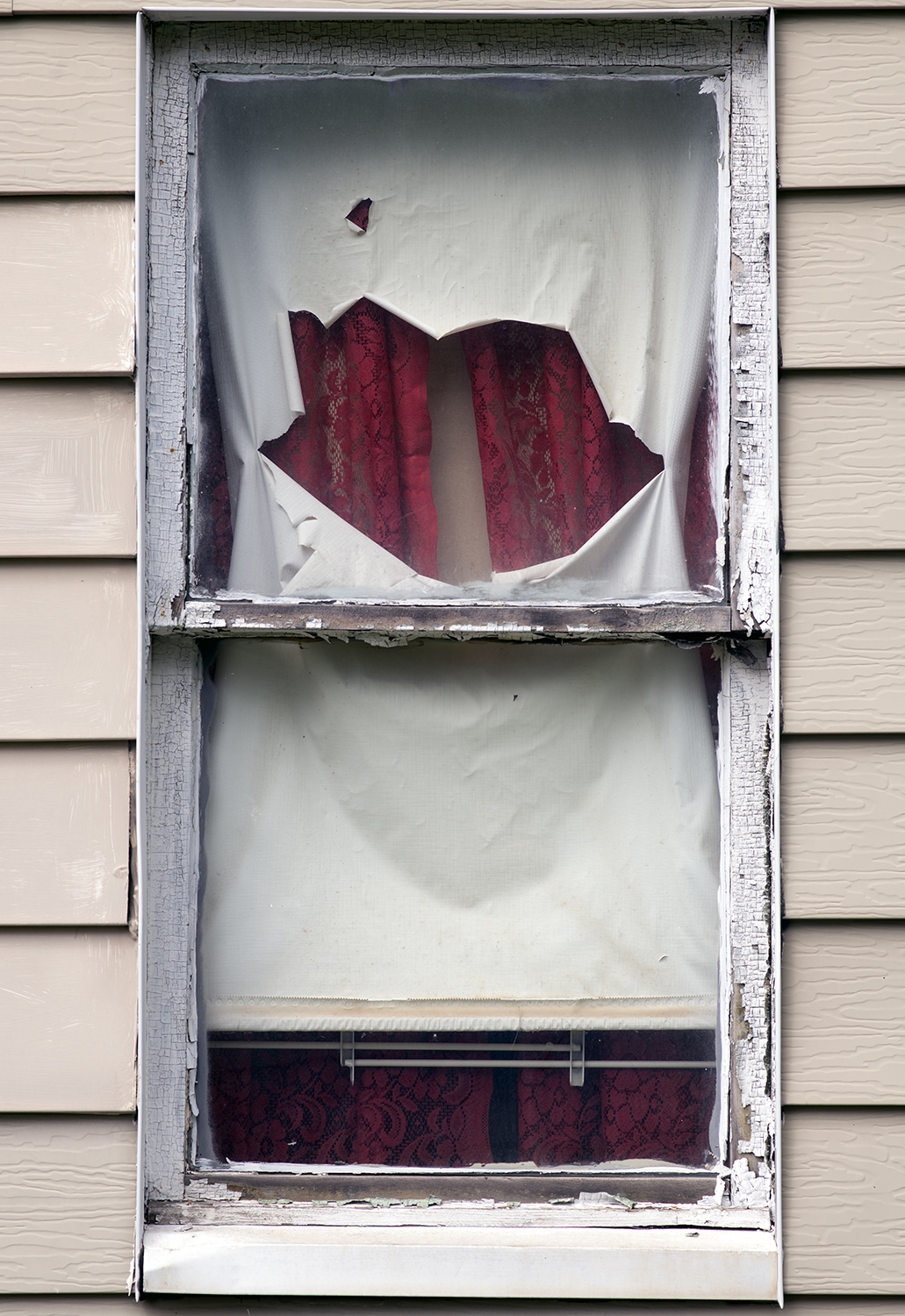
If this helps, the Forgotten Triangle was one of the most toxic places I've ever been. It began when the homes which were mixed in completely with factories and industry caught fire in 1975 during an unusual windy dry night that night 25 homes burned to the ground, that began the beginning of what became known as the forgotten triangle. That name only caught on after 2000.Home, East 103rd Street, 2006Nickel Plate Road – Cleveland East Side Cut, 2009The line was built by the New York, Chicago and St. Louis Railroad in the late 1890s–early 1900s as a grade-separated freight bypass to move trains through Cleveland without street crossings. Several bridges and tunnel portals along this route date to 1902–1904.Nickel Plate Road – Cleveland East Side Cut, 2009Apartment Houses & Shops, Lakeview Avenue - GoneGlenville and West East Cleveland were heavily Jewish enclaves until the 1950s when they proceeded east into the Heights and eastern suburbs.Sign With Ivy, June 2015Sign Without Ivy Leaves, Febuary, 2015Wall, East 105th Street August, 2010Wall, East 105th Street February, 2011Warped Tree & Fence, June, 2020Warped Tree & Fence, Decemner, 2022Home, Windows & Awnings, Holton Avenue, 2009House, Windows, Holton Avenue, 2012Home, University Court, 2006Condos University Court, 2019Tomb,Window Display, East 65th StreetWindowDisplay, Rowley AvenueWindow, Colonial CourtBedroom Window, East 58th StreetJBI Scrap, across the sreet, is the Brost Foundry, and in the distance is the basic oxygen plant of Cleveland Cliffs.
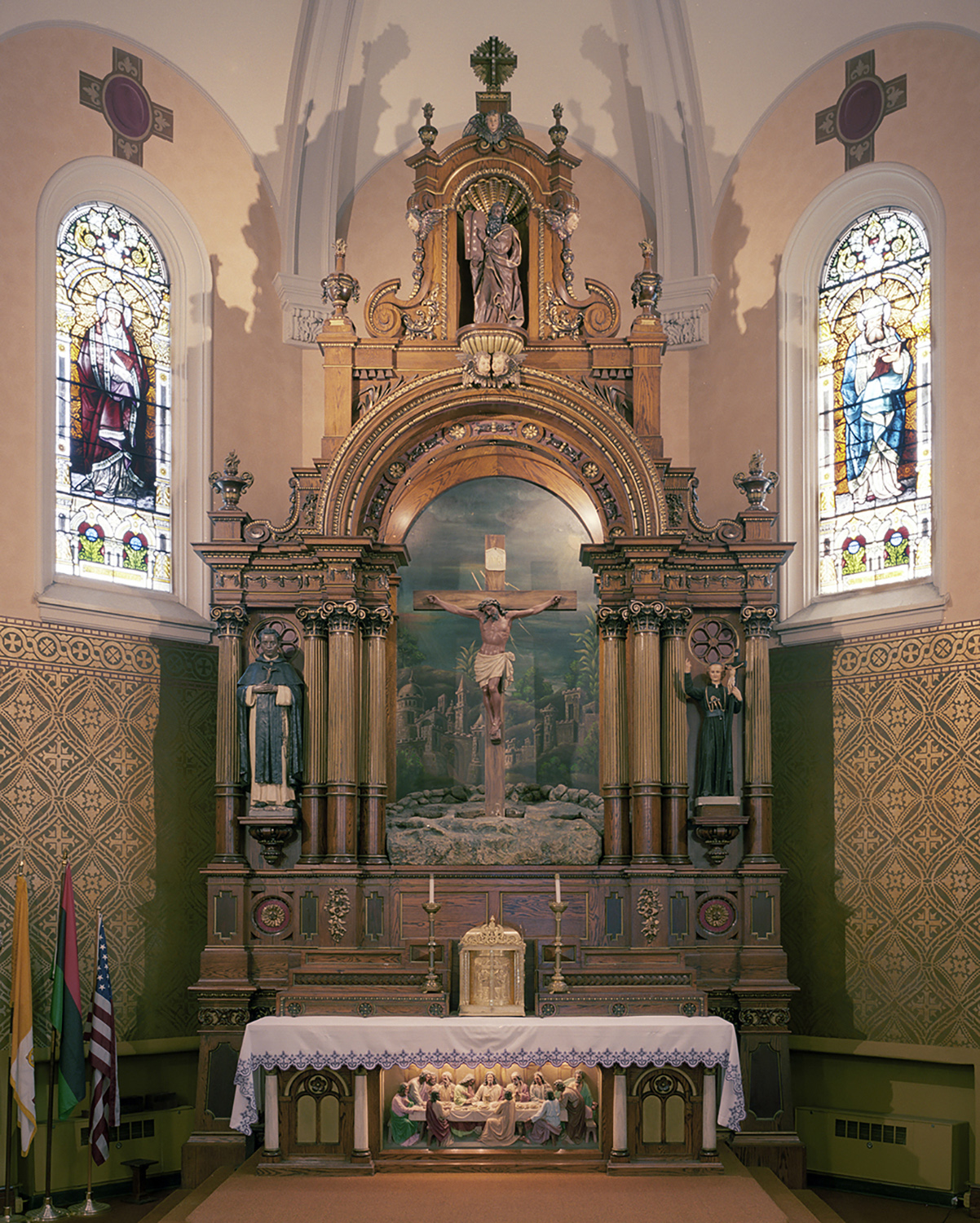
The home and bedroom window are gone as well as JBI scrap.Altar, St. AdalbertBuilt in 1883 when the neighborhood was bohemian and immigrant by the 1960s blacks head moved in and the church became an ethnic Black church.
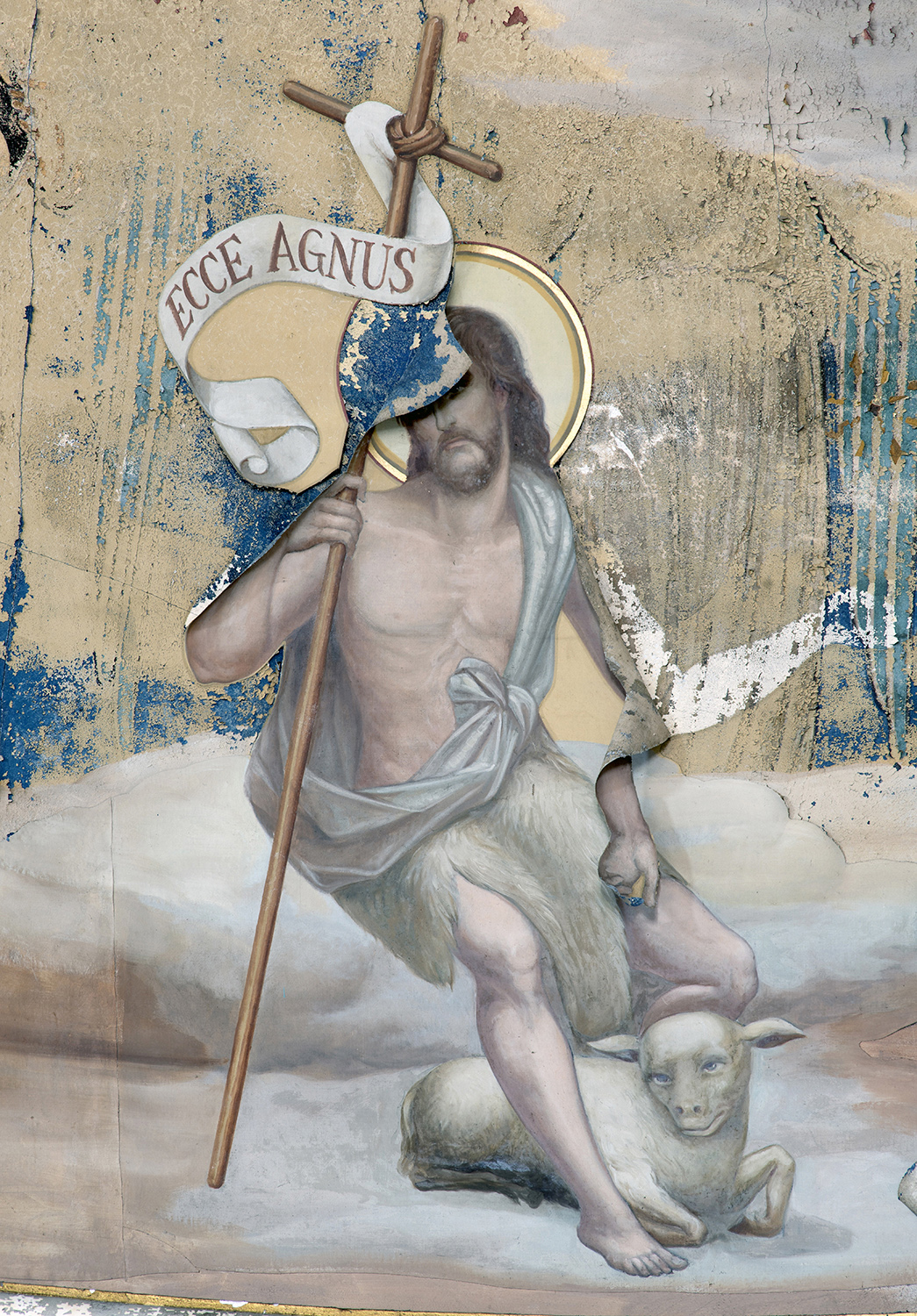
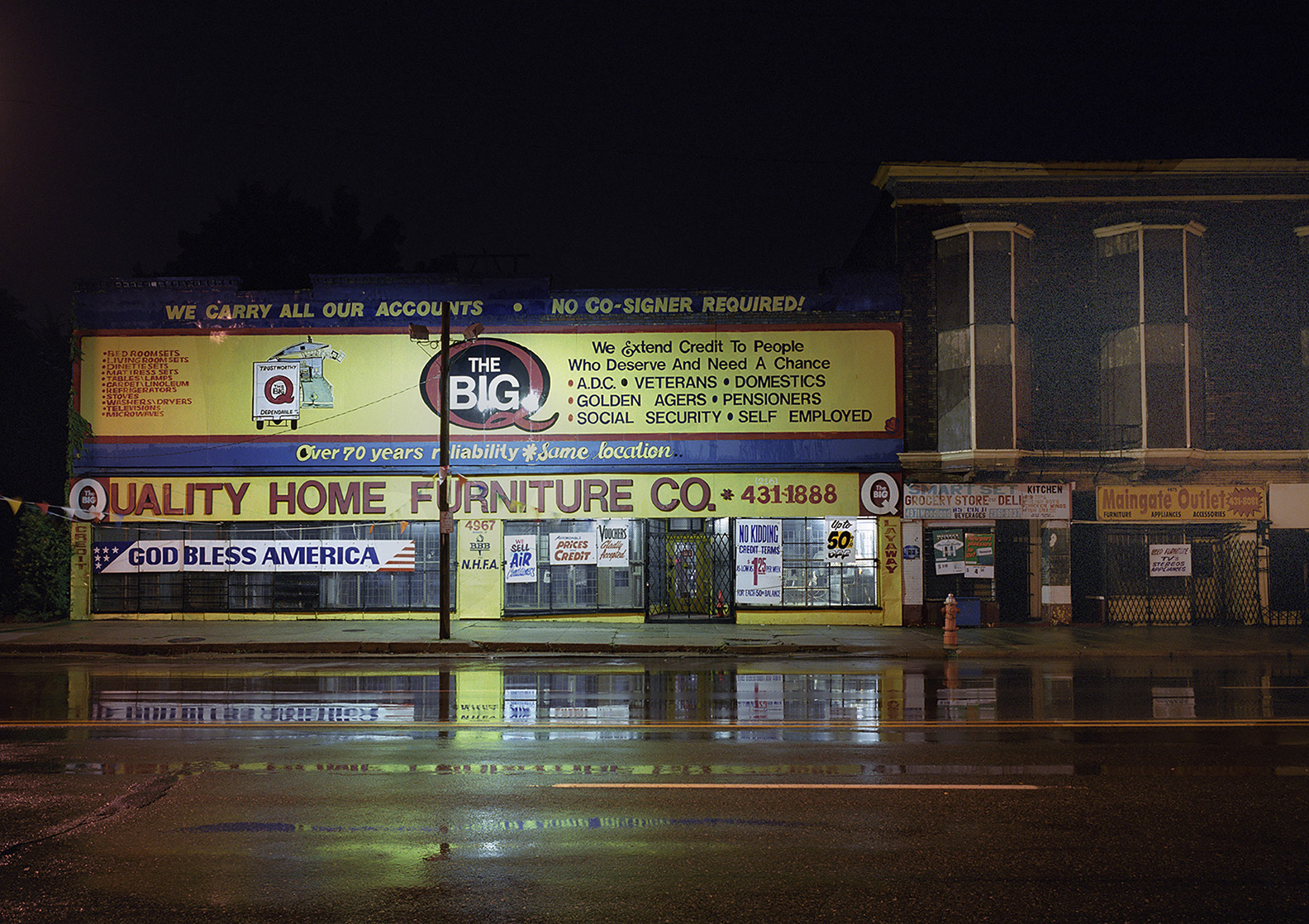
In 2009 the Catholic diocese decided to close 25 ethnic churches in the city. In a dramatic reversal, the Vatican reopened many of the churches and Saint Adalbert was saved. It was the last black church left in the city another one having not survived the diocese closure edict.Old Fashion Hot Dogs Started 1920, Closed 2020.Located in what is now one of the most heavily gentrified areas of the city the building was torn down and anew apartments were built.C-5 & C-6 Blast FurnacesThe Big Q, Furniture Store, Woodland AvenueThe entire area was originally the first Jewish neighborhood in the city going back to the 1850s.
If there ever was a store that was catering pretty much to those living in the projects. It's this one which was surrounded by the city's oldest housing projects.
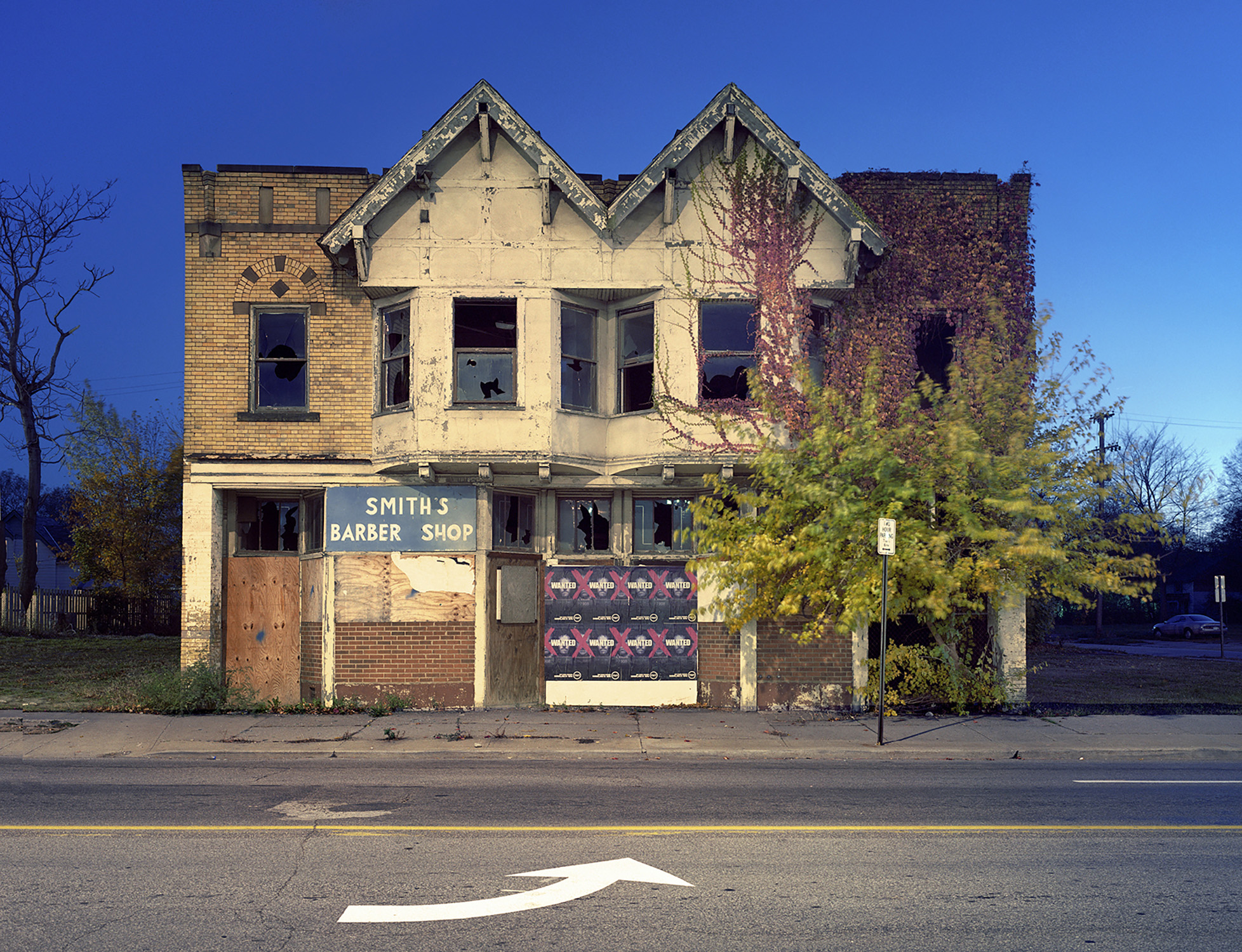
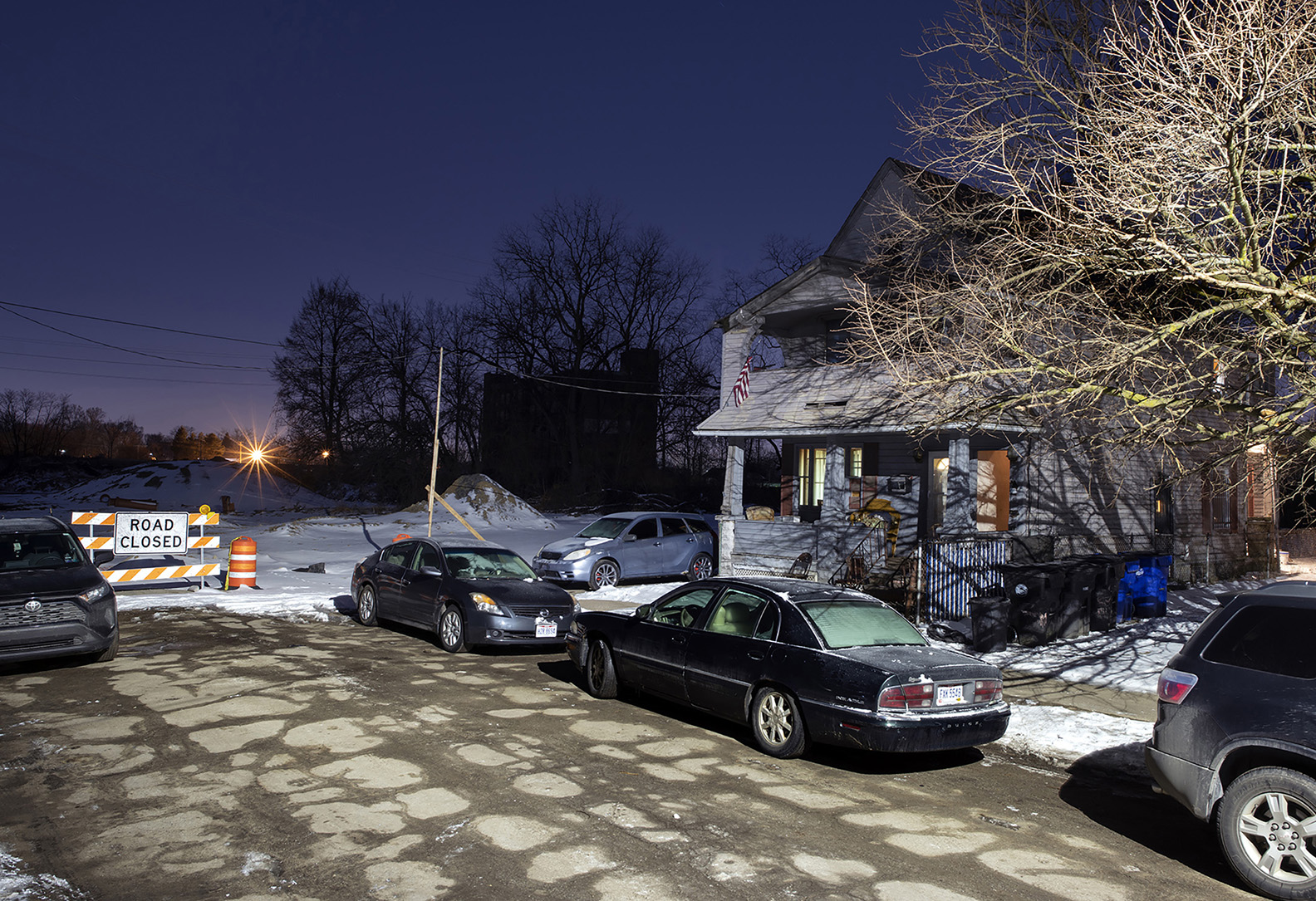
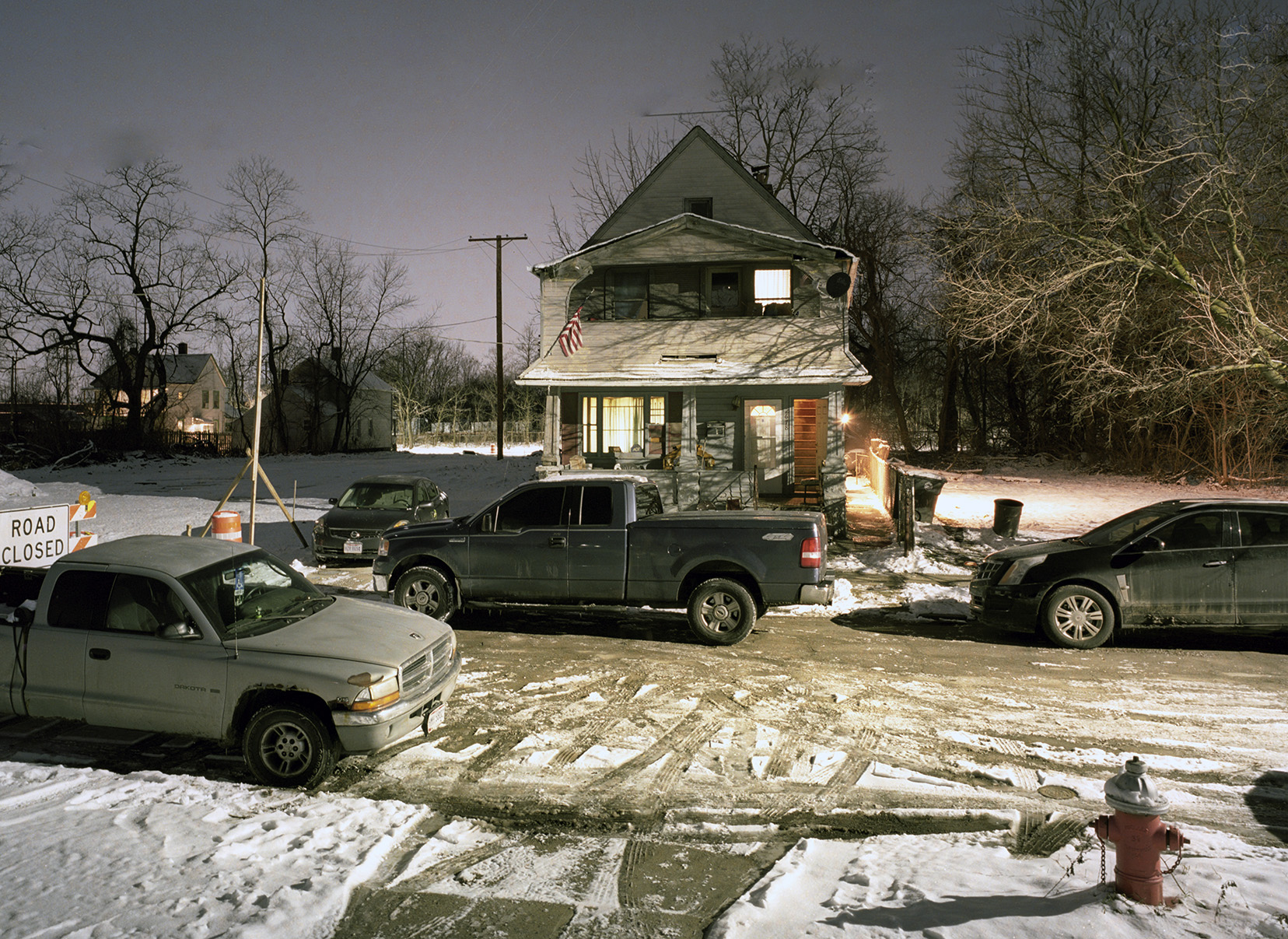
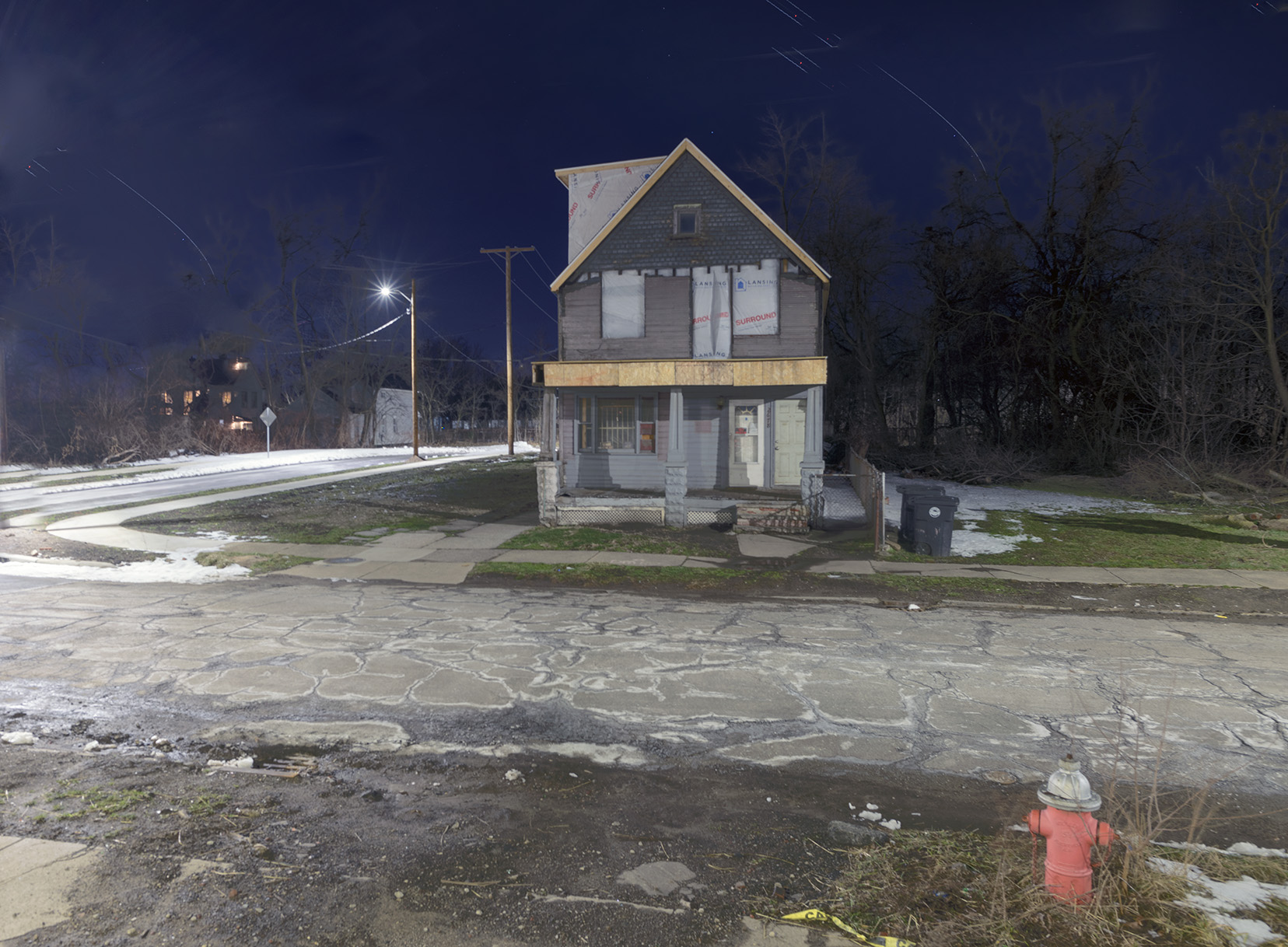
It was owned by Jack Saul, a very nice man we knew who died several years ago. Saul, a classical music aficionado, had been president of the Thomas Beecham Society and amassed a gargantuan collection of recordings. The store is best remembered for its late-night TV commercials, which featured a man crooning (we won't call it singing) the jingle: The Big Q, The Big Q, stands for quality home fur-ni-tuuuure!Smith's Barber Shop, Cedar Avenue, 2004Cheat Spot, Grand Street, Forgotten Trianagle, 2021Cheat Spot, Grand Street, Forgotten Triangle 2021Cheat Spot, Grand Street, Forgotten Triangle, 2024The last days of the Forgotten triangle, the most desolate part of the city. This section of the city was finally completely wiped out by the Opportunity Corridor by 300 million Dollar Parkway style Ave.
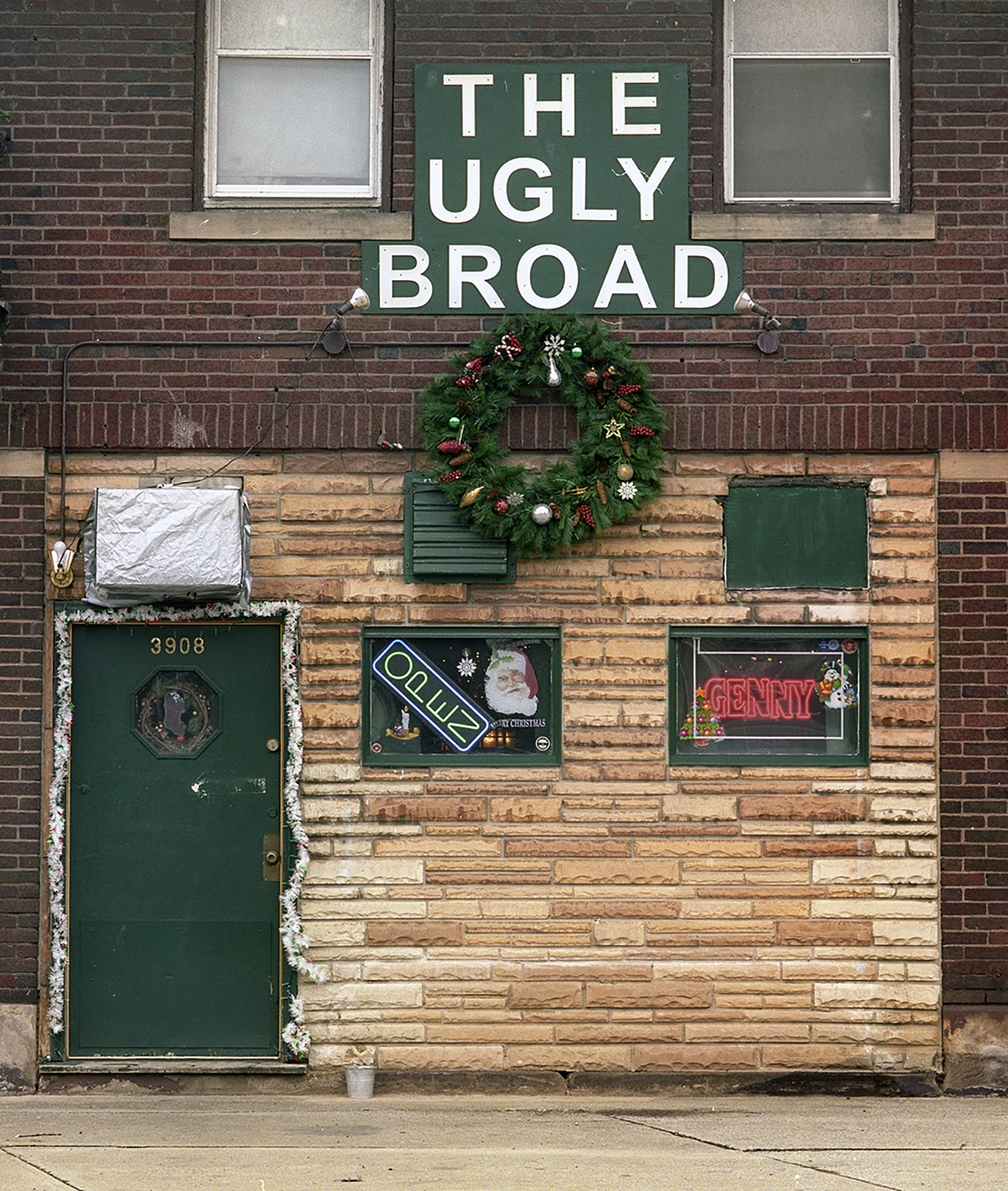
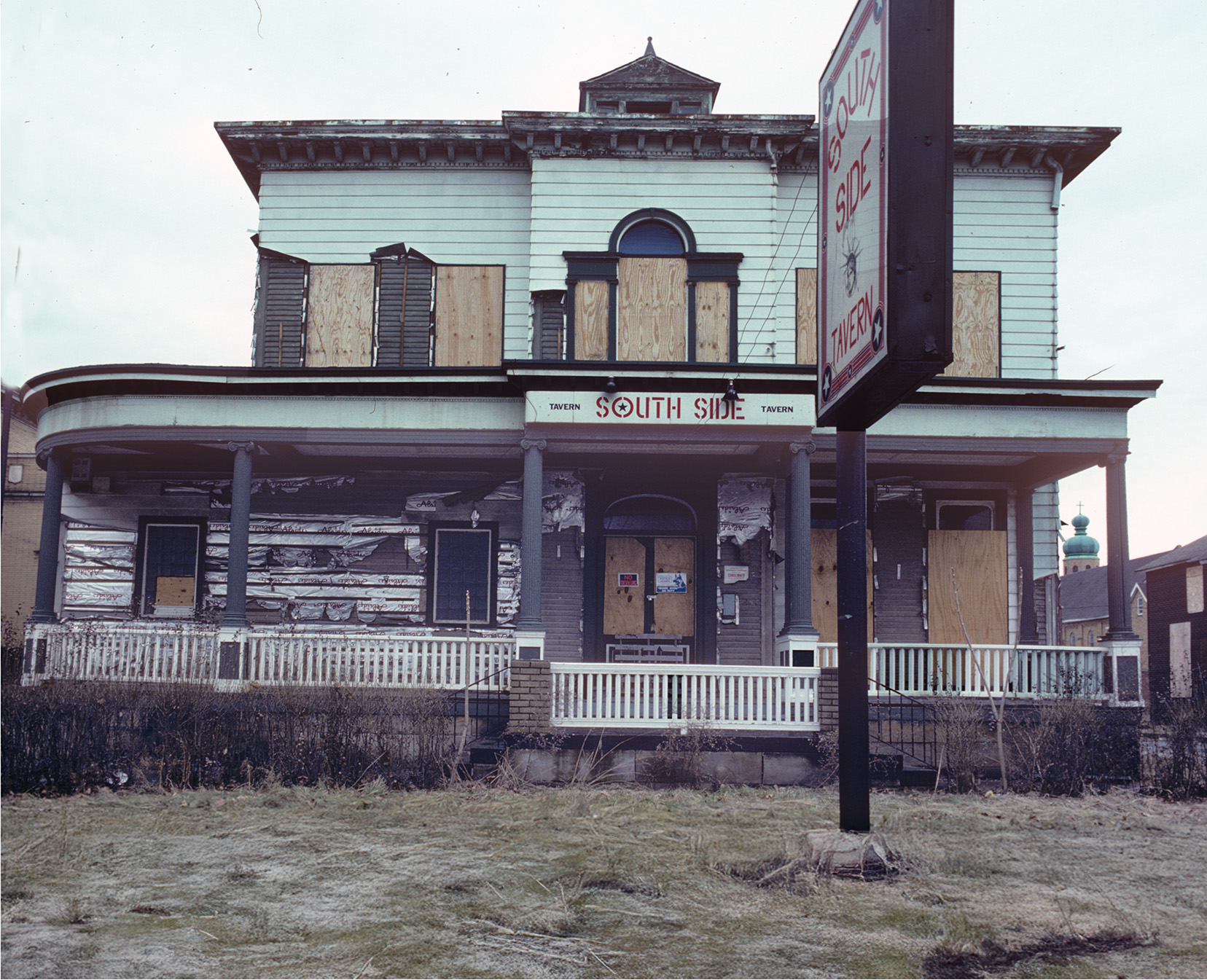
Believe it, or not, the house was completely restored. Exit an open field today, awaiting further development along the new corridor.The Ugly Broad Bar, Denison AvenueApartment House, Lakeviw AvenuePictures of the Lost Source.Pictures of the Lost Source.The Olney House, South Side Tavern, 1985The Olney House, later, The Southside Tavern was connected to a brick building, that was athe Olney Gallery. A museum, built in 1893, and was the city's first public museum. Charles Olney, was a professor and avid art collector and music lover. He married the widow of a man named Lamson, who was very wealthy.
https://www.freshwatercleveland.com/breaking-ground/Olney090417.aspxSouth Side Tavern, 2022The building that once housed the South Side Tavern and is connected to a brick building, which originated as a museum. Both structures have been fully rehabilitated. Charles Olney, was a professor and avid art collector and music lover. He married the widow of a man named Lamson, who was very wealthy.
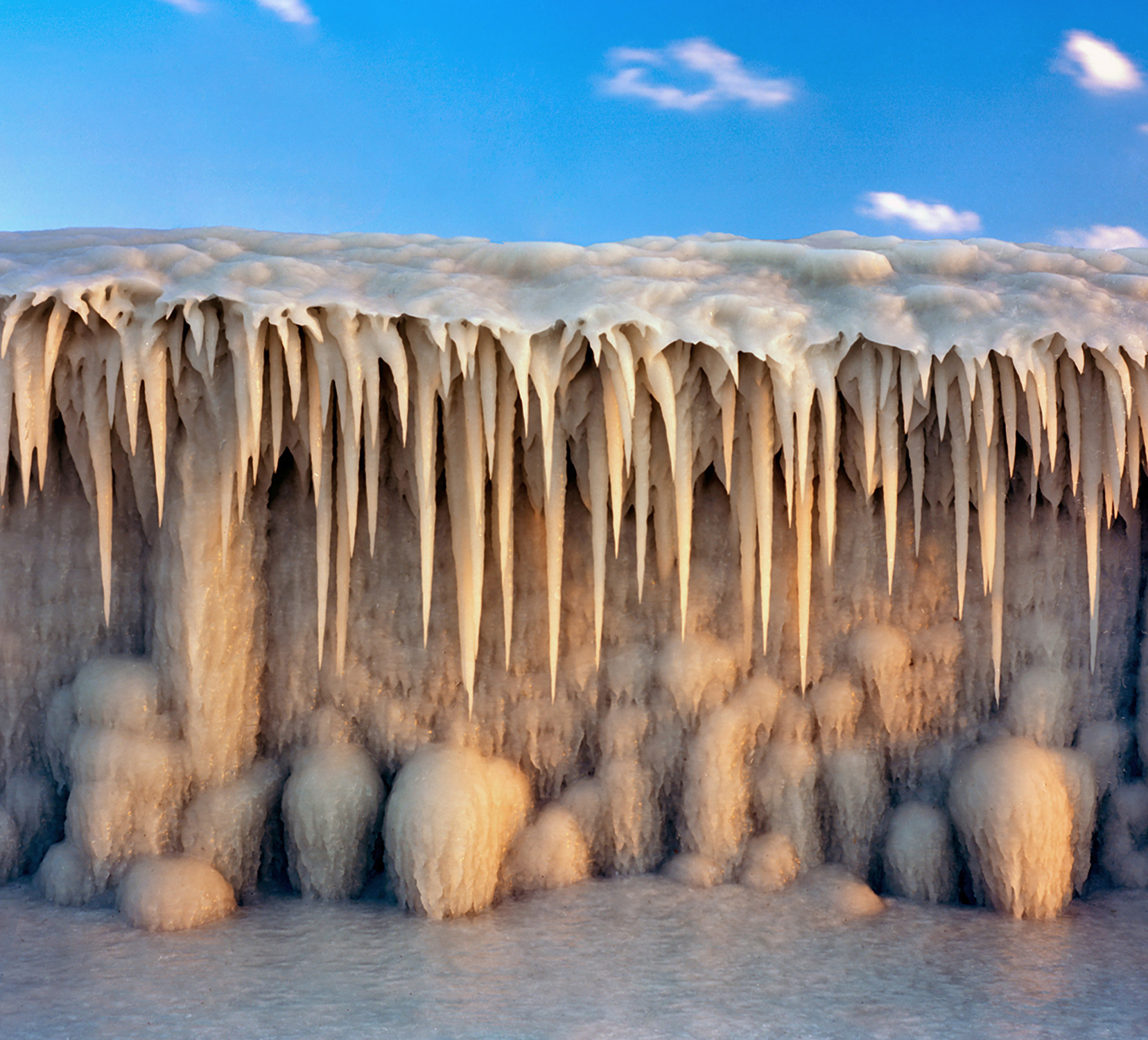
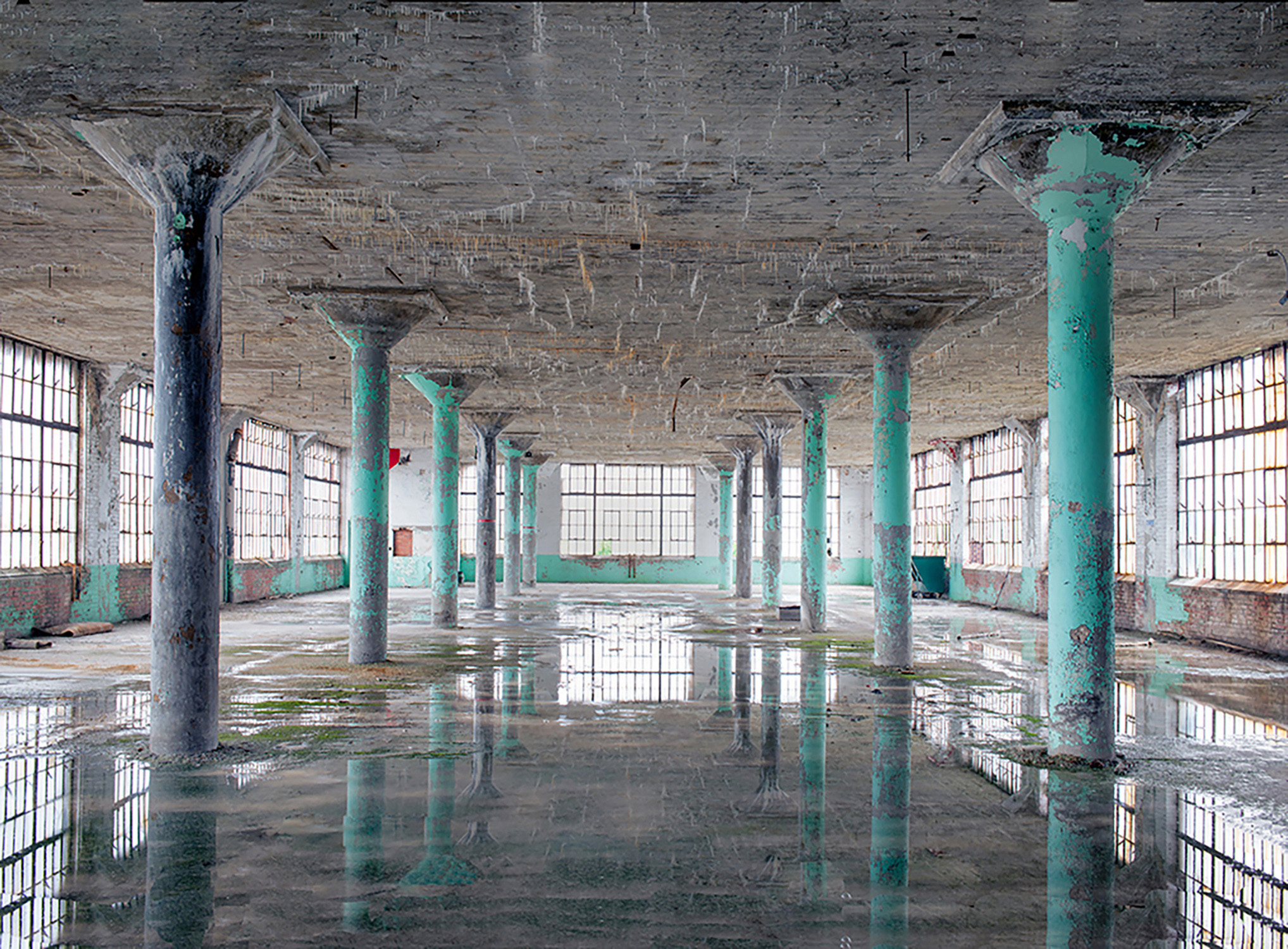
https://www.freshwatercleveland.com/breaking-ground/Olney090417.aspxRichman Brothers Plant, East 55th StreetA plant was opened in 1917 and was closed in 1992. It has sat vacant since then and was bought by a New York development company in 2023.Ice on Fence, Lake ErieThis is a simple cyclone fence that has been covered in ice from the notorious lake affect storms that create huge snow and ice events called Lake Effect.
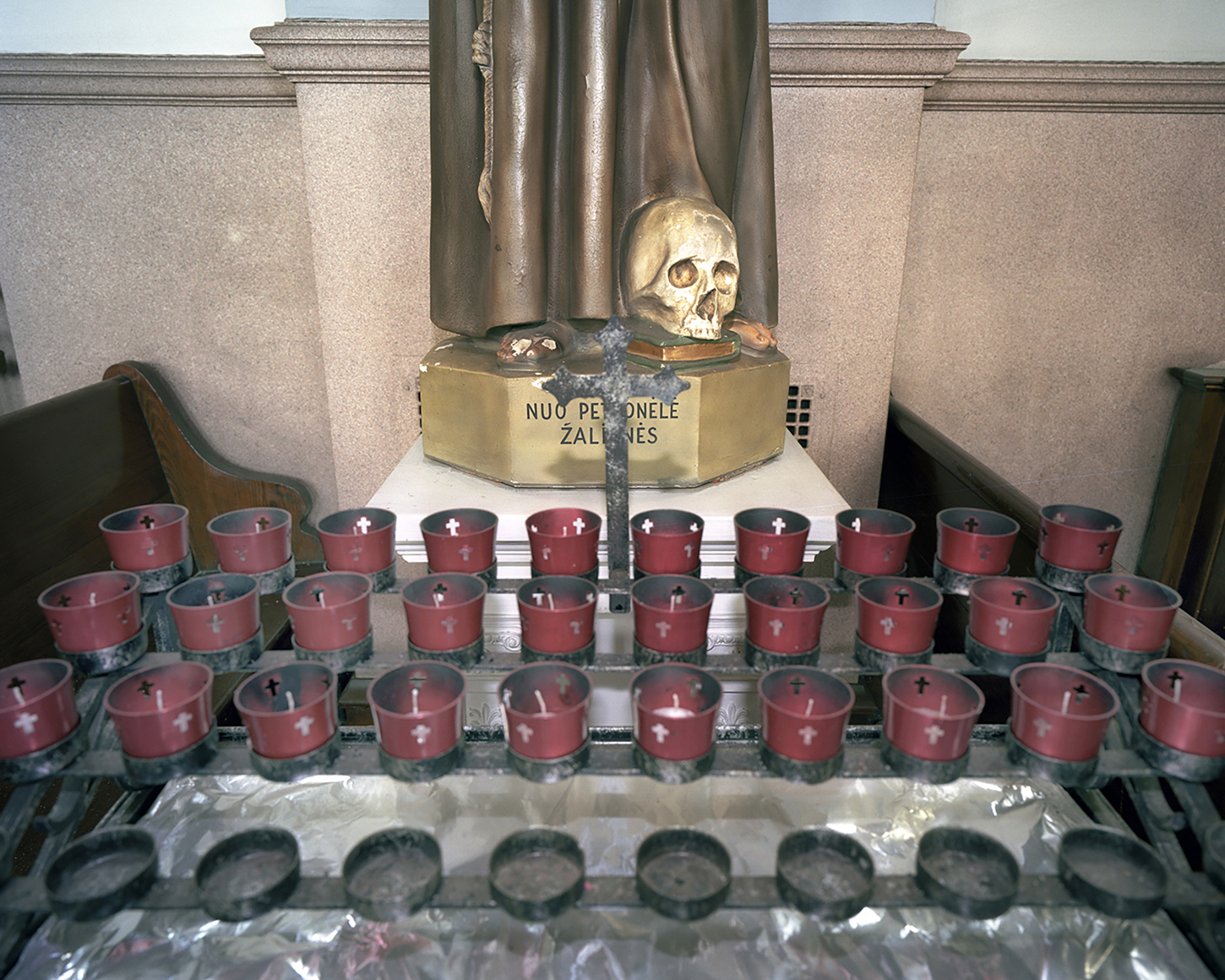
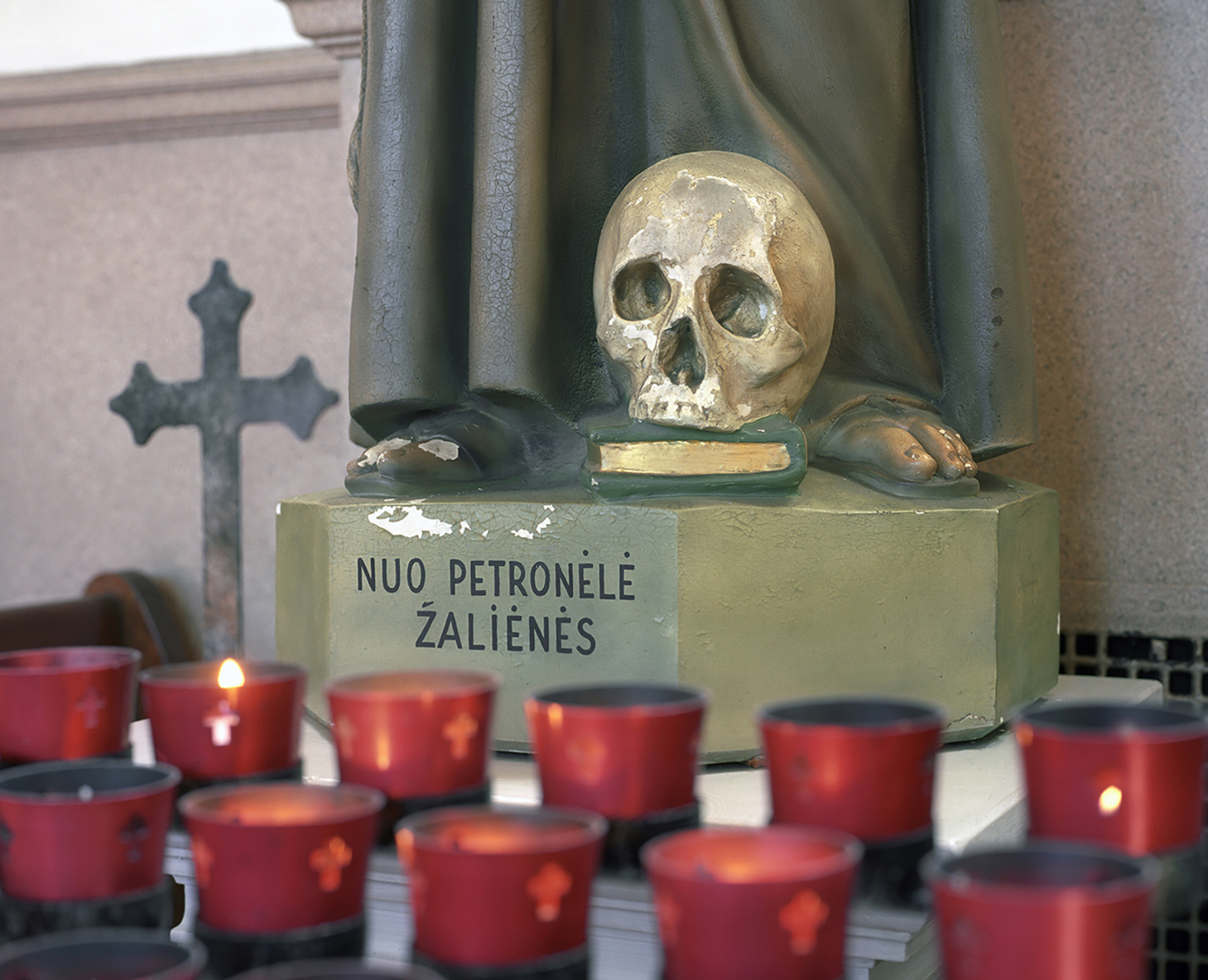
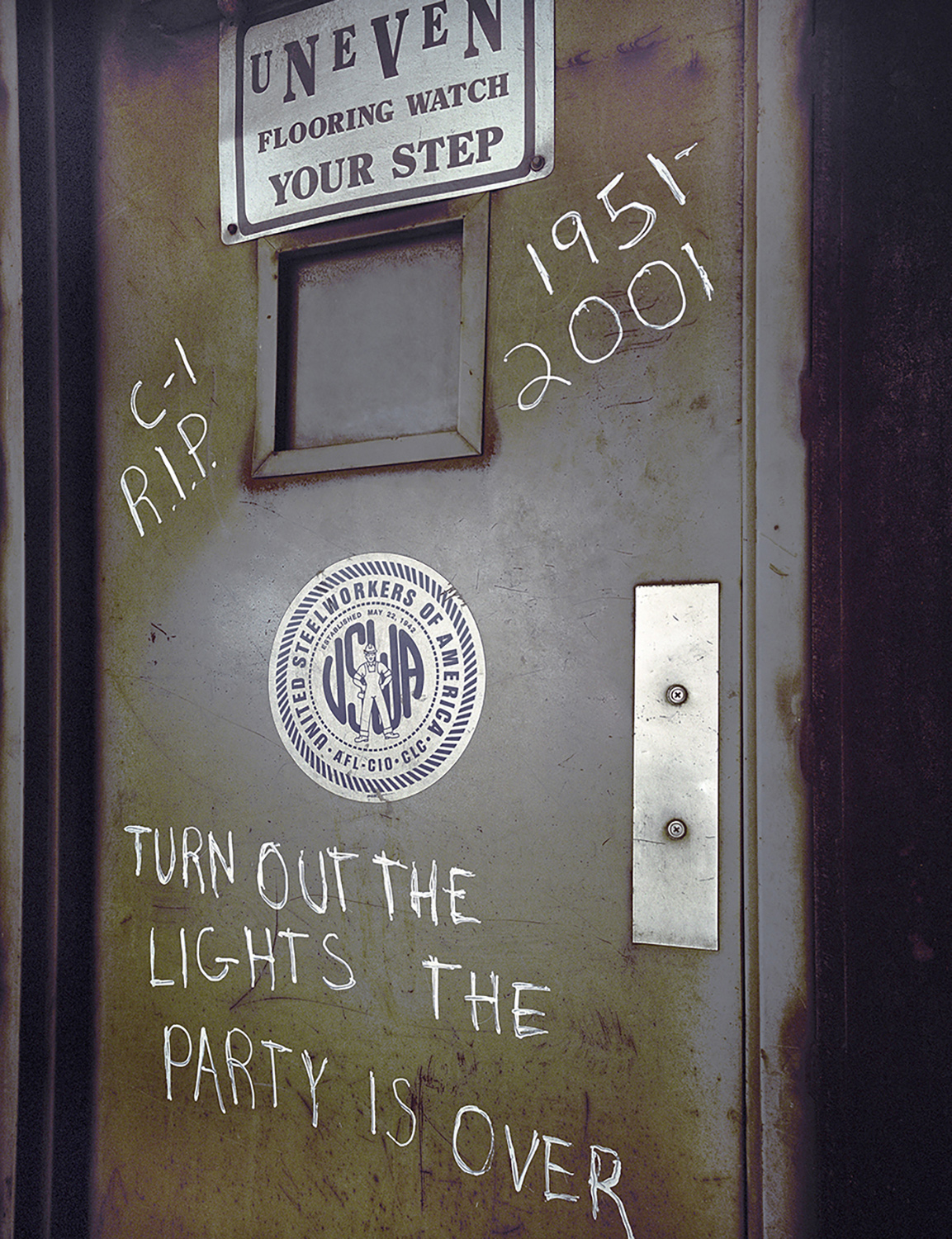
These types of formations are a result of winds usually in the 60 mph range coming directly out of the north and northwest over open unfrozen water being blasted by subzero winds.Sain Sebastion Memorial, St. George ChurchSt. George was a Lithuanian church and was one of 25 ethnic churches that were closed by the diocese in 2009 to 2010.C-1 Blast Furnace, LTV Steel, Night Before DemolitionThis is a one hour exposure at midnight. The structure had been loaded and secured with dynamite and was to be blown up eight hours later.Pictures of the Lost Source.Pictures of the Lost Source.