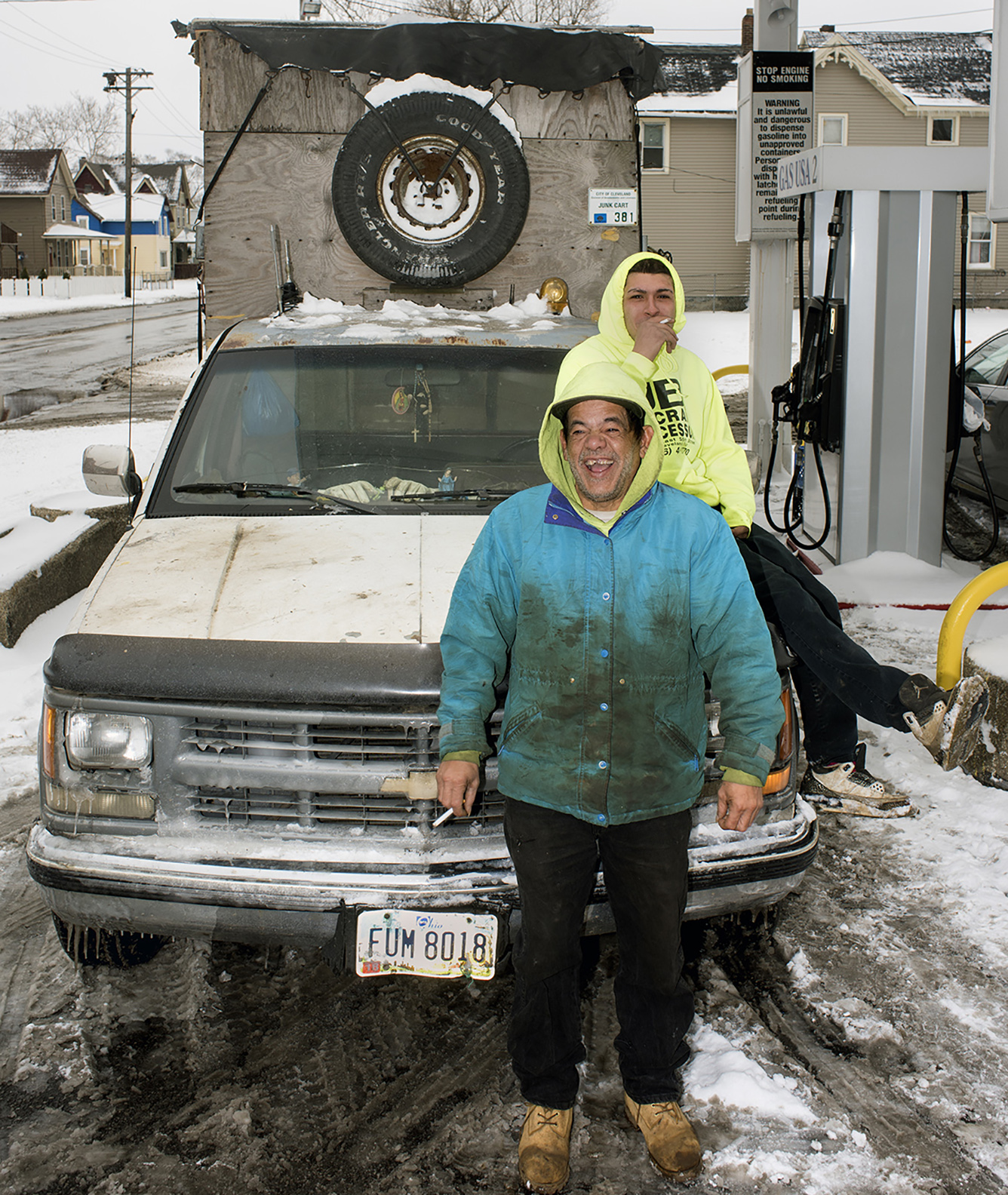
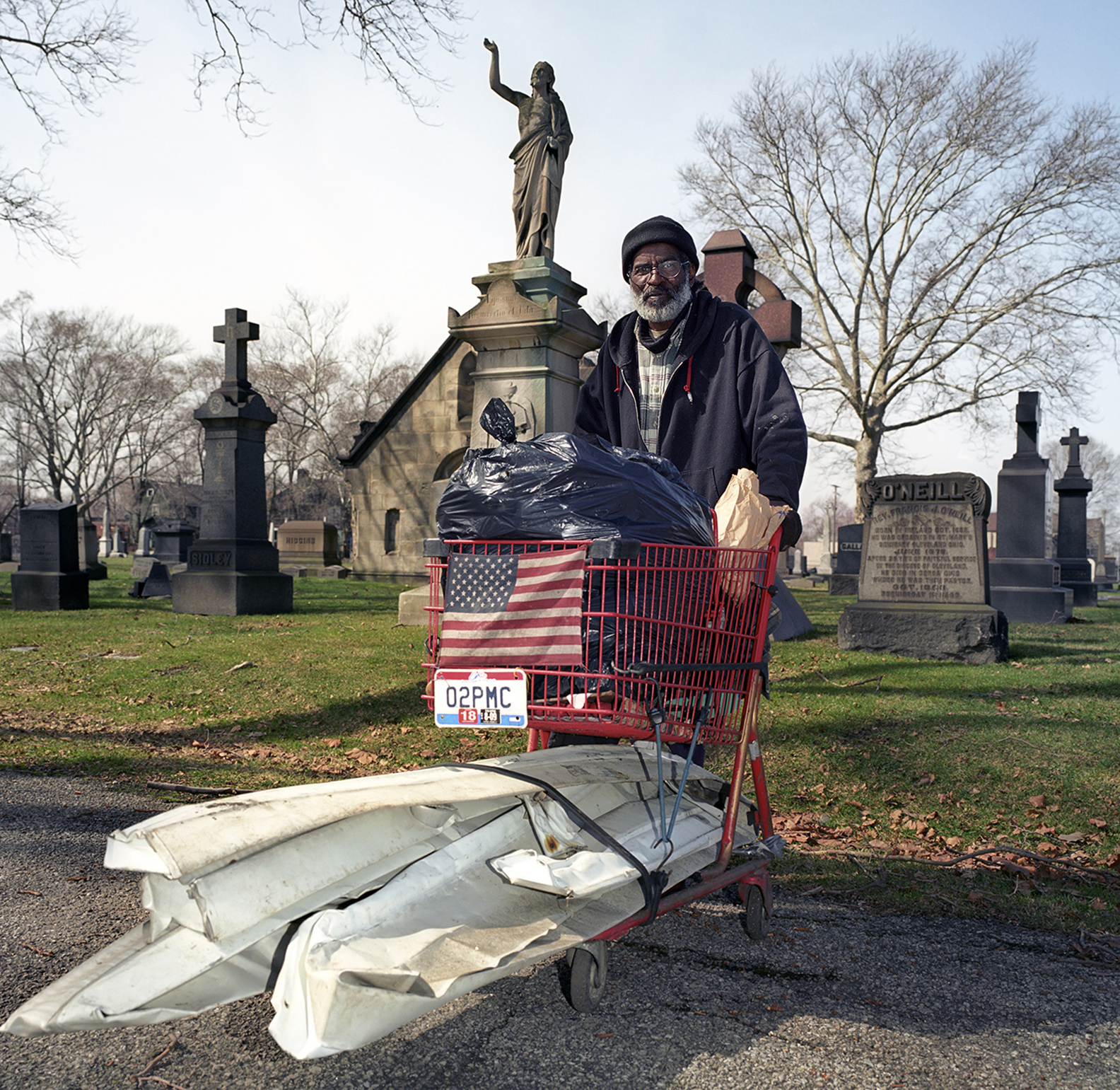
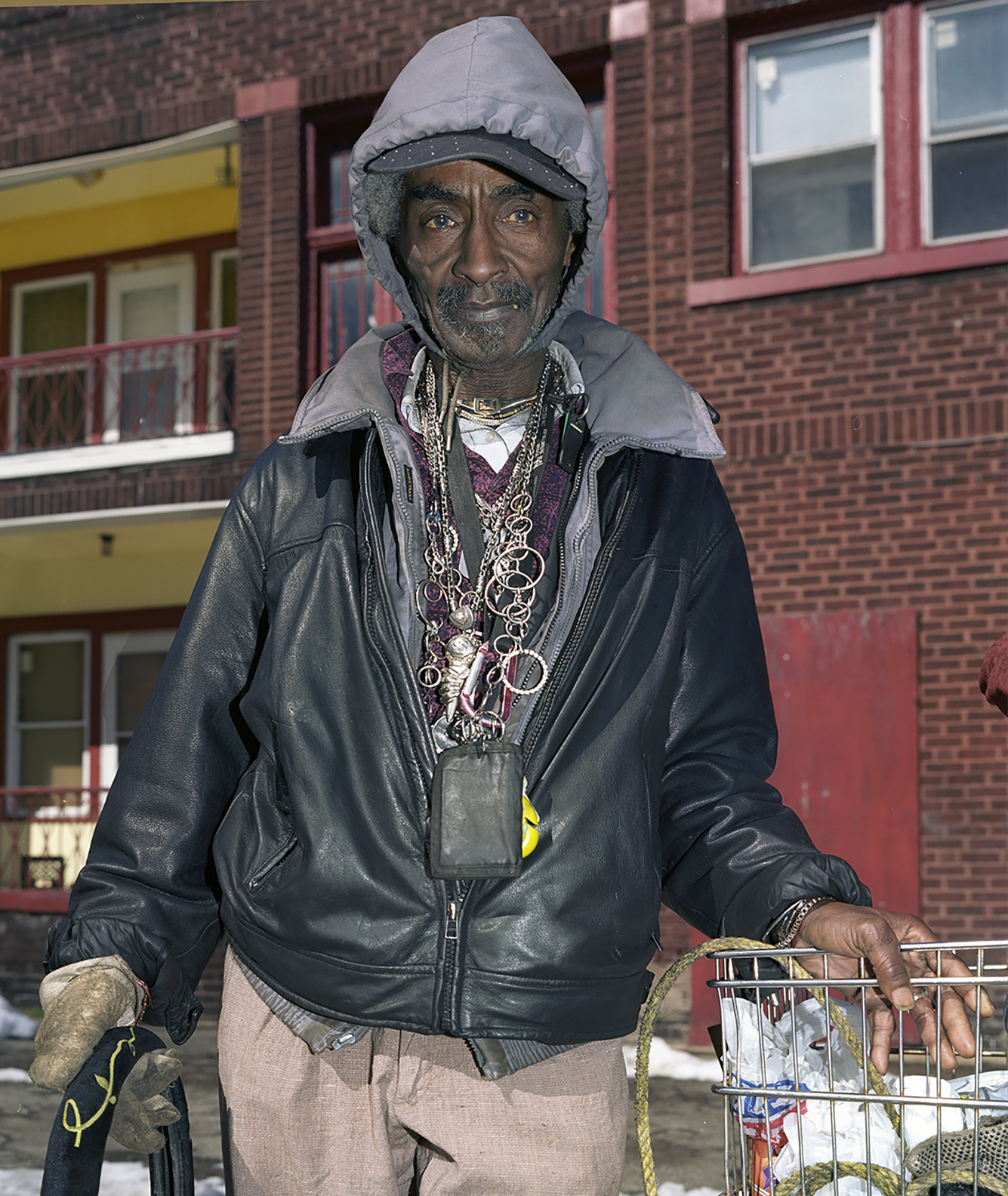
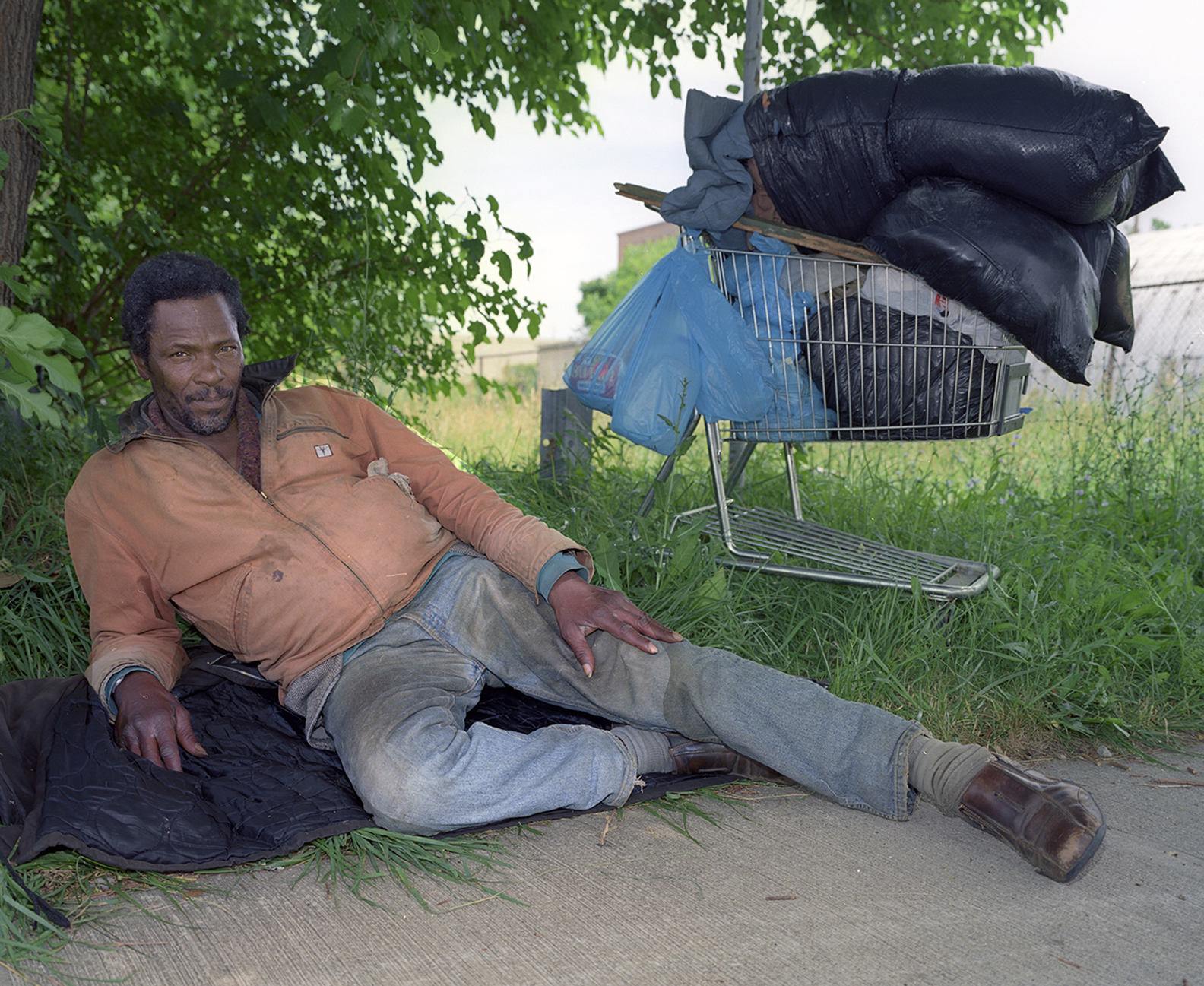
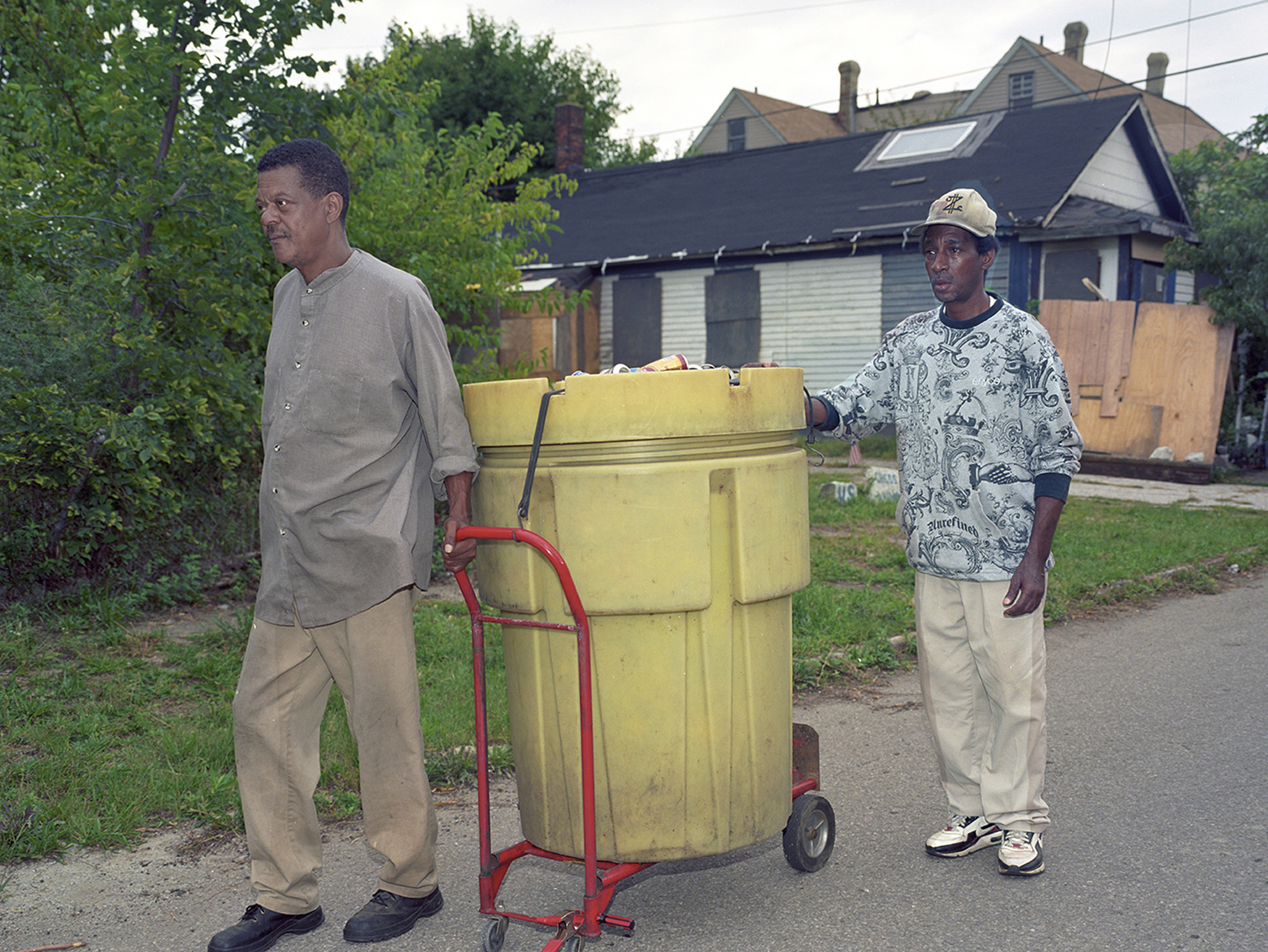
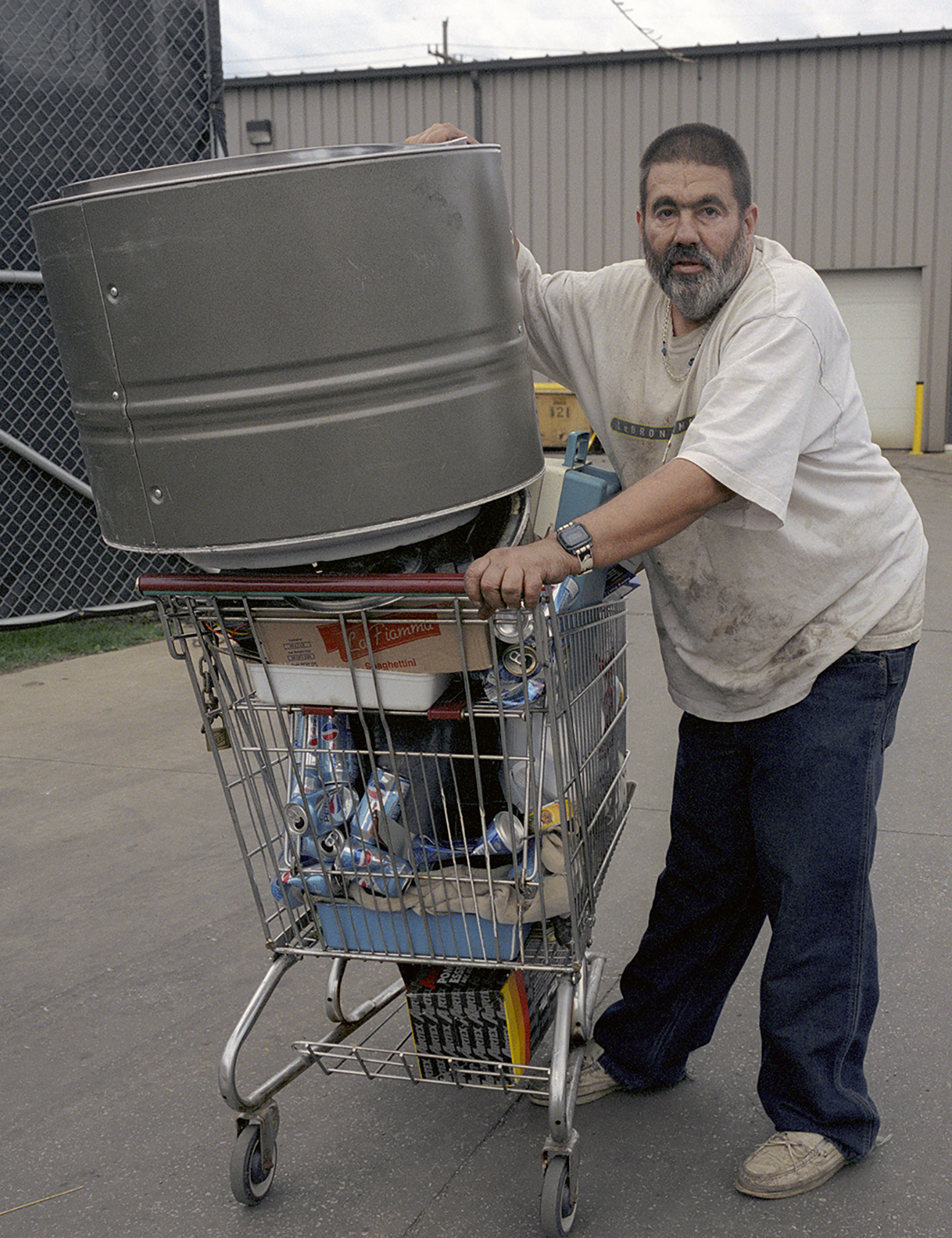
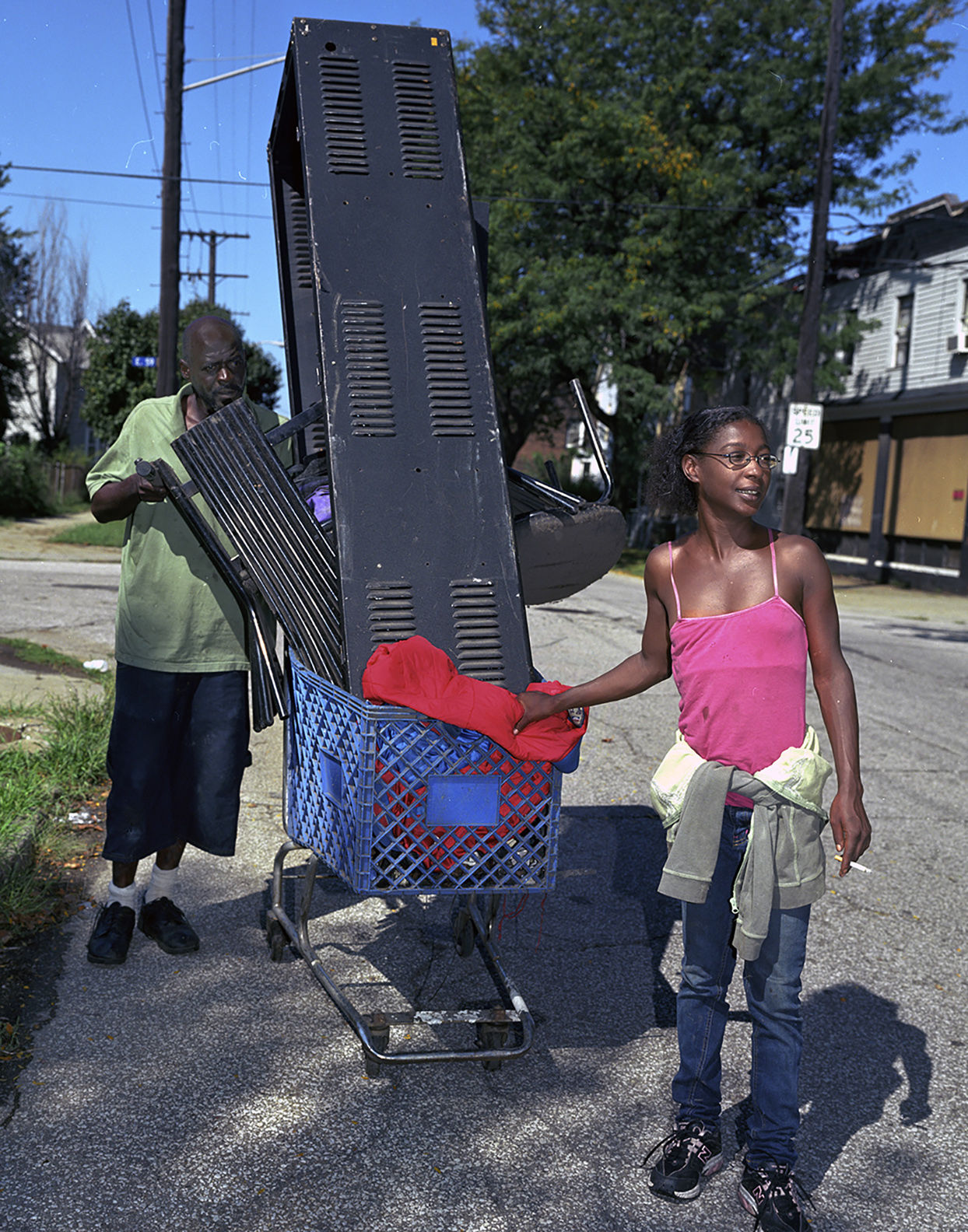
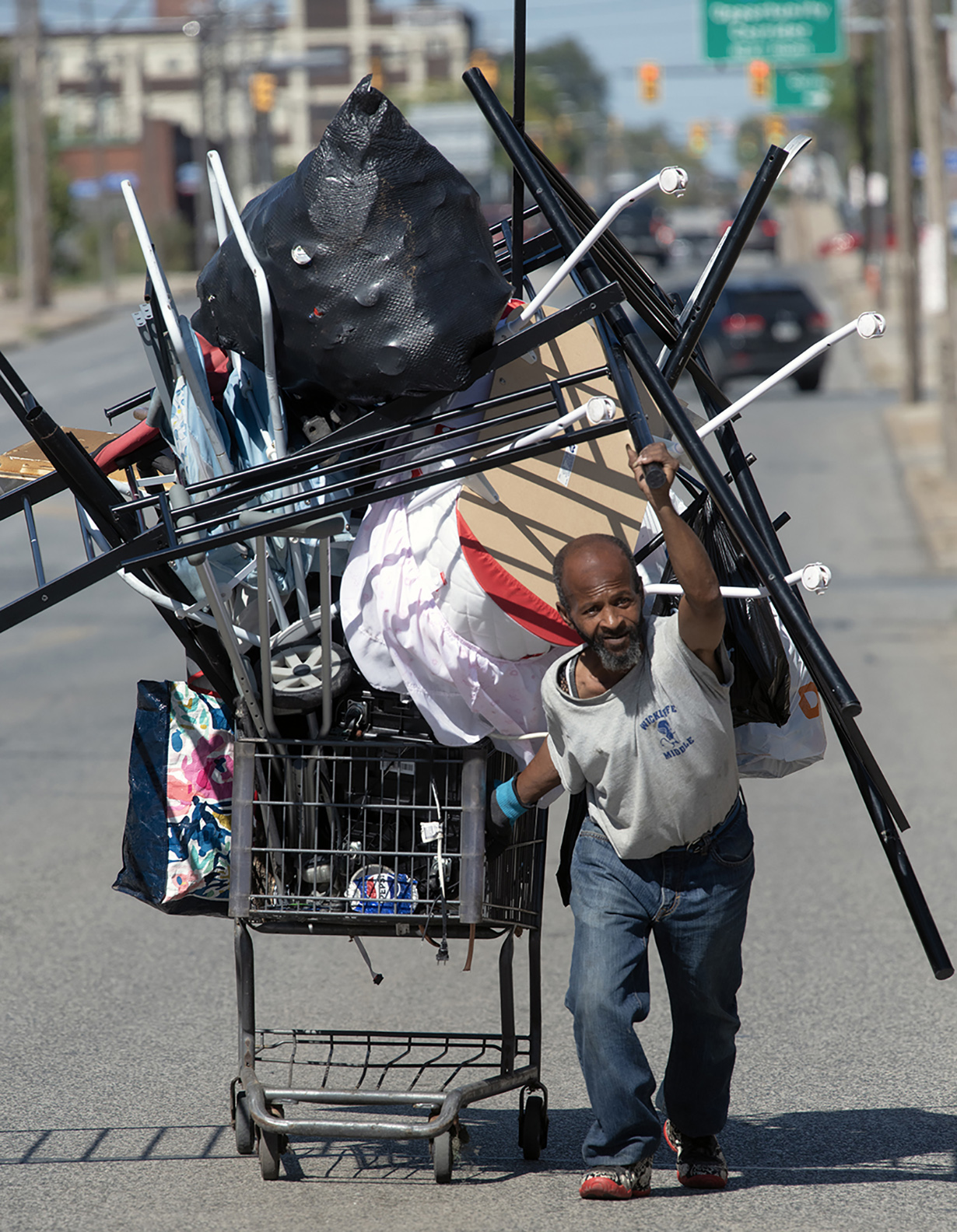
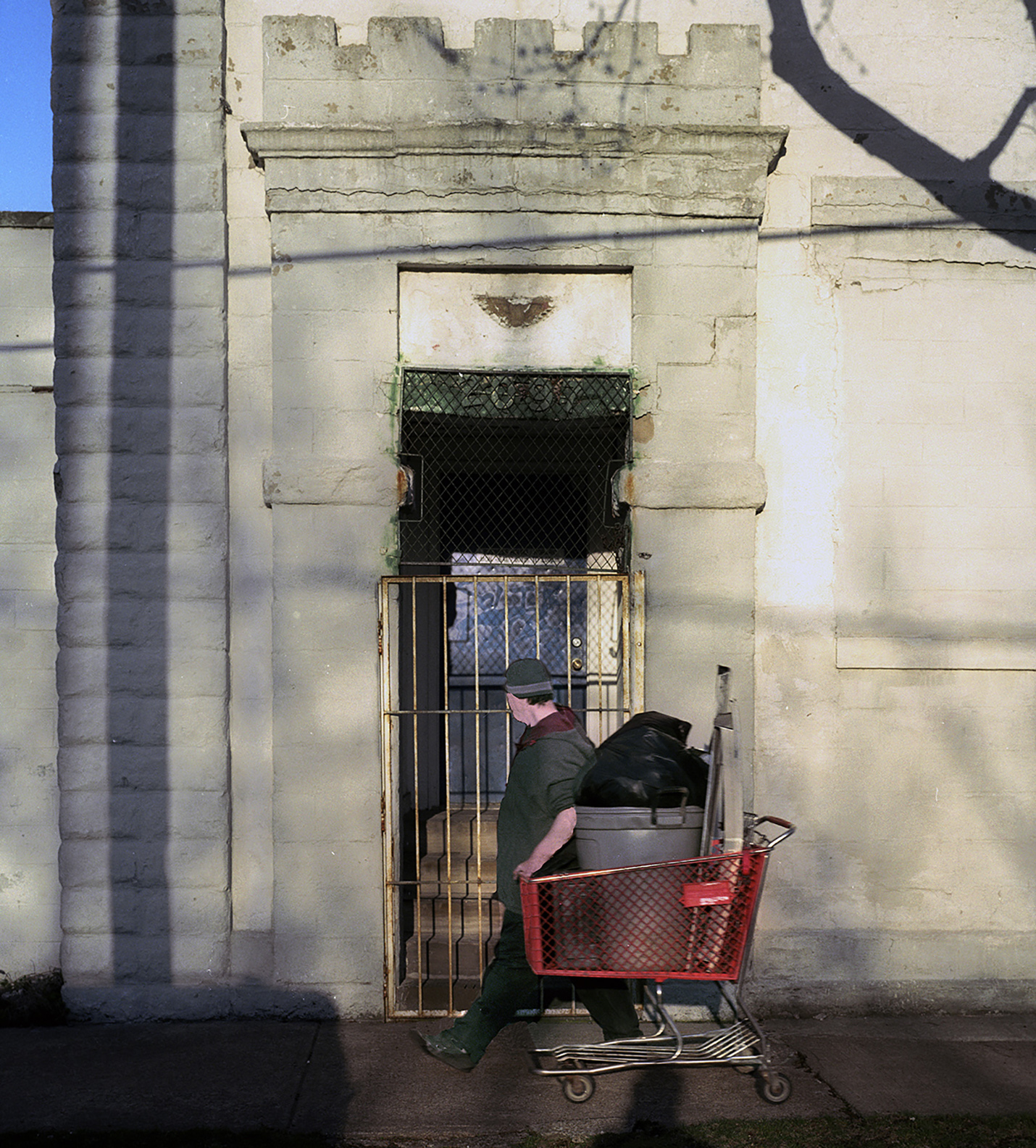
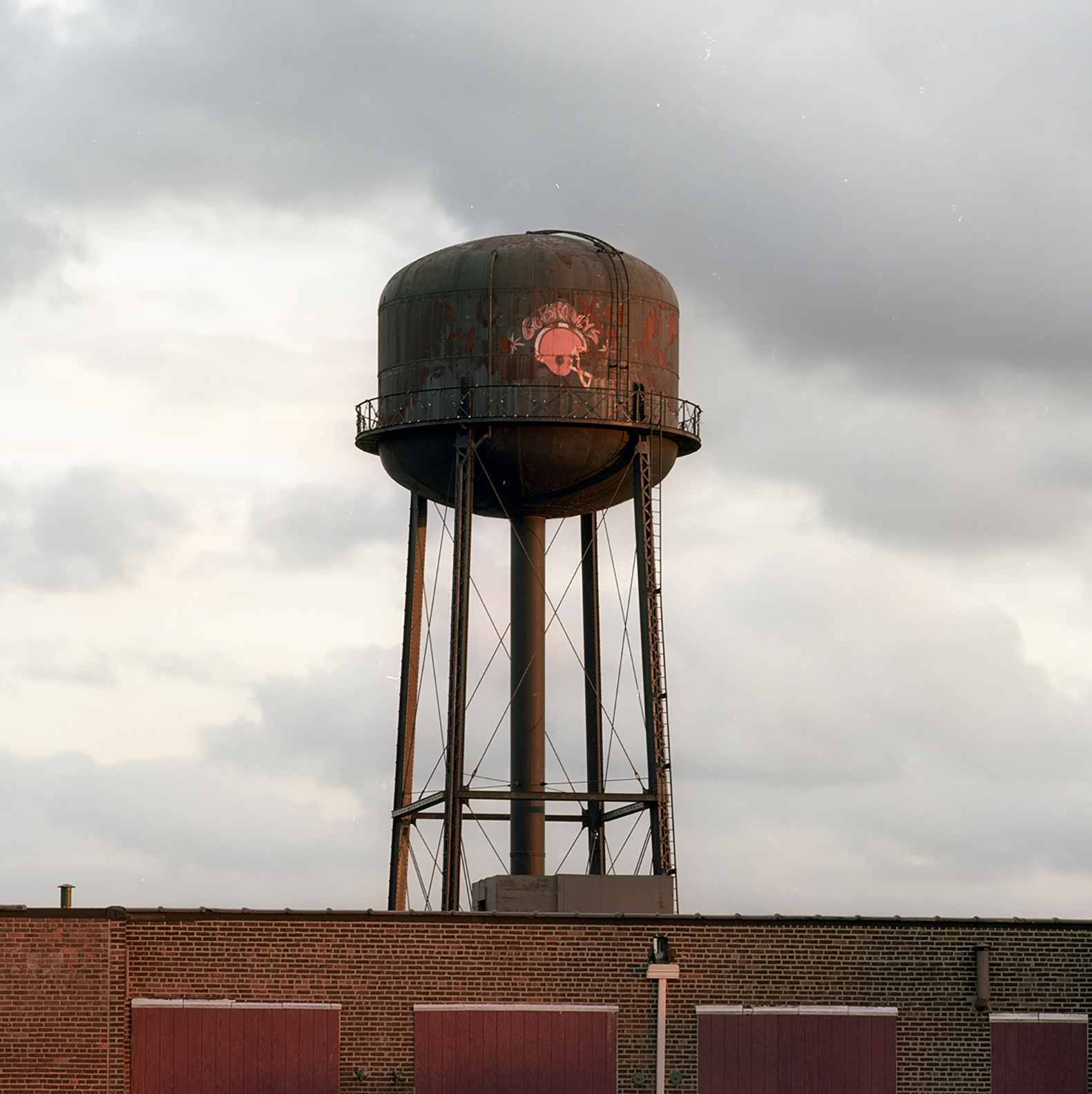
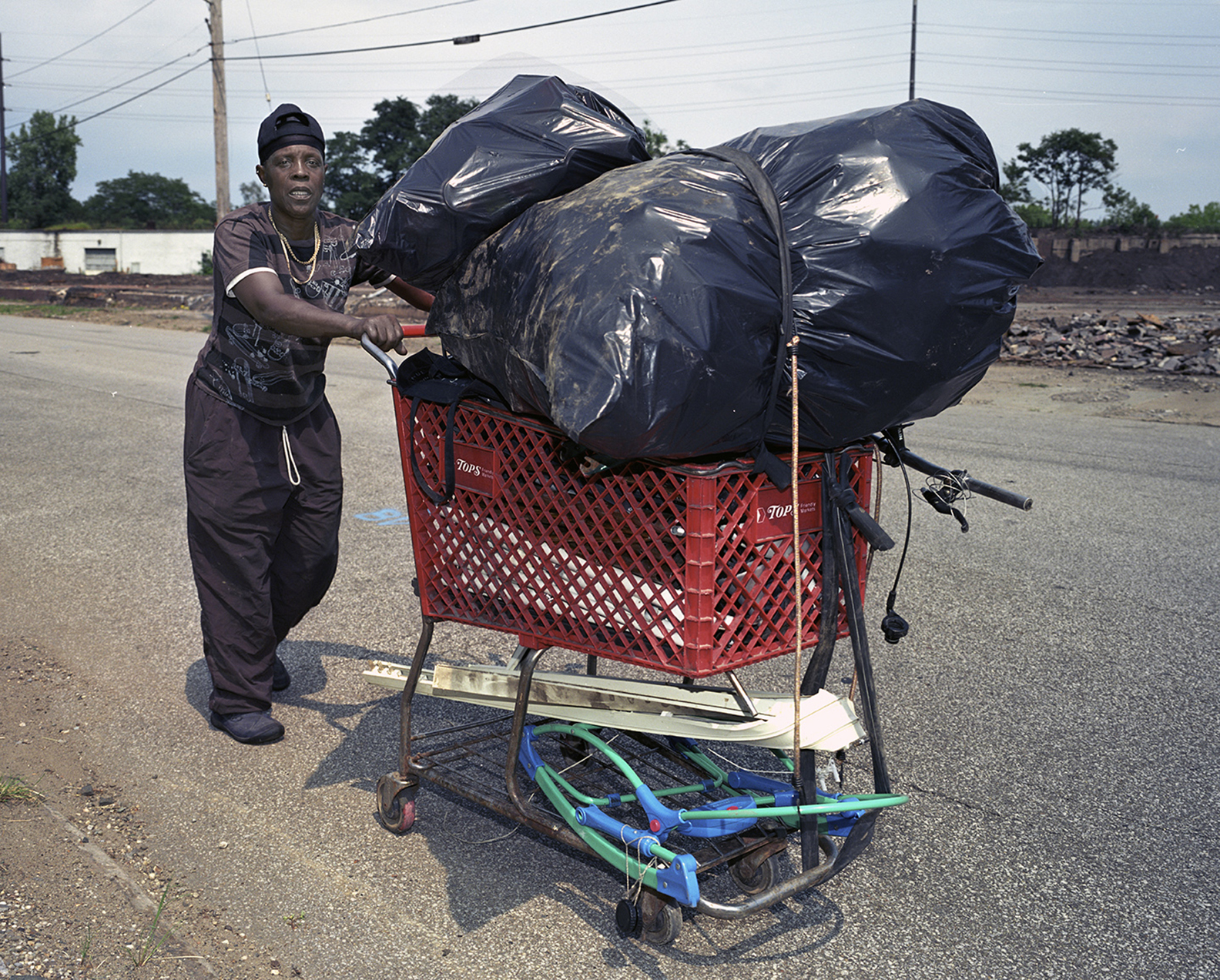
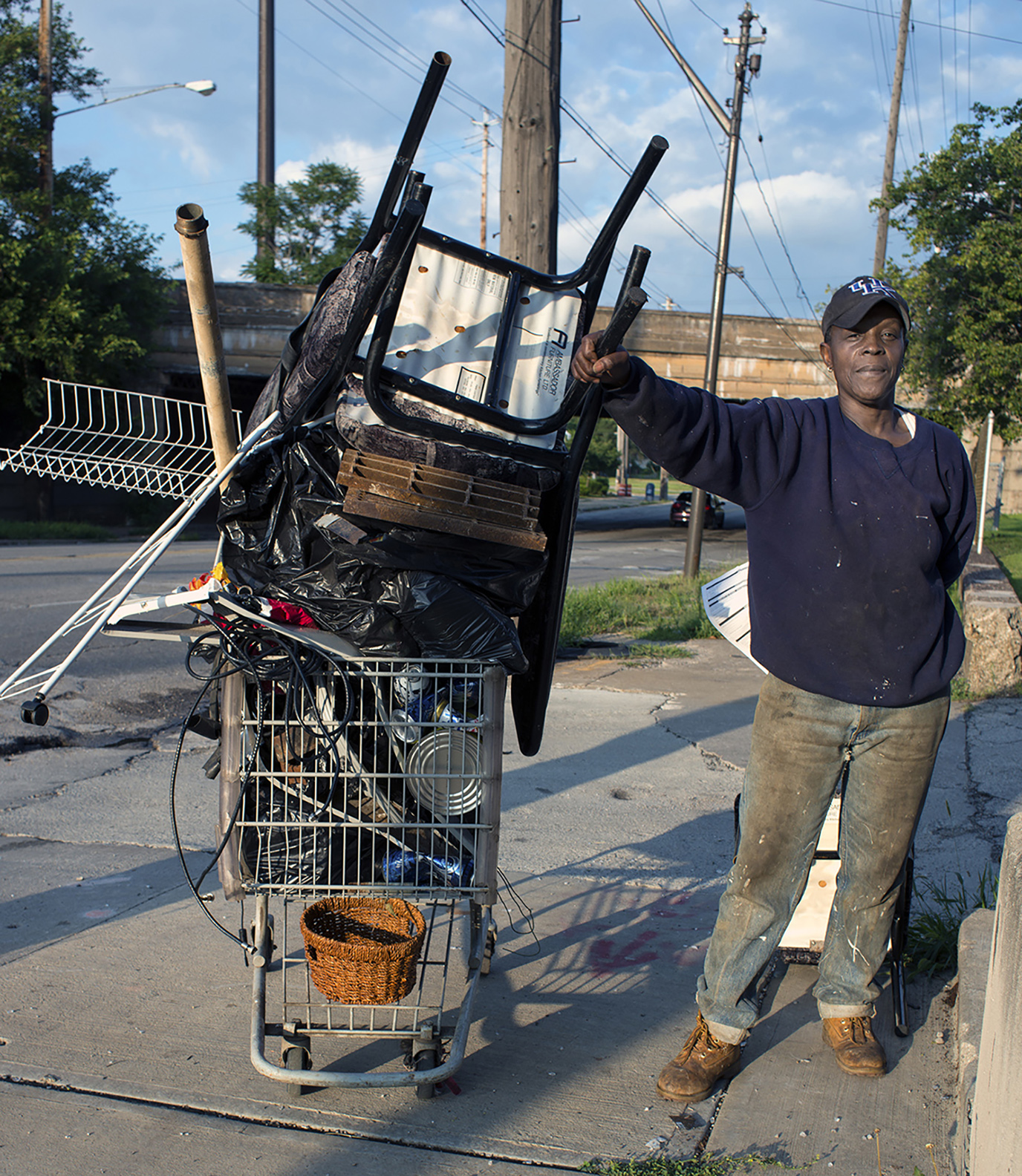
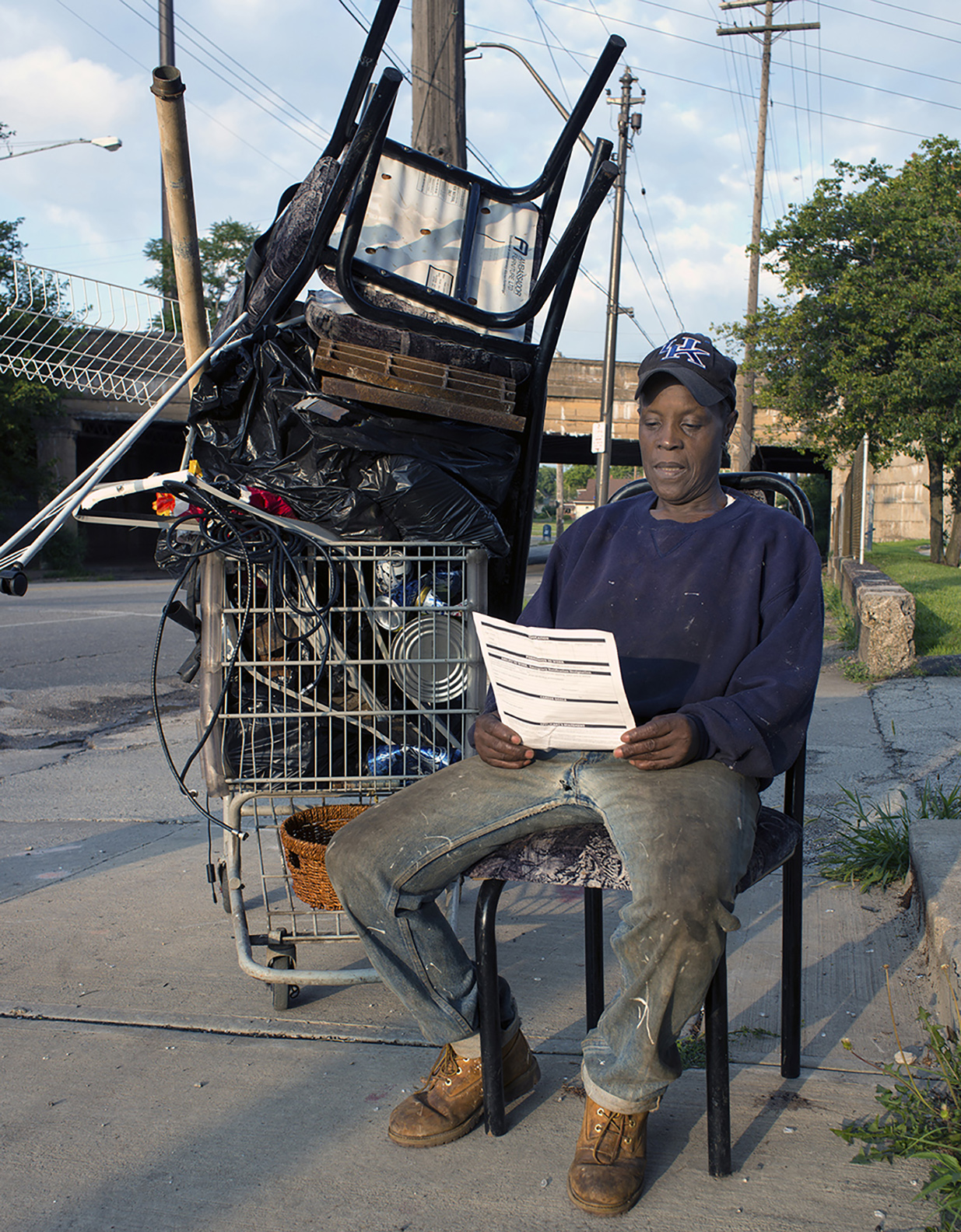
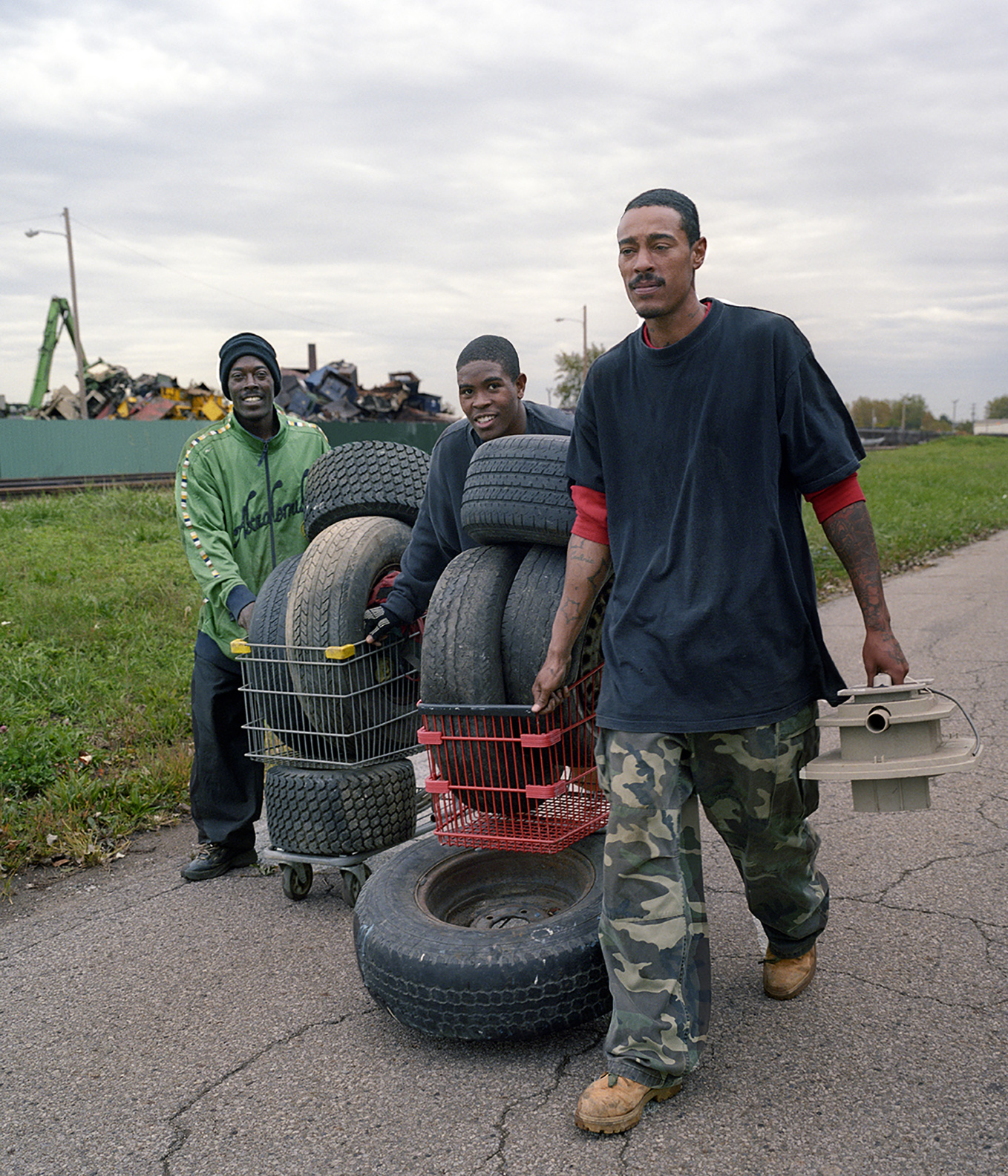
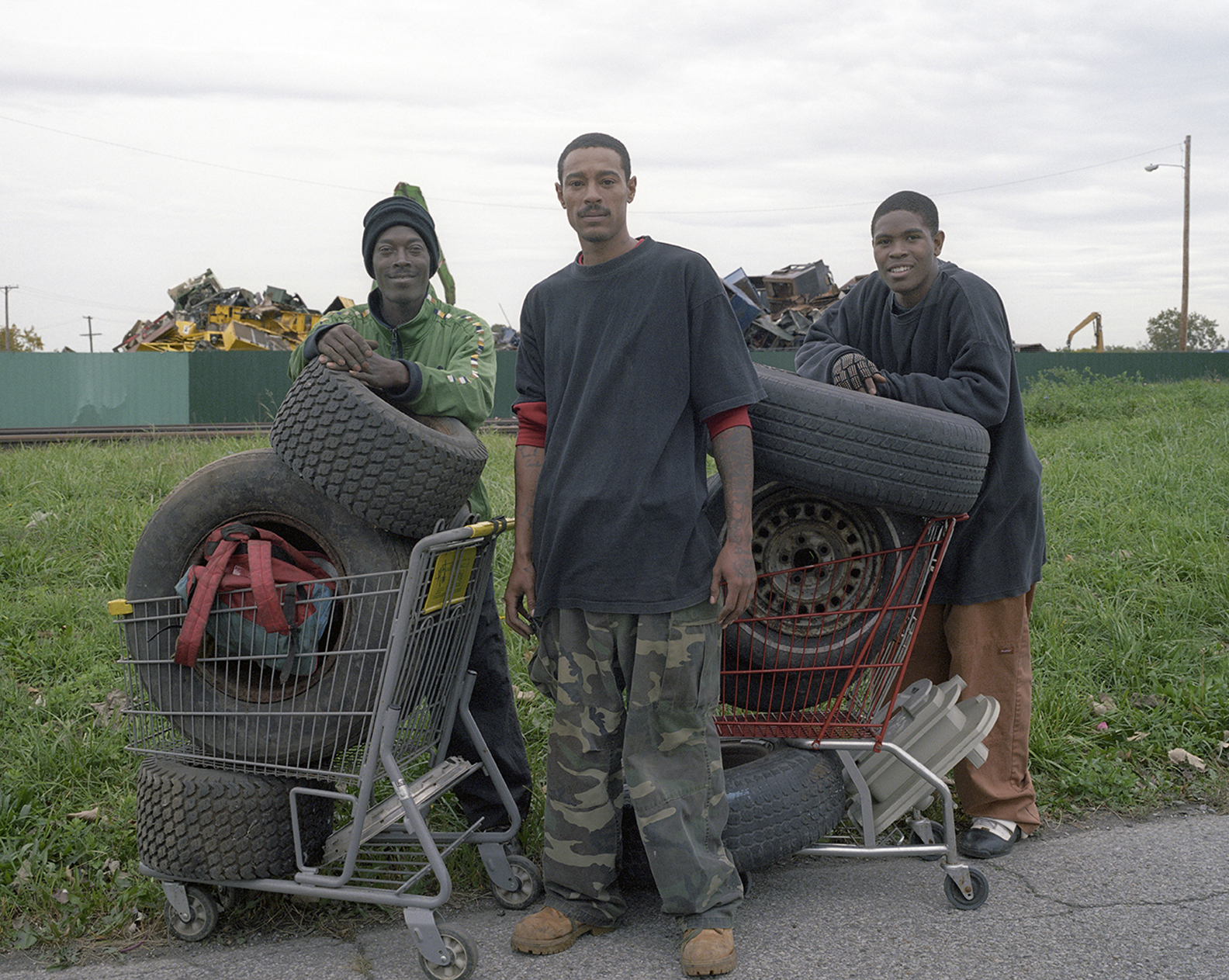
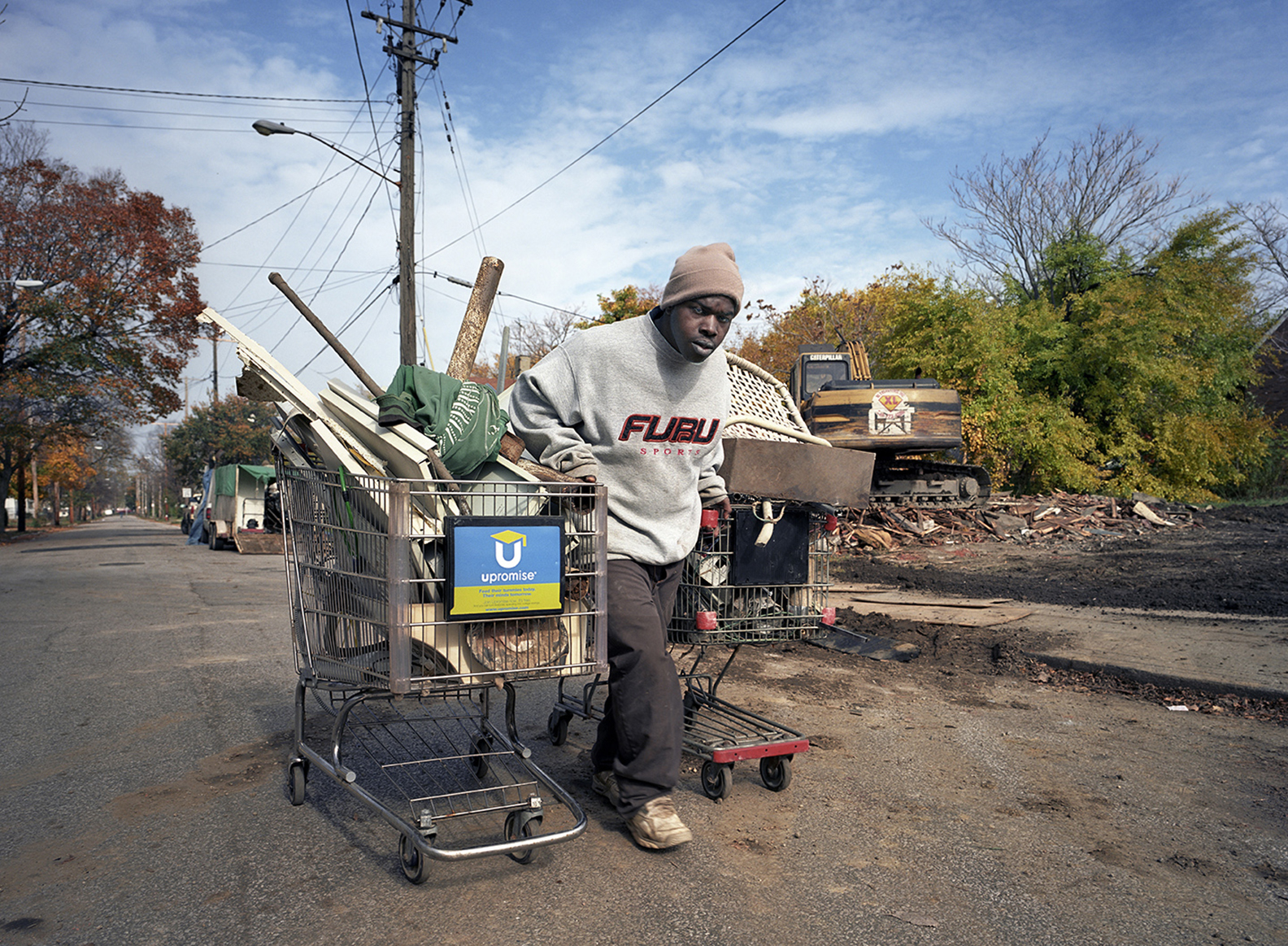
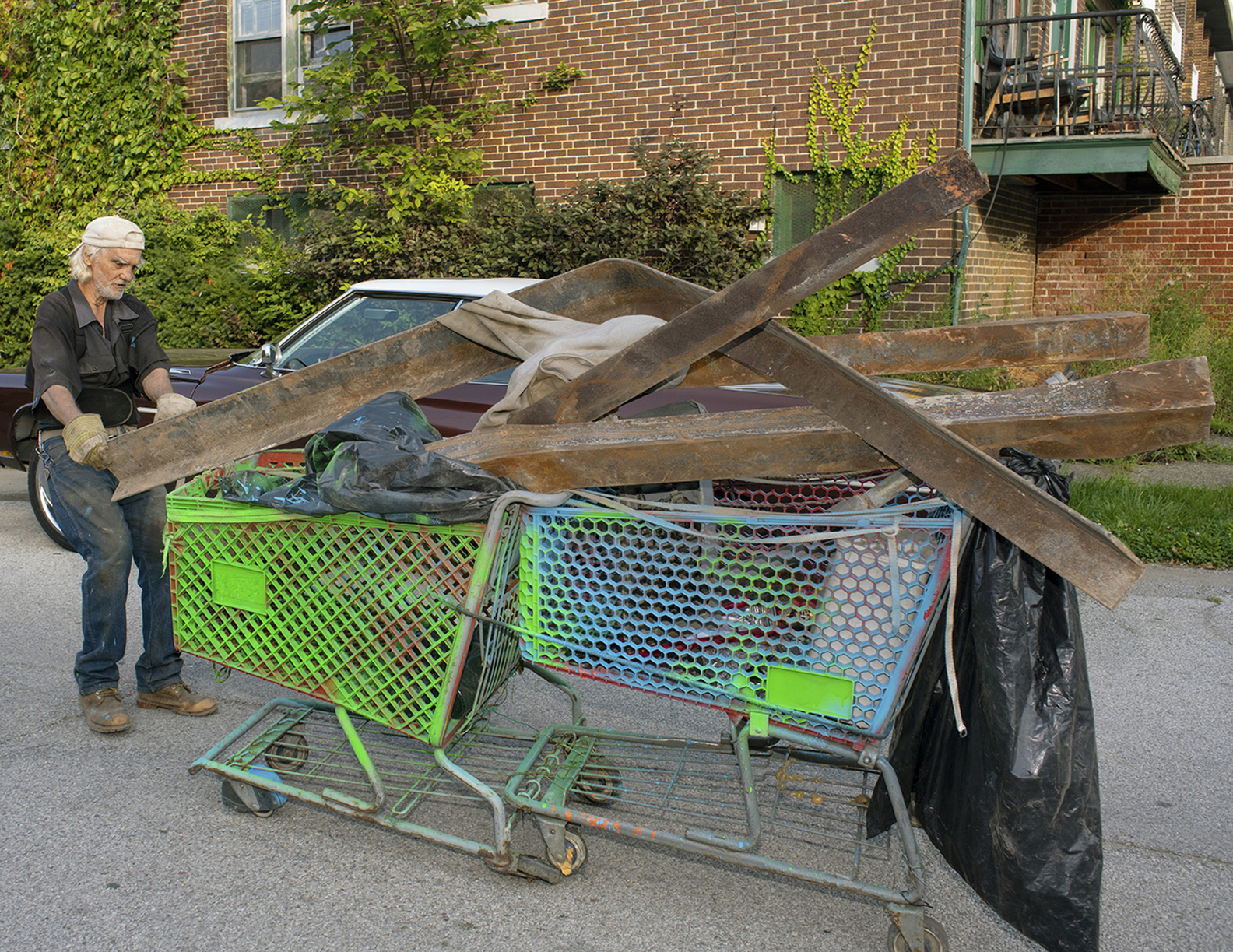
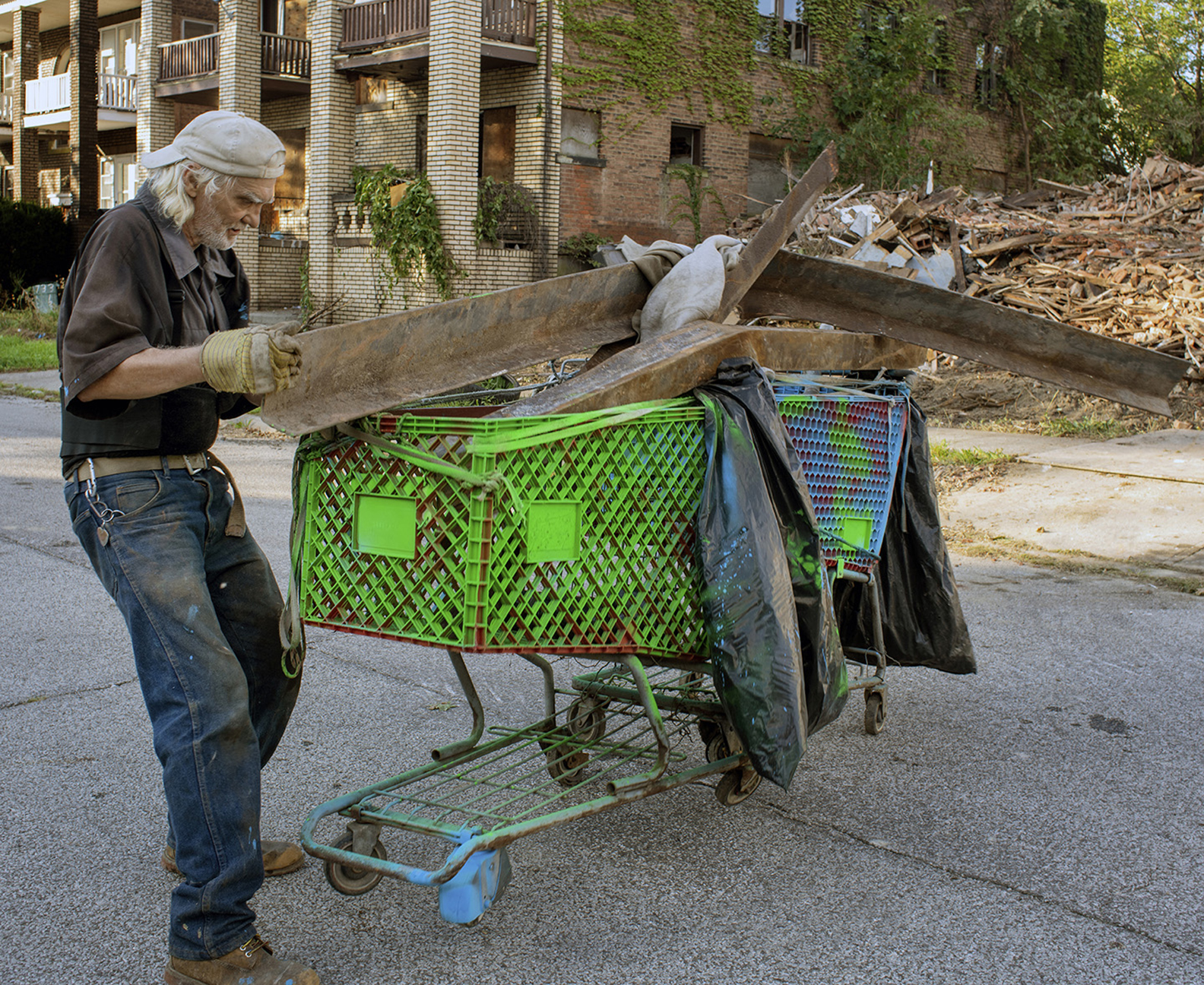
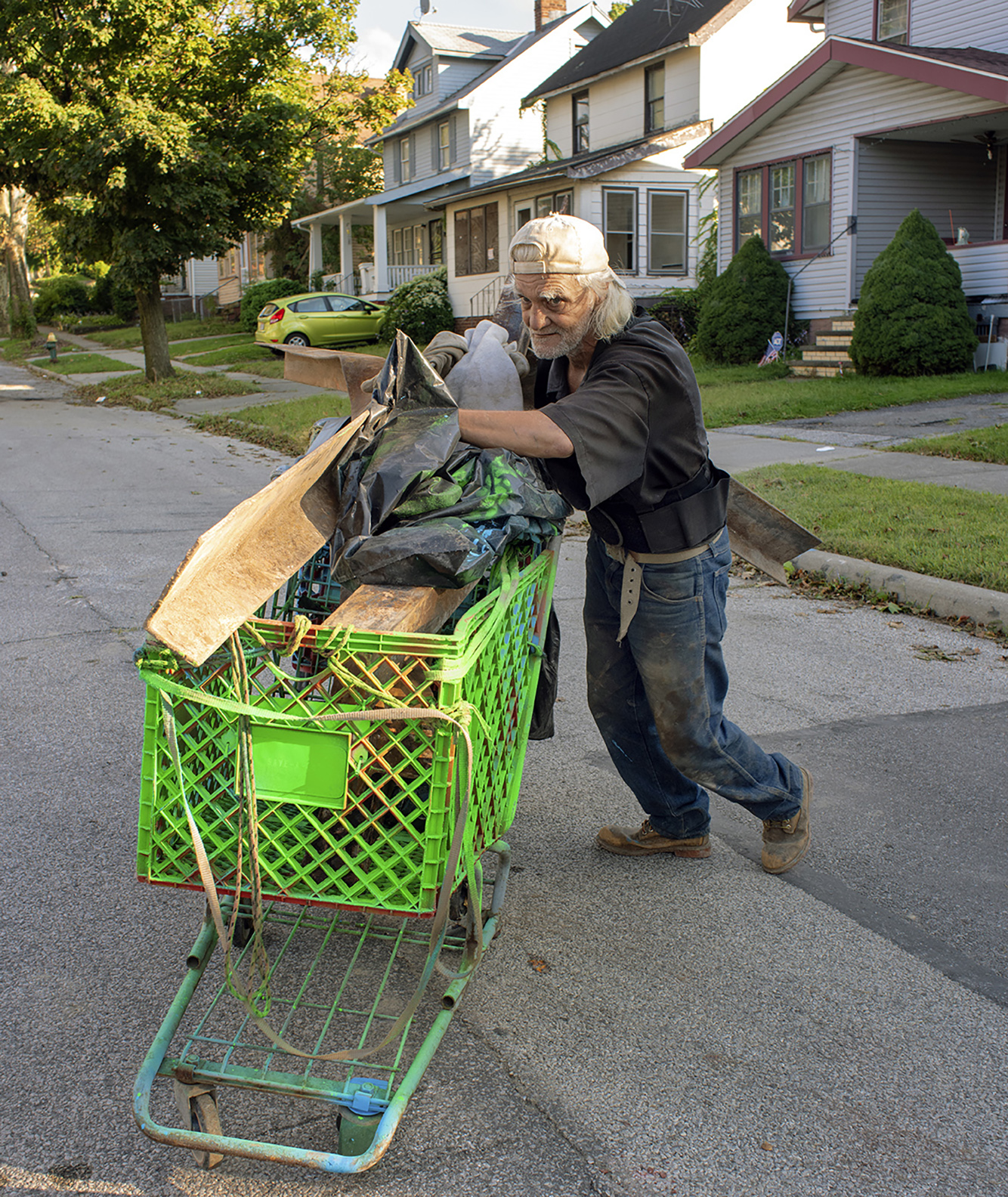
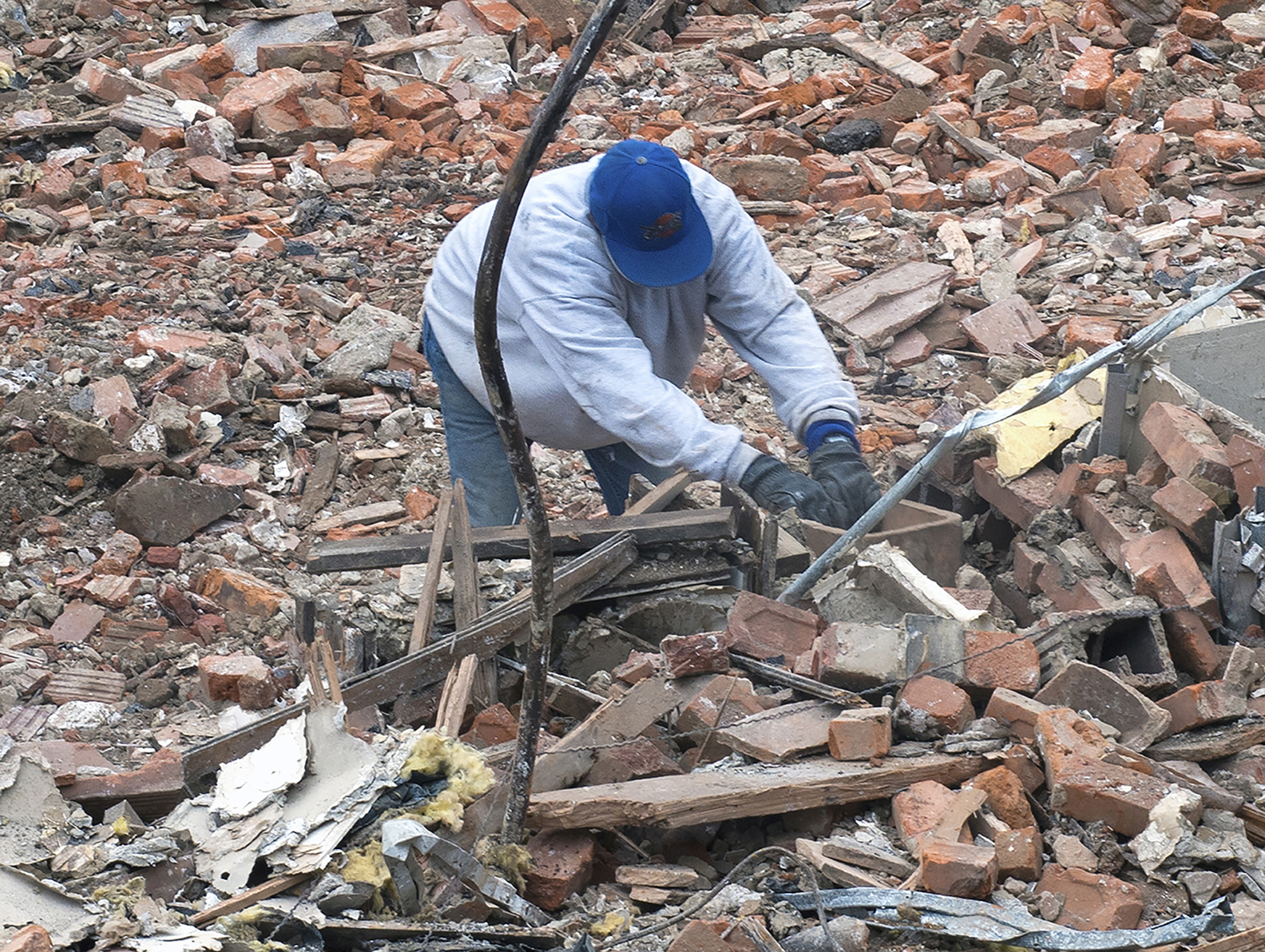
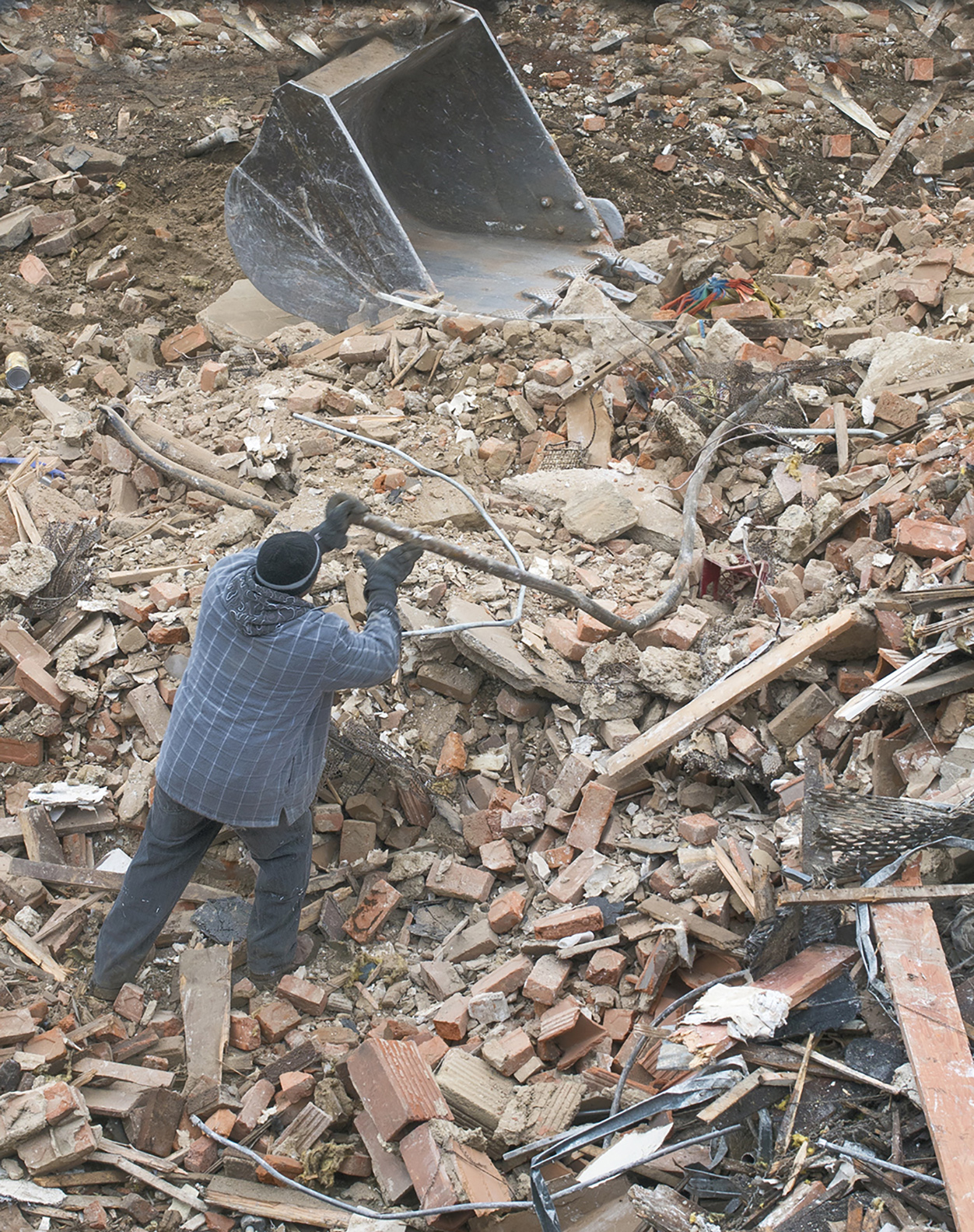
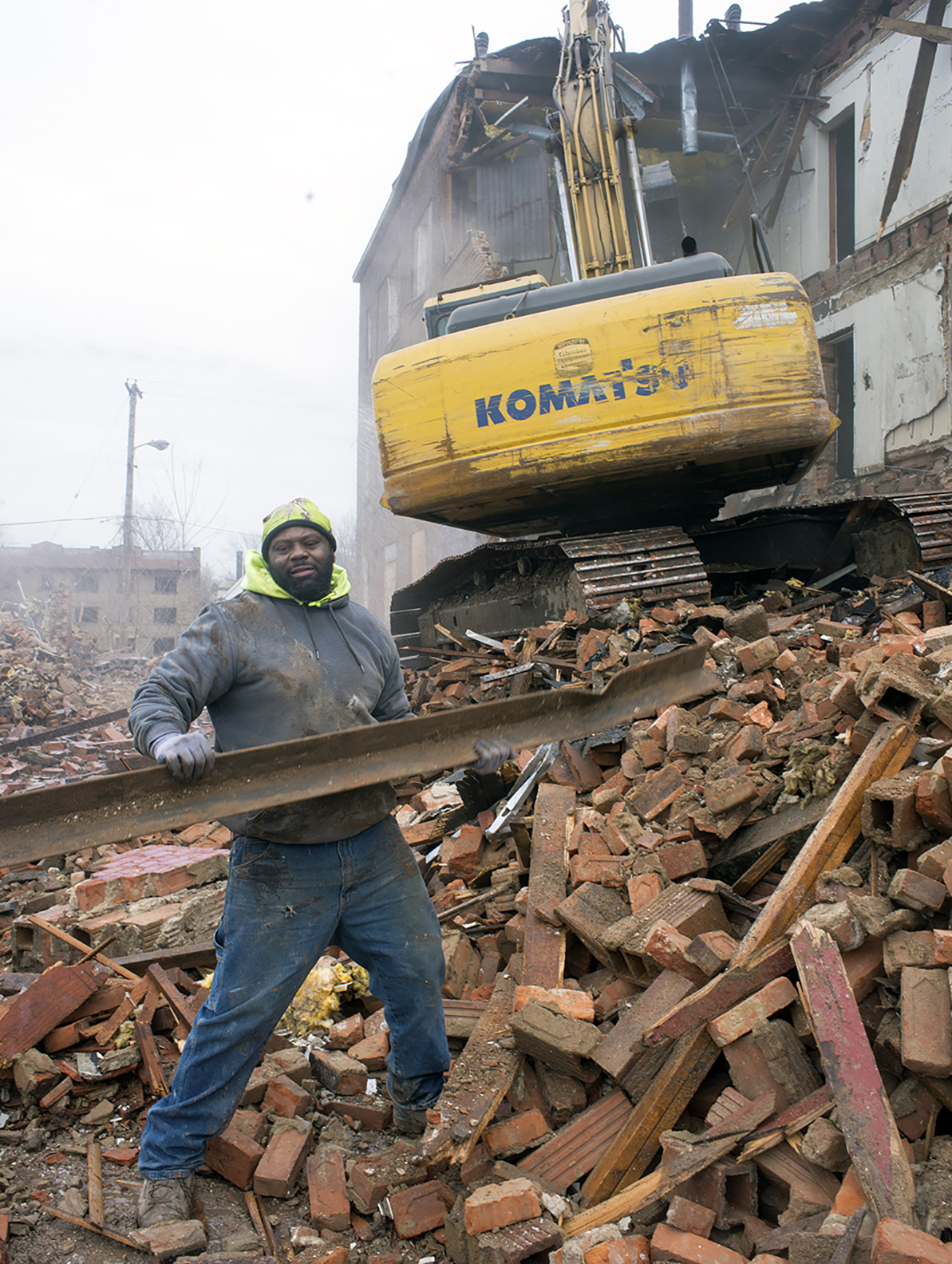
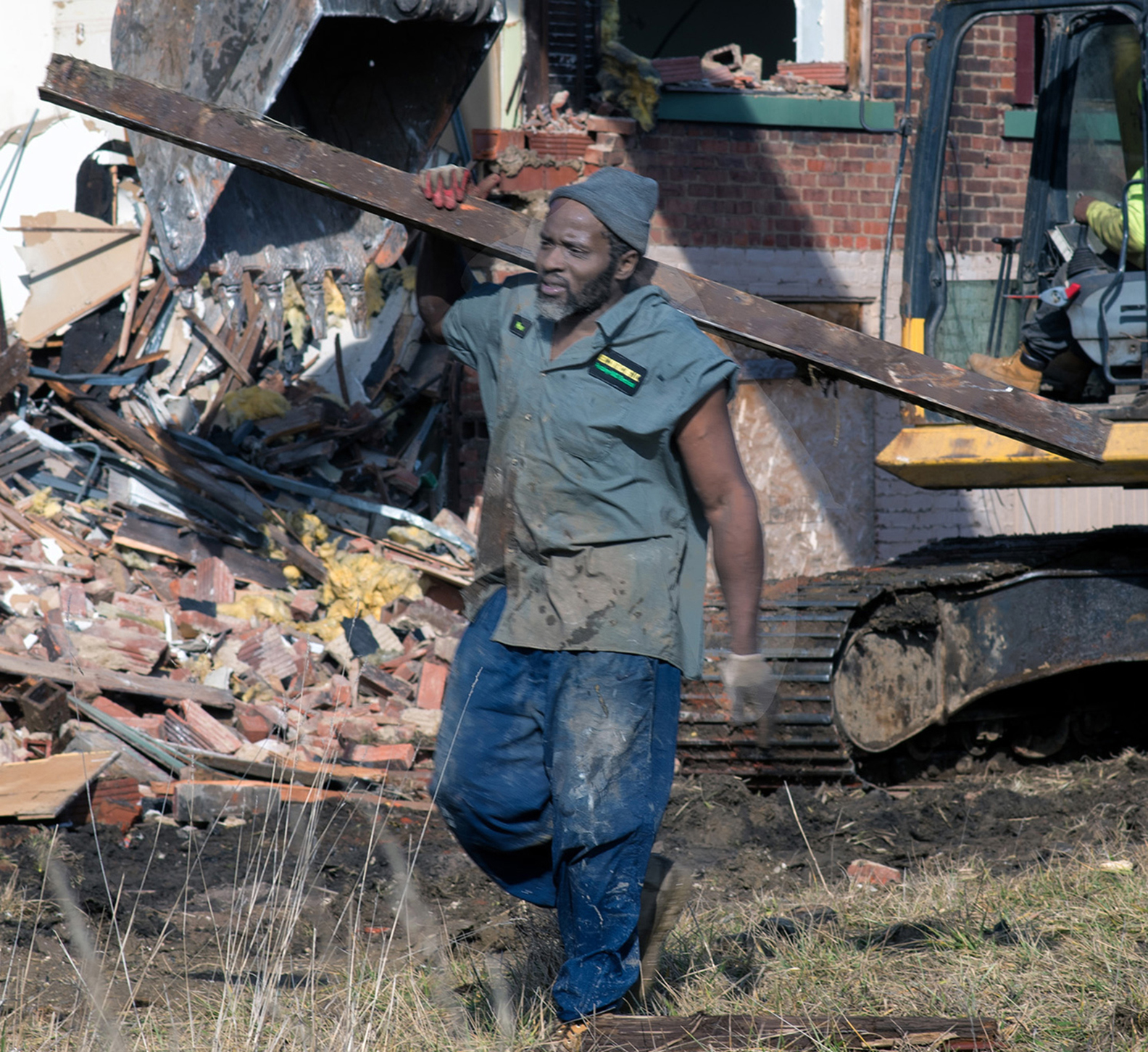
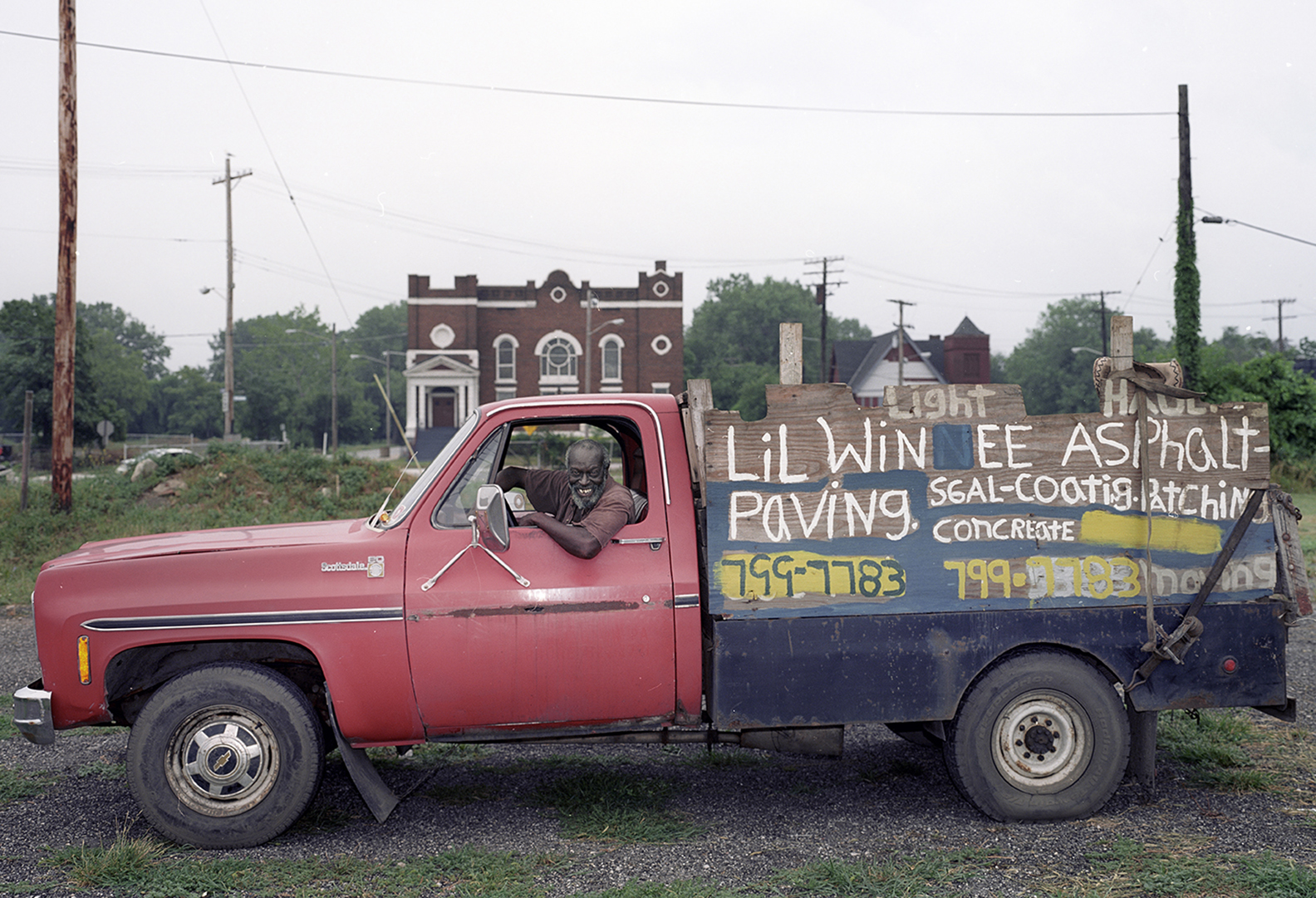
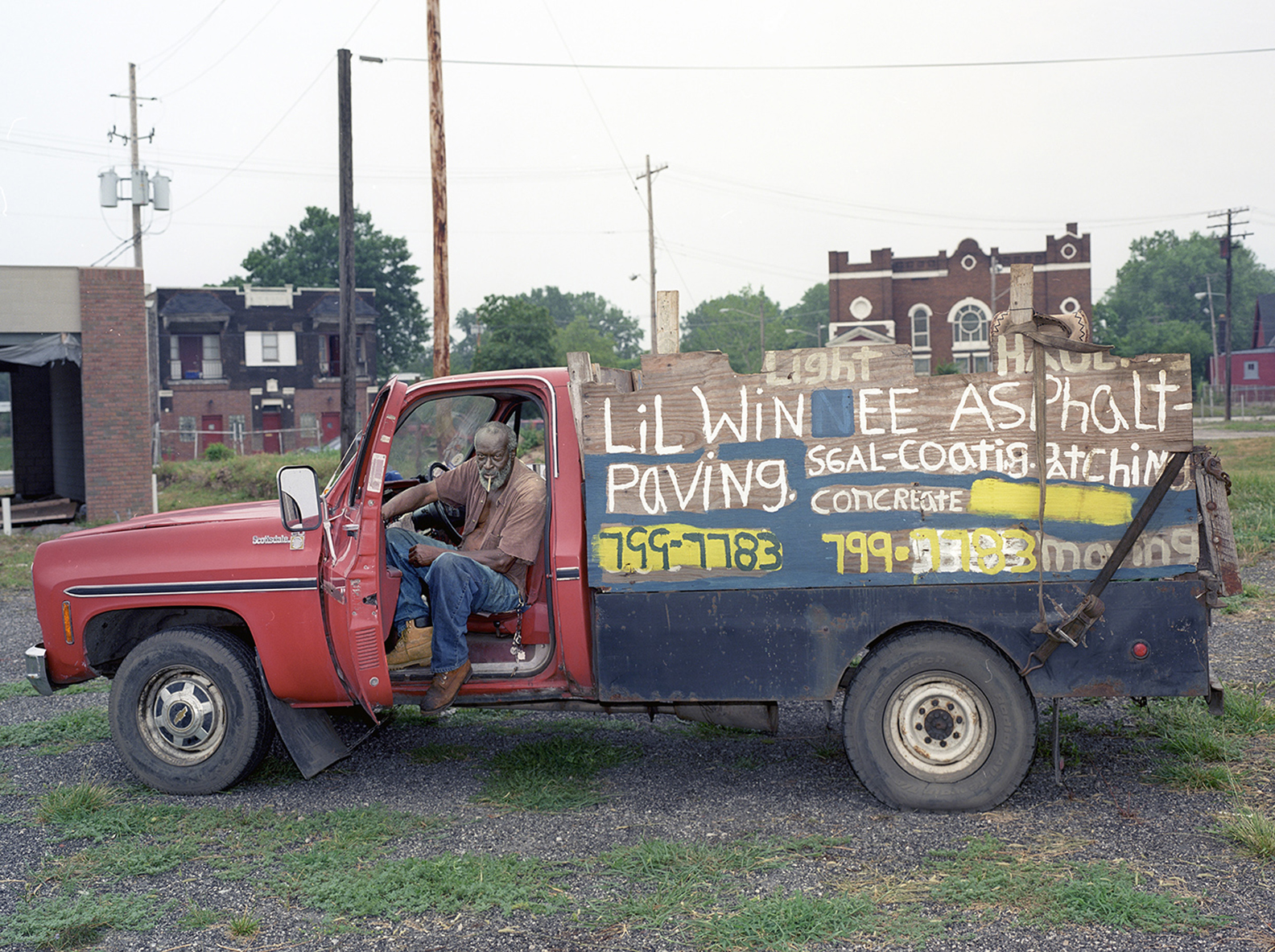
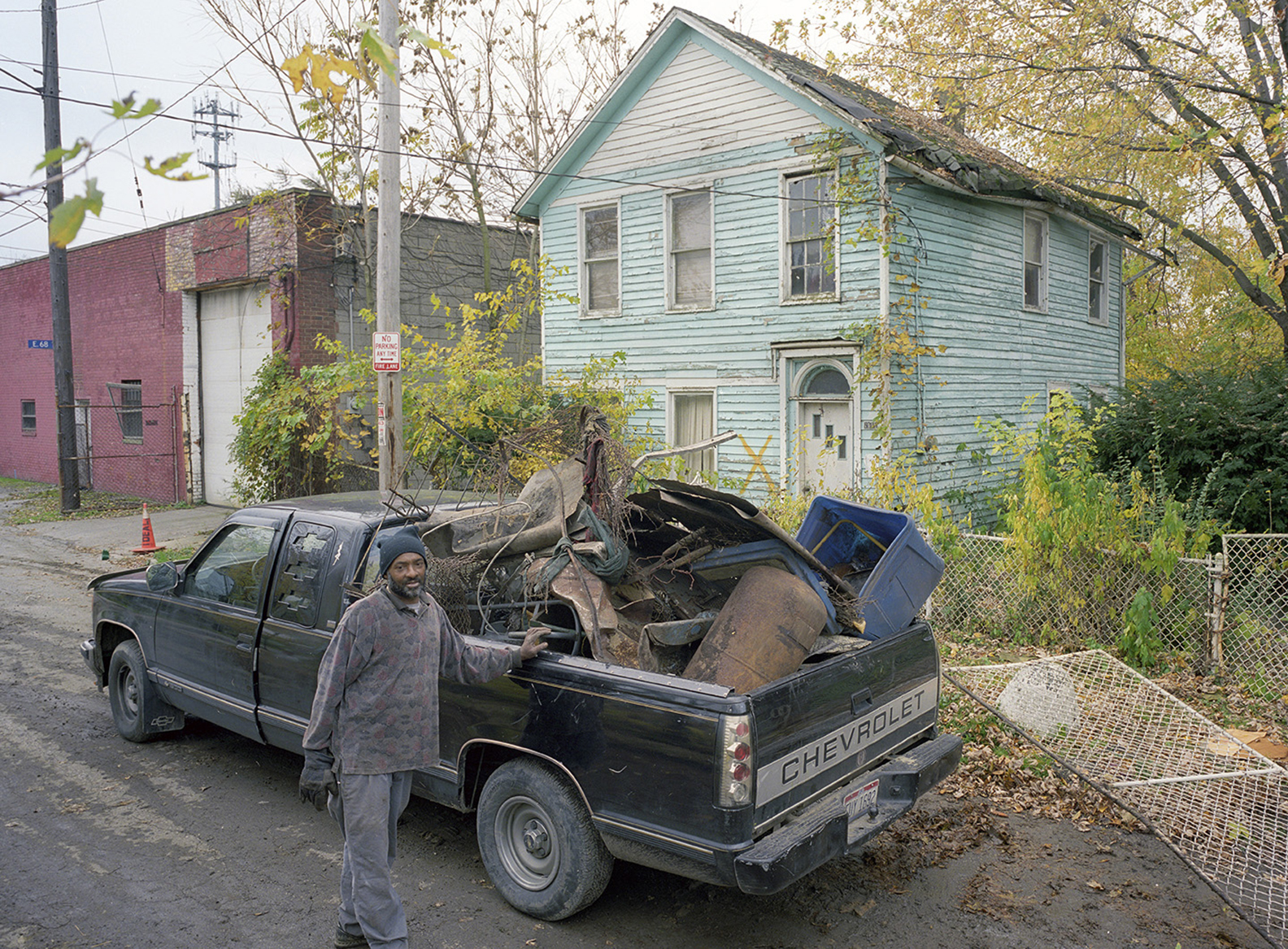
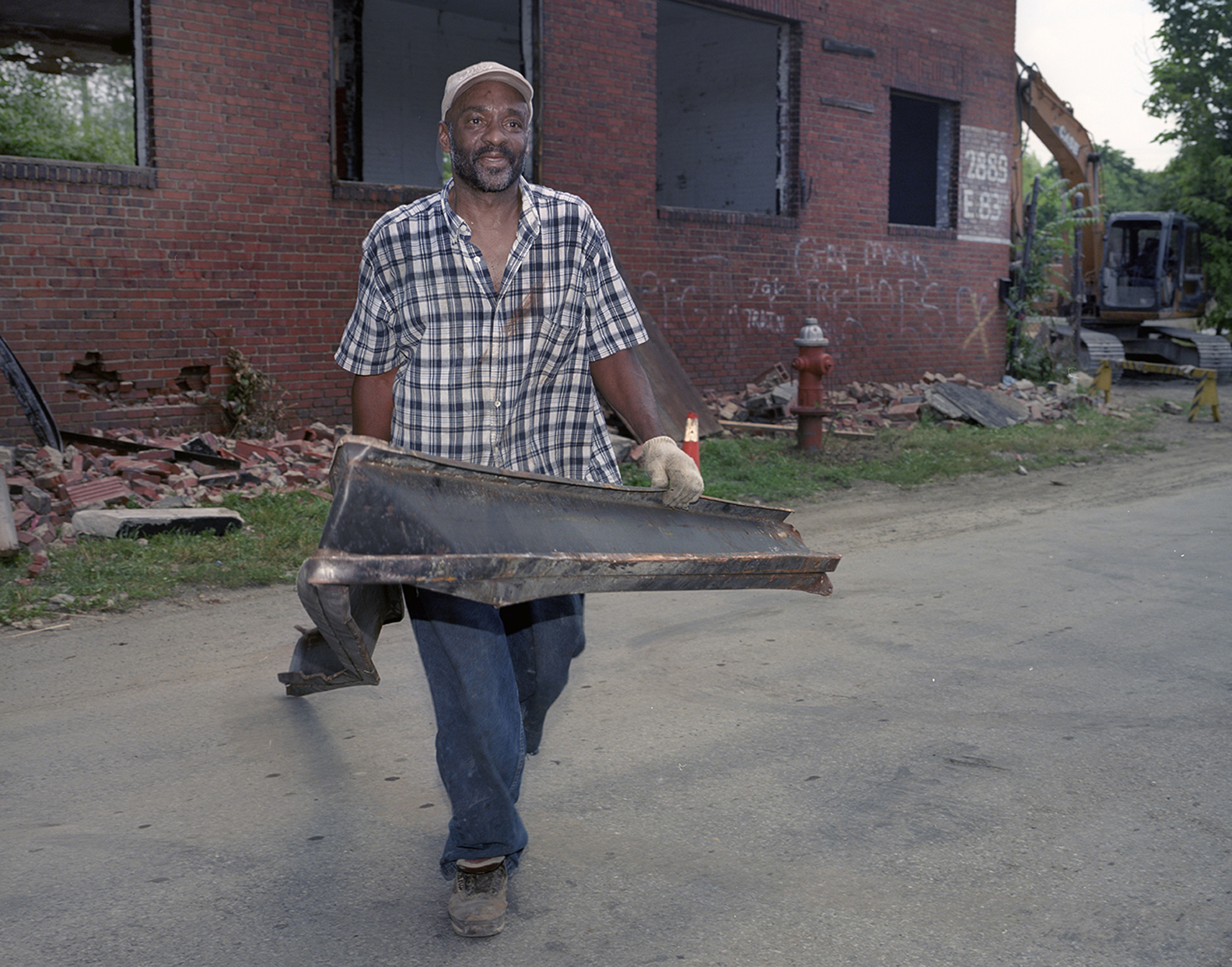
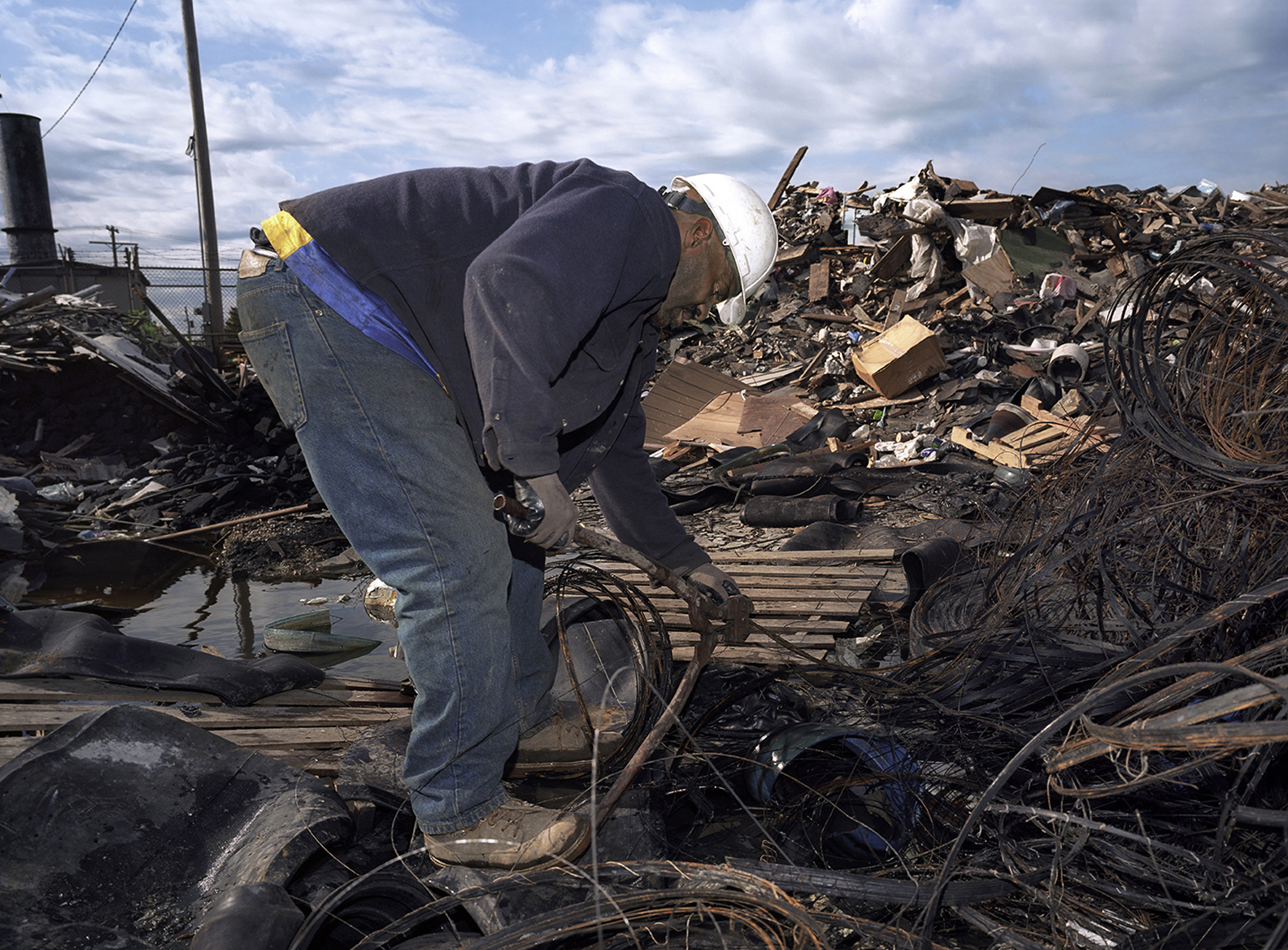
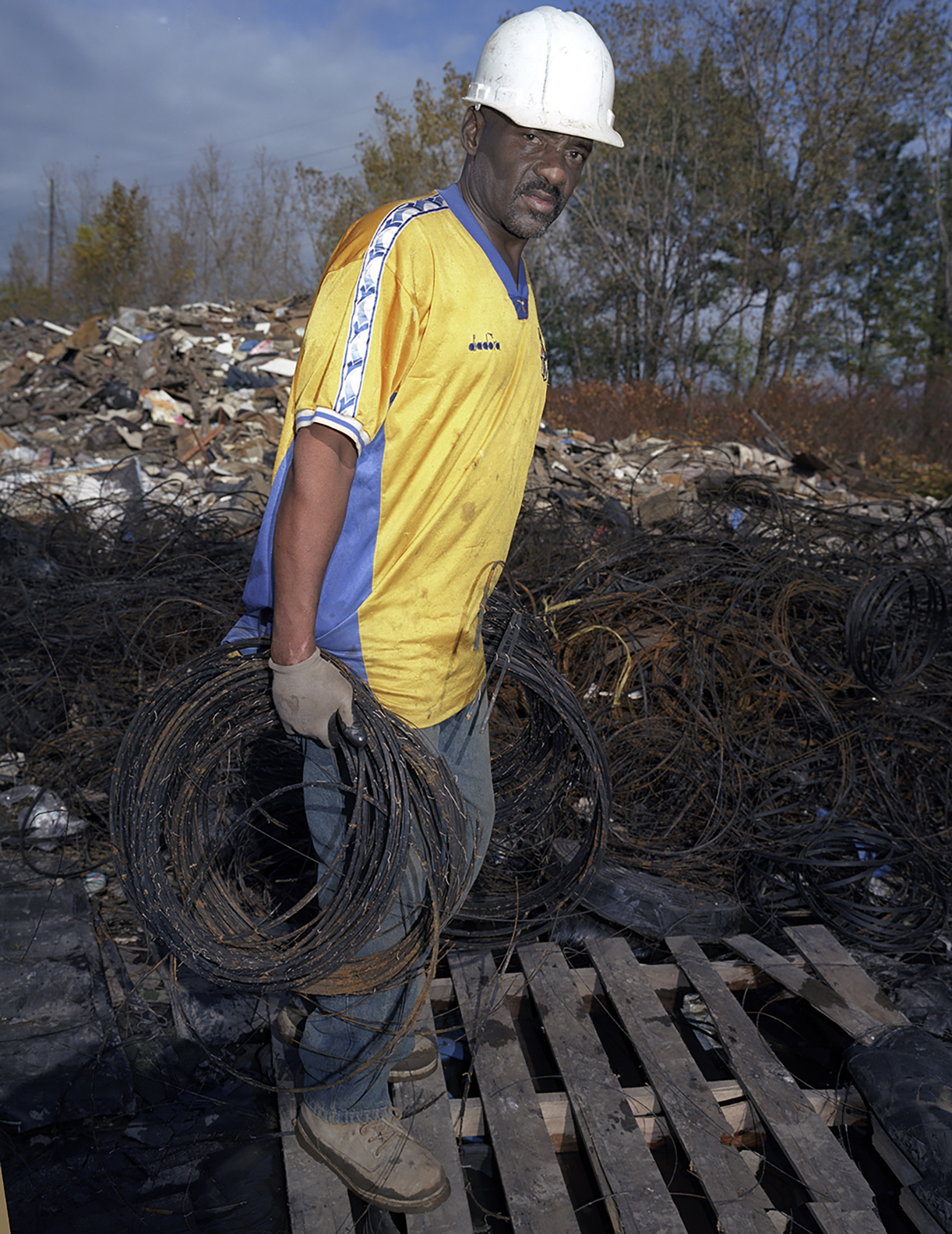
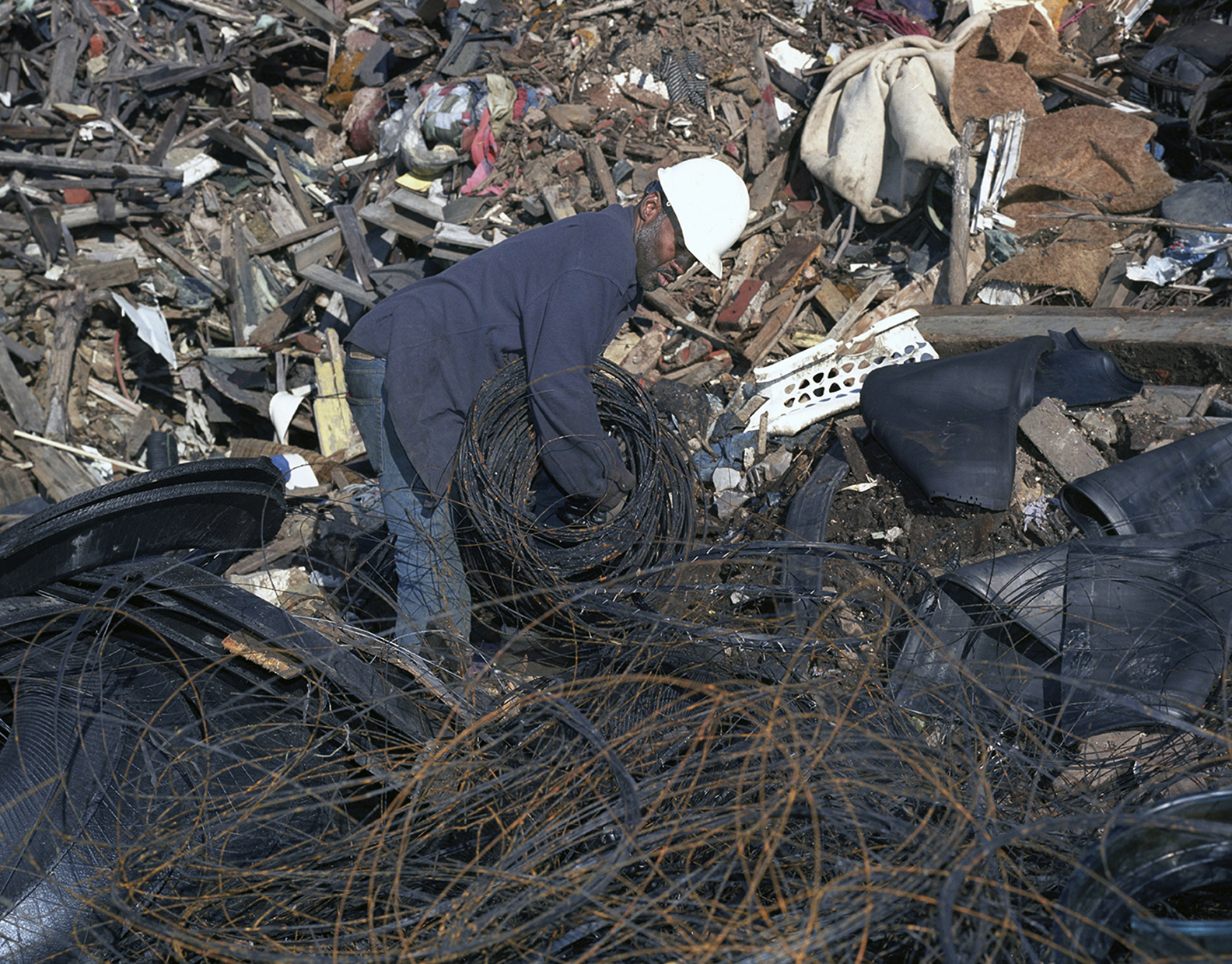
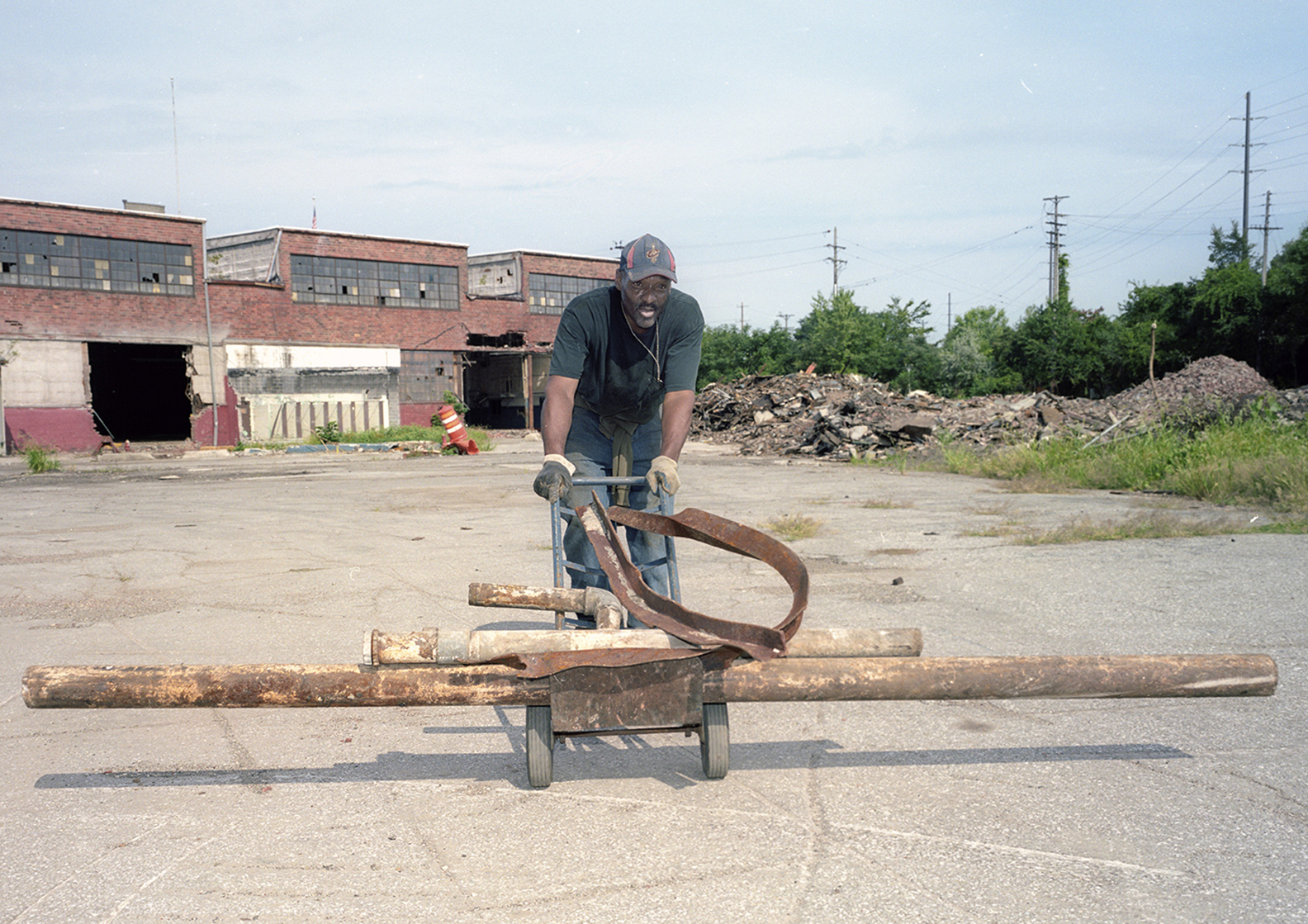
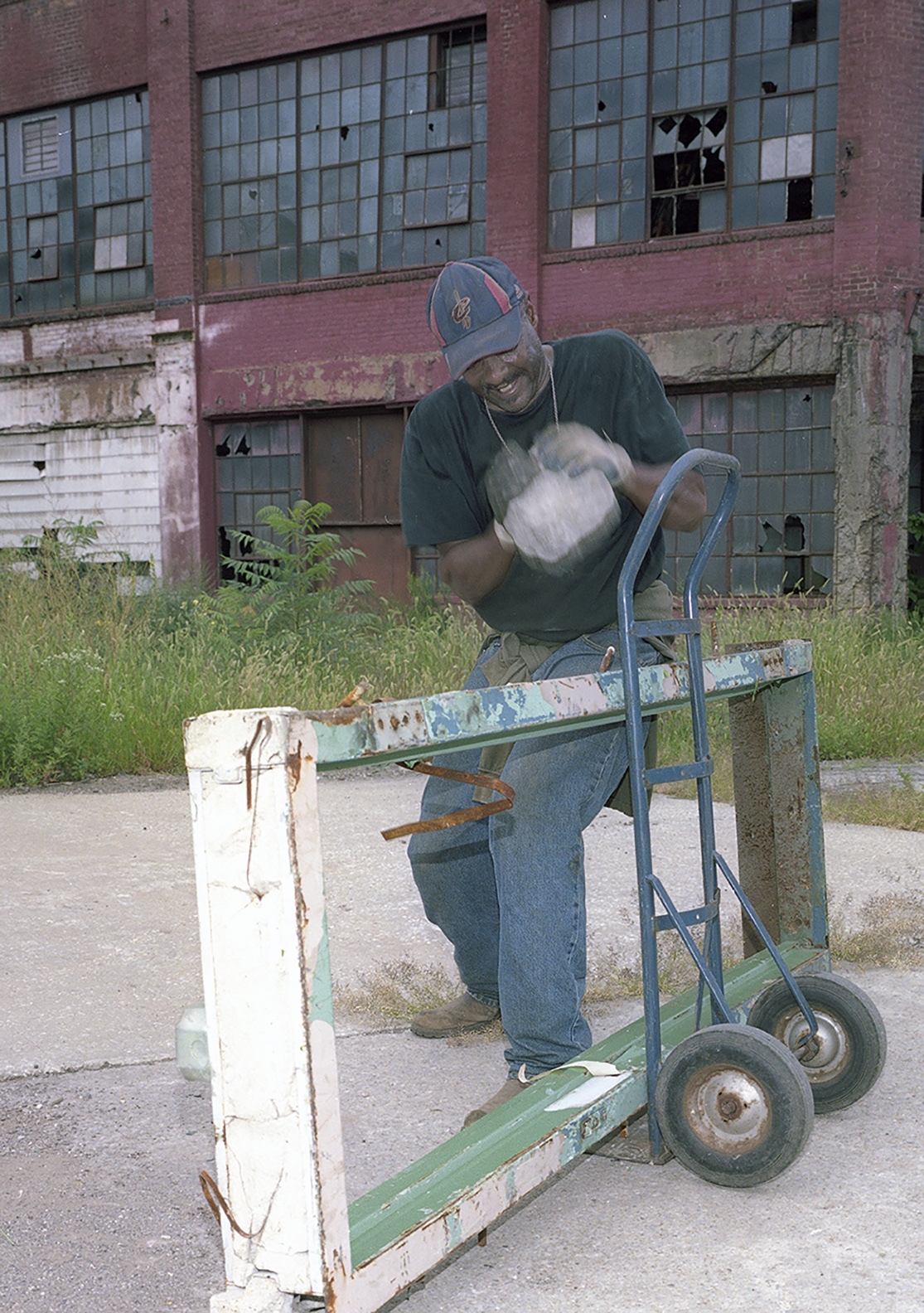
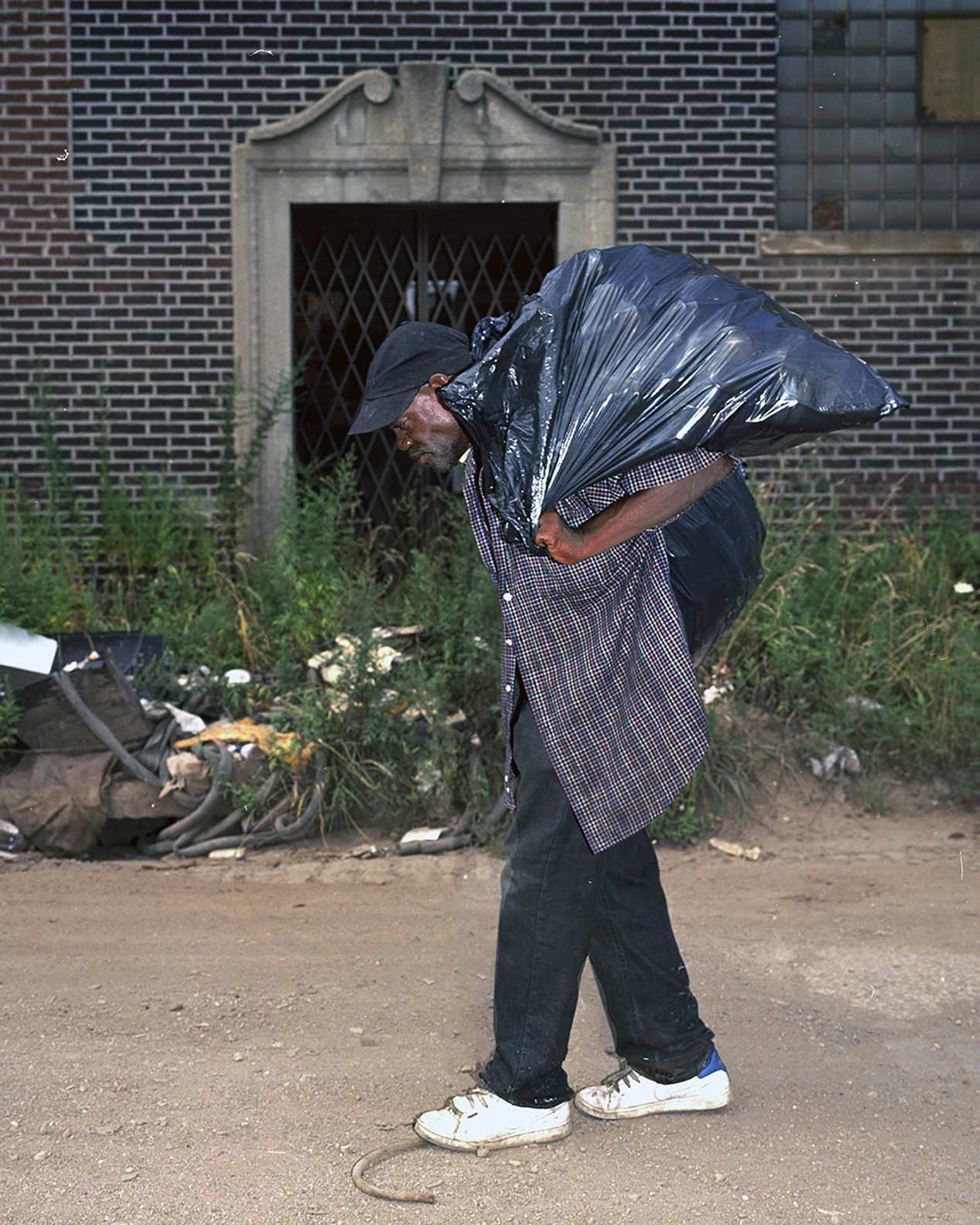
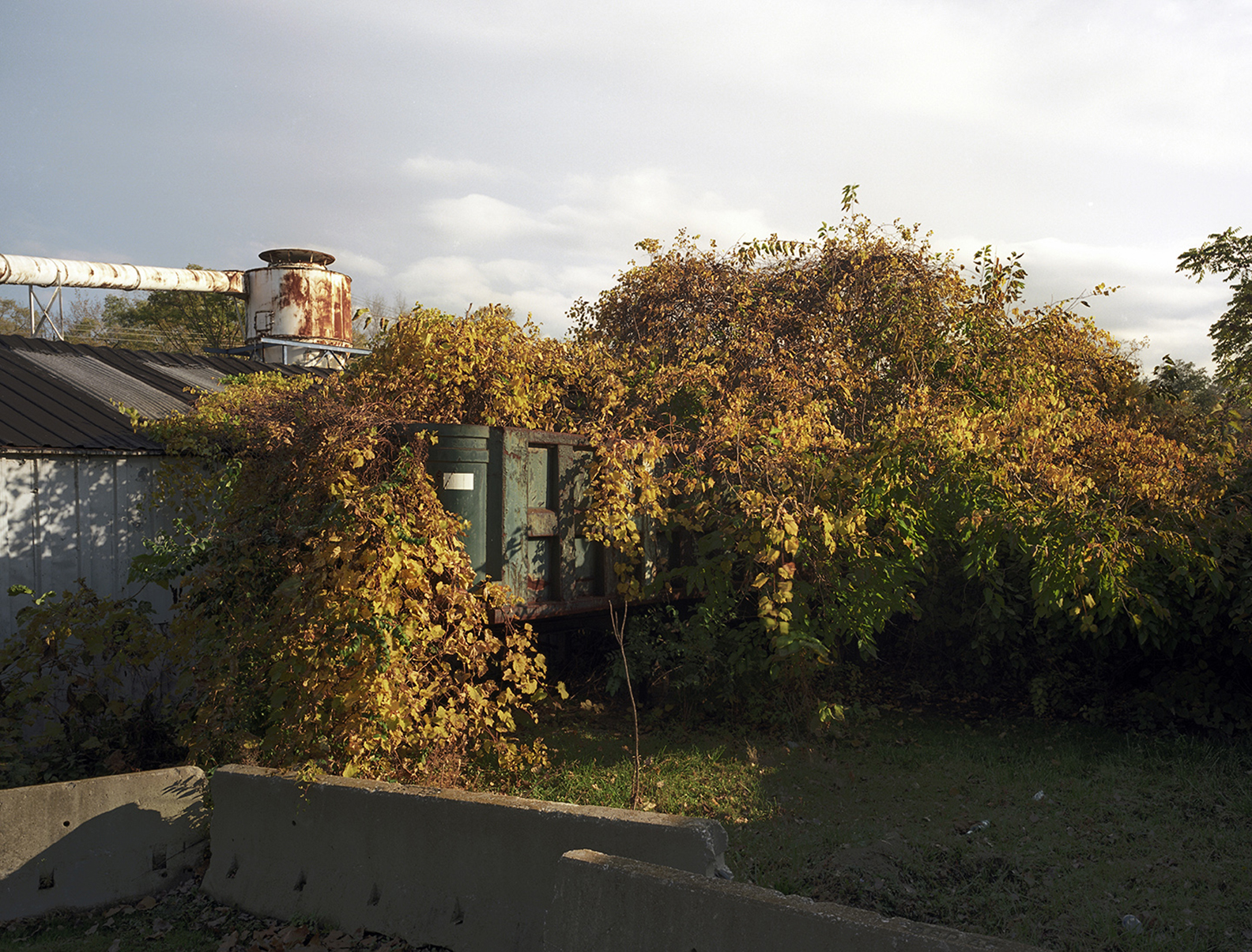
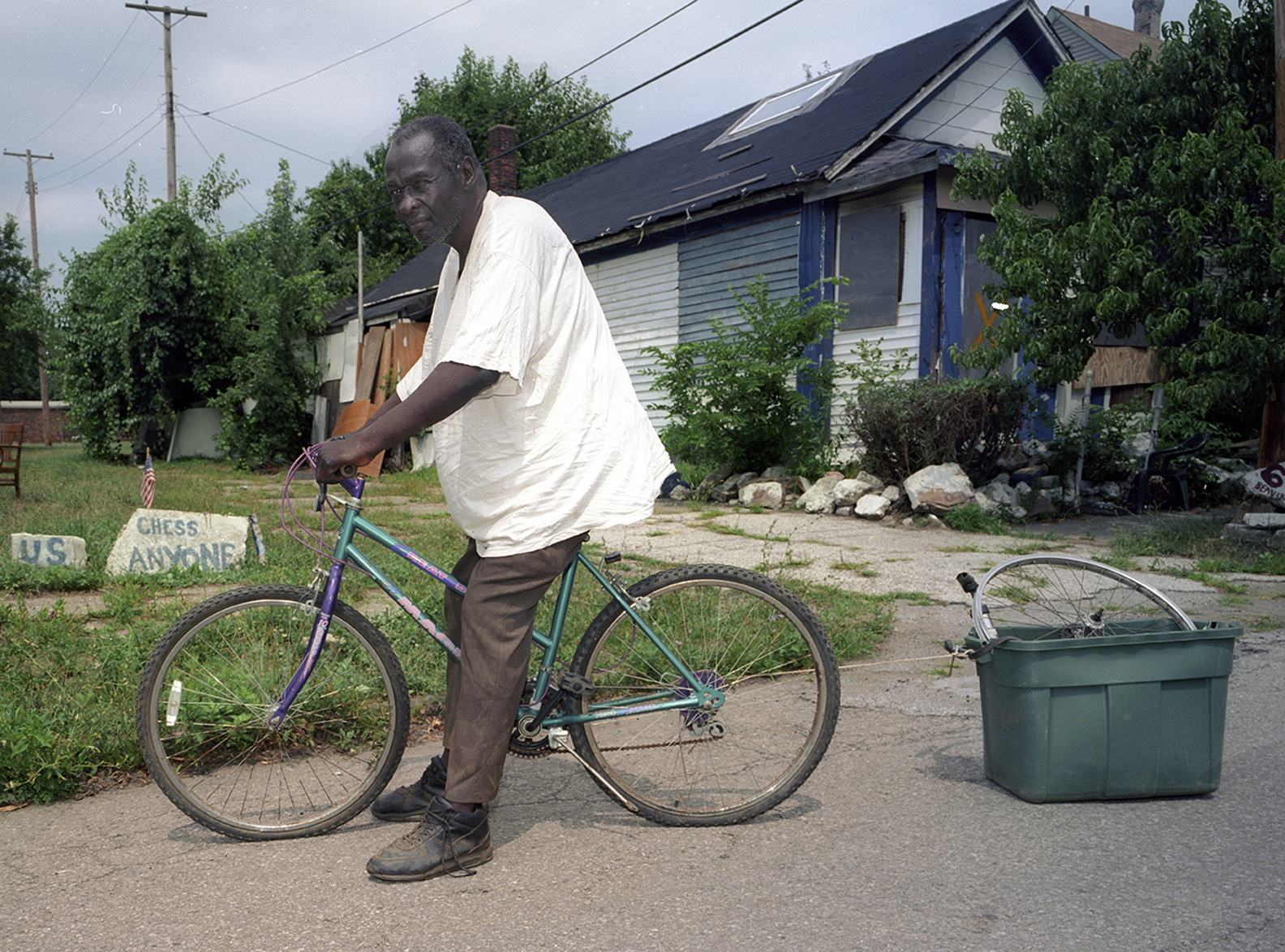
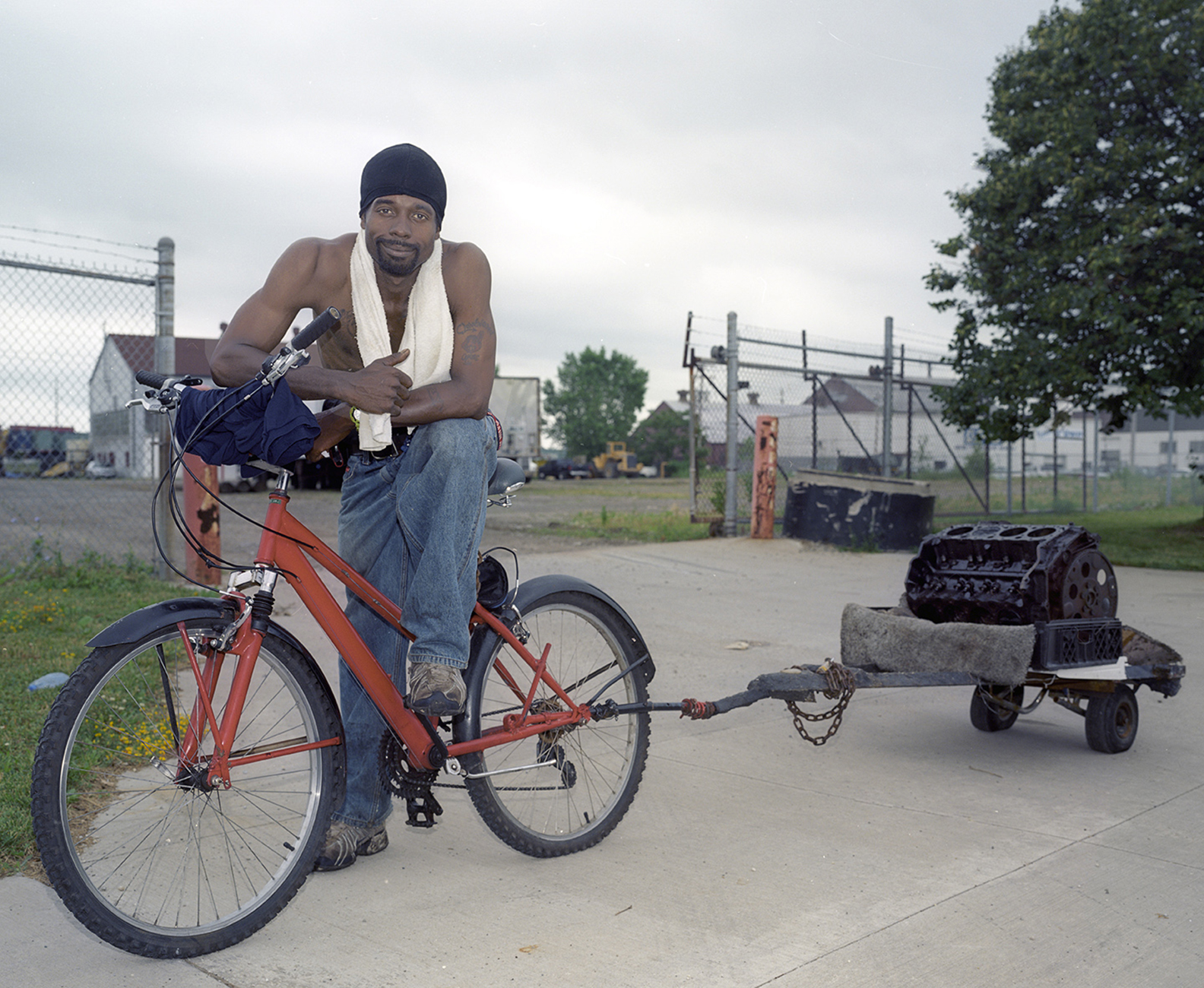
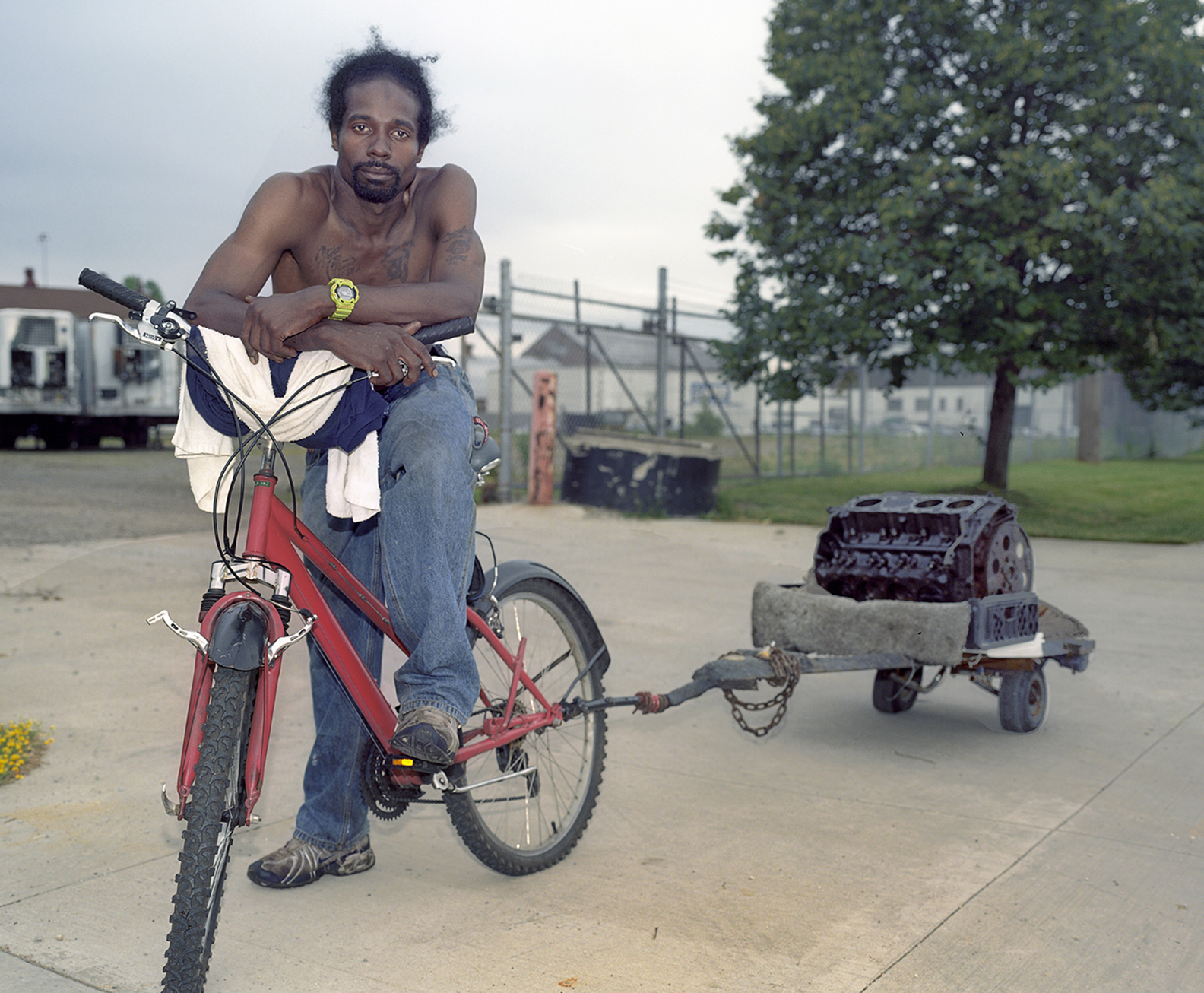
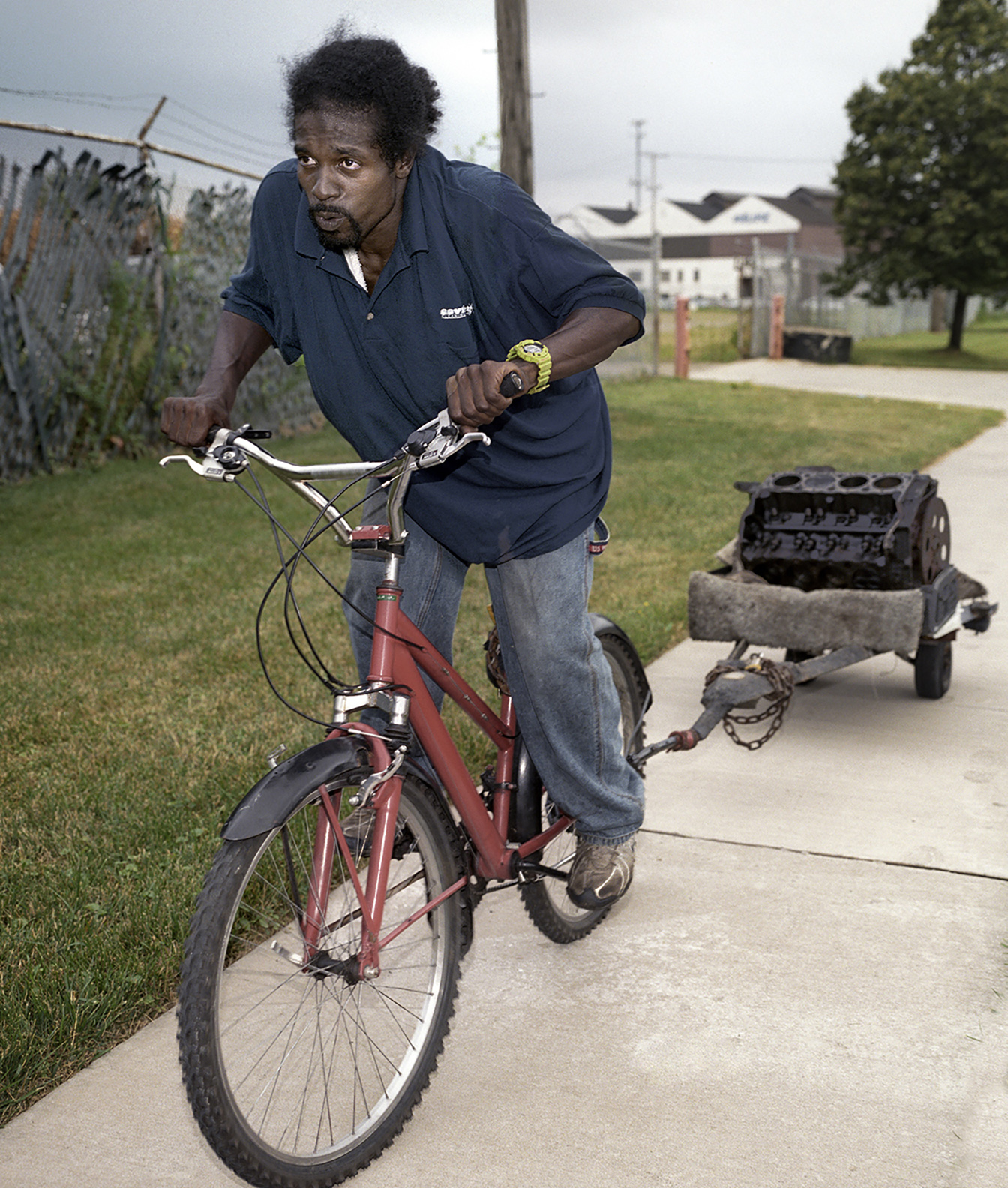
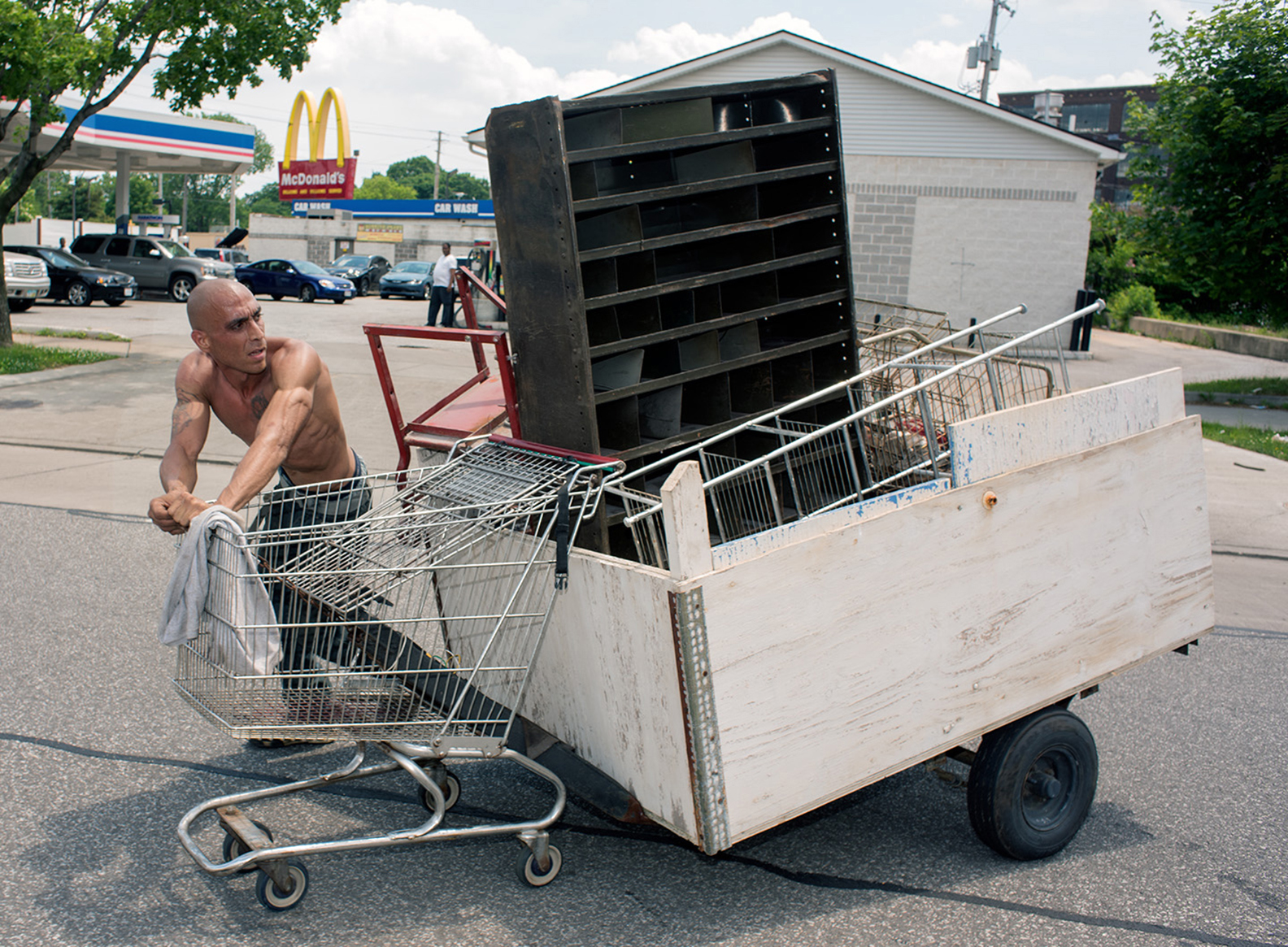
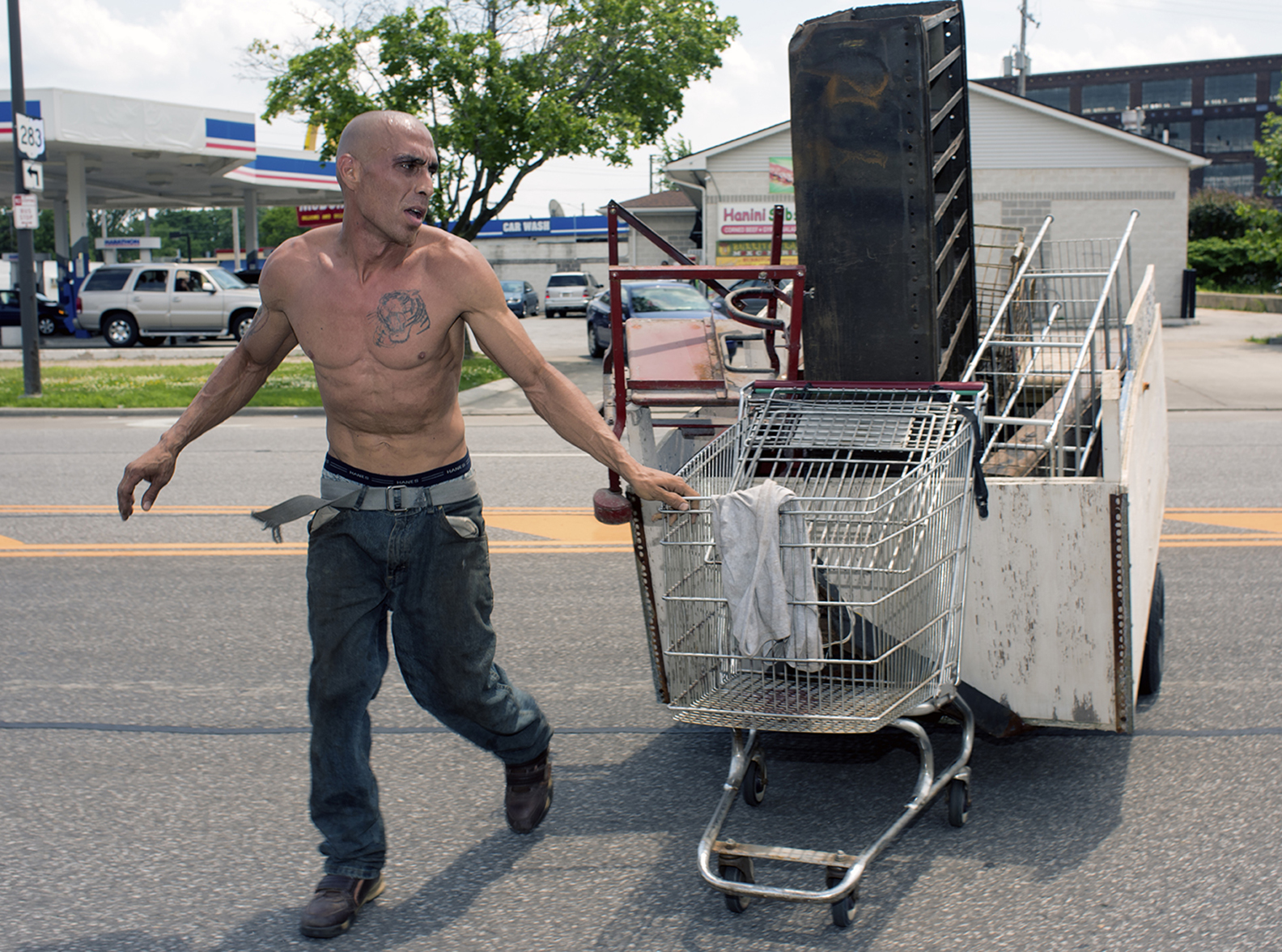
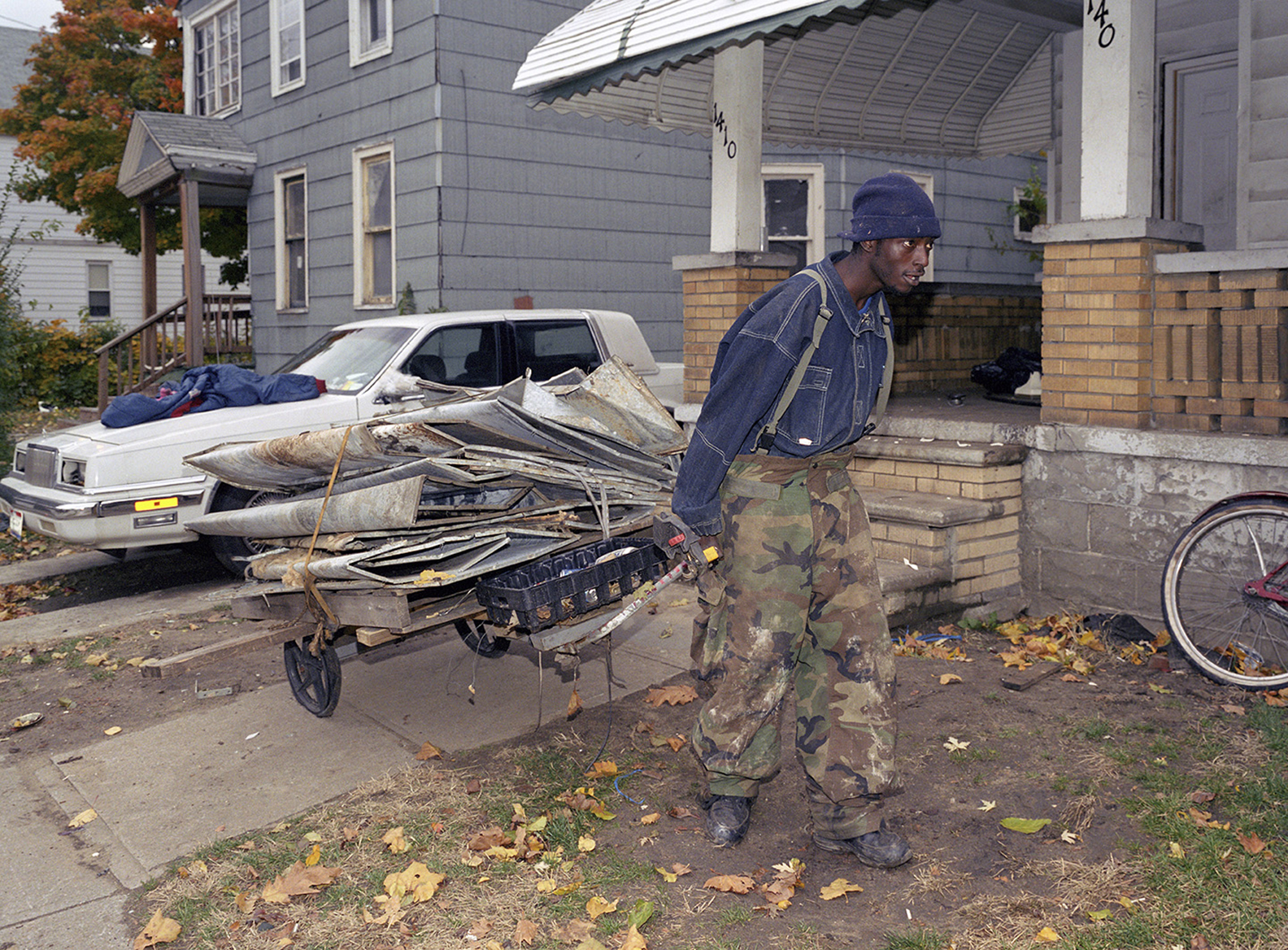
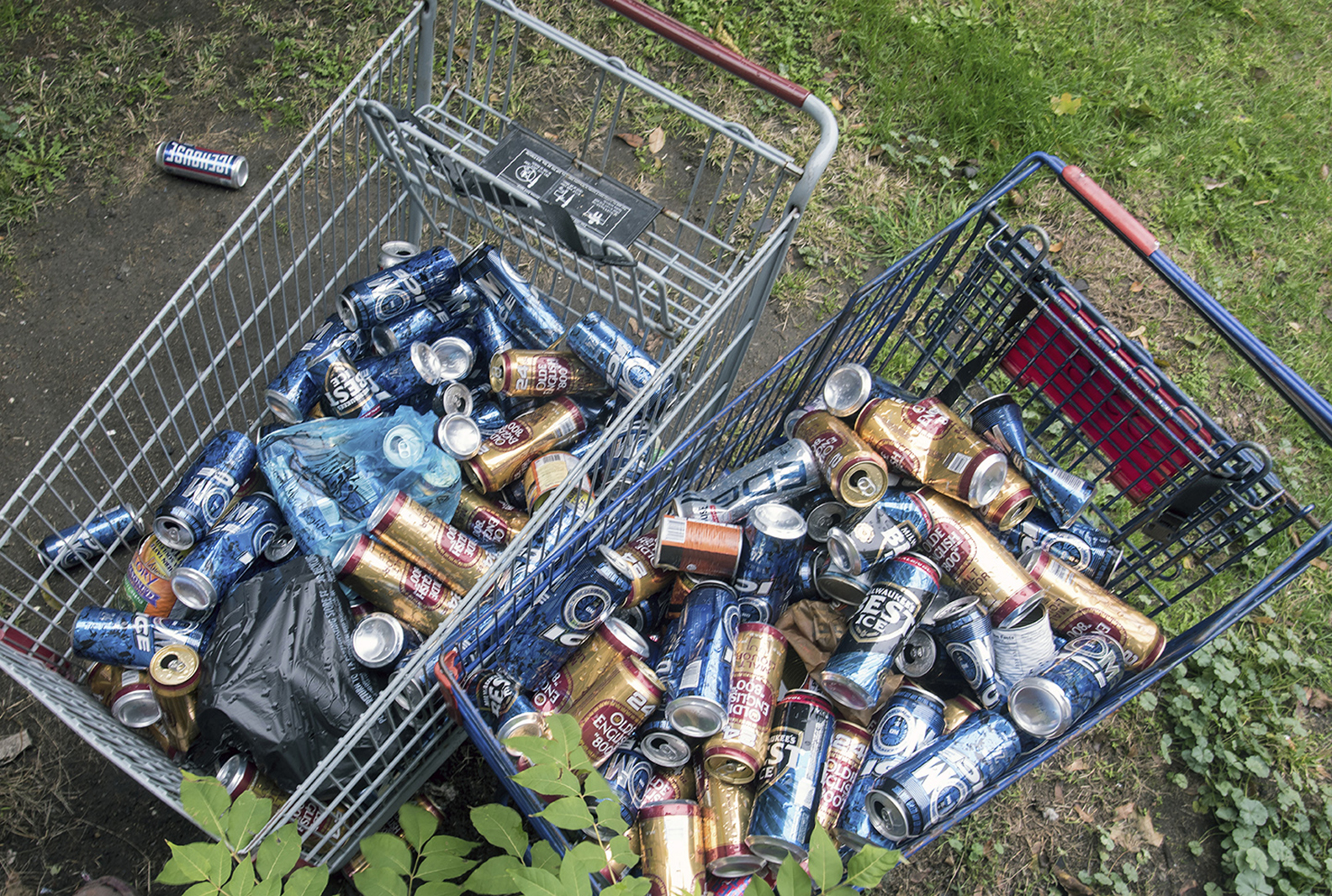
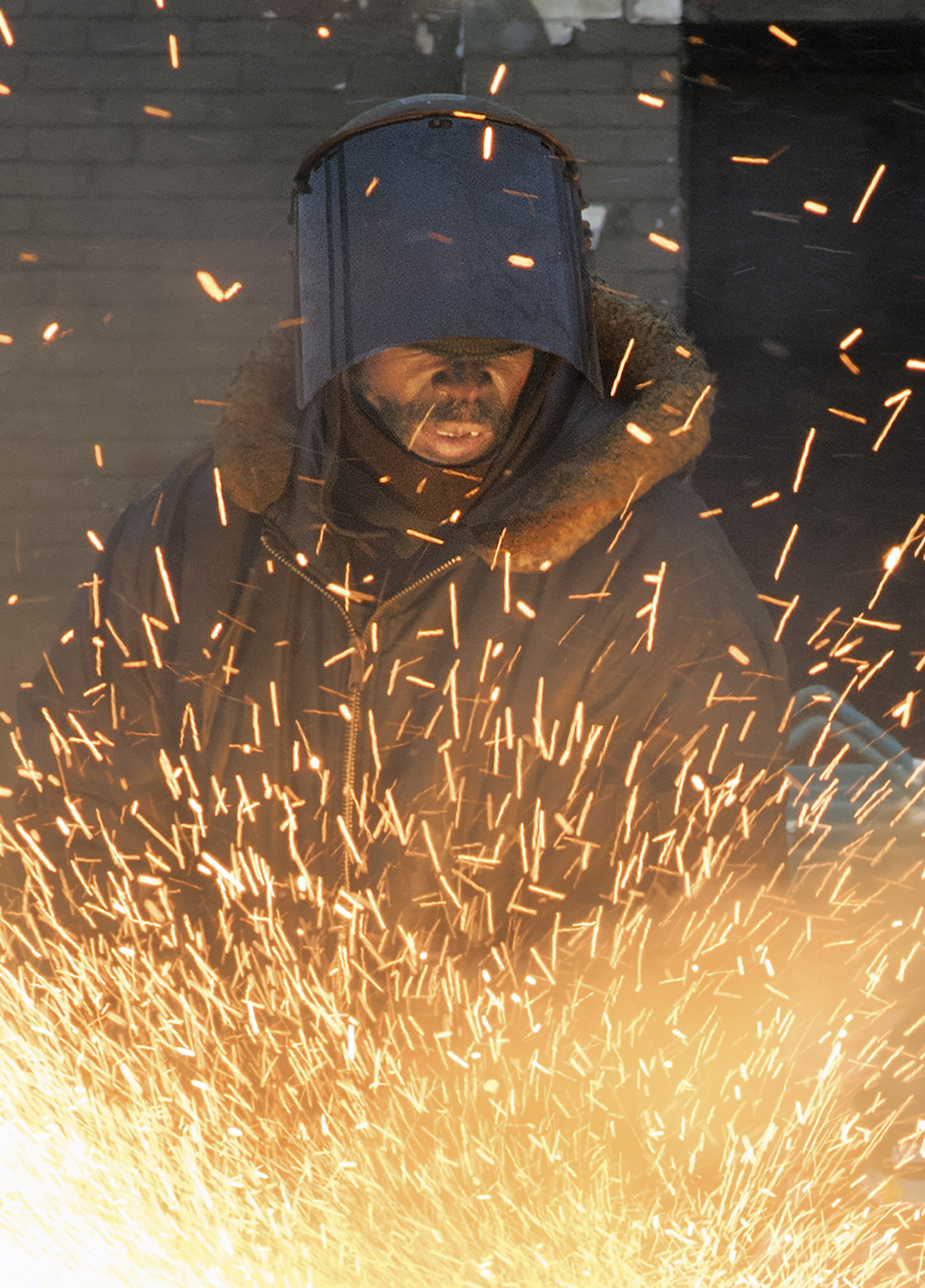
Like all my books it’s not a photo opportunity or some sort of overall look at scrapping. It emerges out of life and experience within the subject i depict, and the life i lead, and is guided by this. Having said that i’m grossly familiar with two of America’s most wild, down and dirty junkyard zones – the Forgotten Triangle in Cleveland and the Iron Triangle in New York. Honest Scrap is centered in the Forgotten Triangle and spins out beyond, but always returns to the homeland for scrappers in that city, which for many years seemed to be Scrap City with a vibrant scrapper world all over its neighborhoods that were all tied to old, lost or dying industry, much of it connected to working with or making metals both ferrous and non-ferrous
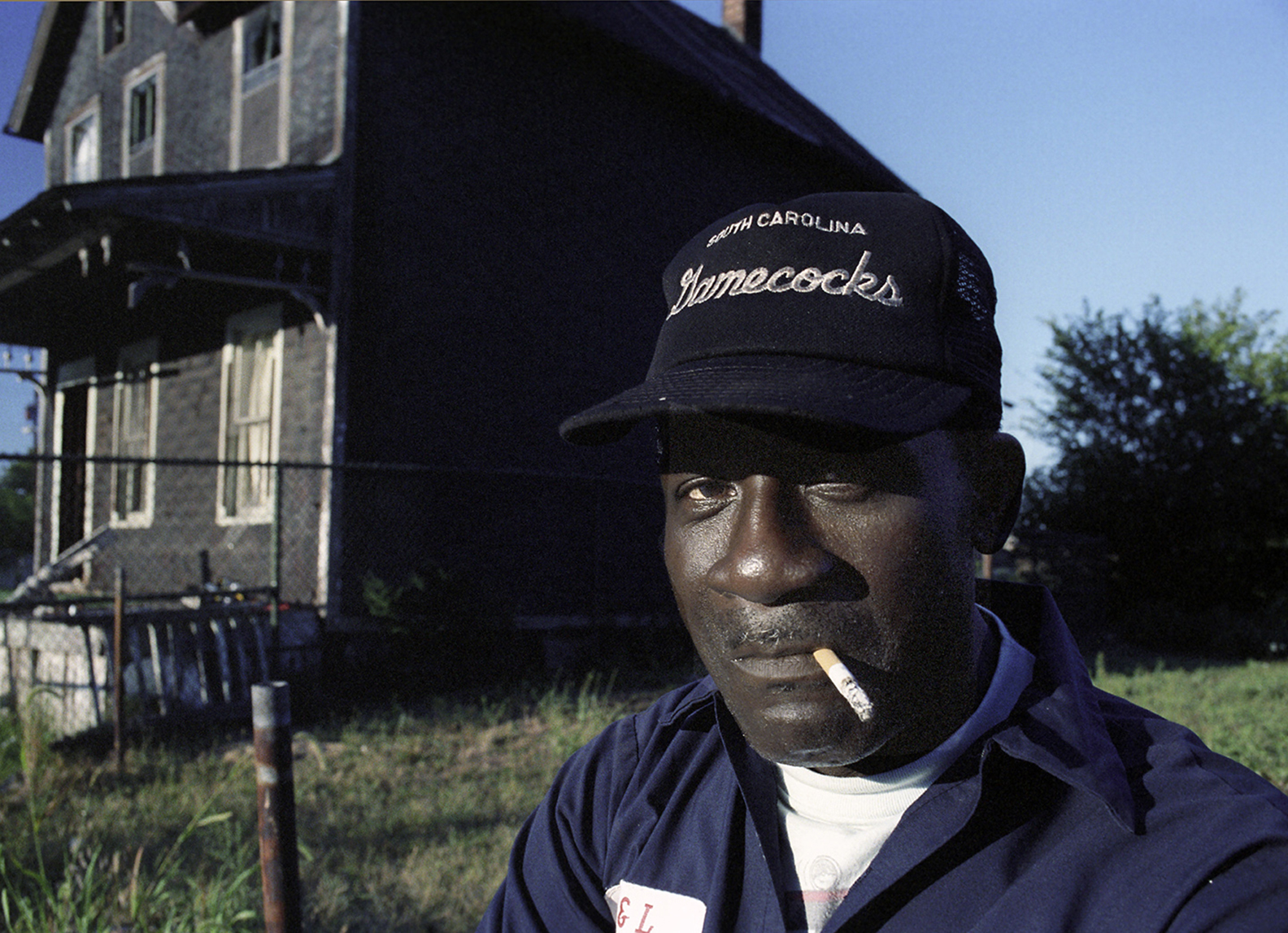
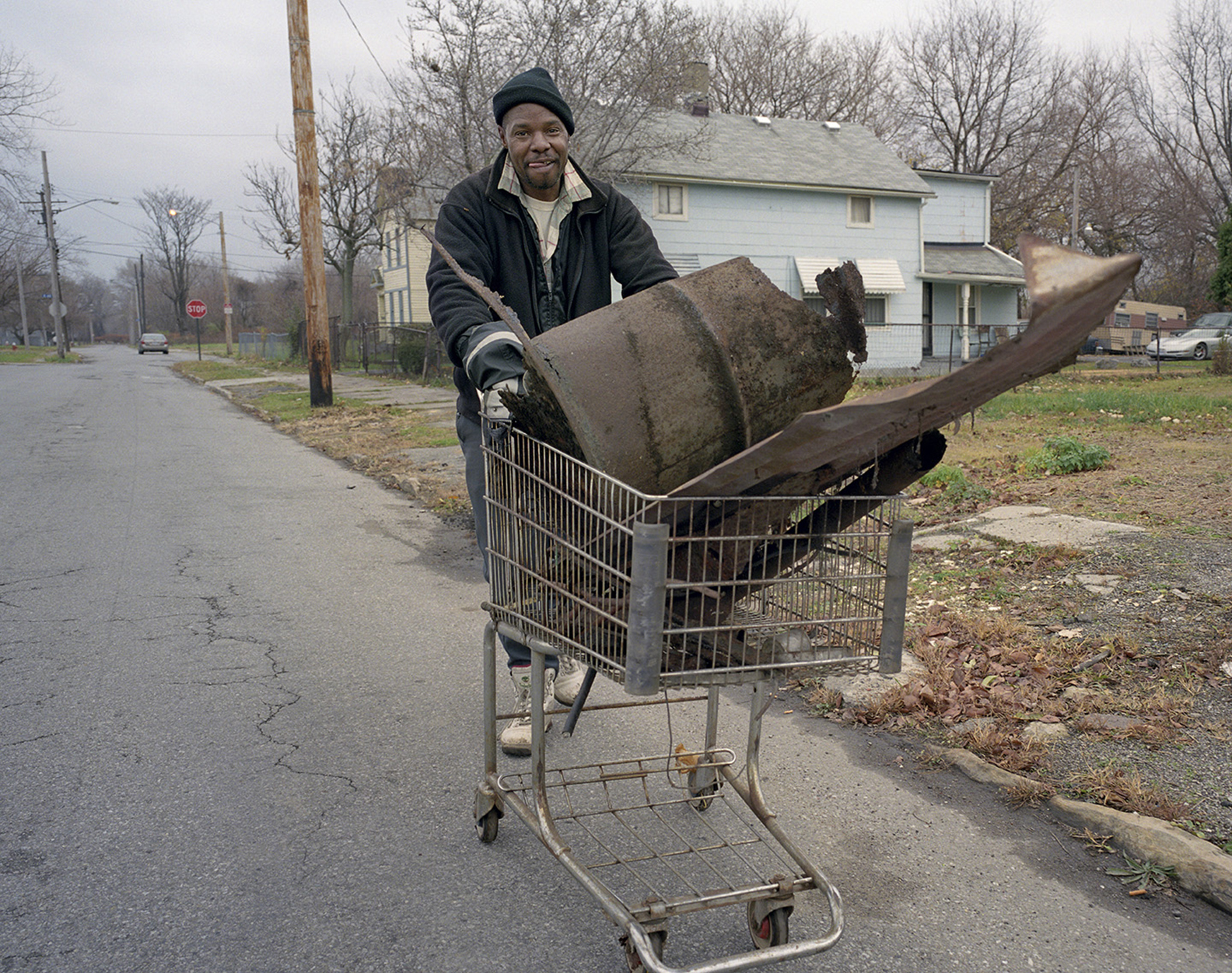
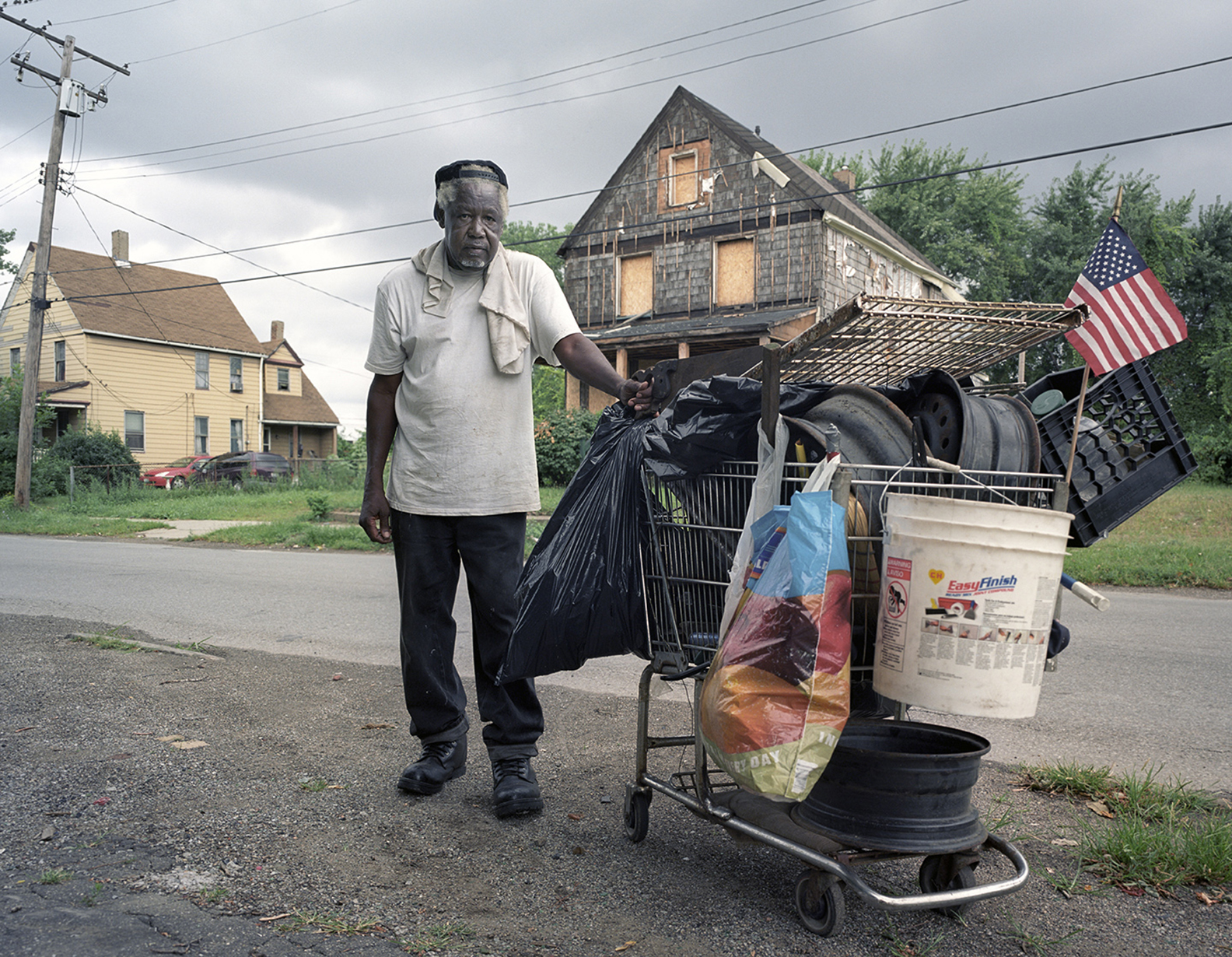
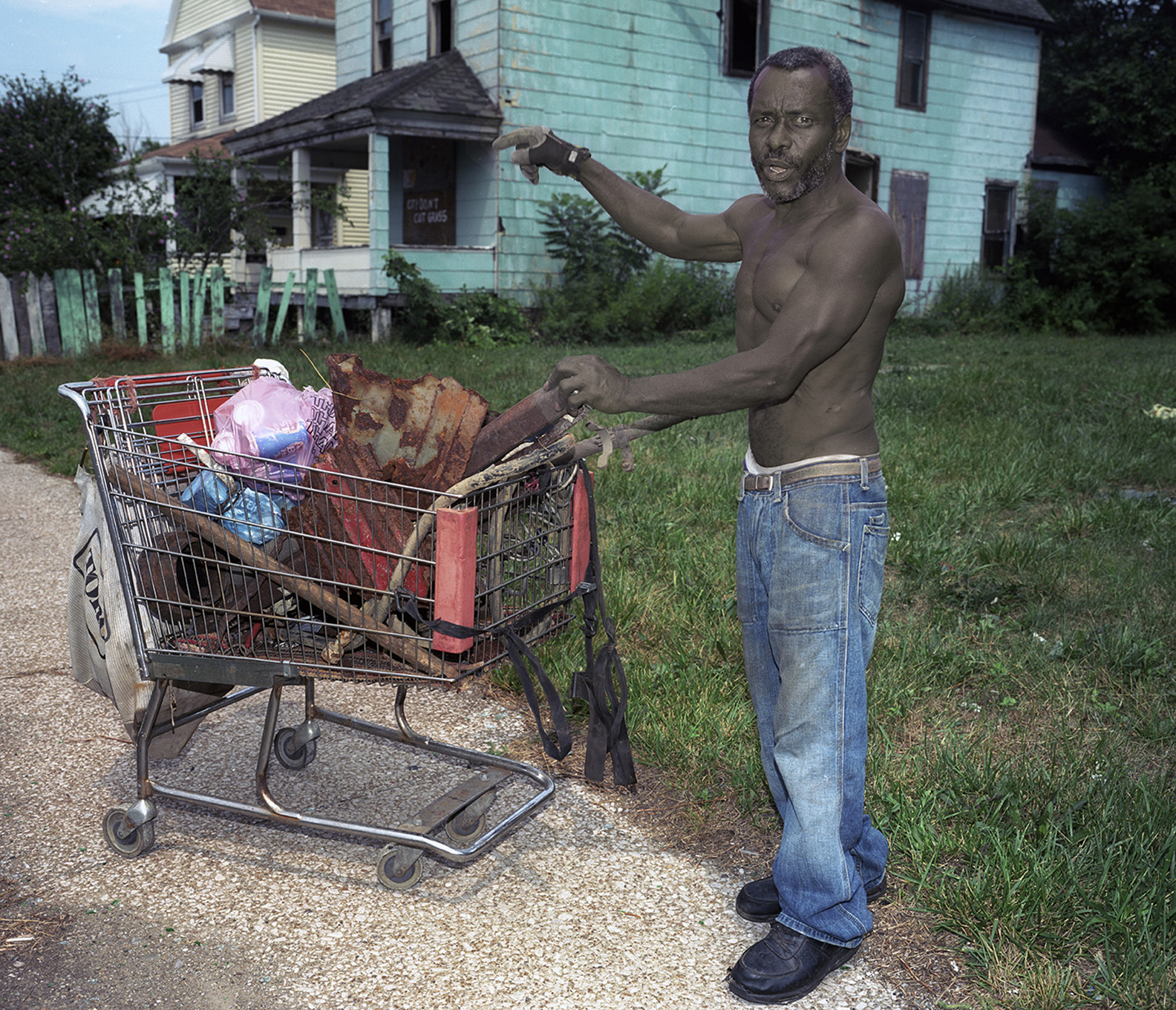
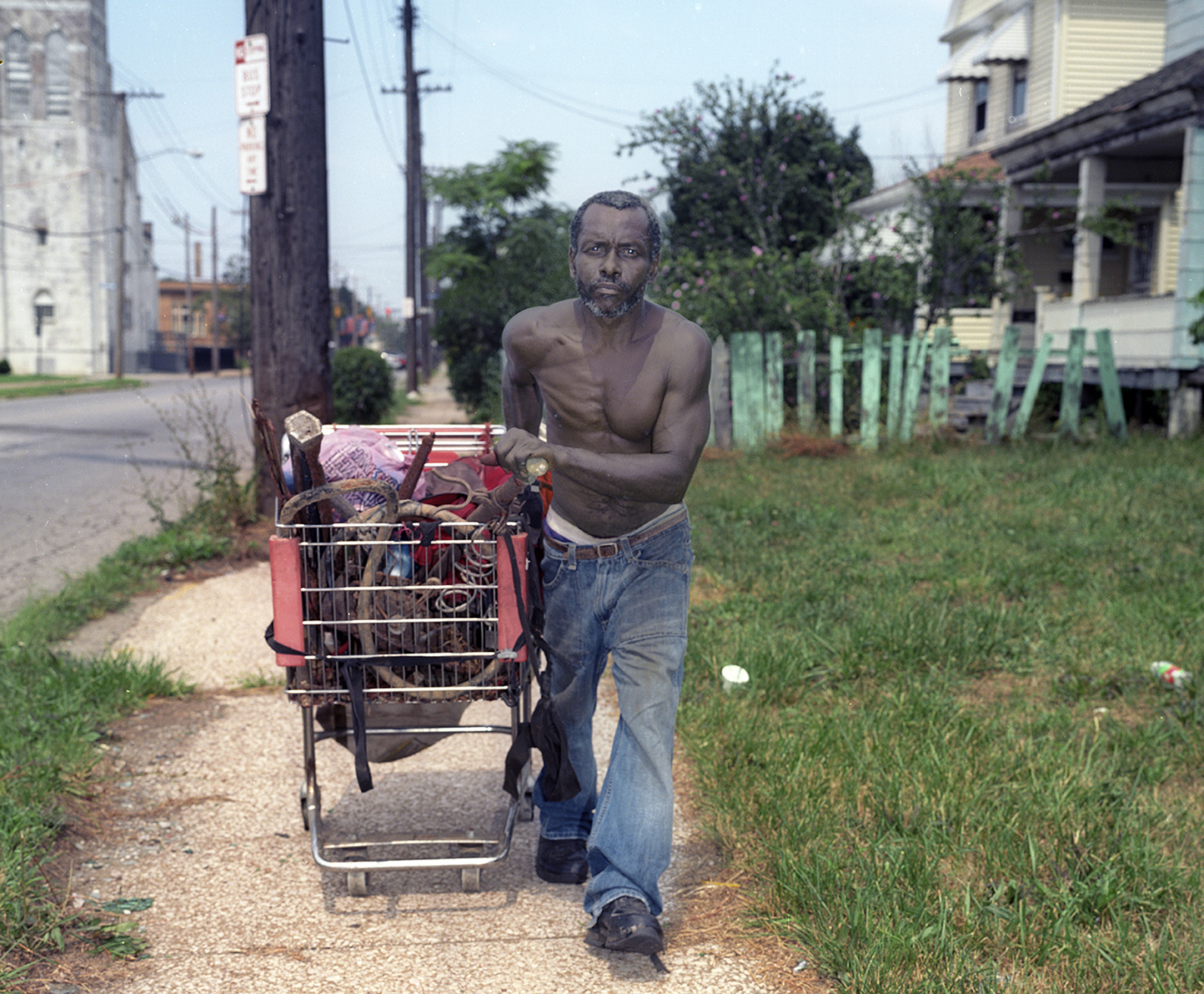
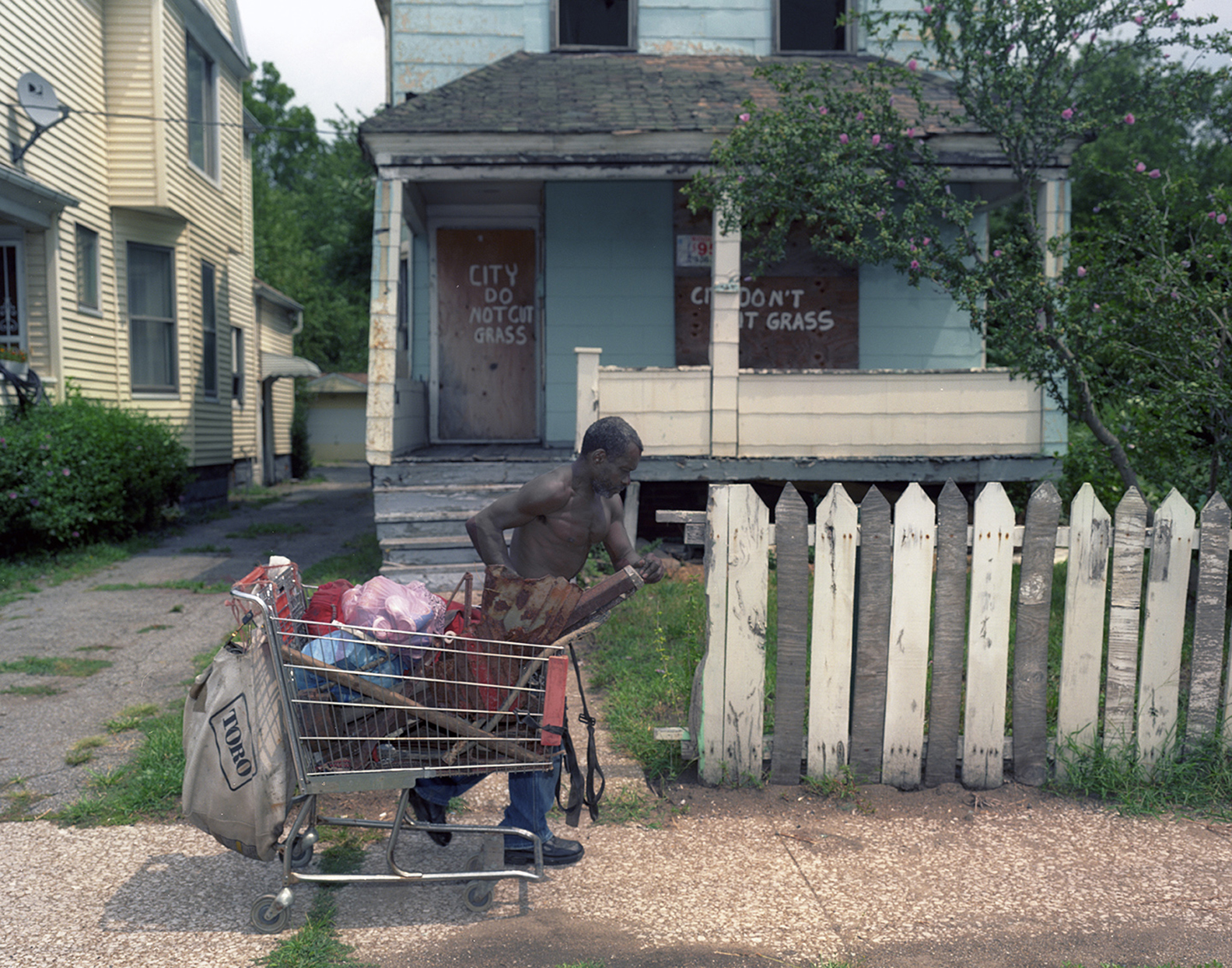
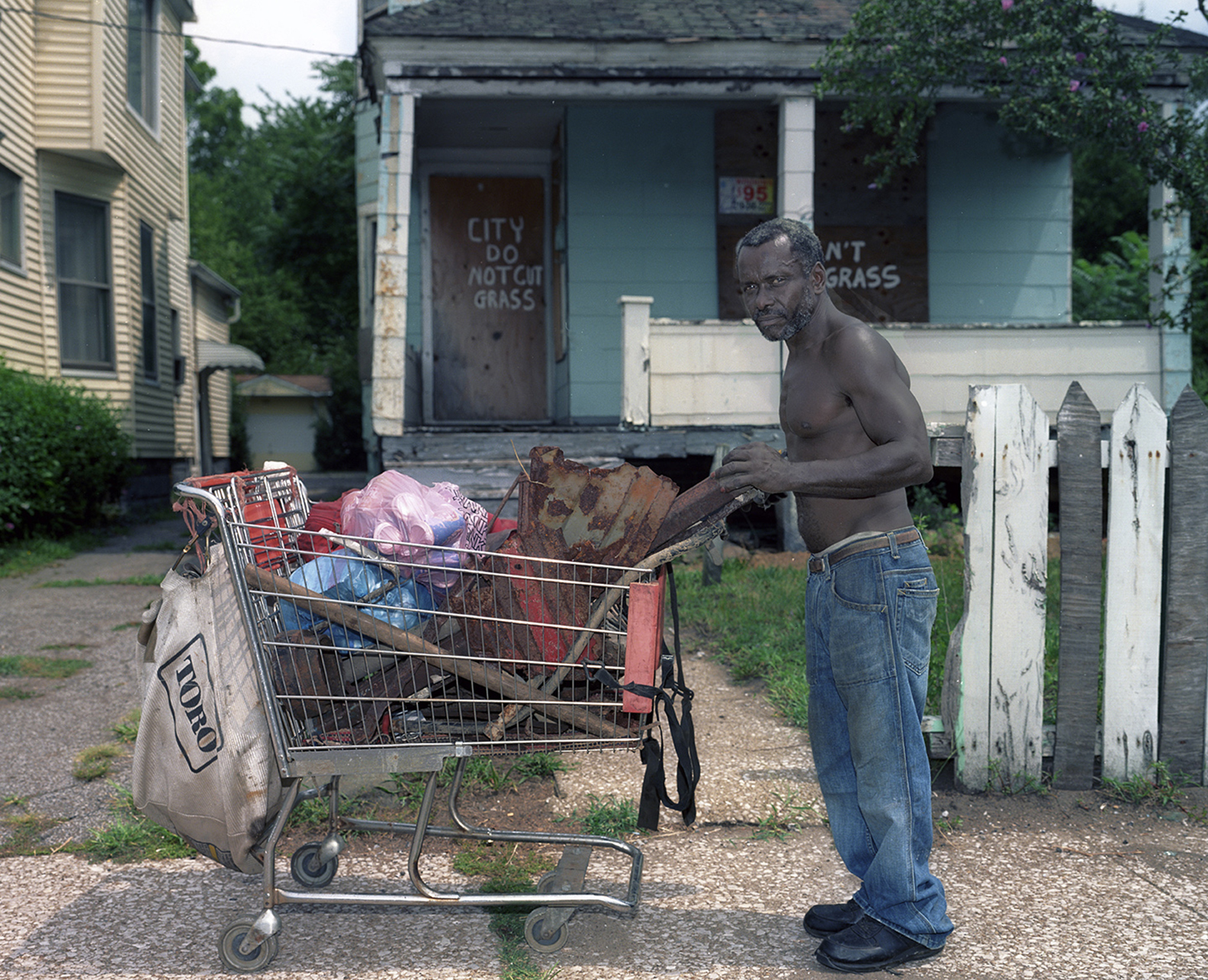
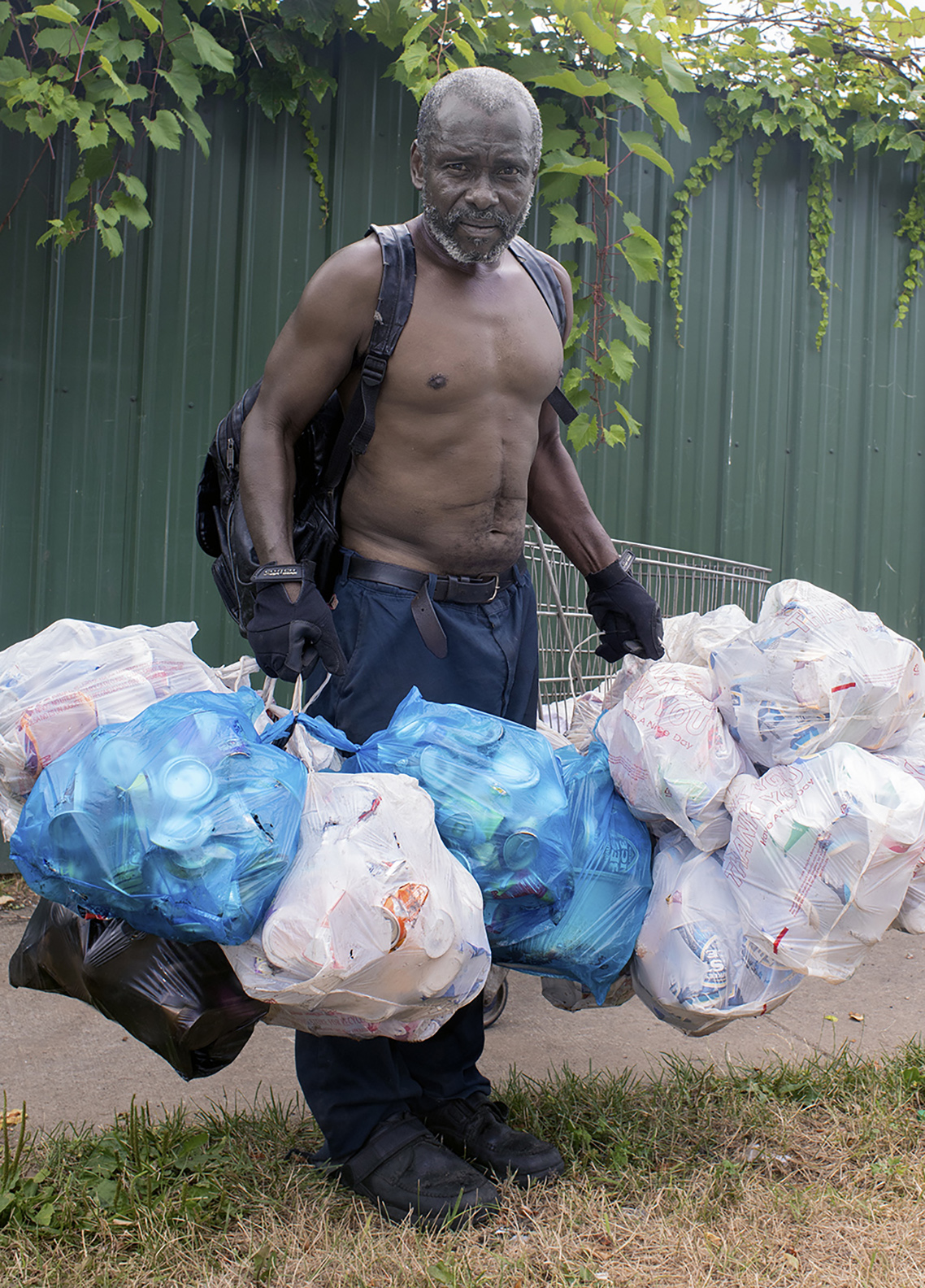
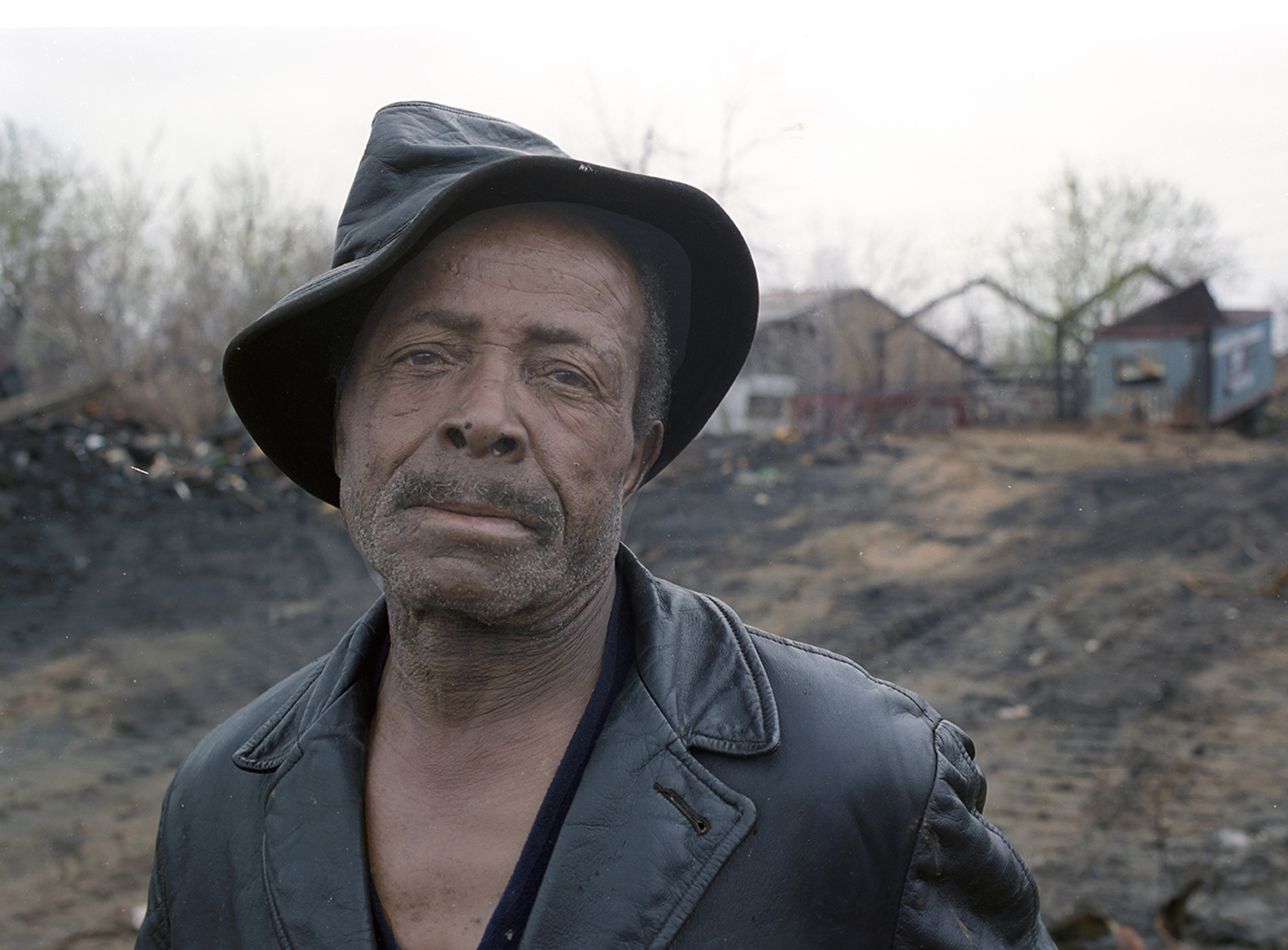
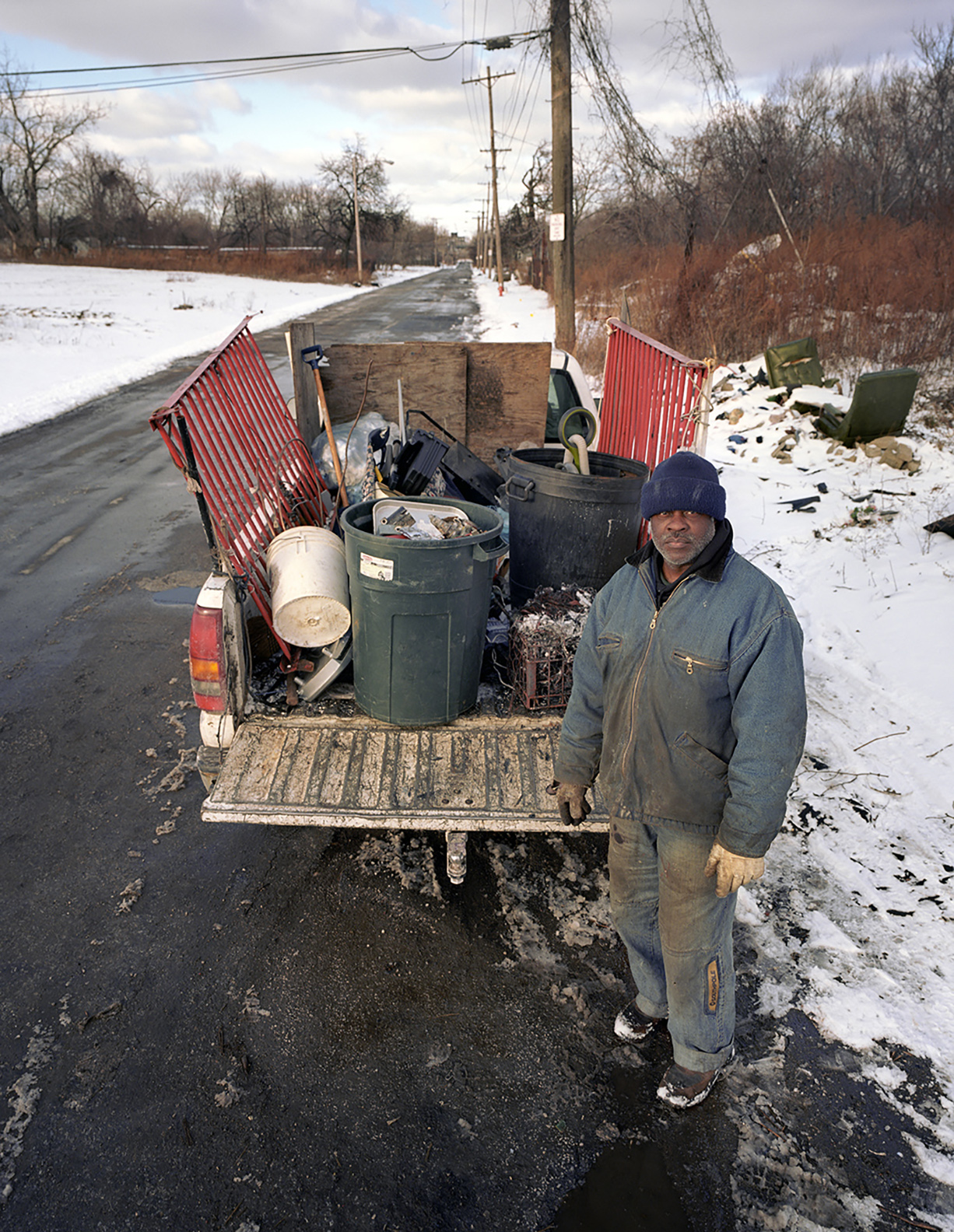
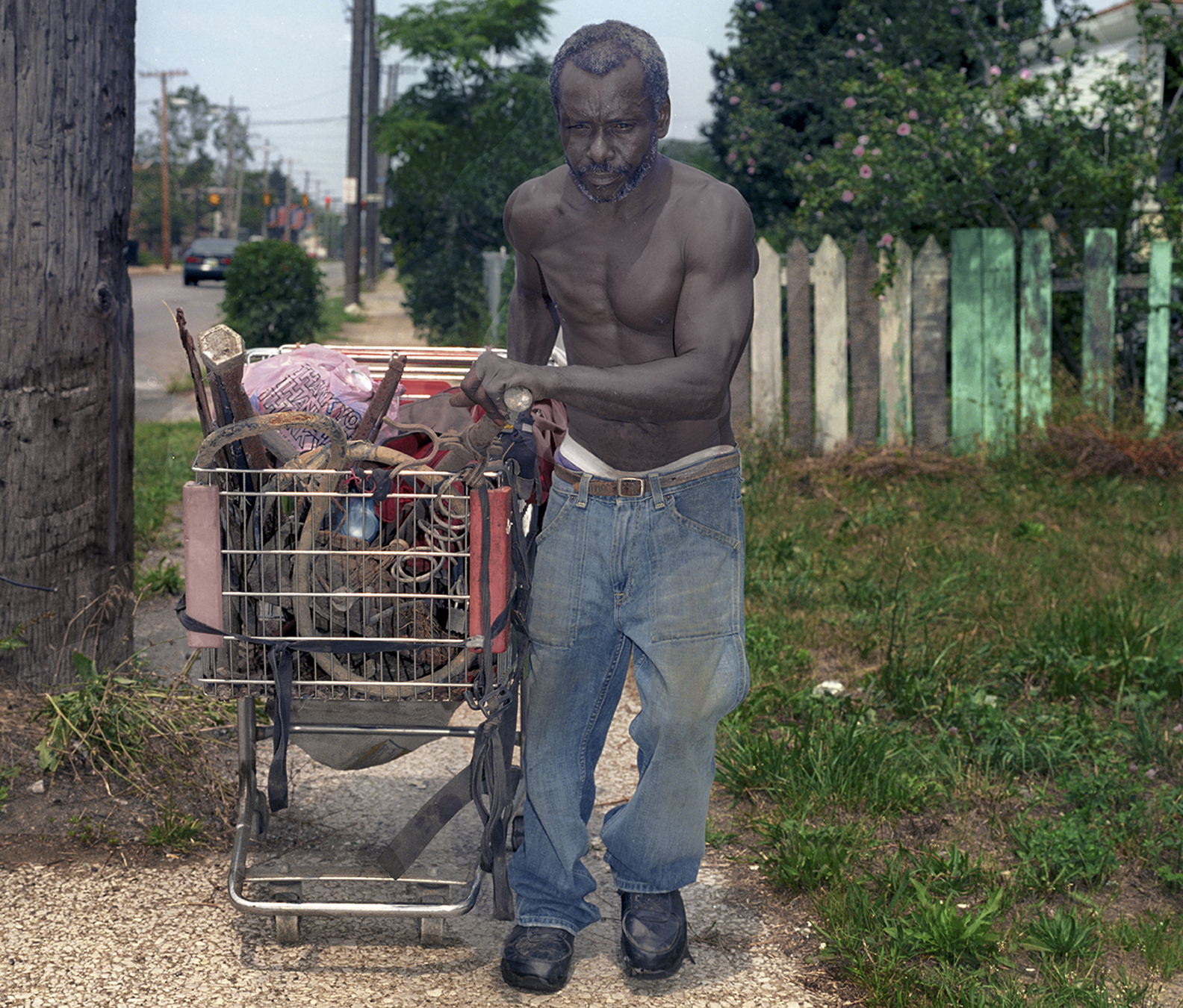
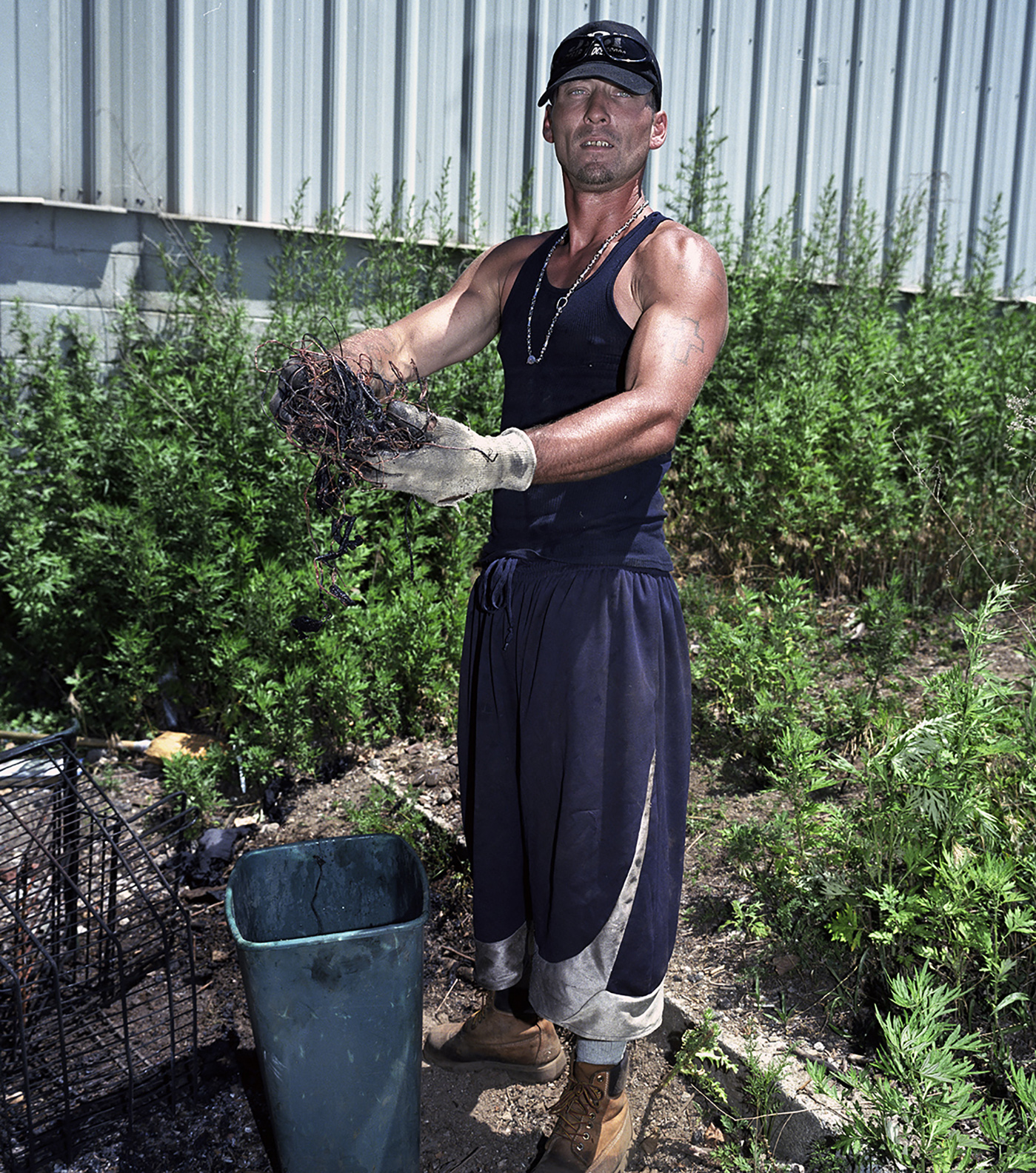
I’ve been shooting scrappers since early eighties. Some, up until their last days. There were some chance encounters, but, by and large, everybody gets to know each other over time.
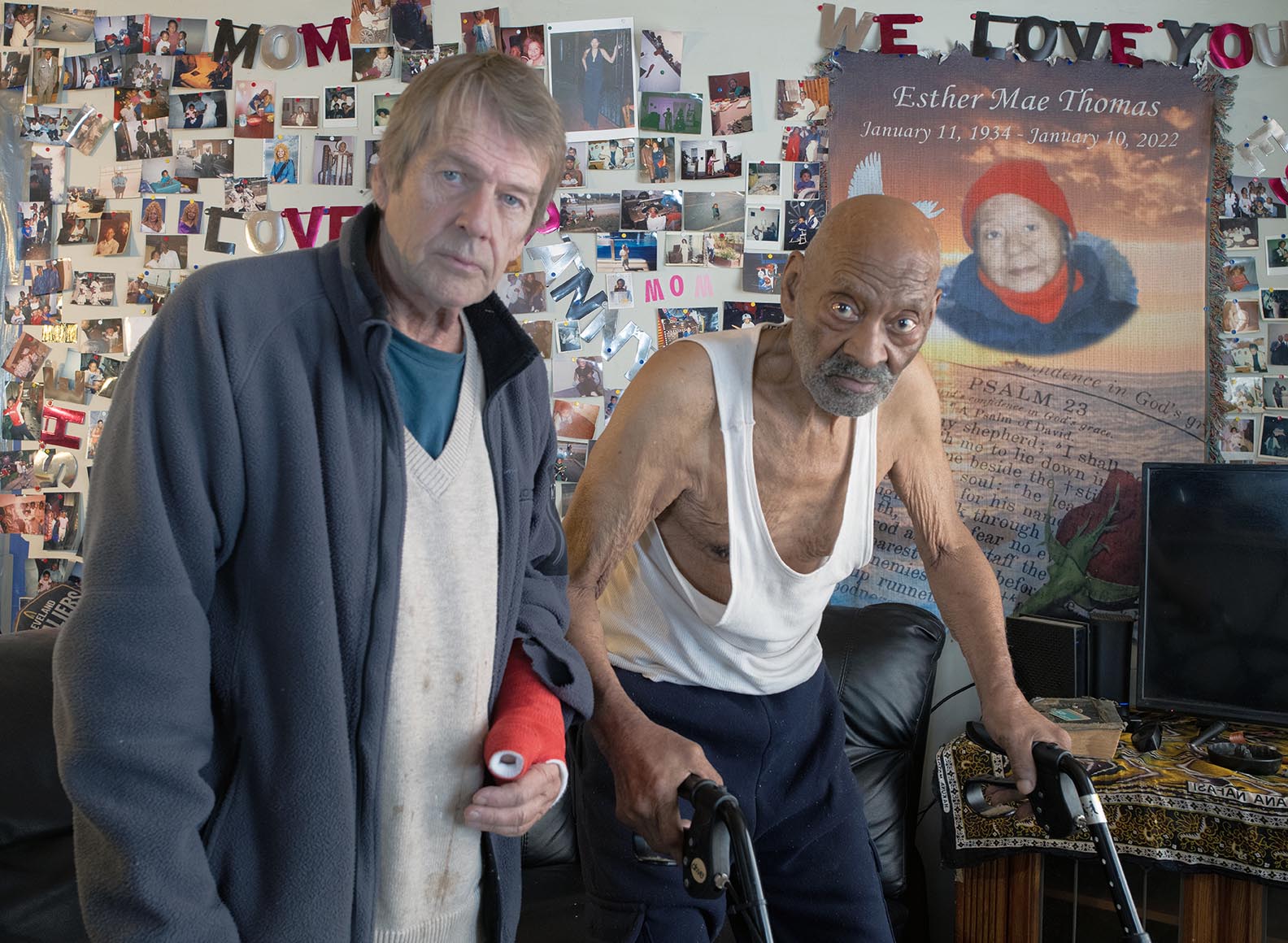
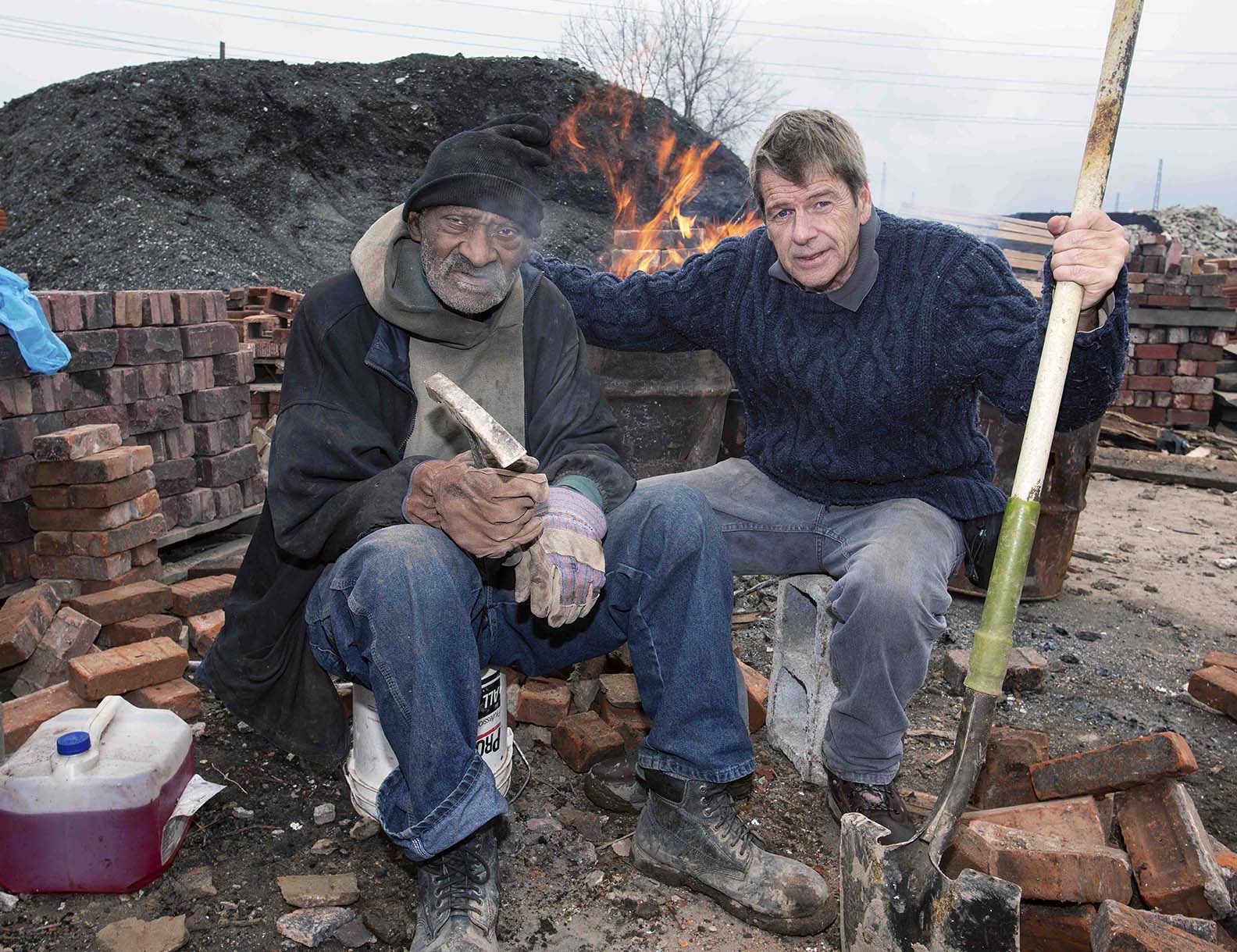
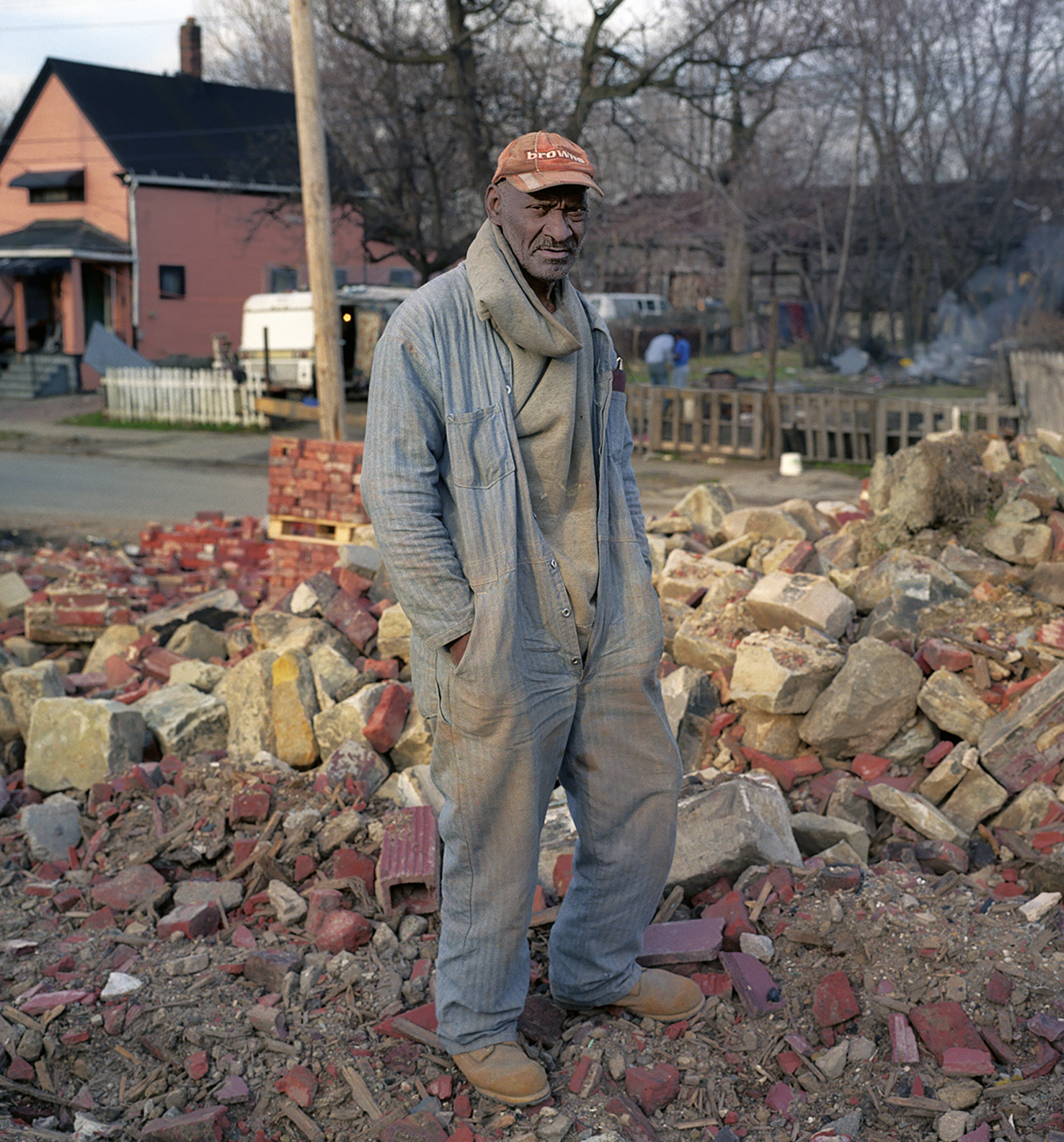
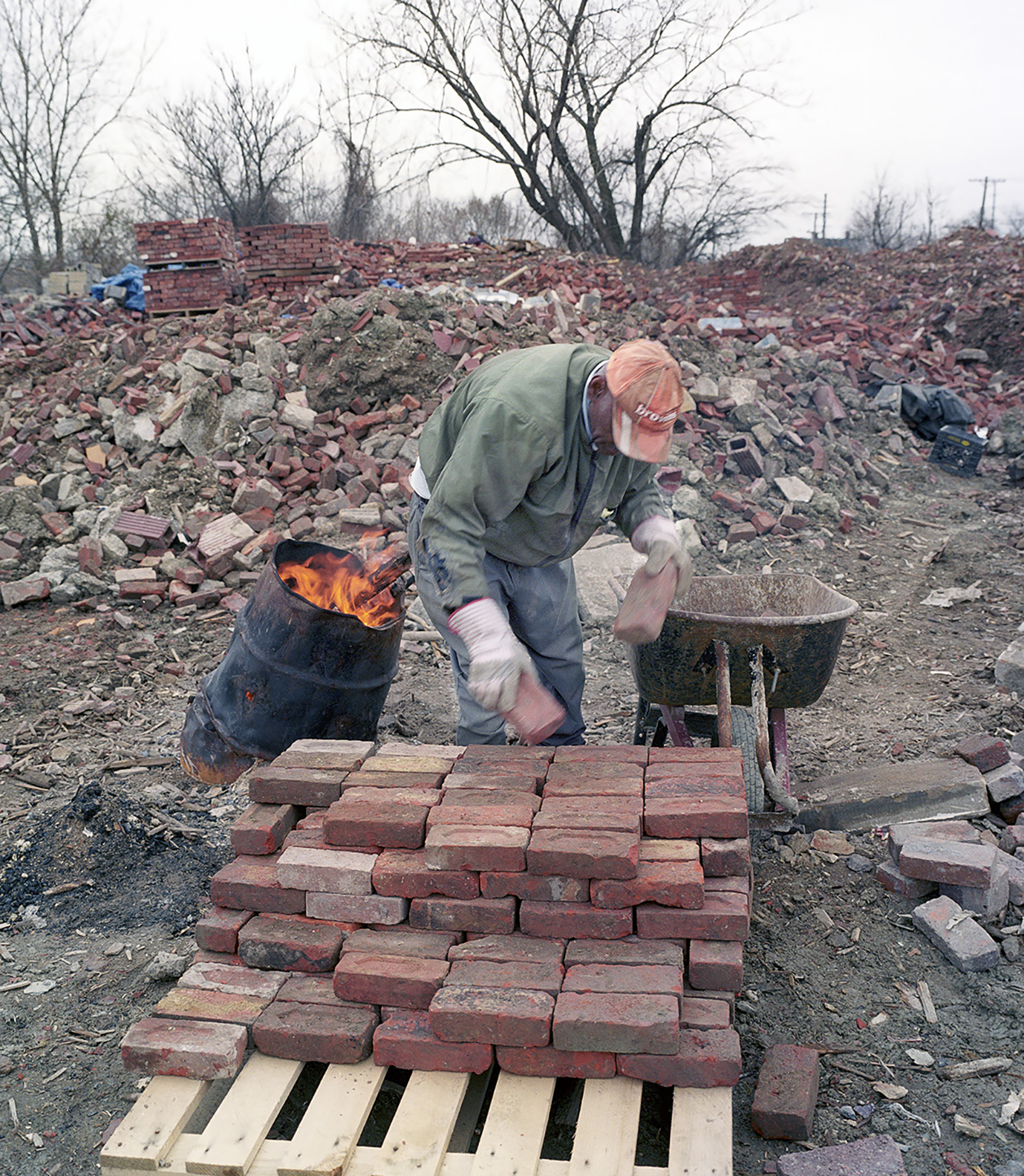
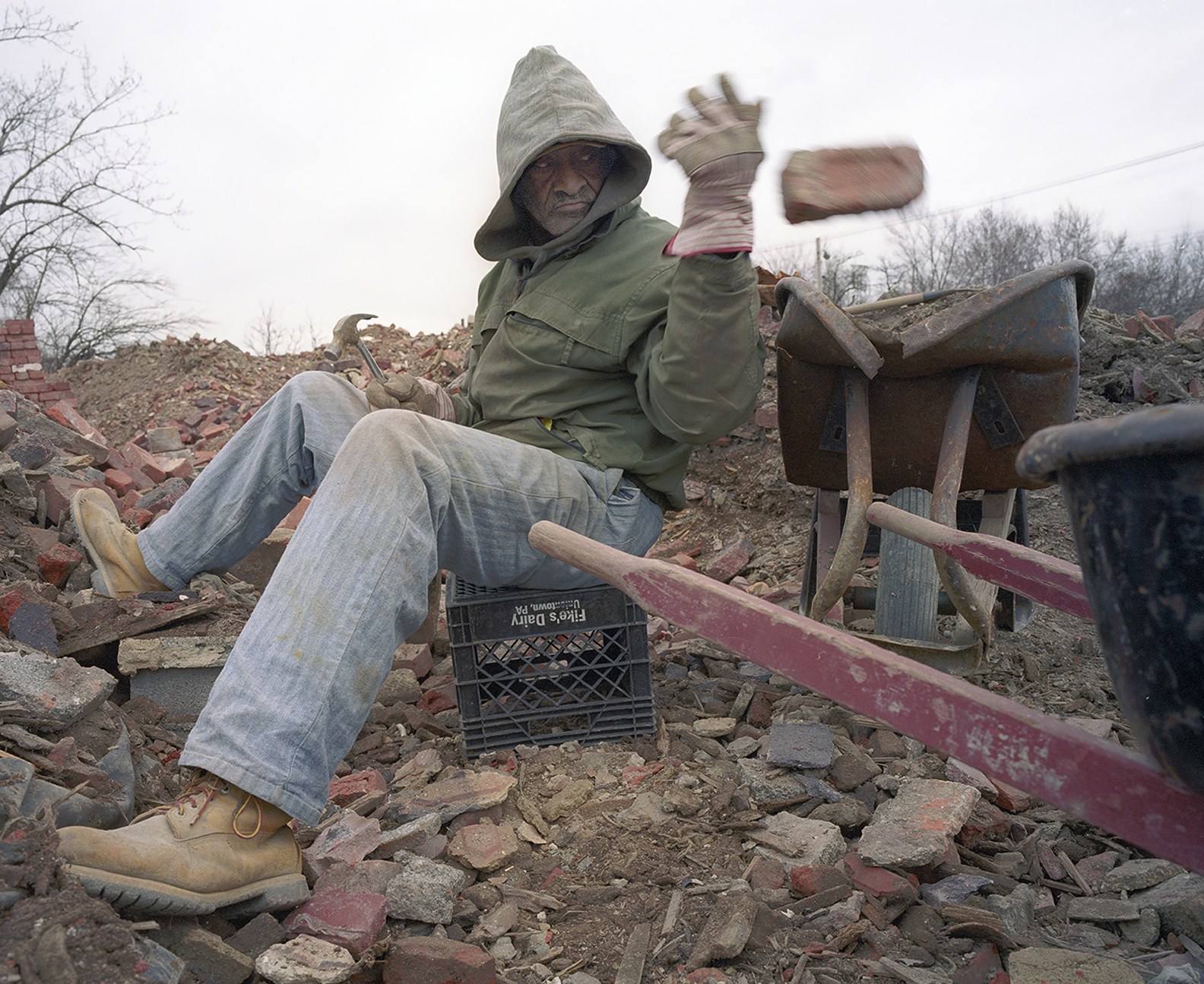
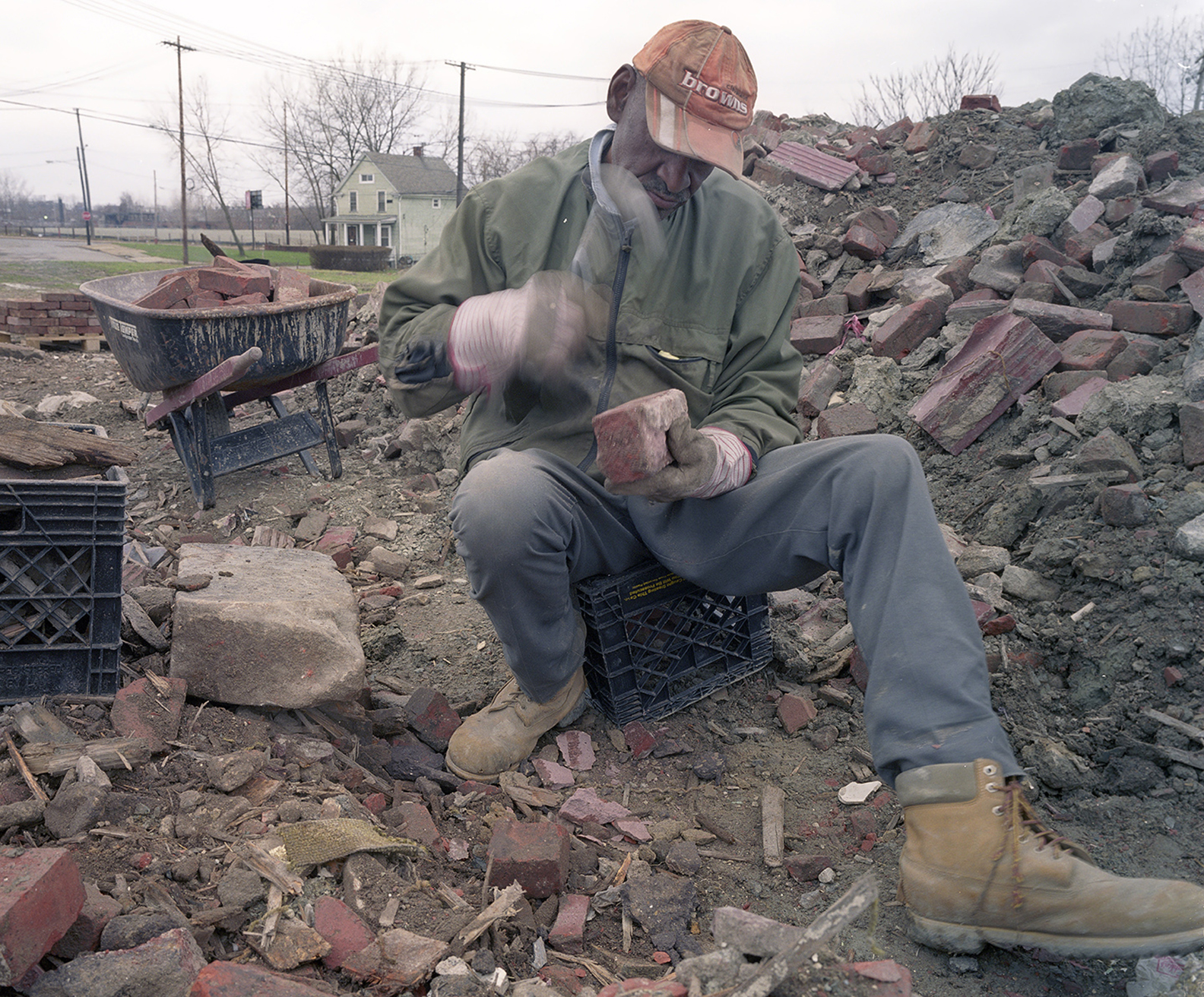
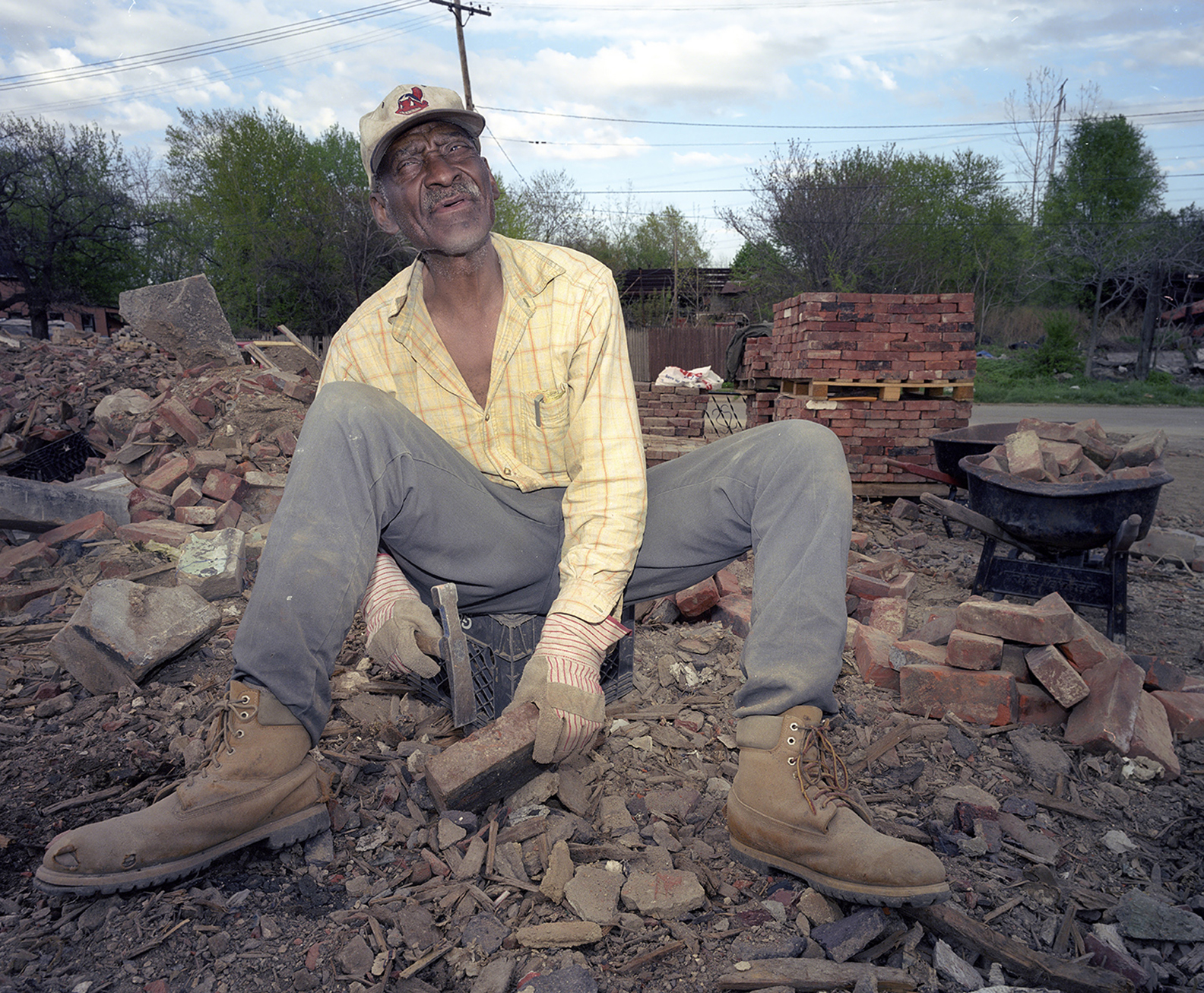
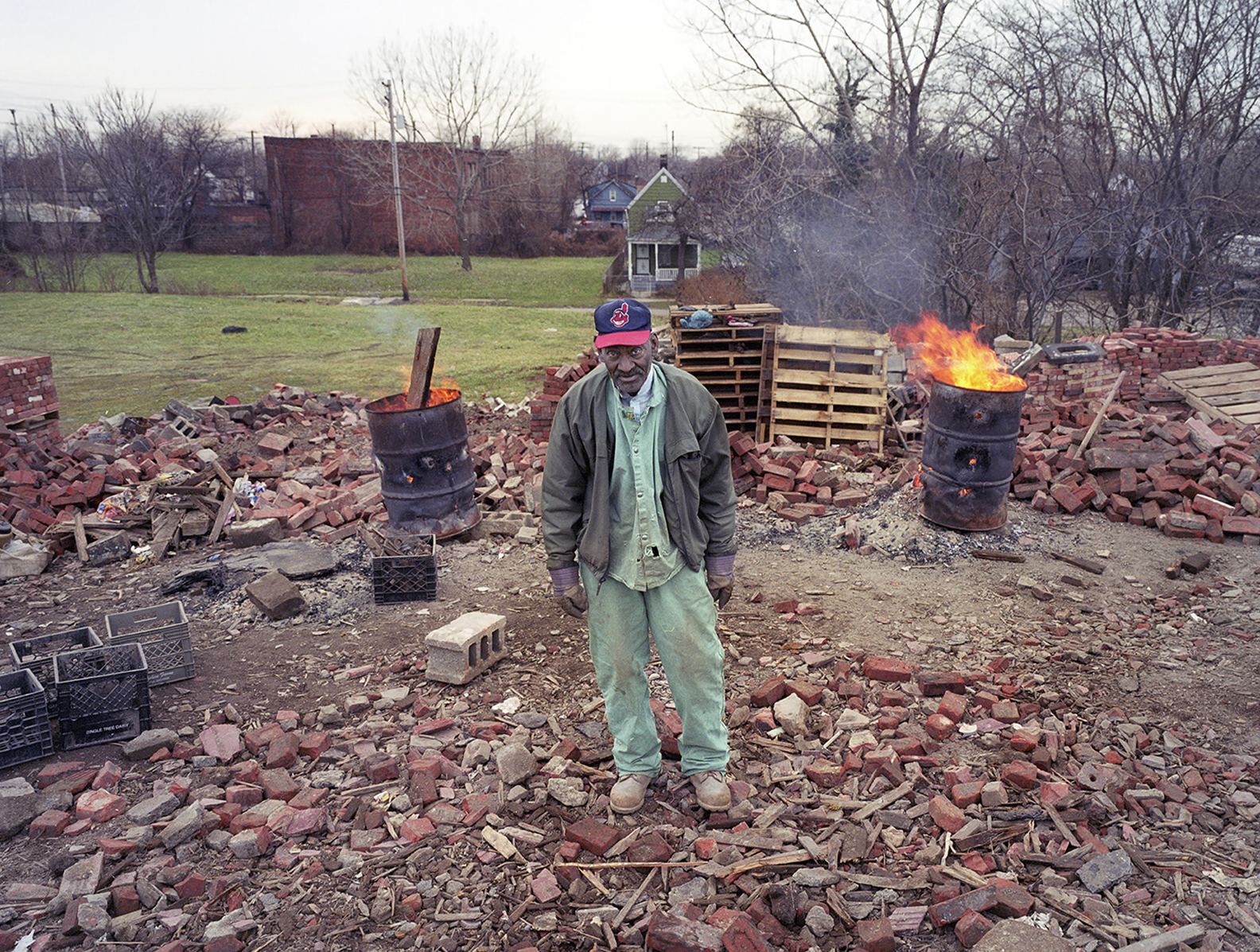
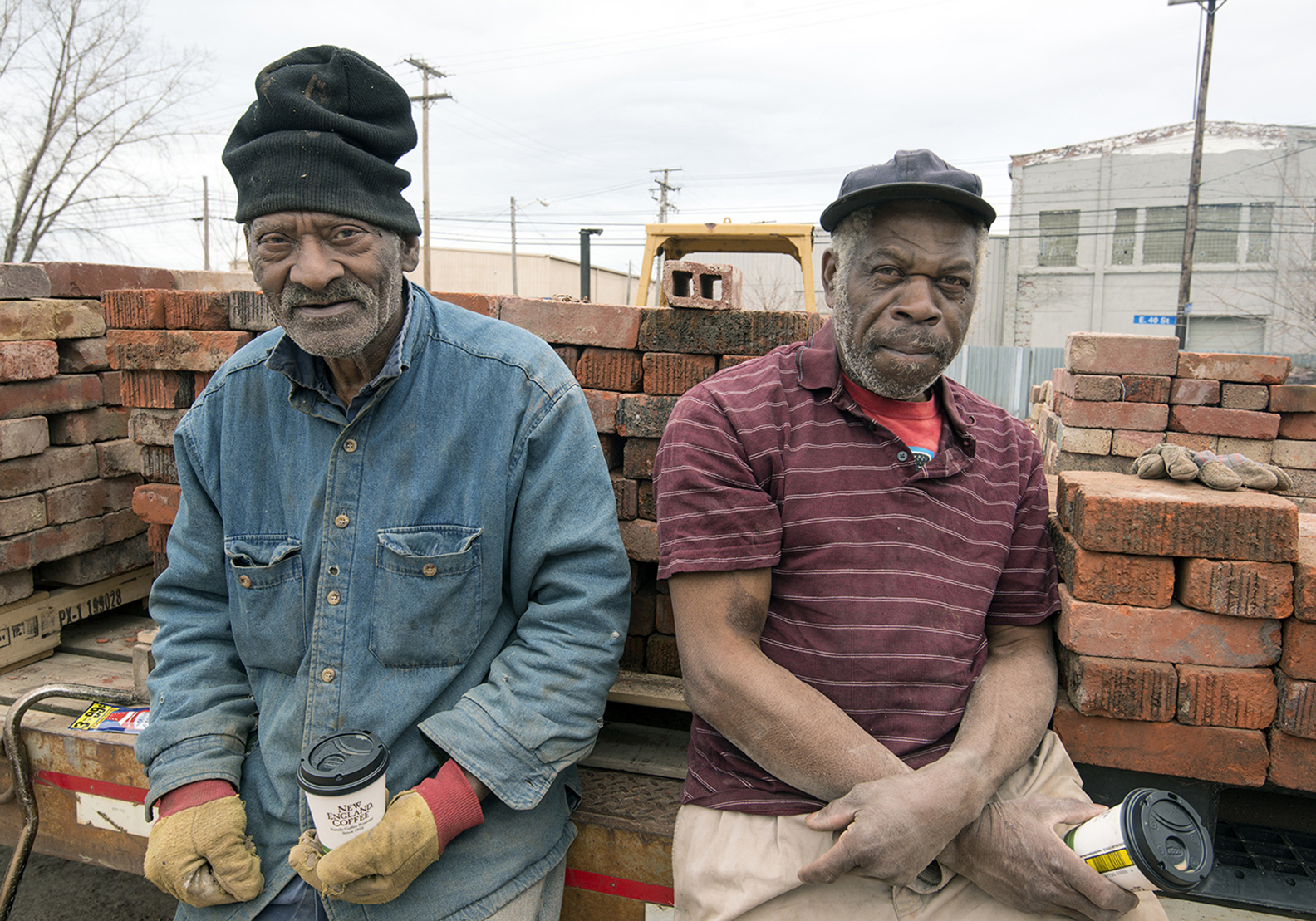
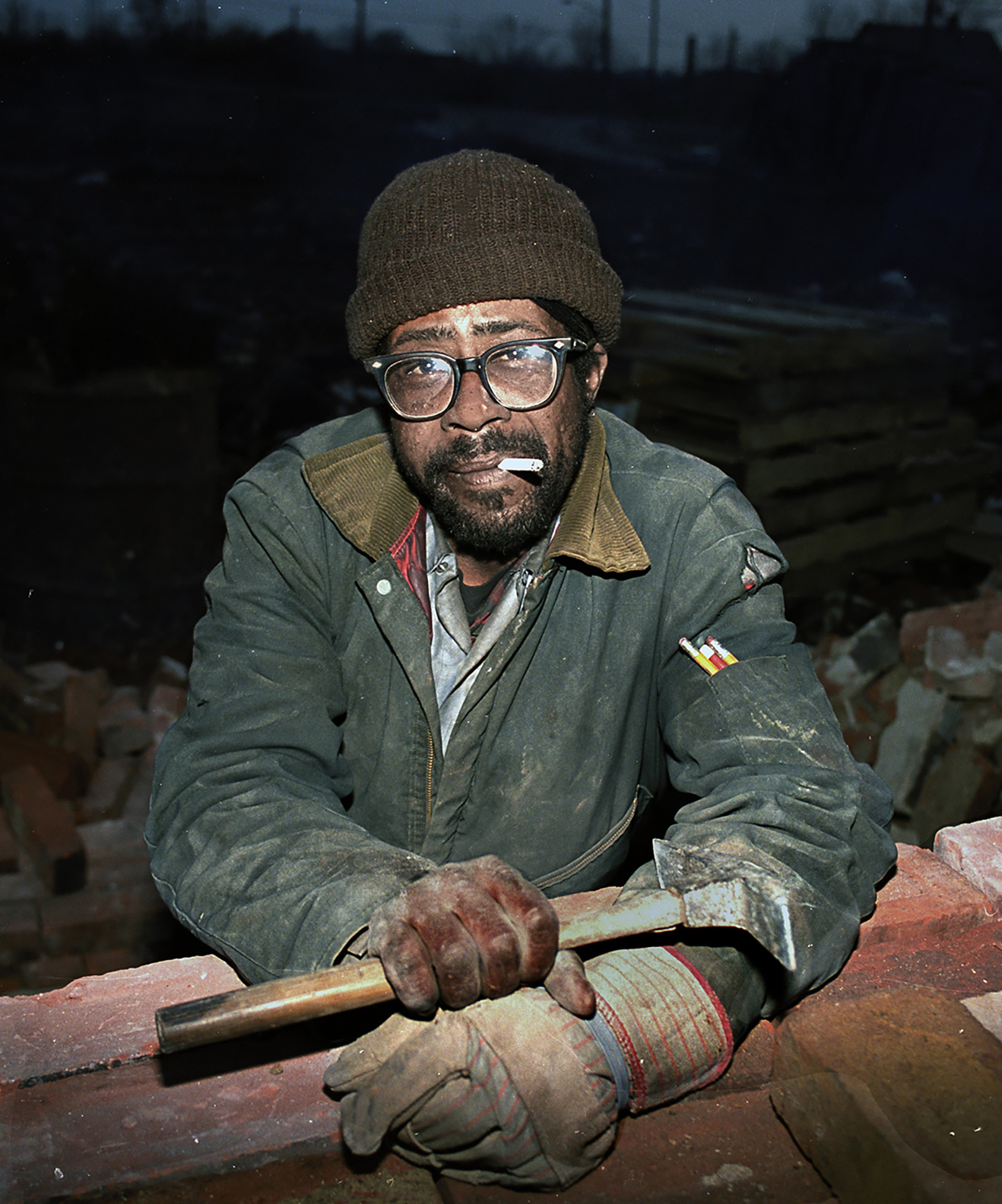
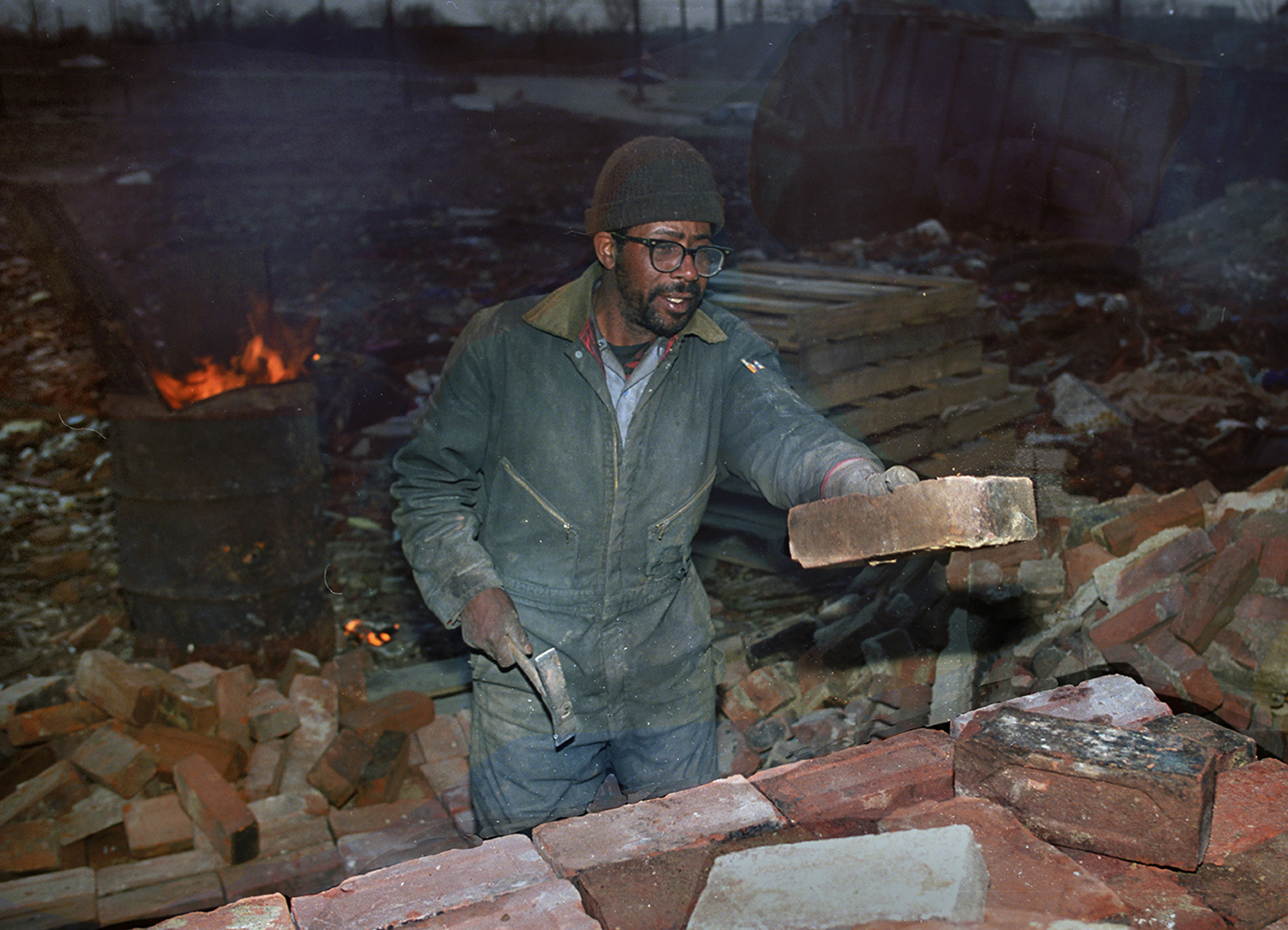
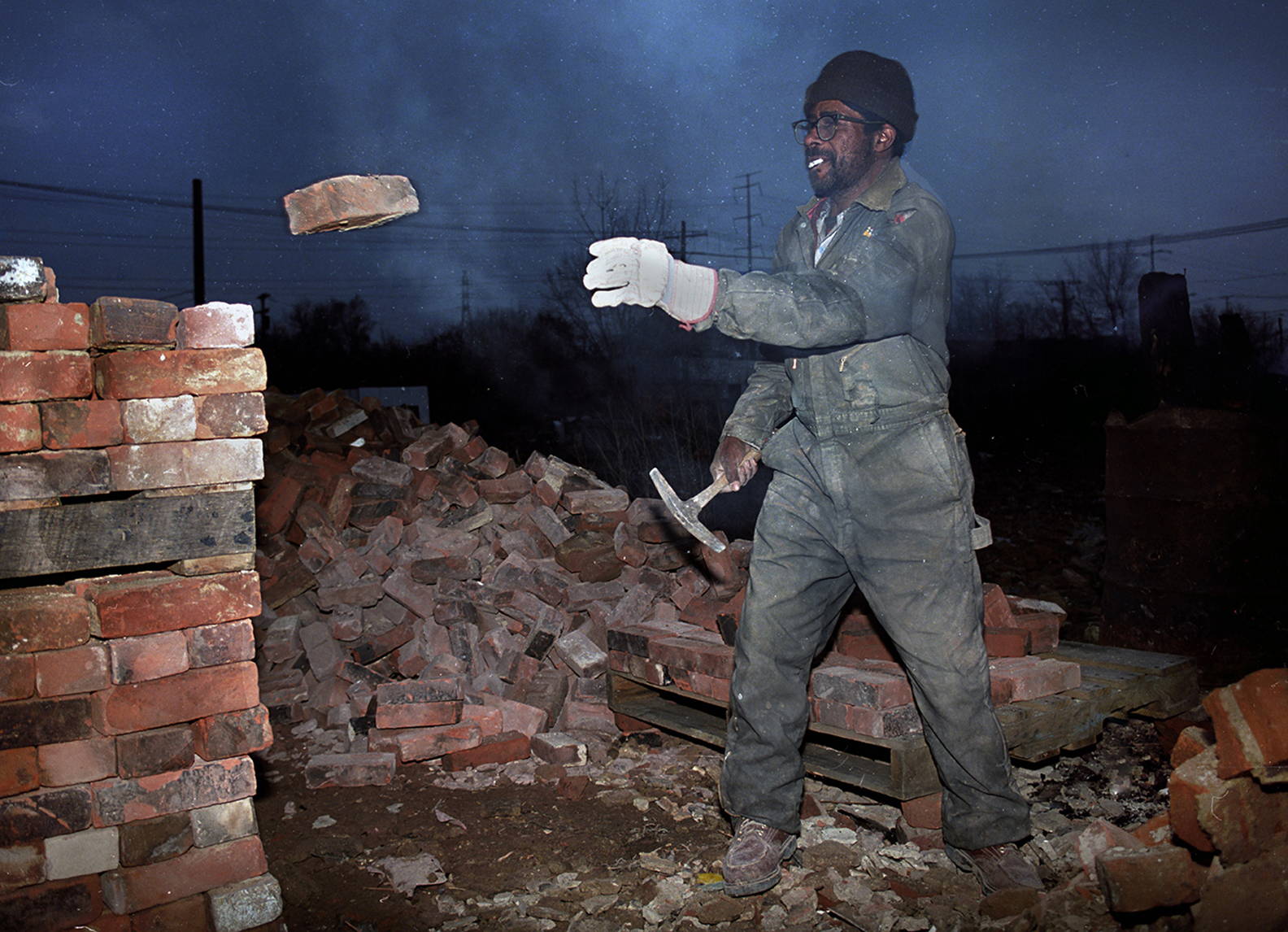
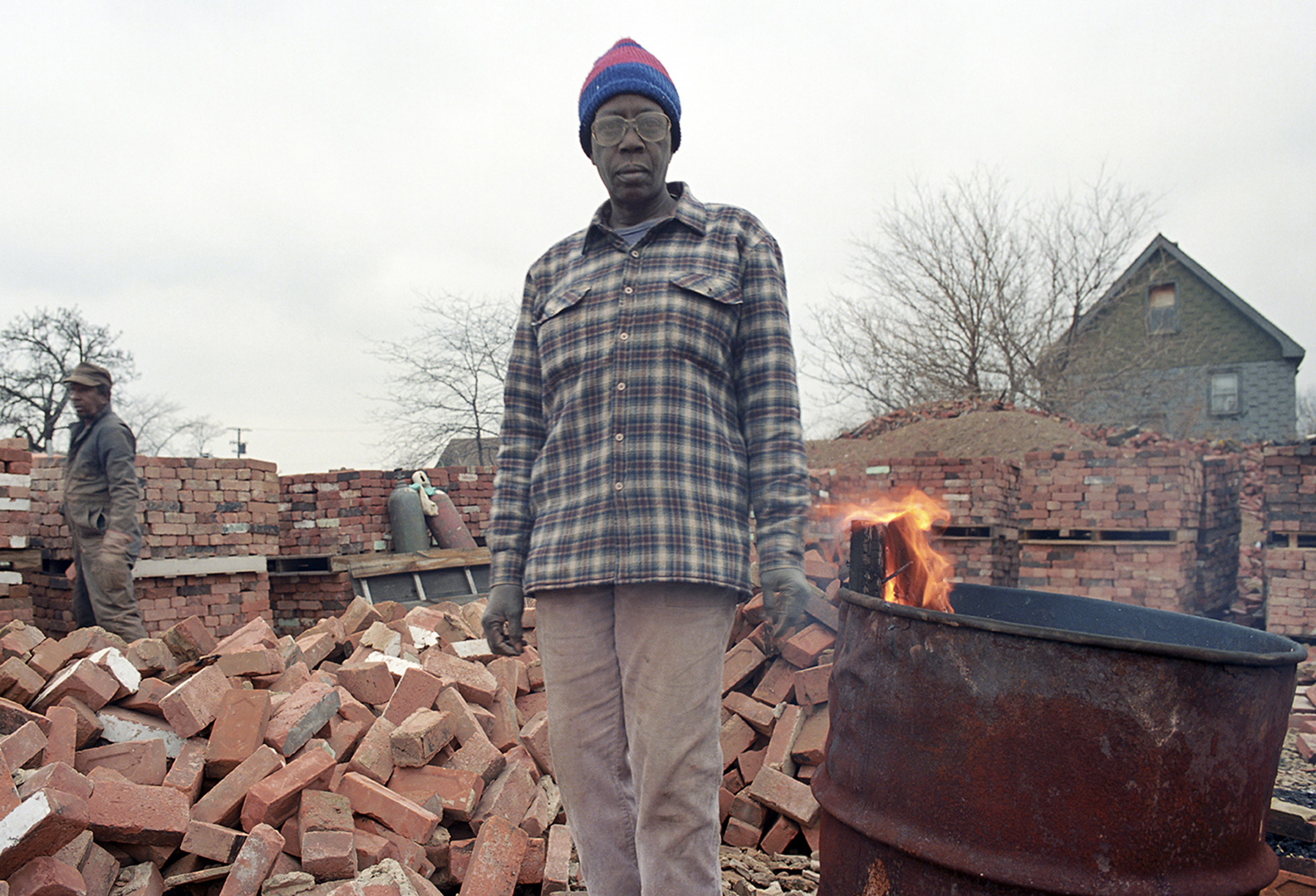
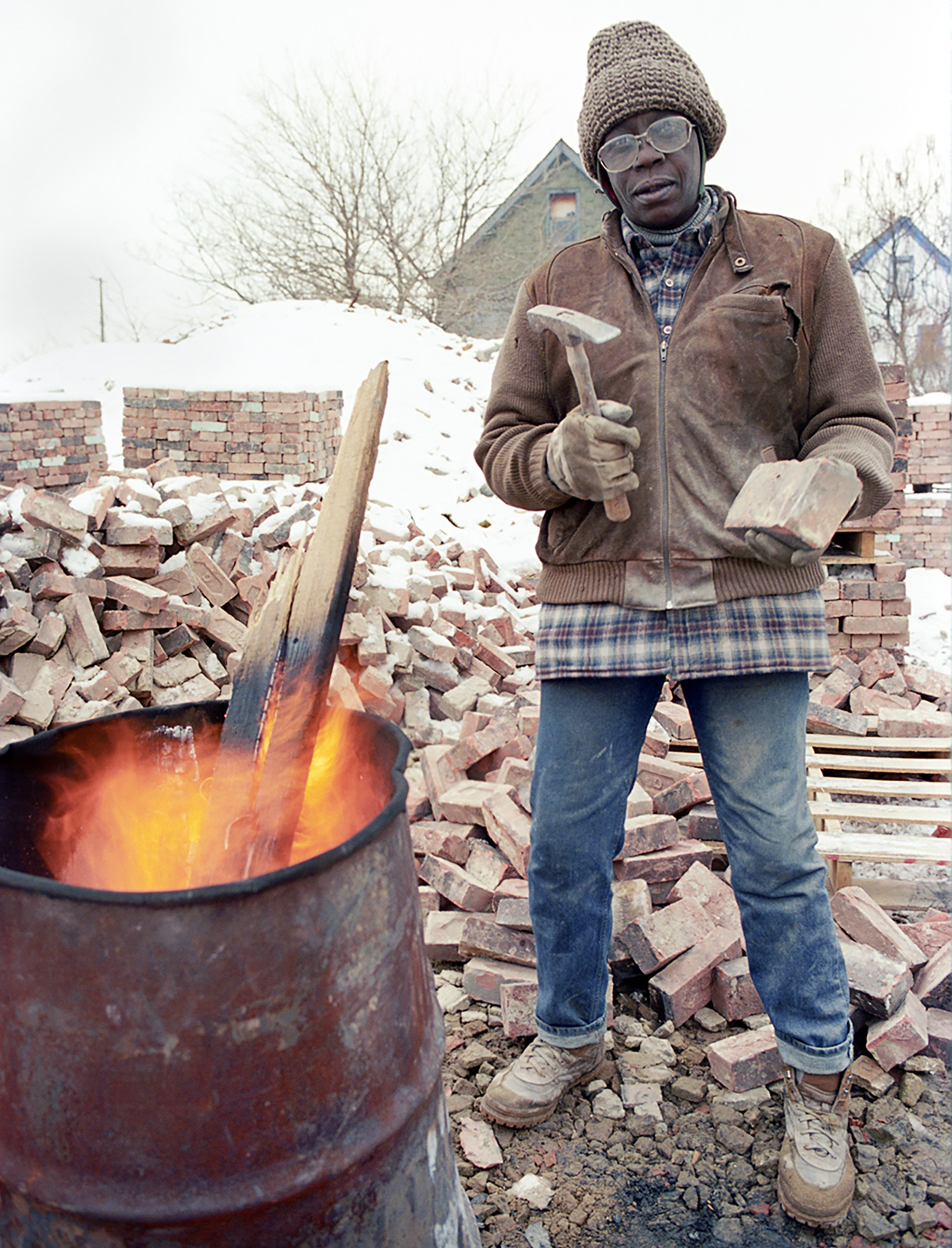
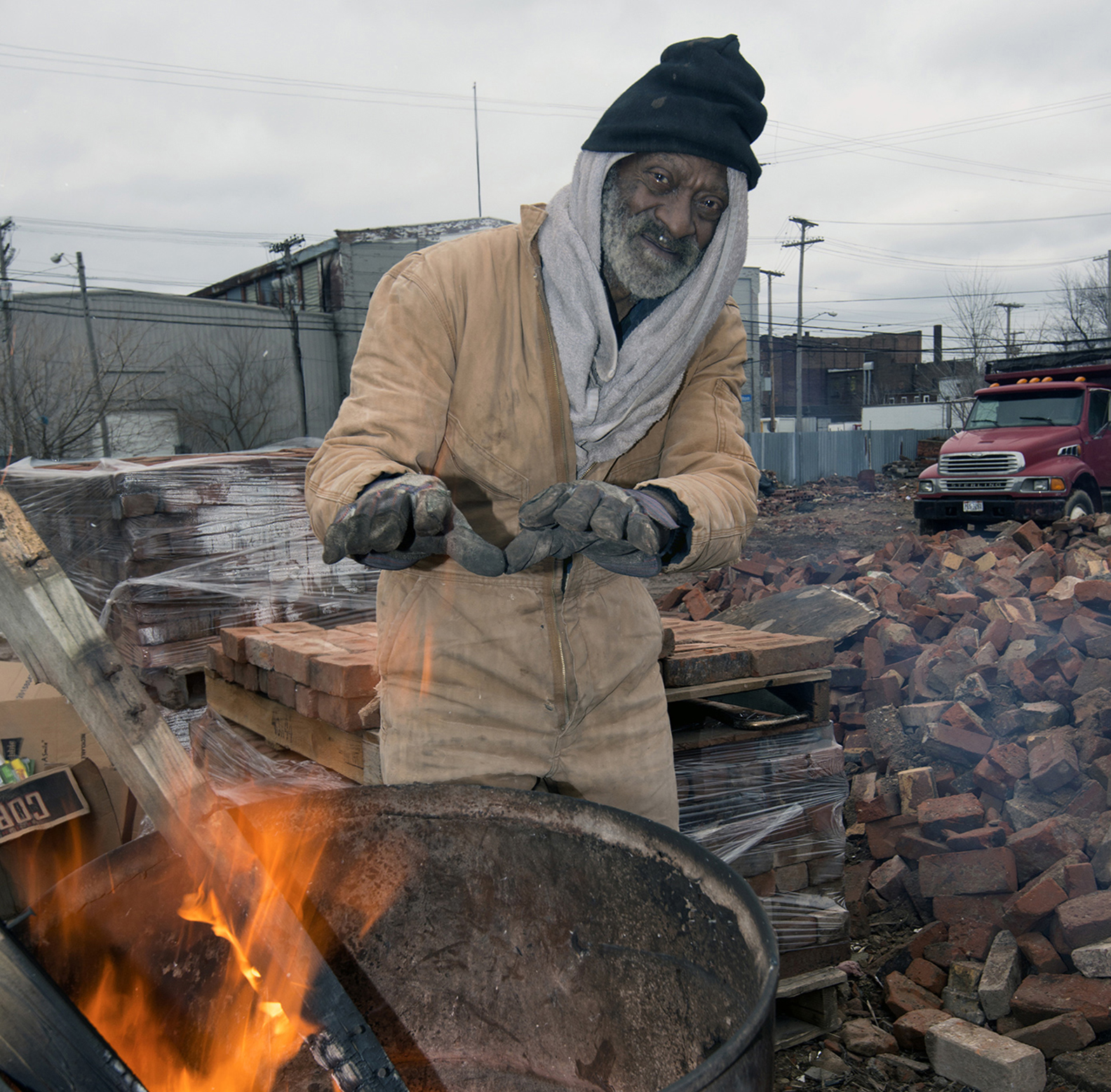
Joe Brick, master brick recycler in his yard. We’ve been hanging around together, since first meeting. In 2022, Joe’s wife died of covid, then Joe had a heart attack. His heart (and money) is in that yard, so it’s a difficult time. His son has completely taken things over now, and, i’ll pick Joe up at home and go visit the brickyard.
The scrappers have been a feature of this city, following the ebb and flow of abandonment, until recently when it has died down to its lowest levels since the seventies.
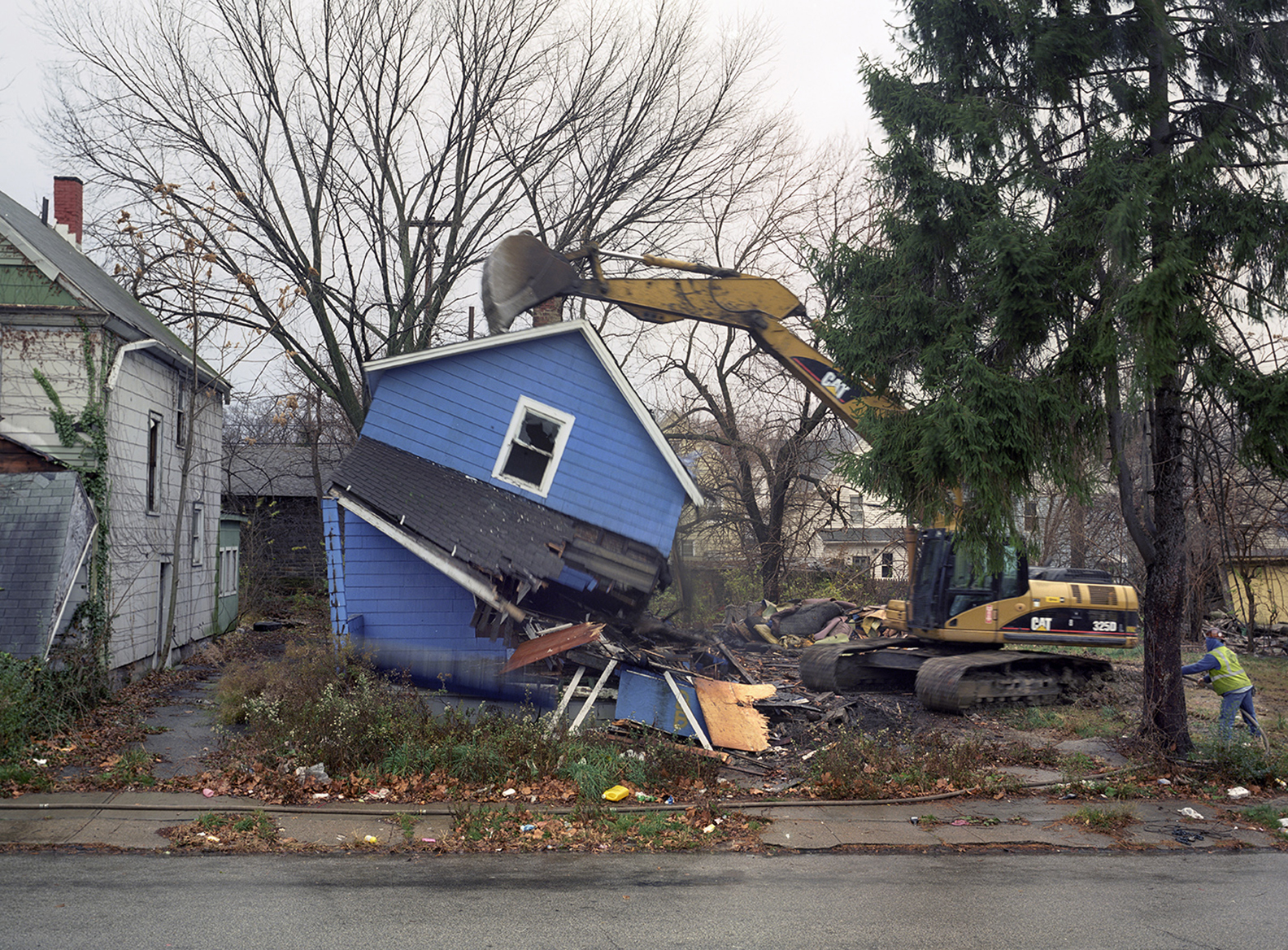
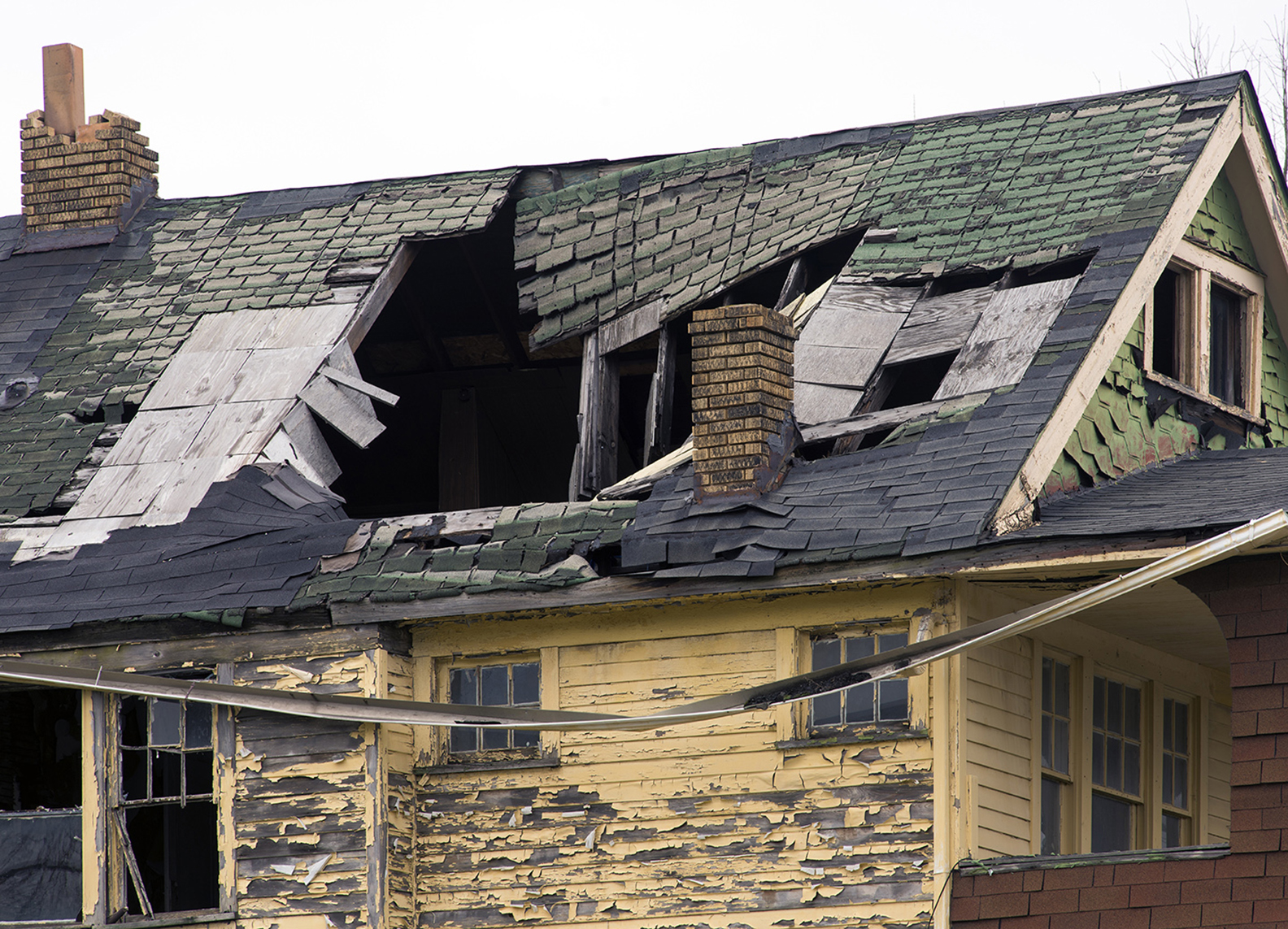
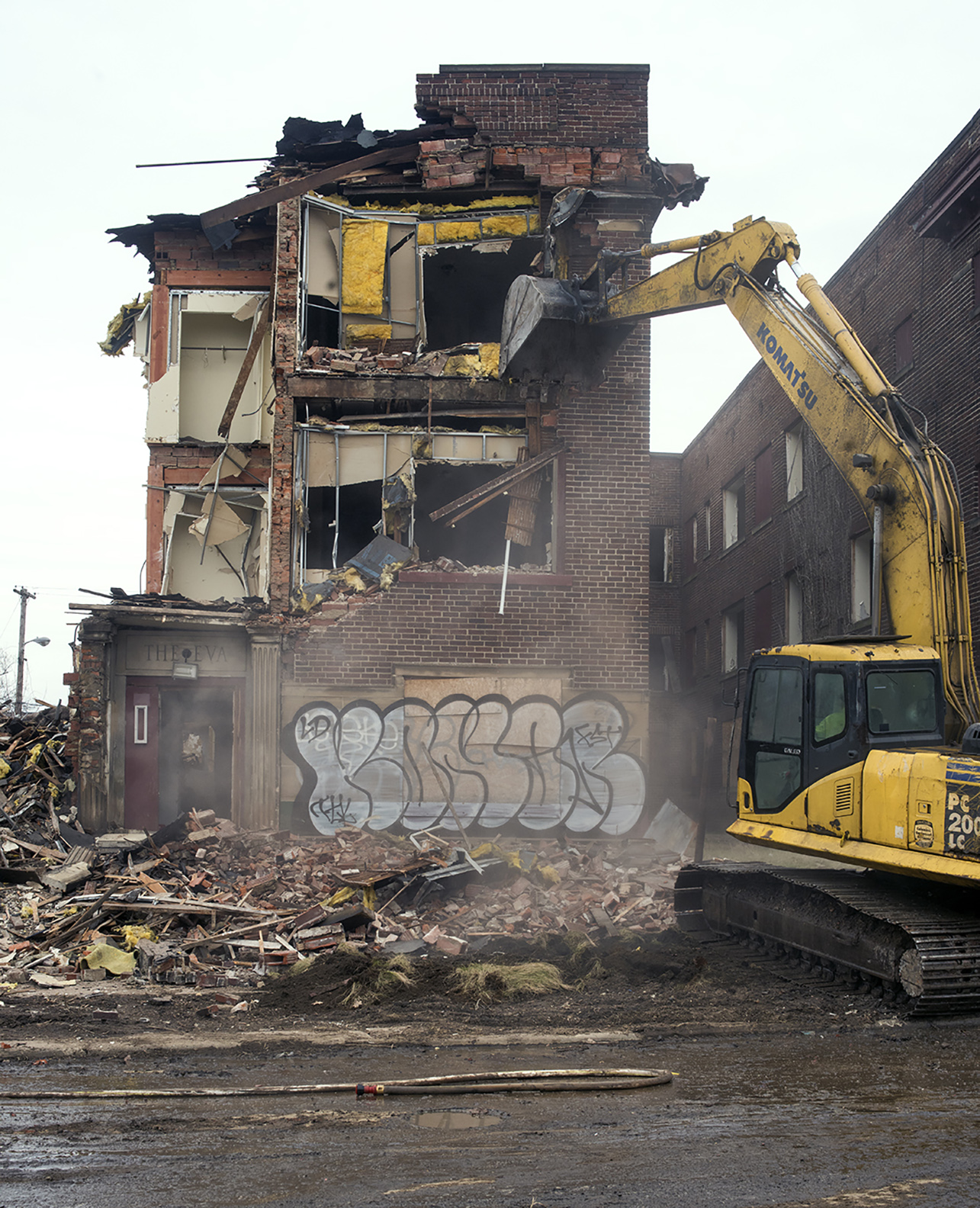
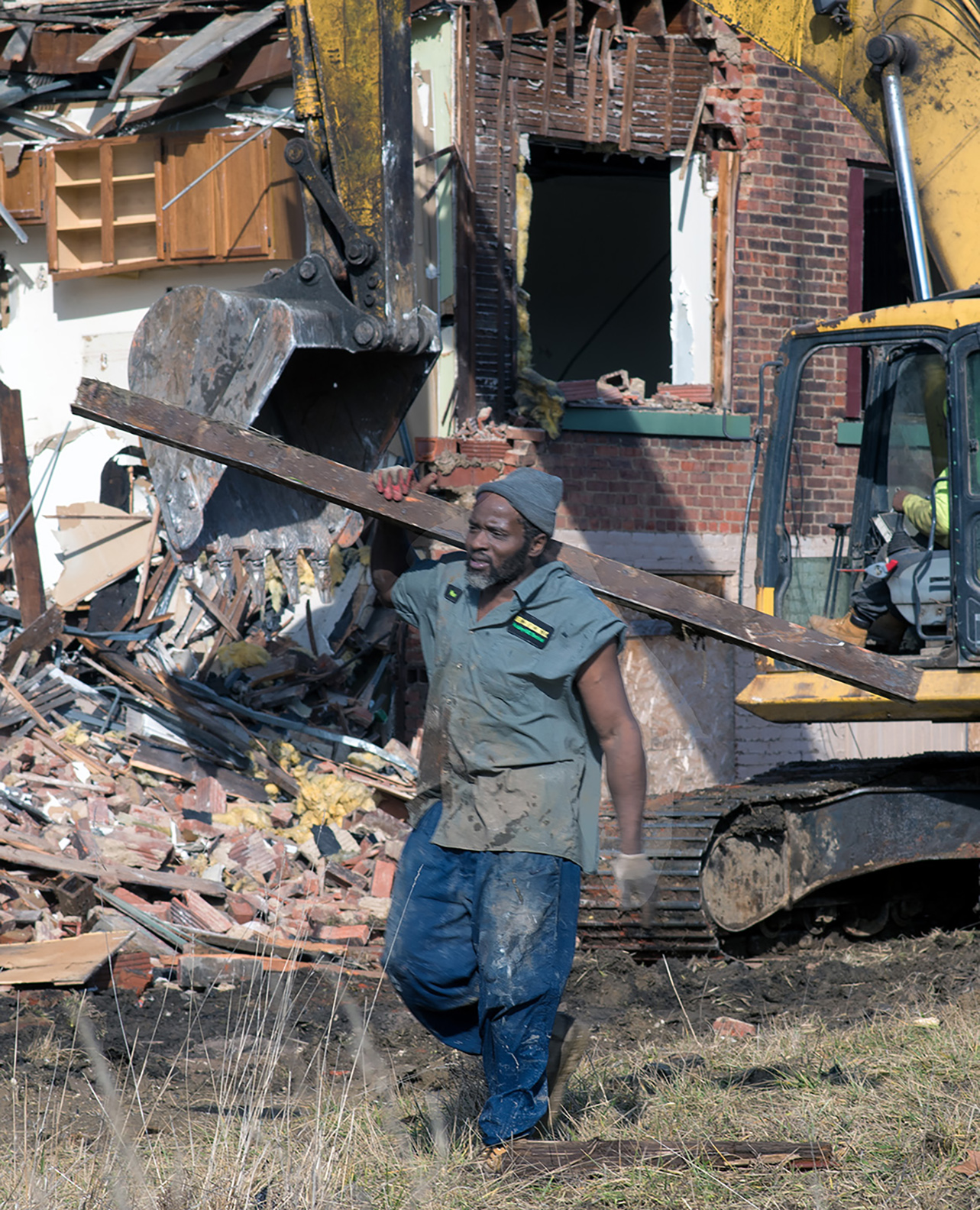
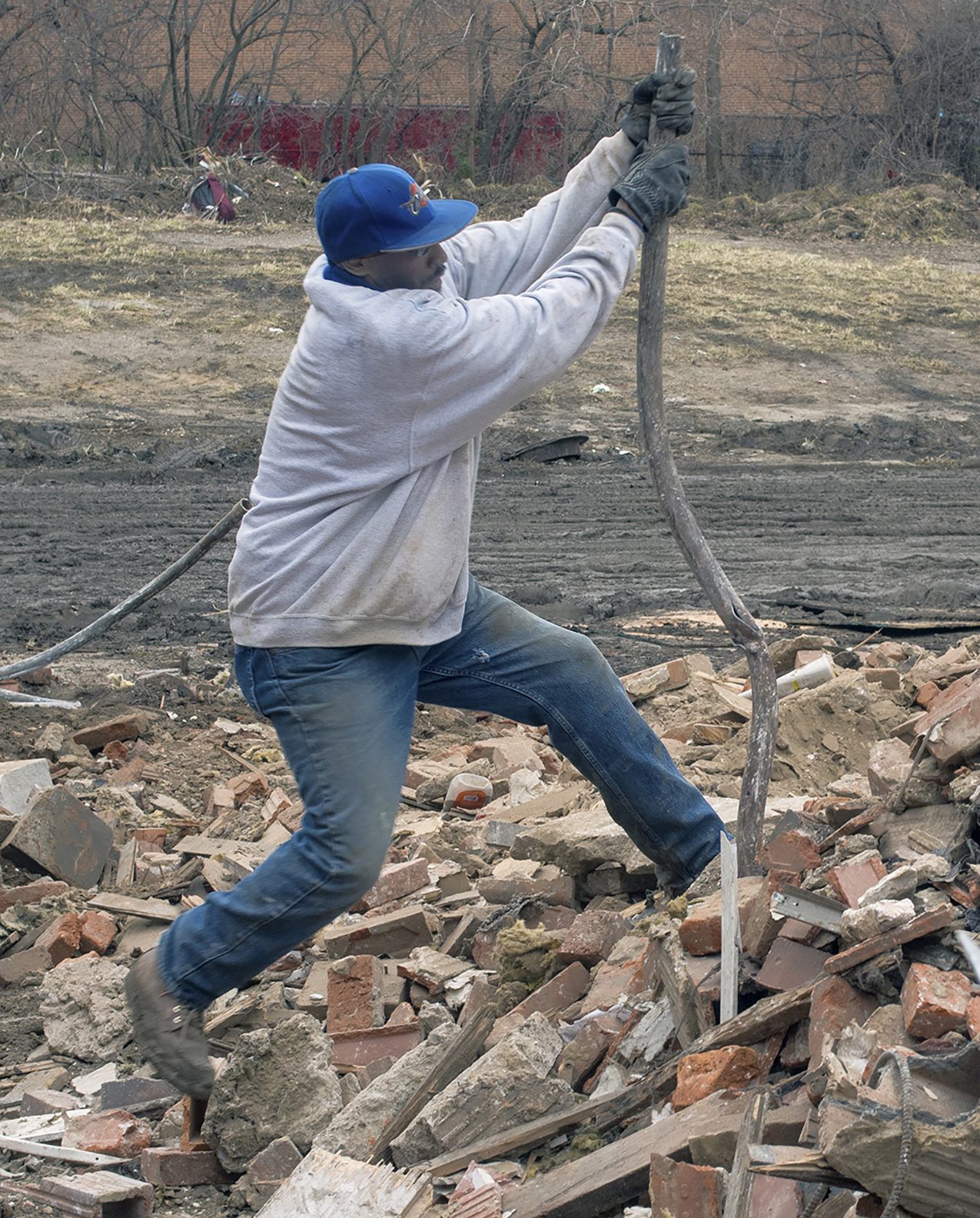
One of the peak years for scrapping were after the big industrial recession of the early eighties, and 2003 – 2010, following two recessions, and always a fixture of life in the city. In 2010 demolitions were increased dramatically with much funding on a state, and federal level. The “housing crisis” that followed and caused the 2008 recession was too much and, for the first time, no structure would be spared. All the abandonment is to be demolished and remediated. The city is now snaggle-toothed and even blocks have become empty of all their homes.
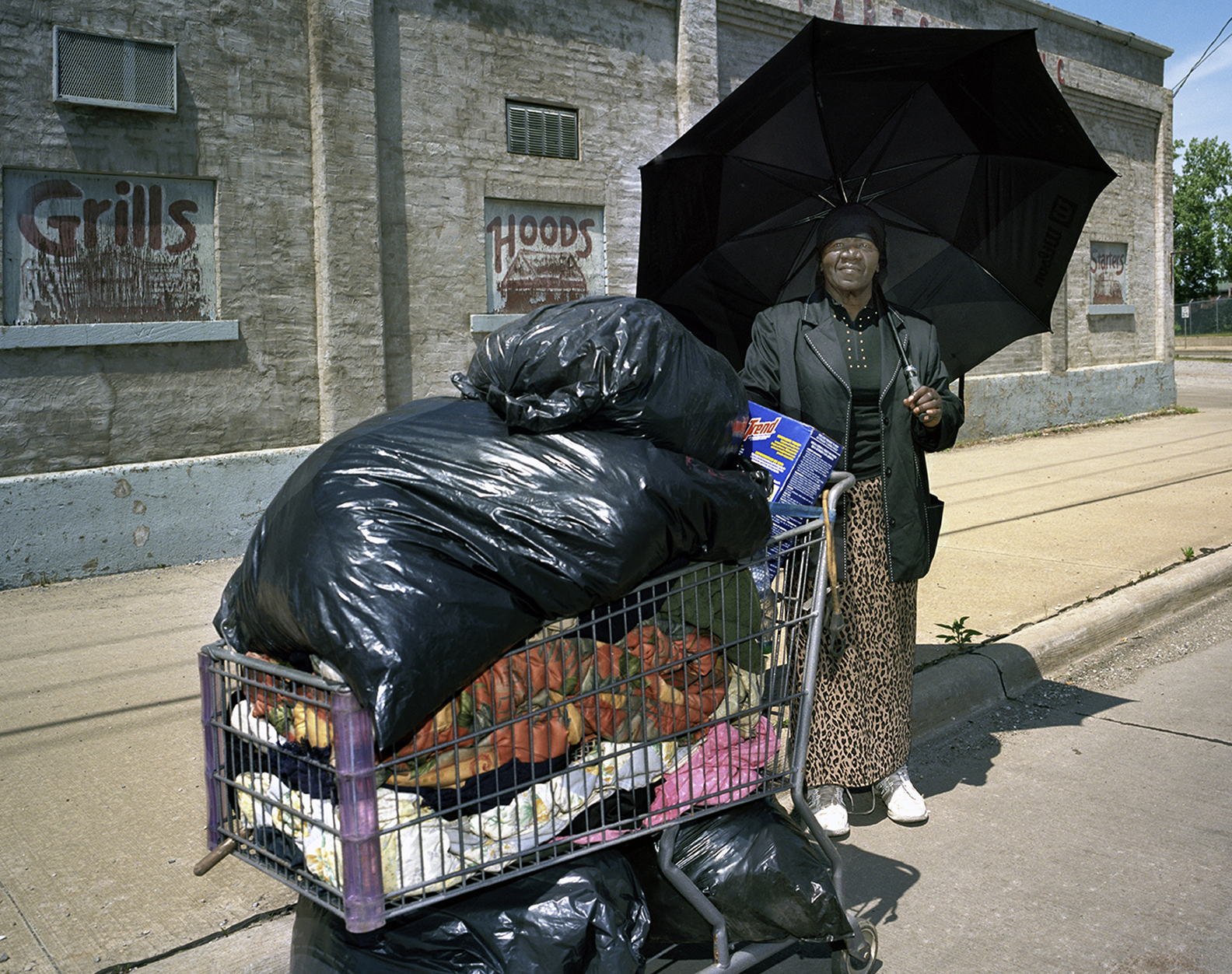
Scrappers often viewed with contempt as thieves, with drug and alcohol probnlems. Not to mention the positives of recycling metals, the most recyclable material in the world.
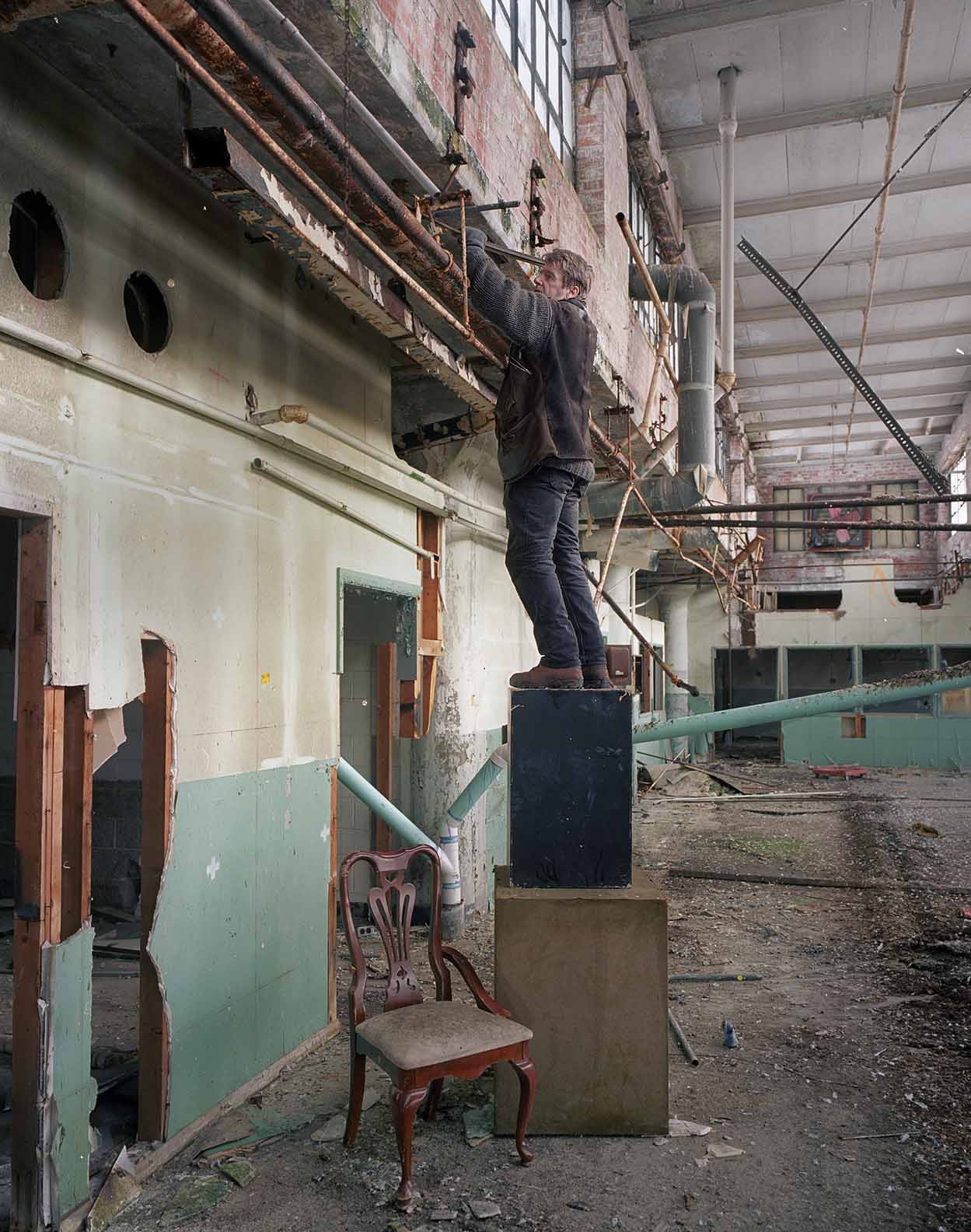
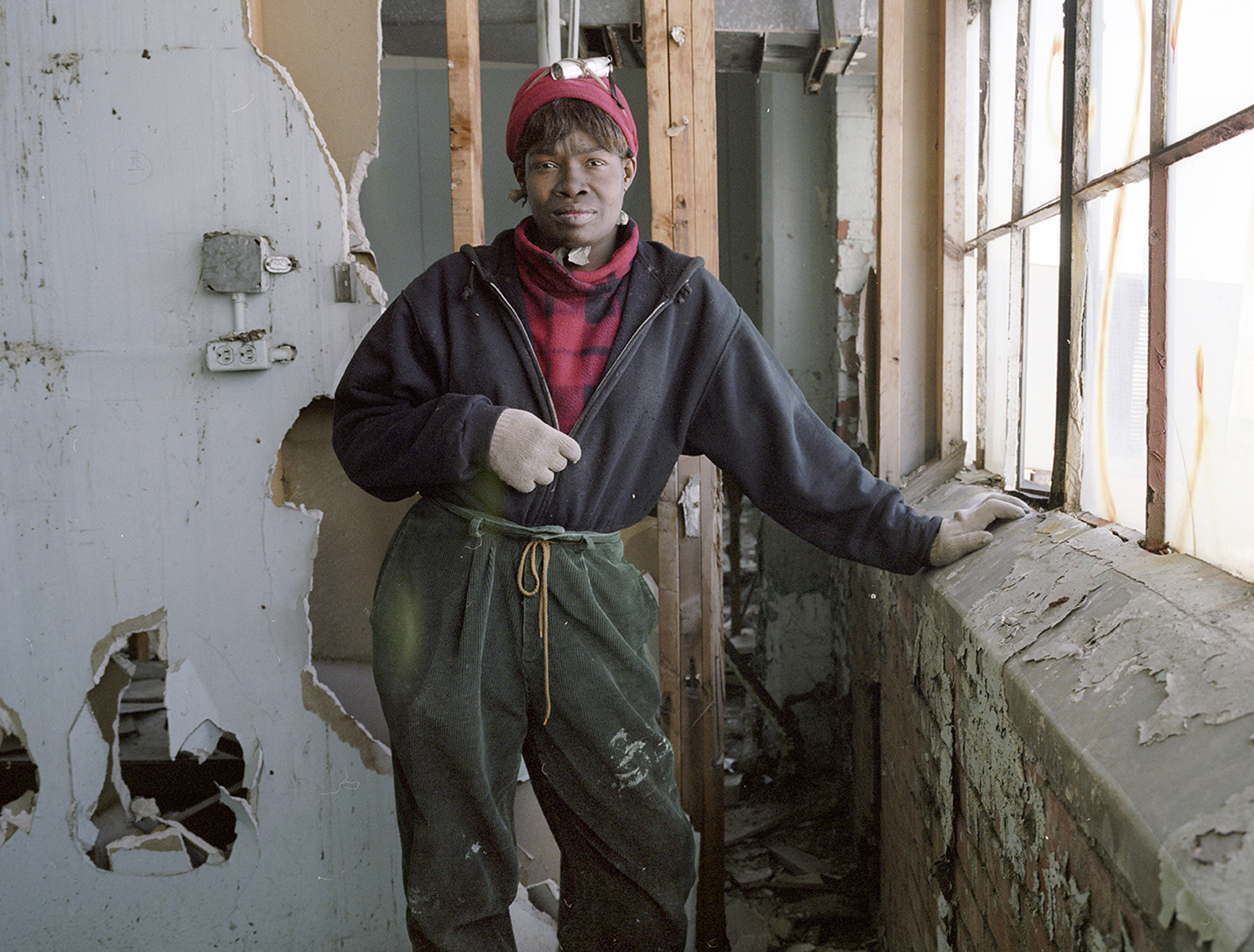
The author in the old Victoreen Geiger Counter Factory, scrapping.
I got a lot of stories. It’s been a long haul. It’s not right to spill all your beans over something as public as the internet, and doing something for so long would naturally mean there are many stories to tell from deep inside the lives of these scrappers. Of the living, many of them i still see and hang out with today. To respect folks i could recite some things without naming anyone, even if they’re dead, which many are.
If they were into drugs, then many supported it by their own hard work, and not taking anything so they could get high.
All in all the scrapper population follows the economics of both metal prices and abandonment. For them the golden age was the late seventies 🔊 into the the 1980s, slowing by 1995 when the economy stabilized and employment grew in the Clinton years, only to come back with a vengeance, in the highs and lows between 2001 and 2010 including this city topping the list of poorest big cities for a couple of years.
Since 2015 it’s a dead scene, slowly fading in a city both picked clean, and, ready for mass demolitions, and, eventualy, even the houses, that shelled the metals and scrap were completely gone.
I ended up with a lot of friends for life. One was and is, Joe Brick, although. since 2022 he’s retired from brick recycling, and, to be honest, slowly dying, without his wife who died of covid in January, 2022. Joe buried her, went back to the brick yard, but his heart gave out, and he’s been stuck at home, since.
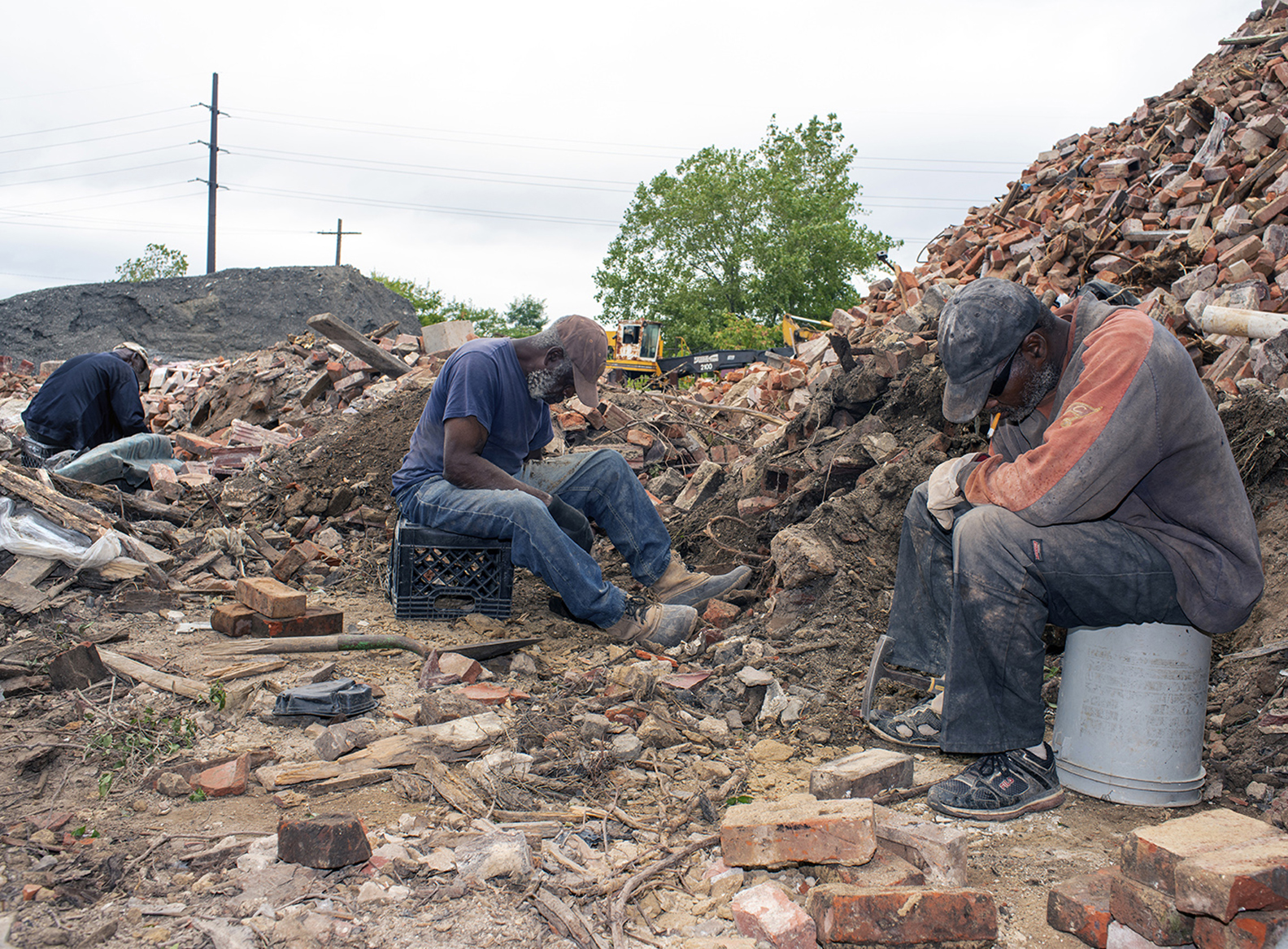
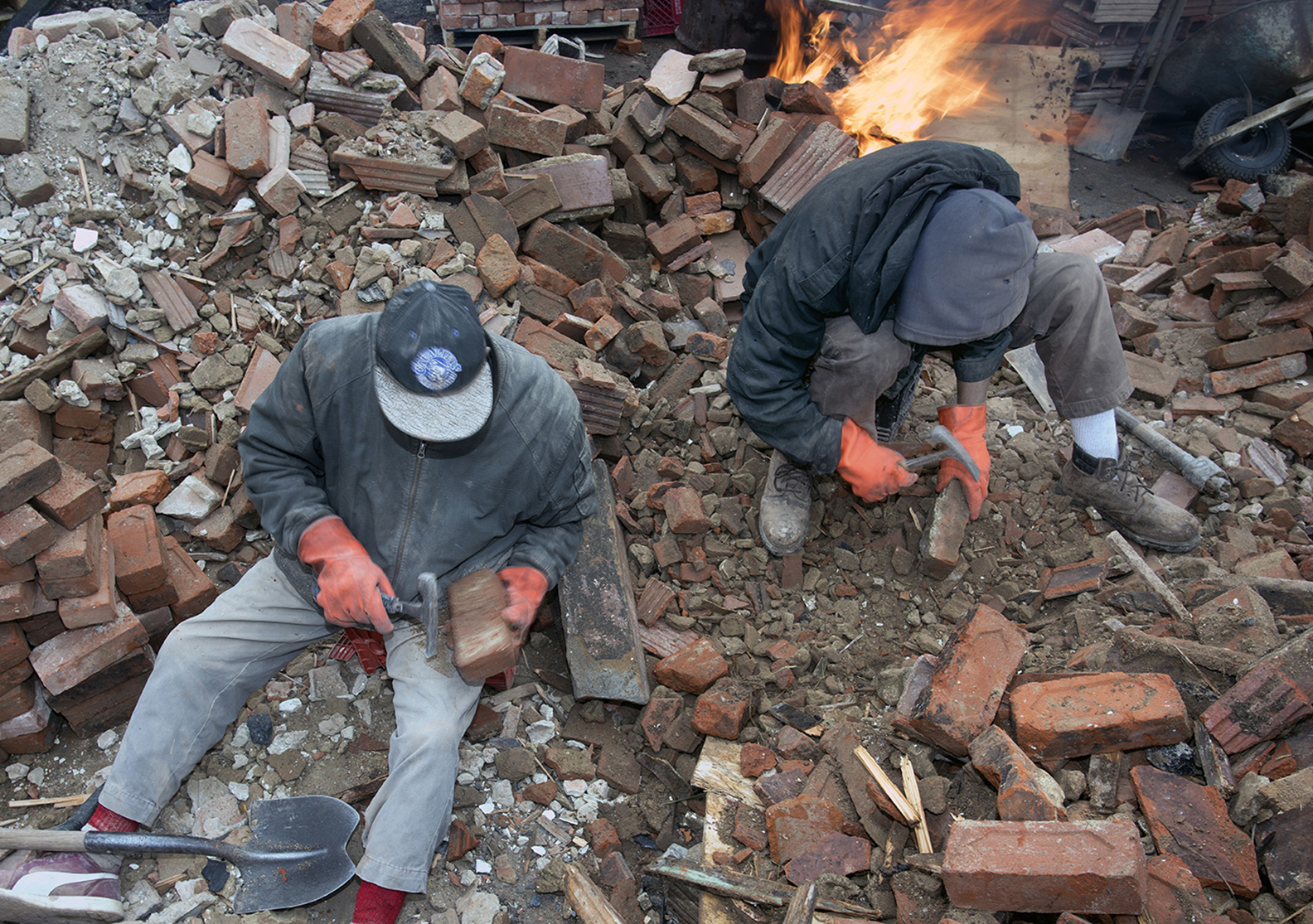
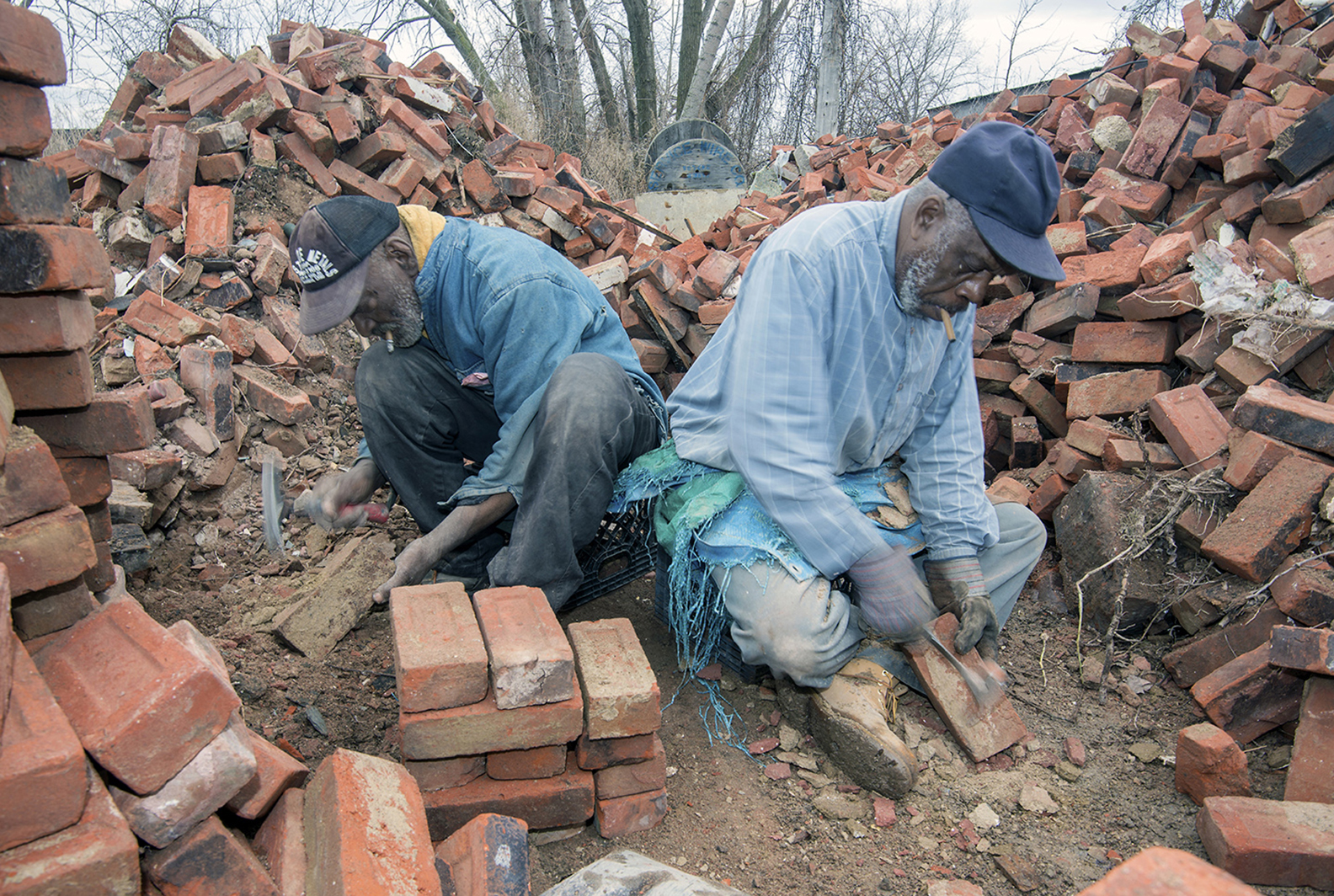
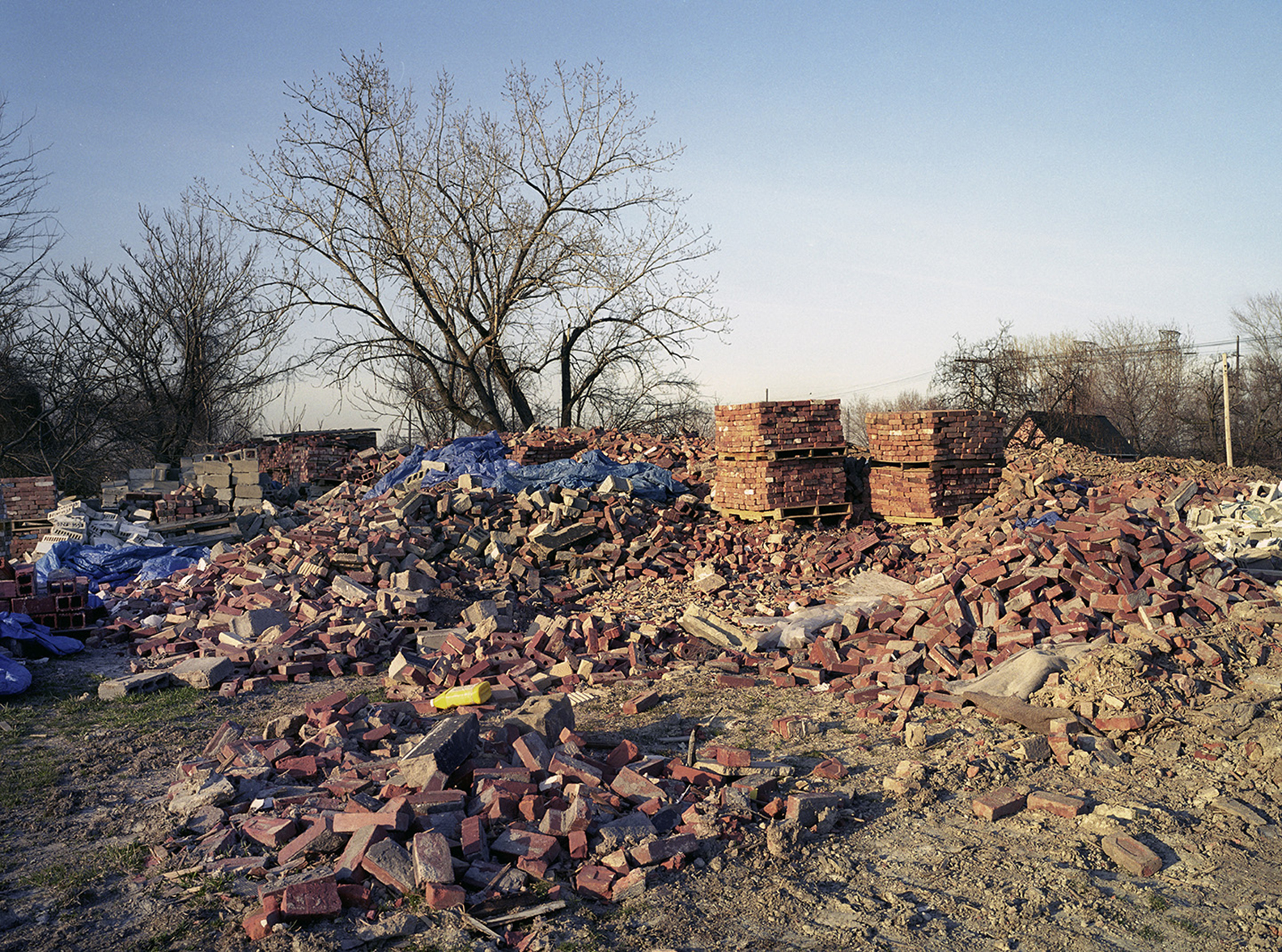
This was Joe’s last brick yard, another classic Rust Belt neighborhood of both closed and operational industries, and, abandoned and occupied homes and shops. Part of a much larger yard including abandoned industrial structures. Randy, the owner and a major demolition contractor, would drop loads of bricks from the many buildings and factories torn down over a period of forty years. Joe’s son,Mike, has taken over the work now, as Joe is laid up at home for over three years. When his wife died in 2022 from covid, then Joe had a heart attack, he began to stay at home and stopped working the first time in his life.
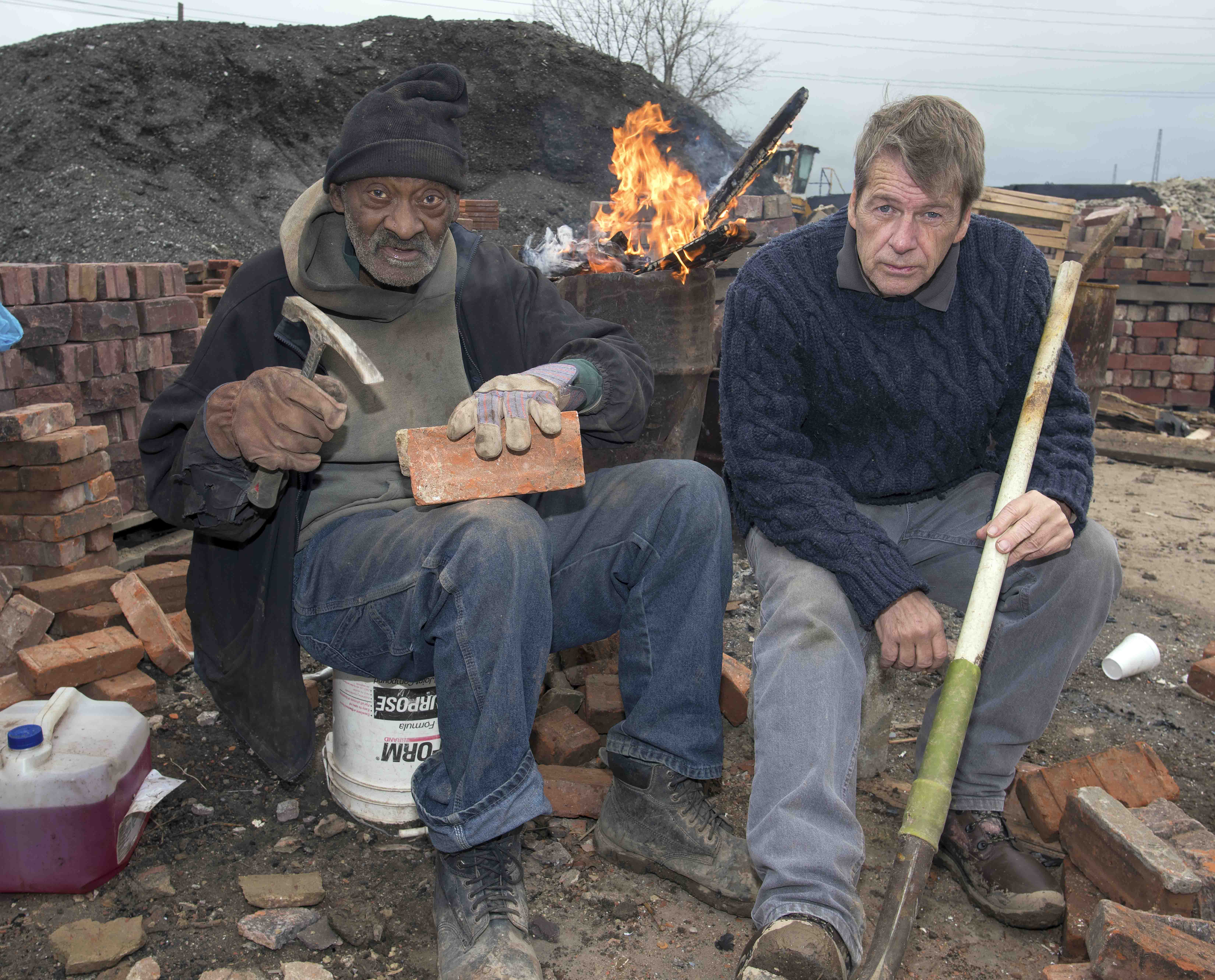
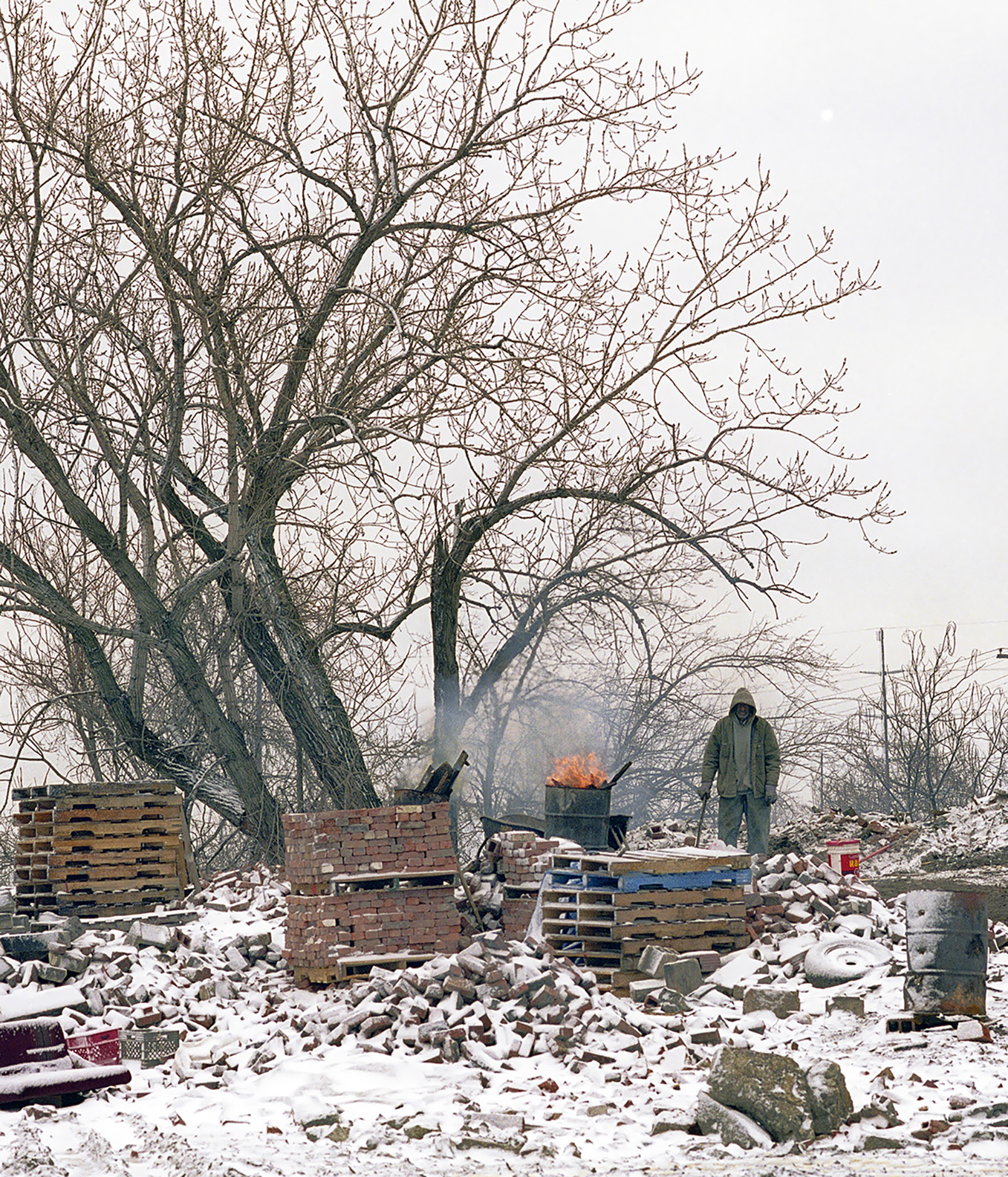
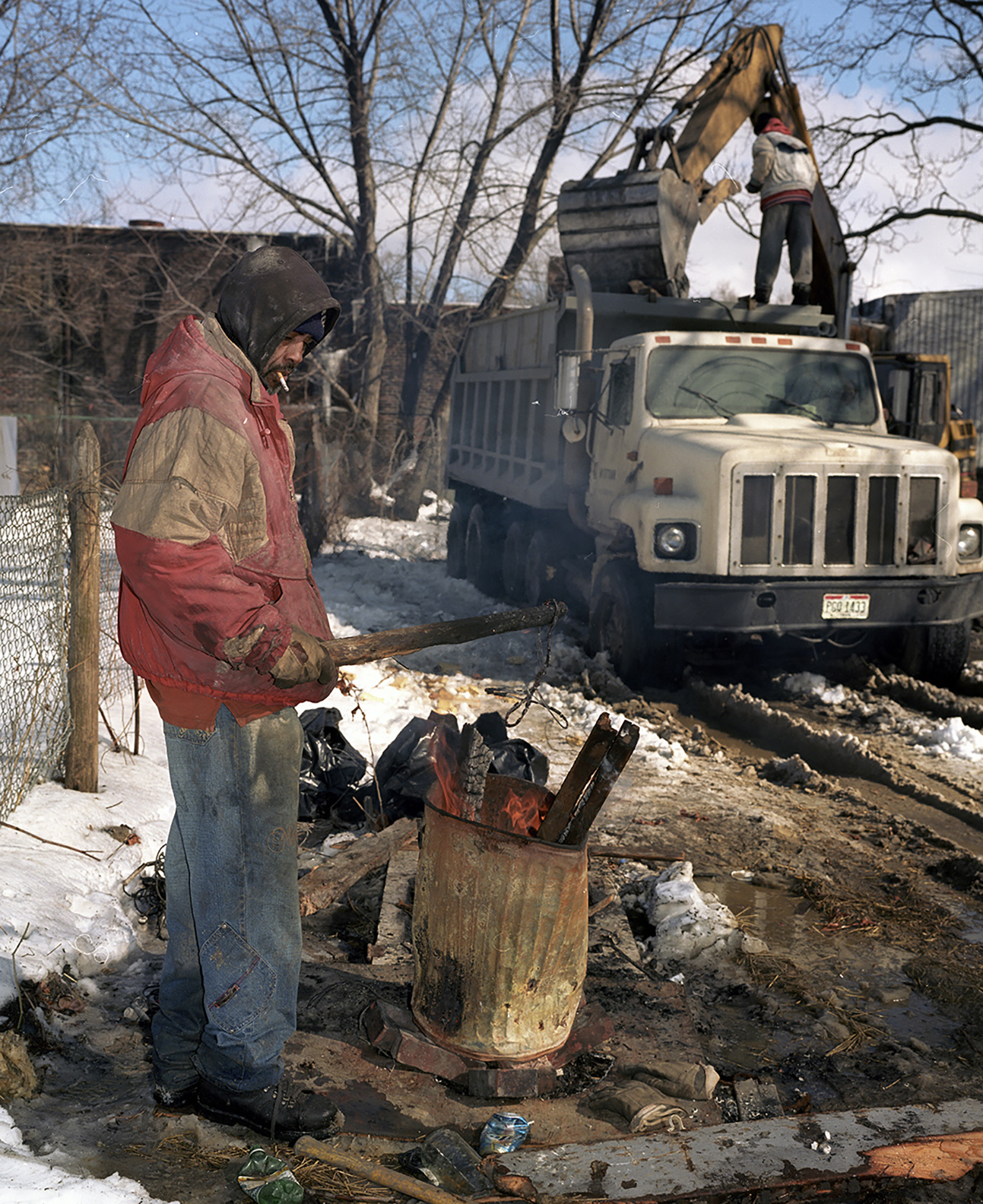
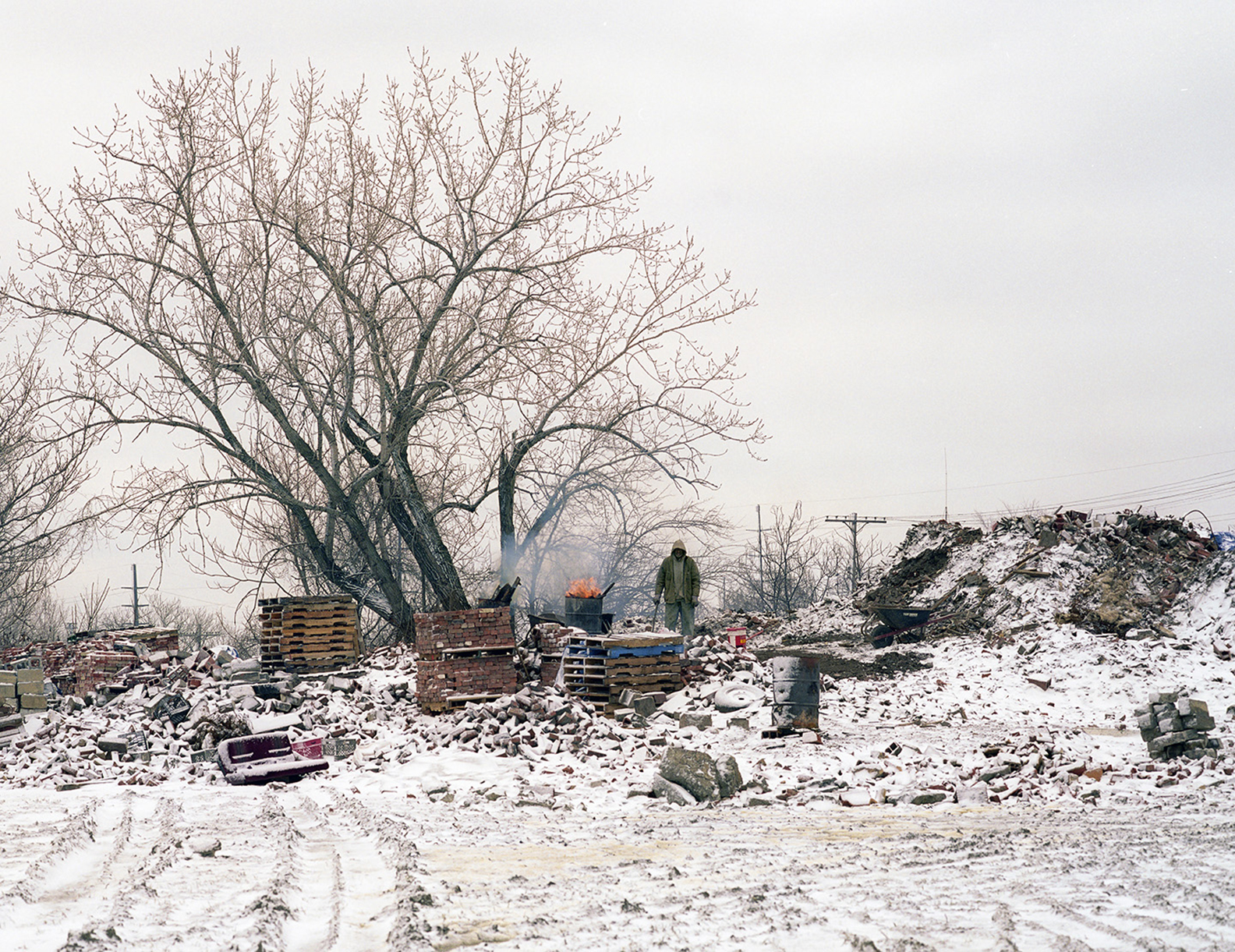
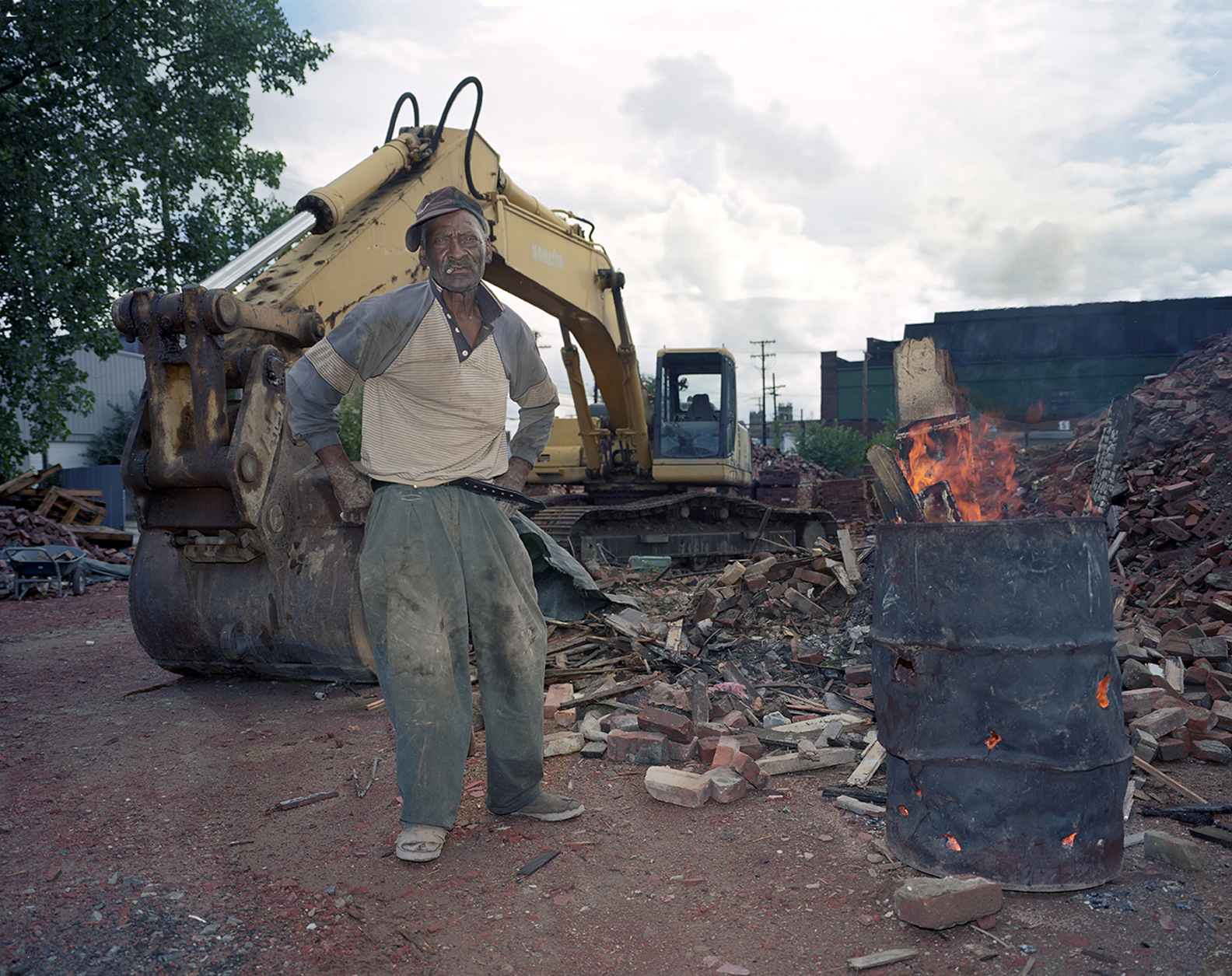
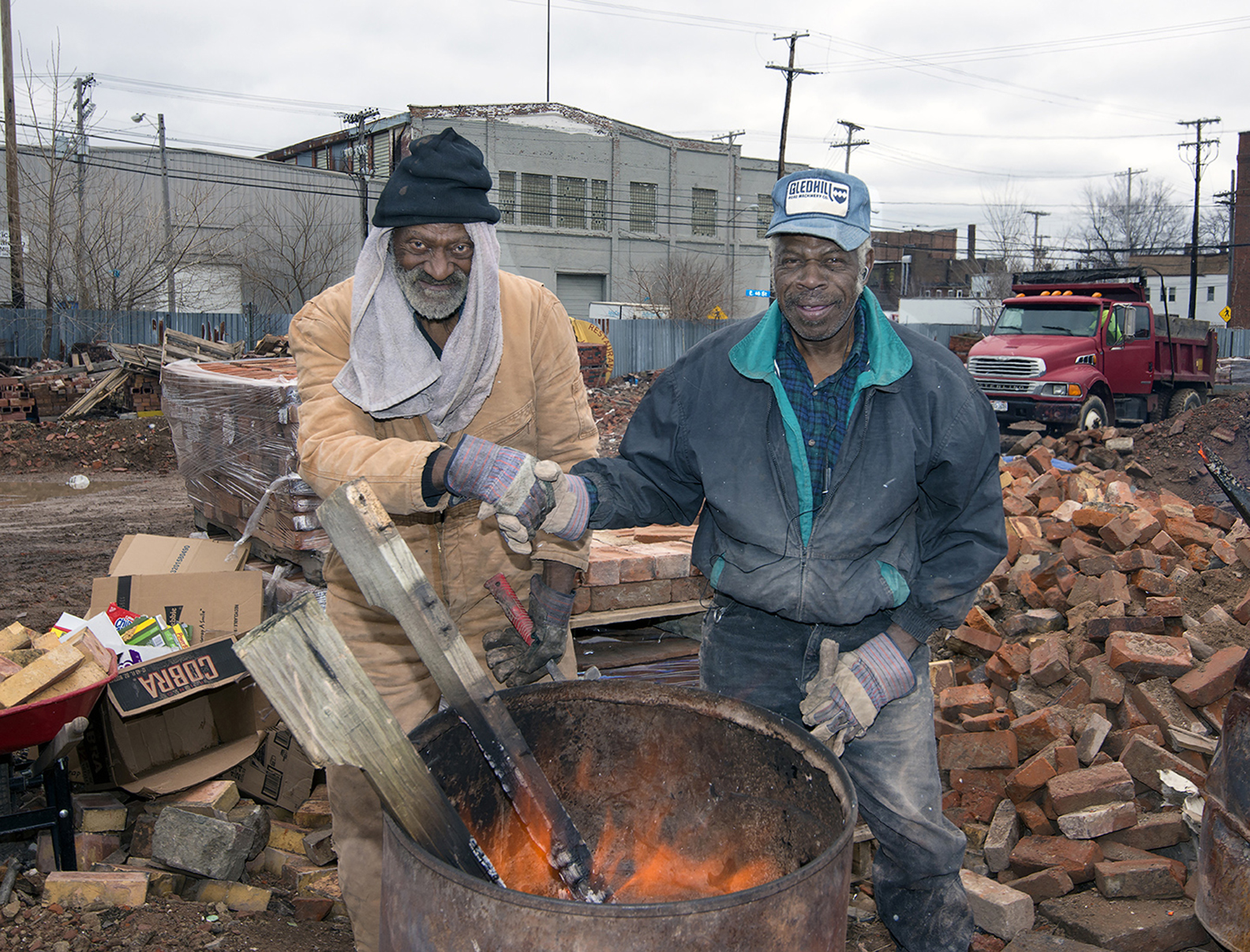
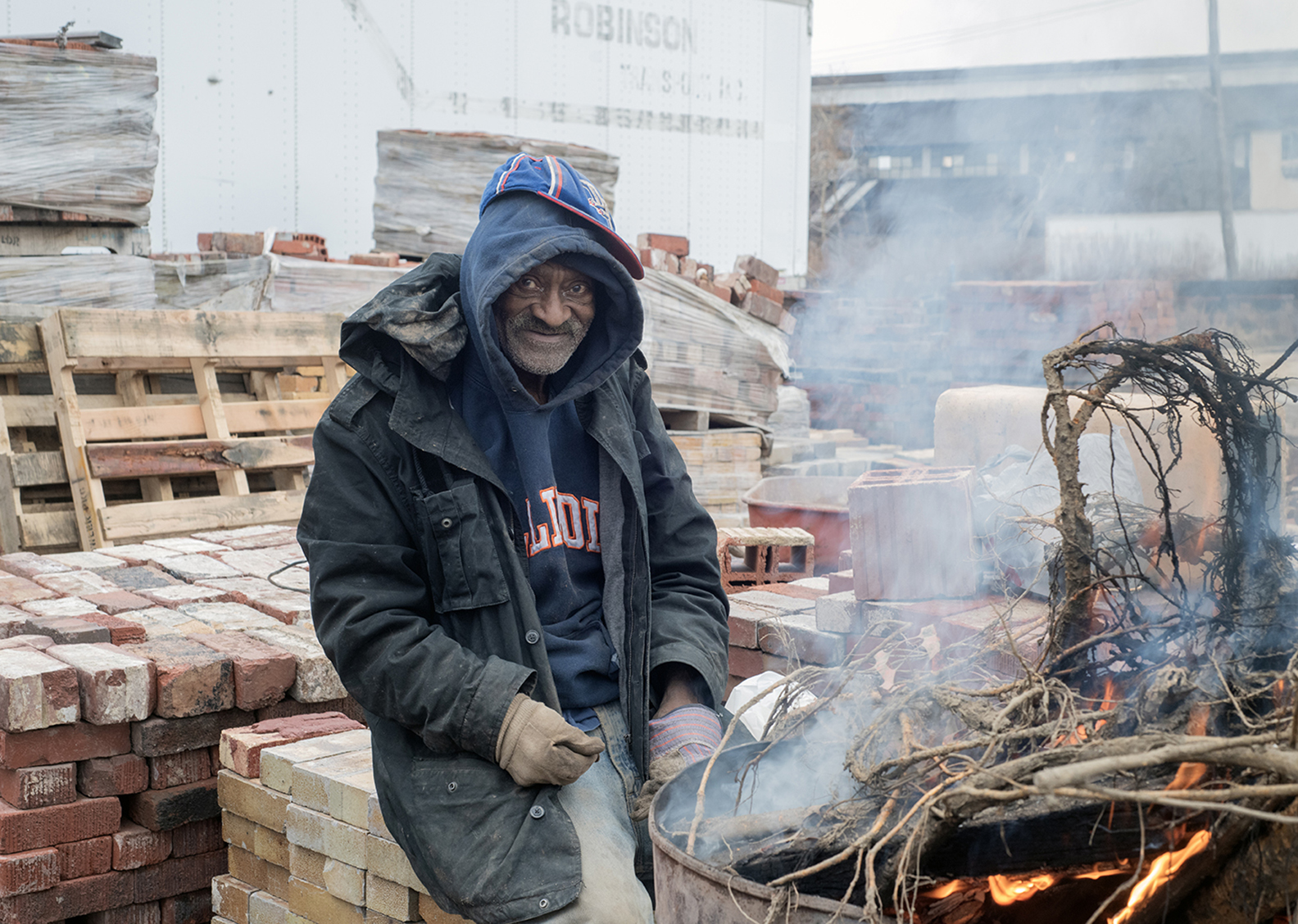
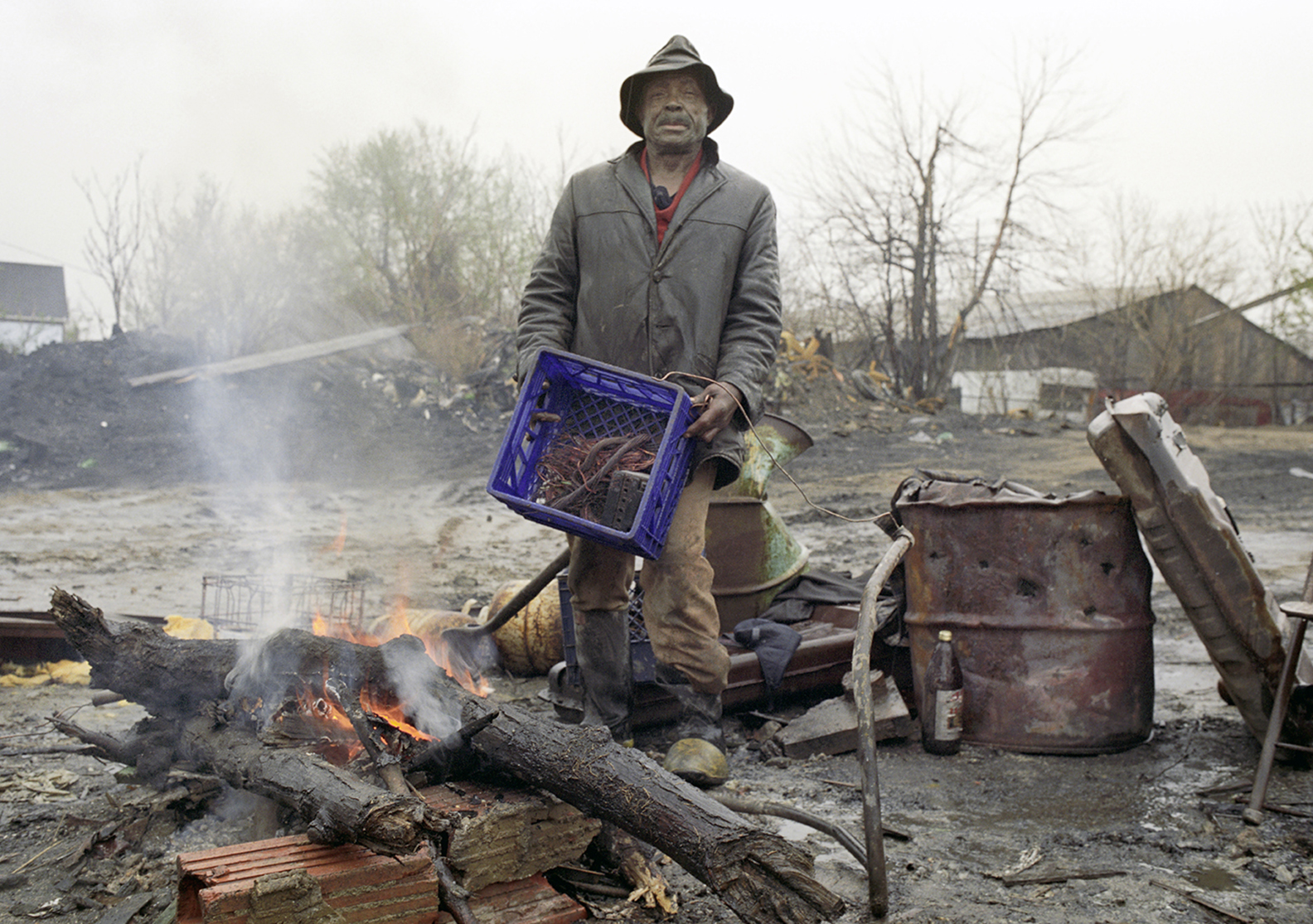
Joe Brick, The Day I Met HimThis is the heart of the Forgotten Triangle, and i had been hanging around its scrapyards and brick yards for twenty-five years, when i saw this guy with a fire recycling bricks, which, for me, was its third reincarnation as someone's brick yard.
I took my camera and tripod, and shot as i approached him, and intuitively felt, he was ok with me. We hung out and shared stories of the area and he spoke to me of bricks.
That was 2005 and we still hang out quite a bit. Joe was eighty-nine years old and iwasstill slinginging bricks in another section of town. He left the Triangle around 2011, along with everybody and everything that was left there, worked at a demiltion yars ooff St. Clair.
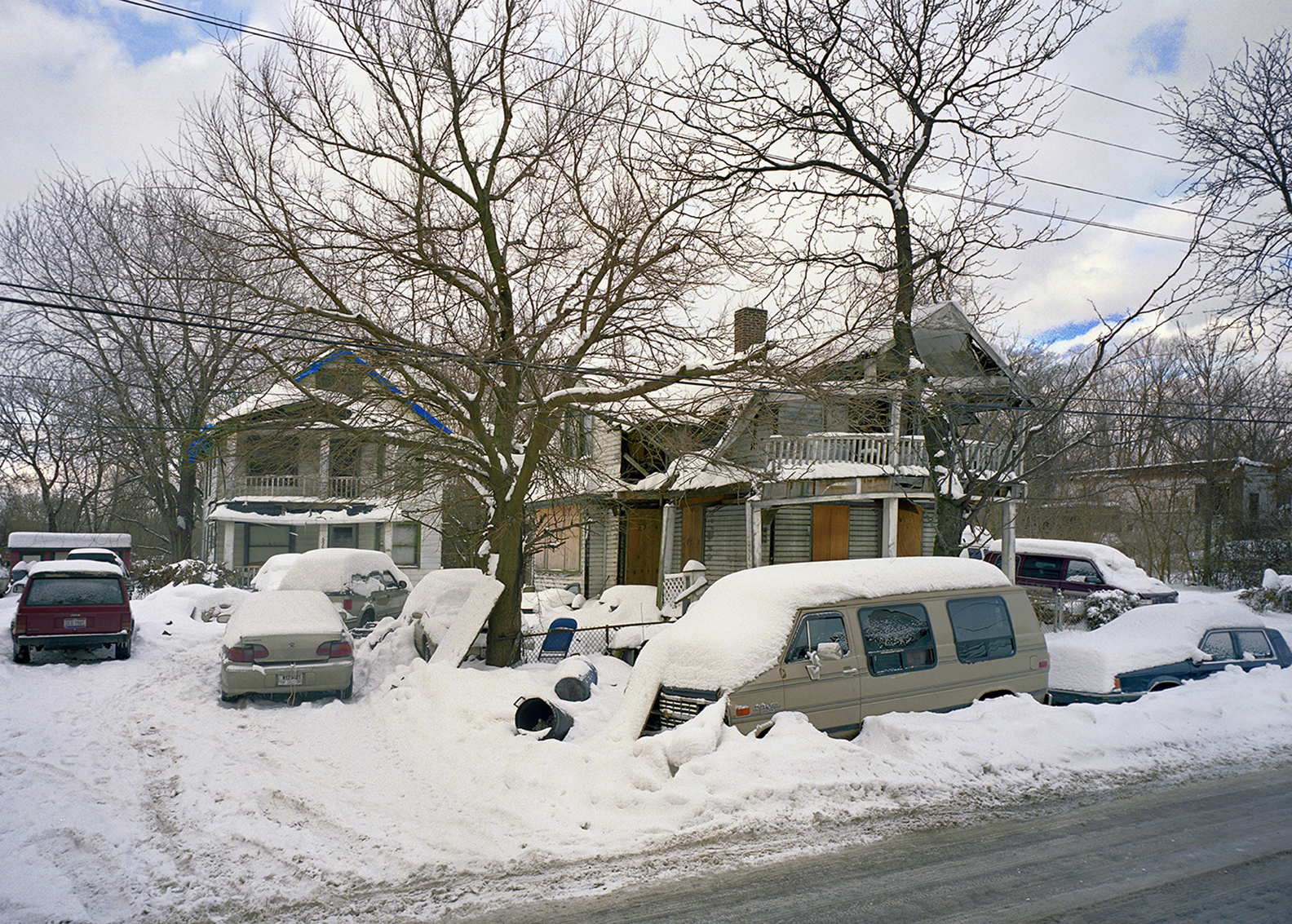
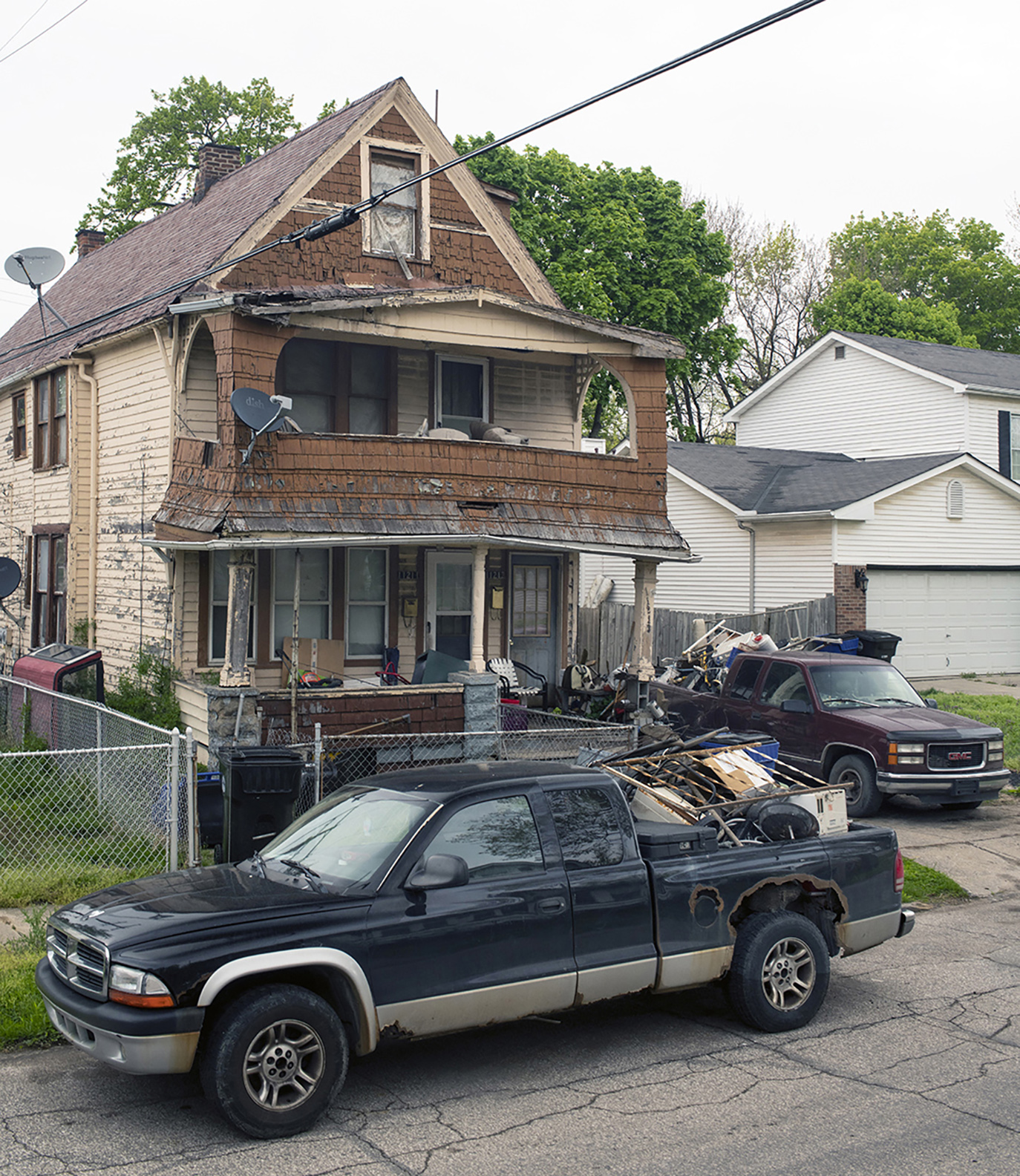
Joe's wife died of Covid in 2021, and, he briefly went back to work, but his health began to fail, had a heart attack and rarely left home after 2022. I continued to visit him at his home, and, his son, Mike, took over the Brickyard.Scrappers' Homes & Vehicles, Grand StreetThe camera is positioned in the backyards of the homes across the street, that had been demolished in 2019. The home with the lights is still there in 2021, and all else is gone. It was once part of a huge immigrant Hungarian neighborhood whose acreage was largely insdustrial, like Eberhard Manufactiuring that was 200 feet south and has been entriely demolished.
A parkway called the Opportunity Corridor is now coming through here. In a giant swath of land, in a couple of different neighborhods, there were only seventy homes that had to be compensated by eminent domain rights of the DOT.
This was called the Forgotten Triangle, it's heart just blocks away, and was truly a scrappers paradise and outlaw zone. That name fading, because it deteriorated organically over a period of forty-five years, until nothing was left. And, under those conditiuons, what a place it was.
That last home that remains, i shot in winter, 2020 and 2021, to match the older shot, like this shot, at night, and, of course, it was an experience. Dealing with multiple people, on one of the most desolate streets in America, all of them partying is always a trip. I've never come across a better place for a cheat spot in a city that had many.Grand Street, Homes and HousesThe last house on the left was the only one left by 2019. It was a cheap spot so it was always open, and, believe it or not, it was completely rehab in 2022, and, stands for sale. It's one of the few homes that survived in the huge area that became known as the Forgotten Triangle.Waste Site, Forgotten Triangle, East 83rd StreetEast 84th Street, to East 80th Street, in this section was the cluster of homes ithat went up in in the lfirestorm, like much of the city itself, is populated in homes, railyards and factories existing in close proximity to one another, and, in the Triangle, a very old industrial area, itwas thick with this mix of residences and factories.
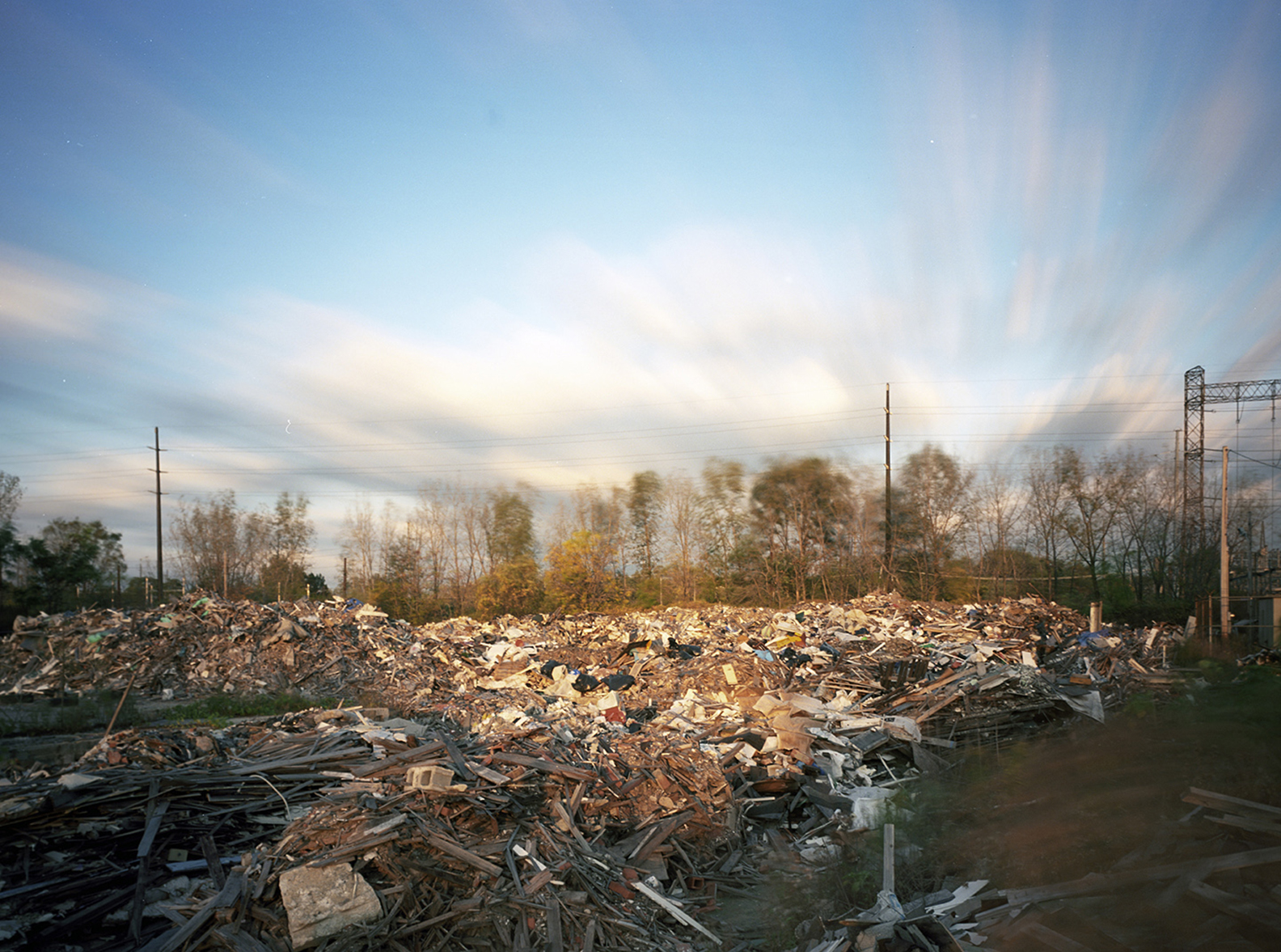
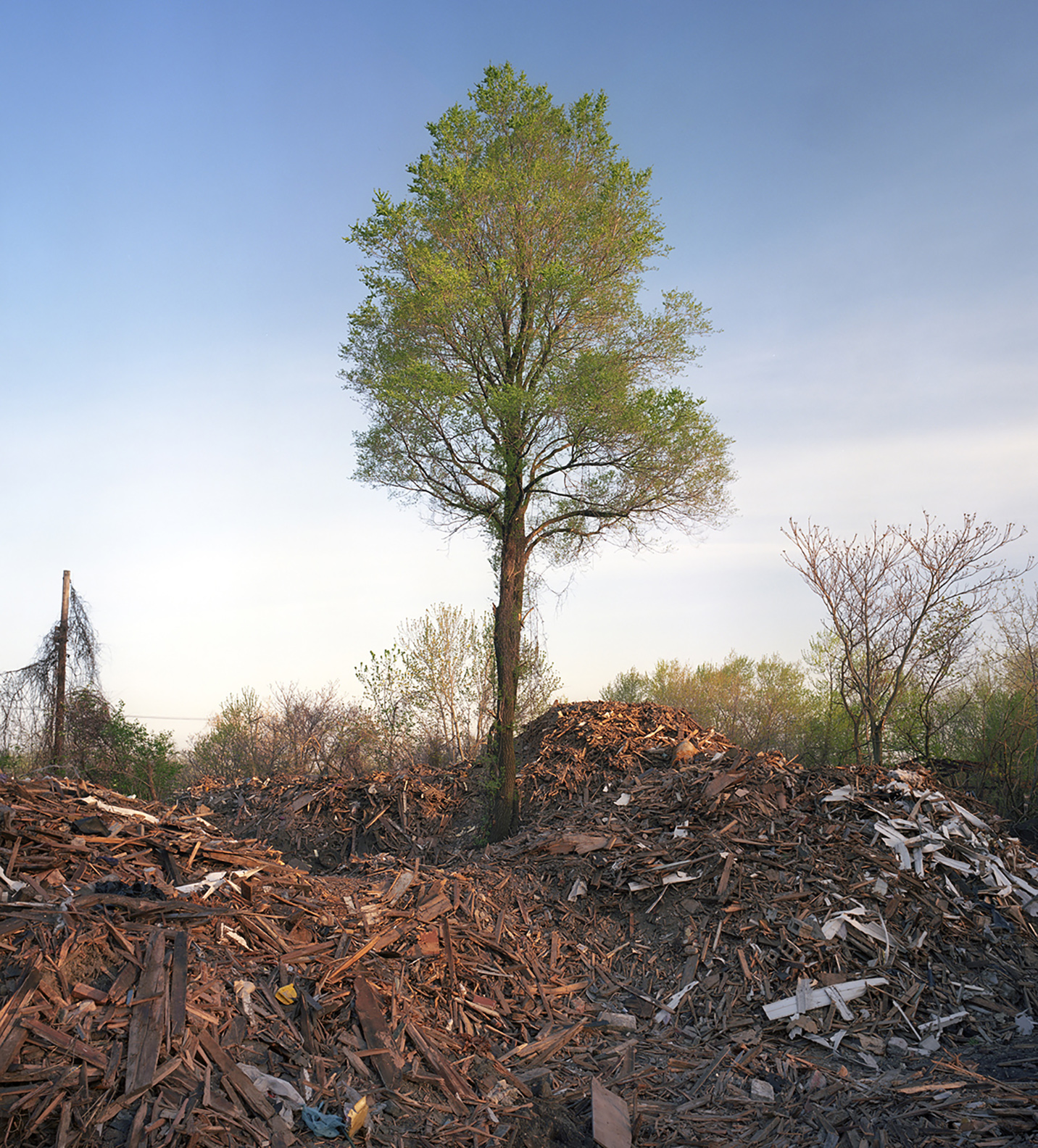
This, at one time, was an industrial facility and homes, became a brownfield, that, at one time, would mean a progression to dump. This one lasted two years, and was allowed to meet the surge in demolitions where the debris from thousands of homes and factories needed remdiation or just plain storage.
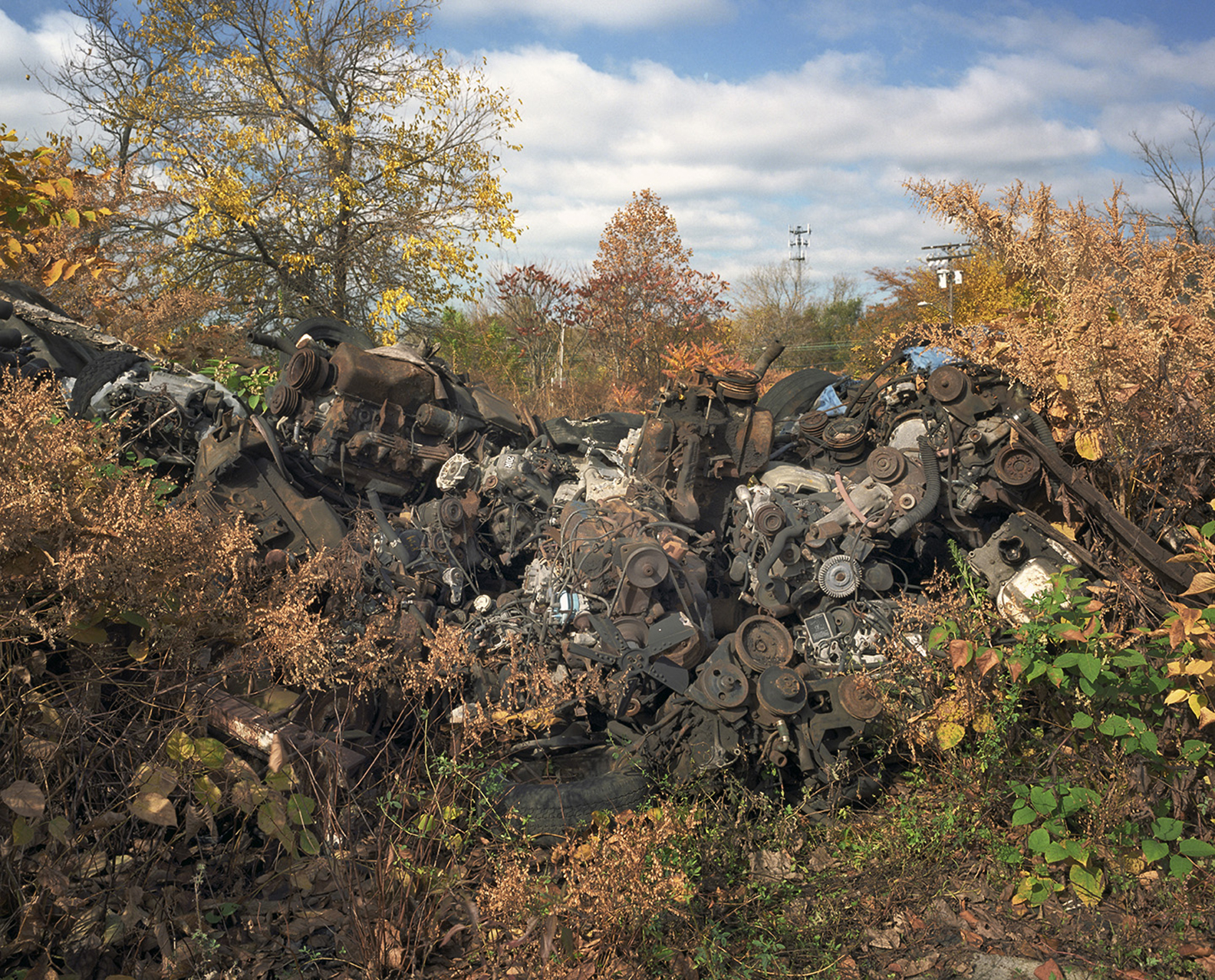
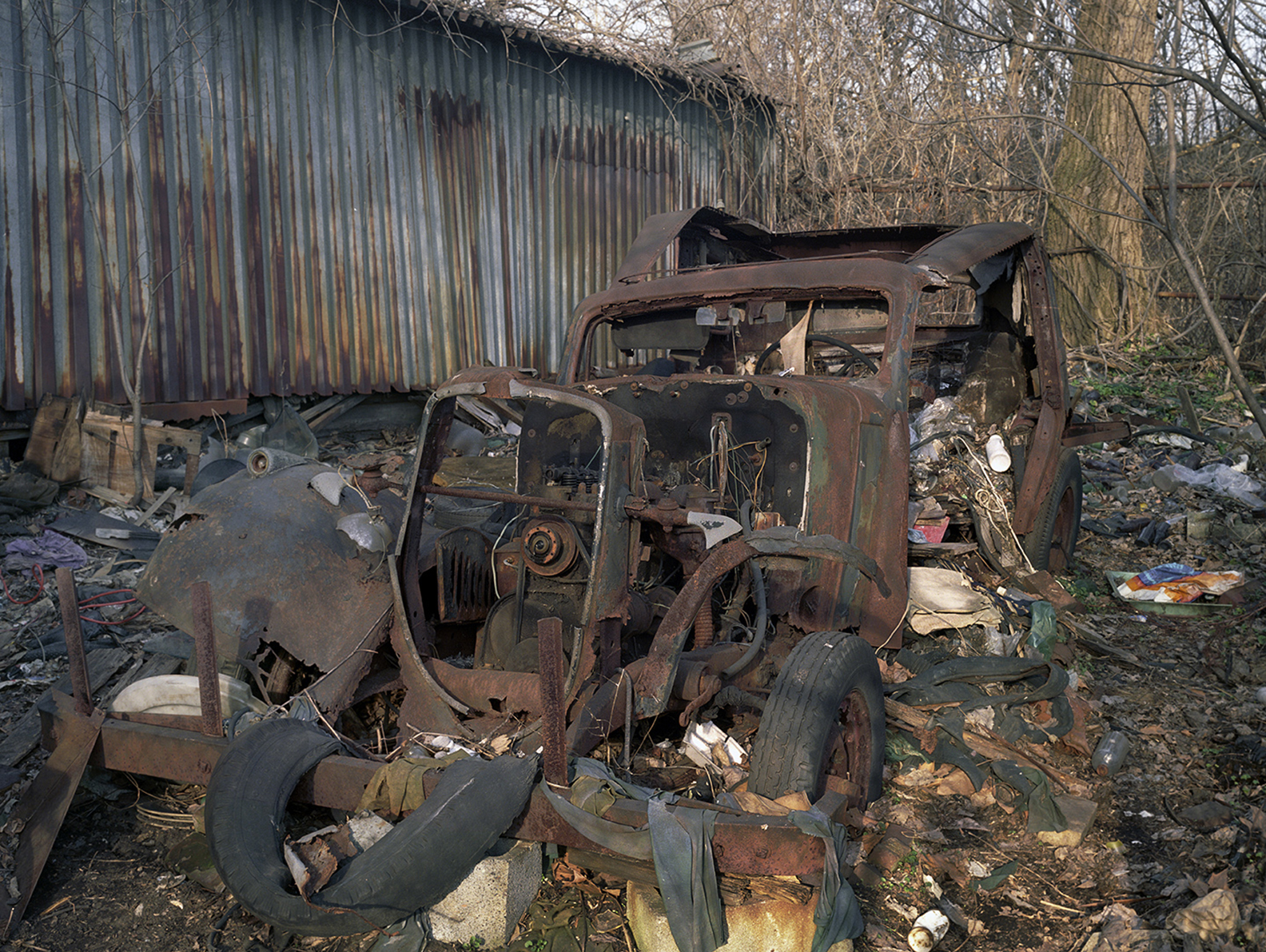
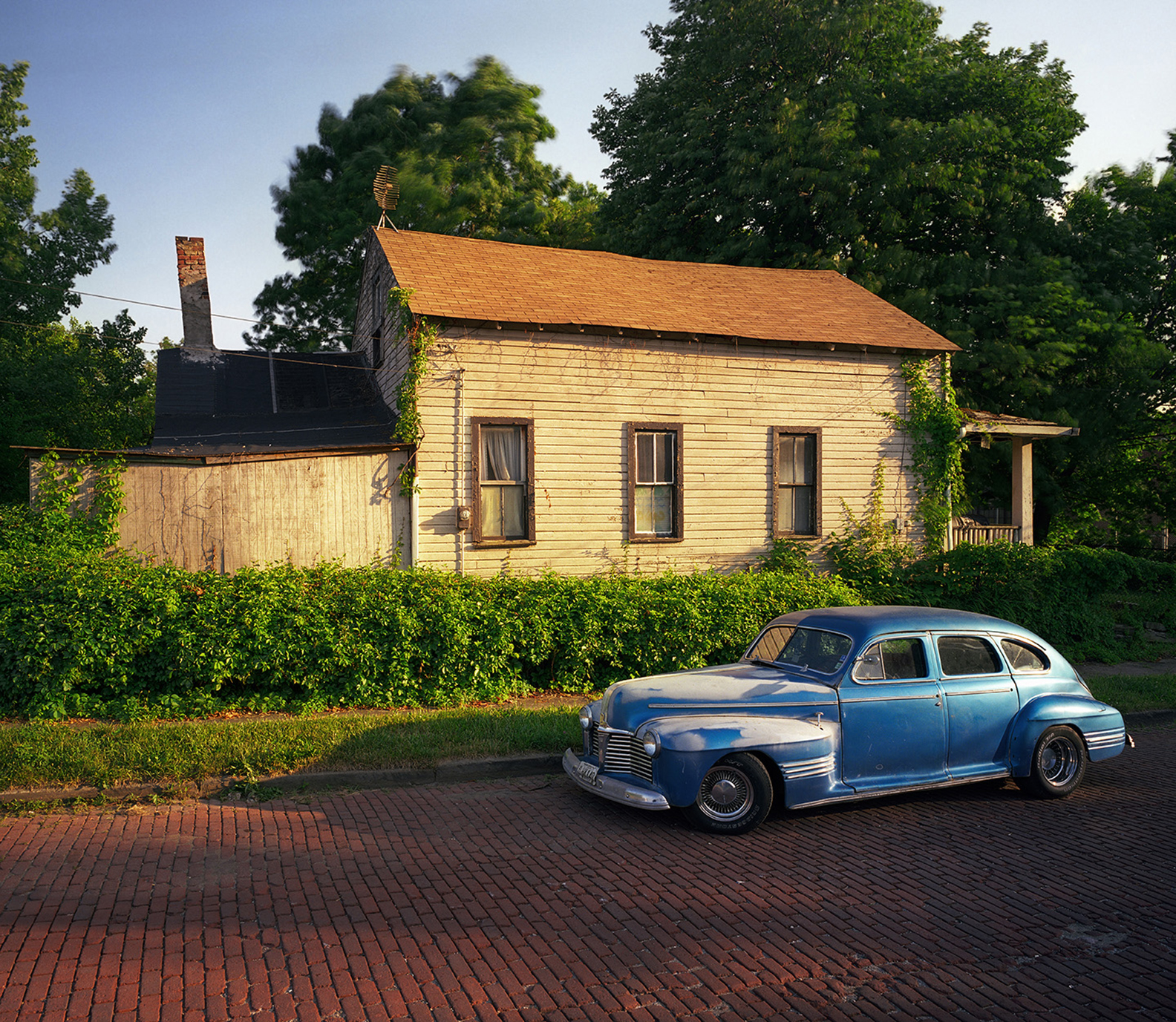
This was because, beginning in 2010, a mass demolition effort began to get rid of the 12,000 abandoned structures in the city, which suddenly needed places to store the pulverized houses of the city.Stacked Engines, Junkyard, Grand AvenueDeep in the Triangle at one of the many scrapyards that six years later would be gone. Today the Opportunity Corridor goes right throught here, and that's what finally got the Triangle completely tore down.Old Junked CarThis car emerged one week, after much of the underbrush got removed from it. How long was it there?
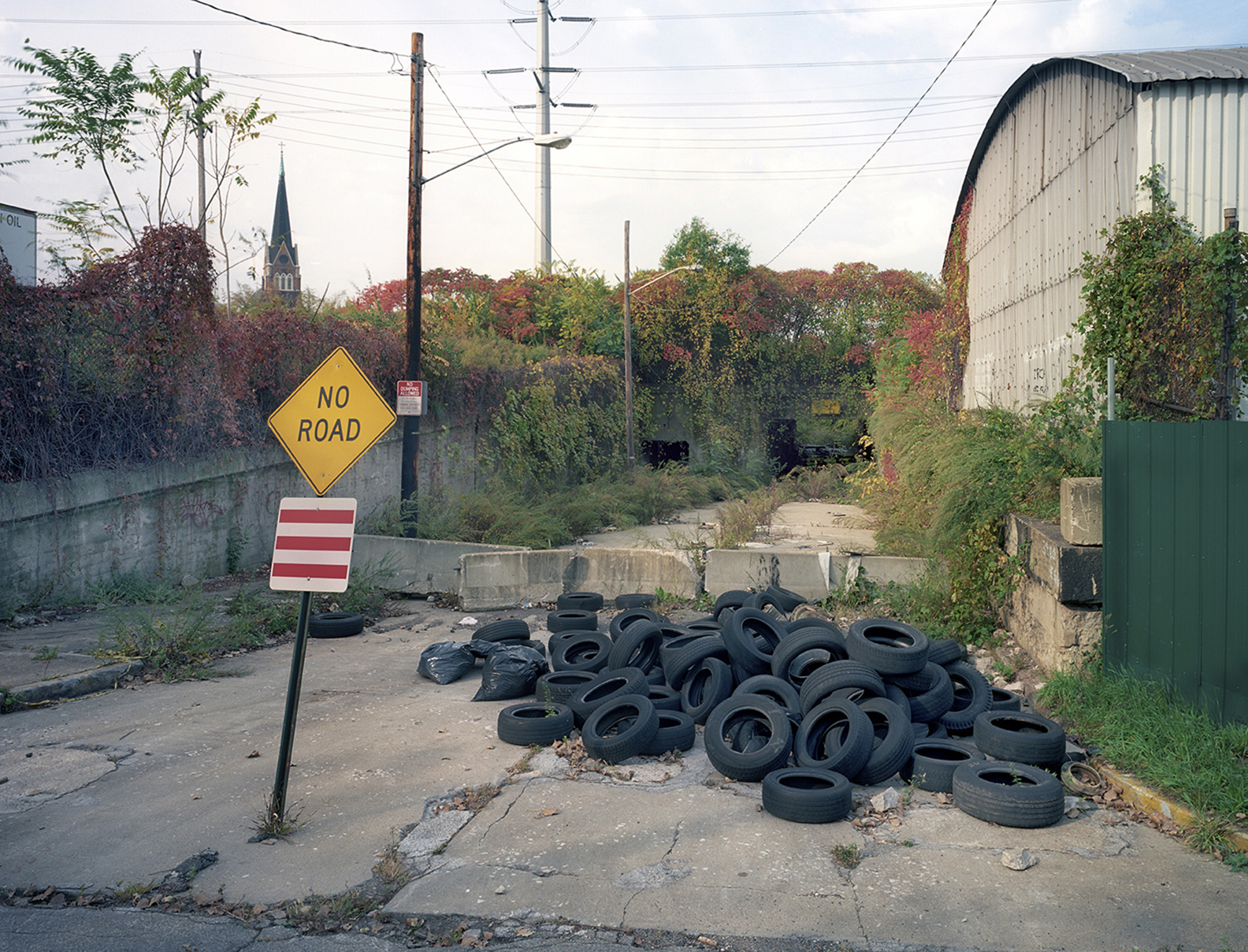
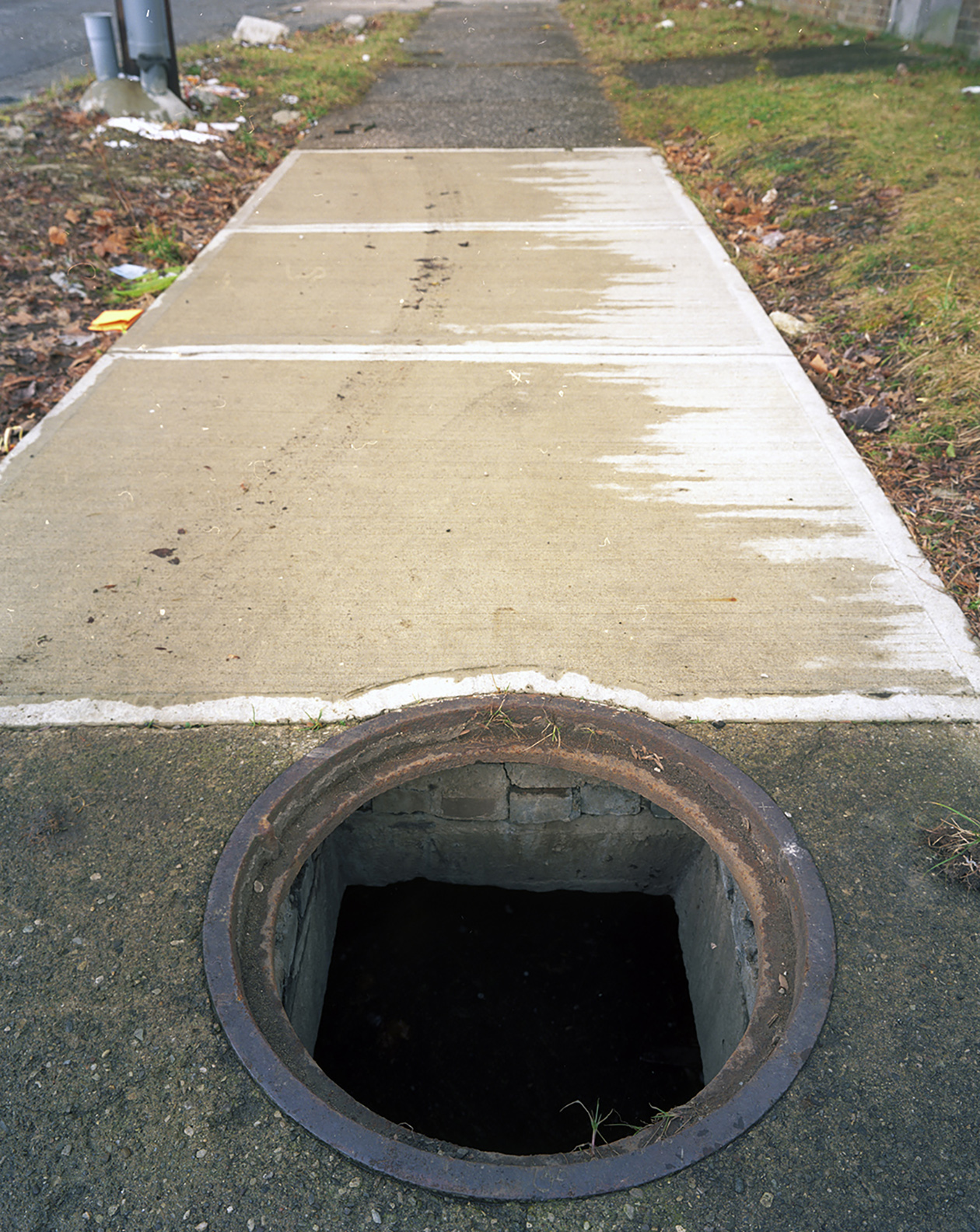
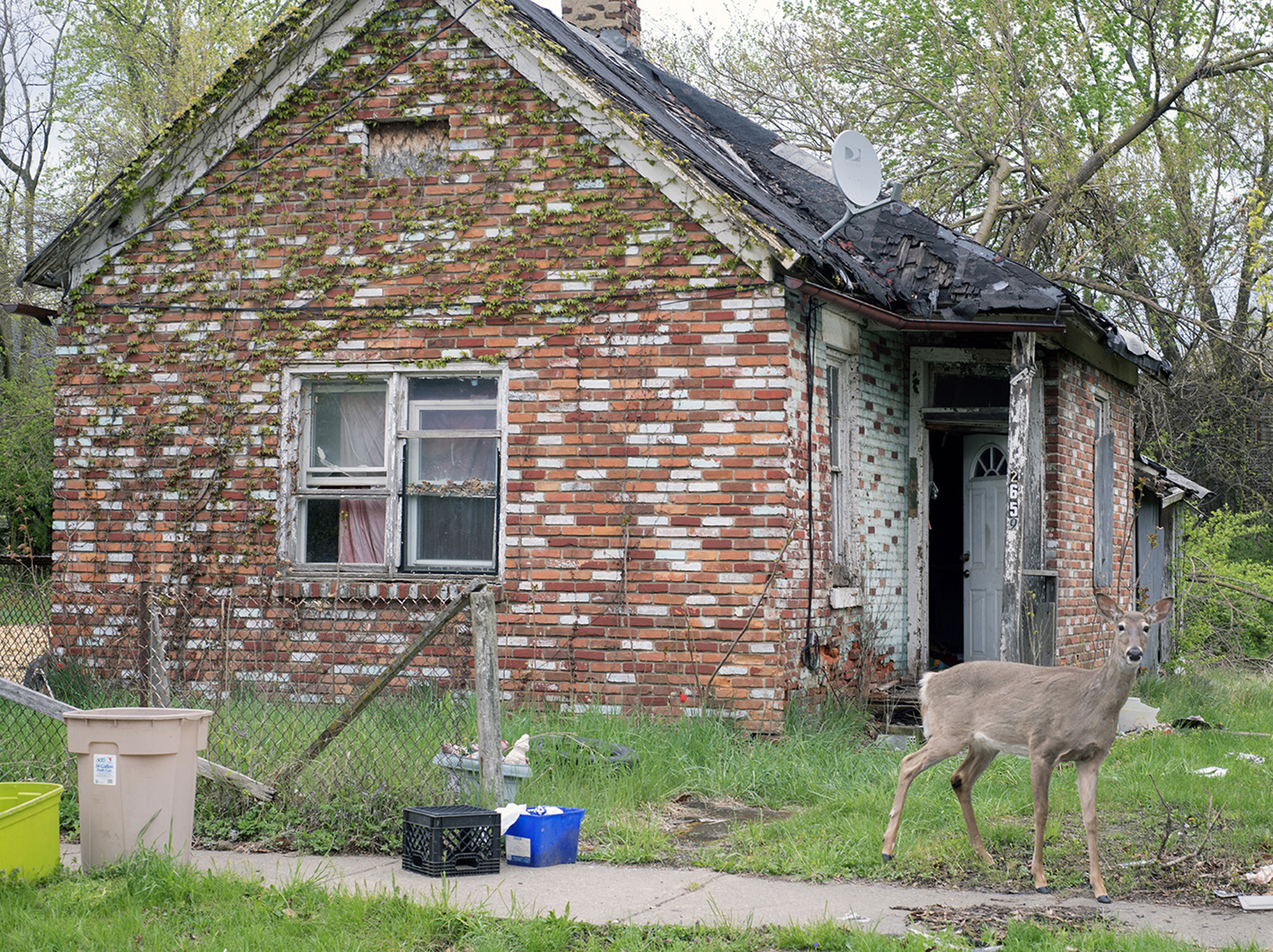
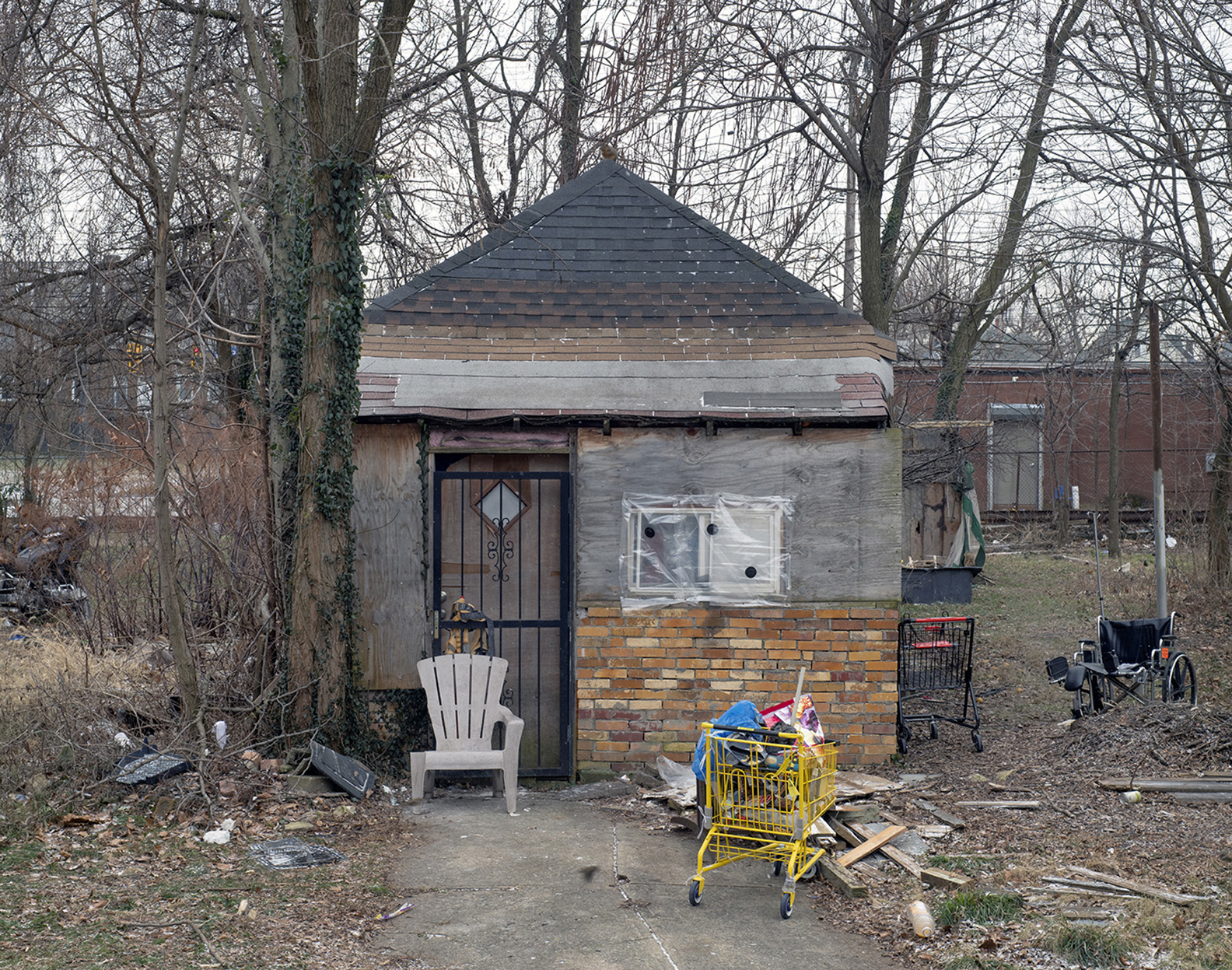
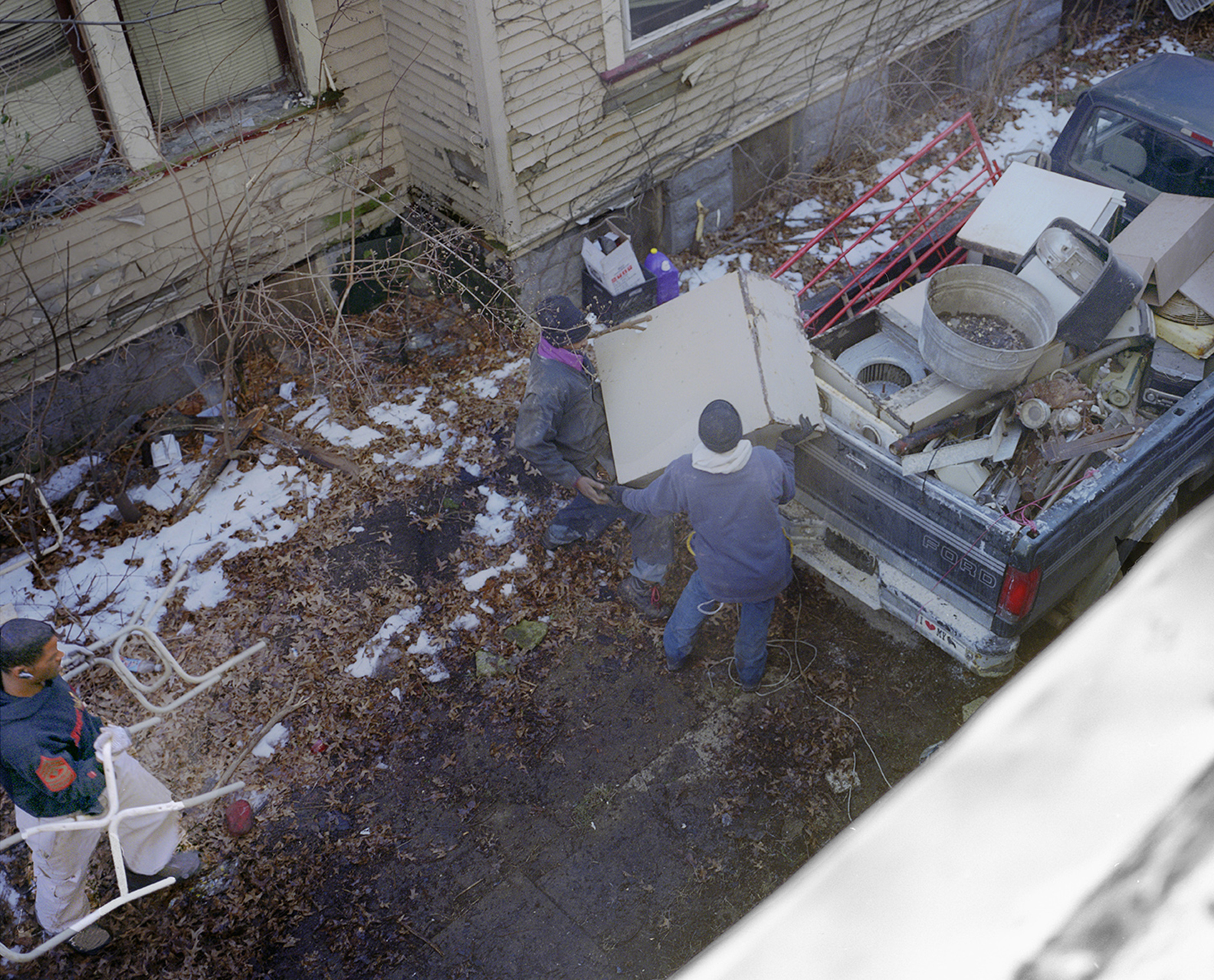
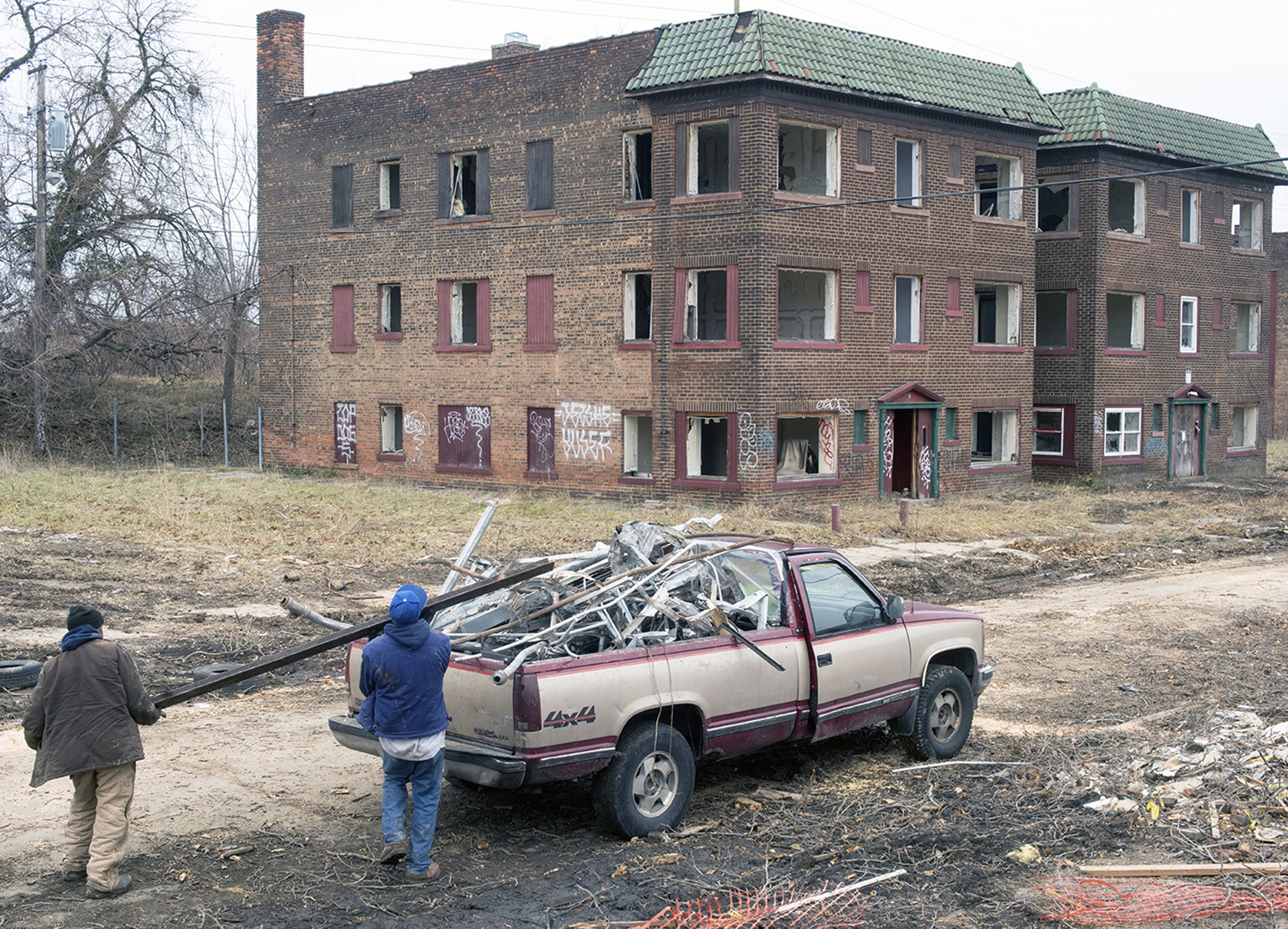
Undisturbed organic descent, the bread and butter of the scrappers.Booth Avenue UnderpassHole in Sidewalk, Holton Avenue, Forgotten TriangleHouse & Deer, East 68th Street, 2024Tiny Home of a ScrapperDemolition Crew Salvaging a Vent Stack Lead PipeScrappers Loading Metal Into Truck Bed, East 89th Street 1I was inside the abandoned house next-door shooting, and I heard the scrapping.
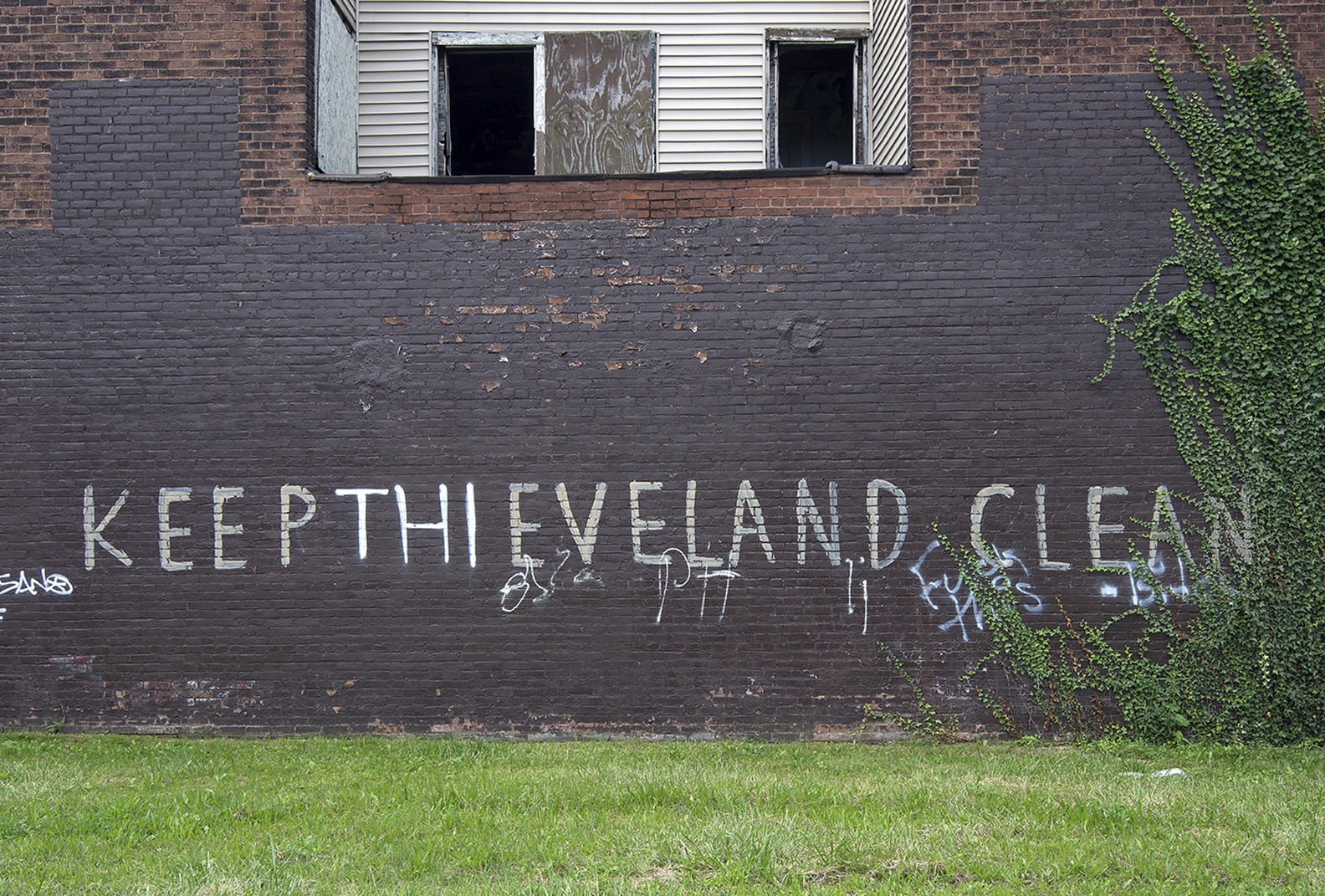
Street scrapping comes in waves with abandonment, so, 1995 to 2002 was relatively stagnant for scrap employment, and, after 2002 it grew until 2009 when it began to taper off due to the very effective demolition of the remaining abandonment in the city.Scrappers Loading Metal Into Truck Bed, East 89th Street 2Starting around 2002, after the great still recession of 2001 that nobody paid any attention to, the amount of scrapping completely skyrocketed and didn't let up until 2009 when they began the major takedown of all the abandoned structures in the city.Grafitti, Lakeview AvenueChimney, Forgotten Factories Zone, the TrianagleDeep in the Triangle there is a dead-end street, parallel to an important reail line, that was a line of factories, and dead-ended here. Today all the factories are gone.
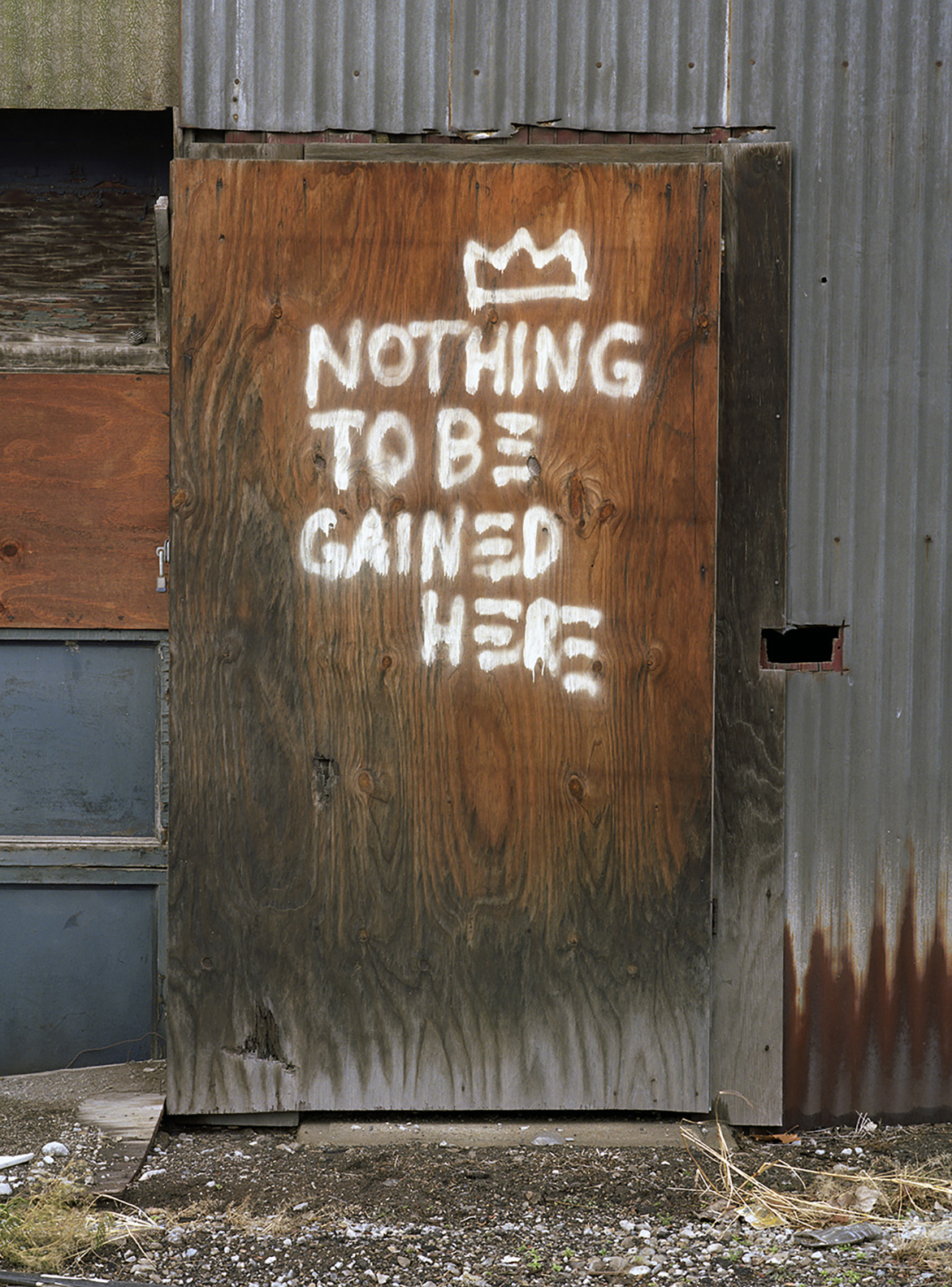
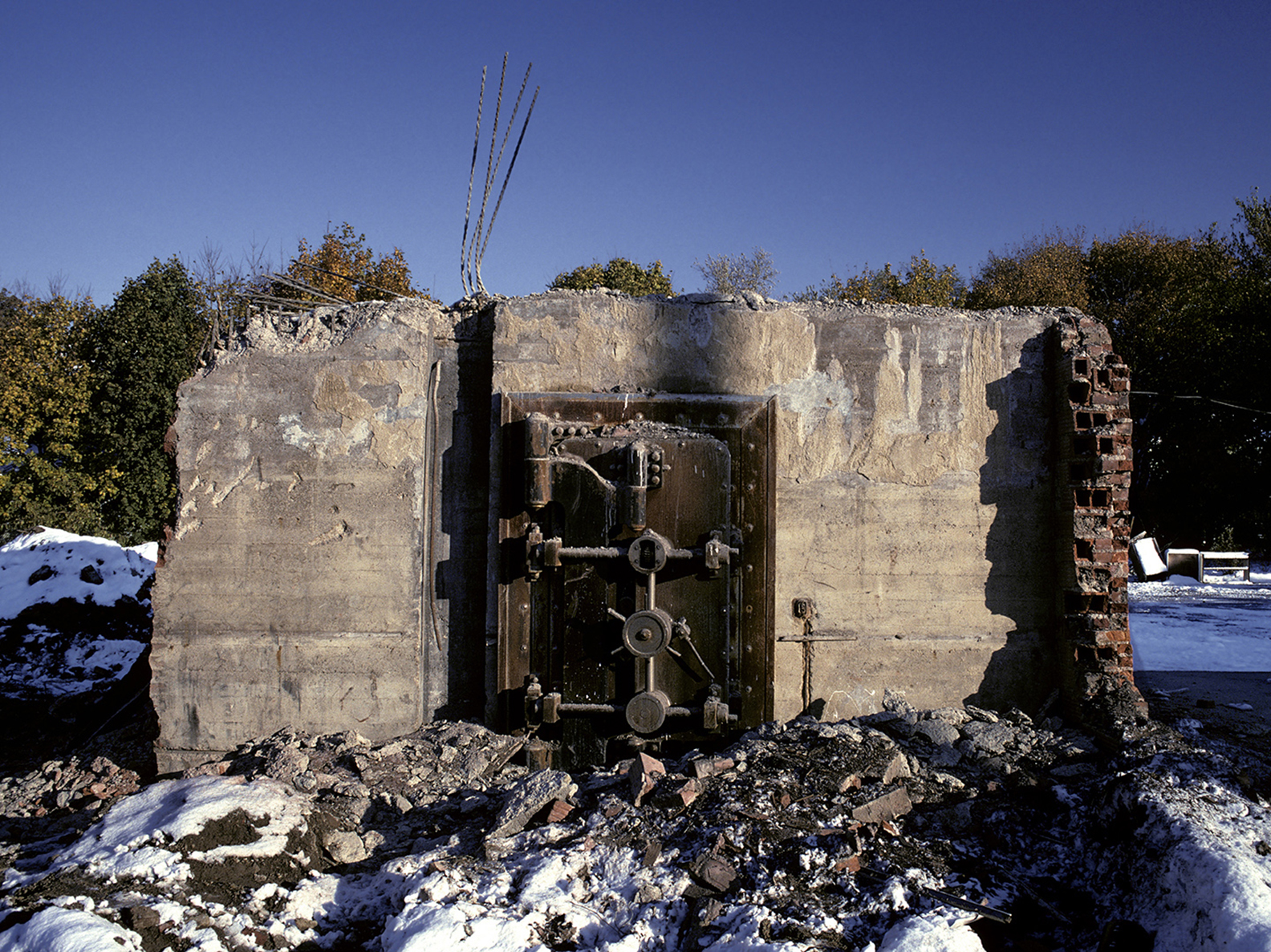
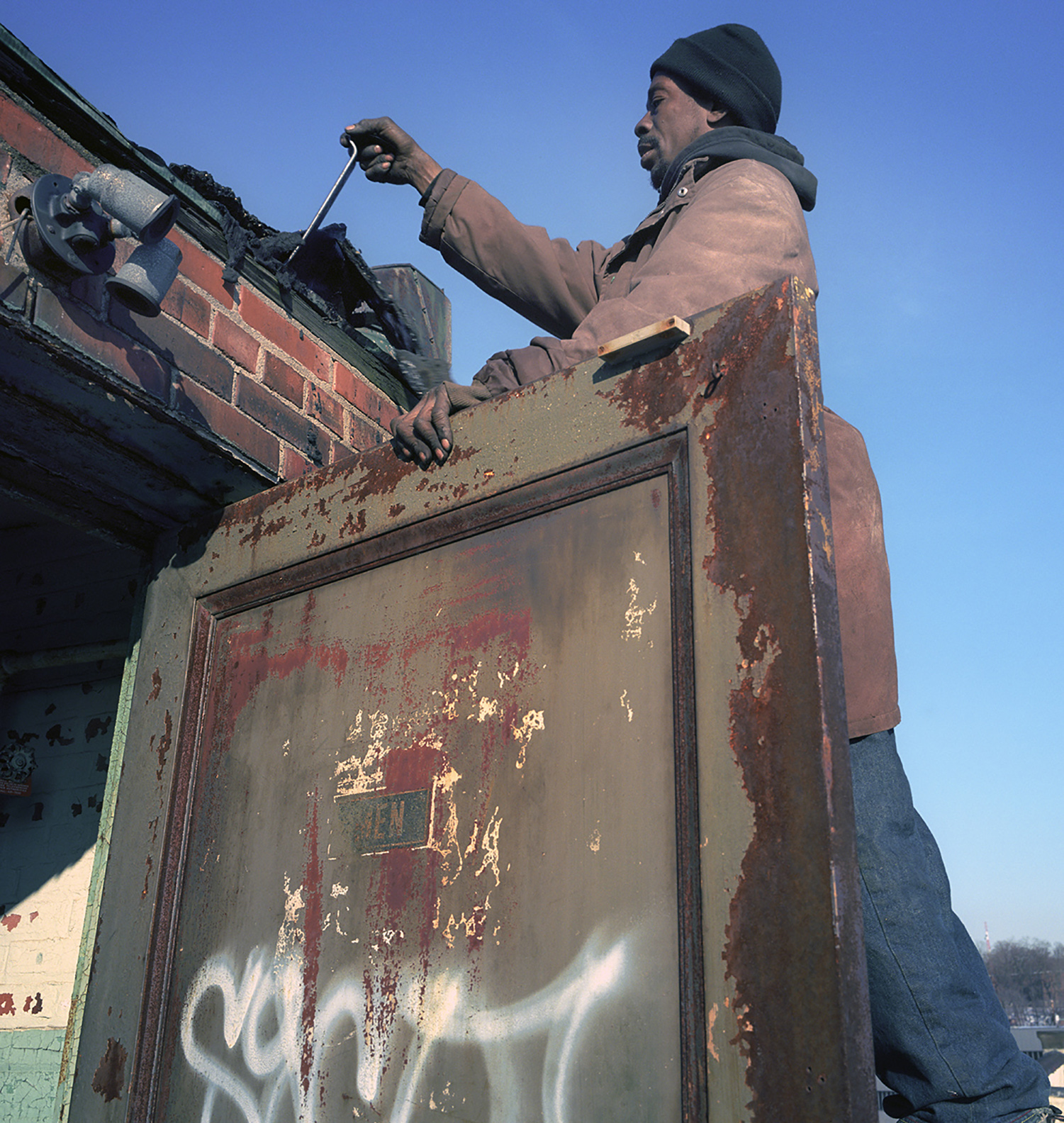
The Forgotten Triangle began when a firestorm swept through the center of the Triangle taking out 27 homes. After that a slow descent into undisturbed organic descent began until, by 2020, there was nothing left.Pee Wee in His Usual SpotPee-Wee is a long time veteran of the streets, complete with a throne of sorts. Last time i saw him was 2019, when he was headed for some (more) serious surgery. Scrapping for so long, combined with chemical and natural motivators, has taken out a lot of cartlidge.Door, Jones AvenueThere has always been a realistic dialogue between property owners and scrappers.Vault, Quincy Savings & Loan, Quincy AvenueIt's common that vaults sit awhile before their eventual demolition. I've heard famous stories in the Triangle where folks have met their demise, mistakenly, ending up locked in a safe in the office of an abandoned factory.
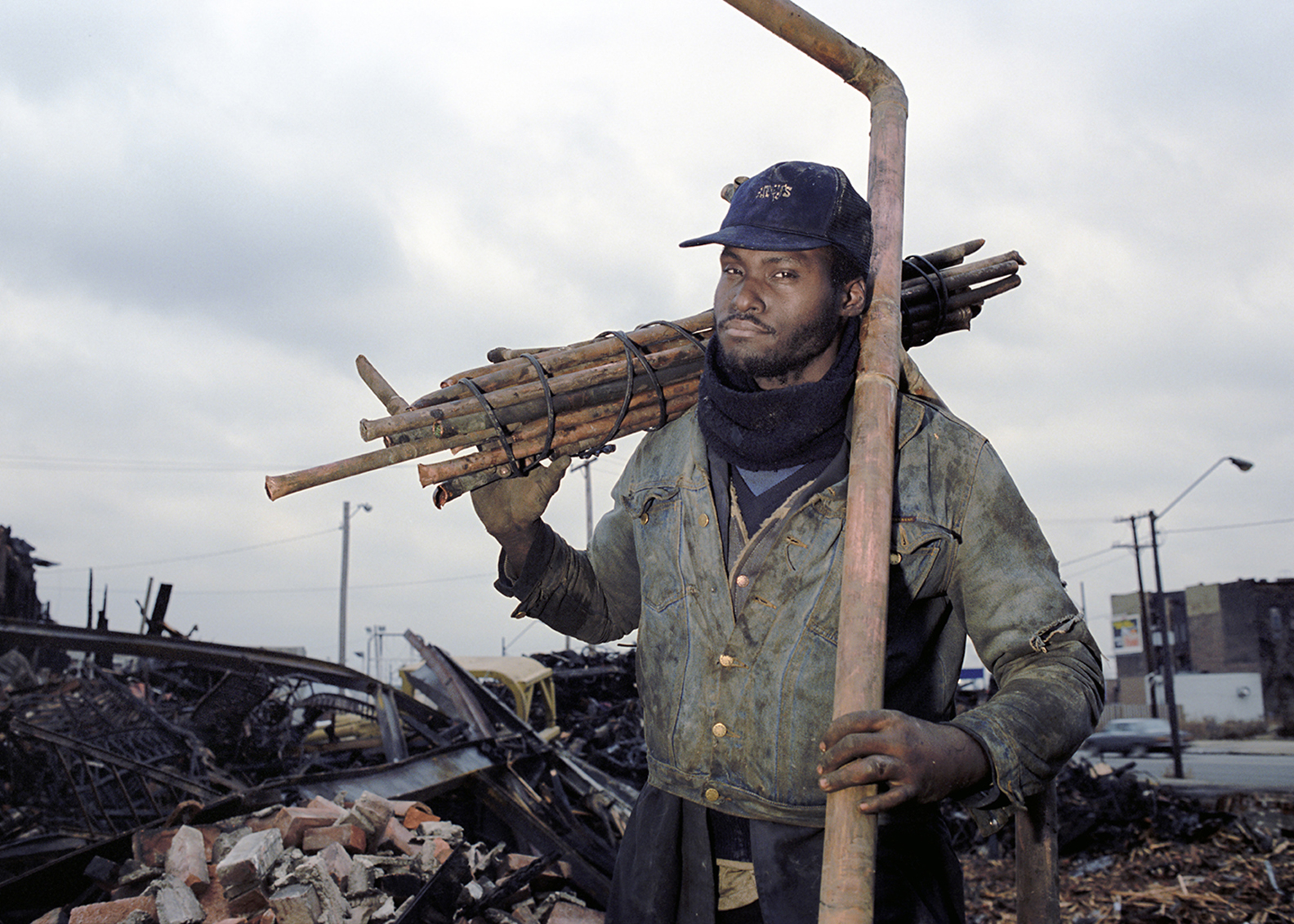
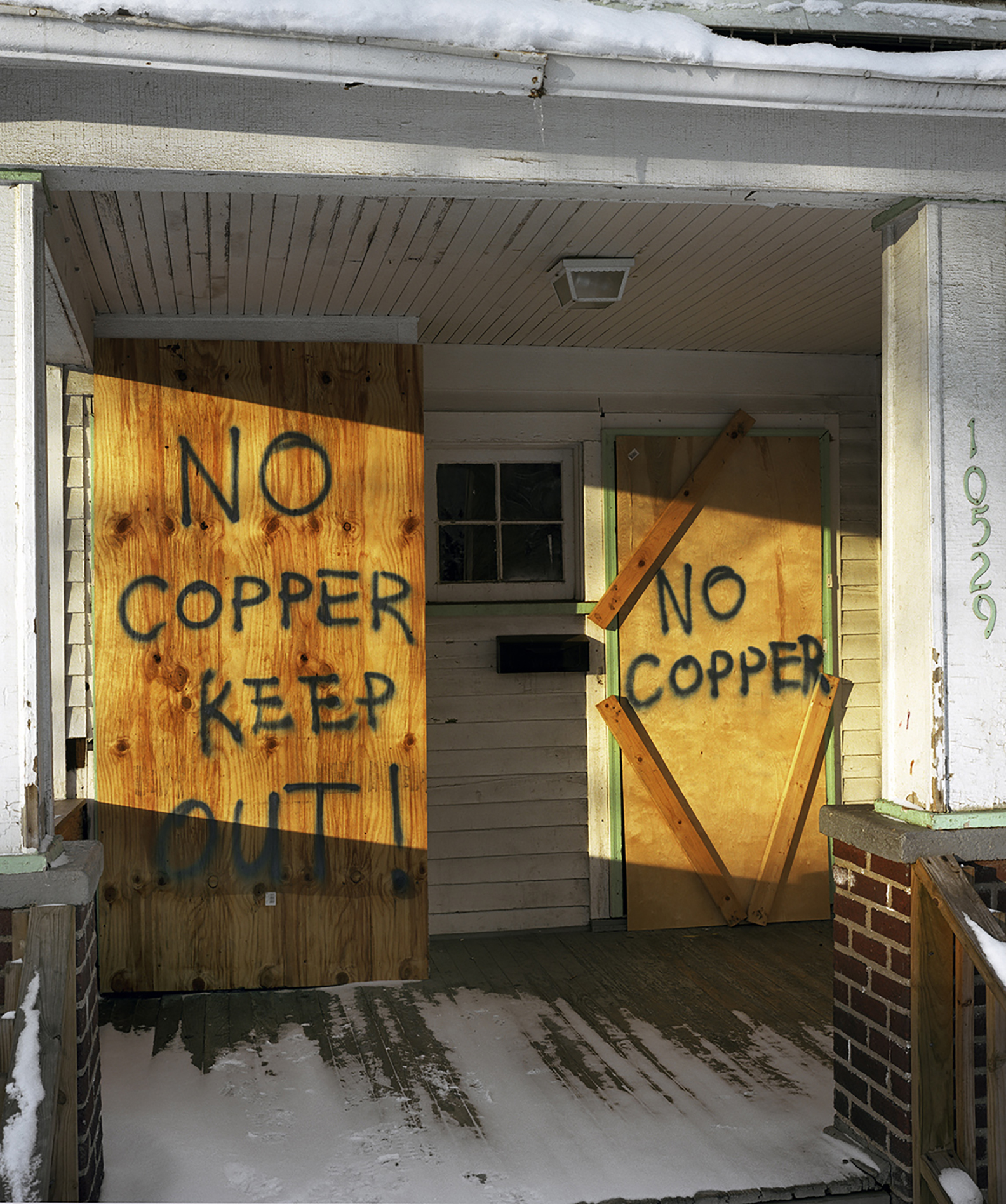
The most common death for scrappers, after building collapses and falls, is electrocution from scrapping carelessly around live transformers and electricl psnels, in search of scrappers' gold - copper.
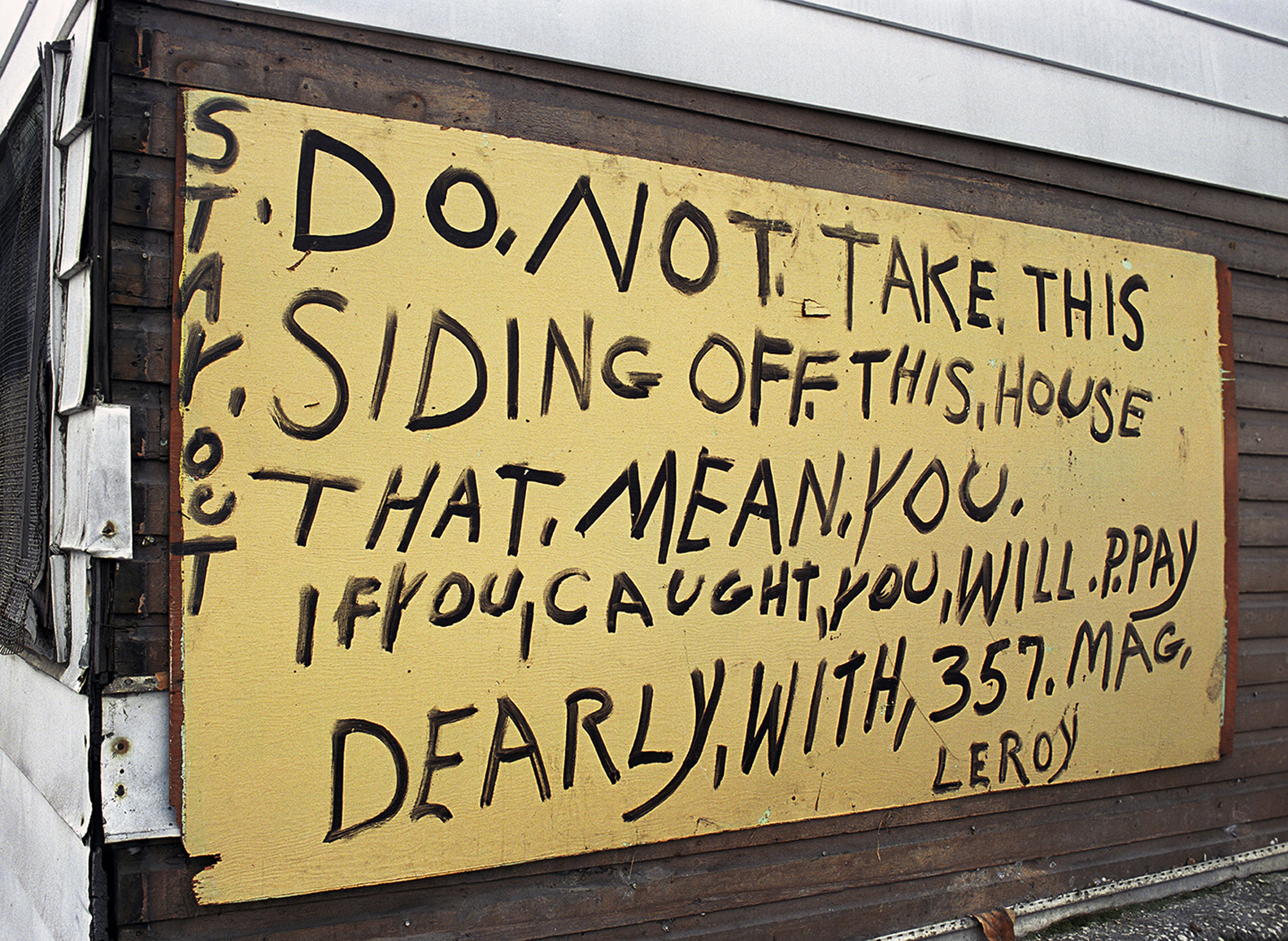
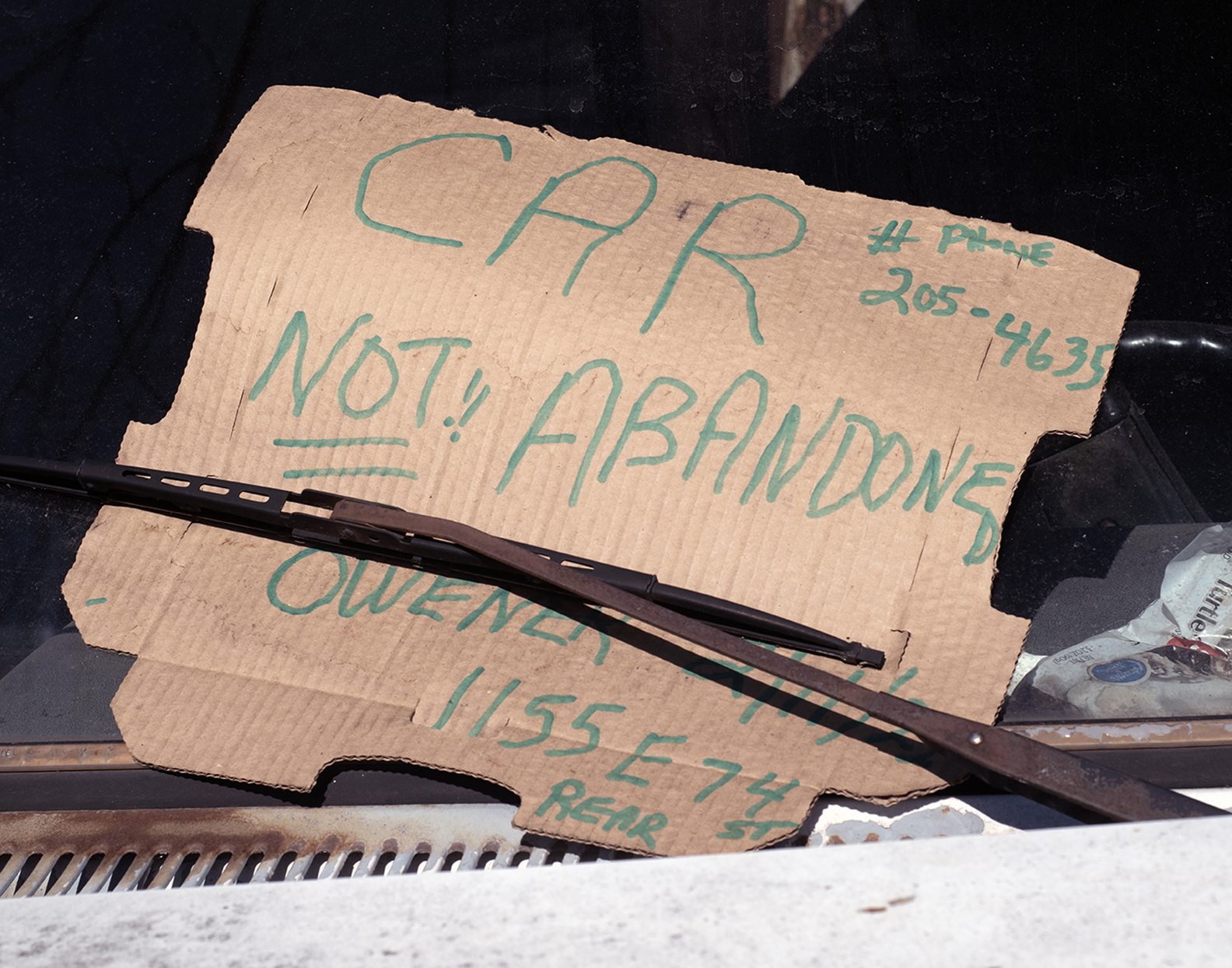
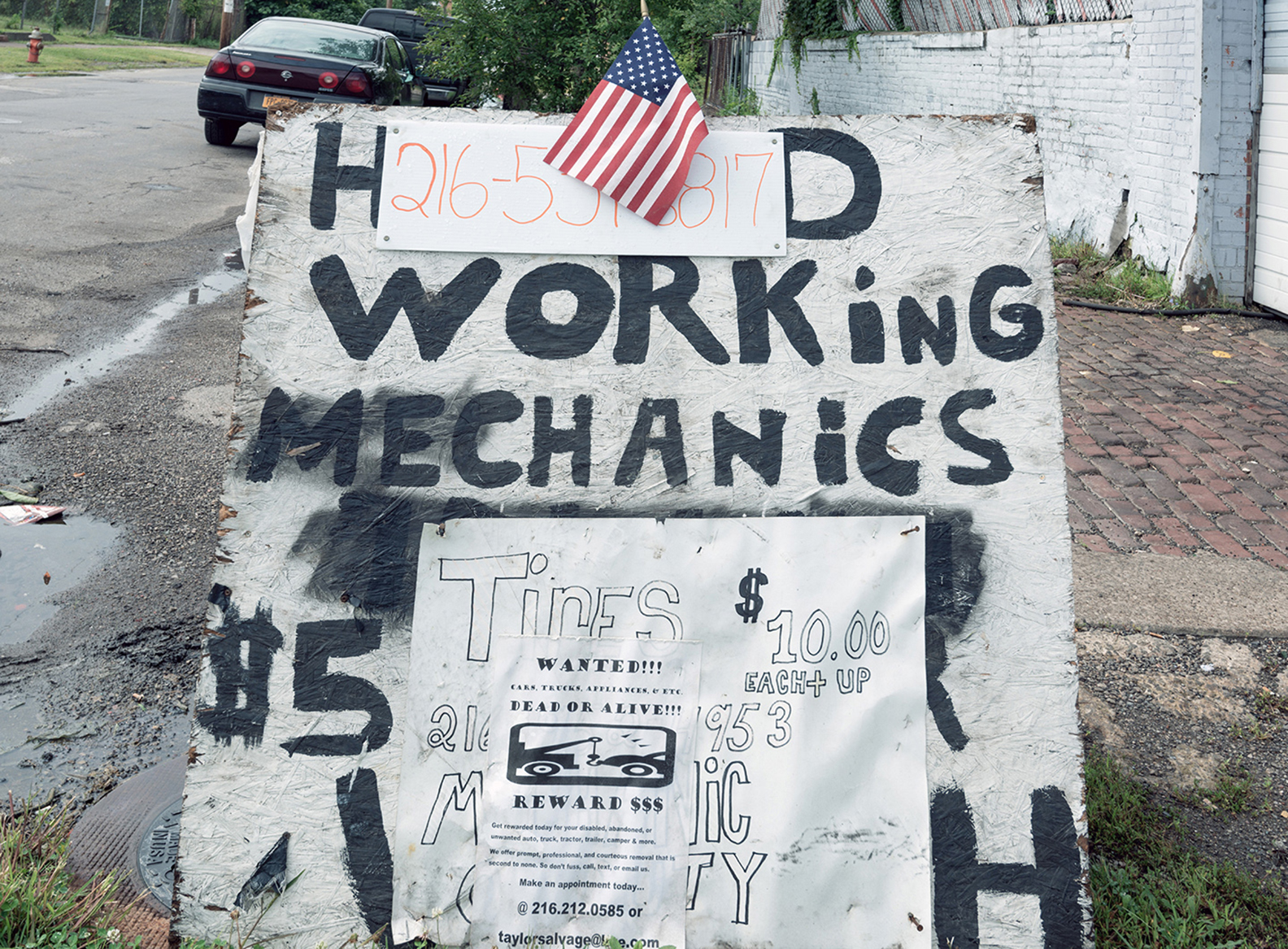
Sign on House, East 83rd Street, 1988Sometimes communication between property owners and scarappers is quite direct.Robert, Scrapyard Owner With ClubI think this guy initially wanted to beat my head in. Flapping my jaws i might not have noticed, but when i took his picture, it became clear what his initial response to me shooting his property was, which was to bash my head in, if i turned out to be a scrapper or something like that, for instance, a photographer.Richard Hodges, ScrapperScrappers With Rental Truck Scrapping Out Recently Demolished White Motors SiteThere were two big demolitions at White Motors. The first one was in the late eighties when they took out the front of the assembly plant on St. Clair Avenue. In 2009 the rest of the assembly plants on the north side and the glorious administration building were demolished.
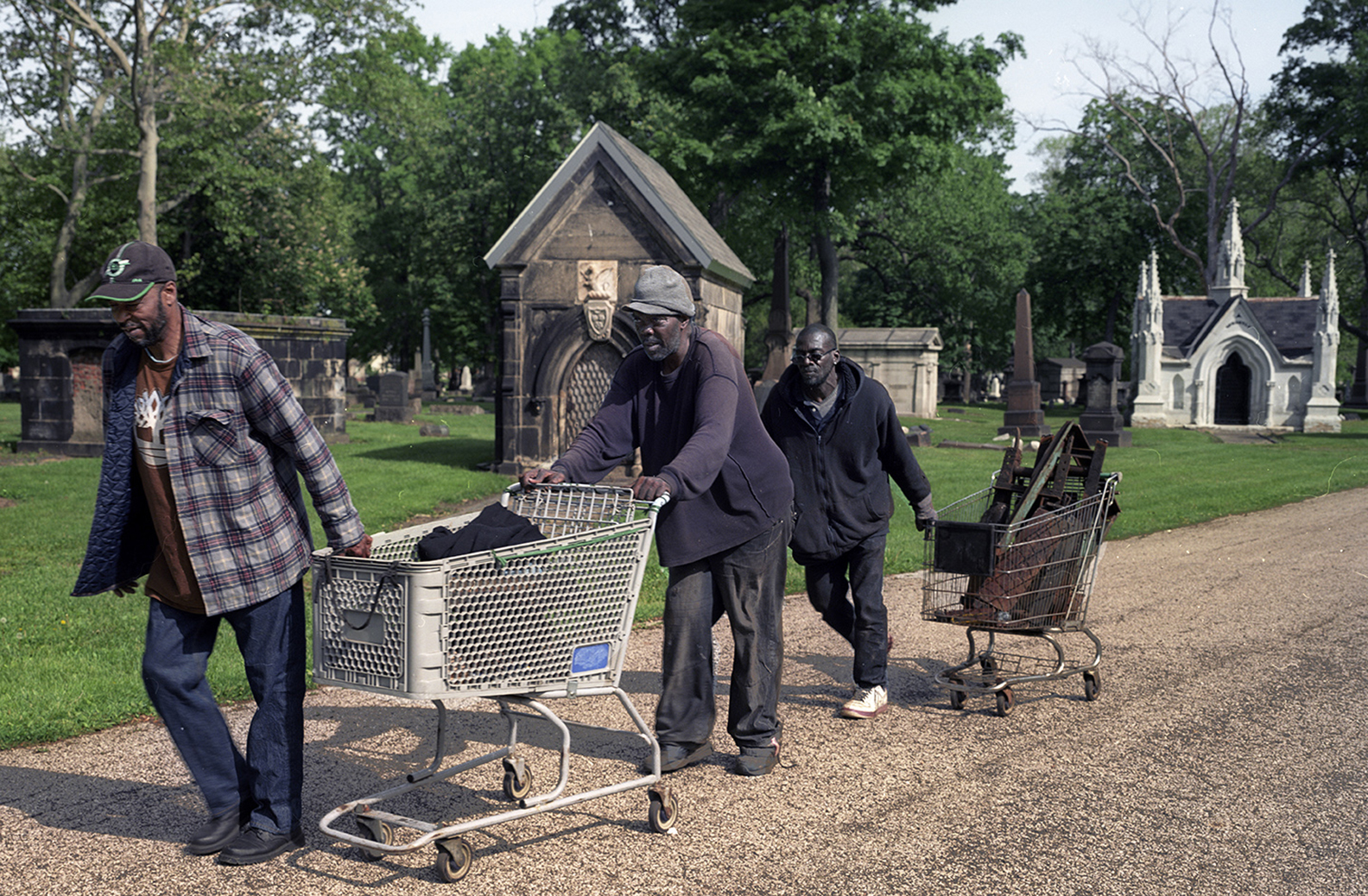
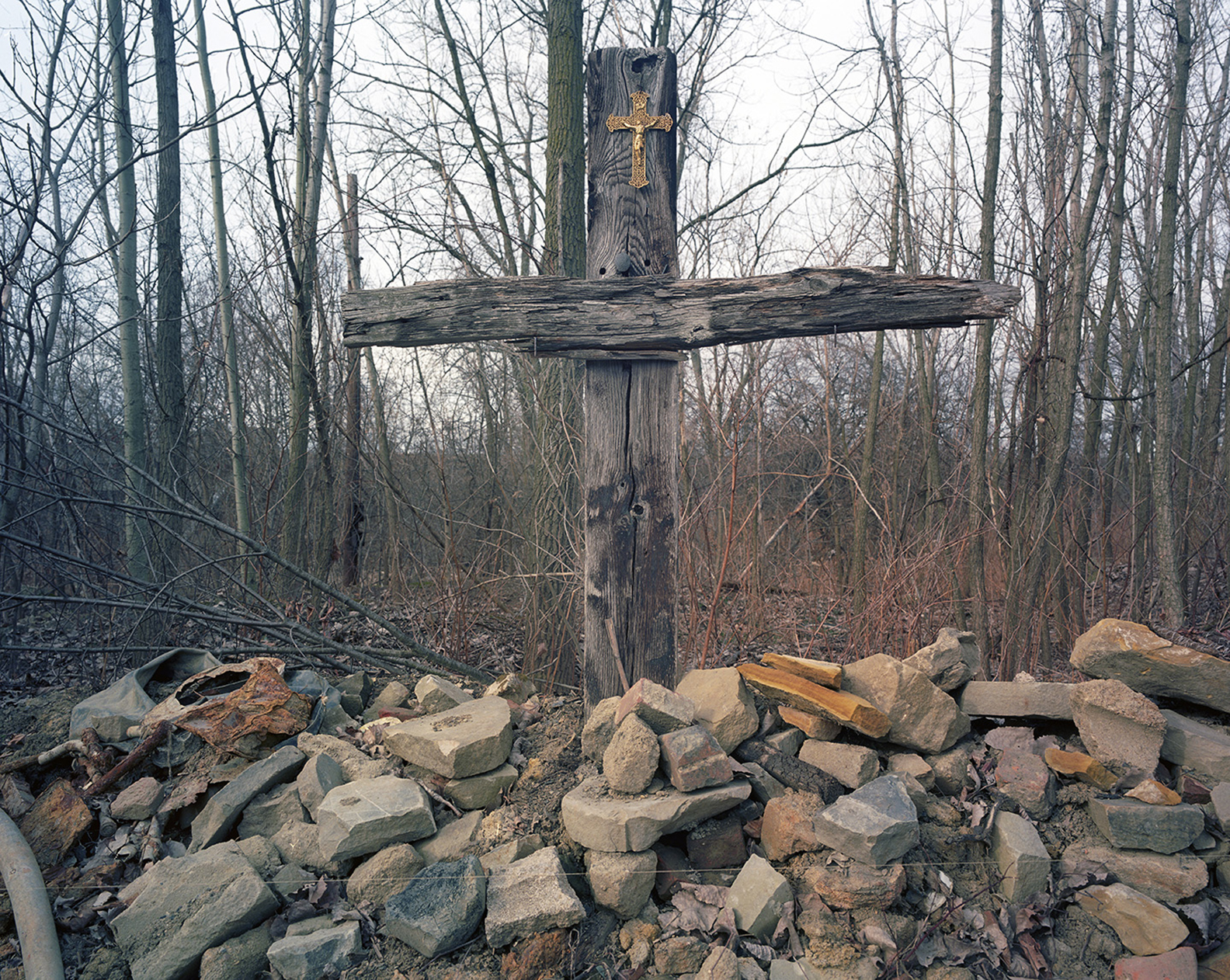
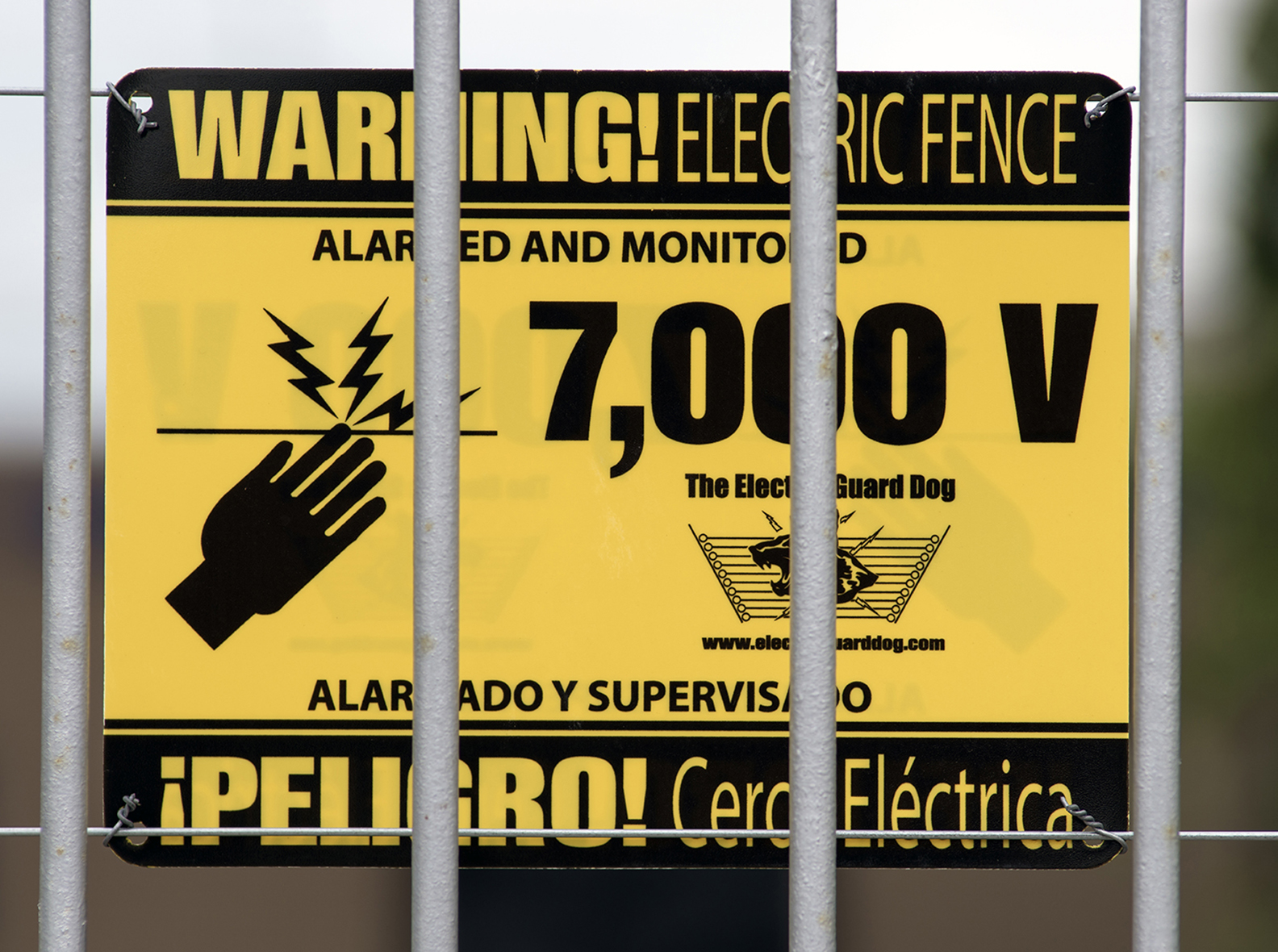
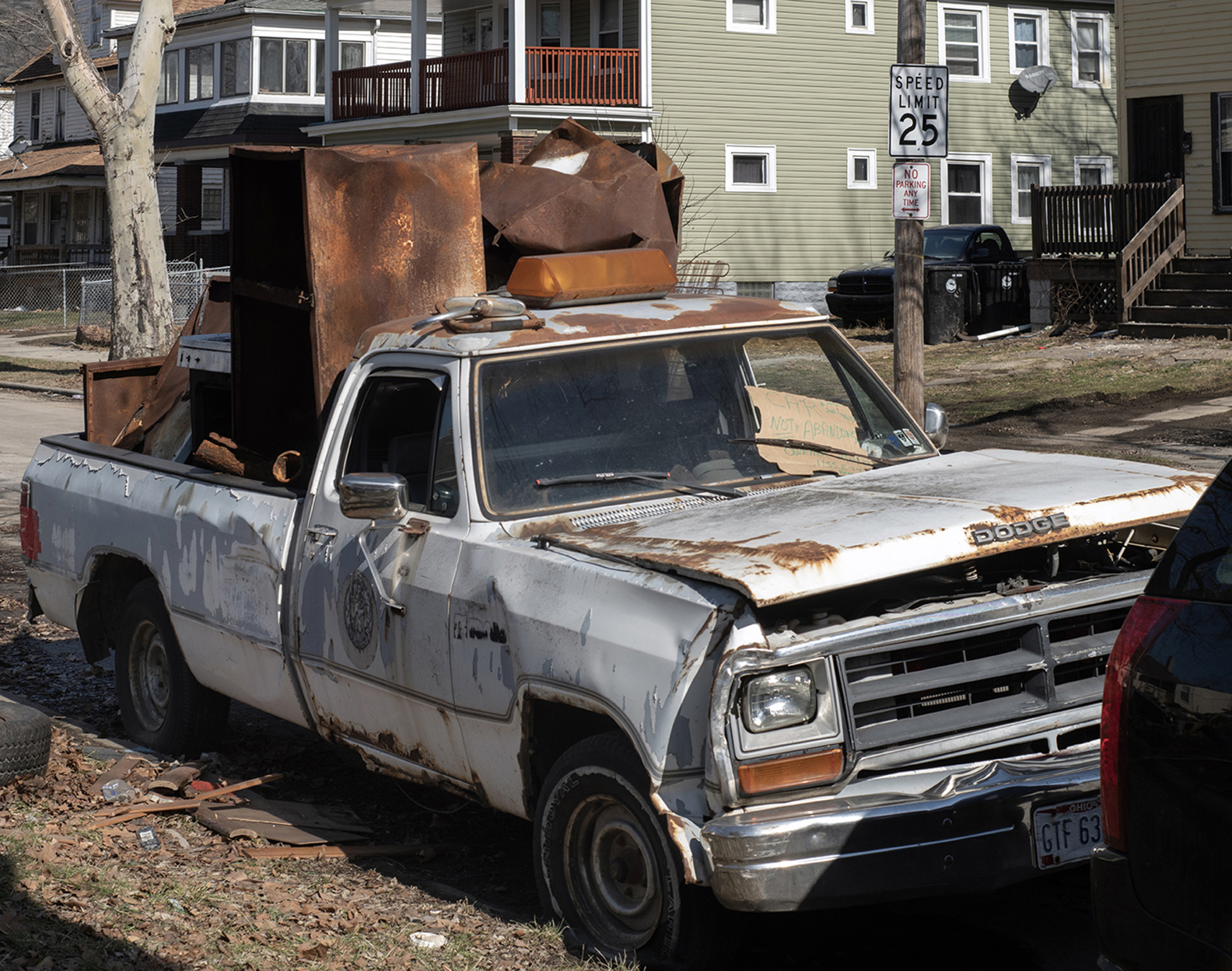
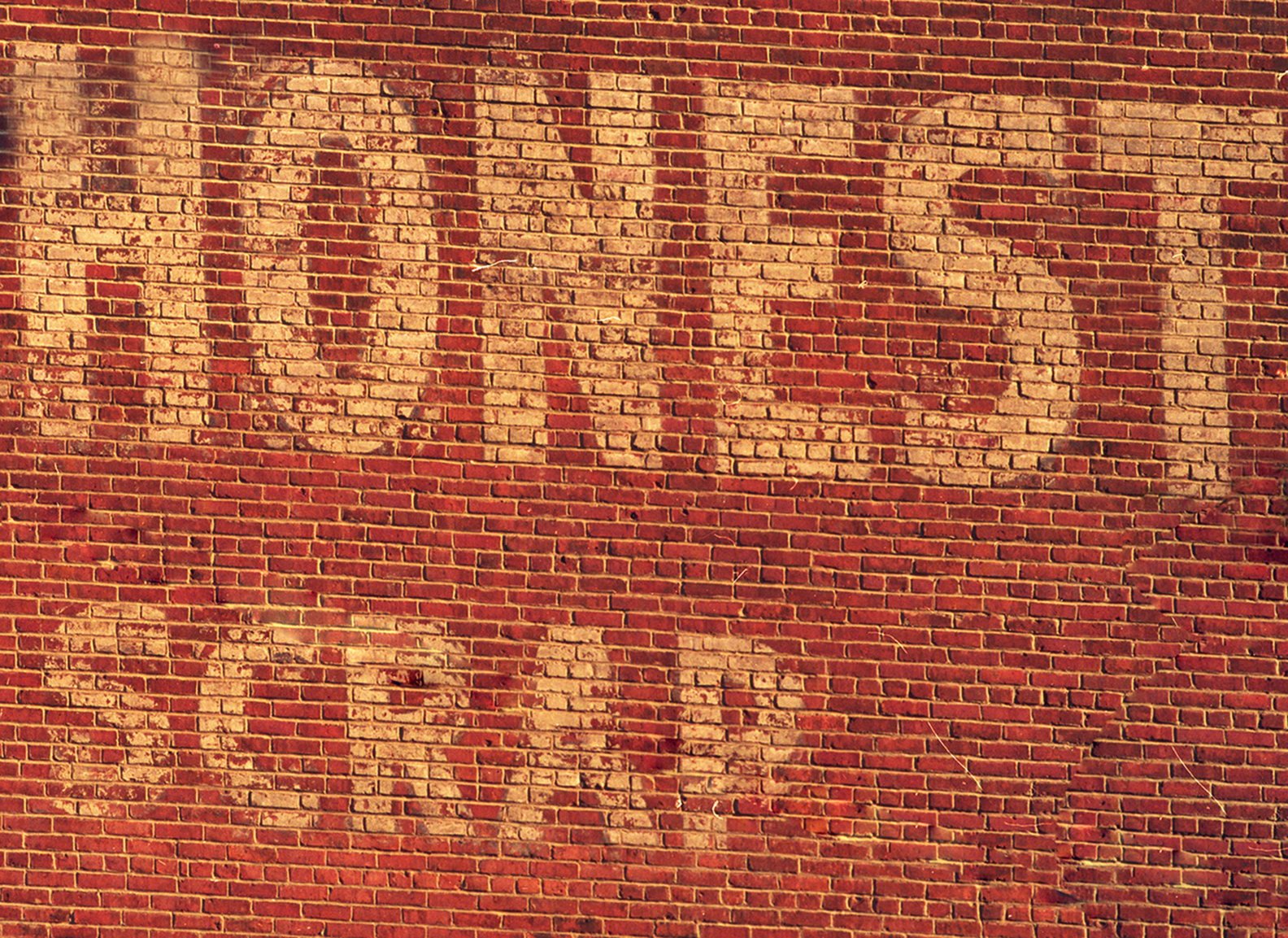
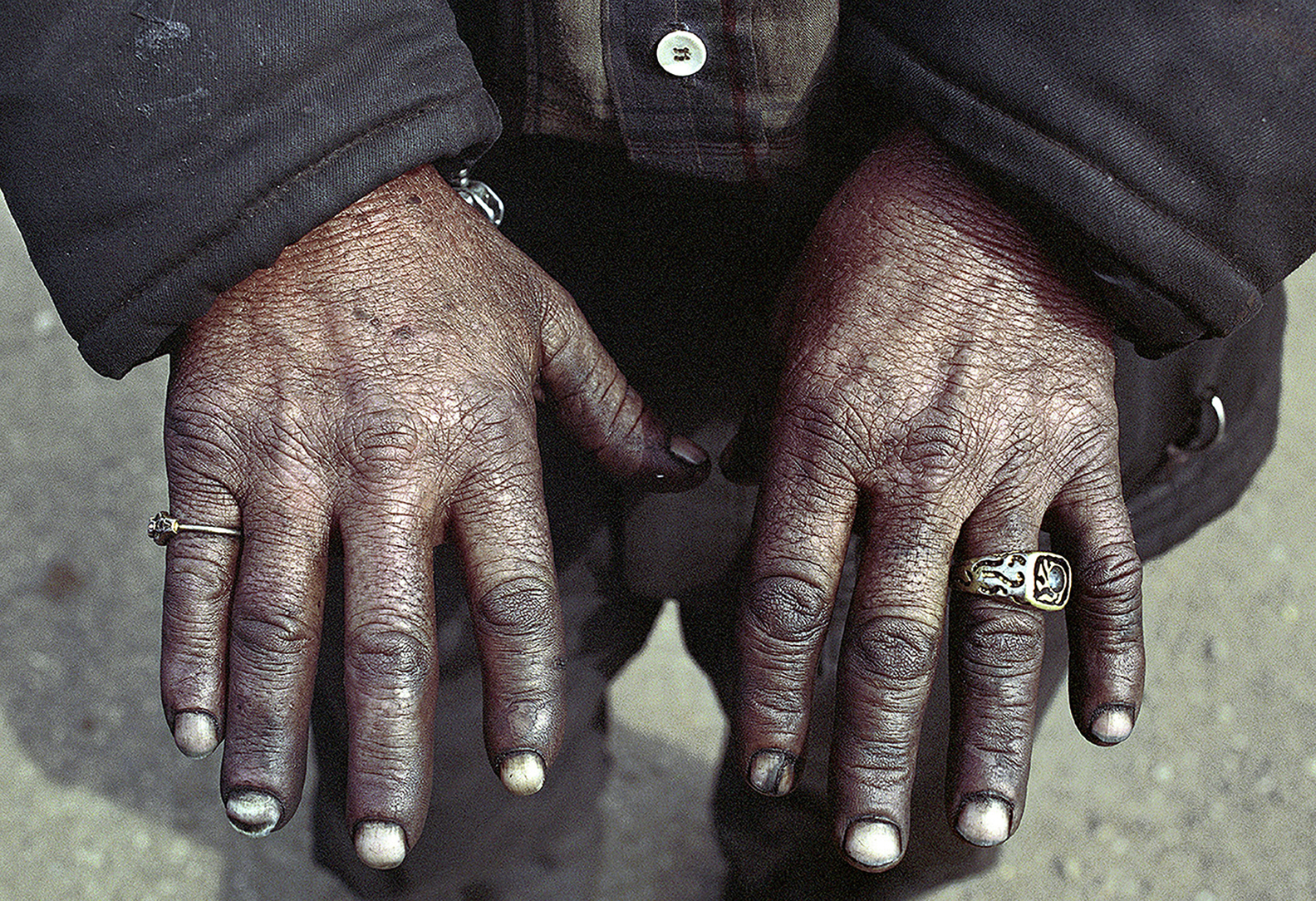
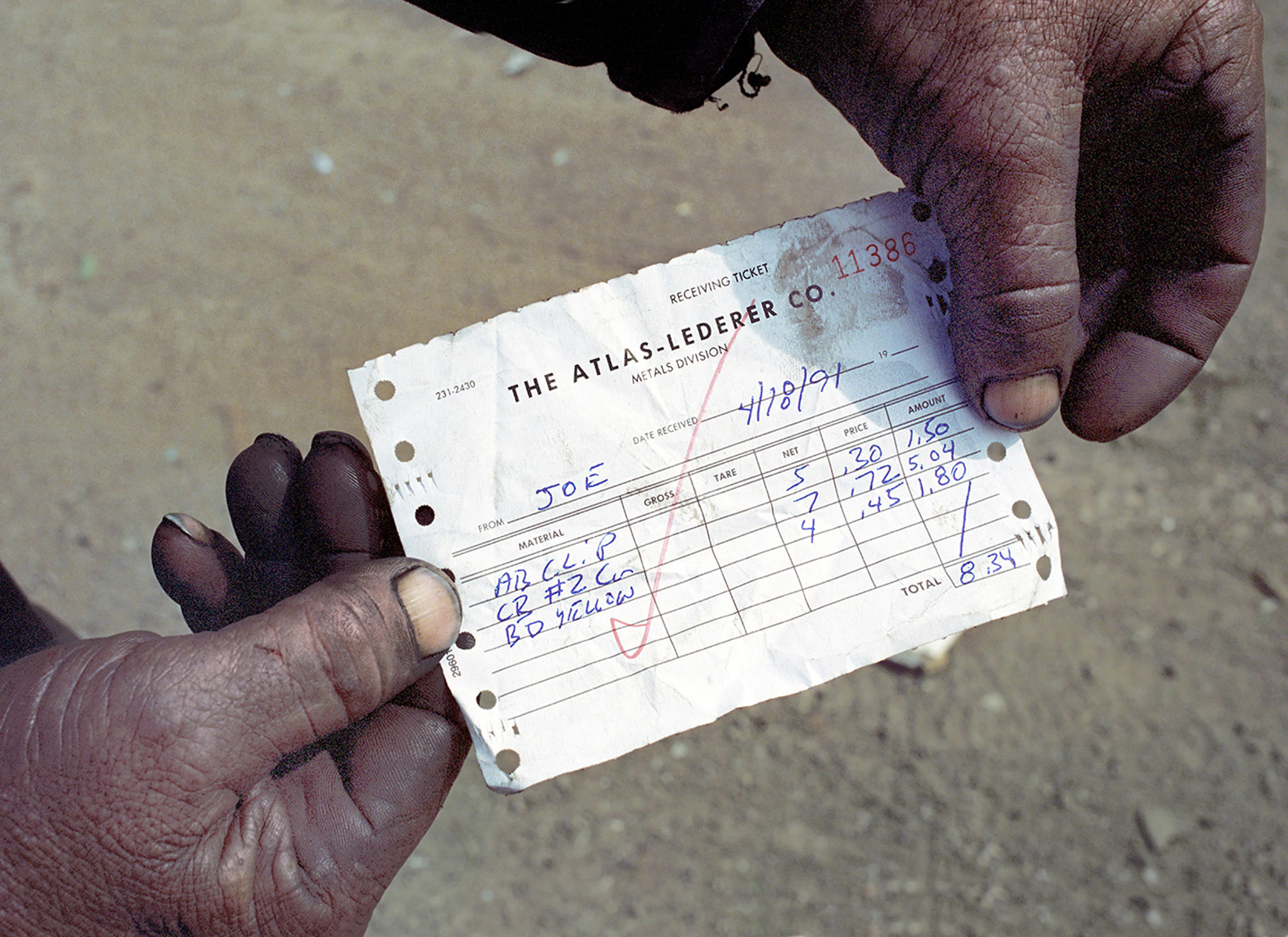
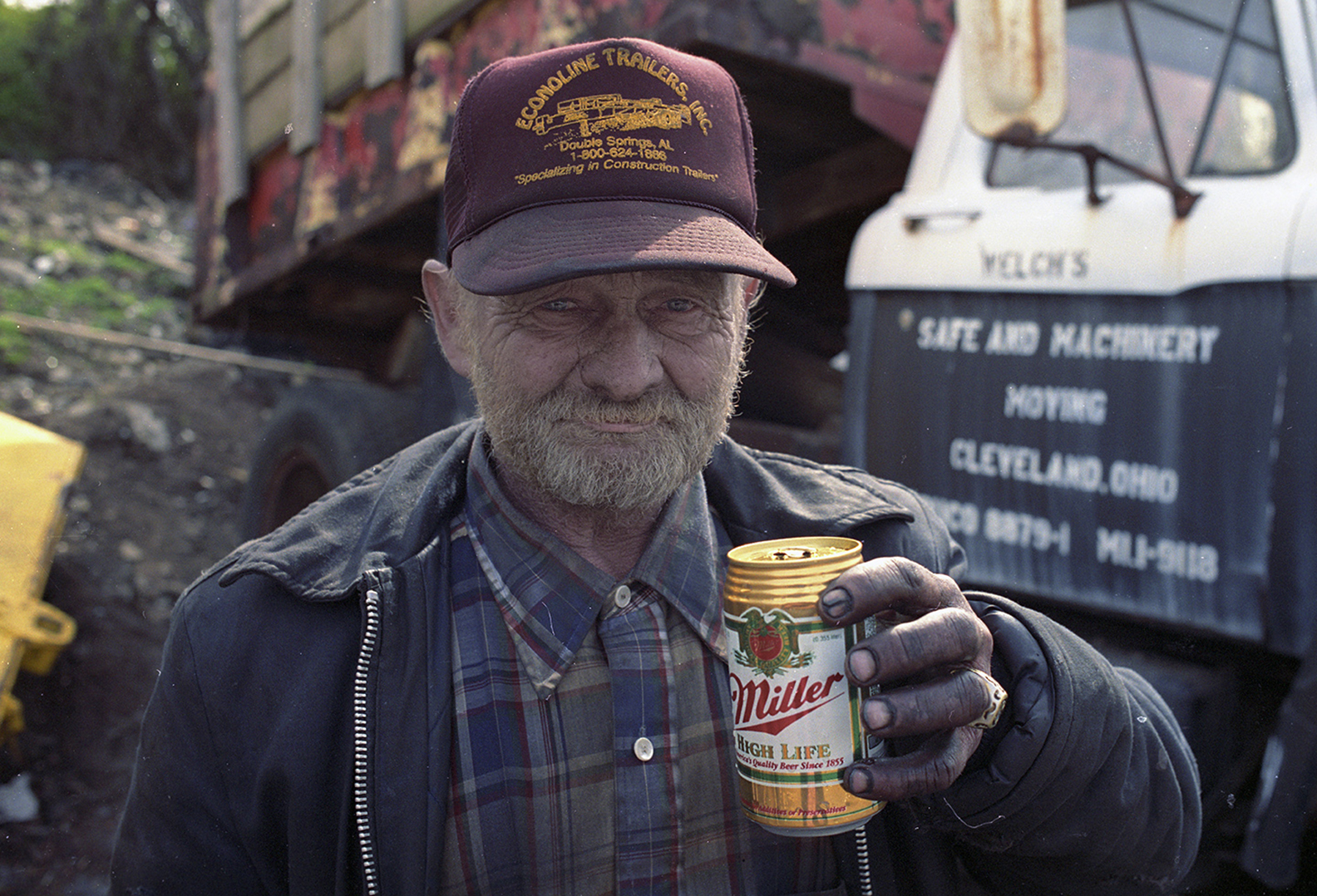
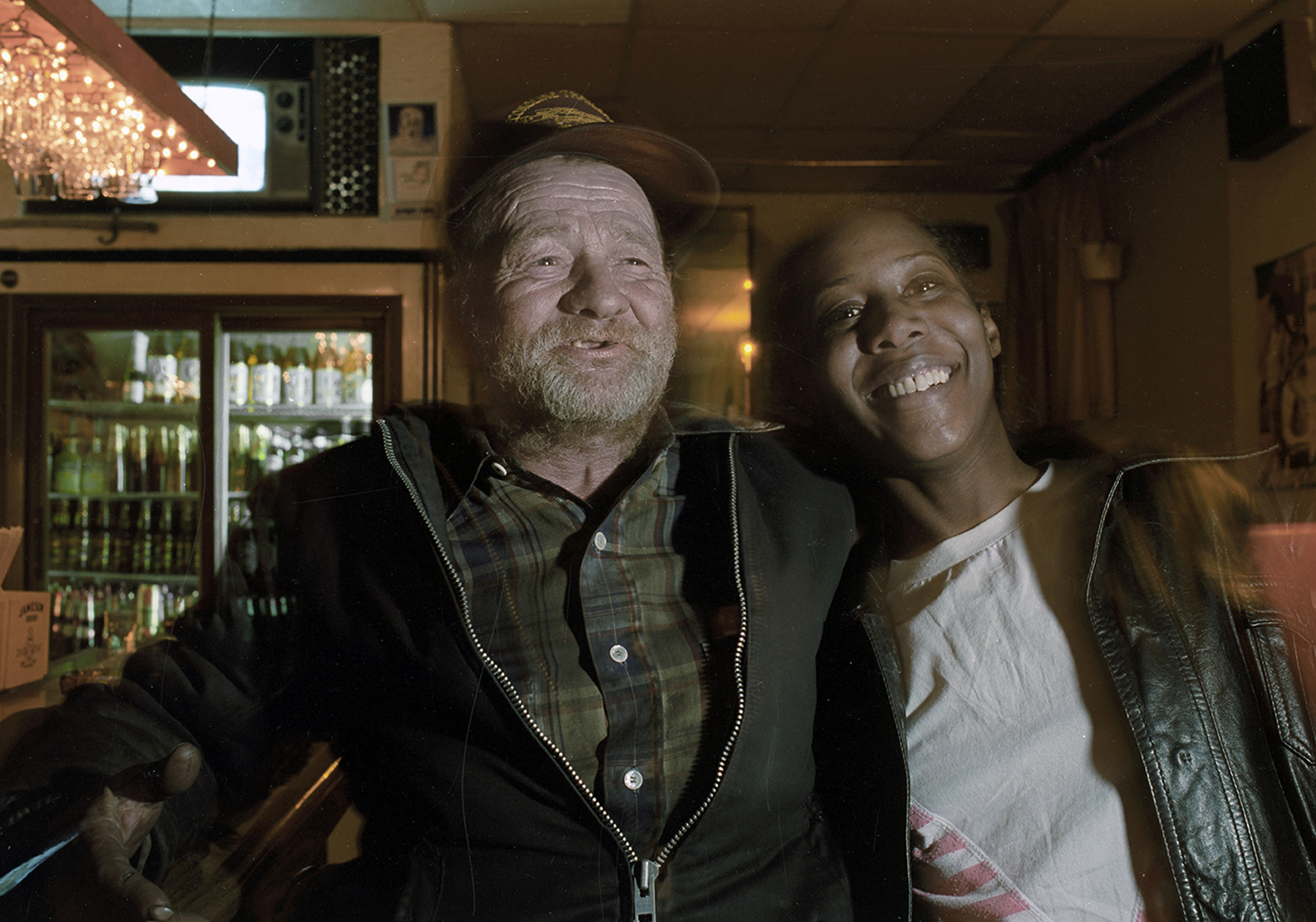
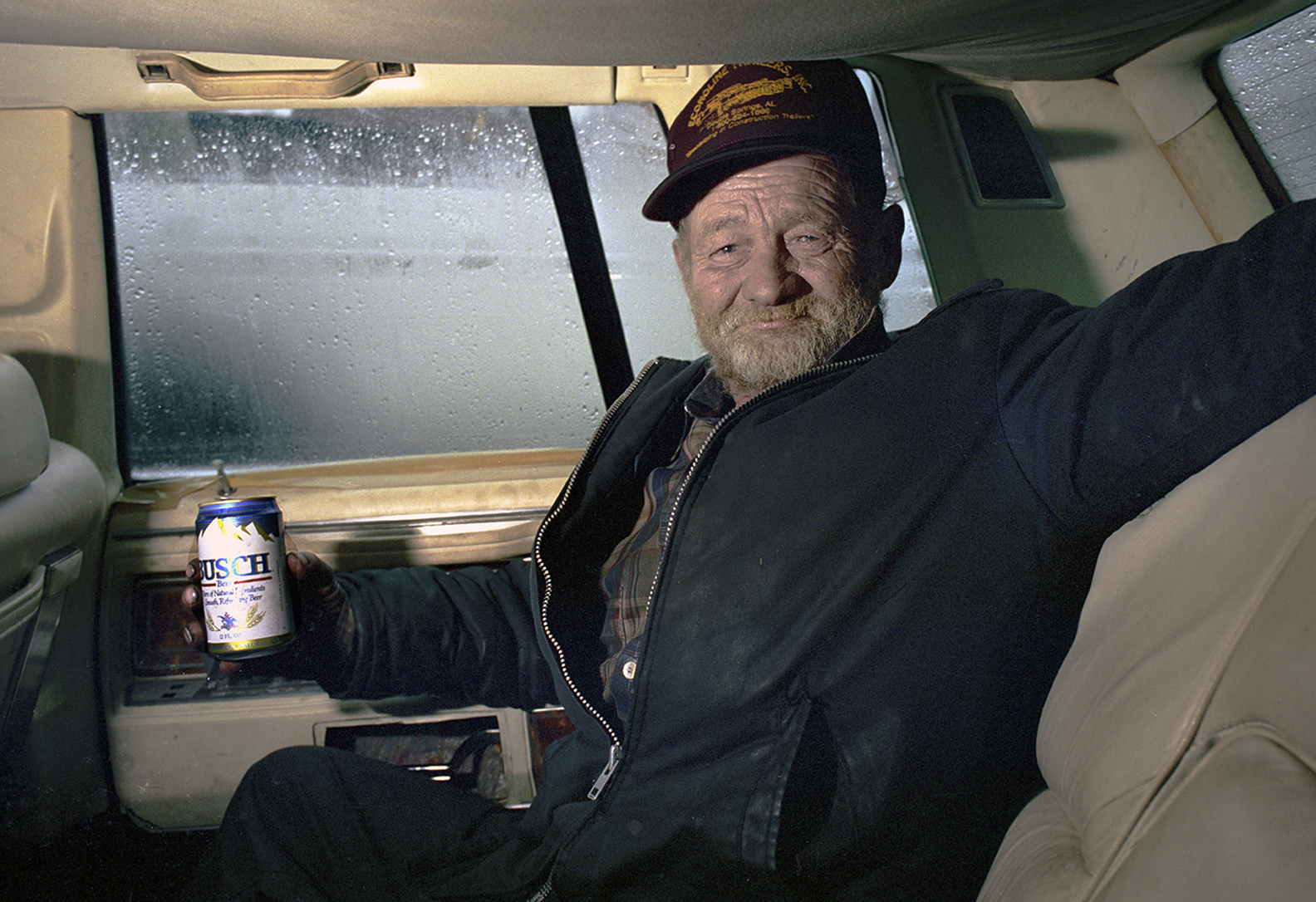
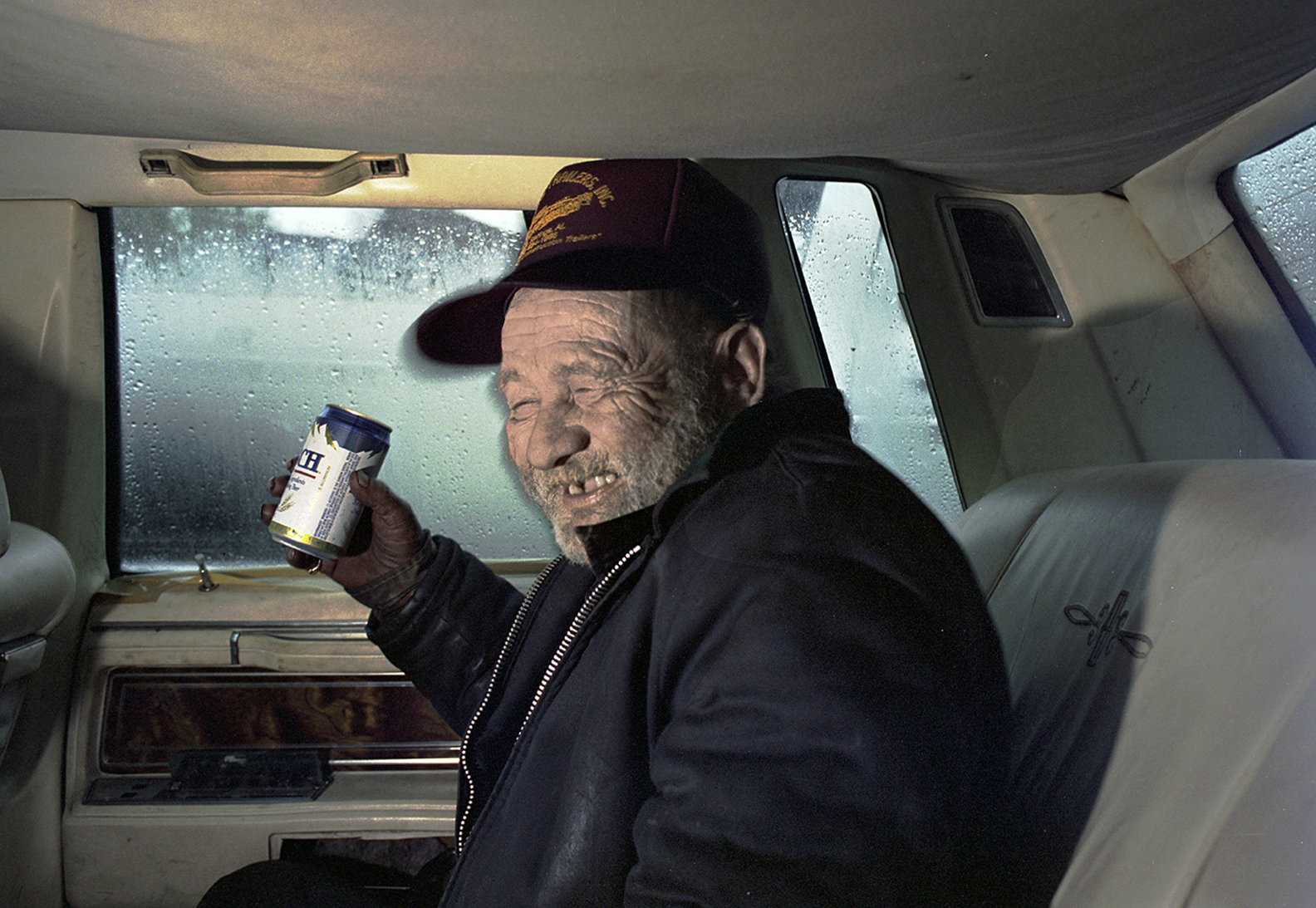
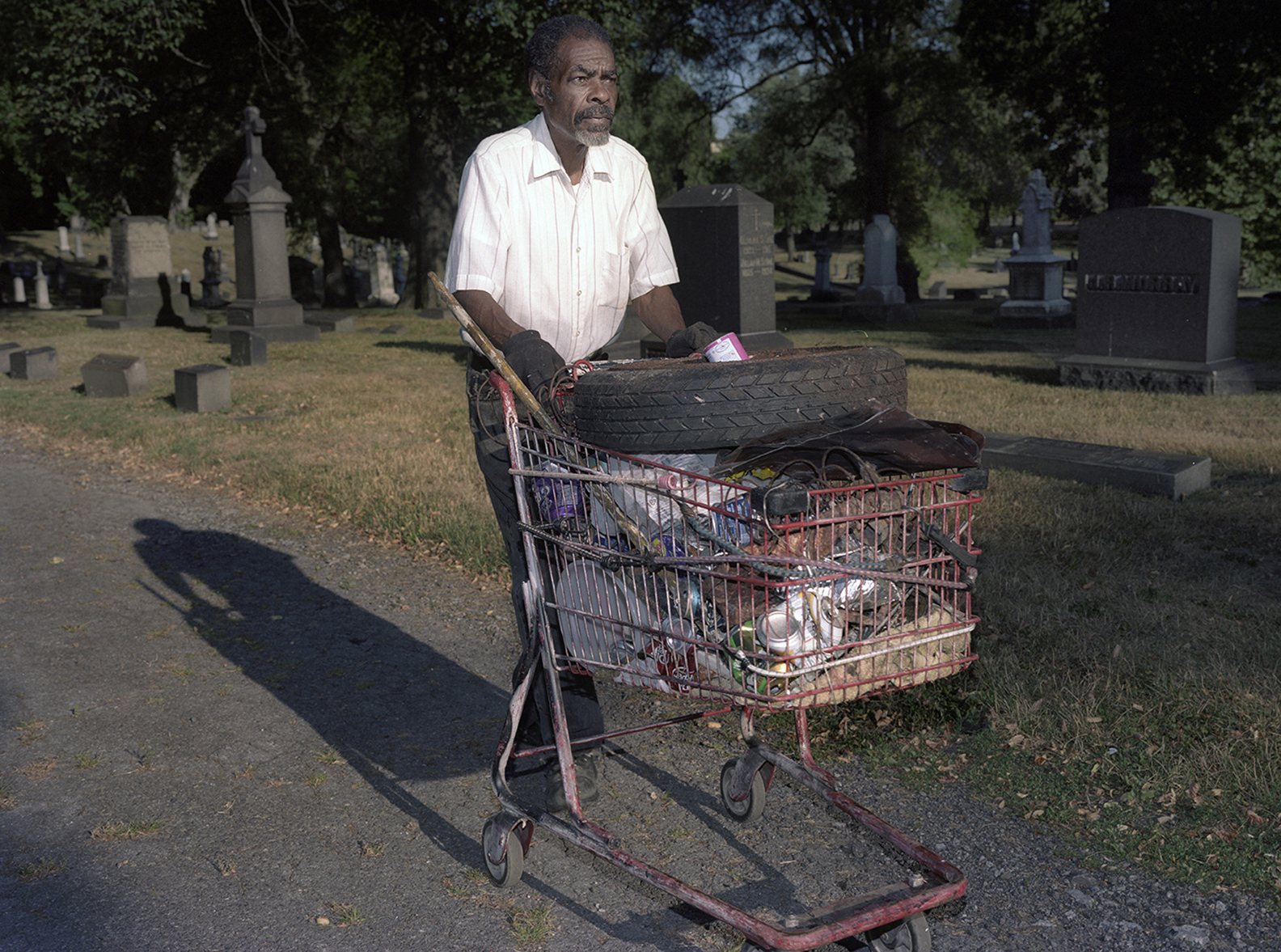
These plant demolitions really brought out the scrappers as large quantities of metals would lie exposed.Scrappers Cut Through Woodland Cemetery to the ScrapyardOn the east side, around the Triangle, a particular scrapyard on East 55th Street, was often the destinaton for many scrappers as they cut through Beaver Heights to East 55th Street.Ernest's Home, Forgotten Triangle, East 83rd Street, CrossErnest constructed numerous works throughout the land he was squatting on, over the years.Electric Fence Warning, East 56th StreetThis was a huge industrial plant that had closed and became an indoor and outdoor warehouse for large pieces of industrial equipment that is made of metal, and had to be protected from the hungry scrap folkBeware of Dog With Gun, East 36th StreetScrapper's Truck, East 74th StreetScrapper's Truck, East 74th Street, NoteHonest ScrapAdvertisement from the 1930s for honest scrap chewing tobacco on the side of a building at East 49th and BroadwayThe Hands of Joe YostJoe's Receipt for ScrapJoe Yost After WorkJoe sipping a cold one after a day off labor at Tires Tires Tires, across the street at the party center (cheat spot).Joe Yost & Bartender at Amber LoungeJoe & Friend at Amber Lounge, Buckeye RoadJoe in the Back Seat of BoBo's Lincoln, LaughingJoe in the Back Seat of BoBo's Lincoln, LaughingJoe YostJoe ended up marrying around 1995 and living with his wife in the projects in the Triangle, close by the tire shop he worked at on East 83rd Street. Joe died soon after that.Owner of East 41st Street ScrapyardE. 41st St., part of the inner core and all the section of the city was largely antique unrehabbed old homes, some of them quite large and emprt lots. In the midst of all, this was a working scrapyard.Work for Hire, Morgan AvenueMorgan Avenue was completely lined with industrial properties. All eventually shut down and some were leased out to container farms or auto repair shops in the lake.Chucky, street scraper specializing in cans.I would often see Chucky all over the east side. And mostly walked.Chucky collecting cans in his neighborhood.Chucky is an example, of a good soul, hobbled by handicaps, that goes out every day and legally collects cans. I've seen Chucky, on foot, cover miles of city blocks and neighborhoods in a single day.Customer Strips Out Copper JBI Scrap, East 55th Street 1Customer Strips Out Copper JBI Scrap, East 55th Street 2Happy scrappersAfter getting paid, the first stop is gas and the convenience store.Cepheus Stops to SipCespheus, Greek for the leader of Andromeda, takes a break, coming back from the scrapyard. Cepheus is a casual scrapper, has a home, and simply likes to work the streets and chill.Censpheus inside St. John's Cemetery with Load of Gutters & CansThe steel and aluminum industry are, hands down, the most recyclable materials in the world, and scrappers do more than their part in the effort to recycle back the metals we use daily,Brian, the Day We Meet, Quincy AvenueBrian on James Baker's Front PorchBrian, was more an entertainer than a scrapper, in some ways.
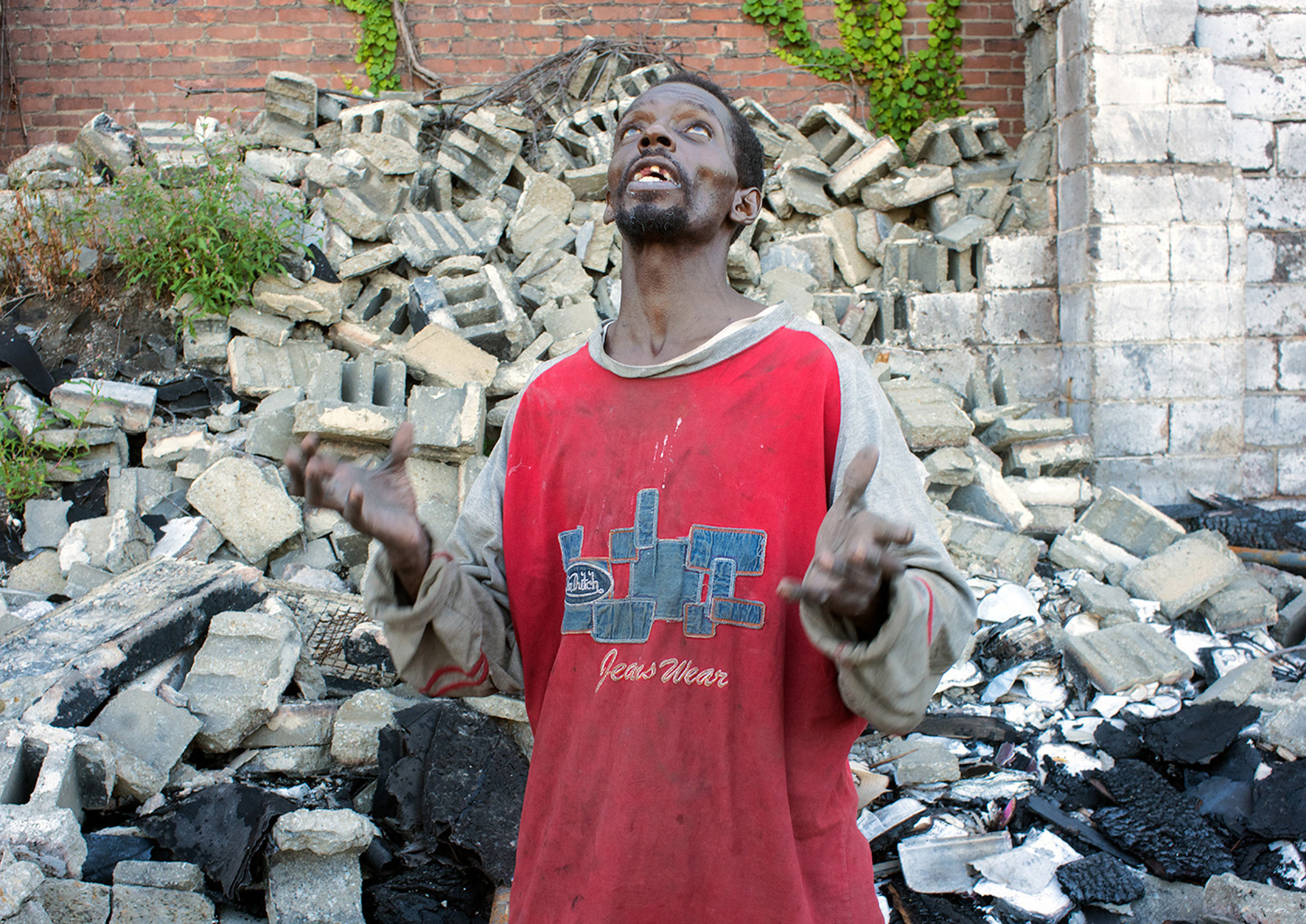
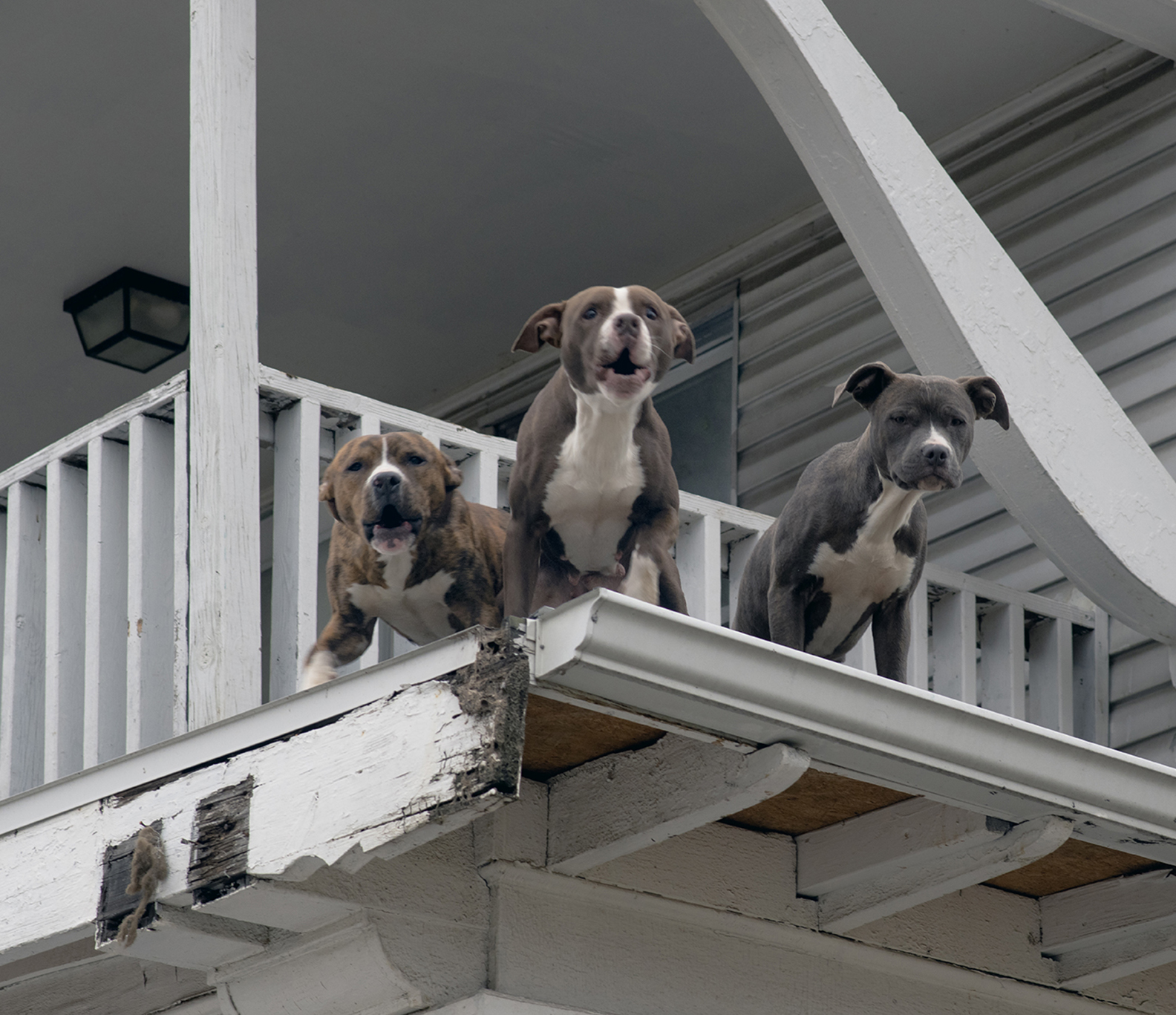
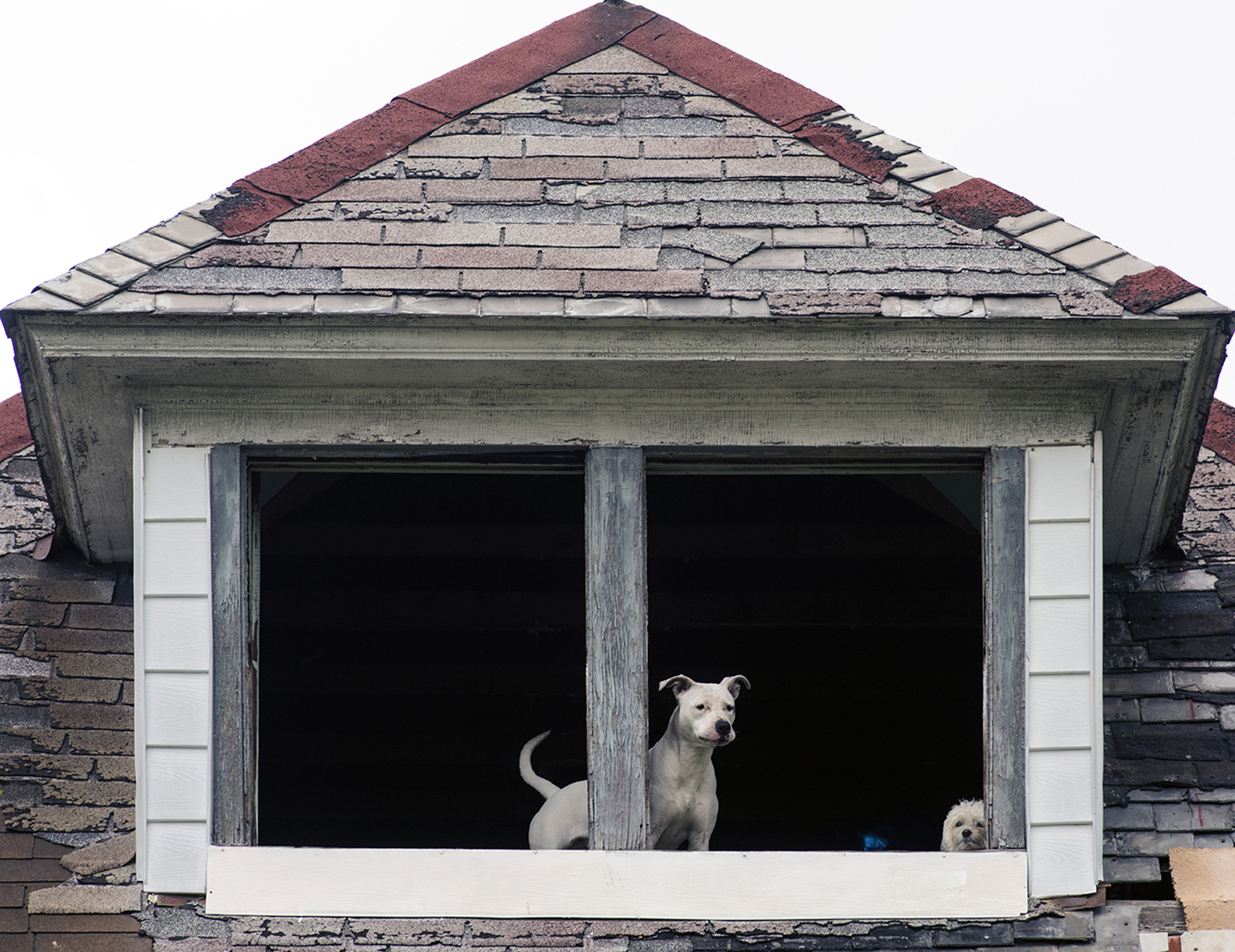
I probabaly get back with pictures for just about everyone i take pictures of.Pit Bull on RoofIn towns like this, a common practice is to let pit bulls on the roof, and is an effective deterrent and warning system against any intrusions.IgnacioThe stereotypical wild scrapper alcoholic come to life.IgnacioIgnacioI met Ignacio on this day, altough i had seen him around for years.
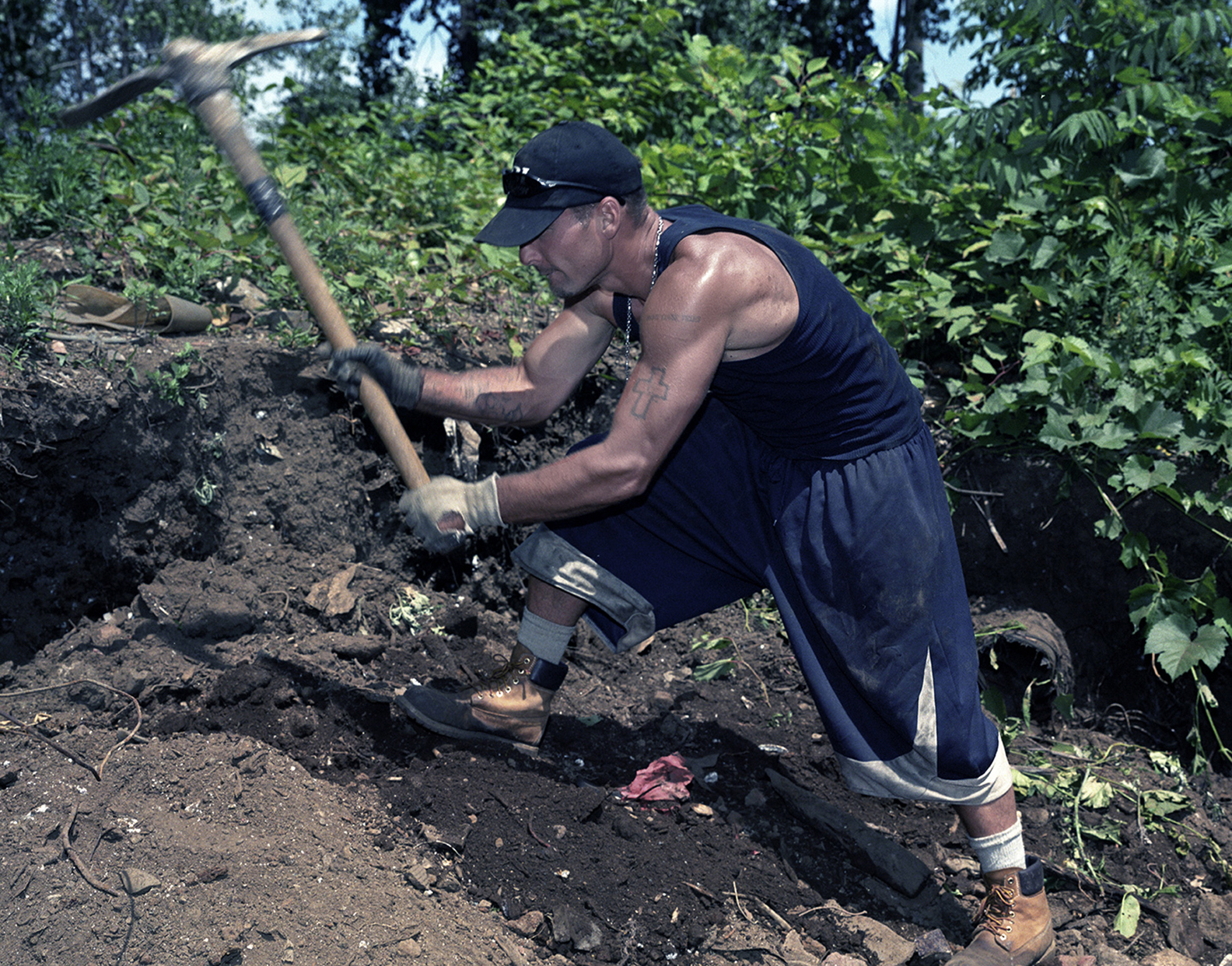
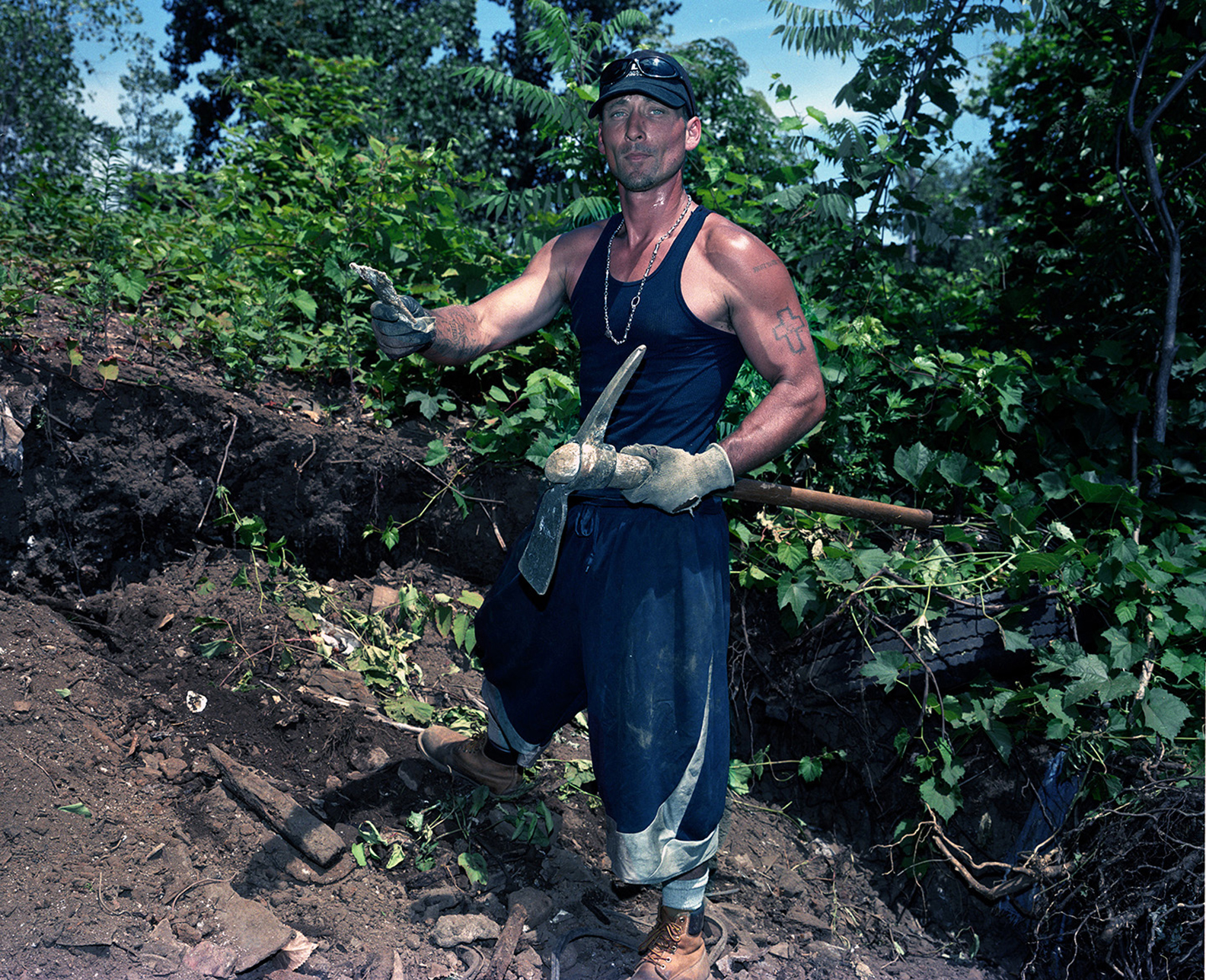
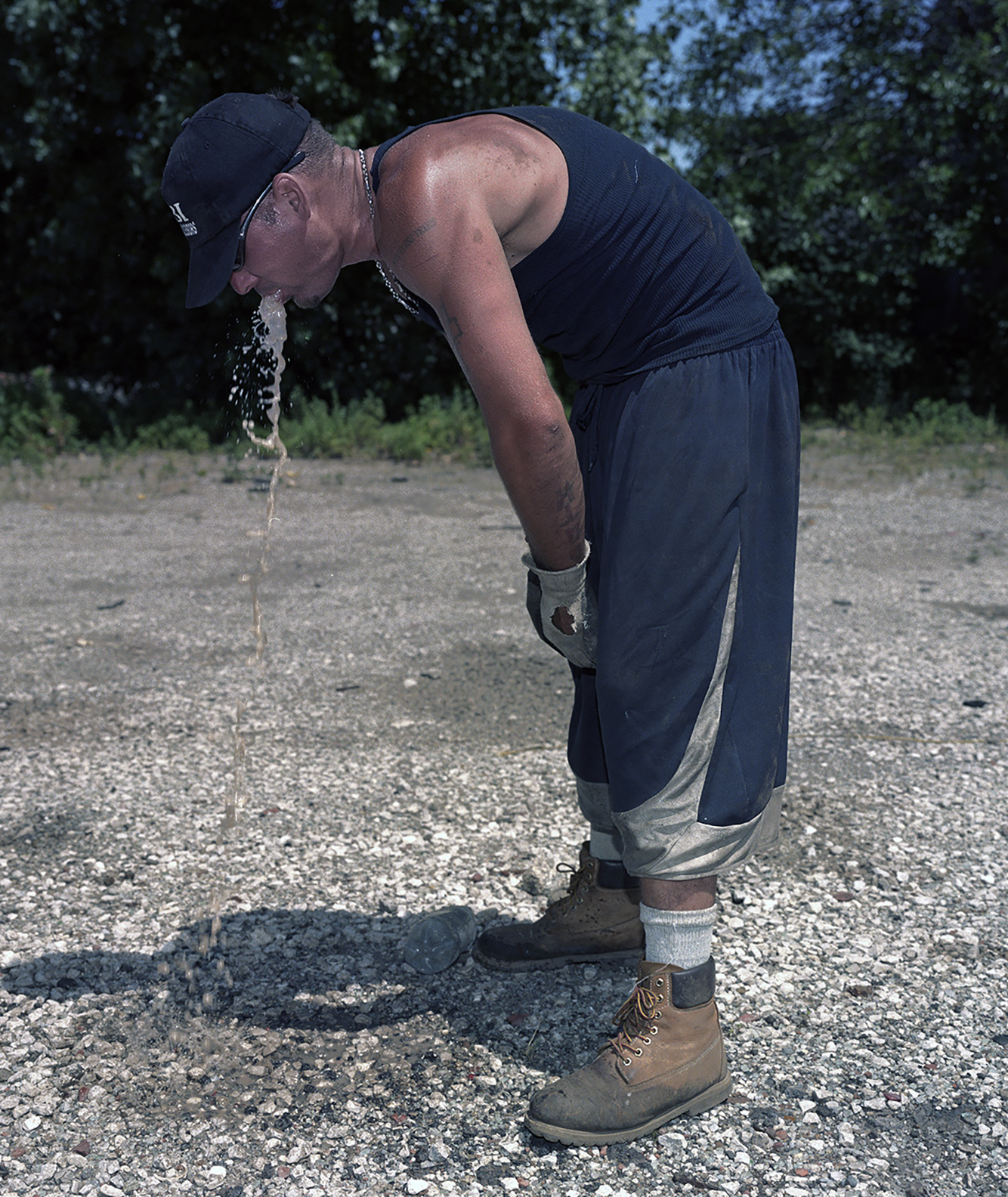
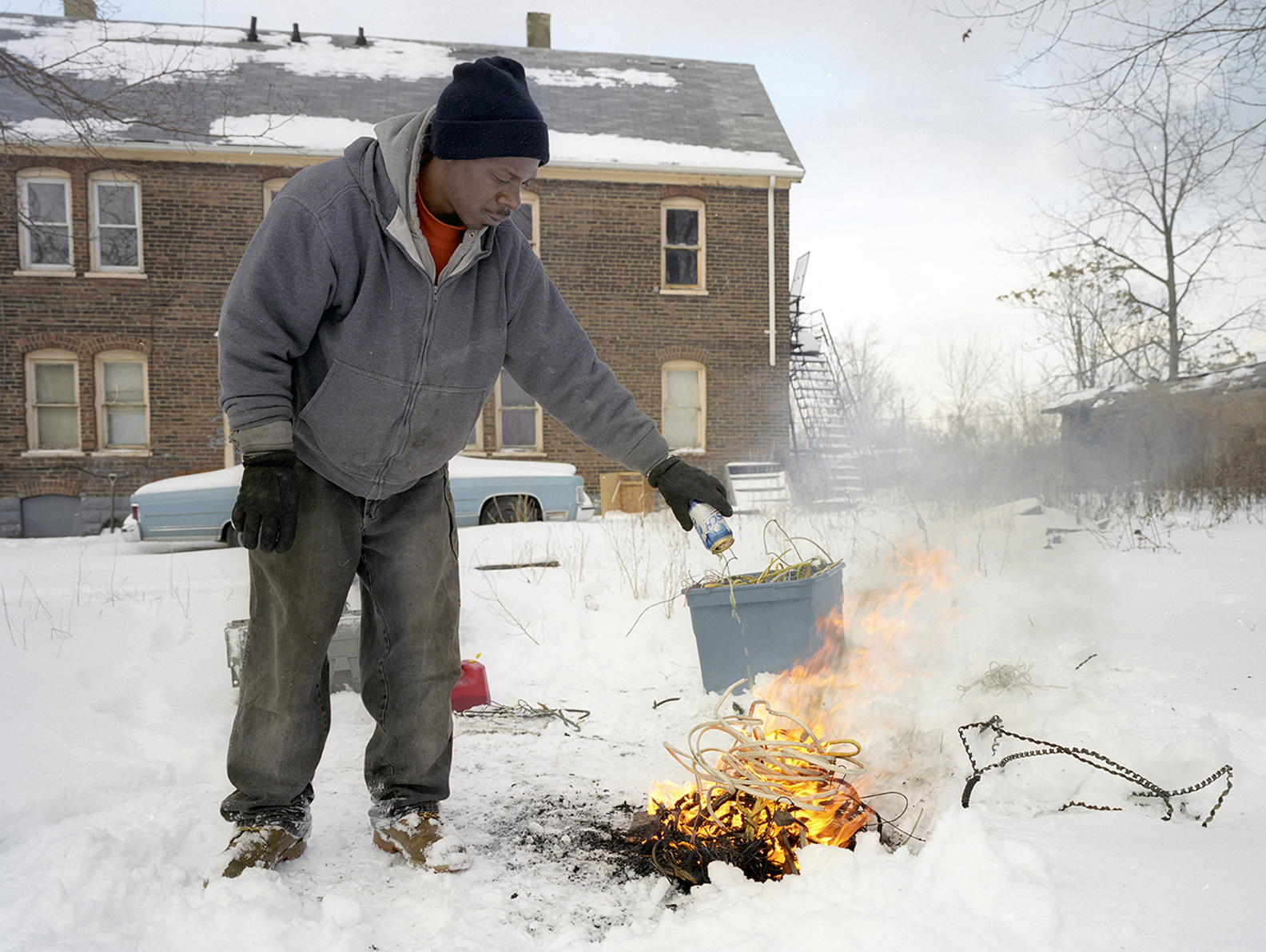
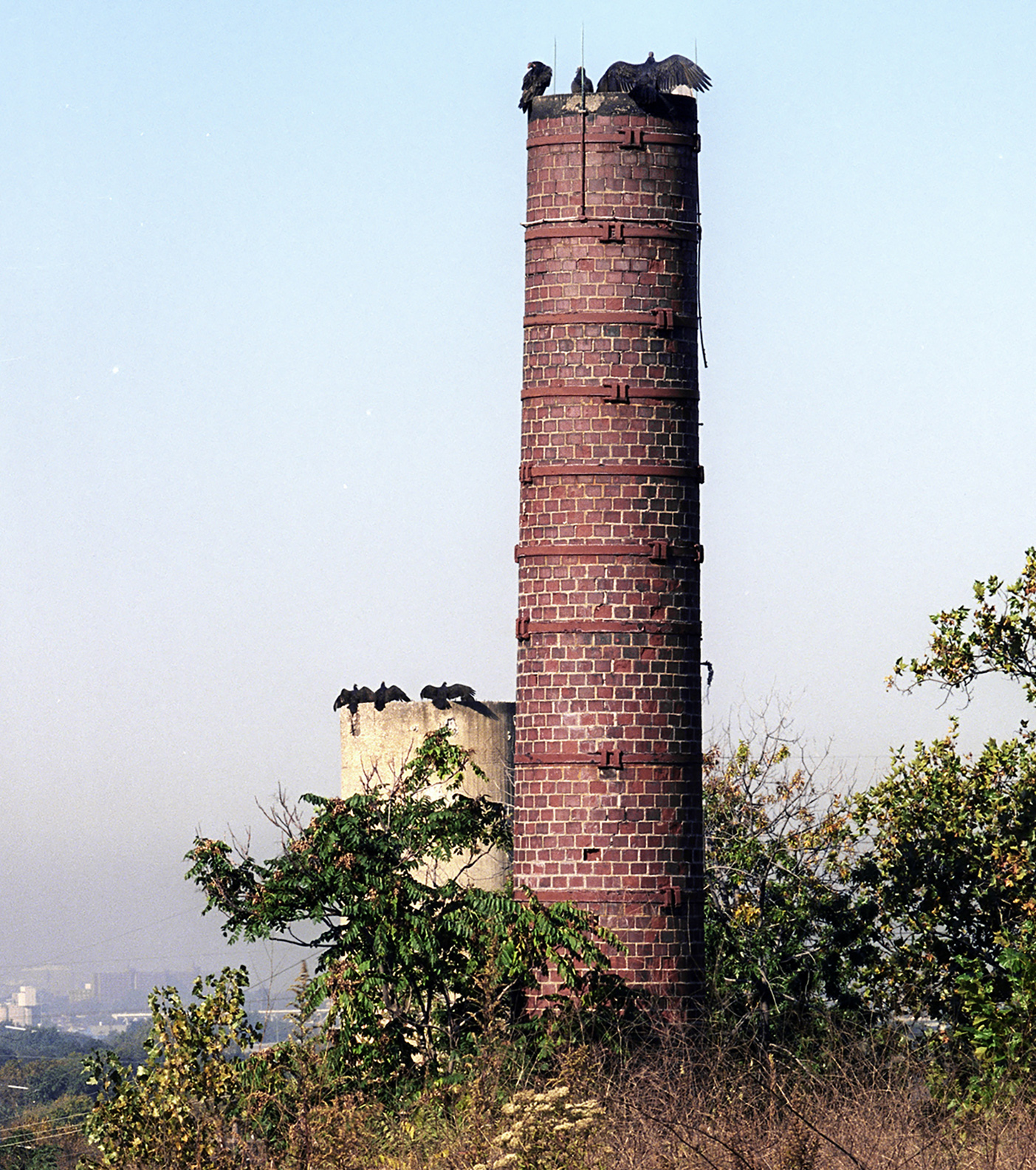
He probably fits the stereotype of the street scrspper - crazy, and, in his case, funny with one wild sense of humor.Danny Digs for MetalsThere were 150 years of metals production and manufacuring in a huge swath of land just outside the Forgotten Tiriangle, another huge swath of gutted city. Most of the structures are gone, but the soil and earth has enough metals to dig out.Danny Finds MetalDanny Pouring Gas on Scrap FireThis how you get the insulation off wiring. It's toxic, but effective.Danny VomitsSynthetic weed, toxic metals and chemicals are not healthy.Buzzard on a ChimneyLocally the big ironic thing on March 15th every year is to go out into Metroparks, a green band that loops around Cleveland, and welcome the return of the buzzard popualtion to Hinckley, 30 miles to the south.
Clevelanders only have to look out their windows to see the return of the turkey vultures, and, in, what came to be known as the Forgotten Triangle, committees of buzzards have found a natural home. For a long time there were far more abandoned homes than ones that were occupied here, then, later, you were lucky to find even an abandoned home. All the abundant industry had left years ago, and the factory buildings are mostly demolished. Everything in the Triangle has gone that way since the seventies - returning to nature.
Fond of the many abandoned remaining chimneys and smokestacks of the Tirangle, and the abundance of dead meat, there were many committees of vulyures therough nthe city. The abundant flora and fauna that was returning, like the buzzards themselves, to their roots, was turning the clock back by 120 years. And the view, stretching all the way downtown, is, also, apparently to the buzzards liking.
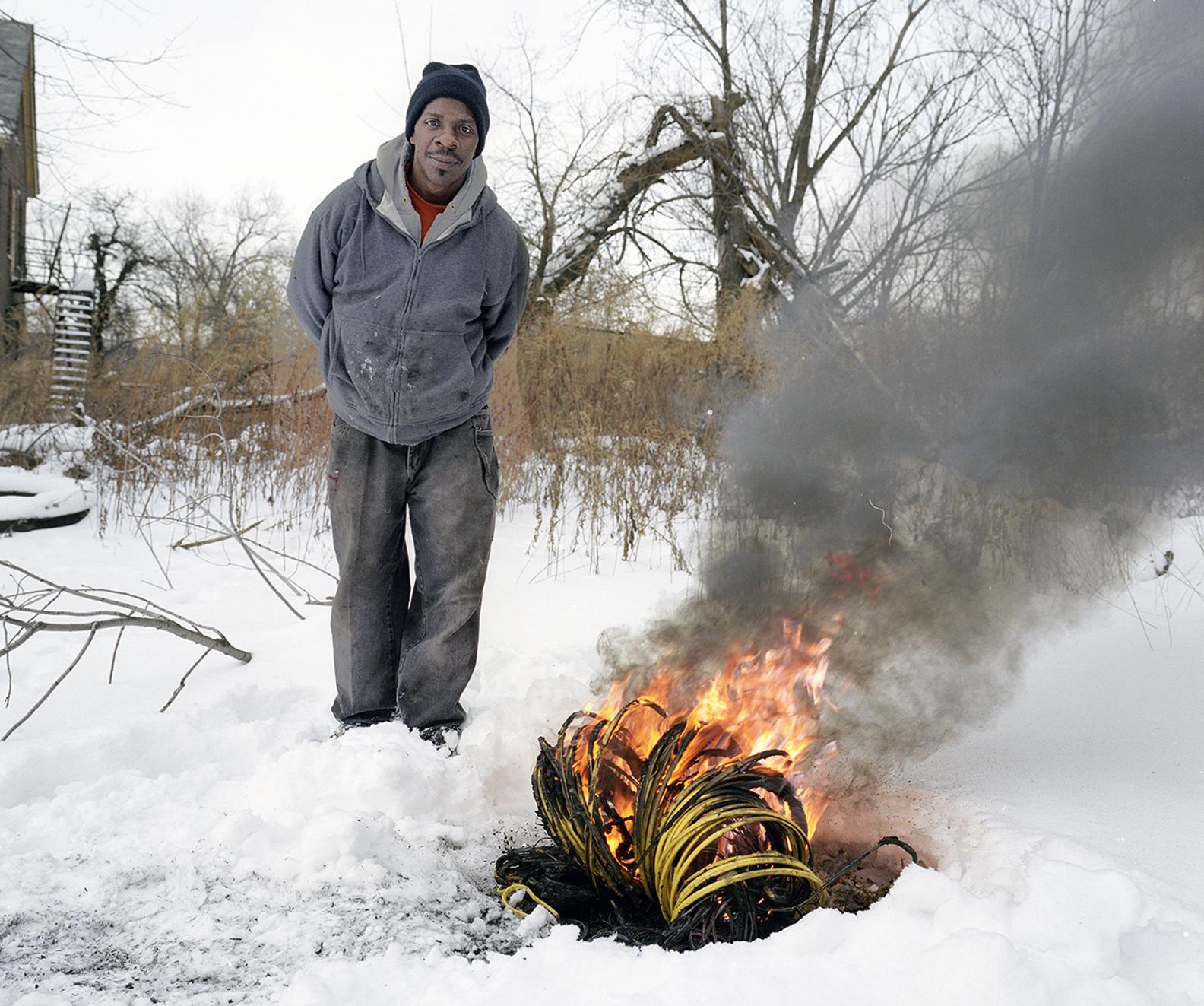
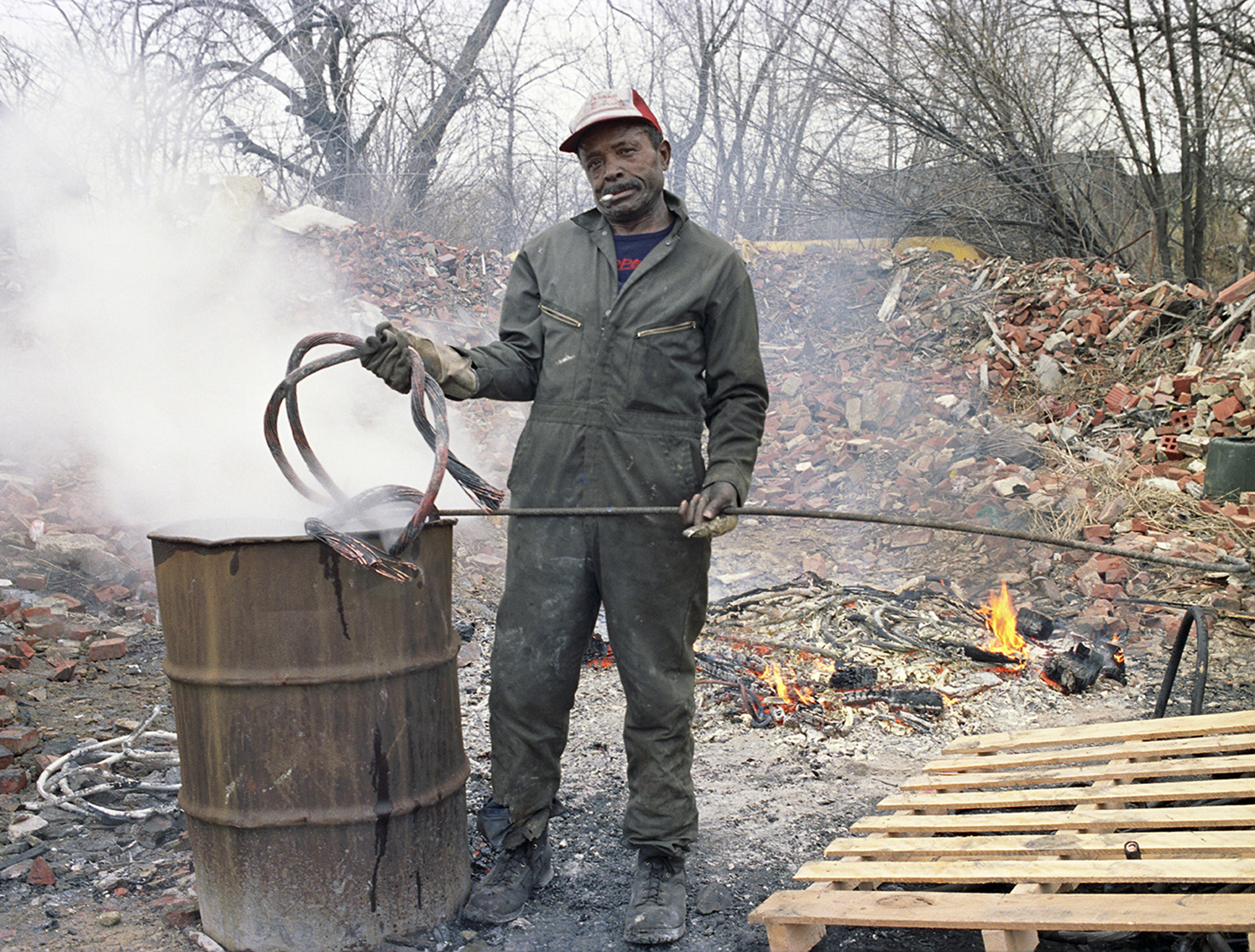
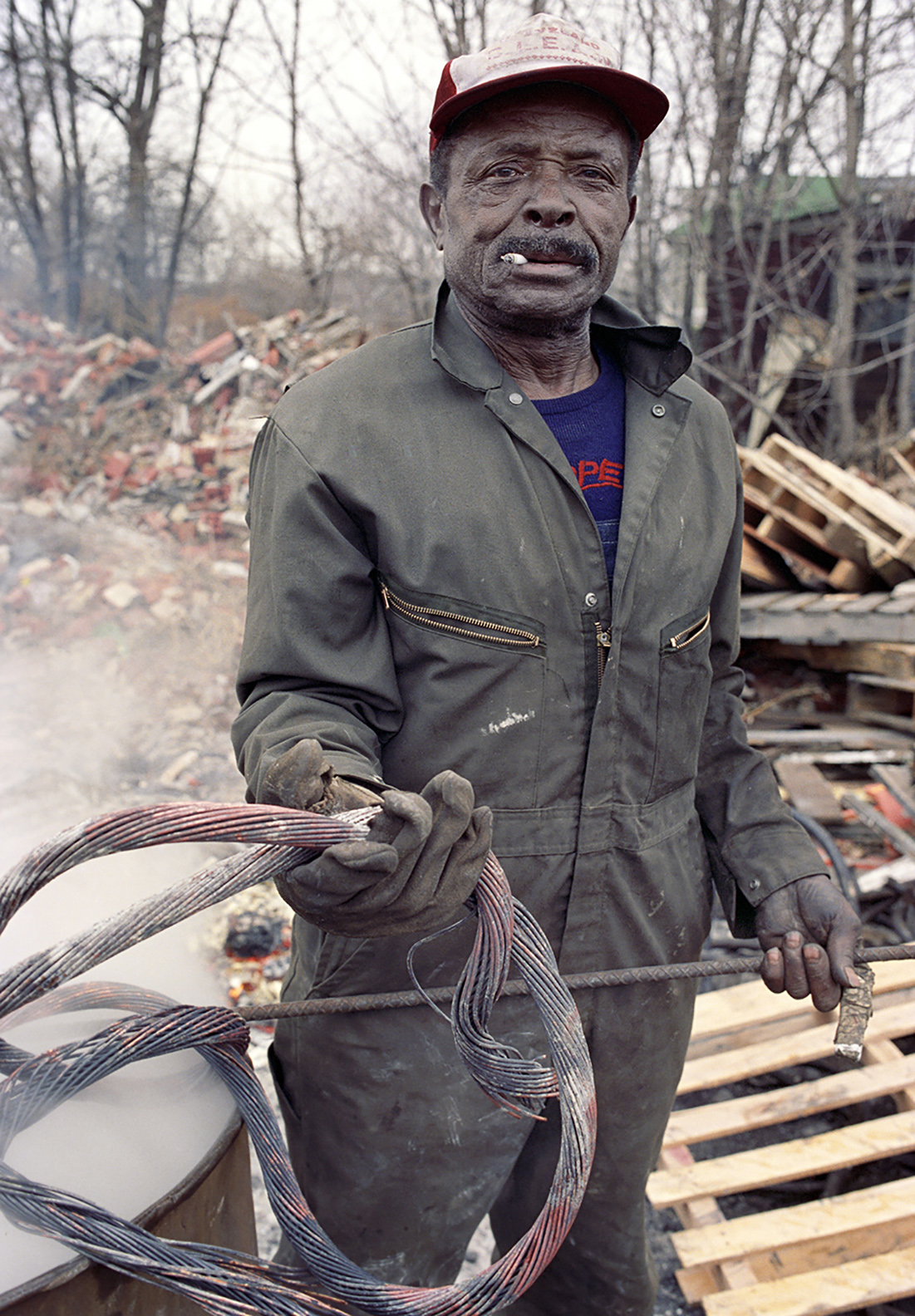
The locals love to call these birds buzzards, but they are really vultures of the genus, turkey.Victory White Metals DemolitionLarry, Burning Off Insulation in the TriangleBy 2006 open fires for the purpose of stripping wire was becoming rare. Priot to this large open fires were all over the Triangle and the city for many years. This is East 82nd Street, the heart of the Triaagle, where the firestorm began in the summer in 1976.Larry Stoking the FireLarry lives in the house in the background. Locals integrate scrapping into their daily routines, with so much metal lying around the devastated streets, why not? And, of course, metals are the most recycled material in the world, and, while primitive, does help the environments.Larry, Burning Off Insulation in the TriangleNothing to be ashamed of out here, with his home in the background in his own neighborhood, Larry cleans things up, makes some dough and supplements his job in a very poor place.
And as history has played out, even Larry's house is gone now, as is just about everything in the heart of the Triangle.Gus Casually Burns Off Insulation, East 83rd Street, the Triangle.Scrapping is deeply ingrained in the working world. Gus has a good blue-collar job, and dabbles in scrap recycling for a little exrtra dough, when not working.
East 83rd Street is the in the heart of the Triangle, and, by 2009, there was one house left on the entire four block stretch of the street, but folks still came back, until around 2019, when it all vanished. It started in a firestorm in 1975 when 25 homes burnd up one night, and fianlly ended this phase by 2022 when the Opotrunity Corridor was built in the Triangle, finally, wiping it off the map.Burning Insulation Off Wiring From Demolished HouseAnd this is how it's done - source scrap from house with no hope, houses headed to a dump anyways. These guys live scrap, even fishing for it, evey chance thay get.Demo ManI actually was on another mission i do - shooting homes. I showed up this day to take a picture of a house that was quite unique and was in danger of demolition. My instincts are pretty good, but not quite good enough to catch this and when I got there for the shot in the morning the demo was in full swing.
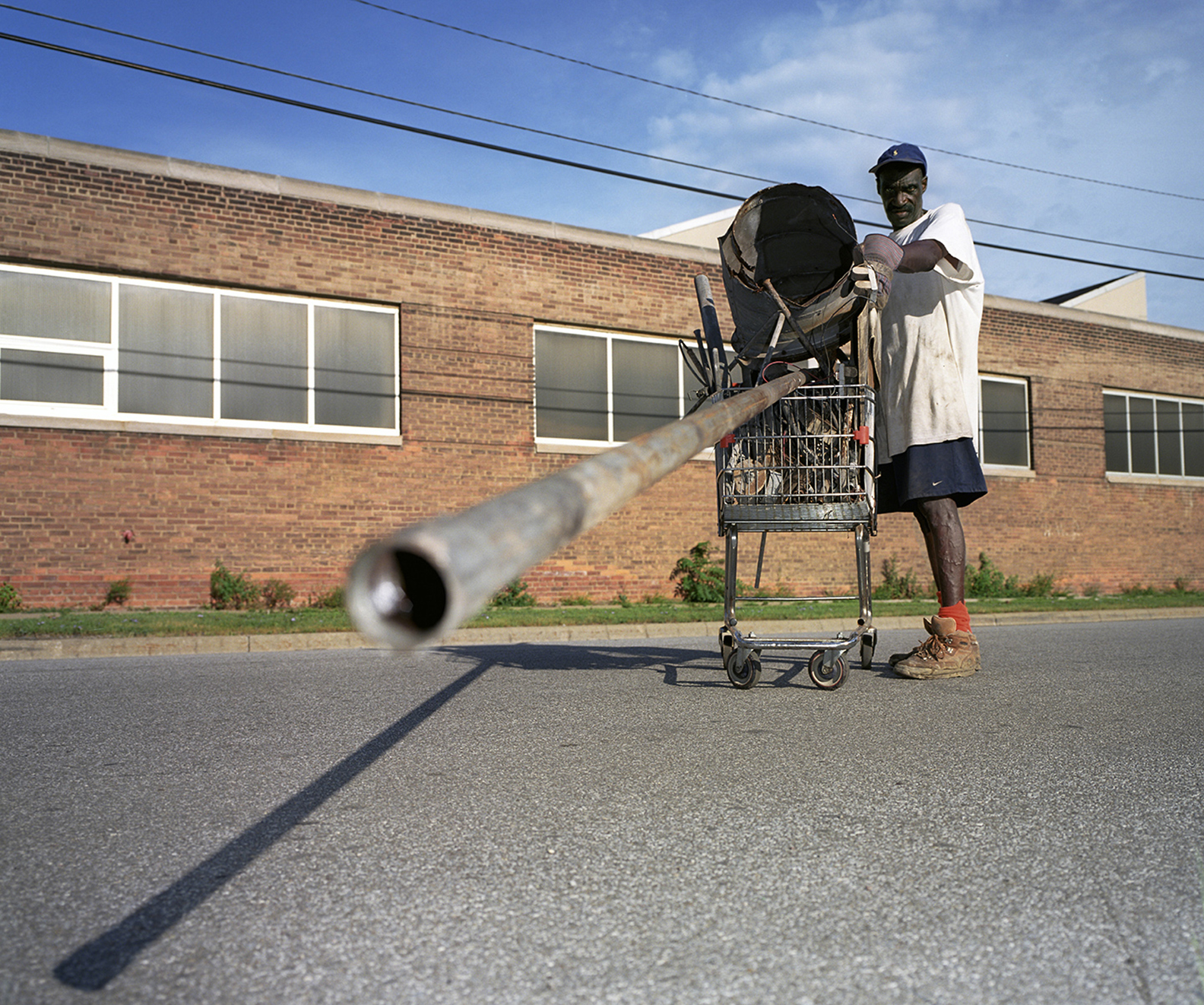
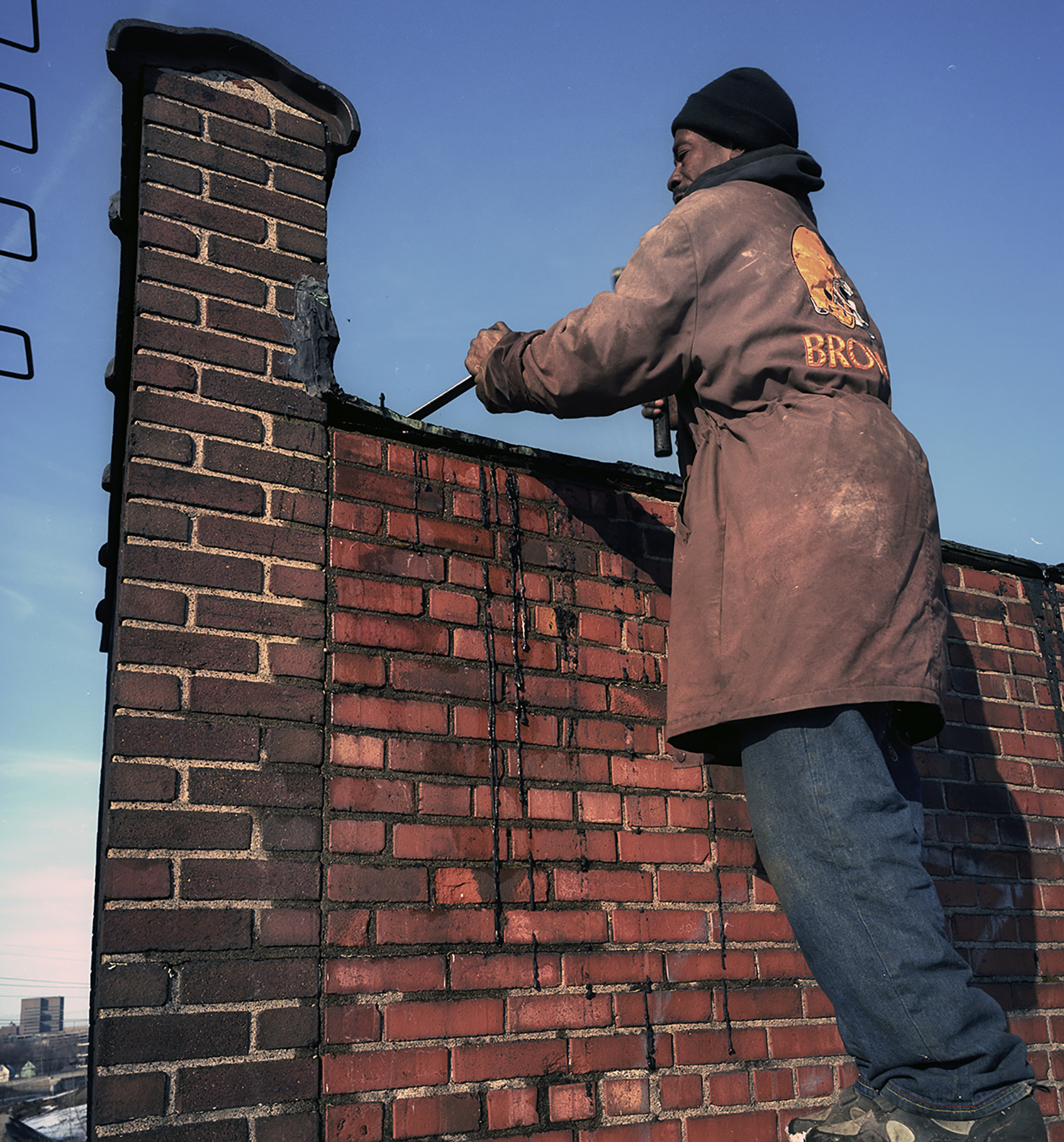
One of the demo crew also did a little scraping on the side, Burning off the insulation that surrounds the copper.Burning Insulation Off Wiring From Demolished HouseAnd this is how it's done - source scrap from house with no hope, houses headed to a dump anyways. These guys live scrap, even fishing for it, evey chance thay get.Hole in RoofTommy on James Baker's carriage houseRoland With Scrap Load, Hamilton AvenueLil Bobby & Uncle Bim Headed to Scrapyard, Beaver Heights, Beaver AvenueWest Side Scrapper, Stockyards DistrictScrapper With Long Pipe, East 64th StreetKiKi & Reggie on Frances AvenueAlthough steel pays about 45 cent a pound, it's still worth the effort to a scrap a locker.Charles Moving Scrap, Victoreen Plant, Woodland Avenue 1Charles Moving Scrap, Victoreen Plant, Woodland Avenue 1Burnt House/Church, East 82nd Street, Forgotten TriangleThe city had a tradition of converting homes to churches, bars, and stores.Volkswagon MemorialOn the west side, at a bus scrapyard, the ownwer pays tribute to the peoples' car.Browns Memorial Water TankThe water tanks and some of the bricks were recycled after the plant's demolition after a huge fire, in 2010.
This was the Jordan automobile plant on East 152nd in Collinwood.
Collinwood was home to numerous car manufactiuring plants, until Detroit finally becom the dominant American city in car manufactruing, by the 1930s.
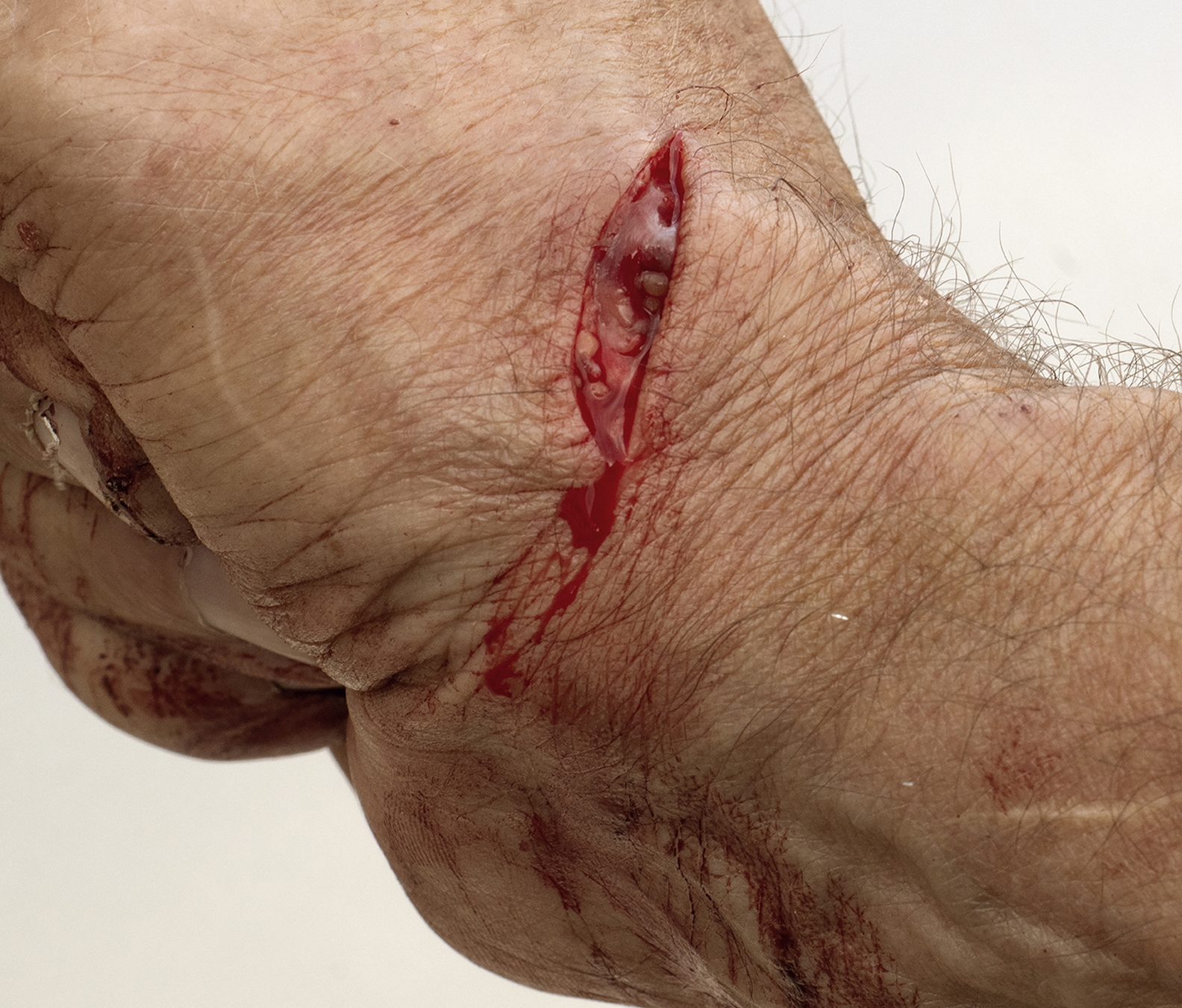
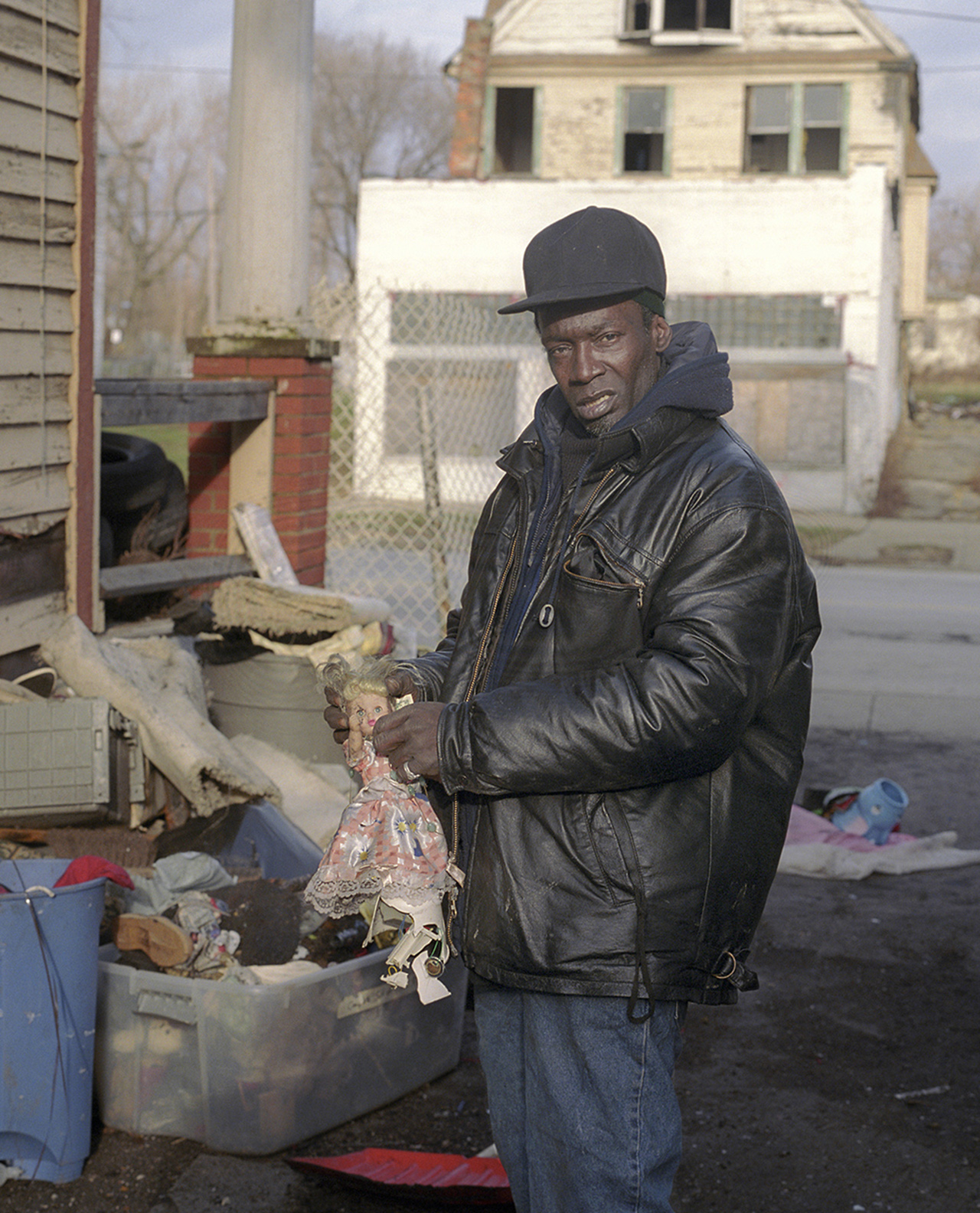
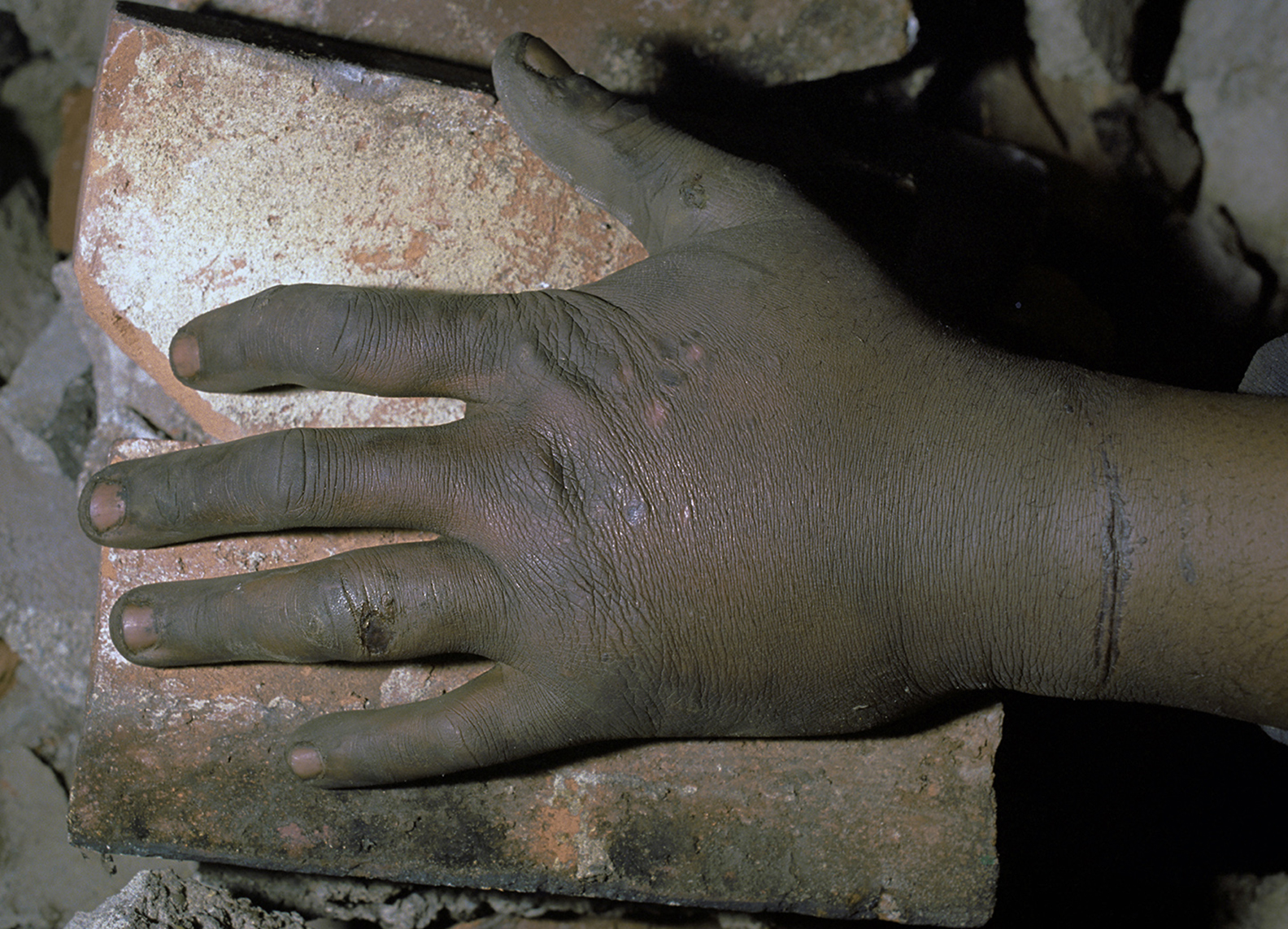
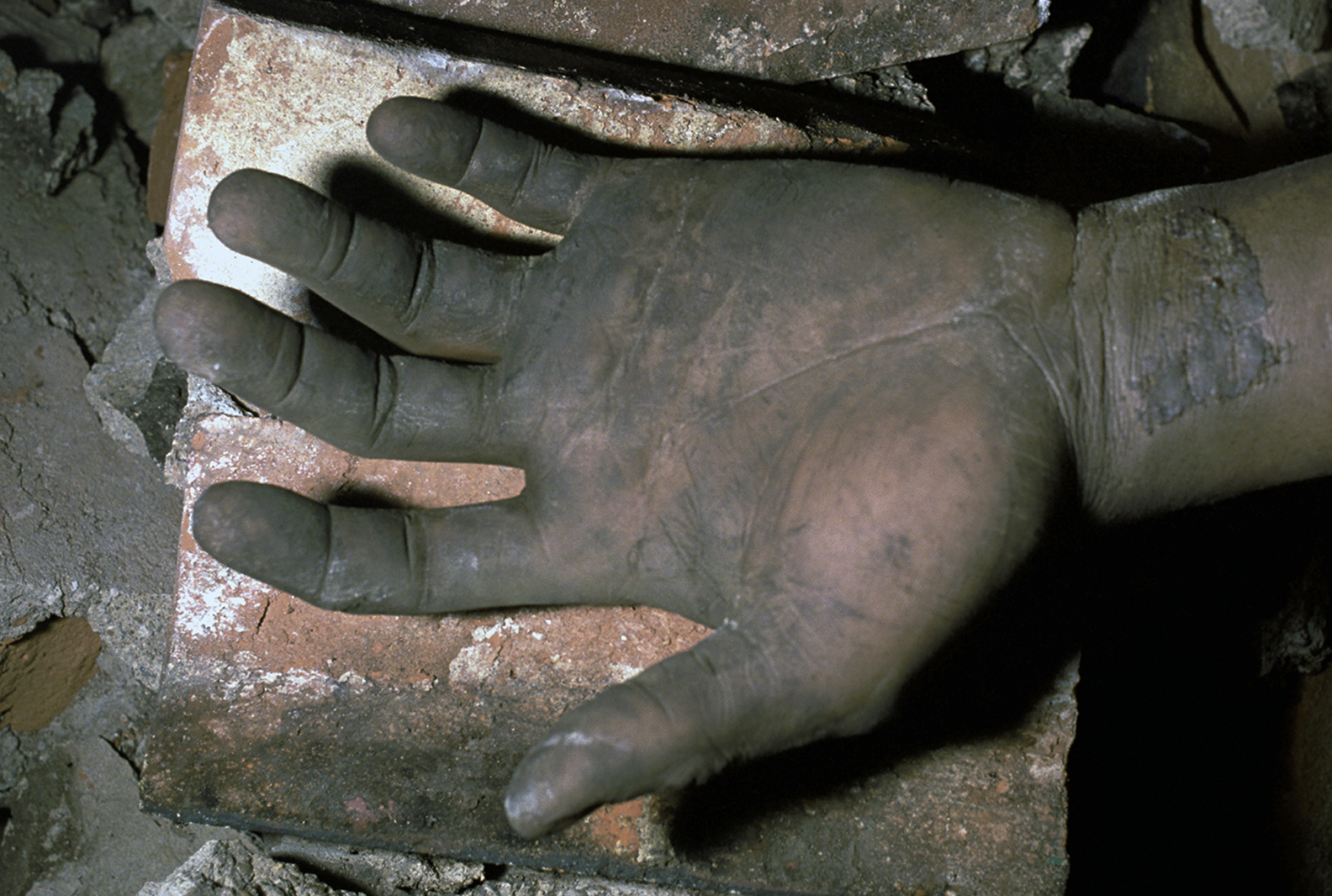
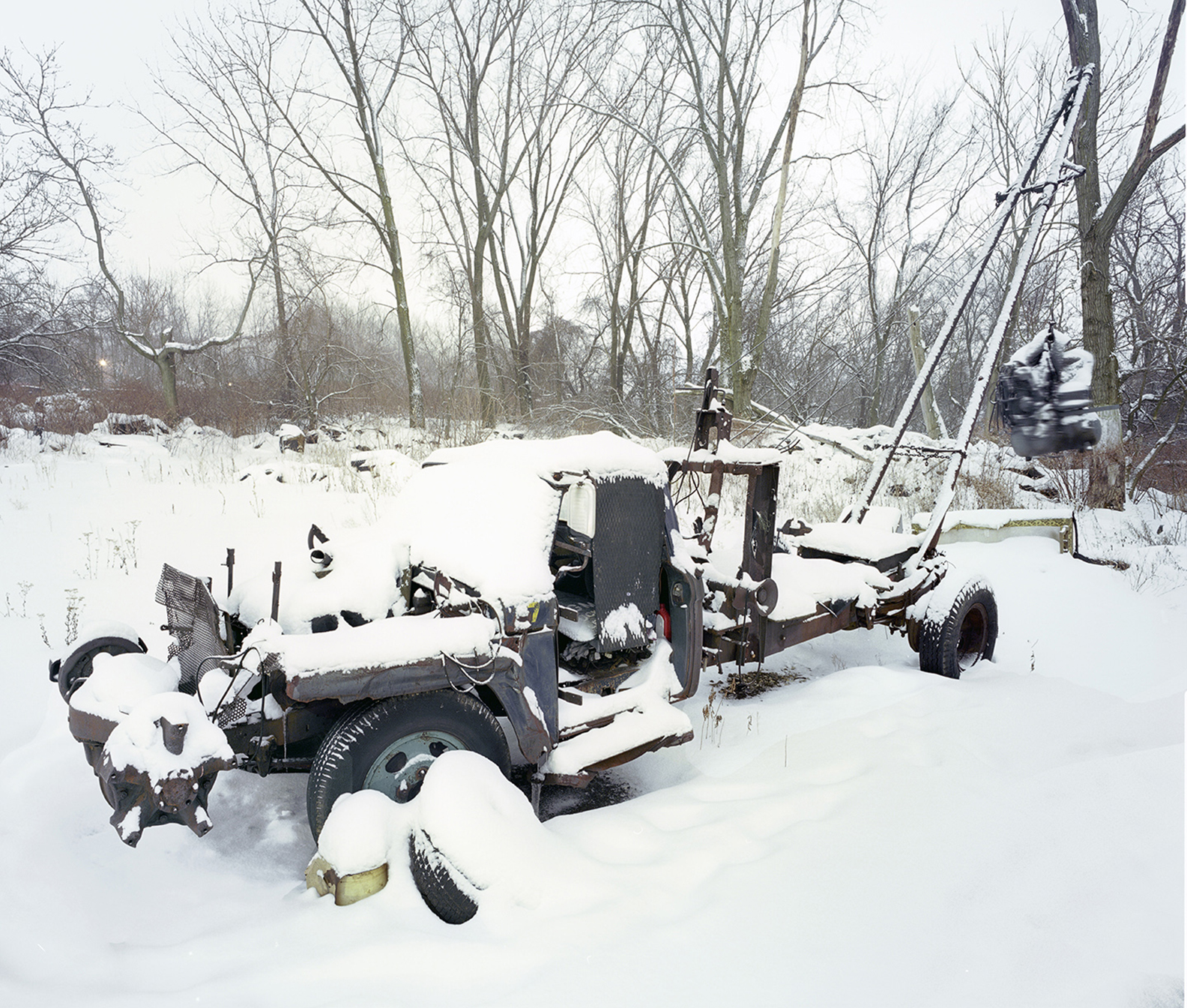
The Jordan Car Company was noted for its modernizationof the consumer process, by catering to their individual tastes. For instance it offered a wide variety of colors that could be ordered, and. were considered as innovations in their time. And these were very affordable cars, another modernization, consumer-friendly, but on a mass schedule, Jordan prefigured much of the American car industry.Buzzards on a Chimney, Forge Triangle, East 93rd StreetStreet Art, lethalDetroit Superior Bridge, 1979Jake Johnson & DollMaMa Lily's home is to the right, the other two are abandoned and are all the last houses on this stretch of Kinsman Avenue. Today it's all gone.Tyrone Lowe Scrapping at Columbia SteelTyrone Lowe Scrapping at Columbia SteelTyrone Lowe Scrapping at Columbia SteelTyrone Lowe at Columbia Steel RejoicingBuzzard & Road Kill#1 ScrapperI met him in 1988, when he was scrapping, with permission, the demo of an old hotel on East 55th Street. I just call him Scrappere #1, for good reason. He was notorious, for instance, stripping out 35,000 dollars in active telephone wiring in the housing projects, etc.The Hand of #1 ScrapperThe Hand of #1 Scrapper#1 ScrapperLonnie On the Move, Demo in Background, East 72nd StreetCarlos on the Move to the Scrapyard on East 55thCarlos with His Home-Made Cart on East 55th StreetIt's 2012 and Carlos is still scrapping in the 55th area.Jack Scraps on Allendale Street, East ClevelandJack Scraps on Allendale Street, East ClevelandJack Scraps on Allendale Street, East ClevelandJack Scraps on Allendale Street, East ClevelandJack Scraps on Allendale Street, East ClevelandJack Scraps on Allendale Street, East ClevelandThe Destruction of Wymore Street, East Cleveland, 2015The Destruction of Wymore Street, East Cleveland, 2015, Scrapper WoundThe Destruction of Wymore Street, East Cleveland, 2015, Scrapper WoundThe Destruction of Wymore Street, East Cleveland, 2015, Scrapper WoundThe Destruction of Wymore Street, East Cleveland, 2015, Scrapper WoundThe Destruction of Wymore Street, East Cleveland, 2015, Scrapper WoundThe Destruction of Wymore Street, East Cleveland, 2015, Scrapper WoundThe Destruction of Wymore Street, East Cleveland, 2015, Scrapper WoundThe Destruction of Wymore Street, East Cleveland, 2015, Scrapper WoundThe Destruction of Wymore Street, East Cleveland, 2015, Scrapper WoundPumpkinheadPumpkin man had set up shot here in the Triangle where an area of half-dozen closed plants provided tons of metals. He also kived here, enjoying the short commute.PumpkinheadPumpkinheadForgotten Triangle Winter, Home-Made Tow/Crane TruckSidaway BridgeSidaway BridgeApproaching Joe Brick on the Day We MetApproaching Joe Brook for the first time, it would develop into a friendship and work relationship lasting through 2021 and hopefully longer because Joe is now 89 years old.
Originally this Brickyard was all homes that vanished by 1980, and the site went through a succession of brickyard people, and Joe was the last one. He ran from 2005 until 2011. No one will work this place on any property here or paid rent. This actually was the heart of the forgotten triangle, a huge section of five different neighborhoods, where anything went, and anything goes.
The outlaw zone of complete freedom lasted up until around 2011. Today none of this would ever be permitted, when, for 30 years, it went almost completely unregulated because the city was usually broke and law-enforcement had much bigger problems on their hands
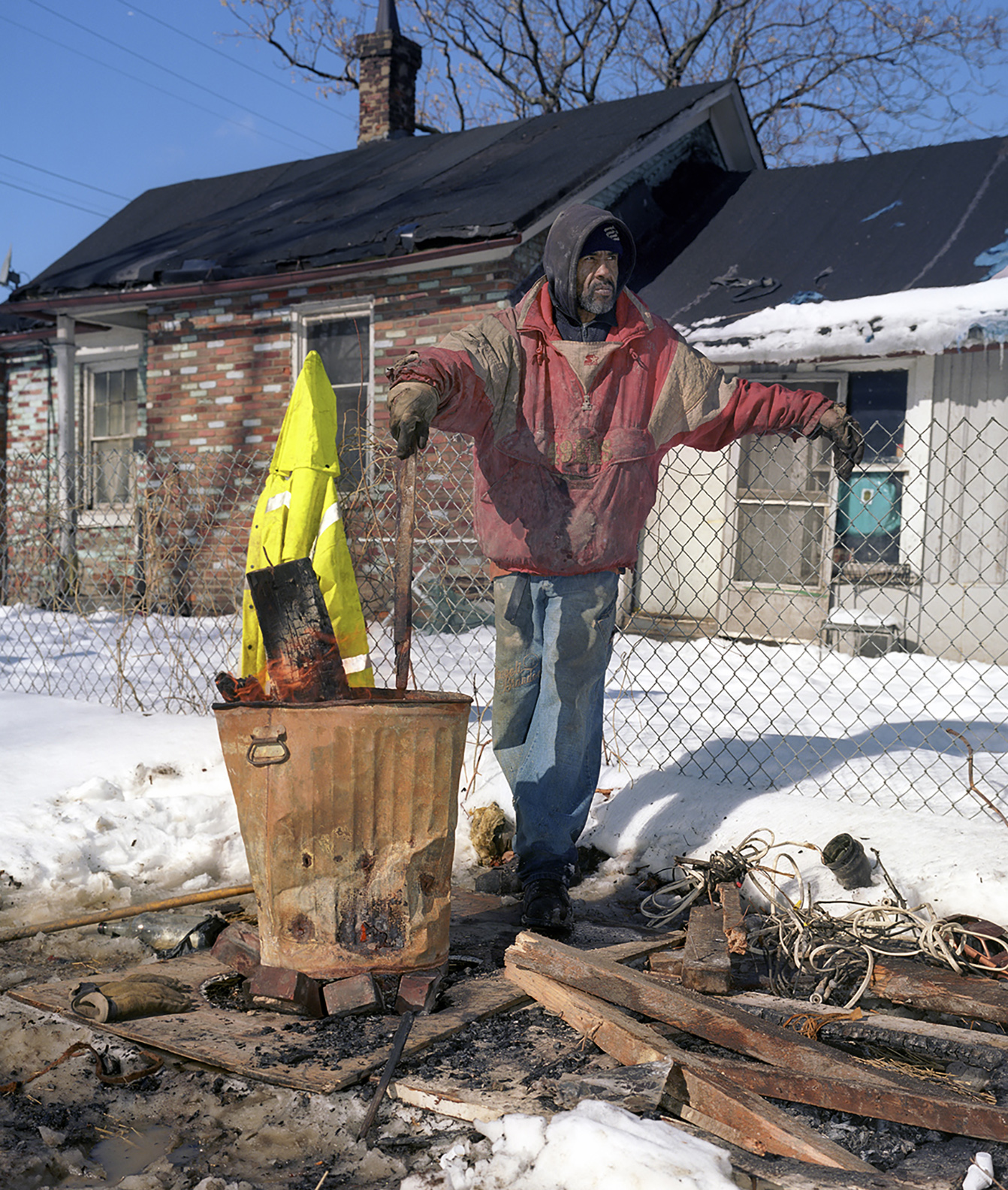
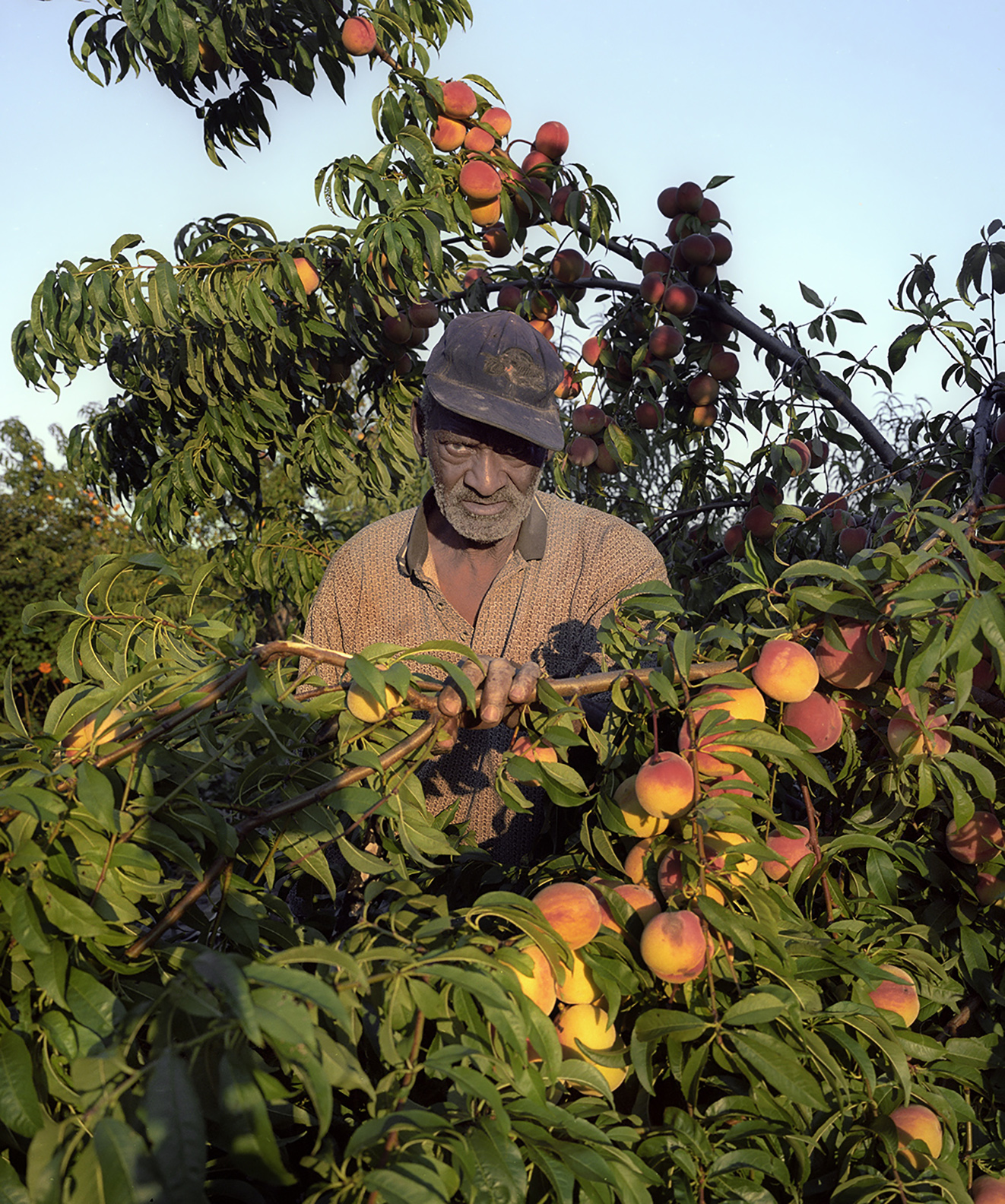
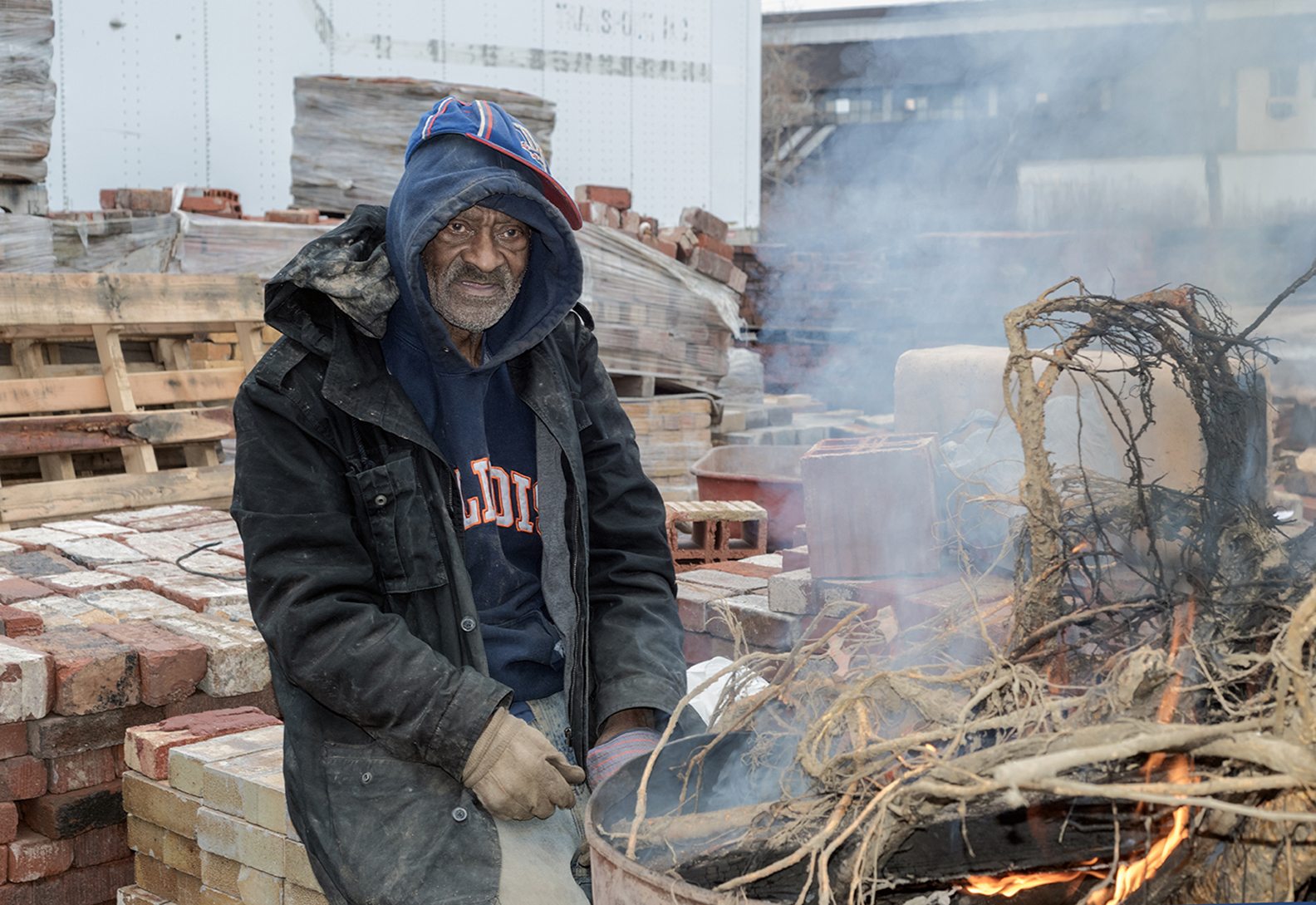
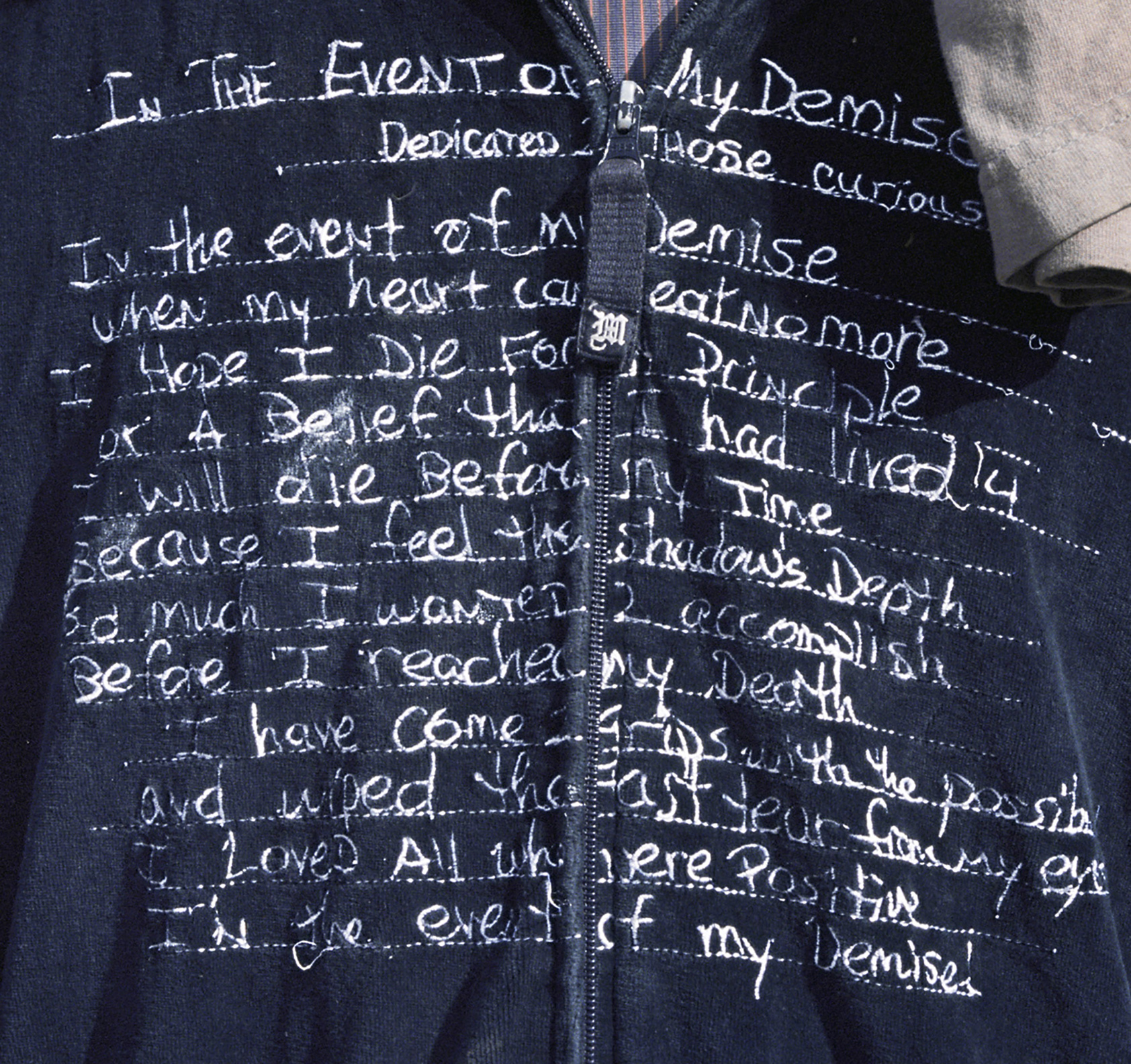
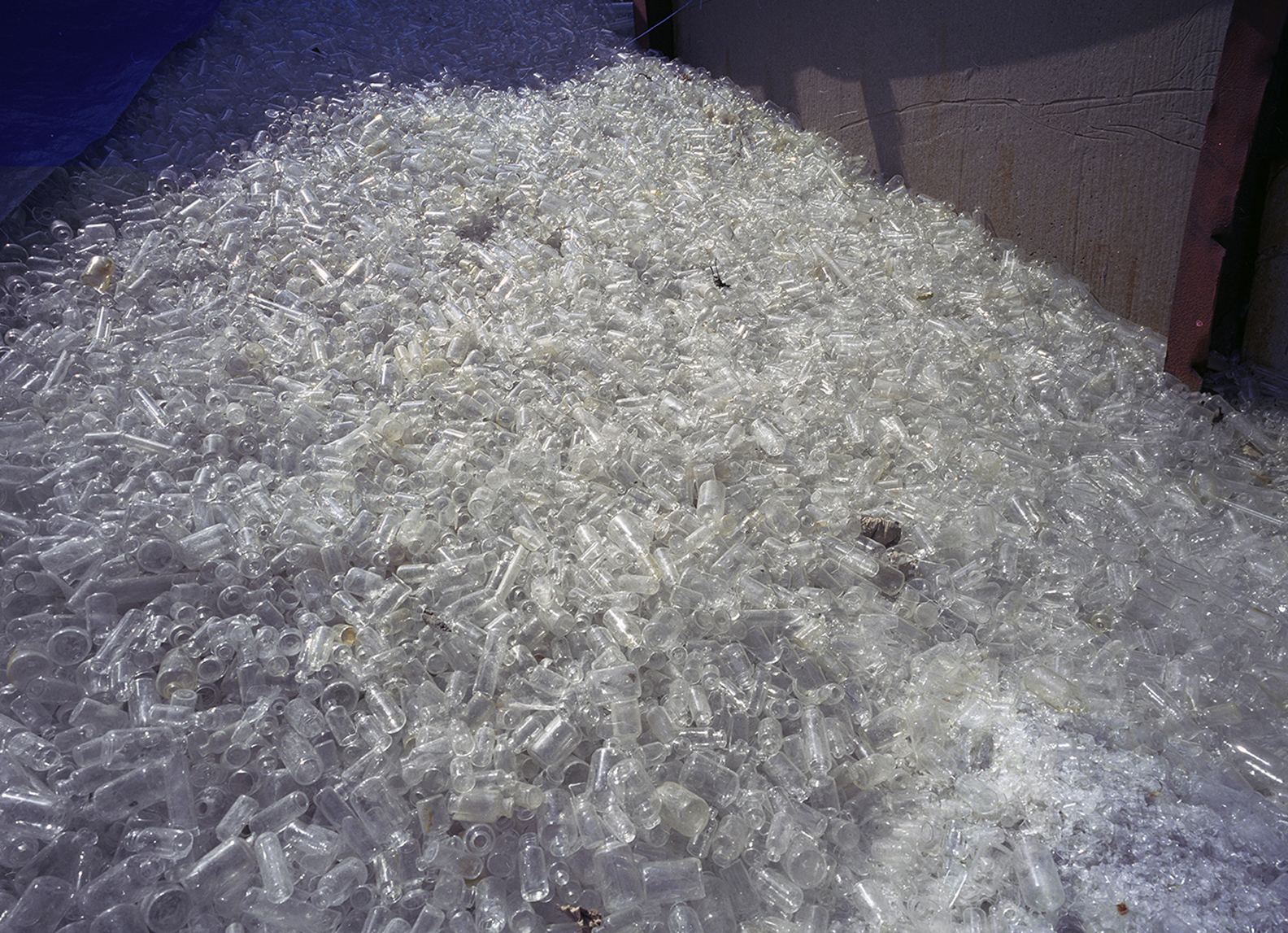
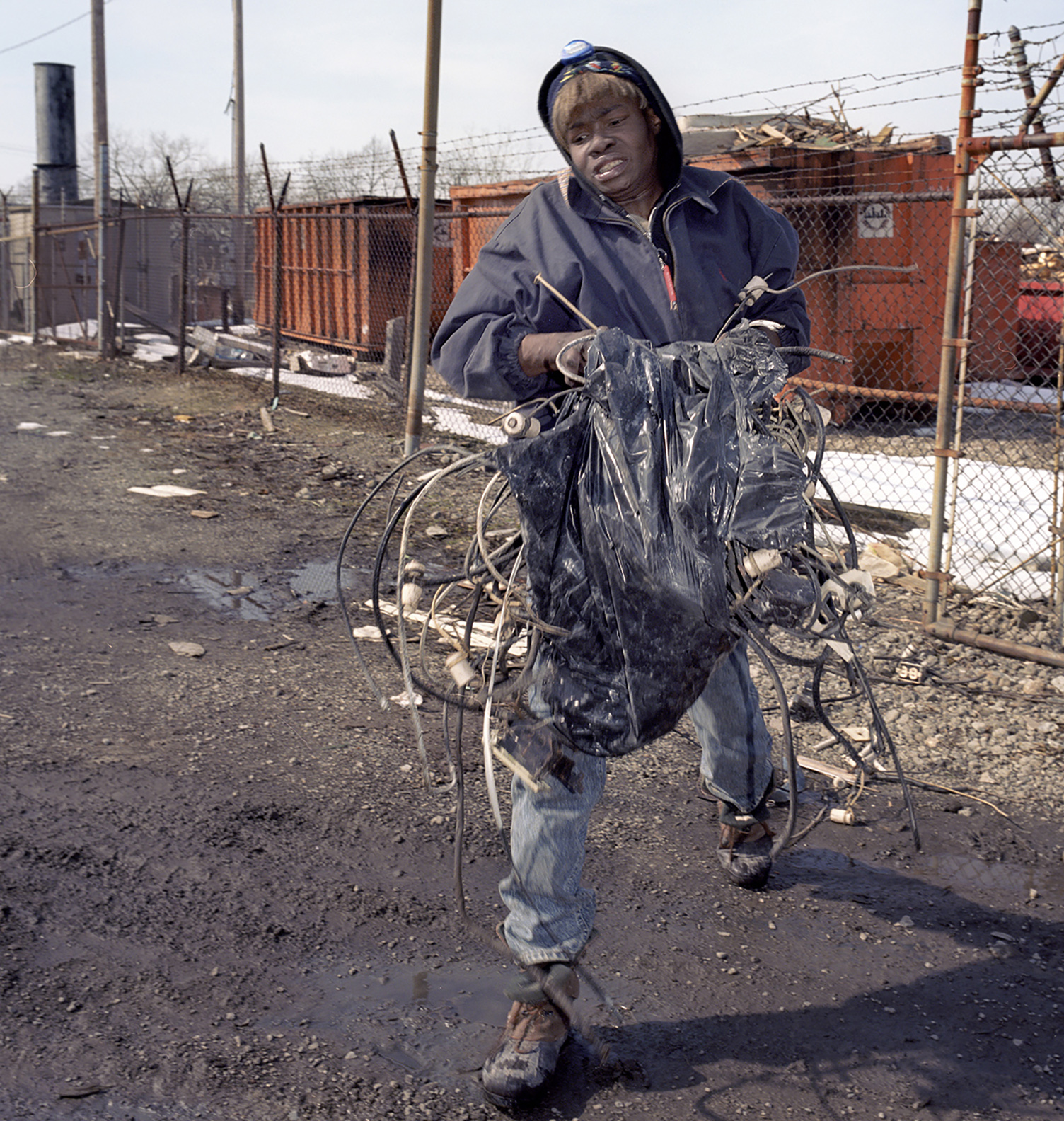
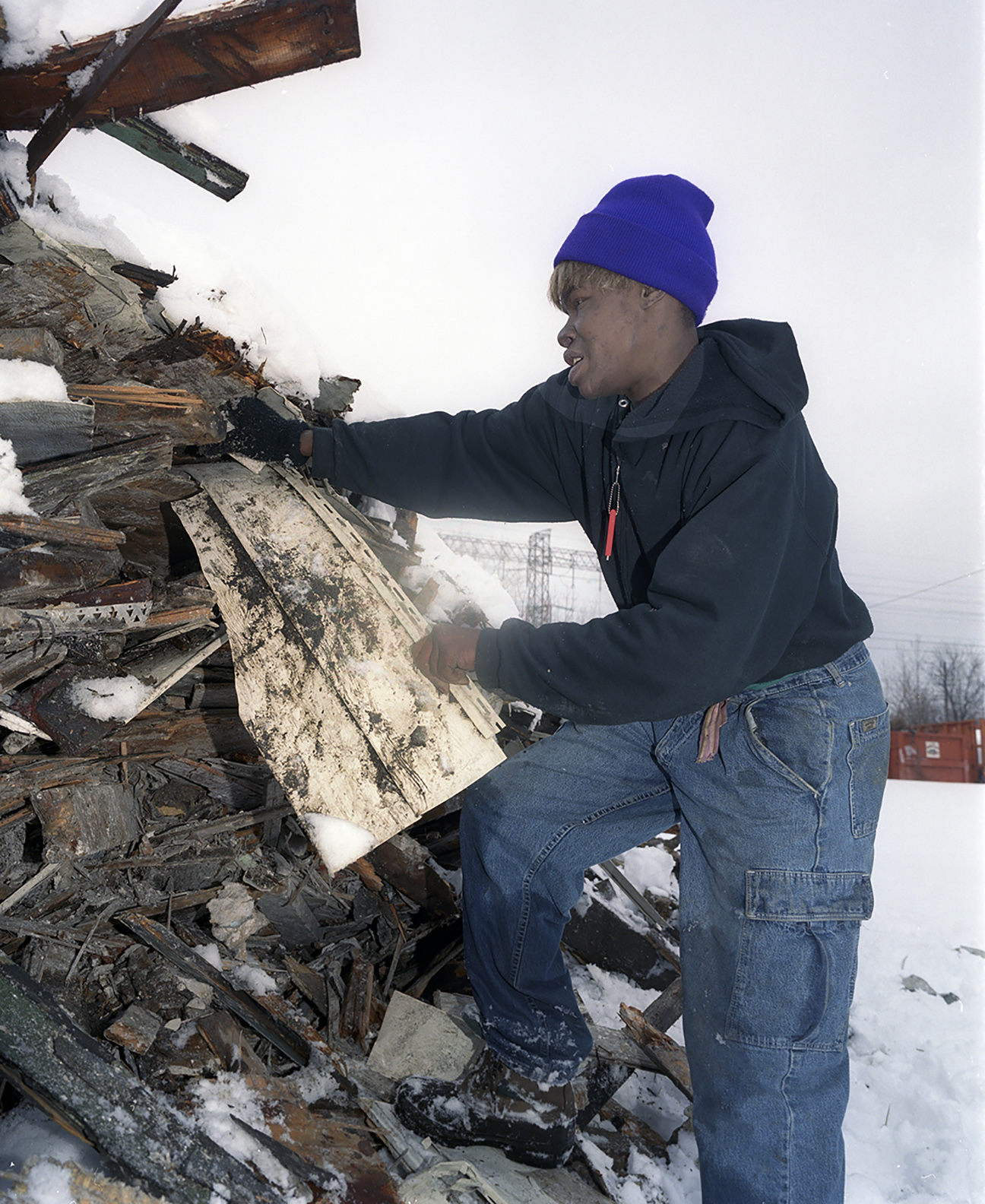
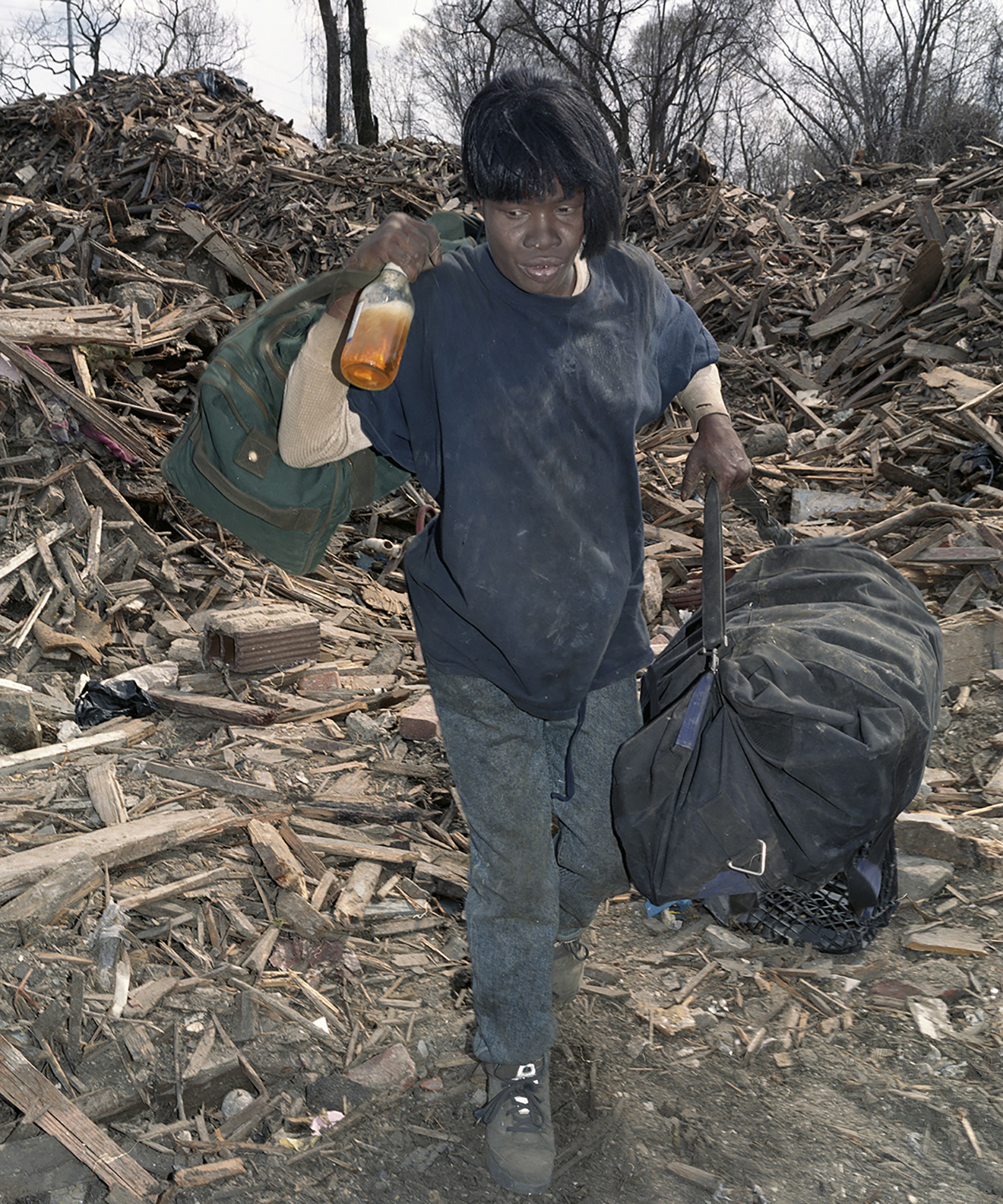
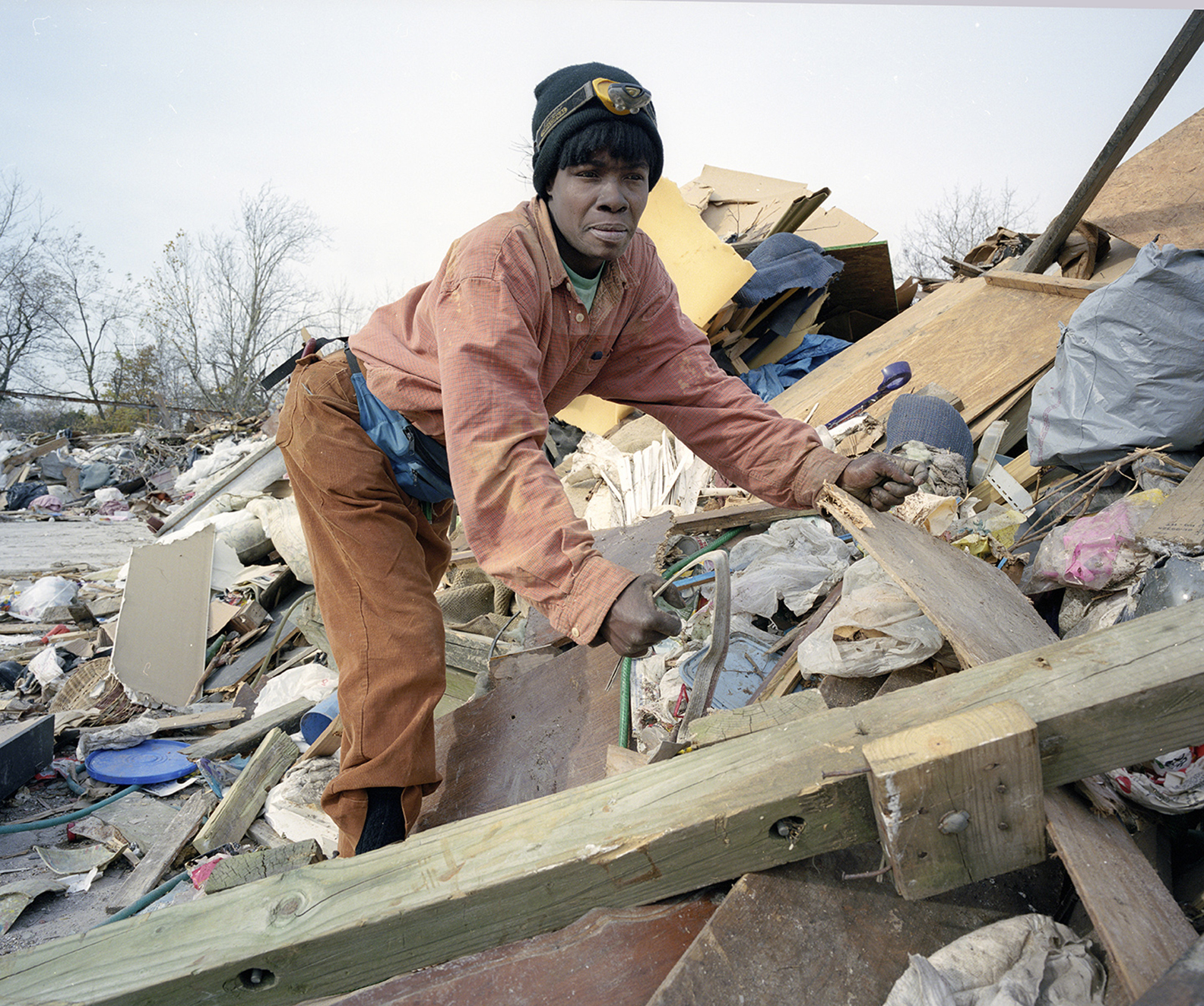
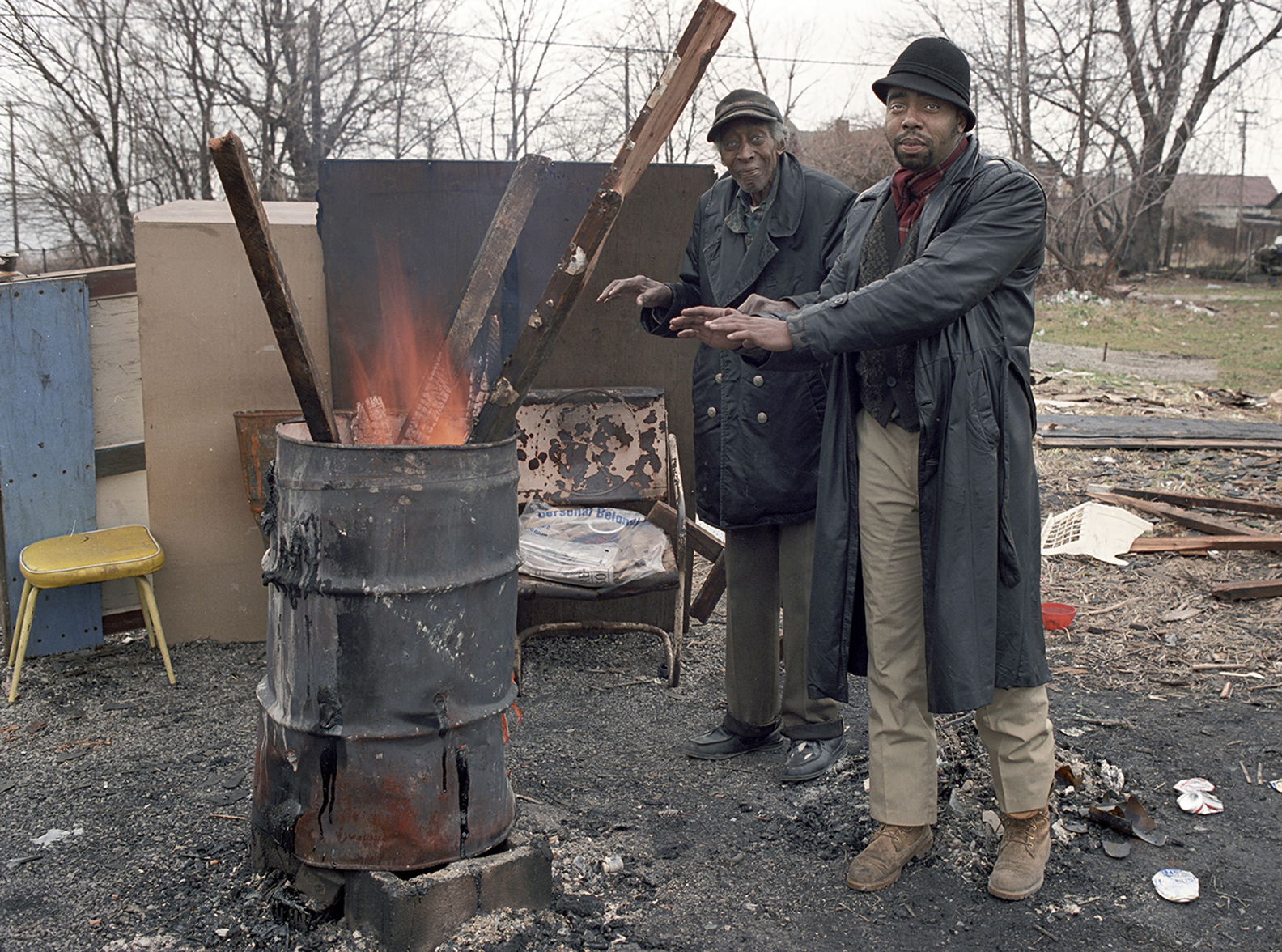
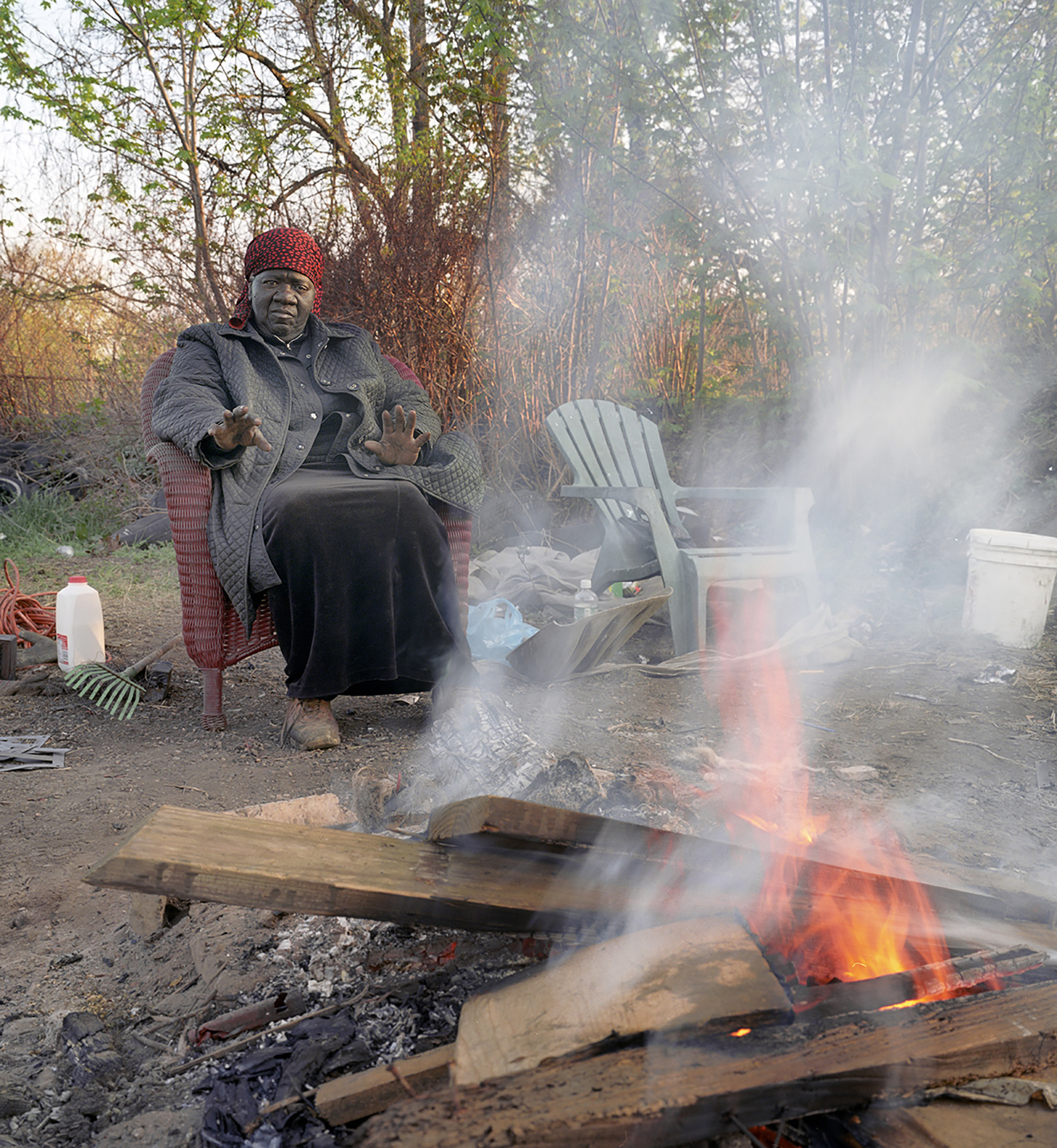
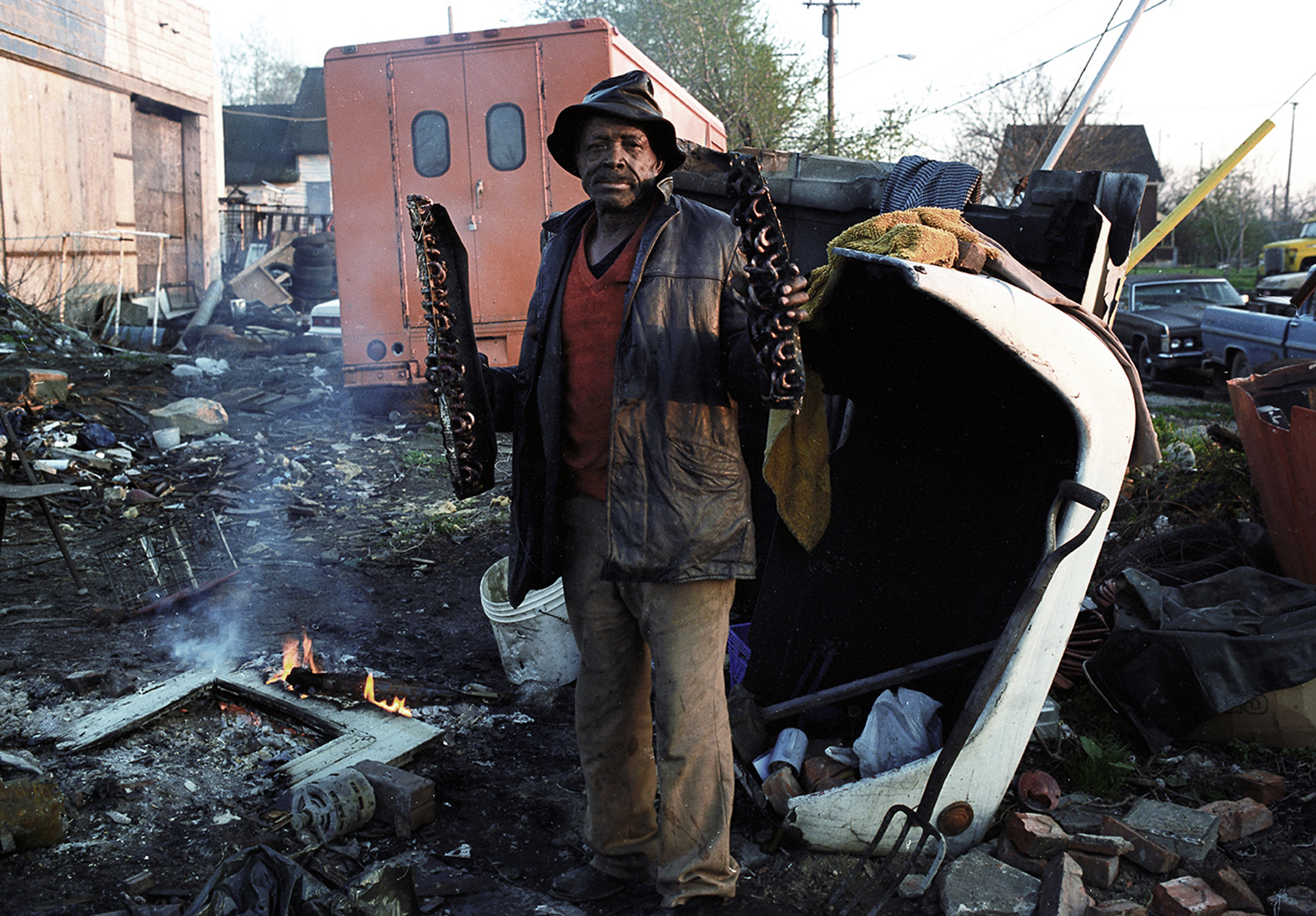
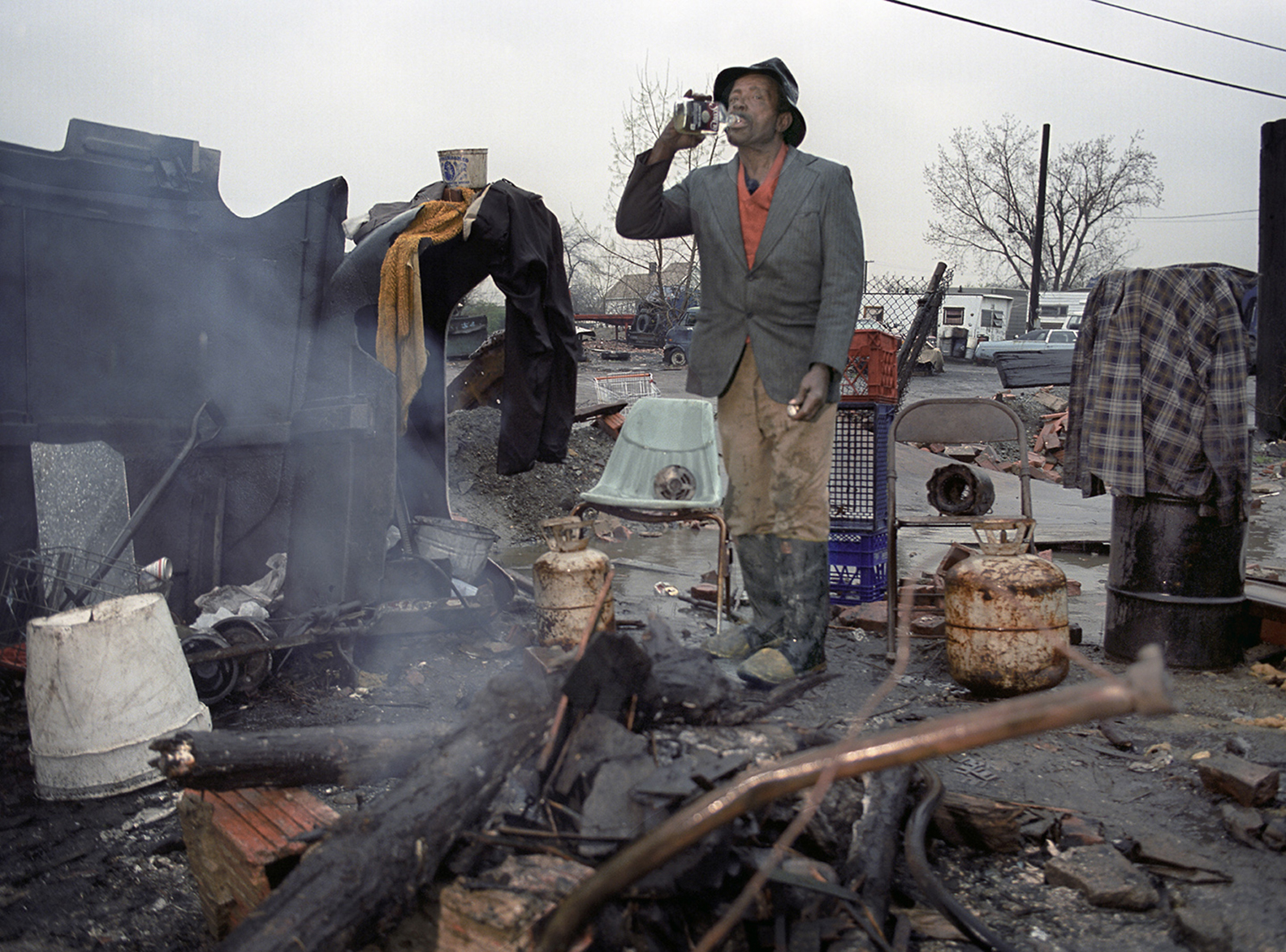
Open fires burned all over the Triangle at all hours for the express purpose of burning insulation of copper and for keeping scrappers warm, and, ofcourse would be difficult to get away with today. Believe it or not this particular area has been gobbled up by one of these urban farms that began here 20 years ago and has expanded. Also, a new transportation Corridor, the Opportunity, is running right through here it is almost complete.Joe Brick at Original Yard, Forgotten Triangle, East 83rd StreetJoe Brick at Original Yard, Forgotten Triangle, East 83rd StreetJoe Brick at Original Yard, Forgotten Triangle, East 83rd StreetJoe Brick at Original Yard, Forgotten Triangle, East 83rd StreetJoe Brick at Original Yard, Forgotten Triangle, East 83rd StreetJoe Brick at Original Yard, Forgotten Triangle, East 83rd StreetJoe Brick at Original Yard, Forgotten Triangle, East 83rd StreetJoe Brick at Est 40th Stret Yard, 2014Joe Brick at Original Yard, Forgotten Triangle, East 83rd StreetJoe Brick, Henry & Tint at East 67th Yard, 2019Joe & Henry at East 67th Yard, 2017Joe & Henry at East 67th Yard, 2017Joe & Henry at East 67th Yard, 2017Joe Brick & Henry at Est 40th Stret Yard, 2015TwoShoes & Henry at East 67th YardTwoShoes & Henry at East 67th YardJoe Brick at Home With Peach Trees, 2012Joe Brick at Home, Eating a Peach, 2012Joe Brick at Home With Peach Trees, 2012Carl Removing Copper Stripping at Victoreen Geiger Counter FactoryCarl Removing Copper Stripping at Victoreen Geiger Counter FactoryBlackjack Stevenson & His Truck 1Blackjack Stevenson & His Truck 2Ernest Scrapping Thelma's House on Bushnell CourtErnest, Scrapping in World Dump Site, East 82nd Street, Forgottne TriangleErnest, Scrapping in World Dump Site, East 82nd Street, Forgottne TriangleErnest, Scrapping in World Dump Site, East 82nd Street, Forgottne TriangleErnest, Scrapping in World Dump Site, East 82nd Street, Forgottne TriangleErnest, Scrapping in World Dump Site, East 82nd Street, Forgottne TriangleErnest Scrapping at Van Dorn Iron Works, Forgotten TriangleErnest Scrapping at Van Dorn Iron Works, Forgotten TriangleErnest Scrapping at Van Dorn Iron Works, Forgotten TriangleErnest Scrapping at Van Dorn Iron Works, Forgotten TriangleErnest Scrapping at Van Dorn Iron Works, Forgotten TriangleErnest With Rap LyricsErnest With Rap LyricsBuzzard on a ChimneyJohn Young Carrying Bags of Scrap 1John Young Carrying Bags of Scrap 2Glass BottlesA plant that recycles glass in the Flats, separates the salvaged material into piles.Junked Car From the 1930sBoogerBooger Pounding Plastic Off Metal Parts at the Victoreen PlantBooger, Scrapping in the Dumps in the TriangleBooger Foraging for Metals in a Dump SiteBooger Finds a Nice Copper SlabBooger at the Victoreen Geiger Counter Company, Woodland Avenue, The TriangleBooger at the Victoreen Geiger Counter Company, Woodland Avenue, The TriangleWhen i first saw her, i was surprised and impressed to see a woman scrapper, since theyare rare. Naturaaly i thought her name would have been something like, LadynScrapper, Queen Copper, etc. Nope. Her name weas Booger, and, she really earned it.Booger, Scrapping in the Dumps in the TriangleBooger with Her Scrap & BicycleWhen i finally run across a hard-core scrapper that happens to be a woman, i would think that her street name was going to be something other than Booger, which she had no problem with. Indeed her nose was in ciostant need of wiping, and snot was always dripping as well.
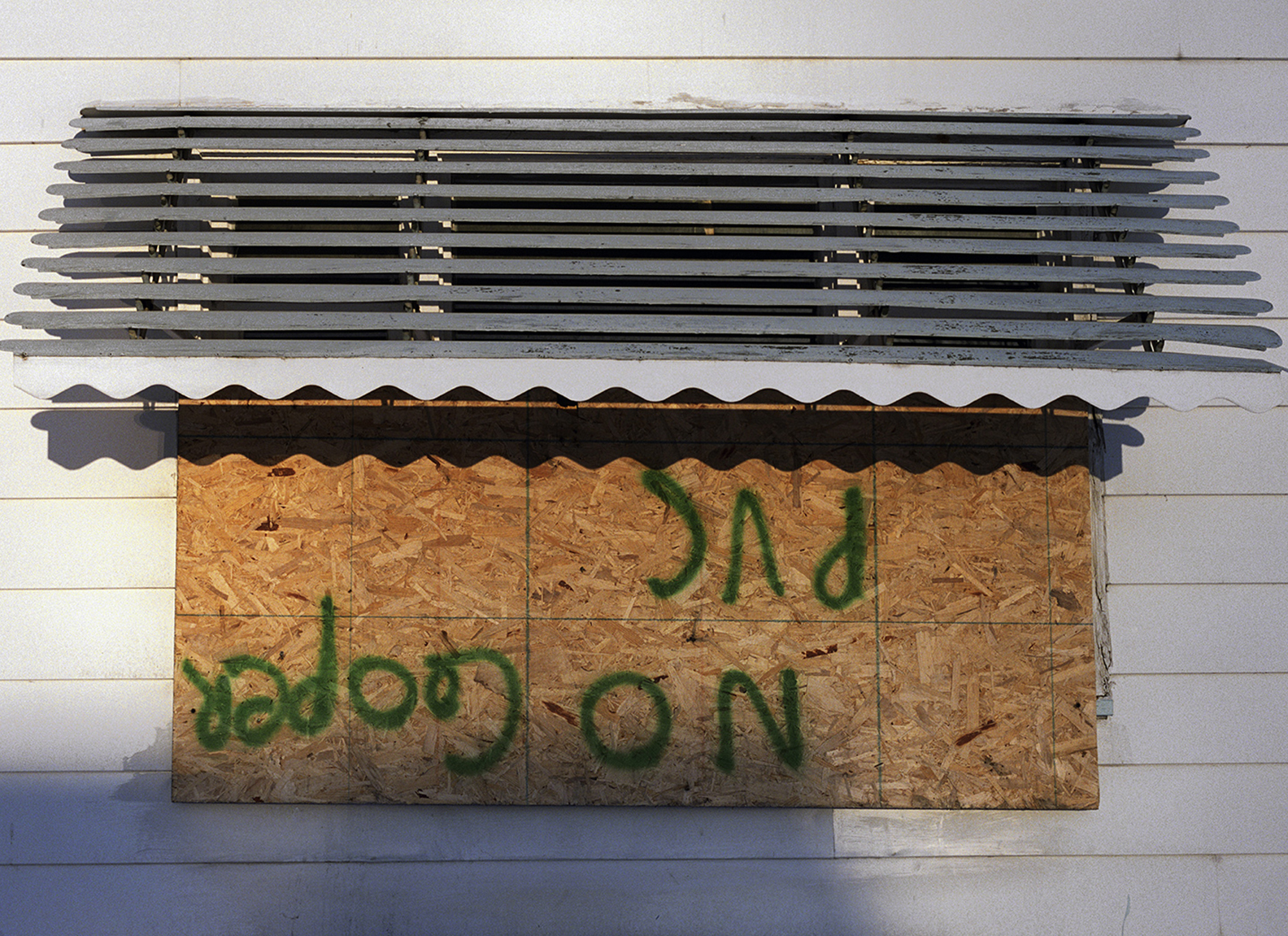
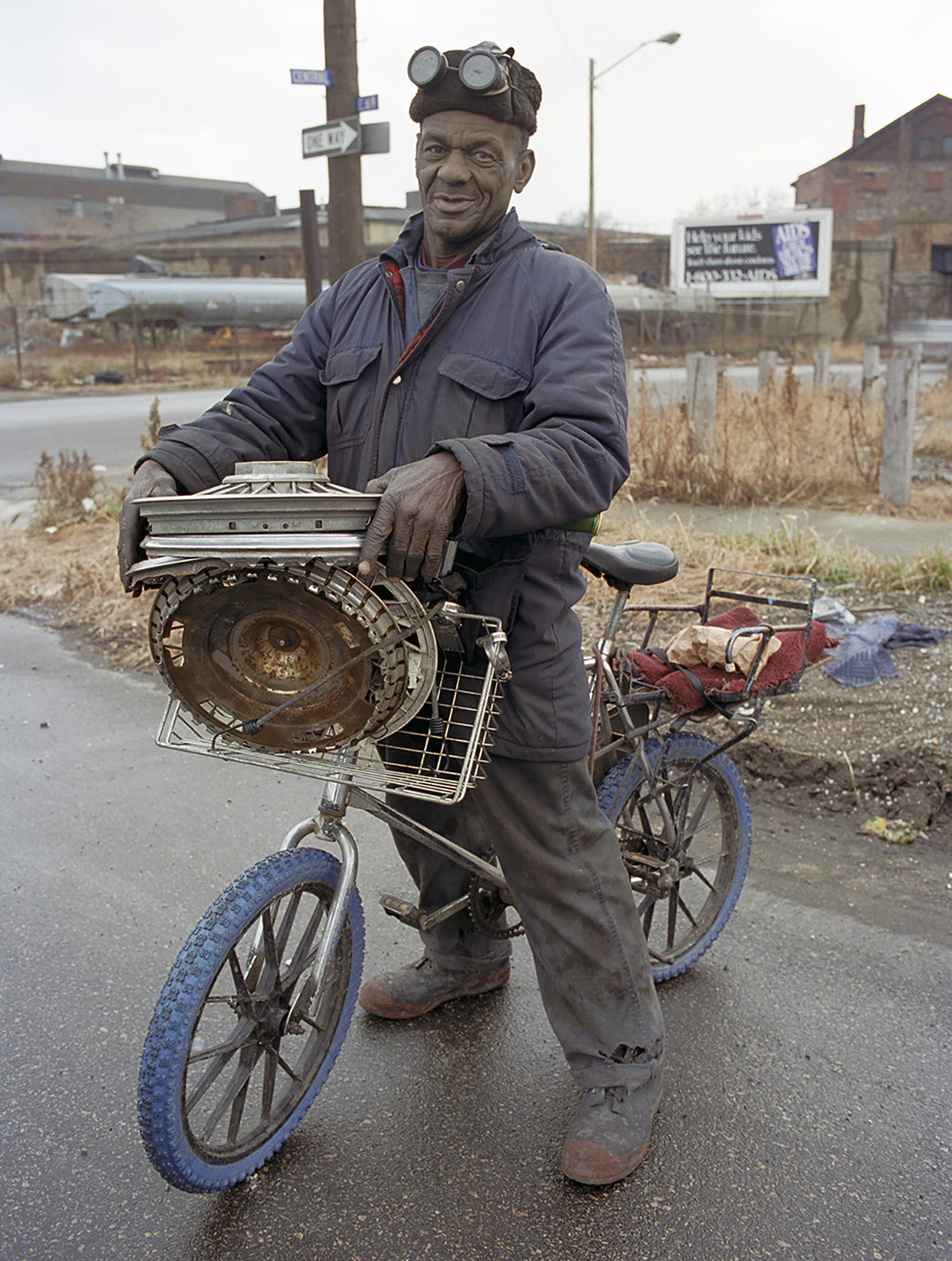
Honest scrap is where it's all at. I never saw her after the years we ran around the Triangle, after 2011. I bet she's kicking, she was the survival-kind of scrapper, like Ernest and so many others, who i still see around.Scrapper on Bicycle, Clarkwood AvenueTransporting Engine Block to ScrapyardTransporting Engine Block to ScrapyardTransporting Engine Block to ScrapyardAnonymous Scrapper, Superior AvenueAnonymous Scrapper, Superior AvenueAnonymous Scrapper, Superior AvenueOn his way to the scrapyard'Lil Scrapper on the Move in Hough, 2004'Lil Scrapper Outside His Home, Hough, 2004'Lil Scrapper' Heading to Collinwood Scrapyard 1, 2013'Lil Scrapper Heading to Collinwood Scrapyard 2013'Lil Scrapper Near His Home in CollinwoodSign, East 79th Street, 1983Truck, Holton & East 83rd Street, The TriangleTinyTiny Tossing BricksEventually Joe Brick would tale the spot over in 2005, until it permanently closed.Tiny Tossing BricksOphelia BriggsOhelia BriggsHands of Ophelia BriigsShe's long gone, the daughter of a big Trinagle scrapper, we still talk about her today, espaecially her well-known hands.No Copper DoorsIs it true? There's only one way to find out.Scrapper on East 68th Street, in Front of Last Unit in Long Rowhouse Saved From DemolitionMaMa Lily in Her BackyardMaMa Lily, Queen of the Scrappers, Holds Up CashMaMa Lily's home was one of the final remaing structures at the tip of the Triangle in a neighborhood called Beaver Heoghts. She welcomed scrappers and was one of the few reamining places left where you could get away with an ooen fire in the city, particulalry a fire used to burn insulation off metal.
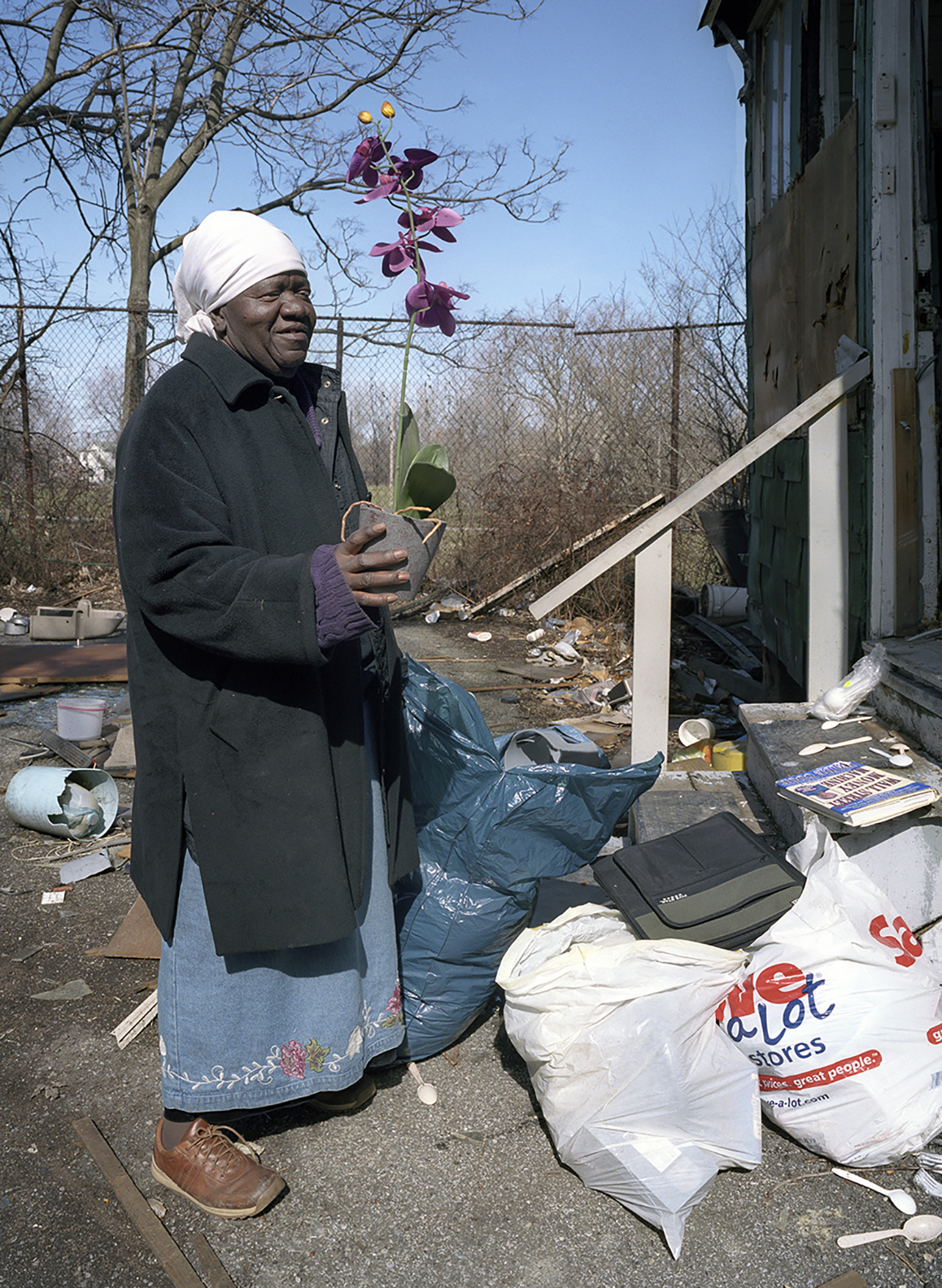
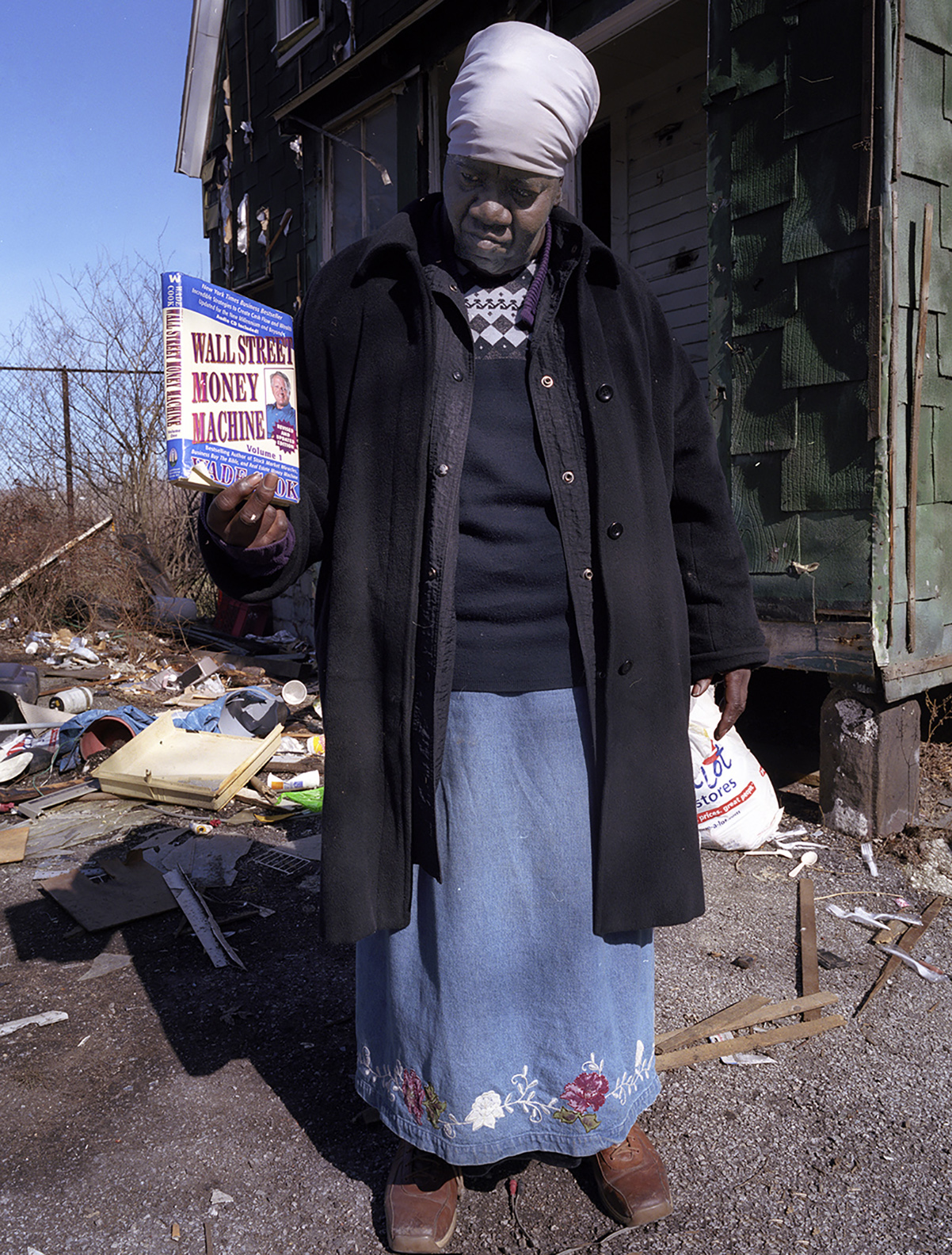
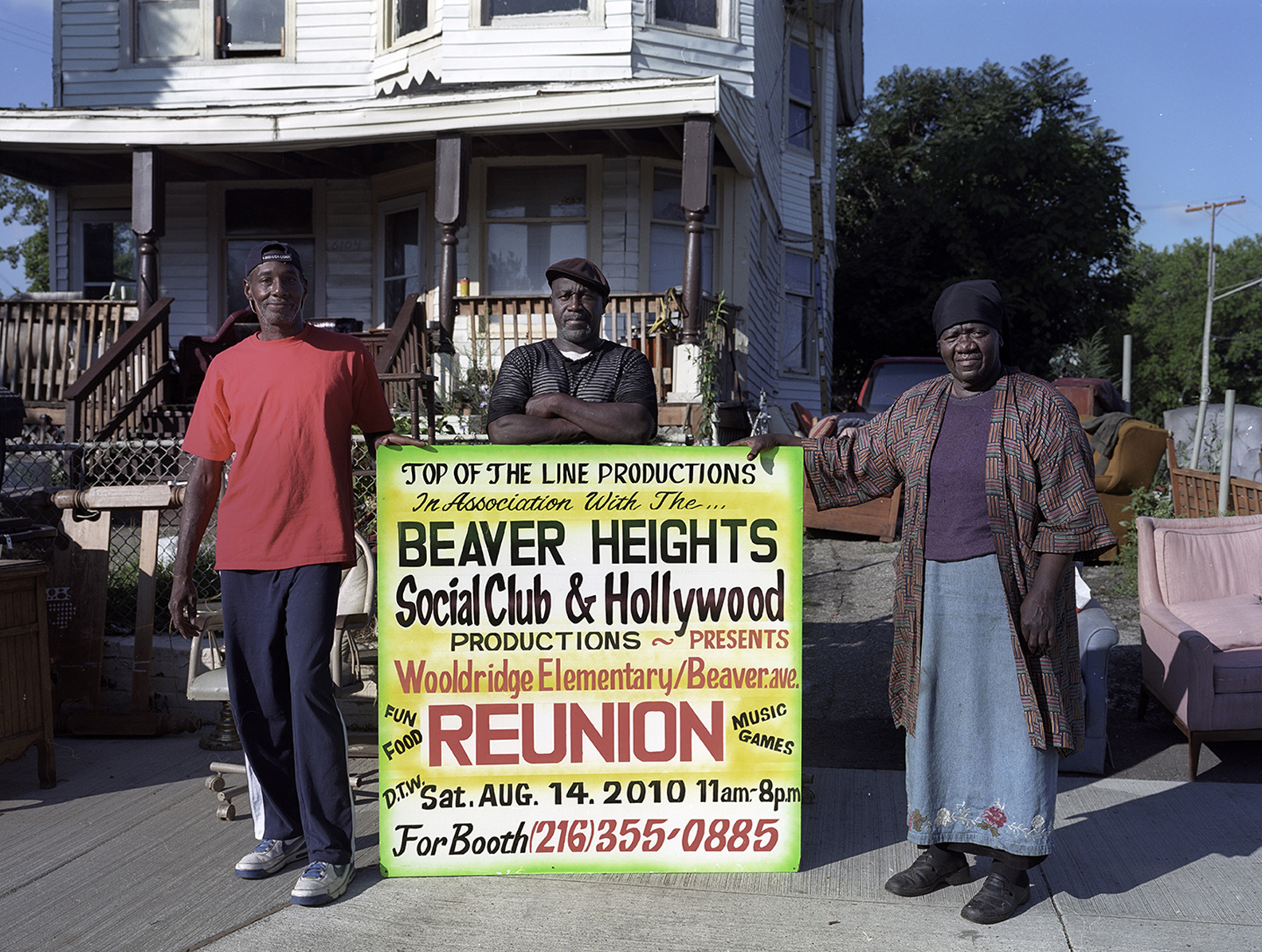
Facilitating her scrapper friends and relatives, was one of the many income streams the innovatine MaMa Lily put together.MaMa Lily in Her BackyardMaMa Lily Holds a Book She Salvaged and Highly Recommendsf you live in this section of the city, you never have to go far to salvage. On the next block, Grand Avenue, we watched, over a period of ten years a string of twenty-five homes that ran from East 55th Street to Kinsman Avenue, disapppeared.MaMa Lily's Home, Salvaged Furniture SaleTaken from all the surrounding abandoned homes, another revenue stream, provides funds in the self-cannabalization form of recycling of the neighborhood.MaMa Lily, Her Son and a Neighbor with Reunion SignEvery August the Beaver Avenue neighborhood has their reunuion. For a couple of day, in Beaver Heights, at the tip of the Trinagle in August, there are barbecues, parties and music.
Over the years, by 2020, there might be twelve home left from the blocks that would have twenty or thirty homes each.
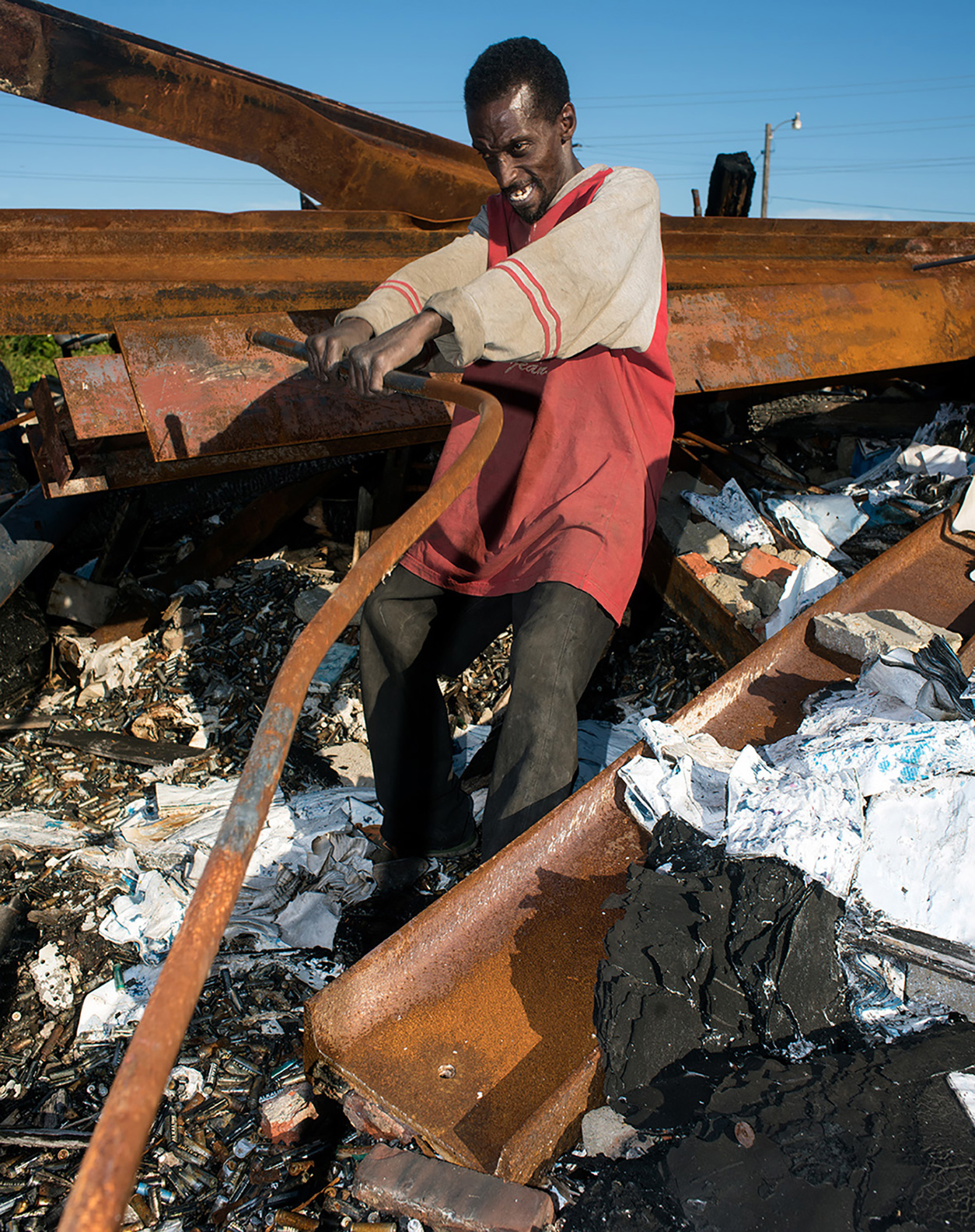
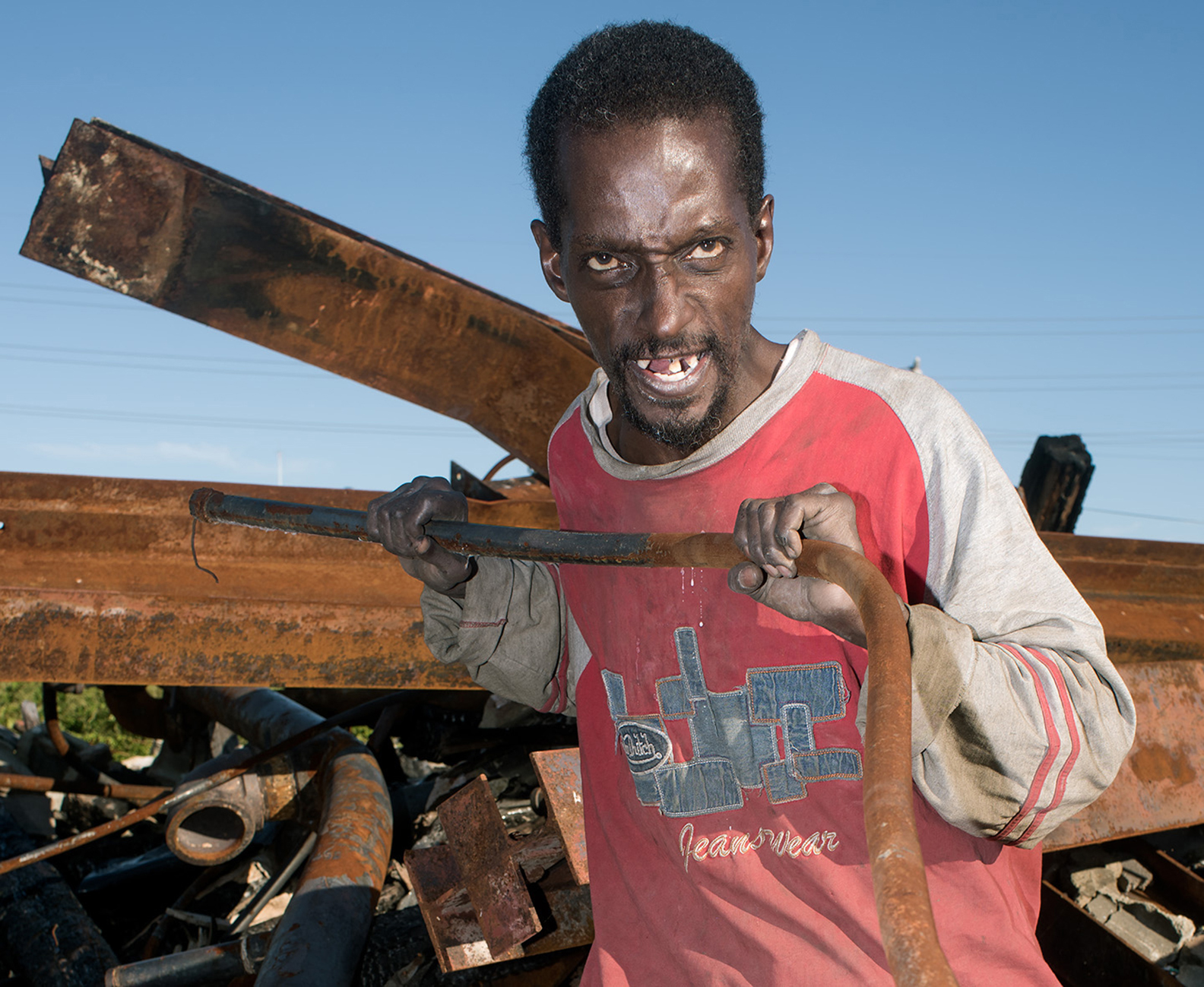
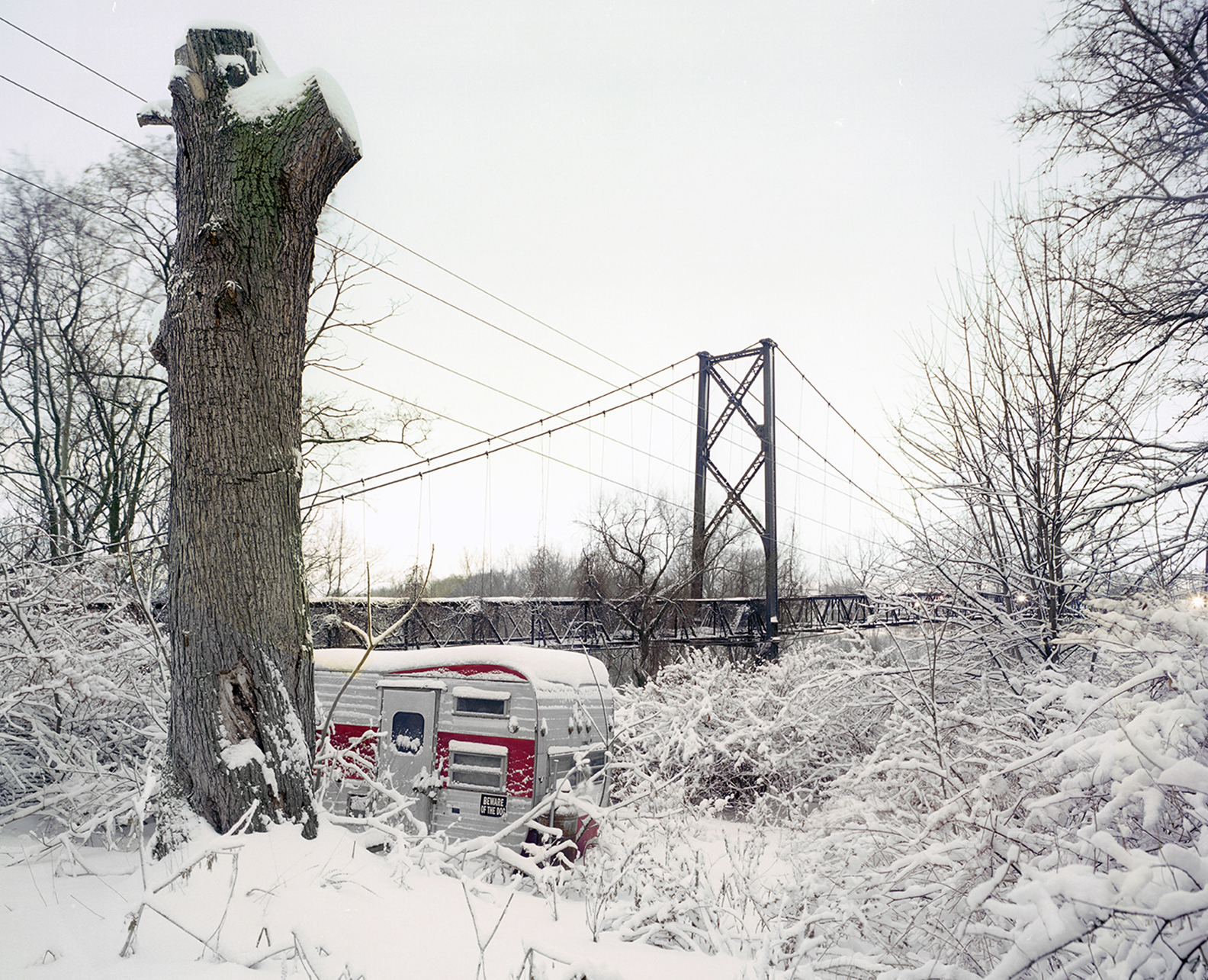
The Trinagle, projects and cemeteries on one side, empty indistrial fileds on the other, comes to a point in Beaver Heights, and, even with 90% of it gone they show up for their reunion.MaMa Lily, The Last Time i Saw Her on East 65th StreetGary Walking Through St. Joseph Cemetery to the ScrapyardCrane, Forgotten Triangle, East 83rd StreetTrailer Home, East 83rd Street, Forgotten TriangleA loner, a lone scrapper lived here for years, across from Joe brick's yard. He had a chimney and cooked, i guess, inside. One day, i knocked, a lot. No one answered, when i opened the door the trailer's living space was the size of two coffins and filled with things that could not be deciphered, since it was covered in layers of soot. He had simply been starting and using open fires for years in here.No Copper DoorsIs it true? There's only one way to find out.Richard HodgesRobert, Scrapyard Owner With ClubRichard HodgesRichard HodgesRichard HodgesLike most scrappers Richard had a powerful tast for alchohol of all sorts.Richard HodgesRichard HodgesRichard burns insulation off copper wire at twilight on his family's property along East 83rd Streert. The entire engine hood of tractor trailer forms th background. It's a time when, being true to the earth, becomes physically attainable, and an entry point.Richard HodgesThis that thick industrial copper that'snolonger as easy tofind with the city so stripped out now.Richard HodgesBuzzard on a ChimneyLocally the big ironic thing on March 15th every year is to go out into Metroparks, a green band that loops around Cleveland, and welcome the return of the buzzard popualtion to Hinckley, 30 miles to the south.
Clevelanders only have to look out their windows to see the return of the turkey vultures, and, in, what came to be known as the Forgotten Triangle, committees of buzzards have found a natural home. For a long time there were far more abandoned homes than ones that were occupied here, then, later, you were lucky to find even an abandoned home. All the abundant industry had left years ago, and the factory buildings are mostly demolished. Everything in the Triangle has gone that way since the seventies - returning to nature.
Fond of the many abandoned remaining chimneys and smokestacks of the Tirangle, and the abundance of dead meat, there were many committees of vulyures therough nthe city. The abundant flora and fauna that was returning, like the buzzards themselves, to their roots, was turning the clock back by 120 years. And the view, stretching all the way downtown, is, also, apparently to the buzzards liking.
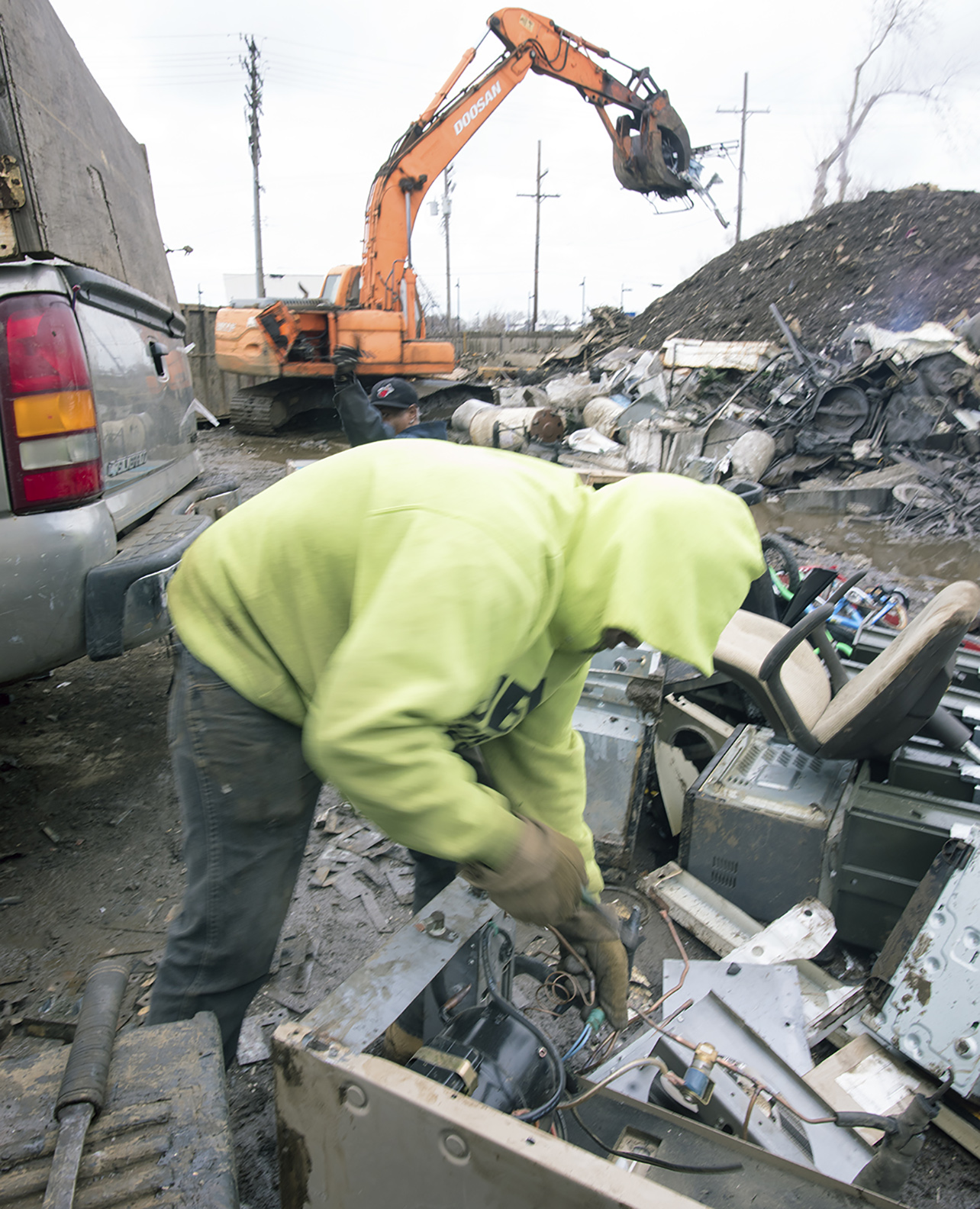
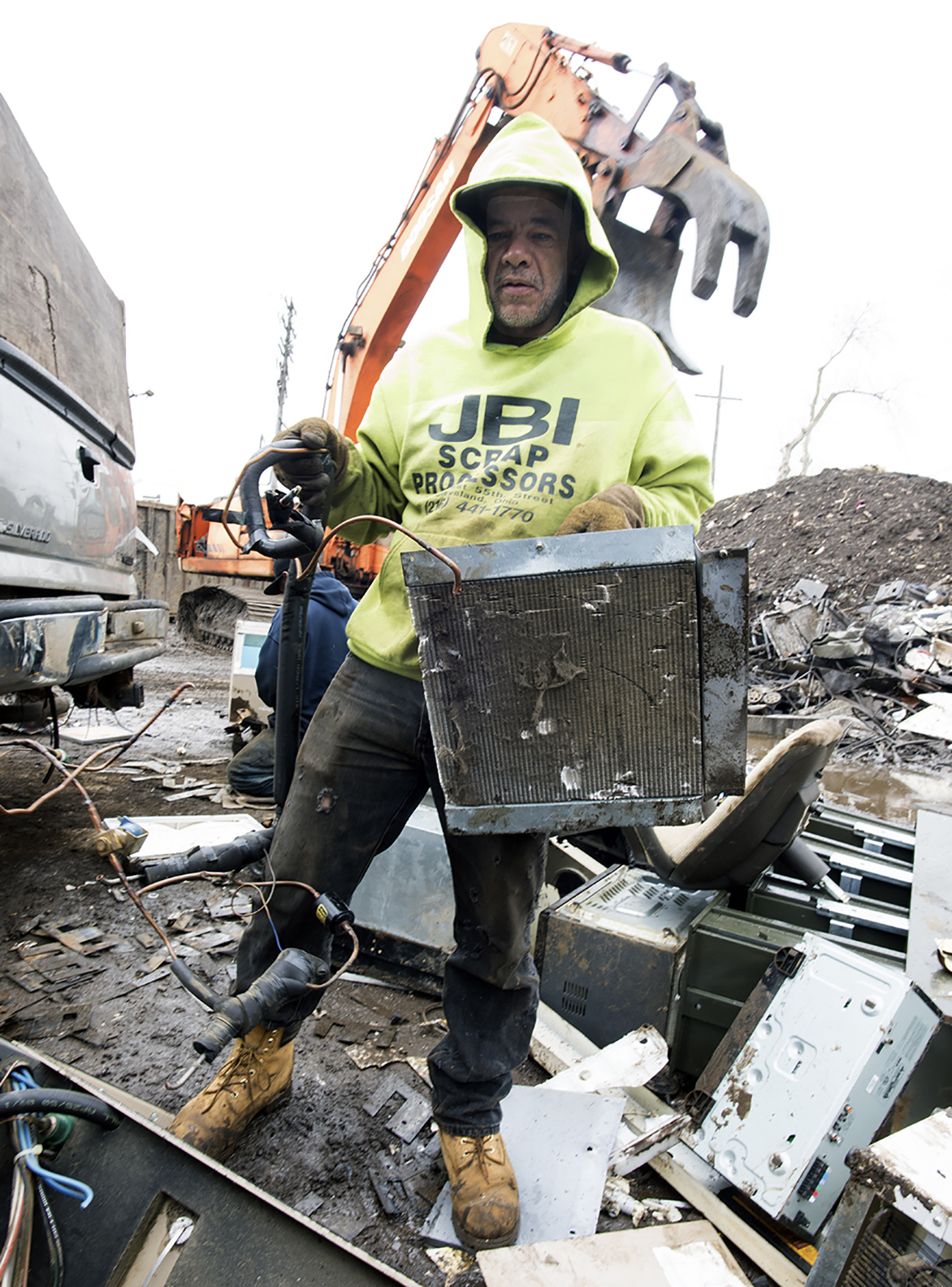
The locals love to call these birds buzzards, but they are really vultures of the genus, turkey.JBI Scrap Metal, East 55th StreetProbably the most popular scrap dealer for locals in the Forgoten Triangle, they were bought out for the construction of the Opportunity Corridor, and they moved about five blocks down on E. 55th St. and are still in operation today.Two Dogs in Window of Abandoned House, Superior AvenueOn Superior Avenue in East Cleveland a white pit bull stands guard in an abandoned house, with his friend in the left corner.Living Room, East 92nd Street, The TriangleIn the Trinagle, the interior of a resident's home.Living Room, East 92nd Street, The TriangleIn the Trinagle, the interior of a former resident's house. Blackjack Stevenson & His Truck 1Scrapping on East 83rd Street, the TriangleShot in 2009, all of the houses and structures along both sides of East 83rd Street are gone. The entire Forgotten Triangle region is centered here, where it all stated in 1975 with a wind-driven fire that took out, in one night, twenty-seven homes. From then on, and also riding the entire city's decline into a Rust Belt town, this particular area of the city, would hyper-decline, until nothing was left in a swath of industry and homes that was part of five separate neighborhoods on the east side.
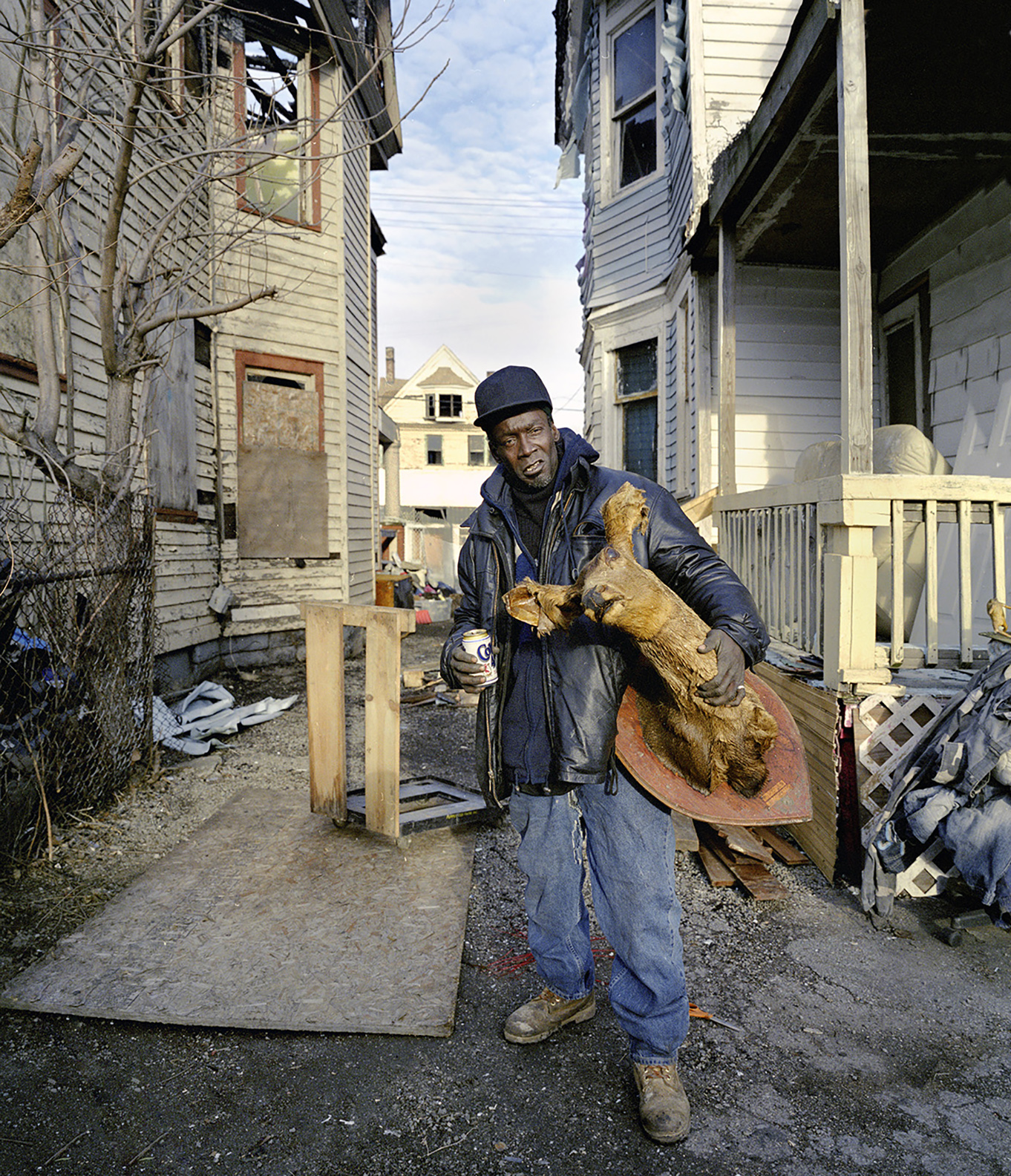
It began to be called Forgotten, long after its decline began. Prior to that it was known as the Triangle.Lil ScrapperJack Scraps on Allendale Street, East ClevelandHenry at Est 40th Street Yard, 2016Joe BrickJoe workedevery day no matter the weather or how he felt.DannyDanny shows of pure metal, insulation gone.Booger and LootJoe Brick in His Backyard GardenEat a peach.Cutting Metal at JBI ScrapyardJake Johnson & Deer HeadI had been looking for Jake about two years, and when i finally found him, he was very happy to see me. He said that after i took this picture he found forty-one single one dollar bills inside the deer's head.
Thus, i was good luck.Richard HodgesRichard burns insulation off copper wire at twilight on his family's property along East 83rd Streert. The entire engine hood of tractor trailer forms th background. It's a time when, being true to the earth, becomes physically attainable, and an entry point.