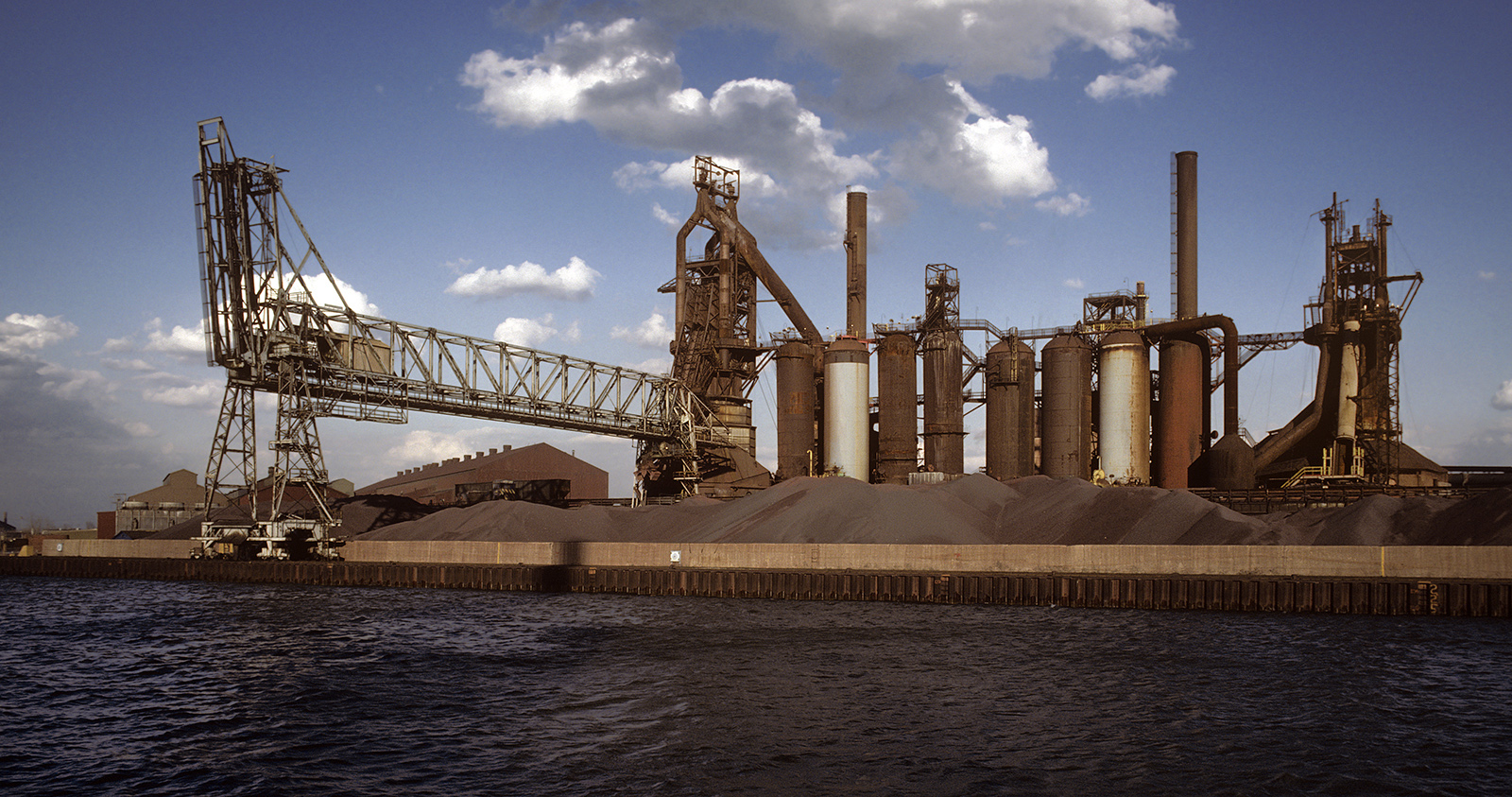
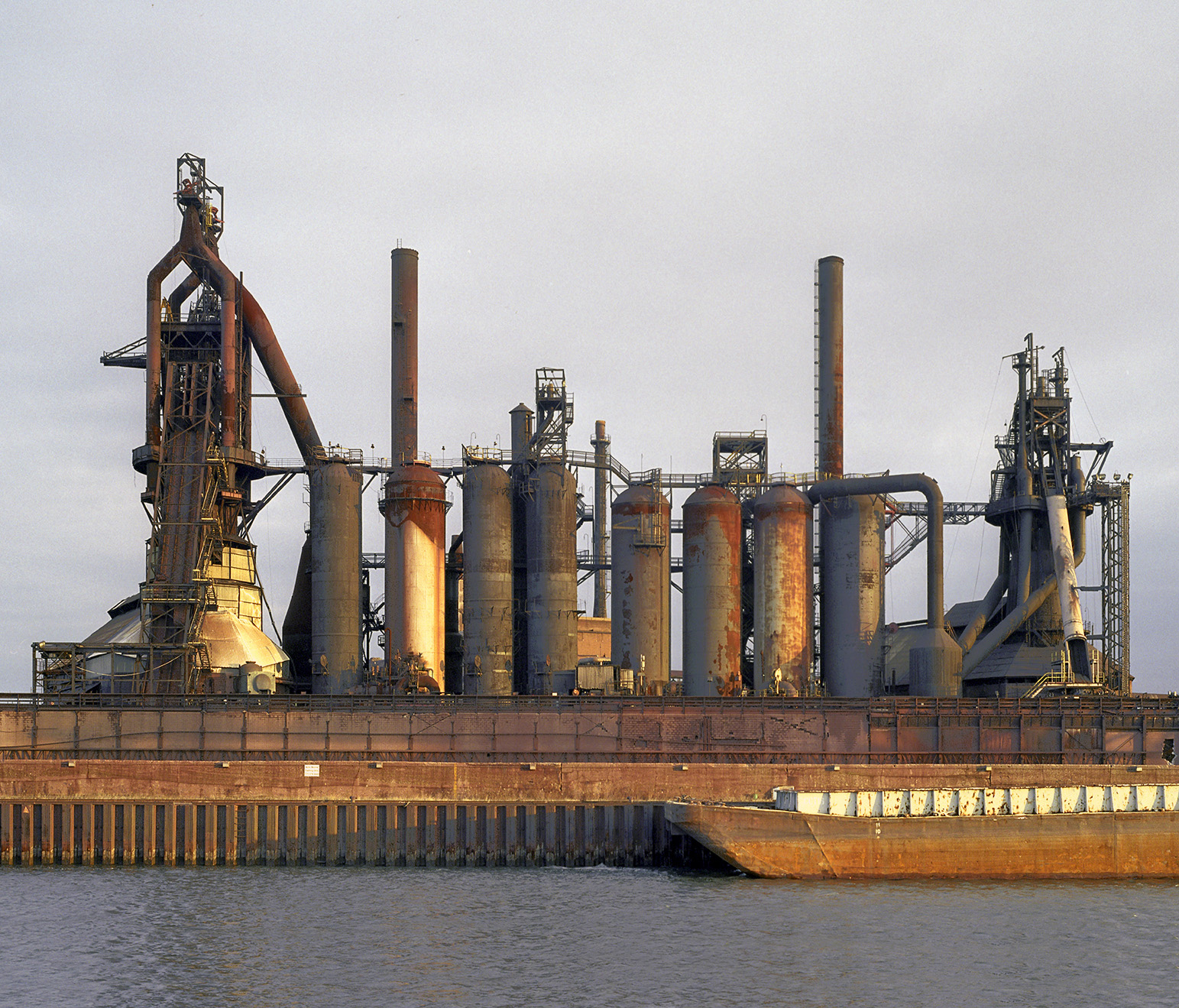
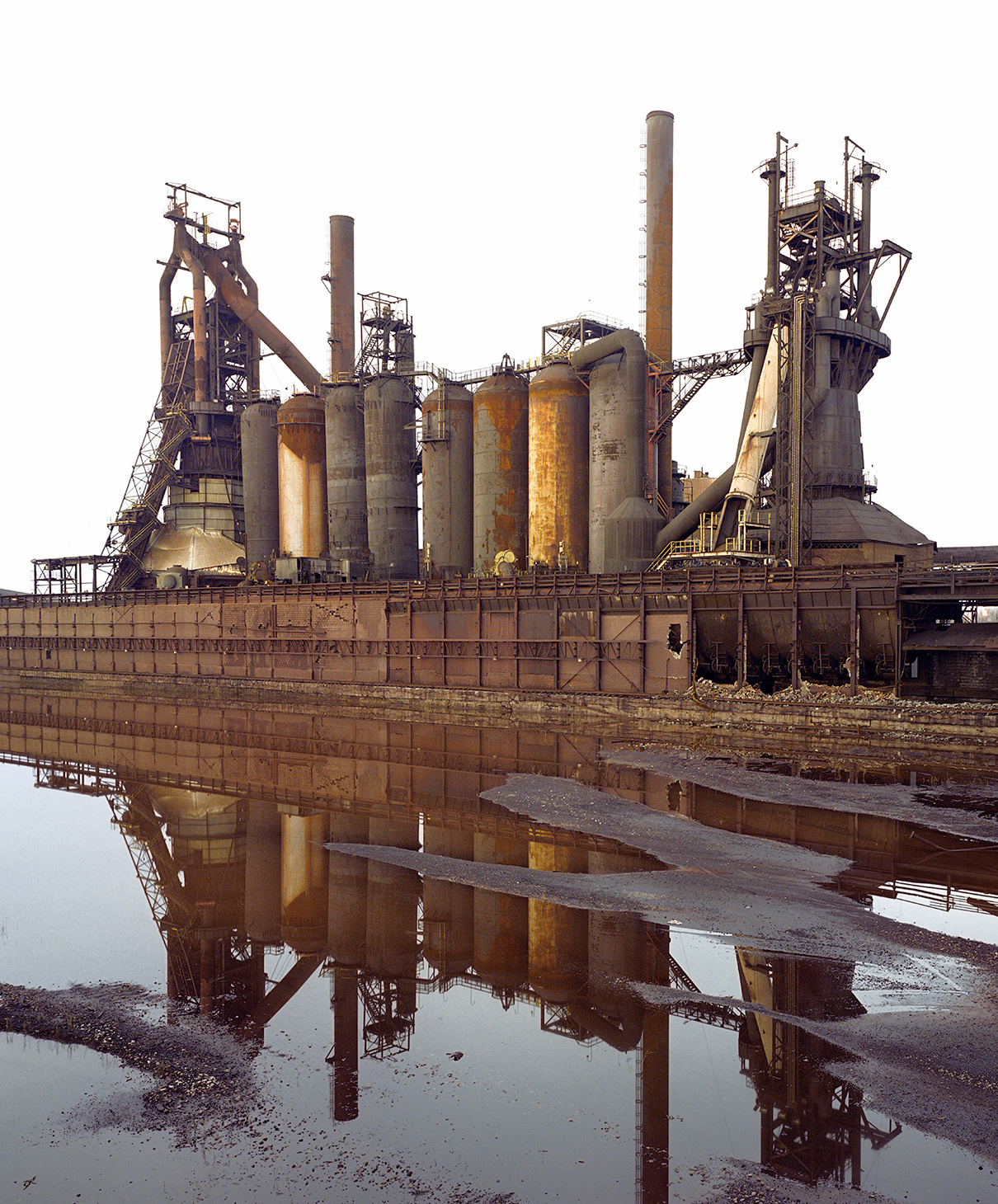
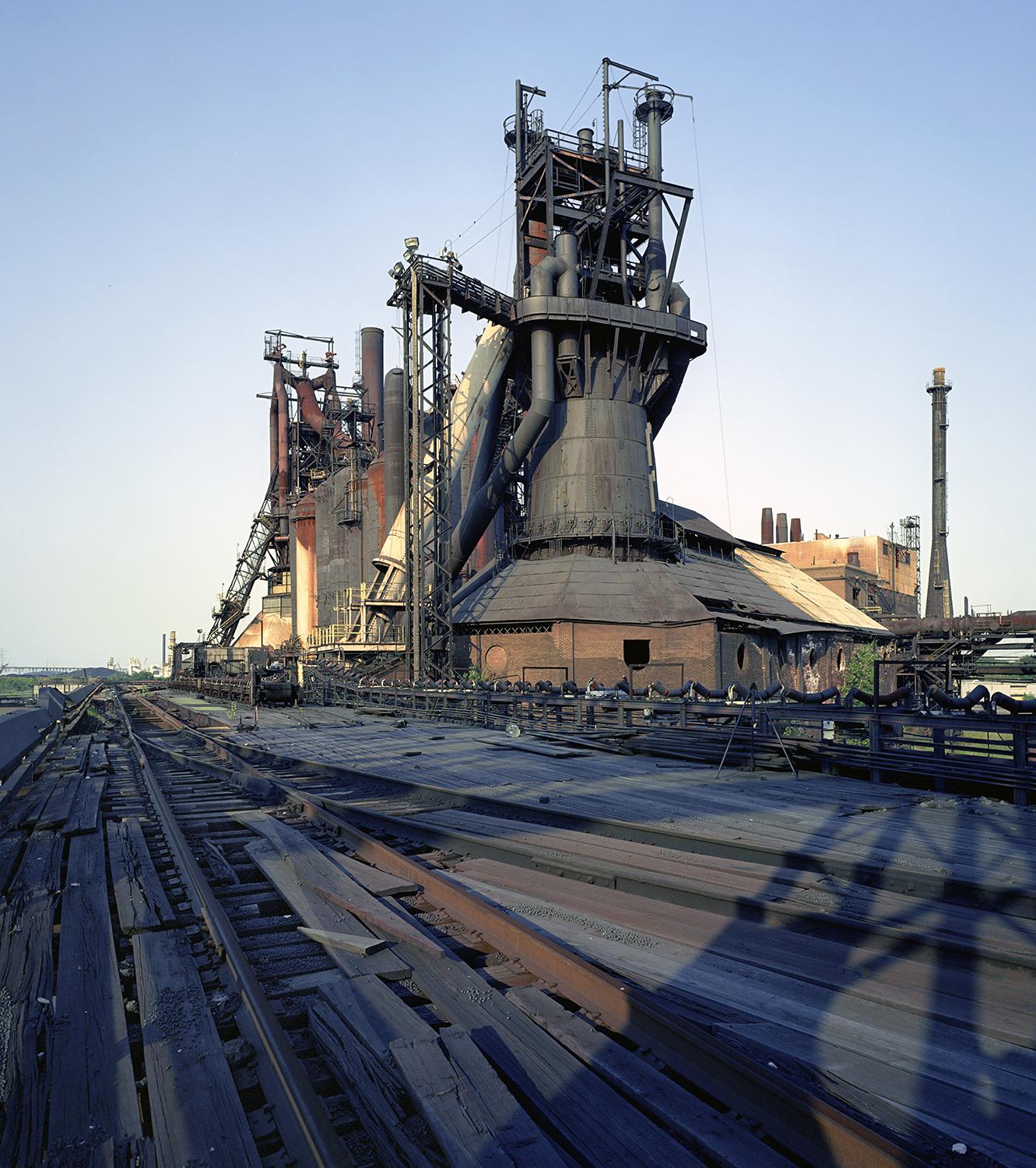
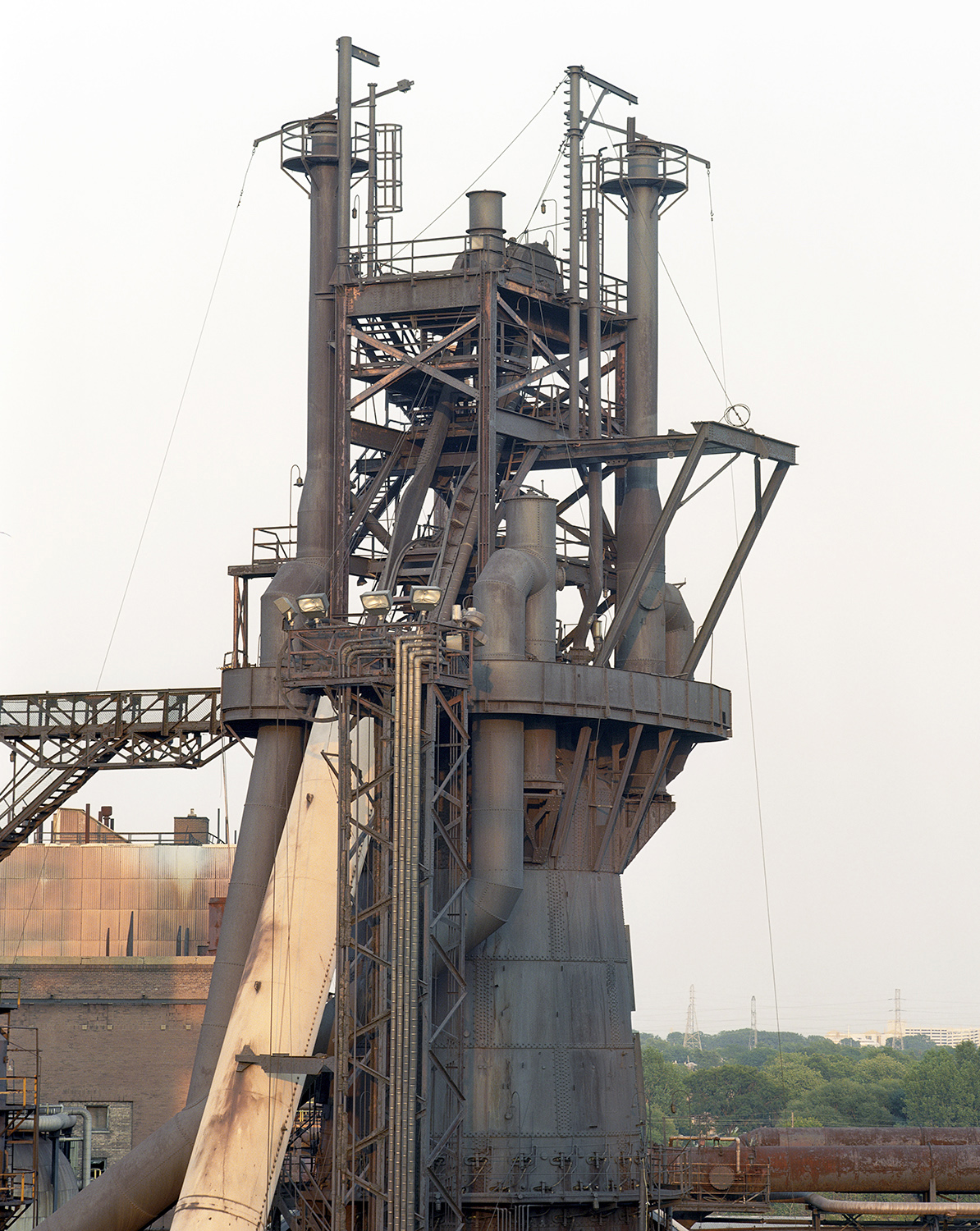
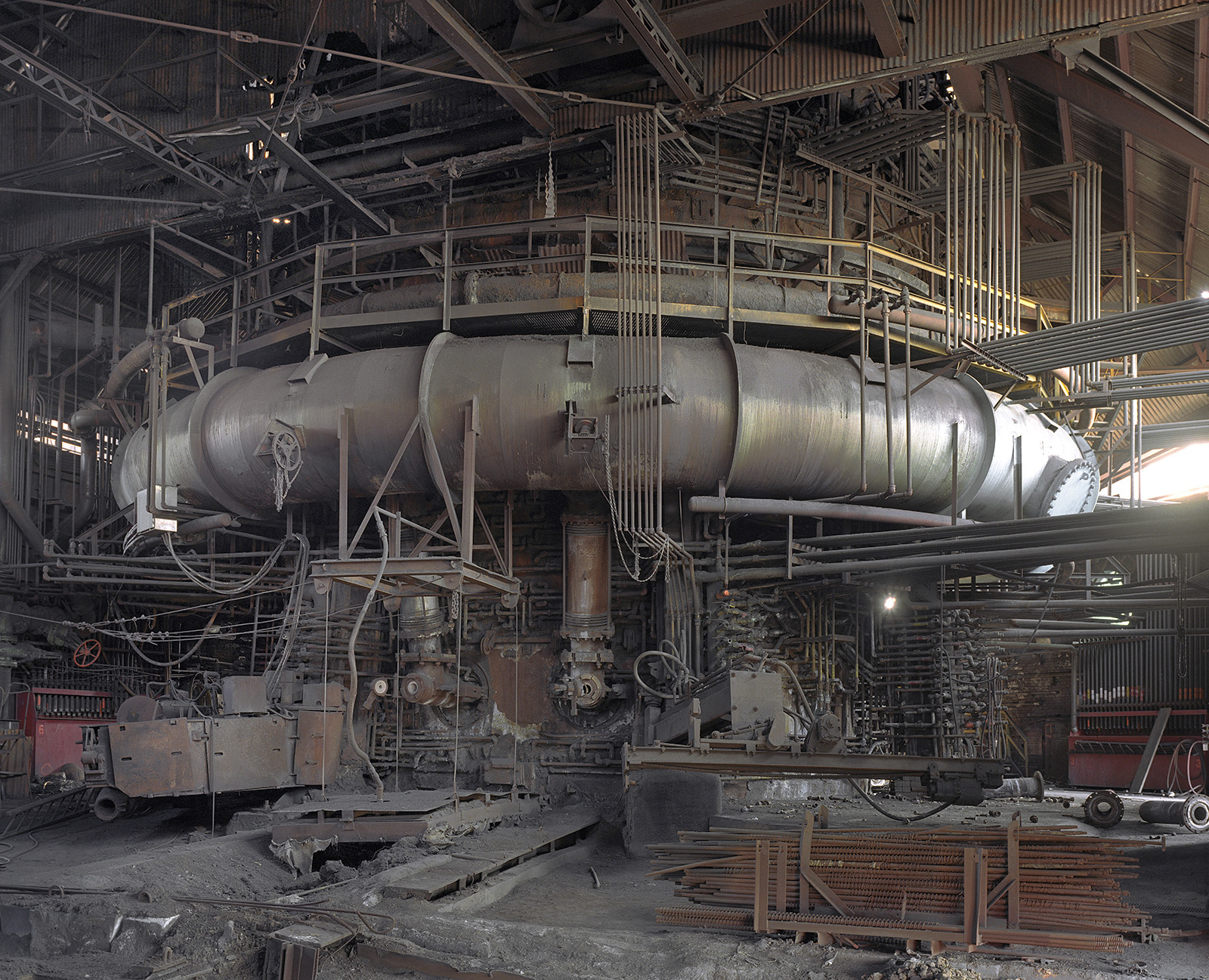
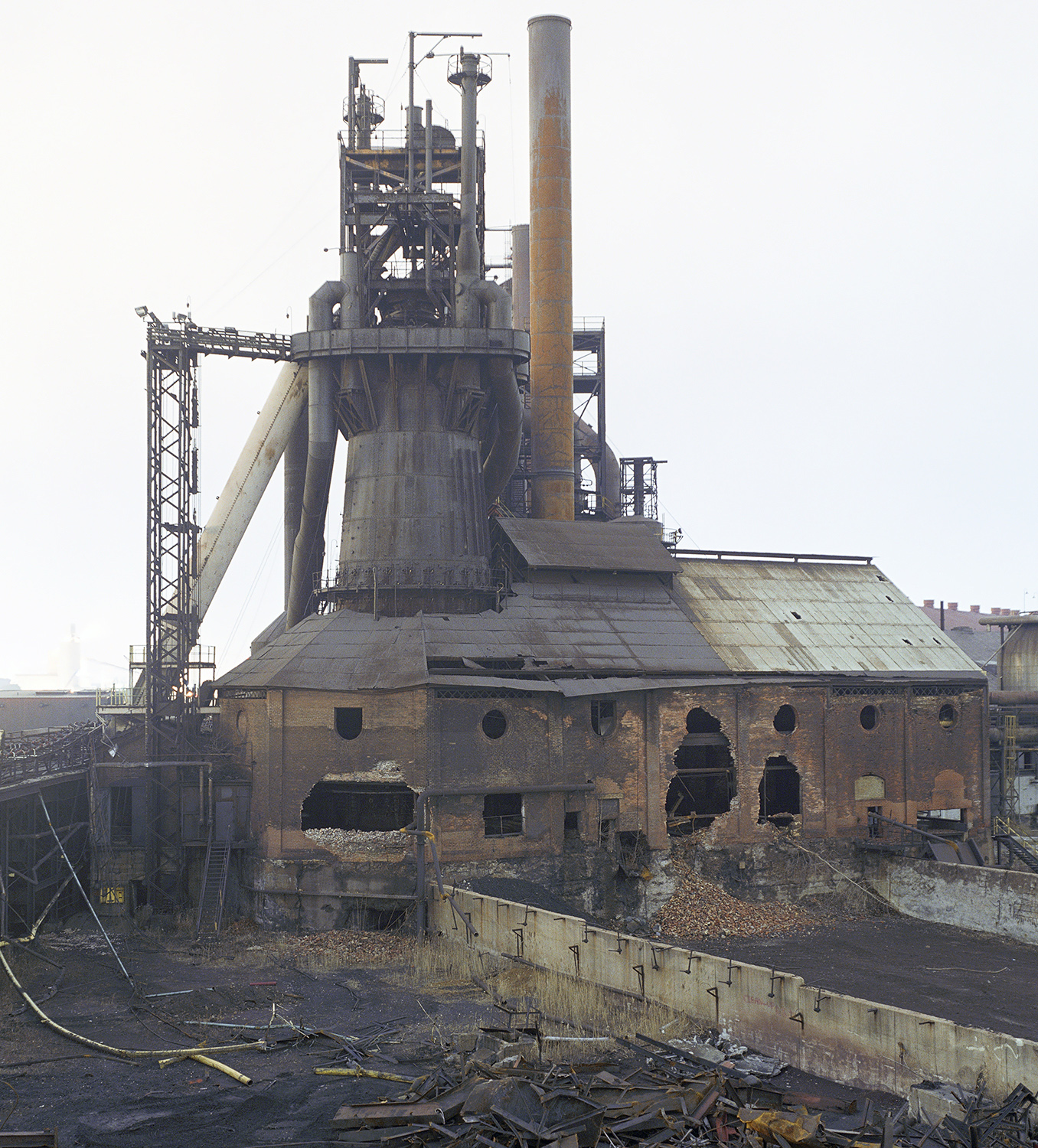
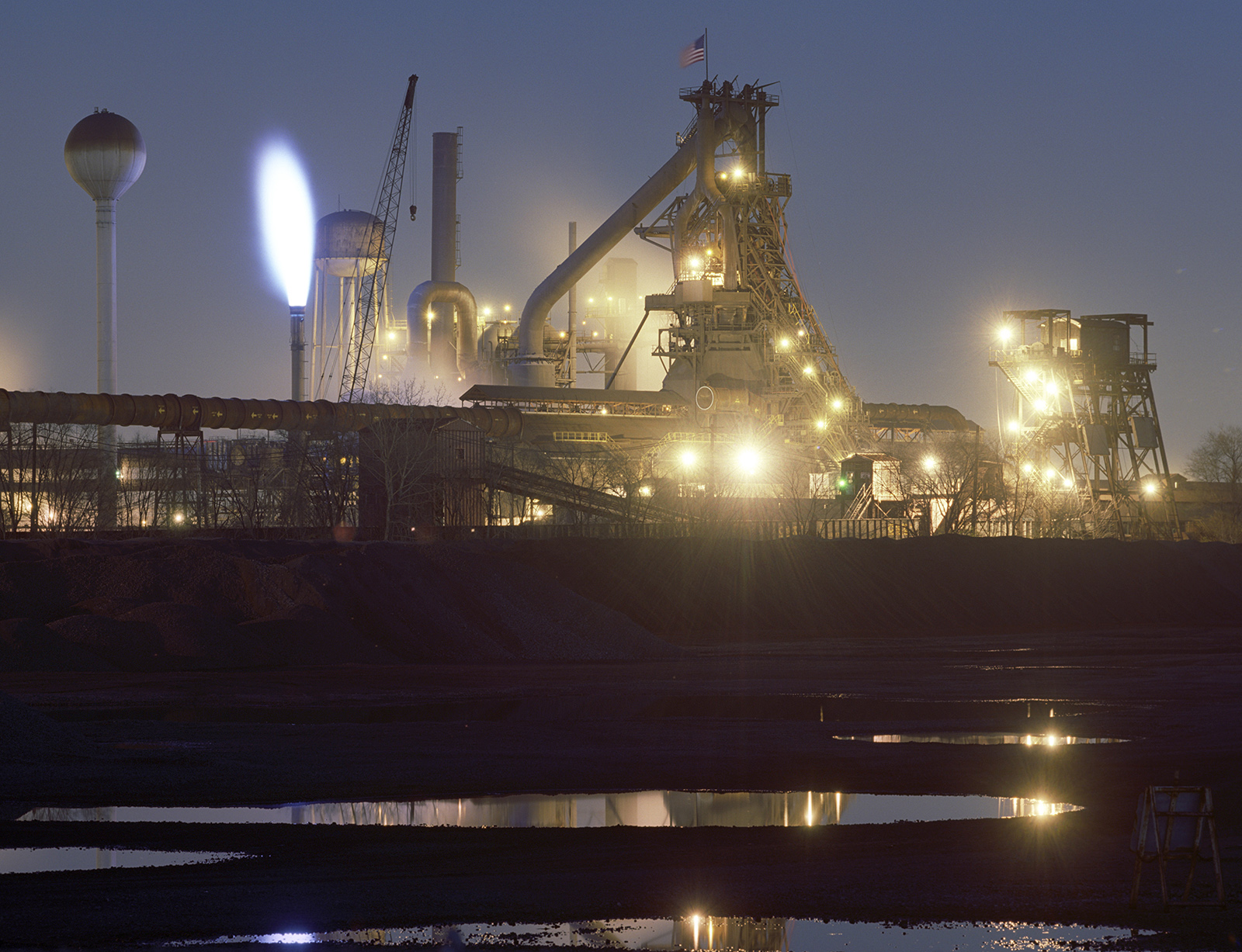
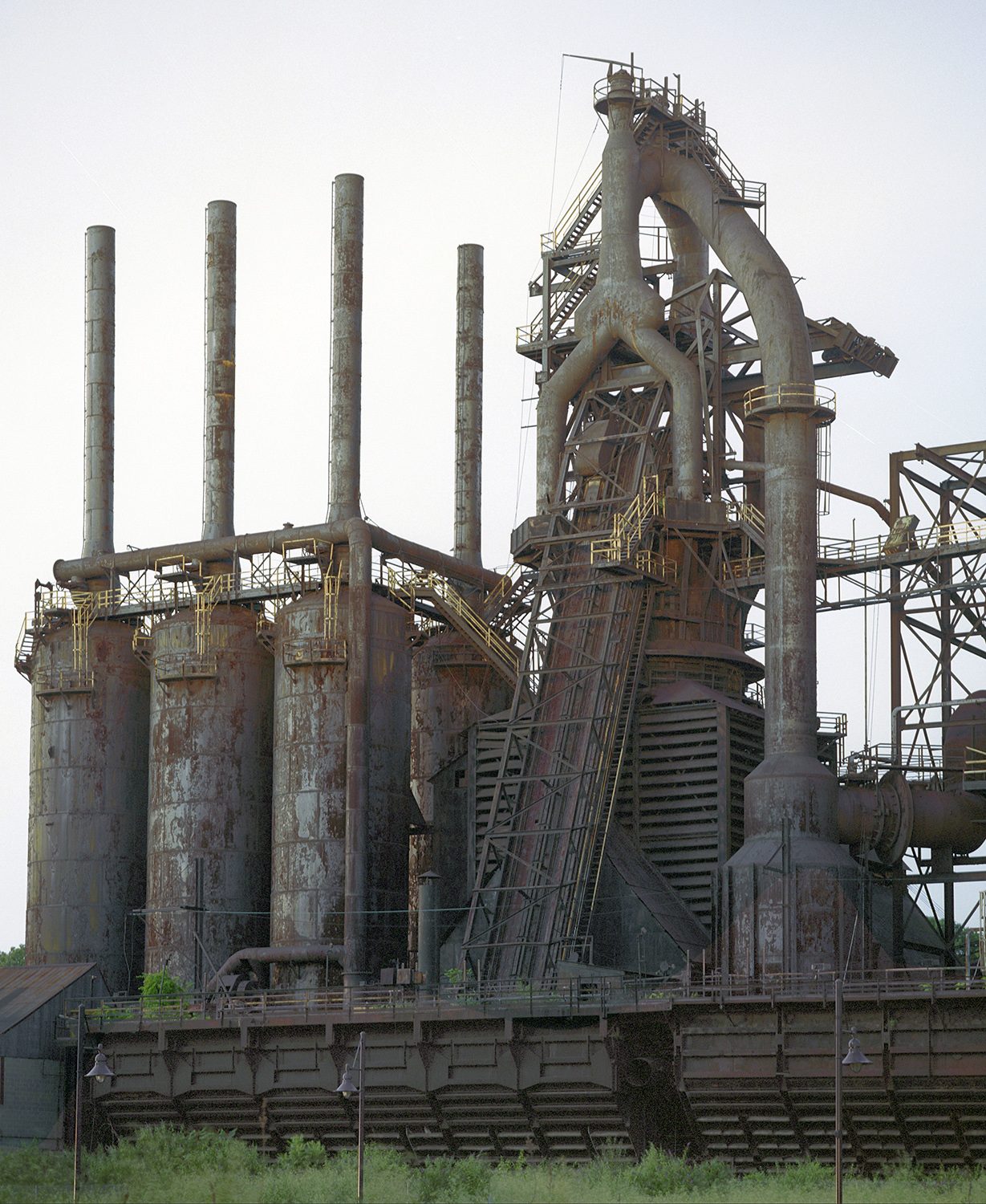
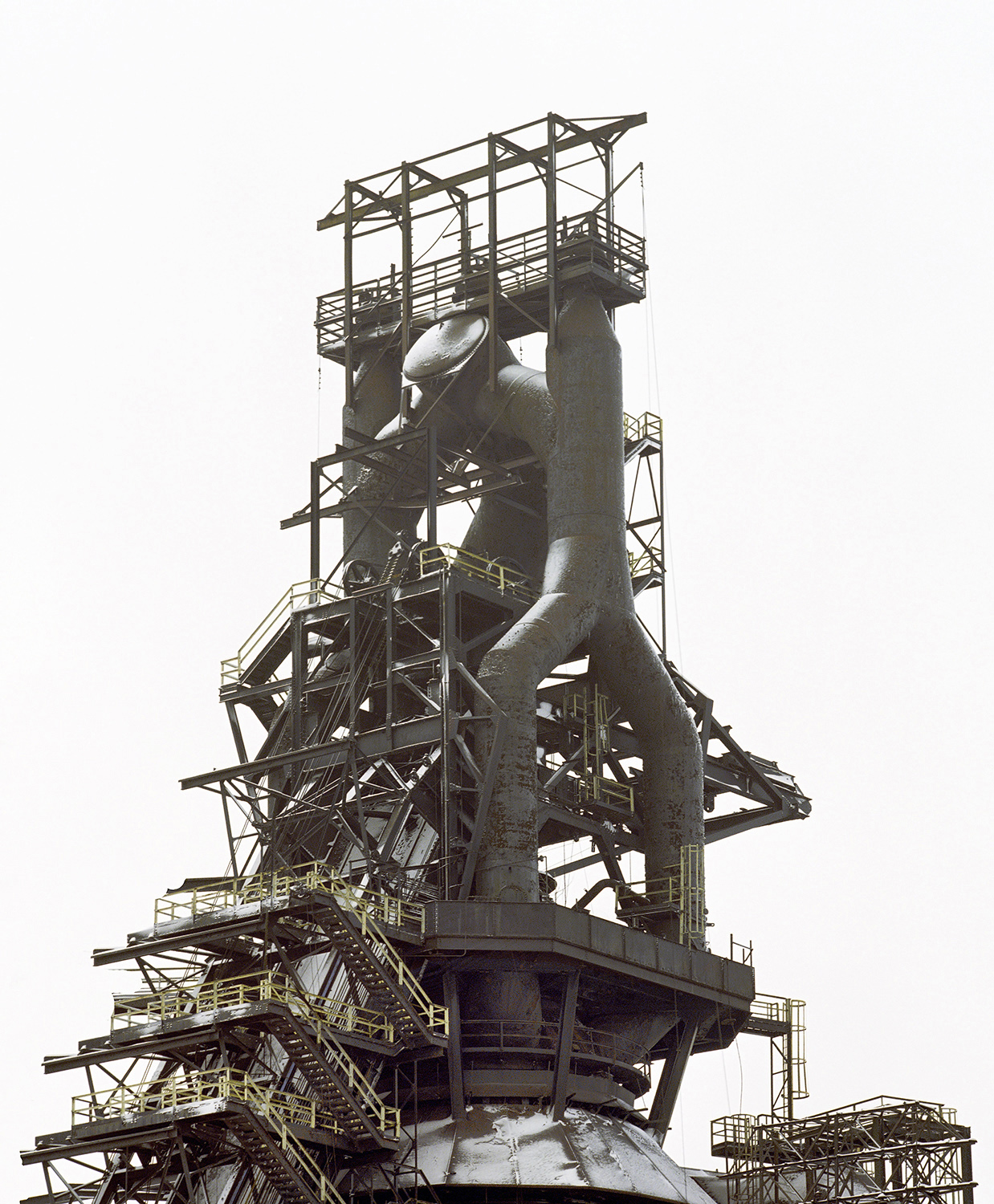
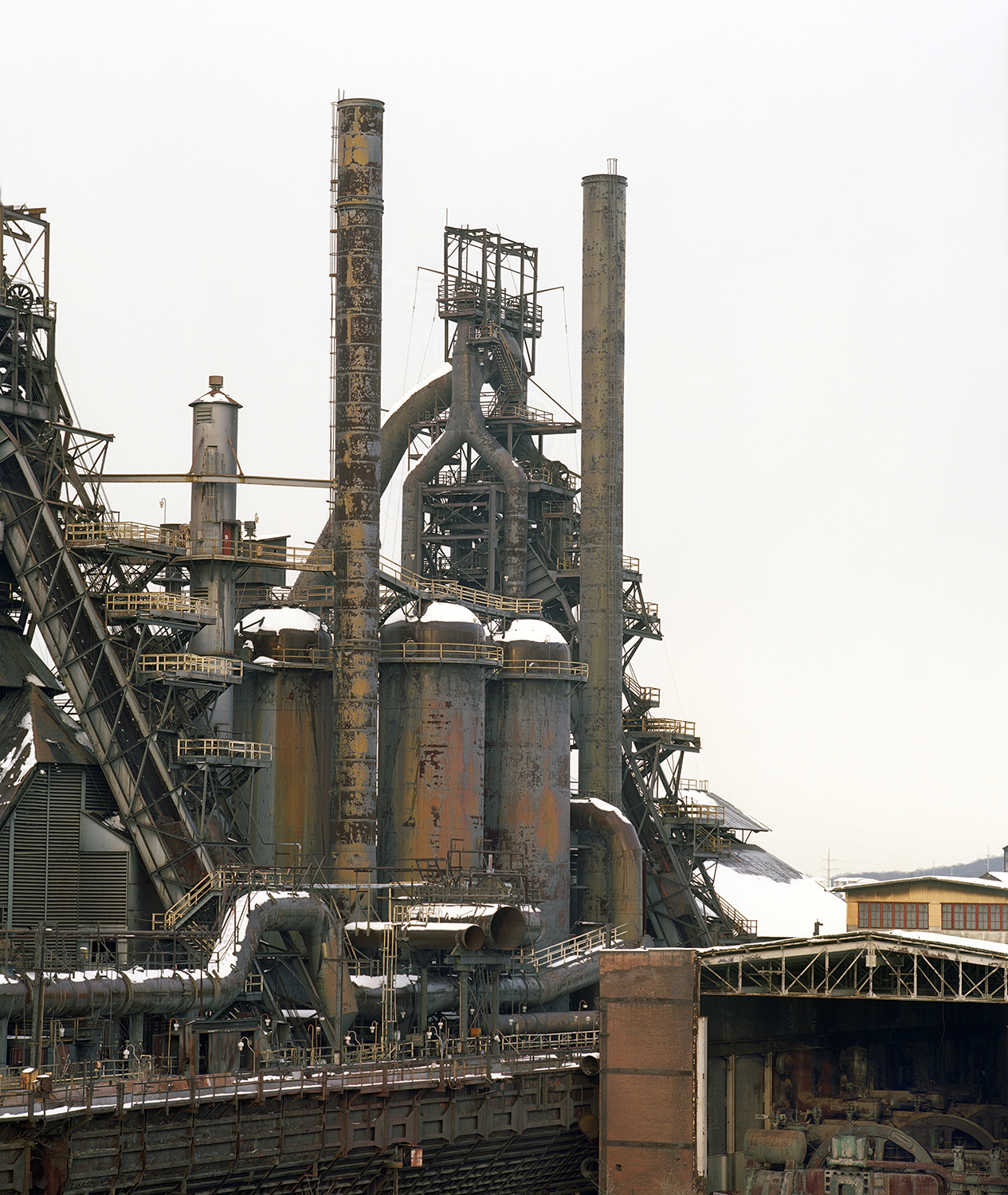
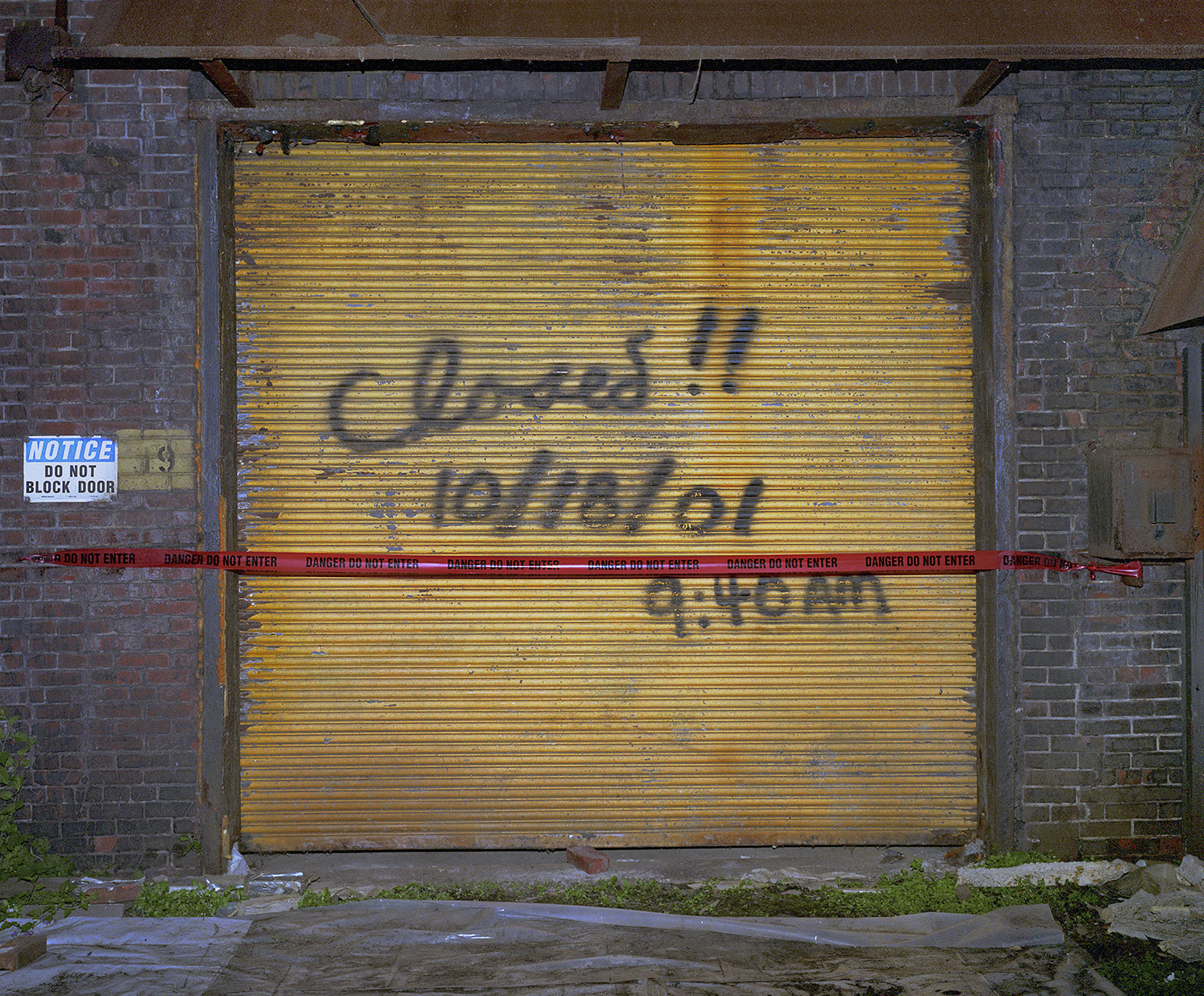
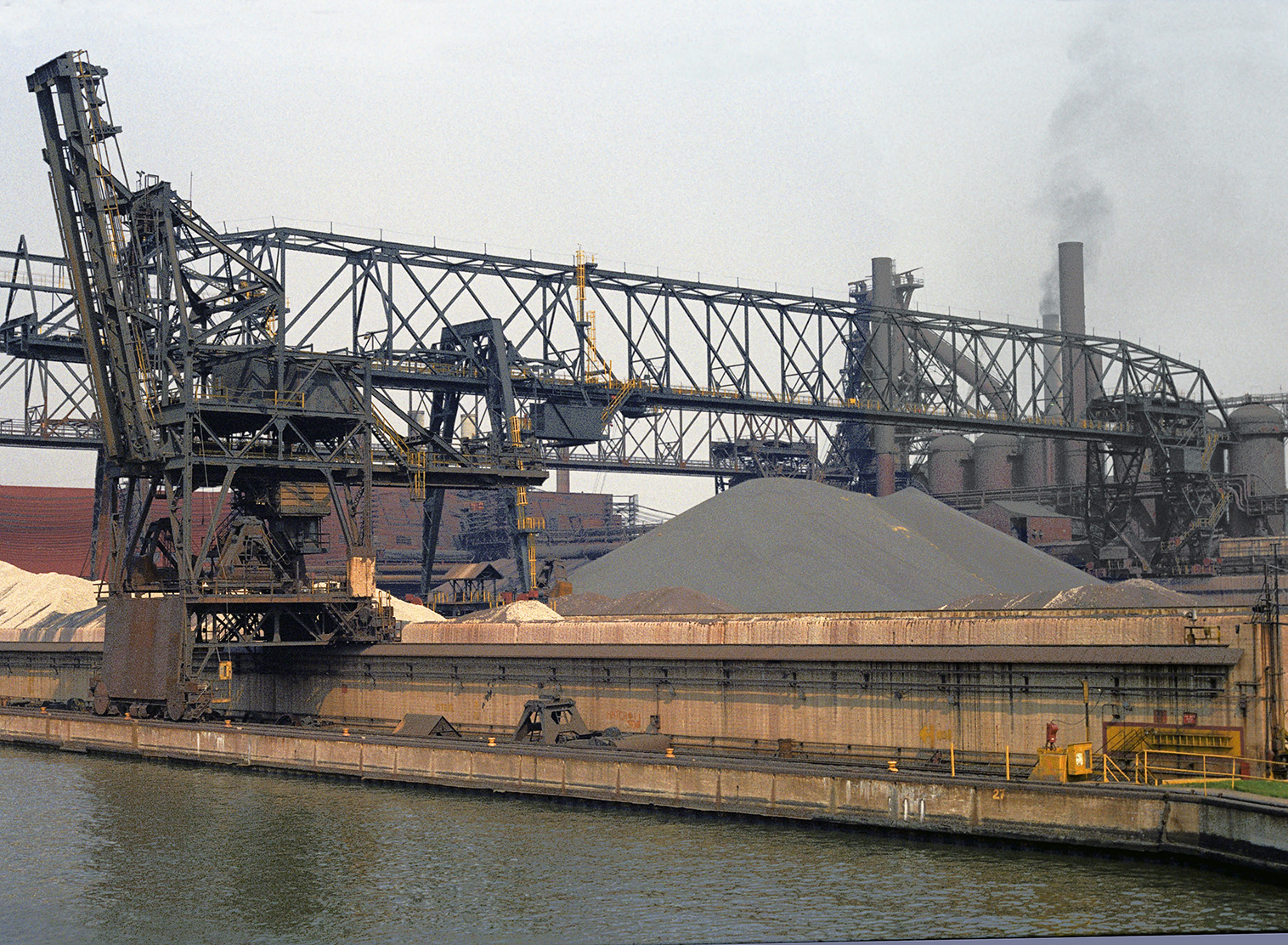
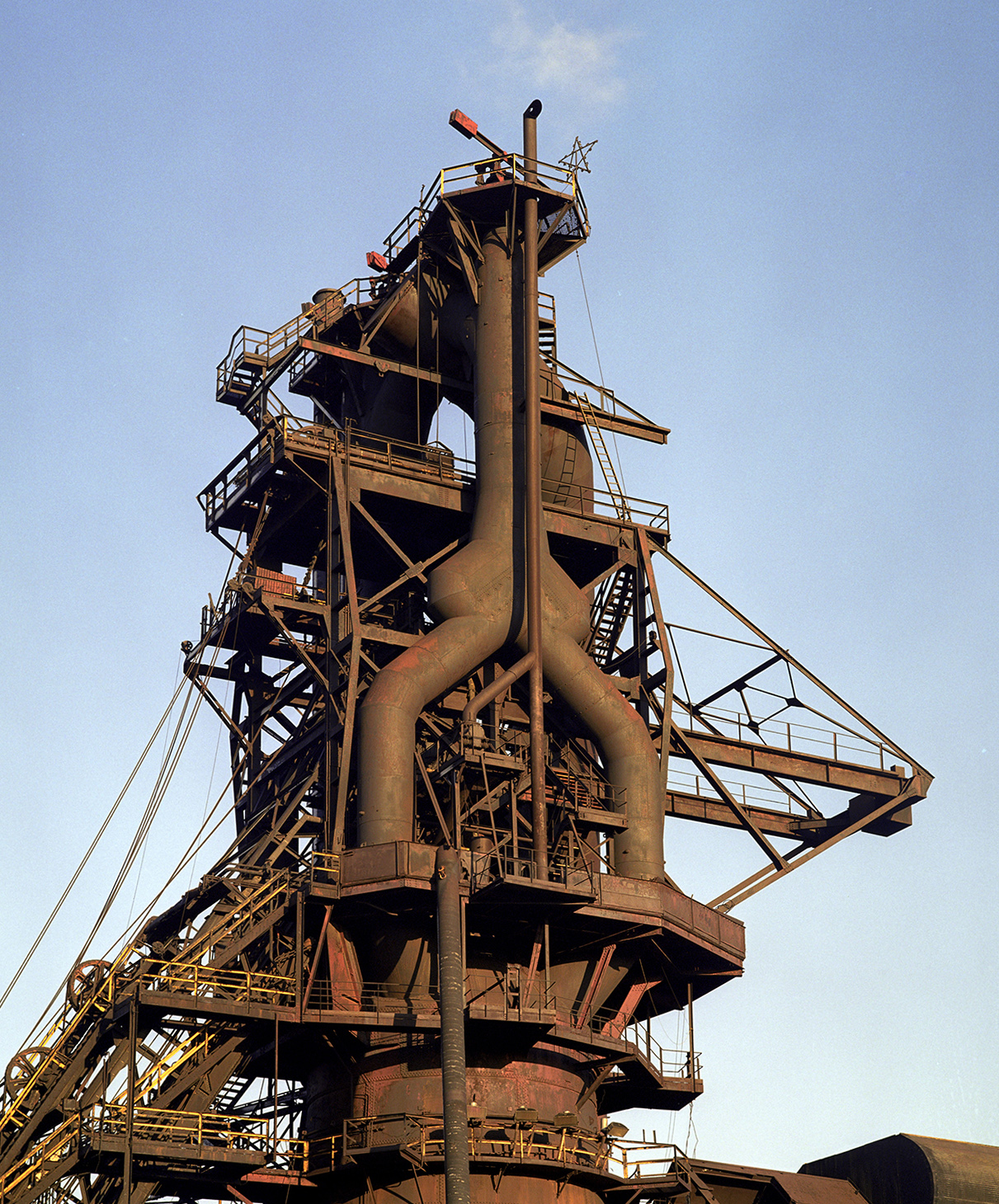
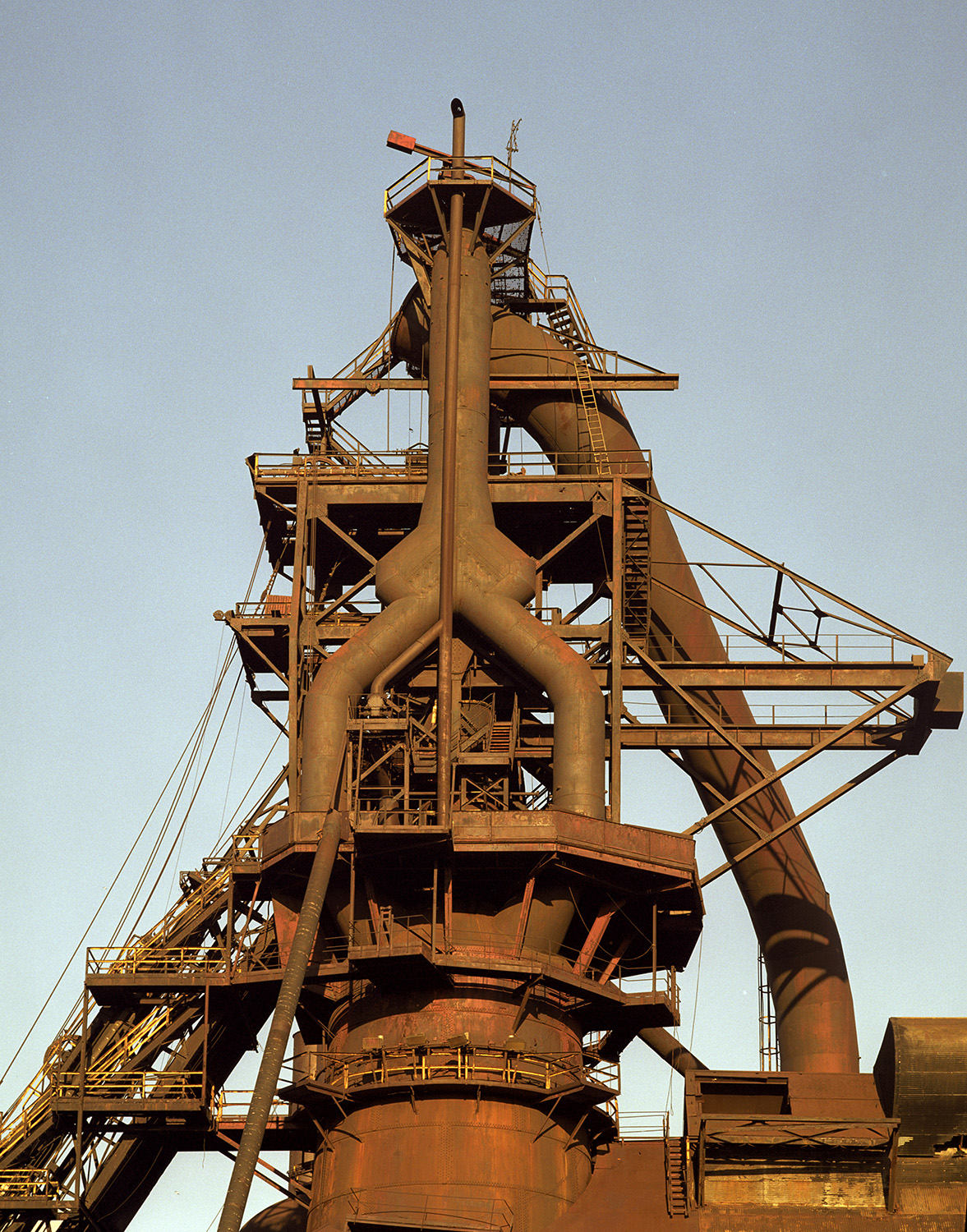
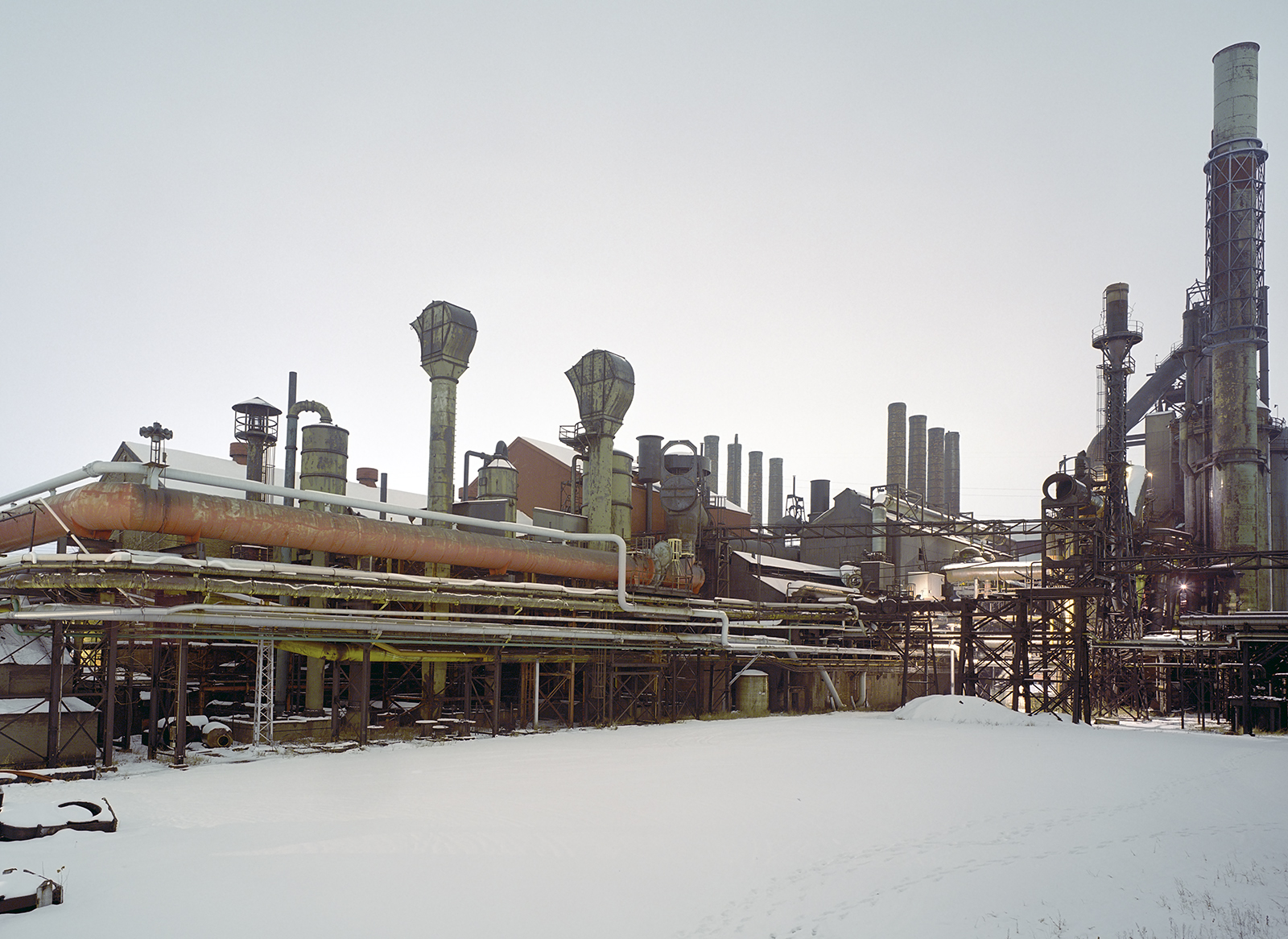
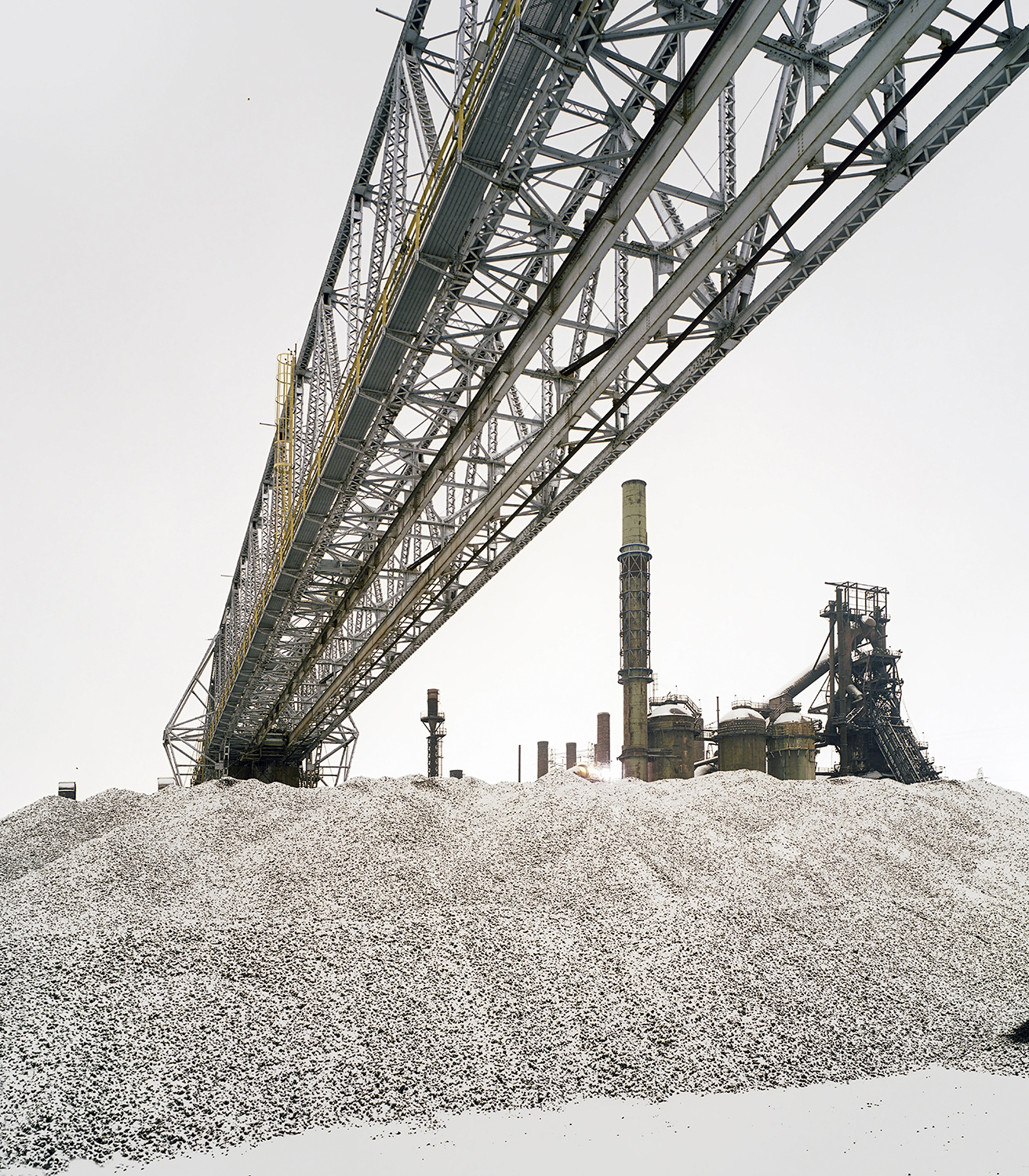
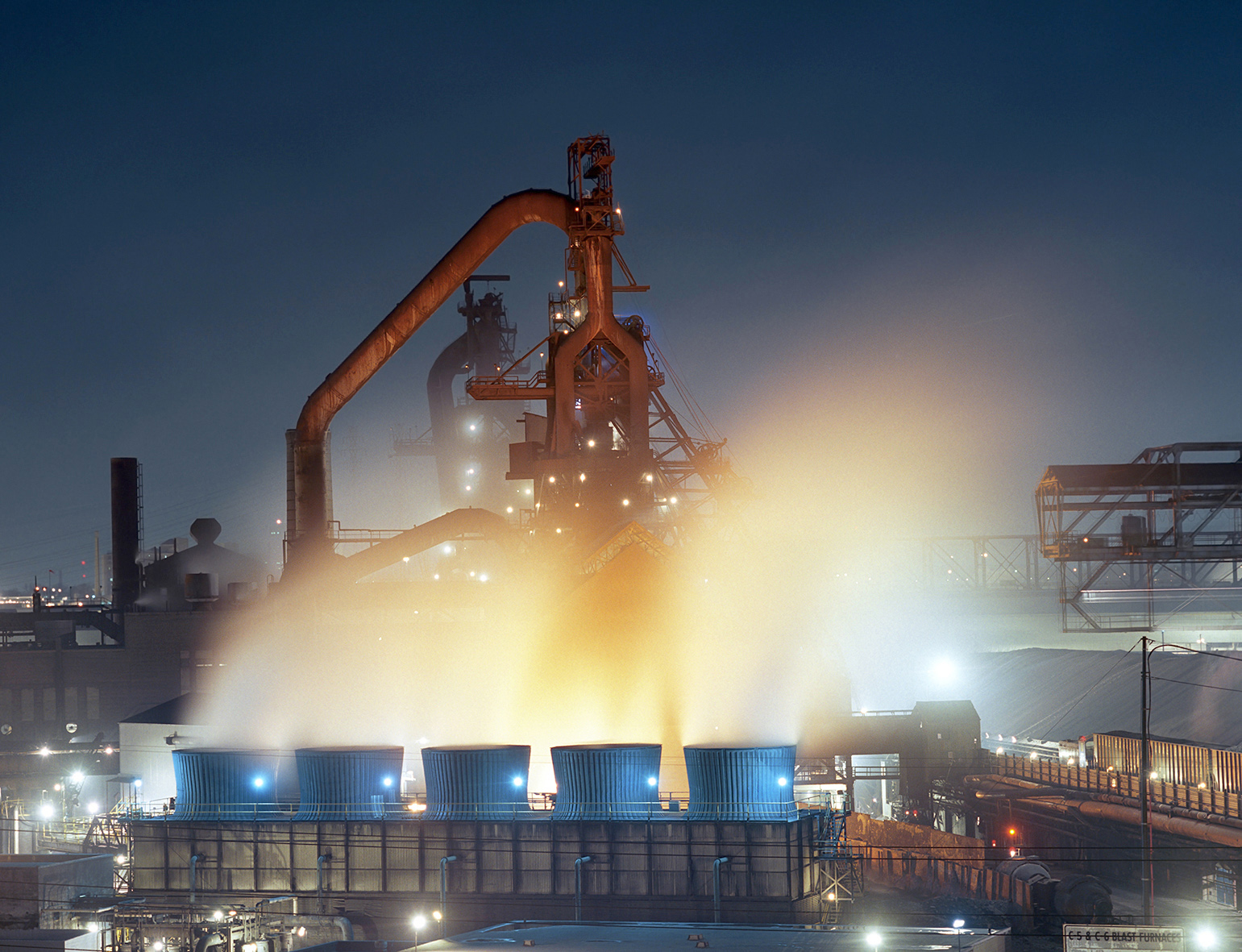
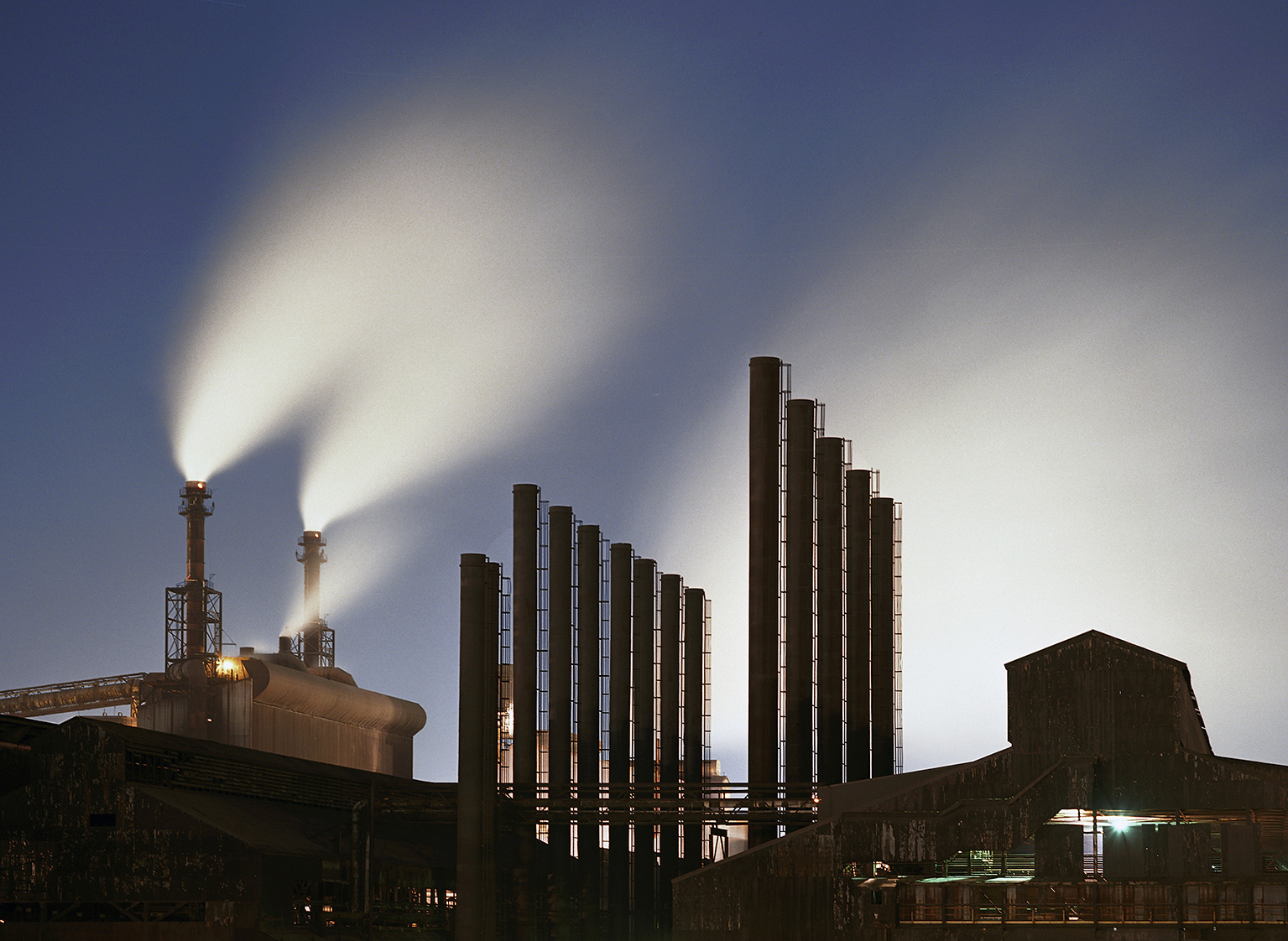
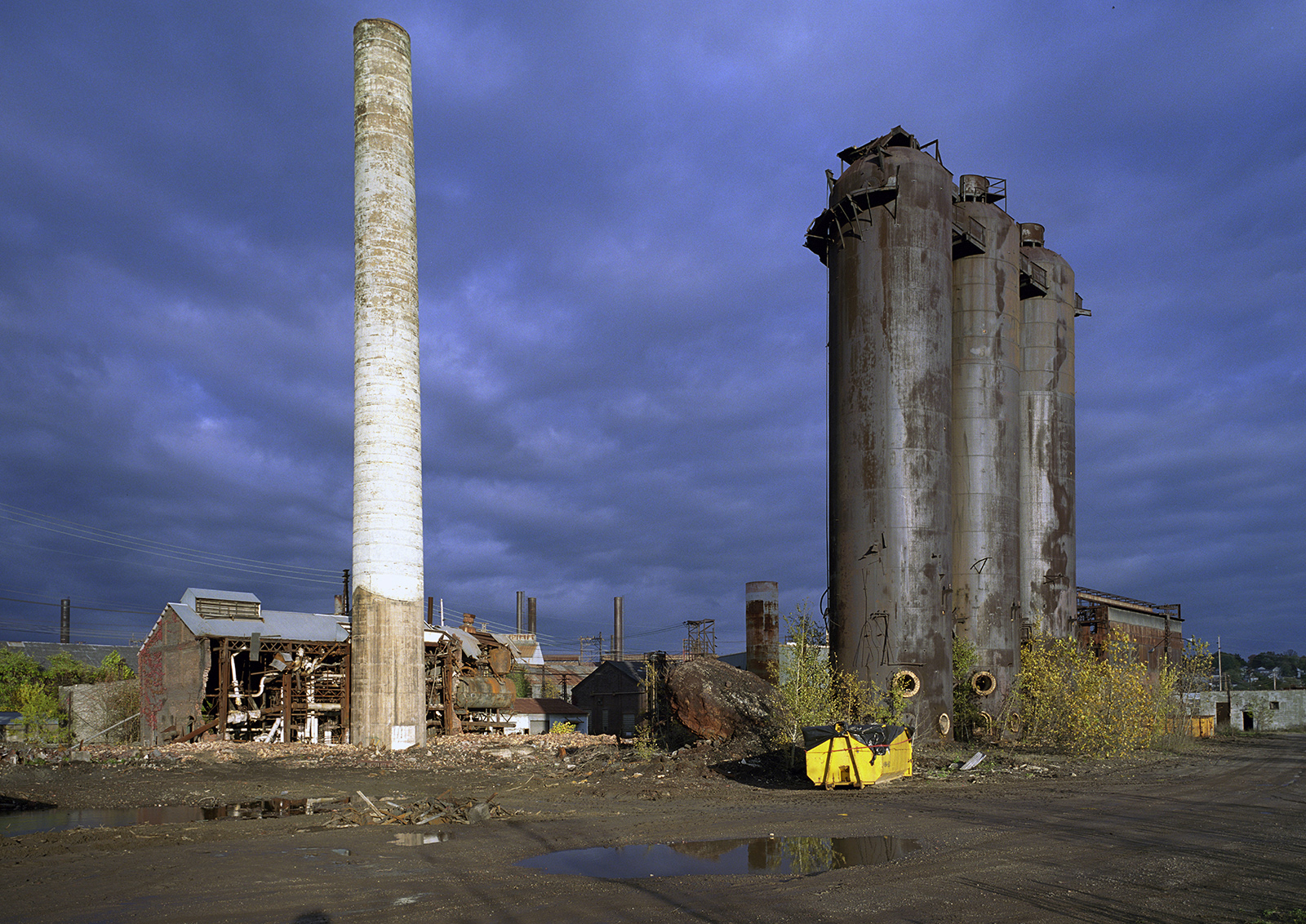
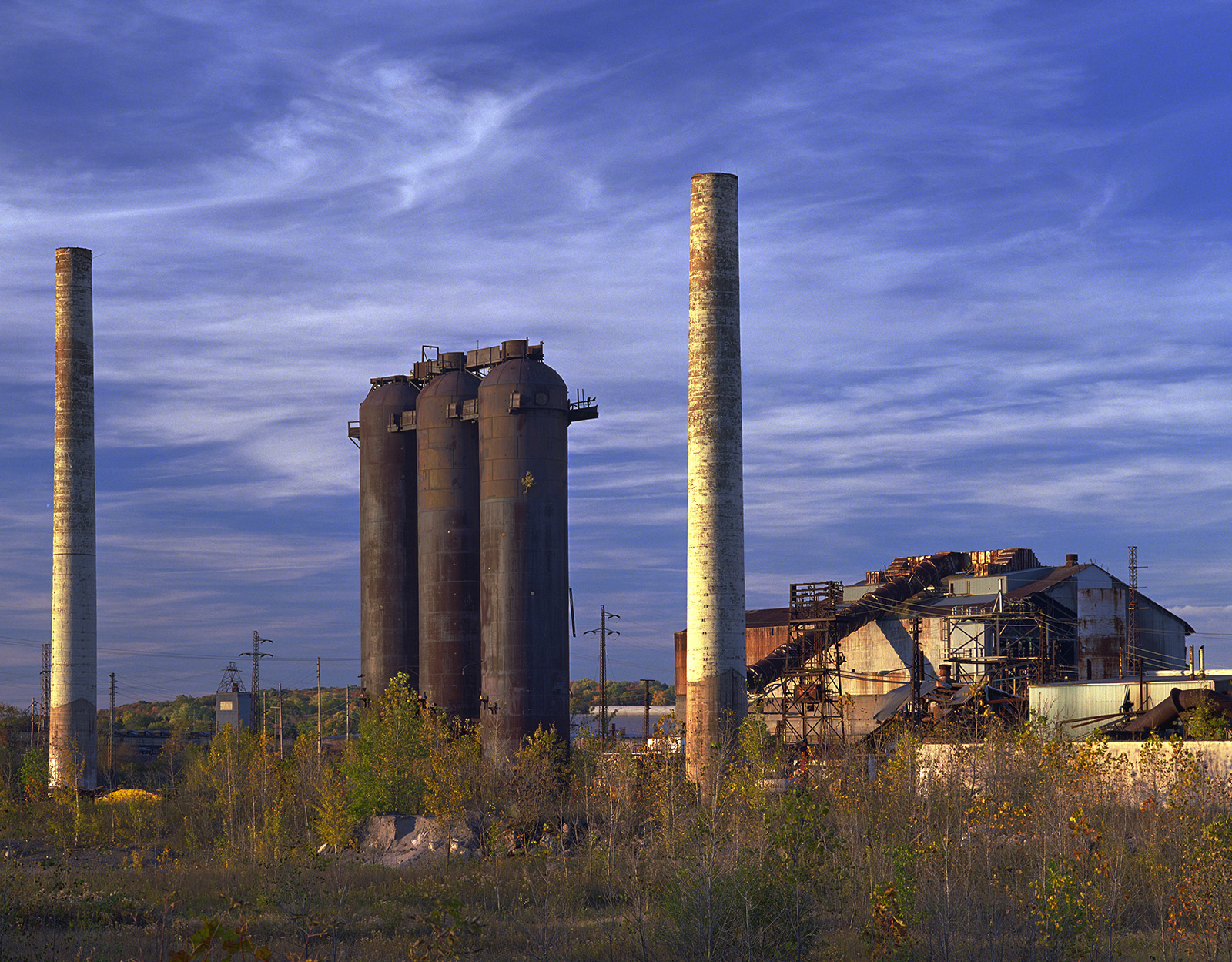
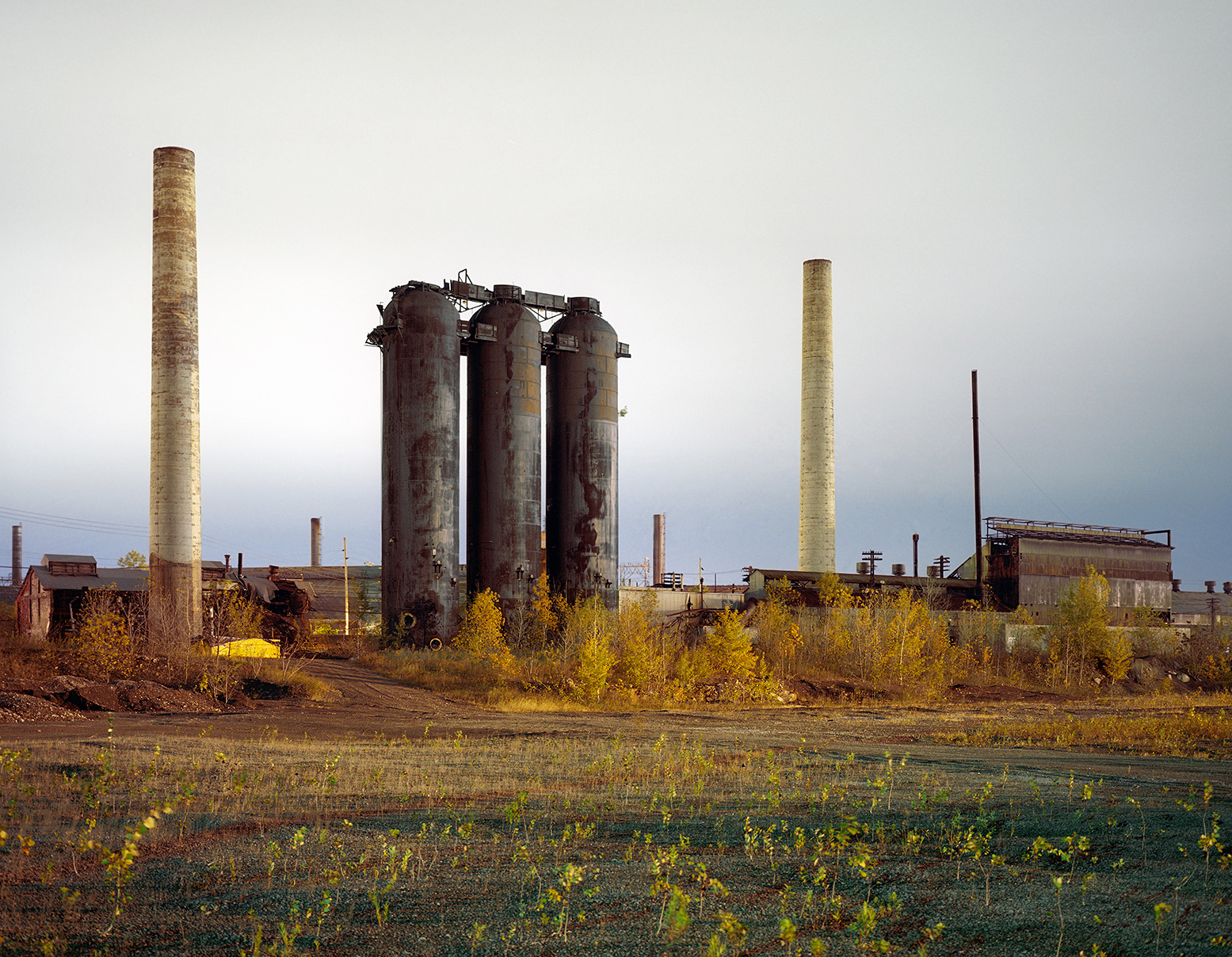
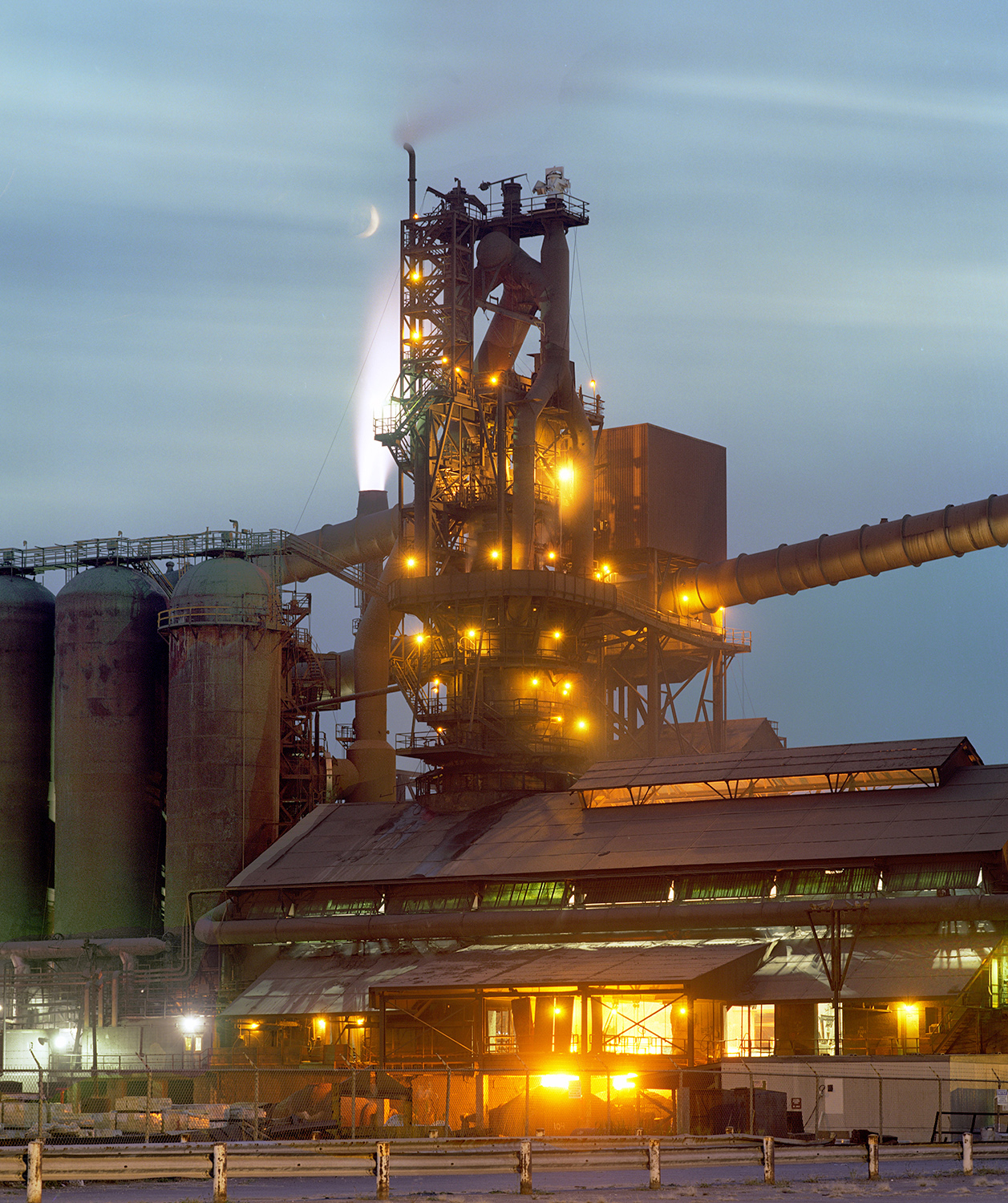
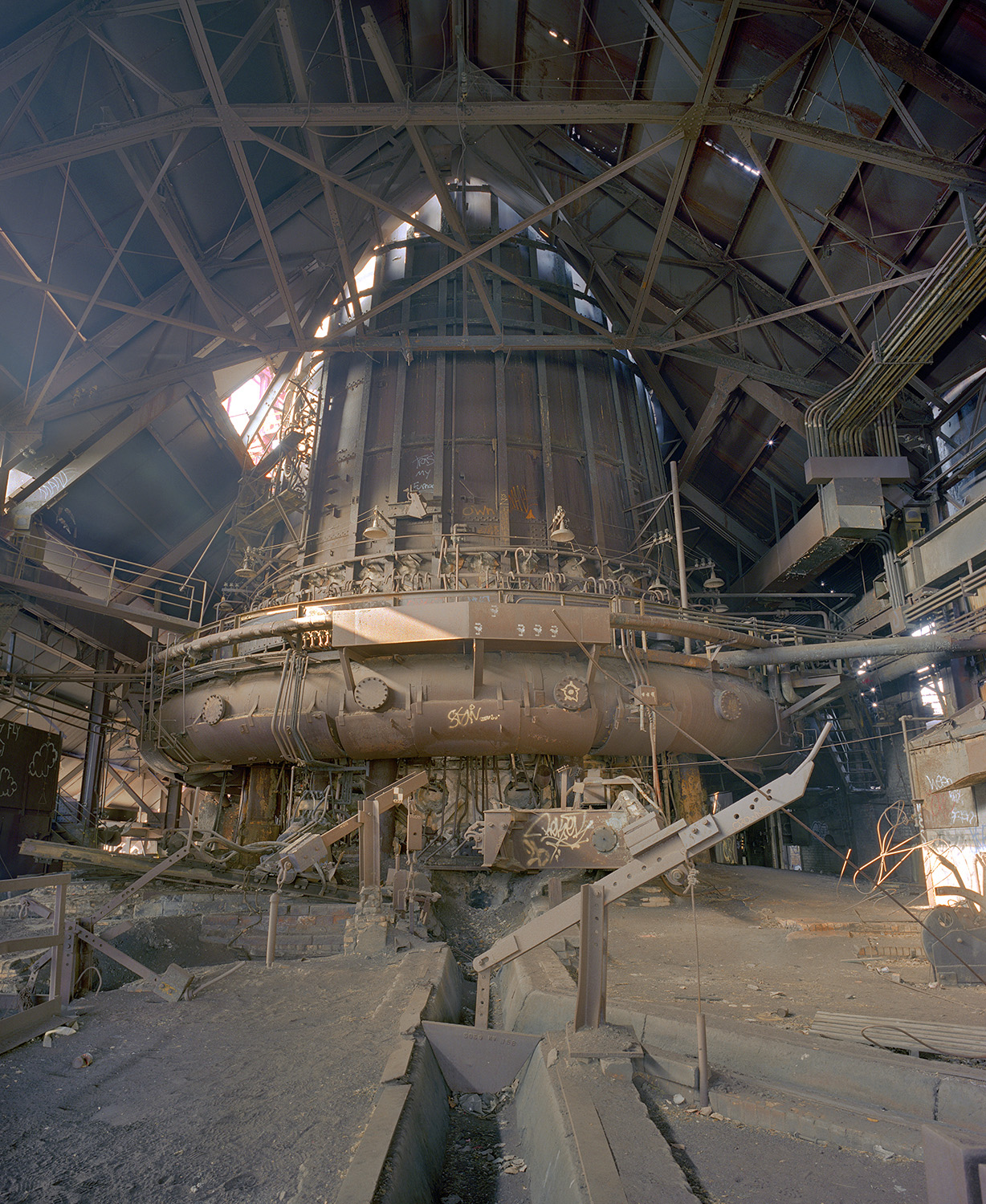
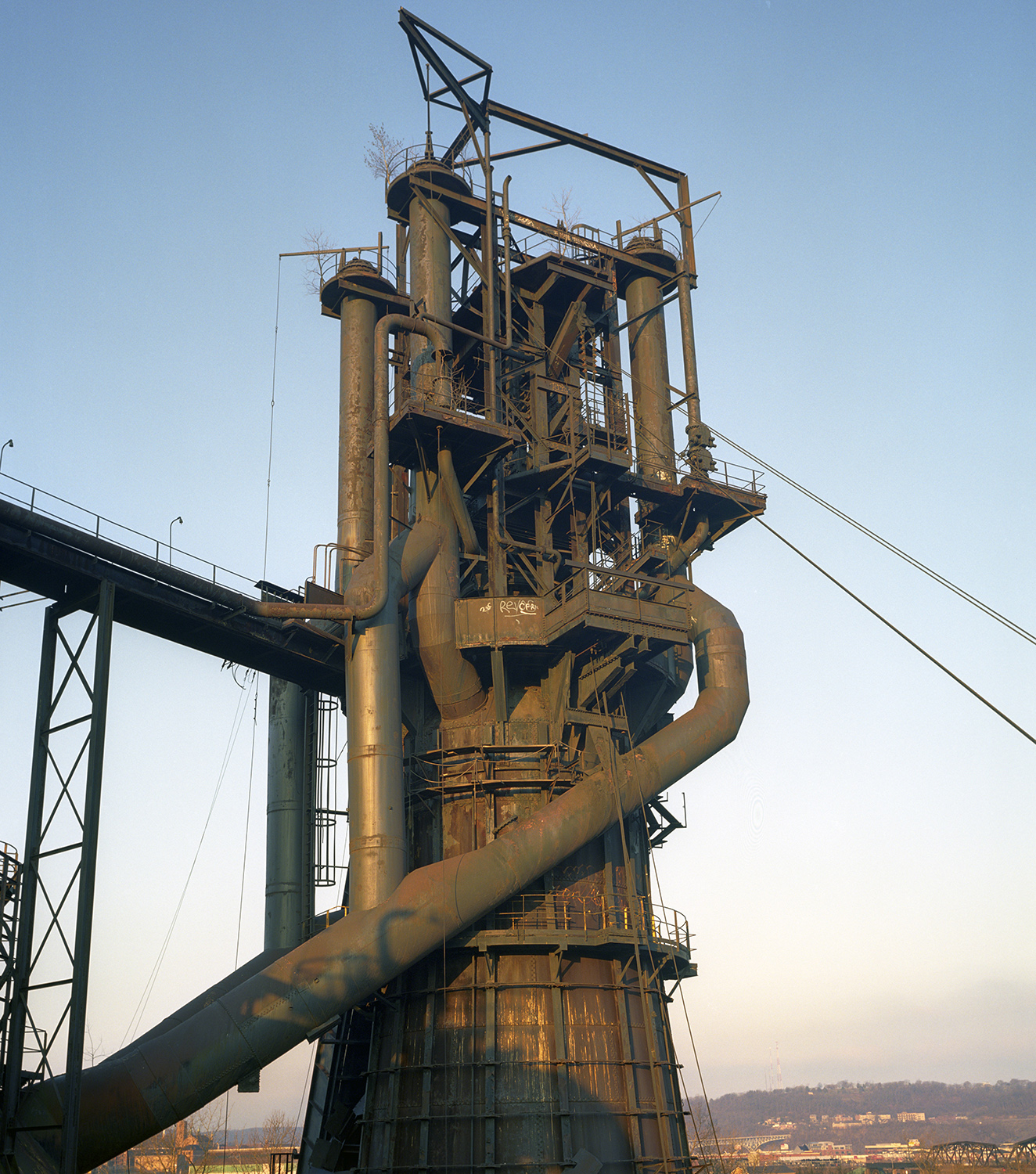
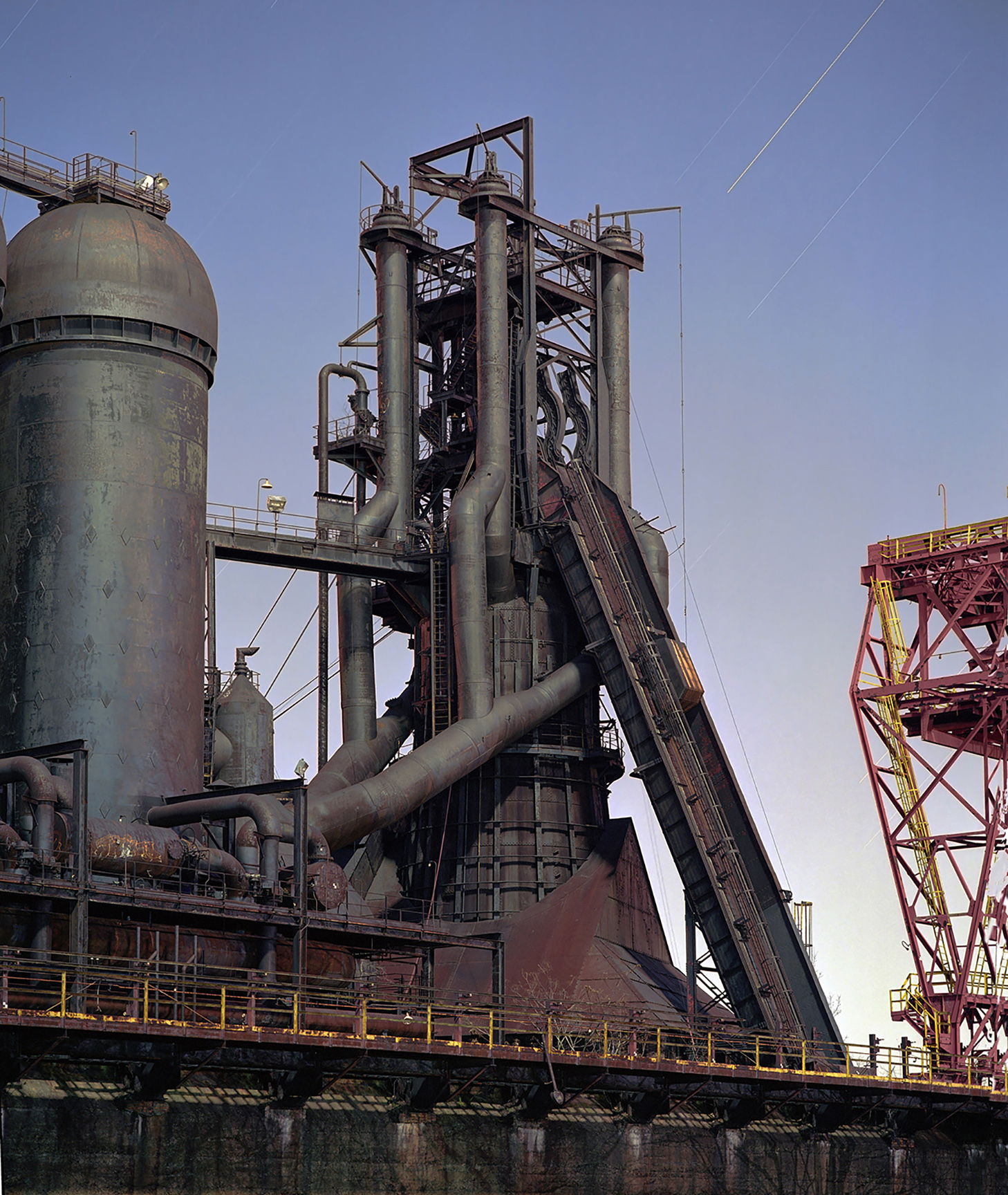
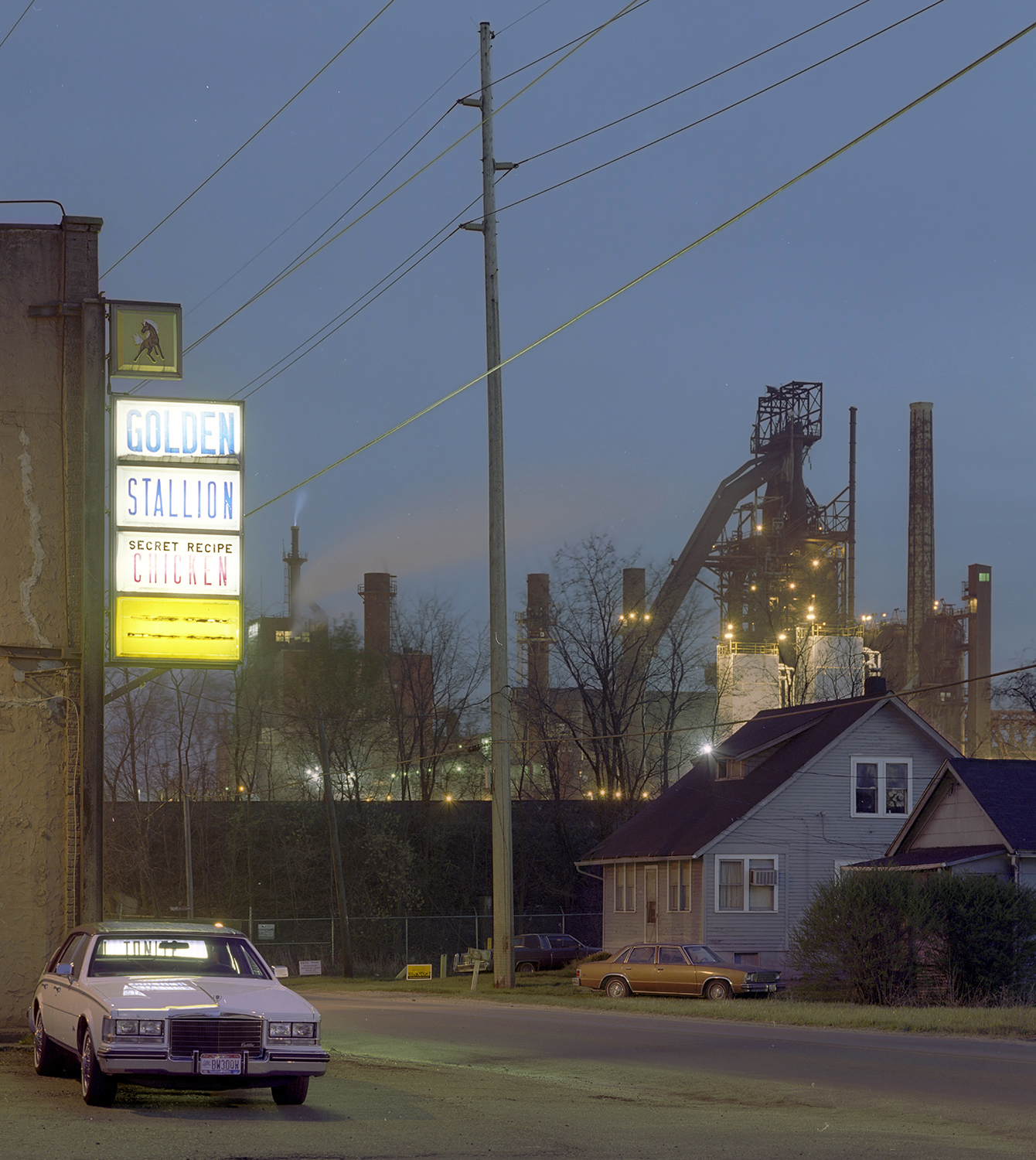
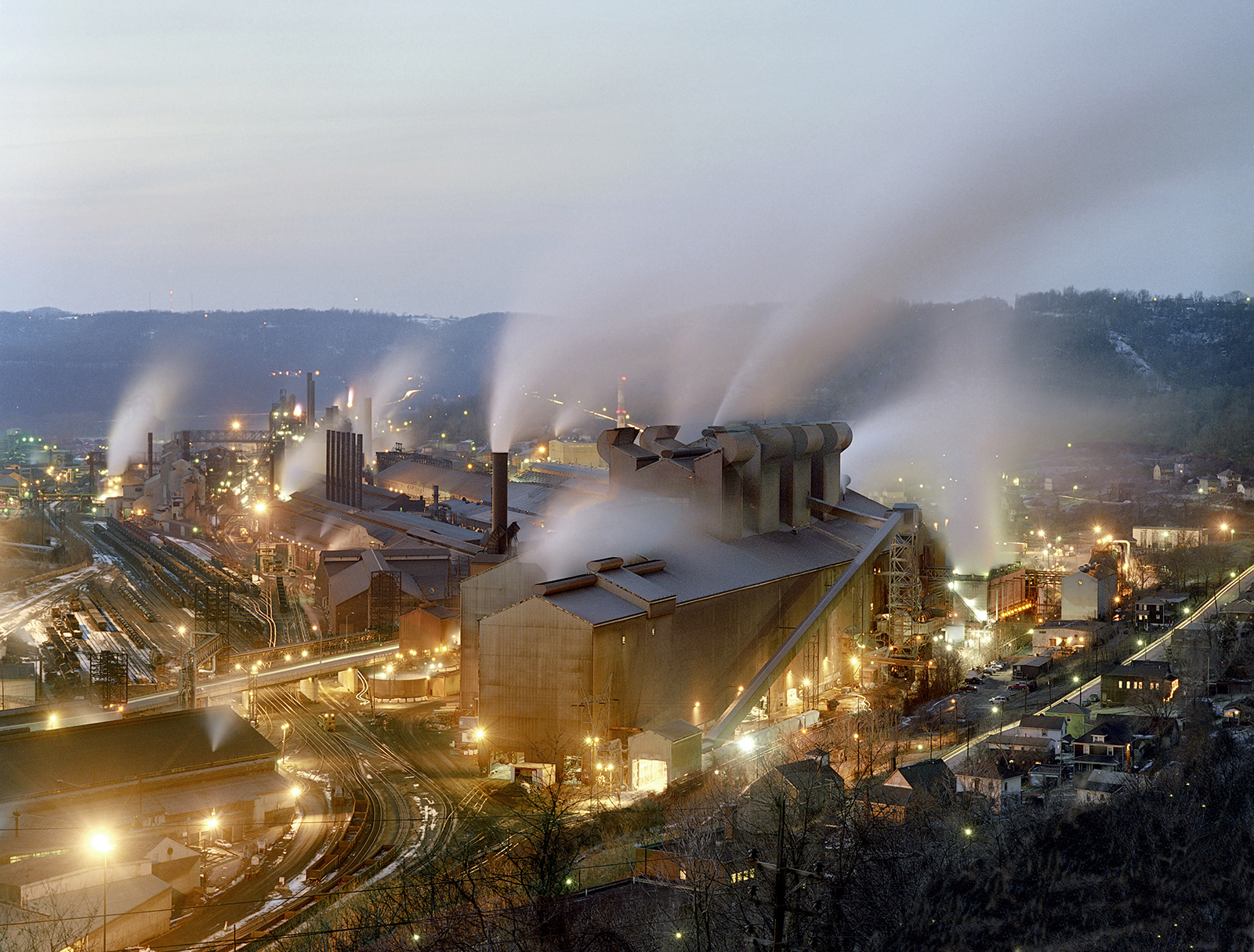
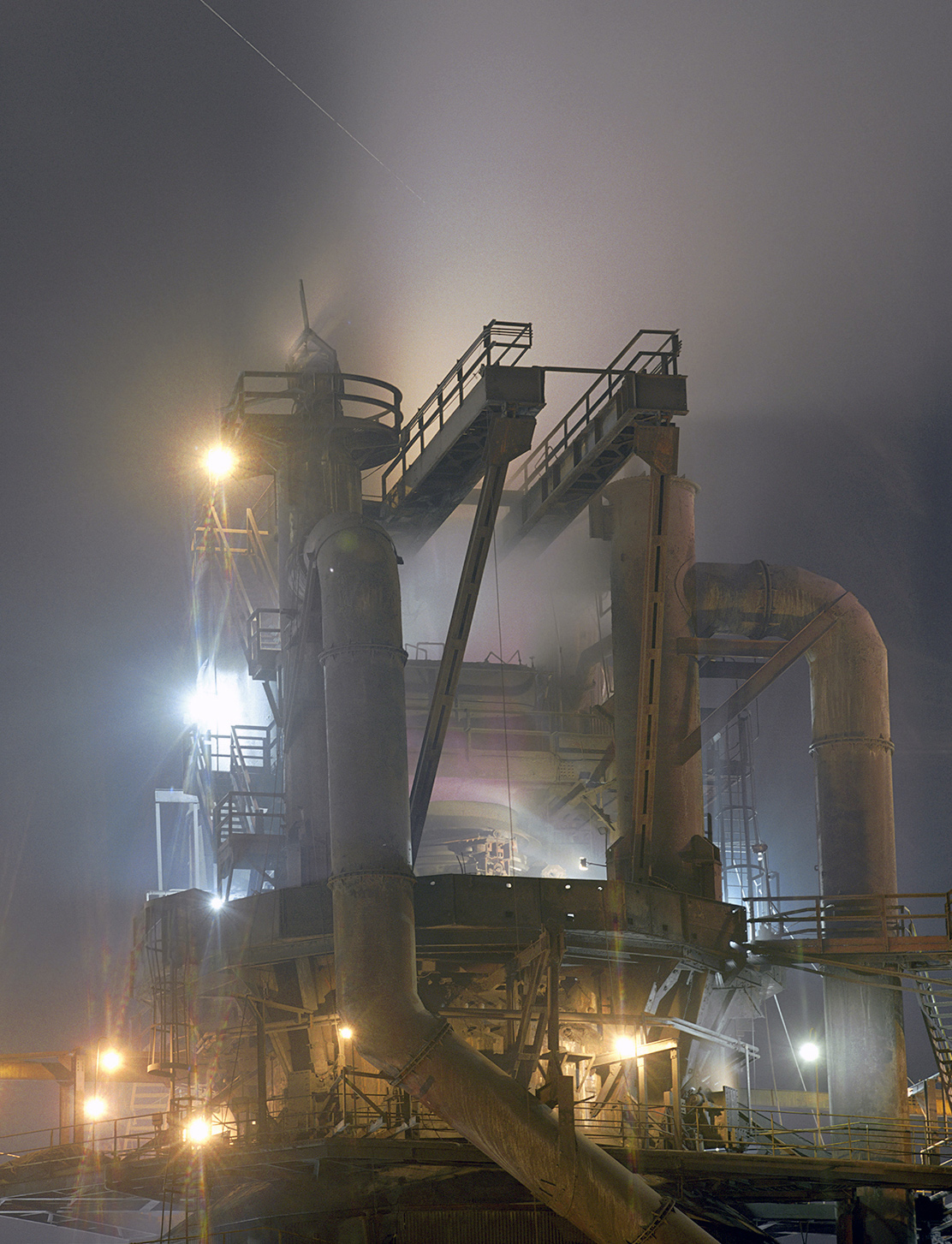
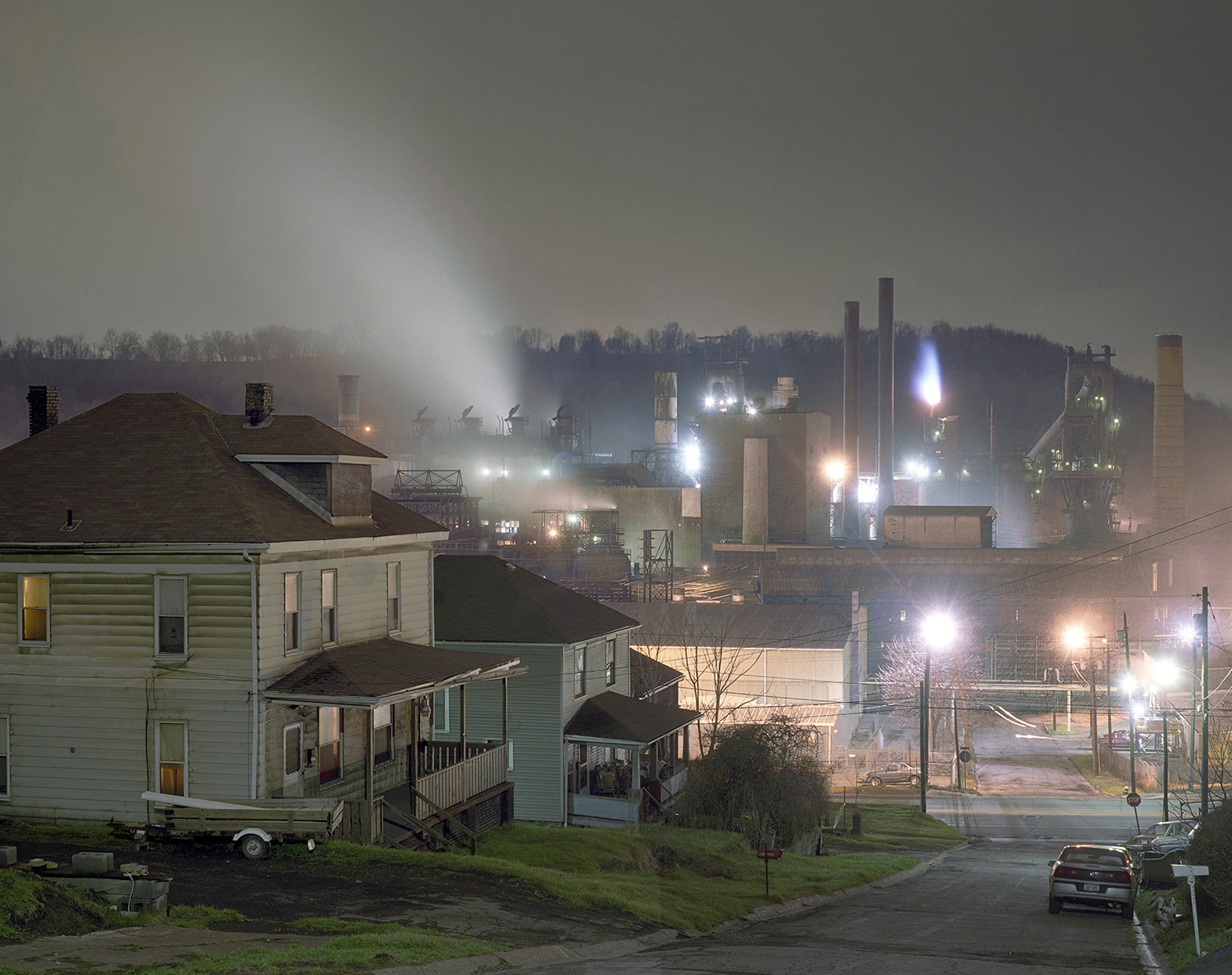
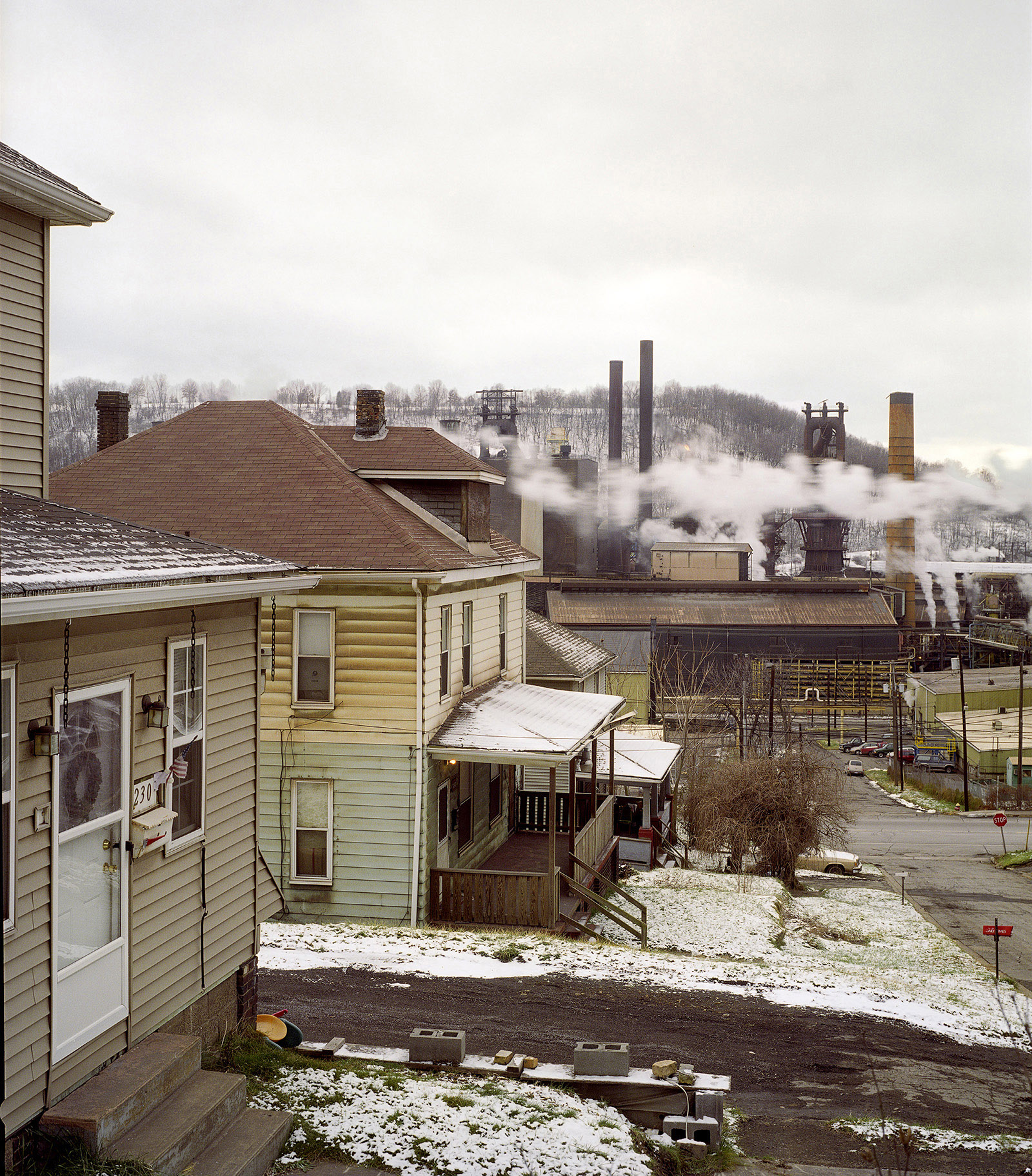
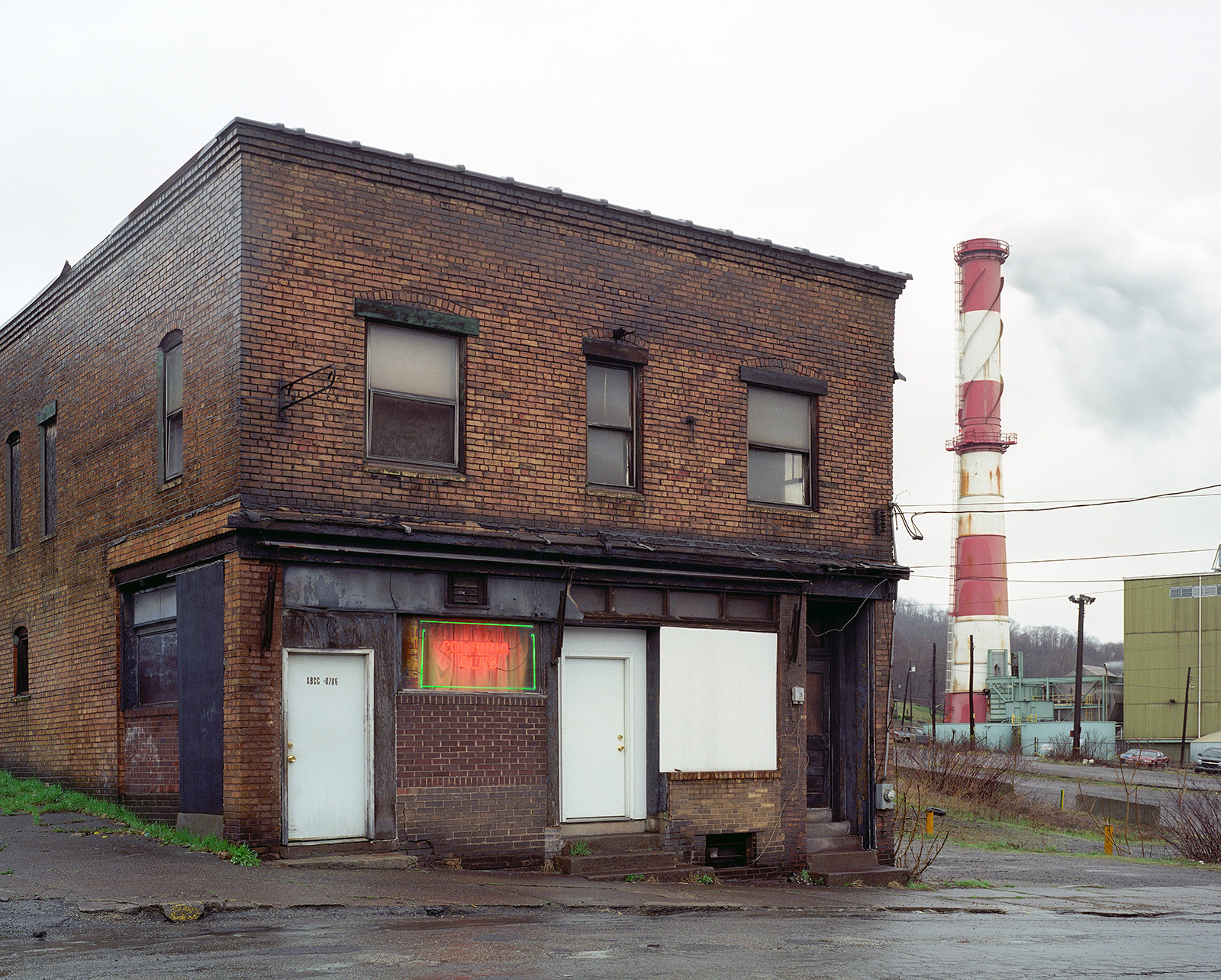
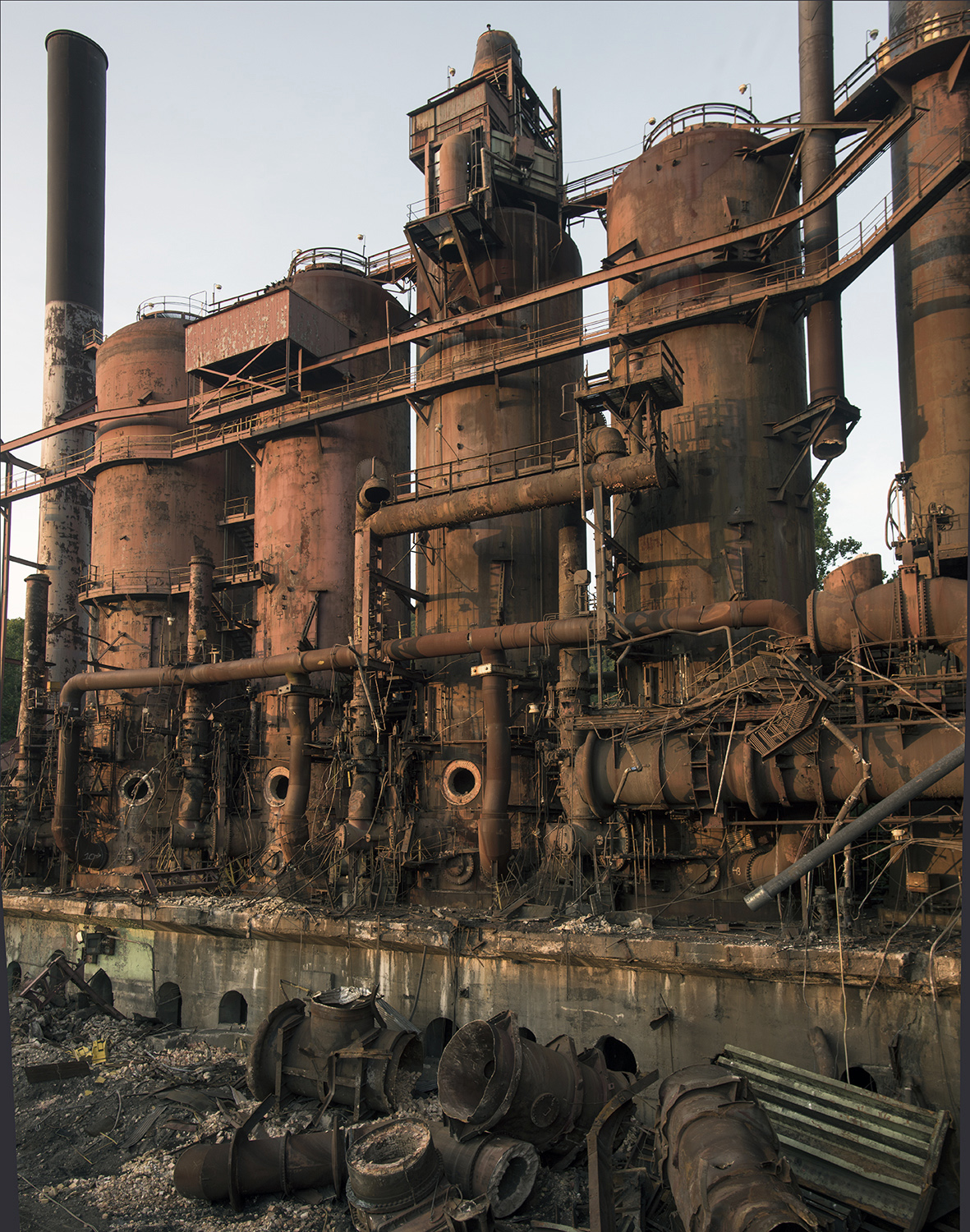
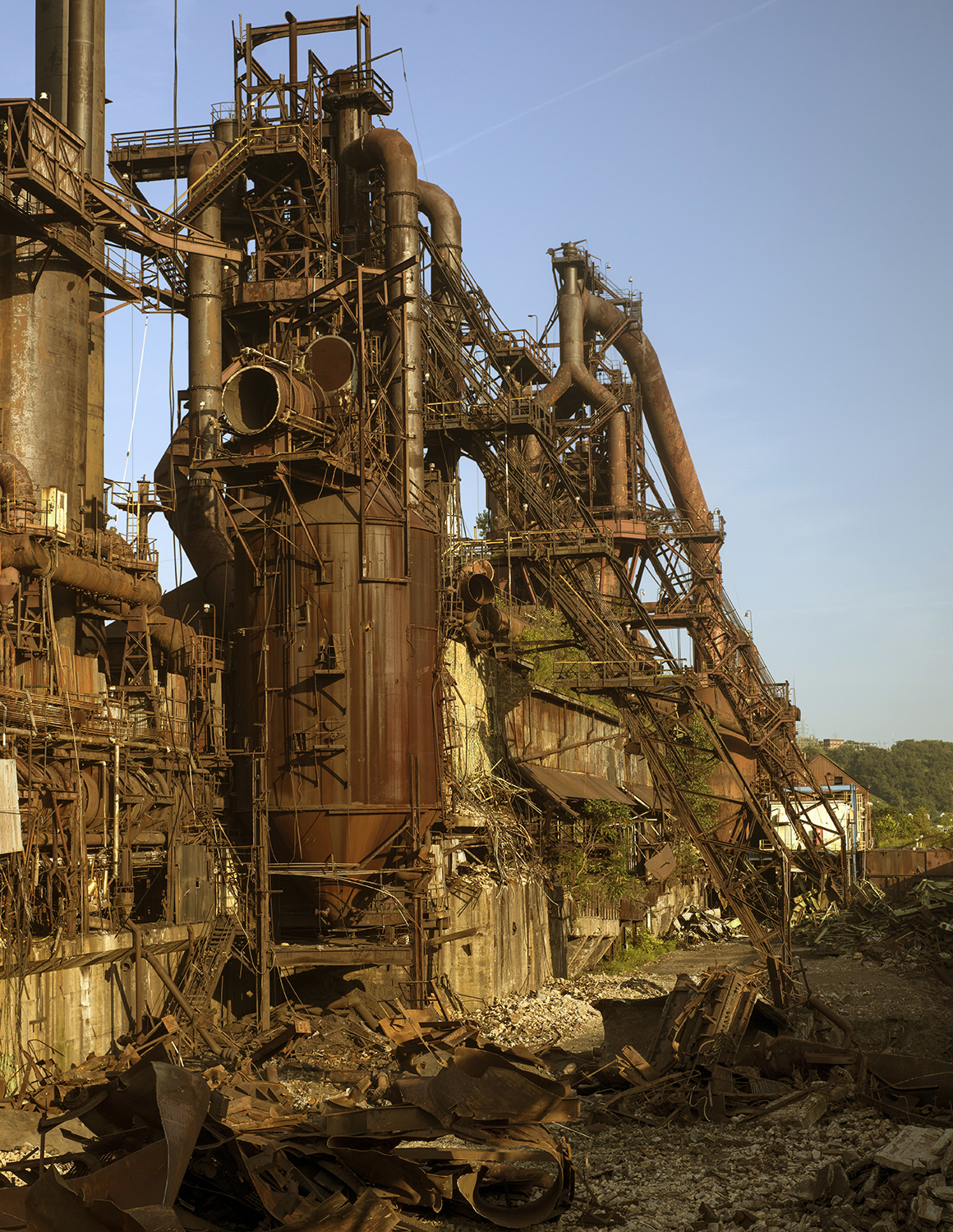
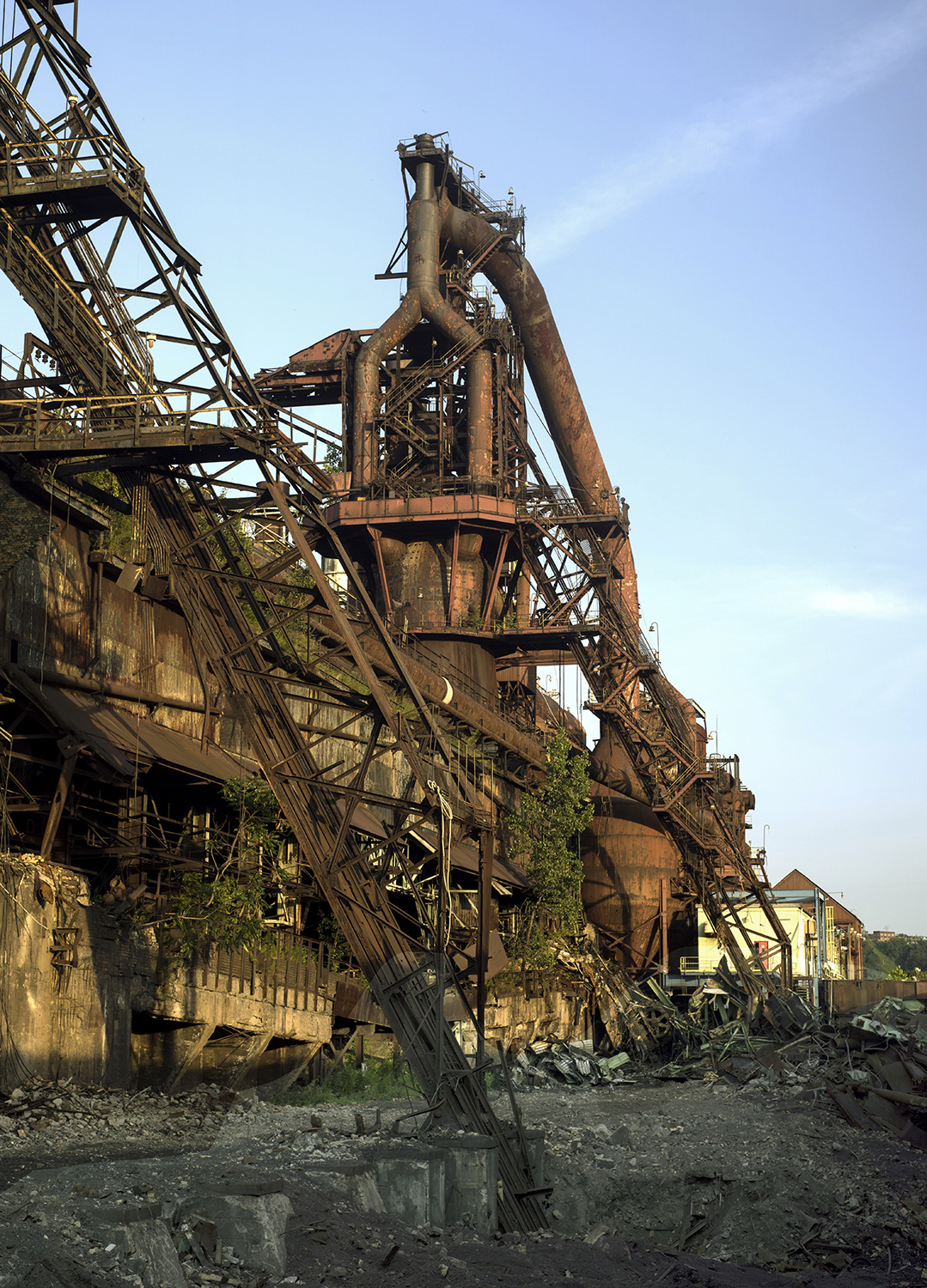
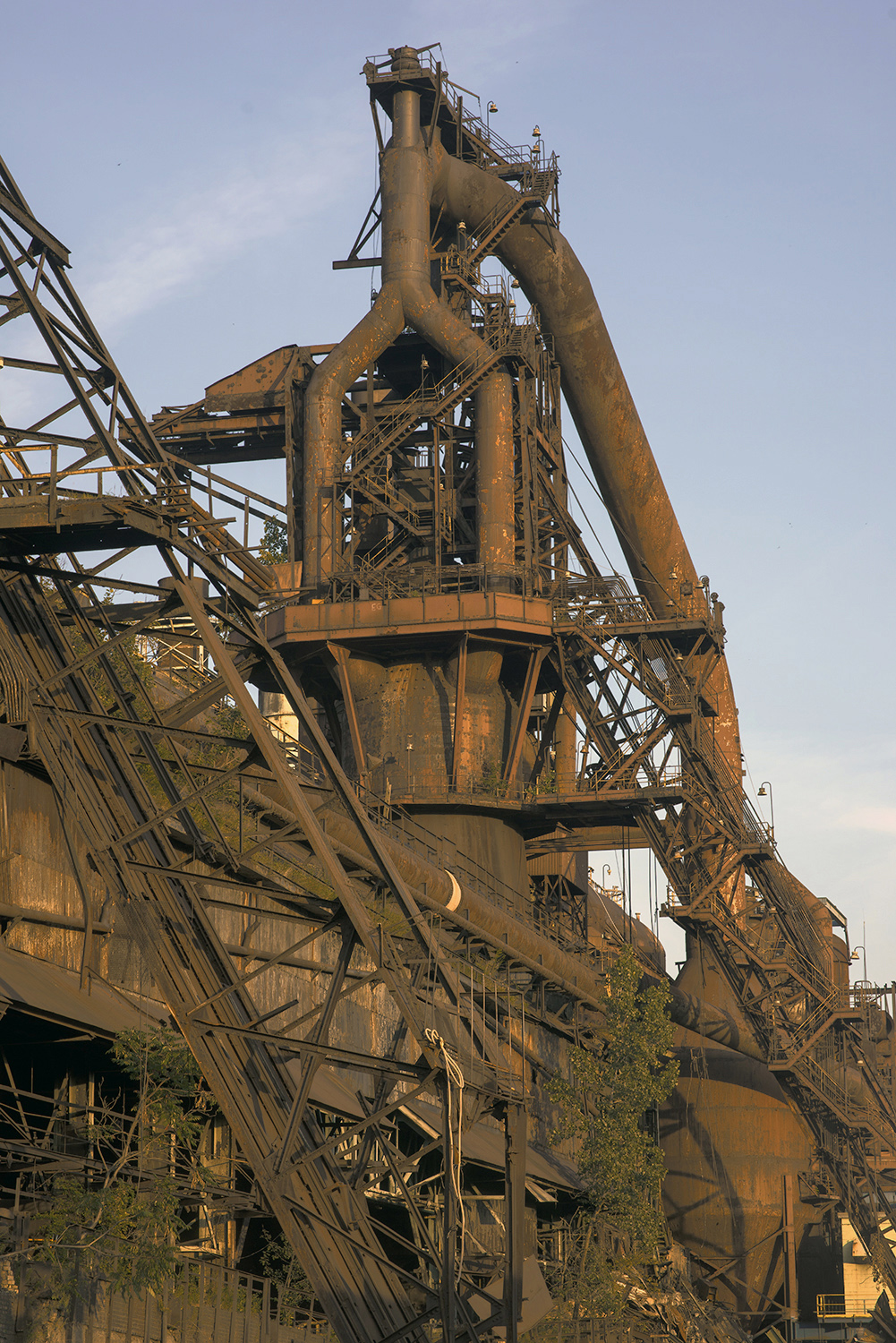
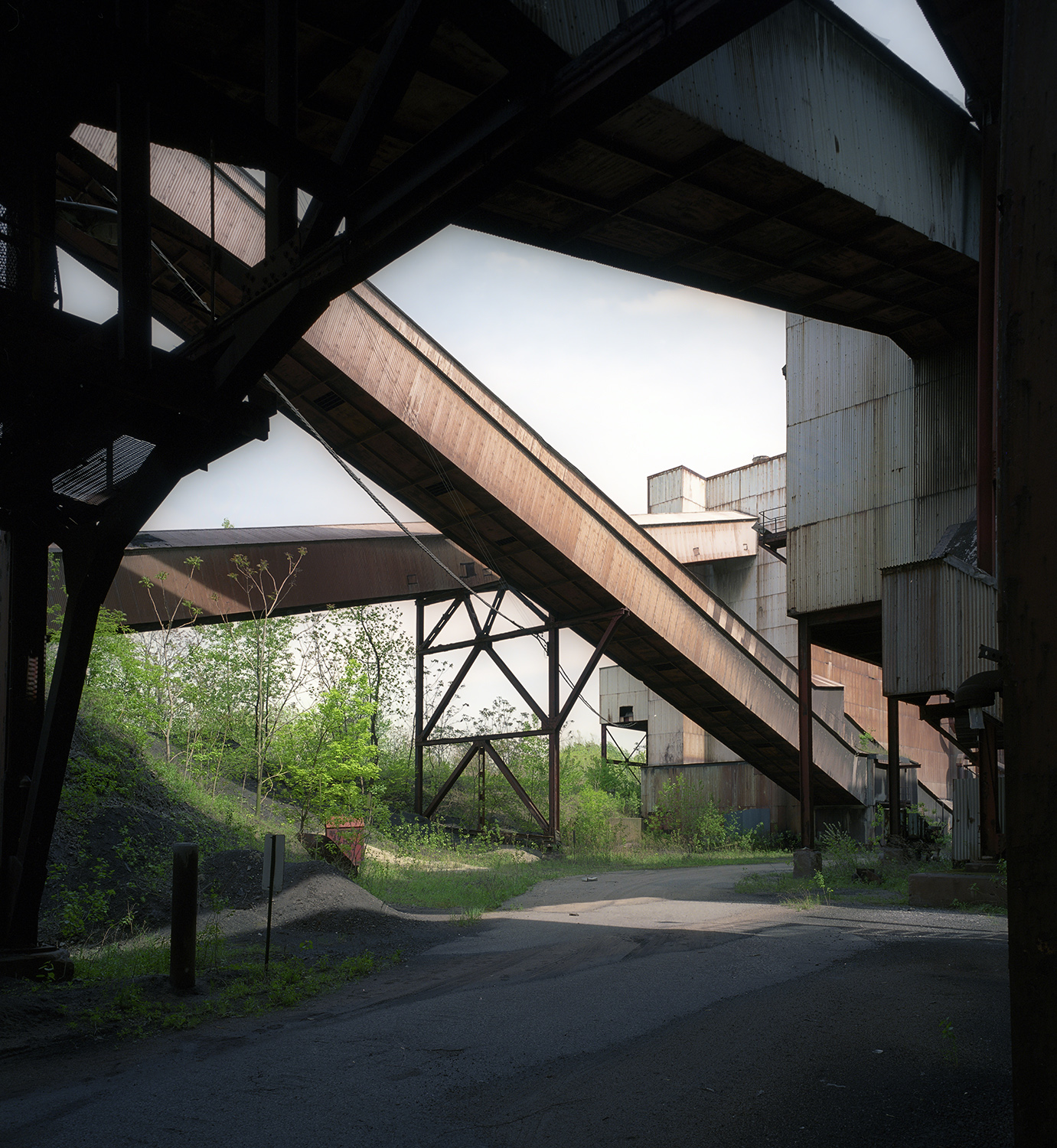
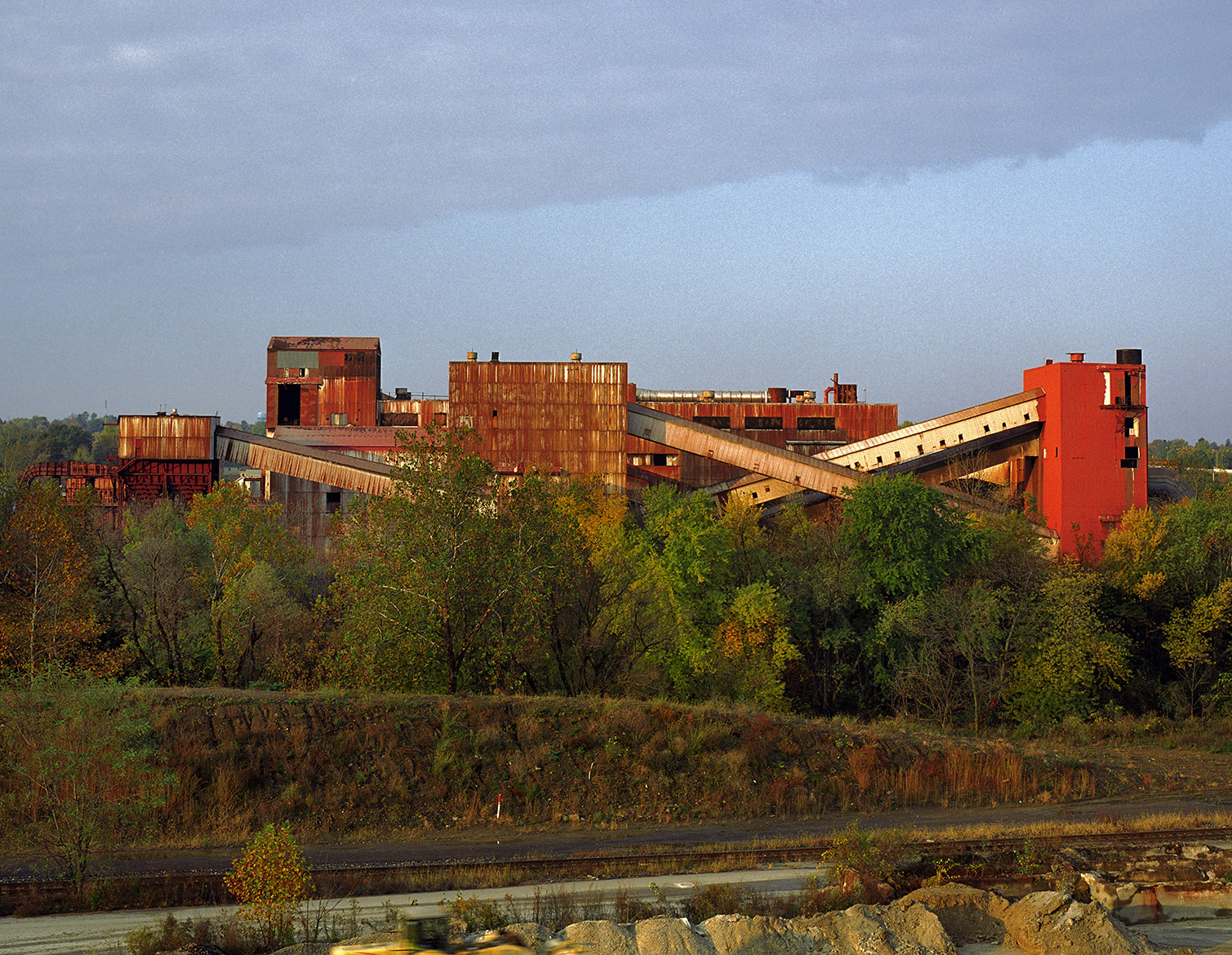
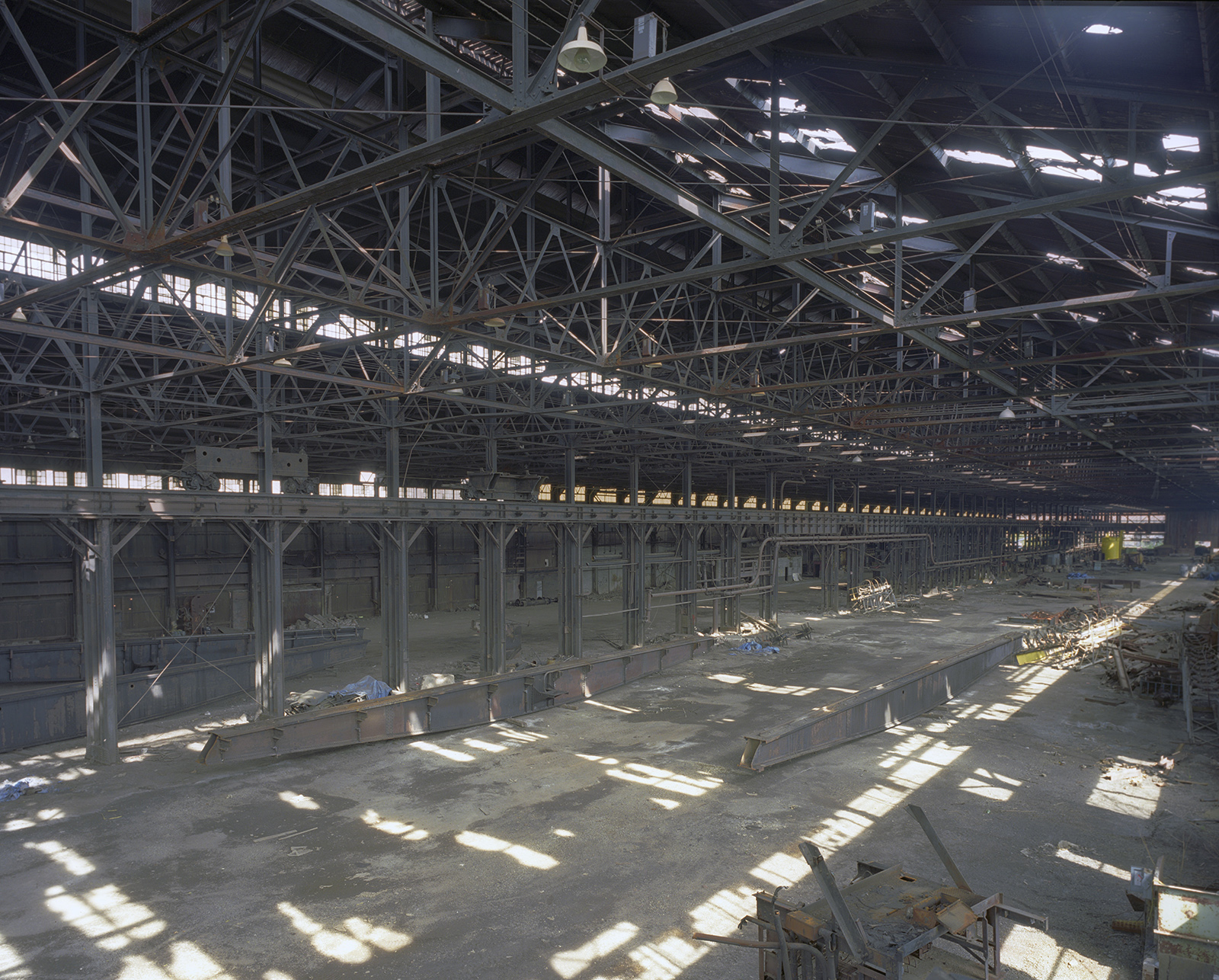
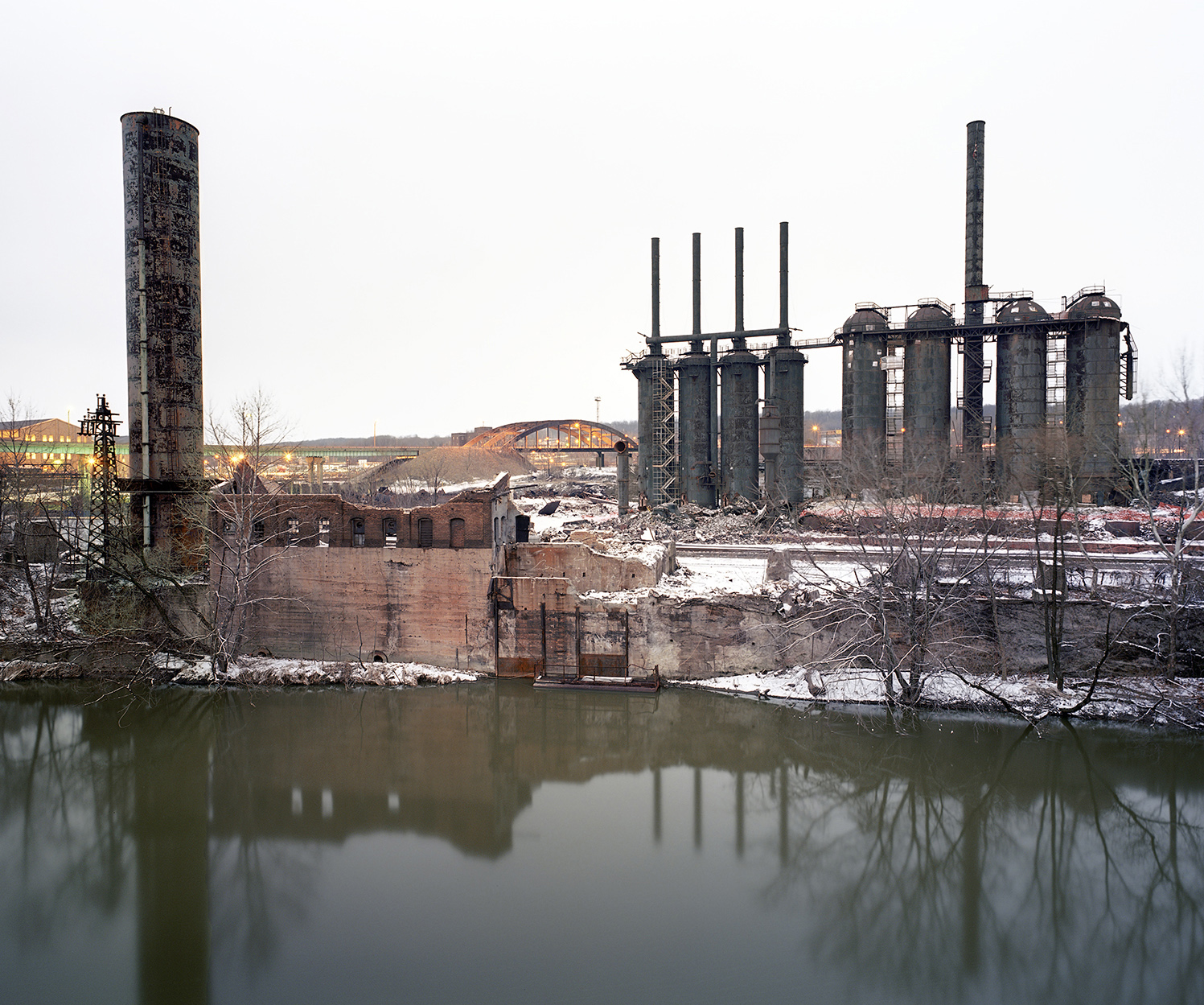
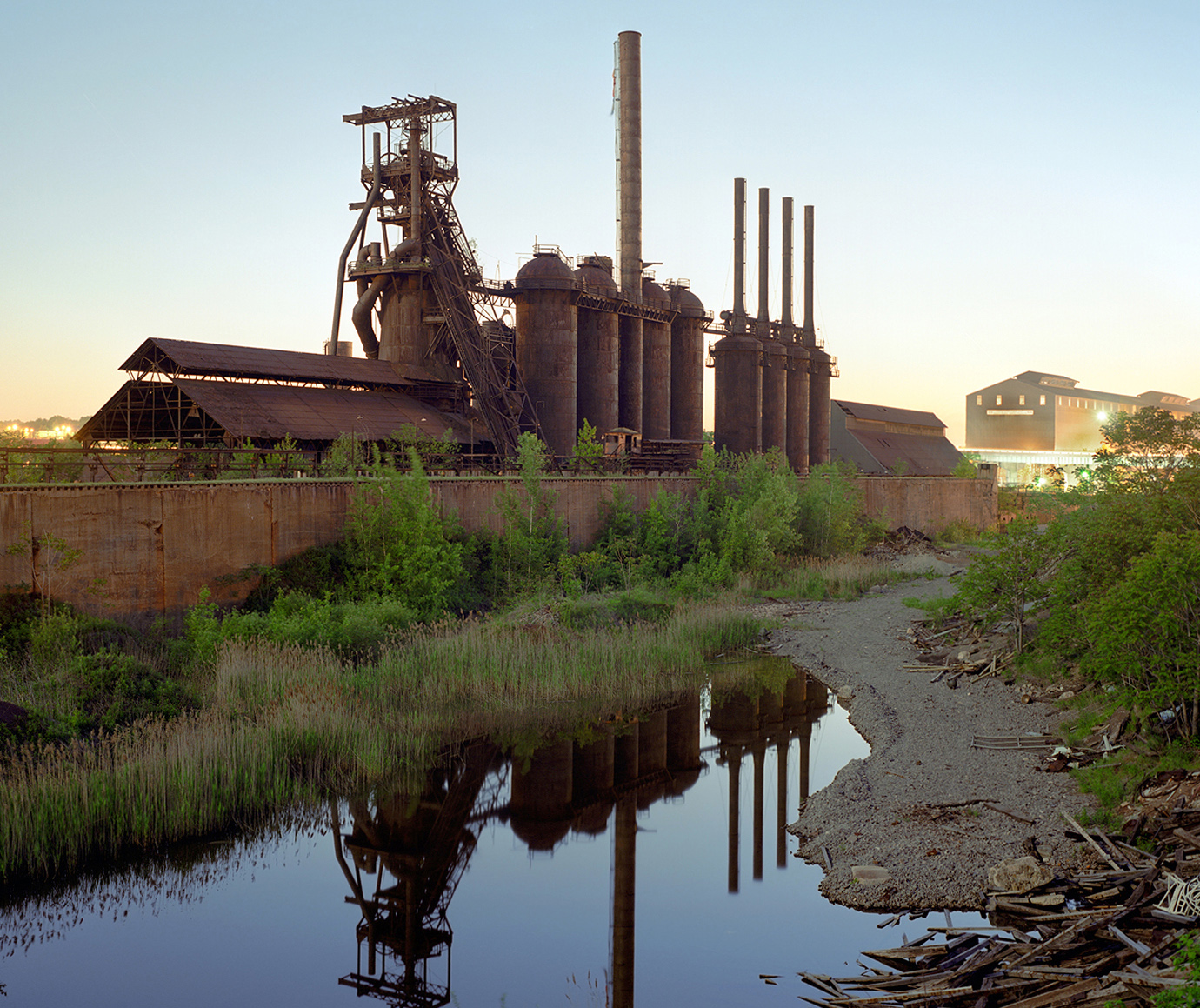
Steel (1995-2011) is the economc roller coater, that the metals insdustry had been on, before finally settling out out into the remaining old integrated mills slowly becoming minimills that make more money making steel, sometimes financed by selling or closing their large old school mills.
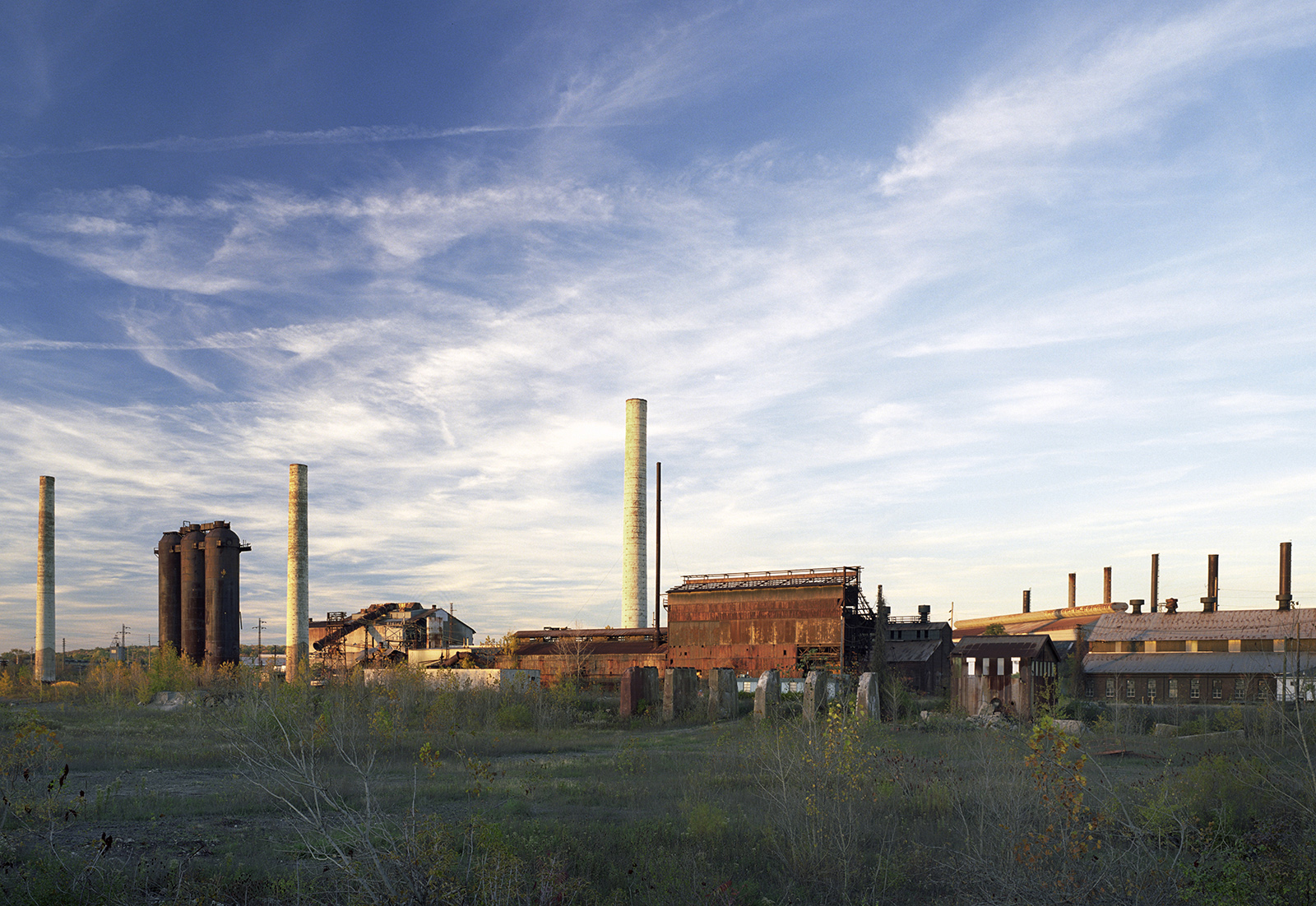
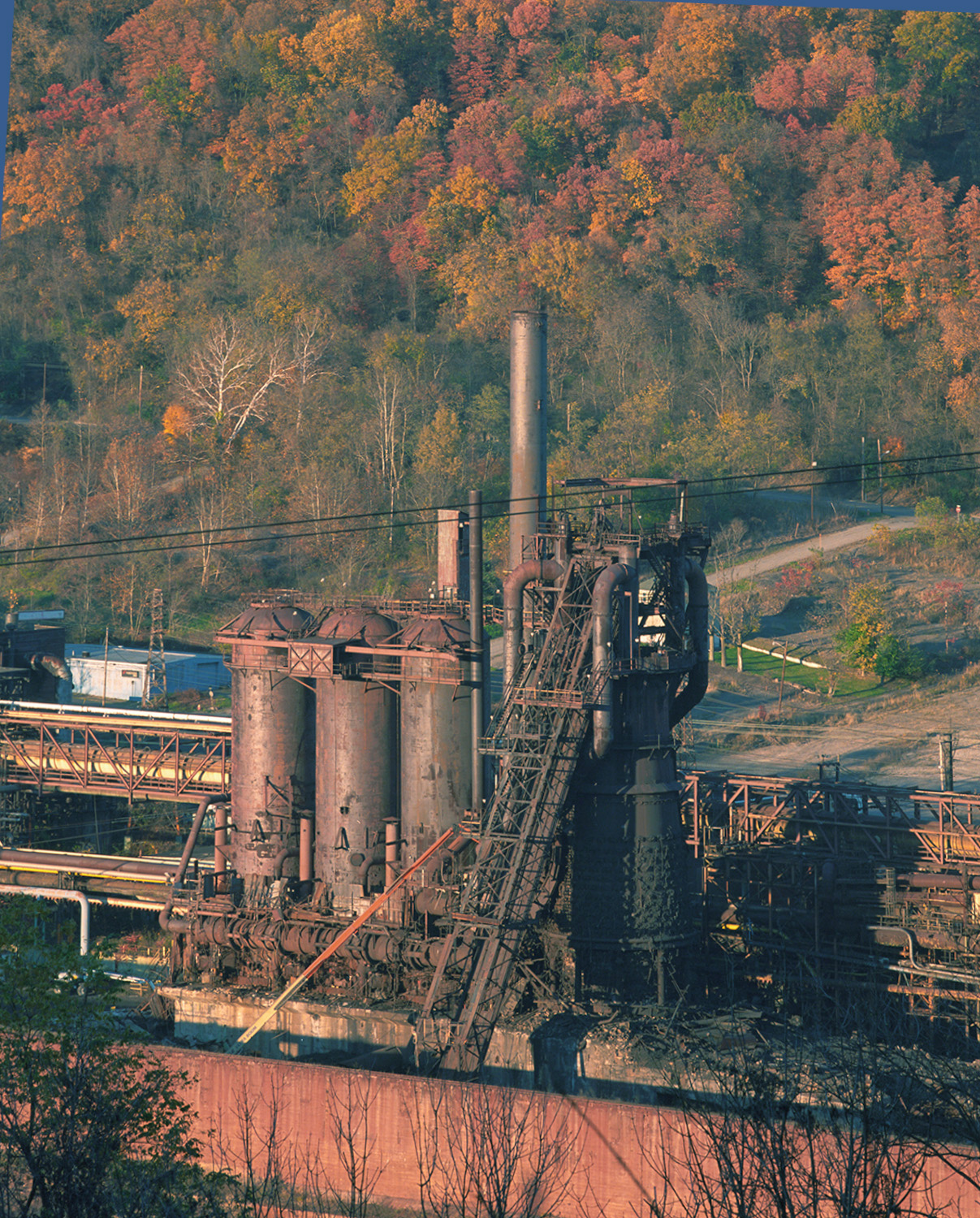
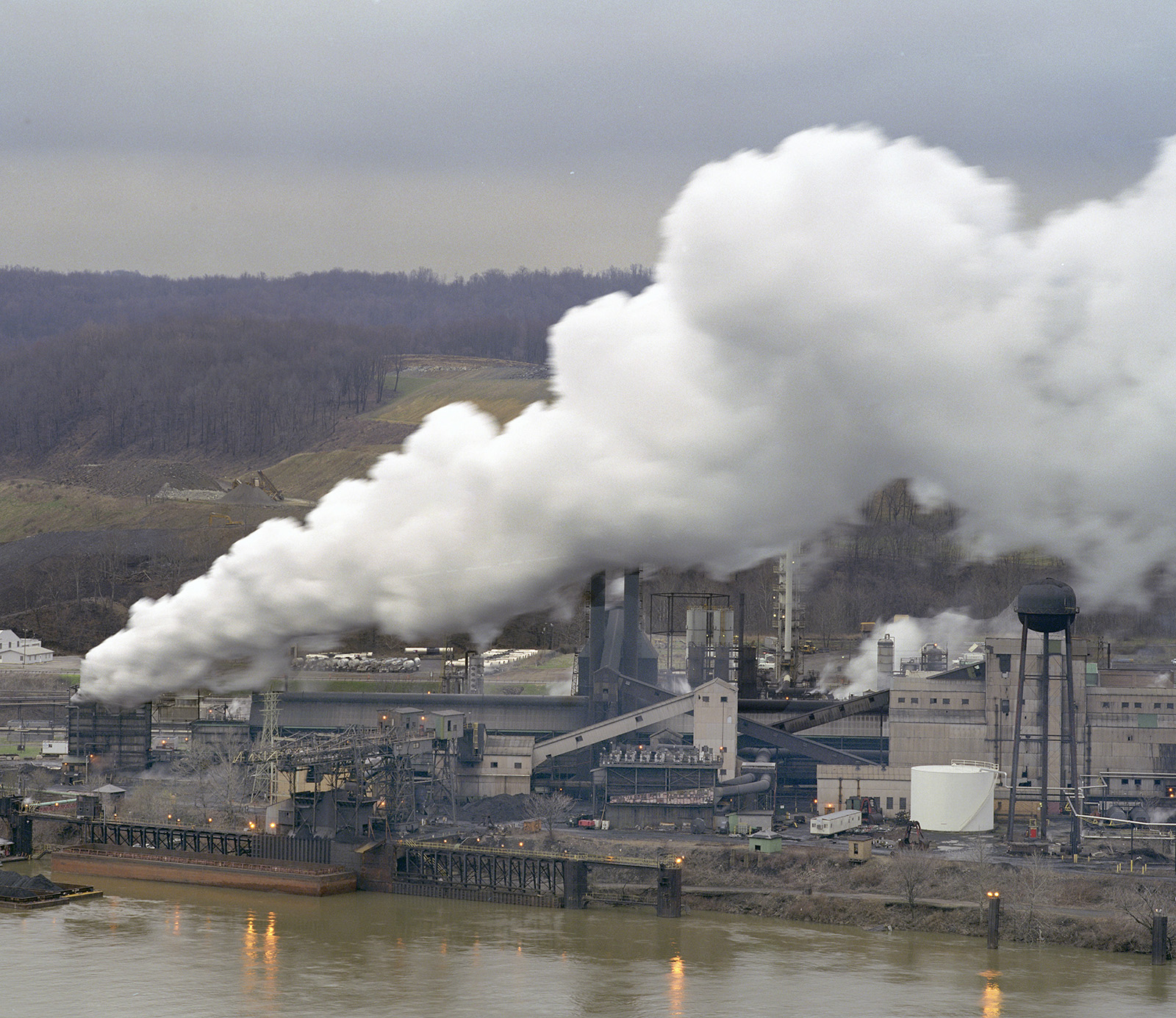
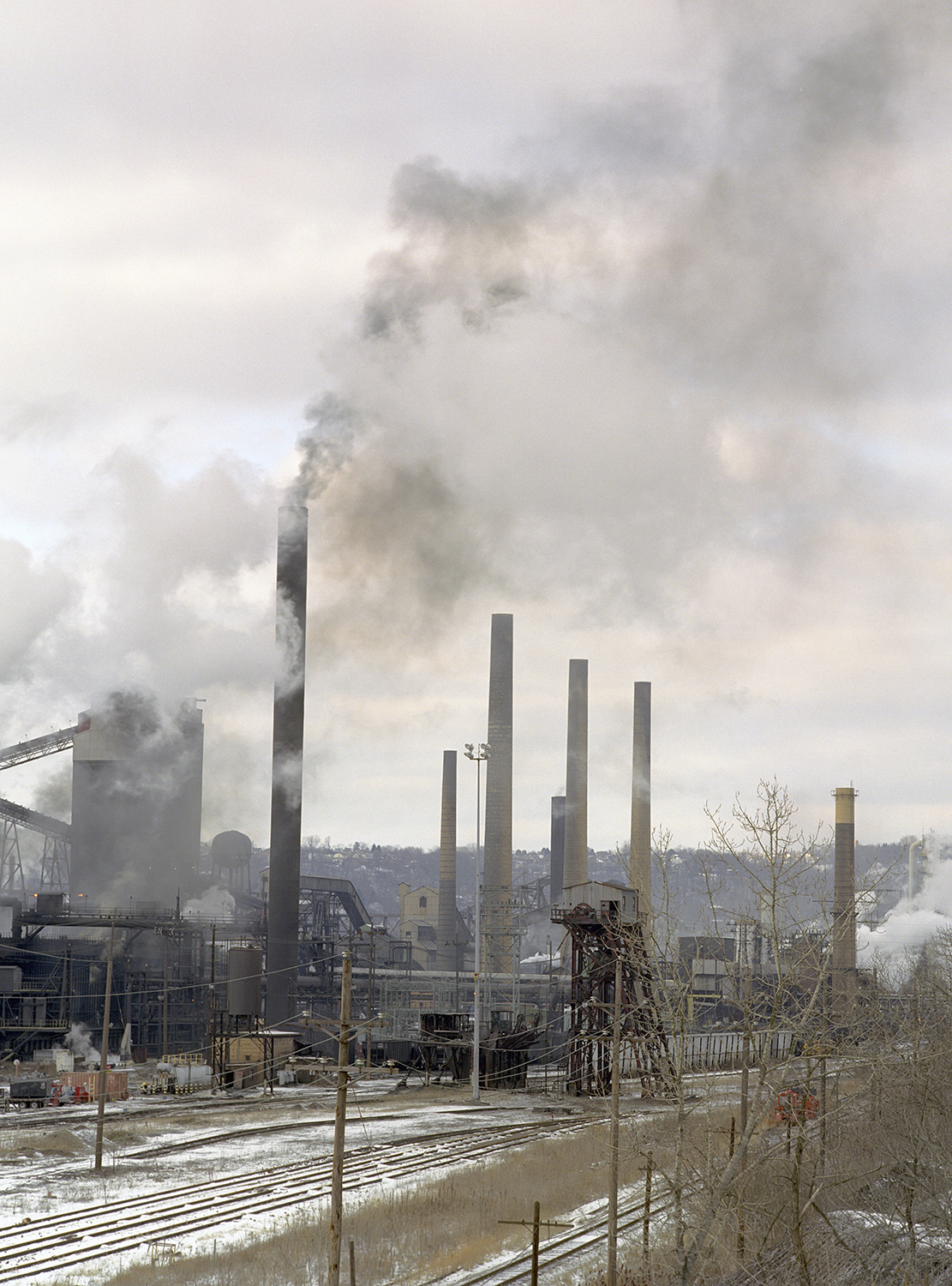
Steel captures many mills operational, as well as, the final clean-up, from 2015 – 2023, when the blast furnaces in Weirton, Steubenville, Mingo Junction, Ashland, Detroit and Warren were finally shut down and demolished, even Zug Island in Detroit, which finally shut in 2021. The operational coke plant at Follansbee was shut down in 2022, and is being demolished. AK Steel’s Ashland Works have recently been demolished, leaving its Middletown plant with one blast furnace. Warren’s large furnace was the last one in the Mahoning Valley that, at one time, had twenty. It fell too.
They no longer have steel mills in Chicago, where U. S., Wiconsin, Acme, and Republic Steel are gone. A good portion of the East Chicago mills are gone including blast furnaces. Carrie still struggles to be a tourist/education spot, while Bethlehem Steel in Bethlehem PA, is now an entertainment complex including casino and concert venues with the five defunct frunaces for a background.
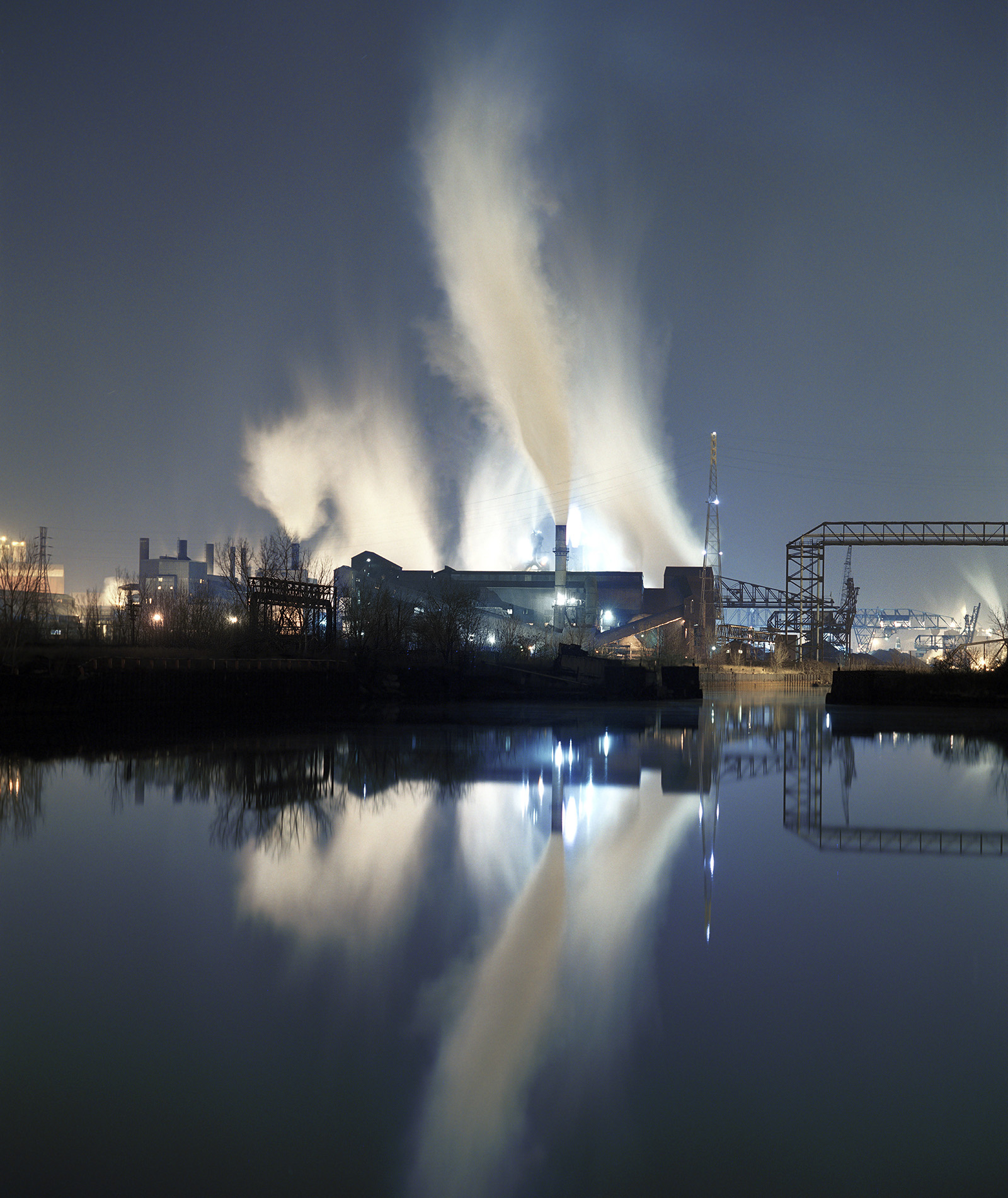
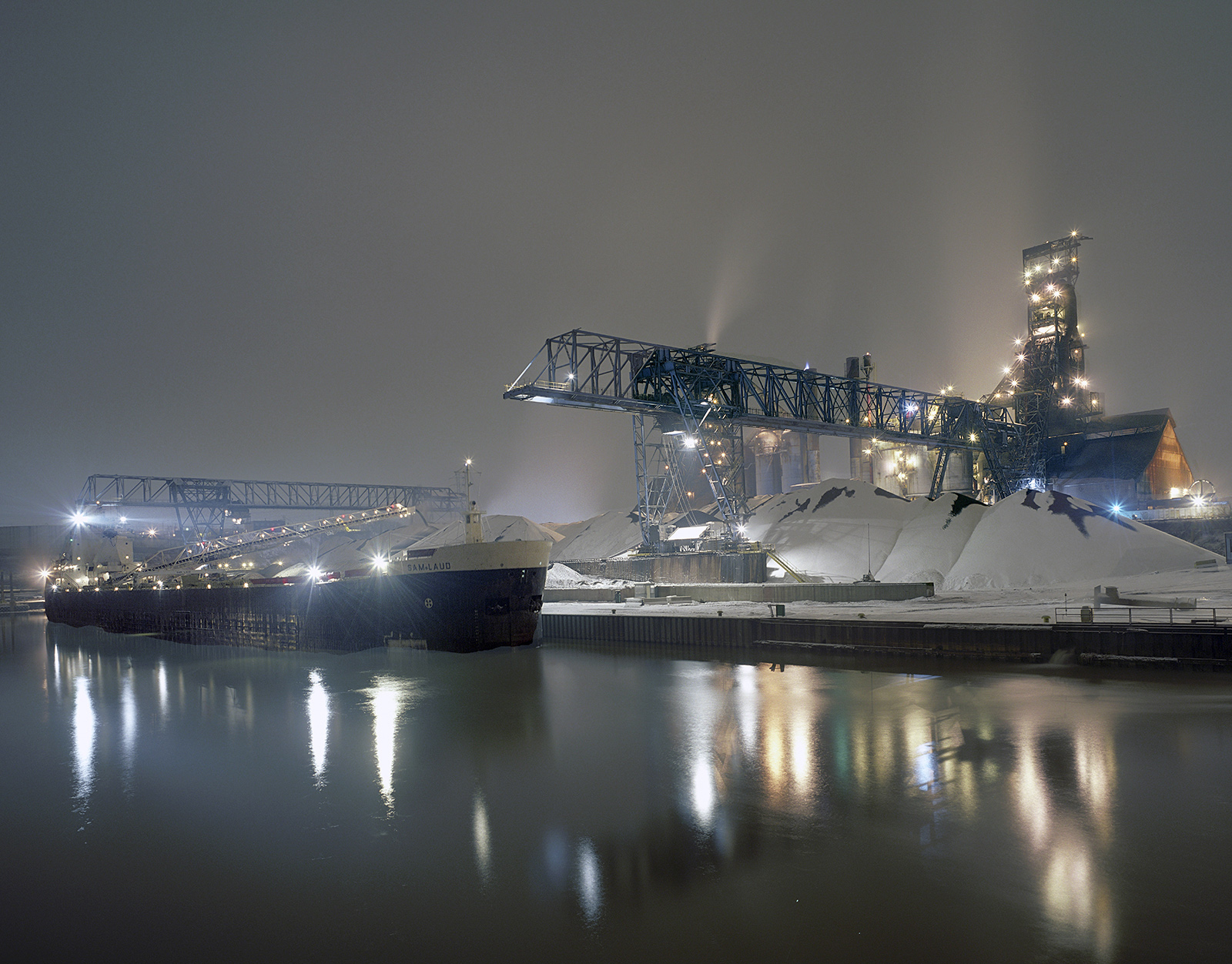
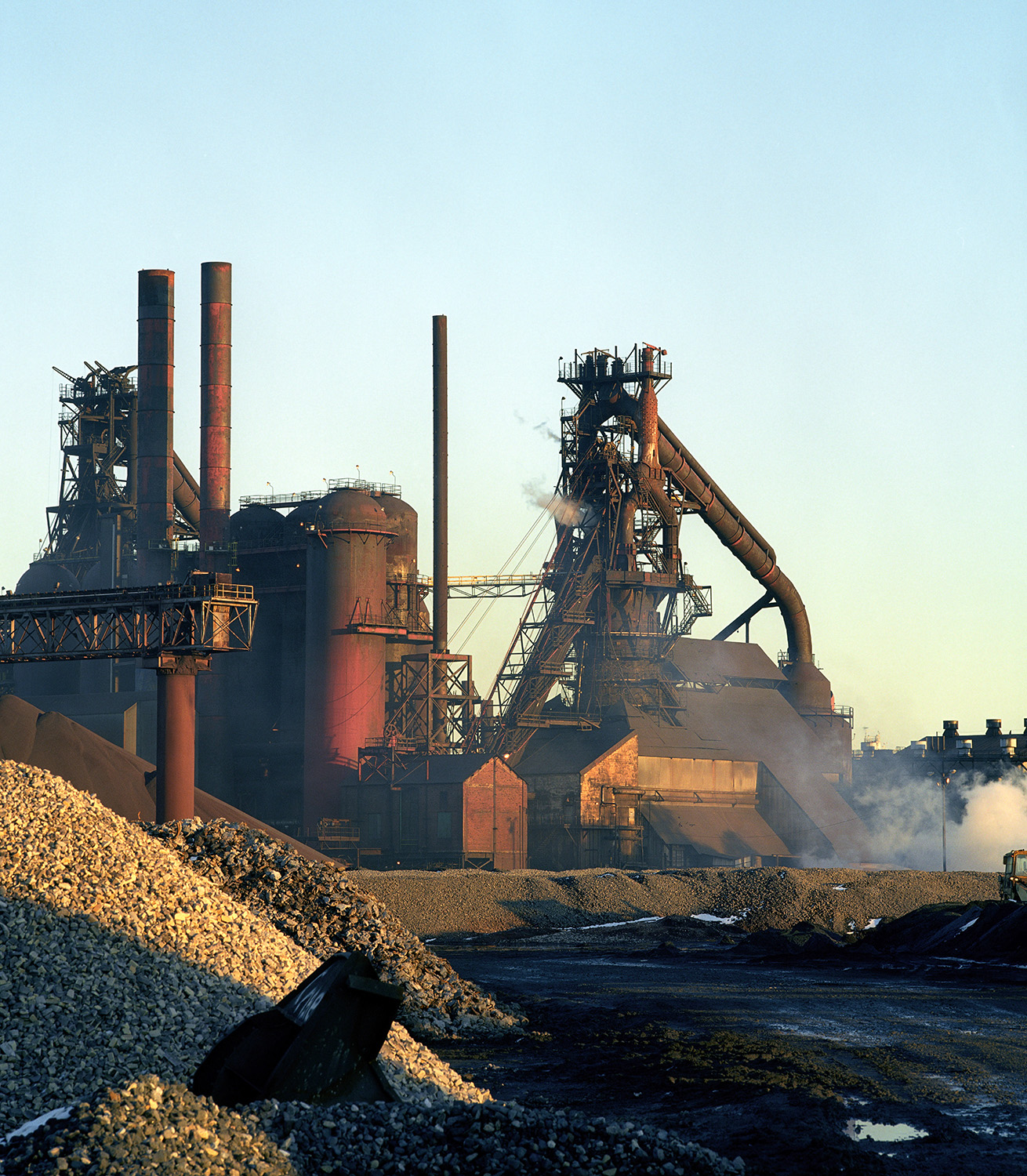
Steel in Cleveland is very much alive, although its coke plants are gone and and all blast furnaces, but two, remain in operation. and there are also two operational Basic Oxygen furnaces with slab casters. It’s completely unique to have a big integrated mill in a city today.
For an in-depth text about Steel check out the Introduction and text.
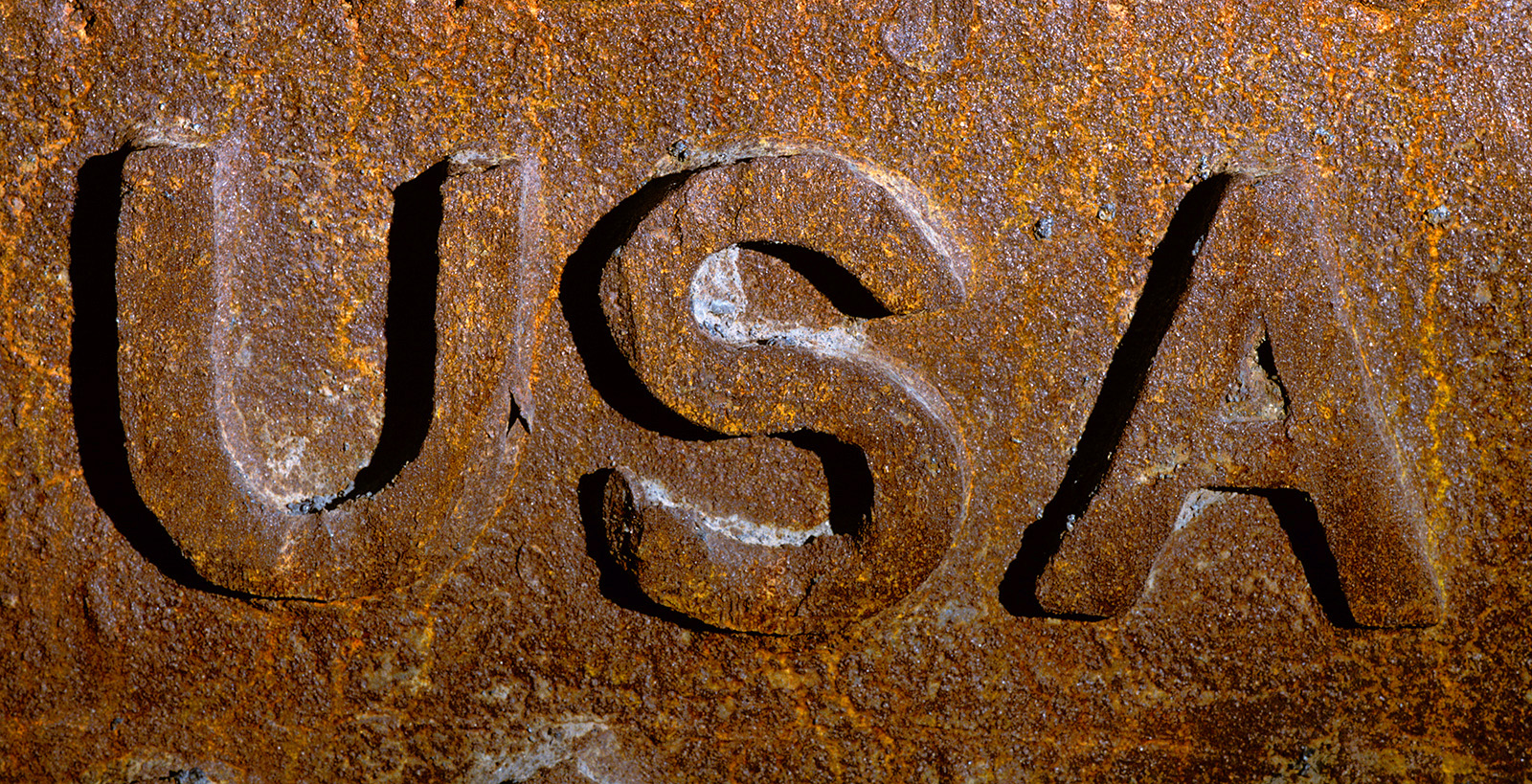
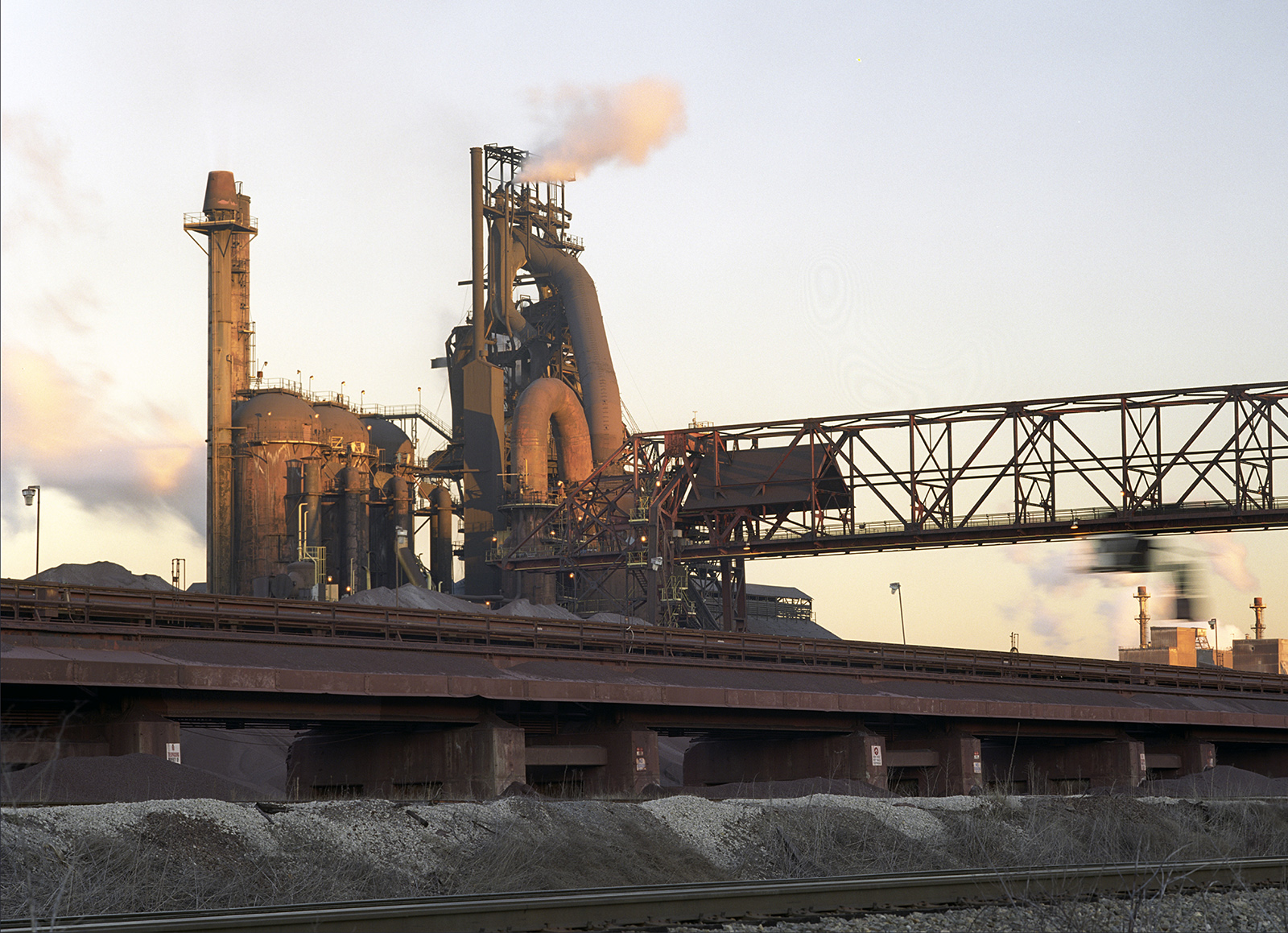
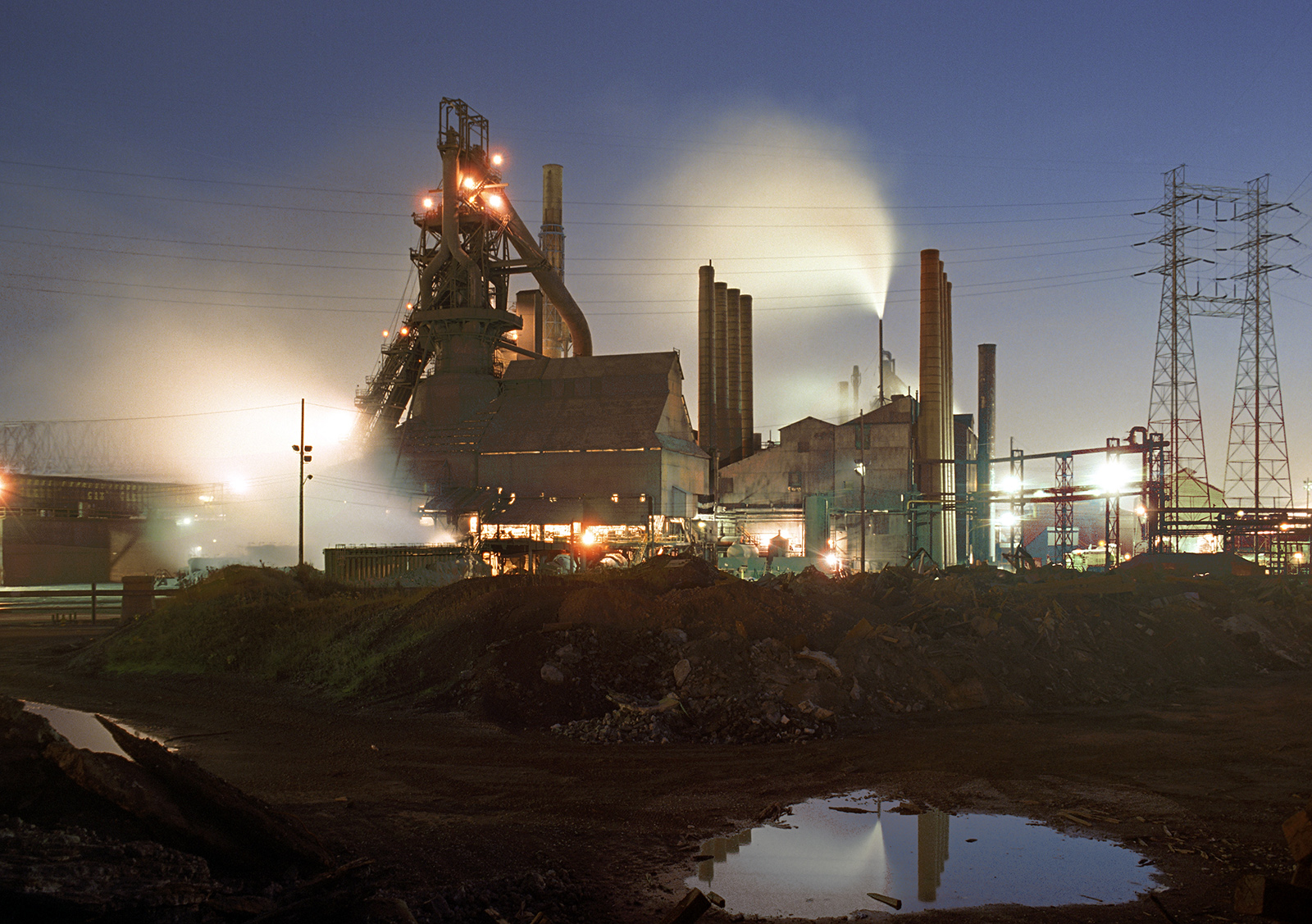
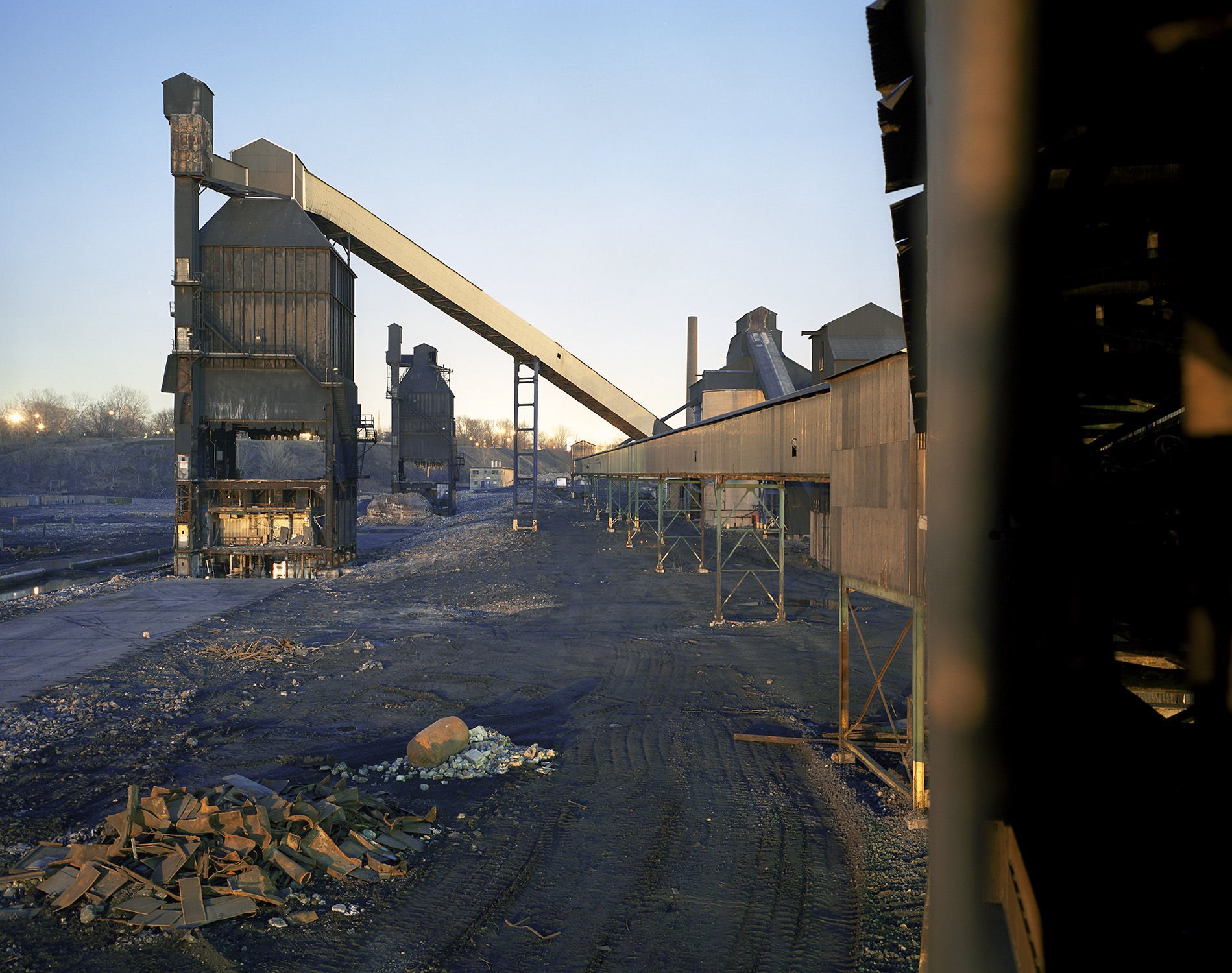
LTV Steel, Inscription on a Slag Ladle, The FlatsAcme Steel, Chicago - Blast Furnaces A & BOre Dock, Ore Bridge and Ore Yard and Furnaces were once Interlake Lake Steel, it became Acme in 1968. It was an integrated steel mill, but, the Coke plant was about a mile west and was fed to the last via conveyor belt over the Cal river. The basic oxygen furnace at rolling mills were 13 miles south in Riverdale, Indiana. Steel has been made here since 1916 and the entire plant except for the basic oxygen furnace in rolling Mills was closed in 2001.Acme Steel, Chicago - Blast Furnaces A & BAcme Steel, Chicago - Blast Furnaces A & B, Flooded Ore Yard, 3;00 amThe High LineBlast Furnace B BellSeptember, 2003 I decided to return for the full moon in December, before demolition. However, demolition was in progress by the time I got back in December.Blast Furnace B Cast HouseIn December, 2003, Blast Furnace A is in demolition. Capable of producing about 3400 tons of iron in a day, it was a quality machine. Blast Furnace B remained as the emergency backup. Ironically A was completely relined in 2000, which means the furnace was just beginning 30 years of new life, when it shutdown in the recession of 2001.
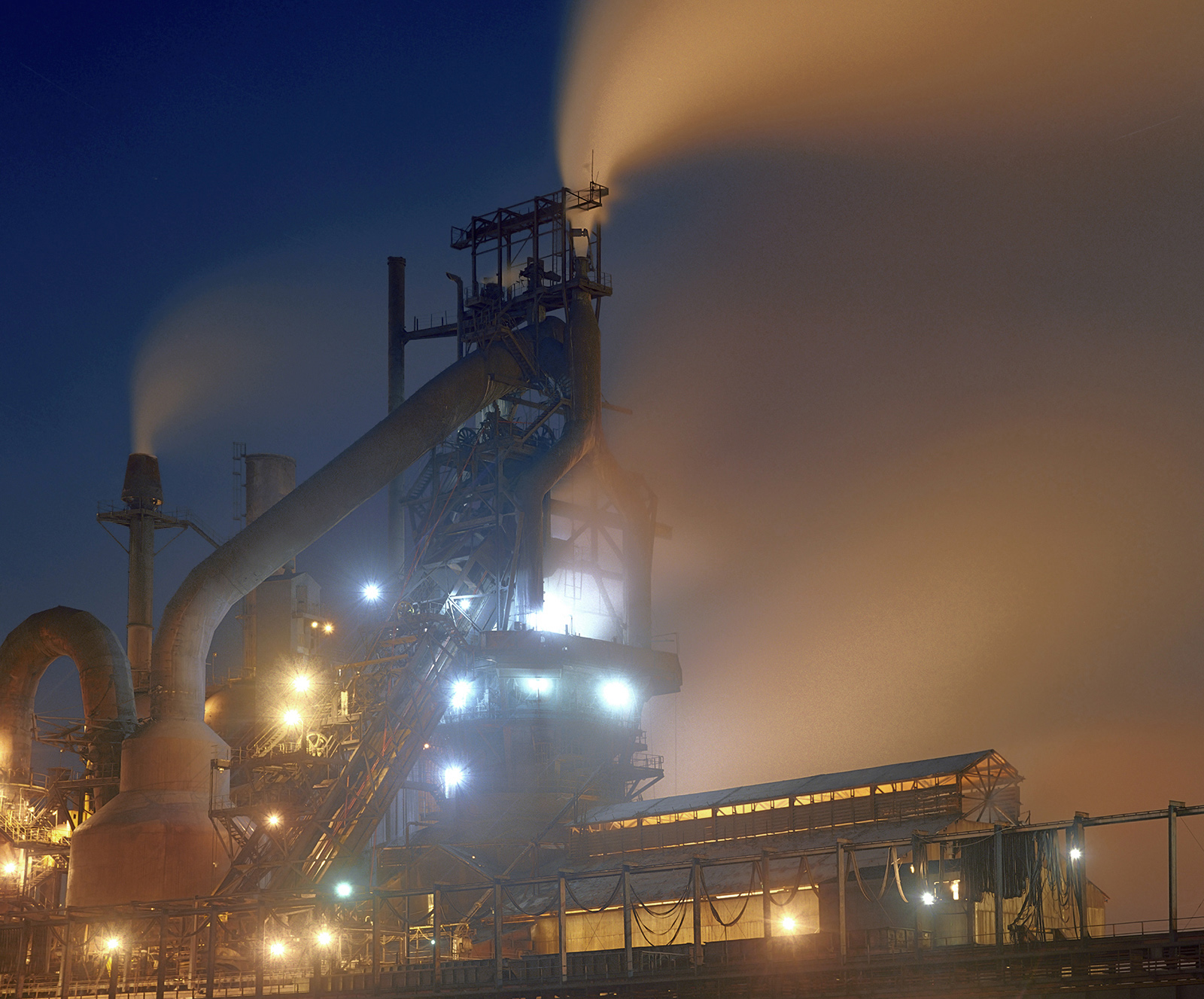
This shot is a one hour exposure at 3:00 am using mostly the full moon for illumination (ambient light, although in a city had never been lower with all three of these integrated mills shut or demolished, and surrounding neighborhoods that had also dimmed substantially.Blast Furnace B Cast House DemolitionThis shot is a one hour exposure at 3:00 am using mostly the full moon for illumination (ambient light,Acme Steel, Chicago - Blast Furnace A & DowncomerThis shot is a one hour exposure at 3:00 am using mostly the full moon for illumination (ambient light,Acme Steel, Chicago - Blast Furnace A & Cast HouseIn December, 2003, Blast Furnace A is in demolition. Capable of producing about 3400 tons of iron in a day, it was a quality machine. Blast Furnace B remained as the emergency backup. Ironically A was completely relined in 200, which means the furnace was just beginning 30 years of new life, when it shutdown in the recession of 2001.
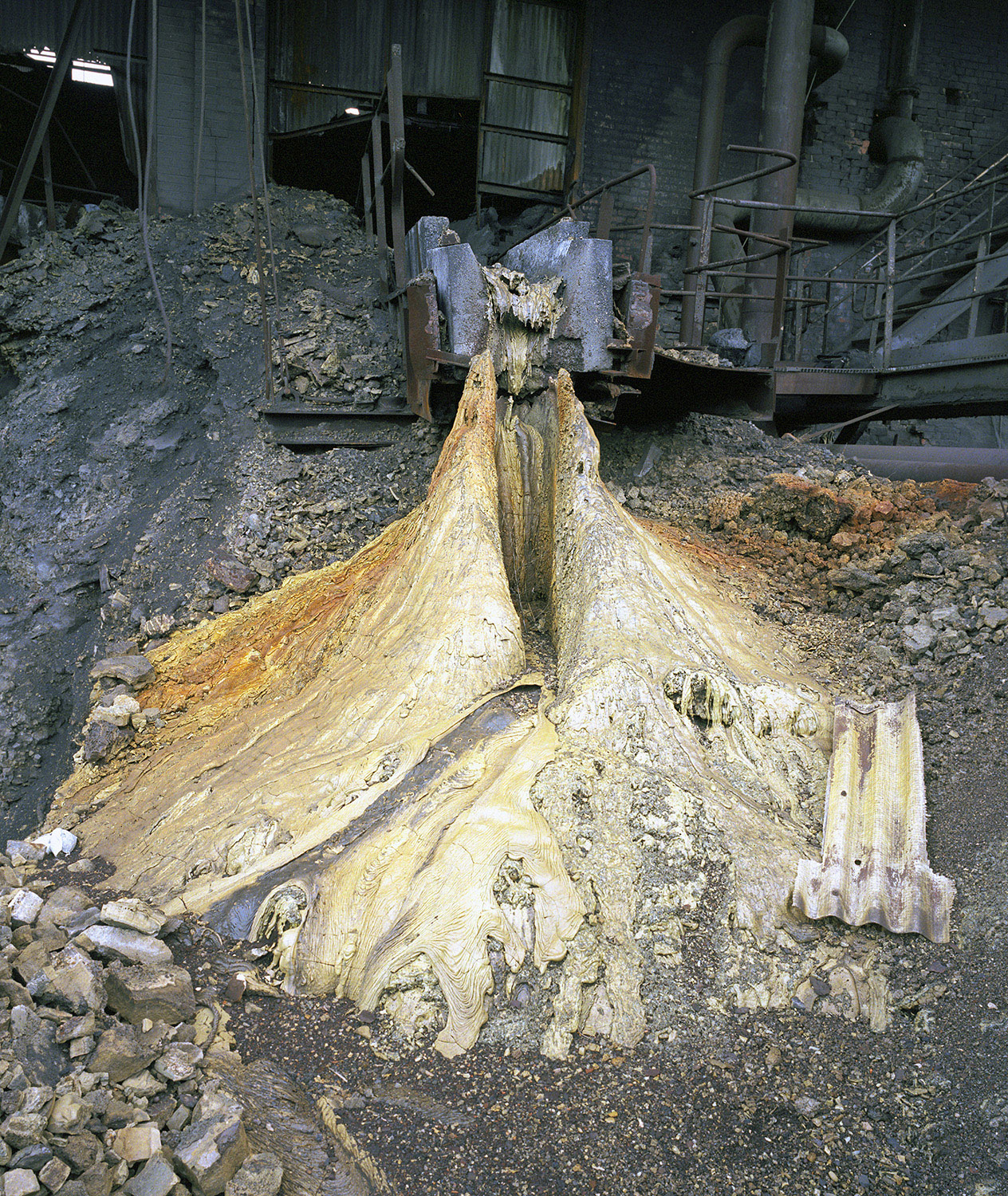
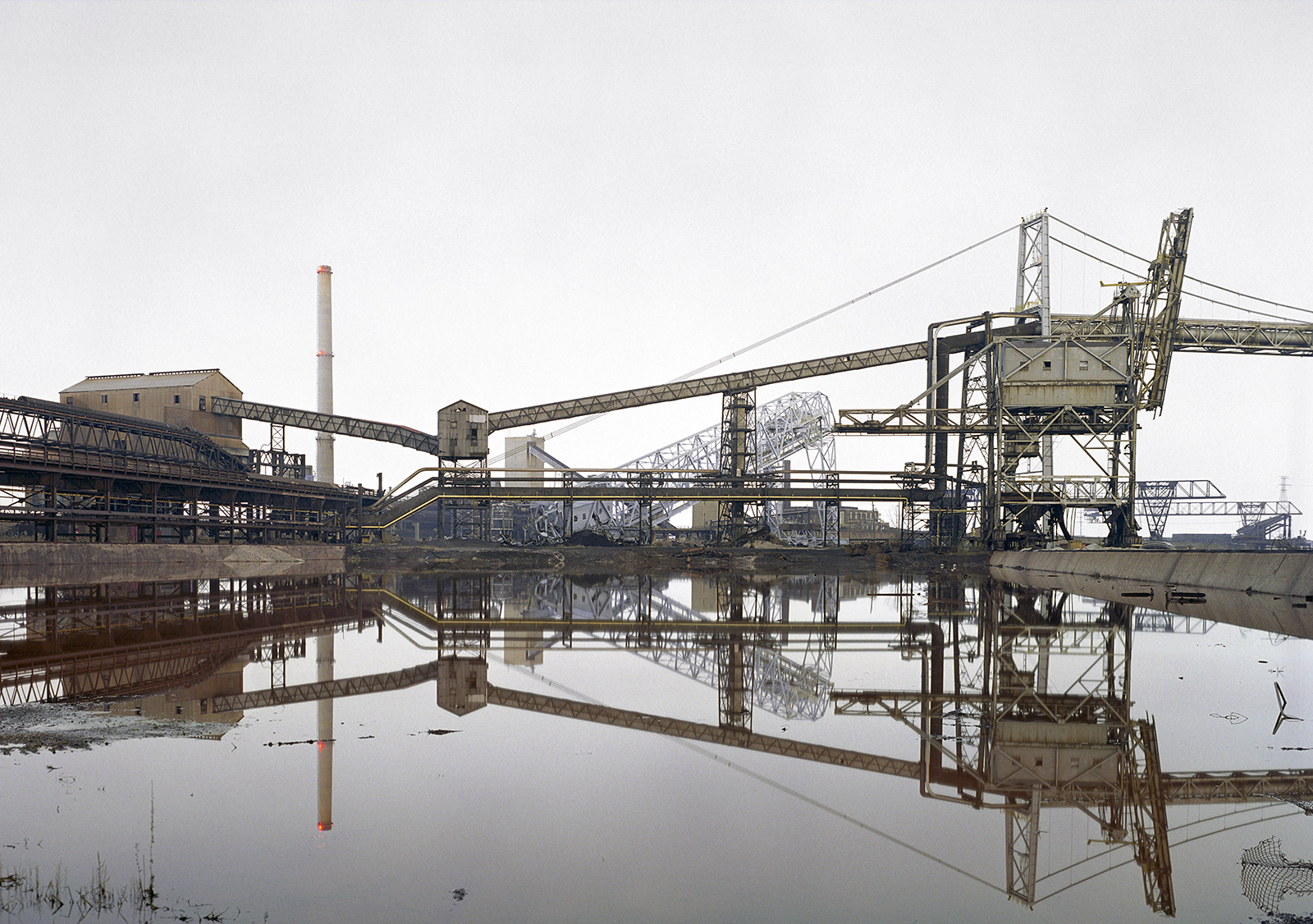
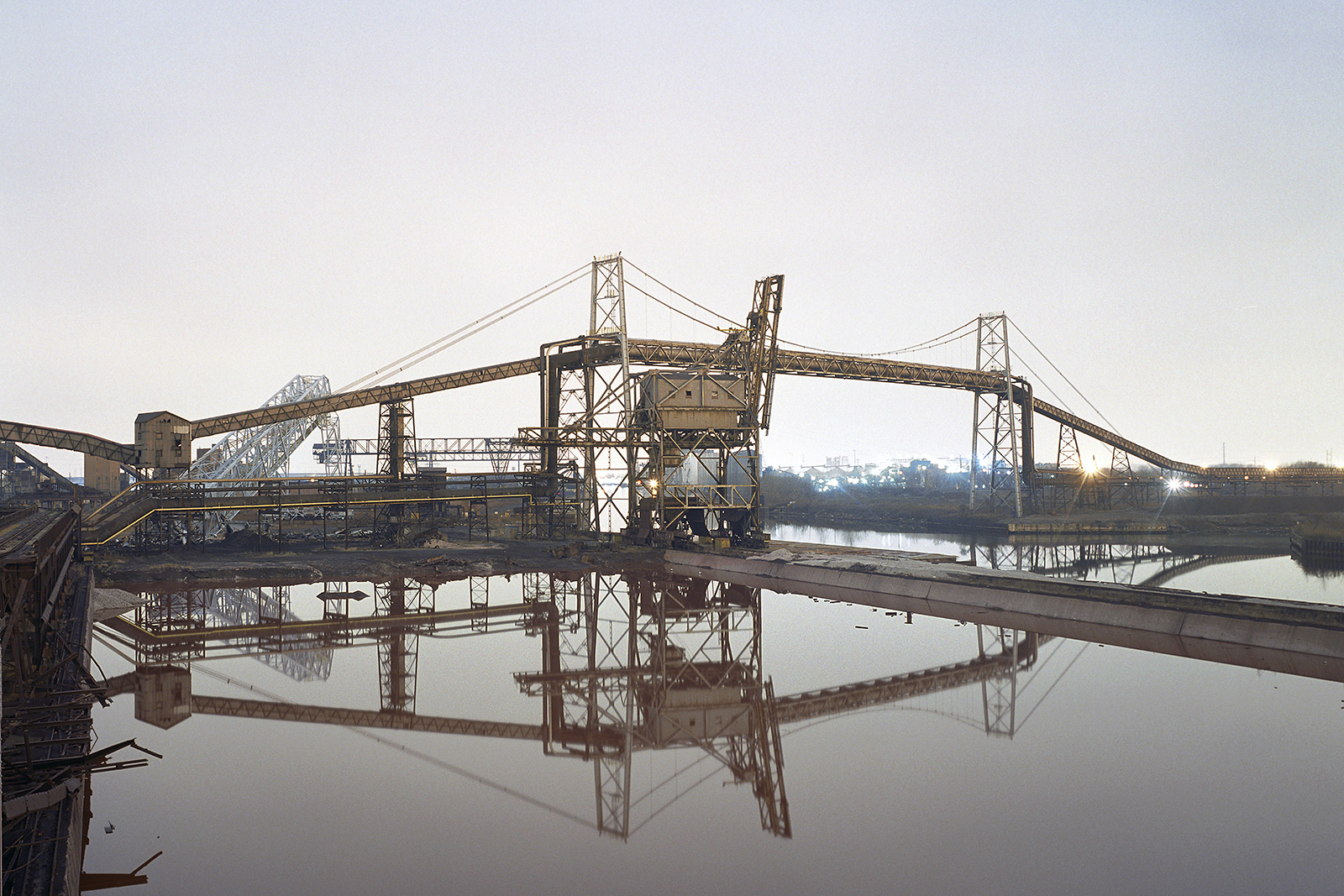
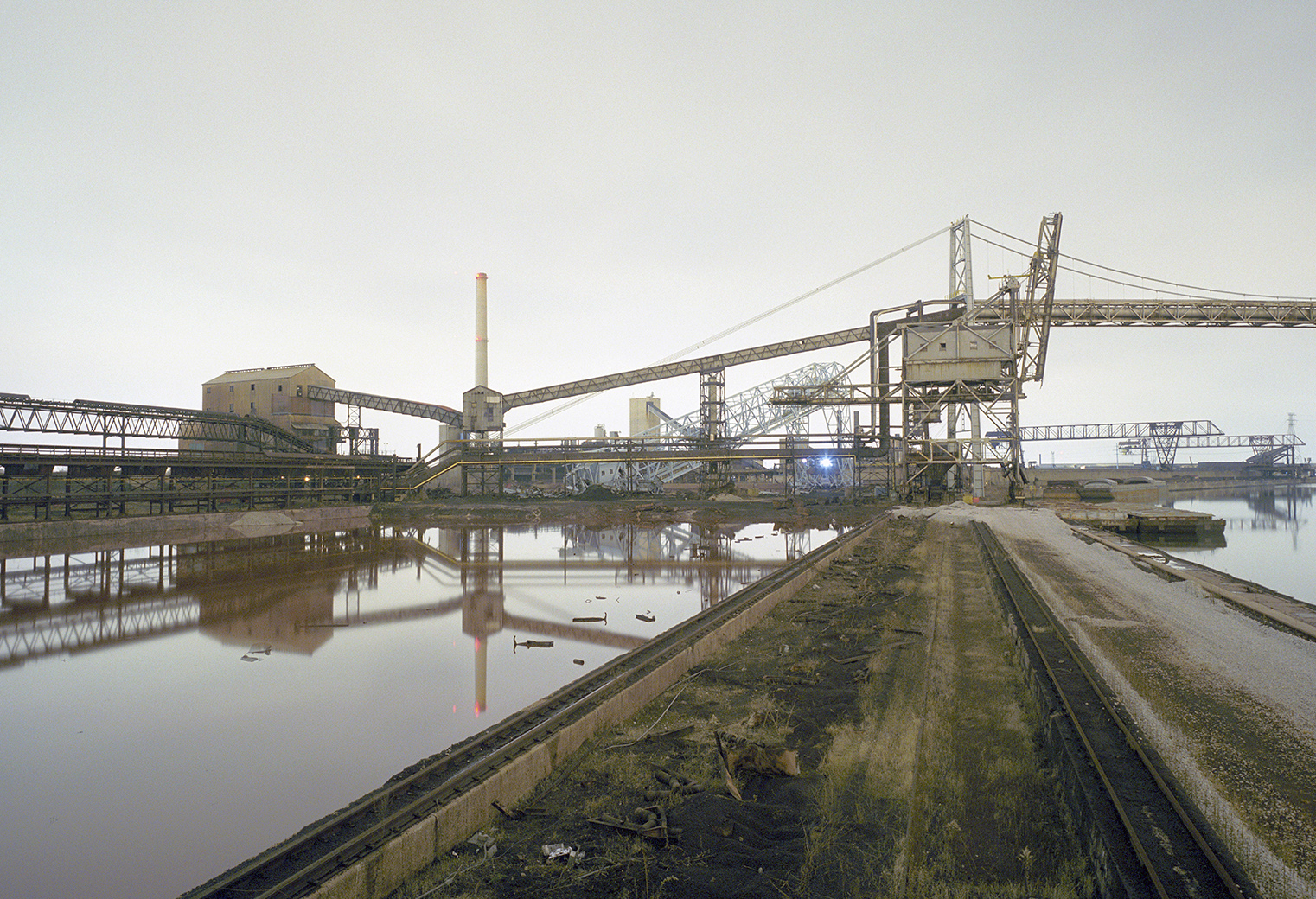
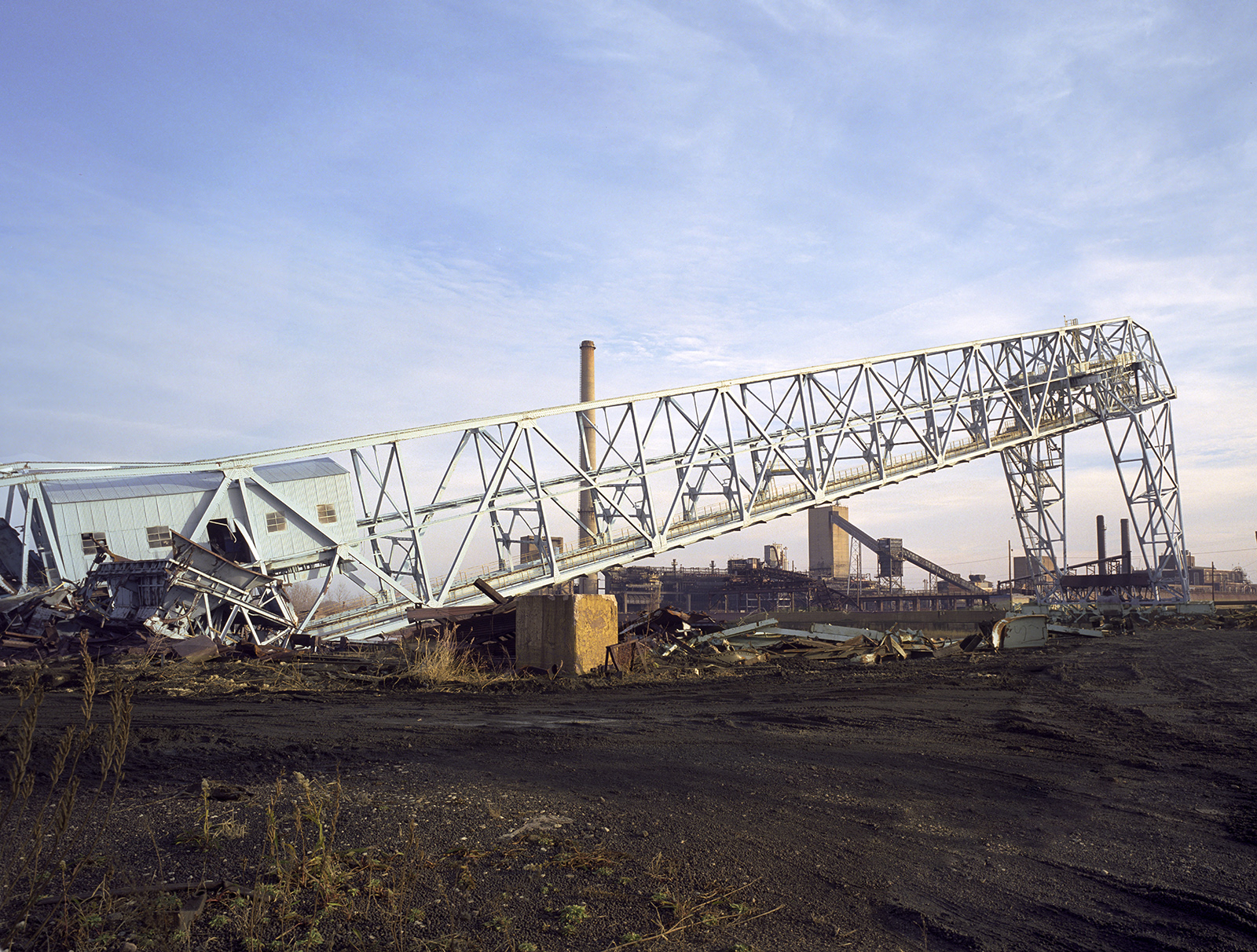
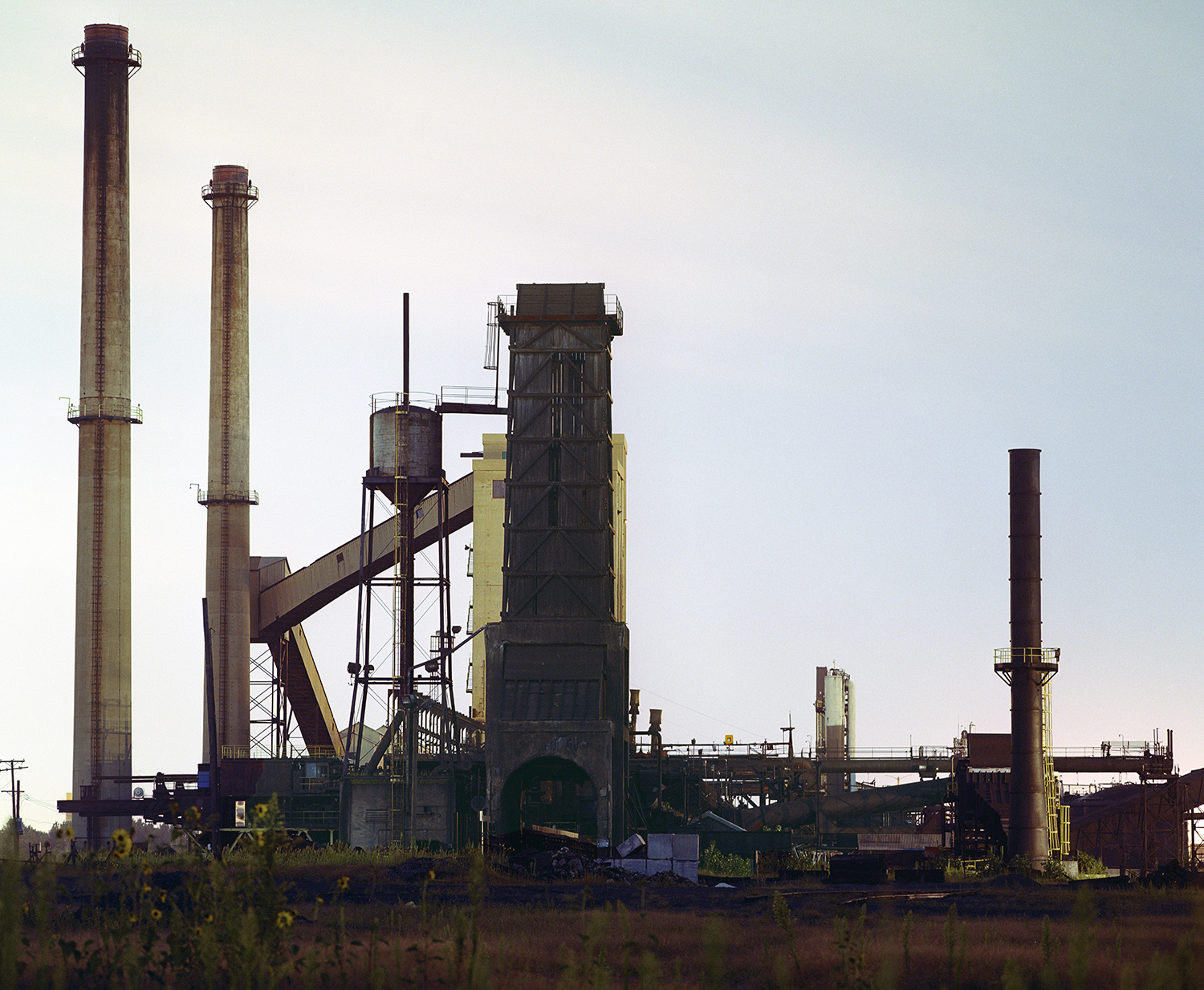
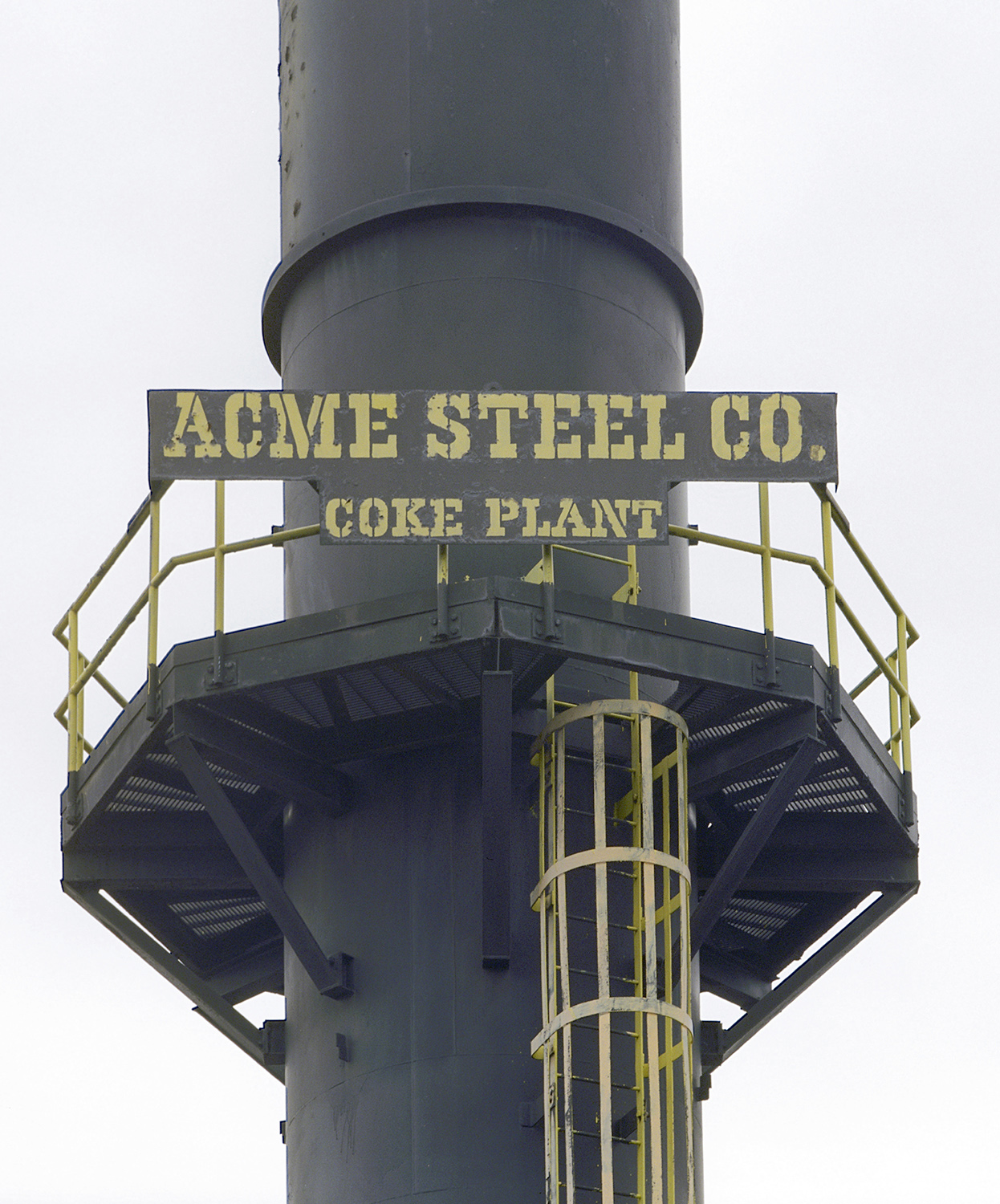
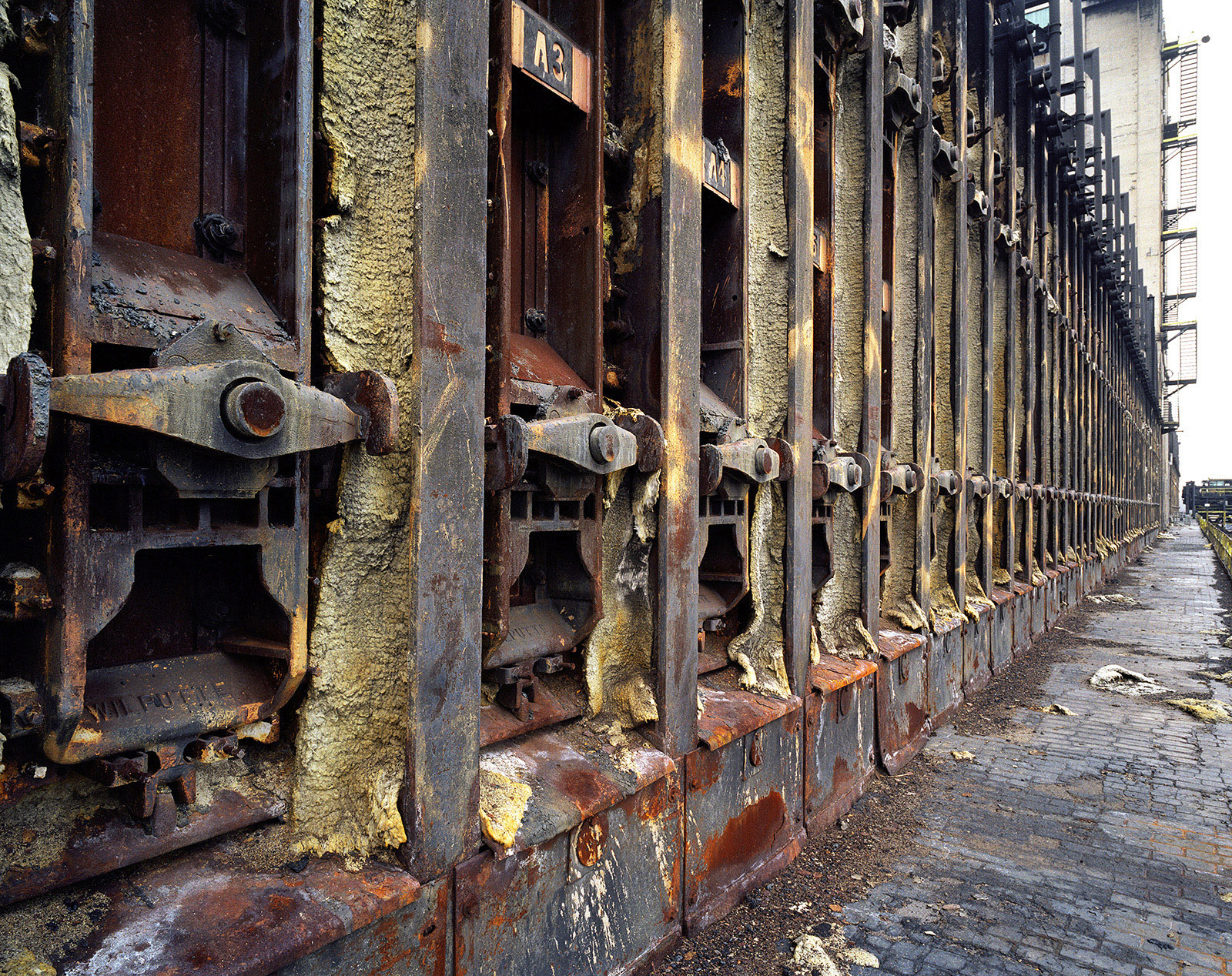
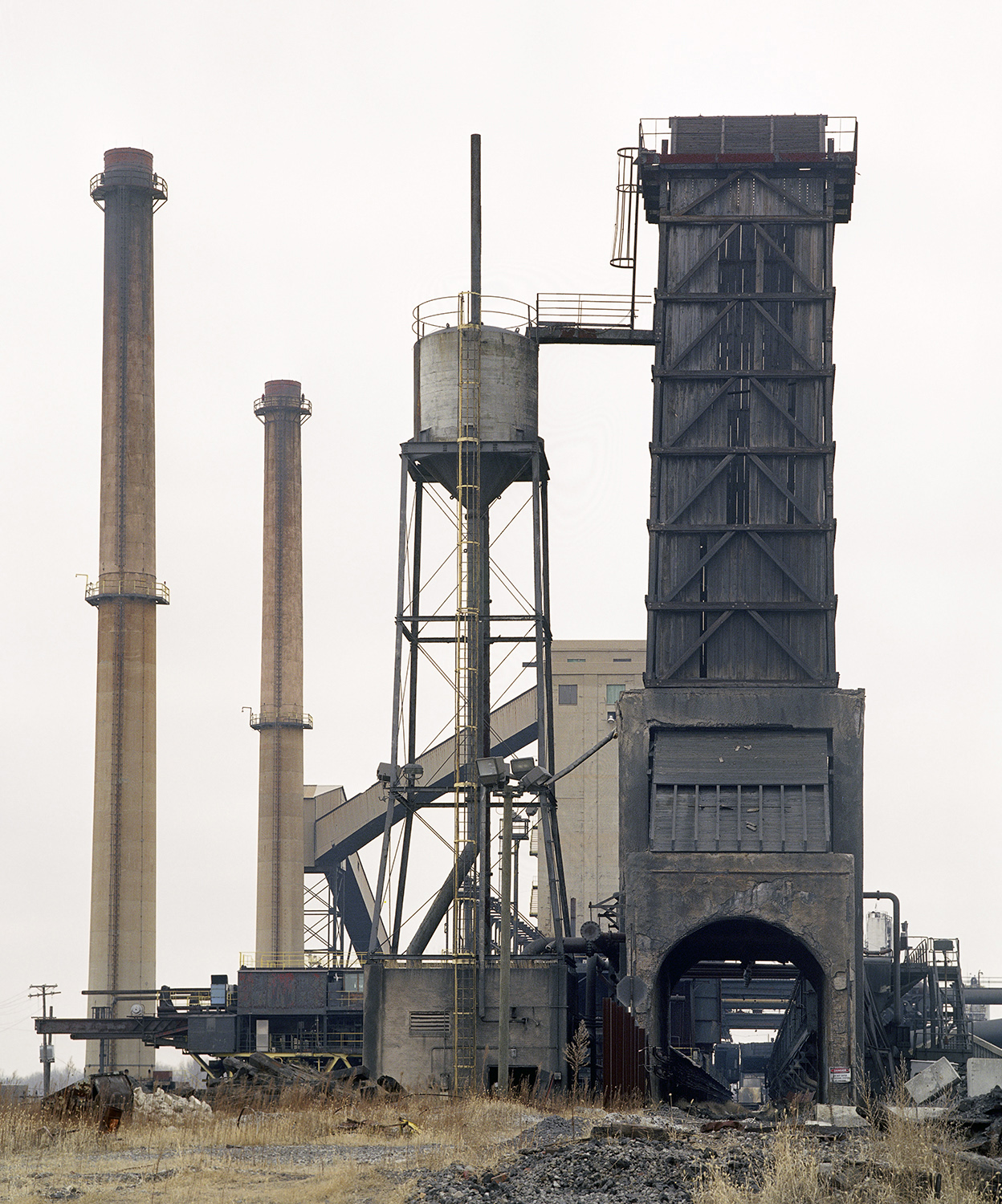
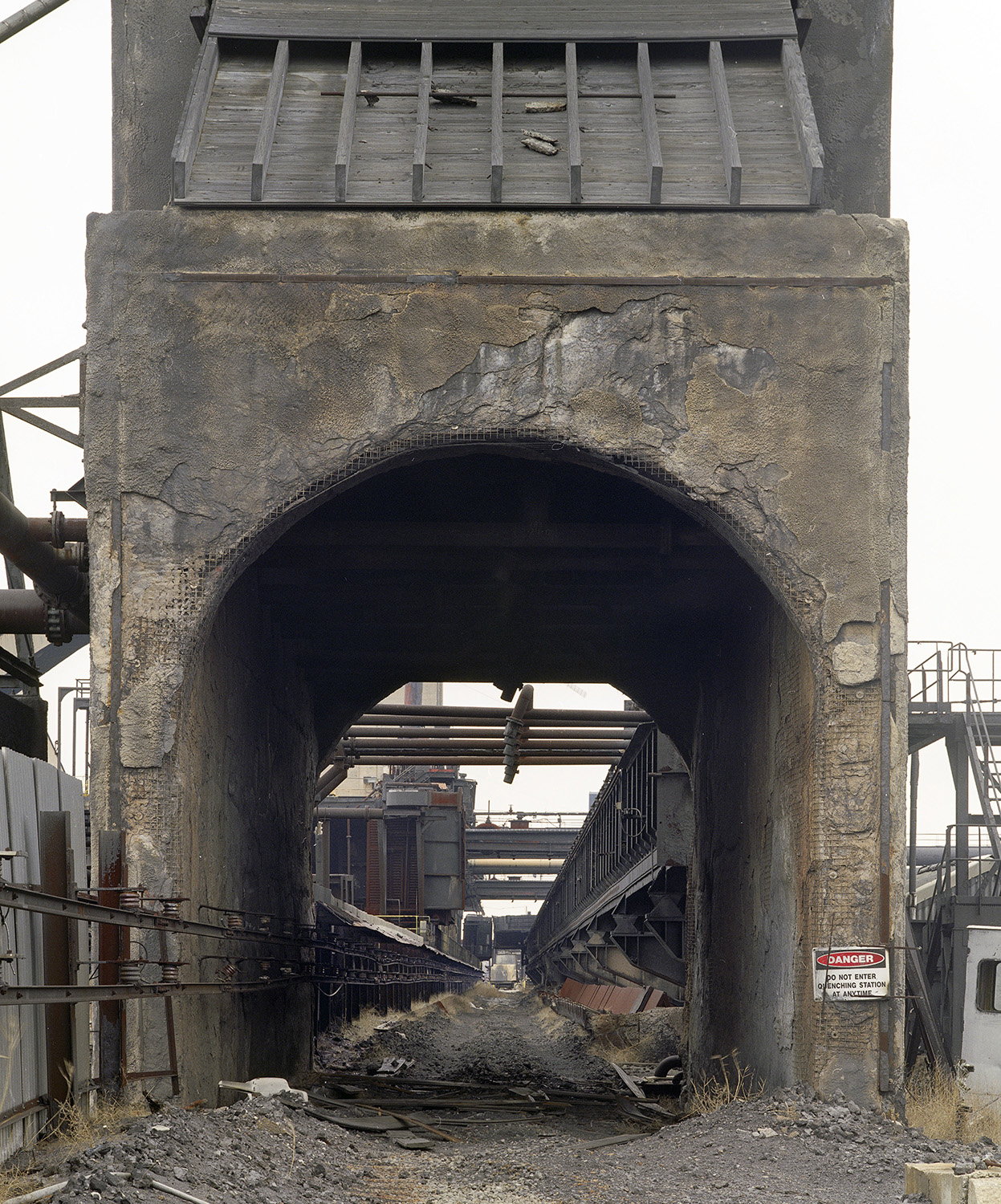
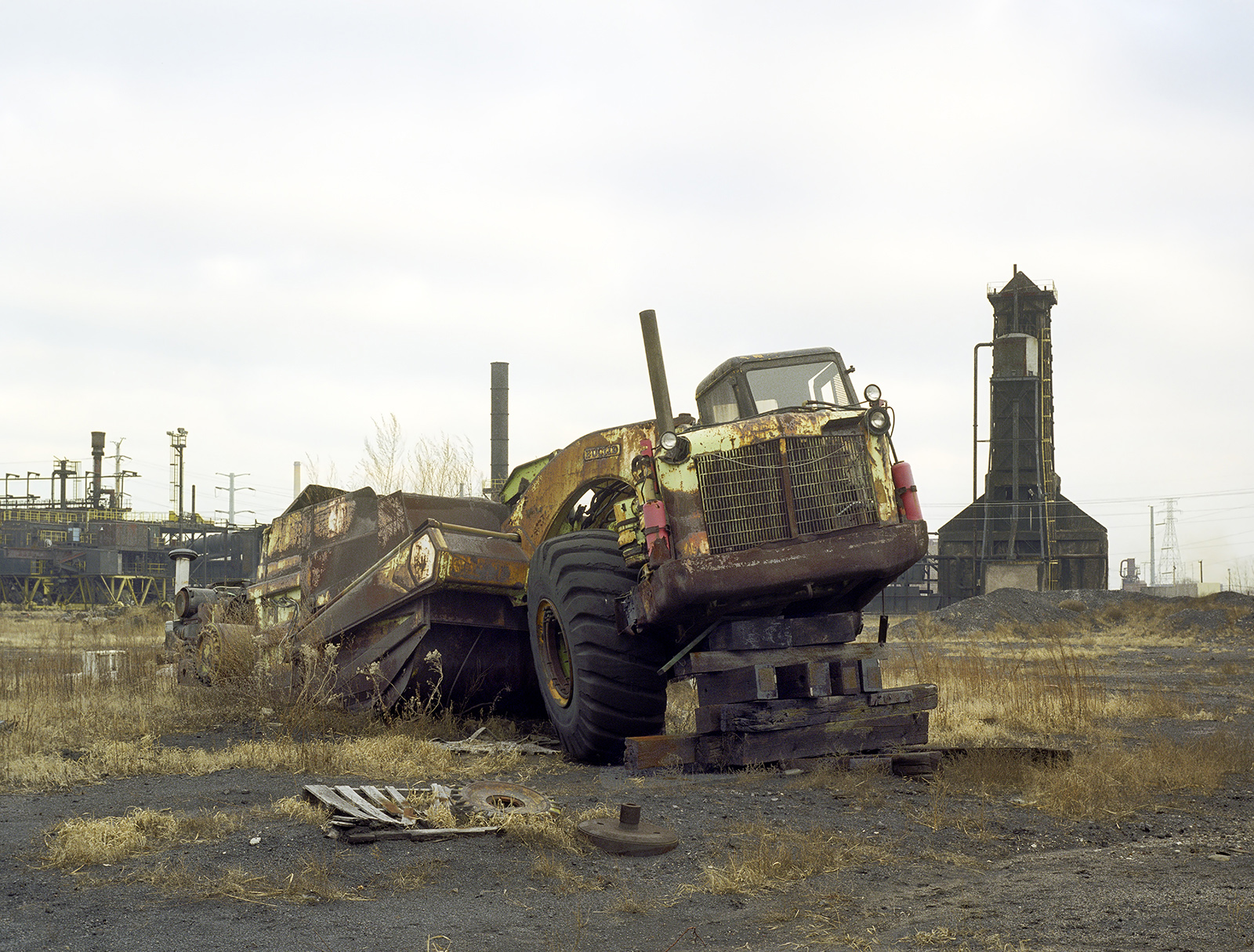
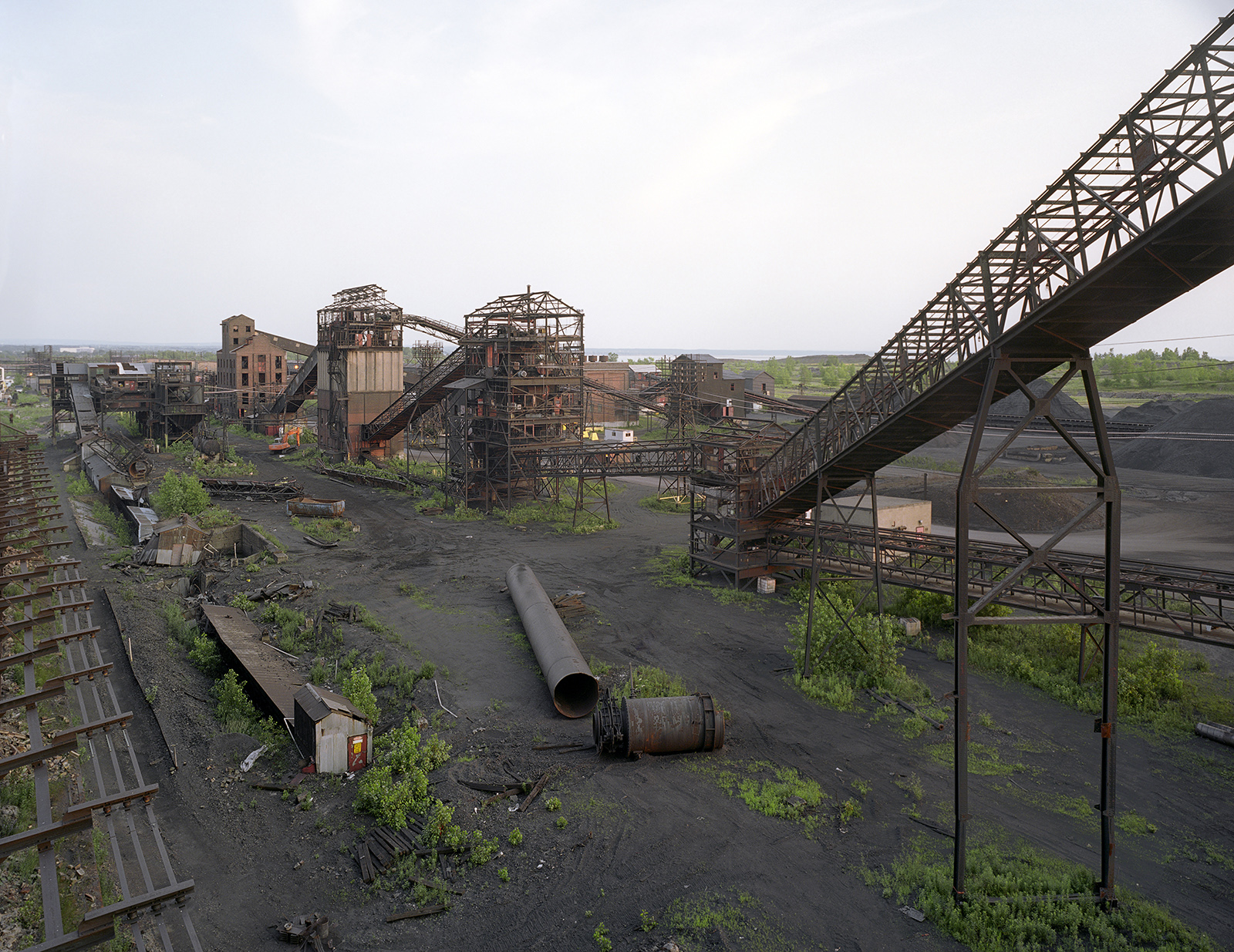
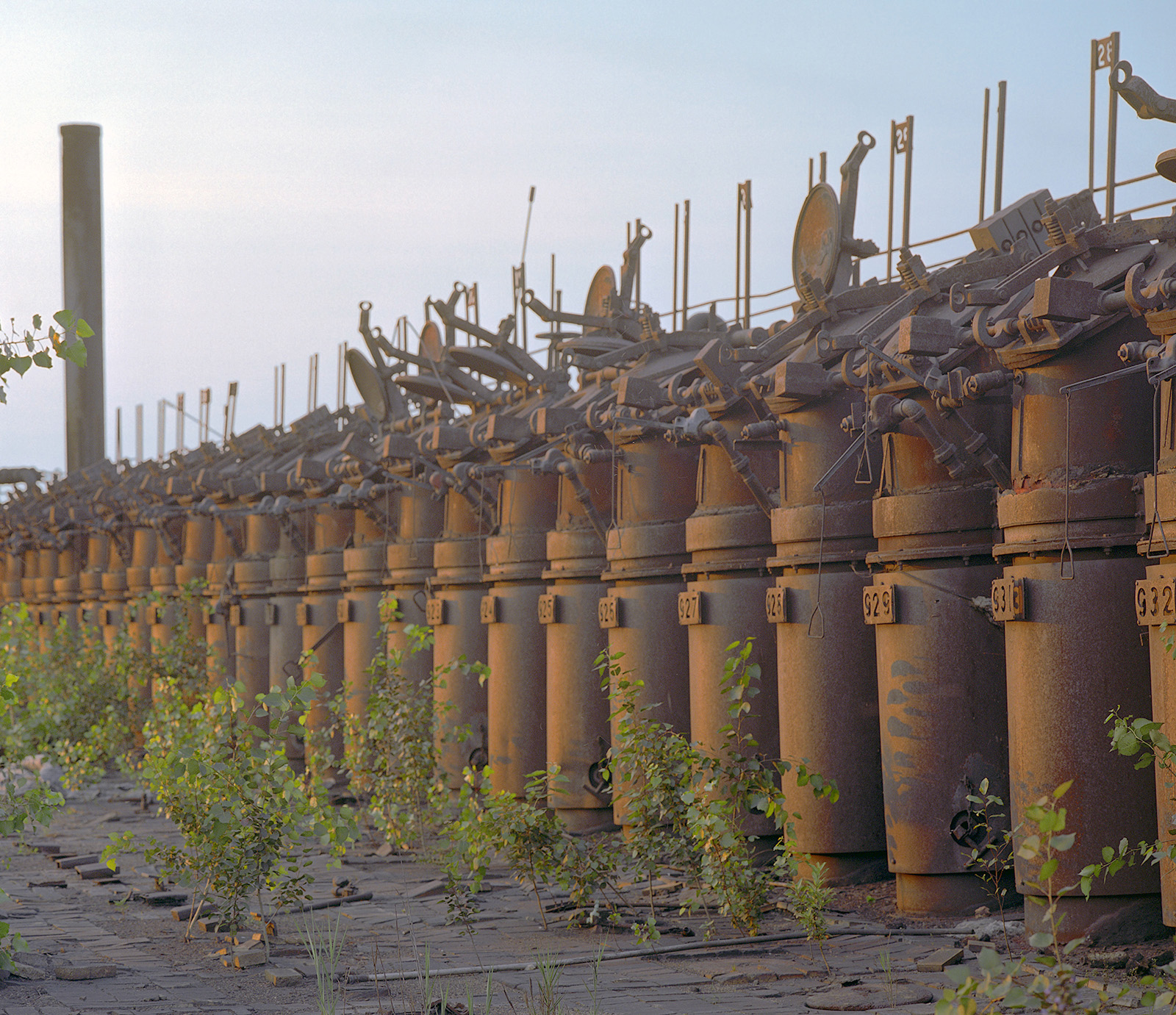
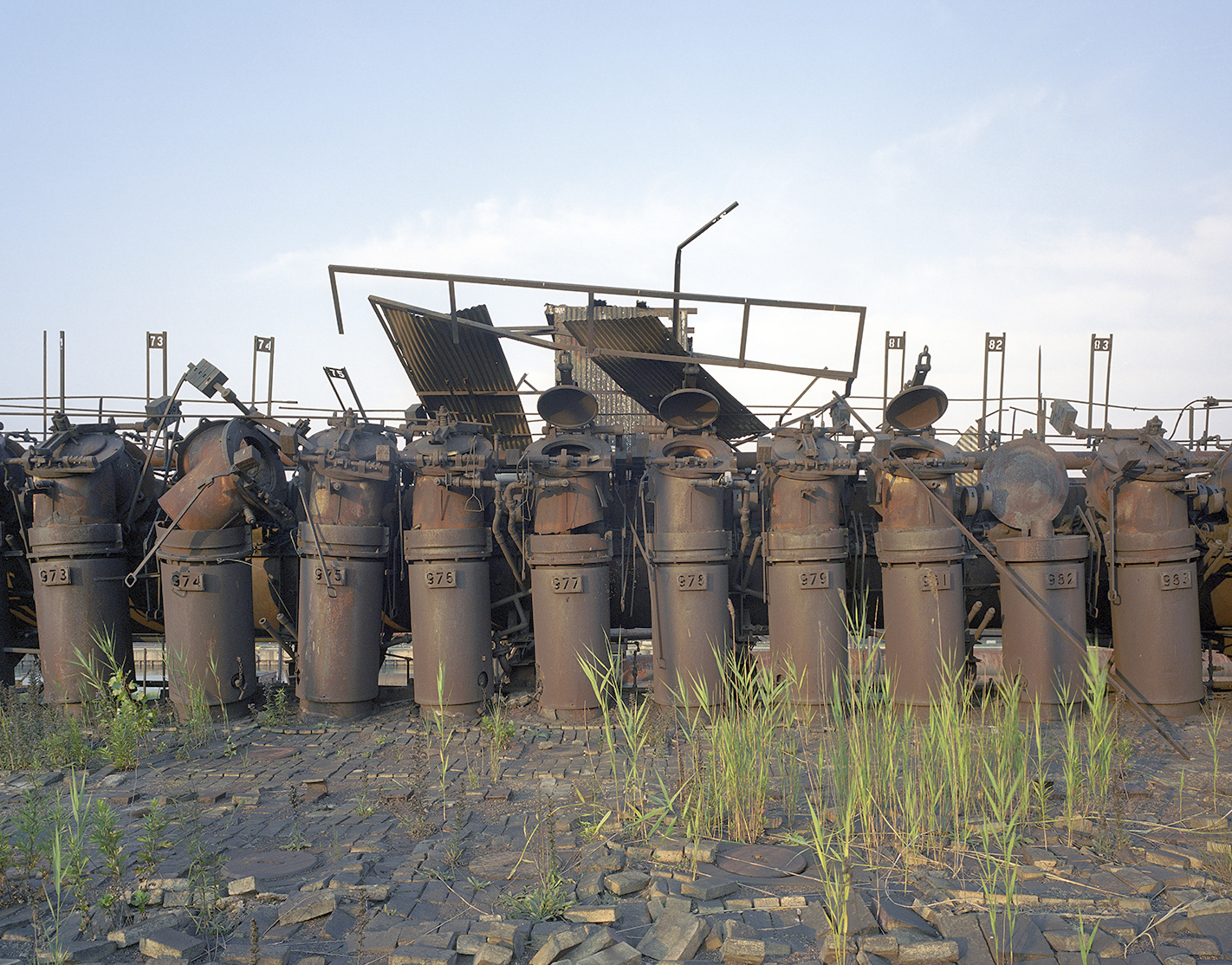
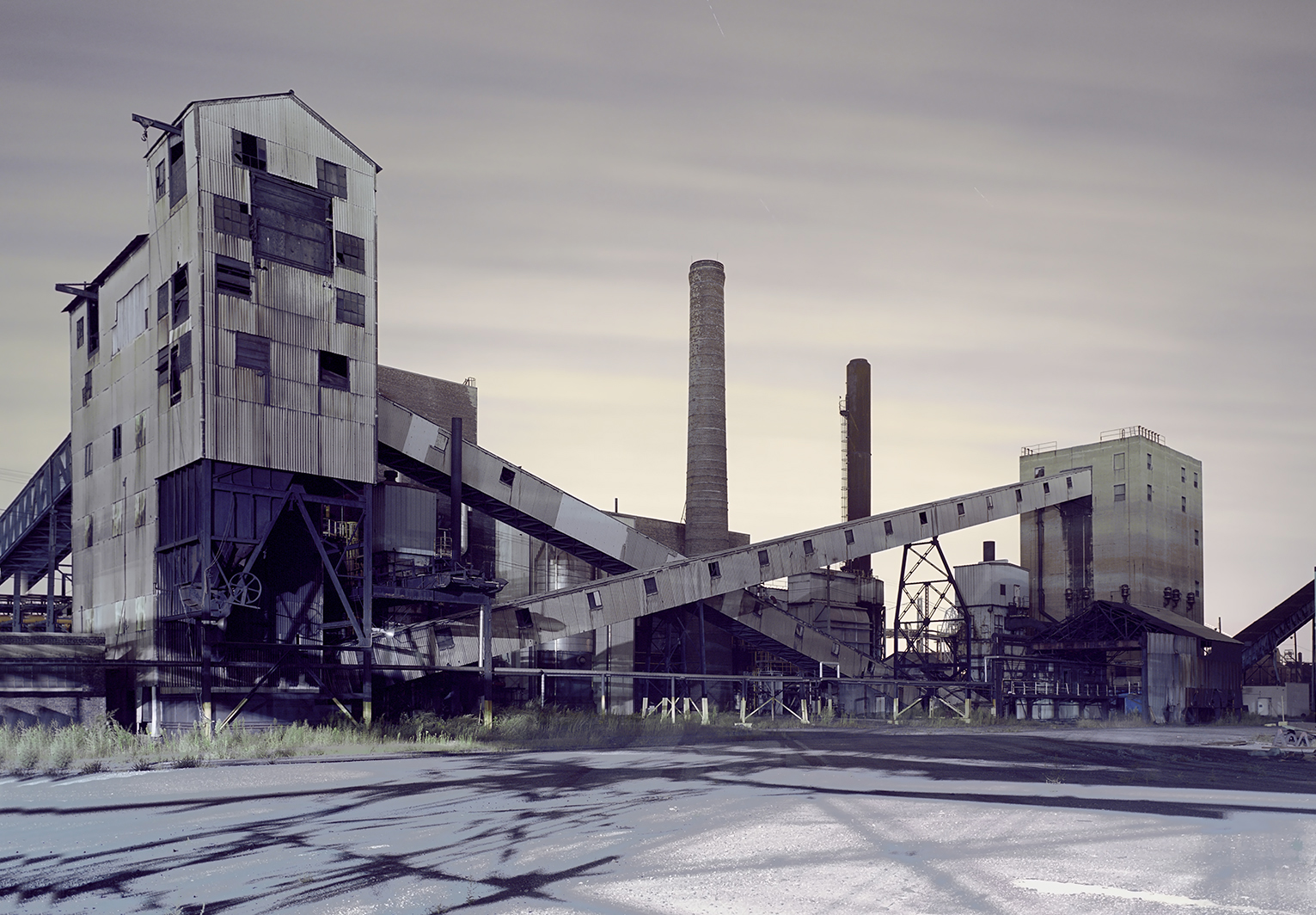
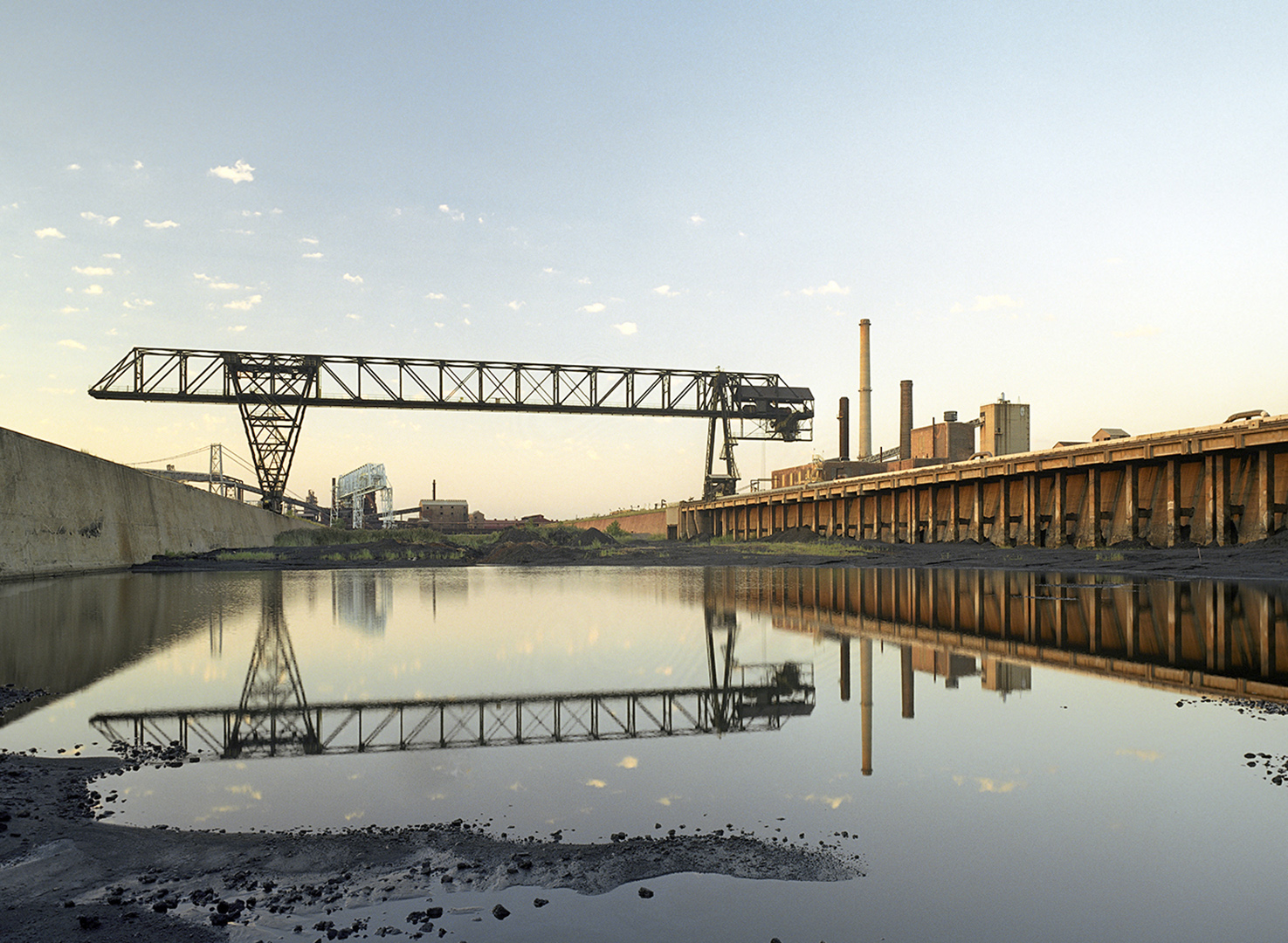
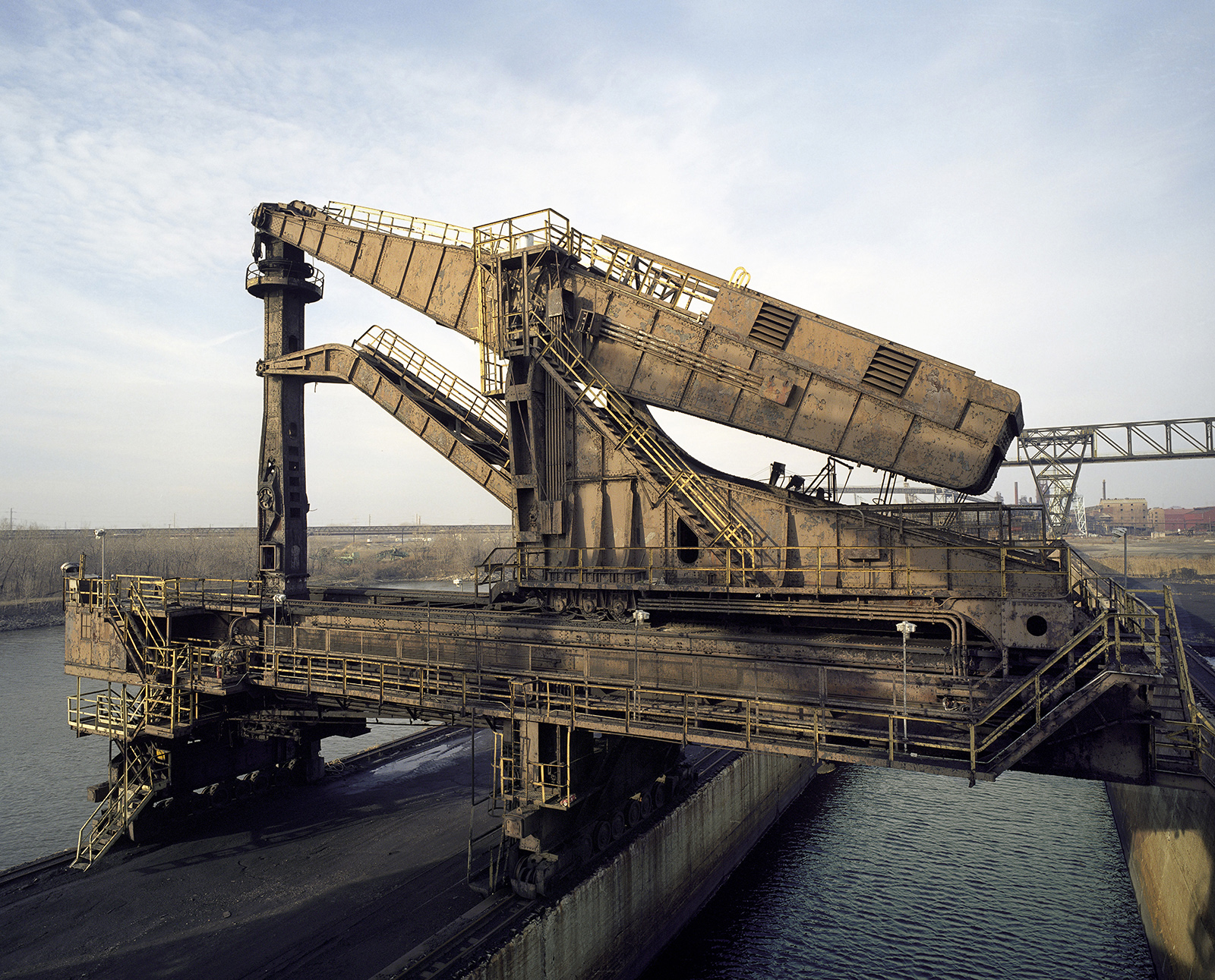
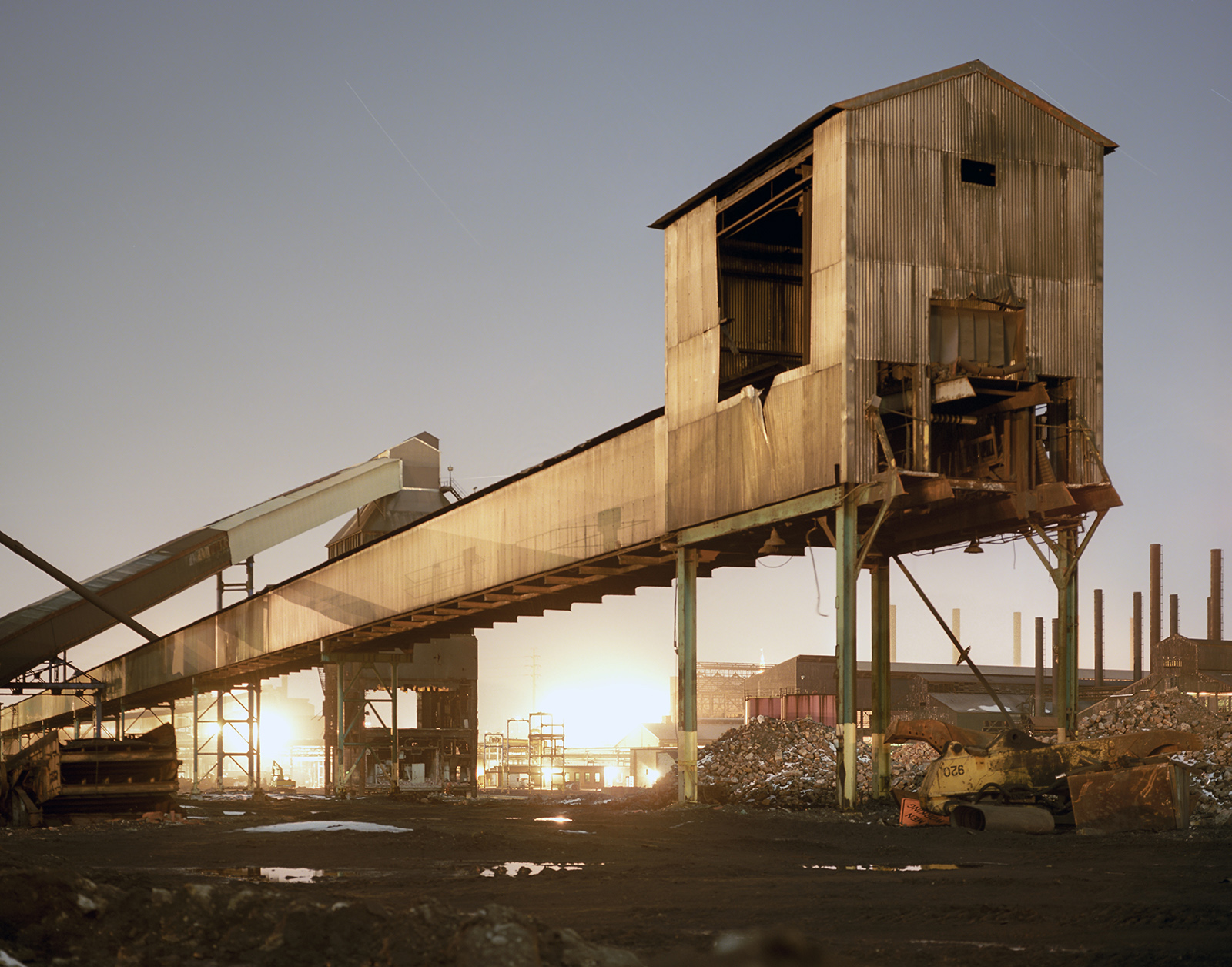
This shot is a one hour exposure at 3:00 am using mostly the full moon for illumination (ambient light, although in a city had never been lower with all three of these integrated mills shut or demolished, and surrounding neighborhoodsAcme Steel, Chicago - Blast Furnace A Hardened Molten SlagThis spigot, lit in moonlight and on film, is the spigot where molten slag, skimmed off the pure iron, would fall into bottle cars for deposit in a landfill. Slag today is recycled for use on roads, and is a good example of how ancillory industries line up around a mill, and, also, another examole of steel being the most recycled material in the world. All steel is made with this scrap - a basic oxygen furnace needs usually a mixture of at least 25% scrap steel mixed with iron and whatever other smaller ingredients to create the world's best specialty alloy steels.The Acme Mill in December, 2003 - the mill is in full demoilition, the ore yard flooded and empty.Acme Steel, Chicago - Blast Furnaces A & B & Ore YardAcme Steel, Chicago - Conveyors, Coal and Coke Bridge & Yards, Hoists, & Bridge CranesIn December, 2003, the flooded coal yard, Brownhoist cranes and coal convying system is revelaed in a one hour exposure at 2:00am. The Brownhoists largely disapppeared from the Great Lakes Mills with the Hullets, which were replaced by sel-unlaoding ore boats.Acme Steel, Chicago - Coke and Coal Conveyor Bridge Over the Calumet RiverThe Conveyor Bridge, captured in a one hour time exposure,s pans the Calumet River, allowing ship passage, sending coal from the Acme docks on the east side of the river, one mile over to the Torrance Ave. Coke Plant on the west side of the river, where upon conversionan to cokem would be sent back across the river tio use in the blast furnacoe.Acme Steel, Chicago - Coke and Coal Conveyor Bridge, Brownhoist Ore Unloader & Ore YardThis shot is a one hour exposure at 3:00 am using mostly the full moon for illumination (ambient light,Acme Steel, Chicago - Ore Bridge DemolitionAcme Steel, Chicago - Coke PlantThis shot is a one hour exposure at midnight, Septemeber, 2003.Acme Steel, Chicago - Company Logo on Bleeder StackAcme Steel, Chicago - Coke PlantOvens Battery.After eighteen hours of cooking, with all the gasres removed from the coal, the coke would be pushed out from the side of the ovens and fall into a hopper as hot molten coke.Acme Steel, Chicago - South End of the Coke Battery, Quenching Tower & ChimneysAcme Steel, Chicago - Base of the Quenching TowerThe coke would enter this arch and receive a bath of water, sending a giant white plume of steam through the wooden chimney that sat on the concrete baseAcme Steel, Chicago - Push CarA push car was used to propel the hoppers of fresh molten coke into the quenching station for a cooling bath of water which produced the steam plume that continually arose in a peiodic rate as fresh coke was retrieved from the ovens.Acme Steel, Chicago - Euclid GraderIf you wanted desolation while still being in the city of Chicago, then this area of the South Deering neighborhood, originally called Irondale, that included sub-hoods like Slag Valley where slag was dumped and 200 foot tall piles of fresh coke was stored, would be ideal. Once passed 106th and Torrence Ave., heding south there was a small sub-hood at the north end of the plant and a couple of homes at the south end. Other than that it was surrouded by wilderness spotted with industry.AK Steel, Ashland - Amanda FurnaceIn 2004, one of two furnaces was lit and working - the Amanda, but would permanently close by 2015 and the entire mill was shutdown on January 29, 2019.
Today Cleveland Cliffs owns AK Steel, and absorbed its mill in Middlefield Ohio, but the Ashland Works would fall.AK Steel, Ashland - Amanda FurnaceAK Steel, Ashland - Rotary Car DumperA fully loaded rail car filled with iron ore is flipped, and its contents put on a conveyor belt to feed the furnaces.
Torn down in 2022.AK Steel, Ashland - Amanda Furnace & Ore BridgeIn 2004, one of two furnaces was lit and working - the Amanda, but would permanently close by 2015 and the entire mill was shutdown on January 29, 2019.
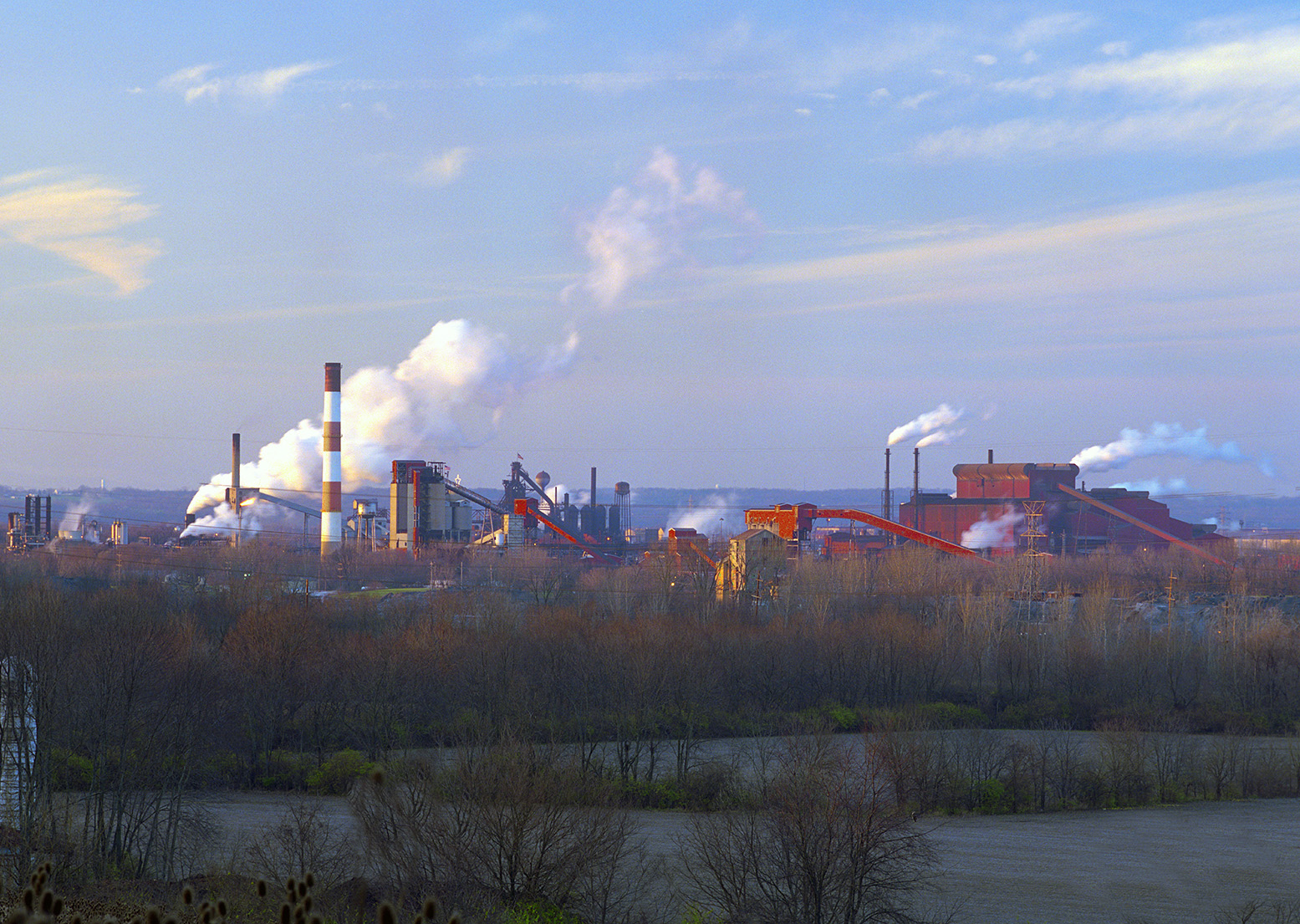
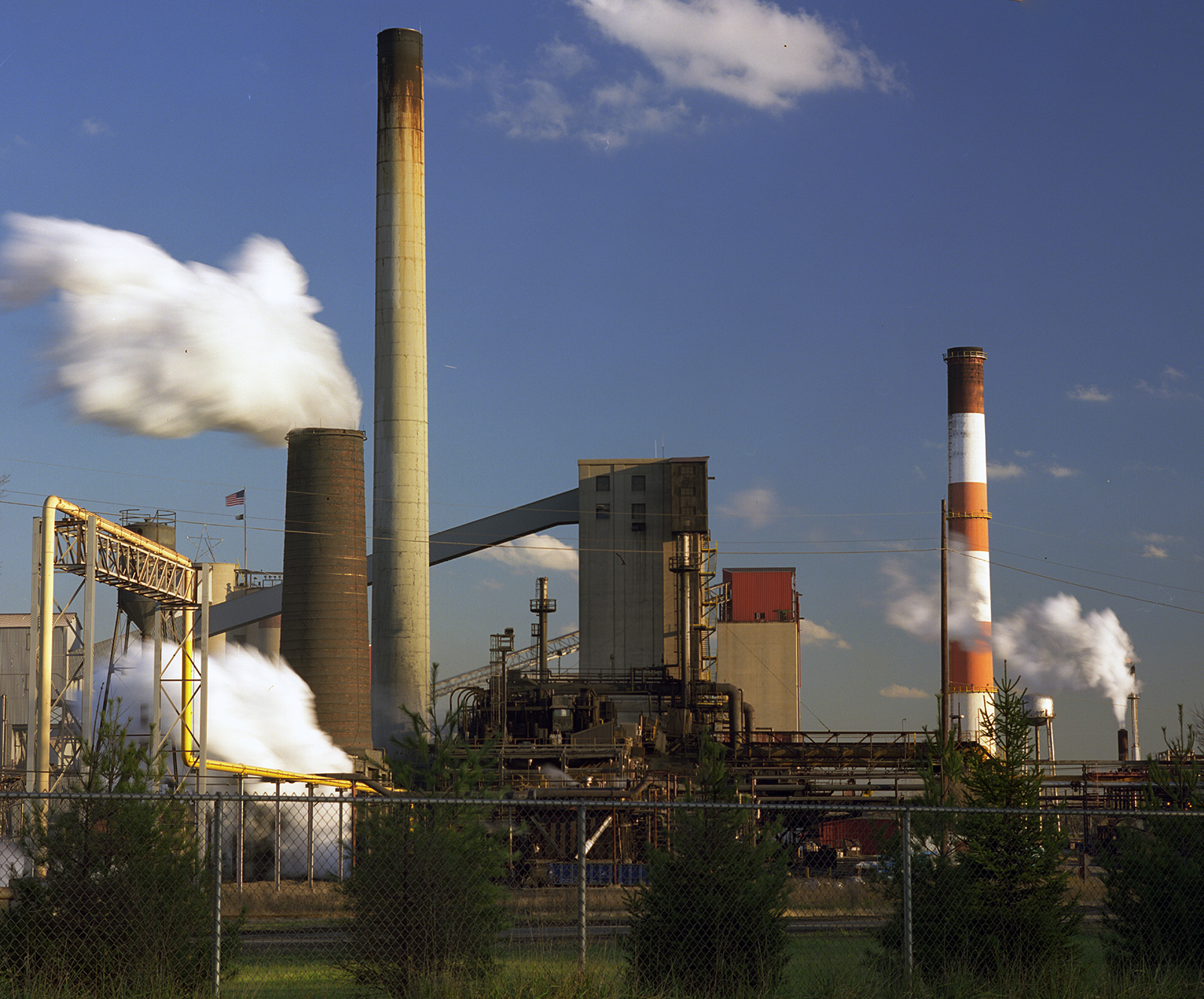
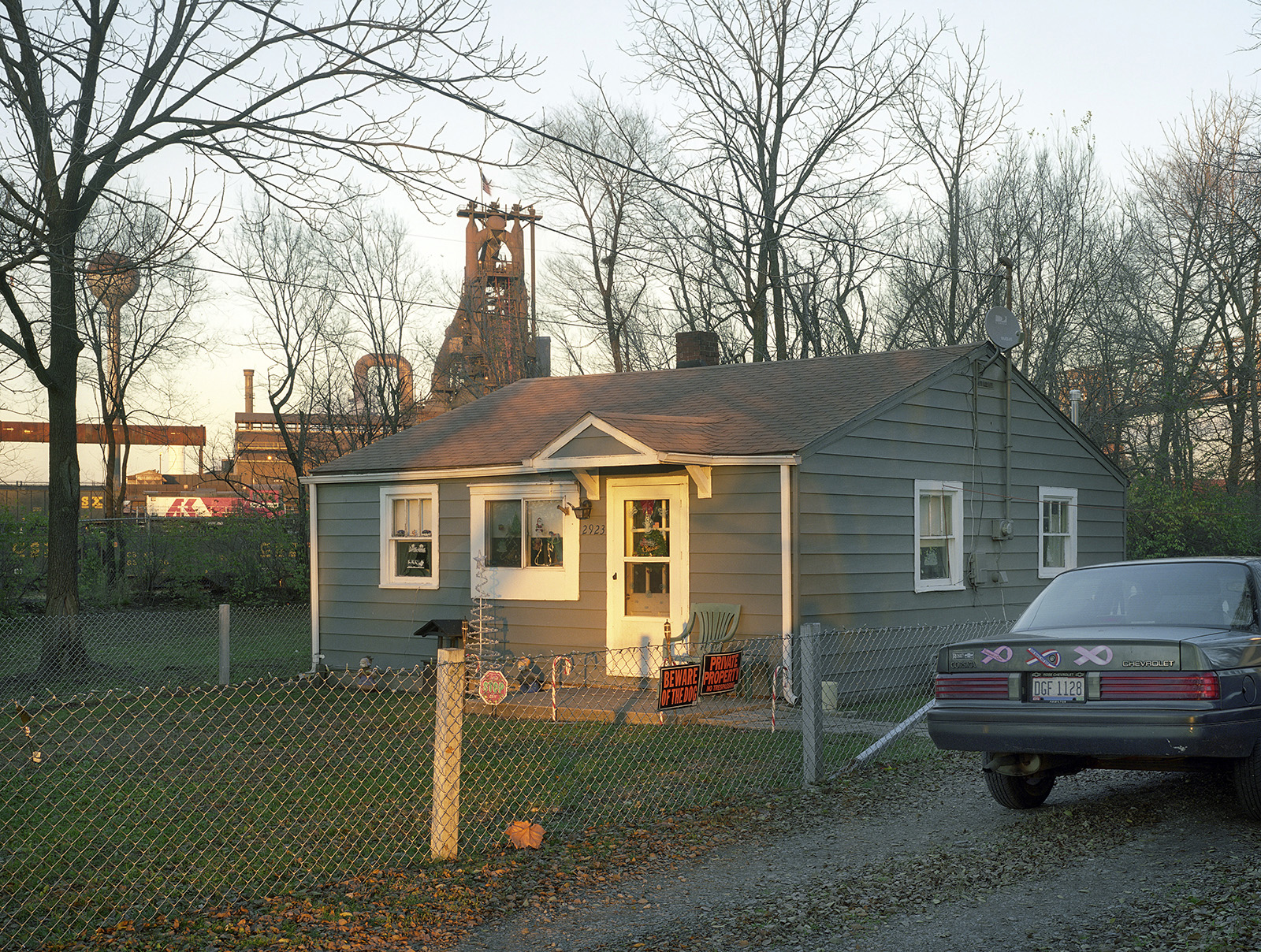
Today Cleveland Cliffs owns AK Steel, and absorbed its mill in Middlefield Ohio, but the Ashland Works would fall.AK Steel, Middletown - Steel WorksFrom left to right - coke plant, blast furnace, finishing mills and basic oxygen plant, as seen from the farm land out past the town of Middlefield.AK Steel, Middletown - Coke PlantAK Steel, Middletown - Home & Blast FurnaceEvery steel city in town has neighborhoods that edge up to the Mills. In the case of AK steel in Middletown Ohio, one neighborhood in particular, is notoriously set close to both the blast furnace and Coke plant which are the most polluting sections of the steel mill.
A recent trend in language is to call these neighborhoods locations of environmental racism. Unfortunately many of the neighborhoods that border the steel mills are, in fact, white or mixed with others, and, some, indeed, became predomonately black places like Braddock Pennsylvania and Gary Indiana that had evolved into entirely black cities, over time. Places that originally started as European ethnic enclaves, changed, of course, but their level of pollution and crowded conditions were historically far worse than today, even though, of course, if you were into your health, proximity to the mills is not good today.
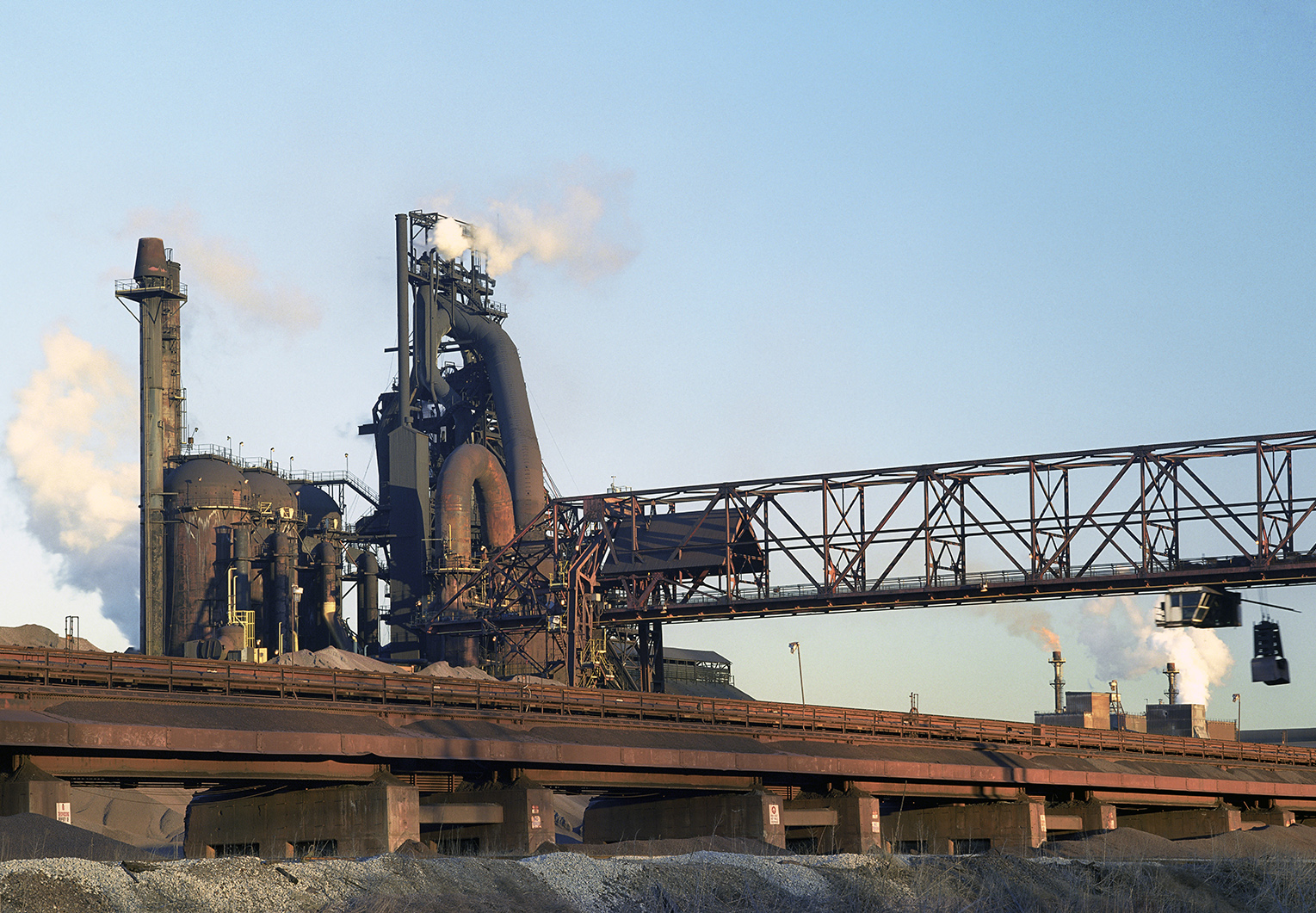
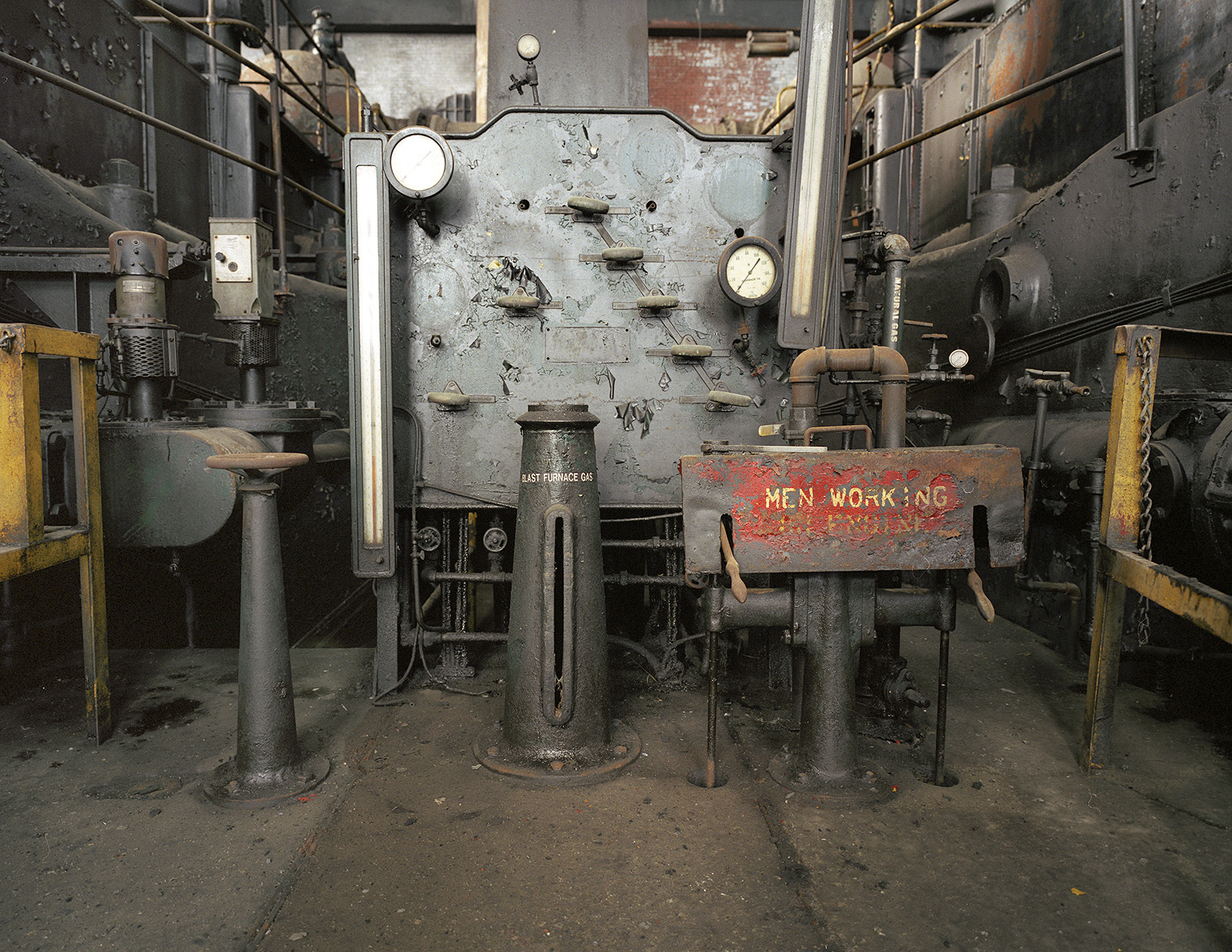
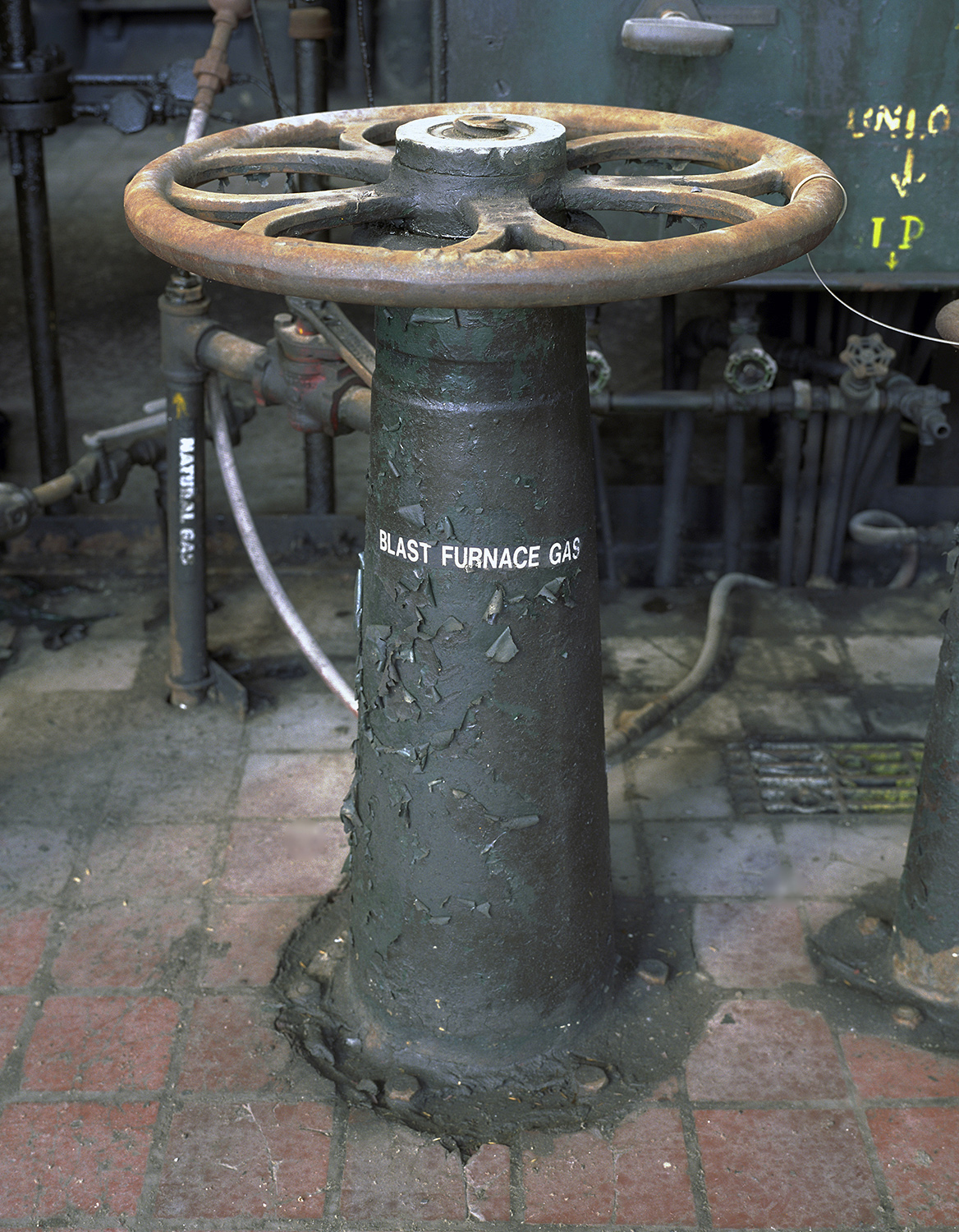
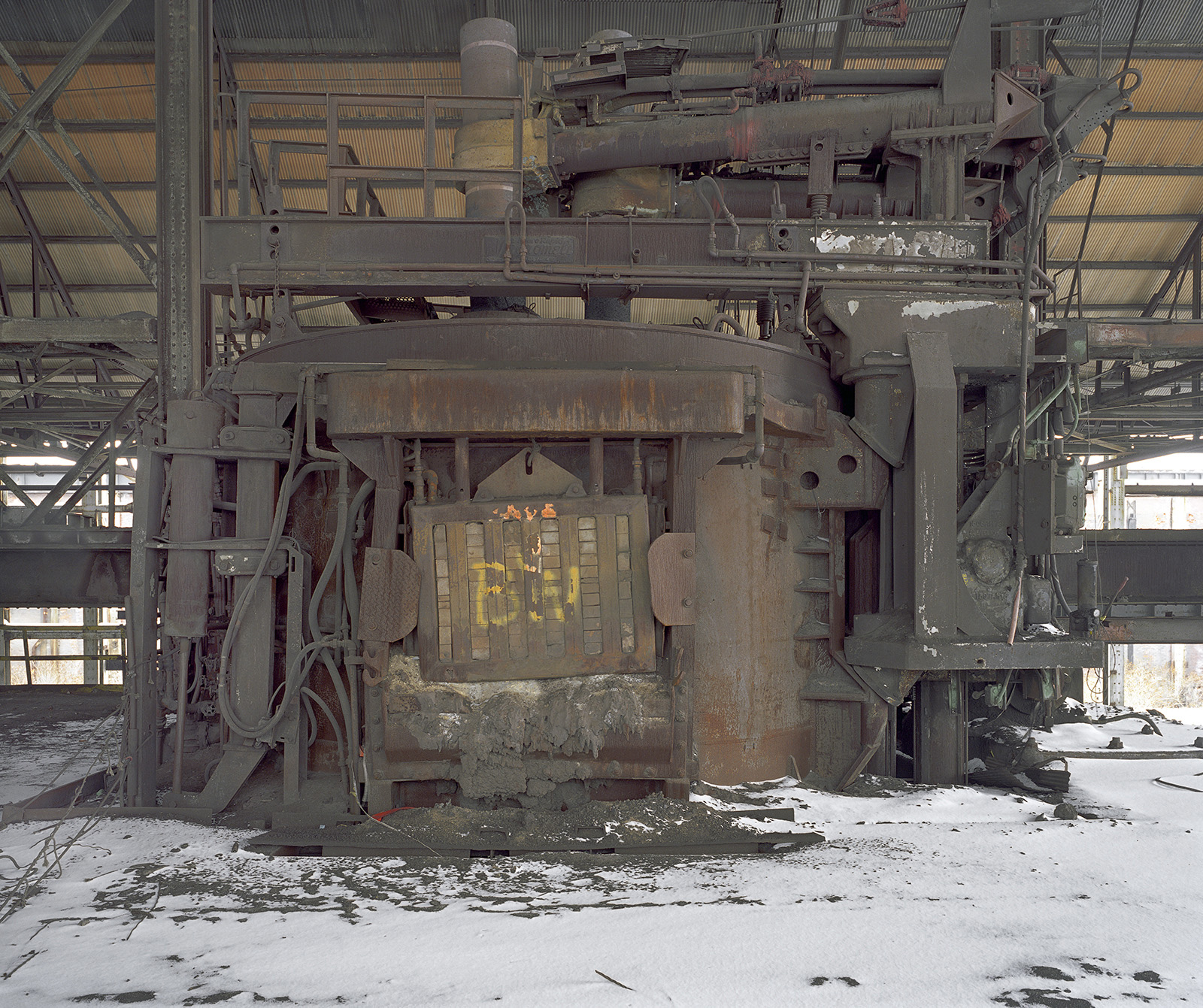
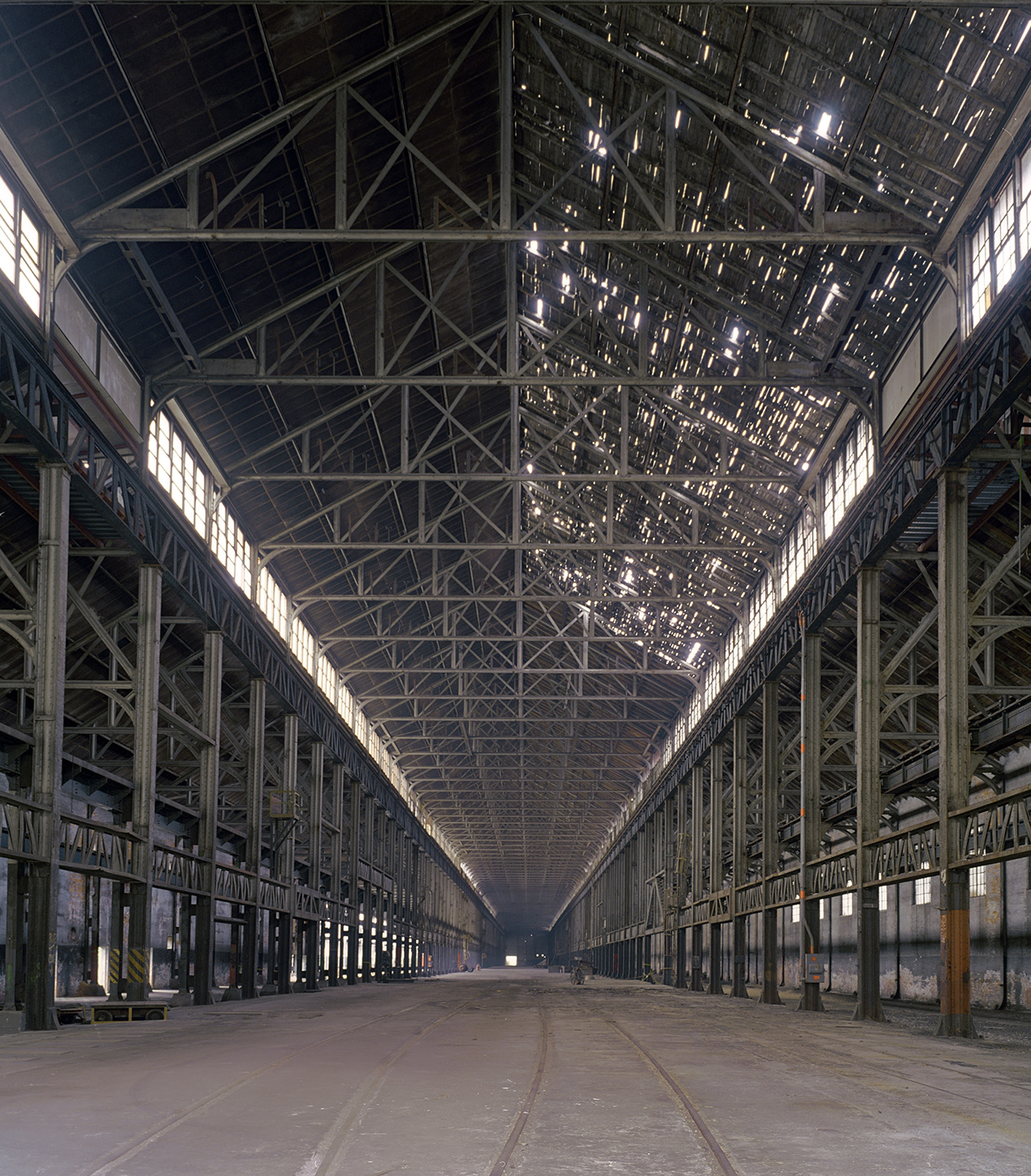
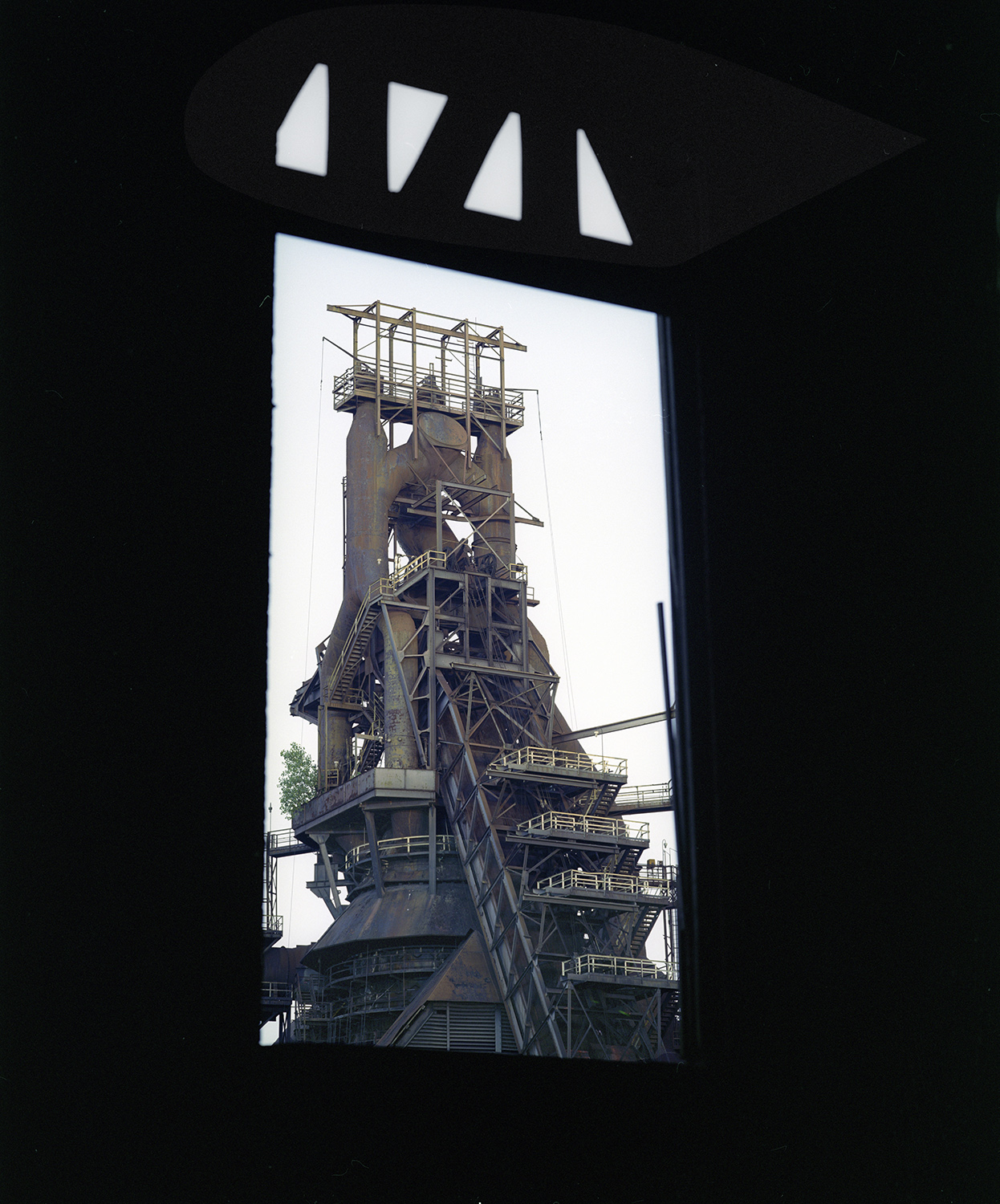
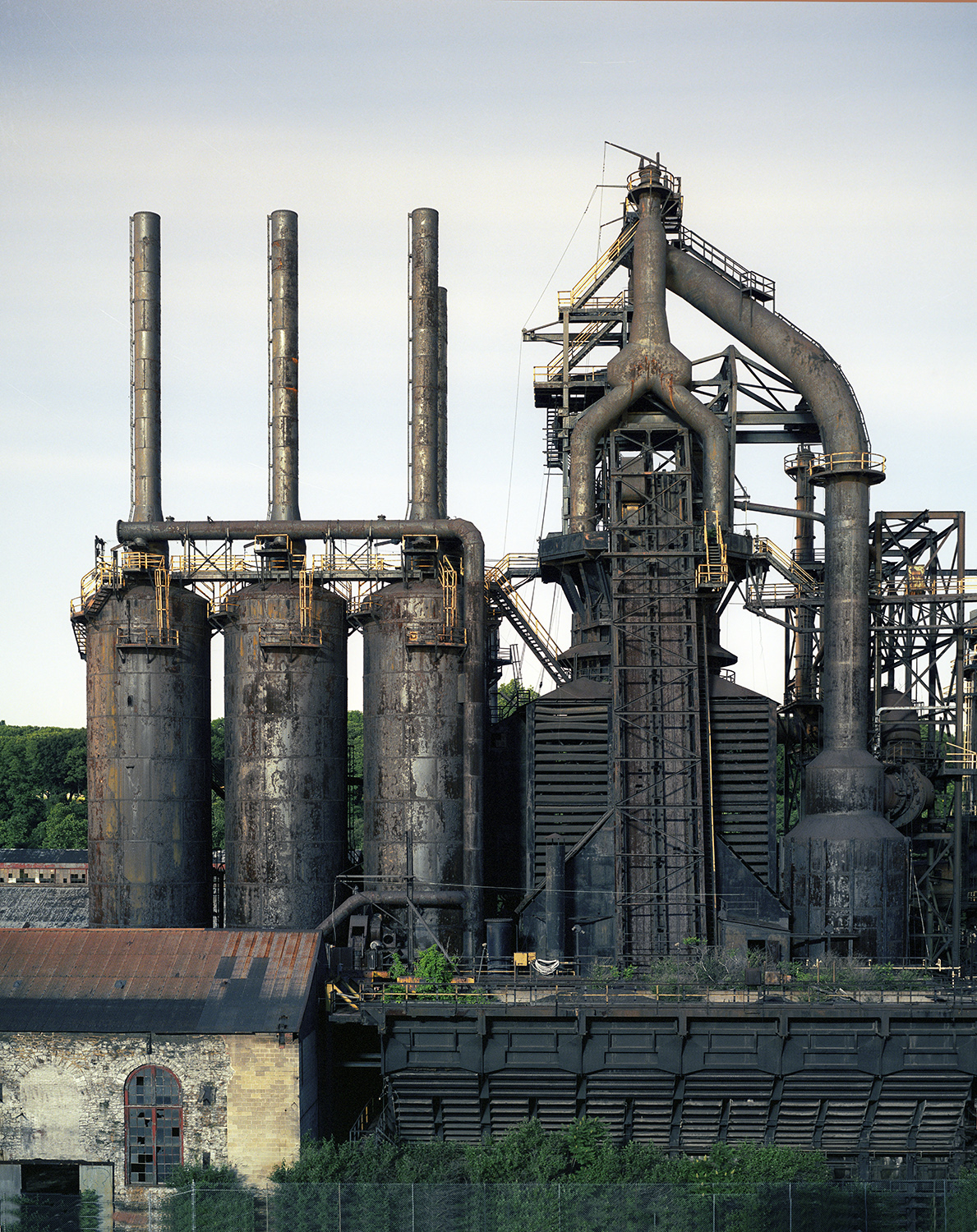
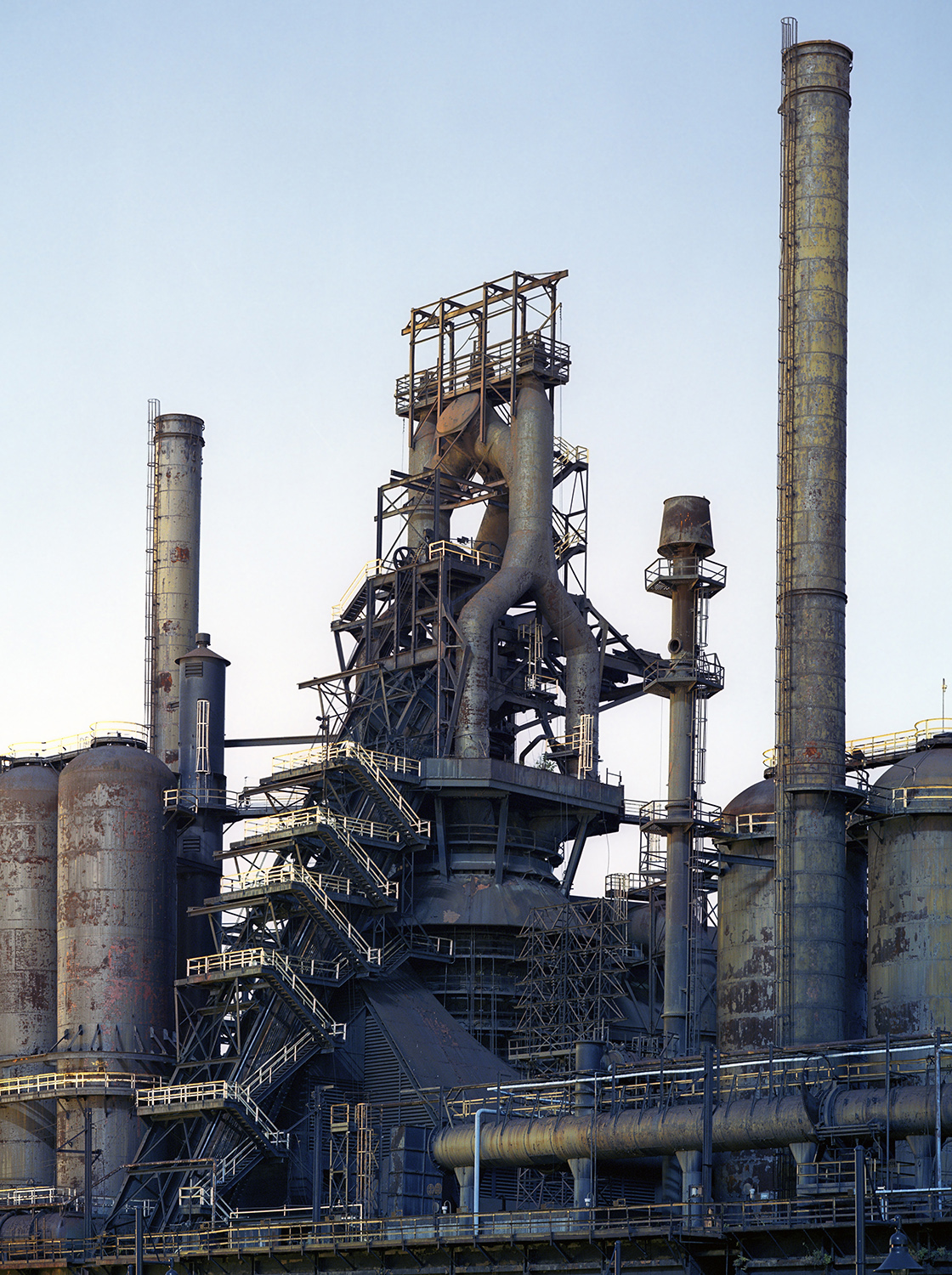
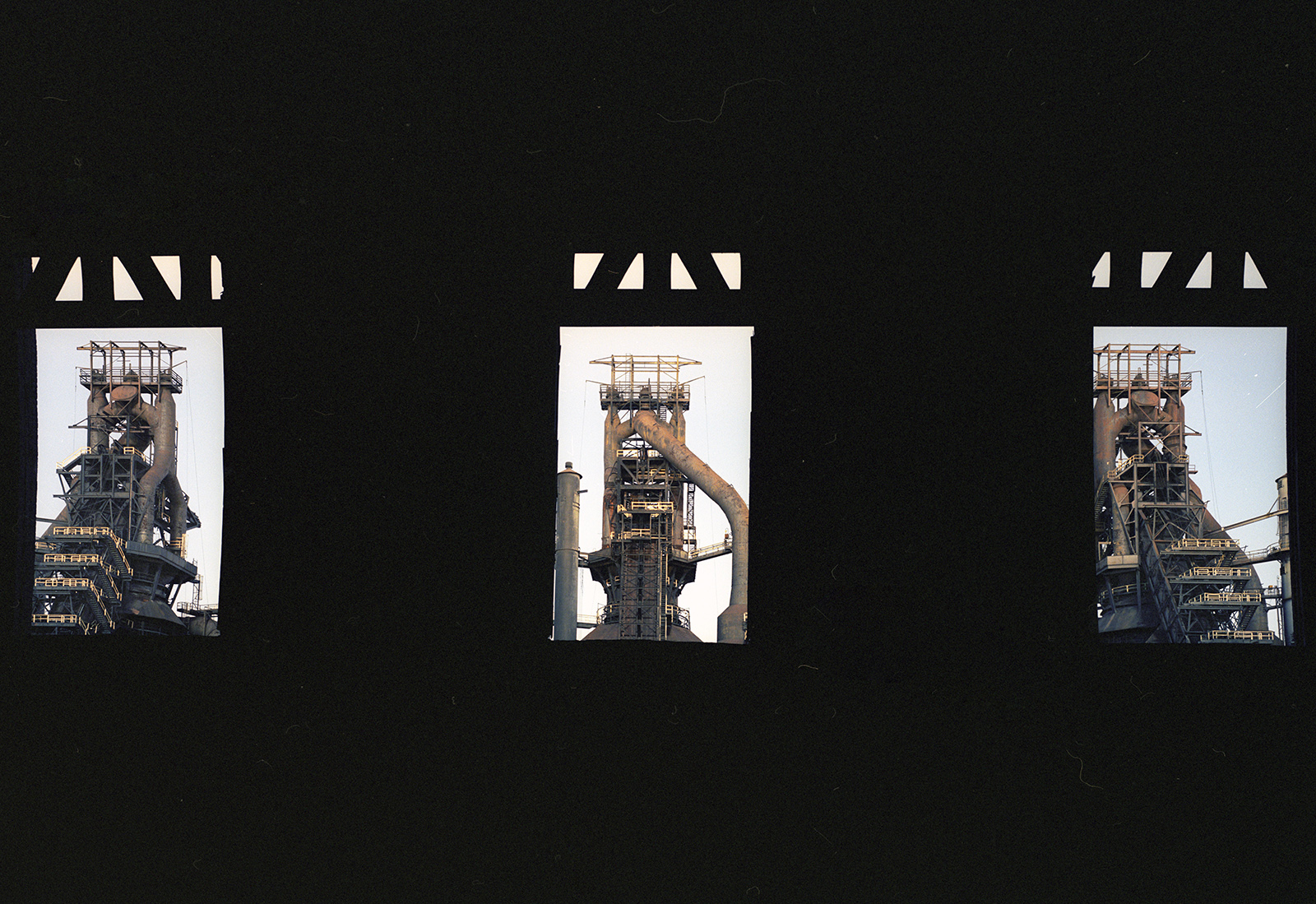
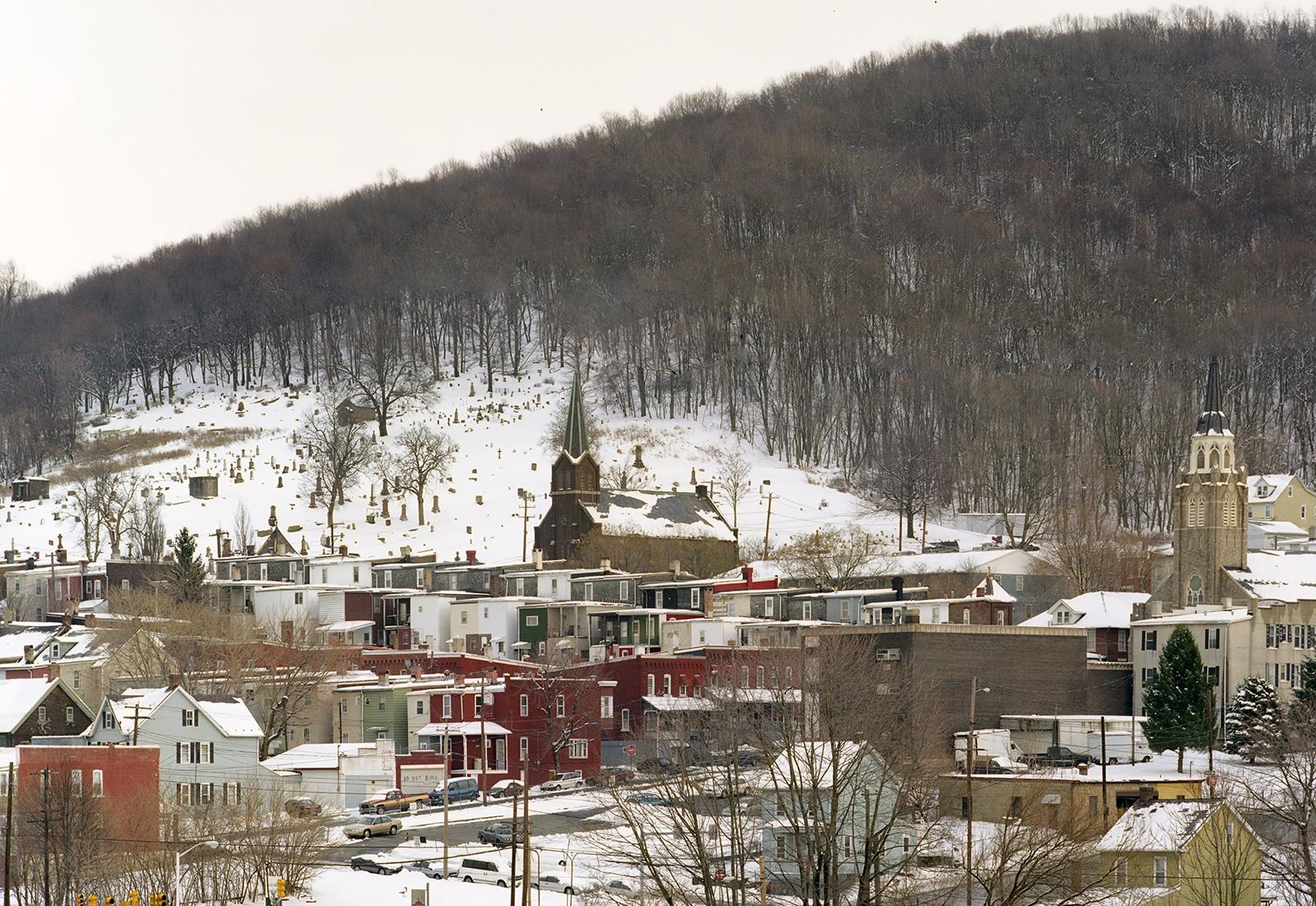
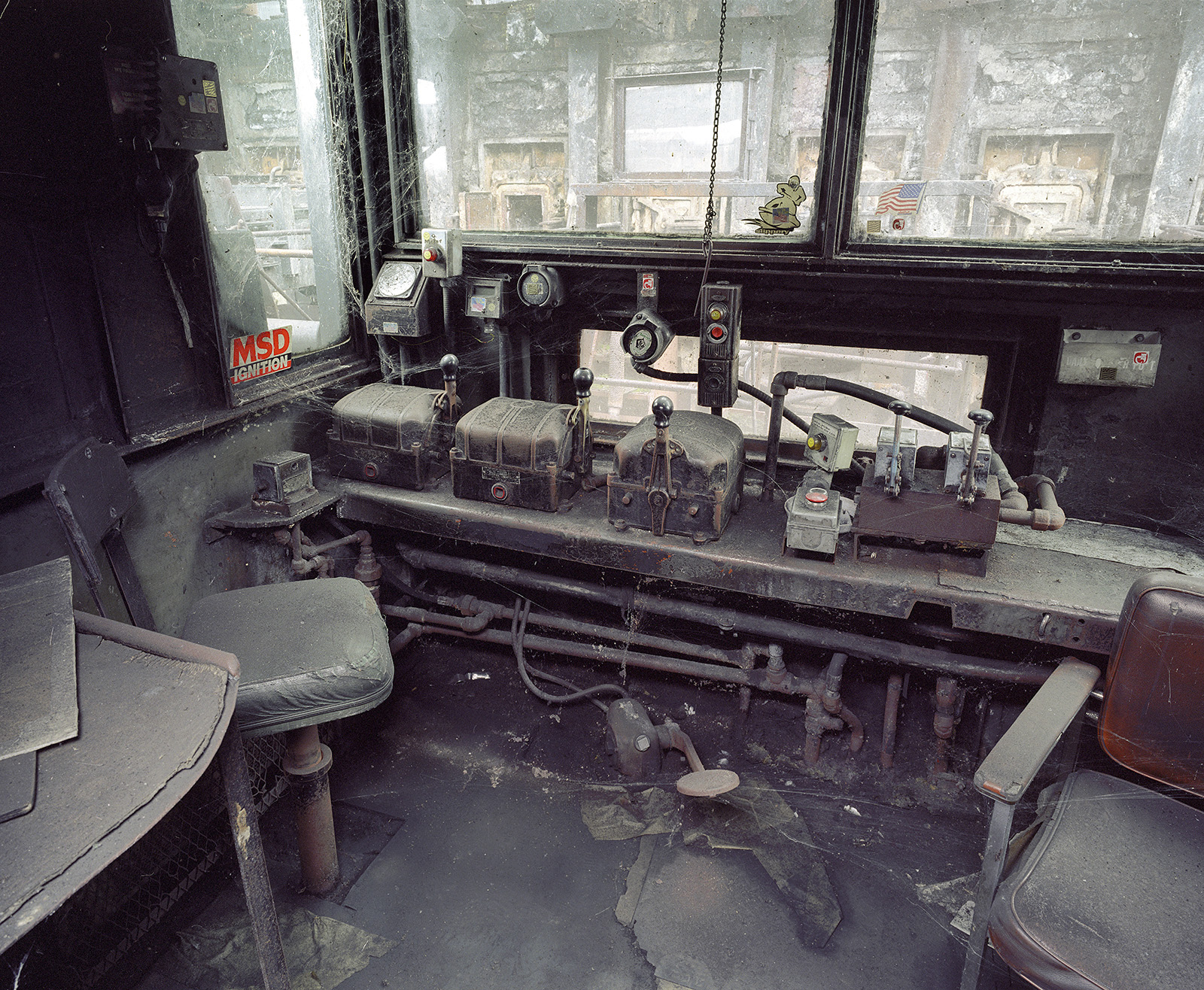
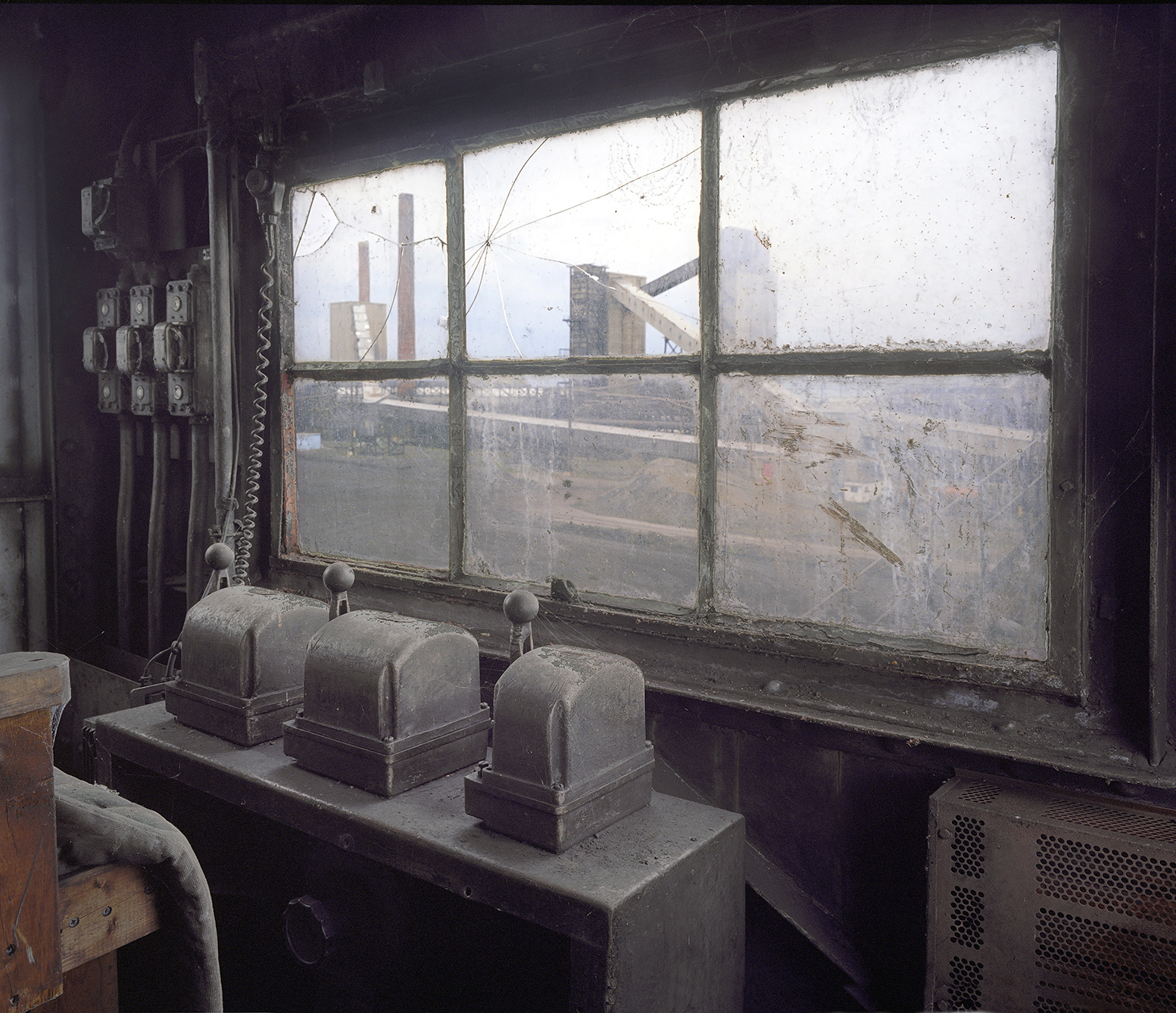
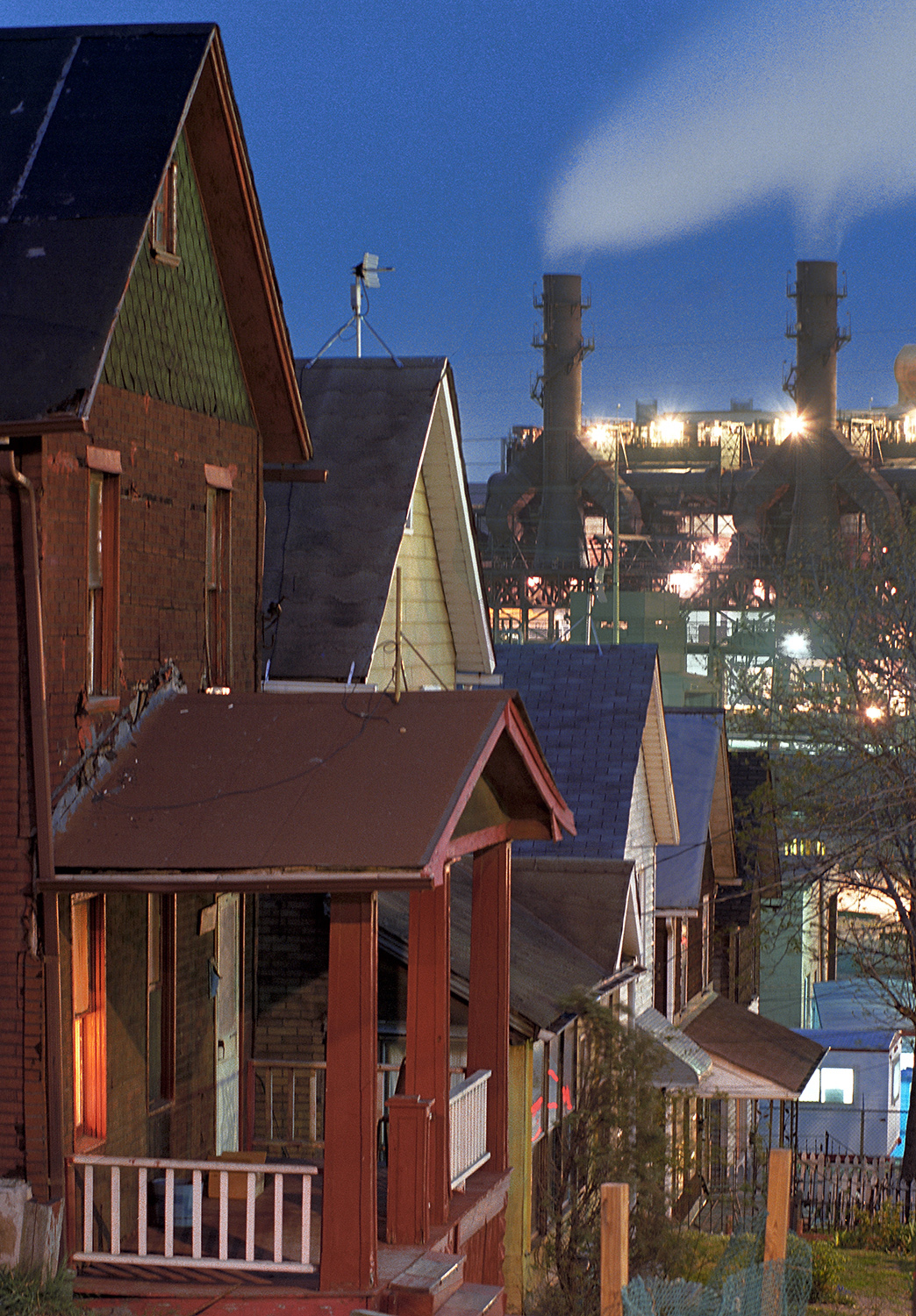
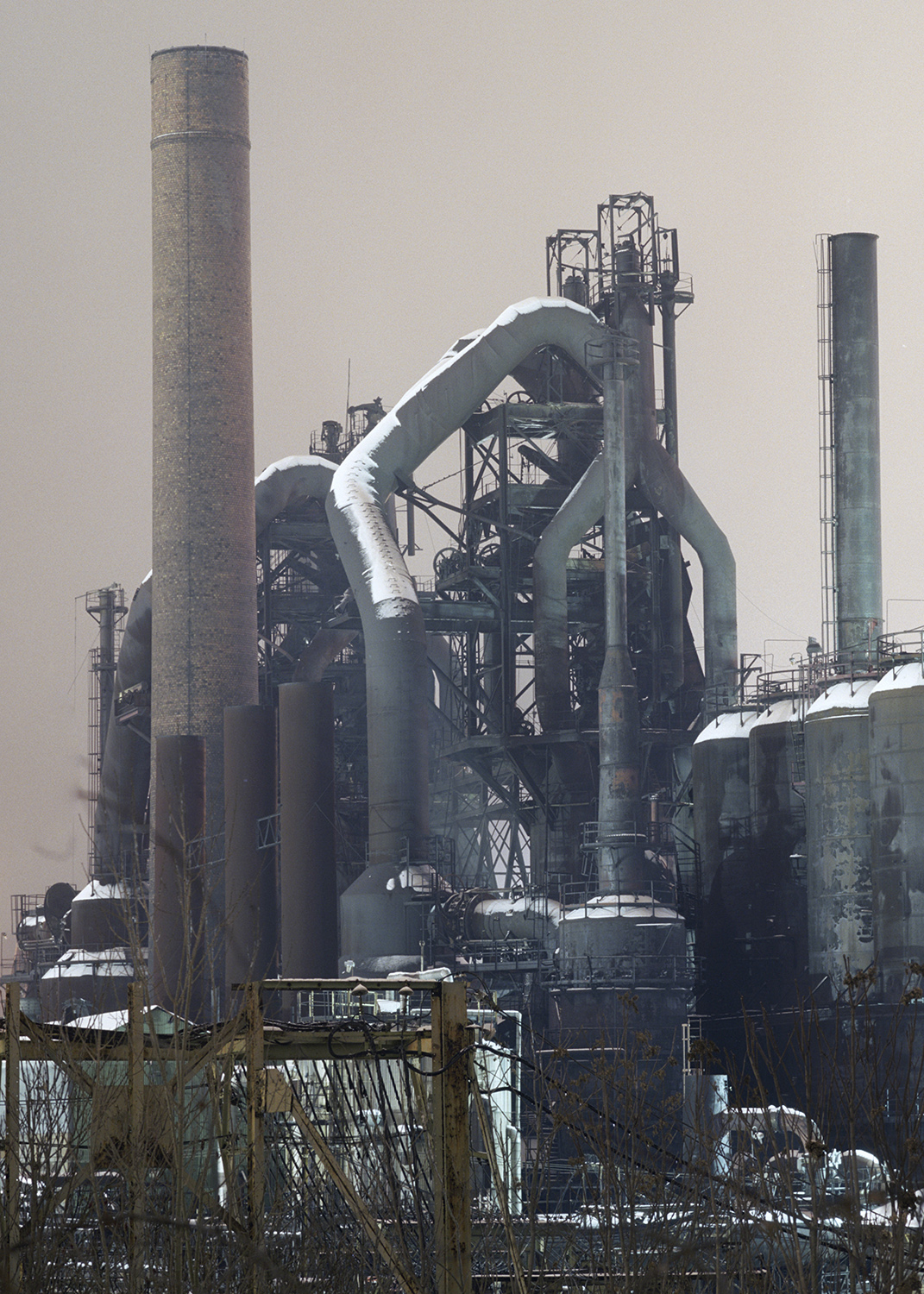
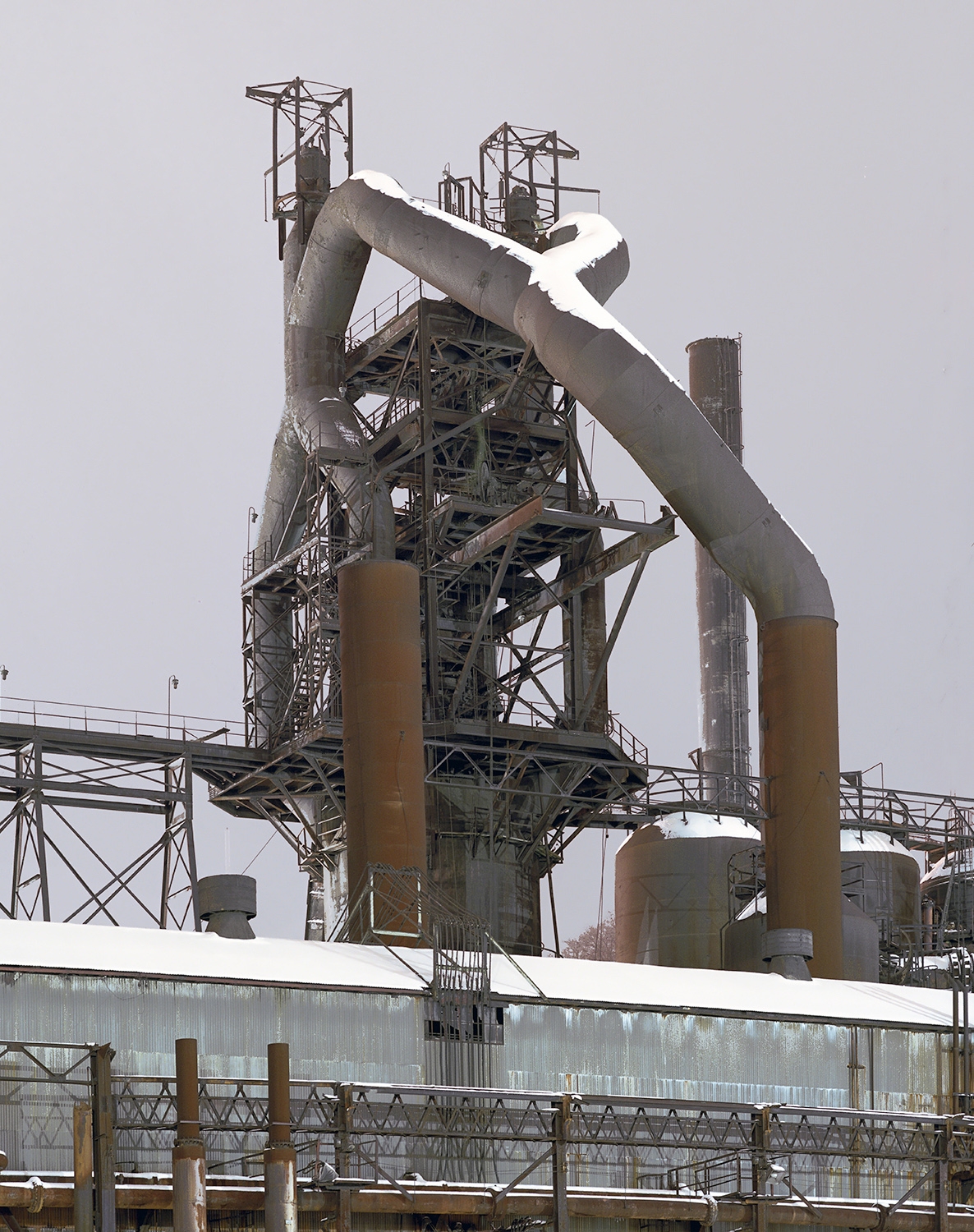
RealStill won't play the language game that essentially describes an ongoing, changing situation since the beginning iof the industrial revolution - people who live next to industry suffer from its effects.AK Steel, Middletown - Blast FurnaceAk Steel, now Cleveland Cliffs, has a large functioning blast furnace situated in a poorer section of town, of course, where your class standing, is the biggest influence on where you live.AK Steel, Middletown - Blast Furnace & HomeThere's always homes with Christmas decorations in the mill hoods, where there are still are still strong family-oriented generations still living here.Bethlehem Steel, Bethlehem - Blast Furnace RowSnow on the blast furnaces is not a good sign.Bethlehem Steel, Bethlehem - Blast Furnace AOne hour time exposure with Ektar 25 film.Bethlehem Steel, Bethlehem - Blast Furnace COne hour time exposure with Ektar 25 film.Bethlehem Steel, Bethlehem - Blast Furnace DOne hour time exposure with Ektar 25 film.One hour time exposure with Ektar 25 film.Bethlehem Steel, Bethlehem - Blast Furnaces C' & DOne hour time exposure with Ektar 25 film.Bethlehem Steel, Bethlehem - Gas Blower EnginesBethlehem Steel, Bethlehem - Blower Engine House, FlywheelBethlehem Steel, Bethlehem - Gas Blower Engine #4Bethlehem Steel, BethlehemBethlehem Steel, Bethlehem - Blast Furnace Gas ValveBethlehem Steel, Bethlehem - Electric FurnaceBethlehem Steel, Bethlehem - Welfare RoomBethlehem Steel, Bethlehem - Machine ShopBethlehem Steel, Bethlehem - Exposed TrussBethlehem Steel, Bethlehem - Blast Furnaces A B & COne hour time exposure with Ektar 25 film.Bethlehem Steel, Bethlehem - Blast Furnace DOne hour time exposure with Ektar 25 film.Bethlehem Steel, Bethlehem - Blast Furnace AOne hour time exposure with Ektar 25 film.Bethlehem Steel, Bethlehem - Blast Furnace AOne hour time exposure with Ektar 25 film.Bethlehem Steel, Bethlehem - Blast Furnace AOne hour time exposure with Ektar 25 film. Moon is the primary source of light.Bethlehem Steel, Bethlehem - Blast Furnace COne hour time exposure with Ektar 25 film. Moon is the primary source of light.Bethlehem Steel, Bethlehem - Blast Furnace DOne hour time exposure with Ektar 25 film. Moon is the primary source of light.Bethlehem Steel, Bethlehem - Blast Furnace DOne hour time exposure with Ektar 25 film. Moon is the primary source of light.Bethlehem Steel, Bethlehem - Blast Furnaces B C & DOne hour time exposure with Ektar 25 film. Moon is the primary source of light.Bethlehem Steel, Bethlehem - St. Michael's Cemetery, Church & HomesThe shot was taken from the fourth floor of th machine shop inside the Bethelehem Steel plant. it's pretty much the precise reverse of the Walker Evan's shot, Bethlehem Graveyard and Steel Mill including weather conditions.Bethlehem, Steel, Johnstown, PA - Mill Entrance SignBethlehem Steel, Lackawanna - Coke plant, Bethlehem Yard Locomotive, Drying ShedsBethlehem Steel, Lackawanna - Coke Plant, Pusher Car, Operator's CabBethlehem Steel, Lackawanna - Coke PlantBethlehem Steel, Lackawanna - Conveyors & Coal Handling BuildingsBethlehem Steel, Lackawanna - Coke Plant Coal Crusher #4Bethlehem Steel, Lackawanna Coke Plant, Byproducts Recovery CrackersBethlehem Steel, Lackawanna - Coke Plant, Offtake PipesBethlehem Steel, Lackawanna - Coke Plant, Pusher Car, Operator's CabBethlehem Steel, Lackawanna - View of Coke Plant out of Coal Yard Conveyors' Operator's CabBethlehem Steel, Lackawanna - Coke Plant, Welfare RoomThe welfare rooms at bthlehem plants had lockers, sinks and pull-up clothing racks to store the dirty work clothes for the coke plant employees.Bethlehem Steel, Lackawanna - Coke Plant, Welfare Room, Hard Hats in Communal SinkBethlehem Steel, Lackawanna - Coke Plant, Sign on Crusher MillBethlehem Steel, Lackawanna - DoorBrown Hoist Ore Unloader. Ore Yard, Ore Bridge & Blast Furnace #5Madeline No. 5 Lit on January 3, 1939 at Indiana Harbor Works. Built by Arthur G. McKee, rated about 1,000 tons/day – a big step up for Inland at the time.Inland Steel (Arcelor Mittal), East Chicago - Blast Furnaces #6 BellMadeline No. 6 blast furnace, built during WWII (blown in 1942).Inland Steel (Arcelor Mittal),Blast Furnace #6“wishbone” double downcomerInland Steel (Arcelor Mittal), East Chicago - Blast Fiurace #6Madeline No. 5
Lit on January 3, 1939 at Indiana Harbor Works.
Wikipedia
+1
Built by Arthur G. McKee, rated about 1,000 tons/day – a big step up for Inland at the time.
Wikipedia
Madeline No. 6
A new Inland blast furnace blown in on November 16, 1942, explicitly described in the trade press as the “new No. 6 blast furnace” at Indiana Harbor.
delibra.bg.polsl.pl
+1Inland Steel (Arcelor Mittal), East Chicago - Blast Furnace #6Madeline No. 5
Lit on January 3, 1939 at Indiana Harbor Works.
Wikipedia
+1
Built by Arthur G. McKee, rated about 1,000 tons/day – a big step up for Inland at the time.
Wikipedia
Madeline No. 6
A new Inland blast furnace blown in on November 16, 1942, explicitly described in the trade press as the “new No. 6 blast furnace” at Indiana Harbor.
delibra.bg.polsl.pl
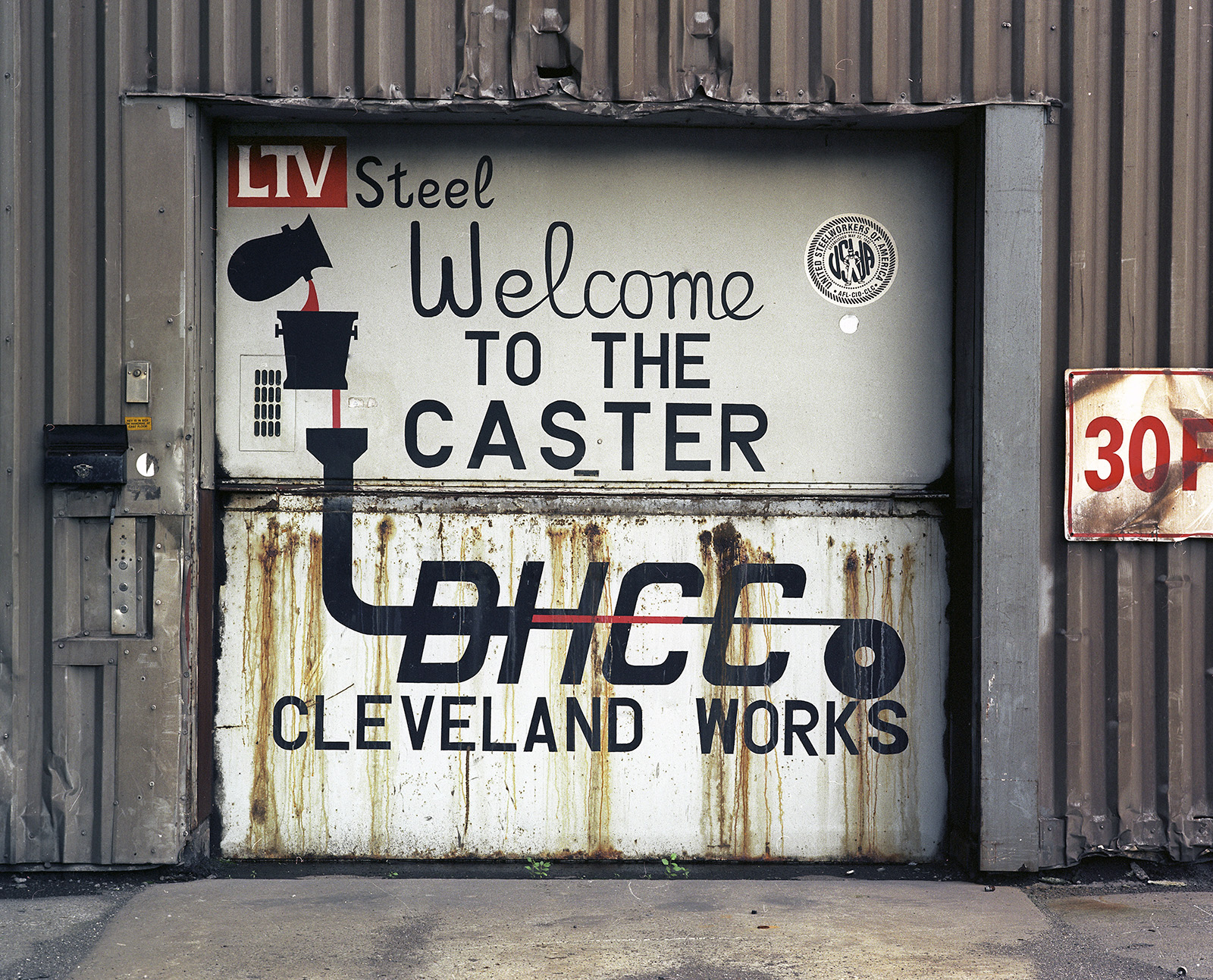
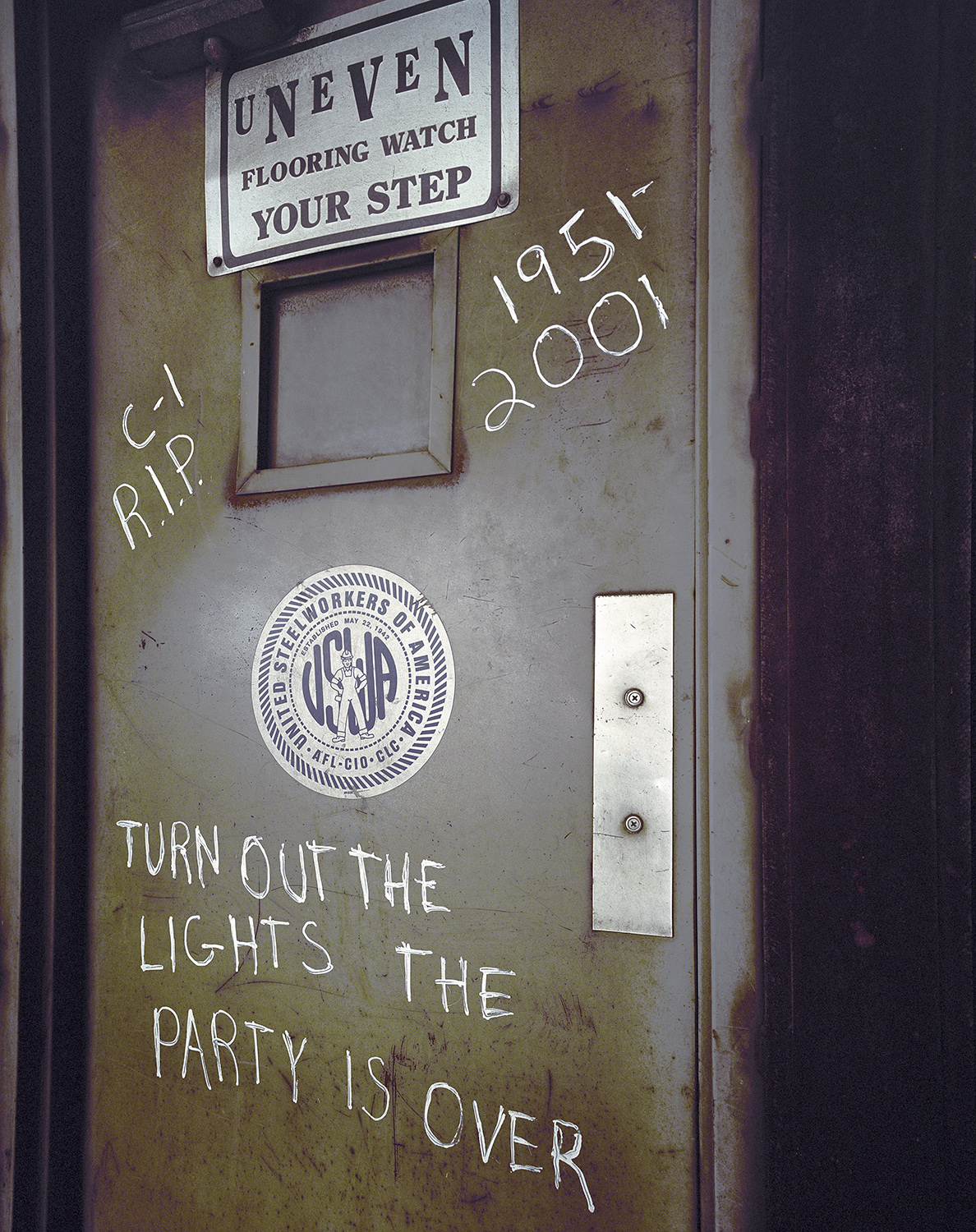
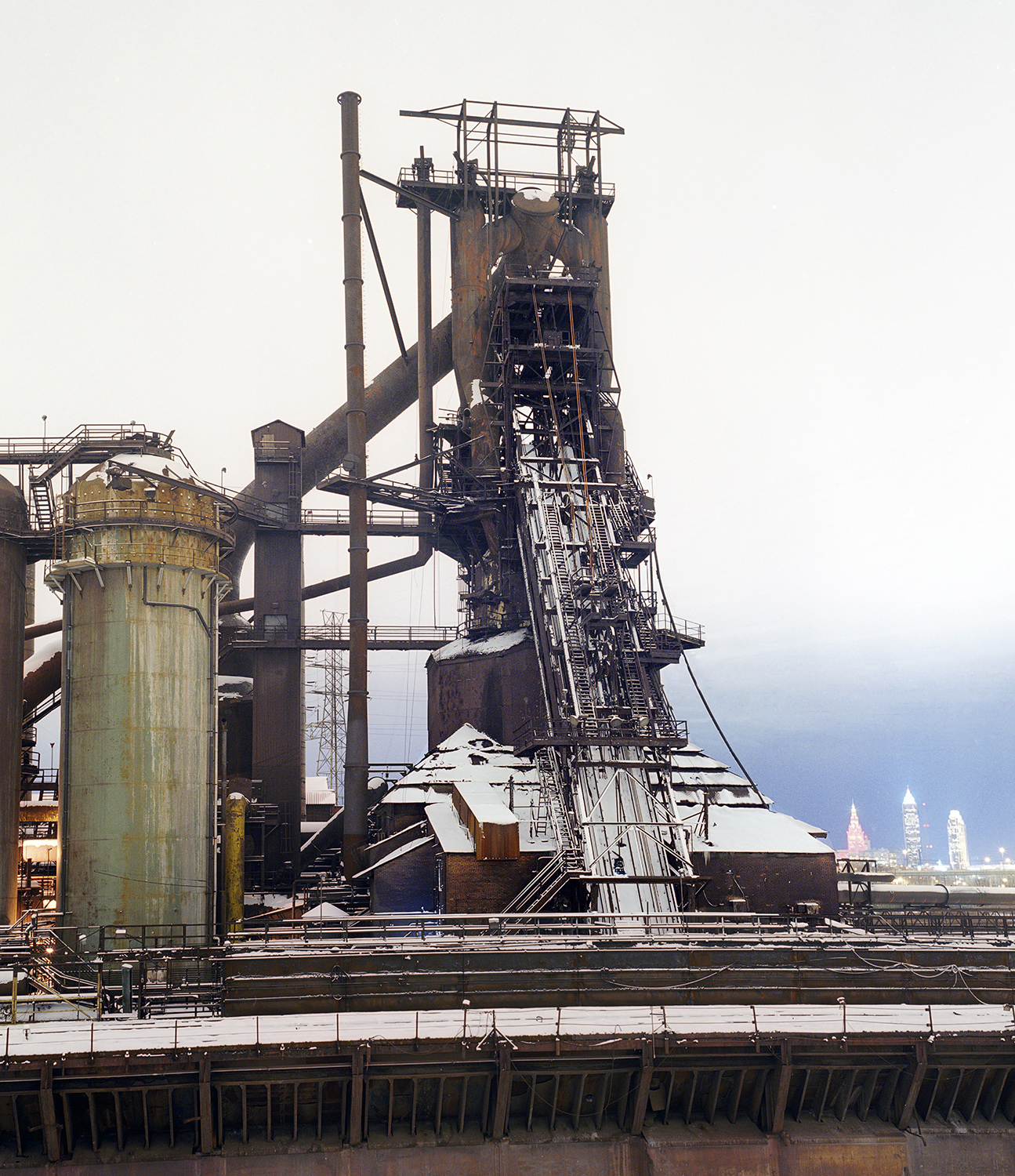
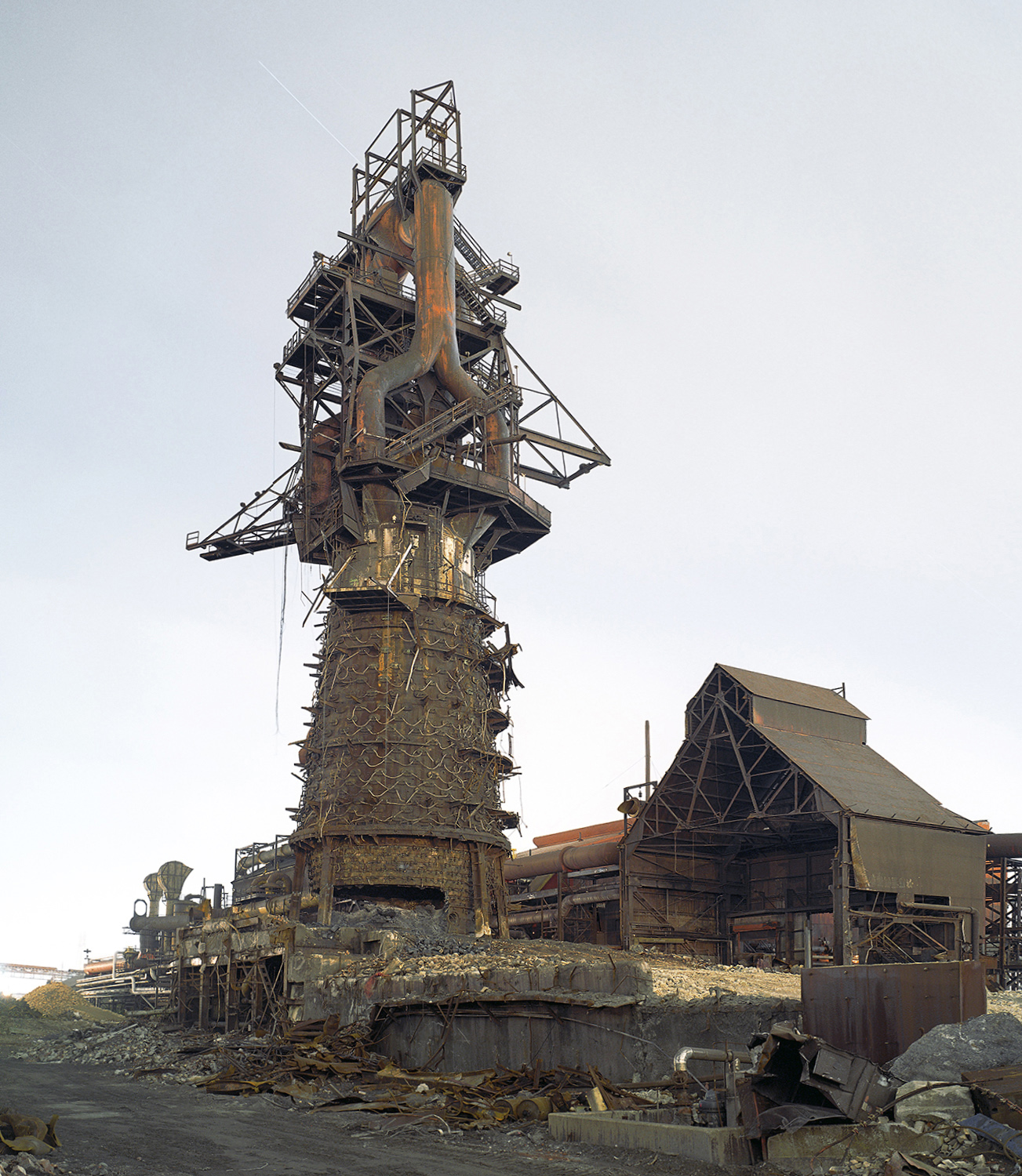
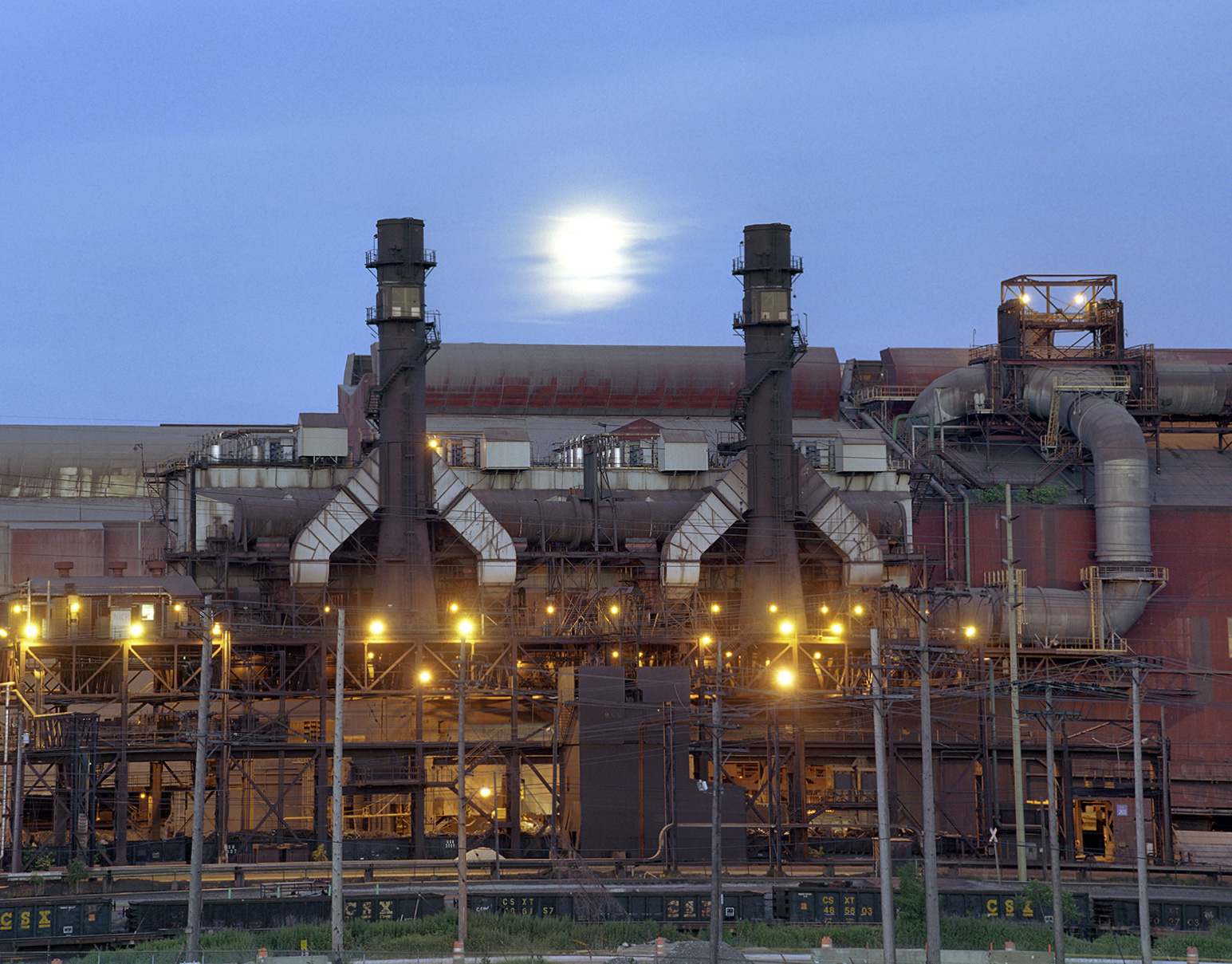
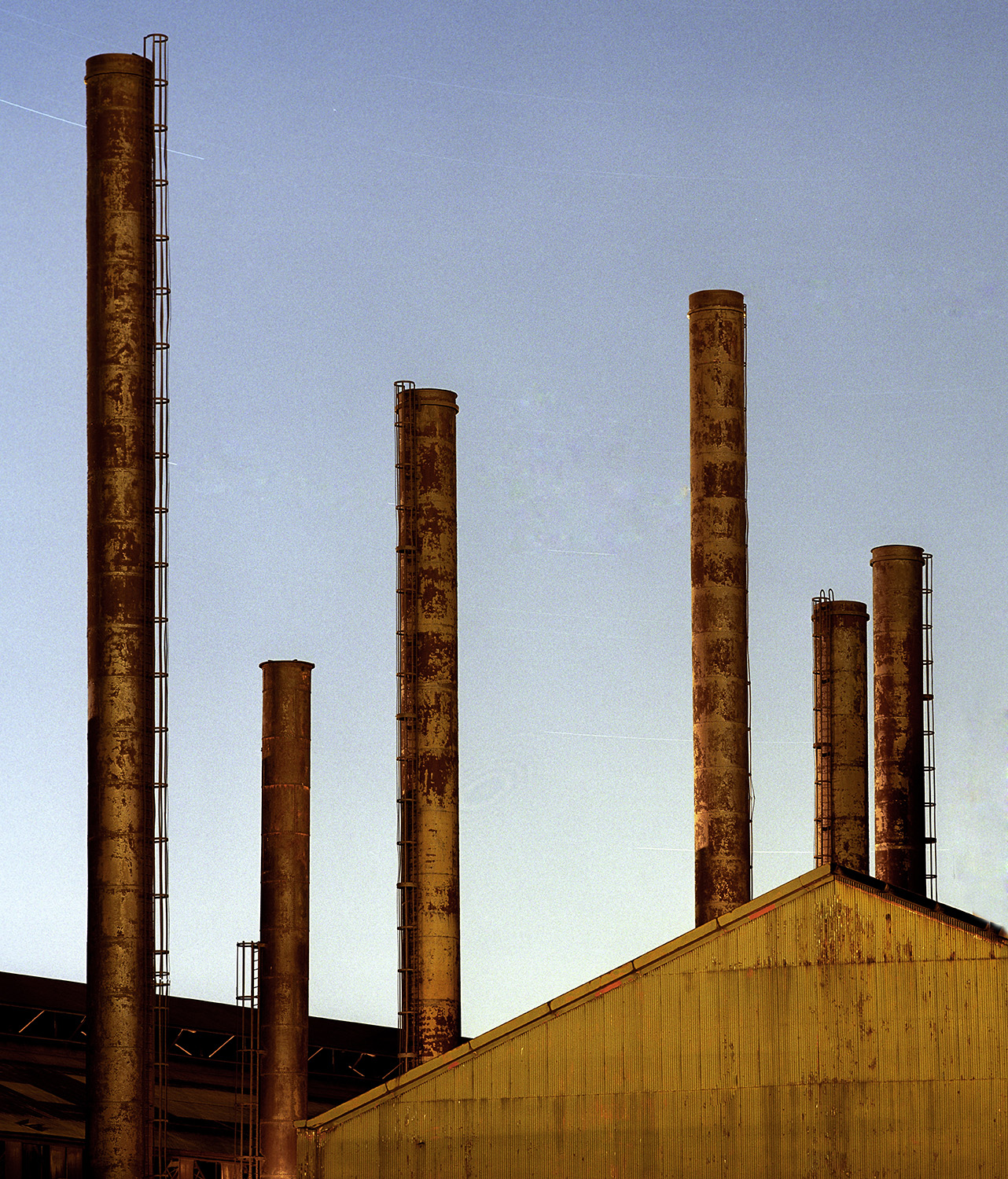
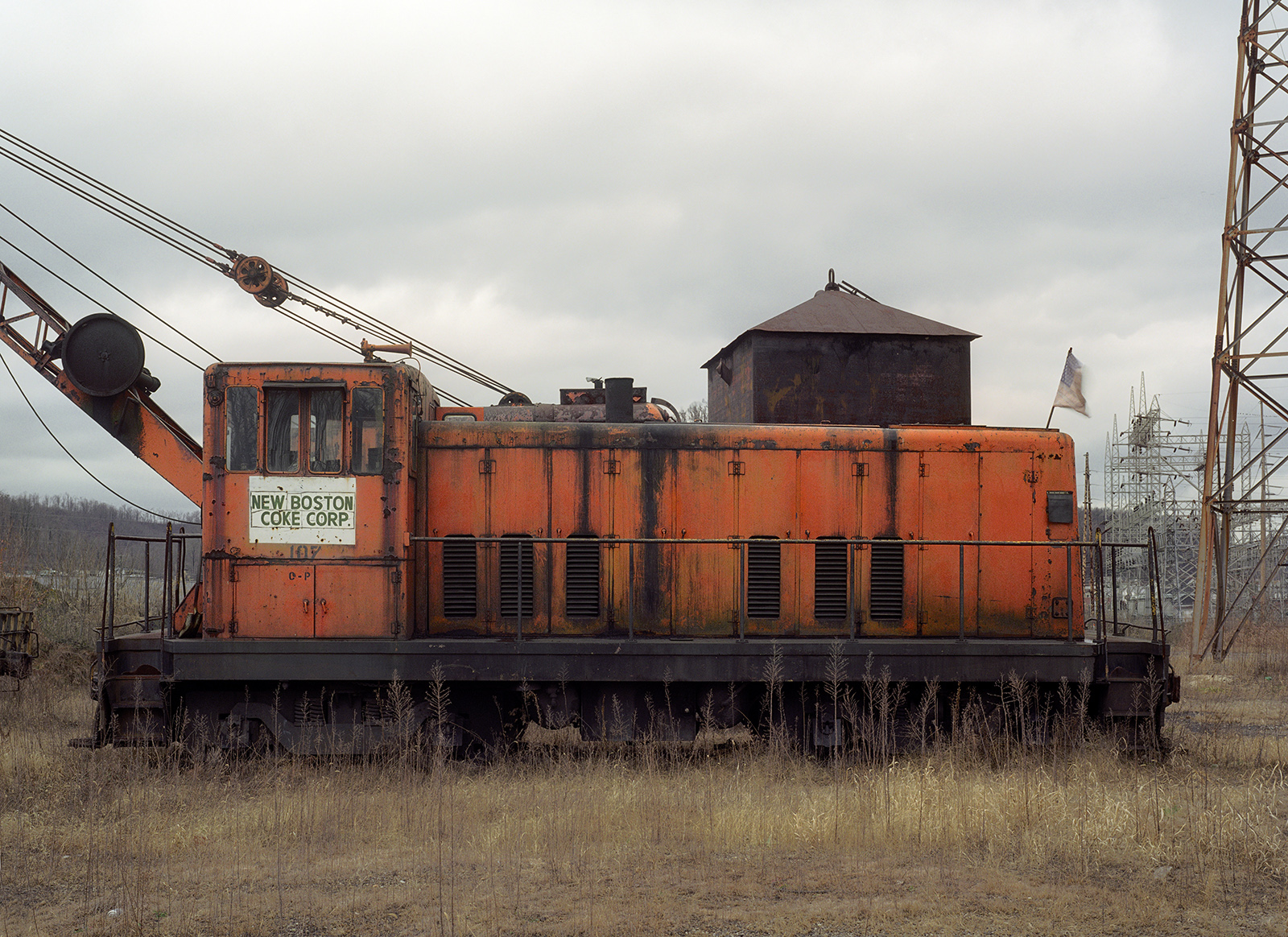
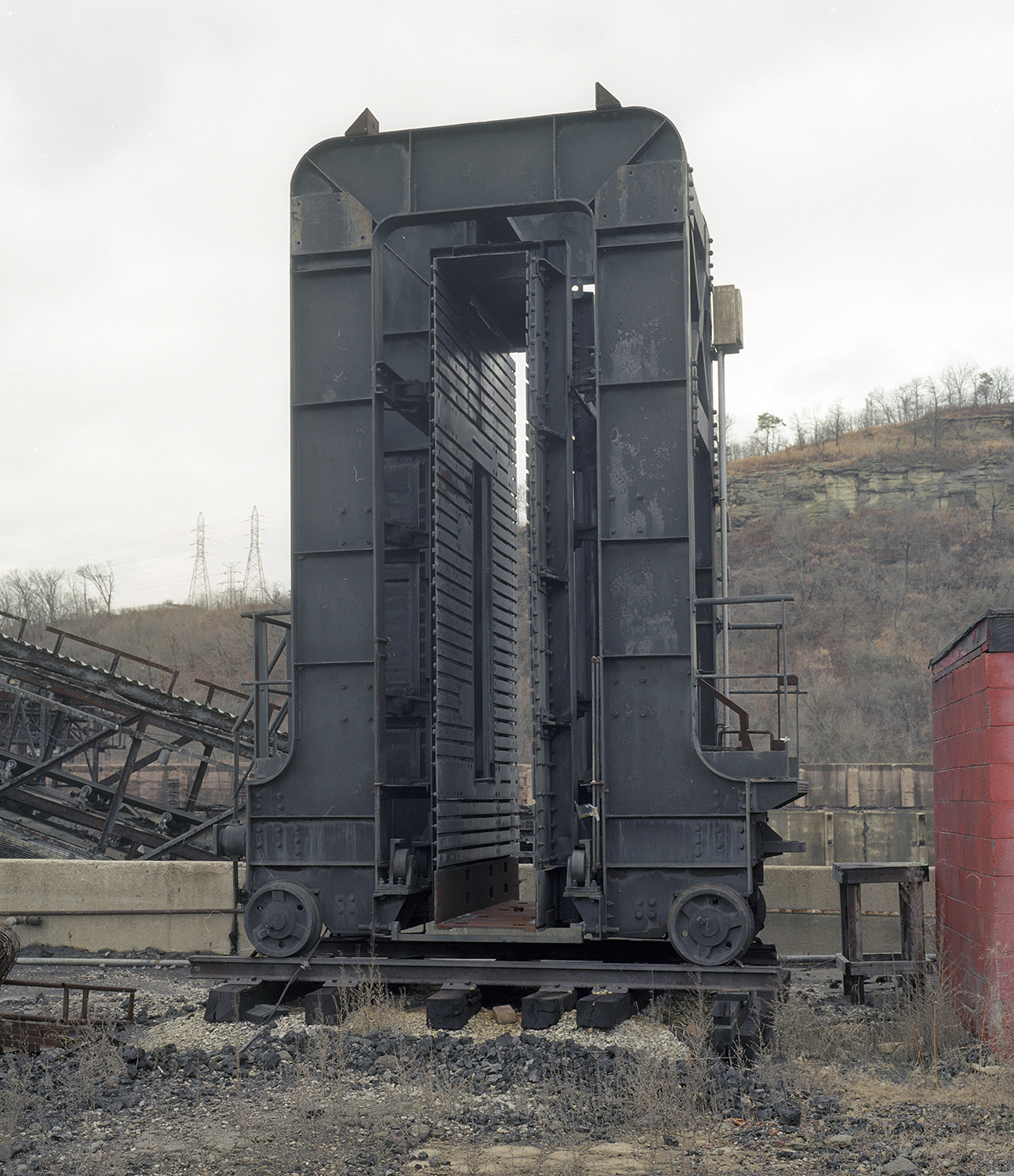
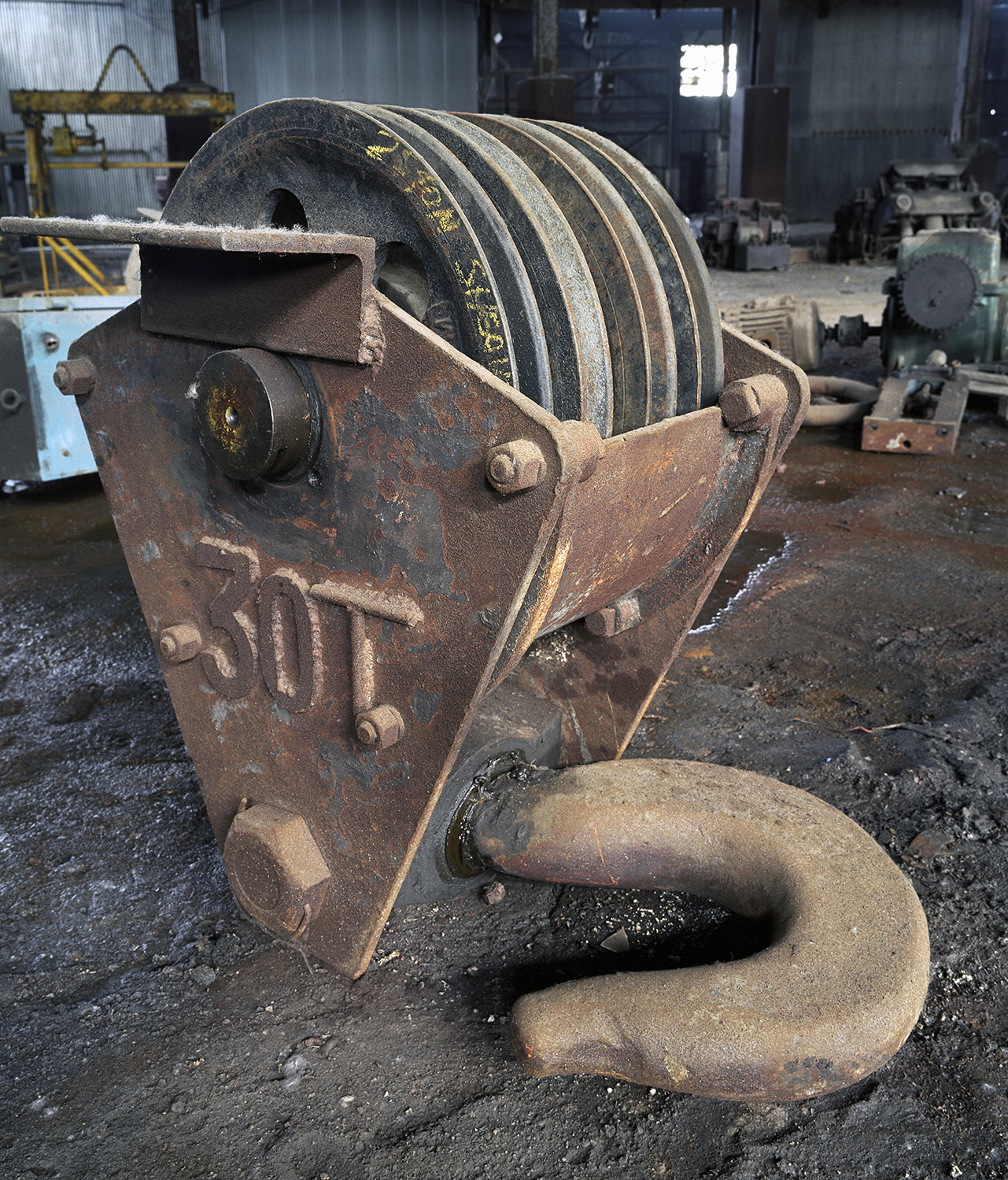
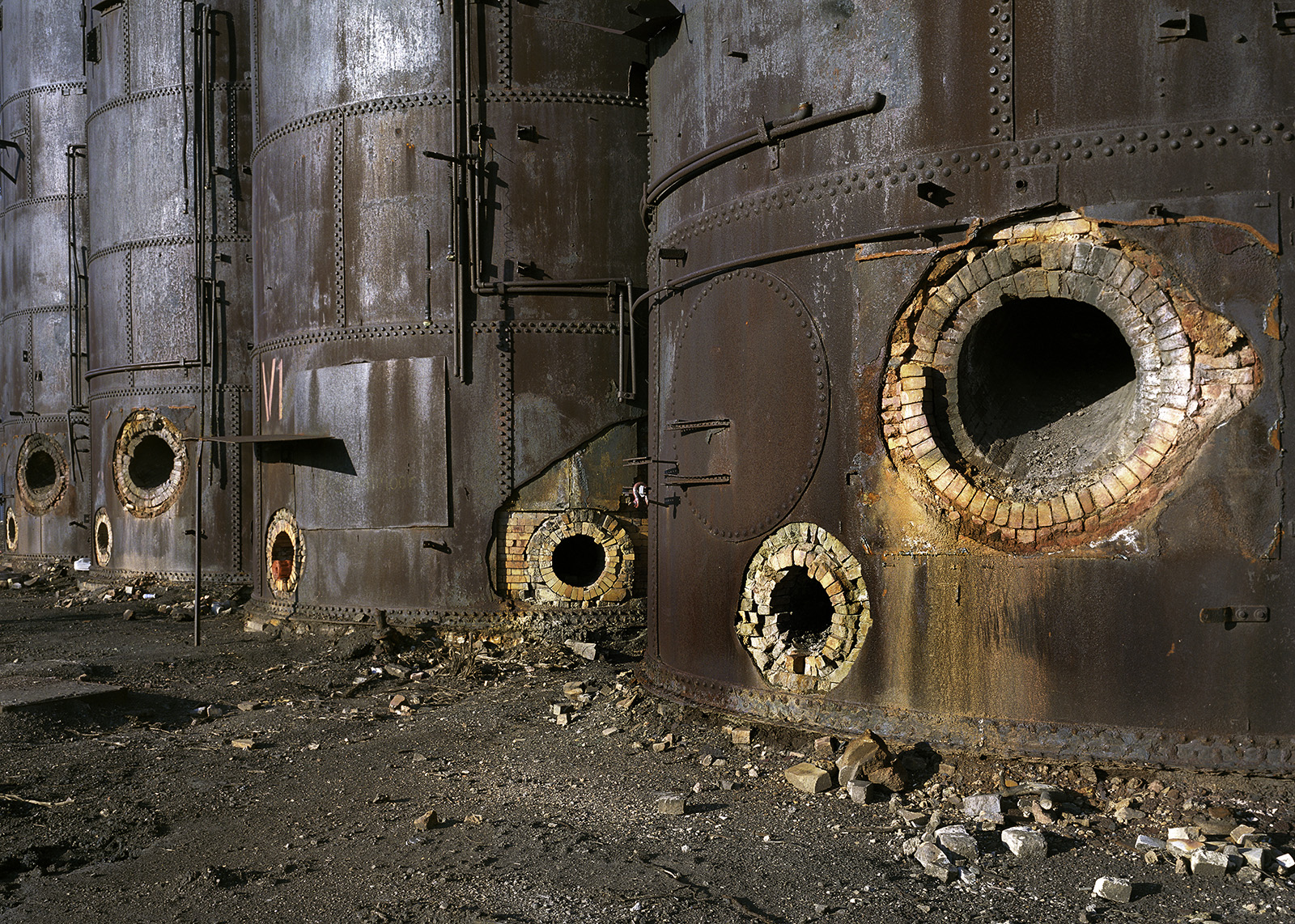
+1Inland Steel (Arcelor Mittal), East Chicago - Blast Furnace #5 Cast HouseInland Steel (Arcelor Mittal), East Chicago - Blast Furnace #6 Cast HouseRepublic Steel Cicago Works, 1981The blast furnace was eventually shut down alarm with the Mills that it supplied, but, the Coke plant remained, and the dock became strictly a coal dock that would still utilize the two Hulett UnloadersLTV Steel, Chicago - Hulett UnloadersLTV Steel, Chicago - Hulett Unloaders' WheelsLTV Steel, Chicago - Hulett, Operator's CabThe operator. Who sat in a cab above the bucket, would ride down in the cab into the coal.LTV Steel, Chicago, Coke PlantLTV Steel, Chicago, Coke Plant Push CarThe small locomotive would push the car filled with burning Coke into the quenching tower, which would spray it with water.LTV Steel, Chicago, Coke Plant - Flooded Coal Yard & Ore BridgeLTV Steel, Chicago, Coke Plant, Bridge Crane, Coal & Ore YardLTV Steel, Chicago - Hulett UnloadersLTV Steel, Chicago - Hulett UnloadersA one hour time exposure shop at night.LTV Steel, Chicago - Hulett UnloadersA one hour time exposure shot at night.LTV Steel, Chicago - Huletts, Coal BridgeThe shot was taken about 4 AM as I was leaving the Acme steel and Republic steel sites. It was about 10° and I knew I would never see these sites ever again.LTV Steel, East Chicago - Basic Oxygen Plant, Indiana Sanitary & Ship CanalInternational steel group, after the great steel recession of 2001, began to buy mills at bargain basement prices. They want the east Chicago works of LTV, which were later combined with the old inland steel works directly across the canal from LTV. Today most of the hot end at the old LTV Steel, East Chicago has been demolished. The whole complex is relying on the largest furnace built in America, which is its number seven.LTV Steel, Cleveland, Basic Oxygen Furnace - Homes & West Side BOFBoth the home and the Plant are still aliv and working.LTV Steel, Cleveland - Ore Boat Unloading at Blast Furnaces C-5 & C-6Both furnaces were built by Republic steel in 1952. LTV bought it, then it was closed in the great recession of 2001, but, in 2003 international steel group bought it, and, after that it was Cleveland cliffs who still owns it.LTV Steel, Cleveland - Ore Boat Unloading at Blast Furnaces C-5 & C-6This is the period of ISG's brief ownership. They were basically a holding company that secured five separate integrated mills after the great steel recession of 2001LTV Steel, Cleveland - C-5 Blast FurnaceLTV Steel, Cleveland - Coke Plant #2 -Pipes & Pipe BridgeRepublic steel had to cut plants and this which was adjacent to the C5 C6 blast furnace was installed in the 1950s.LTV Steel, Cleveland - Door to Caster PlantThis caster, built in the early 1990s, attached to the basic oxygen plant, would revolutionize the rolling process and speed up everything after the Steel was made. That was the tragedy of the bankruptcies of 2001, because the American steel industry was the most modern and least labor intensive, producing the highest tech steel, in the world.
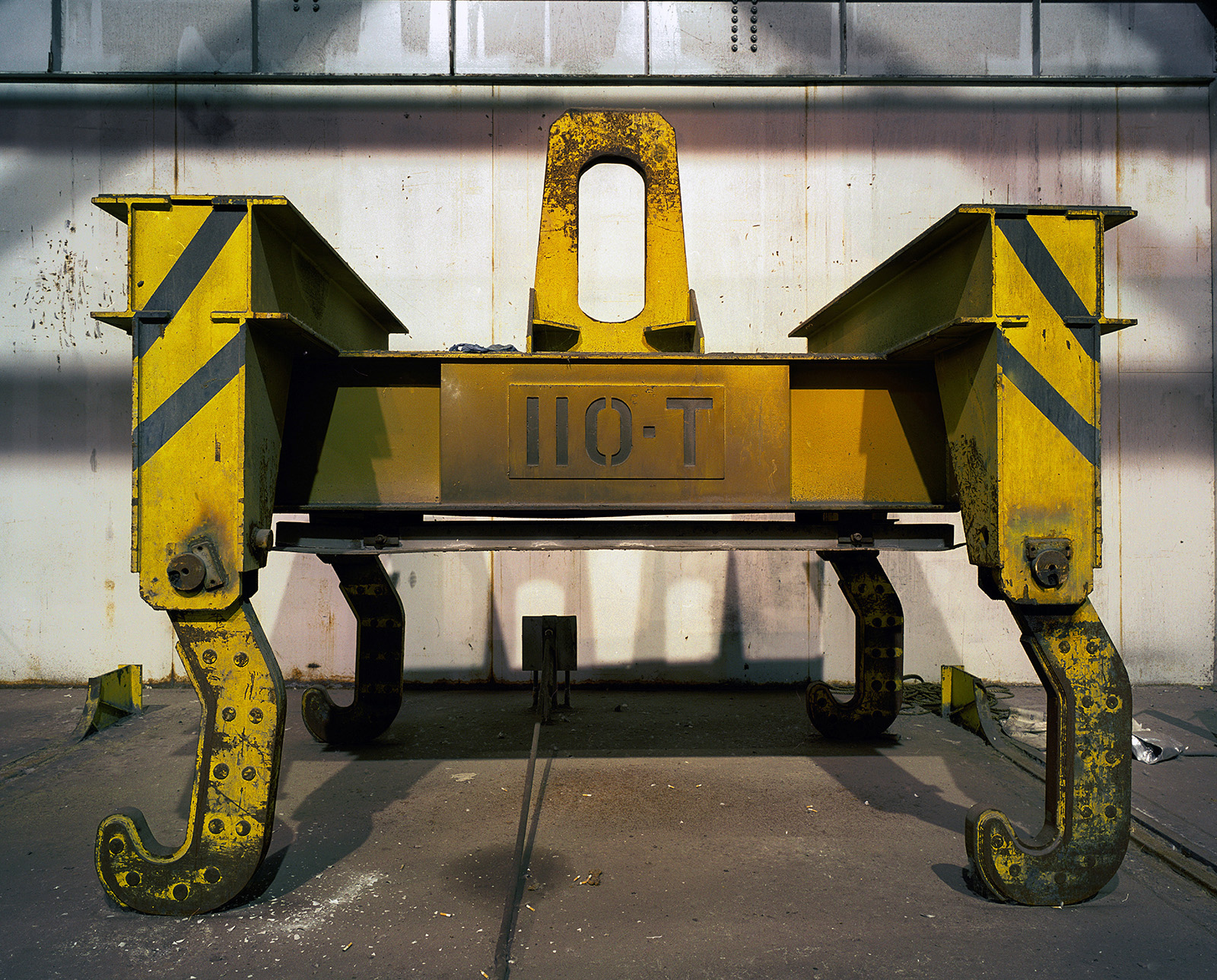
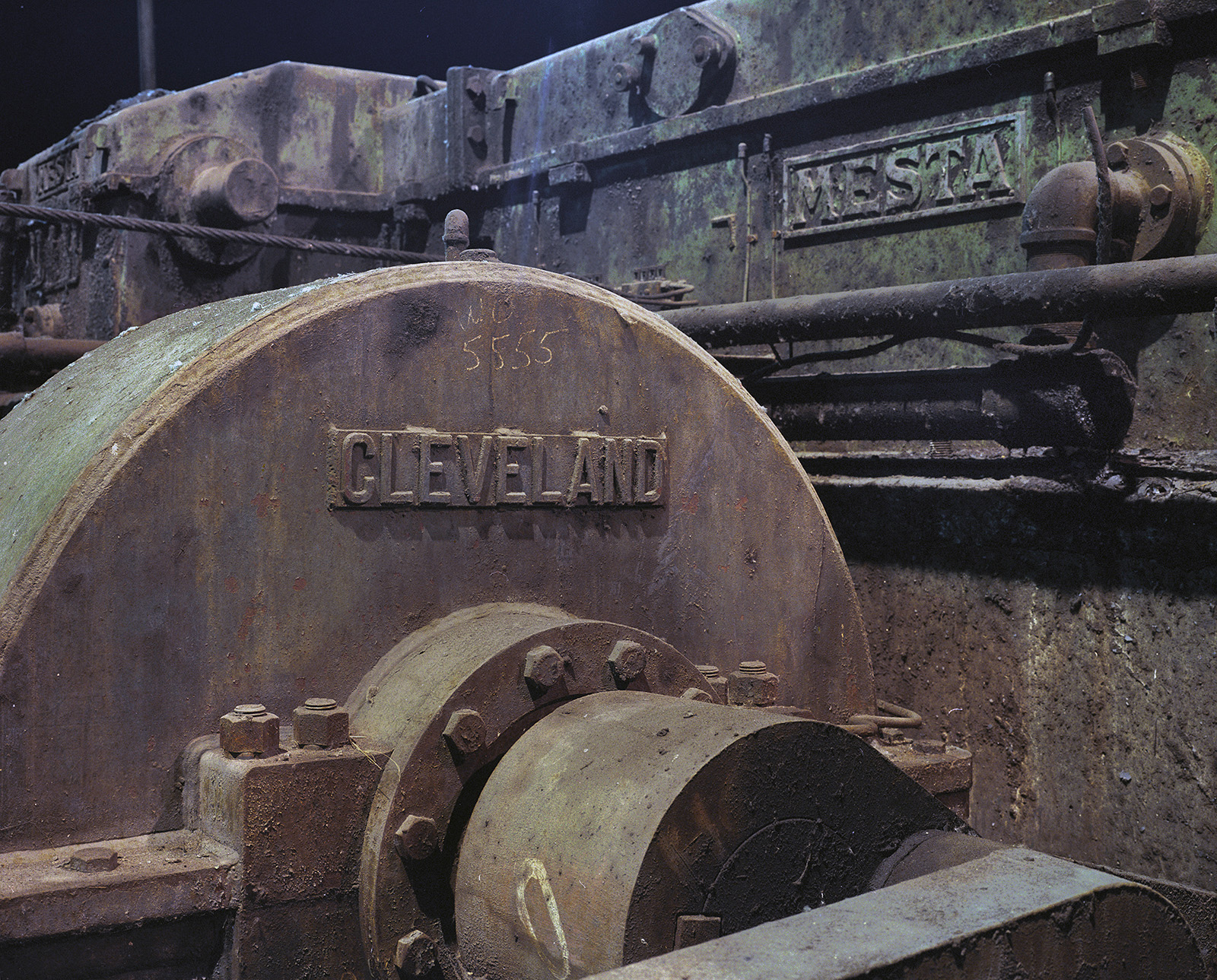
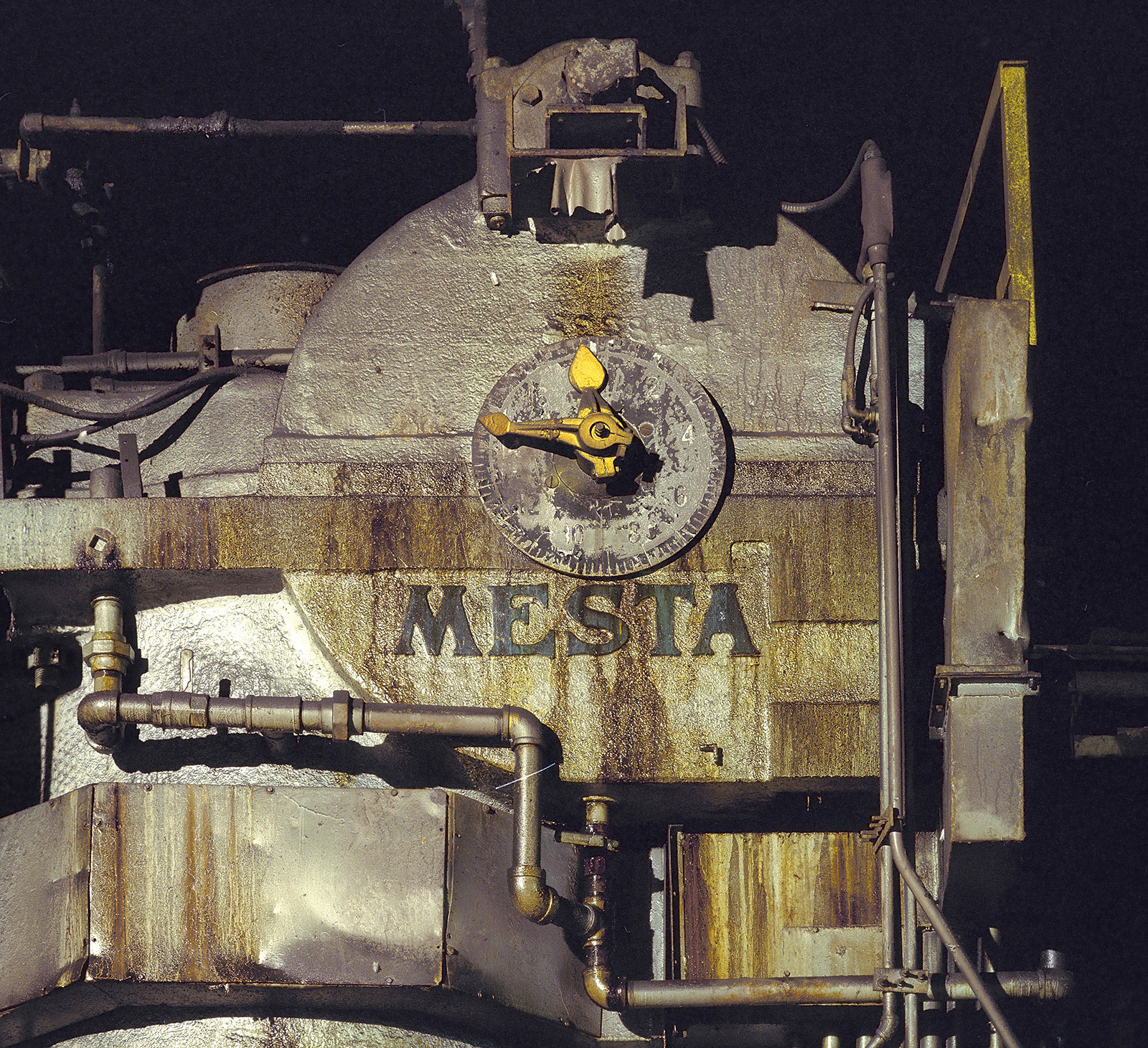
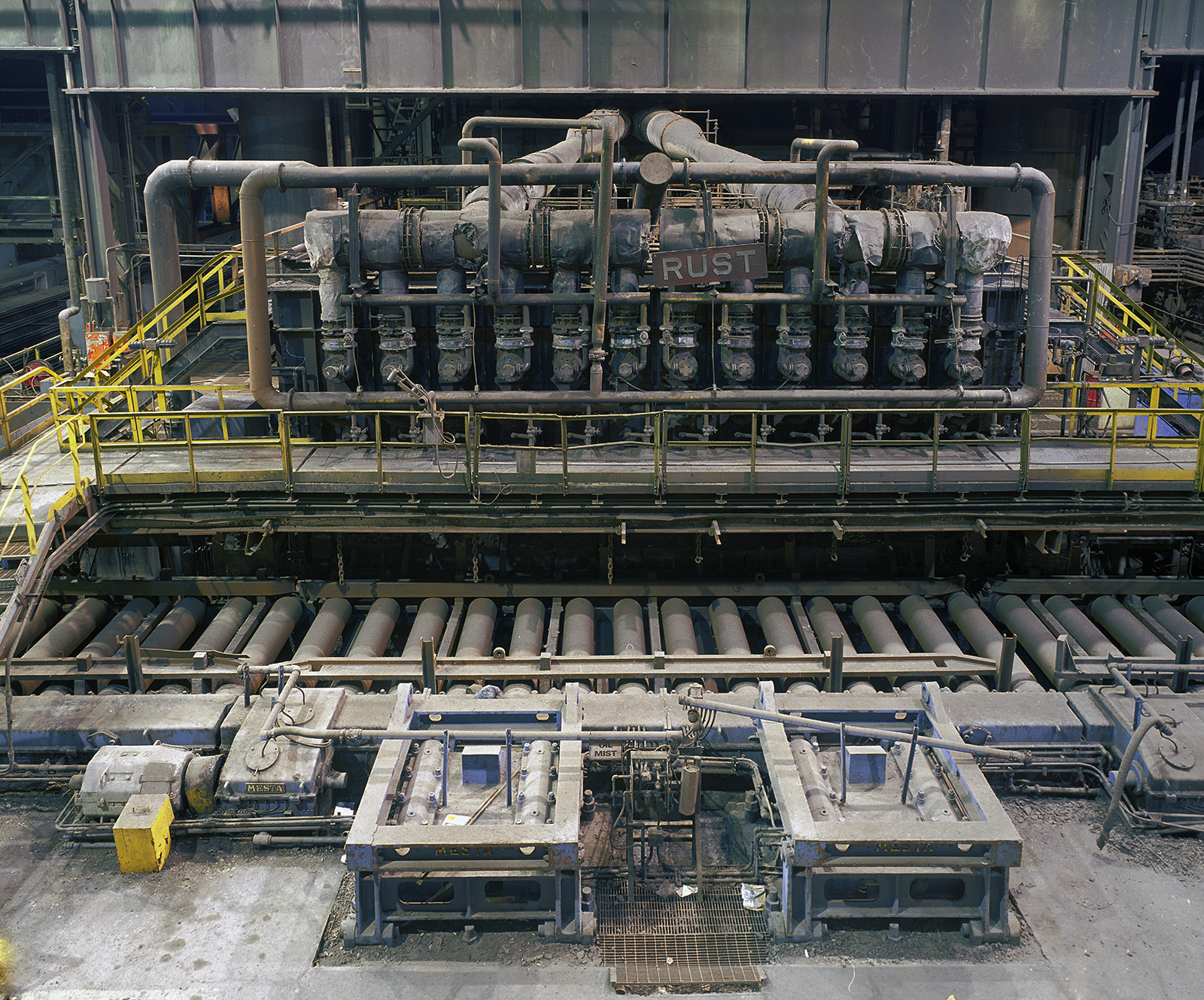
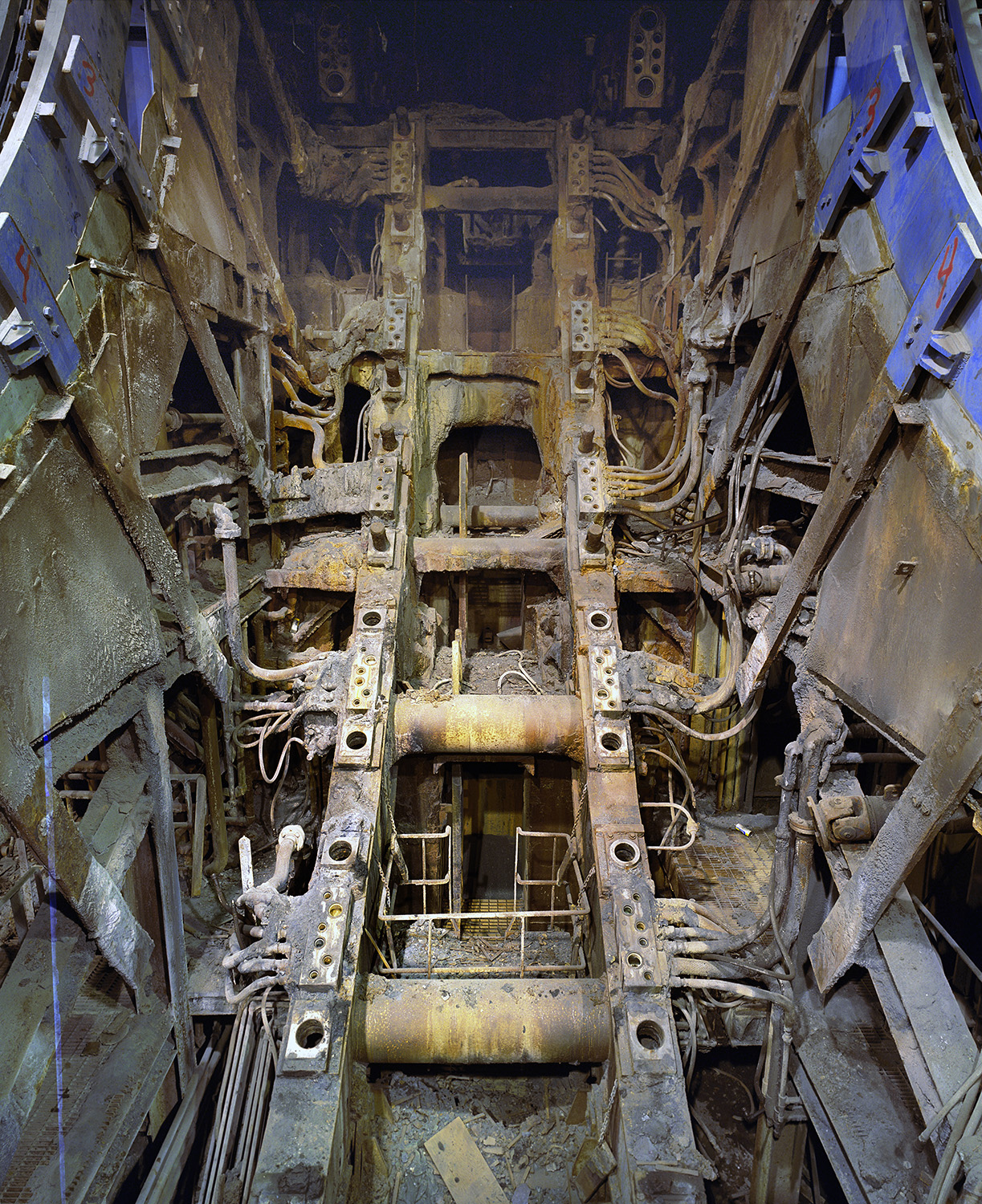
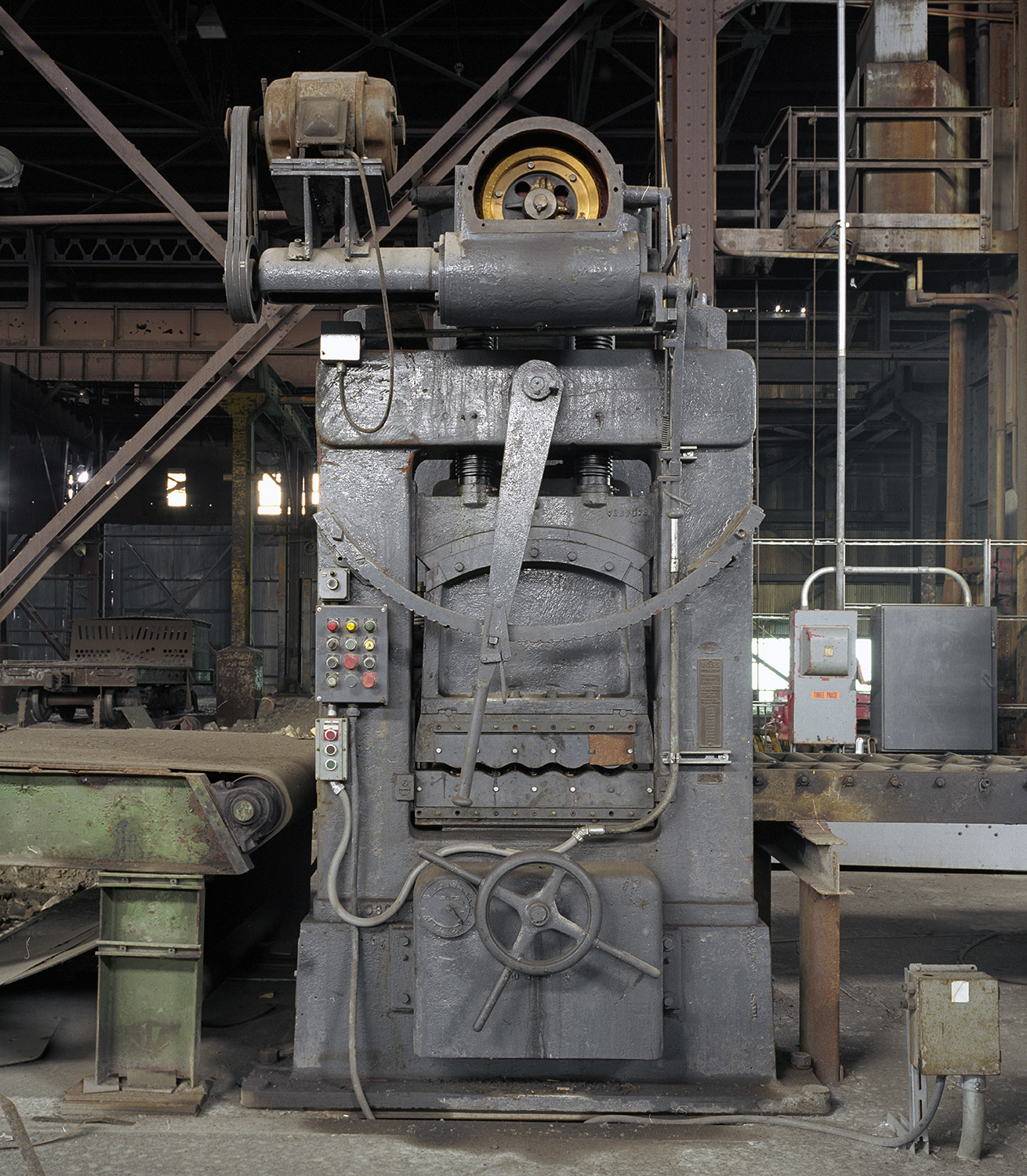
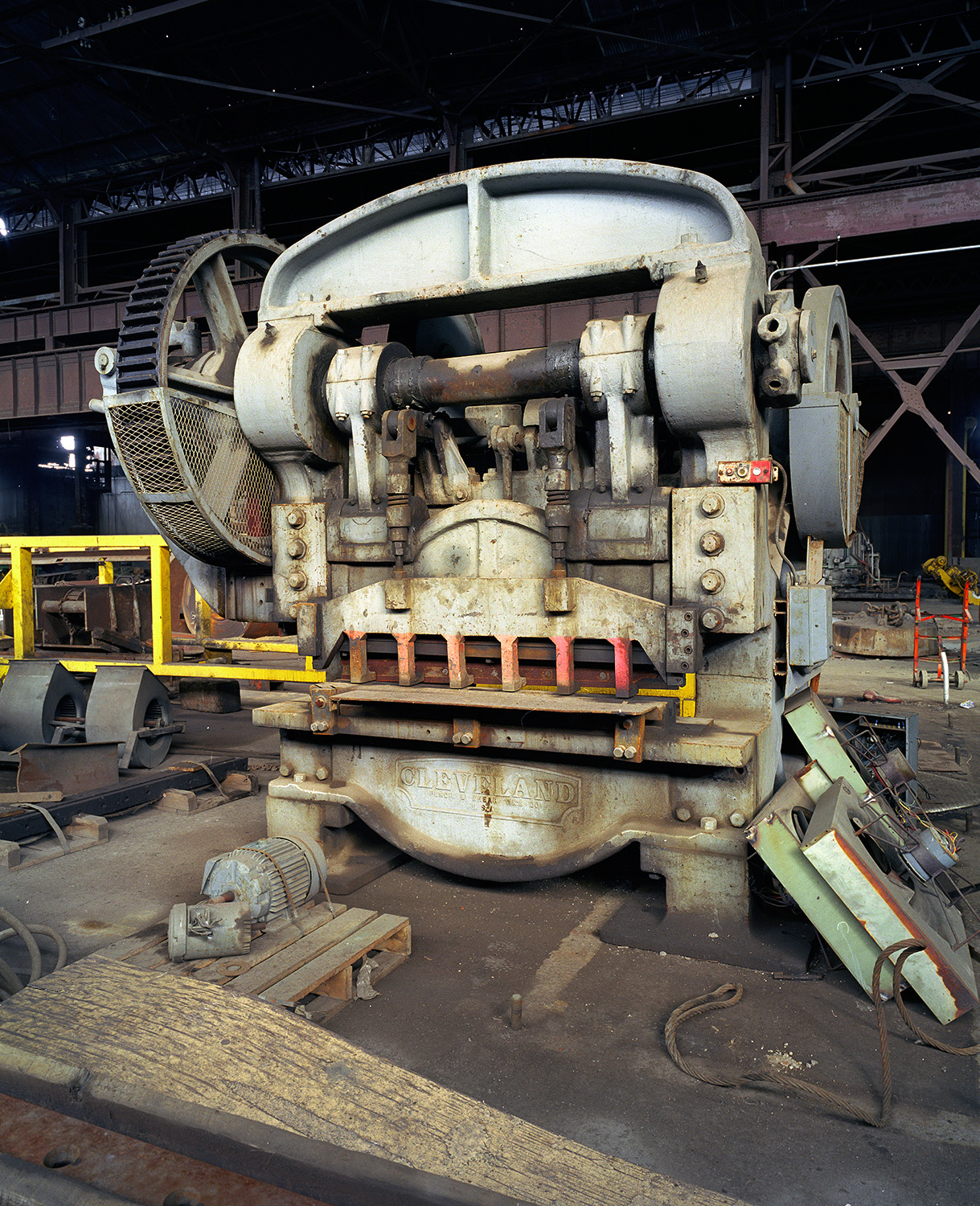
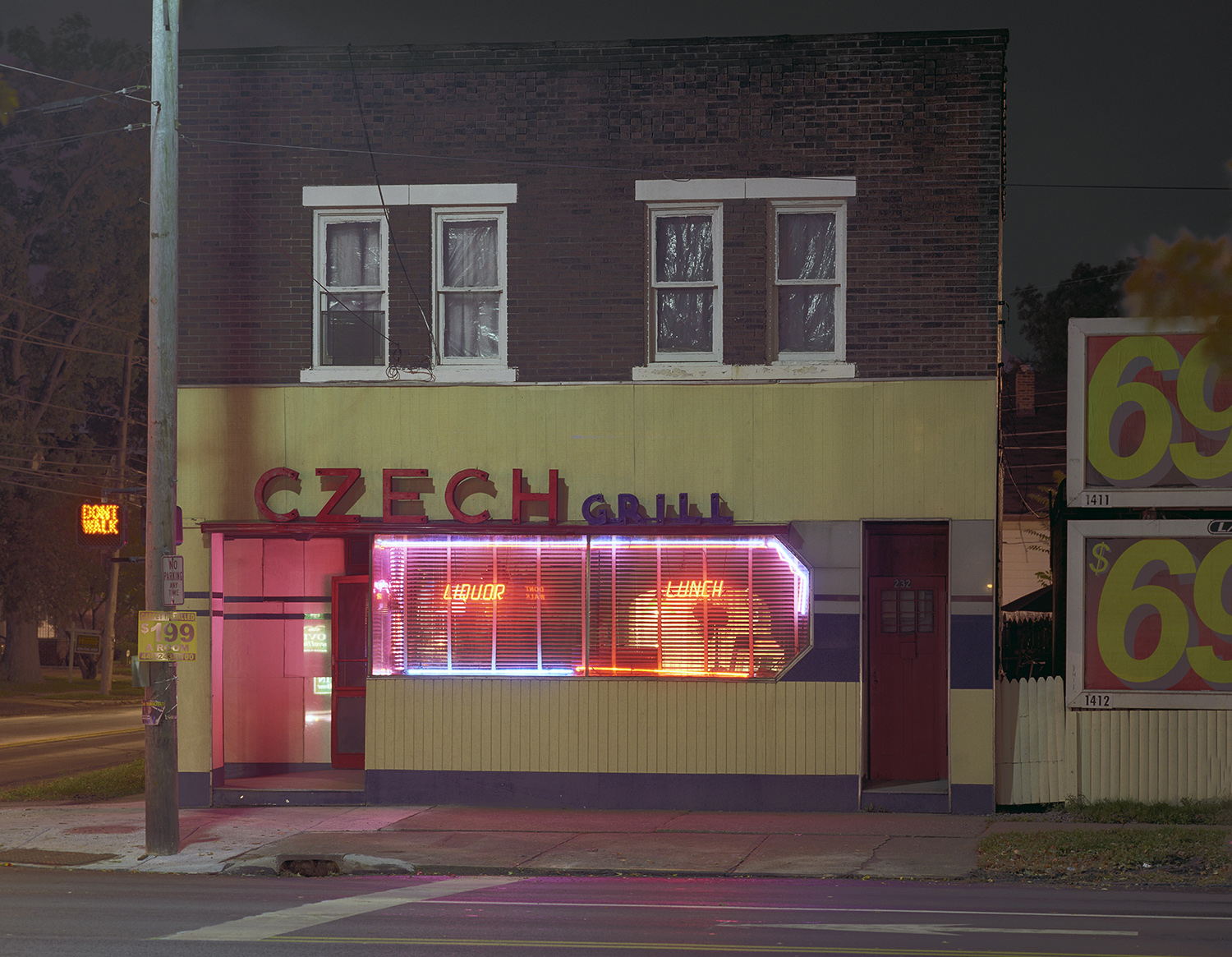
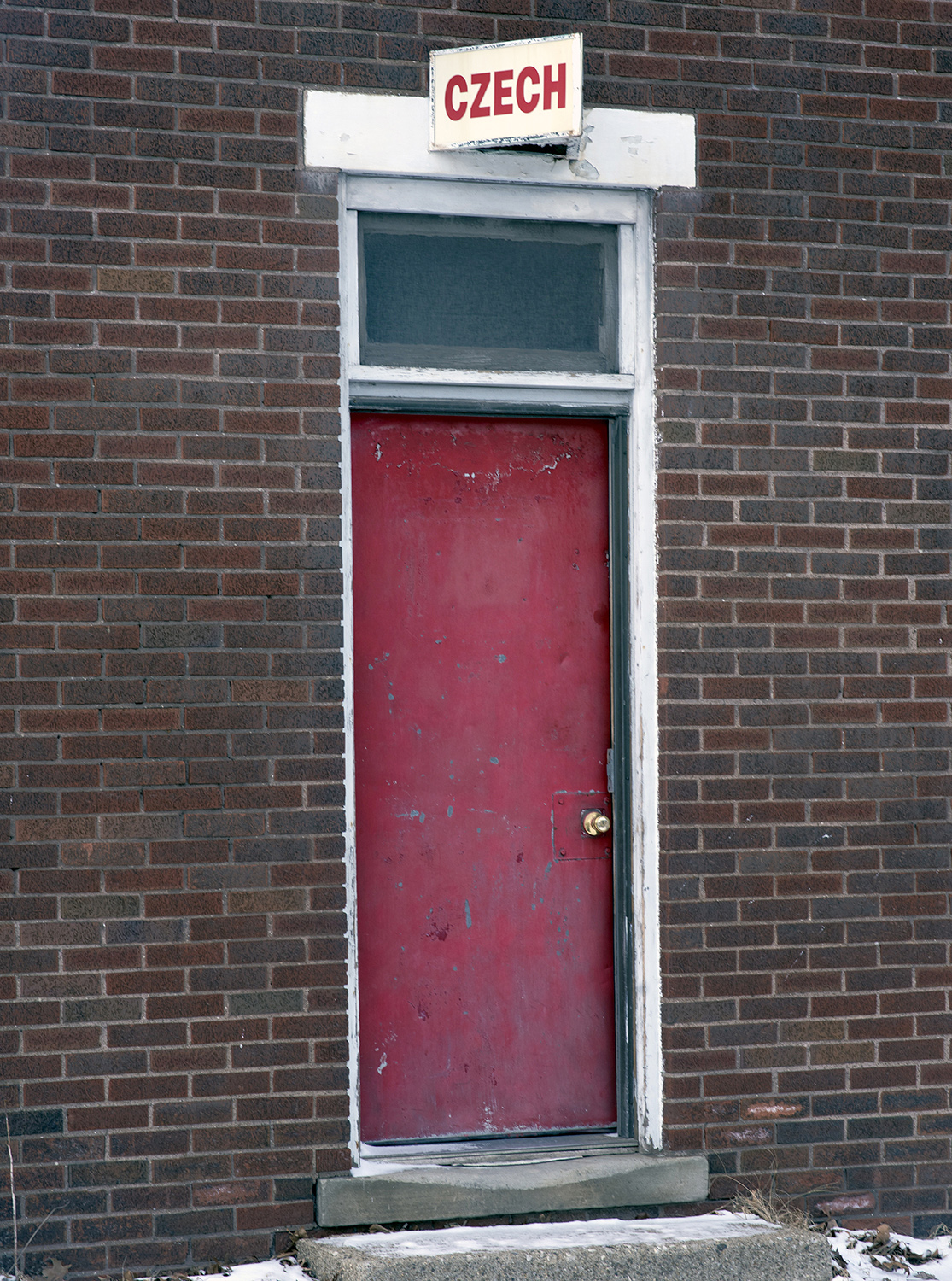
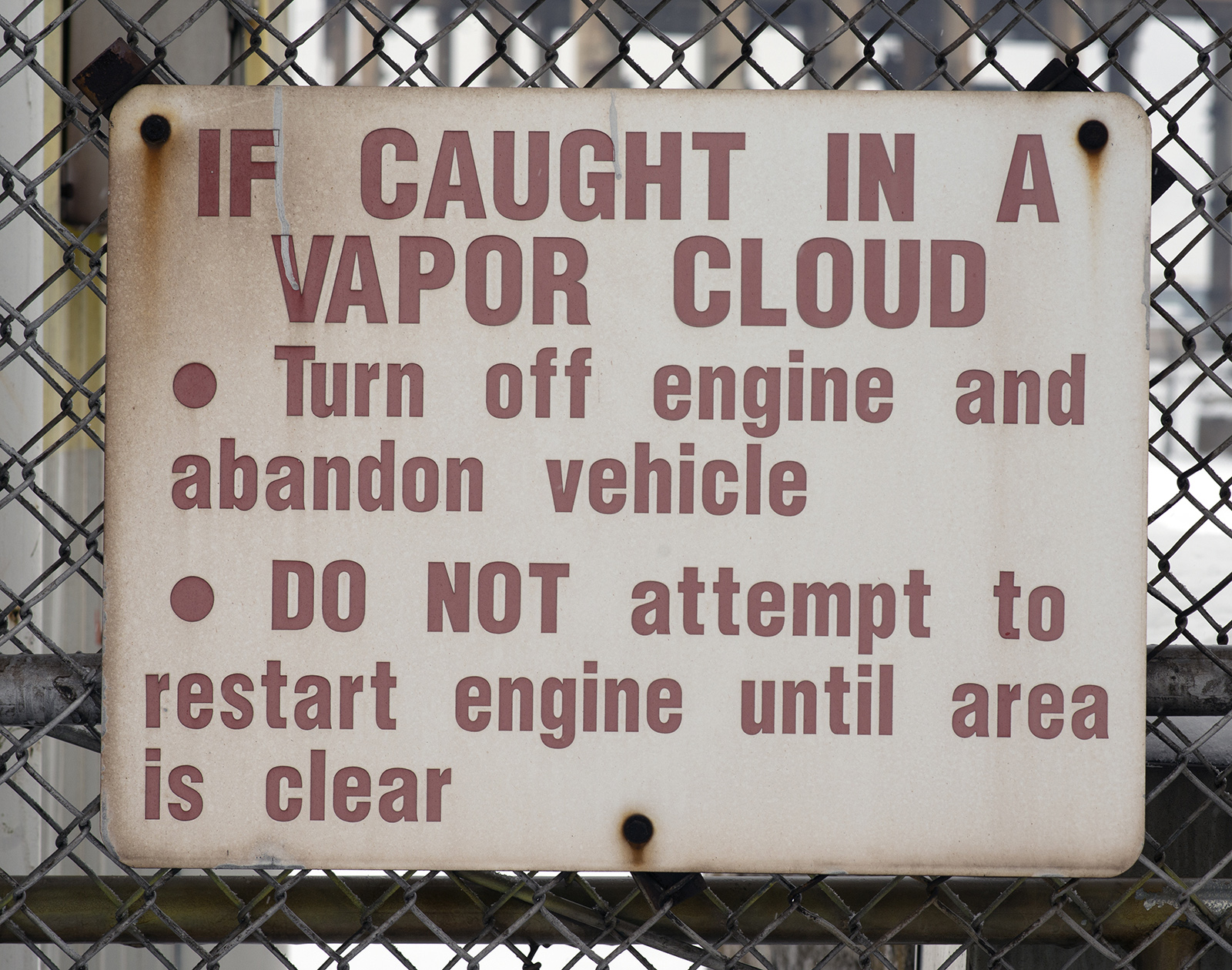
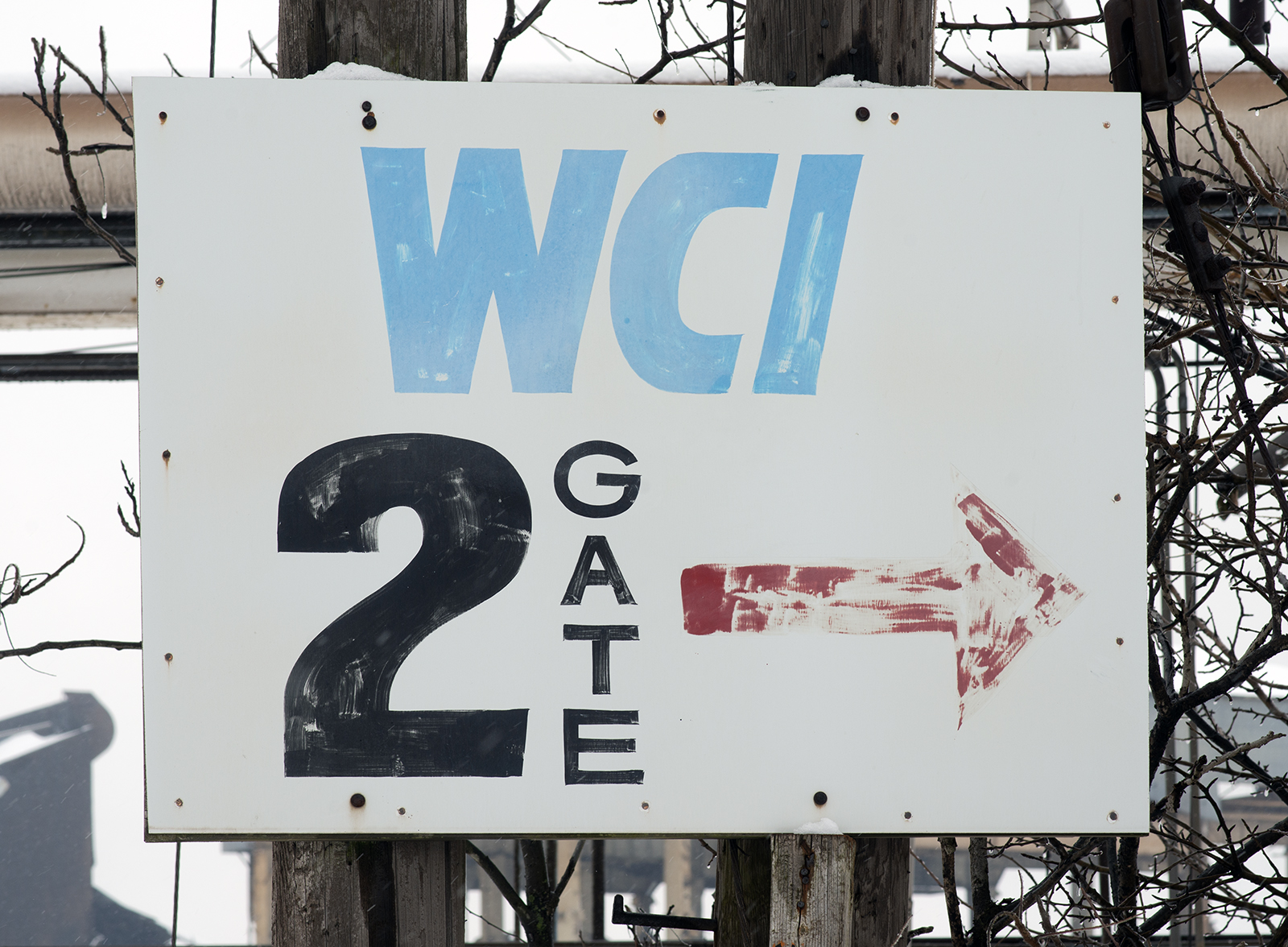
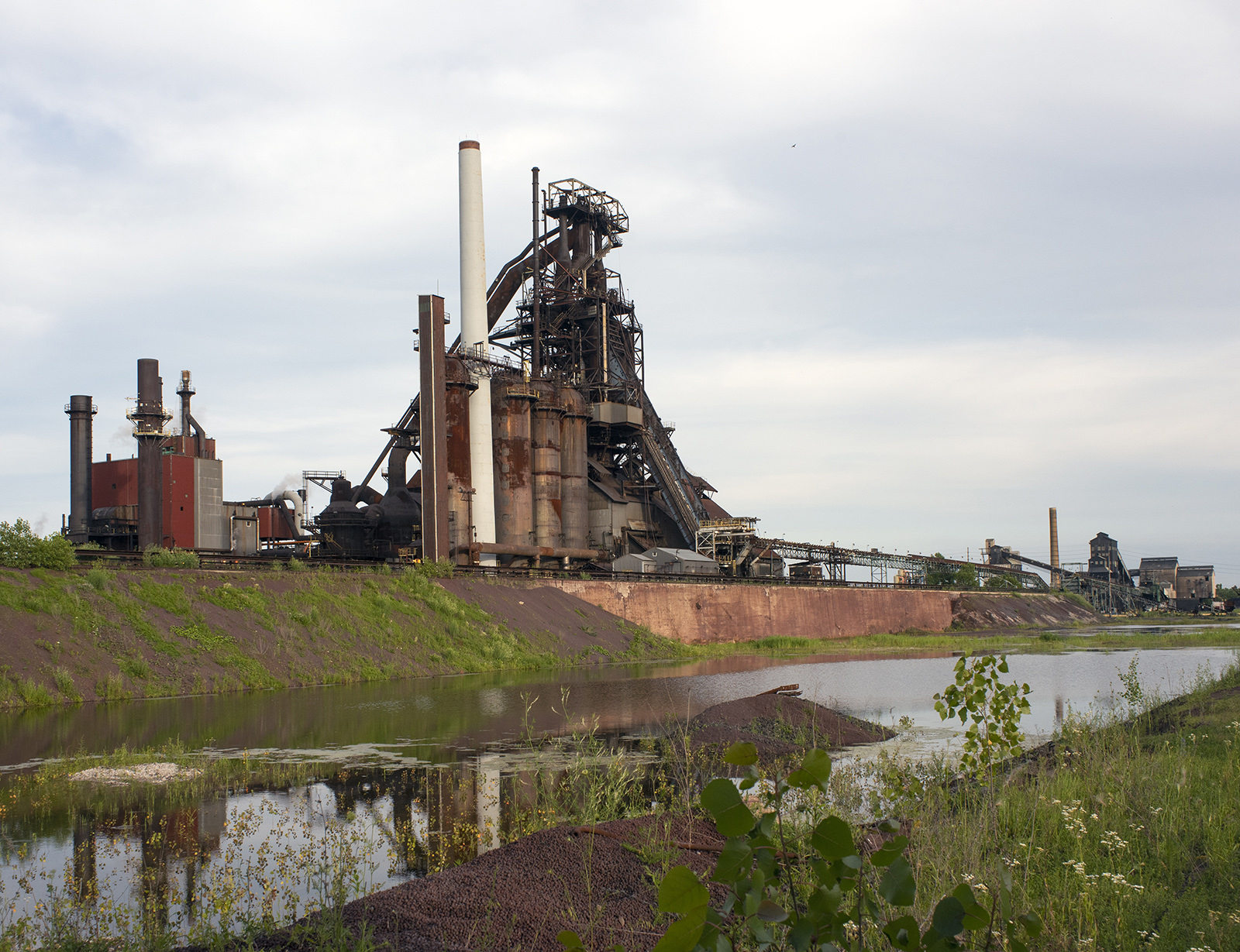
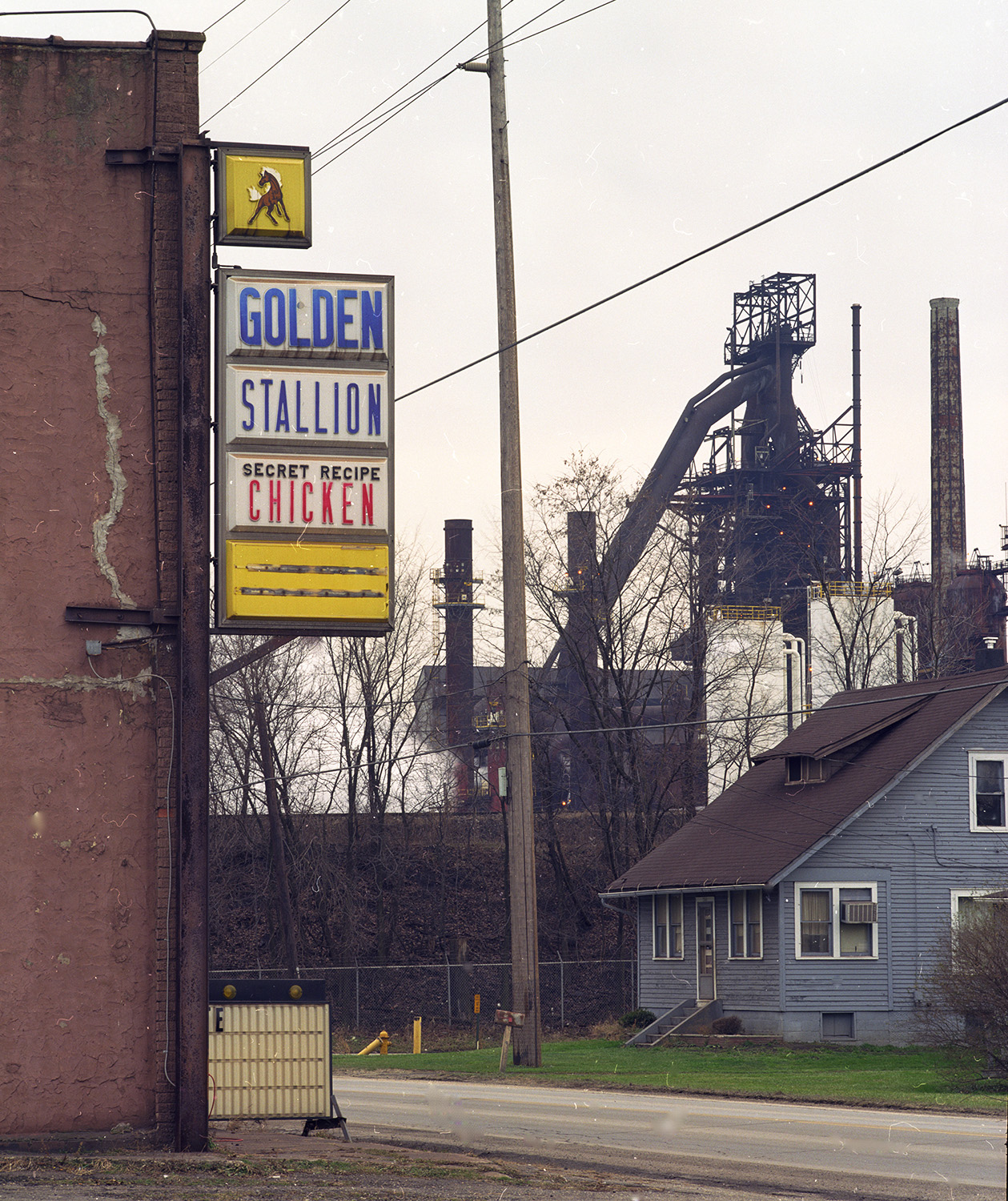
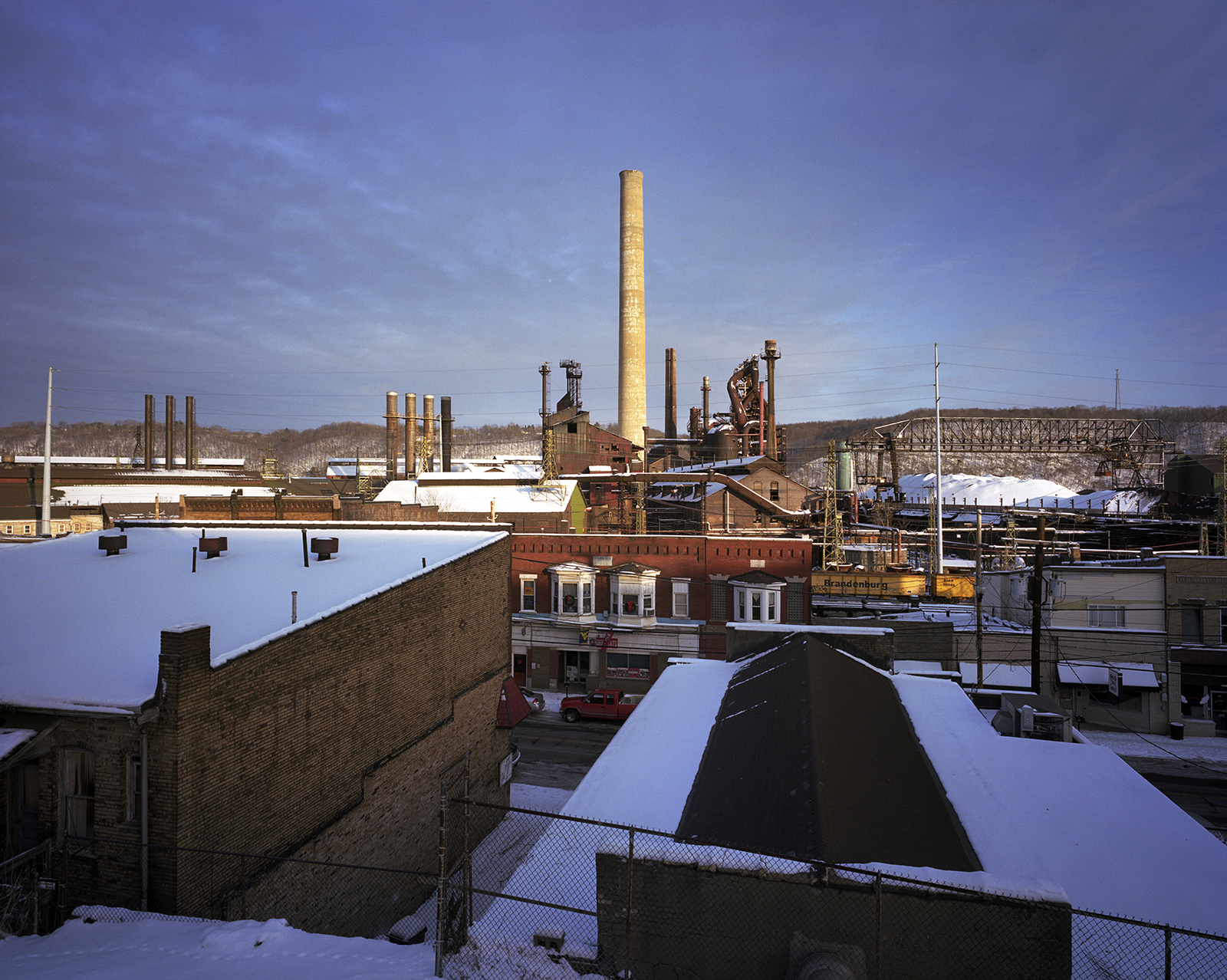
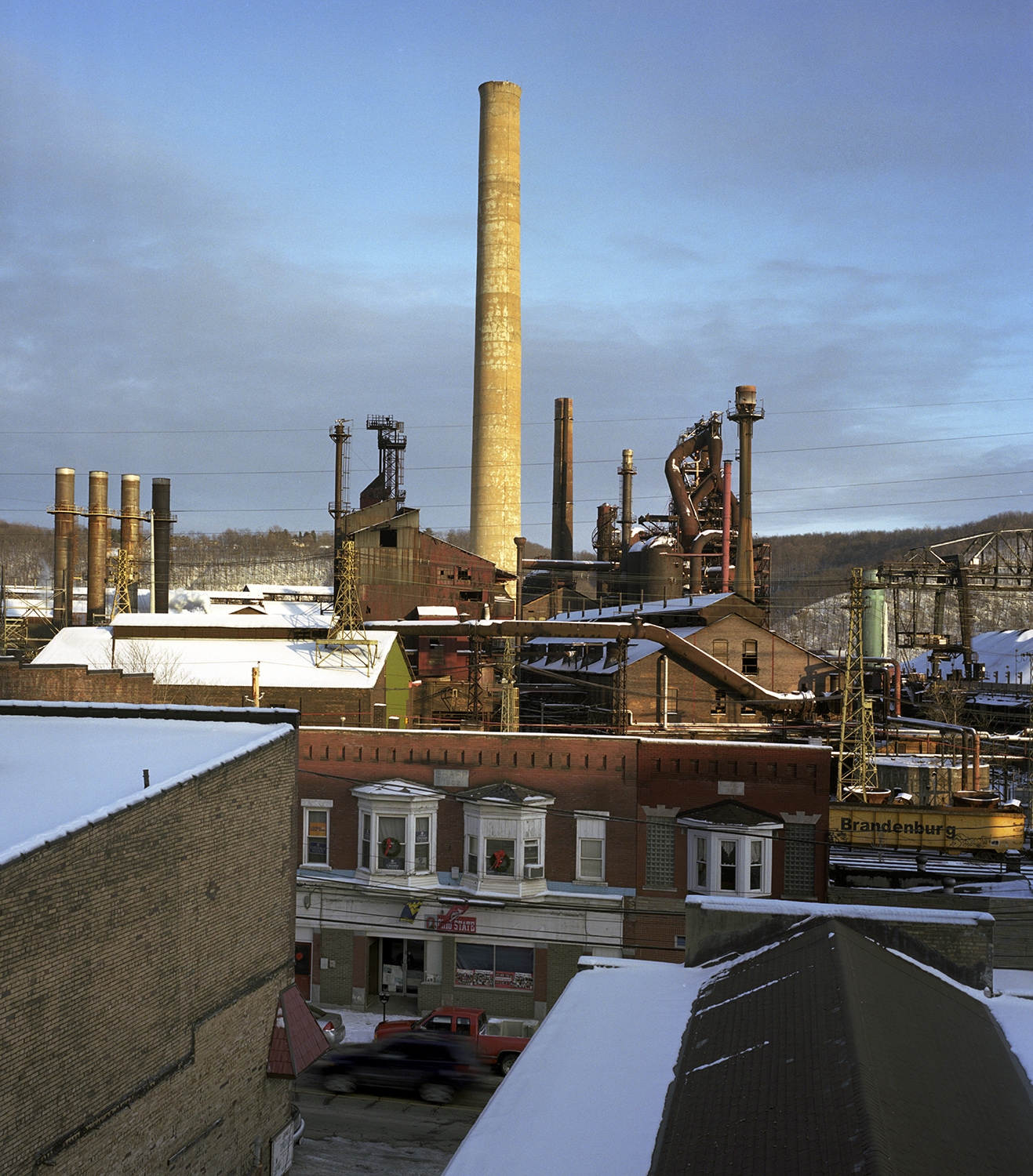
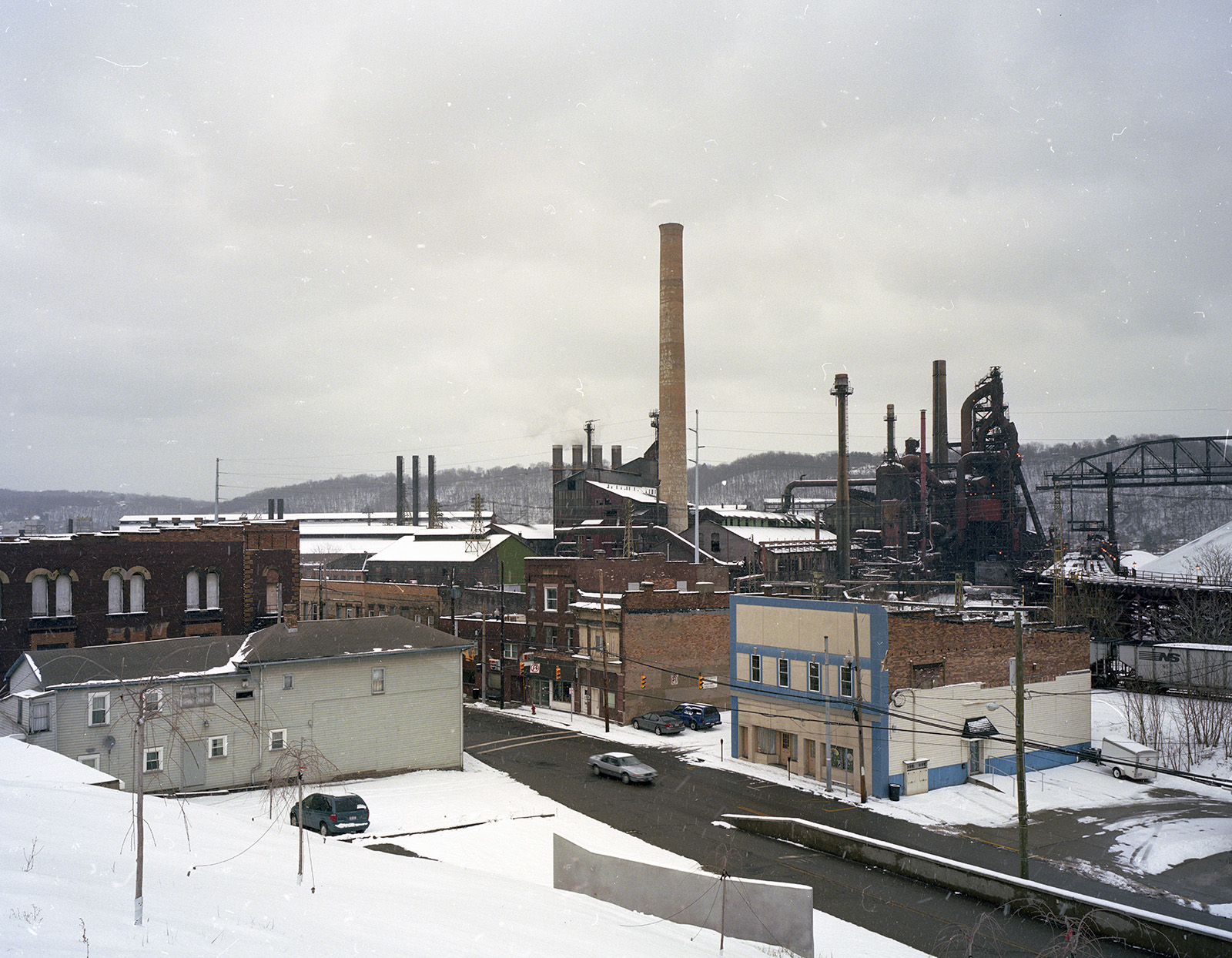
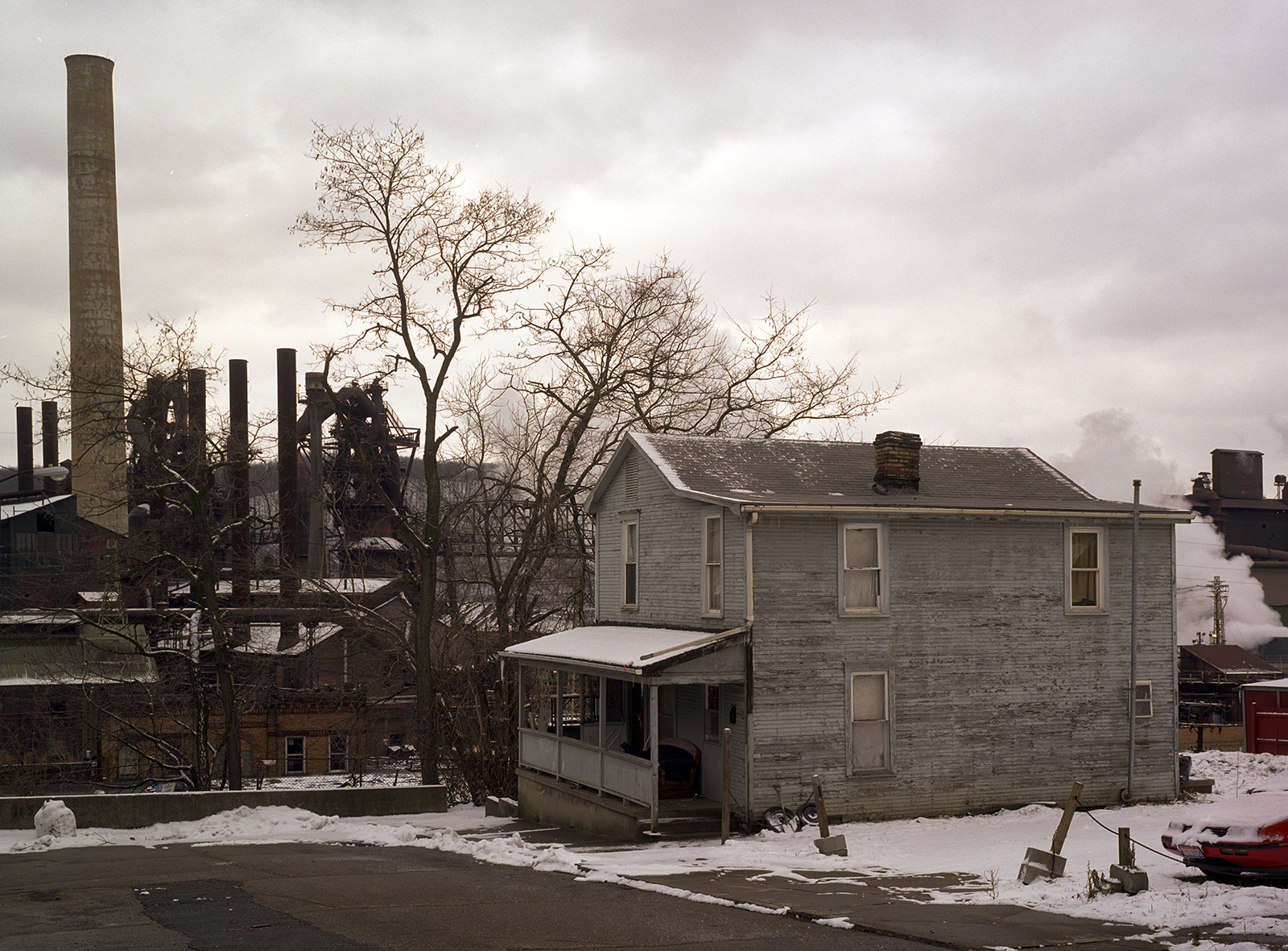
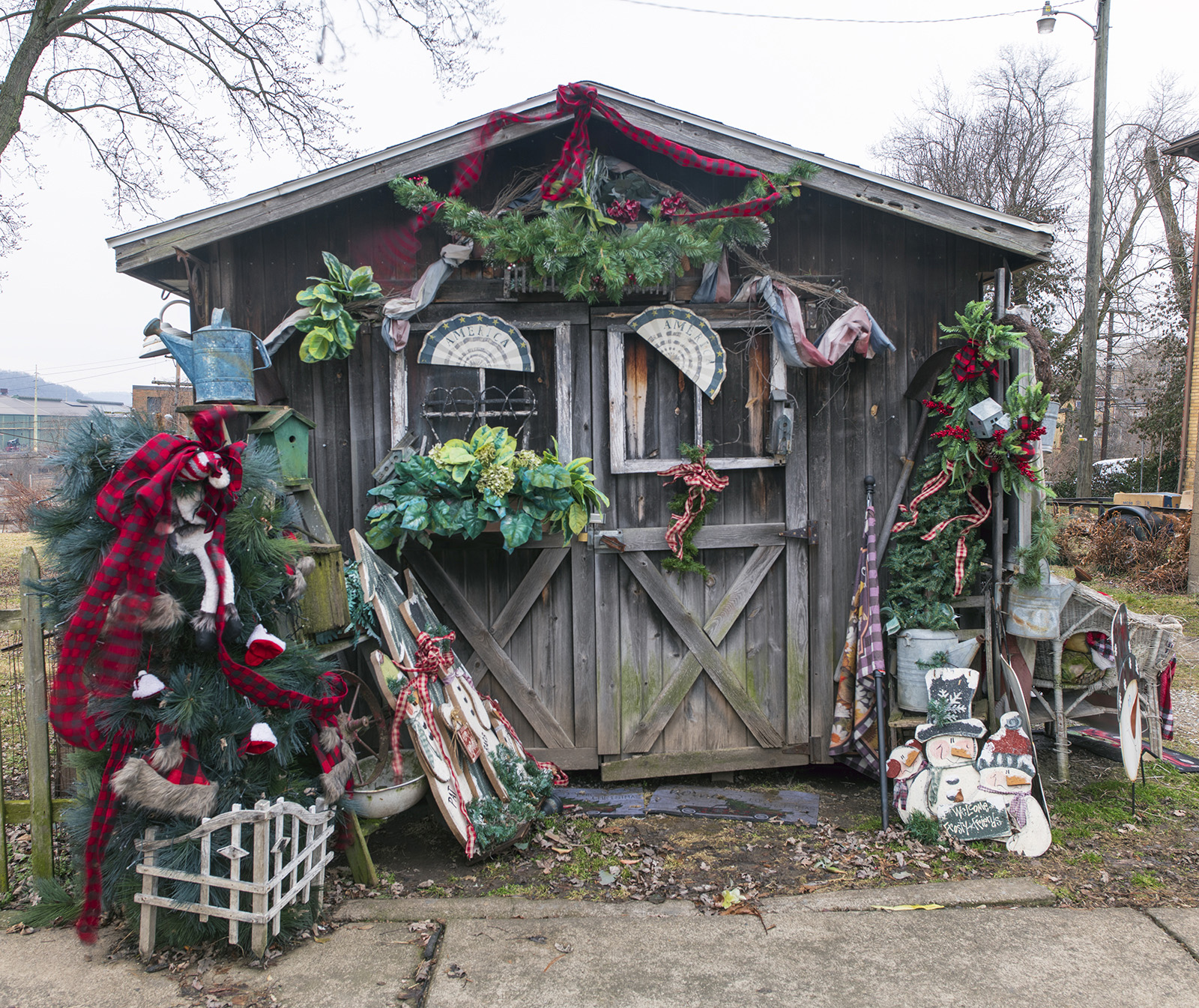
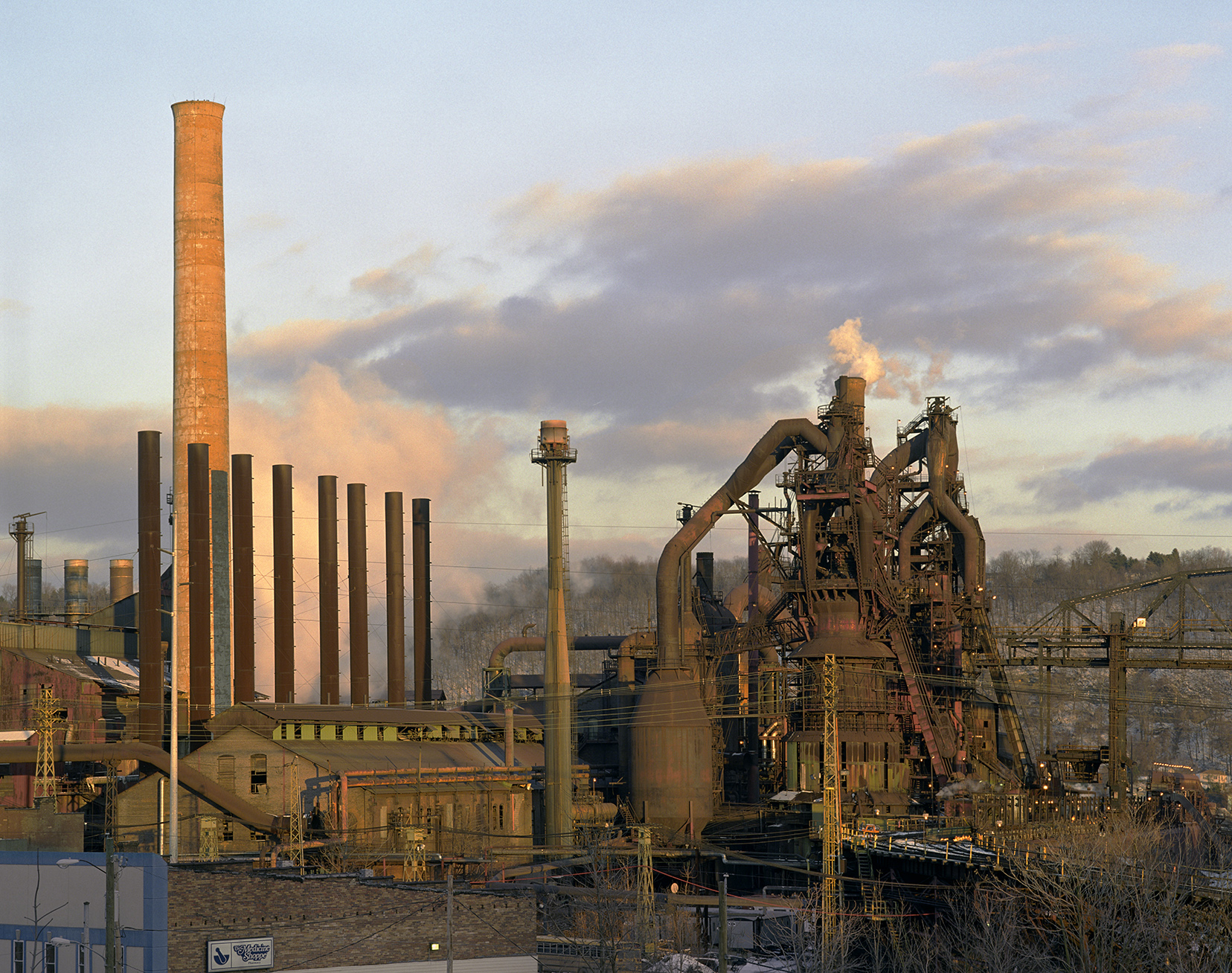
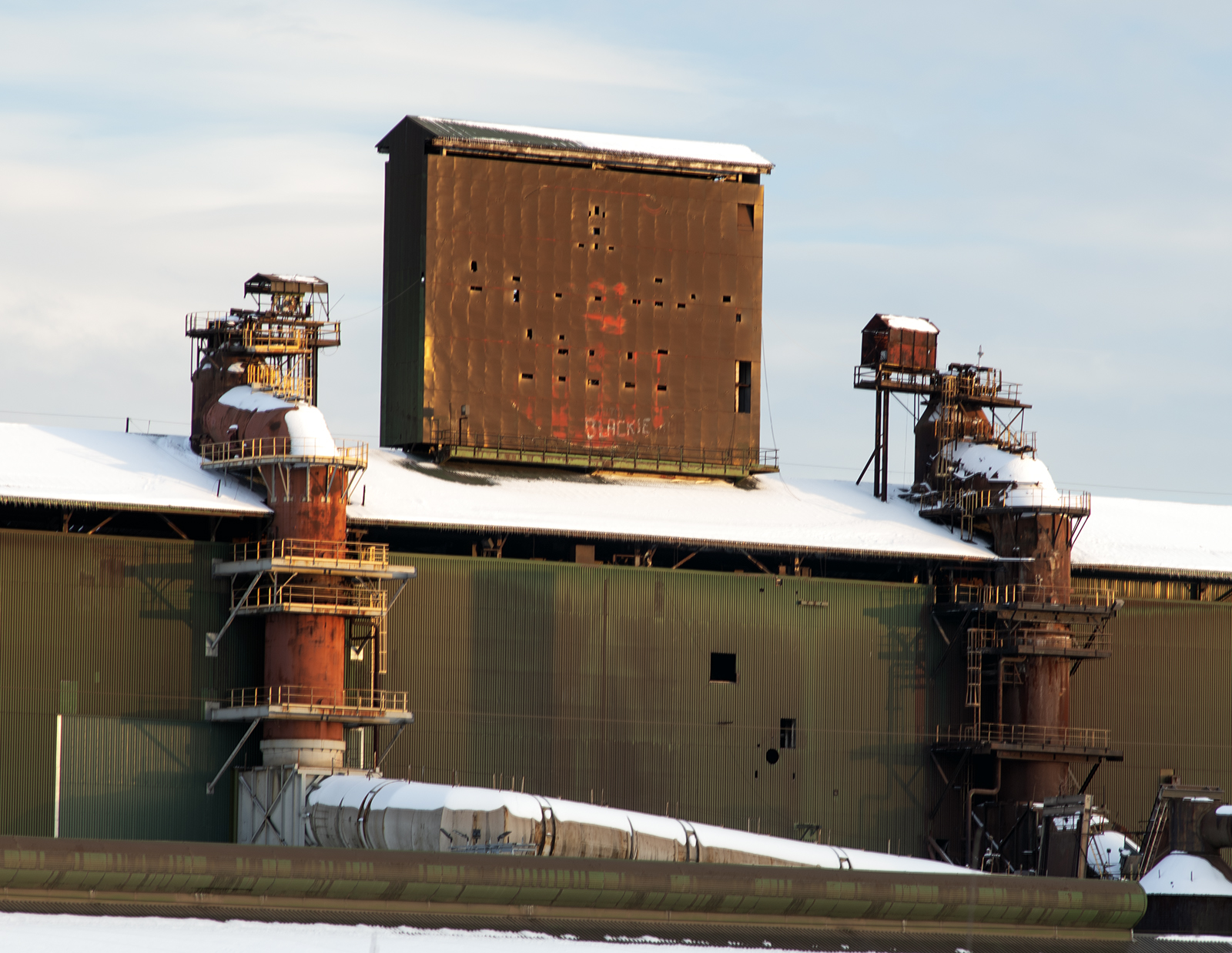
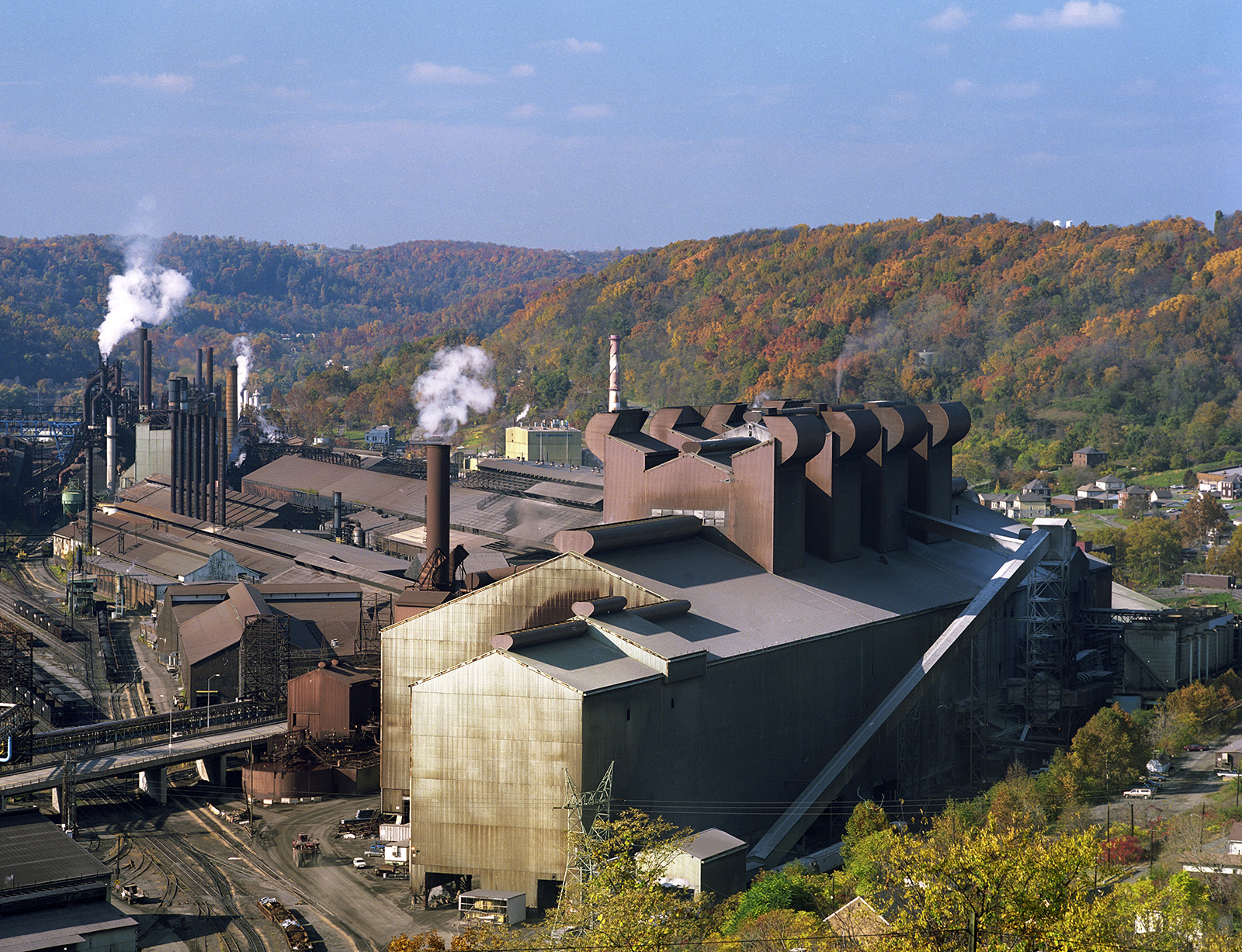
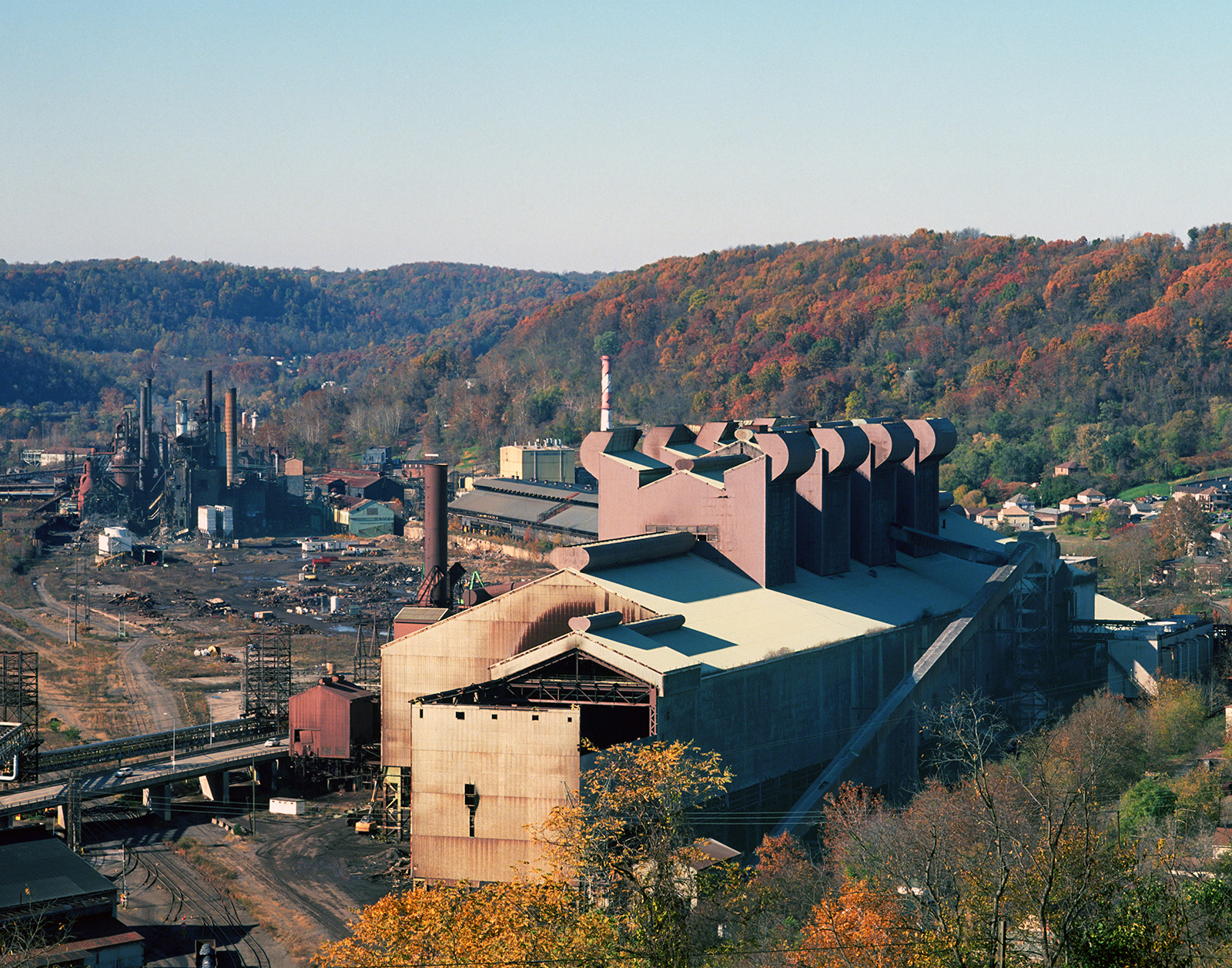
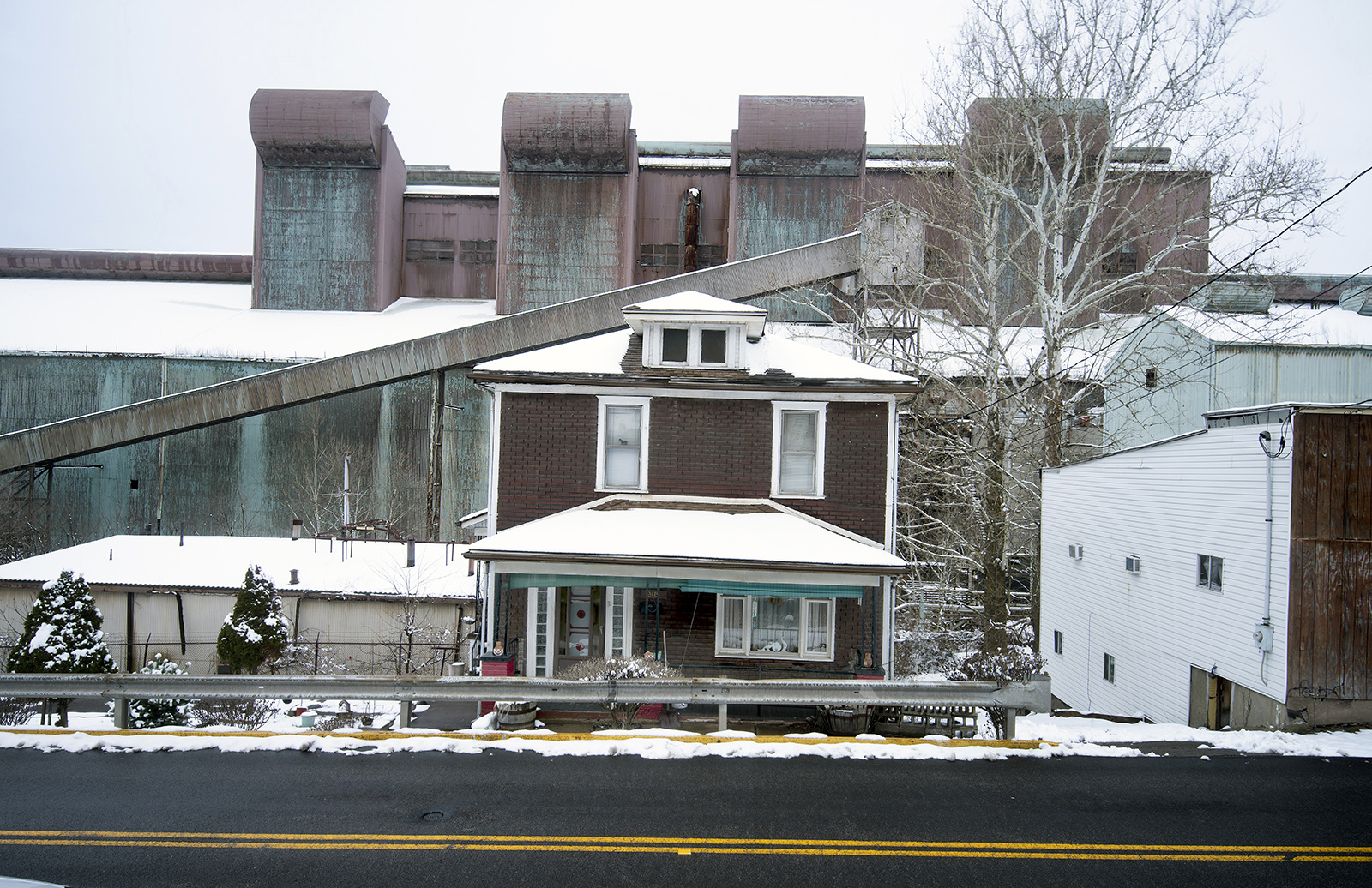
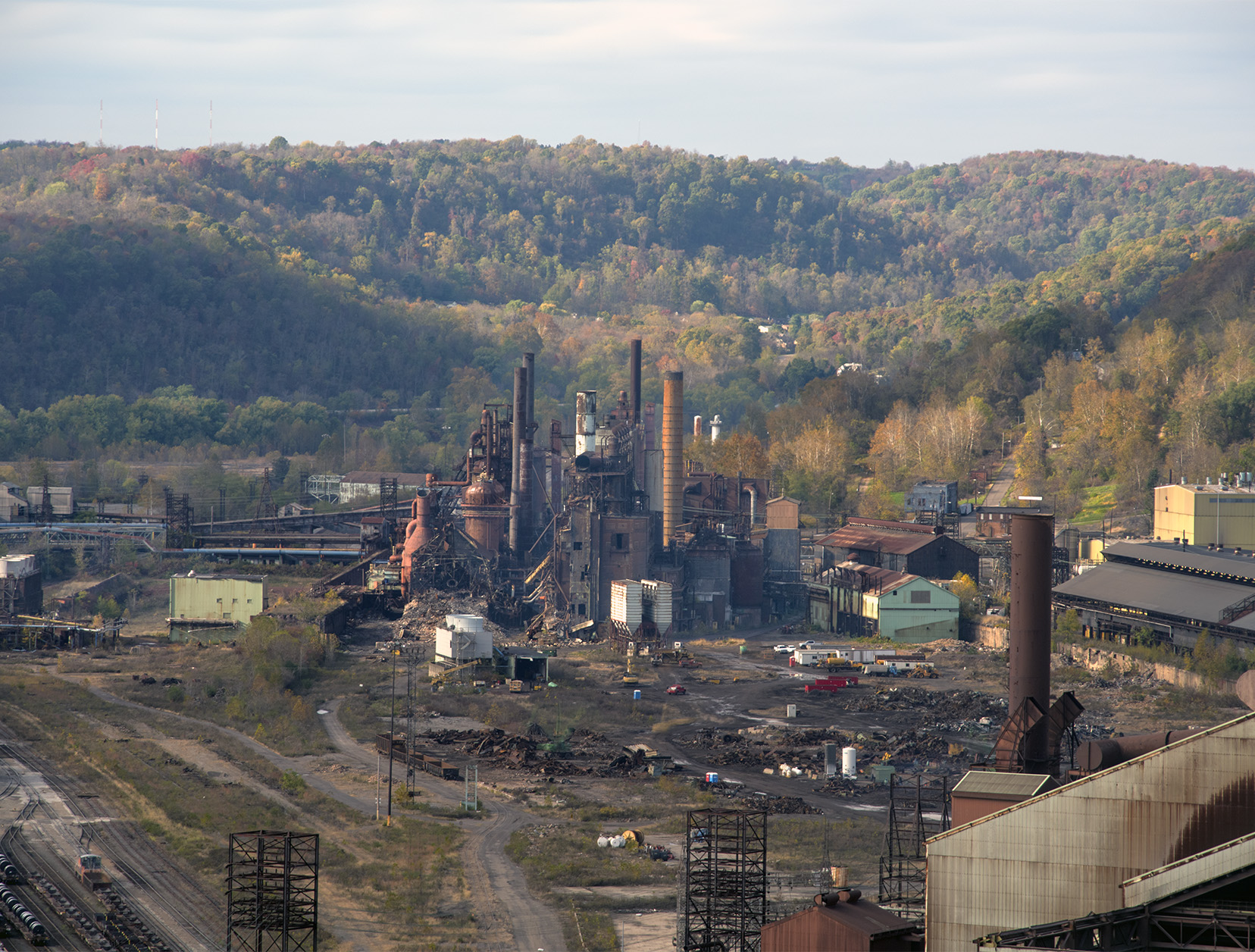
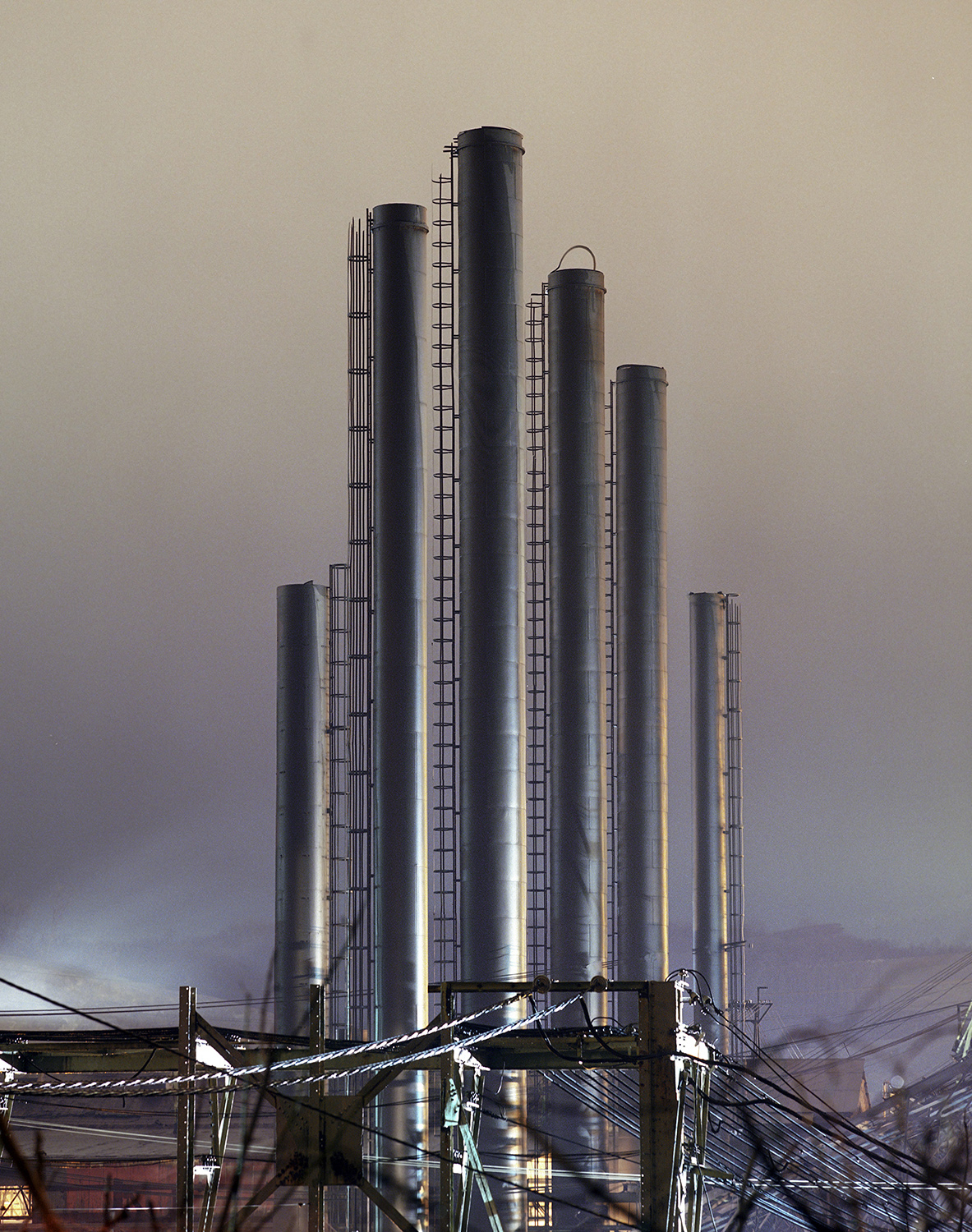
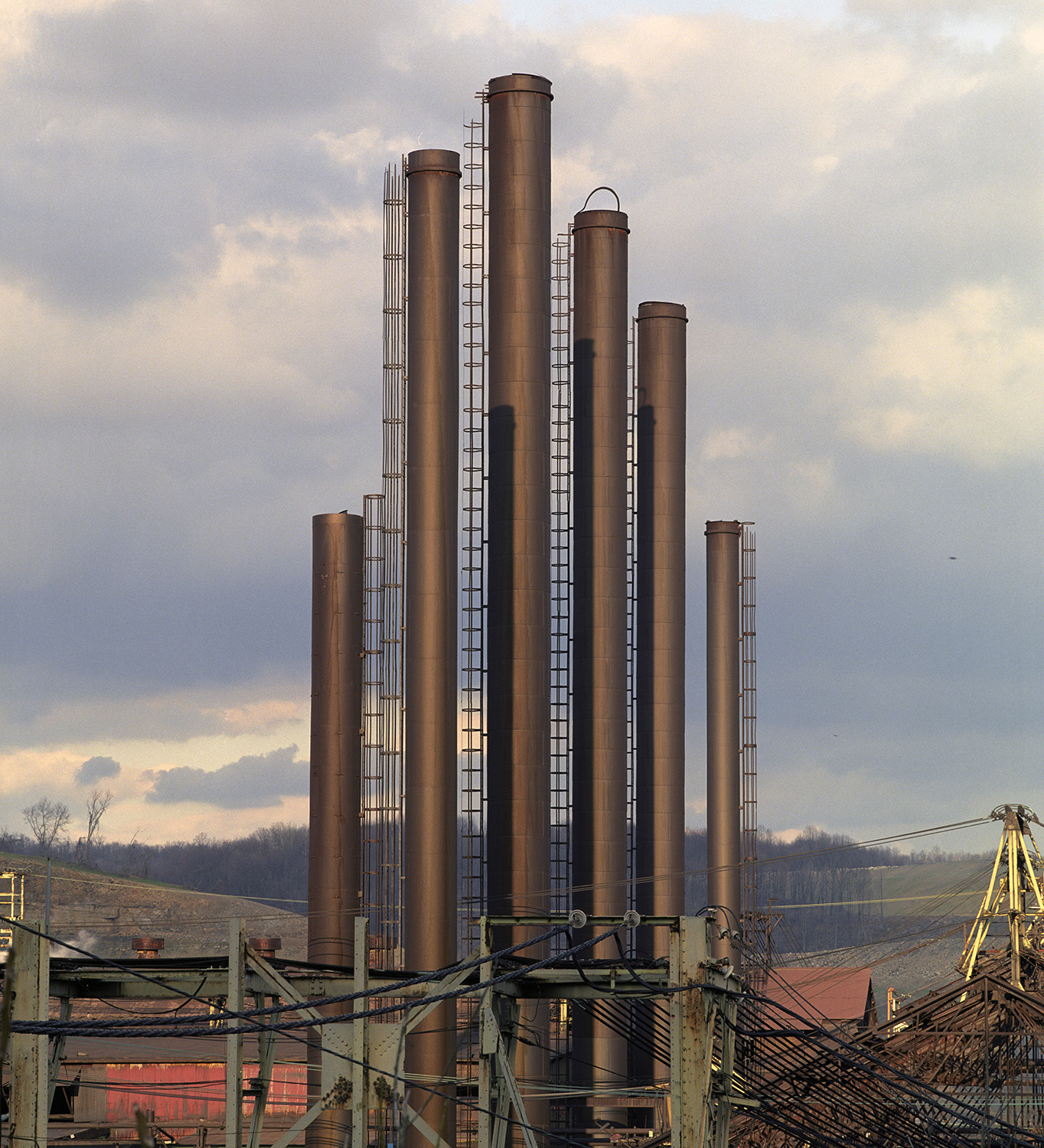
It's just that countries like China or selling their steel at a far cheaper price. Two years later the mail and caster wheel bike at a bargain price and are still functioning today haven't been bought by Cleveland Cliffs.LTV Steel, Cleveland - 240 Ton LadleThe Westside caster was state of the art and it was built in the 1990s. No one believed that, after 2001, went over 50 steel companies went under, that I would ever come back.LTV Steel, Cleveland -110 TONLradleLTV Steel, Cleveland - Mesta Mill Drive with Cleveland Metal Housing.LTV Steel, Cleveland - Crane Bucket & CokeIn 2001 during the big recession for steel what everybody thought LTV would never open again, they began storing Coke in the ore yard that feeds iron or into the blast furnaces, because the Coke plant's over load, after so many companies went in the bankruptcy in this recession..LTV Steel, Cleveland - Rolling Mill, Mesta LogoMesta was the manufacturer of most rolling equipment for steel mills. It's headquartered in Pennsylvania close to Homestead, and, was the preeminent supplier of rolling equipment for all the major steel mills in America.LTV Steel, Cleveland - Mesta Rolling StandLTV Steel, Cleveland - Rolling Mill Heat FurnaceLTV Steel, Cleveland - Basic Oxygen Plant, Caster SlideLTV Steel, Cleveland - Rolling Mill, Pulpit Room, ControlsLTV Steel, Cleveland - C-1 Blast Furnace SignLTV Steel, Cleveland - Door to the Cast HouseLTV Steel, Cleveland - Blast Furnace C-! & DowntownA one hour exposure brings up the light so you can see clearly that snow and a blast. Furnace is not a good sign.LTV Steel, Cleveland - Blast Furnace C-!One hour exposure done at midnight. I didn't realize that the entire glass furnace was wired for explosive. I found out the next day in the morning after I took the shot one day and imploded this blast furnace.LTV Steel, Cleveland - C-1 Blast Furnace & Blower HouseLTV Steel, Cleveland - Coke Plant # 1 DemolitionLTV Steel, Cleveland - Coke Plant # 1 DemolitionLTV Steel, Cleveland - Coke Plant # 1 DemolitionLTV Steel, Cleveland - Coke Plant # 1 DemolitionLTV Steel, Cleveland - West Side Basic Oxygen Plant Stacks & MoonLTV Steel, Cleveland - StacksA cluster of exhaust stacks rises above the ingot end of LTV Steel’s Cleveland Works, serving soaking pits and reheat furnaces that once kept steel hot for rolling. This older section of the mill handled molds, ingots, and primary shaping, relying on constant combustion and heavy draft rather than blast furnace ironmaking. The stacks mark the heat infrastructure of a mill district designed to keep steel moving, not to make it.LTV Steel, Cleveland - Gas HolderLTV Steel, Cleveland - Torpedo Car & Blast FurnaceLTV Steel, Cleveland - Ore Bridge, Coke & Blast FurnaceLTV Steel, Cleveland - Torpedo Car & Blast FurnaceLTV Steel, Cleveland - Blast Furnace 5LTV Steel, Cleveland - Slab Mill Stacks & Basic Oxygen PlantLTV Steel, Cleveland - Basic Oxygen Plant & Slab Mill StacksLTV Steel, Cleveland - Basic Oxygen Plant & HomesLTV Steel, Cleveland - Homes, Holmden StreetLTV Steel, Cleveland - Basic Oxygen Plant, Holmden Street WindowNew Boston Coke, New BostonNew Boston Coke, New Boston - Yard LocomotiveNew Boston Coke, New Boston - Pusher Car & OvensNew Boston Coke, New Boston - Pusher GuideNew Boston Coke, New Boston - Door, Koppers Coking Oven #22Remson Steel, Cleveland + 30 Ton Crane HookRemson Steel, Cleveland - Rolling PressRemson Steel, Cleveland - Cleveland Punch & Shear MachineRepublic Enginered Products, Lorain - Blast Furnace #4Republic Enginered Products, Lorain - The Czech Bar, 2004Republic Enginered Products, Lorain - The Czech Bar, 2024Republic Enginered Products, Lorain - The Czech Bar, Door, 2024Republic Enginered Products, Lorain - Blast Furnace #4Sharon Steel, Farrell - Shenango River Scene & Annealing FurnacesSharon Steel, Farrell - Blast Furnace Ruins, Stoves & ChimneysSharon Steel, Farrell - Annealing Mill DemolitionSharon Steel, Farrell - Soaking PitsSoaking pits are the better bet here. They were used to reheat ingots before rolling. The pits were deep, refractory-lined, and arranged in rows so a crane could lift ingots straight up and out.Sharon Steel, Farrell - Machine ShopSharon Steel, Farell - Drop hammerSharon Steel, Farrell - Old Electric Arc Furnace Building DemolitionSharon Steel, Farrell - Blast Furnace Ruins, Stoves & ChimneysSharon Steel, Farrell - Blast Furnace Ruins, Stoves & ChimneysSharon Steel, Farrell - Blast Furnace Ruins, Stoves & Chimneys at NightSharon Steel, Farrell - Old Electric Arc Furnace Building Demolition at NightServerstal Steel, Dearborn - Reheat Furnace Stacks, Rolling MillSeverstal Steel, Dearborn - Gas Holder, Coke Plant DemolitionServerstal Steel, Dearborn - Blast Furnace BUS Steel, Duquense - StovesUS Steel, Duquense - Tuyere HolesTuyere holes are openings cut through the furnace shell at the hearth level, right above where molten iron pools. Each hole holds a tuyere, a copper nozzle shoved through layers of refractory and steel. Through those nozzles comes the hot blast.US Steel, Duquense - Hot Blast Main HolesUS Steel, Tube Mill, Mckeesport - Work Shoes, Locker RoomUS Steel, Tube Mill, Mckeesport - Work Shoes, Locker RoomUS Steel, Rankin, Carrie Furnac - Blast Furnace #6US Steel, Rankin, Carrie Furnace - Blast FurnaceUS Steel, Rankin, Carrie Furnace - Blast FurnaceUS Steel, Rankin, Carrie Furnace - Blast FurnaceUS Steel, Rankin, Carrie Furnace - Blast FurnaceUS Steel, Rankin, Carrie Furnace - StovesUS Steel, Rankin, Carrie Furnace - StovesUS Steel, Rankin, Carrie FurnaceUS Steel, Rankin, Carrie FurnaceUS Steel, Rankin, Carrie Furnace - Stoves, Pipes & ValvesUS Steel, Rankin, Carrie Furnace - Stoves, Pipes & ValvesUS Steel, Rankin, Carrie Furnace - Cast House, Blast Furnace #6US Steel, Rankin, Carrie Furnace - Blast FurnaceUS Steel, Zug Island, Detroit - Blast Furnace D Bell & DowncomerUS Steel, Rankin, Carrie Furnace - Blast FurnaceUS Steel Zug Island, Detroit - HoppersOre/flux/coal transfer hoppers feeding the highline conveyor that charges the furnaces.US Steel Zug Island, Detroit - Blast Furnace AUS Steel Zug Island, Detroit - Blast Furnace DUS Steel Zug Island, Detroit - Sheet Steel TallyUS Steel Zug Island, Detroit - Delray Neighborhood, Home, Blast Furnace D & Quenching Plume, Coke Planthis is a tough neighborhood. On my way ito my location, in the Detroit Port Authority property, across from the furnaces, i ran across a home filled with bikers. They kind of got into what i was doing when i explained it to them. Later, well in to the night, when i was coming back from the shoot, i stopped and waved. This time i got sprayed with oil from a hand compressor, so i walked on, but, calling out, if you came to my neighbrhood, we wouldn't do that unless it was deserved. That was stupid, as wll as, me reacting to people who will never understand.US Steel Zug Island, Detroit - Blast Furnace BWCI Steel, Warren - Lounge, Homes & Blast FurnaceRepublic Steel – Warren, Ohio: Founded as Trumbull Steel (1905–1910), absorbed by Republic in the 1920s. Became a major integrated mill with multiple blast furnaces, open-hearths, and extensive rolling operations. Folded into LTV in 1984; reborn as WCI Steel after bankruptcy. Operated a single blast furnace (No. 4) and BOF into the 2000s. Absorbed by RG Steel in 2008; iron and steelmaking ended permanently in 2012WCI Steel, Warren - Home & Blast FurnaceWCI Steel, Warren - Toxins Warning SignLTV Coke Plant, WarrenThe coke plant, origianlly was part of the larger integrated mill in Warren, and was later sold to Republic Steel of Cleveland which was, in turn, bought by LTV Steel, so the adjacent Coke plant at WCI was not owned by them. The still functions today.LTV Coke Plant, Warren - Quenching TowerShot in 2003, the coke plant was pasrt of the Republic Steel era, later LTV and finally, today, Cleveland-Cliffs which still operates the plant.WCI Steel, Warren -RG Steel, Warren -In 2008, the entire WCI operation was absorbed into a new entity called RG Steel, a merger of Warren (WCI), Wheeling-Pittsburgh, and Sparrows Point in Baltimore. From the outset, the company lacked sufficient capital, a coherent raw-materials strategy, and a functioning supply chain, with blast furnaces spread across three states all competing for limited ore and coke. The basic oxygen furnace shop was already near the end of its useful life, and the collapse of the global steel market further weakened the operation. In 2012, RG Steel collapsed, bringing an abrupt end to Warren’s integrated era as the blast furnace was permanently shut down, the BOF went cold, the melt shop closed, and the Mahoning Valley lost its last source of molten iron.WCI Steel, Warren - Blast FurnaceThis furnace when it was built in 1952 was the largest in America.It started as Trumbull Steel Company, founded around 1905–1910 as part of the Mahoning Valley’s meteoric rise into a steel powerhouse.WCI Steel, Warren - HouseWCI Steel, Warren - Lounge, Homes & Blast FurnaceThe mill closed, so did the bar.WCI Steel, Warren - Home & Blast Furnace, 2004WCI Steel, Warren - House & Empty Fields, 2022WCI Steel, Warren - Demolition, Basic Oxygen PlantWCI Steel, Warren - Ore BridgeWCI Steel, Warren - WCI Steel, Warren - Blast FurnaceSlow sitting on a blast furnace is not a good sign.WCI Steel, Warren - WCI Steel, Warren - Blast FurnaceThe area surrounding the WCI blast furnace complex sat on the edge of the mill and the city, a zone where aging housing gave way to bars, strip clubs, and outlaw motorcycle clubs operating in the furnace’s shadow. The district functioned as a spillover landscape for mill life—loud, rough, and largely outside civic control. When ironmaking ended, both the furnace and the street economy that grew around it disappeared.WCI Steel, Warren - WCI Steel, Warren - Blast FurnaceWhieeling Pittsburgh Steel, Mingo Junction – Commercial Street and Blast Furnaces.January, 2005, Blast Furnace No. 4 (no. 5 is obscured by it.) and its surrounding ironmaking complex stand along Commercial Street at Mingo JunctionWhieeling Pittsburgh Steel, Mingo Junction – commercial Street and Blast Furnaces.January, 2009, Hot End & Commercial StreetWheeling Pittsburgh Steel, Mingo Junction - Commercial Street & Mill, 2009Commercial Street, which is parallel to the mill, in 2009. Today commercial Street is even more abandoned, and, the entire west side of the street is completely abandoned with all the roofs collapsing in.Wheeling Pittsburgh Steel, Mingo Junction - Commercial Street & Mill -Commercial Street & Mill, 2009January, 2009, blast Furnace No. 4 and its surrounding ironmaking complex stand along Commercial Street at Mingo Junction. Built during World War II and repeatedly rebuilt and modernized, the furnace marked the close of integrated iron production at the works. Ownership of the site passed from Wheeling-Pittsburgh Steel to Esmark in 2007, then to Severstal in 2008, and later to RG Steel in 2011, while the furnaces remained intact and idle throughout these transitions. The blast furnaces were dismantled only after the collapse of RG Steel in the mid-2010s, marking the physical erasure of ironmaking at Mingo Junction.Wheeling Pittsburgh Steel, Mingo Junction - Commercial Street & MillJanuary, 2009, the blasts have been shut down, never to operate again. Commercial Street would begin deterioration until by 2022, basically, every roof on the west side of the street had collapsed. But still no demolition has occurred, but is planned.
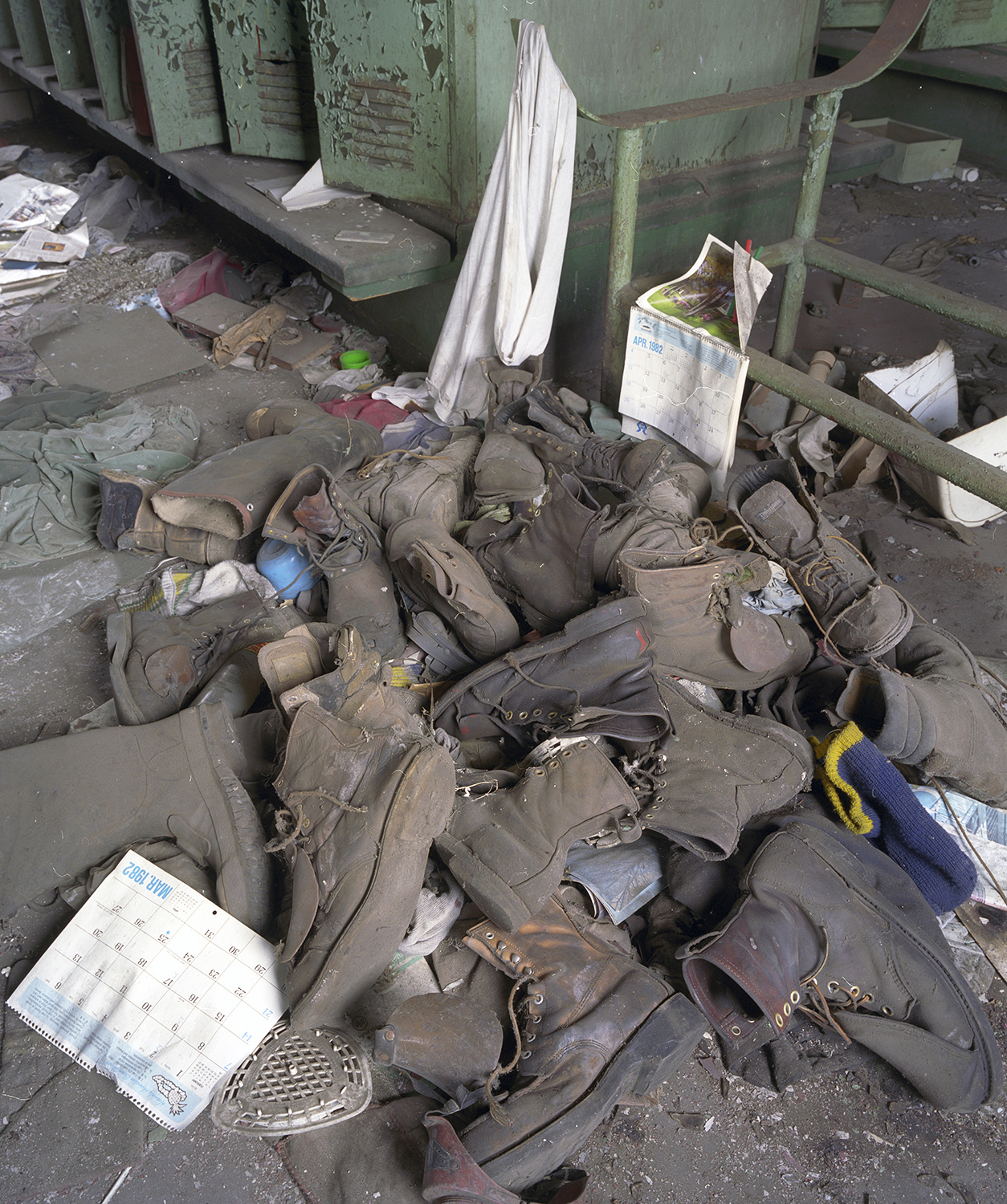
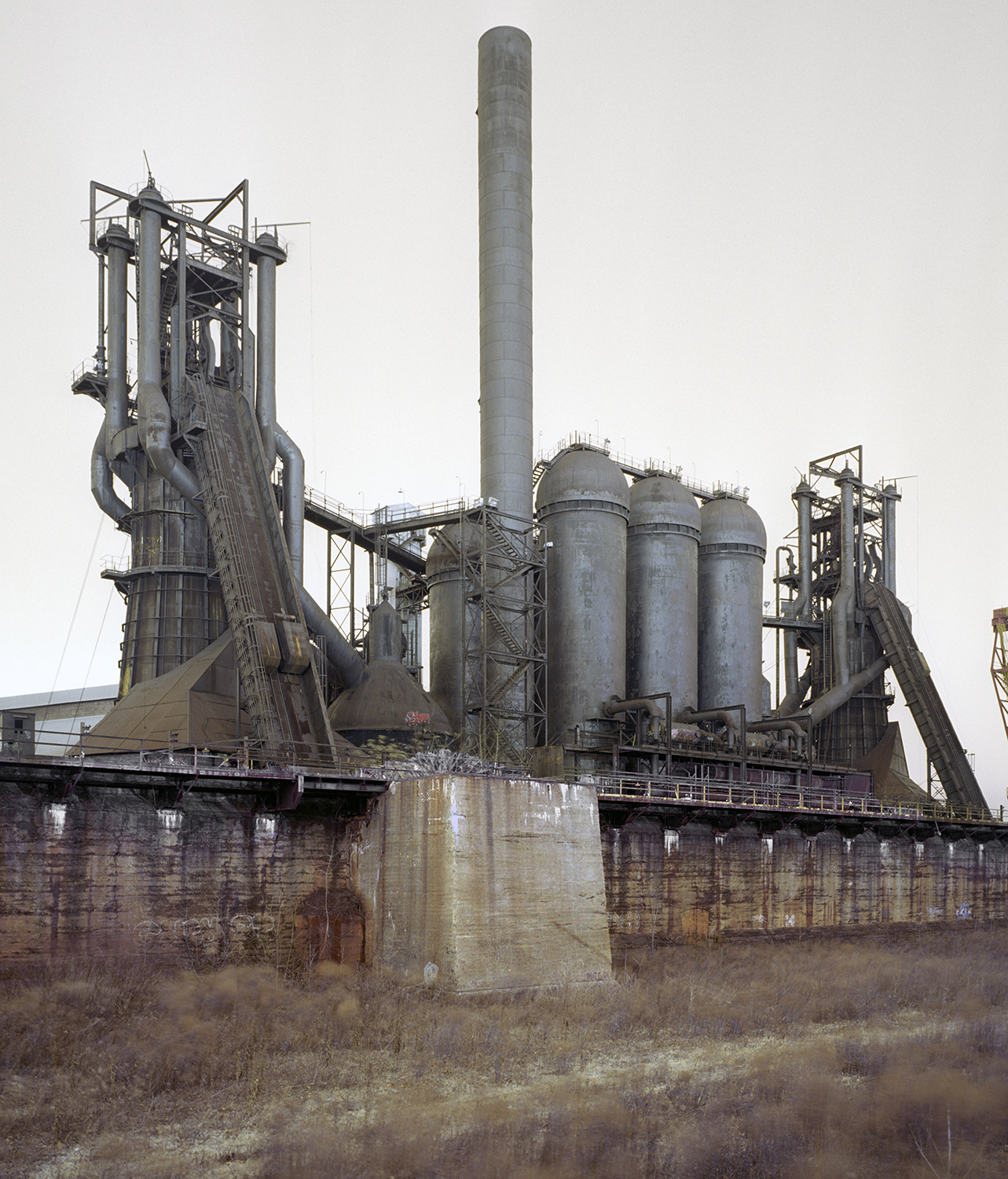
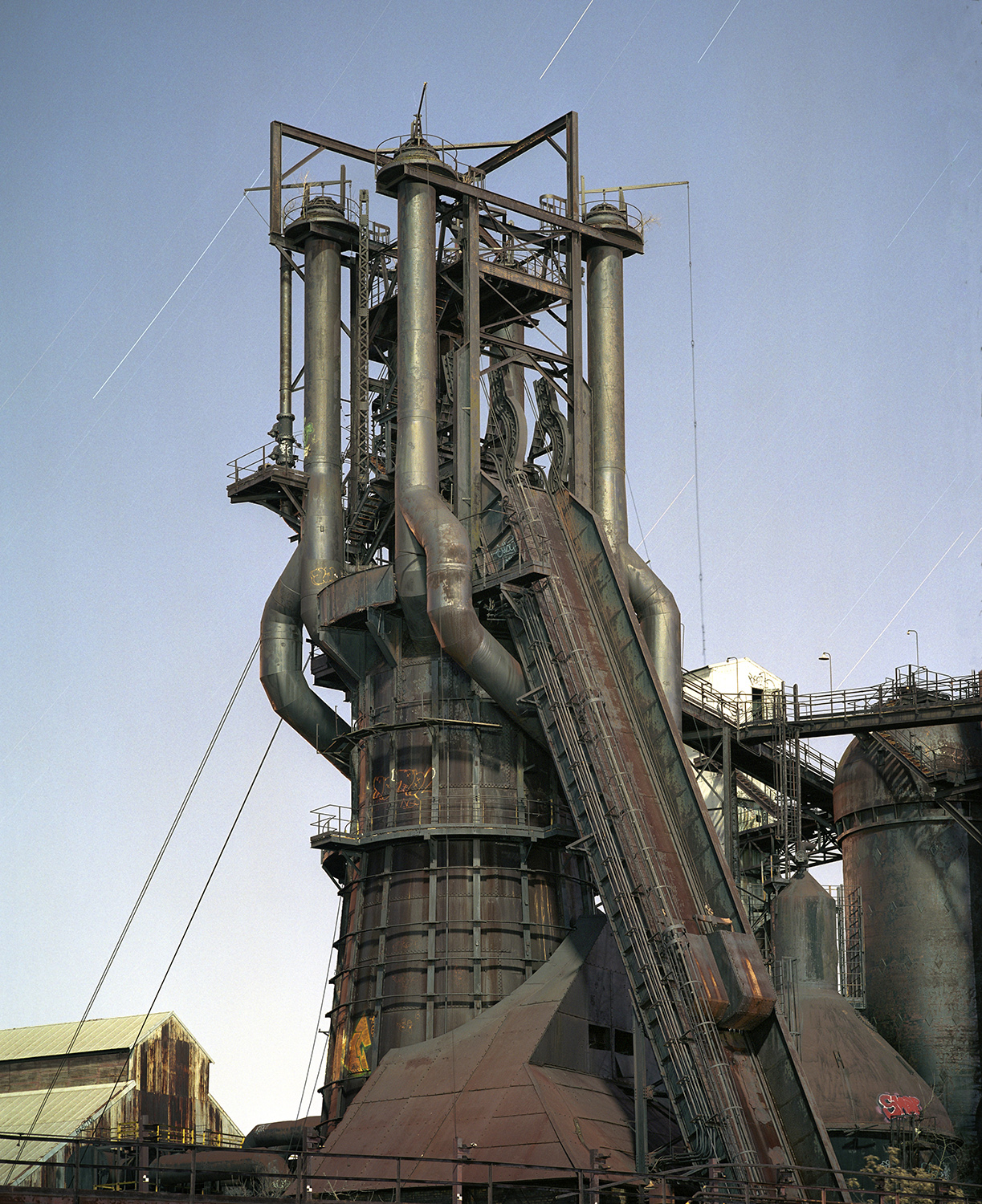
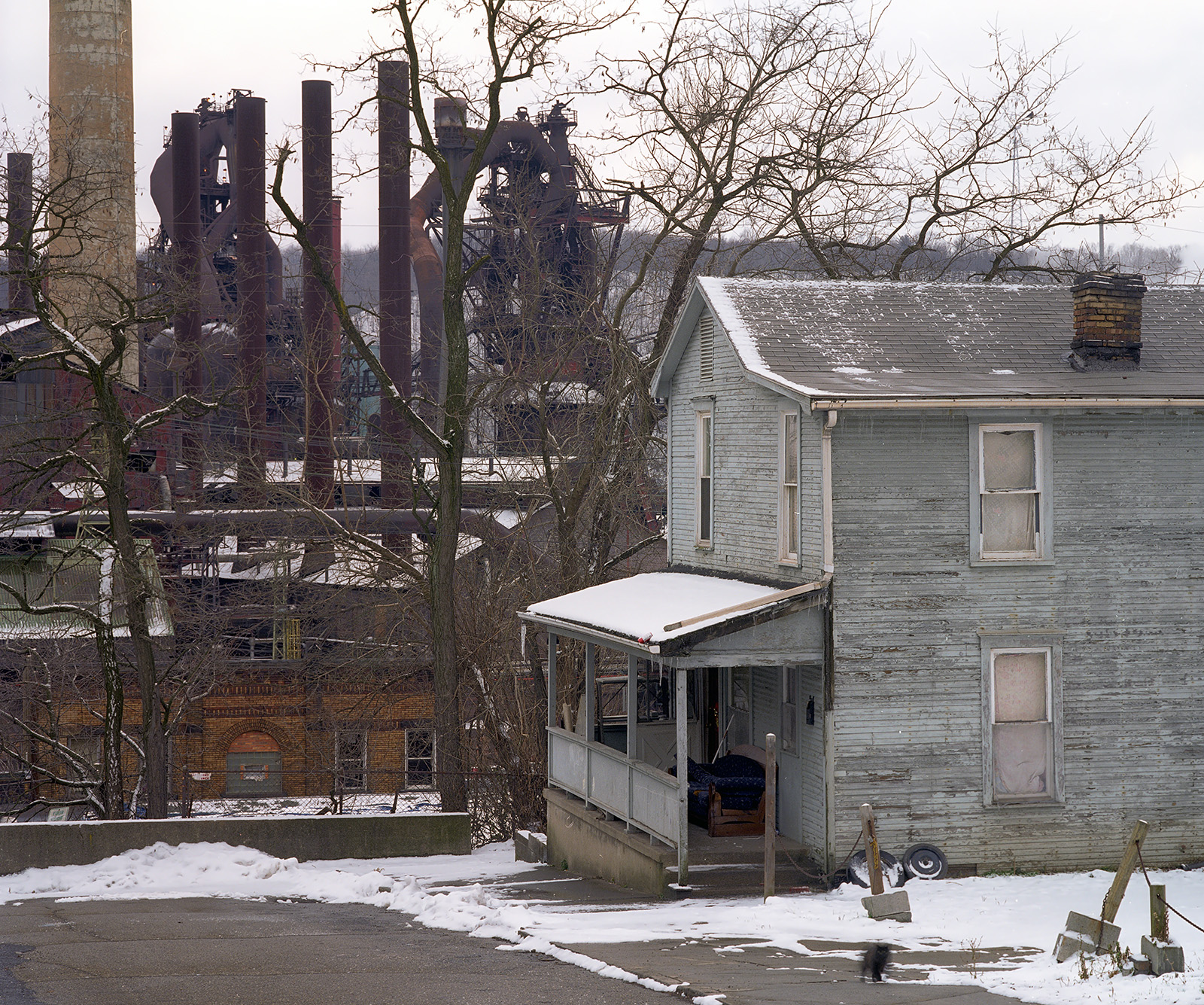
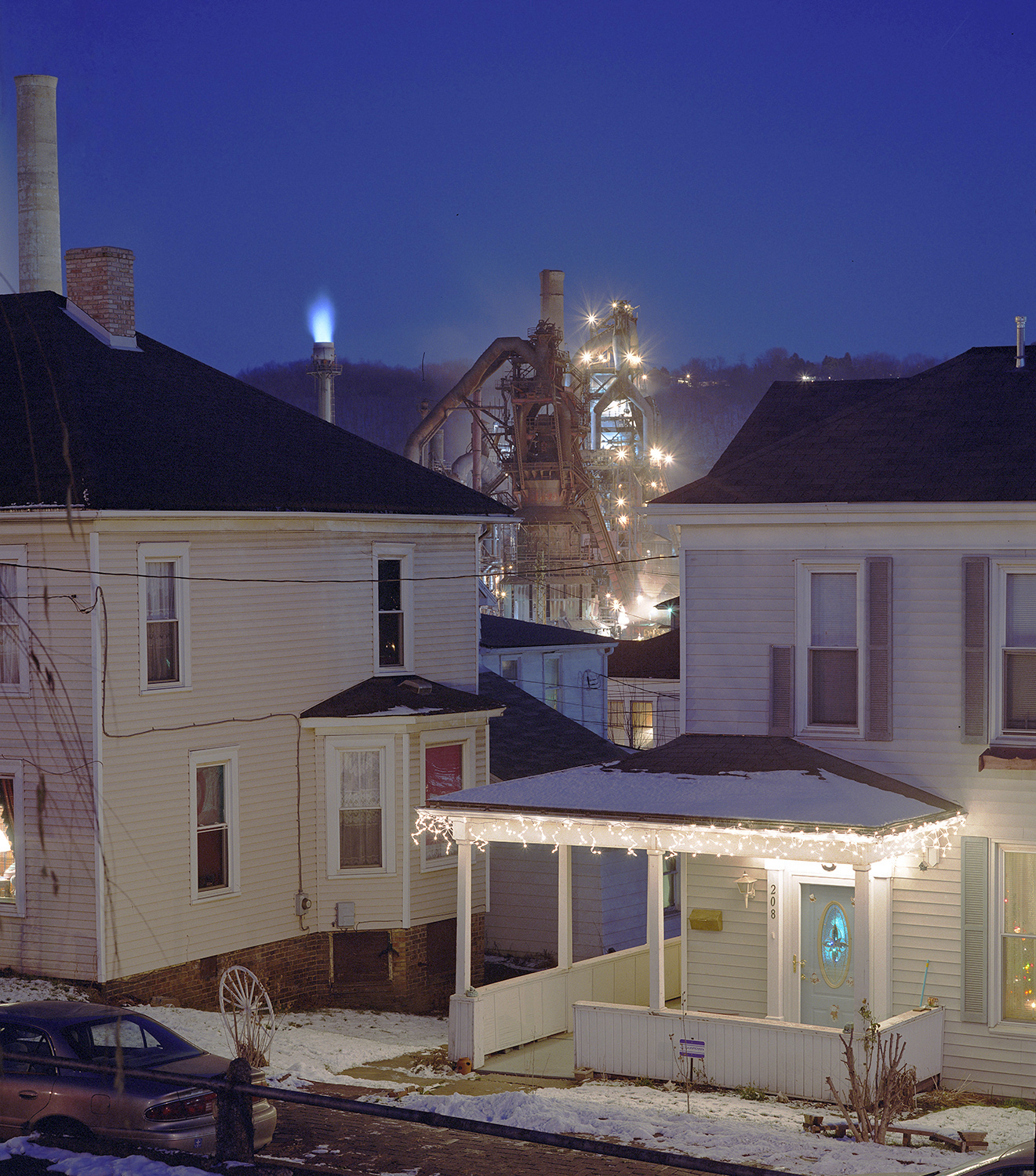
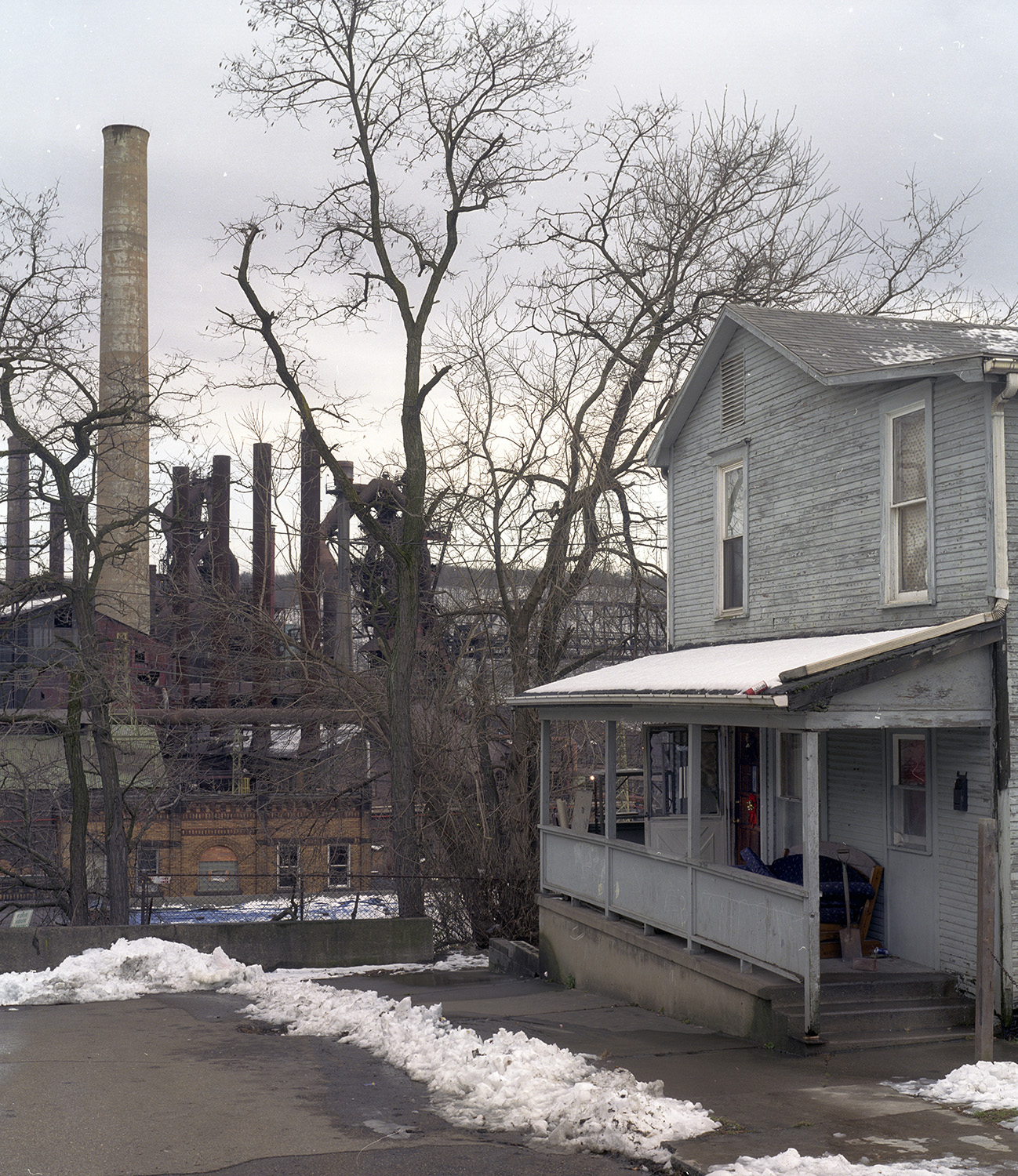
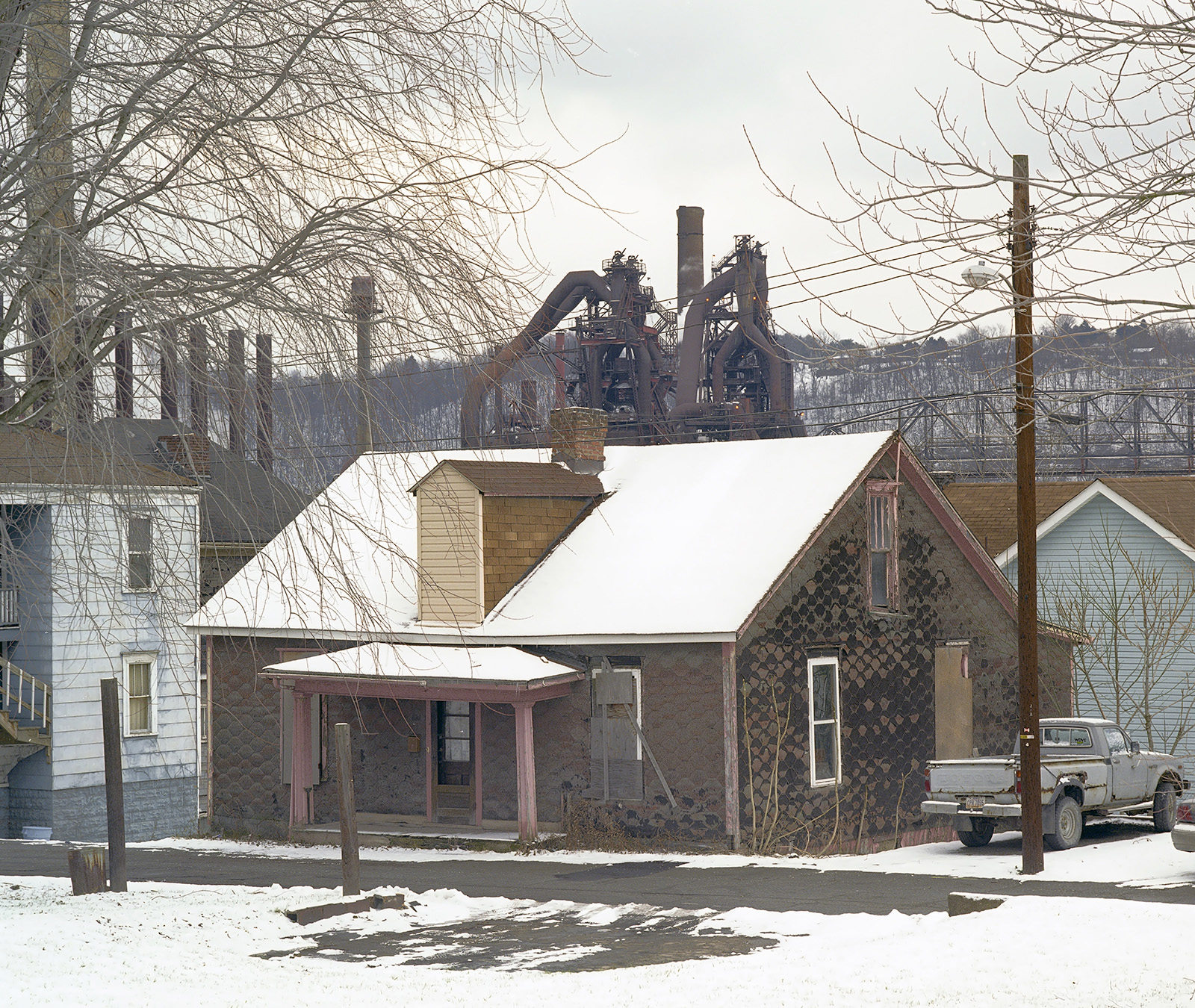
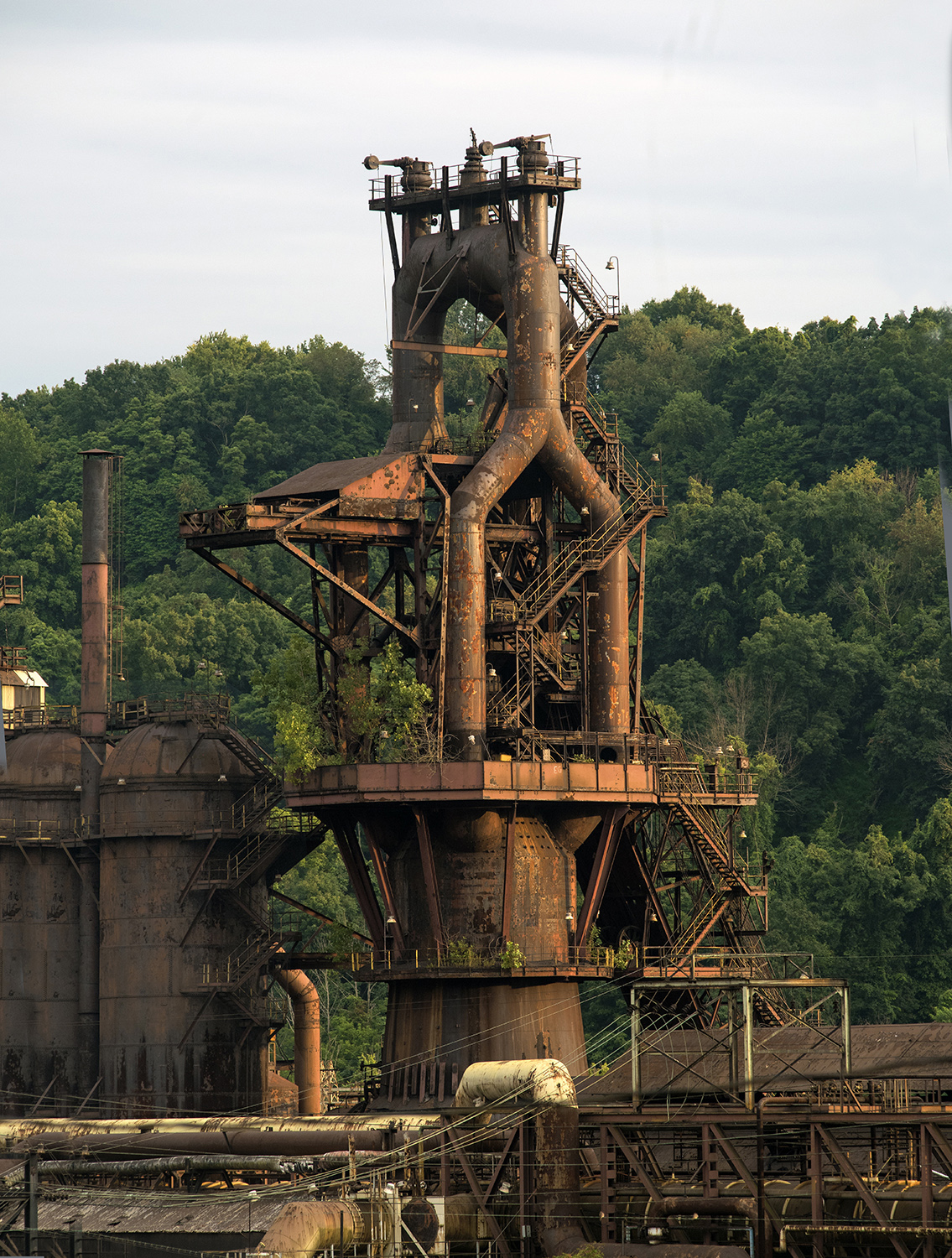
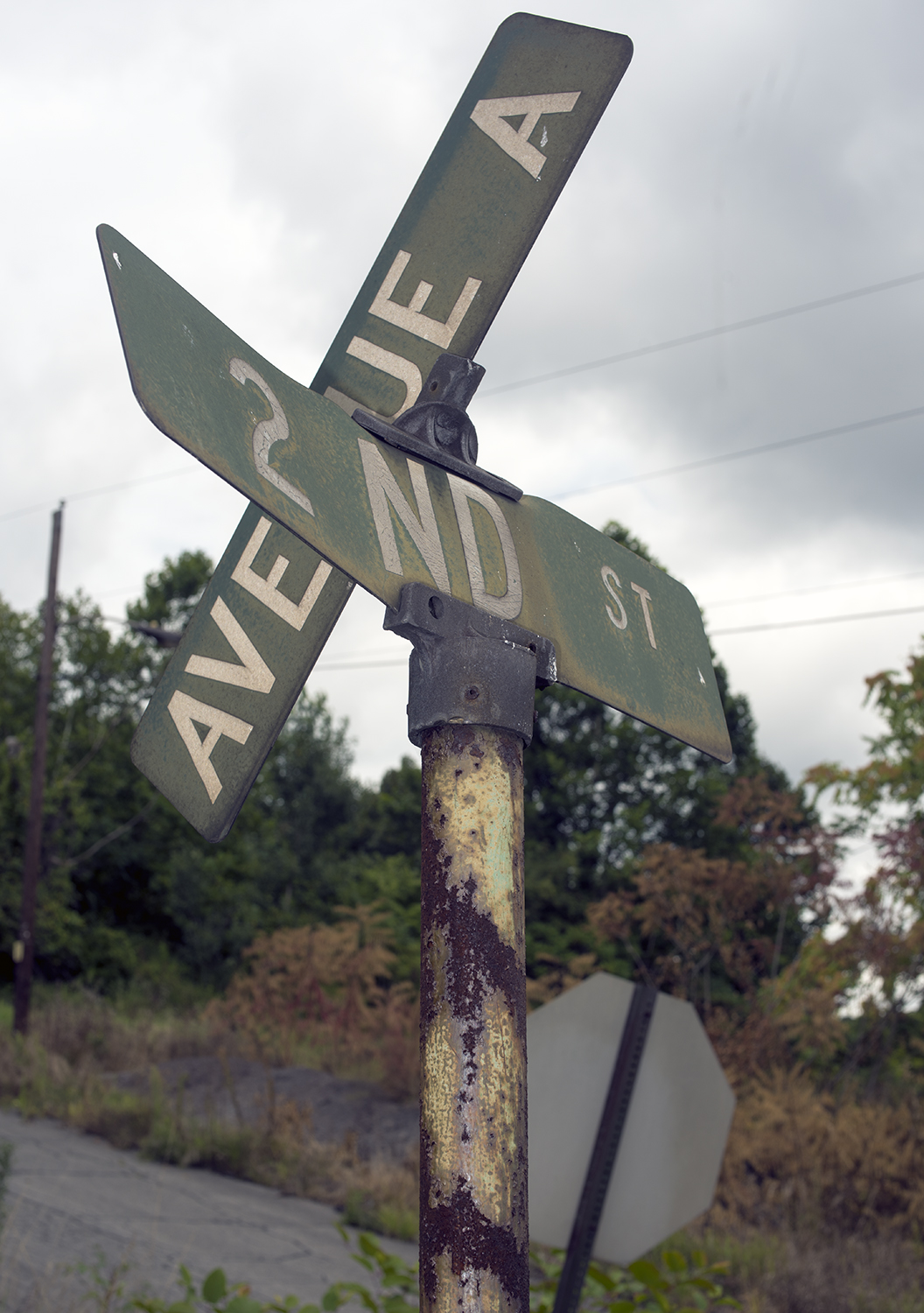
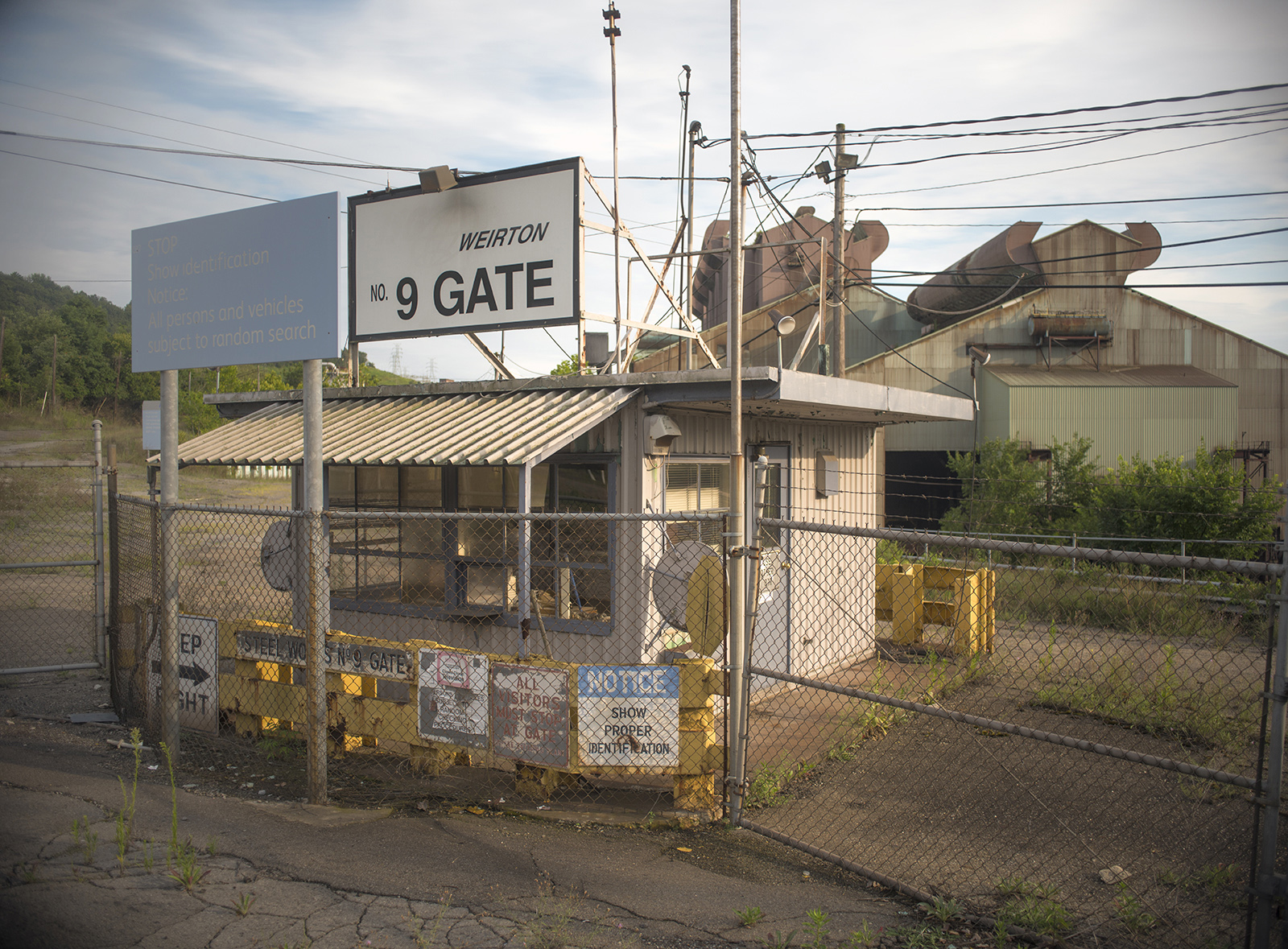
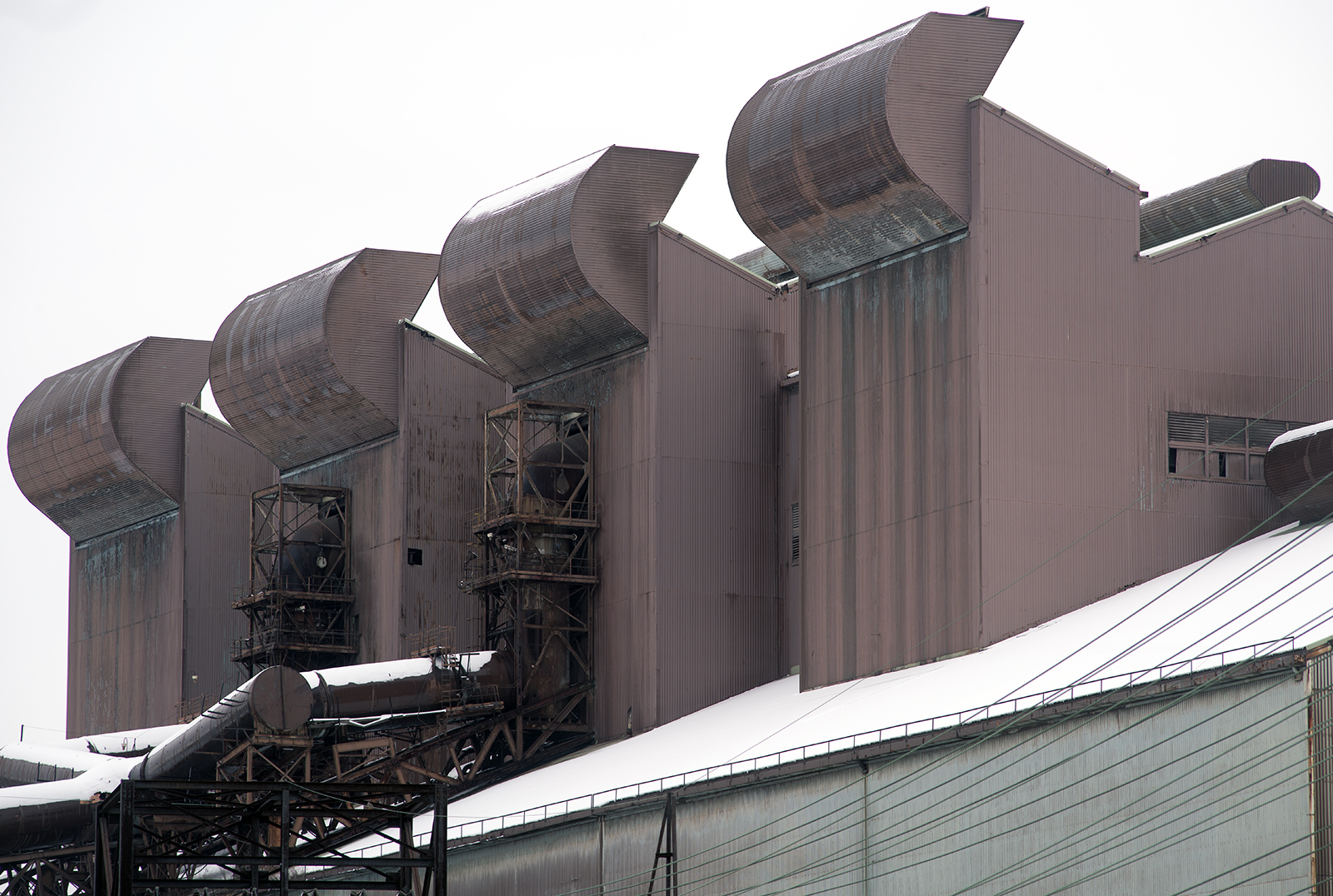
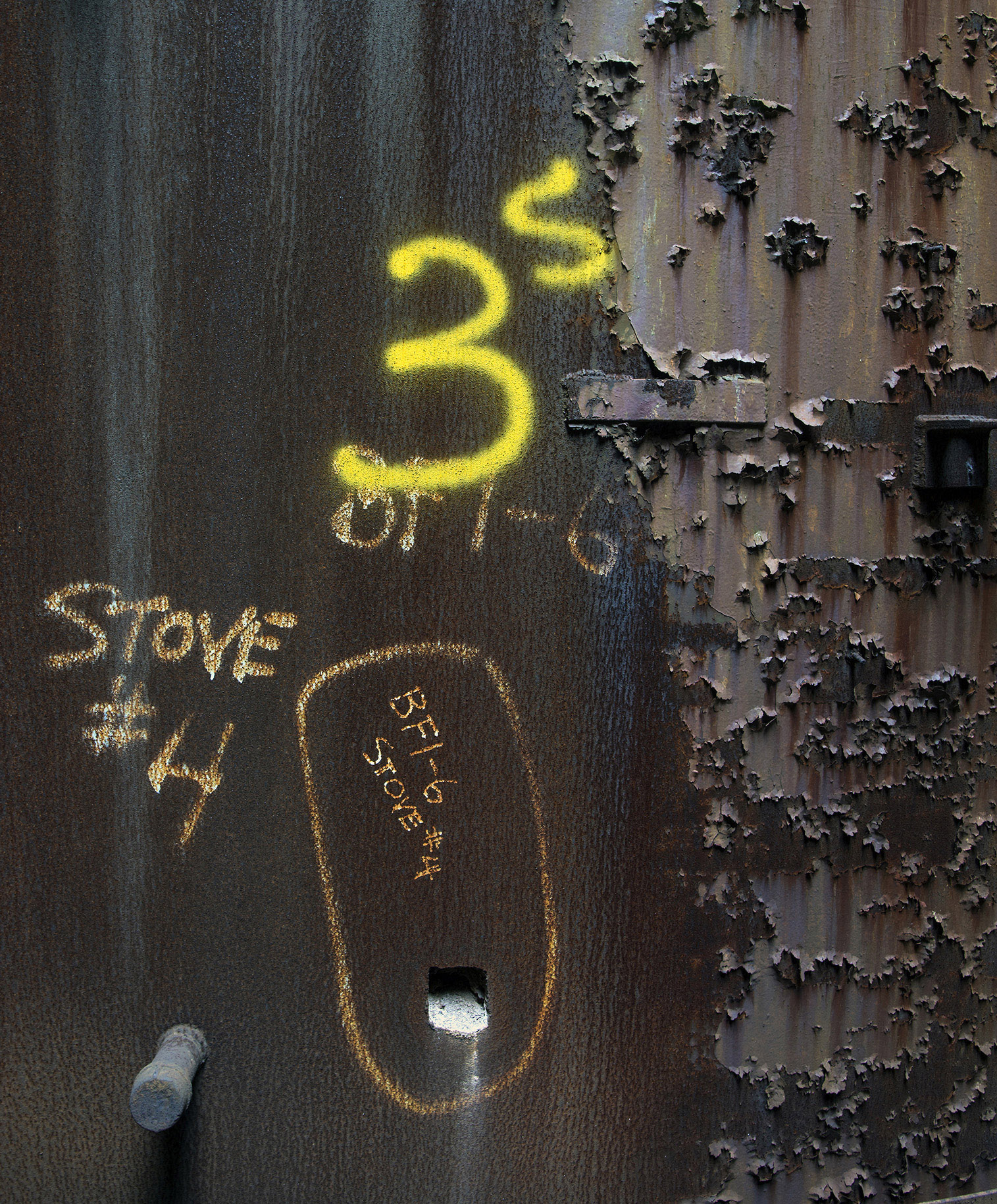
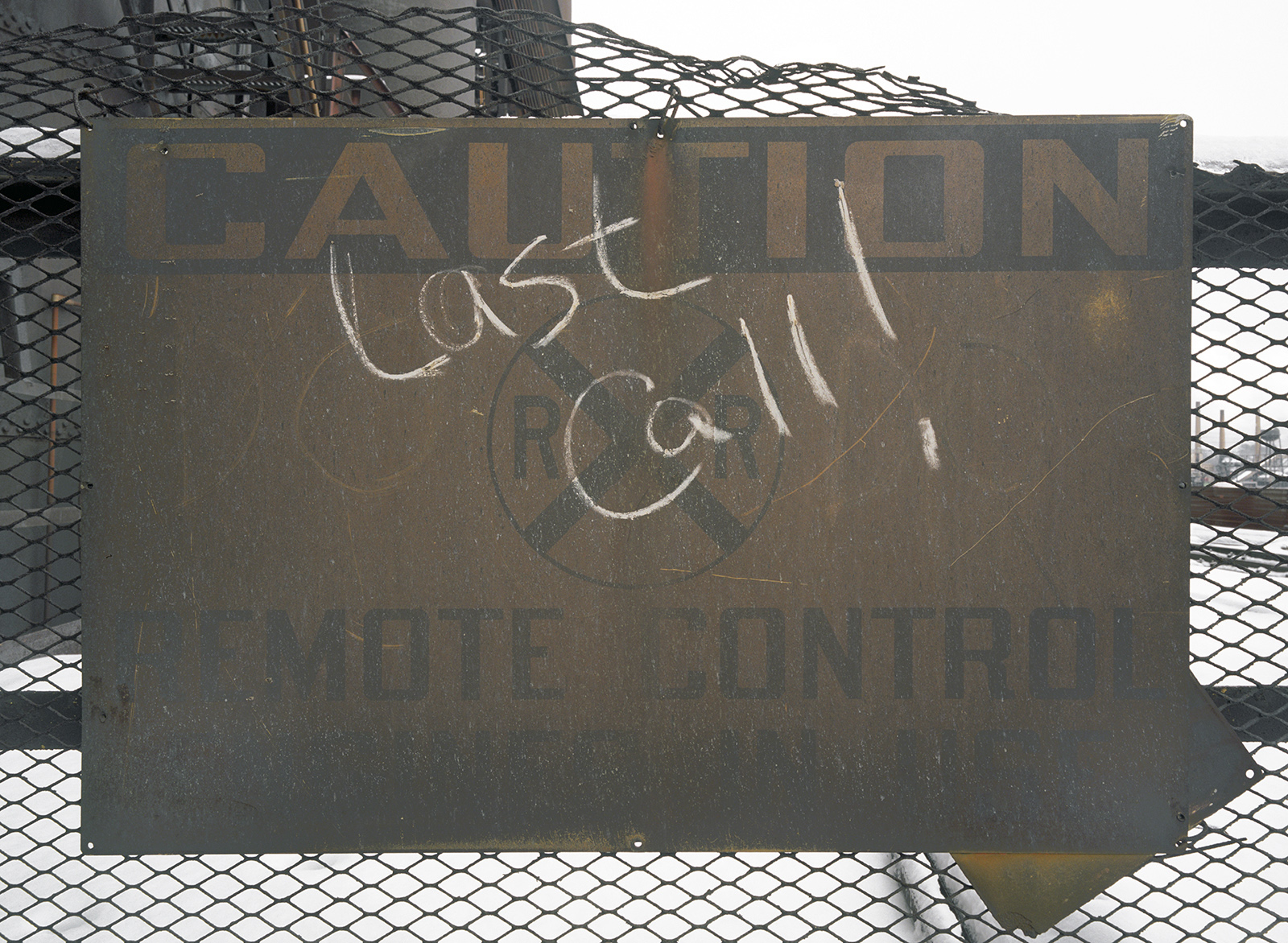
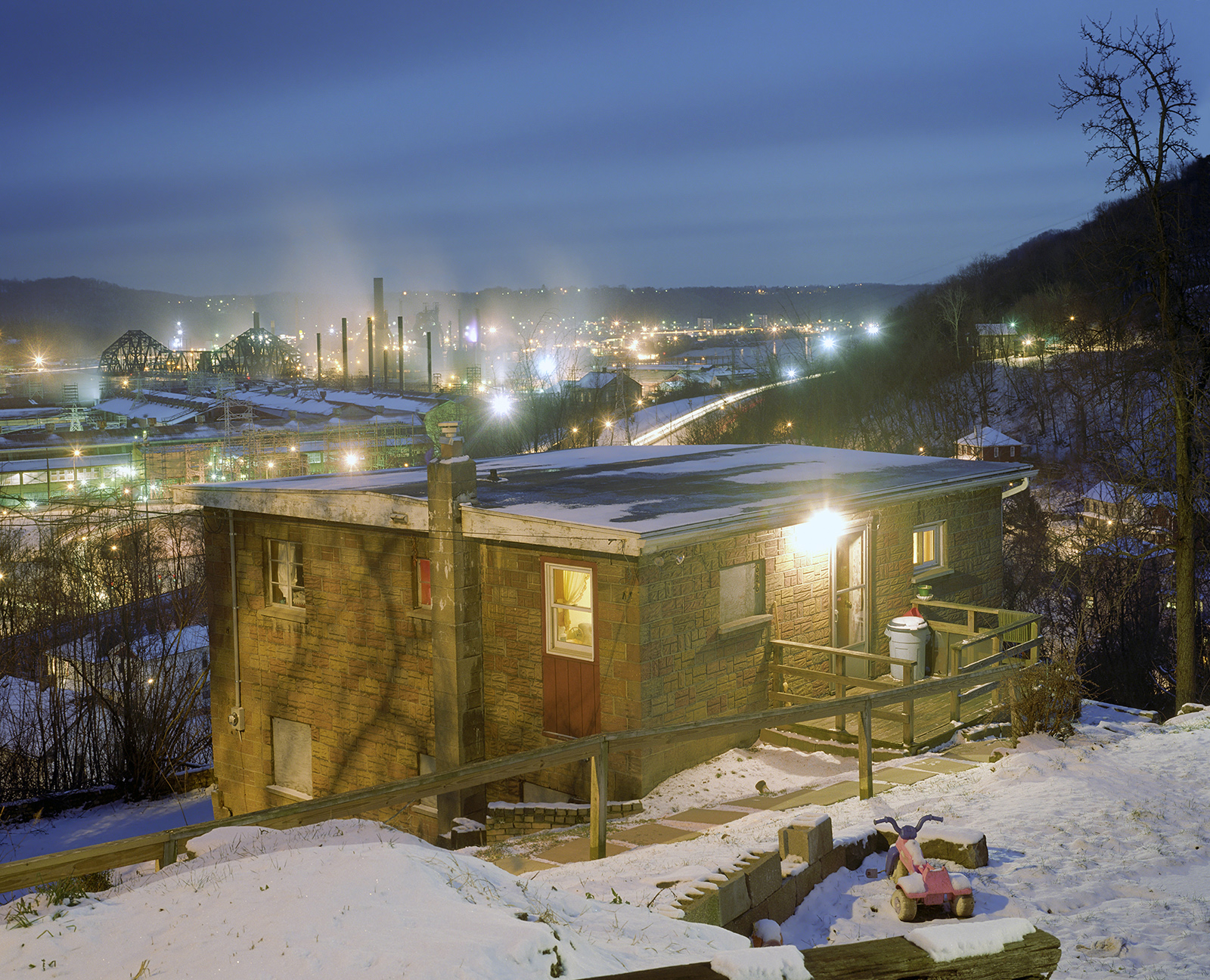
The three big mills of Mingo Junction, Steubenville and Weirton all had a love for the mill and the town, unparalleled by any other Mill towns that I have been to. The proximity to homes and commercial districts, both in Mingo Junction, and Weirton physically demonstrates that. People would make money, good money, at the mill, and, then, just go up into the height 1 mile away and buy a nice home. Even after the mill shut down many people still stayed. It was home.Wheeling Pittsburgh Steel, Mingo Junction - Home, Lincoln Avenue, 2009Wheeling Pittsburgh Steel, Mingo Junction - Home, Lincoln AvenueWheeling Pittsburgh Steel, Mingo Junction - Home, Lincoln Avenue, 2003Wheeling Pittsburgh Steel, Mingo Junction - Homes, Steuben Street & Blast Furnaces #5 & #6, 2003Wheeling Pittsburgh Steel, Mingo Junction - Home, Lincoln Avenue, 2003Wheeling Pittsburgh Steel, Mingo Junction - House & Blast FurnaceWheeling Pittsburgh Steel, Mingo Junction - Pestas Country Store Garage, Lincoln Avenue, 2022Hamilton, the Petras country store has been a fixture for a very long time. Their garage on Lake Avenue is decorated in seasonal displays. Seems to be a little bit different.Wheeling Pittsburgh Steel, Mingo Junction - Deerhunter Tribute, 2022Wheeling Pittsburgh Steel, Mingo Junction - Deerhunter TributeWheeling Pittsburgh Steel, Mingo Junction - Deerhunter TributeWheeling Pittsburgh Steel, Mingo Junction - Deerhunter TributeWheeling Pittsburgh Steel, Mingo Junction - Historic Mural, 2022Wheeling Pittsburgh Steel, Mingo Junction -Commercial Street & Mill, 2009Snow on blast furnaces is not a good sign. Mingo kept changing hands after Wheeling-Pitt folded, and sonn the furaces would be gone.Wheeling Pittsburgh Steel, Mingo Junction Blast Furnaces #4 & #5, 2004Wheeling Pittsburgh Steel, Mingo Junction - BOF Gas Scrubber Cover, 2022The structure still exist today because this section of the mill had an electric arc furnace, which was state-of-the-art, and, the basic oxygen plant was no longer needed anyways. Authority.Wheeling Pittsburgh Steel, Mingo Junction - Police Station, 2022Weirton Steel, Weirton - Hot End - Basic Oygen Furnace & Blast FurnacesI've never stayed an American steel town that love their place more than Weirton. Which literally wrapped itself around the mill itself. People would make some money and simply move up into the height above the plant. They would stay. These places were extremely generational as well. Only sustained employment can make this happen, but, somehow Weirton just hangs in there.Weirton Steel, Weirton - Blast Furnace # 4, 2003Blast furnace number four was the last one built in 1952, and really the only one running during its last years. Thus, the blast, furnace supported the entire mill, base got furnace and rolling Mills.Weirton Steel, Weirton - Homes, Avenue D & Mill, 2004Nothing is left of these homes, the picture was taken in 2003. One blast furnace number one was built in 1919 this was where the old downtown was situated and, with more blast furnaces, arriving the downtown, switched to another area, still surrounded by the mill, but not as polluted.Weirton Steel, Weirton - Blast Furnace # $ & Bleeder Flame, 2004Weirton Steel, Weirton - Blast Furnaces #4, 2004The most modern of the furnaces, although built in 1952, it was the largest and the most cared for. It lasted until 2004 what it was shut down. It stood idle until 2017 when it was demolished.Weirton Steel, Weirton - Homes & Mill, Avenue D, 2003All of the homes and all of the blast furnaces are now gone. By 2018 the furnaces had disappeared. The homes had disappeared before that.Weirton Steel, Weirton - Columbia Social Club, Main Street, 2003The club was directly across the street from blast furnace number four and was part of the original Main Street of downtown Weirton before it moved. I would always stop in to shoot the breeze since it was always no workers.Weirton Steel, Weirton - Blast Furnaces #1 & #2 Final Blow Down, 2004In 2004 I went down to Weirton, but, turned around and went bad because I was a little bit too early for the fall. I came back a week later, and, was surprised to see that the hot end and blast furnaces were shutting down. They were in a full blow down, which of course signals that.Weirton Steel, Weirton - Blast Furnaces #1 & #2 Final Blow Down, 2004When I came back to shoot the blast furnace and discovered the blow down, I would go to the Columbia Social Club and we would all talk. I told them I came down from Cleveland and I've been doing this since 1977, and, that was Cleveland clips by both Cleveland and Weirton mills, that would mean, Weirton's hot end would close because they could simply sit down cheaper made slabs from Cleveland, which was 140 miles north.Weirton Steel, Weirton - Blast Furnaces #1 & #2 Final Blow Down, 2004In October 2004 when talking to folks at the Columbia social club, I was surprised that they were not aware of the situation that I had described. These were people that actually work right across the street at the furnaces.Weirton Steel, Weirton - Blast Furnaces #1 & #2 Final Blow Down, 2004When I speak of a steel town or city that unconditional loves its milk, then there is no better fit than Weirton.Weirton Steel, Weirton - Blast Furnaces #1 & #2 Final Blow DownIt's also extremely and in the sense that it's so multigenerational, and, even when everything shut down, people still stayed. Well at the Colombian club, I got offered to be snuck into the basic oxygen plant for pictures and lots of other opportunities. It was like a big family and it still is.Weirton Steel, Weirton. - Blast Furnace #4 Final Blow DownImmediate area around blast furnace #4 was part of downtown Weirton before it moved. There were many homes in the area as well, but the pollution became too much for too many. Limited powertrain warranty.Weirton Steel, Weirton, & Neighborhood - Blast Furnaces #1 & #2 Final Blow Down, 2004#4 was the furnace that kept this smell supplied with iron, built in 1952, it was the mills largest blast furnace. But, when Cleveland cliffs bought both Cleveland and Weirton Mills, the more modern glass furnaces of Cleveland and it's basic oxygen plan would require the closing of the hot and steel.Weirton Steel, Weirton, Home, & Blast Furnace #1, Avenue B, 2009The last home on Avenue B was still occupied and well kept, while the blasts in the background were being demolished.Weirton Steel, Weirton - Blast Furnace # 1, Bell-less Top, 2009Number one furnace was built in 1919. By 1982. It had shut down and never started back up again. It was demolished in 2012.Weirton Steel, Weirton - Street SignThe original downtown Weirton was right next to the blast furnaces.Weirton Steel, Weirton - Street Sign, 2017Weirton Steel, Weirton - Street Sign, 2017Weirton Steel, Weirton - Basic Oygen Plant Entrance, 2017The basic oxygen furnace was demolished and imploded in 2019.Weirton Steel, Weirton - Basic Oxygen Plant - Gas Venting Housing , 2003Weirton Steel, Weirton - Hot End - Basic Oygen Plant & Blast Furnaces, 2004Soon to be shut down entirely.Weirton Steel, Weirton - Hot End - Basic Oygen Plant & Blast Furnaces, 2019Weirton Steel, Weirton - Basic Oygen Plant & Home, Weir Avenue, 2018Weirton Steel, Weirton - Home, Weir Avenue, 2019Weirton Steel, Weirton - Home, Ave D, 2022The last home on Avenue D.Weirton Steel, Weirton - A Clean Mlll Means Extra Quality, 2017Weirton Steel, Weirton - Blast Furnaces Demolition, 2017Weirton Steel, Weirton - Graffiti, 2007Superstitions of a dying trade.Weirton Steel, Weirton - Blast-Furnace Tuyere Openings, 2017Weirton Steel, Weirton - Coke Damage Office.2017The place where they logged every time lousy coke tore up the furnace—hanging burden, burned-out tuyeres, a belly that took a hit. A concrete outpost, built to take the same punishment the furnace did. The spot that kept the whole coke-to-iron chain honest, one damage report at a time.Weirton Steel, Weirton - Demolition Markers, 2017That yellow “3S” is a stove identifier (S stove), not a furnace number.
The chalk oval reading “BF 4 Stove #4” is as explicit as it gets:
this stove belongs to Blast Furnace No. 4.Weirton Steel, Weirton - Blast Furnace #4 Logo, 2017Weirton Steel, Weirton - Woodbine Blast-Furnace Taphole Drill Shield, 2007Weirton Steel, Weirton - Blast Furnace #4Cast House, Tuyere Belt, 2007Weirton Steel, Weirton - Blast Furnace #4, Stoves, 2007Weirton Steel, Weirton - Weirton Steel, Weirton - Blast Furnace #4, 2007Weirton Steel, Weirton - Blast Furnace #4, Stack #1,
Bulk # BF4-7,
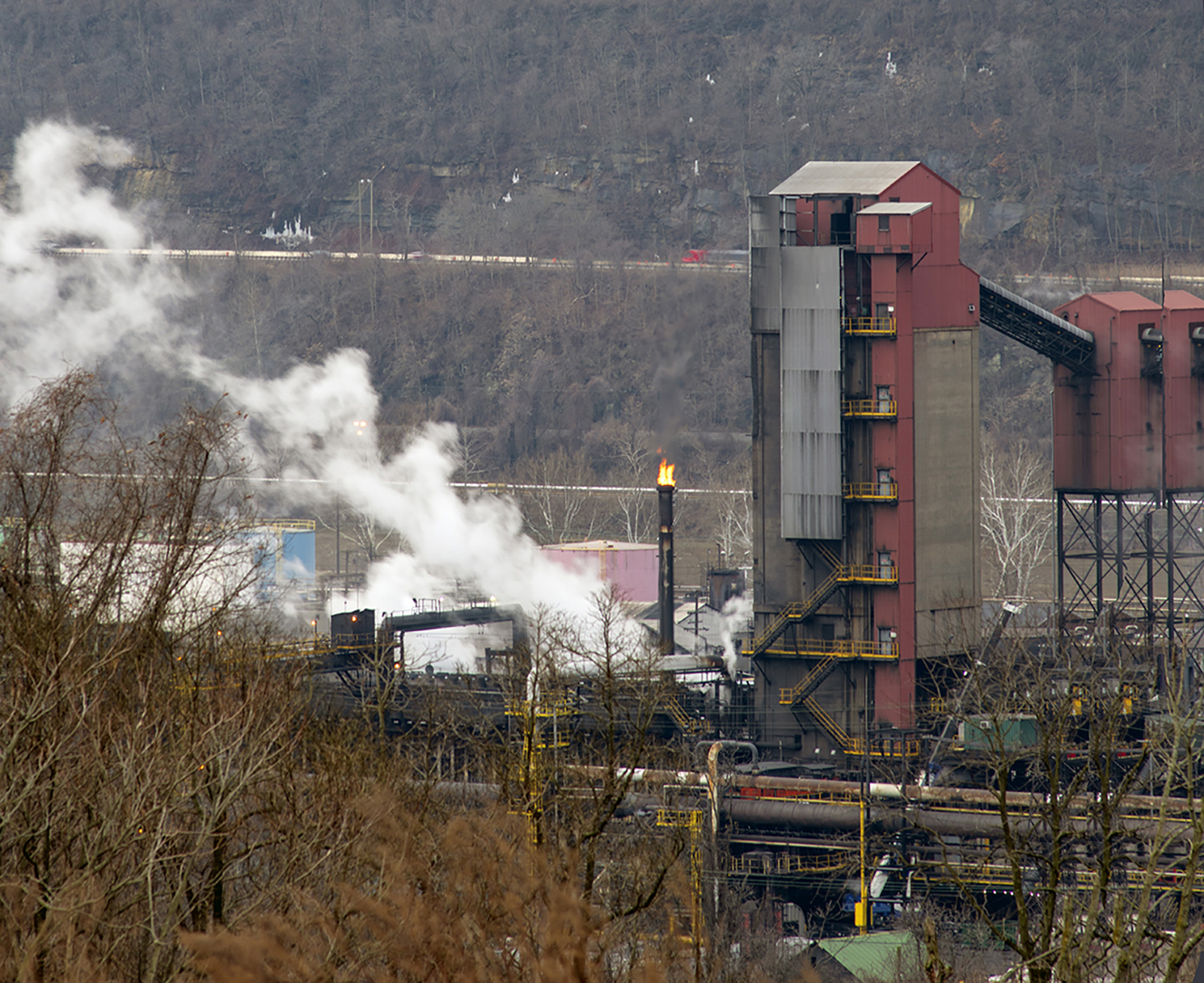
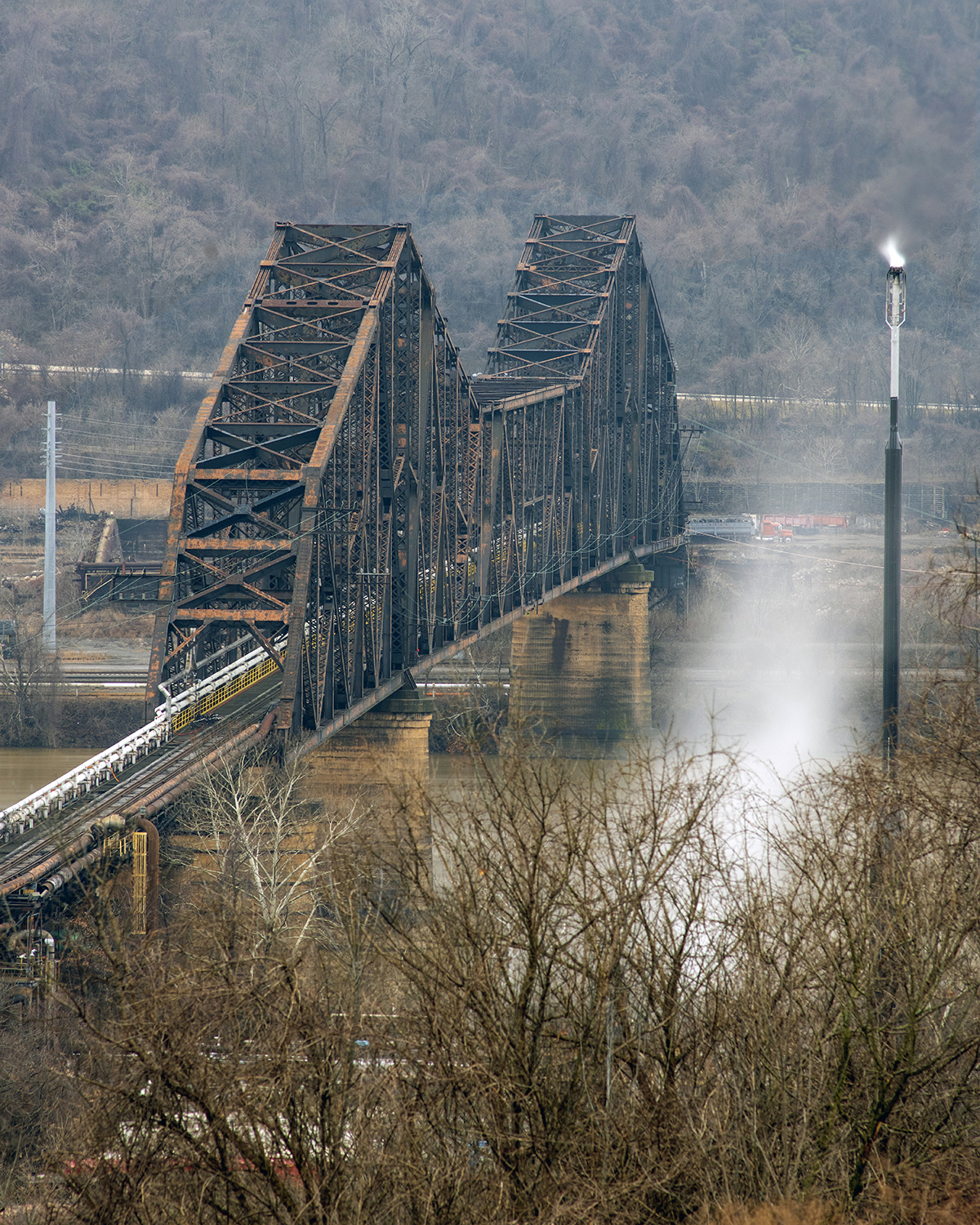
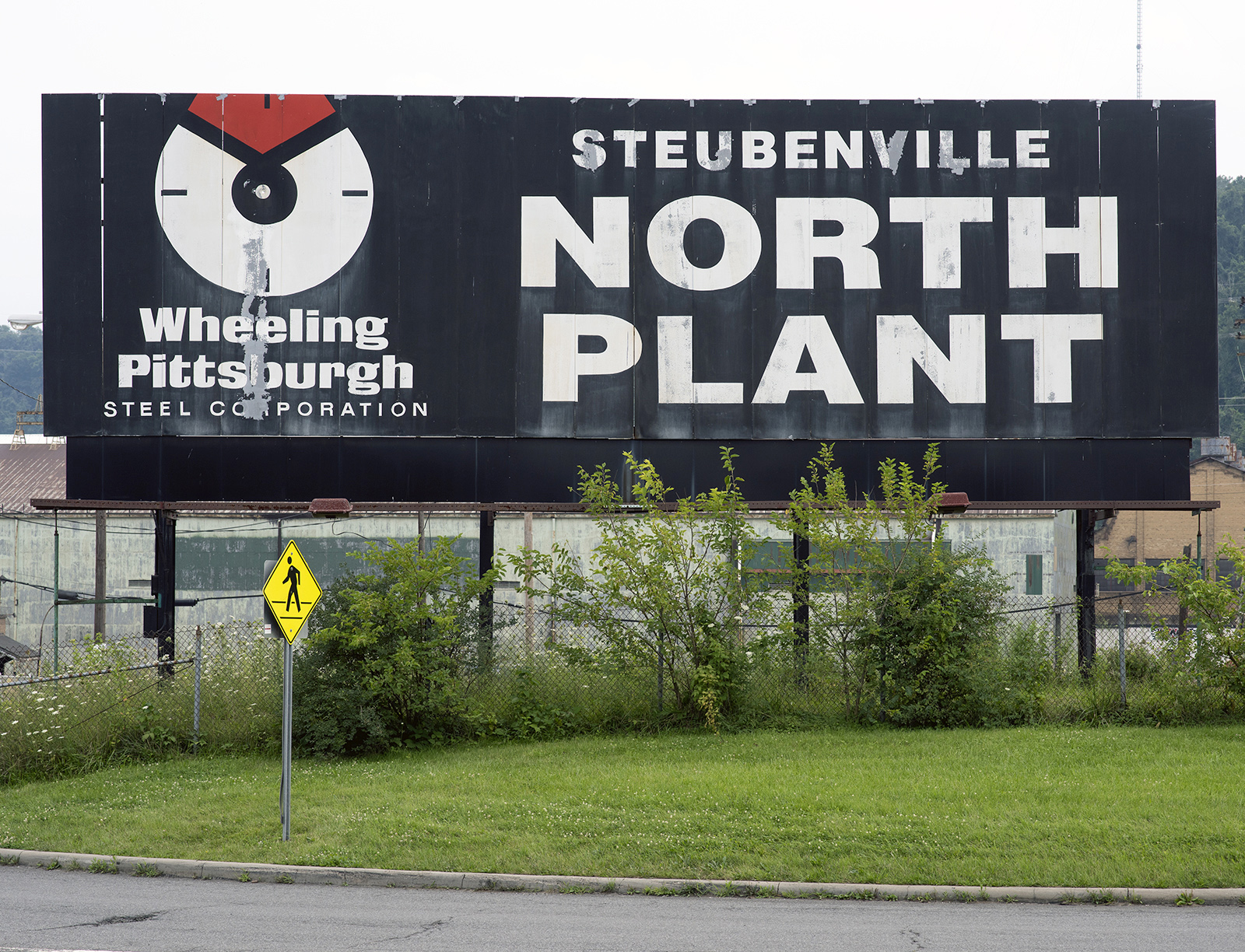
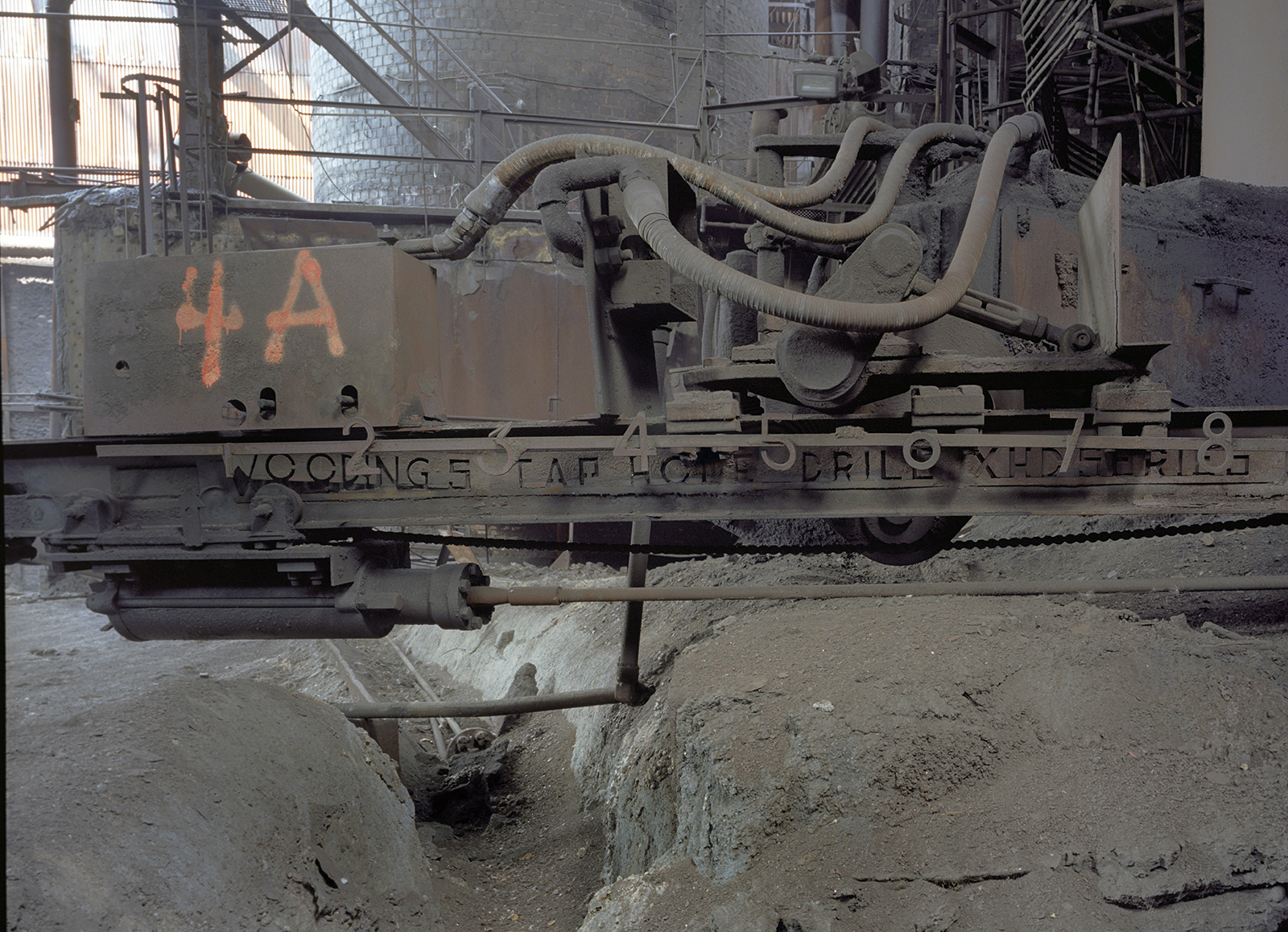
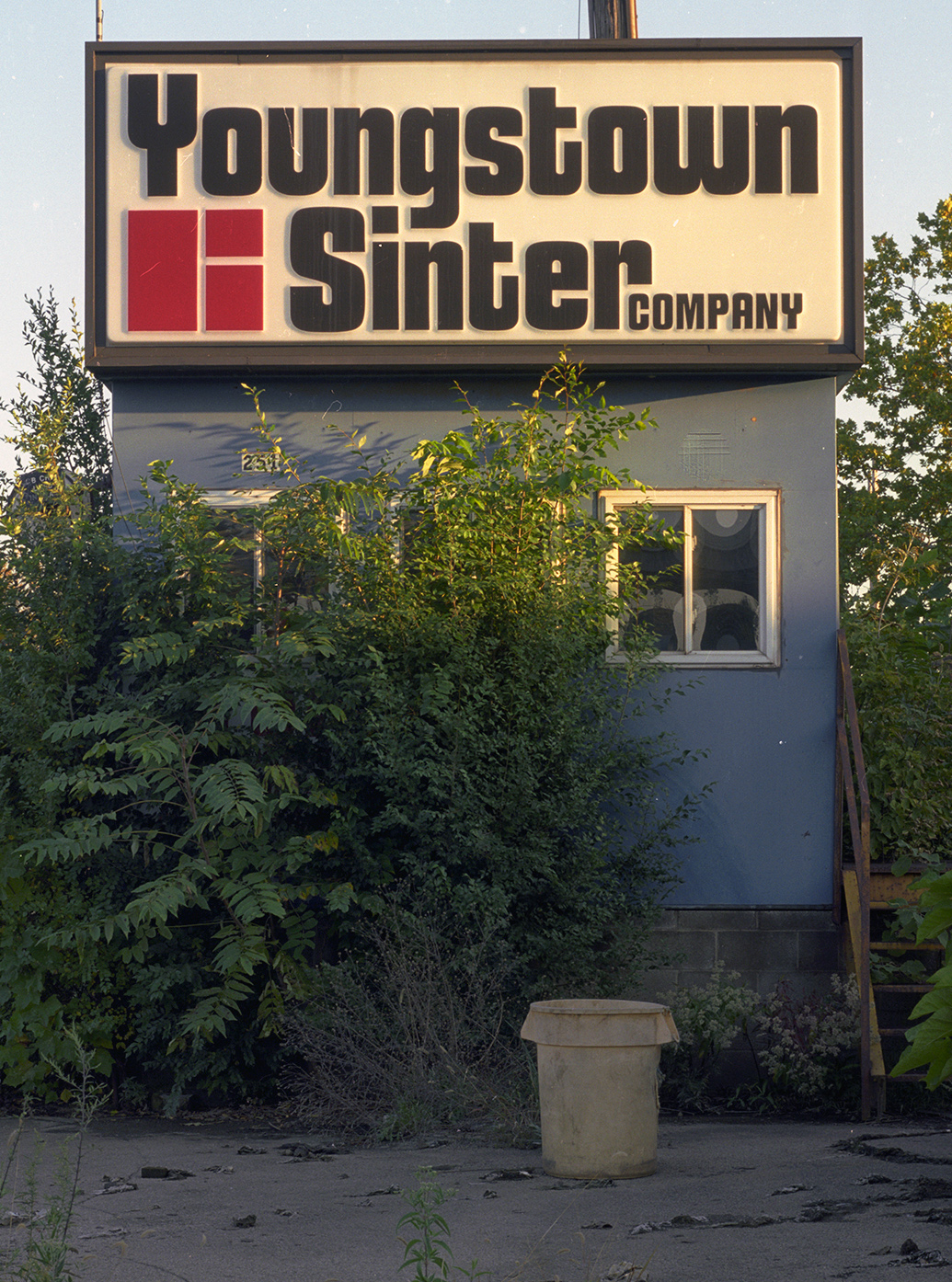
Stack #1 BULK # BF4-7, 2017Weirton Steel, Weirton - Blast Furnace #4 Skp Hoist Deck, 2017Weirton Steel, Weirton - Weirton Steel, Weirton - Blast Furnace ## & #4, 2017Weirton Steel, Weirton - Blast Furnace #3 & #4, 2017Weirton Steel, Weirton - Blast Furnace #4, 2017Weirton Steel, Weirton - Blast Furnace #4, 2017Weirton Steel, Weirton - Blast Furnace #3 & #4, 2017Weirton Steel, Weirton - Wodding’s Tap Hole D, 2022rill.Weirton Steel, Weirton - Blast Furnaces #1 & #2 Final Blow Down, 2004Weirton Steel, Weirton - Blast Furnaces #1 & #2 Final Blow Down, 2017Weirton Steel, Weirton - Blast Furnaces #4 & Neighborhood, Final Blow Down, 2004Weirton Steel, Weirton - Blast Furnaces #4 & Neighborhood, Final Blow Down, 2004Weirton Steel, Weirton - Blast Furnaces #4 & Neighborhood, 2017Weirton Steel, Weirton - Blast Furnaces #4, 2017Weirton Steel, Weirton - Homes & Mill, Avenue D, 2003Wheeling Pittsburgh Steel Coke Plant, Follansbe, 2009Wheeling Pittsburgh Steel Coke Plant, Follansbe, 2003Wheeling Pittsburgh Steel Coke Plant, Follansbe, 2022By this time Wheeling Pittsburgh Steel no longer in existence and the plant was bought by Cleveland cliffs which shut it down in 2022.Wheeling Pittsburgh Steel Coke Plant, Follansbe, 2022By this time Wheeling Pittsburgh Steel no longer in existence and the plant was bought by Cleveland cliffs which shut it down in 2022.Wheeling Pittsbur, 2022gh Steel Coke Plant, FollansbeBy this time Wheeling Pittsburgh Steel no longer in existence and the plant was bought by Cleveland cliffs which shut it down in 2022.Wheeling Pittsburgh Steel Coke Plant, Follansbe, 2022By this time Wheeling Pittsburgh Steel no longer in existence and the plant was bought by Cleveland cliffs which shut it down in 2022.Wheeling Pittsburgh Steel Coke Plant, Follansbe, 2022Wheeling Pittsburgh Steel, Steubenville & the Downtown. 2009Wheeling Pittsburgh Steel, Steubenville, Sign. 20017Wheeling Pittsburgh Steel, Steubenville - Blast Furnaces #1 & #2, 2003Shot was taken across the river on the cemetery high on the Bluffs.2003Wheeling Pittsburgh Steel, Steubenville - Blast Furnaces #1 & #2, 2003Shot was taken across the river on the cemetery high on the Bluffs. 2003Wheeling Pittsburgh Steel, Steubenville North Blast Furnace, !1 & #2, 2004Wheeling-Pittsburgh Steel, Steubenville North Works — Blast Furnace No. 1, 2004.
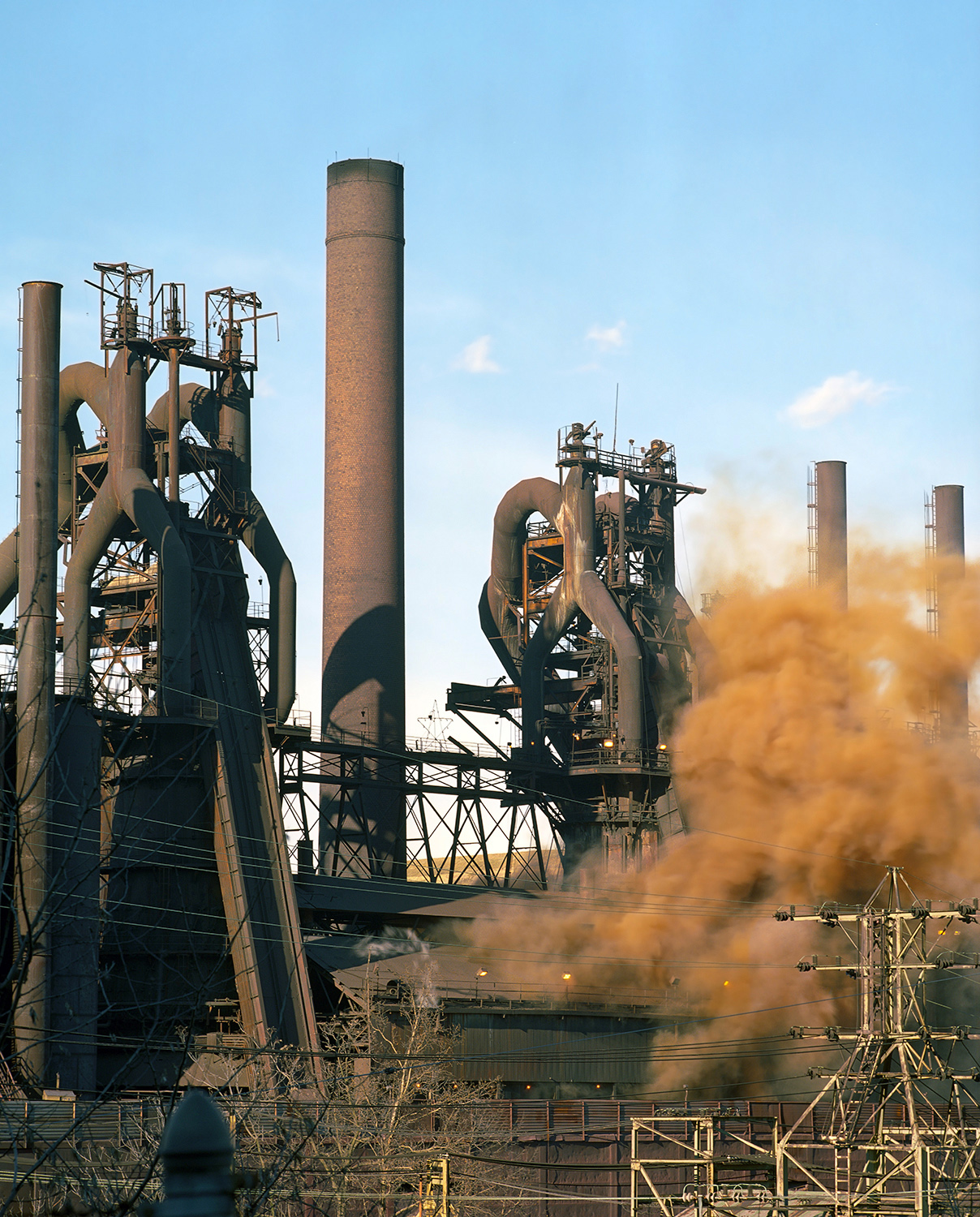
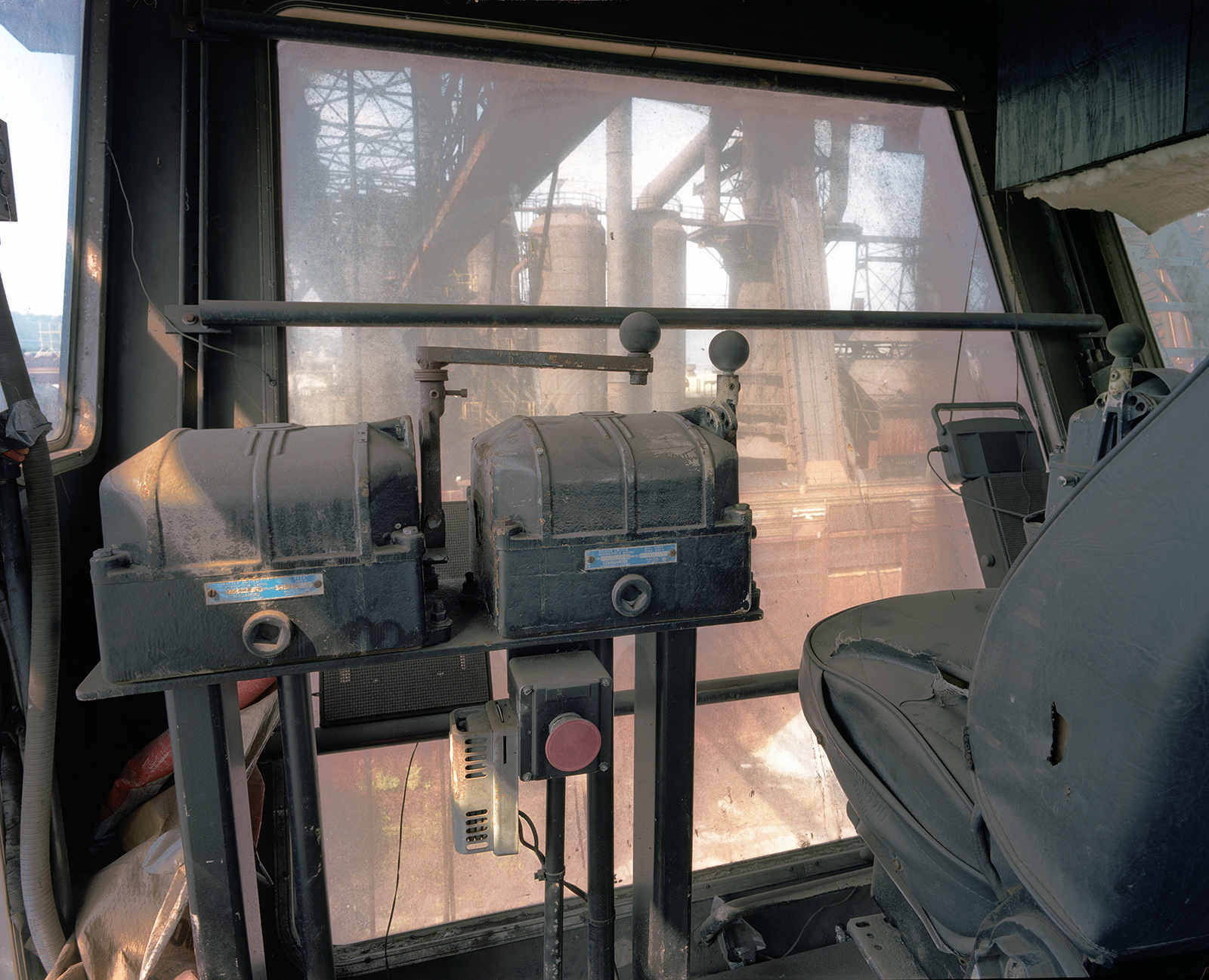
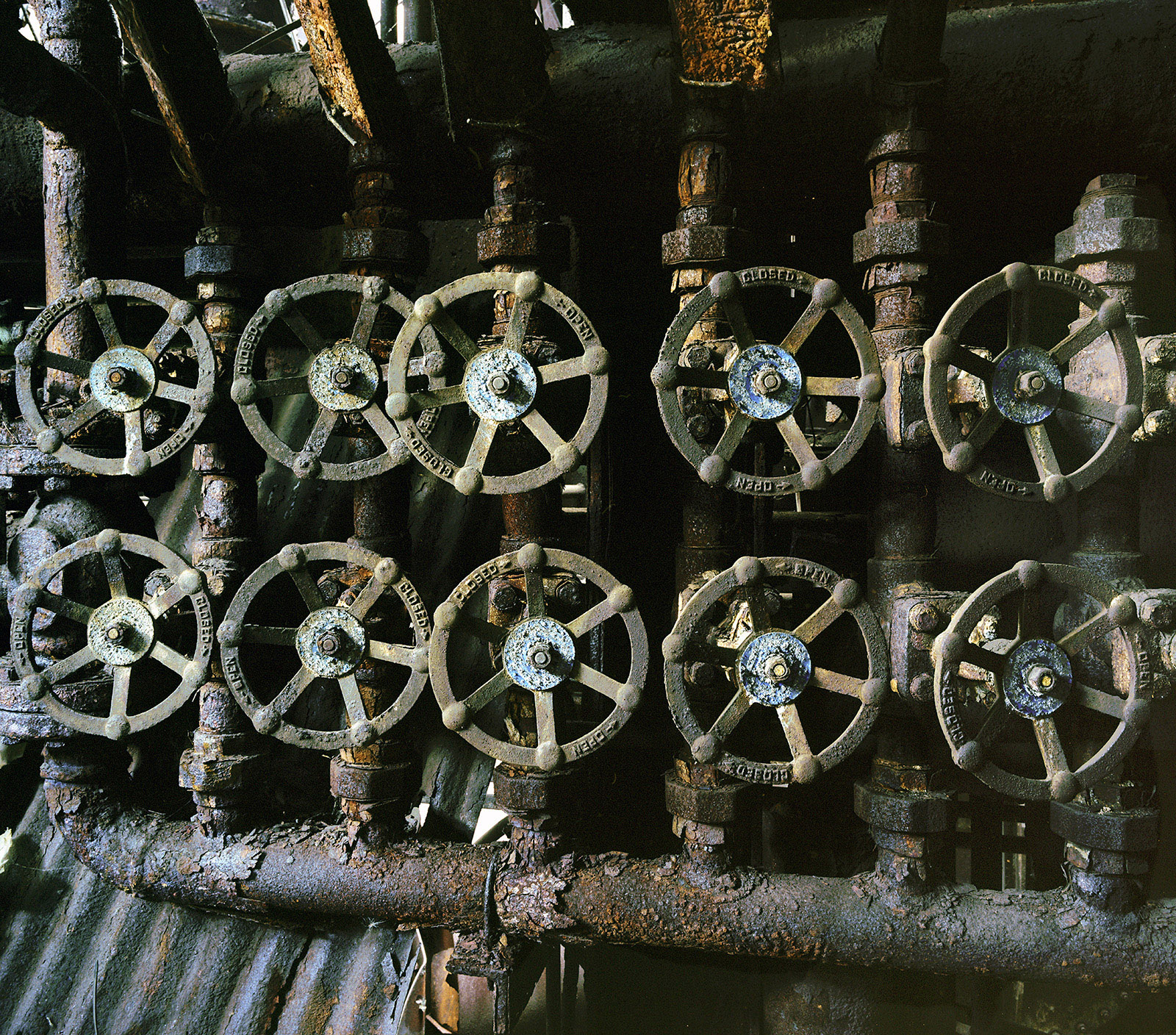
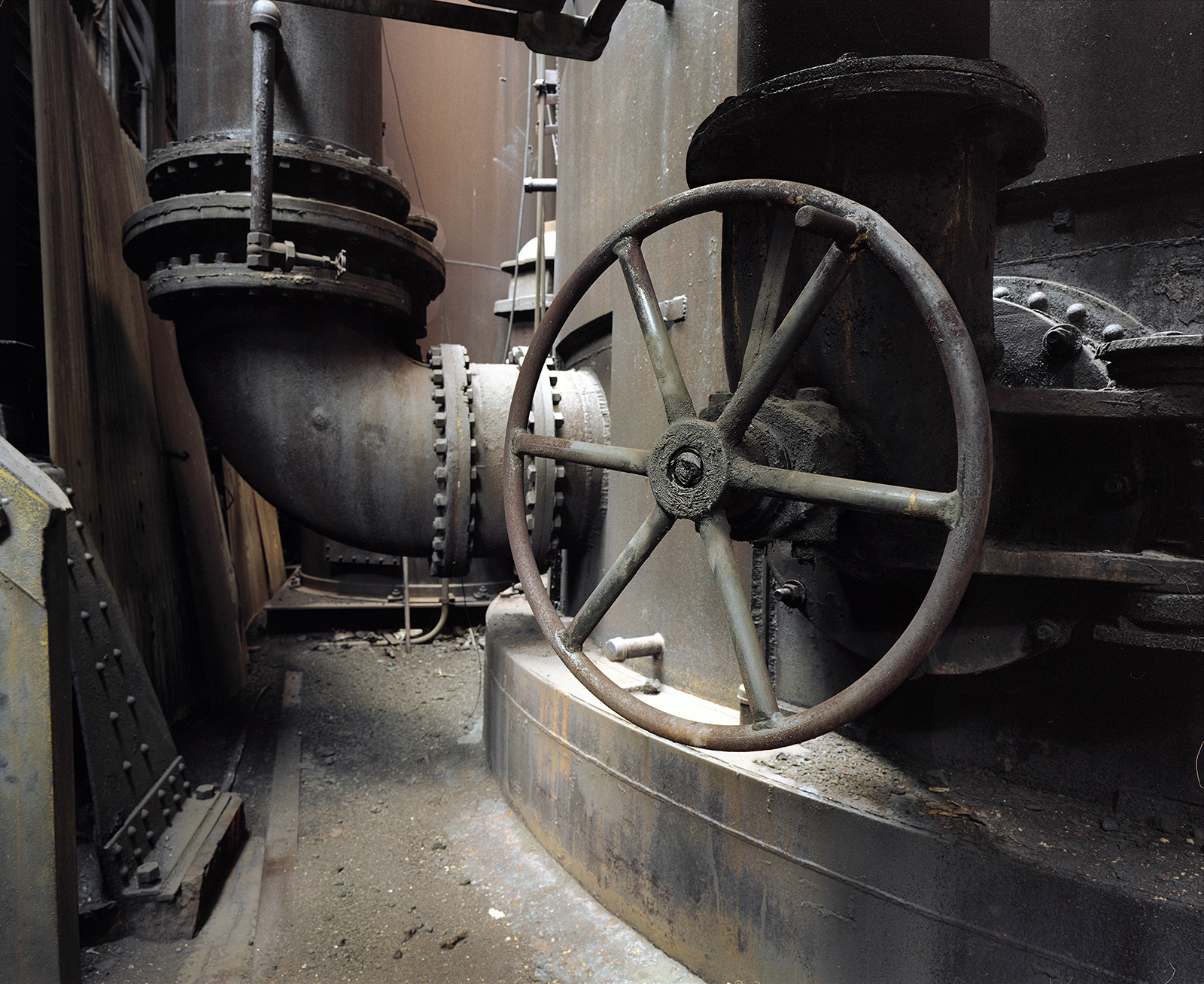
A pressure upset sends iron-oxide dust and coke fines into the air as the furnace exhales raw material through its gas system. Not molten iron, not smokeWheeling Pittsburgh Steel, Steubenville - Blast Furnace #1, 2003Wheeling Pittsburgh Steel, Steubenville - Blast Furnace #1, Bleeder Stack & Stoves, 2003Wheeling Pittsburgh Steel, Steubenville, Stacks, 2004Wheeling Pittsburgh Steel, Steubenville, Stacks, 2004Wheeling Pittsburgh Steel, Steubenville, - Blast Furnace #2, Bell & DowncomerWheeling Pittsburgh Steel, Steubenville - Ore Crane, ) Operator's Chair & Controls, 2009Wheeling Pittsburgh Steel, Steubenville - More valves, 2009Wheeling Pittsburgh Steel, Steubenville, Blast Furnace Cast House, Valve2009Wheeling Pittsburgh Steel, Steubenville - Sign on High Line, 2009Wheeling Pittsburgh Steel, Steubenville - Blast Furnaces #1, 2009Wheeling Pittsburgh Steel, Steubenville - Blast Furnaces #1 & #2, 2009Wheeling Pittsburgh Steel, Steubenville, 2009Wheeling Pittsburgh Steel, Steubenville, 2009Wheeling Pittsburgh Steel, Steubenville, 2009Wheeling Pittsburgh Steel, Steubenville - the Highline Looking North, 2009The High Line - Here the ingredients for making iron or drop through these shoots below the tracks - iron, ore, limestone, and CokeWheeling Pittsburgh Steel, Steubenville - Blast, Furnaces, highline and bridge. 2009Wheeling Pittsburgh Steel, Steubenville - High Line, 2009Wheeling Pittsburgh Steel, Steubenville - Ore Yard, 2009Wheeling Pittsburgh Steel, Steubenville - Torpedo Car, 2009Wheeling Pittsburgh Steel, Steubenville - Blast Furnaces #1 & #2 - Cast House, 2009Steubenville South had two furnaces that shared one cast house. The two furnaces were the oldest in America when they were demolished in 2013. The Alice furnace was operational until it shut down in 2009. It was built in 1889 as the Labelle furnace.Wheeling Pittsburgh Steel, Steubenville - Blast Furnaces #1 & #2 - Cast House, 2009The cast house was considered very crowded by the workers. Before modernization began in the 1990s it took probably a dozen people to operate the cast house below one blast furnace, eventually this workforce would be cut to two people.Wheeling Pittsburgh Steel, Steubenville - Blast Furnaces #1 & #2 Cast House, 2009Wheeling Pittsburgh Steel, Steubenville - Blast Furnaces #1 & #2 Cast House, 2009Wheeling Pittsburgh Steel, Steubenville - Blast Furnaces #1 & #2 Tap Hole DrillWheeling Pittsburgh Steel, Steubenville - Mural, Blast Furnace #2 Stove, 2009Wheeling Pittsburgh Steel, Steubenville - Blast Furnaces, 2003Wheeling Pittsburgh Steel, Steubenville - Home & Mill, 2005Wheeling Pittsburgh Steel, Steubenville - Blast Furnaces, 2009After the cause of Youngstown shooting too, WCI, Warren bought the center plant.Youngstown Sheet & Tube, Youngstown - WCI Sinter Mill, 2006Youngstown Sheet & Tube, Youngstown - WCI Sinter Mill, 2006Youngstown Sheet & Tube, Youngstown - WCI Sinter Mill, Conveyor Belt, 2008Youngstown Sheet & Tube, Youngstown - WCI Sinter Mill, 2009Youngstown Sheet & Tube, Youngstown - Campbell Works, 2008Youngstown Sheet & Tube, Youngstown - Campbell Works, 2006Youngstown Sheet & Tube, Youngstown - Jenny Furnace, Blast Furnace Stoves, 1999Youngstown Sheet amp; Tube Youngstown - Jenny Blast Furnace, 1998