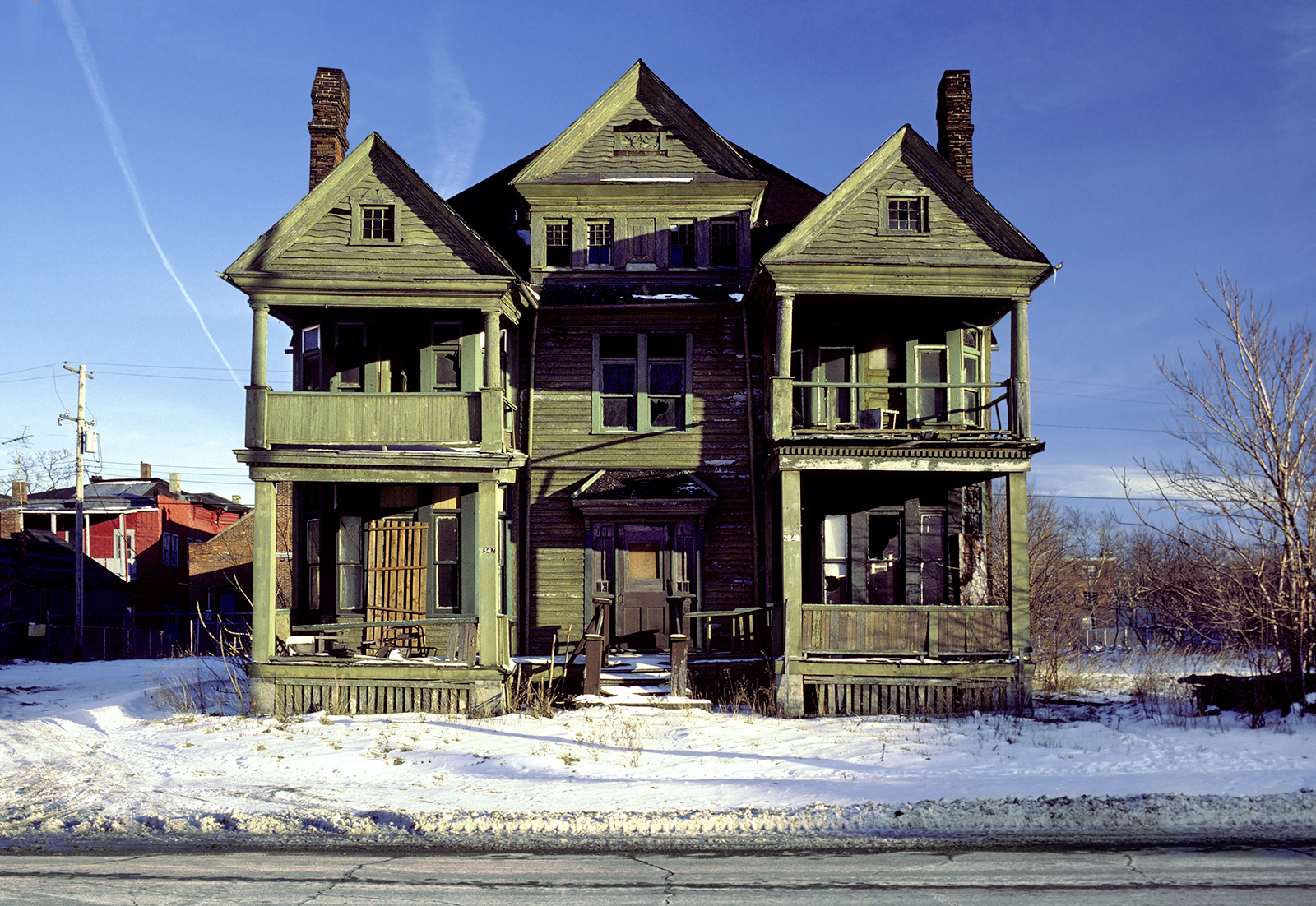
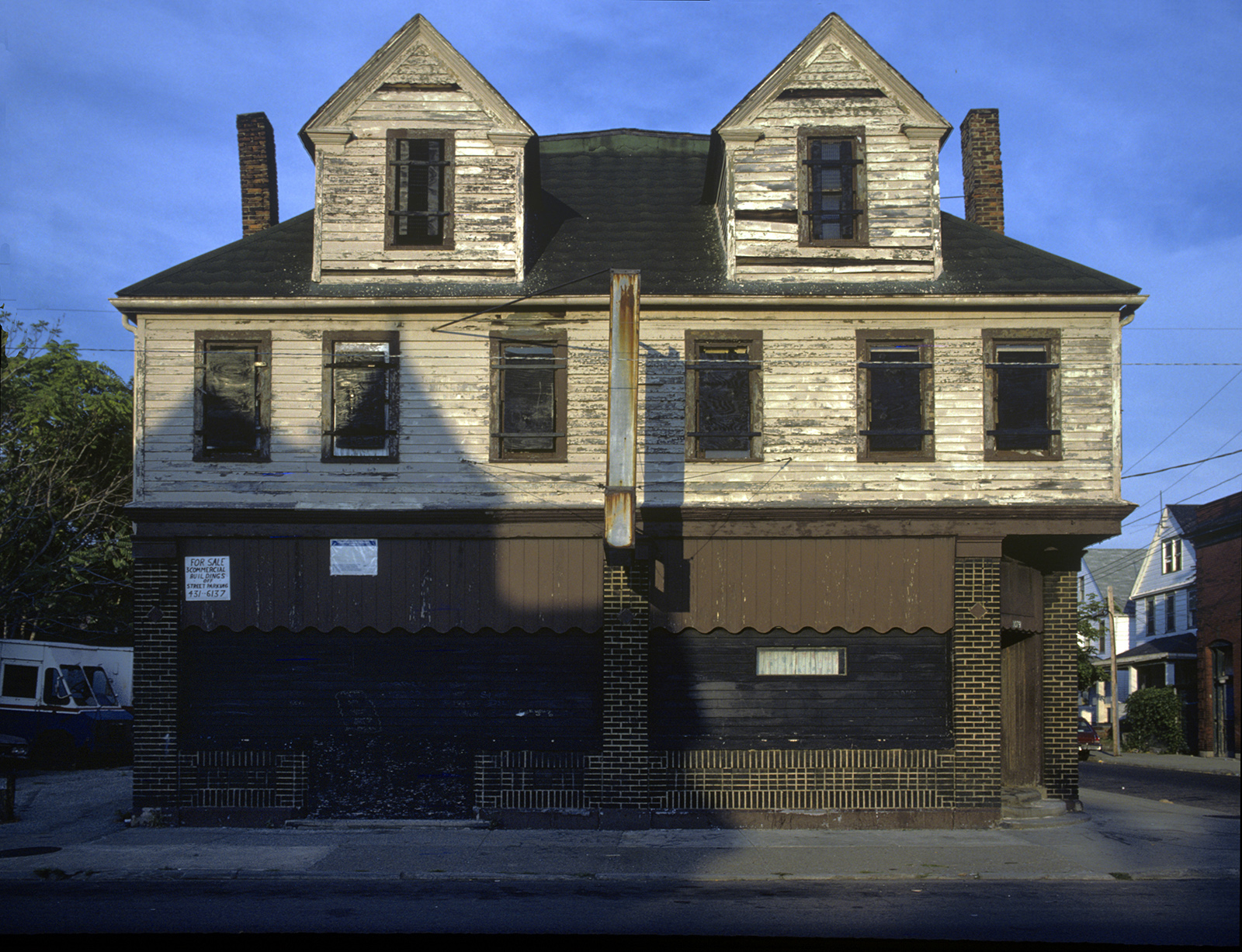
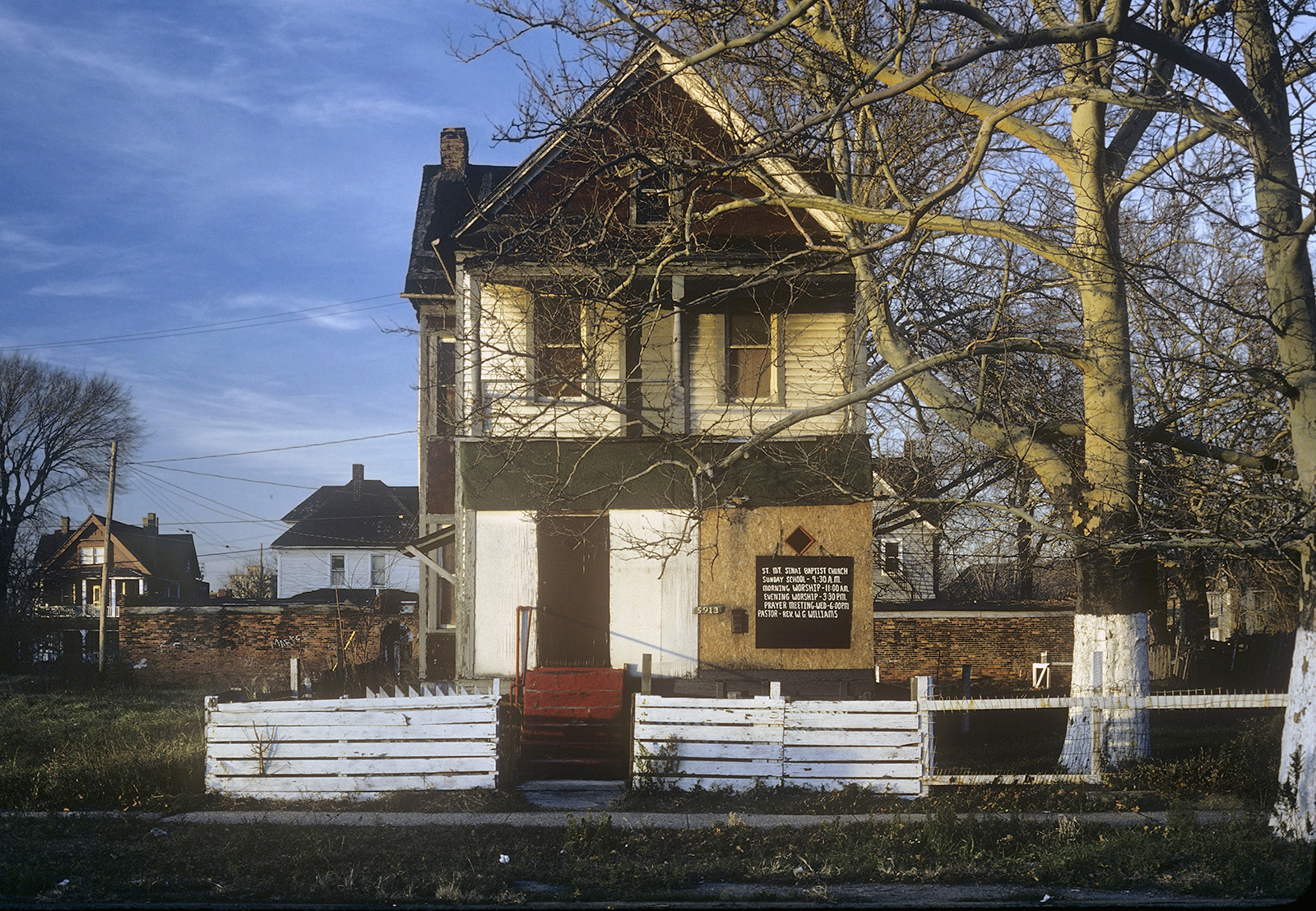
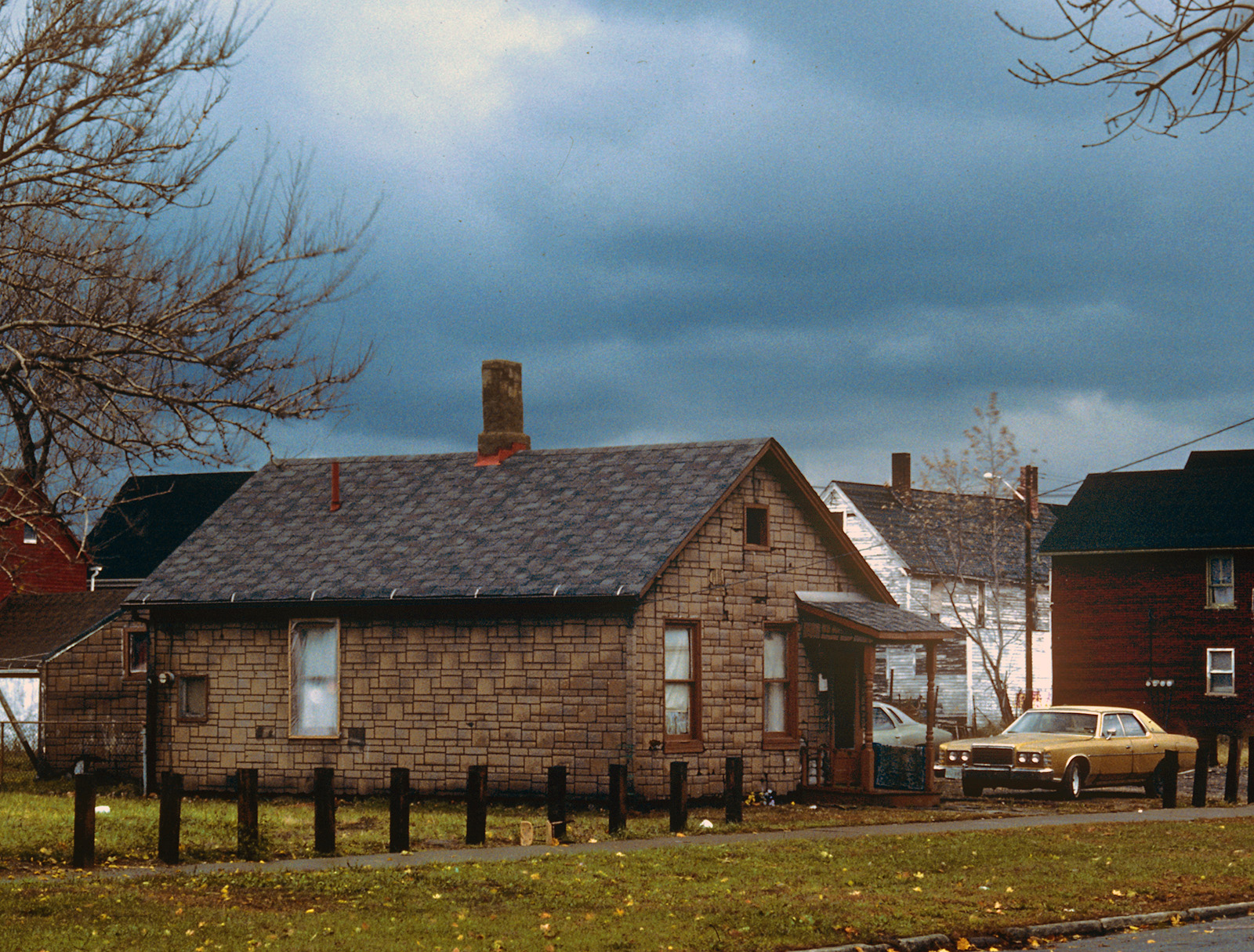
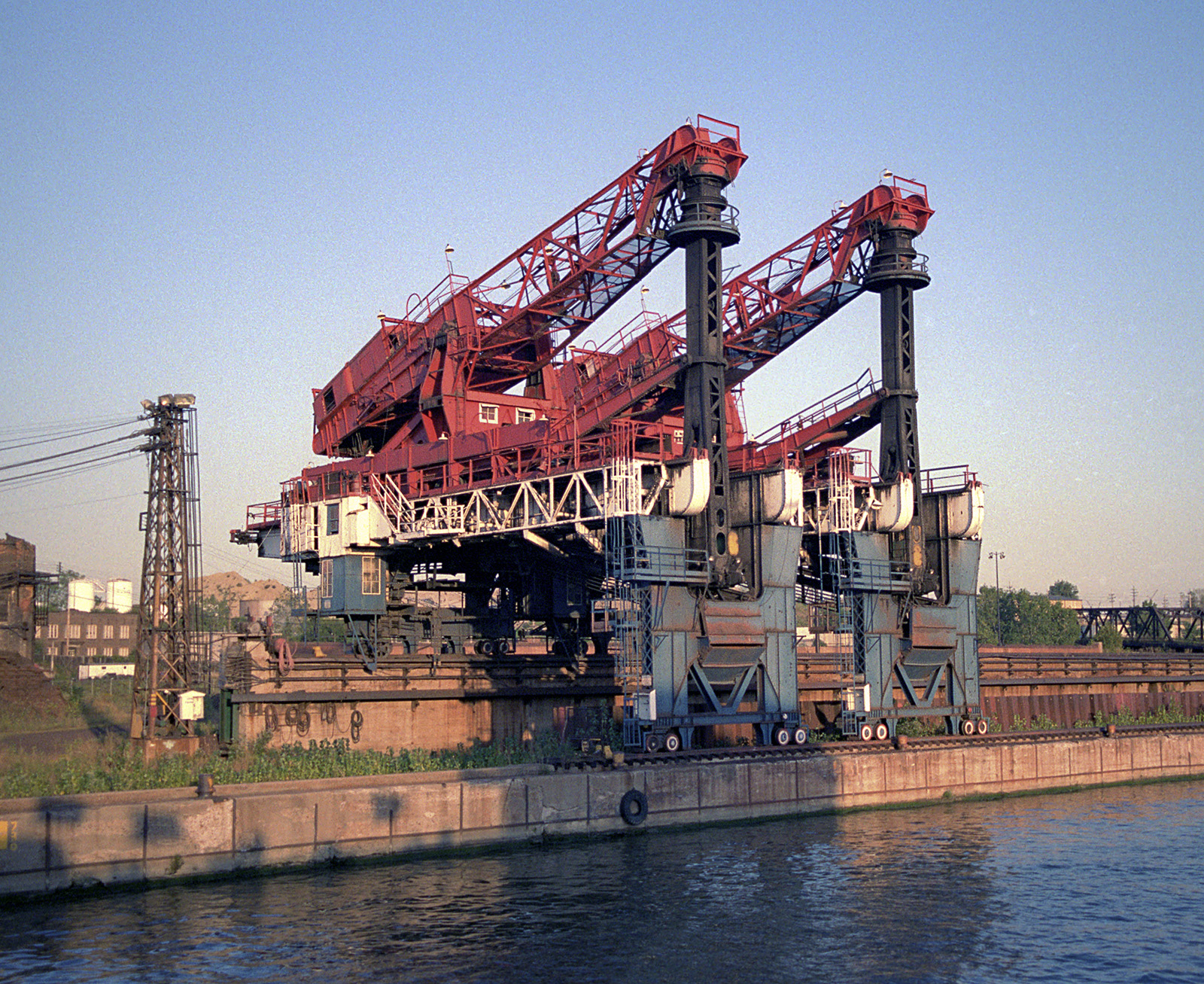
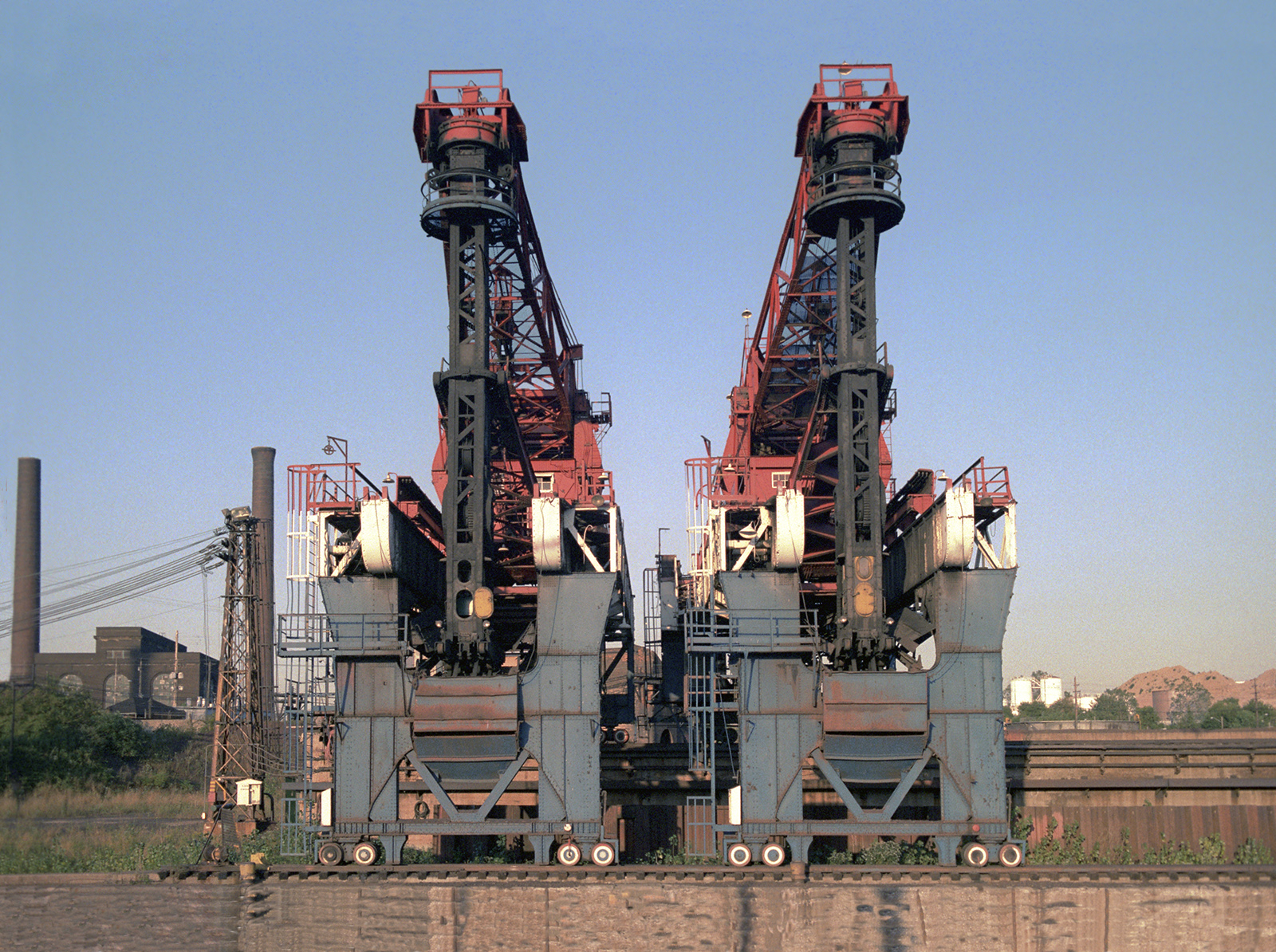
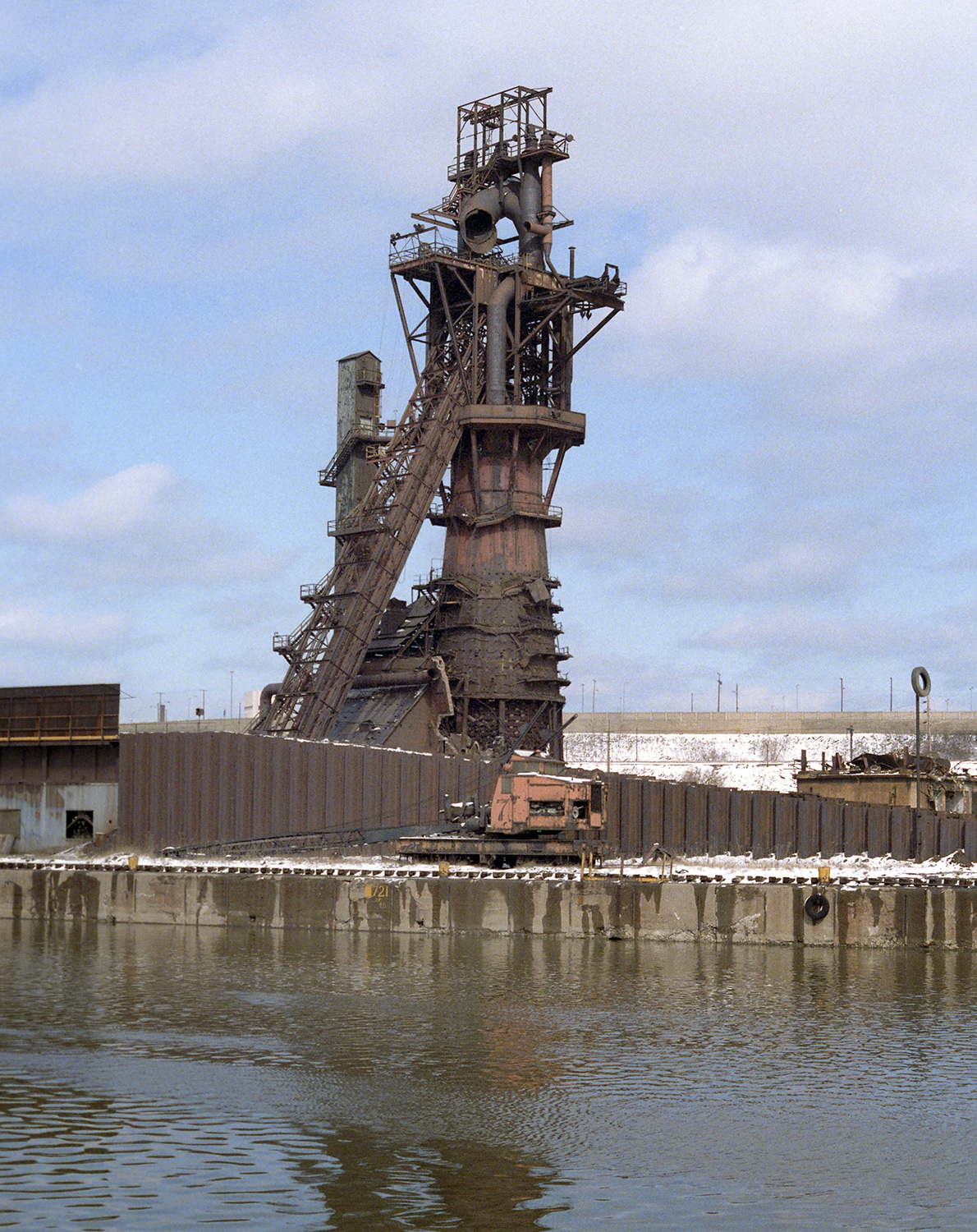
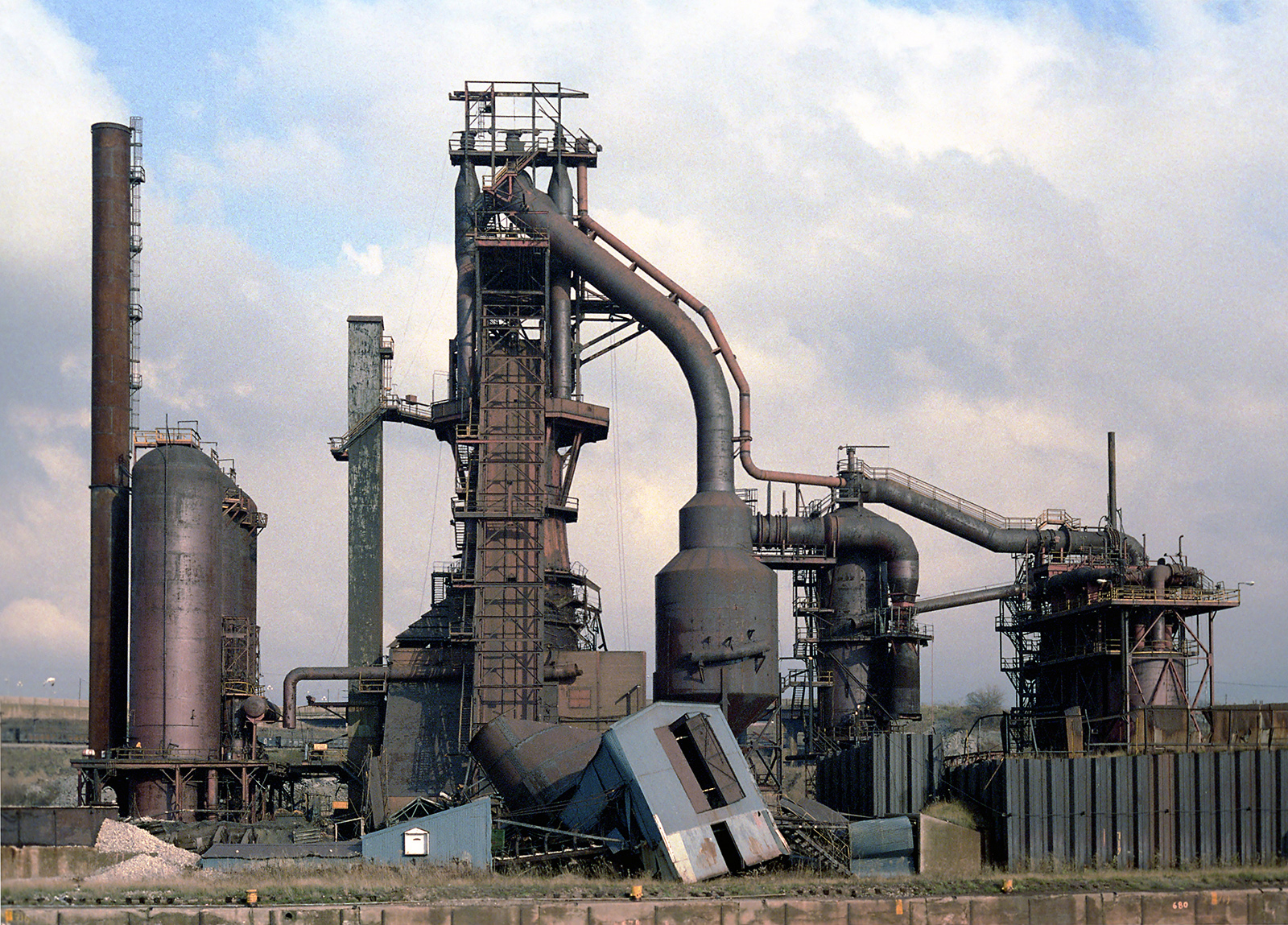
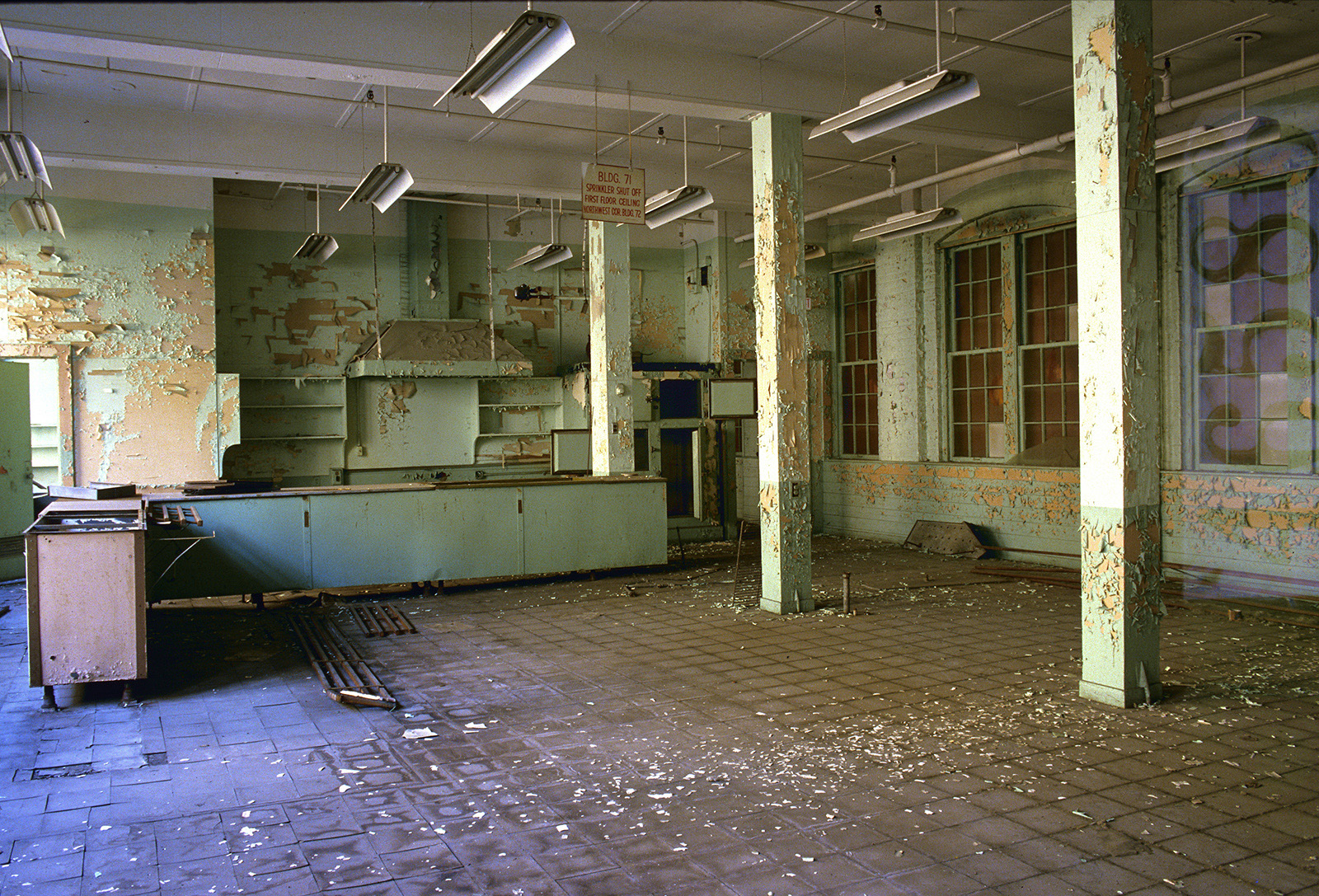
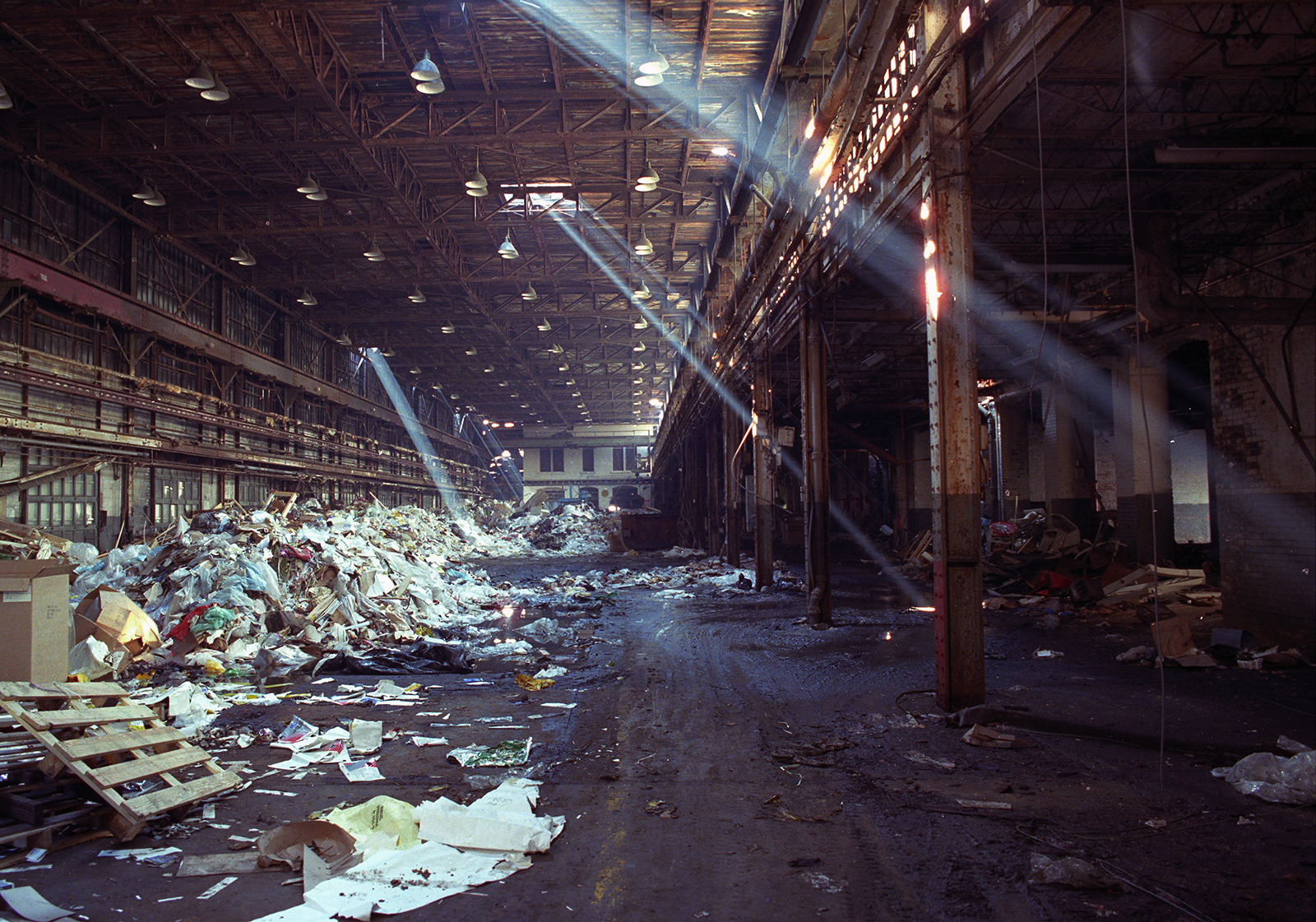
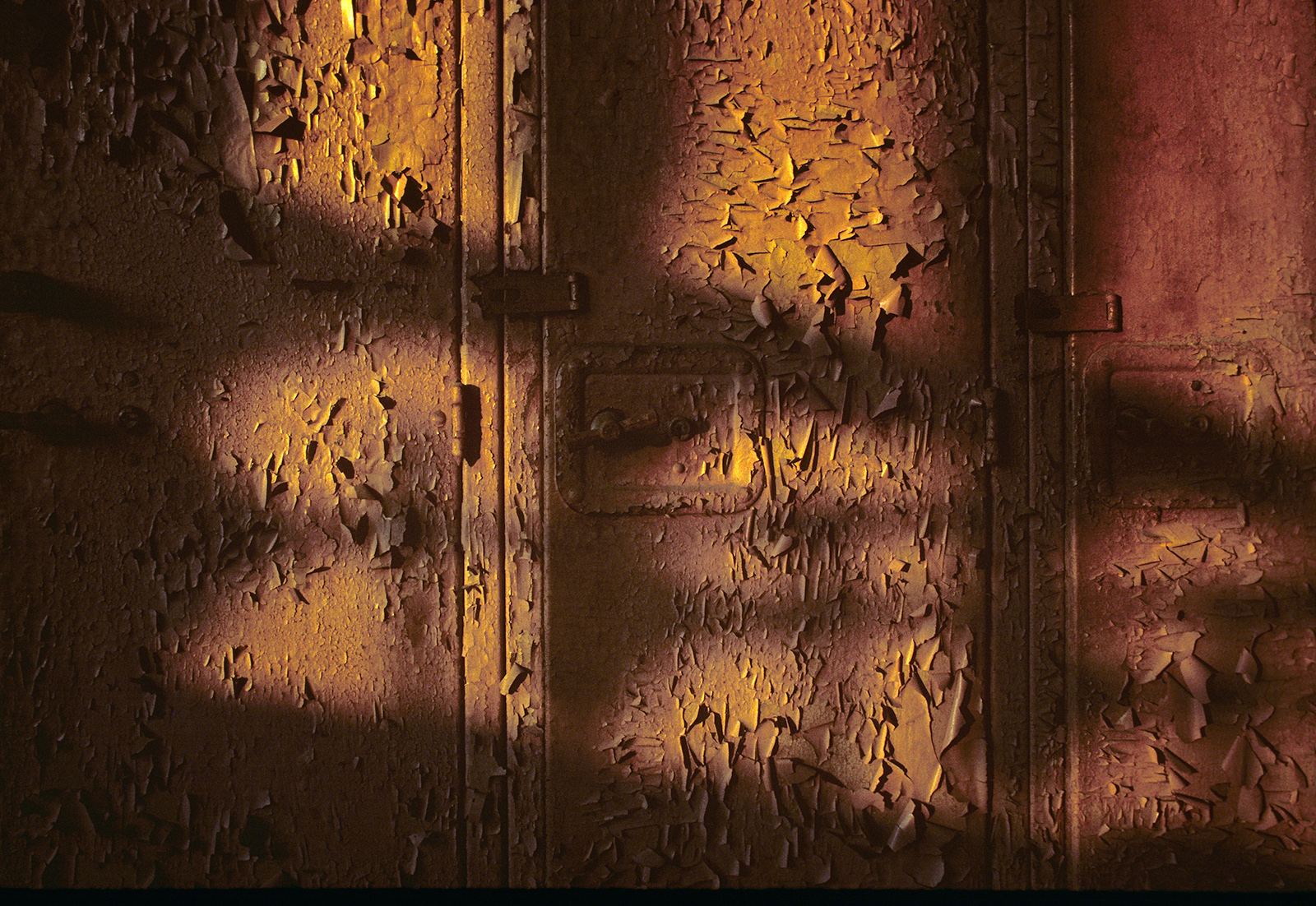
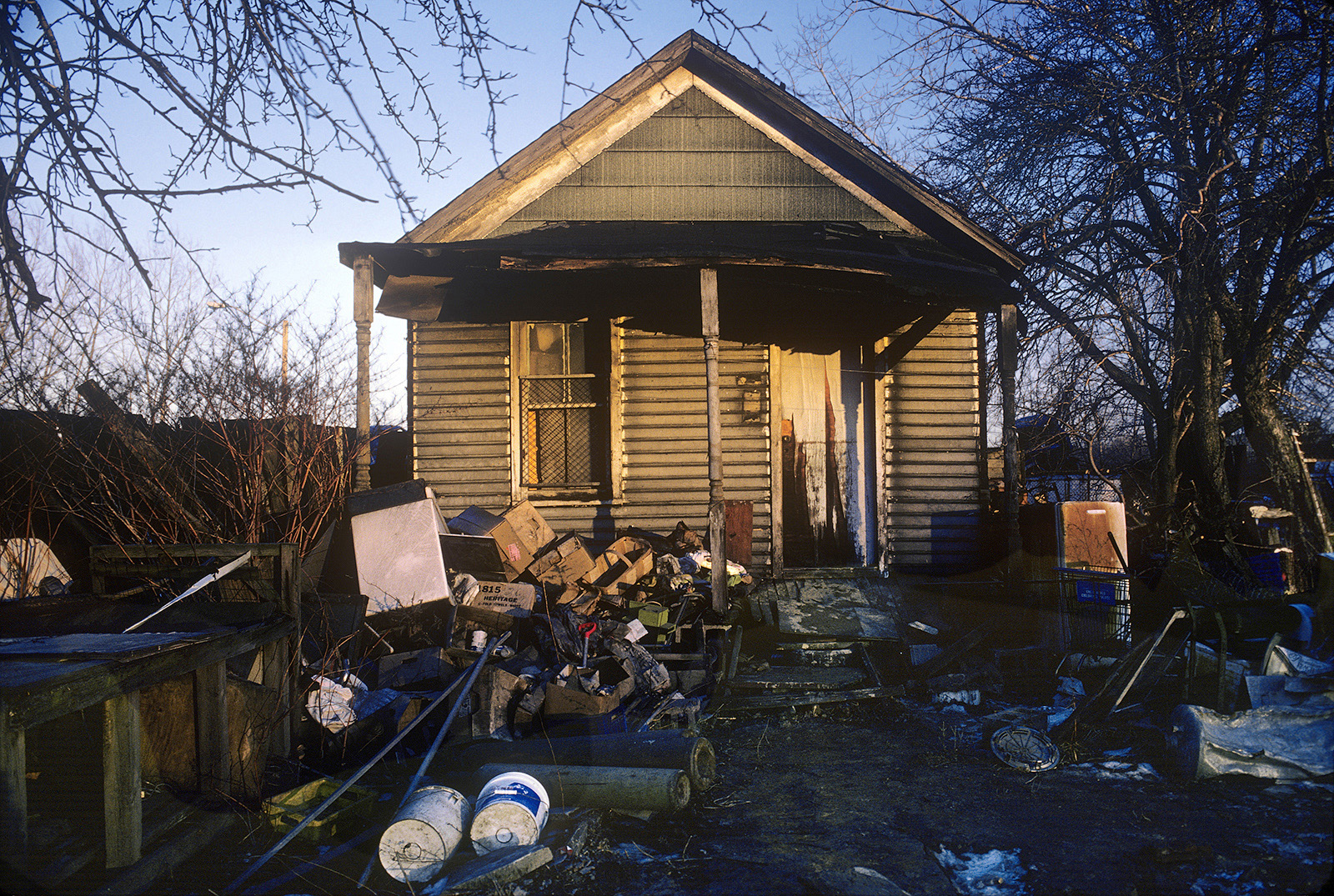
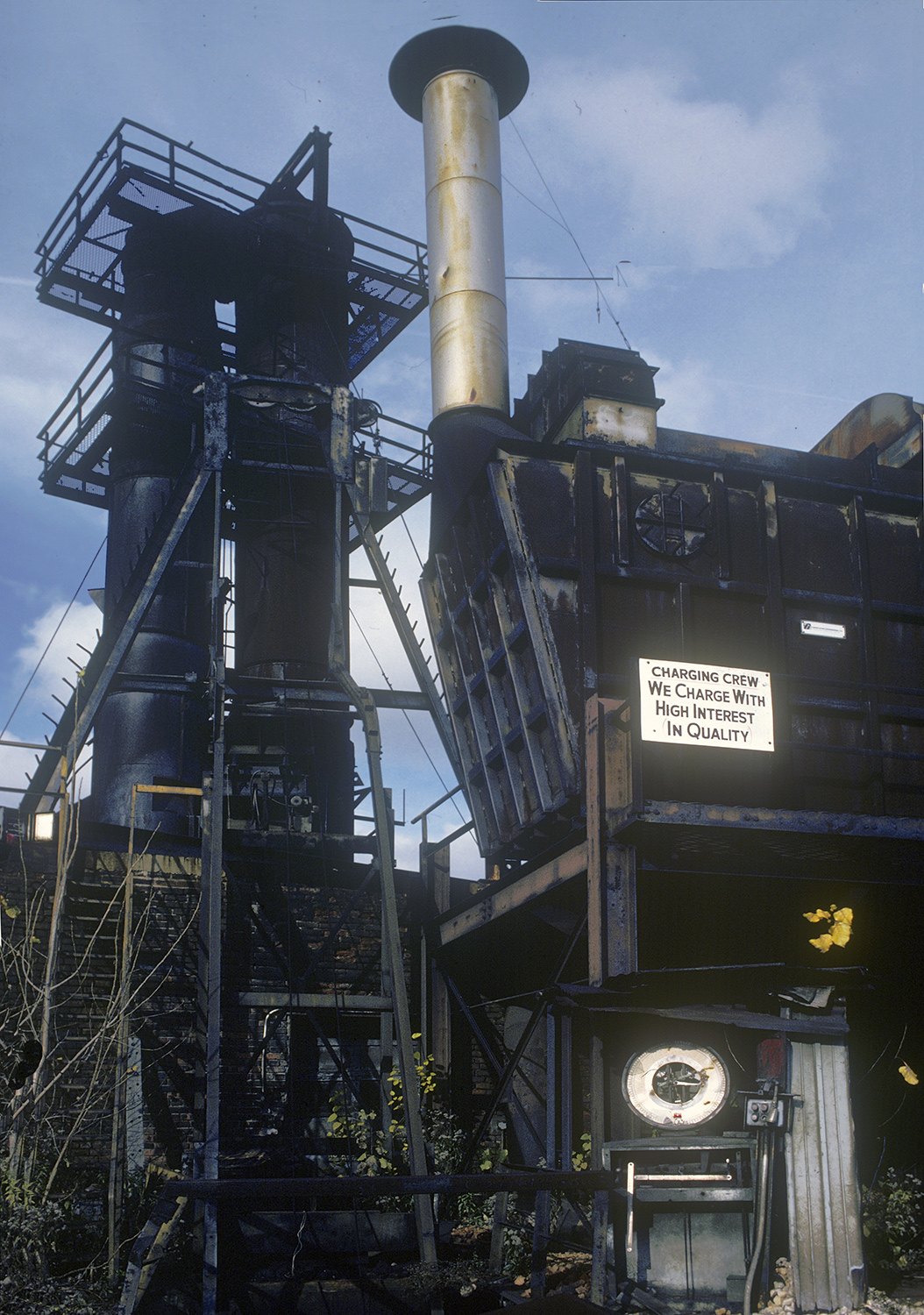
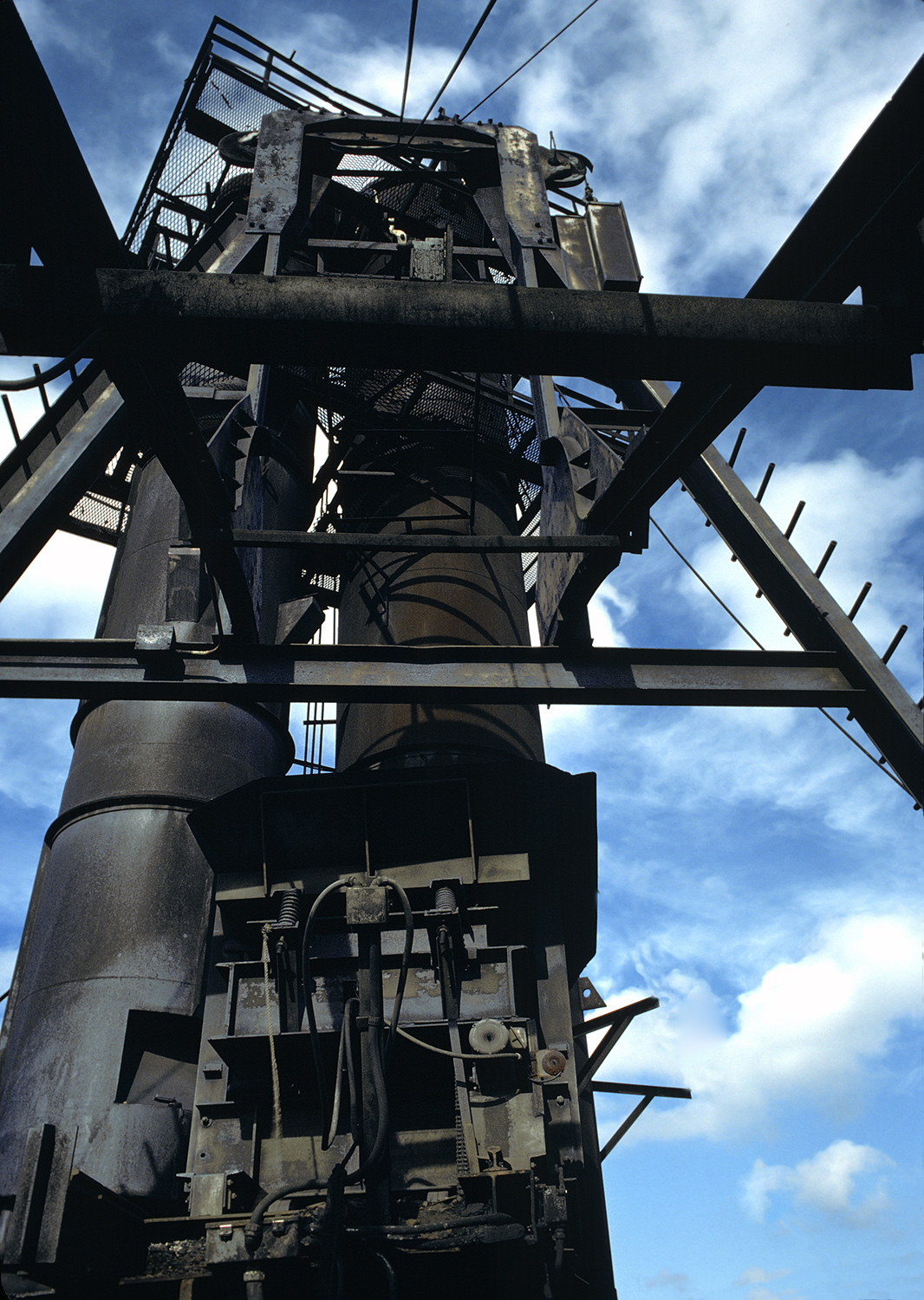
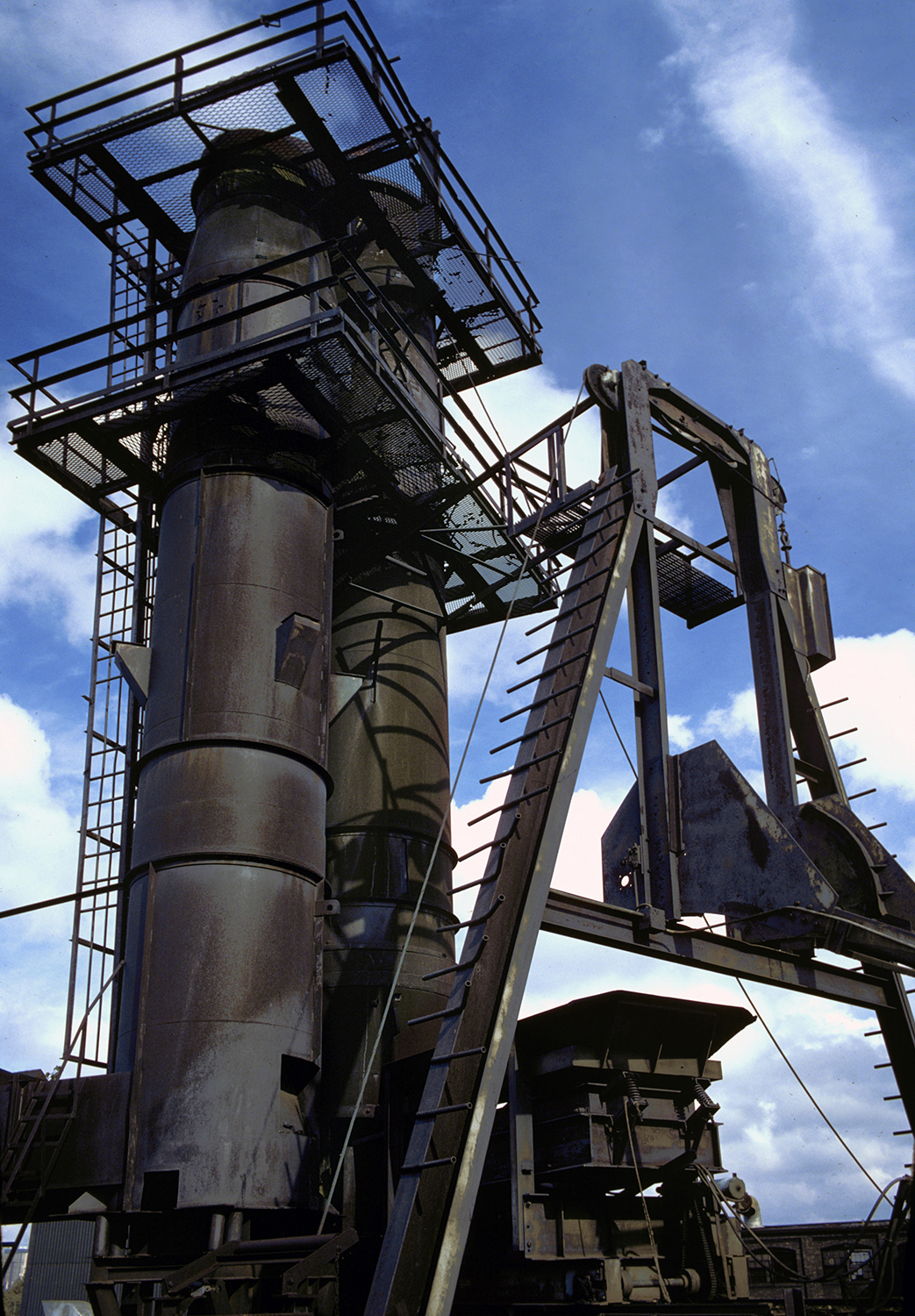
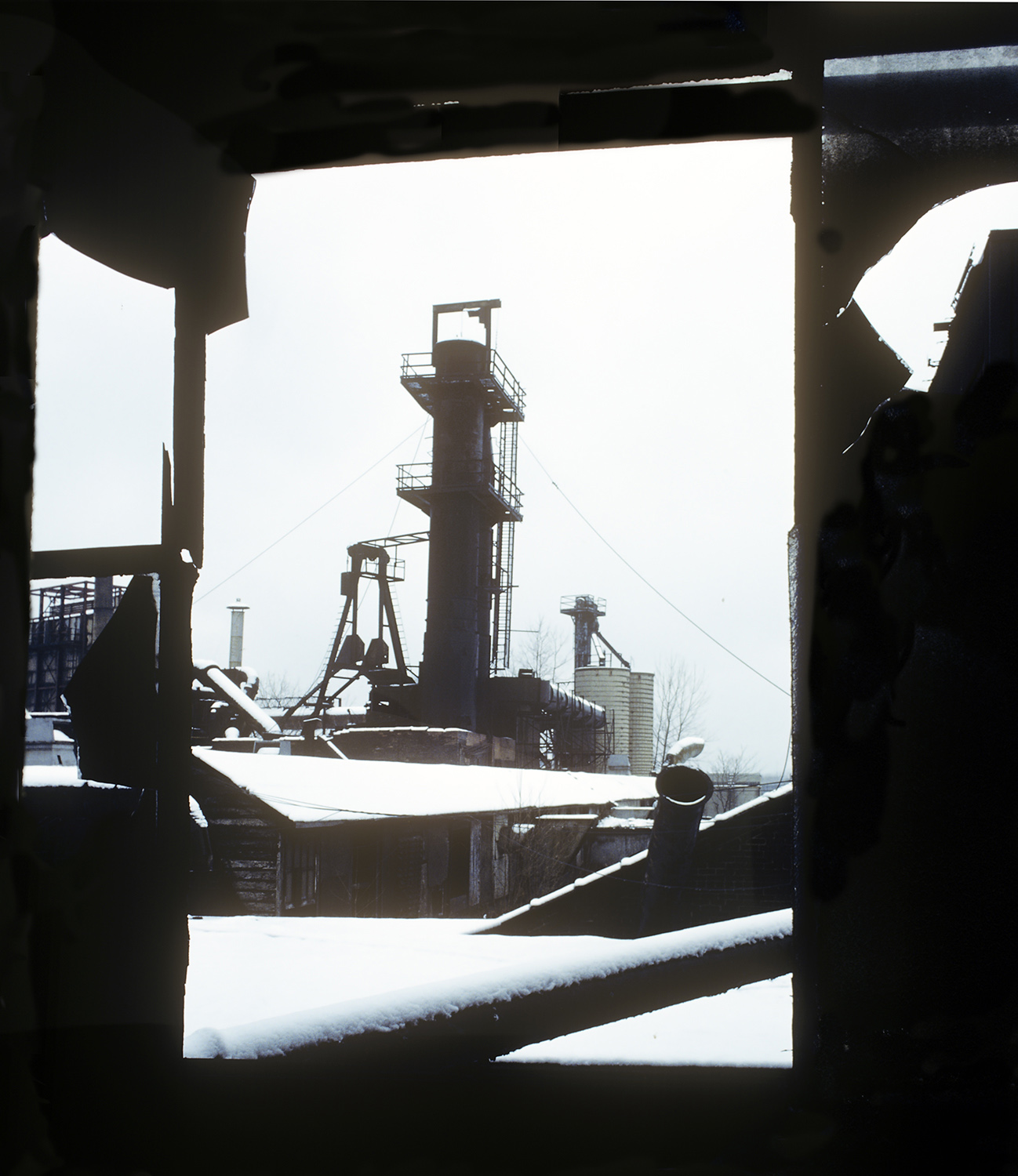
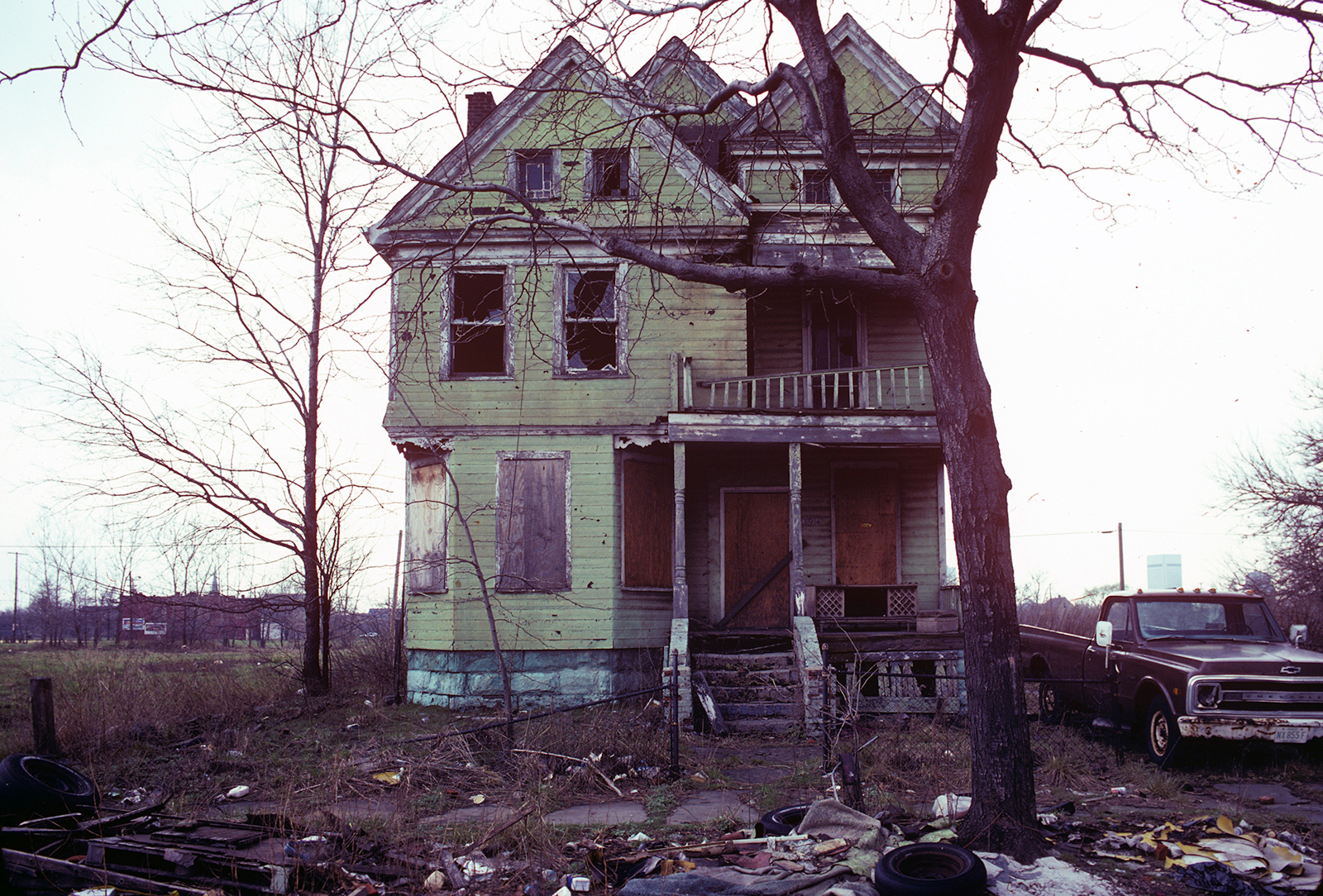
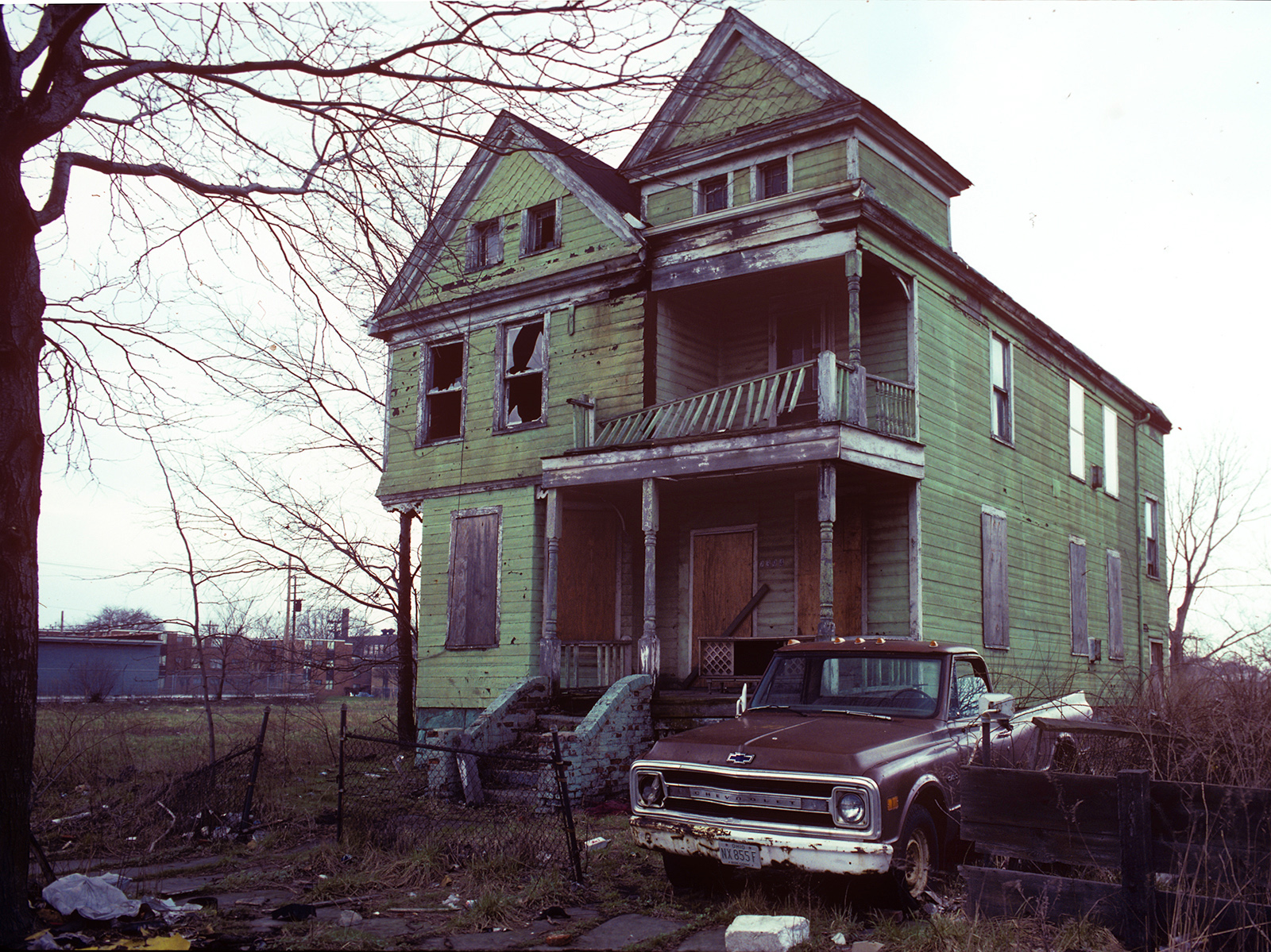
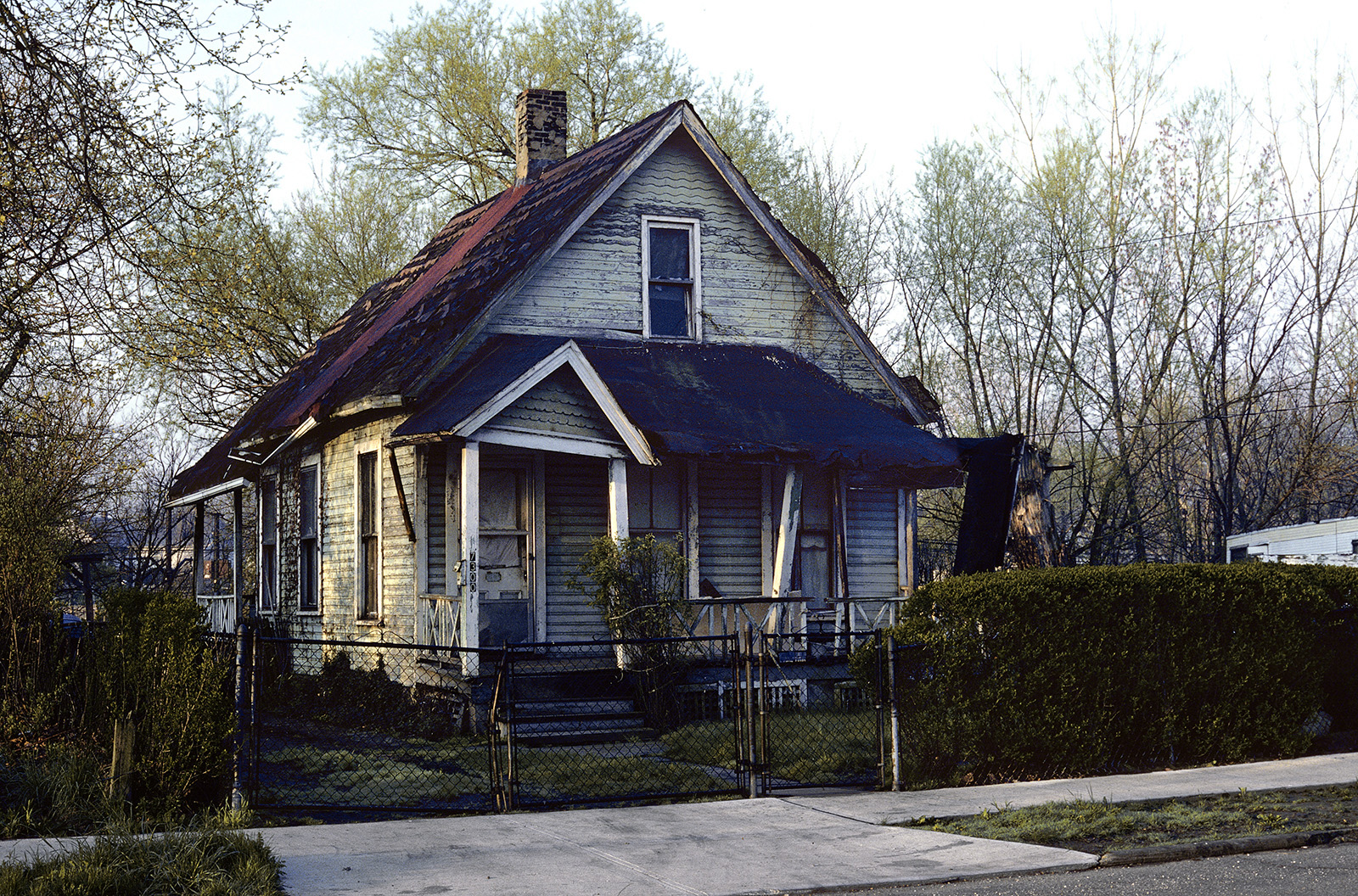
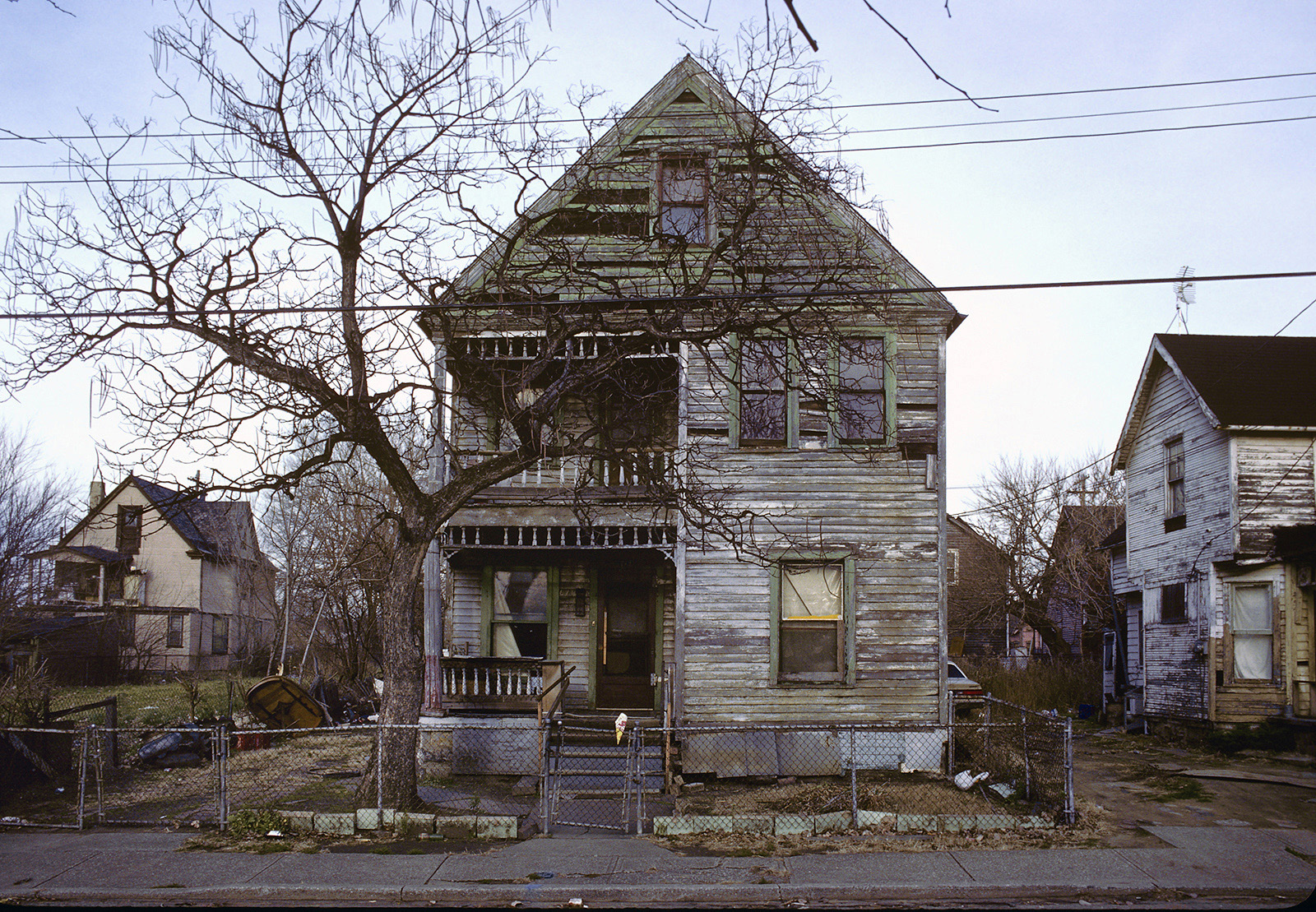
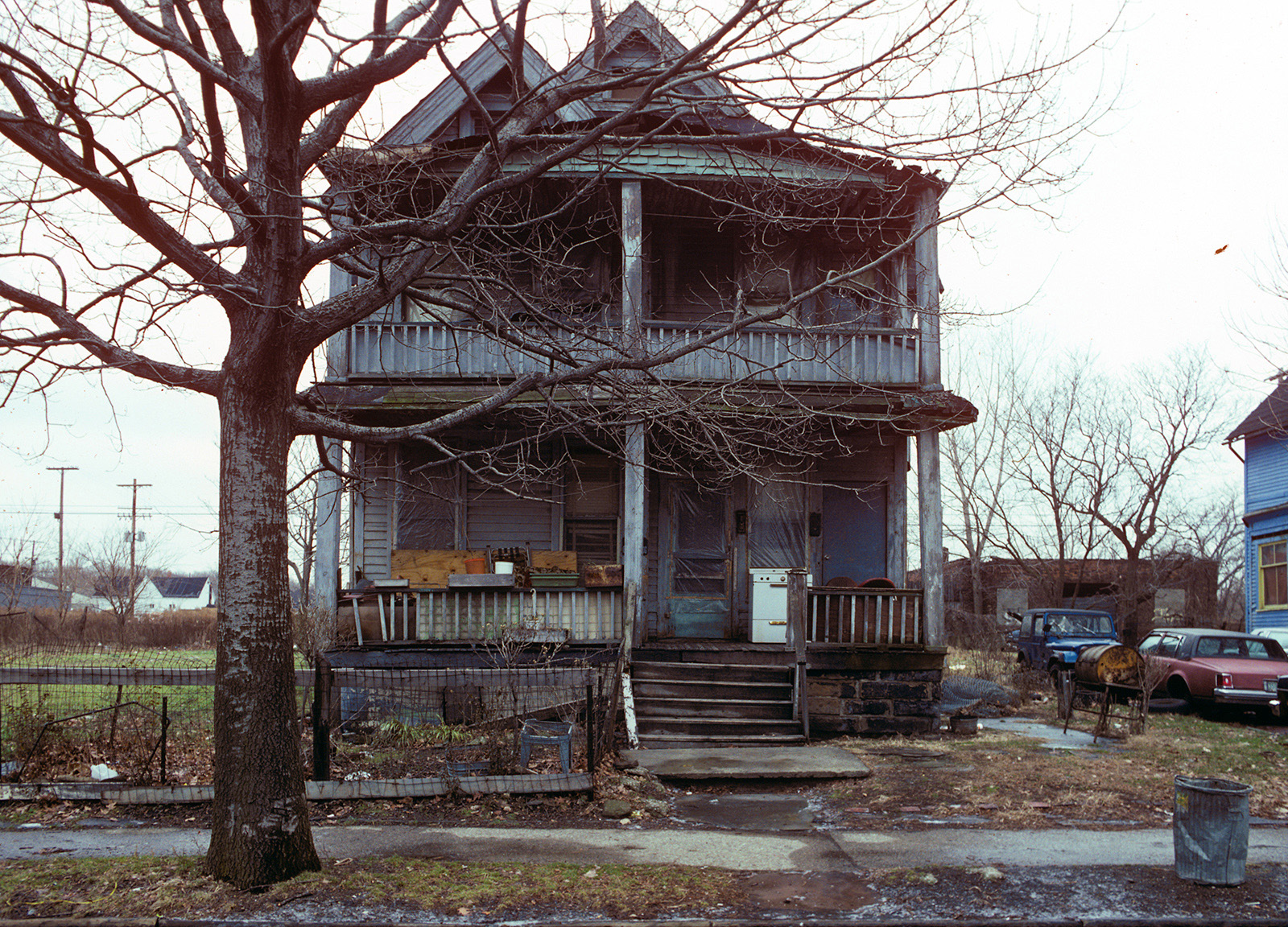
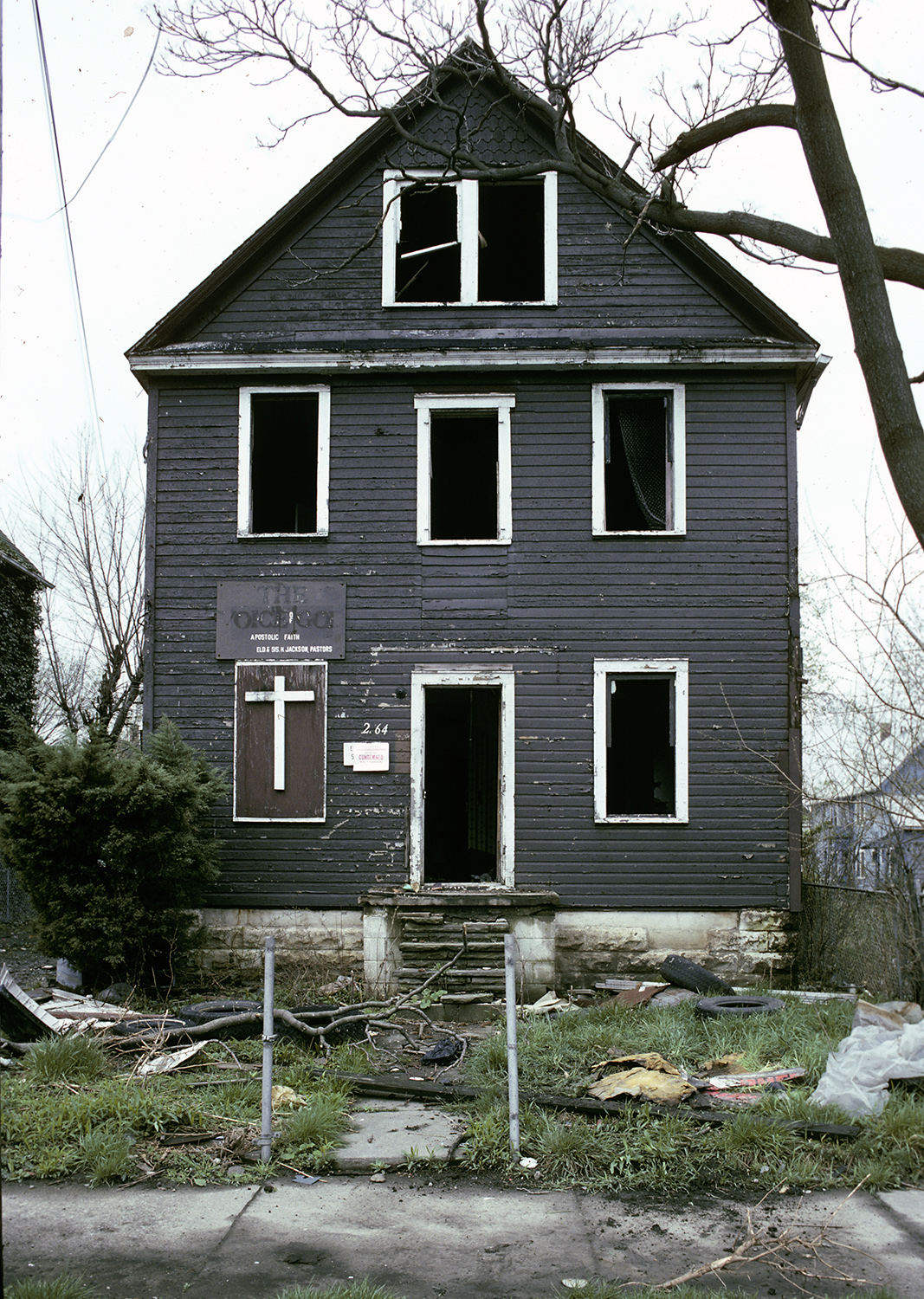
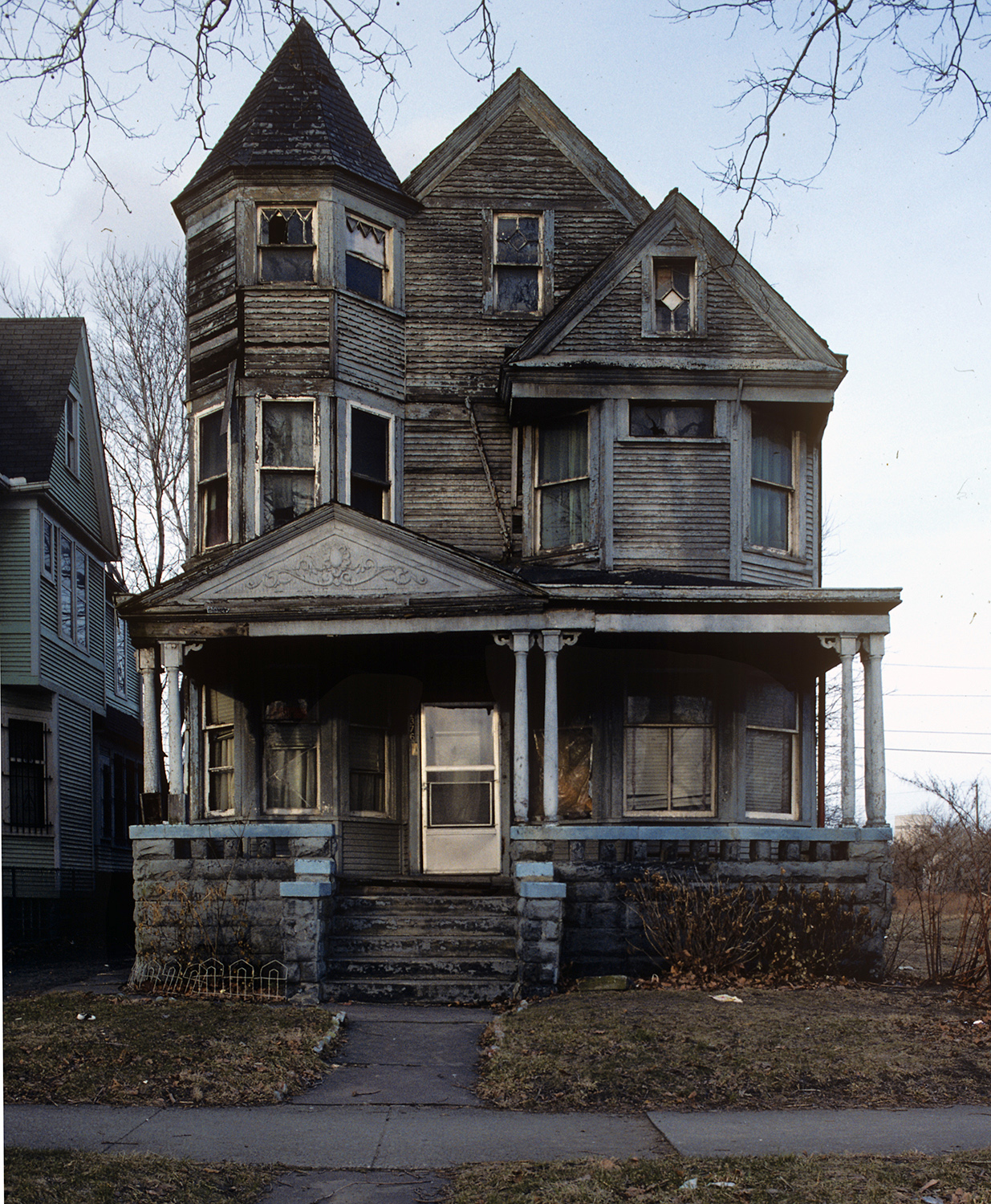
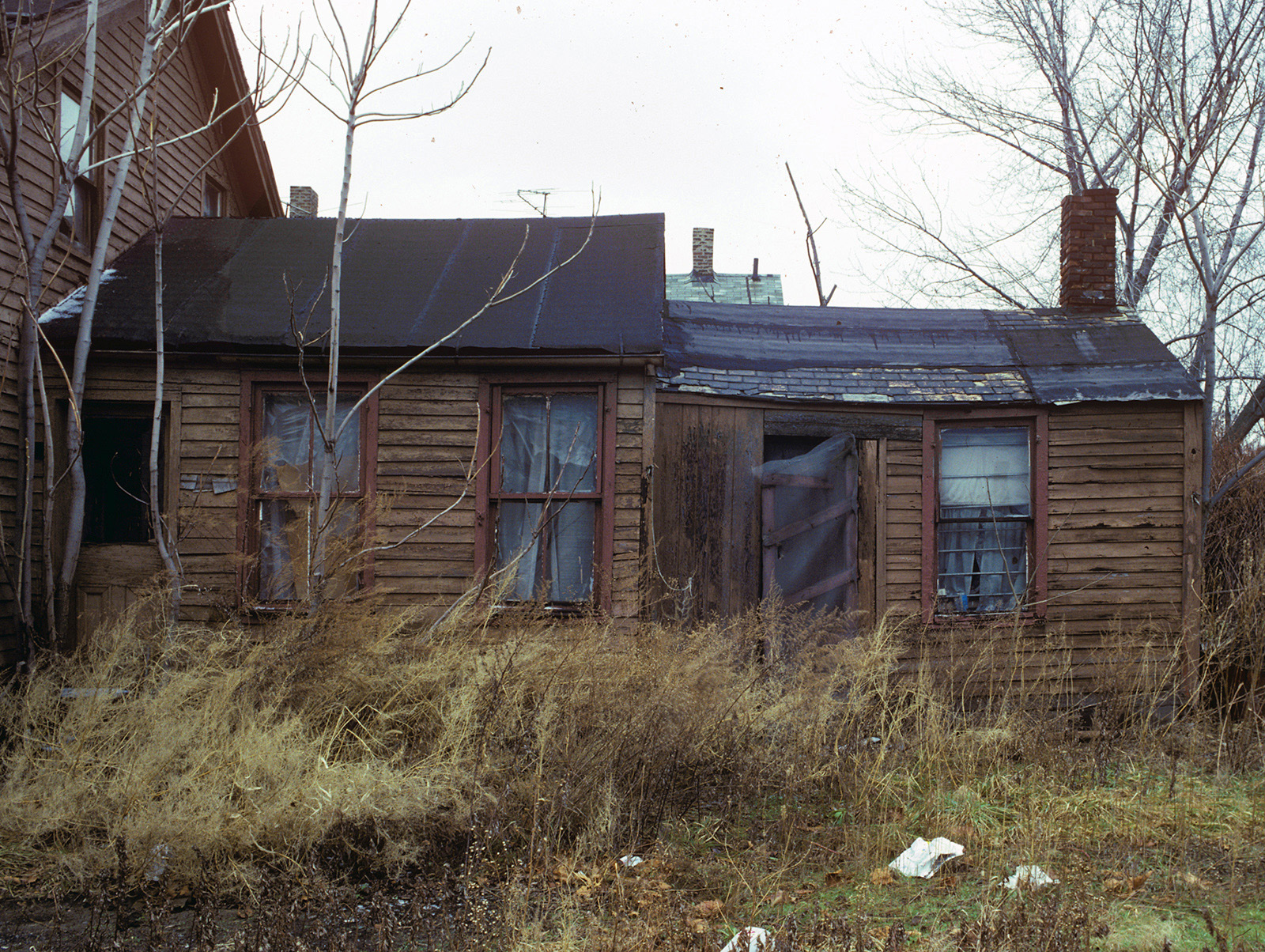
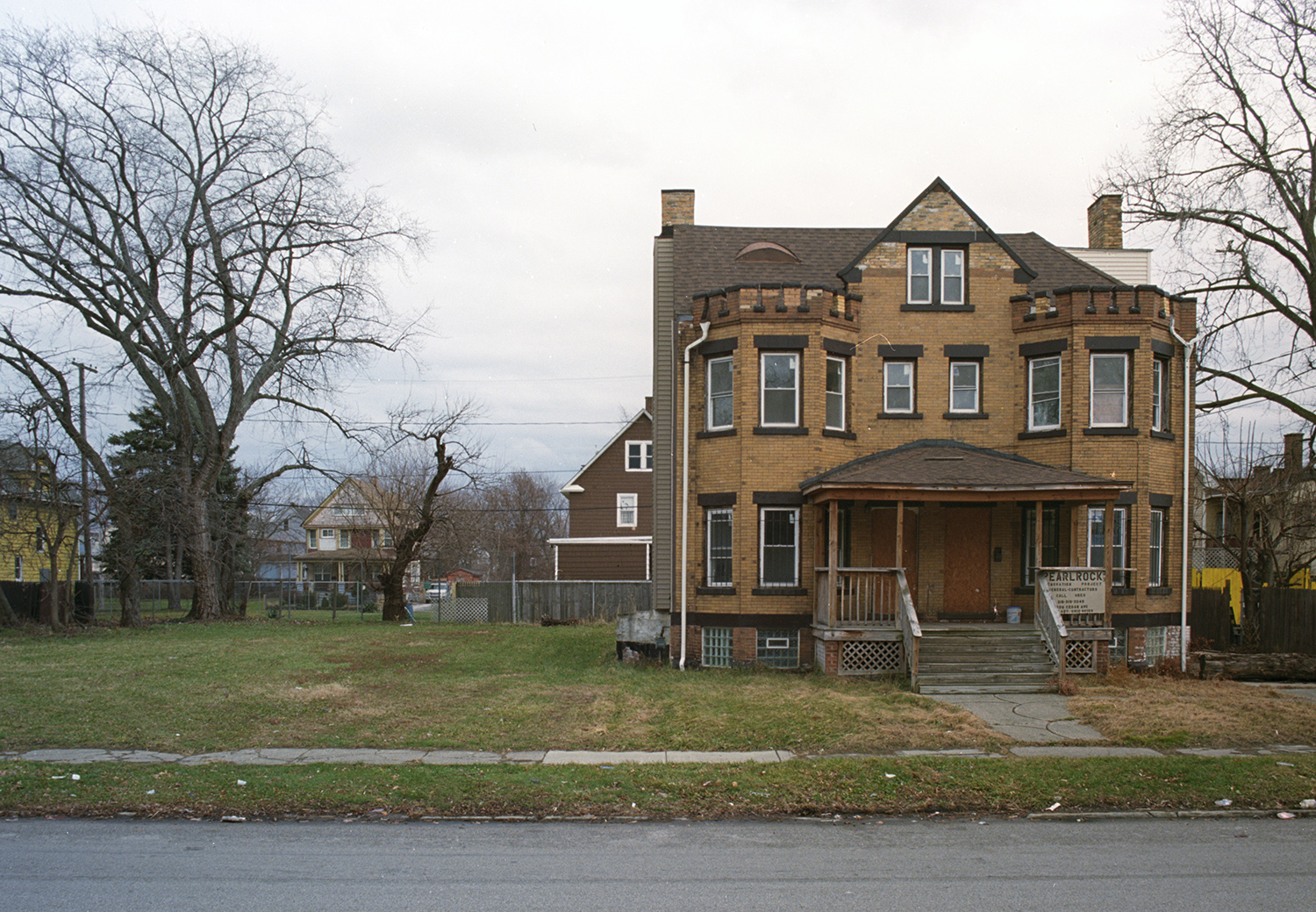
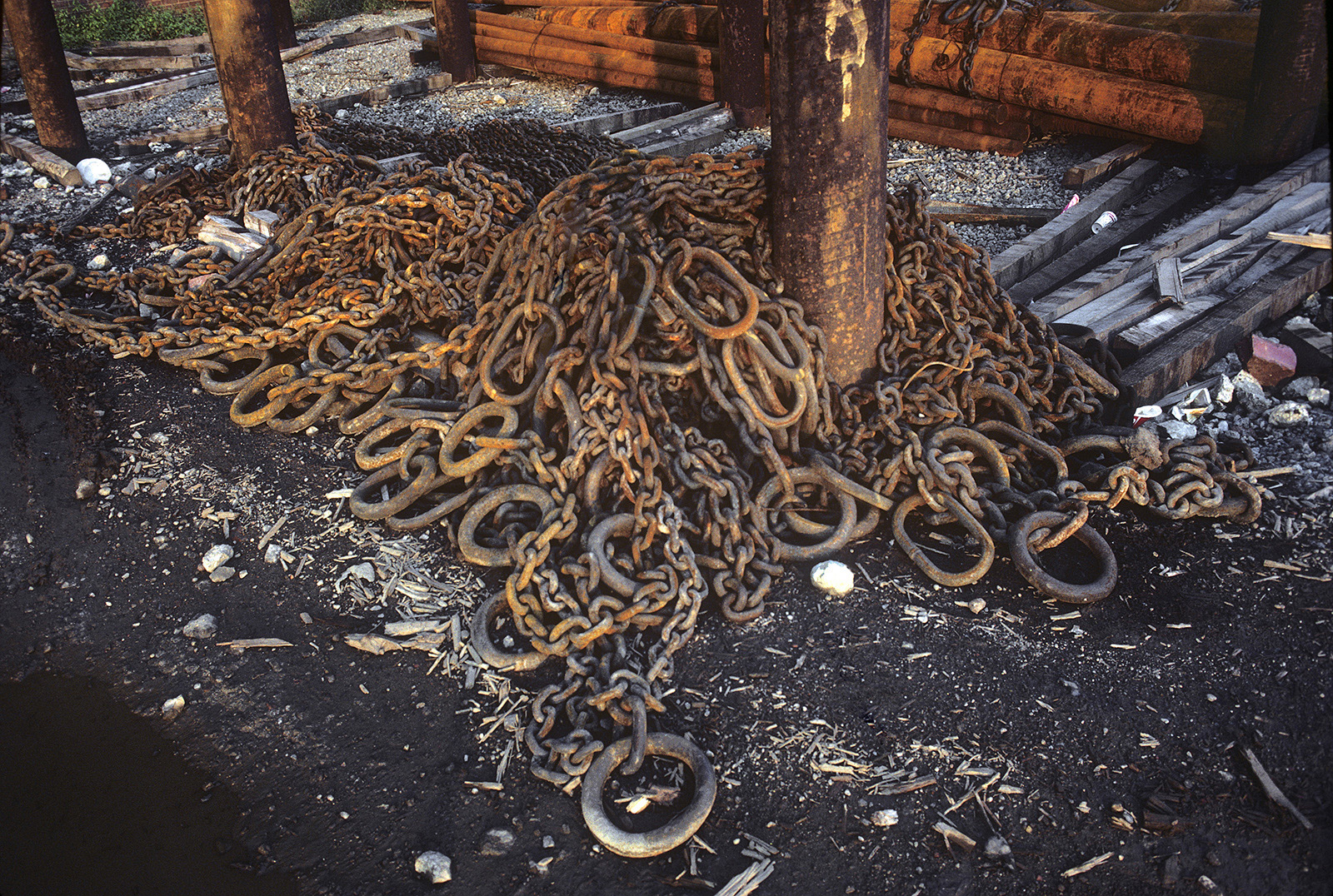
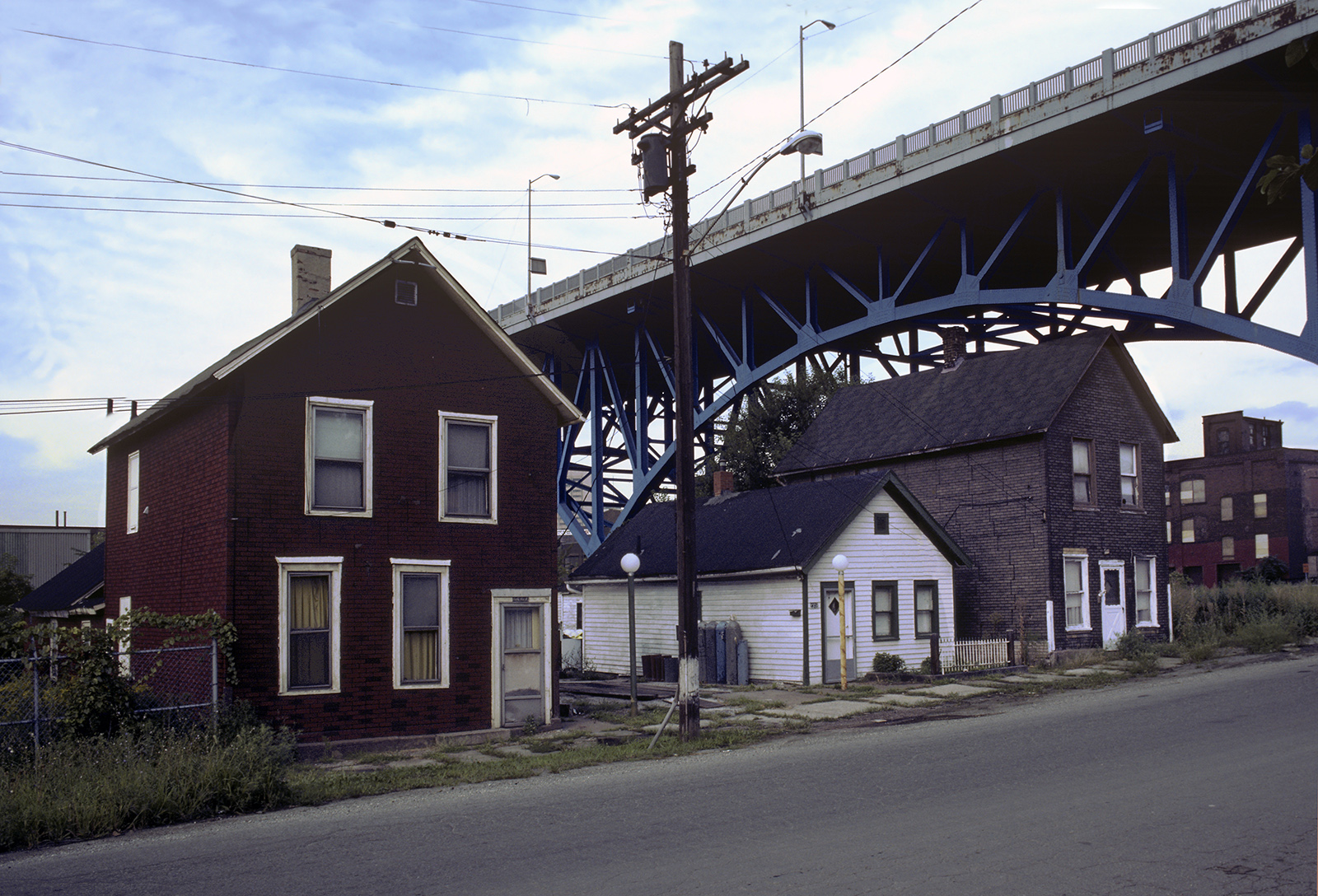
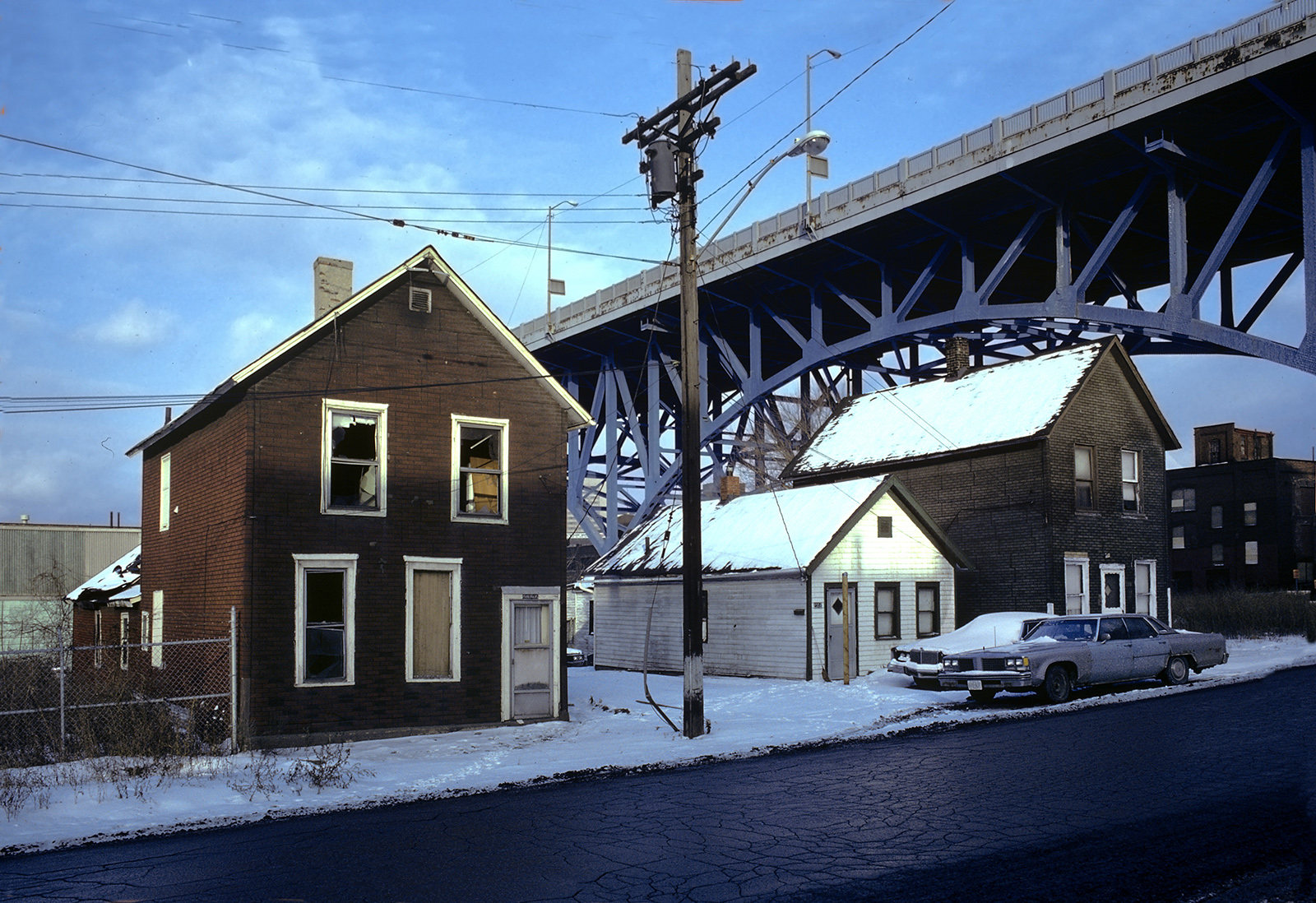
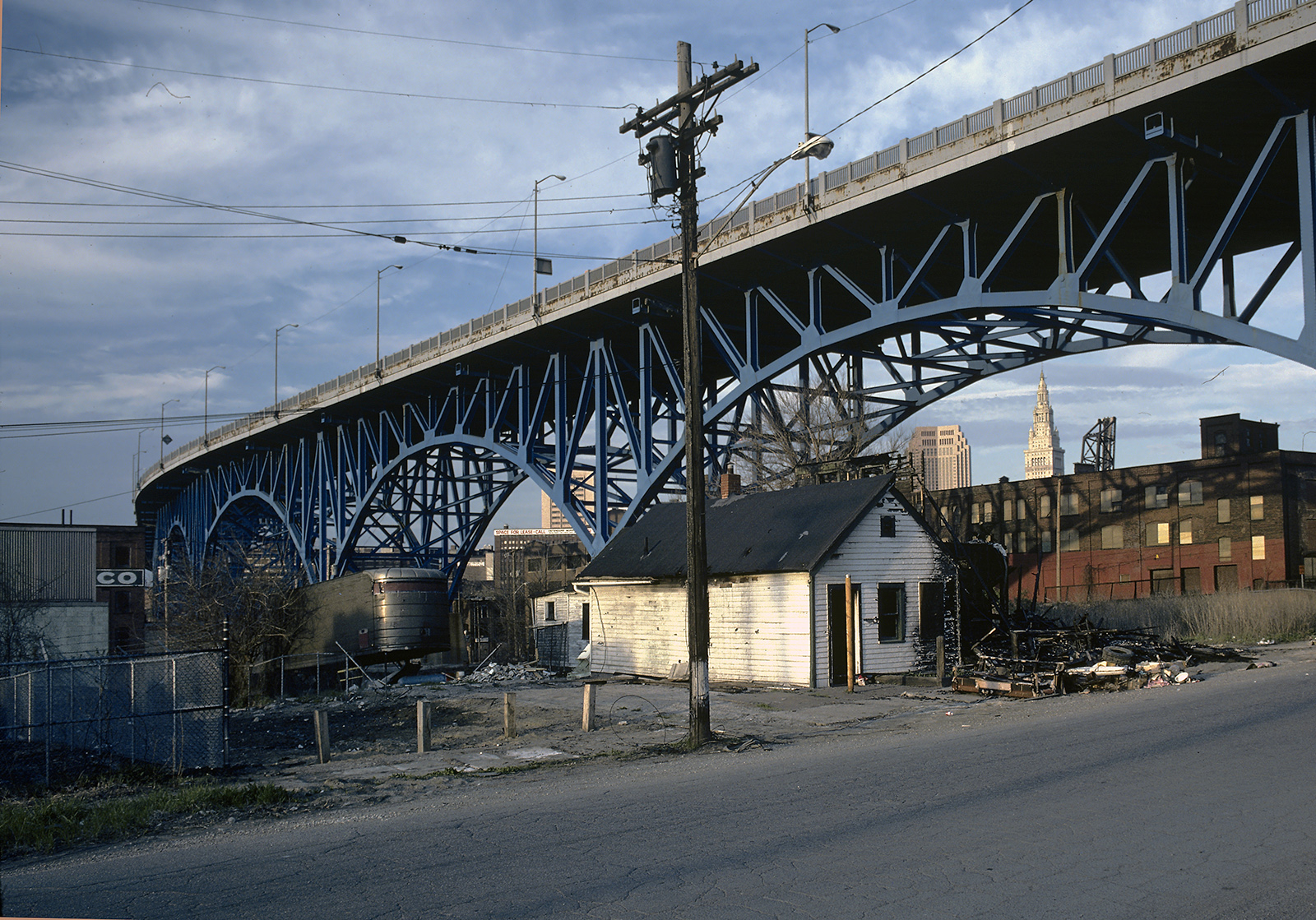
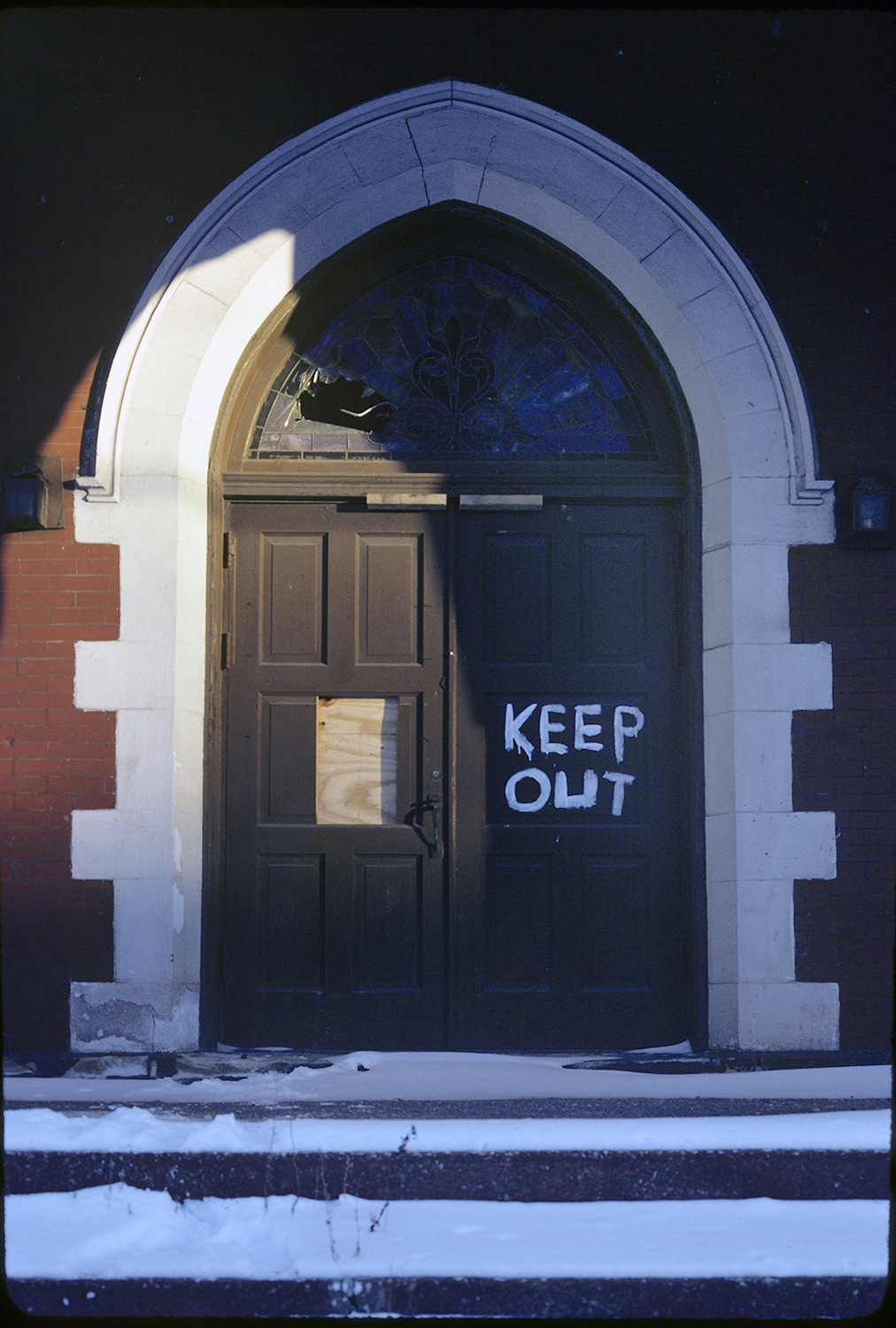
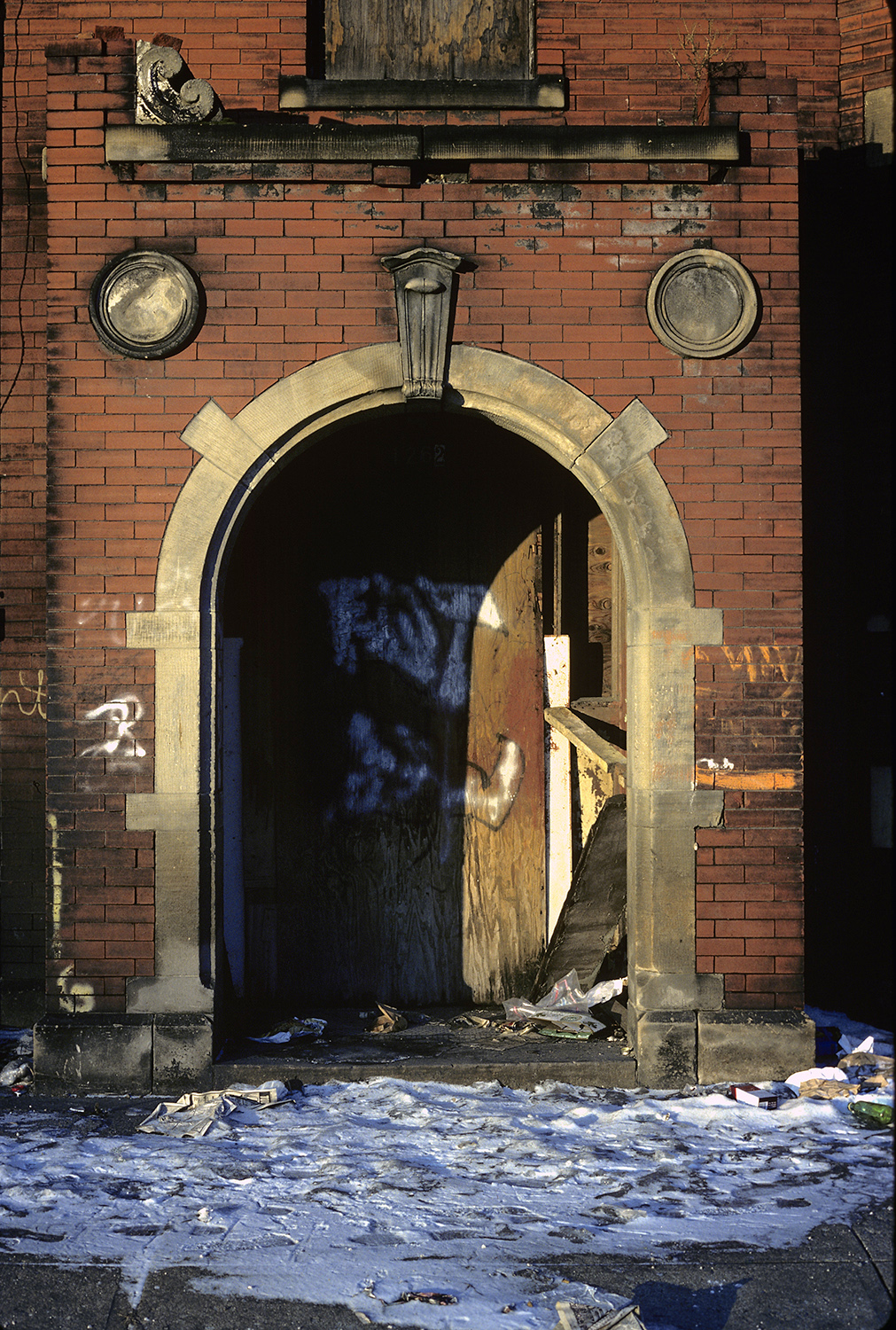
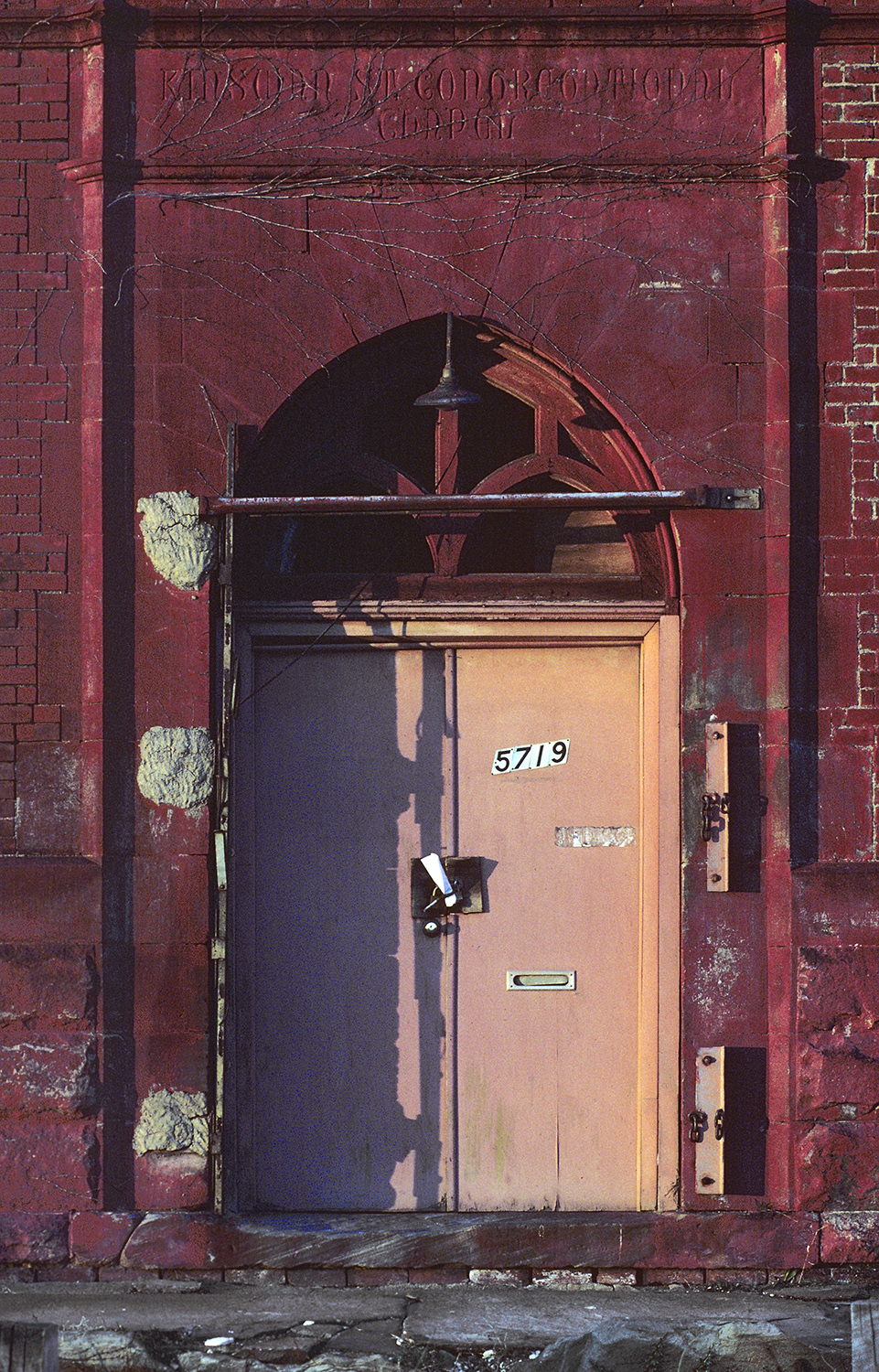
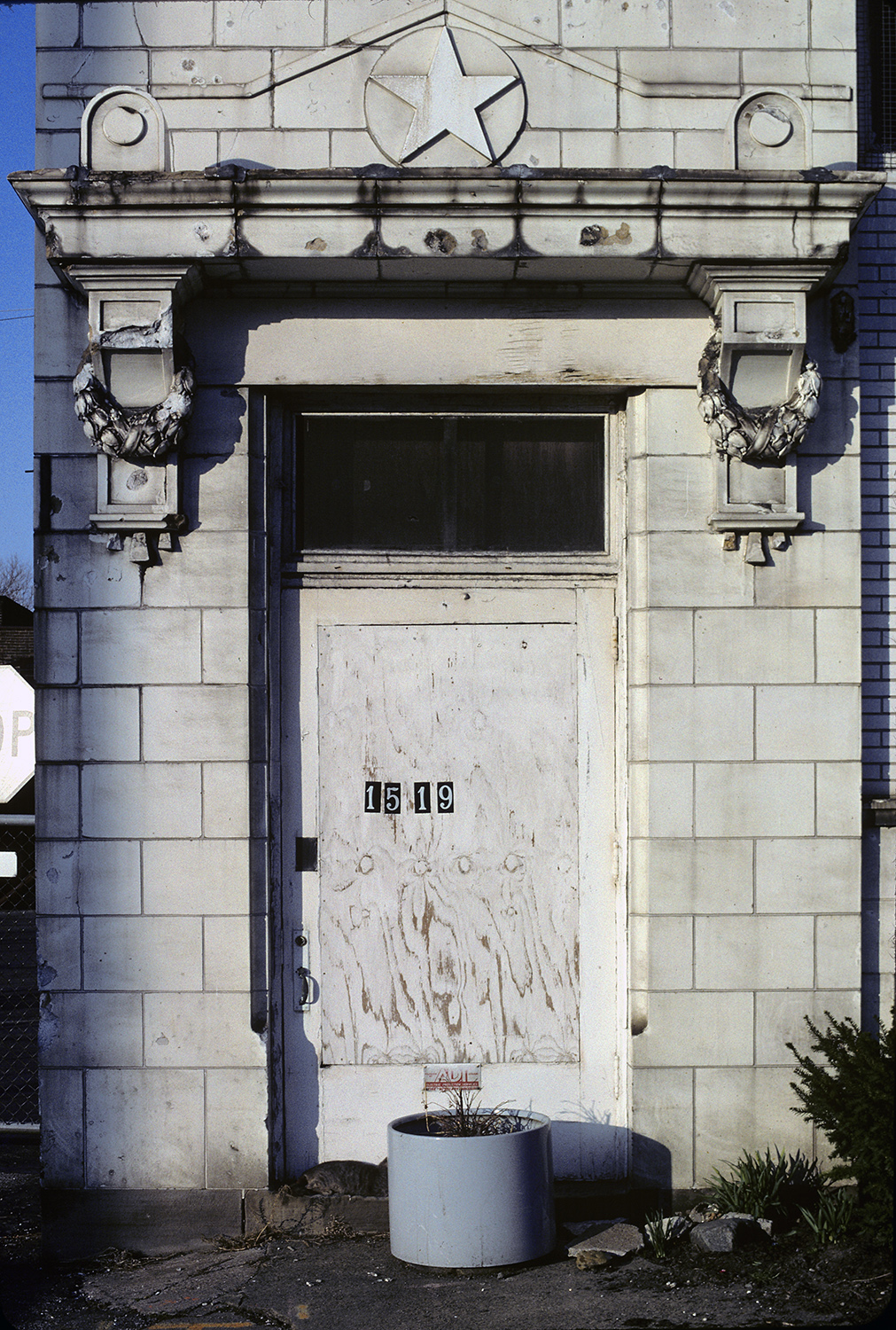
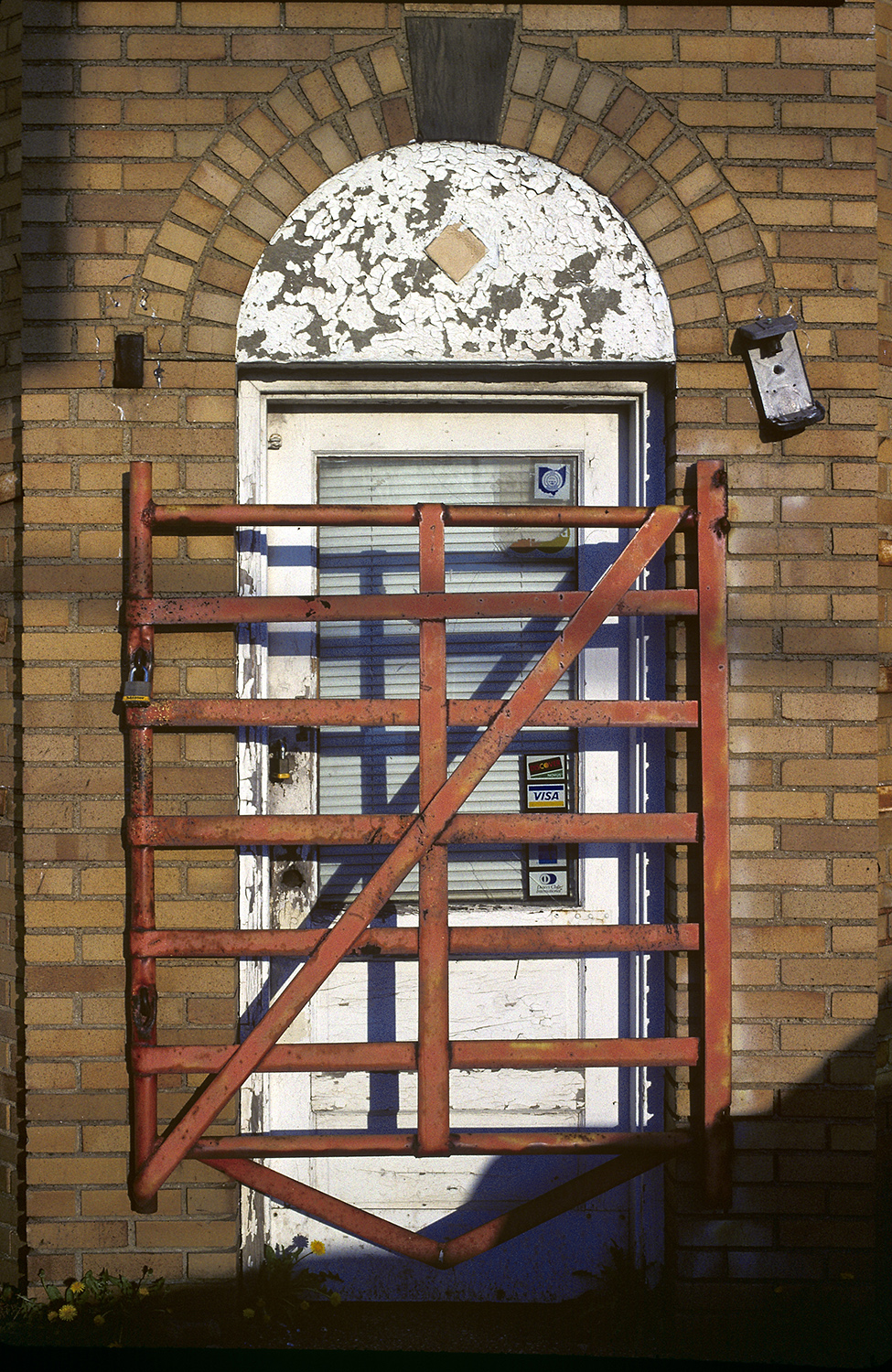
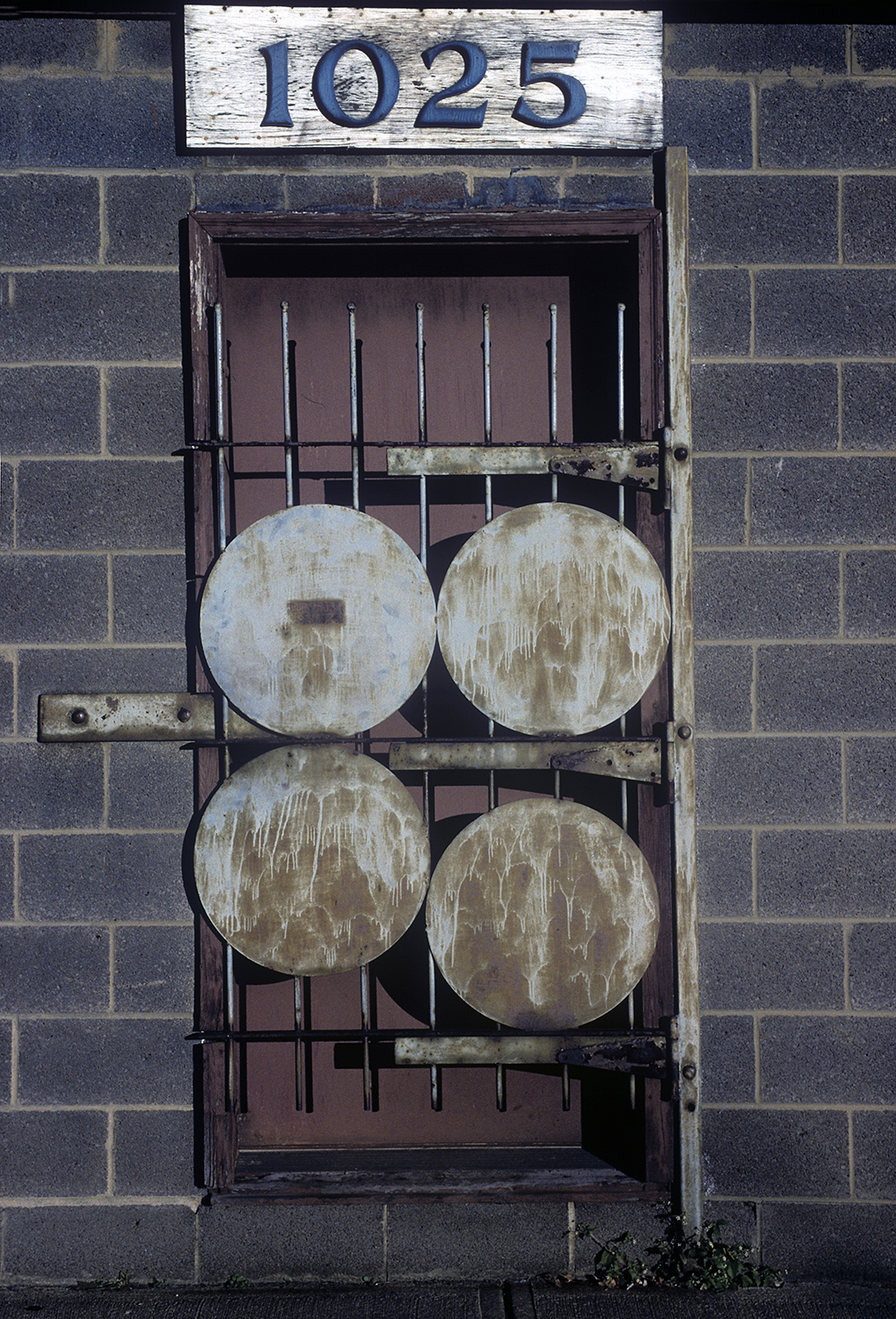
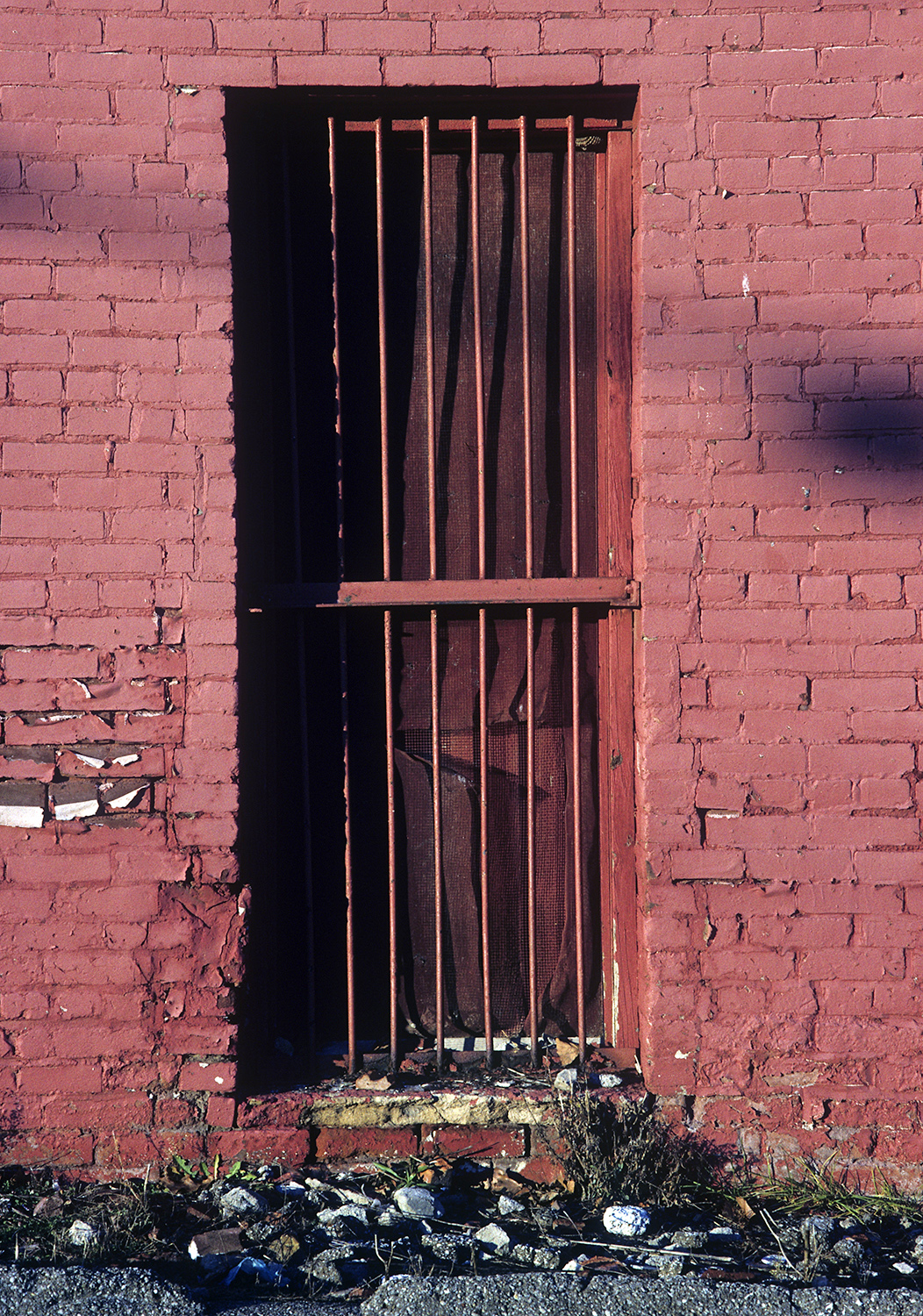
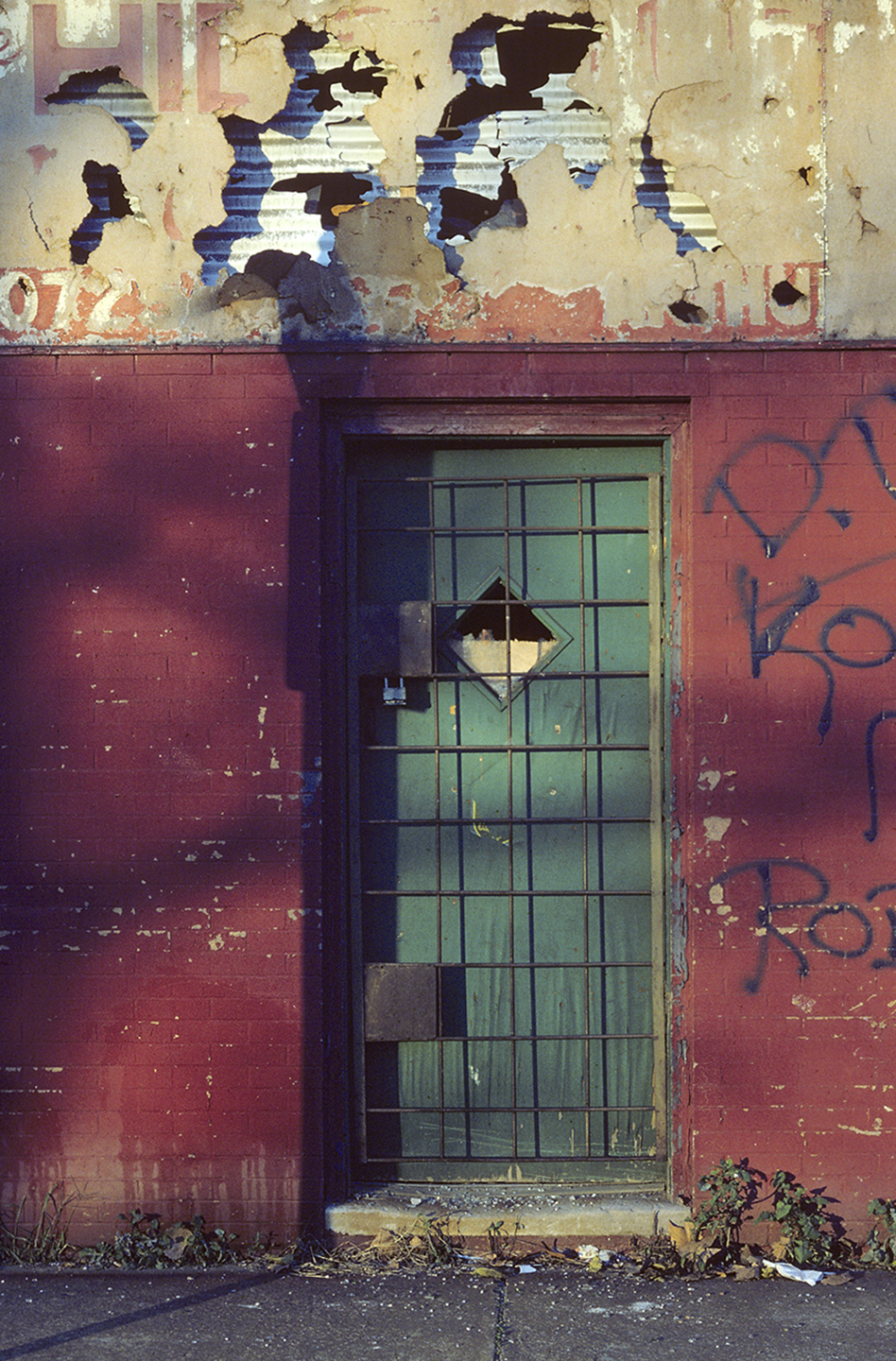
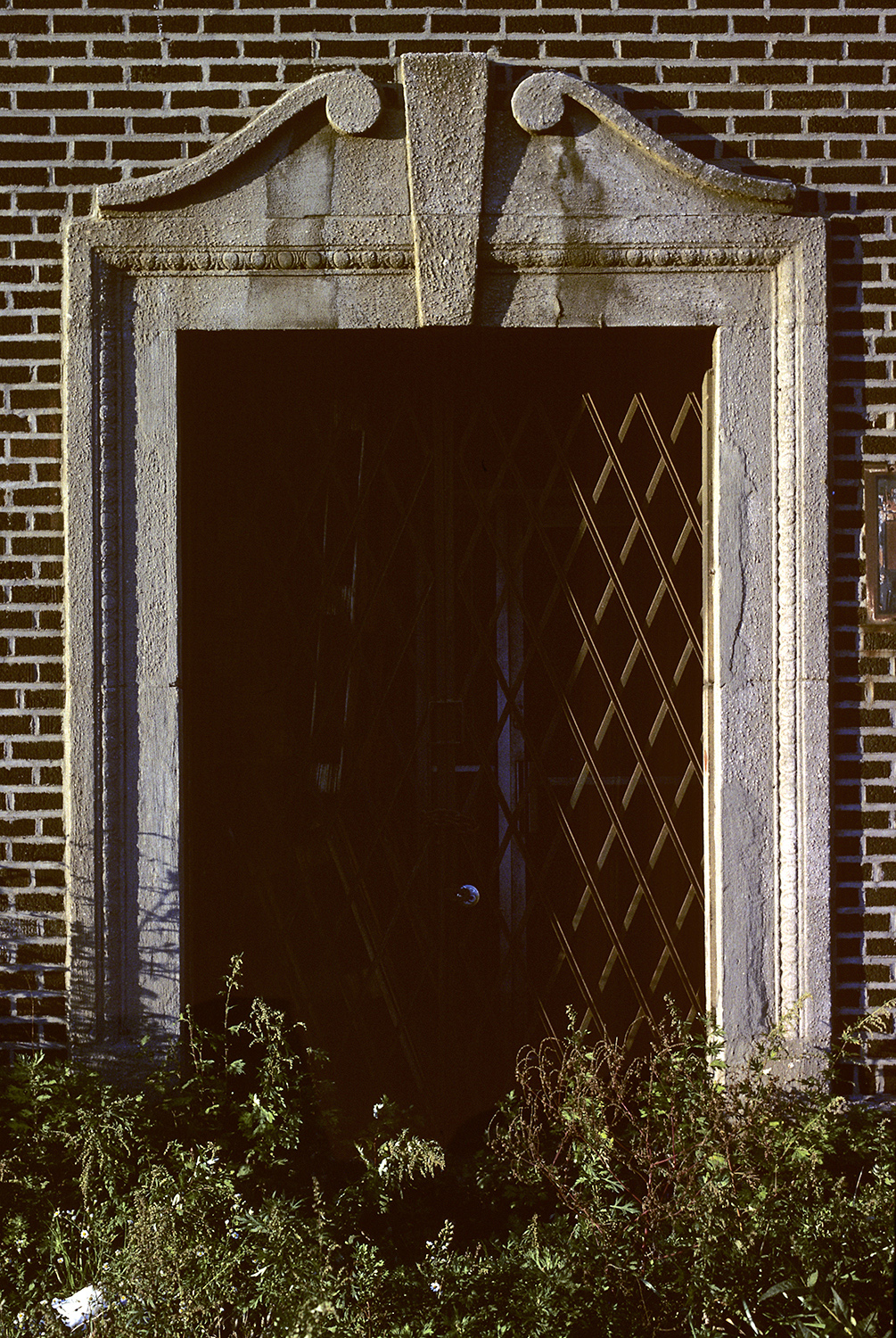
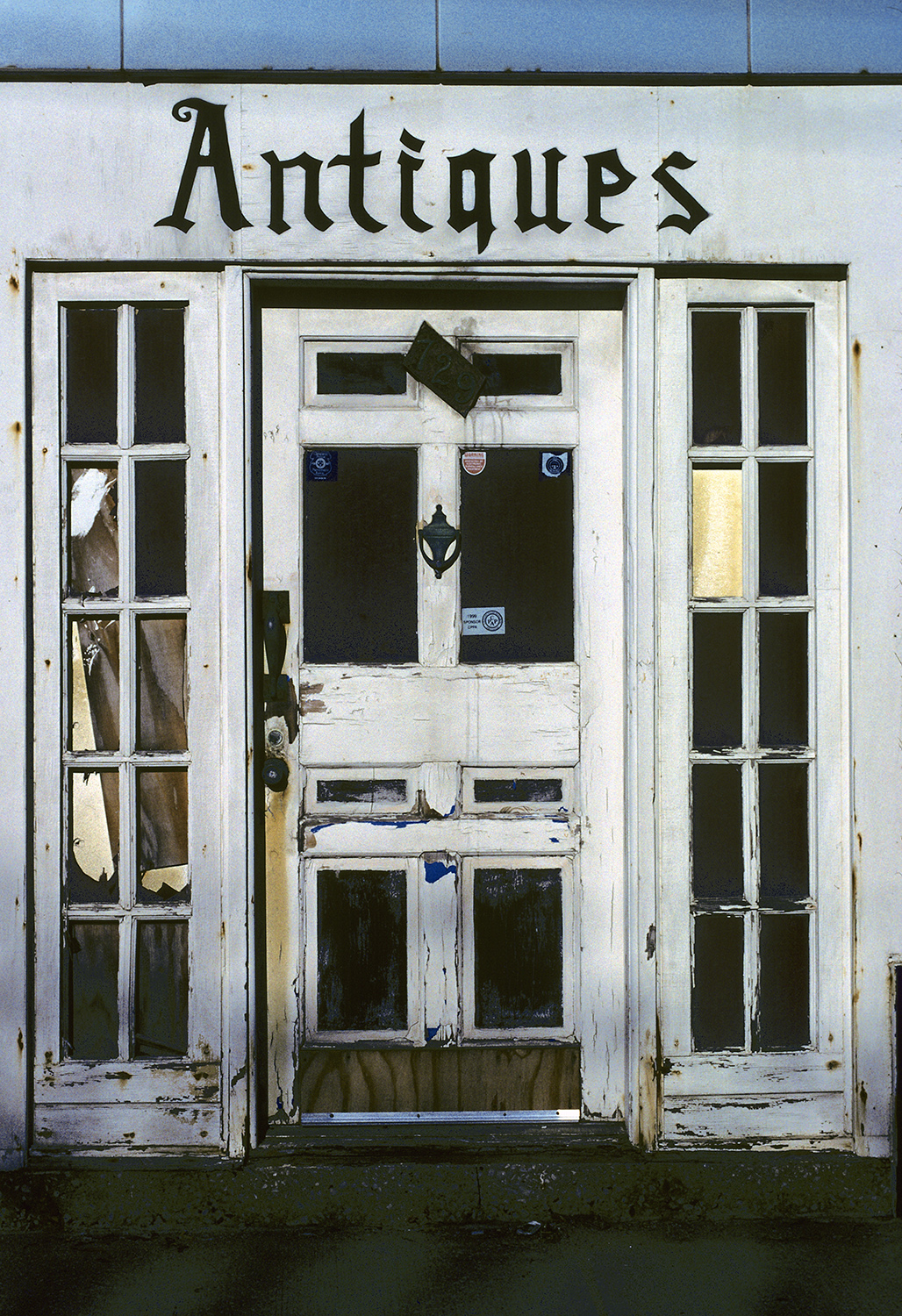
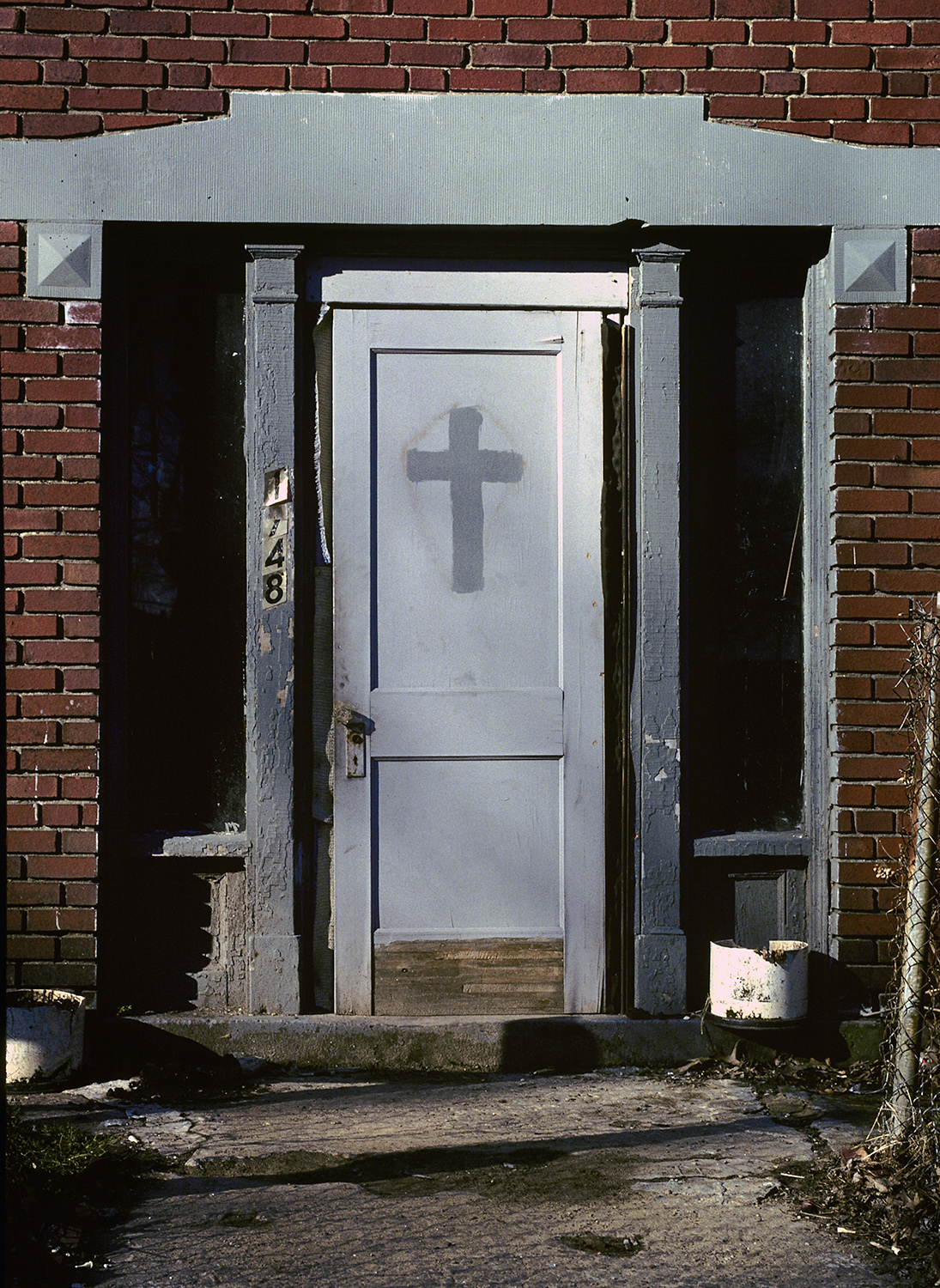
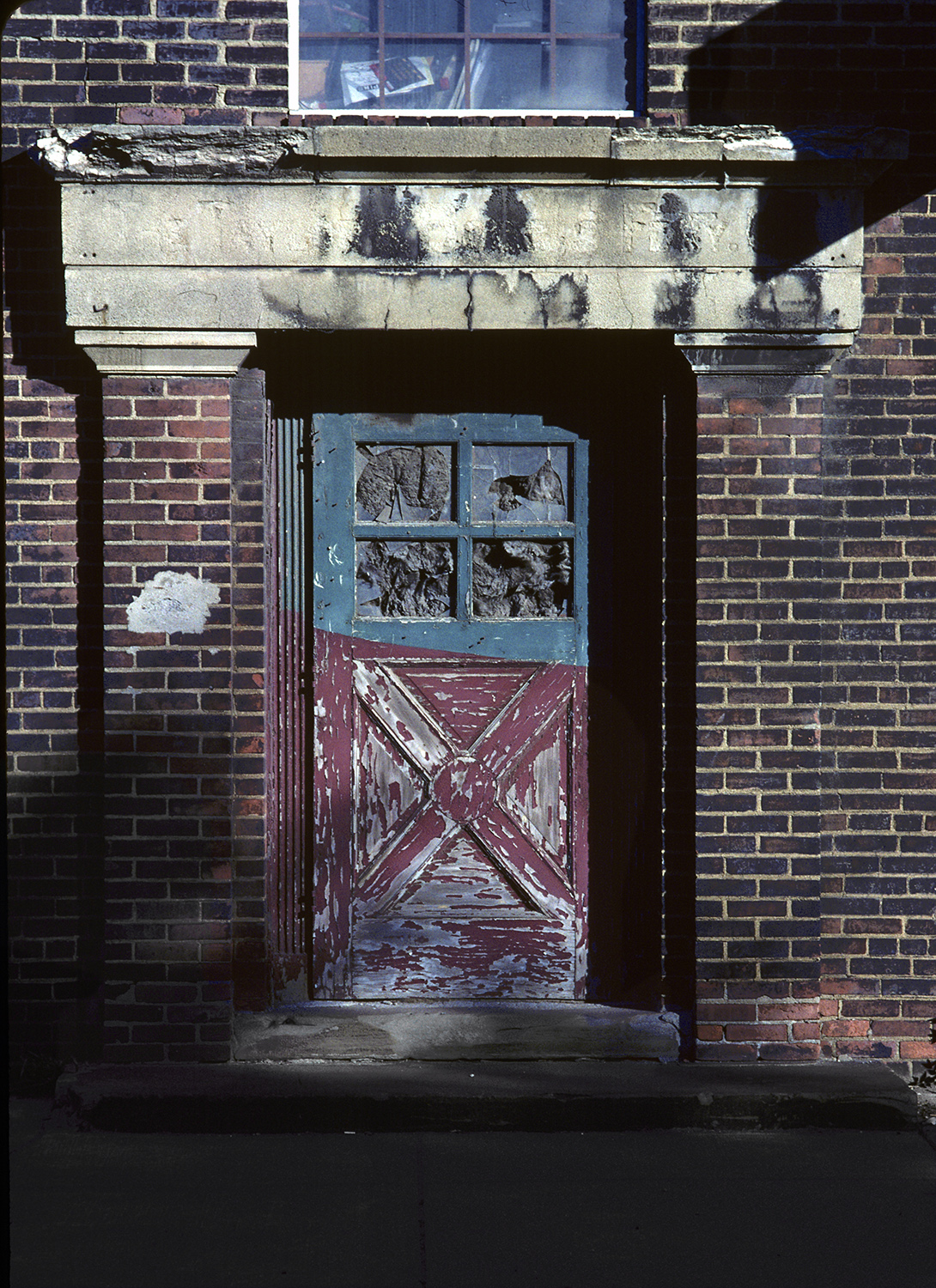
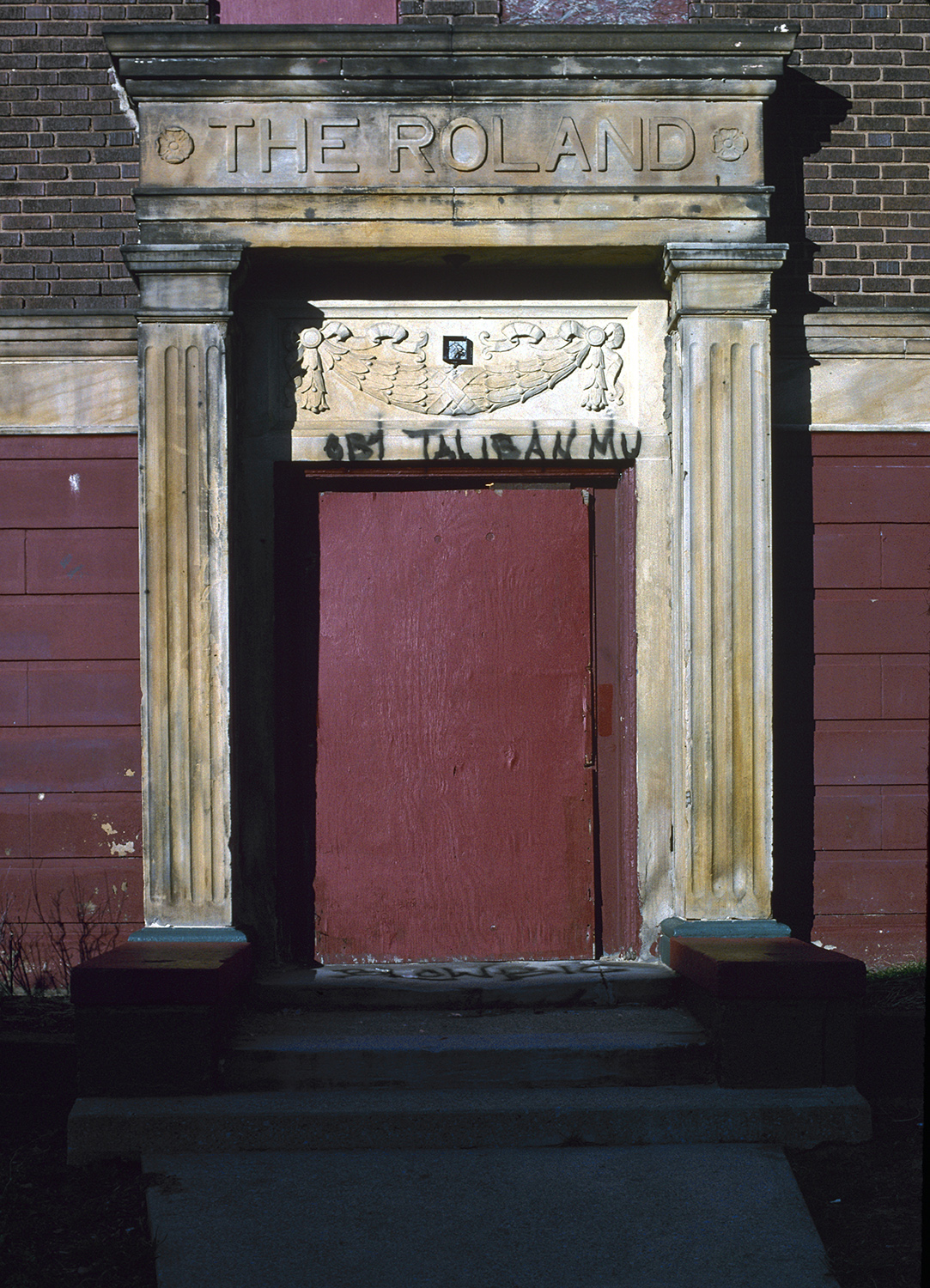
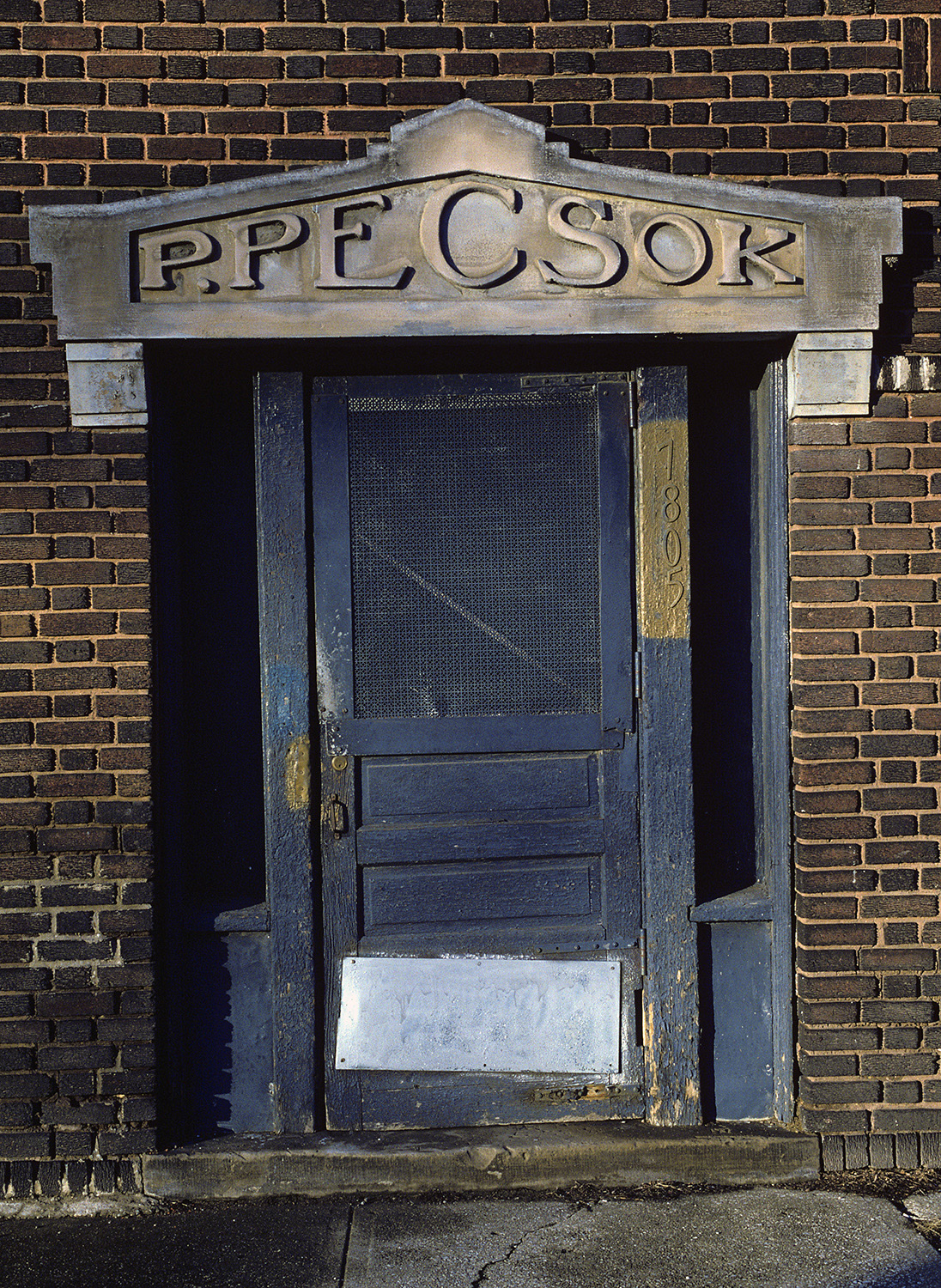
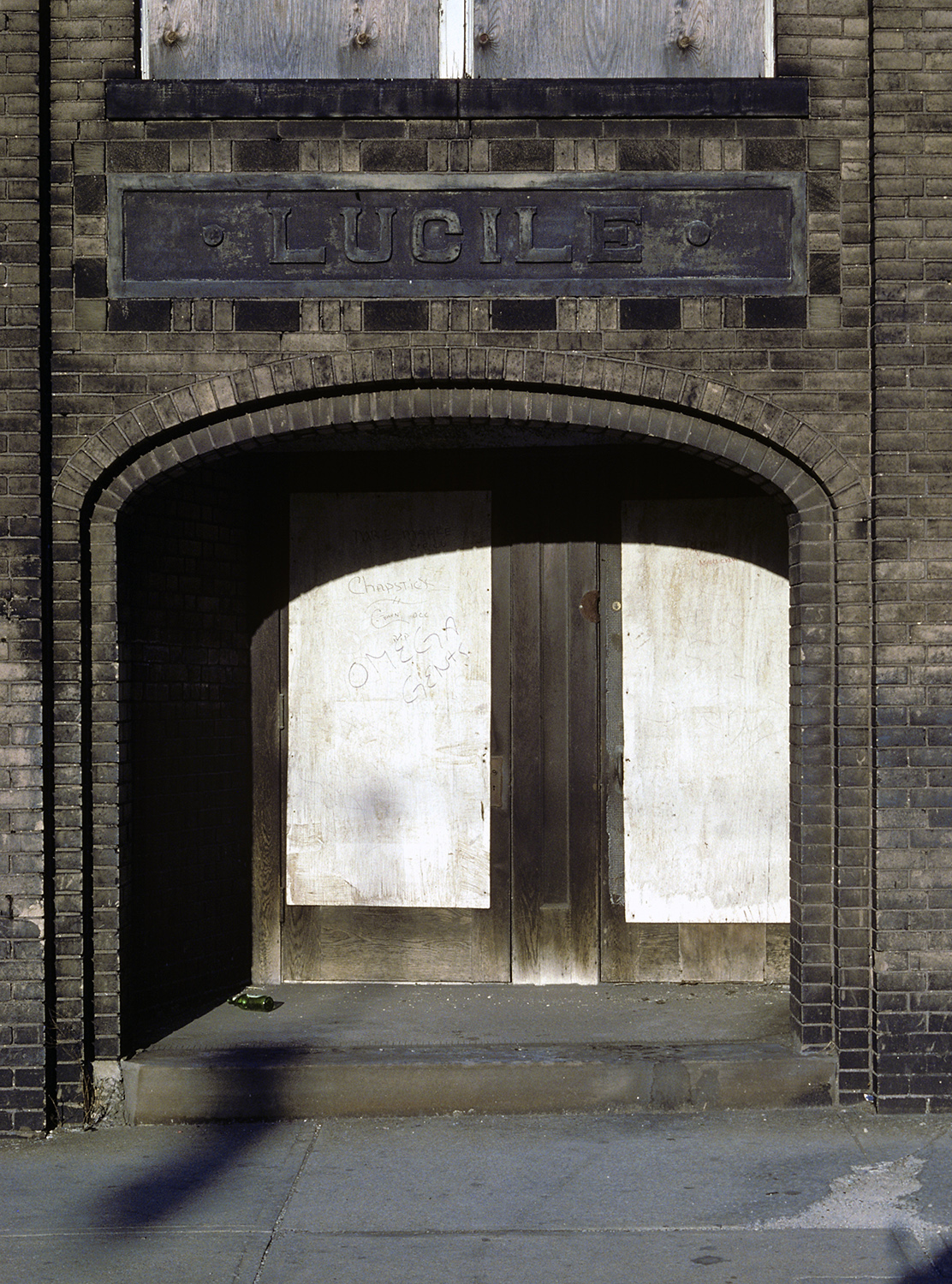
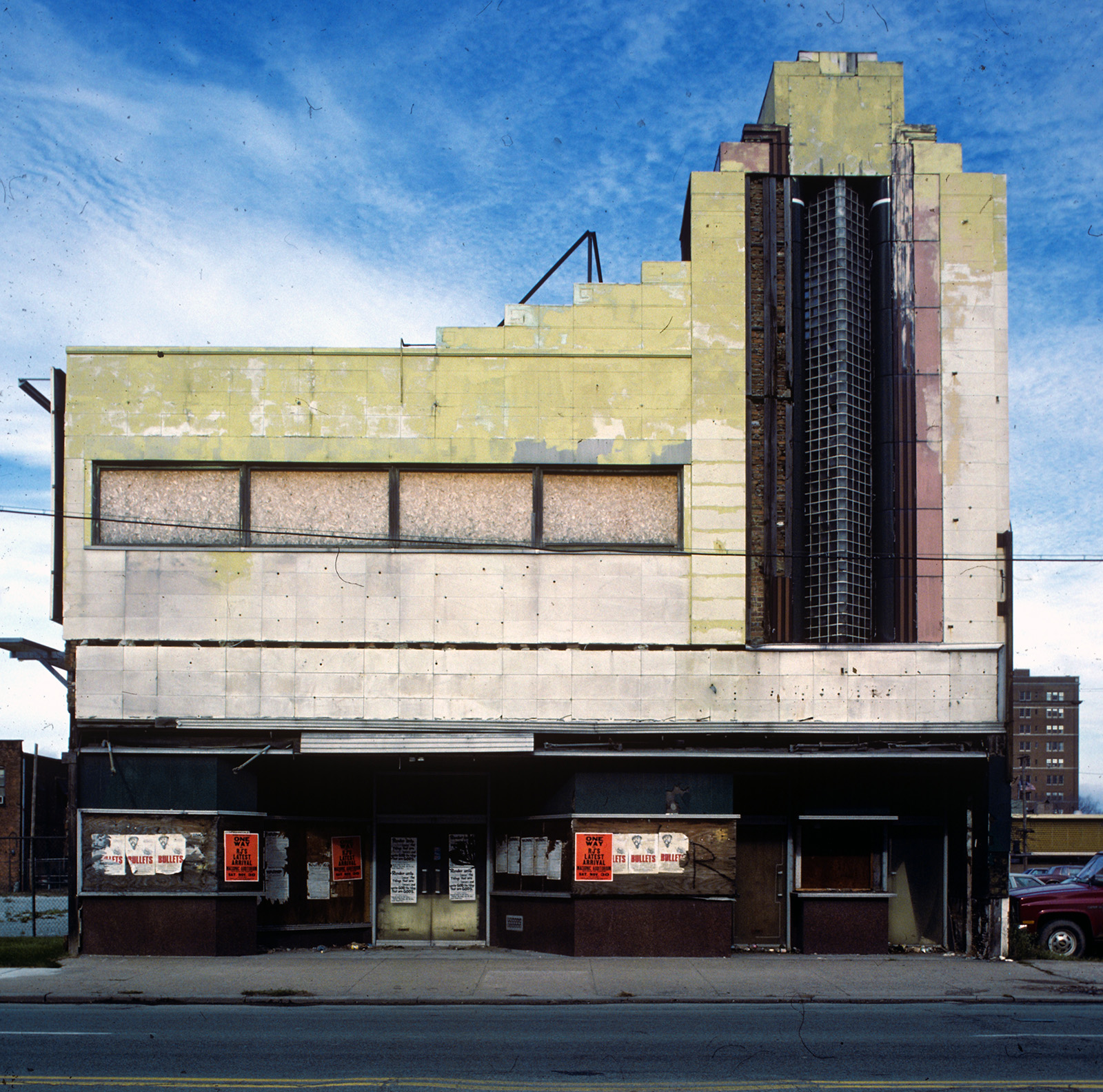
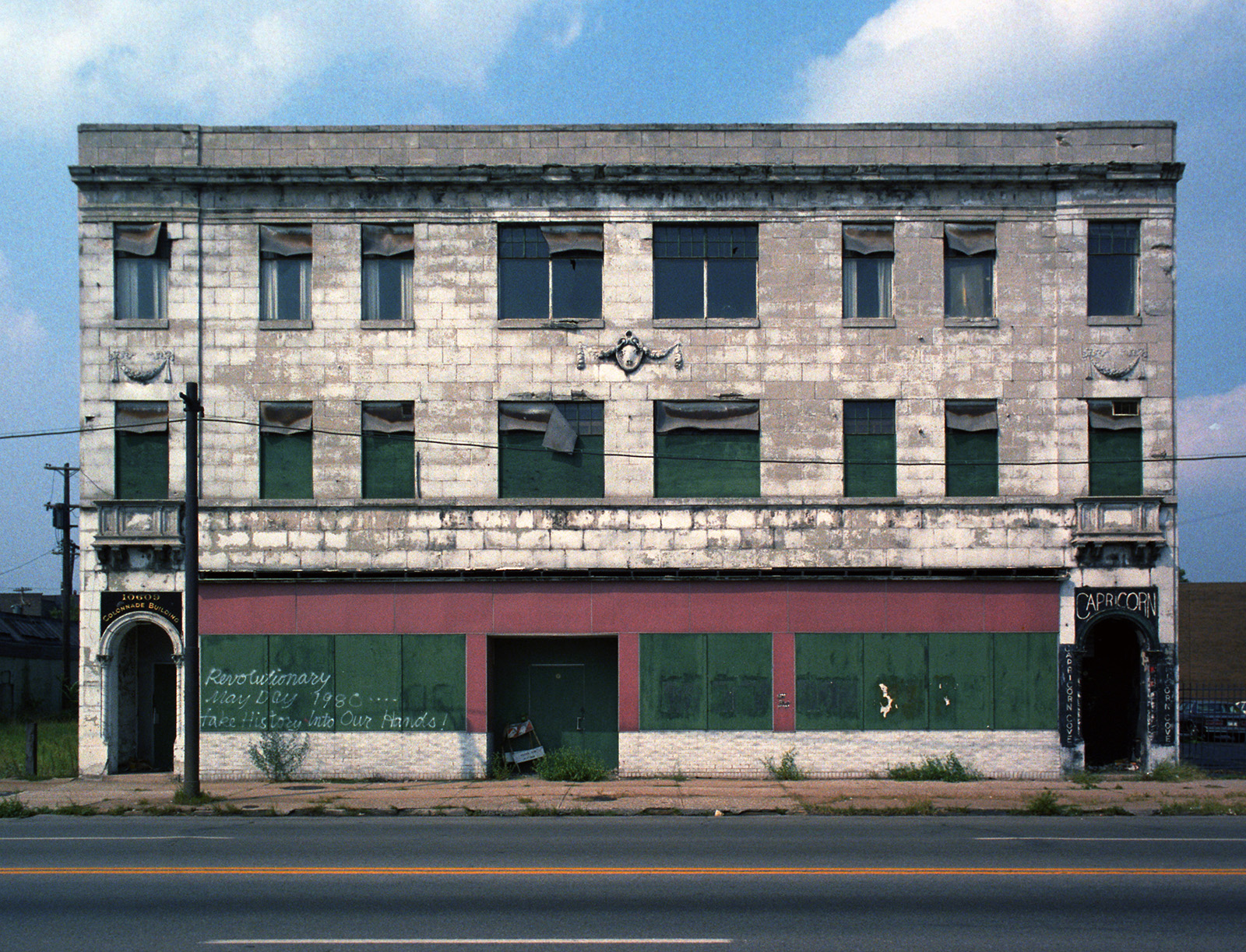
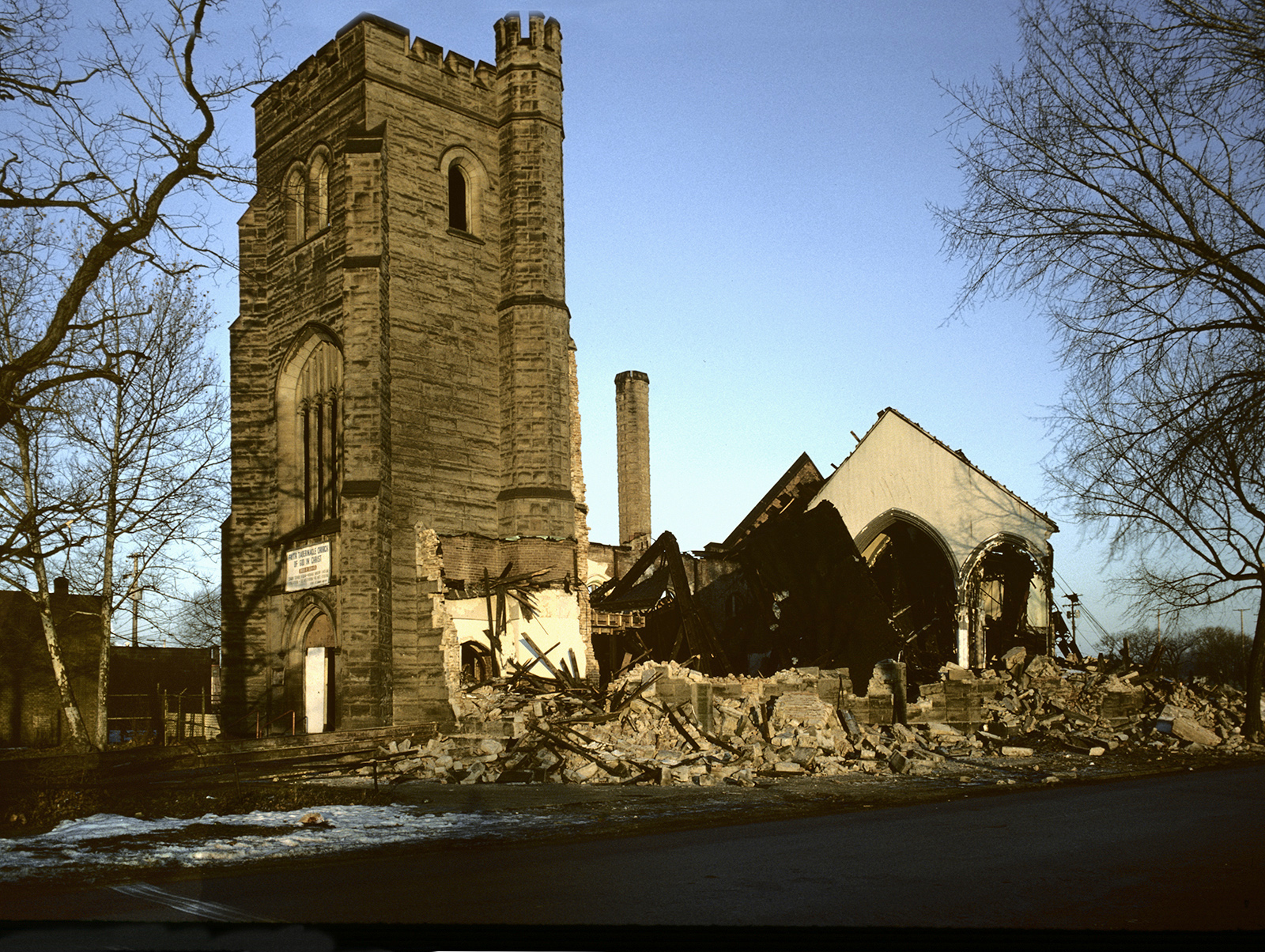
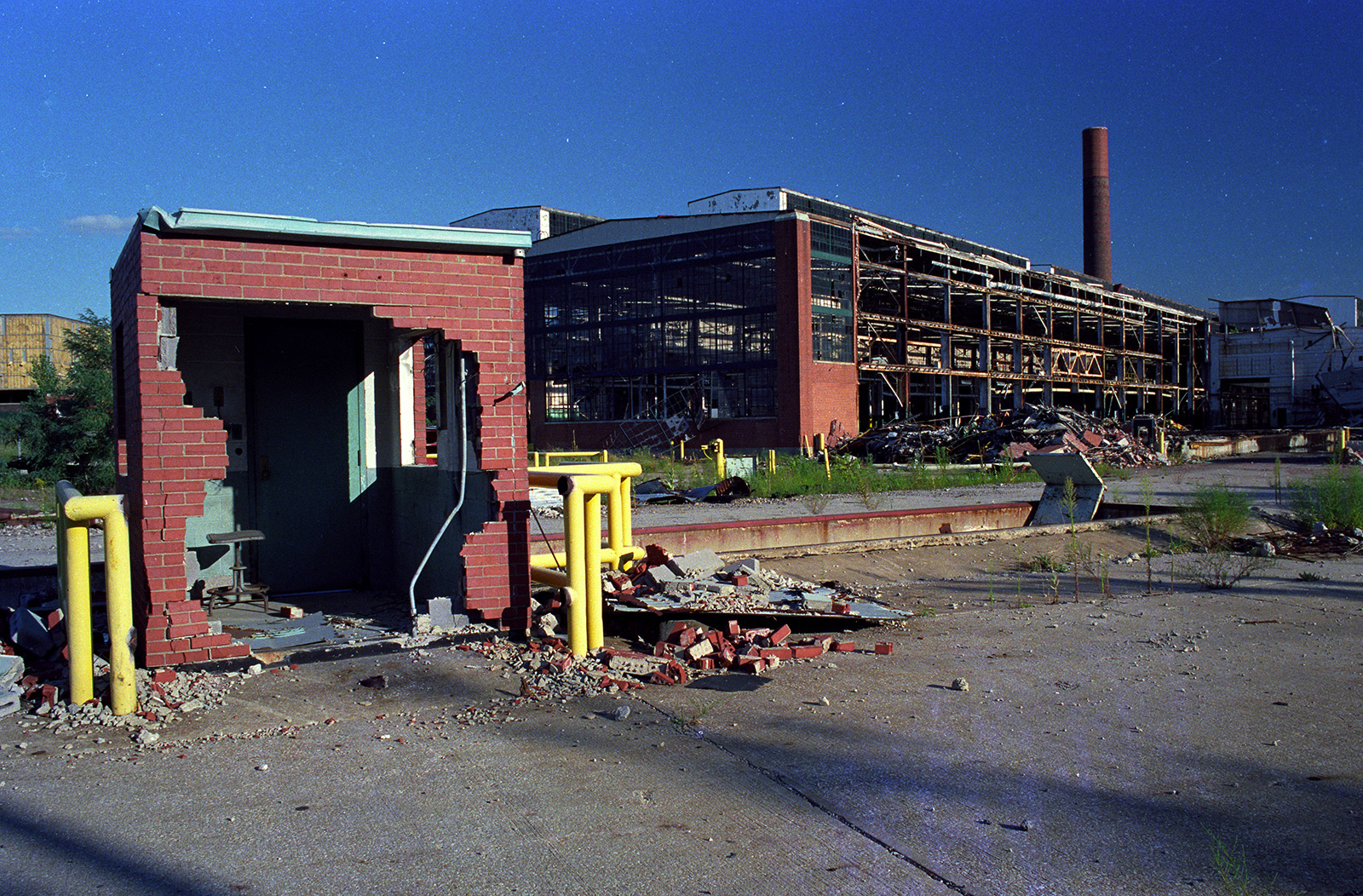
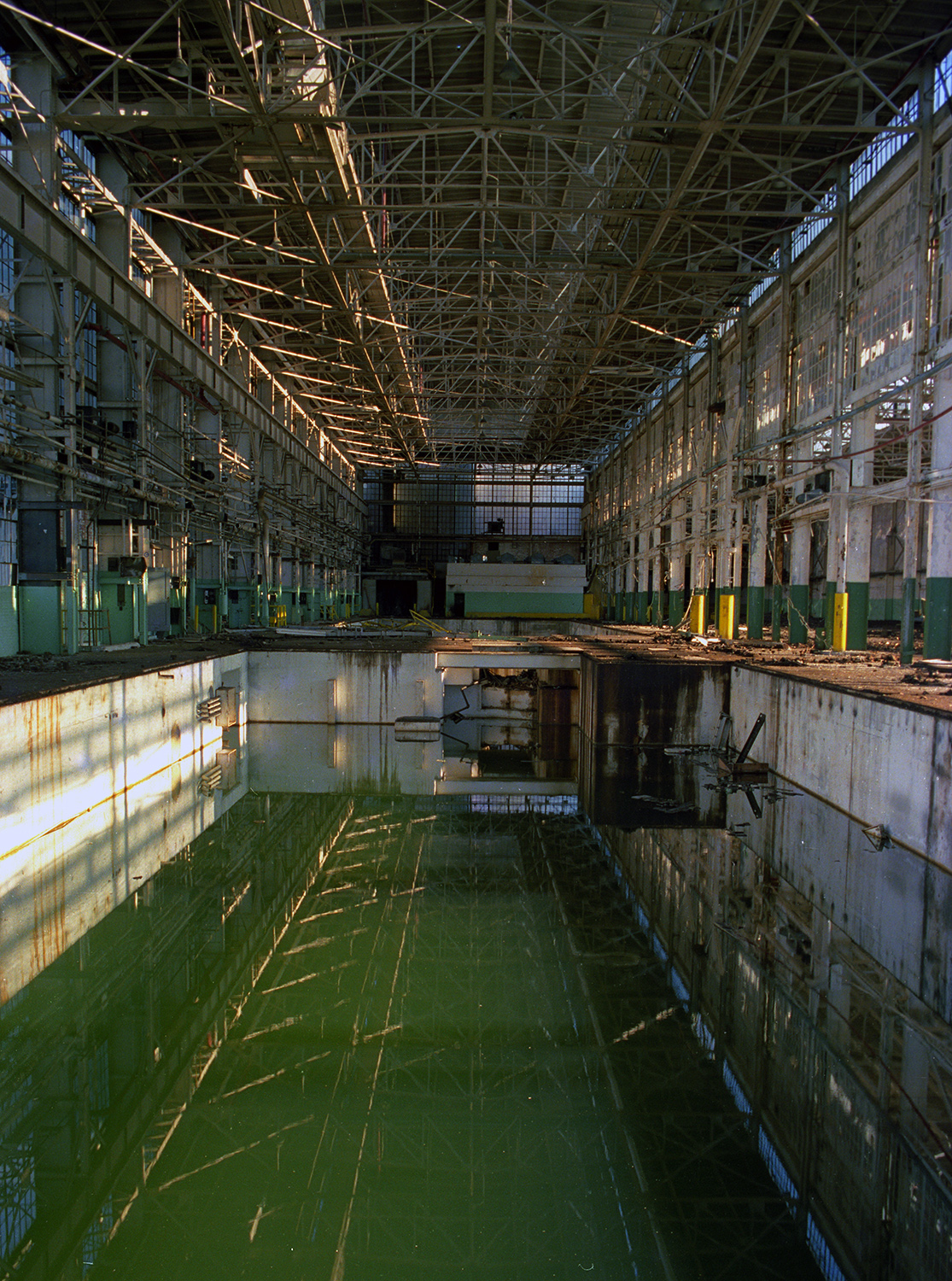
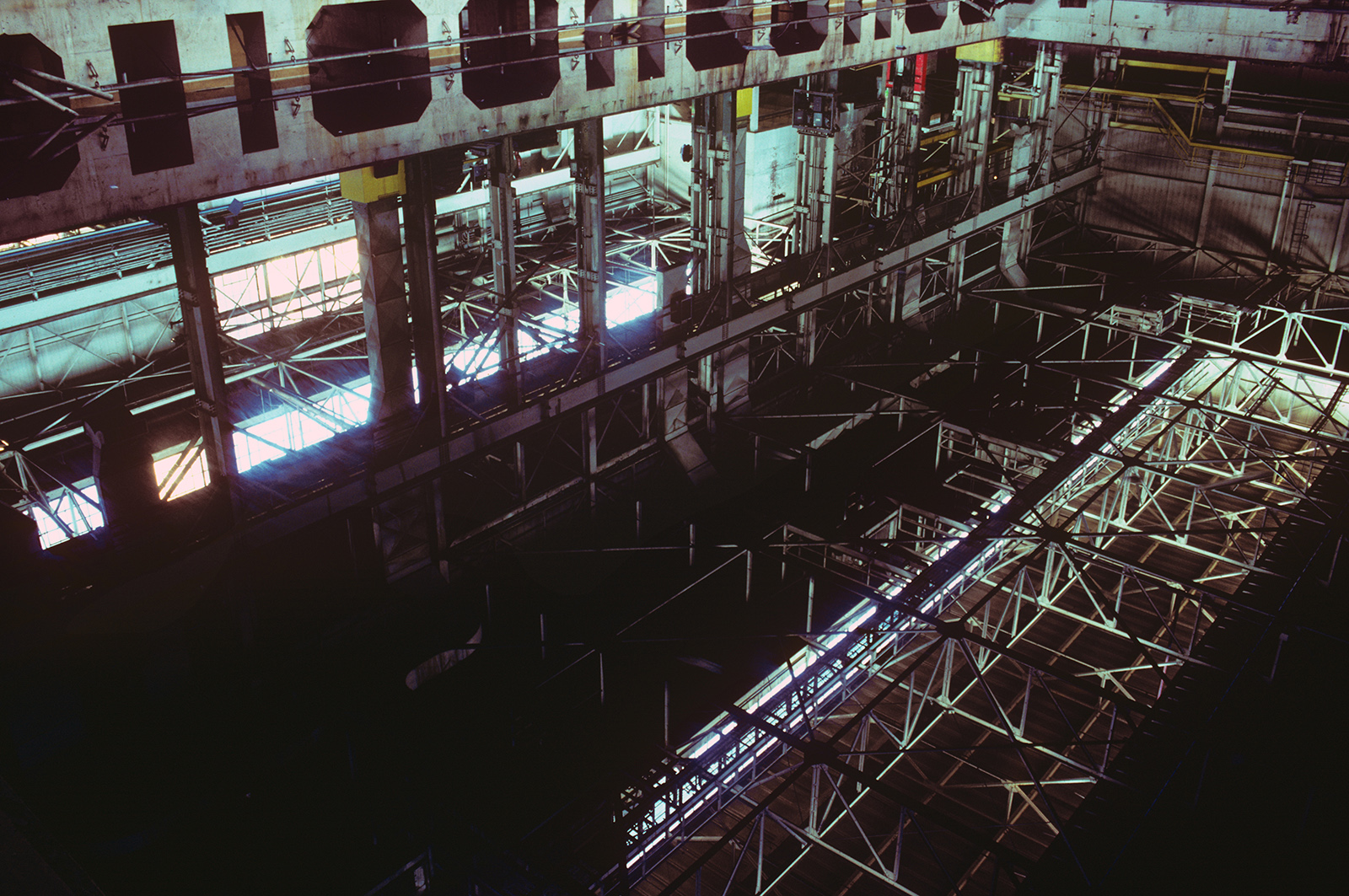
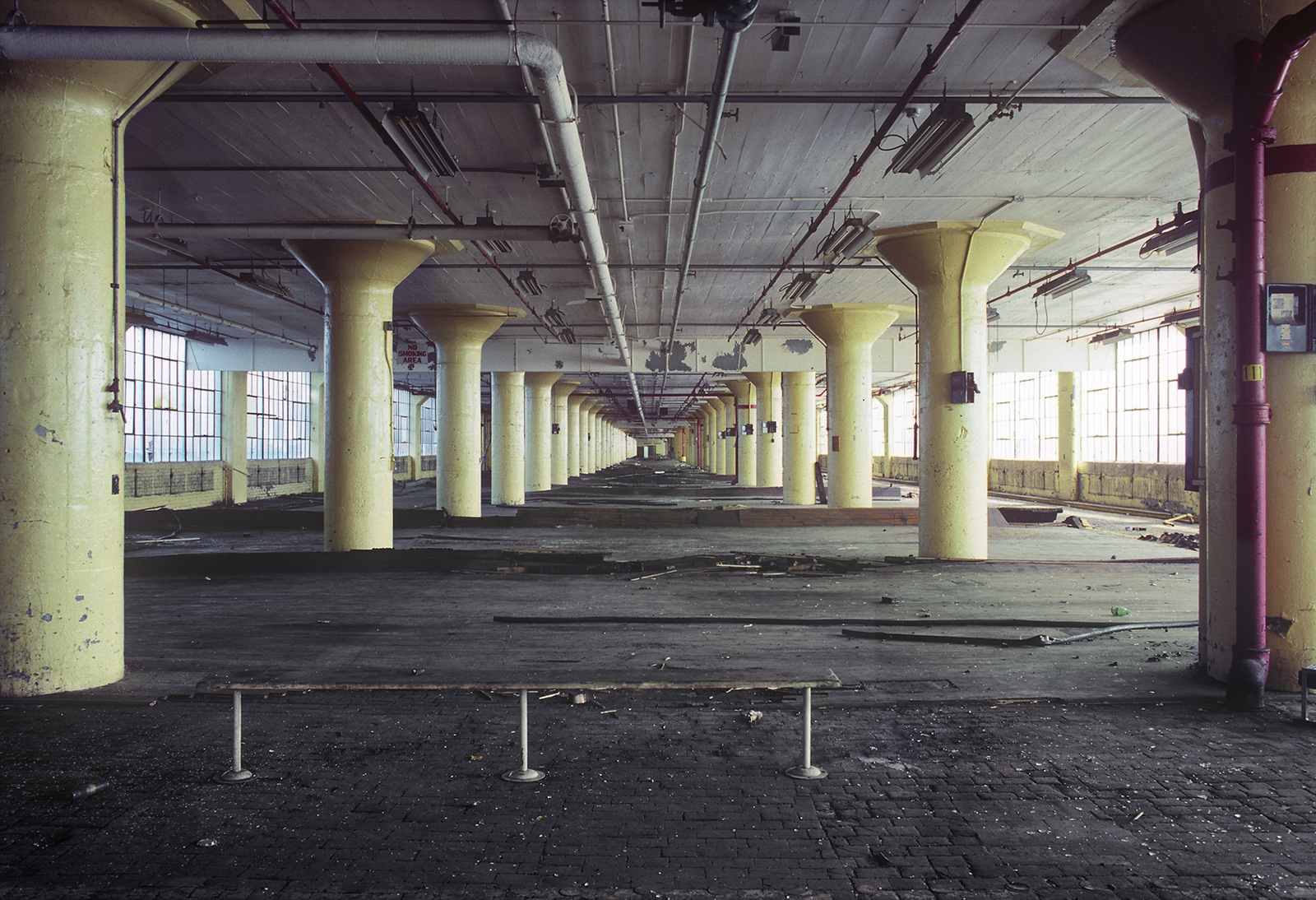
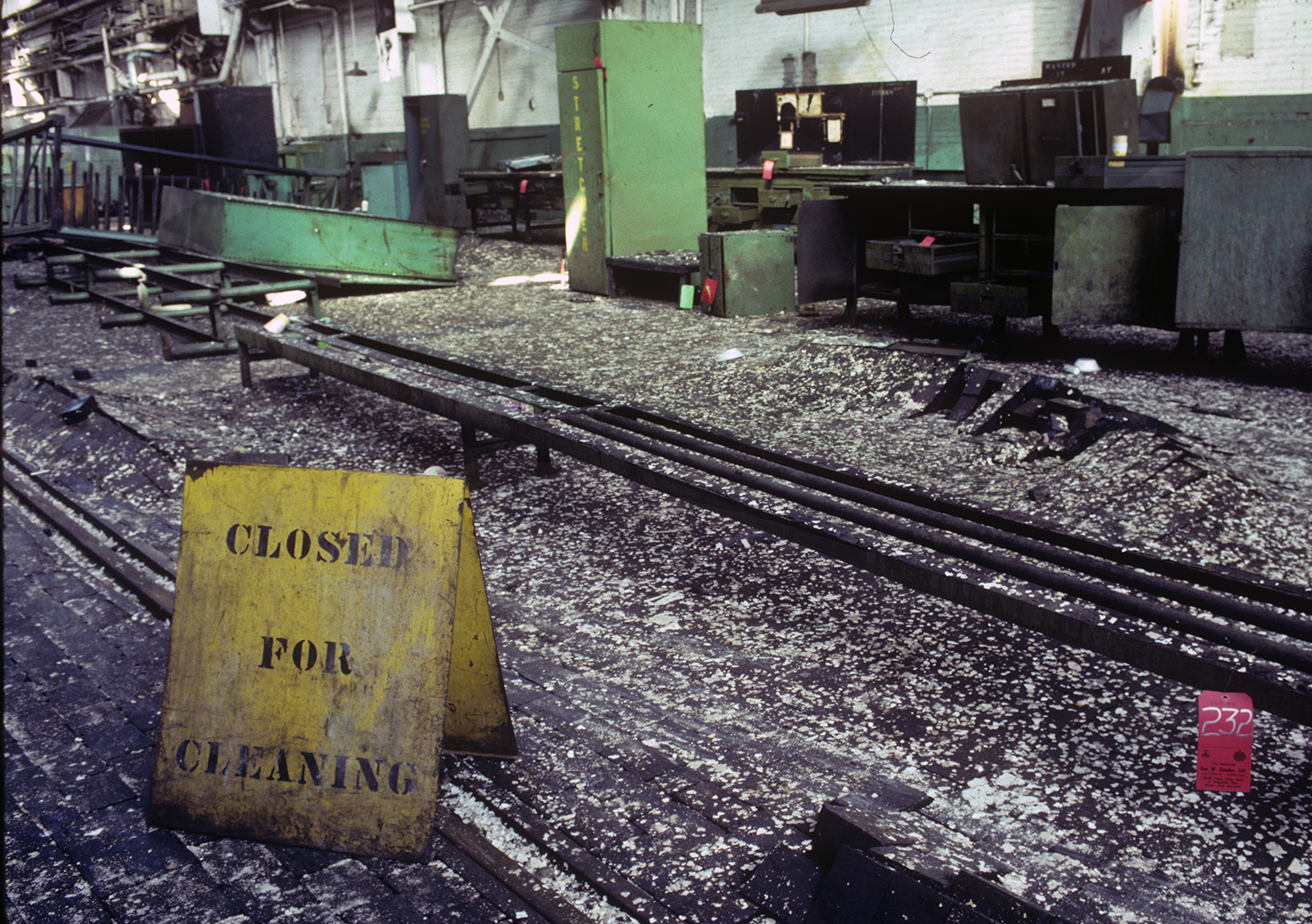
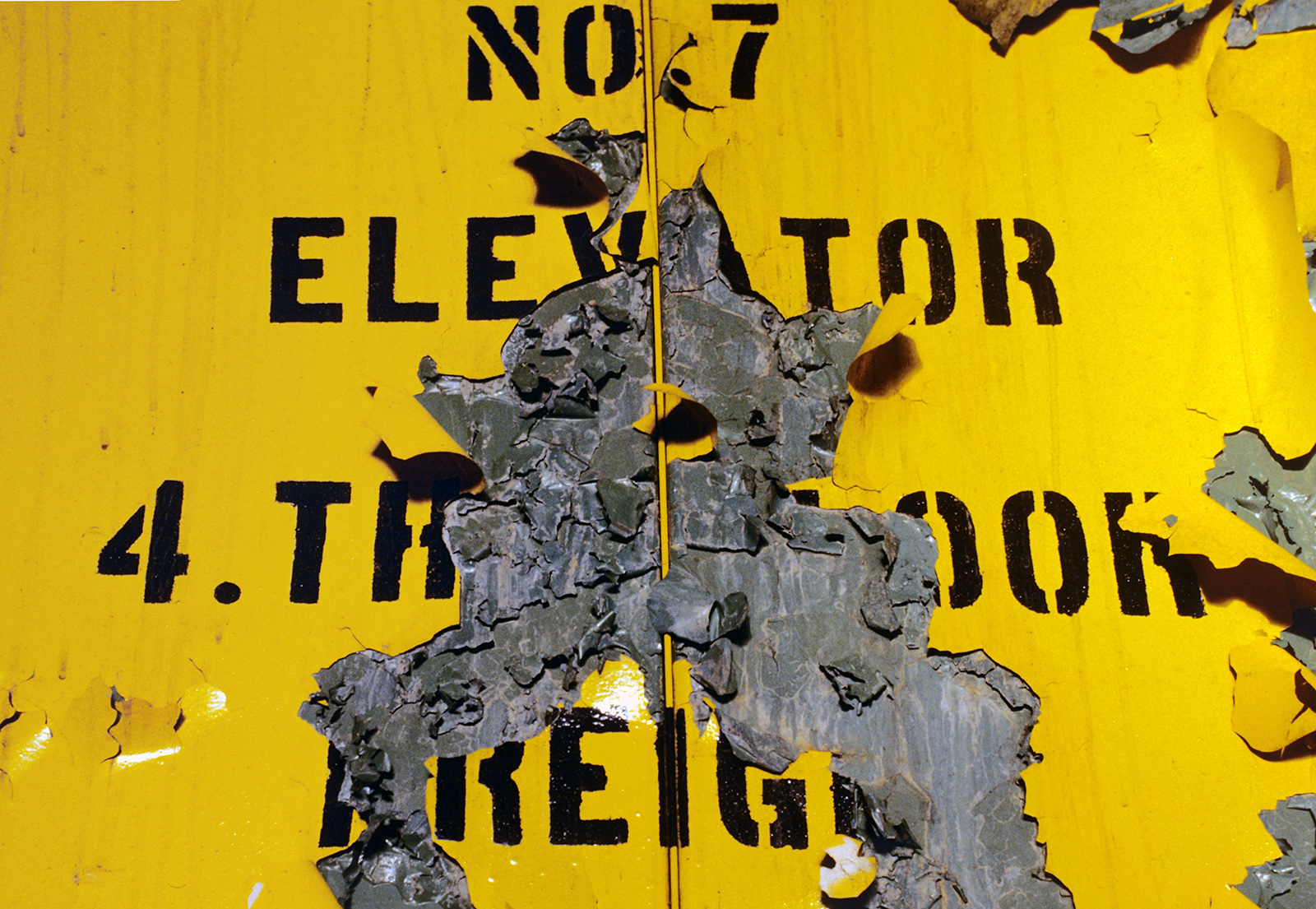
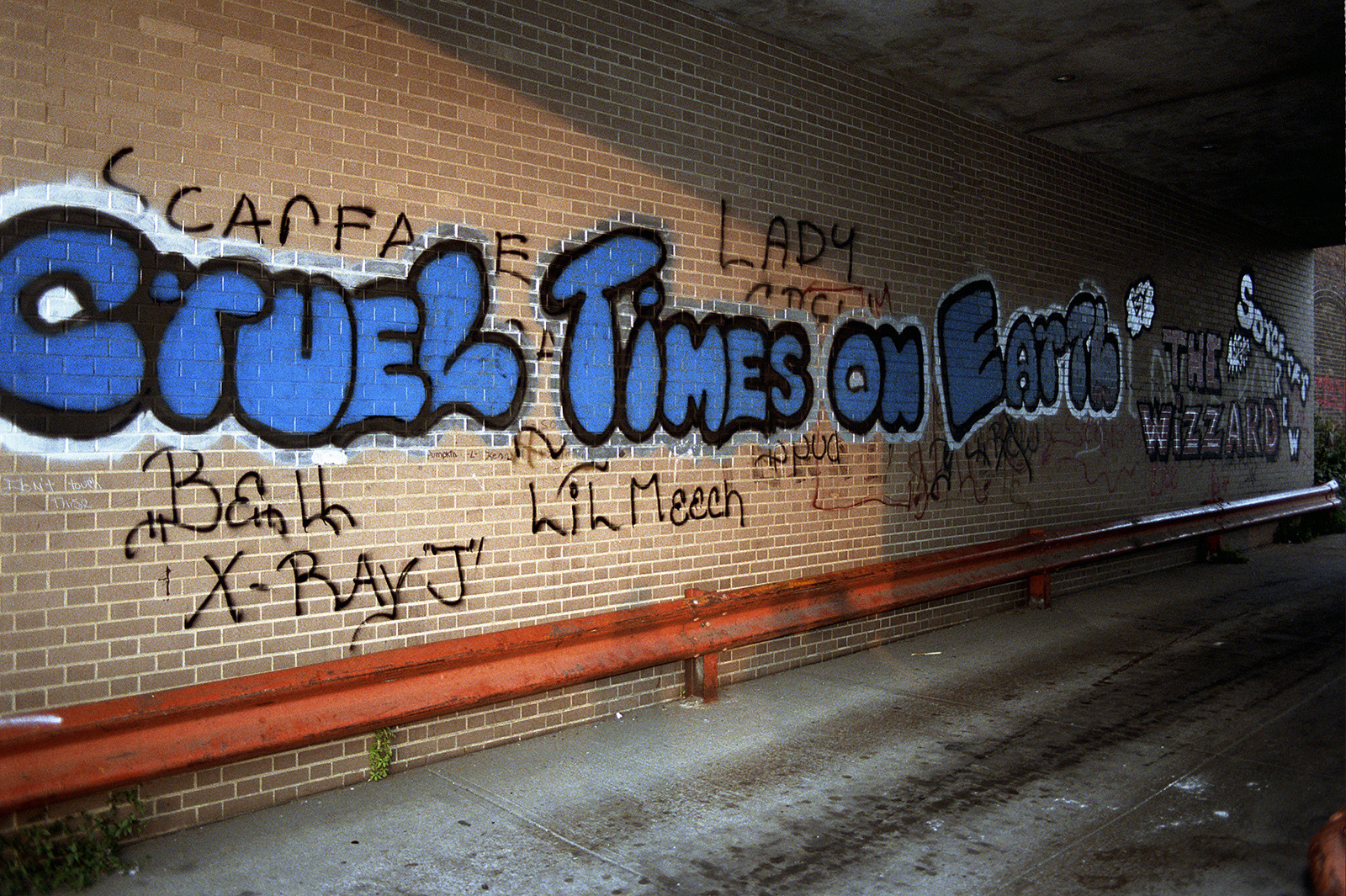
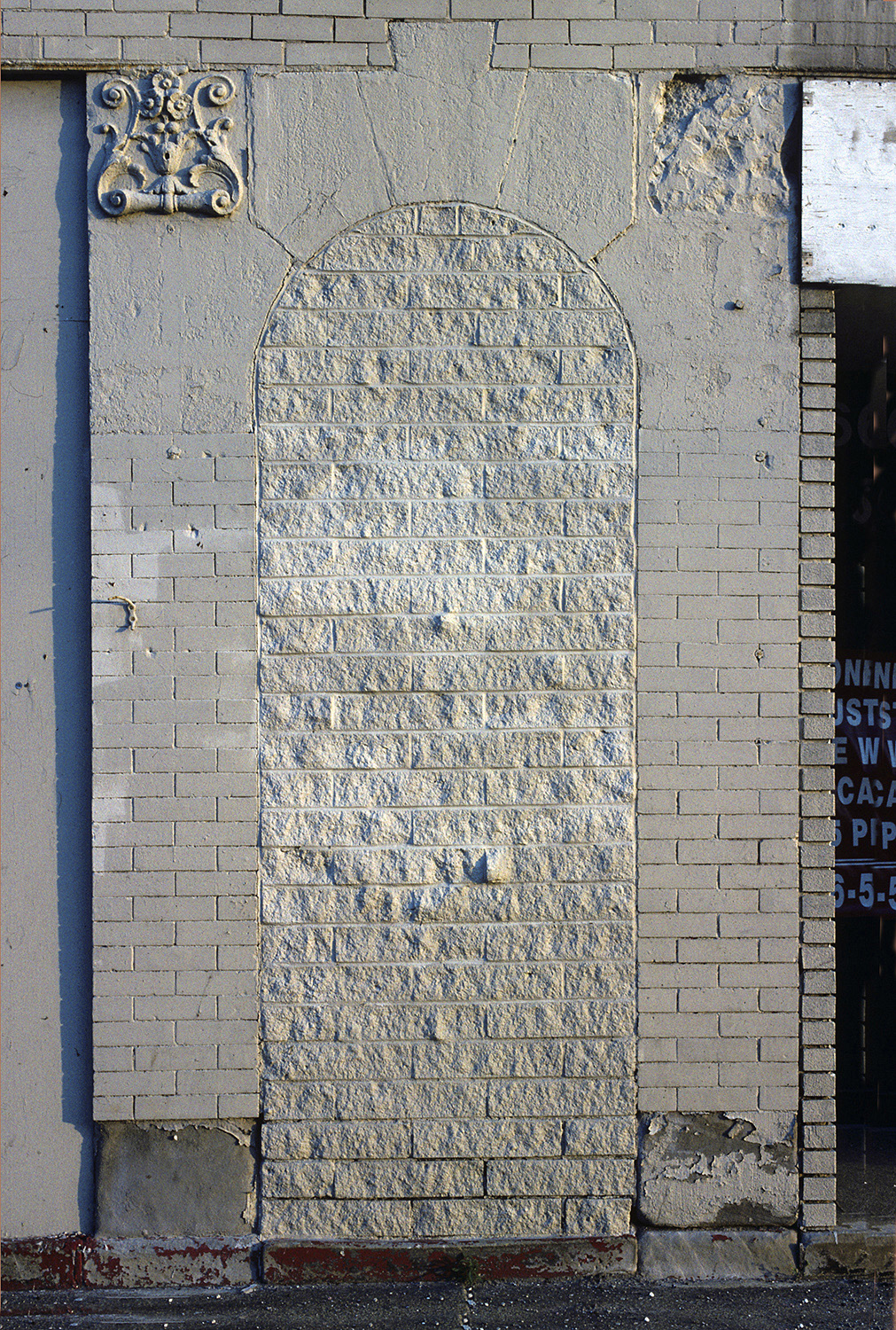
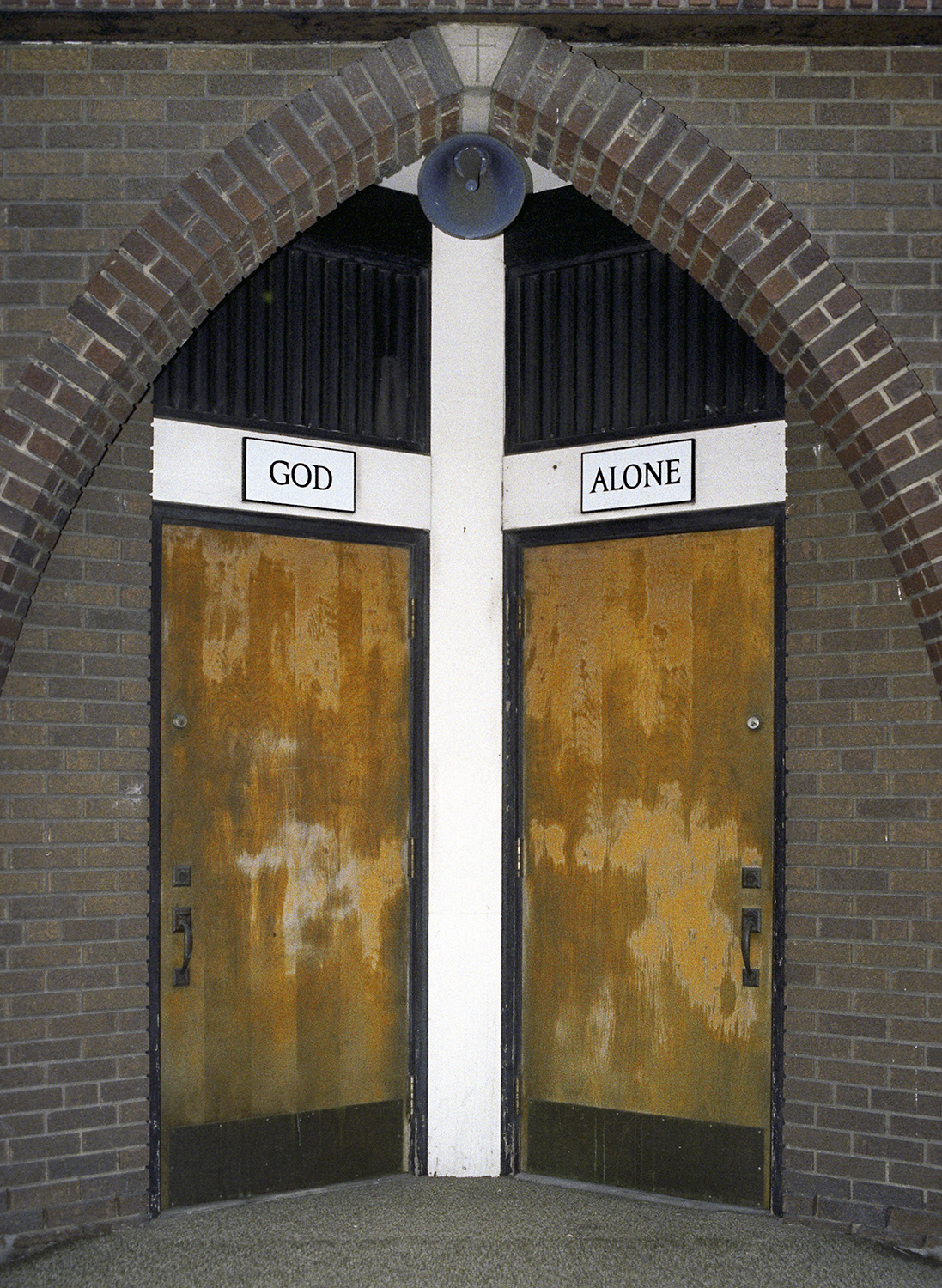
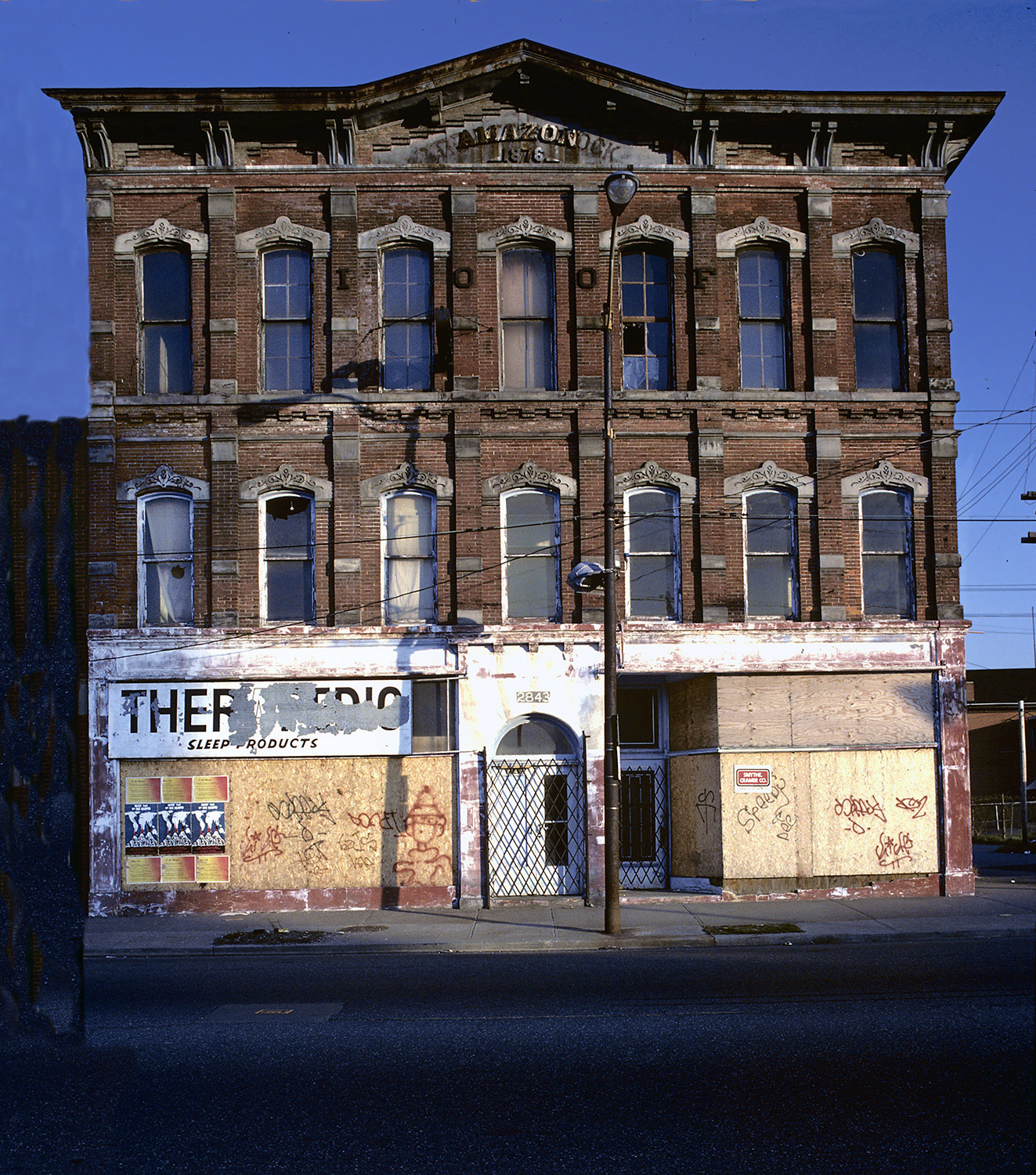
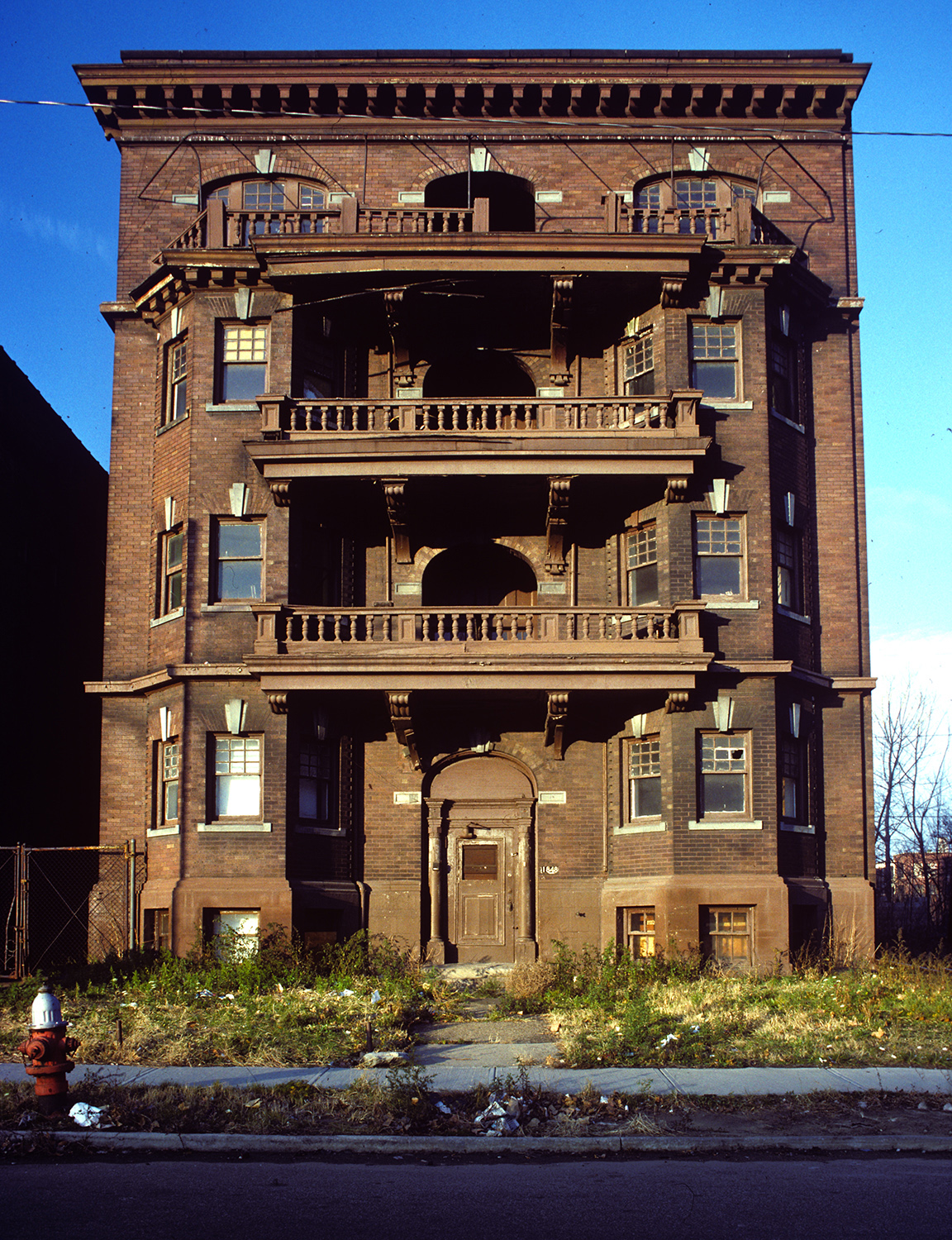
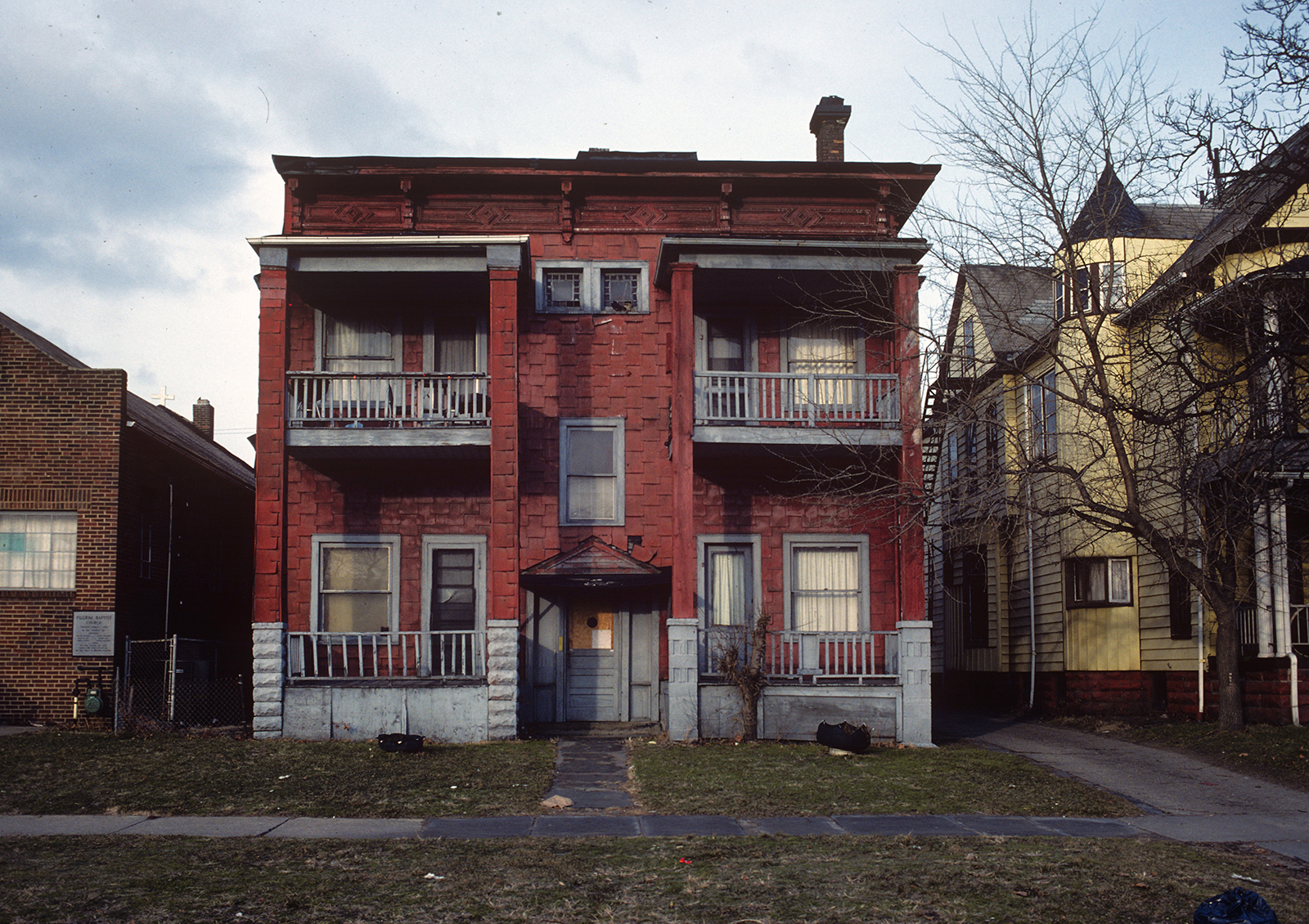
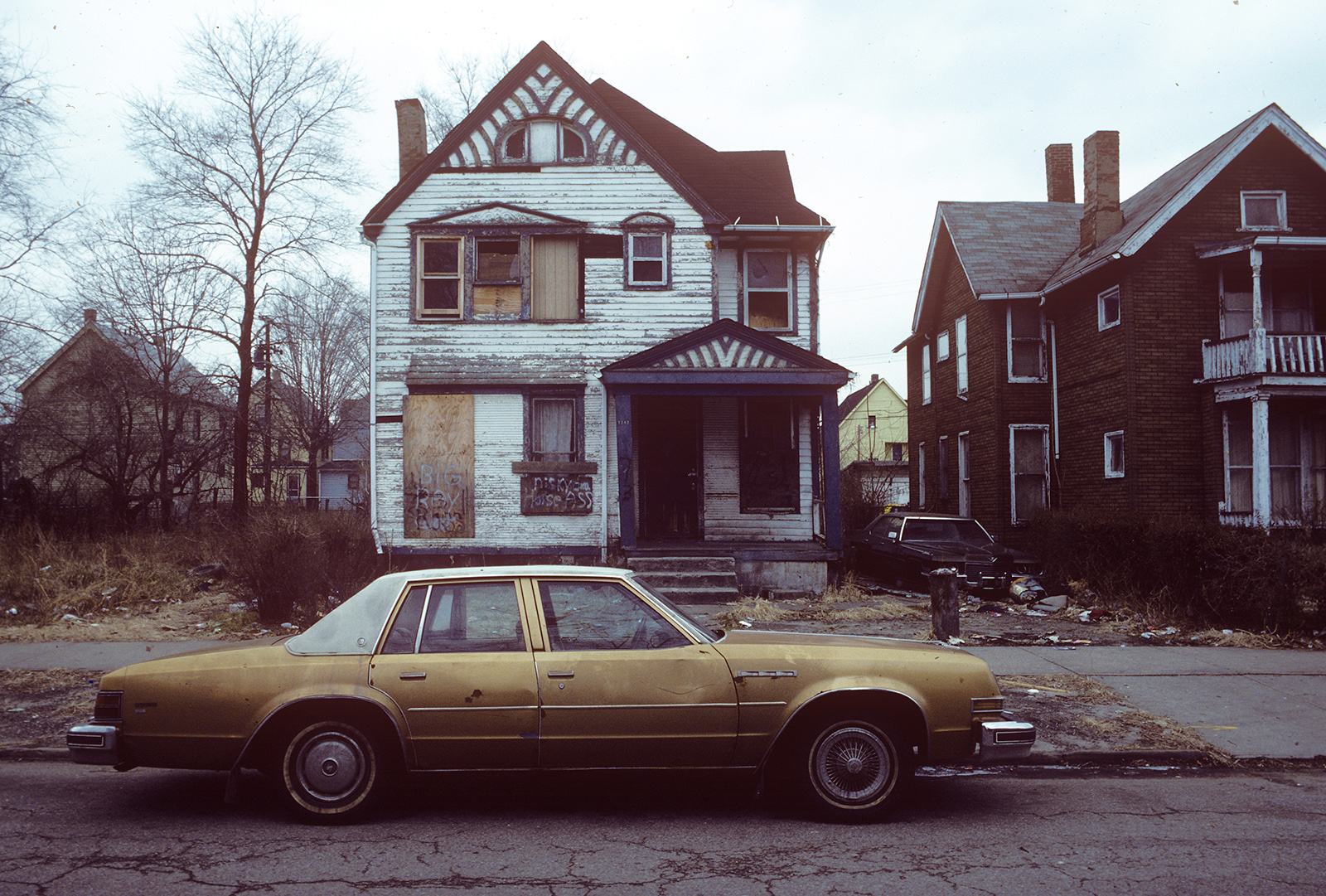
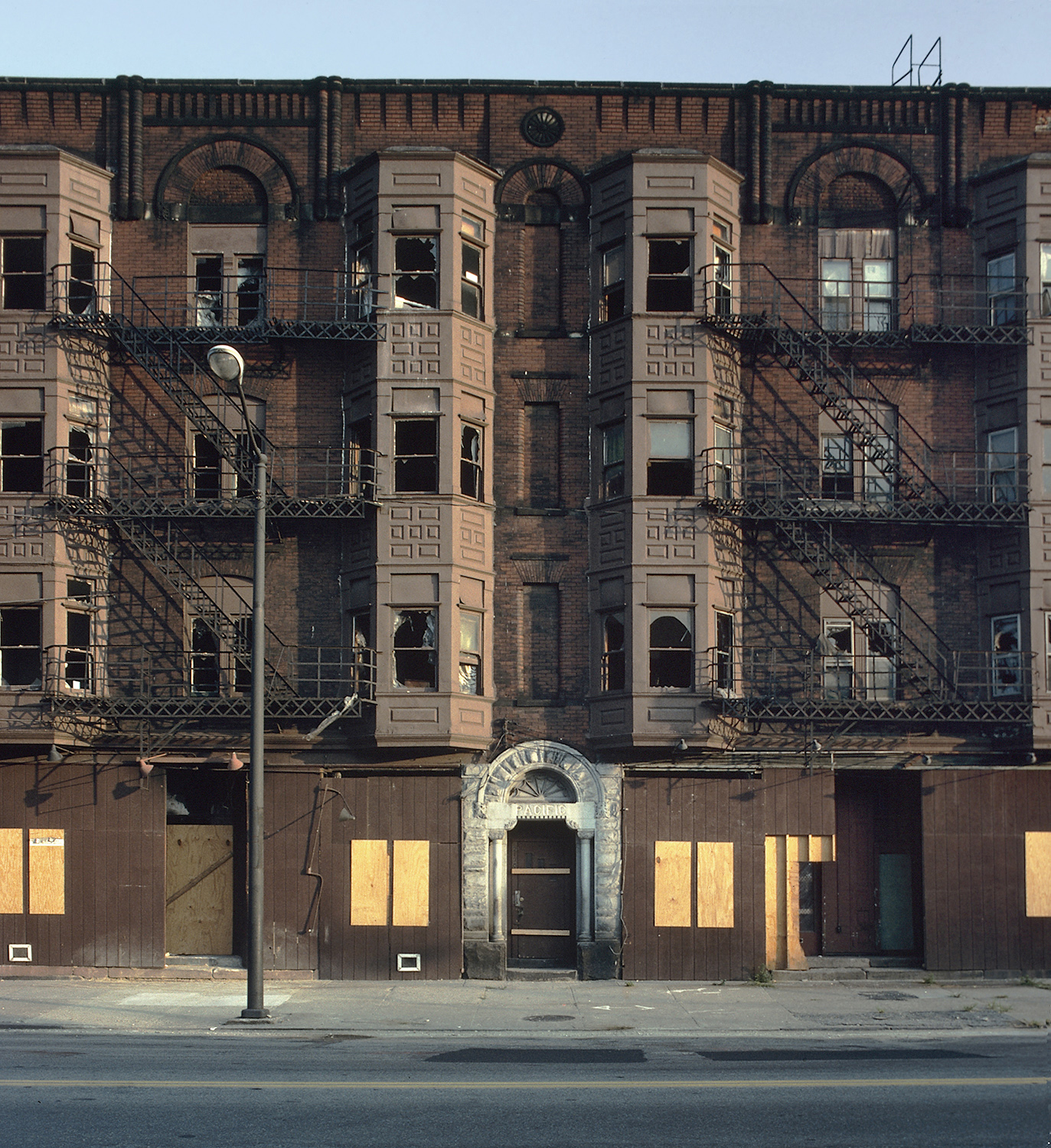
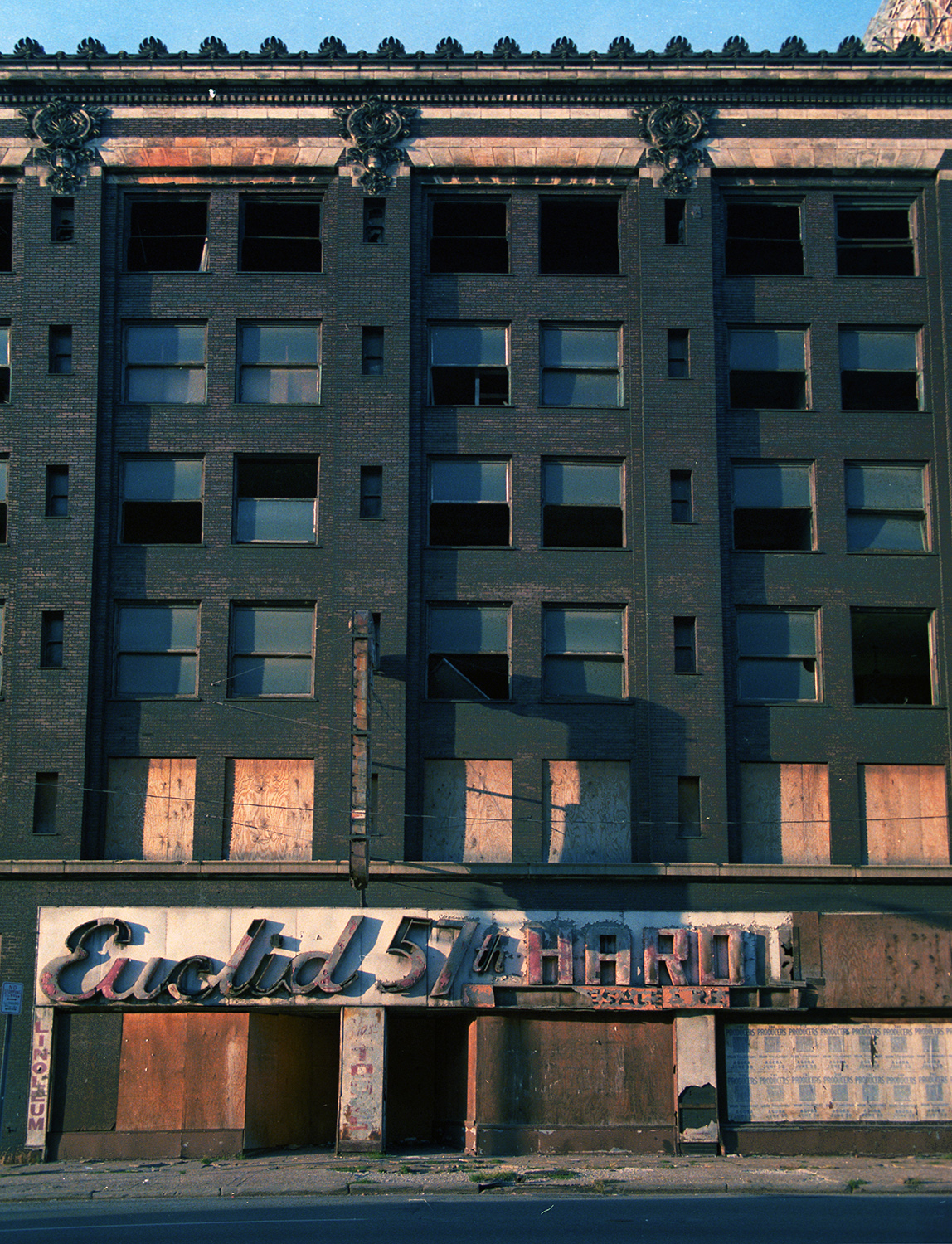
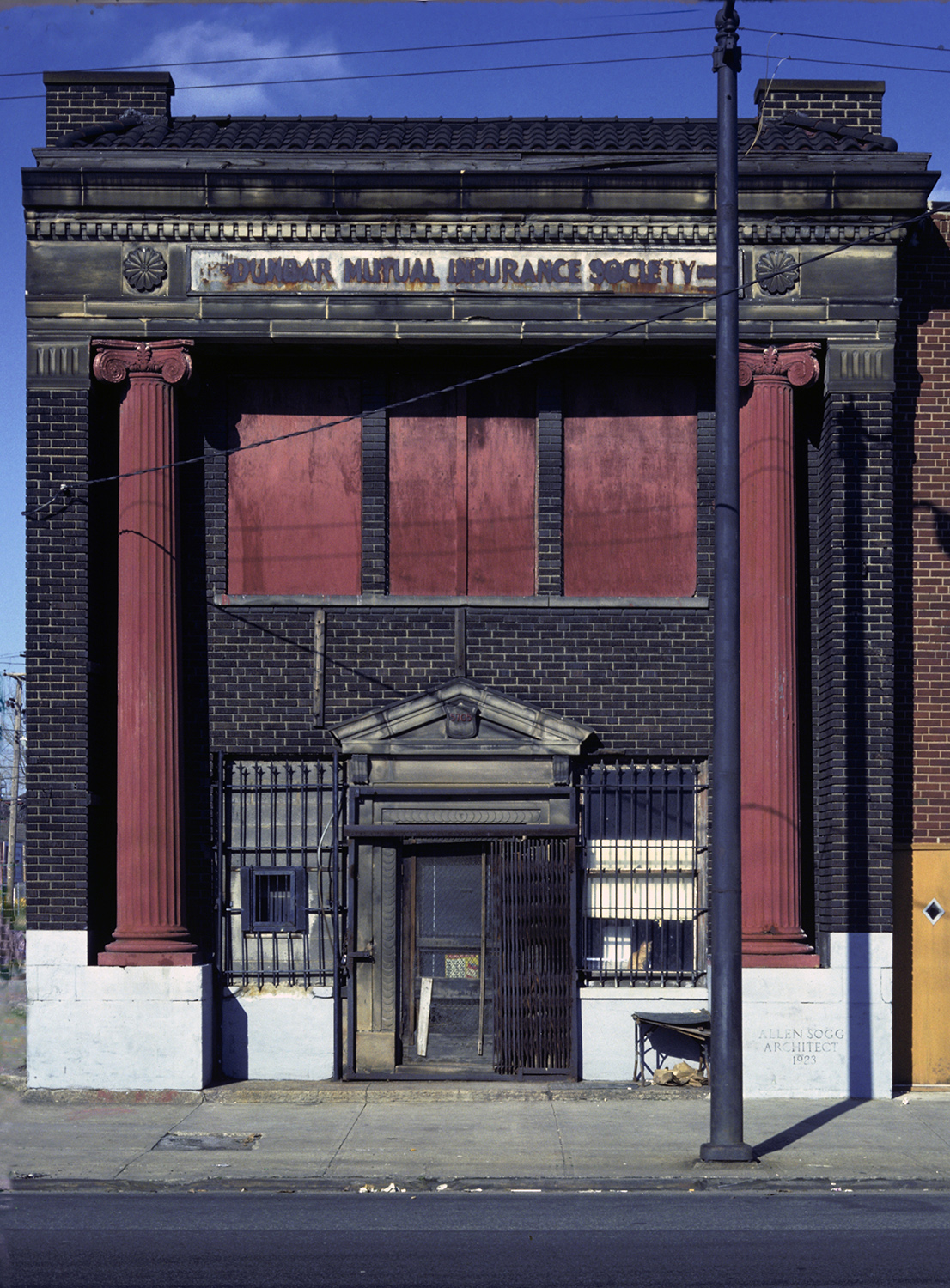
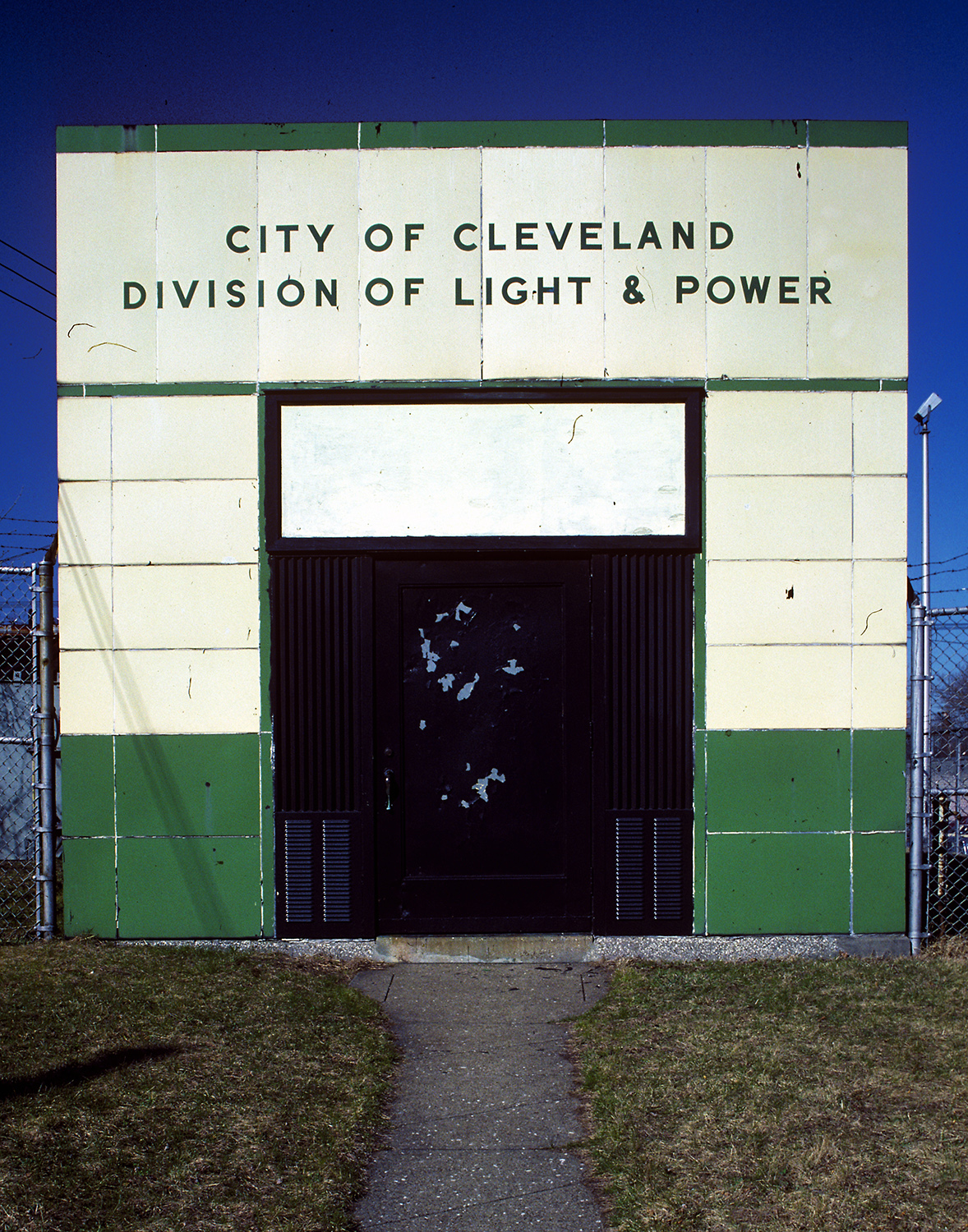
It’s an archive in book form. With 600 shots the book won’t qualify for a nice coffee table art/documentary book, but, i’m capable. Perhaps, one day i’ll do that. If you want to see a nice book edit, view Twilight Town/Fall Town Mix which refines those two books into an art book.
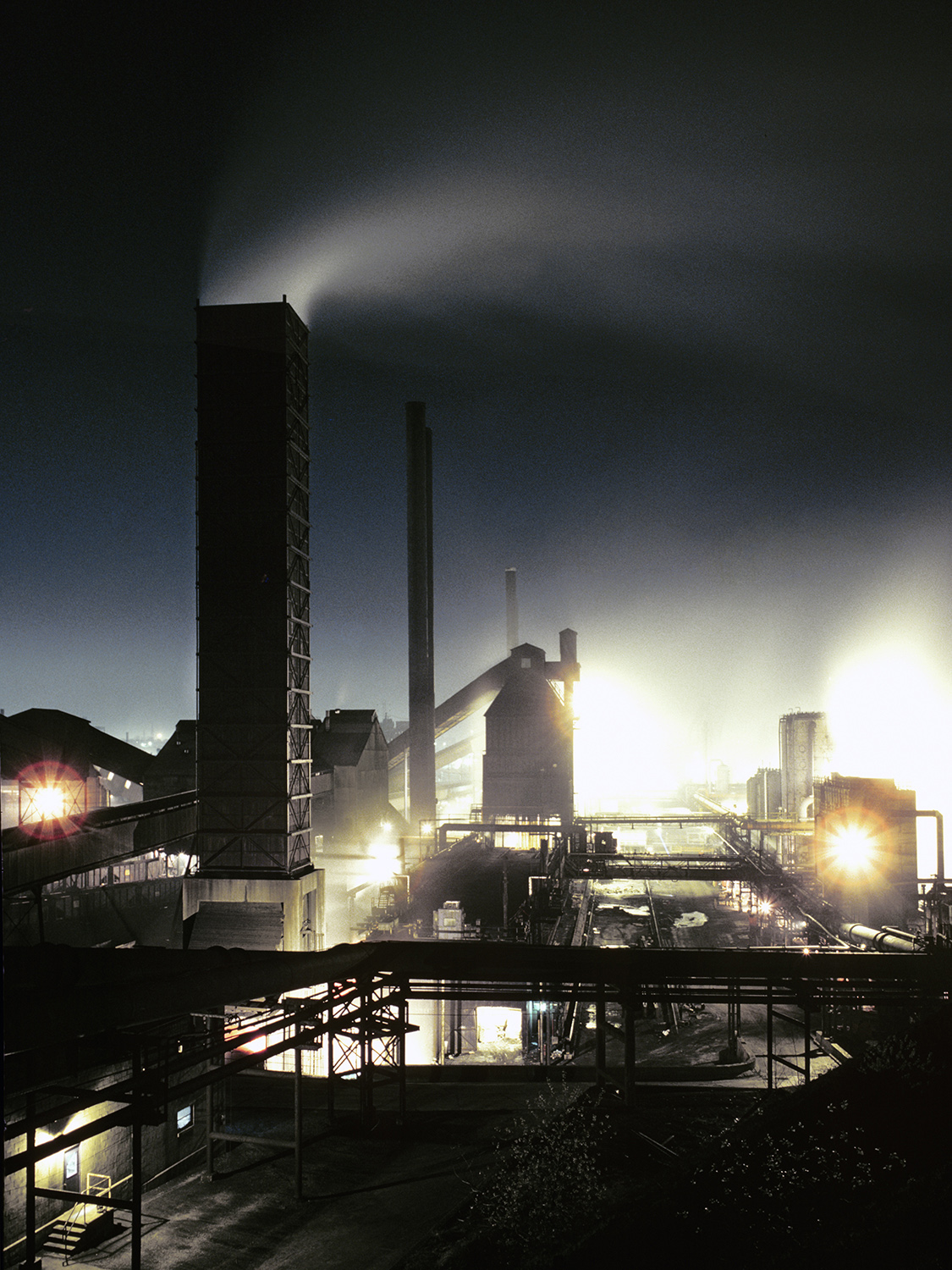
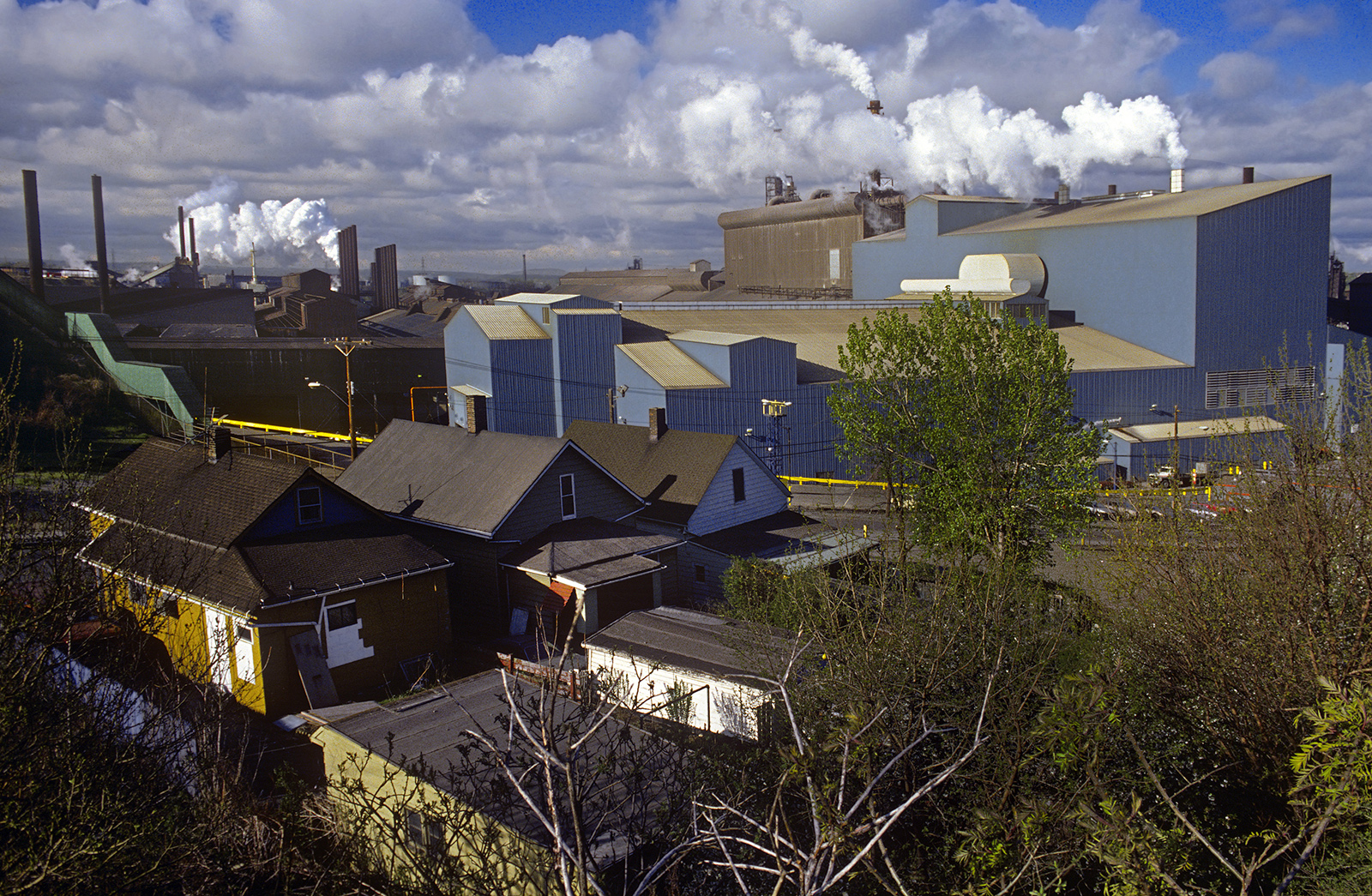
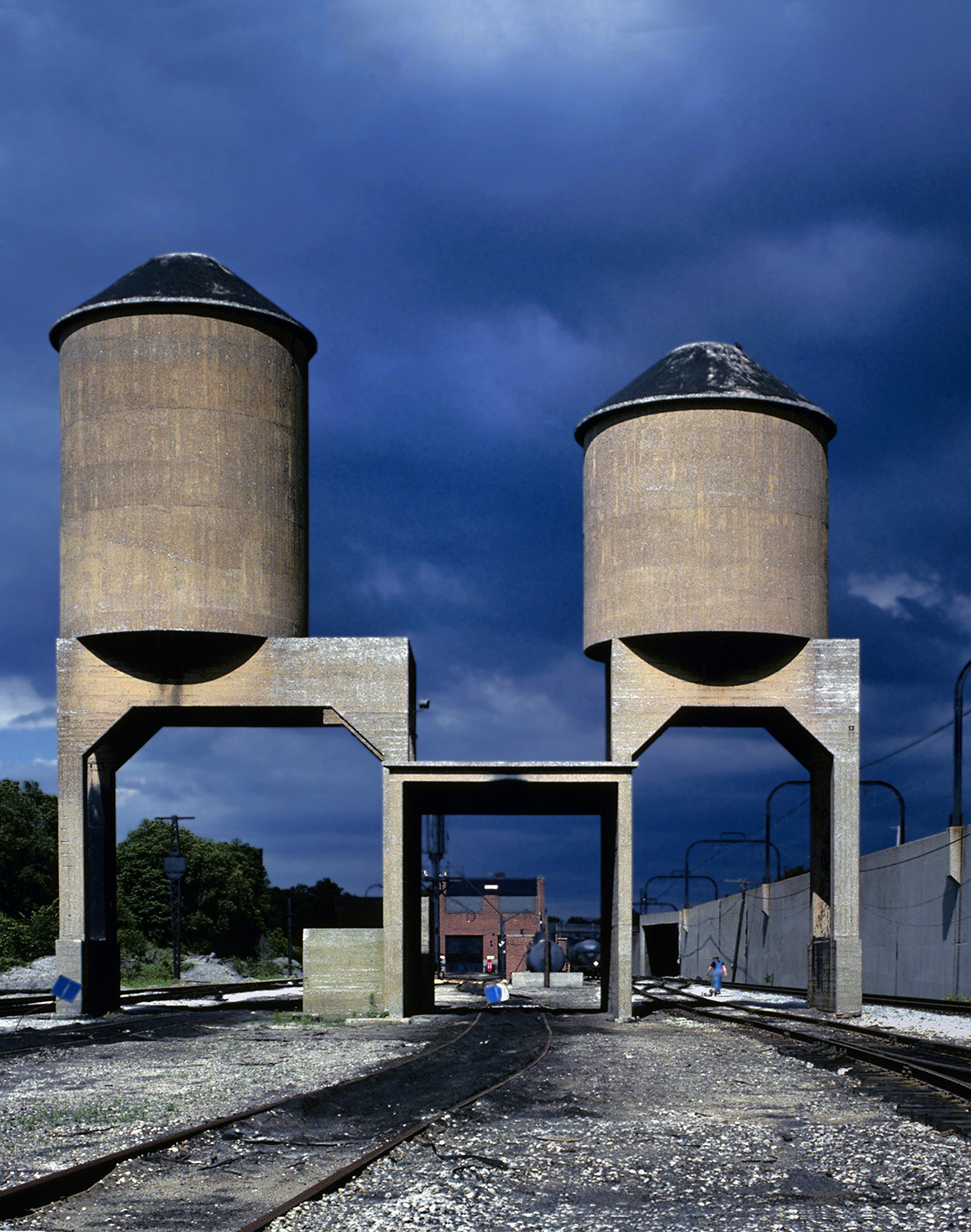
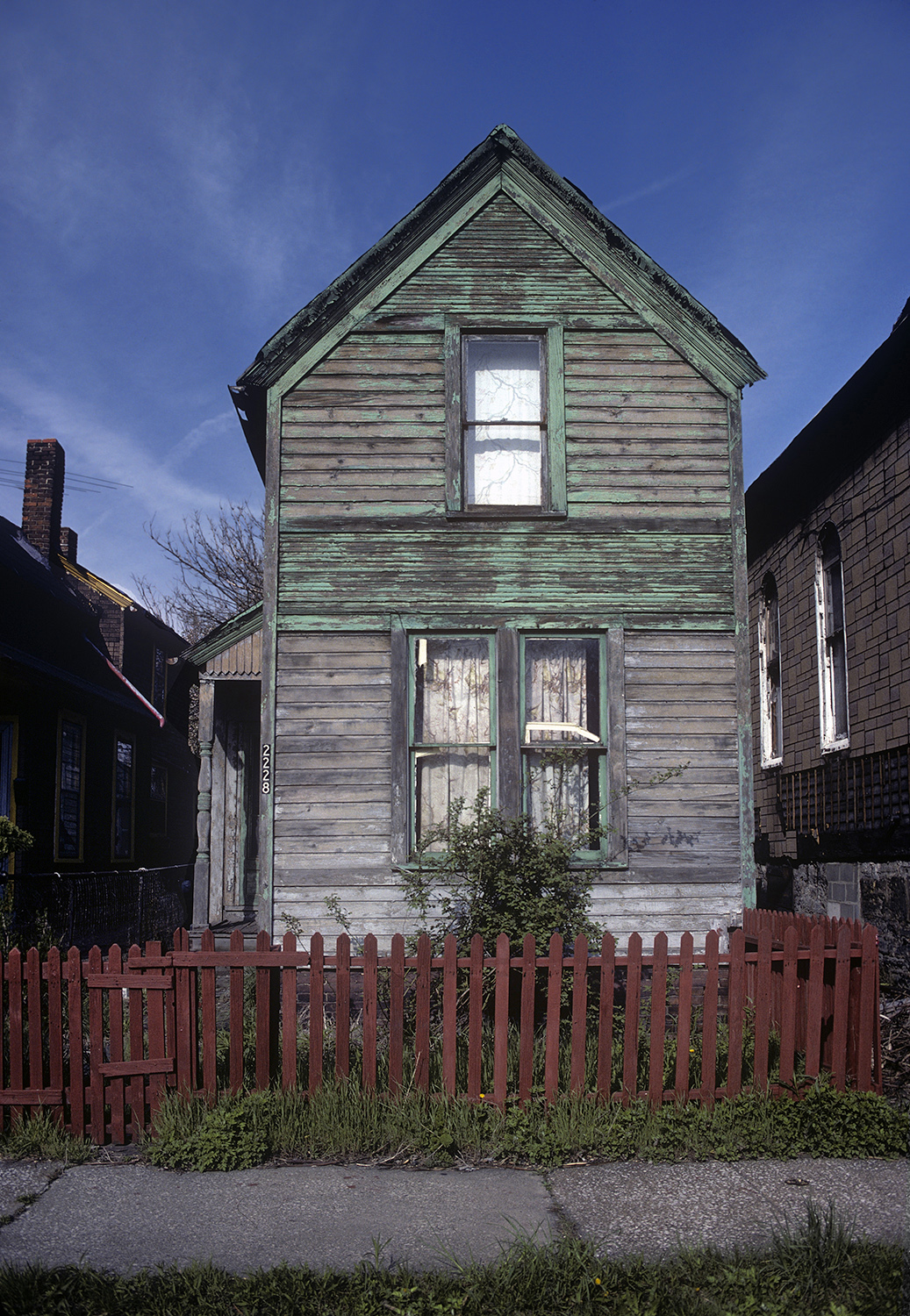
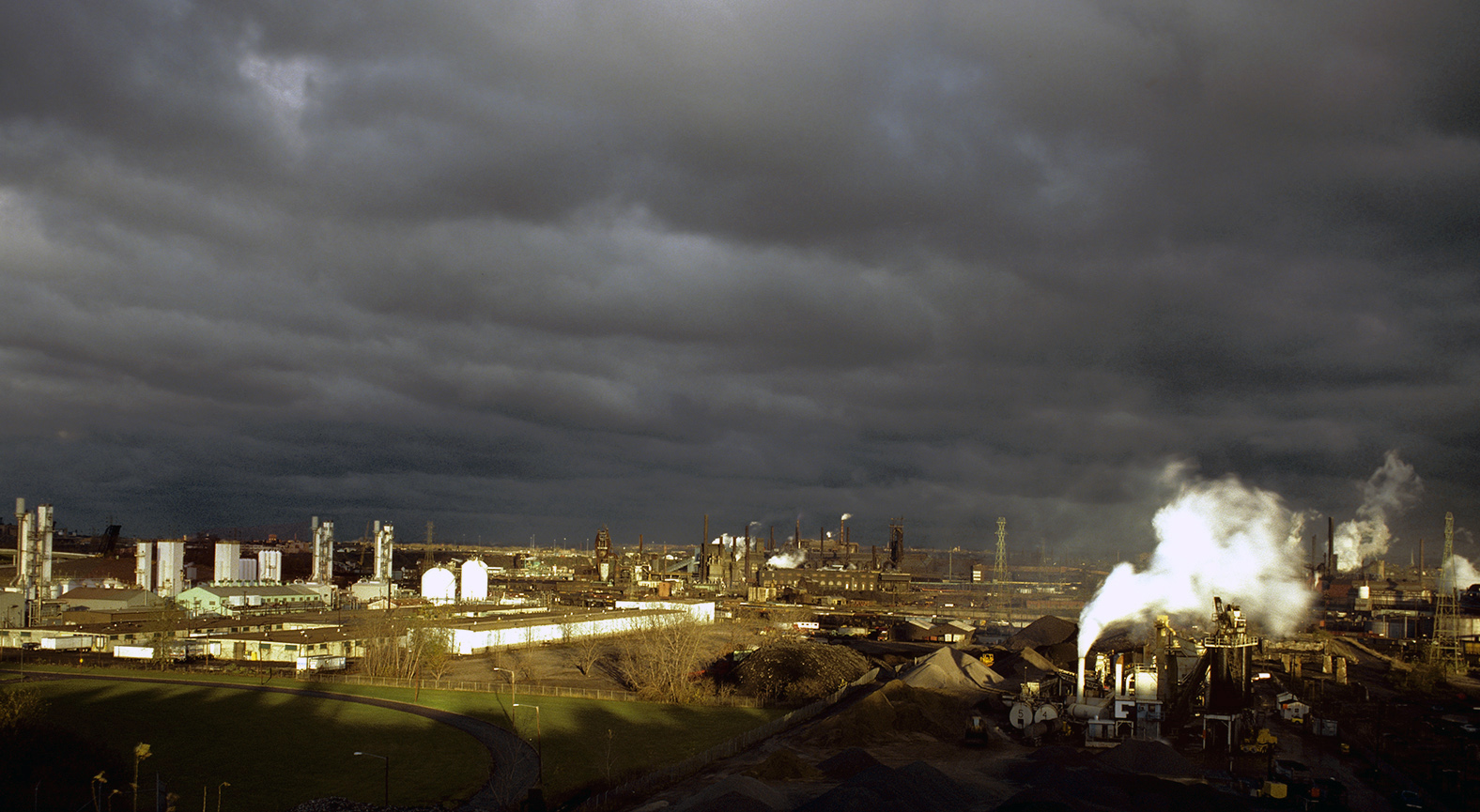
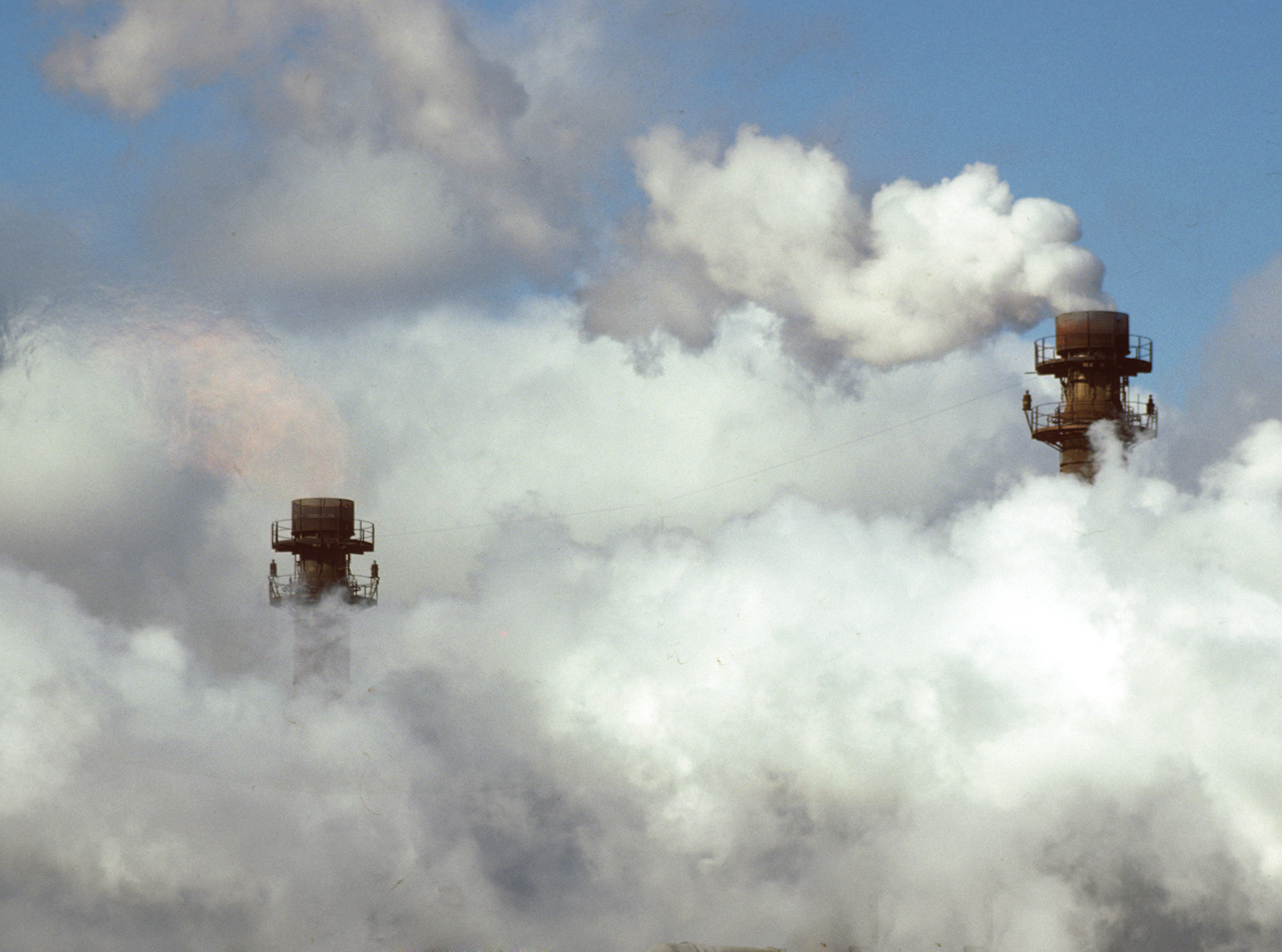
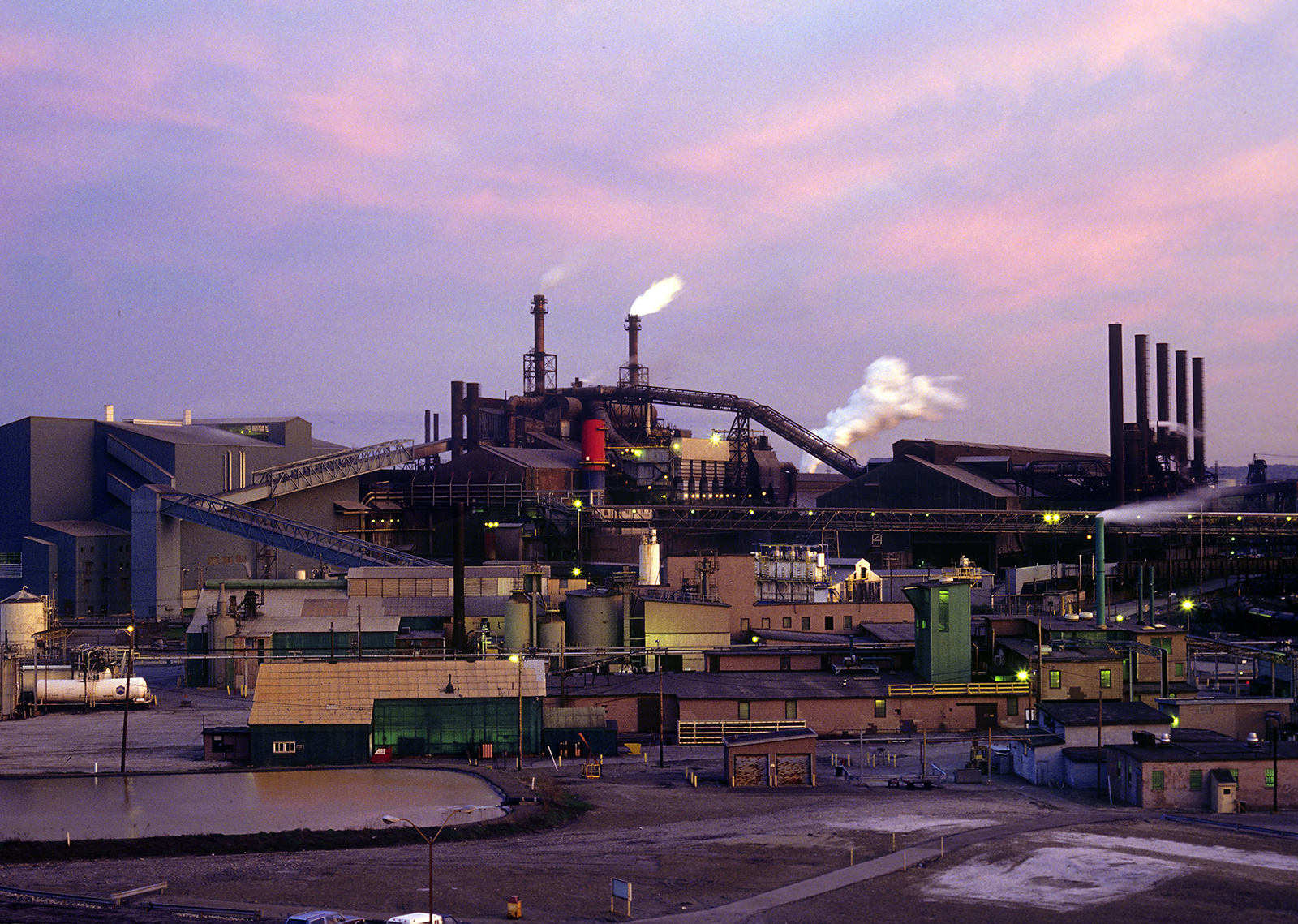
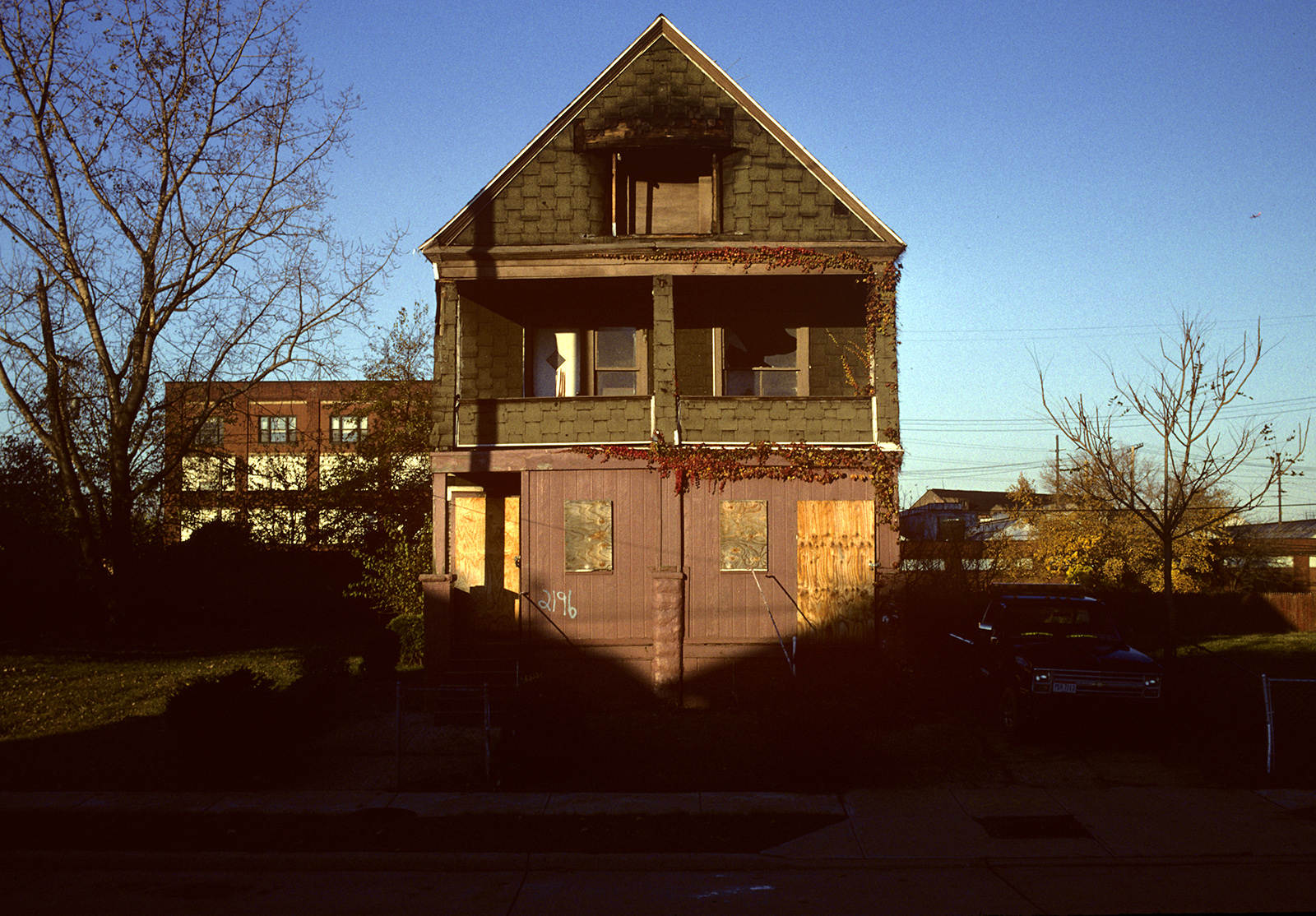
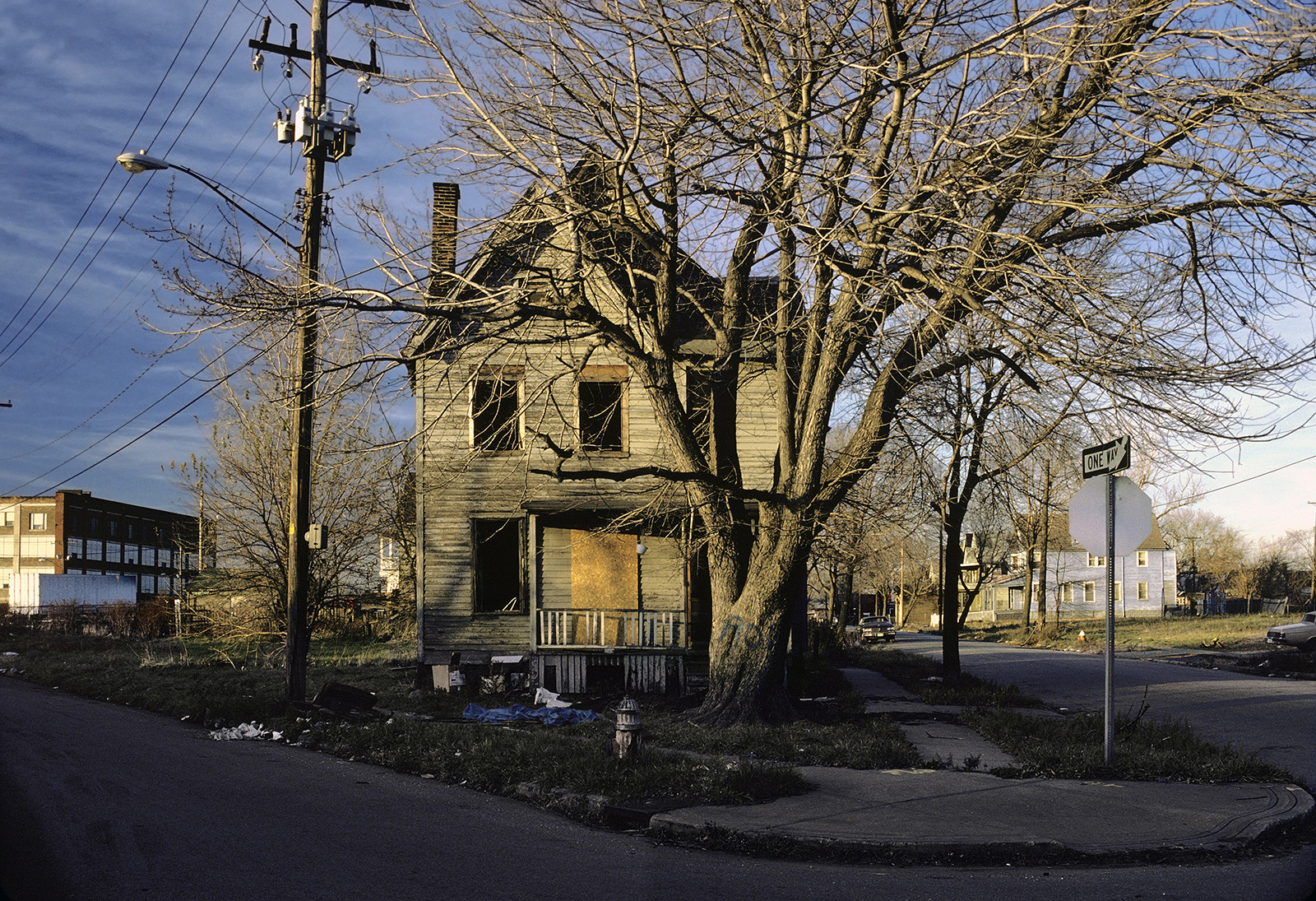
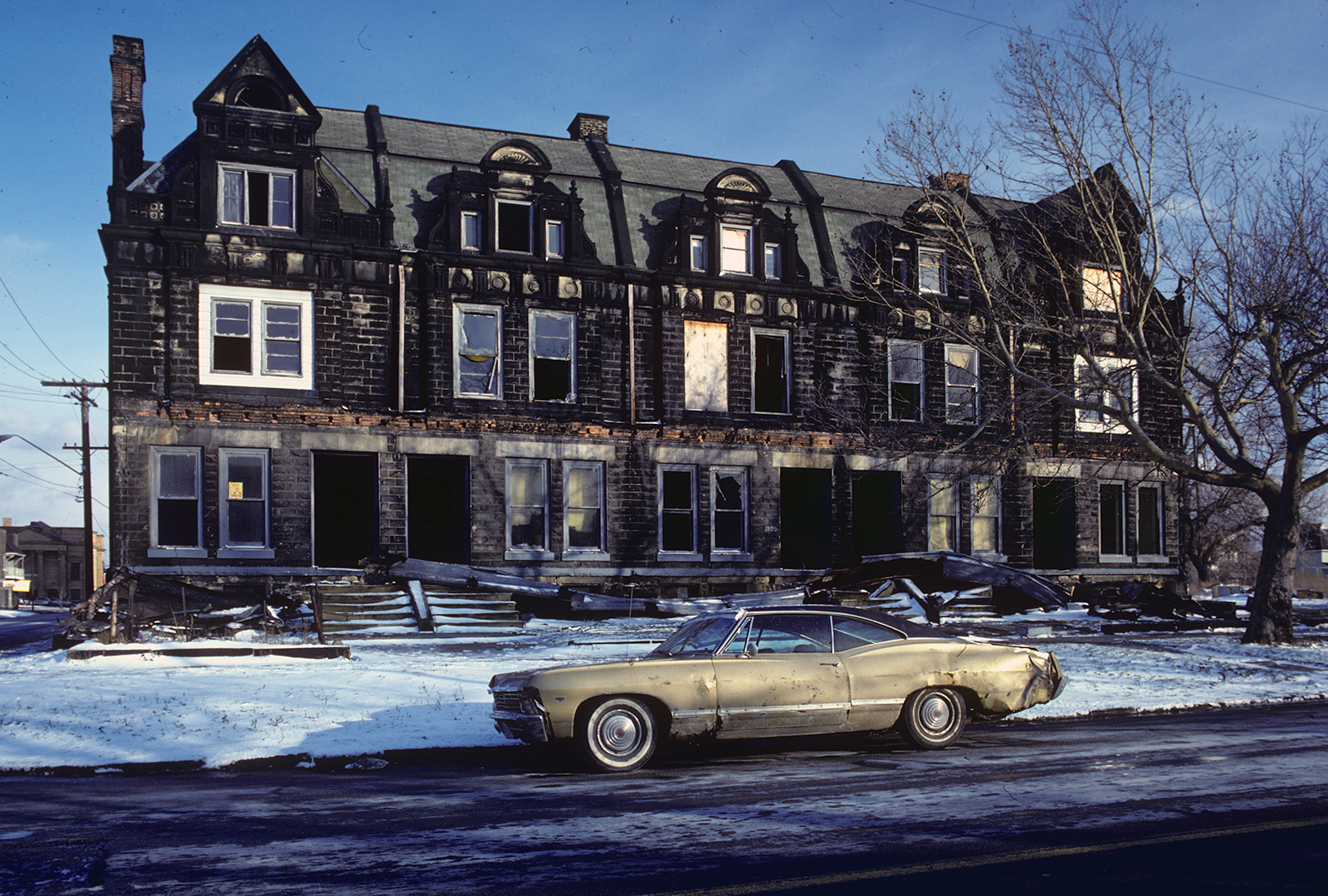
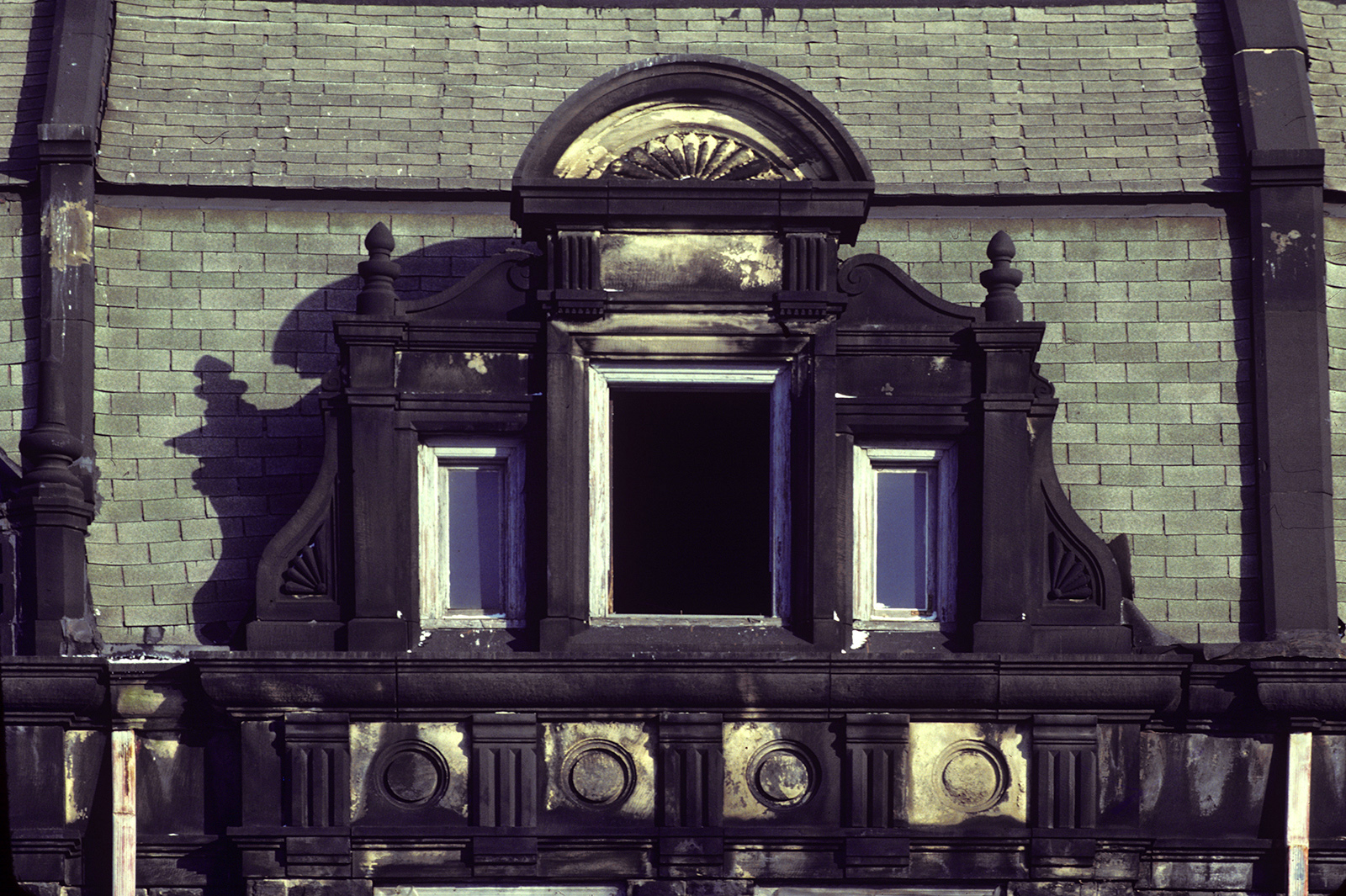
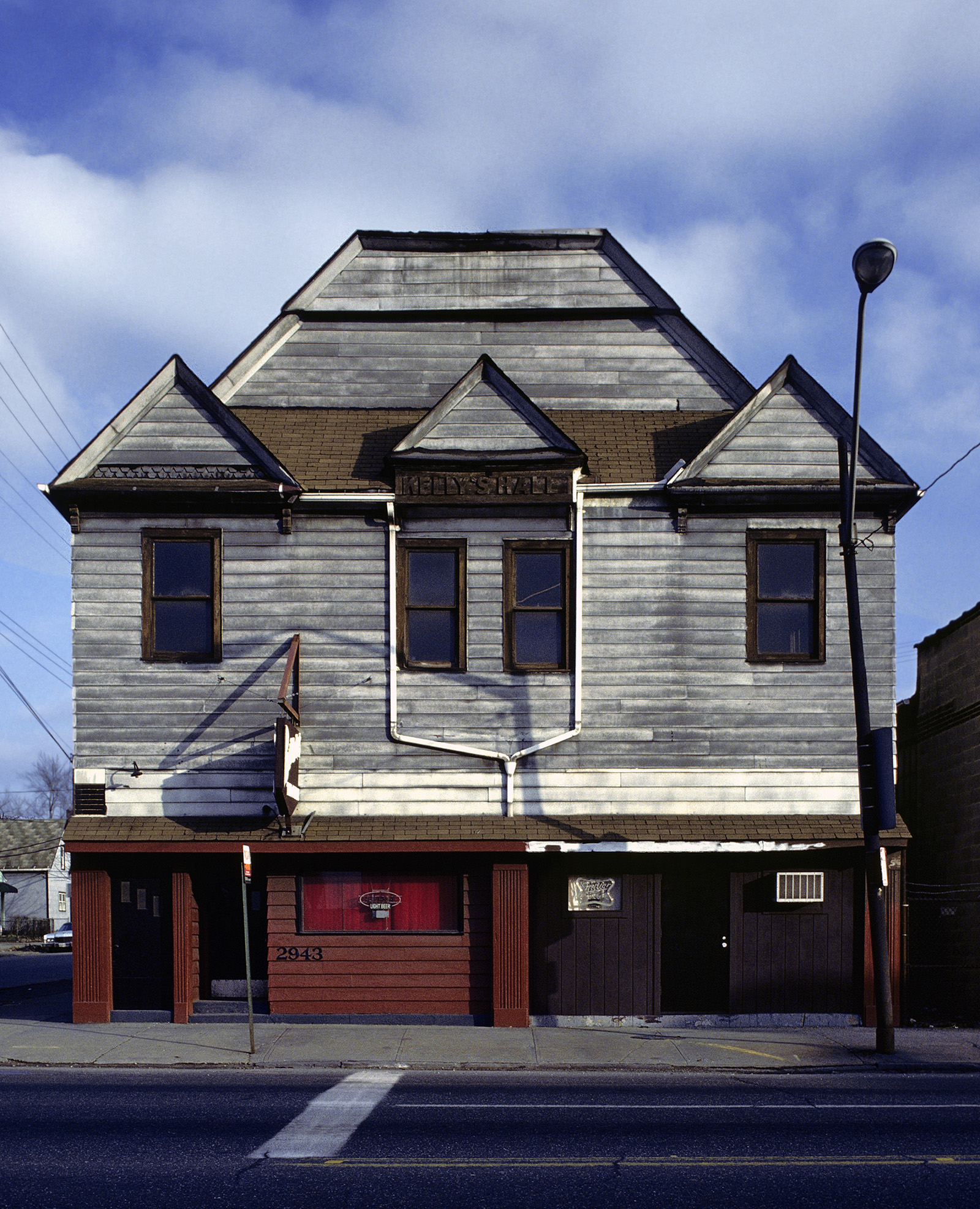
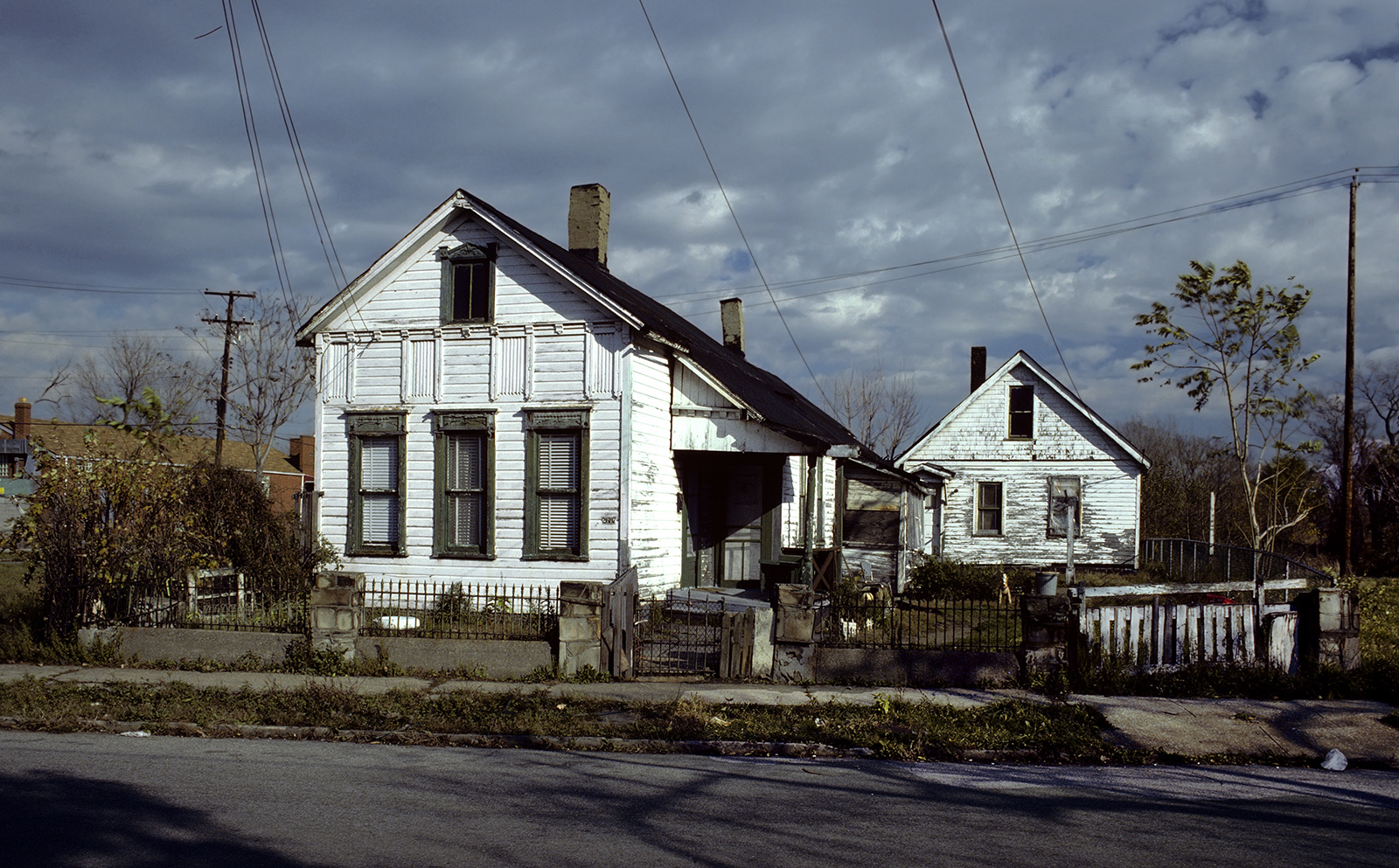
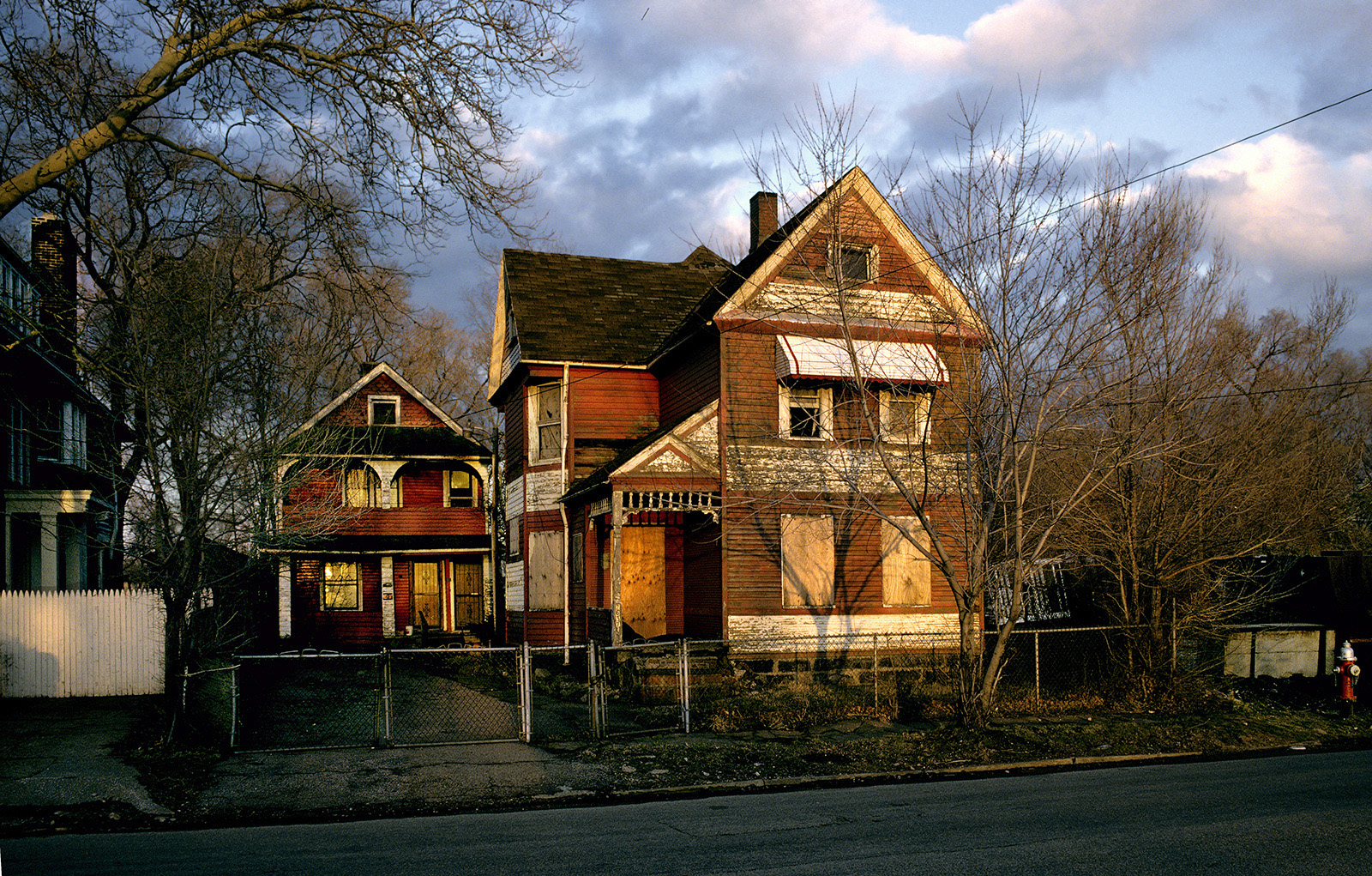
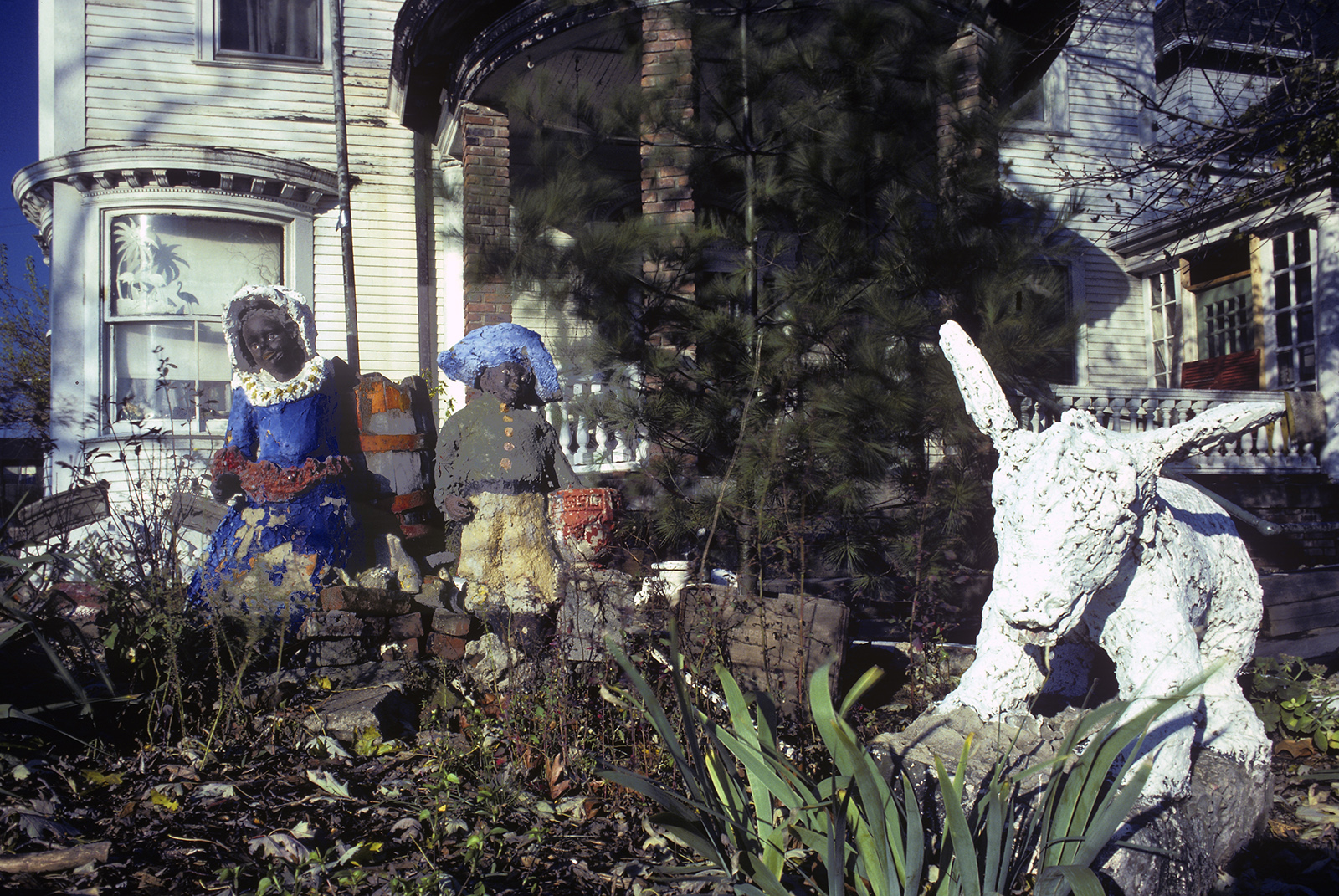
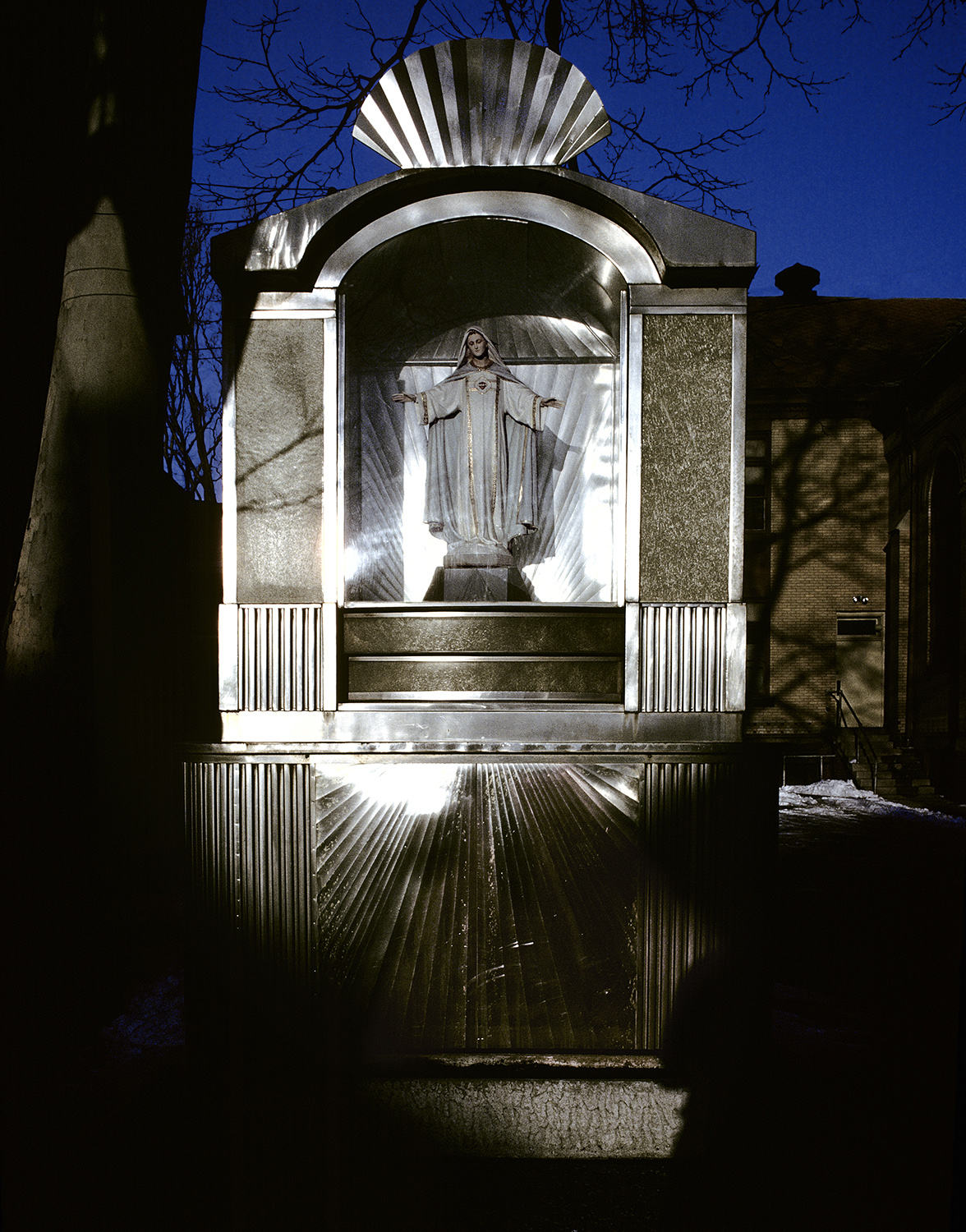
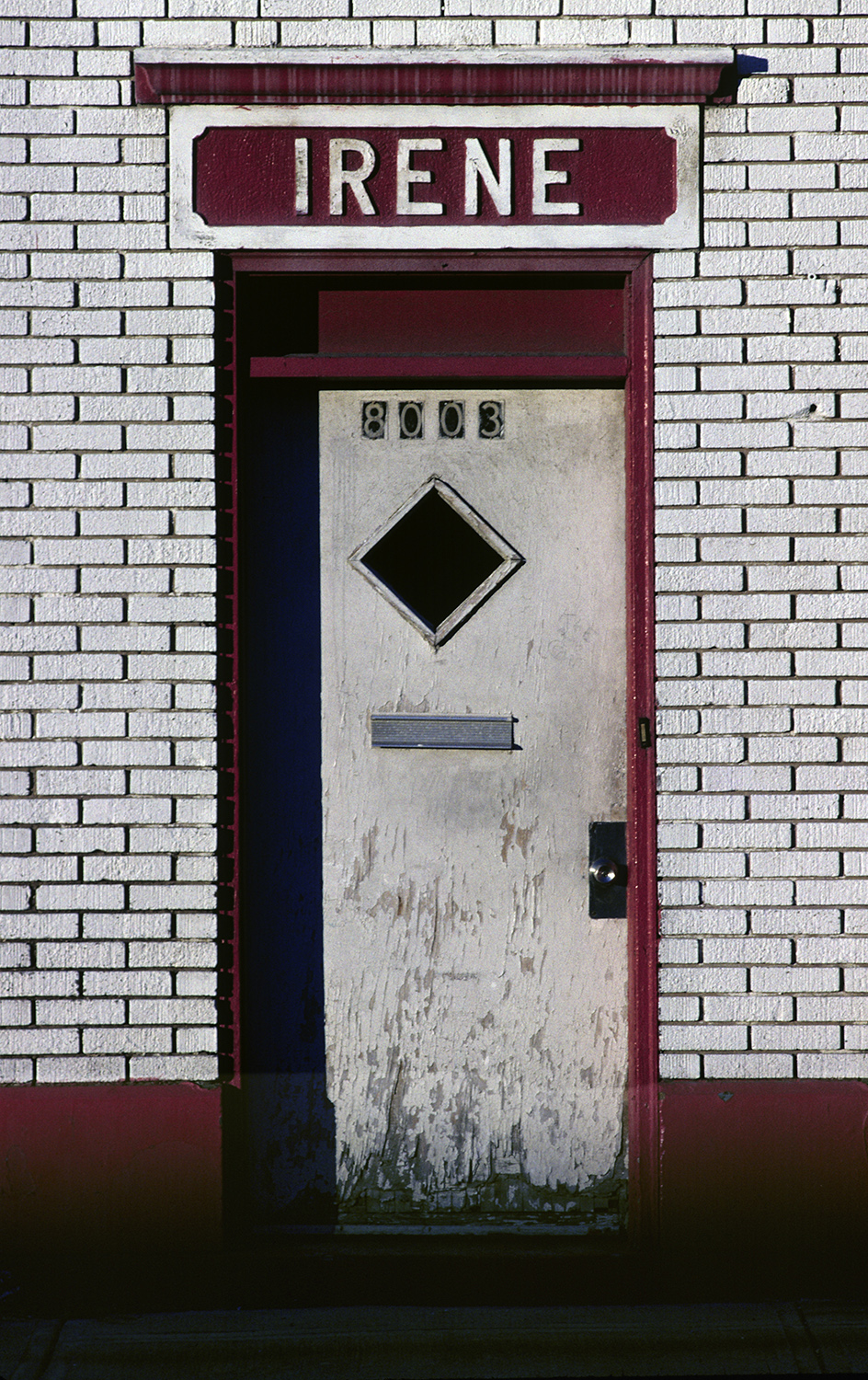
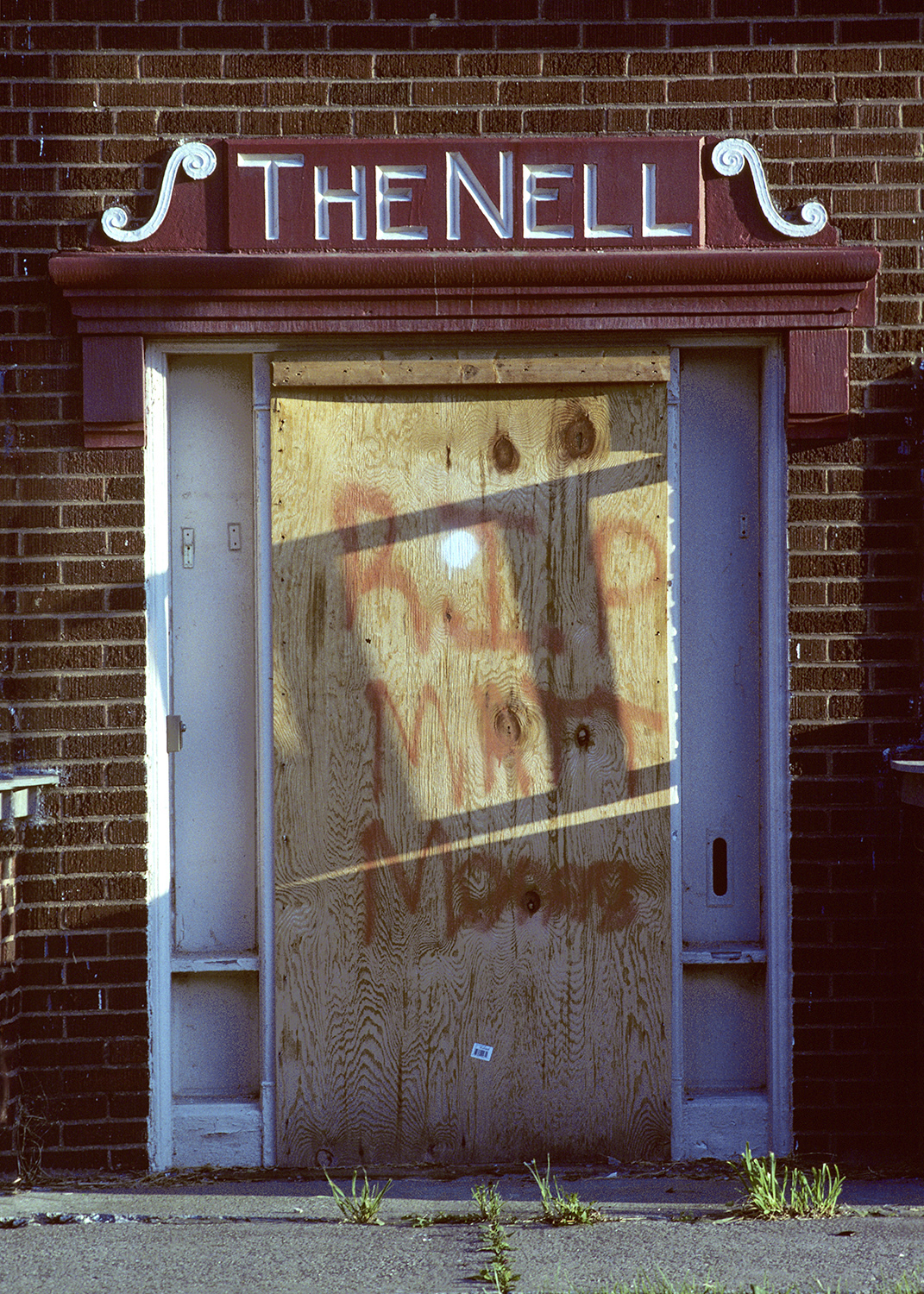
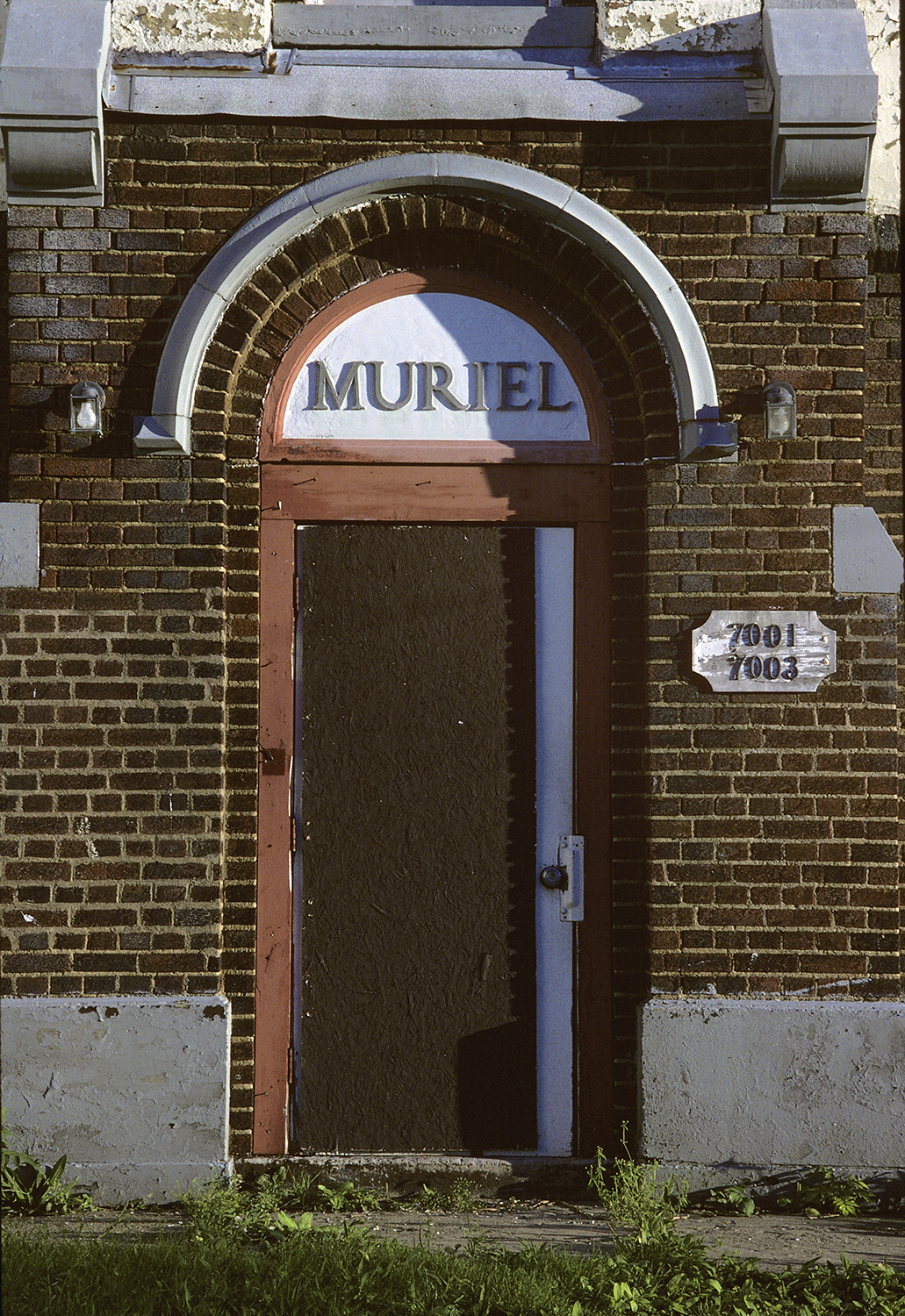
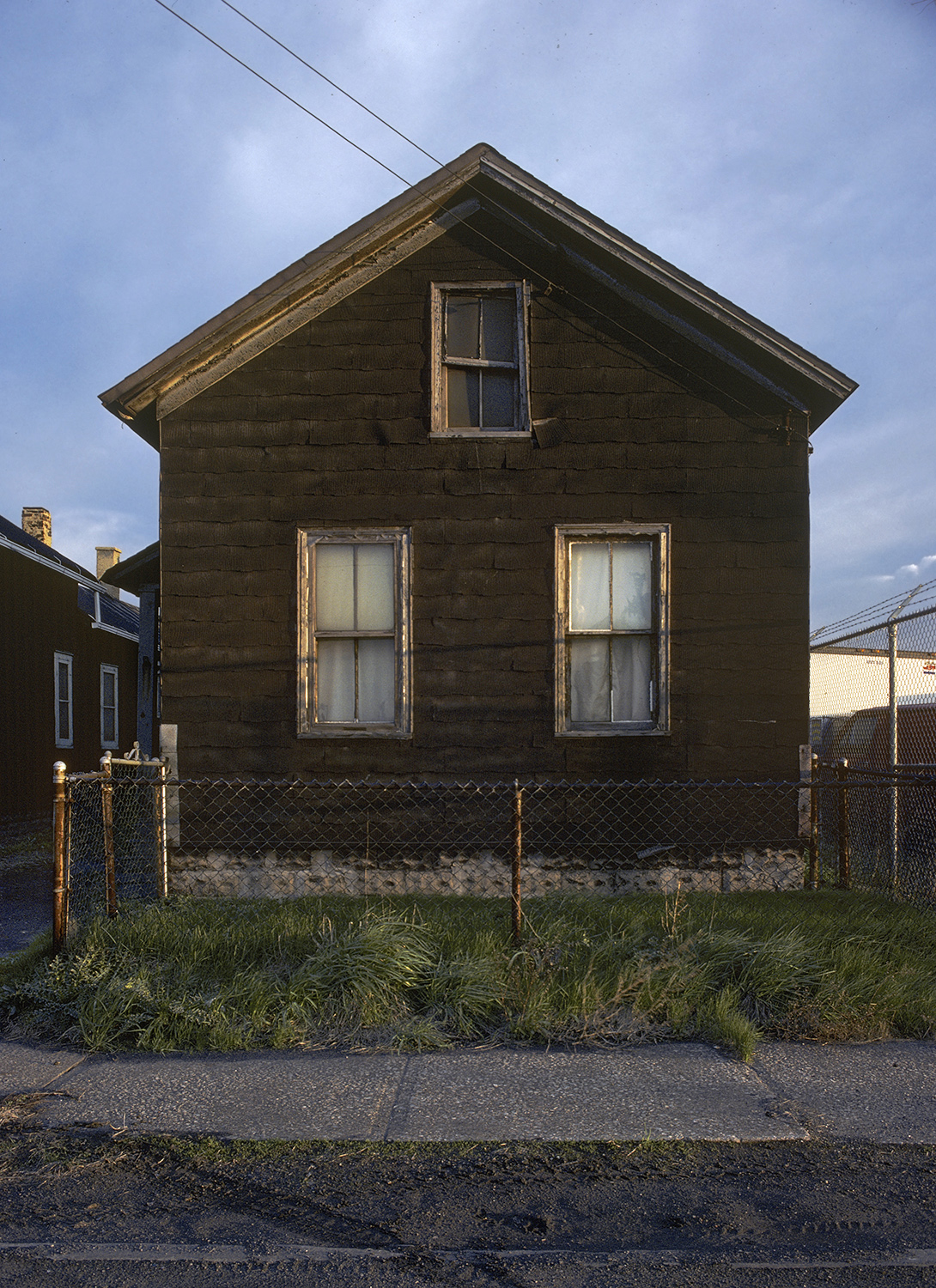
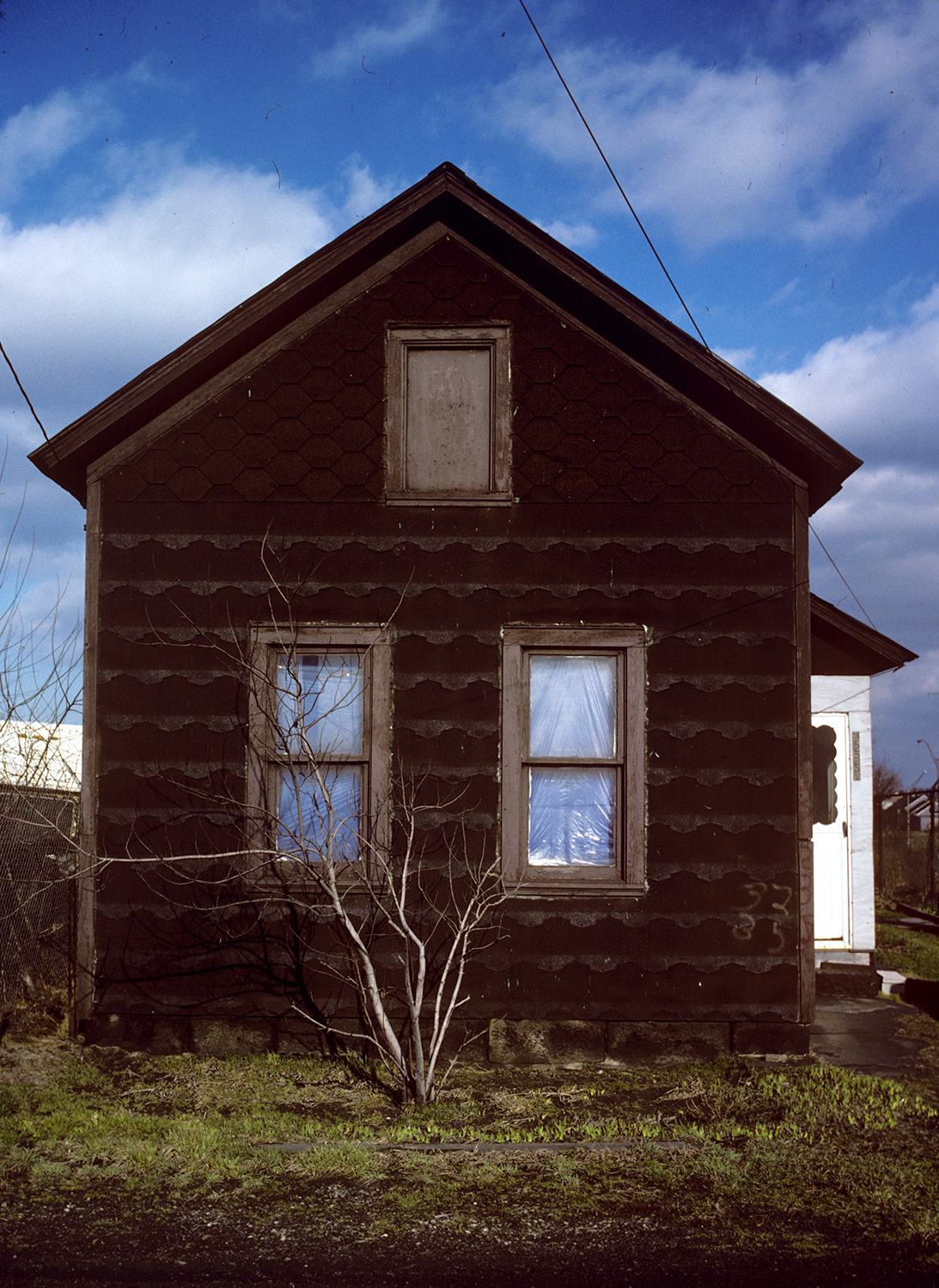
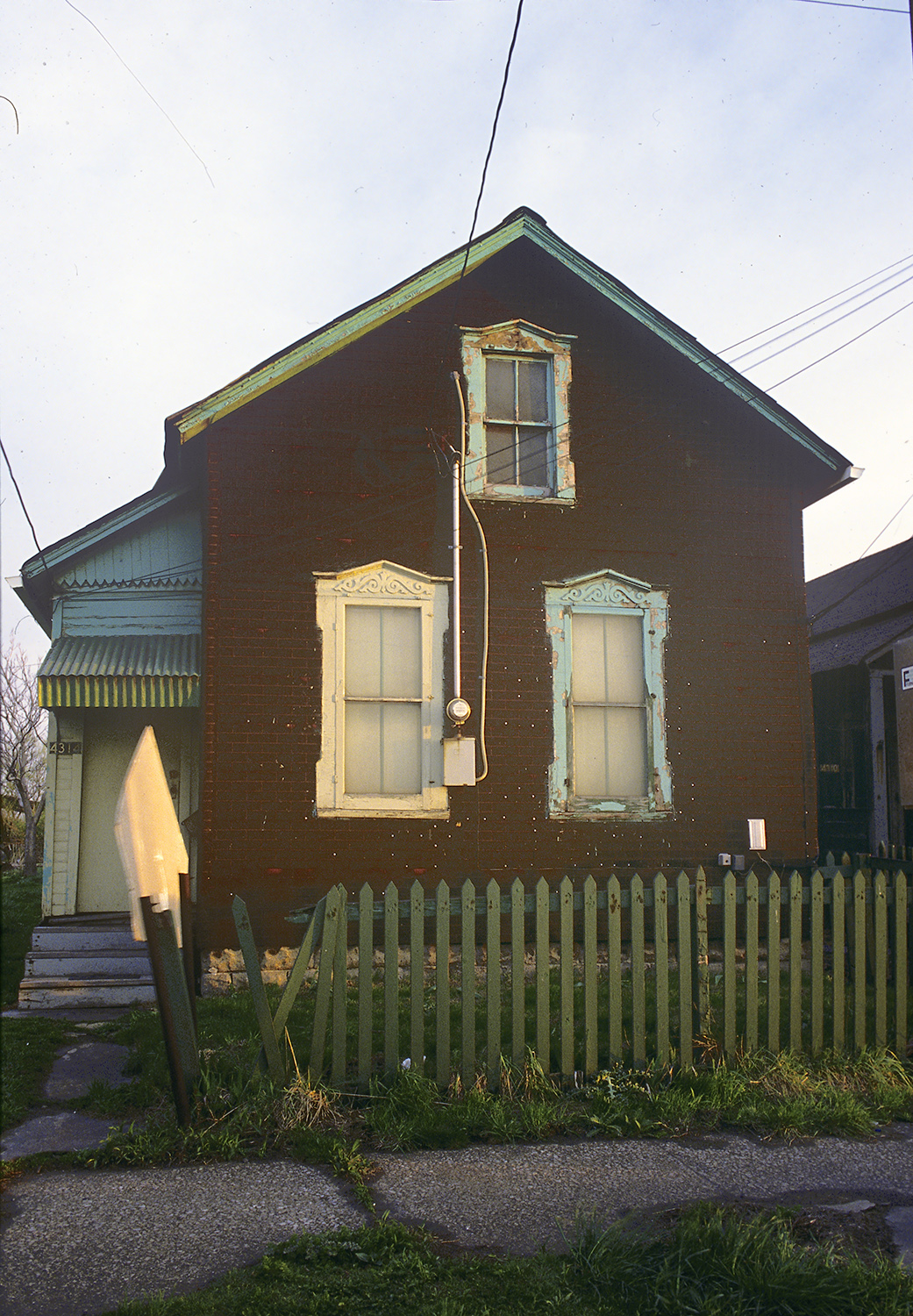
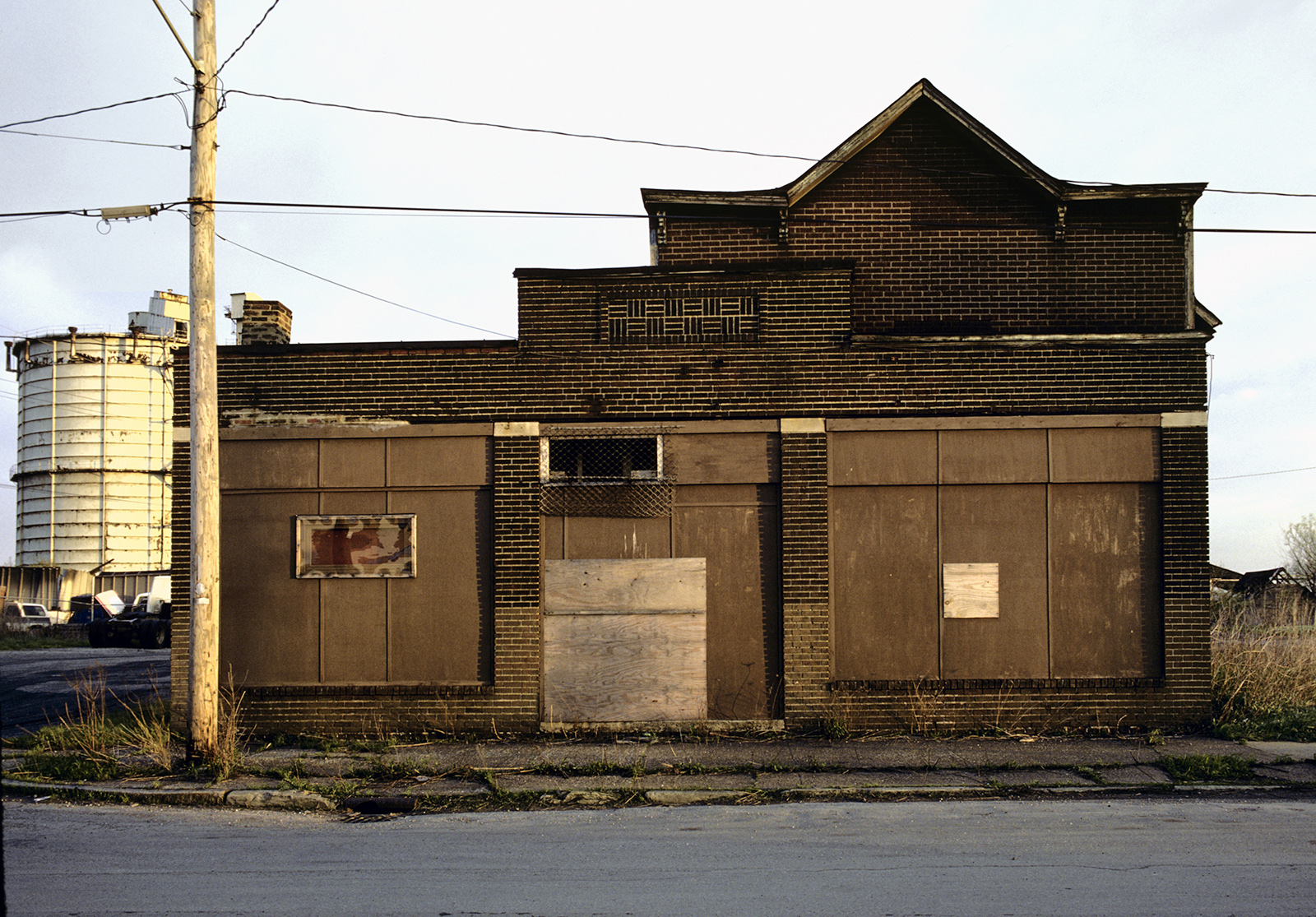
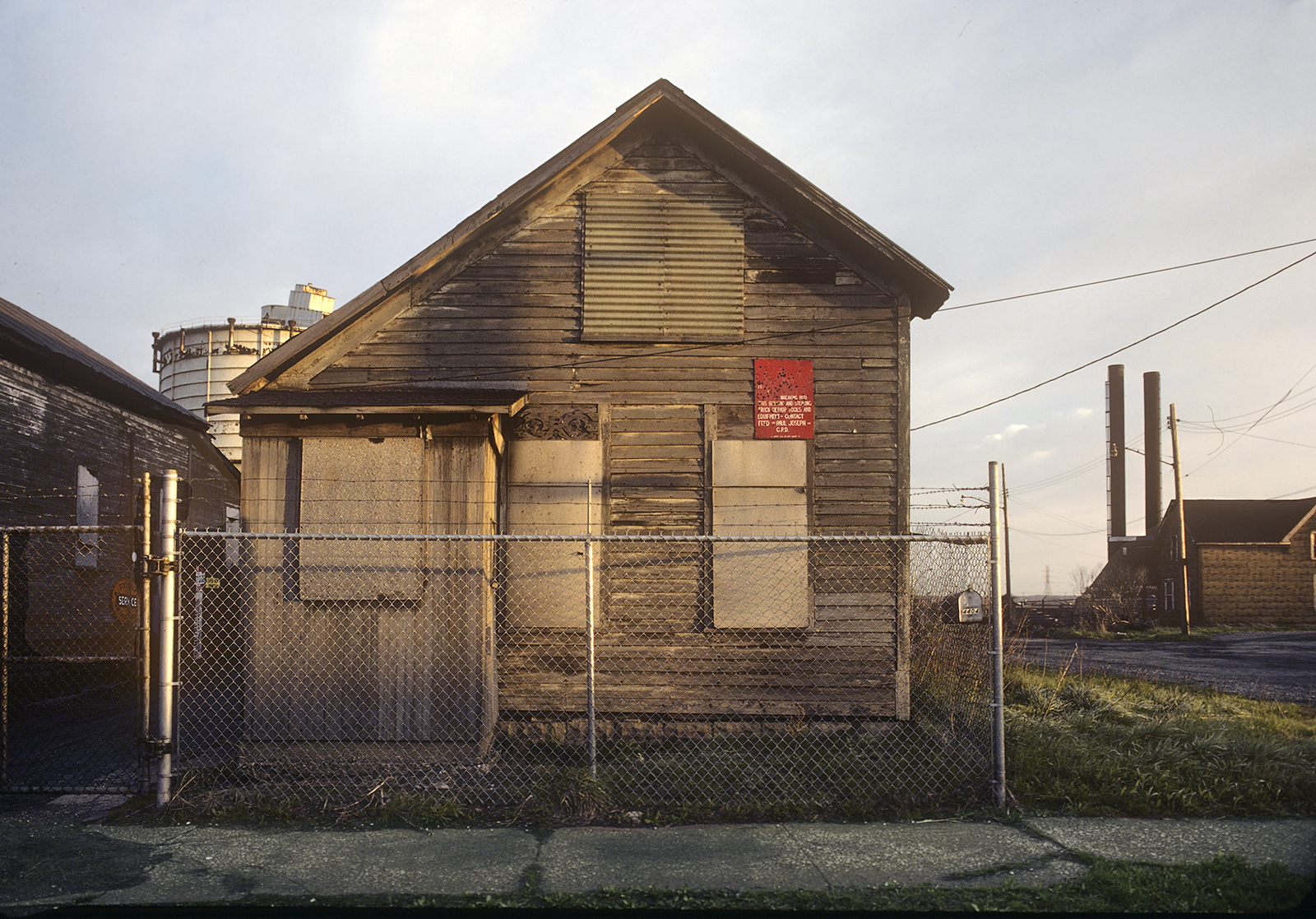
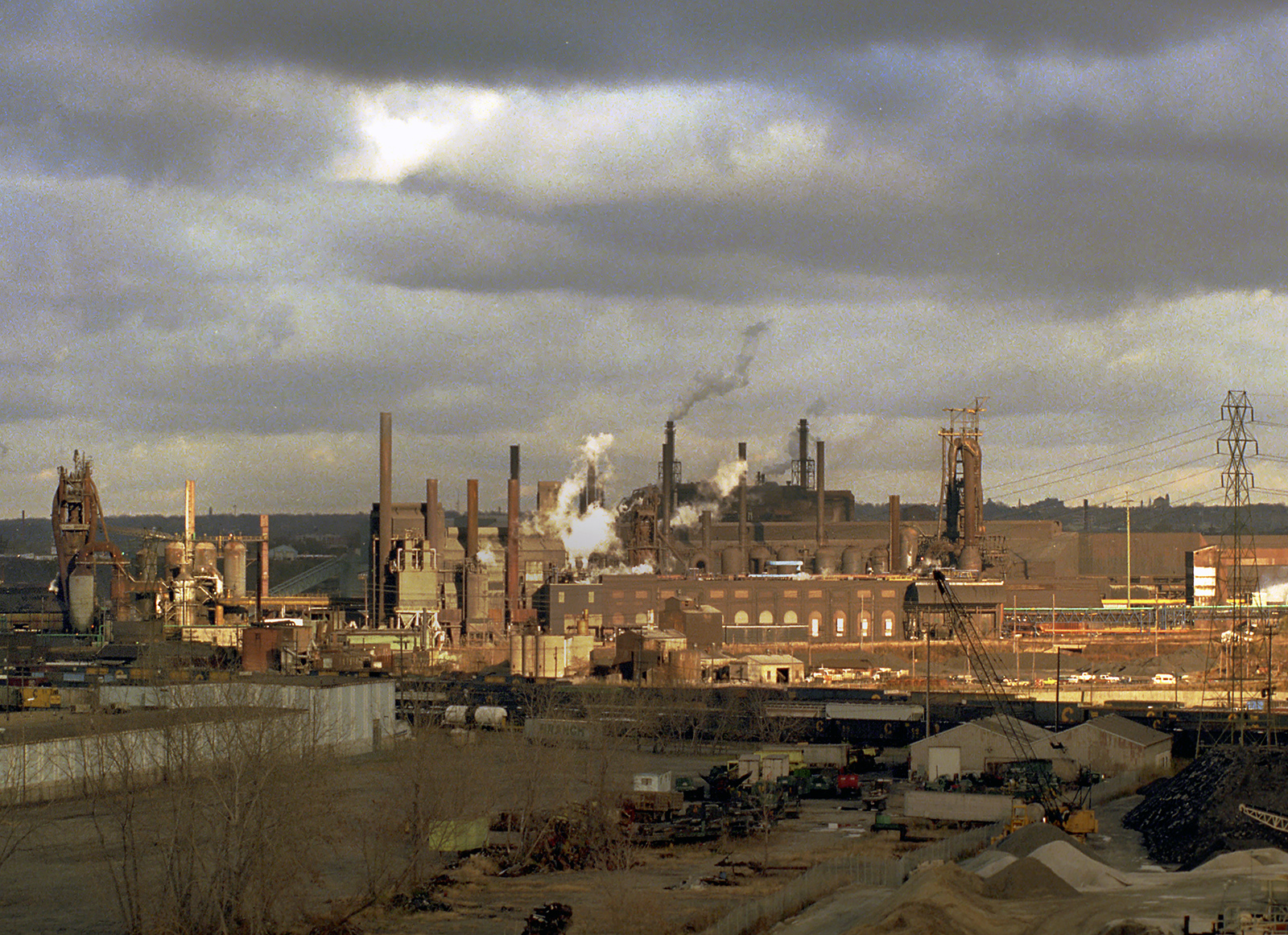
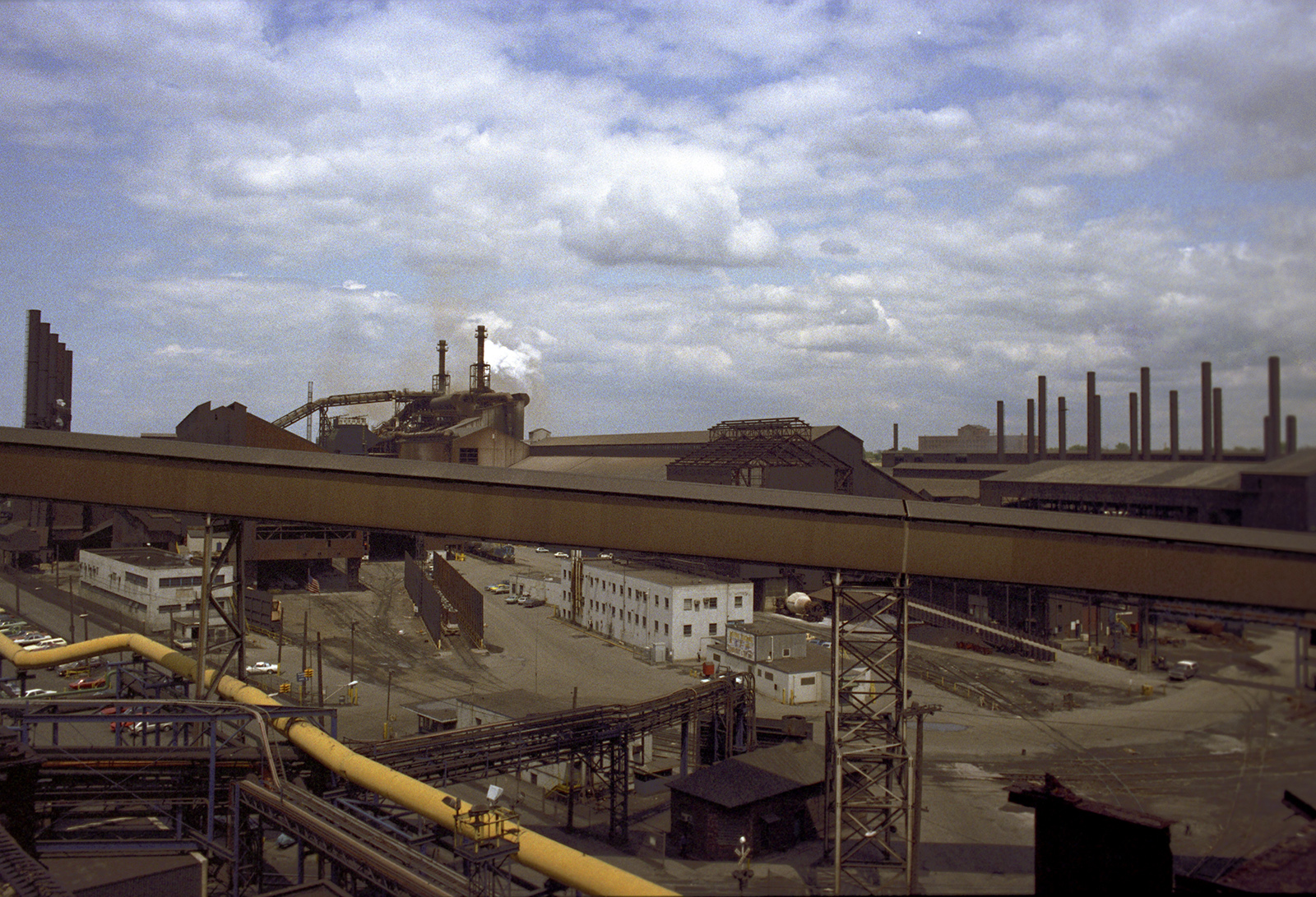
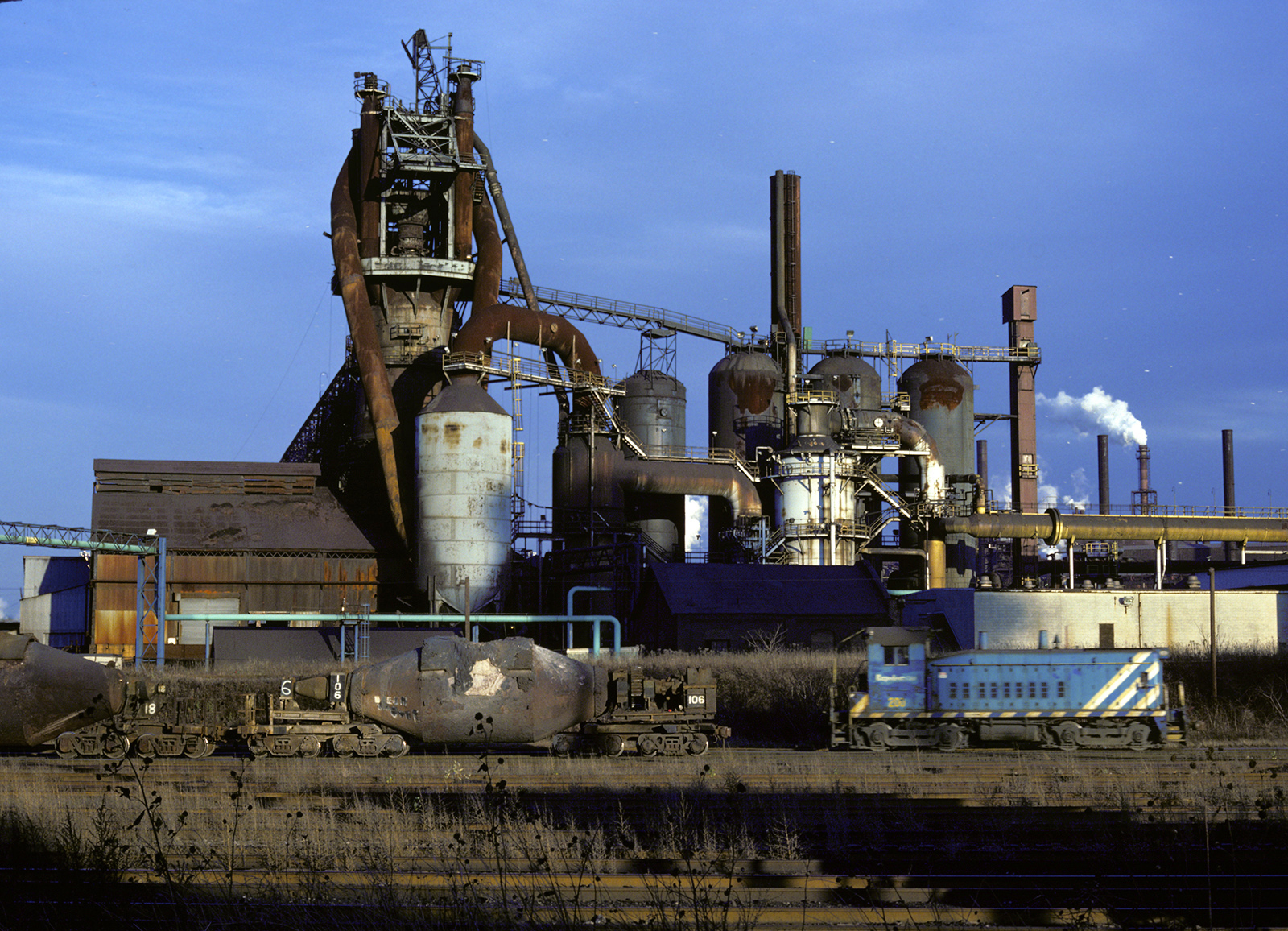
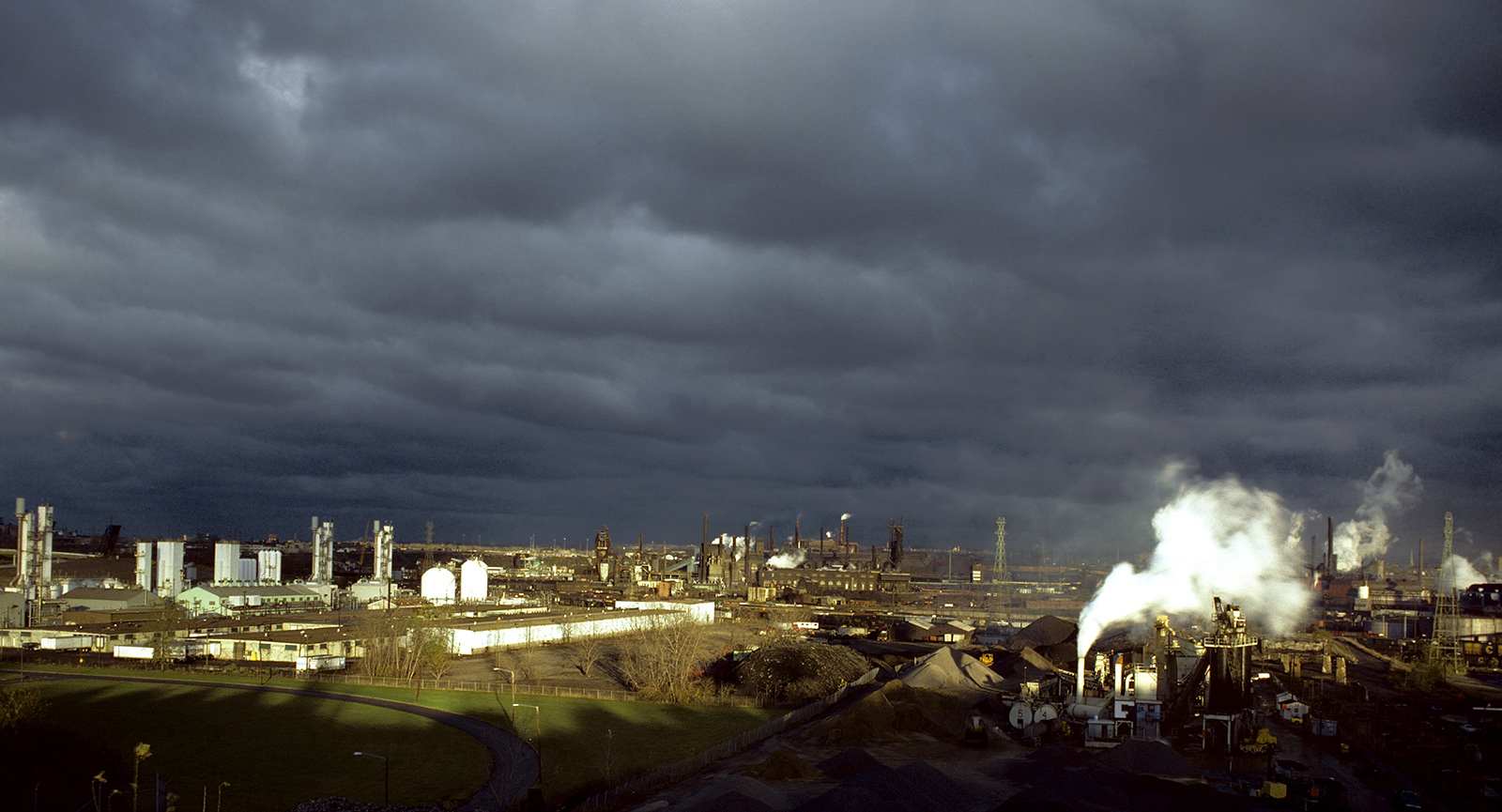
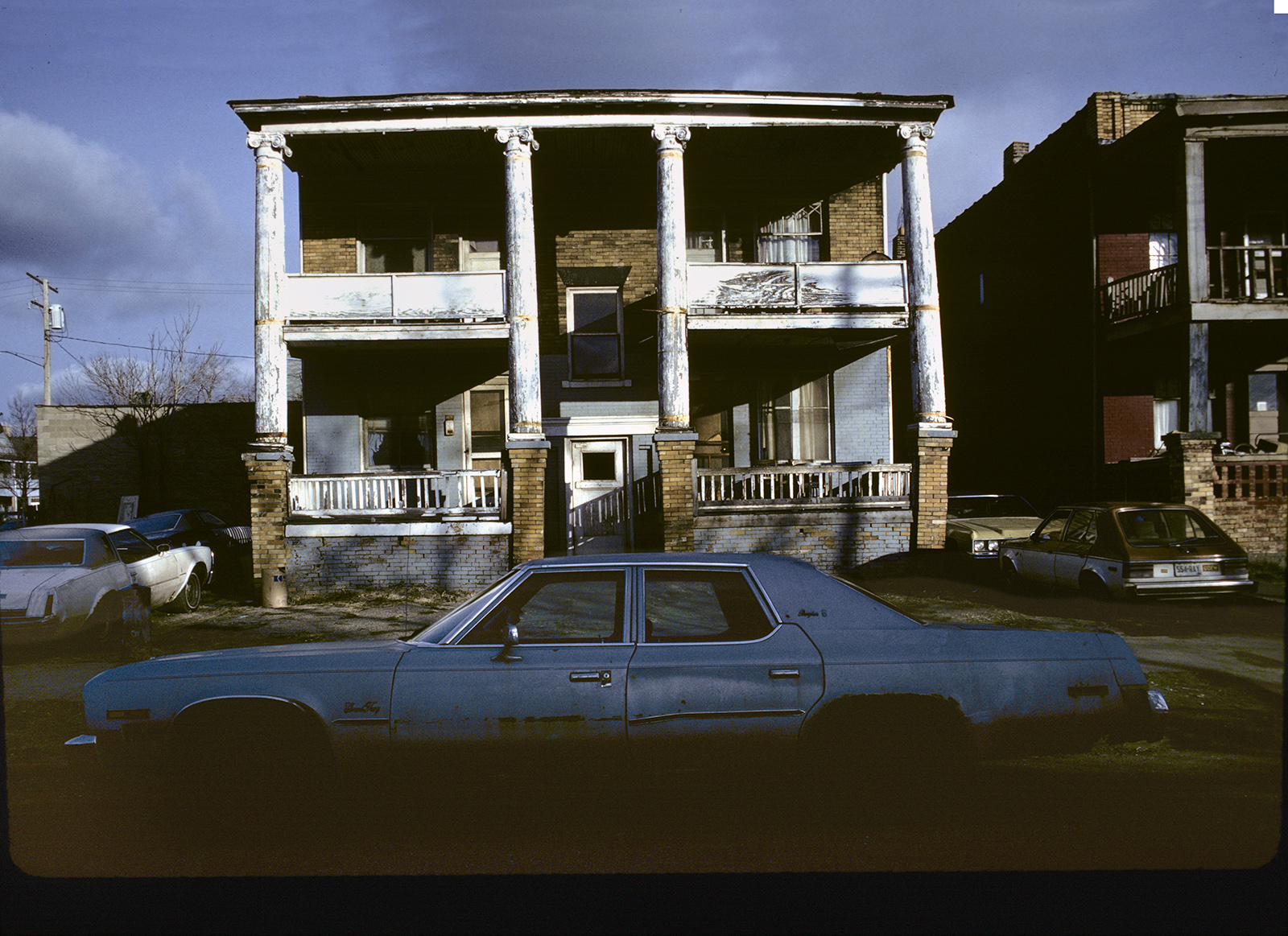
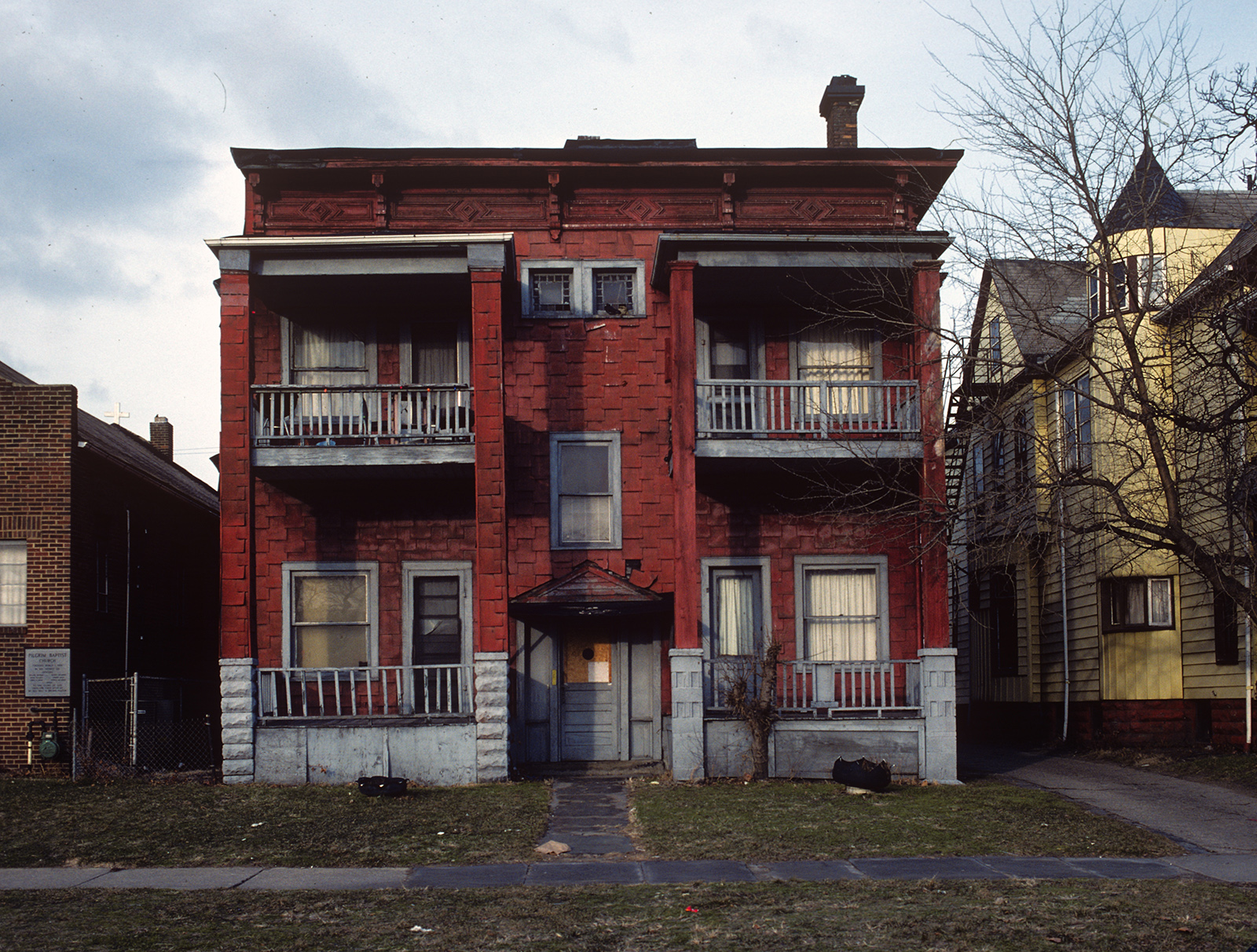
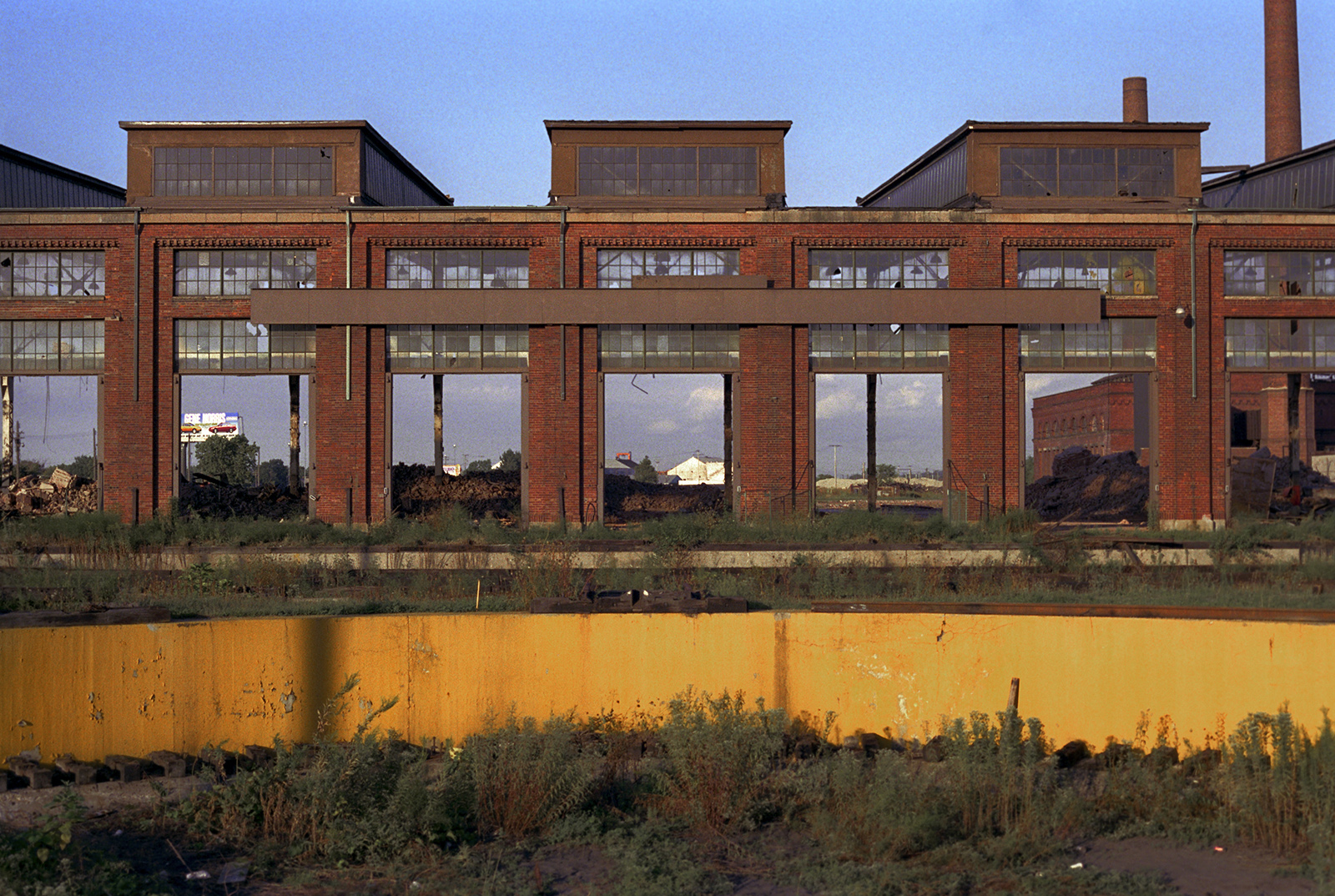
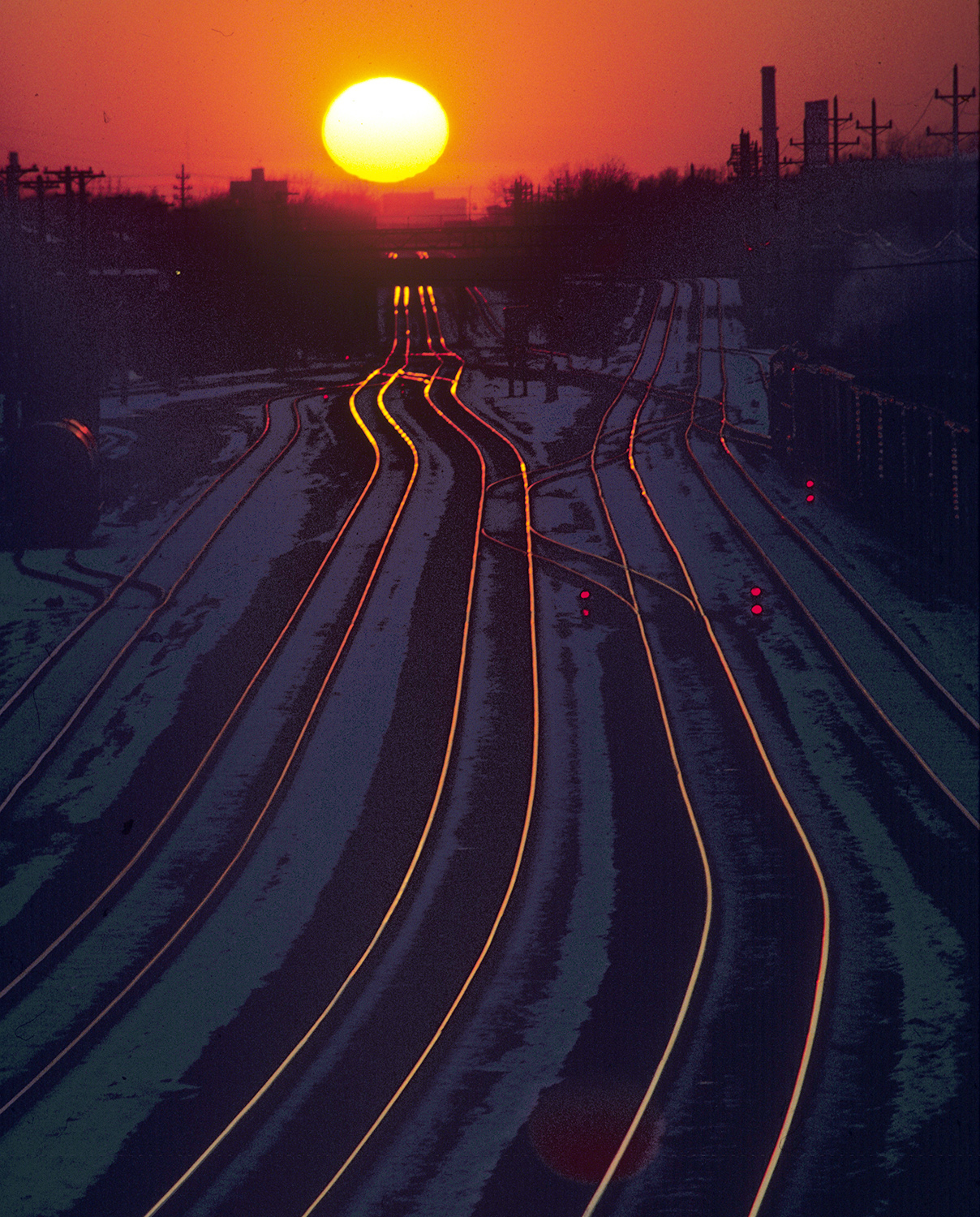
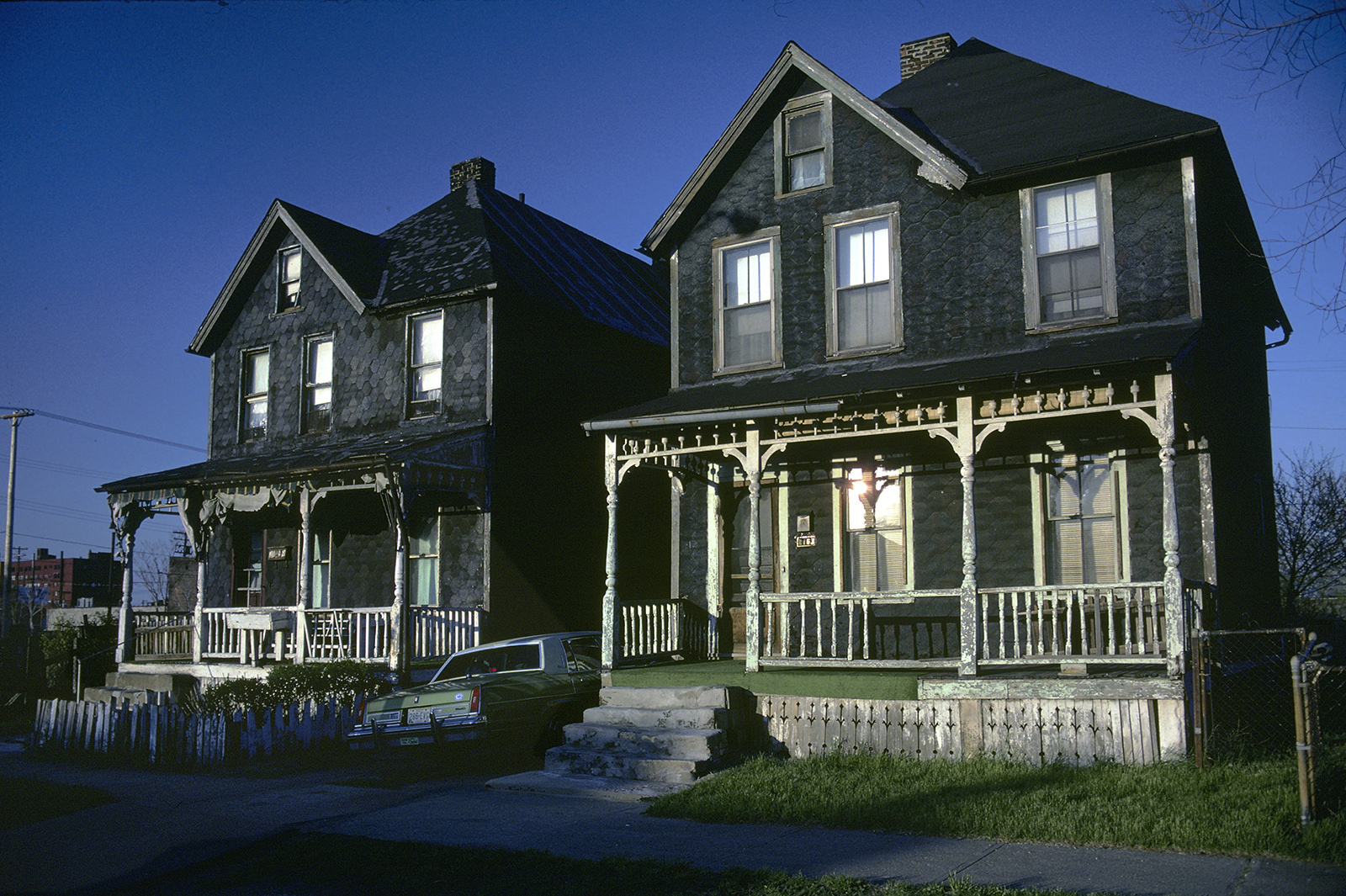
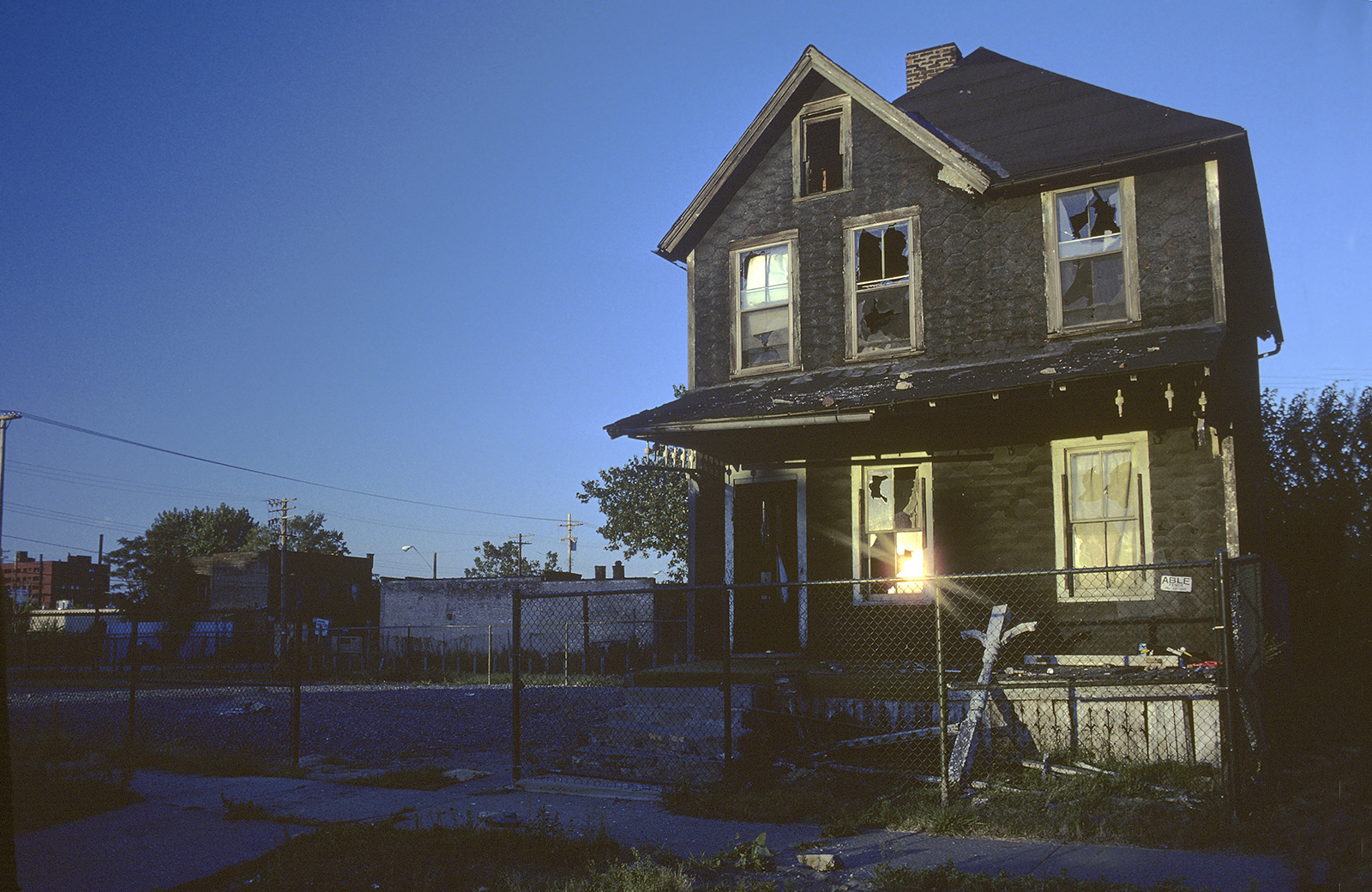
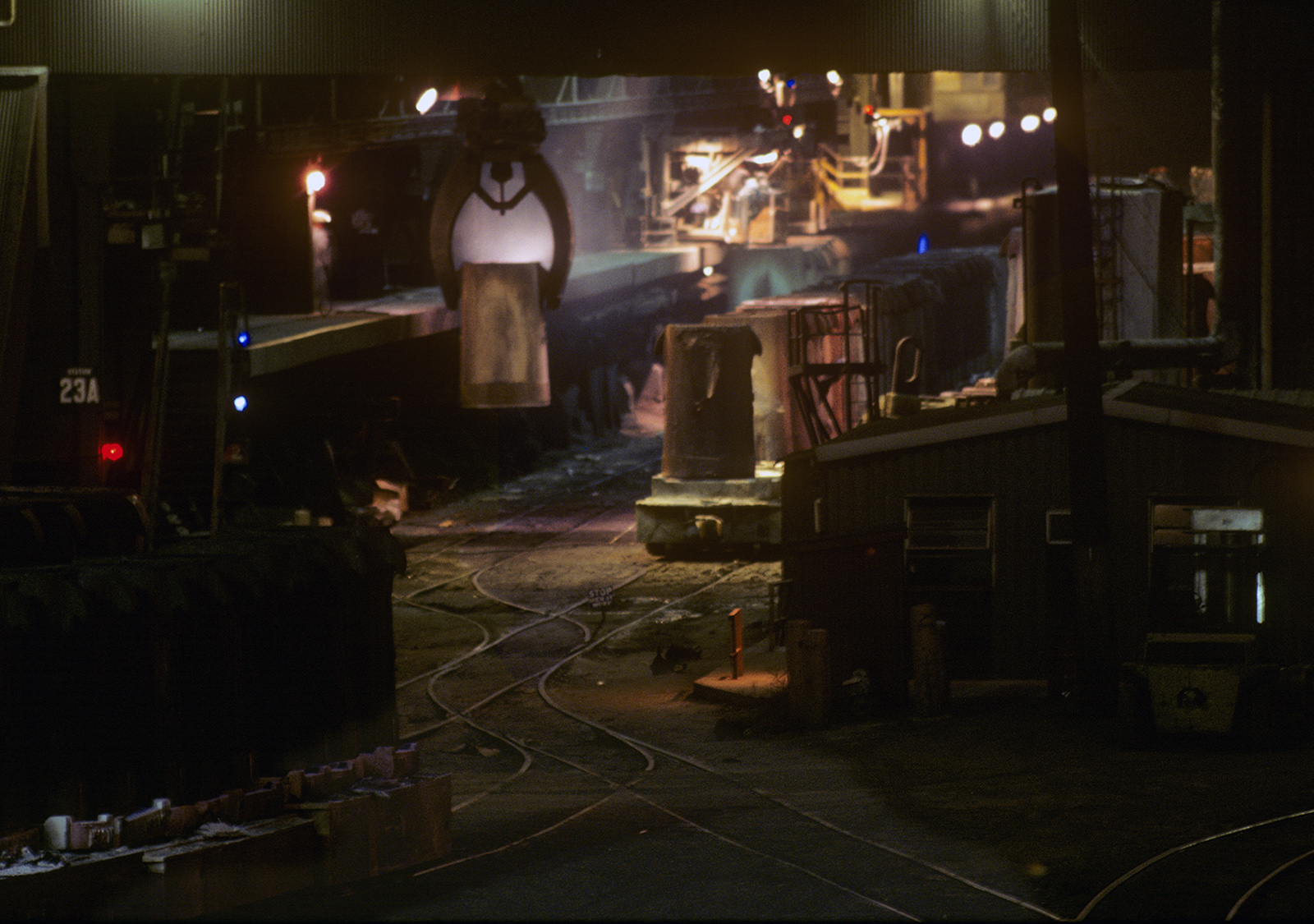
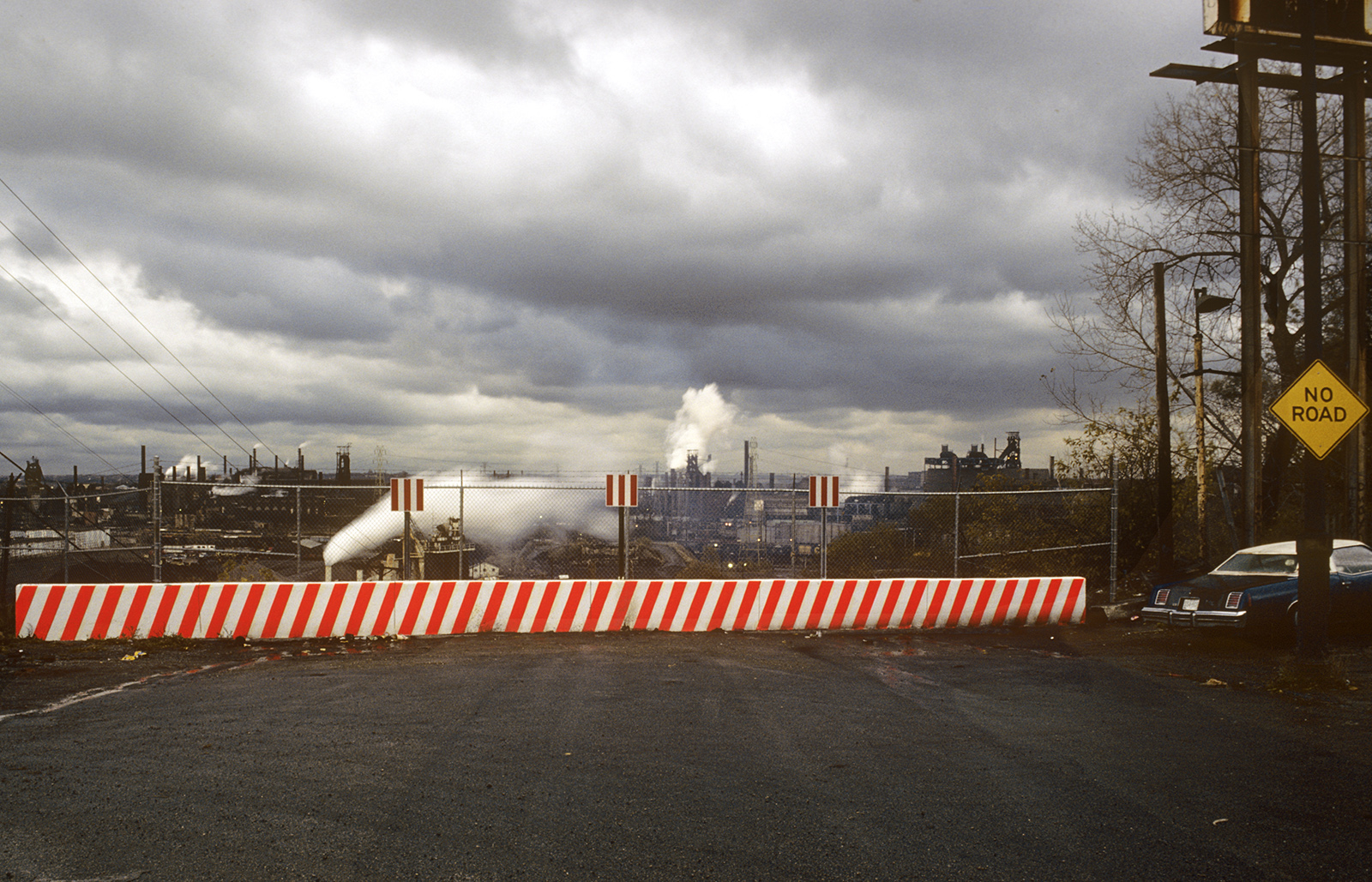
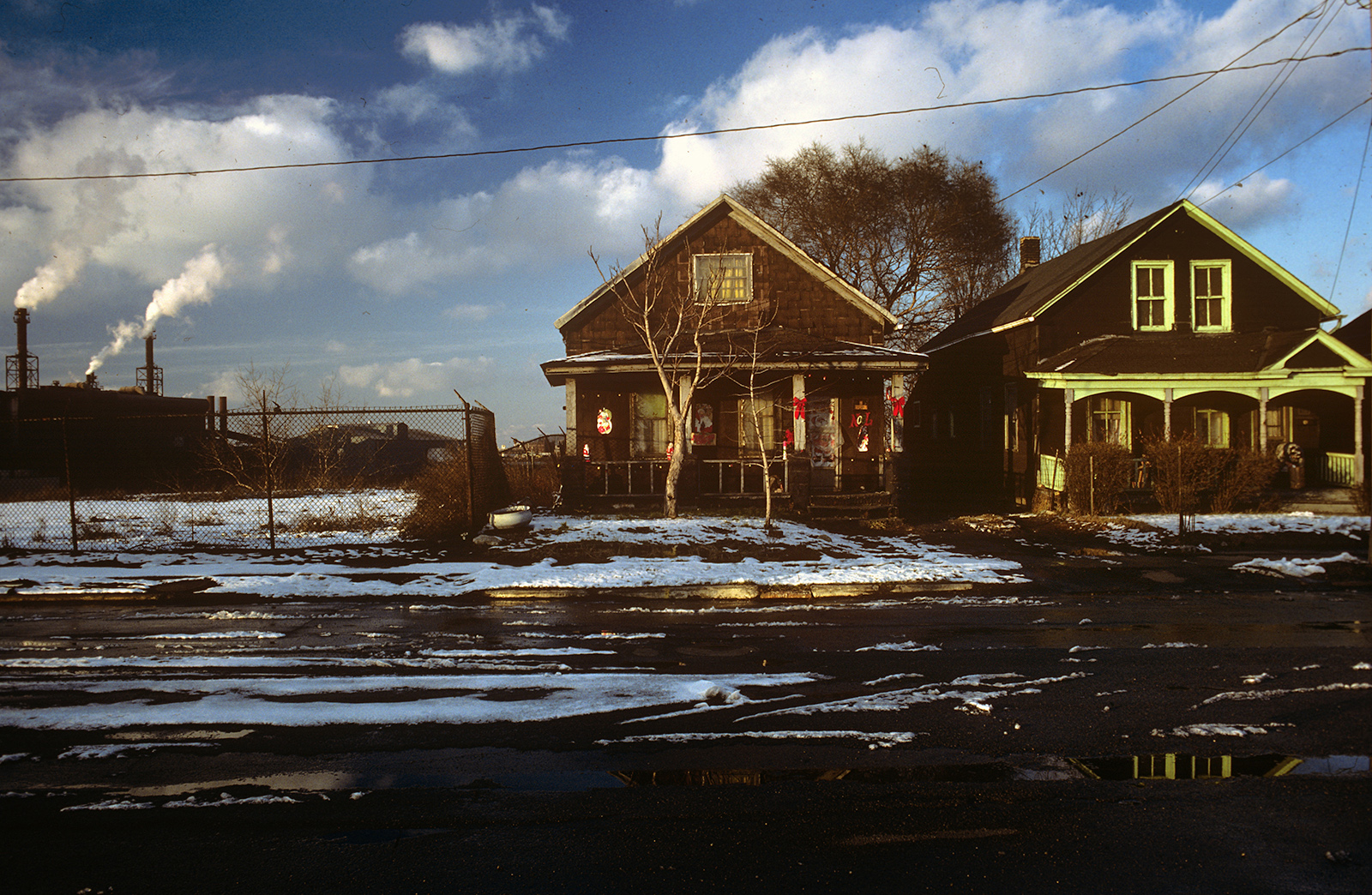
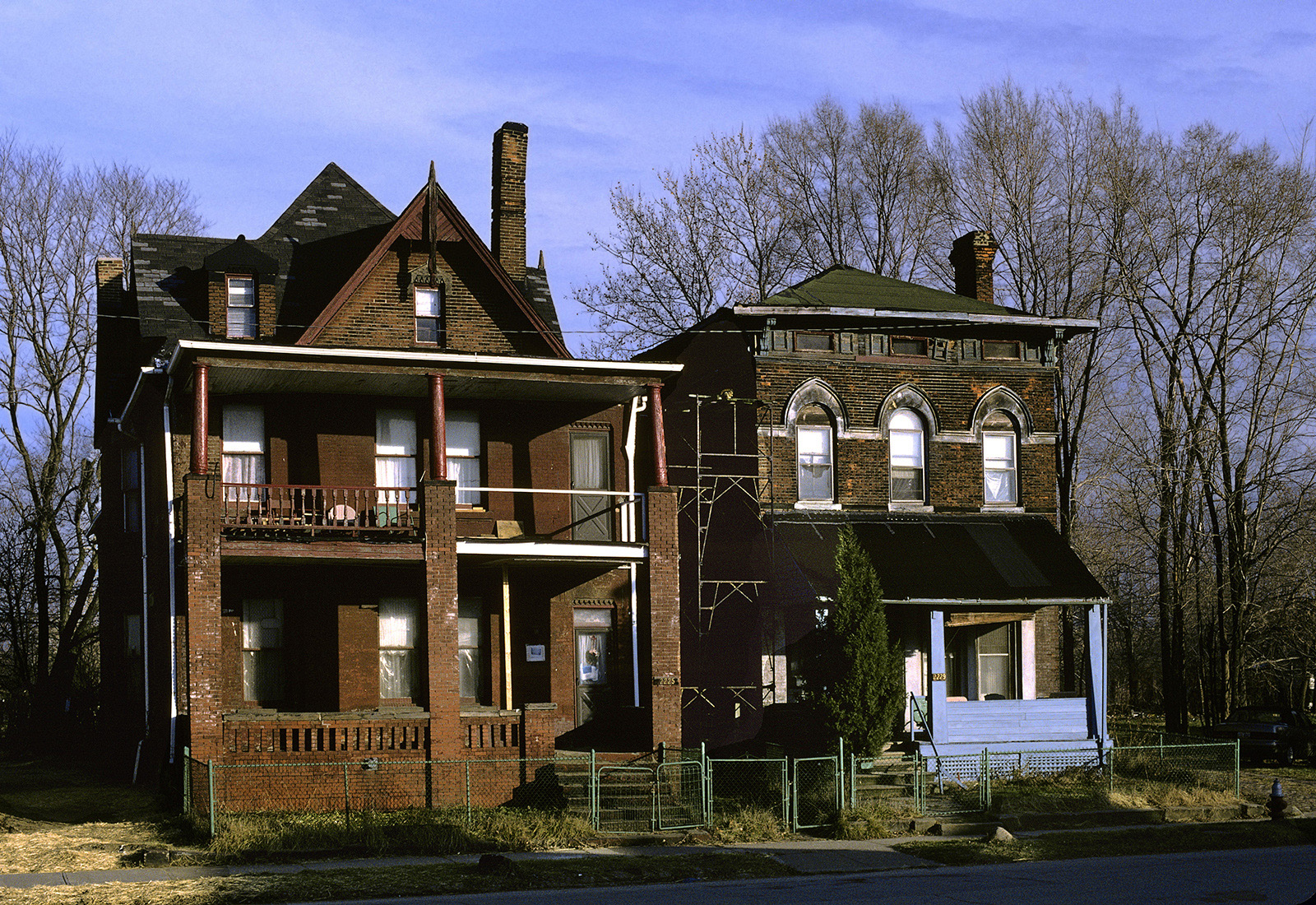
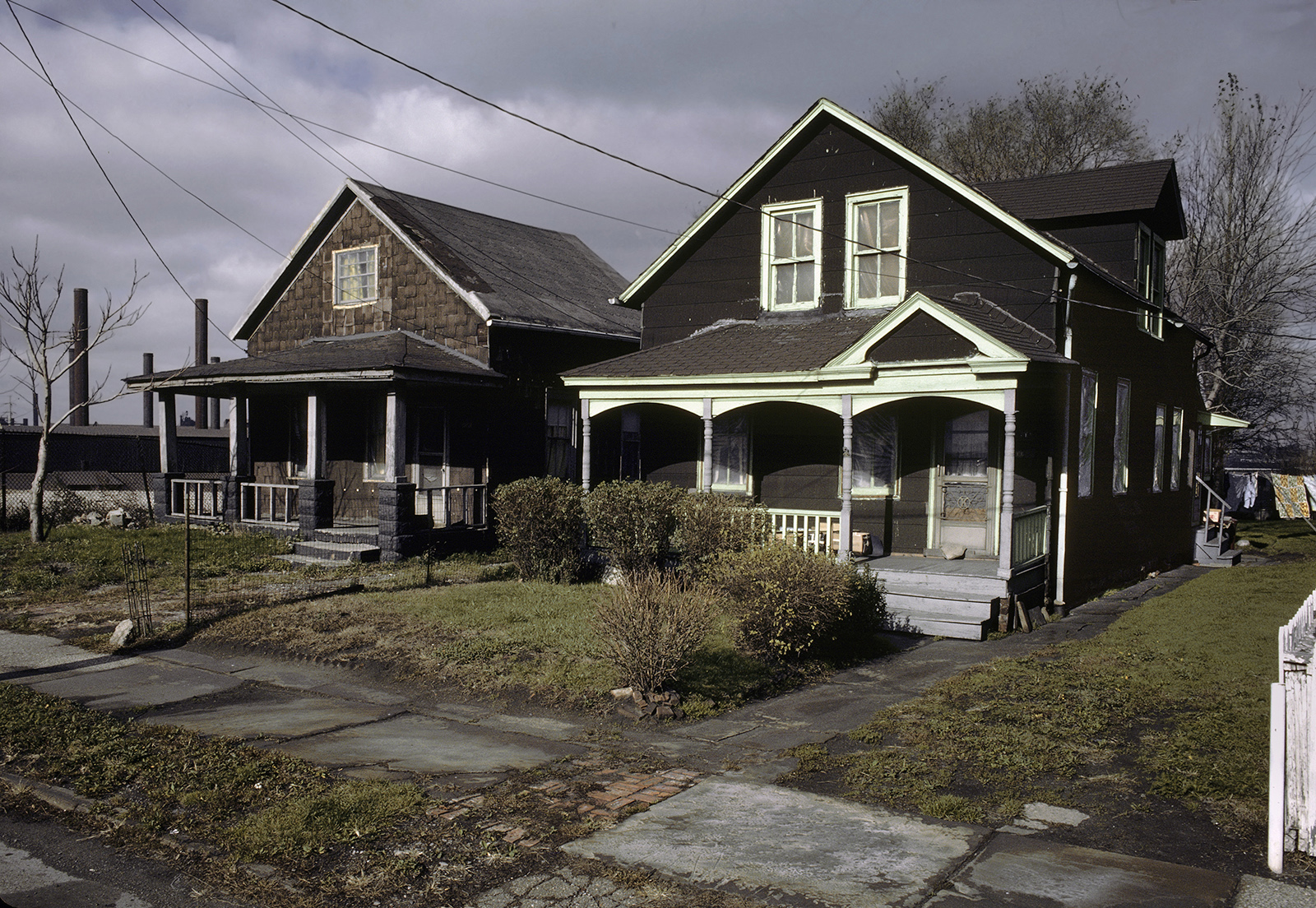
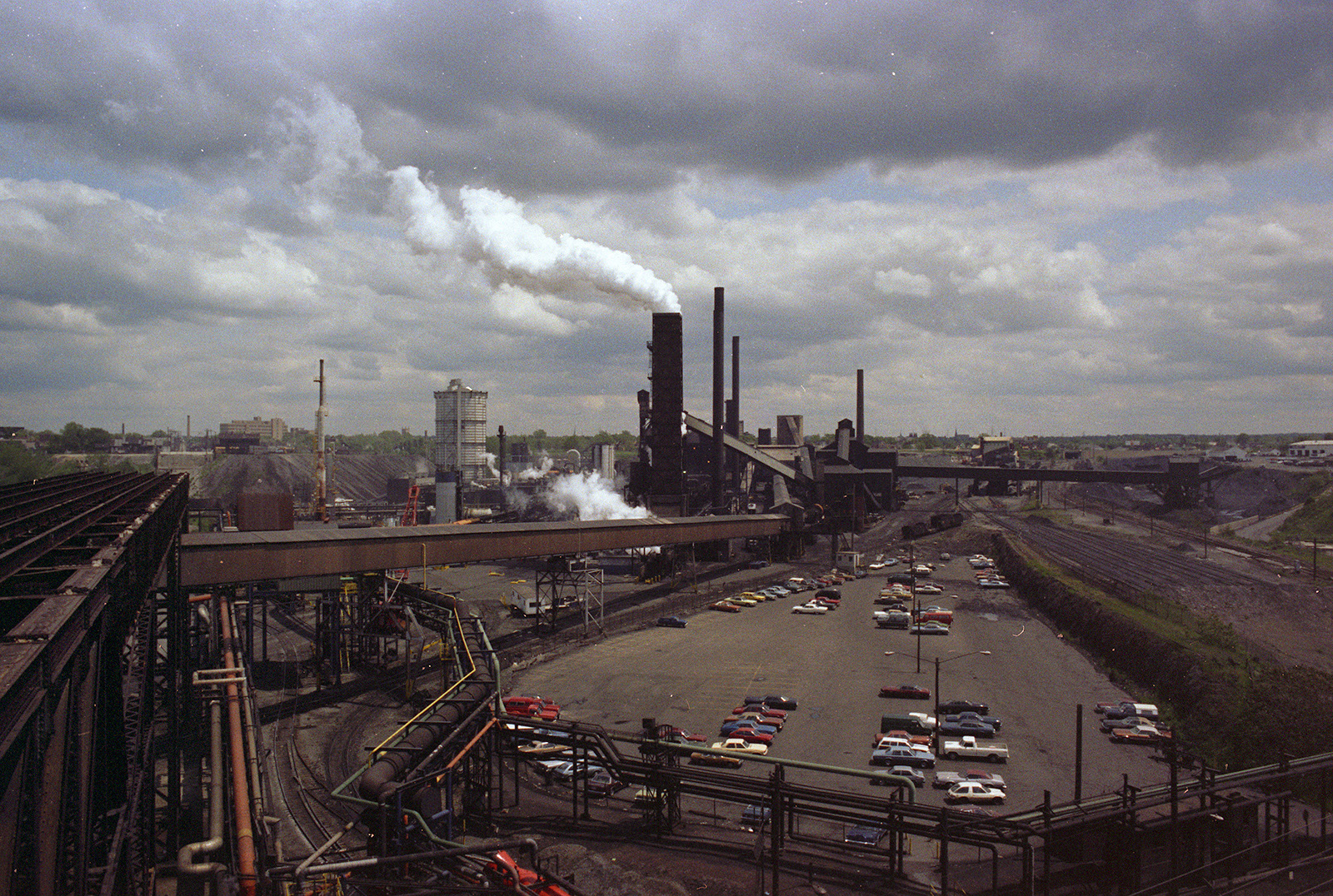
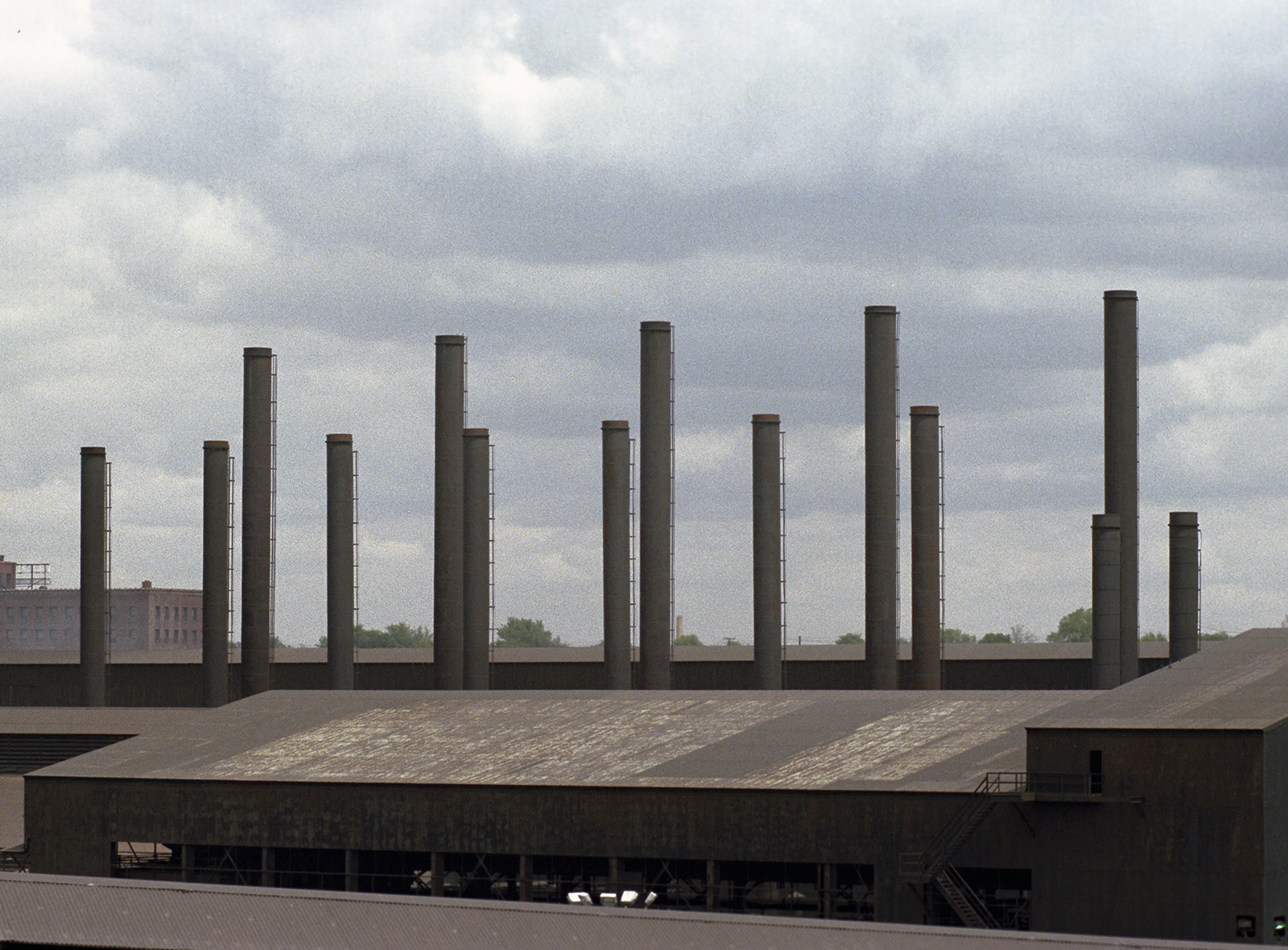
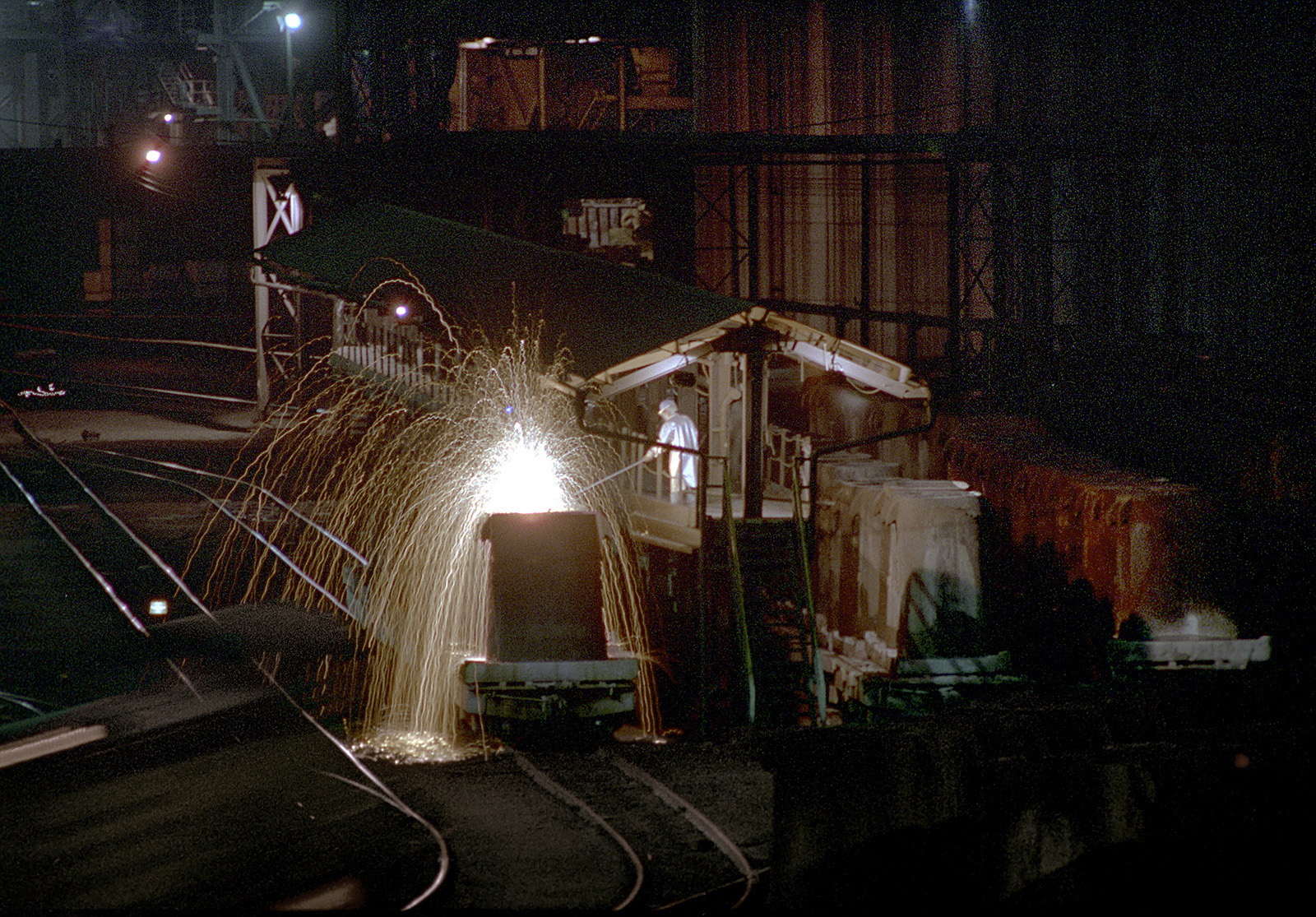
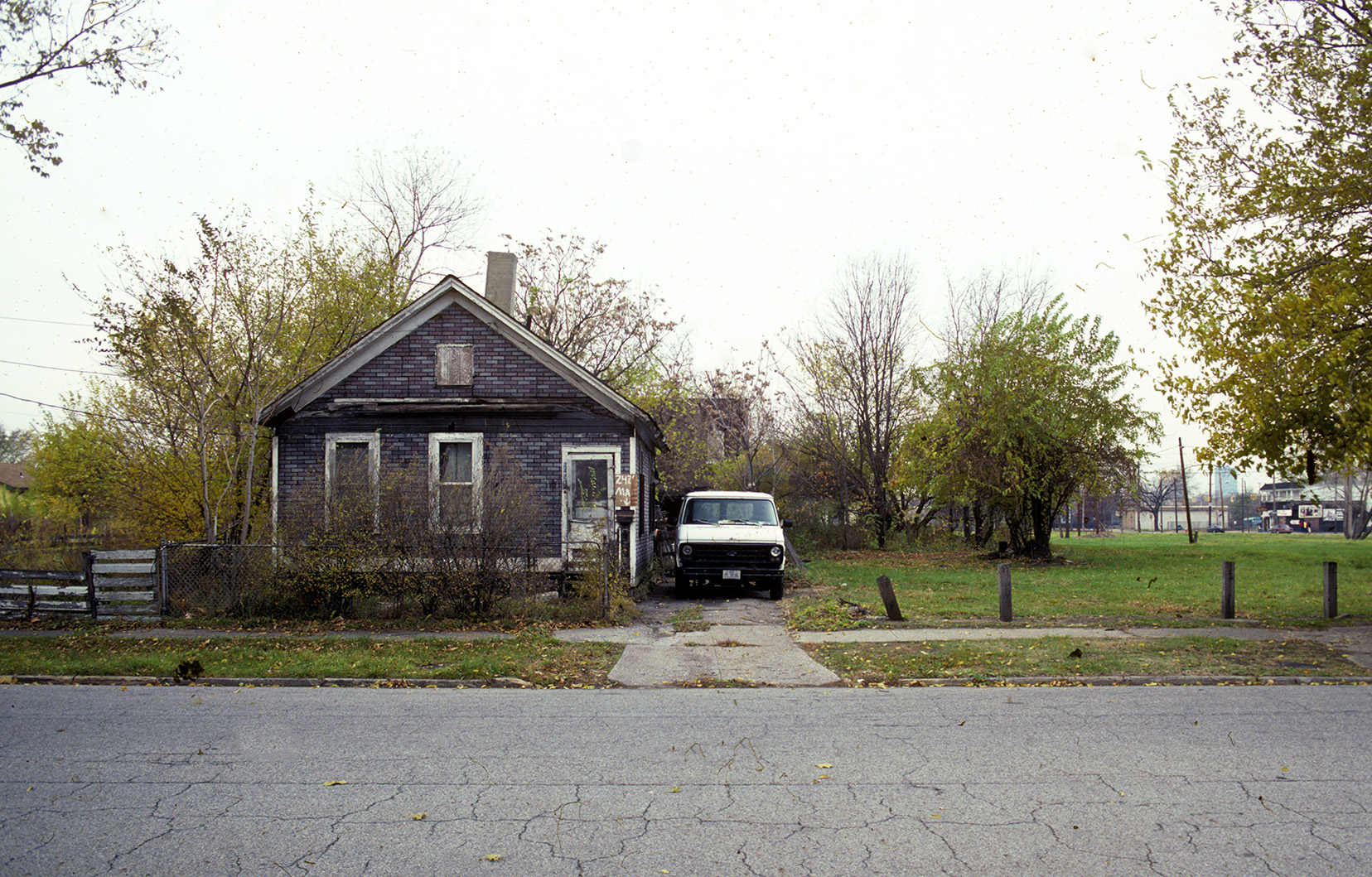
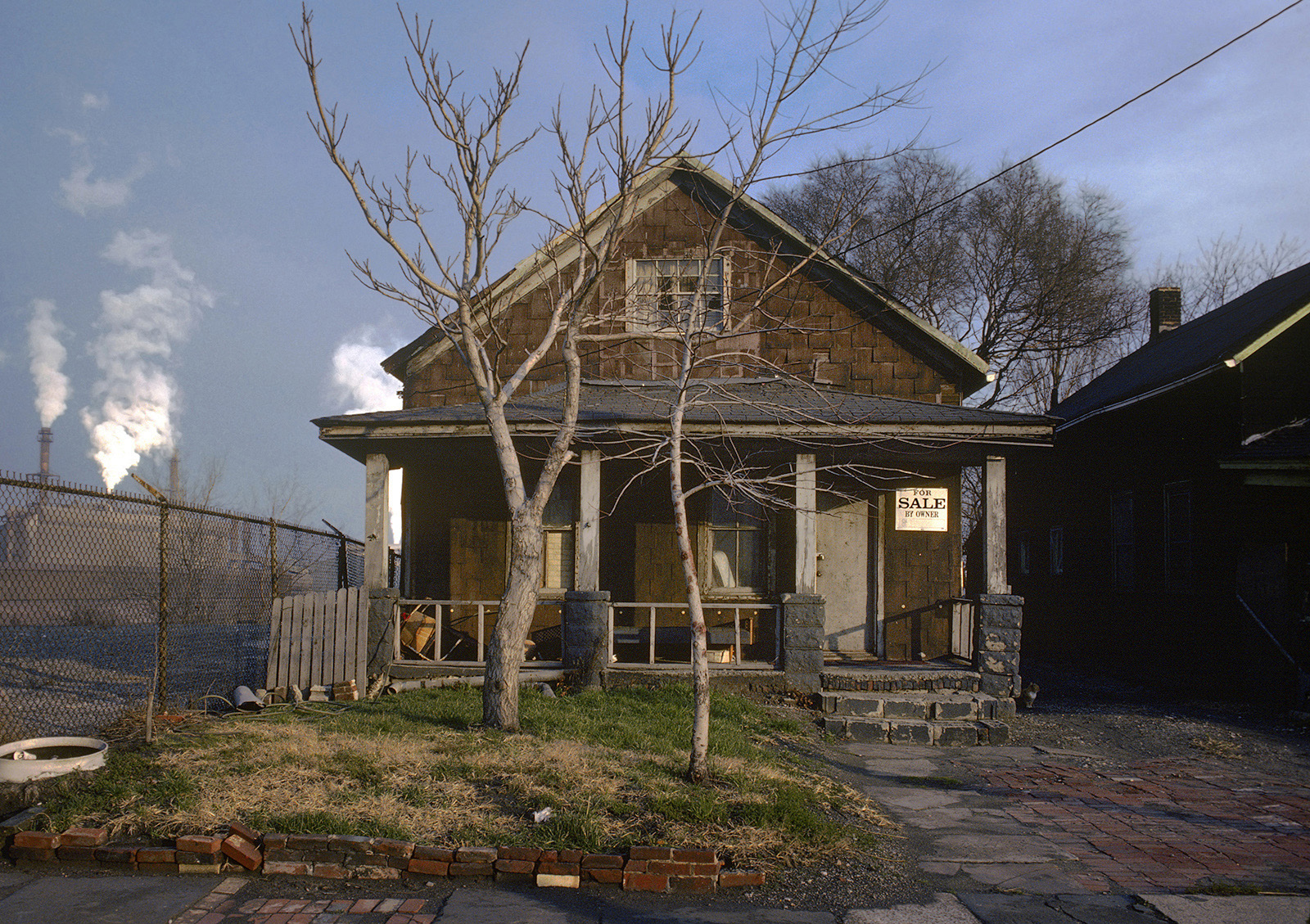
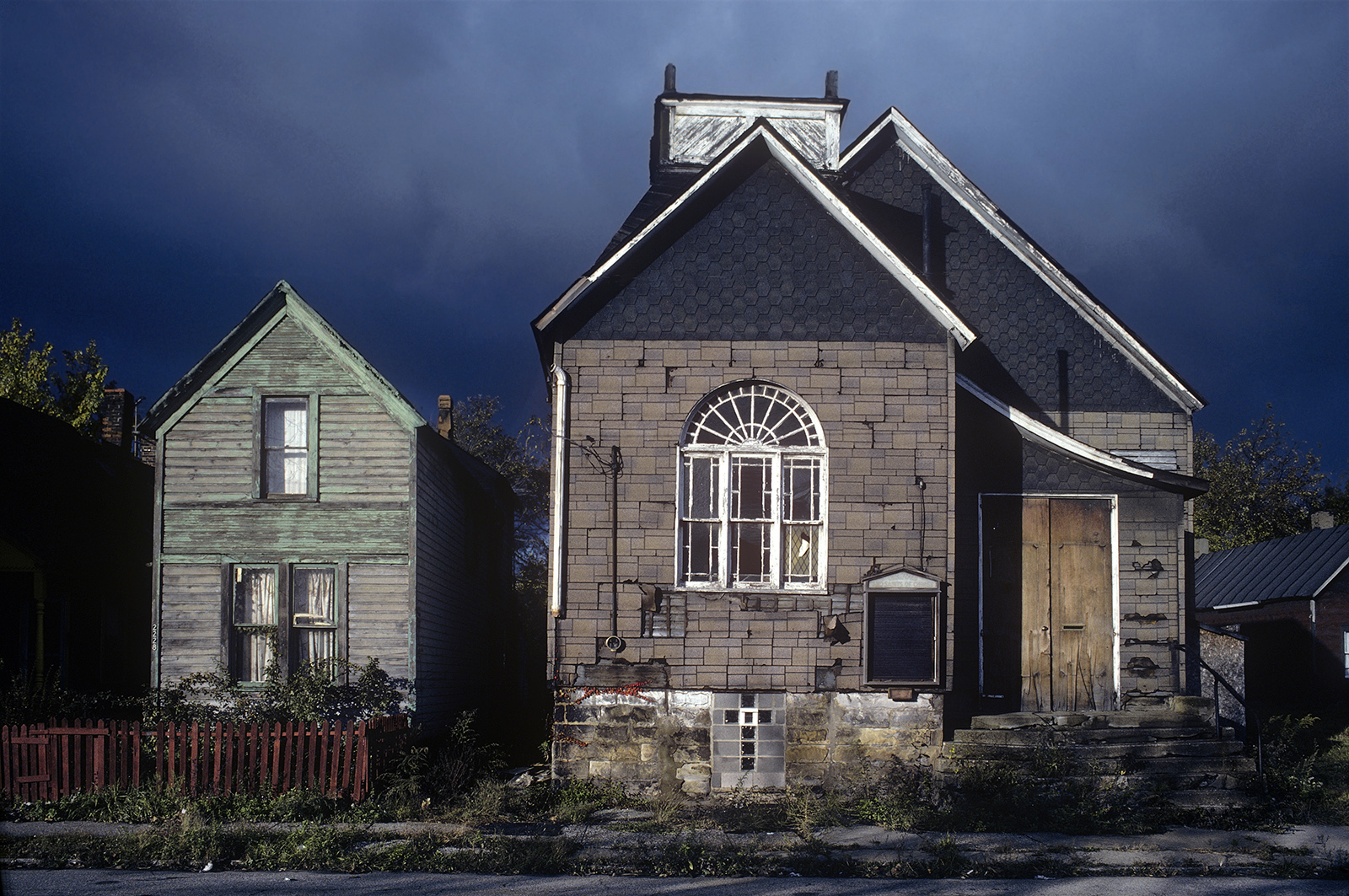
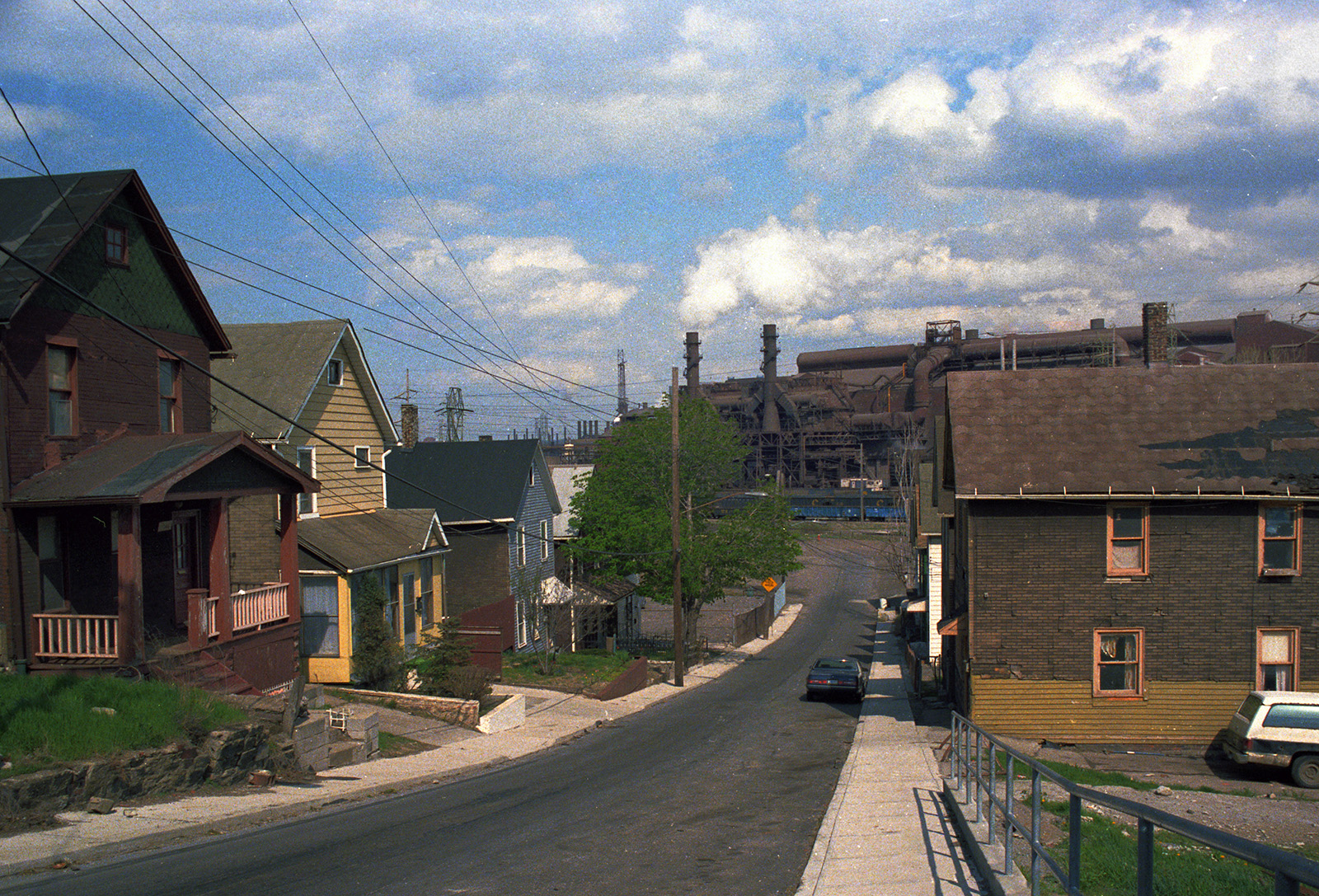
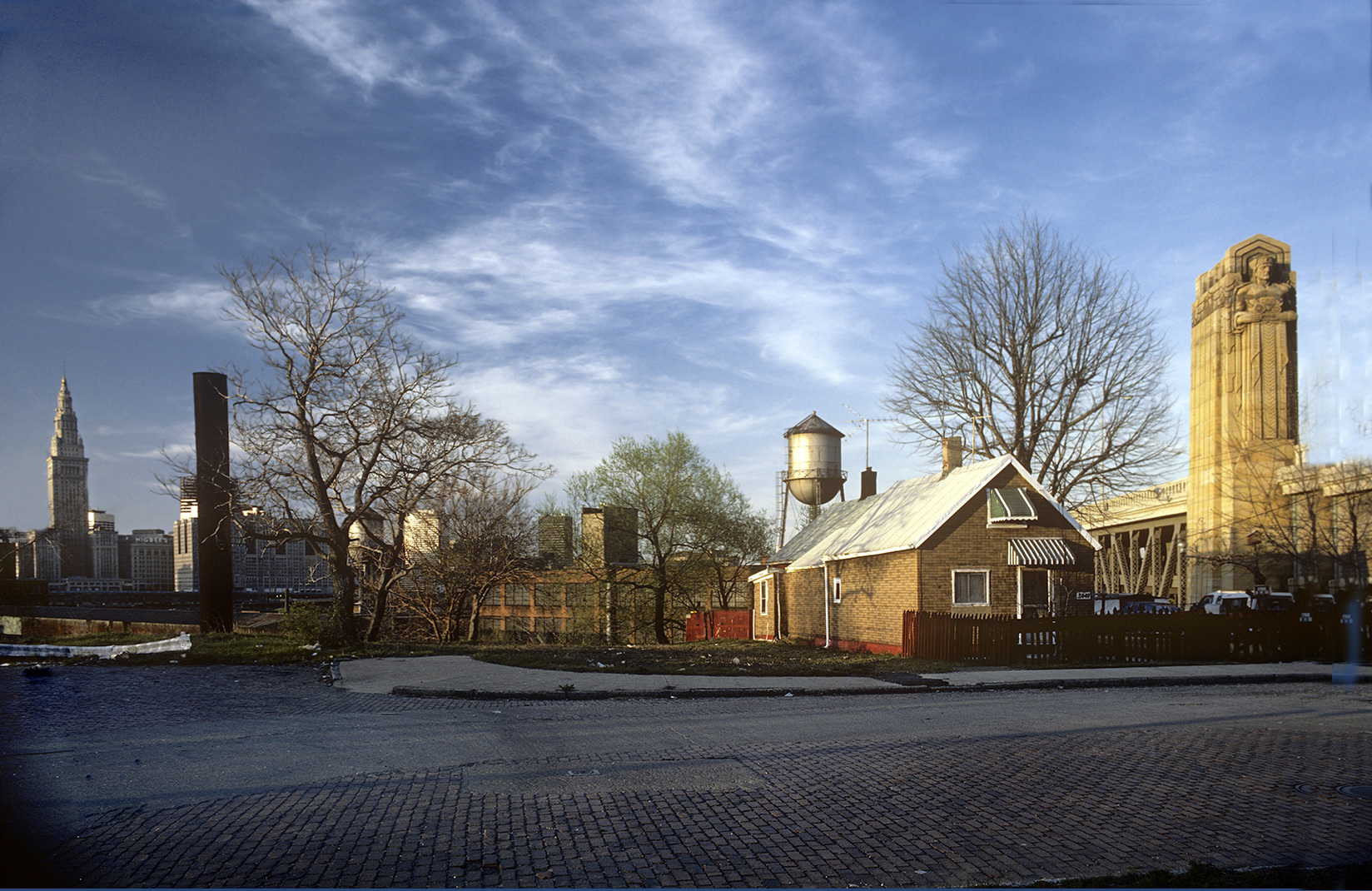
Dirty Old Town is the first of a trilogy of books that views one city in the context of loss and the Rust Belt. Dirty Old Town is America’s first Rust Belt book, shot on Kodachrome 25, between 1977 and 1988. The city is purposely left anonymous, so that it can represent all of the many towns and cities that went through the same scenario. And not to stereotype it any further.
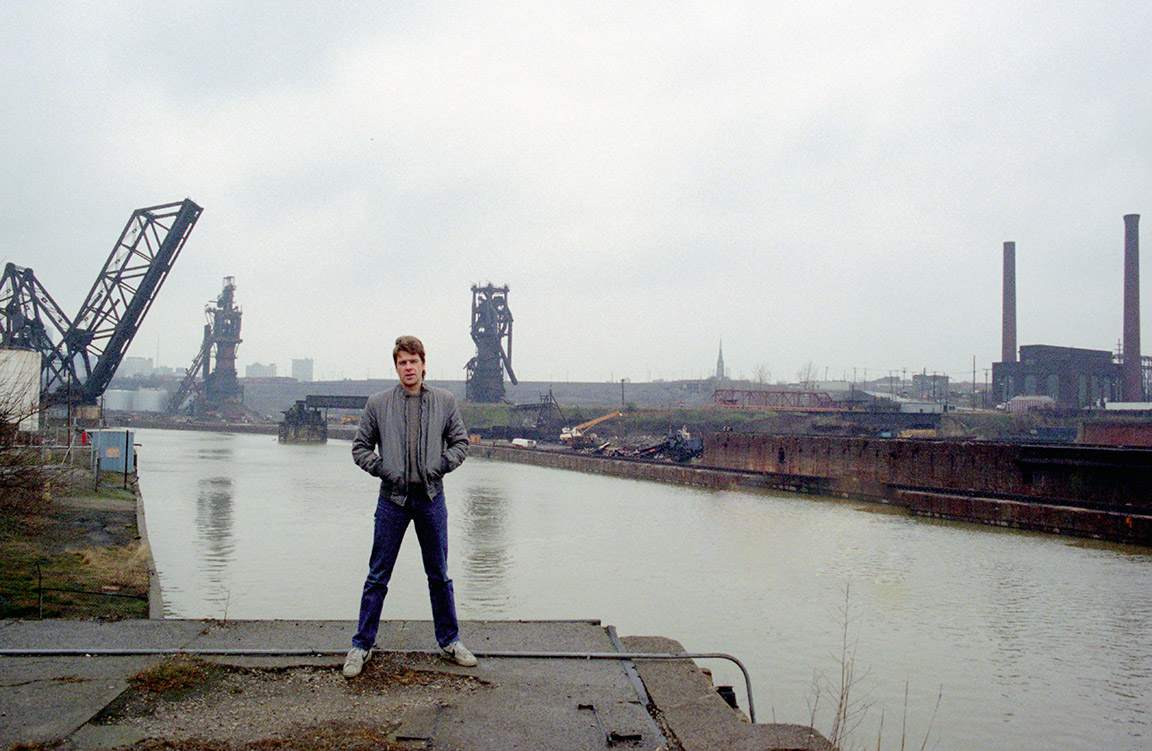
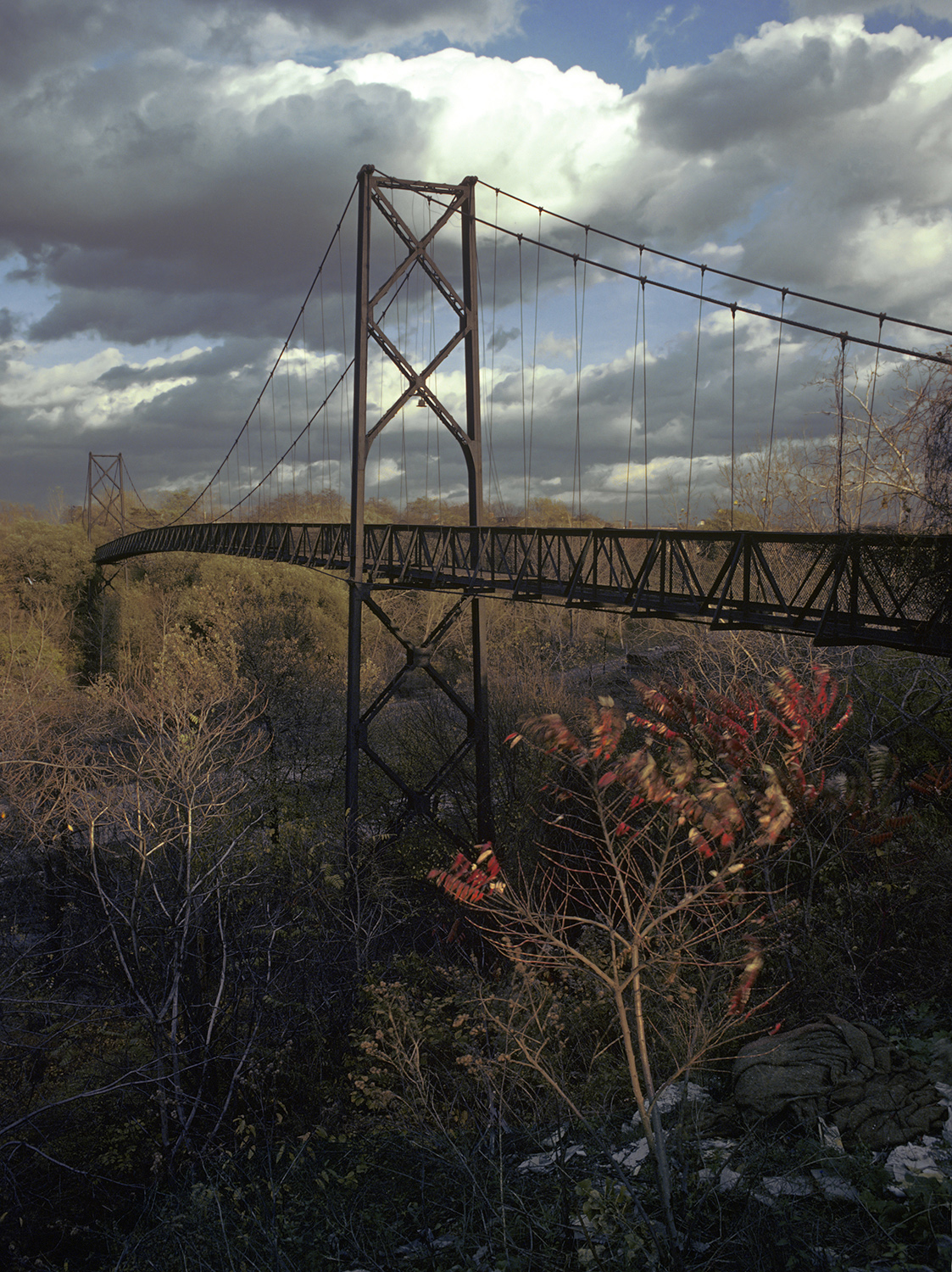
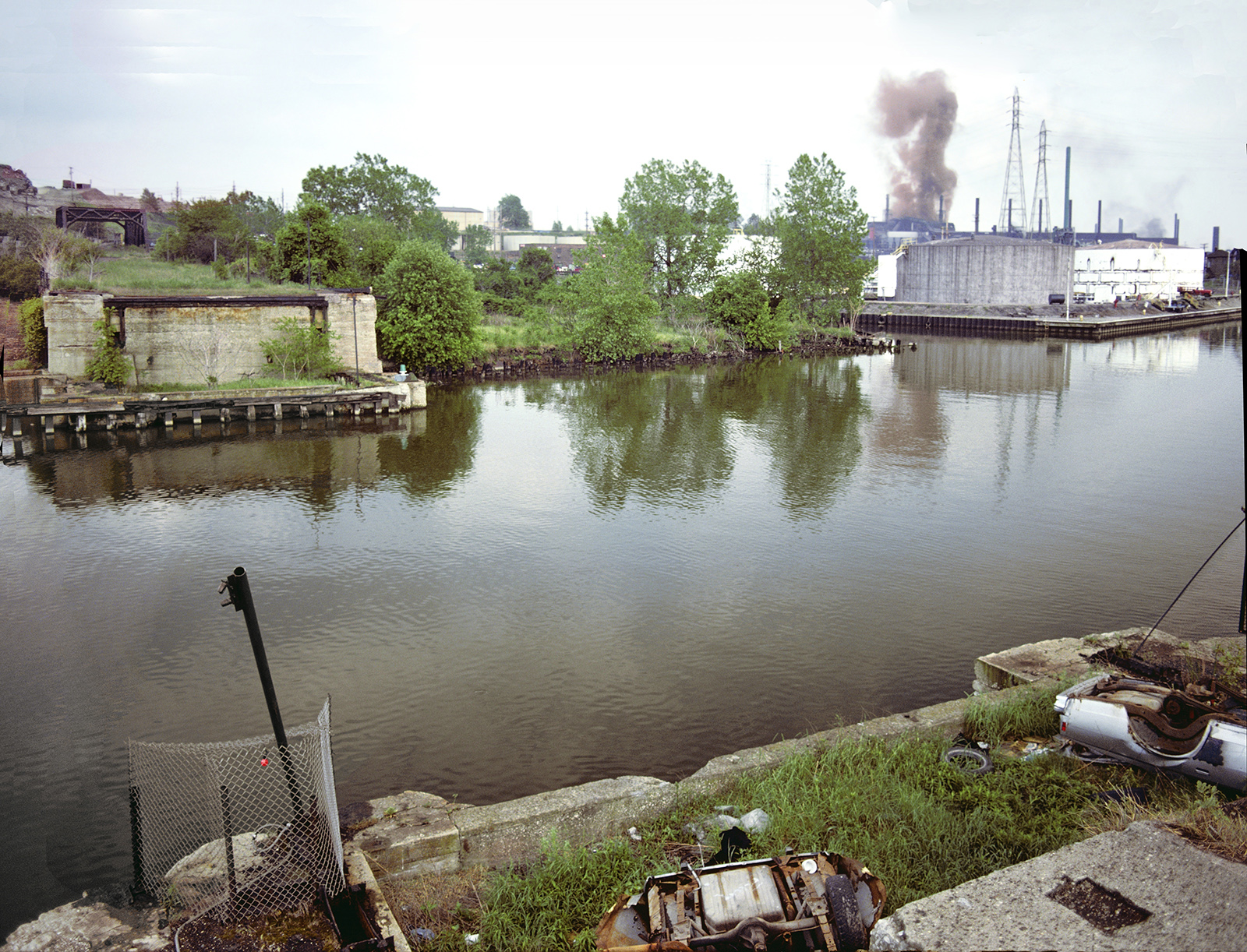
The author in 1980, where the Jefferson Avenue swing bridge was located. The Rust Belt didn’t take it out. It was a freighter that rammed it because it wasn’t opened, in 1952.
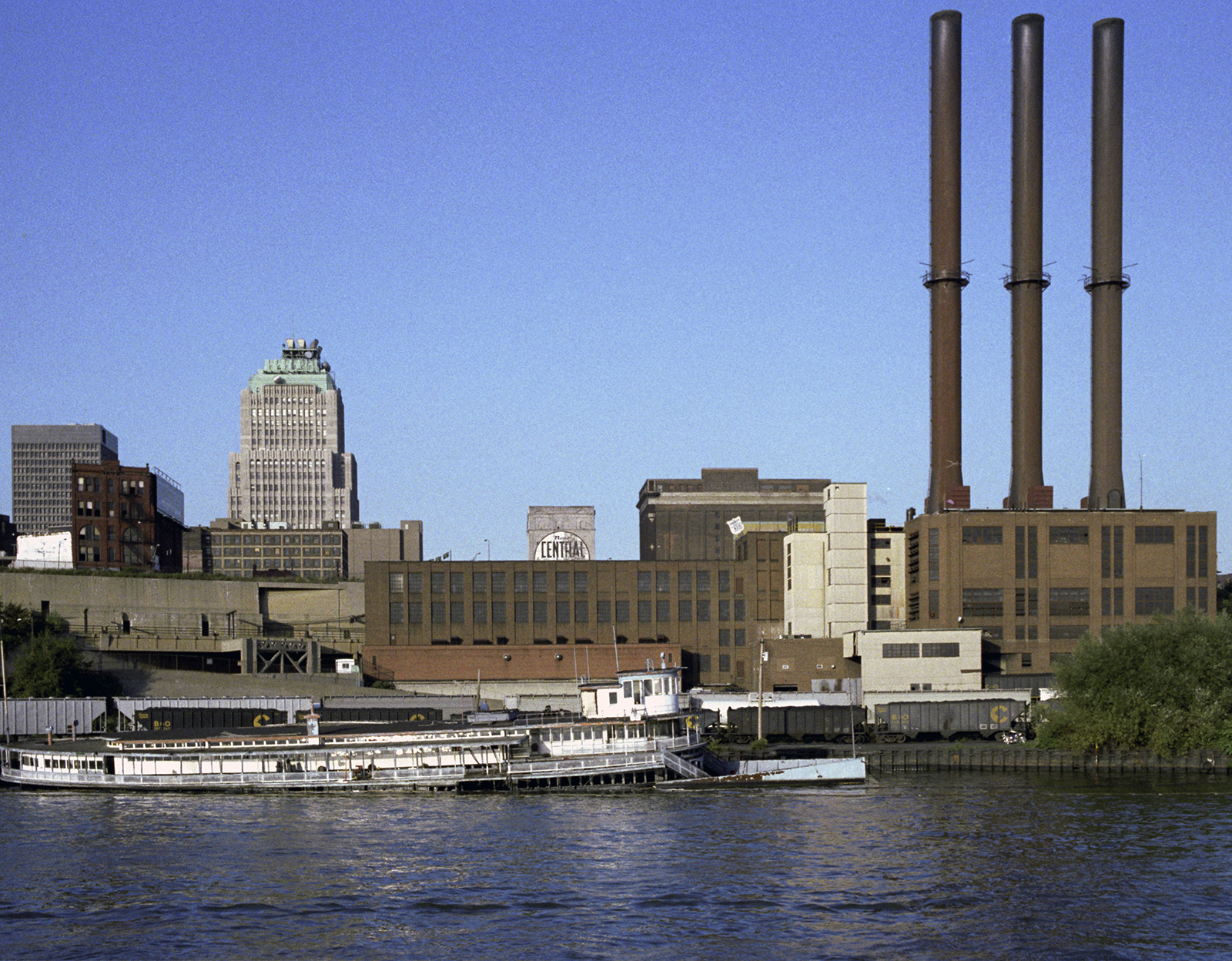
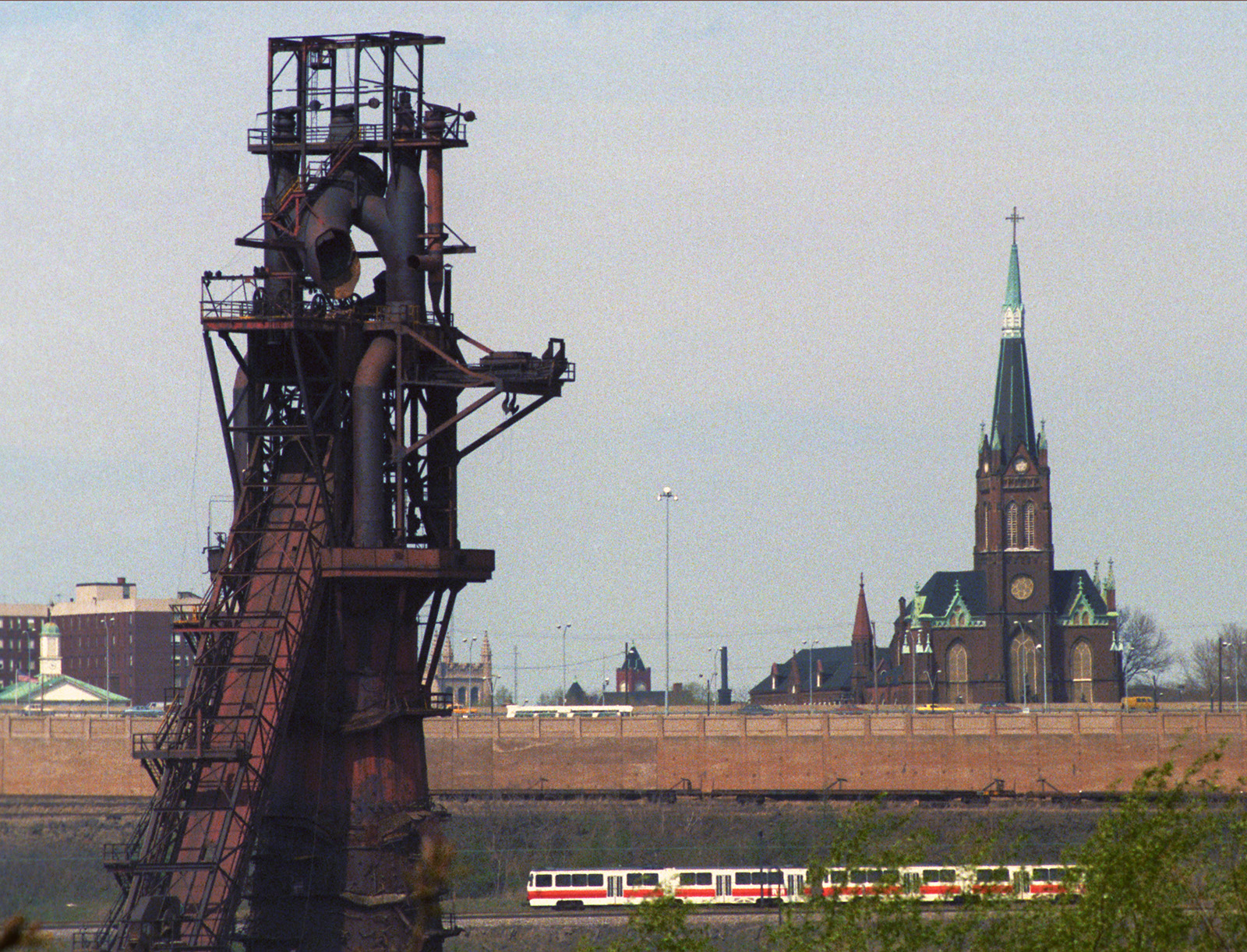
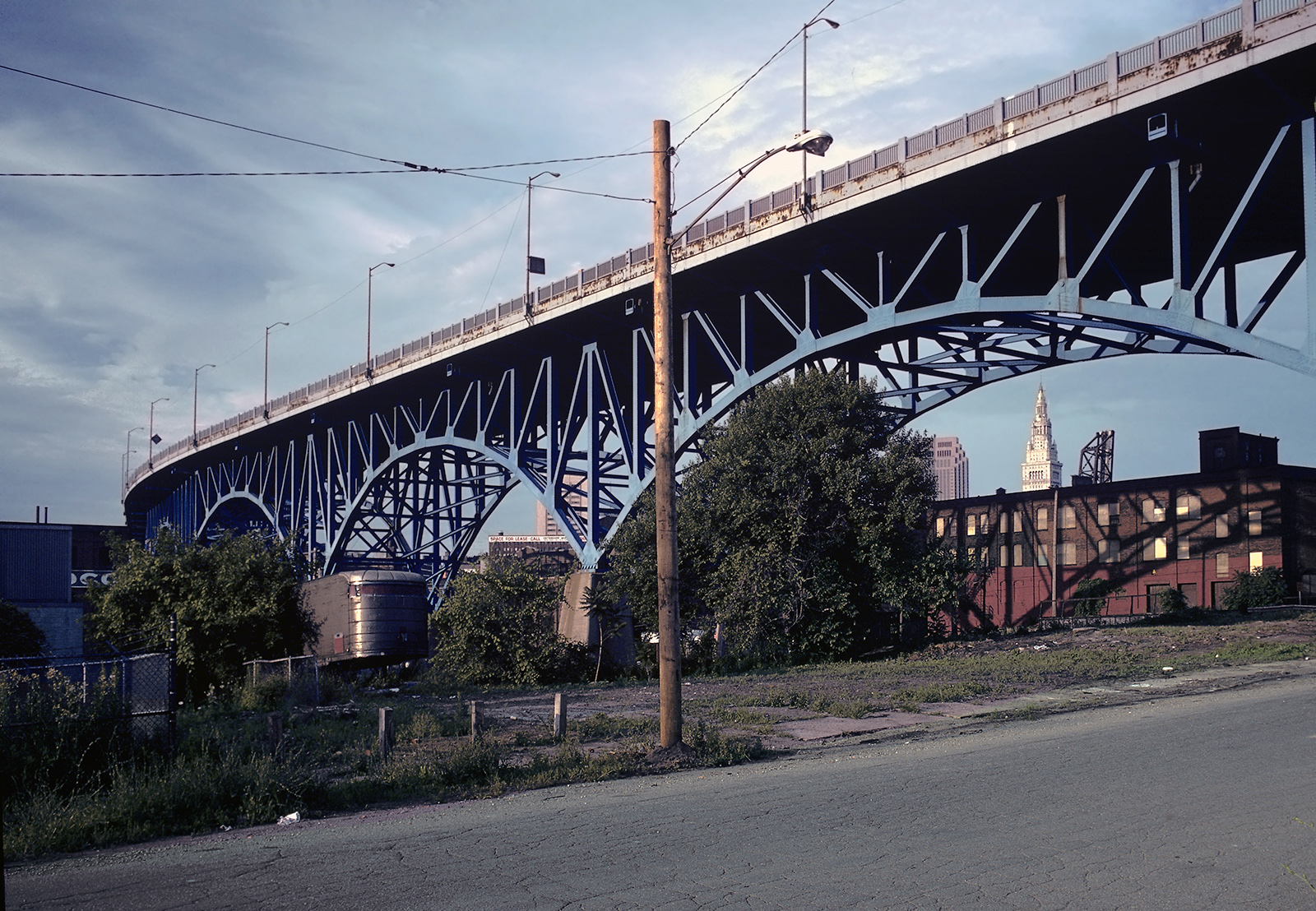
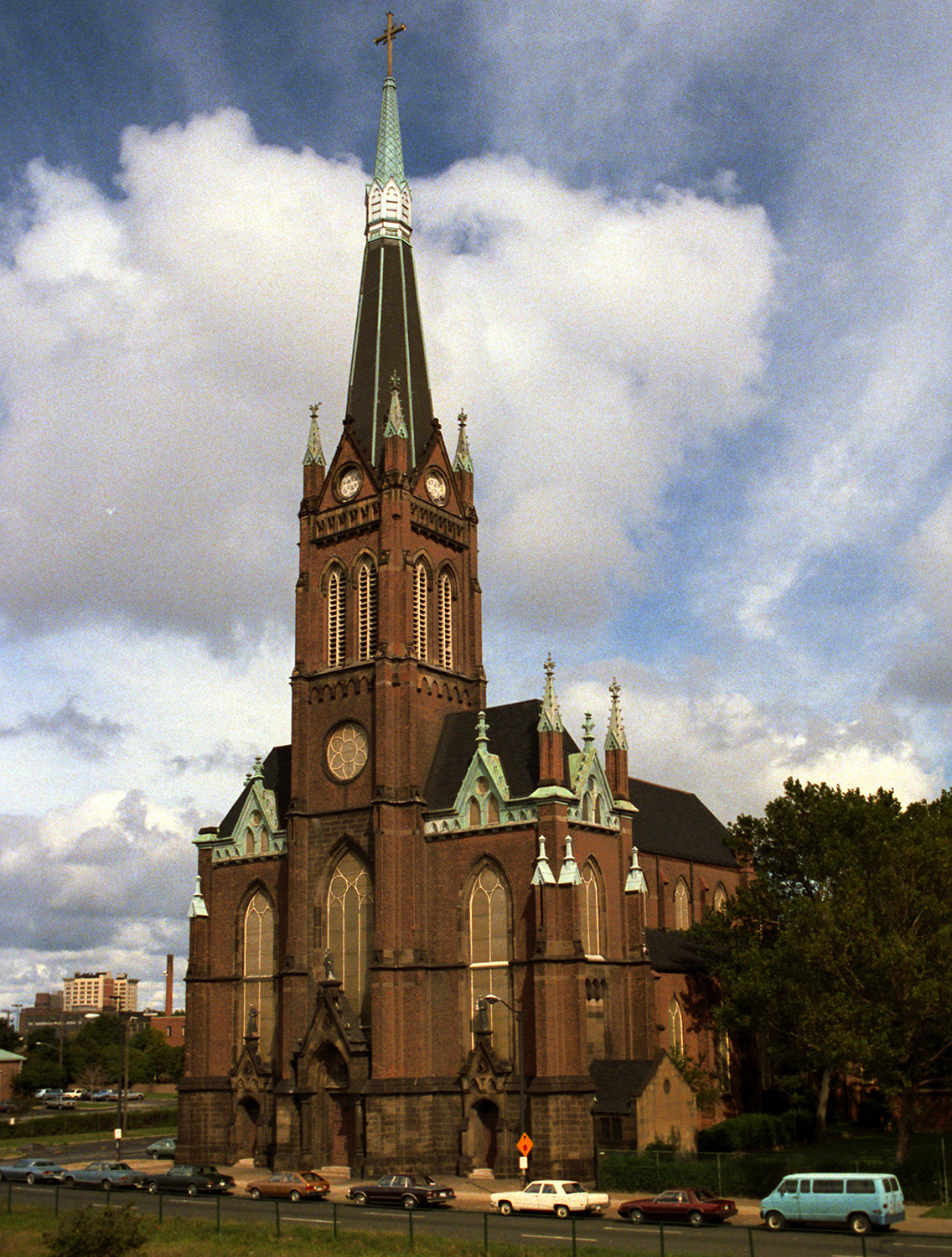
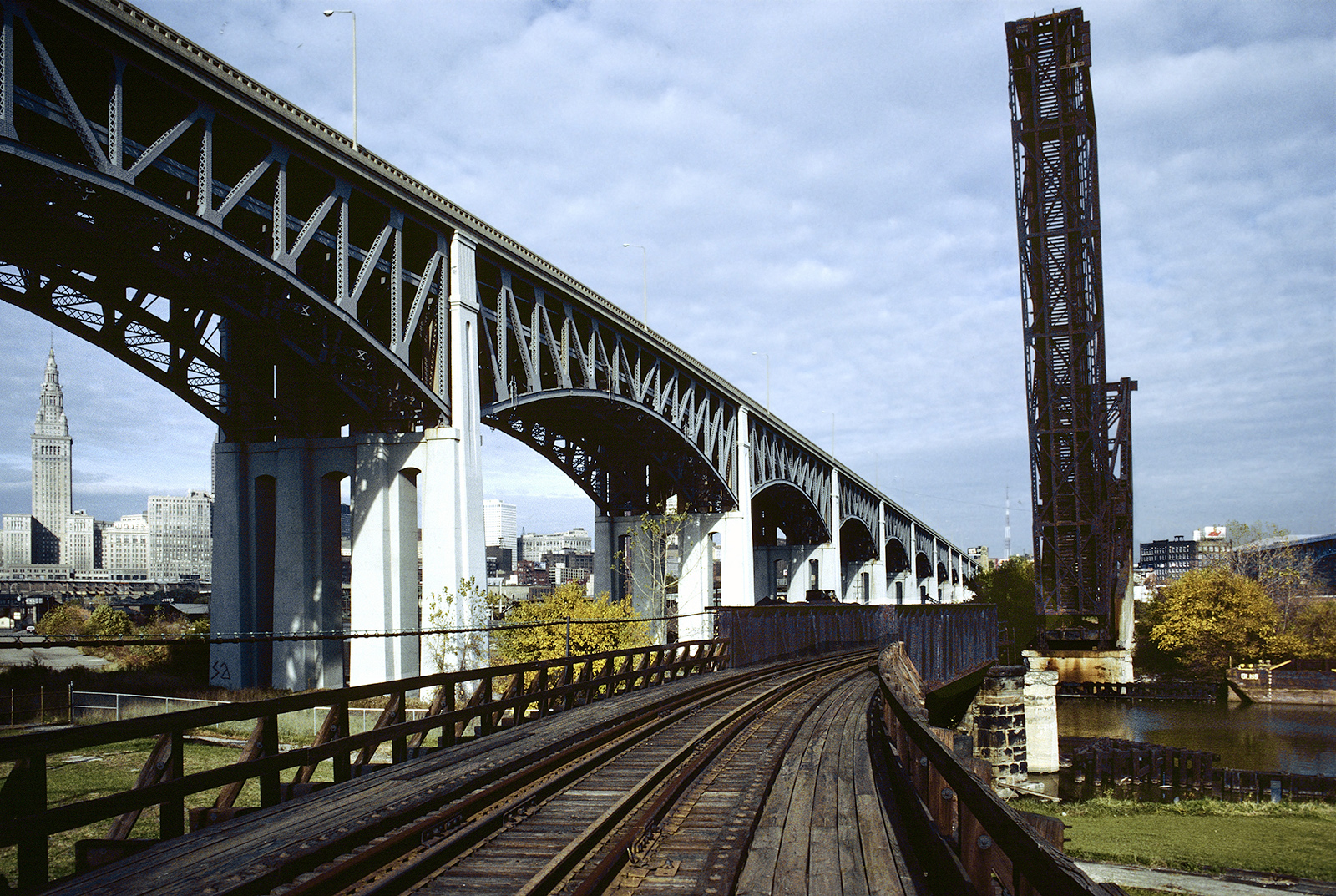
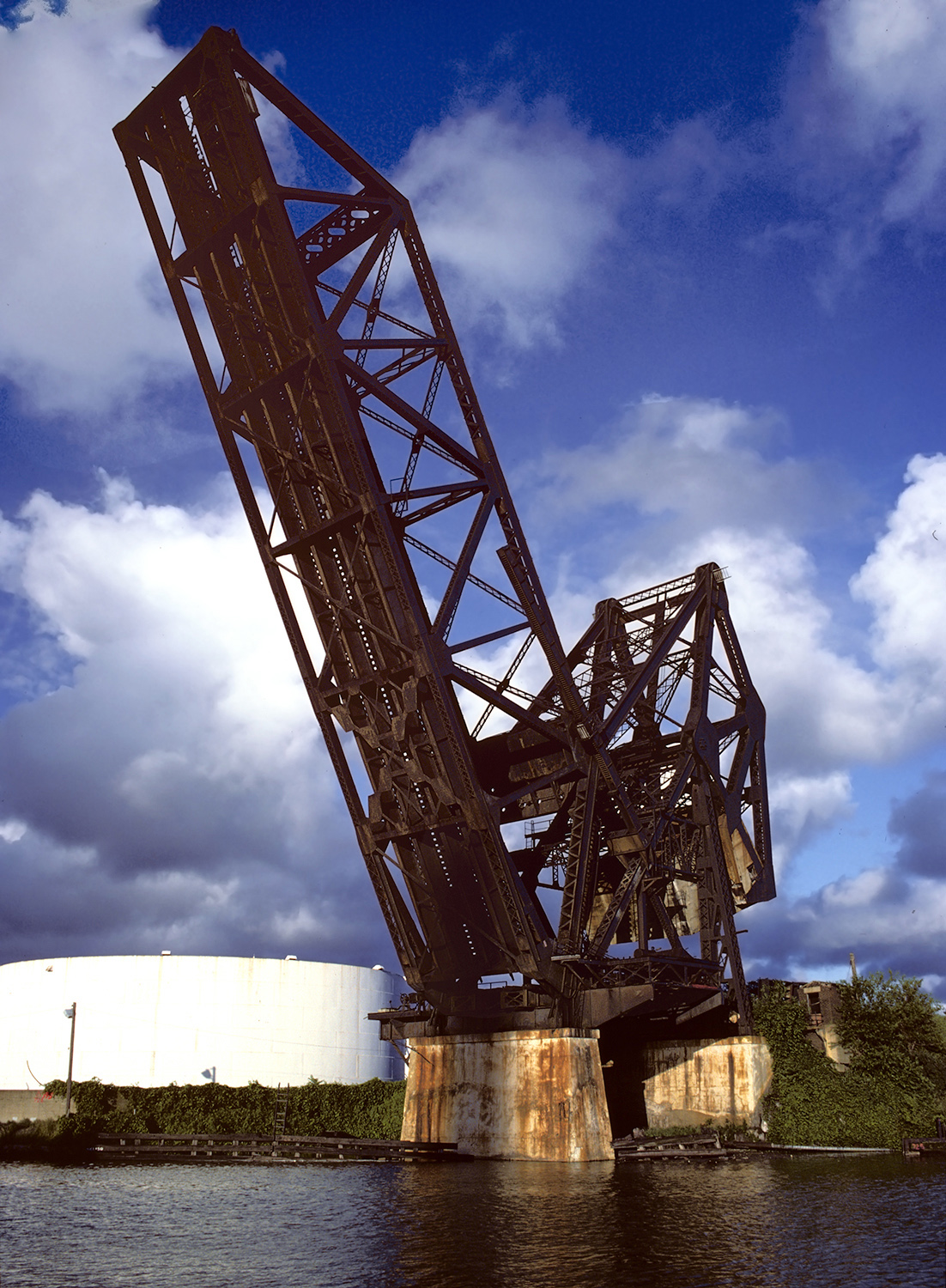
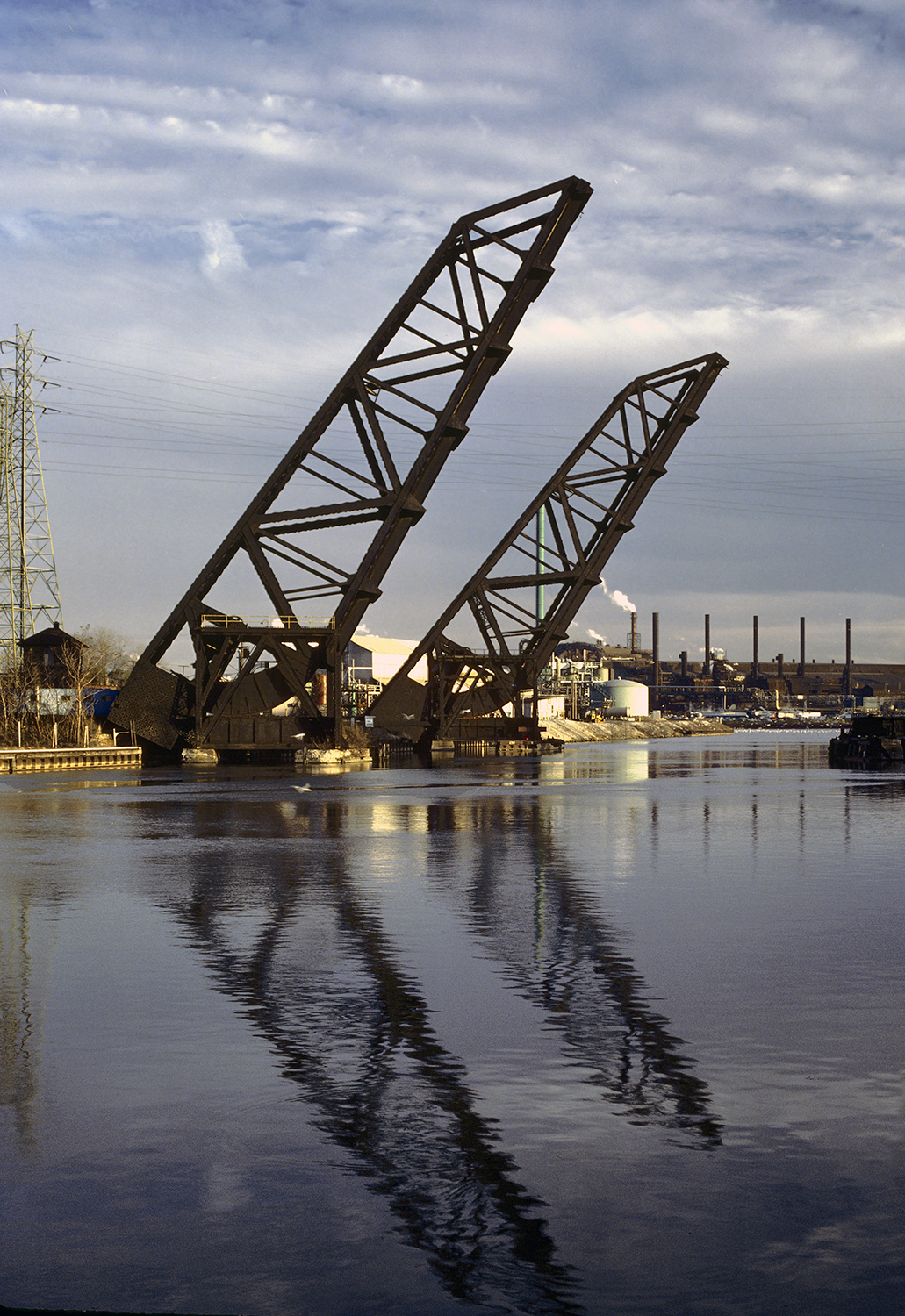
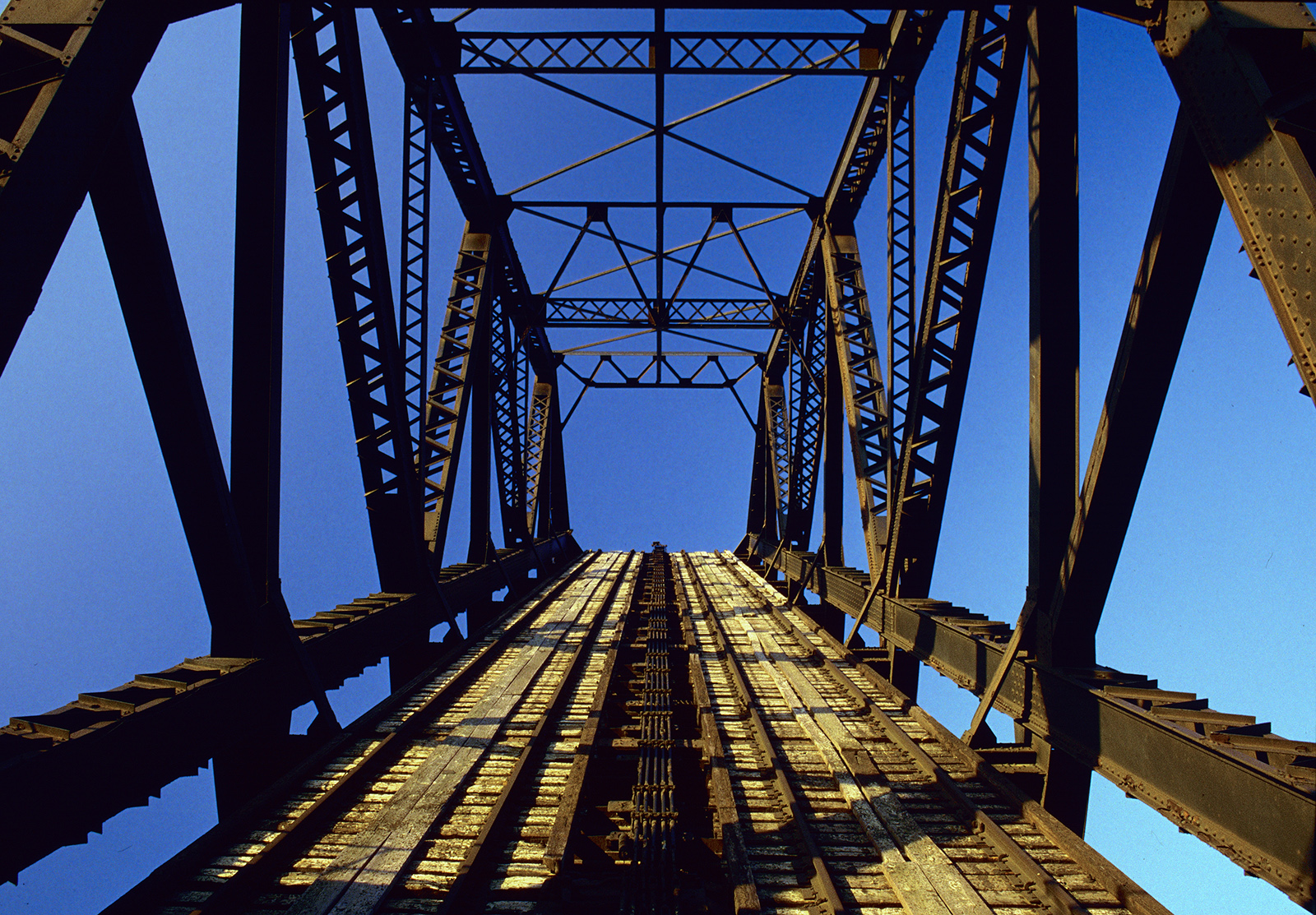
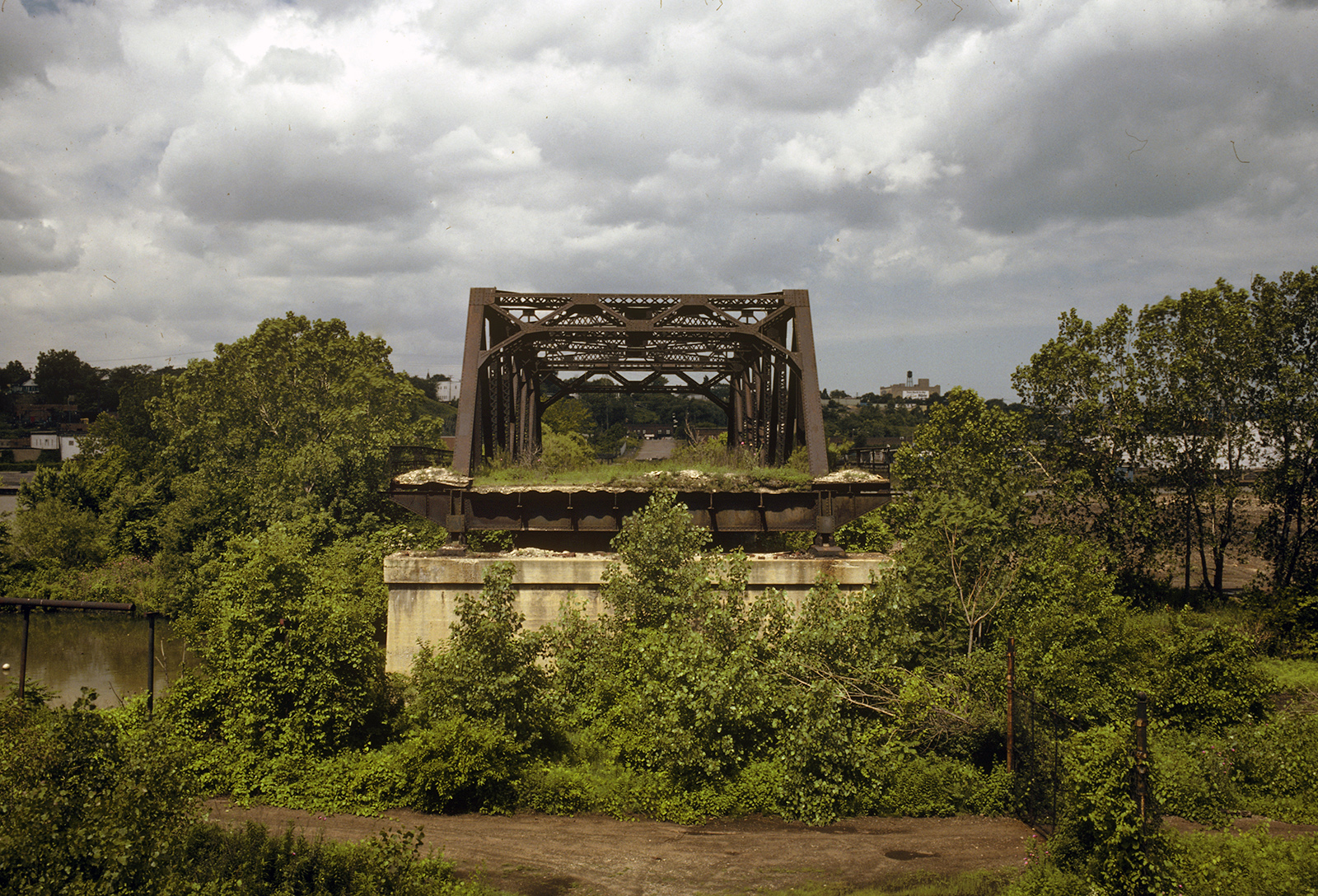
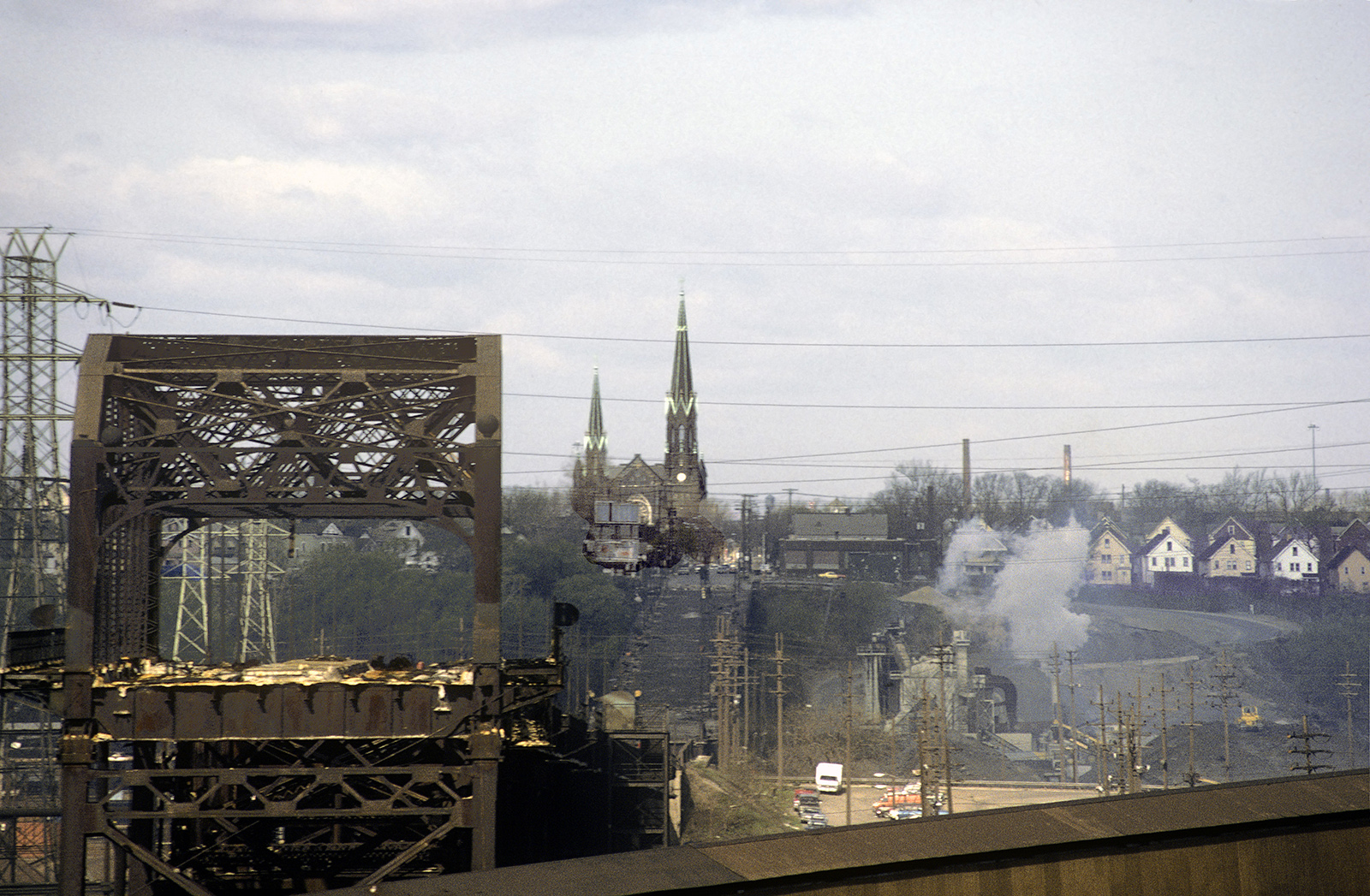
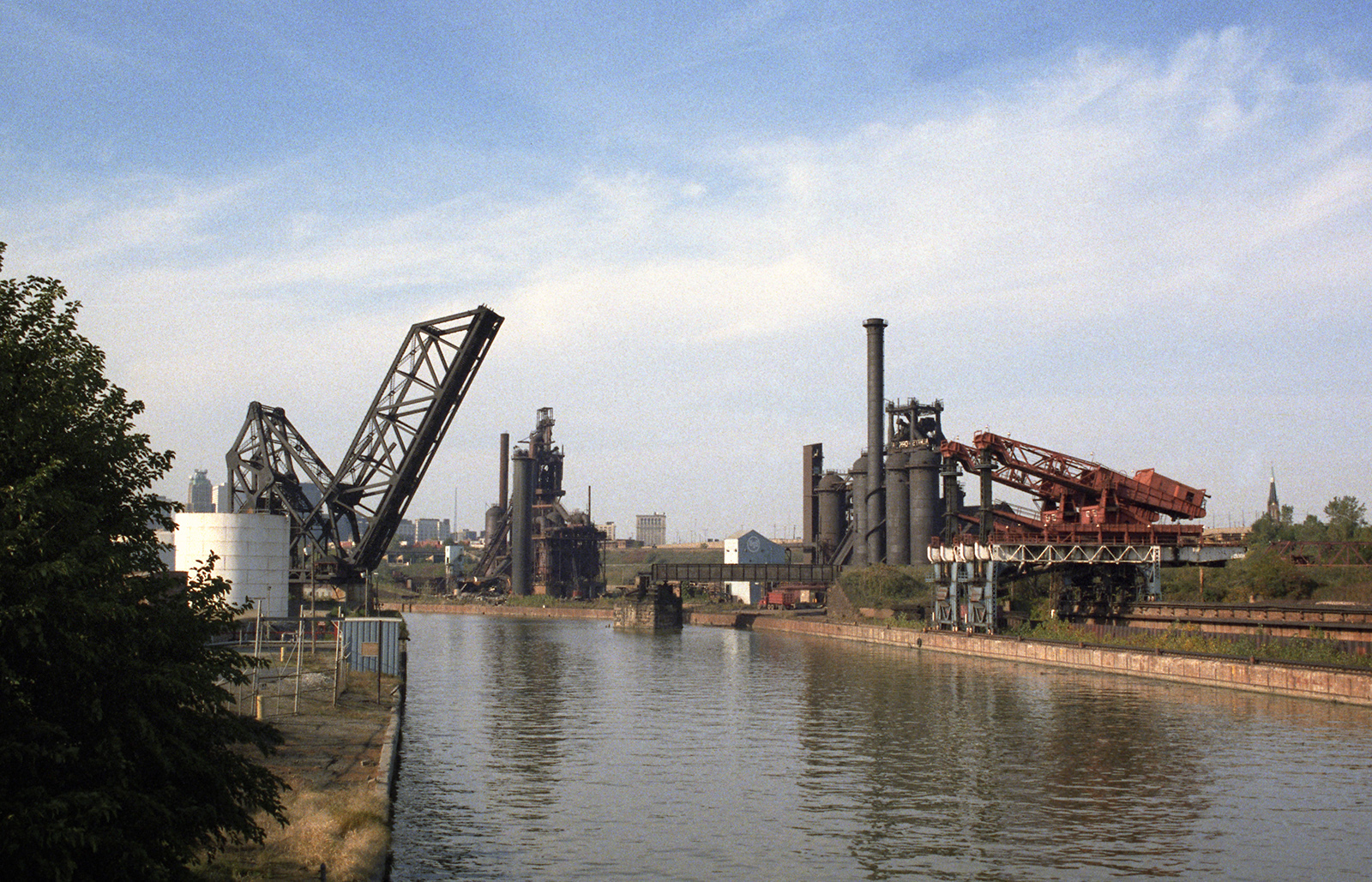
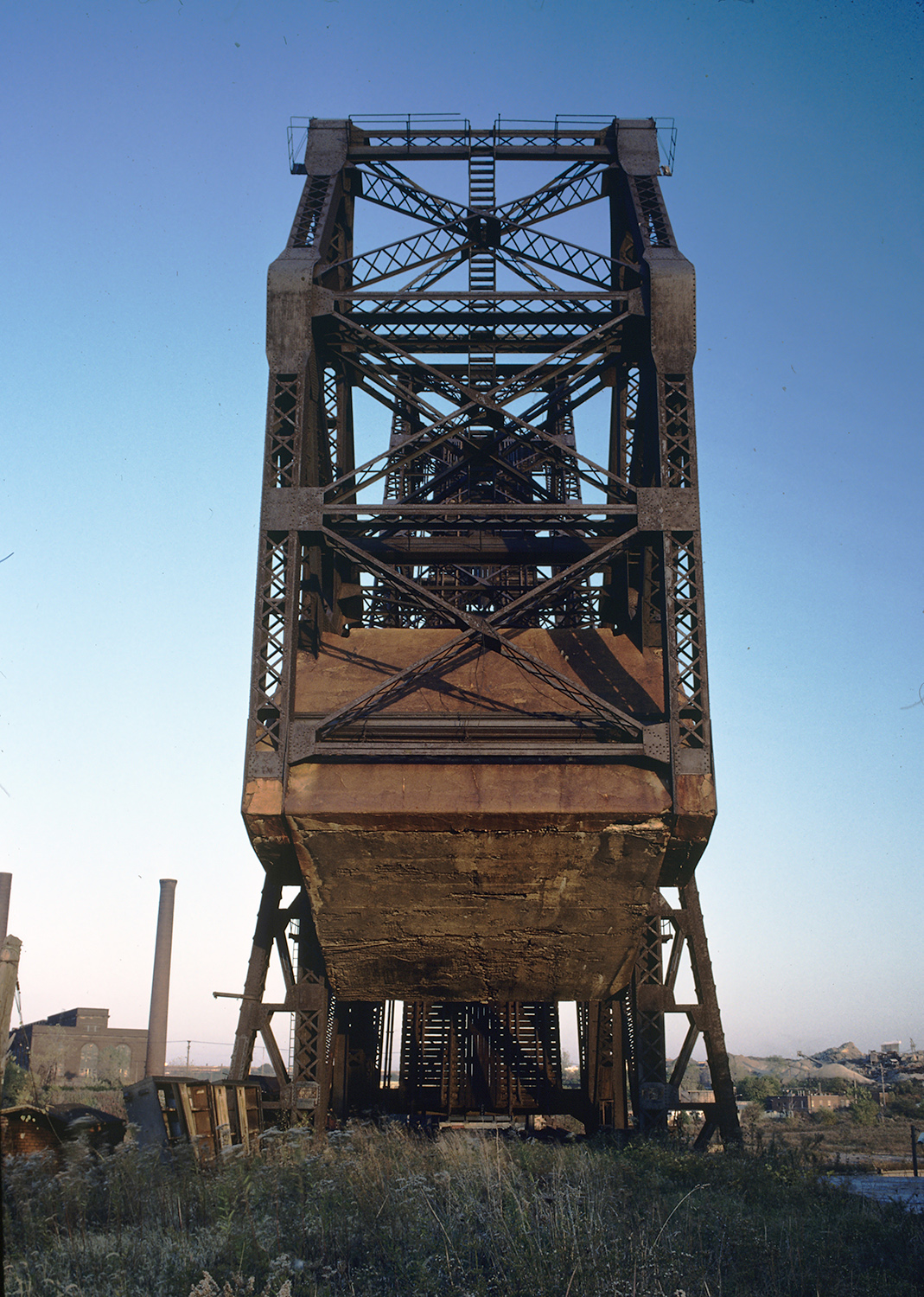
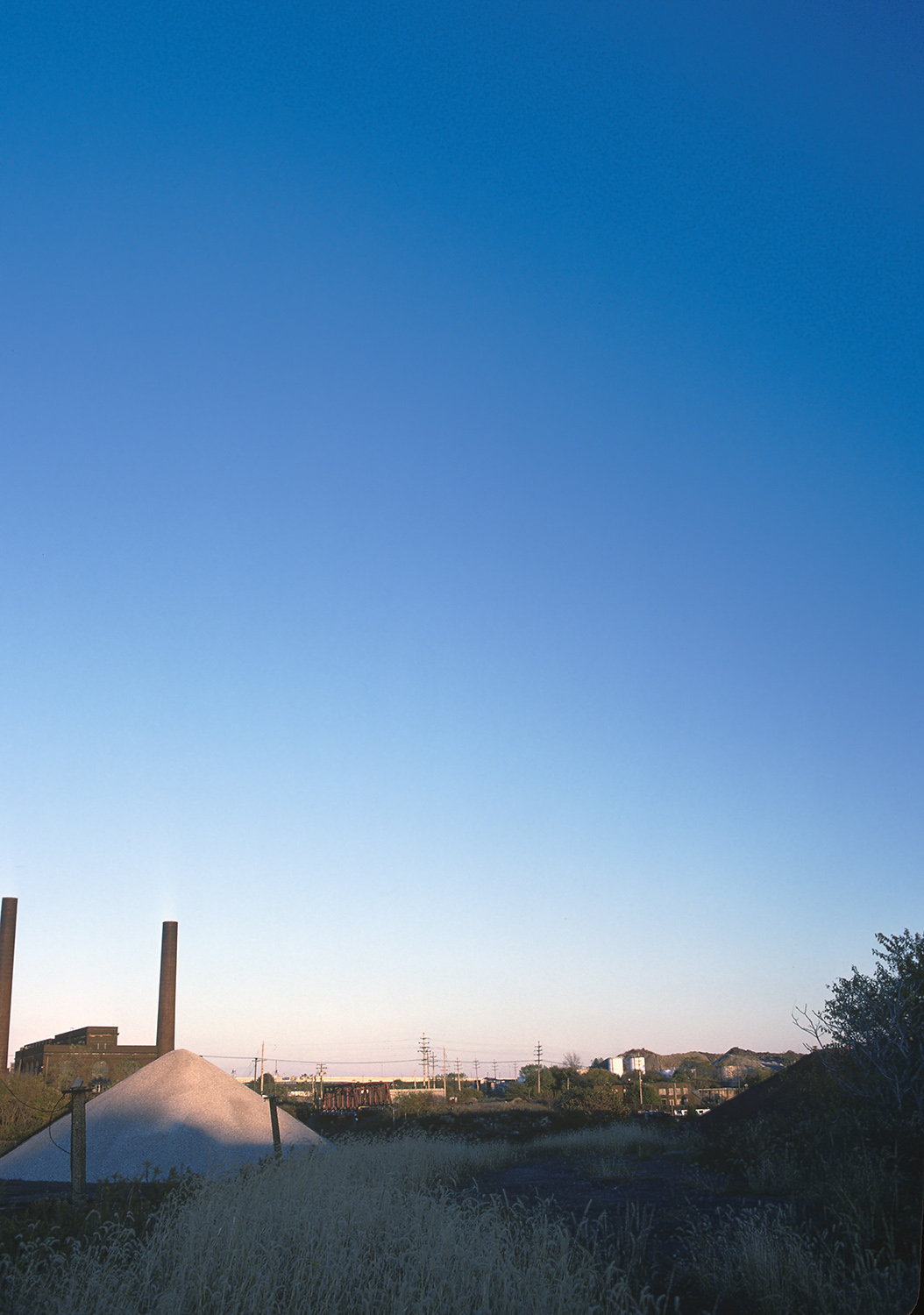
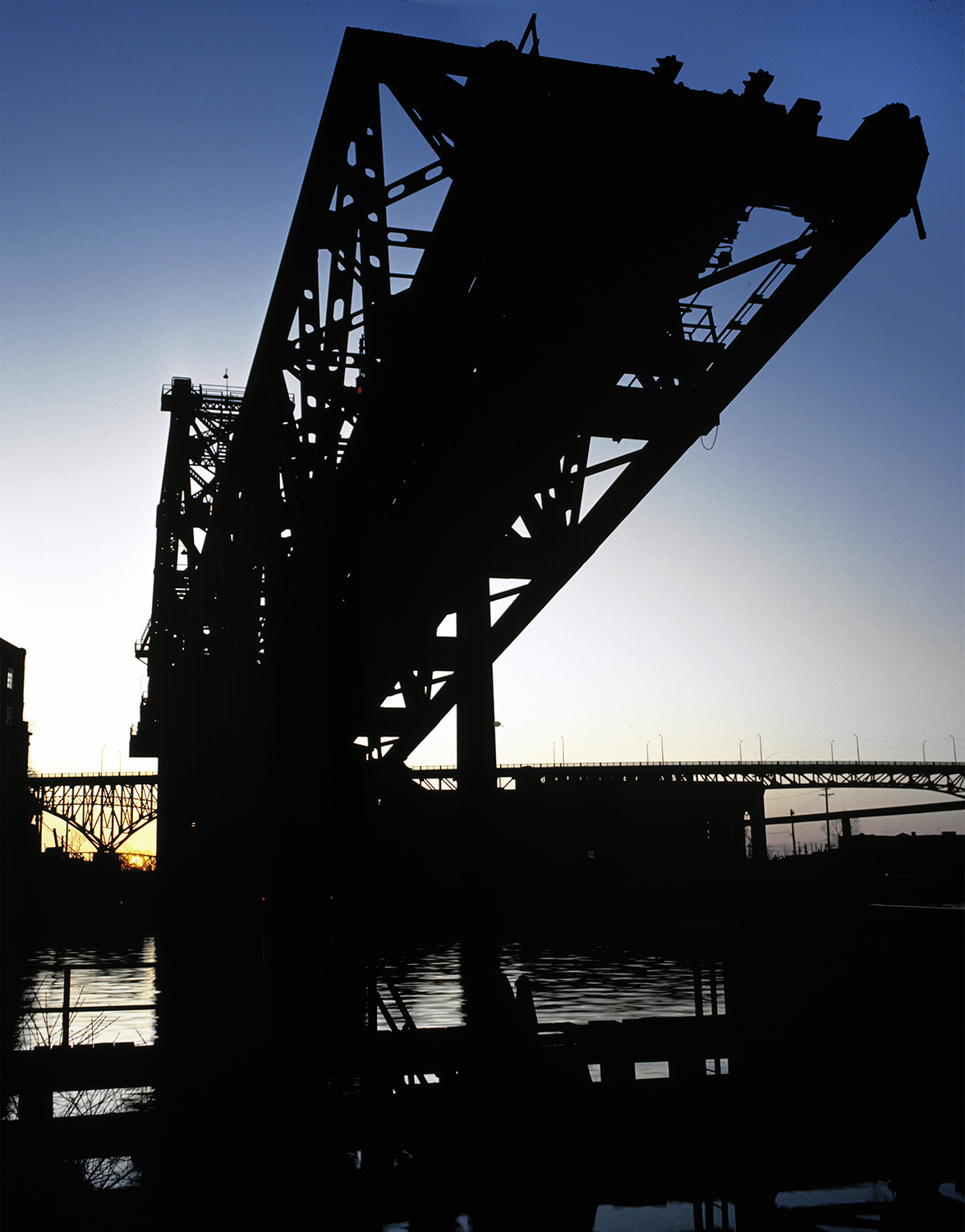
To the left is the B&O #463 jacknife lift bridge, soon to be demolished. To the left of the bridge was a Gulf Oil facility that was demolished. In the background are the remains of U S Steel’s Central furnace that dates back to 1900. That blast furnace to the left was a marvel when built, one of the biggest furnaces of its time, making mostly pig iron. To the right is the powerhouse for John Rockefeller’s Oil Refinery #1, and is the only thing left of the refinery. Off in the distance is the steeple of St. Joseph church, that was demolished in 1990. It was built in 1889, by German immigrants and was one of the most impressive churches in a city of churches. The river, of course, was known for catching fire in 1968, but it had always done that, including burning down bridges.
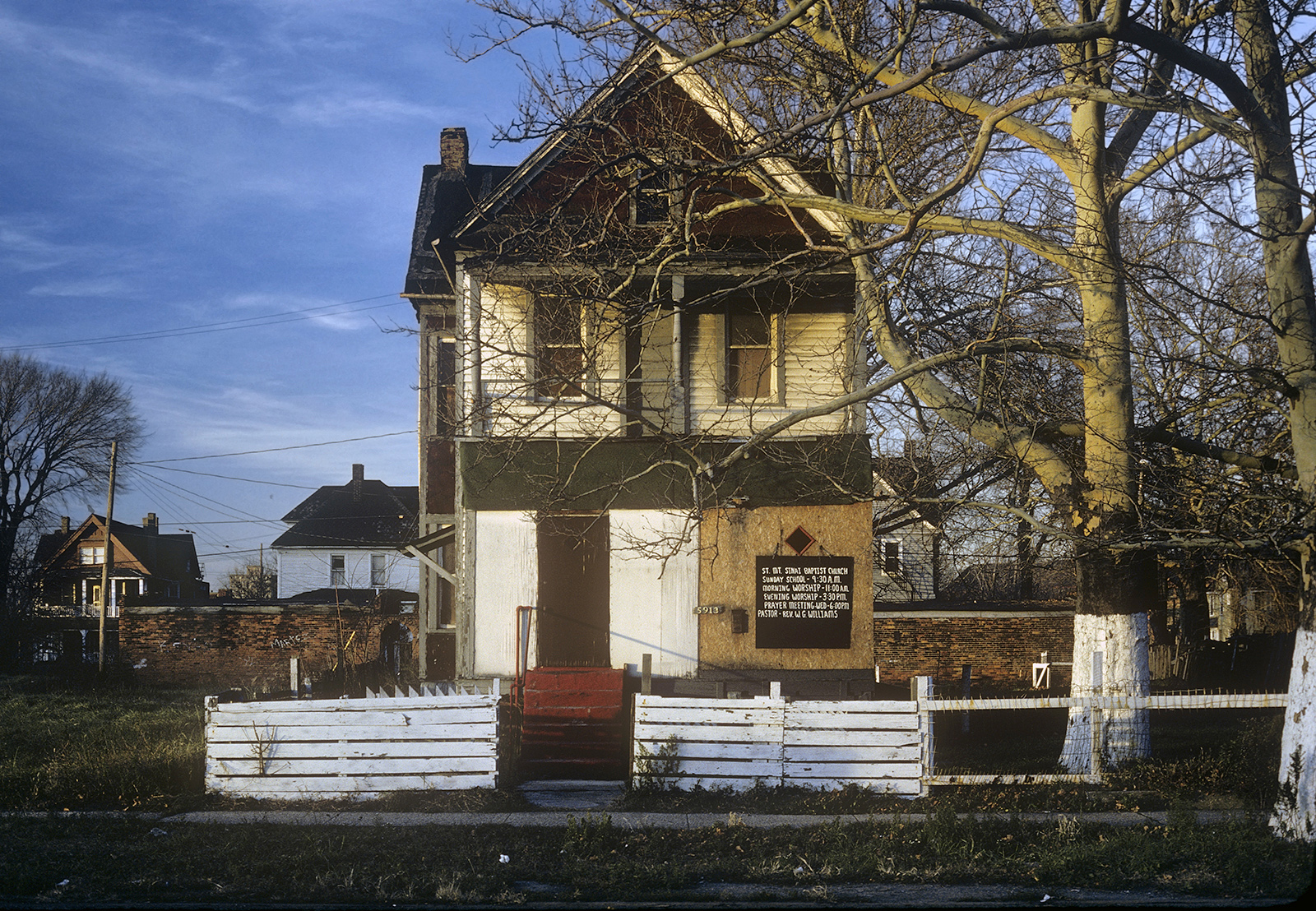
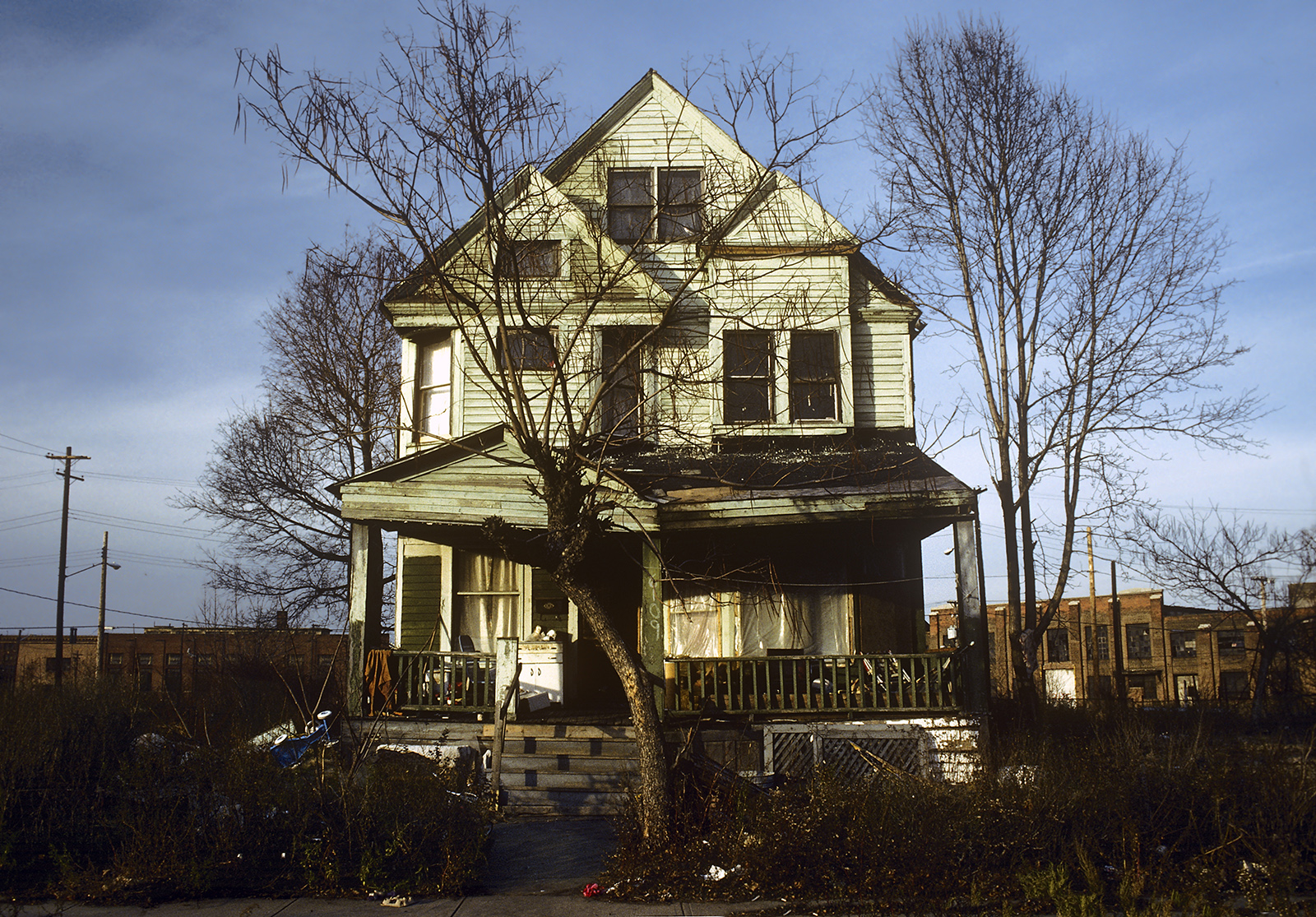
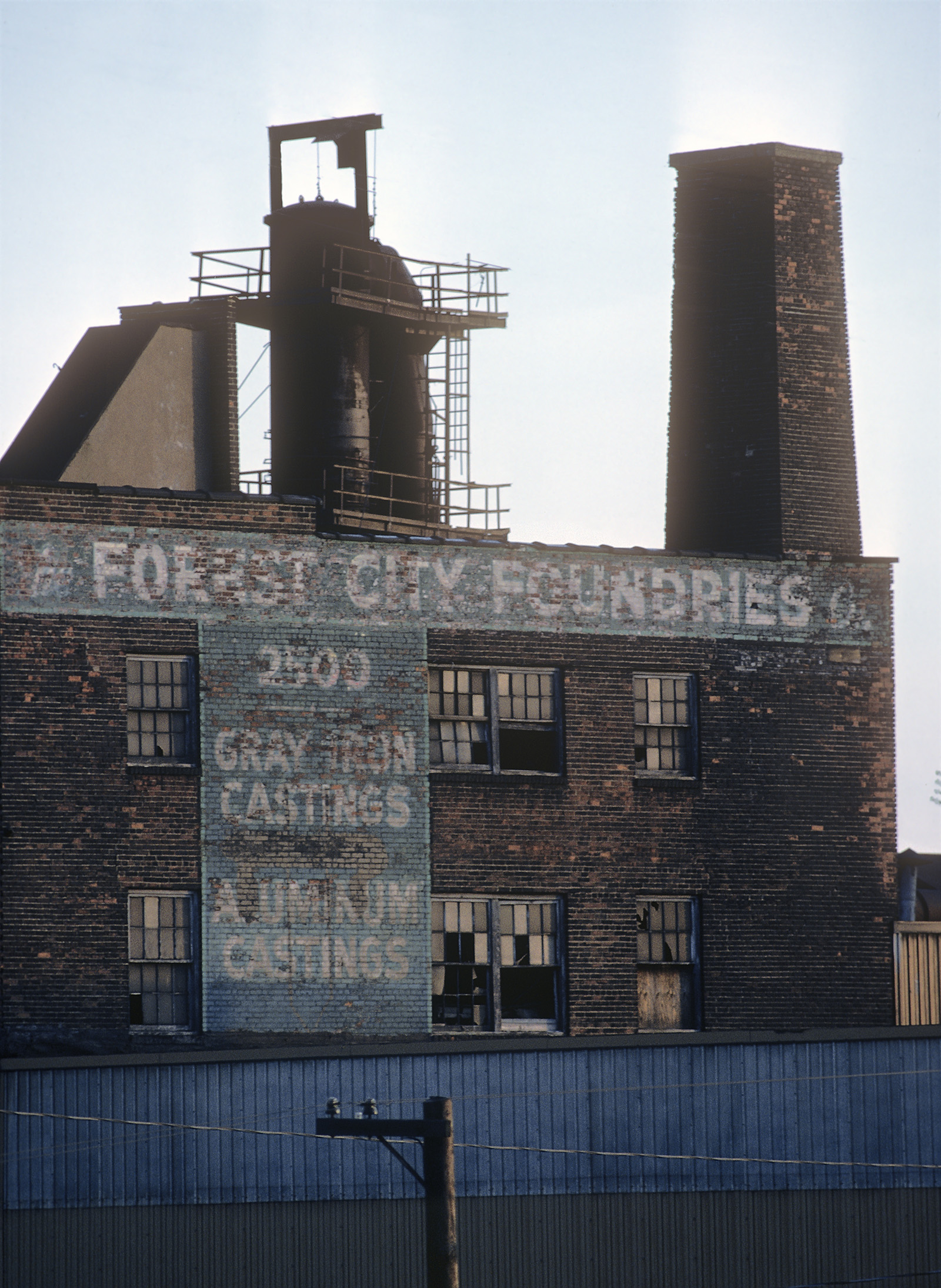
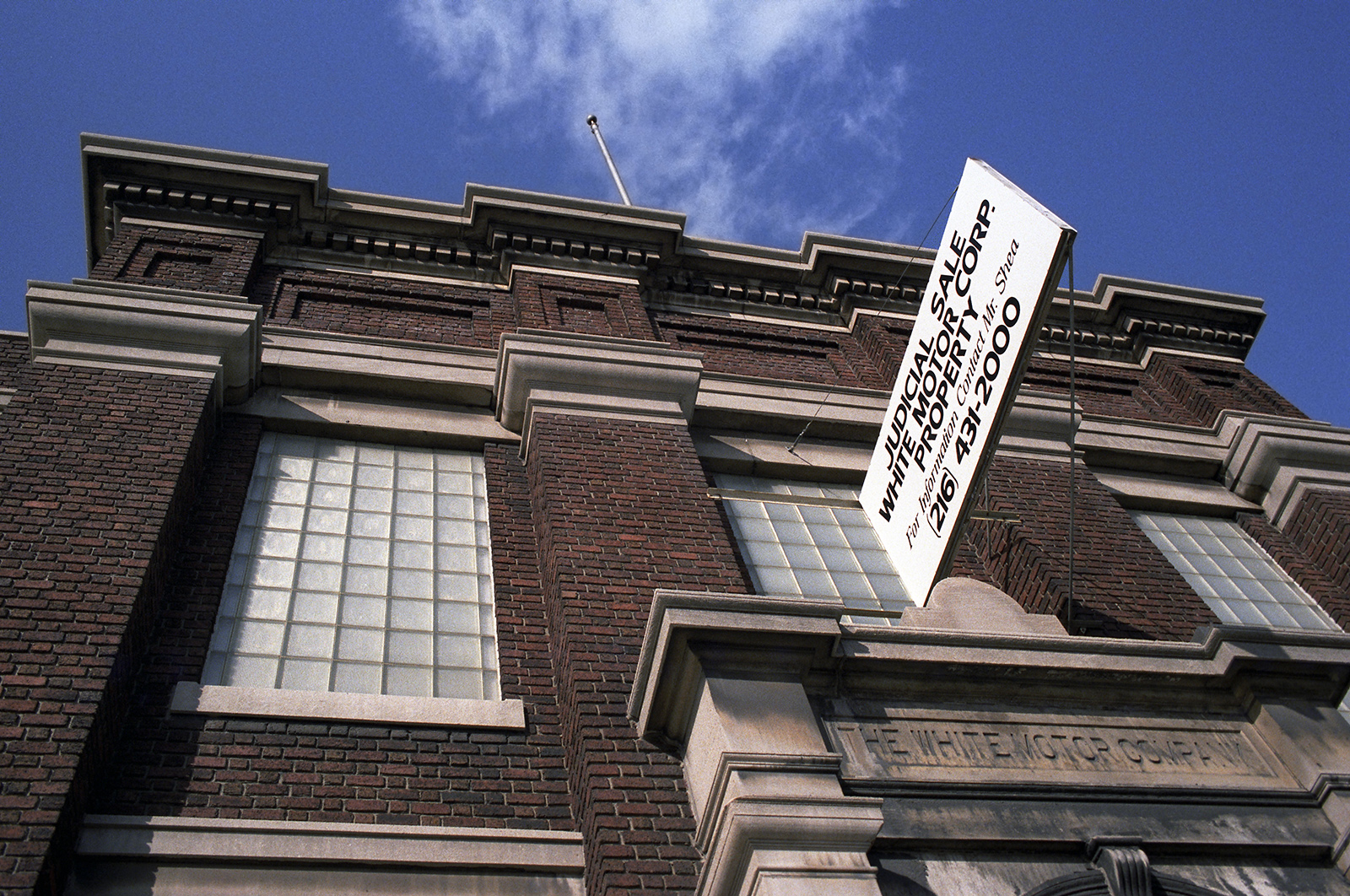
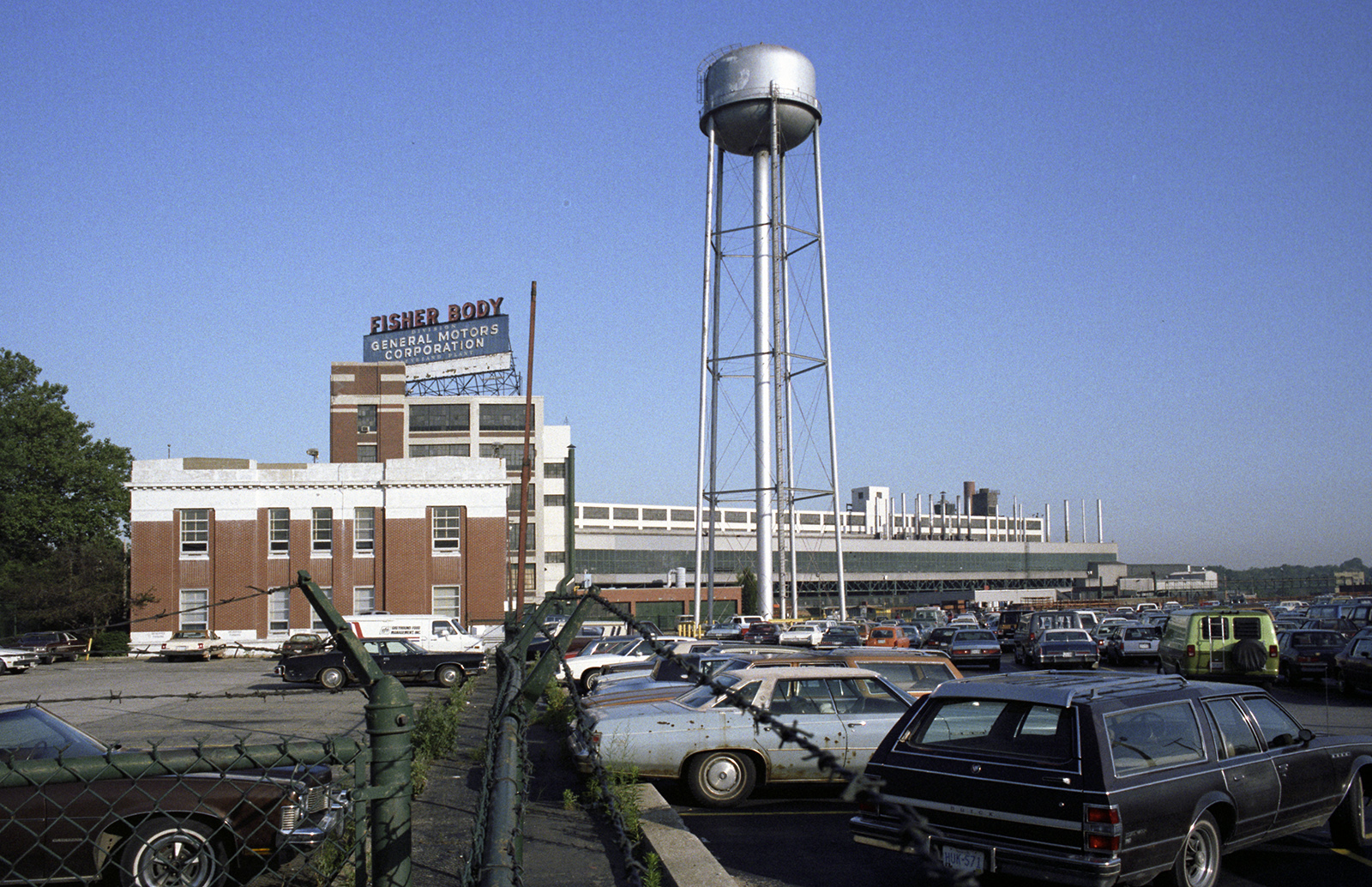
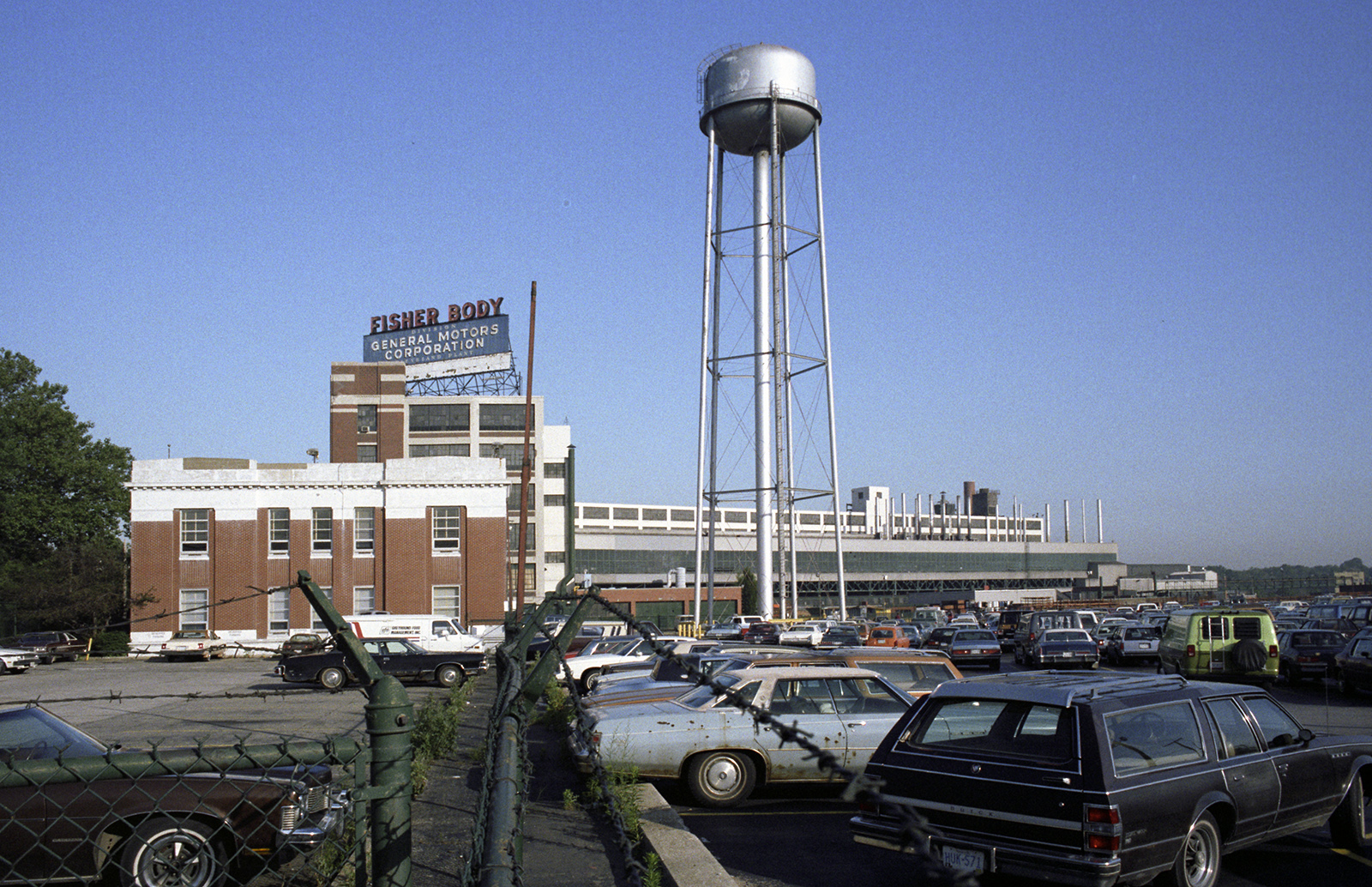
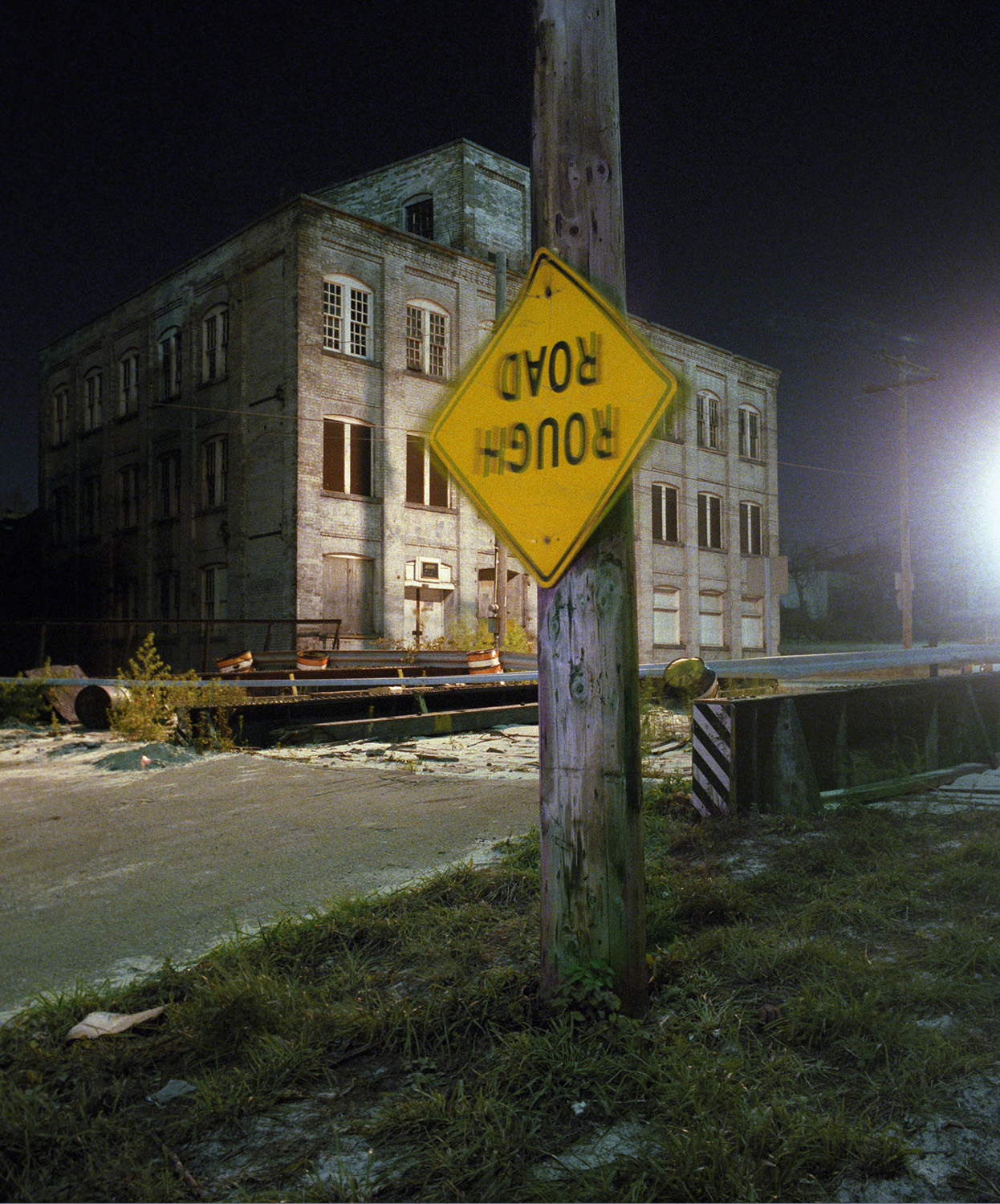
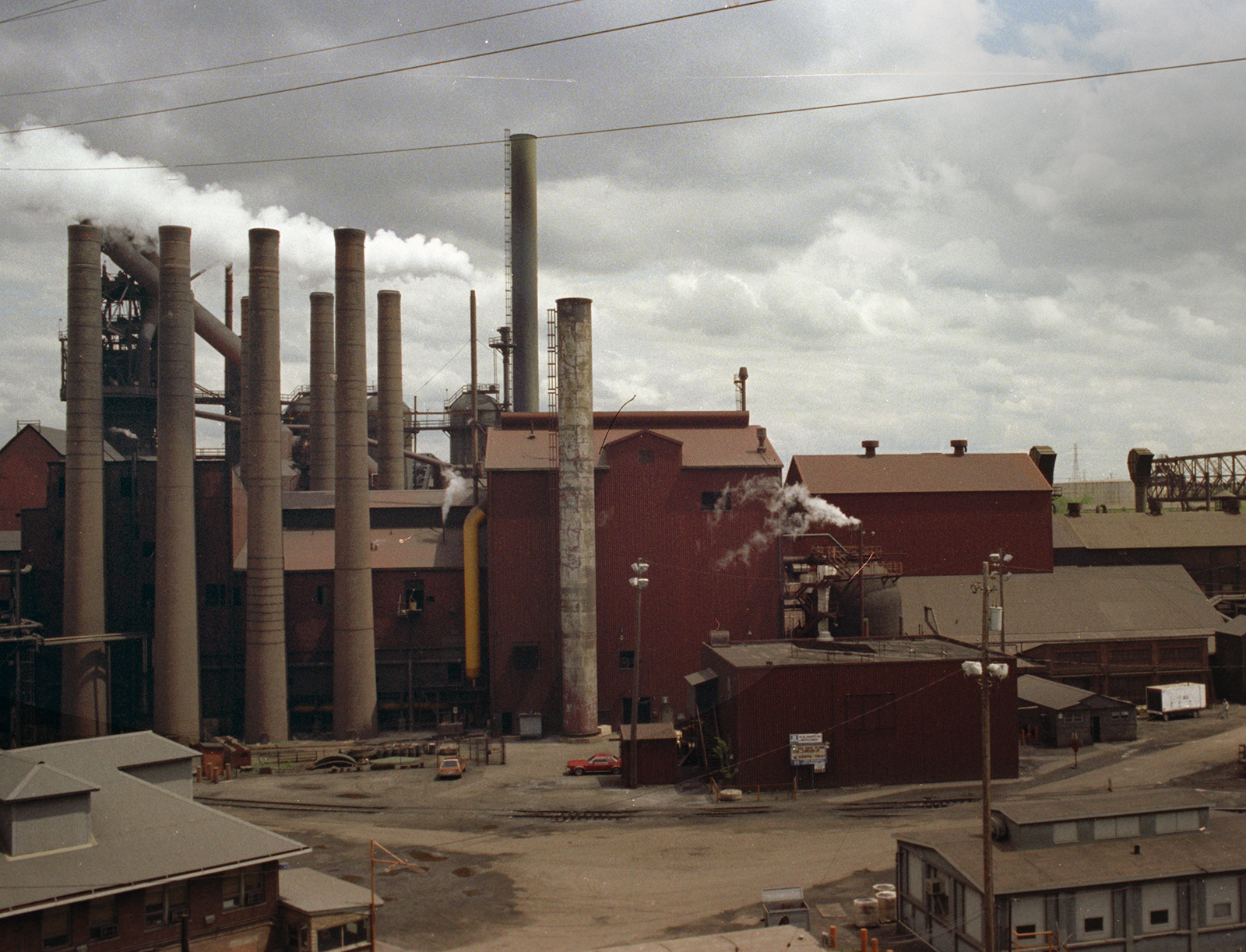
It’s all here the city lost almost 2/3 of its population and it’s capture includes Republic, steel, J&L Steel, US Steel, the old standard oil, refinery, numerous or boats like the Henry Steinbrenner, the Buffalo, the Calumet, as w=ell as, manufacturing plants like White Motors, Fisher Body, General Electric, Perrless Automobiles, Jordan Car Company, Forstn City Foundry, churches like St. Theodosius, St. Casimir and St. Joseph. Homes, bars, churches and factories are captured, almost all of which is gone.
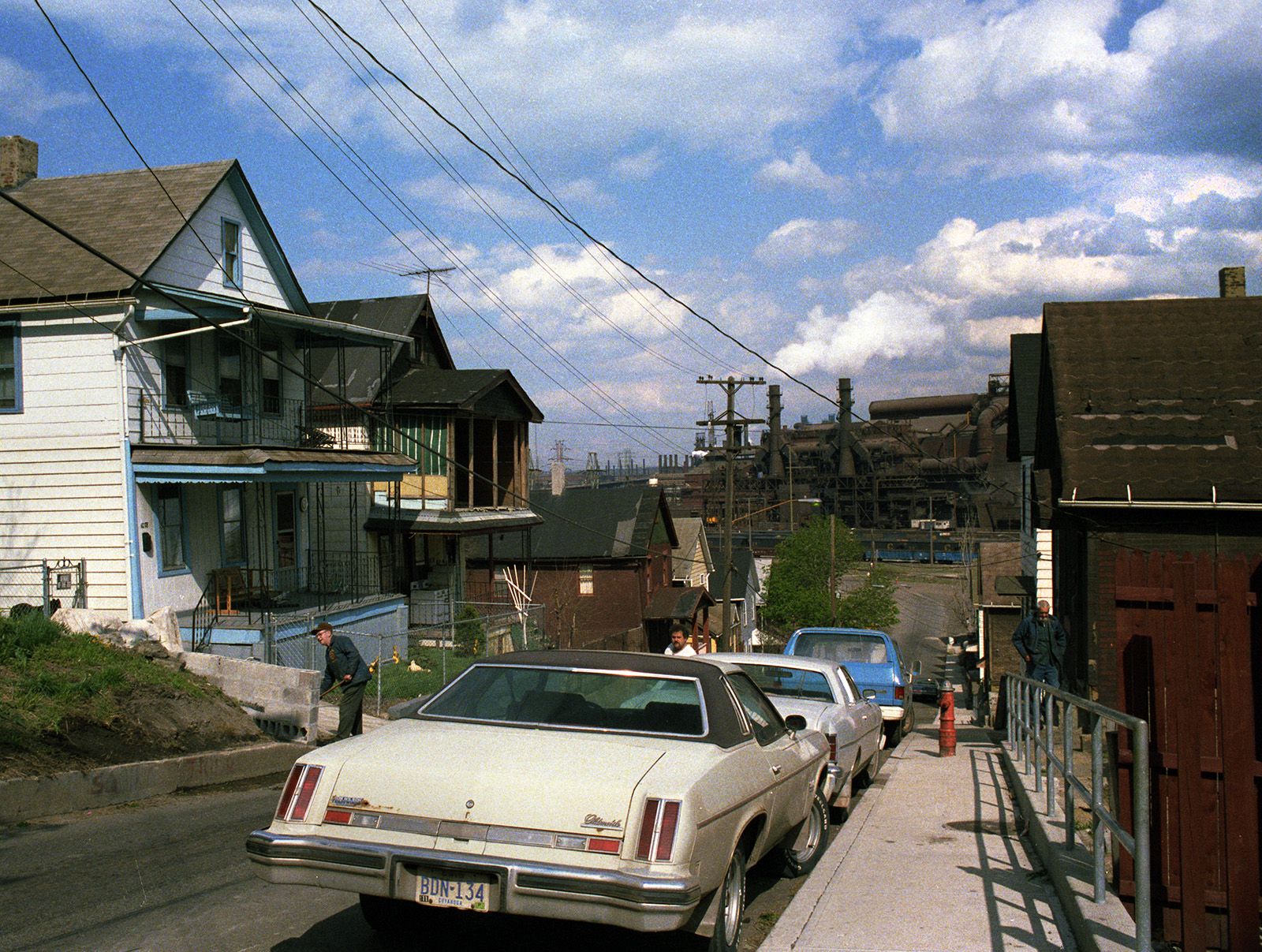
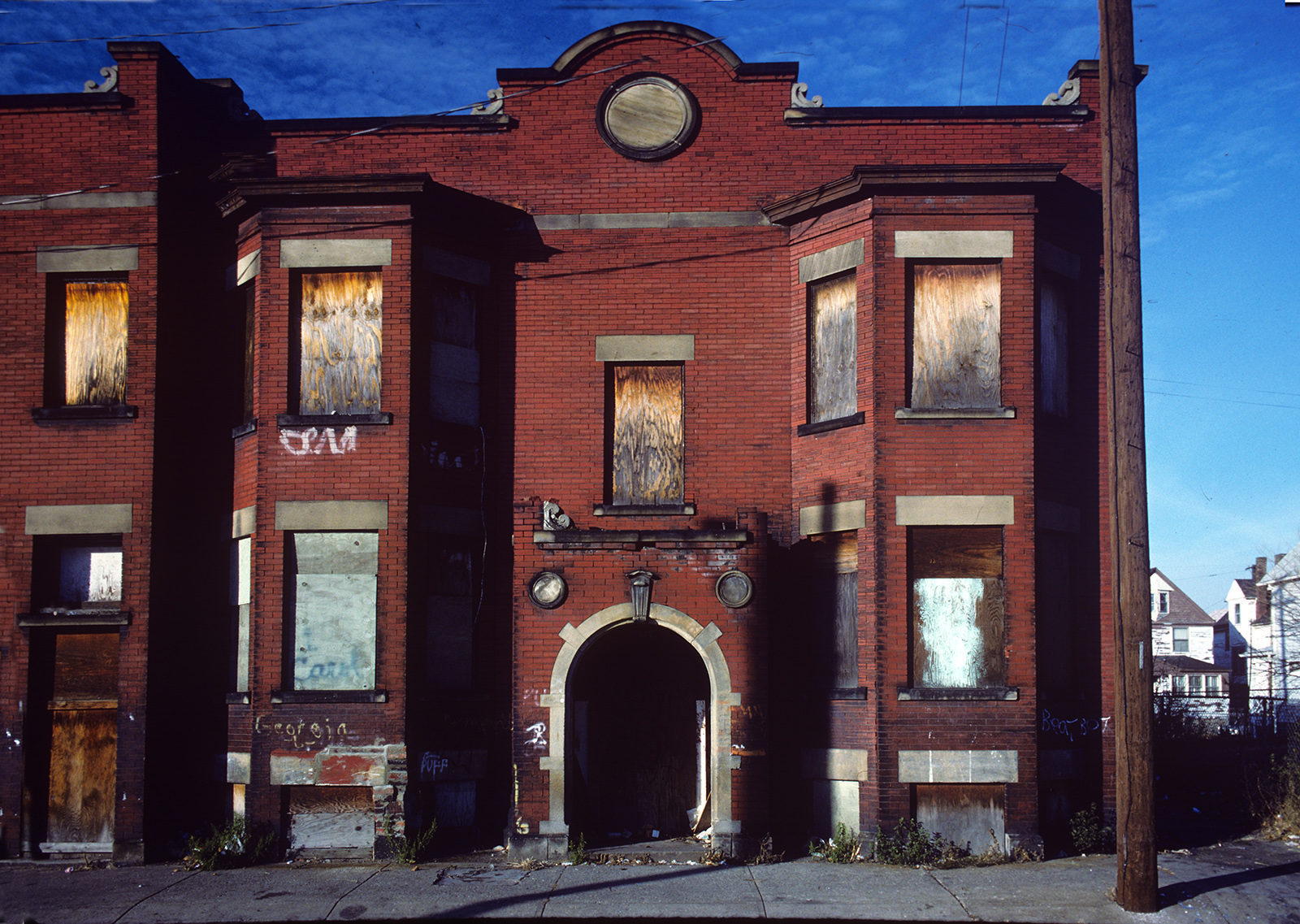
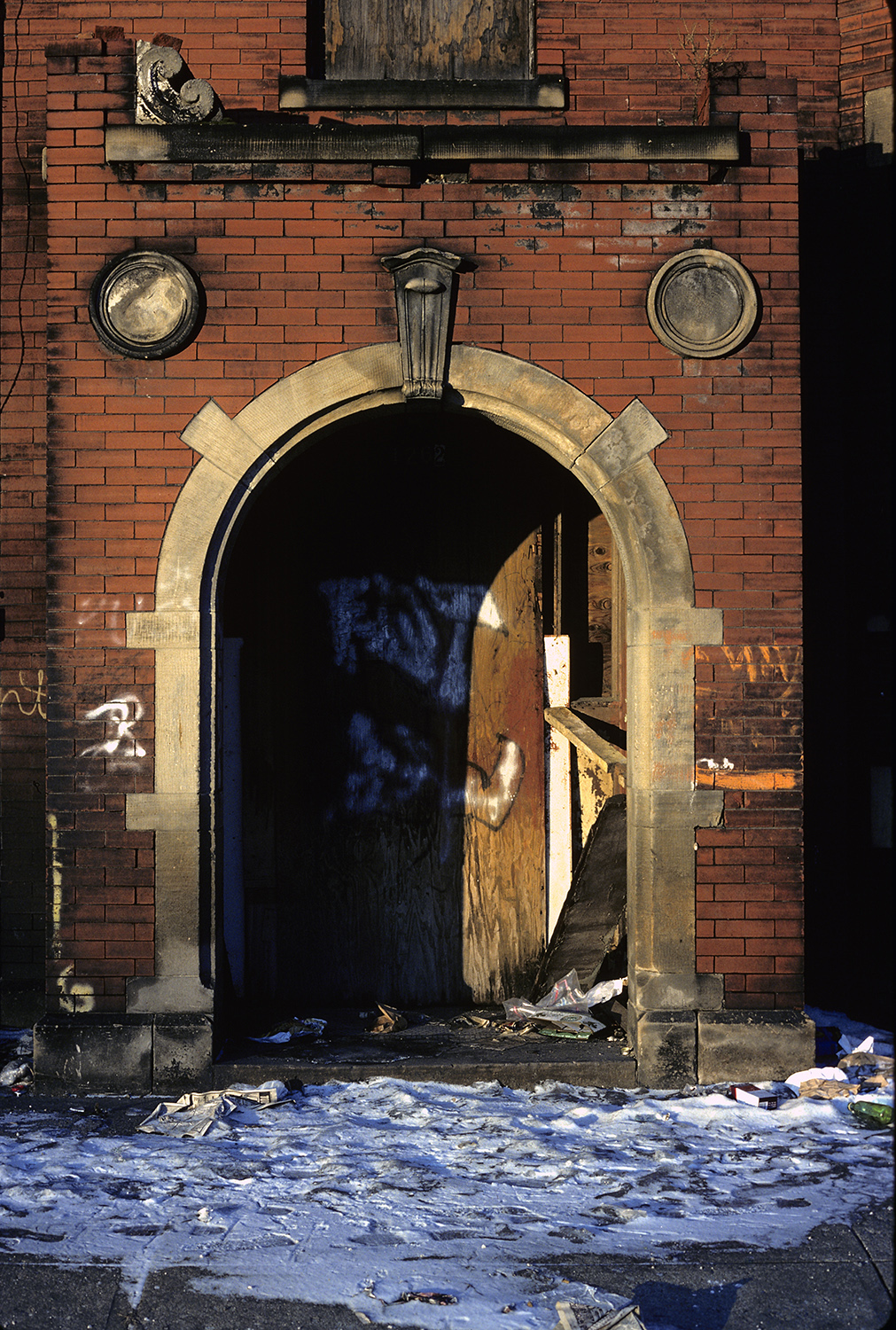
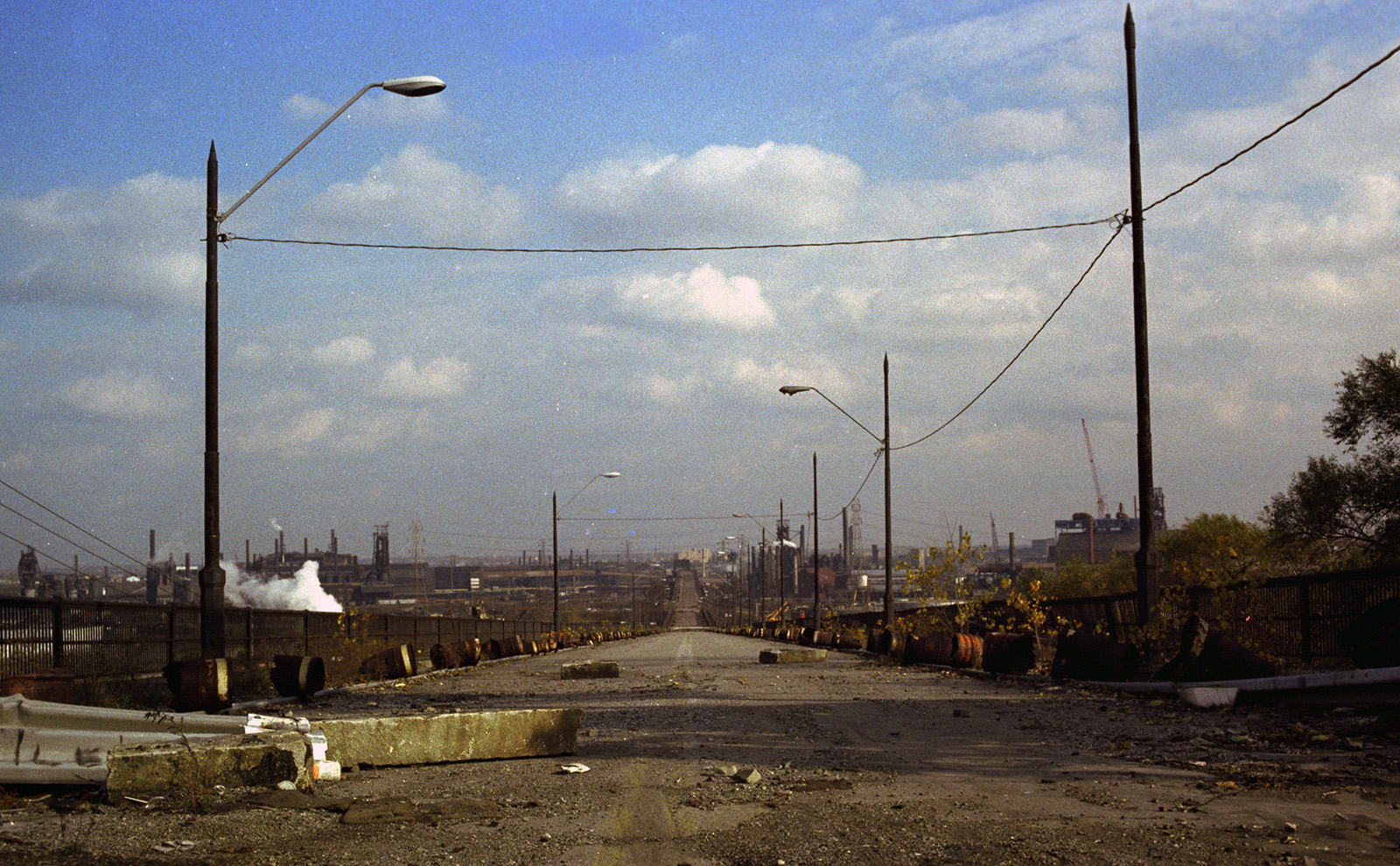
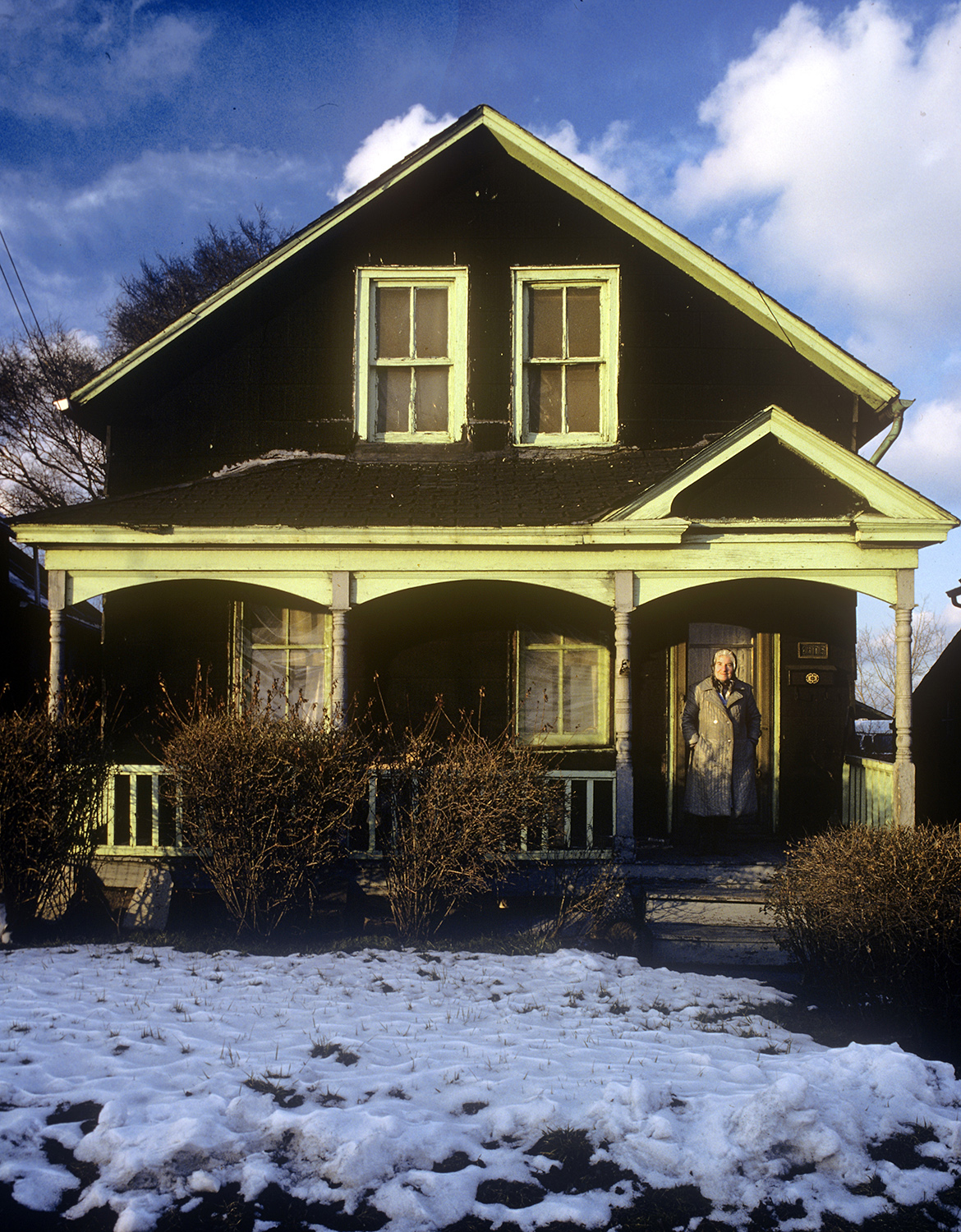
Home & Mill, Pershing Ave. _ Built 1880s, Abandoned 1989, Demolished 1995Elizabeth Kocher's home - sitting on the edge of the bluffs over the Cuyahoga River Valley and Republic Steel Mill. It was second last home before entering the Clark Ave. Bridge, longest in this city, from the East Side. The bridge and home are gone, and Pershing Ave. deadends here, where it used to become Clark Avenue crossing over the Valley into the west sid.
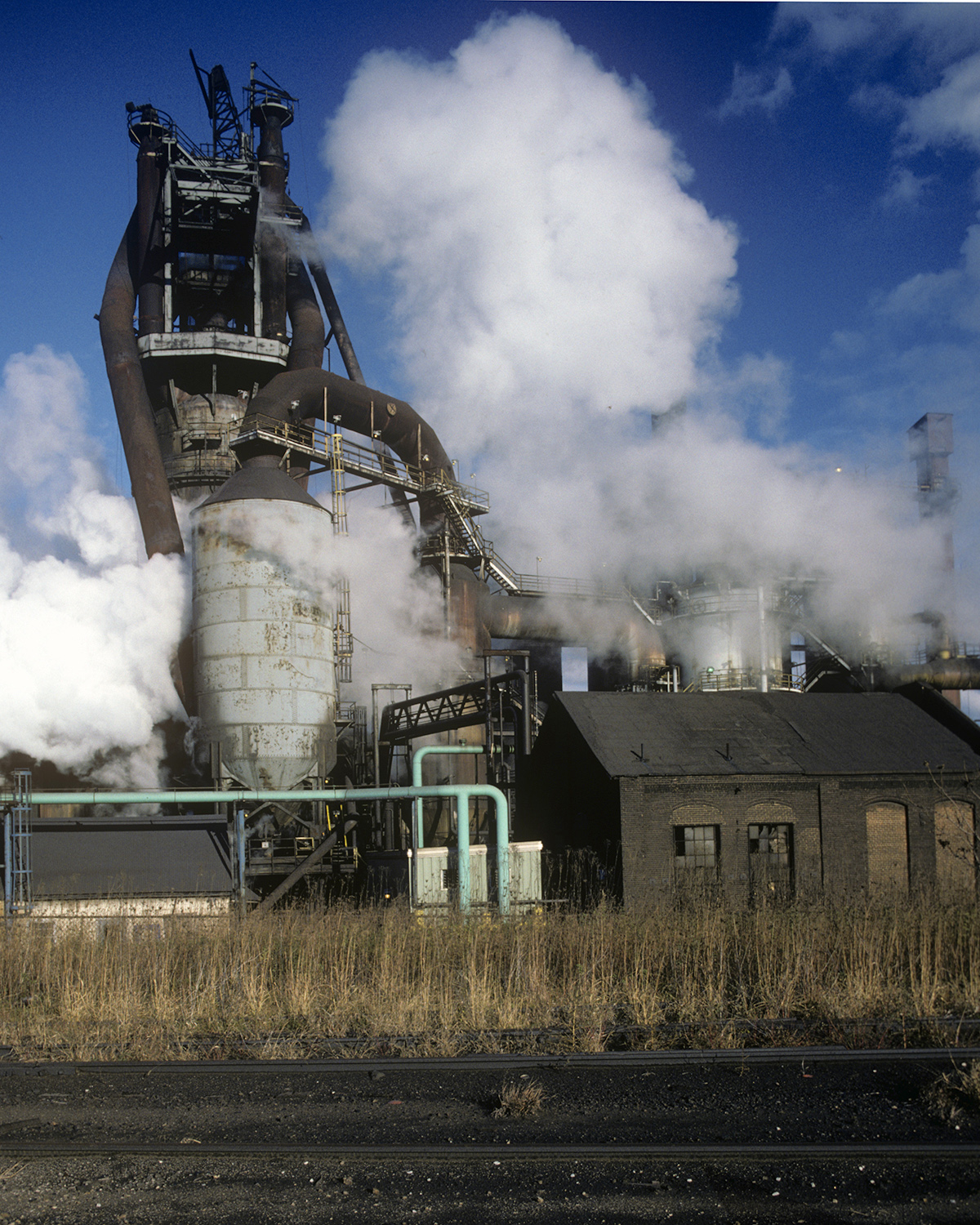
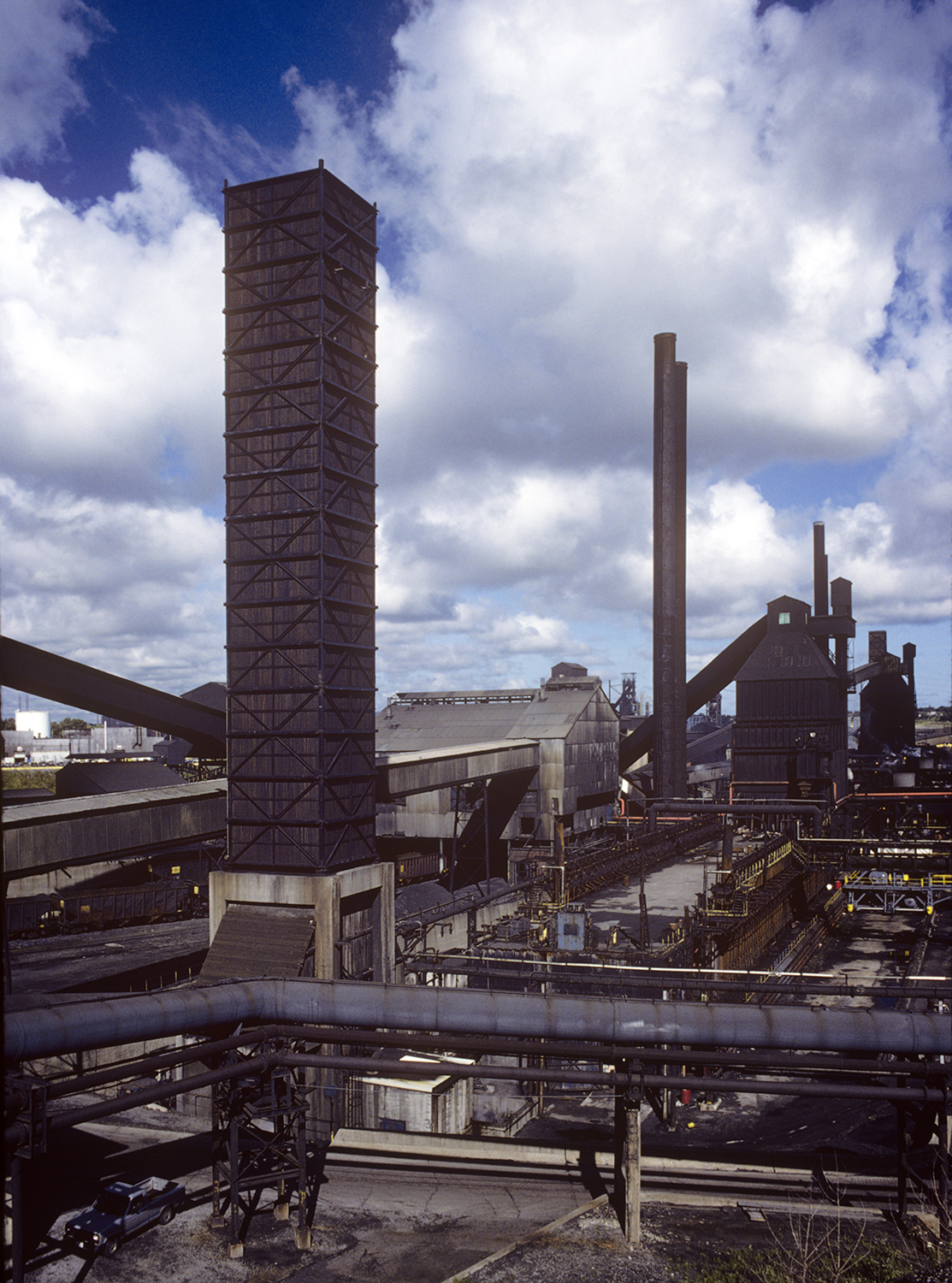
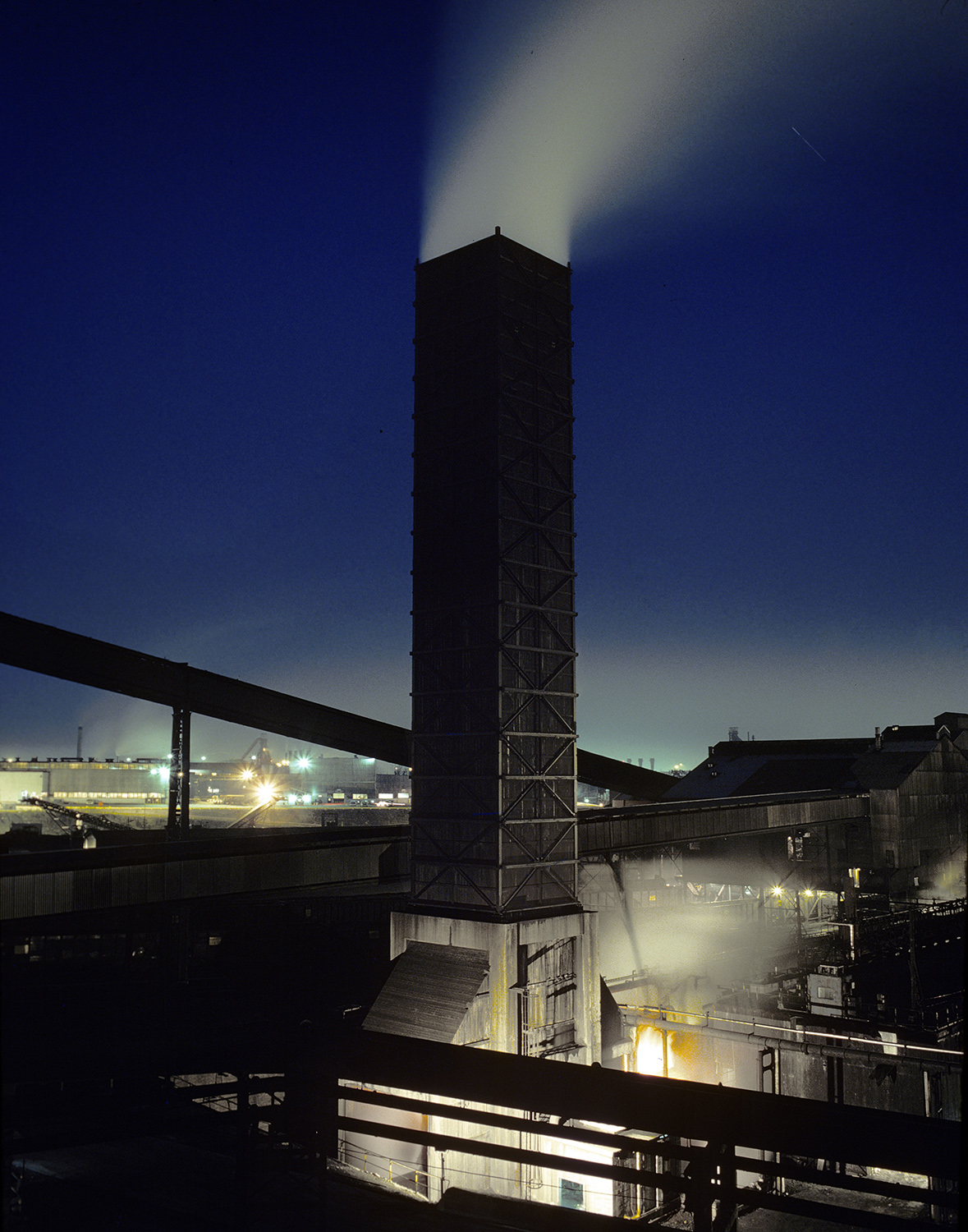
The mill is still entirely operational and profitable albeit without its two coke plants.Republic Steel, Original C-1 Blast Furnace - Built 1911, Closed 1988, Demolished 1993The #1 Furnace outlasted, by far, its predecessor furnaces, that lined the Cuyahoga on the west side of the river where this furnace was one of four.
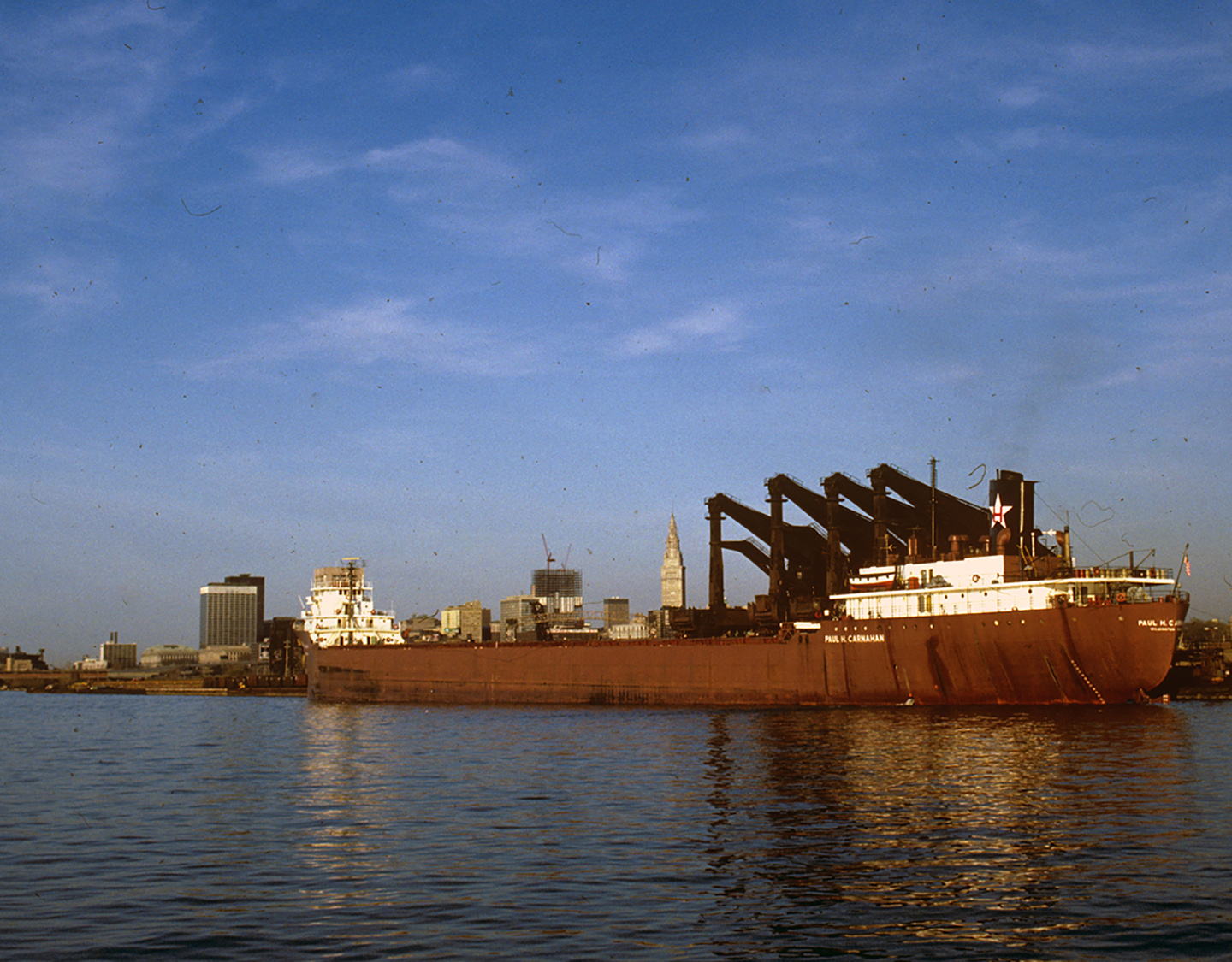
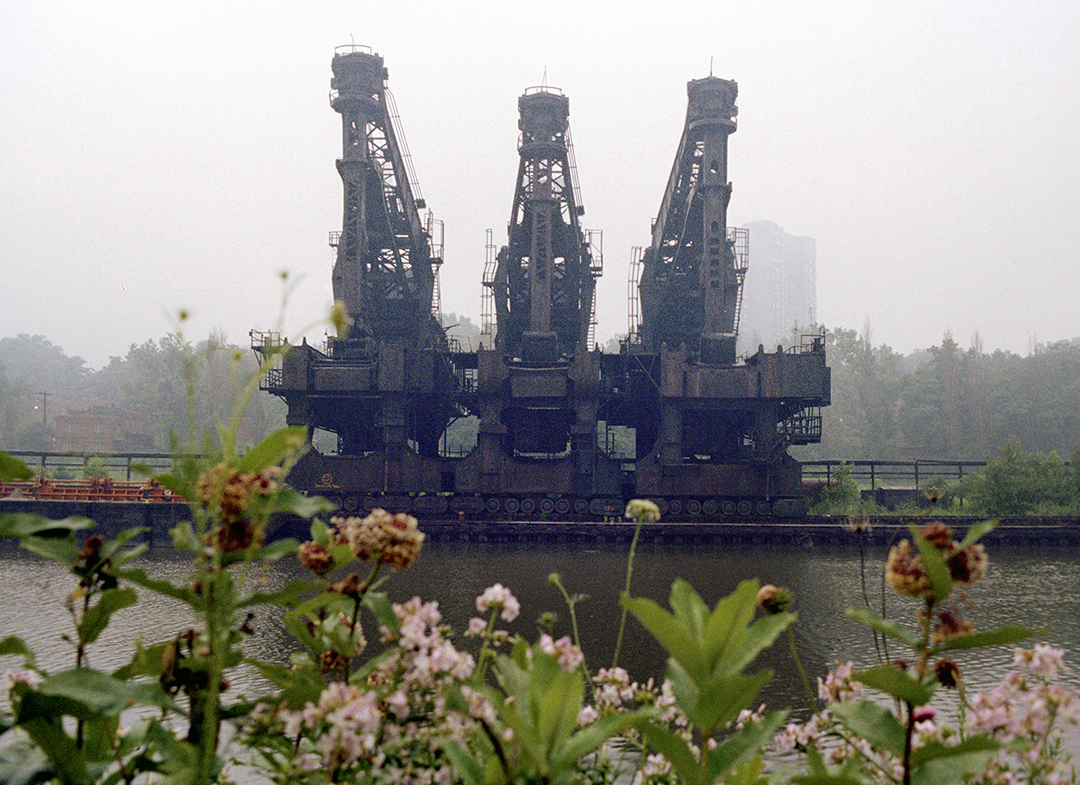
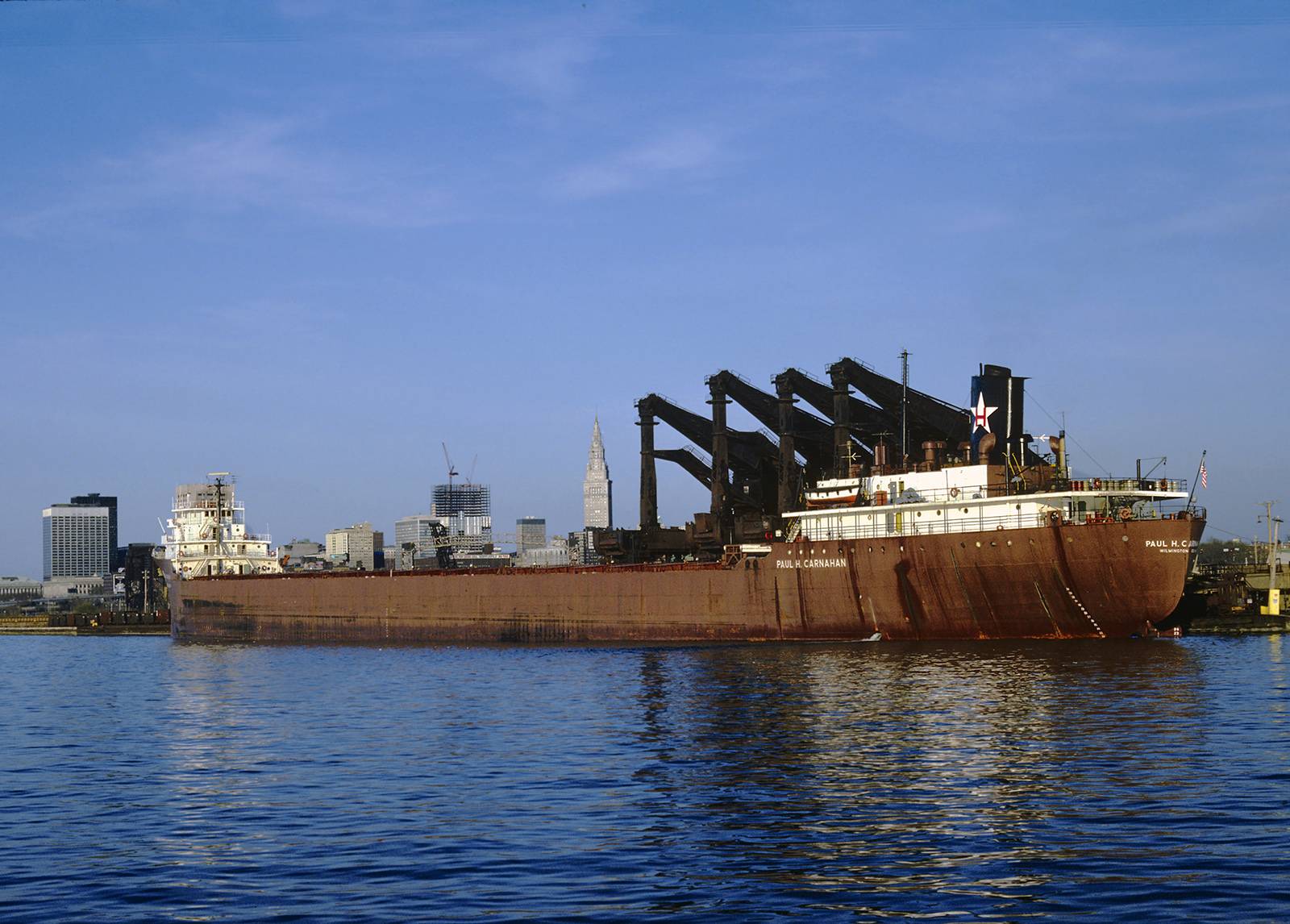
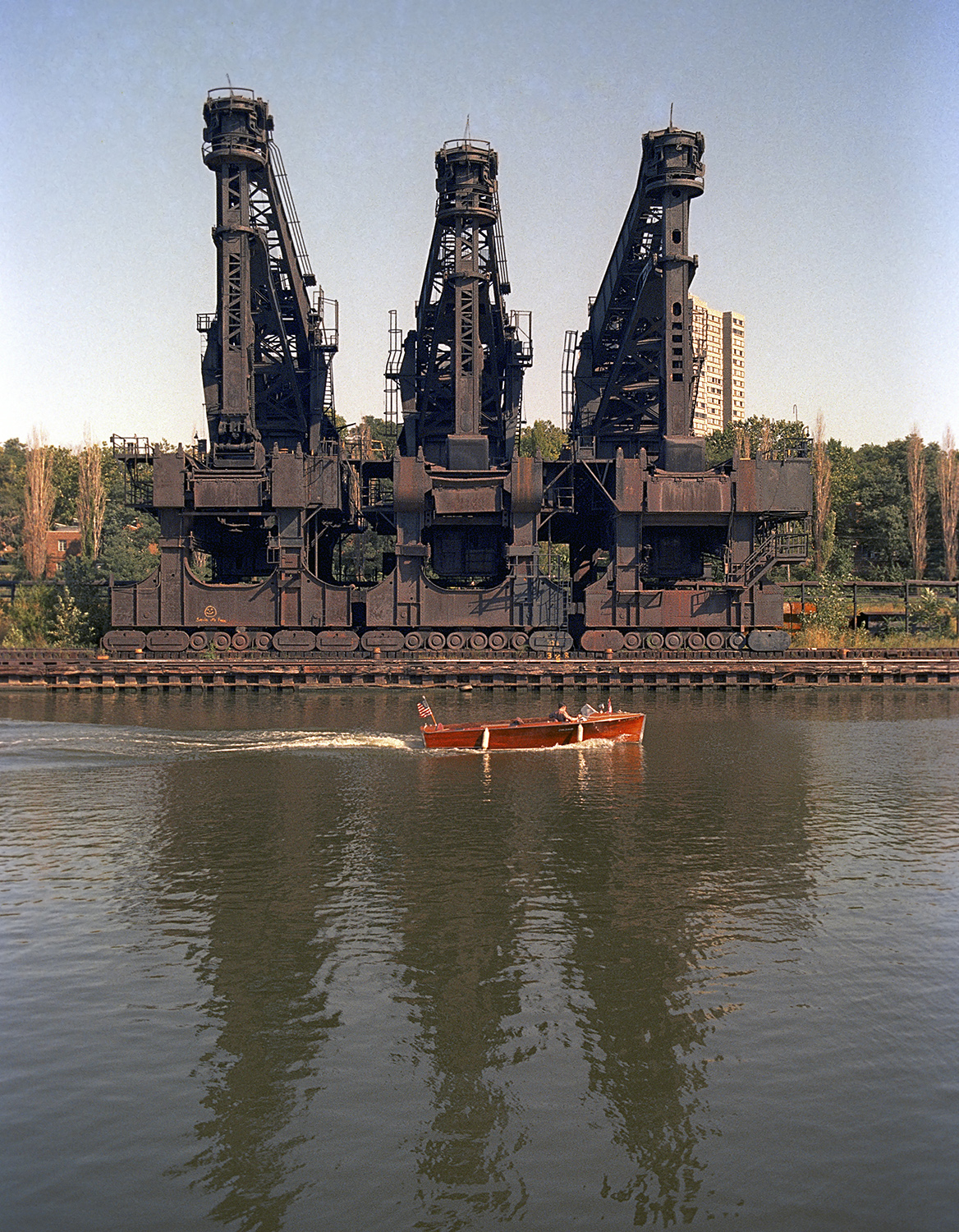
Two furnaces, the C-5 and C-6 are still in operation today and are located on the east side of the river.Holmden Hill - Homes & Jones & Laughlin Basic Oxygen PlantOriginally, and briefly, a Dutch neighborhood, known as Dutch Hill, Holmden Avenue quickly filled with Polish immigrants around 1910, many working at the nearby steel mills. It was largely Polish when this picture was taken in 1980.Paul H. Hanranhan, at the Pennsylvania Railroad Huletts - Built 1941, Scrapped 1986.The ship was built 1941, scrapped 1986. Often mistakenly called the last Hulletts (they were second last), these were built locally in 1912, closed in 1995, mostly scrapped, except for two of the huletts which still lie on the property awaiting resurrection as a memorial.Republic Steel, Coke Plant, Quenching Tower - Built 1916, Closed 1990, Demolished 1995A coke plant in the middle of a city is, today, unheard of. Republic Steel, and, before that, Corrigan & McKinney. had built this large coke and coke by-products plant where the East Side ends, at the old demolished Clark Avenue Bridge.
McKinney built furnaces beginning in 1908, and, when sold to Republic in 1936, they continued the mills' expansion.Coal Tipples - Built 1919, Closed1956, Demolished 1990fter the Nickel Plate picked up various Cleveland rail lines, and, at the encouraging of the city, since the population increased fourfold between 1880 and 1910, numerous passenger station consolidations, rail, bridge and infrastructure upgrades occurred, particularly building gradings for crossing the numerous streets that the rail lines snaked over.
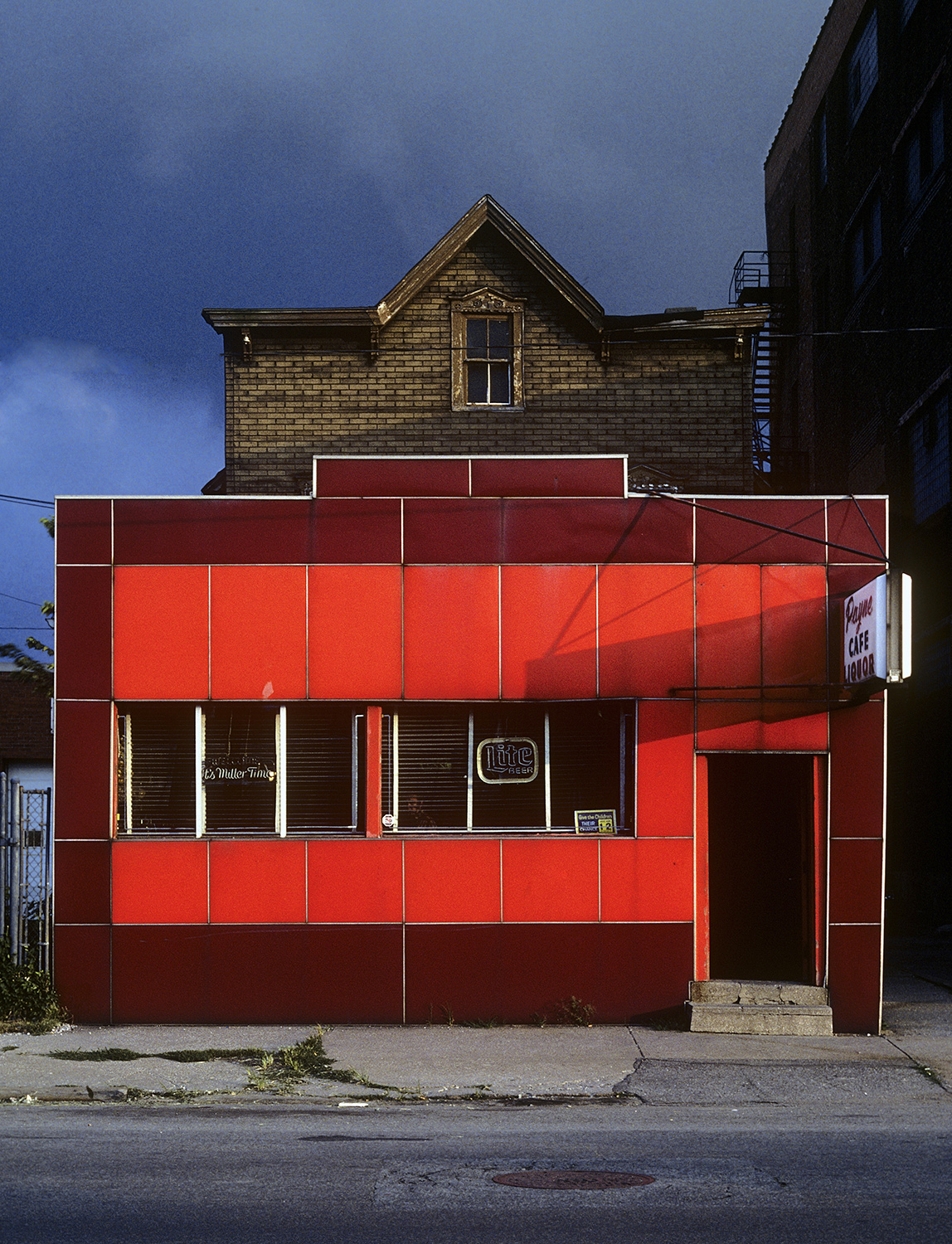
The towers are gone and half the rail lines have been torn out, but Norfolk & Southern still runs a lot of traffic through here, and into its railyards, just west of here.Home, East 38th Street - GoneThis section of the city, all its old buildings now gone, had some of the oldest homes and churches on the east side. With the Haymarket, lower Ontario Street and everything along Woodland Avenue taken out with a community college and the meeting of a number of interstate highays, the area north of Scovill Avenue and east of East 30th Street, out to 55th Street, became the last vestige of the earliest and most polyglot neighborhoods of the city.Payne Tavern, Payne Ave.The tavern is still in operation today. The place has, of course, been vinyl sided, but it still serves drinks to local working-class folks at good prices.
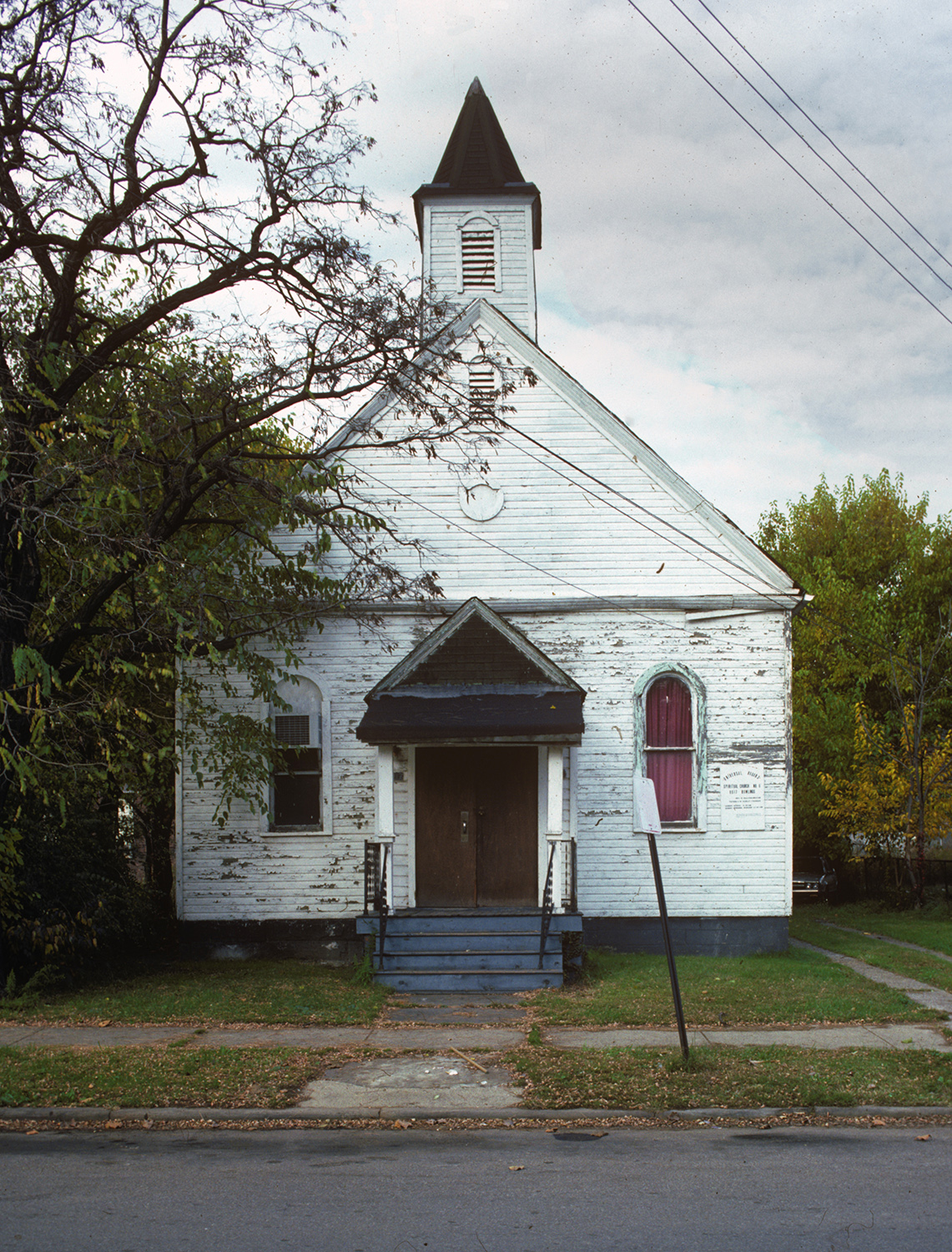
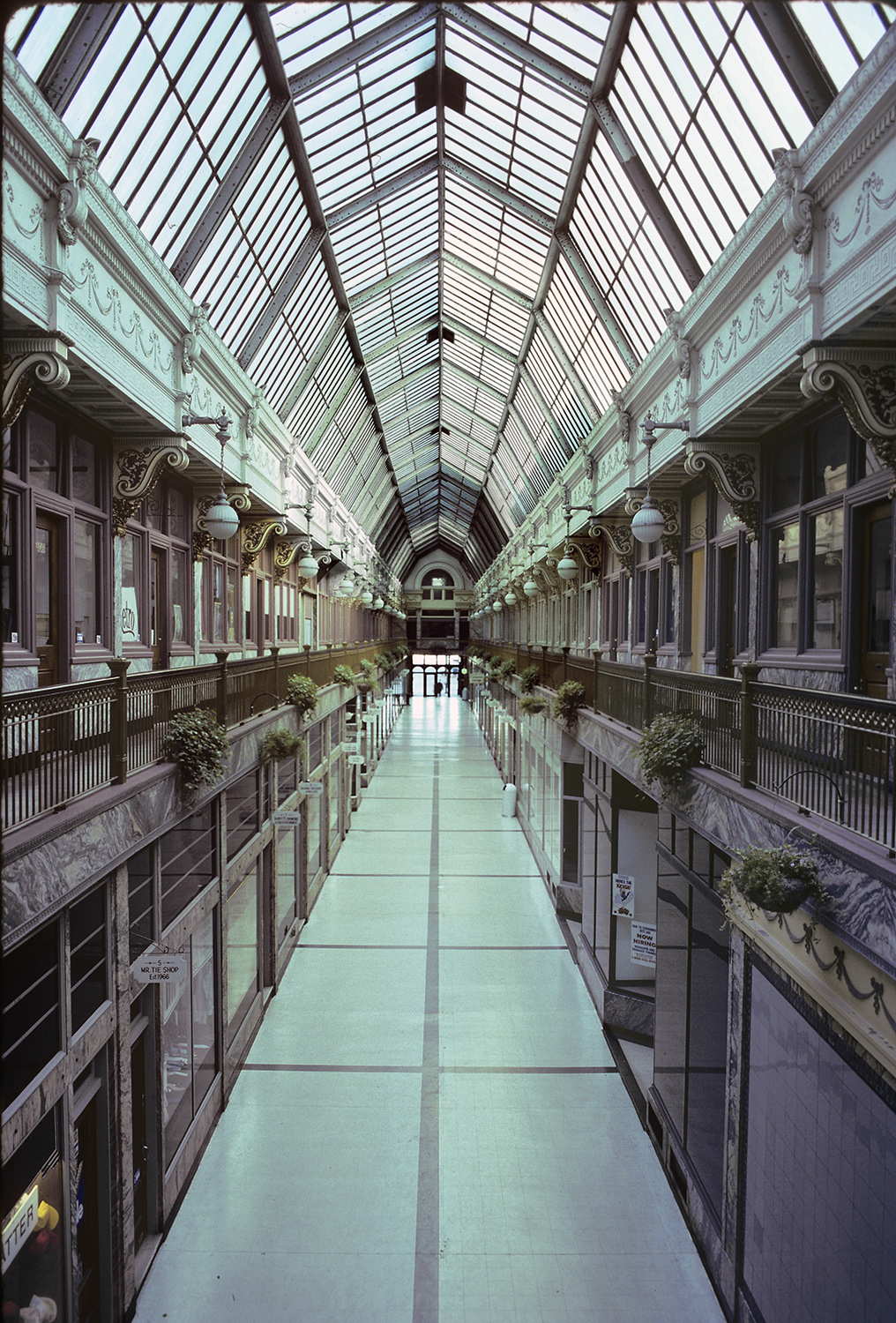
The moderne front and asbestos shingles have been replaced with vinyl siding.Church, Rawlins Avenue - Built 1899, Closed 2012, Demolished 2025Originally a huge Hungarian neighborhood, the church ended up as a branch of the Hagars and closed in 2012Home, East 36th Street - GoneAn occupied, but doomed home, in the old true inner city west of East 55th StreetColonial Arcade - Built 1895Built 1895, The Colonial was probably pretty classy in its day, and always held on to its grandeur. Recently gentrified, the shopping/office lane, for most of its time, had modest shops that sold hats and coins. There were small diners and barber shops with offices upstairs above the shops. At the time, in the early 1980s, it reflected the striong blue-collar majority of the city. The milieu of great, entertaining and healthy architecure for everyone, mostly working-class, was remarkable, particulalry by today's standards.Sidaway Bridge - Built 1931, Closed 1968Colloquially, known as the longest bridge in the world, because it connects Poland to Africa.
Translation - At once time the bridge connected two ethnic neighborhoods that was both Polish and Eastern European. The east side of the bridge, mostly Hungarian. By the sixties, all the white ethnics on the east side of the bridge, had left, and housing projects and a black population took their place. The Polish from the Hyacinth neighborhood burned the bridge during the Hough Riots in the 1960s, and it became a monument to that event if you were truly local and from Cleveland.
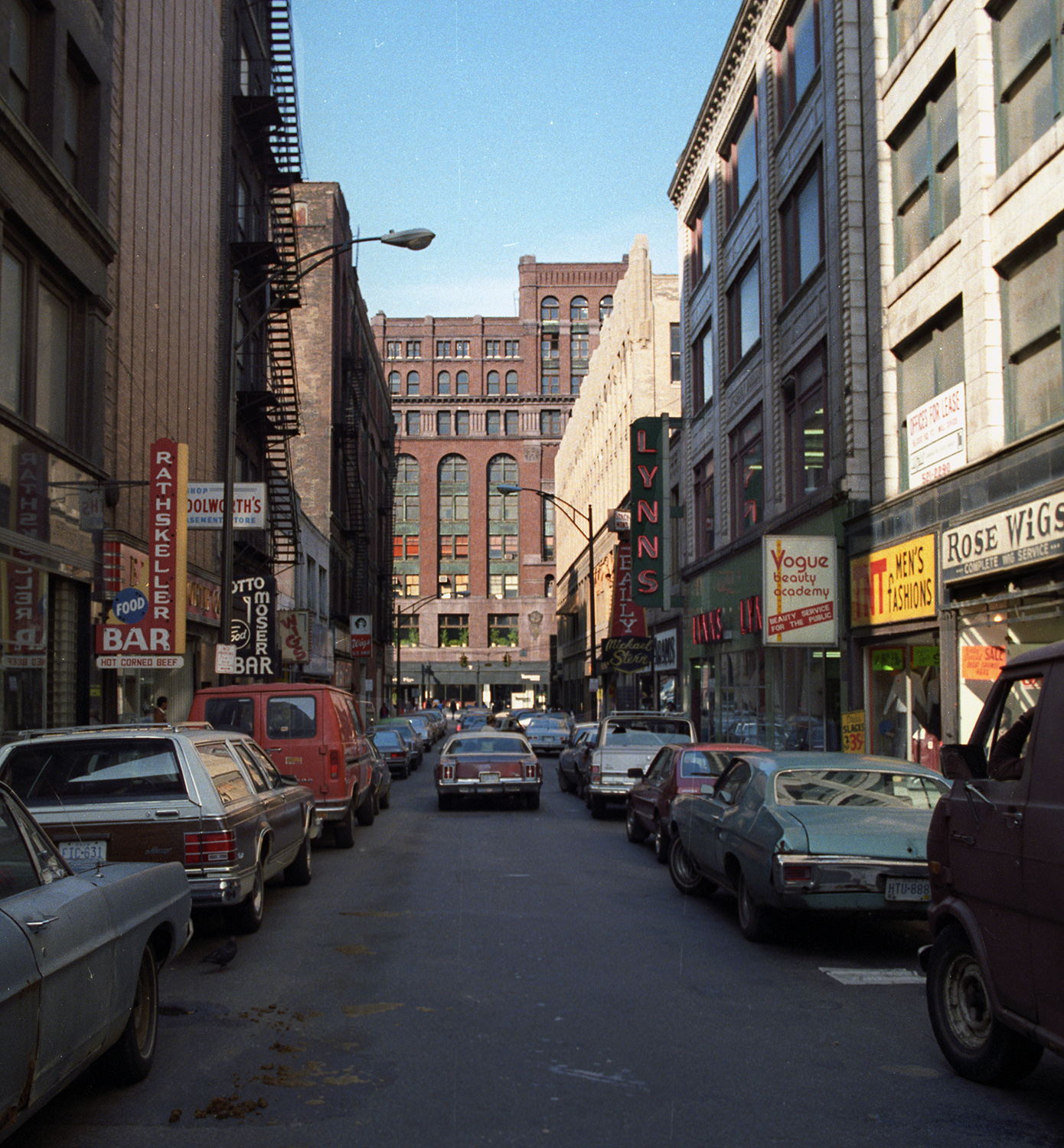
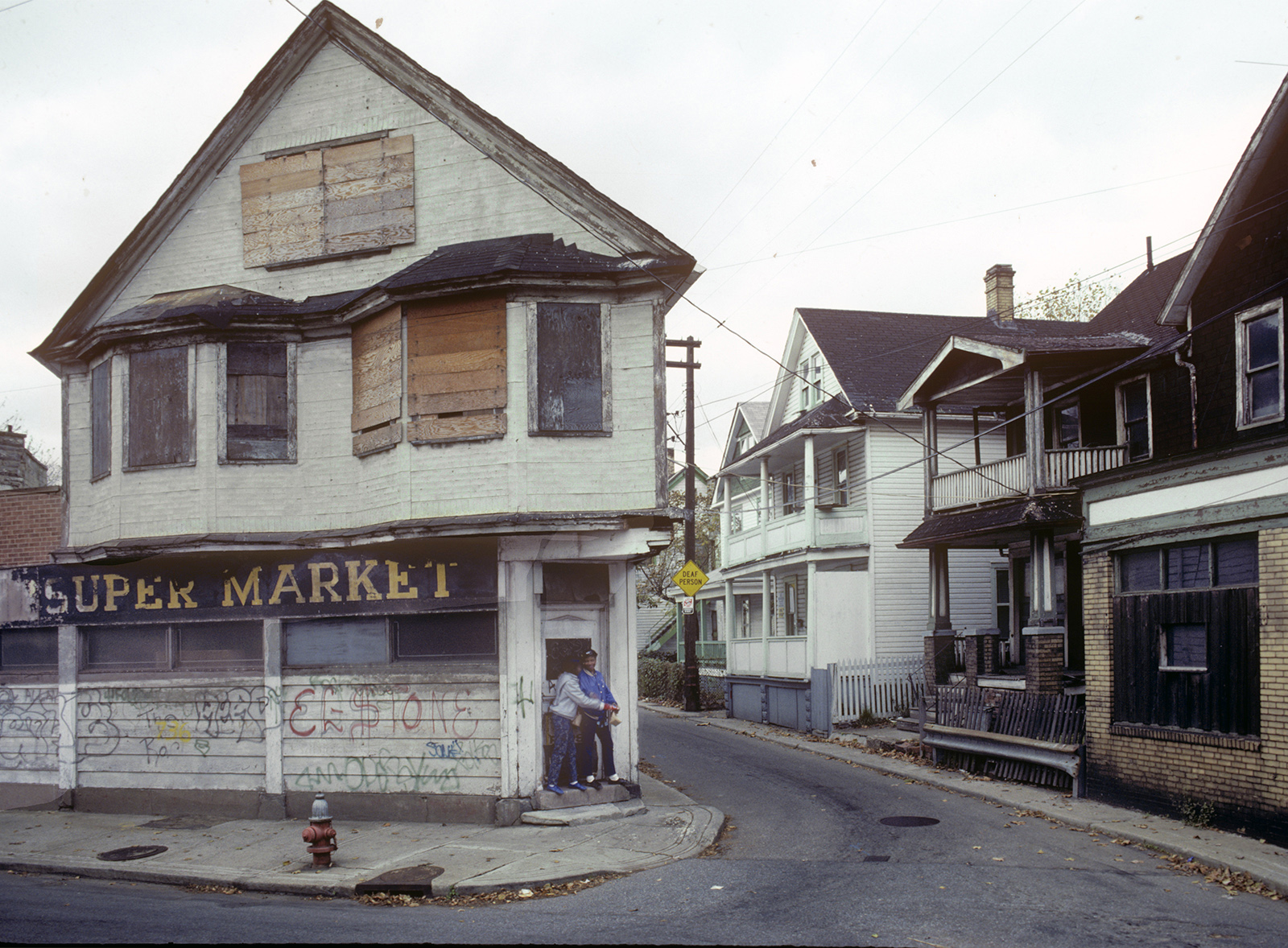
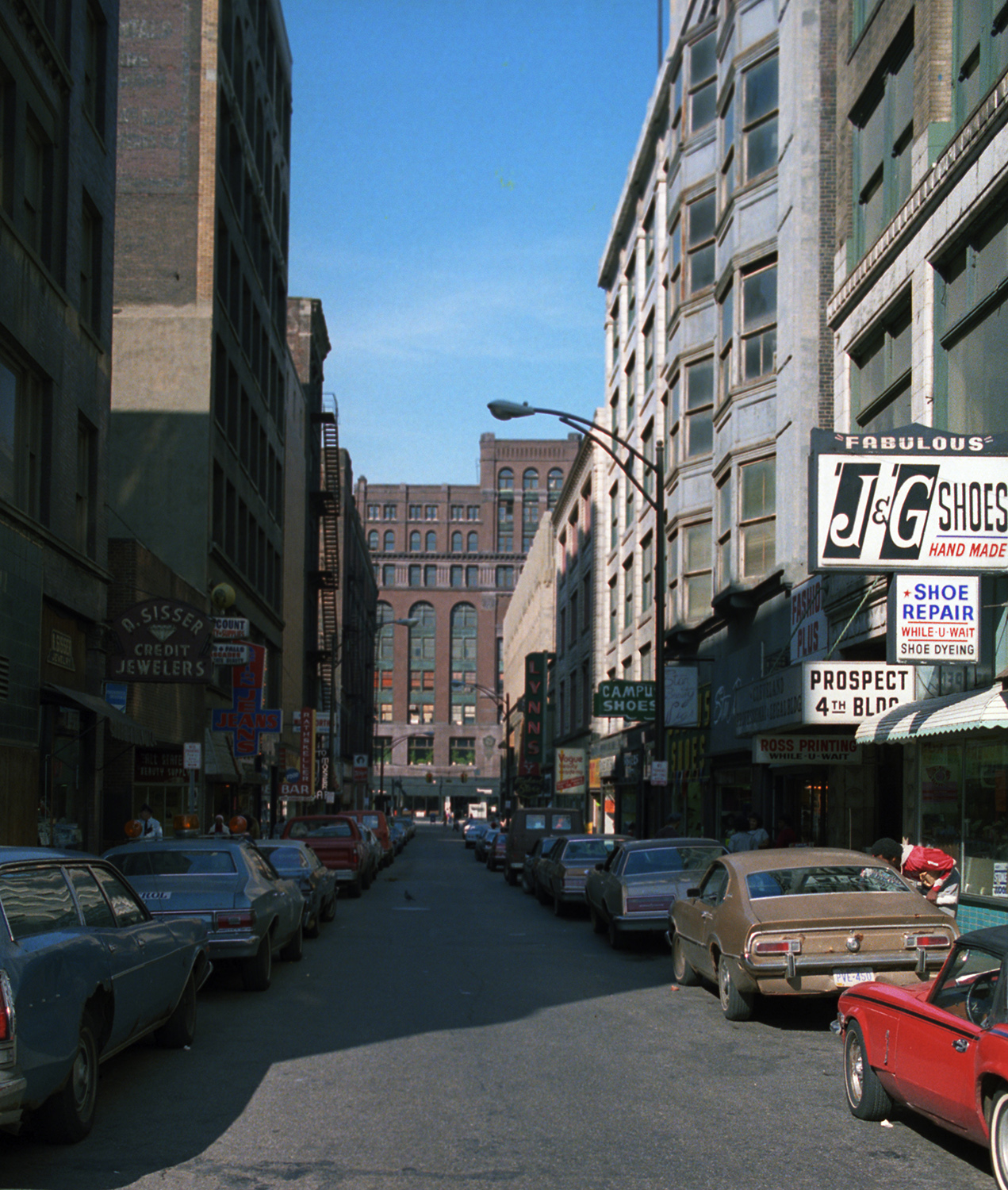
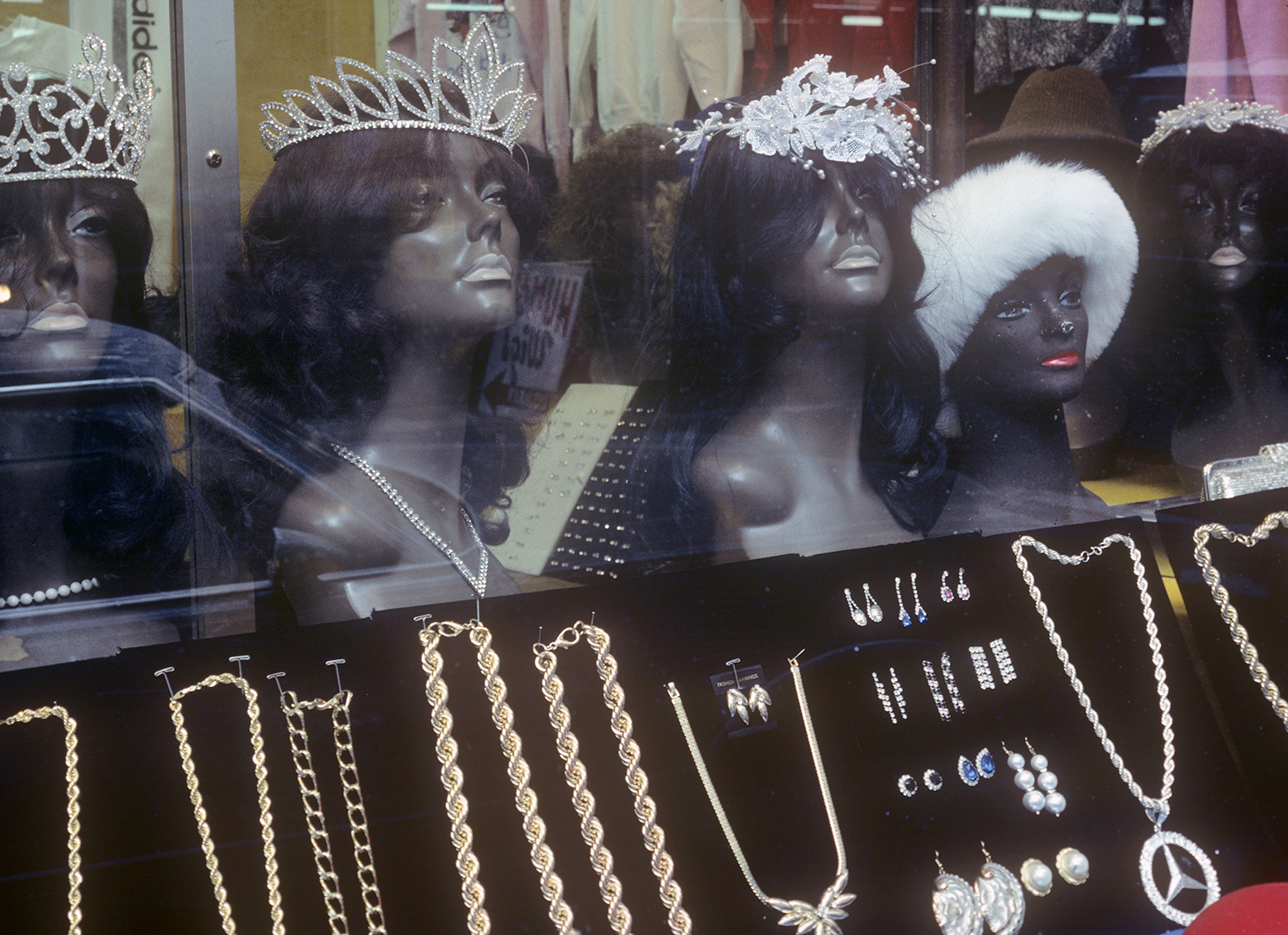
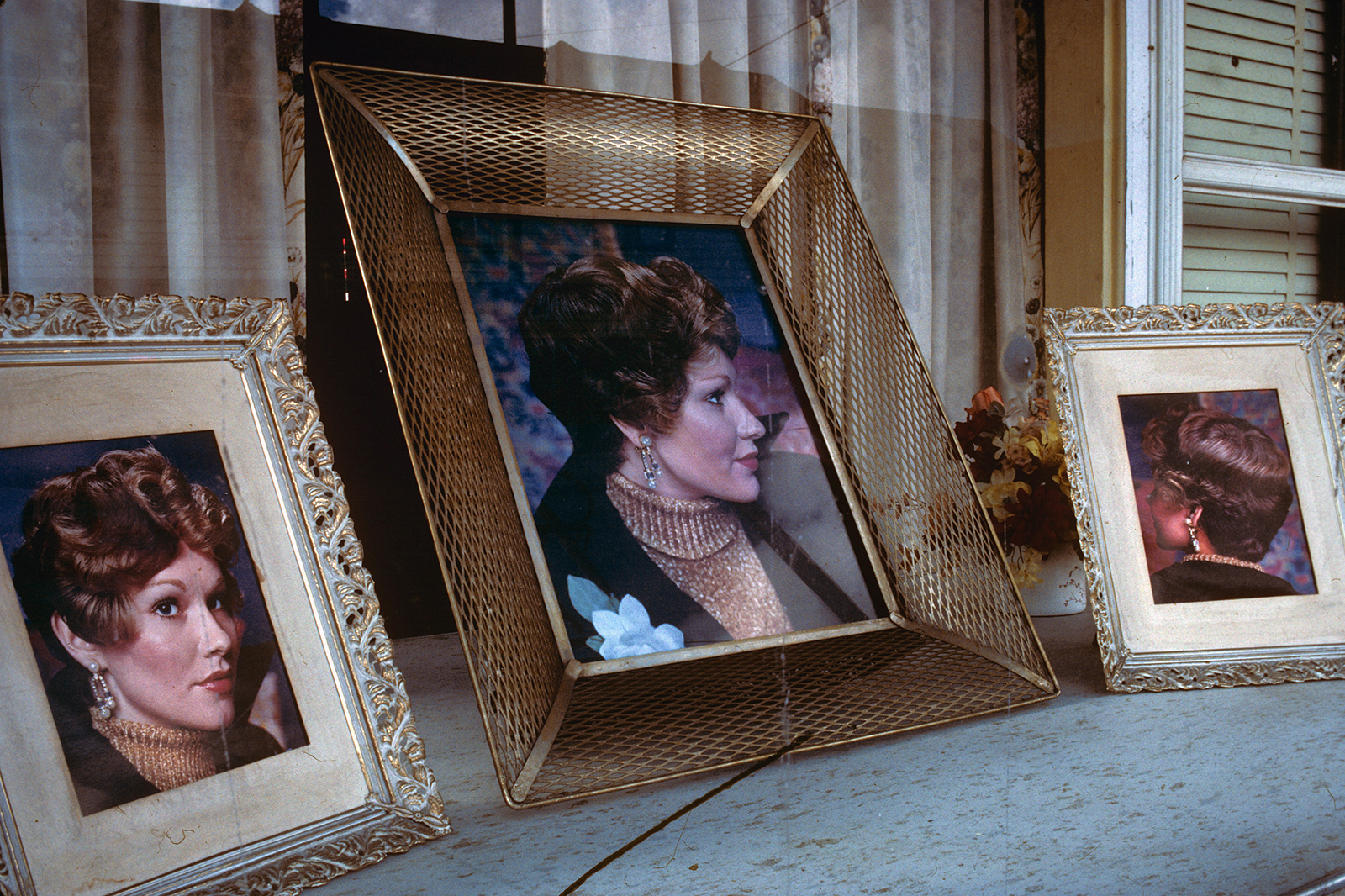
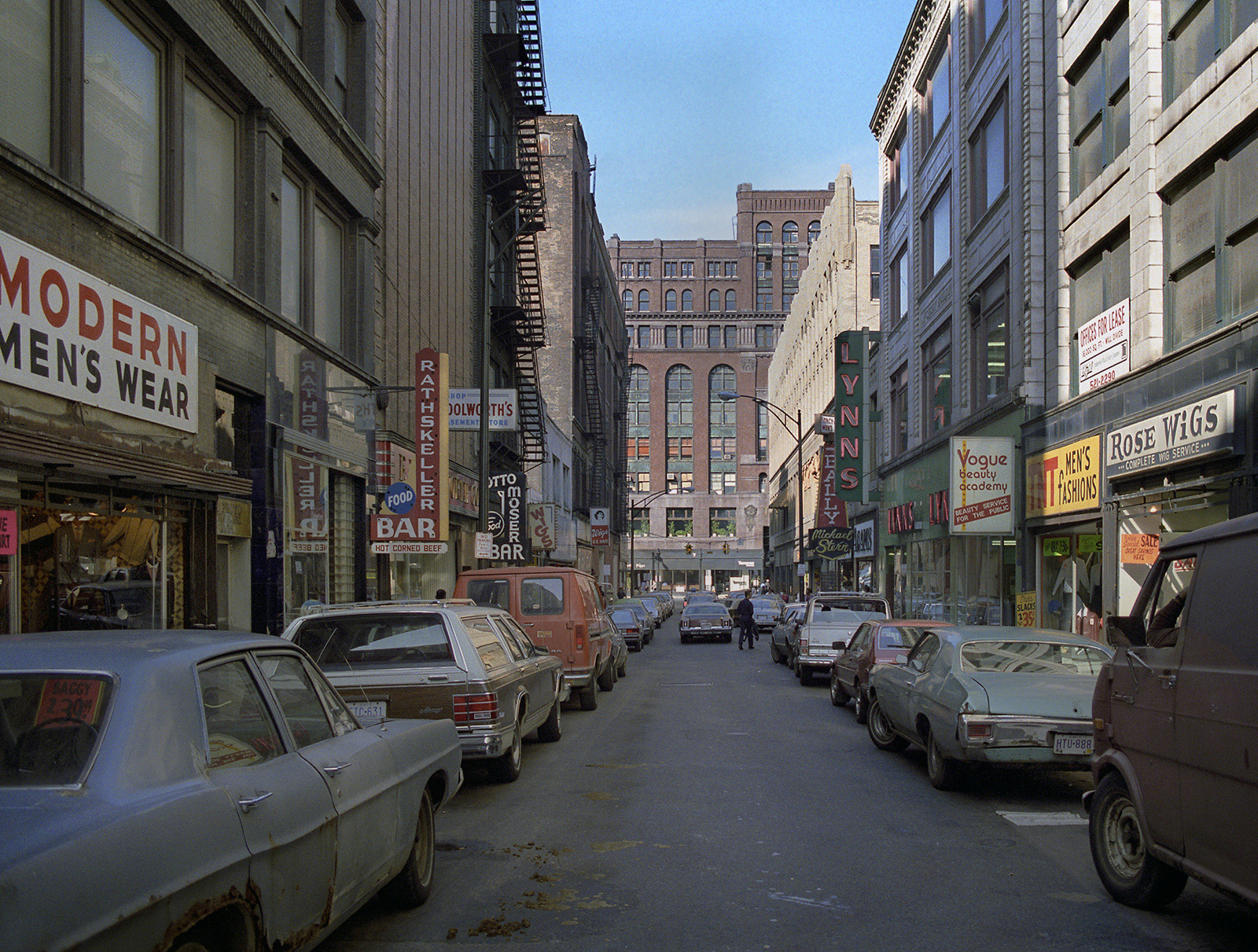
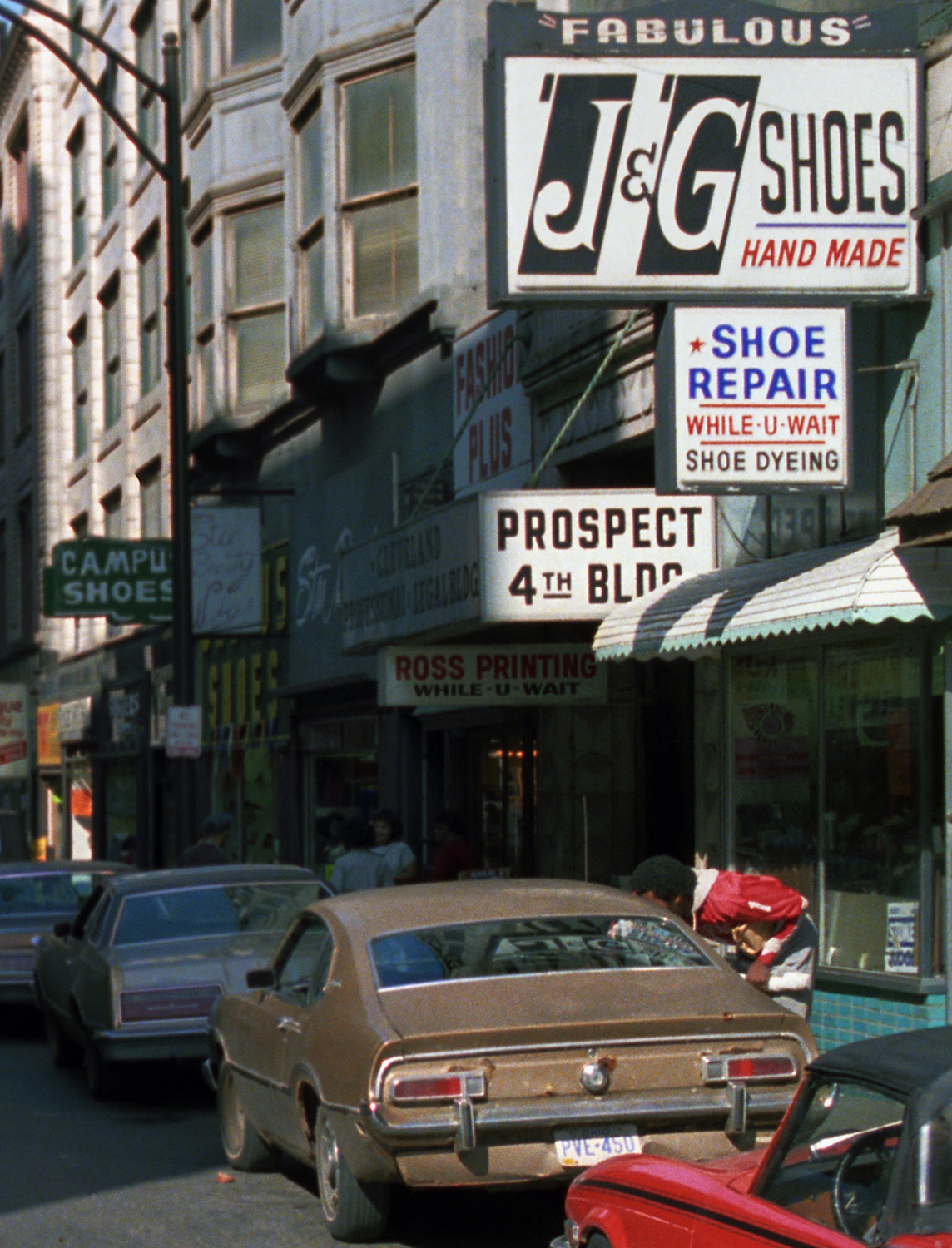
It was discovered about 15 years ago by the exploration/ruins crowd where it's a symbol of aesthetic masturbation, regurgitaitng the same internet research to honor its history. But none of them ever walked across it.East Fourth Street, 1978Lined with wig shops, bars, clothing stores, etc., it was the best street in town, if authenticity is your thing.Corner of Starkweather Avenue and Thurman Avenue - GoneAlmost every structure is gone today, replaced by some of the highest-priced real estate in the city, but not before Tremont lingered in this condition for twenty-five years. Before that it was a down and dirty working-class paradise.
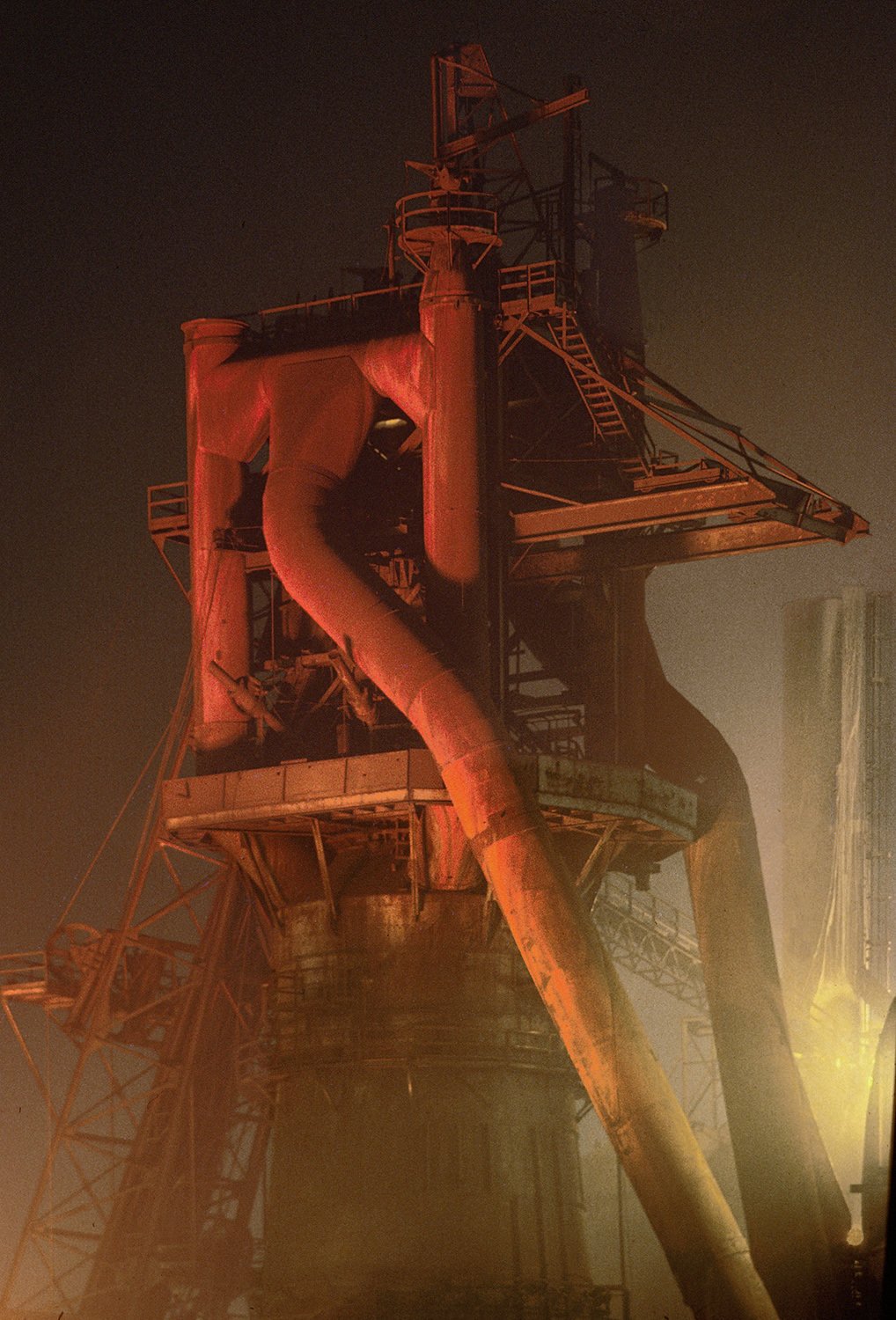
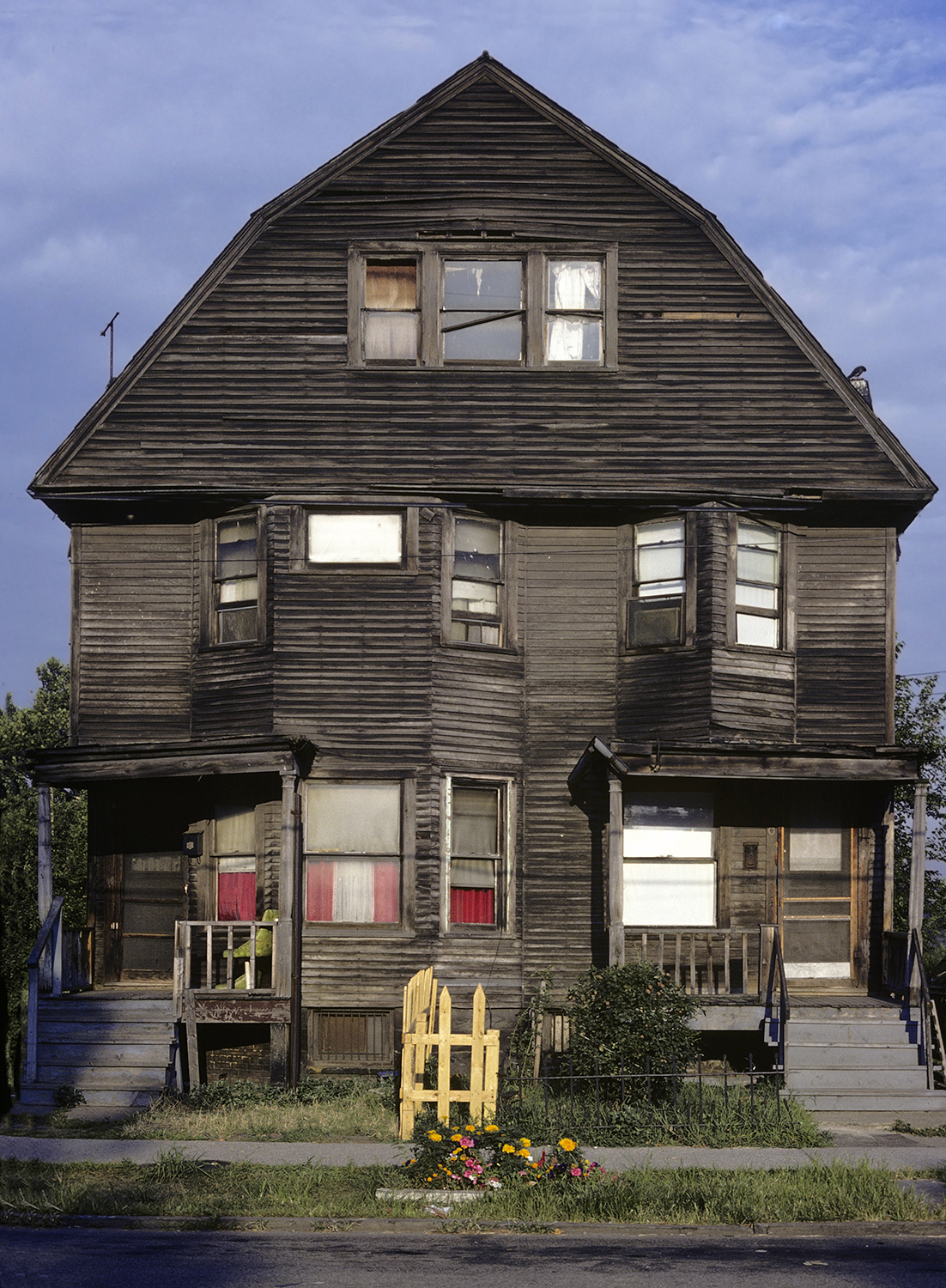
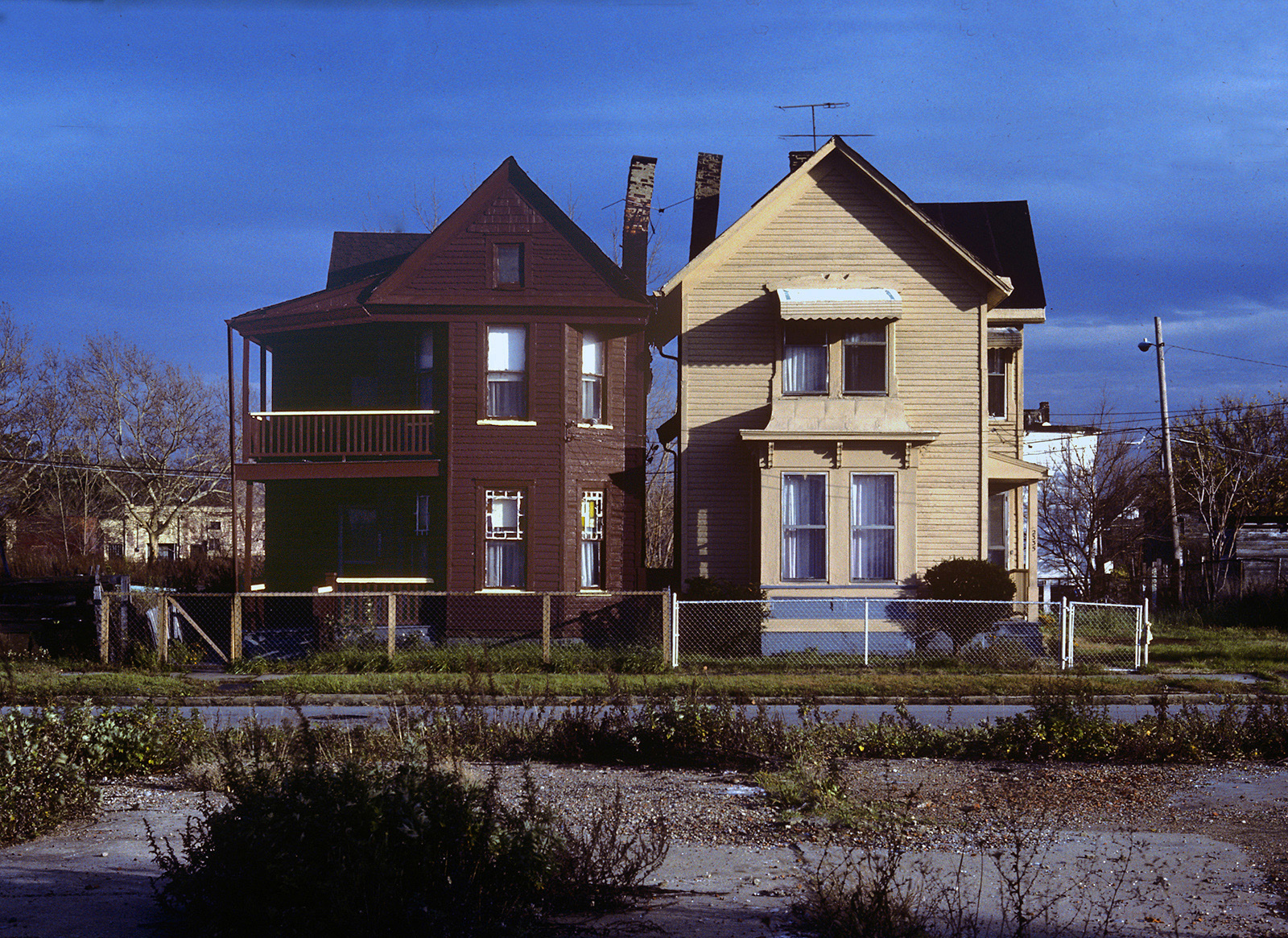
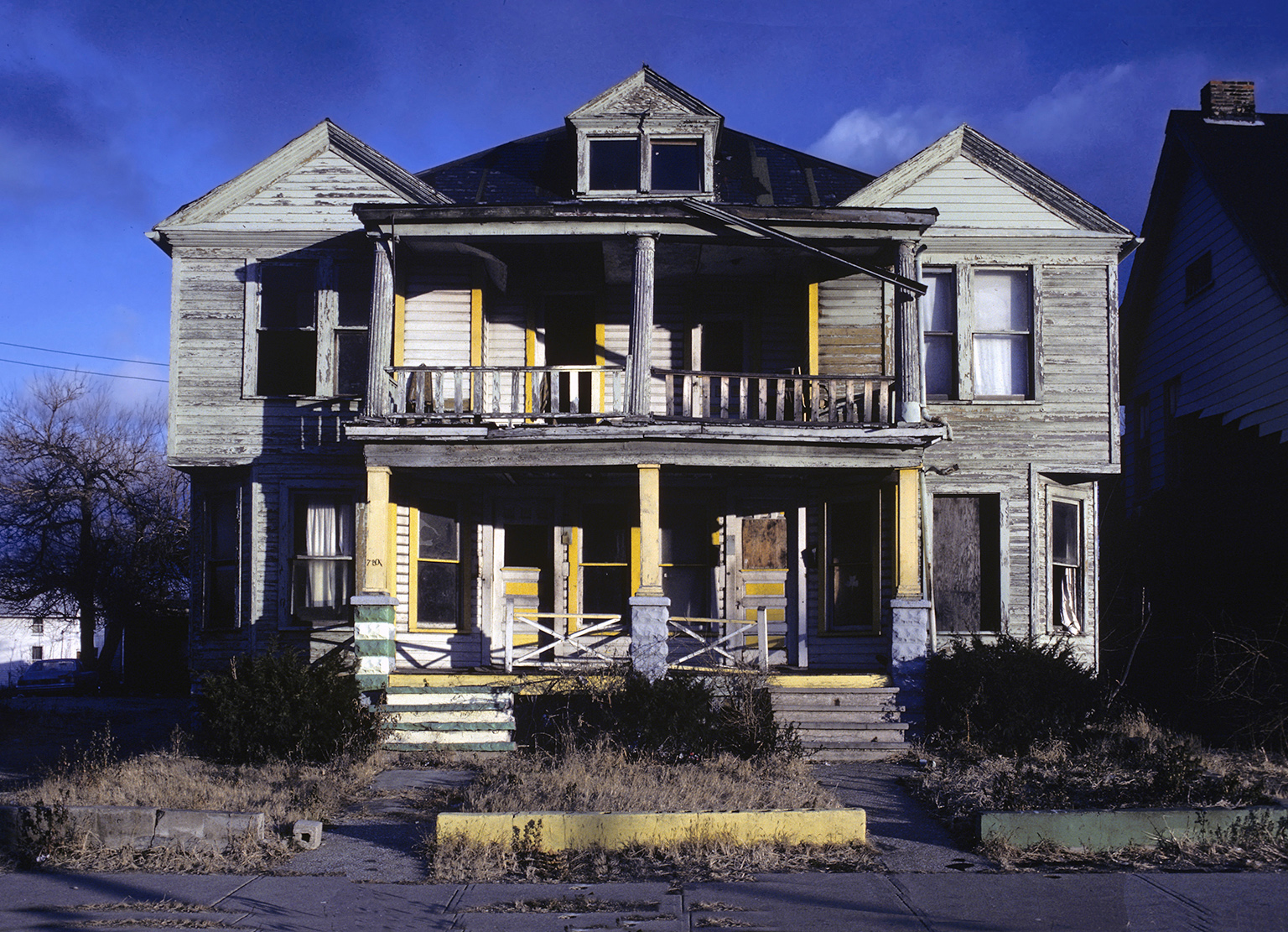
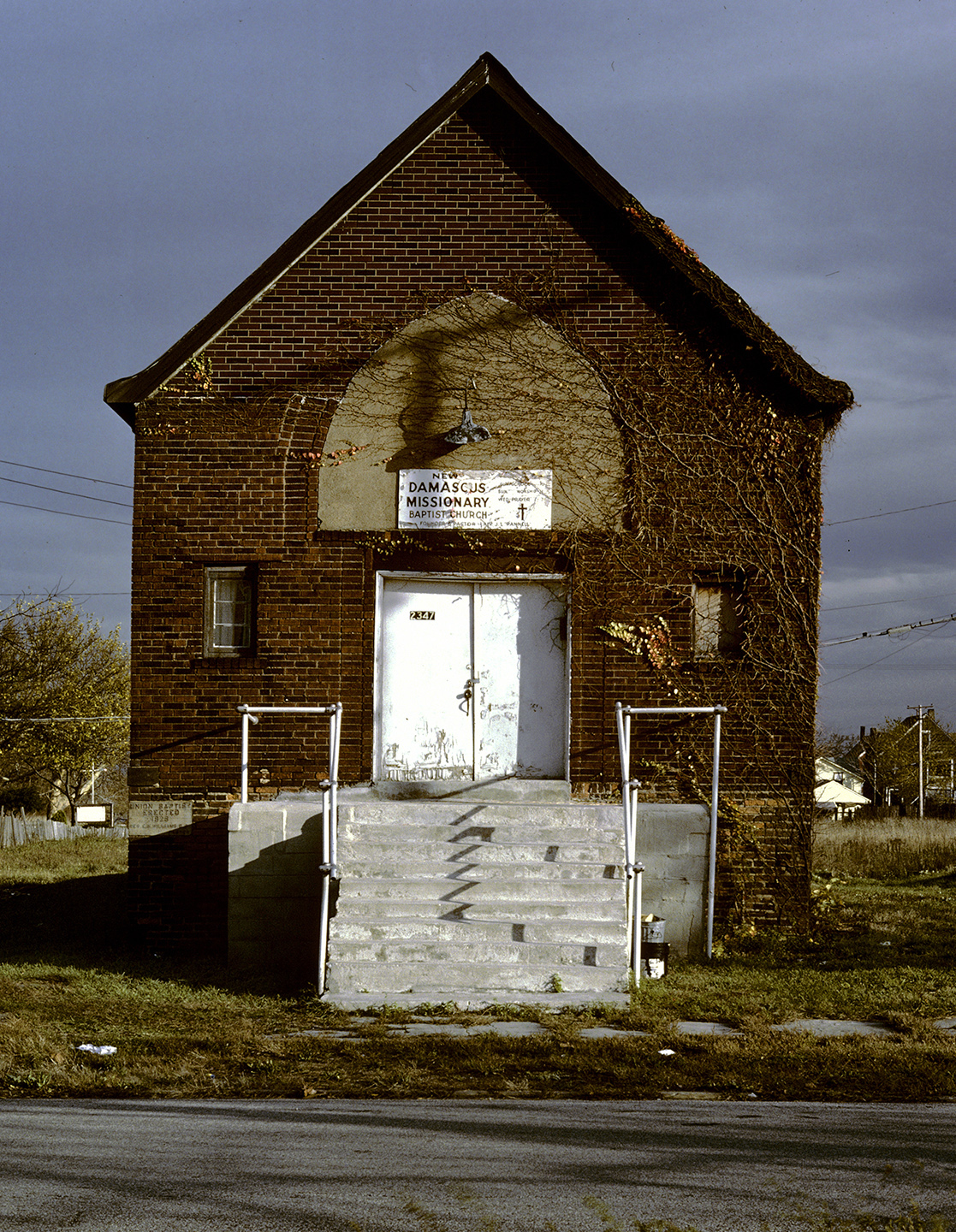
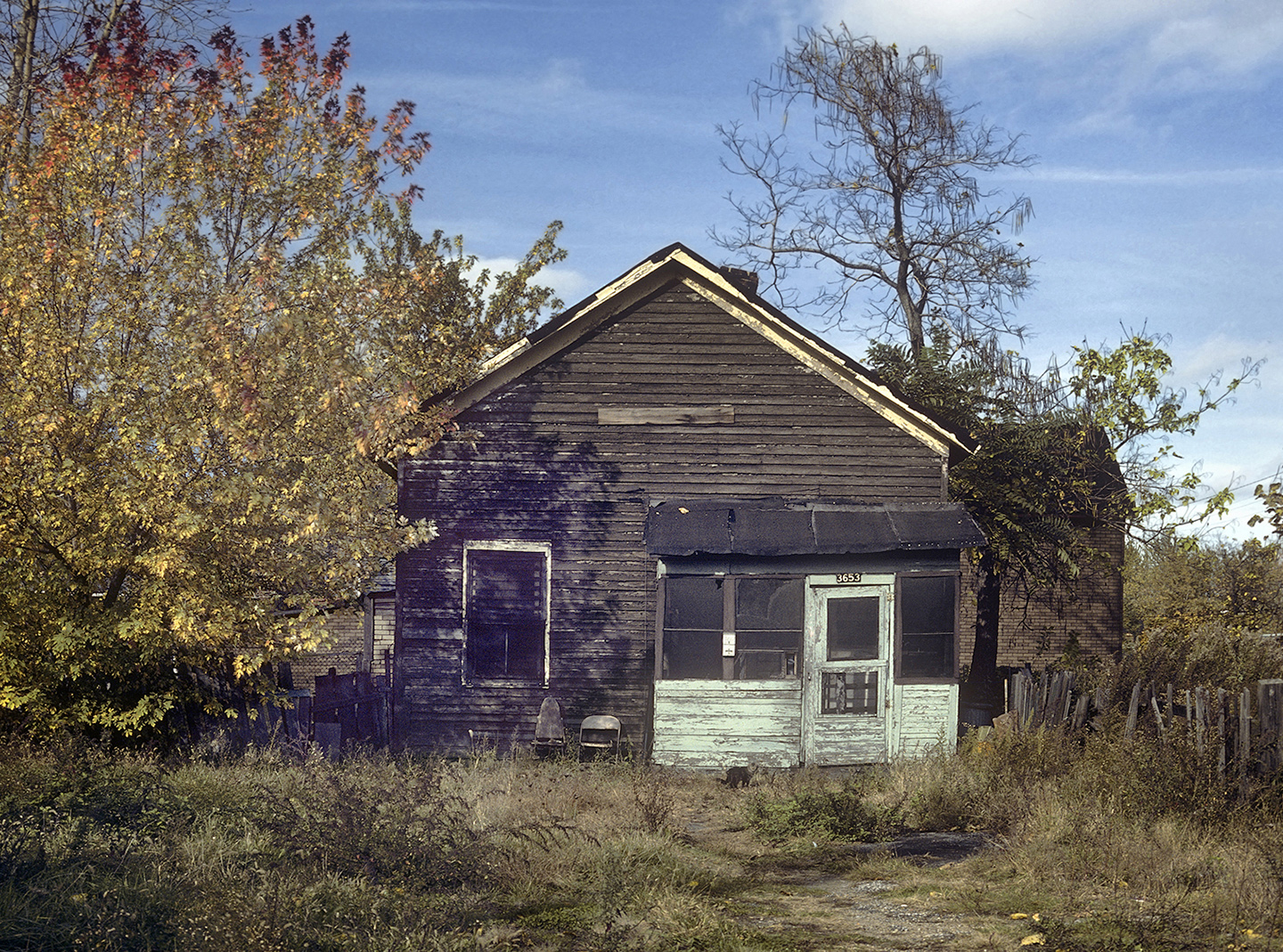
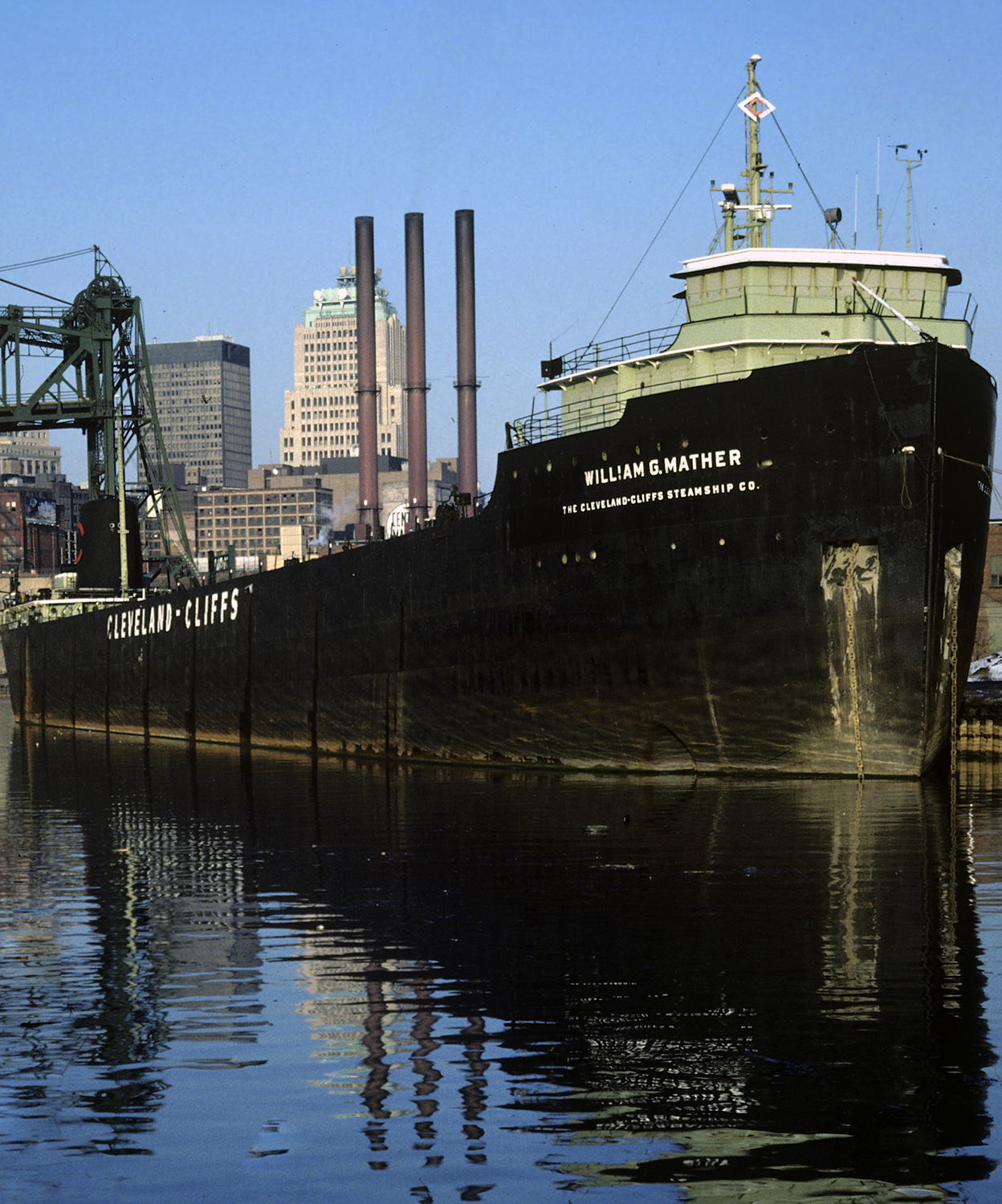
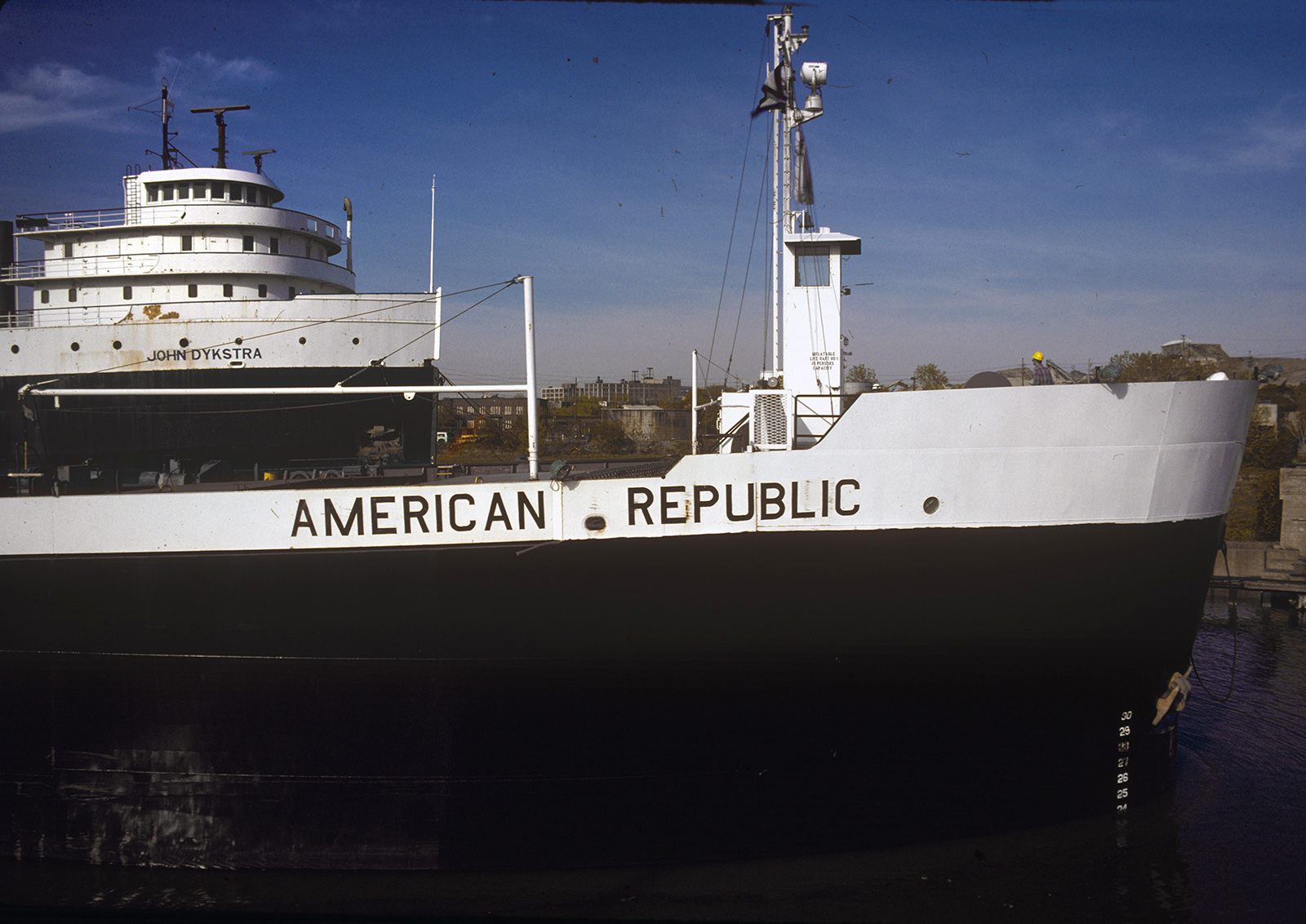
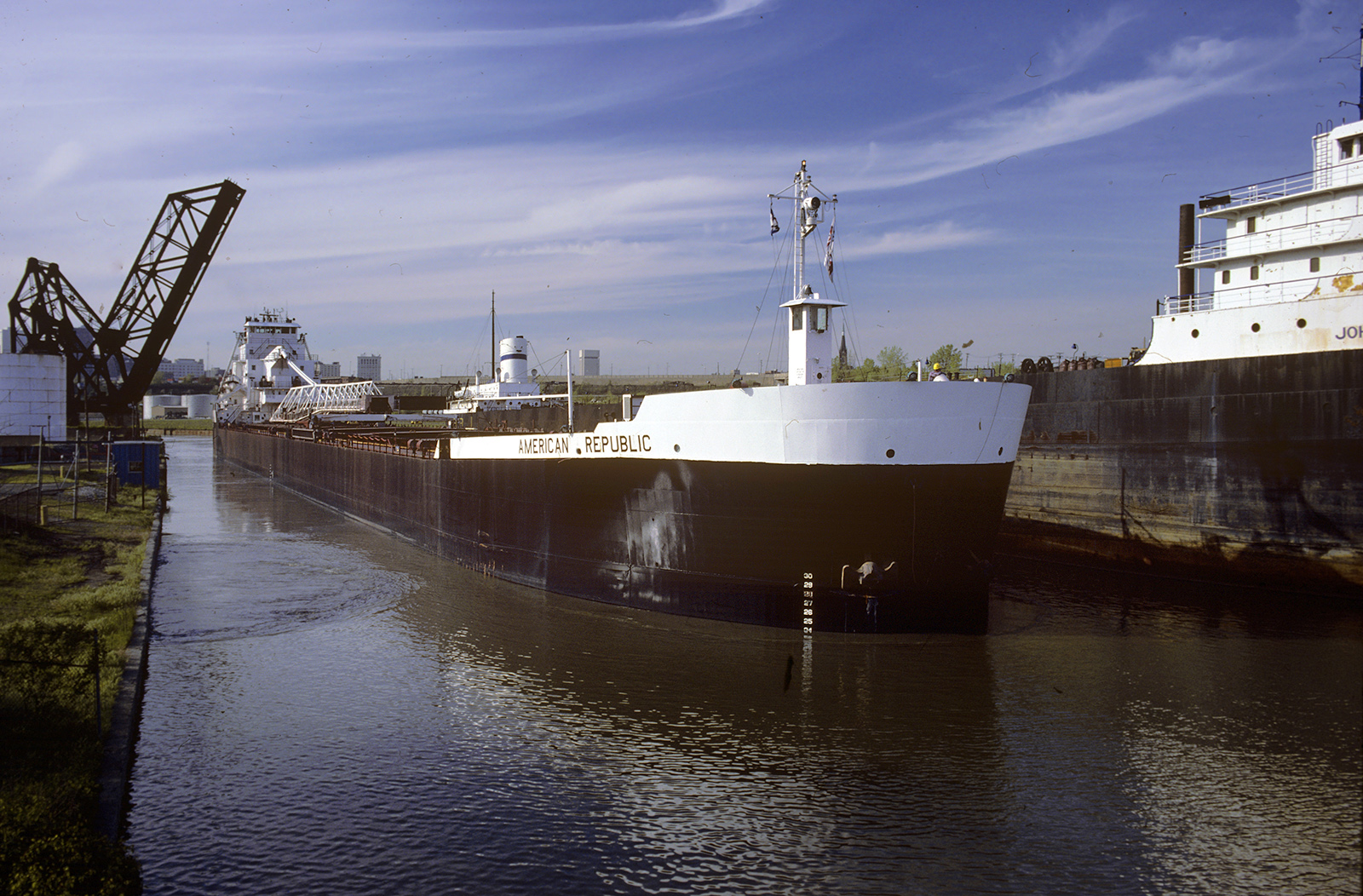
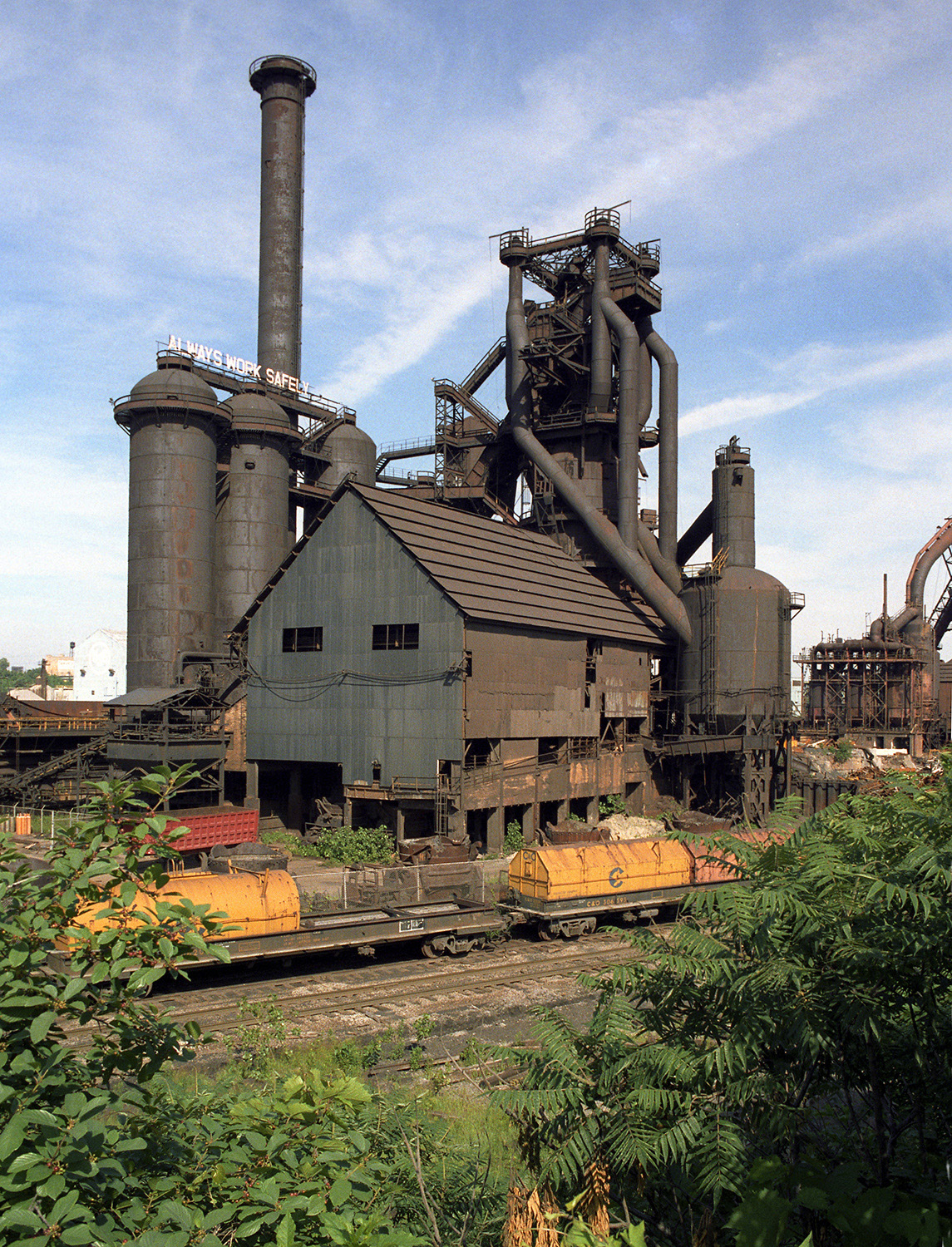
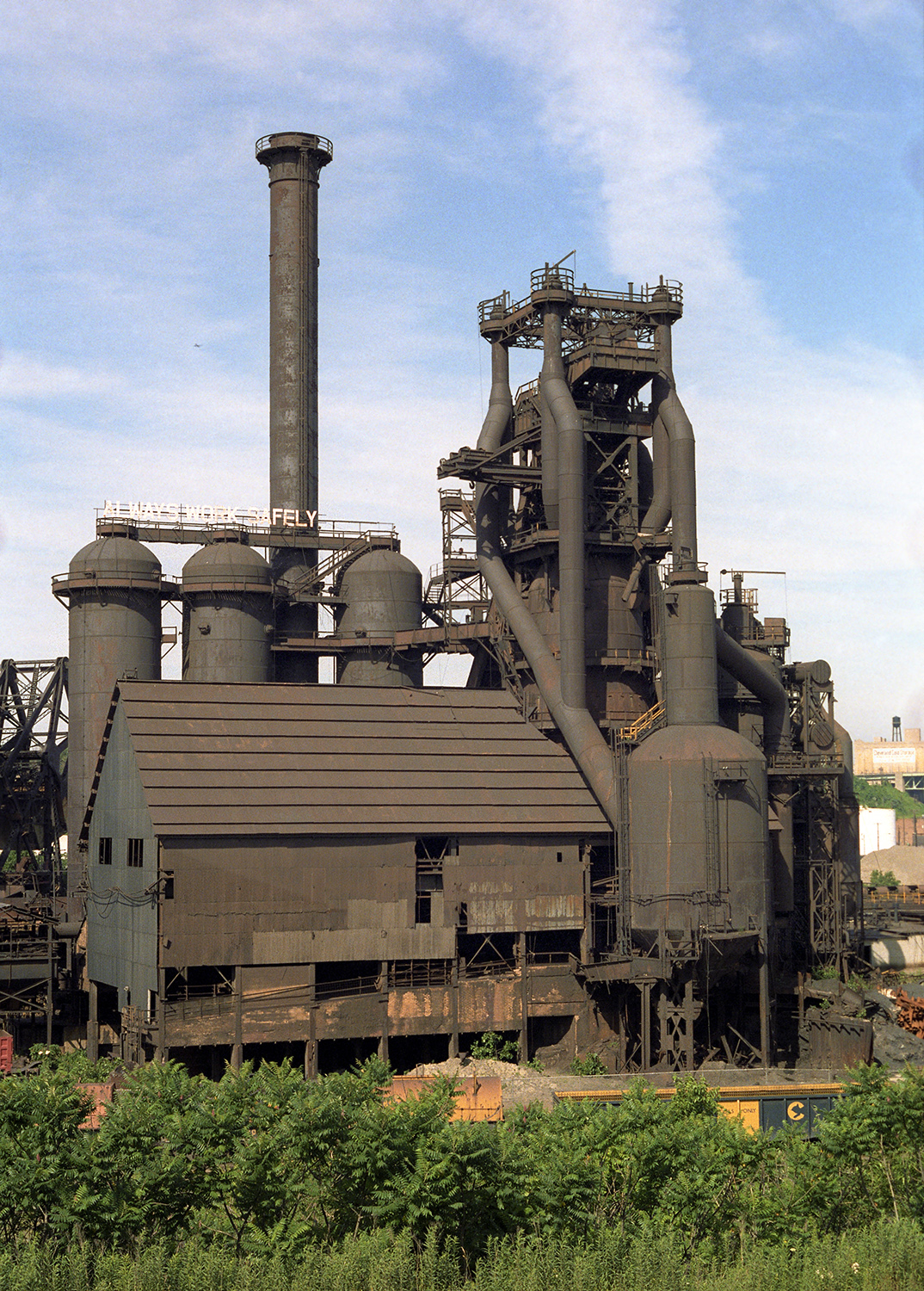
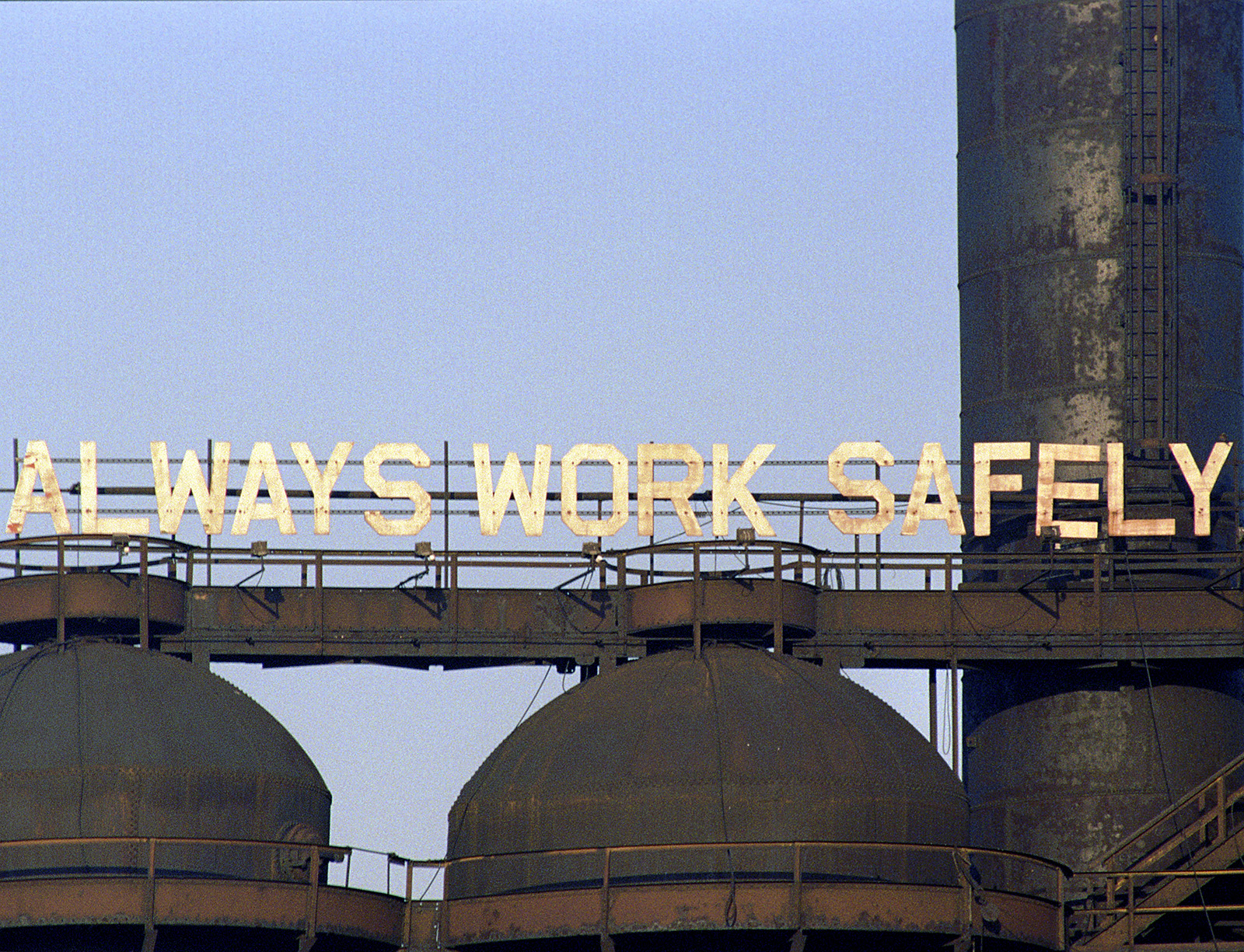
When I first began shooting the street and it's structures, a wild ass guy which storm out of the house on the right. I called him the Puerto Rican Rasputin, because his hair and beard were so wild and out of control. After explaining to him what I was doing and who I was, we became friendly, and, if I would've told him that this area of Tremont would be prime real estate in the future and your property would be worth into the millions, I think he would've gone wild with anger over saying something that could never happen.Homes, East 34th Street - GoneIn the true inner city, west of East 55th Street, were some of the city's oldest homes.Home, Quincy Avenue - GoneAn extremely rare style of duplex homes in 1988.Damascus Church, East 36th Street - GoneIt was a remnant when i took the shot in 1980, now nothing remains of the oldest of the city's neighborhoods. This could easily have been a school house originallHome, Central Avenue - GoneThe now familiar shots of old homes in the Rust Belt, overgrown with vegatation is nothing new as evidenced by this shot from 1982. Close to the center of, what was, America's sixth largest city, fifty years ago this scene looks like it could be out in the country, or, takne yesterday in the same city, thus, the length of this project, still ongoing, since 1977.U S Steel Central Furnace Blast Furnace D - Built 1911, Closed 1978, Demolished 1984D was an early example of the modern thin-walled furnaces. Its stoves were crowned with an industrial pediment, Alaways Work Safely - most likely since this mill, where iron had been made since the 1850s, was notorious for killing workers. I have never heard of a blast furnace called a widowmaker. They are affectionately named after women, though, but in thisWilliam Mather Ore Boat on Winter Lock-Down, Cuyahoga Riverhe Mather was converted into a tourist attraction and is permanently docked three miles away on Lake Erie, part of the saviour of the Rust Belt - a leisure and service industry that took forty years to materialize.America Republic Passing the John Dykstra - Built 1924, Mothballed 1986, Scrapped 1988The John Dystra was part of the Henry Ford's fleet of ore carriers. The ship lasted from 1924 to 1986.
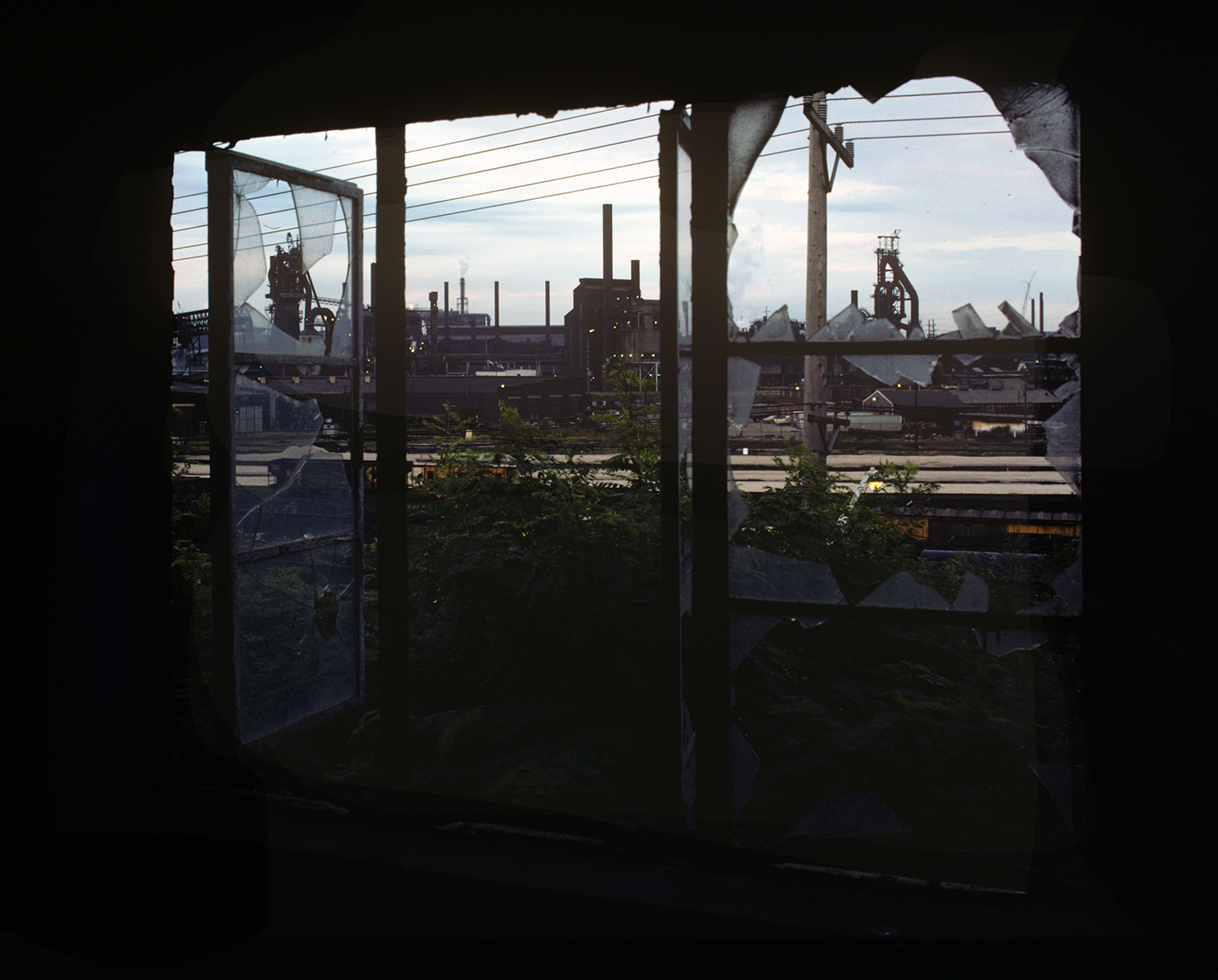
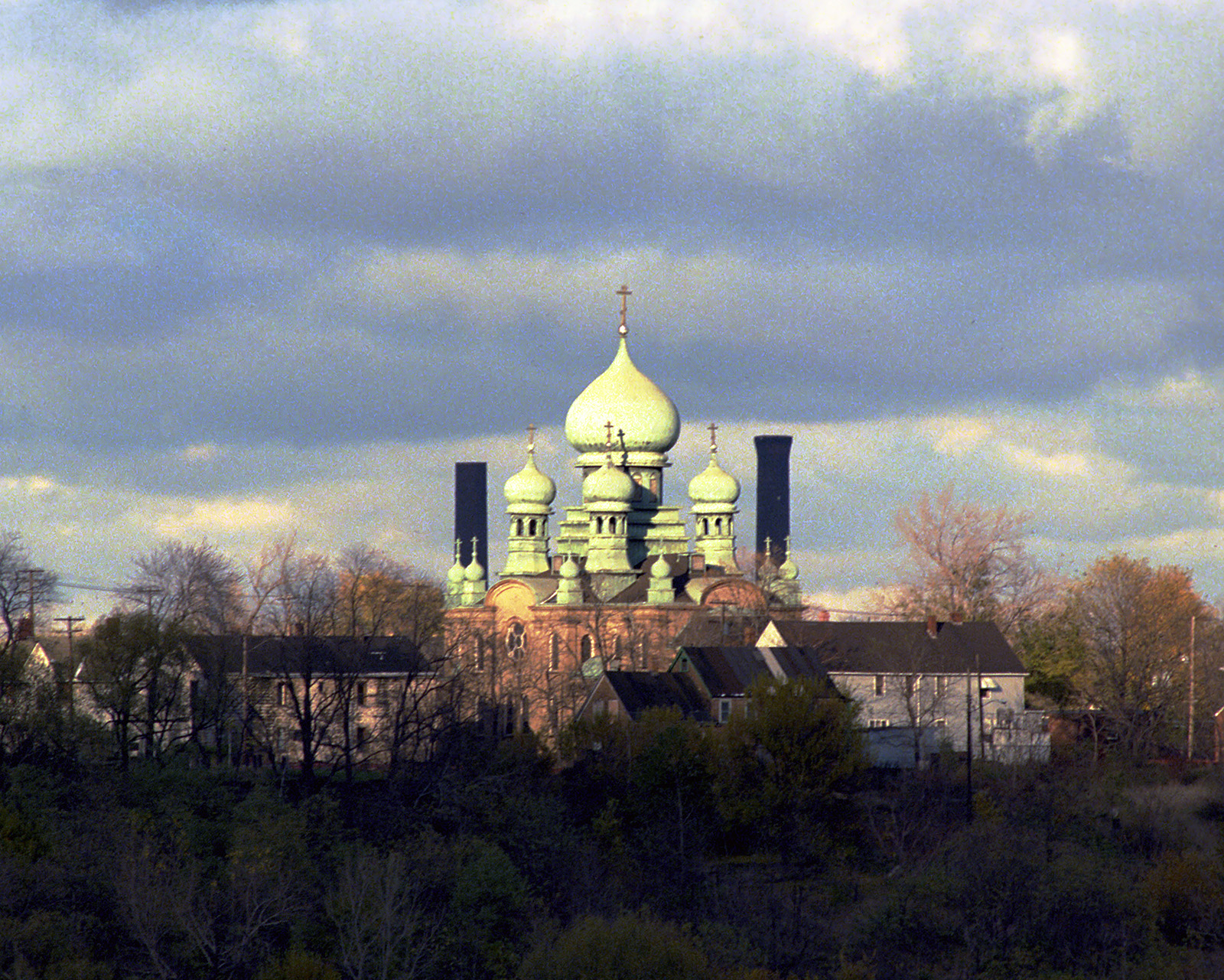
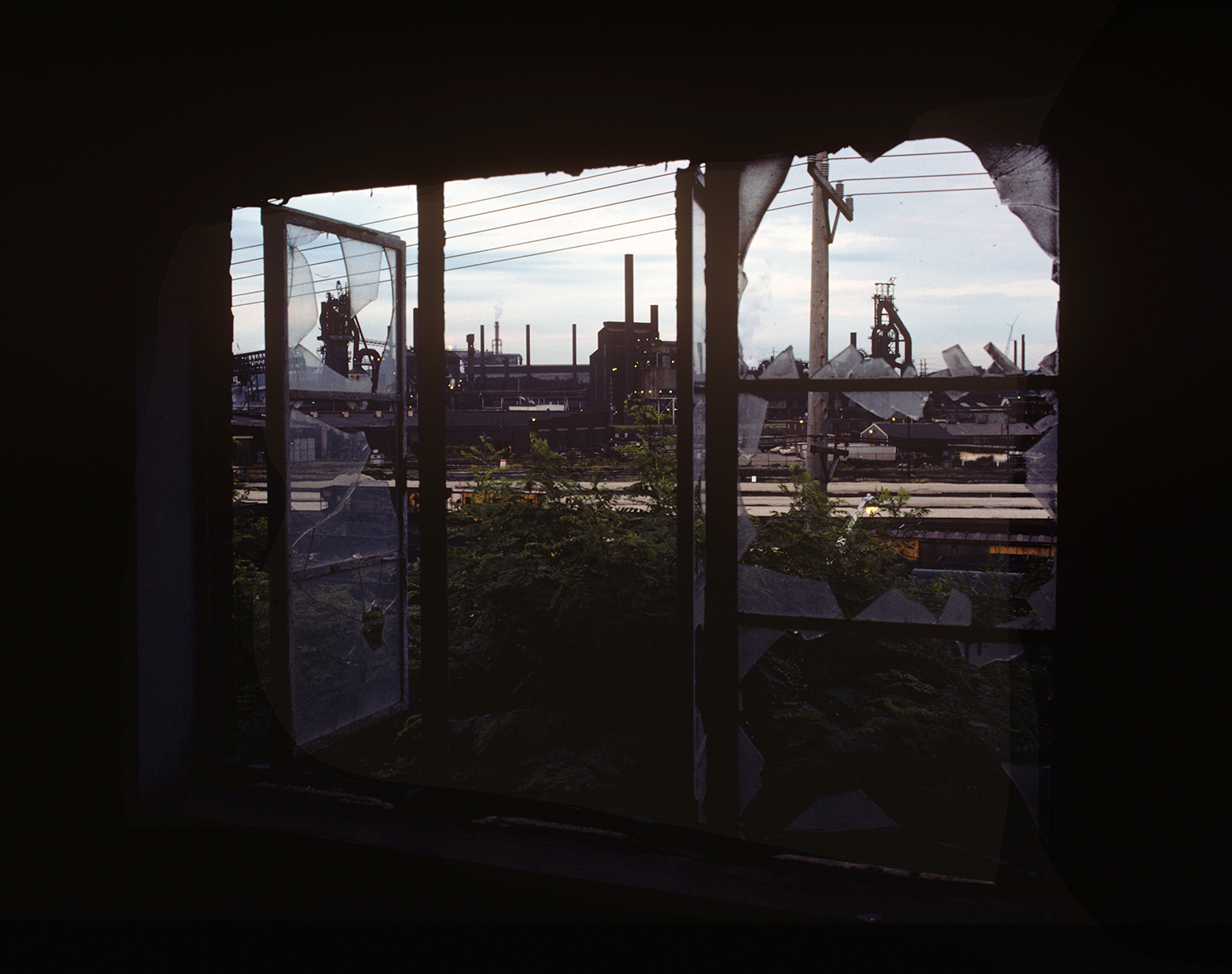
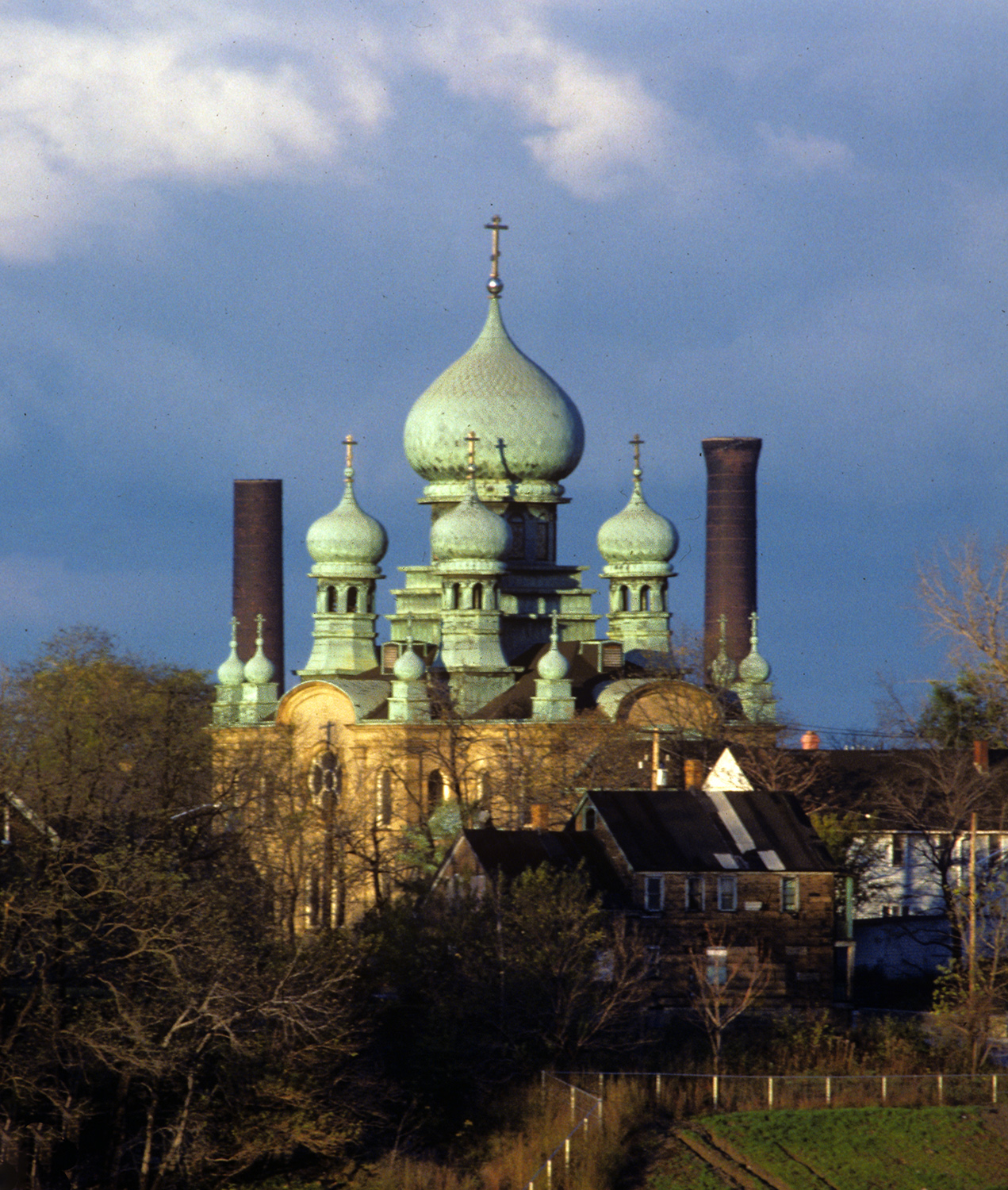
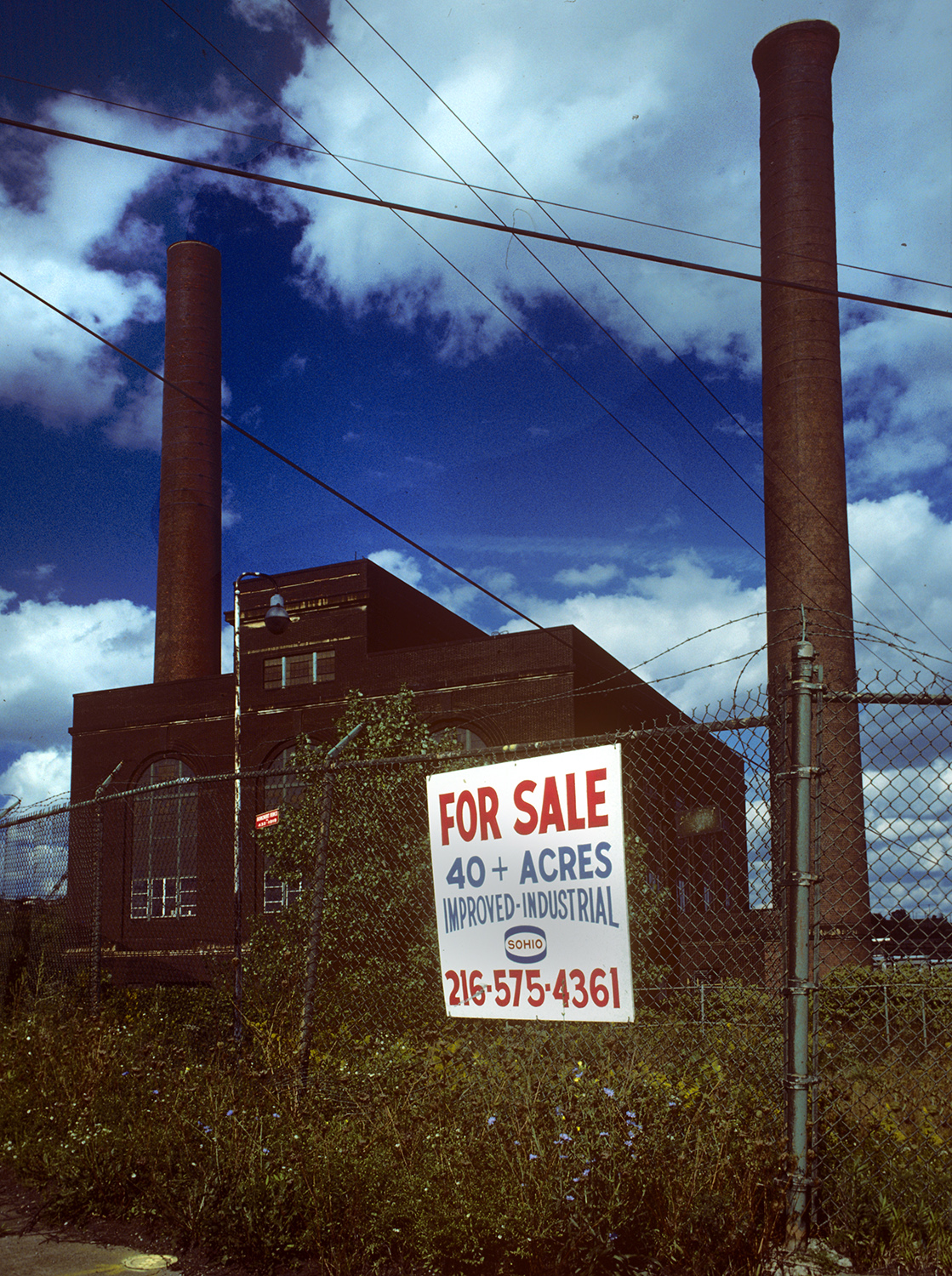
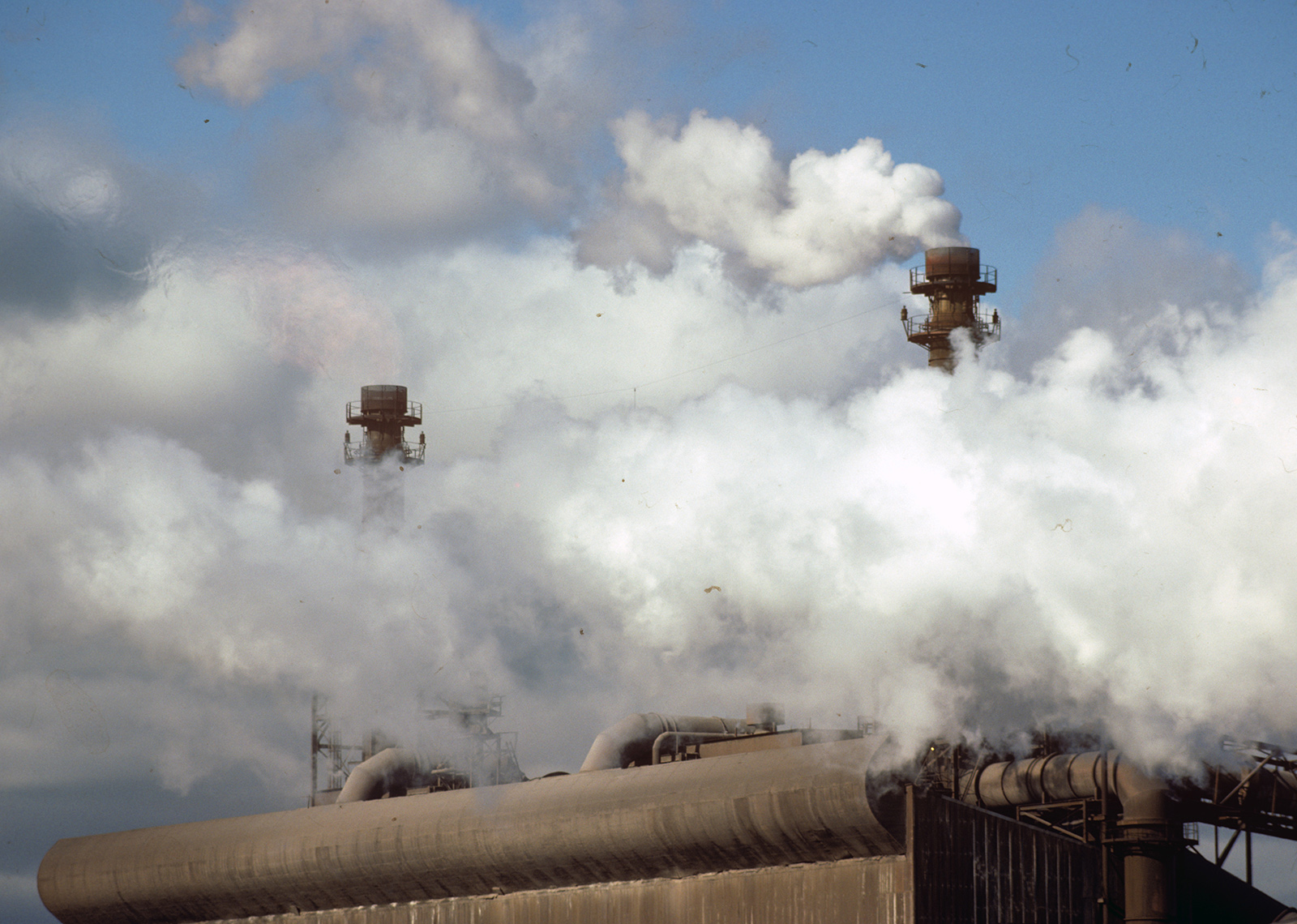
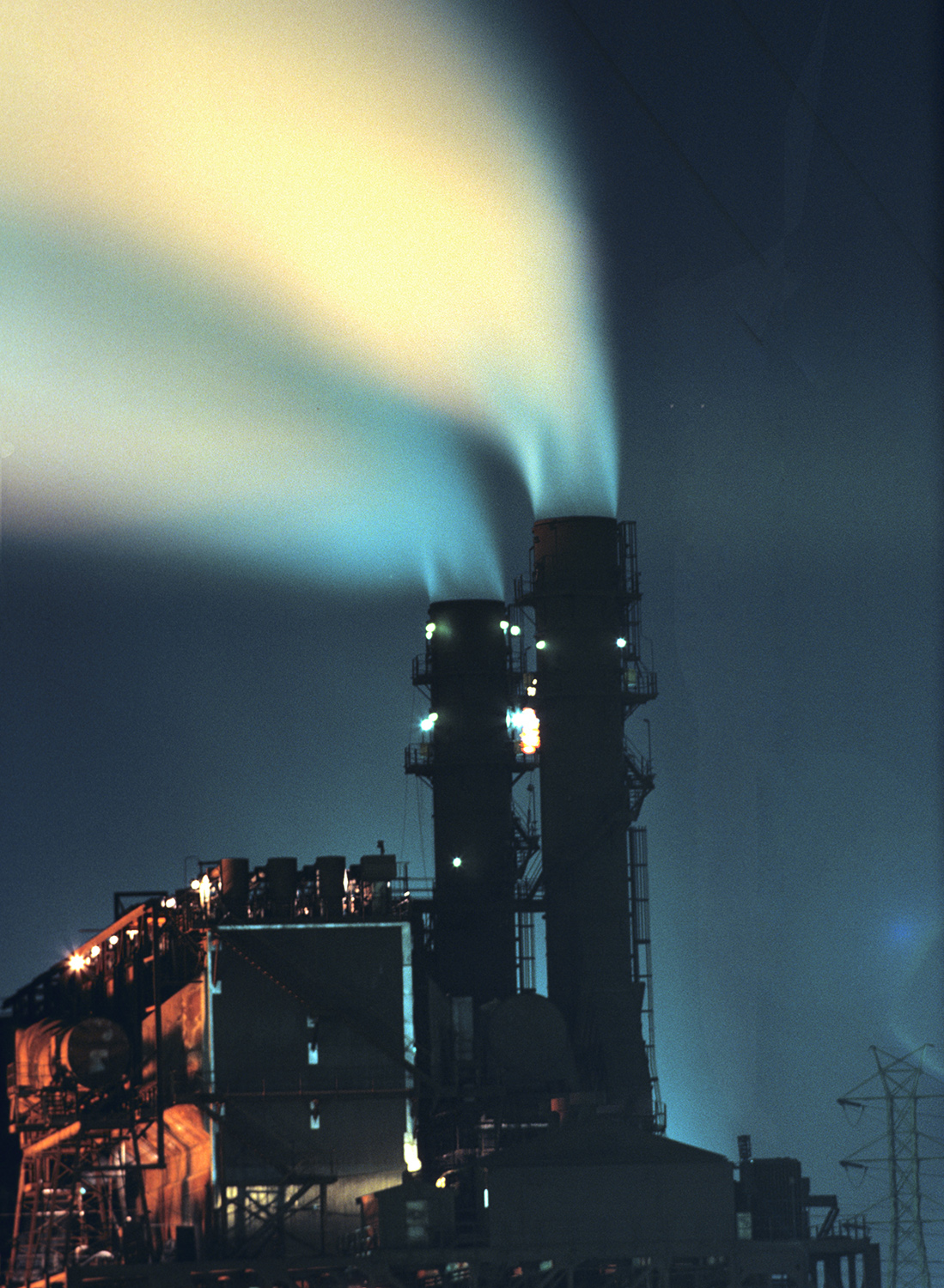
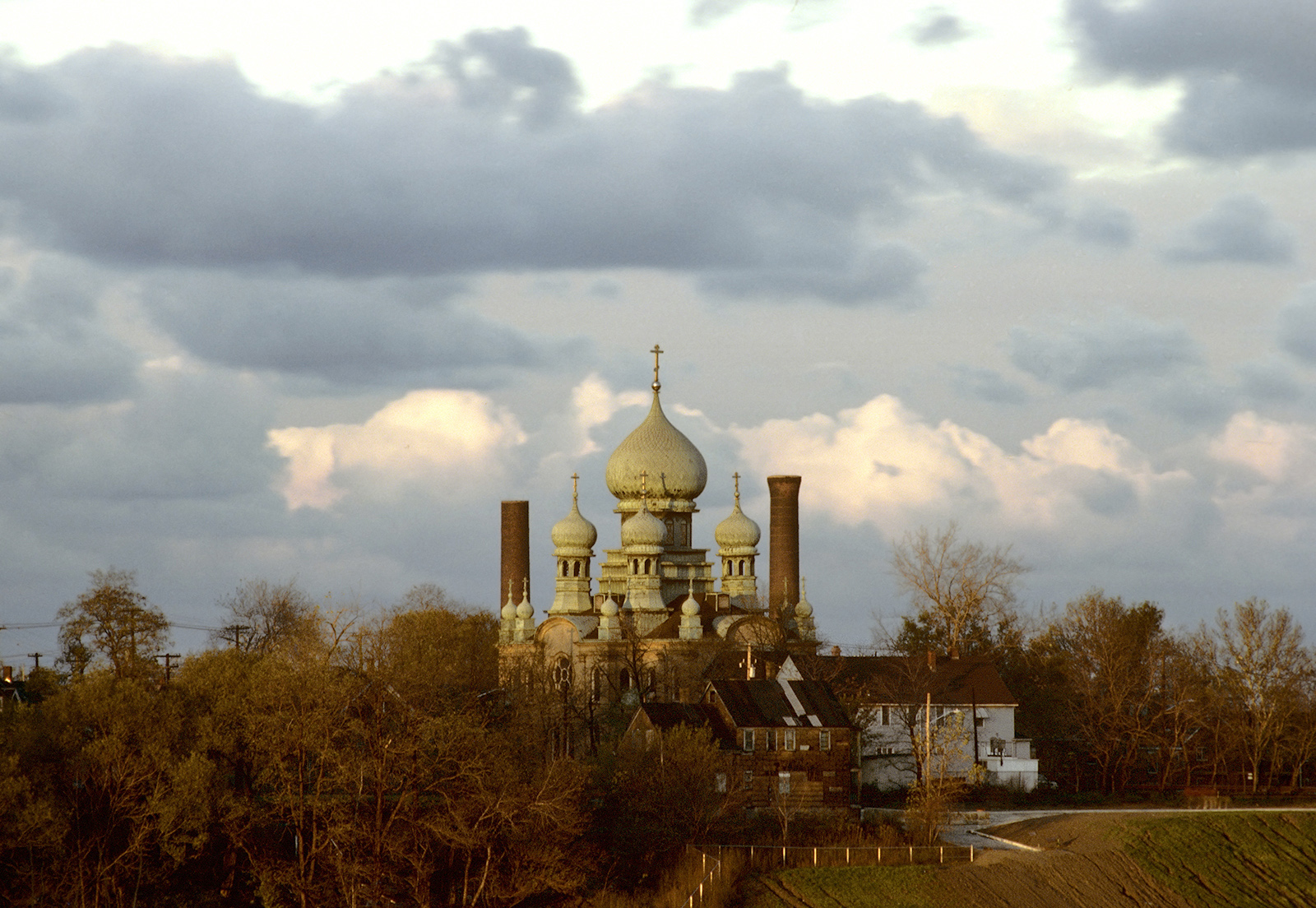
The American Republic was built in 1980, with a self-unloading mechanism that made older boats obsolete. Built to navigate the tricky, bending Cuyagoga River, it supplies the steel mills that are four miles upriver from the lake.American Republic Upbound With OreTo the left is the old Erie #19 Jacknife lift bridge that allowed Erie Railroad trains, loaded with iron ore, to begin the trips south to the steel mills along the Mahoning and Ohio Rivers. The large space in the background was occupied by U S Steel's Central Furnace and mill that was torn down in 1984.Window, Valley View Porjects, The FlatsThe housing projects, like many workinclass and poor homes were built on the bluffs bordering the mills and afforded a view on industry like no other.The Flats Industrial Valley Looking EastStacks of the Republic Basic Oxygen PlantRepublic Steel, Basic Oxygen Plant, East SideThe BOP at sunset - it seemingly never stops steaming and bleeding gas from its roof and its twin stacks. Closing in seemingly permanent bankruptcy in 2002, it was brought back on line, with the 2004 steel tariffs, and Cleveland Cliffs now runs it.St. Theodosius Church, Homes & Smokestacks of the Sohio Refinery PowerhouseSaint Theodosius is framed by the powerhouse smokestacks of the old Standard Oil Refinery Number One. Built by Rockefeller, it was probably the first truly large scale refinery producing multiple oil products.The old homes at the base of the church are gone today. In fact, the entire bluffs were packed with houses on terraced and steep streets heading into the industrial Valley. They began to disappear in the 50s.West Seventh Street, Entrance to Tremont from FlatsThere were parts of the city in the eighties that became cut off because so many bridges were closed because of deterioration. The Tremont neighborhood, sitting on a penisula of land, that was only accesible by numeros bridges, was particularly hard hit. Tremont is where the longest bridge in the city, straddling the indstrial valley, was closed in 1978, and many smaller access bridges in the Flats were shut down, while the large Abbey Road Bridge from the north was also shut and demolishedClark Avenue Bridge - Built 1911, closed 1978, demolished 1983The longest bridge in the city at 6200 feet, it linked the south side neighborhoods of the east and west sides of the city. There was an interstate bridge project, I - 490, that had been in the works for years, but, by the time the Clark Bridge closed was still in limbo until 1990 when the I - 490 bridge was completed, finally providing access to cut off Tremont, that had become accessible by only one street.
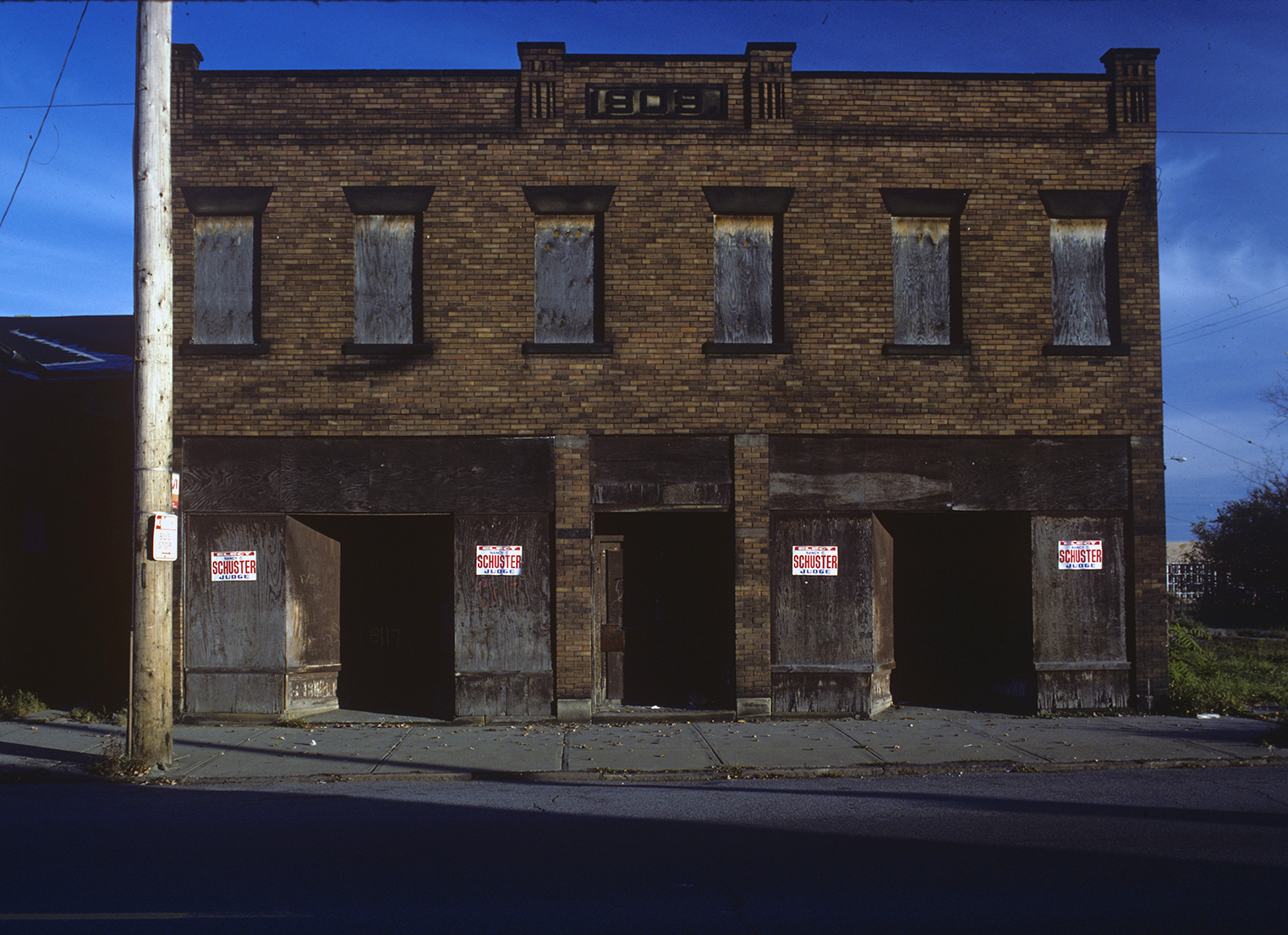
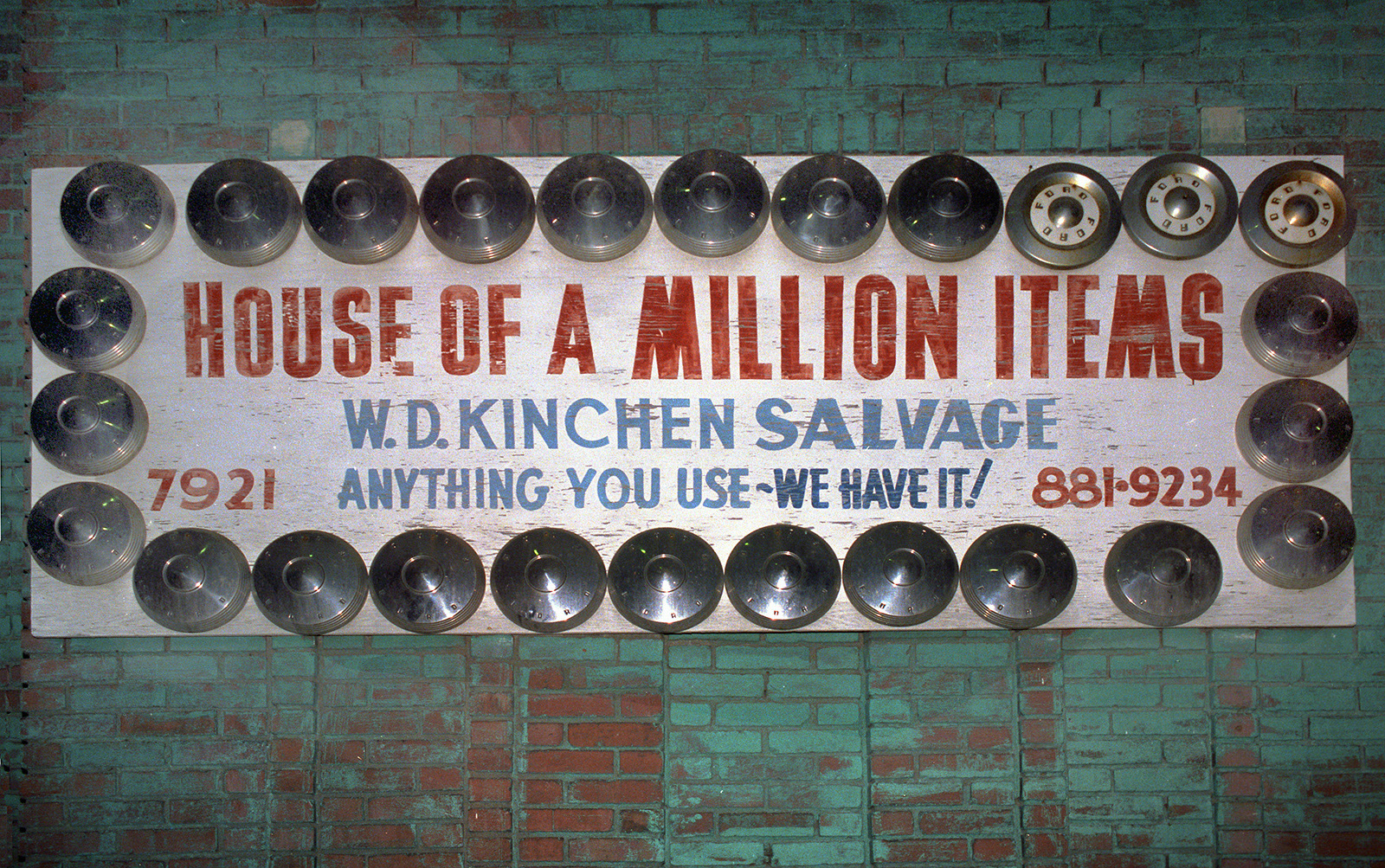
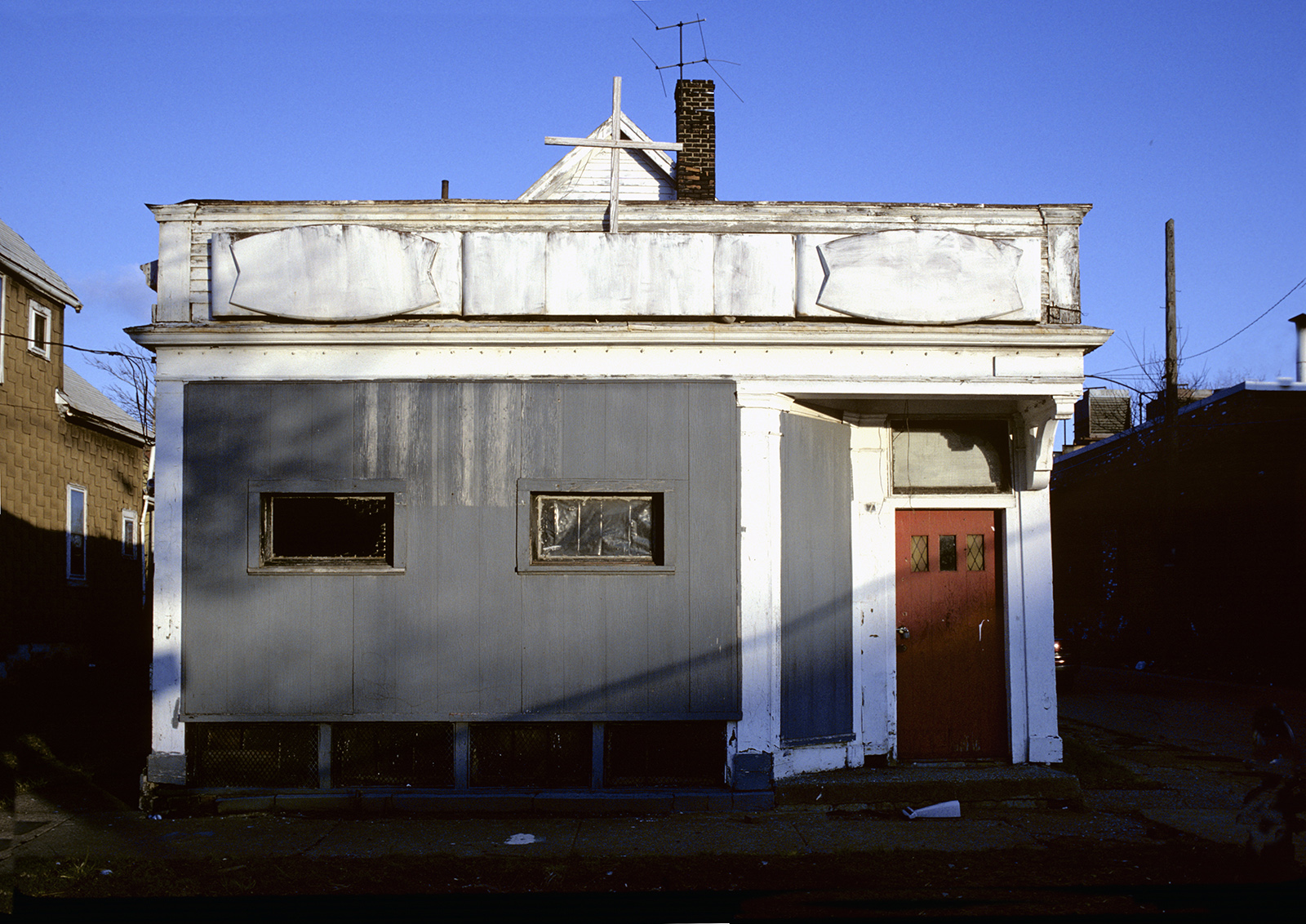
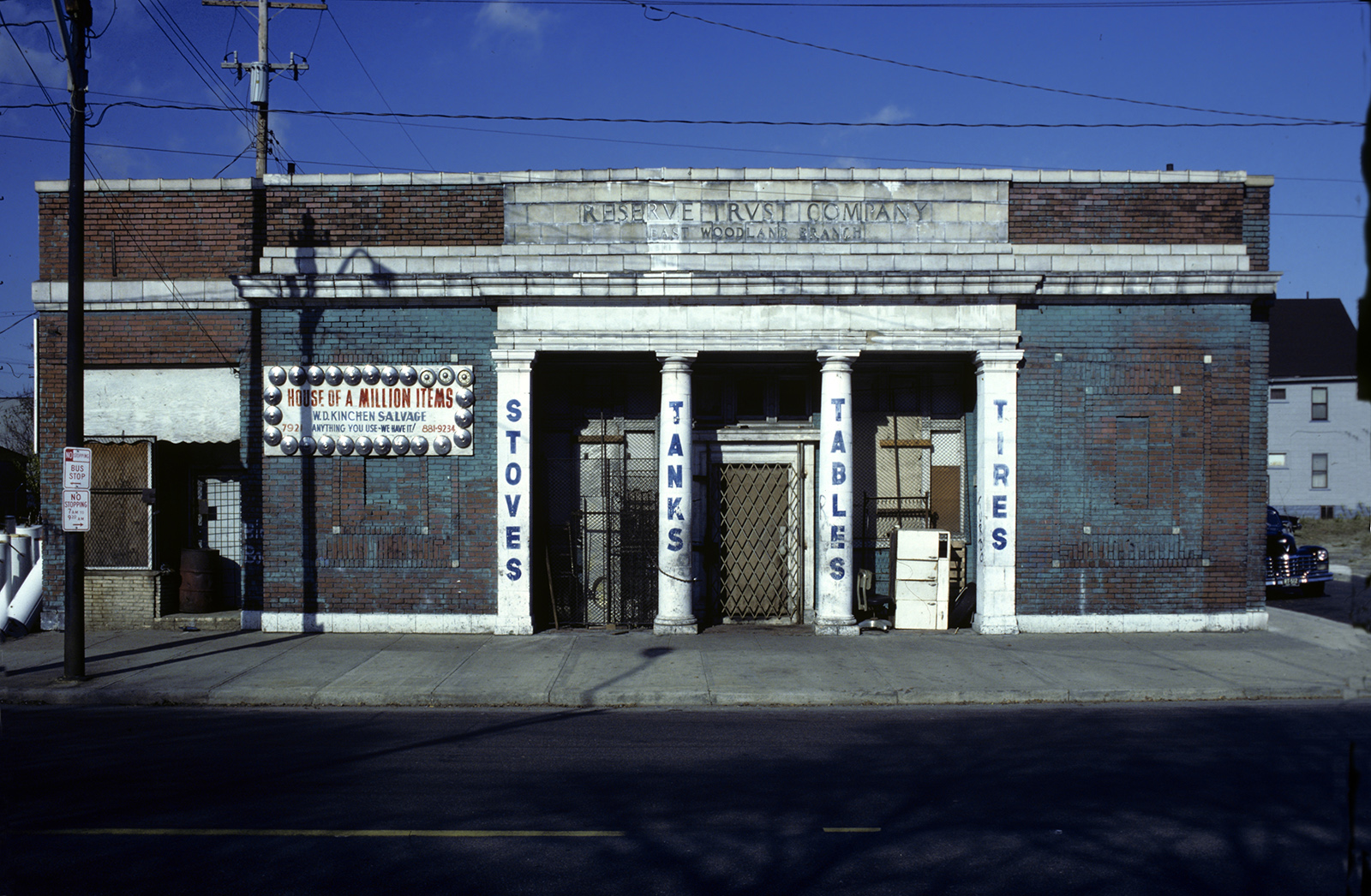
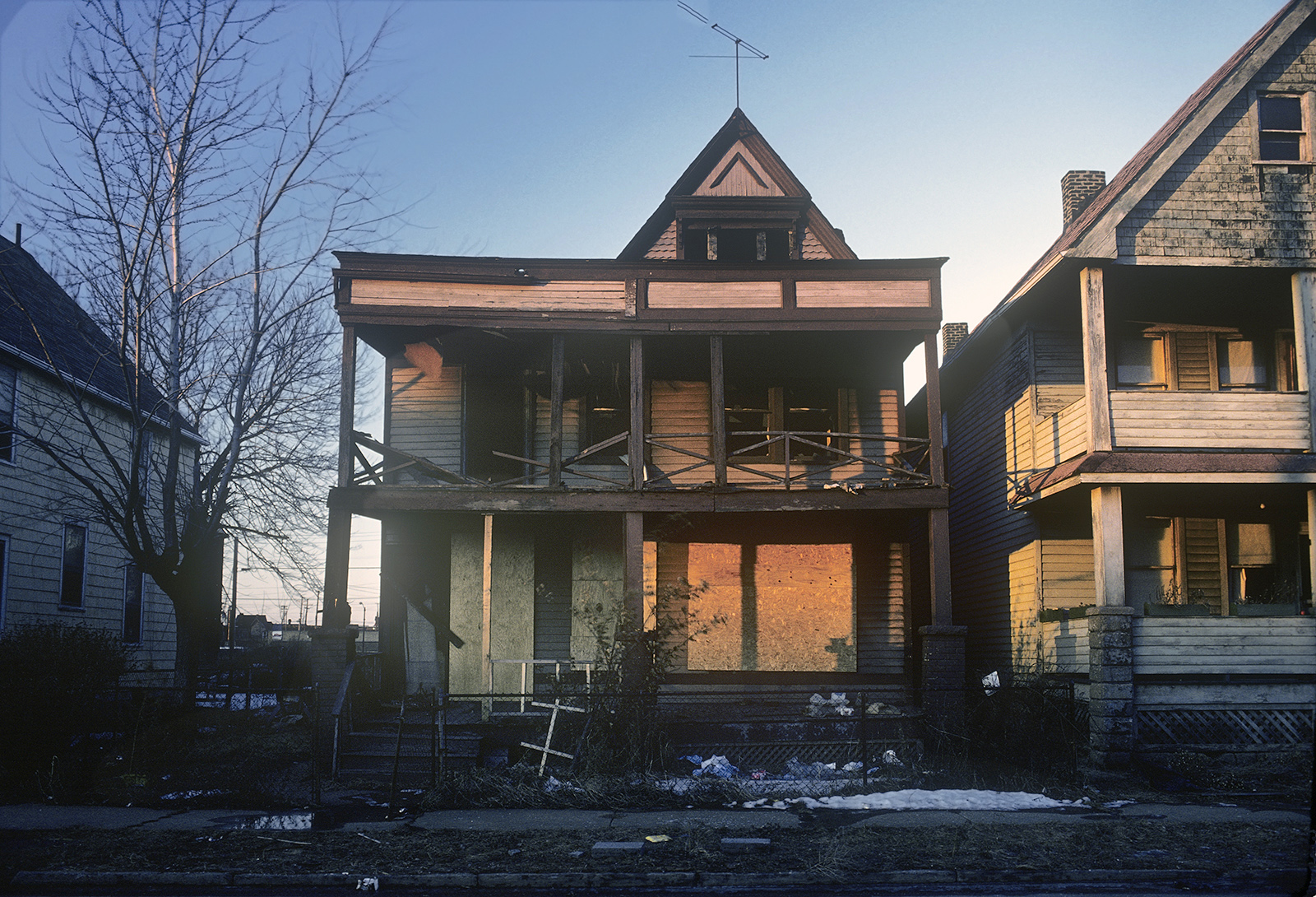
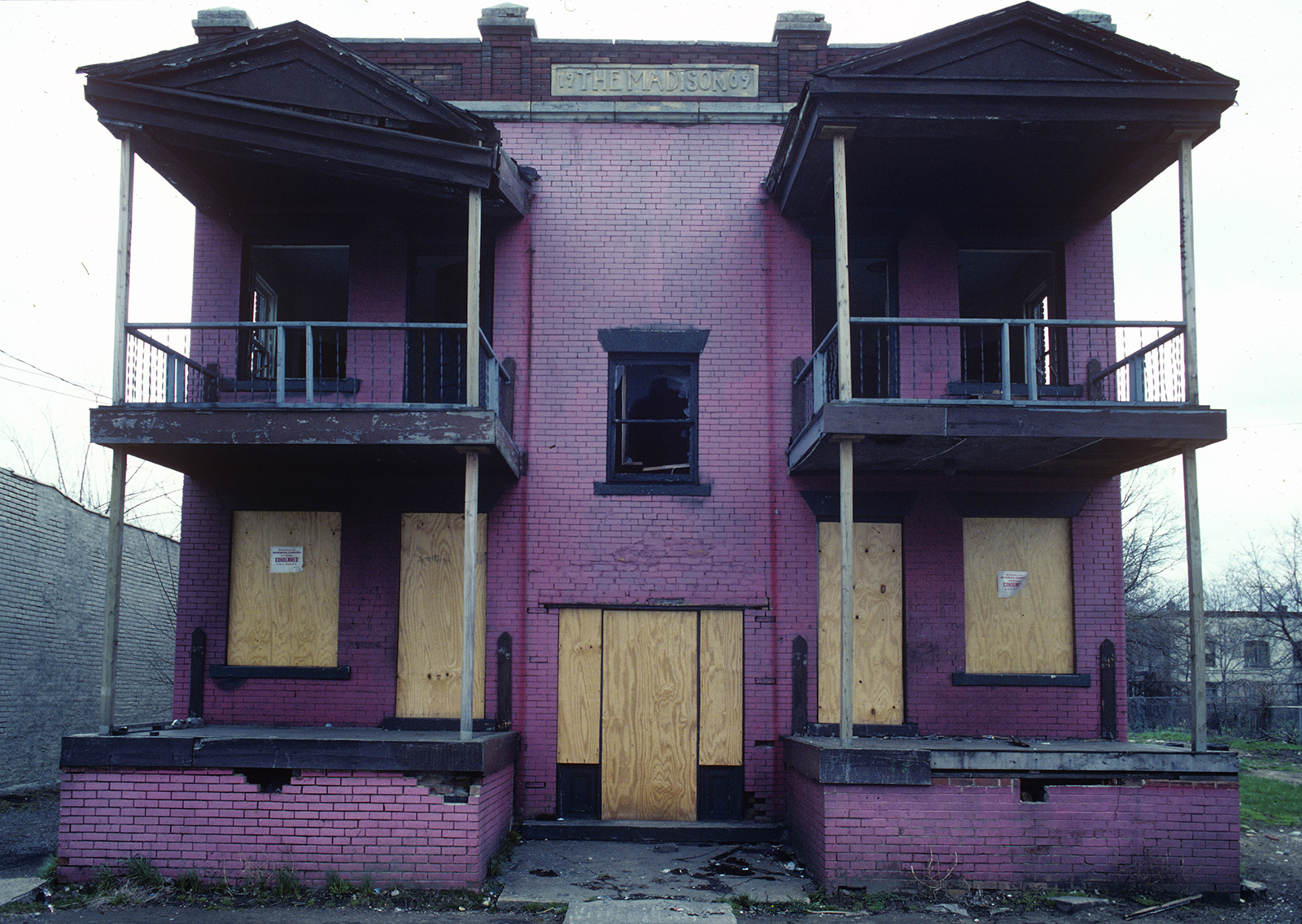
A city where knowledge of its intracacies of deterioration was a must.Homes, East 79th StreetHouses, East 79th Street1909 Apartment Building, Cedar Ave. - GoneThe tradition of naming structures after people - often honoring the family who built it - and proudly writing in stone, the year that the building was built, says a lot about their architecture as permanence and hope, and the mind-set of the times.House of a Million Items, Woodland Ave. - GoneFormerly the Reserve Trust Bank, the shop is gone. Reserve Trust was a precursor to the Cleveland Trust Bank which would impact the city greatly. The Gund family, that started by brewing beer, before banking, would play a huge roll in philanthropy and even sporrts when the a Gund family meber bought the pro basketball.team, in the seventiers and eiughties. Another Gund, Agnes, would be instramental in the founding and continuesd success of MOMA in New York.House of a Million Items Sign, Woodland Ave.Neighborhood Church, East 89th Street - GoneMany churches in this city got their start as homes. In this case the bar or store that formerly occupied the front of the home, has become a church.
In this case the former bar, sits in the old Buckeye neighborhood, origianlly heavily Hungarian. They worked in the myriad of industries that dwarfed their neighborhood, like the huge Eberhard Manufacturing complex two blocks south, that had been divided up into different manufacturing and industrial businesses and were thriving in the 1980s still, and today are completely wiped out.Neighborhood Store, Yeagel Street - GoneOriginally a vast Hungarian neighborhood there is very little left of it today.Caxton Building Ornament, Built 1903Named after the 15th century British painter, the Romanesque structure utilizes intricate cartouche ornamnetation. The Egyptinas also made this sort of design.
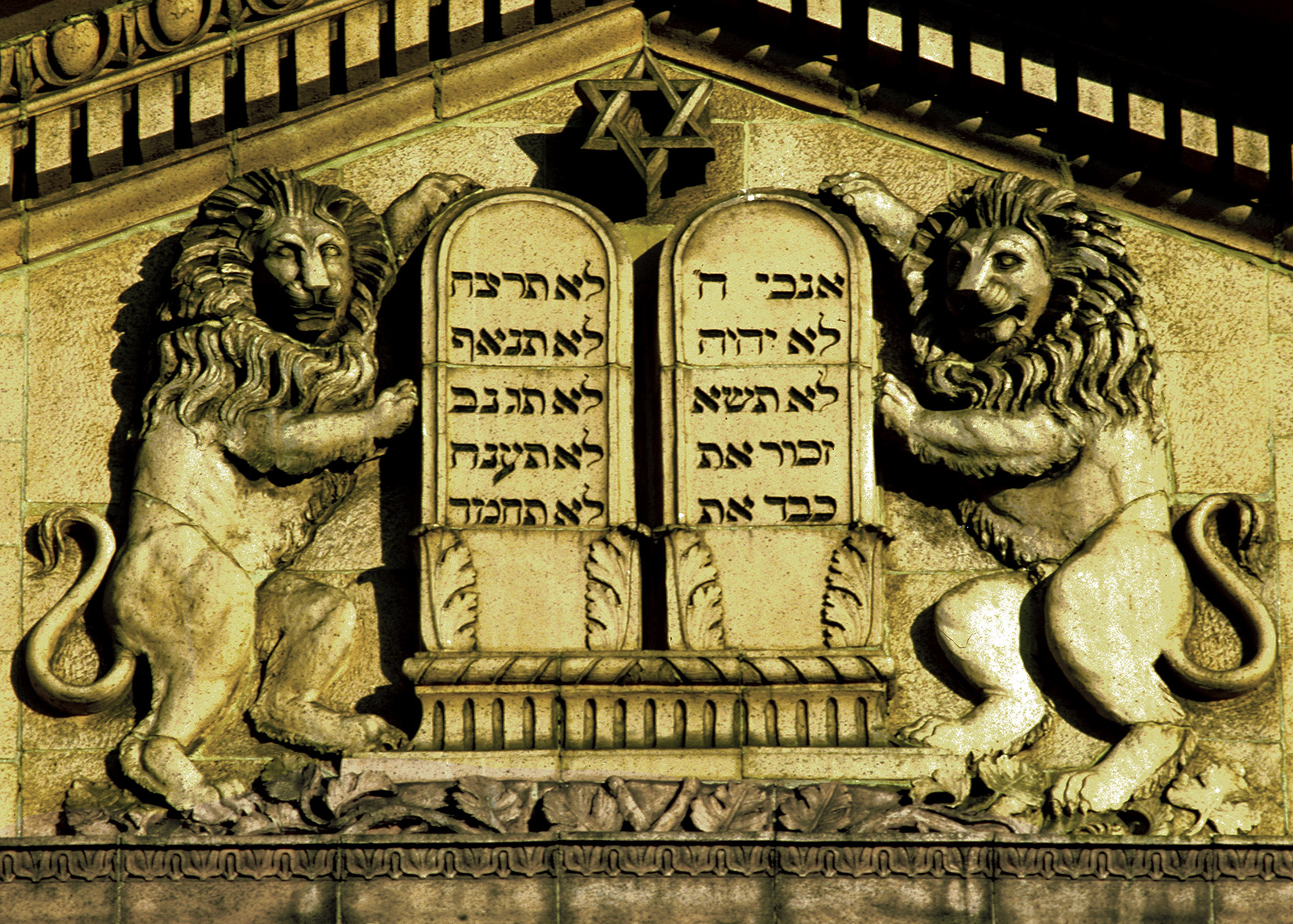
The structure is know for its solidity, having to originally support massive printing presses.Holy Trinity ChurchThe church was founded in 1880 as an immigrant German parish. It was sold to a Baptist church that is still operating.Ornament, Anshe Emeth Beth Tefilo , East 105th StreetThe temple is presently home to the important Corey Methodist Church, and is a good example of the phrase, The Blacks follow the Jews. Putting aside political correctness, for the truth and science of social history, it's a common phrase In cities where Jewish folks built neighborhoods, prospered, and when was time to leave, they often and peacefully, bequeathed and sold their properties to blacks.
Both cultures, having a history of forced displacement and death, decided not to be hypocritical, and nothing was forced and/or protested, and when it was time to move up a social ladder, there was no animosity about the new people.
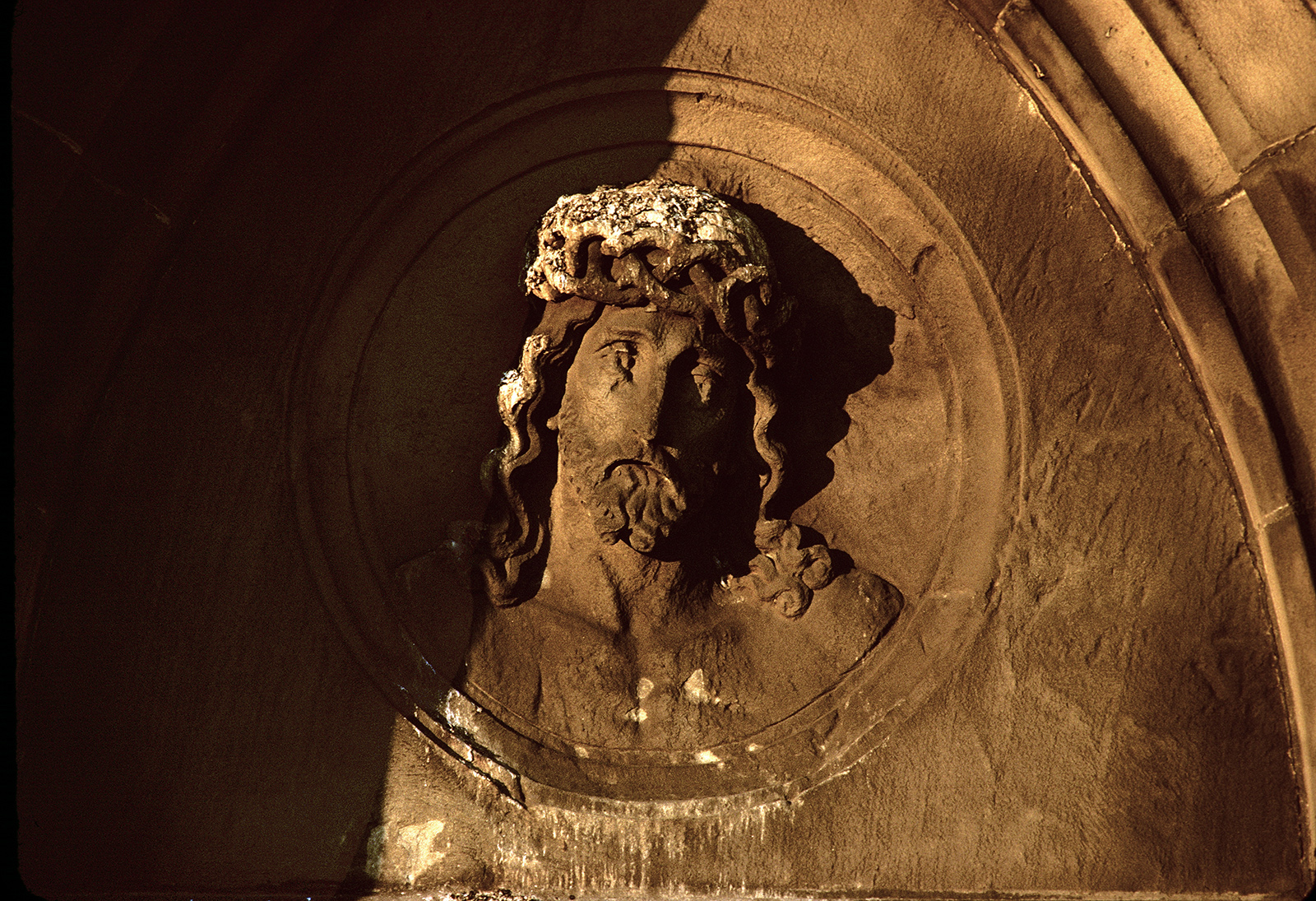
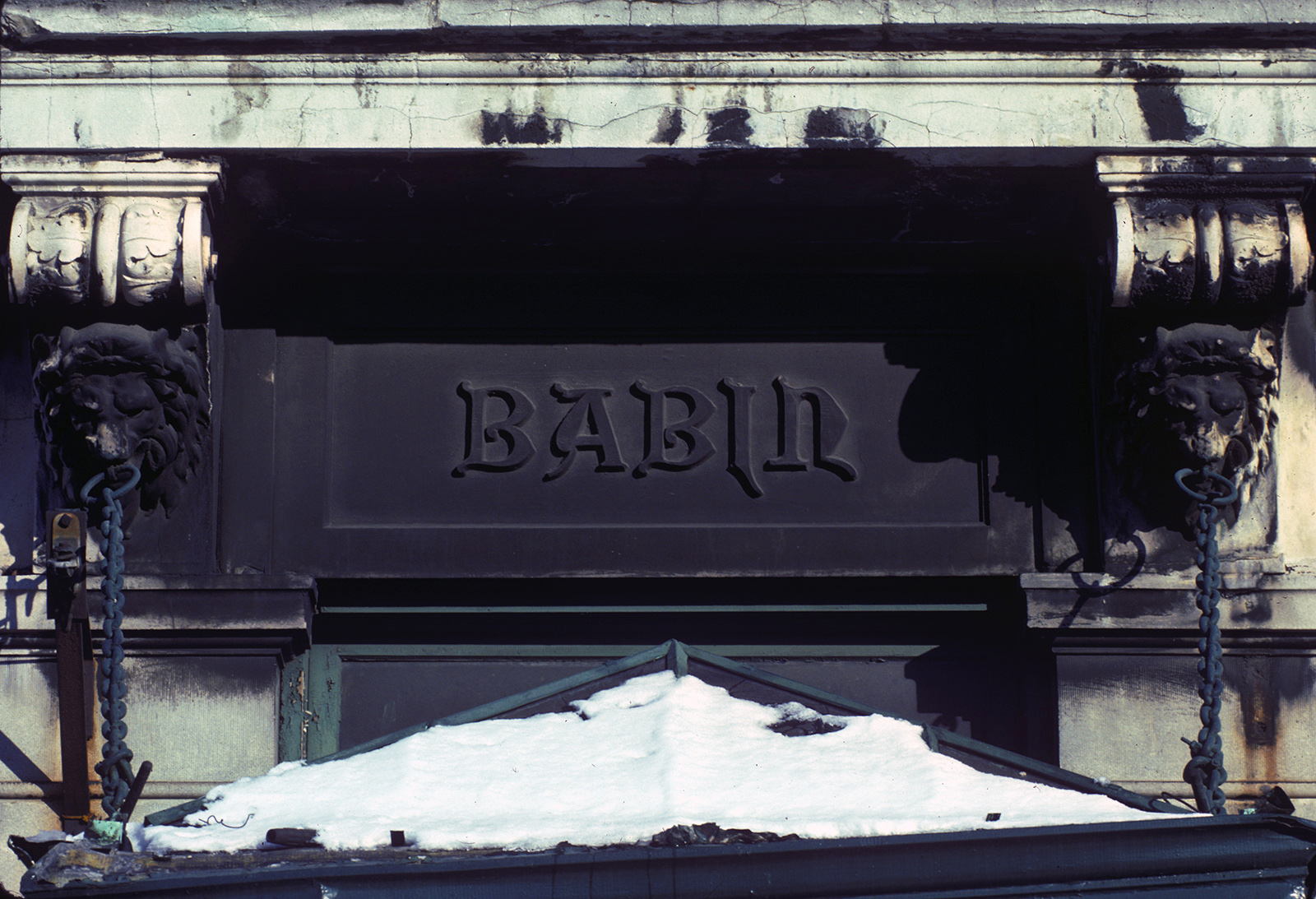
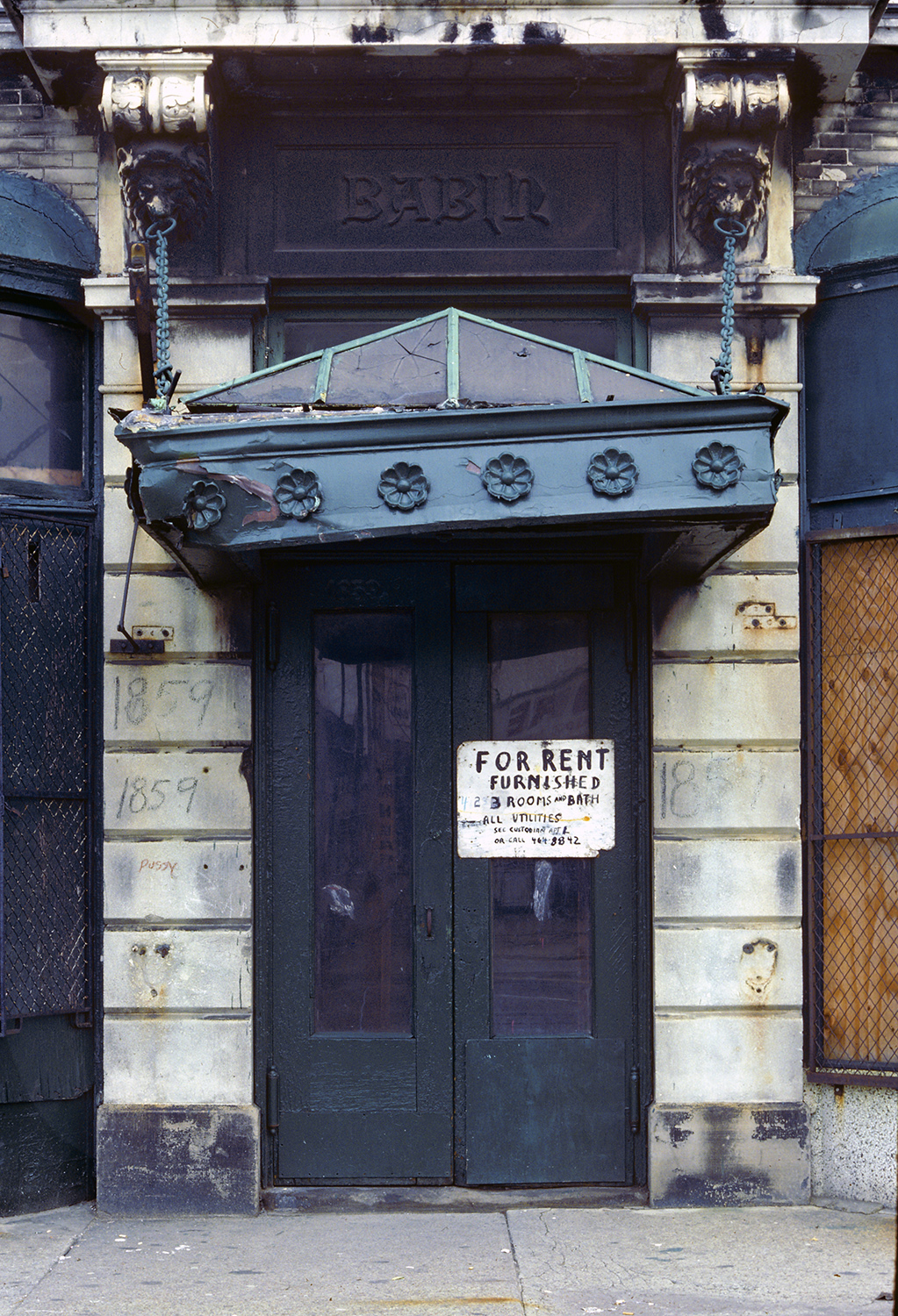
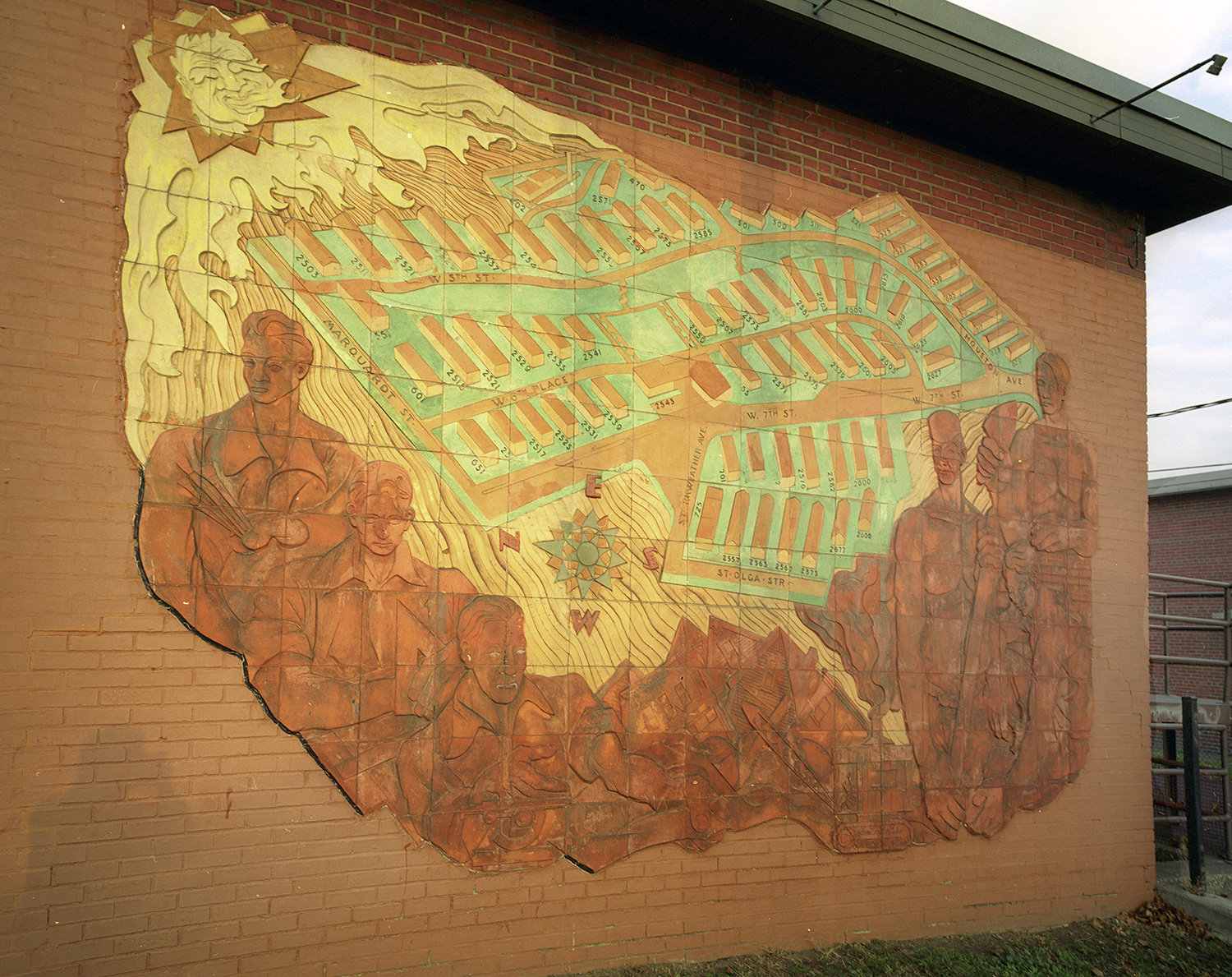
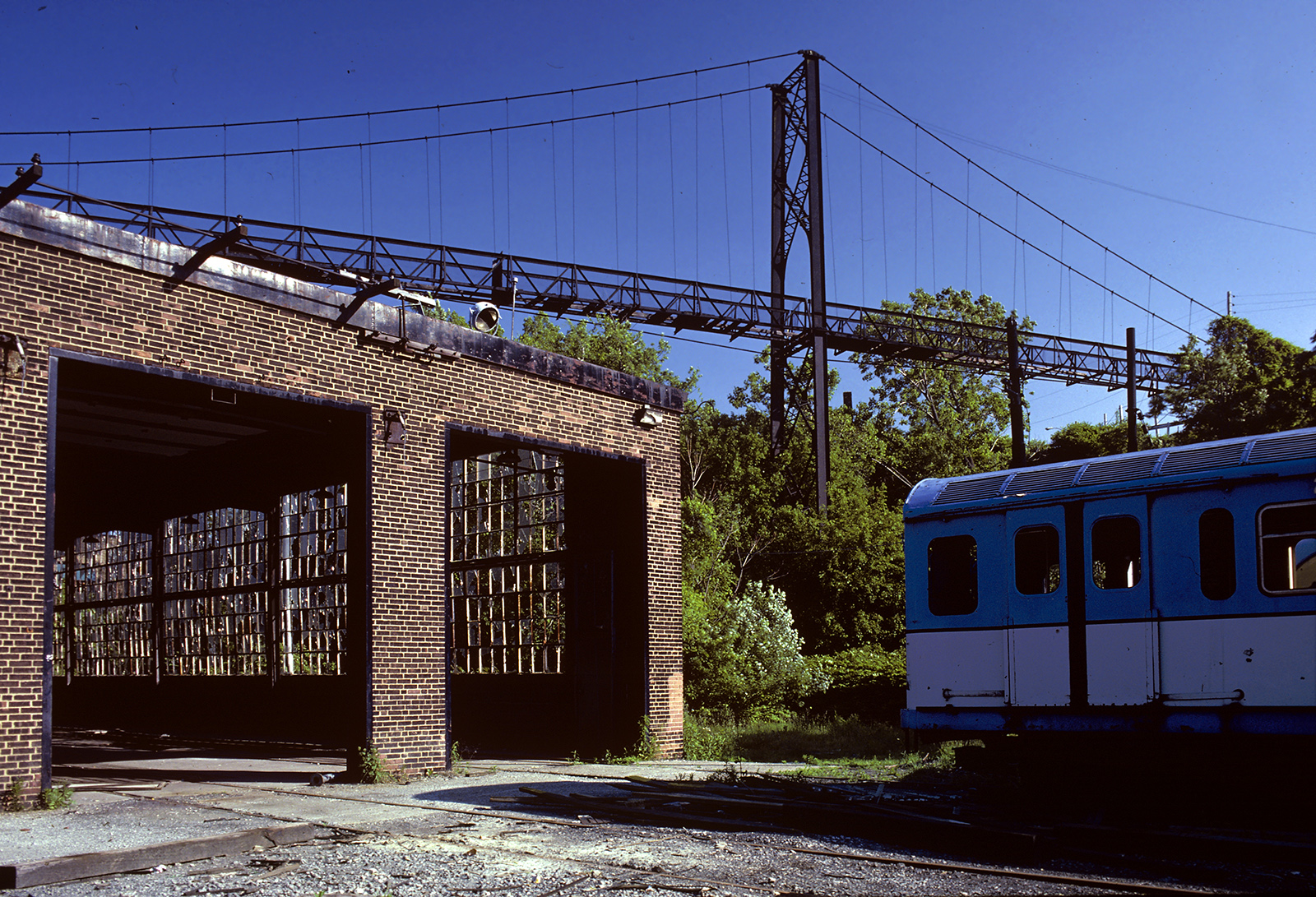
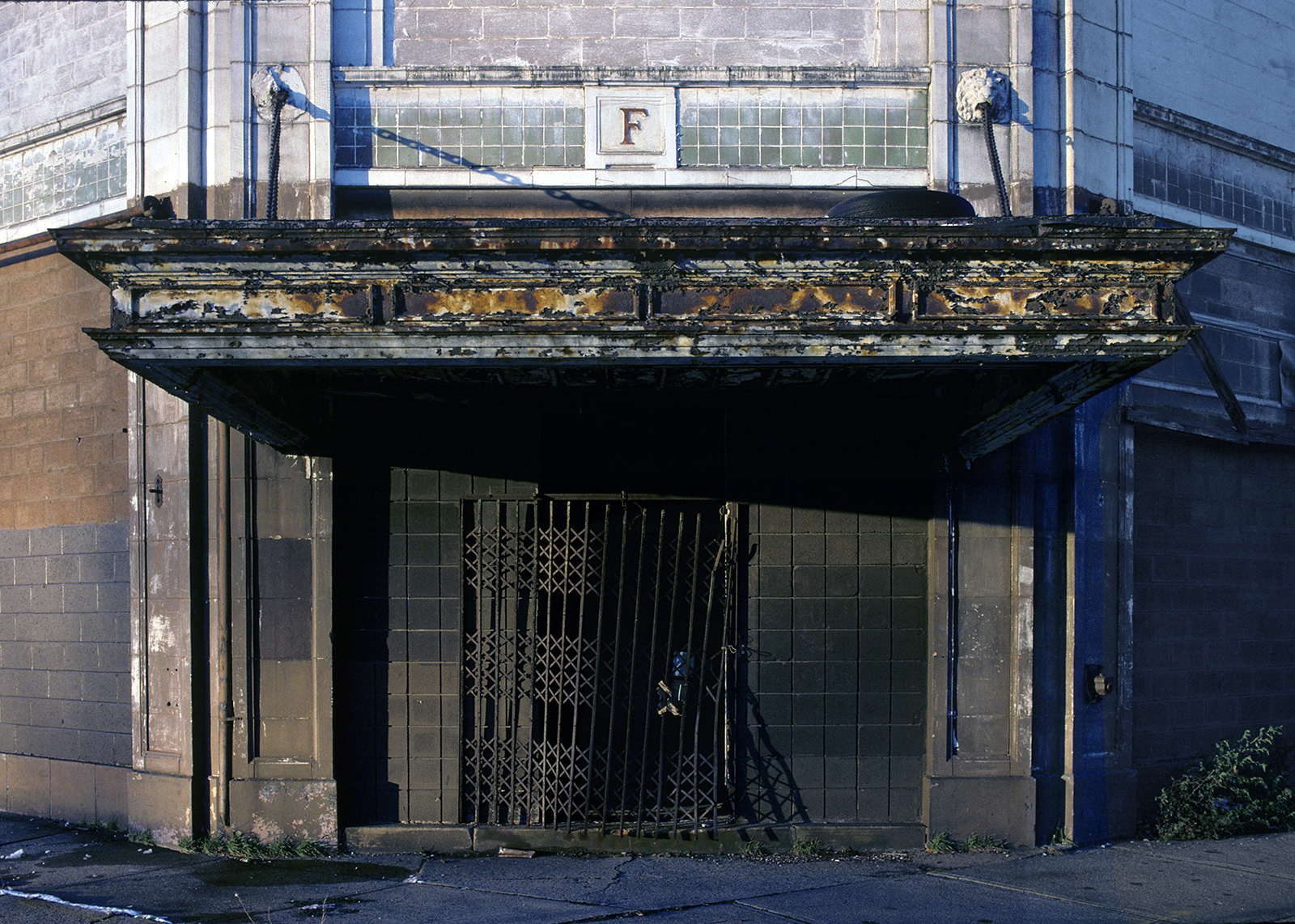
That's why, in this city with its history, like other big industrial cities, there still exists a special relatioship between Blacks and Jews.St, Joesph's Church, Ornament Above Main Entrance - GoneOne of the city's largest and oldest churches, close to downtown, and, with its immediate neighborhood taken out by freeways and urban renewal, it became a matter of time. The church finally met its end when abandoned, it caught fire and burned up in 1993.Babin Building, Ornament, East 55th Street - GoneThe Babin was an impressive structure with numerous pieces of ornament. One half of the building still stands abandoned, but its most interesting details are long gone.Babin Building, Pediment, East 55th Street - GoneBabin Building, Entrance, East 55th Street - GoneLions hold up a glass and copper awning. A portion of the building still exists, identified by a few ornamnetal lions that are still left.Apartment Entrance, East 90th Street - GoneChester was hevaily developed into a another business district, rivaling downtown. This uptown neighborhood was centered around 105th Street and Euclid and was known for its entertainment begnning with vauduevile to movies and nightclubs. There were also a string of historic churches and residences throught the area, that is entirely gone now replaced by the forever gentrifying Clinic, a massive hospital complex that became the single biggest employer in the state.Graffitti on Railroad Elevation, Woodland AvenueOne of the most visible and longest-running pieces of tagigng in the city, well before graffitti's rise in popularity.WPA Art on the Valley View Housing ProjectsWindow,Valley View Projects, The FlatsShaker Rapid Backshops, Sidaway Bridge Through WindowShaker Rapid Backshops, Sidaway BridgeS.S. Canadiana, Sunk in RiverIn February 18, 1982 the ship settled into the Cuyahoga River and basicslly sunk. It was to be a floating restaraunt.House East 38th Sreet - GoneBar, East 79th Street - GoneThe bar dates back to the beginnings of the Panza neighborhood made up of Polish immigrants. East 79th was the commercial strip for the neighborhood. St. Casimir church was its center. All is gone, the church was closed, but is resistant stubborn parishioners managed to get it reopened in 2012.hurch, Central Avenue - GoneHouse & MillAn abandoned house sits at the edge of bluffs over the Flats, that is today one off the city's most expensive places to live.
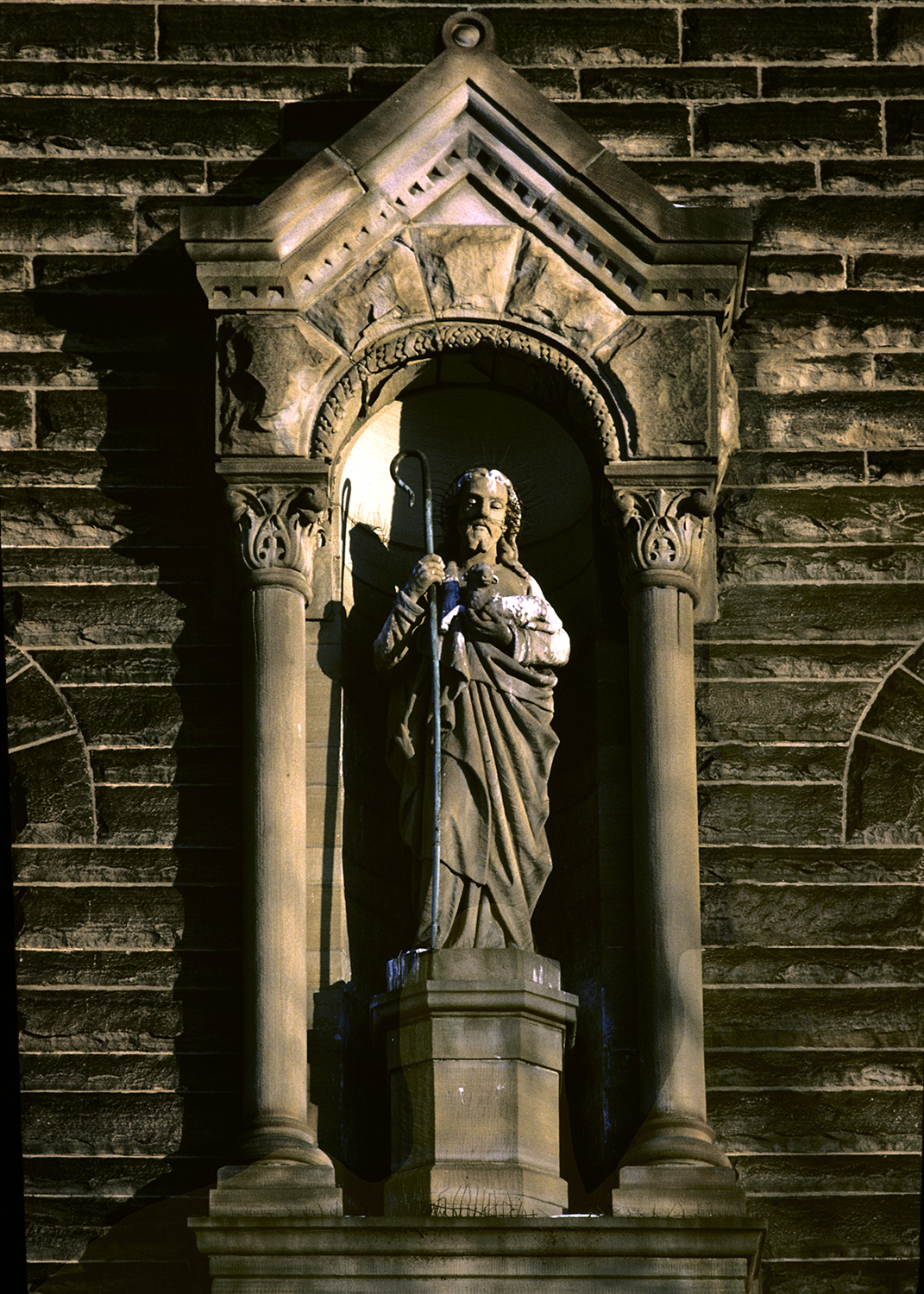
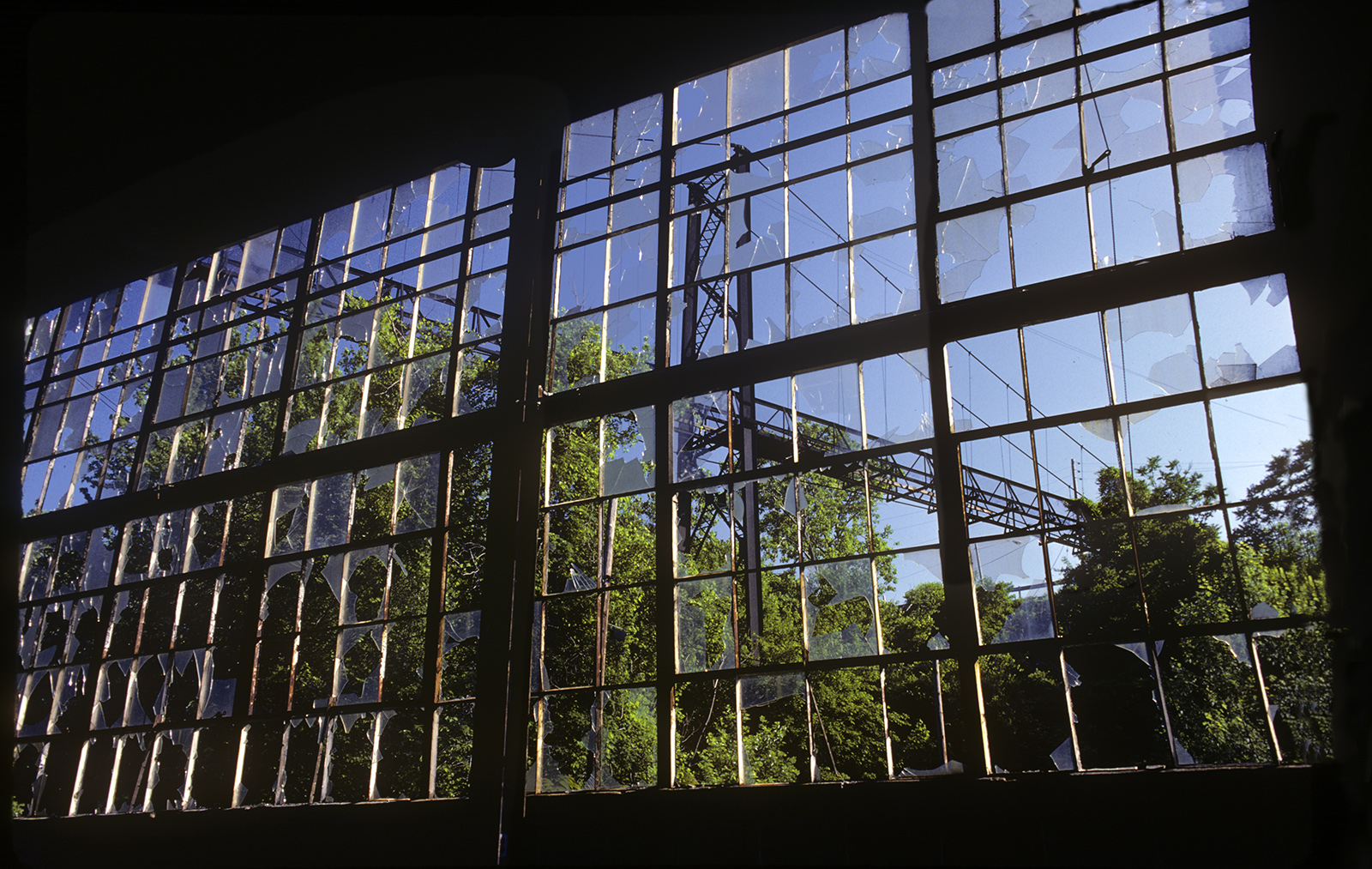
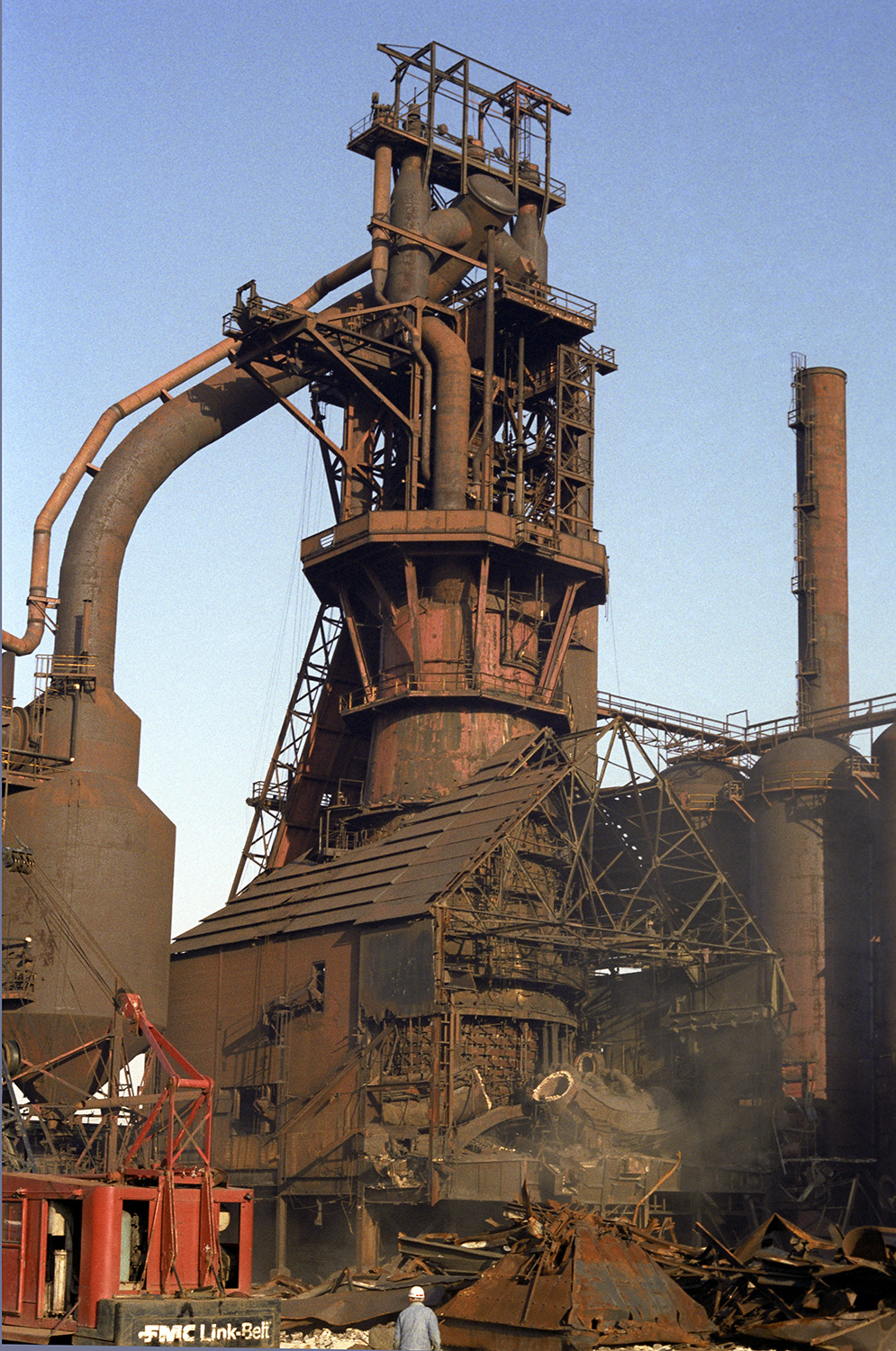
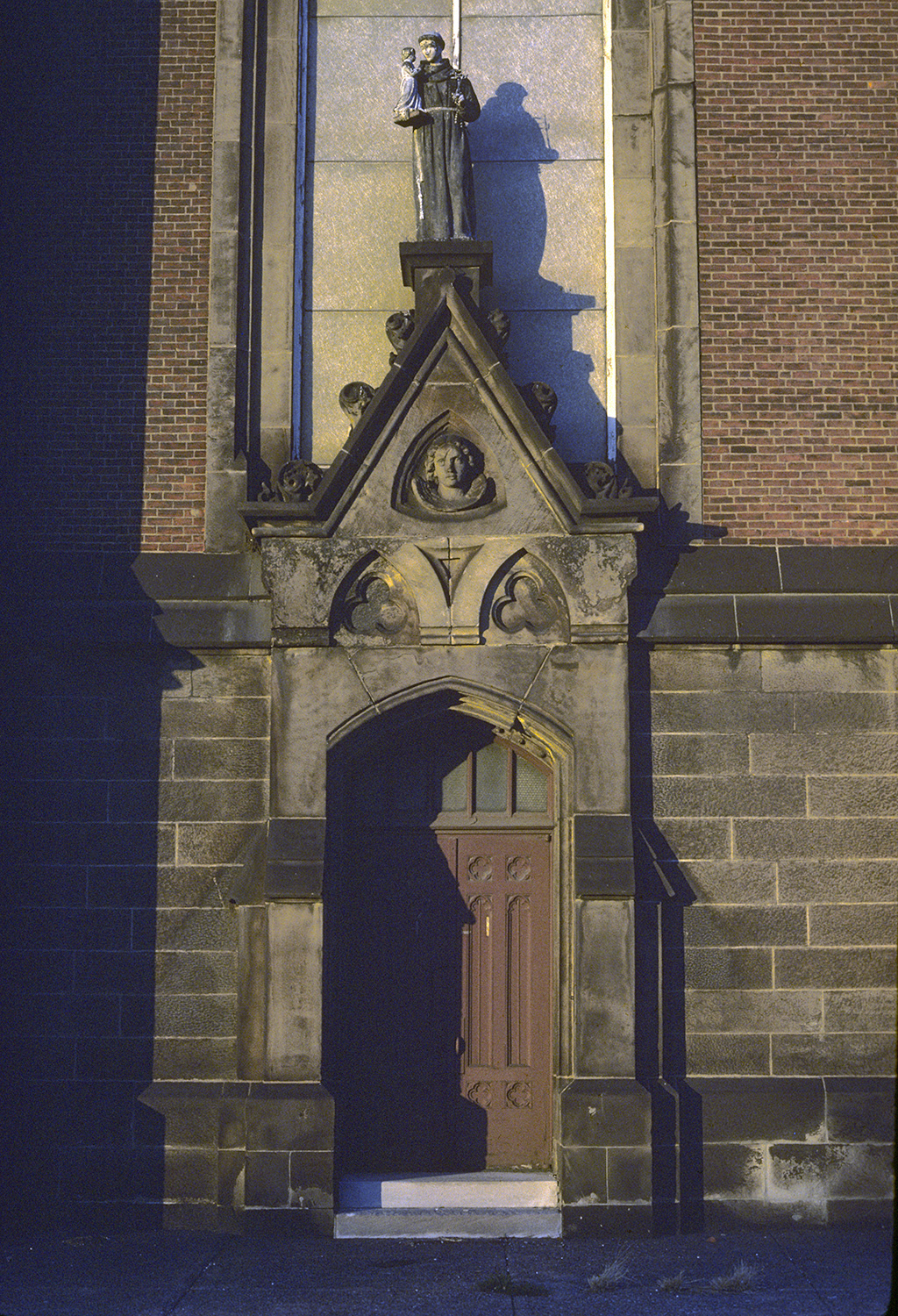
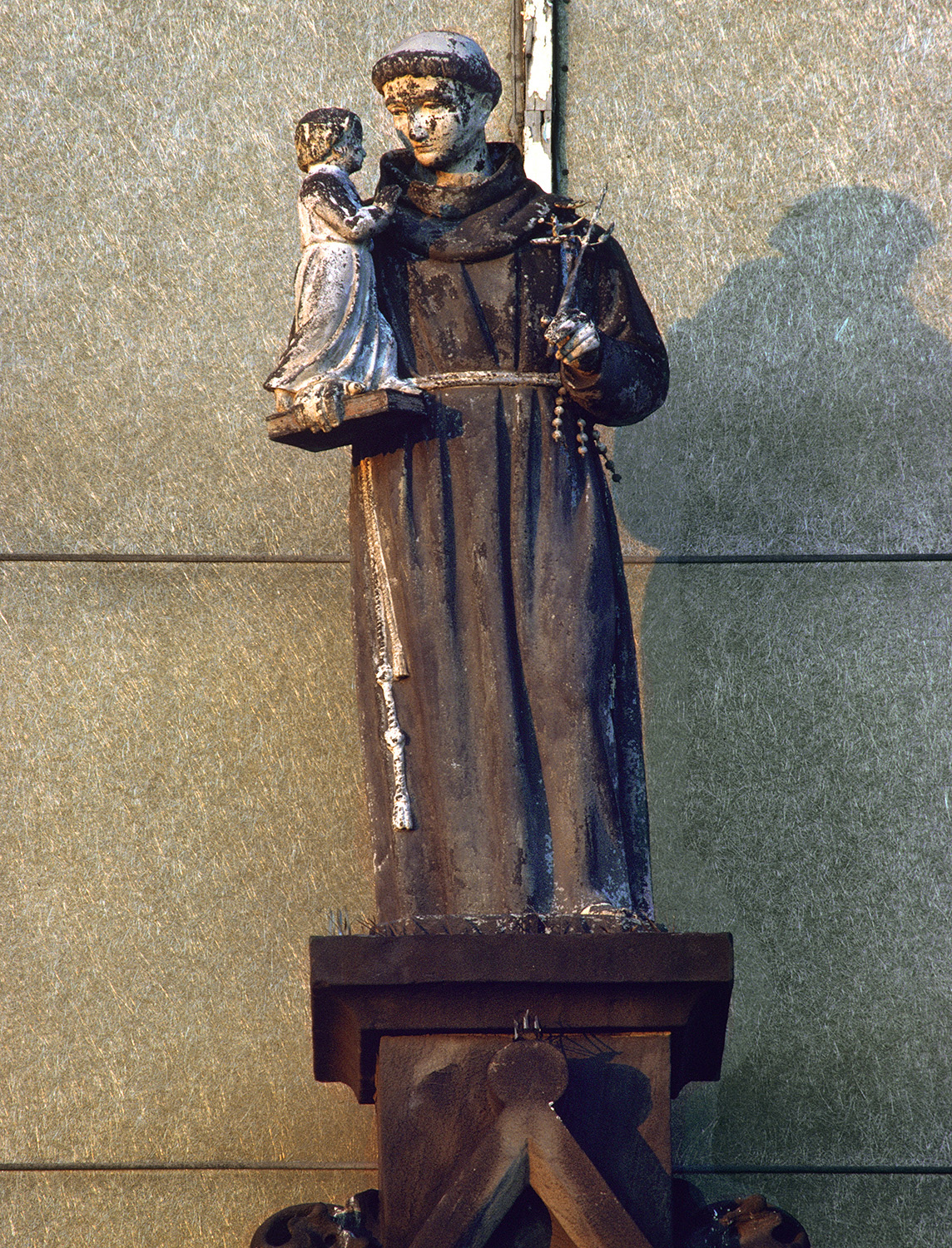
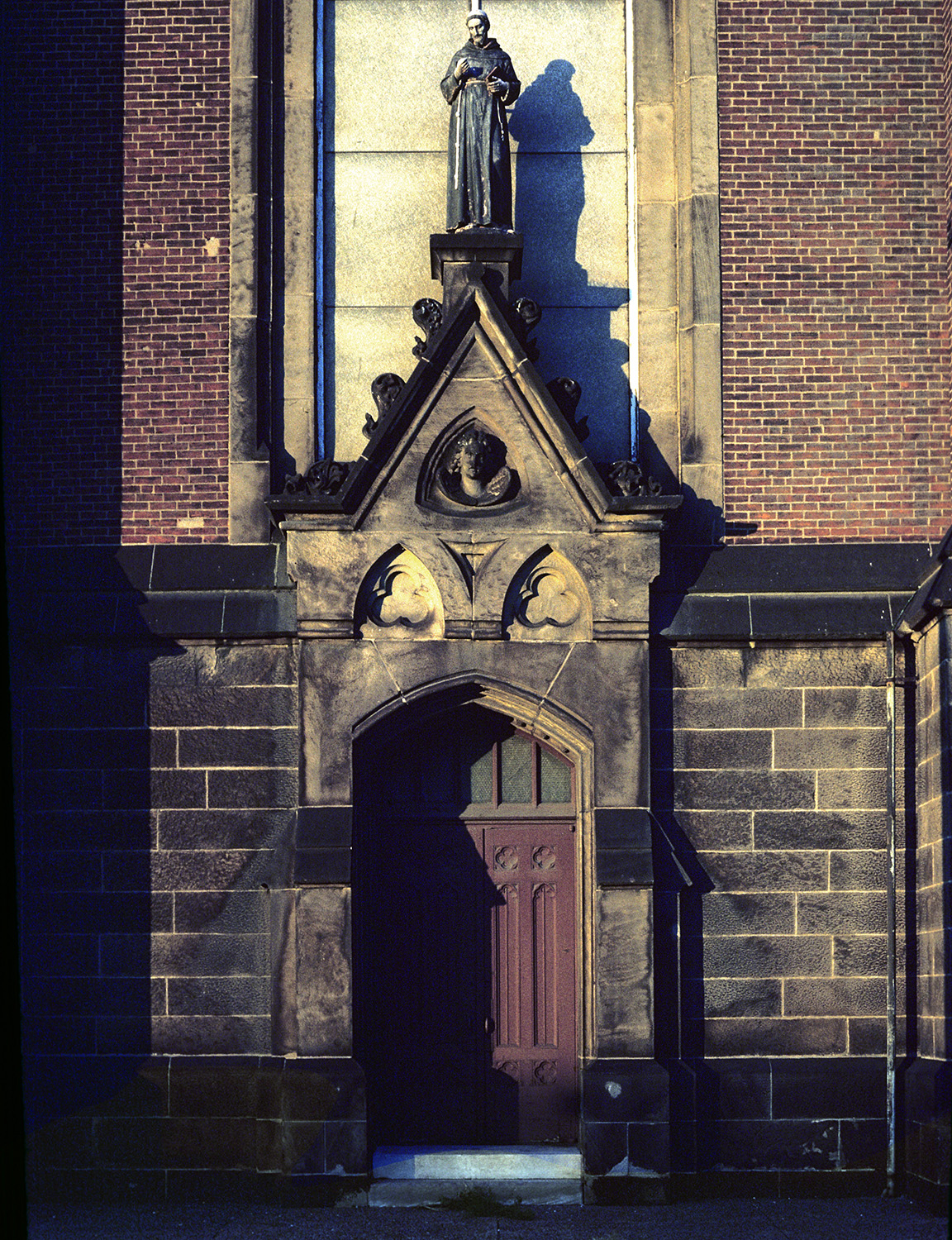
St. Theodosius is across the street.Home, West 7th Street - GoneWest 7th Street became one of the more expensive streets to live on, in the entire city, as the Tremot neighborhood flipped into full gentrification by 2000, and taking out all these old homes, still occupied.St. Michael's Church & HomeGerman immigrants built the church in 1898, and it still is operational today. It's steeples were amongst the tallest structures in the city when churches and smokestacks dominated the skyline.St. Michael's Church, OrnamentThe staues had no pigeon mitigation, and became a combination of black soot and white poop.St. Michael's Church, OrnamentThe staues had no pigeon mitigation, and became a combination of black soot and white poop.St. Michael's Church, OrnamentThe staues had no pigeon mitigation, and became a combination of black soot and white poop.St. Michael's Church, OrnamentThe staues had no pigeon mitigation, and became a combination of black soot and white poop.U S Steel Central Furnace, Blast Furnace A Rapid Transit Cars & St. Joseph's ChurchBoth church and steel mill are long gone. St. Joseph, originally a German immigrant neighborhood was wiped out by urban renewal, leavong the church, that eventually succumbed, after it was closed, due to fire.U S Steel's Central Furnace, Erie Railroad Lift Bridge, Cuyahoga River - Built 1909, Closed 1979, Demolished 1894Demolition of Blast Furnace D & DowntownU S Steel, Central Furnace, Blast Furnace DU S Steel, Central Furnace, Blast Furnace DU S Steel, Central Furnace, Blast Furnace DU S Steel, Central Furnace, Blast Furnace A DemolitionBack in these days any demolition in the city, but particularly, industrial sites, did not like photogrpahers. I was living in Chicago and had a half of my finger chomped off at work, managed to drive to this dirty old town, and was taking shots of the Central Furnace demolition, three days after the work accident, and, of course, the main guy at the site was yelling his ass off at me the wole time, as i was, to him in resonse.
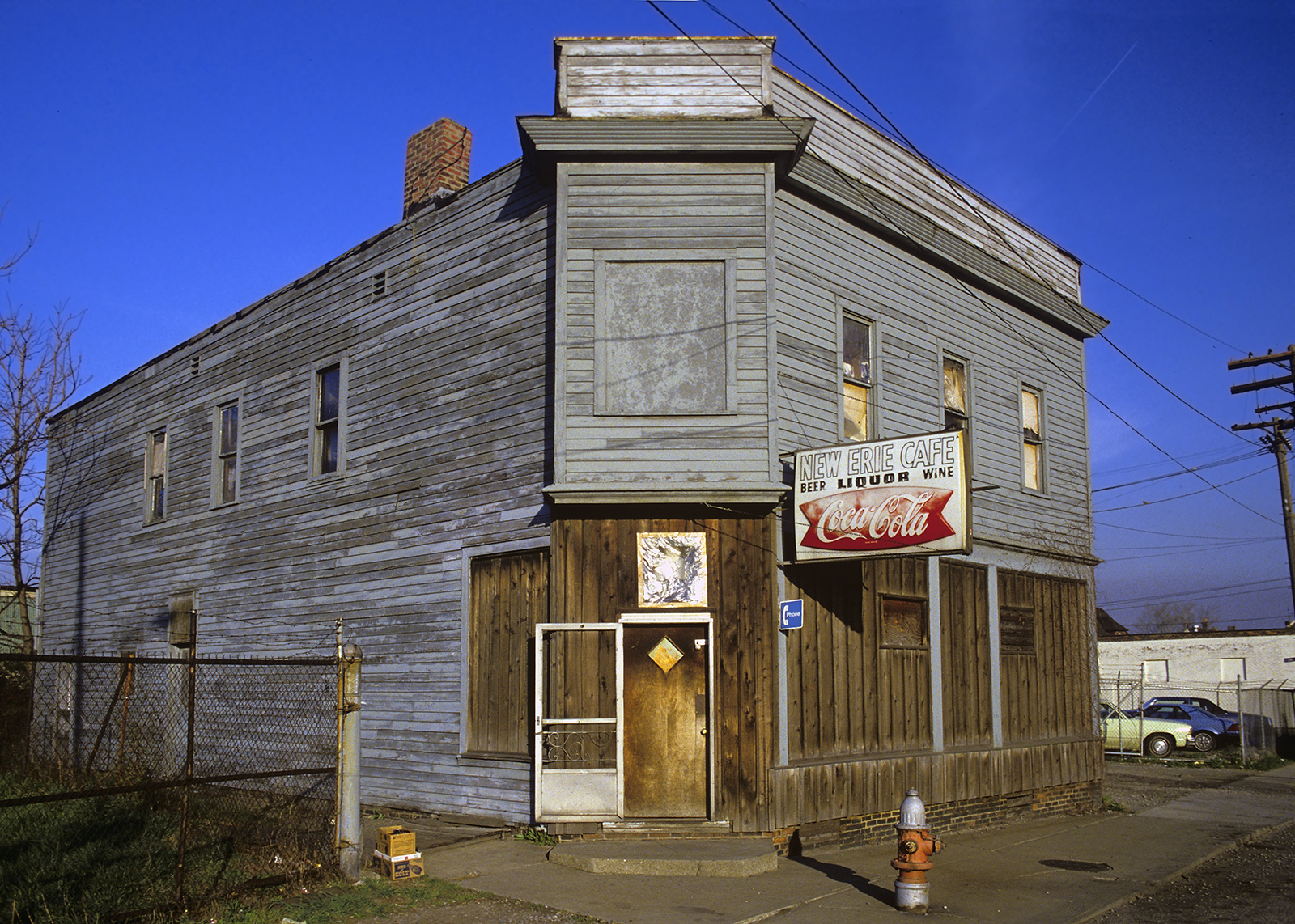
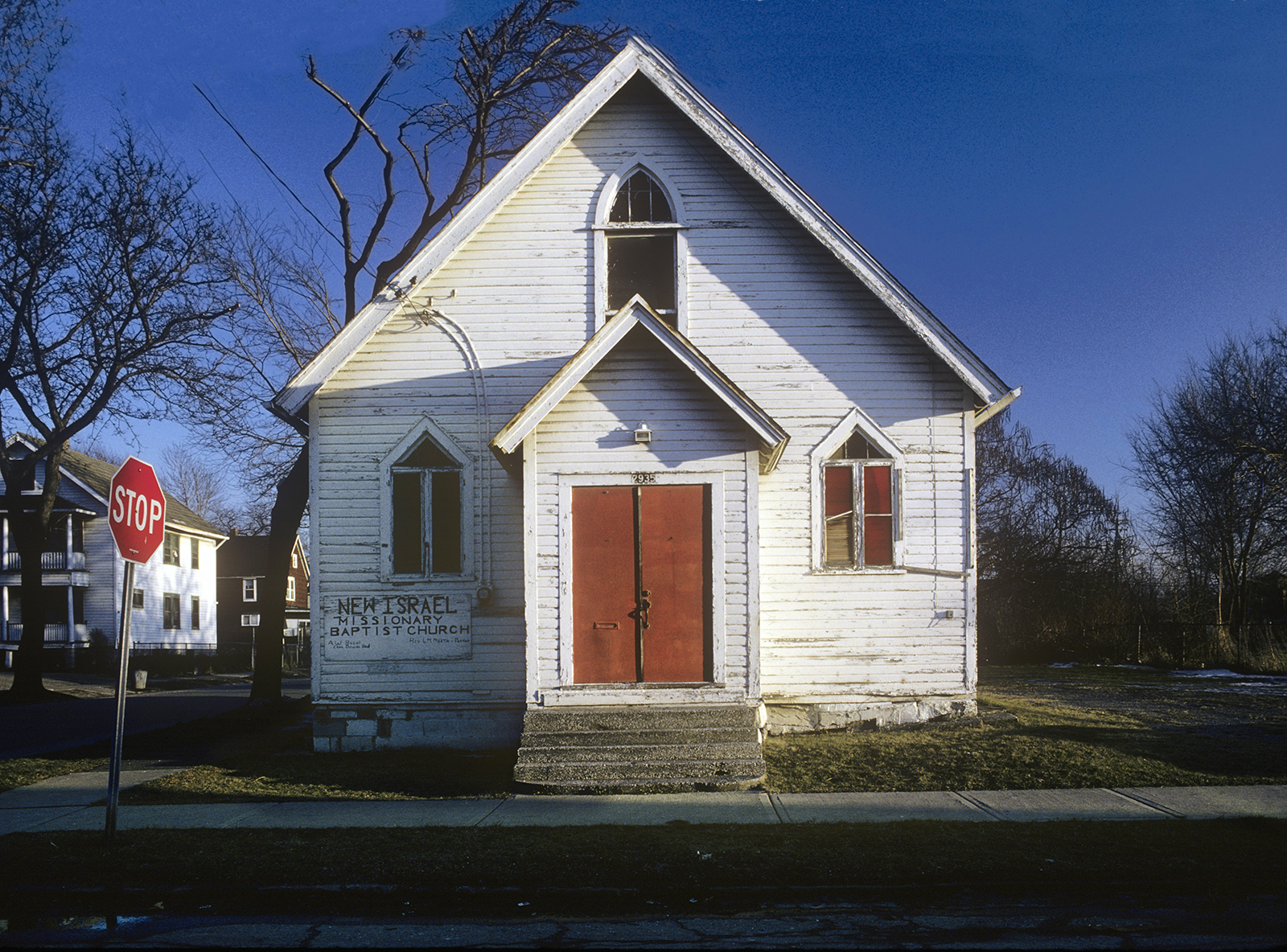
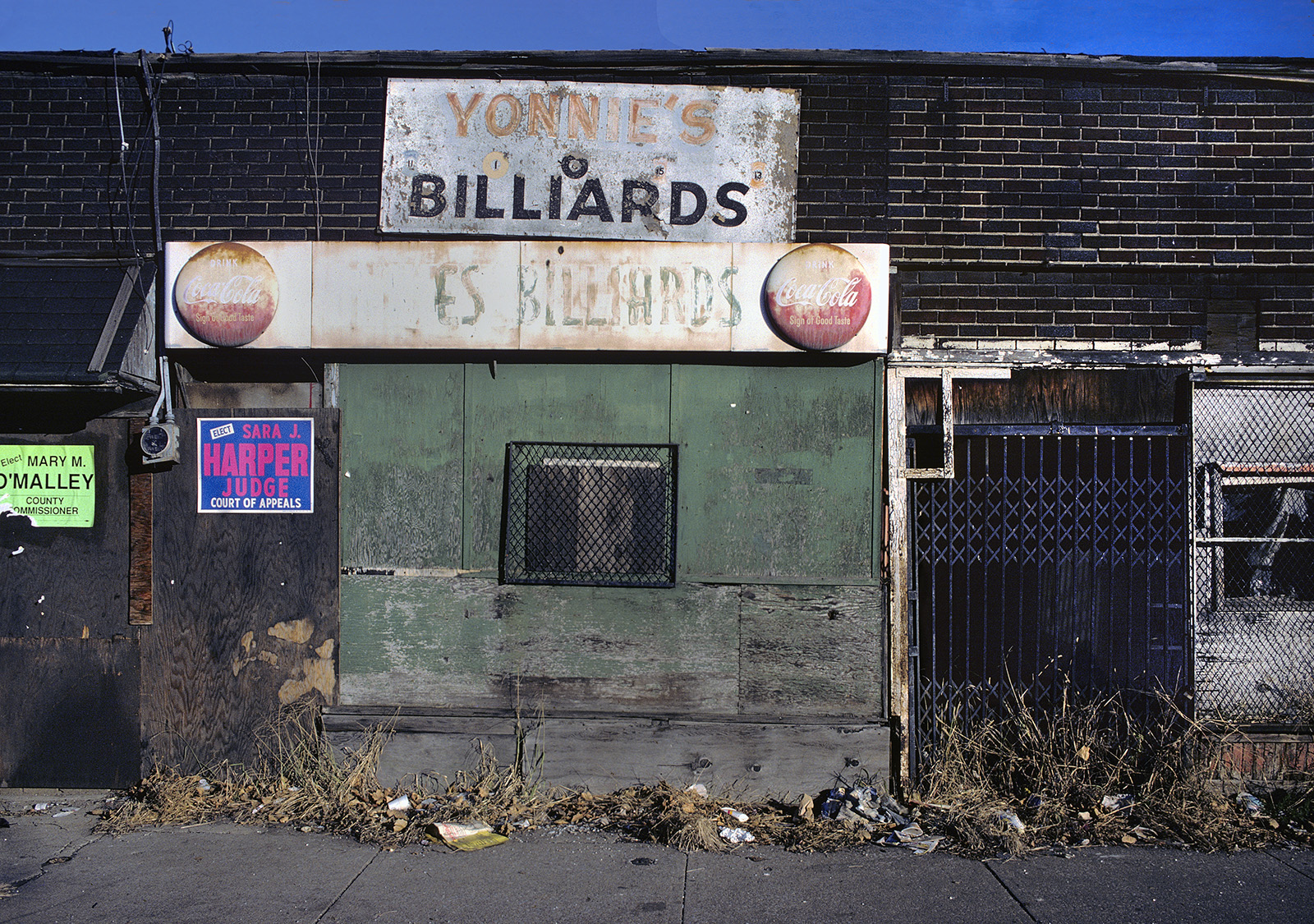
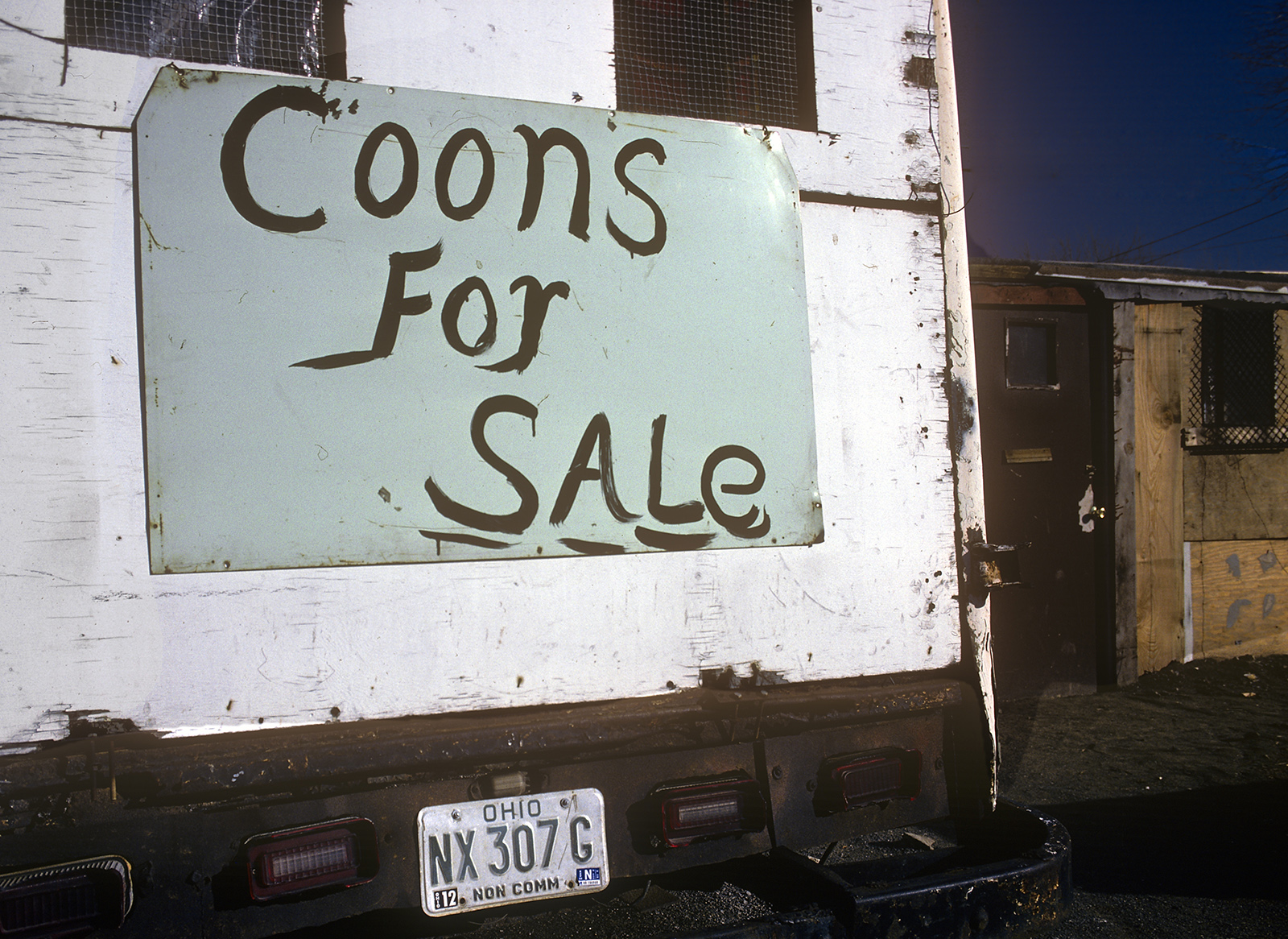
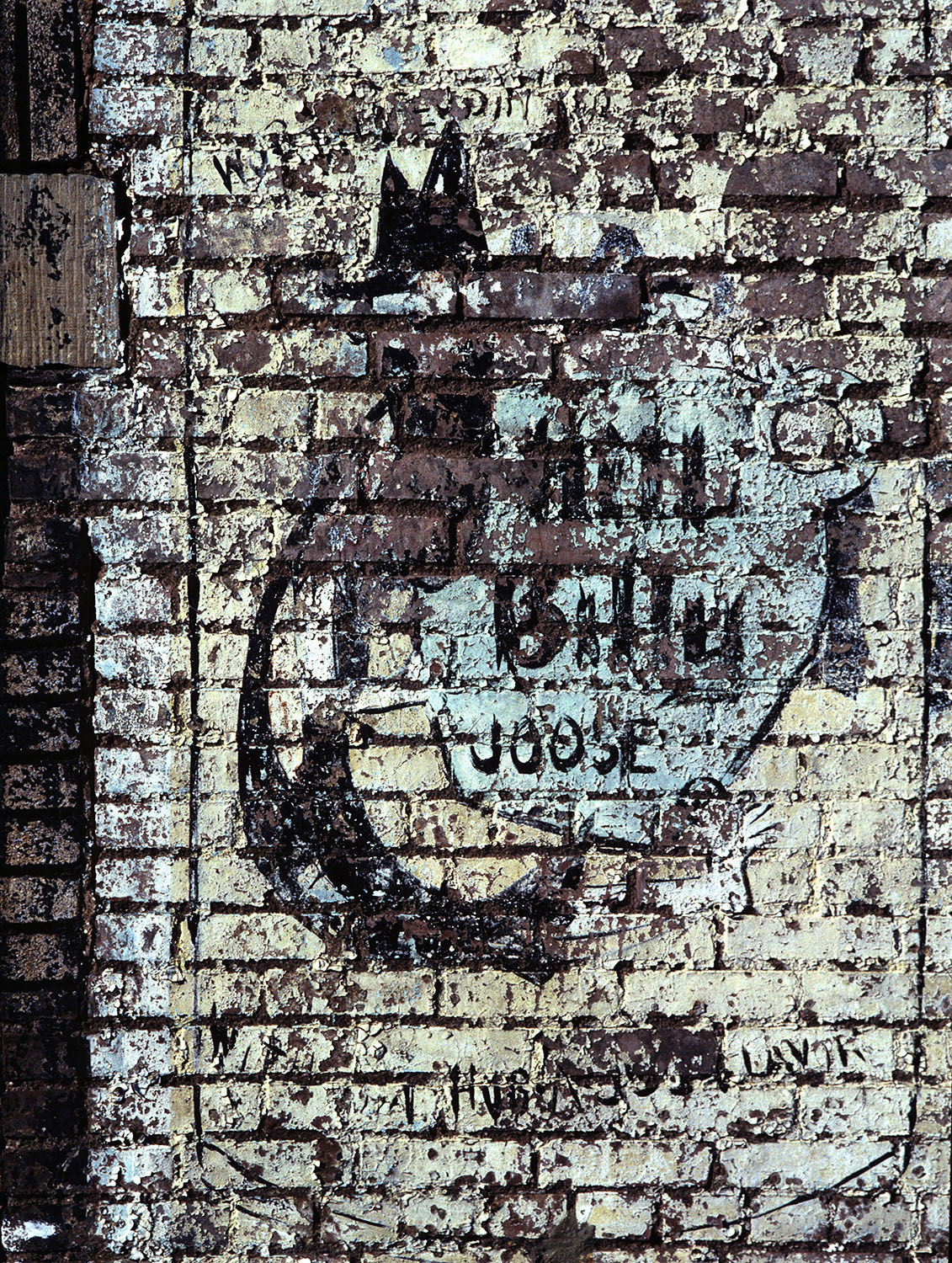
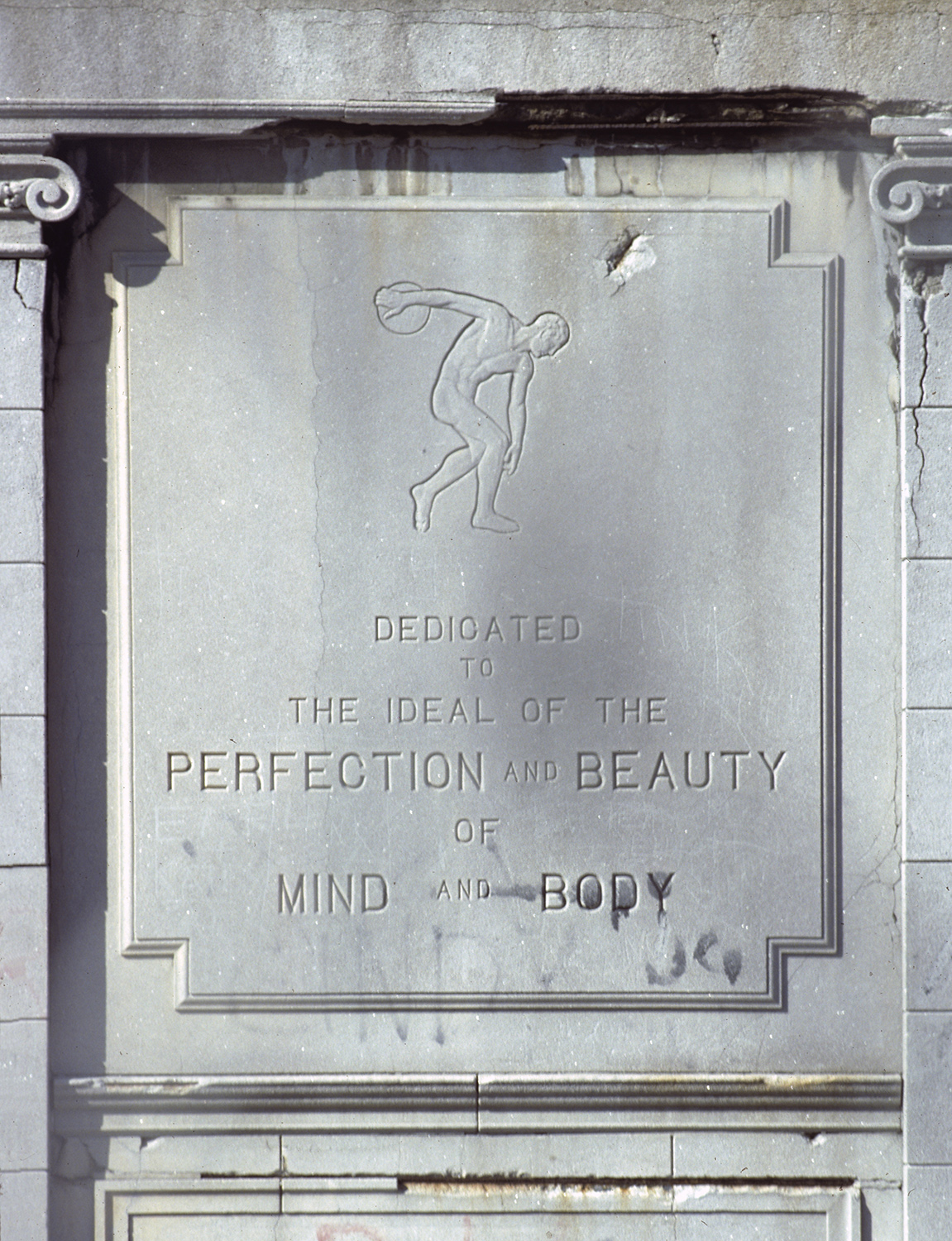
Twenty-five years later, with the internet, pictures, phones and cameras everywhere, there's more of an understanding, and, over time, i got to know many demolition crews, many who let me do whataver i wanted with the camera.U S Steel, Central Furnace, HulettsThe huletts were painted red, white and blues for the bicentenail, but the mill would close three years later.U S Steel, Central Furnace, Blast Furnace A DemolitionU S Steel, Central Furnace, Blast Furnace A DemolitionU S Steel, Central Furnace, Blast Furnace A & D DemolitionU S Steel, Central Furnace, Blast Furnace A Safety MessageU S Steel, Central Furnace, Blast Furnace A Demolition & DowntownErie Tavern, Track Road, Willow Neighborhood - GoneIt was open for business.Store, East 89th Street - GoneA remnant of the old Hungarian neighborhood, that began to disappear from lower Buckey in the 1970s.New Israel Church, East 75th StreetPool Hall, Central Ave. - GoneThe Central neighborhood is the original Black section of town, and, in its day, was similar to Harlem with hotels, clubs and shops, and was densely populated as well.Coons For Sale, East 40th StreetGame meat, specifically raccoon, was sold here. Many, if not most, in the Black neighborhoods have roots in the South, and, opaces such as these catered to those tastes. There was a large shed (right) and was filled with cages that stored the live animals. Nothing new in the city, but game meat, especially of this kind, is truly rare.Hillbilly Jouse Sign, Kinsman AvenueHillbilly Joose was sold locally by Cotton Club Brands and is a testament to how politically correct we have become. Although Hillbillies are the only group that dumping on, is universally accepted. And, even they, will often tell you the best Hillbilly jokes, particularly concerning West Virginia. God bless them.Door, Woodland Ave.East Side Turners' Gymnasium Plaque, East 55th StreetBuiilt in 1893 but mostly demolished, the Turnverein Vonvaerts, were formed in 1890. In 1893 they built the red-brick hall on the corner of Willson Avenue (East 55th) and Harlem Street.
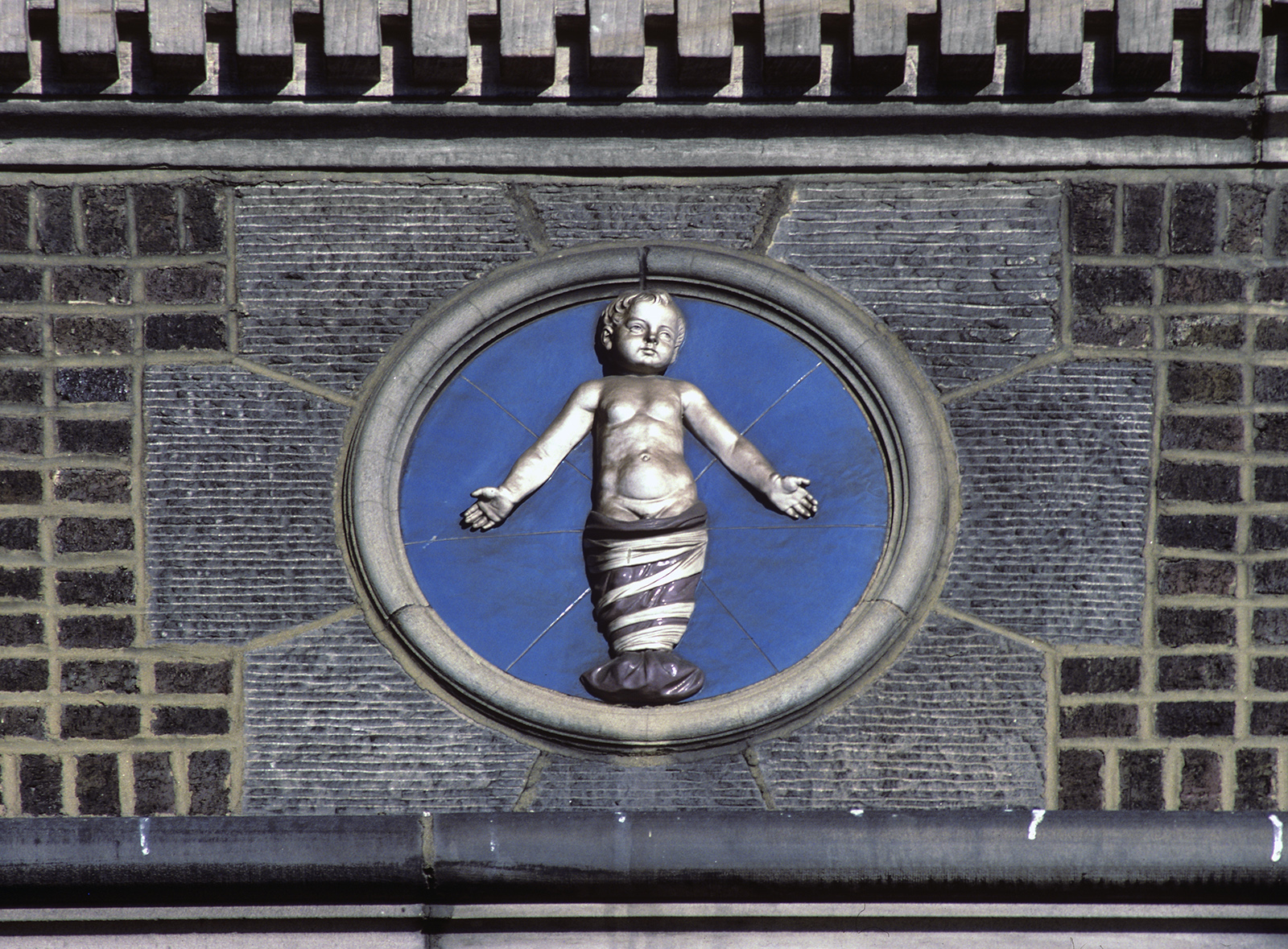
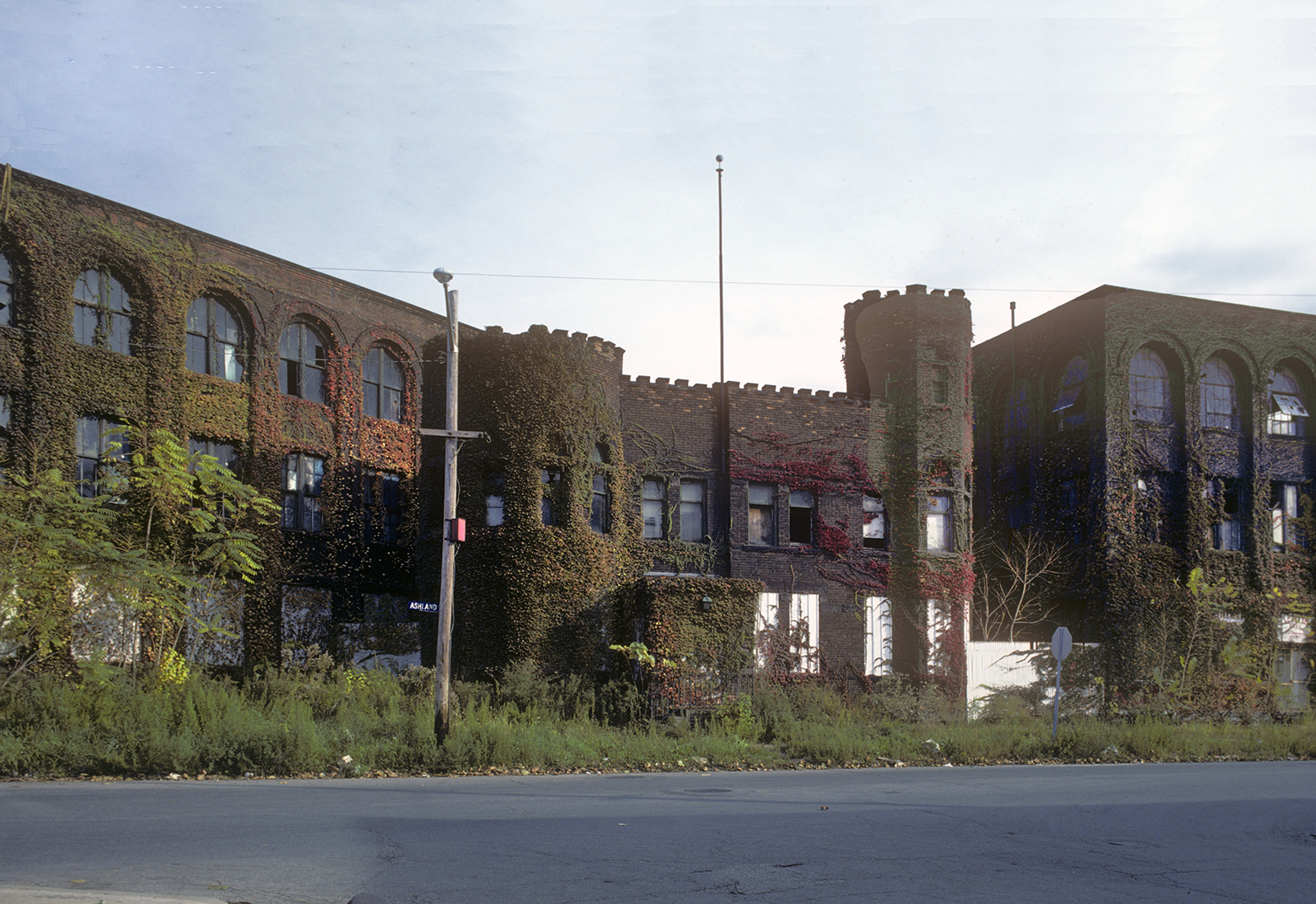
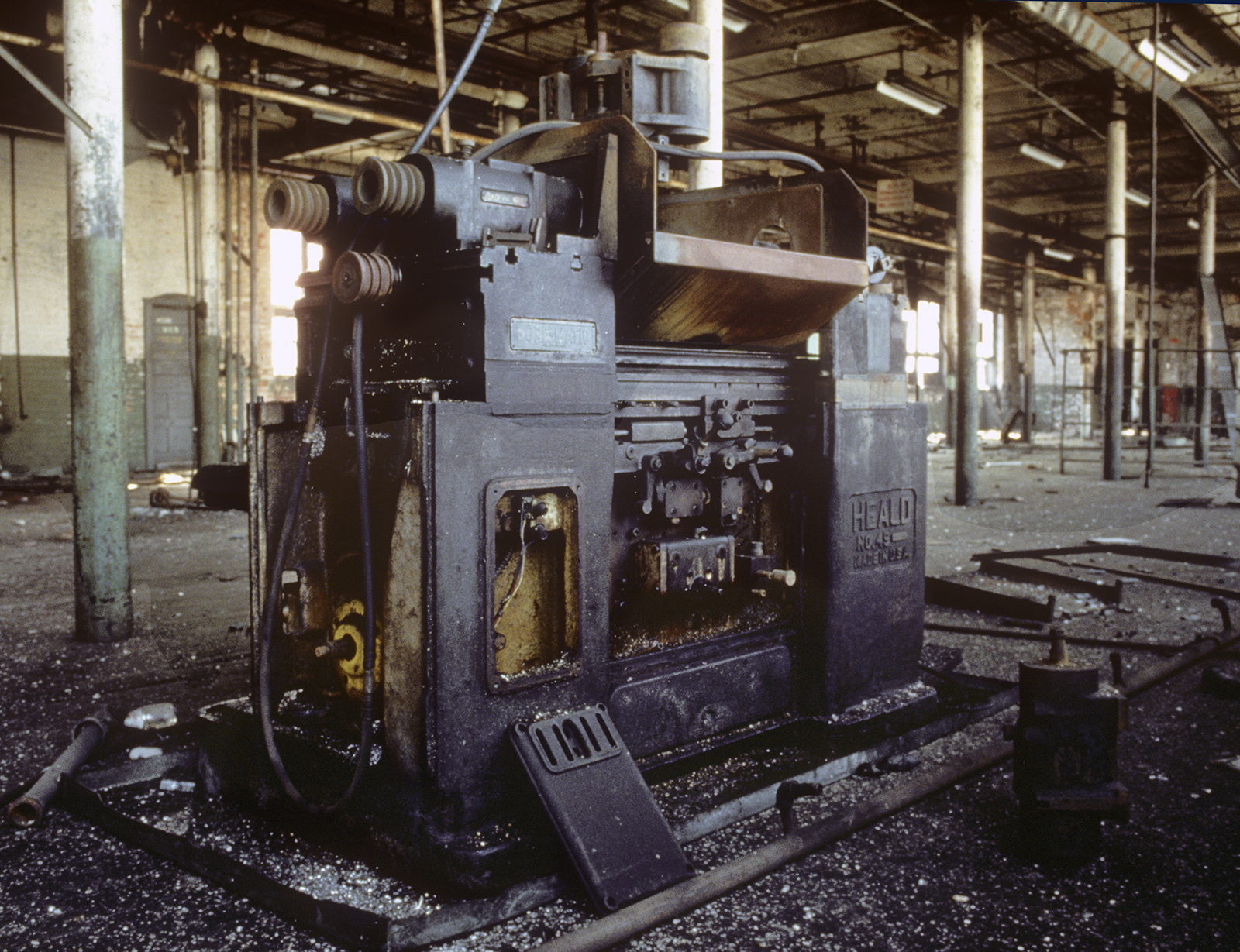
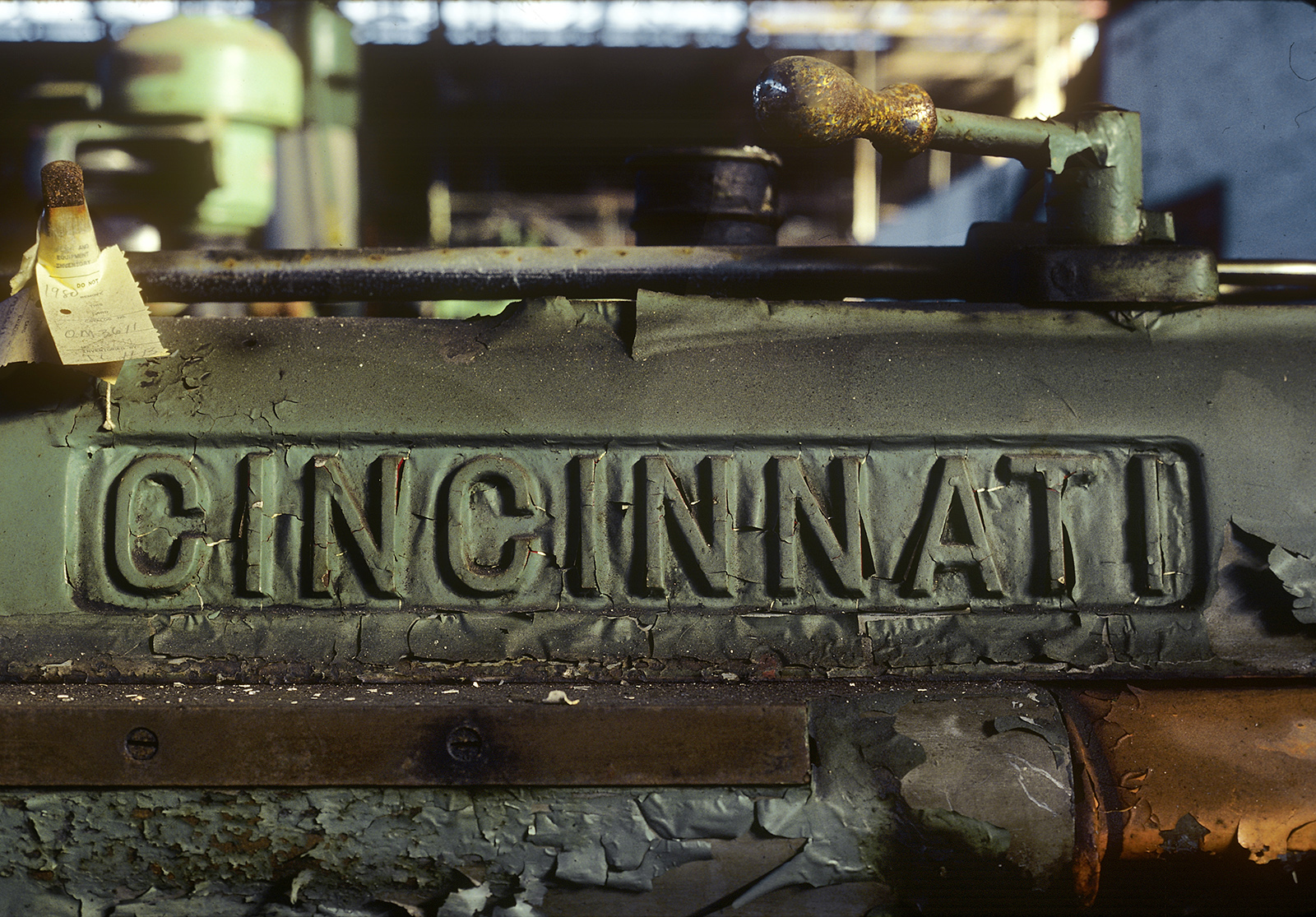
They managed to save the plaque and it has been mounted on the gymnasium, a square brick structure, all that remains from the complex. Teams still use the facility and membership is enforced.Babies Dispensary and Hospital, East 35th Street - Built 1911, Closed 1980, Demolished 1985Babies Dispensary and Hospital, Ornamental BabyBabies Dispensary and Hospital, Ornamental BabyBabies Dispensary and Hospital, Ornamental BabyCleveland Automatic Machine Company, Ashland Avenue Plant - built 1909, Closed 1978, Demolished 1982Cleveland Automatic Machine Company - Car HoodCleveland Automatic Machine Company - Machine ToolCleveland Automatic Machine Company - Cincinnati Machine ToolCleveland Automatic Machine Company - CafeteriaCleveland Automatic Machine Company - Machine HallOf course, the plant, after closing, had a brief life as a recycling center. Just about the only thing you could put in there with any sort of agreement, but, they often just fell apart as businesses, some of which, became simply places to dump illegal, and toxic waste.Cleveland Automatic Machine Company - LockersHouse in Junkyard, East 83rd Street - Gonehis is the heart of the Triiangle in 1982, and what's become known as the Forgotten Triangle. It's fall began in 1977 when, on a hot summer night, a firestorm consumed 27 homes. Already completely embedd in heavy industry, factories and rail yards, it was originally like a Hungarian boomtown, where immigrants found work all around them.
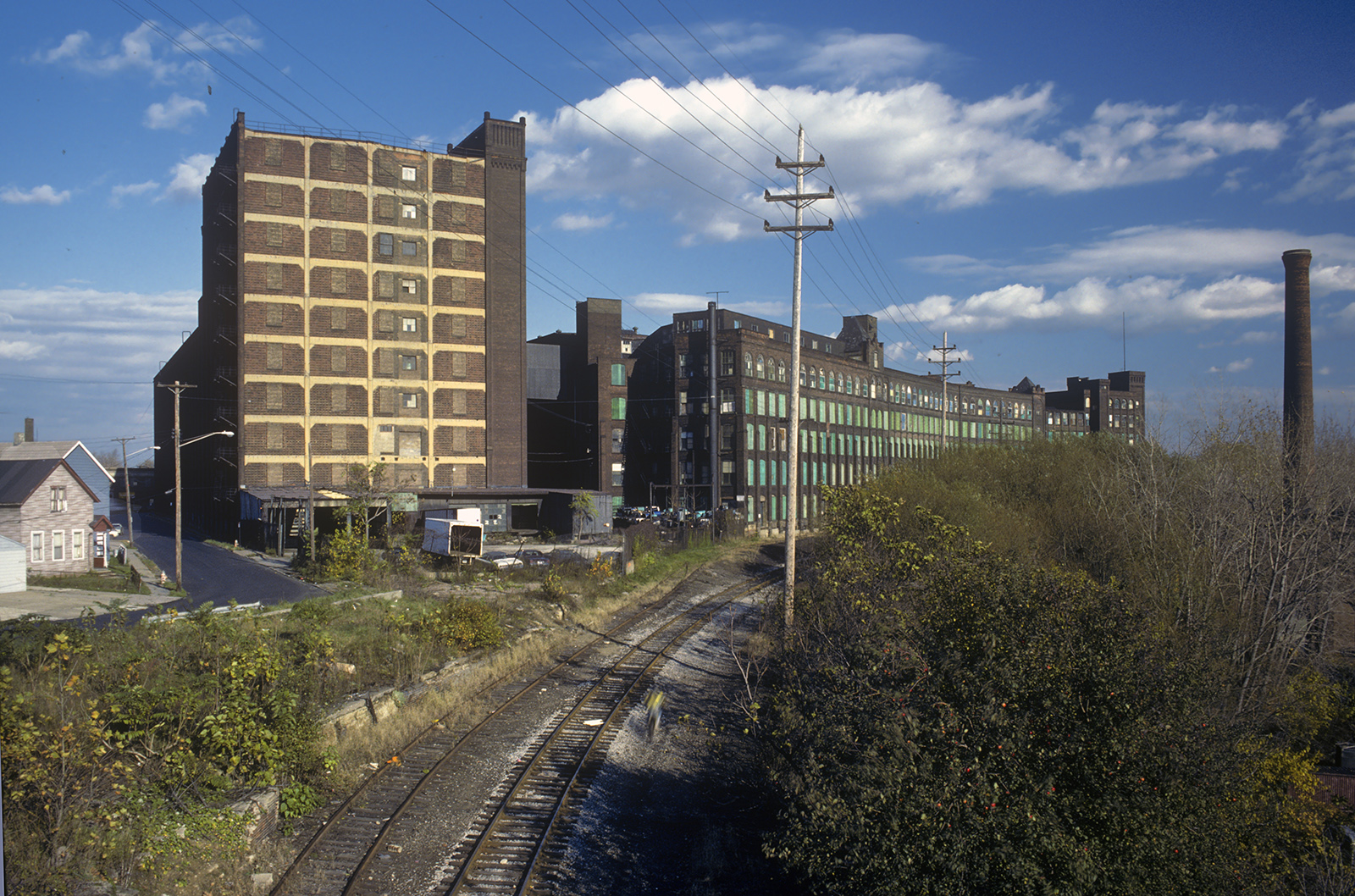
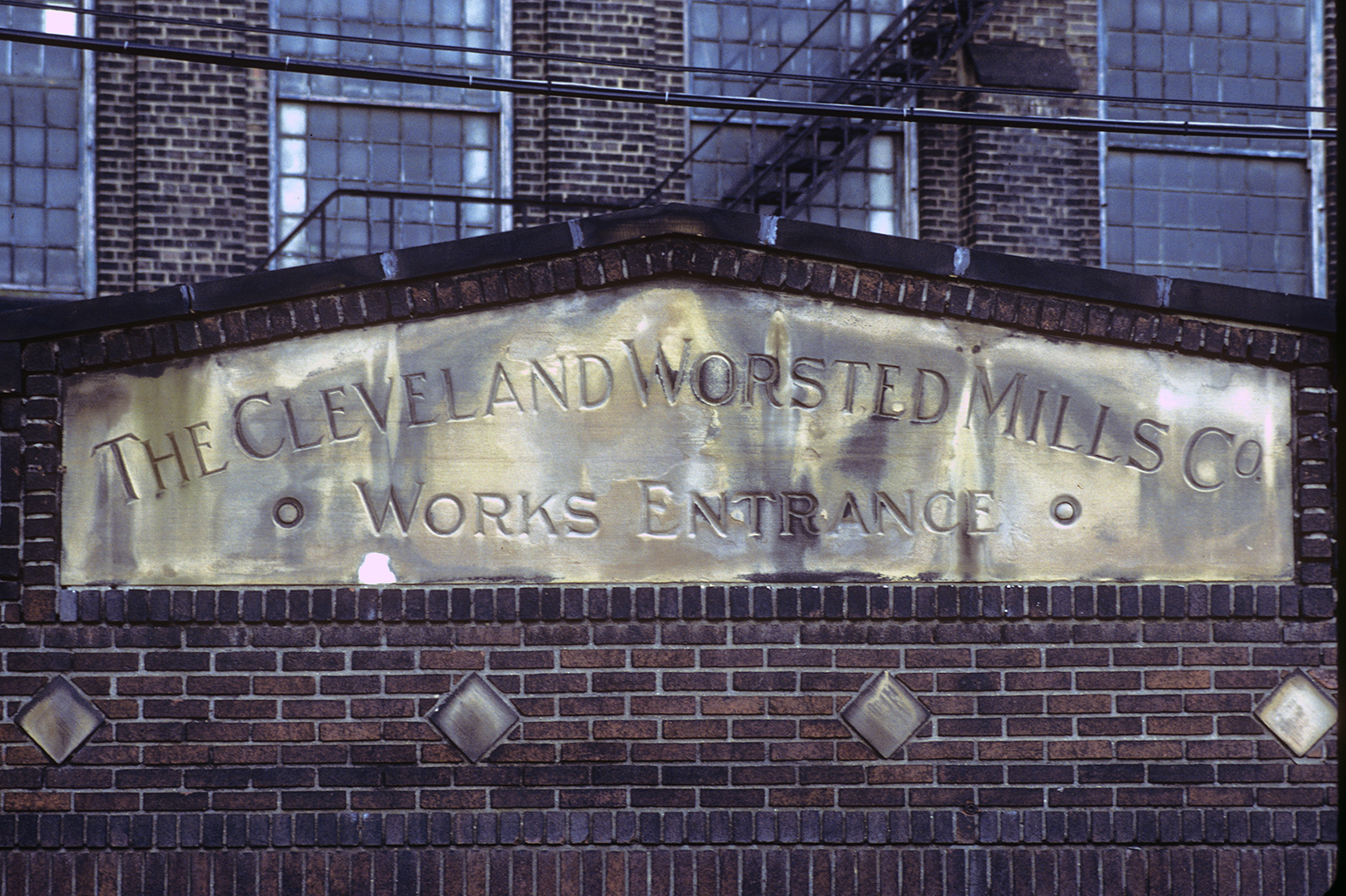
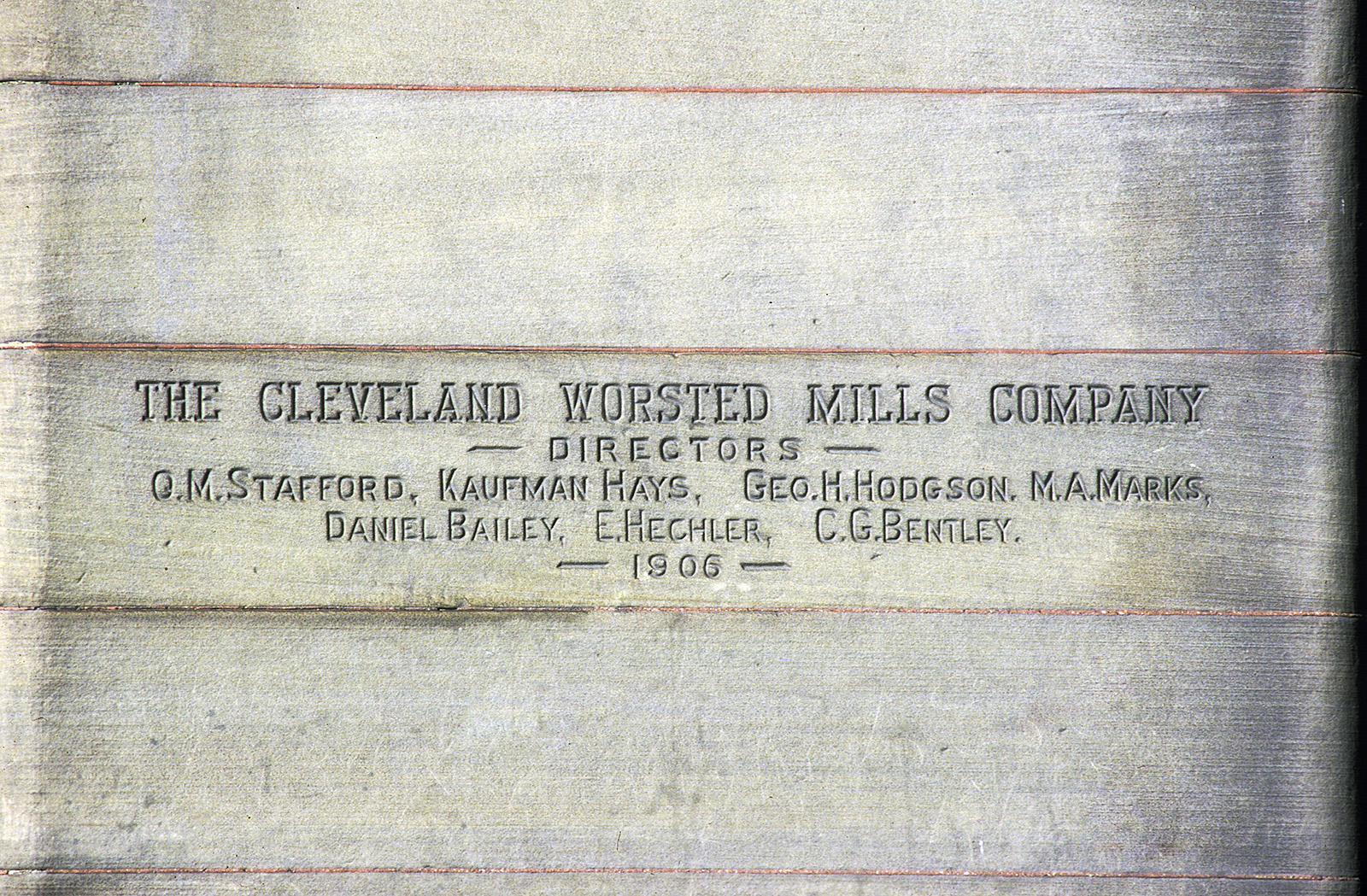
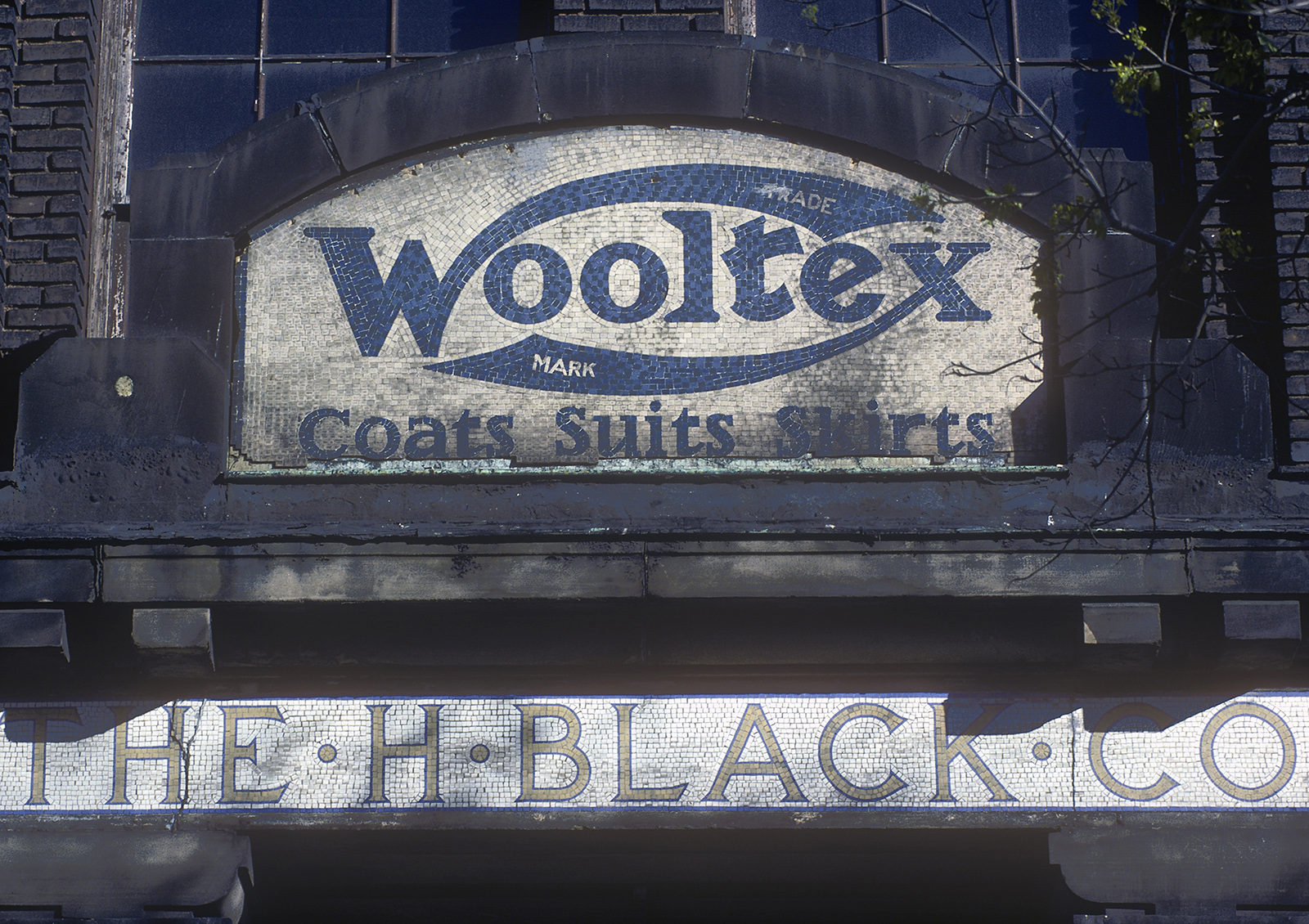
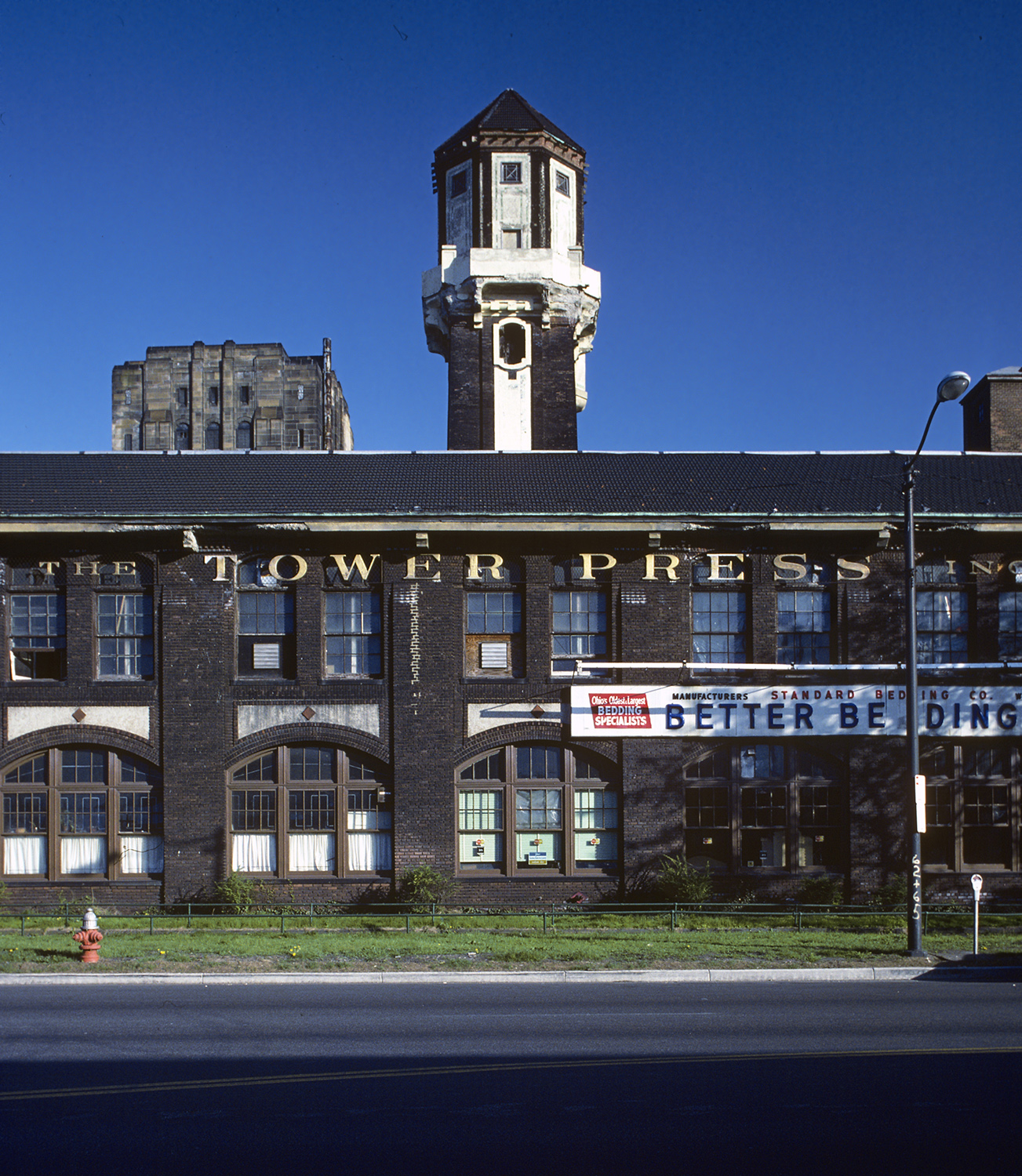
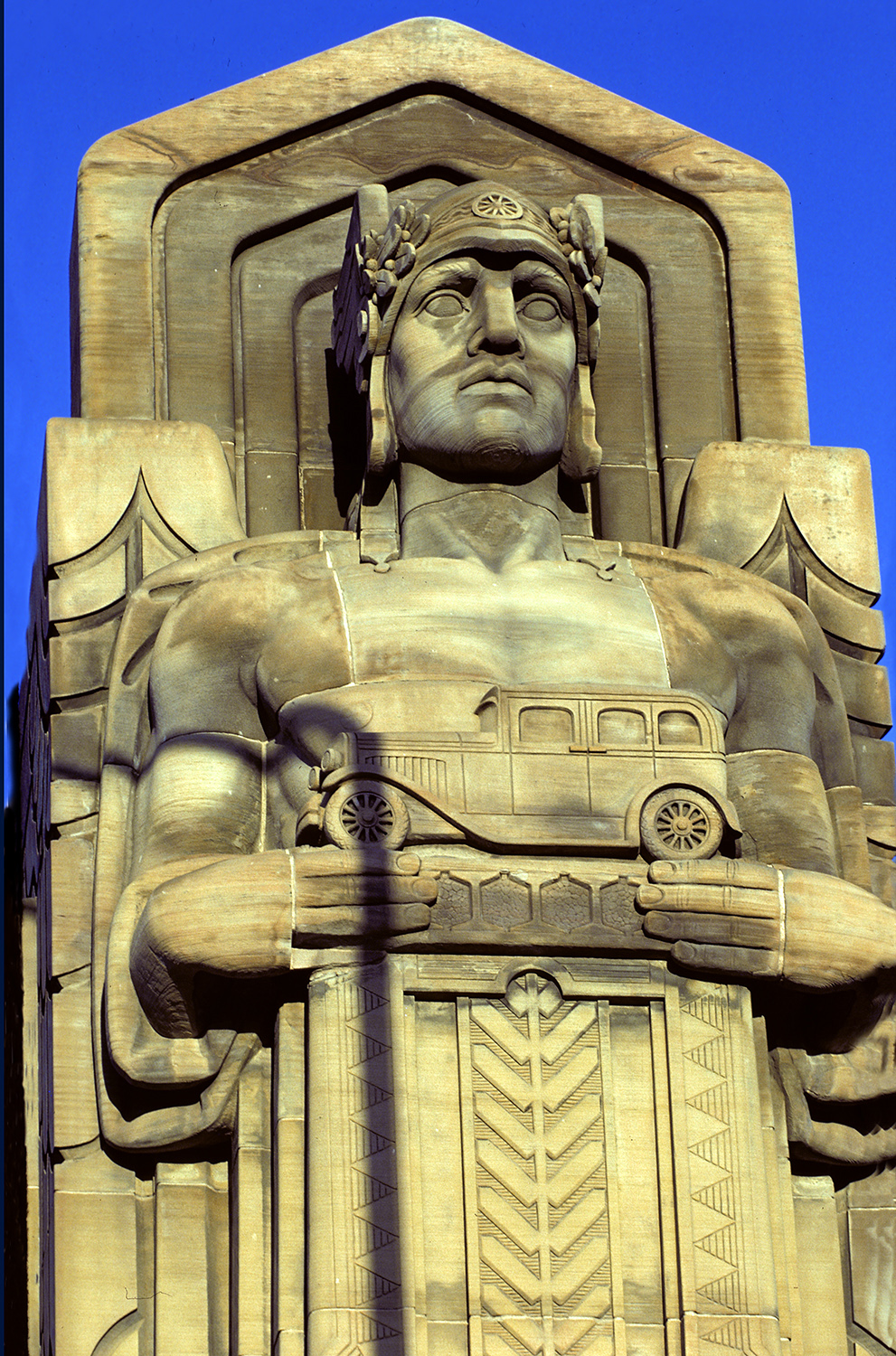
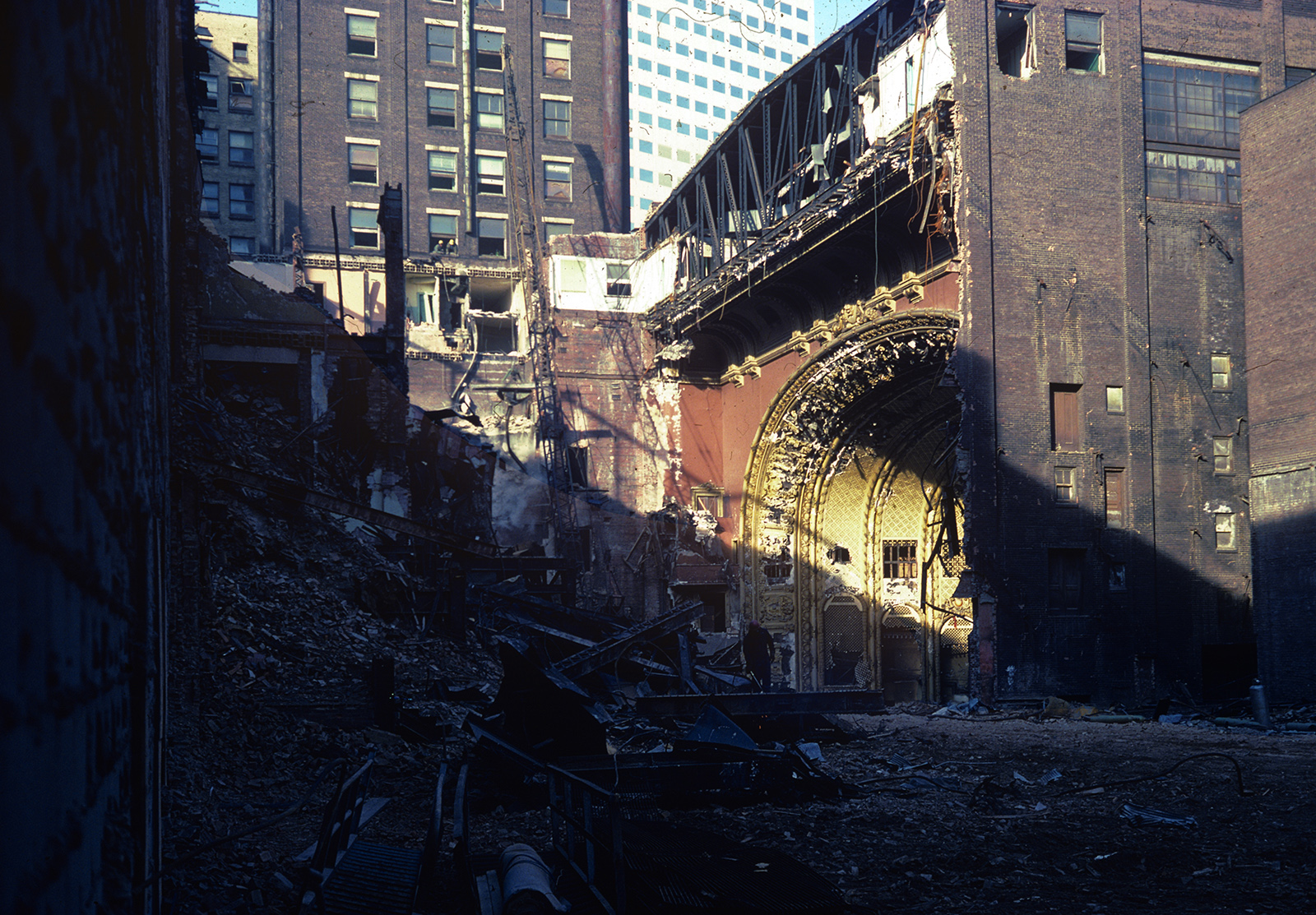
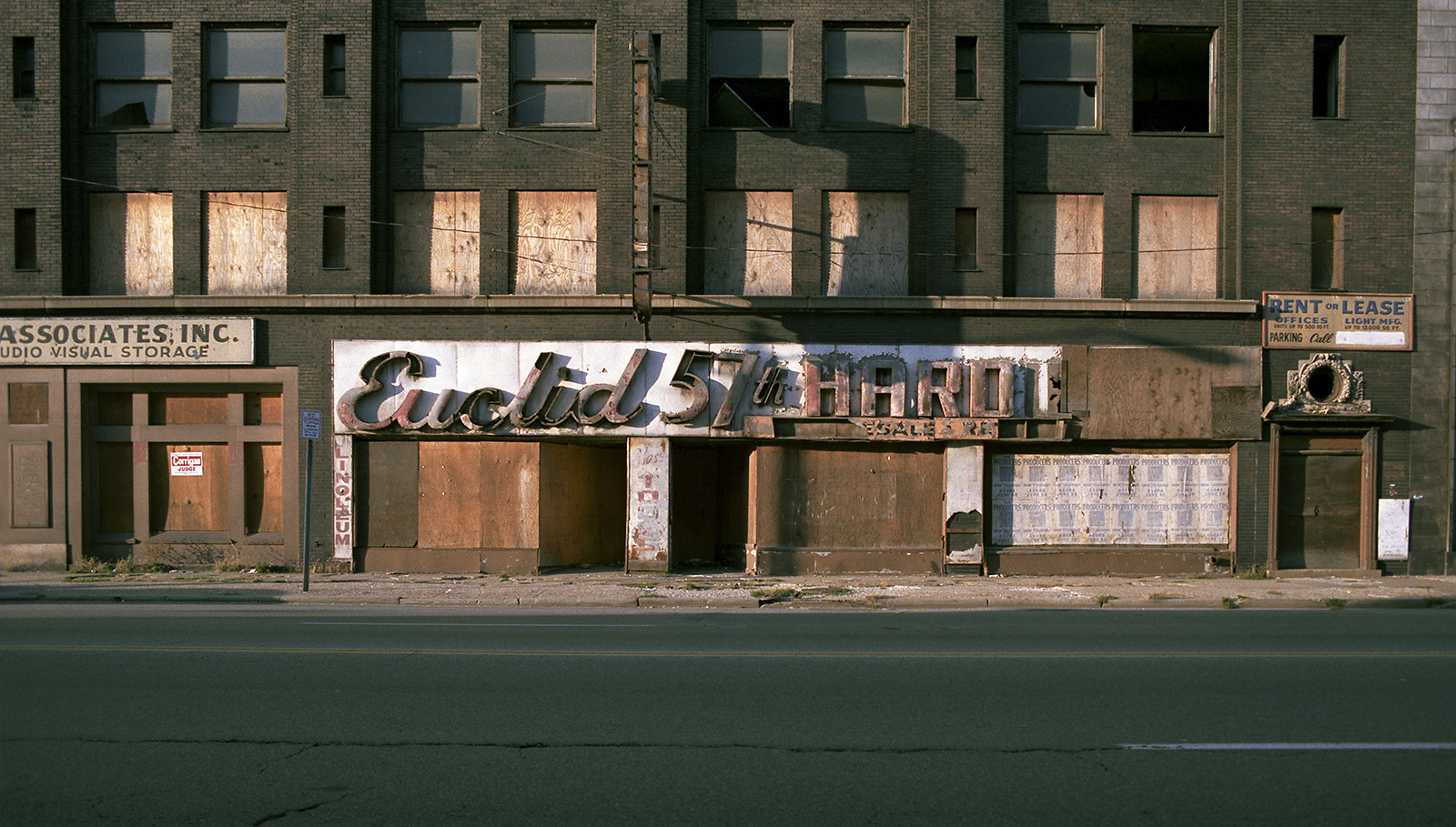
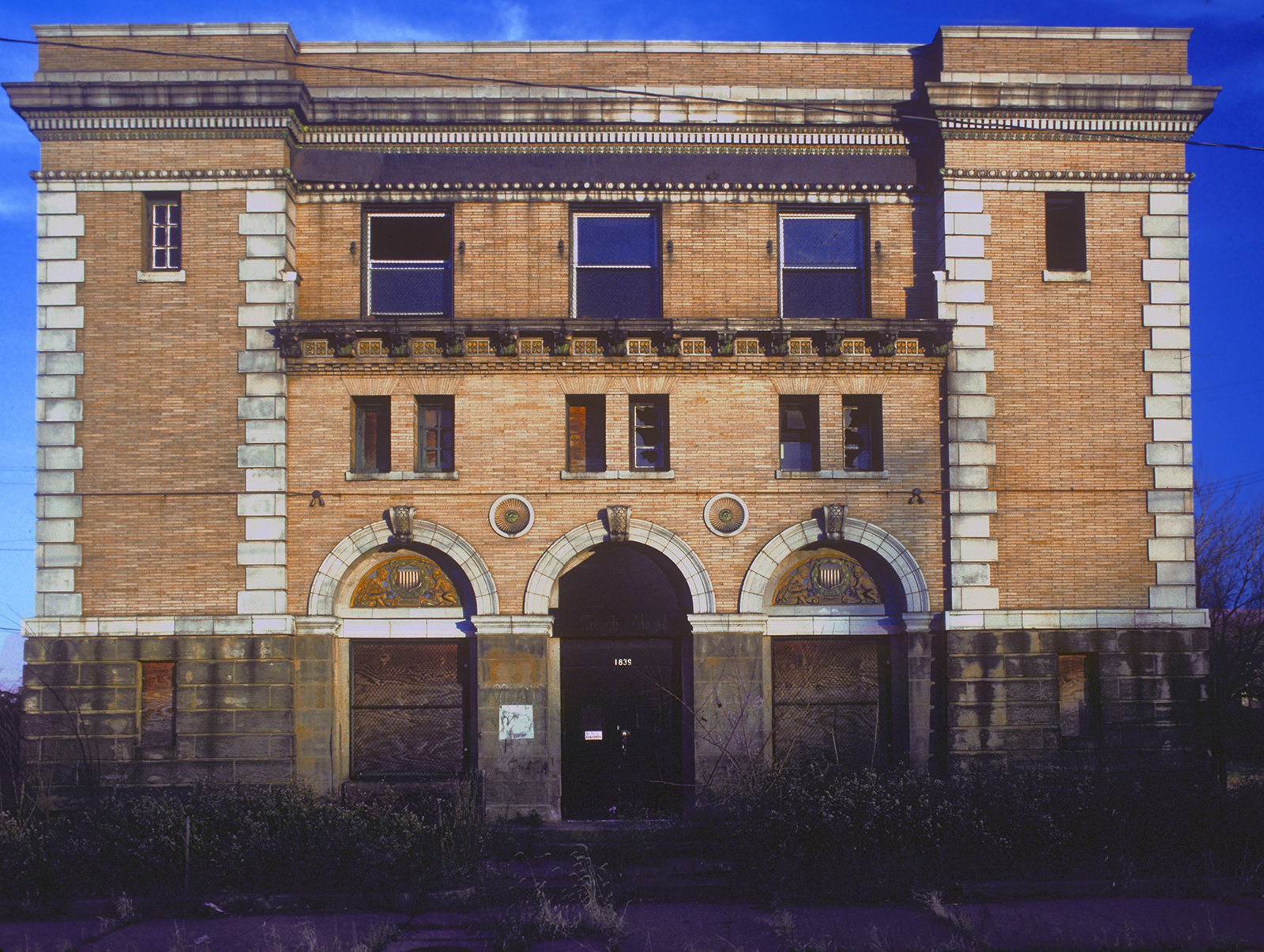
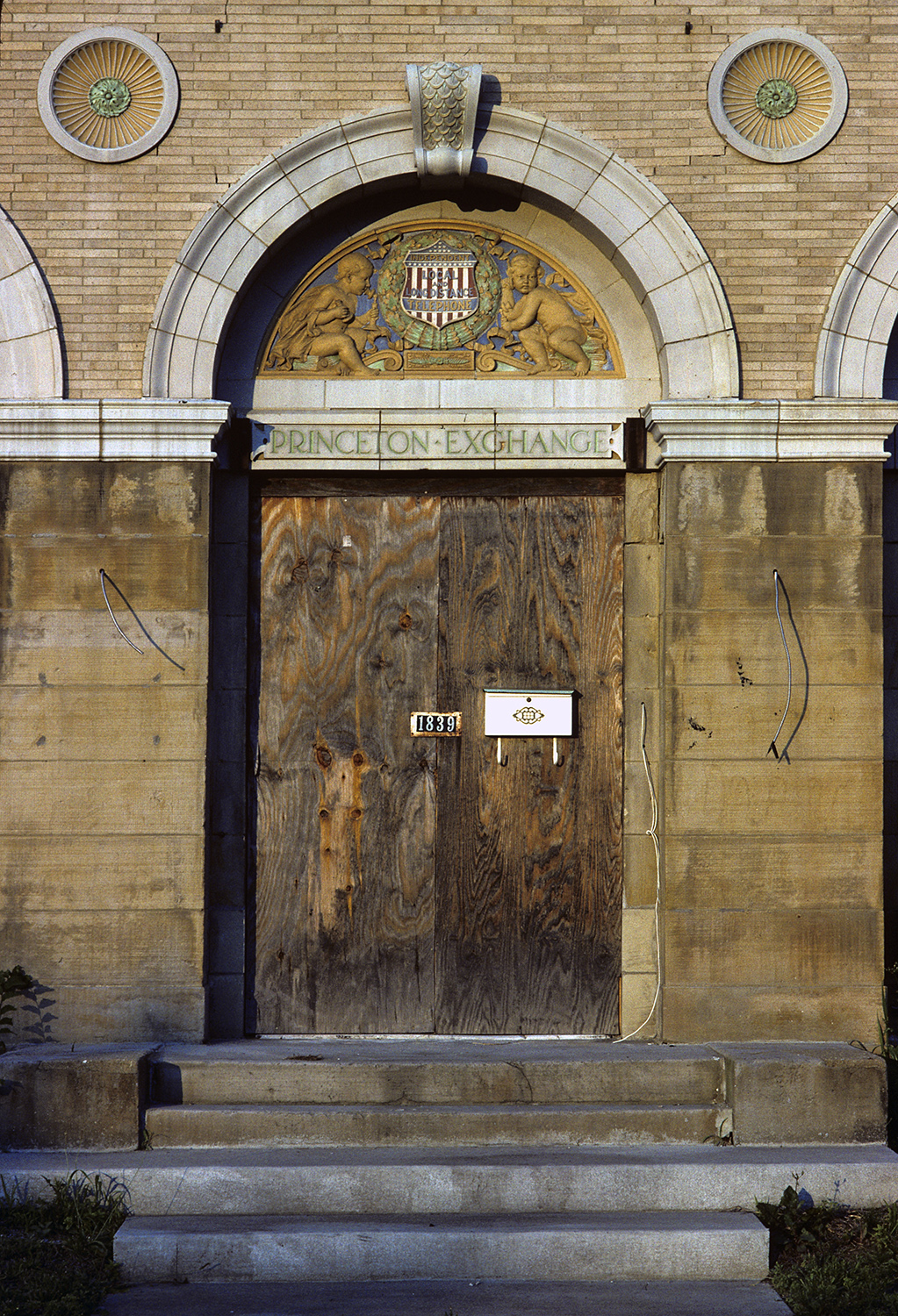
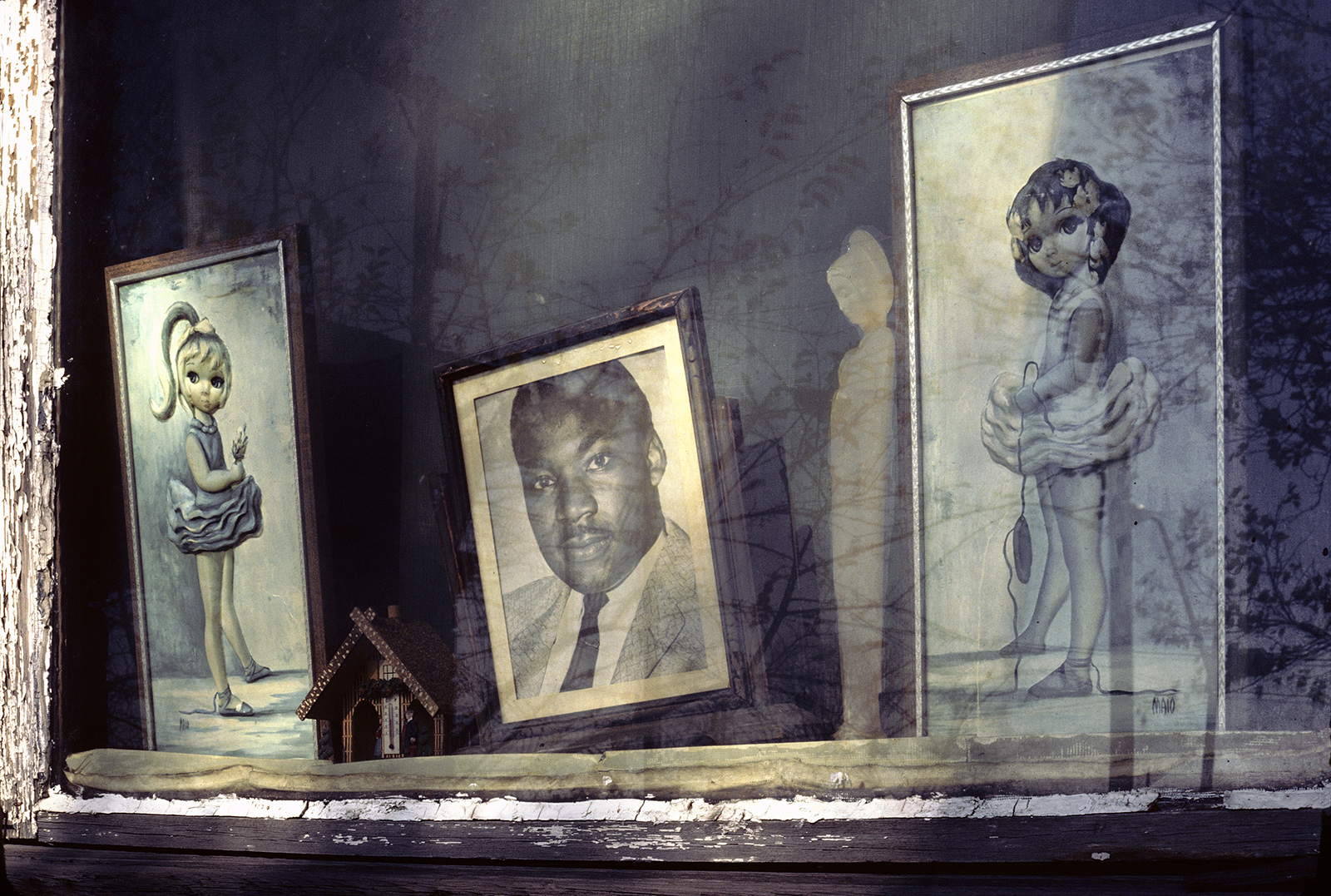
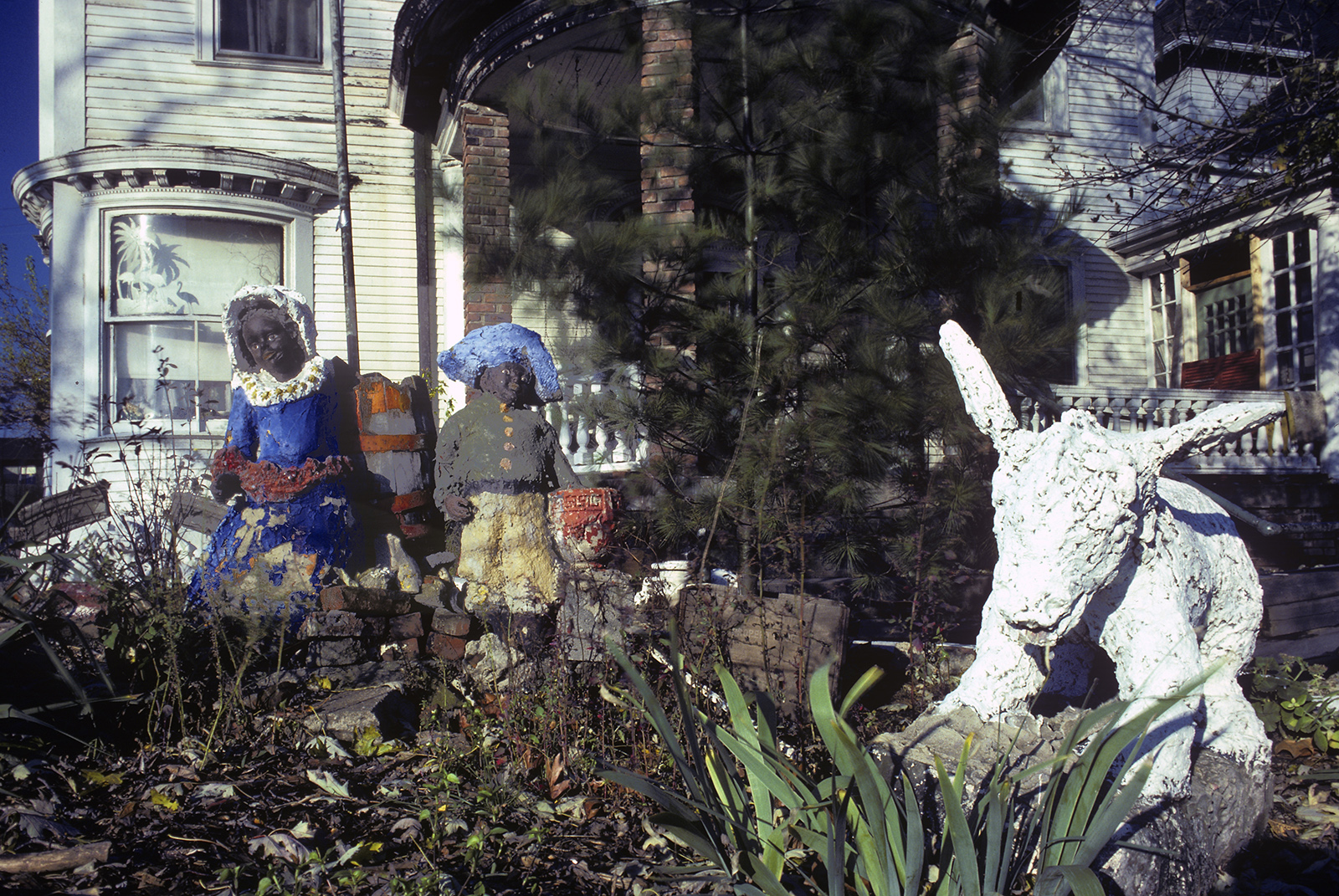
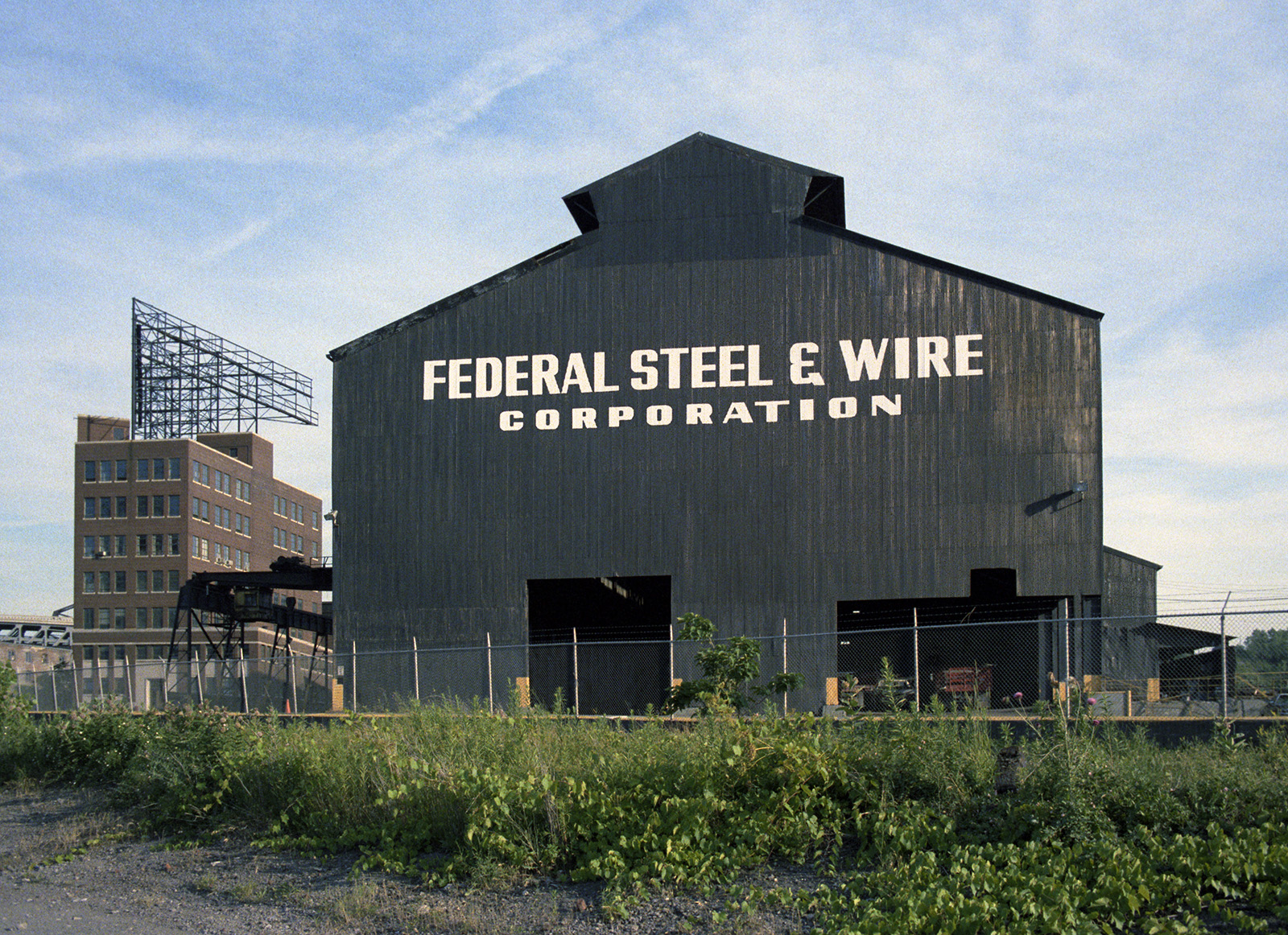
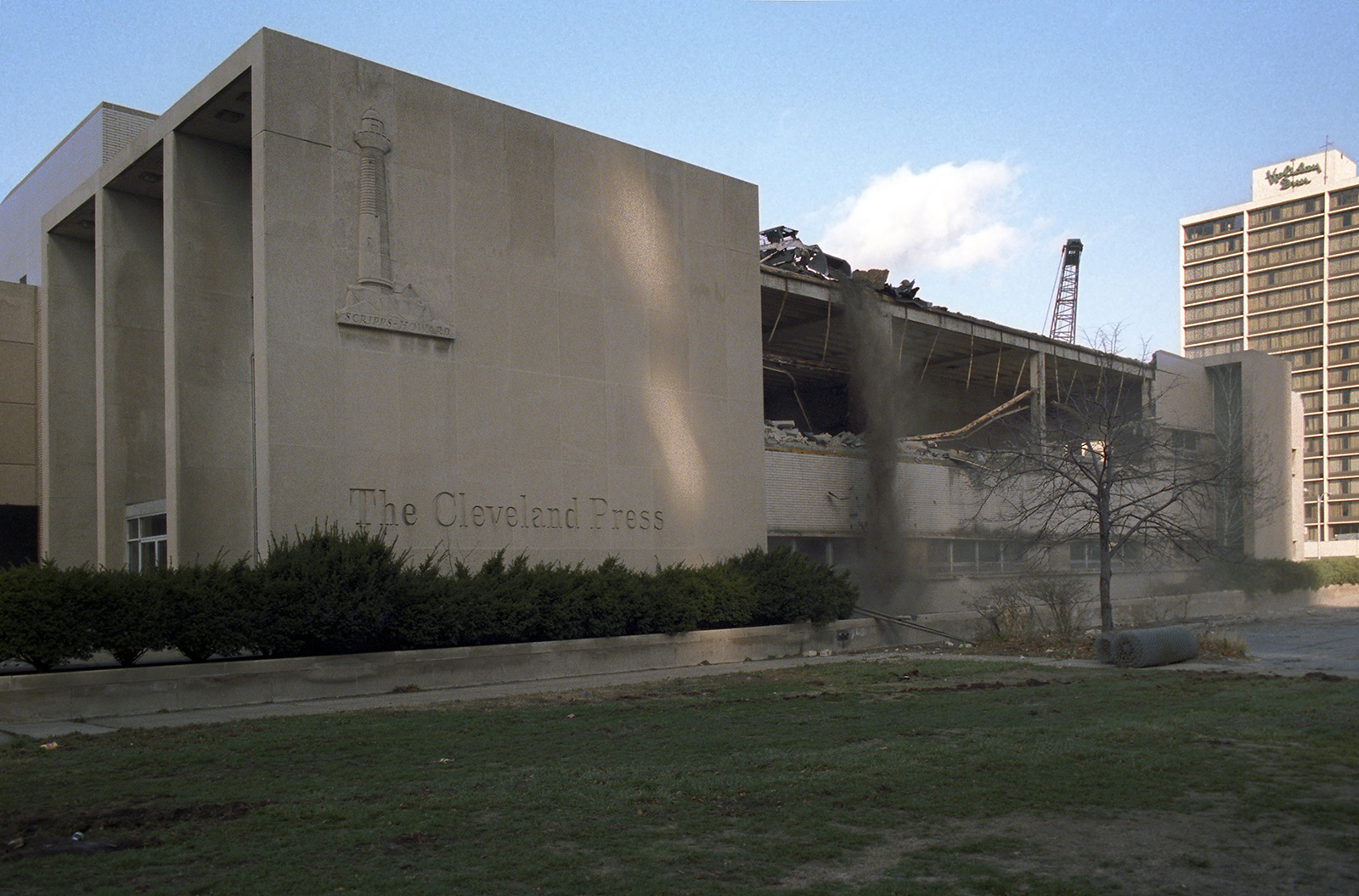
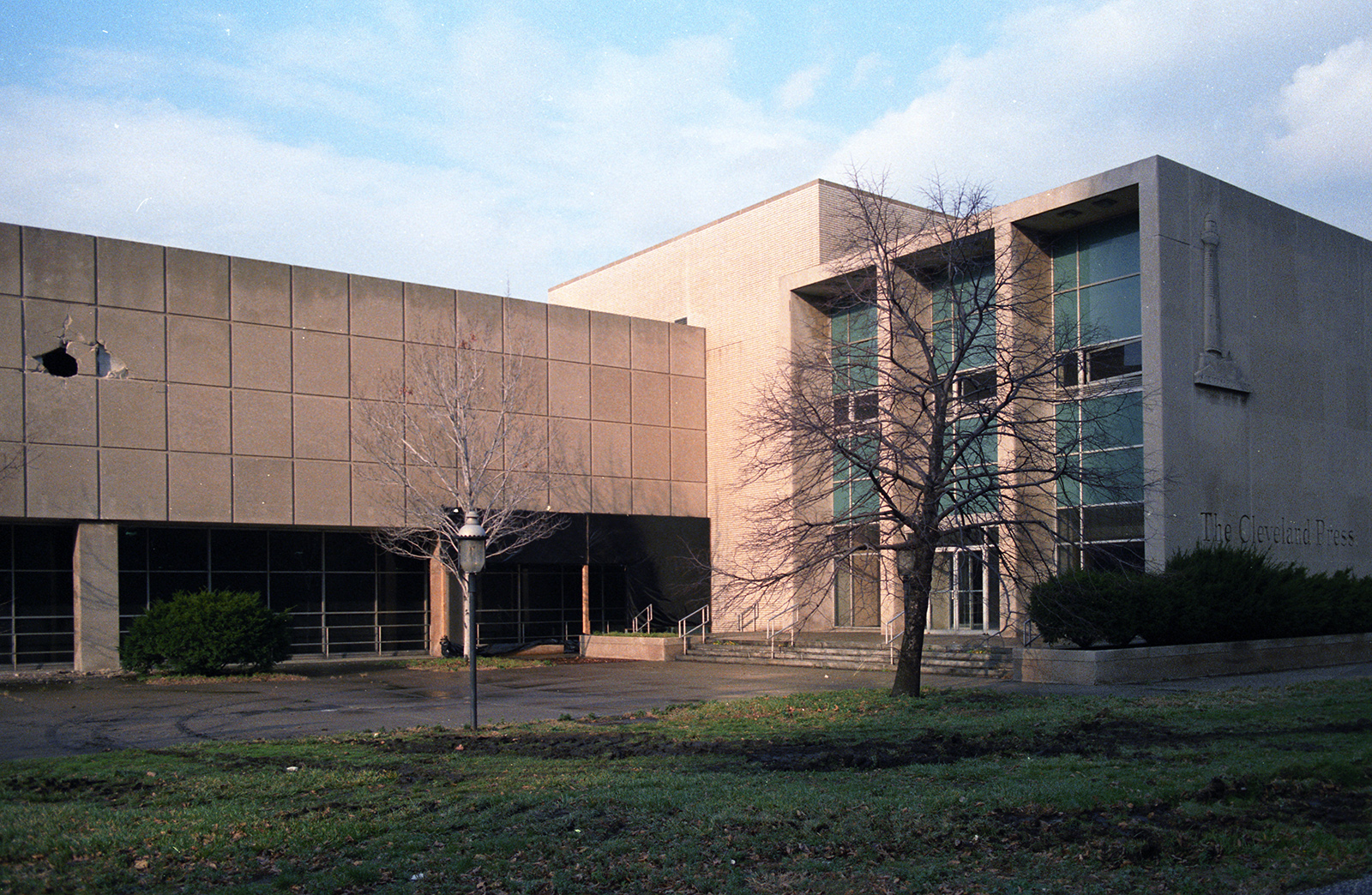
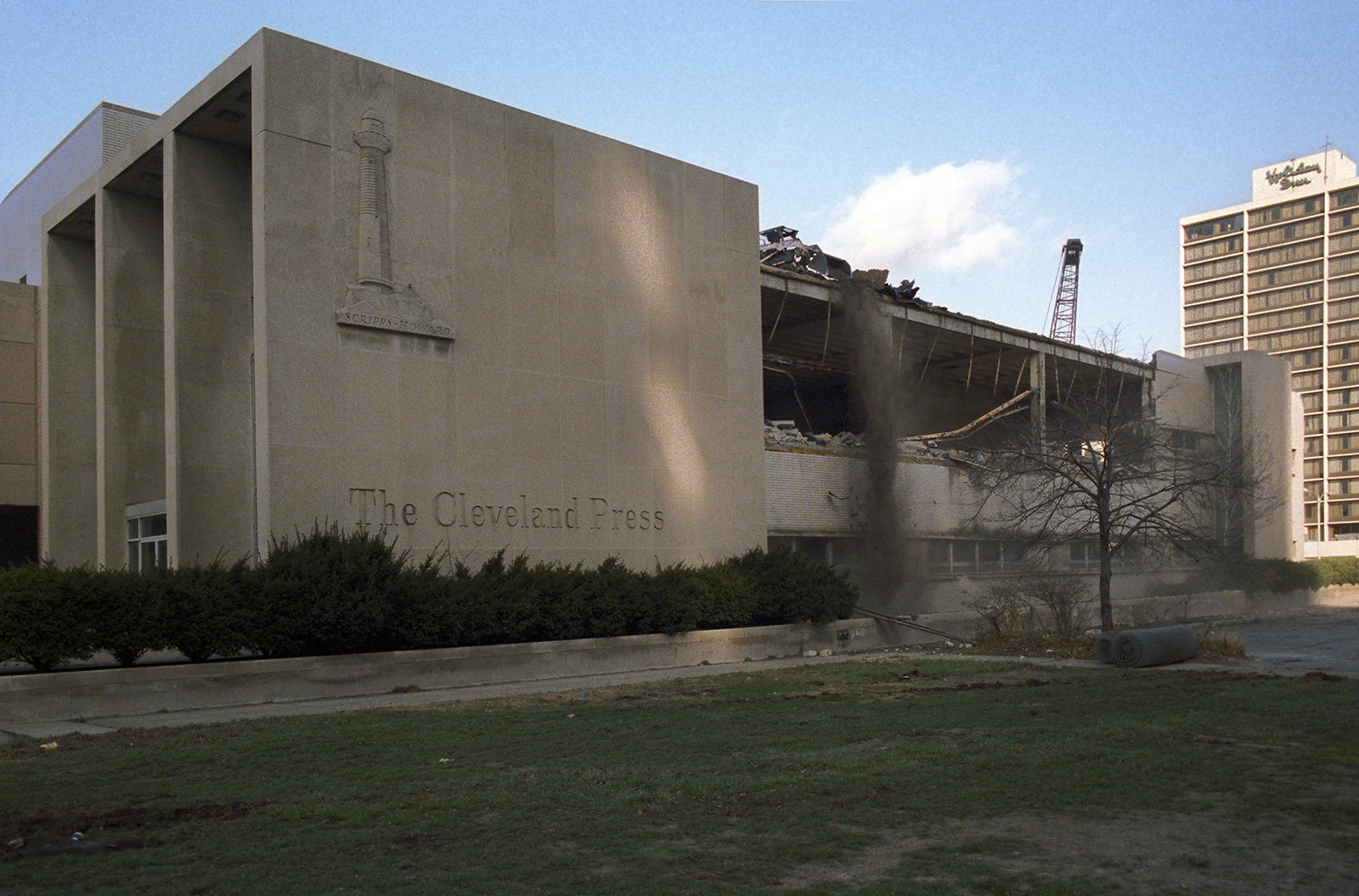
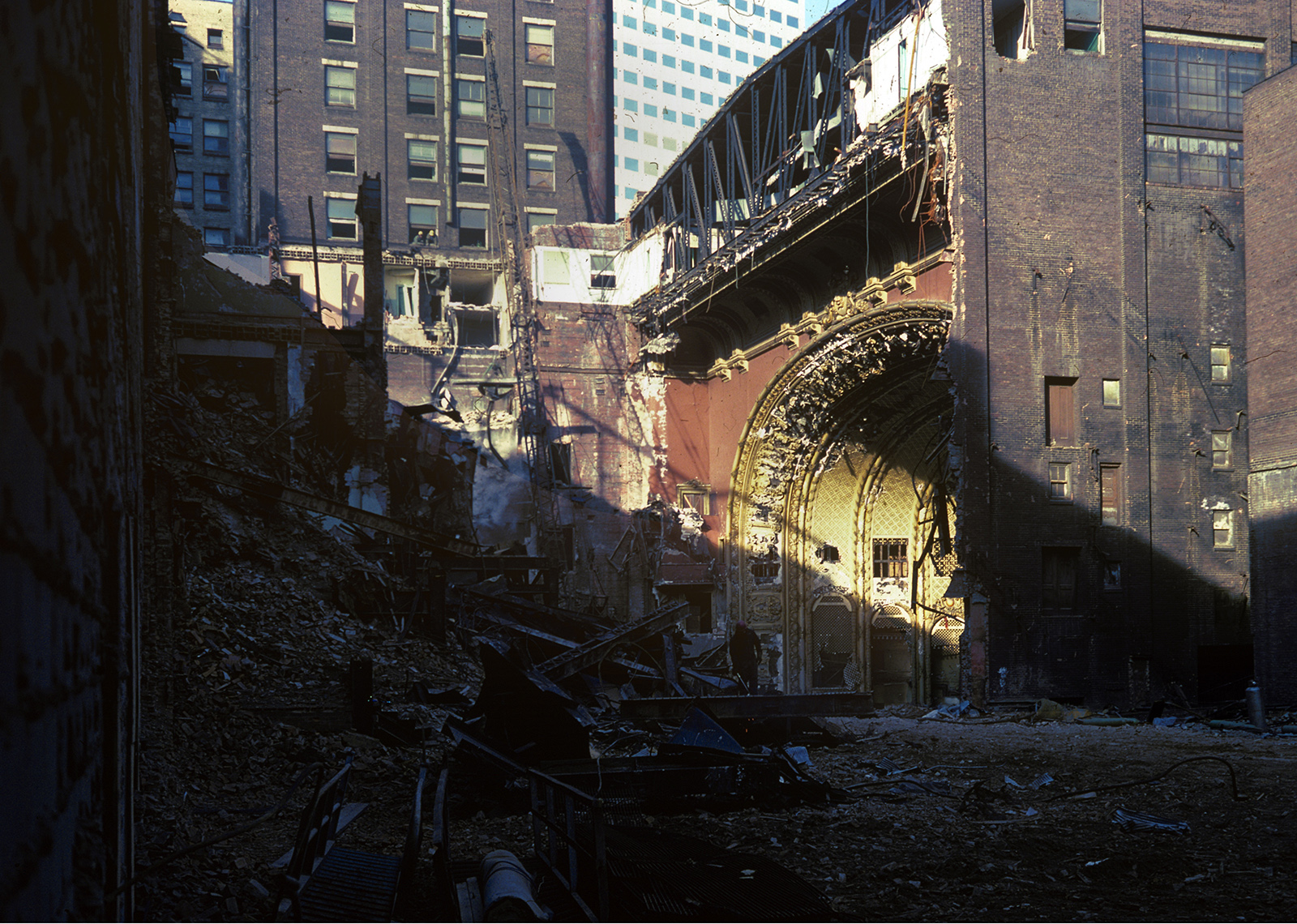
This was Page's junkyard, he was noted figure in the Forgotten Trinagle, which is what the area became to be known as after the 1980s.House, East 68tth Street - GoneHouse, Clarkwood Ave. & East 68th Street - GoneCleveland Worsted Mills - Built 1902, Closed 1956, Demolished 1994The plane caught fire in 1993 and basically was burnt to the ground. Like many closed industrial facilities, it became a storage facility, and, also a place where toxic waste were illegally stored.Cleveland Worsted Mills, Works Entrance - Built 1902, Closed 1956, Demolished 1994The mill complex burned down on a spectaular fire in nthe 1990s.Cleveland Worsted Mills, Commemoration Stone - Built 1902, Closed 1956, Demolished 1994Wooltex Plant, Superior Avenue, PedimentTower Press, Superior Ave. - Built 1909, rehabbed in 2002.Tower Press, Superior AvenueLorain-Carnegie Bridge, Pylon - Built 1927Lorain-Carnegie Bridge, Pylon - Built 1927Greyhound Bus Station, Sign, Chester Avenue - Built 1948By 1948 Greyhound had built many new stations, and this one was considered a classic. In 2022 the building is still for sale at 1.8 million dollars.Greyhound Bus Station, Chester Avenue - Built 1947Opened in 1948, and still opeational. But, of course, with developers and gentirifiers lurking around the now, prized, bus station, the temple to working-class transportation will then serve those who would never take a greyhound.WHK Auditorium Building, Euclid Ave.Built in 1913 as the Metropolitan Theatre, originally designed for opera and live theatrical performance. By the 1950s, the building was converted into studios and performance space for WHK radio, becoming known as the WHK Auditorium through the 1970s. After the original Agora burned in 1984, the building was rebuilt and reopened in 1986 as the Agora Theatre and Ballroom, continuing its role as a major live music venue.Hippodrome Theatre Demolition - Built 1909, Closed 1978, Demolished 1980The Hippodrome ended up a giant dollar movie house with a pool hall in the basement. probably the best place in the world to watch the movies of the 1970s.Euclid 57th Hardware, Euclid AvenueDOT Railway Company, Main Entrance, St. Clair Ave.DOT Railway Company, Ornament Over Main Entrance, St. Clair Ave.Princeton Telephone Exchange, East 83rd Street - builtThe structure was saved and restored, by the late 1990s, and ain't going anywhere soon.Princeton Telephone Exchange, East 83rd StreetPrinceton Telephone Exchange, East 83rd StreetHome Entrance, East 62nd Street - GoneHome, Window Display, Lexington Ave.In 1980 i knocked on the door to see if it was ok to shoot this window. An elderly lady, who was very nice, said it was ok. Good, because it'a all gone, just a few years later.Home, Neighborhood Display, East 79th Street - GoneThe front yard of a typical Hough mansion, still functional, though run-down, and, now gone.Church, Central Avenue - GoneHouse, Hawthorne Avemue - GoneFederal Steel & Wire, The Flats - Built 1921, Closed 1978, demolished 1992Originally the Upson Nut and Bolt Company, it was bought by Republic steel in the 1930s. It made its own iron in the furnaces along the Cuyahoga River, and was embedded almost in the dowtown section of the city.Federal Steel & Wire, Demolition, The Flats - Built 1921, Closed 1978, demolished 1992A section of the old furnaces that operated in close proximity to the dowtown section of the city.Cleveland Press Building Demolitionhe newspaper published for 103 years and nothing could save it in the eighties decline of manufacturing and people in the city.
This is the most important lesson of population loss - it has the most devastating and long-lasting consequences for cities, which, by nature, rely on fresh blood and growth. The city woud become a one-paper town, with only the morning Plain Dealer, as the evening Press died off.
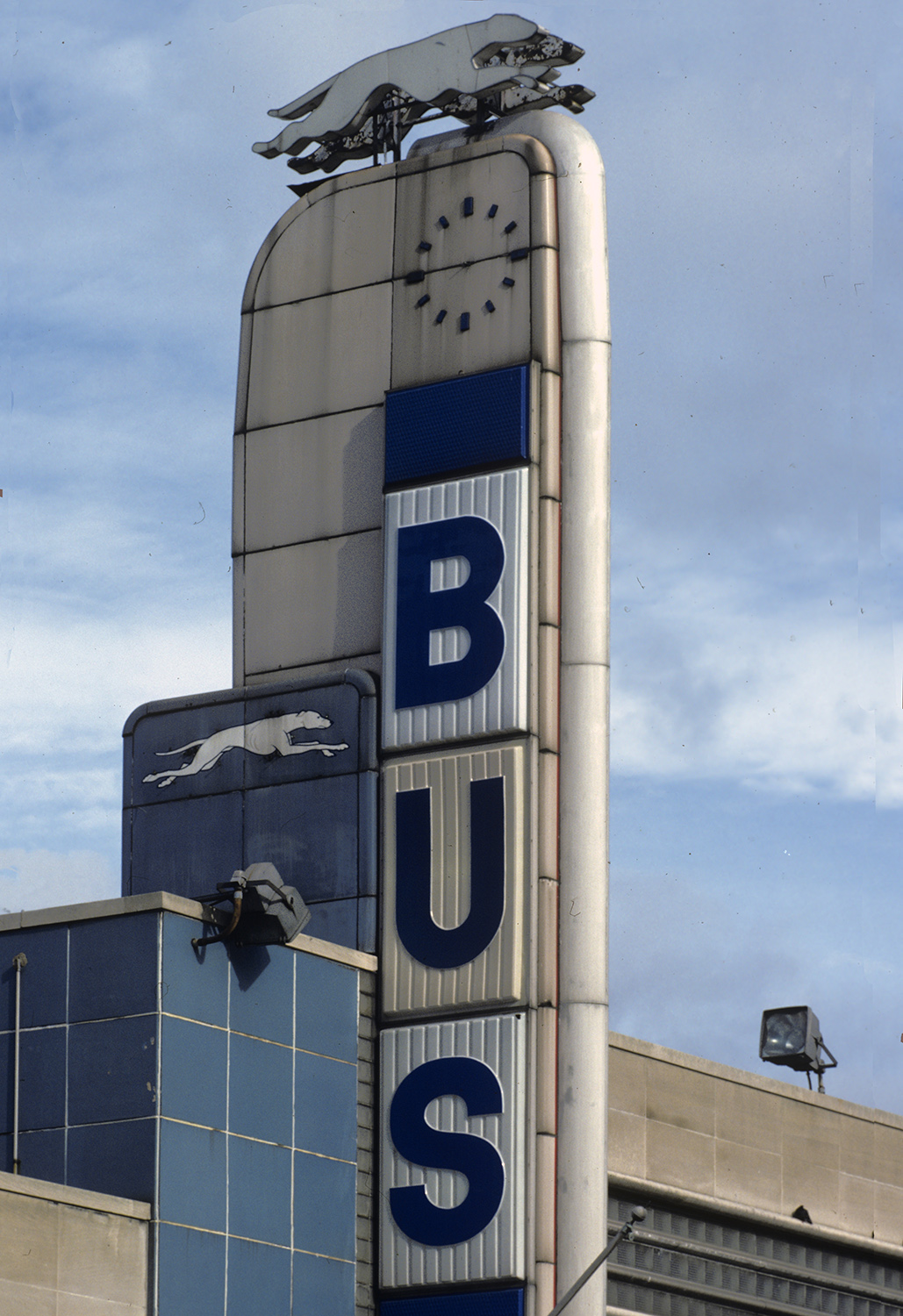
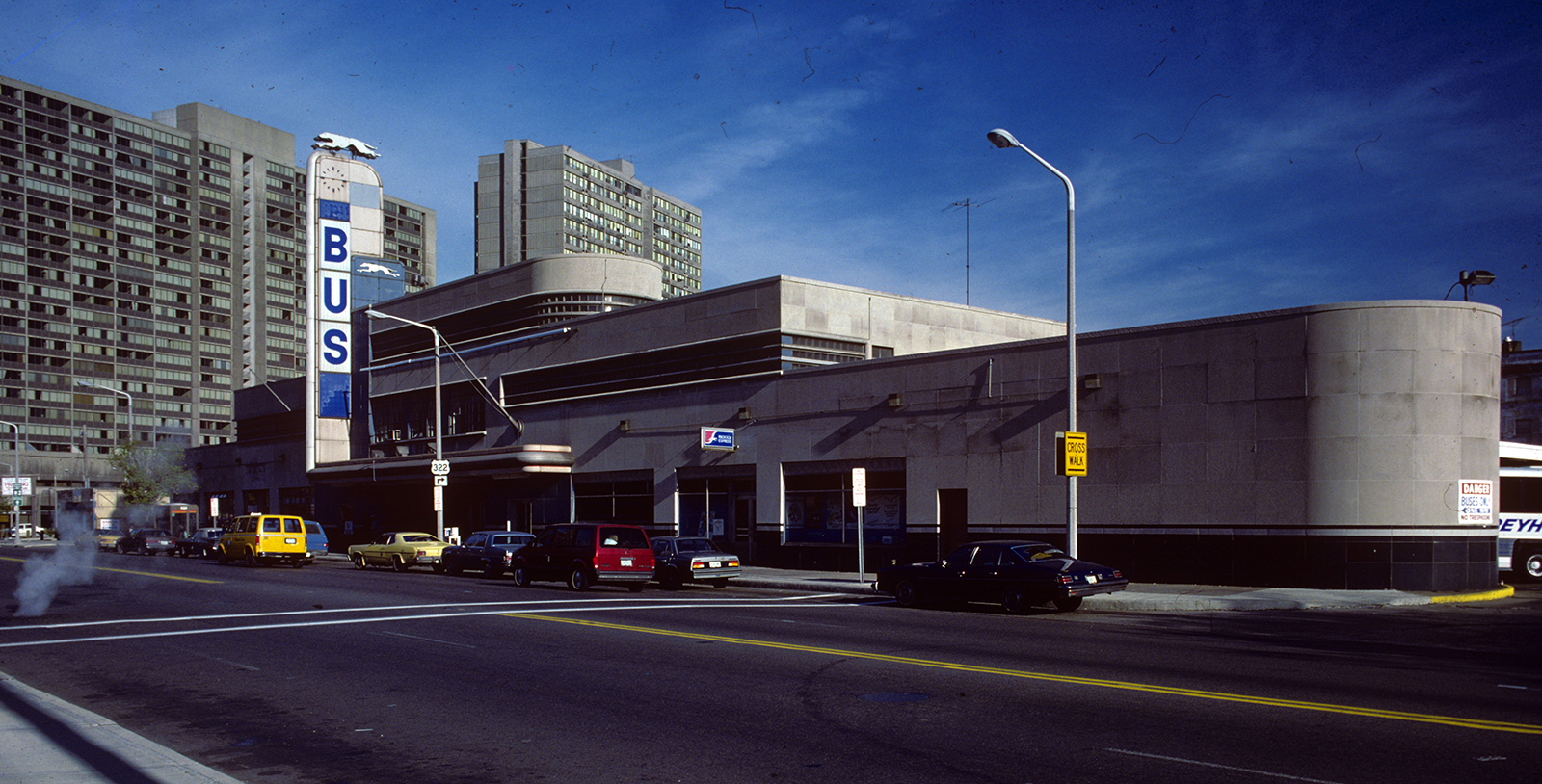
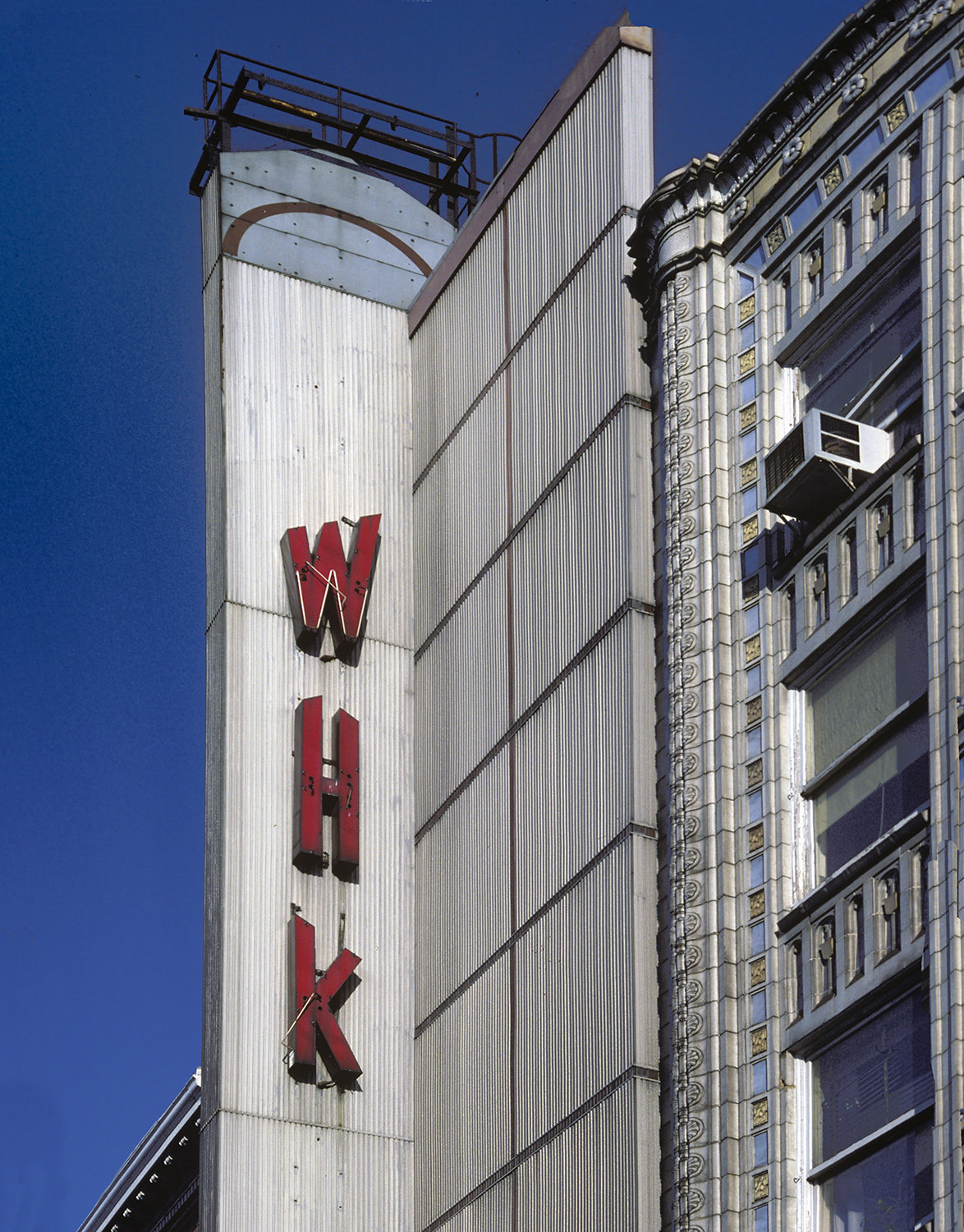
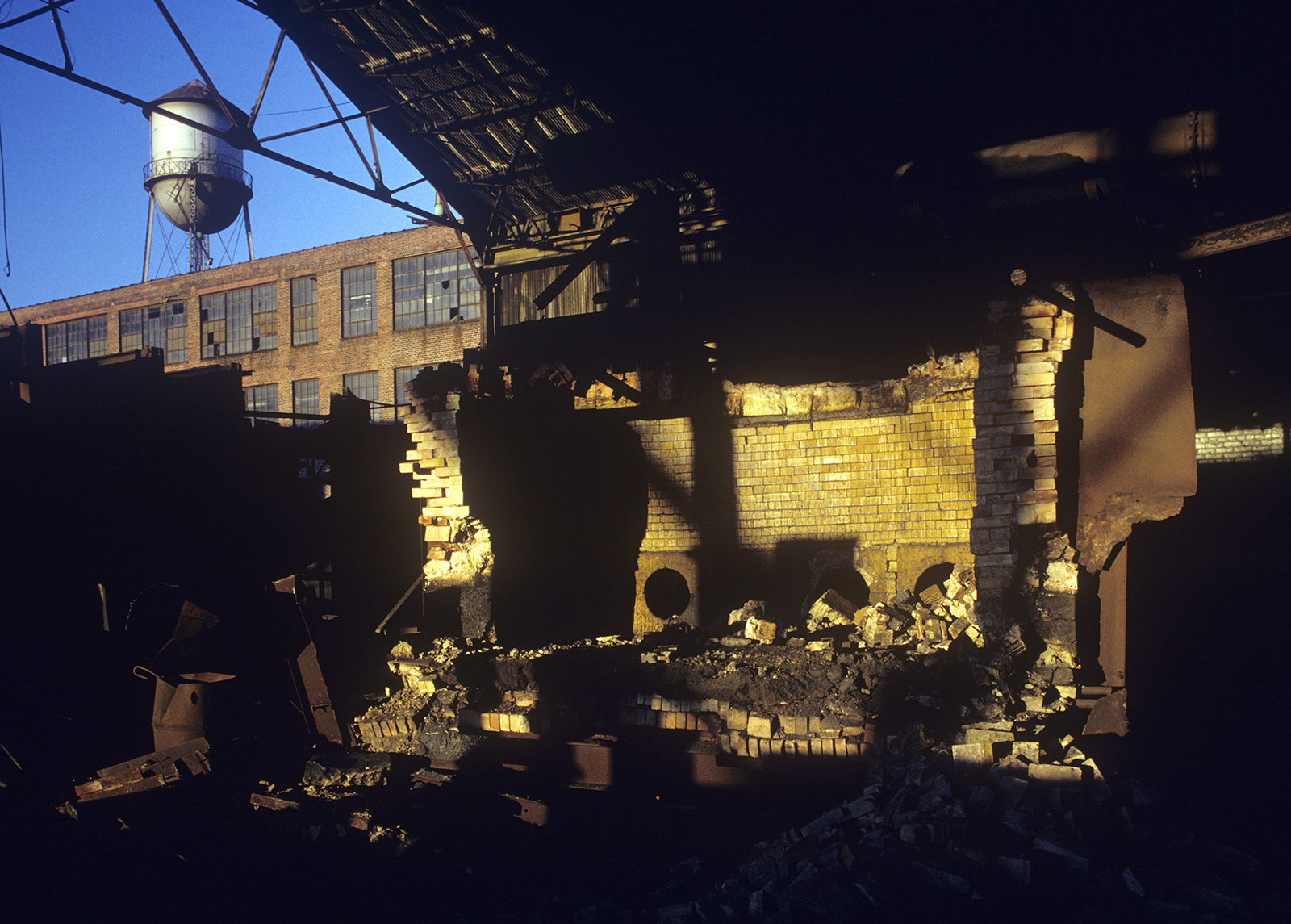
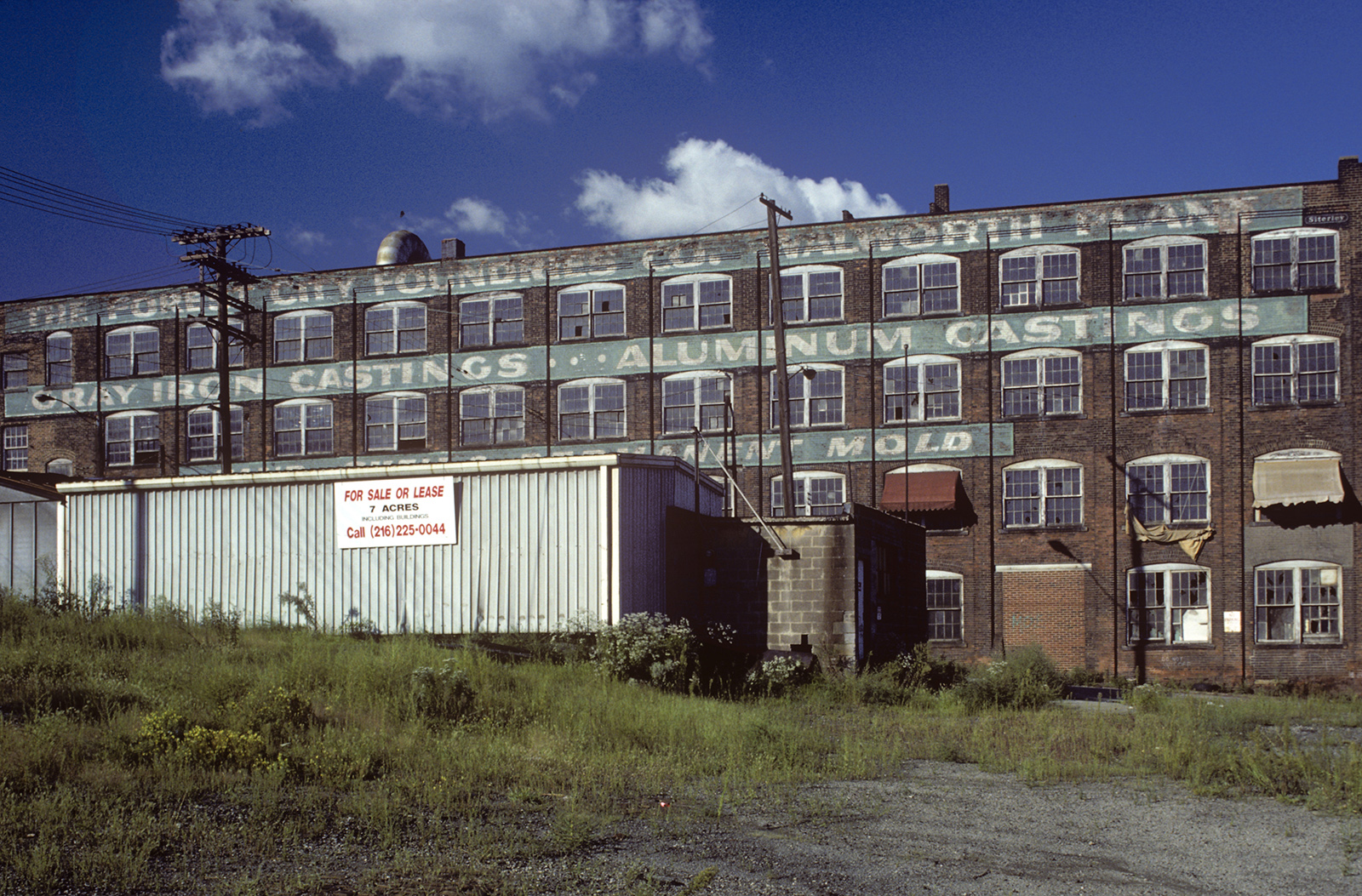
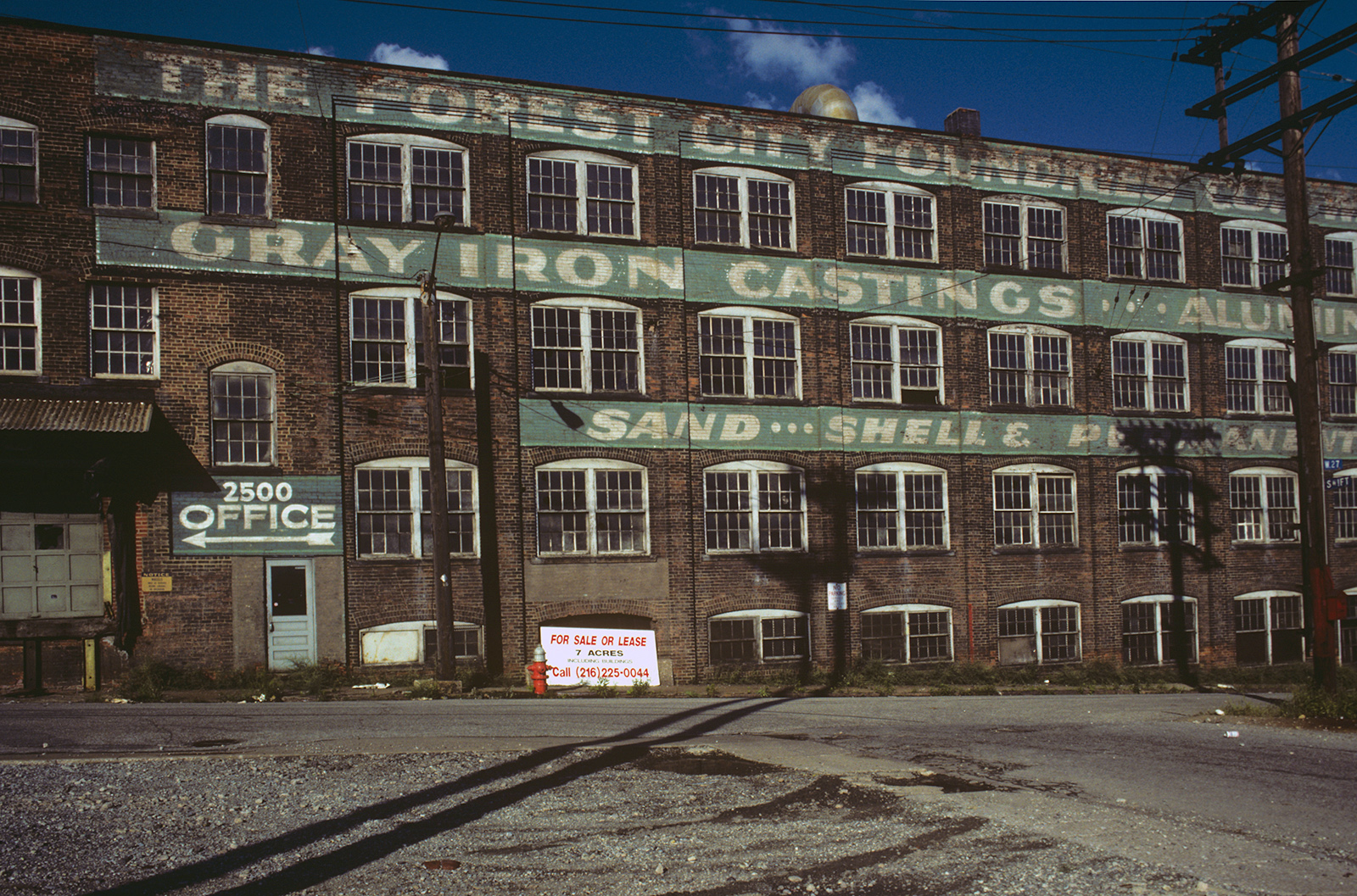
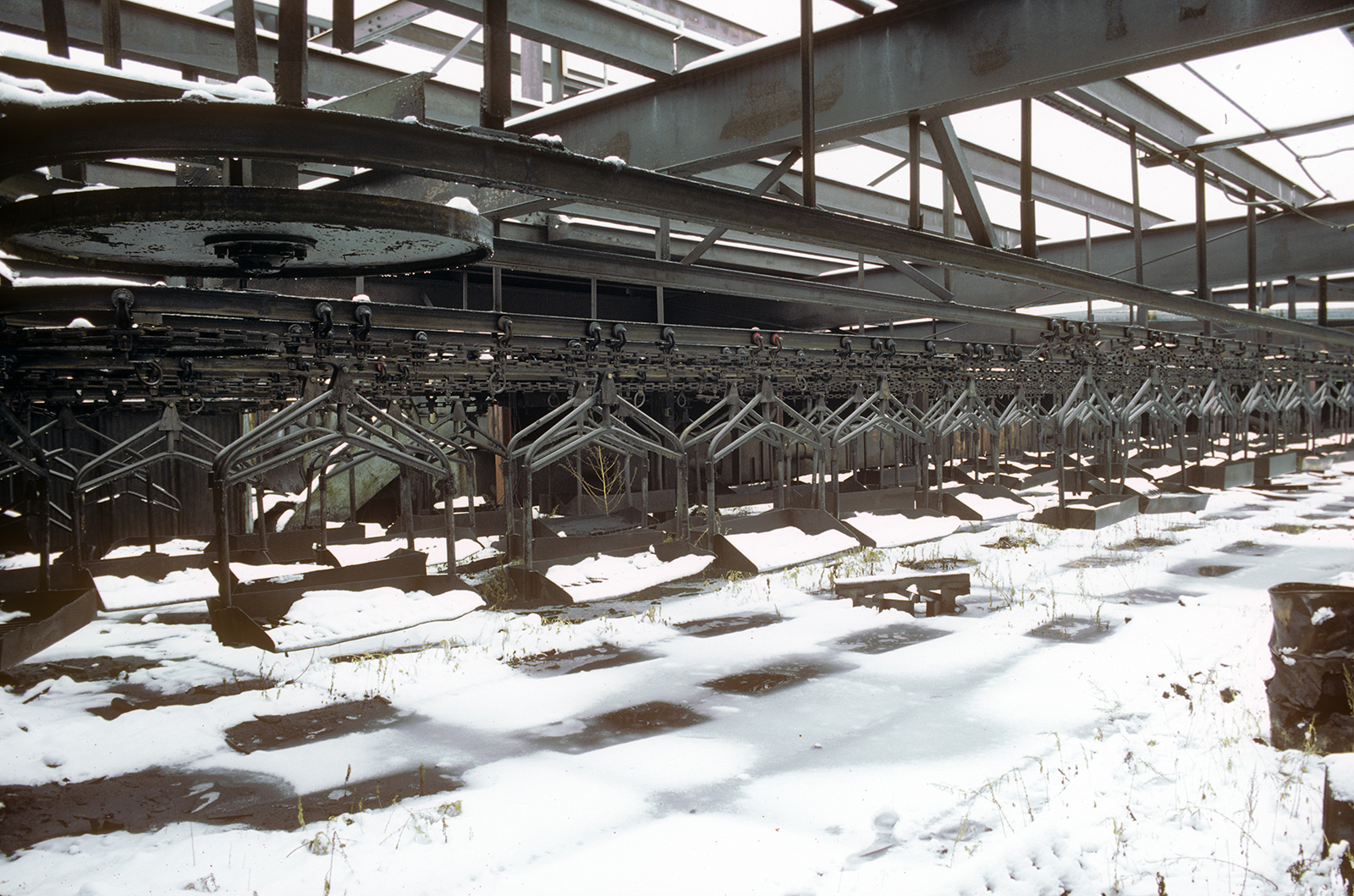
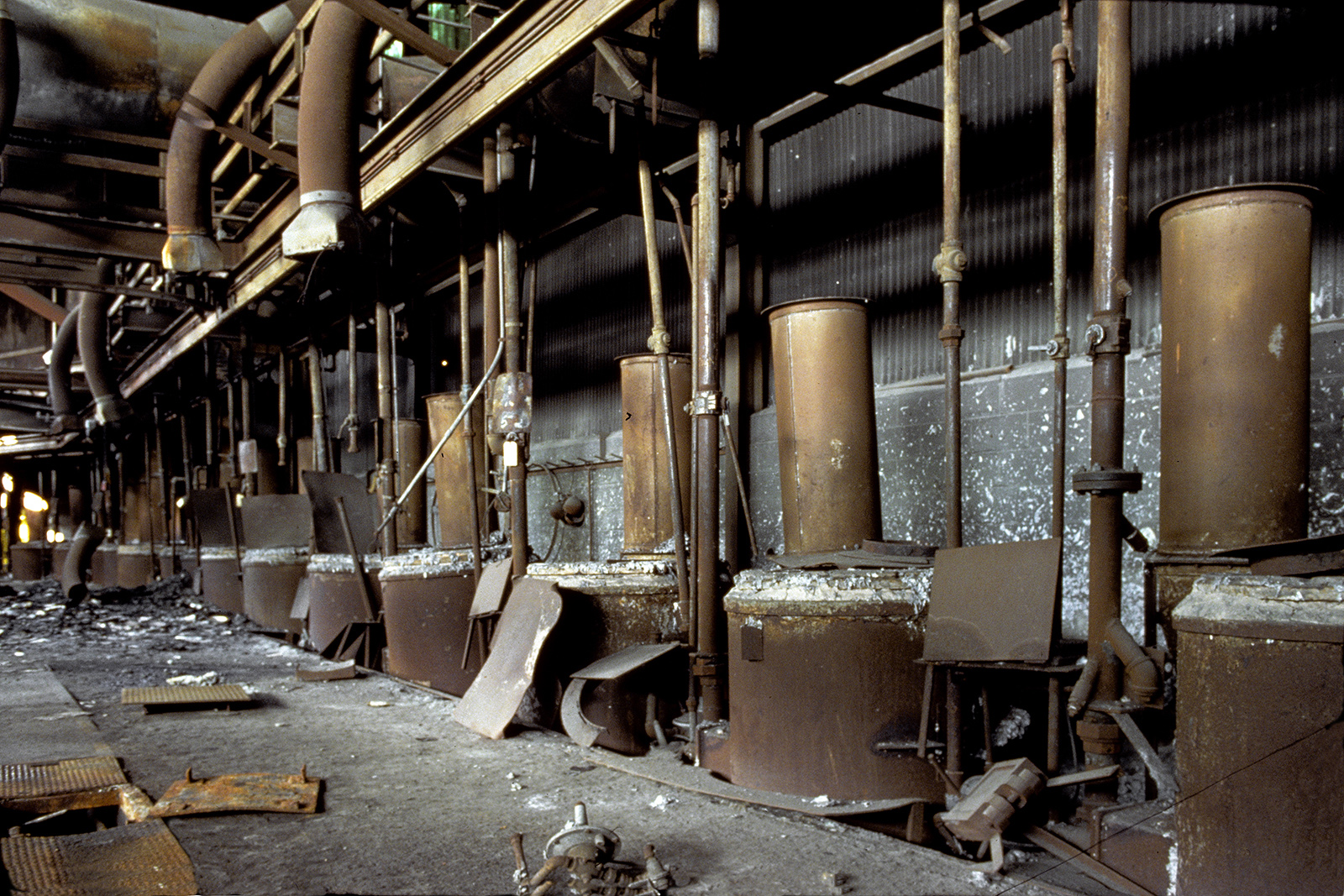
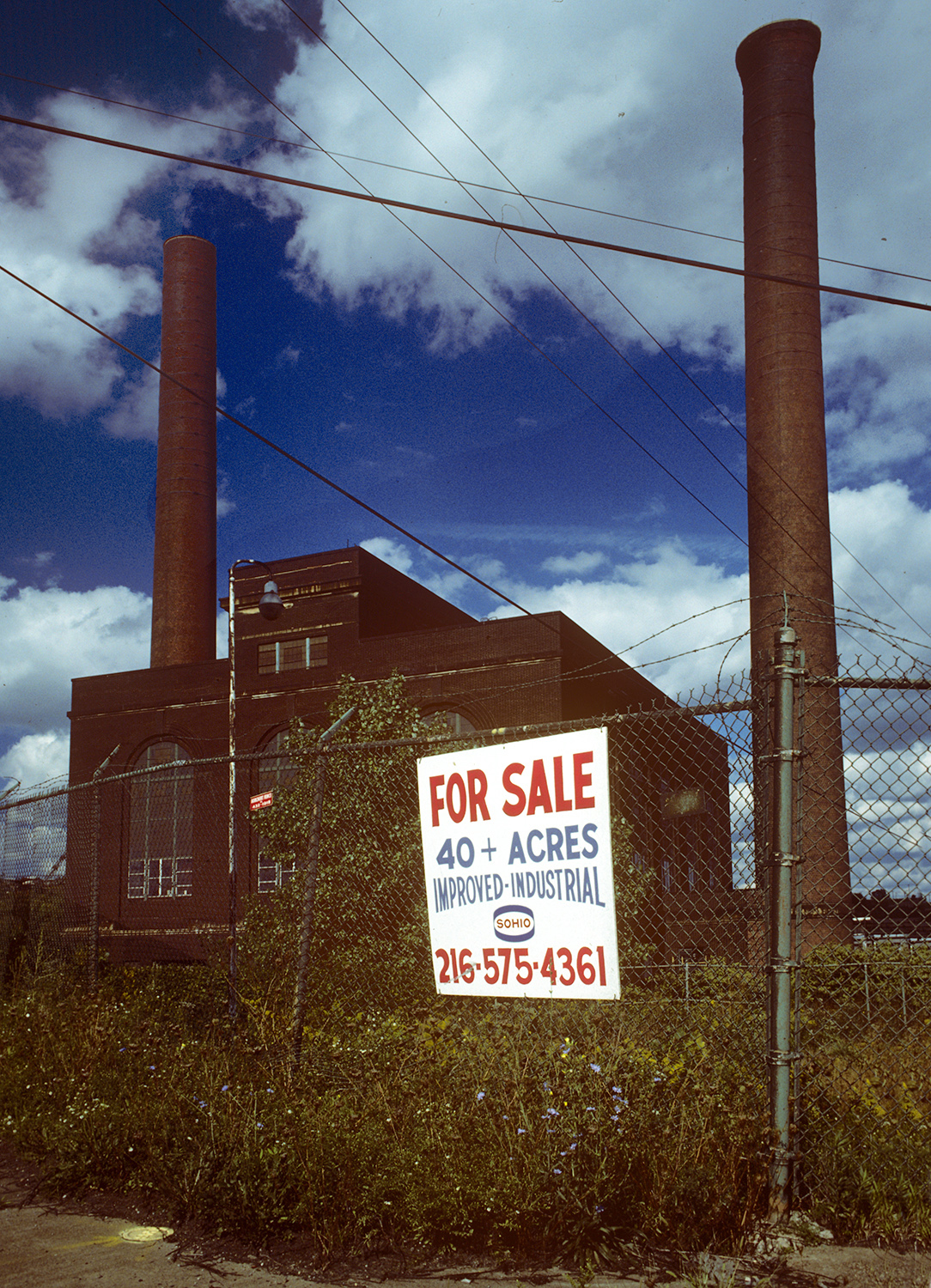
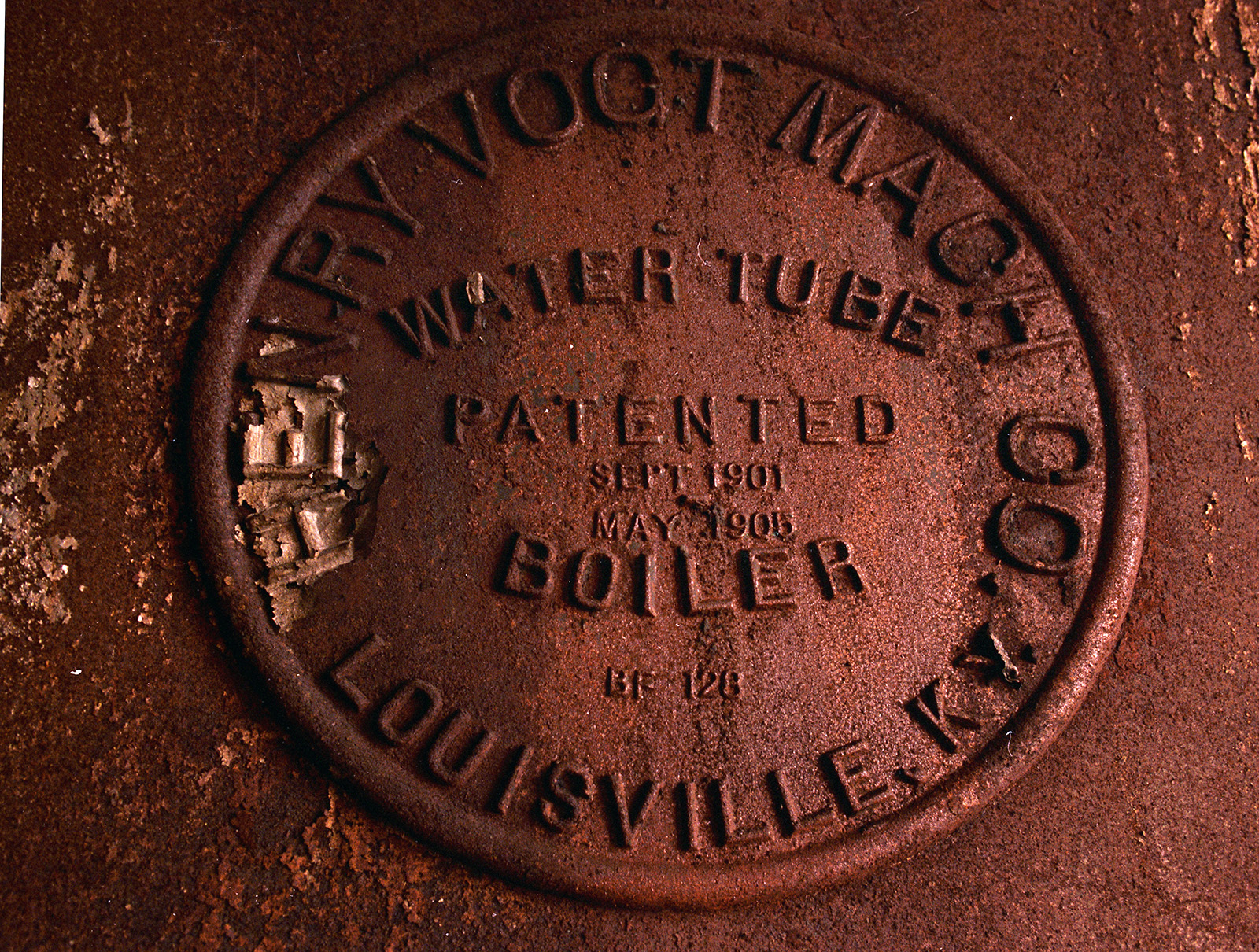
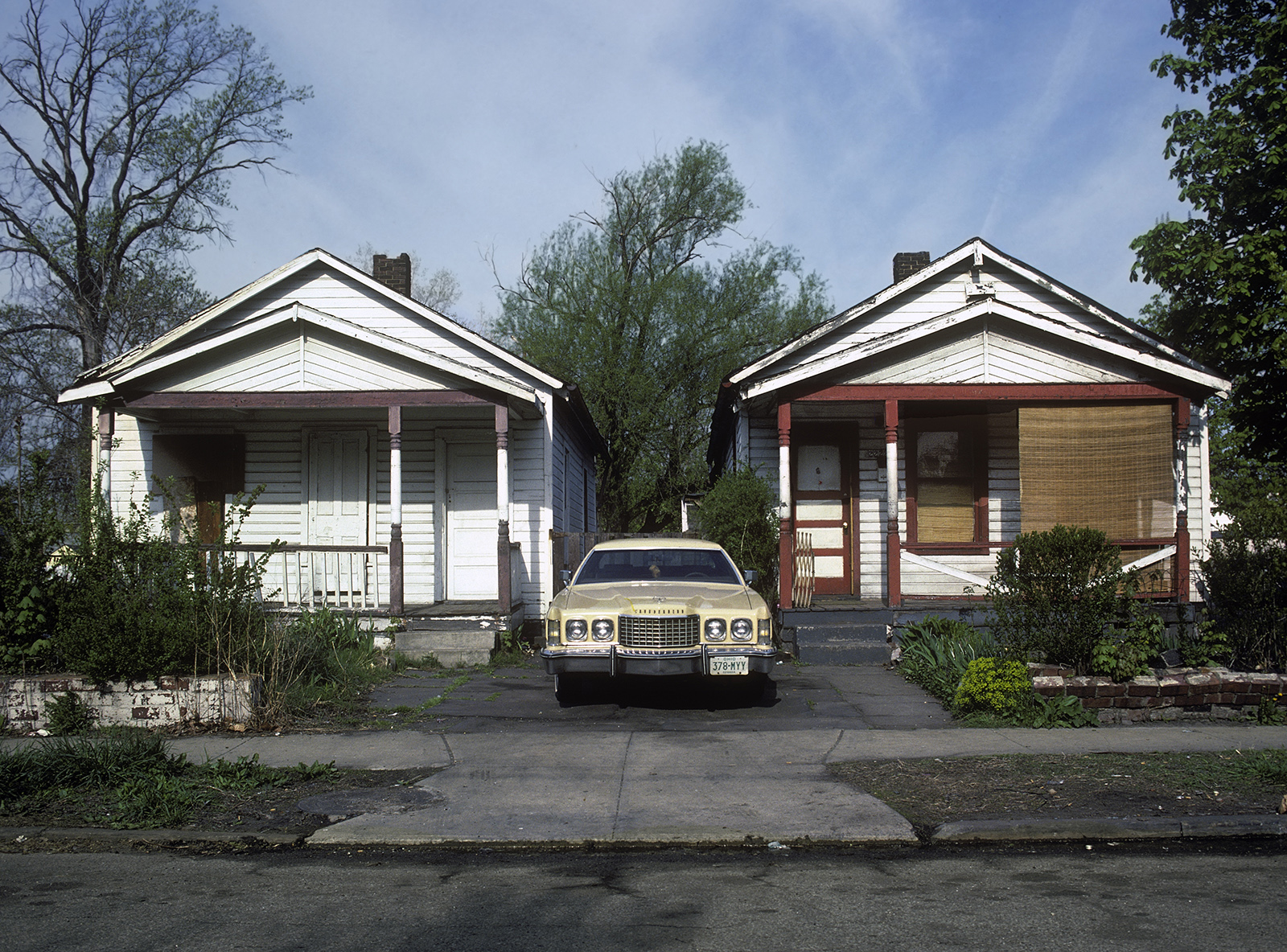
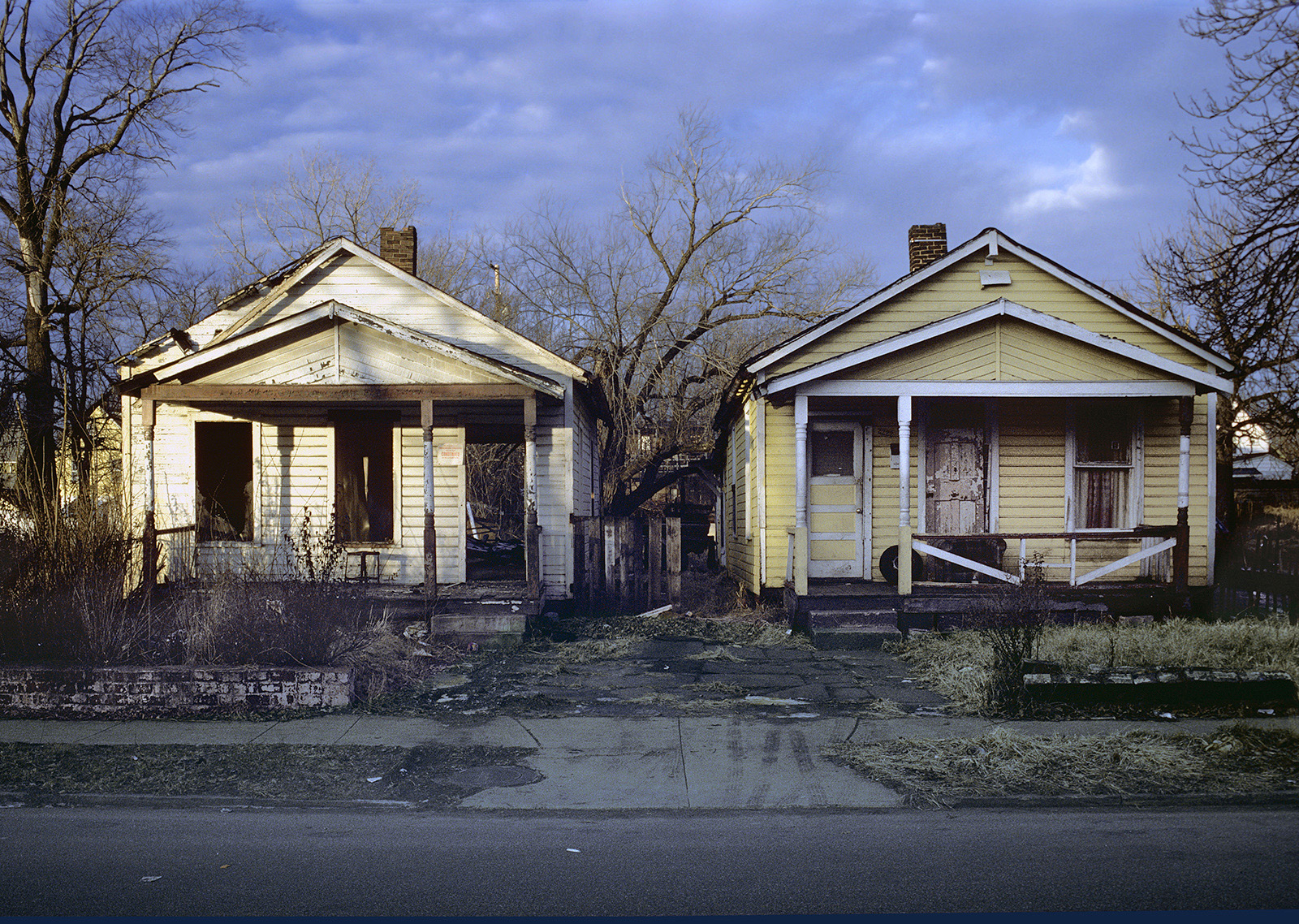
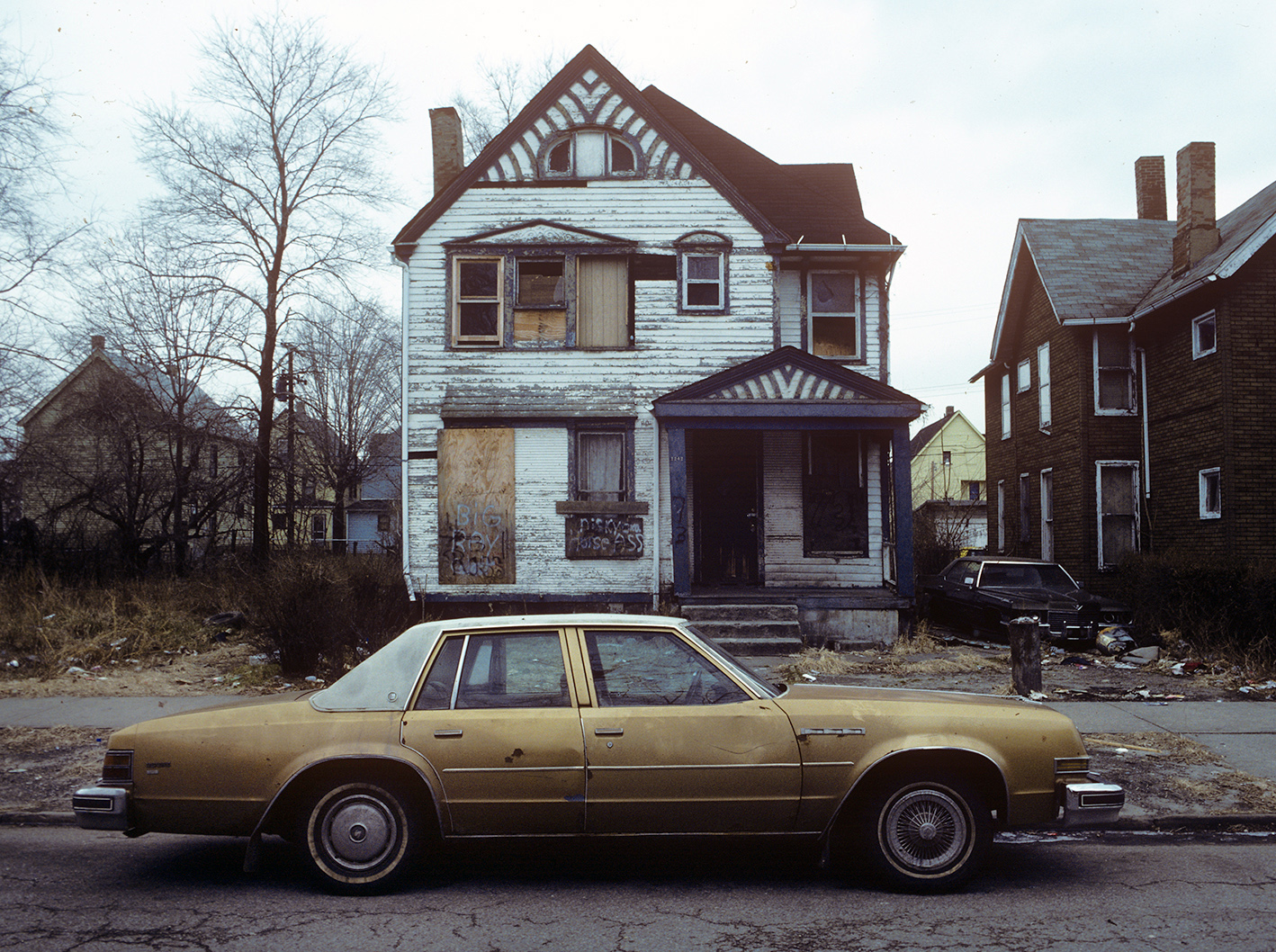
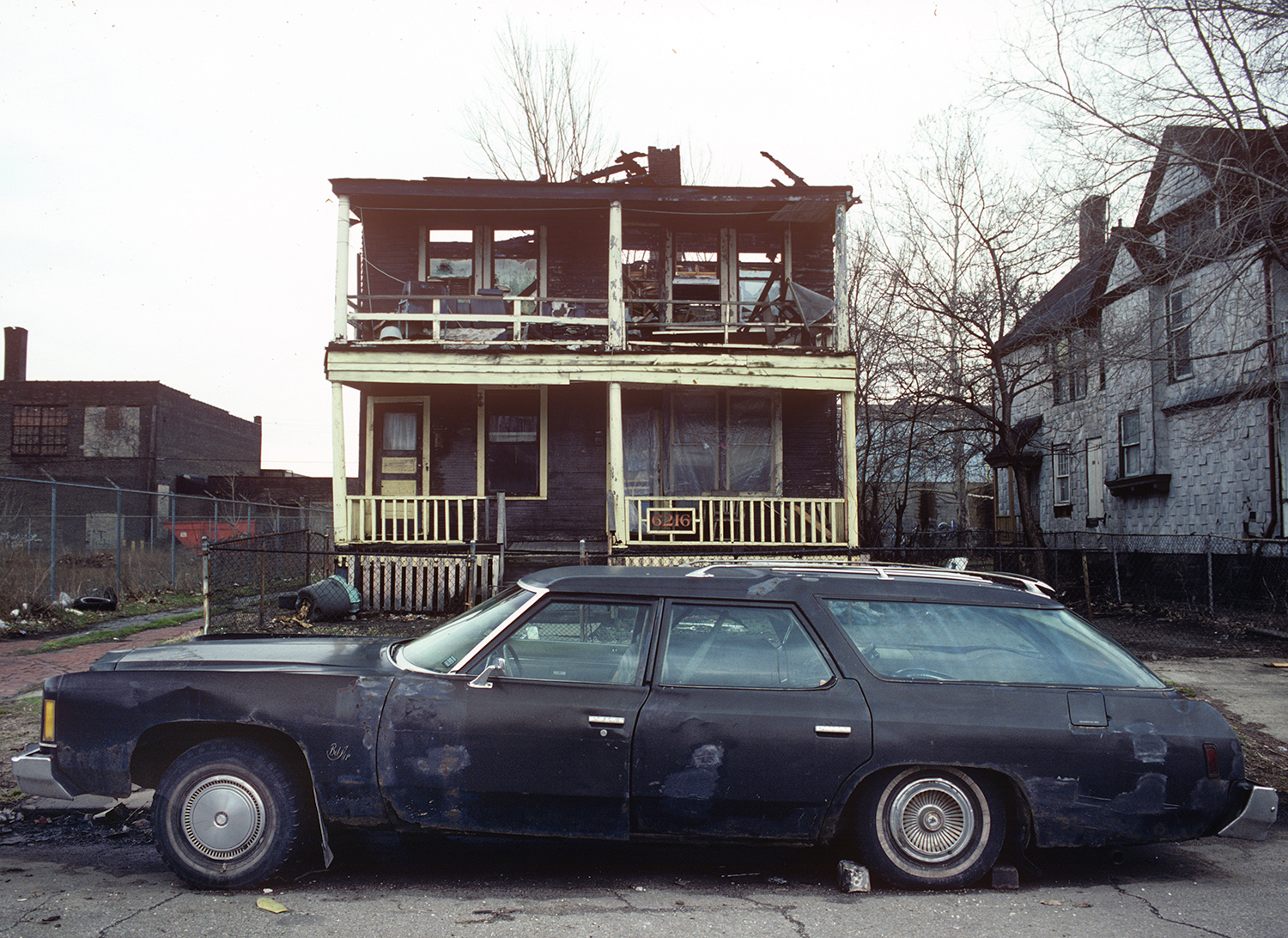
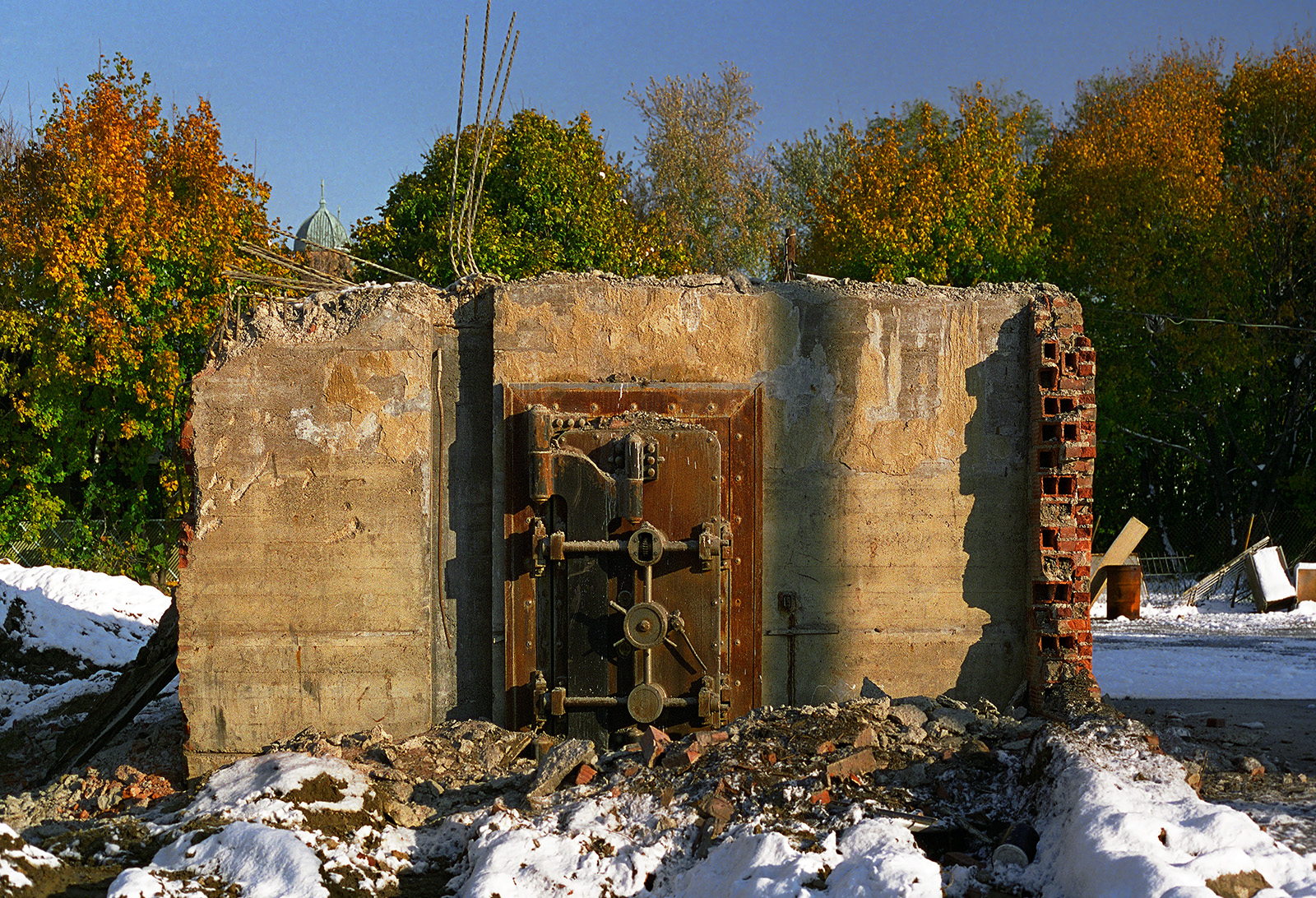
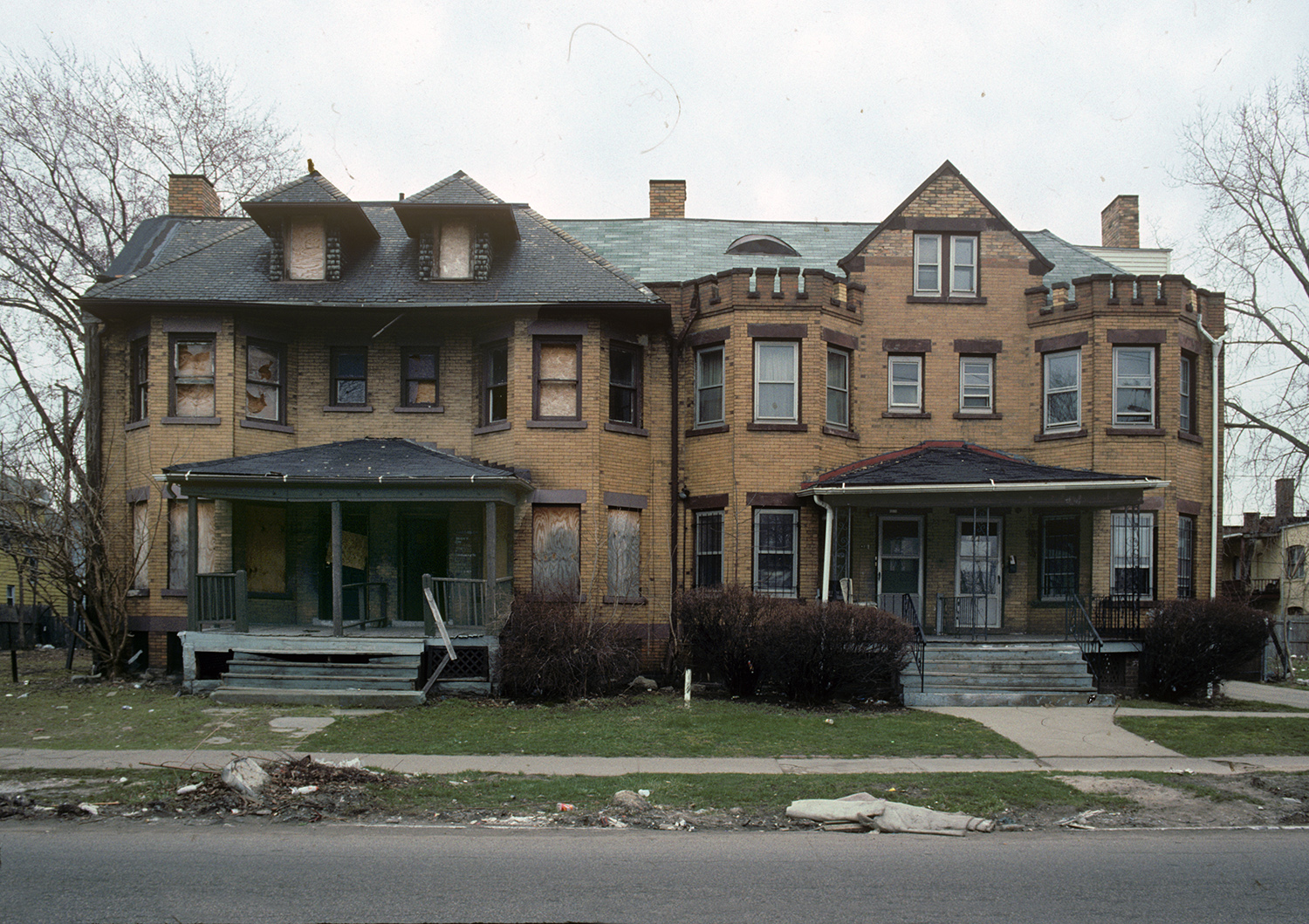
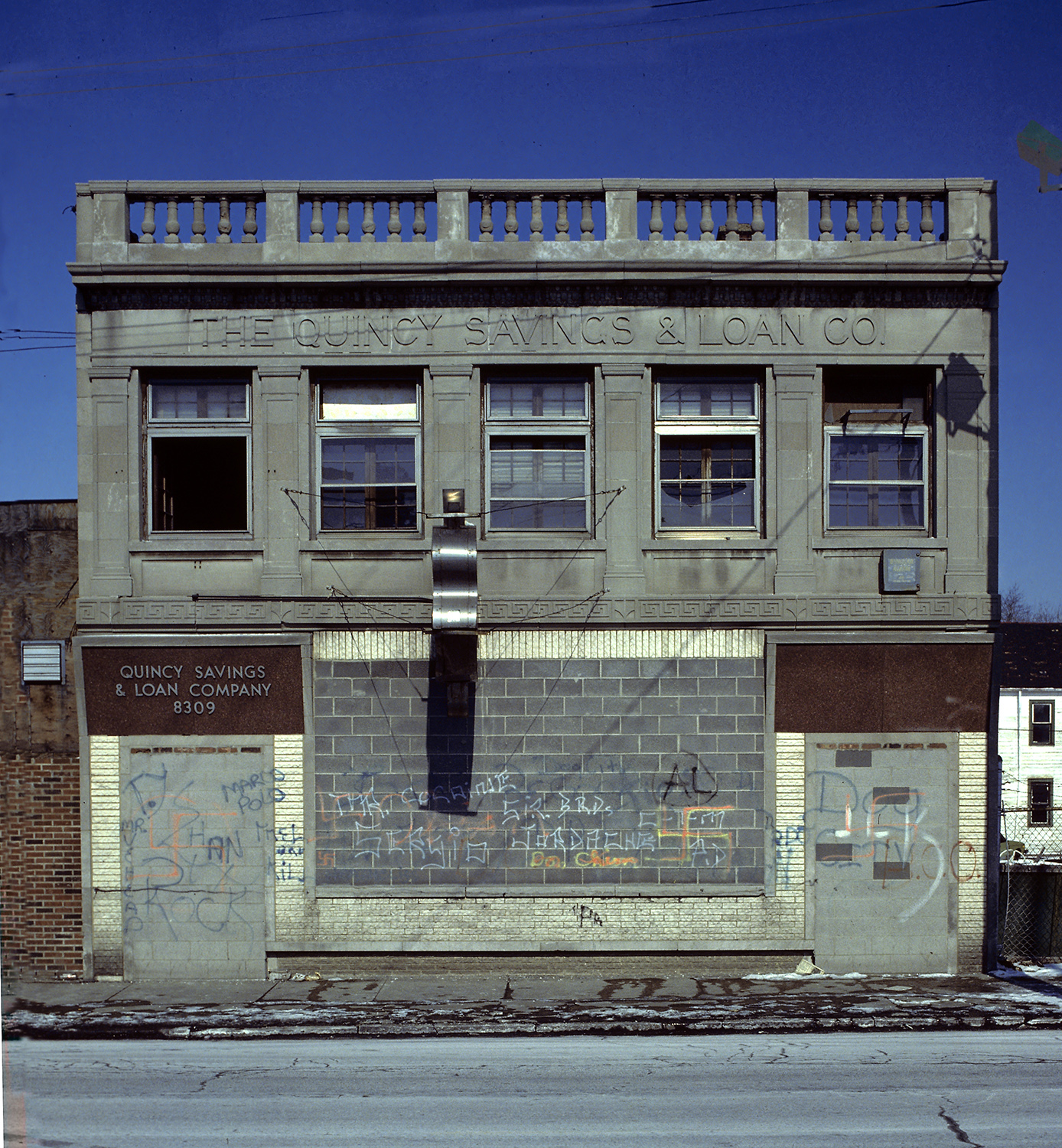
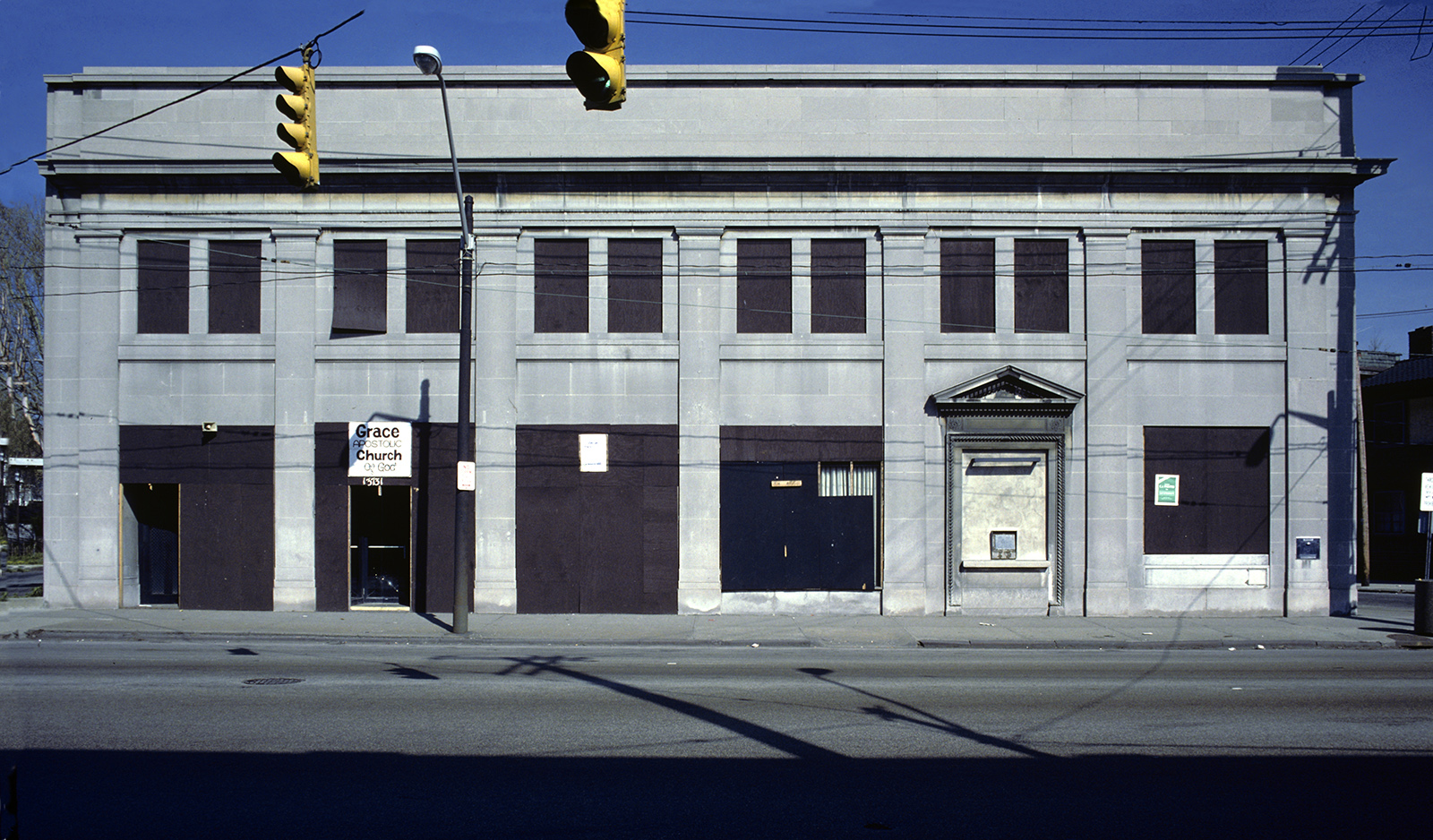
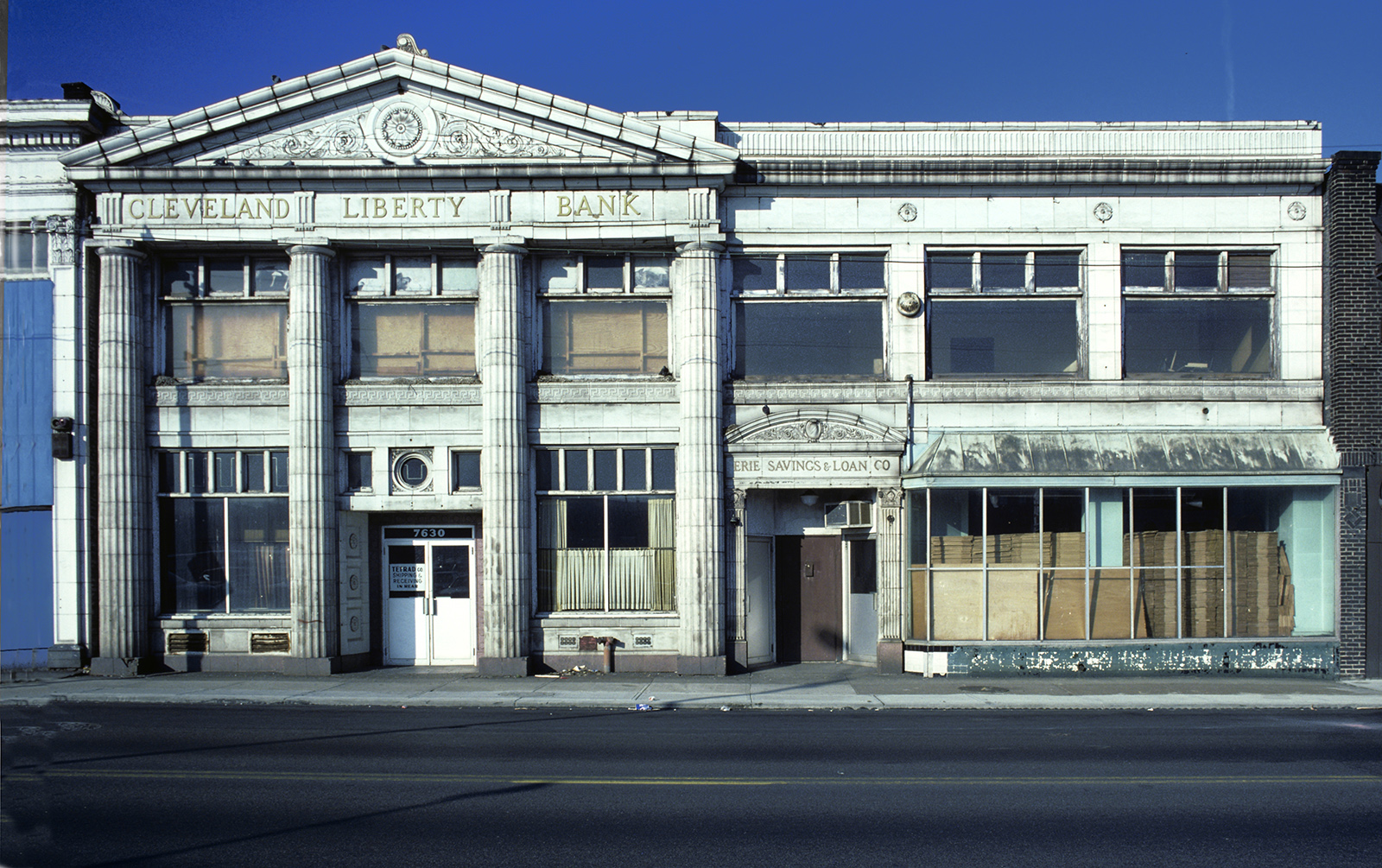
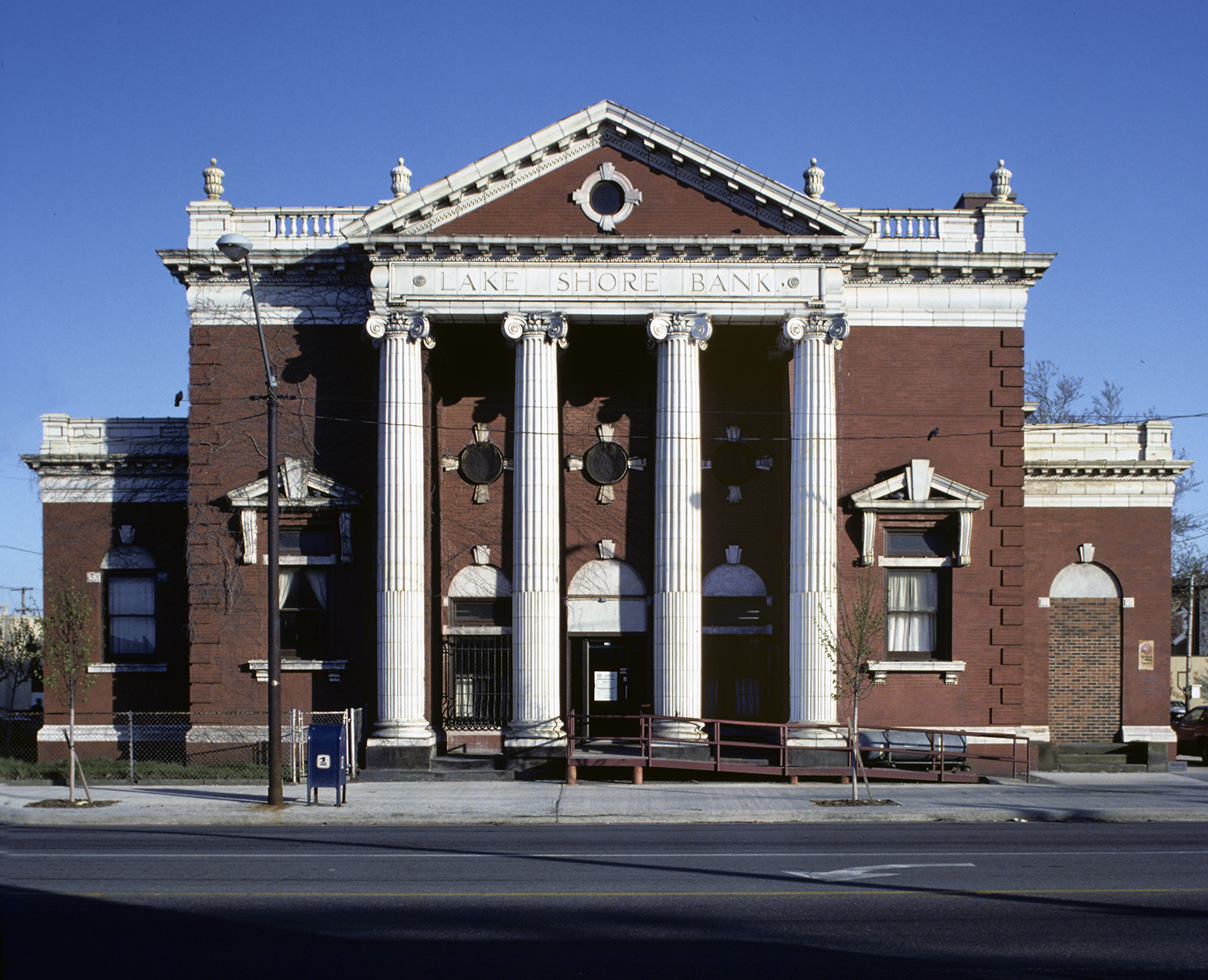
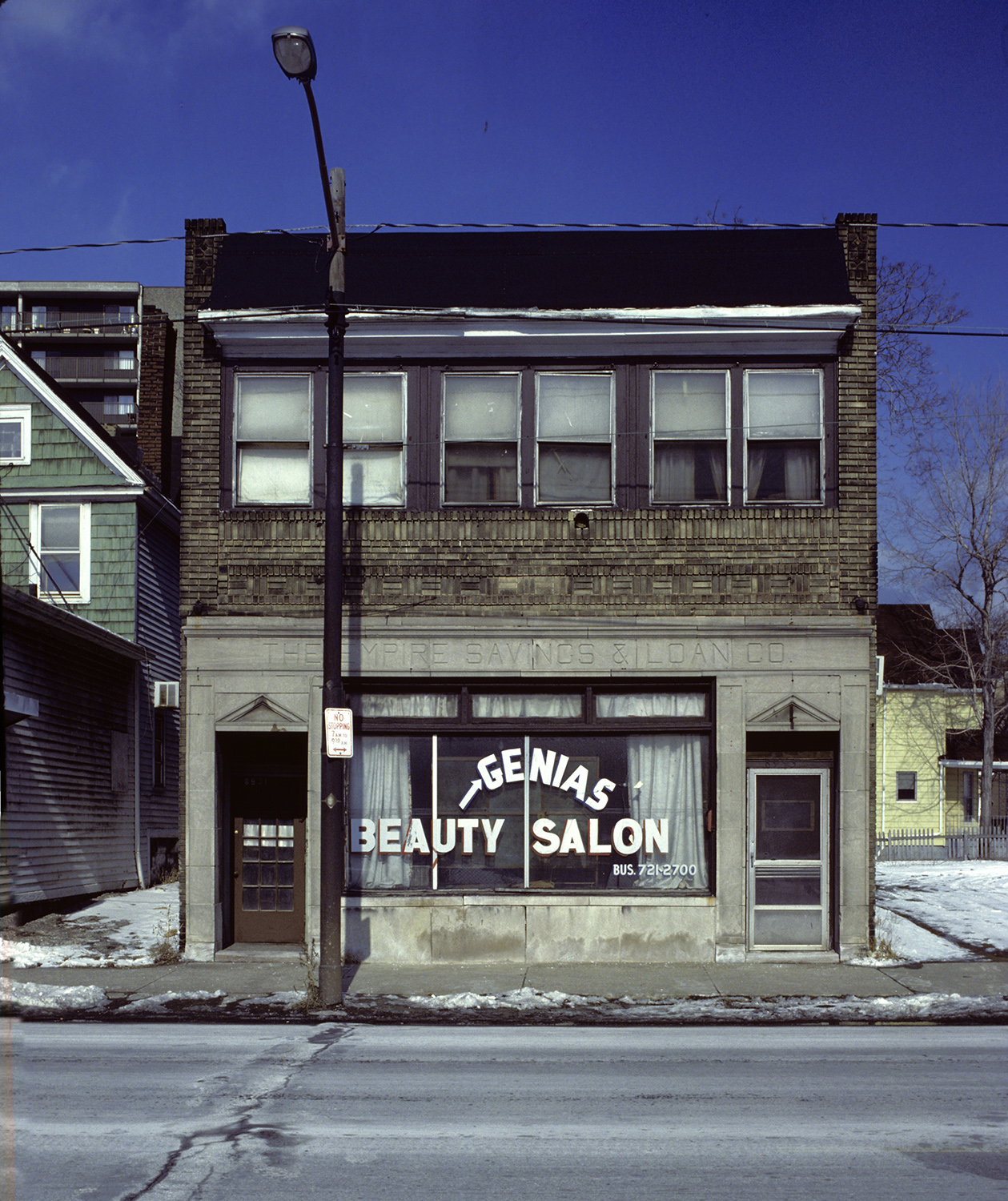
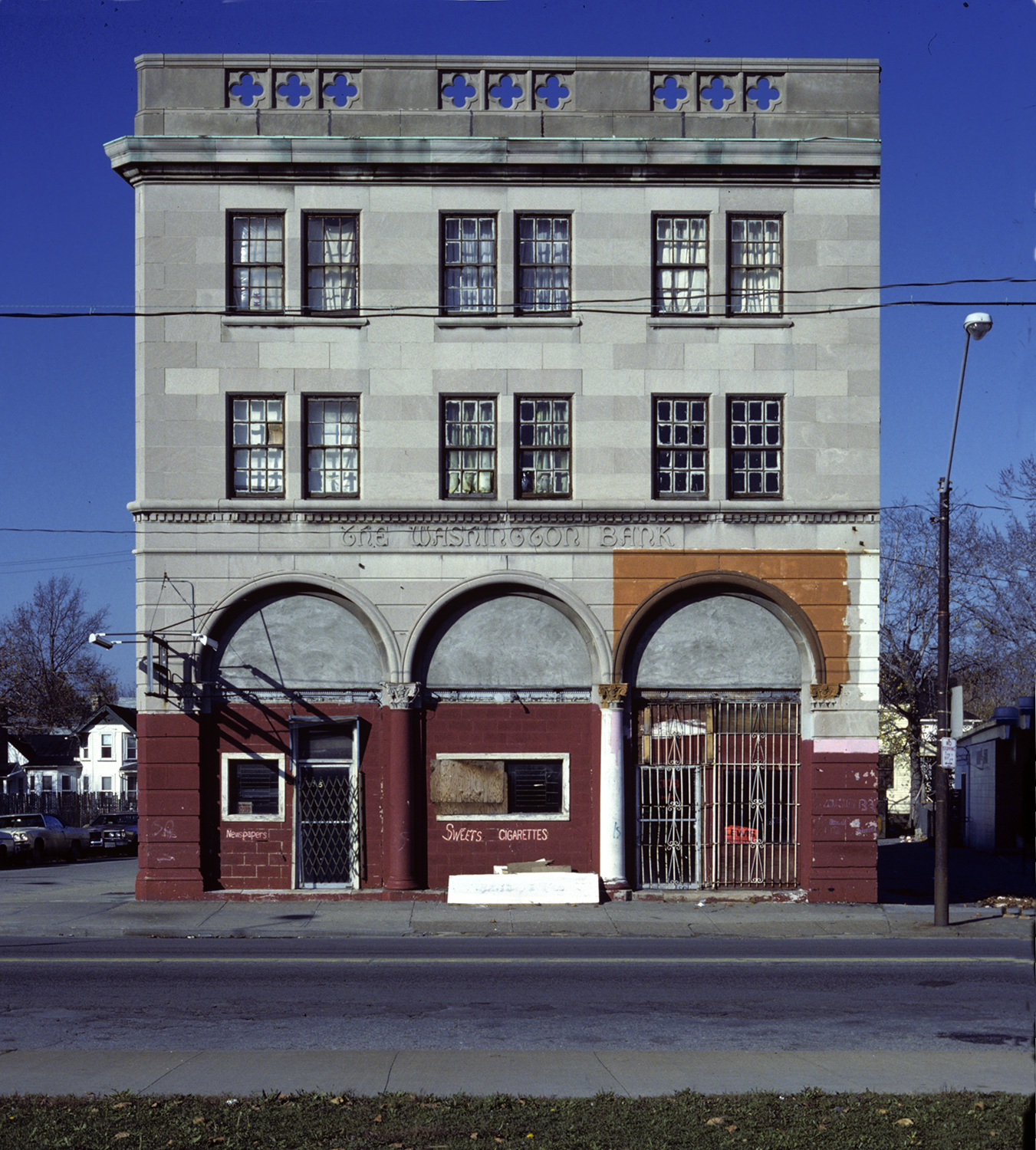
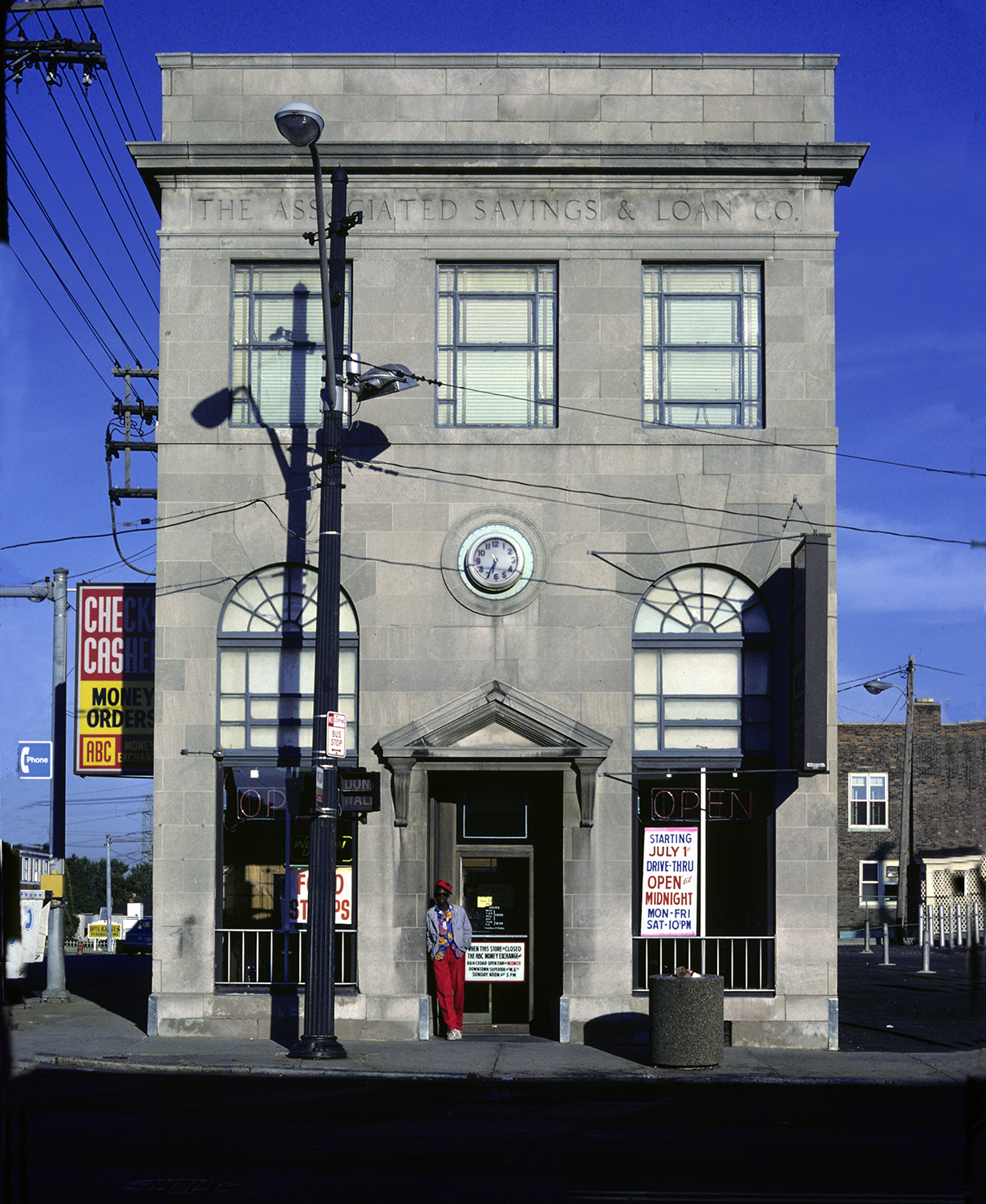
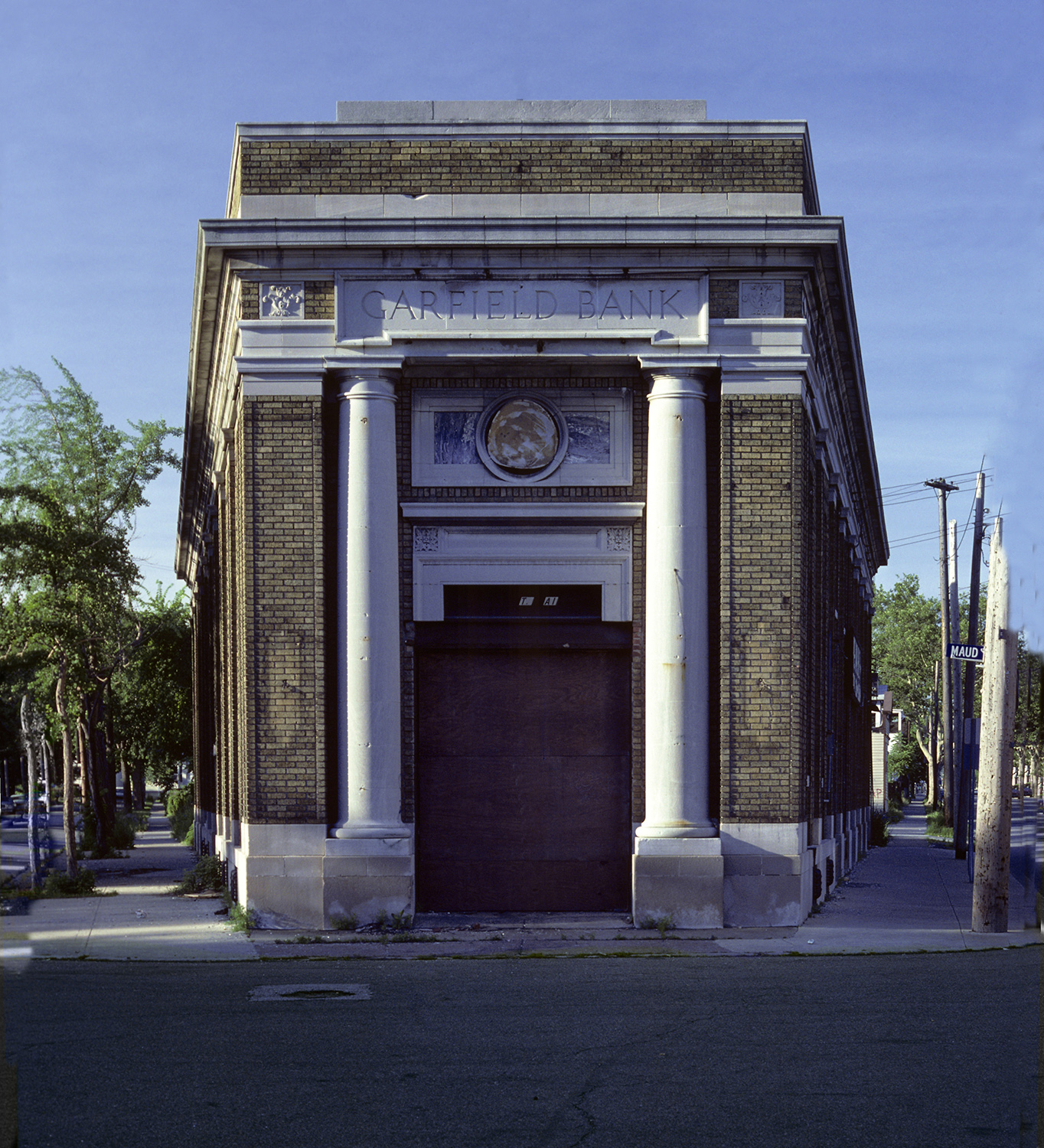
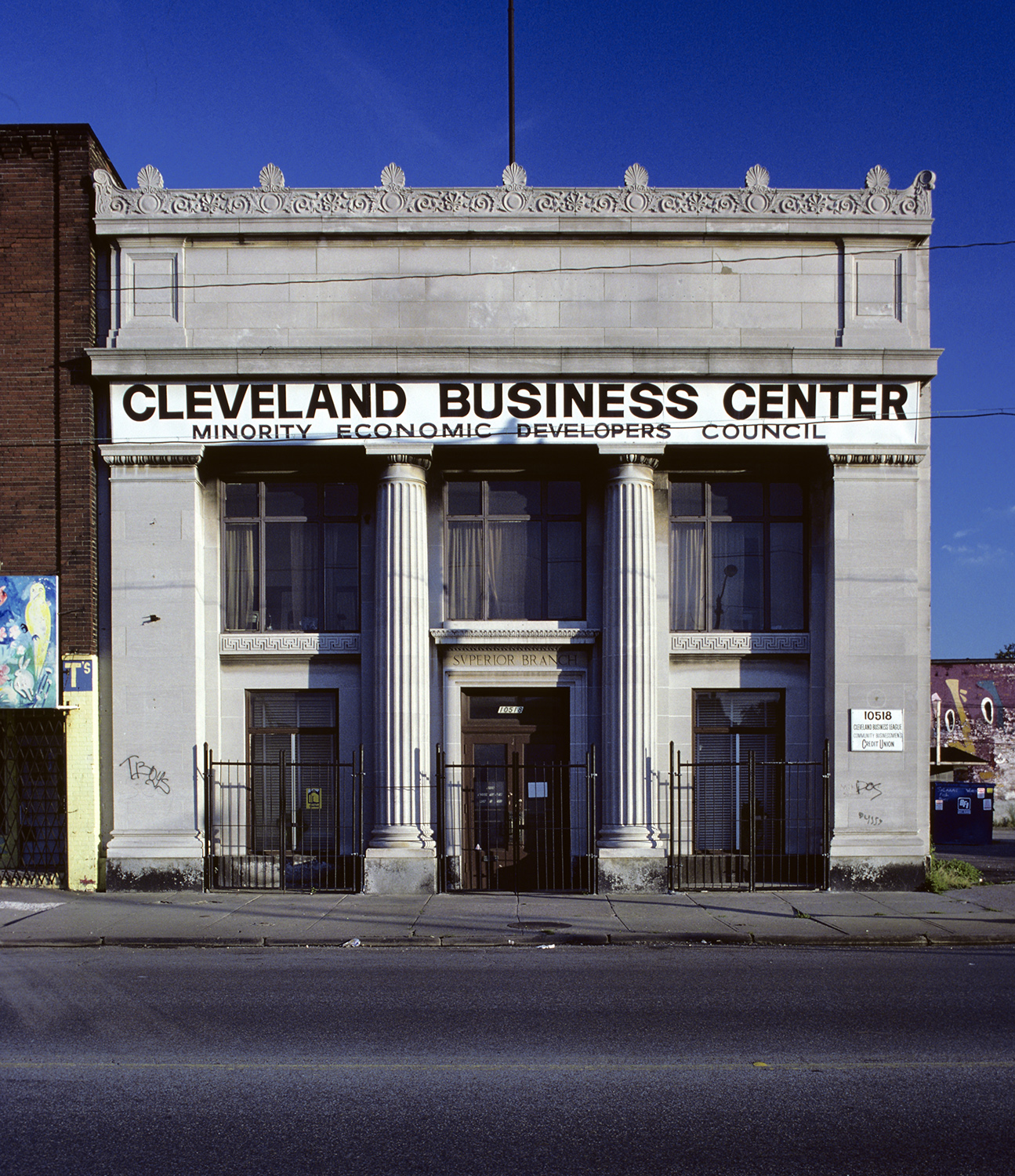
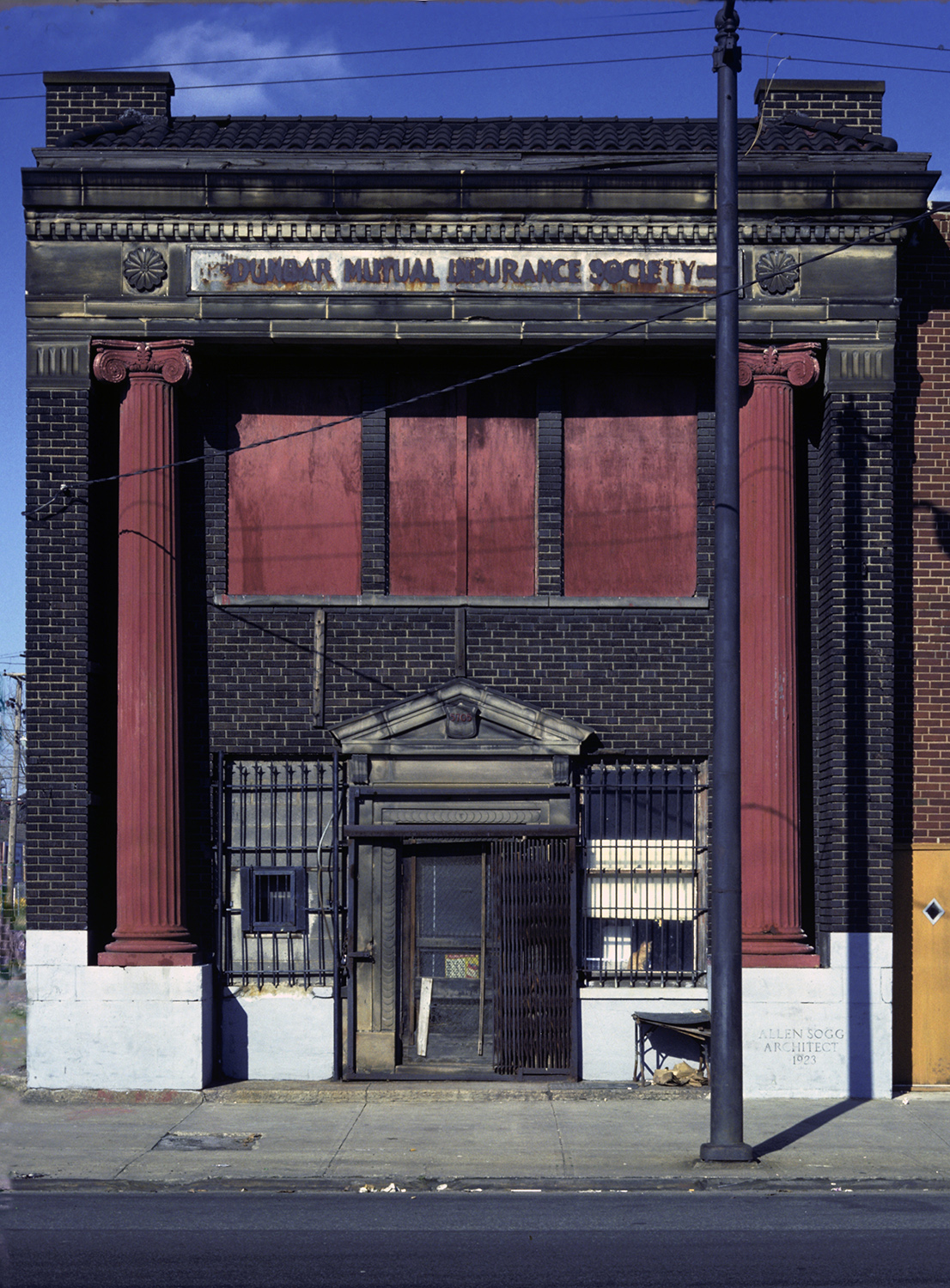
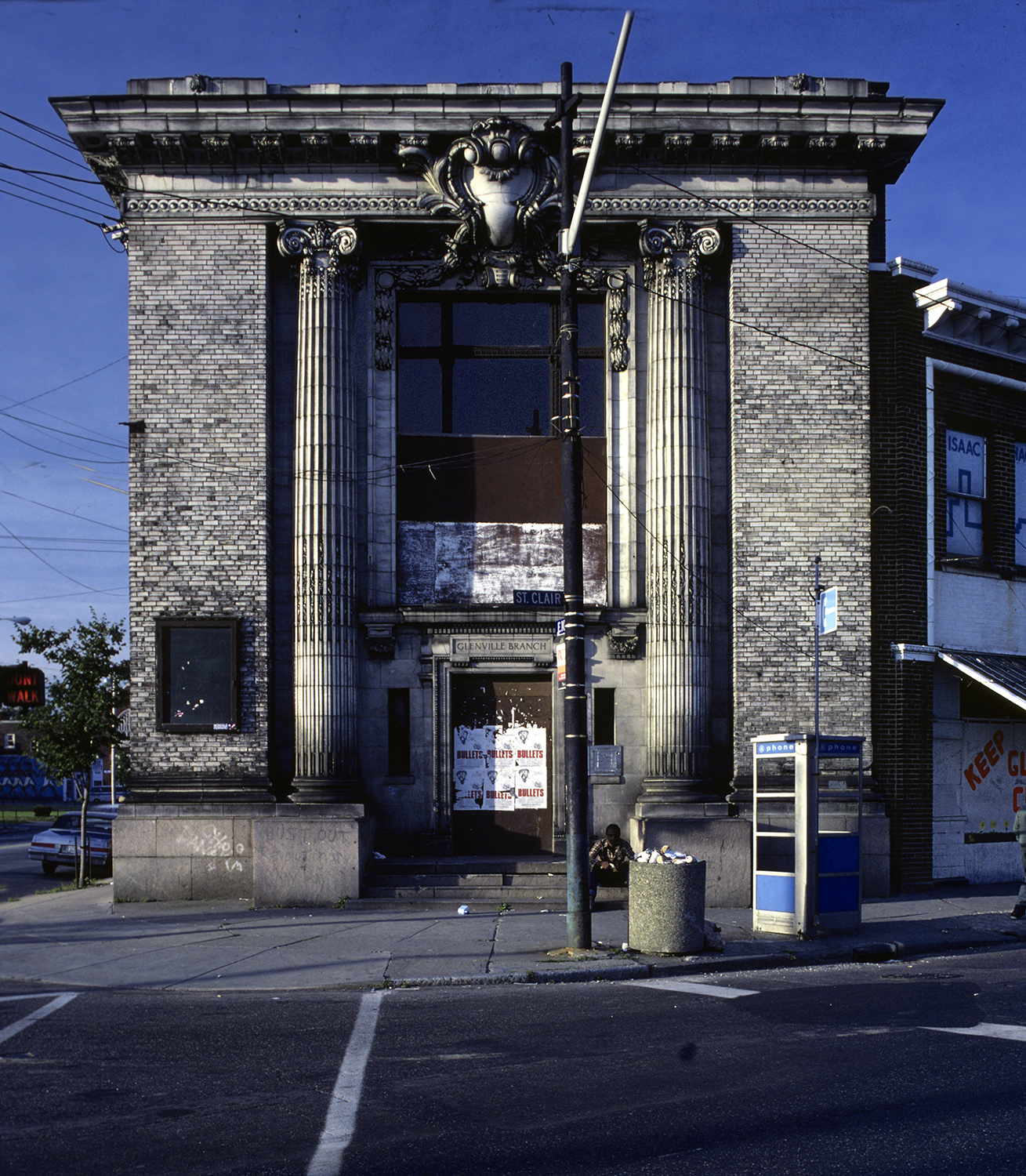
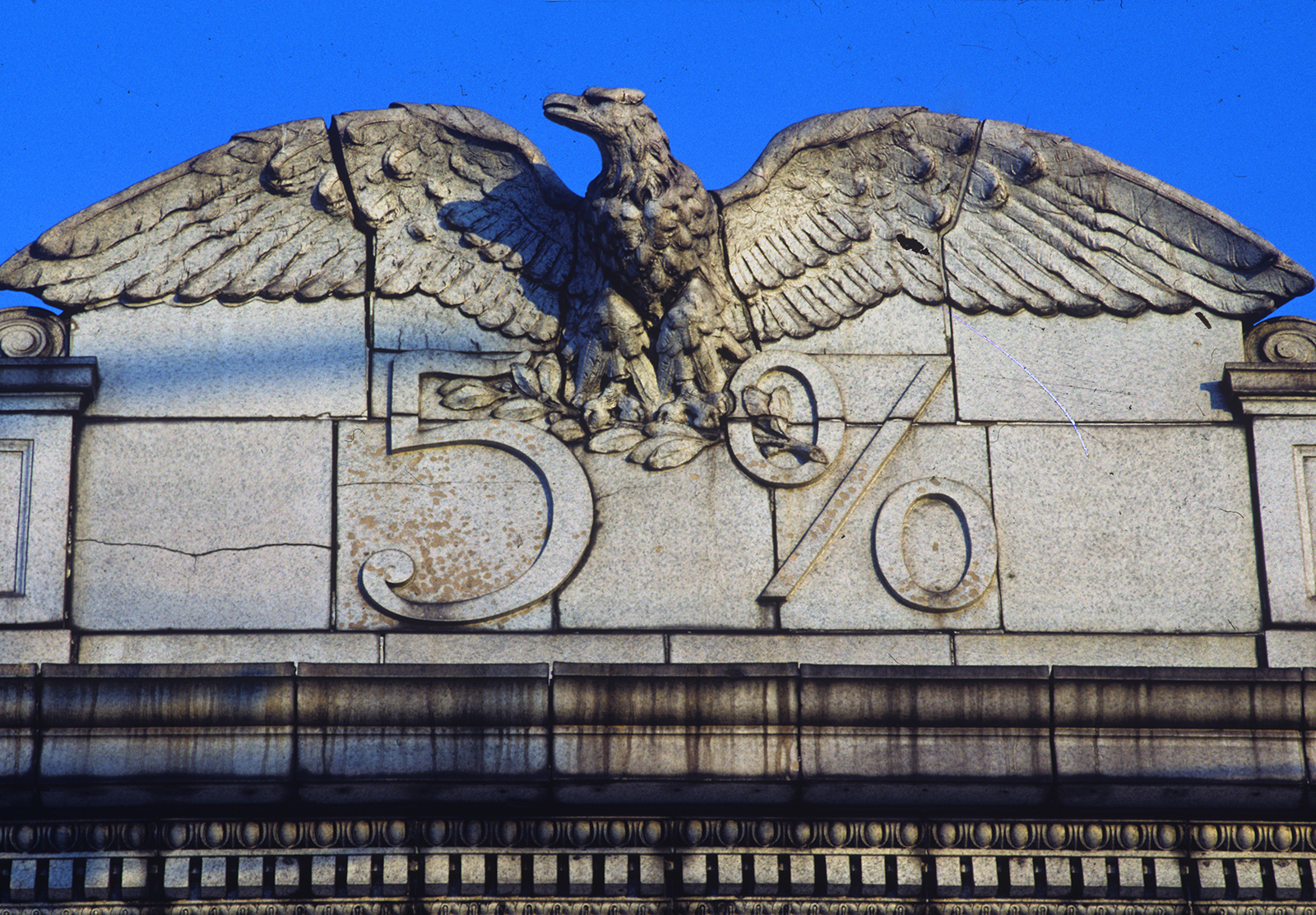
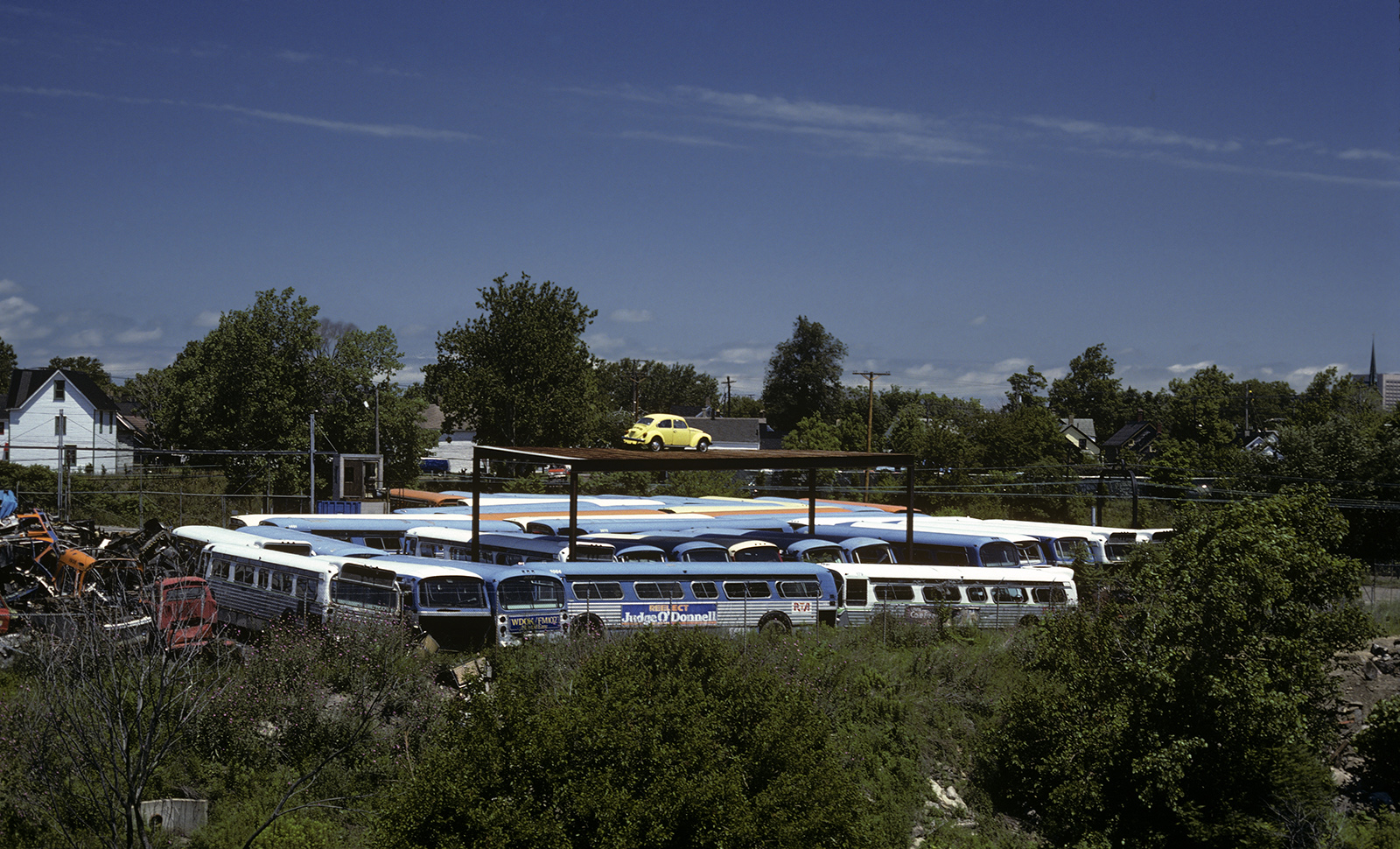
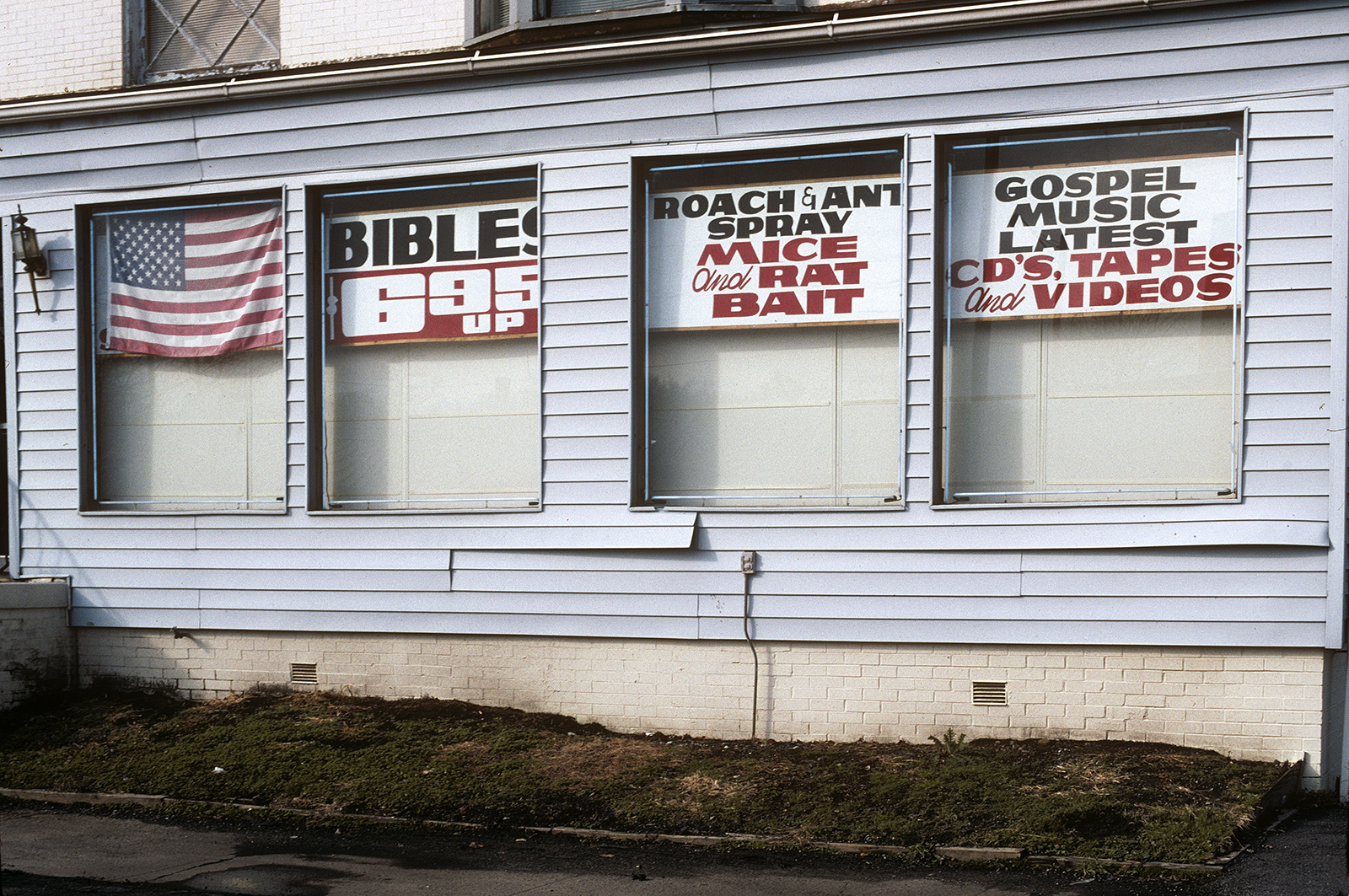
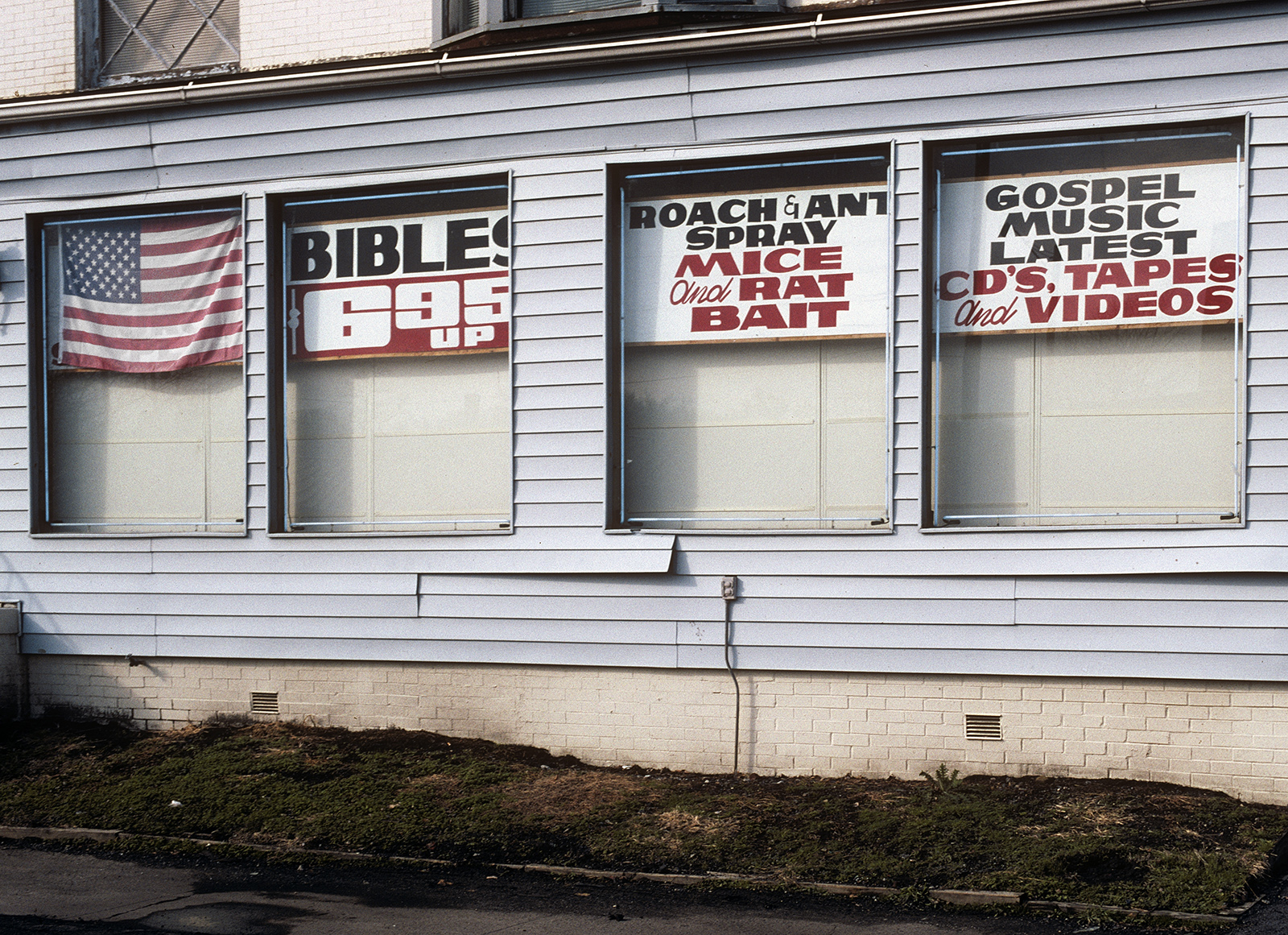
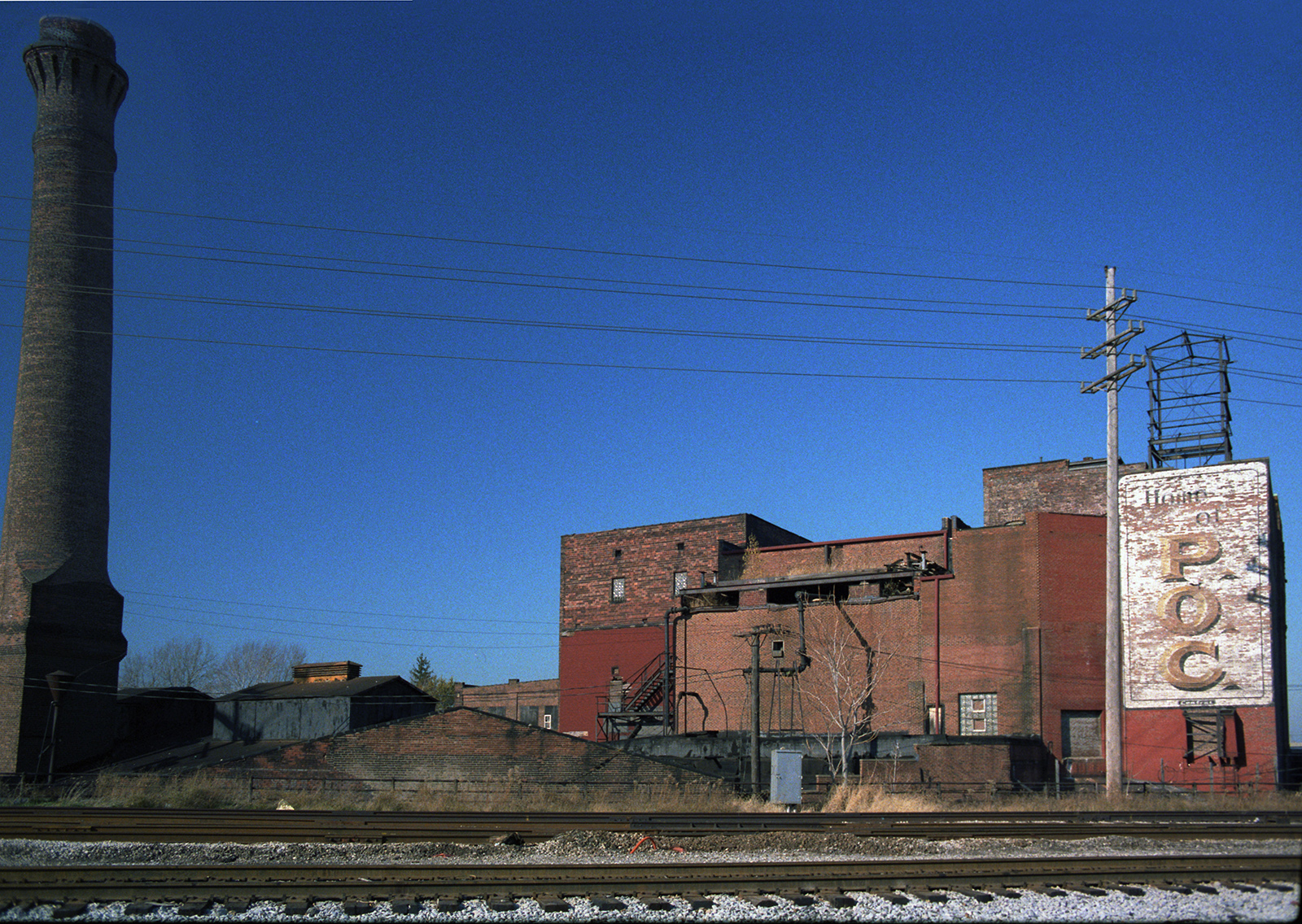
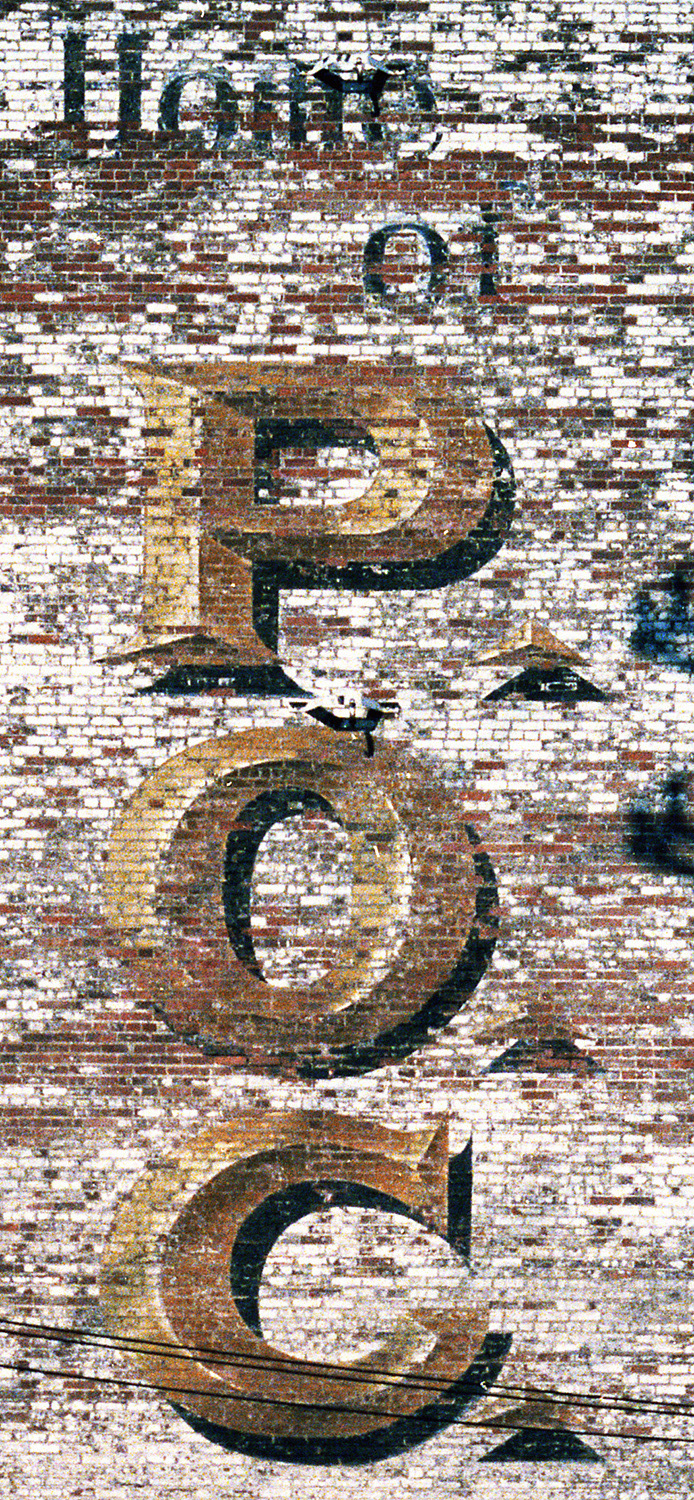
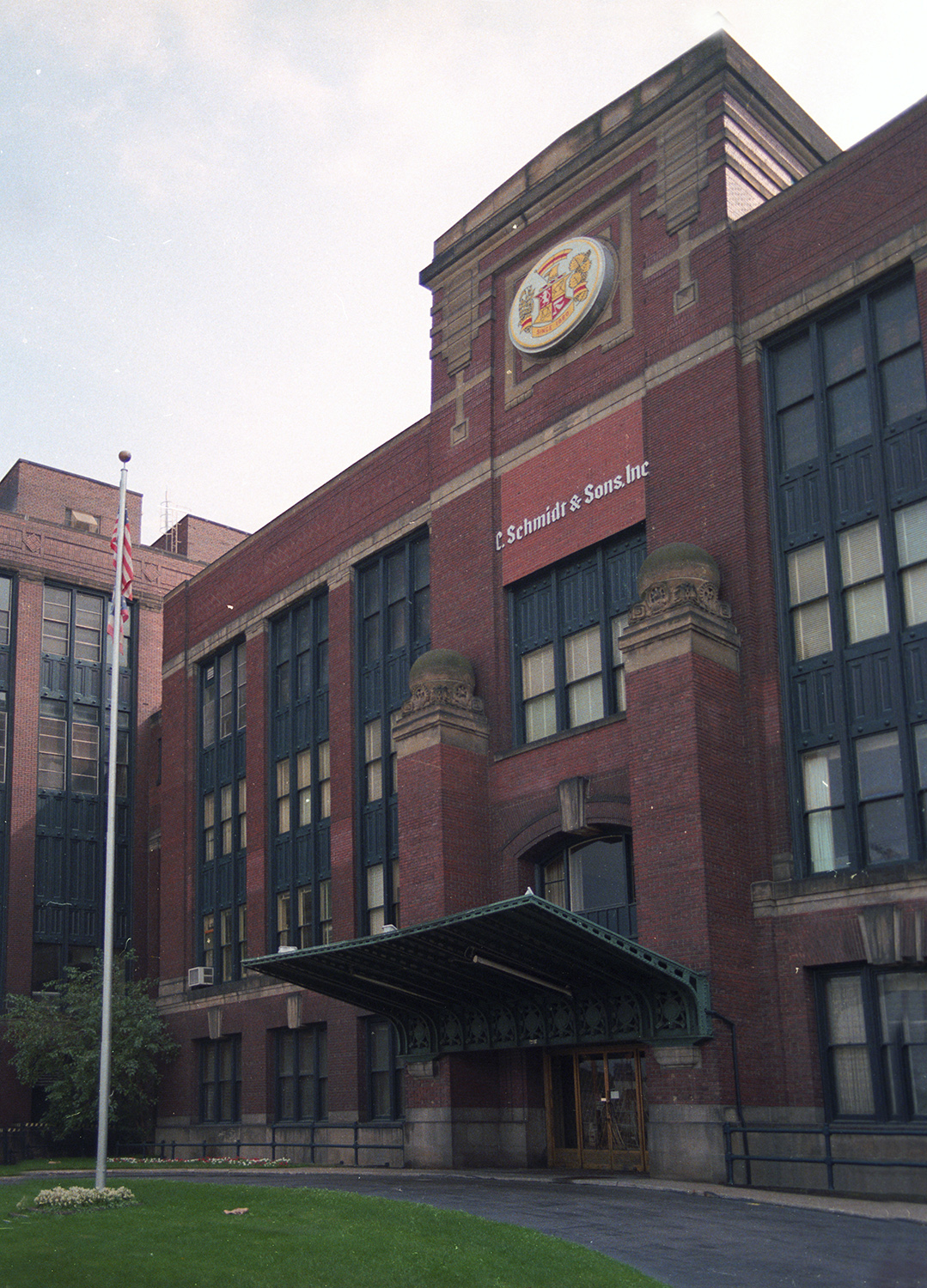
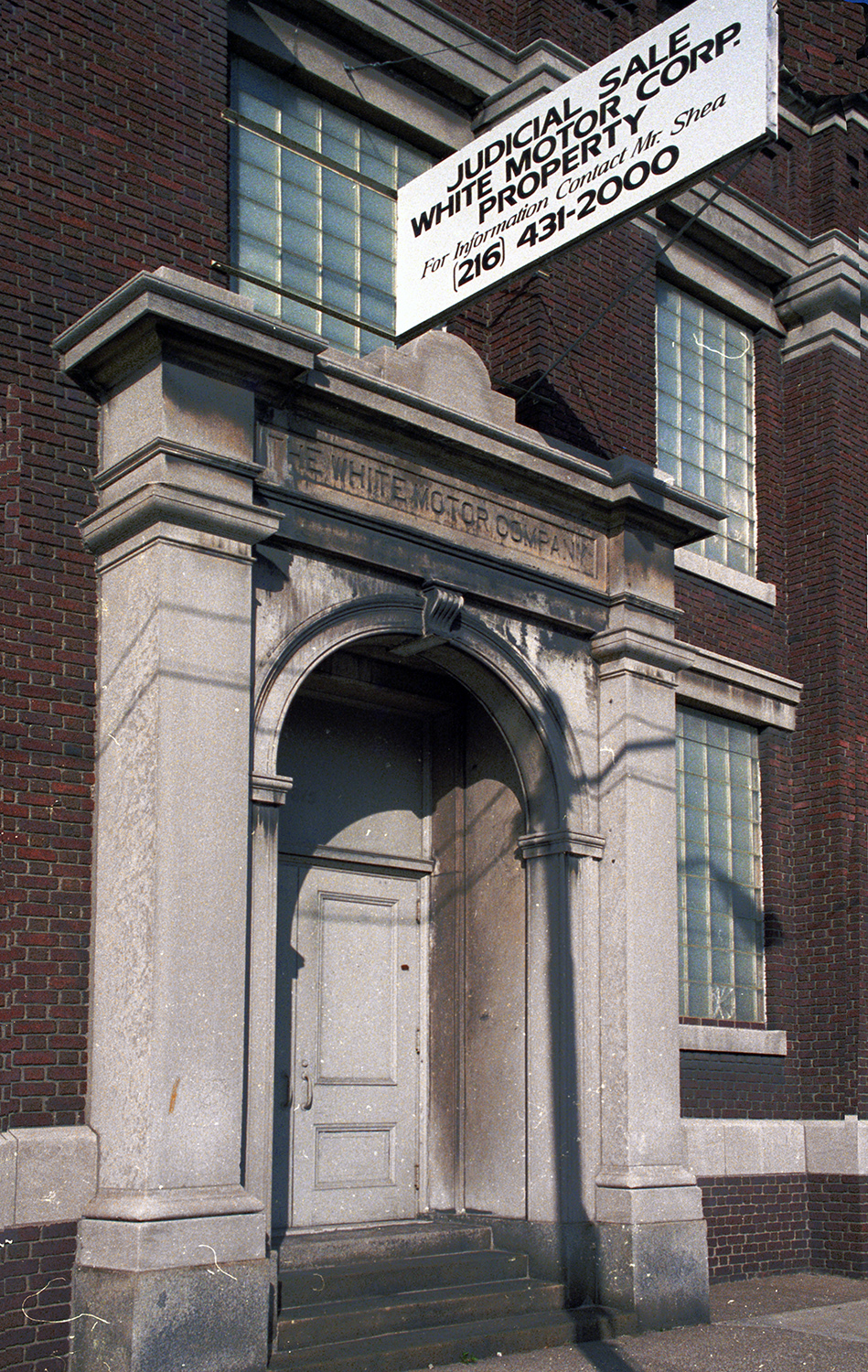
Forest City Foundry, West 25th Street - Built 1890, Closed 1980, Demolished 1983Forest City Foundry, West 25th Street - Built 1890, Closed 1980, Demolished 1983Forest City Foundry, West 25th Street, Employees EntranceForest City Foundry, West 25th Street, FurnaceForest City Foundry, West 25th Street, FurnaceForest City Foundry, West 25th Street, FurnaceForest City Foundry, West 25th Street, FurnaceForest City Foundry, West 25th Street, FurnaceForest City Foundry, West 25th Street, LadelsLadels that poured iron for one hundred years.Forest City Foundry, West 25th Street, FurnacesForest City Foundry, West 25th StreetSohio Refinery Site, Powerhouse, Broadway, The FlatsSohio Refinery Site, Powerhouse, Boiler plate, Broadway, The FlatsSohio Refinery Site, Lab, Broadway, The FlatsSohio Refinery Site, Desk, Broadway, The FlatsHomes, East 77th StreetHouses, East 77th StreetHouse, East 36th StreetHouse, East 36th StreetHome, Rawlins Avenue - GoneHome, Berwick Road - GoneHome, East 62nd Street - GoneChurch, Hawthorne Avenue - GoneHouse, East 36th StreetChurch, East 82nd Street, The TriangleHome, East 40th StreetHouse, East 62nd Street, Beaver Heights - GoneShotgun Shack Addition - GoneDOT was also a city of narrow shotgun shacks, where endless additions could be added out back.With regards to the preservation-minded, what do you expect with housing that was built as somewhere between a shanty and a home.House, East 36th StreetStreets numbered below East 55th Street was the old historic core of the city wheer the newly arrived from all over the world would first settle.House, East 36th StreetBurning abandoned house became nothing to notice in the rest, culminating in devils night in Detroit where are for many years in a row. It was a celebration of arson and owns. Mineral and natural resources in different.House & Car, East 76th Street - GoneStation Wagon & Abandoned House, Central AvenueGas Station, East 55th Street - GoneBank Vault, Quincy Savings Bank, Quincy Ave.Rowhouse, Parkwood Avenue - 1988Rowhouse, Parkwood Avenue- 1989Superior Savings, Superior Ave.House of a Million Items, East 79th Street - GoneLake Erie Bank, Broadway - goneThe bank building survived with one retail store, which was a used appliance shop until it shut down 2019. By this time, the exterior was very similar, but was in reality simply a shell because most of the building had collapsed. Emergency.Superior Savings, Superior Ave.Lakeside Bank, St. Clair Ave.The building went through a number of different uses until it simply became a shell inside, however, it still stands in 2025.Superior Savings, Superior Ave.Washinton Bank, Superior Ave.I knew the owner and one day he showed me the bank lobby, which has his vintage jaguar. He worked on the building a little bit every year until he died, which was around 2018. People bought it to rehab, but that was years ago and it's still lies pretty much unfinished.Hough Bank, Hough Ave.After the bag, it became the council person's headquarters, and after that it just been vacant until most of it collapsed, except the façade, although, that exist still today at least in 2025.Associated Savings Building, East 93rd Street _ GoneGarfield Bank, Eat 79th Street - RehabbedThe bank was bought and made it to a number of loft apartments.Forest City Bank Building, West 25th Street & Detroit Ave.The entire building was abandoned for a period of time until it was revived. A restaurant now is where the entrance and the bank was. Is literally the first thing you see off the bridge traveling from downtown to the west that gives you an idea of economics at the height of the belt.Superior Bank, Superior AvenueIt's still there in 2025, but, it's completely closed.Dunbar Insurance Company, Woodland Avenue - GoneOne of the major names and black owned businesses on the east side was Dunbar Insurance.Cleveland Trust Bank, St. Clair Avenue at East 105th Street - GoneTatra Savings, Woodhill Road5% interest, written in stone, say what?Bus Junkyard, Compact Car MemorialT & L Christian Bookstore Window Display, Euclid Ave.Grafitti Hieroglyphs, Downtown, Rapid Train LineBowling Alley Ornament, Kinsman Avenue - GoneBlue-Collar Art, Metal-Working Shop, East 152nd StreetStill there today.Sign, East 79th Street, HoughSign, Atlas Car Company, Ivanhoe Road - Built 1896, Closed 1987, Demloished 2015Cleveland Crane, Excavator,Cleveland crane, Chains - GoneThe Last Three Homes on Mulberry Street, The Flats #1The Last Three Homes on Mulberry Street, The Flats #3The Last Three Homes on Mulberry Street, The Flats #4Fields Where The Last Three Homes on Mulberry Street Once WereRow House, East 40th StreetThis waa a fairly renowned rowhouse, having been written about in the 1970s. It was taken out in 1982.Row House, East 40th StreetBerea sandstone is buff and golden when first used, but it's a magnet for soot. All ofn the city's millionaires lived downtown out to East 55th Street, but one of the big reasons they moved, and invented the suburbs and commuting, was the pollution caused bynthe industries that thay founded in this city. Rember that it was the oil refining capitol of the country, along with its many steel mills etc. There were numerous refineries in the Flats, that were close to these homes.Row House, East Sandstone Dormer, 40th StreetBullwinkle's Bar, East 55th Street - GoneEast 55th becomes completely industrial, on the south side of the city where the former metal working plants are mostly closed, and the dominat industry is scrap.Home, Thackaray Street - GoneUnion Hill Baptist Church, Gill Avenue, The Triangle - GoneFormer homes converted to churches or bars were always common place. This is the heart of what would become the Forgotten Triangle which was comprised of five different neighborhoods that were deteriorating quicker than anything else and the other deteriorated neighborhoods that surrounded.Homes, East 67th Street, Beaver Heights - GoneHouse, East, 69th Street, Forgotten TriagleBlue or not, the house was rehabilitated to some degree and is still standing today.Home, Neighborhood Display, East 79th Street - GoneWindow Display, Euclid Ave.St. Josephatt Church Blessed Virgin Memorial, East 33rd St. - Built 1906, Closed 1988What was a Polish church doing in a huge Croation neighbrohood? The polish were partial to steel mill employment, and, the first steel mills were along Lake Erie around Eat 30th Street, so, the Polish rented and bought homes near the mill, as well, as, putting up this church, which today is some sort of arts place, although the neighborhood is still hoodish and working-class.Tailor Shop, St.Clair Ave.T & L Christian Bookstore, Window Display, Euclid Ave.Neighborhood Store, Window Display, East 33rd StreetNext to St. Josephat Polish Church, a store window.Federal's Department Store Entrance, St. Clair Ave.West Collinwood by Hayden, was a big shopping district.P.O.C. Brewery, West 65th Street - GonePride of Cleveland, often referred to as Piss on Cleveland, nevertheless was a symbol of the city.P.O.C. Brewery, West 65th StreetSchmidt's Brewery (Peerless Car) Quincy Avenue, Bulit 1920, Closed 1982, Demolished 1995Originally, the Peerless Automobile company that made luxury cars including 12 cylinder models. It became a Carling brewery after World War II, then was sold to Schmidt's.White Motors, St. Clair Avenue - Built 1919, Closed 1978, Demolished 1988Republic Steel Tube Works, Taft Road - Built 1899, Closed 1982, Demolished 1989Largely situated in the Flats, Republic ran this tube divison in Collinwood/Glenville.Nicholson Cleveland Terminal Building - Built 1929, Closed 1978, Rehabbed 1998Nicholson had freight handling facilities in the Flats - their sugar warehouse, next to rails and on the Lake, here, where in a very long brick warehouse stretched out into the lake, so multiple boats could unlaoad their cargo - usually cars from Detroit, many cars.Forest City Savings & Trust Company Building, Entrance & PedimentDormant for years, and, far before any gentriifcation, reopened as an Italian restaraunt.
When this shot was taken was around the time, the Jewish Hungarian gangster, Shondir Birns was blown up by Danny Greene, behind the Jack n Jill Strip Club, housed on the opposite end of the building.
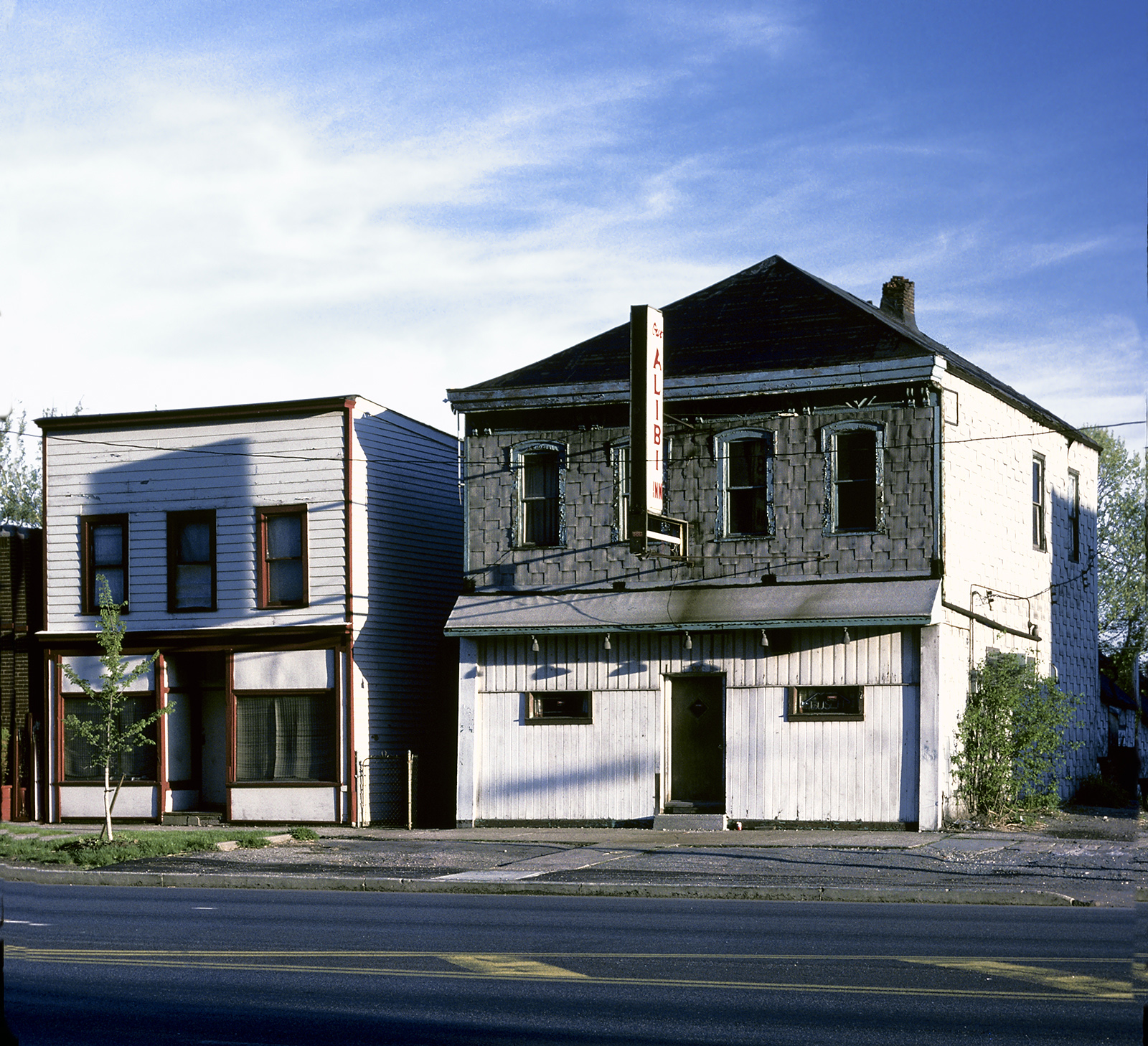
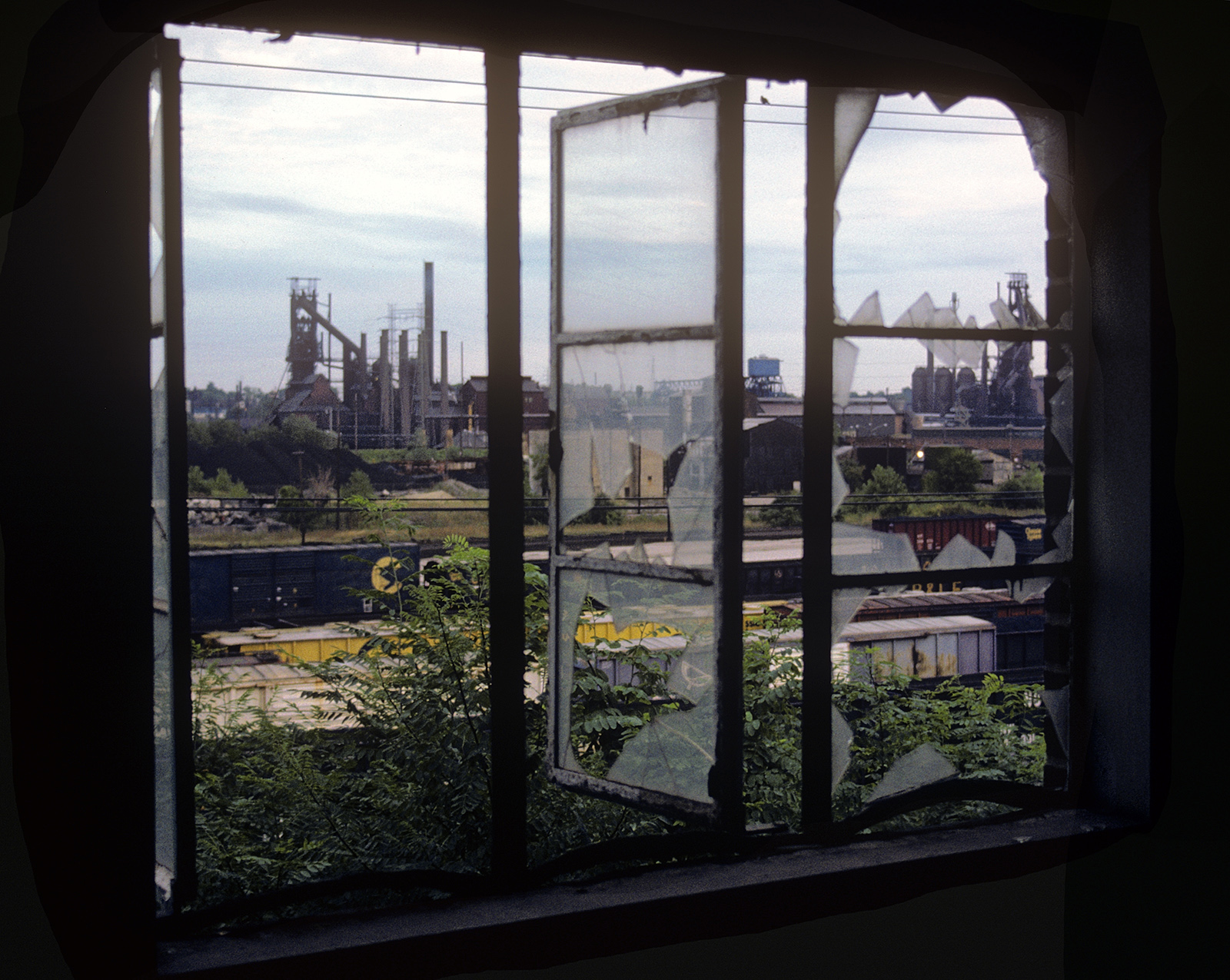
Times have changed, it's been in full gentrification mode, paricularly after the recovery of the so-called great recession, the recession of 2008.Shop & Alibi Bar, Superior Ave.Shop & Car Wash, Superior Ave.Window, Valley View Projects, The FlatsObviously housing projects aren't built for comfort, but these were built for discomfort. Next to a large railyard with a massive integrated steel mill in the background the noise and pollution were extreme. Obviously housing projects aren't built for comfort, but these were built next to the mills, and next to a large railyard with a massive integrated steel mill in the background the noise and pollution were extreme.
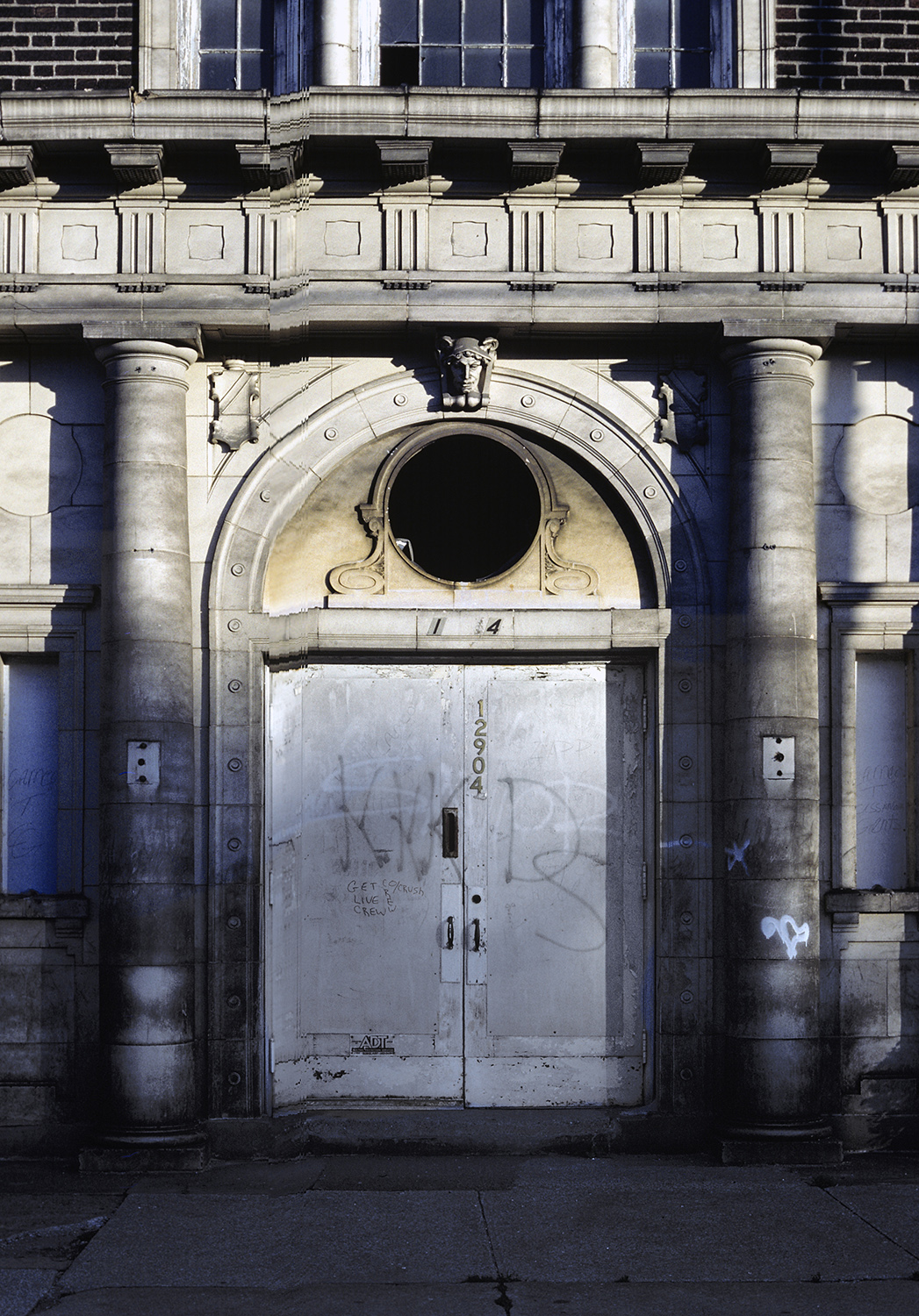
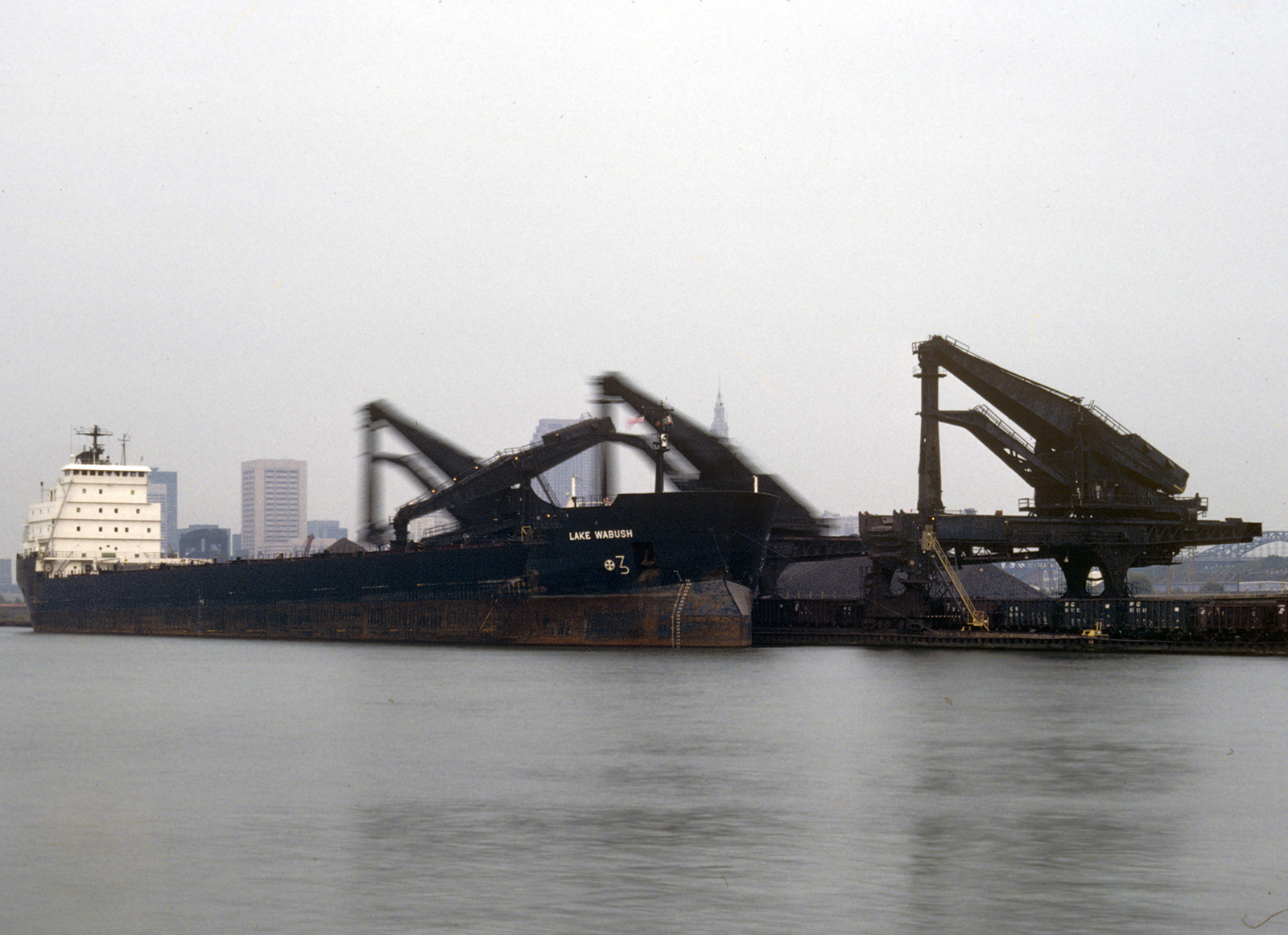
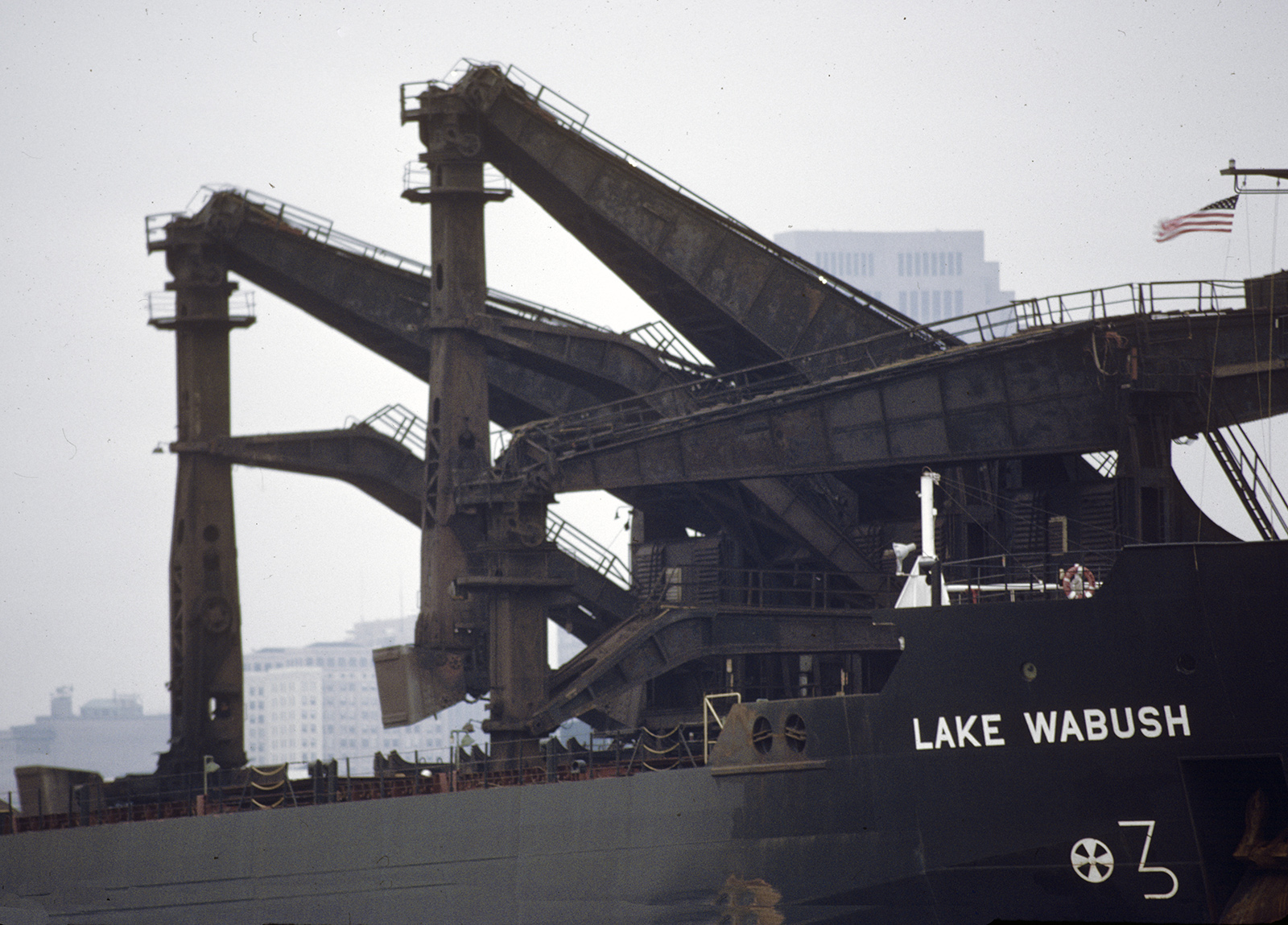
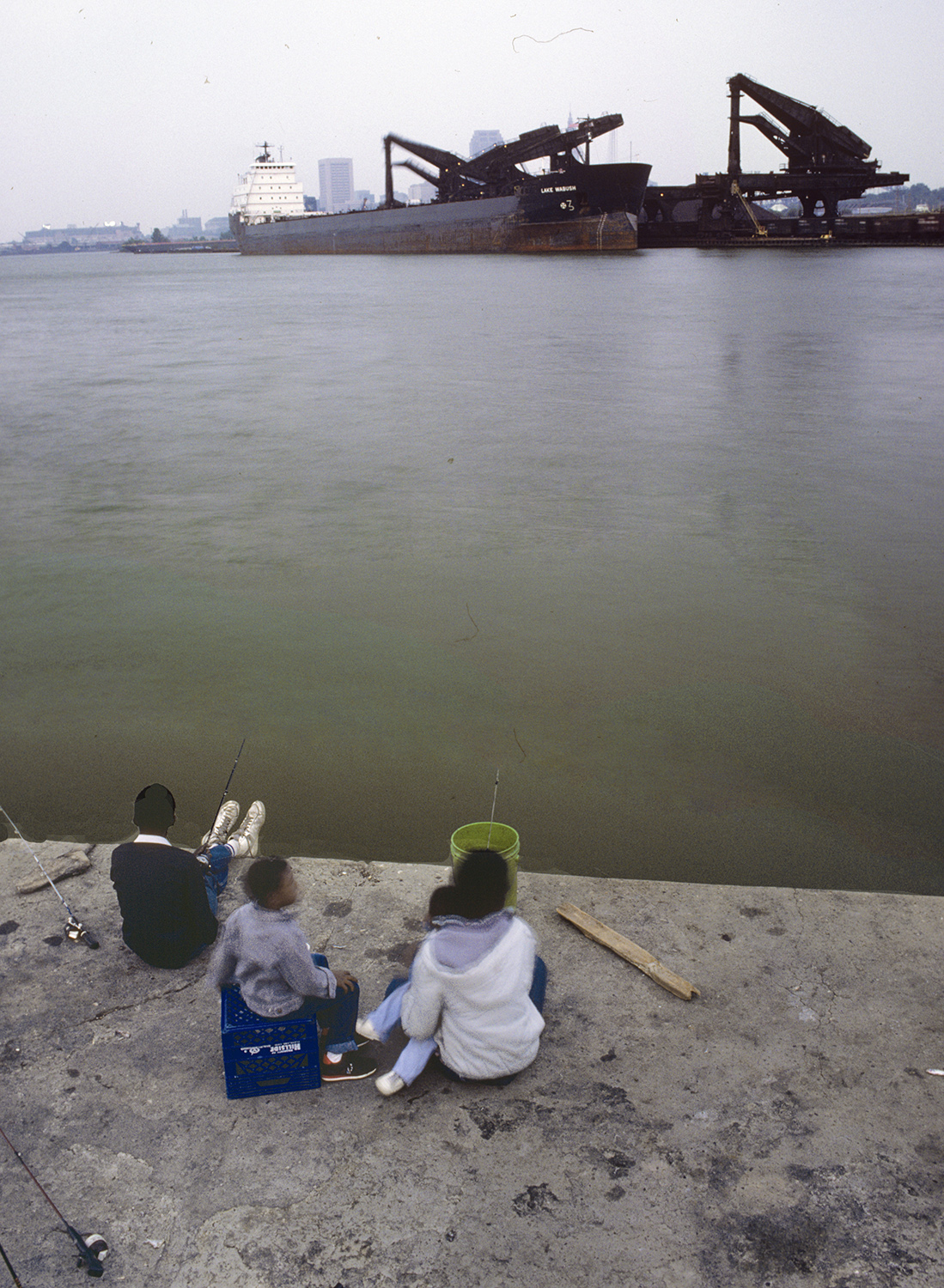
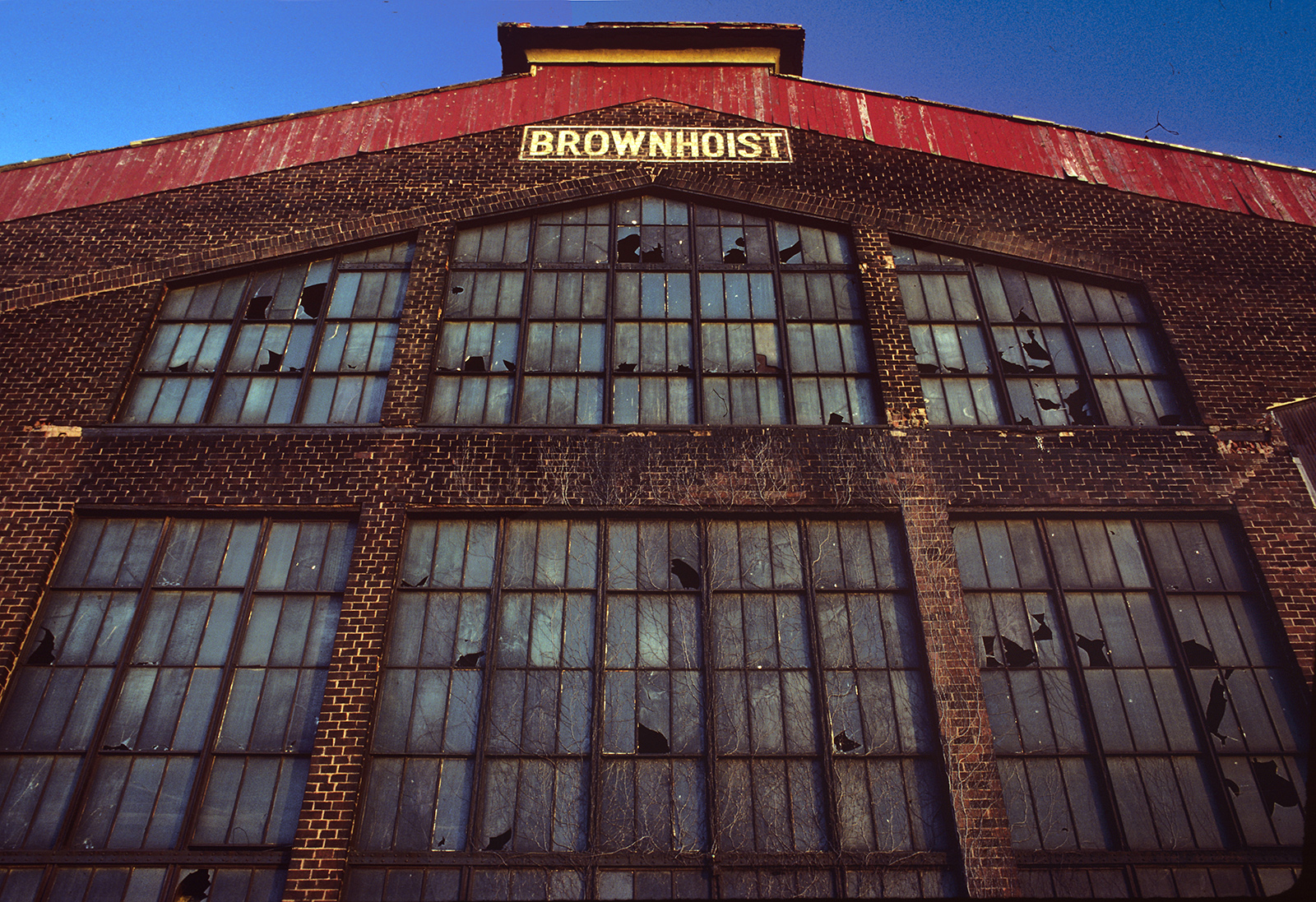
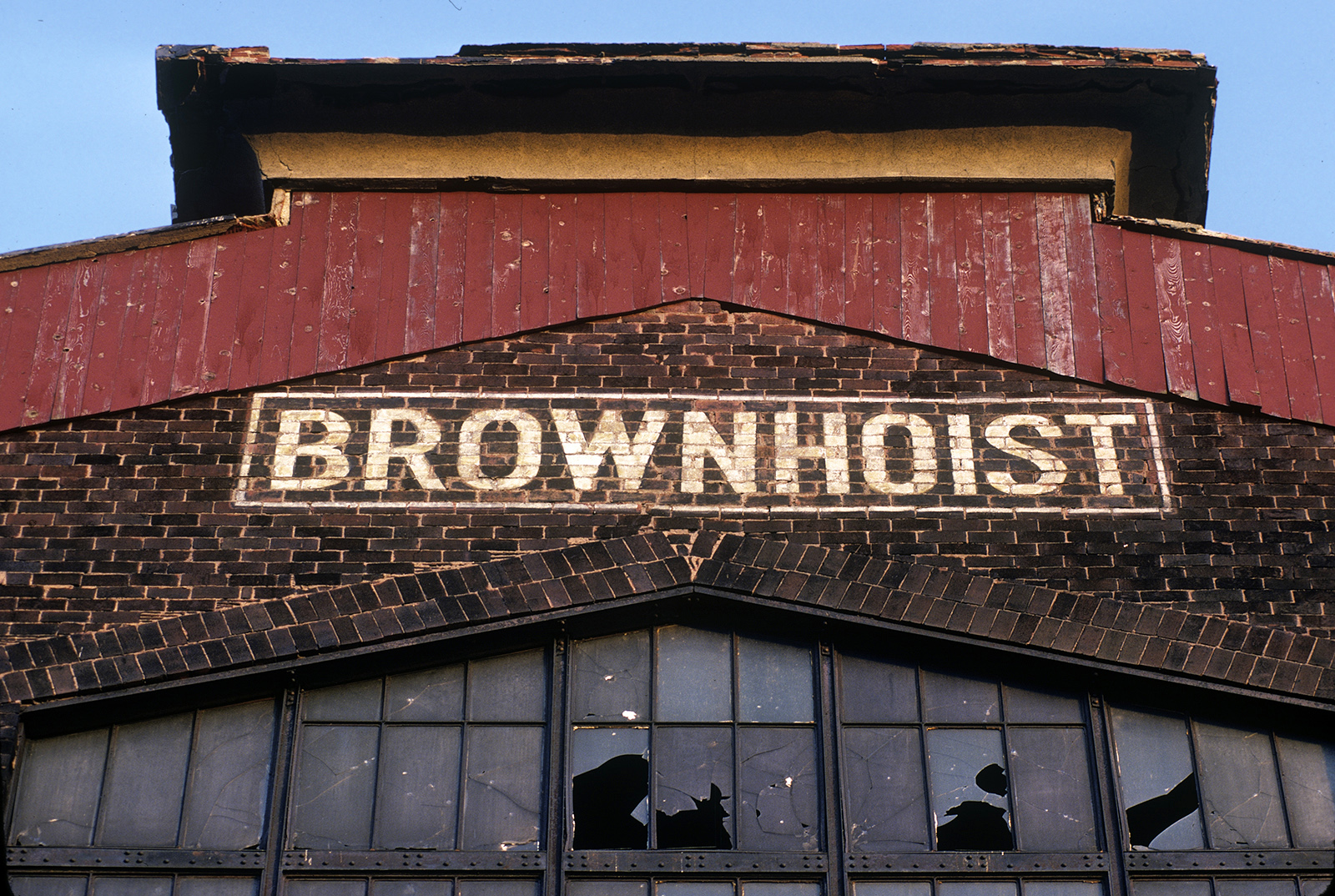
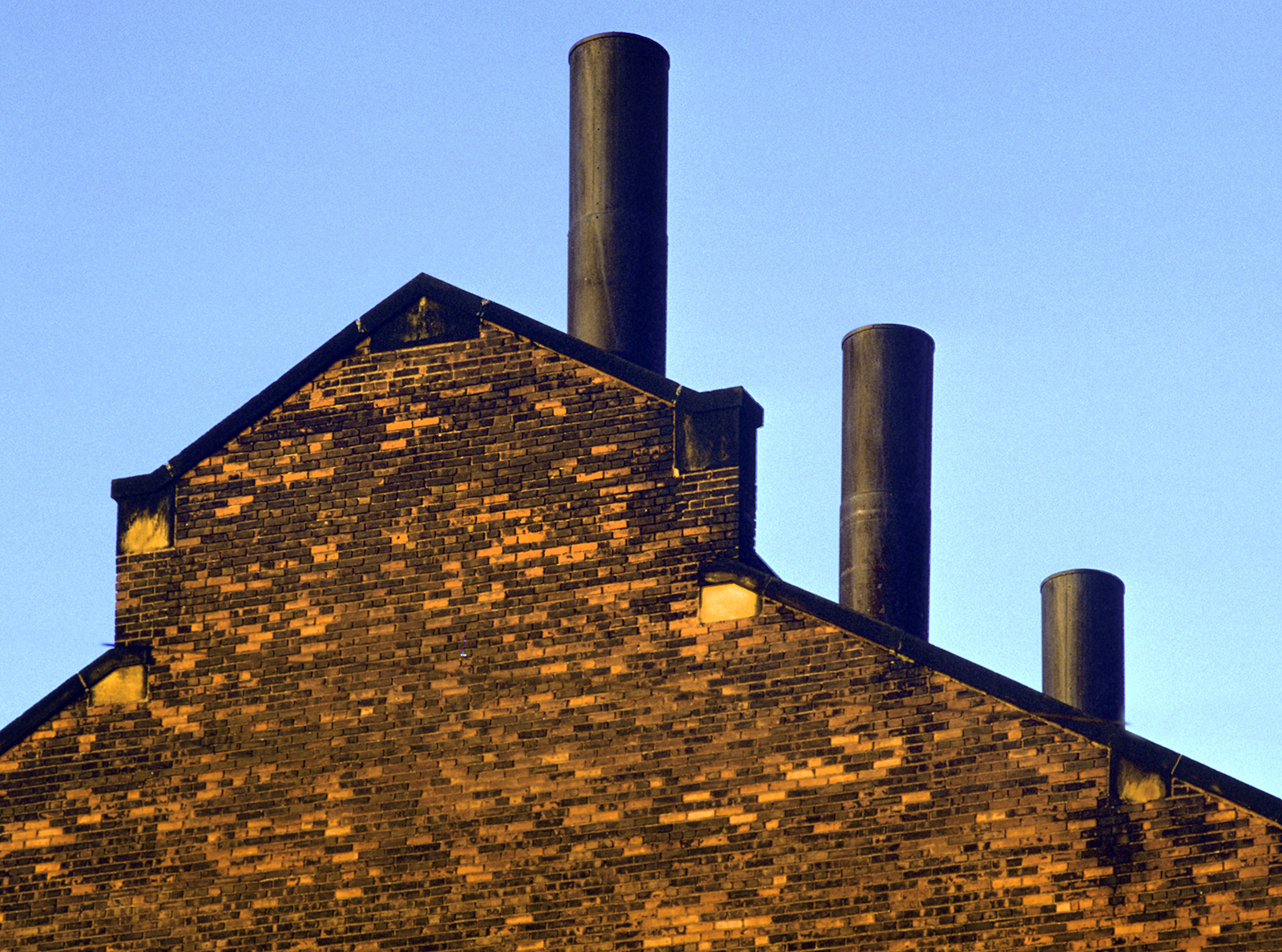
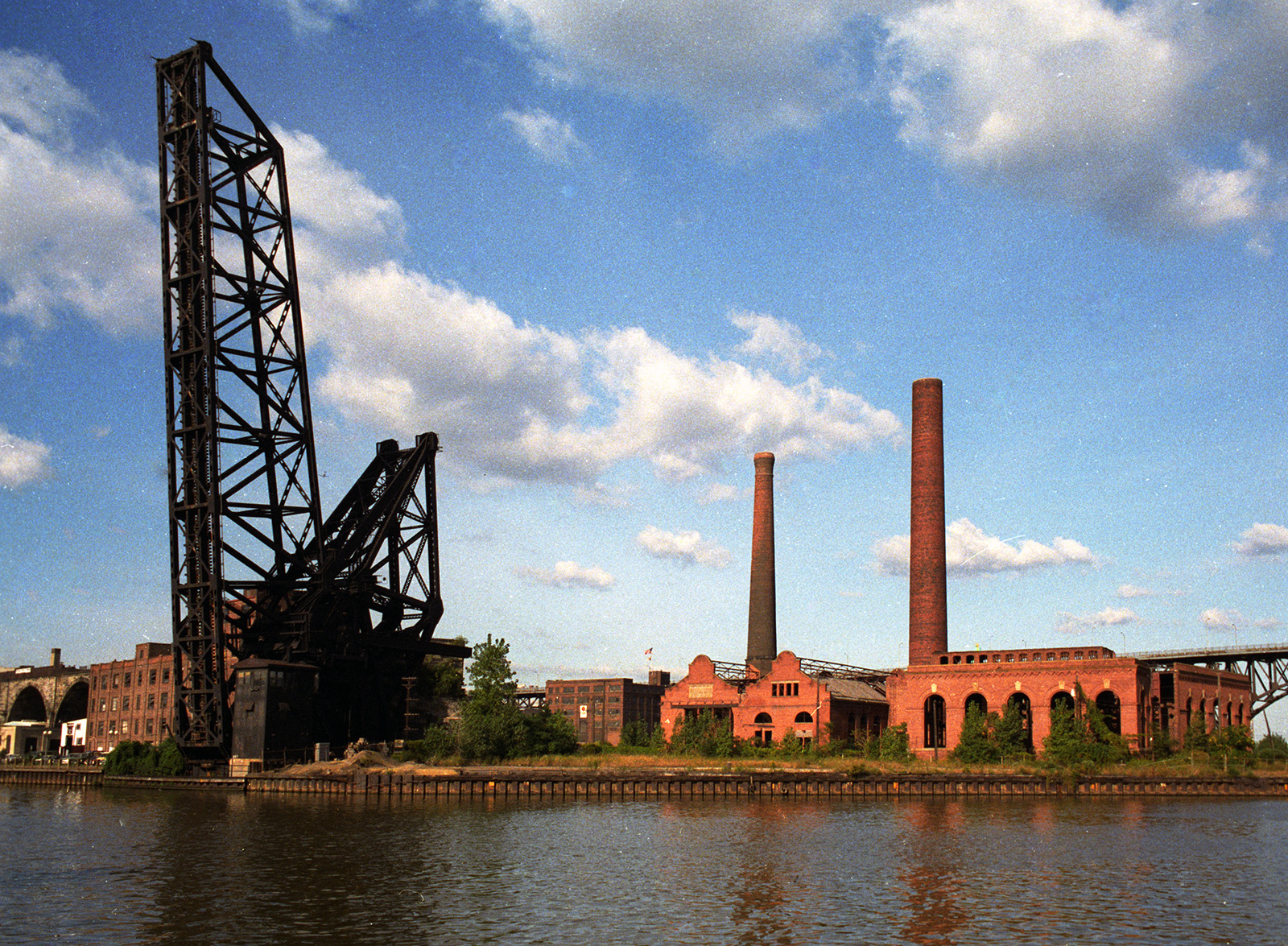
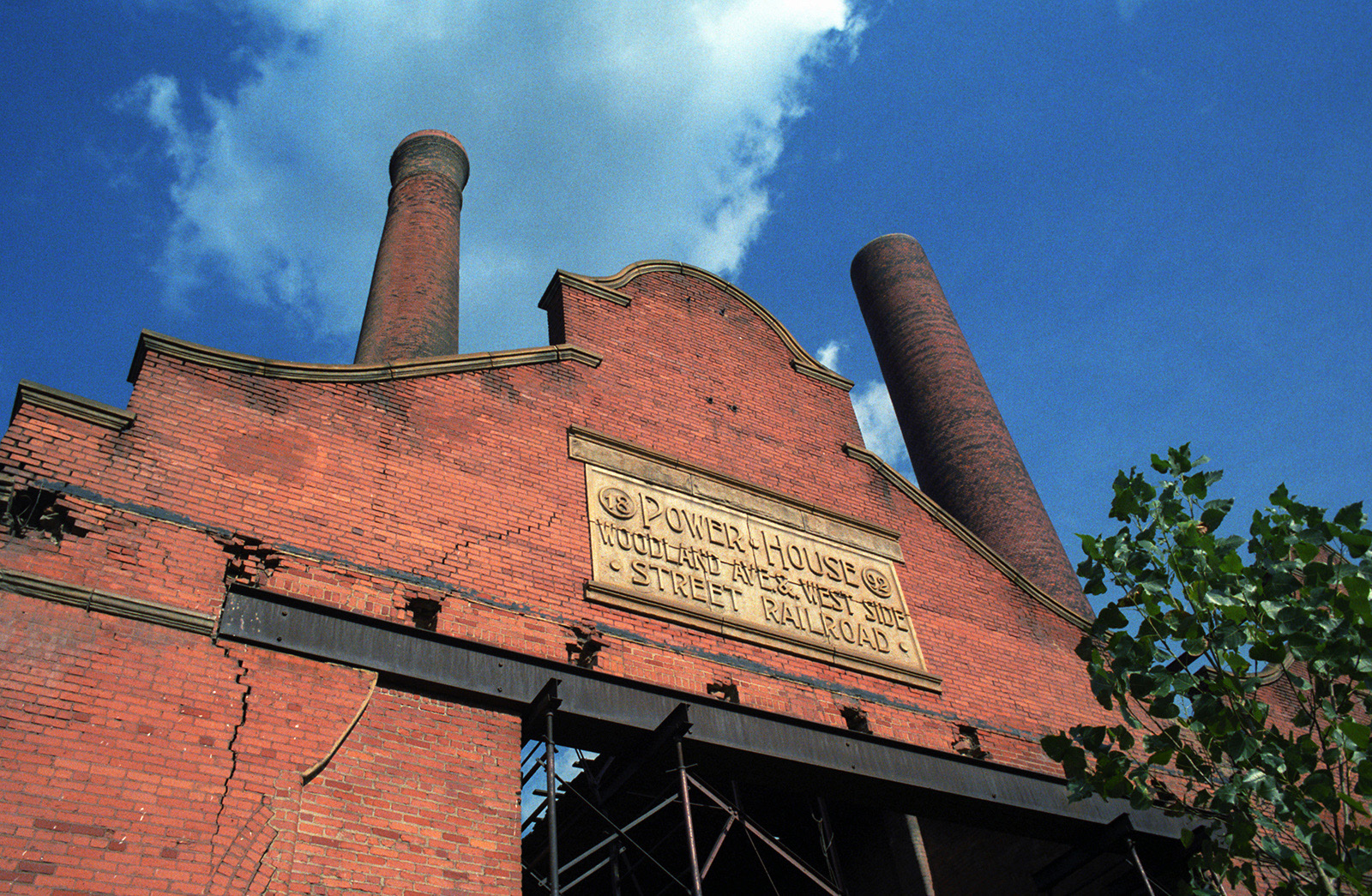
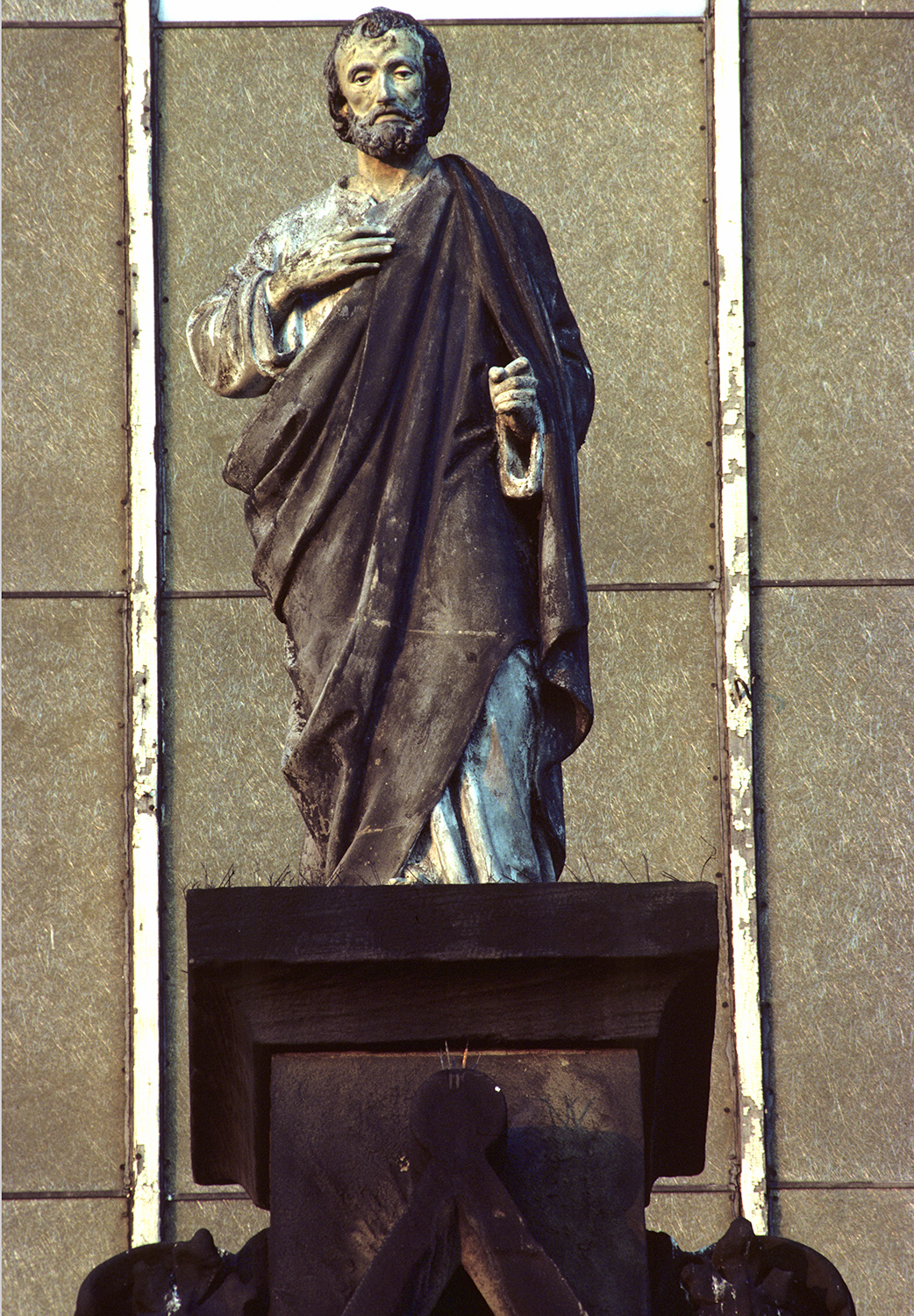
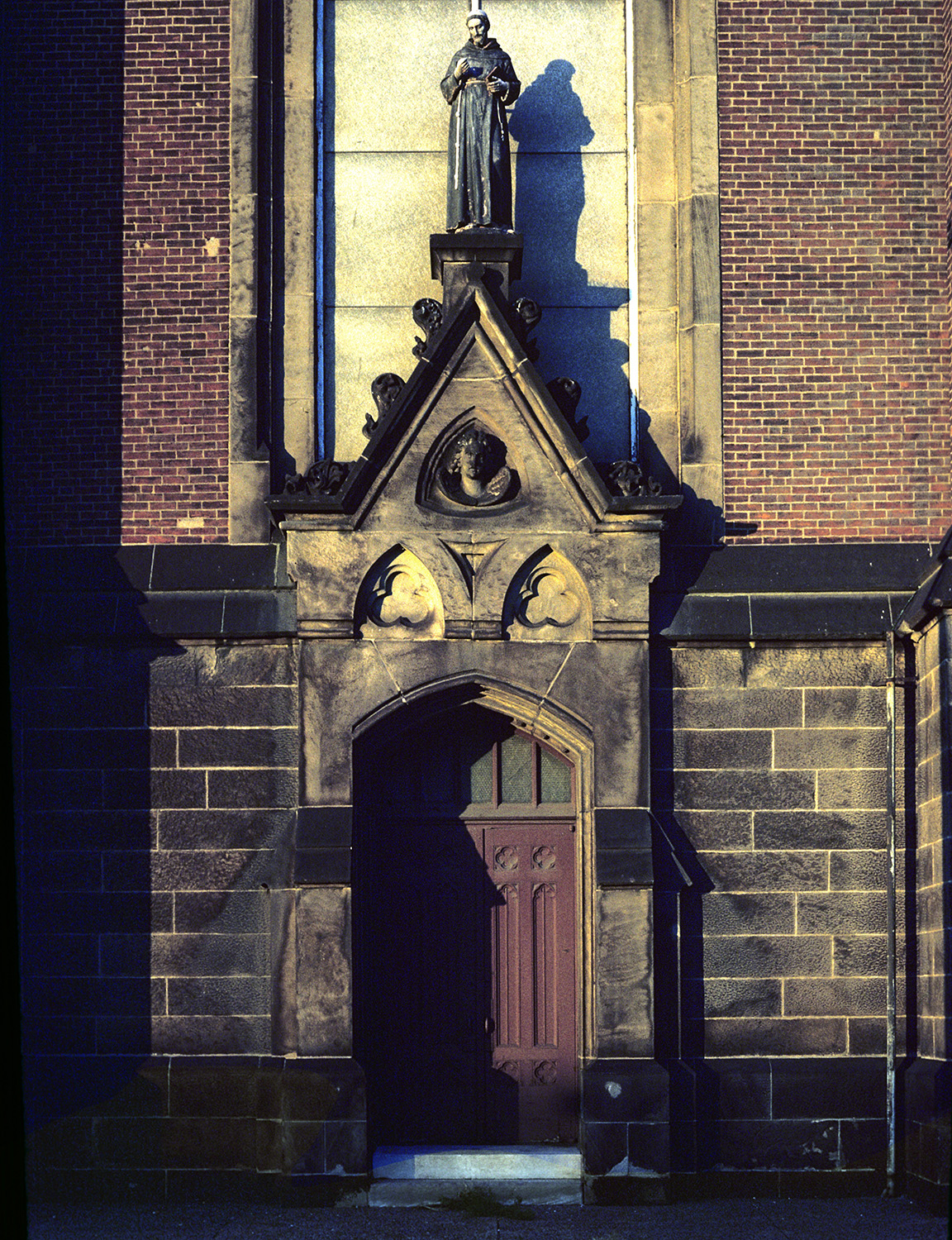
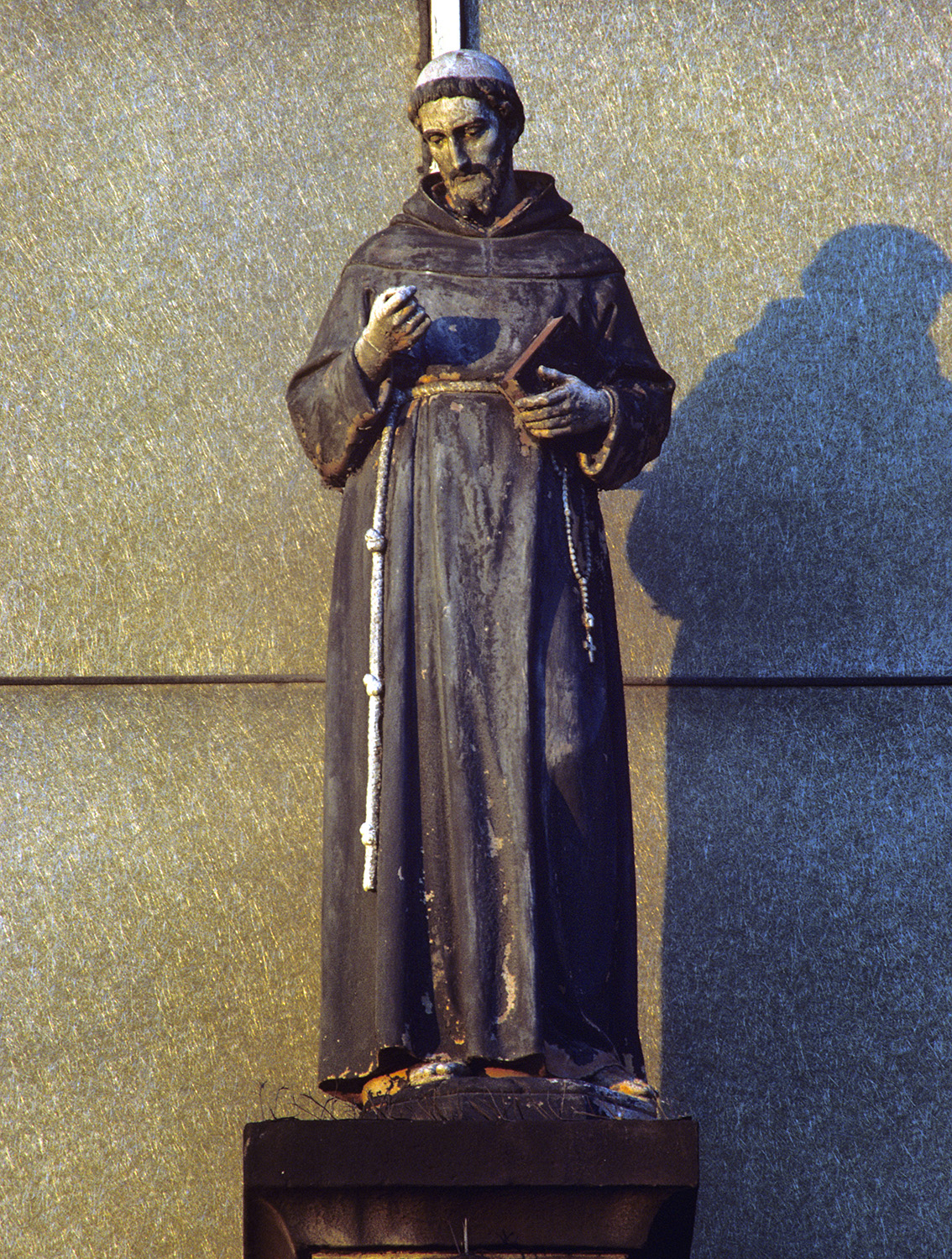
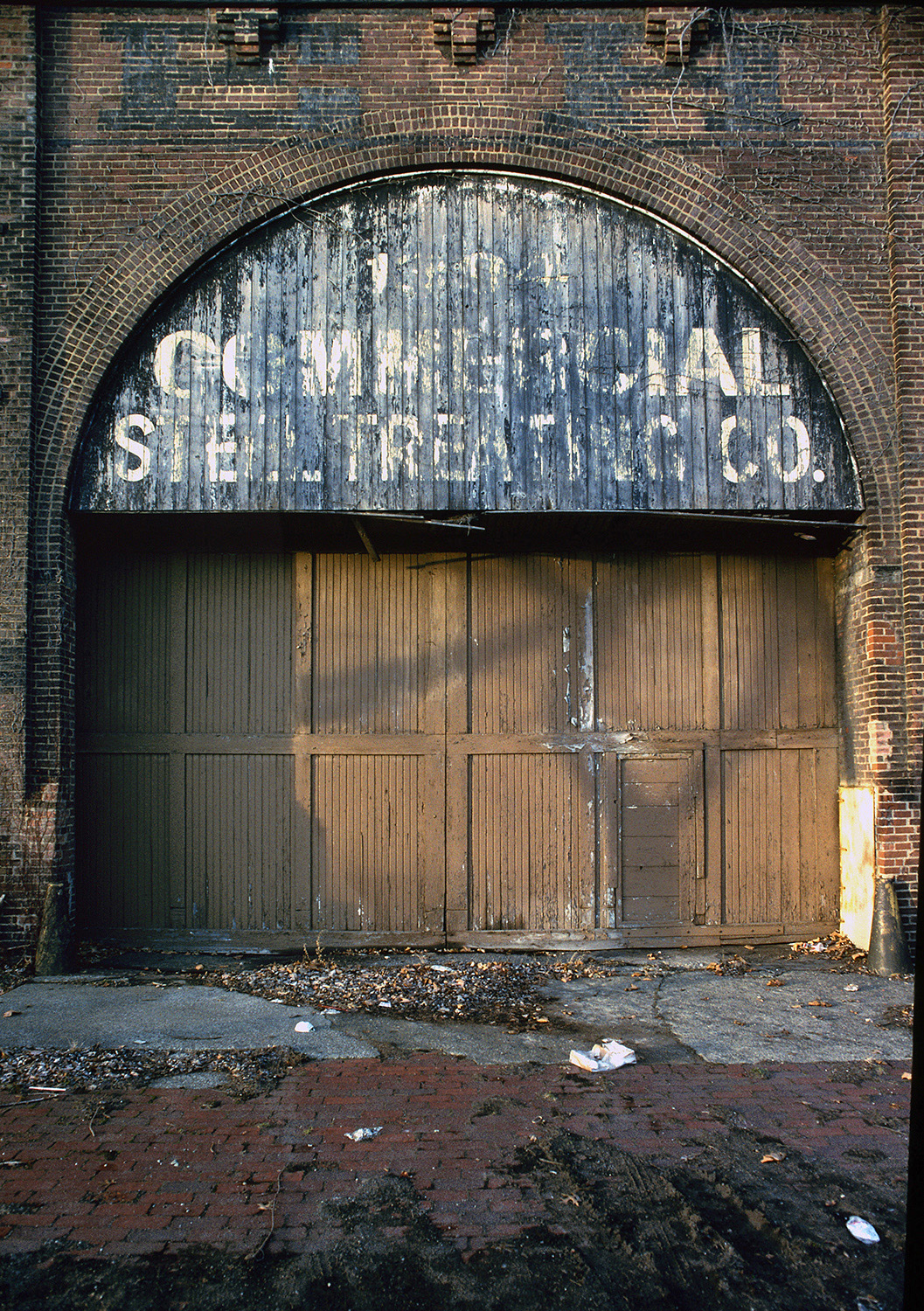
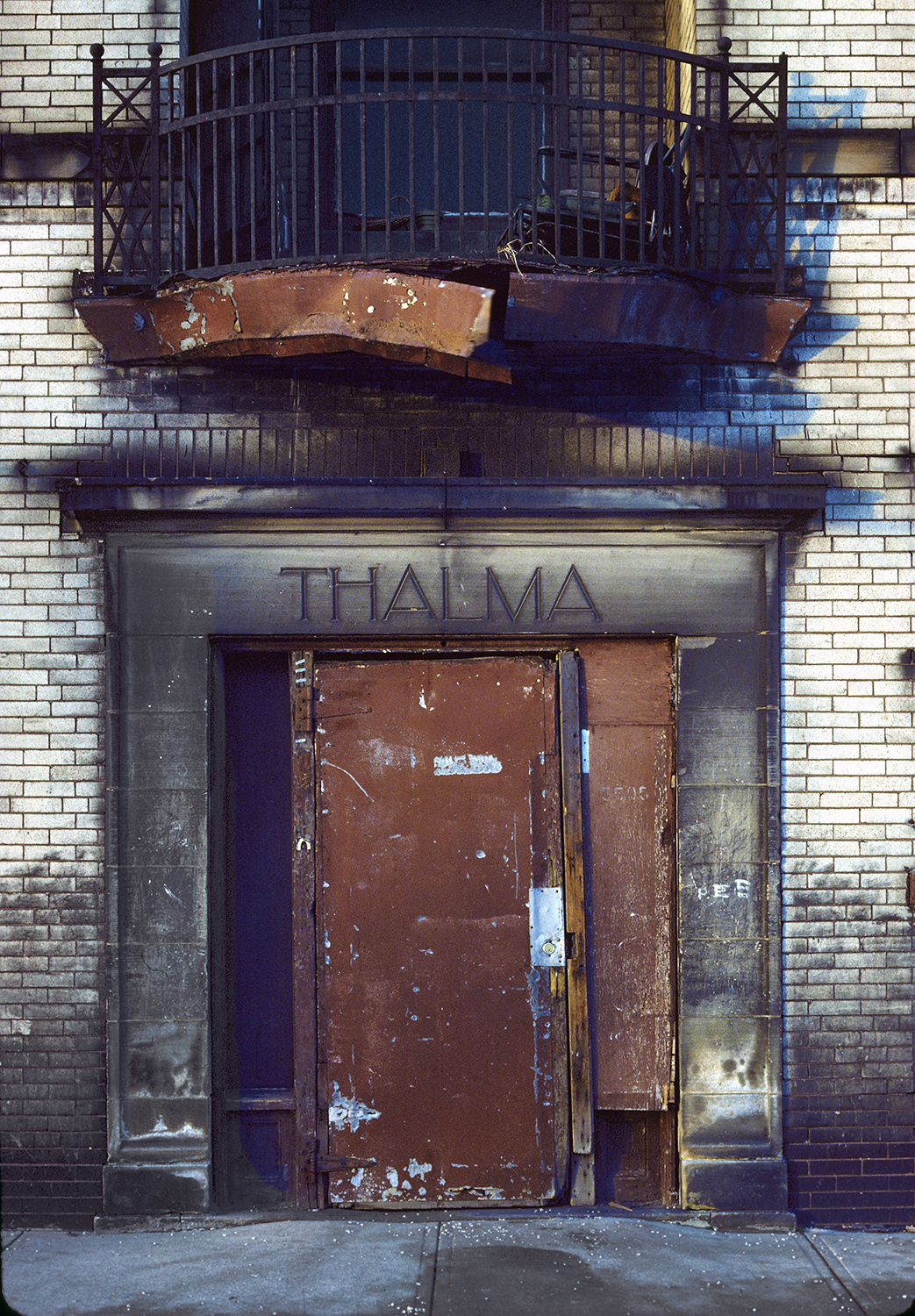
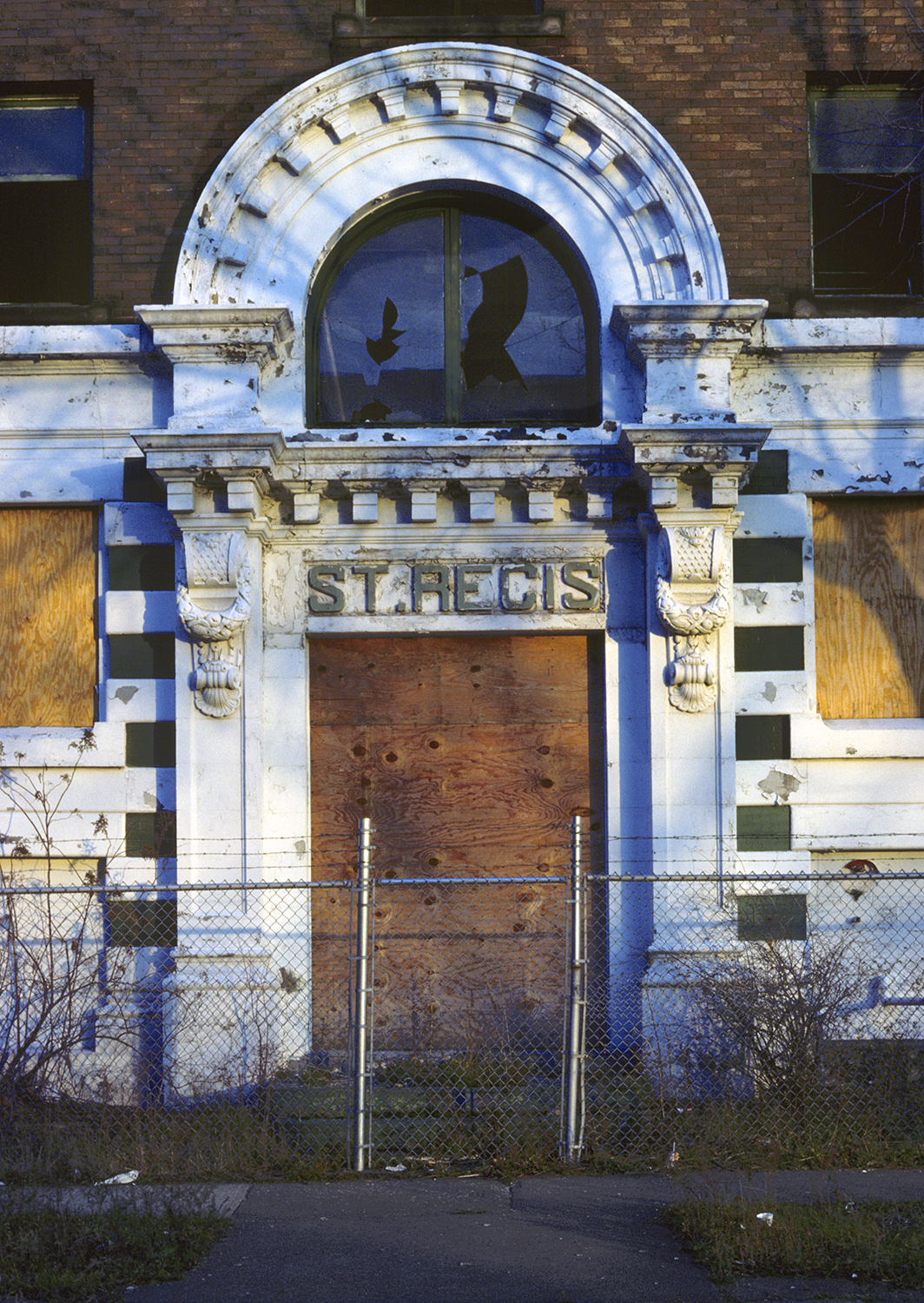
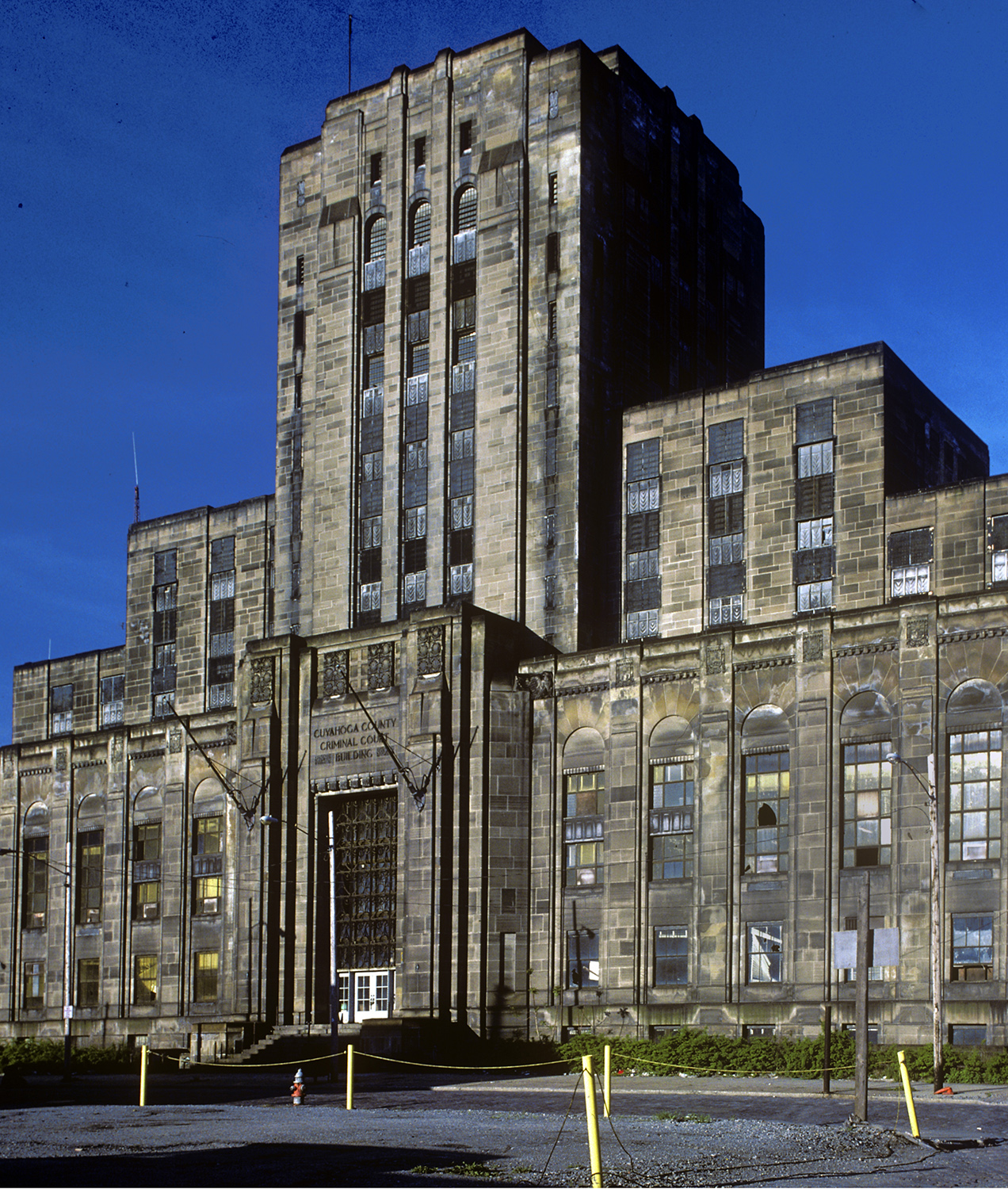
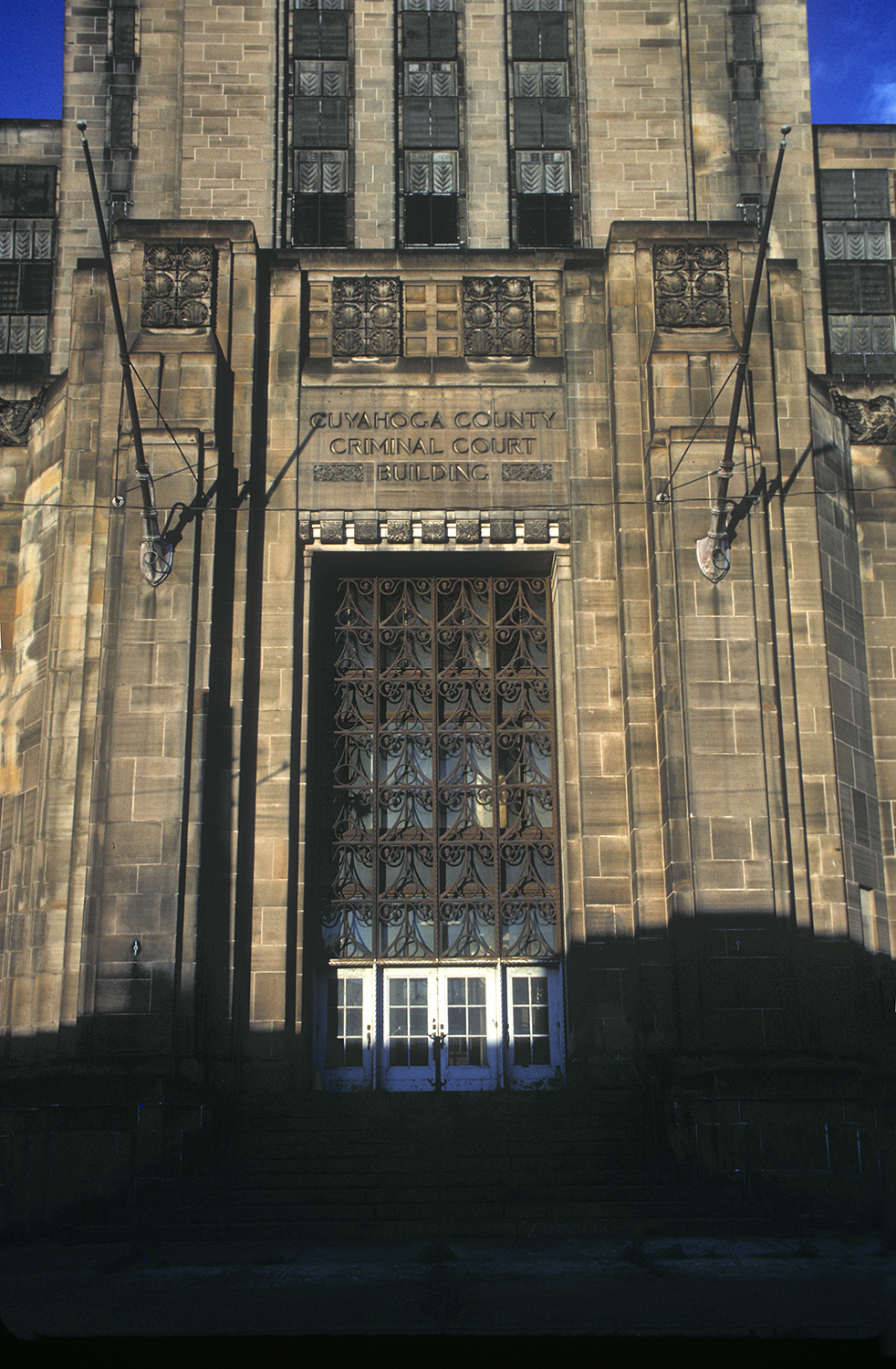
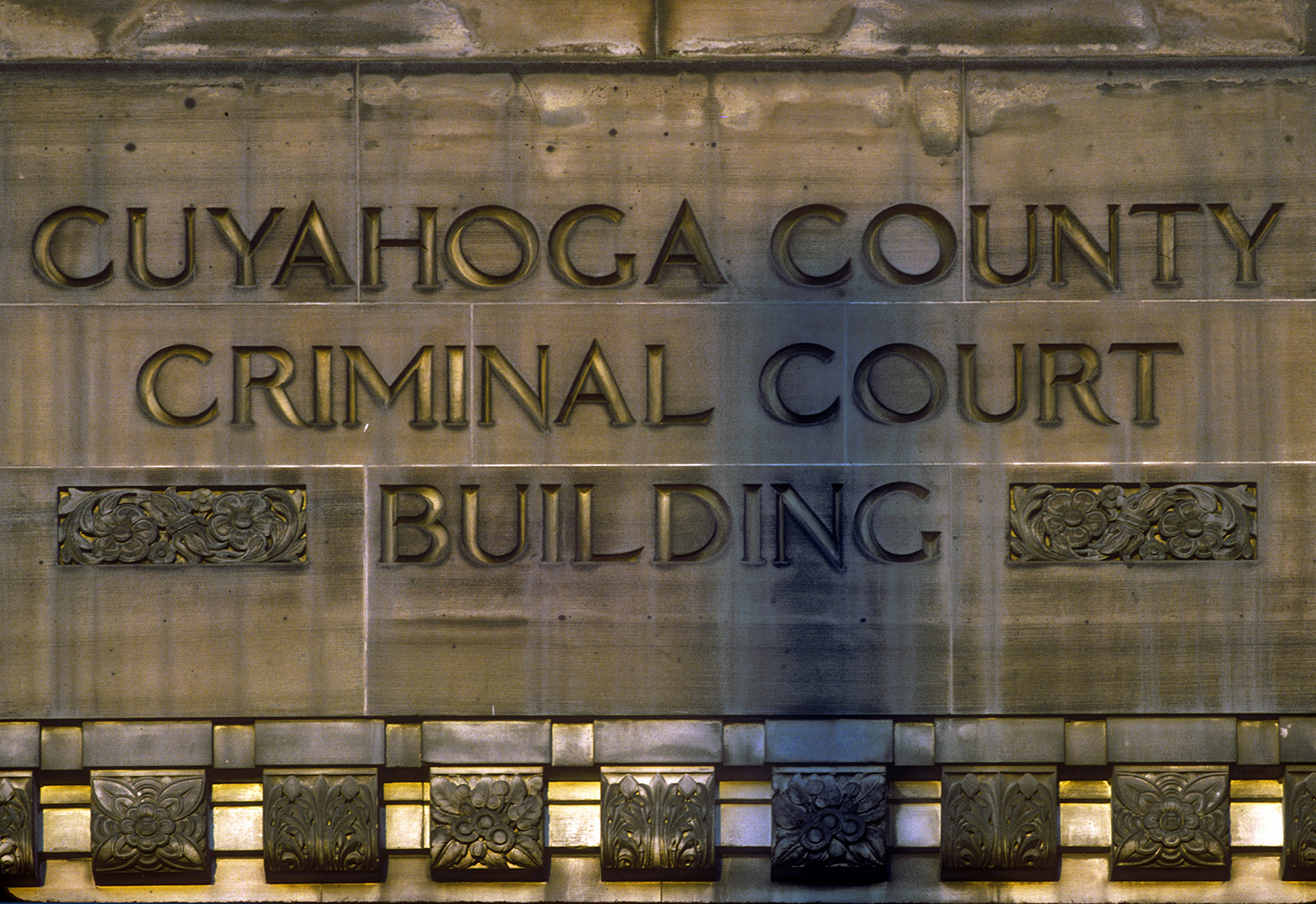
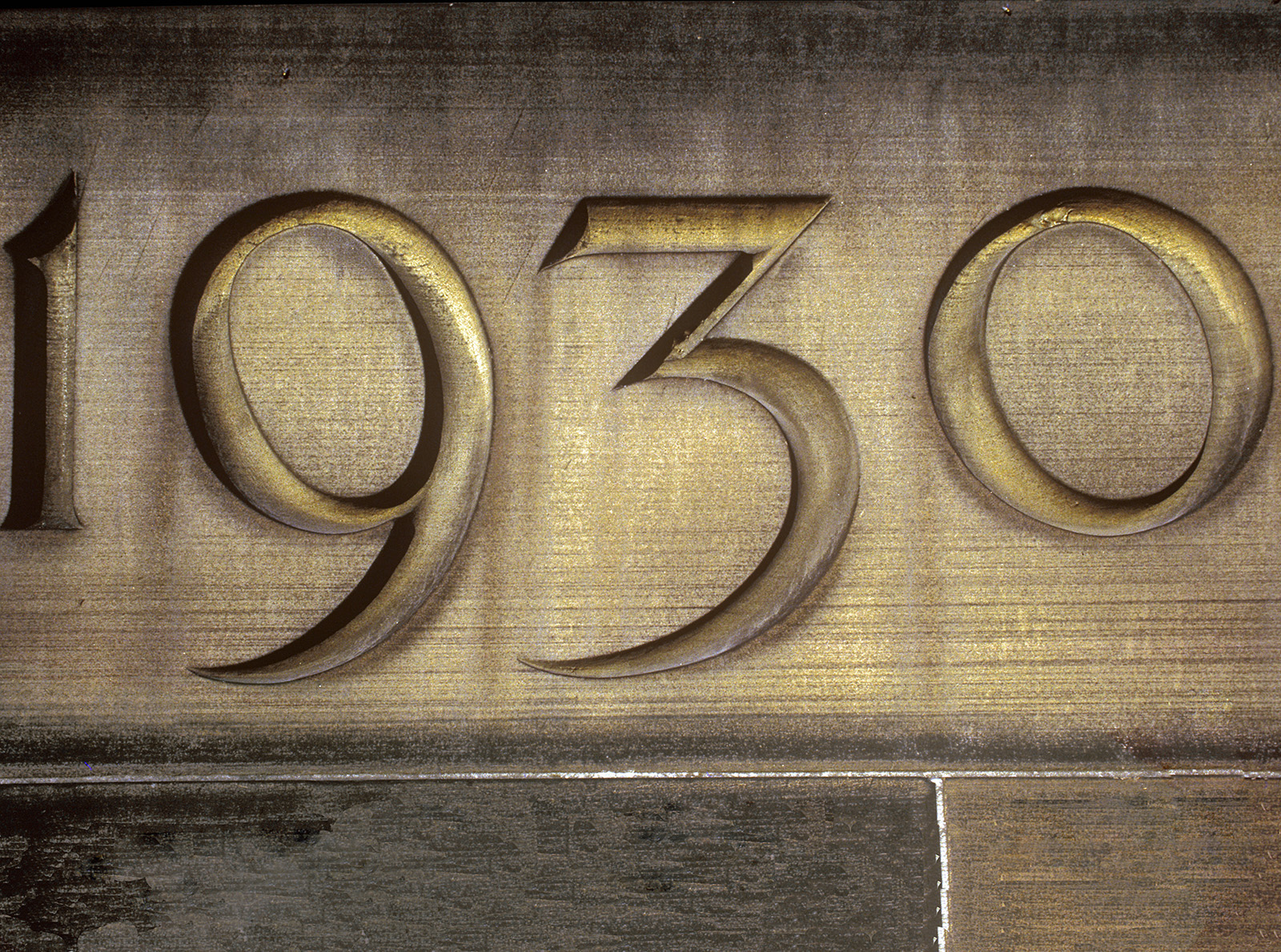
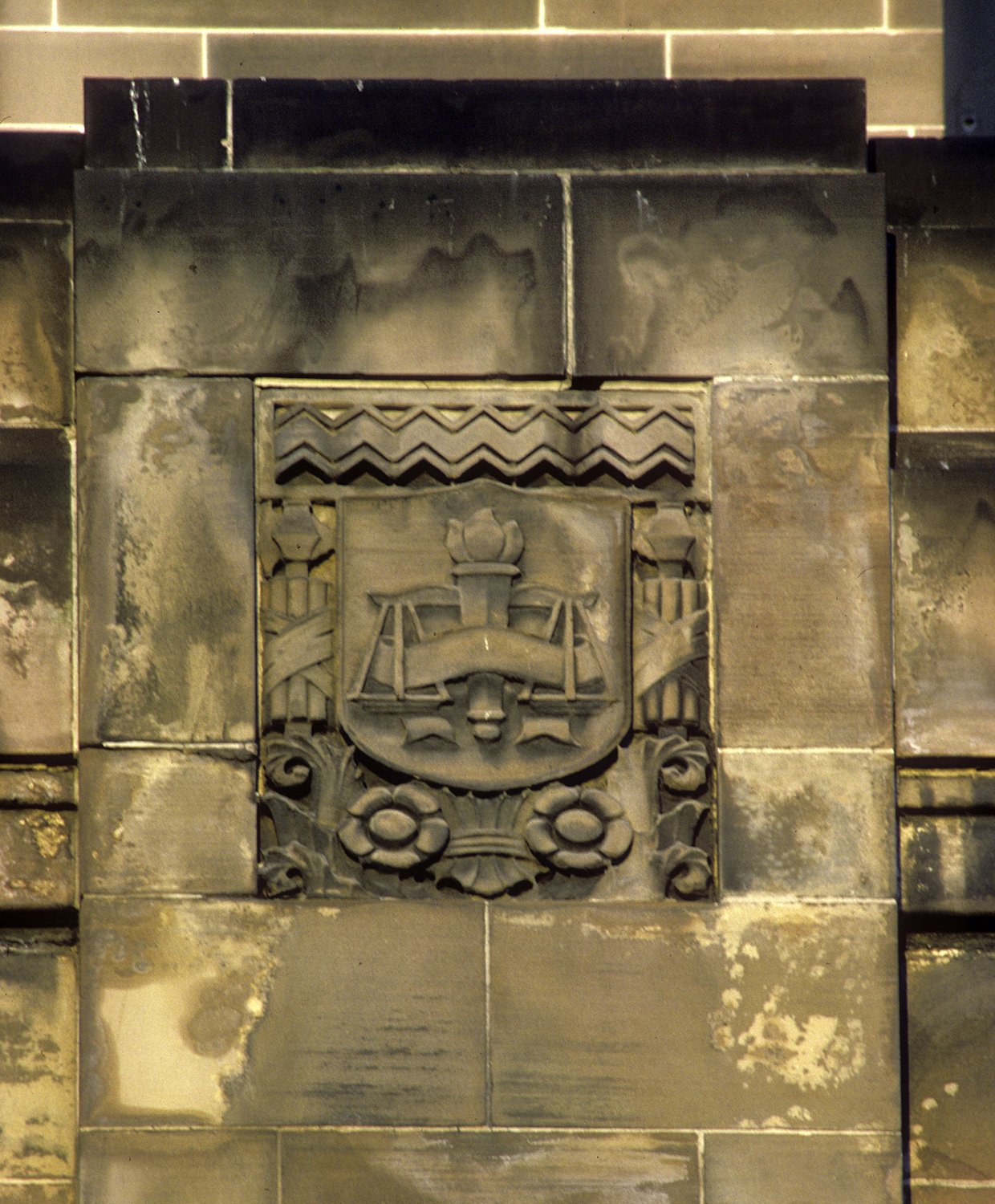
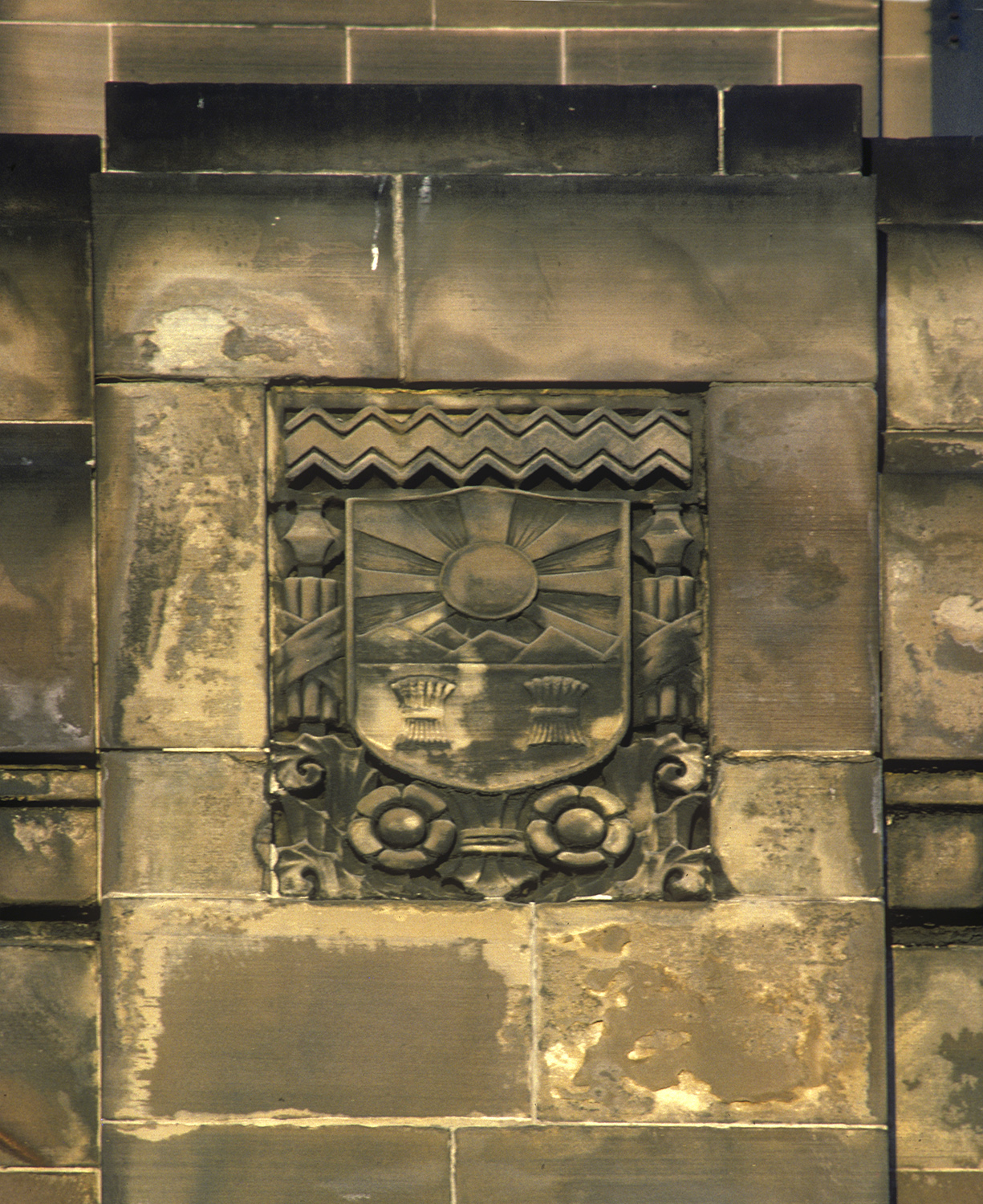
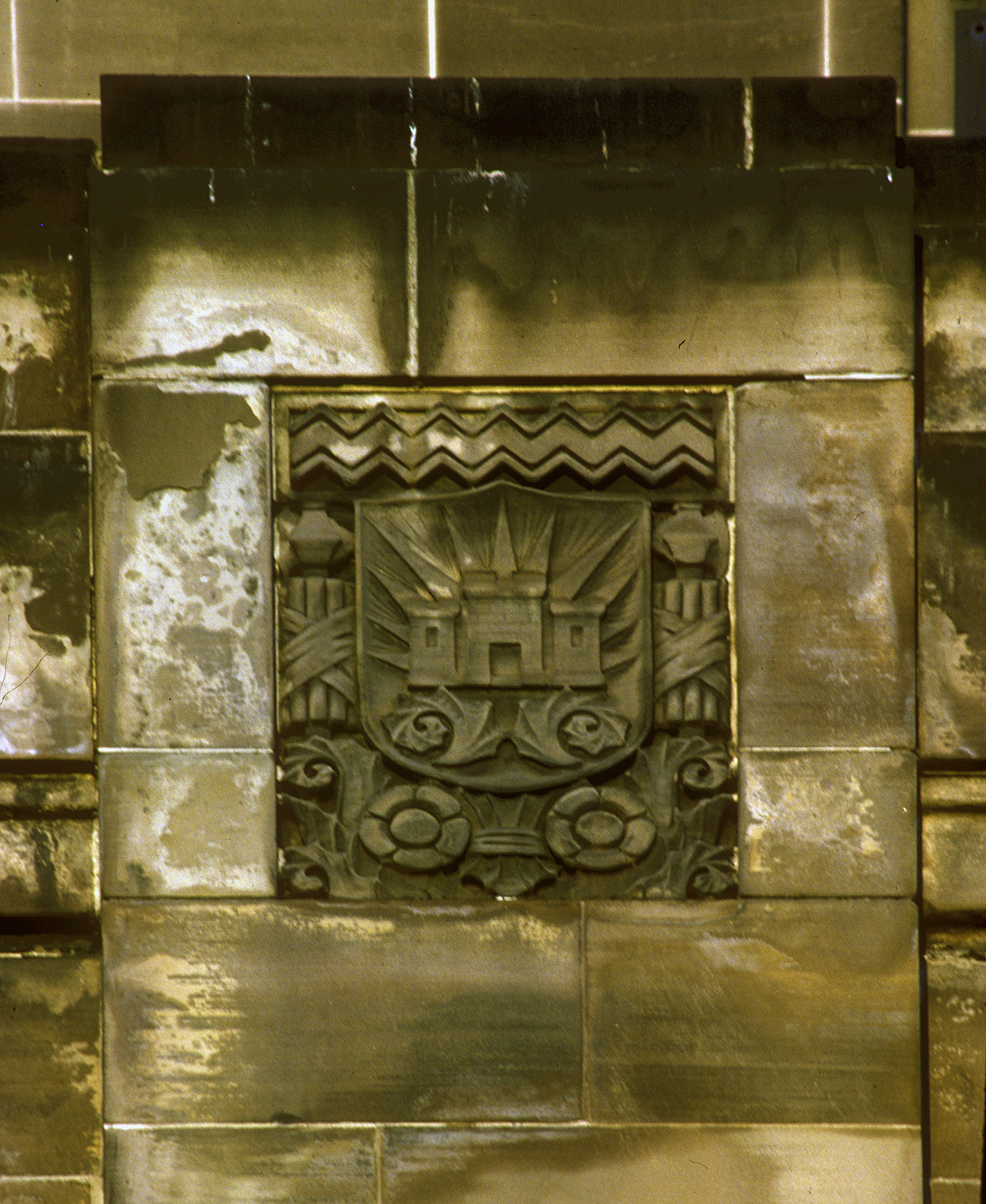
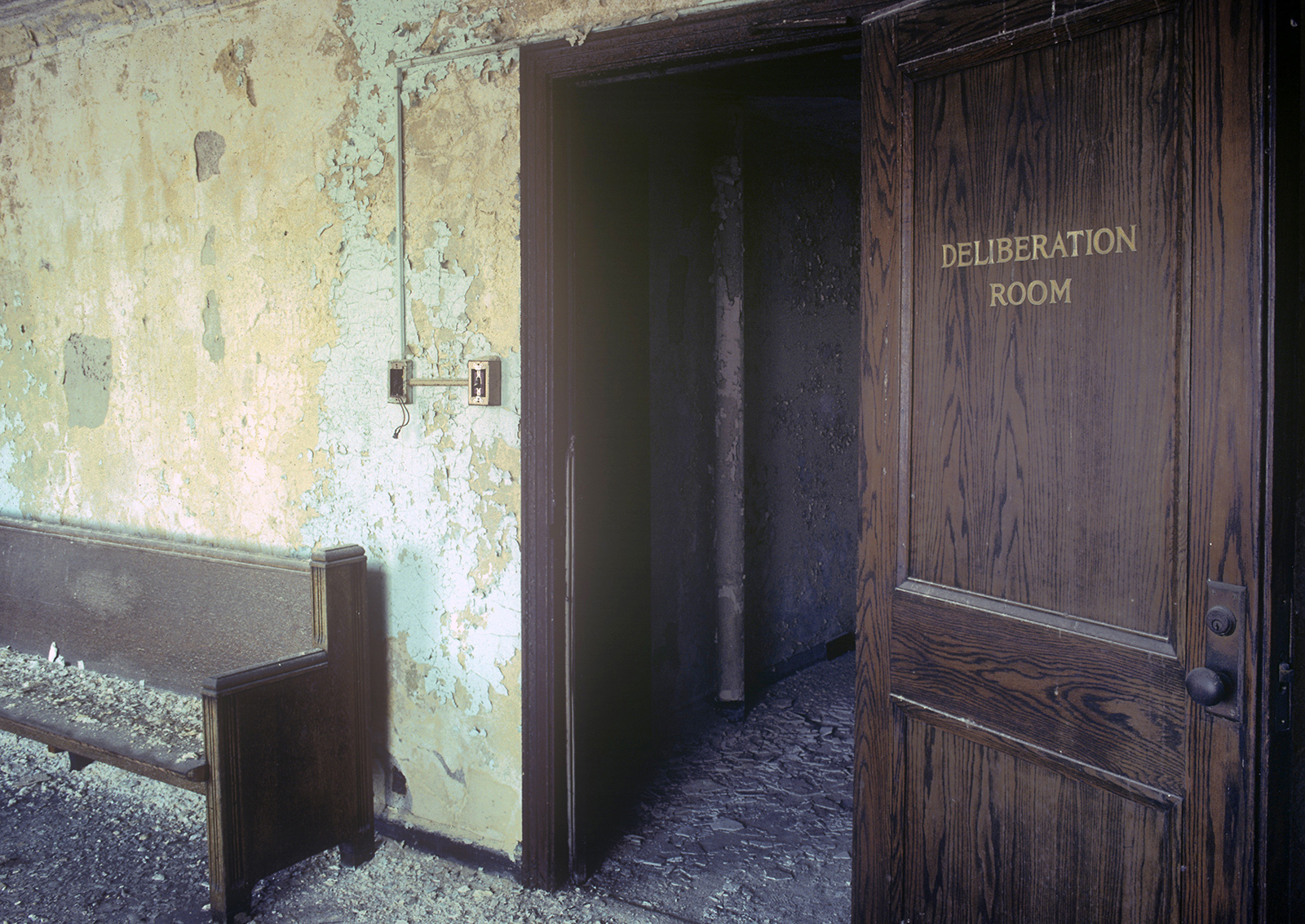
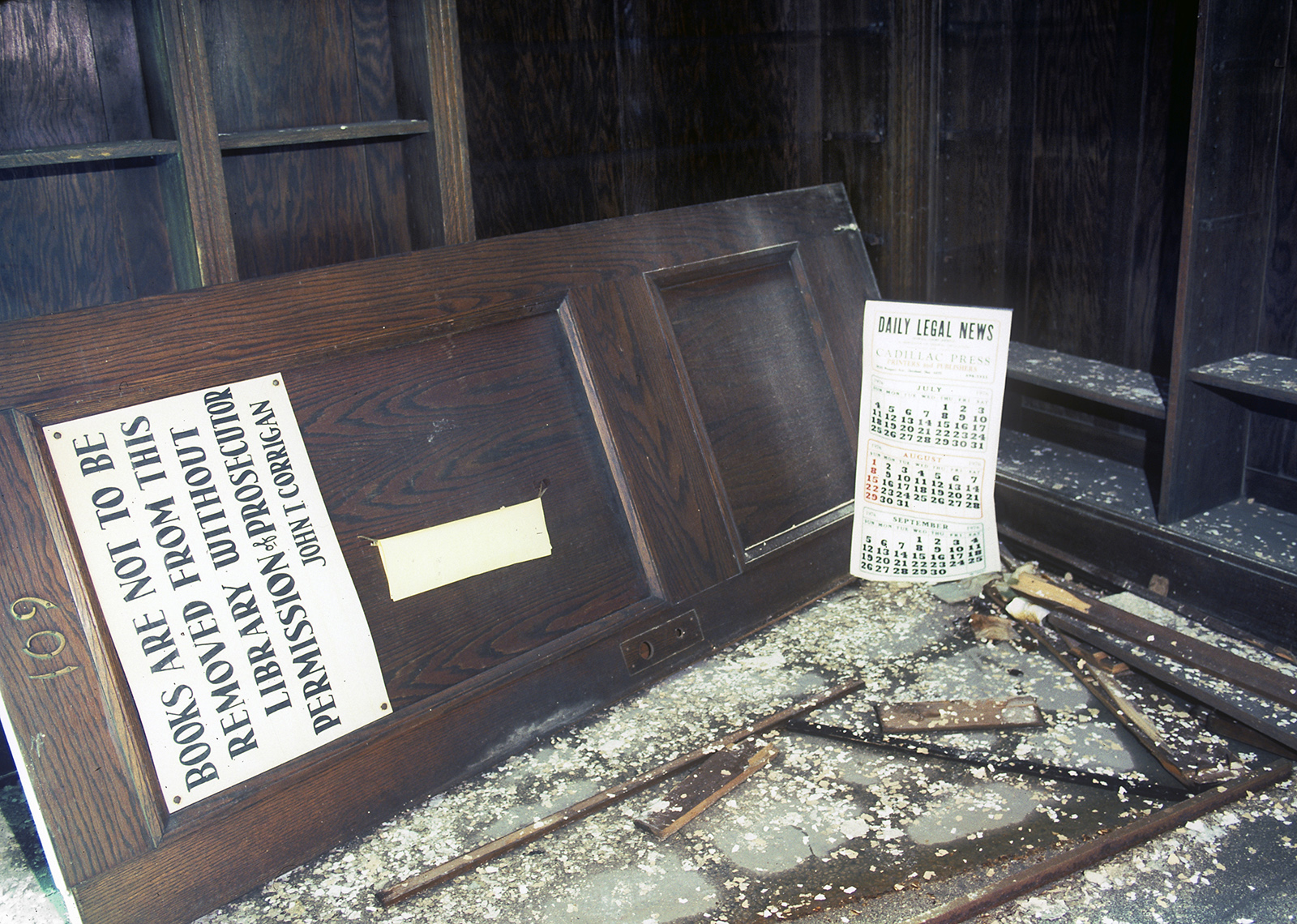
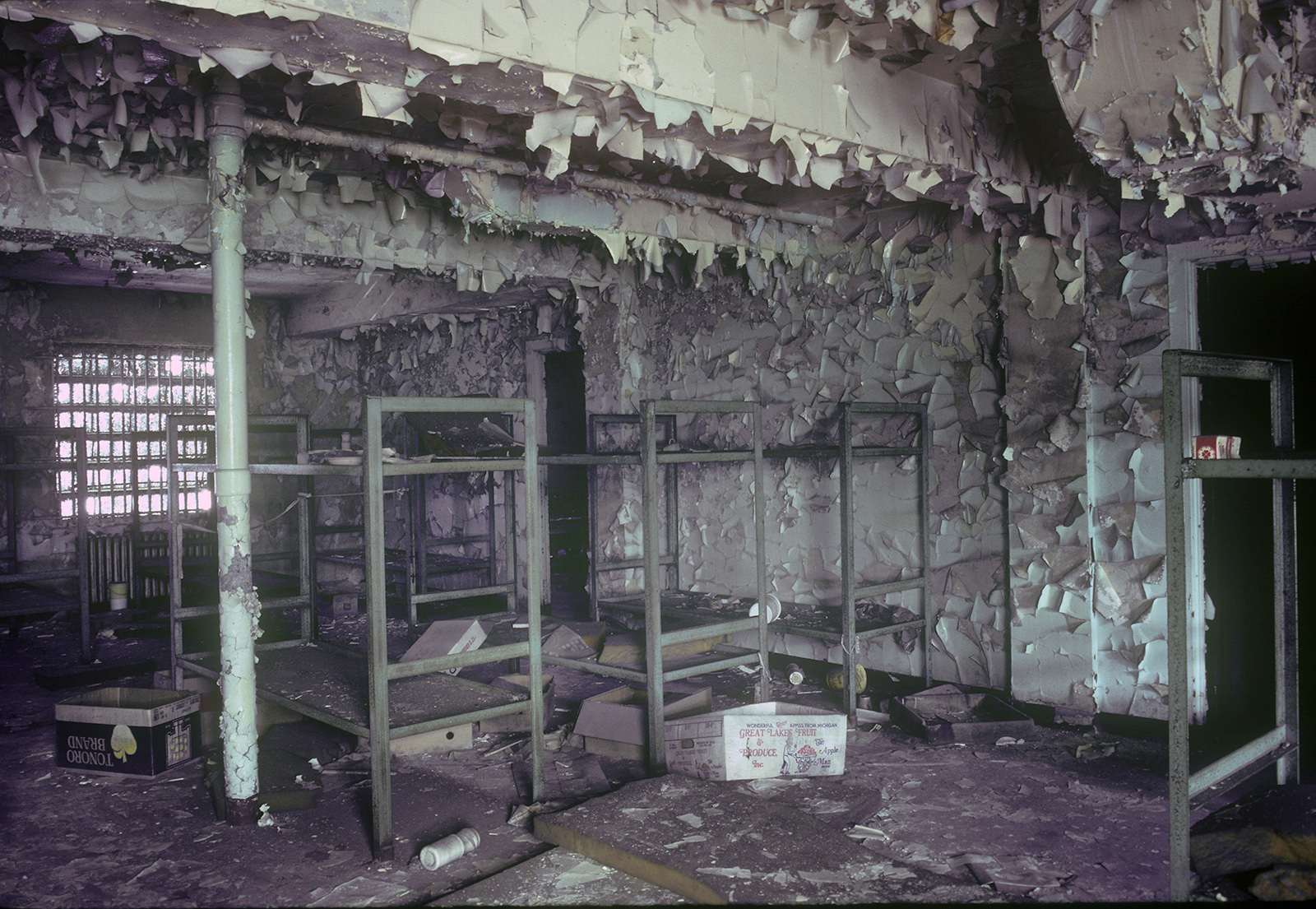
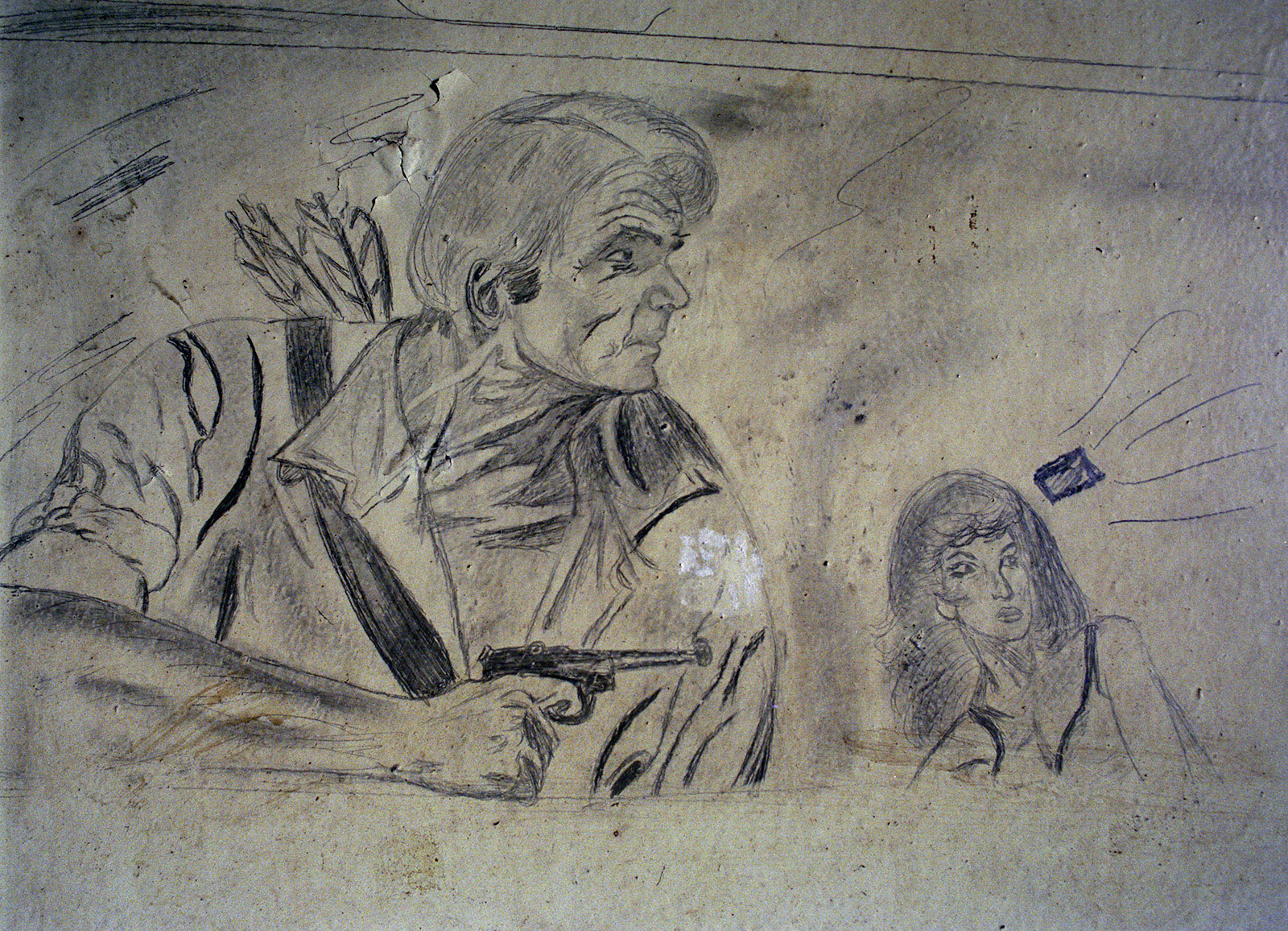
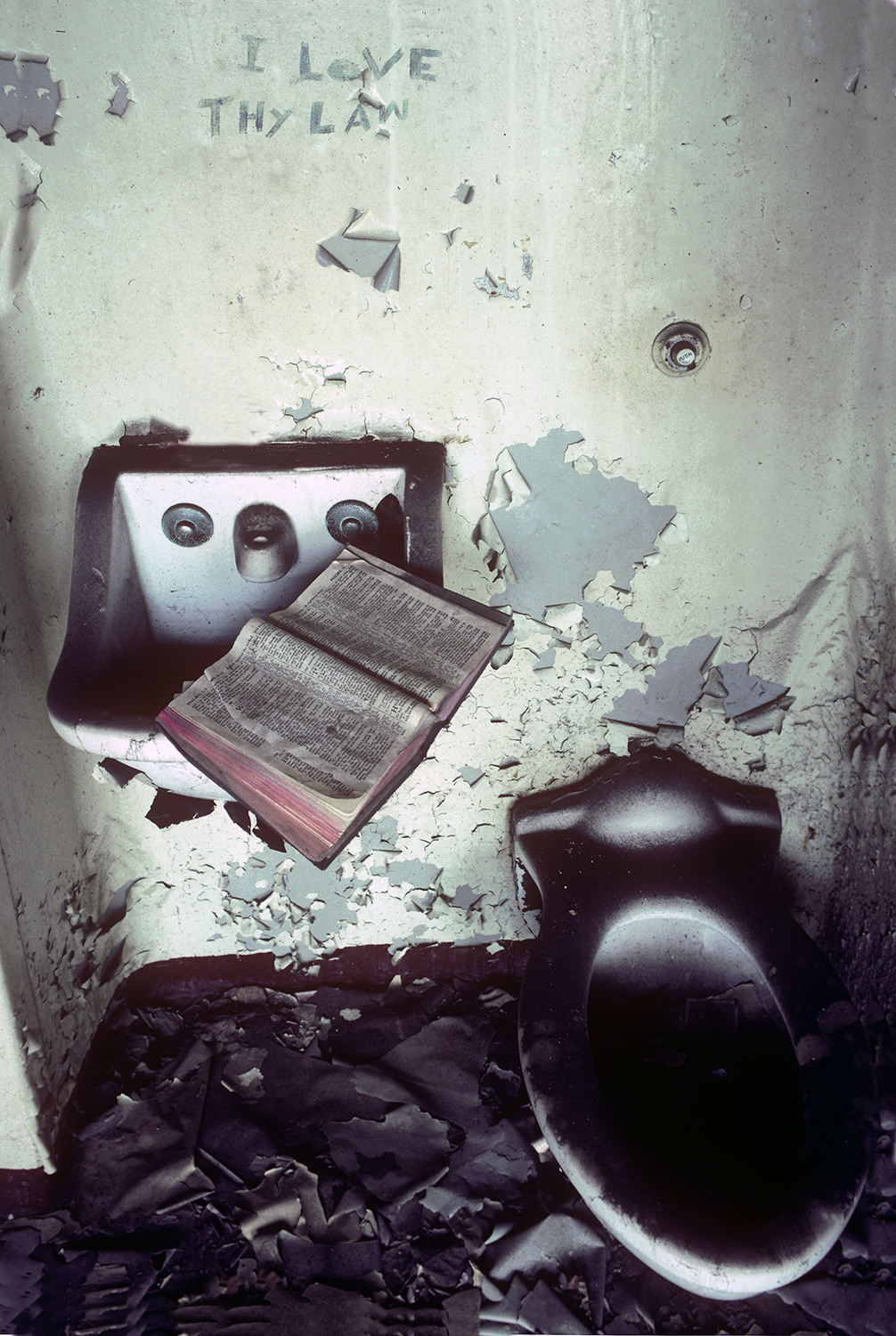
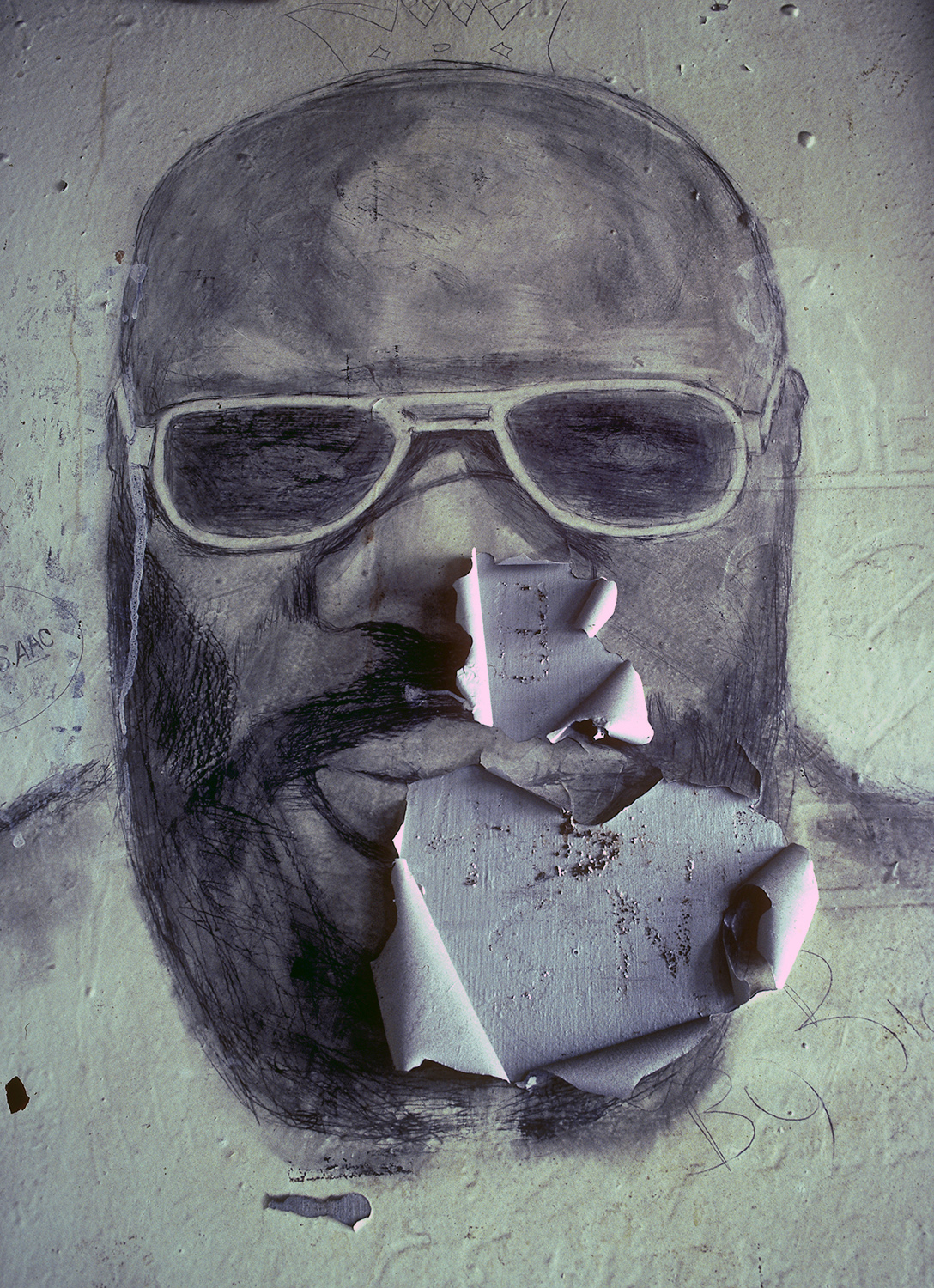
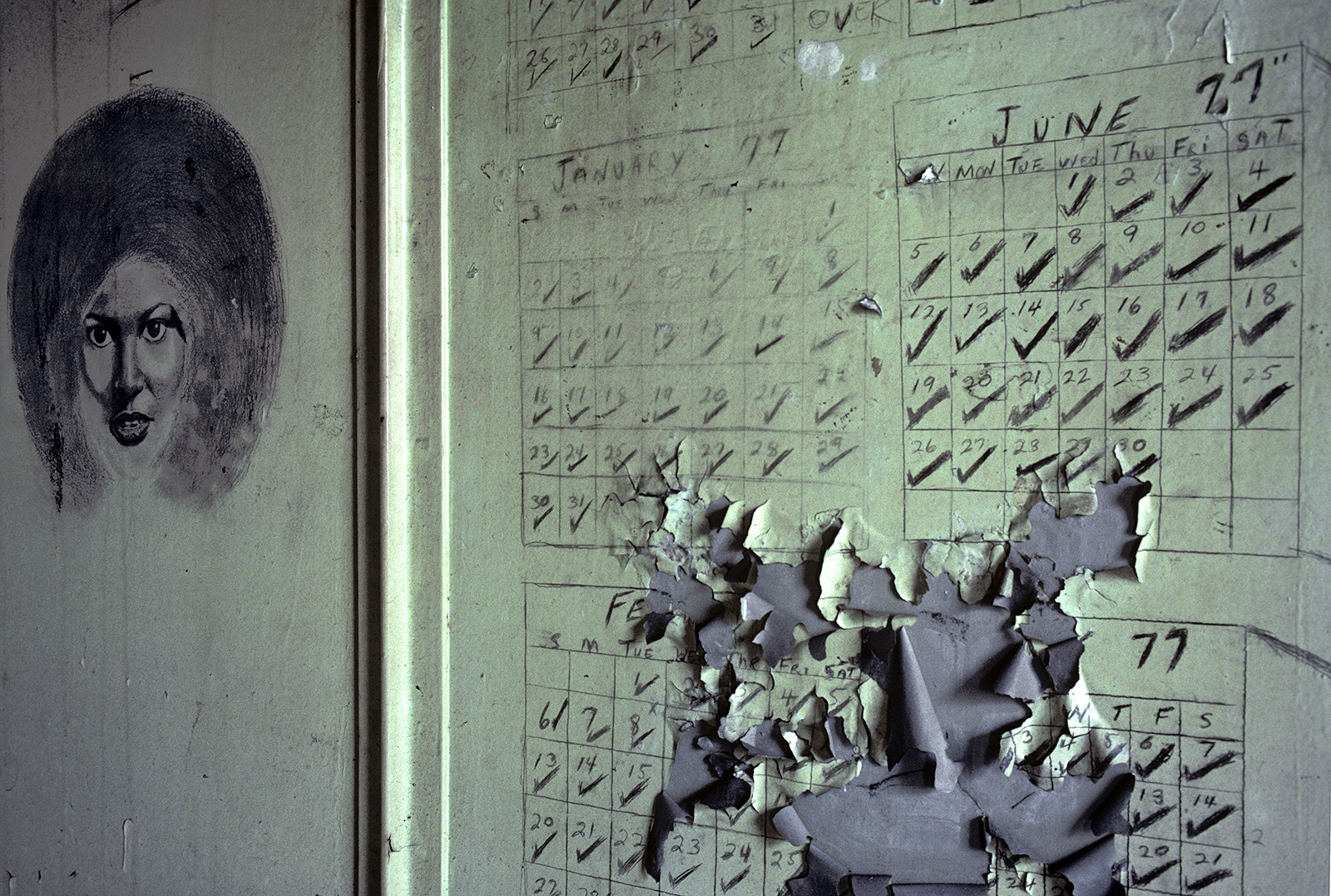
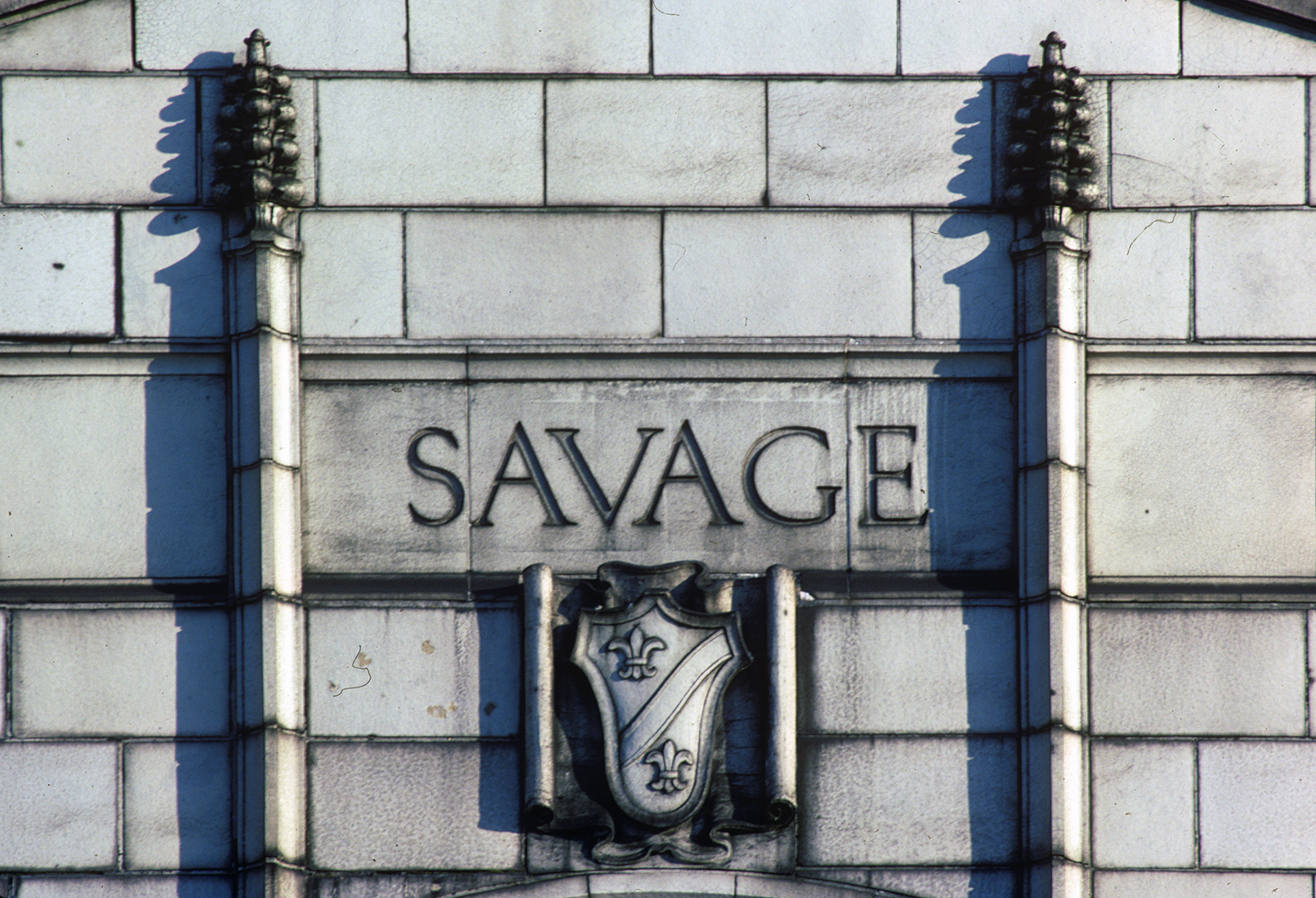
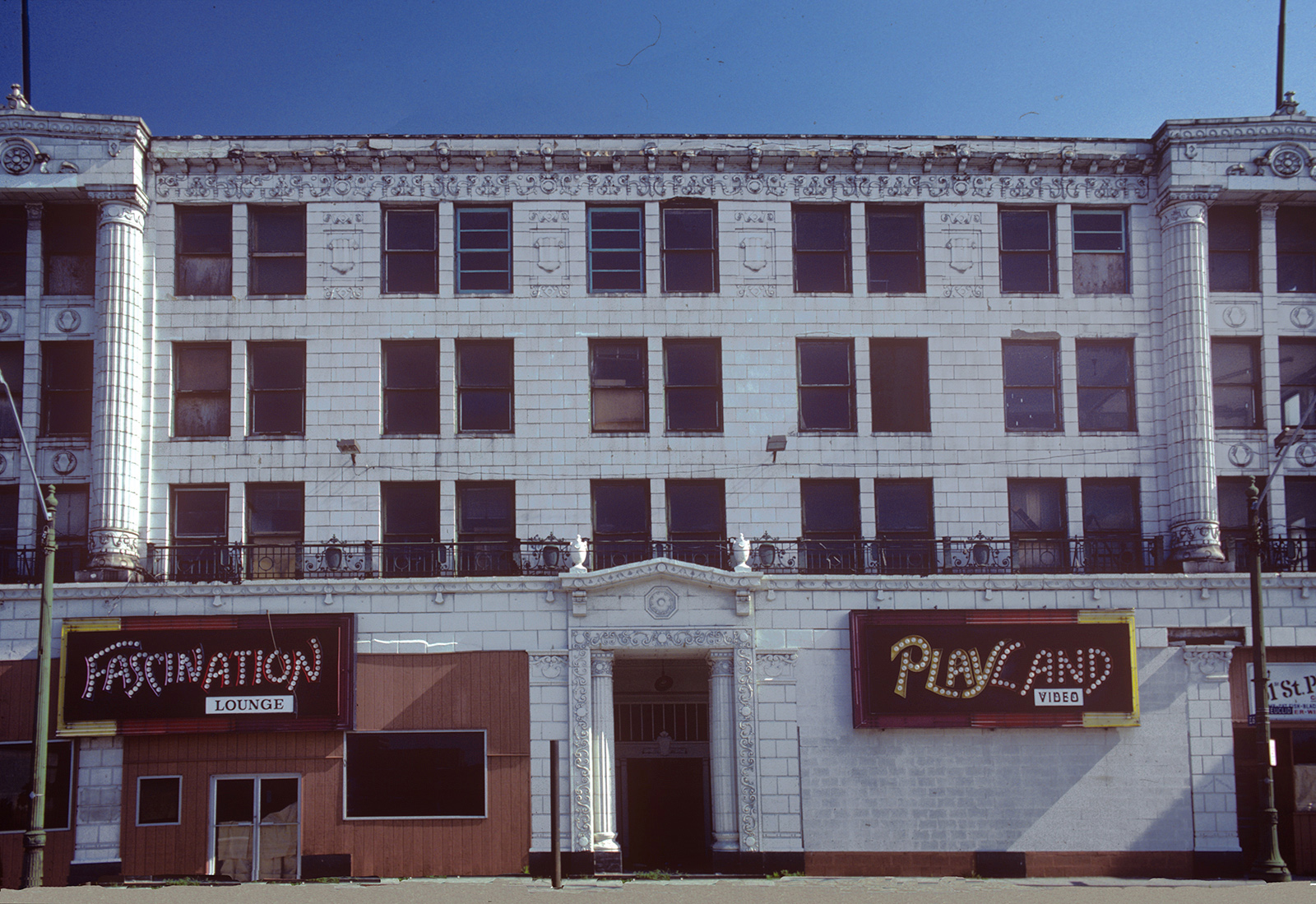
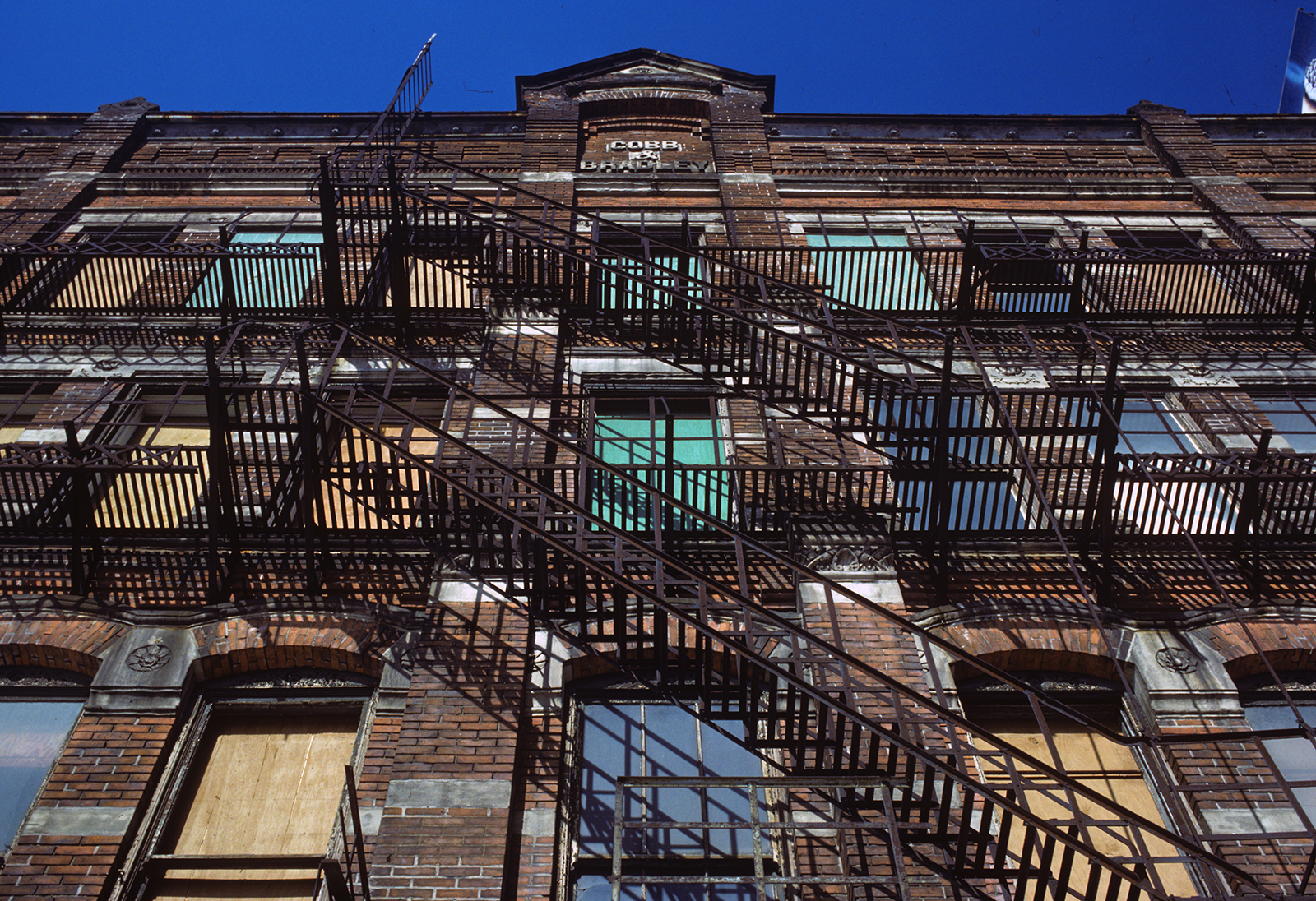
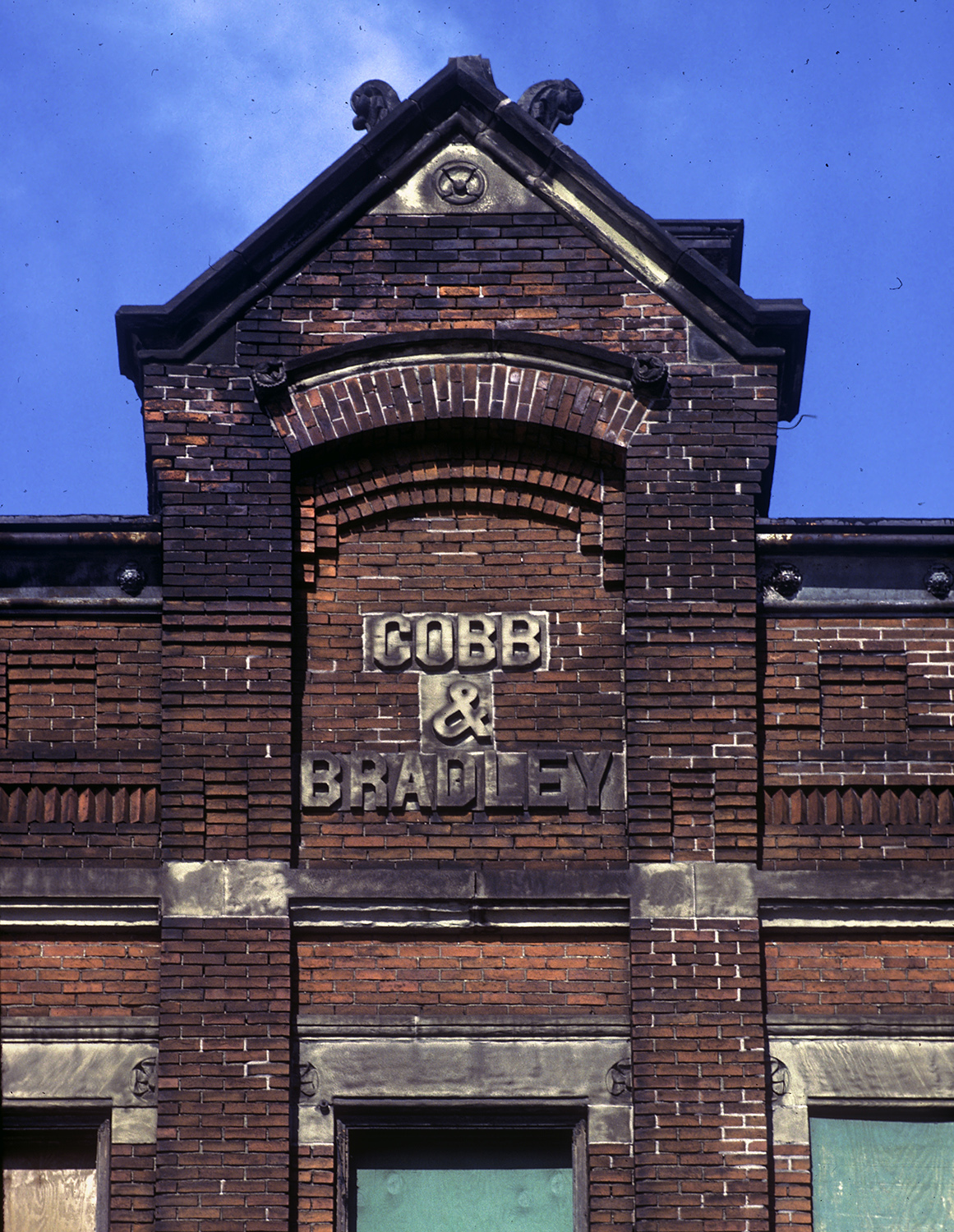
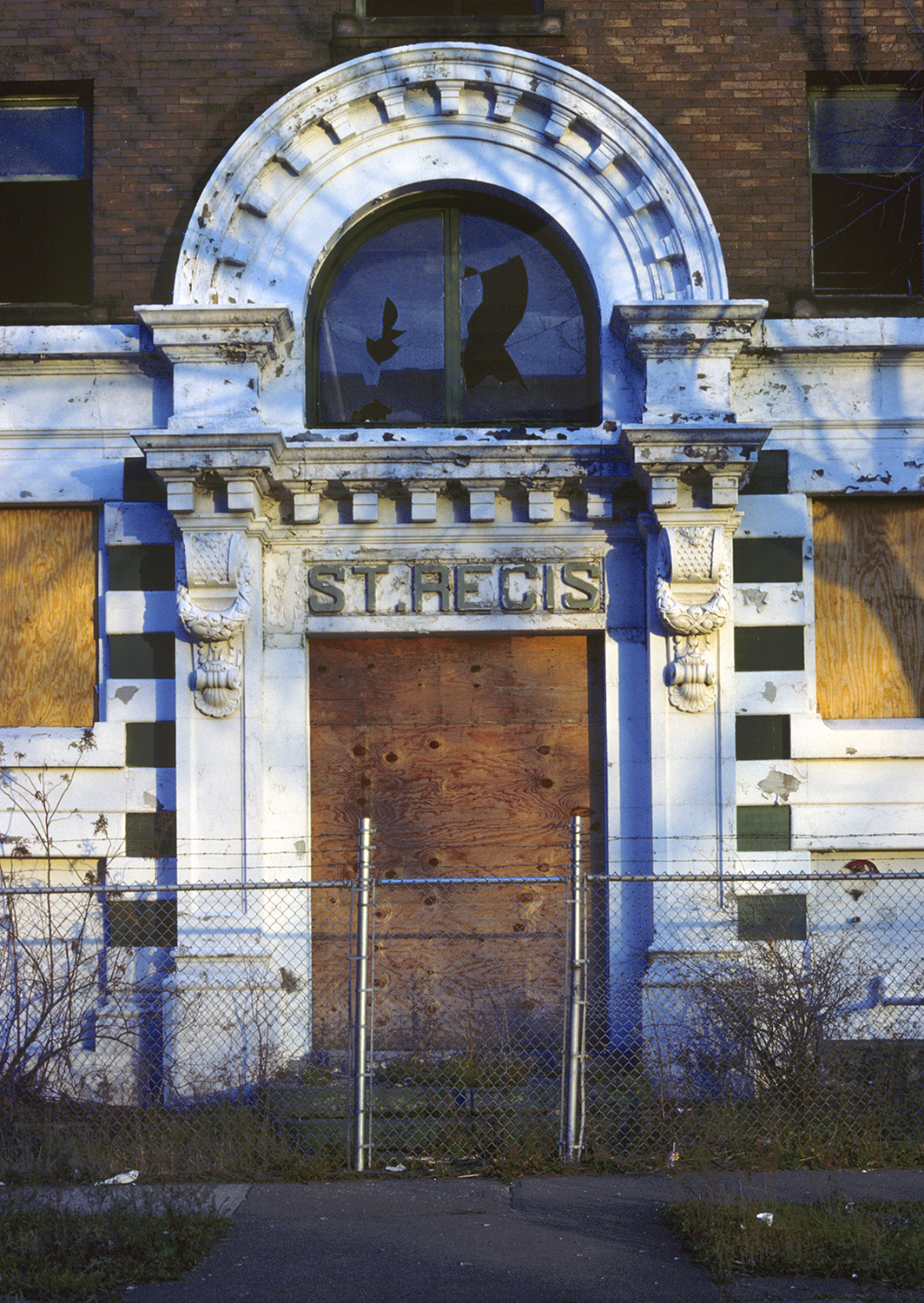
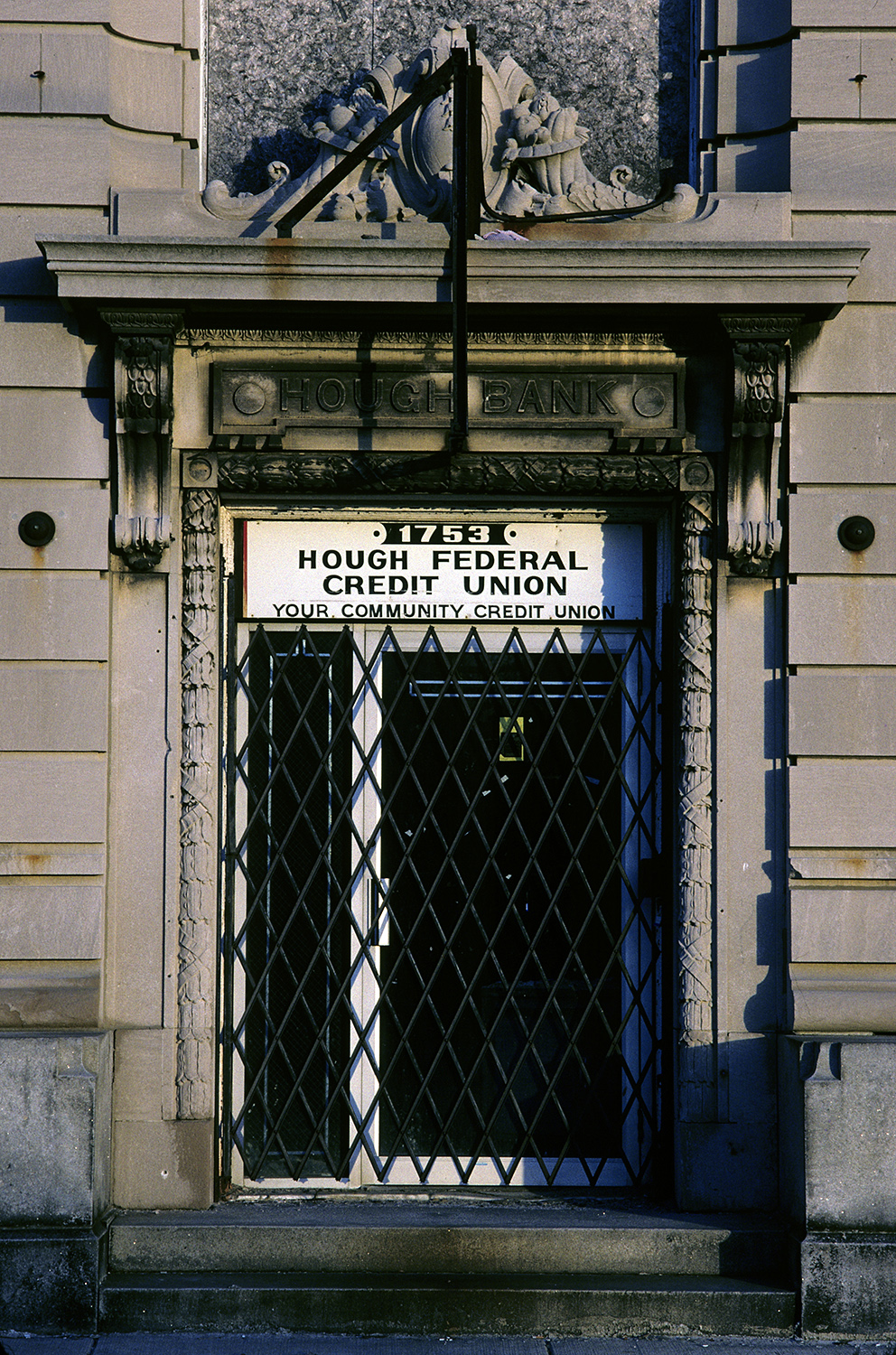
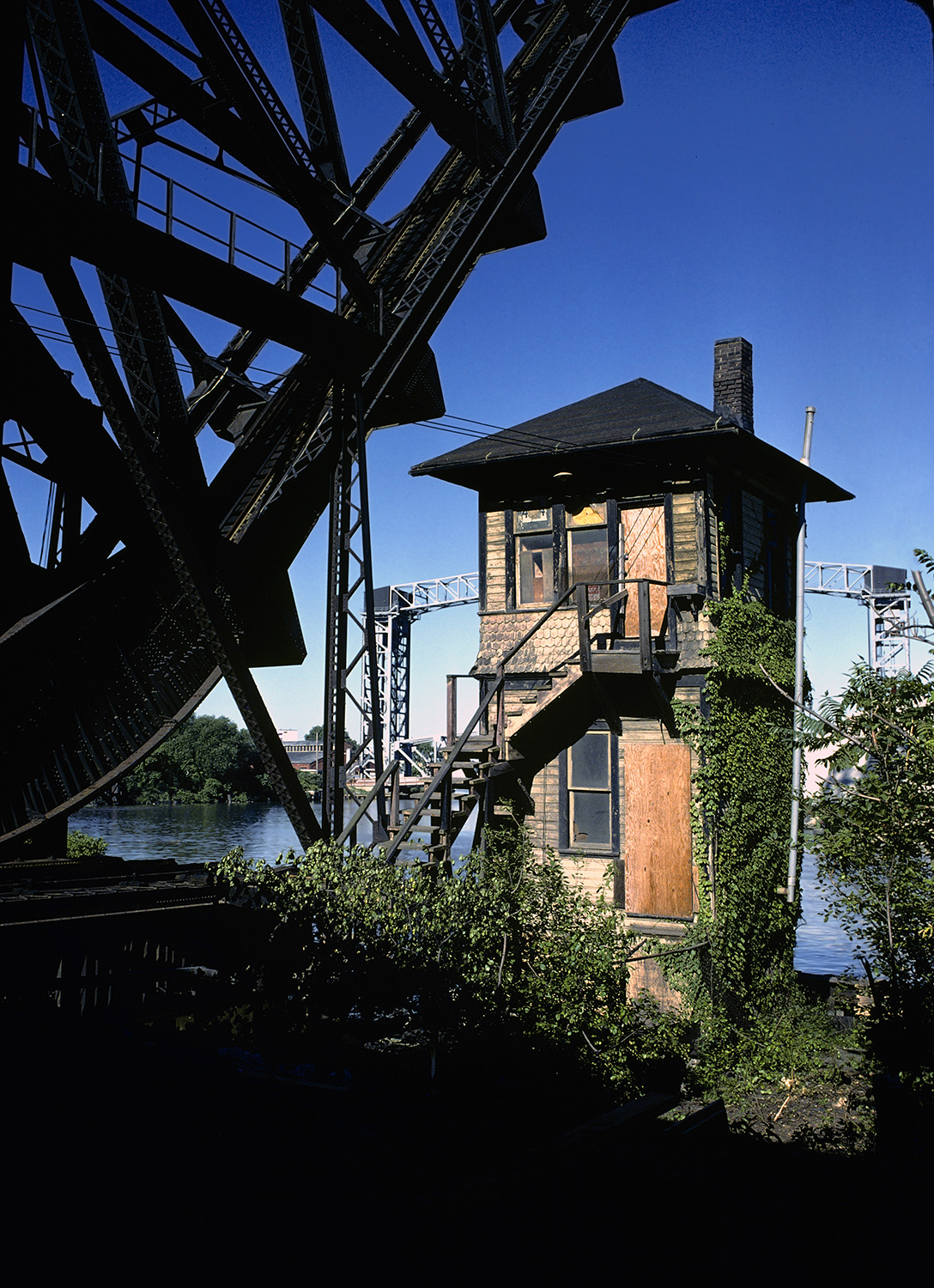
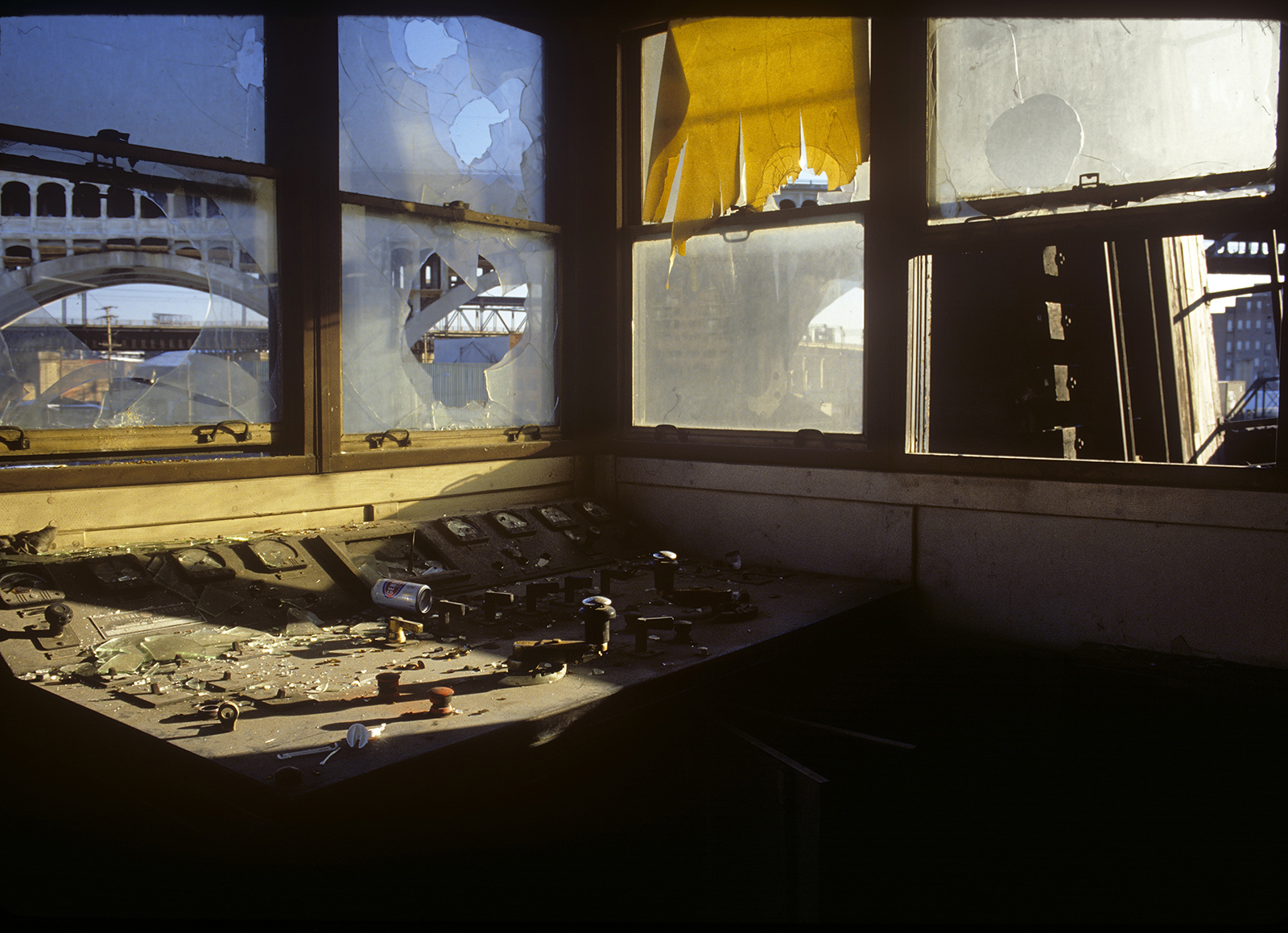
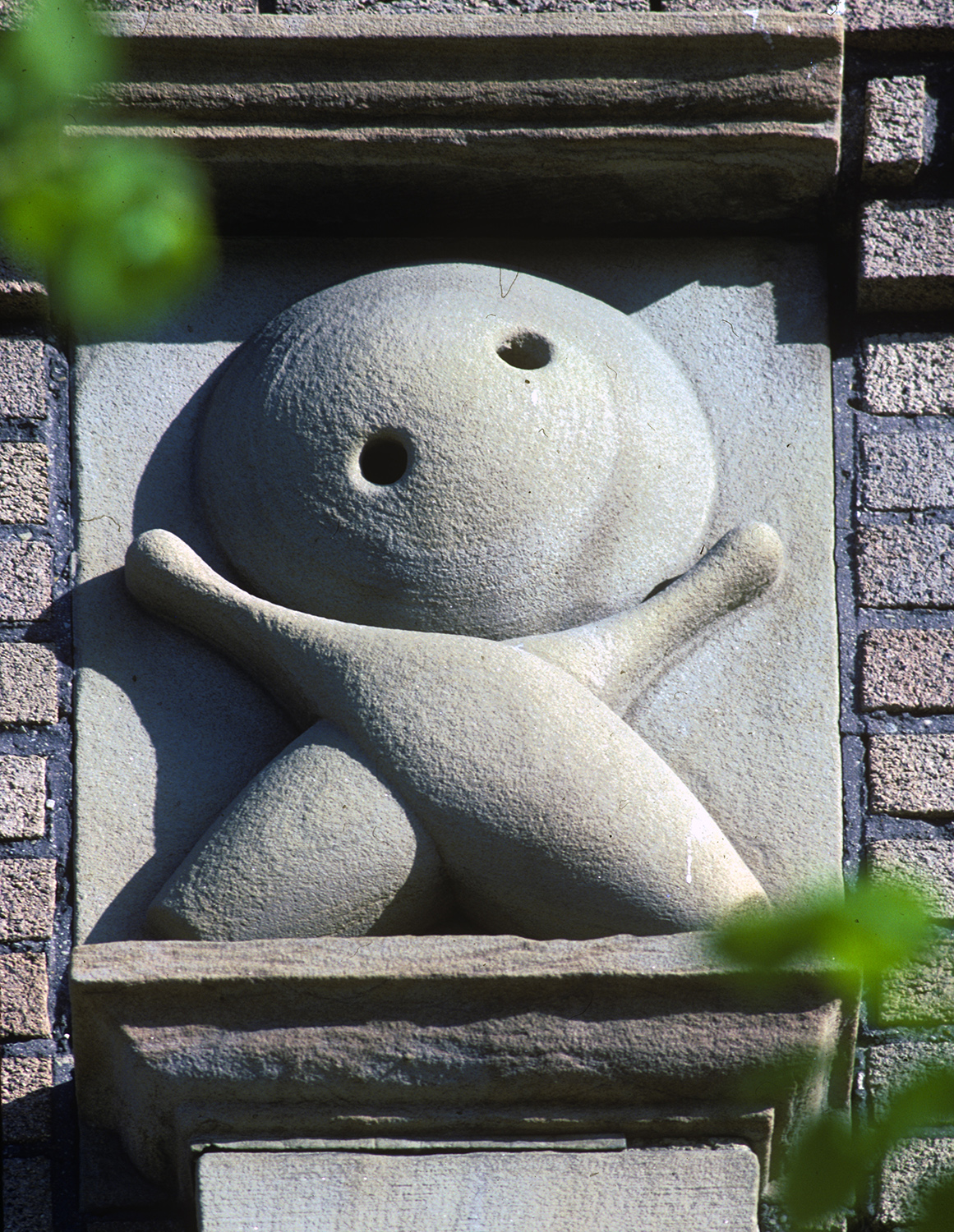
For history's sake, they began as white and black, both mixed into this undustrial section, and becoming predominantly black by the 1960s.Pennsylvania Ore Docks, Hulletts Unload the Wabash - Built 1911, Closed 1995, Demolished 1999Pennsylvania Ore Docks, Hulletts Unload the Wabash - Built 1911, Closed 1995, Demolished 1999Pennsylvania Ore Docks, Hulletts Unload the Wabash & Family FishingPennsylvania Ore Docks, Hulletts Unload the Wabash & Family FishingB & O #464 Lift Bridge, Operator's Cab, Closed, the FlatsBrownhoist, South Facade, Hamilton Ave.The Brownhoist Company was a major builder of transfer equipment used in steel-making, such as the loading and unloading of coal, limestone, coke and iron ore.Brownhoist, Pediment, Hamilton Ave.Tyler Manufacturing, Smokestacks, East 36th Street - GoneWoodland Ave. & West Side Powerhouse, From East Side of RiverThe powerhouse provided electricity for the trolley car system of the city. The bridge allowed trains from the Lake Erie docks over the Cuyahoga and south to the steel mills of Clevelnd and the industrial towns of Ohio. The Powerhouse, today houses the Cleveland Aquarium. The bridge is closed permanently in the open position as a memrorial to industry.Woodland Ave. & West Side Powerhouse, South Wall, Pediment & SmokestacksThe Woodland and W. Side St. Railroad was an early into urban transportation company who's Cuyahoga River powerhouse provided the electricity to power is trolley cars throughout the city.St. Joseph Church, Woodland Ave. - Bult 1973, closed 1986, demolished 1993St. Joseph Church, Woodland Ave. - Bult 1973, closed 1986, demolished 1993St. Joseph Church, Woodland Ave., Door, Pediment & OrnamentSt. Joseph Church, Woodland Ave., Traditional St. Joseph StatueSt. Joseph Church, Woodland Ave., Door, Pediment & OrnamentSt. Joseph Church, Woodland Ave., St. Joseph StatueSt. Joseph Church, Woodland Ave., Door, Pediment & OrnamentSt. Joseph Church, Woodland Ave., St. Joseph StatueDoor & Pediment, Commercial Steel Treatment Company, East 34th Street& Pediment, Westinghouse Plant. West 58th StreetDoor & Pediment, Thalma Apartments, Hawthorne Avenue & East 55th StreetDoor & Pediment, Washington Bank, Superior Ave.Door & Pediment, Alhambra Apartments, Wade Park Blvd.he Alhambra was the largest apratment structure built in the city at the time, with lots of terra cota and golden brick, it was partially rehabbed, stood idle for years, and, after a large wall collapsed, in 2011, it was finally demolished in 2018.Door & Pediment, Erie Railraid Station, Canal RoadDoor & Pediment, Gospel Press, West 7th StreetDoor & Pediment, Chuech, East 38th StreetCarnegie Public Library, Superior Branch, Door & Pediment, East 105th Street _ Built 1920, closed 2000, demolished 2009.St. Regis Hotel, Euclid AvenueThe St. Reigs Hotel was one of many fine resdiences that lined Euclid Avenue for miles, from East 55th Street to East 105th Street.Door & Pediemnt, HoughDoor & PedimentOld St. Hyacinth Church, East 59th StreetBoard of Education Warehouse Building, Entrance, East 58th Streetough Bakeries, Door, Lakeview Avenue - Built 1920, Closed 1993Muffler Reapir Shop Door, St. Clair AvenueDoor, Central AvenueDoor, Central AvenueDoor, Central AvenueDoor, East 105th StreetDoor, East 105th StreetDoor, Sweeney AvenueDoor, East 105th StreetDoor & Pediment, Detroit AvenueCuyahoga County Criminal Courts Building - Built 1930, Closed 1977, Demolished 1997One of a few Art Deco buildings in the city.Cuyahoga County Criminal Courts Building - Main EntranceCuyahoga County Criminal Courts Building - Pediment EntranceCuyahoga County Criminal Courts Building - Comemerative PlaqueCuyahoga County Criminal Courts Building - Date StoneCuyahoga County Criminal Courts Building - OrnamentCuyahoga County Criminal Courts Building - OrnamentCuyahoga County Criminal Courts Building - OrnamentCuyahoga County Criminal Courts Building - CourtroomCuyahoga County Criminal Courts Building _ Deliberation Room EntranceCuyahoga County Criminal Courts Building _ Deliberation Room EntranceCuyahoga County Criminal Courts Building - Group CellCuyahoga County Criminal Courts Building - HeroCuyahoga County Criminal Courts Building - Sink, Bible & ToiletCuyahoga County Criminal Courts Building - Jail PortraitCuyahoga County Criminal Courts Building - Dueling ImagesCuyahoga County Criminal Courts Building - CalanderCuyahoga County Criminal Courts Building - InscriptionSavage buildingArtistic buildingAdvertisement, Cedar Ave.Cear Avenue around East 30th Street.Sign, Home, East 36th StreetGraffiti, Abandoned Building, Detroit & West 54th StreetGraffitti, Detroit Superior BridgeGraffitti, Detroit Superior BridgeGraffitti, CTS BridgeCarrigae Company Advertisement, Euclid Ave.Fascination & Playland Clubs, Euclid Avenue - GoneFascination & Playland Clubs, Door & PedimaentEuclid Avenue - GoneKobb & Bradley Building, Pediment, Euclid Ave. - GoneThese loft buildings began as a small garment district near East 55th and Euclid Avenue.Kobb & Bradley Building, Pediment, Euclid Ave. - GoneThese loft buildings began as a small garment district near East 55th and Euclid Avenue.The Last Building Fom the !05 & Euclid Entertainment District, 0615 Euclid Ave.- GoneLiterally, one of two of the last standing buildings from the historic 105 & Euclid section. It was a crosstown downtown known primarily as an entertainemnet district of nightclubs, large theatres, dance halls, skating, shops, and high-class bowling alleys like the the Lucky Strike as well as, a center for the city's swank urban hotel ressidences.
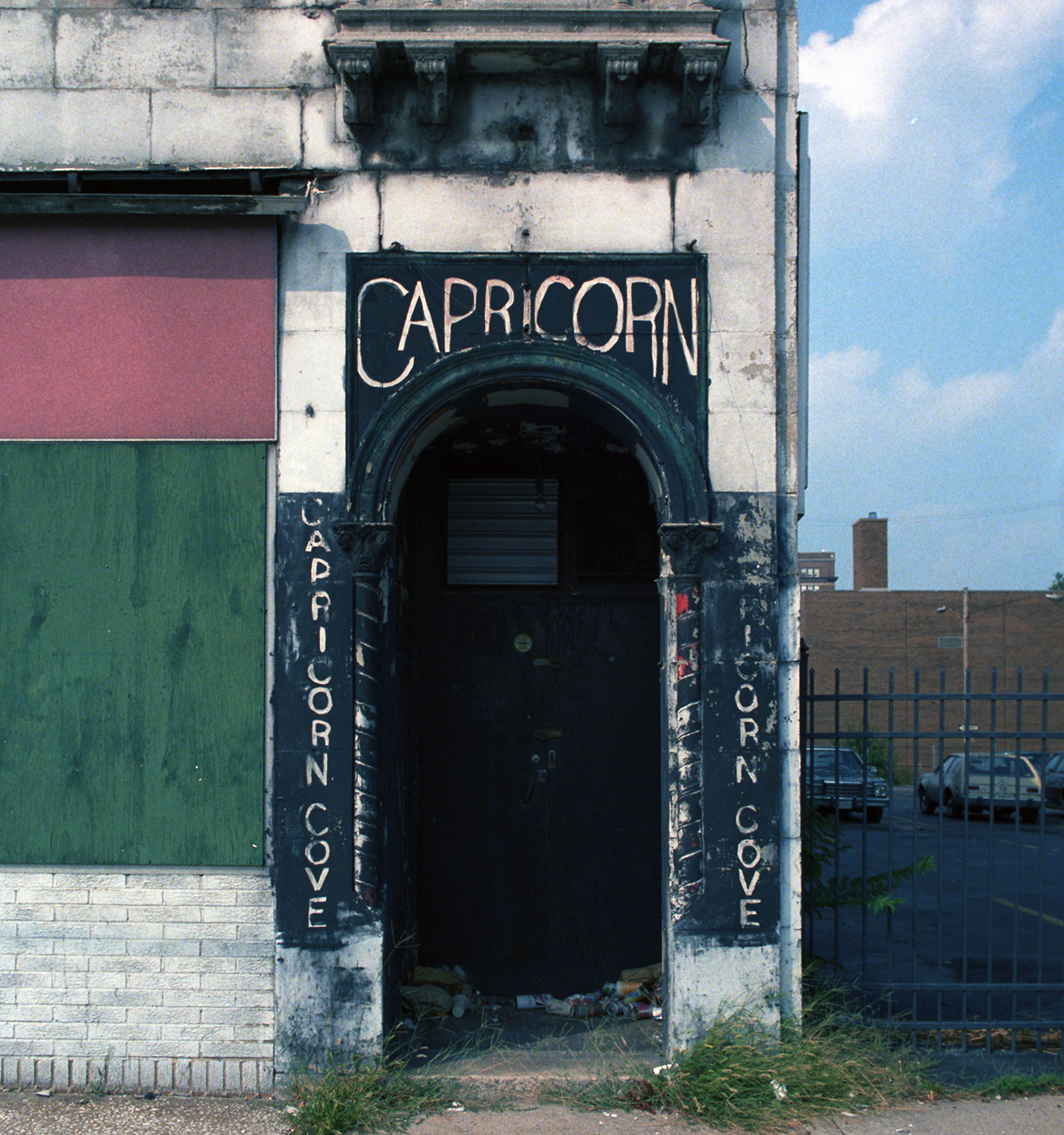
The significance of what became to be the last old structure in the entertainmennt zone turned seedy hustler's paradise turned major American hospital, is that it housed a club callld La Cave. The old Capricorn entrance was where you would descend into the Cave known for bringing Ten Years After, The Fuggs and the Velvet Underground to a section of the city that was just like Times Square and 42nd Street in NYC.
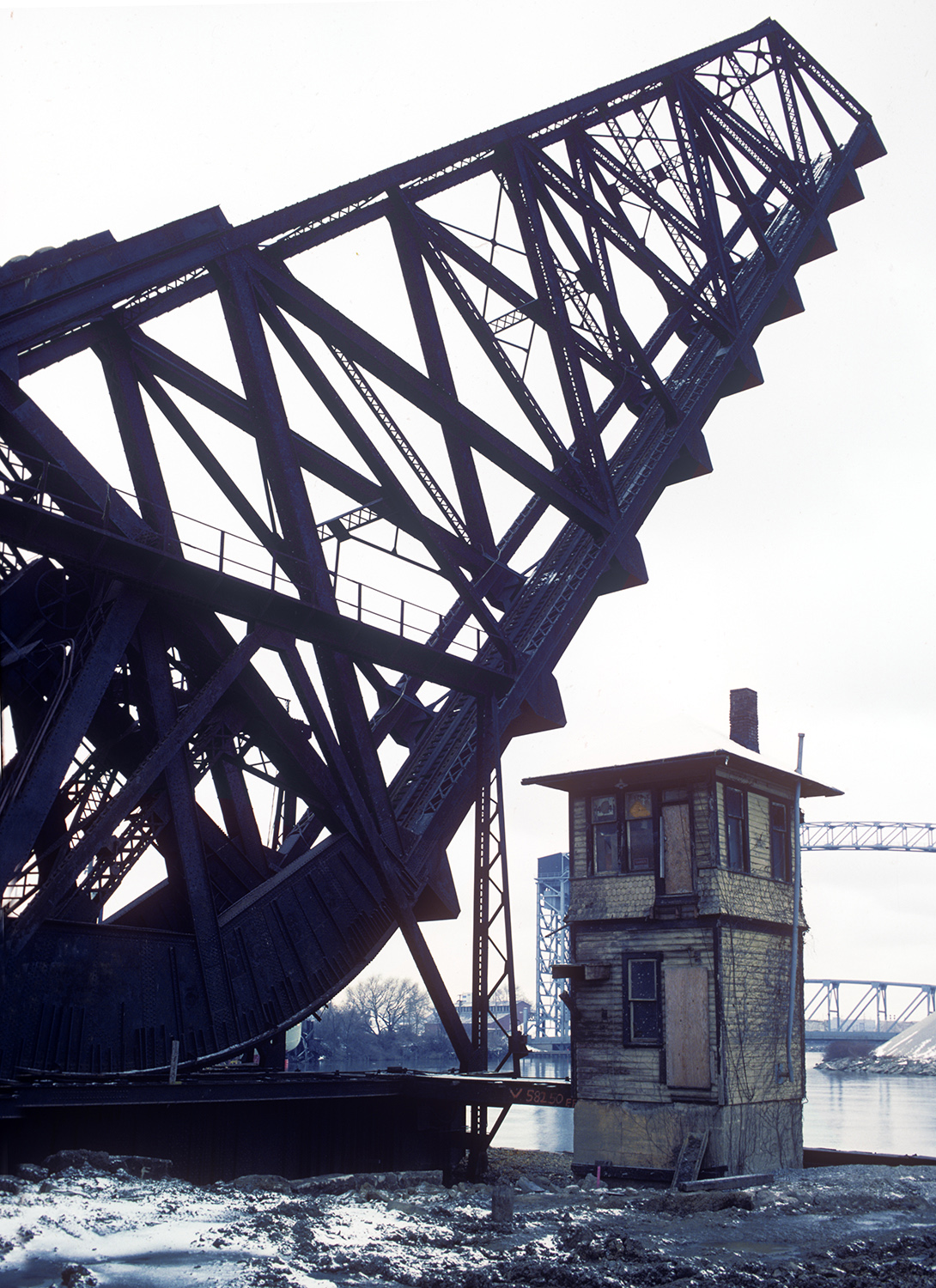
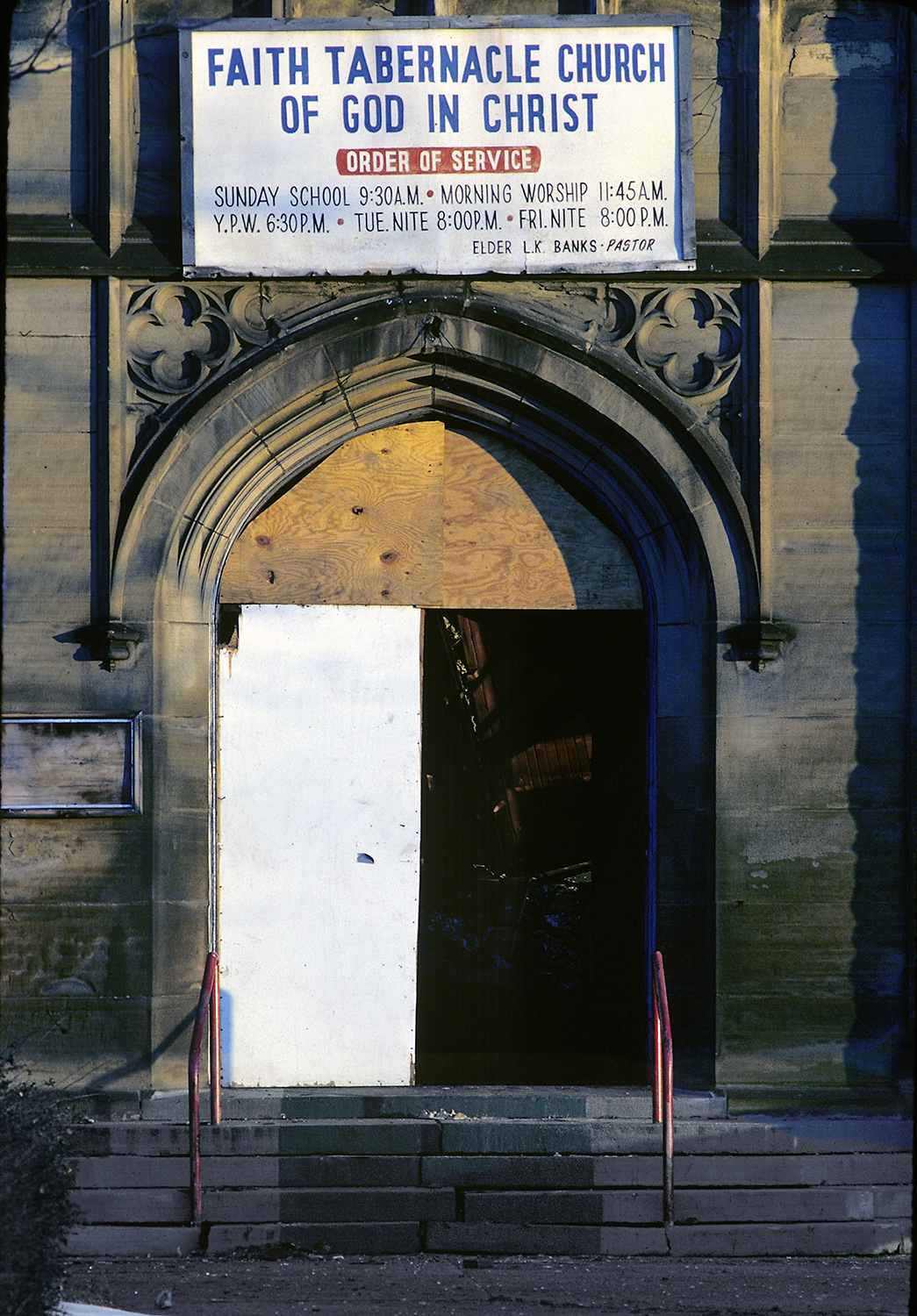
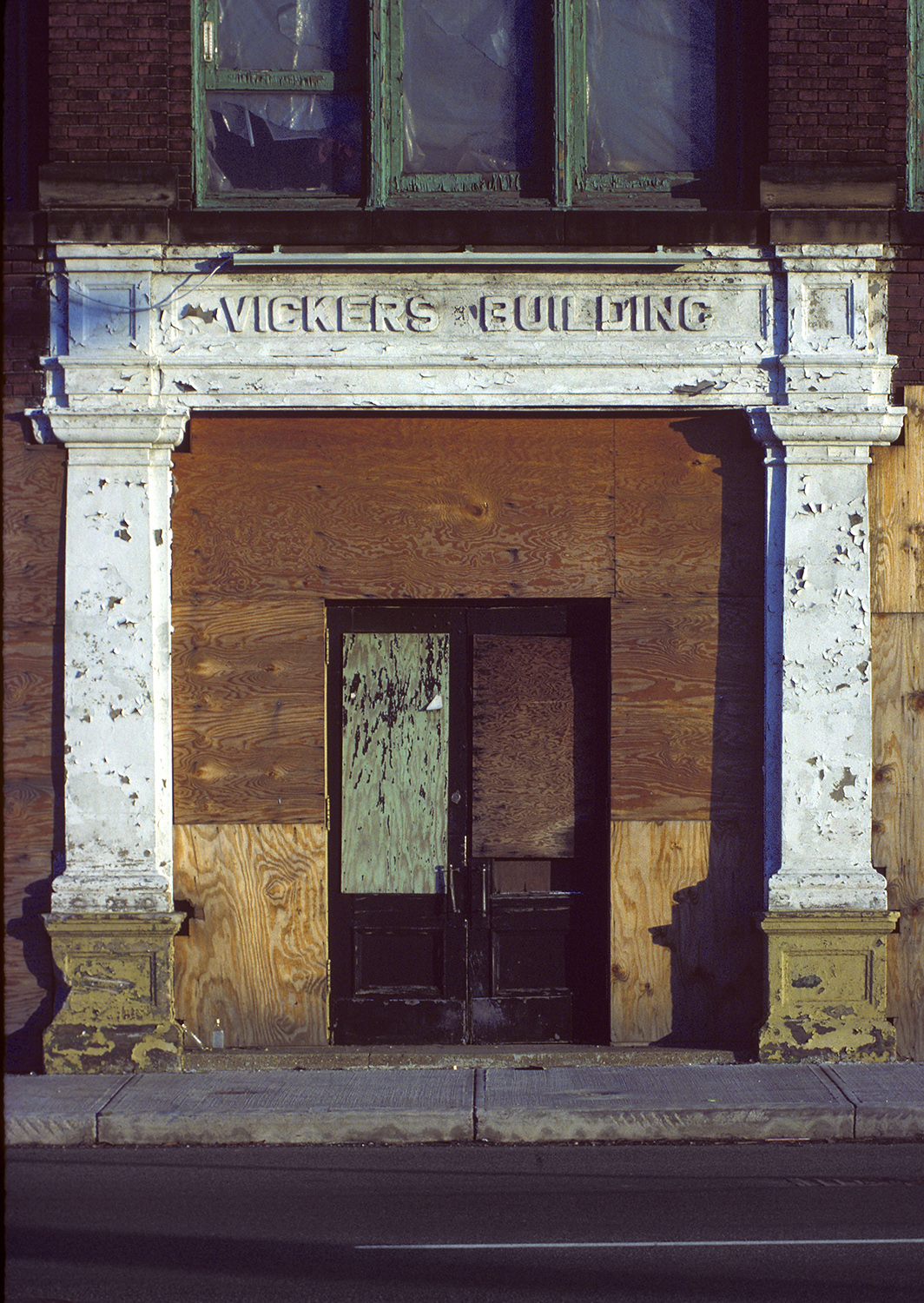
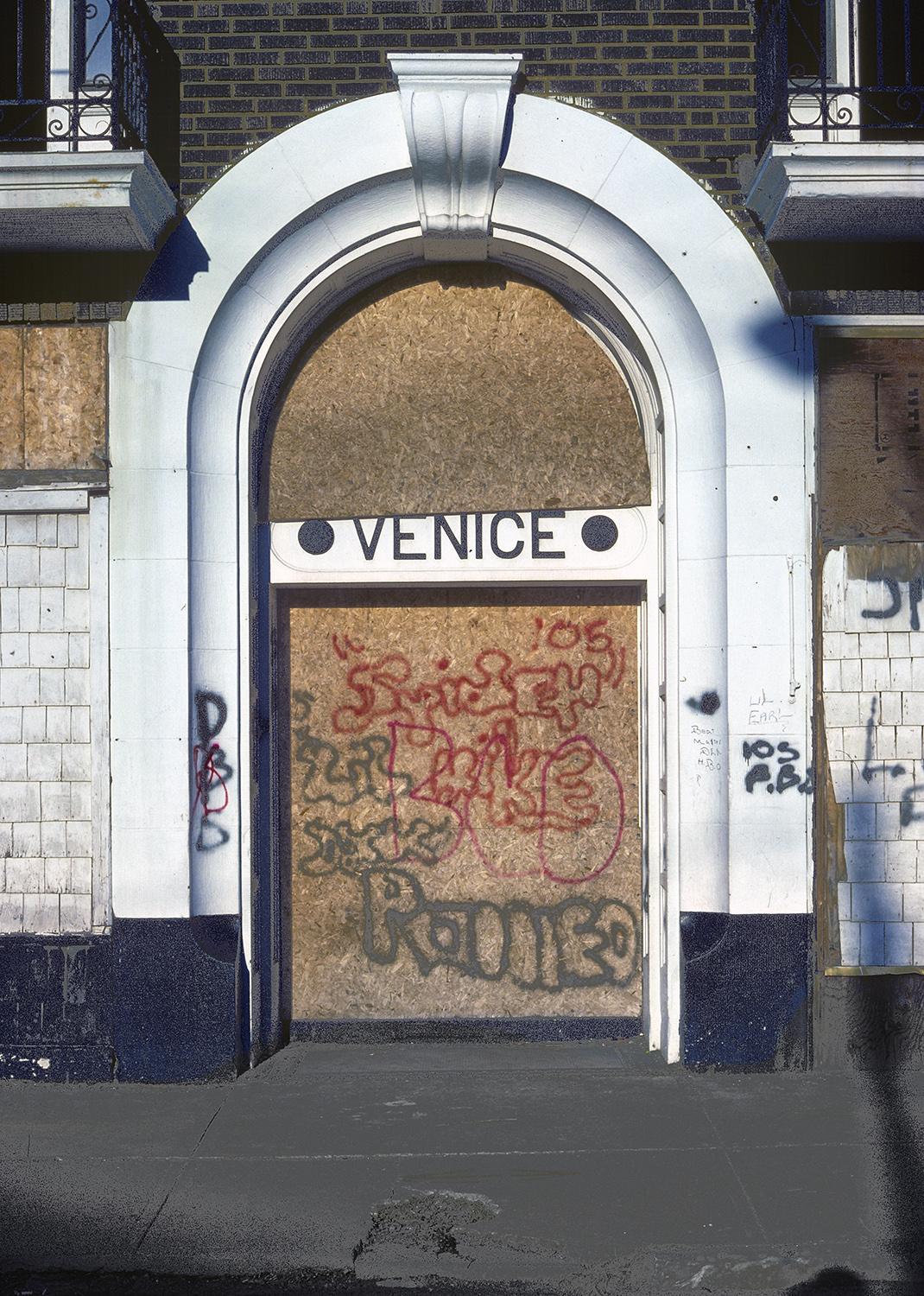
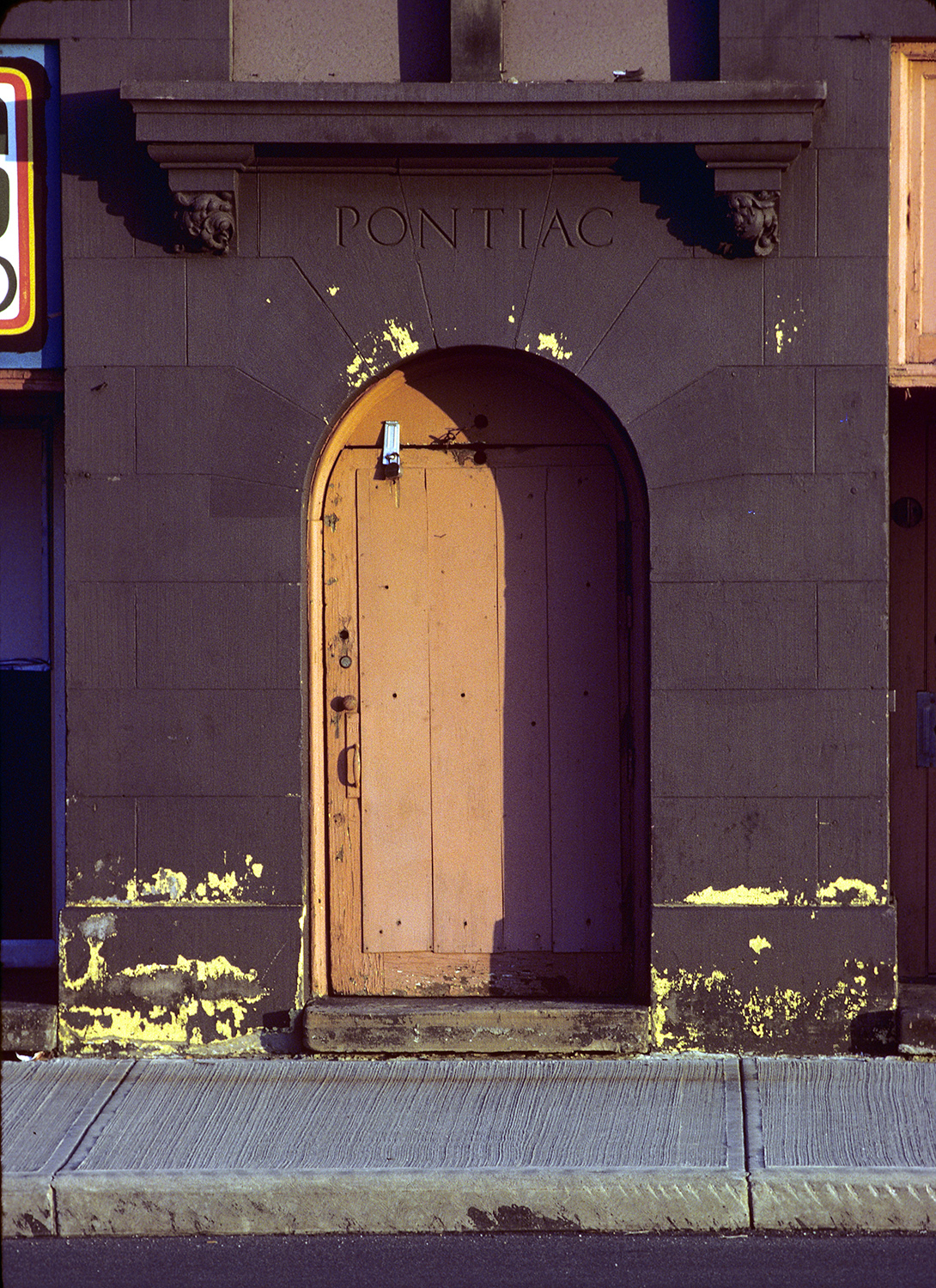
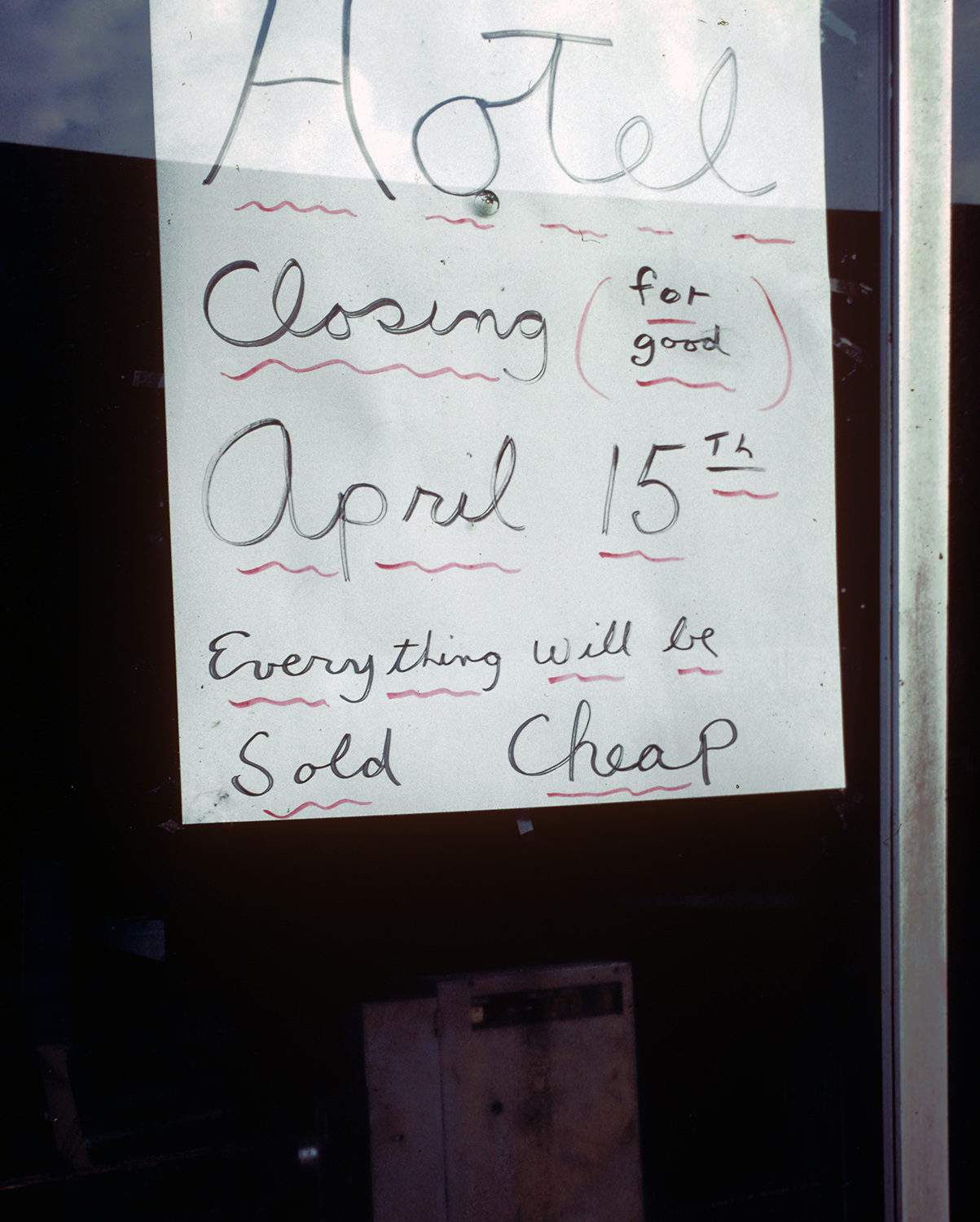
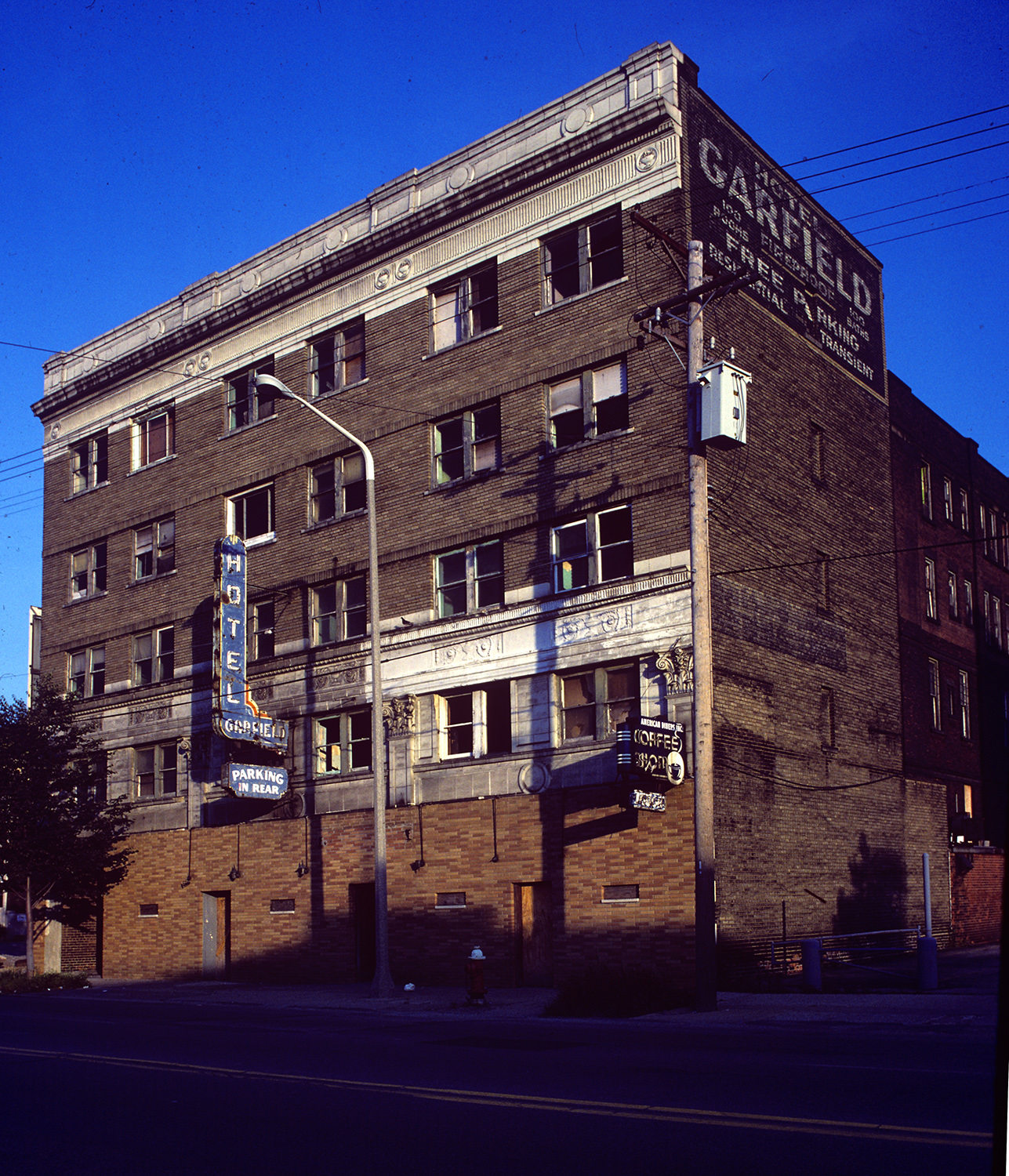
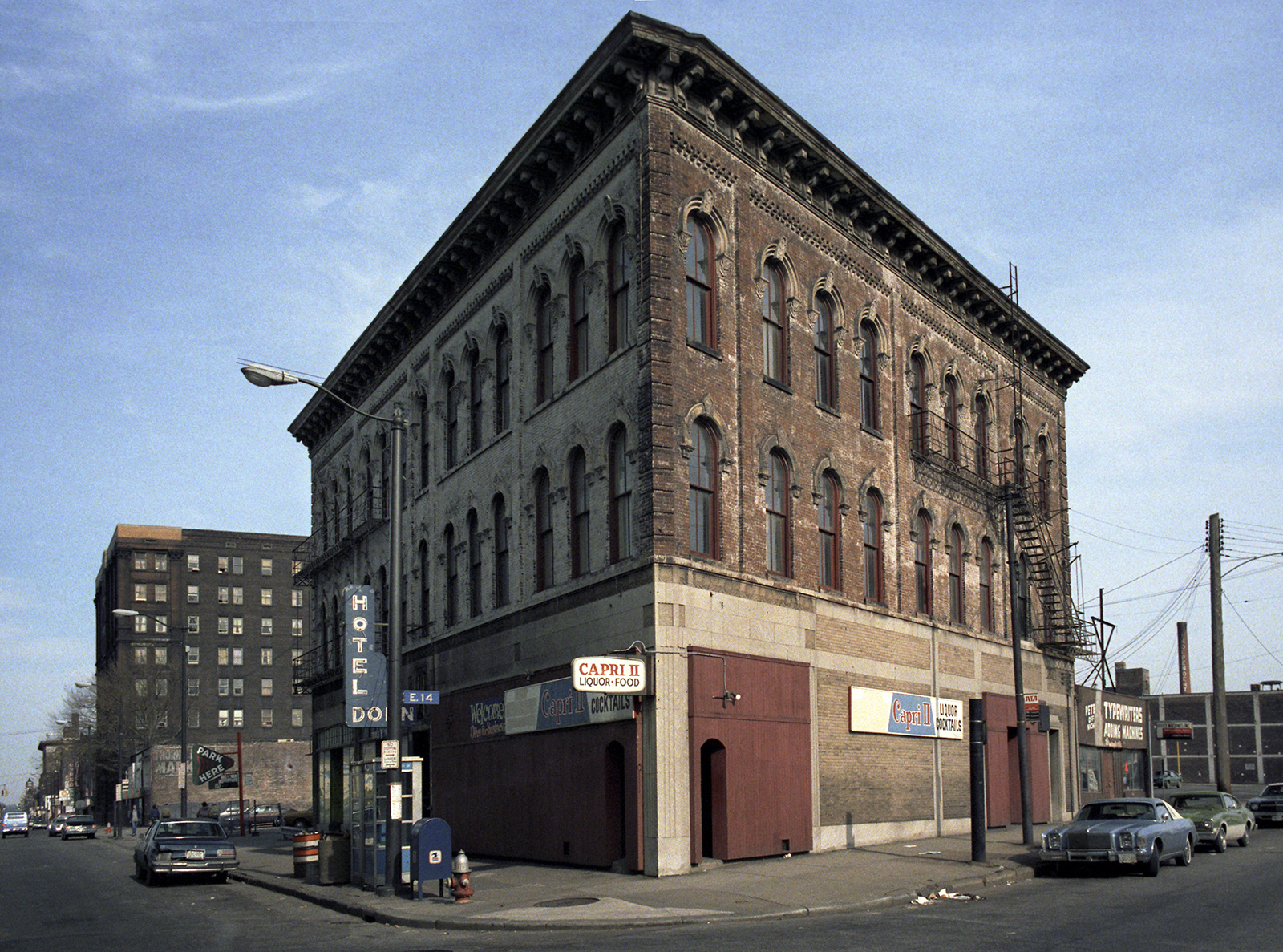
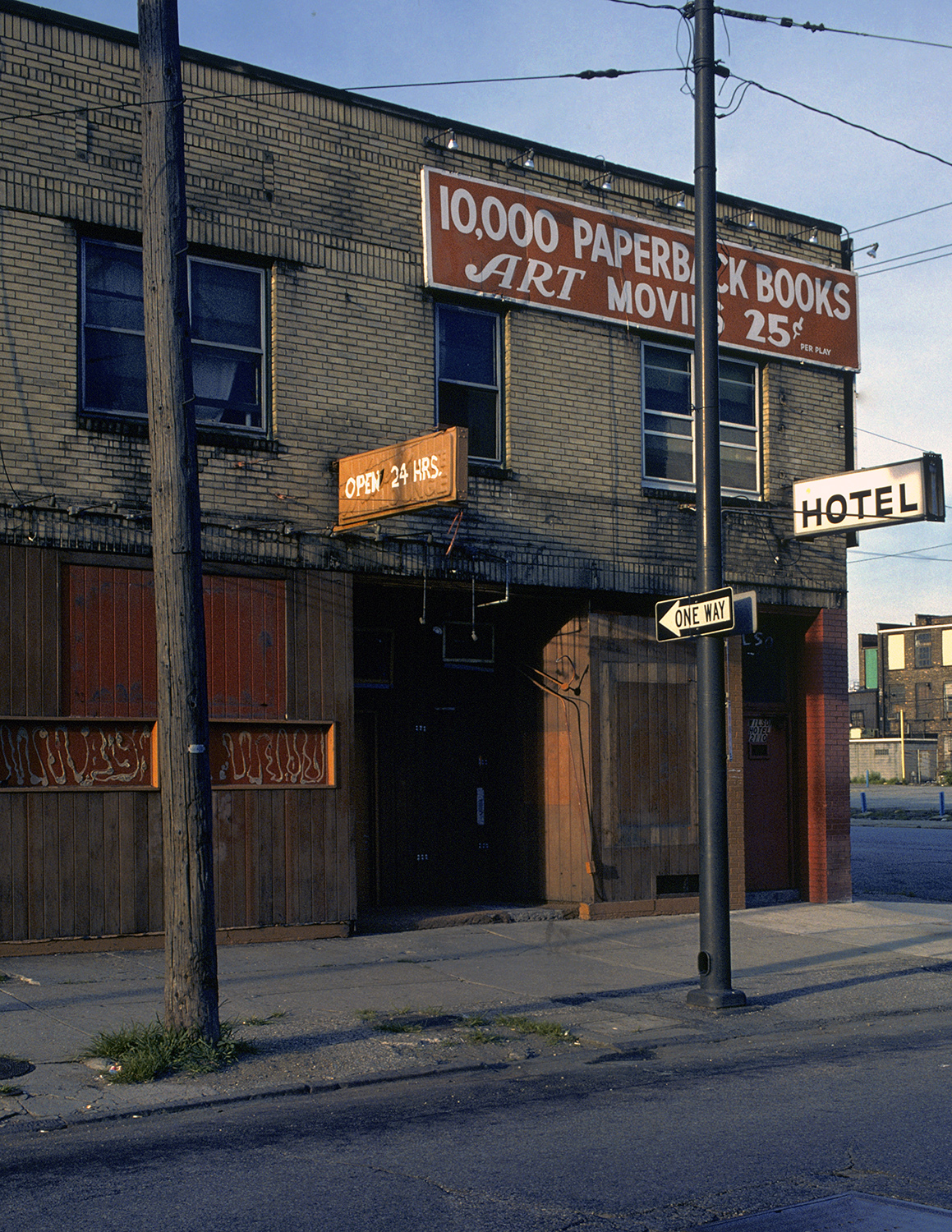
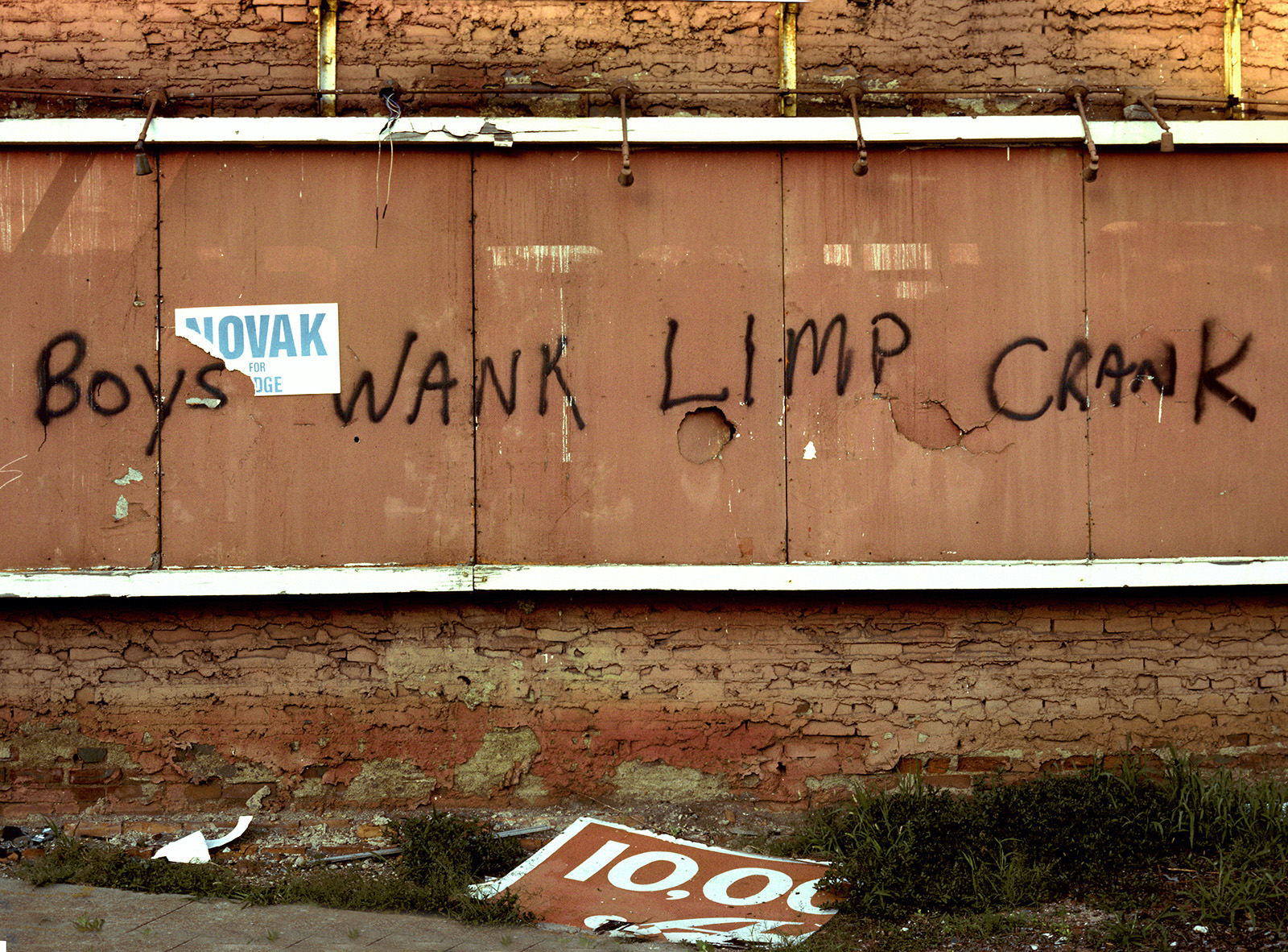
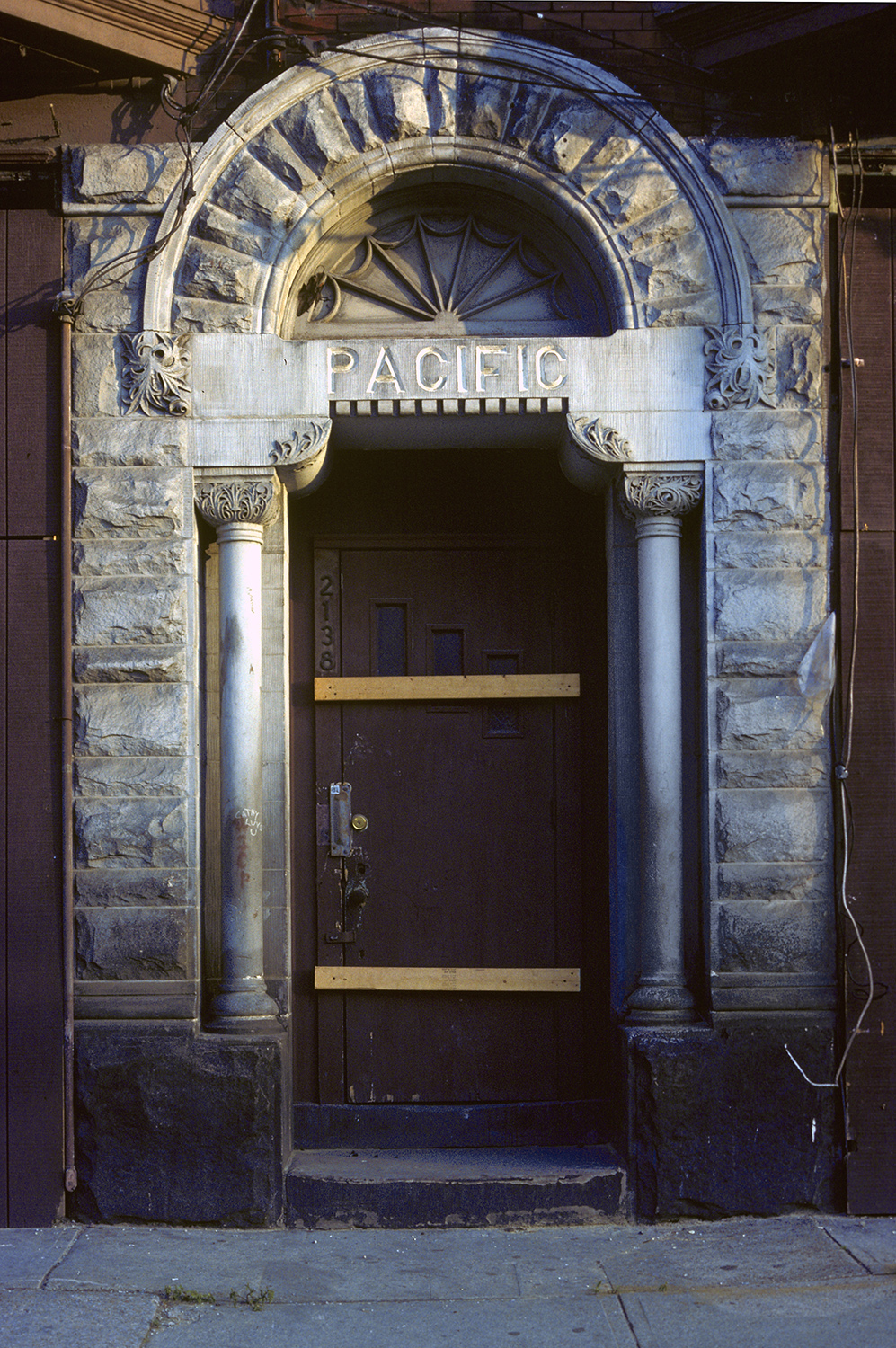
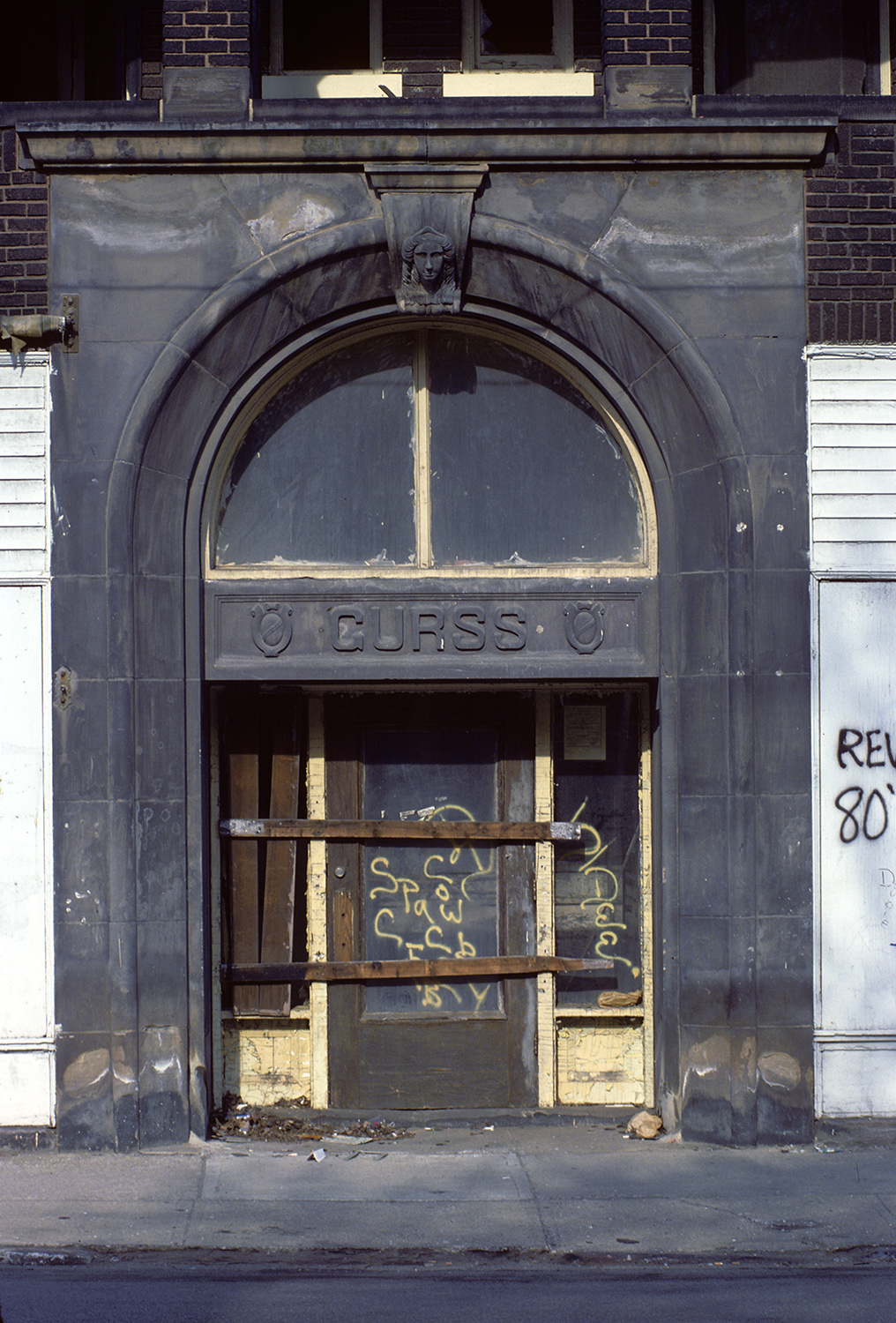
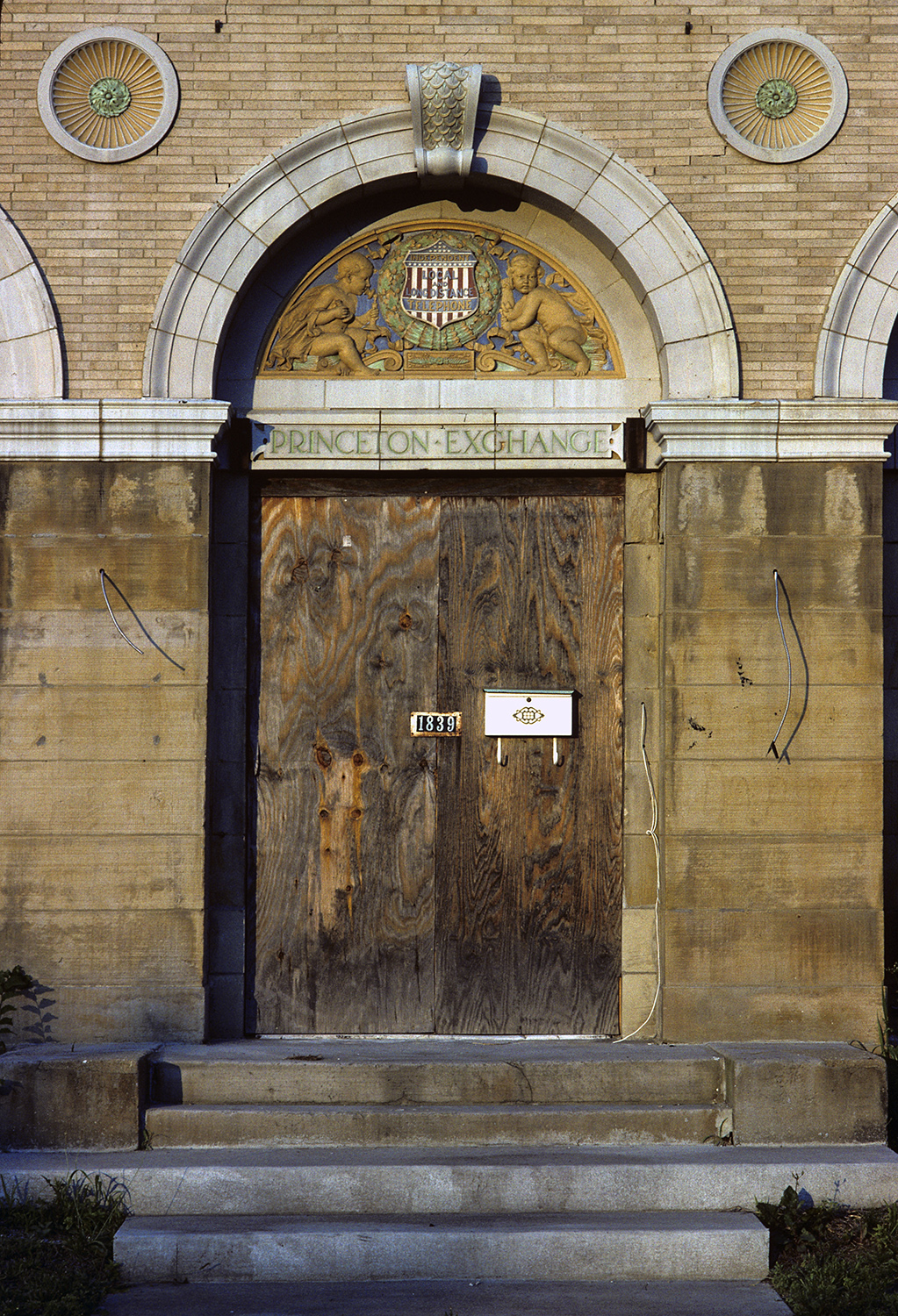
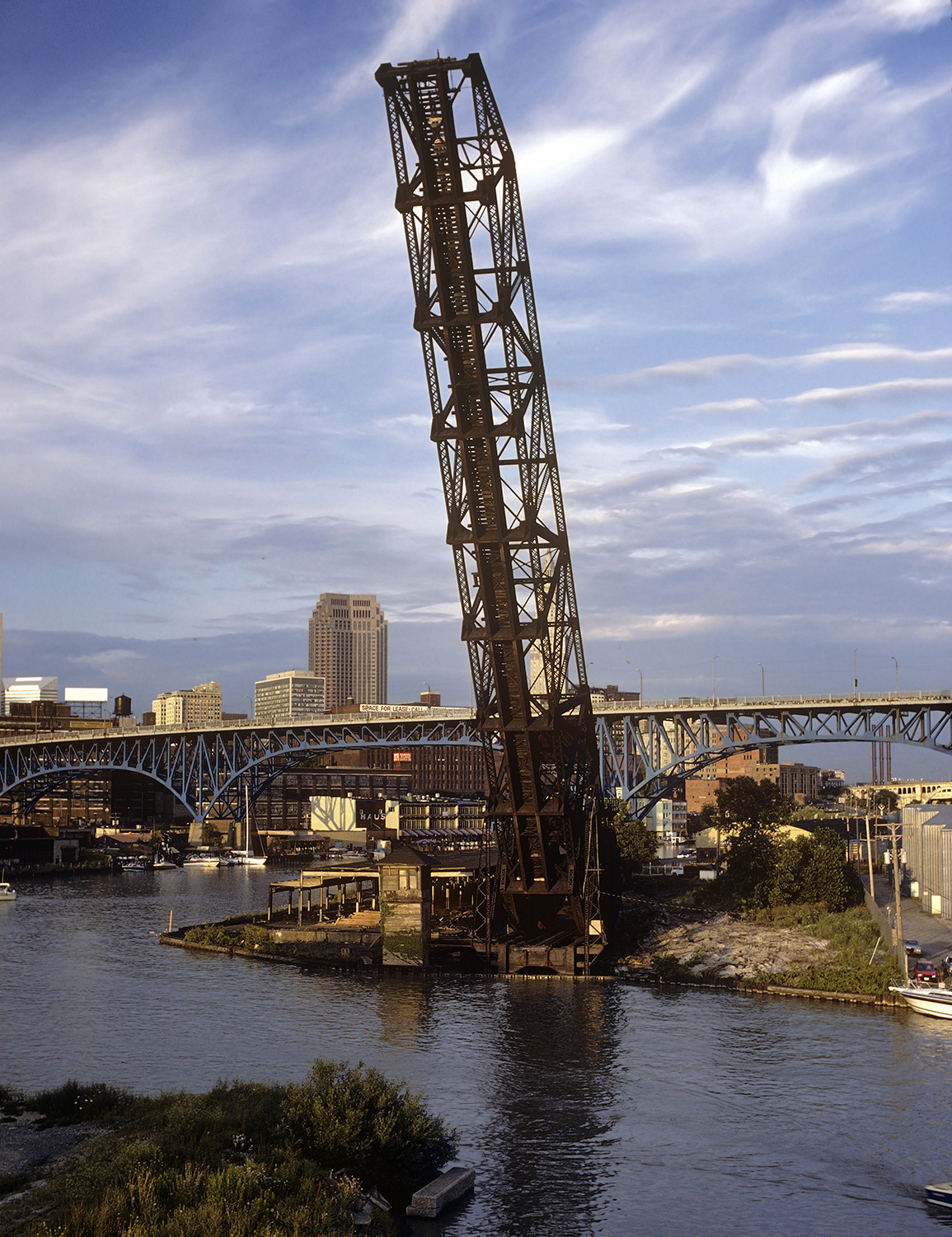
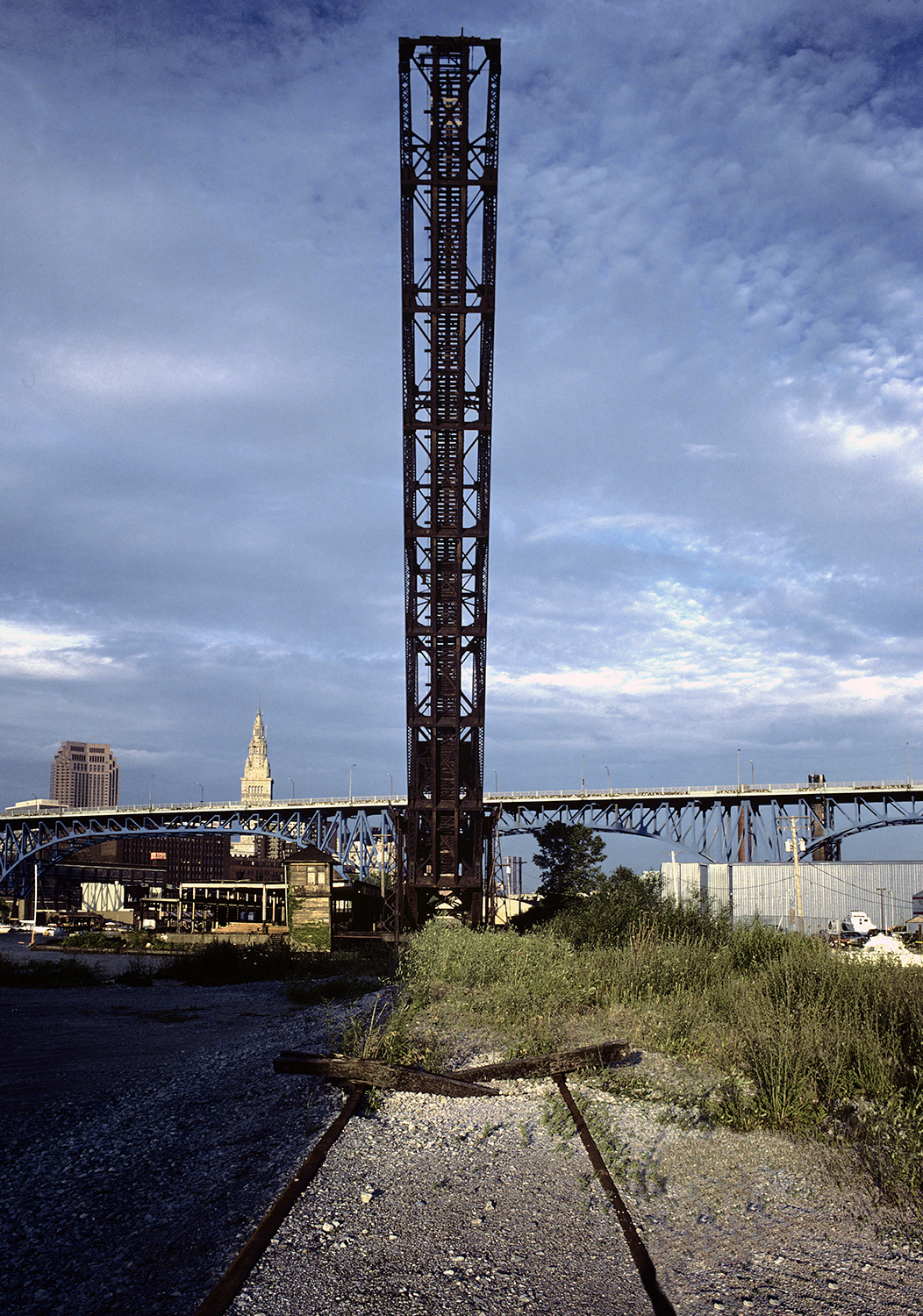
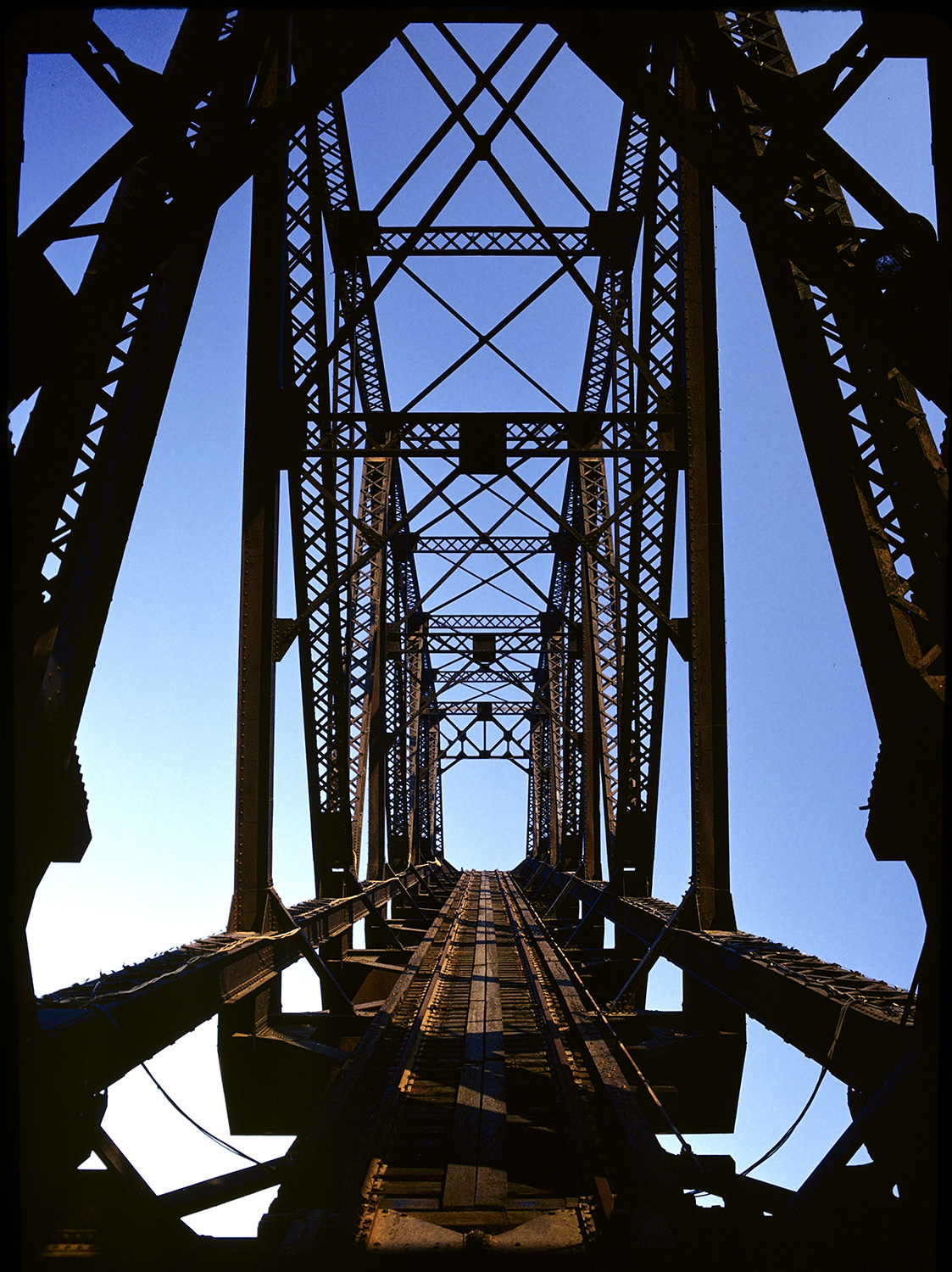
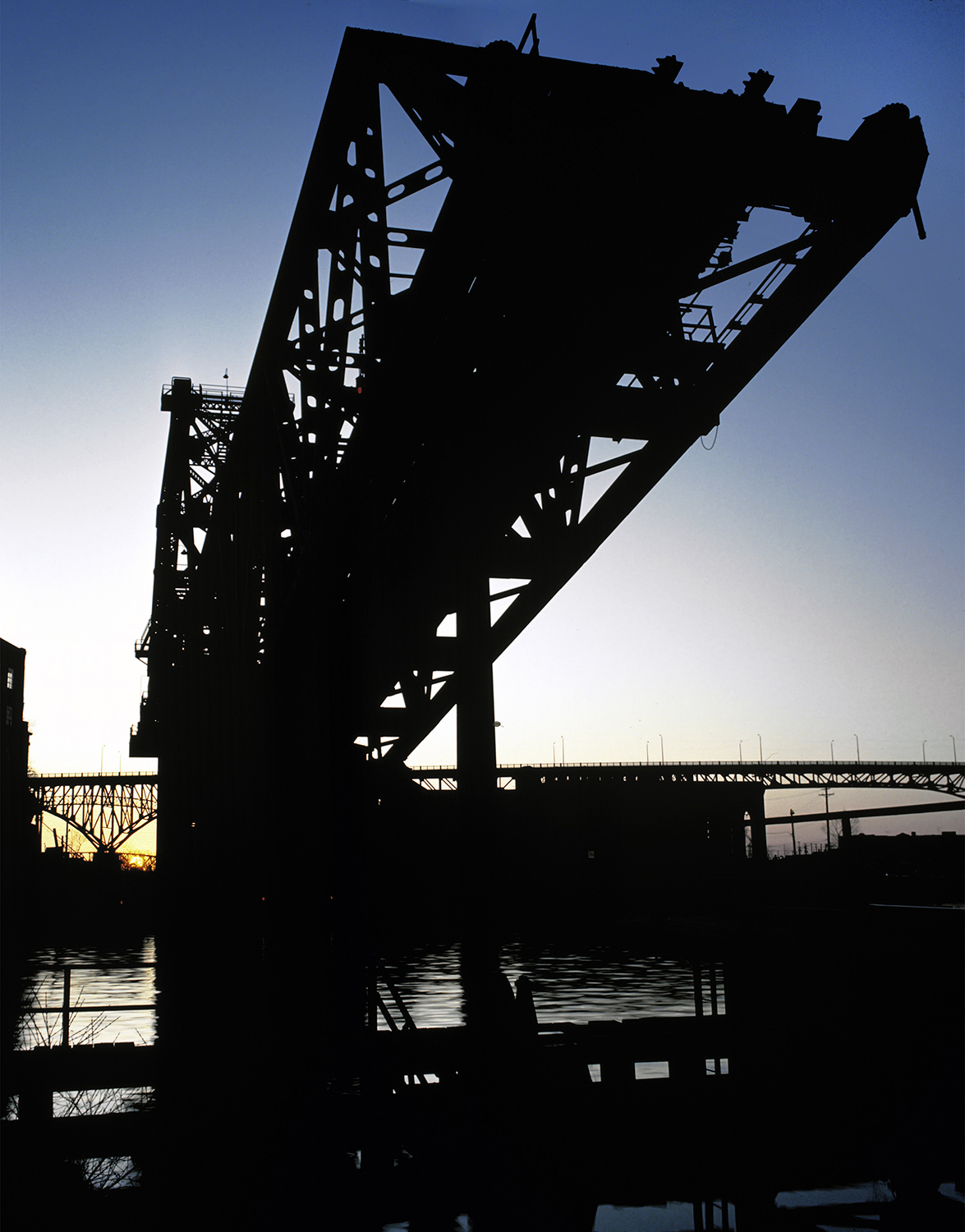
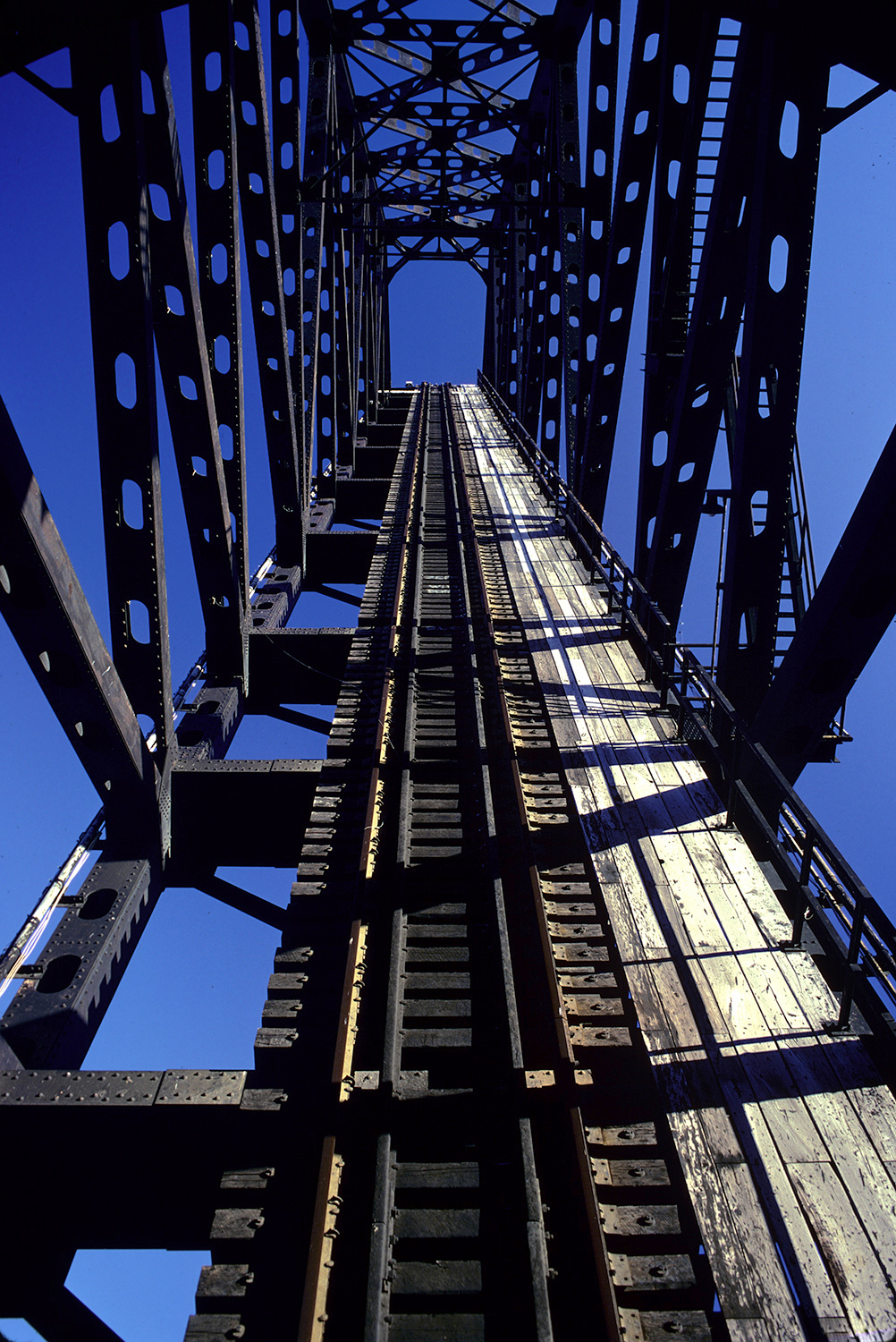
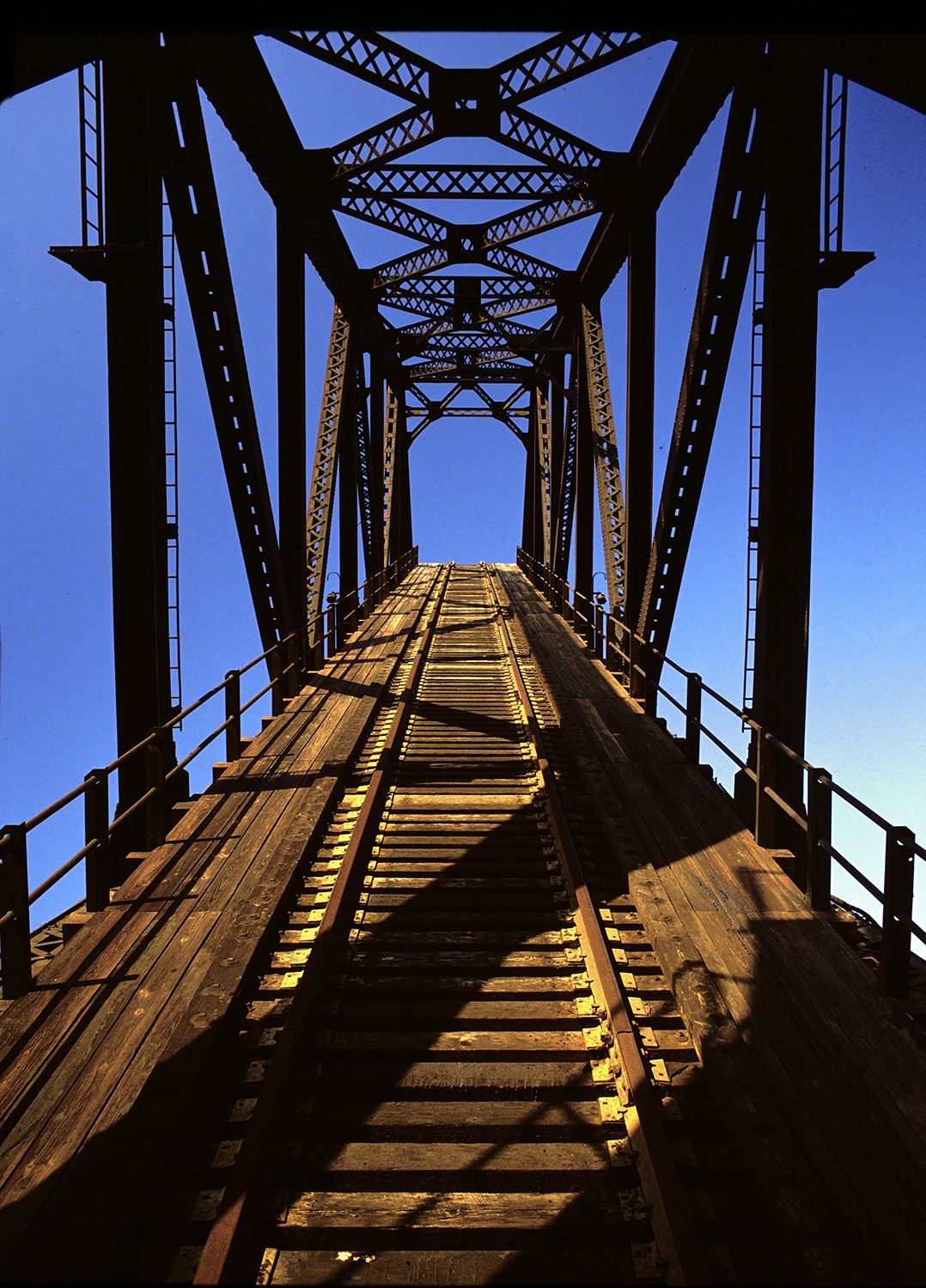
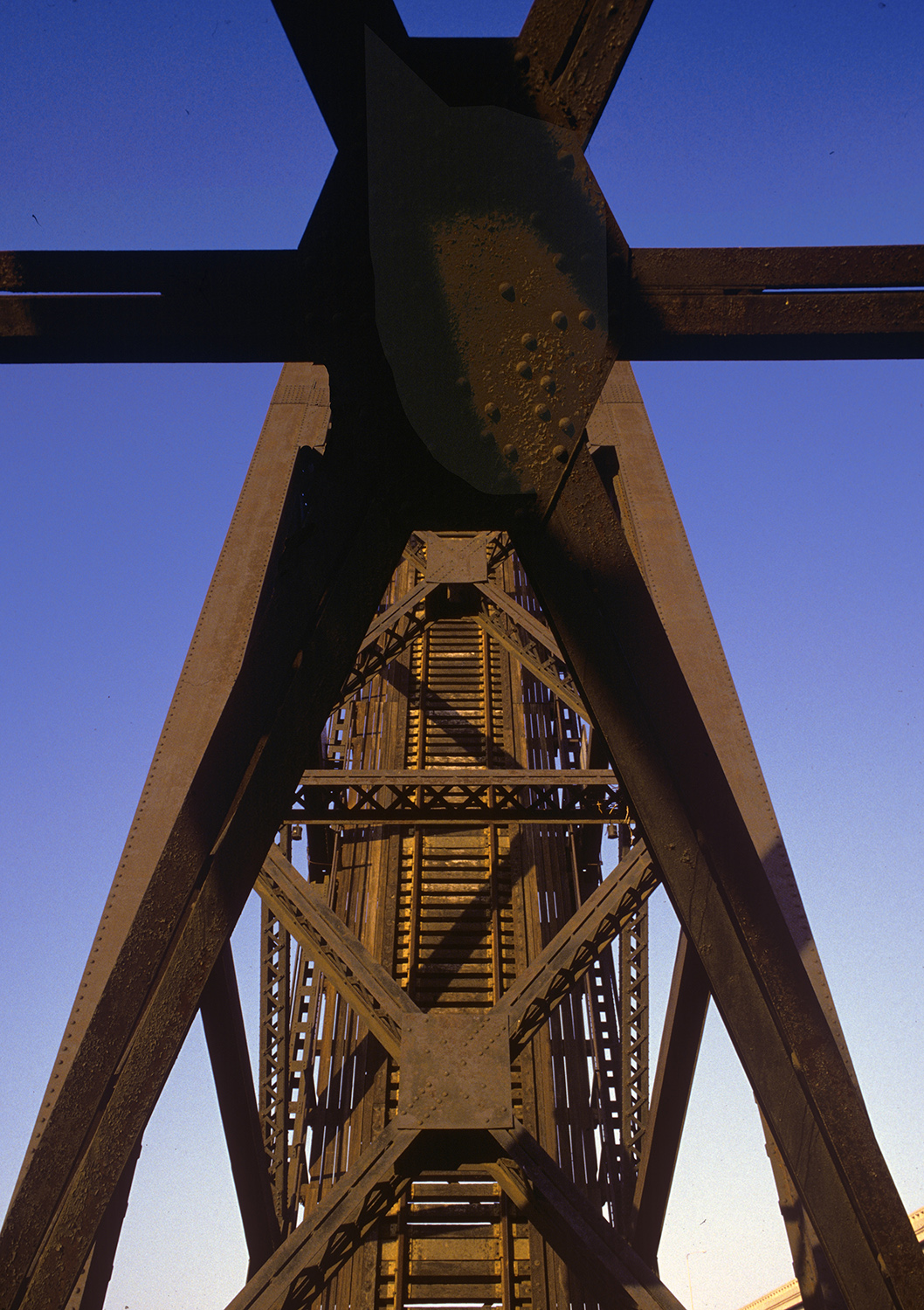
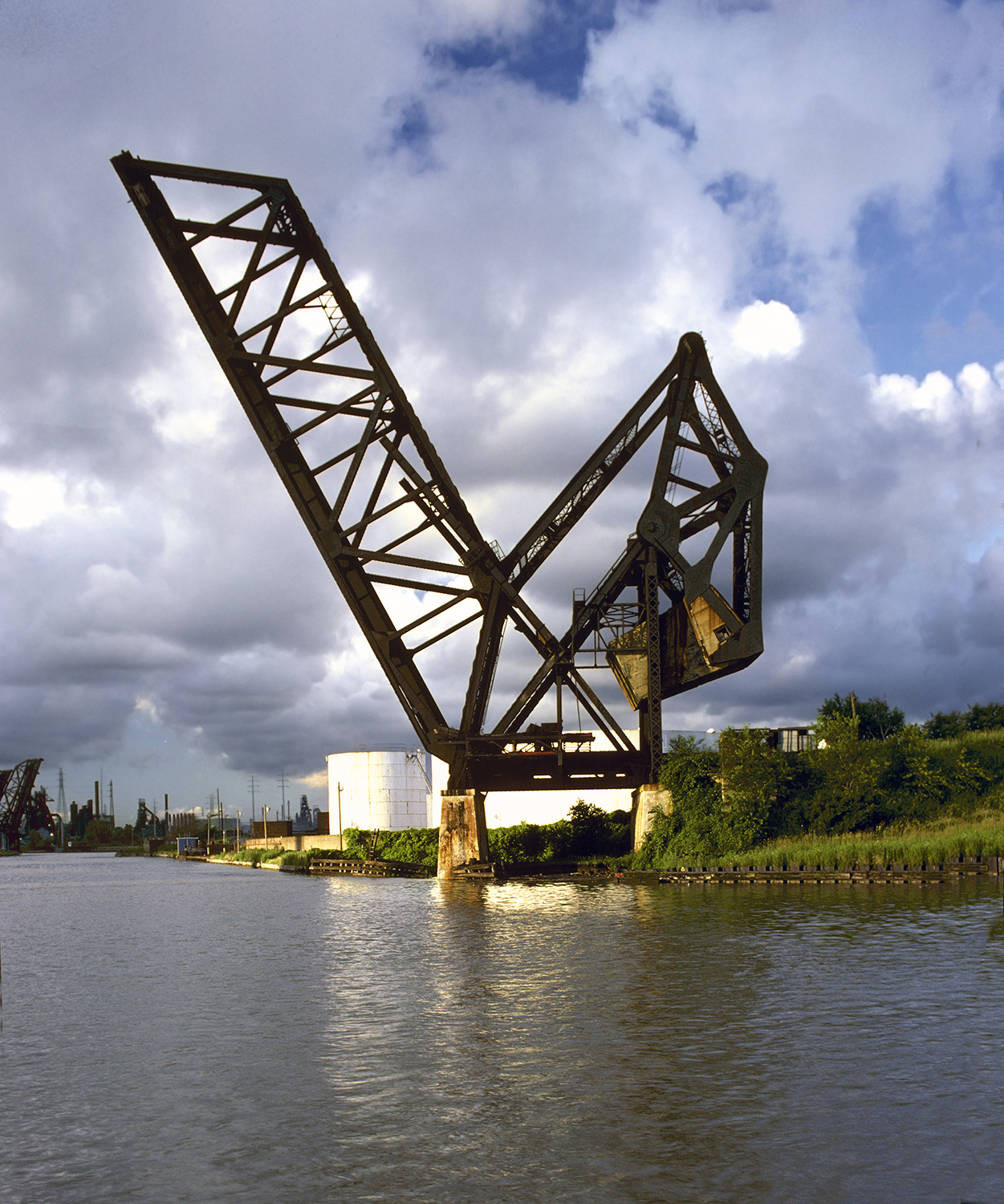
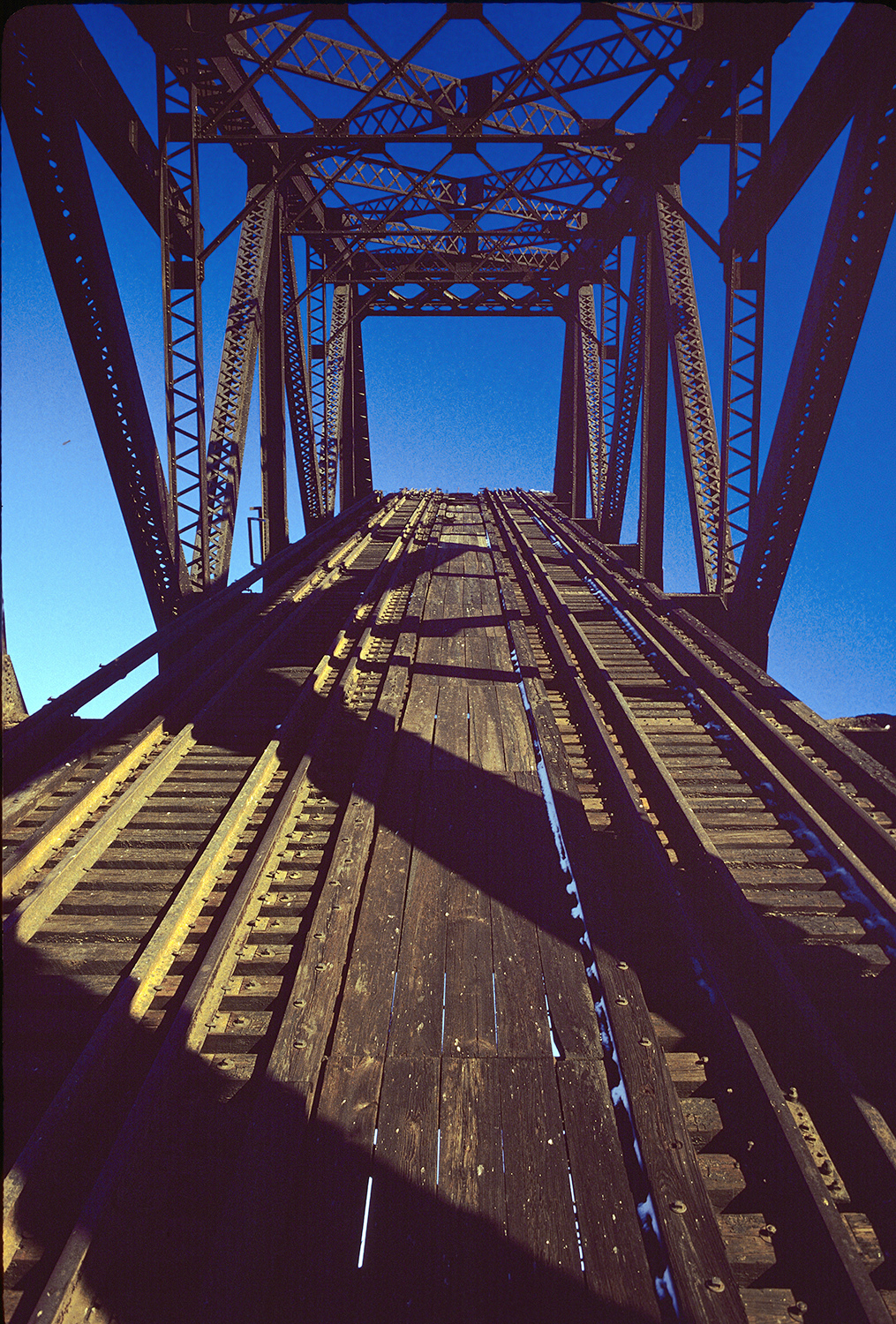
10615 Euclid Ave.- GoneLiterally, one of two of the last standing buildings from the historic 105 & Euclid section. It was a crosstown downtown known primarily as an entertainment district of nightclubs, large theatres, dance halls, skating, shops, as well as, a center for the city's swank urban hotel residences.10615 Euclid Ave., Downstairs EntranceThe significance of this doorway is that, at one time, it led down to a nightclub that was called LaCave.Church, Euclid Avenue and East 79th StreetChurch Door & Pediment, Euclid Avenue and East 79th StreetEuclid AvenueDoor, Vickers Building, Euclid AvenueDoor, Venice Apartments Euclid AvenuePDoor, Pontiac, Euclid AvenueDoor, Earl Hotel, Euclid AvenueEuclid AvenueEast 4th Street, Art, 1980East Fourth Street, 1980Wig Shop Window Display, East 4th Street.Rexall Drugstore, Prospect AvenueEmpire Hotel, Prospect Avenue - GoneEmpire Hotel, Prospect Avenue, Sign on WindowGrand Hotel & Erieview Tavern, Prospect Avenue - GoneGarfield Hotel. Prospect Avenue - GoneDoan Hotel, Prospect & East 14th Street - GoneBar, Porn Mart & Hotel, Prospect Avenue - GoneHouse of 10,000 Paperbacks, GraffittiPacific Building, EntranceCurss Building, EntranceCurss Building, Entrance, OrnamentDoor & Pediment, Princeton Exchange Building, East 83rd StreetPrinceton Telephone Exchange Building, PedimentSt. Regis Hotel, Euclid AvenueThe St. Reigs Hotel was one of many fine resdiences that lined Euclid Avenue for miles, from East 55th Street to East 105th Street.Door & Pediment, Eddy RoadGarfield Bank Entrance, East 79th StreetErie Savings, Broadway AvenueUS Steel Administration Building, East 49th StreetUS Steel Warehouse, Bessemer AvenueBridge #4B & O #463 Lift Bridge Built 1956, closed 1982, locked in open position.Built in 1956, closed 1982, remains locked in the open position as a memorial and symbol of the beauty of utilitarian industrial structures. This is a bascule or jacknfe lift bridge that replaced a scherzer rolling lift bridge.
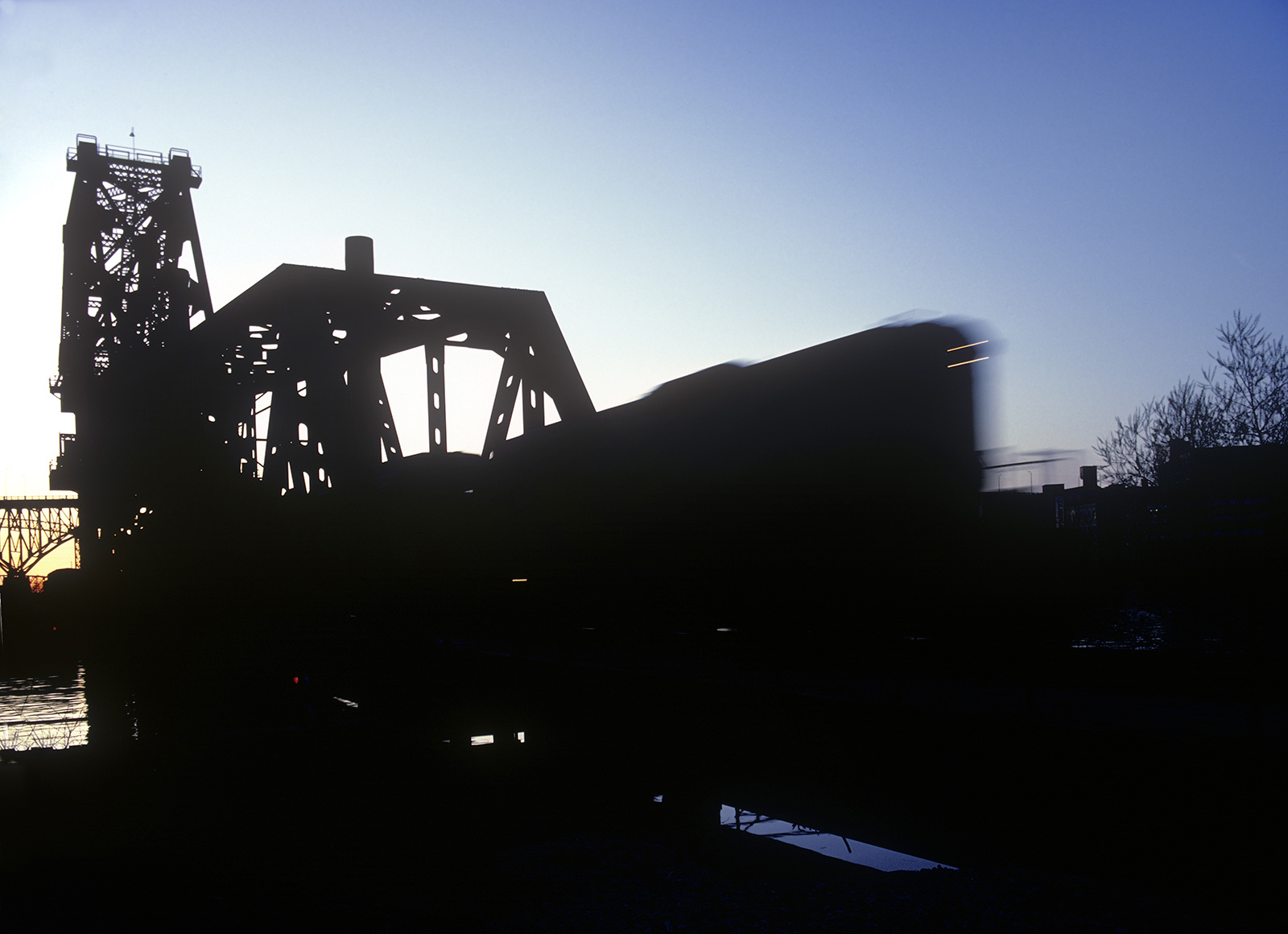
Just one year prior to its permanent closure, the bridge was captured in mid-lift at twilight.B & O #463 Lift Bridge, Train Passing, TwilightB & O Bridge #464, From Whiskey IslandB & O #463 Lift Bridge, TrussWarren through truss, movable: single leaf bascule (Heel Trunnion) - the bascule and vertical lift bridges of the replaced the scherzers and dominate the river thereaftwer.B & O Bridge #464, Operator's CabB & O #463 Lift Bridge Built 1956, closed 1982, locked in open position.Built in 1956, closed 1982, remains locked in the open position as a memorial and symbol of the beauty of utilitarian industrial structures. This is a bascule or jacknfe lift bridge that replaced a scherzer rolling lift bridge.
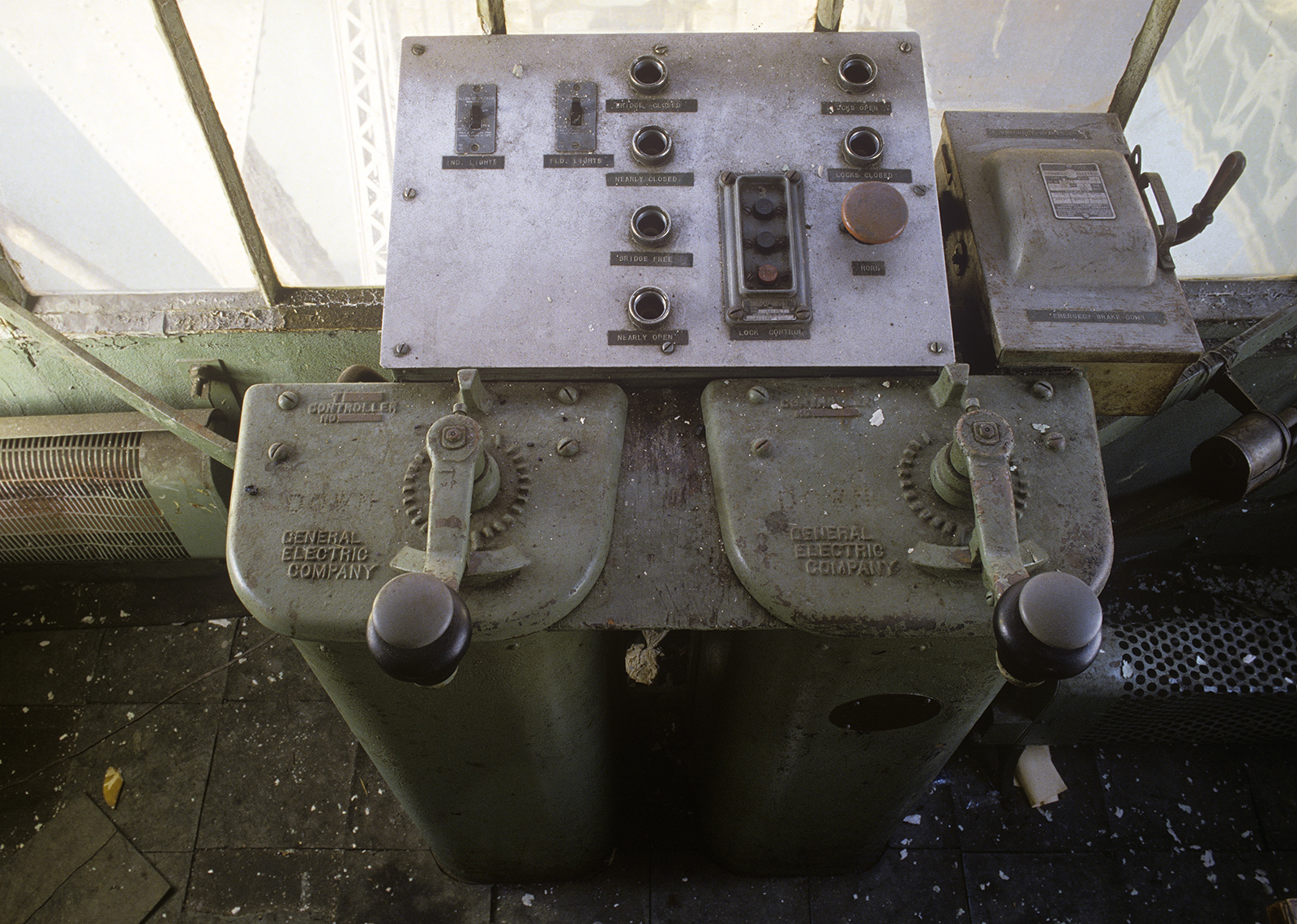
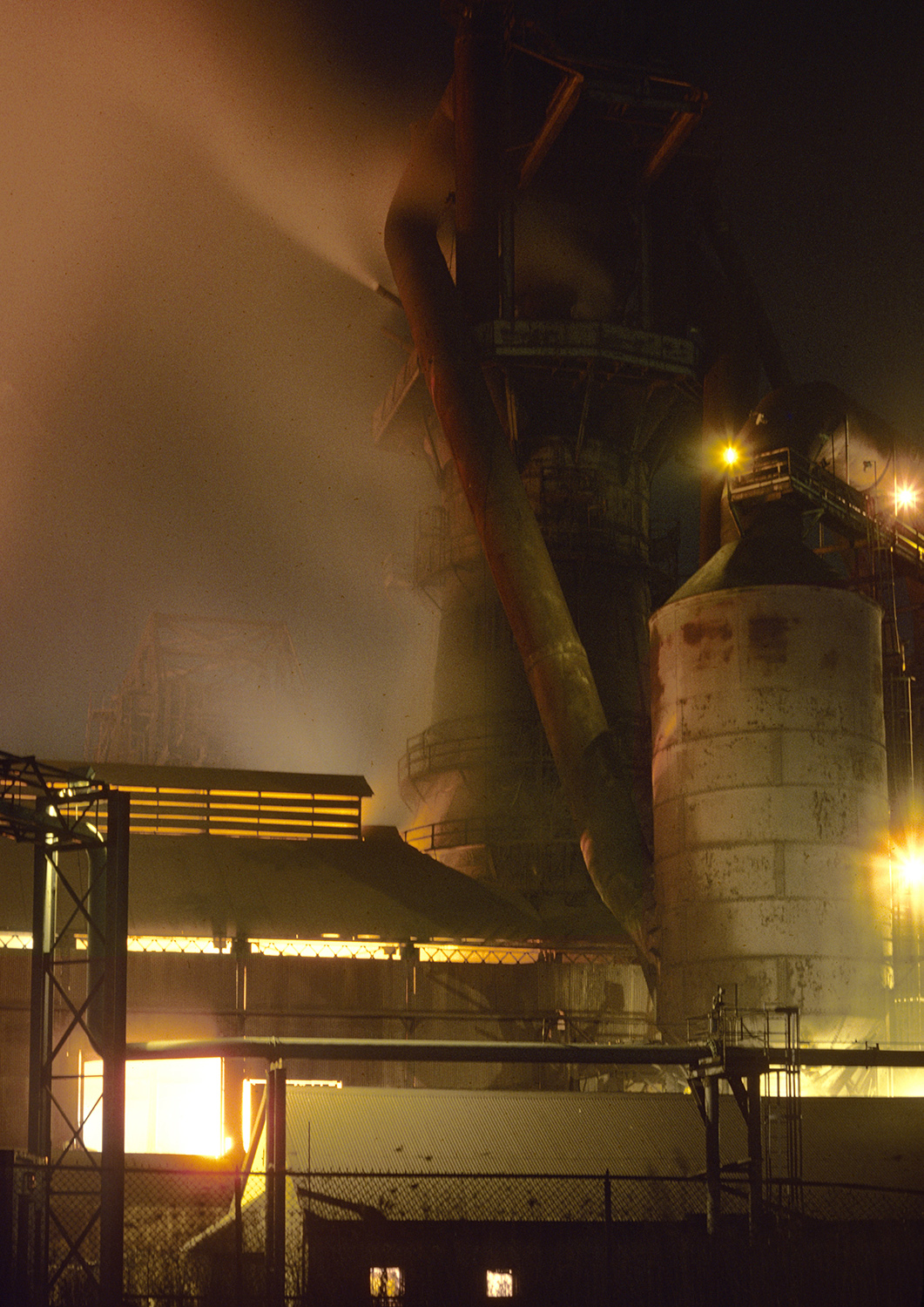
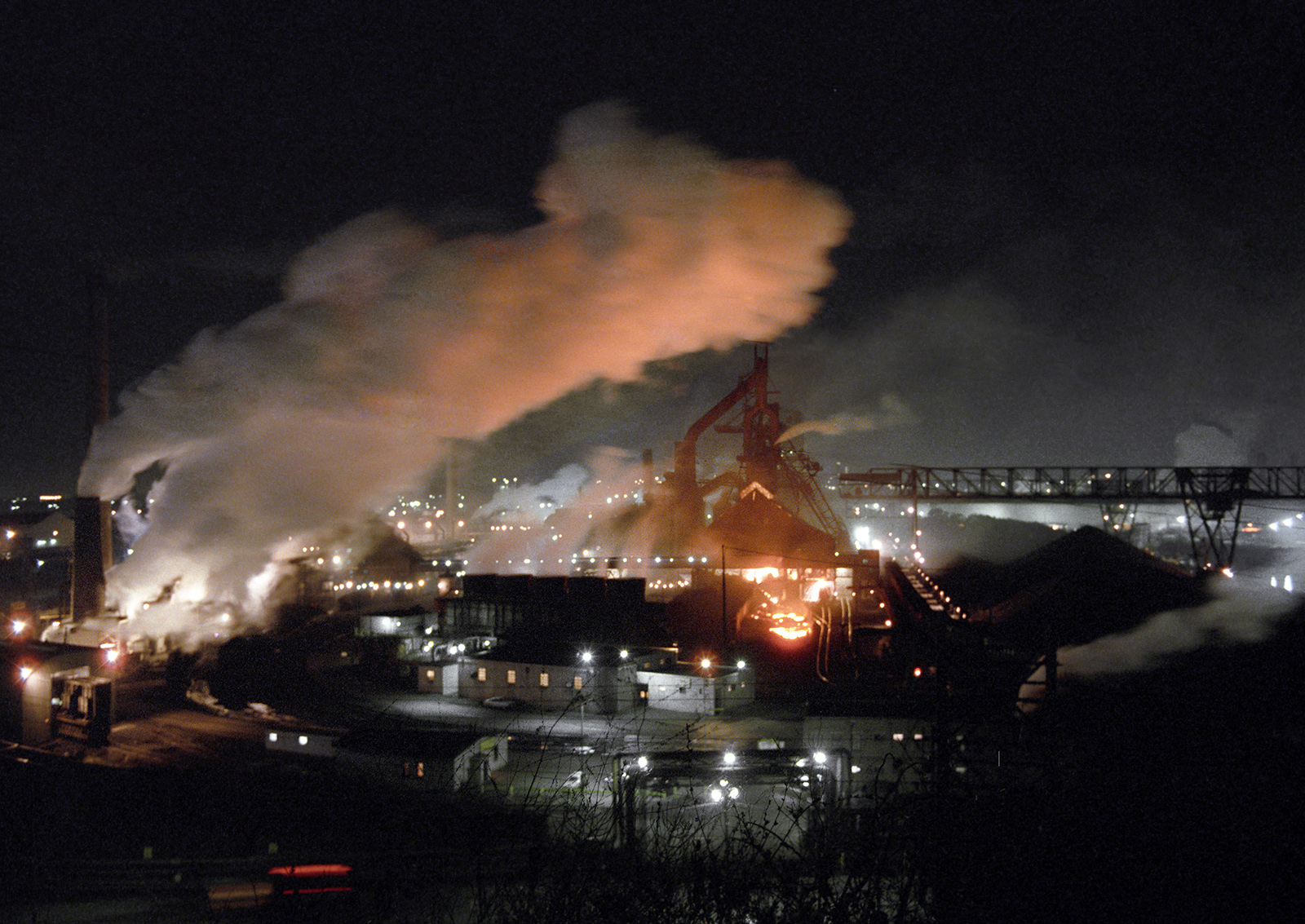
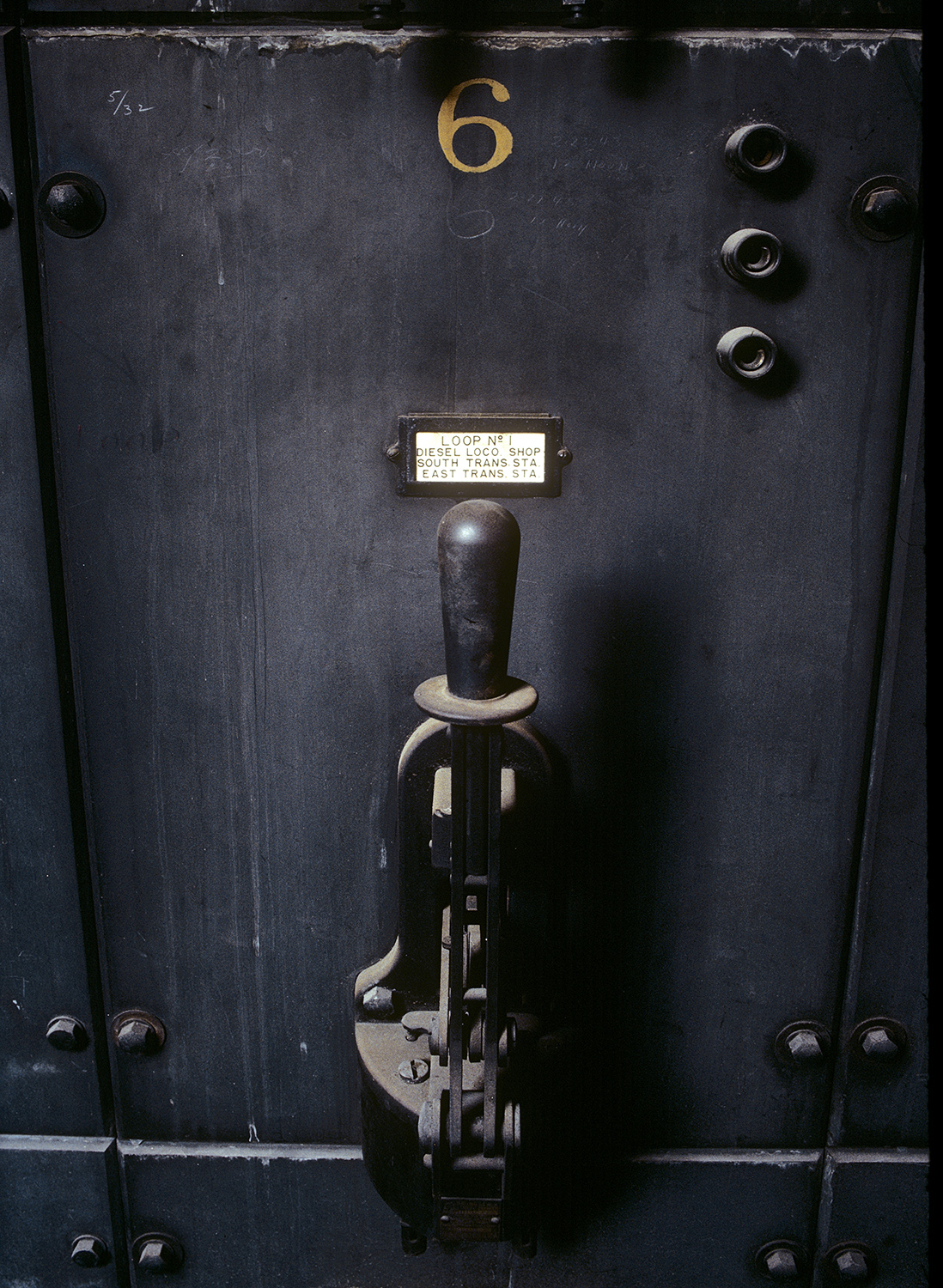
Just one year prior to its permanent closure, the bridge was captured in mid-lift at twilight.B & O #463 Lift Bridge, Train Passing, TwilightJust before its permanent closure, a train crosses the bridge southbound from whiskey Island which was one more lift bridge north. and had a huge iron ore port. The trains supplied the region's steel mills with the ore for their blast furnaces.B & O #463 Lift Bridge, TrussWarren through truss, movable: single leaf bascule (Heel Trunnion) - the bascule and vertical lift bridges of the replaced the scherzers and dominate the river thereaftwer.& O #463 Lift Bridge, Operator's Cab, ControlsRow House, East 101st StreetRow House, East 101st StreetRow House, East 101st StreetHomes, Pershing Ave. - Built 1880s, demolished 1980sHome, Pershing Ave. - Built 1880s, demolished 1980sHome, Pershing Ave. - Built 1880s, demolished 1980sHome, Pershing Ave. - Built 1880s, demolished 1980sBar, Pershing Ave. - Built 1880s, demolished 1980sHouse, Pershing Ave. - Built 1880s, demolished 1980sRepublic Steel, West Side Blast Furnaces, Powerhouse & East Side BOPThe blast furnace that are in the foreground are gone, but the powerhouse is still there, as well as, the basic oxygen furnace in the background which is now owned and operated by Cleveland Cliffs.Republic Steel, East Side BOP, Coke Plant Conveyor & Open Hearths From Clark Ave. BridgeShot from,the now demolished Clark Avenue Bridge, the view north including the conveyor belt from the coke plant, and the basic oxygen plant of Republic Steel.Republic Steel Coke Plant #1 - Built 1916, Closed 1990, Demolished 1997Shot from the Clark Avenue Bridge, during its demolition, which, at this point, was as far as you could go, the Republic Steel Coke Plant Number One in full operation.Republic Steel, West Side Powerhouse, Blast Furnace & East Side BOPRepublic Steel, #1 Blast Furnace- Built 1916, Closed 1984, Demolished 1987One of the flagship furnaces from the days of Corrigan McKinley and Republic steel,The furnace was old when I was shot here in 1980.Republic Steel, #1 Blast Furnace, in Steam from Draining SlagRepublic Steel, #1 Blast Furnace, in Steam from Draining SlagRepublic Steel, #1 Blast Furnace, Pouring Iron at NightPouring molten iron in the cast house, lights the furnace itself by the molten iron streaming out the bottom of a loaded furnace.Republic Steel, Coke Plant #2, Quencher Plume & #5 Blast FurnaceRed hot coke is cooled by spraying water on it, inside the quencher tower that directs the rush of steam, up and over the slag yard of the cast house for #5 furnace.Republic Steel, Open Hearth Stacks, Quencher PlumeOld outdated smokestacks and in the background quencher steam from Republic steel's coat that number one.Republic Steel, East Side BOP, Bleeder StacksRepublic Steel, Coke Plant #1, Gas Holder TankRepublic Steel, Coke Plant #1, Quencher Tower, Gas Lines & HoppersRepublic Steel, Coke Plant #1, Gas Lines, Stacks & HoppersLTV Steel, Basic Oxygen Plant, Smokestacks in BankruptcyTV Steel went through its first bankruptcy in 1986, after purchasing the west side steel mill from Jones & Laughlin. The workers, before leaving, painted this logo on the side of the west side basic oxygen plant.
The plant would again reopen and go on a run that lasted until 2001 when LTV Steel finally went under, but was saved over the years through multiple owners, finally ending up today, with Cleveland Cliffs in full ownership of the only integrated and operational steel mill inside a city in America.
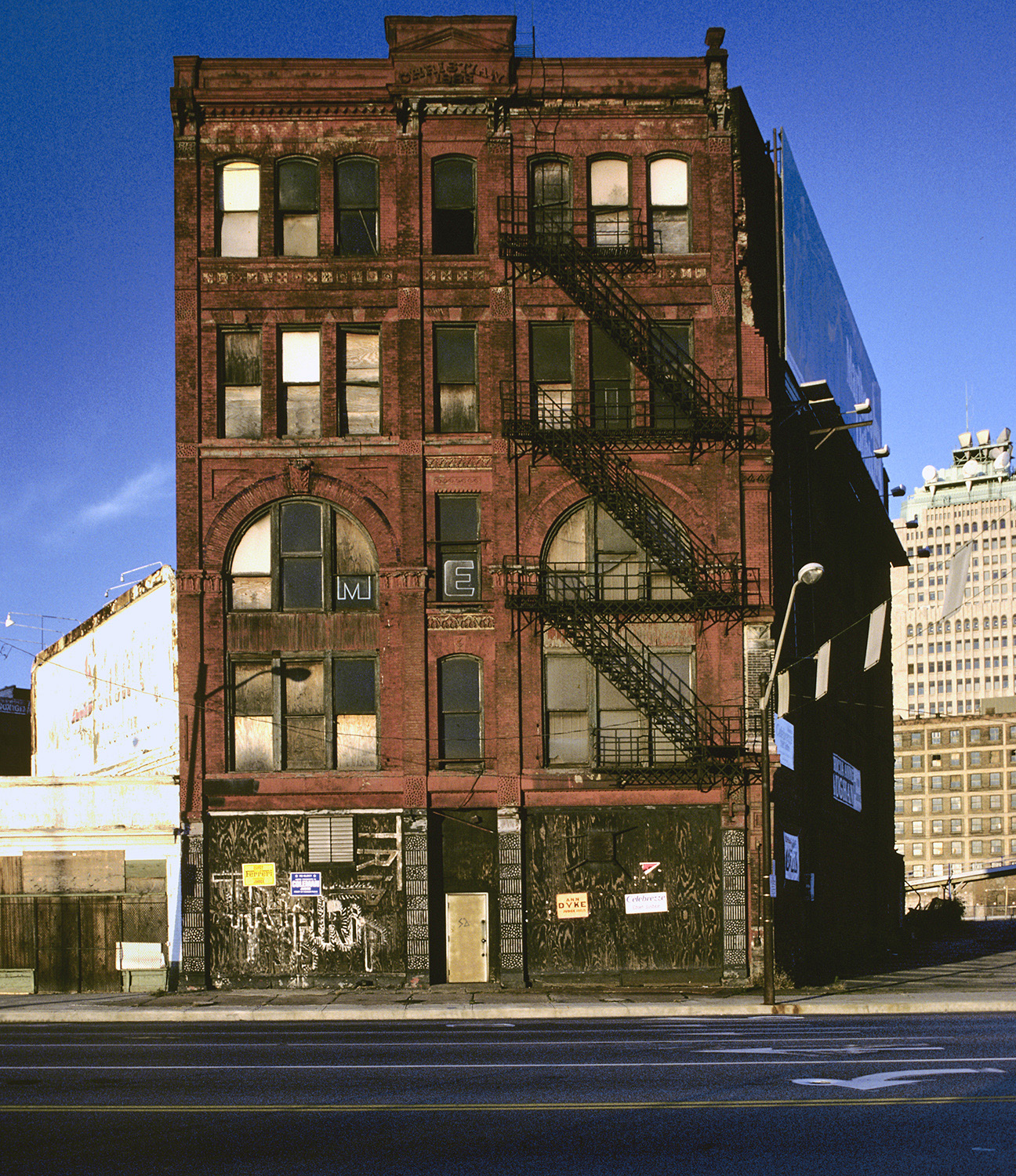
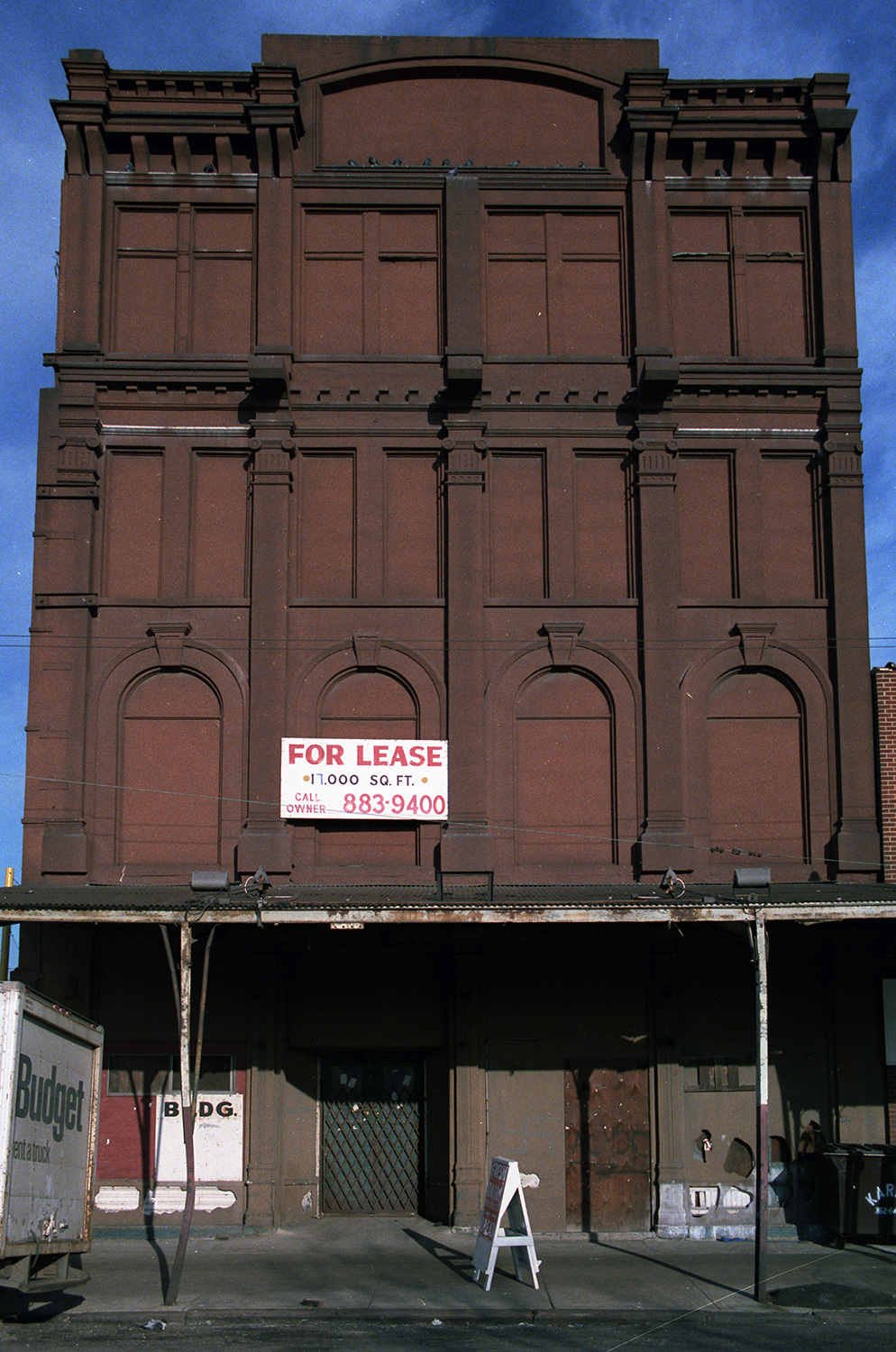
J & L Steel, Basix Oxygen Plant, SmokestacksJones and Laughlin steeel's basic oxygen plant, that later would become part of the LTV Steel's Cleveland plants.The Flats Industrial ValleySt. Theodosius, Homes & Sohio Powerhouse SmokestacksThe church is framed by the smokestacks of the old powerhouse of the Standard Oil Refinery.Christian Building, Pediment, West Huron Road - GroundDemolished for the new baseball stadium.Christian Building, West Huron Road - GroundThe area was entirely transformed into a sports and entertainment complex, when, in 1994, a new arena for basketball and a new basebll stadium, were opened.
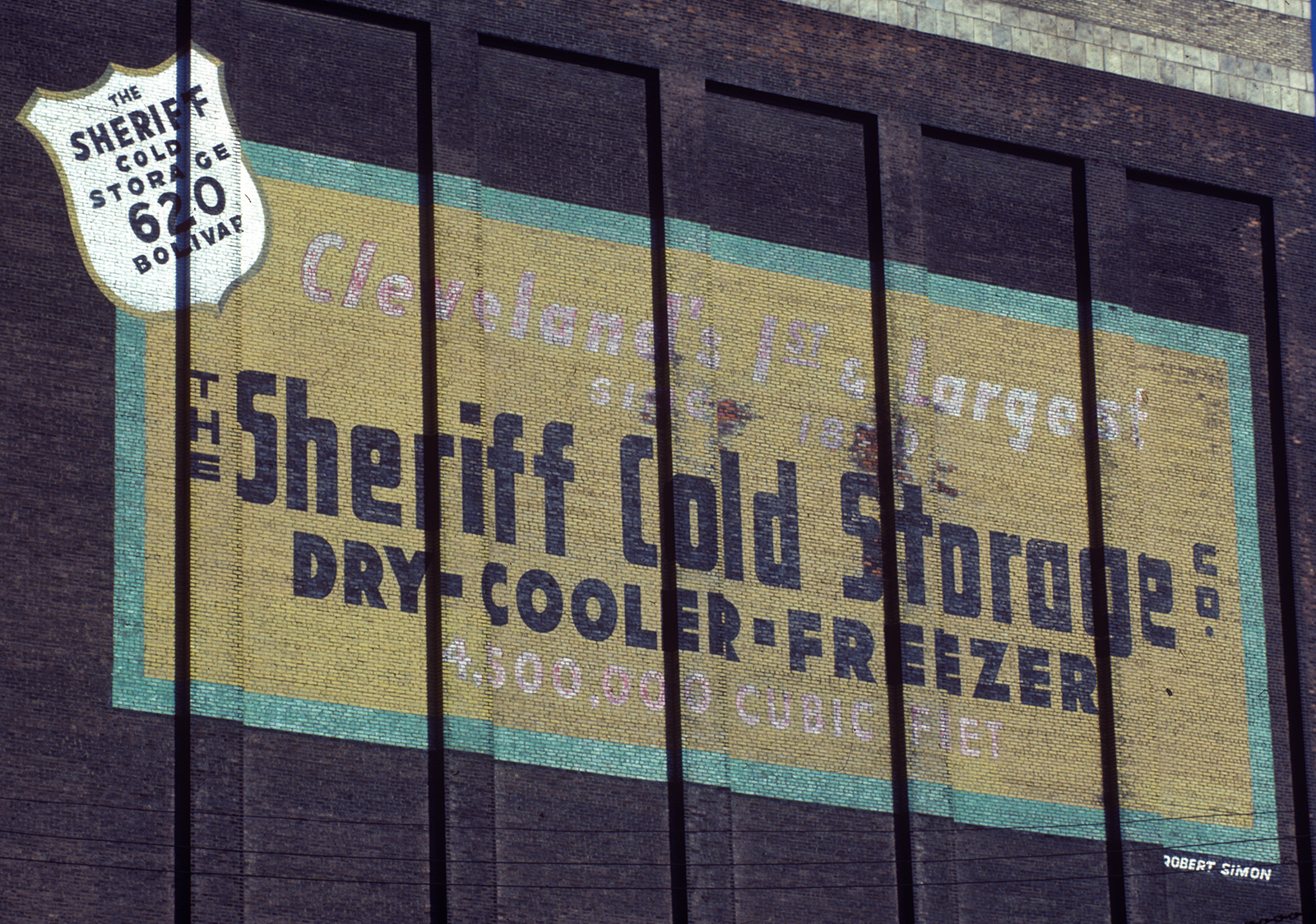
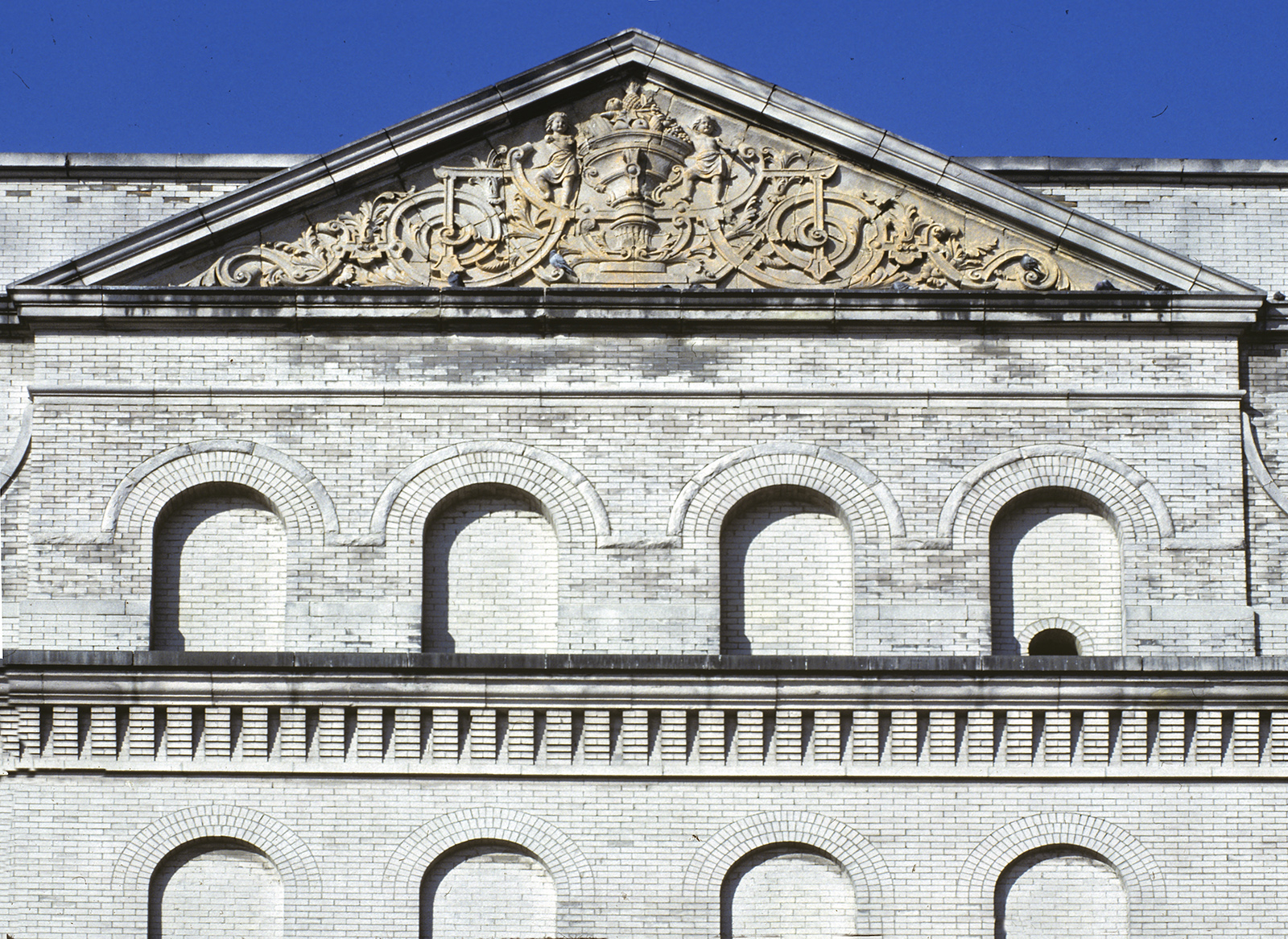
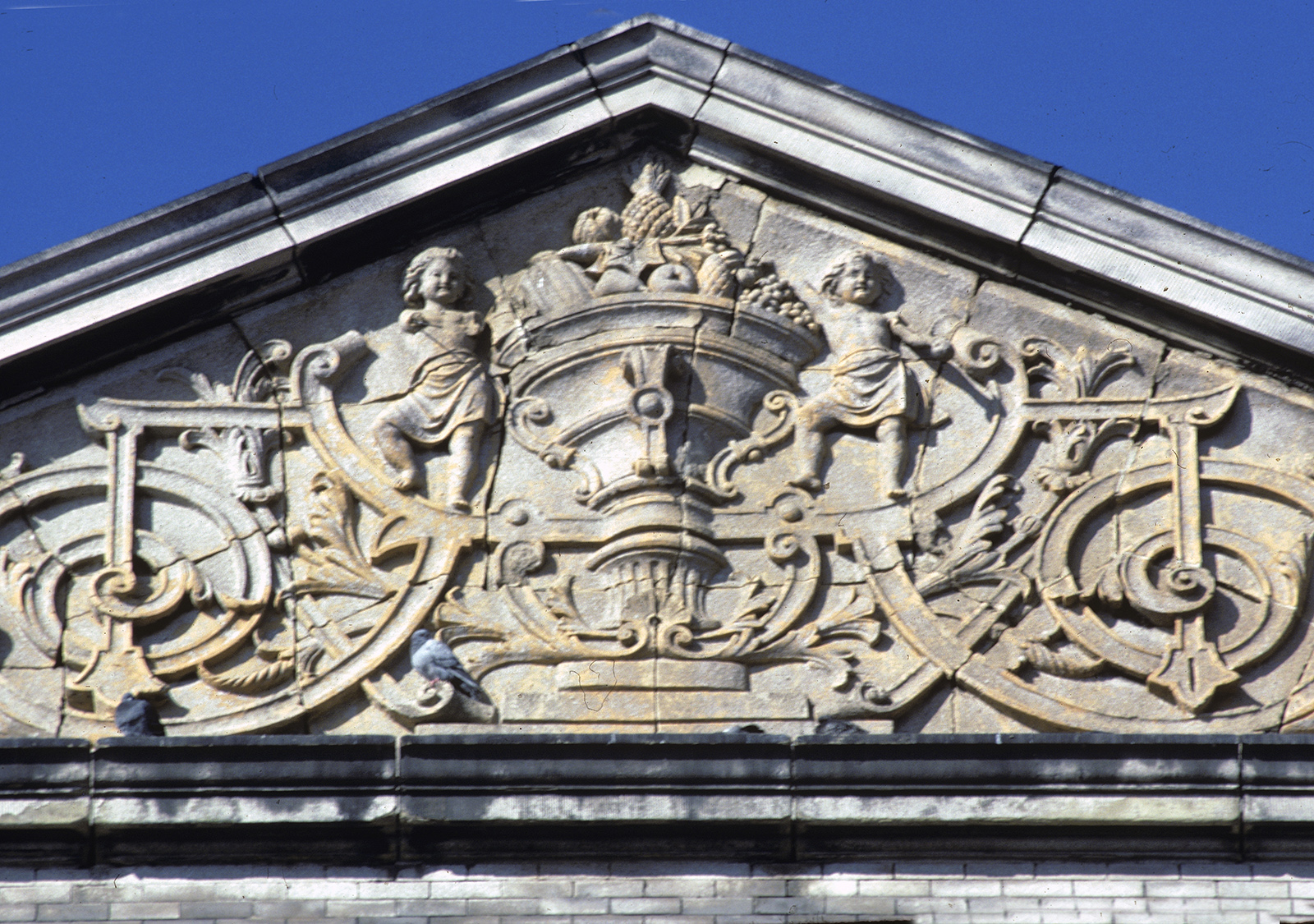
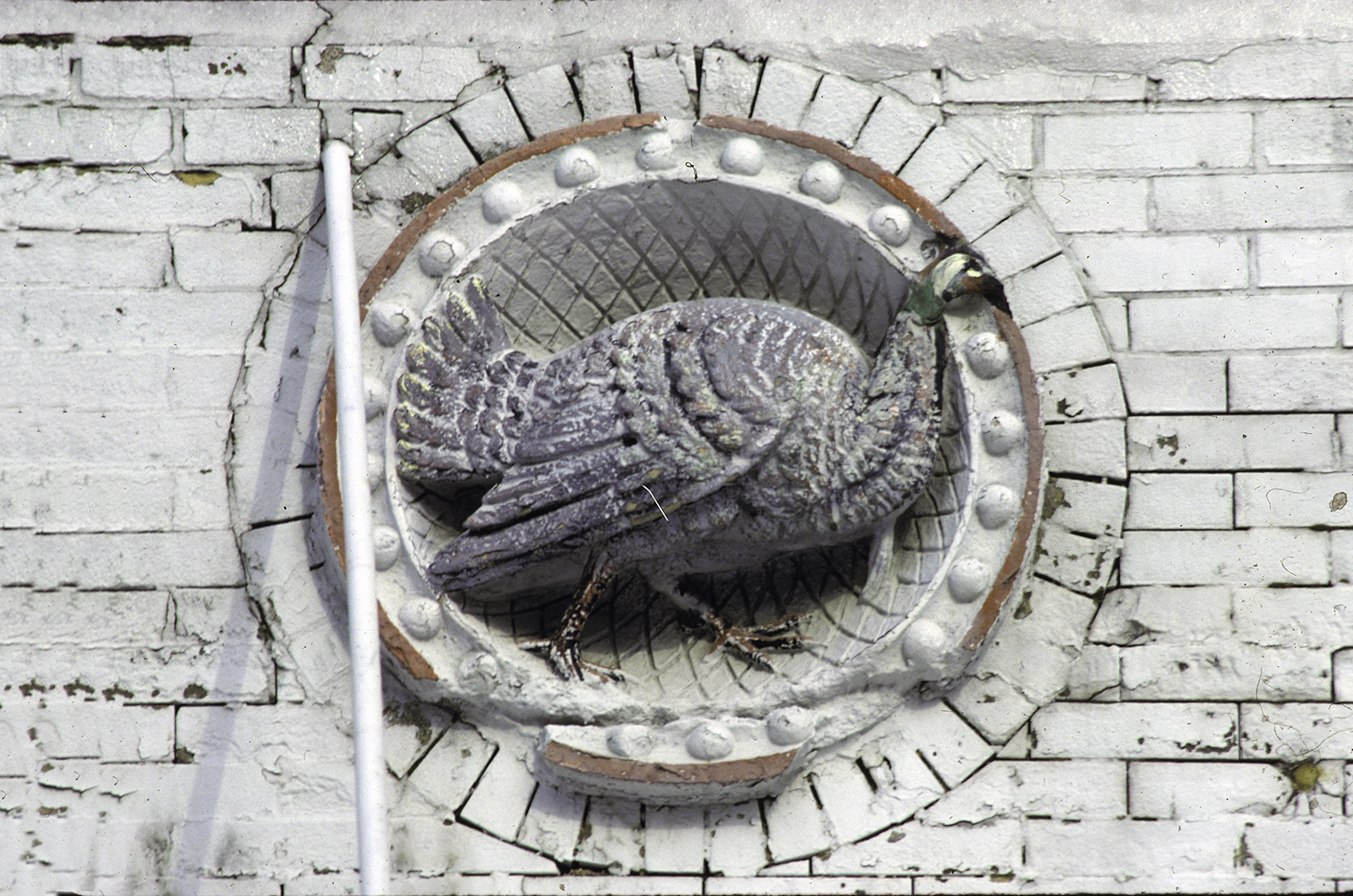
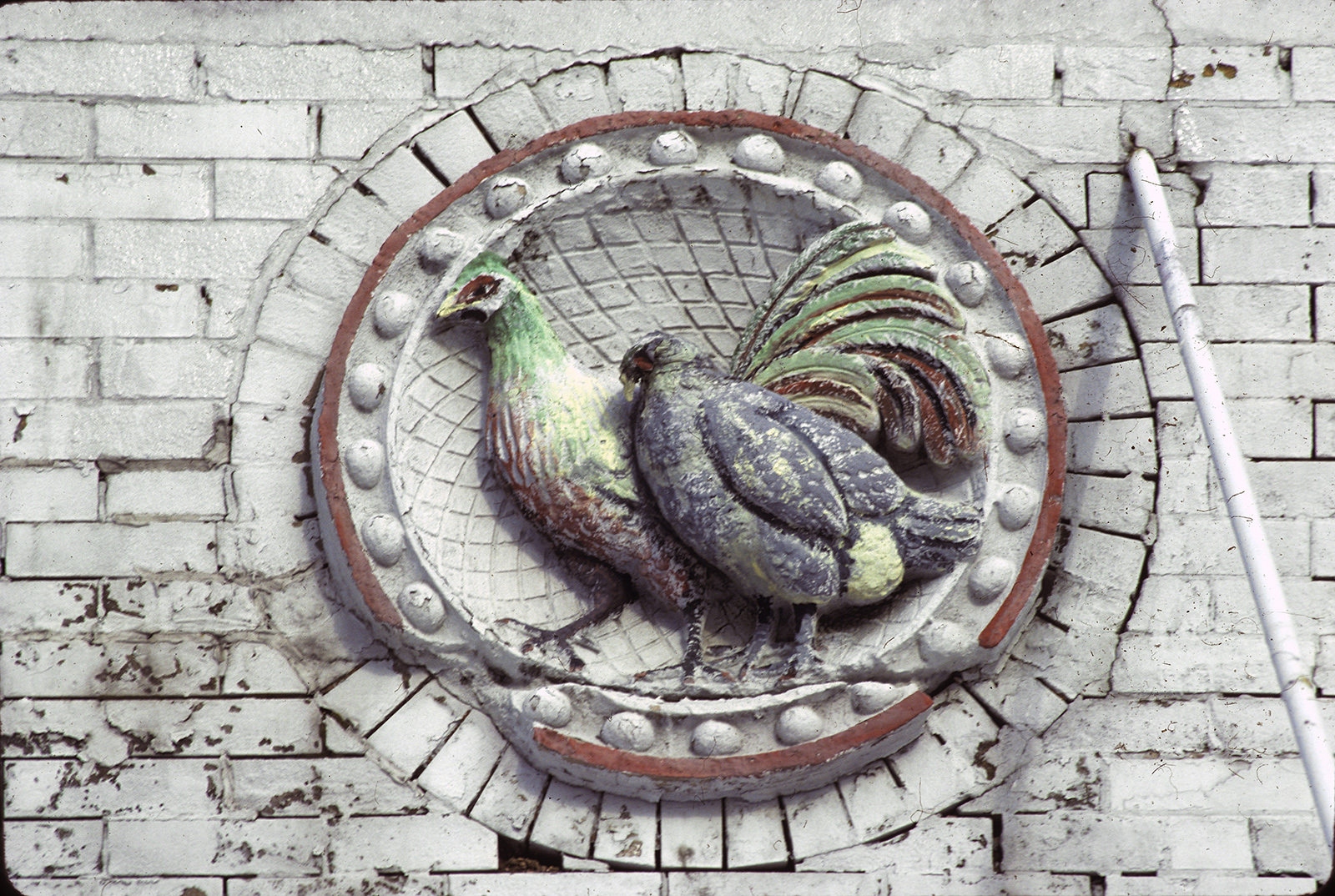
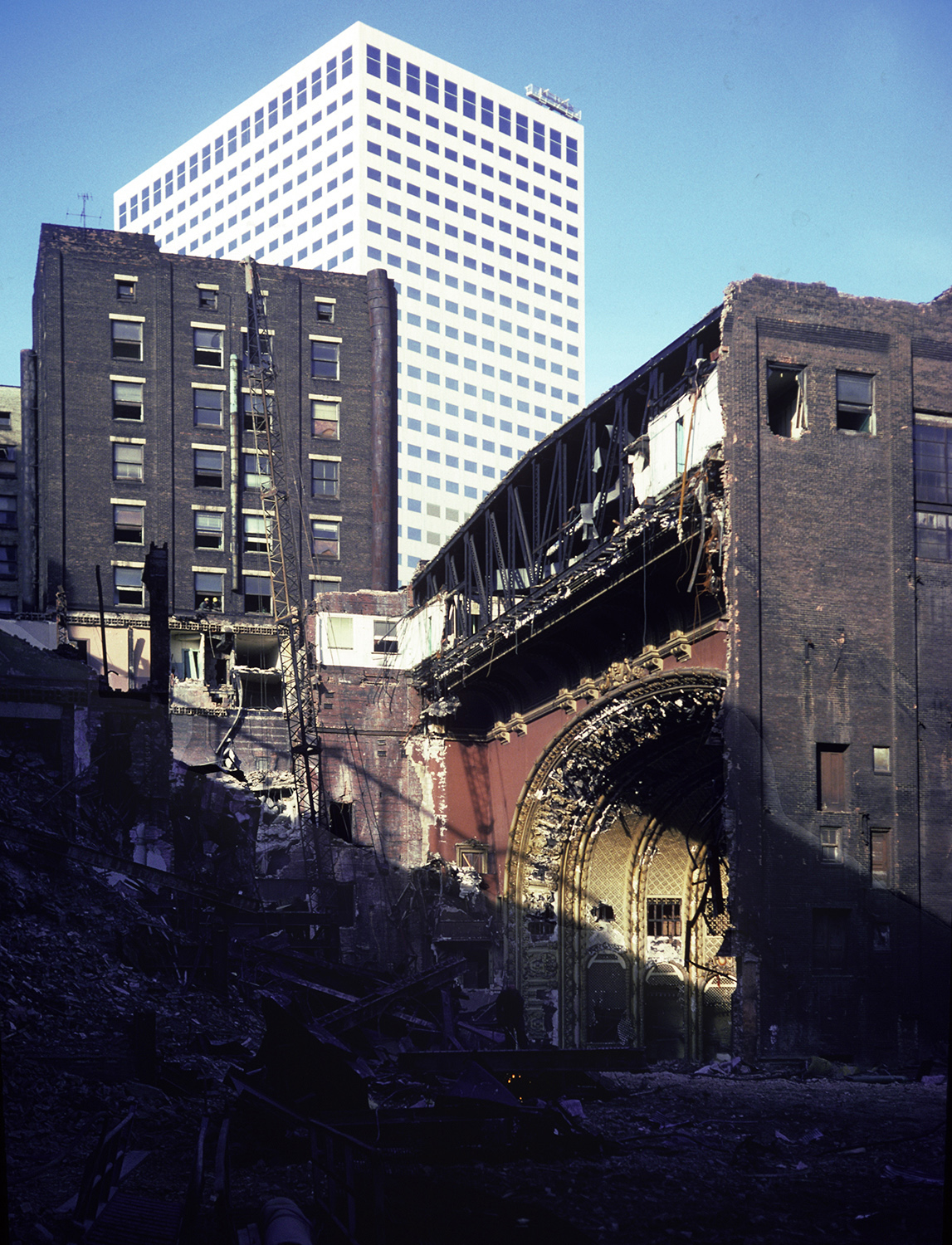
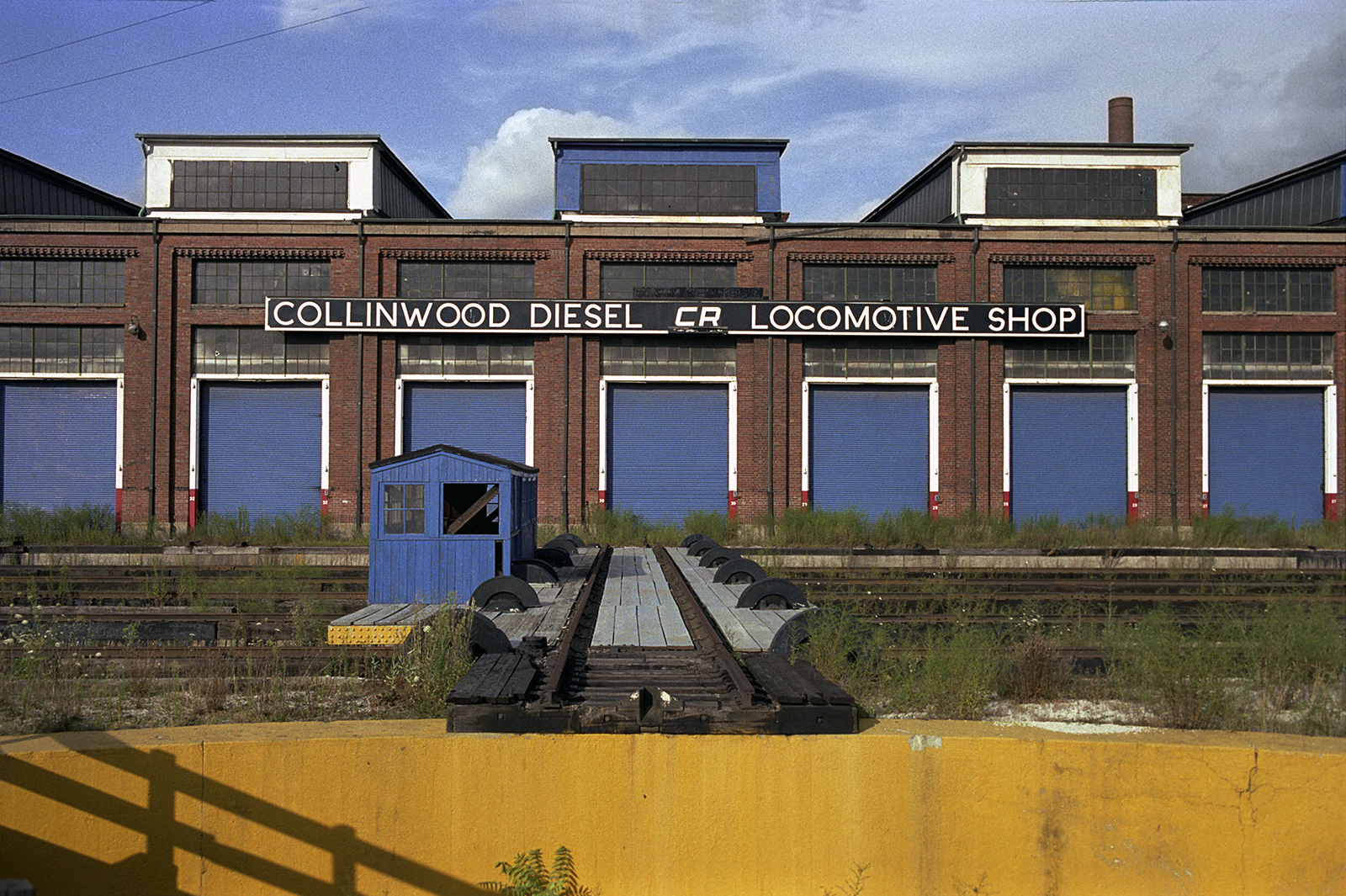
A lot of the tax revenue was generated by the sin tax on cgarettes, wine and beer - staples of poor and working-class culture, who, generally catch the games on televison today, being priced out of the new stadium.Food Warehouse, Sheriff Street MarketDemolished for the new baseball stadium.New Central Market (Sheriff Street Market) - Built 1891, Closed 1988, demolished 1994Demolished for the new baseball stadium. This was the city's original food market. It was originally called the Sherrif Street Market.New Central Market (Sheriff Street Market) - Built 1891, Closed 1988, demolished 1994Demolished for the new baseball stadium.New Central Market (Sheriff Street Market) - Built 1891, Closed 1988, demolished 1994Demolished for the new baseball stadium.Sheriff Street Market, Entrance & PedimentDemolished for the new baseball stadium.Sheriff Street Market, PedimentDemolished for the new baseball stadium.Sheriff Street Market, PedimentDemolished for the new baseball stadium.Sheriff Street Market, Turkey OrnamentDemolished for the new baseball stadium.Sheriff Street Market, Fruits & Vegetables OrnamentDemolished for the new baseball stadium.Sheriff Street Market, Chicken & Rooster OrnamentDemolished for the new baseball stadium.Sheriff Street Market, Rabbit & Fowl OrnamentDemolished for the new baseball stadium.Sheriff Street Market FacadeAragon Ballroom, Main Entrance, West 25th Street - Built 1906, closed 1989. rehabbed 2018Aragon Ballroom, Main Entrance, West 25th Street - Built 1906, closed 1989. rehabbed 2018The Ballroom was abandoned until it was rehabbed and reopened in 2018.Hippodrome Theatre Demolition, Euclid Ave. - Built 1907. closed 1980, demolished 1982.The theatre had a seating capacity of nearly 4000.Cleveland Press Building, Lakeside Ave. - GoneThe Cleveland Press moved here in 1958 when the city was probably at its peak. By the 80s the city became a one newspaper town and the press folded.Cleveland Press Building Demolition, Lakeside Ave. - GoneBecoming a one newspaper town sucks.Apartment, East 86th StreetApartment, East 86th Street, EntranceApartment House & Car, Central Avenue - GoneCentral Avenue was so busy with cars and housing back then it was ridiculous, having benn the original Black street and neighborhood, by this time folks were really squeezed in, as Glenville and East Cleveland opened up and another migration began.Apartment House, East 40th Street - GoneEast 40th betwwen Woodland and Prospect Aveneue was a mix of fancy apartments and large homes, originally Jewish back in the 1920s, but always with a Black presence, as the near east side was an original polyglot place, and a jumping off point for immigrants and emmigrants.House of Million Items, Woodland Avenue - GoneCollinwood Diesel Locomotive Repair Shop, East 152nd Street - Built 1903, closed 1981, demolished 1988.There was actually a much larger roundhouse here, really big, built for steam engines.Collinwood Diesel Locomotive Repair Shop, East 152nd StreetCollinwood Diesel Locomotive Reapair Sops & Rail Yard, Breakers, East 152nd StreetCollinwood Diesel Locomotive Repair Shops & Rail Yard, Powerhouse, Breaker, East 152nd StreetCollinwood Diesel Locomotive Repair Shop, East 152nd StreetCollinwood Railyard Sunset, East 152nd Street BridgeStewart Bolling Company, Conveyors, Bessemer Ave.Still in operation, but far out in the eastern suburbs. Many industrial firms, still to this day prefer the next county out of the city because the more favorable taxes, are now outside cities.Homes, East 36th StreetHouse, East 36th StreetThe Home of Aristotle Walters, East 68th Street - GoneMr. Walters owned two homes with his sayings on full display. For many years the county tried various strategies to get Mr. Walters to cool it.
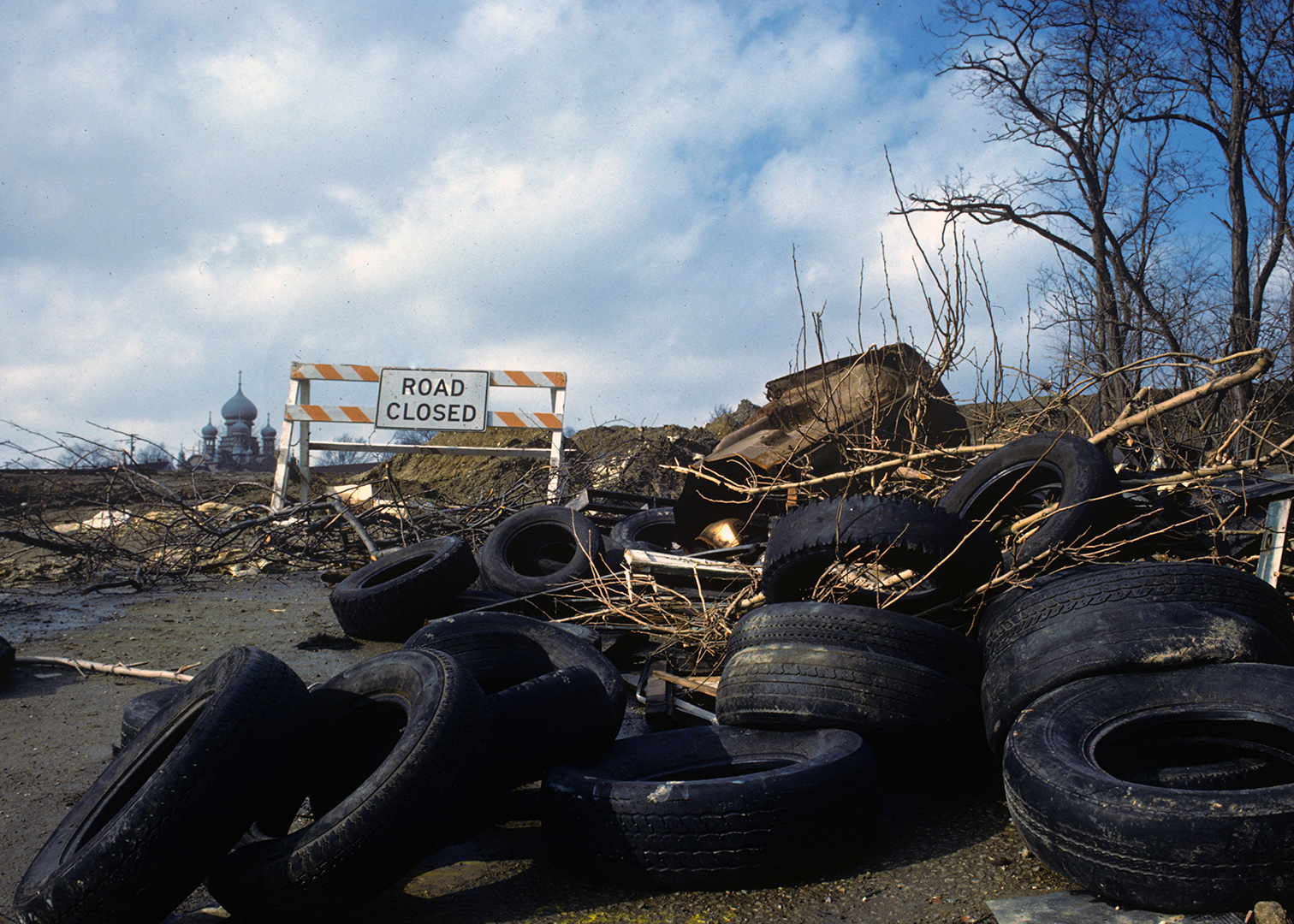
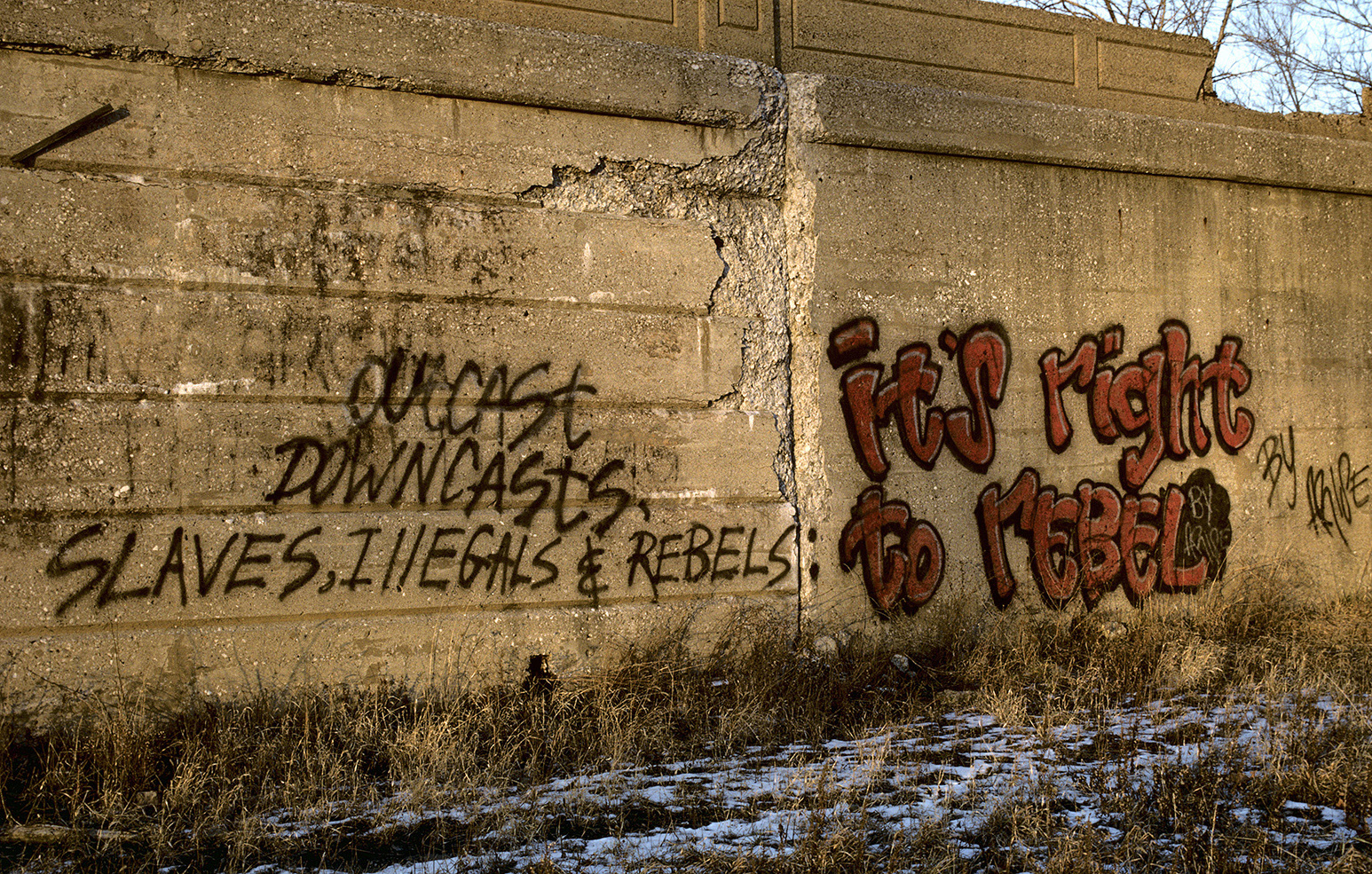
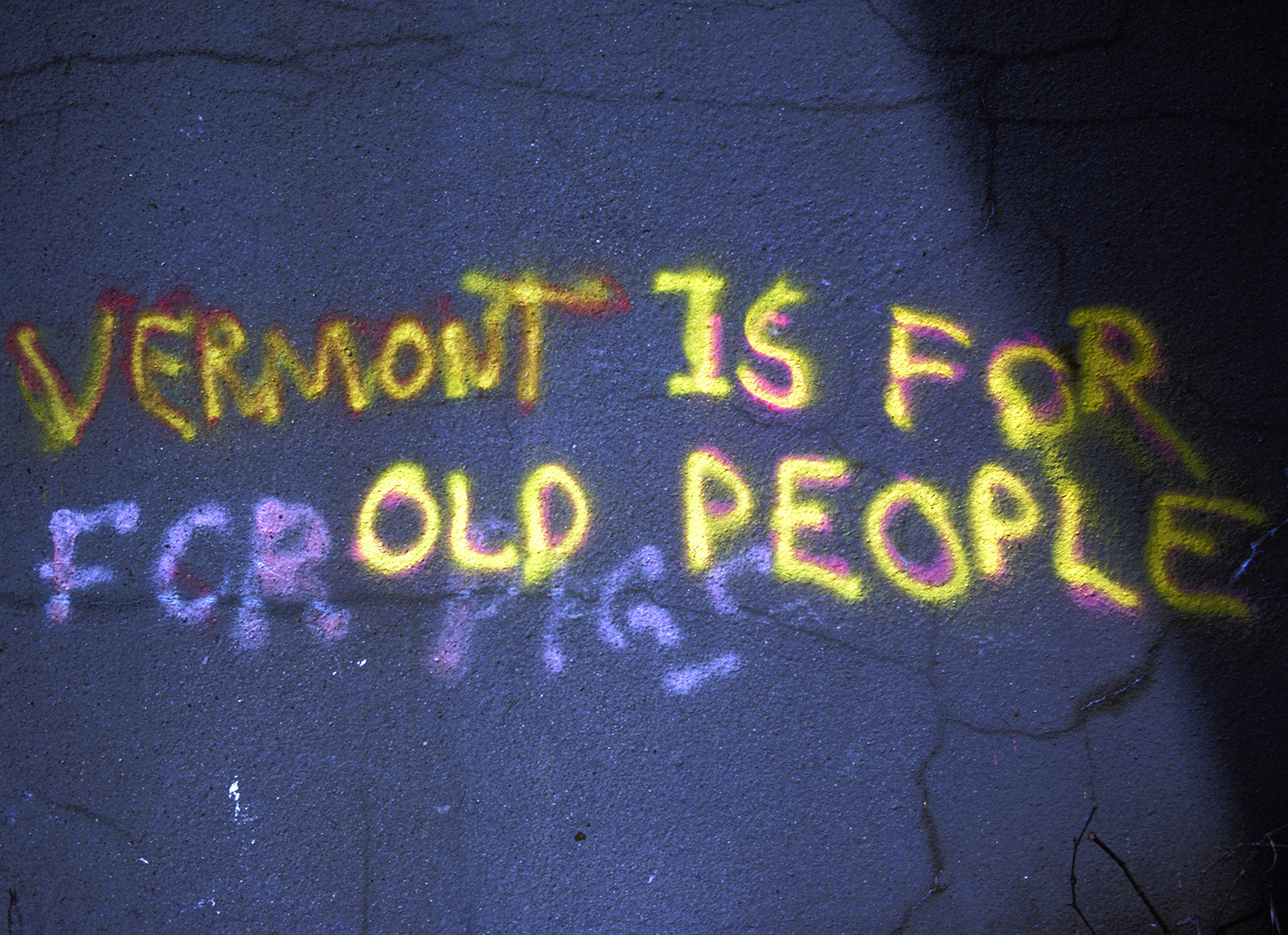
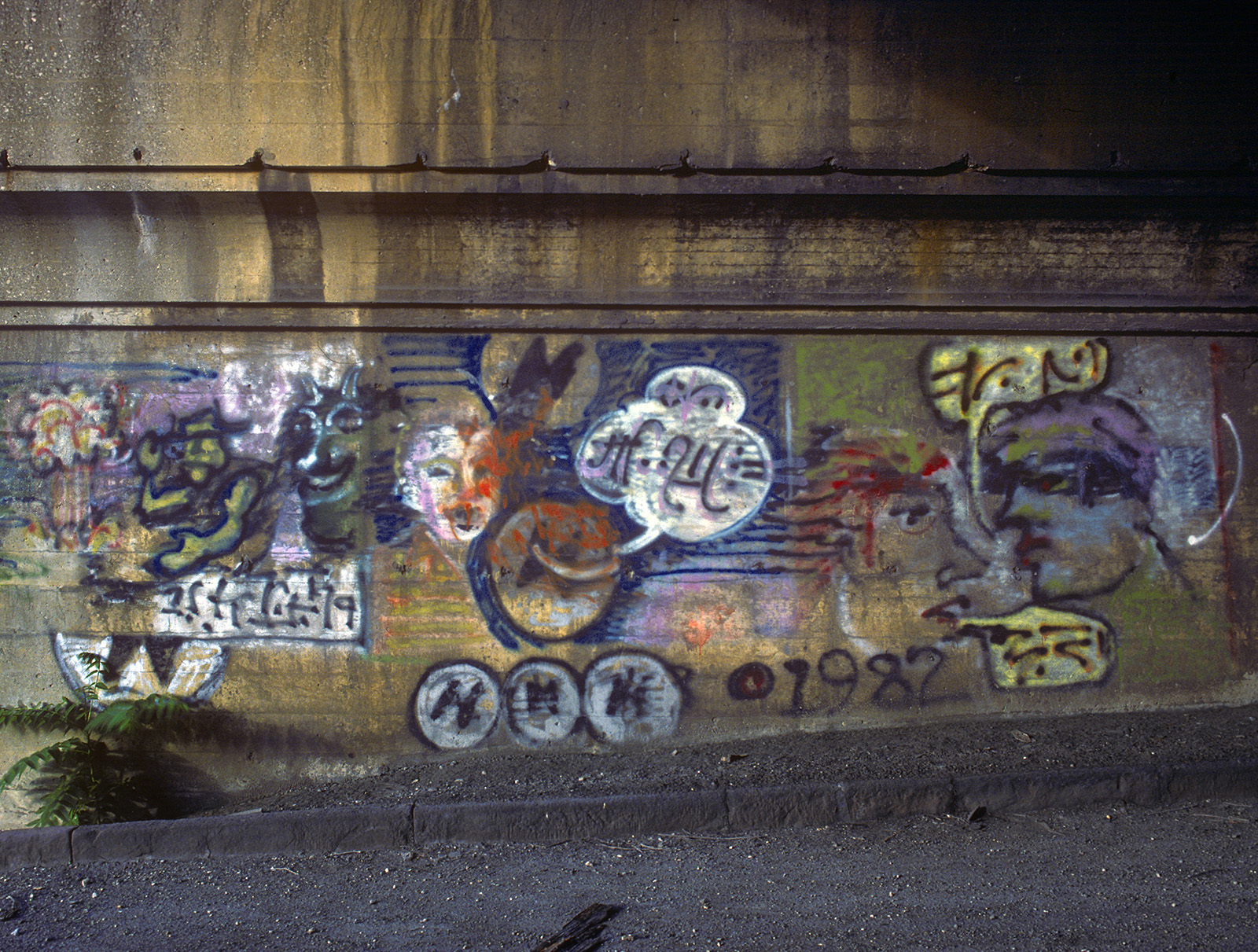
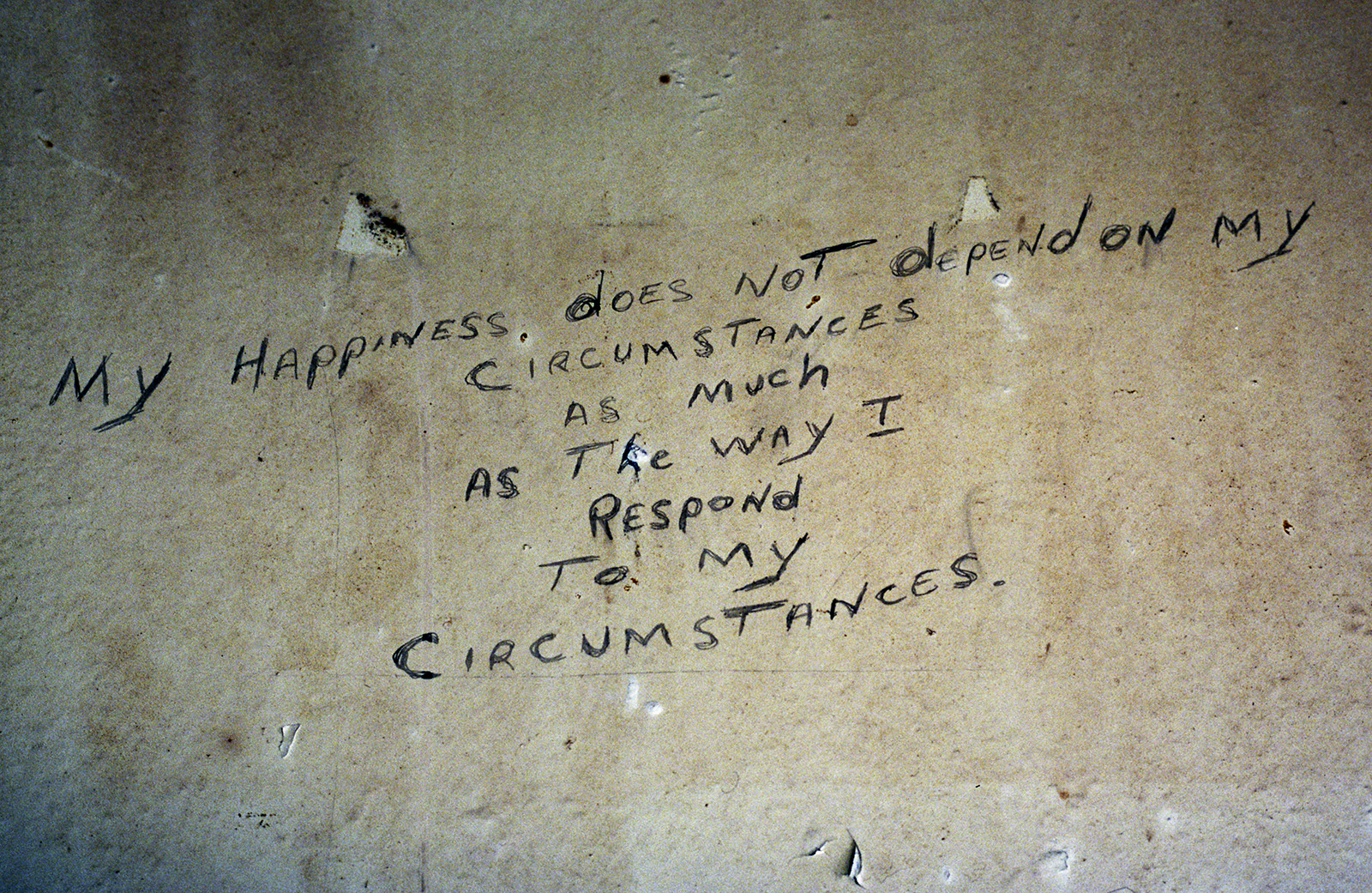
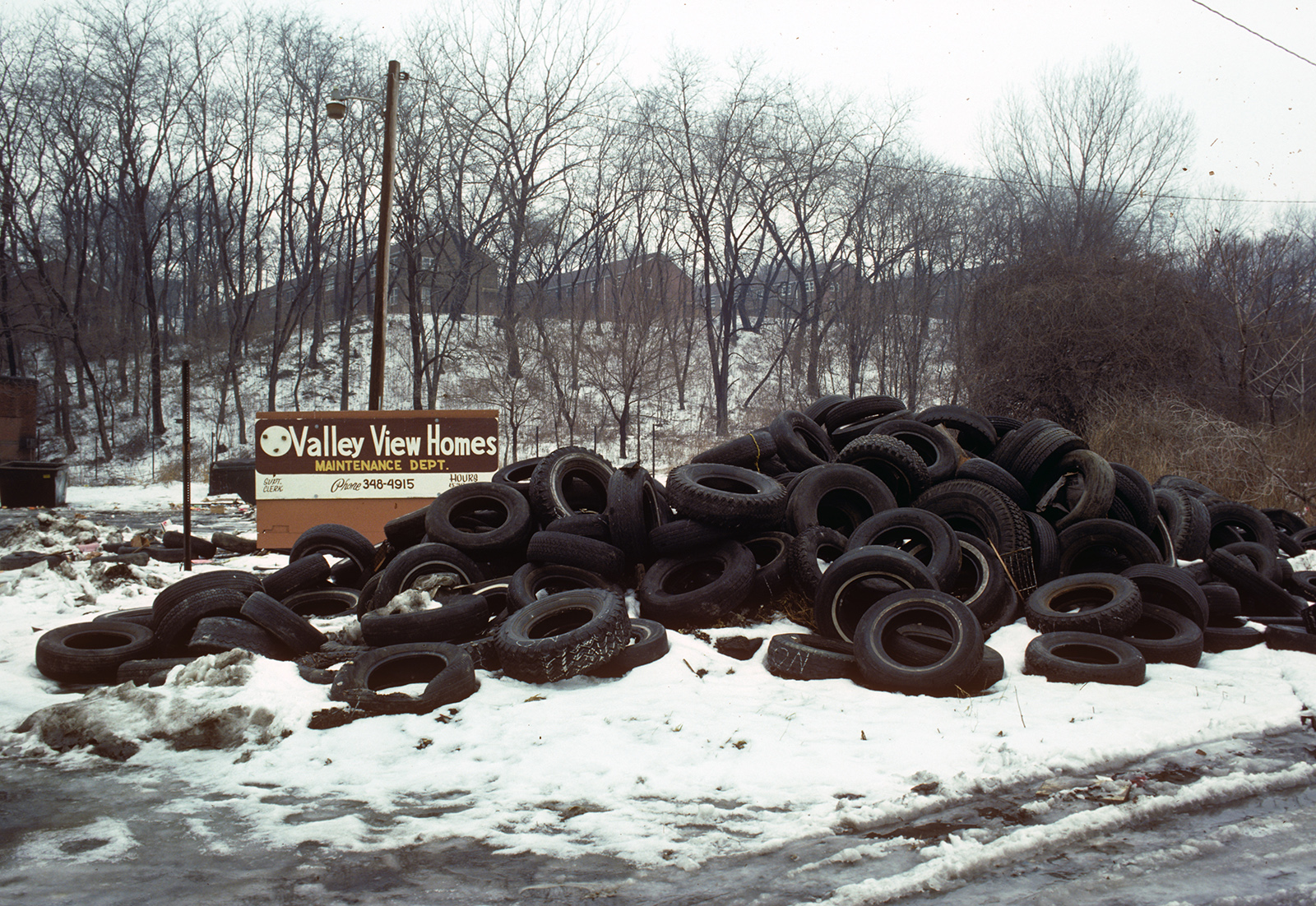
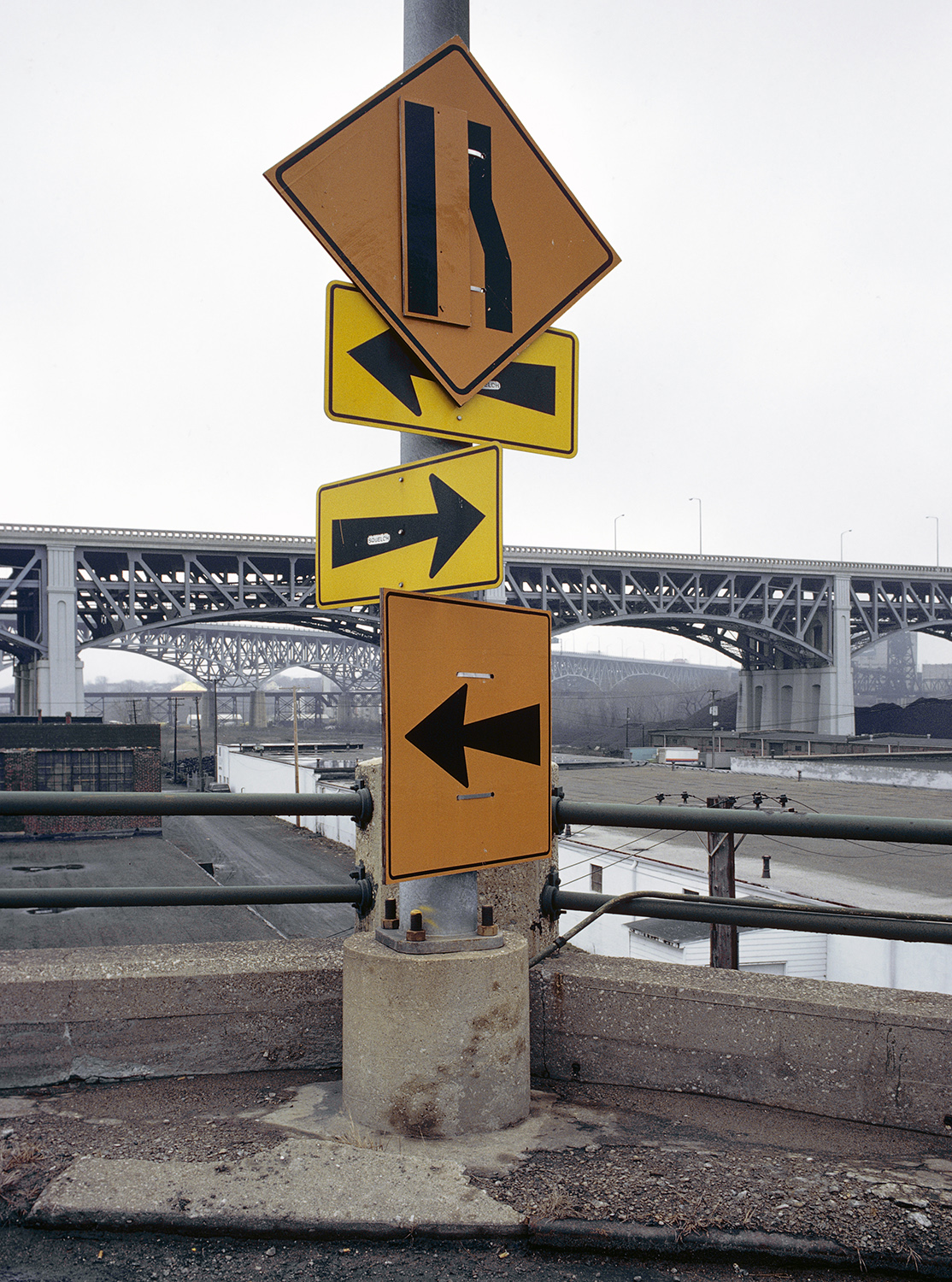
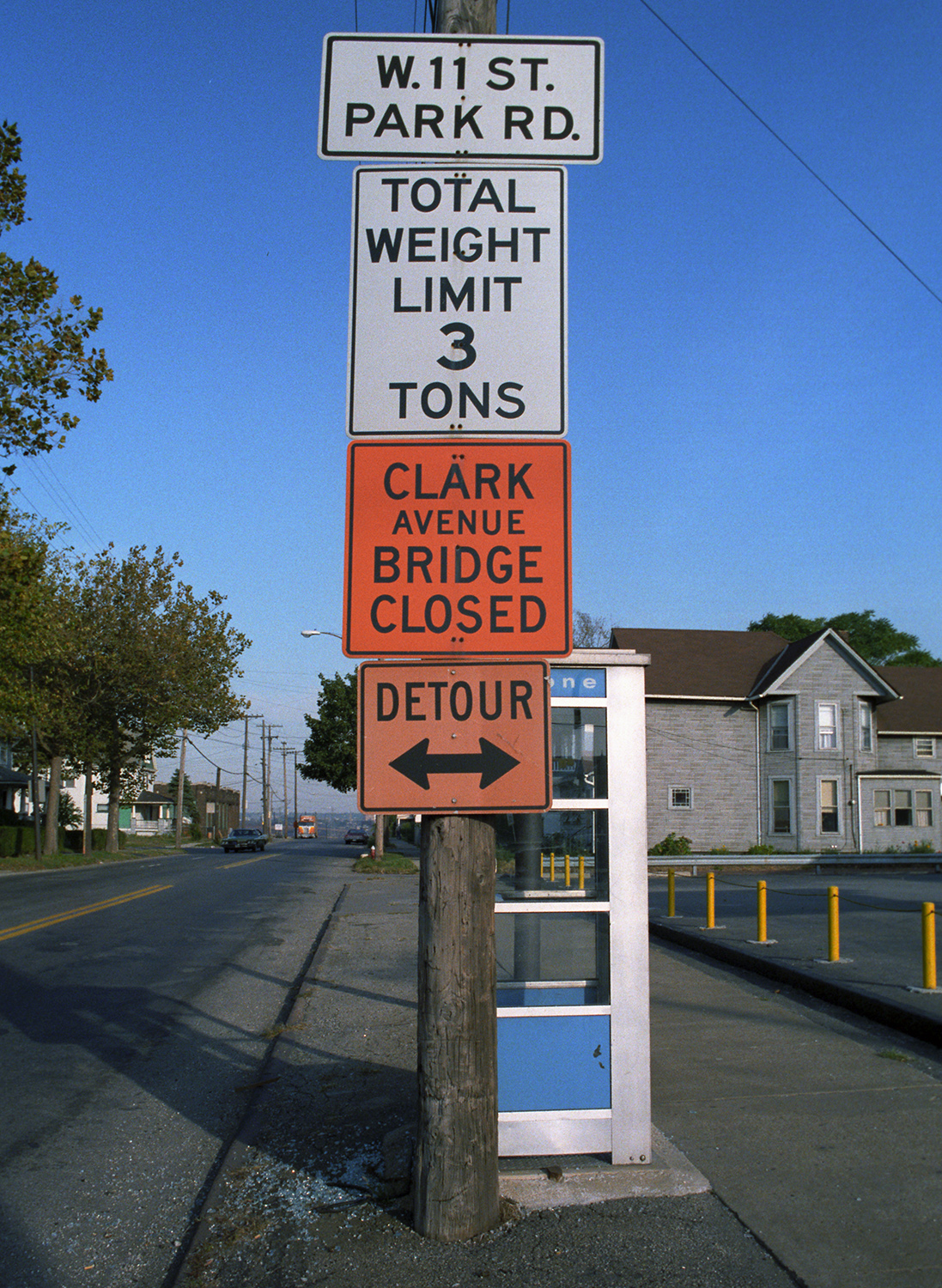
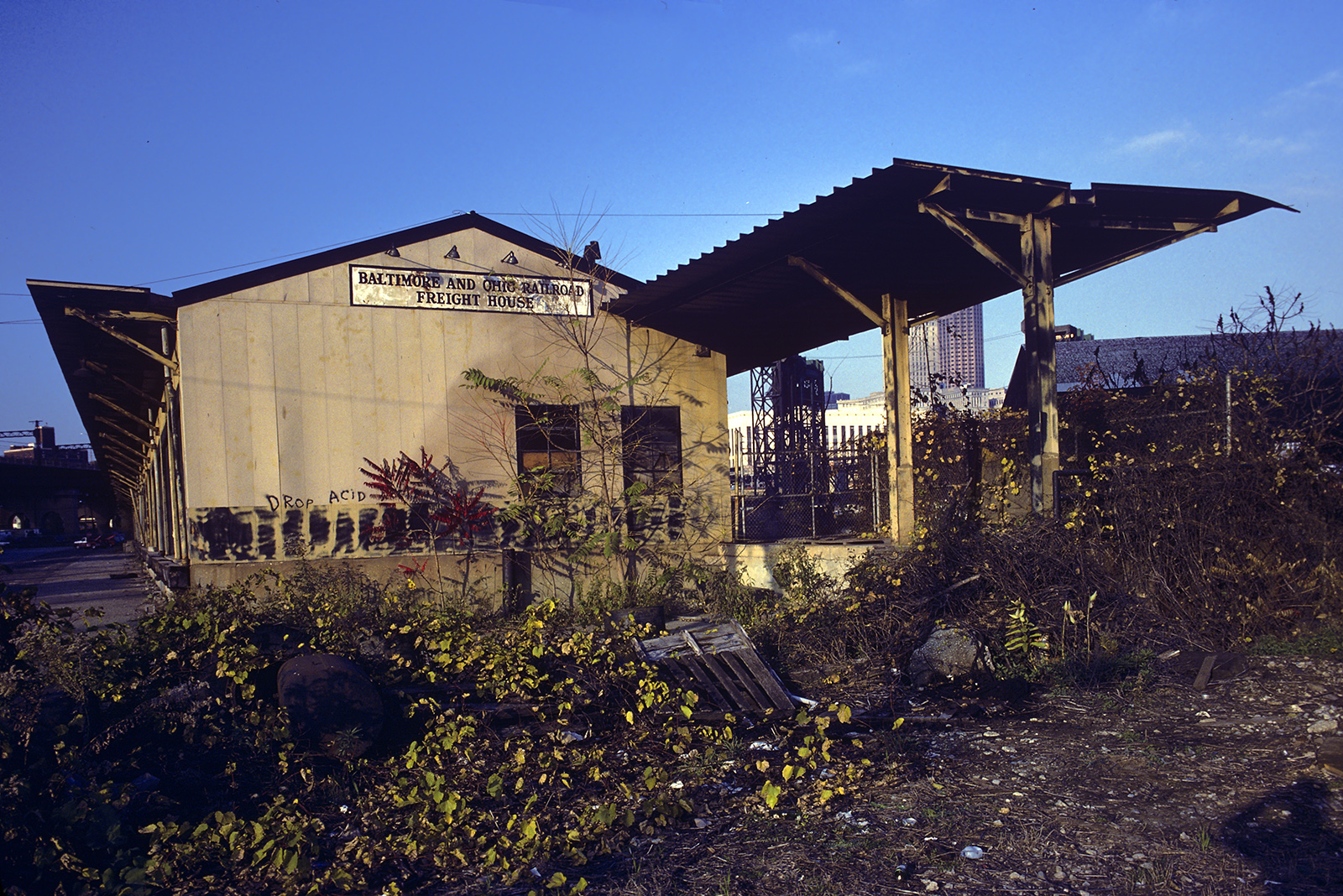
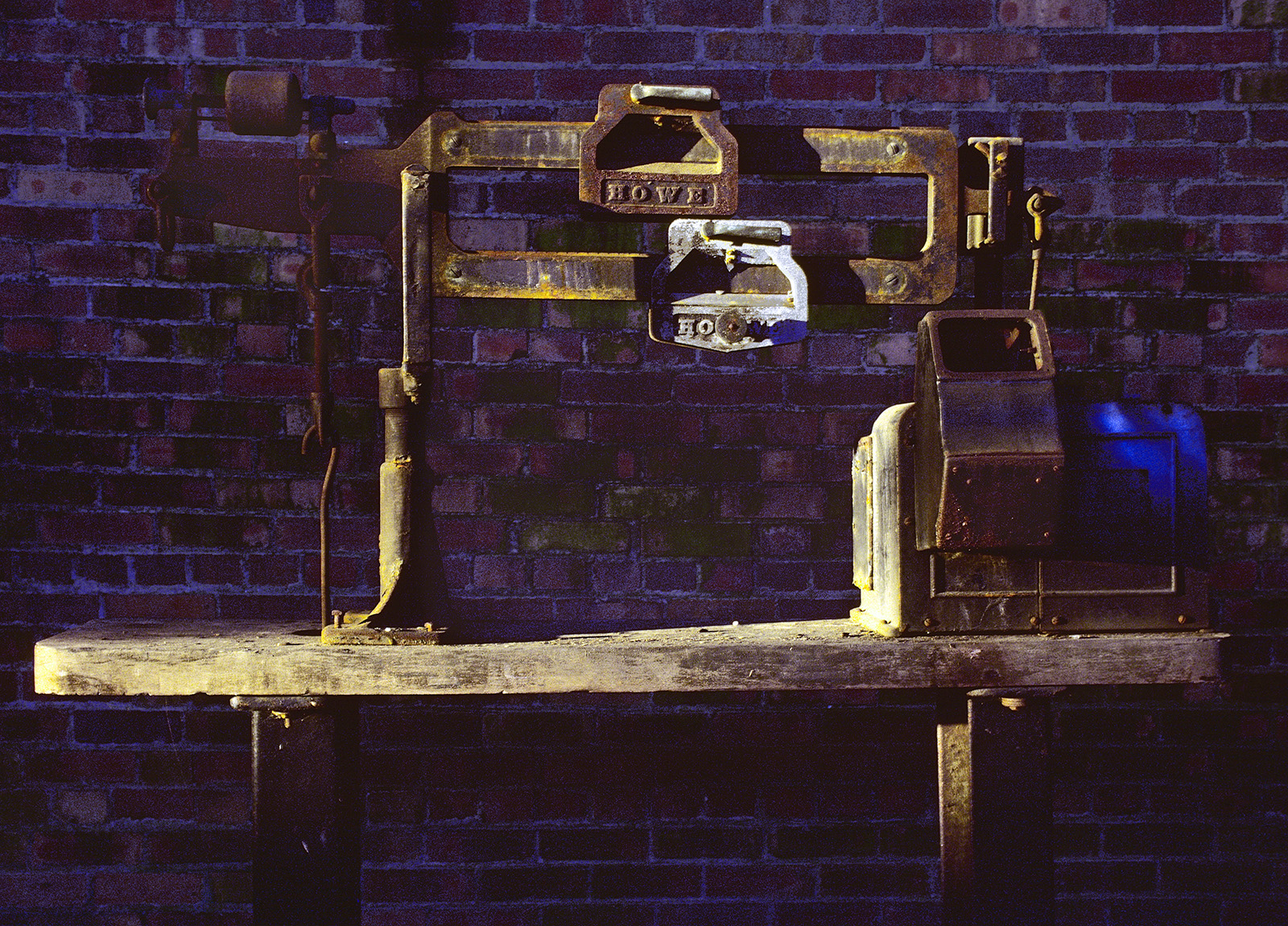
You know he wasn't going to do a damn thing, and eventually the county took control of both his homes and they were demolished.The House of Aristotle Walters, East 68th Street - GoneGraffiti, Woodland Ave.One of the longest-running pieces of graffitti in the city's history, it's painted on a prominent railroad embankment.Graffiti, Woodland Ave.One of the longest-running pieces of graffitti in the city's history, it's painted on a prominent railroad embankment.Graffitti, Buckeye Road BridgeGraffitti, Buckeye Road BridgeGraffiti, Cuyahoga County Court House Jail CellOne of the more sensible graffiti aphorisms ever created.Valley View Homes, Tires Dumped at Entrance, The FlatsWashington Street Bridge, The FlatsBy 1980 there were so many closed bridges that sections of the city were almost inaccessable. With only one way to get in and out, neighborhoods were cut-off from any normal flow.Signs, Columbus Road, The FlatsEagle Ave. Viaduct, Signs, The FlatsBridge Closed Signs, The FlatsBridge Closed Sign, Clark Ave.Jefferson Ave.Bridge Site, The FlatsThe bridge had a movable section over the river, but was hit in an ore boat collision and never reopened.Eagle Ave. Bridge, StairsBridge over rail cut in the Flats.Street Art, Detroit Superior Bridge, The FlatsDoor, Cedar Ave.Doors, Jay Ave.Amazon Building, Lorain Ave. - GoneAmazon Building, PedimentUrban Apartments, Pediment, East 105th Street - GoneFinally taken out in 2010, there is a huge Meijer Store and expensive aprtments above the store, because the place blew up with the biggest employer in the state now crowding out the old neighborhood, the Clinic, and truning the land into a now expensive commodity.Apartment Door, East 79th StreetApartmnet Building, East 79th Street - GoneBaltimore & Ohio Freight House, Columbus Road, The Flats - GoneBuilt in 1954, this large facility running along Scranton Avenue, It sat idle for many years until its demolition in 1988.Nicholson Warehouse, Scales, East 71st StreetNicholson had facilities here and in the Flats. All that remains inside their East 75th Street frieght house, is a scale. The facility could handle rail to truck cargoes, with loading docks for trucks and overhead cranes.J & L Steel, Blast Furnace, Blower Engine Stacks - GoneJ & L would go belly-up, but had a modern caster and BOP, tied into a large furnace built in 1952, as well as, strip mill and docks for unlaoding bulk loads of iron ore, coke and limestone. LTV which bought Rpublic Steel, was already there, and it absorbed the J & L plant.J & L Steel, Blast Furnace, Blower HouseJ & L Steel, Ingots of Steel on Rail CarBefore continuos casting, where slabs of fresh steel are continuously cast, into 2 inch thick slabs, and immediately fed into a strip mill, the fresh steel used to be poured into hundreds of molds on flatbed rail cars, and, when the molten steel, cooled into ingots, the molds were lfted off individually.
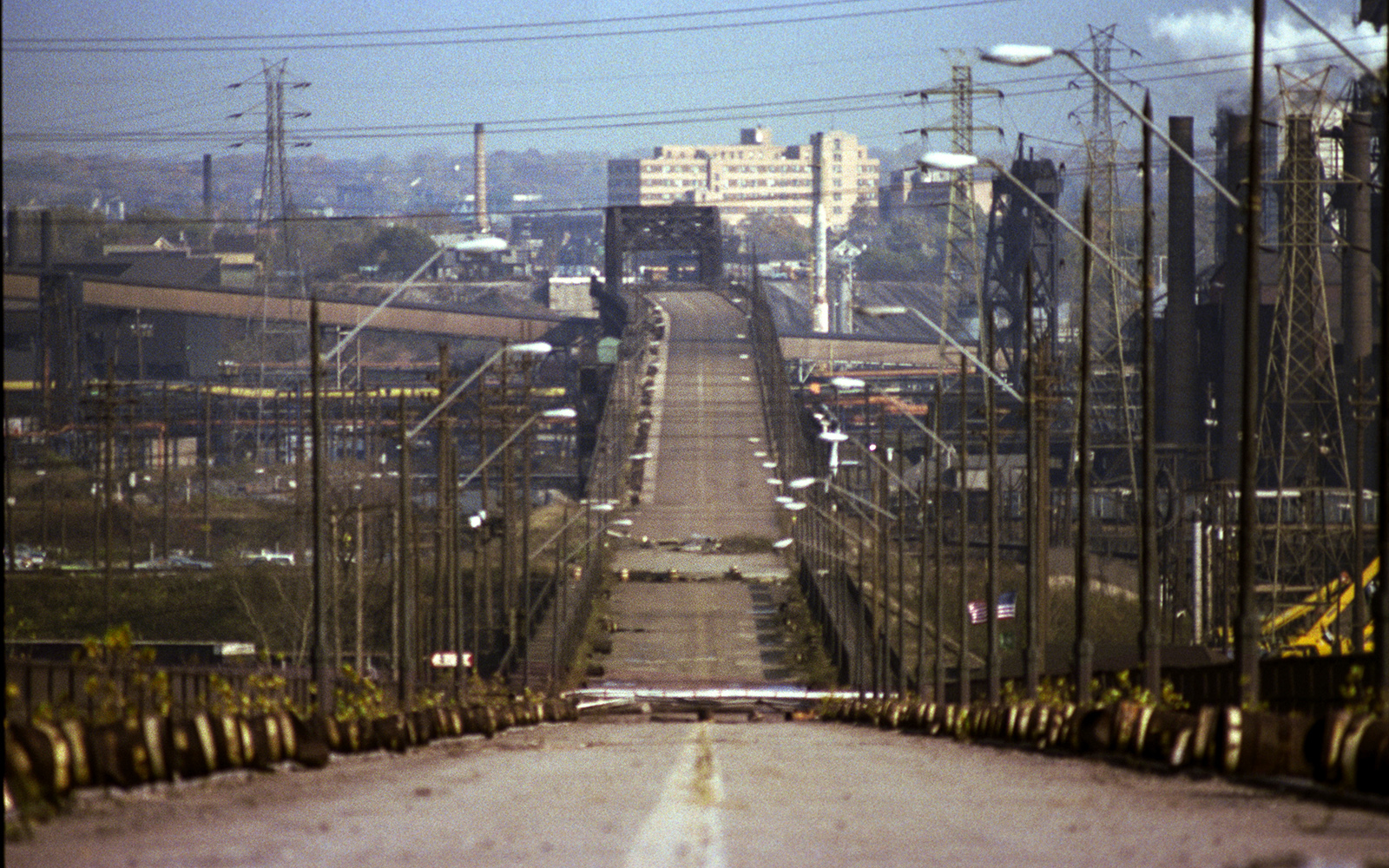
An ingot of hot steel weighs 30 tons. But it was a very slow process, that the new caster and BOP shop would make obsolete.J & L Steel, Scaling MoldsJ & L Steel, Pulling MoldsJ & L Steel, Torpedo Cars & LocomotiveClark Ave. Bridge, Center Truss Over Cuyahoga RiverThe longest bridge in the county, state and region suffered from 60 years of direct contact with the two integrated steel mills it crossed over, and, in a city that became broke, couldn't afford anymore rehab work.
A large interste bridge, I-490 was planned for many years, just north of the Clark Avenue Bridge, was going nowhere, but the Clark bridge, was finally demolished in 1984, after standing dormant for six years.
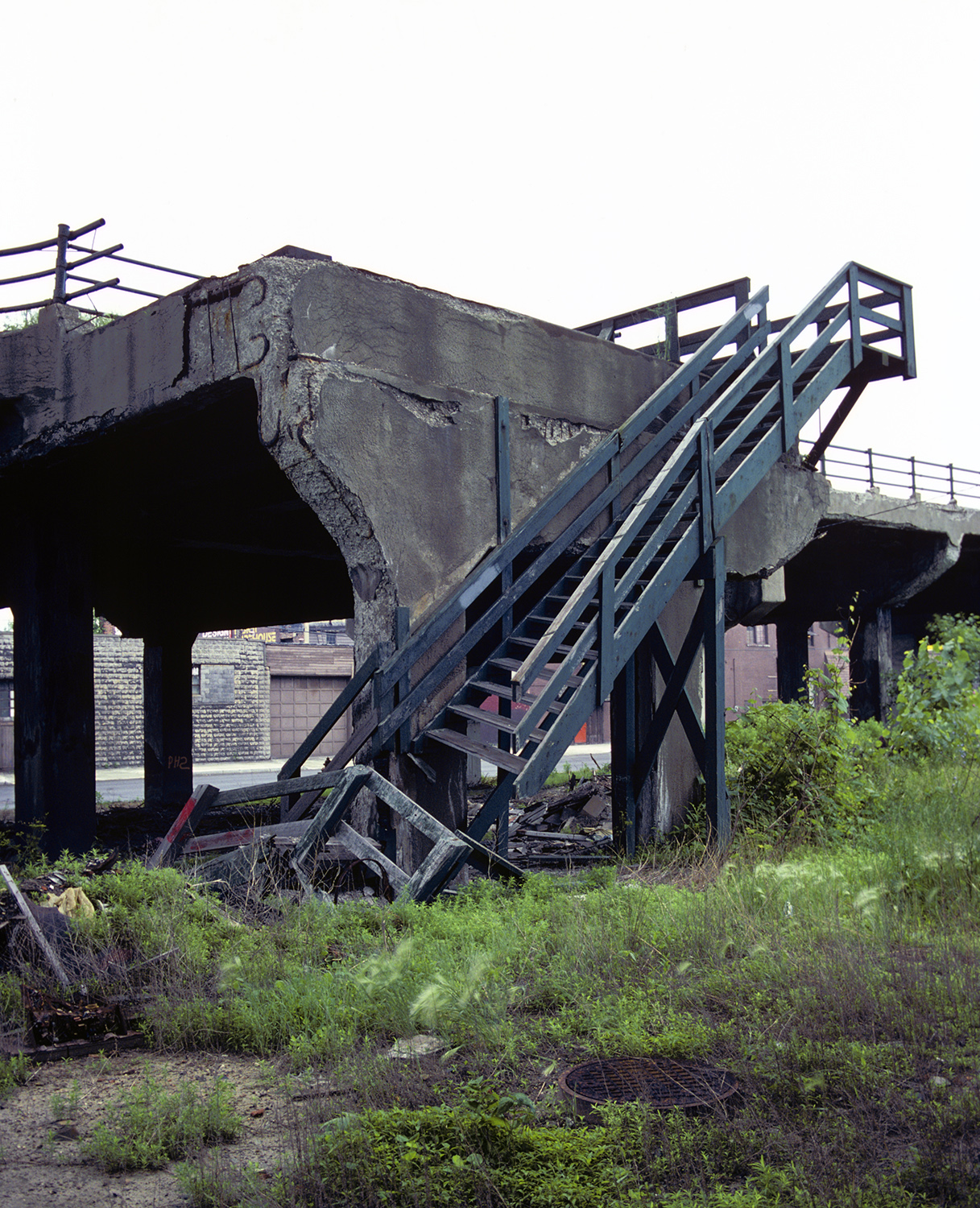
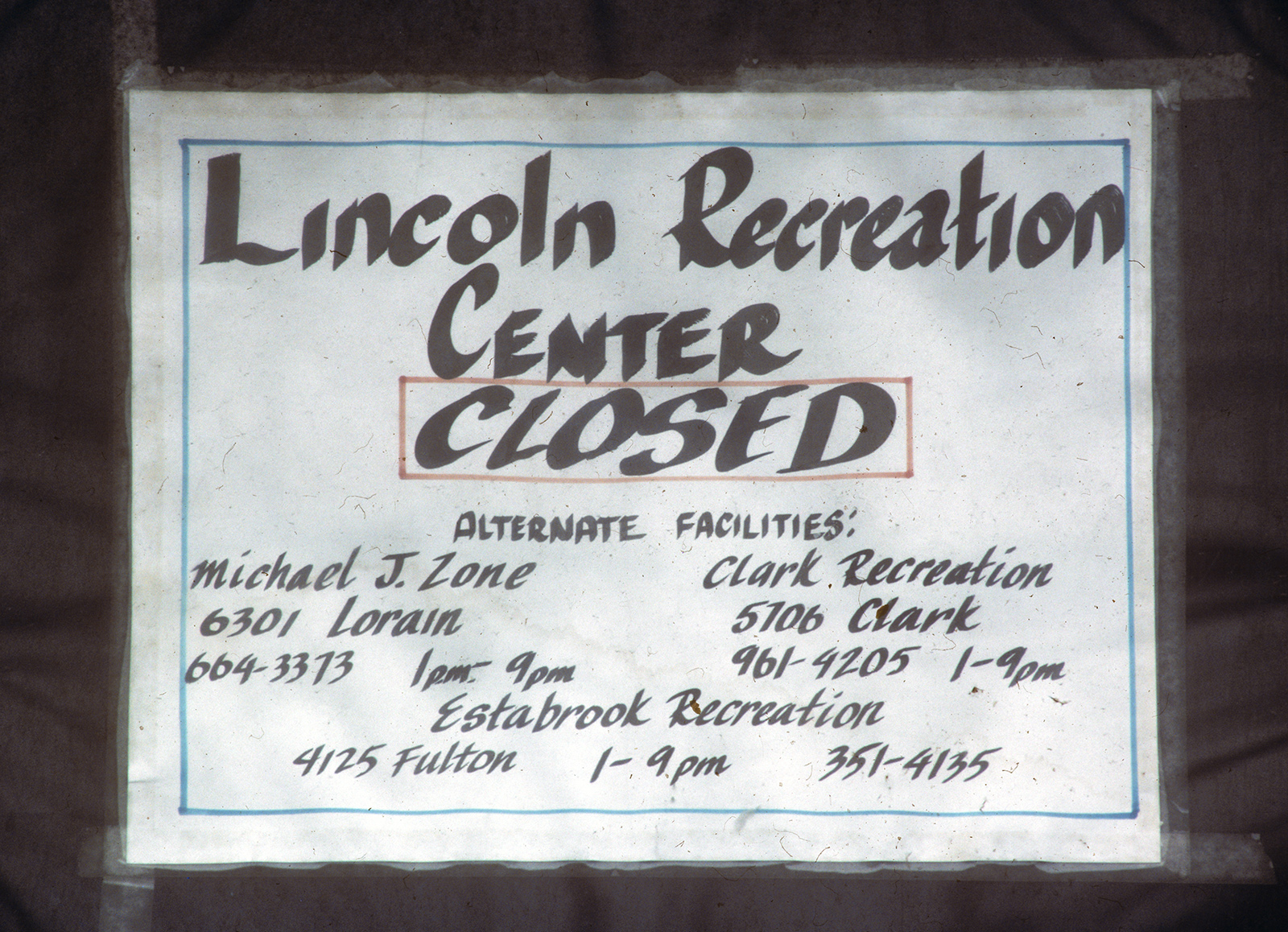
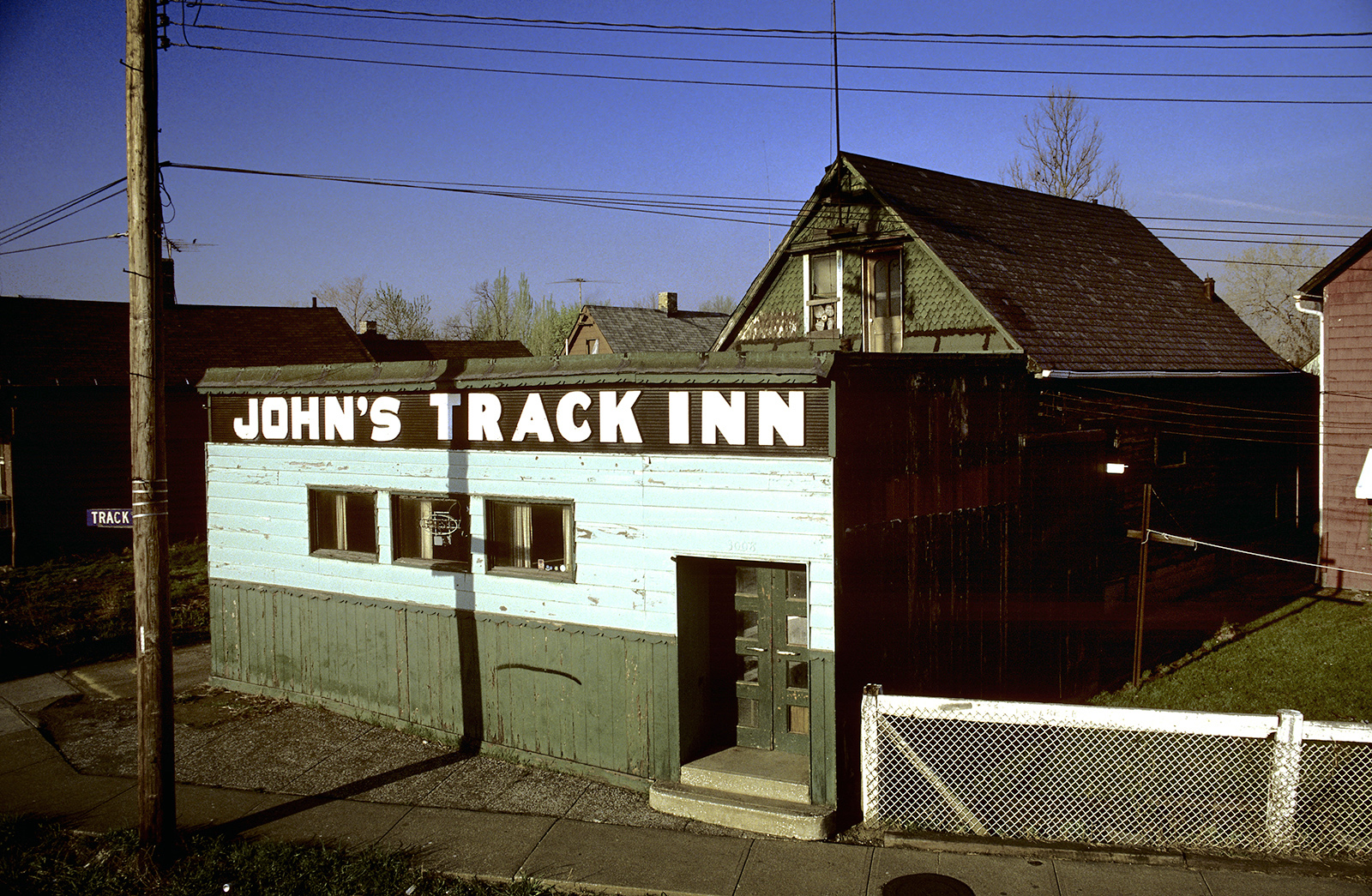
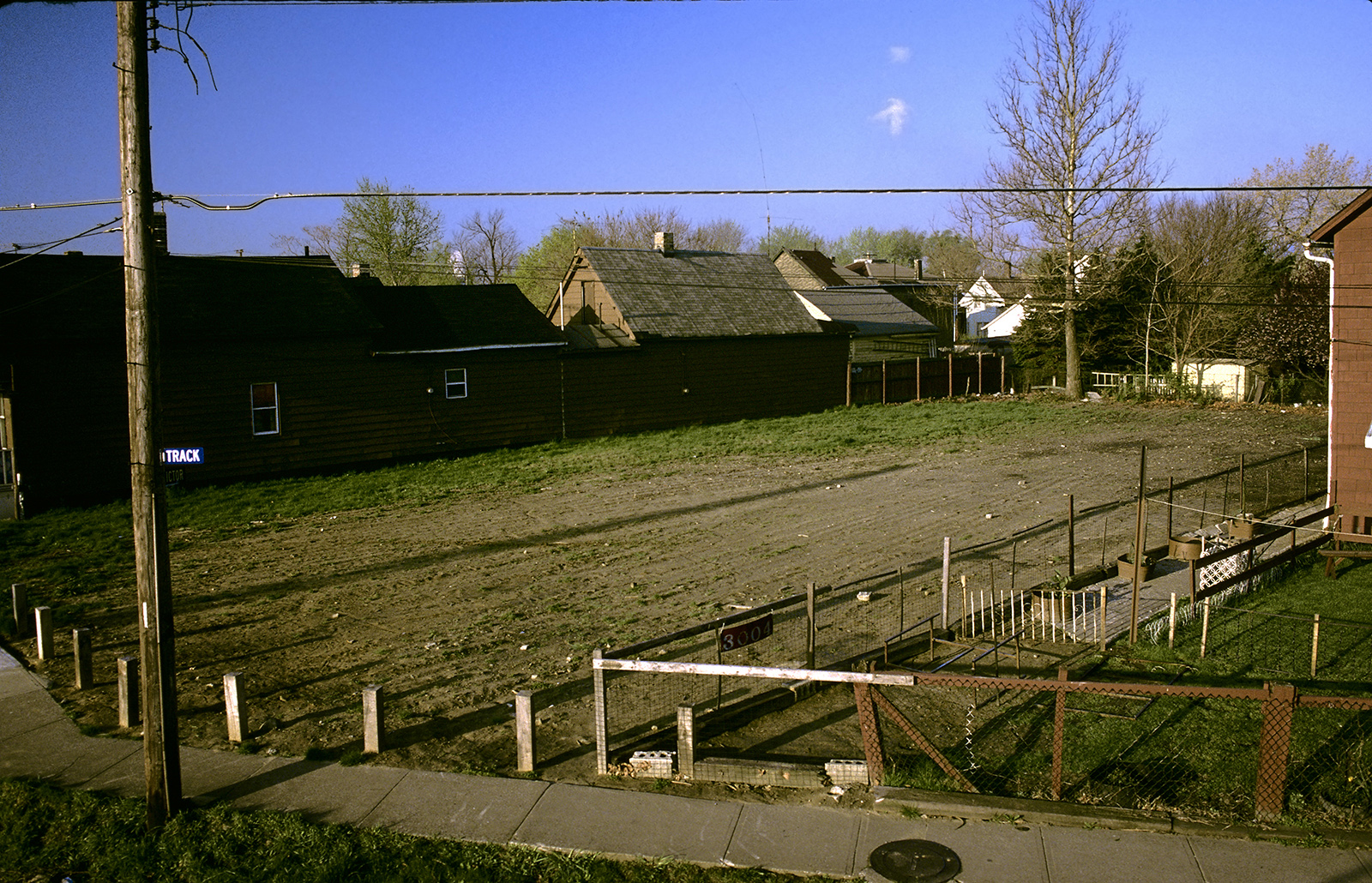
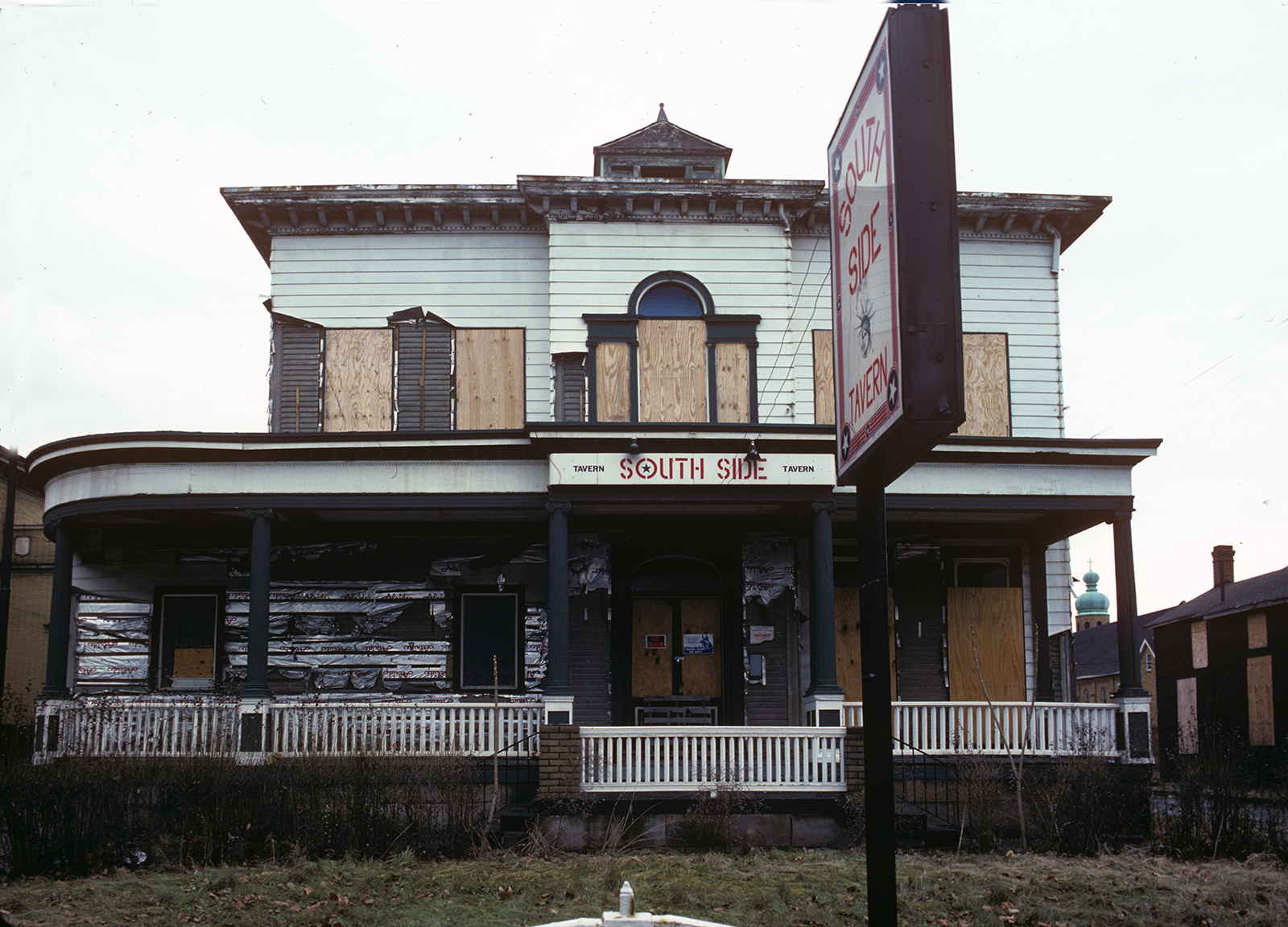
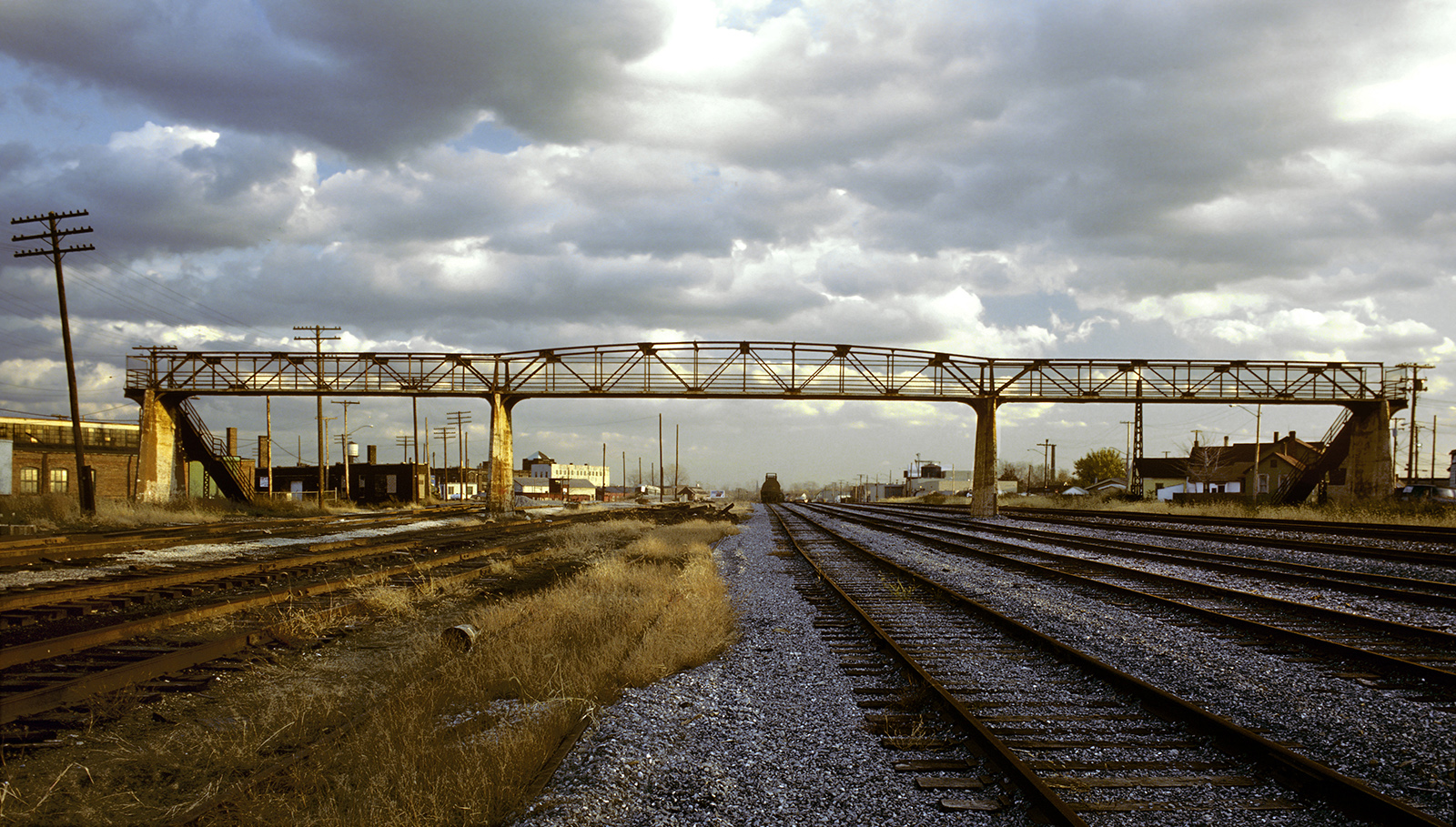
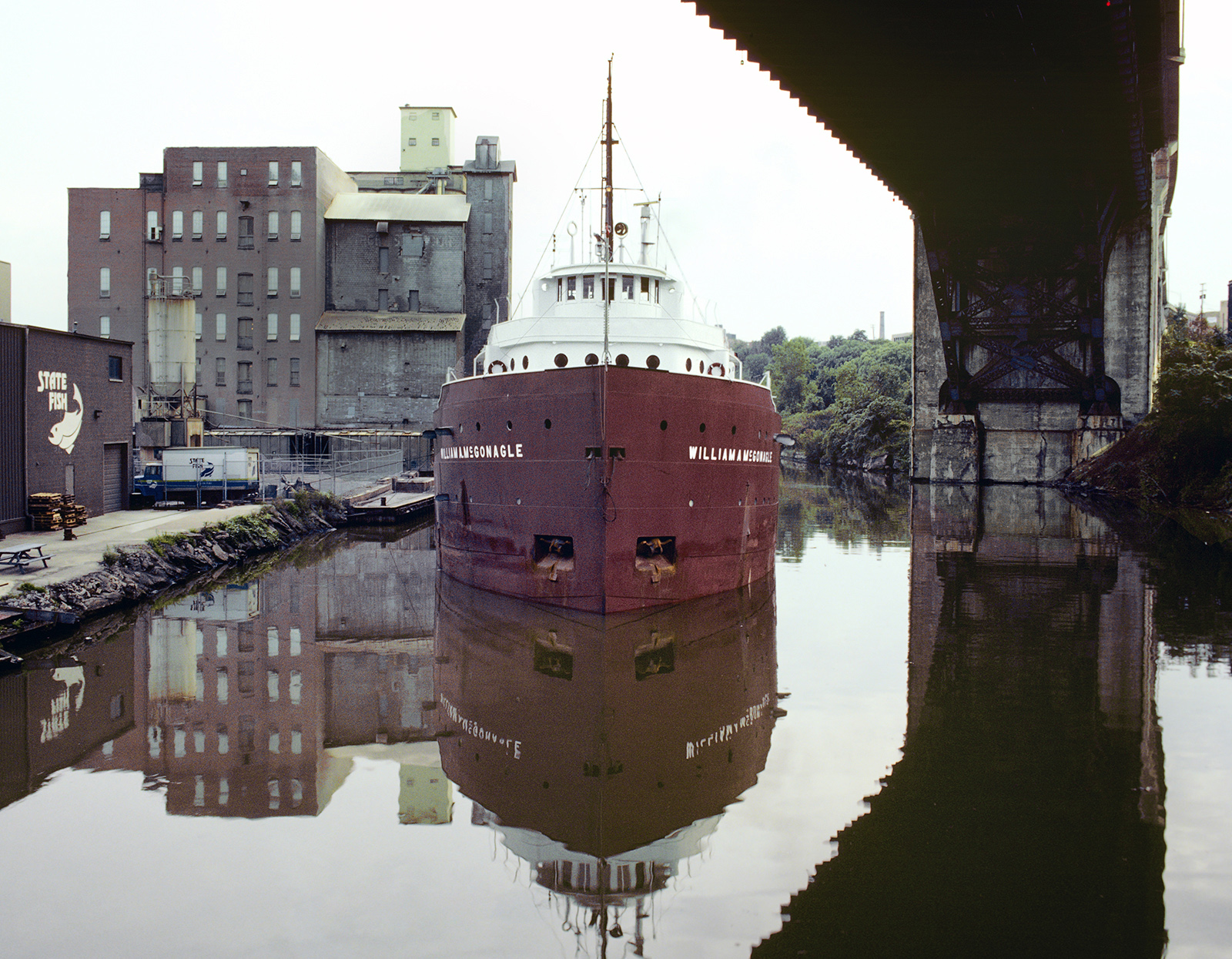
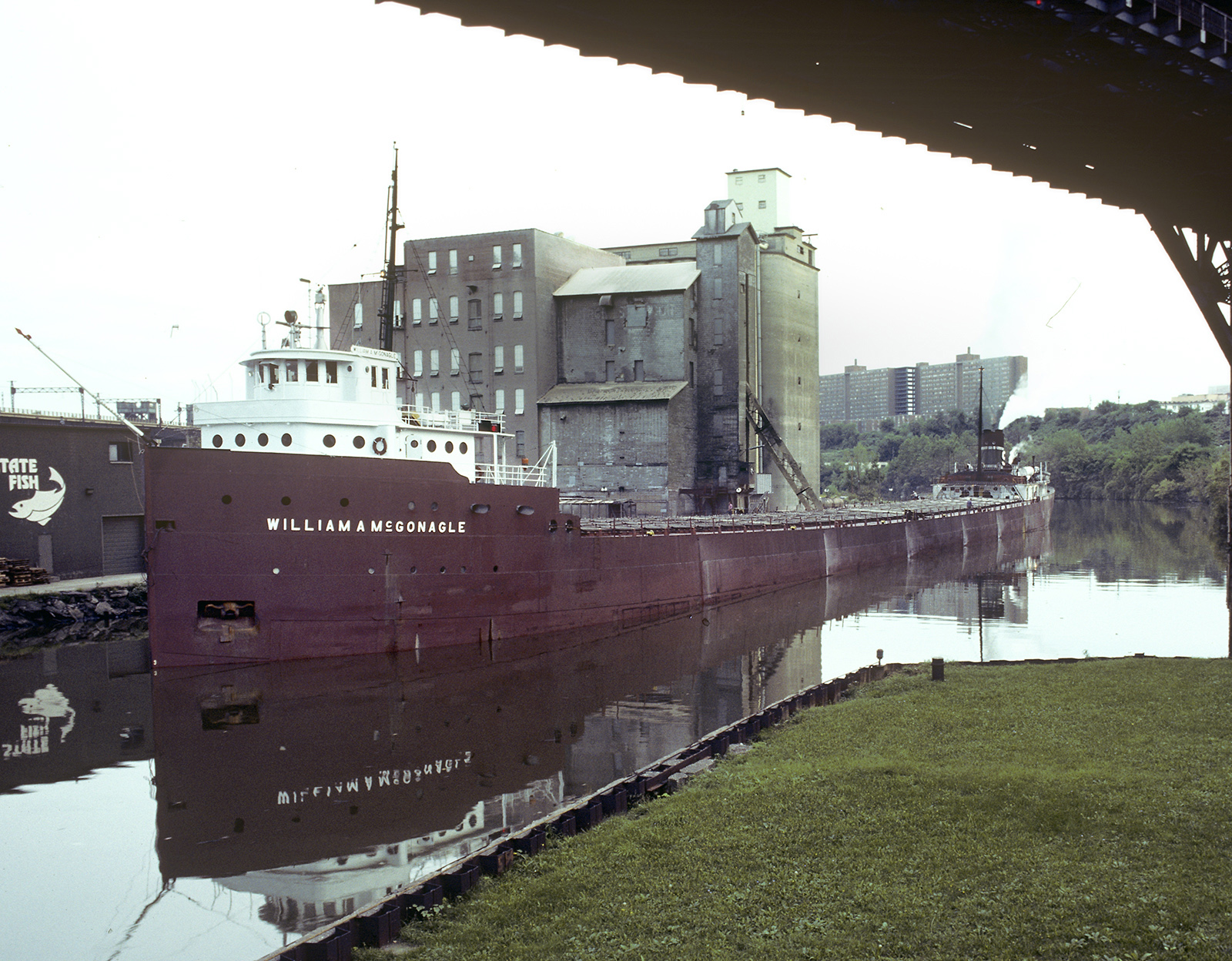
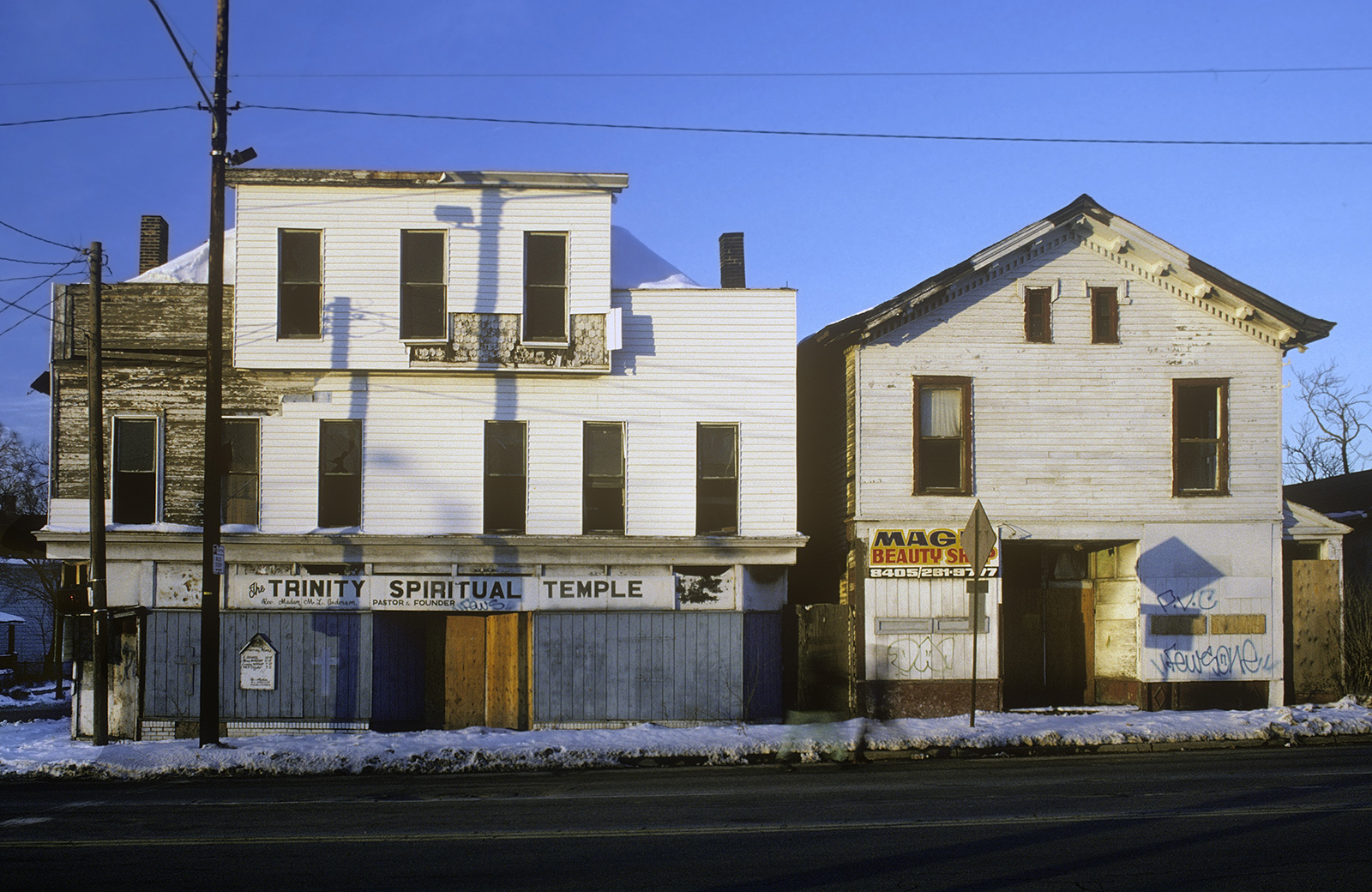
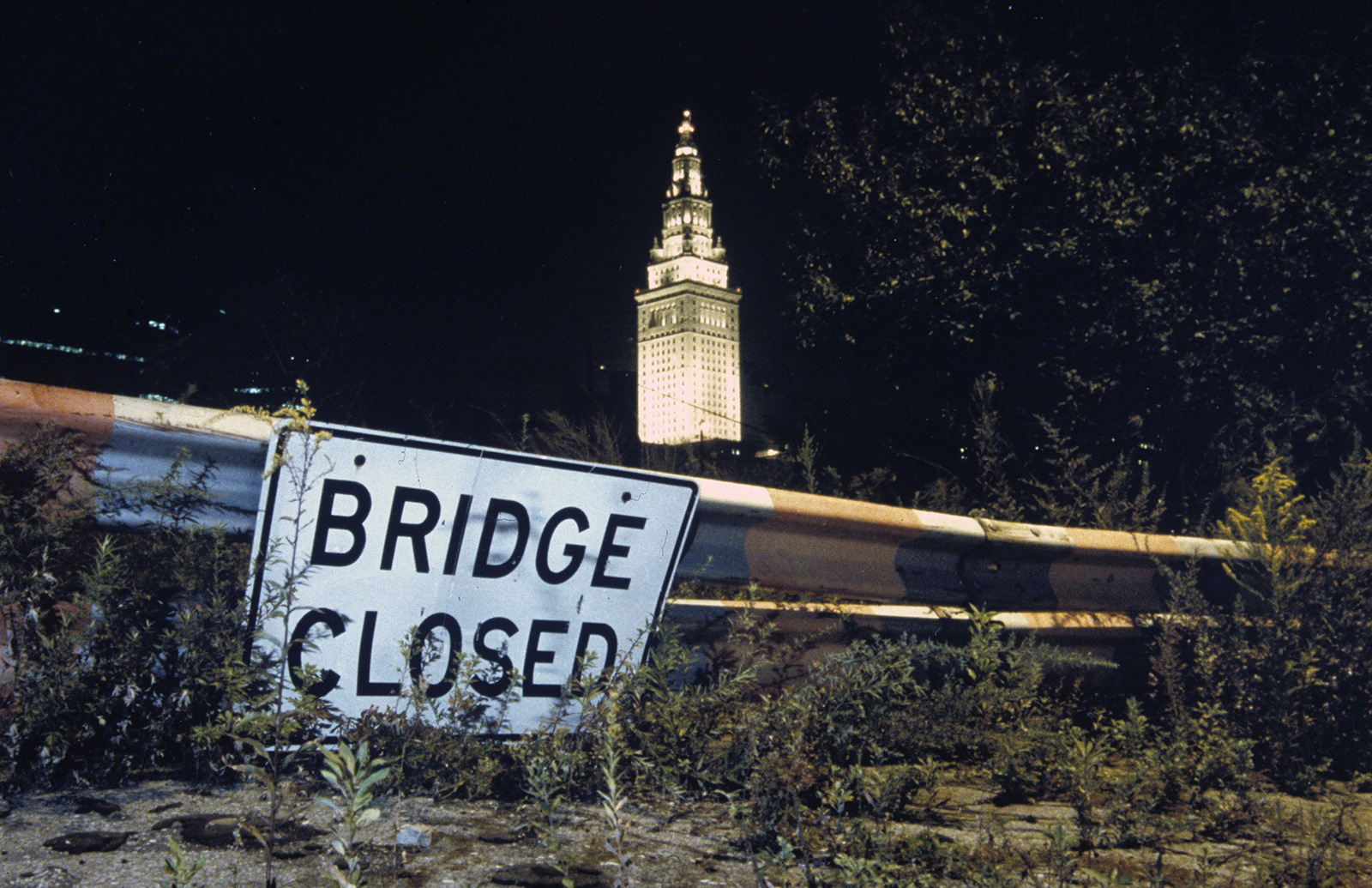
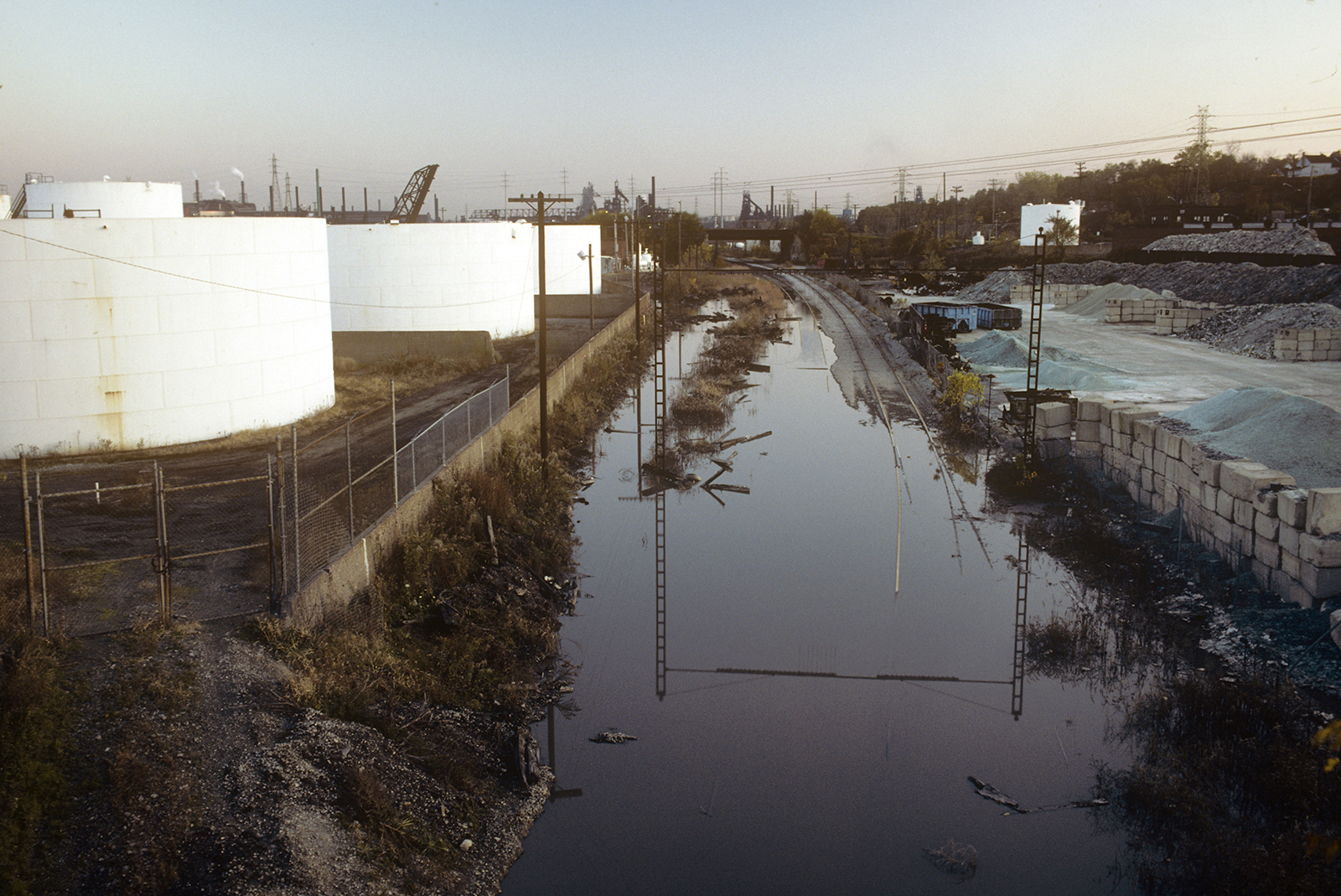
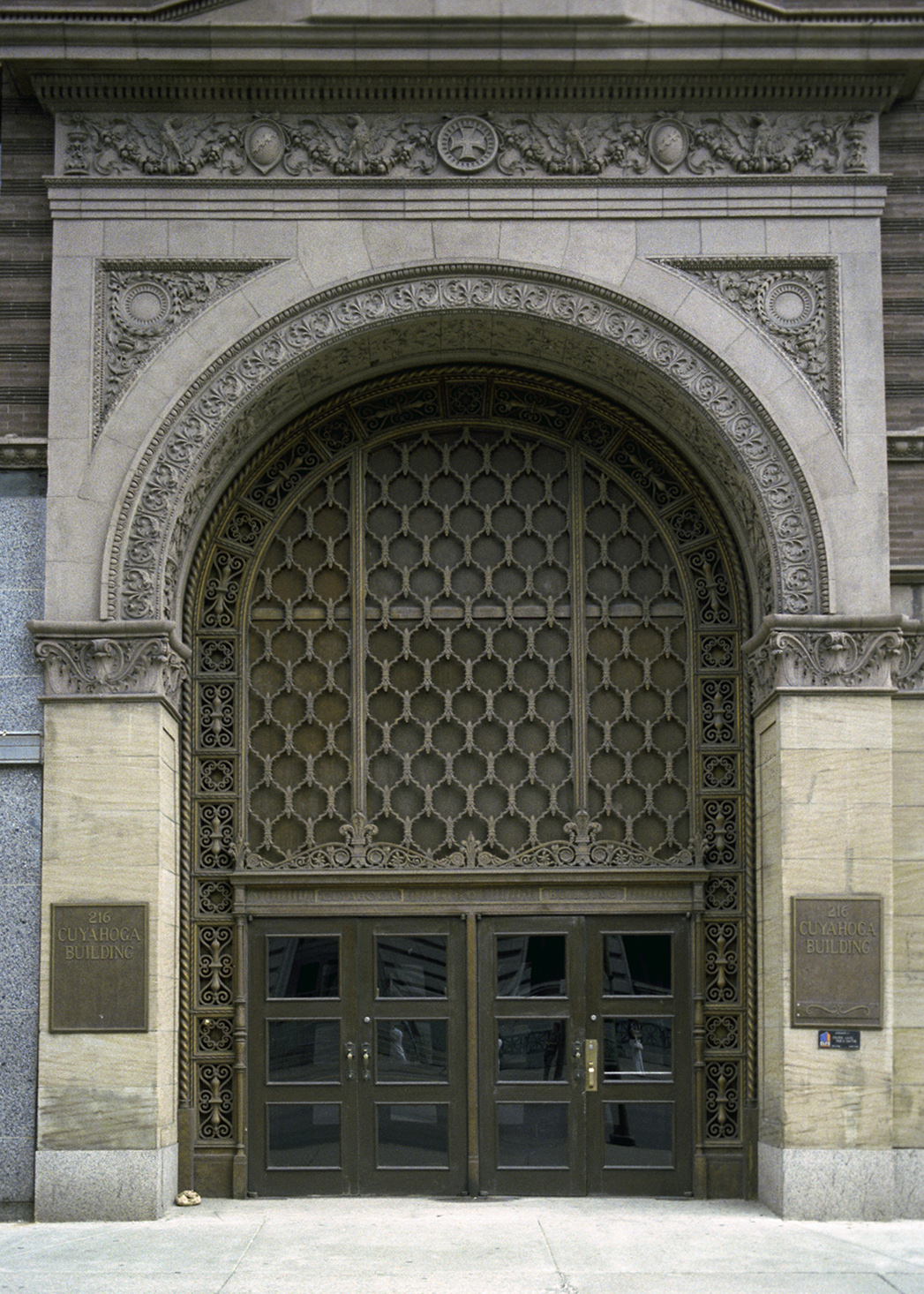
The one mile walk from the west end of the bridge to this truss was, on a sensory level, active with sights, sounds and smells. The senses would also be on alert, since it was a dead end, all the way out, when you were at the truss end of the bridge. When you saw four or five dots on the horizon moving towards you, the length of the bridge meant you had a lot of time to contemplate the idea of fate, for the fact that, you might be jumped or tossed off the structure, as, what a gang of youths had done many tmes untl arrested.Clark Ave. Bridge Demolition, St. Michaels Church & HomesClark Ave. Bridge, West SideClark Ave. Bridge, West SideClark Ave. Bridge, West SideMill & Homes, Pershing Ave.The last two homes on Pershing Ave., before becoming Clark Ave. The bridge begins here on the ast side, heading west.Republic Steel SunsetGrand Five Cent to One Dollar Stores, Sign, Professor Ave.Linclon Recreation Center Sign, Lincoln ParkBowling Hall, OrnamentThe Maple Lanes, stil open today, has a four lane manual pin bowling alley.Door, Chinatown, Rockwell Street.Valentine Beauty Salon, Professor AvenueJohn's Track Inn, Track RoadJohn's Track Inn Site, Track RoadHouse, Griswold AvenueJacob Goldsmith Mansion, Fire, East 40th StreetThe Jacob Goldsmith mansion would become central to black identity politics.Apartment House, East 71st Streetpartment Building, East 40th Street - GoneHouse & Car, Eat 75th StreetSouth Side Tavern, Originally the Olney Mansion - RehabbedBy 2018 the house ws completely restored and rehabbed, but, so far (2023) no venue has succeeded.George's Diner, East 40th Street & Prospect Avenue - Built 1925, Closed 2011, Demolished 2015When the diner finally closed, it was called Moe's. Its history in its last twenty years was interesting and worth a look, as it faded, there was a suicide, a fire, multiple new owners, and then demolition., reflecting the cost of and pain of a declining city.Pedestrian Bridge Over Van Allan Railyard, Willow NeighborhoodThe neighborhood was bisected by the railyard, and the bridge was finally closed due to deterioration in 2016.Pedestrian Bridge Over Van Allan Railyard, Willow NeighborhoodThe neighborood was bisected by the railyard, and the bridge was inally closed due to deterioration in 2016.U S Steel Central Furnace, Cuyahoga River - Built 1911, closed 1978, demolished 1984Central Furnace Site, Erie Rail Lift Bridge & Sohio PowerhouseWilliam A. McGonagle Bulk Freighter - Built 1916, mothballed 1994The grain mill in the background has been operating since the 1850s and was closed in 2020.William A. McGonagle Bulk Freighter - Built 1916, mothballed 1994The grain mill in the background has been operating since the 1850s and was closed in 2020.Remains of the Erie Rail Bridge Over Scranton RoadErie Railroad Lift Bridge #19 Site, The Flats, 1984Erie Railroad Lift Bridge #19 Site, The Flats, 1988Trinity Spiritual Temple & Magic Beauty Salon, Woodland Ave.Mr. & Mrs. Mays' Homes, East 36th Street - RehabbedNearly under their lives, probably an entire lives, they were very concerned about the future of the building. They spent their entire lives, keeping the two homes in order and trying to create income from them, as an Airbnb style resort. Unfortunately, it was always a ghetto until around 2020 when things began to turn around, but, both people were dead by then. Fortunately, an organization came in to say both of the homes.Homes, Pershing Avenue - GonThese were the last two houses on the right hand side of Pershing Avenue before the Clark Avenue bridge.Mill & Homes, Republic Steel Basic Oxygen PlantRepublic Steel Basic Oxygen Plant is now Cleveland Cliffs and is entirely operational.Republic Steel, Coke Plant, Clark Ave. BridgeTry finding a coke and coke by-products plant in a city. This mill, Republic, had two separate coke plants on the 763 acre site of the mill. By the late 1990s they had been taken out.Republic Steel, Open Hearth Stacks - Built 1911, Closed 1978, Demolished 2003Smokestacks from the old open hearth furnaces and slab mill that was shut down a few years before.Jones & Laughlin Steel, Scaling Ignot MoldsA worker maintains an ingot mold at the Jones and Laughlin steel plant. These molds became obsolete with the continuous caster method of making steel which eliminated this timel-consuming and expensive process.Sign, Bridge Closed, Terminal Tower, The FlatsThis was a small looping road that came up out of the Flats and into downtown.Old Clark Avenue Bridge Entrance from West SideThe entrance on the west side to the old Clark Avenue Bridge that was the city's longest. It vaulted and threaded through the industrial flats particularly the steel mills, was closed in 1978 and torn down in 1983.Cuyahoga River at Jefferson Avenue.Jefferson Avenue crossed the Cuyahoga River by a lift bridge here, until 1952 when it was hit by a freighter. The site became a dumping ground for autos, and, ki've even seen kids from old Tremont swimming here and jumping of the peirs into one of the most polluted waterways in the country.Submerged Rail Line, the FatsPaul H. Hanranhan, at the Pennsylvania Railroad Huletts - Built 1941, Scrapped 1986.The ore dock is still operational, but the Huletts were taken out in 1995, as self-unloaders on ships have made them inefficient.Erie Railroad Huletts & BoatThese huletts, across from Whiskey Island, were closed very early on, in 1978, at the beginning of the Rust Belt, well before the other huletts closed in the 1990s, because the Erie docks supplied steel mills in southeastern Ohio, and along the Ohio and Mahoning River which were the first mills in America to go through mass closures. The iron ore was delivered by train, and this alone was an enormous cost of inland mills far from the Lakes, and, one more economic reason these mills were the first to close.Hippodrome Theatre Demolition, 1982Williamson Building, Soldiers & Sailors Monument, Public SquareBuilt 1899, demolished 1982. The Williamson Building was the second skyscraper built in the city. The first being the Cuyahoga Building next door, designed by by Root & Burnam of Chicago.Soldiers & Sailors Monument, Public Square, Public SquareSoldiers & Sailors Monument, Public Square, Public SquareWomen's Federal Savings and Loan Association, Cuyahoga Building, Public SquareEast 4th Street, 1978East 4th Street, 1978Pacific Building, Prospect Avenue, 1983Pacific Building, Prospect Avenue, 1983, 1986Euclid 57th Hardware, Euclid, AvenueDunbar Insurance Company Building, Woodland Avenue. - GoneThe Dunbar Insurance Company was a successful black owned business in the cty.Homes, East 65th Street, 1983Home, East 65th Street, 1987Home, Pershing Ave. - Built 1880s, demolished 1990sWilliam Mather, Docked for Winter, 1980Holmden Hill - Homes & Jones & Laughlin Basic Oxygen PlantOriginally, and briefly, a Dutch neighborhood, known as Dutch Hill, Holmden Avenue quickly filled with Polish immigrants around 1910, many working at the nearby steel mills. It was largely Polish when this picture was taken in 1979.The Lakewood, Eagle Avenue Lift Bridge & DowntownDuck Island, West 17th Street, Downtown, Home & PylonDuck Island Neighborhood, Home & PylonElizabeth Kocher on Her Porch, Pershing Avenue - GoneThe house, abandoned was sold in 1995, around that time Ms. Kocher passed away.Republic Steel, Coke Plant, Quencher Stack & Plume - GoneRepublic Steel's Main Coke Plant in this city in 1982. The Plant bordered on one side by Pershing Ave, and its side streets such as East 46th Place, which meant peopl lived essentially in si a steel mill, and the most toxic department in the entire mill.
Pershing Ave., as soon as it left the bluss of the Indusdtrial Valley, became Clark Ave. and the Clark Ave. Bridge, the city's longest at over 6,ooo feet. The steam and smoke of Republic Steel could, on certain days, obscure the bridge enough to cause accidents, as well as, provide the best possible viewing platform over two separate integrated stell mills - a mile of pure steel industry in the sky.
B & O Bridge #463 Lifting, The Flats - GoneCaptured. operational, in mid-lift in 1980, the bridge reamins permanently opened as a memorial to the movable bridges that are a feature of the Flats.
The Railroad would head south, then, out of the city to supply industrial towns and cities of West Virginia, Ohio and Pennsylavania, but with plants, factories and mills rapidly closing in the region, so did this transportation link to Lake Erie, and the docks of coal, limestone, iron ore and whatever is needed in bulk, to feed the industries inland.Pediment, Cleveland Police Headquarters, Payne AvenueThe building, unlike the Cuyahoga County Courts building, that was next door, still exists and the sooty pediment has been cleaned. It was the headquarters for downtown police operations for a long time, and, we'll see what's next.