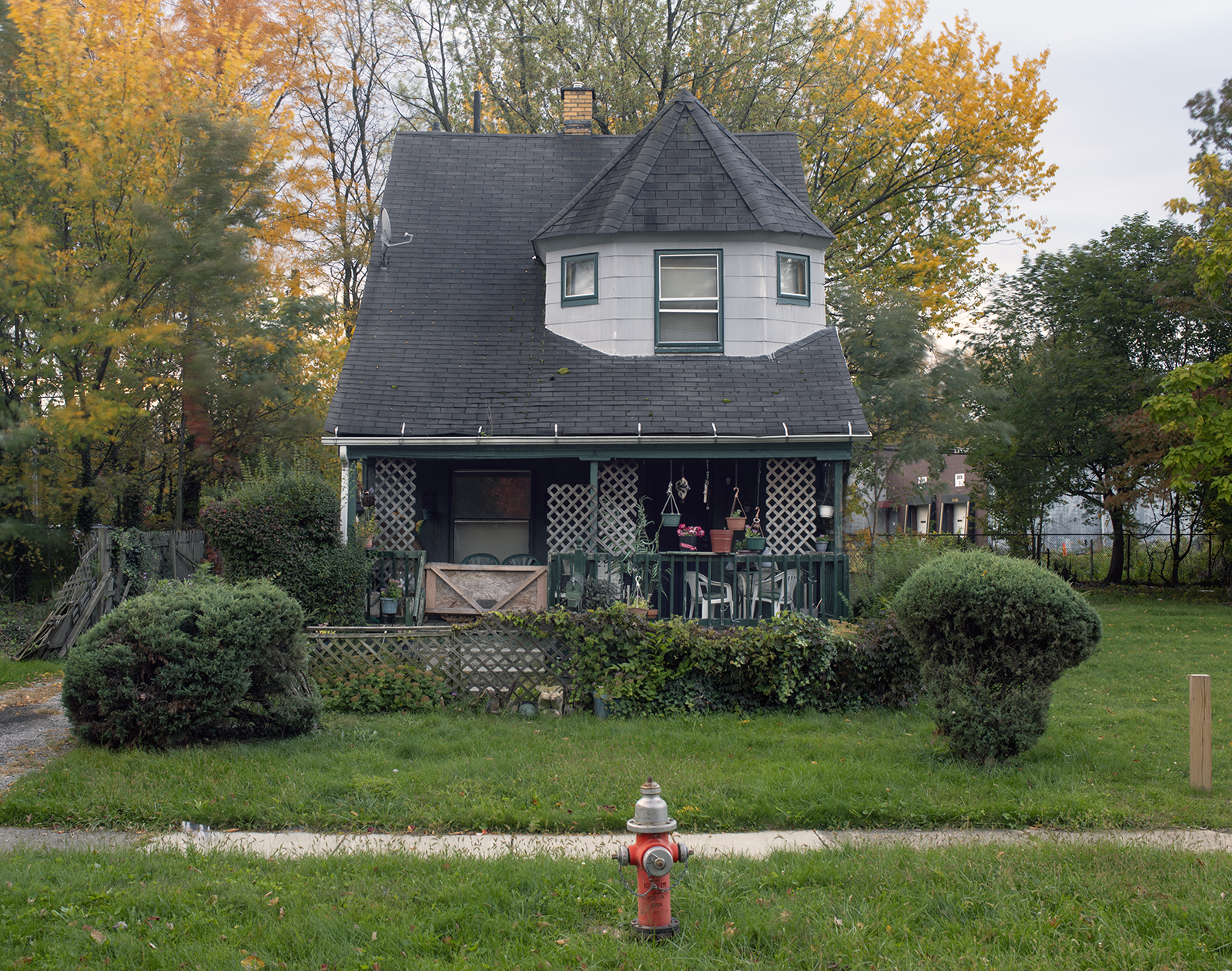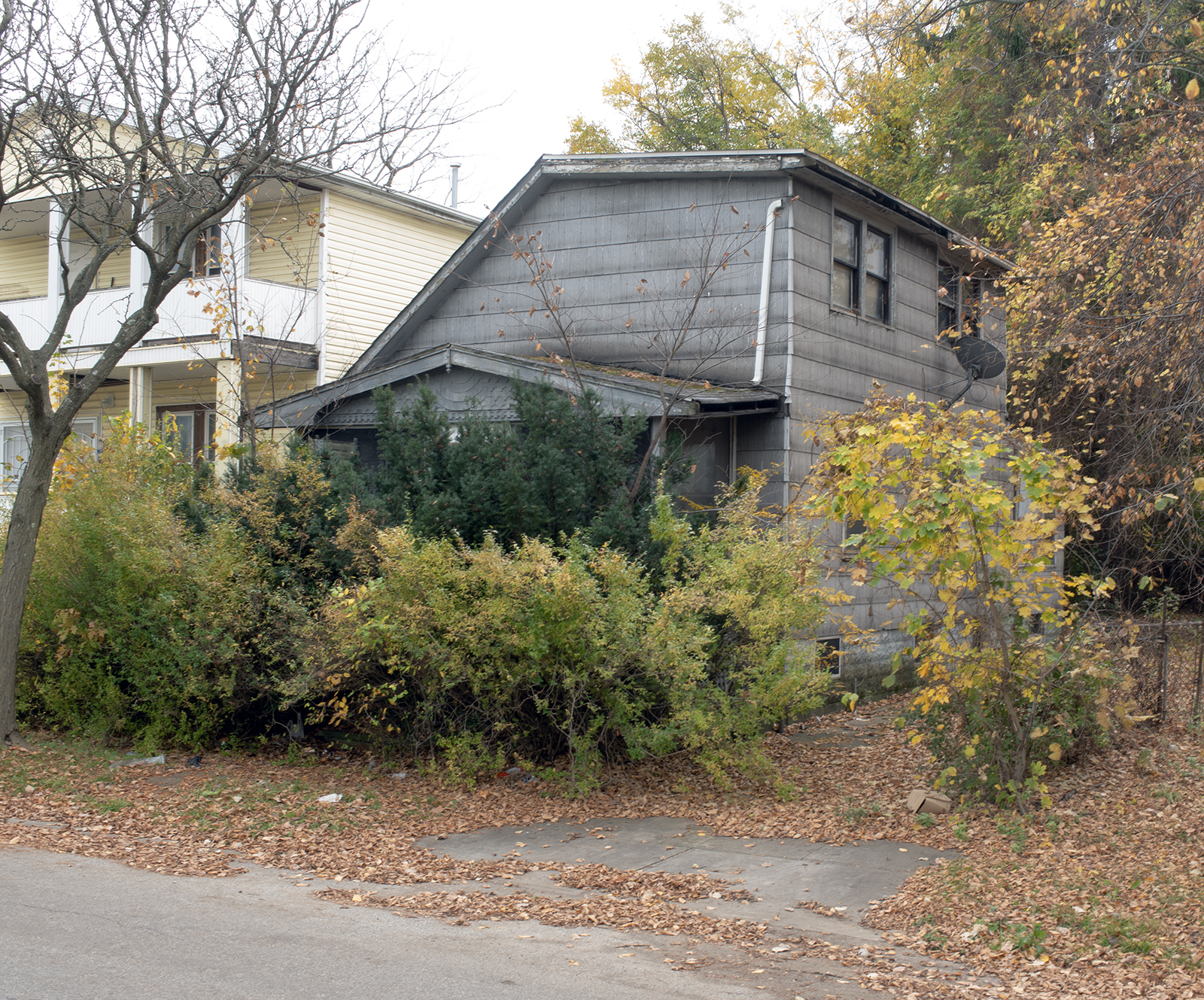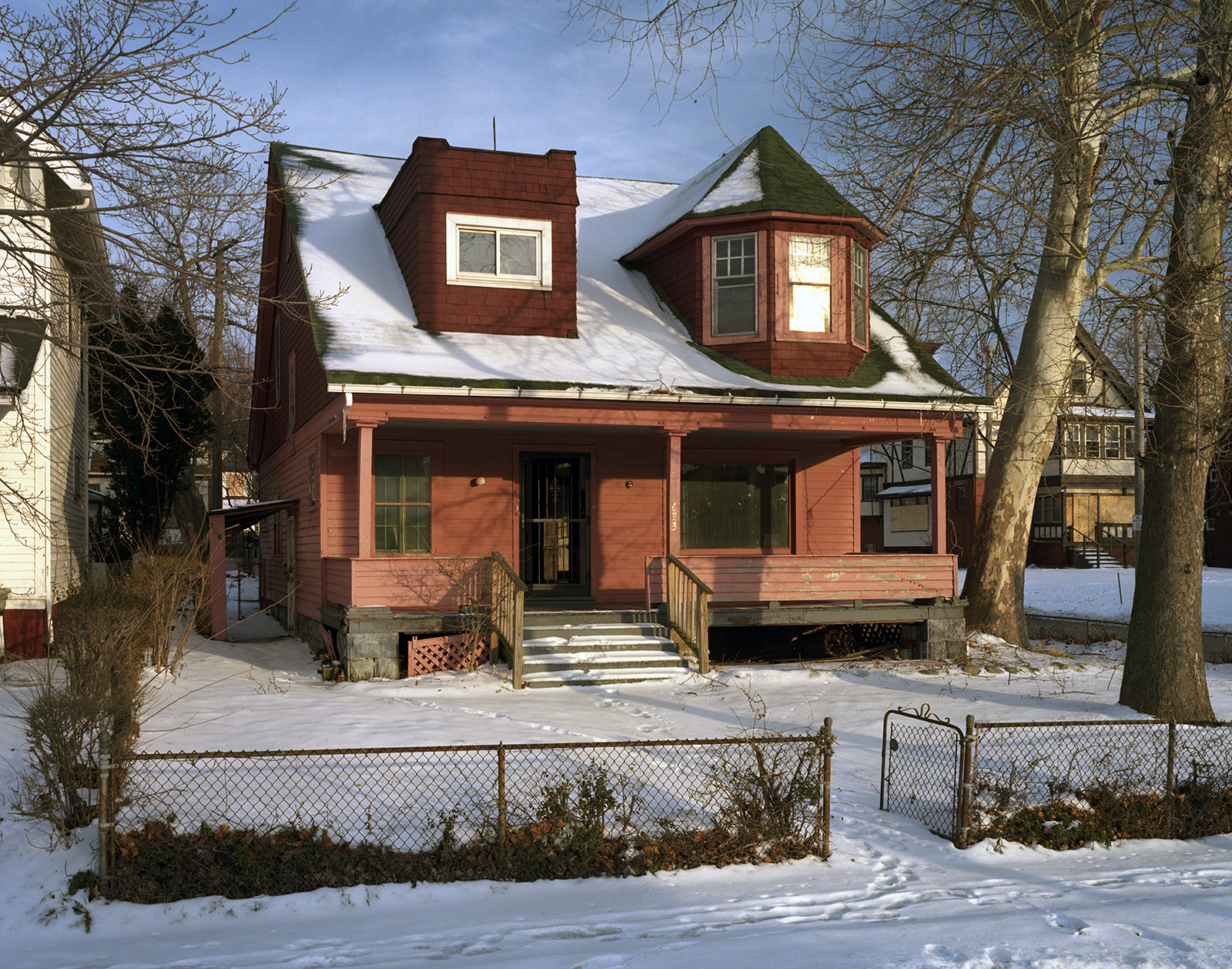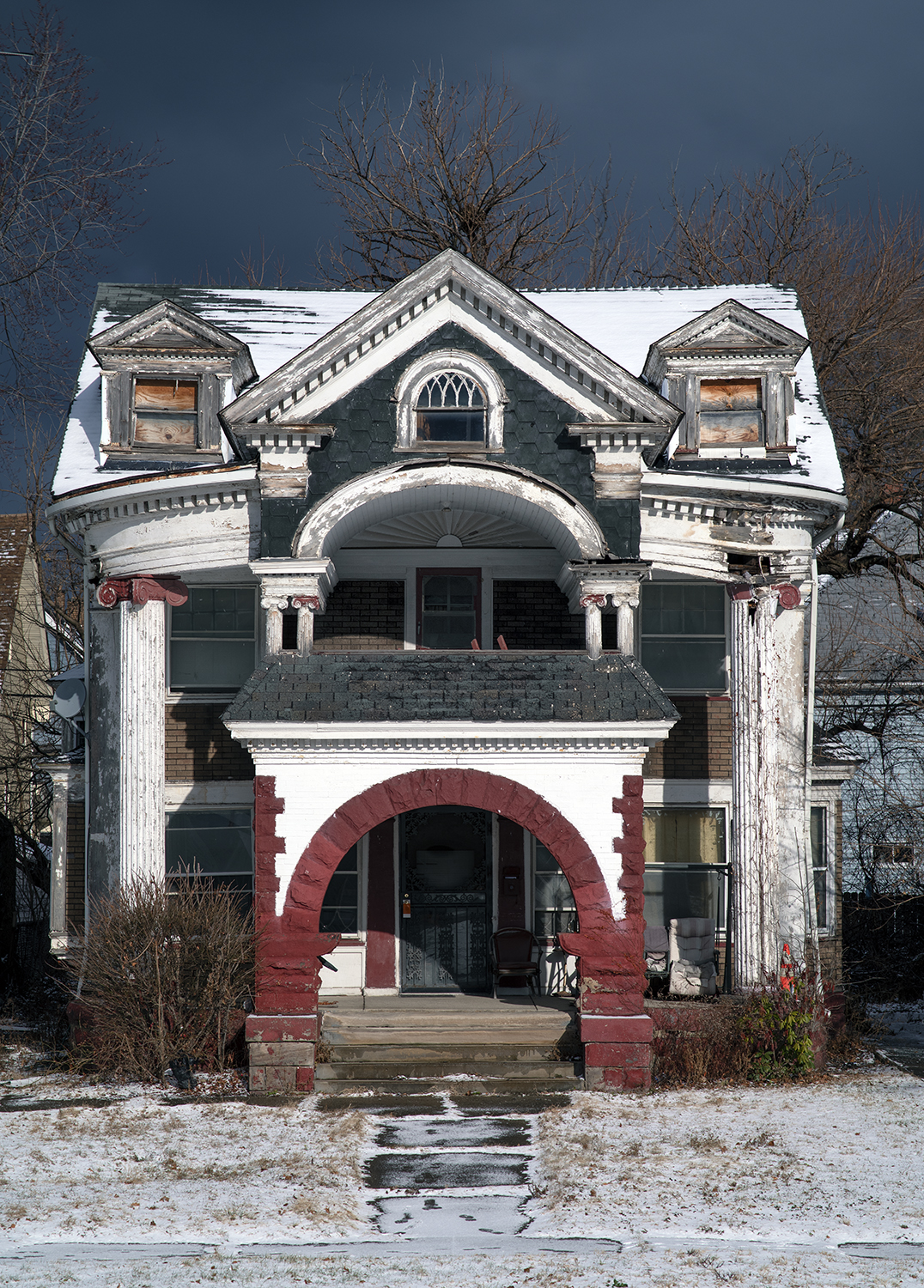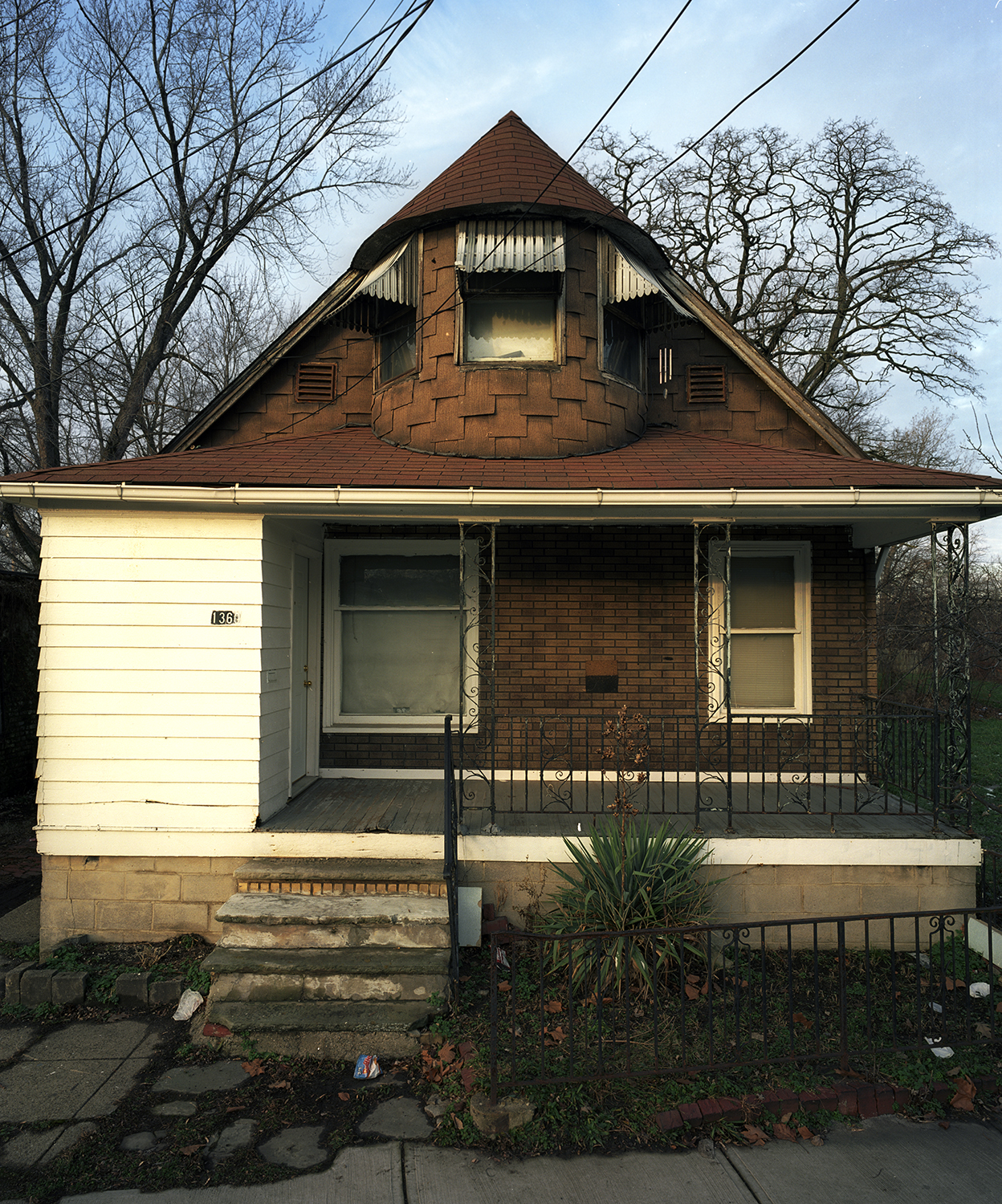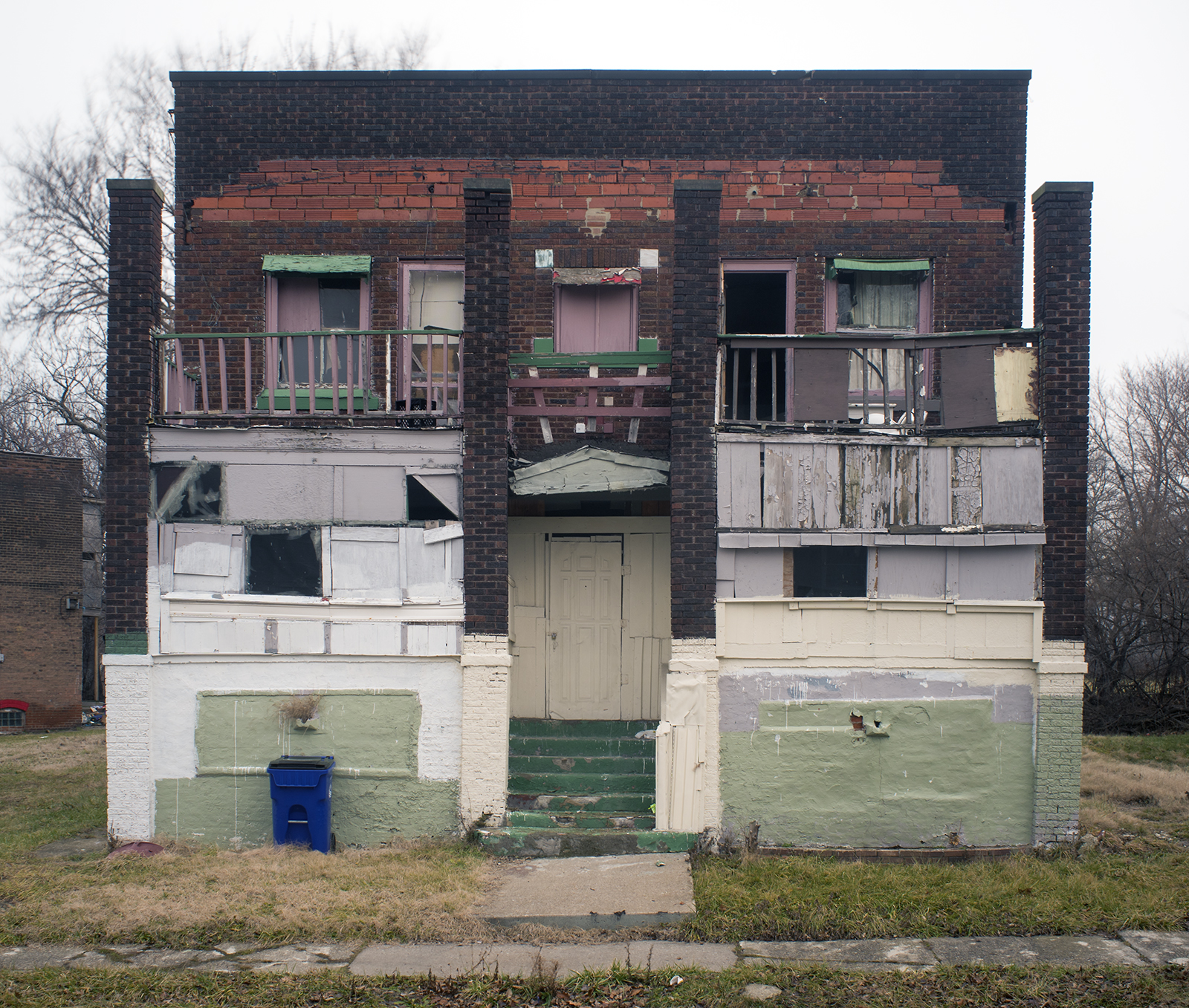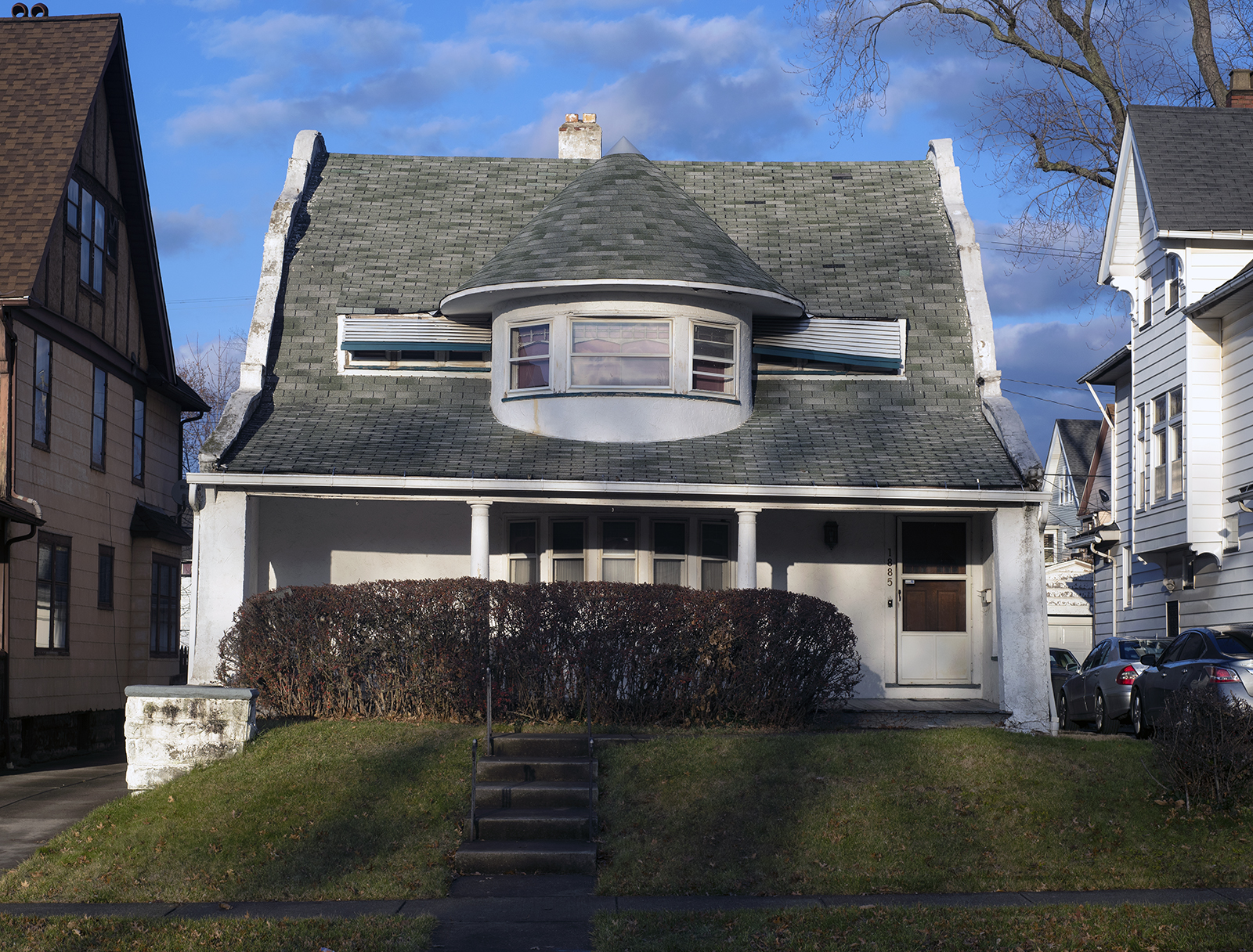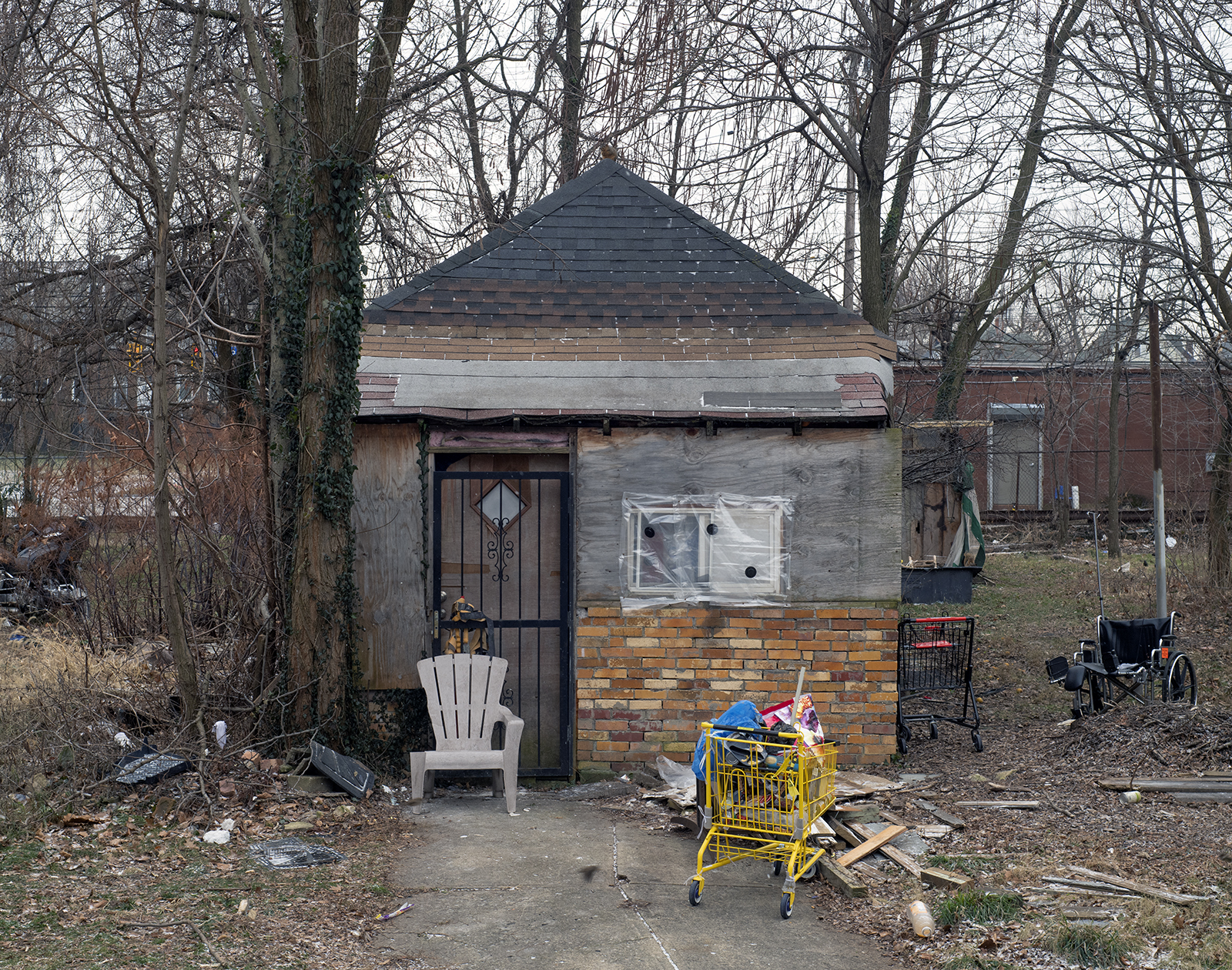
Walk a few blocks through Cleveland’s older neighborhoods and the houses start talking over one another. Gothic points. Italianate brackets. Tudor gables. Classical columns. Queen Anne turrets. Spanish arches. Romanesque stone. A little castle here, a little manor house there, except the manor house may be sitting on a thirty-foot lot a few blocks from a factory.
These are not photographs of architectural masterpieces. Mansions are supposed to show off. Give a millionaire enough money and an architect enough rope and sooner or later somebody builds a castle.
These houses are something else, and they are ordinary houses that somehow escaped being ordinary.
Cleveland grew violently fast. Sometimes the collision of cultures produced the same effect in architecture. Steel mills, machine shops, foundries, railroads and factories pulled people into the city by the tens of thousands. Disparate cultures collided and, in large parts of the city, practically built a new city from scratch. They needed houses, and they needed them now. Working people were not commissioning architects downtown to produce academically correct Tudor Revivals.
But that did not mean they had to settle for four walls and a roof.
Builders had pattern books. Lumberyards sold manufactured trim. Carpenters knew how to turn a spindle, build a porch, cut a bracket and frame a gable. Immigrant families brought memories of buildings from places they had left behind. Somebody saw something he liked on another street. Somebody else copied half of it. A carpenter added the other half.
Architecture traveled cheaply.
A man could not afford the English manor, but he could afford the gable. He could not afford the château, but maybe he could afford the turret. He could not afford Rome, but two columns on the front porch were within reach.
And once Cleveland got started, it had trouble knowing when to stop.
A Gothic window could land on a house that had no other Gothic thought in its head. Classical columns might hold up a porch beneath a roof borrowed from somewhere else entirely. A bay window could look as though it wandered in from France, got lost near a steel mill and decided to stay.
Cleveland never could quite make up its mind what a house was supposed to look like, other than being Cleveland.
That may be the best thing about them.
Some of these houses were probably strange from the day they were built. Others became strange slowly. Houses live longer than owners. Families changed. Money came and went. Porches were enclosed. Rooms were added. Siding buried one generation and revealed another. One owner inherited the ambitions of the previous owner and added a few ambitions of his own.
Eventually the house became a biography written in lumber, brick, asphalt shingles and bad judgment.
And sometimes bad judgment made something wonderful.
There is a tendency to look at working-class architecture and concentrate on what people could not afford. That misses the point.
People without much money still wanted beauty, distinction, dignity and a house that looked different from the one next door.
Blue-collar and working-class people did not necessarily want to come home to a box. Taste was not reserved for people whose names appeared on buildings downtown.
Neither was eccentricity.
In fact, limited money may have made the architecture more interesting, because the wealthy could order the complete historical package while working people borrowed whatever pieces they could afford, copy, salvage, remember or nail on.
The result was rarely pure, and the result was Cleveland.
There has always been something in this city that tolerates the cockeyed. The improviser. The crank. The neighborhood genius. The guy who looks at the accepted way of doing something and asks why the hell anybody decided that was the rule.
Ghoulardi understood that Cleveland.
He took respectable television, kicked it in the shin and sent it limping down the street. Loud, funny, rude, anarchic and completely at home here.
He had nothing to do with these houses, of course.
But they seem to come from the same civic gene pool: confidence, stubbornness and just enough of a screw loose to make things interesting.
These photographs are about what happens when formal architecture passes through a working-class city and gets handled by builders, homeowners, carpenters, immigrants and generations of people who were not particularly worried about architectural correctness.
They are about houses that started as one thing and became another, and about people who went beyond leaving well enough alone.
Perhaps it was all misunderstood, copied badly, improved accidentally and rebuilt according to rules nobody quite remembered correctly.
Cleveland architecture did not always know when to stop.
Thank God.