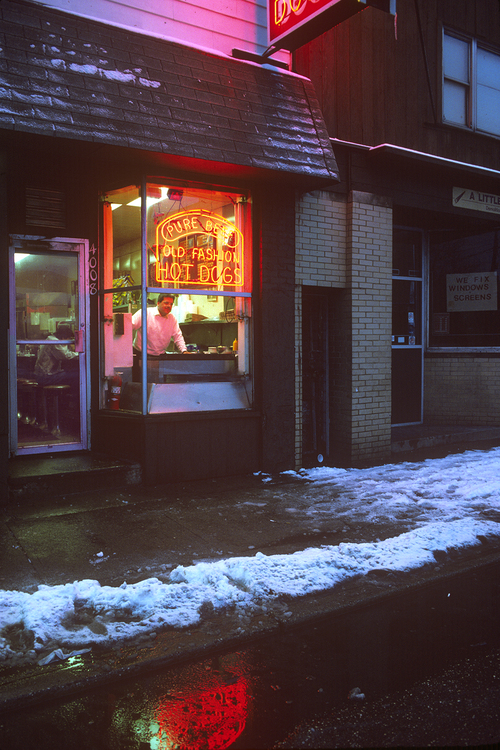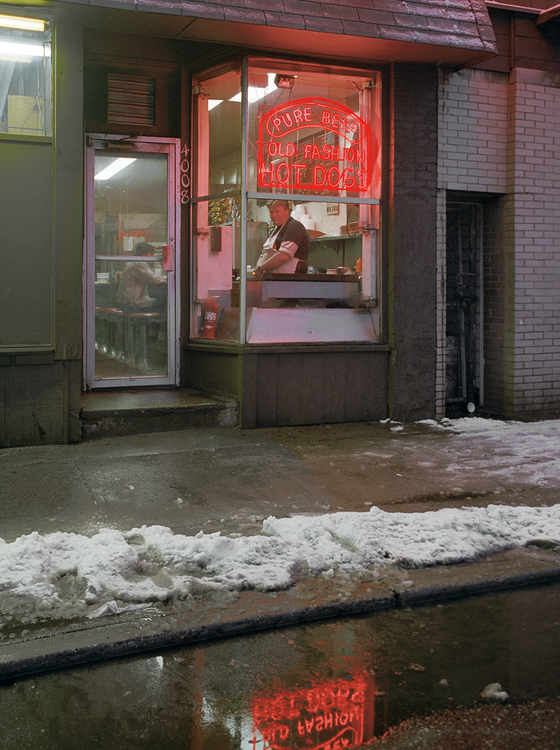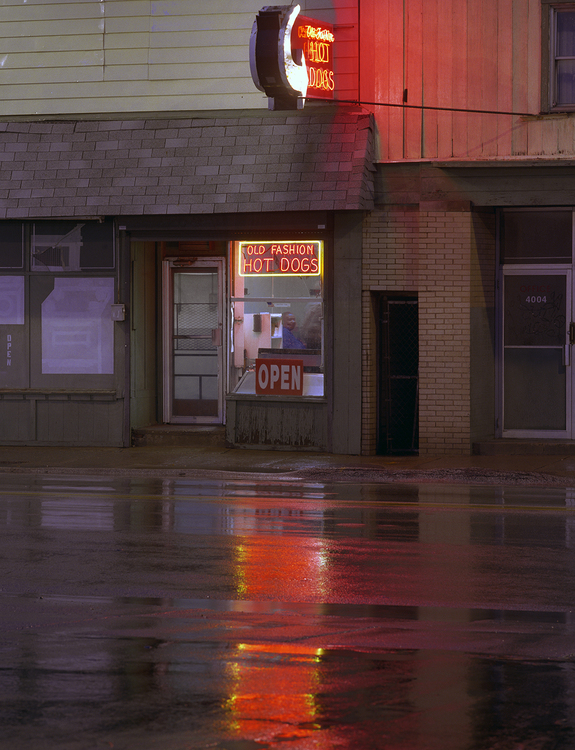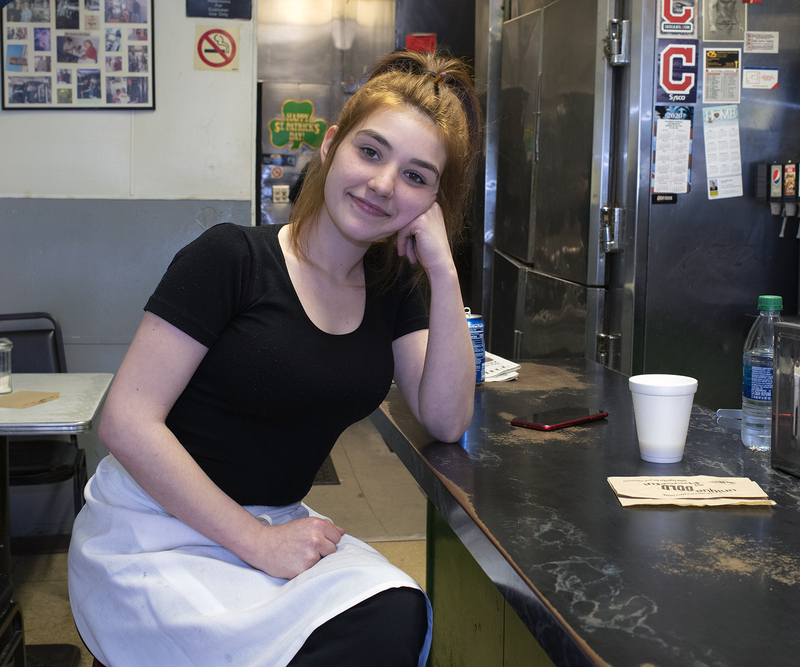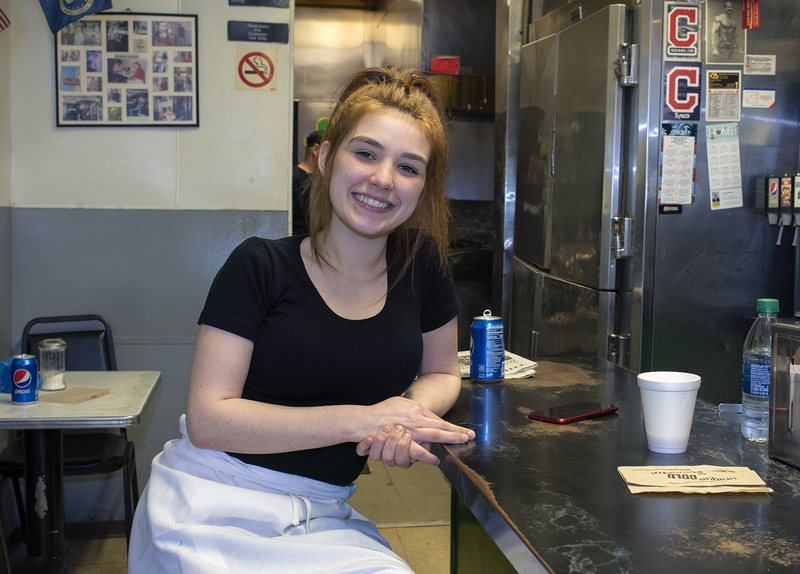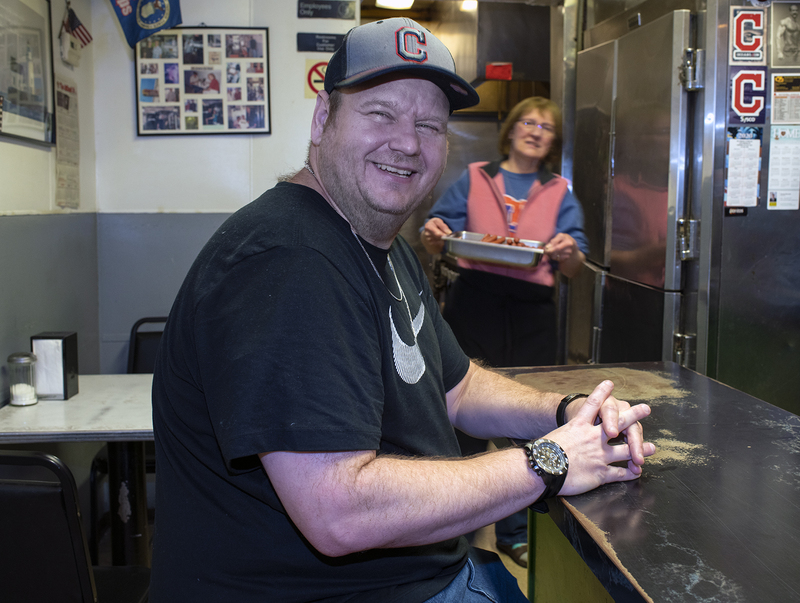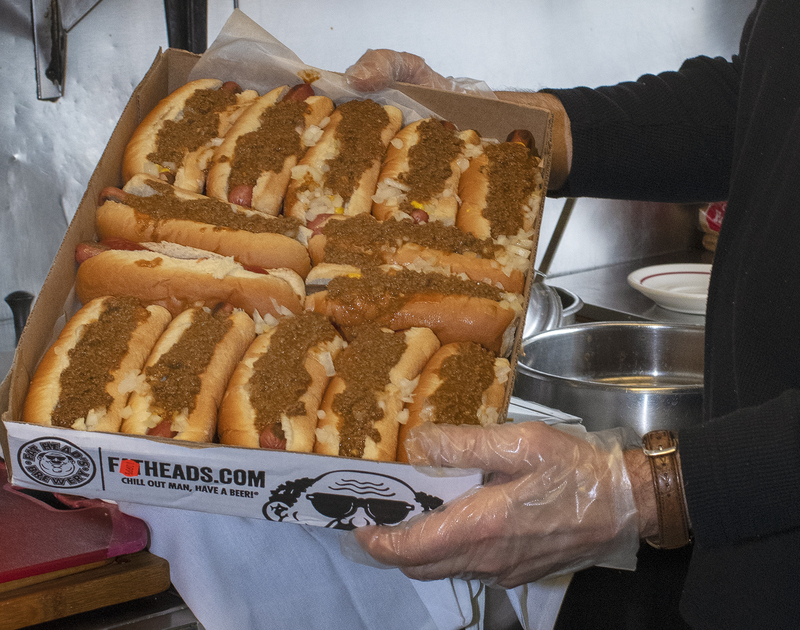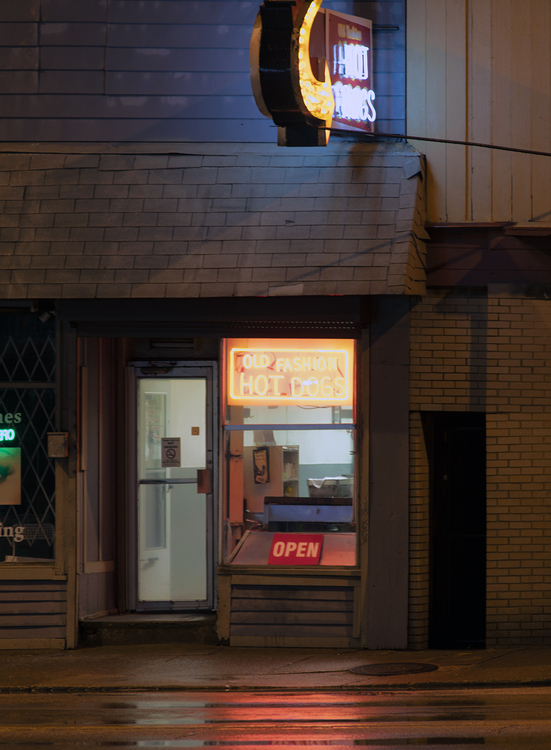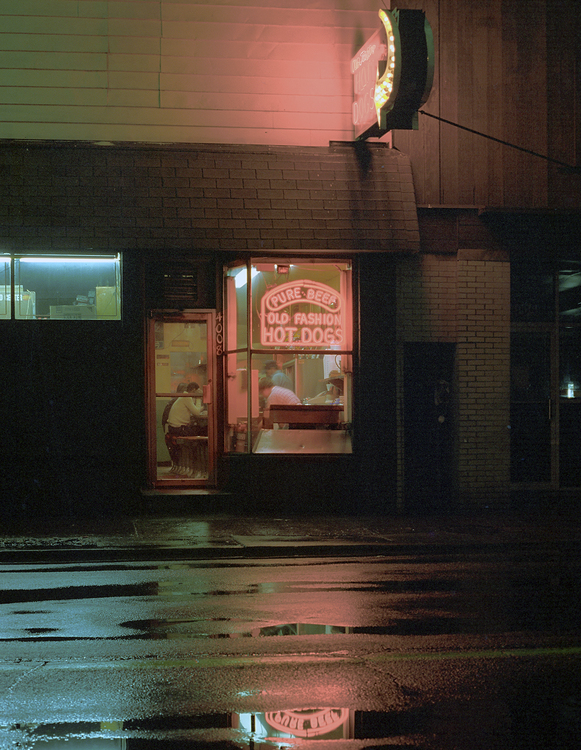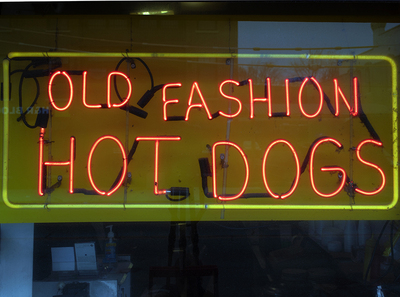
The Hot Dog Inn, whose name changed to Old Fashioned Hot Dogs, in 1988, when the second and final owner, Tom Sorma, opened back in the late 1980s, after the original owner, a Greek immigrant, Emanouel Vasiliou, gave up the ghost.
In 2010, during the fight of my life to save my home from being seized for gentrification, I was talking with, Tom, the owner of the dog house, if he feared a similar route. He actually had no idea of what I was talking about, even, after trying to explain the fact, the blueprint for gentrification after 2000, was Williamsburg, Brooklyn, my home town, and, was obviously just beginning to hit Lorain Avenue in Cleveland. When your landlord has you on a month to month basis, unlike my situation which was completely rent-stabilized and under a contract stating, as long as I abided by the rules, the only way I would go would be my death, it means he can do what he wants with you on a monthly basis, and, when, the right offer finally came in, he jumps, and the Old Fashioned hot dog palace would be history, merely pictures in a book or essay, or in the mind of the beholder. But he didn’t quite get it.
The Old Fashioned Hot Dog was living history, family-owned and a meaty beacon around 41st and Lorain, where, after 2018 folks were trying to understand losing their neighborhood, often against their will.
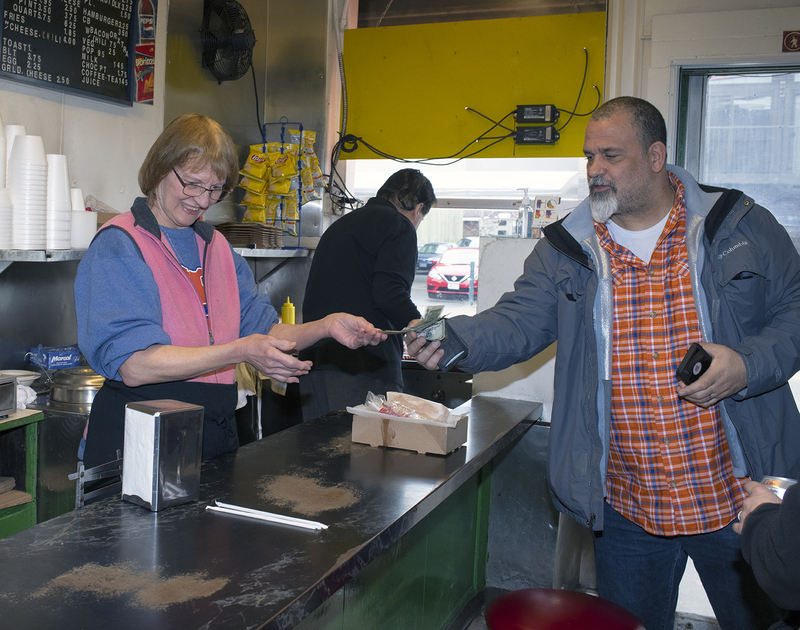
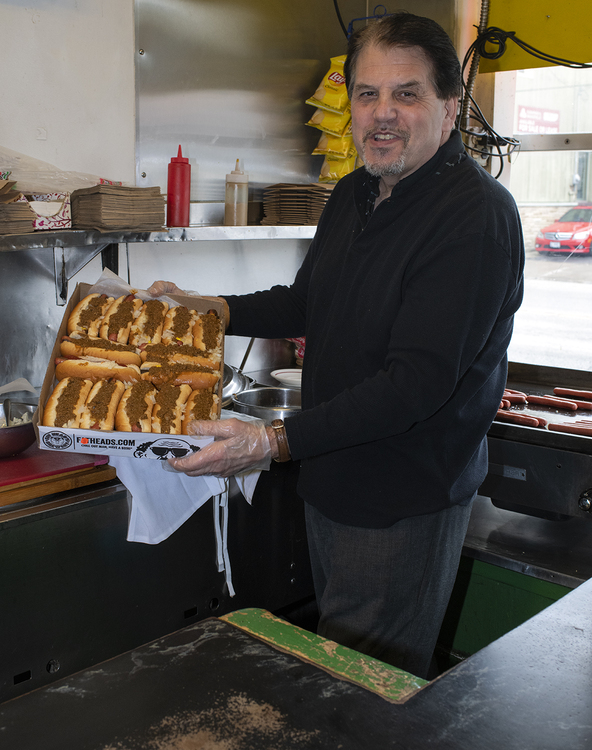
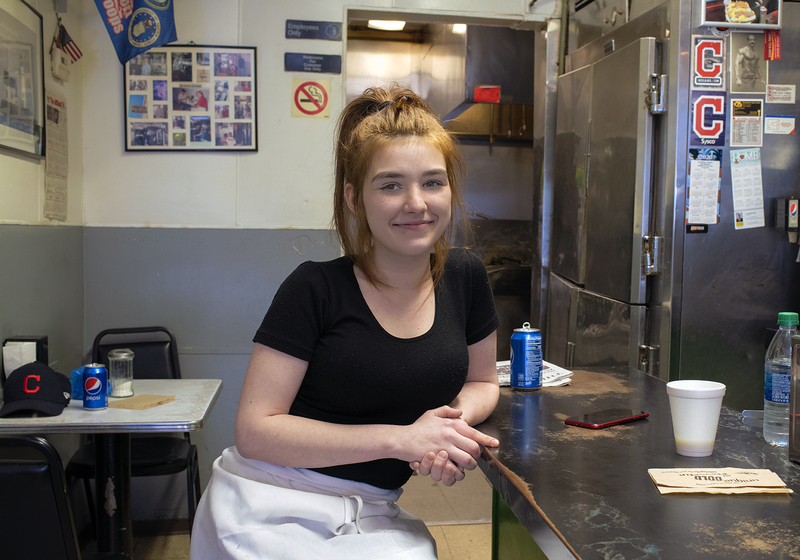
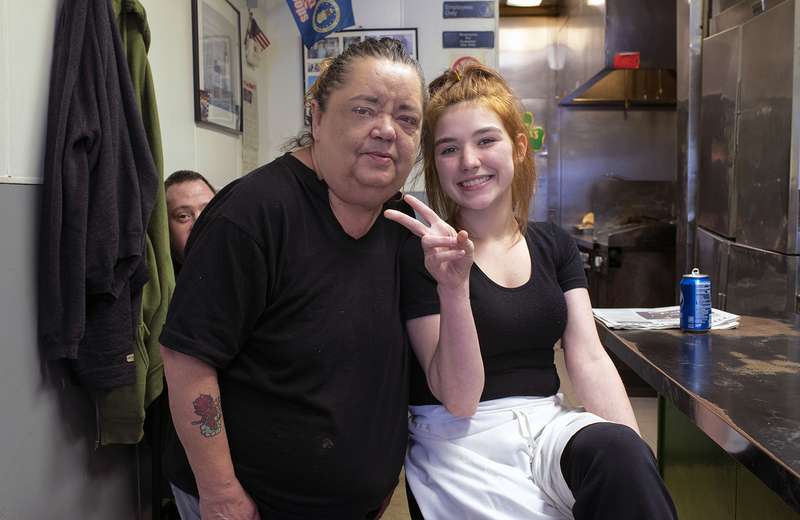
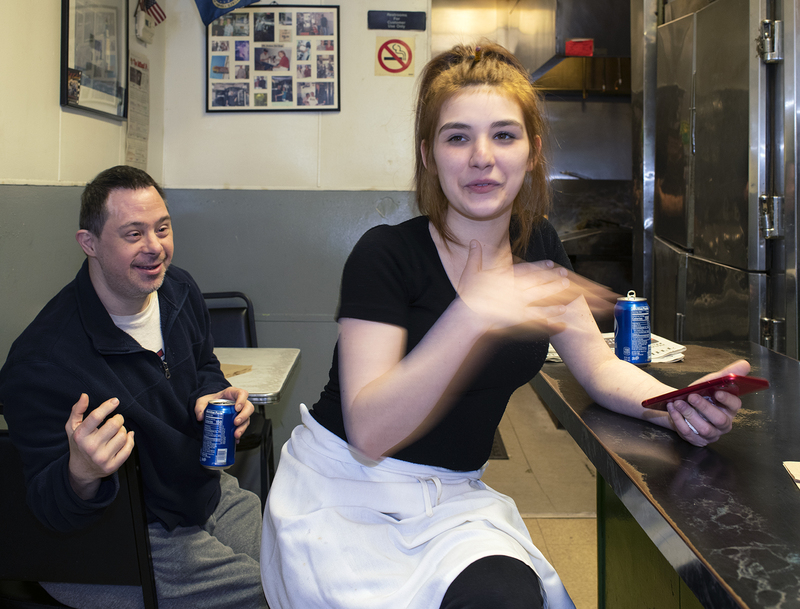
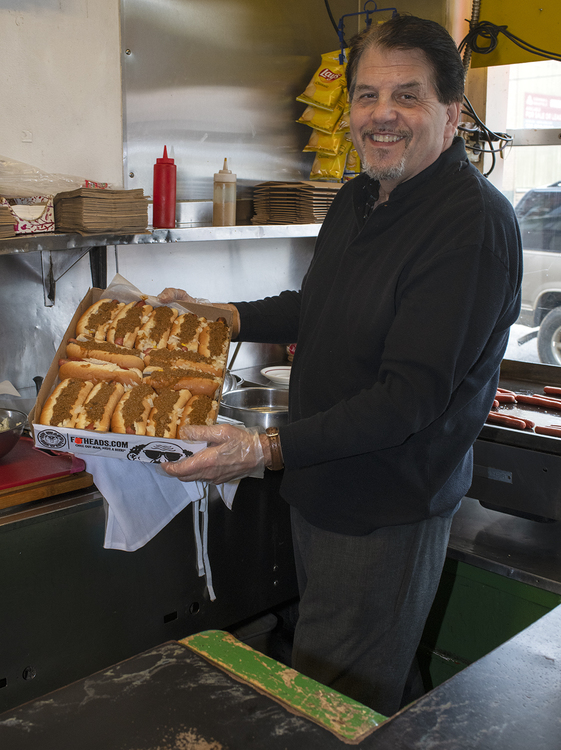
This essay begins with shots of the joint beginning in the 1980s, then, into the last week that the shop was open in 2020. Covid was just starting, and that played, a bit, into the decision to shut the place down a week early. I was there up to the end, and, unceremoniously, as things usually are, it became the last night that the former, The Hot Dog Inn, later, Old Fashion Hot Dog, was open. This essya features the last cast of workers, owners and their friends during the last week. Its was a family business, Tom, was the face, and his two brothers and wife also were partners. Tight and close-knit family business in place for 43 years, in the same kind of neighborhood where, people who got really old, were going there at ten years old. And, finally the essay ends with shots outside on its last night, in March, 2020, as covid was arriving in Cleveland. It closed at a bad time, obviously, when simply closing would be enough stress, but Covid resulted in a quick decision to close earlier than anticiapted.
Today the block is unrecognizable with new apartments. The west side of Cleveland is where most of the gentrification is occurring, and, by the time it got to Lorain Avenue it was a fire. The development that took the place along the old commercial strip, could sell itself as luxury units, while actually renting at below market rates, because the developer got a good deal on the property. Service workers, particularly who like to be close to a downtown job, would fit the bill of this new Lorain Avenue shift, perhaps, back to the beginnings of a bustling city, looking to house its workers who were all blue-collar back then and probably worked close by in one of the numerous factories in the near west side neighborhoods, some which began to pay good union wages, facilitating an exit from the west 41st and Lorain neighborhood to the suburbs, never forgetting places like the Hot Dog Inn and Old Fashioned Hot Dogs, along the way.