Buckeye Road, Cleveland, Ohio
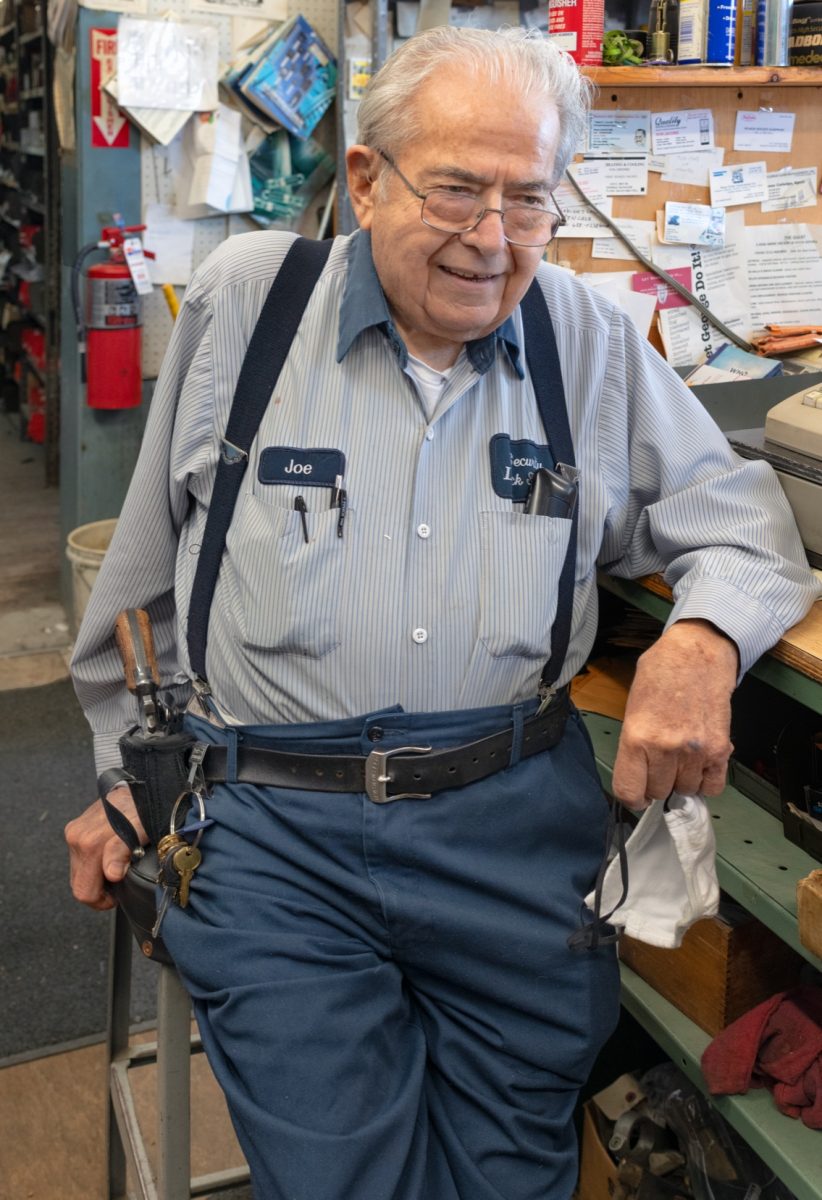
Joe Jambor charged a dollar to copy a key. He knew practically everything about locks, particularly the old ones installed in the houses along Buckeye Road, and if he couldn’t fix something, there was a good chance nobody else could either.
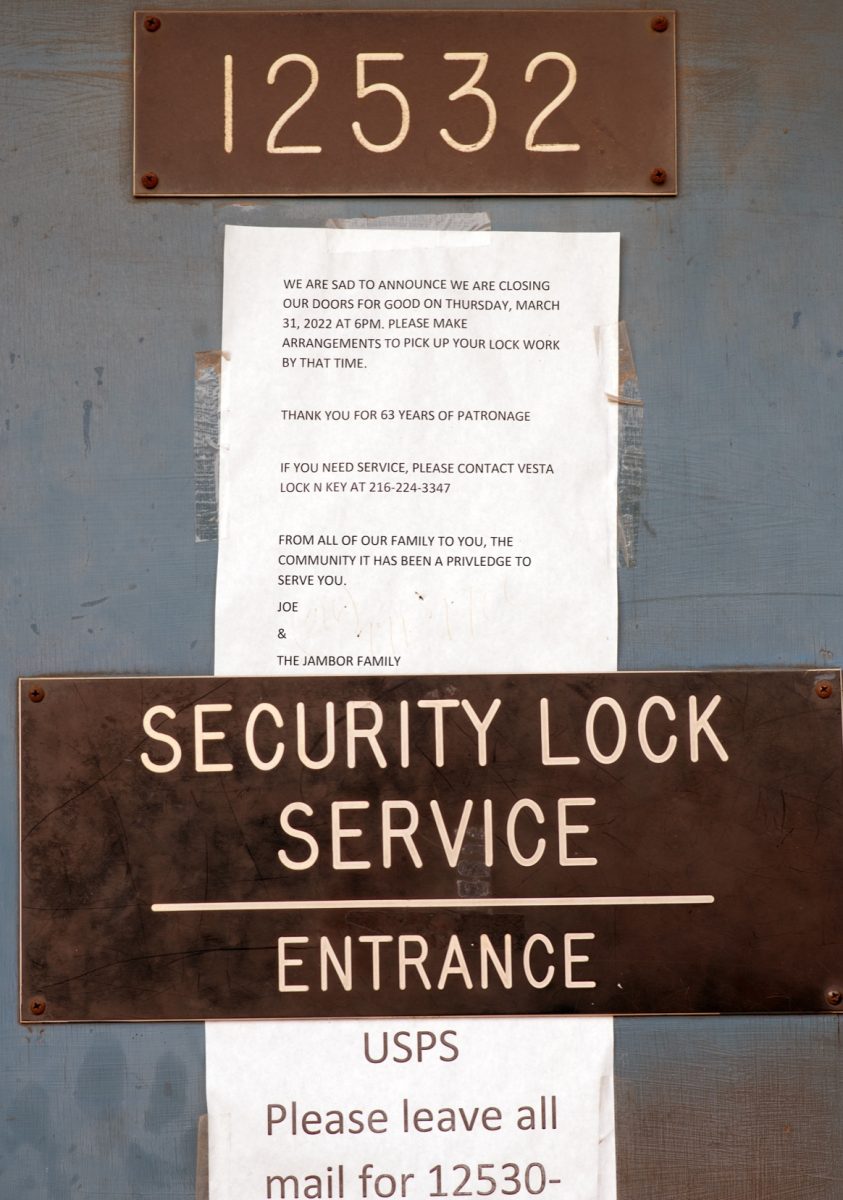
He ran Security Lock Service at 12530 Buckeye Road, near East 126th Street, and had been in the locksmith business for 63 years. He lived around the corner, knew the neighborhood, and had been there so long that people who moved away decades earlier still came back to have him make their keys. Black people, white people, old Hungarian customers, former residents who had settled in the suburbs—everybody knew Joe, and everybody liked him. More importantly, customers knew Joe, and he knew them. They trusted him and relied on his expertise.
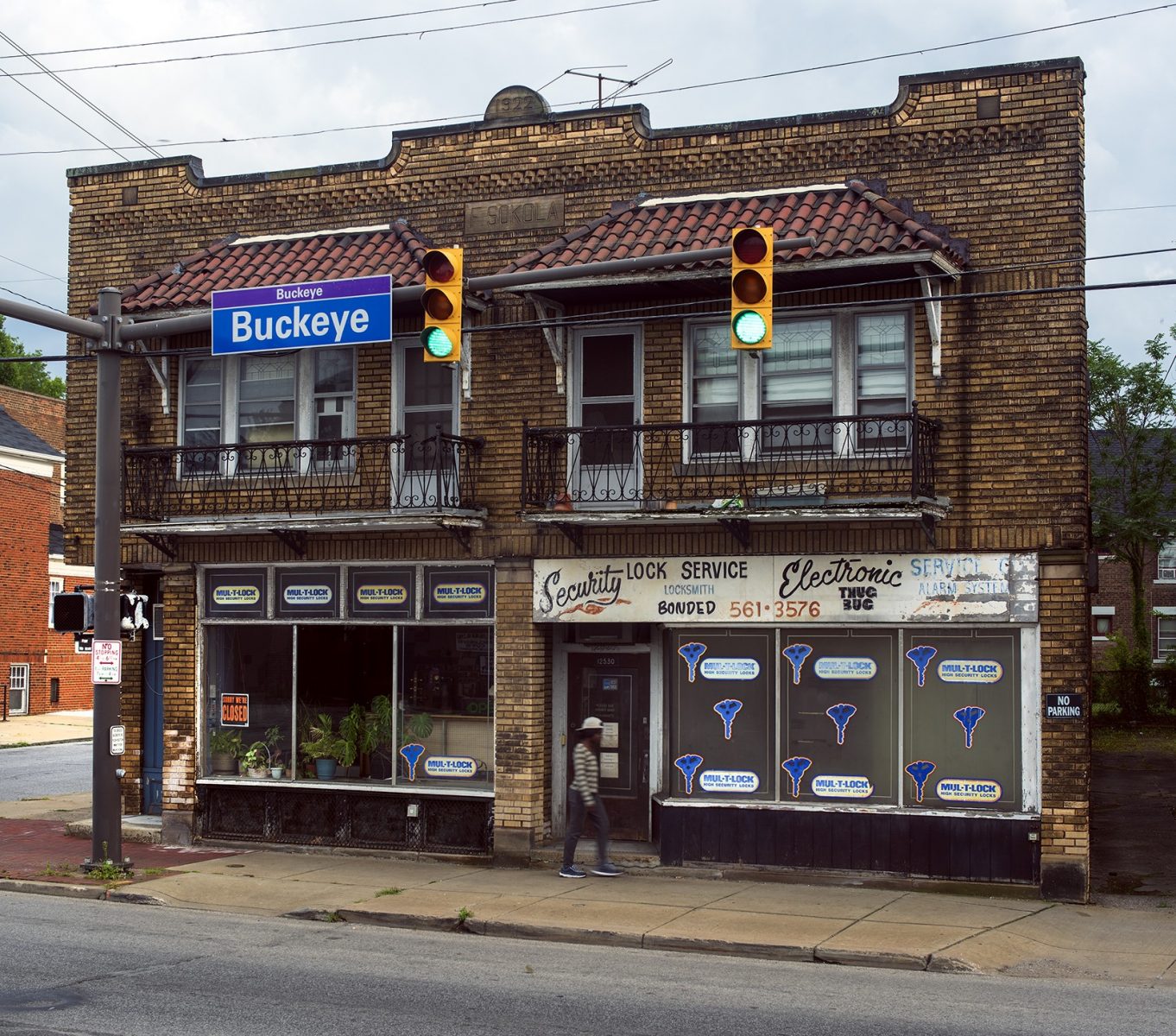
Joe was the last Hungarian merchant on Buckeye Road, a survivor of a community whose history stretched back nearly 150 years. He worked almost until the end of his life, still making keys in a neighborhood that had changed around him.
That history began in the 1870s, when Hungarian immigrants started arriving in Cleveland in significant numbers, looking for work in a city rapidly becoming one of America’s great manufacturing centers. By the 1880s, they were establishing a community around East 79th Street and Woodland Avenue, where factories were hiring and there was money to be made by anybody willing to work for it.
LOWER BUCKEYE
Joe was always part of Upper Buckeye in the Buckeye-Shaker neighborhood. But the Hungarian neighborhood, the largest outside of Europe, began further west and below the Heights of Upper Buckeye around East 79th & hoton Avenue. In the Revolution of 1956 or after World War II you were most likely to land in Upper Buckeye or the Hungarian neighborhoods on the near west side. But if you were Hungarian immigrating in the 1880s until World War II, it was Lower Buckeye that you most likely landed in.
Lower Buckeye was an industrial district with a residential neighborhood, almost as an after thought, squeezed into the spaces between factories. Foundries, machine shops, railroad tracks, warehouses and workers’ houses stood practically on top of one another. It was noisy, crowded and productive, and there wasn’t much reason to complain about living next door to a factory if the factory was paying your wages.
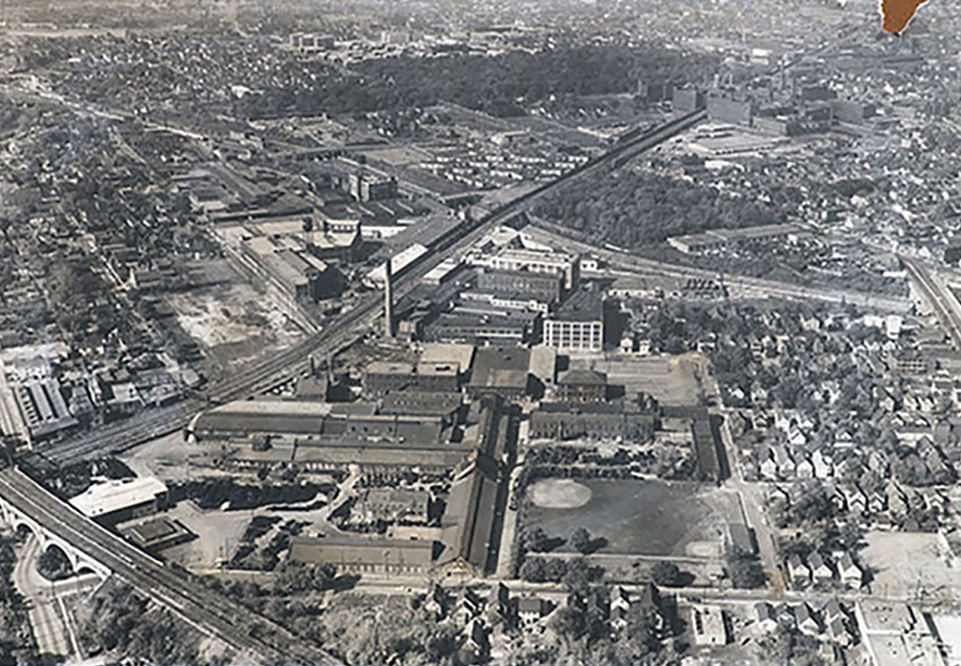
Van Dorn Iron Works occupied an enormous complex around East 79th Street and Woodland Avenue. Eberhard Manufacturing was nearby, making hardware for wagons, carriages, automobiles and machinery. Smaller manufacturers filled the surrounding streets, employing men who worked with iron, steel, presses and lathes.
East 79th Street between Woodland and Kinsman was the commercial center. Buckeye Road itself came down the hill and ended at Woodland, where the original Hungarian settlement began to grow. The workers bought houses, opened businesses and established institutions. Butcher shops, bakeries, taverns and grocery stores followed the factories, and eventually there were enough Hungarians that a man could conduct most of his business without speaking English.
By 1920, Cleveland had more than 43,000 Hungarian-born residents. Not all lived on Buckeye Road, but Buckeye had become the heart of Hungarian Cleveland, a community that began with men looking for factory jobs and grew into something resembling an entire city within a city.
The immigrants also brought their old arguments along.
At St. Ladislas Catholic Church, near East 92nd Street and Holton Avenue, Hungarians and Slovaks fought over control of the parish and the language of the services. In August 1891, a sermon delivered in Slovak provoked a riot. Apparently, crossing the Atlantic wasn’t sufficient reason to abandon every European grudge. The Hungarians established their own parish, St. Elizabeth, the following year, allowing both groups to worship the same God without having to listen to one another. But the large brick church the Slovas built burned down in 1899.
The next industrial district to the south was actually the center of Cleveland still industry before it moved to the Cuyahoga River Valley in the center of the city, and the Slovaks made their mark in this neighborhood with their commercial strip being E. 93rd St.
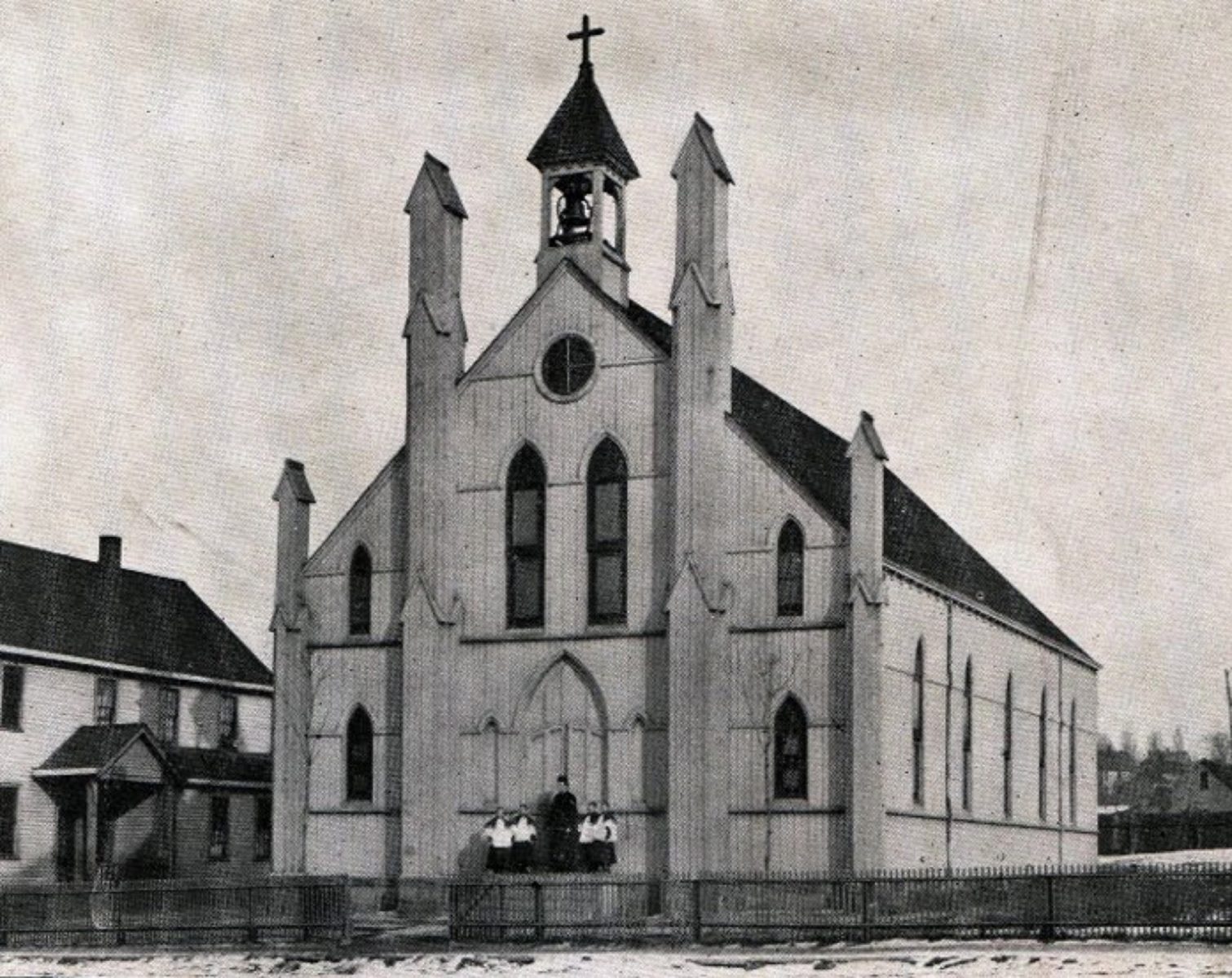
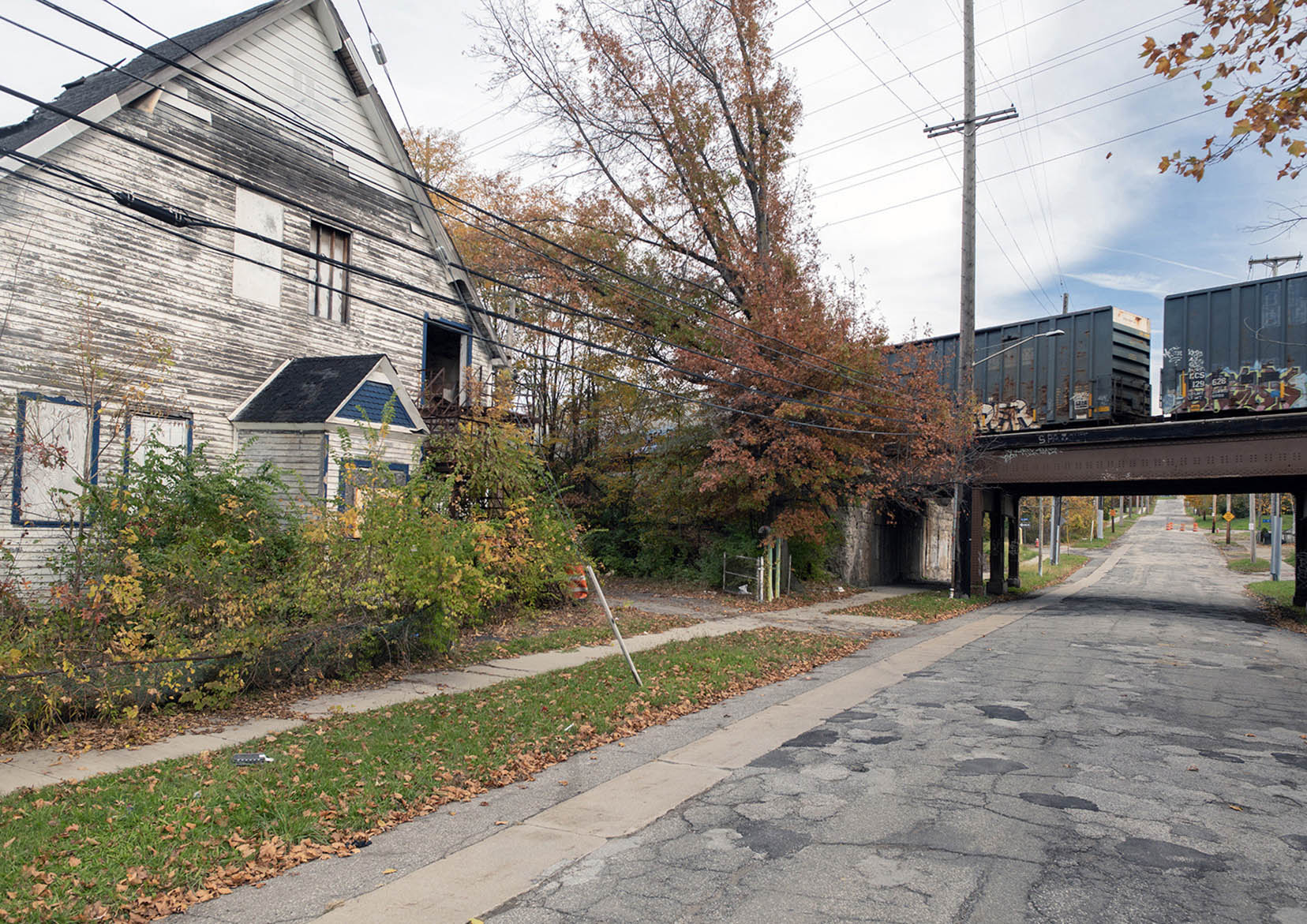
For decades, Lower Buckeye thrived because the factories thrived. The workers supported the merchants, the merchants supported the neighborhood, and the neighborhood produced generations of people who went to work every morning and came home tired.
But the district had a built-in weakness. Its residential and commercial life depended heavily on the surrounding industries, and when those industries began declining, the jobs disappeared, businesses lost customers and families started leaving. Hungarians gradually moved farther east, while Black families increasingly settled in the old industrial district. Neither population was responsible for the economic collapse. The factories were disappearing because Cleveland was losing its manufacturing base, not because the people living around them had changed color.
Then came the summer of 1975.
THE FIRESTORM
During an exceptionally hot summer, a firestorm swept through the center of Lower Buckeye around East 83rd Street and Holton Avenue, destroying twenty-eight houses. The neighborhood had already been losing factories, jobs and residents, but the destruction of nearly thirty homes gave people another reason to leave. Afterward, the decline accelerated.
By the 1980s, the district had become known as the Forgotten Triangle, and it was one of the strangest places I photographed in all my years working in the industrial cities of the Midwest.
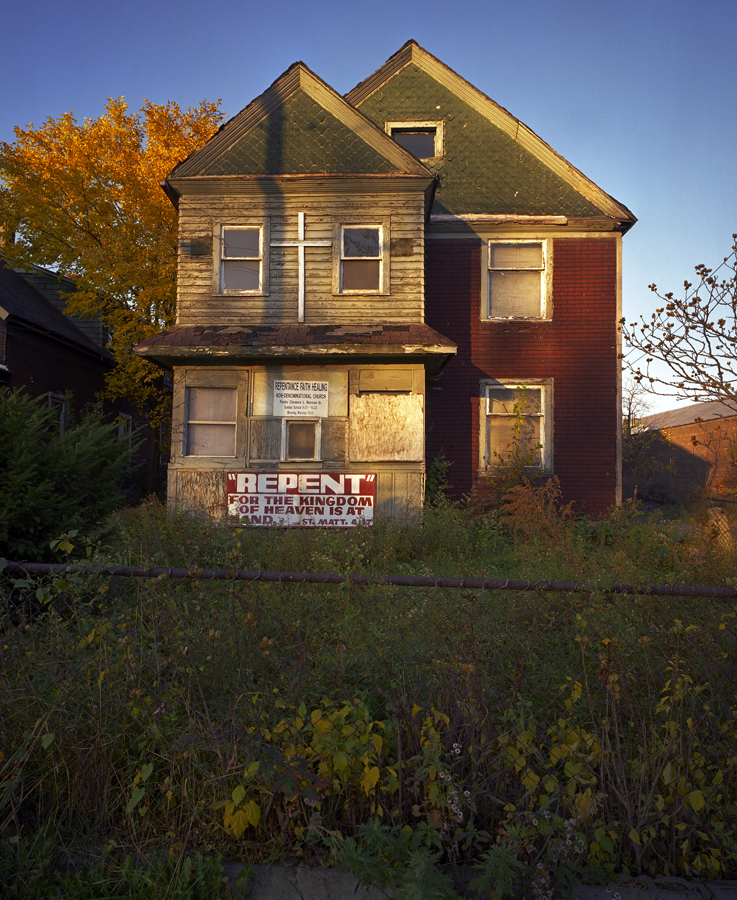
There was an equal number of cheat spots, if not more, some remaining homes, salvage yards, brick yards and illegal scrapper zones where insulation would be burned of copper wiring and cars both dumped and salvaged as scrap.
It became an outlaw territory. Entire blocks had emptied, houses stood abandoned and stripped of anything worth selling, and old factories supplied scrap metal to a growing population of scrappers. Junkyards and makeshift salvage operations occupied portions of the empty landscape. People pulled machinery apart, hauled away metal and sold whatever could be carried off. The industrial neighborhood had become a supplier of its own remains.
Even the sprawling Rawlings Junior High School disappeared, demolished along with factories, houses and businesses that once surrounded it.
What distinguished the Forgotten Triangle from so many other declining neighborhoods was the completeness of its abandonment. Whole streets had deteriorated to the point of nonexistence, and the destruction happened organically, over decades. A house emptied, another burned, a factory closed, a building was stripped, and eventually a demolition crew removed whatever remained.
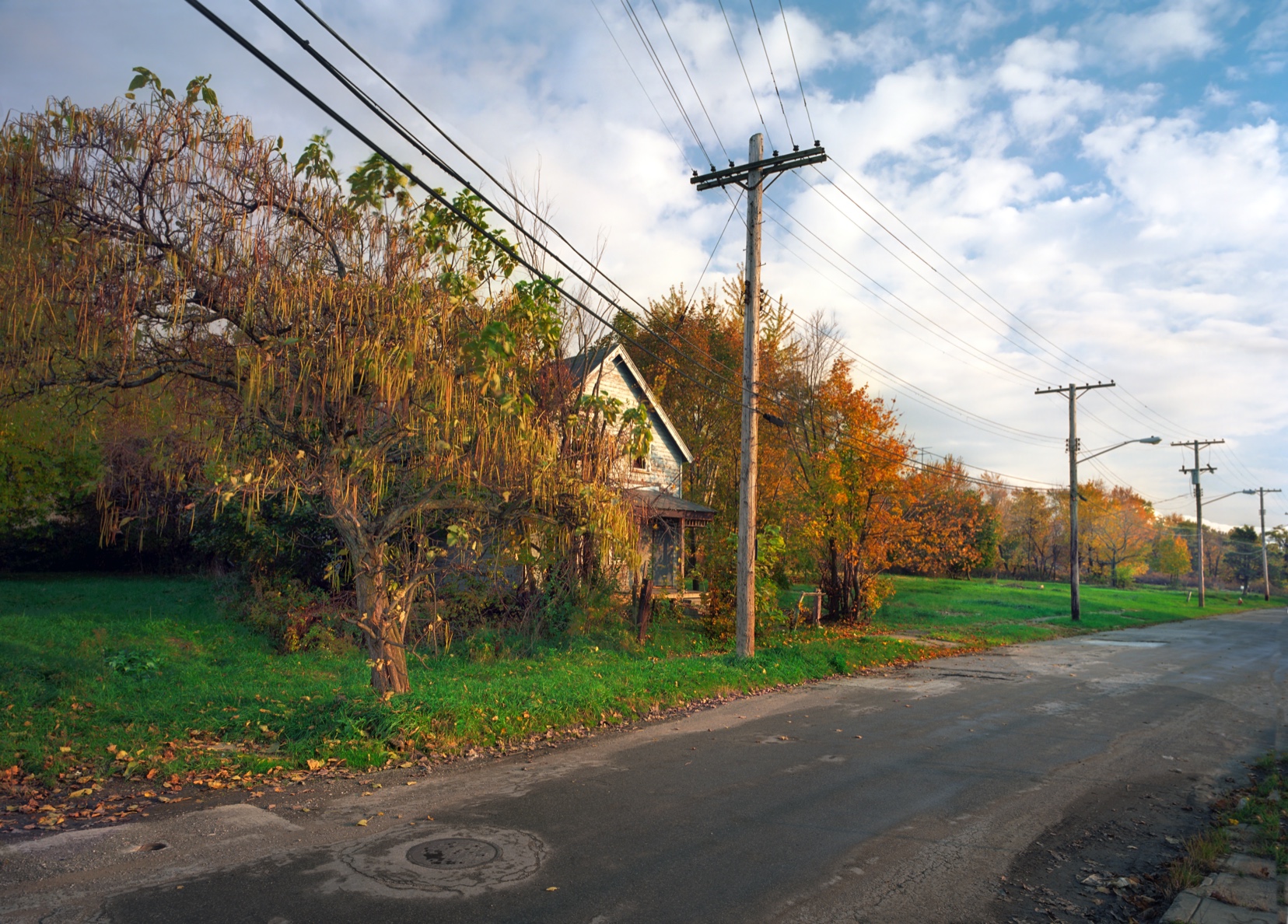
Ambler Avenue was typical. Four blocks long, once it had about sixty houses; today there are about five. The street was still there, but most of the neighborhood that had given it a purpose was gone.
Yet here on Ambler the last Hungarians of Lower Buckeye lived. At least until 2013.
DENNIS
On Ambler Avenue lived Dennis and his mother, who had come from Hungary. They were the last Hungarian family I knew of still living in Lower Buckeye. Another Hungarian woman had lived near St. Elizabeth Church, but she was gone by 2009.
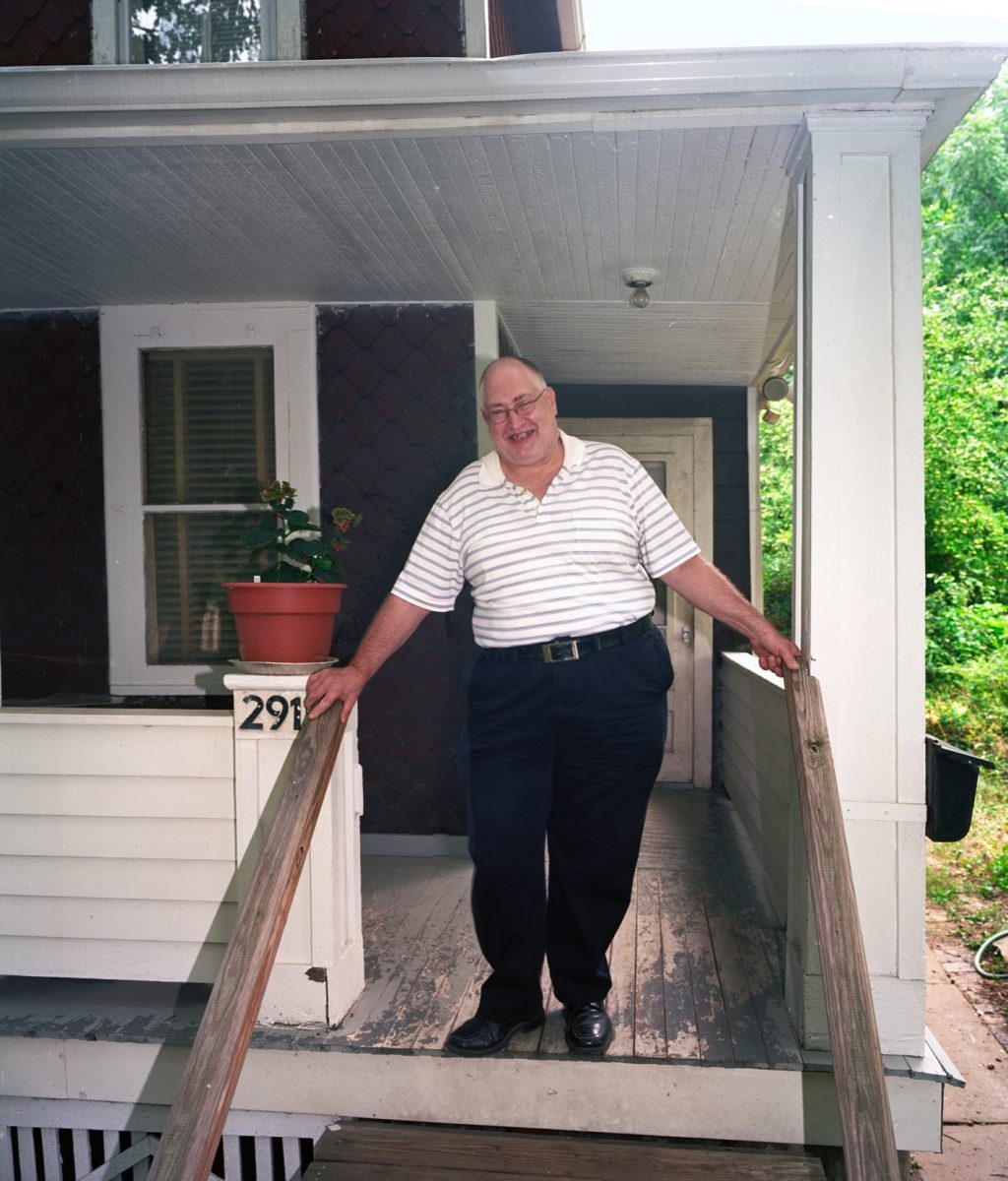
I got to know Dennis from spending time around the neighborhood and St. Elizabeth. He was a great guy, liked to hang around and talk, and we became friends. He had lived in New York City for a while, which gave us plenty to discuss. You can spend an entire Cleveland afternoon talking on a porch about New York without exhausting the subject.
Dennis had been connected to St. Elizabeth for much of his life and handled security there. that was his ful-time profession. The church, just blocks from his home was important to him, just as it had been to generations of Hungarians who lived in Lower Buckeye.
Dennis died in 2013. He was younger than I was.
His family occupied one of the last houses on a street that had almost completely disappeared. The factories were gone, the jobs were gone, and the residential community had been reduced to scattered buildings surrounded by vacant land. But Dennis was still there, living with his Hungarian-born mother and helping look after the church a few blocks away.
Eventually the Opportunity Corridor came through, connecting Interstate 490 with University Circle. Opened in 2021, the highway created a major transportation connection, and redevelopment began returning activity to parts of the old industrial district. The Forgotten Triangle that Dennis knew, however, had already disappeared.
ST. ELIZABETH
St. Elizabeth of Hungary Catholic Church is an extraordinary exception to nearly everything that happened around it.
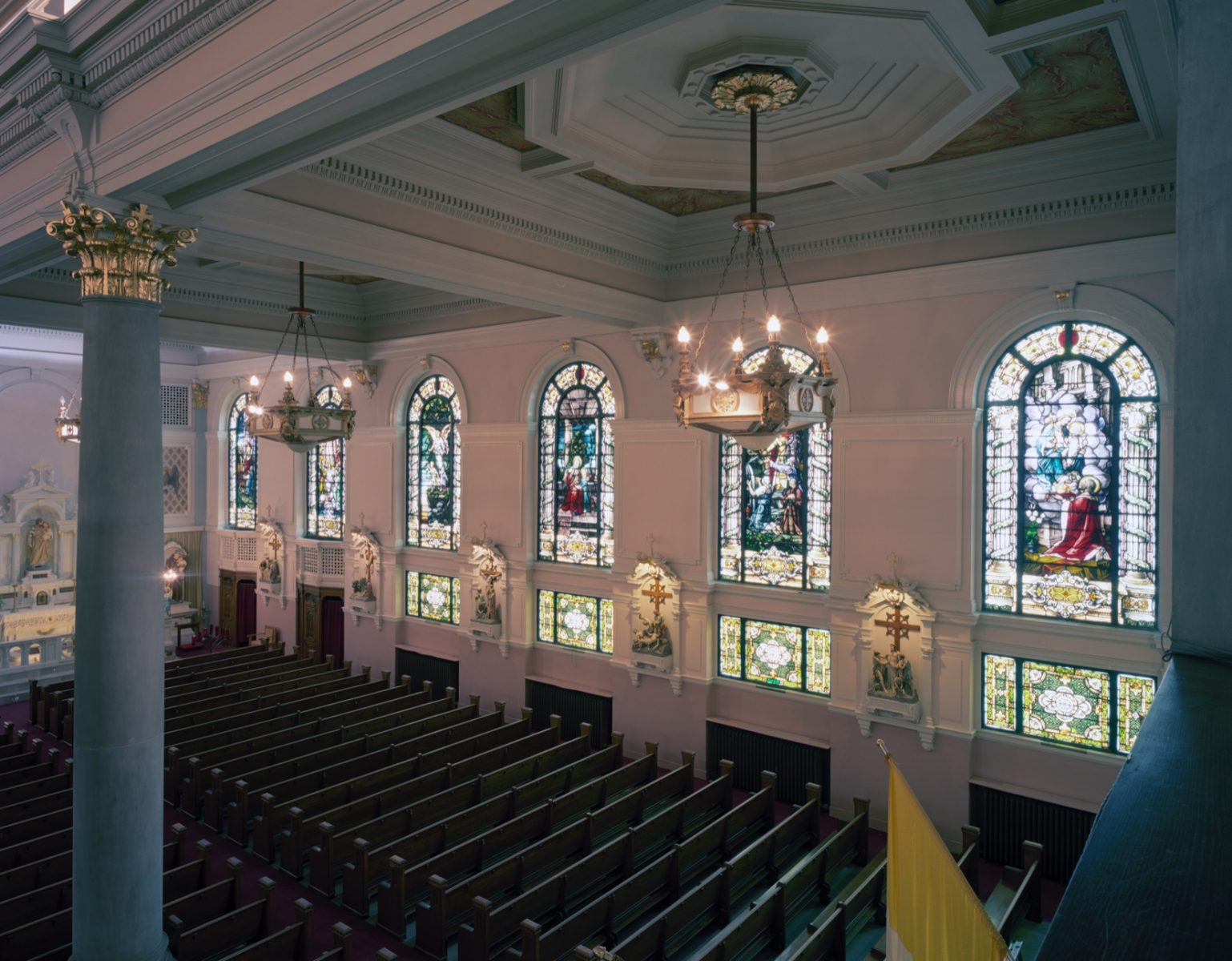
Established in 1892 as the first Hungarian Roman Catholic parish in the United States, its monumental present church was completed in 1922. It still stands at 9016 Buckeye Road, carefully maintained despite the disappearance of nearly all the Hungarian families who once supported it.
When I photographed the abandoned Eberhard Manufacturing complex or Van Dorn Iron Works, St. Elizabeth was always visible beyond the empty industrial fields. The factories had been demolished, the houses were gone, and there stood this enormous Hungarian church, its towers rising above a landscape that had been stripped of practically everything else.
The building hadn’t merely survived. Somebody had taken care of it. Roofs had been repaired, stonework maintained, interiors preserved and the doors kept open. A landmark doesn’t maintain itself because somebody put its name on a historic register. St. Elizabeth is on the National Register of Historic Places, but the real achievement belongs to the people who kept the building in good condition long after the neighborhood lost most of its population.
I attended Sunday Mass there regularly from around 2009 through 2012. The church could accommodate more than a thousand people, but on many Sundays there might have been twenty-five worshippers scattered through the pews. You could imagine the generations who had once crowded into those pews, the children dressed for Mass, the parents speaking Hungarian, and the families whose factory wages had helped build the place.
The church was clean, cared for and functioning. Dennis helped look after it, and through those Sunday visits we got to know each other, talked about Cleveland and New York, and became friends.
I still think about those photographs of Eberhard, with St. Elizabeth rising beyond the vacant industrial landscape. Almost everything around it had disappeared, yet somebody was still taking care of that church.
UP THE HILL
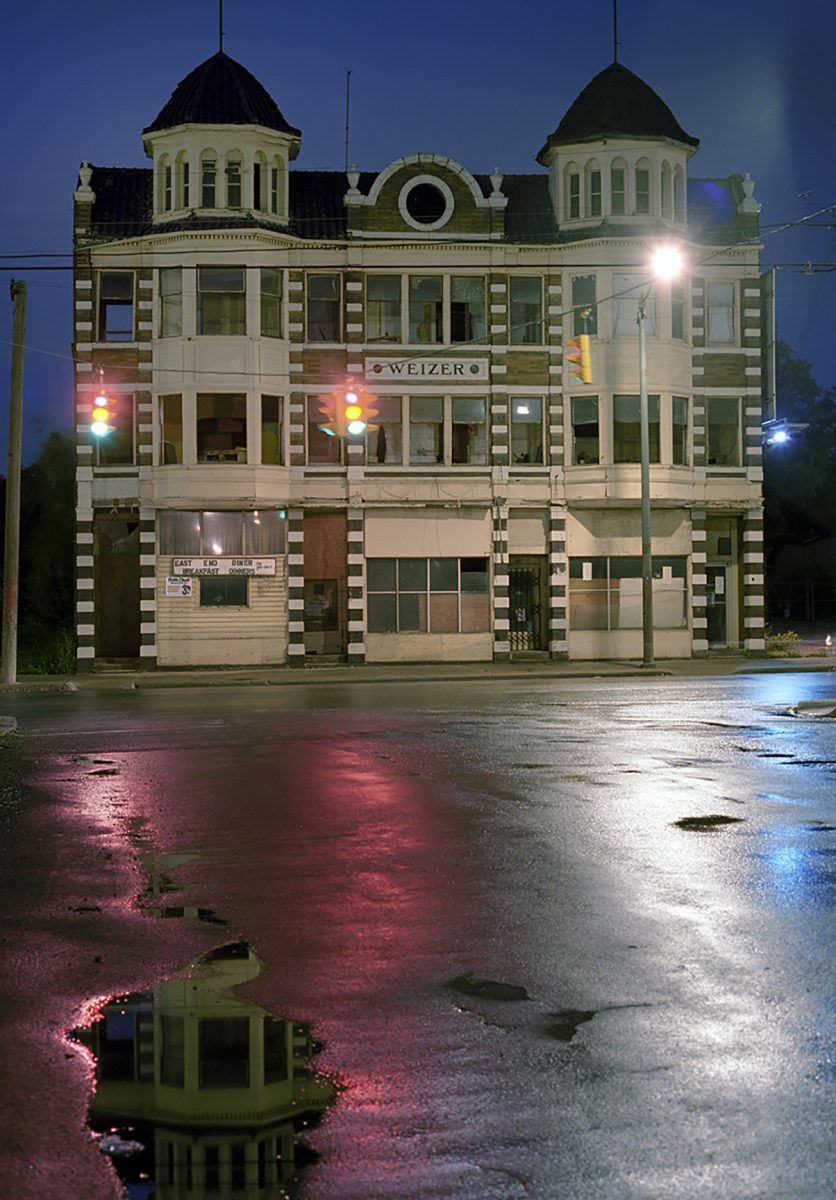
Hungarian Cleveland had been moving east for generations. As immigrants established themselves, bought property and raised families, the settlement spread uphill beyond East Boulevard, now Martin Luther King Jr. Drive. The district between East 116th and East 131st Streets developed into another Hungarian neighborhood, substantially different from the industrial settlement around East 79th.
Upper Buckeye was primarily residential, with a busy commercial strip running through it. Its residents were no longer living among enormous foundries and manufacturing complexes. They had houses, schools, churches, stores and businesses supported by the surrounding families rather than by factories occupying the same blocks.
There were butcher shops, bakeries, grocery stores, restaurants, two movie theaters—the Regent and the Moreland—and perhaps ten bars along the stretch. Below East 116th were Hungarian Gypsy businesses, musicians, fortune tellers and shops catering to traditions that had traveled halfway around the world.
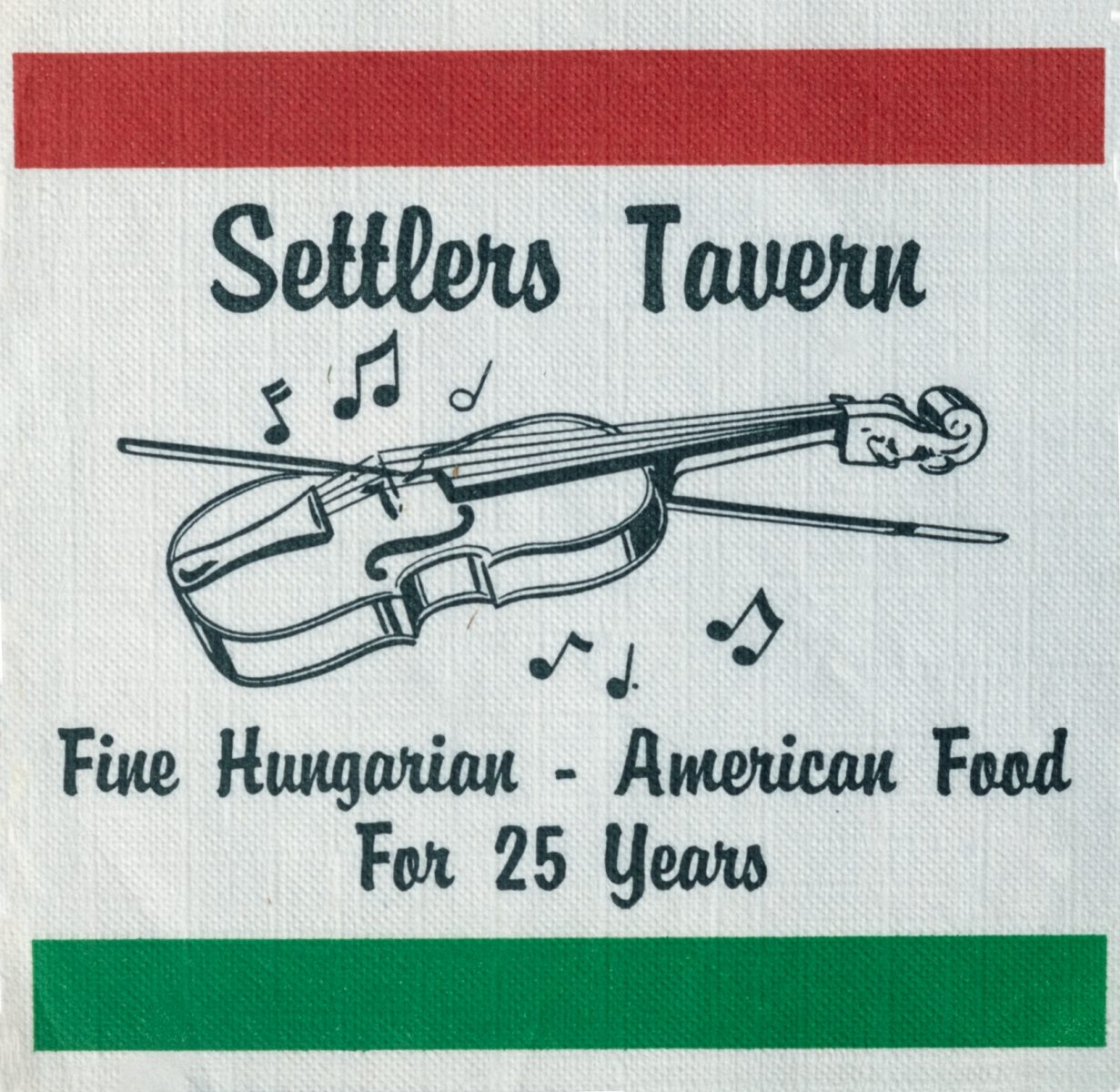
Upper Buckeye retained much of its commercial life after the industrial district down the hill had begun disintegrating. It also changed population. Hungarian families died or moved to the suburbs, and Black Cleveland increasingly occupied the houses they left behind.
Some businesses closed, others changed hands, and a few old Hungarian establishments found a loyal clientele among the new residents.
Mike Boros Café was one of them.
MIKE BOROS CAFÉ
Mike Boros began his business in Lower Buckeye before moving uphill to East 123rd Street, where the café became one of the last surviving Hungarian taverns on Buckeye Road.
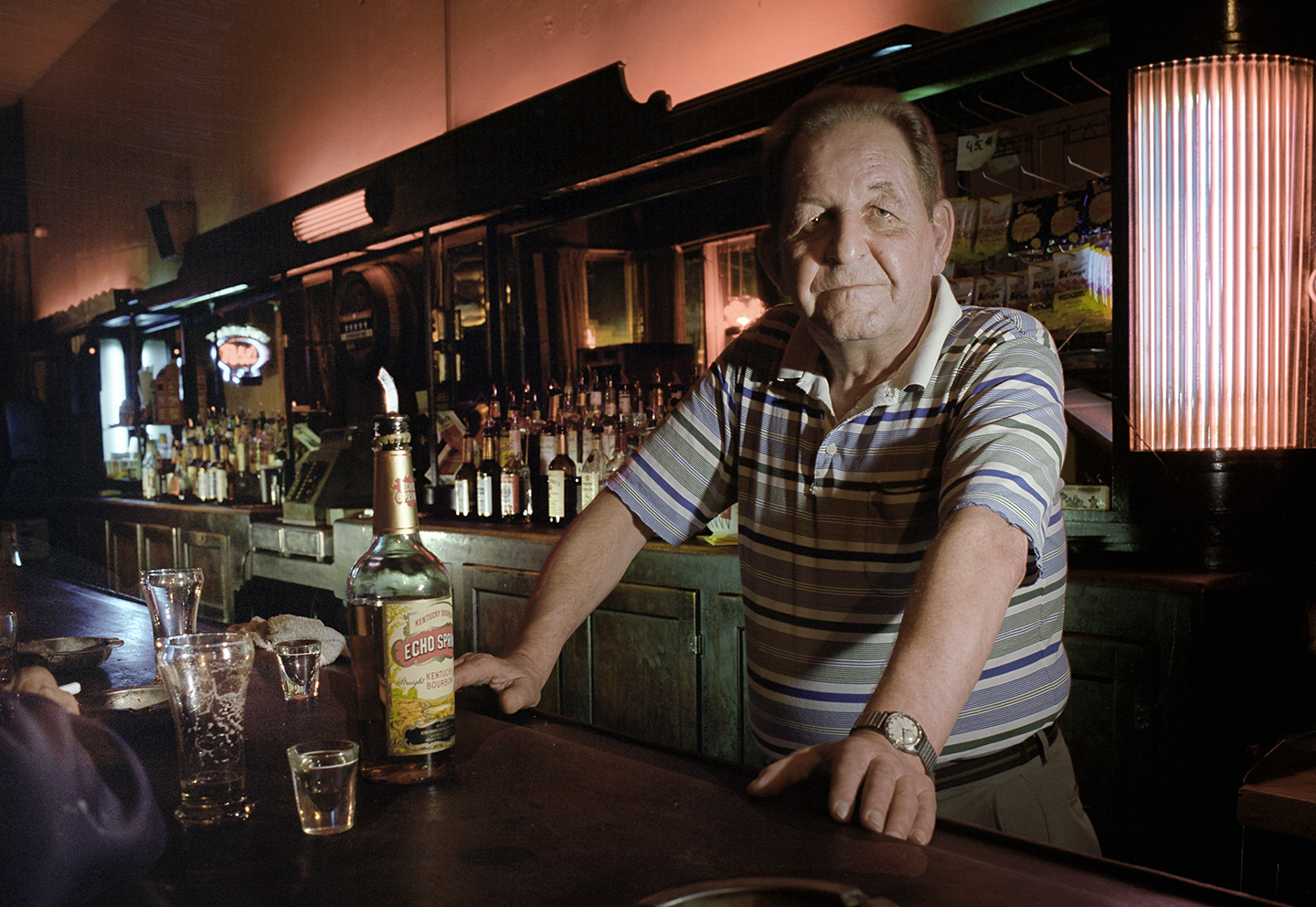
I spent plenty of time there, drinking beer and whiskey, 1970s onward, talking to the regulars and contemplating the mysteries of Hungarian culture, which can occupy a man for an entire afternoon after a few shots.
In 1982, most of the customers were white, many of them Hungarian. By the late 1980s the clientele was roughly half Black, and during the 1990s most of the customers were Black.
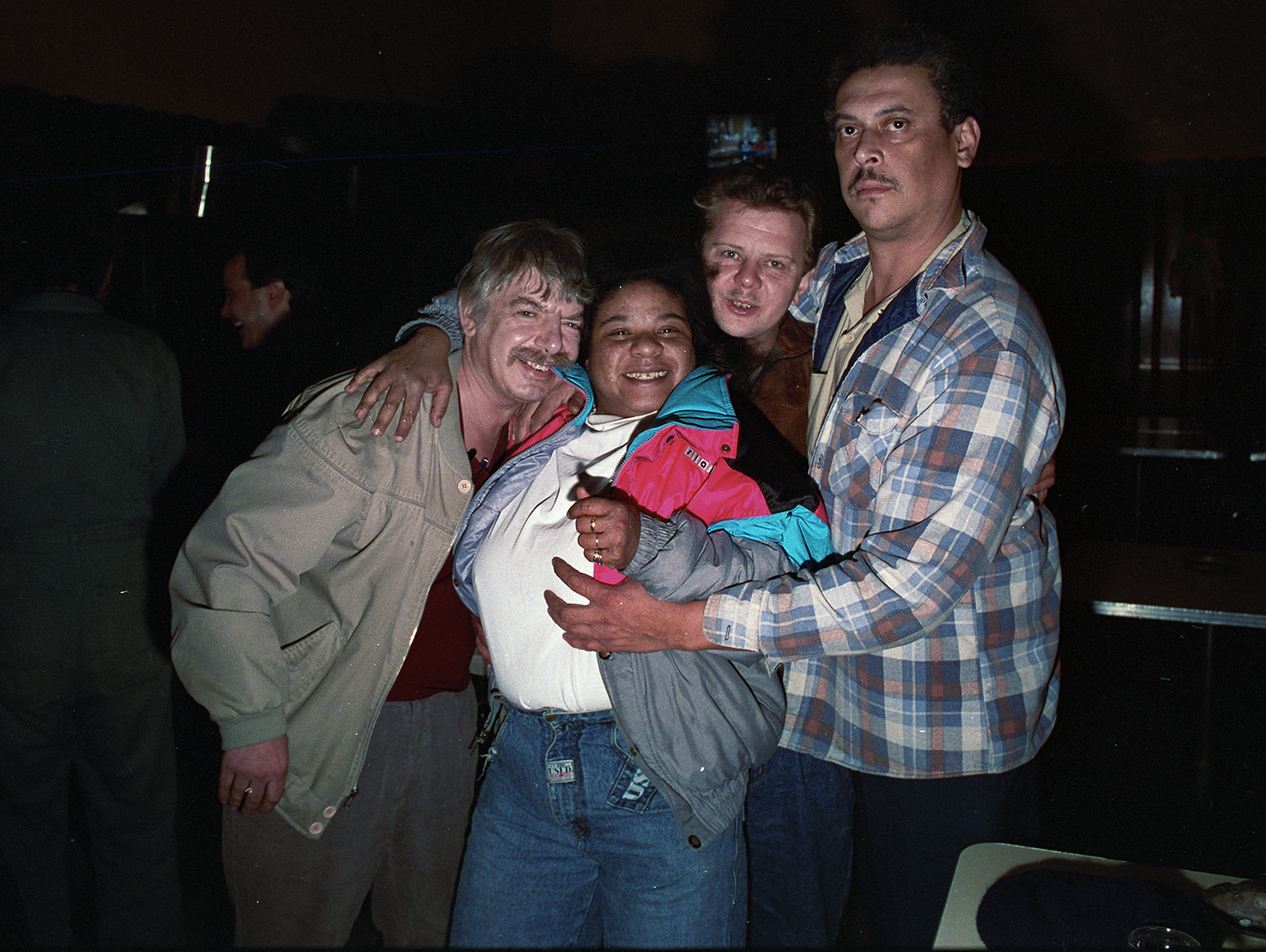
They loved the joint, not because it was some quaint ethnic curiosity but because it was a good bar, with affordable drinks, familiar faces. Many called it a ghetto version of the TV show, Cheers.
The old Hungarian regulars kept coming, and everybody got along. People drank, talked, argued and enjoyed themselves without much interest in the elaborate theories outsiders might have developed about the racial transformation of Cleveland neighborhoods. Boros had become a Black neighborhood bar without losing its Hungarian character.
When it closed in May 1998, it was the last Hungarian bar on Buckeye Road. The Black customers hadn’t destroyed it; they had helped keep it going after most of the original clientele had disappeared.
A few blocks east, another Hungarian merchant had managed something similar. But he wasn’t selling drinks, that wasn’t his thing.
THE LOCKSMITH
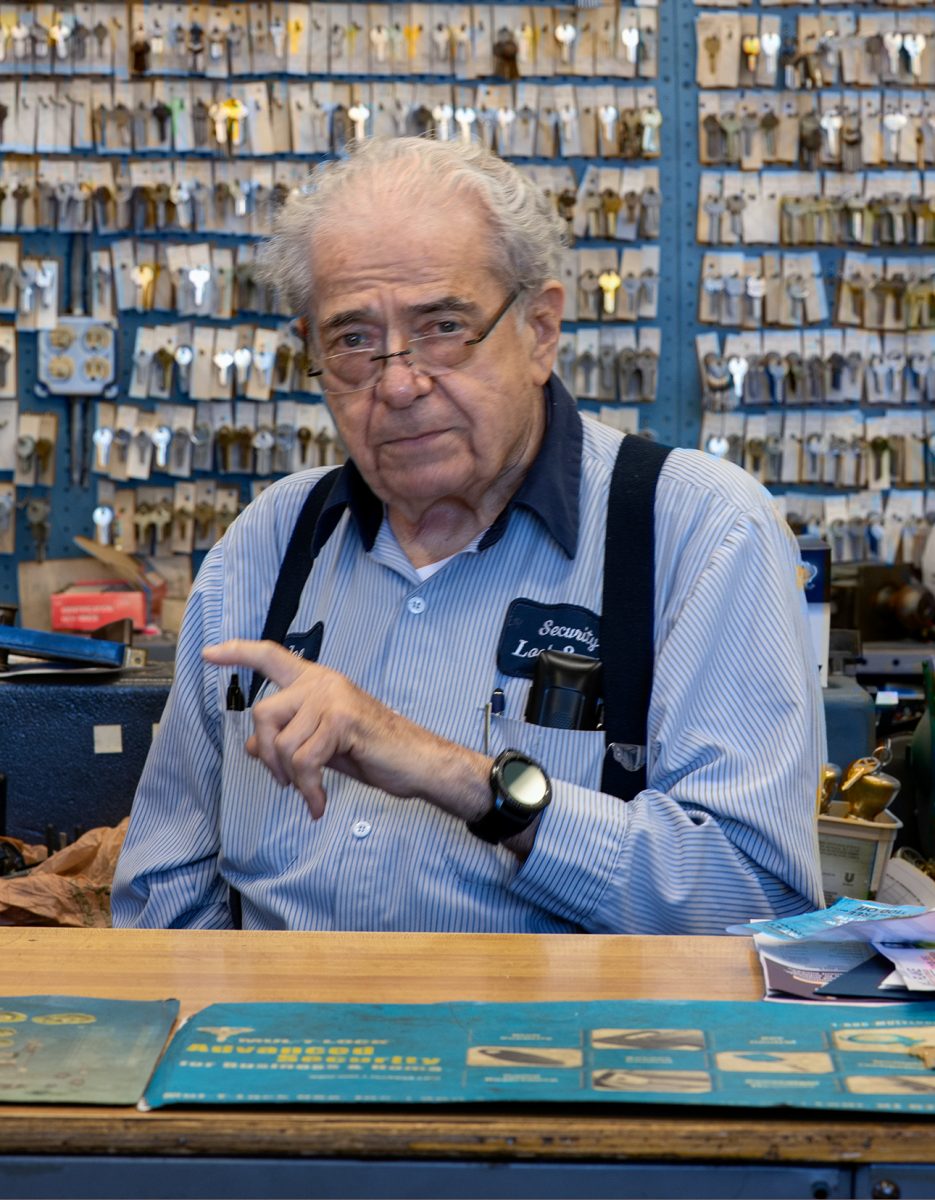
Joe Jambor’s Security Lock Service was crowded with tools, keys, lock cylinders, machinery, spare parts and enough accumulated hardware to keep a less experienced locksmith confused for the rest of his natural life.
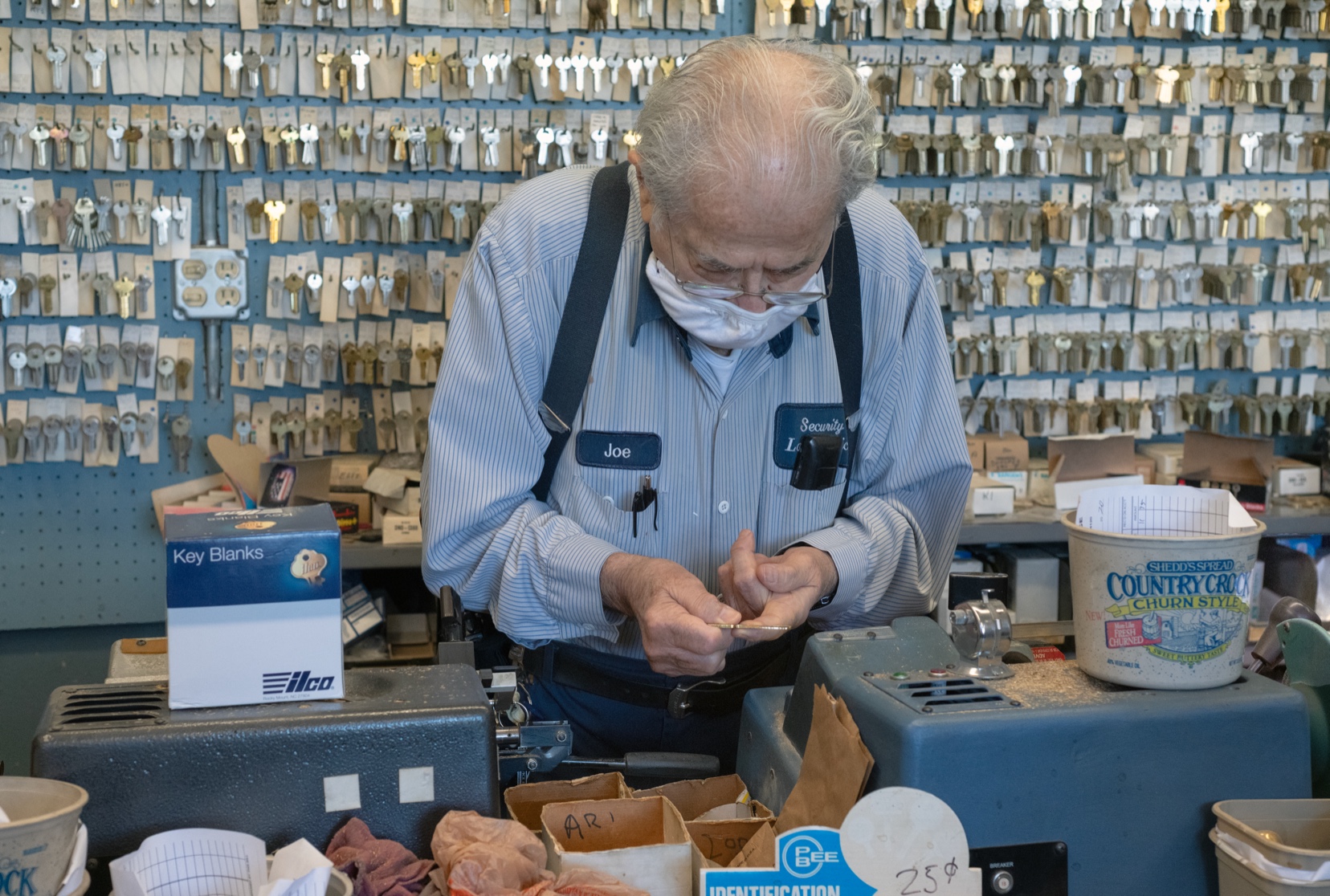
Joe understood the old locks installed in the houses along Buckeye Road. He knew their peculiarities, their worn mechanisms and the problems that developed after decades of use. Bring him an old lock and he’d probably know what it was, what had gone wrong and how to repair it.
In his later years, his assistant was Brian, his grandson, who worked alongside him, and made the service calls.
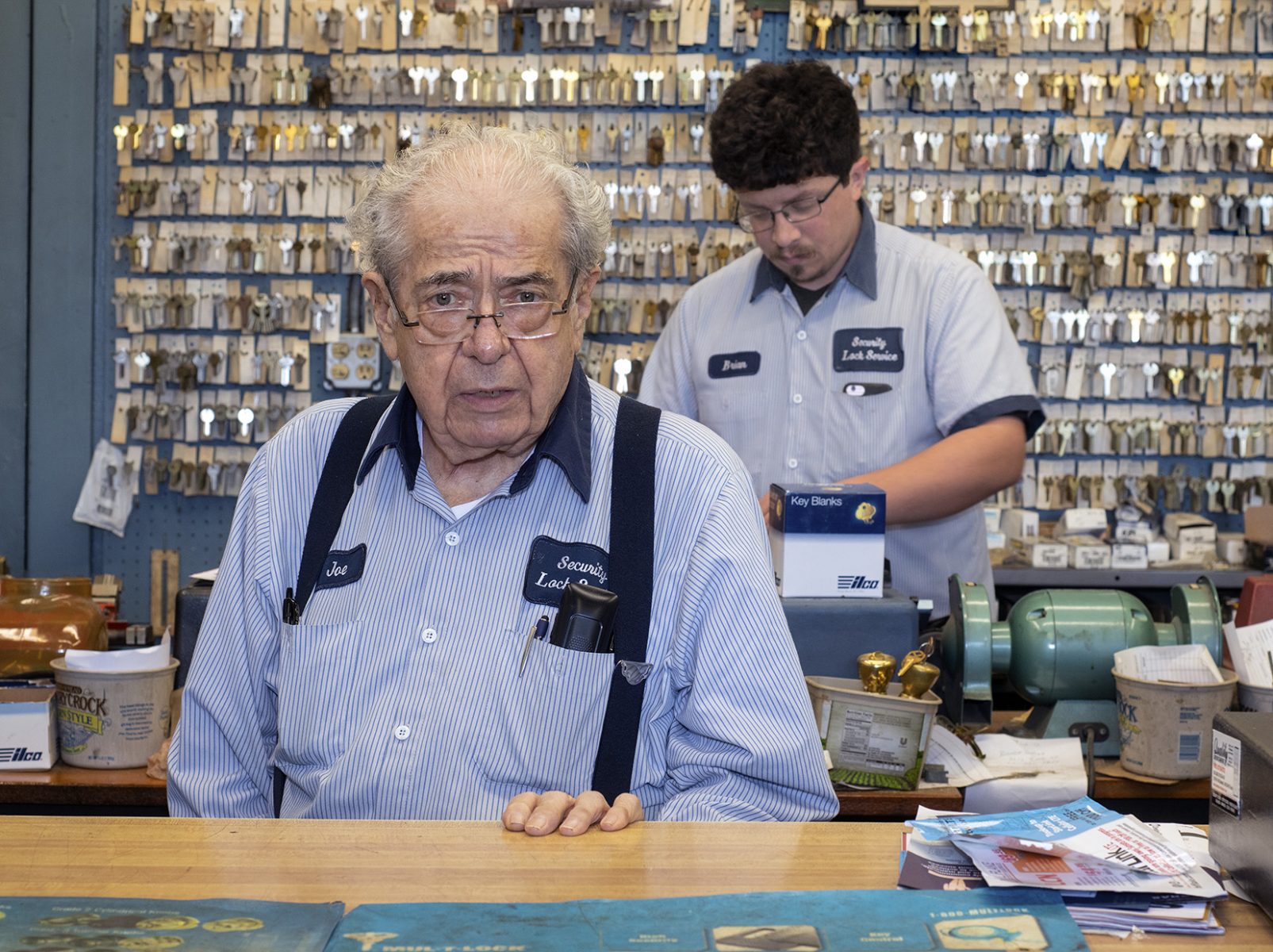
That was enough to attract customers, but Joe’s reputation went well beyond his prices. He knew his trade, did good work and wasn’t interested in taking advantage of people who needed something repaired.
He lived around the corner on East 126th Street. Buckeye Road wasn’t somewhere he drove to every morning from a distant suburb. He was from there, and the business was part of his life.
Like Lower Buckeye before, the upper stretches of the neighborhood began to go downhill, but not like the depths of the old industrial area. But it was a poor, old, now crime-ridden place with plenty of people still around, most of which were struggling.
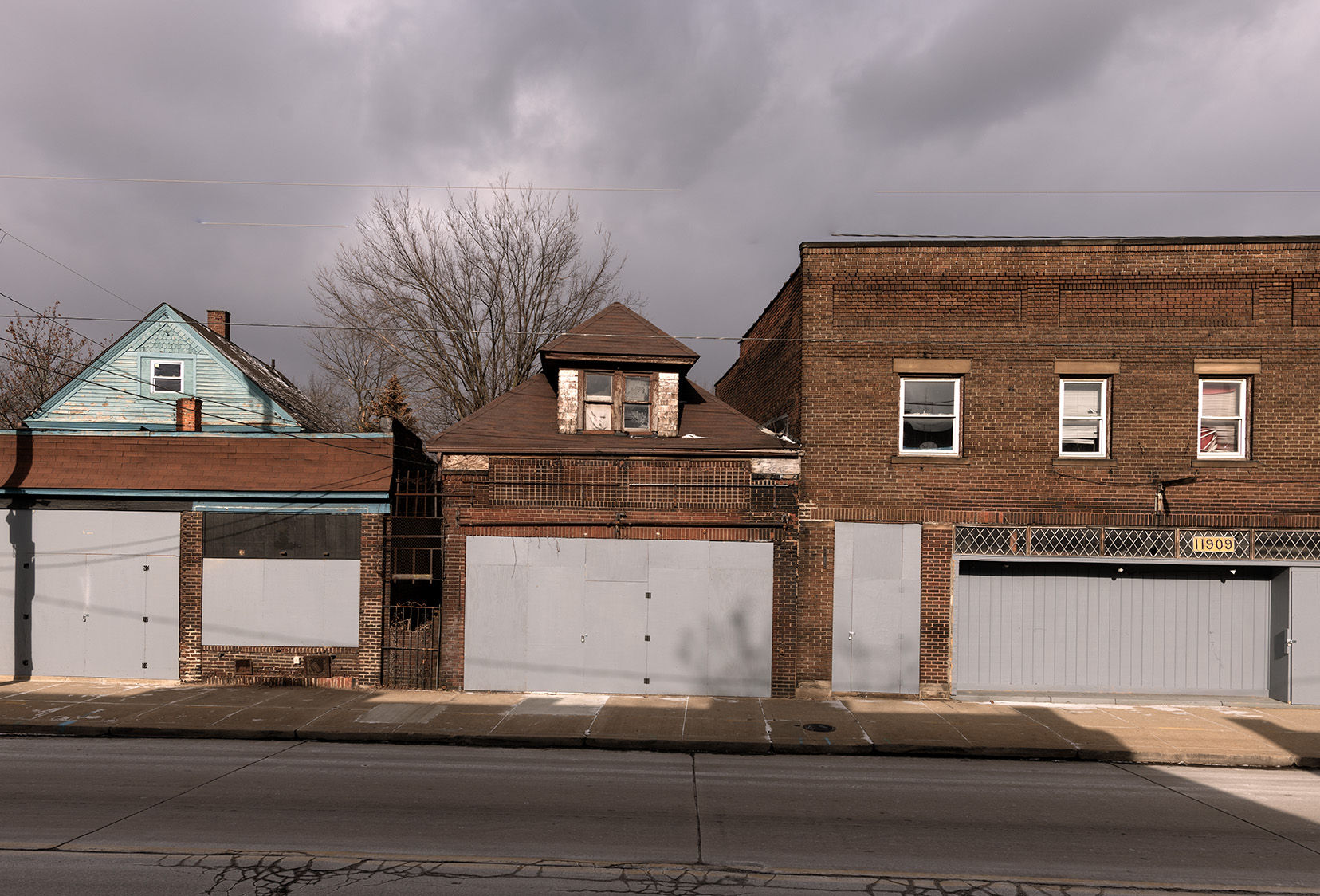
Most of the neighborhood had become Black, and Black residents were among Joe’s regular customers. White customers continued coming, too, including people who had moved away decades earlier but still remembered where to find a locksmith who knew what he was doing.
Everybody liked Joe, and the affection came from years of experience. People trusted him because he’d earned it, and they kept coming back because he fixed their problems.
It was the same practical relationship that had helped sustain Mike Boros Café. Two old Hungarian establishments, different businesses, different customers, but both valued by people who had inherited the neighborhood and made it their own.
Nobody needed a lesson in racial harmony. At Boros they wanted a drink. At Joe’s they wanted a key.
Of course, Buckeye Road had its troubles. There were robberies, assaults and murders, and violence contributed to the disappearance of some businesses. In 2019, Larry Manno, who operated a landscaping business near East 128th Street, was brutally beaten and died weeks later.
It would be ridiculous to pretend the neighborhood was some harmonious urban paradise. It wasn’t. But most people were working, raising families, buying groceries and getting through another day.
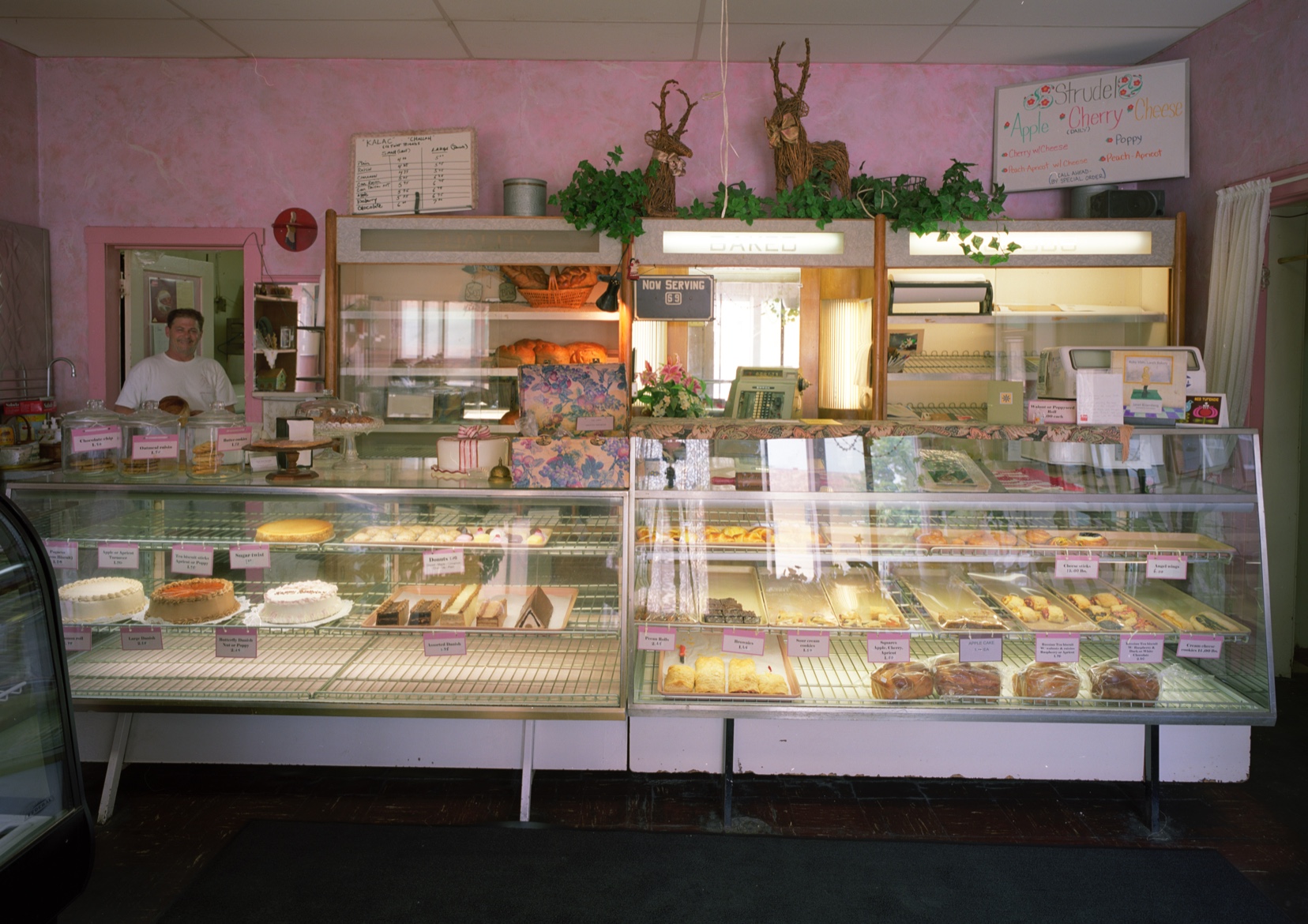
Off and on for forty years i photographed Buckeye Road, its houses, storefronts, taverns and people. I knew many of the old establishments and the faces inside them. I watched businesses close, buildings come down and familiar characters disappear.
Lucy’ Bakery was a good example of the difficulties of running a Buckeye Road business int the 1990s and beyond. Known as a really dangerous area in these years, the business had its incidents, but in 2004 Mike’s Wife from Romania was shot in the arm during a robbery. but that wasn’t enough to get them to leave. However, finally in 2009 while they were working in the back somebody broken with a gun. Both of them beat the person with pots and pans until he ran out and luckily it was a fake gun which was left behind. After that, they moved everything further east into the suburbs were they finally closed down in 2022.
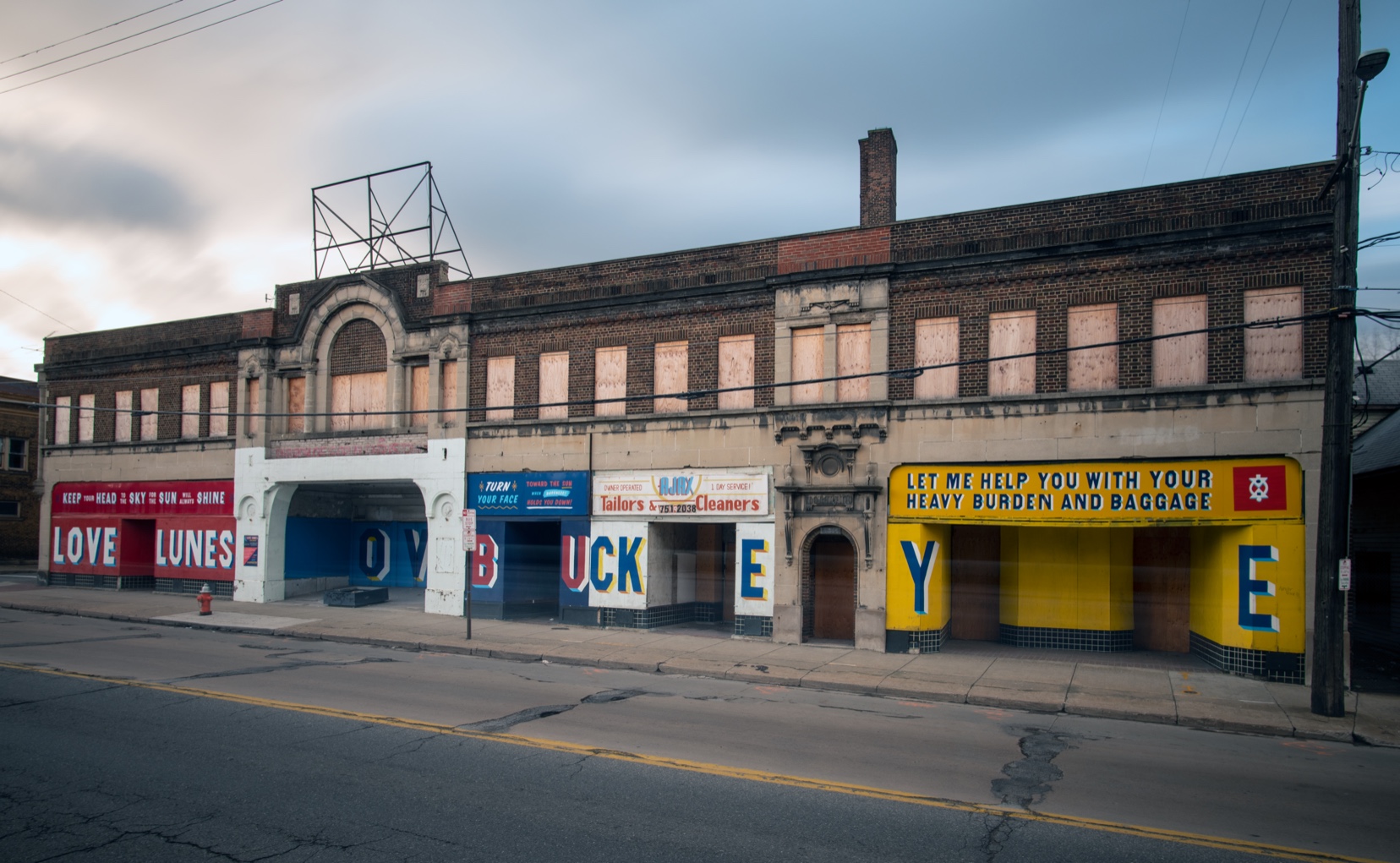
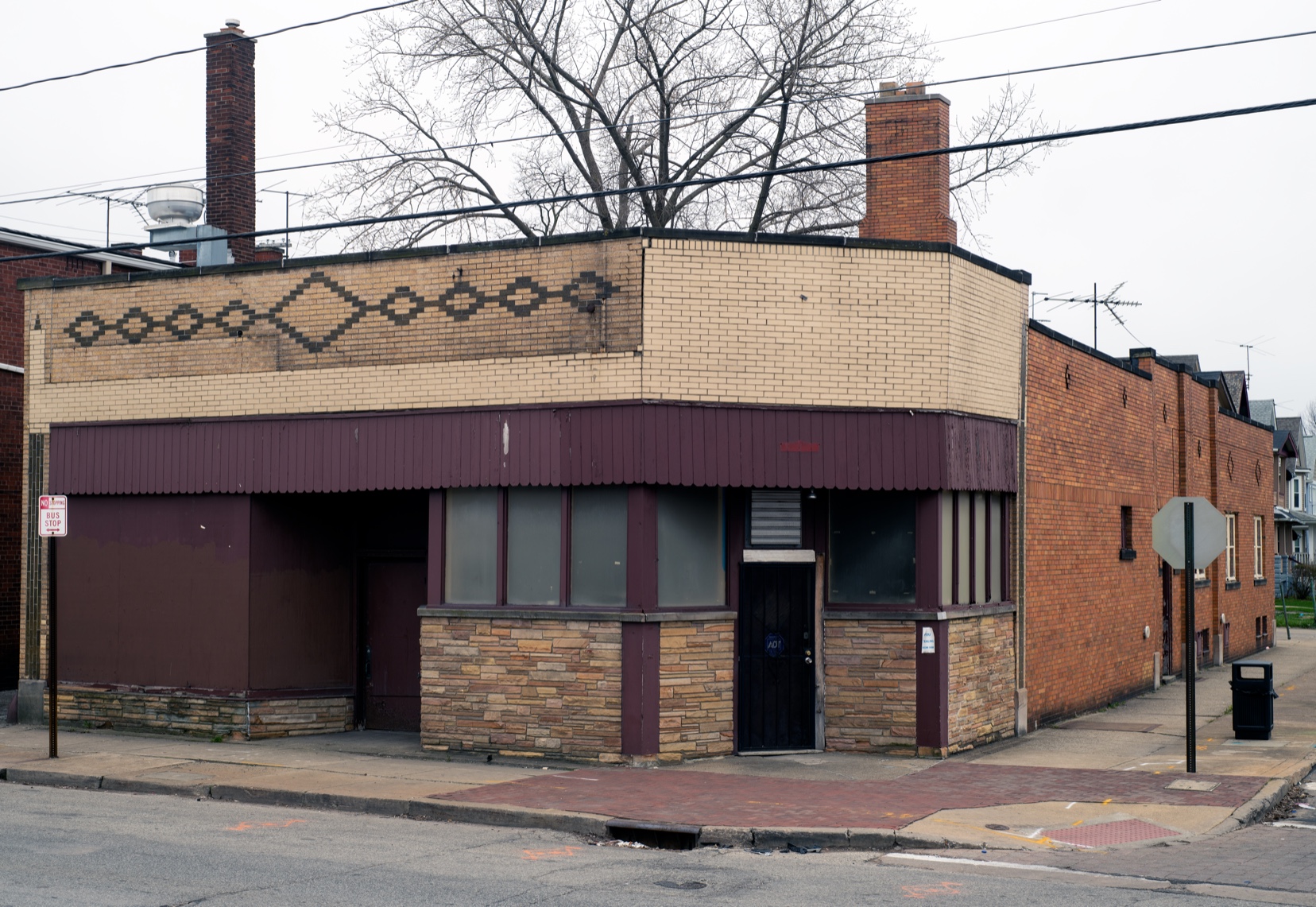
Joe continued working. Sixty-three years in the locksmith business, and he worked practically every day until the end of his life. He had watched the Hungarians leave, Black families move in, stores close and the old commercial strip lose much of the life that had once filled its sidewalks. People who had moved away thirty years earlier still came back to see him.
His shop was still on Buckeye Road, he was still behind the counter, and a key still cost a dollar.
THE LAST HUNGARIAN
By then Mike Boros Café had been closed for nearly twenty-five years, most of the Hungarian businesses between East 116th and East 131st were gone, and down the hill the factories that had brought the first Hungarian workers to Cleveland had disappeared long before.
Dennis was gone, too. His family had occupied one of the last houses on Ambler Avenue, where approximately sixty homes had been reduced to about five. But St. Elizabeth remained, its great towers still rising above the old industrial district, a magnificent church maintained by people who refused to let it become another ruin.
Dennis in Lower Buckeye and Joe Jambor in Upper Buckeye. Between the two men lay fifty blocks and nearly a century and a half of Cleveland industrial and ethnic history.
The Hungarians arrived in the 1870s and went to work. They built a neighborhood around the factories, then expanded east, establishing another community of houses, shops, churches and taverns. They worked in foundries, factories and machine shops, opened businesses, raised children and buried their dead.
The Black families who followed made lives in those same neighborhoods, supporting some of the remaining businesses long after the original customers had moved away. The factories closed, the jobs disappeared, and eventually much of the physical evidence of those lives disappeared with them.
Most of the people who built Hungarian Buckeye Road never made the newspapers. They went to work, came home, paid their bills and got up the next morning to do it again. The newspapers generally discovered them when they died.
Up the hill, in 2022 Joe Jambor was still working behind the counter of Security Lock Service in the last year of his life. He knew the locks in those old Cleveland houses, knew the people who lived in them and knew the customers who had moved away years before. He could make a key for a dollar and repair mechanisms that nobody else wanted to fool with. With hs grandson by his side, it wsquite a legacy.
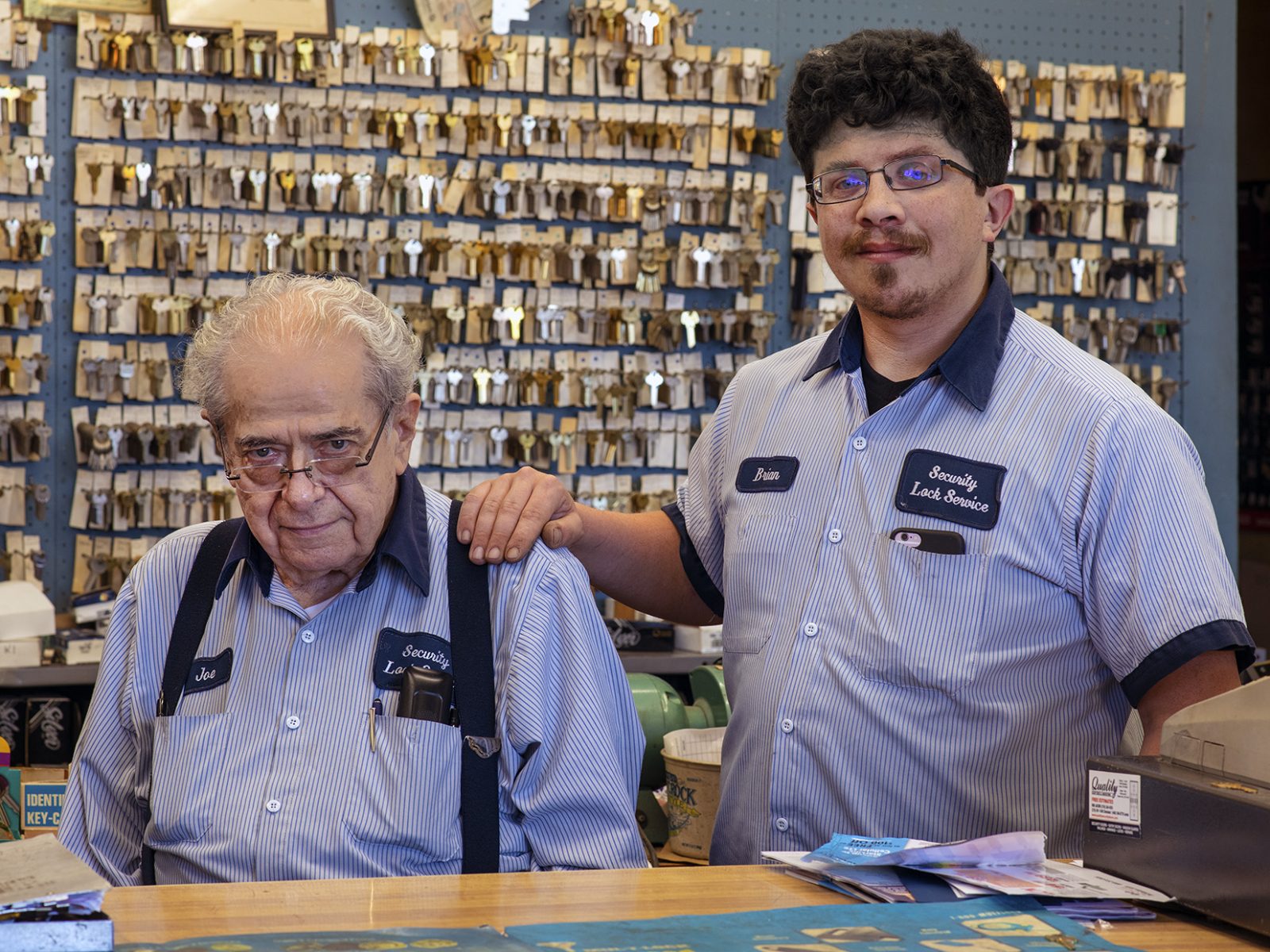
He hadn’t made a fortune in money, but family and neighbors. He was a locksmith who knew his business and worked practically every day for 63 years.
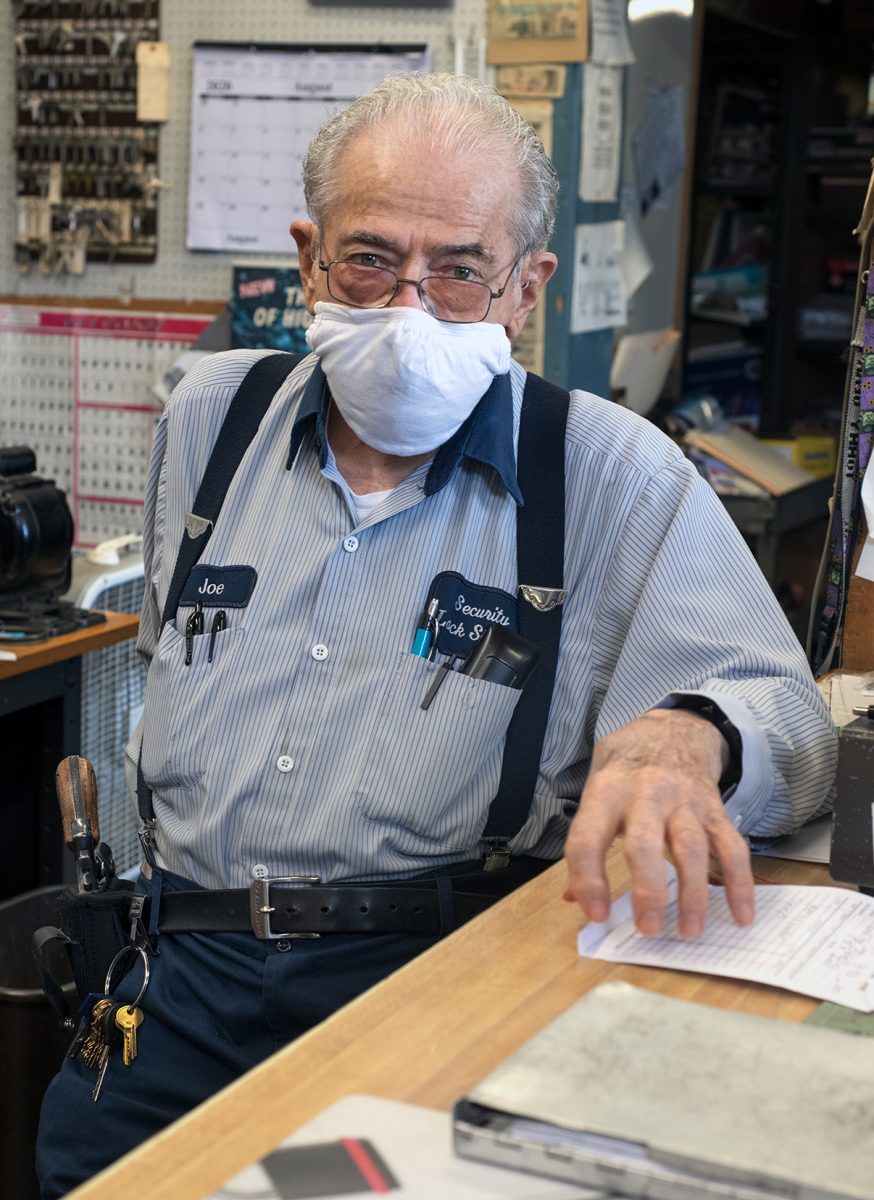
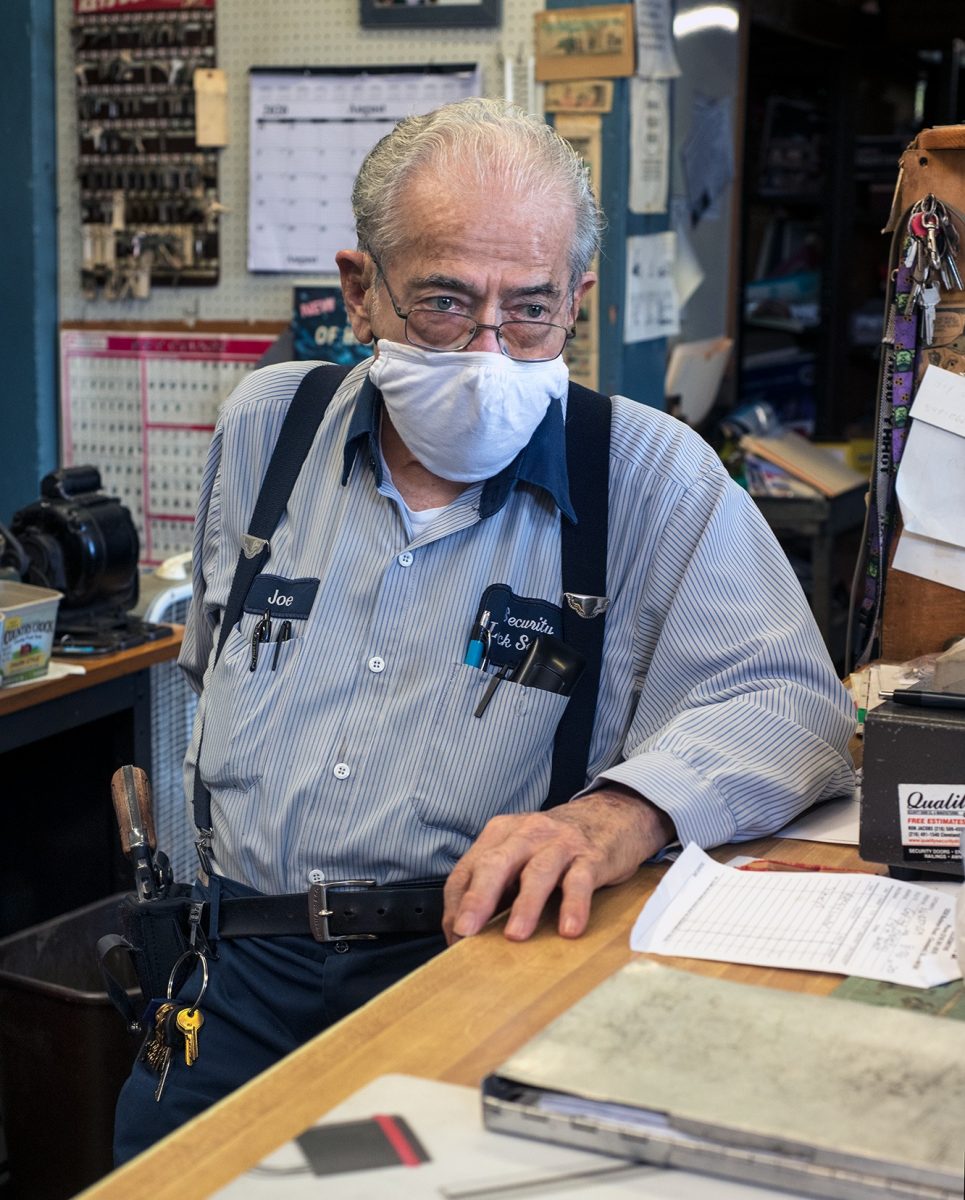
Cleveland saw its enormous factories, whole residential streets and much of the industrial economy that had supported generations of families disappear over 60 years. Joe kept fixing things, working until the end of his ninety years.
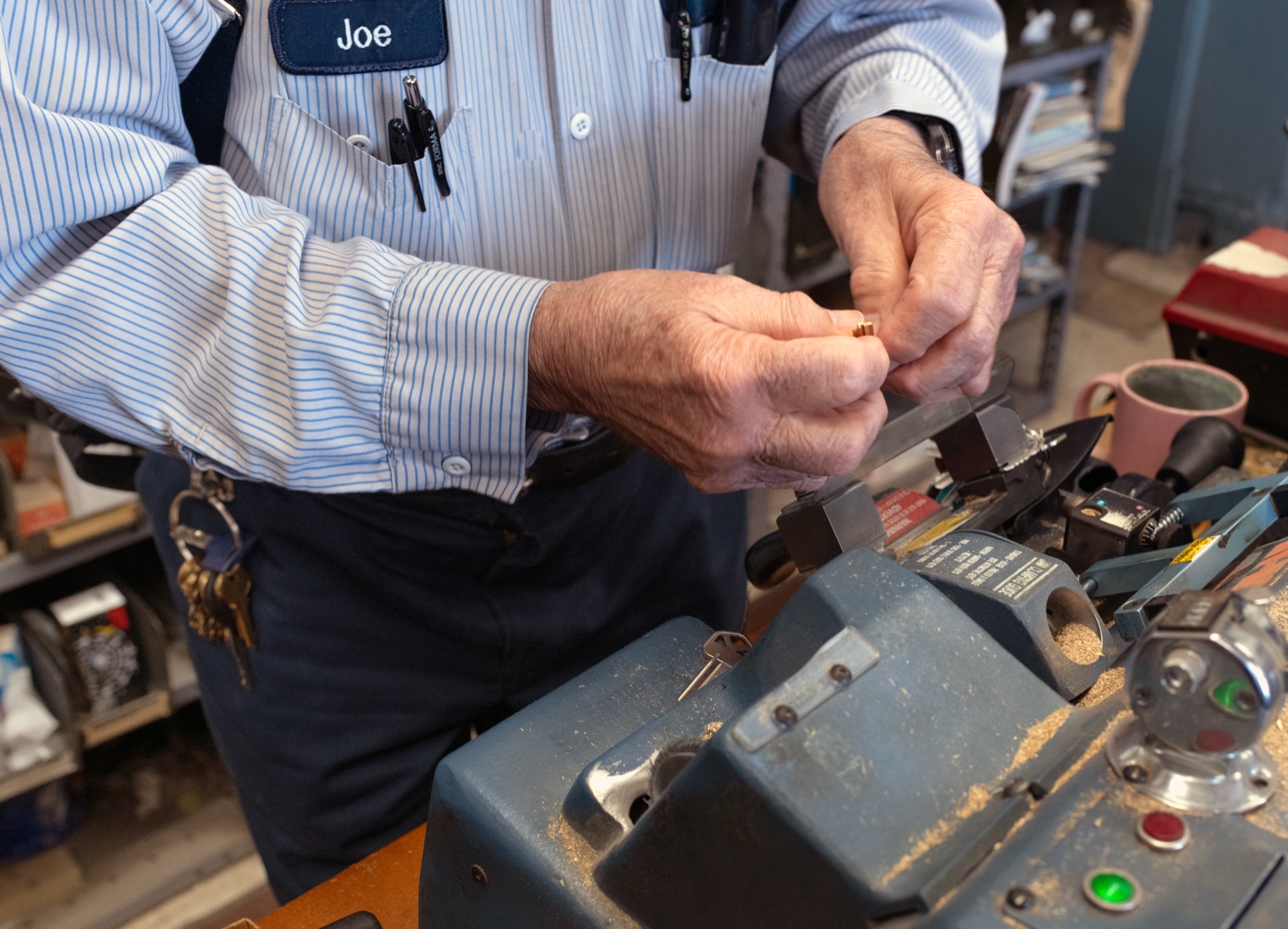
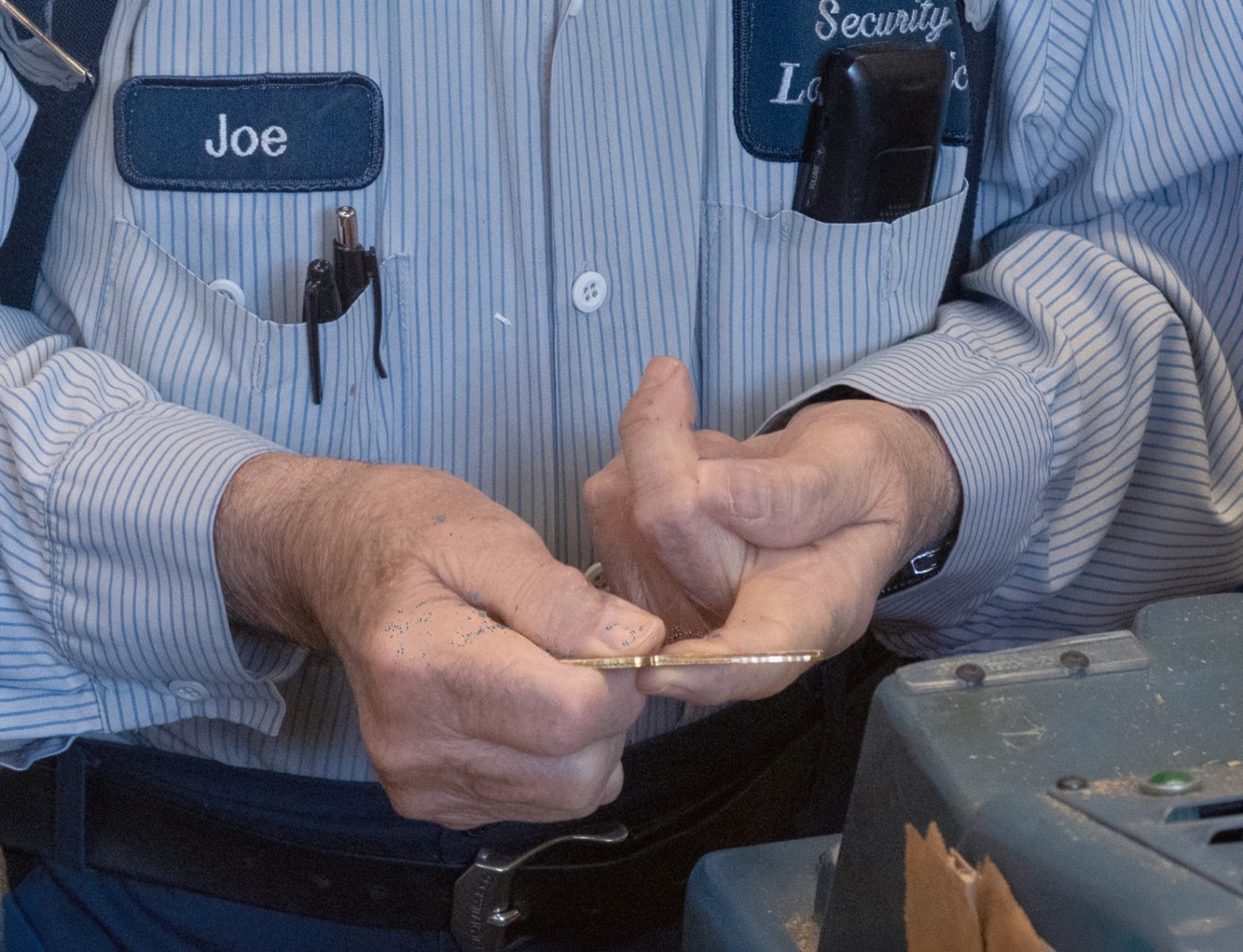
Joe Jambor was the last Hungarian on Buckeye Road.
He happened to be a locksmith, a damn good one and was a lot more, he was a European with a taste for music and American cars, like his, Chrysler New Yorker, and created a fine American family with Hungarian roots.
Joe Jambor died in December 2022, at the age of ninety.