
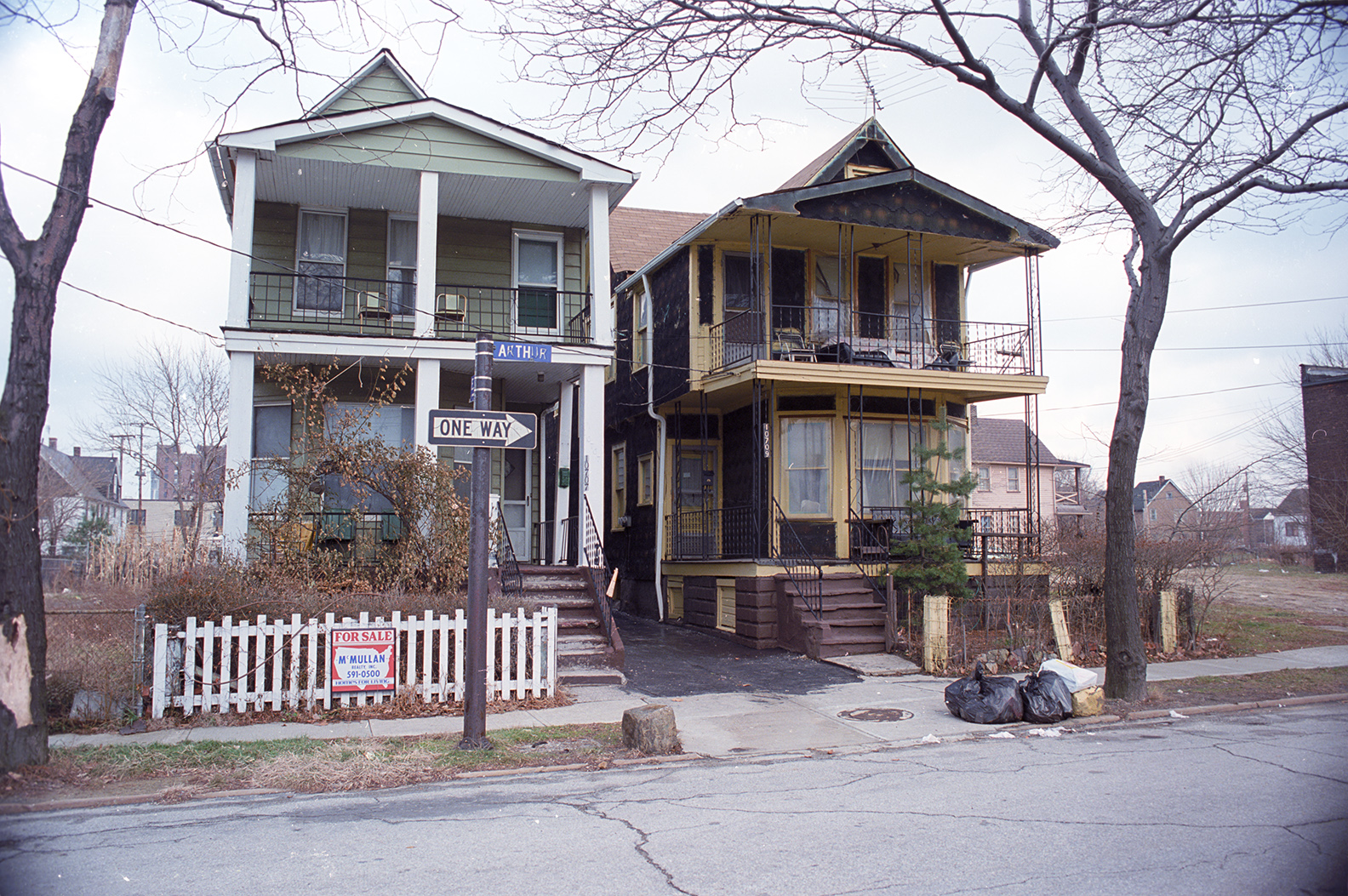
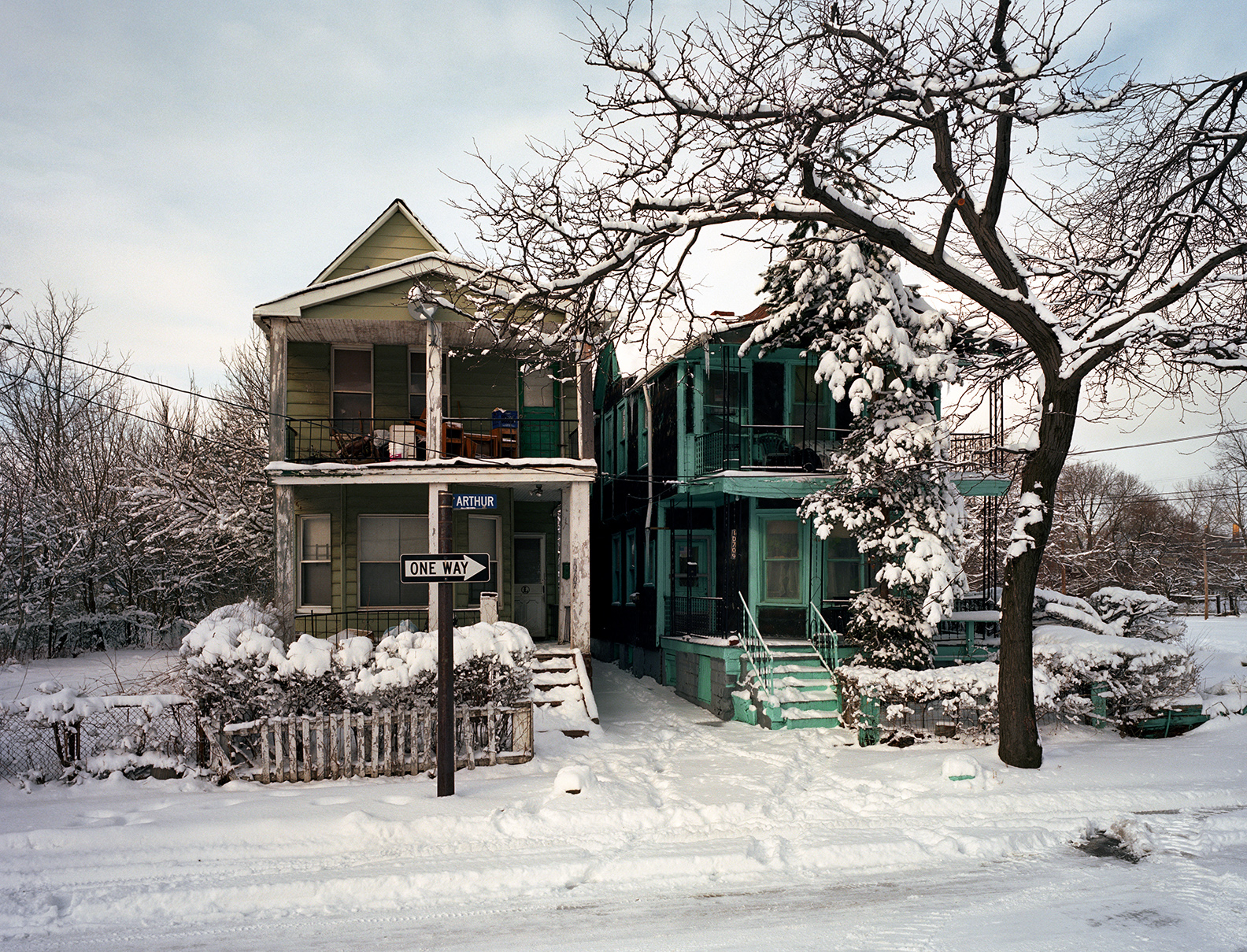
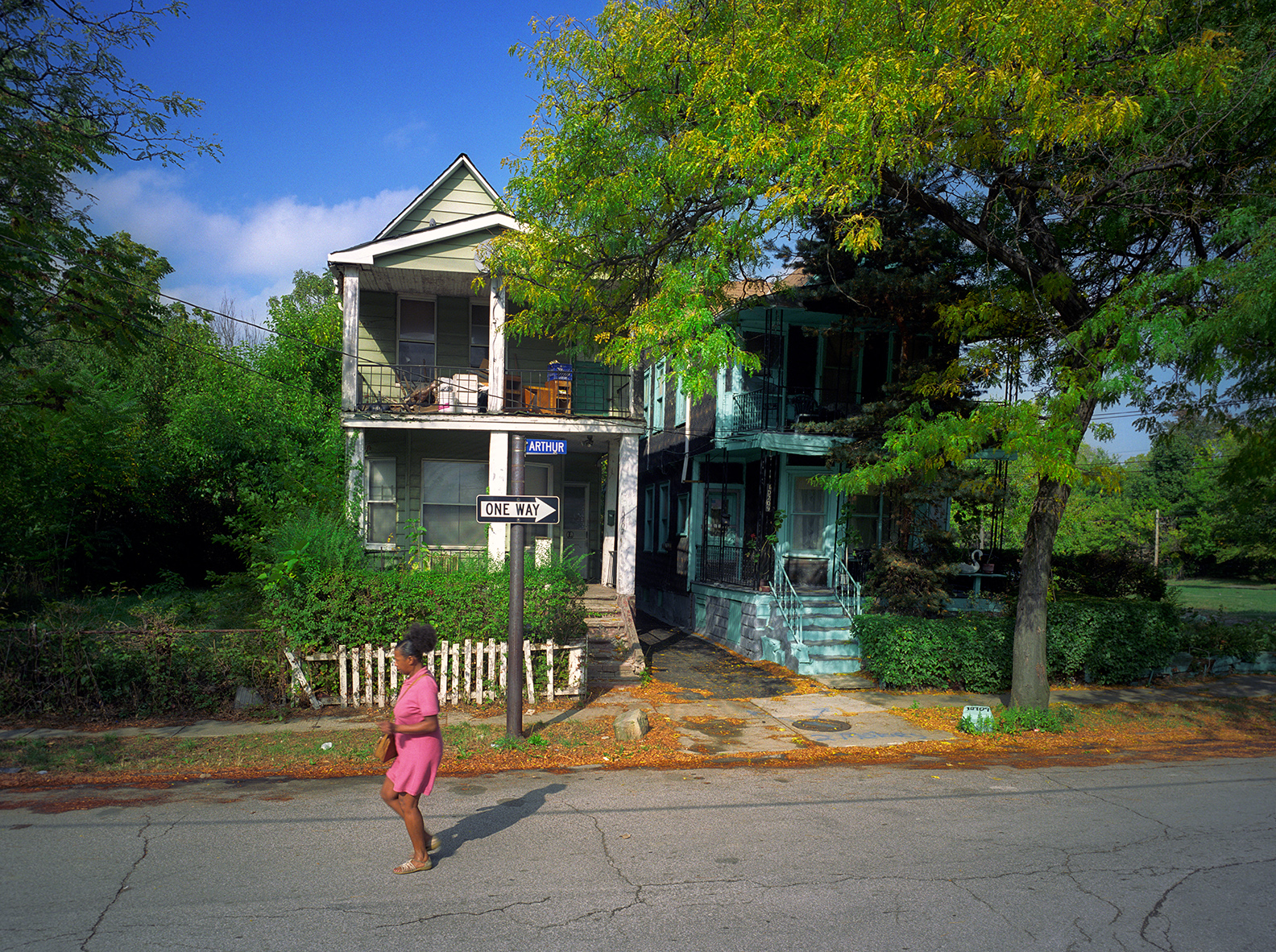
I began photographing the two twin houses on Arthur Avenue in Cleveland’s Fairfax neighborhood in 1980, returning intermittently over the next twenty-three years and annually beginning in 2003, continuing until the houses disappeared.
The neighborhood was already deteriorating in 1980. It had once been an Italian neighborhood, and a few Italians remained, though they would soon be gone. By 2003, this small triangular pocket of Fairfax near East 105th Street and Cedar Avenue had become a landscape of abandonment. By 2006, most of the houses were gone.
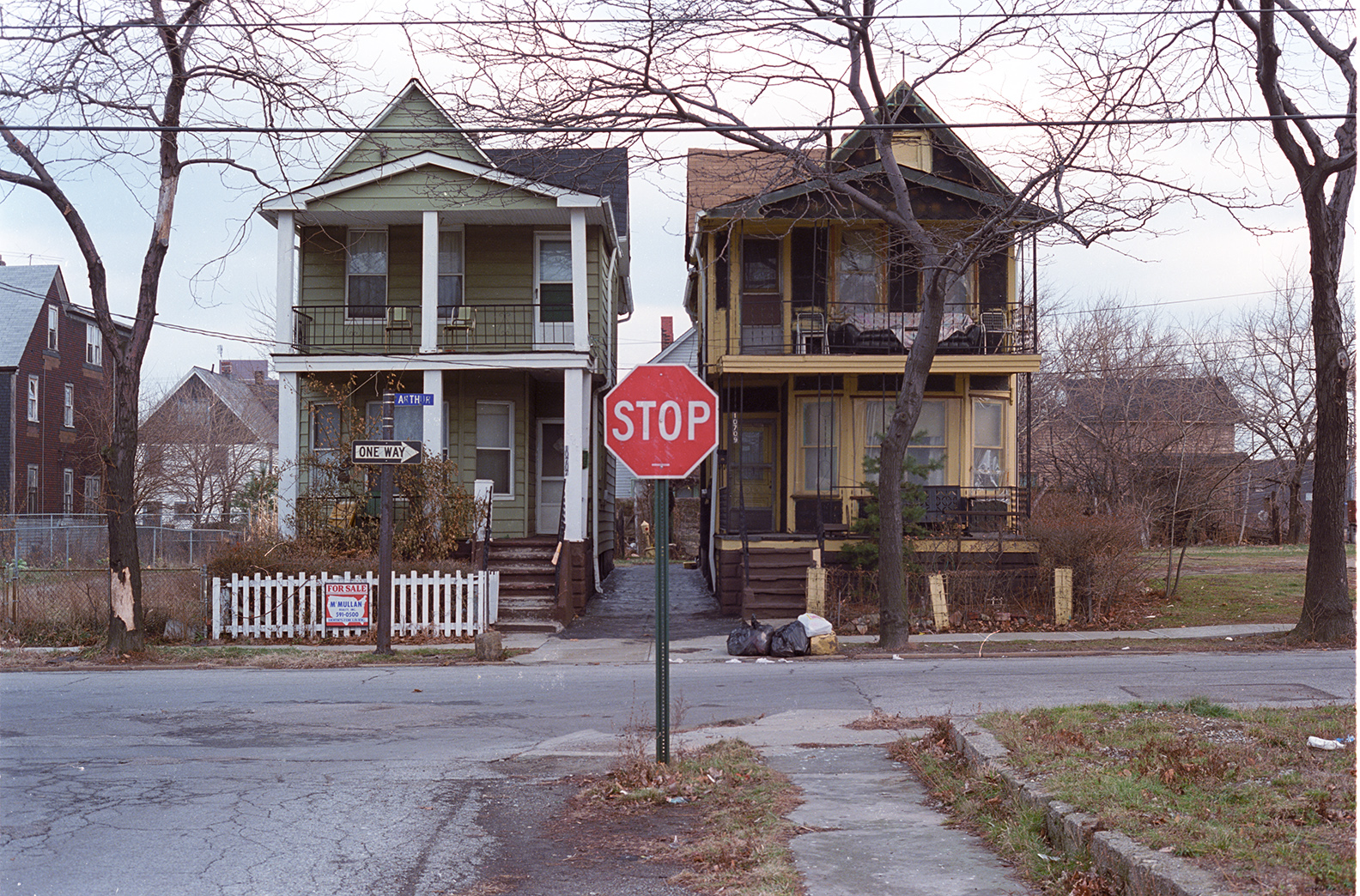
A triangle walled off by sets of mainline train tracks on its longest end. The tracks are atop a huge railway embankment, and pass constantly with miles of freight cars behind them so that train horns, screeching steel wheels on the rails and banging freight cars move around the clock. Other than that, it’s real peaceful. Crime is done by people looking for privacy while doing what they do. Natives are left untouched; of course, nobody sees anything.
Mr. Daniels had become accustomed to seeing me around, and in 2005 we became friends. He invited me into his backyard and, eventually, into his home.
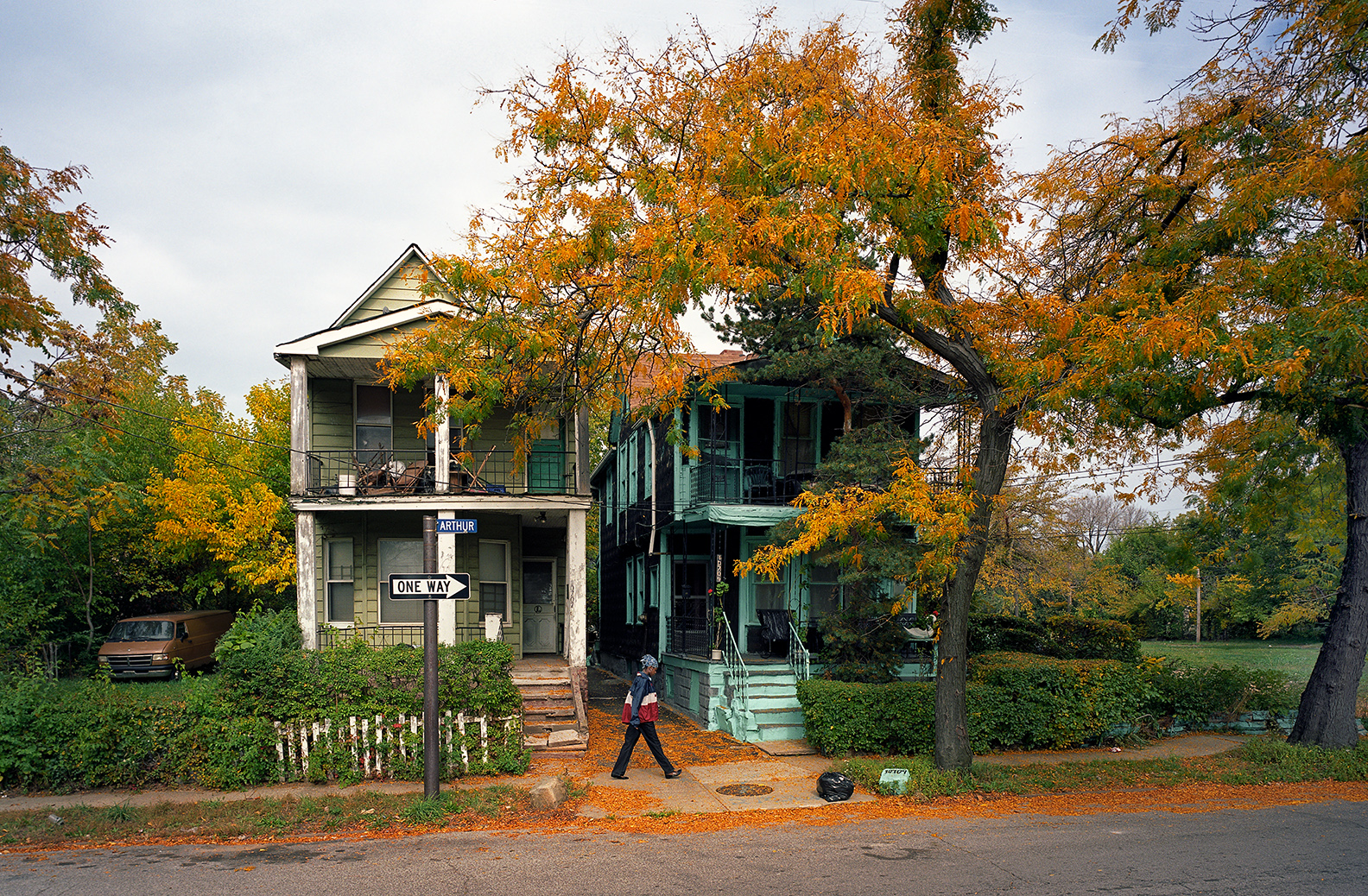
Antonio Daniels had spent his working life as a barber on East 105th Street in Glenville. He was single and lived alone in what had been his mother’s house. Although he had relatives, he largely kept to himself and managed to take care of himself until the end.
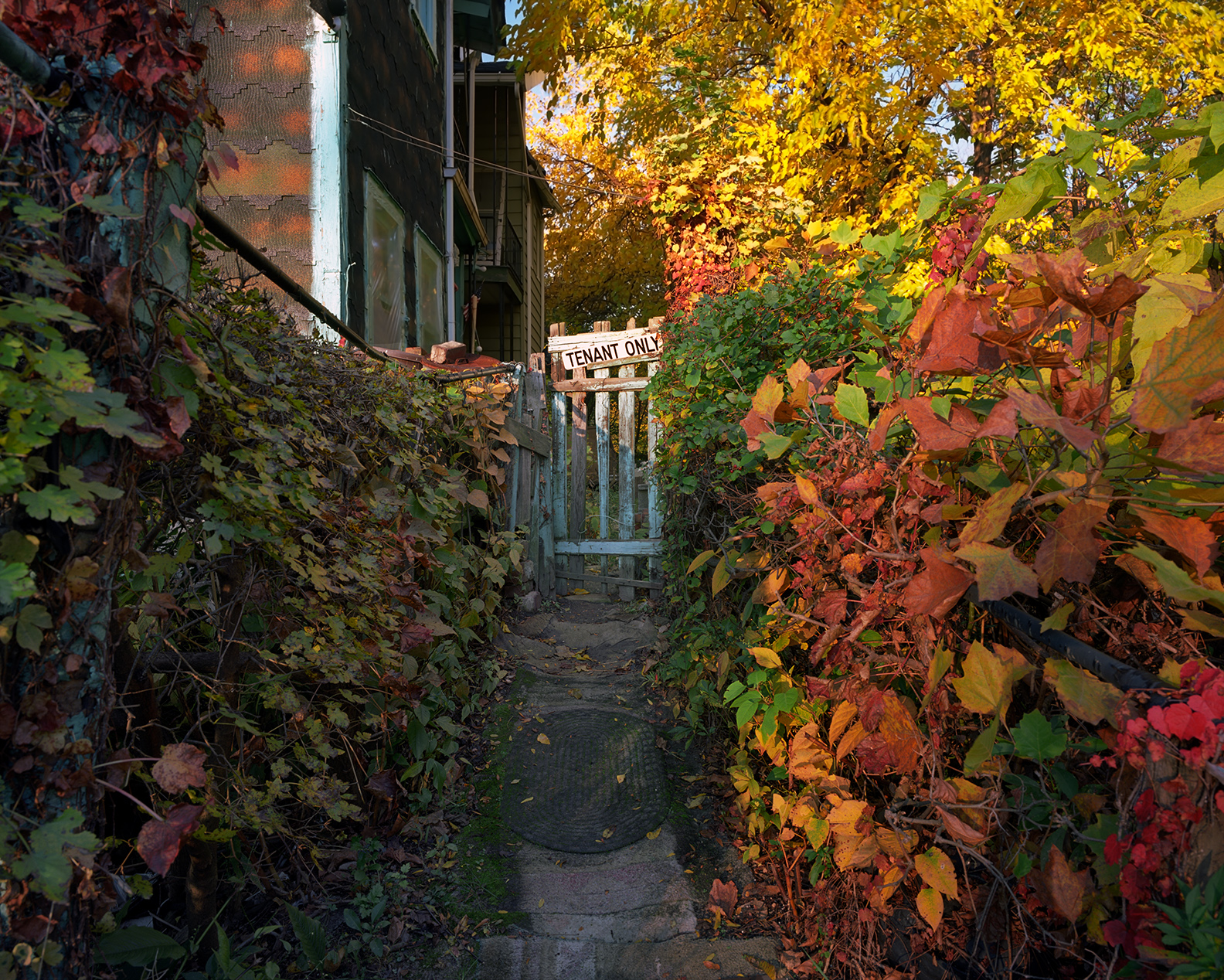
Mr. Daniels had lived here since he was born and was comfortable here, alone.
He kept to himself, much more than anyone still there. We talked a lot for a person who probably had talked enough as a barber, and the neighborhood where he had lived his entire life was returning to nature, and, he seemed fine with all that, with the Cleveland Clinic, Ohio’s largest employer, literally three blocks away and expanding yearly. It used to be simply doomed, but with the Cleveland Clinic’s expanding presence it became doomed for development. This city used to deteriorate because of economic decline and things disappeared; now things disappeared because of economic development, which is the biggest story since the Rust Belt fifty years.
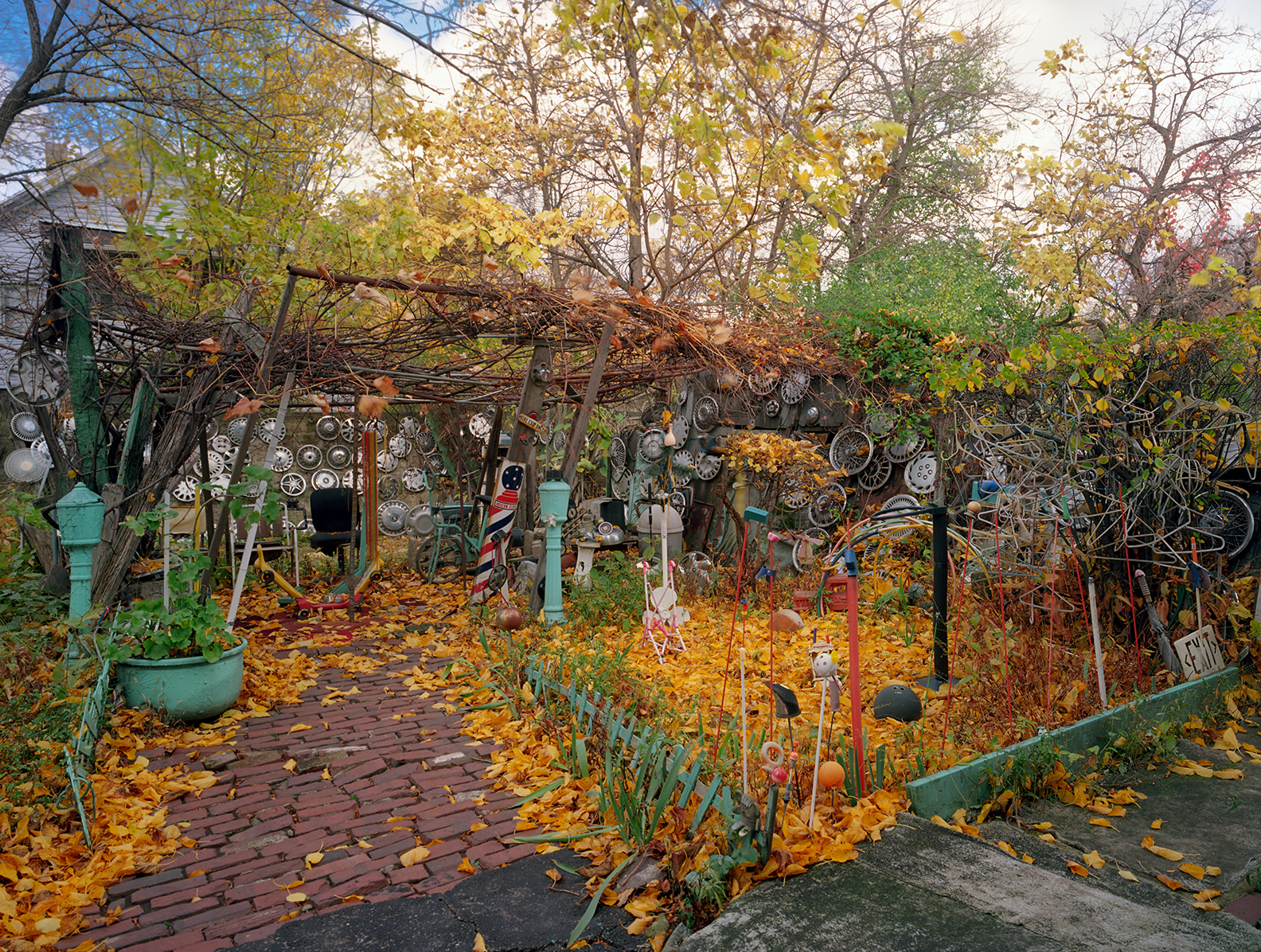
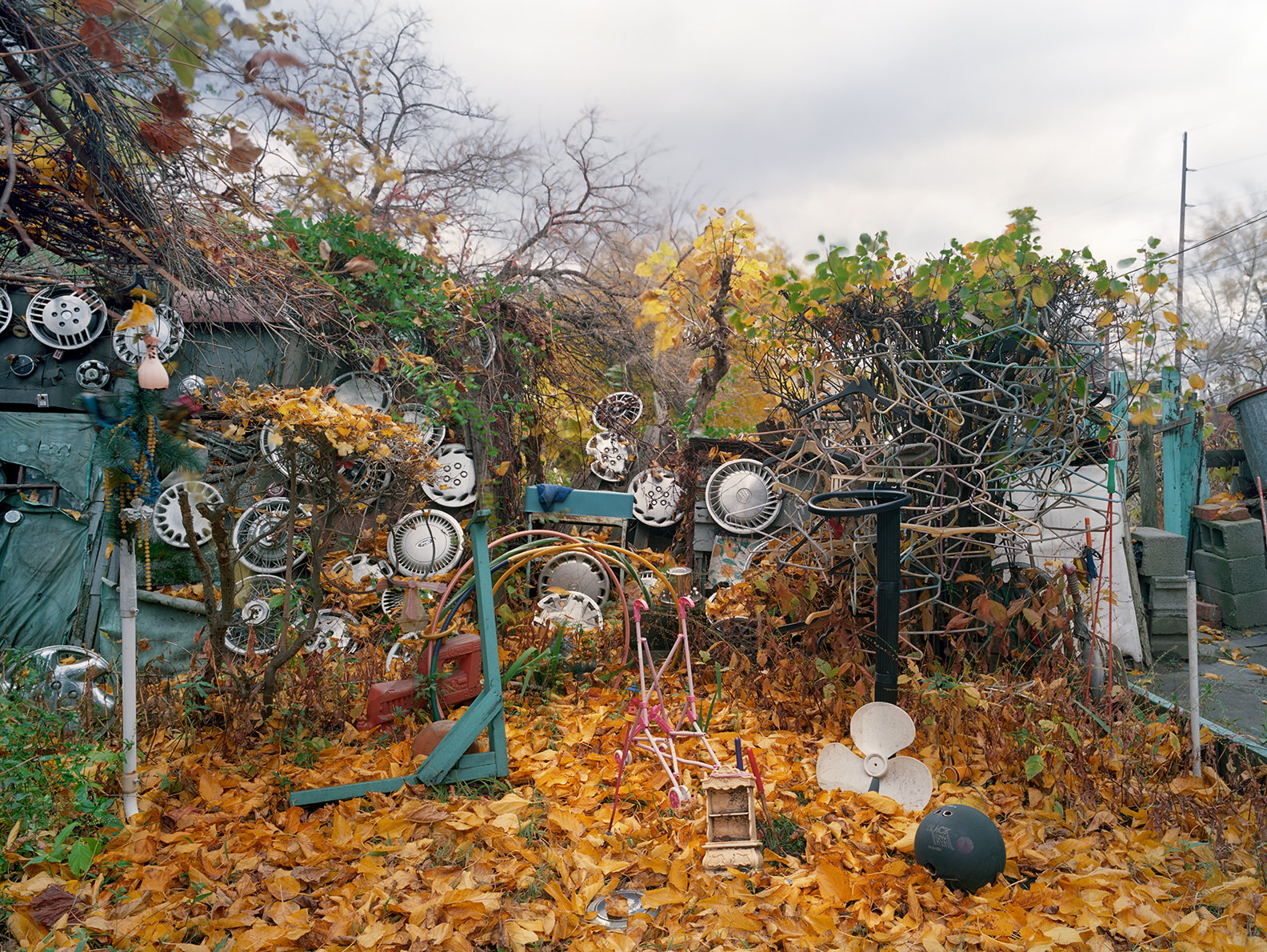
He was a great walker, particularly after he stopped working, and it was on these walks through the neighborhood that he acquired the materials with which he decorated his house and yard. Hubcaps, coat hangers and discarded household objects, things that had exhausted their usefulness to somebody else, found a second life on Arthur Avenue. His materials cost him nothing but the mileage on his shoes. You might call it walking art.
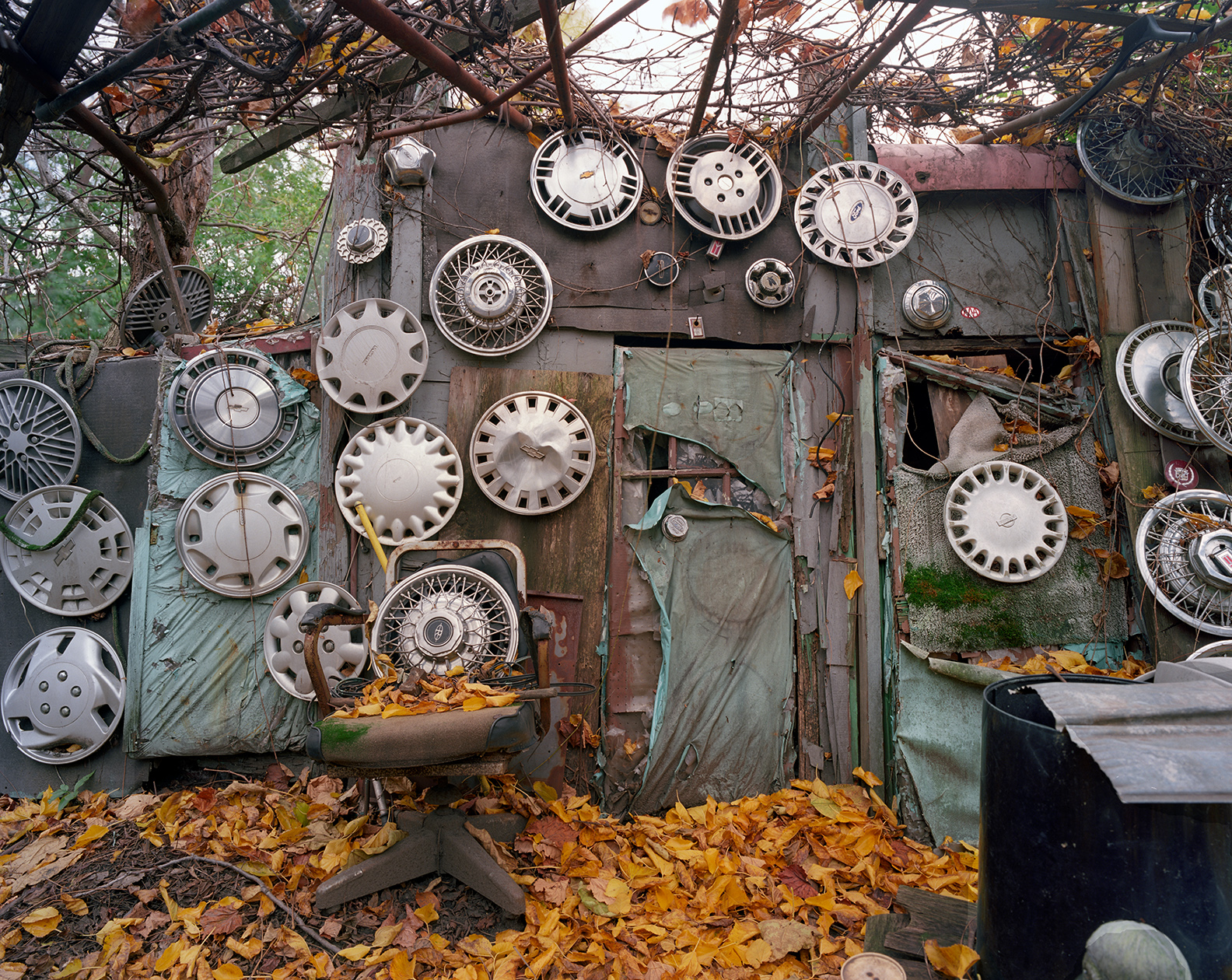

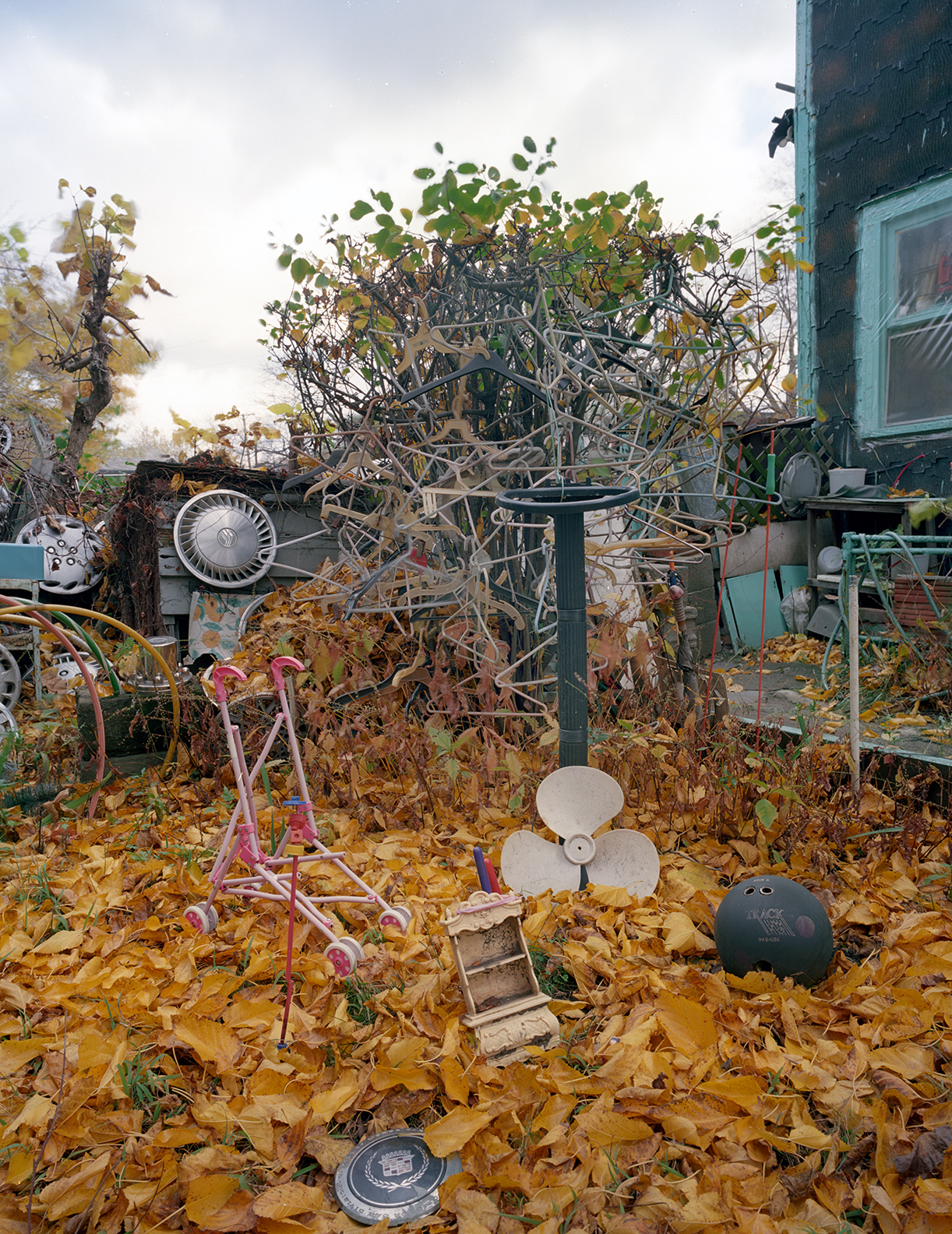
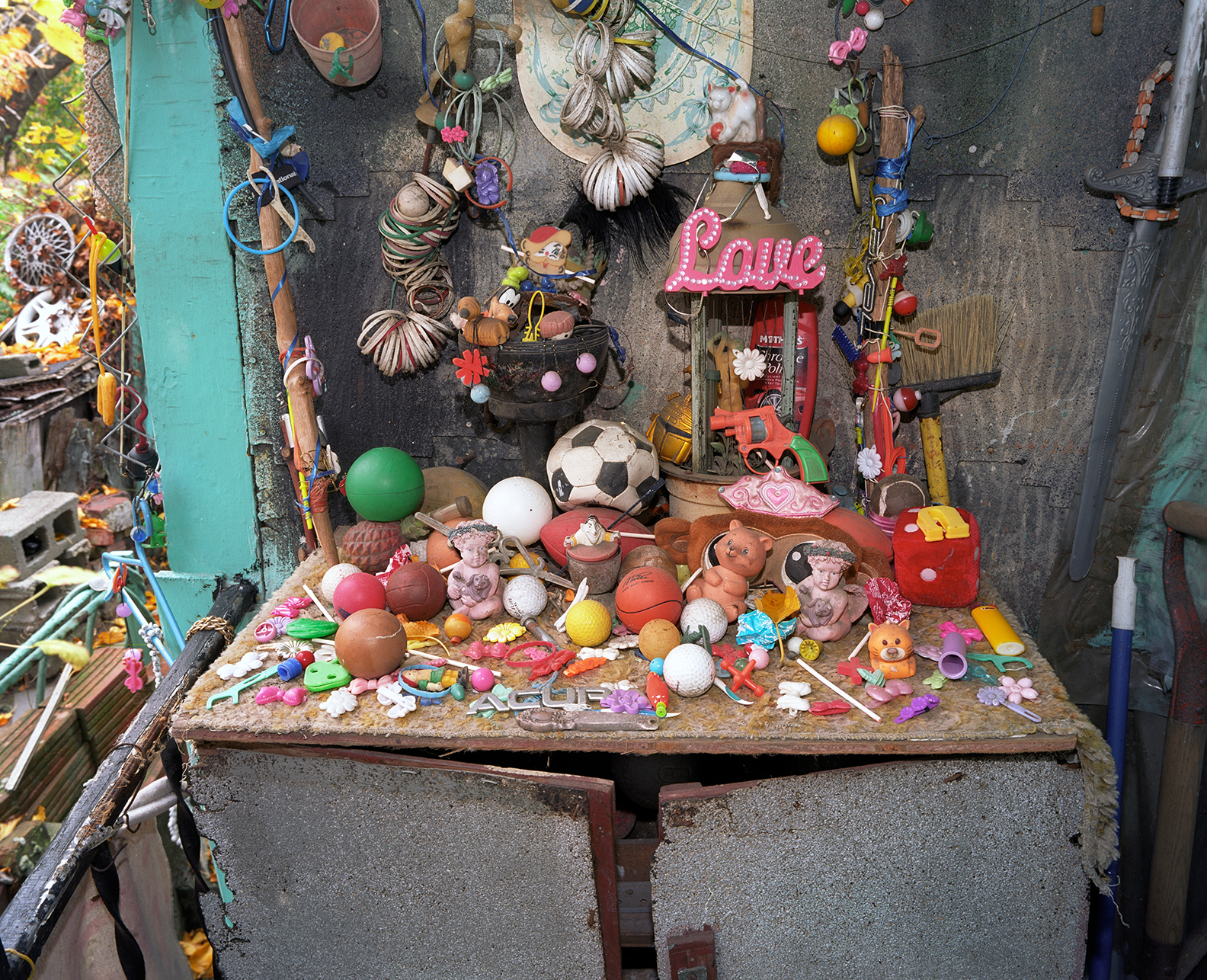
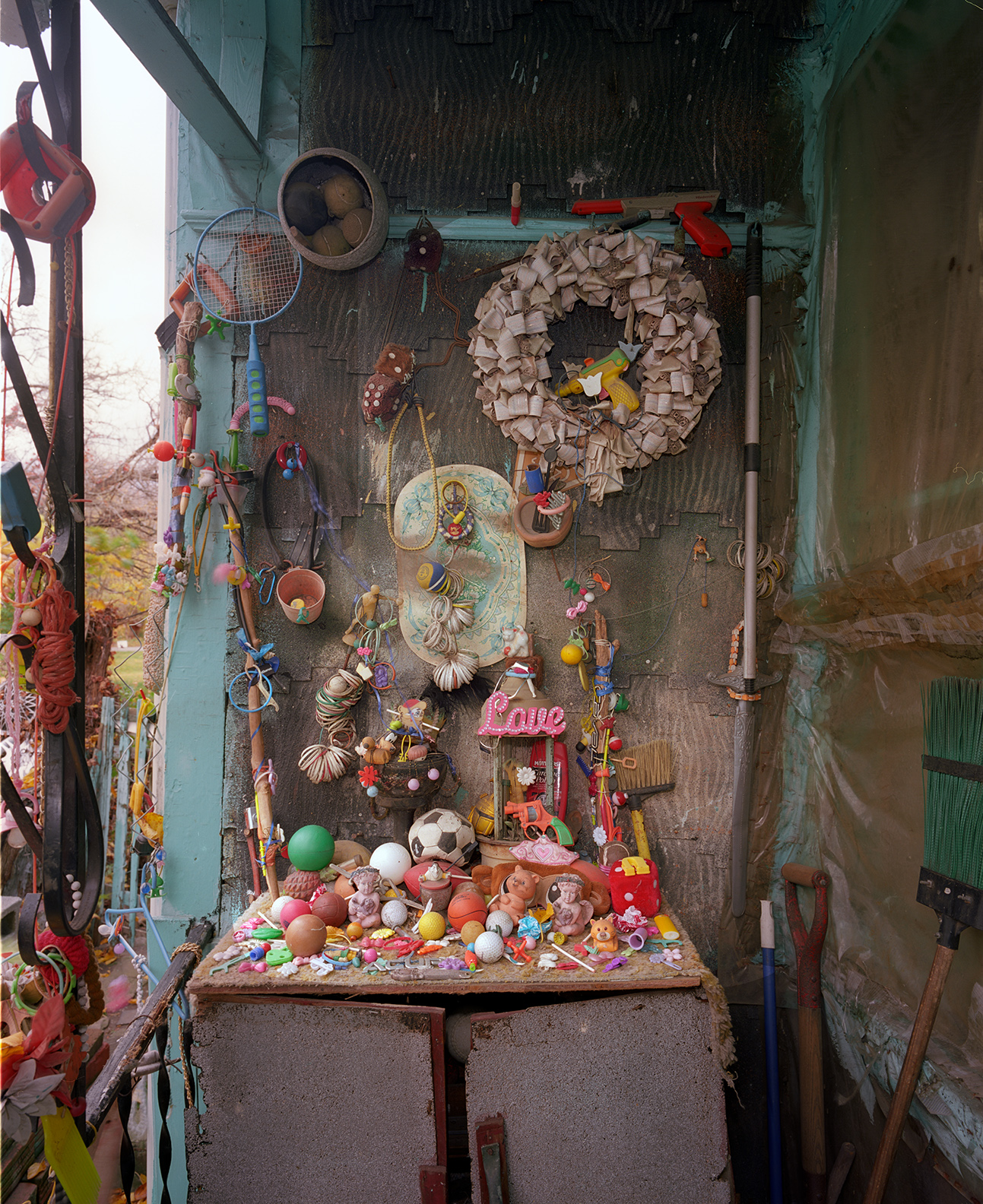
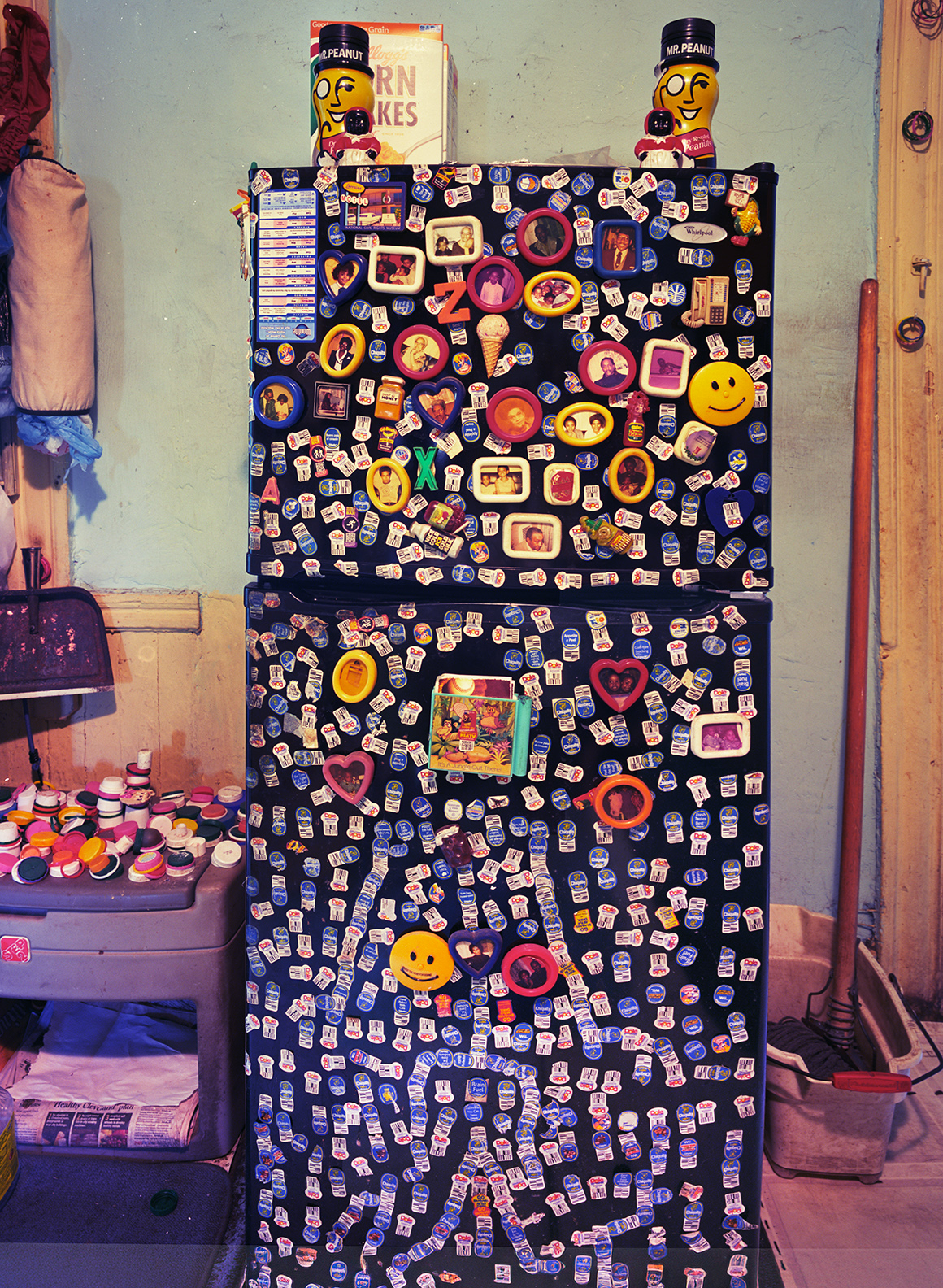
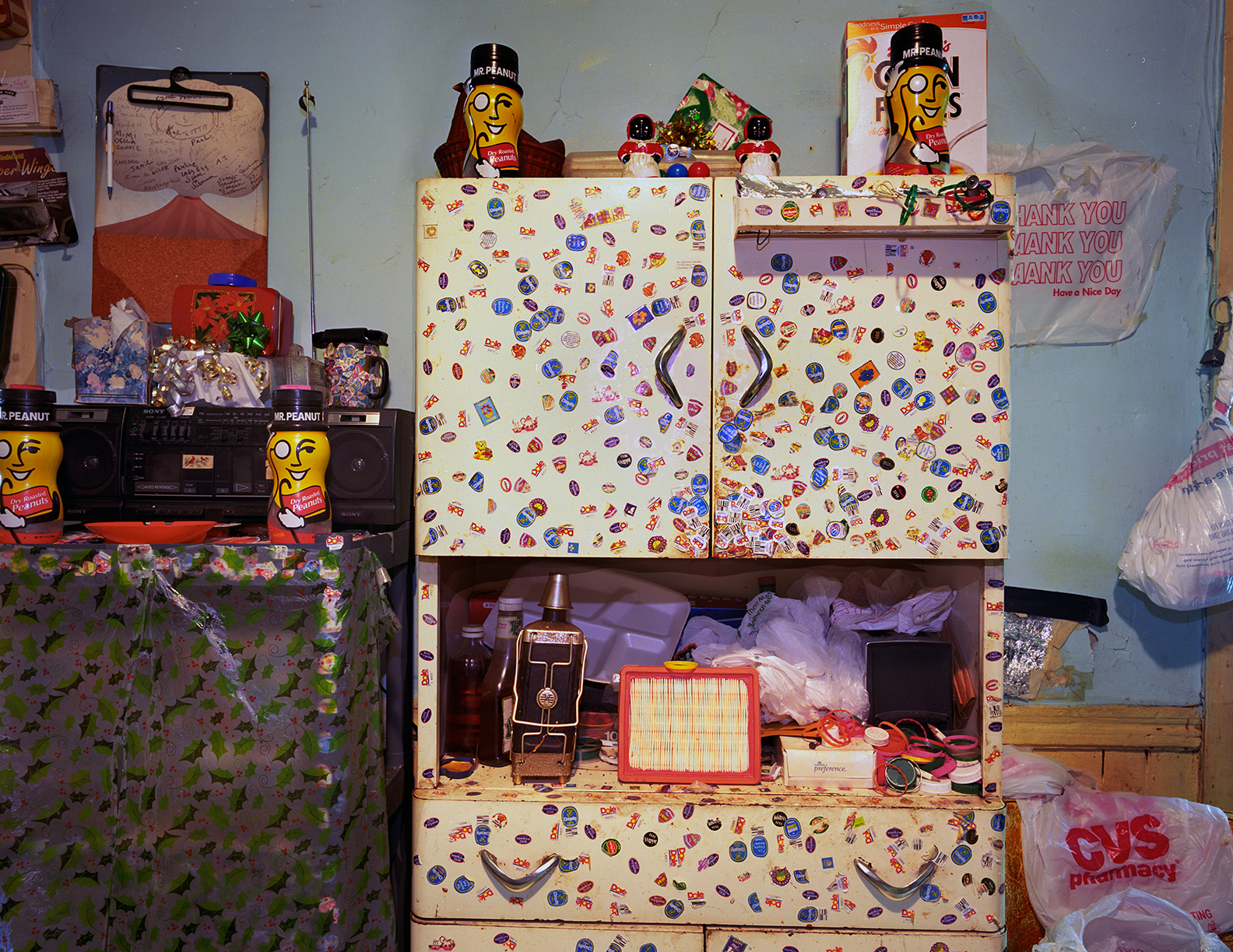
The same sensibility extended into his home, where family photographs, military memorabilia, religious objects and the accumulated possessions of a lifetime covered the walls. Even the refrigerator had become a canvas.
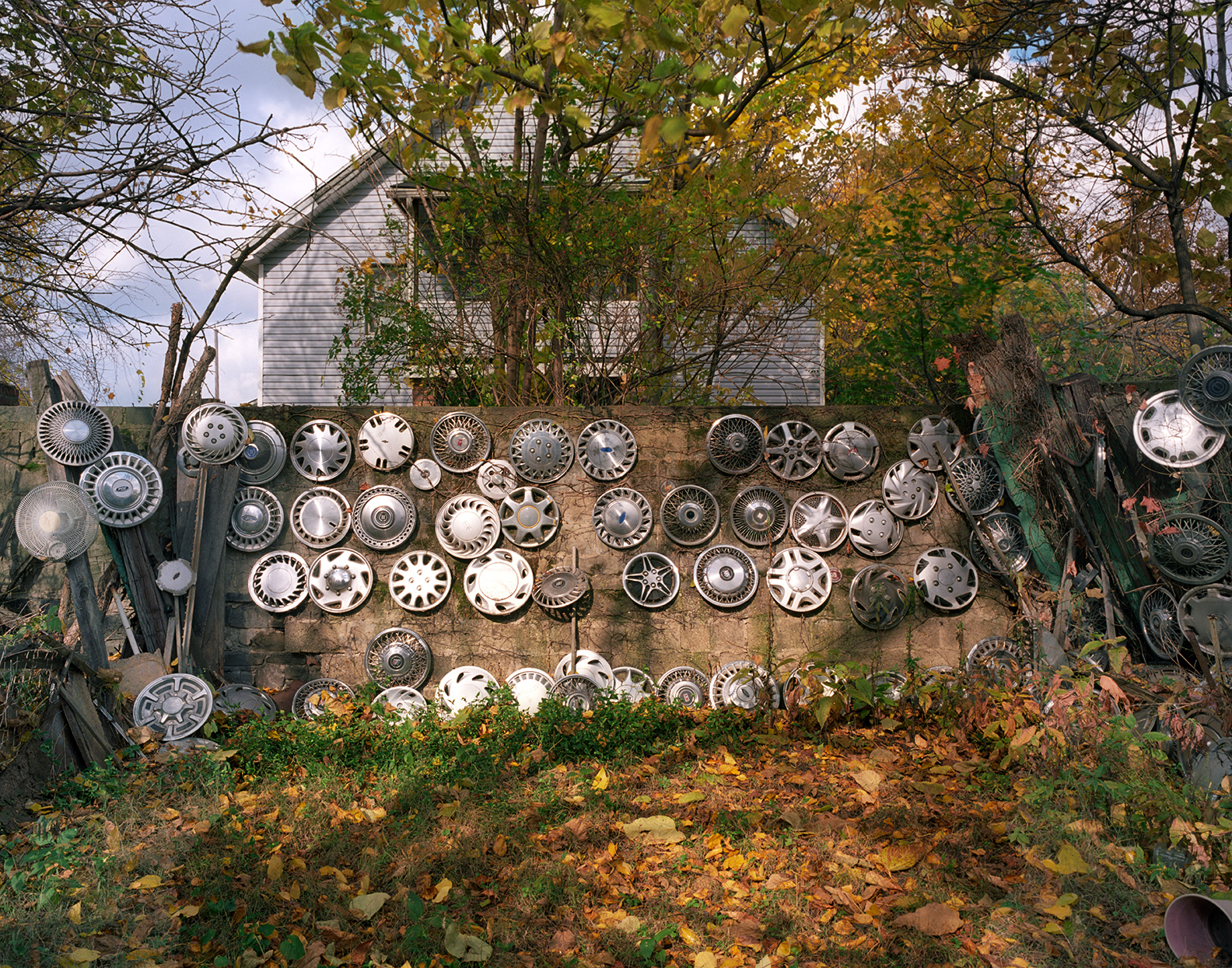
The greatest array of silver hubcaps was nailed to the back wall of what was a large stable. That’s why Mr. Daniels’ driveway was too narrow to get his little Toyota into the back. Instead he just used the empty fields where homes such as his, once stood.
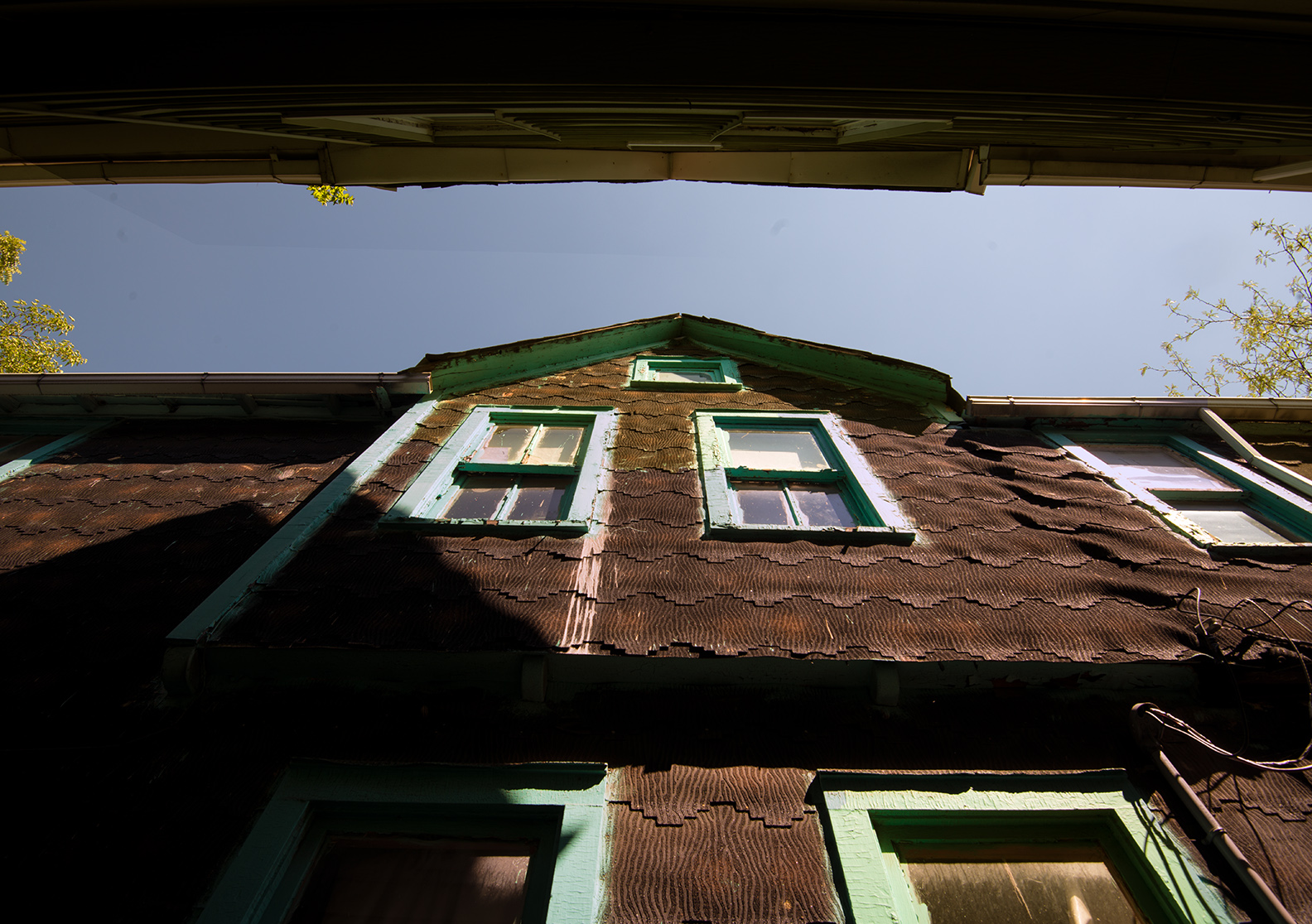
The driveway’s narrowness is attributed to its age and the density of the city when it was built. At that time, there were no automobiles, and in the backyard was a large stable for horses. The driveway could accommodate horses only, but never cars.
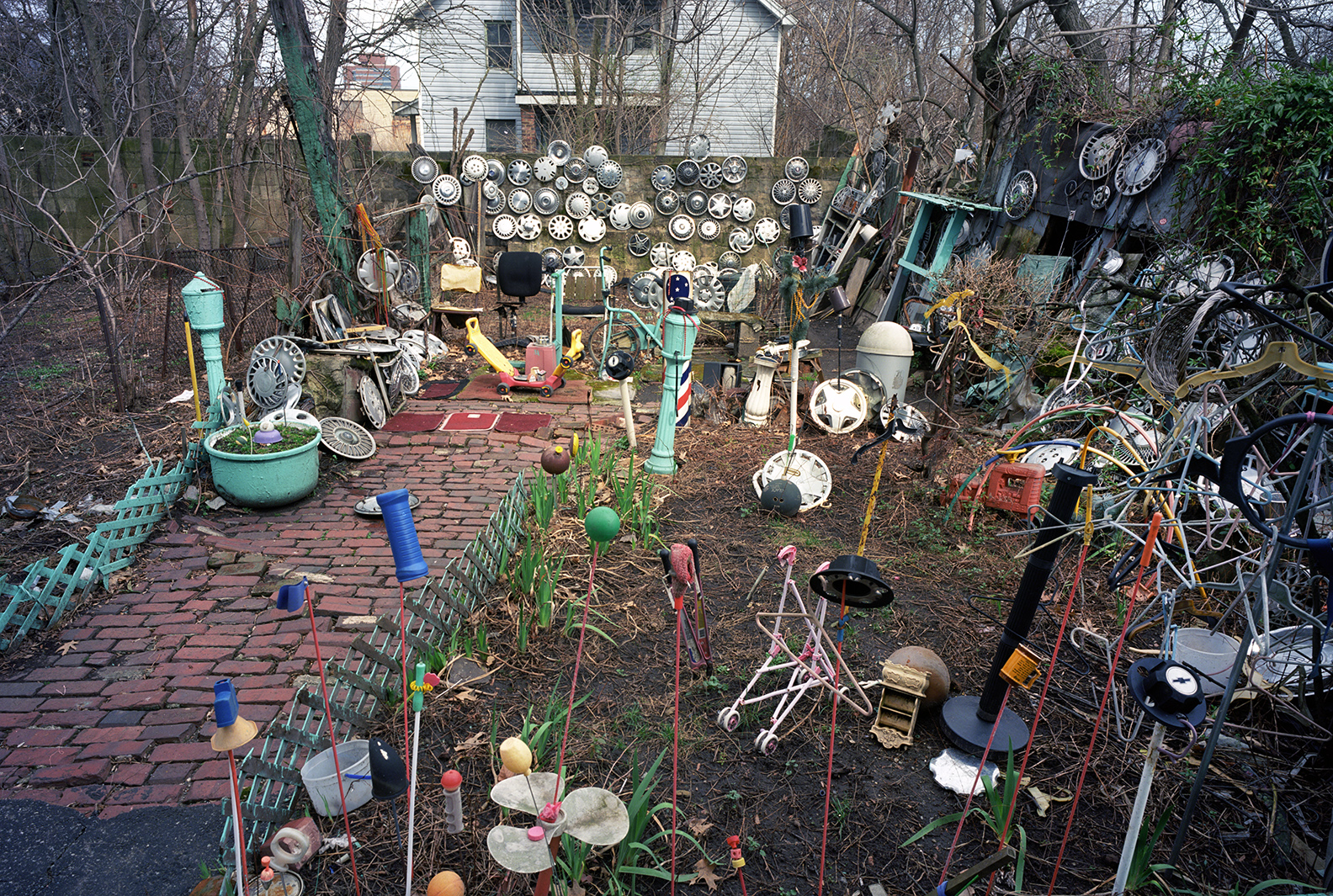
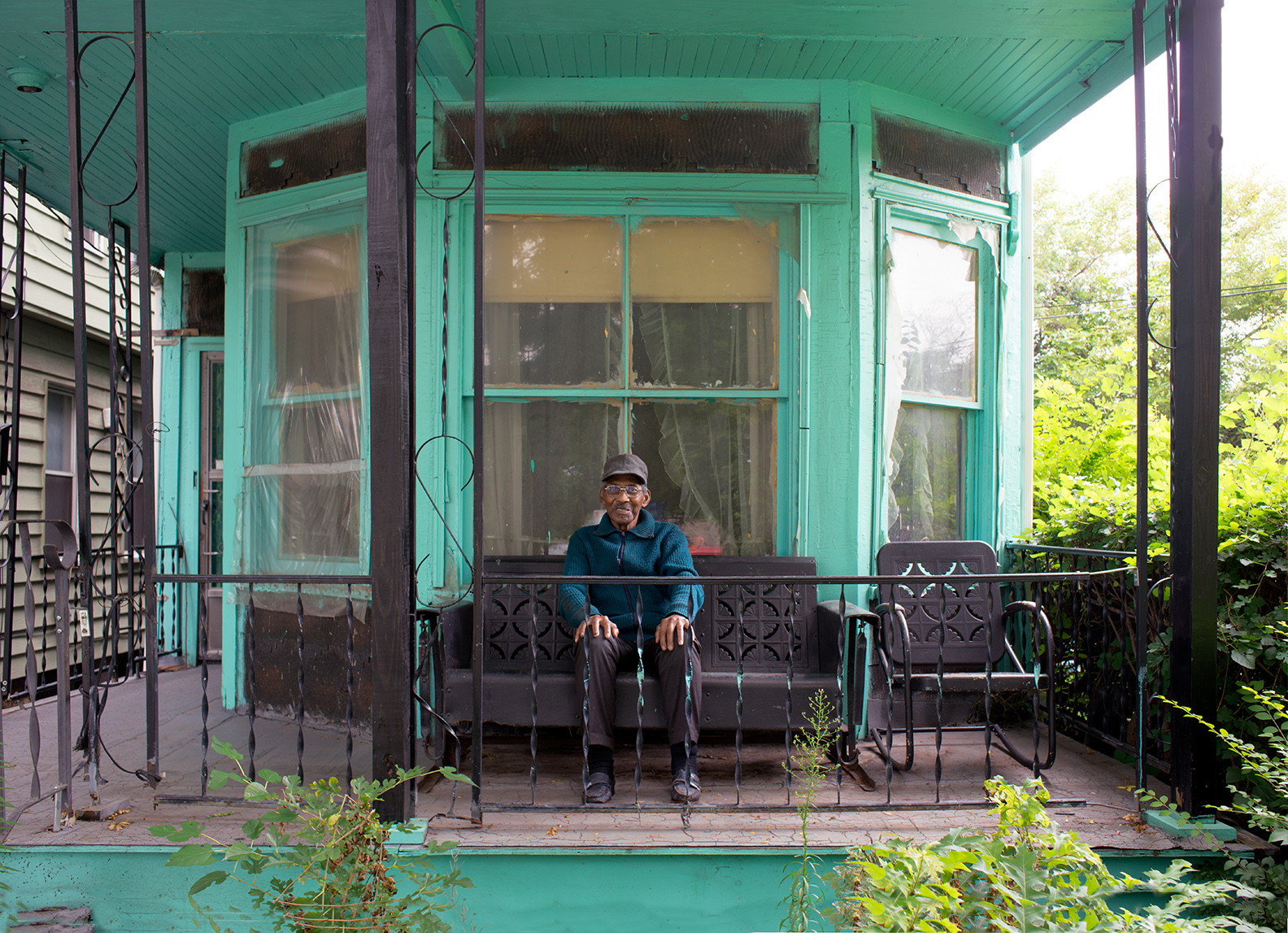
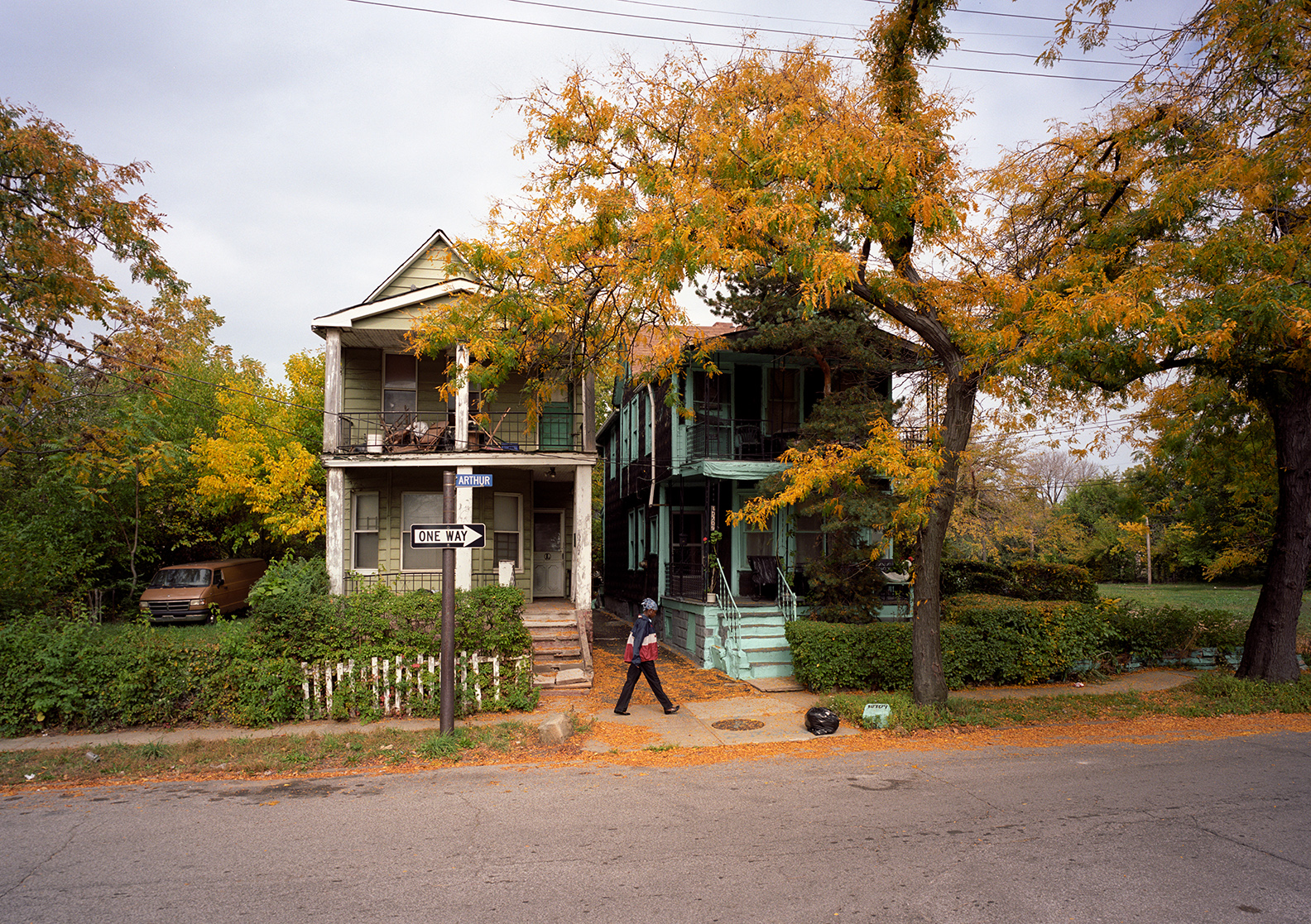
For decades, this little pocket of Fairfax had remained largely untouched by creeping development despite its proximity to the Cleveland Clinic. By 2017, the remaining homeowners were being offered market value for their properties. Market value, of course, reflected decades of neighborhood deterioration rather than the prospective value of the land to developers. In other words, a beat-up old house that is 130 years old and is in the most forgotten section of the city, ain’t worth much.
Most accepted the money. Their houses were falling apart, and many had stopped investing in them, knowing that the end was near. A few who retained lawyers held out and are still negotiating for their land.
By 2019, entire stretches of Arthur Avenue had disappeared. I knew most everybody who lived there, and I still know some of those who remain, which is a small handful of people, all of whom have always lived there.
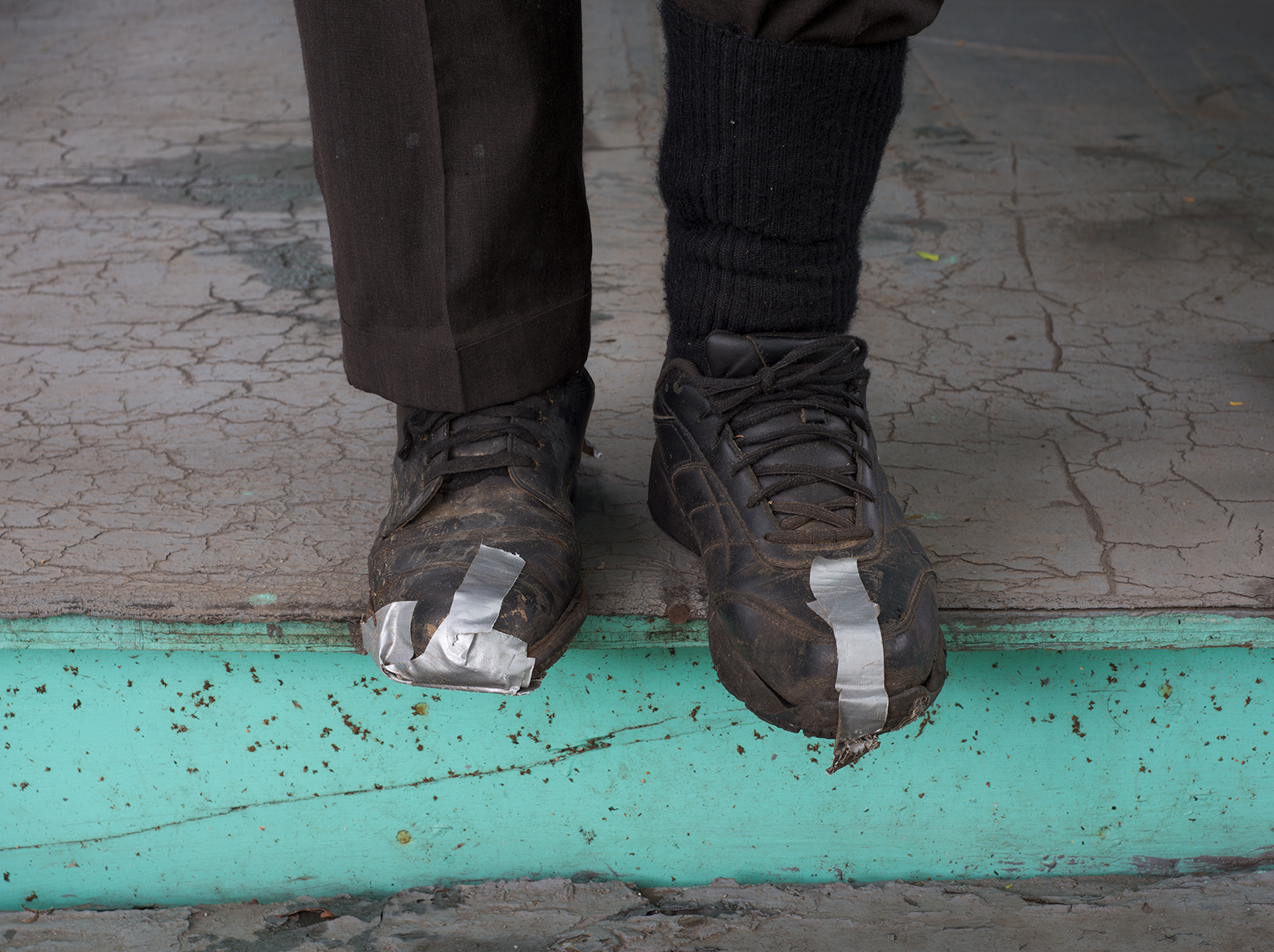
Mr. Daniels spent an enormous amount of time walking, looking and finding foreign objects to be brought back home, organized and displayed.
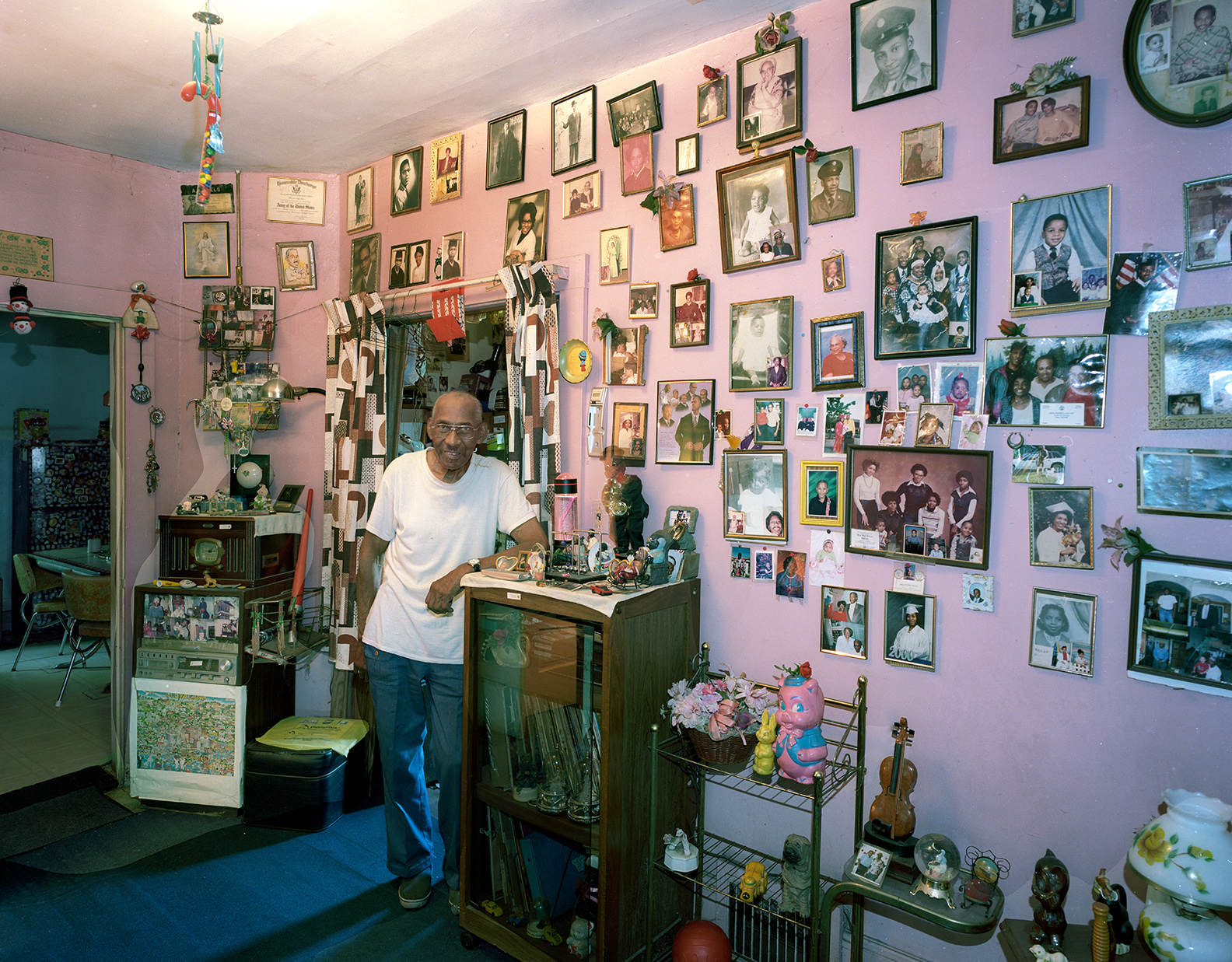
The living room housed his native artifacts.
During the last three years or so that I knew him, his mental faculties began to deteriorate. The last time I photographed him, in August 2012, when I made this shot, he spoke of talking to his mother at home. Having cared for both of my parents for many years, I understood something of what was happening to him. He was still in his mother’s house, surrounded by the things he had accumulated over a lifetime, hanging in there as best he could. But I’ve been down this road 1000 times and I knew it was the last time I would see him.
It’s called the Predictive Moment.
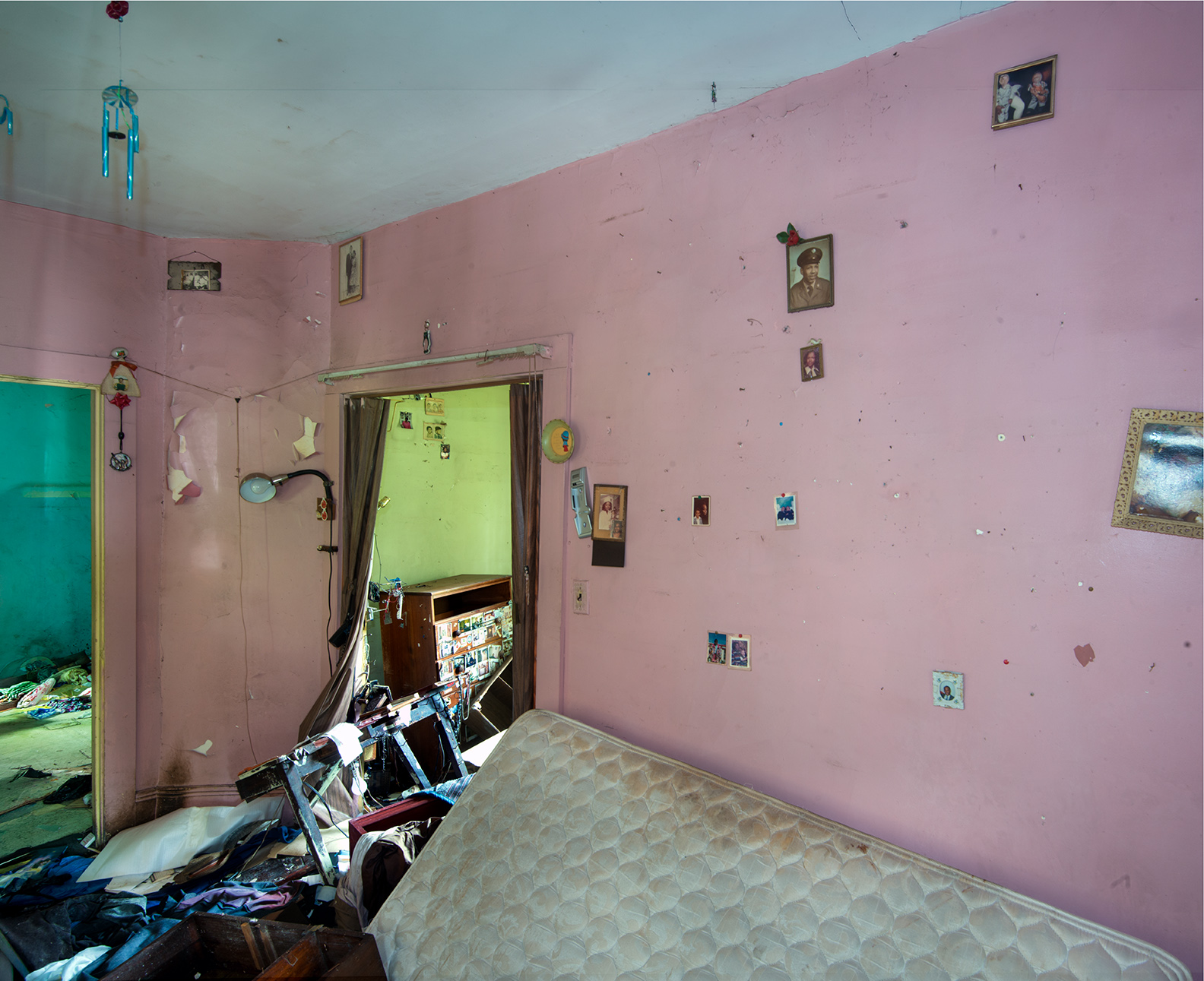
When I returned in 2014, the house was abandoned. I presume he died sometime in 2013. His house survived until about 2015, the house next door until about 2019.
A lot of people don’t want their picture taken, and, once they learned that I don’t take pictures but make them, then we can get it on. With folks like Mr. Daniels it’s impossible and you just go with it. Fortunately, in my last visit with him he wanted a few shots taken, including him.
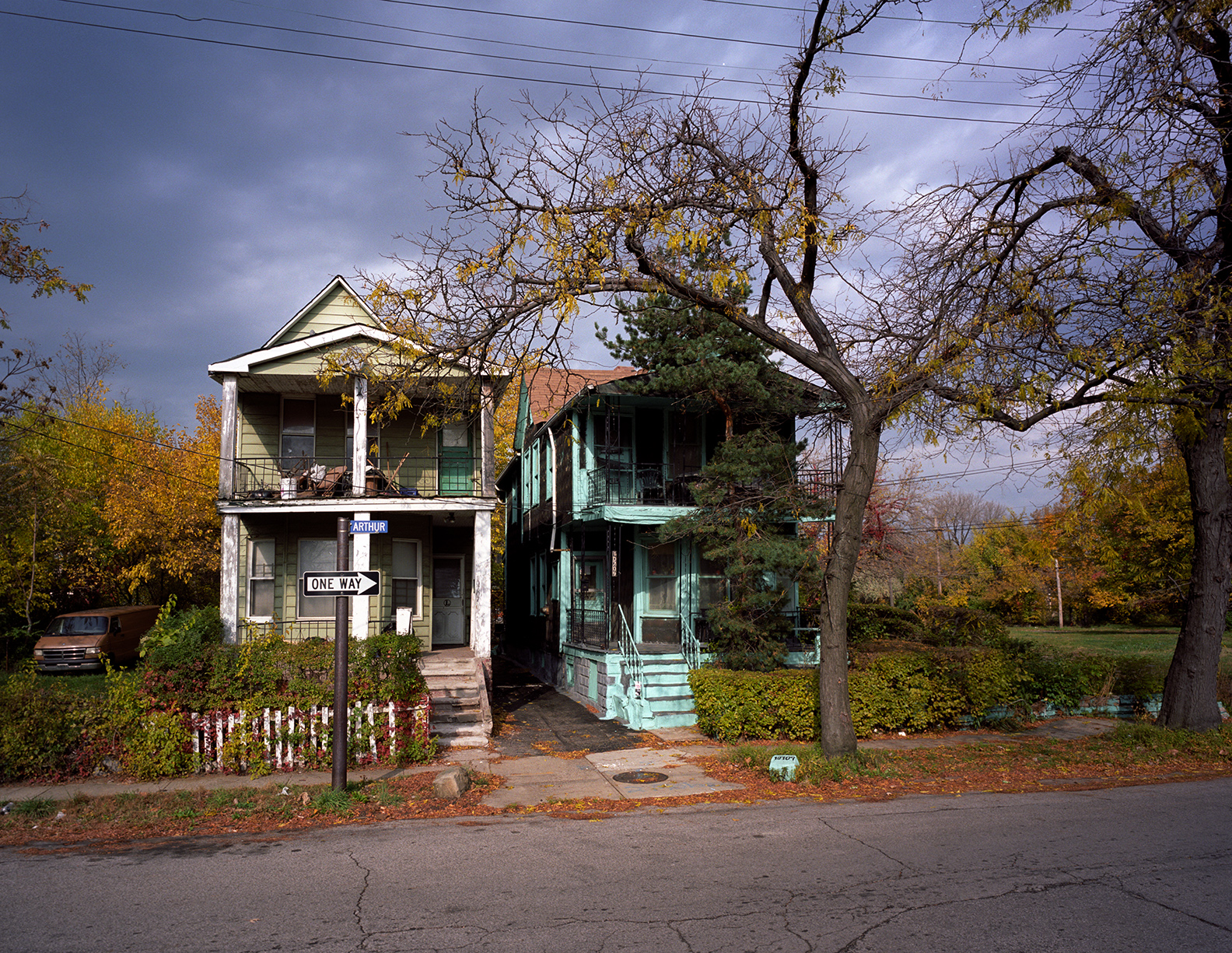
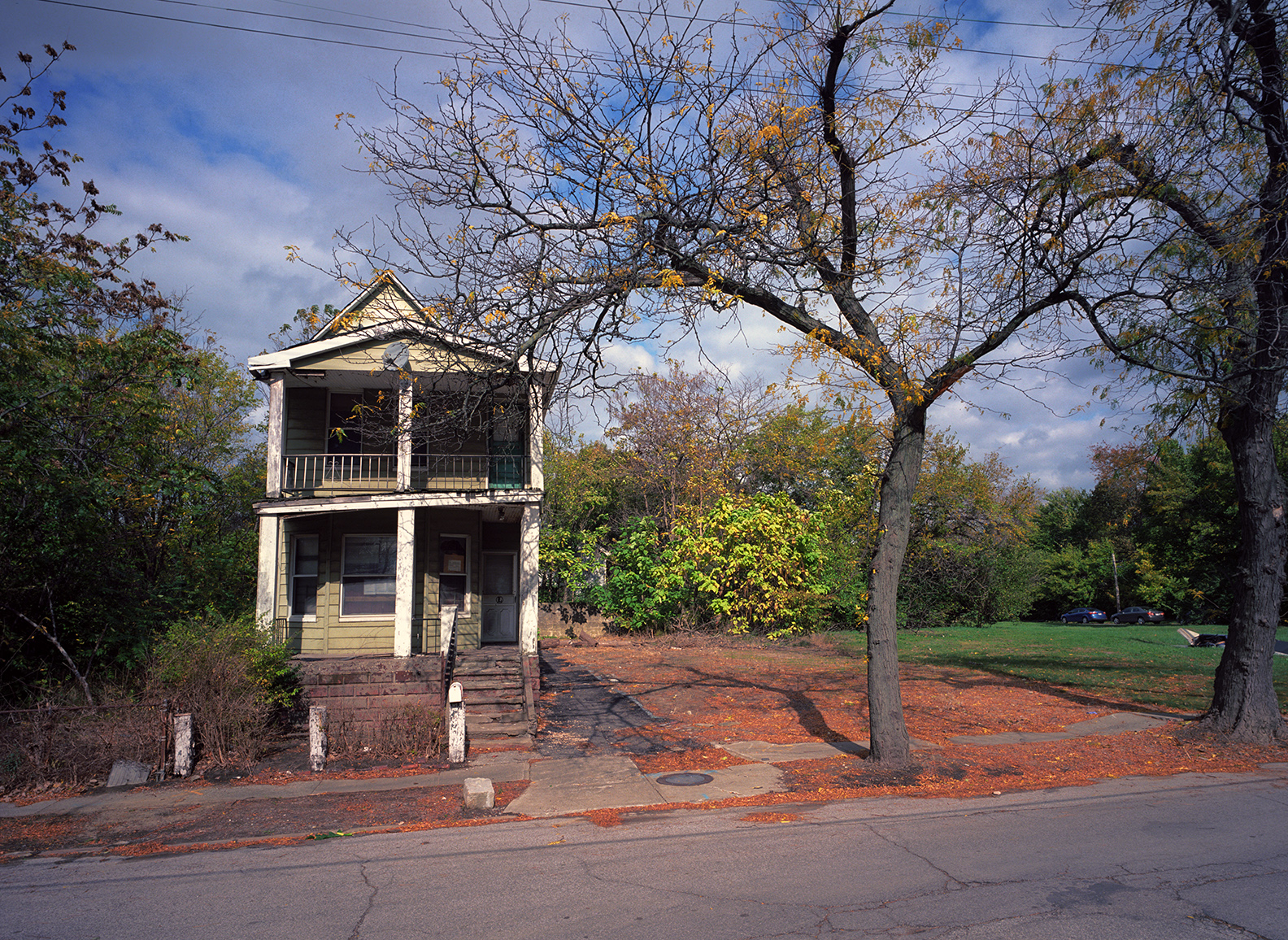
Talk about forgotten history. I spent more than thirty years photographing these houses, and I knew Mr. Daniels from 2005 until about 2012. Today I consider myself fortunate just to know his full name. A man spent his working life cutting hair, walked the streets of Cleveland collecting the materials for his art, and transformed his mother’s house into something entirely his own. Try finding him in the history of Cleveland.
There is an underground history of this country that exists largely outside its libraries, museums and newspapers. Mr. Daniels is part of that history. They are the locally known, and are taken for granted, as such, always being there. But everyone knew him, beginning with his collection of hubcaps, which, for some reason, were never stolen or messed with.