
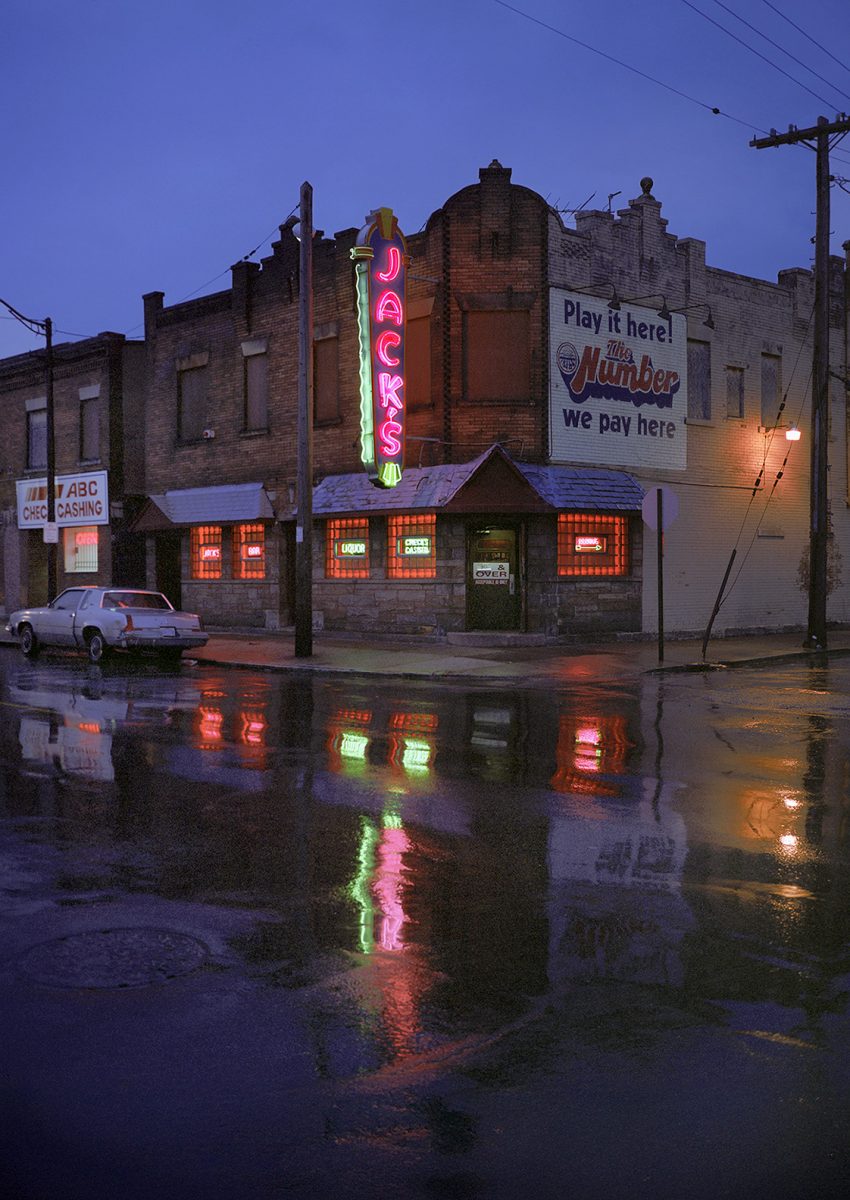
Jack’s Musical Bar was a popular music venue at 6608 cedar ave. that enjoyed the height of its popularity in the 1950s. Hungarian immigrant Jack Kowit opened the business at cedar tavern in 1933. the bar was located just several blocks north of where he lived. it was the first tavern on cedar avenue to obtain a liquor permit after prohibition ended. along with liquor, wine, and beer, the cedar tavern specialized and kosher corn beef sandwiches. it was primarily a neighborhood place until covet began to bring in local, regional, and even national music beginning in the 1940s.
it was a business that welcome patron, regardless of race. in addition to hiring Black bartenders and servers and featuring many prominent black entertainers, the bar hosted black organizations cabaret parties in the 1930s. by the late 1940s, Kowit’s son, Ed, began to assist him in the business. in 1947 the cows remodeled the bar, adding leather at both. he convinced his father to purchase a pianofor the bar and started booking, live musical act, including jazz, and blues artists ranging from pianist vocalist to full bands. the bar’s first live act was Cleveland Harold Connor in April 1948 the tavern’s name evolved to match and growing musical emphasis, changing first to jack’s cedar tavern in 1949 and then jack’s musical bar in 1950.
it became one of the east sides, liveliest joints for the rest of the decade. in 1952 the cows remodeled again and substantially to the bar seating. among the many performers of Jack’s were the Do-Re-Mis, Trio, Crown, Prince Waterford, the rayo vex, and Nat King Cole’s brother, Freddy Cole after Jack Kowit died in 63 his son had continued to run the business.
many workers from the Thompson products plant on Clarkwood road behind the bar came to cash their checks in the 1970s. and coward open to small money exchange with the window in a space adjacent to the bar. as a result of some attempted robberies, he built the trap door to give himself a quick escape jack’s remained a labor of love, when he operated for many years without ever instituting a cover charge of raising drink prices. and later years, after cedar avenue, hold on the Cleveland rhythm and blue scene faded, jack’s closed in 2002. Today the legacy of Jack’s musical bar live in the minds of those only enough to remember and Cedar Avenue was a muaic lovers paradise.
By this time the bar was surrounded by large abandoned industrial plants, the source of the many blue-collar folks who also frequented Jack’s.
Jack’s, was one of the liveliest of many neighborhood nightclubs was a labor of love. With no cover charge and drink prices frozen in time, it survived long after every factory and most homes around it