
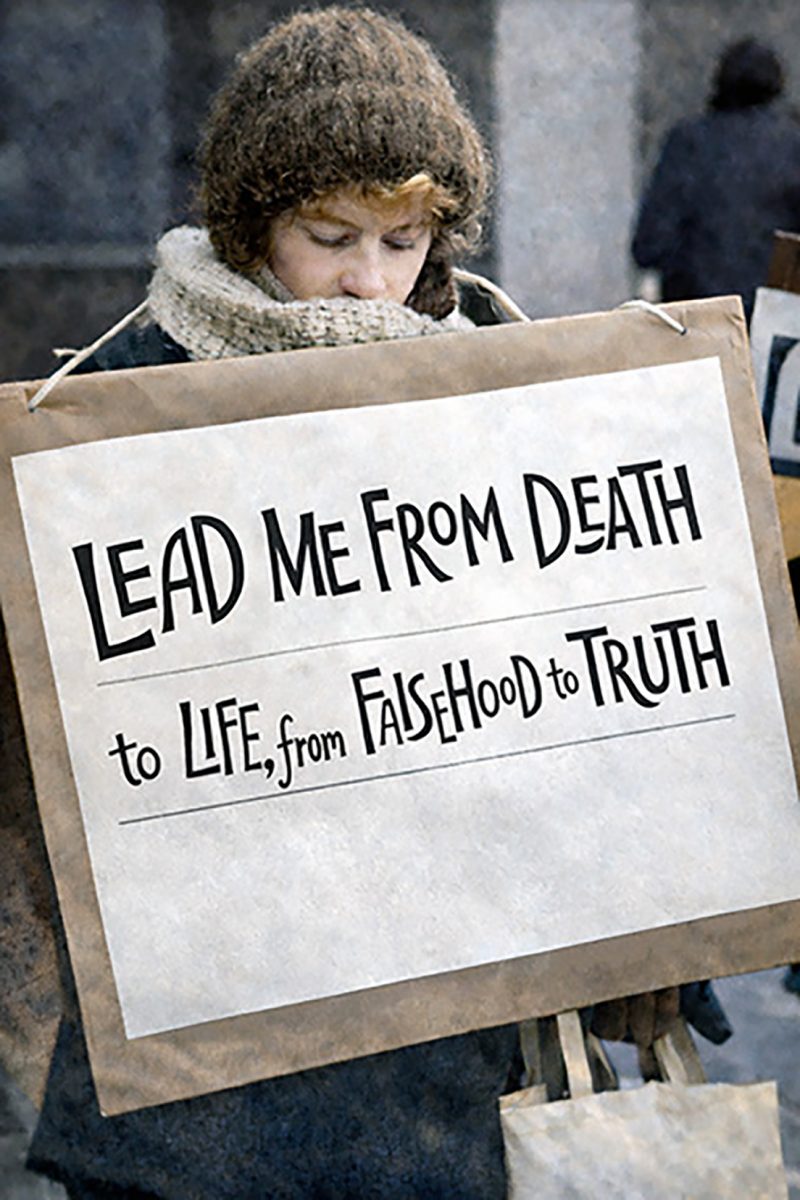
Here we have the case of an artist who lives in reality and makes artifacts out of the experience. When he leaves the field and goes home, he’s still in it. There is no division between the life being lived and the work made from it. The photographs are what remains.
For years, I’ve been hearing that photography has no special relationship to reality or truth. Apparently, somewhere along the road to becoming a fully respectable art form, photography was required to surrender its peculiar connection to the world. The art world wanted photography to be more like painting, a pure art form, and one way to accomplish that was to disregard what the machine had been built to do in the first place.
What a remarkable bargain. To gain admission to the temple of art, photography apparently had to leave its balls at the door.
Mine is only one approach among many photographers making an art of reality, while much of the art world continues to yap about it from the perspective of comfort.
But what about experience? Does experience have a special relationship to reality, or has that become another concept to be explained away by people who spend their working lives explaining things away? Living and experiencing aren’t concepts. They’re what actually happens. If somebody wants to use a camera to make art that owes nothing to the world in front of it, that’s fine with me. Just don’t turn that ambition into a theory that dismisses what the camera was invented to do.
These days, much of life passes through screens supplied by some of the largest corporations in the world, whose business depends on keeping us looking, clicking, scrolling, and coming back for more. There are real lives and real work on the other side of those screens, but they’ve also become a convenient substitute for firsthand experience, particularly among people who explain the world without getting very far into it.
I spent years doing blue-collar work and continued doing it when necessary even after becoming an established photographer. I brought the same attitude to photography, climbing through ruined cities, slogging through industrial swamps and wastelands, getting covered in shit, and sometimes working twelve hours a day for six months at a stretch, outside in whatever weather came along. I kept returning because there was always more to see and understand than any single photograph could contain.
I know the difference between visiting a place and becoming involved in it.
REALSTILL depends almost entirely on that distinction: being there, returning, knowing the place, the people, and the circumstances, and watching things change, disappear, fall apart, or somehow survive. Sometimes the involvement lasts months, sometimes years, sometimes decades. The world determines the duration, and when it’s time to move on, I move on.
You learn the neighborhoods, the streets, the bars, the mills, the people who work there, and the people who used to work there. You watch a building go from occupied to abandoned, from abandoned to ruined, and finally to a vacant lot. Then, after the neighborhood has hit rock bottom, somebody discovers it’s a real estate dream. Those forgotten places were built close to Manhattan and the subways, and now they’re booming. Vacant land in the Bronx has become scarce, and even a boarded-up house or church is something of a rarity.
A remarkable resurrection, provided you don’t ask what happened to everybody who used to live there.
The photographs come out of that experience. It’s not a photo opportunity. It’s a life. When I’m working, I’m not contemplating the history of representation or worrying about whether photography qualifies as art. I’m absorbed in what I’m doing, and the looking, decisions, and reactions happen in the moment.
Meanwhile, photography has supposedly lost its special relationship to reality. Apparently, the camera’s original sin has finally been discovered: it pointed at something that existed.
A photograph is not reality. No shit. How long must we continue announcing the obvious as though it were a revelation?
Neither is a sculpture a quarry.
Saying photography has no special relationship to reality is like saying sculpture has no special relationship to matter — stone, steel, bronze, glass. You can argue about what the material means once the artist has worked on it, about its form, transformation, interpretation, even its truthfulness. But you cannot seriously argue that the material was never there.
Photography has its own peculiar relationship to the world. Light reflected from something before the lens participates in making the image, and what the photographer does with that encounter is another matter entirely. A photograph can deceive, distort, exaggerate, or reveal something that would otherwise remain unseen. None of that changes the fact that something was there and somebody was operating the camera.
Now even that arrangement is being eaten away. Generative images have arrived, and a picture no longer requires a photographer, a place, or an encounter. The machine can manufacture the whole business while somebody sits in front of a screen telling it what to invent. That can be art too, but it’s no evidence that the event depicted ever happened.
Here’s the clever little trick. First, photography’s special relationship to reality is dismissed because photographs can lie. Then its capacity to provide proof is treated as an embarrassing superstition. But the fact that a photograph can lie doesn’t mean it cannot tell the truth. A camera can be used to fabricate evidence, but it can also record something that happened, somewhere, to somebody, and the person operating it might have spent years knowing exactly what it was.
I’ve spent enough time in bars to know that six witnesses can describe the same fight and give you seven different accounts, particularly if the seventh fellow owns the place. But the fight still happened.
Photography has no special relationship to reality or truth? I don’t talk like that, and it doesn’t matter what somebody believes about the medium. I’m the operator, and I have a special relationship with reality and truth because I live in it. I see it, touch it, smell it, feel it, and know it. I don’t go looking for proof. The world proves itself to you when your mind is open. I go out and live my life, and the proof comes home with me. I don’t think about it.
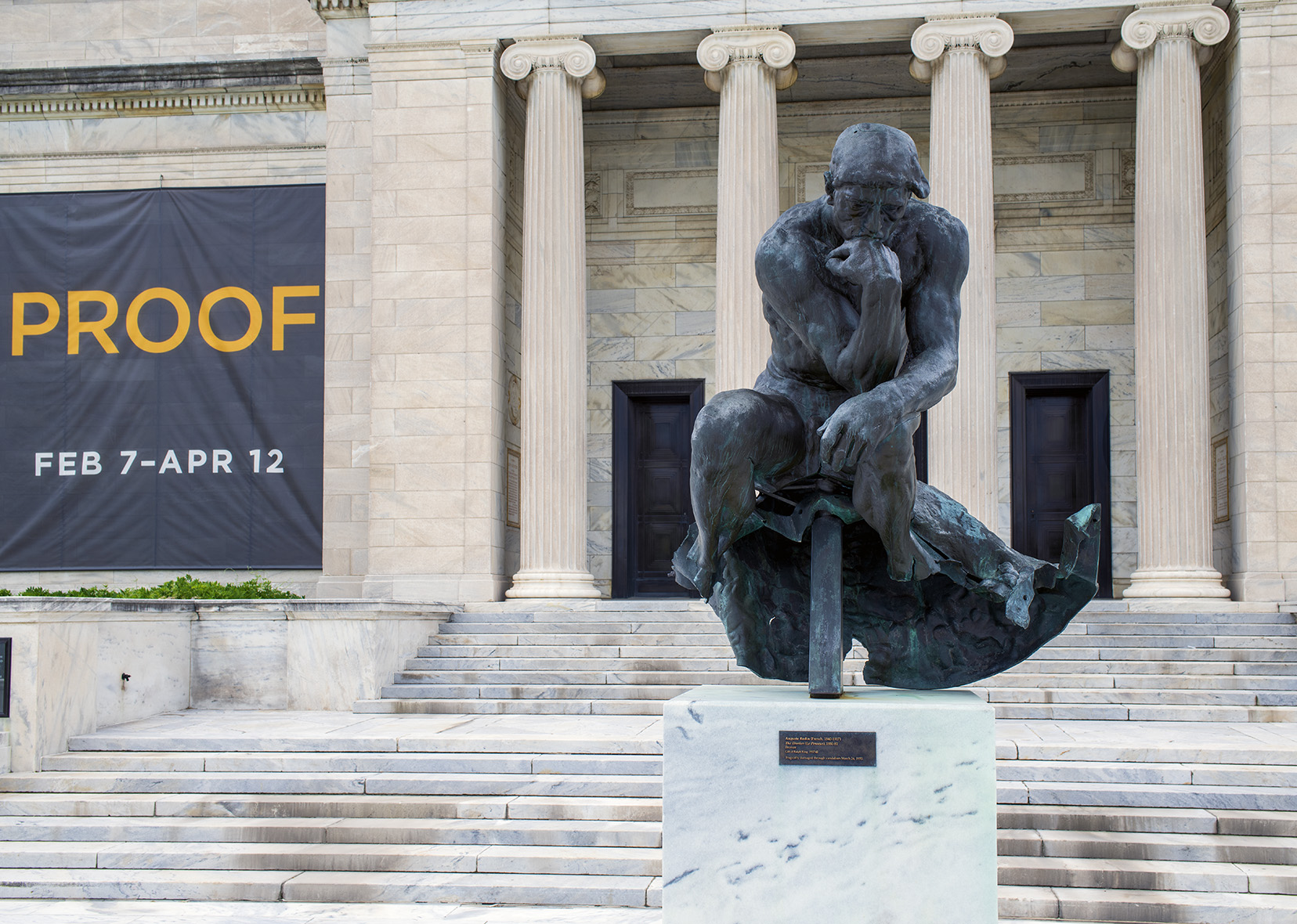
The picture of the woman outside in the winter city was down at the deep end — death and life, falsehood and truth, and whatever mess lies between them. That’s where I live too; it’s blood simple and I can’t help it.